When The Front Seat Was Practically A Couch
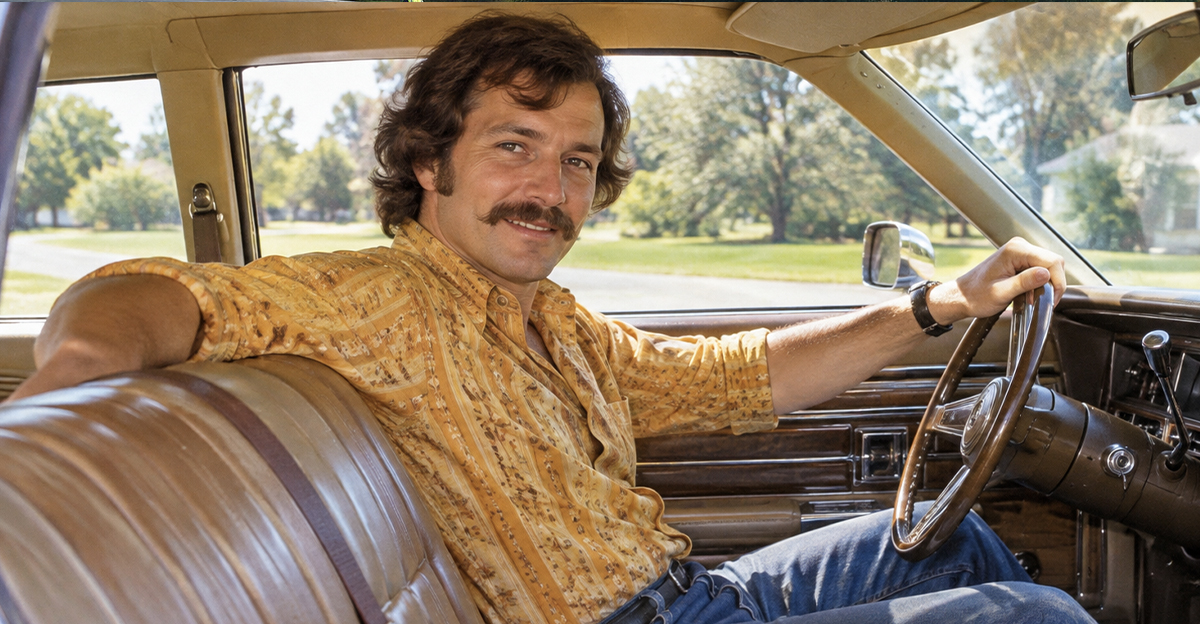
In the 1970s, squeezing three people into the front of a car wasn’t unusual at all. Full-width bench seats were still a defining feature of American family cars, appearing in everything from cheap compacts to giant luxury cruisers. Some of the cars that offered them, though, might surprise you.
Chevrolet Impala (1970–1979)
If one car captures the classic American bench-seat experience, it’s probably the Chevrolet Impala. For most of the 1970s, an Impala could comfortably carry three passengers across its broad front bench, with a column-mounted shifter keeping the floor clear. That six-passenger practicality was a major part of the car’s identity. Even after Chevrolet downsized the Impala for 1977, the big front bench remained perfectly at home.
Chevrolet Caprice / Caprice Classic (1970–1979)
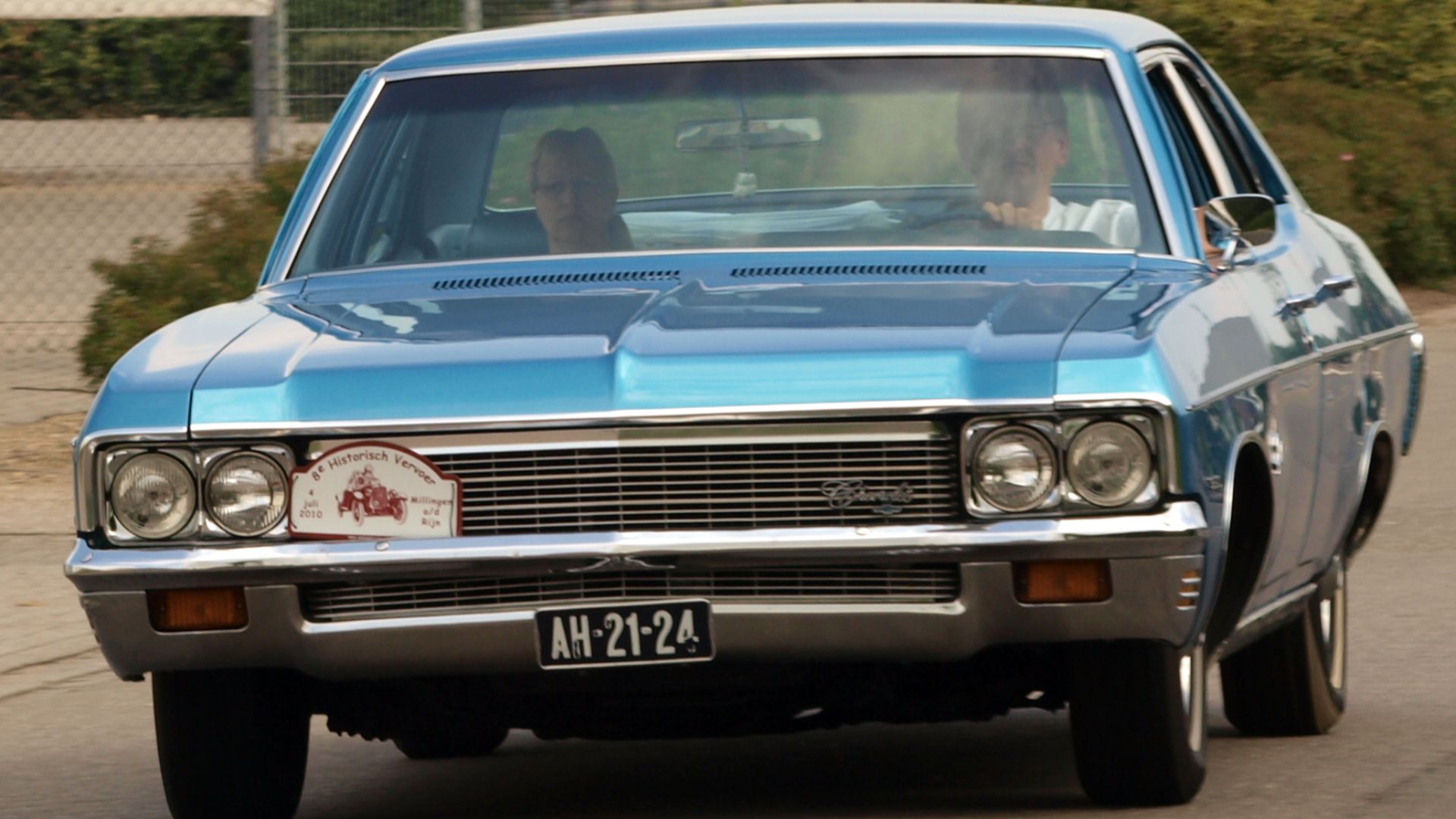
The Caprice took the Impala formula and made it softer, quieter, and more luxurious. Bench seating fit that mission beautifully, especially when Chevrolet dressed it up with thicker upholstery, divided seatbacks, or a folding center armrest. You could have the lounge-like comfort of a wide front seat without settling for the plainest trim in the lineup. By the late 1970s, the Caprice Classic proved downsizing didn’t necessarily mean giving up six-passenger comfort.
Ford LTD (1970–1979)
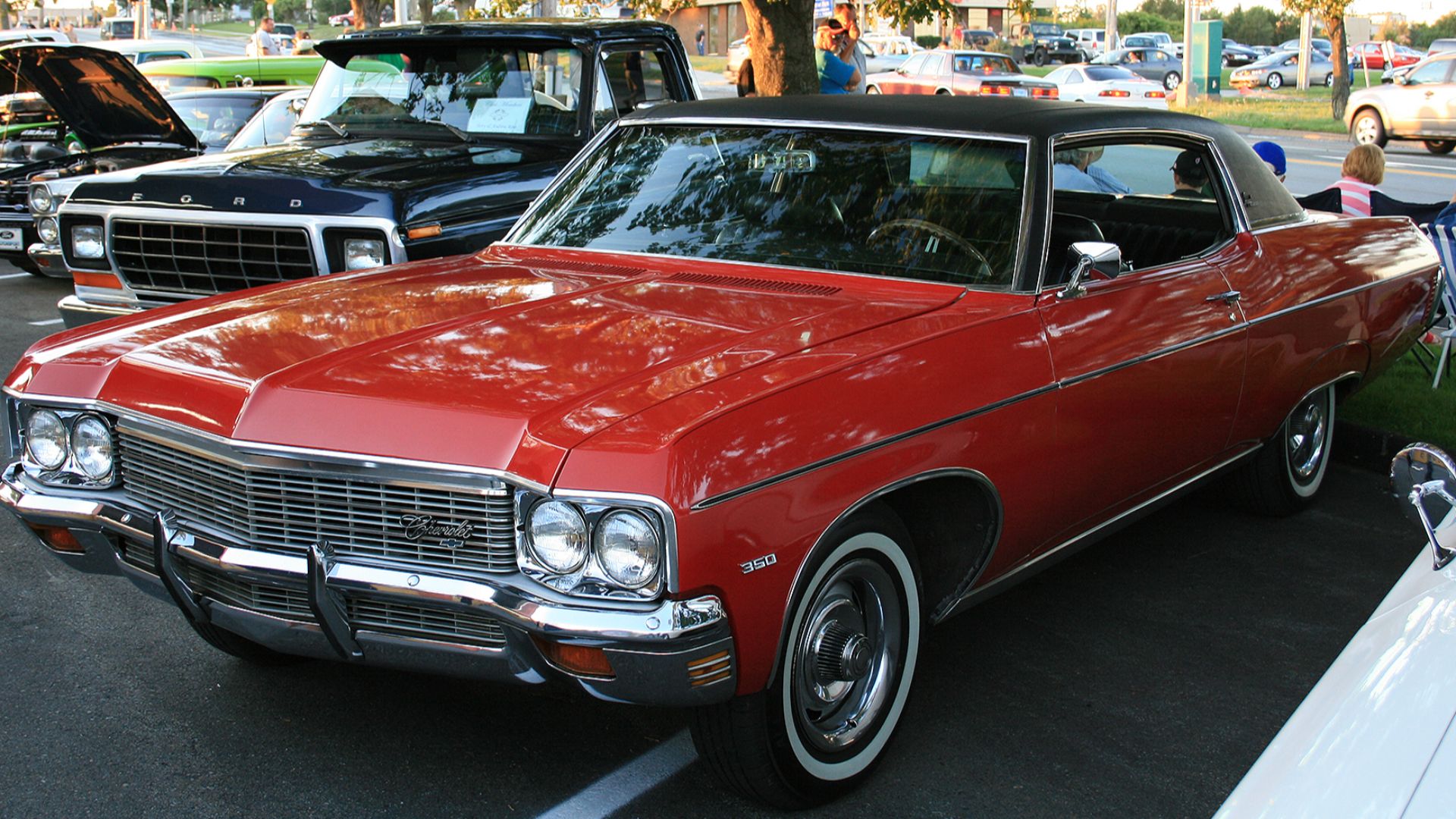
A 1970s Ford LTD with a column shifter and a huge front bench is almost the dictionary definition of an old-school American family car. The LTD’s enormous cabin gave three front-seat passengers enough room that the arrangement didn’t feel like a packaging trick. Ford could pile on plush fabrics, thick padding, and luxury trim while keeping the basic bench-seat layout intact. It was comfort measured horizontally.
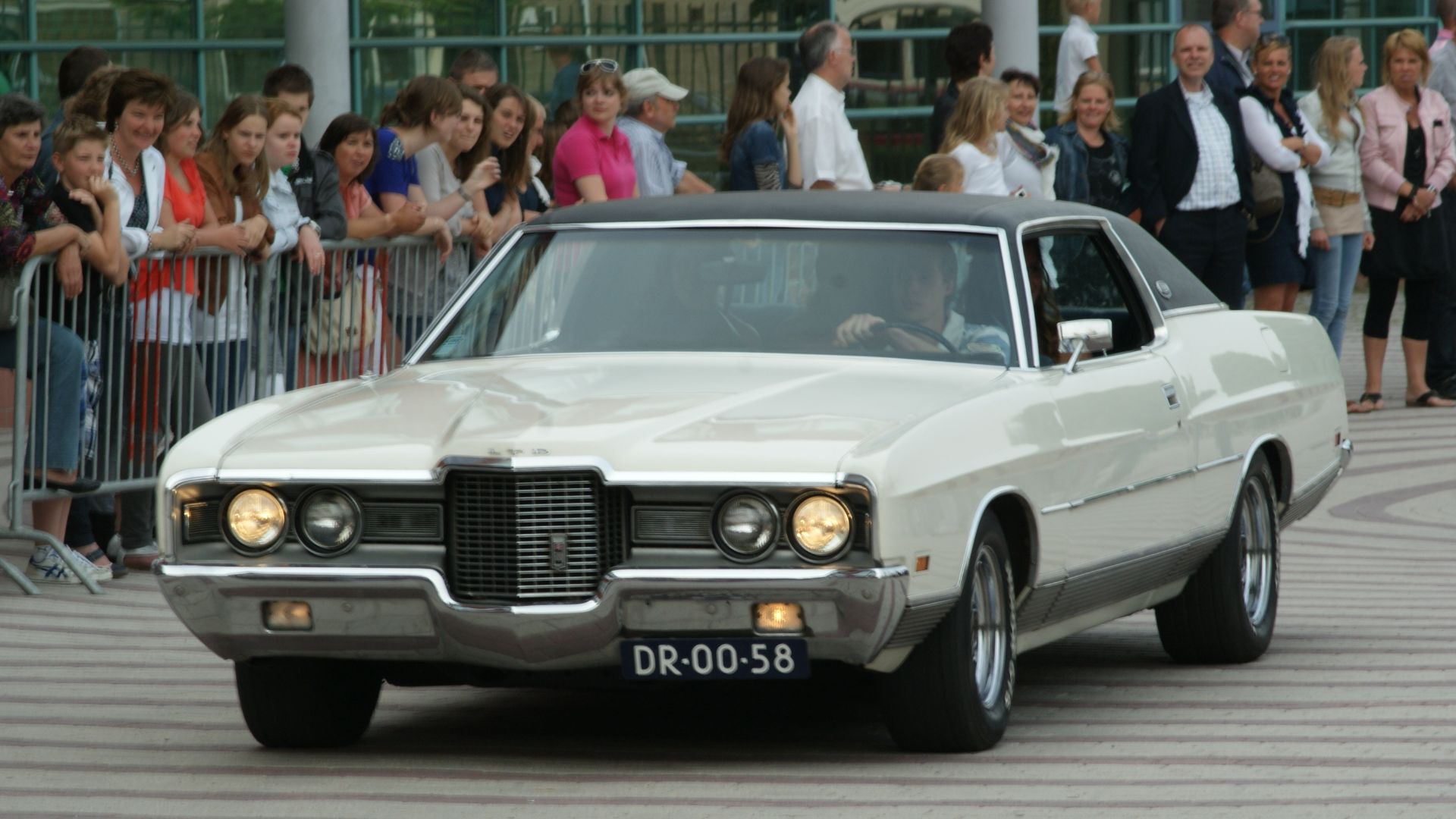 Niels de Wit from Lunteren, The Netherlands, Wikimedia Commons
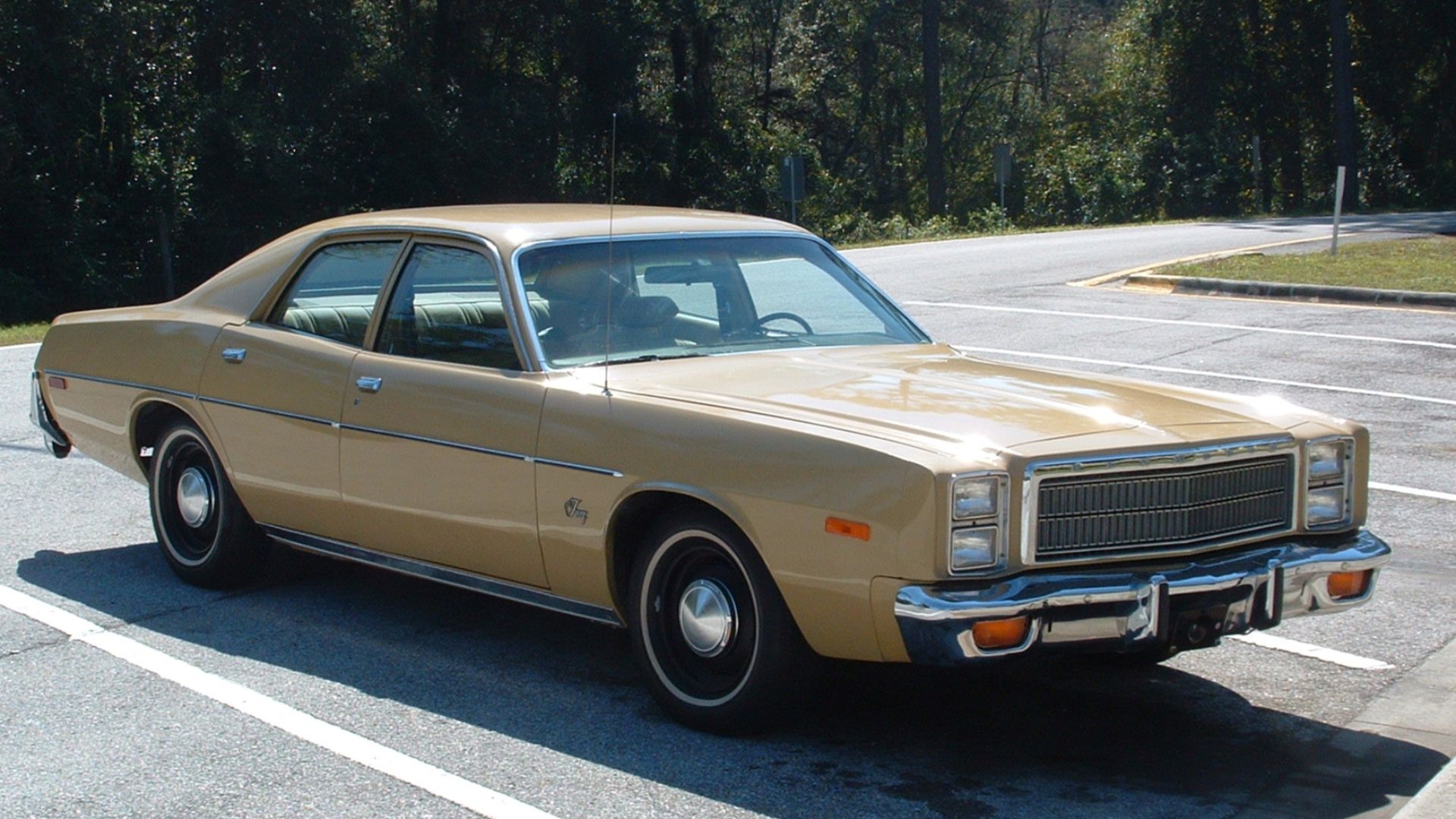
Plymouth Fury (1970–1978)
The Fury changed substantially during the decade, but bench seating remained a natural part of its family-car mission. Earlier full-size models offered truly enormous interiors, while later Furys moved into the midsize class without abandoning three-across front seating. Depending on trim, buyers could find straightforward full benches or more luxurious divided arrangements. Either way, the Fury was designed for households that expected one car to carry everybody.
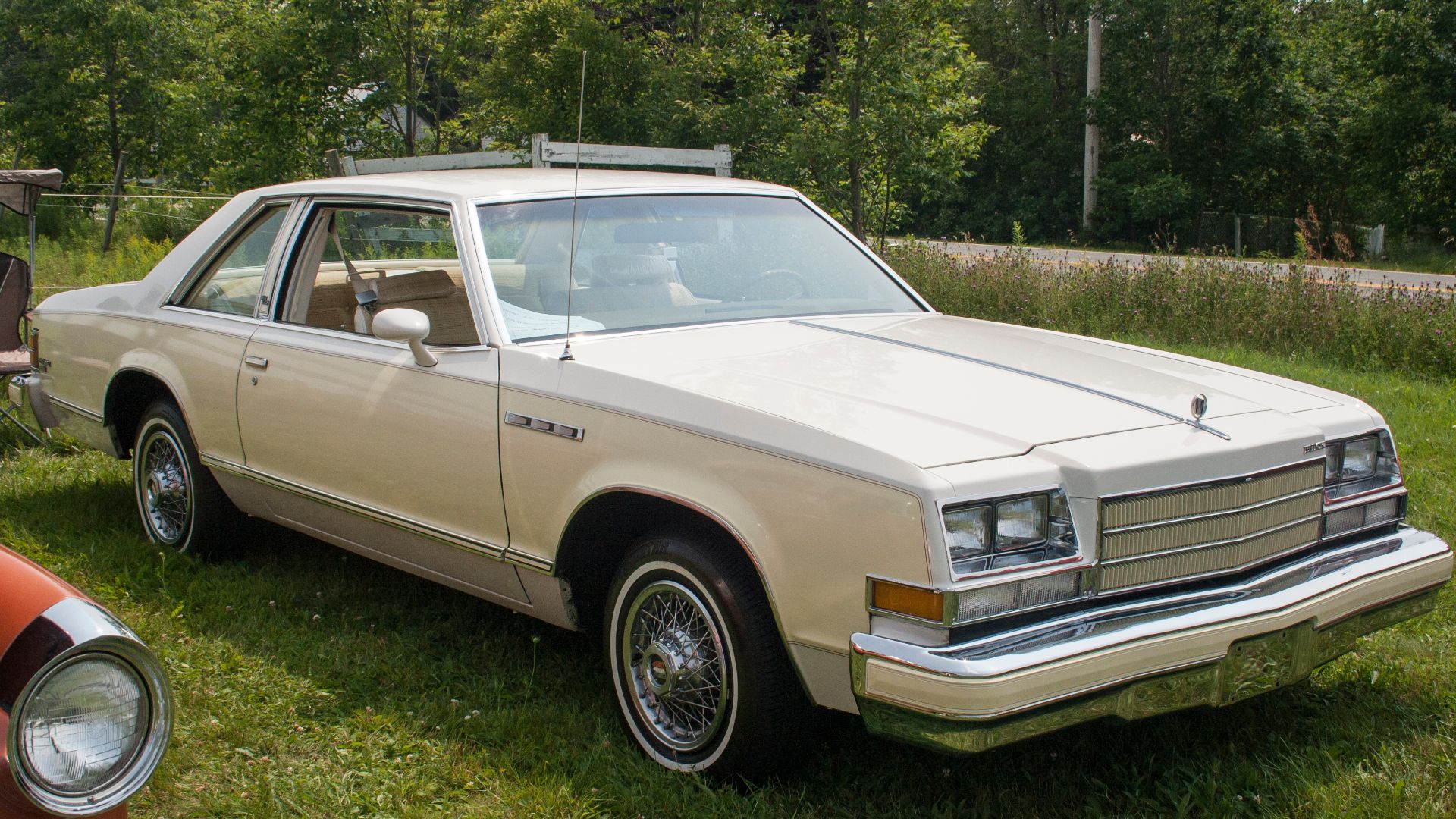
Buick LeSabre (1970–1979)
Few cars made a bench seat look more comfortable than a Buick LeSabre. Buick’s big family cruiser specialized in soft rides, generous dimensions, and interiors that sometimes looked more like living-room furniture than car upholstery. A wide front bench fit the personality perfectly. Even when GM downsized its full-size cars for 1977, the LeSabre retained enough width and softness to keep the traditional Buick experience alive.
Chrysler Newport (1970–1979)
The Chrysler Newport spent much of the decade being enormous, understated, and almost unapologetically comfortable. Its broad cabin made a full-width bench feel completely natural, and higher trim levels could dress that basic arrangement in thick fabrics and more elaborate upholstery. It wasn’t pretending to be a sports sedan, so there was little reason to separate the driver from the passengers with a giant console. Everybody simply spread out.
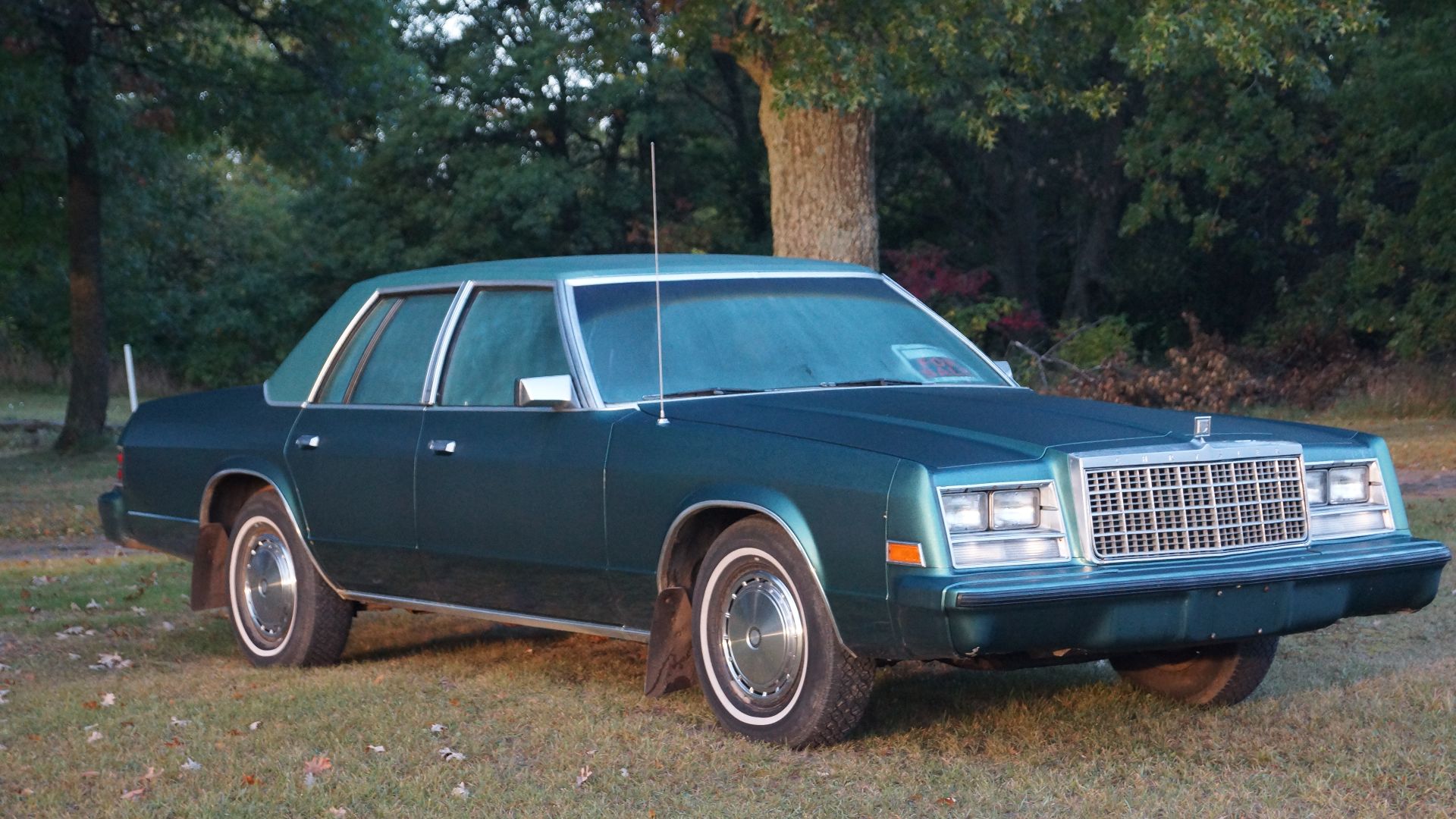 Greg Gjerdingen from Willmar, USA, Wikimedia Commons
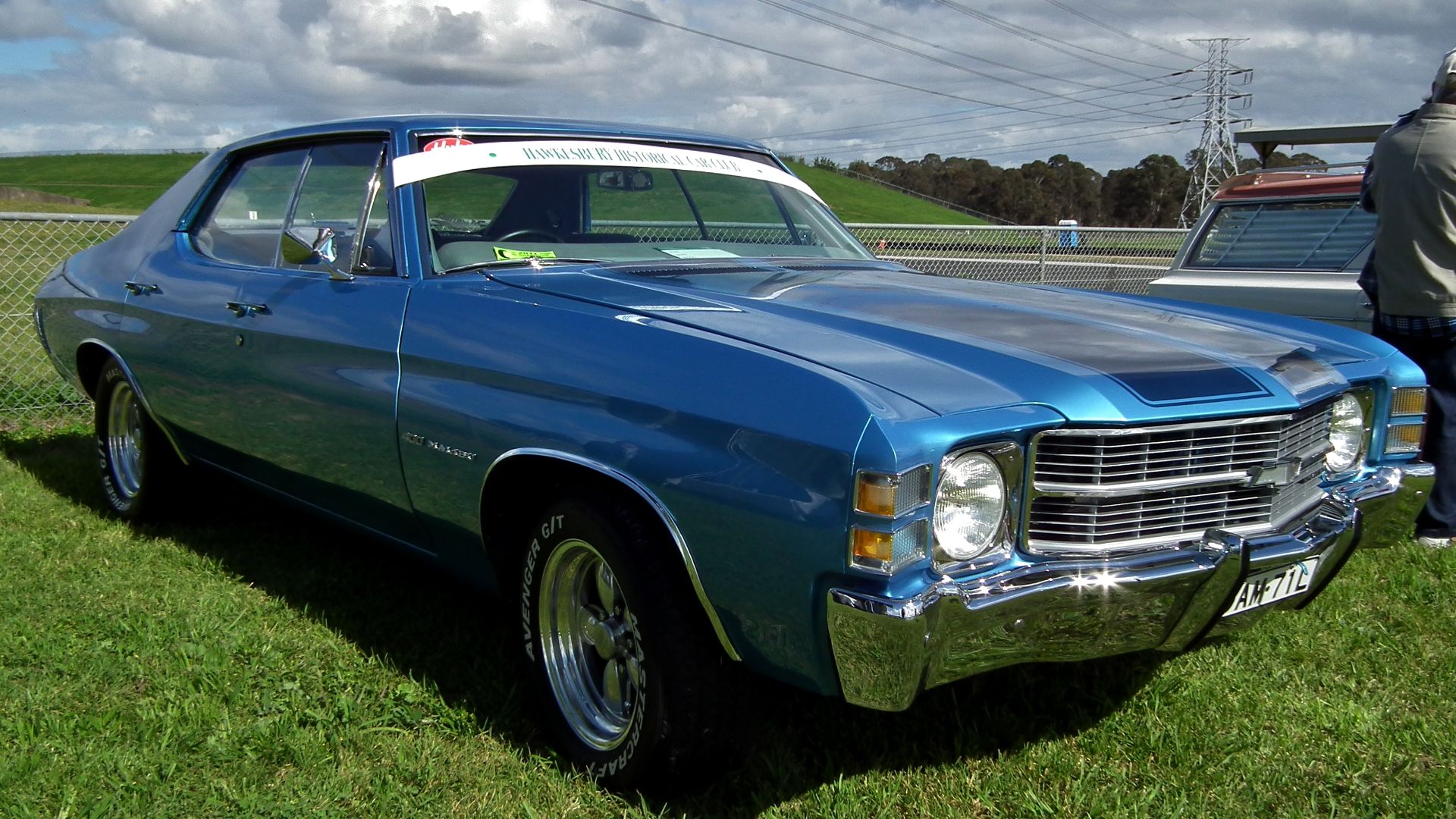
Chevrolet Chevelle / Malibu (1970–1979)
Bench seats weren’t limited to Chevrolet’s biggest sedans. Mainstream Chevelles regularly used them, and plenty of Malibu sedans and coupes carried the idea forward after Chevrolet phased out the Chevelle name. Even the downsized 1978–79 Malibu could still put three people across the front. That made these cars especially useful for families that wanted six-passenger seating without buying something as large as an Impala.
Dodge Polara (1970–1973)
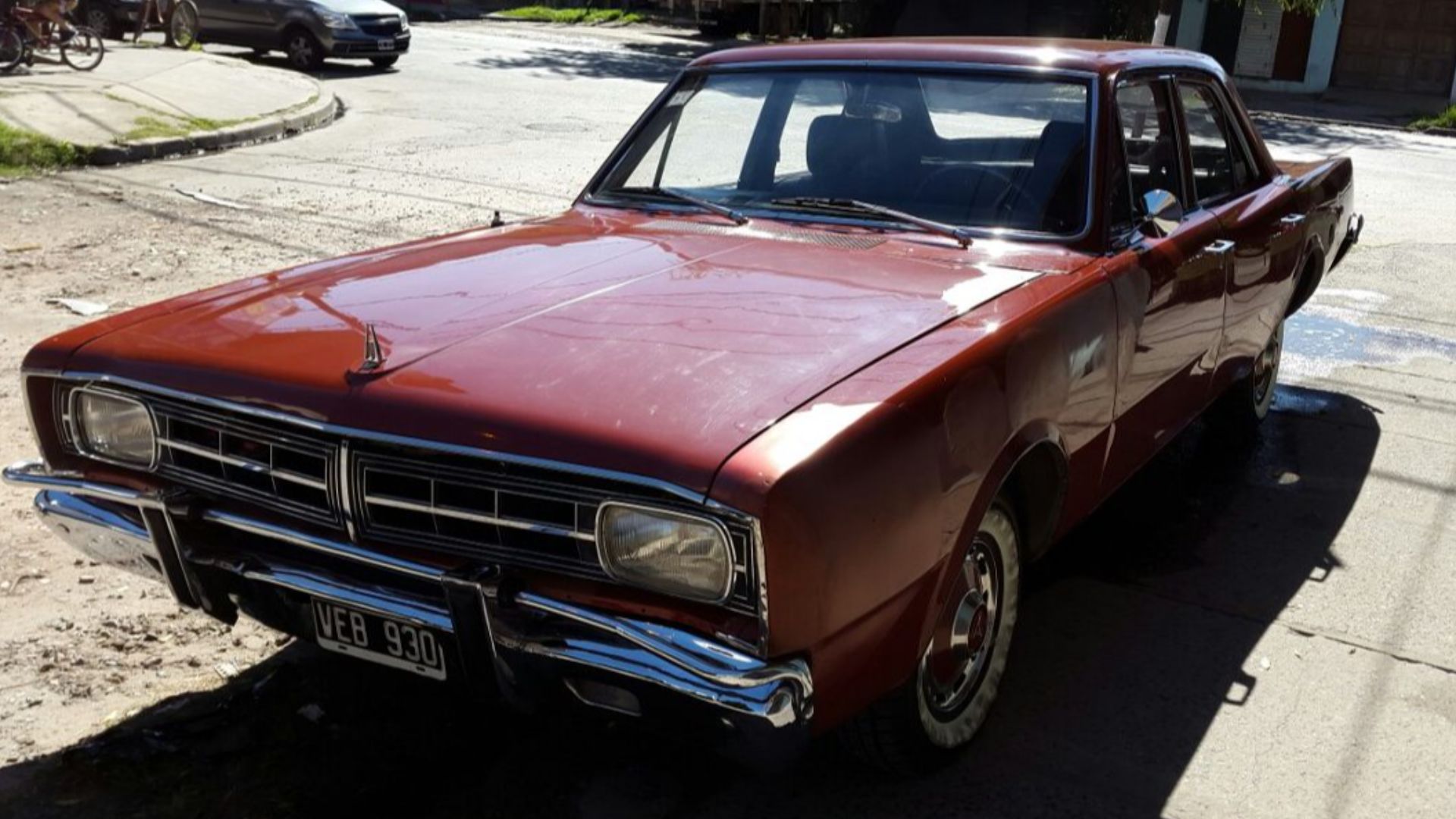
The early-1970s Dodge Polara came from an era when full-size really meant full-size. Its wide body provided enough room for a broad front bench that could carry three adults without the middle passenger feeling entirely theoretical. A column-mounted automatic shifter kept the seating area uncluttered. The Polara disappeared after 1973, but those final cars preserve the traditional big-Dodge formula at its most expansive.
 Alfredo Sabagni, Wikimedia Commons
Chrysler New Yorker (1970–1979)
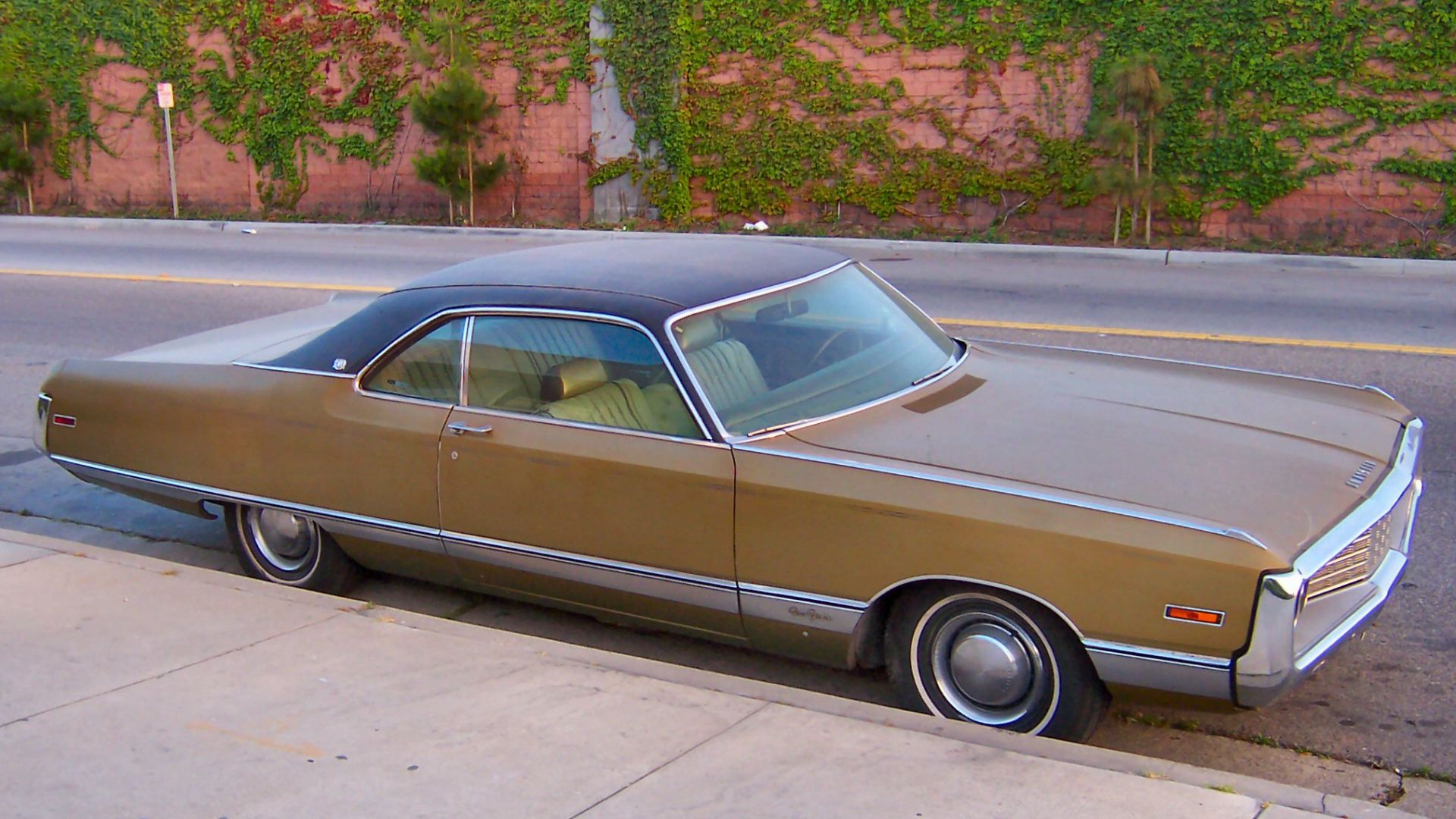
The New Yorker turned bench seating into something approaching luxury furniture. Instead of treating the bench as the cheap alternative to bucket seats, Chrysler could wrap it in deep padding, upscale fabrics, and split sections with a center armrest. The enormous early-decade cars were especially lounge-like, although the downsized 1979 New Yorker continued the tradition. You weren’t supposed to feel tightly bolstered in one of these. You were supposed to relax.
Ford Galaxie 500 (1970–1974)
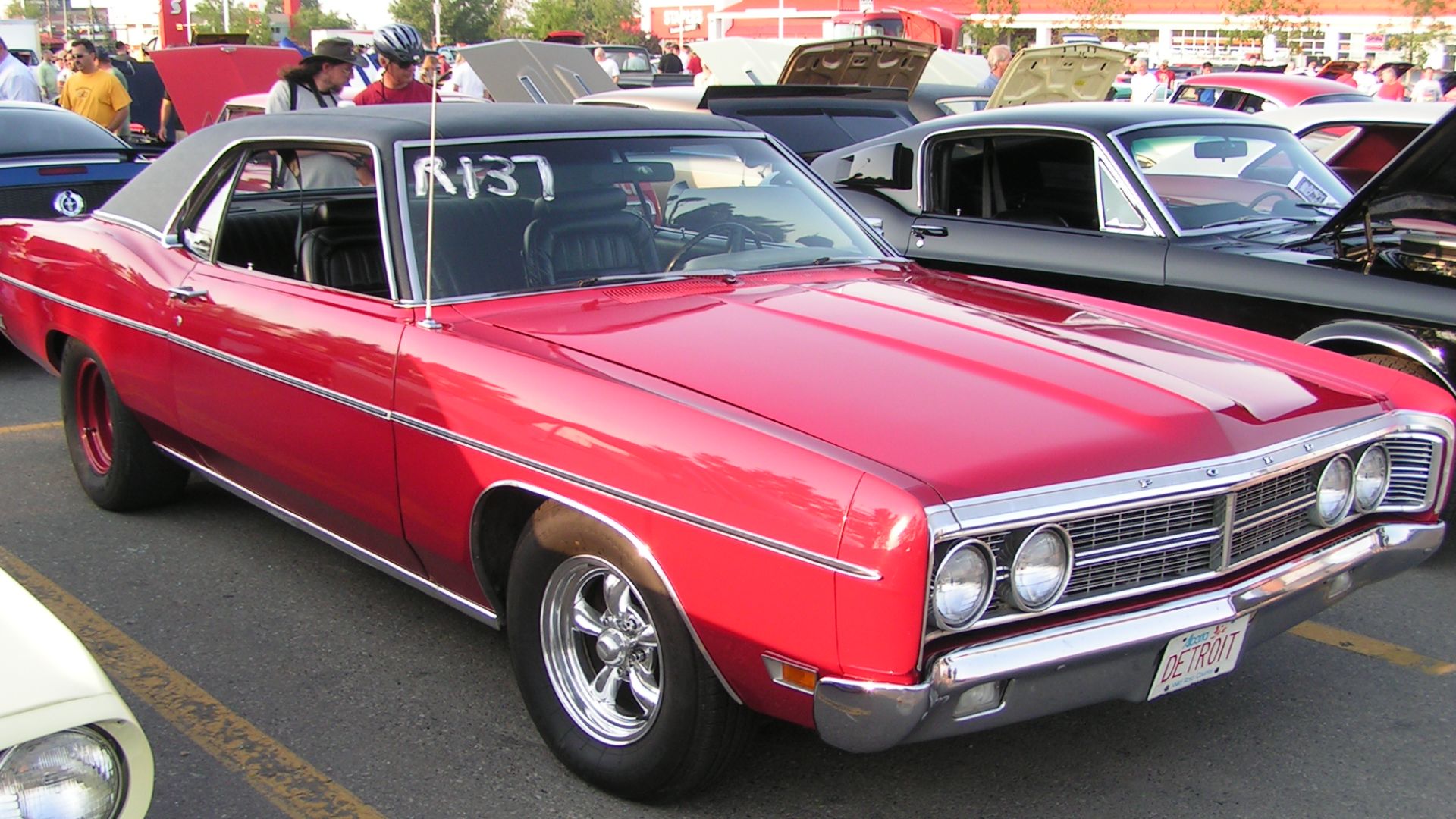
The Galaxie 500 entered the 1970s as one of Ford’s quintessential six-passenger sedans. A simple bench and column shifter made excellent use of its enormous width, particularly for families that routinely needed every seating position available. By the time the Galaxie name disappeared after 1974, tastes were beginning to change. Still, its final years perfectly represent the point when a big American sedan was expected to carry six without anyone thinking twice about it.
 dave_7 from Lethbridge, Canada, Wikimedia Commons
Dodge Monaco (1970–1978)
The Monaco moved through several personalities during the decade, beginning as a large Dodge before the name migrated to the company’s midsize lineup. What stayed familiar was its usefulness as a family car, and benches remained a natural part of that package. On the larger versions especially, three-across front seating barely seemed like a compromise. The Monaco could carry the family while still surrounding everyone with plenty of Detroit-style sheet metal.
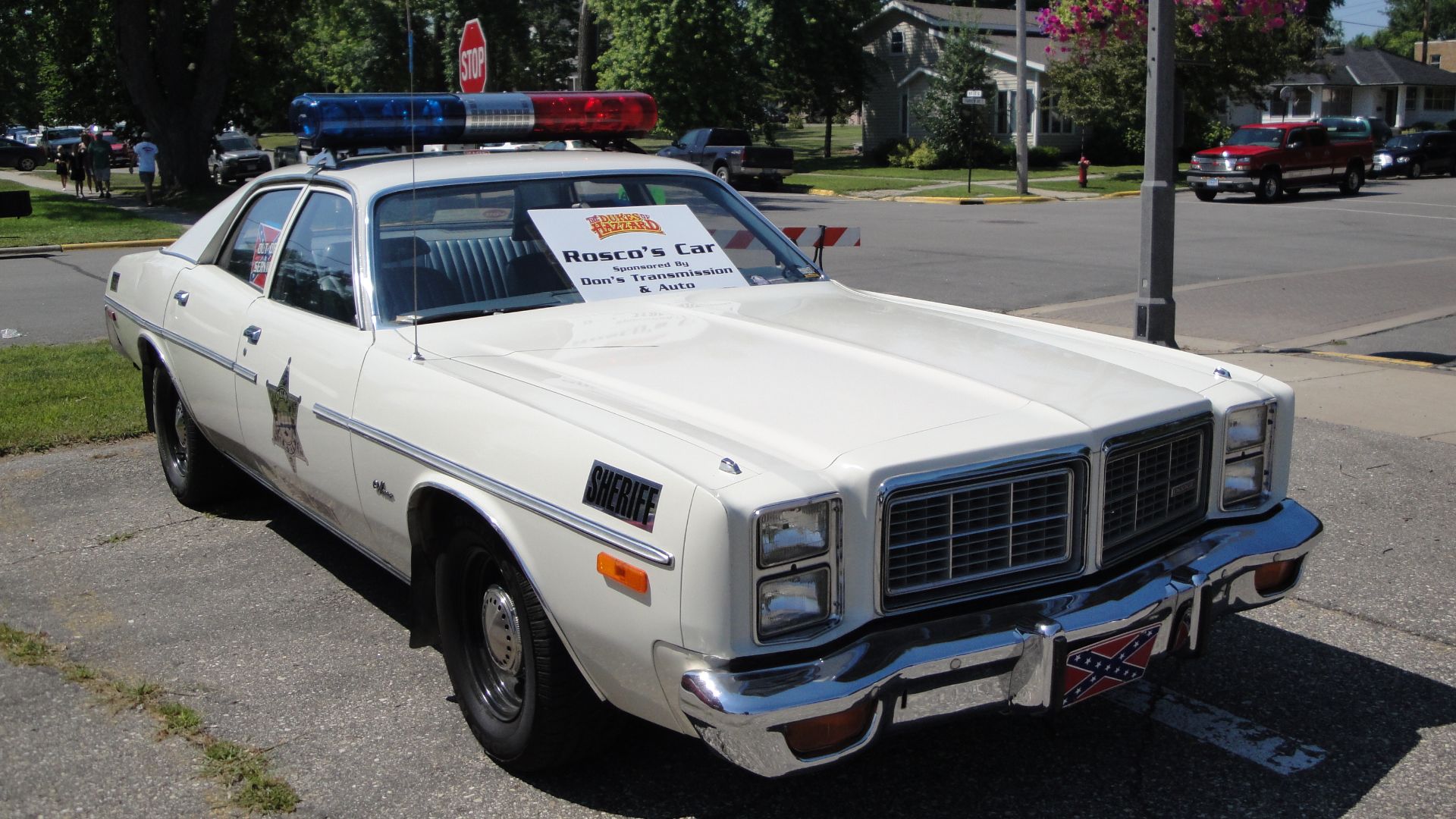 Greg Gjerdingen from Willmar, USA, Wikimedia Commons
Chevrolet Bel Air (1970–1975)
The Bel Air was less glamorous than the Impala or Caprice by the 1970s, and that actually makes it a particularly good bench-seat example. These were straightforward full-size Chevrolets built around usable space rather than personal-luxury styling. A wide front bench and column shifter gave buyers simple six-passenger transportation without paying for the fancier trim. It was the traditional American sedan stripped back to the essentials.
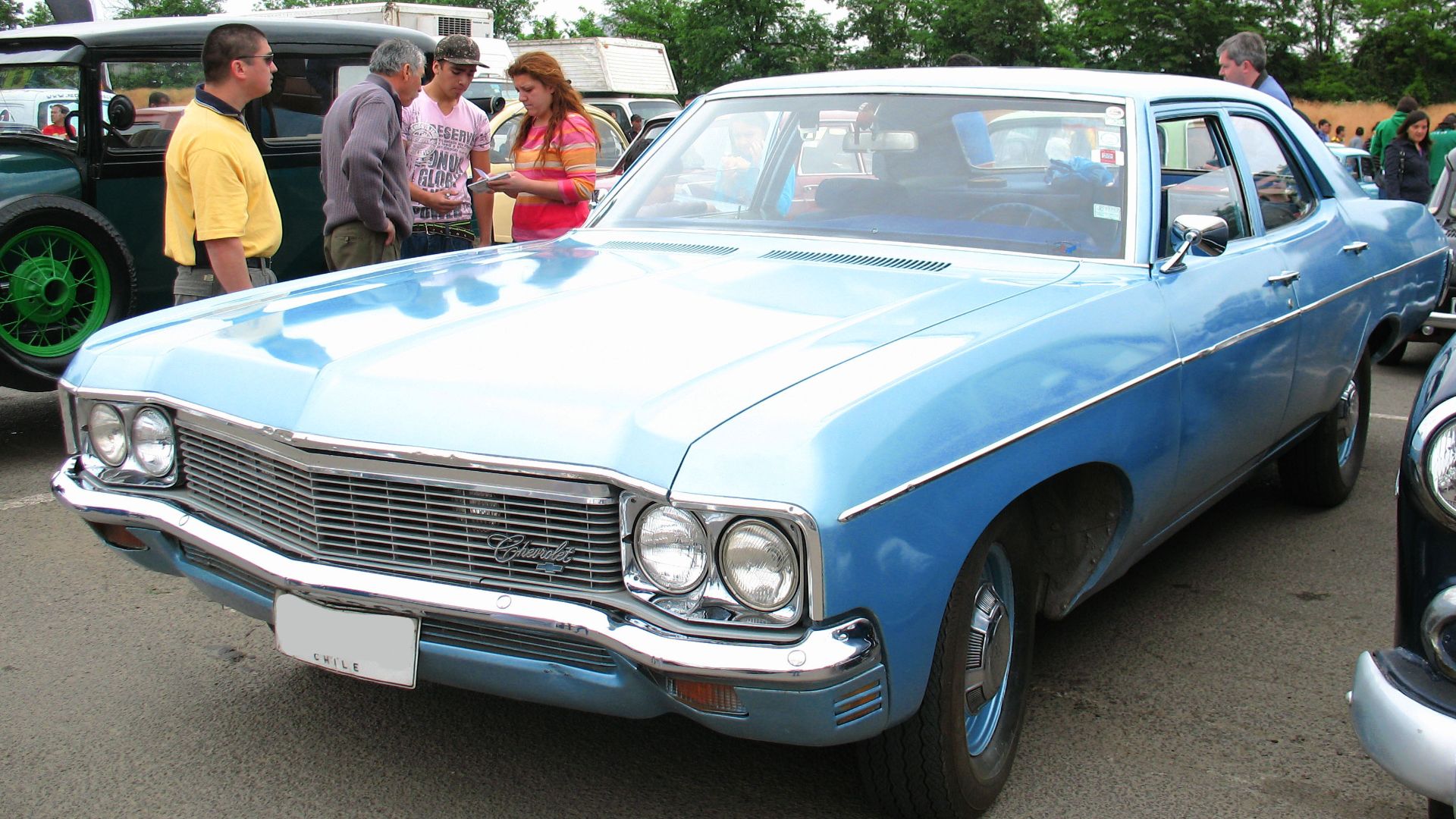 order_242 from Chile, Wikimedia Commons
Oldsmobile Cutlass (1970–1979)
Mention a 1970s Cutlass and it’s easy to picture a sporty coupe with bucket seats, but that was only one part of the lineup. Ordinary Cutlass sedans and many coupes could be much more family-oriented, with a full bench or divided bench occupying the front. That combination helped explain the Cutlass’s huge popularity. Oldsmobile could sell essentially the same basic nameplate to buyers who wanted sporty styling and buyers who simply needed room for six.
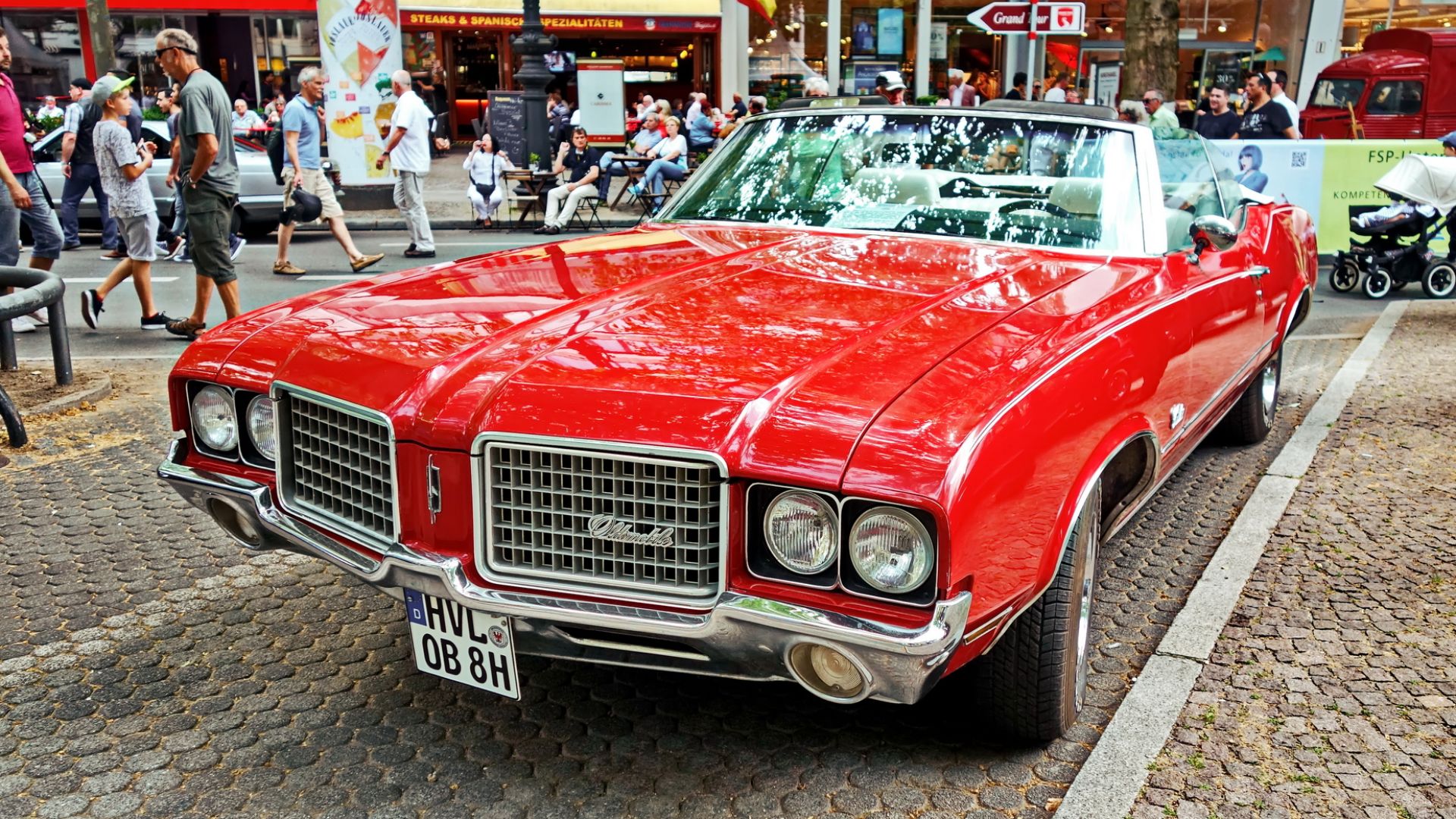 More Cars from Berlin, Germany, Wikimedia Commons
Ford Torino (1970–1976)
The Torino’s muscle-car associations can make its everyday versions easy to forget. Most weren’t fire-breathing Cobra Jets; they were family sedans, wagons, and coupes where a front bench made perfect sense. Ford offered plenty of configurations designed around ordinary transportation rather than performance theater. In those cars, sliding three people across one long seat was much more representative of real 1970s Torino ownership than bucket seats and tire smoke.
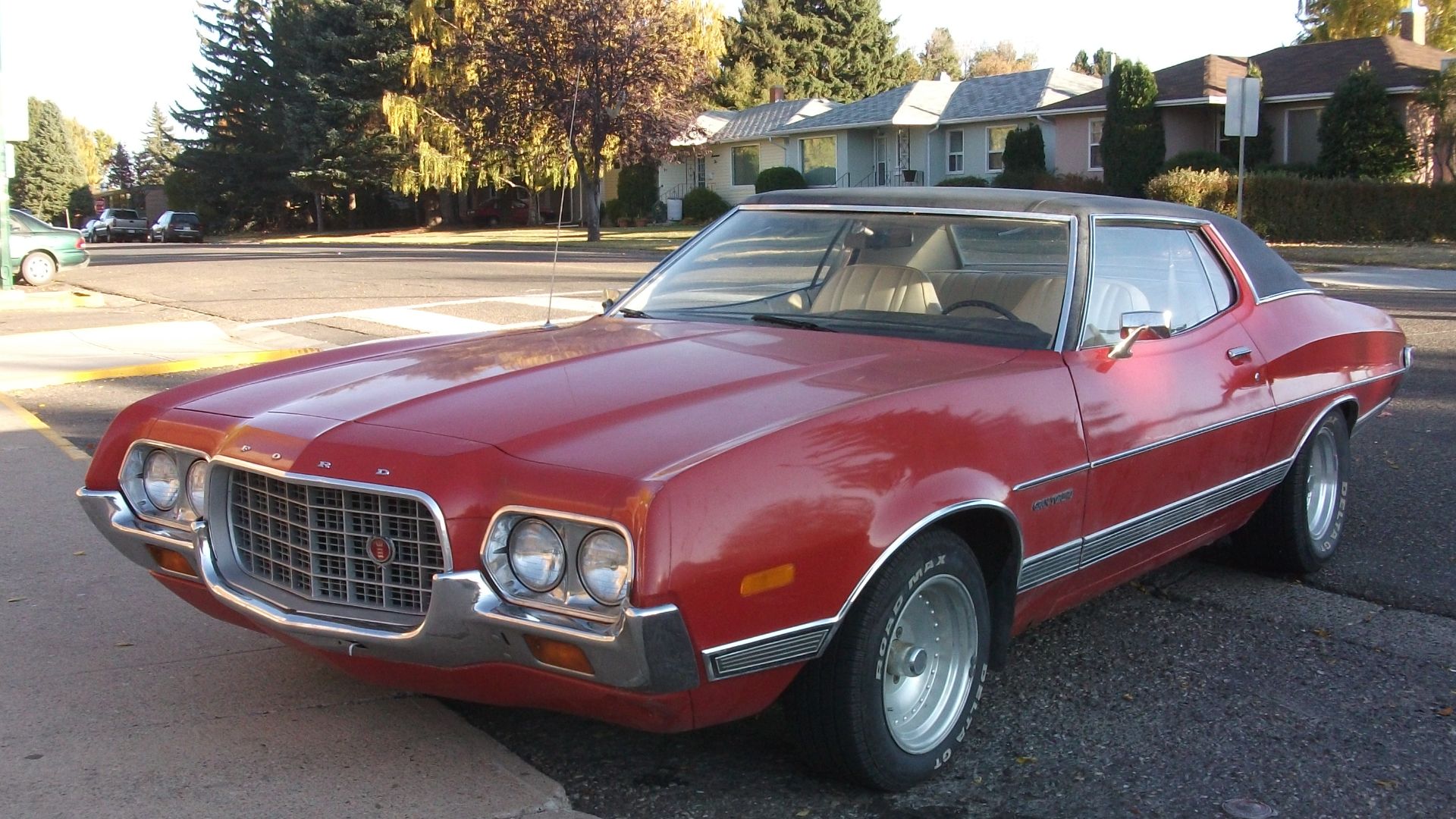 dave_7 from Lethbridge, Canada, Wikimedia Commons
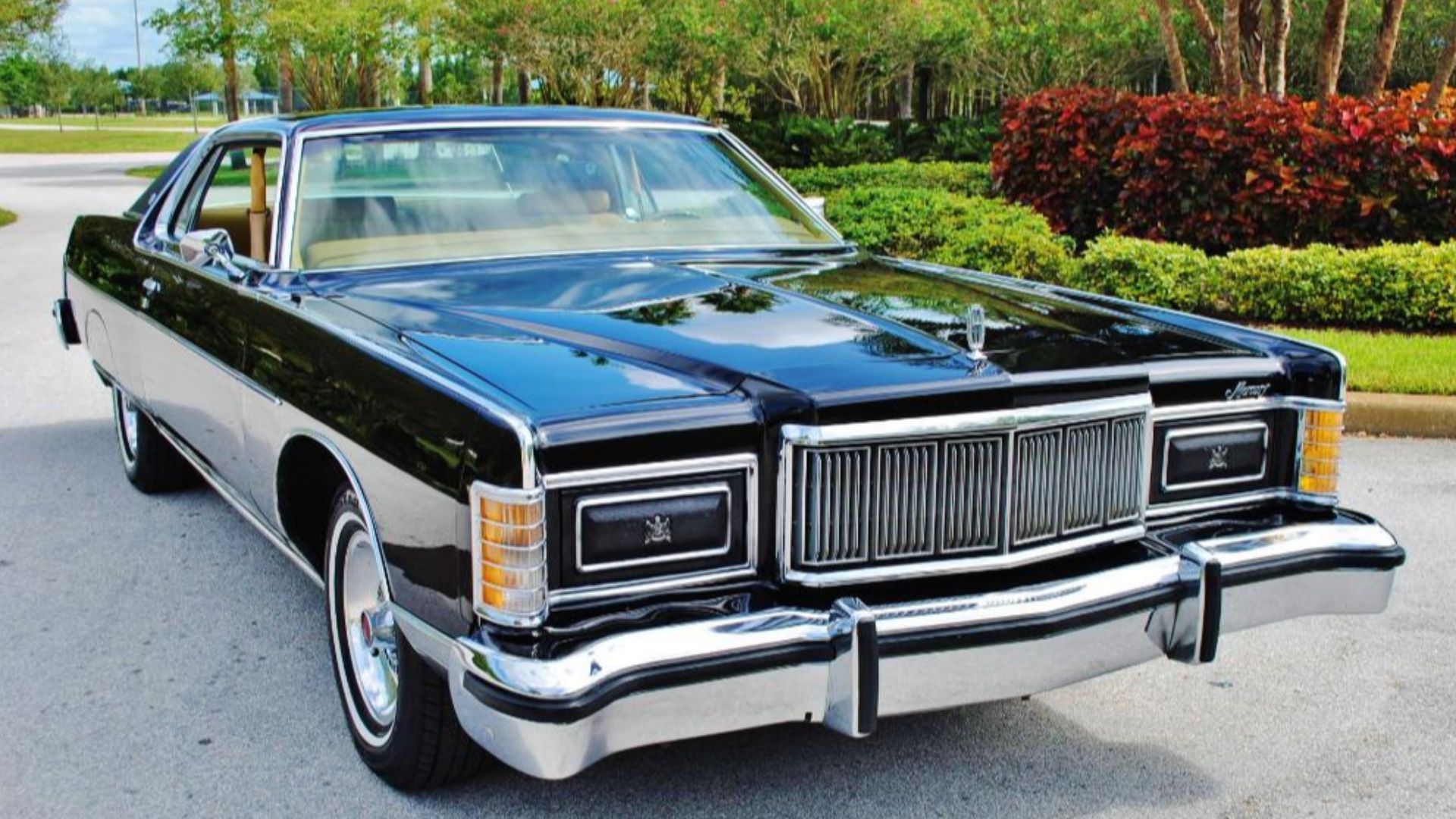
Mercury Marquis (1970–1979)
The Marquis offered the same basic spaciousness that made large Fords such natural bench-seat cars, only with more Mercury luxury layered on top. Deep upholstery, generous padding, and available divided-seat arrangements could make the front of a Marquis feel genuinely extravagant. The concept survived Mercury’s downsizing for 1979, too. It was a reminder that bucket seats weren’t required for a car to feel expensive.
 That Hartford Guy, Wikimedia Commons
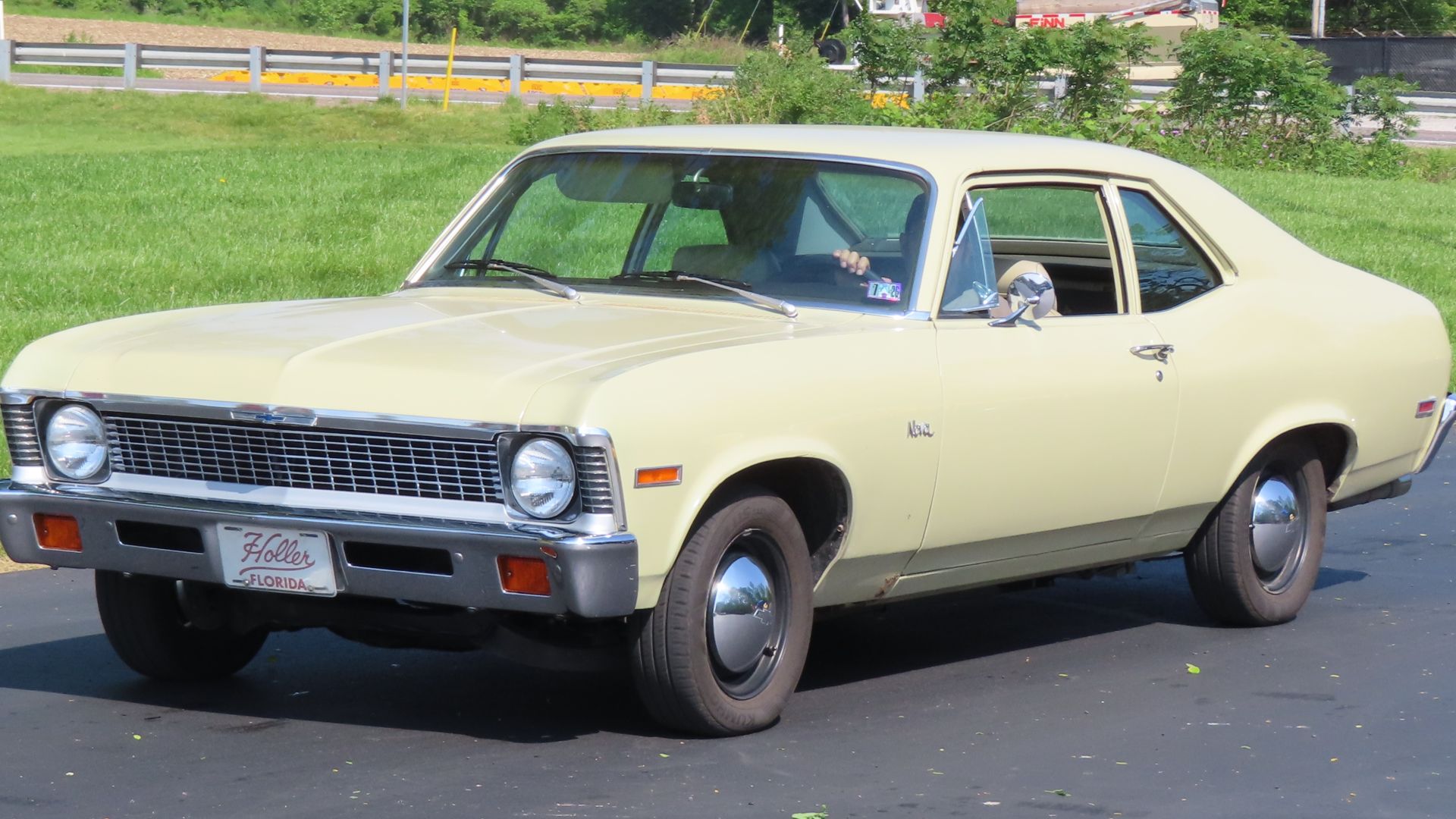
Chevrolet Nova (1970–1979)
The Nova proves just how widespread bench seats once were. Chevrolet’s compact was far smaller than an Impala, yet mainstream versions still made room for three people across the front. That was a huge advantage for households that needed six seats but couldn’t justify the price, fuel consumption, or parking footprint of a full-size car. Today, getting that seating capacity from a compact without adding another row sounds almost impossible.
 MercurySable99, Wikimedia Commons
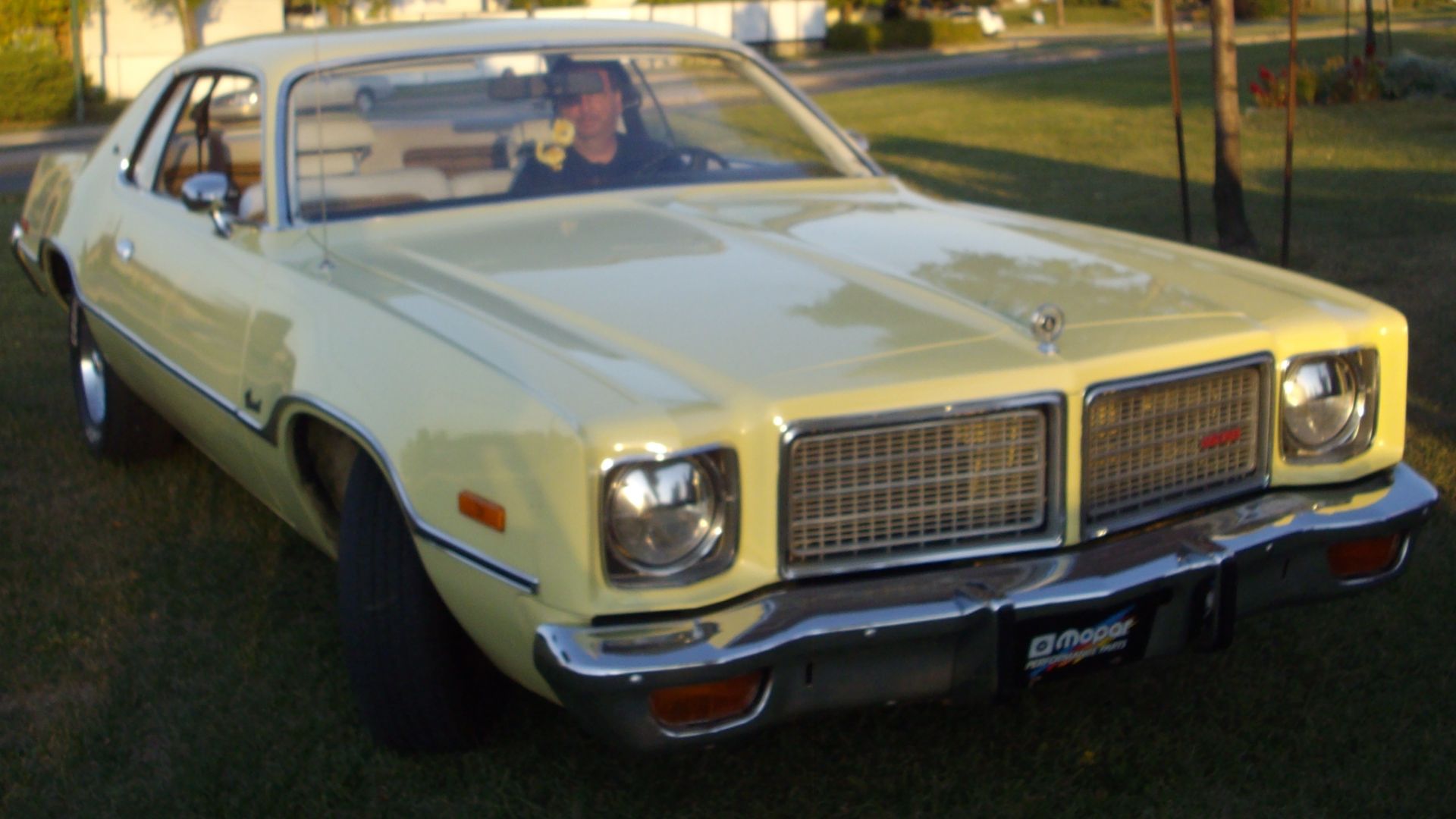
Dodge Coronet (1970–1976)
The Coronet spent its remaining years as one of Dodge’s straightforward midsize family cars, even as the company’s more glamorous models got much of the attention. A broad bench worked naturally in sedans and plenty of coupes, especially when paired with a column shifter. Buyers could carry six people without moving up to the enormous Polara or Monaco. After 1976, Dodge retired the Coronet name and applied Monaco to the midsize line instead.
 Bull-Doser at English Wikipedia, Wikimedia Commons
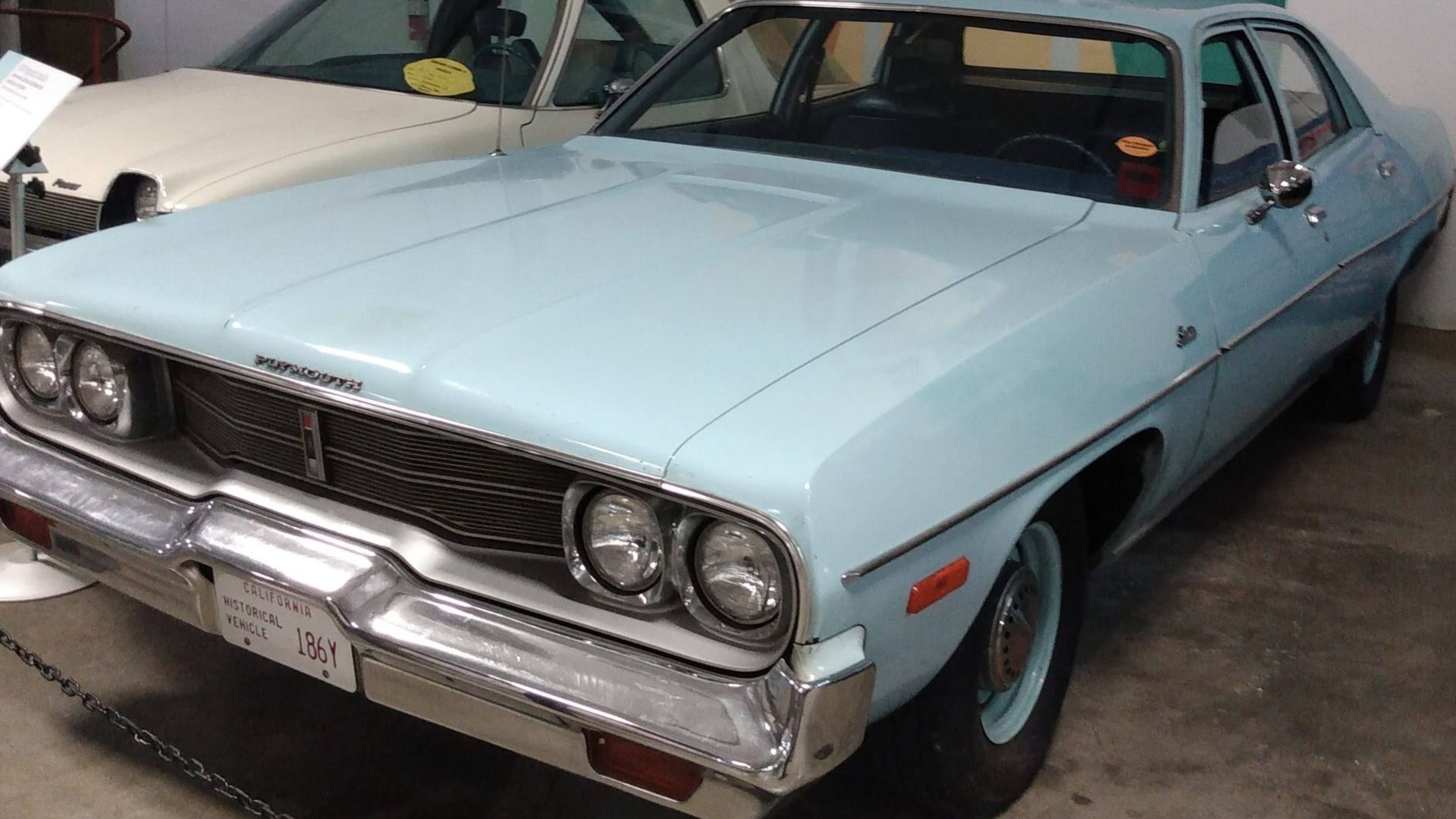
Plymouth Satellite (1970–1974)
The Satellite is often remembered through its Road Runner and GTX connections, but most buyers weren’t ordering full muscle-car equipment. Everyday Satellites could be thoroughly practical family machines with wide front benches and enough space for six. That contrast was part of the appeal of Detroit’s midsize platforms during the era. One basic body could become a tire-flaming performance car or a comfortable household runabout depending on the option sheet.
 DestinationFearFan, Wikimedia Commons
Chevrolet Monte Carlo (1970–1979)
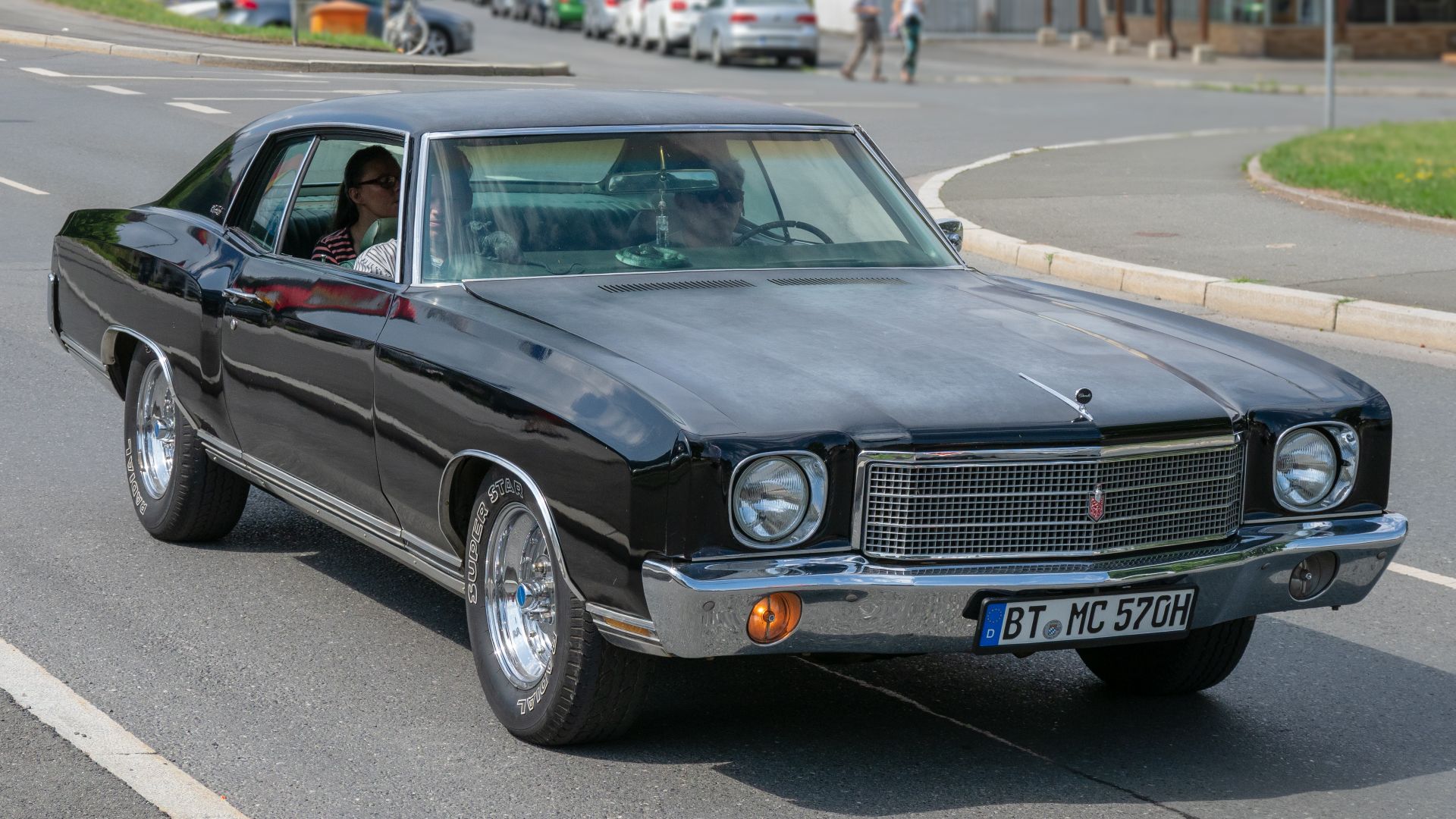
The Monte Carlo is one of the more surprising cars here because Chevrolet marketed it as a stylish personal-luxury coupe. You might expect that mission to demand bucket seats and a console, yet bench and split-bench arrangements remained part of the formula. That meant buyers could enjoy the long hood and more glamorous two-door body without sacrificing the ability to put three people up front. Personal luxury apparently didn’t have to mean personal seating.
Dodge Dart (1970–1976)
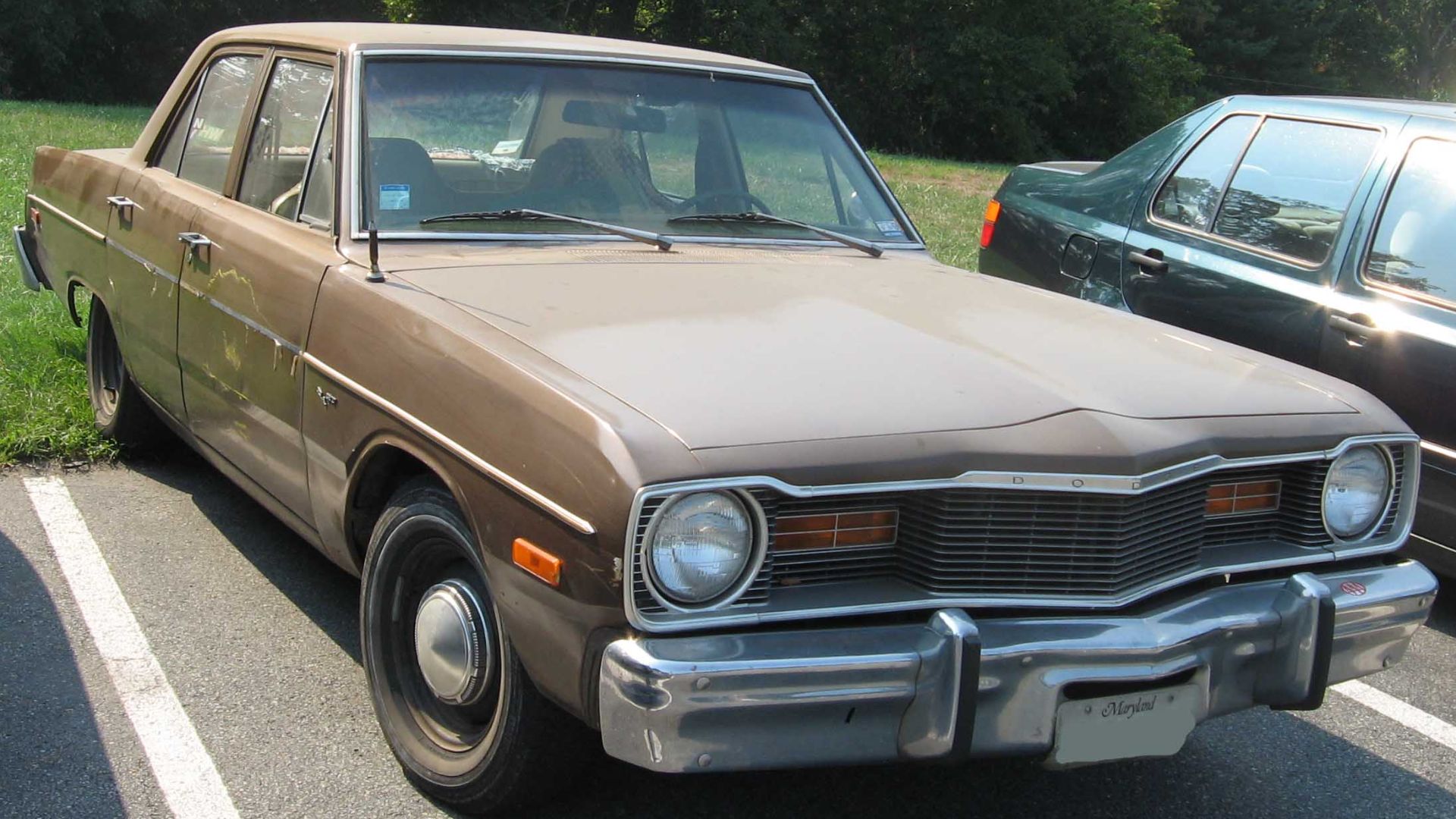
For the average Dart buyer, a bench seat was far more normal than the buckets associated with some of the sportier versions. The Dart’s compact exterior dimensions didn’t prevent Dodge from creating useful three-across front seating, especially with the gear selector mounted on the steering column. That made it cheap, efficient by Detroit standards, and surprisingly practical. Six-passenger capacity in a Dart shows just how differently automakers once used cabin space.
Plymouth Valiant (1970–1976)
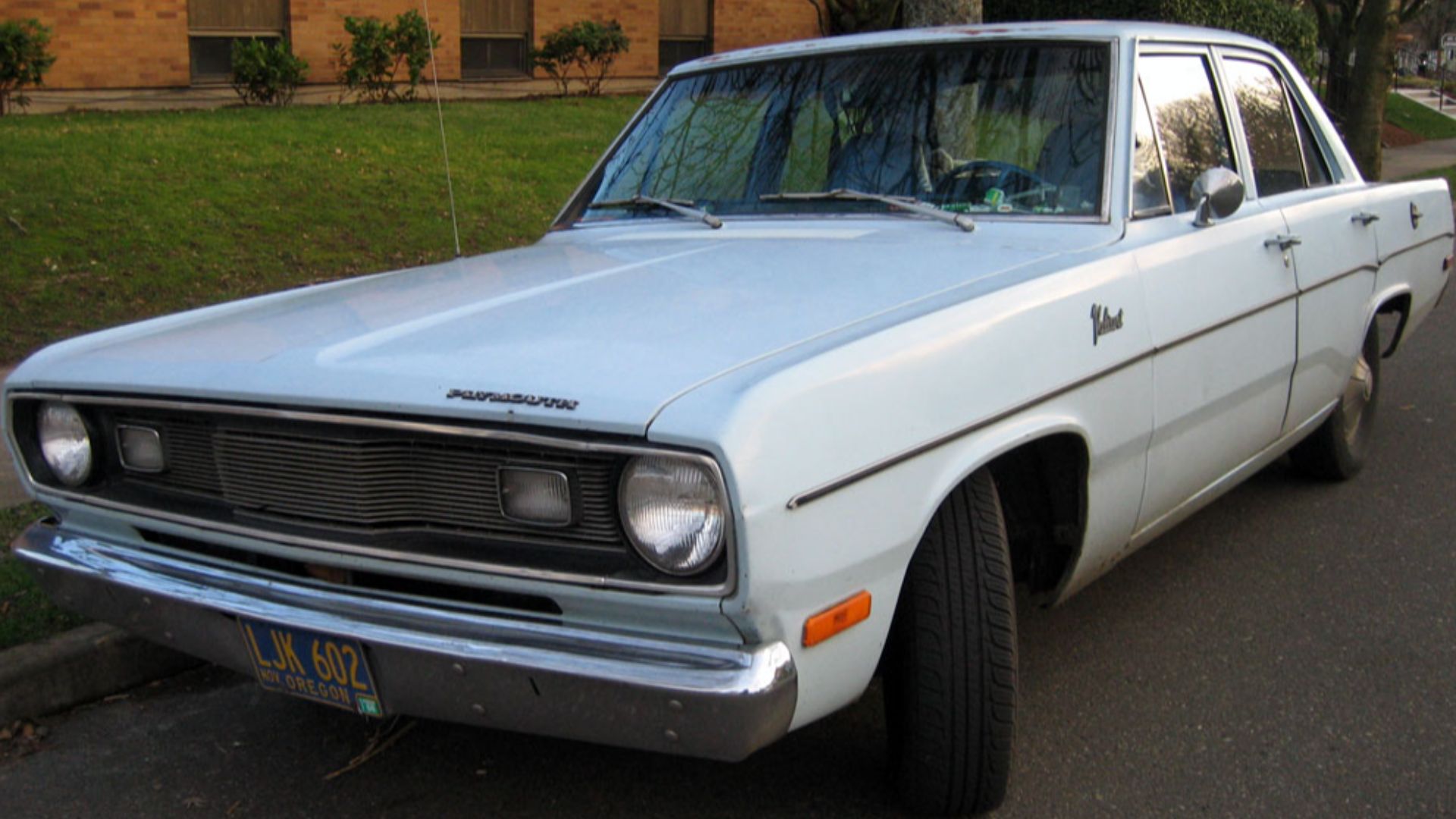
The Valiant was built around straightforward, inexpensive transportation, so the bench seat suited it perfectly. With a column shifter and one continuous front cushion, Plymouth could provide seating for three up front without adding much complexity or cost. It wasn’t luxurious, but that wasn’t the goal. Families got remarkable passenger capacity from a relatively compact car, which helped make the Valiant such a durable part of Plymouth’s lineup.
Plymouth Duster (1970–1976)
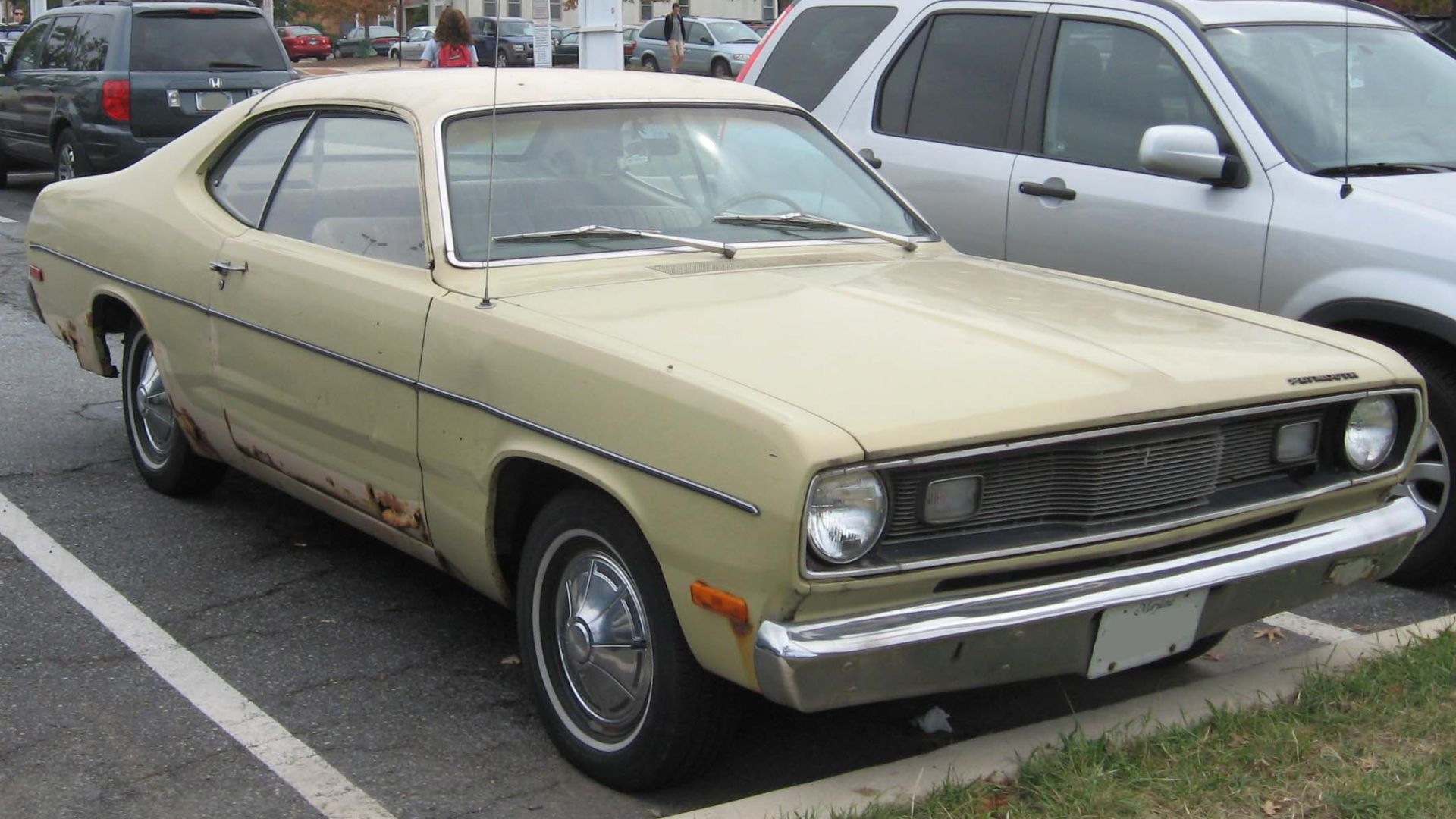
The Duster looked sportier than the Valiant thanks to its fastback-style roof, but an ordinary example could still be equipped like a practical economy car. Plenty used a front bench rather than buckets, giving the stylish two-door surprisingly useful passenger capacity. That combination feels unusual now: a relatively compact coupe that could theoretically carry six people. In the 1970s, it wasn’t particularly exotic at all.
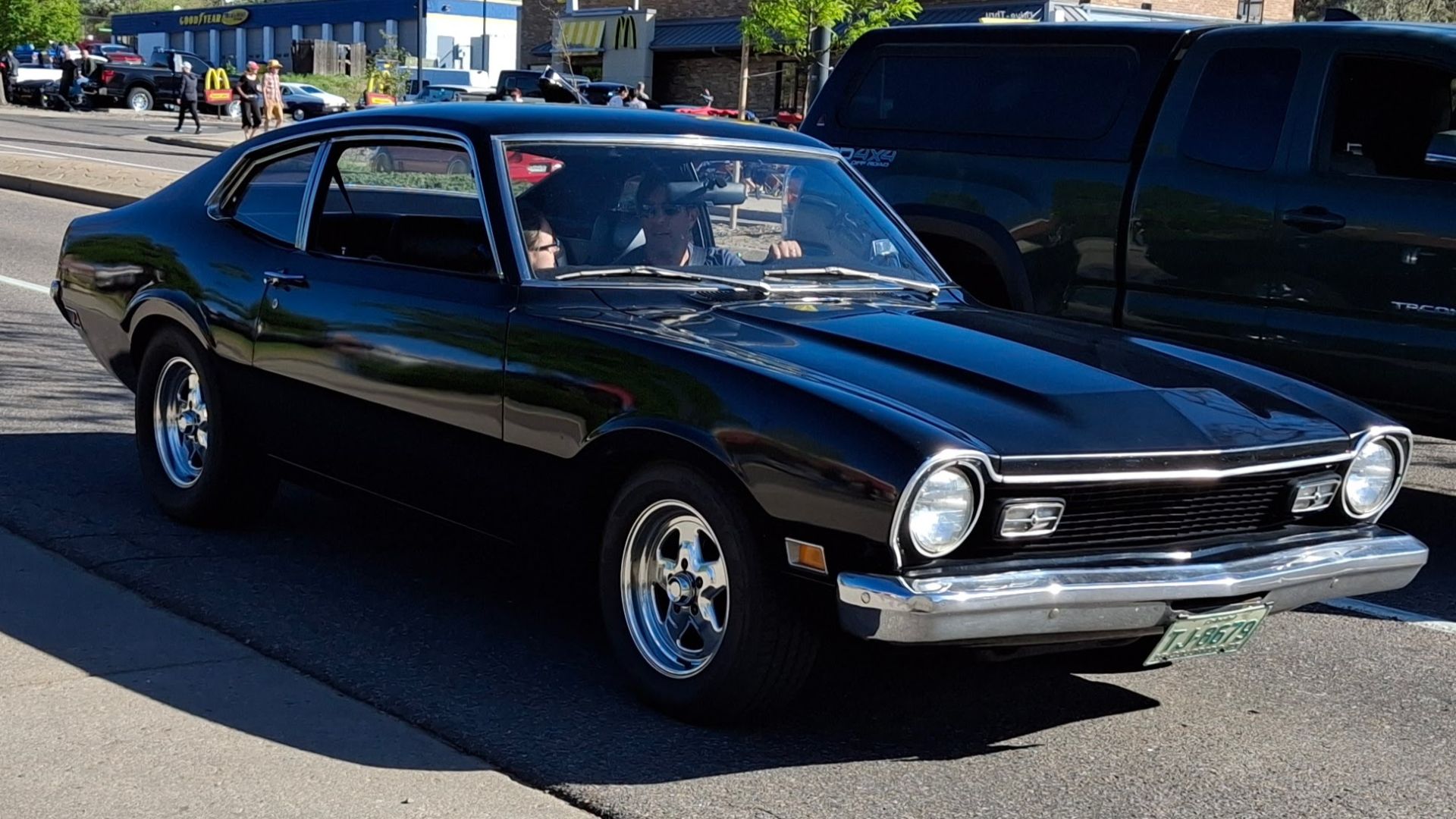
Ford Maverick (1970–1977)
The Maverick was Ford’s inexpensive compact answer for buyers who wanted basic transportation without a lot of unnecessary equipment. A front bench helped it make the most of its interior dimensions, allowing three-across seating even though the car itself was considerably smaller than an LTD. That was especially useful when the Maverick gained four-door versions. It’s hard to imagine a similarly sized modern car even attempting the same passenger layout.
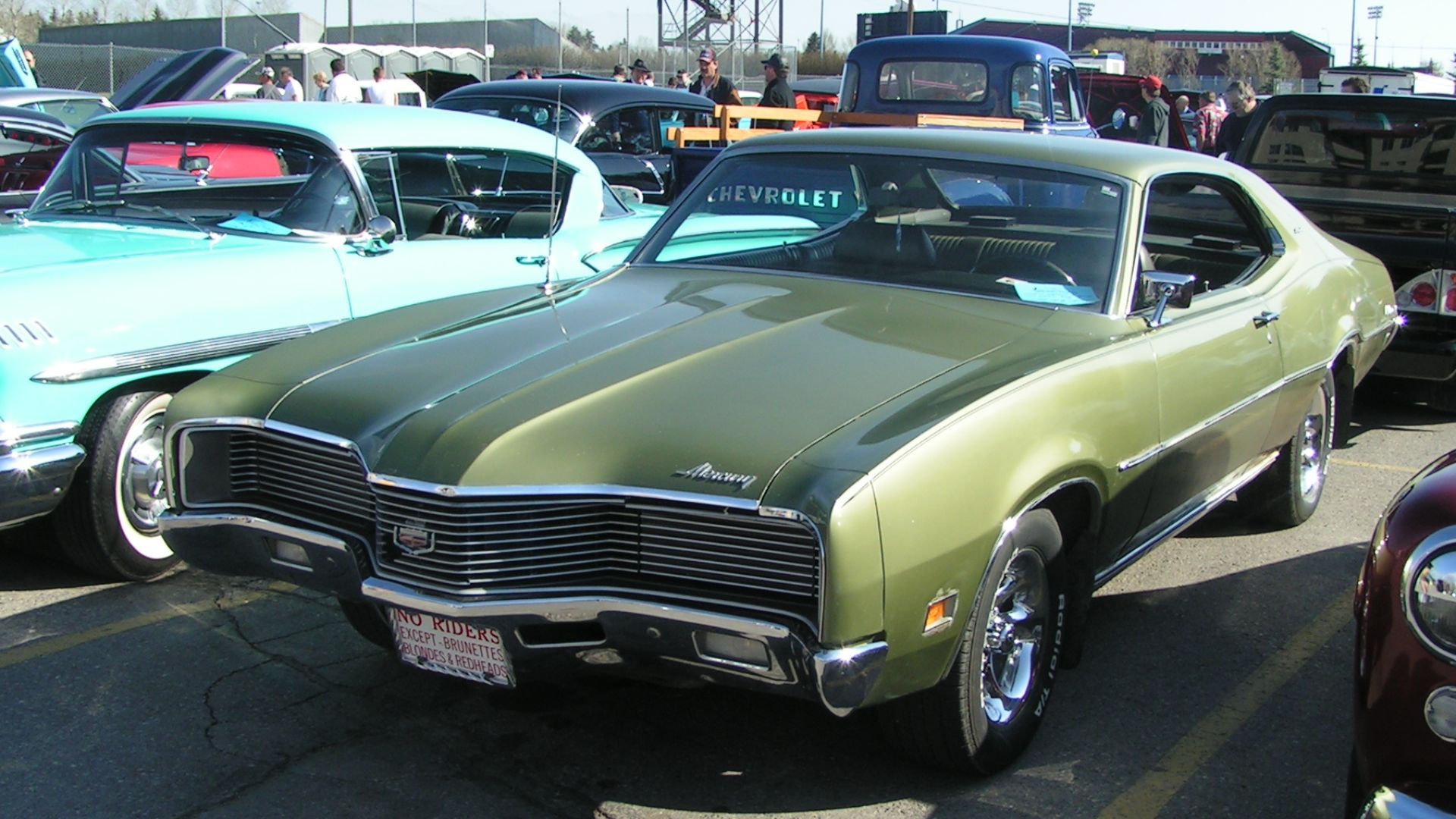
Mercury Montego (1970–1976)
As Mercury’s counterpart to the Ford Torino, the Montego combined midsize practicality with a slightly more upscale atmosphere. Mainstream versions could still use a traditional front bench or a more luxurious split-bench arrangement, giving buyers plenty of room without turning the cabin into a sporty cockpit. It’s another car whose ordinary family versions have been overshadowed by flashier derivatives. For most owners, comfortable cruising mattered more than cornering support.
 dave_7 from Lethbridge, Canada, Wikimedia Commons
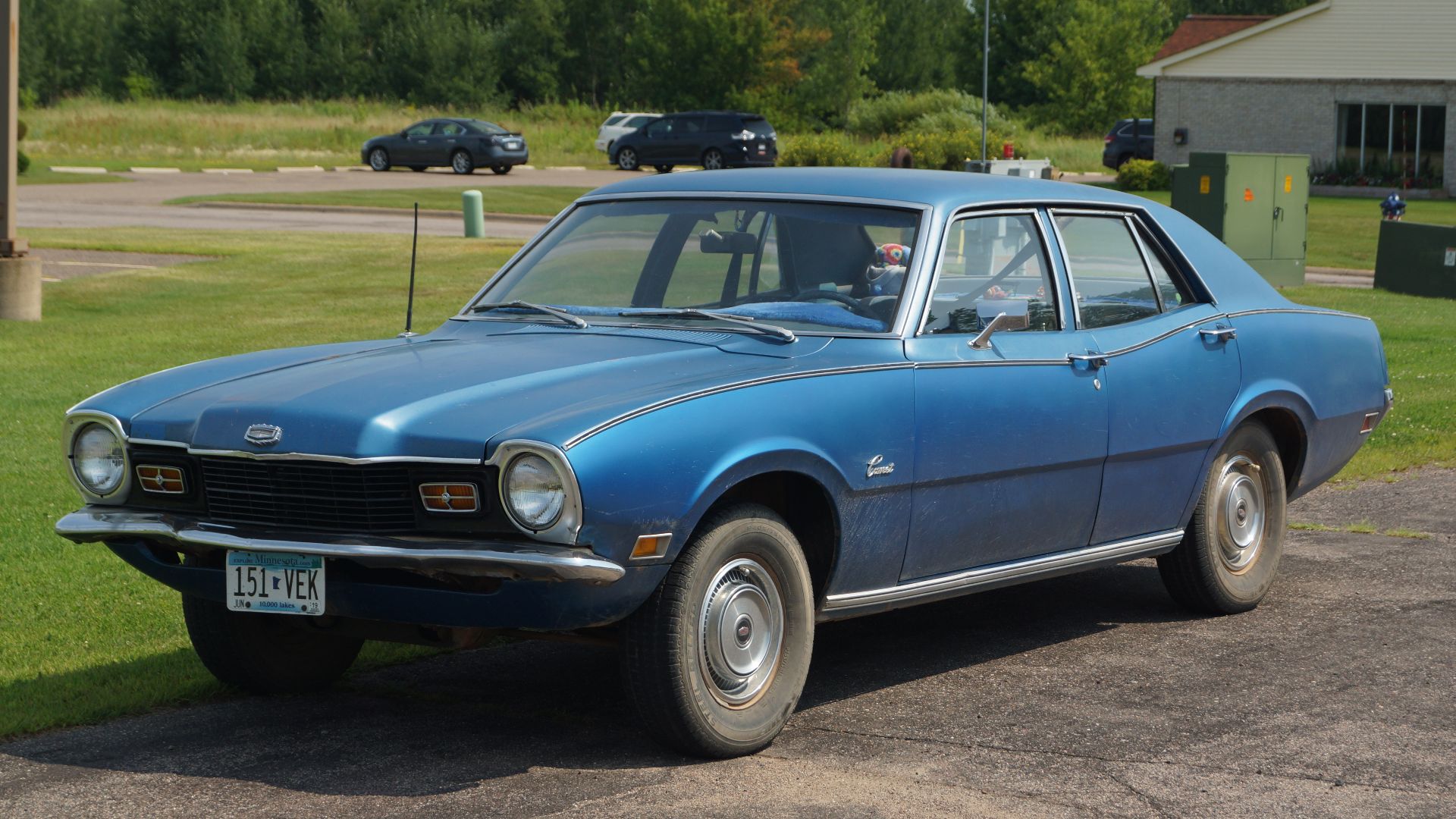
Mercury Comet (1971–1977)
The revived Comet shared much of its basic architecture with the Ford Maverick, and its interior followed the same space-efficient logic. A front bench let Mercury squeeze six-passenger capability into a compact footprint, while the column shifter kept the center seating position usable. The Comet could be dressed up a little more than its Ford relative, but it remained fundamentally simple transportation. Bench seating was part of what made that simplicity so useful.
 Greg Gjerdingen, Wikimedia Commons
You May Also Like:
American Cars From The 1970s And 1980s That Were Secretly Built By Foreign Automakers
Nostalgic Roadside Auto Brands From The 1970s That Disappeared Along With Full-Service Gas