When Gas Stations Actually Served You
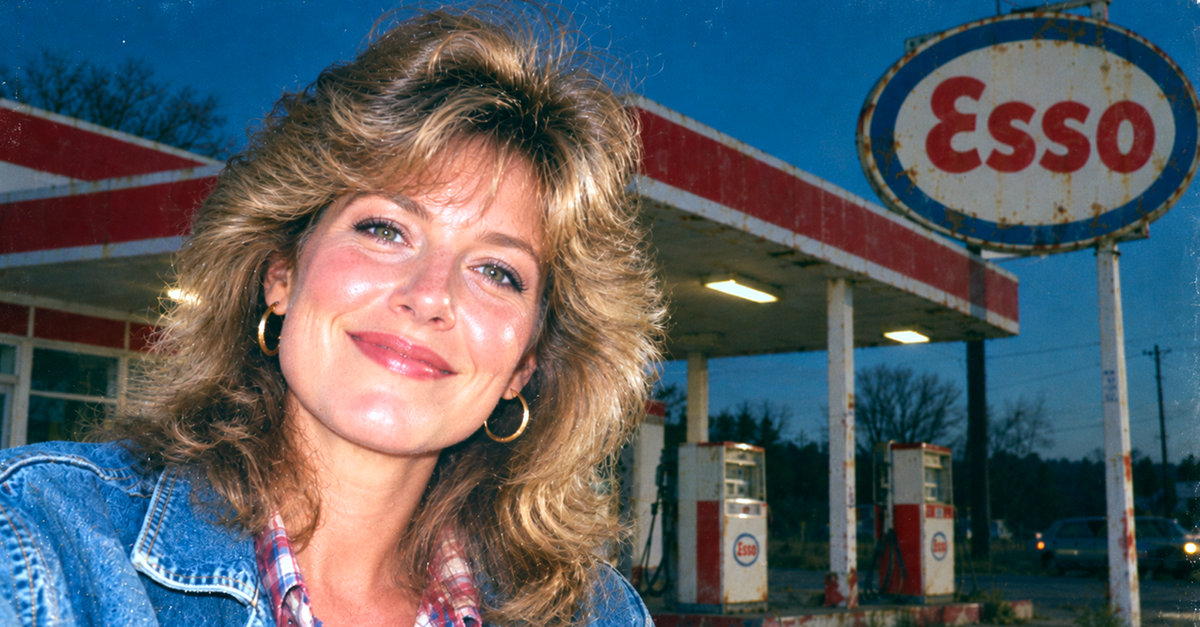
Remember when pulling into a gas station meant somebody came outside to help? When gleaming, colorful signs didn't even have "dollar" column? For countless American families, full-service stations were fixtures of American road trips, but the 1970s brought changes that would transform the roadside forever.
The Beginning Of The Self-Service Revolution
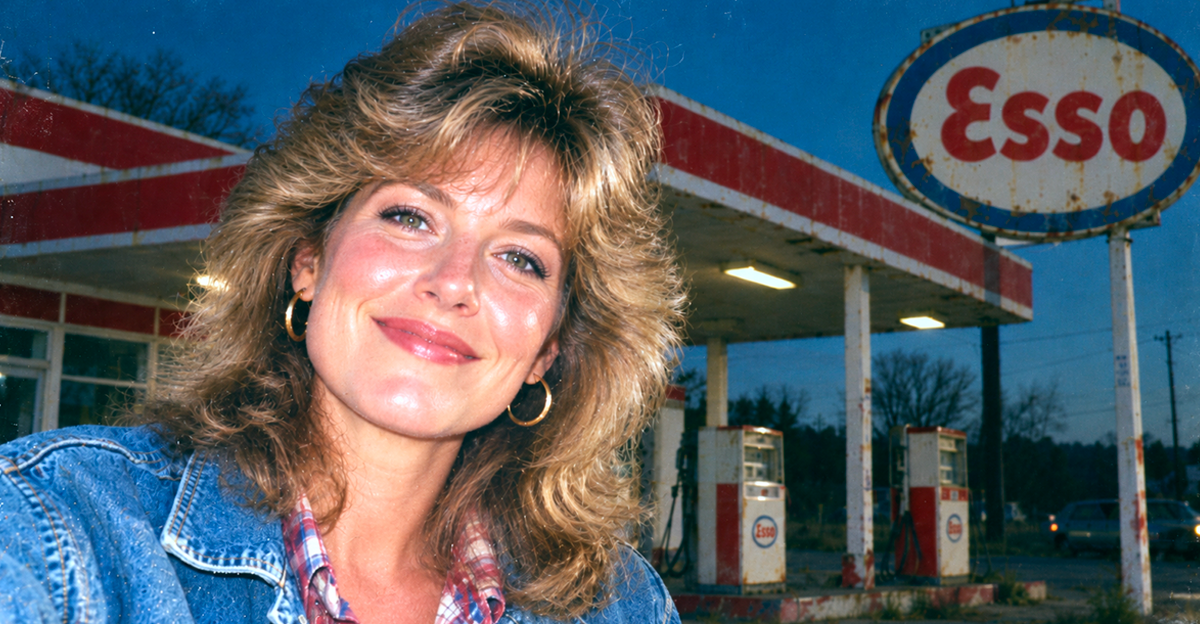
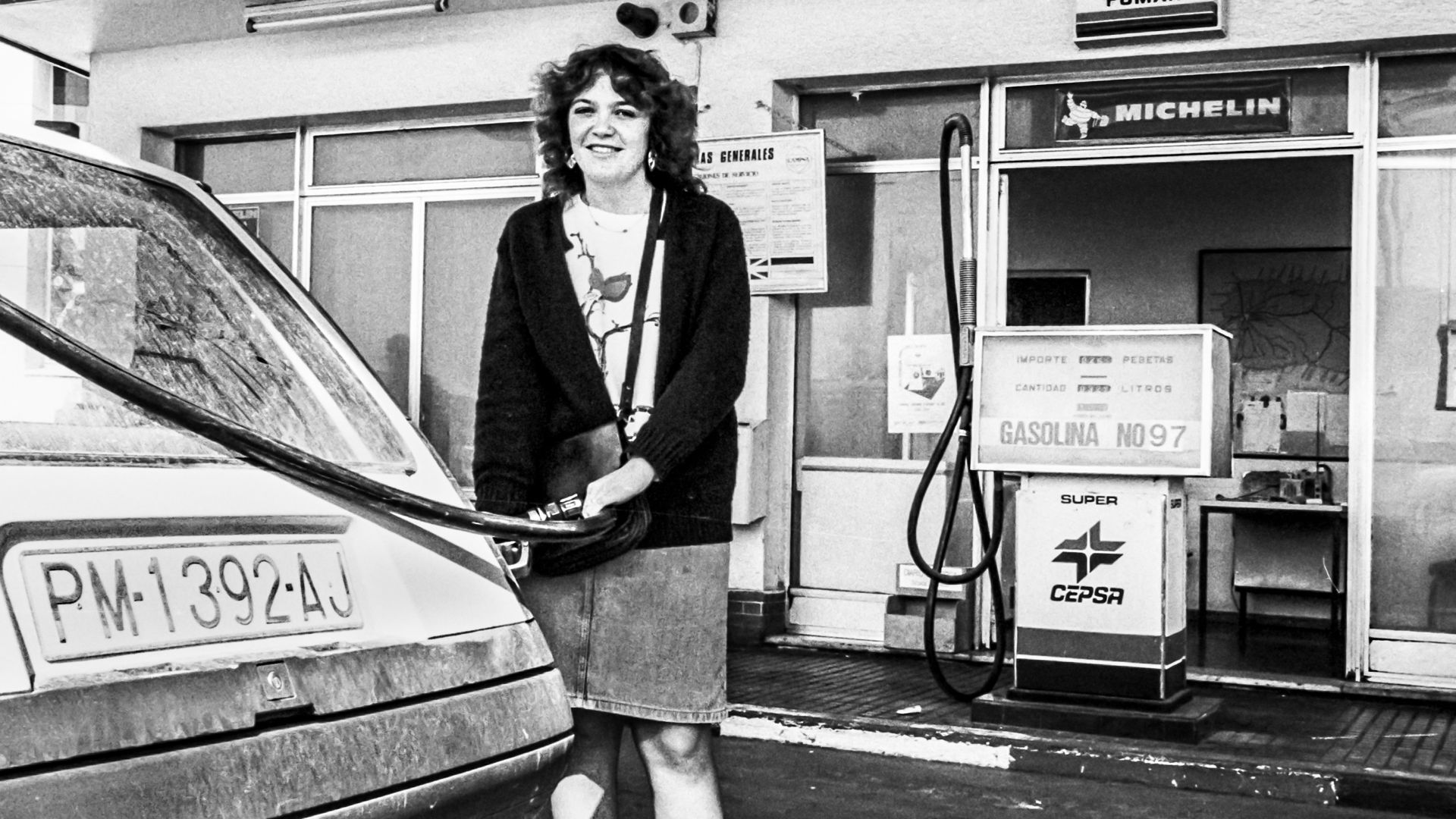
Self-service gasoline existed before the 1970s, but it remained relatively uncommon. In 1964, a Colorado convenience store introduced remotely controlled pumps that helped make the idea practical. Customers could save money by fueling their own vehicles, creating a serious challenge for traditional stations.
 Carolina Latorre Canet, Wikimedia Commons
The Decade That Changed Everything
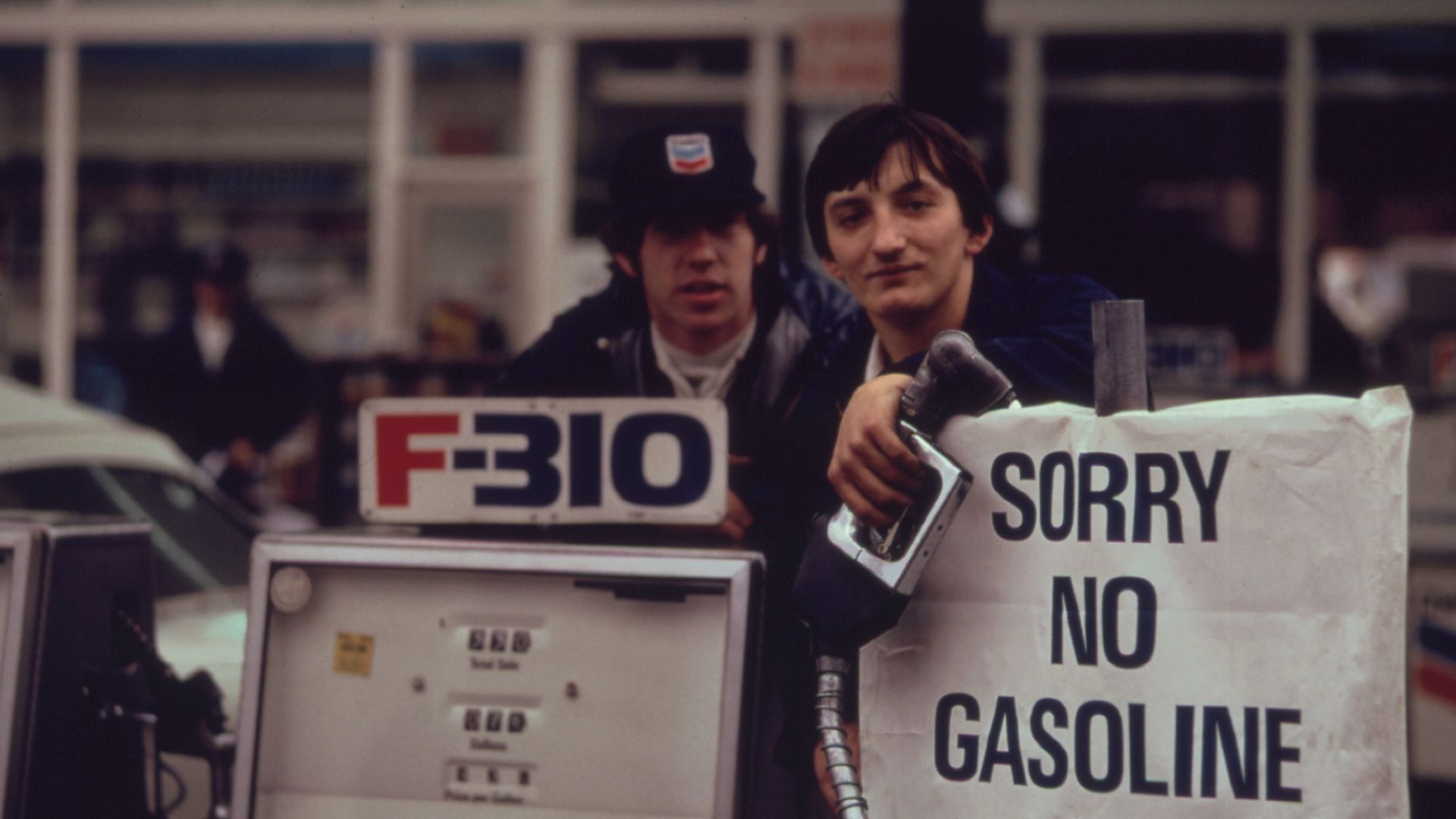
The oil crisis of 1973 accelerated changes already underway. Higher operating costs and growing competition encouraged stations to reduce staffing and emphasize fuel sales. Self-service expanded rapidly, while convenience stores increasingly competed with the neighborhood service stations that generations of motorists had relied upon.
 David Falconer, Wikimedia Commons
Esso Was One Of The First Familiar Names To Go
The Esso name once appeared on thousands of American gasoline stations. However, Standard Oil of New Jersey wanted a single brand it could use nationwide without trademark conflicts. In 1972, the company introduced Exxon, replacing Esso at American stations while retaining the older name internationally.
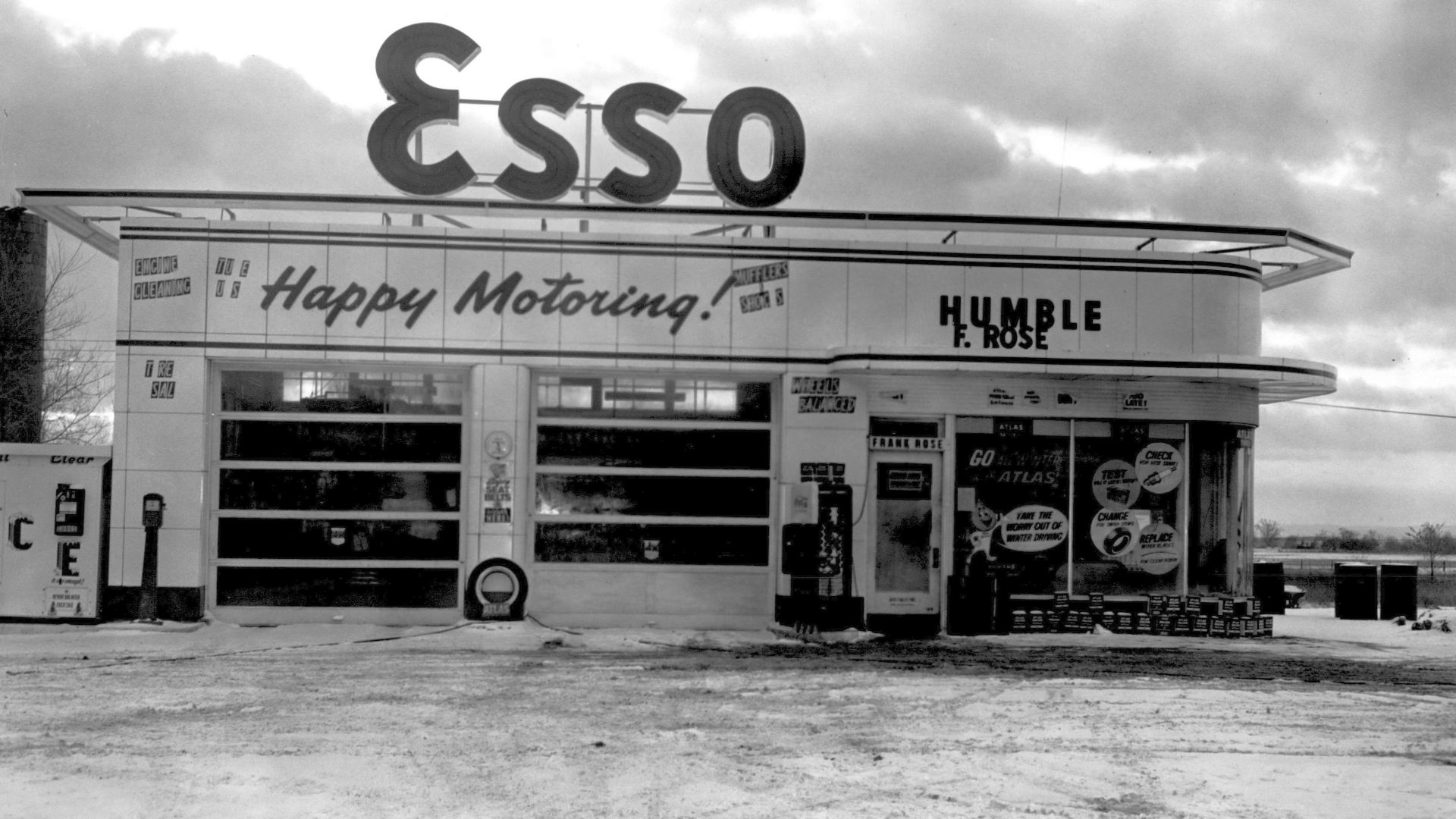 Livingston County Historian, NY, Wikimedia Commons
Enco Disappeared During The Same Makeover
Enco was another familiar gasoline brand owned by the company that became Exxon. It had been introduced in 1960 for markets where the Esso name could not be used. When Exxon arrived in 1972, Enco began disappearing too, ending another recognizable chapter of roadside history.
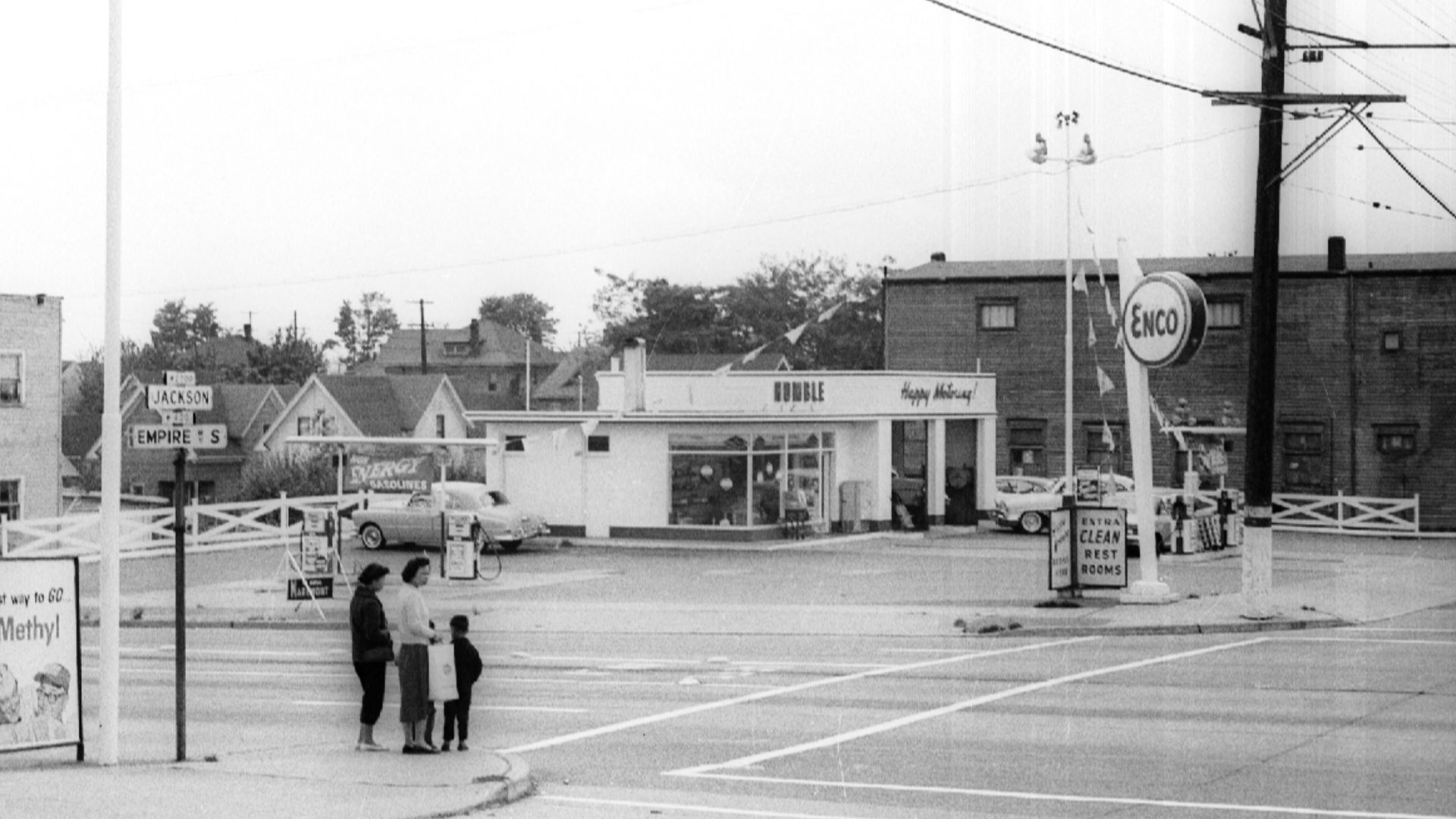 Seattle Municipal Archives from Seattle, WA, Wikimedia Commons
Humble Was Another Casualty Of Exxon's Arrival
Drivers in parts of the country also encountered Humble gasoline stations. The name belonged to the Texas oil business that became an important part of Jersey Standard's operations. Exxon's nationwide branding strategy eventually replaced Humble at the pump, leaving another historic American petroleum name behind.
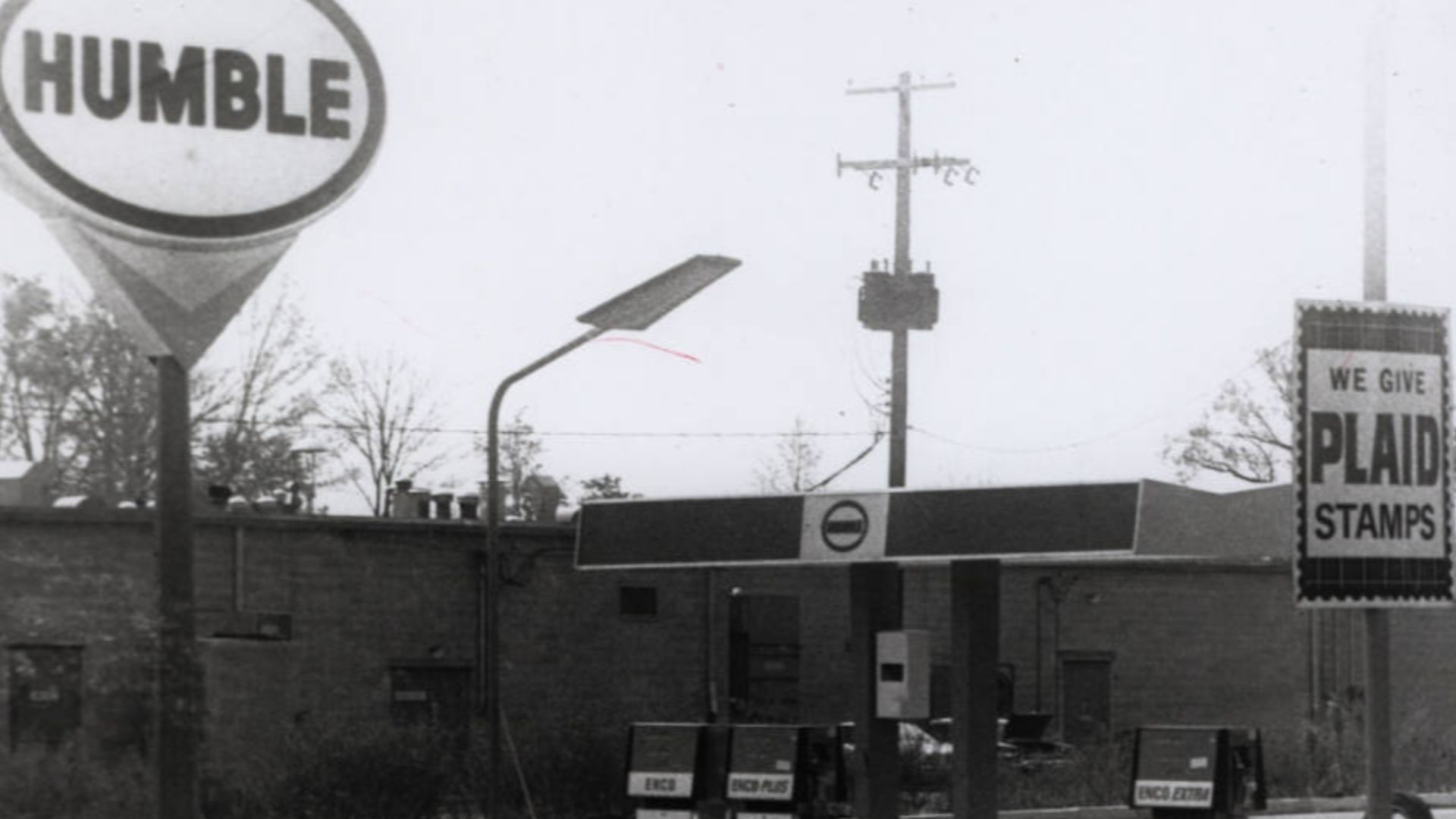 Unknown authorUnknown author, Wikimedia Commons
Cities Service Became Something Completely Different
Long before CITGO became familiar, American motorists recognized the Cities Service name. Founded in 1910, the company introduced CITGO as its marketing brand in 1965. Its replacement identity retained part of the original name, but the old Cities Service branding gradually disappeared from the roadside.
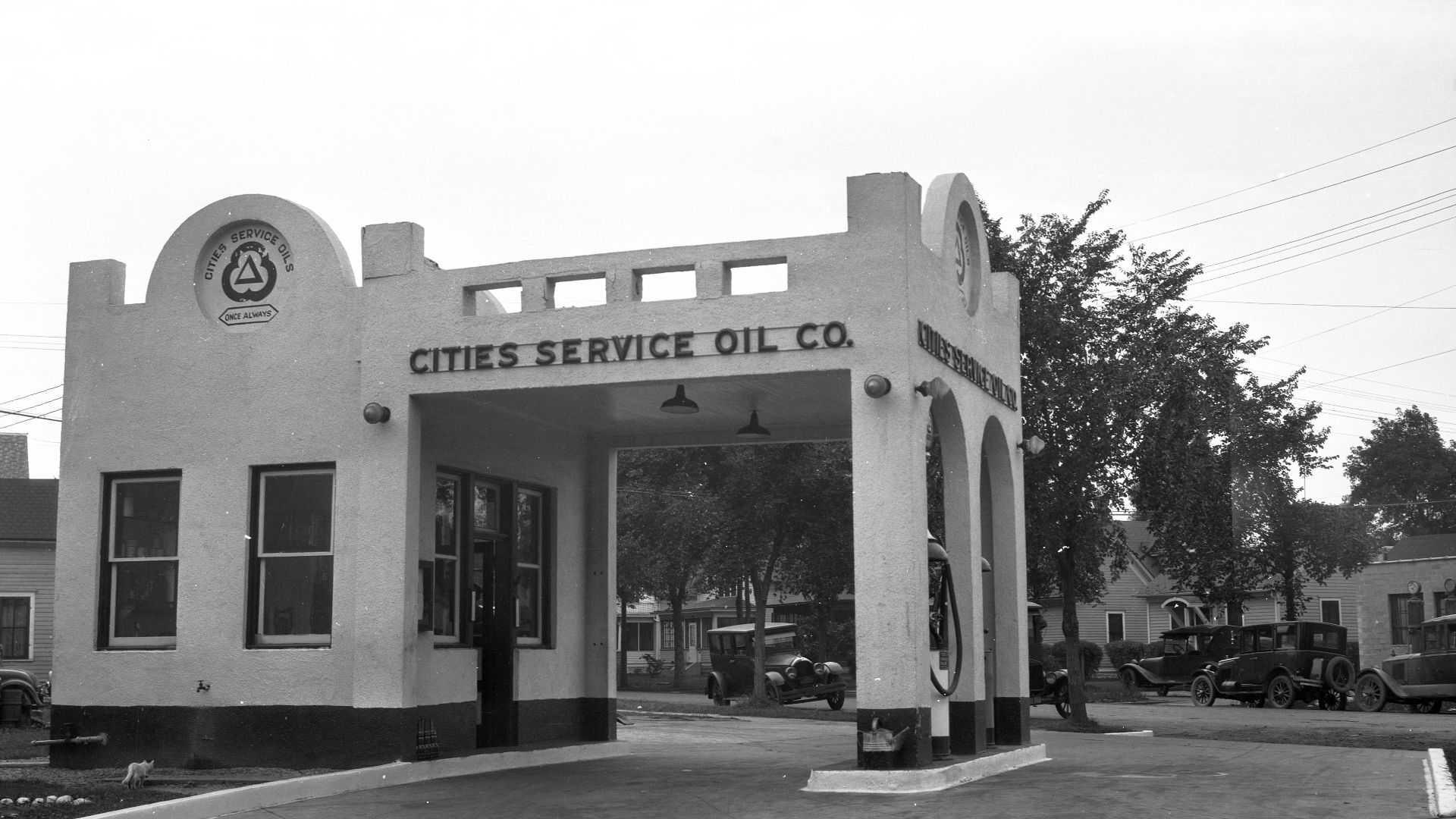
Pure Oil Lost Its Original Nationwide Presence
Pure Oil was once a substantial American petroleum company with distinctive service stations. Union Oil purchased the company in 1965 and converted PURE locations to Union 76. The historic PURE name eventually returned through an independent marketers' cooperative, but its former corporate network had already disappeared.
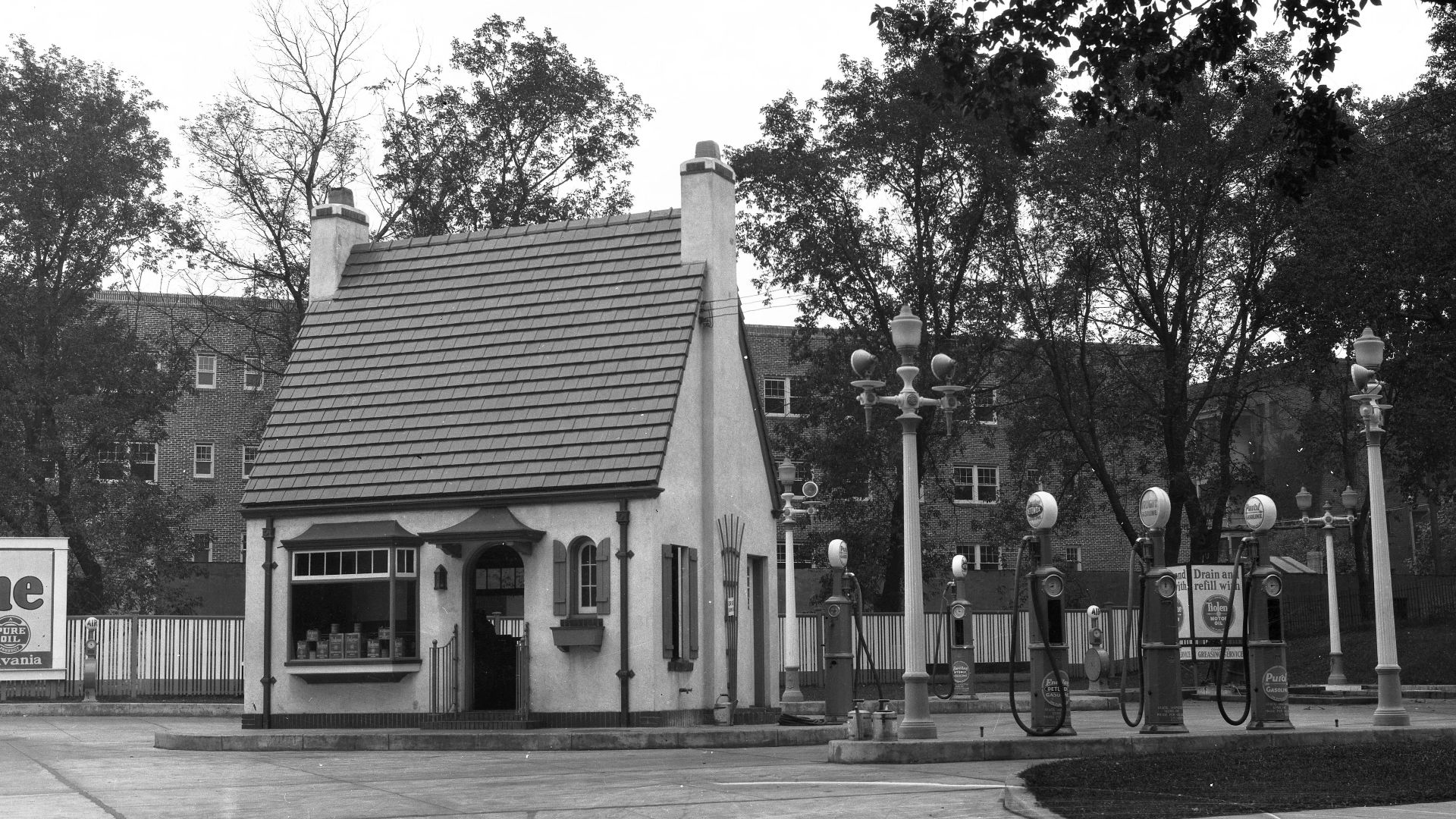
Skelly Was A Major Midwestern Favorite
Skelly gasoline stations were particularly important in the Midwest, where independent dealers developed loyal local followings. The company merged into Getty Oil in 1977, and its established network changed considerably afterward. Although the Skelly trademark was revived decades later, the original roadside chain was gone.
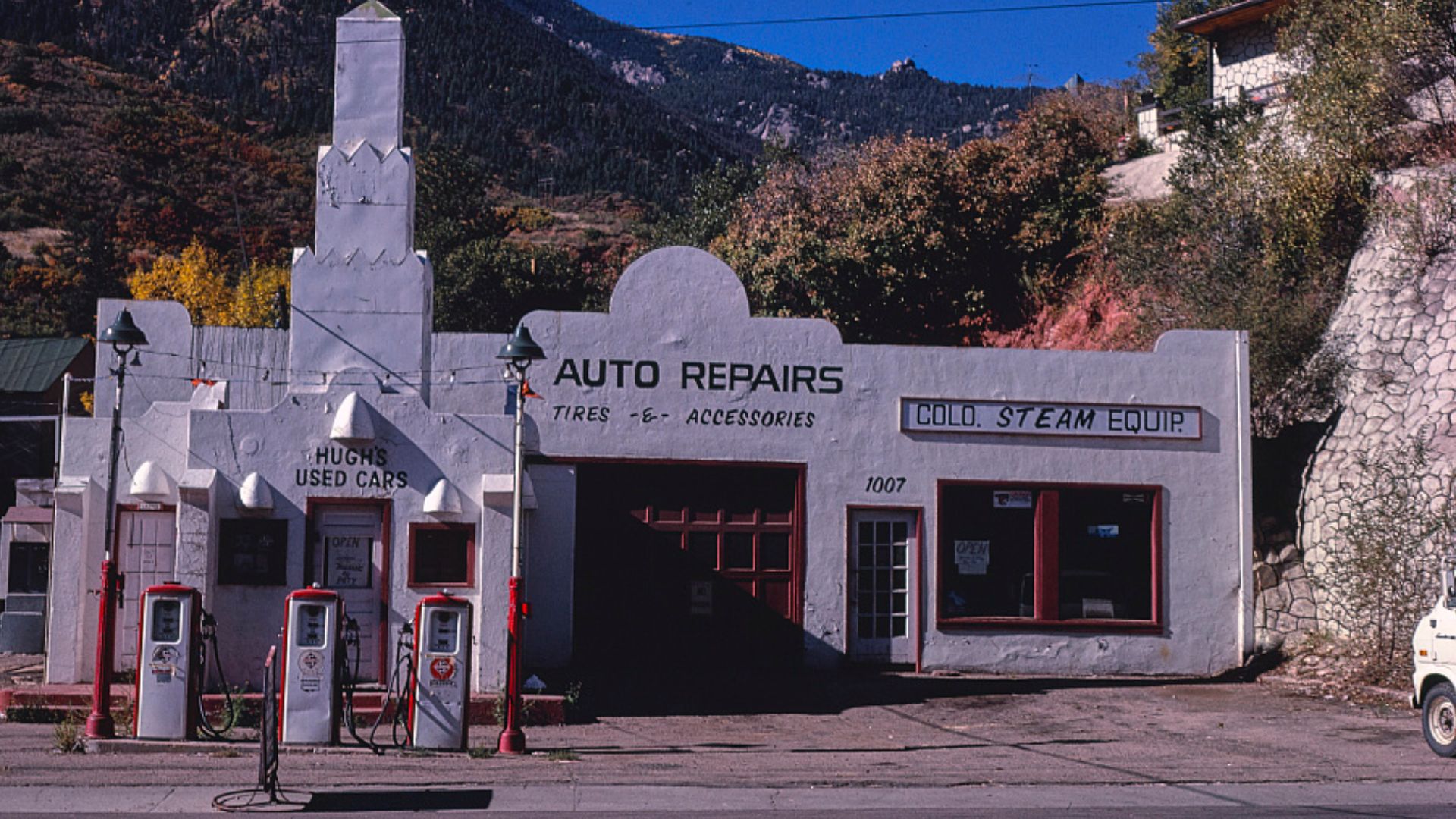 The Library of Congress, Wikimedia Commons
DX Stations Eventually Became Sunoco
Drivers throughout the Midwest once recognized the red, white, and blue DX gasoline signs. Sun Oil acquired Sunray DX in 1968 but continued operating both brands afterward. Beginning around 1980, the company increasingly replaced DX signage with Sunoco, gradually eliminating another familiar regional identity.
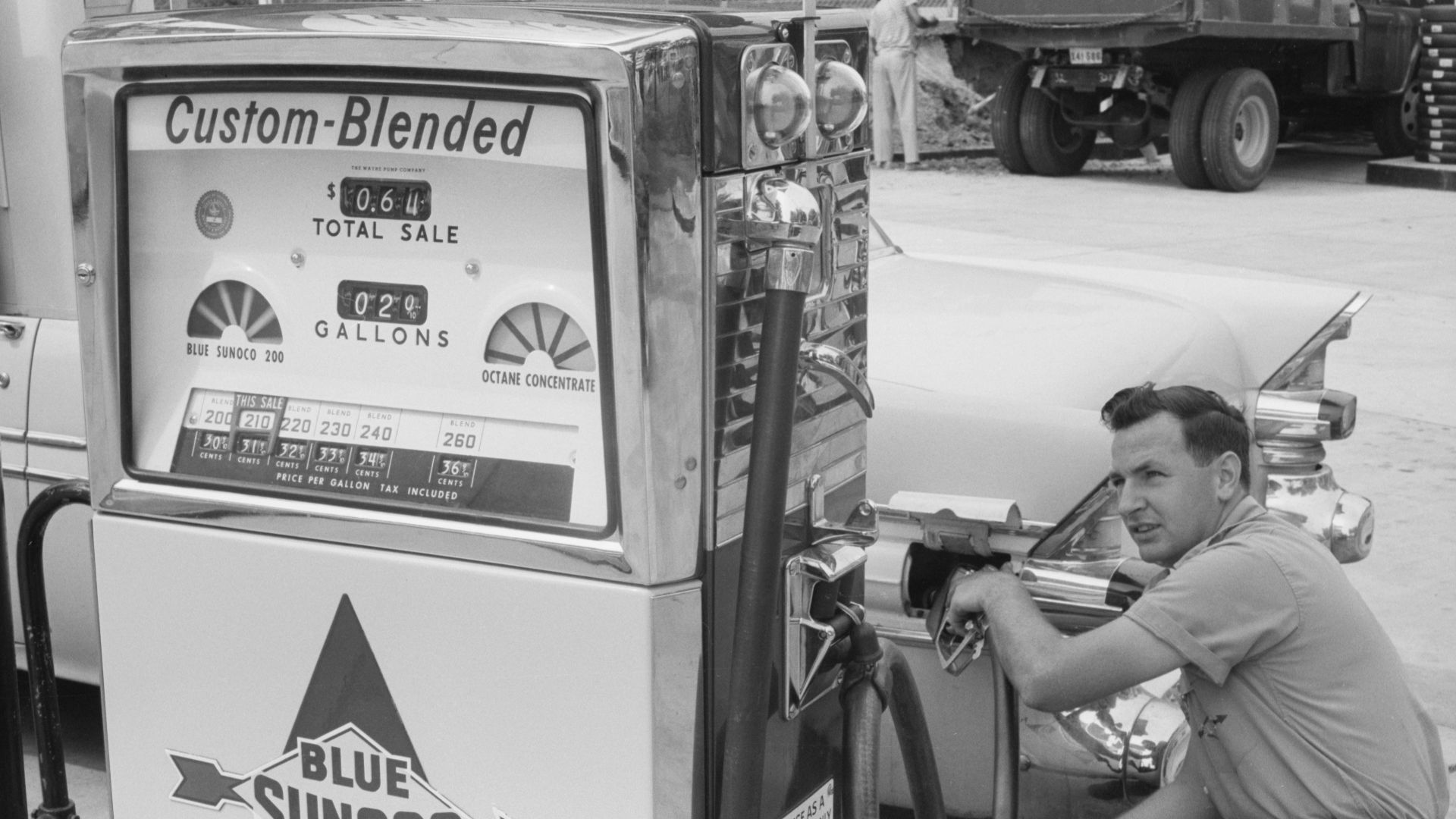 Thomas J. O'Halloran, Wikimedia Commons
Sohio Survived Longer Than Many Expected
Sohio was especially recognizable in Ohio, where its stations were associated with Standard Oil's original home territory. British Petroleum eventually acquired the company and consolidated its American retail operations. The Sohio name disappeared from ordinary gasoline stations in 1991, ending a particularly recognizable regional tradition.
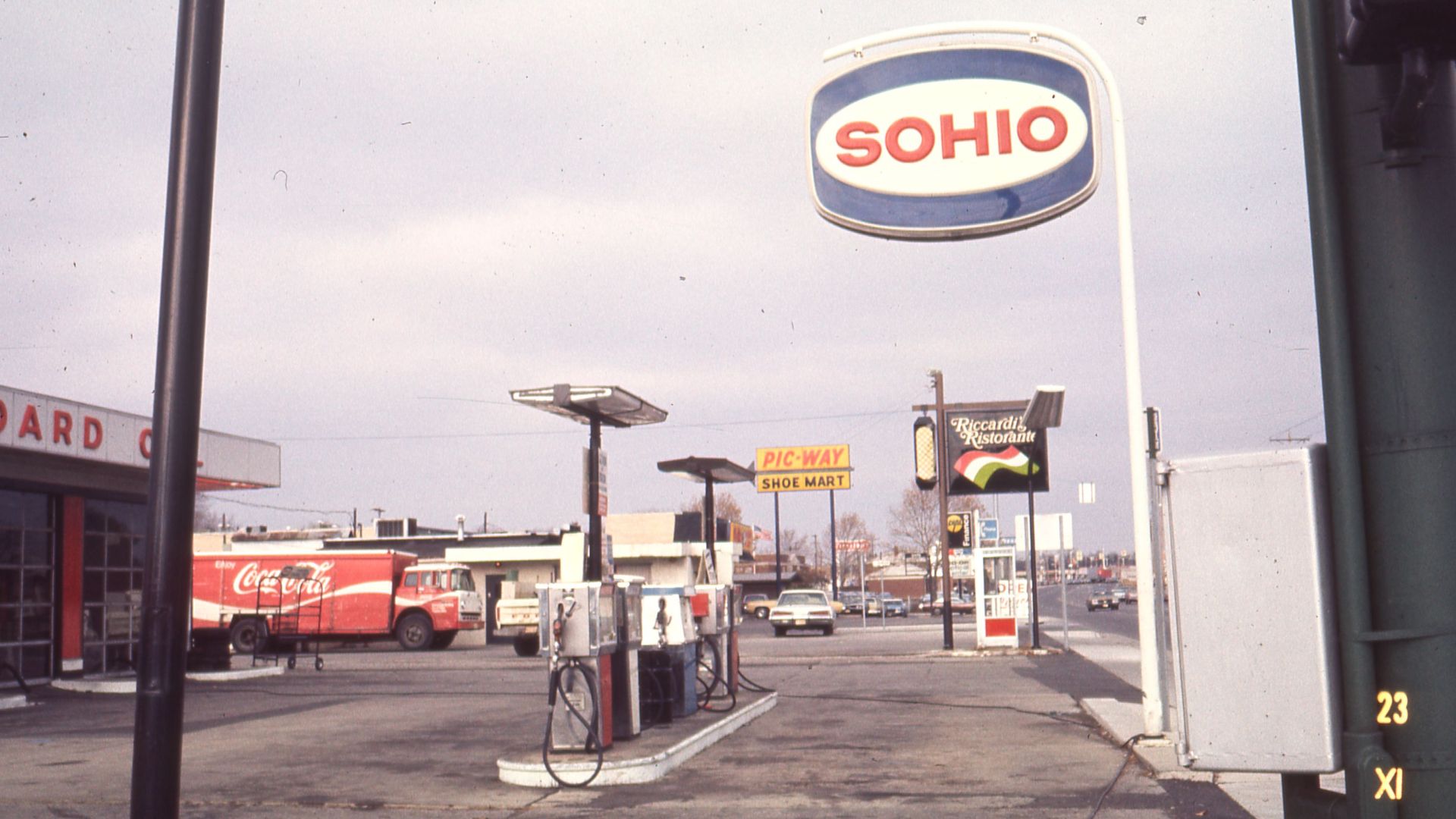 David E. Lucas, Wikimedia Commons
Boron Was Sohio's Lesser-Known Relative
Outside Ohio, drivers could encounter Boron stations associated with the same petroleum business. Boron was particularly familiar in neighboring Midwestern and Appalachian markets. As BP consolidated its American network, Boron locations were converted or closed, leaving another brand that longtime motorists might still recognize.
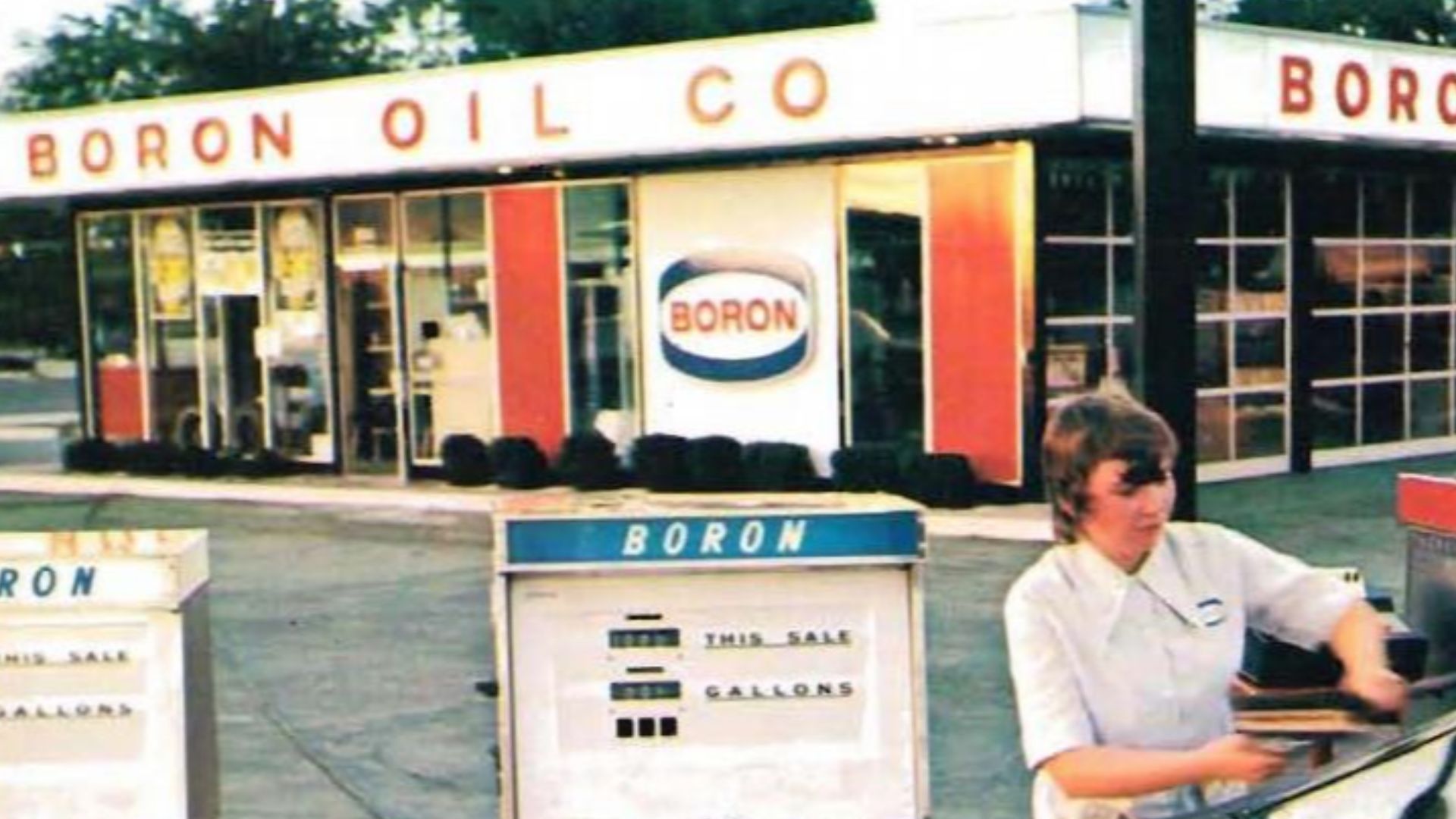 The Standard Oil Company, Wikimedia Commons
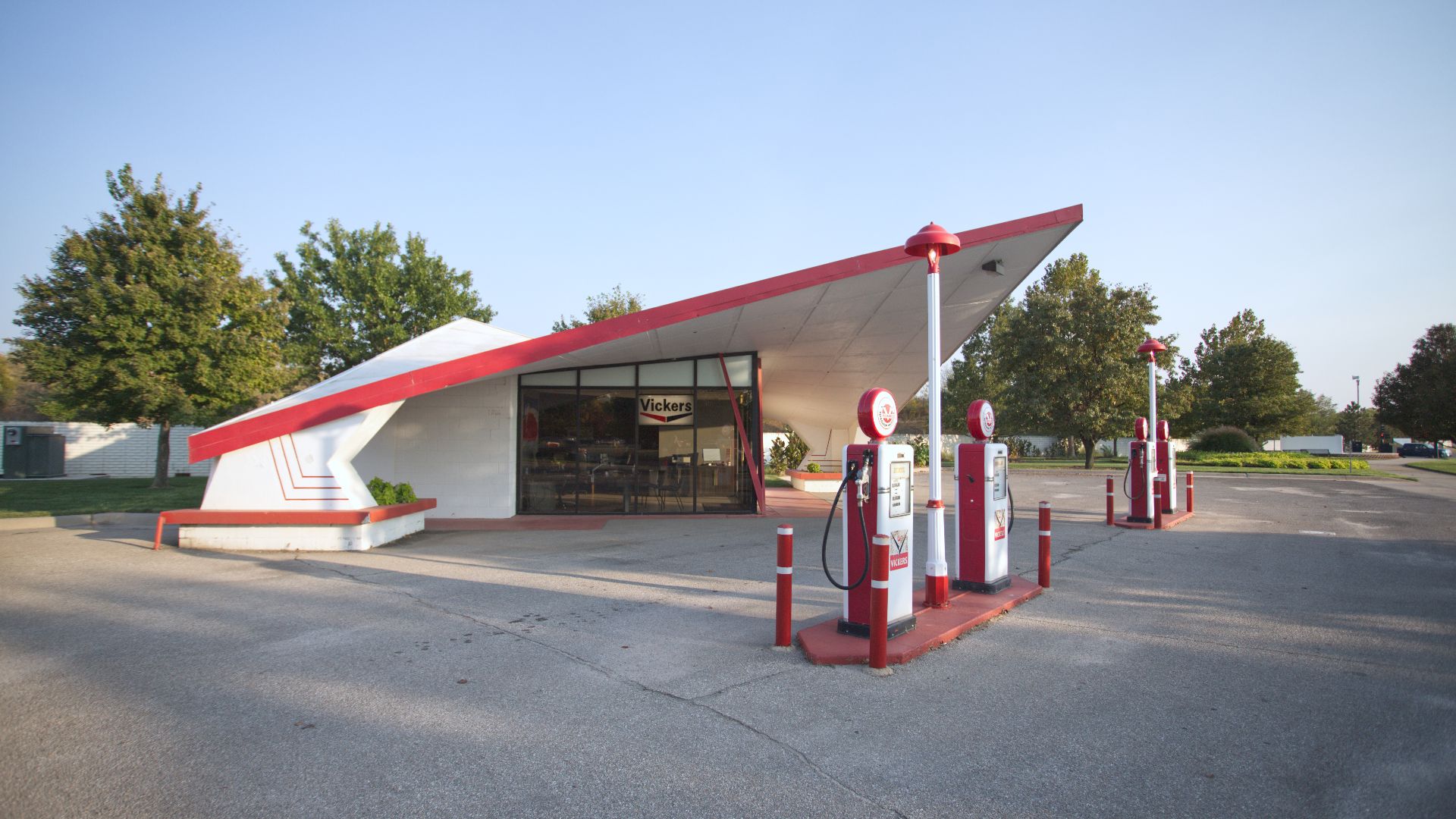
Vickers Was Another Midwestern Name That Vanished
Vickers Petroleum operated hundreds of service stations across the Midwest during its peak years. Founded in Kansas, the business developed a substantial regional presence before being sold to Swift in 1969. Its successor company was sold again in 1980, ending Vickers as an independent petroleum operation.
Power Test Became Part Of The Getty Story
Power Test was another name associated with independent gasoline marketing in the Northeast. In 1985, the business acquired Getty Oil's northeastern distribution and marketing assets. The transaction brought gasoline stations, supply agreements, and the Getty trademark, prompting Power Test to adopt the Getty Petroleum name.
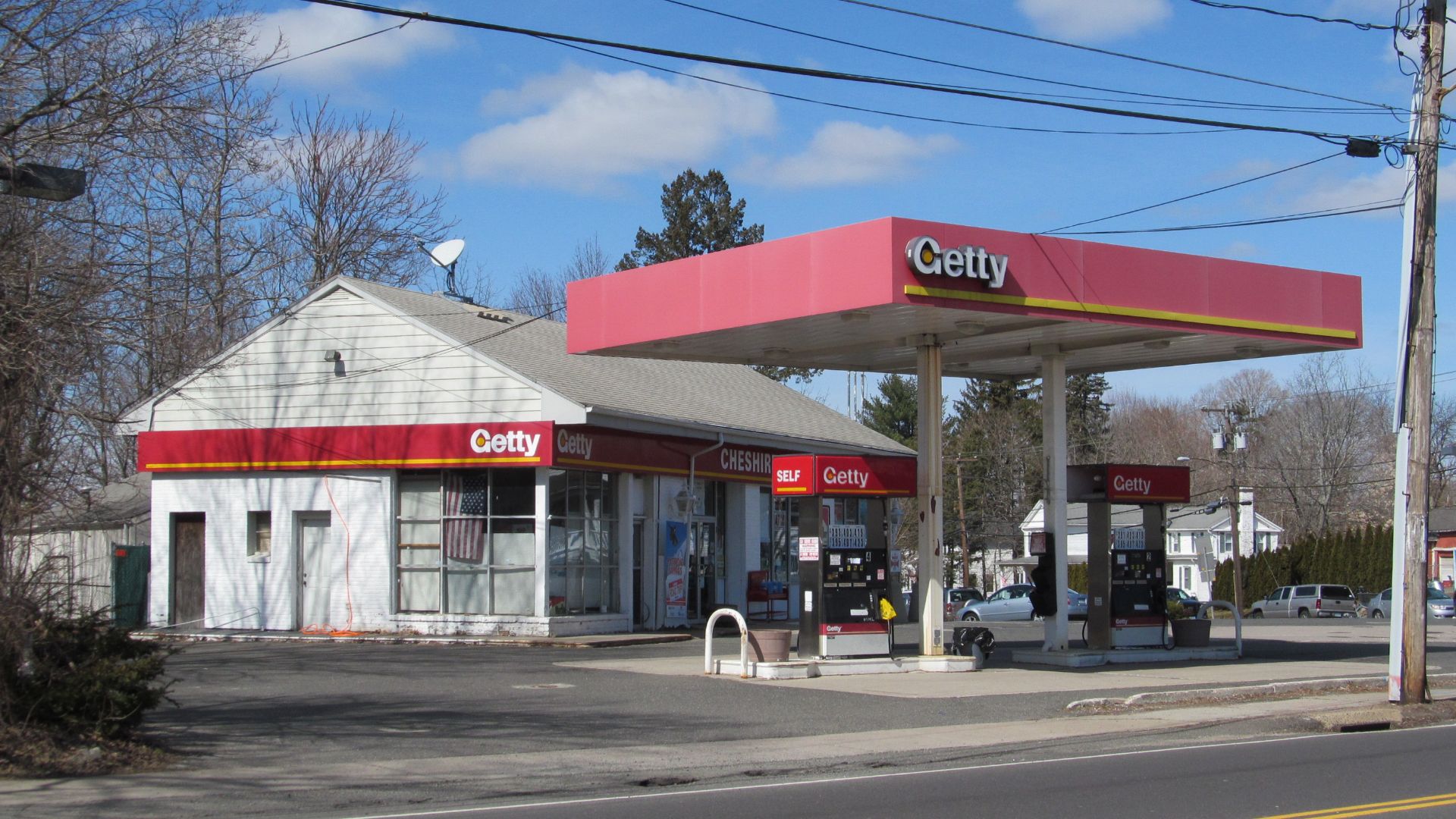 John Phelan, Wikimedia Commons
Flying A Had Already Started To Disappear
Some familiar brands disappeared even before the 1970s transformation reached full speed. Flying A was an earlier casualty of petroleum industry consolidation, with its former stations becoming associated with Getty. Its disappearance showed how recognizable roadside names could vanish even when the underlying gasoline business continued.
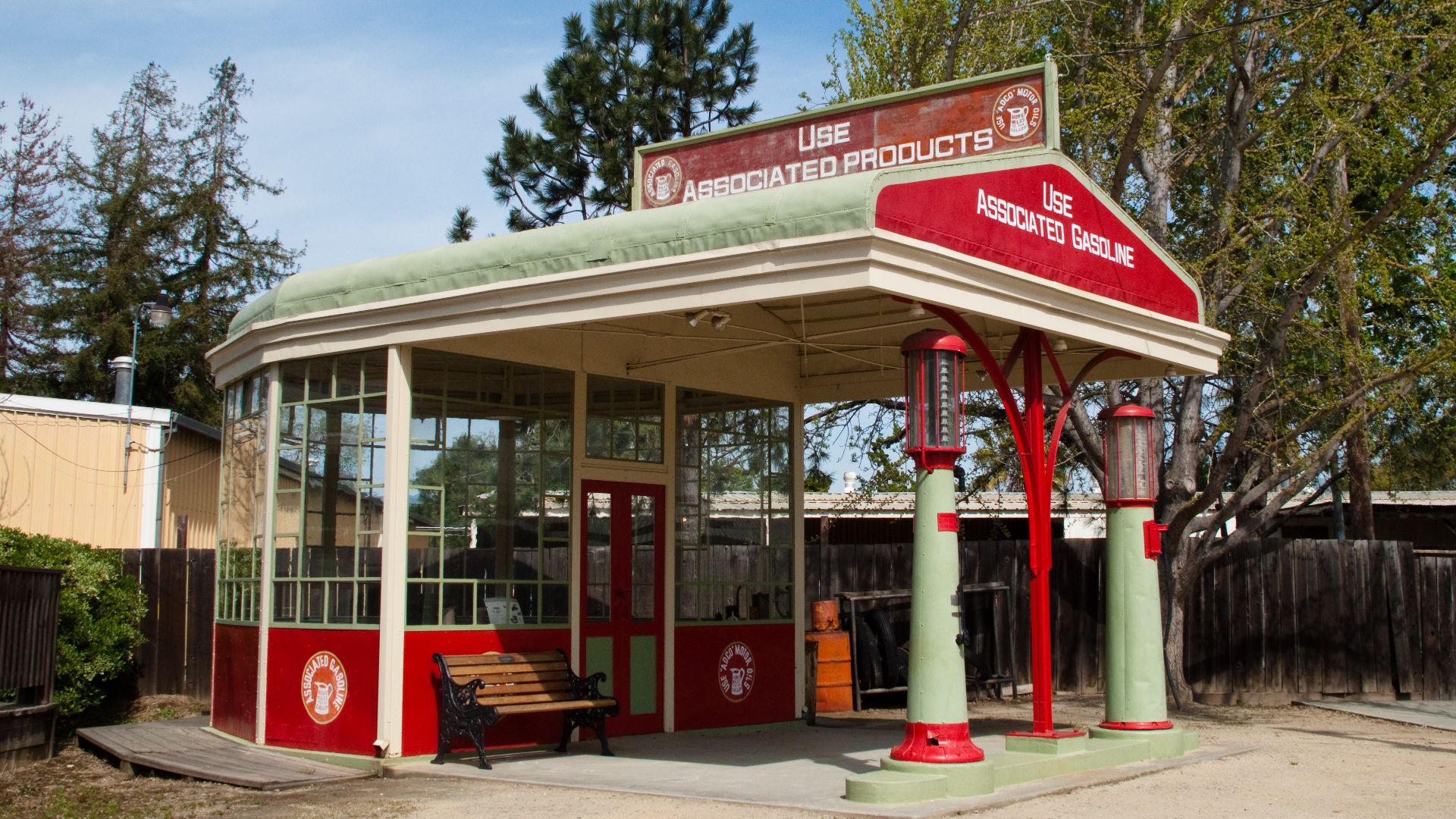 HarshLight from San Jose, CA, USA, Wikimedia Commons
Supertest Was A Canadian Roadside Institution
Canadian motorists may remember Supertest's distinctive maple leaf logo. The London, Ontario company promoted its Canadian identity and developed a recognizable network of gasoline stations. British Petroleum acquired Supertest in 1971, and the original name and branding were phased out by the end of 1973.
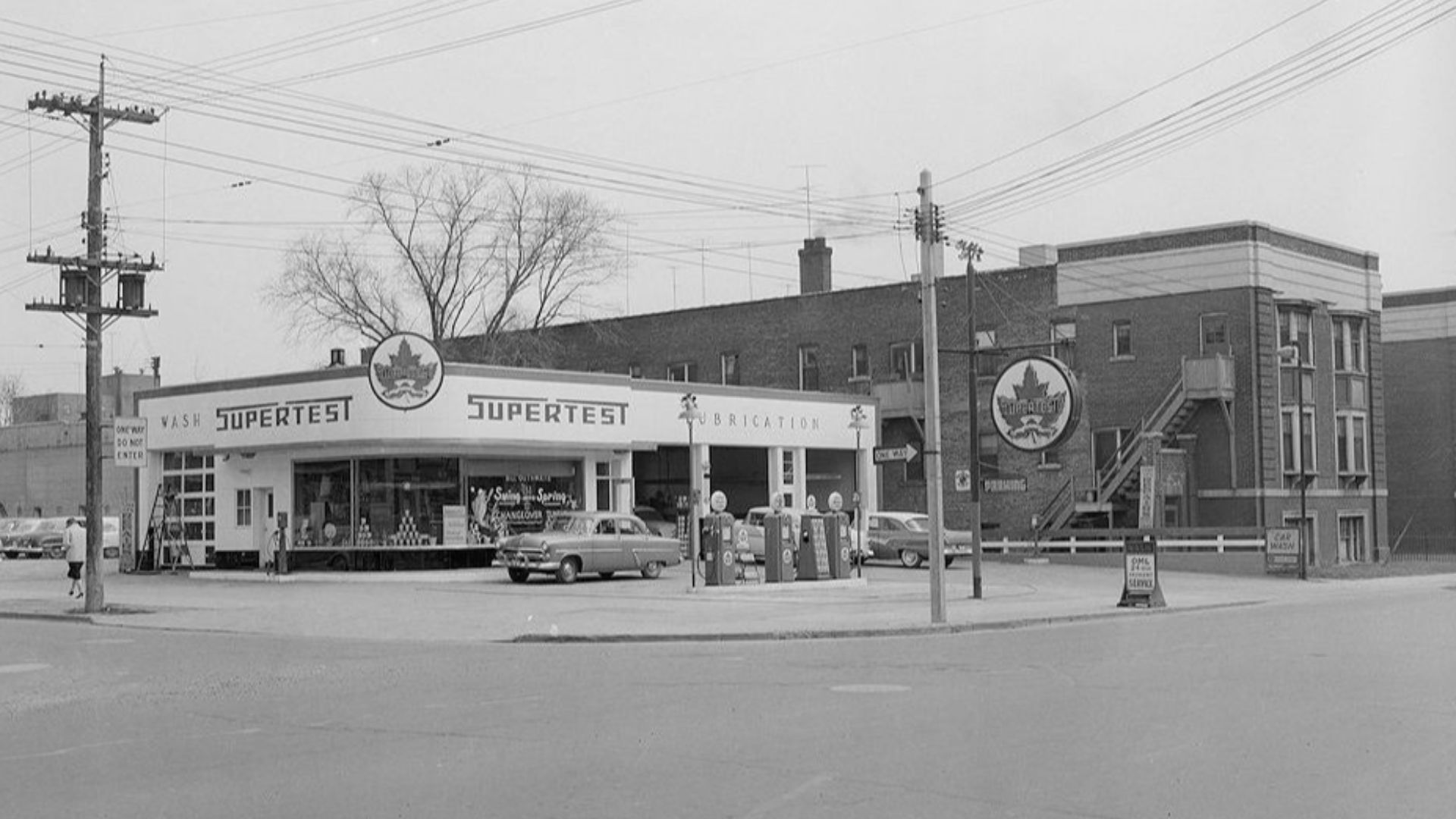 Toronto History from Toronto, Canada, Wikimedia Commons
B/A Stations Eventually Became Gulf
Another familiar Canadian roadside name was B/A, associated with British American Oil. Gulf gradually increased its ownership of the Canadian company, which became Gulf Oil Canada in 1969. The transition brought another change to the country's gasoline landscape as the older B/A identity gave way.
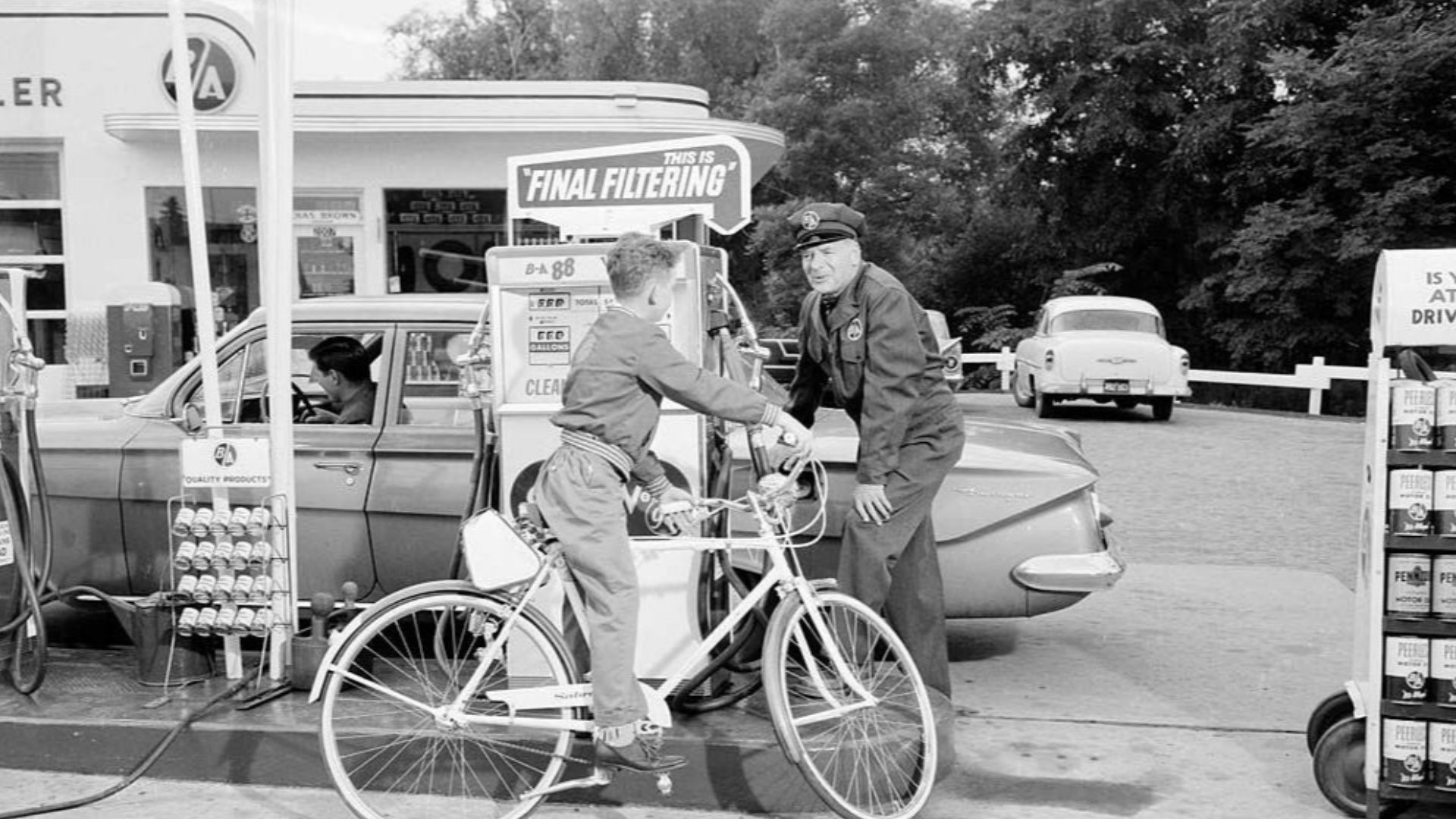 Alexandra Studio, Wikimedia Commons
APCO Disappeared Before The Decade Ended
APCO Oil Corporation was another regional petroleum business affected by the industry's changing economics. The company operated during the 1970s but began liquidating its assets before the decade ended. Federal environmental records confirm that shareholders voluntarily dissolved APCO in September 1978, bringing its original corporate operations to an end.
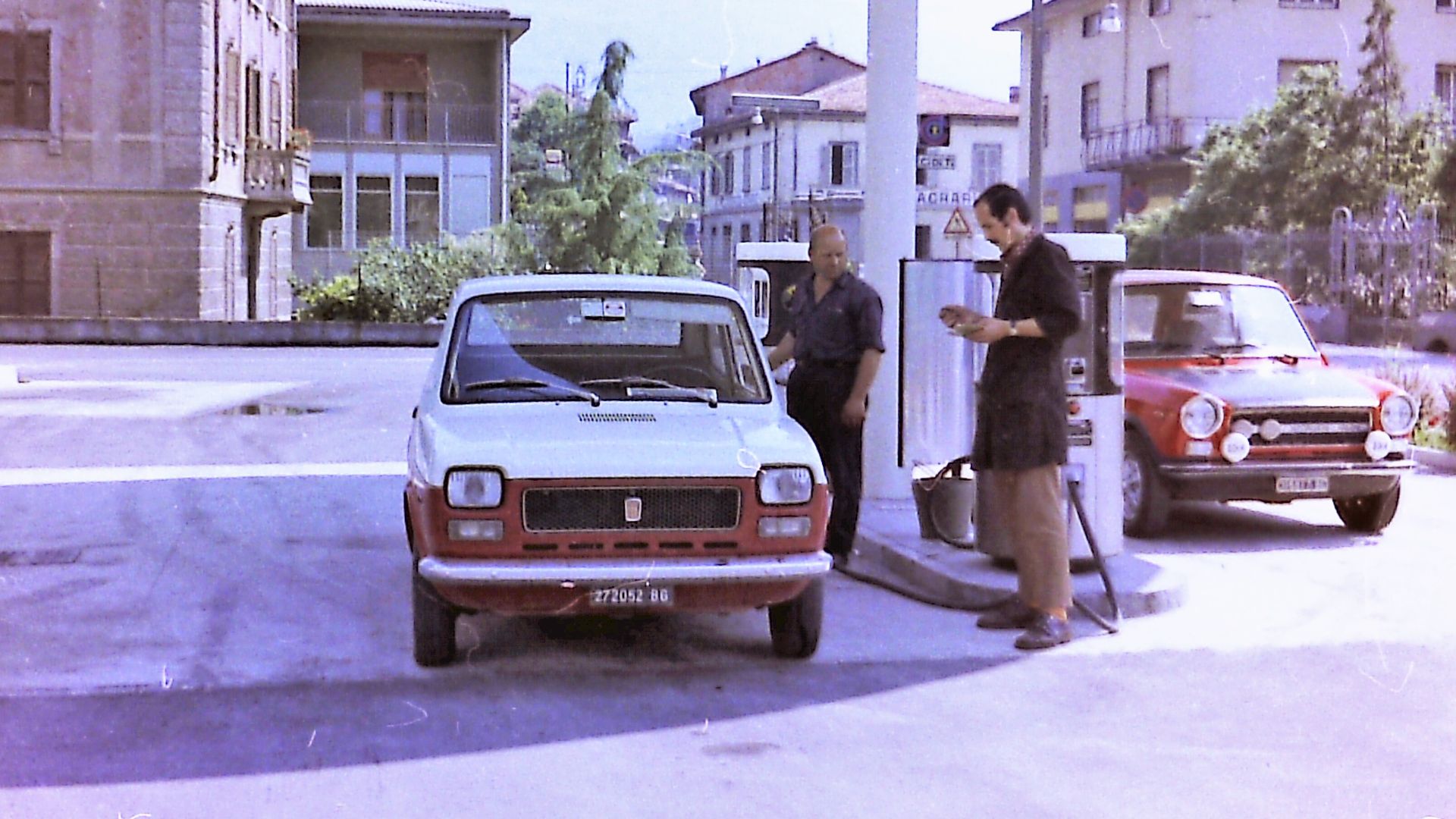
Fina Disappeared From Canadian Highways
Fina gasoline stations were once recognizable throughout parts of eastern Canada. Their owner, Petrofina Canada, was acquired by Petro-Canada in 1981. The transaction expanded Petro-Canada's refining and marketing network, and the familiar Fina branding was replaced as the newly acquired locations adopted their new identity.
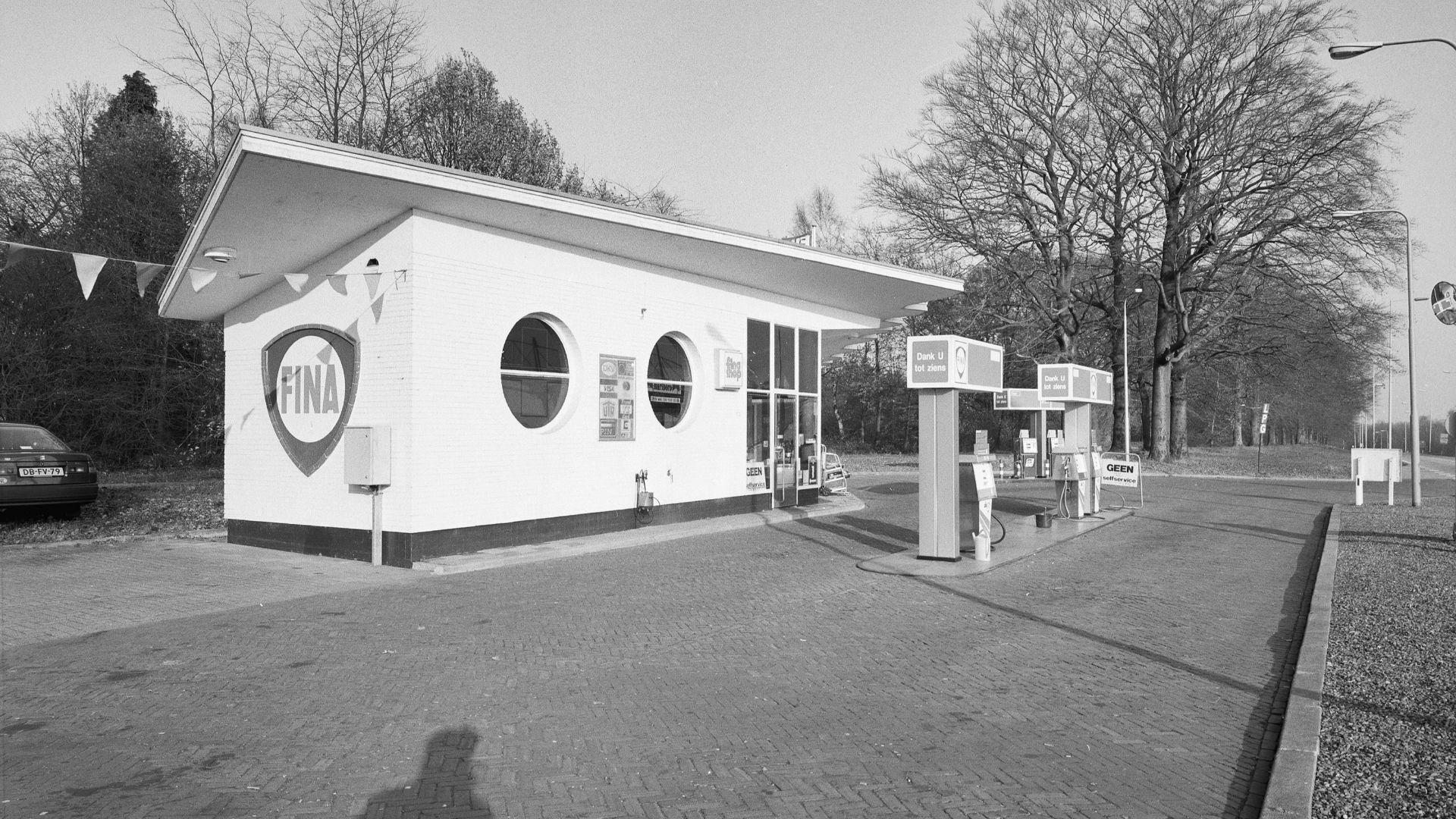 Paul van Galen, Wikimedia Commons
American Fina Stations Lasted Much Longer
Fina also operated in the United States, particularly in southwestern markets. Its American roadside identity survived long after the Canadian transition. In 2012, Alon Brands began replacing Fina signs with ALON branding as its licensing arrangement approached its end and the companies pursued different retail strategies.
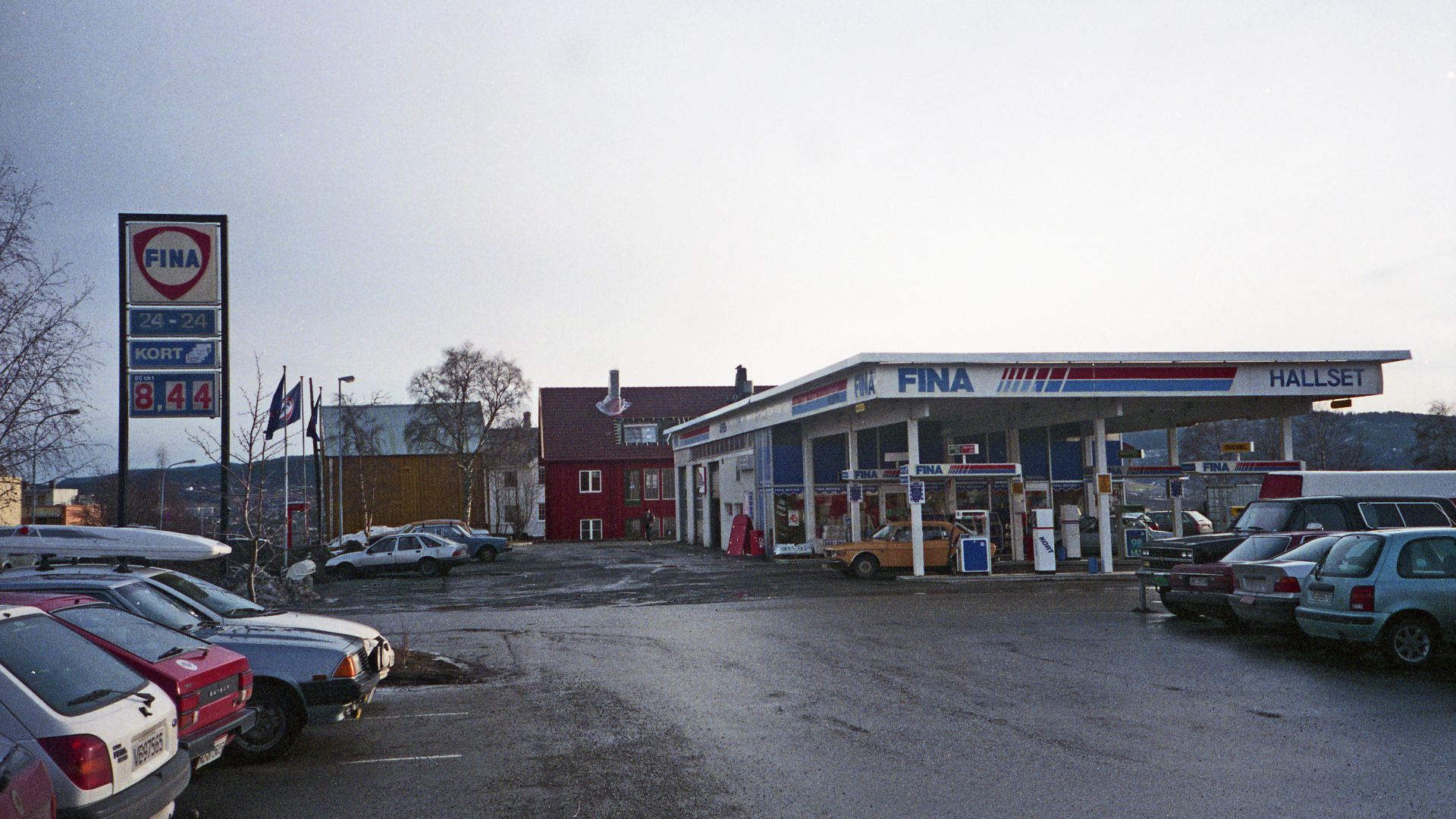 Municipal Archives of Trondheim from Trondheim, Norway, Wikimedia Commons
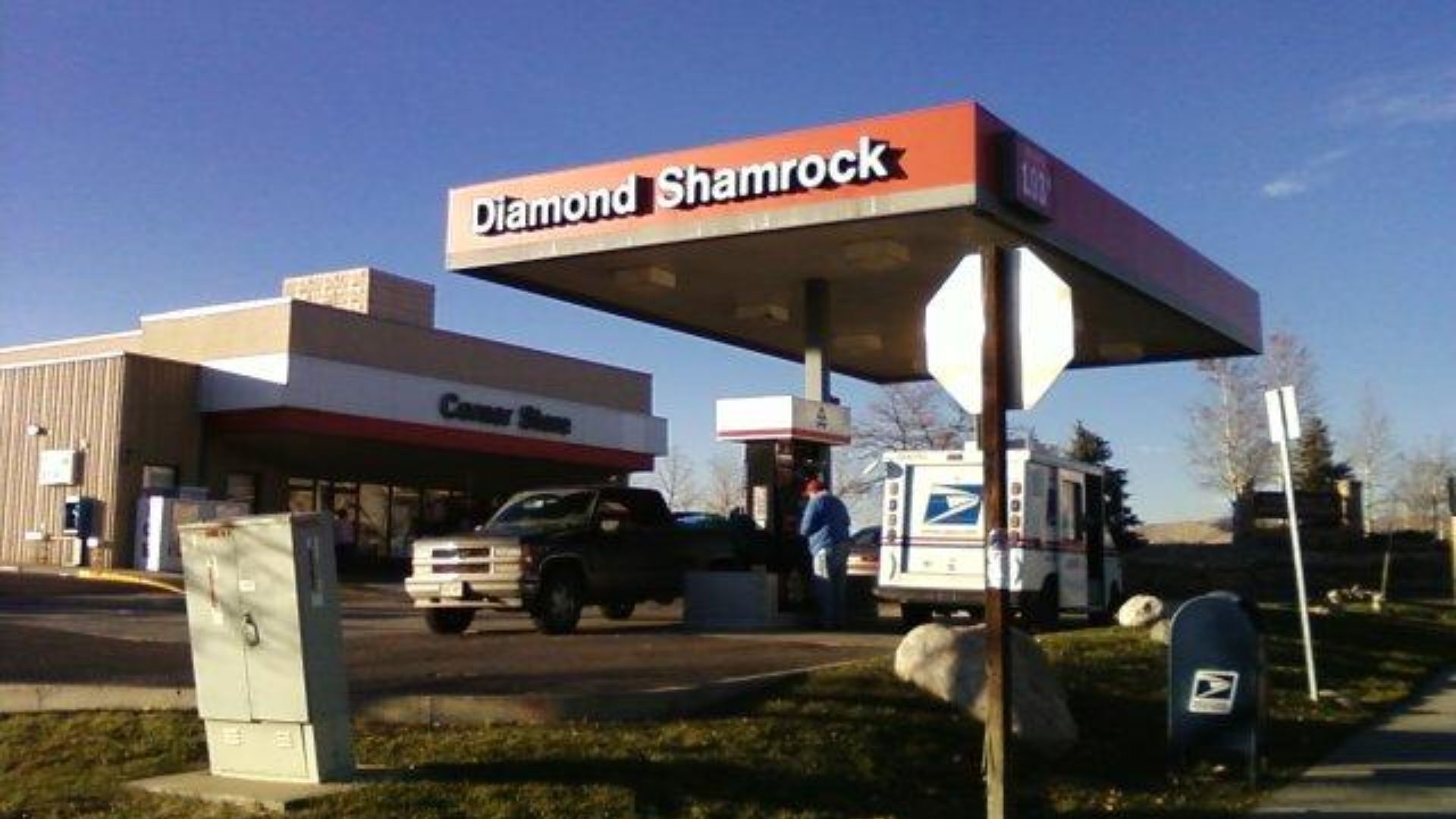
Diamond Shamrock Eventually Yielded To Valero
Diamond Shamrock became especially familiar to drivers across Texas and neighboring states. Its service station business continued expanding well beyond the 1970s before becoming part of Valero. In 2005, Valero announced plans to replace Diamond Shamrock signage across much of its network with its own corporate brand.
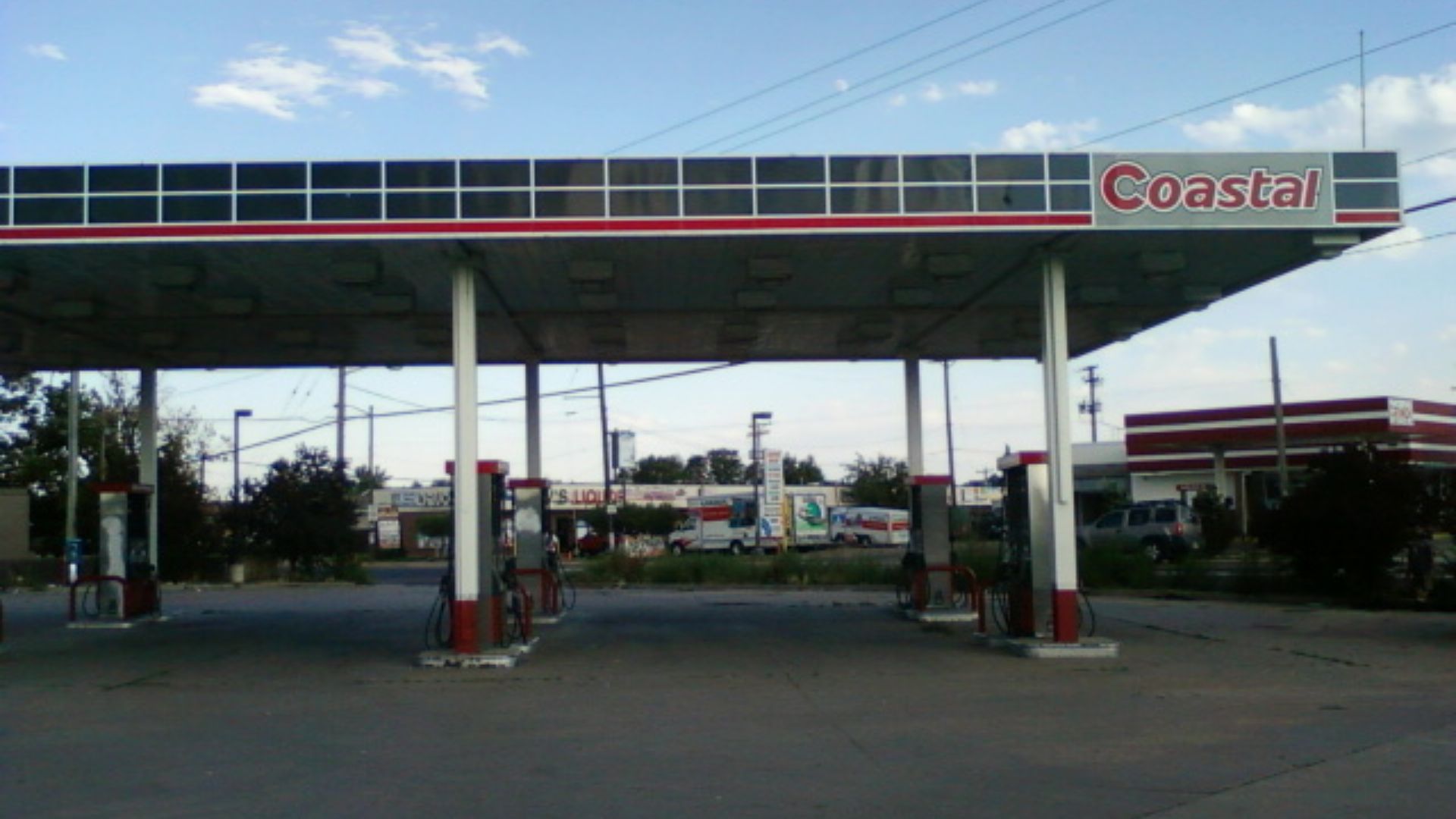
Coastal Stations Were Absorbed Into Sunoco
Coastal was another gasoline name motorists encountered across the eastern United States. Its retail network eventually attracted Sunoco, which acquired hundreds of Coastal gasoline outlets and supply relationships during 2001 and 2002. The acquisitions helped expand Sunoco's presence while reducing Coastal's former independent retail footprint.
Gulf Went Through A Major Canadian Transformation
Gulf was an important name across Canada throughout the 1970s. During the following decade, Petro-Canada acquired major portions of Gulf Canada's gasoline distribution and service station operations. The original network lost its familiar identity, although Gulf-branded stations later returned to Canada through separate licensing arrangements.
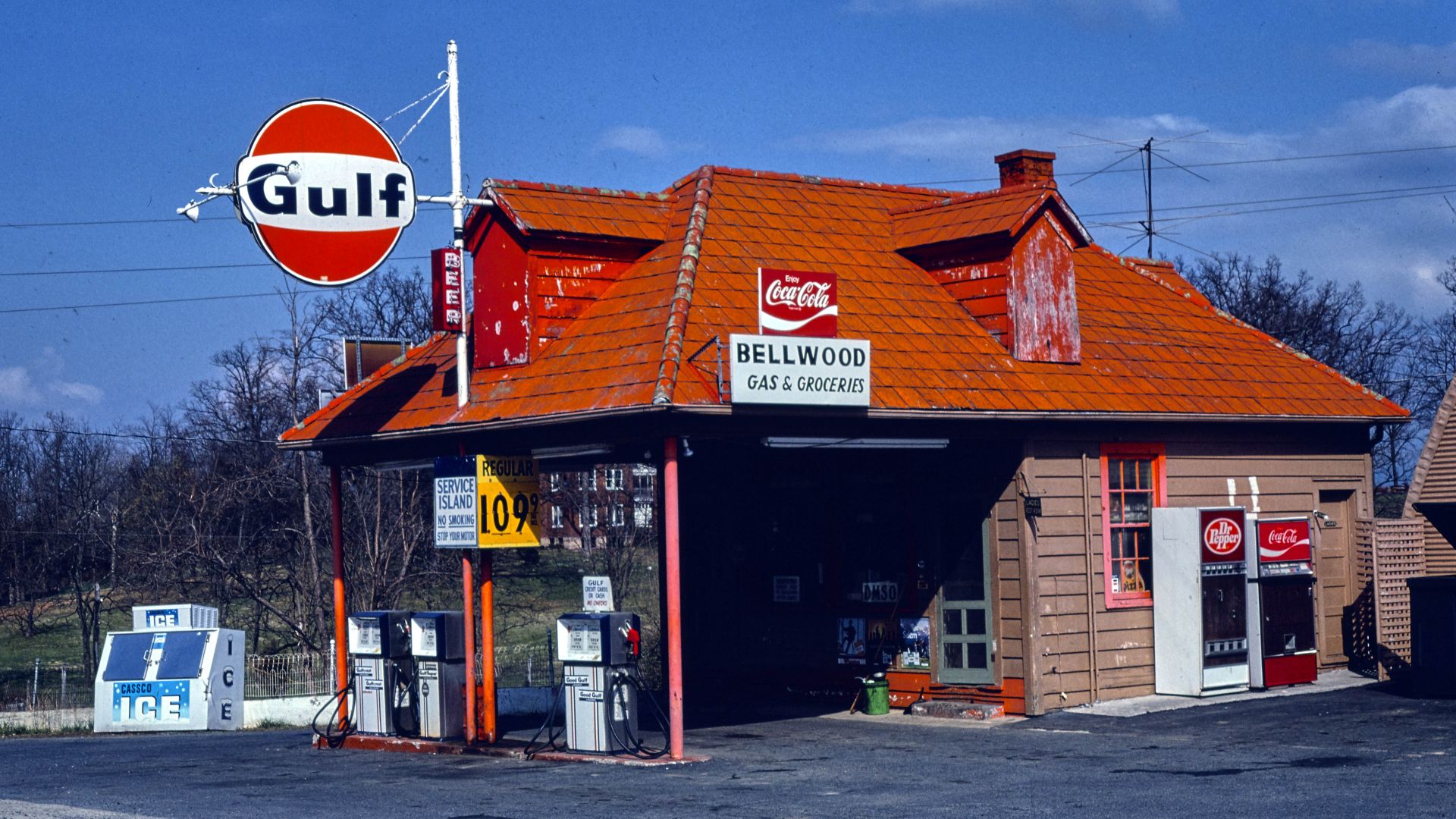 John Margolies, Wikimedia Commons
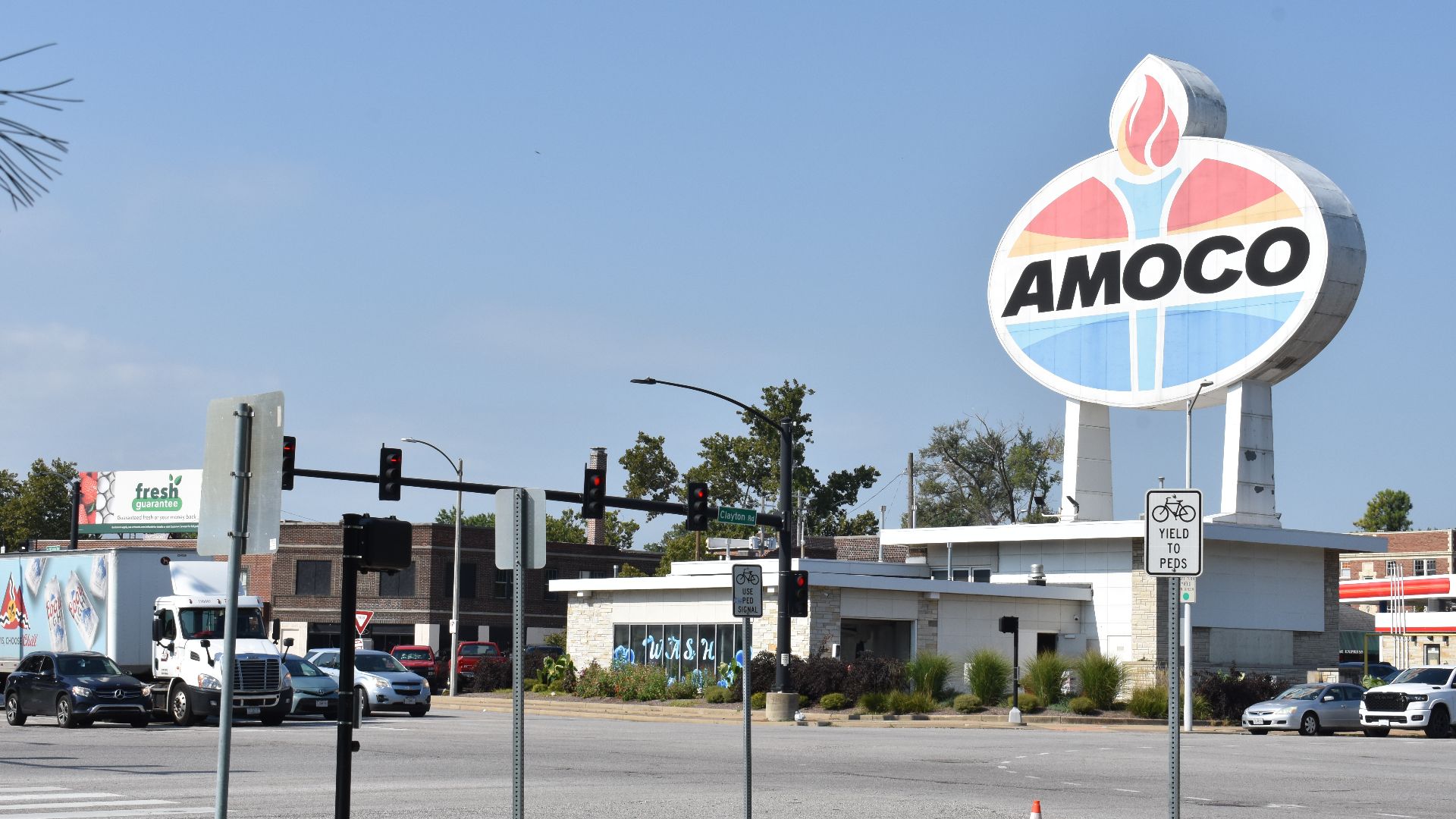
Amoco Actually Made A Comeback
Amoco's red, white, and blue identity was among the most recognizable in American gasoline marketing. Following its merger with BP in 1998, many stations eventually adopted BP branding. However, the Amoco name was not permanently retired, because BP announced its reintroduction as a retail fuel brand in 2017.
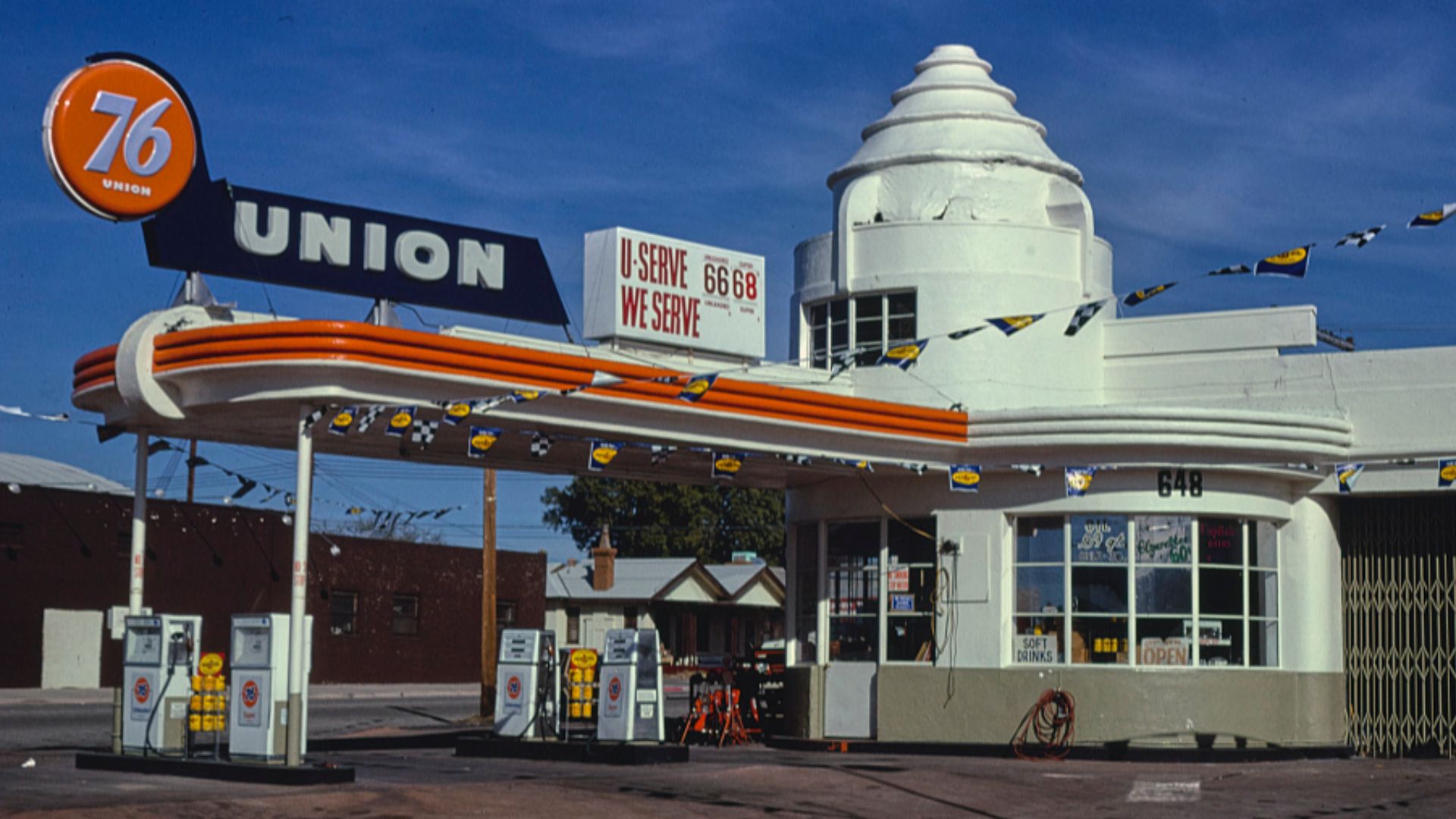
Union 76 Proved That Some Names Could Survive
Not every familiar gasoline brand disappeared during the industry's consolidation. Union 76 retained its recognizable orange ball identity even as ownership and marketing arrangements changed. Today, the surviving 76 brand demonstrates that a petroleum company can change ownership without necessarily abandoning the roadside identity motorists remember.
 The Library of Congress from Washington, DC, United States, Wikimedia Commons
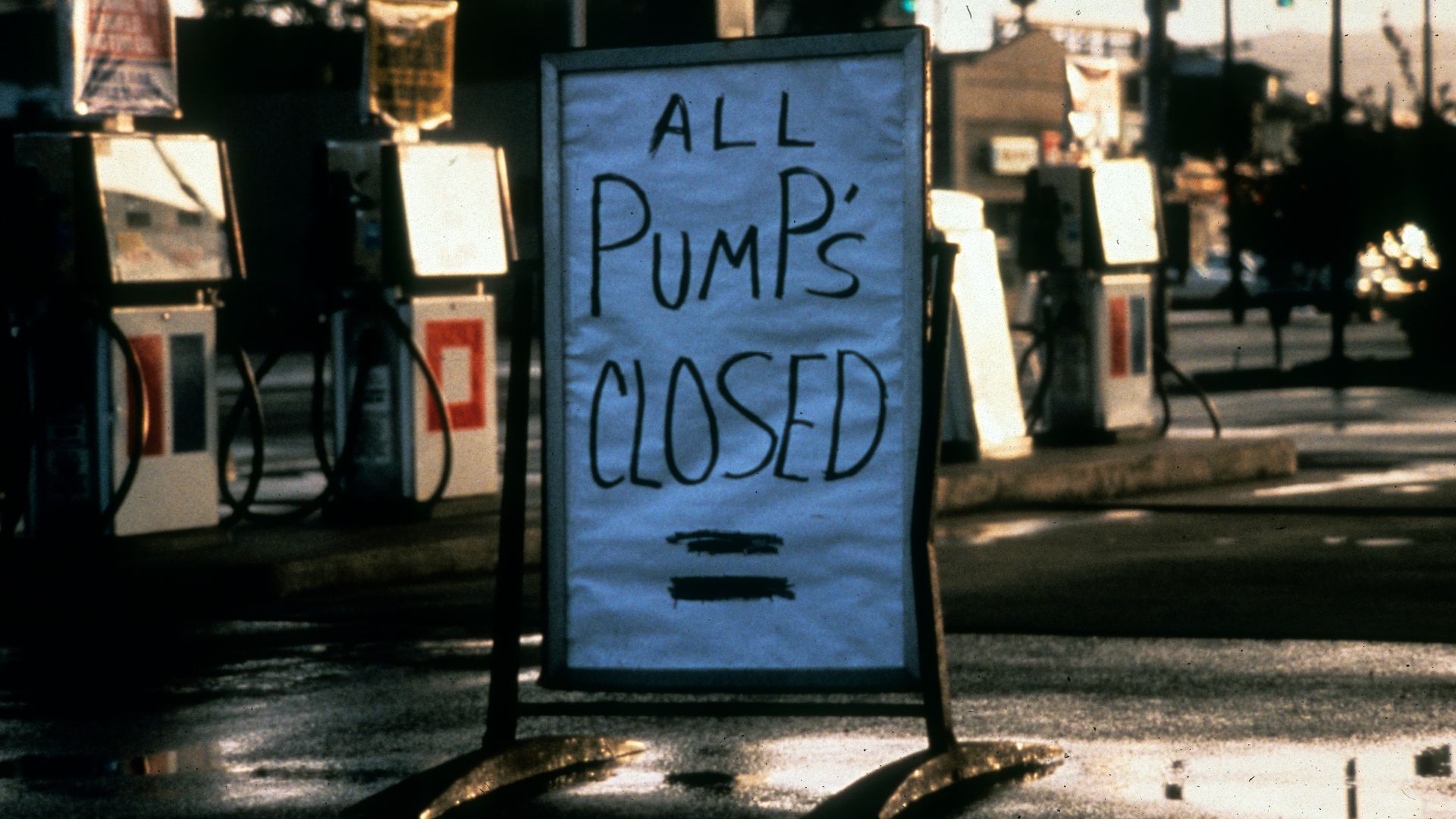
Even The Free Road Maps Disappeared
The familiar gasoline brands were not the only casualties of changing roadside economics. Oil companies once distributed enormous numbers of free paper maps to encourage travel and build customer loyalty. That tradition declined as gasoline marketing changed, particularly around the energy crisis of 1973.
 Seattle Municipal Archives from Seattle, WA, Wikimedia Commons
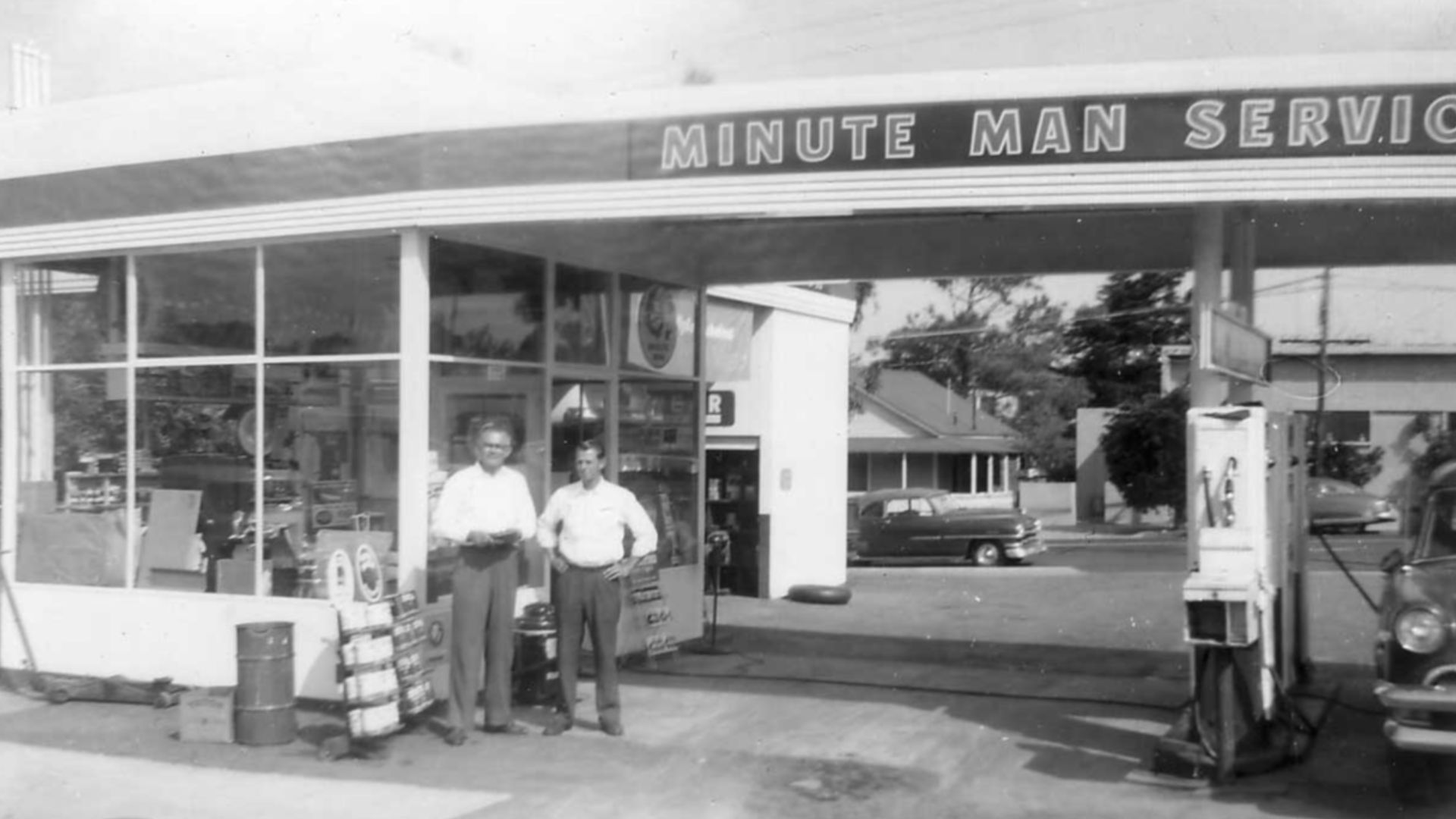
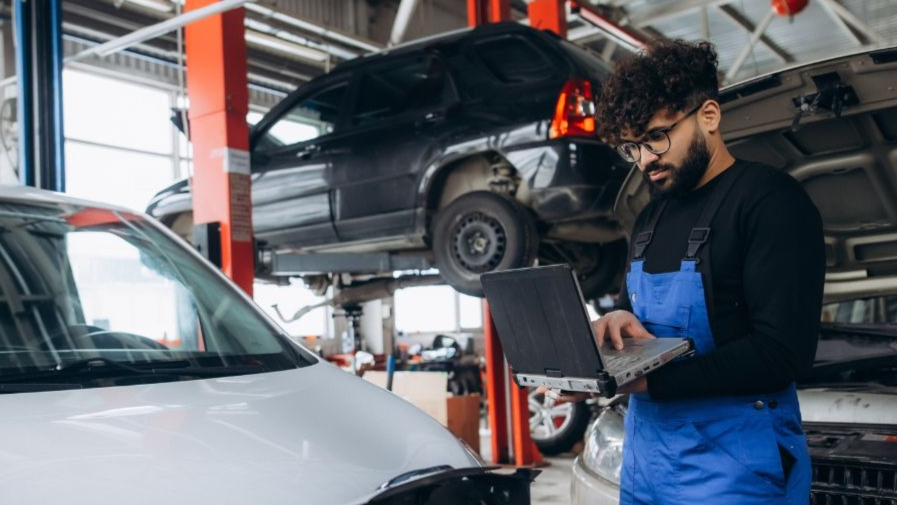
The Repair Bays Were Disappearing Too
Traditional gasoline stations often combined fuel sales with mechanical repairs, making them important neighborhood businesses. As self-service stations and convenience stores expanded, that model faced increasing pressure. Some petroleum companies encouraged dealers to eliminate repair bays altogether, fundamentally changing the relationship between motorists and their local stations.
 Bruce Robinson, Wikimedia Commons
The Service Is Worth Remembering More Than The Sign
The disappearance of familiar gasoline brands reflects a larger transformation in American driving culture. Fueling became faster and increasingly self-directed, while vehicle repairs moved toward specialized businesses. Drivers who miss full-service stations can still seek out independent garages offering personal attention, maintenance checks, and an ongoing relationship with a trusted mechanic.
Sources: 1, 2, 3, 4, 5, 6, 7, 8, 9, 10, 11, 12, 13, 14, 15, 16, 17, 18, 19, 20, 21