That Breaker Is Telling You Something.
Repeated trips can come from the electrical installation, the charging station, or the vehicle, which means blaming one component before testing the whole chain is premature. Who ultimately pays depends on what failed, what your installation contract promises, and which warranties are still active.
Treat The Breaker Trip As A Warning
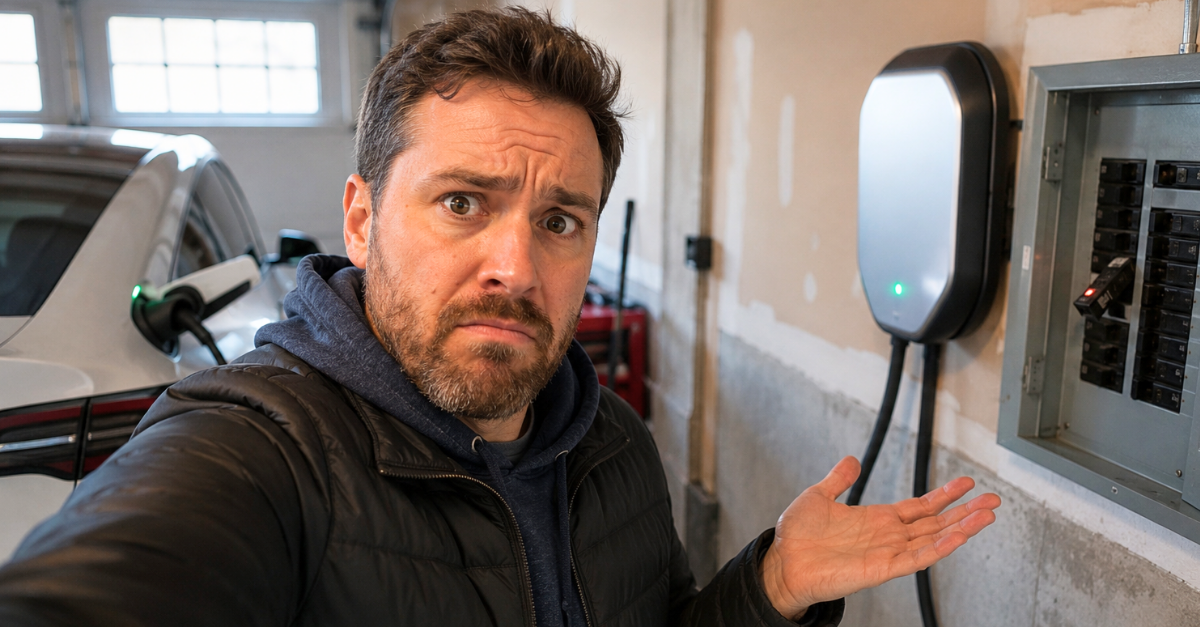
A circuit breaker is protective equipment, not an inconvenient switch that should simply be reset repeatedly. EV charging places a substantial continuous load on household wiring for hours at a time. If the breaker keeps opening, charging should stop until the cause is identified.
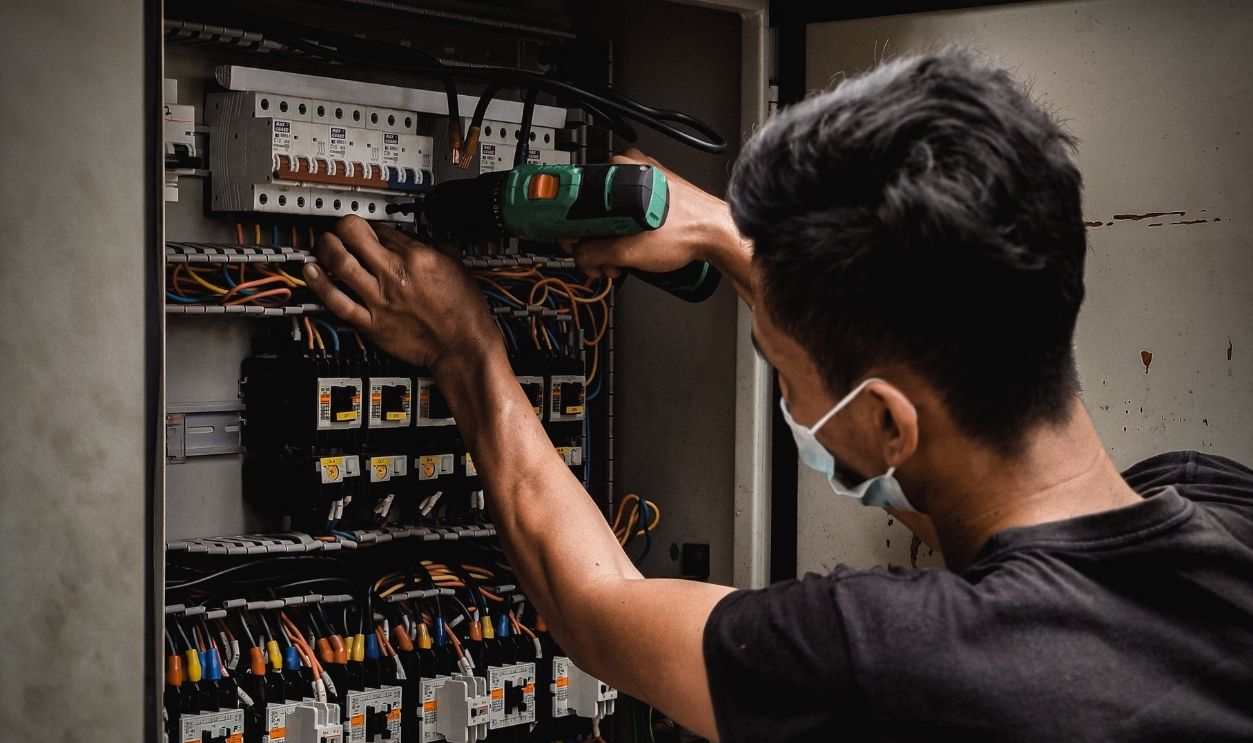
Three Different Systems Are Involved
Home charging requires the house electrical circuit, the EV charging equipment, and the vehicle's onboard charging hardware to work together. A problem in any one of those areas can interrupt charging. That makes a breaker trip very different from a fault that obviously belongs to one standalone appliance.
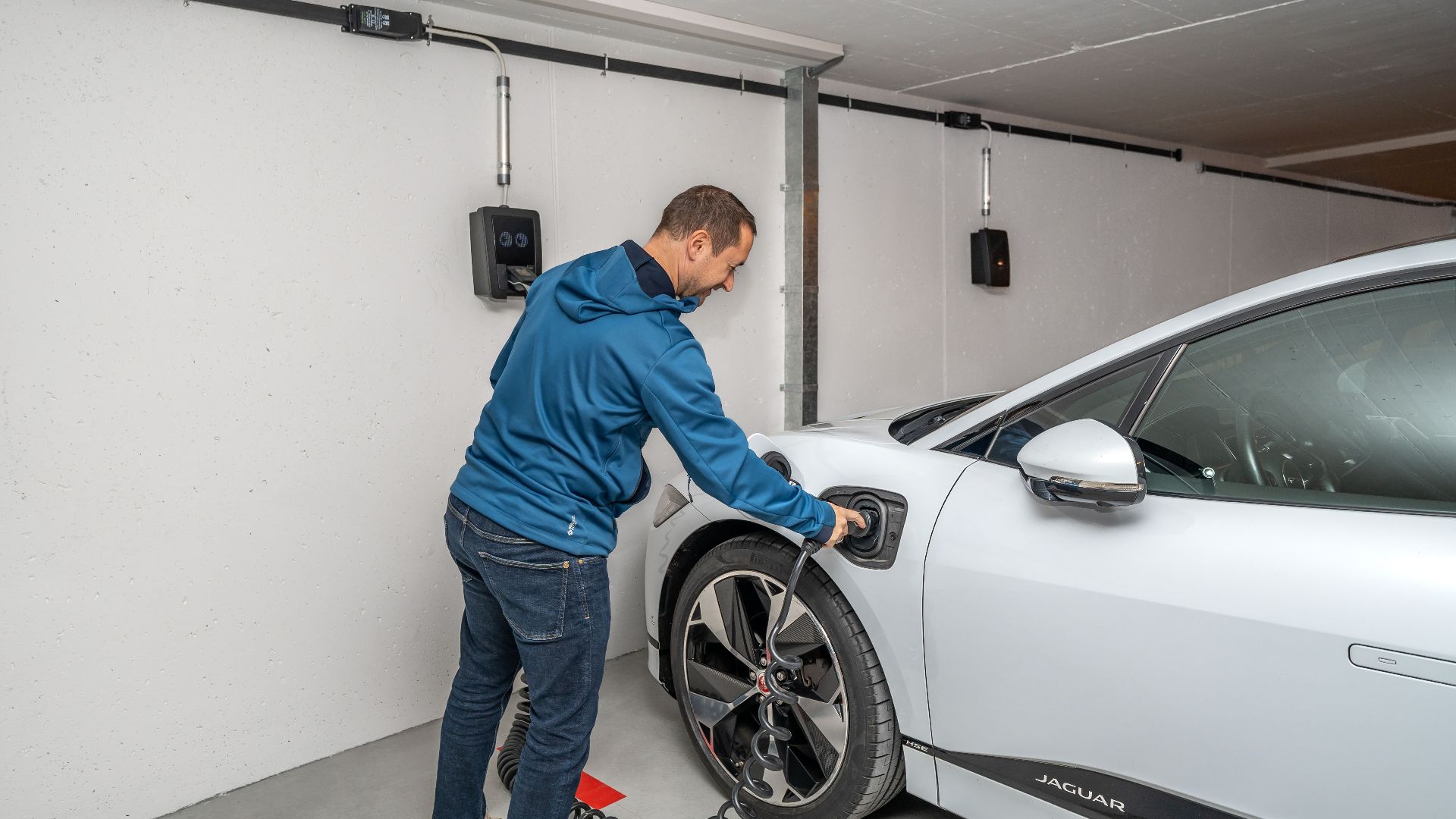
The Installer Cannot Diagnose The Car By Guessing
An electrician may reasonably suspect the vehicle after confirming that the circuit and charger are operating correctly. That conclusion should come from measurements and fault information rather than assumption. Charger manufacturers themselves distinguish electrical-supply faults from vehicle-overcurrent faults in their troubleshooting guidance.
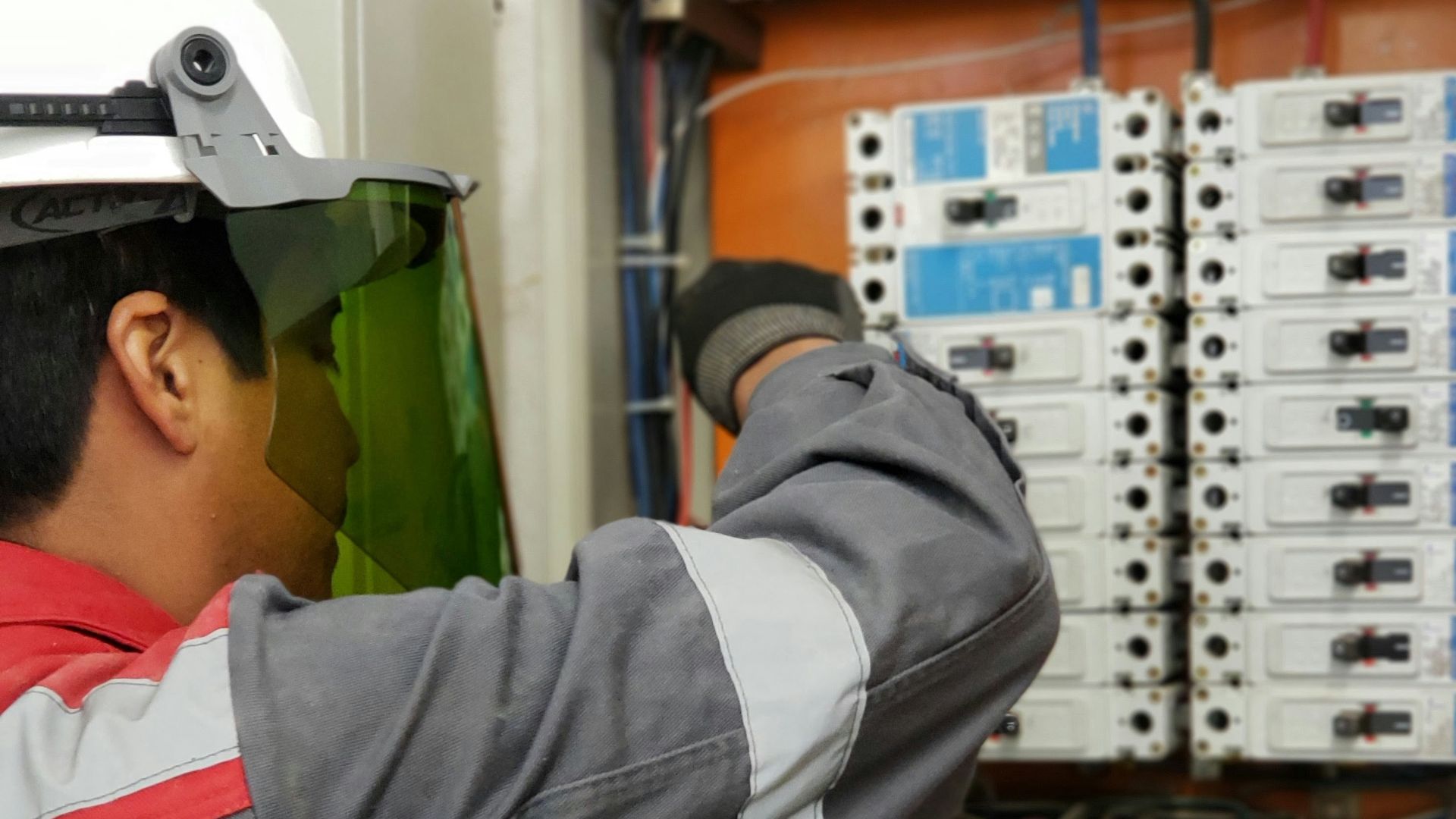
The Car Cannot Automatically Take The Blame Either
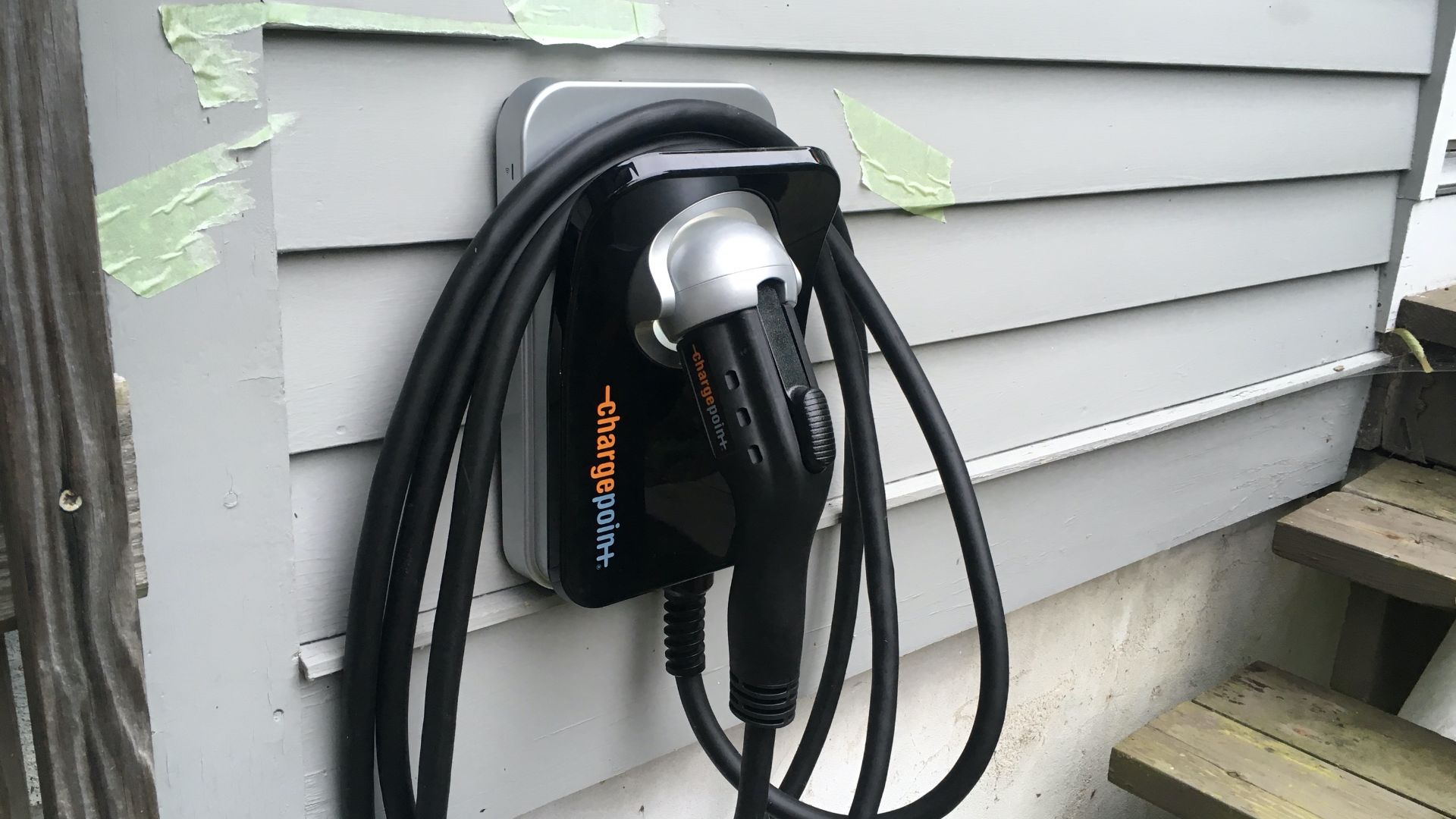
A vehicle may simply be requesting the charging current that the station advertises as available. If the EVSE was configured for more current than the installed circuit can safely provide, the electrical side of the system deserves attention. ChargePoint specifically warns that an incorrectly configured amperage setting can cause the breaker to trip.
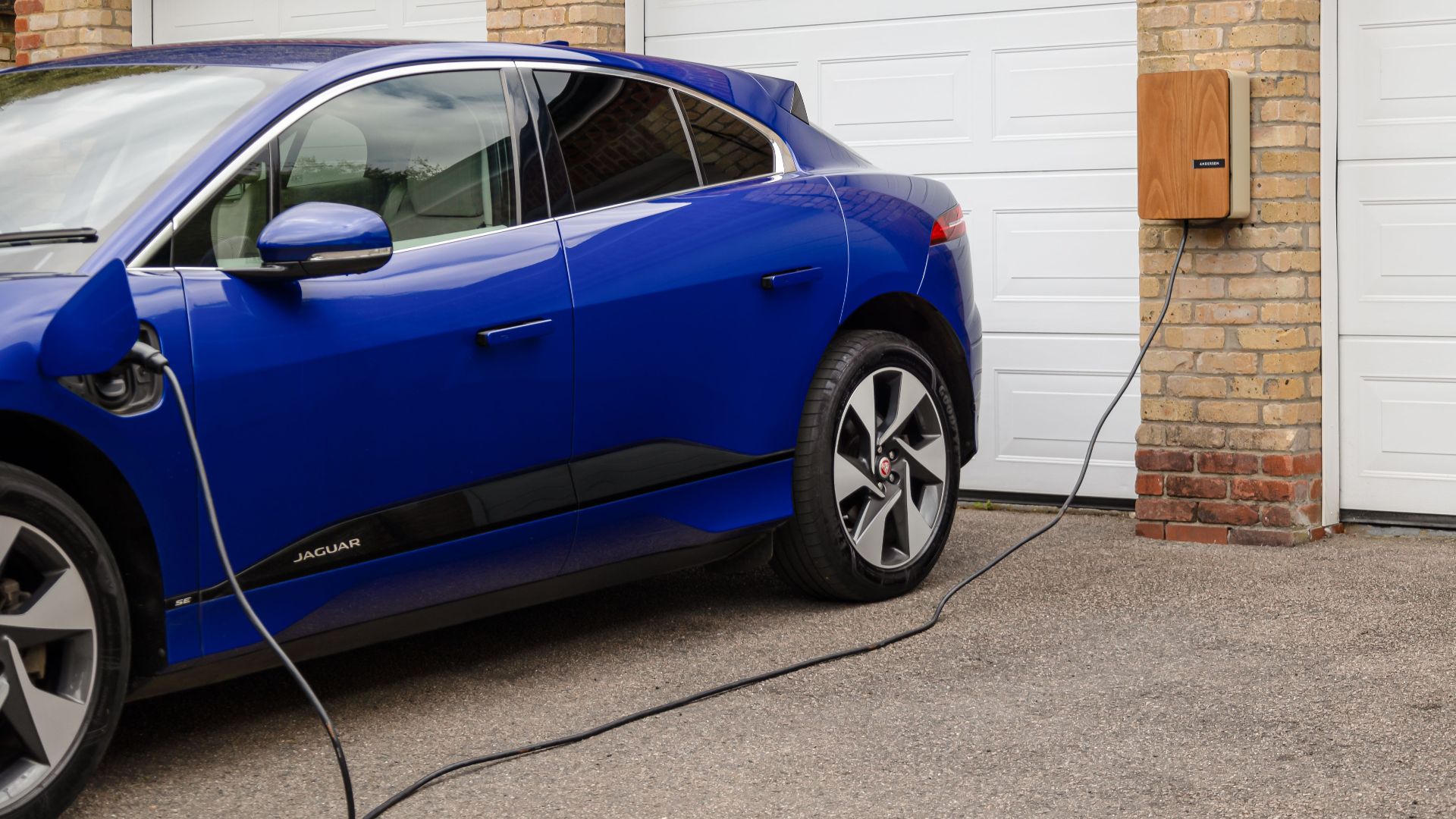
Charger Amperage Must Match The Circuit
Level 2 chargers are often adjustable for several output levels. ChargePoint, for example, pairs specific charging outputs with specific breaker ratings and instructs installers to configure the station accordingly. A 48-amp charging setting cannot simply be placed on whatever breaker happens to be available.
EV Charging Is A Continuous Load
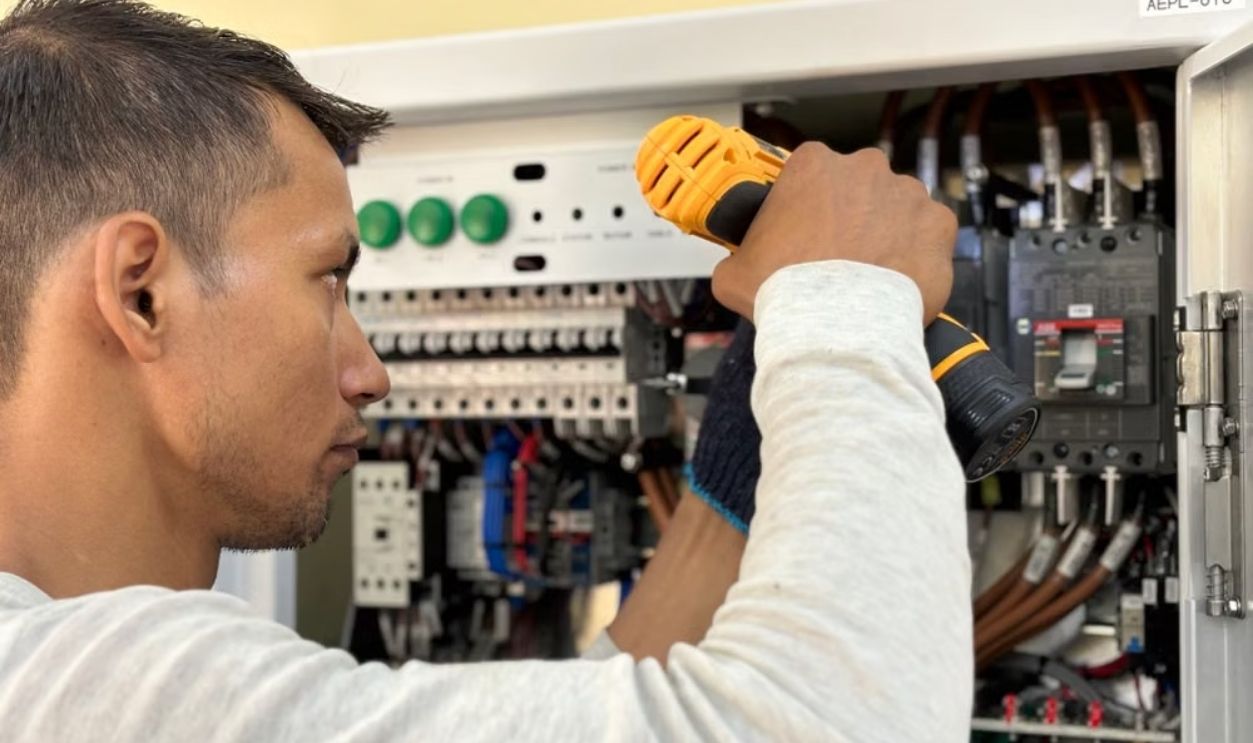
The Department of Energy's Alternative Fuels Data Center notes that EV charging is treated as a continuous electrical load under the National Electrical Code. Its contractor guidance explains that circuit protection is sized above the maximum EVSE load rather than at the exact same amperage. That requirement exists because charging can continue at high power for hours.
The Charger Usually Needs Its Own Circuit
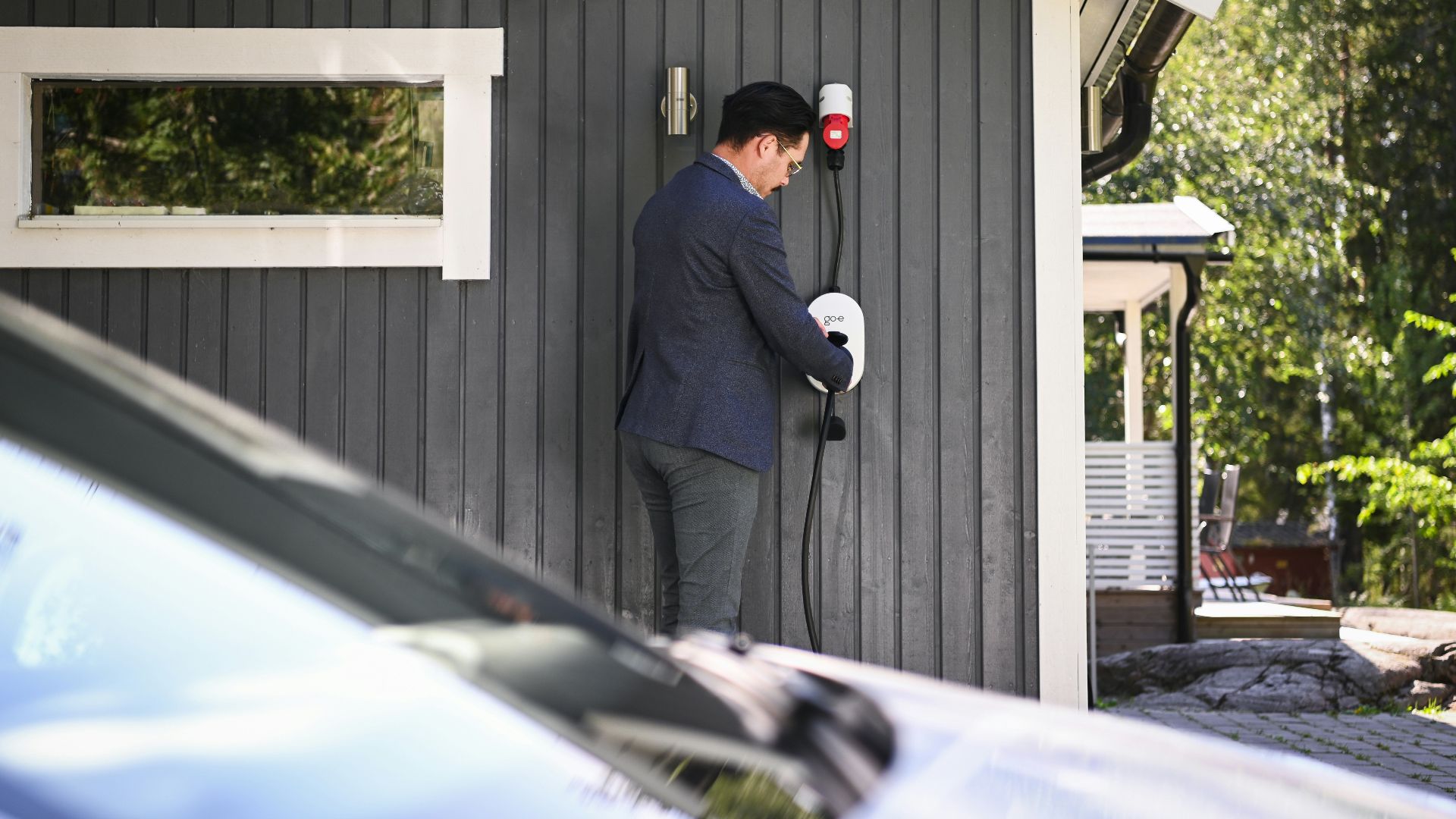
DOE guidance says Level 2 charging equipment is installed on dedicated circuitry. ChargePoint likewise states that its Home Flex cannot simply share one circuit with another major appliance. If your charger shares wiring with something else in the garage, that deserves immediate investigation.
Your Electrical Panel Has Limits
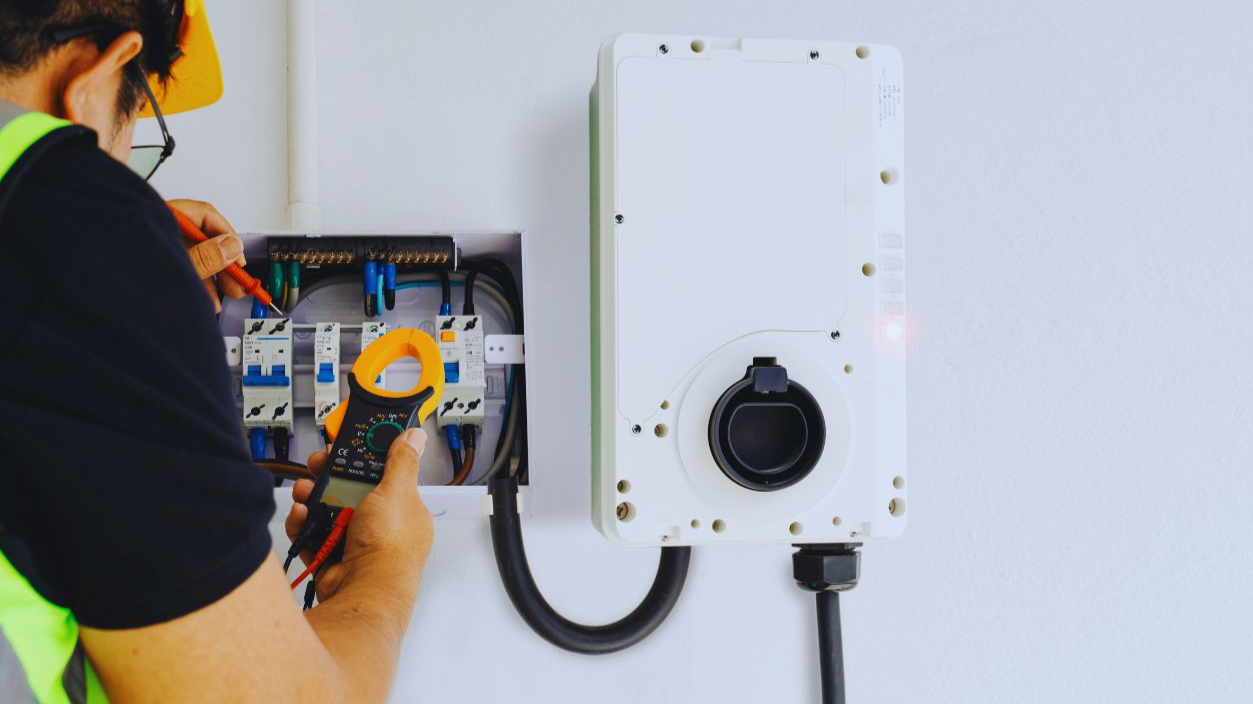
A house may have enough voltage for Level 2 charging without having enough unused electrical capacity for the desired charging rate. DOE recommends having a qualified electrician evaluate whether the home's service can support the equipment. Some installations need lower charging power or an electrical upgrade rather than a larger breaker installed casually.
A Bigger Breaker Is Not A Shortcut
Breaker size, conductor size, charger configuration, and electrical capacity have to be coordinated. ChargePoint warns that changing charging amperage requires the circuit to be upgraded accordingly. Installing a larger breaker without verifying the wiring would remove an important layer of protection.
Loose Connections Can Create Heat
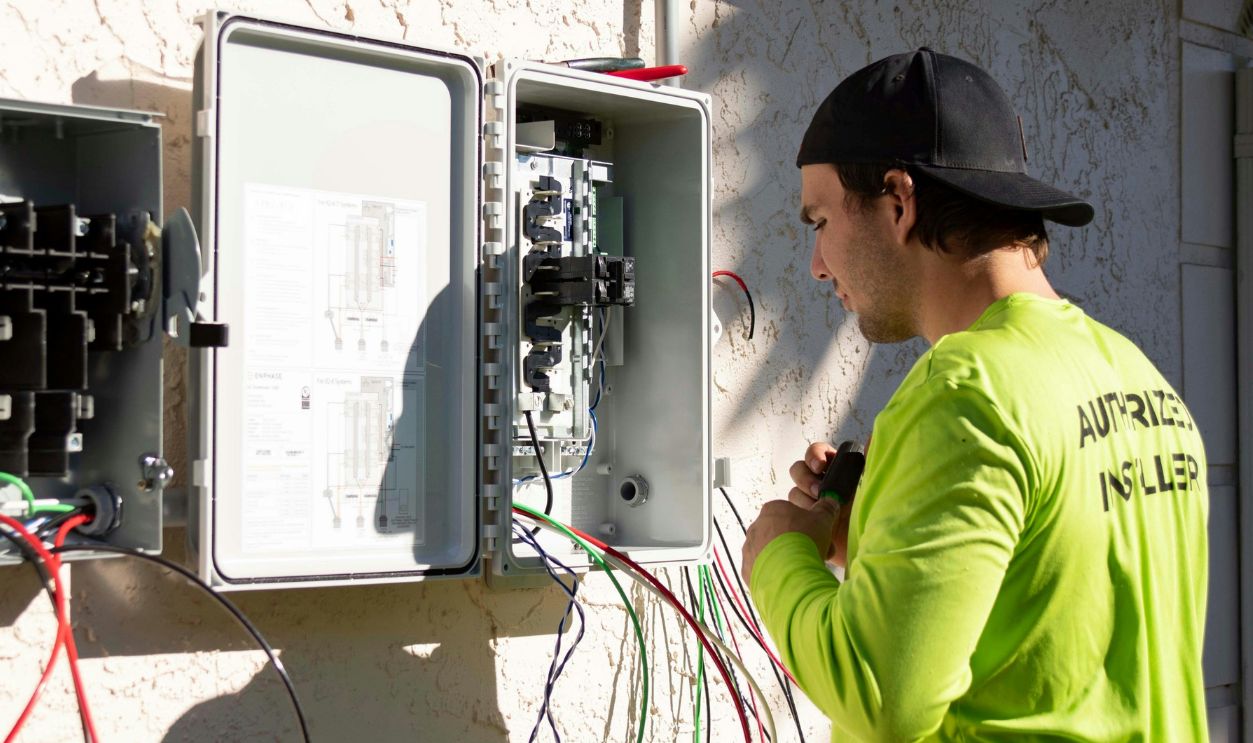
High-current charging makes connection quality especially important. Tesla's Wall Connector troubleshooting instructions tell electricians to verify conductor sizing and terminal torque when the unit detects excessive temperature. A poor connection may not reveal itself during a quick visual inspection.
 Oregon Department of Transportation, Wikimedia Commons
Grounding Faults Can Stop Charging
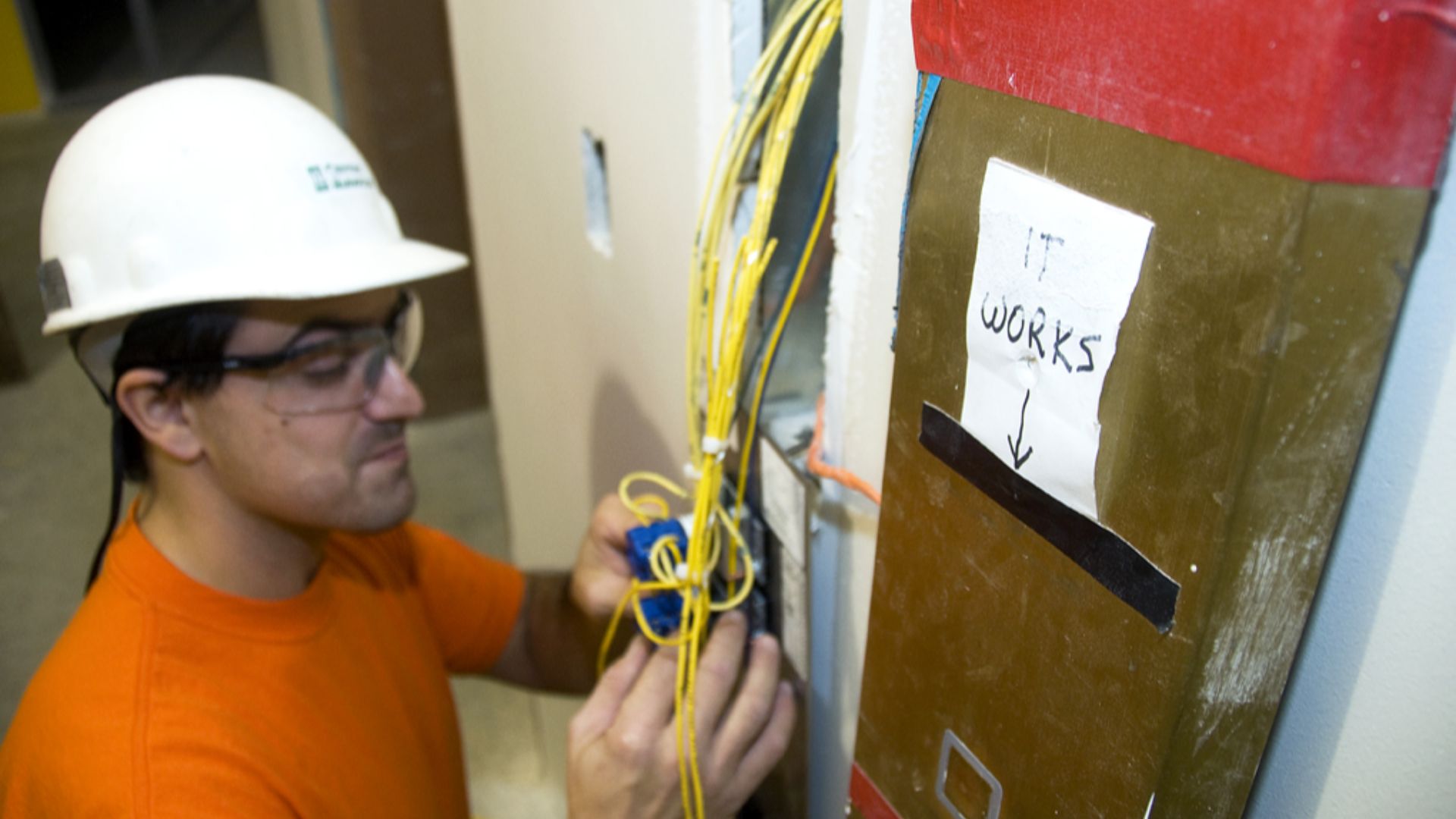
Charging equipment actively monitors electrical safety conditions. Tesla Wall Connector documentation lists both ground-fault interruption and excessive ground resistance as conditions that stop charging. Those faults can originate in the installation, damaged equipment, moisture, or another unsafe current path.
 Summit Art Creations, Shutterstock
The Charger Has Protection Of Its Own
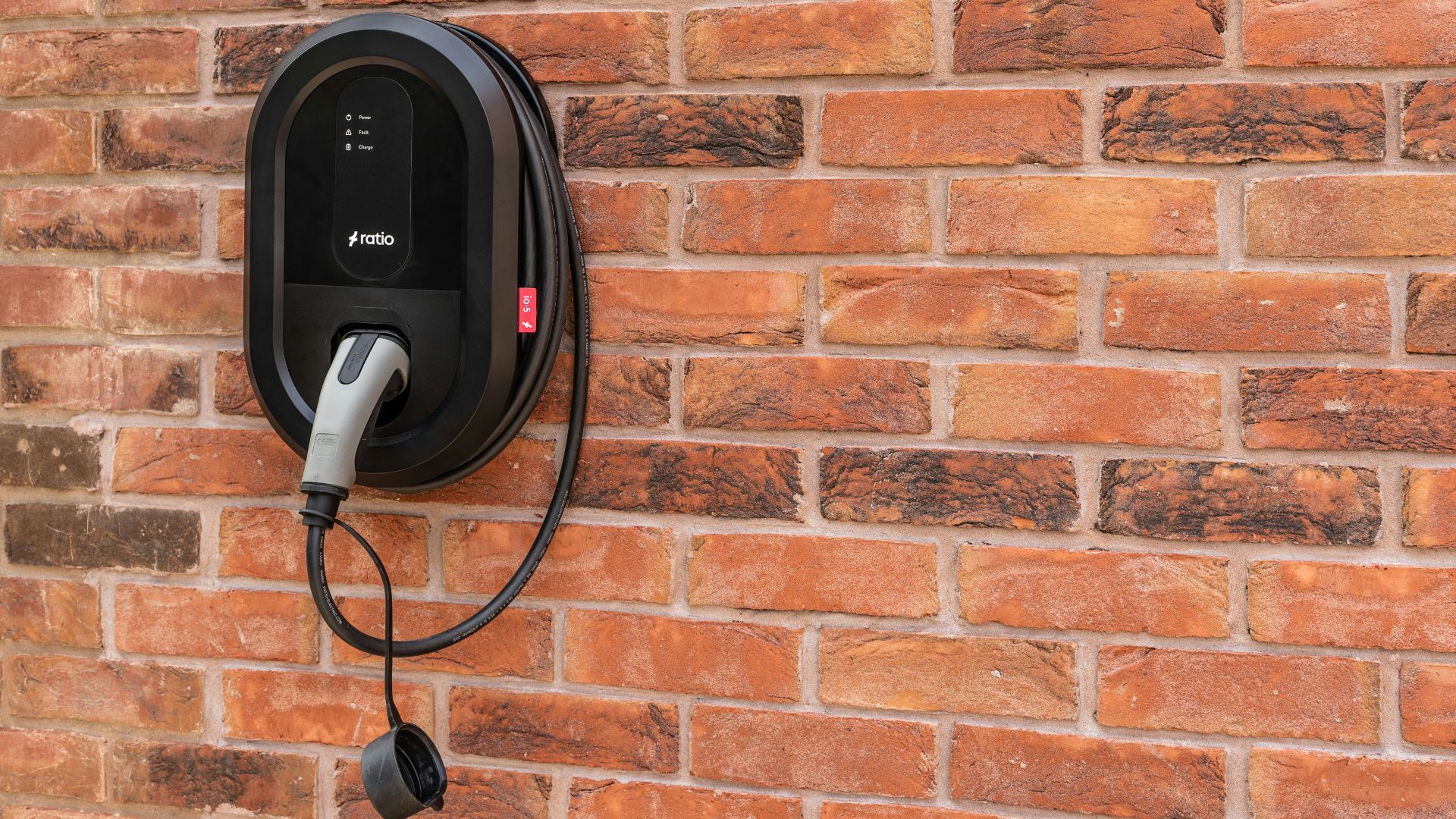
Many home EVSE units contain internal ground-fault protection in addition to protection elsewhere in the electrical system. Tesla says its Wall Connector continuously monitors differential current and interrupts charging when it detects a ground fault. ChargePoint's Home Flex similarly incorporates charging-circuit interruption protection.
GFCI Protection Can Complicate Some Installations
A plug-in charger may also be connected to a circuit protected by a GFCI breaker when local code requires it. ChargePoint says combining its integrated protection with a panel GFCI can produce nuisance breaker trips in certain circumstances. It recommends discussing hardwiring with the electrician when that situation applies.
The EV Really Can Cause An Overcurrent Fault
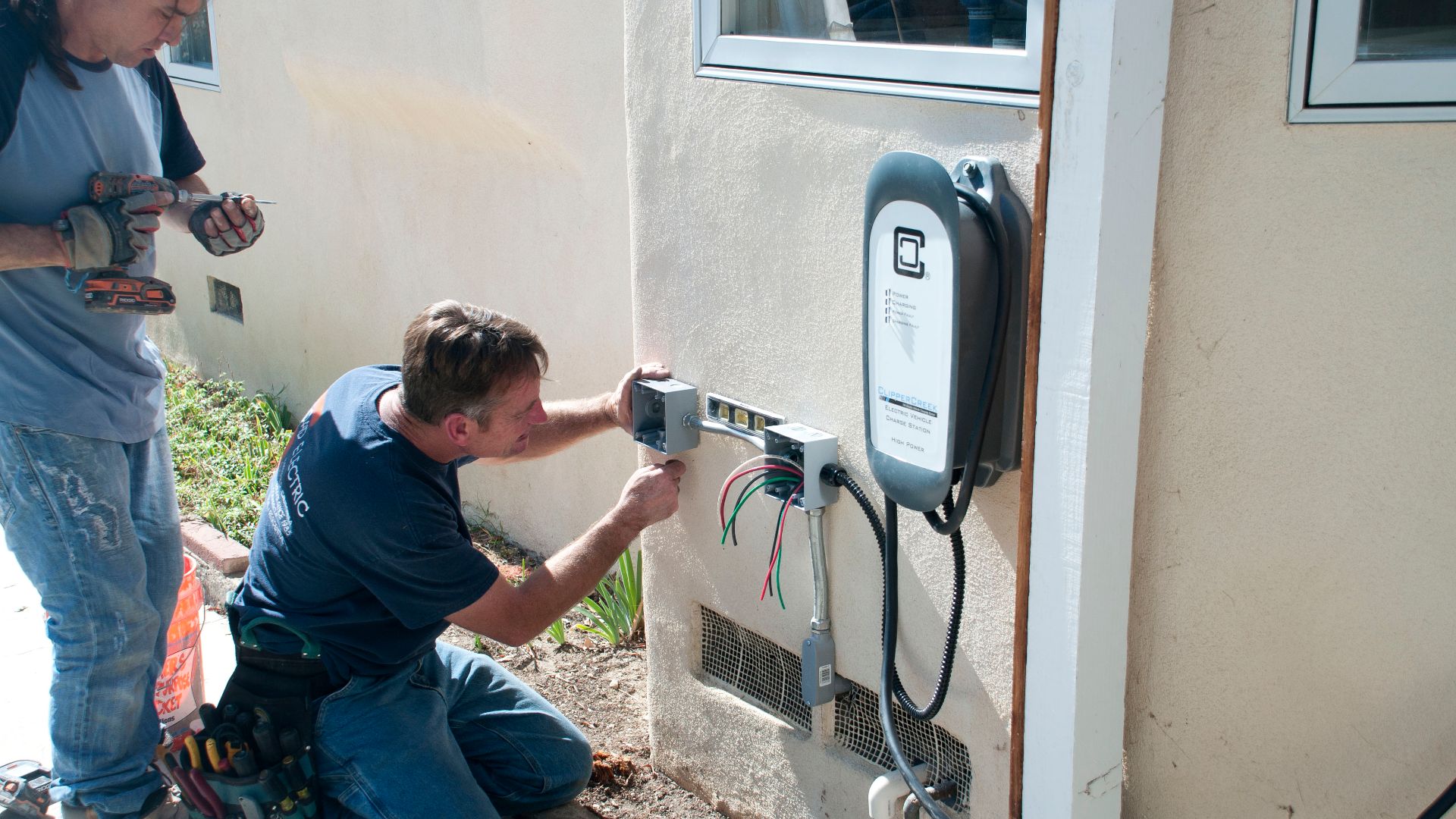
The installer's theory is possible. Both Tesla and ChargePoint document faults in which the connected vehicle draws more current than the charger says is permitted. Their troubleshooting guidance directs owners toward the vehicle manufacturer if the condition persists after basic checks.
The Car's Onboard Charger Is Part Of The Chain
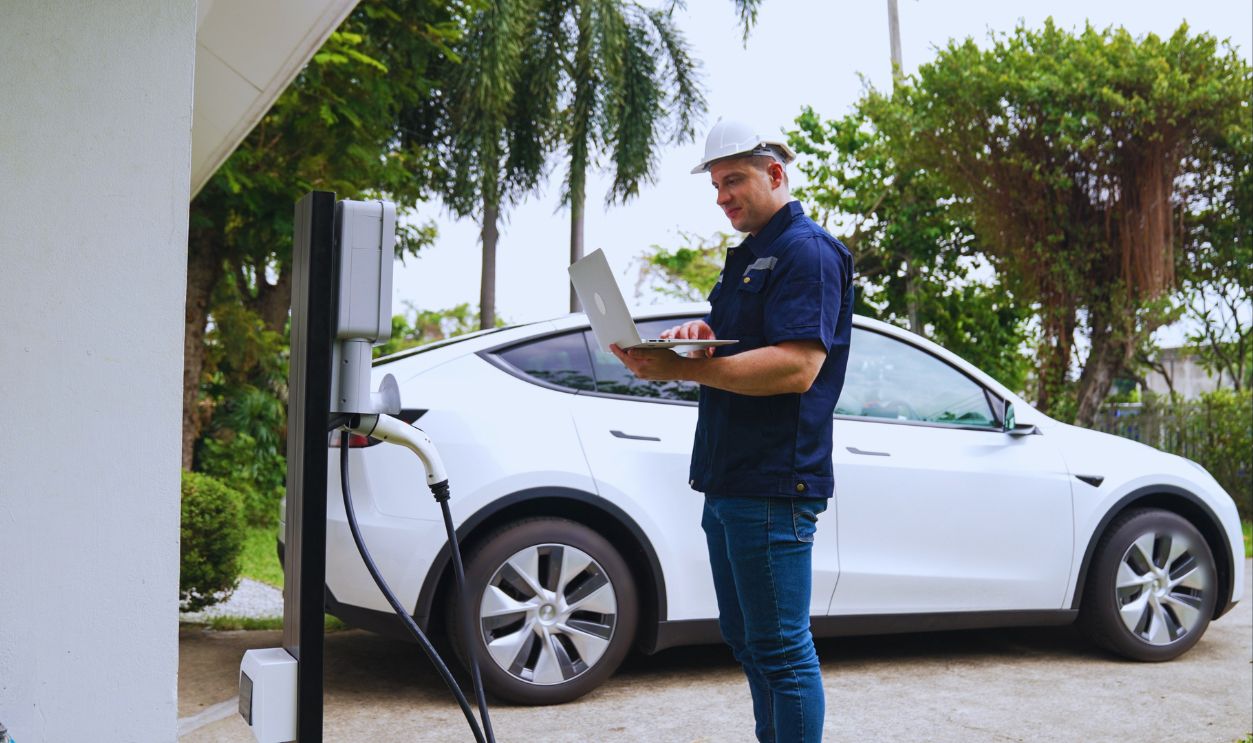
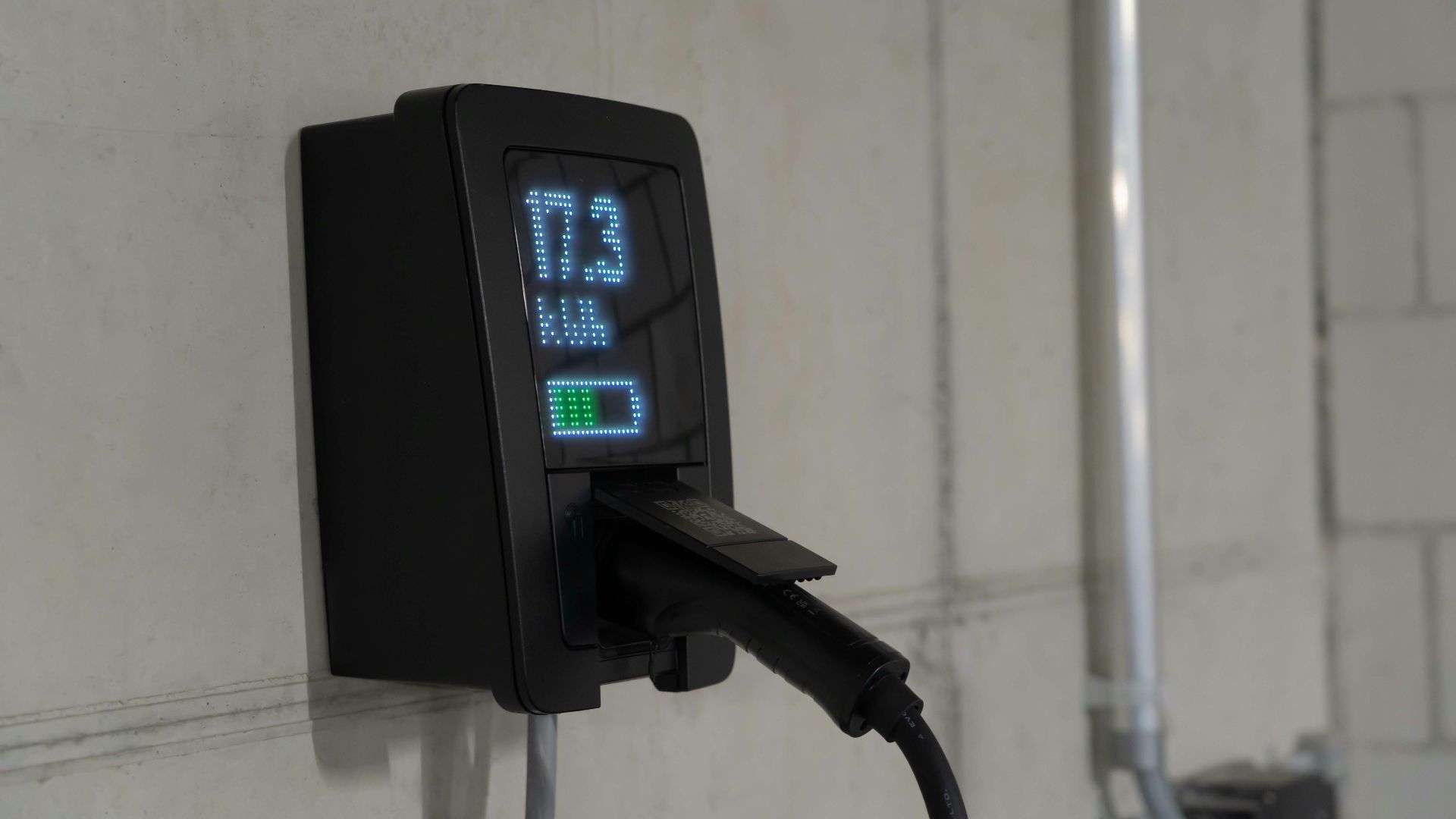
AC power from a Level 2 station is ultimately converted by hardware inside the EV so the battery can use it. Vehicle-side charging faults can therefore appear only when the car is connected to AC equipment. That is why testing the vehicle somewhere else can be extremely useful.
Lowering The Current Can Reveal A Pattern
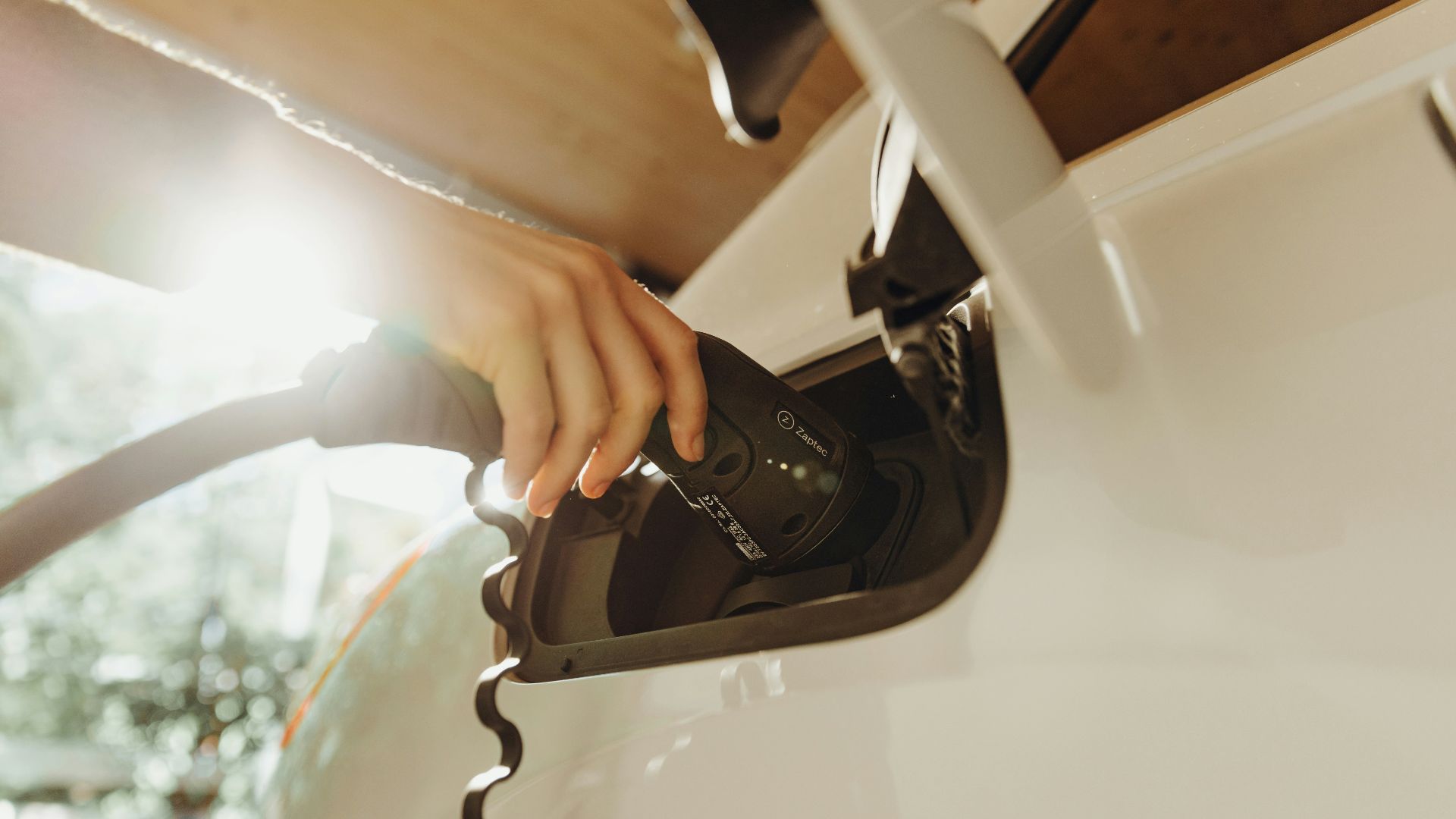
Many EVs and smart chargers allow charging current to be reduced. Tesla specifically recommends reducing vehicle charge current when its Wall Connector reports a vehicle-overcurrent fault. If the breaker survives at a low current but trips consistently as output increases, that information helps narrow the investigation without identifying the culprit by itself.
Try The Vehicle On Another Level 2 Charger
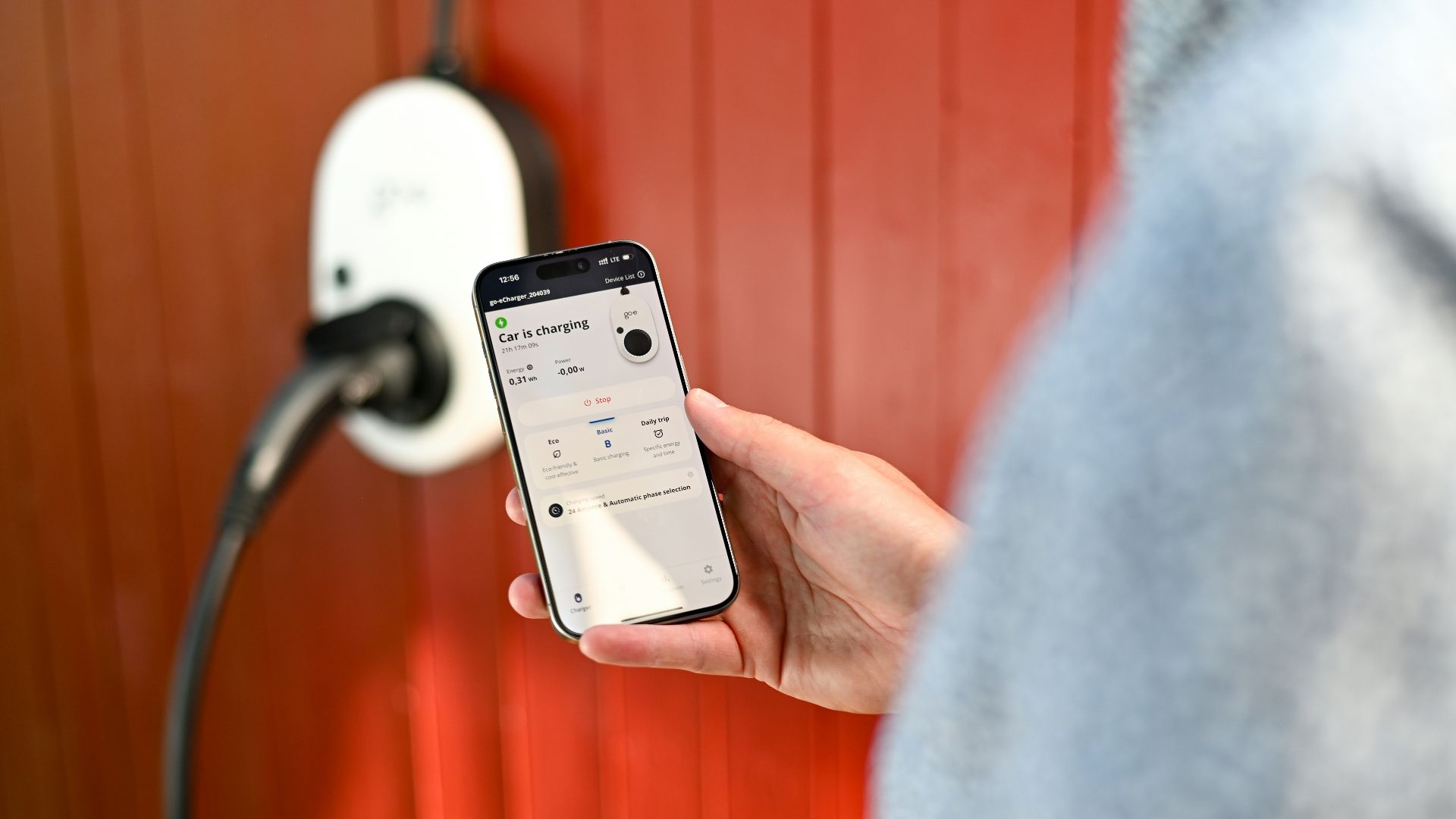
If your EV repeatedly charges at full power on another properly functioning Level 2 station, suspicion shifts toward your home setup. If the same vehicle repeatedly produces charging faults at several independent stations, the vehicle becomes more suspect. A controlled comparison is far more useful than arguing over which side should pay first.
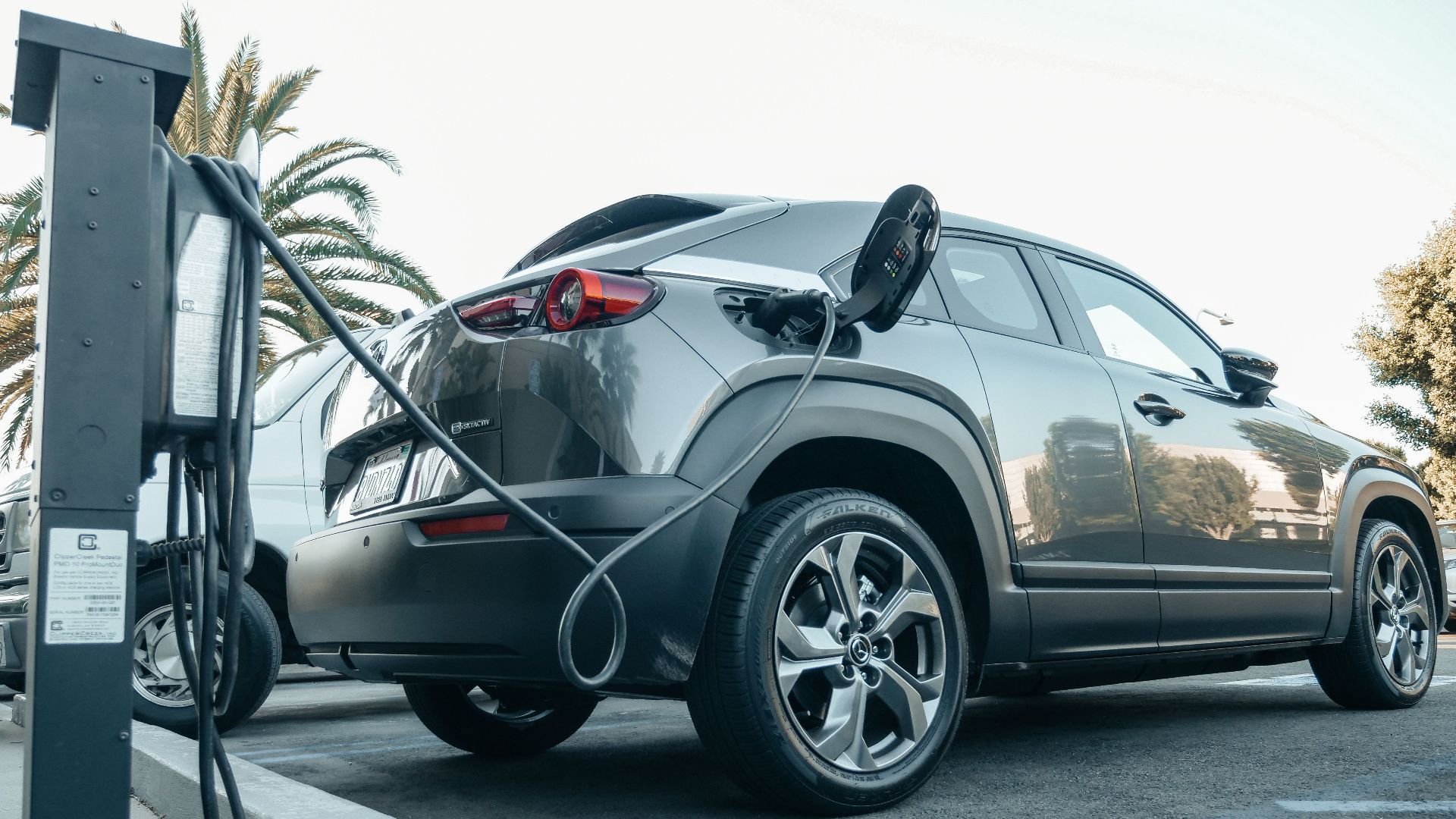
Testing Another EV Can Help Too
The reverse test can be just as informative. If another compatible EV uses your home charger repeatedly without tripping the breaker, the original vehicle warrants closer inspection. If multiple vehicles produce the same problem at your house, the charger or installation becomes a stronger candidate.
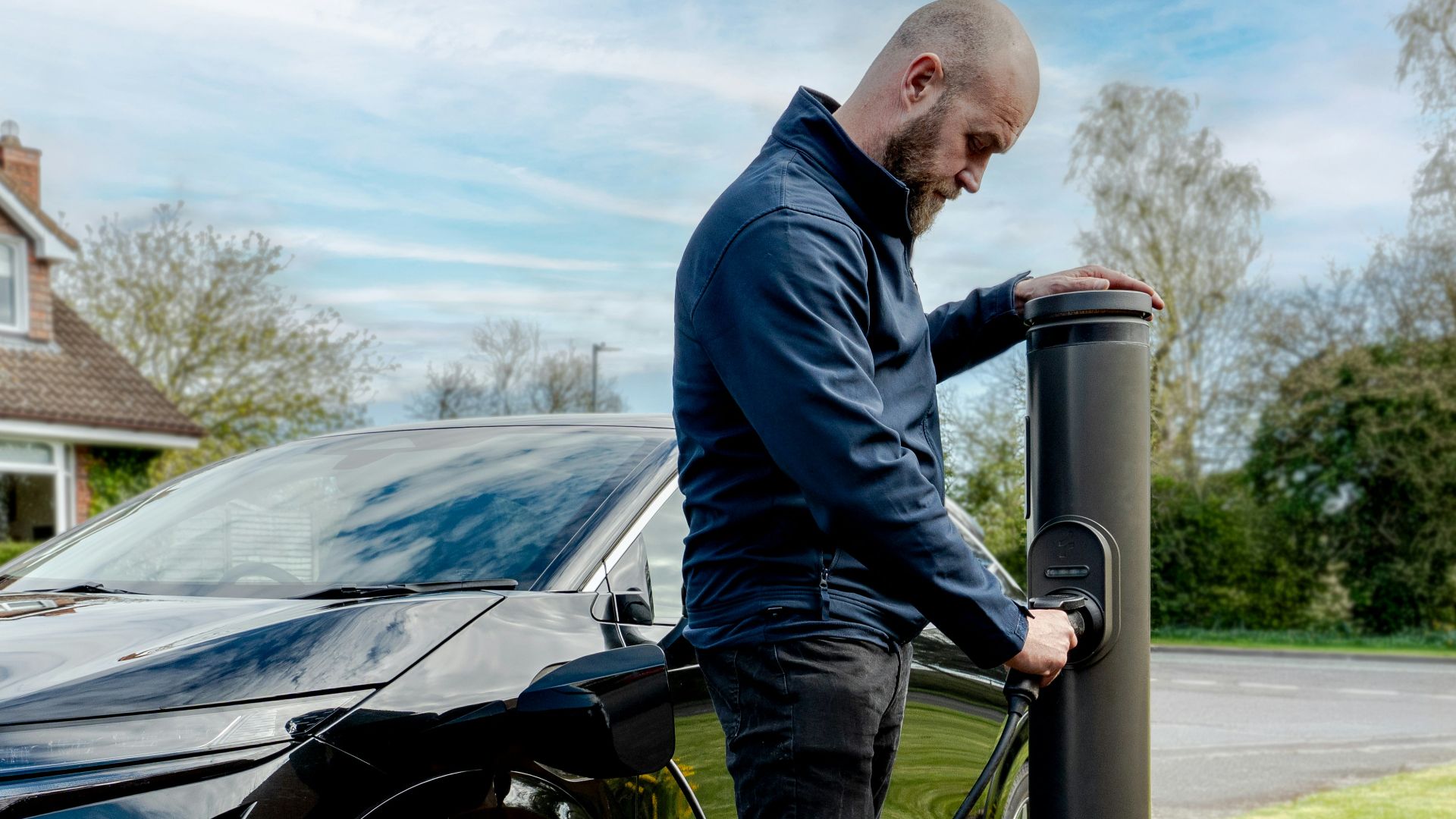
Read The Charger Before Resetting Everything
Smart charging stations often record fault conditions or communicate them through lights and apps. Tesla and ChargePoint publish fault-code guides that distinguish issues such as internal faults, grounding problems, excessive temperature, grid voltage, and vehicle overcurrent. Record that information before cycling the breaker because it can dramatically shorten the diagnostic process.
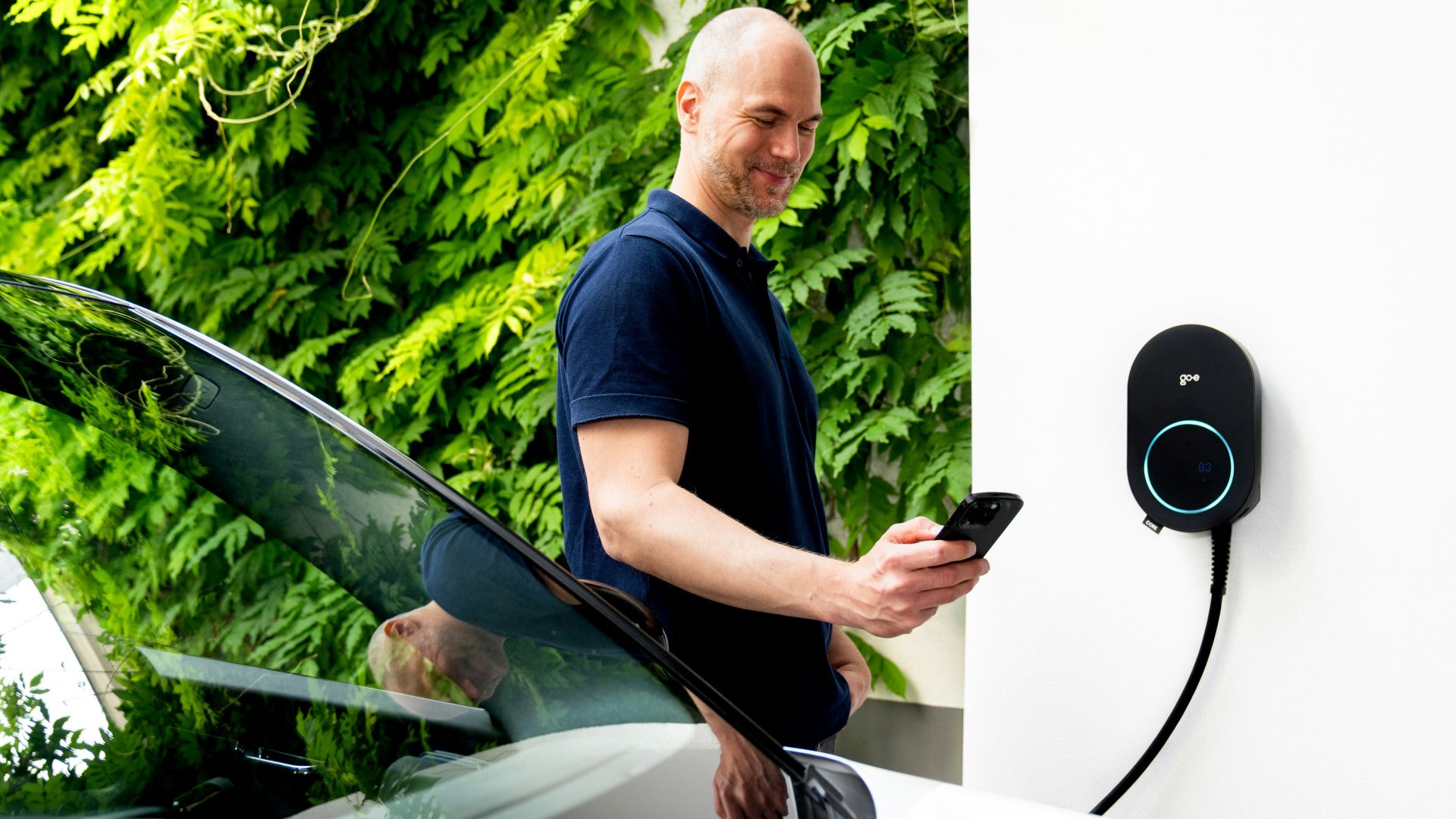
The Installer Should Verify The Installation
The electrician who performed the job is the logical person to confirm breaker size, conductor size, grounding, terminations, charger configuration, and supply voltage. Tesla's troubleshooting instructions explicitly direct electricians to test voltage and inspect connections for several fault conditions. This is measurable electrical work rather than something that should be decided by looking at the car.
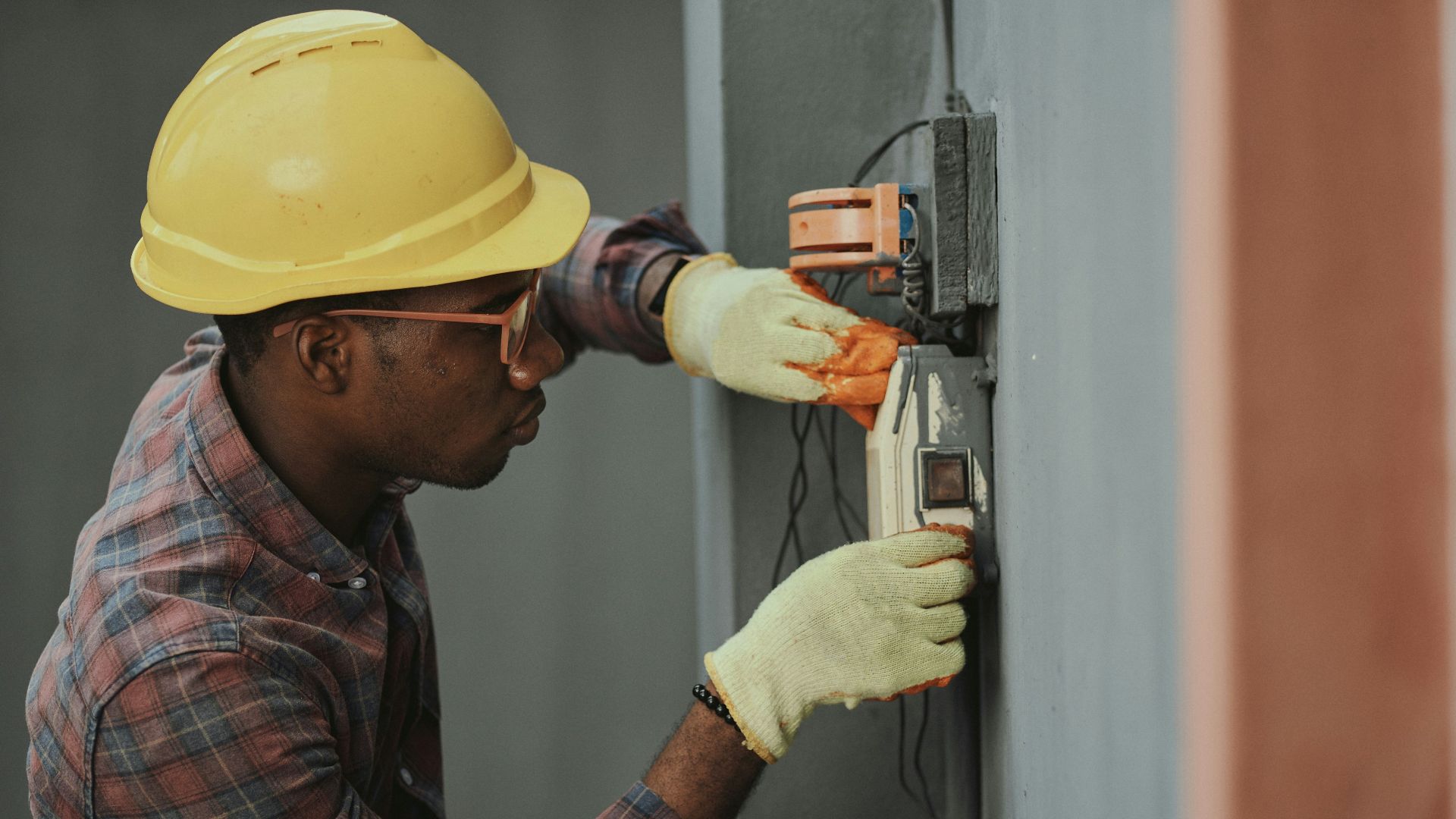
Charger Support Should Check The EVSE
Once the supply and installation check out, involve the charging-equipment manufacturer. Tesla provides remote troubleshooting and diagnostic support for Wall Connectors, while ChargePoint offers 24-hour support for Home Flex owners. A manufacturer may be able to interpret stored fault information before any equipment is removed.
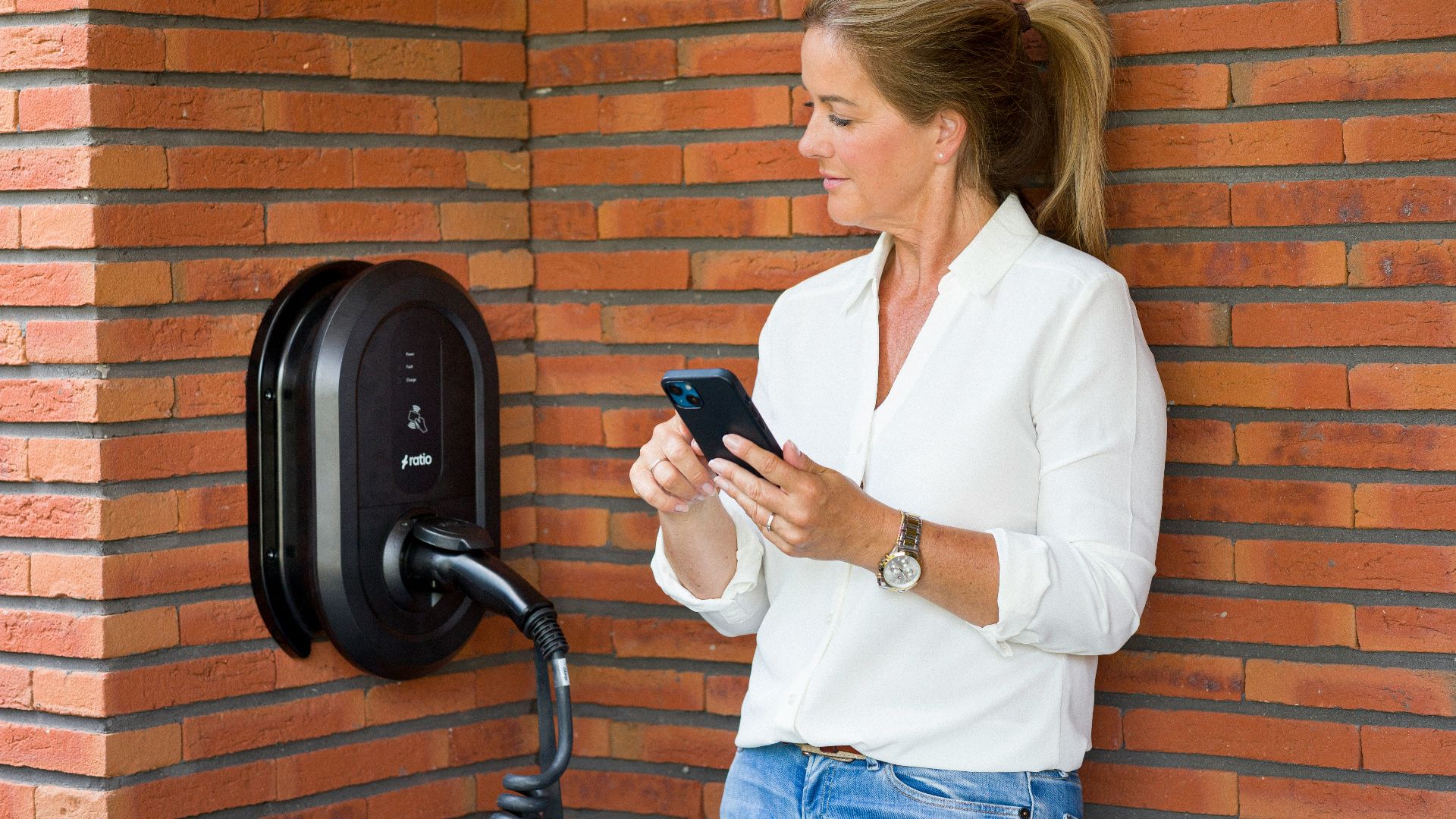
The Automaker Gets The Next Call
If both the electrical circuit and charging station test correctly, the vehicle manufacturer or dealer should inspect the EV. ChargePoint explicitly tells owners experiencing repeated vehicle-overcurrent warnings to contact the car manufacturer. The dealer can then determine whether a vehicle-side charging component or software issue is involved.
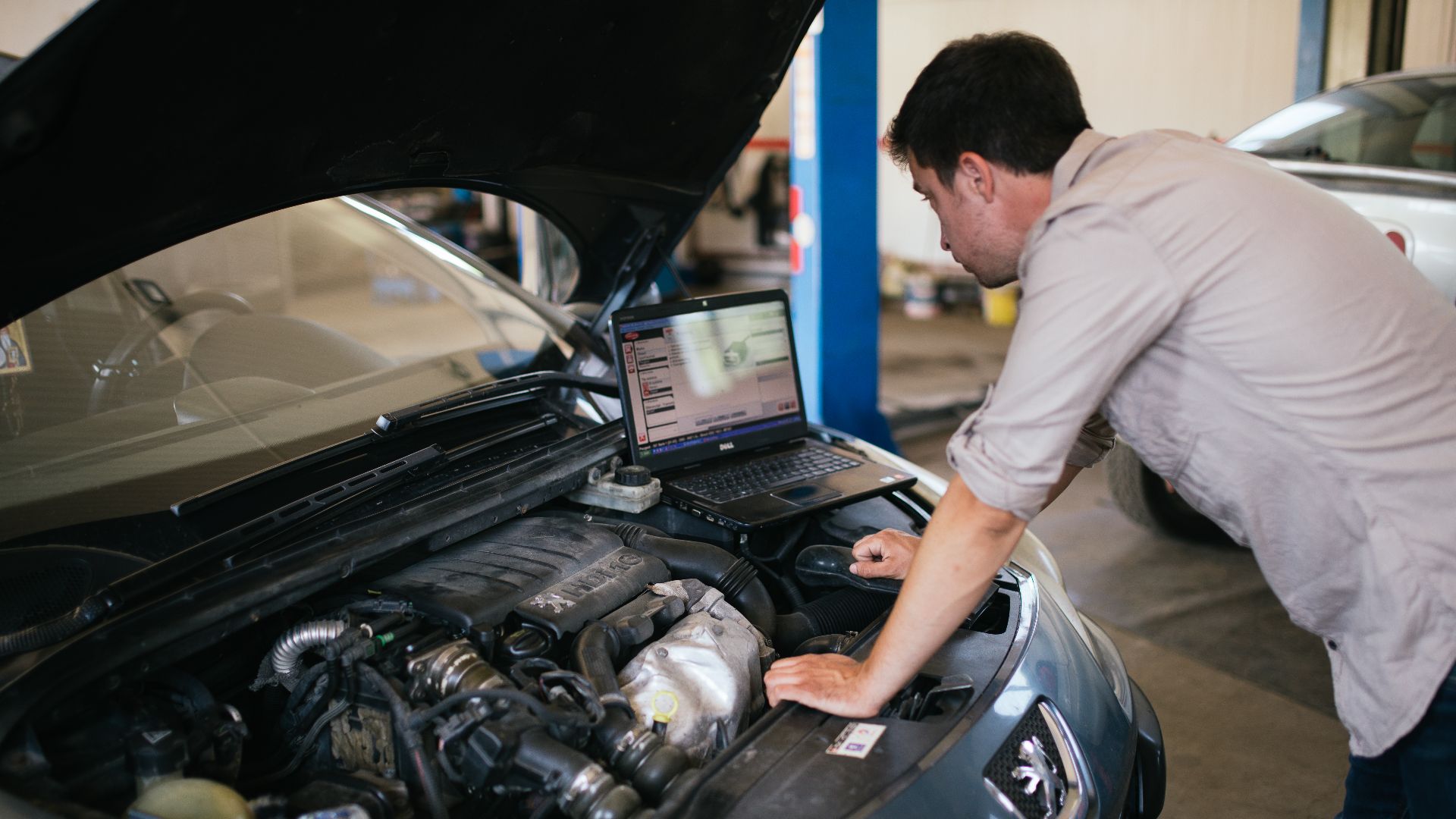 Shixart1985, Wikimedia Commons
Do Not Let Everyone Simply Point Elsewhere
Installer, charger manufacturer, and automaker each have incentives to establish that their own equipment is working correctly. Ask each party for the basis of its conclusion in writing. Voltage readings, fault codes, charging-current data, and inspection results are considerably more useful than being told that another company is probably responsible.

You May Initially Pay A Diagnostic Fee
There is no universal U.S. rule requiring one particular party to fund the first diagnostic visit in every charging dispute. A contractor, dealership, or service center may require authorization for diagnostic labor before it knows whether the problem is covered. Whether that cost is later waived or reimbursed depends on the contract, warranty, diagnosis, and applicable state law.
 https://kaboompics.com/, Pexels
Your Installation Contract Matters
The electrician's written agreement should identify the work that was supposed to be completed and any workmanship guarantees. FTC consumer guidance recommends getting home-improvement work, promised services, materials, and costs in writing. If testing finds an installation error, those terms become important when determining who pays for correction.

Charger Warranties Have Boundaries
Home charging stations commonly have their own product warranties. ChargePoint advertises a three-year parts warranty for Home Flex, while Tesla's current residential Wall Connector warranty covers manufacturing defects for four years under normal personal use. Those warranties generally distinguish a defective charger from damage caused by external wiring or improper installation.
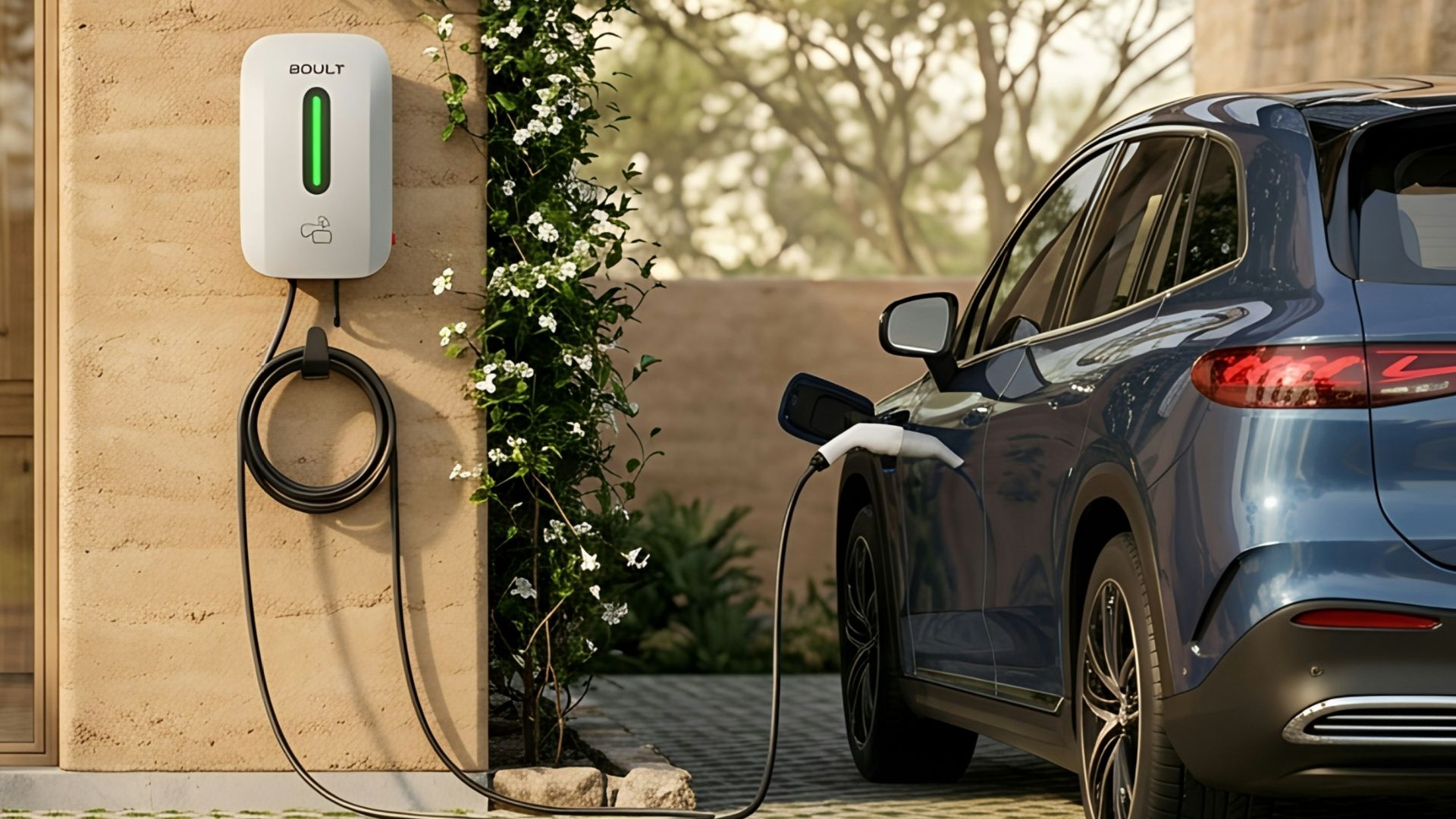 Christian Rebero Twahirwa, Unsplash
Warranty Coverage May Not Include The Electrician
A replacement charger does not necessarily mean every related labor charge is free. Tesla's charging-equipment warranty says covered repairs do not include on-site labor for removing or reinstalling charging equipment. Ford similarly says its home-charger warranty covers warrantable parts but does not cover labor costs for product repair or replacement.

An Installation Problem May Fall Outside Charger Coverage
Charger manufacturers can exclude faults caused by improper wiring, electrical problems, or incorrect installation. Tesla's warranty specifically excludes issues involving faulty wiring, circuit breakers, receptacles, external electrical faults, and improper installation. Ford's charger warranty likewise excludes certain electrical faults and installations not performed according to its requirements.
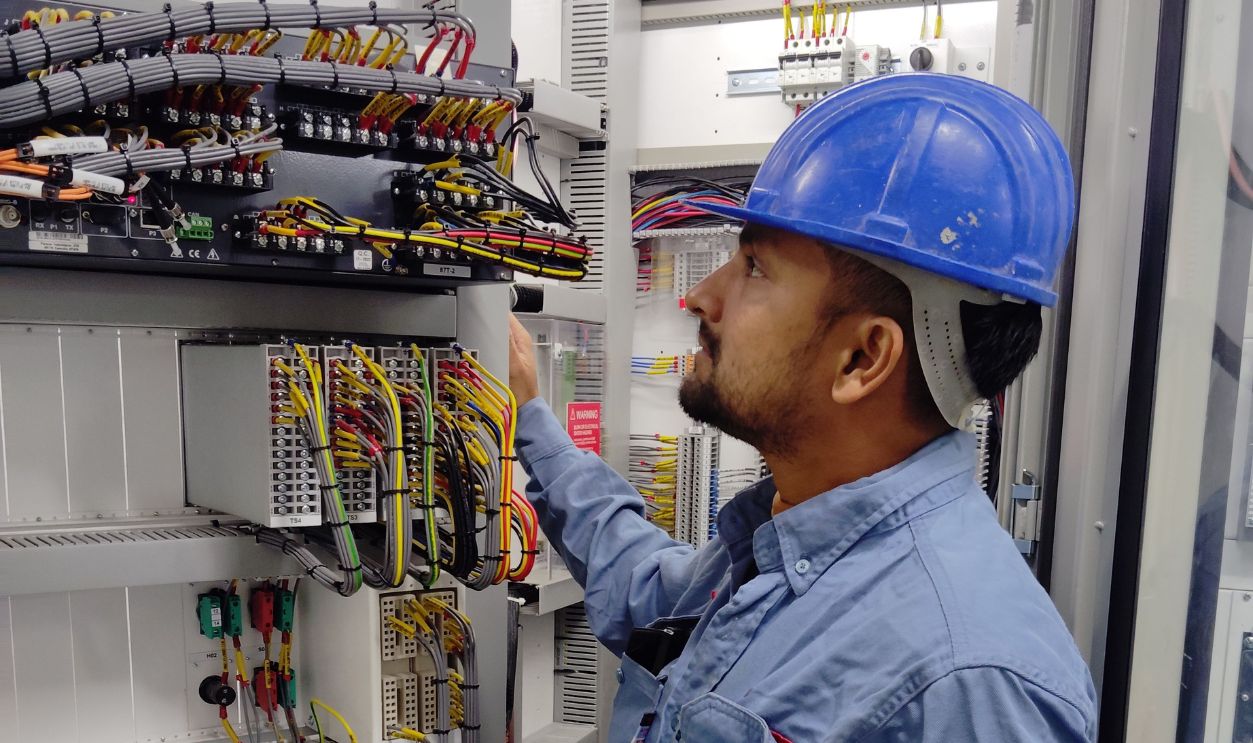 Shameer Vayalakkad Hydrose, Pexels
A Vehicle Defect May Be Covered Separately
If diagnosis finds a defect in the vehicle rather than the house or charger, the EV's vehicle warranty becomes relevant. Chevrolet, for example, says its bumper-to-bumper limited warranty covers vehicle components with defects in materials or workmanship during the applicable coverage period. Exact EV charging-component coverage varies by manufacturer and model, so check the warranty booklet for your VIN.
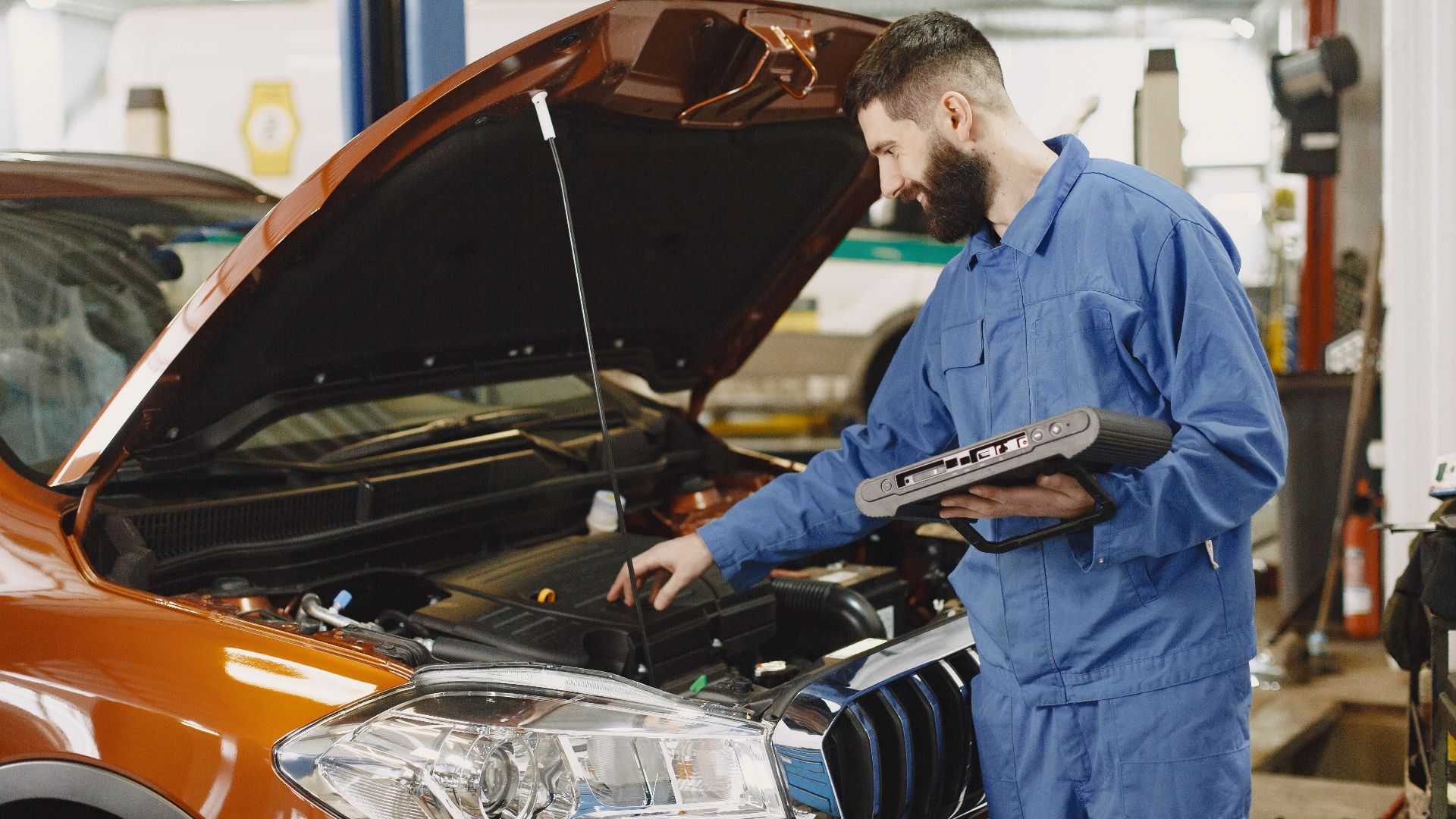
A Third-Party Charger Does Not Automatically Kill The Car Warranty
Using equipment that did not come from the automaker does not automatically erase the entire vehicle warranty. FTC guidance says manufacturers generally cannot deny warranty coverage simply because an aftermarket product was used. They can deny coverage for damage when they establish that the aftermarket product or improper installation caused it.

Keep Every Piece Of Paper
Save the charger's receipt, electrician's invoice, permit information, commissioning settings, photographs of the breaker label, and any diagnostic reports. Charger warranties can require proof of purchase, while the FTC recommends preserving vehicle maintenance and repair records for warranty disputes. Documentation makes it much harder for responsibility to disappear between three different companies.

The Final Payer Should Follow The Fault
If the installation is wrong, look first to the installer and the protections in your contract and local law. If the EVSE itself has a covered manufacturing defect, its warranty should govern, while a covered vehicle defect belongs with the automaker. Until someone actually identifies the fault, expect that you may need to authorize an initial inspection, but insist on evidence before accepting someone else's diagnosis or bill.

You May Also Like:
Five Of The Best American-Made Cars
Four Of The Best New Family-Friendly Cars
Three Cars On The Verge Of Extinction
Sources: 1, 2, 3, 4, 5, 6, 7, 8, 9, 10, 11, 12, 13, 14, 15, 16, 17, 18, 19, 20