The Parking Fight Is Suddenly Everywhere
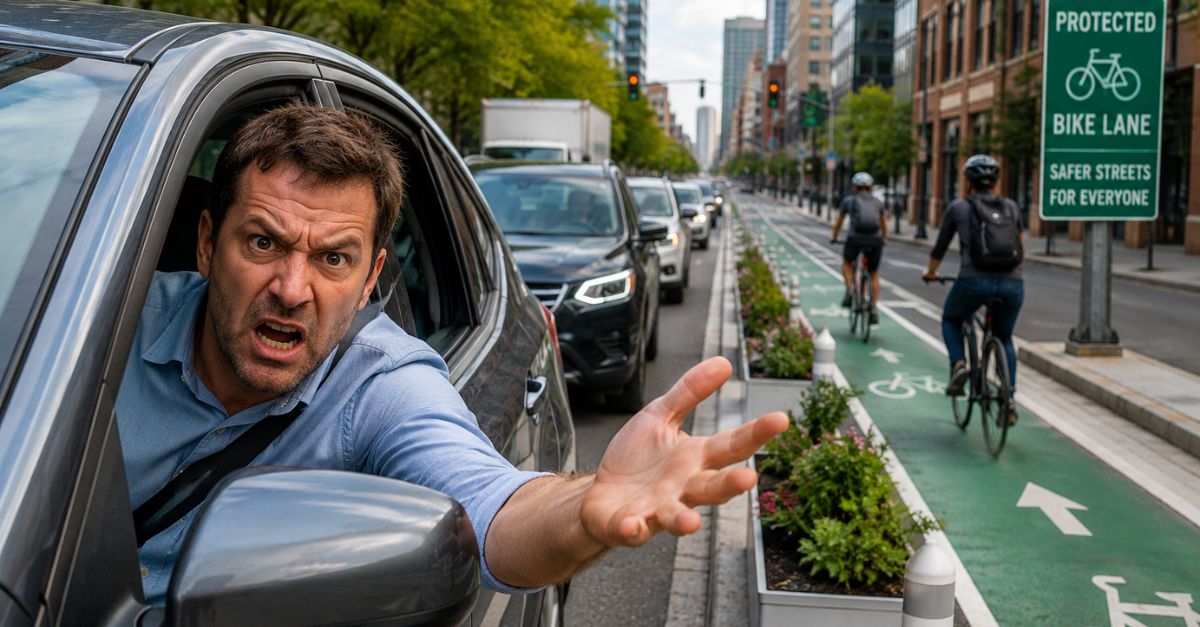
Few things irritate city drivers faster than seeing curbside parking replaced by paint, posts, and a new bike lane. Across North America, nearly all cities are reworking streets to do more than move and store cars. That has left many drivers asking a simple question: Are they being pushed out, or are cities just trying to use limited street space differently?
Why This Debate Feels So Personal
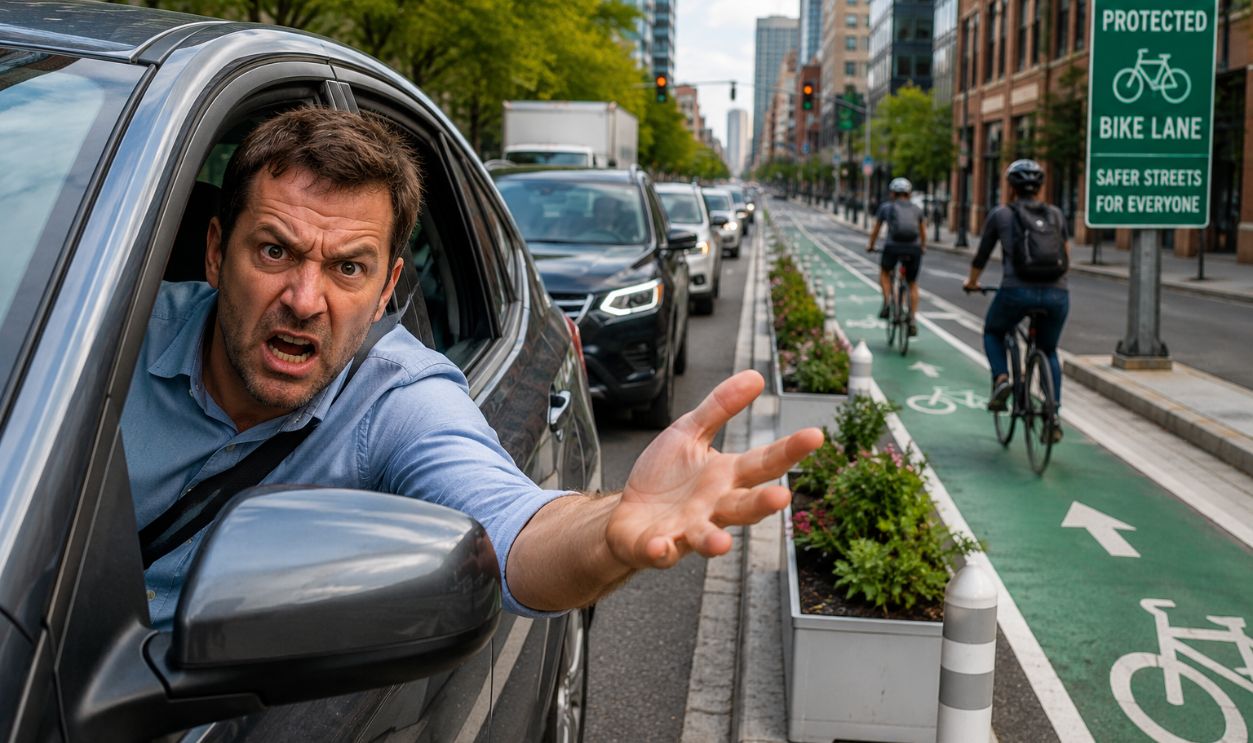
Parking is not some abstract policy issue when you rely on your car every day. It is the spot near your apartment, the space by your job, and the difference between a quick stop and circling the block for 20 minutes. When a city removes parking for bike infrastructure, drivers feel it right away, even if the stated goal is safety or mobility.

What Cities Say They Are Trying To Fix
Transportation departments usually frame these projects around safety, access, and making streets work better. The Federal Highway Administration says protected bike lanes can improve safety and encourage more people to ride. City officials often argue that a lane moving people can serve more users than a row of parked cars occupied by a small number of vehicles.
 AgnosticPreachersKid, Wikimedia Commons
The Numbers Behind America’s Street Safety Problem
The safety argument is not coming out of nowhere. The National Highway Traffic Safety Administration has said traffic deaths stayed high in recent years, even as some numbers dropped from pandemic-era peaks. Cities have leaned on that wider road safety problem to justify redesigns that slow turning traffic, shorten crossings, and create protected space for cyclists.
Protected Bike Lanes Are Not A Fringe Idea
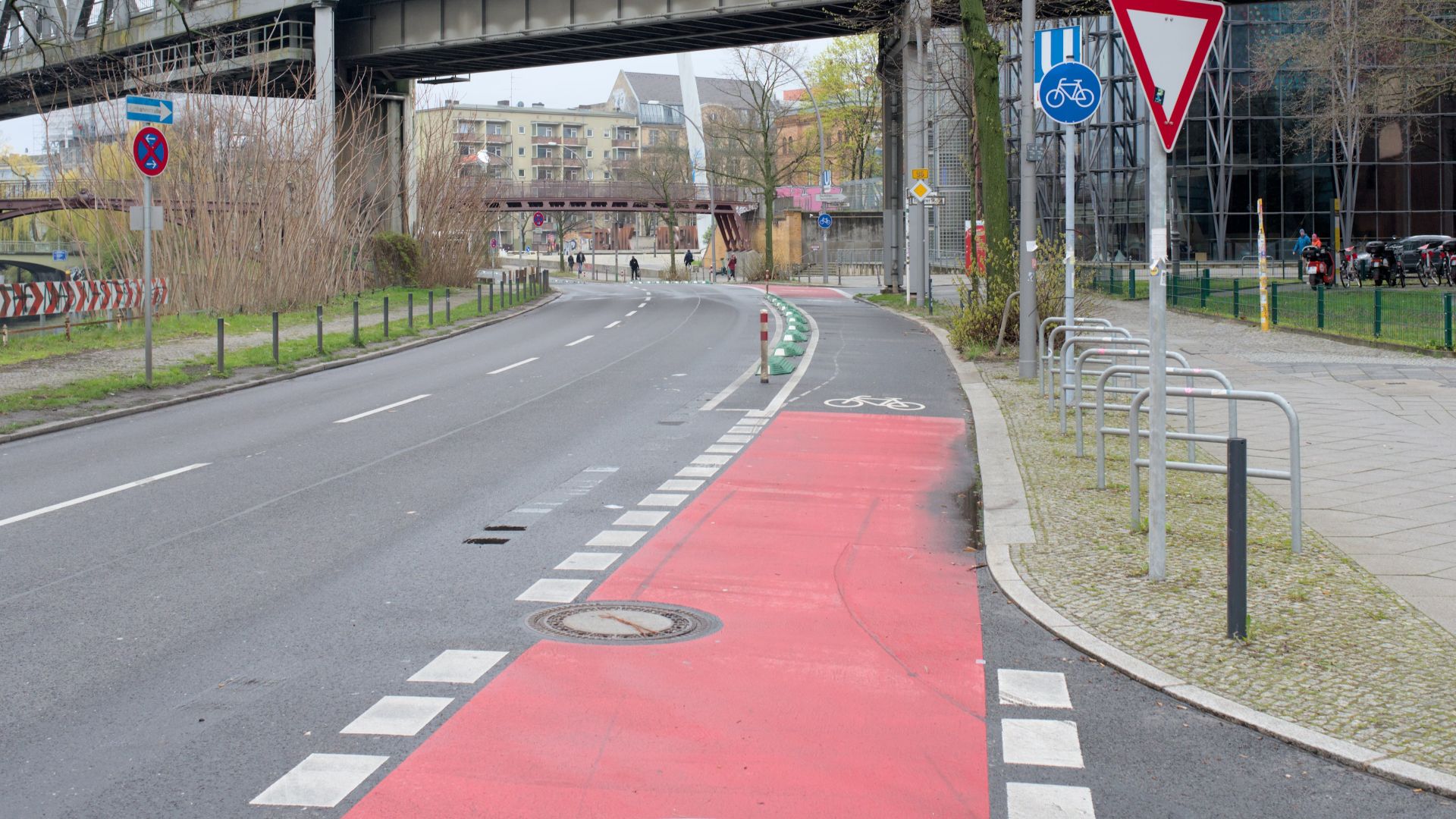
Protected bike lanes have become a standard part of urban transportation planning over the past decade. The Federal Highway Administration describes separated bike lanes as facilities that use physical space or barriers to separate cyclists from motor vehicles. That matters because many of the projects drivers object to are no longer one-off experiments. They are now part of mainstream street design.
New York Shows How Big The Tradeoff Can Get
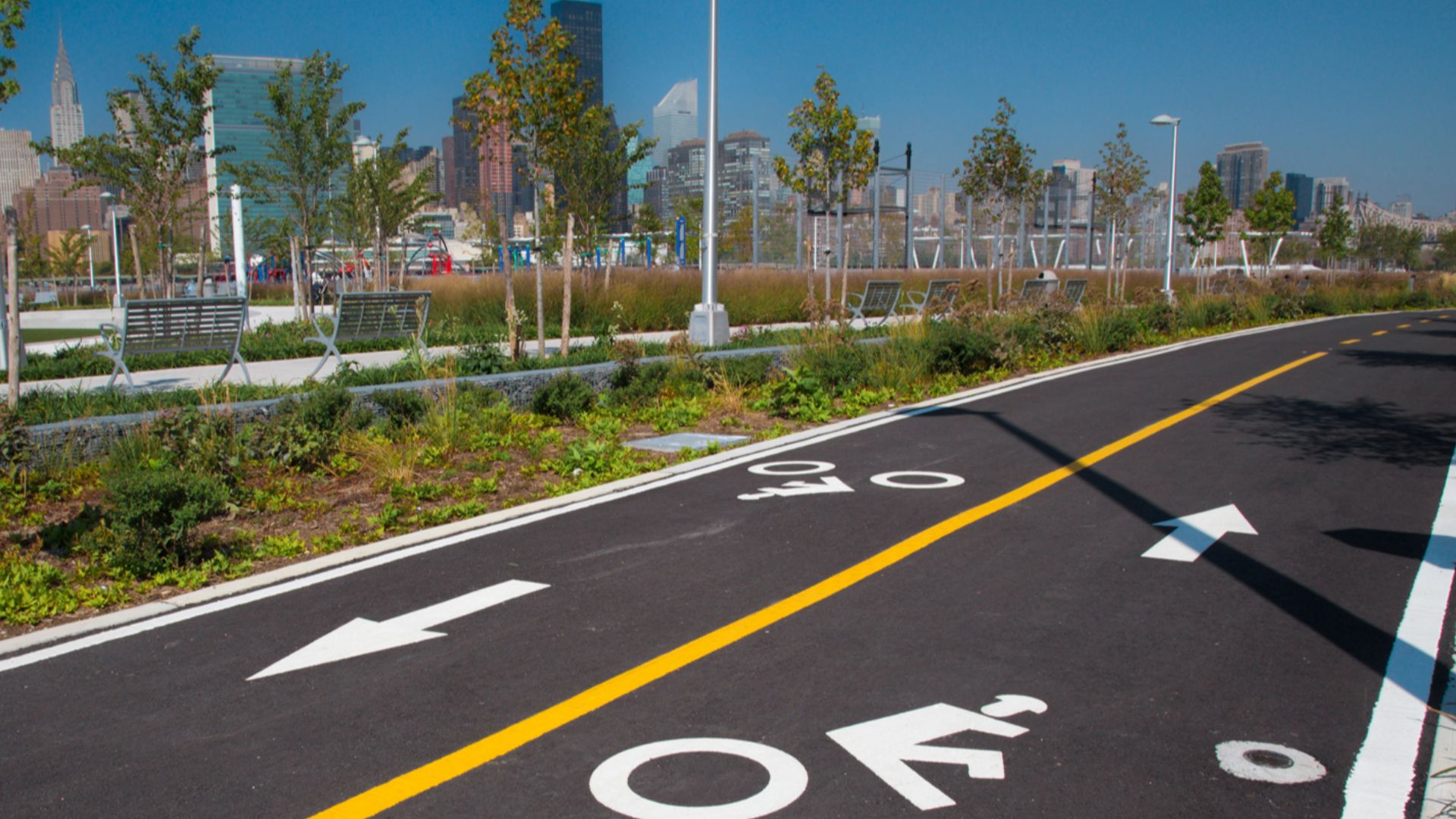
New York City is one of the clearest examples of this tension. The city has added protected bike lanes on many corridors, and some of those projects have required removing curbside parking or reusing travel space. The New York City Department of Transportation has repeatedly defended the changes by pointing to safety gains, bus benefits, and more bike use on redesigned streets.
 Aggre-gator1, Wikimedia Commons
What New York Says Happened After Redesigns
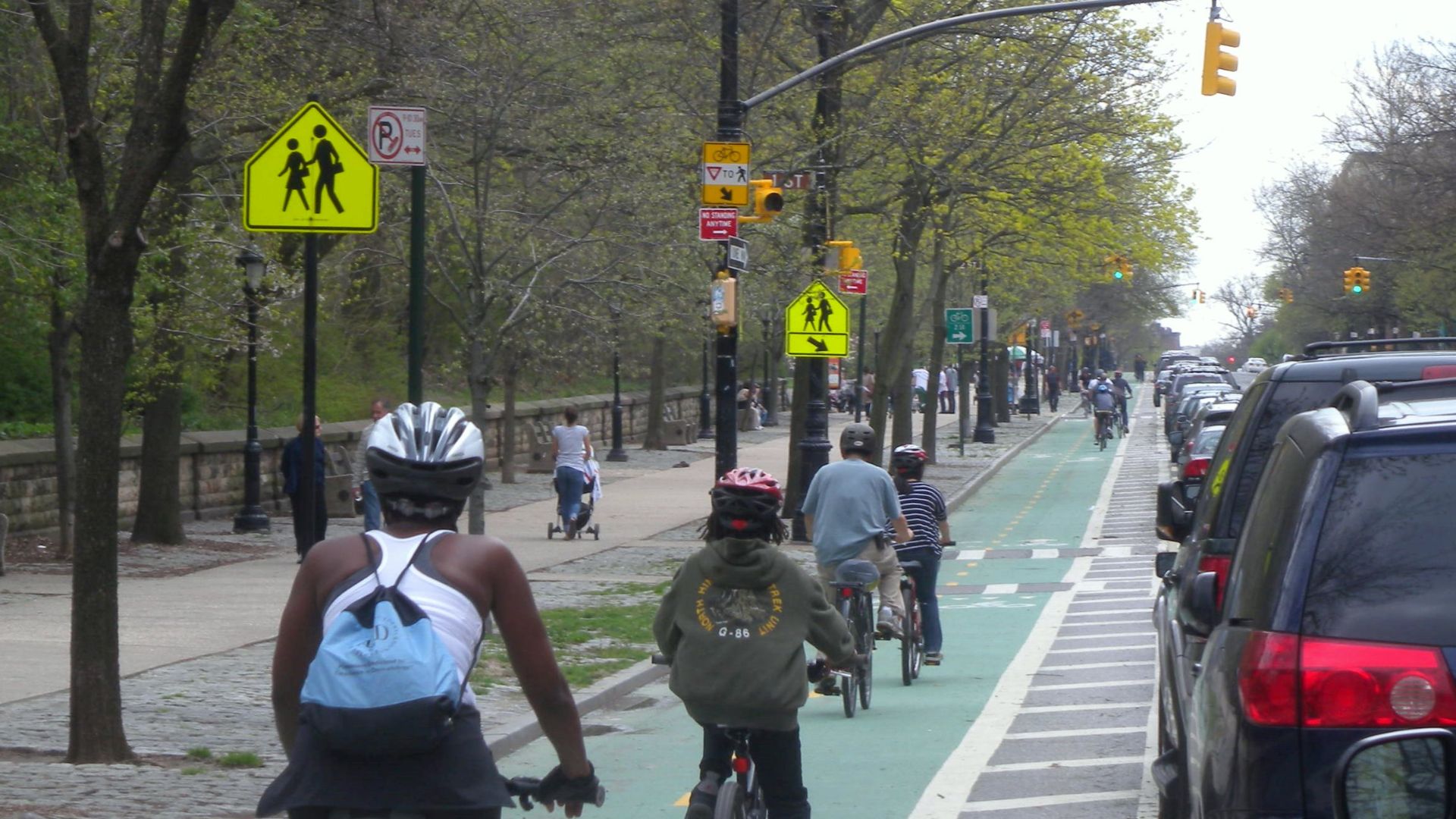
New York City DOT has published corridor-level results that often show fewer injuries after street redesigns. On several protected bike lane projects, the agency reported drops in crashes involving injuries and increases in cycling. That does not make the parking loss hurt any less for nearby drivers, but it helps explain why officials keep using the same playbook.
 Jim.henderson, Wikimedia Commons
Chicago Faced The Same Backlash
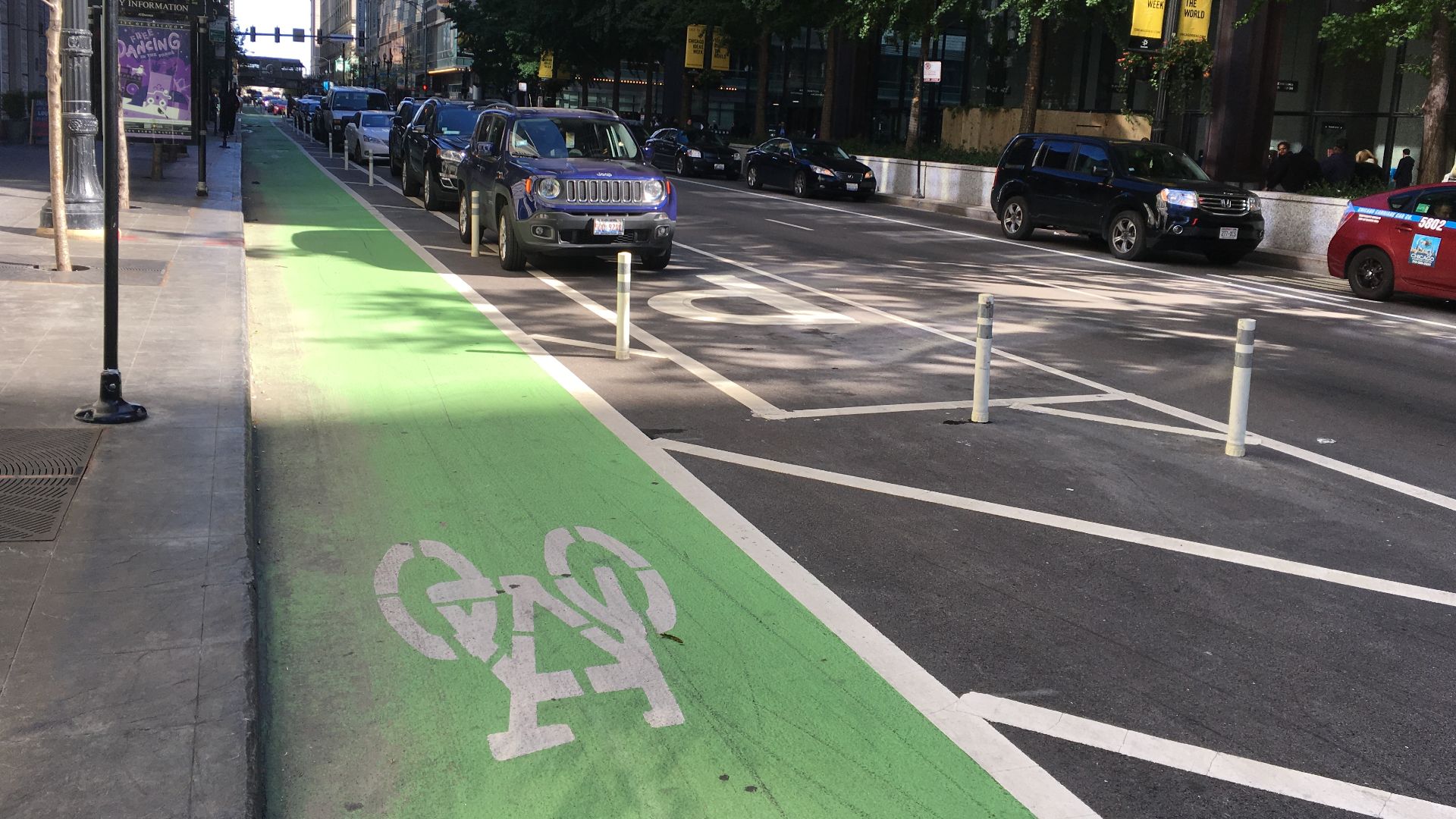
Chicago has also seen fierce arguments over parking removal tied to bike lanes. The Chicago Department of Transportation has expanded protected bike infrastructure as part of its bike network plans, and some projects have shifted curb use away from car storage. Residents and business owners have often pushed back, especially on commercial streets where every curb space feels important.
 Eric Fischer, Wikimedia Commons
San Francisco Turned Curb Space Into A Policy Battleground
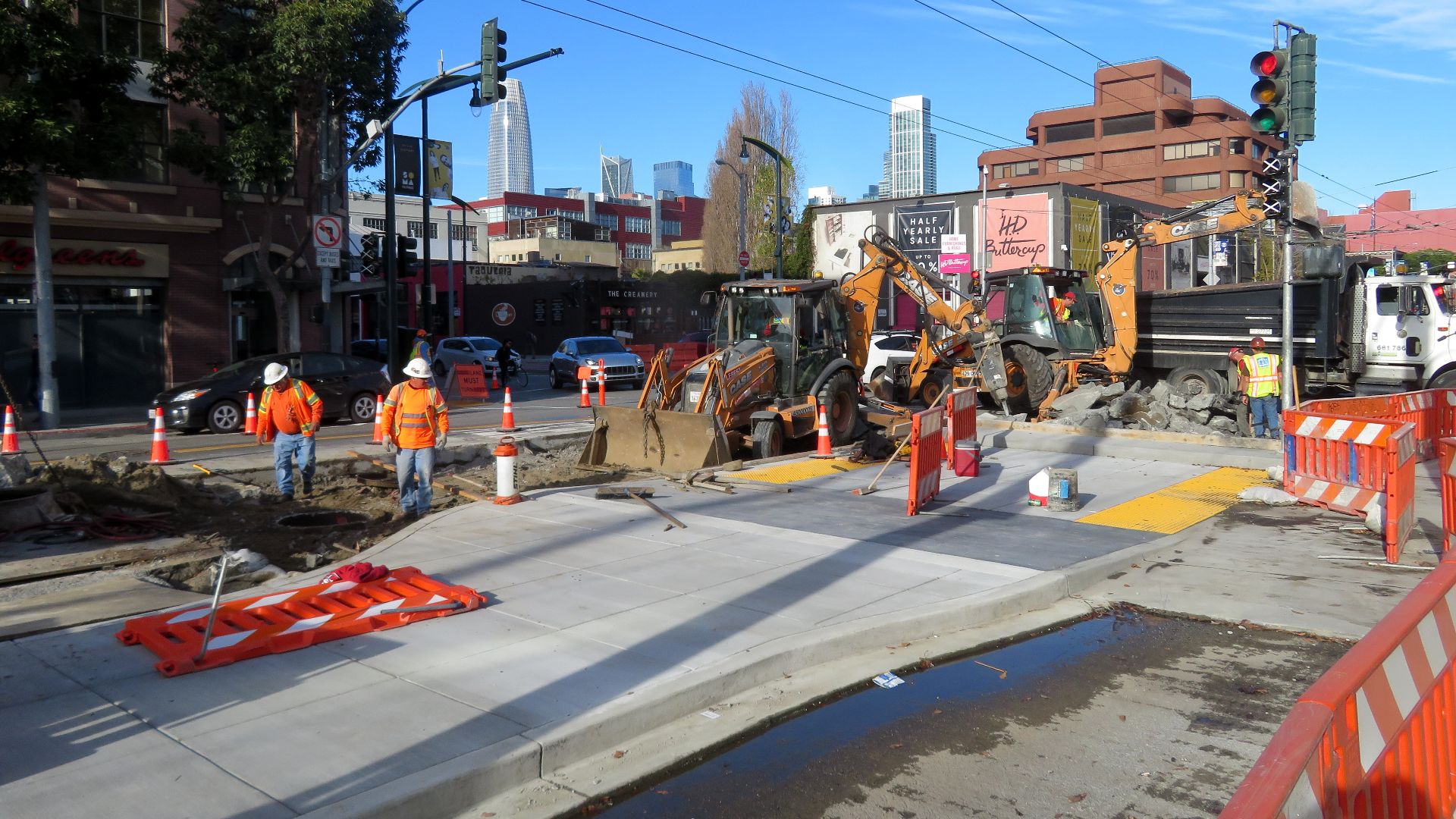
In San Francisco, curb management is practically its own political arena. The San Francisco Municipal Transportation Agency has pushed protected bike lanes on major corridors while trying to balance loading, transit stops, accessible spaces, and parking. The city’s own materials make the basic point clear: curb space is limited, and every new use means something else has to give.
 Pi.1415926535, Wikimedia Commons
Toronto Offers A Closely Watched Example
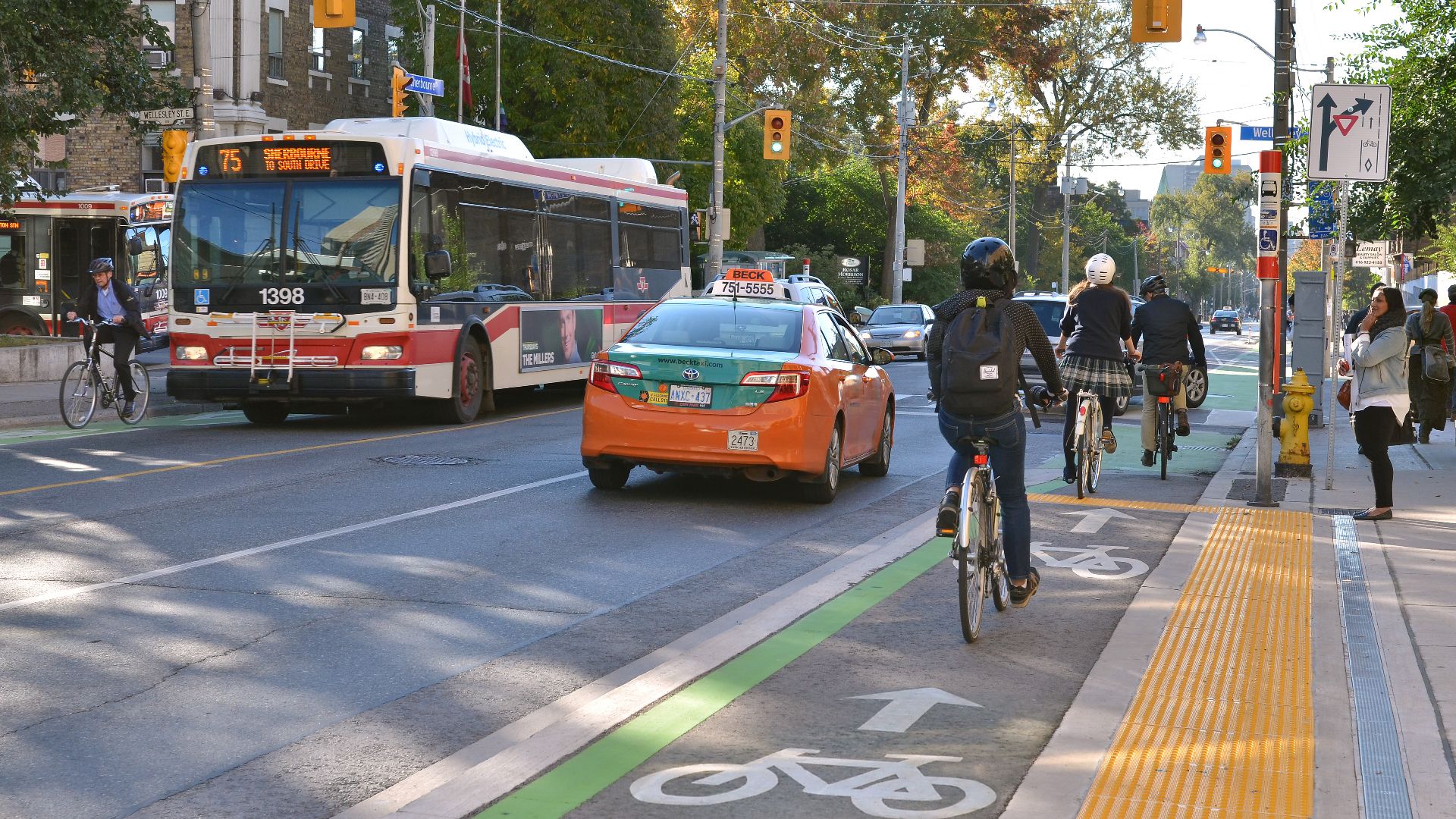
This fight is not limited to the United States. In Toronto, bike lane projects on major streets have sparked major arguments over congestion, parking, and business access. City materials and public reporting show the same basic tradeoff. Safer bike travel usually means road space, parking, or moving lanes have to be reassigned.
 Municipal Affairs and Housing, Wikimedia Commons
Do Bike Lanes Actually Hurt Local Business
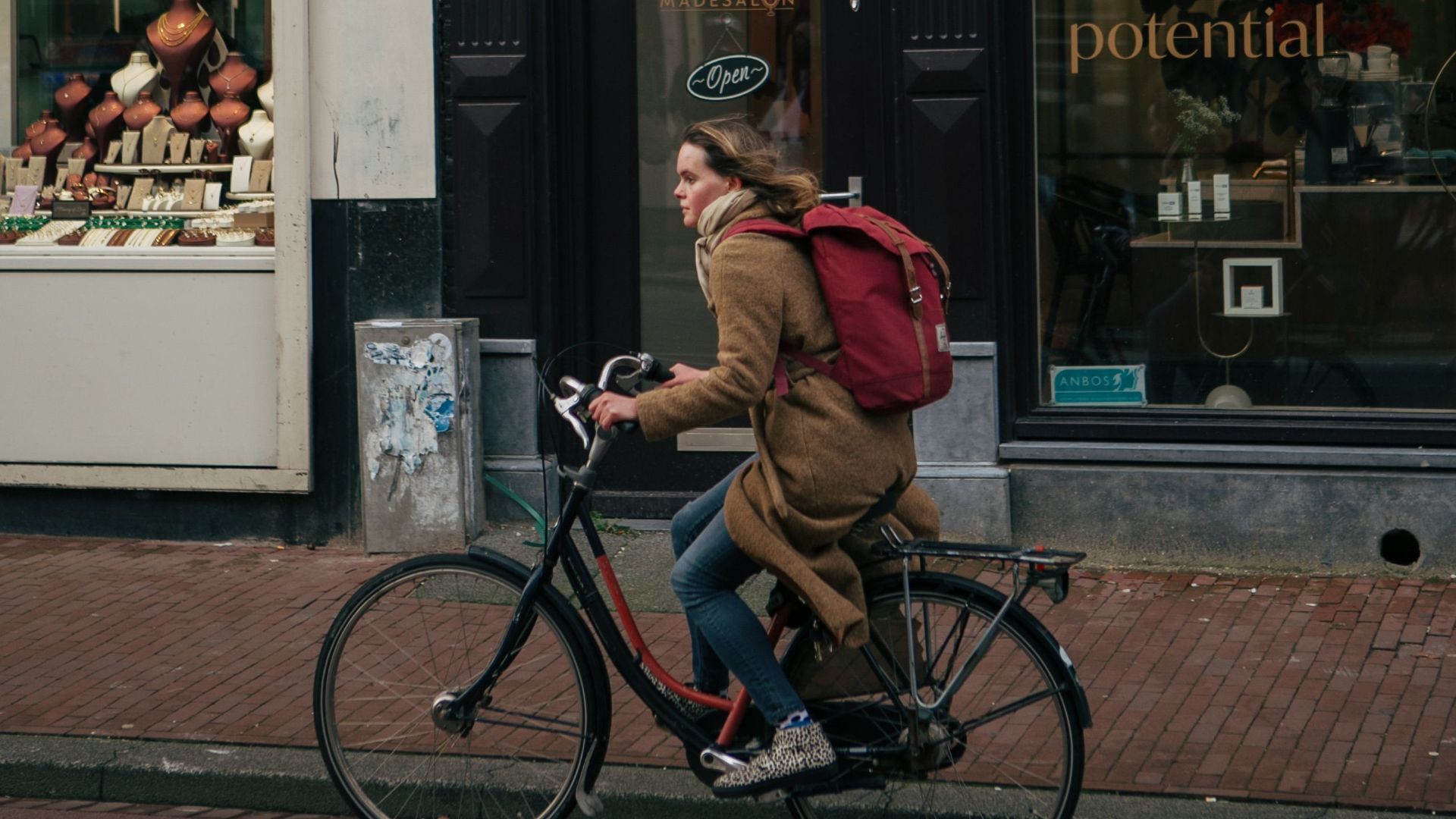
This is one of the biggest claims in the debate, and it needs a careful answer. A growing body of city and academic research has found that business harm is not automatic when parking is removed for bike lanes. In some cases, retail sales and foot traffic hold steady or even improve after safer street redesigns, though results vary by corridor and project design.
What Researchers Found In Multiple Cities
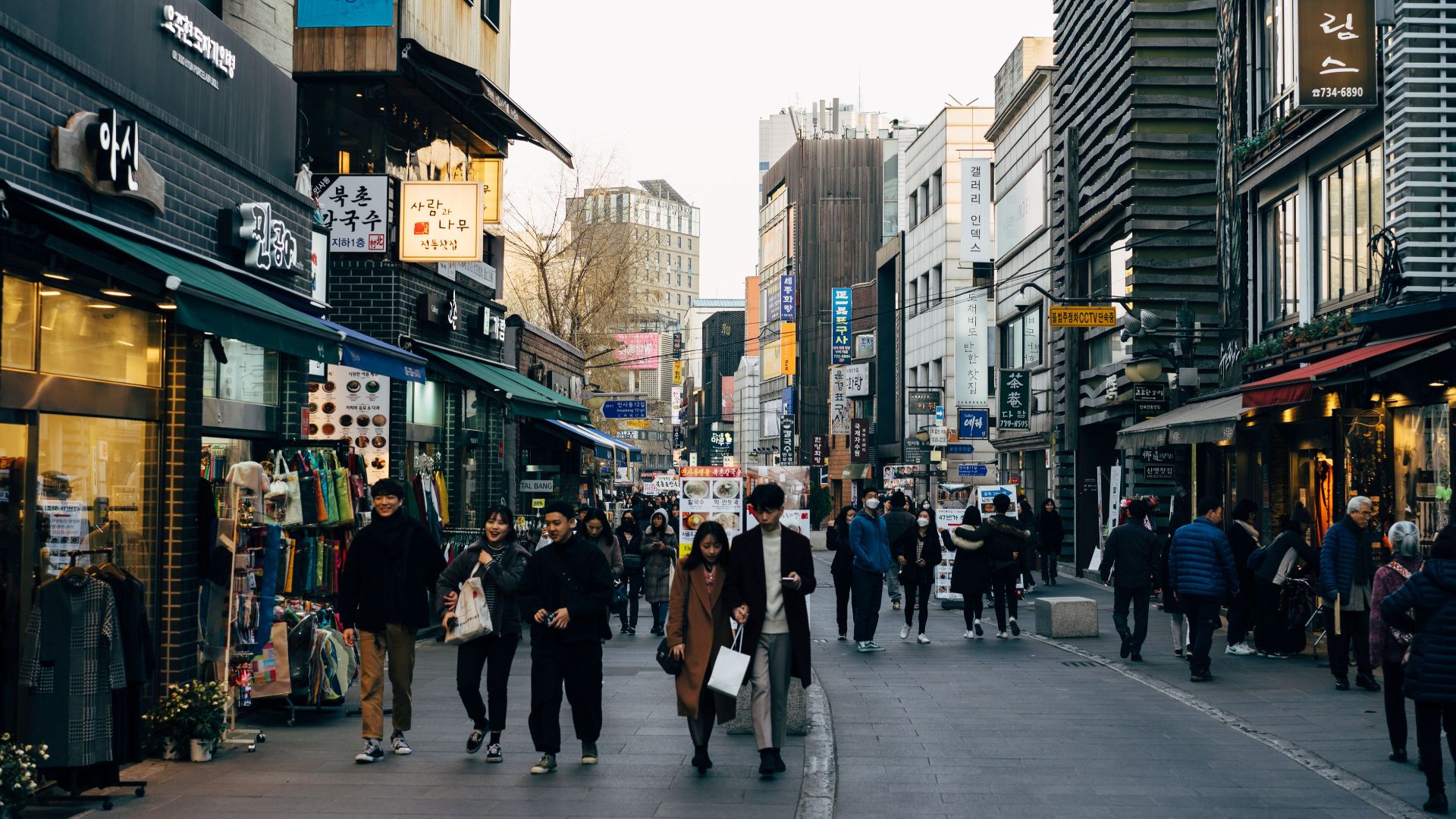
The National Association of City Transportation Officials has highlighted studies showing that merchants often overestimate how many customers arrive by car. Research in several cities has found that people who walk, bike, or take transit can make up a large share of customers on dense commercial corridors. That does not mean drivers do not matter. It does mean the claim that parking loss always crushes business is too simple.
Drivers Are Not Imagining The Inconvenience
Still, it would be glib to say parking loss does not matter. It matters a lot if you have limited mobility, carry tools for work, make deliveries, or live on a block with little off-street parking. Planners may talk about average outcomes, but drivers live the change one missing curb space at a time.

Who Gets Street Space Is The Real Question
This fight is really about who gets the curb, not whether drivers are being banished. Streets are public assets, and local governments decide how much space goes to moving vehicles, storing vehicles, buses, loading zones, sidewalks, bike lanes, and outdoor uses. When parking disappears, drivers can feel singled out, but officials usually present the move as a rebalance rather than an anti-car campaign.
Many Cities Are Following Formal Safety Plans
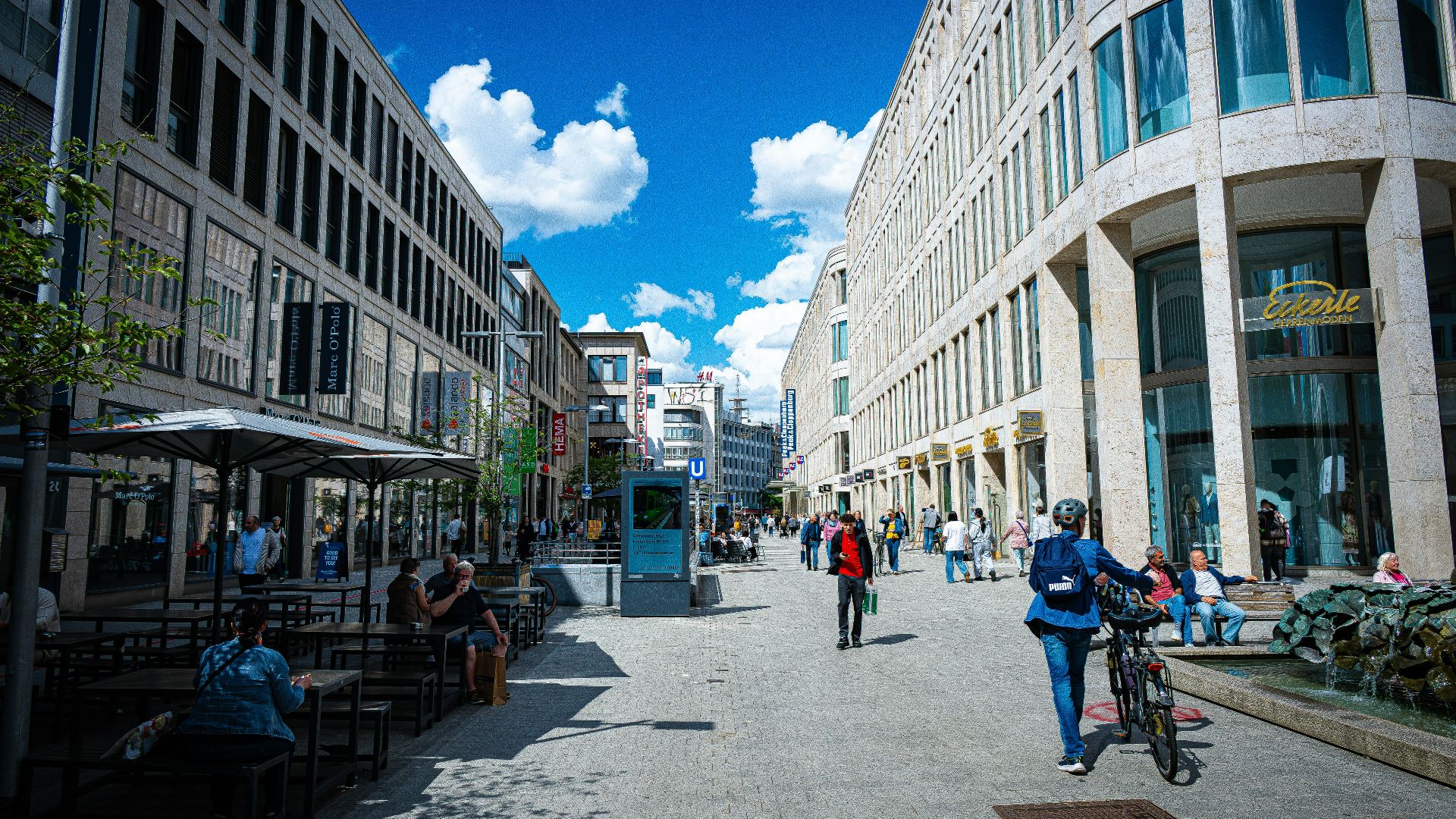
A lot of these projects are tied to Vision Zero or similar safety plans adopted by city governments. New York City, Chicago, and San Francisco have each used safety frameworks to back street redesigns that include bike lanes and parking changes. The idea is simple enough: if a corridor has a pattern of crashes, the street design should change before more people get hurt.
 BikePortland, Wikimedia Commons
There Is Evidence Street Design Changes Behavior
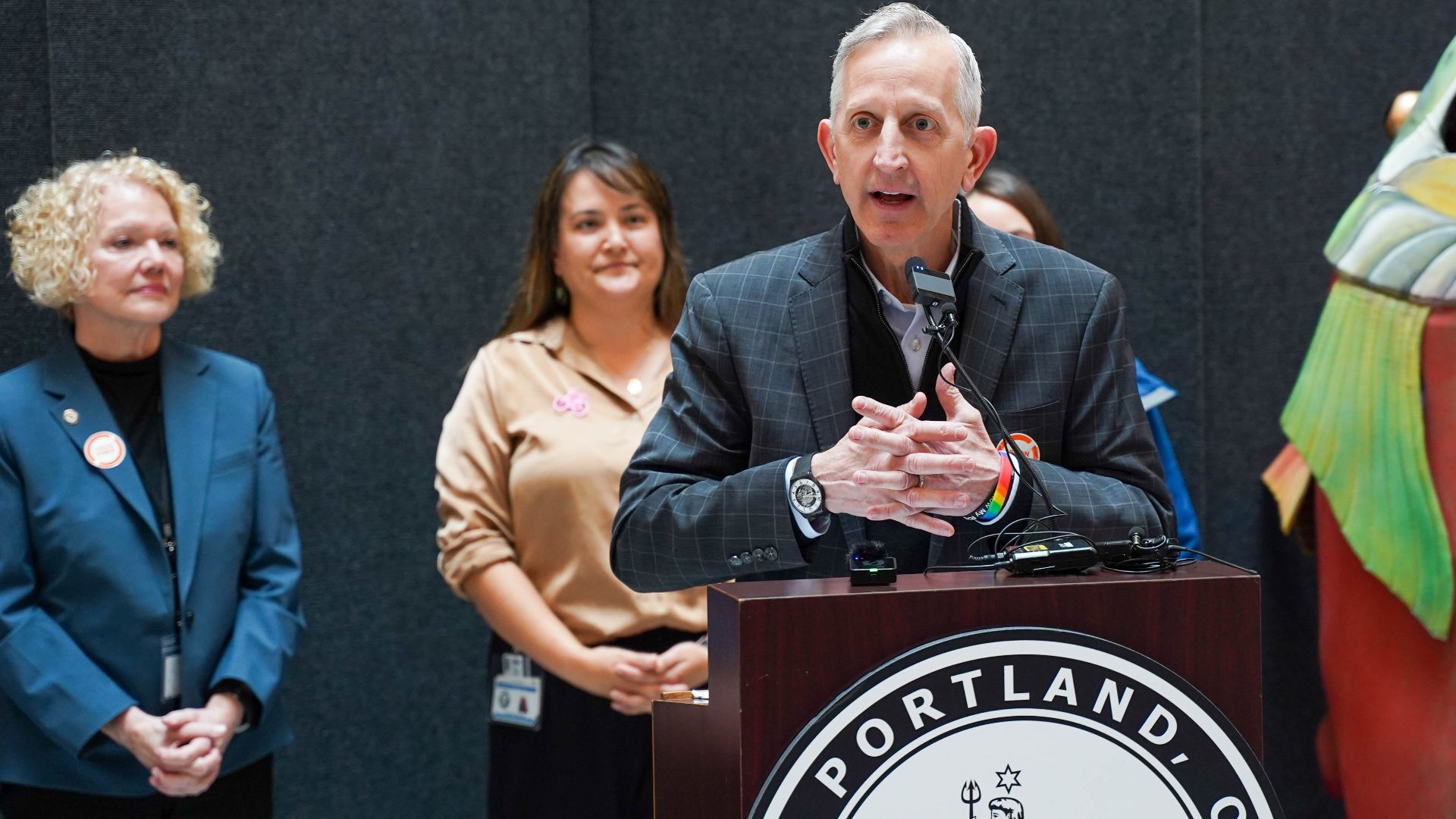
The Federal Highway Administration says separated bike lanes can improve comfort and may increase ridership. Street redesigns can also calm traffic, reduce risky passing, and simplify turns depending on the layout. Those effects sit at the center of the case for replacing some parking with protected cycling space.
But Traffic Congestion Concerns Are Real Too
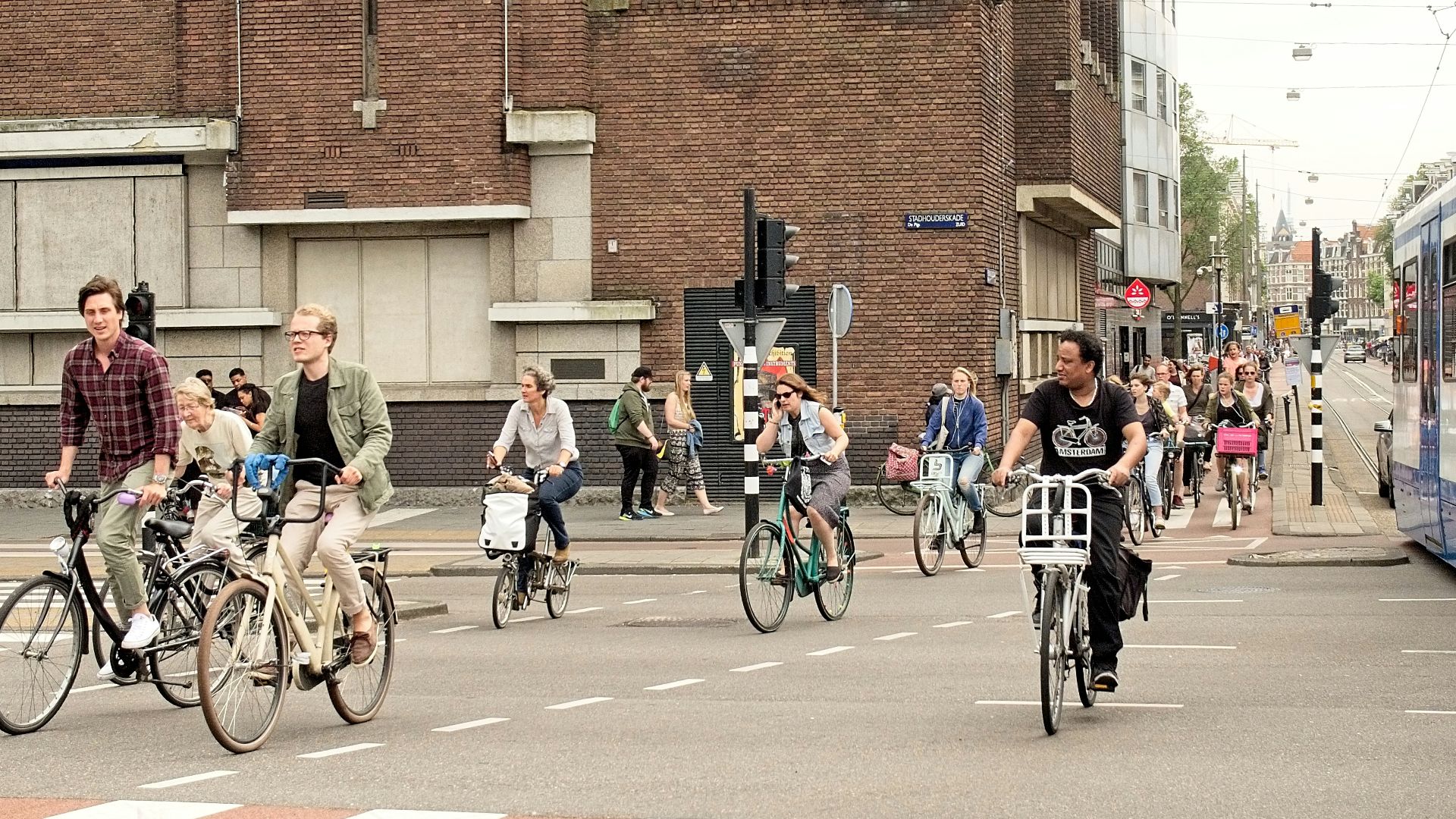
Drivers often worry that removing parking is only the beginning and that travel lanes could be next. Sometimes that concern is justified because many modern street redesigns narrow or repurpose general traffic space. Cities usually answer that slowing some vehicle movement can be worth it if injury risk falls and more people can travel safely by other modes.
The Curb Is More Valuable Than It Looks
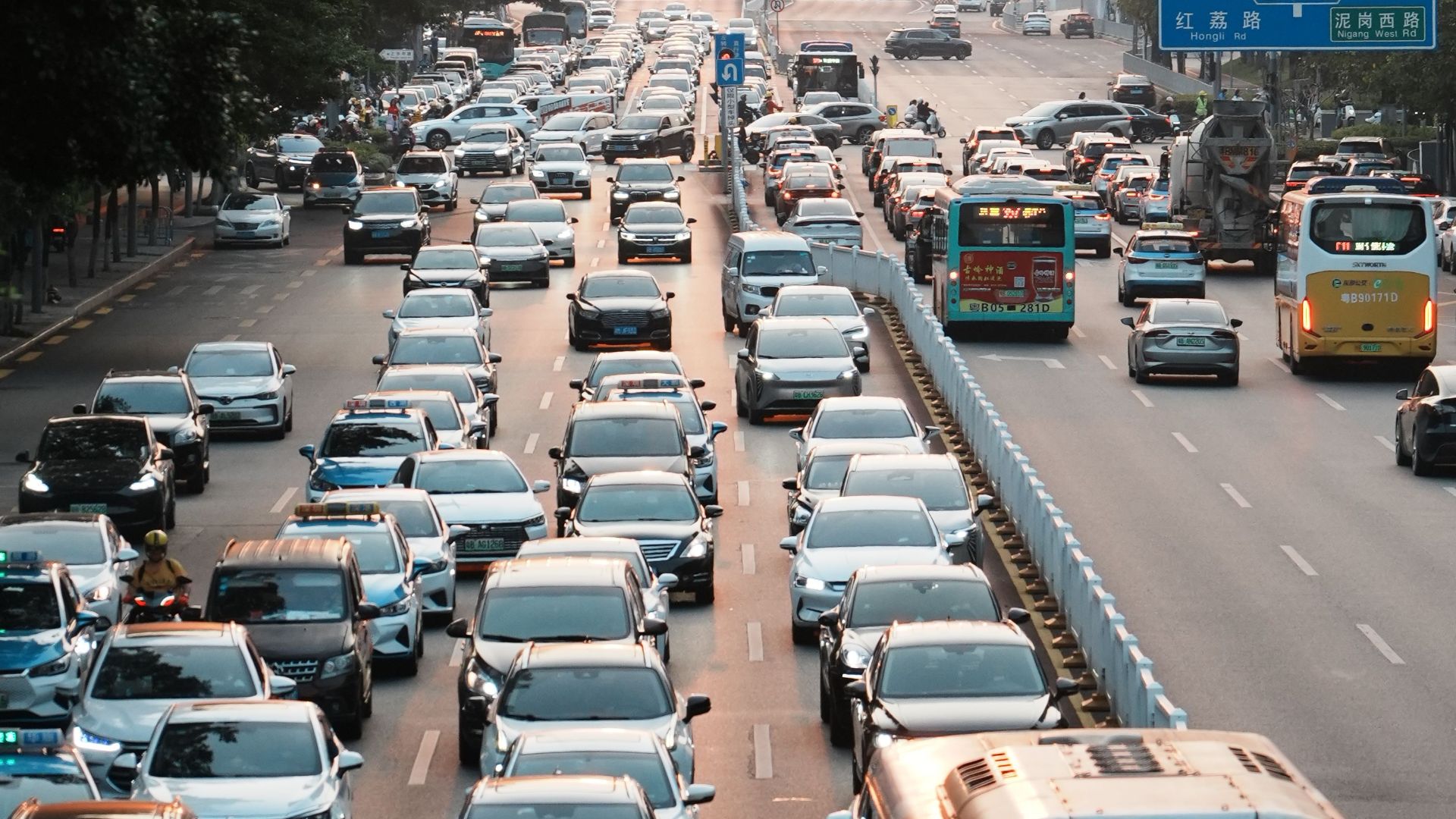
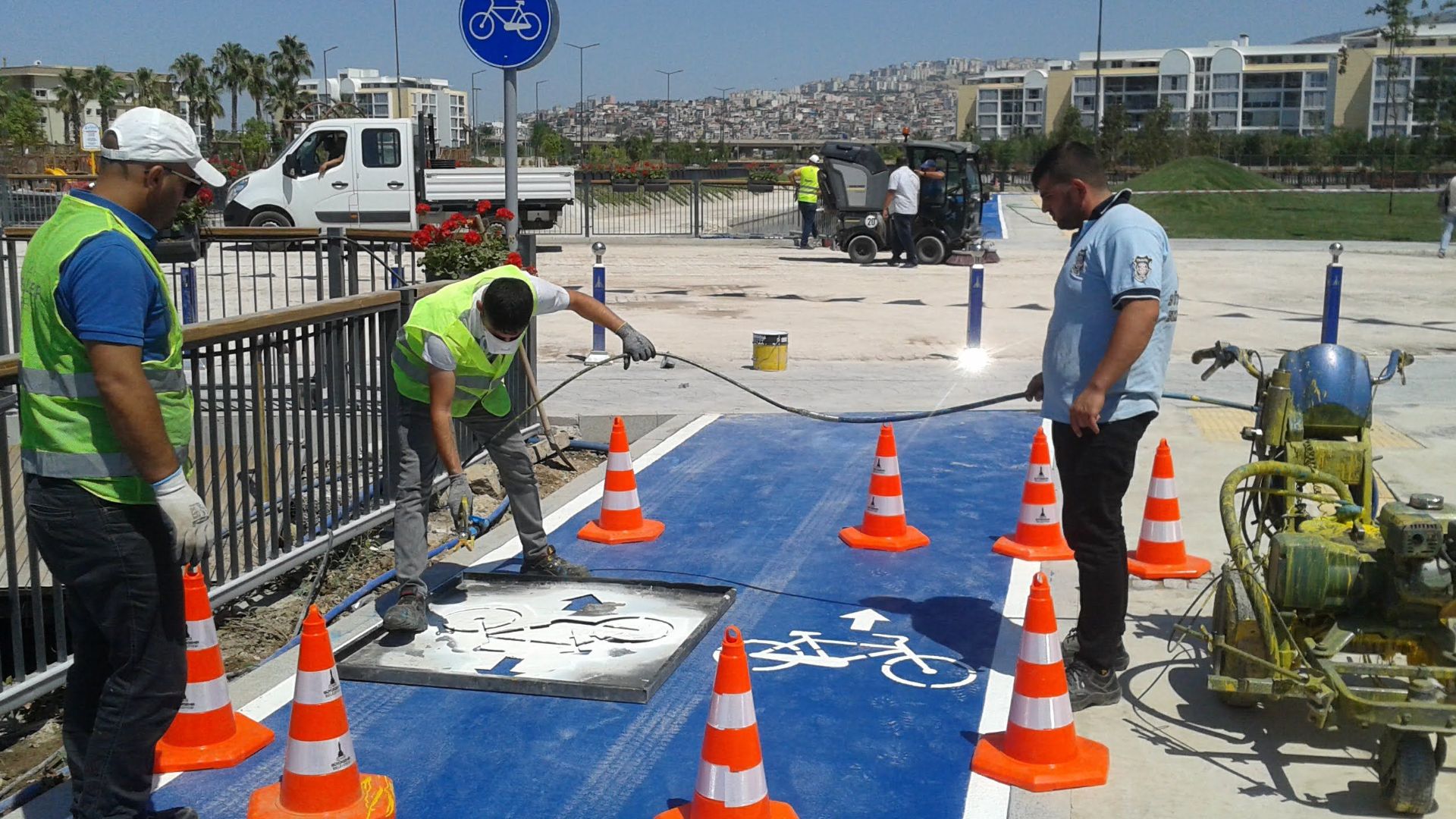
Urban planners increasingly treat curb space like premium real estate. One block face can support parking, freight loading, pickup and drop-off activity, bus boarding, bike corrals, parklets, or protected bike lane buffers. That means the old idea that curb space should automatically go to long-term car storage is being challenged in city after city.
 John Robert McPherson, Wikimedia Commons
Not All Parking Removal Is The Same
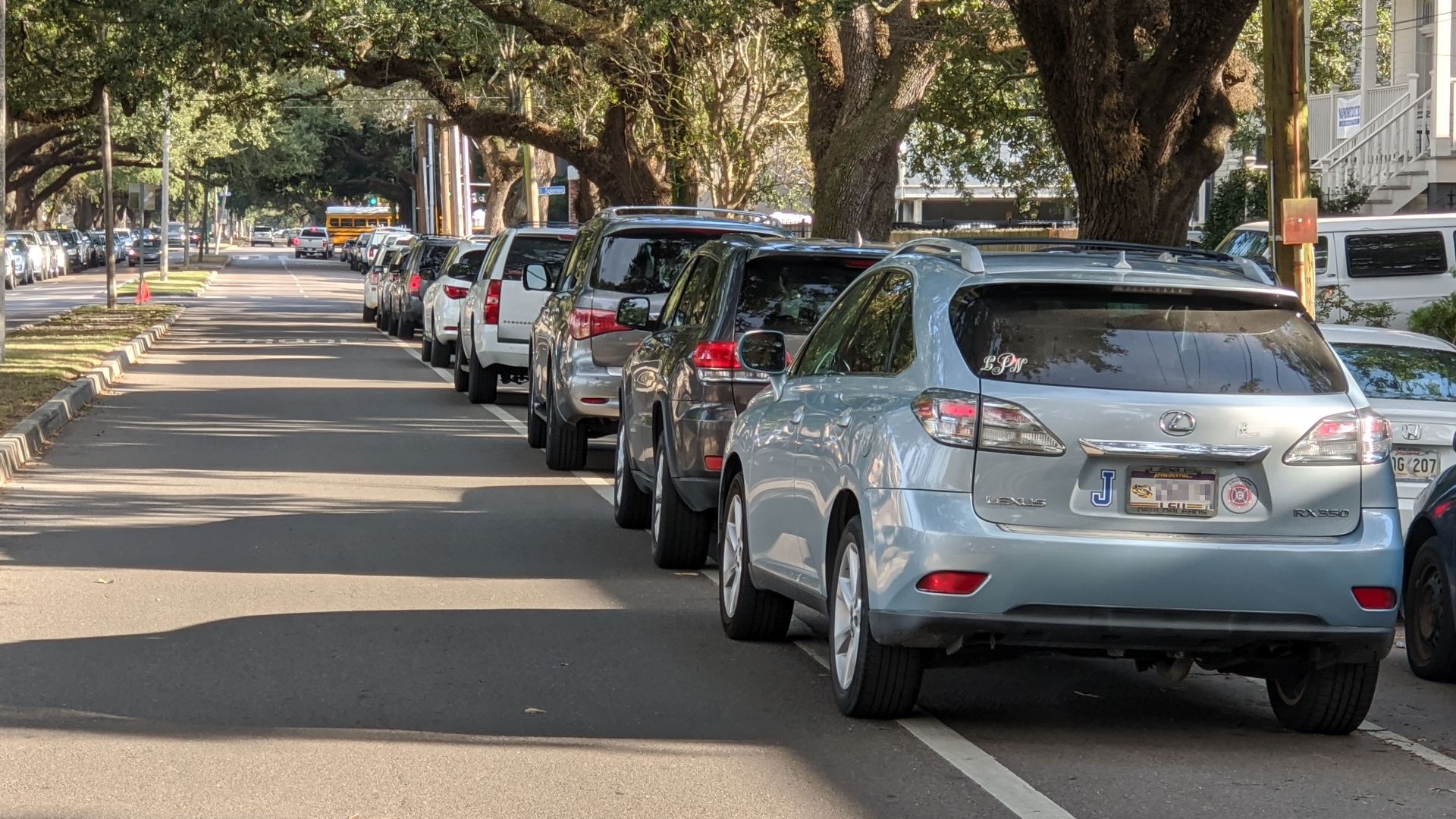
There is a big difference between removing a handful of spaces on one corridor and wiping out parking across a neighborhood. Many bike lane projects affect selected streets rather than entire districts. For drivers, though, the impact depends on local context. Losing ten spaces on a block with no alternatives can feel bigger than losing fifty near a garage.
Accessibility Can Complicate The Picture
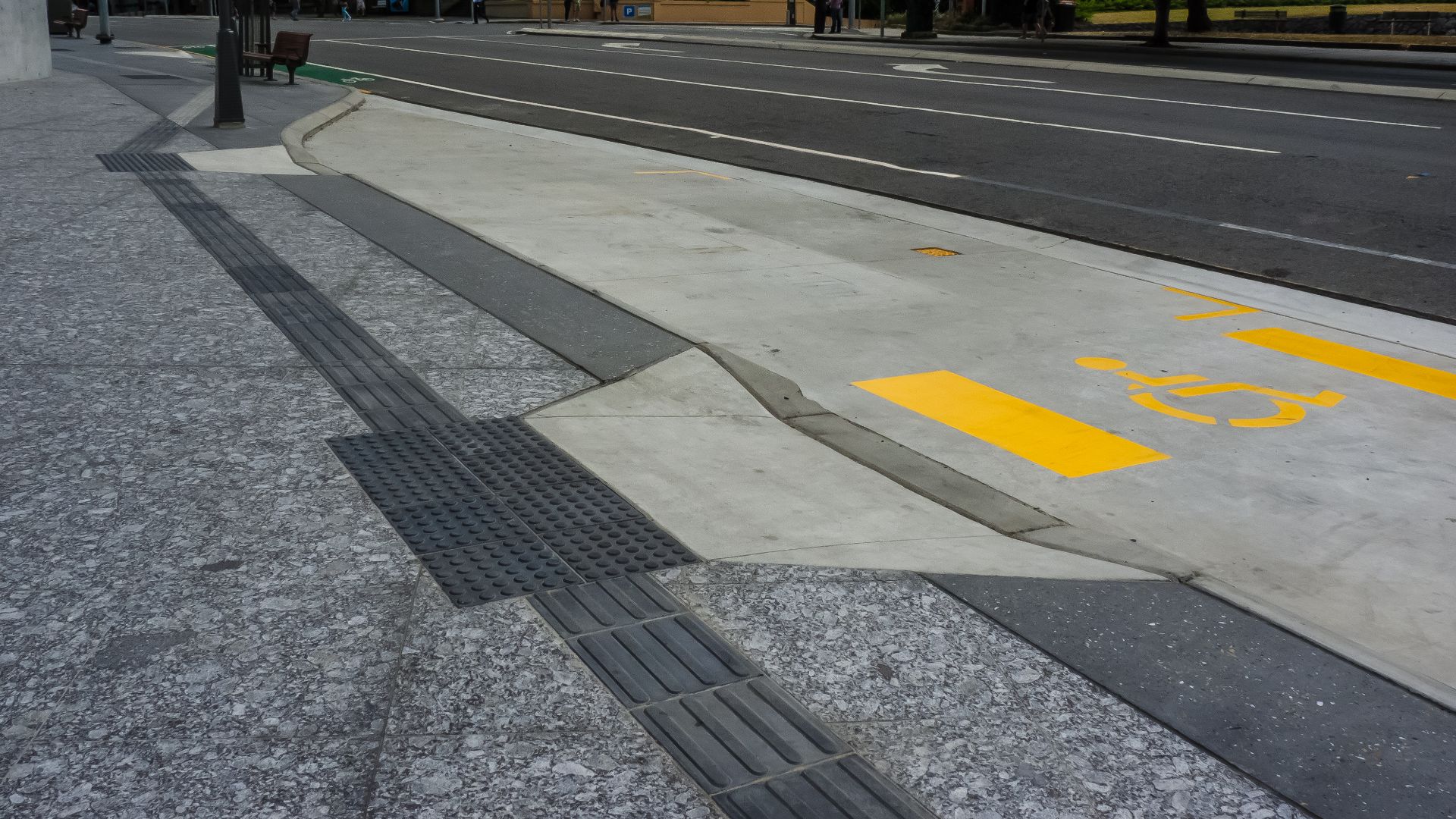
One reason this debate gets heated is that not every car trip is optional. Older adults, disabled drivers, caregivers, and tradespeople may depend on close curb access. Better projects account for that by preserving accessible parking, adding loading zones, and adjusting designs block by block instead of treating every curb lane the same way.

What Good City Planning Looks Like
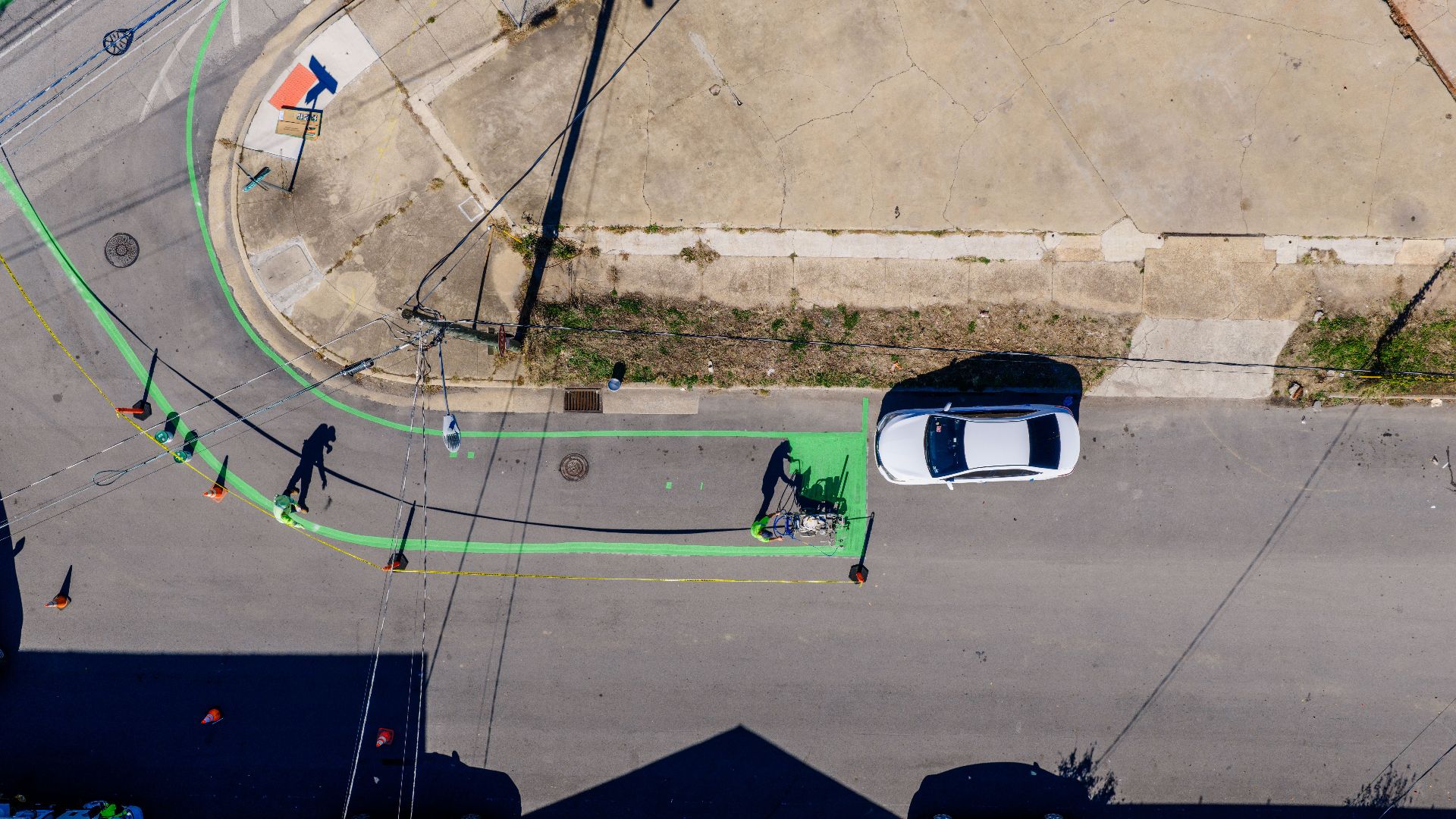
The strongest street redesigns usually come with detailed outreach, before-and-after data, and practical curb management. Cities that explain exactly how many spaces are being removed, where replacement loading will go, and what safety problem is being addressed tend to make a stronger case. Drivers may still hate the result, but straight answers matter.
What Bad City Planning Looks Like
Bad planning is easier to spot. It happens when officials pretend there are no tradeoffs, brush off obvious parking pain, or fail to account for deliveries and accessibility. That is when drivers stop feeling merely inconvenienced and start feeling ignored.
 Bart Everson, Wikimedia Commons
Are Drivers Being Pushed Out
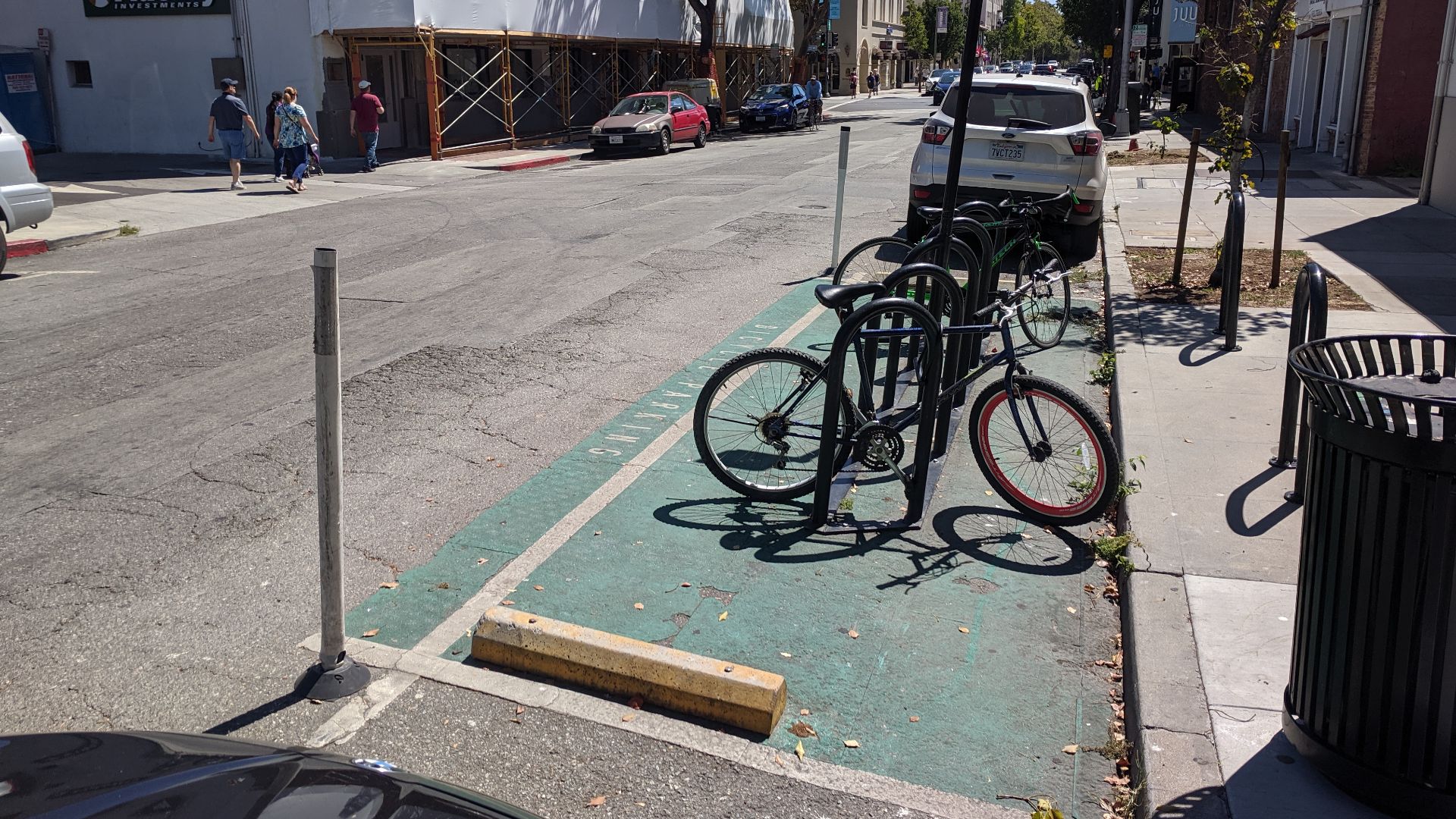
In most cases, no. The evidence suggests cities are not trying to get rid of driving altogether, but they are giving less priority to free or low-cost curb parking on some streets. That distinction matters. The shift is usually not anti-driver across the board. It is a move away from automatic car-first street design in places where officials believe safety and space efficiency call for something else.
 Grendelkhan, Wikimedia Commons
Why It Feels Like A Push Anyway
Drivers are often the group asked to give something up first because curbside parking is one of the easiest parts of the street to repurpose. If you are the one losing convenience, that can feel like targeted pressure no matter what the city says its goals are. Politics rarely turns on technical wording. It turns on lived experience.
What Drivers Should Watch For In Their Own City
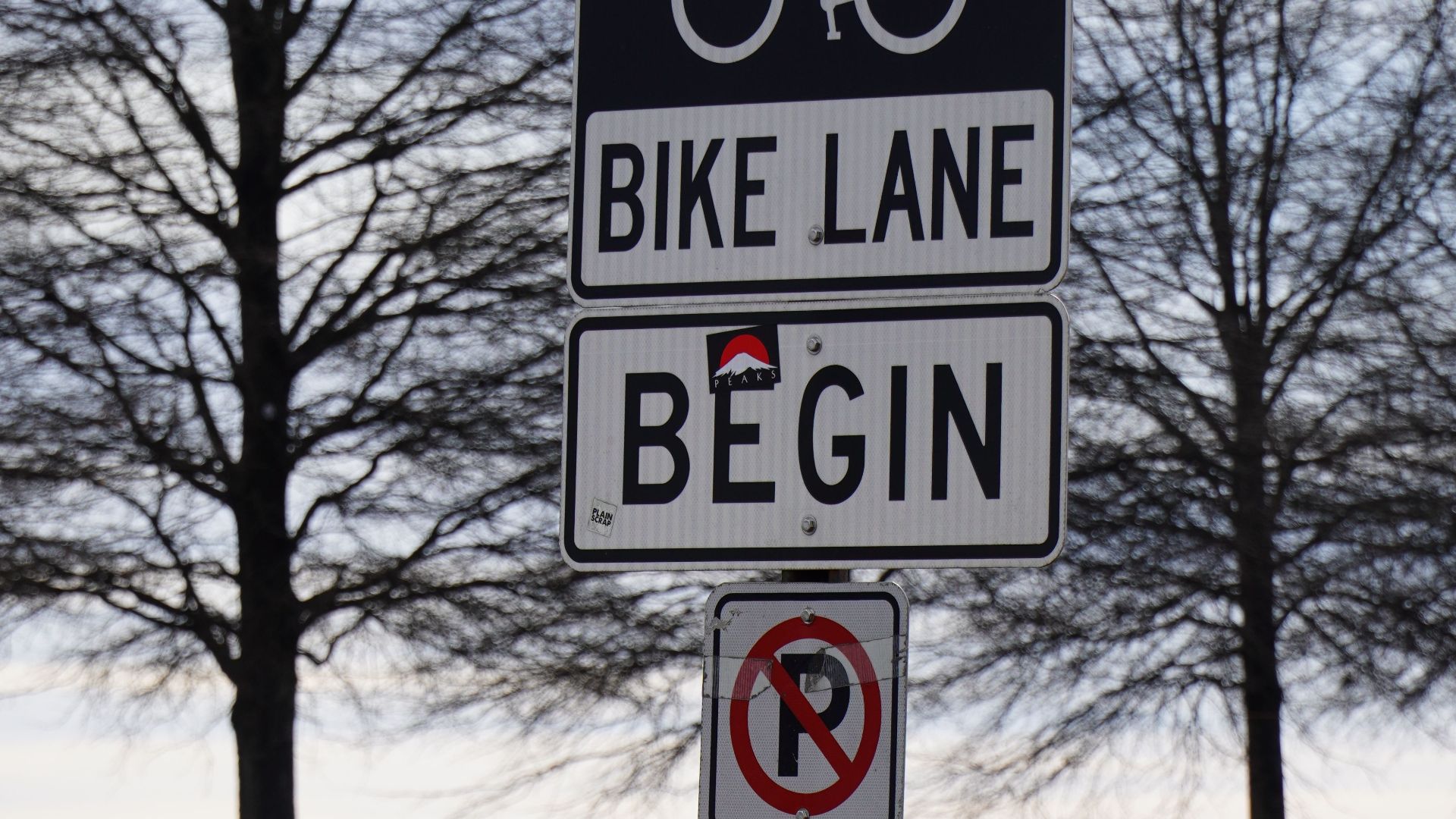
If a parking-to-bike-lane proposal is headed to your street, focus on the details. Ask how many spaces are being removed, whether crash data supports the change, what loading or accessible replacements are planned, and how success will be measured. Those details usually show whether a project is solving a real problem or just applying broad planning ideas without enough care.

The Honest Bottom Line
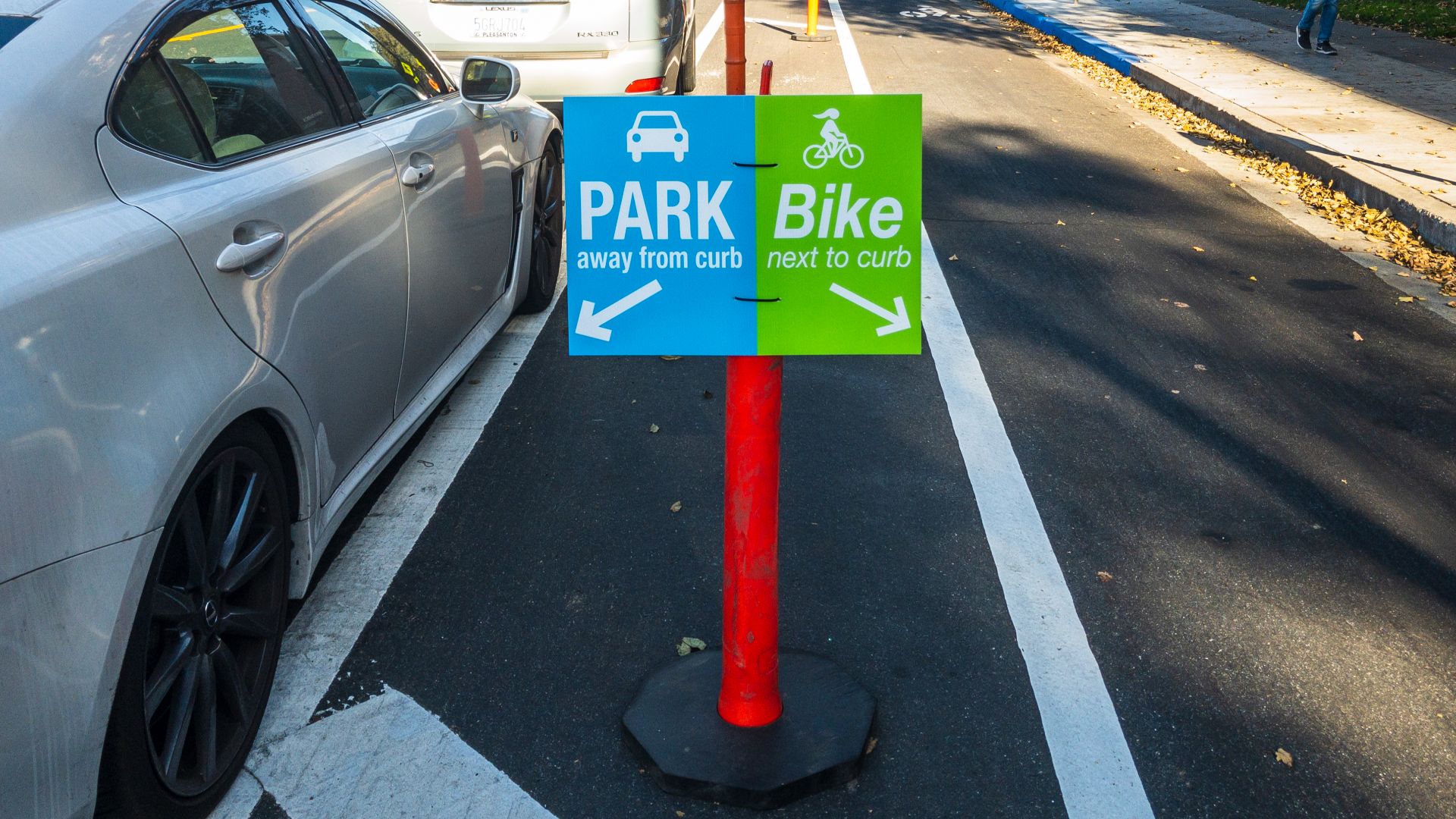
Drivers are not being erased from cities, but they are no longer guaranteed first claim on every curb lane. That is a real change, and for many people it is frustrating, costly, and deeply inconvenient. It is also part of a wider shift in how cities think about streets: less as storage for private vehicles, and more as shared public space.
 Will Buckner, Wikimedia Commons
The Bigger Question After The Paint Dries
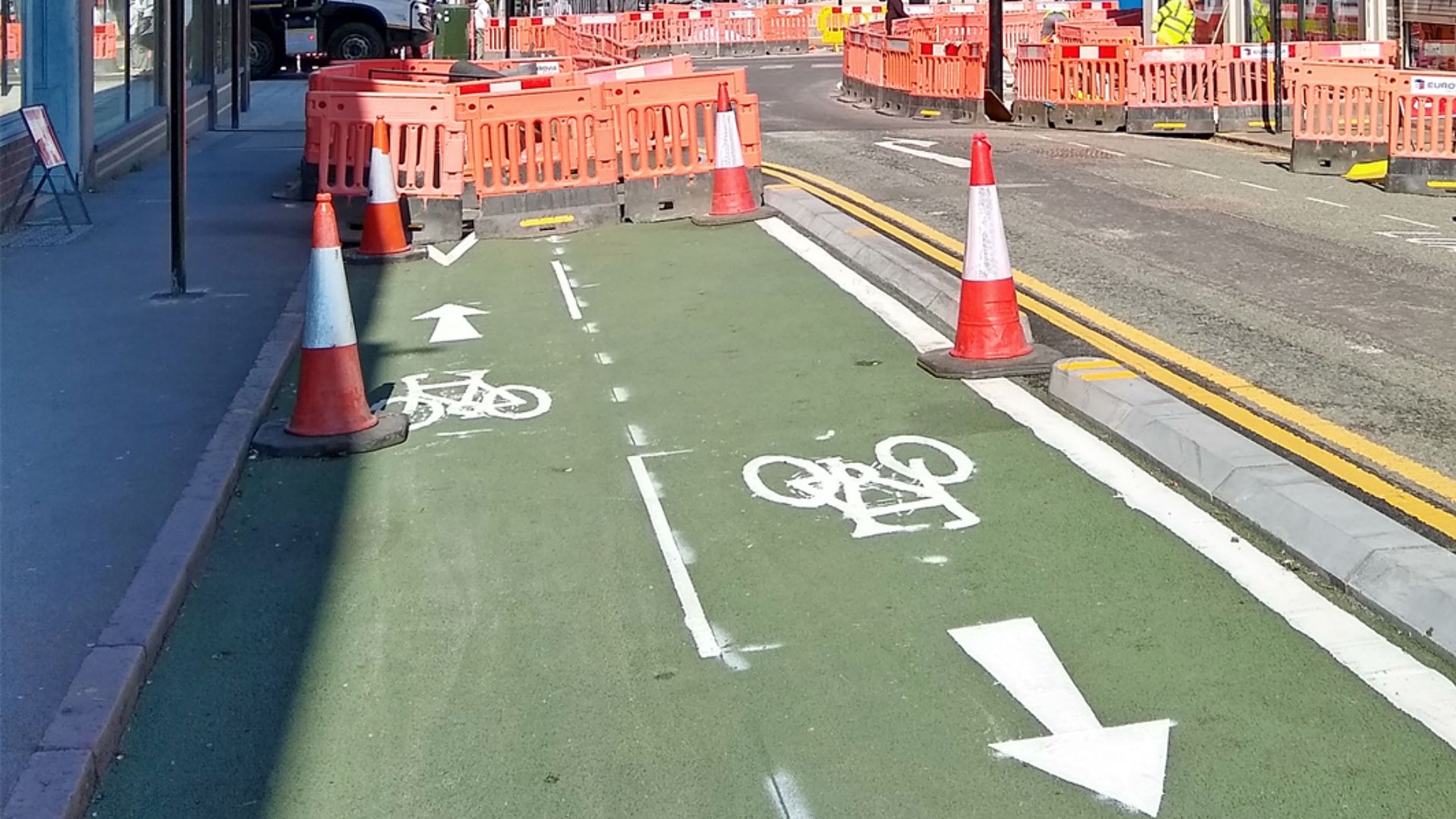
The sharper question is not whether bike lanes take parking. Many do. The real question is whether the tradeoff delivers safer streets, workable access, and honest accommodation for people who still need to drive. When cities can prove that with clear data and thoughtful design, their case gets much stronger. When they cannot, drivers have every reason to push back.
 Roger D Kidd , Wikimedia Commons