Finding The Right Balance
Finding a genuinely good new car under $30,000 has gotten a lot tougher as prices continue climbing across the auto industry. Still, several compact sedans and hatchbacks continue to deliver impressive value. These cars balance fuel economy, practicality, technology, comfort, and driving enjoyment while remaining relatively affordable for everyday buyers.
Honda Civic – The Positives
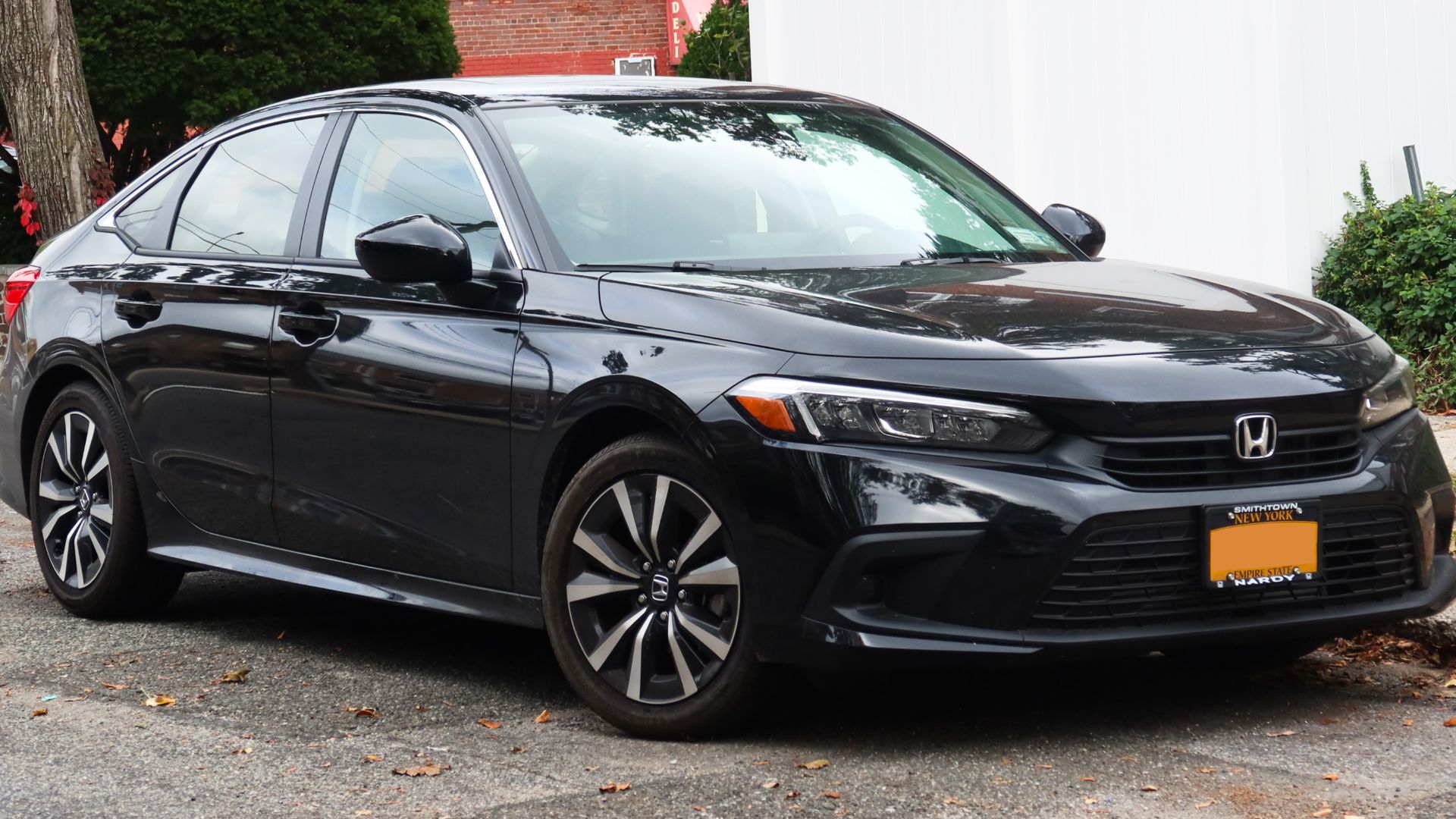
The Honda Civic is still one of the most complete compact cars on the market thanks to its refined ride quality, sharp steering, and upscale interior materials. Reviewers consistently praised how mature and premium the Civic feels compared with many rivals in its price class. (Approx. $26,000-$30,000)
Honda Civic – The Negatives
One downside to the Civic is pricing. Higher trims equipped with popular features like larger screens, upgraded audio systems, and additional driver-assistance technology can quickly move beyond the $30,000 mark. Some buyers may also find the base engine less energetic than their turbocharged competitors. (Approx. $26,000-$30,000)

Kia K4 – The Positives
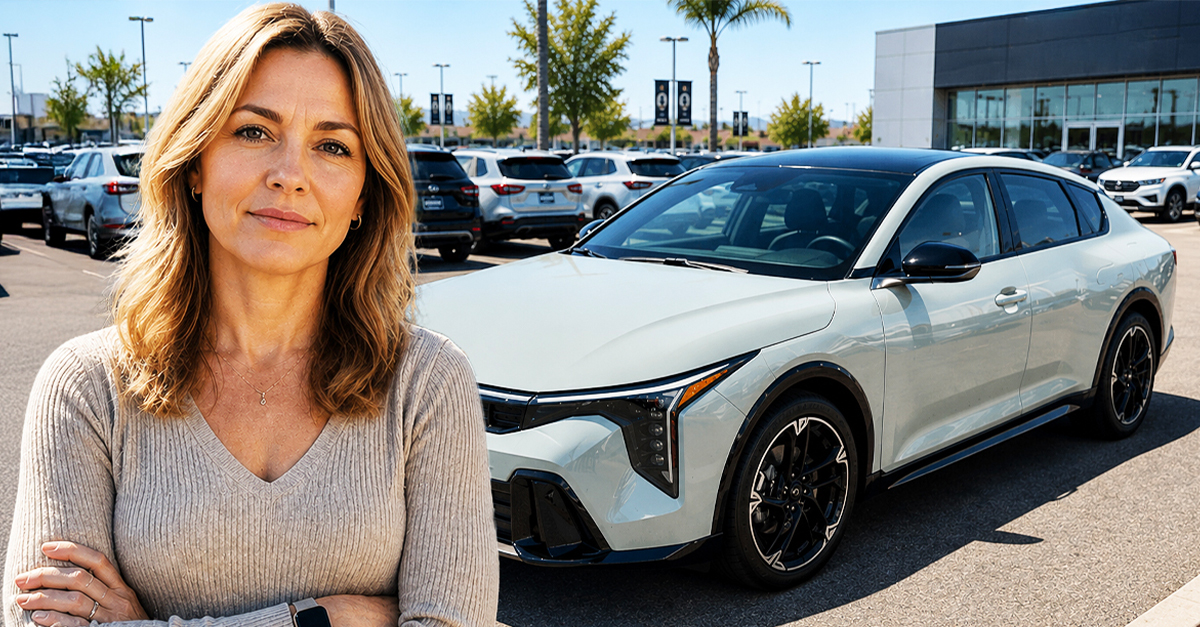
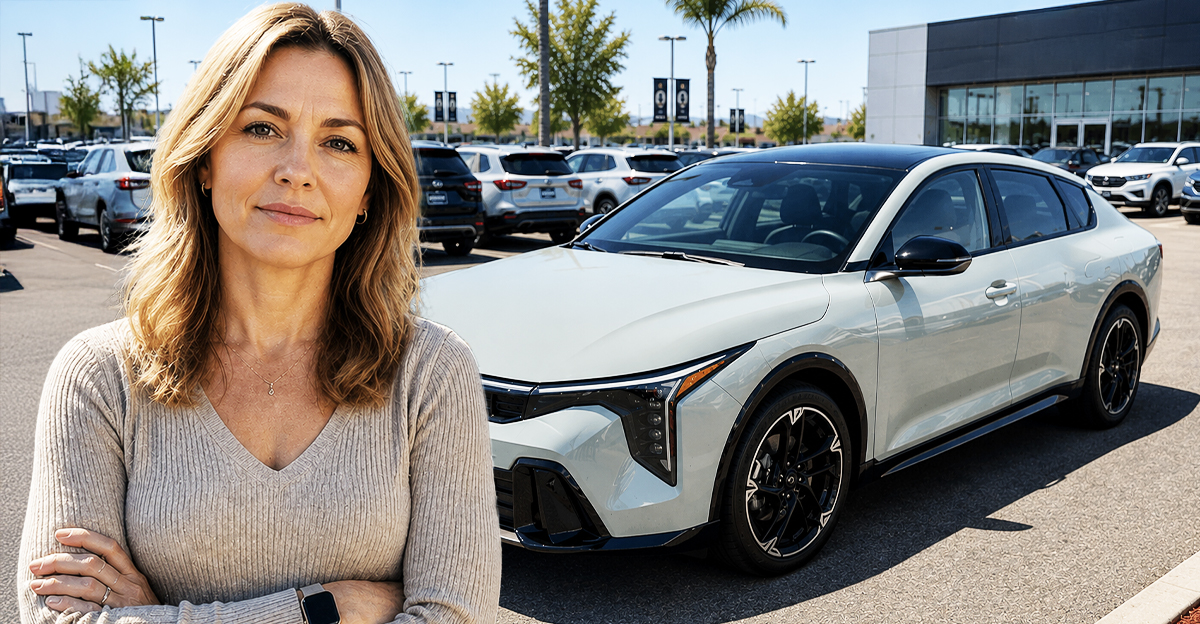
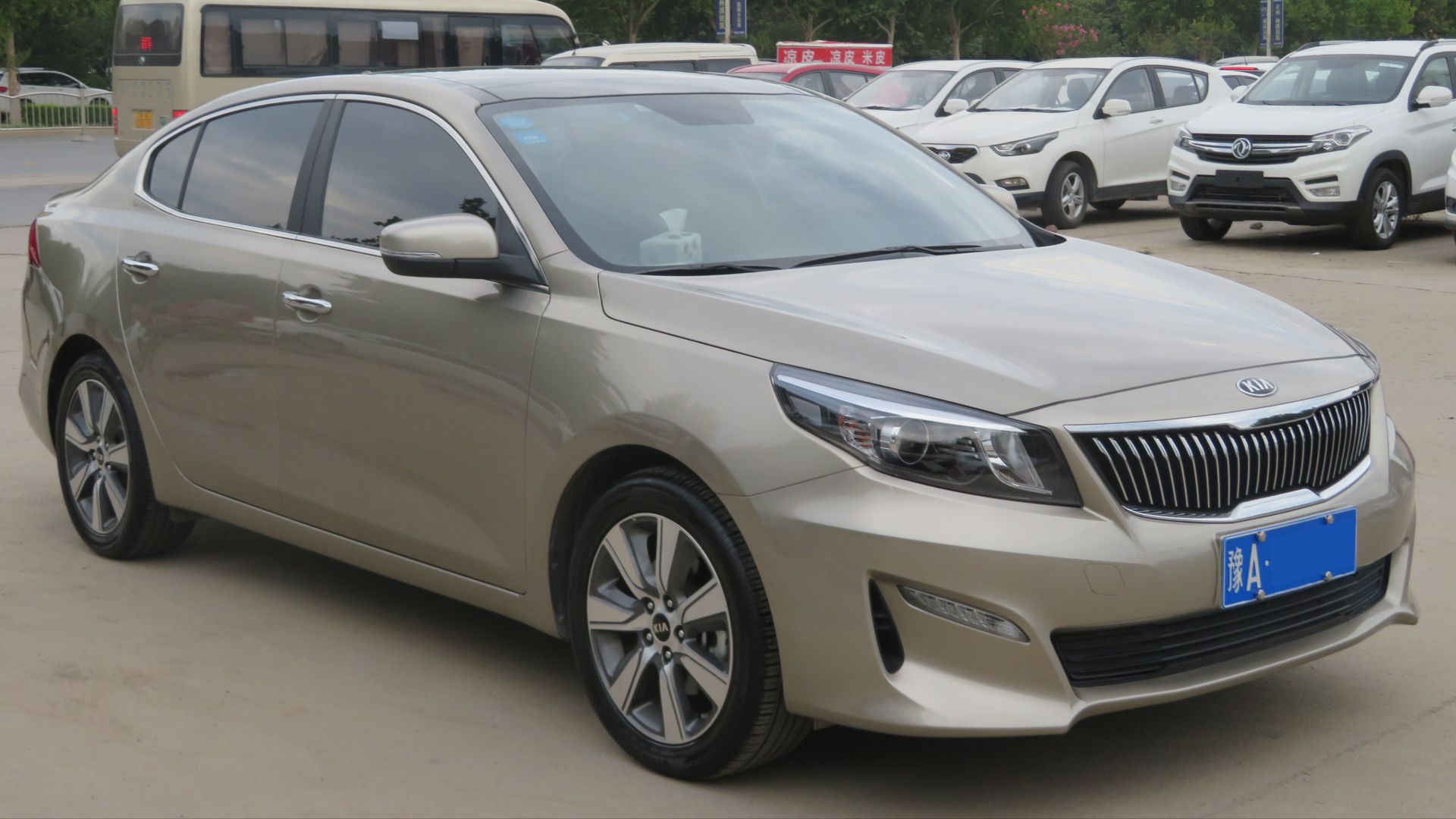
The Kia K4 has impressed reviewers with its dramatic styling and spacious cabin. Compared with many compact sedans, the K4 offers especially generous rear-seat room and strong technology features. It also delivers a surprisingly refined highway ride that makes longer commutes more comfortable. (Approx. $24,000-$29,000)
Kia K4 – The Negatives
Despite its strengths, reviewers noted that the K4’s driving experience is less engaging than some competitors. Steering feedback and handling precision trail cars like the Civic and Mazda3. Some trims also approach the $30,000 threshold once upgraded with additional comfort and convenience packages. (Approx. $24,000-$29,000)

Nissan Sentra– The Positives
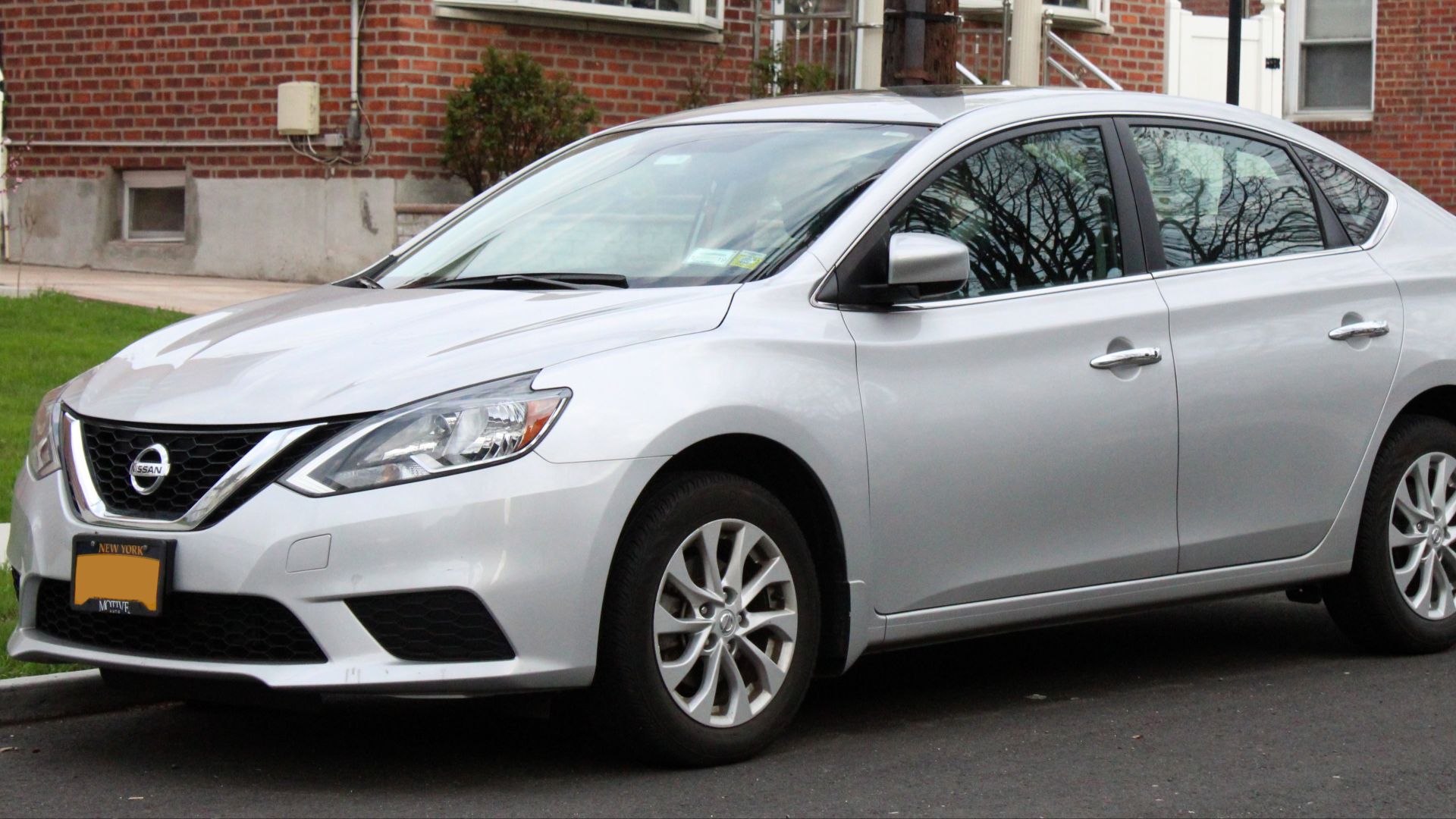
The Nissan Sentra continues to stand out for its value. Even lower trims include a surprisingly upscale-looking interior and many standard safety features. Reviewers also praised the Sentra’s comfortable seats and quiet ride, making it particularly appealing for commuters focused on daily comfort rather than outright performance. (Approx. $22,000-$28,000)
Nissan Sentra – The Negatives
The Sentra’s biggest weakness remains acceleration. Competing compact cars often feel noticeably quicker and more responsive, especially during highway passing. Some reviewers also felt the Sentra’s continuously variable (CVT) transmission dulls driver engagement and contributes to a less sporty overall personality compared with rivals. (Approx. $22,000-$28,000)
 Ashwini Chaudhary(Monty), Unsplash
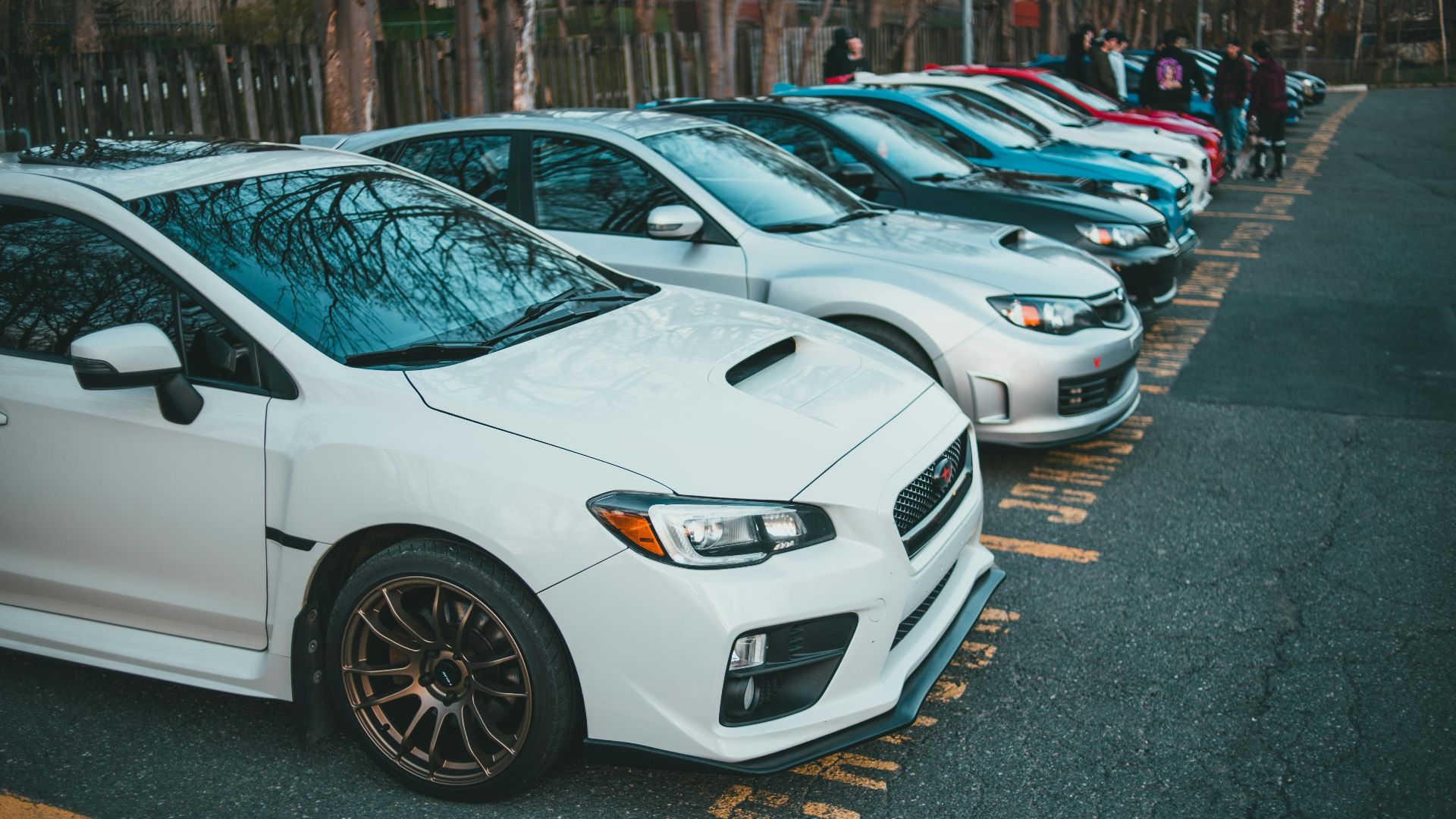
Subaru Impreza– The Positives
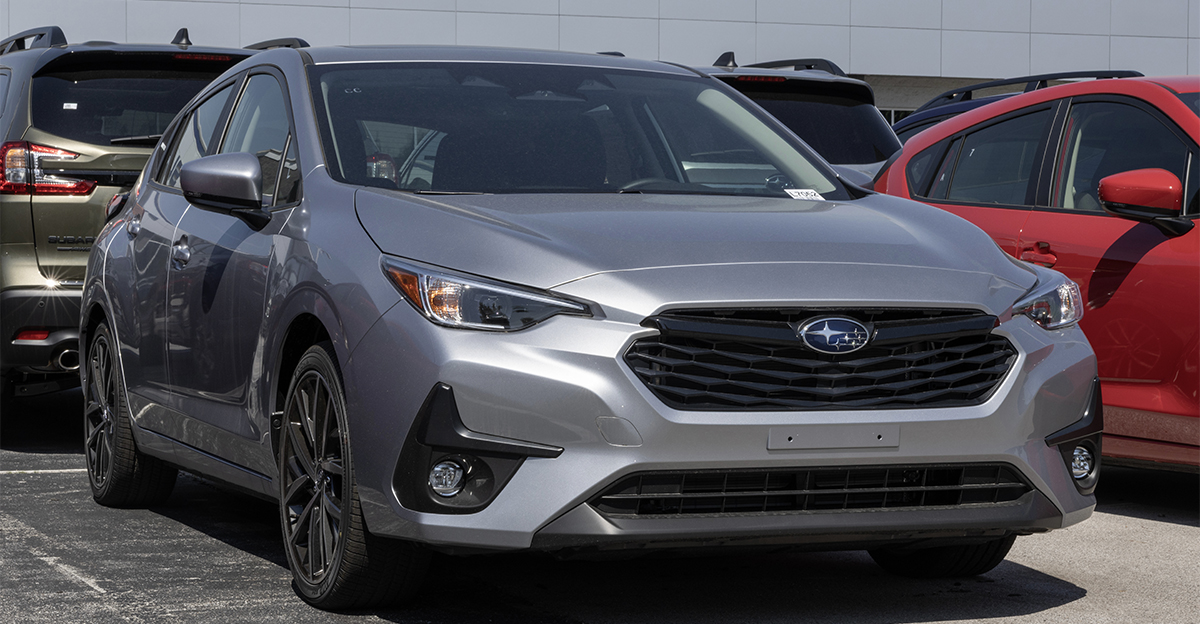
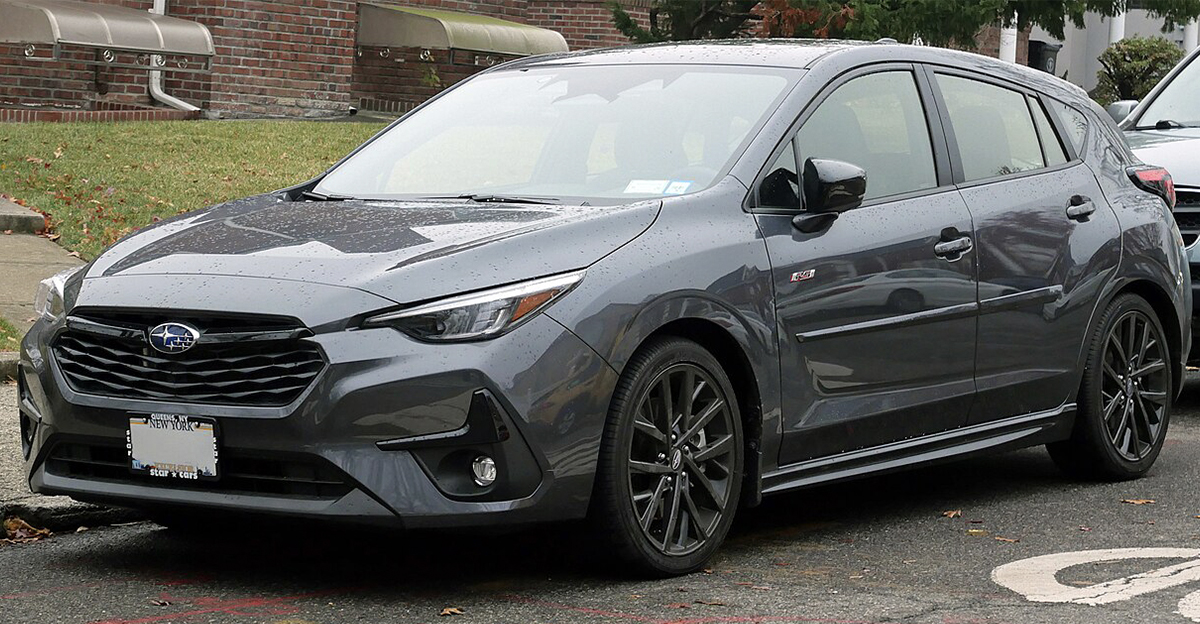
The Subaru Impreza separates itself from most competitors by offering standard all-wheel drive across the lineup. That makes it especially attractive for buyers dealing with harsh winters or wet climates. The hatchback body style also gives the Impreza strong cargo flexibility for its segment. (Approx. $25,000-$29,000)
Subaru Impreza – The Negatives
Fuel economy trails several front-wheel-drive rivals because of the Impreza’s standard all-wheel-drive system. Some reviewers also found the cabin design less upscale than the Civic or Mazda3. The base engine delivers adequate performance, but it lacks the lively acceleration available from some competitors. (Approx. $25,000-$29,000)
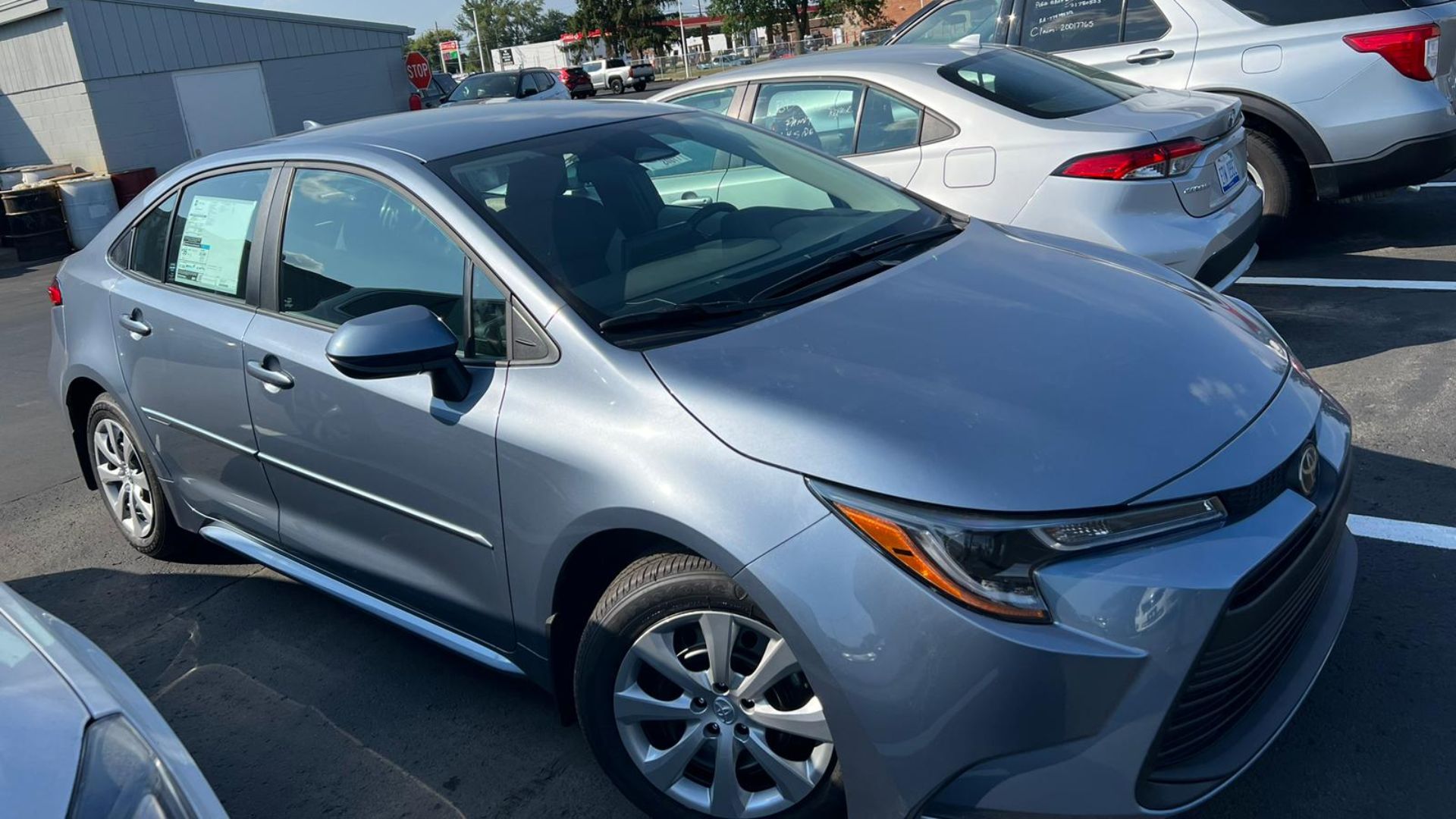
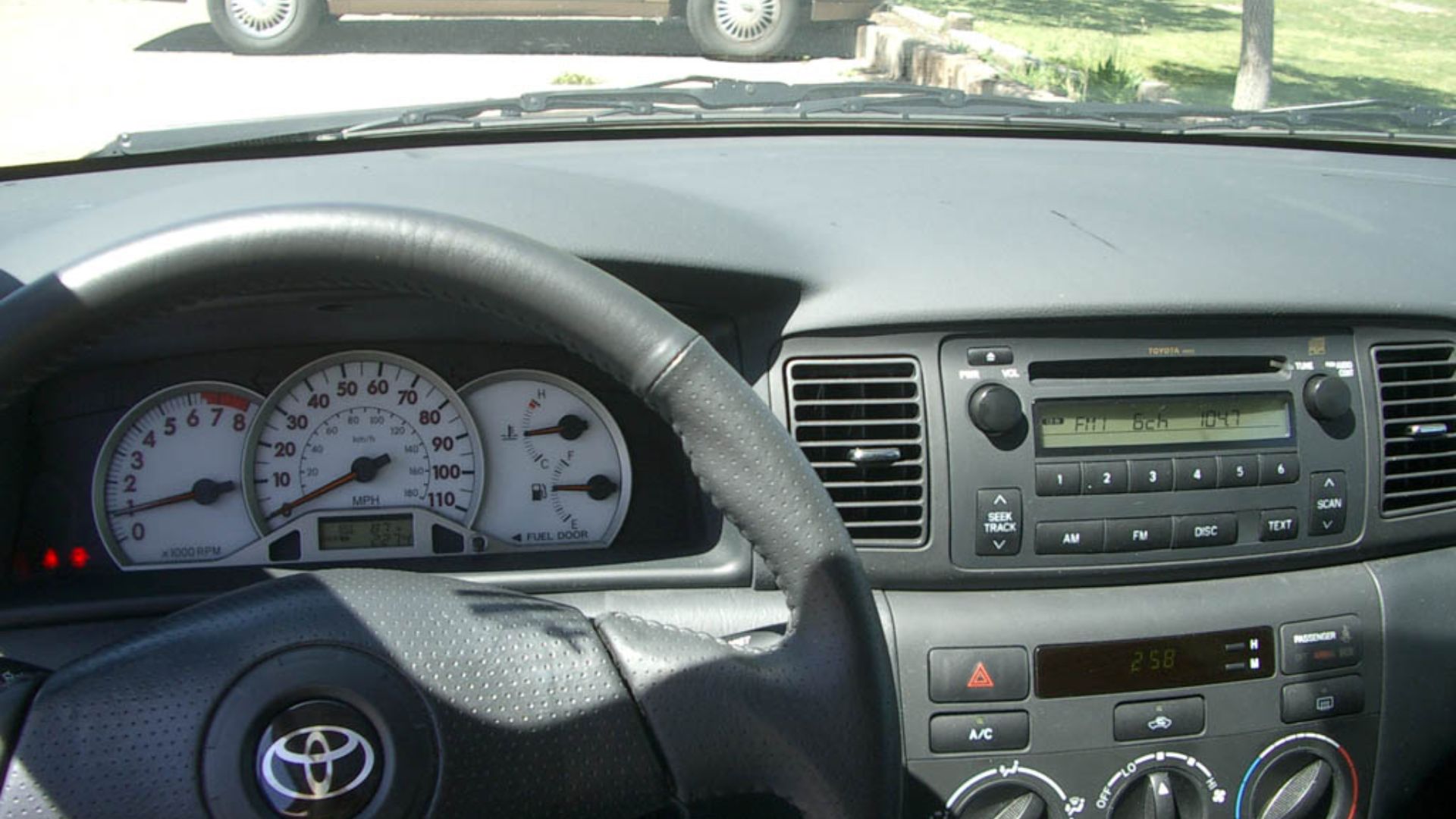
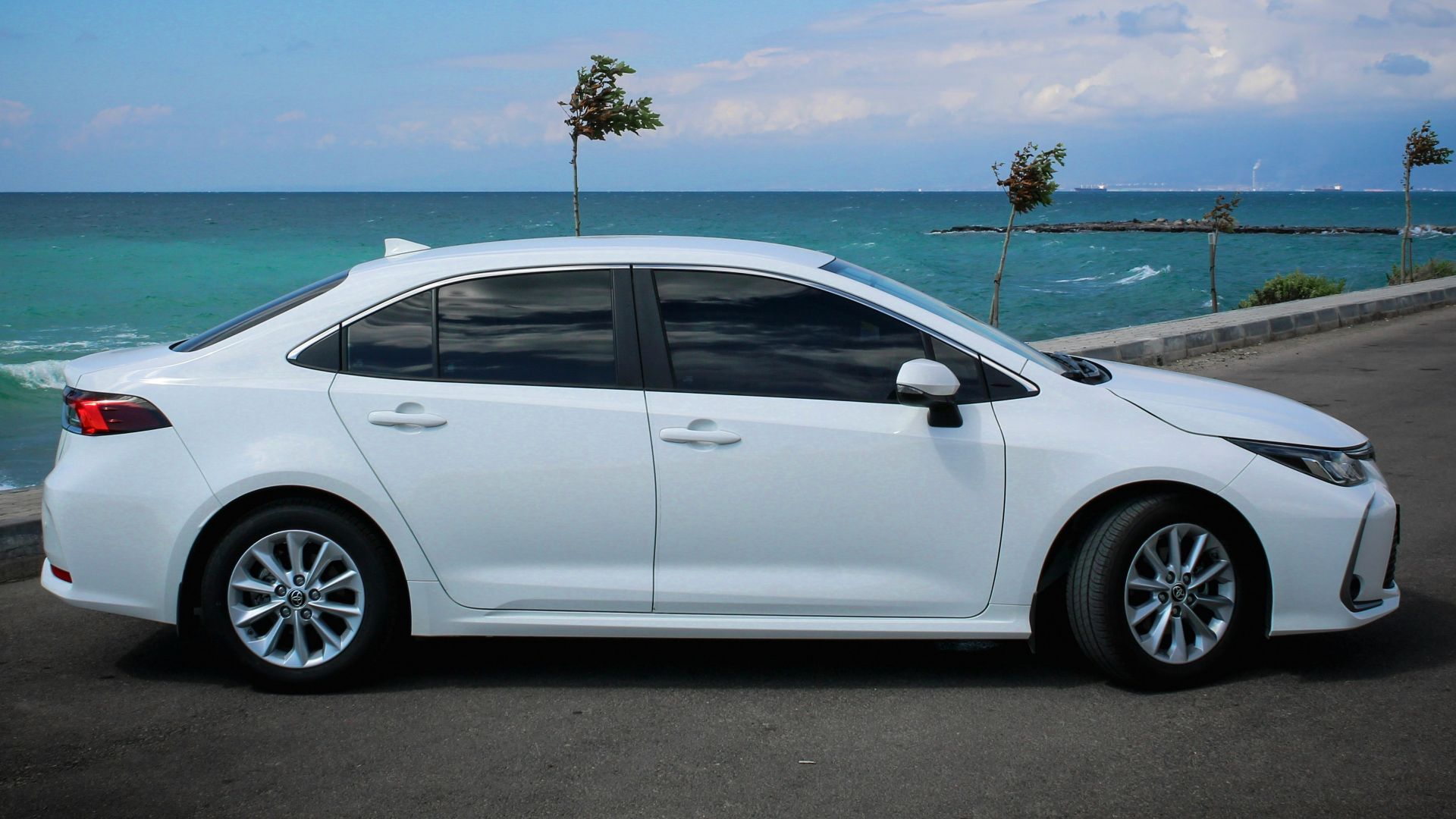
Toyota Corolla – The Positives
The Toyota Corolla remains popular largely because of its long-standing reputation for reliability and low ownership costs. Reviewers also praised the Corolla’s easy maneuverability and efficient powertrains. Toyota’s extensive standard safety technology package continues helping the Corolla appeal to cautious buyers. (Approx. $23,000-$29,000)
Toyota Corolla – The Negatives
While dependable, the Corolla can feel less exciting than several competitors. Reviewers noted that its steering and handling are competent but rarely memorable. Rear-seat space also falls behind some newer rivals, particularly the roomy Kia K4 and Honda Civic sedans. (Approx. $23,000-$29,000)
Volkswagen Jetta– The Positives
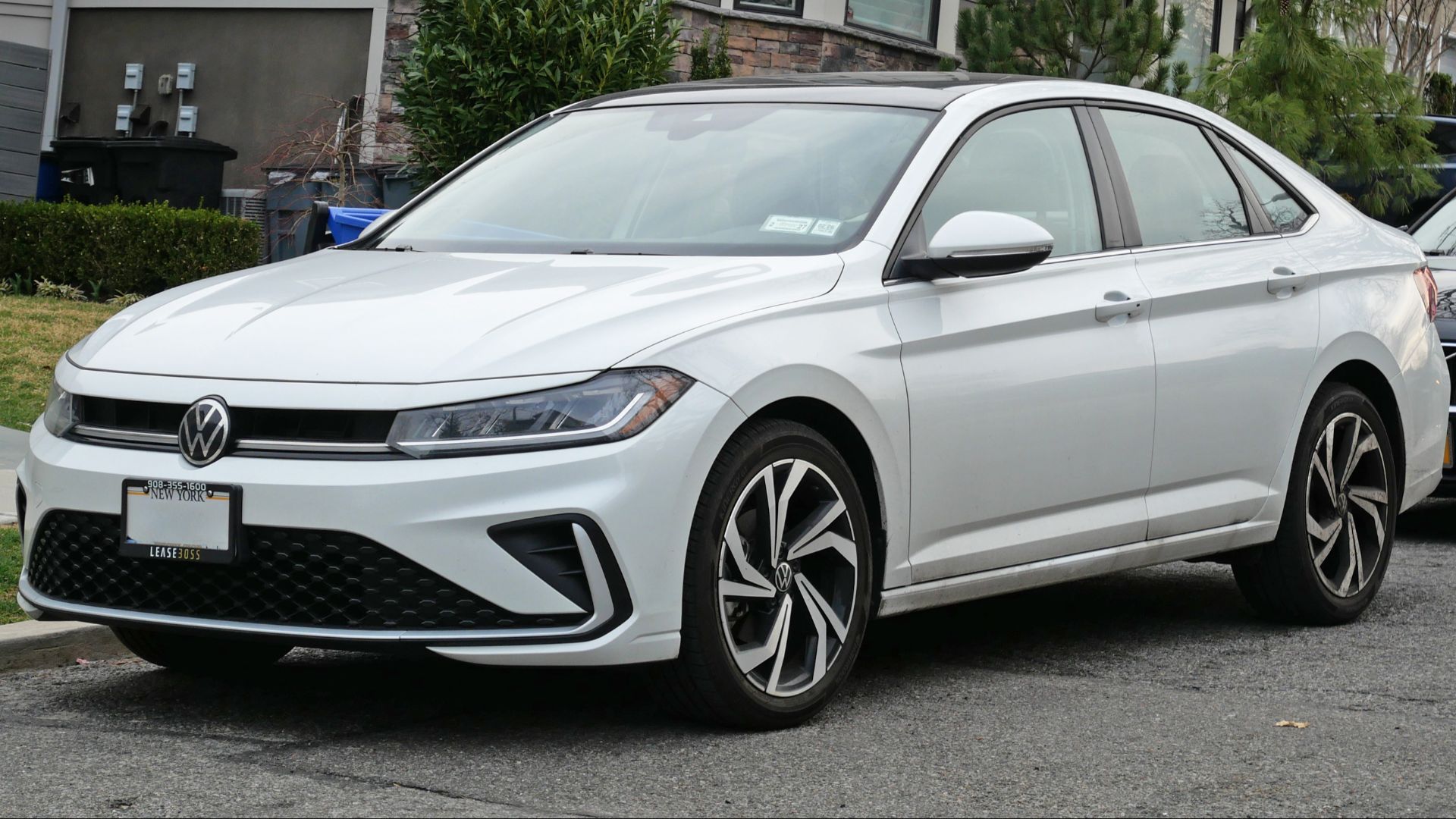
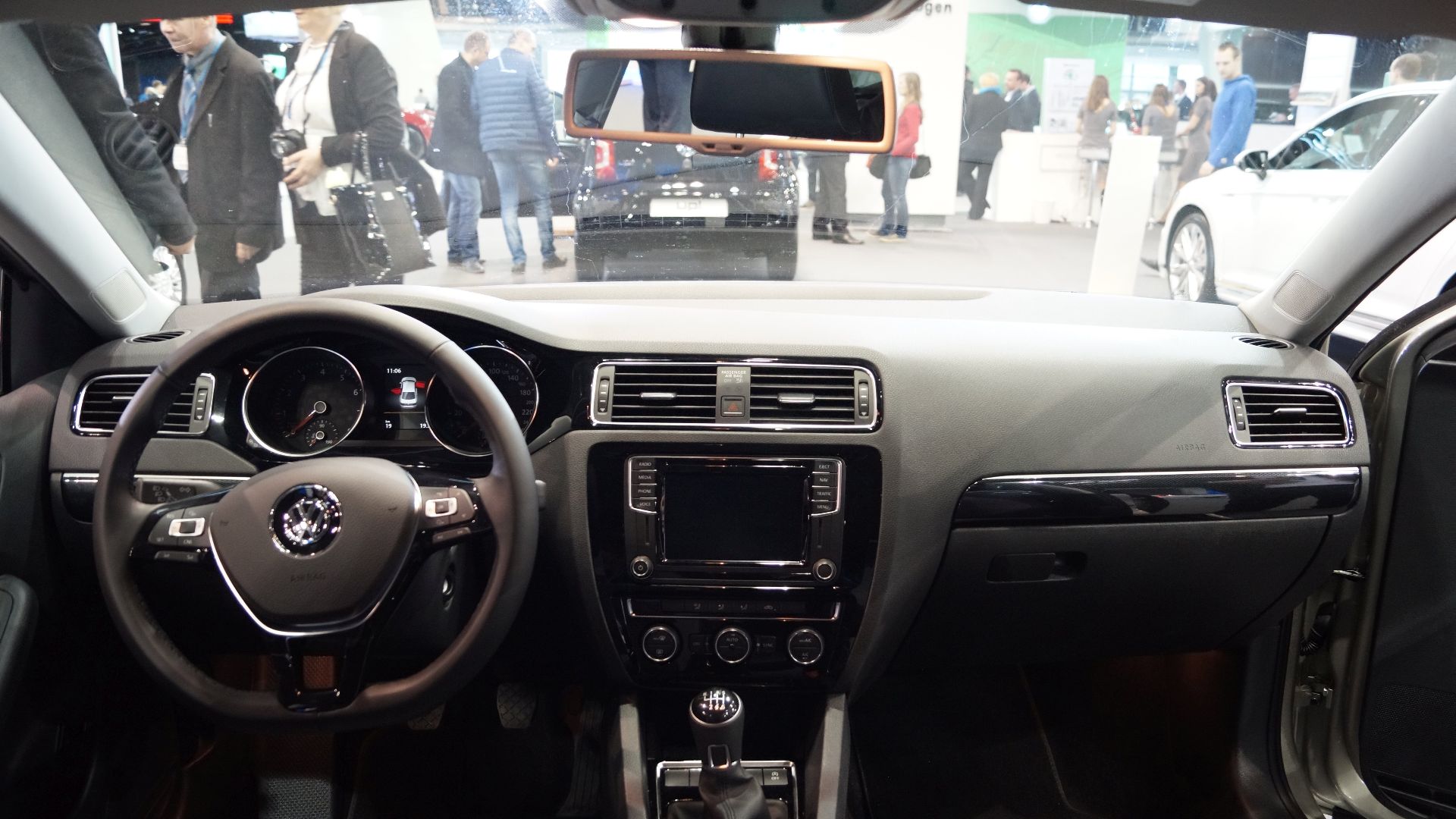
The Volkswagen Jetta impressed reviewers with its smooth turbocharged engine and relaxed highway manners. The Jetta also offers one of the largest trunks in the segment. Its composed suspension tuning gives the car a more European feel compared with several mainstream compact competitors. (Approx. $24,000-$29,000)
Volkswagen Jetta – The Negatives
Some reviewers criticized the Jetta’s interior materials, especially on lower trims where hard plastics are more noticeable. Infotainment controls and touch-sensitive interfaces also frustrated some testers. Although refined at speed, the Jetta’s steering feel lacks the sharpness found in more engaging rivals like the Mazda3. (Approx. $24,000-$29,000)
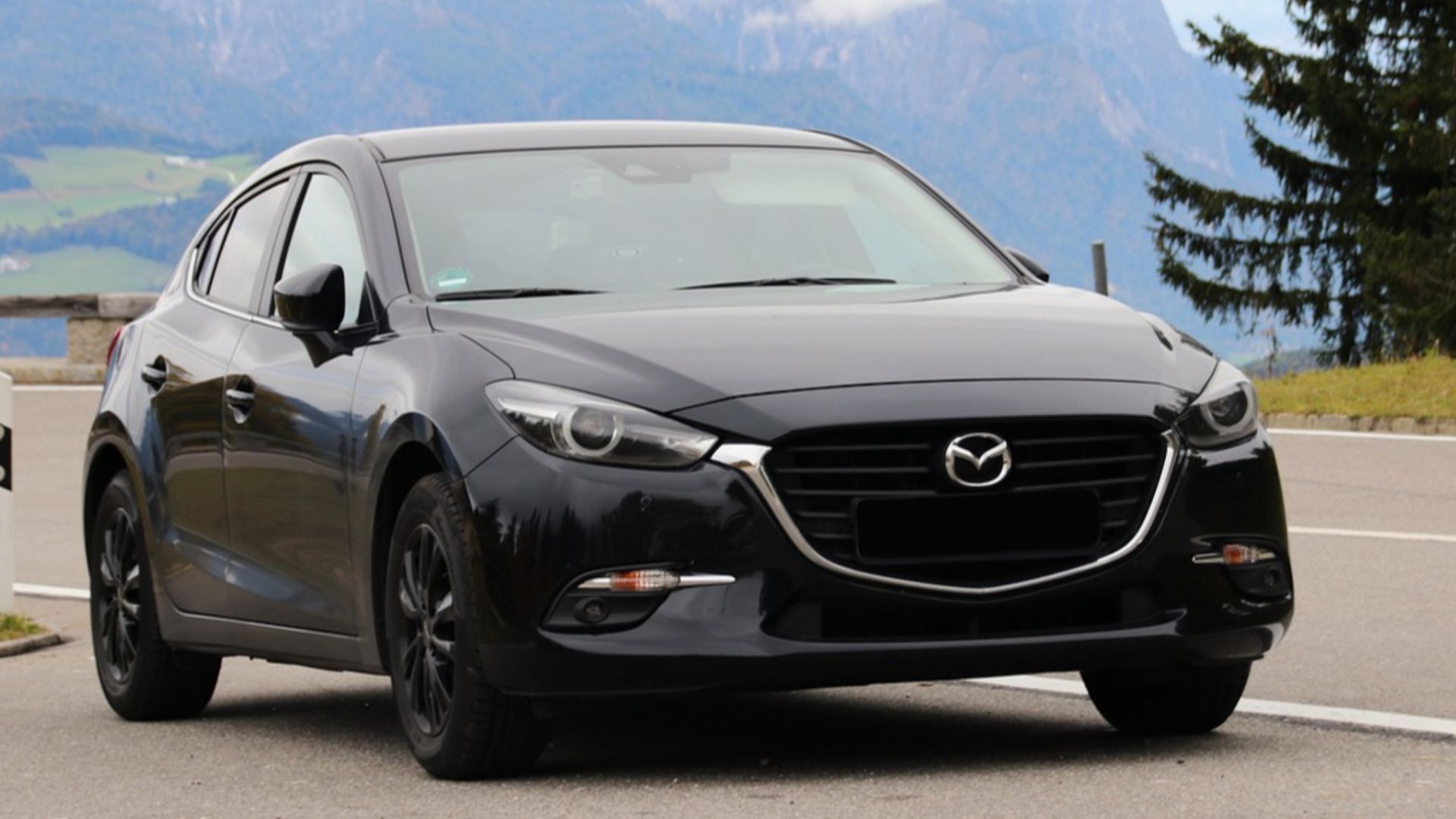
Mazda3– The Positives
The Mazda3 continues punching above its class with one of the most upscale interiors available under $30,000. Reviewers frequently compare its cabin quality to entry-level luxury cars. The Mazda3 also delivers crisp steering and composed handling that make everyday driving genuinely enjoyable. (Approx. $25,000-$30,000)
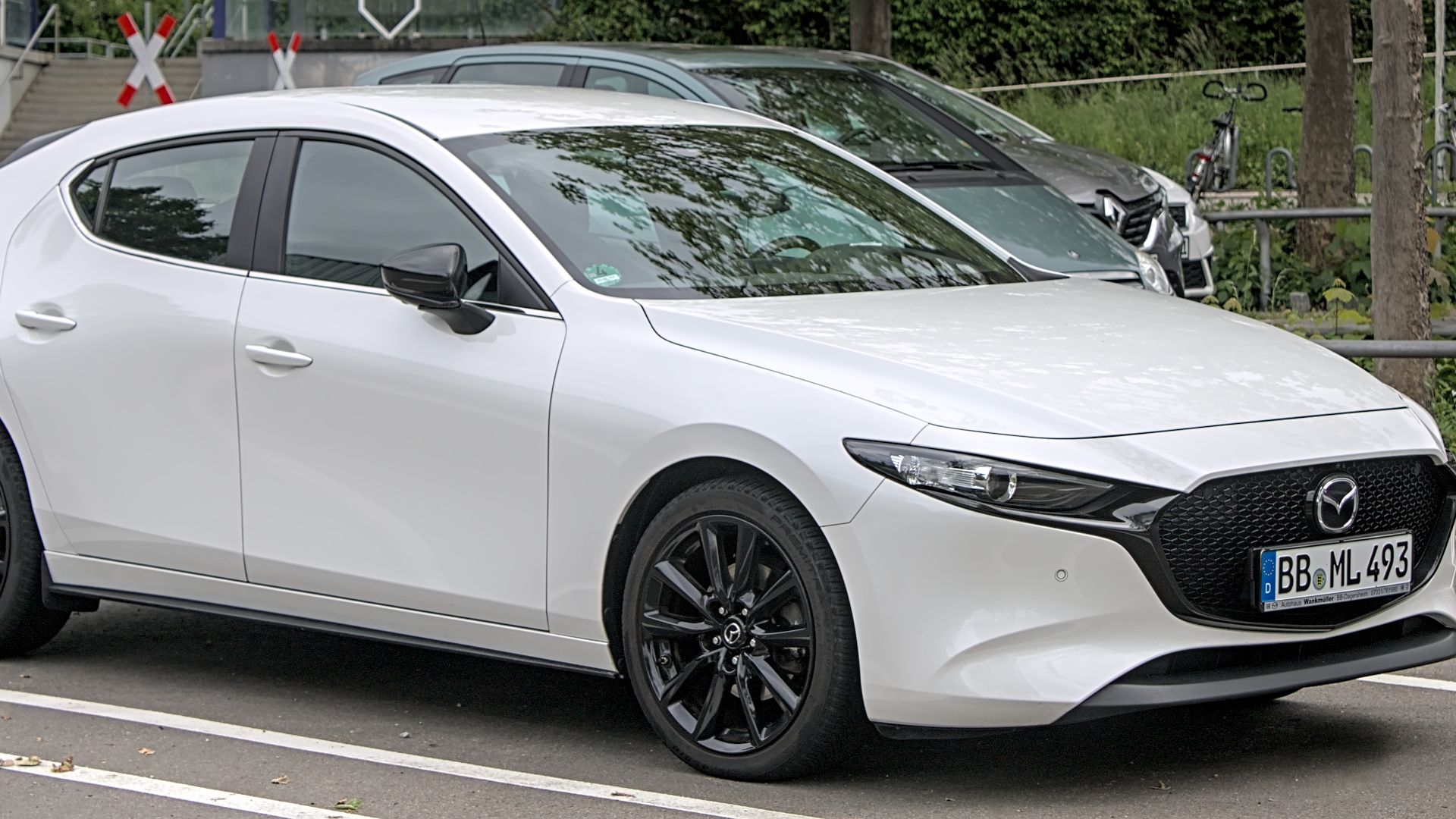
Mazda3 – The Negatives
Rear-seat and cargo space remain weaker points for the Mazda3 compared with roomier competitors. Thick rear roof pillars can also reduce visibility. Buyers seeking maximum practicality may find the Civic, K4, or Jetta easier to live with for family transportation duties. (Approx. $25,000-$30,000)
Hyundai Elantra Hybrid– The Positives
The Hyundai Elantra Hybrid stands out primarily because of its exceptional fuel economy. Some versions approach 50 mpg combined, making the Elantra Hybrid especially appealing for high-mileage commuters. Hyundai also packs generous technology and safety features into relatively affordable trims. (Approx. $26,000-$30,000)
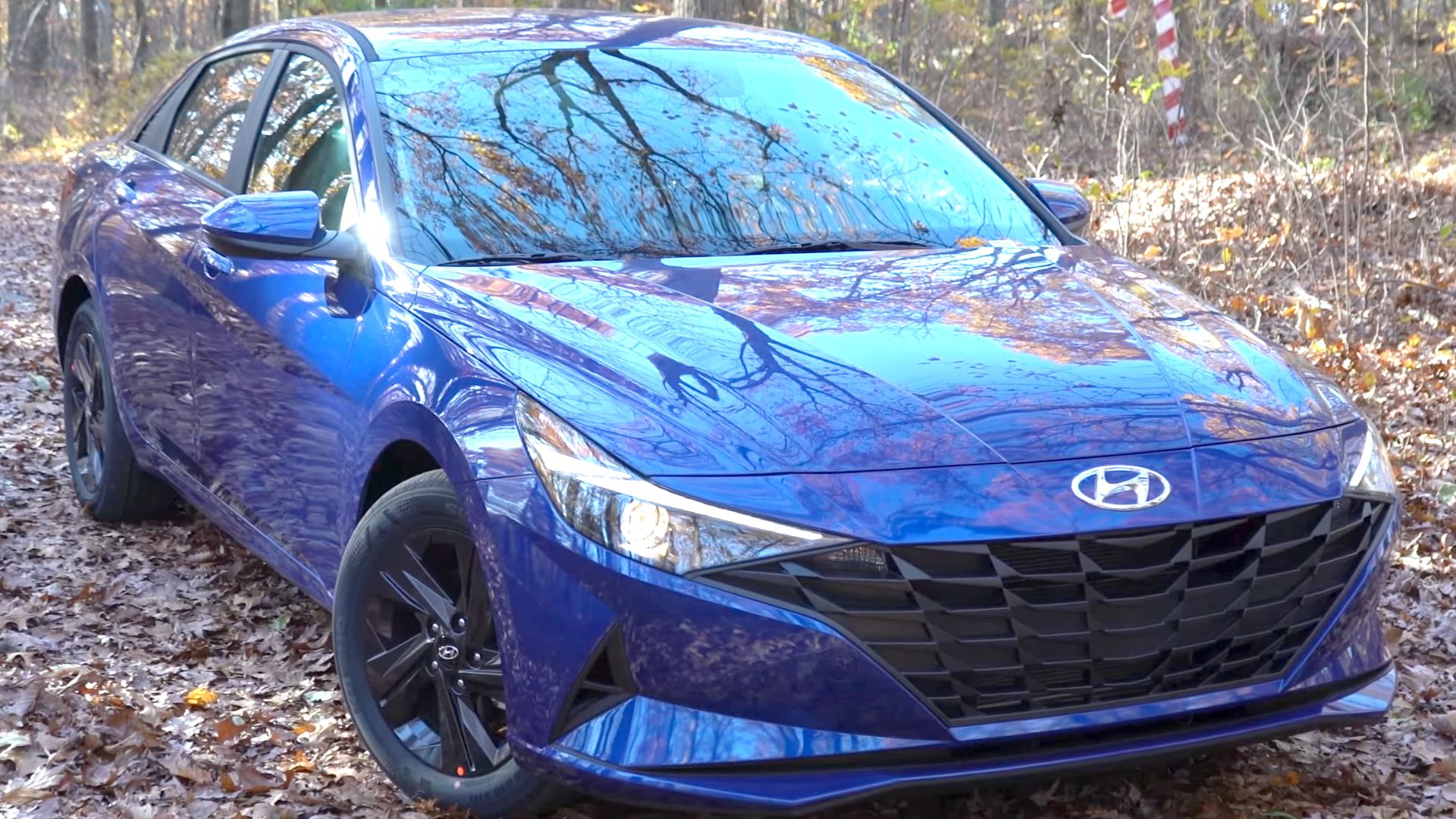
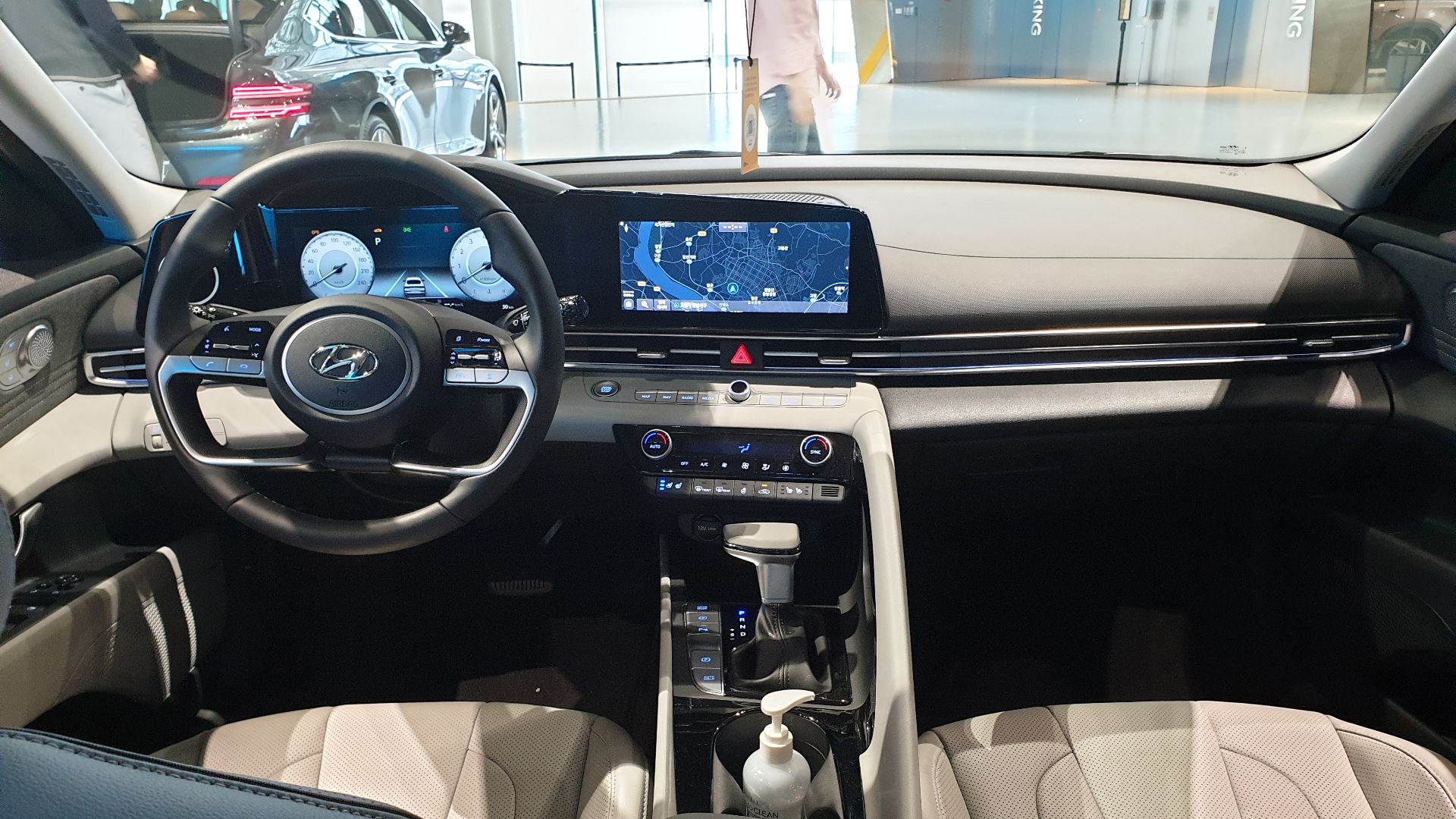
Hyundai Elantra Hybrid – The Negatives
The Elantra Hybrid prioritizes efficiency over excitement. Reviewers noted that acceleration can feel modest, especially under harder throttle inputs. Some drivers may also dislike the car’s polarizing exterior styling, which uses sharp creases and aggressive angles that will not appeal to every buyer. (Approx. $26,000-$30,000)
 Damian B Oh, Wikimedia Commons
Toyota Corolla Hybrid– The Positives
The Toyota Corolla Hybrid combines Toyota’s strong hybrid reputation with excellent fuel economy and easy drivability. Reviewers praised how seamless the hybrid system feels during normal commuting. It also provides impressive efficiency without requiring buyers to learn unfamiliar driving habits. (Approx. $25,000-$30,000)
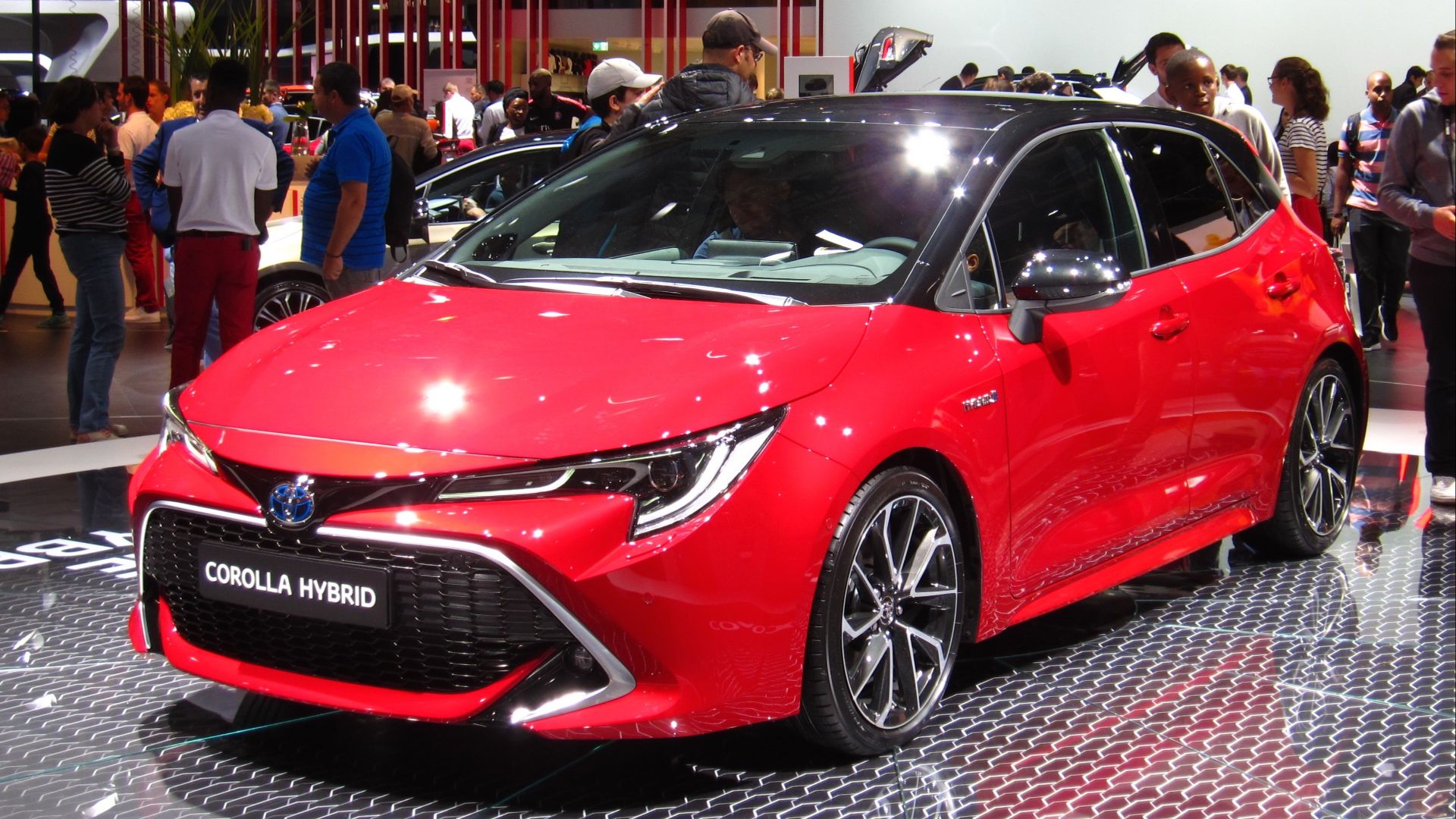 Rutger van der Maar, Wikimedia Commons
Toyota Corolla Hybrid – The Negatives
The Corolla Hybrid sacrifices some acceleration and driving engagement in exchange for efficiency. Cargo capacity can also be slightly reduced compared with non-hybrid versions. Buyers wanting more responsive handling or stronger acceleration may prefer the Civic or Mazda3 instead. (Approx. $25,000-$30,000)
The Importance Of Trim Levels
One important reality for shoppers is that several of these cars only remain under $30,000 in lower or mid-level trims. Once buyers add premium audio systems, larger wheels, panoramic roofs, upgraded interiors, or advanced technology packages, sticker prices can climb surprisingly quickly into higher territory.
The Best Cars For Fuel Economy
For buyers focused mainly on fuel savings, the Hyundai Elantra Hybrid and Toyota Corolla Hybrid stand out clearly. Both deliver fuel economy figures that can dramatically reduce long-term ownership costs. Even non-hybrid entries like the Civic and Jetta also perform impressively during highway driving.
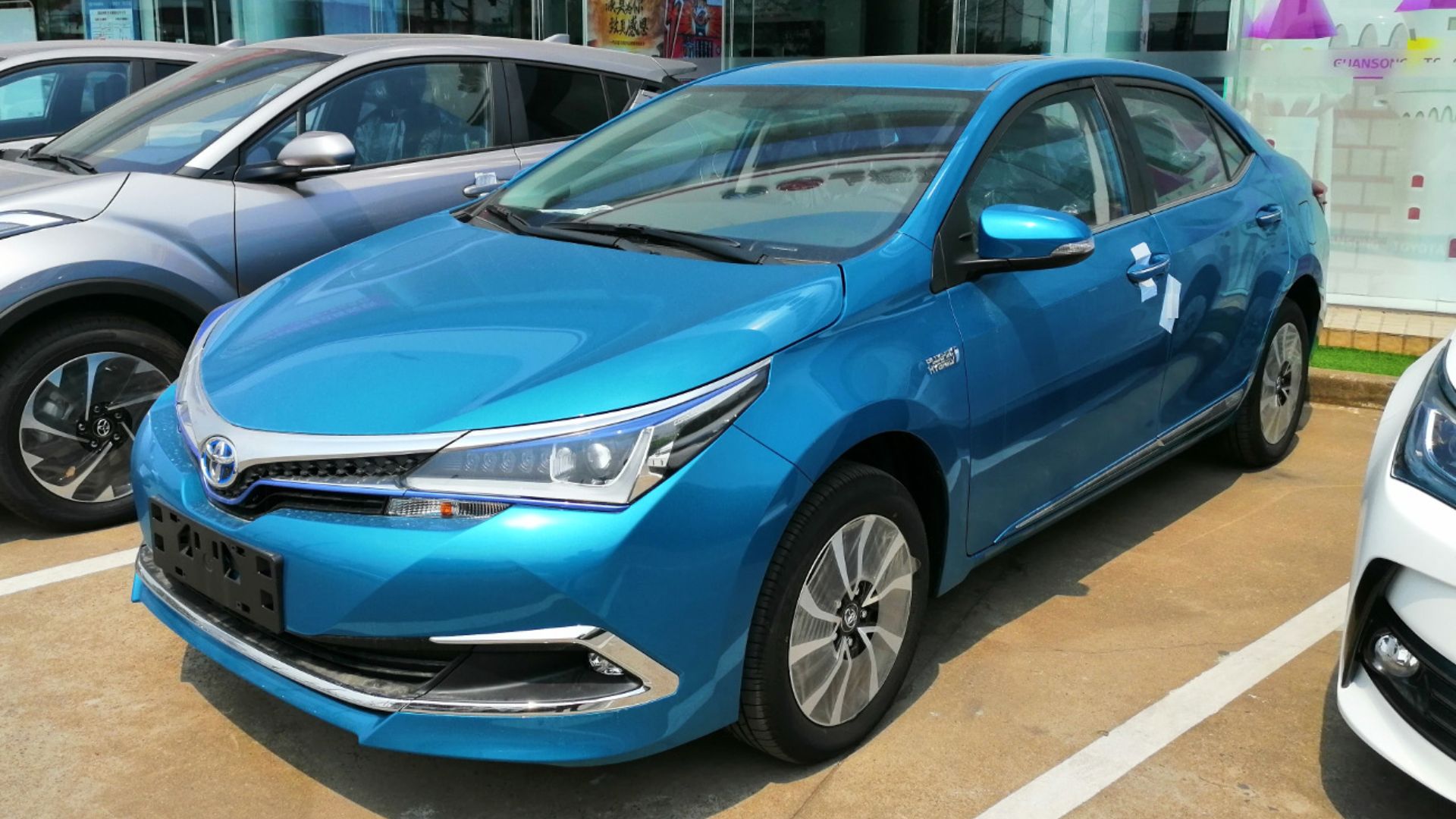 Navigator84, Wikimedia Commons
The Most Fun To Drive
Drivers prioritizing handling and steering feel will likely gravitate toward the Mazda3 and Honda Civic. Both models earned praise for precise responses and balanced chassis tuning. These cars demonstrate that affordable compact sedans can still feel entertaining rather than simply functioning as basic transportation appliances.

The Best Winter Choice
The Subaru Impreza offers a unique advantage in colder climates because of its standard all-wheel-drive system. Buyers dealing with snow-covered roads or heavy rain may appreciate the additional traction and confidence. Few direct competitors offer all-wheel drive as standard equipment within this price bracket.

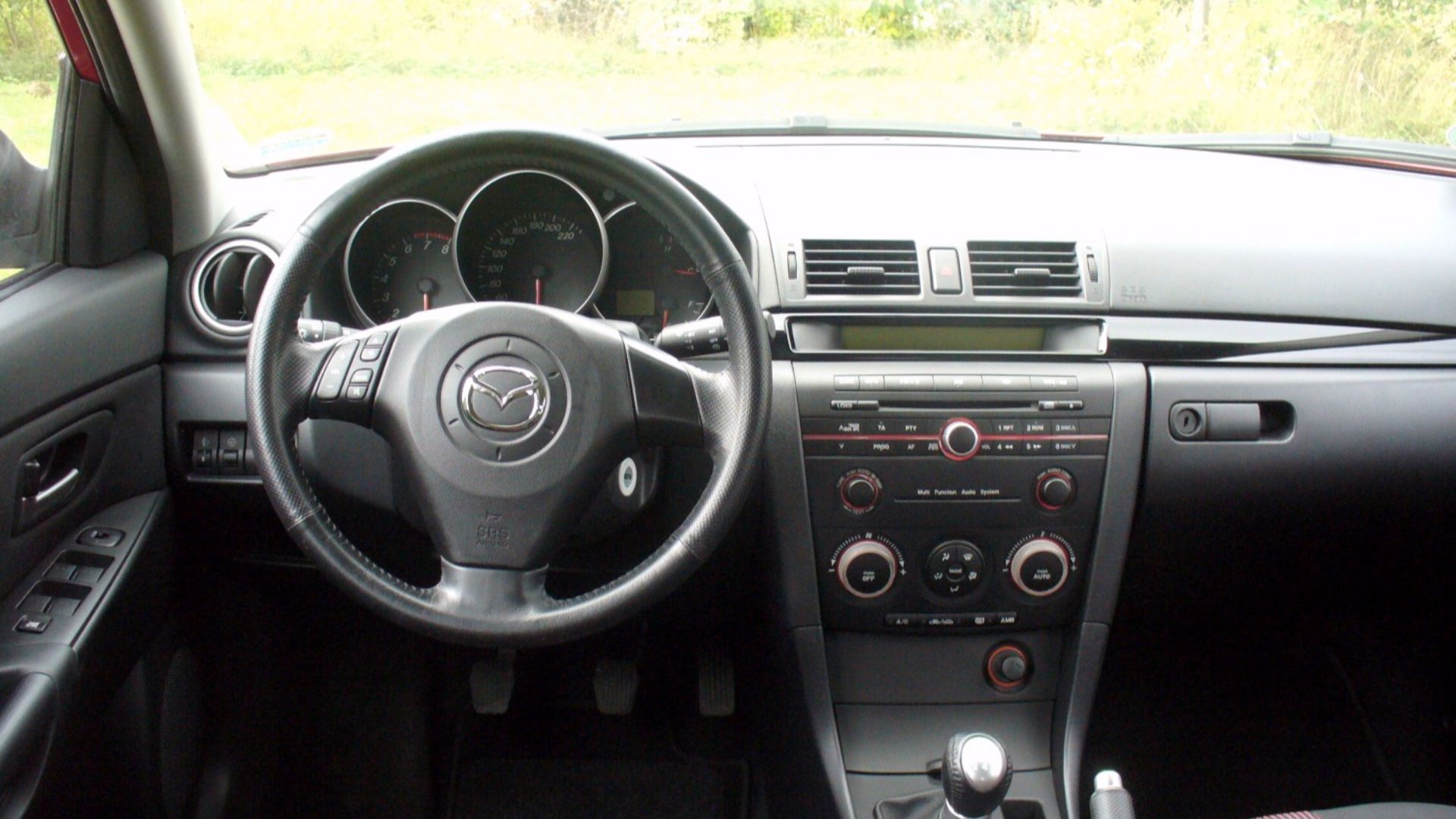
The Best Interior Quality
Among these affordable cars, reviewers repeatedly singled out the Mazda3 and Honda Civic for especially impressive interiors. Materials, dashboard design, and overall refinement feel more expensive than expected. These cabins help make long commutes more pleasant while giving buyers a more premium ownership experience.
 Thomas doerfer, Wikimedia Commons
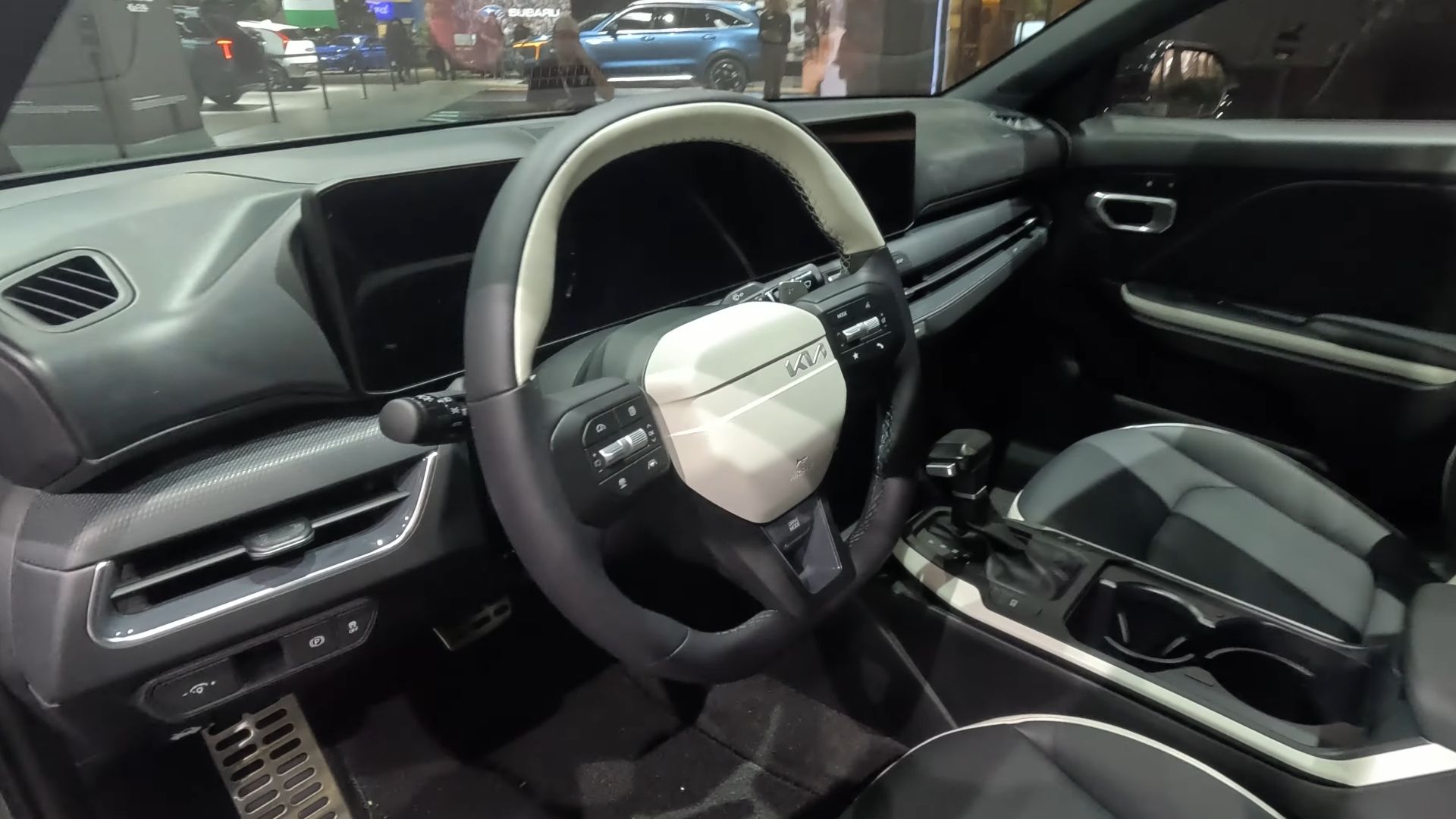
The Most Practical Choice
The Kia K4 and Volkswagen Jetta both stand out for practicality thanks to roomy cabins and large trunks. Families or commuters carrying lots of cargo may appreciate the extra interior space. Rear-seat comfort in the K4 was especially praised compared with tighter competitors in the segment.
 Autosdeprimera, Wikimedia Commons
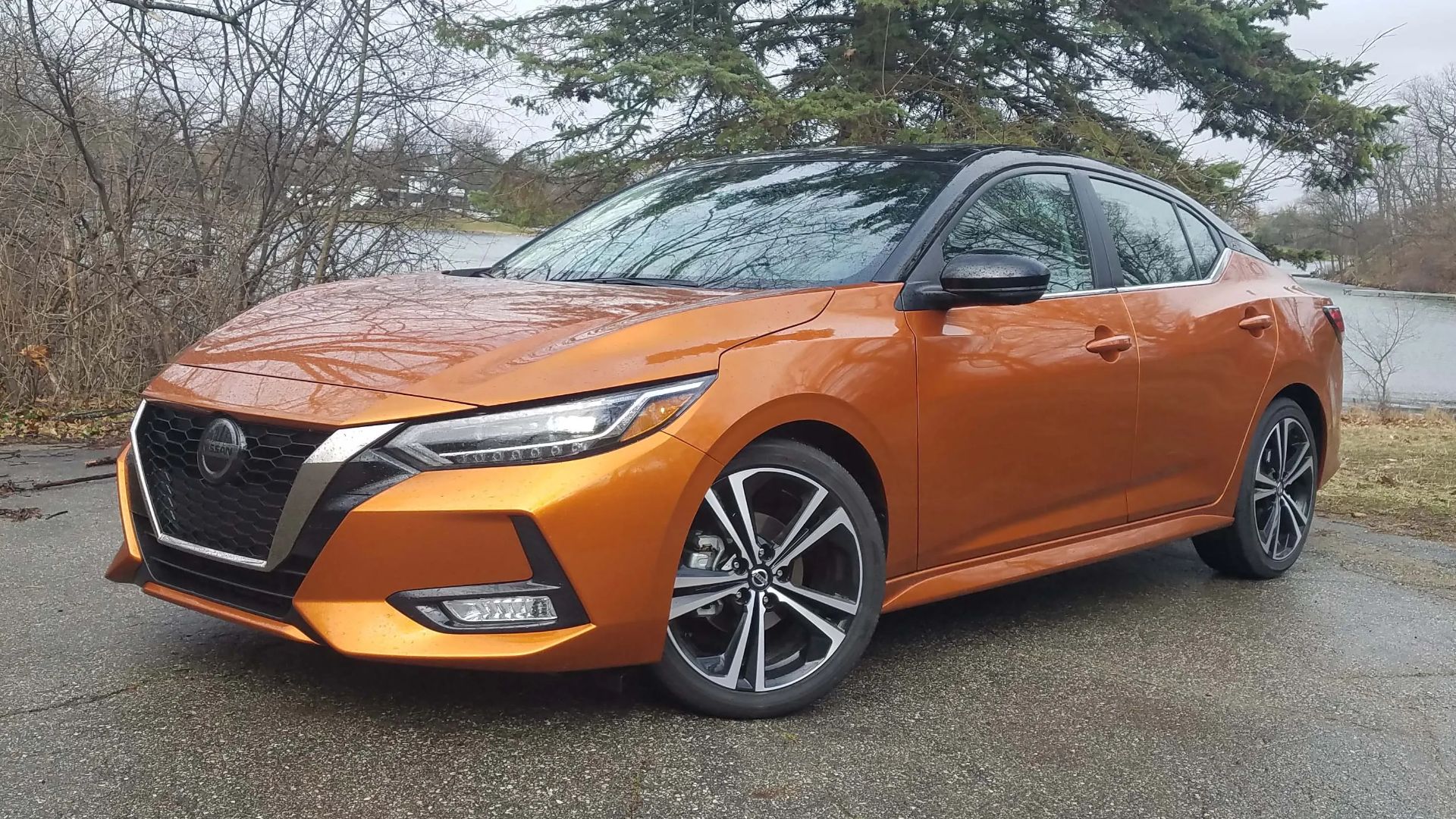
The Best Value For Money
The Nissan Sentra continues excelling as a value-focused option because it includes many desirable features without demanding top-dollar pricing. Buyers can often obtain advanced safety equipment, comfortable seating, and a surprisingly upscale appearance while still remaining comfortably below the $30,000 threshold.
 Henry Payne, Wikimedia Commons
Why Compact Cars Still Matter
Despite growing SUV popularity, compact sedans and hatchbacks continue offering important advantages. They are generally more fuel-efficient, easier to park, and less expensive than similarly equipped crossovers. A lot of these cars also provide sharper handling and lower ownership costs, making them smart choices for practical daily transportation.
Shopping Carefully Matters More Than Ever
Because prices vary dramatically depending on trim levels and dealer-installed options, buyers should compare features carefully before purchasing. A well-equipped compact sedan can sometimes cost nearly as much as a small crossover. Researching packages and incentives remains essential when shopping near the $30,000 cutoff.

A Surprising Range Of Choices
Affordable new cars have become harder to find, but several compact models still deliver impressive quality below the $30,000 mark. Whether buyers prioritize efficiency, practicality, winter traction, technology, or driving enjoyment, today’s compact sedan and hatchback segment continues offering surprisingly strong choices for budget-conscious shoppers.

You May Also Like:
Four Of The Best New Family-Friendly Cars
Sedans Are Making A Comeback—Here’s What’s Fueling Their Return