Speed Was Always The Plan
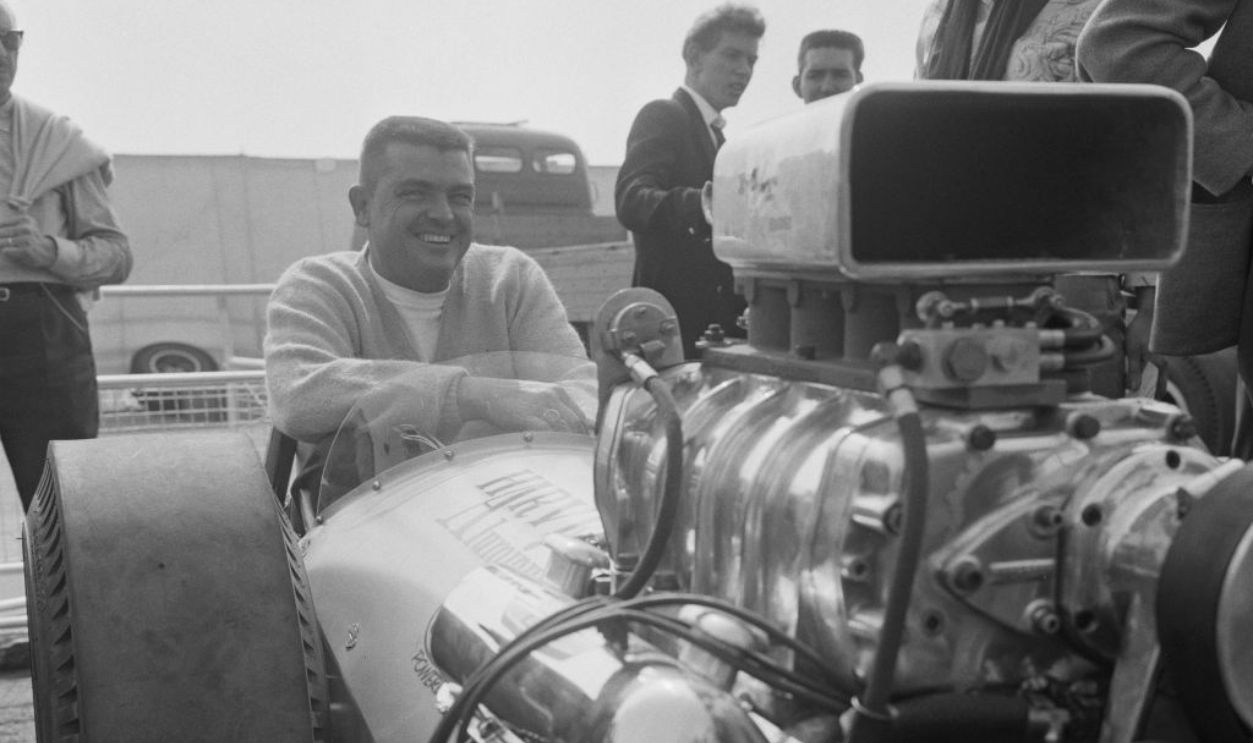
Long before he became a motorsports icon, Mickey Thompson was a California kid obsessed with speed, engines, and making ordinary cars do ridiculous things. He reportedly built and raced homemade machines before he was even legally allowed to drive. For Thompson, horsepower wasn’t a hobby—it was practically a personality trait from day one.
 Raycrosthwaite, Wikimedia Commons
Dry Lakes And Dangerous Ideas
Southern California’s dry lake racing scene became Thompson’s laboratory during the late 1940s and early 1950s. While other racers were content tweaking existing setups, Mickey constantly experimented with radical designs and lightweight engineering. His fearless attitude toward innovation helped him stand out in a crowd already packed with adrenaline junkies and mechanical geniuses.
The Birth Of The Slingshot Dragster
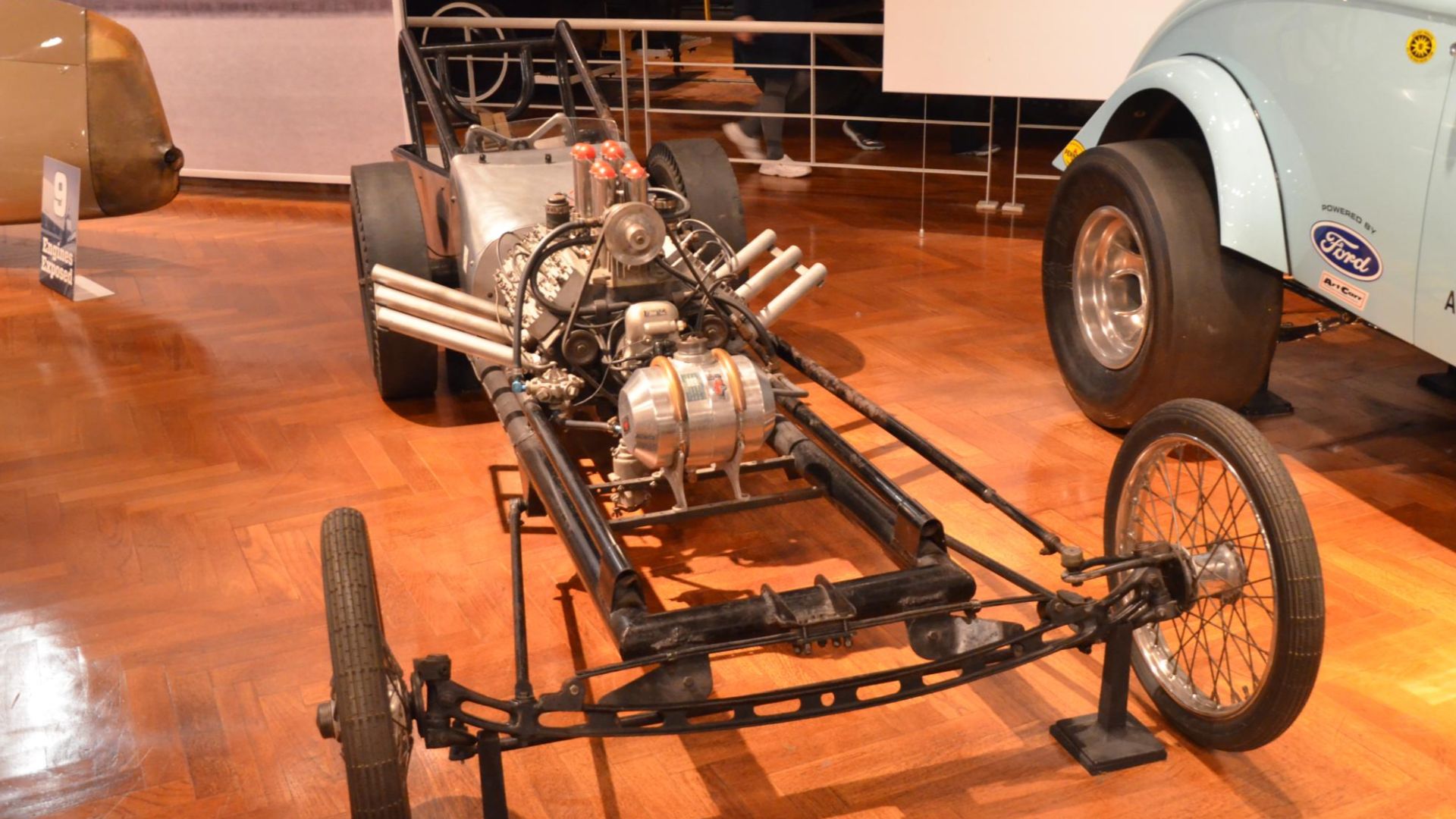
In 1954, Thompson changed drag racing forever by creating the “slingshot” dragster. Instead of placing the driver ahead of the rear axle, he moved the cockpit farther back for better traction and balance. The design looked unusual at first, but it worked brilliantly and quickly became one of the most influential layouts in drag racing history.
 Joe Ross from Lansing, Michigan, Wikimedia Commons
Lions Drag Strip Became His Playground
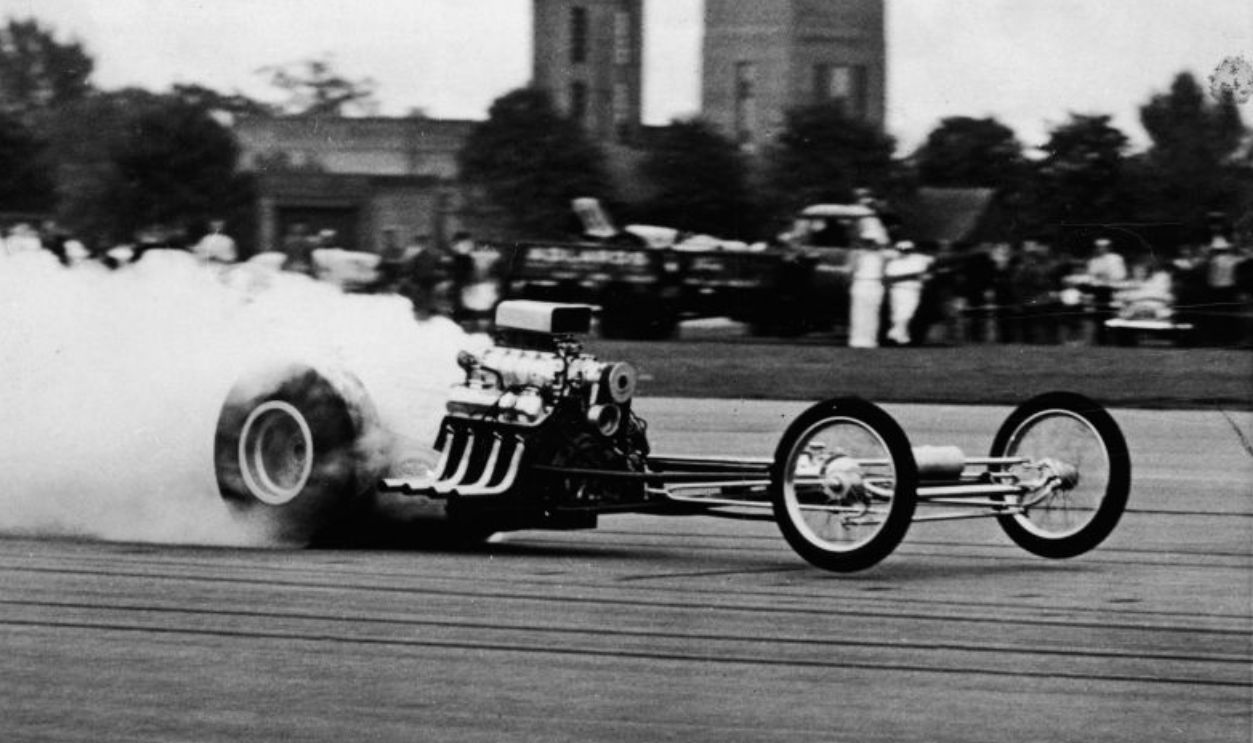
By the mid-1950s, Thompson managed California’s famous Lions Drag Strip, and he treated it like a rolling experiment. He introduced nighttime races, crowd-pleasing grudge matches, and even helped popularize the “Christmas tree” starting system. The place became part racetrack, part carnival, and entirely Mickey Thompson’s vision of motorsports entertainment.
Breaking Records Became A Habit
Thompson didn’t just race—he chased records like they owed him money. Throughout his career, he piled up hundreds of national and international speed and endurance records. Whether he was driving dragsters, sprint cars, or experimental machines, he seemed determined to prove there was always another barrier waiting to be smashed.
Challenger I Was Pure Madness
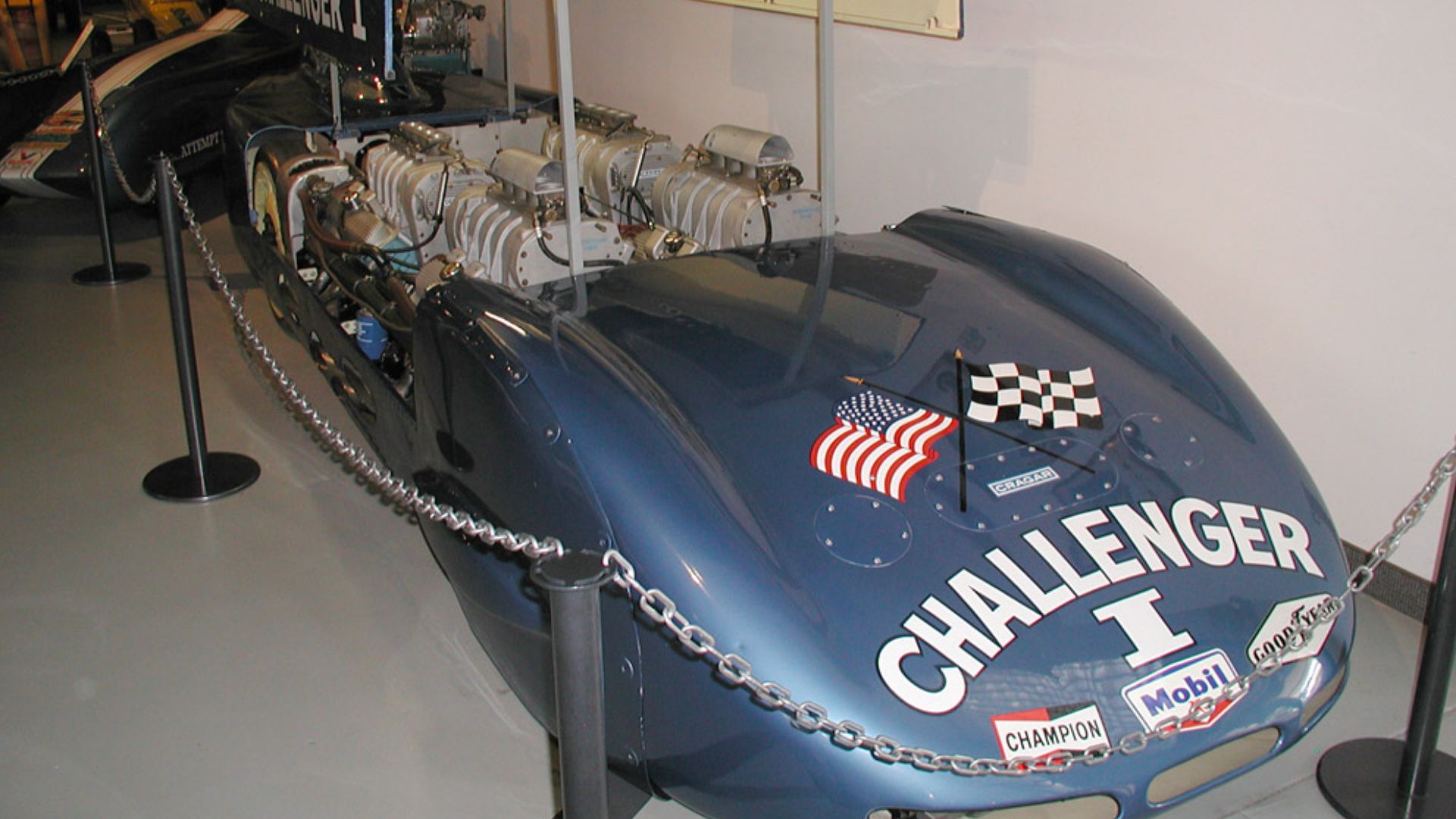
Nothing symbolized Thompson’s obsession with speed more than Challenger I, his monstrous four-engine streamliner built for Bonneville Salt Flats competition. The machine looked less like a car and more like a missile somebody accidentally gave wheels. In 1960, Thompson pushed it past 400 mph, becoming the first American to cross that astonishing milestone.
Bonneville Turned Him Into A Celebrity
The 400 mph run instantly transformed Thompson into a national sensation. Newspapers, magazines, and television programs treated him like a mechanical daredevil from another planet. America loved speed in the 1960s, and Mickey Thompson delivered it with enough noise, danger, and spectacle to make ordinary racers seem downright cautious by comparison.

Indianapolis Didn’t Scare Him Either
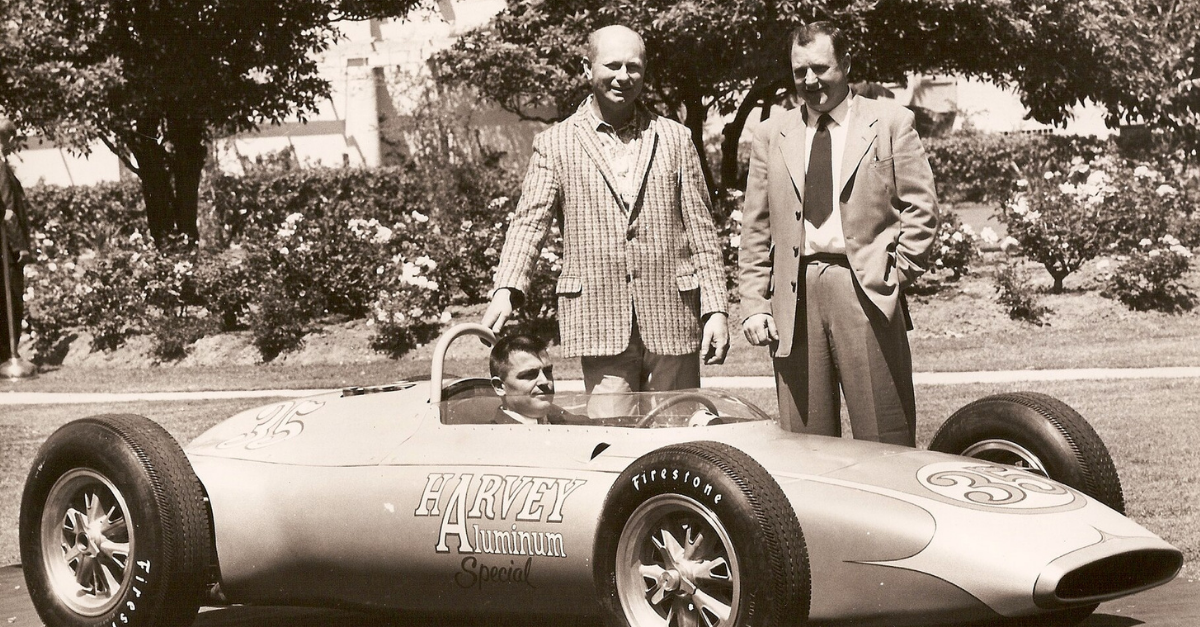
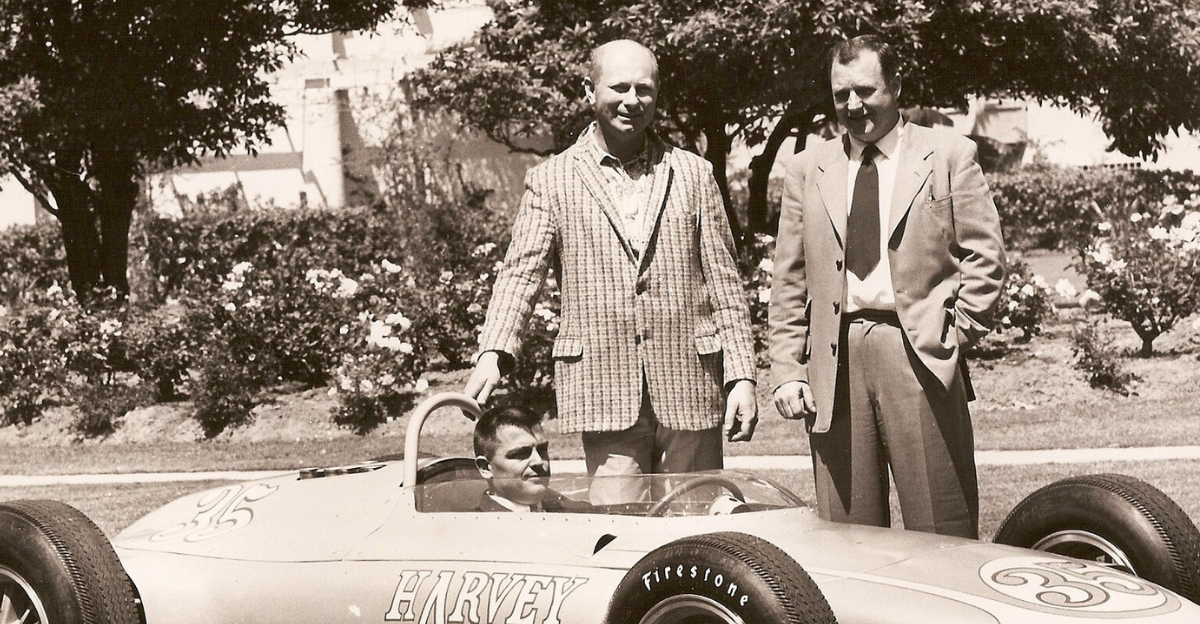
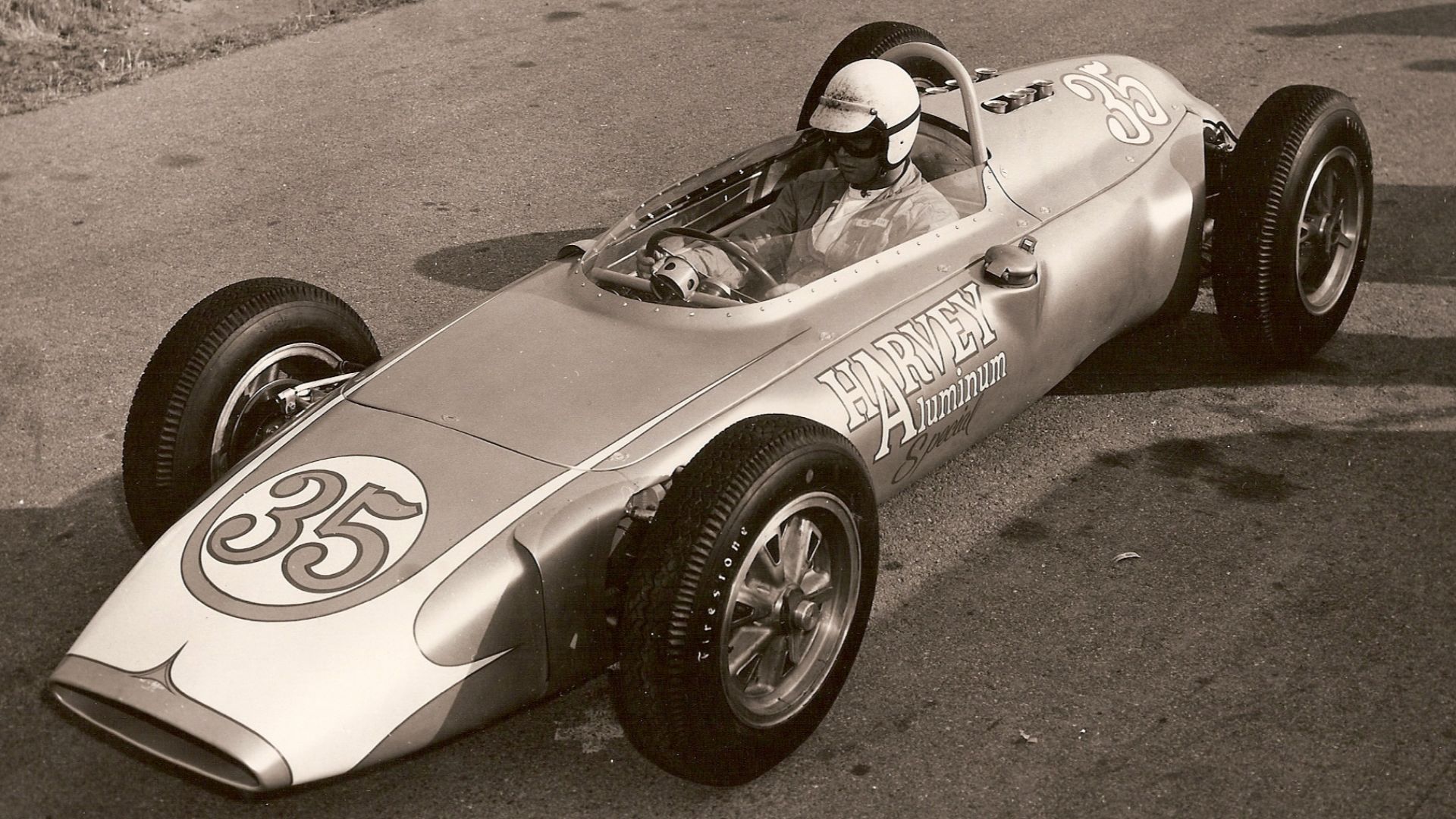
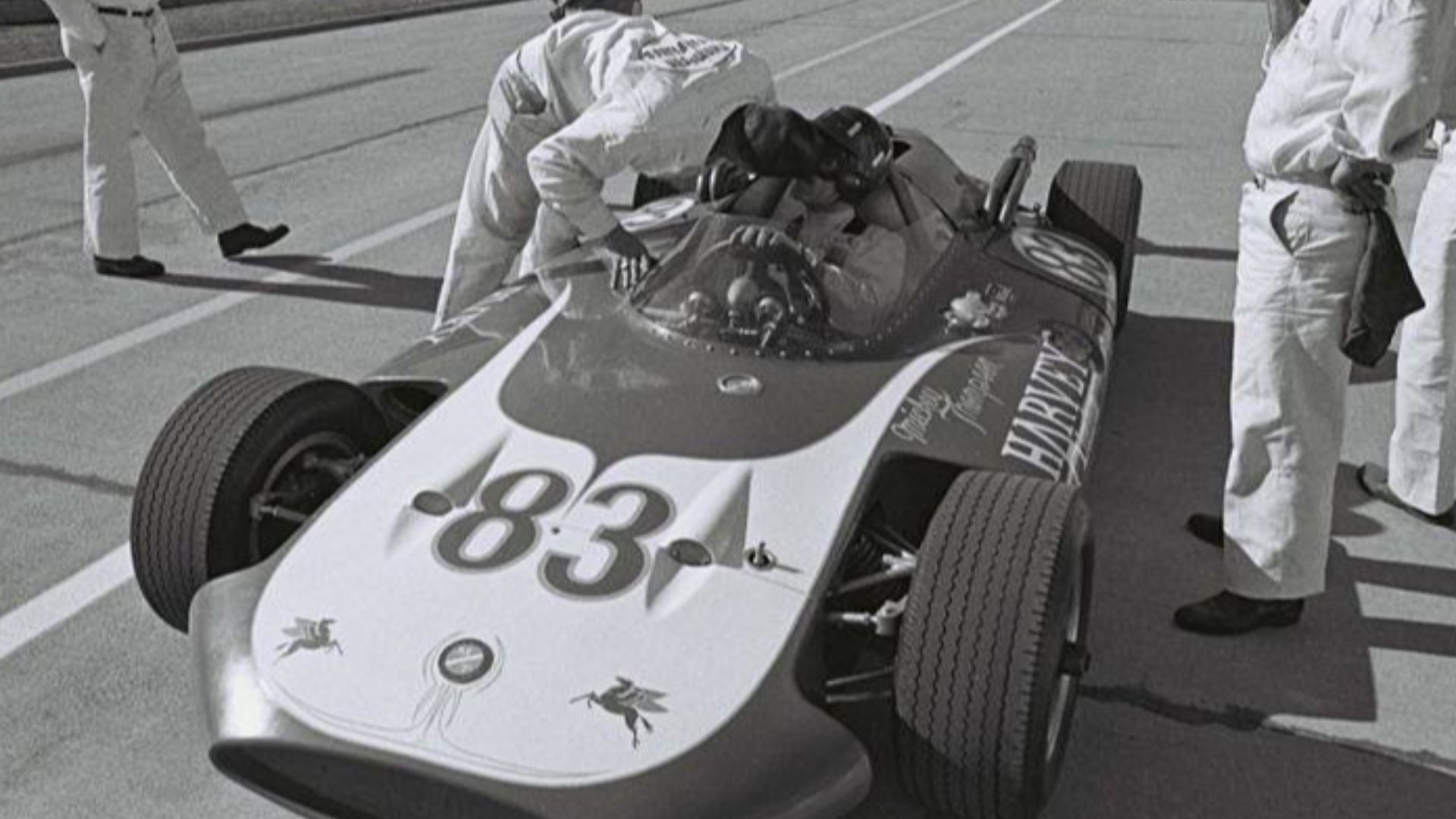
Most racers would have spent years celebrating the Bonneville achievement, but Thompson immediately moved toward new challenges. He entered radical rear-engine cars into the Indianapolis 500 during the early 1960s. His designs pushed engineering boundaries so aggressively that even seasoned Indy veterans weren’t always sure what Mickey might attempt next.
 Raycrosthwaite, Wikimedia Commons
Tires Became A Racing Empire
Thompson eventually realized racers constantly needed better performance parts, especially tires. In 1963, he launched Mickey Thompson Performance Tires, a company that quickly earned respect throughout the racing world. The brand became closely tied to high-speed competition, and decades later, enthusiasts still recognize the famous M/T logo instantly.
 Paultaylorz7tay7, Wikimedia Commons
He Never Stayed In One Lane
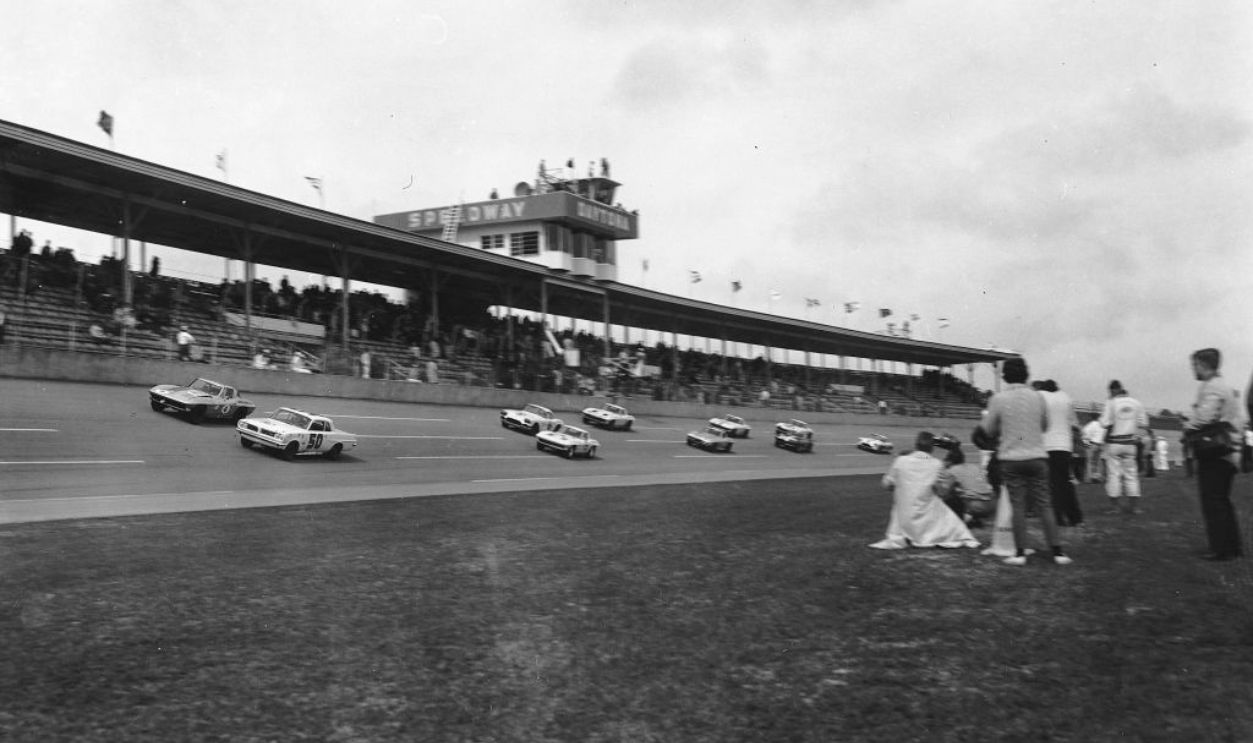
Part of Thompson’s legend came from his refusal to specialize in only one style of racing. He competed in drag racing, stock cars, sprint cars, sports cars, and land-speed events with equal enthusiasm. Most drivers spend a career mastering one discipline, but Mickey treated the entire motorsports universe like an all-you-can-eat buffet.
Off-Road Racing Changed Everything
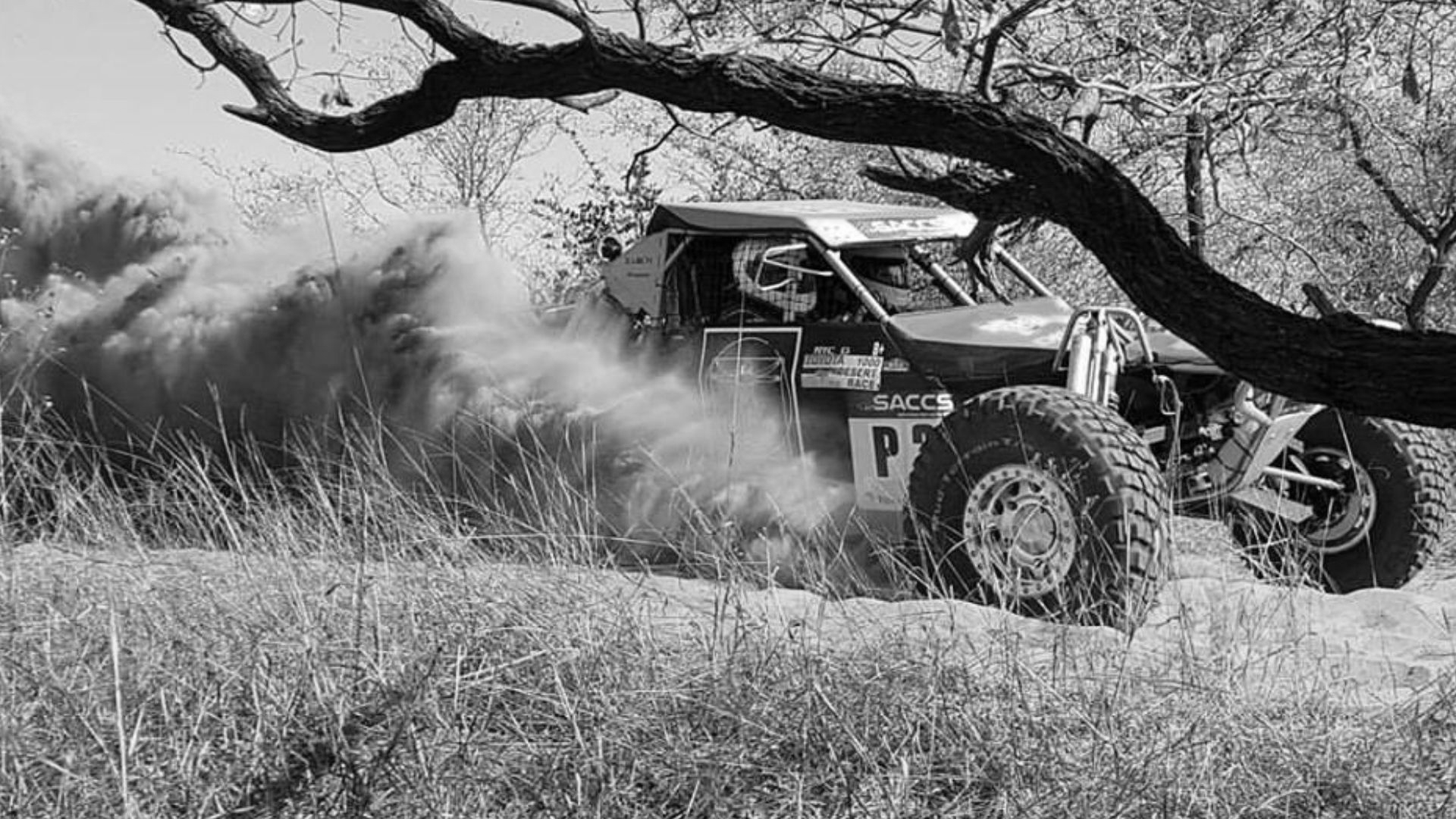
During the 1970s, Thompson shifted major attention toward off-road competition. Desert racing already existed, but Mickey believed it could become far bigger and far more entertaining for spectators. He saw off-road racing not merely as rugged endurance driving, but as a commercial spectacle capable of filling stadiums and attracting mainstream audiences.
 Mompati Dikunwane, Wikimedia Commons
SCORE International Took Shape
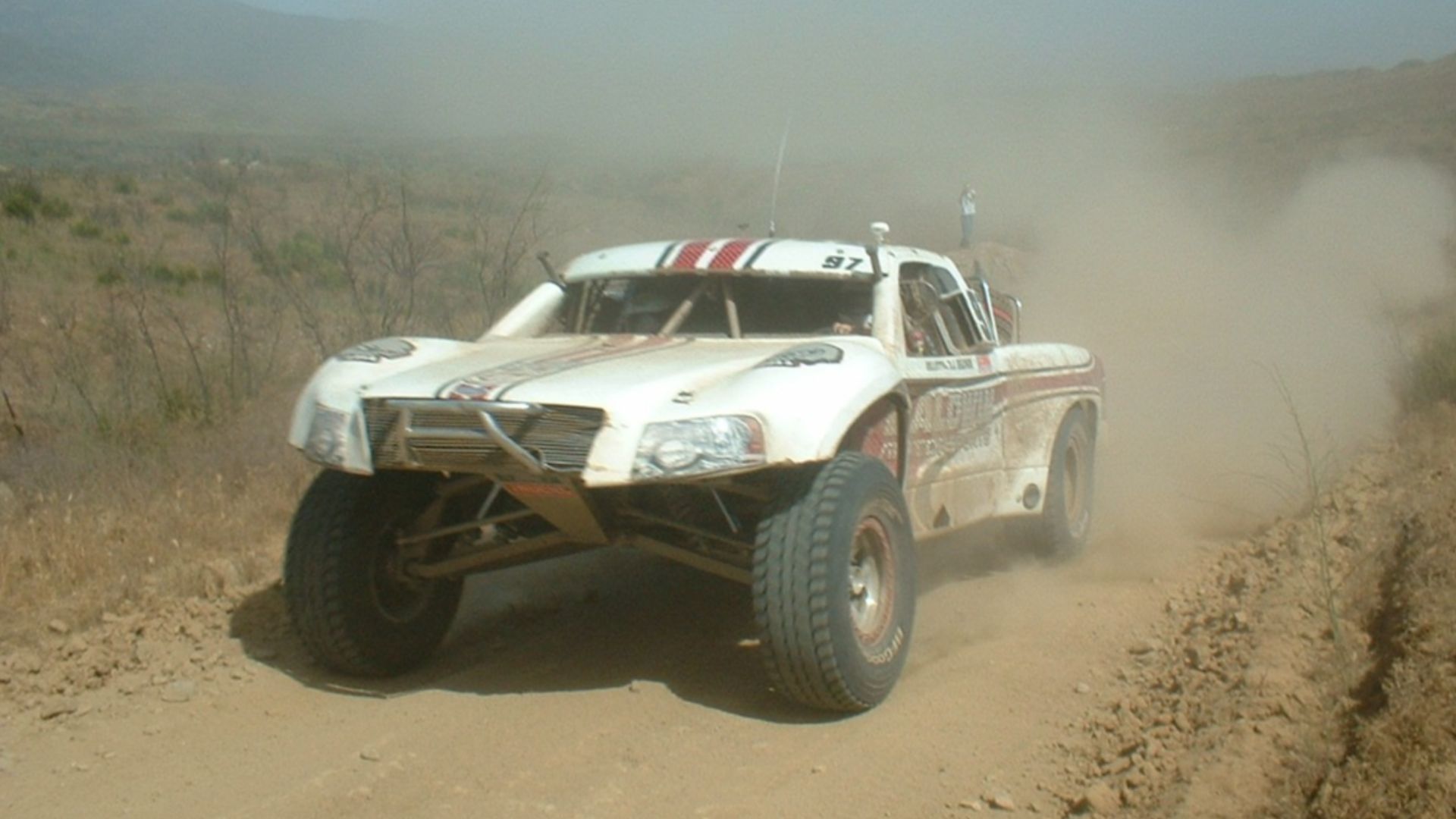
In 1973, Thompson founded SCORE International, a sanctioning body dedicated to organizing off-road racing events across North America. The organization helped formalize desert racing and brought greater structure to a sport previously known for chaos and unpredictability. SCORE soon became one of the most recognizable names in off-road motorsports history.
Stadium Racing Was A Brilliant Gamble
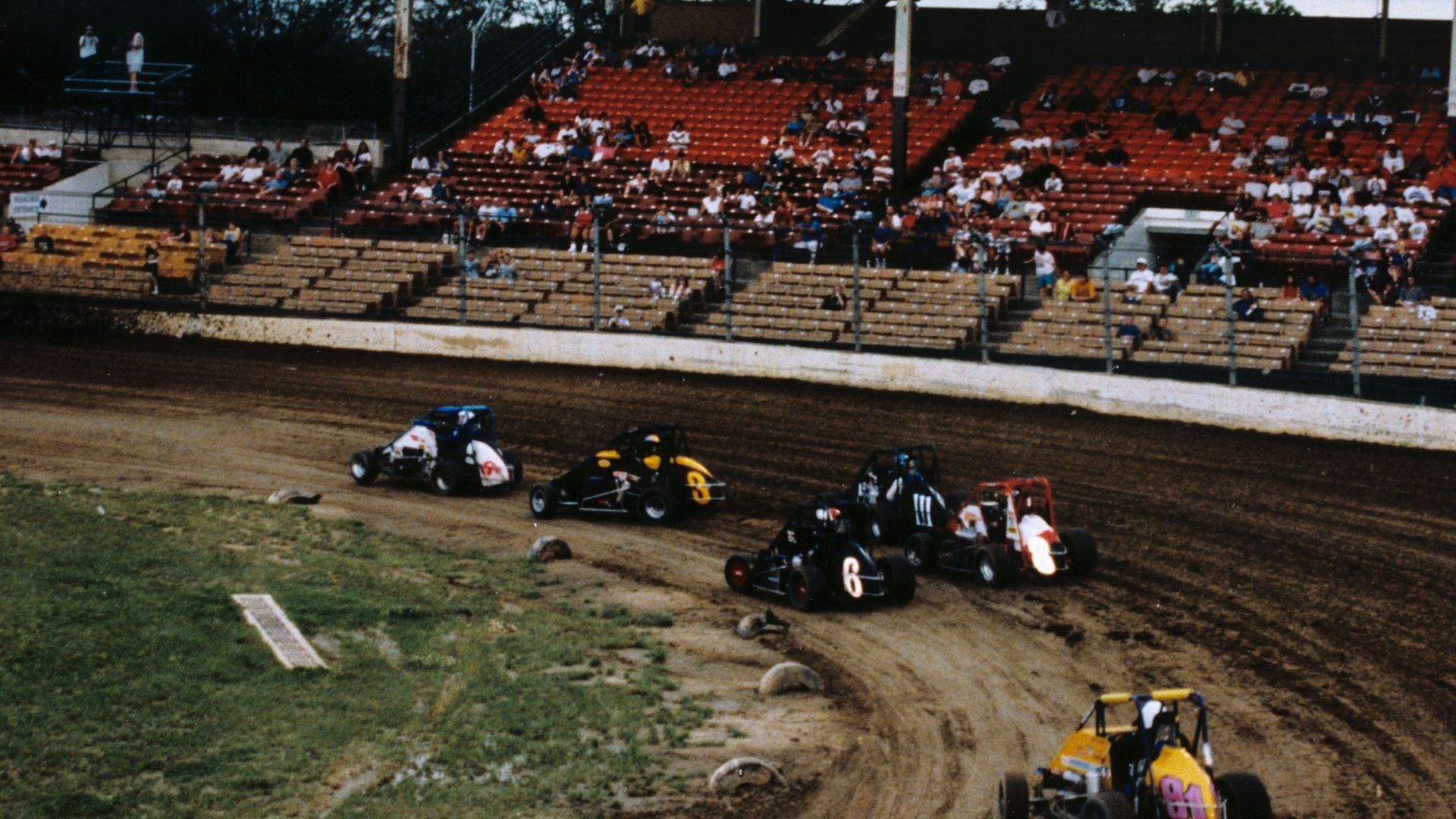
Thompson also helped create indoor stadium off-road racing, bringing dirt, jumps, and roaring trucks directly into major cities. Instead of forcing fans to travel deep into the desert, he hauled the action into packed arenas. The concept felt outrageous at the time, yet audiences loved every muddy, airborne second of it.
 Indiana Landmarks, Wikimedia Commons
Mickey Thompson Entertainment Group Exploded
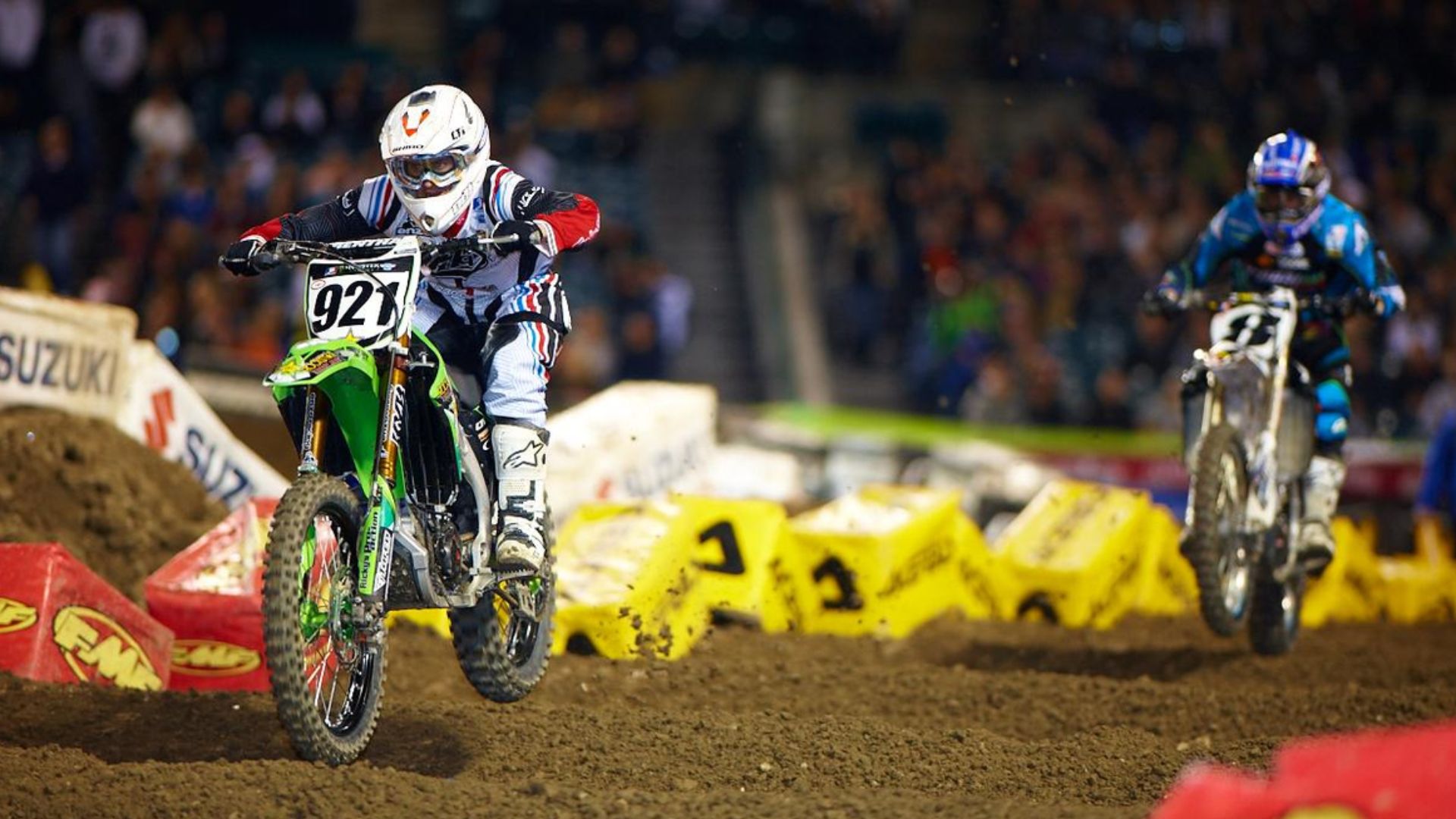
Alongside his wife Trudy, Thompson built the Mickey Thompson Entertainment Group into a massive motorsports promotion business. The company organized motocross and off-road events that combined racing with pure showmanship. Bright lights, loud engines, and packed stadium crowds turned Thompson’s productions into some of the hottest tickets in motorsports entertainment.
 TransworldMX, Wikimedia Commons
He Knew Spectators Wanted Chaos
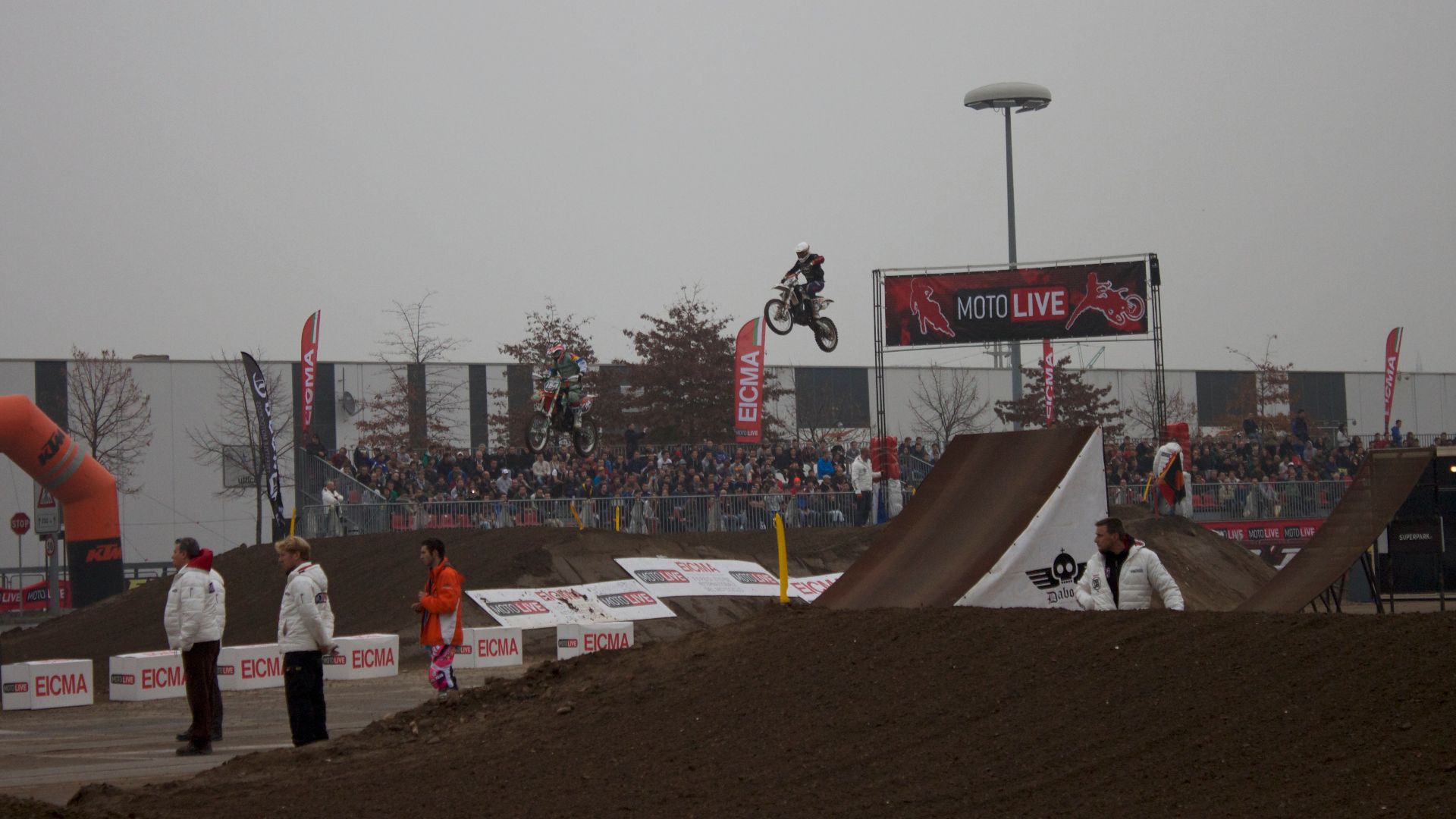
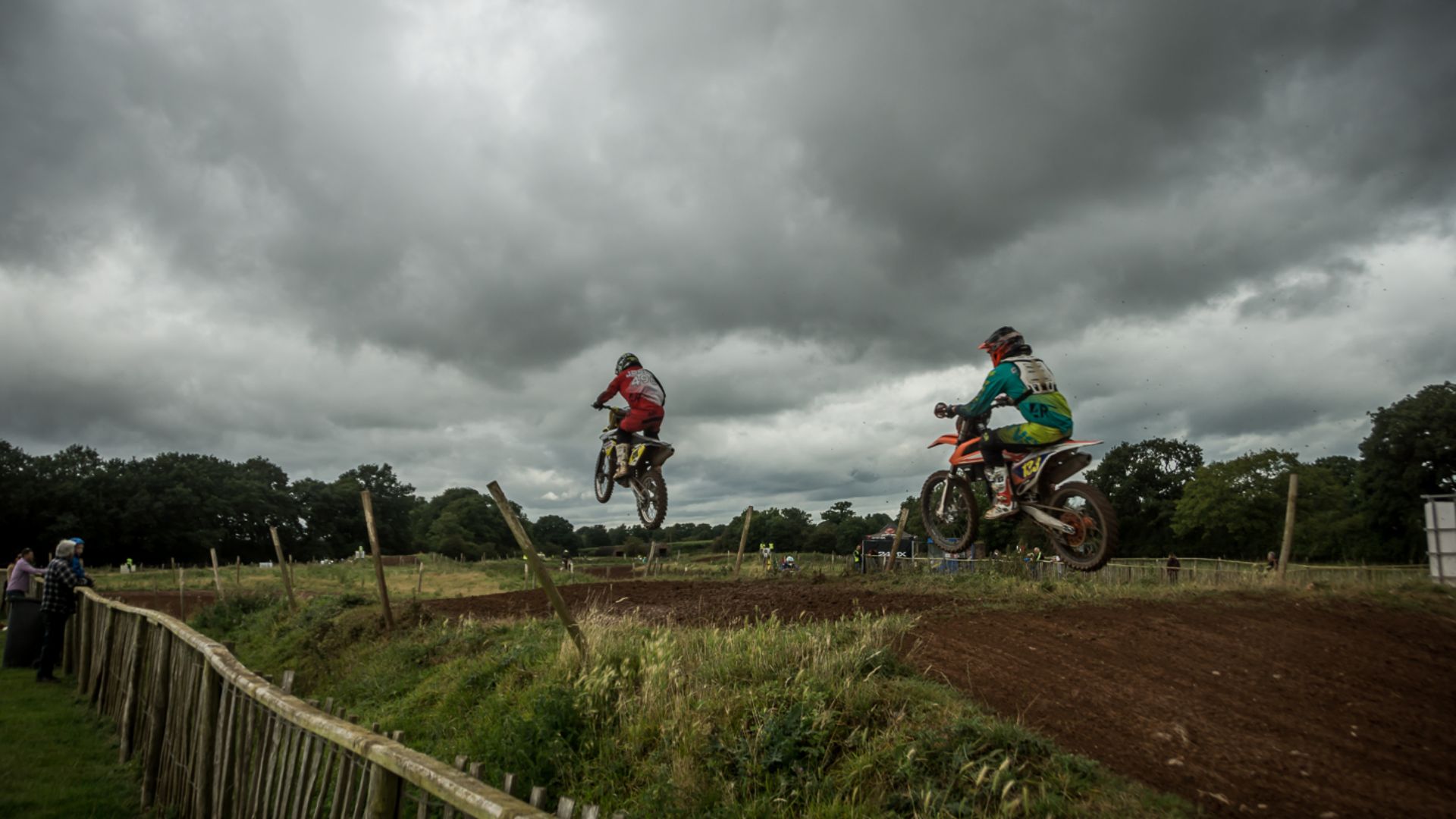
Unlike traditional racing promoters, Thompson understood fans craved excitement beyond simple lap times. He leaned heavily into dramatic jumps, aggressive racing formats, and unpredictable competition. His events often felt closer to action movies than traditional races, which helped introduce off-road motorsports to countless people who had never watched desert racing before.
Family Was Part Of The Story
Despite his nonstop racing schedule, Thompson remained heavily involved with his family. His son Danny Thompson eventually followed him into motorsports, continuing the family’s speed obsession. Friends and relatives often described Mickey as intense but deeply passionate, balancing business ambitions with genuine love for racing and the people closest to him.
 Brian Deegan , Wikimedia Commons
The End Shocked Motorsports
In March 1988, tragedy struck when Mickey and Trudy Thompson were taken out outside their California home. The shocking situation stunned the racing world, especially because the killings appeared targeted rather than random. Fans who viewed Thompson as nearly indestructible suddenly faced the grim reality that even larger-than-life legends could meet horrifying endings.

The Investigation Became A Long Saga
The murders remained unsolved for years, fueling endless speculation and media attention. Eventually, Thompson’s former business partner Michael Goodwin was convicted of orchestrating the killings after prosecutors presented extensive circumstantial evidence. Even with the conviction, the case retained an eerie mystery because the actual gunmen were never identified.
 MediaNews Group/Orange County Register via Getty Images, Getty Images
Hall Of Fame Recognition Followed
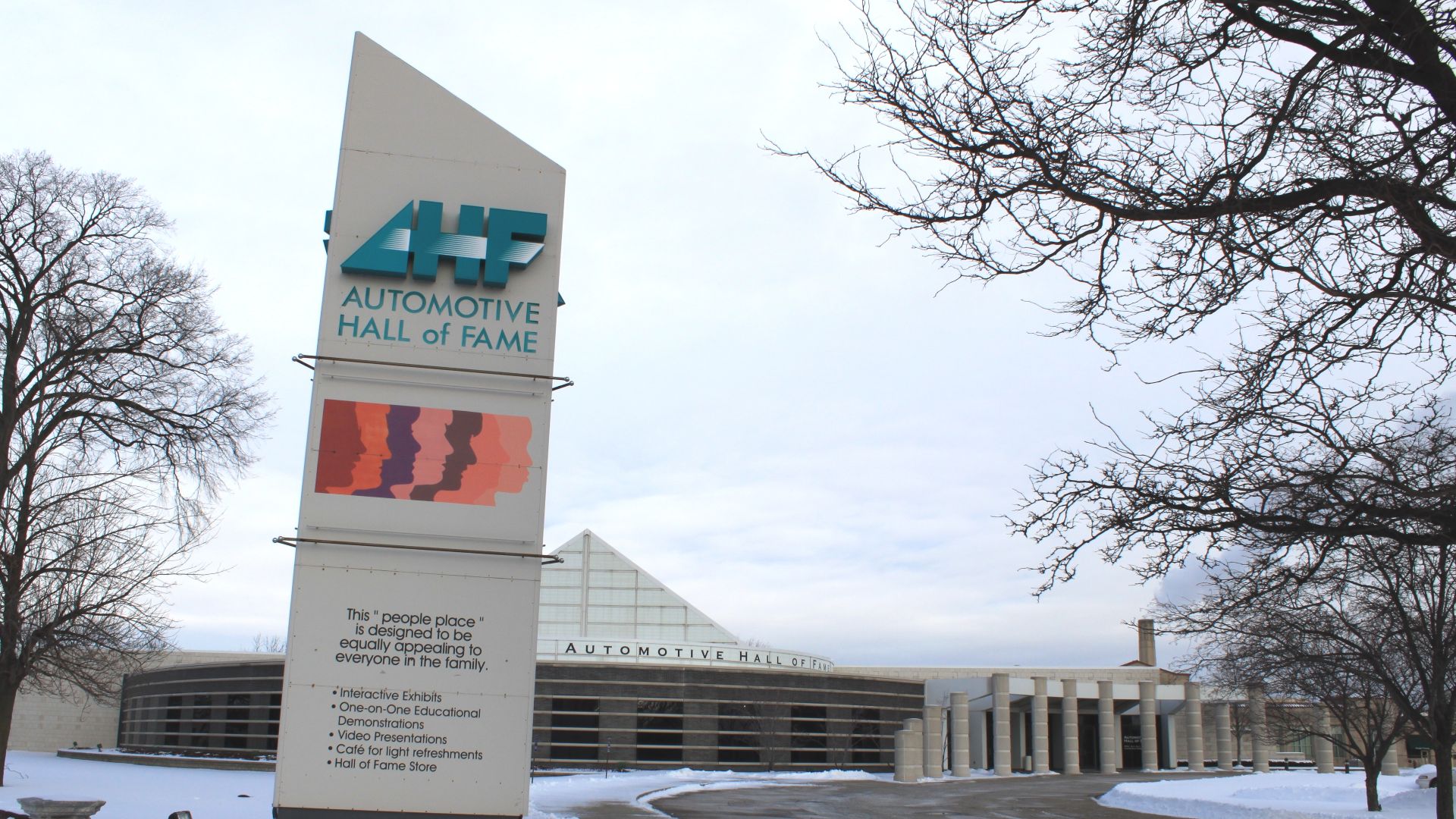
After he passed, Thompson received numerous honors recognizing his enormous impact on motorsports. He entered multiple halls of fame, including the Motorsports Hall of Fame of America and the Automotive Hall of Fame. Those inductions reflected more than racing success—they acknowledged how dramatically he reshaped automotive culture itself.
 Dwight Burdette, Wikimedia Commons
The Off-Road Empire Never Really Died
Modern off-road racing still carries Mickey Thompson’s fingerprints everywhere. Stadium truck events, desert endurance races, performance tire companies, and motorsports entertainment all owe something to his ideas. Decades later, racers continue chasing speed with the same fearless energy Thompson embodied, proving legends don’t disappear when the engines finally shut off.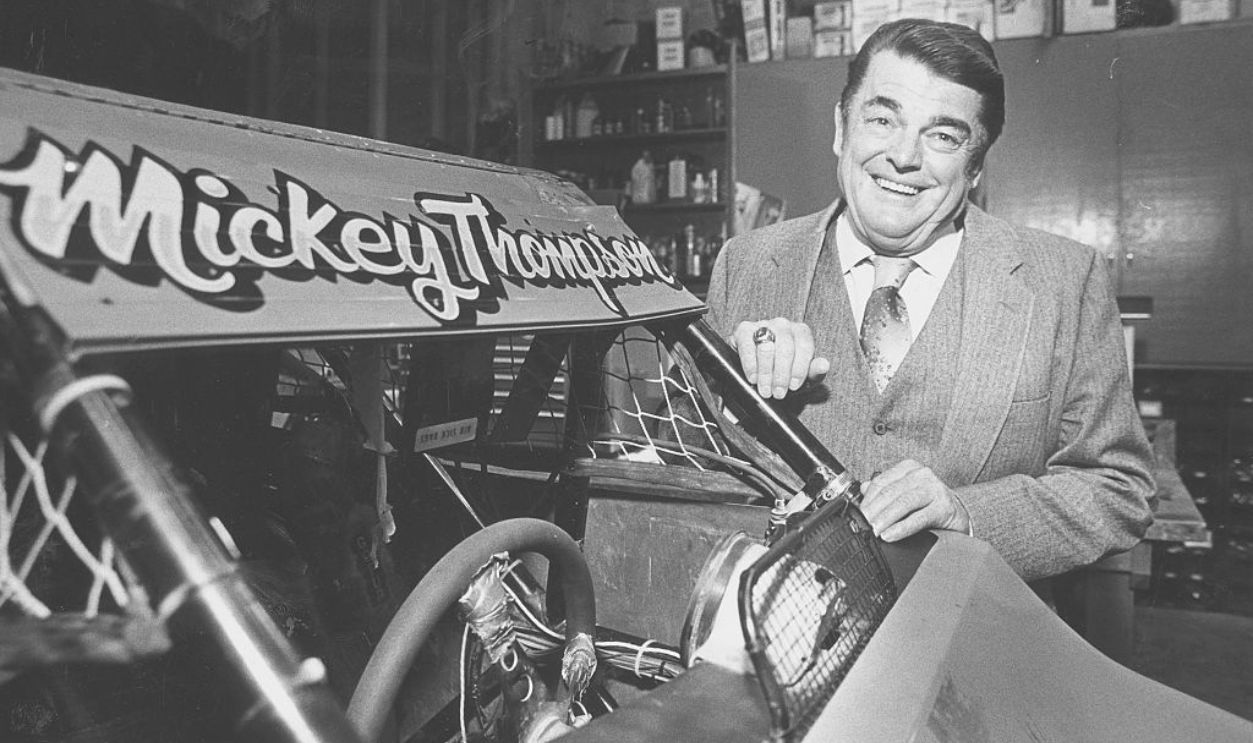 Larry Bessel, Getty Images
You May Also Like: