When Cars Refuse To Stay In Their Lane
Some cars fit neatly into categories. Others show up looking like they lost a bet with the design department. The Honda Crosstour fell firmly into the second group. It blended elements of a sedan, wagon, and SUV into one strange-looking package—and while buyers didn’t immediately embrace it, the idea behind it was actually pretty clever.
 Vitaliy Kyrychuk, Shutterstock.com
Honda Tried To Reinvent The Wagon
By the late 2000s, traditional wagons had mostly disappeared from American driveways. Honda believed there was still a demand for that practicality, but buyers needed something that looked more adventurous. The Crosstour was their solution—a wagon-like body hidden inside a crossover-inspired shape. In theory, it offered the best of several vehicle types at once.
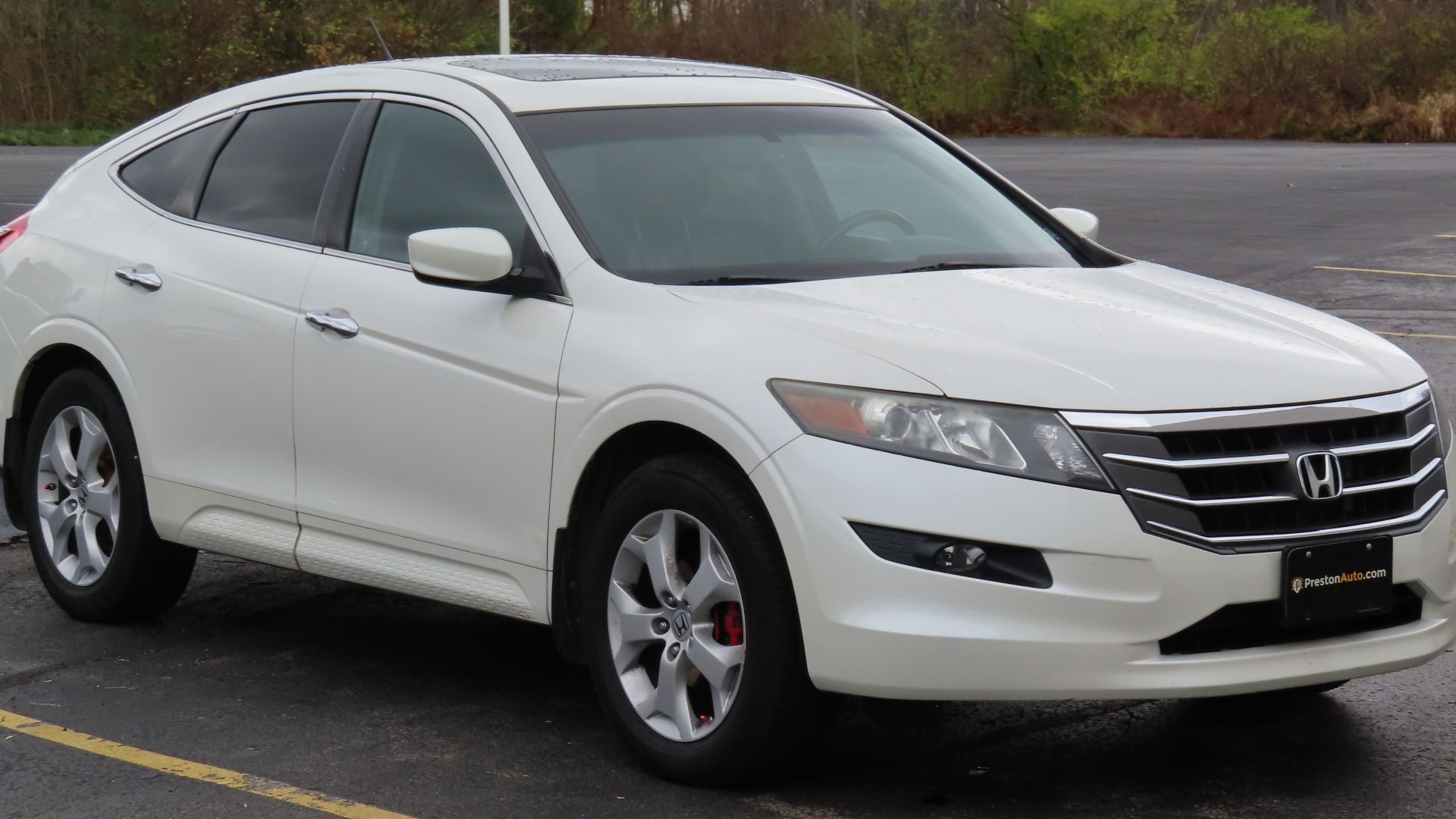 MercurySable99, Wikimedia Commons
It Originally Wore The Accord Name
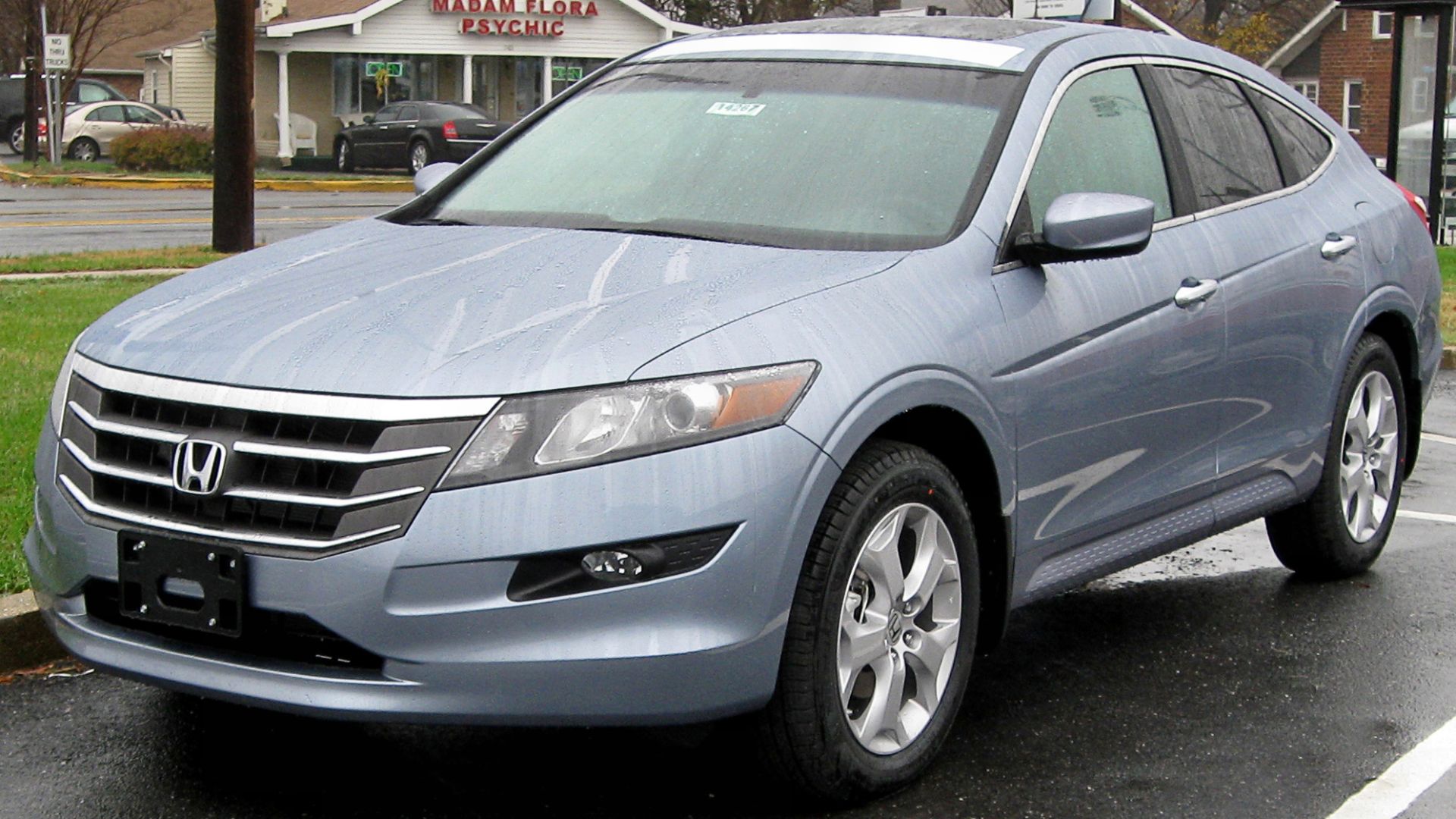
When the model debuted in 2010, Honda introduced it as the Accord Crosstour. The vehicle shared its platform with the eighth-generation Accord, which meant it inherited the sedan’s strong reputation for comfort and reliability. Honda hoped the familiar name would help customers trust the unusual new design. Unfortunately, the connection also made the Crosstour feel like a strange offshoot of the sedan rather than its own identity.
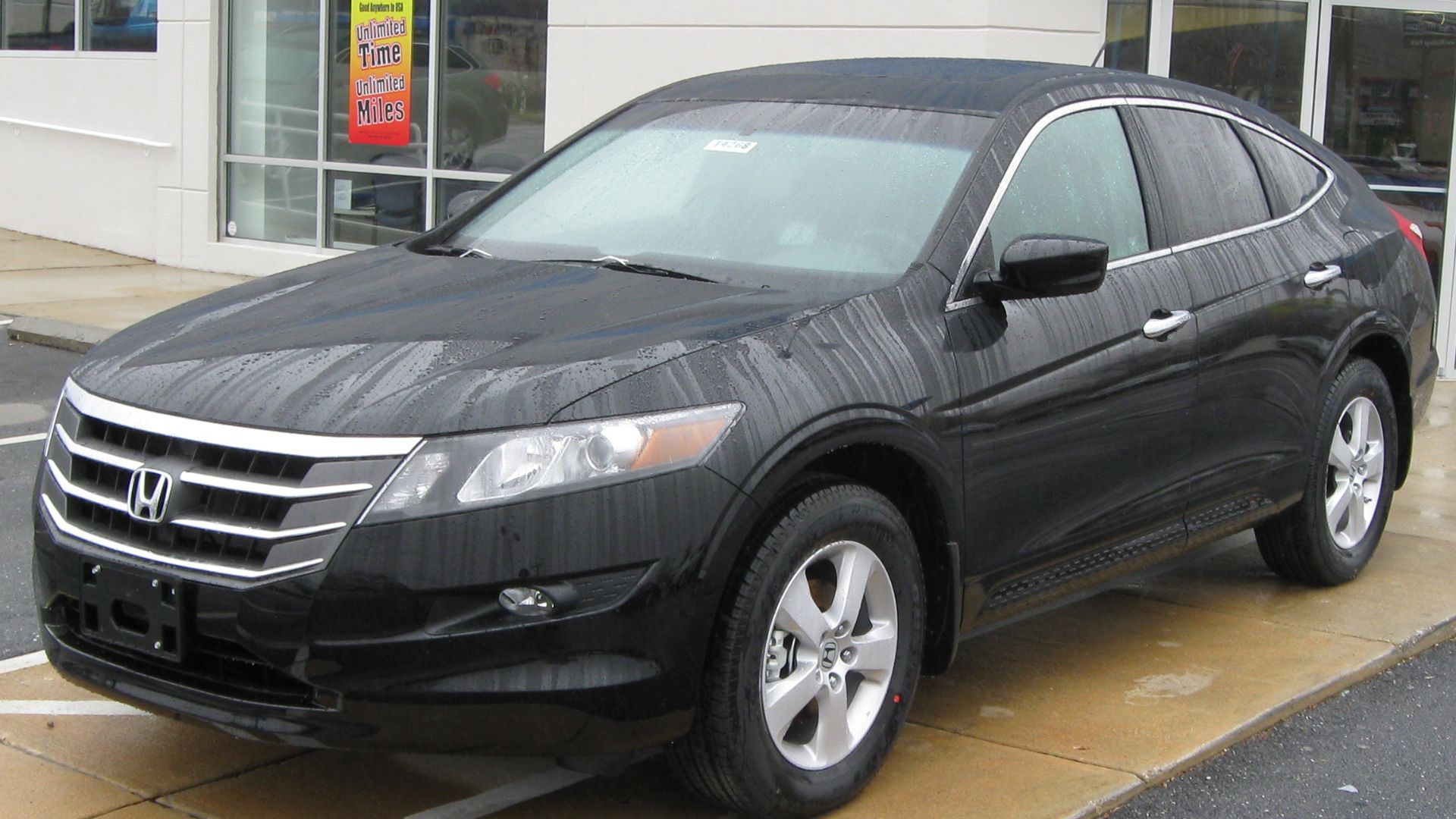
The Styling Immediately Sparked Debate
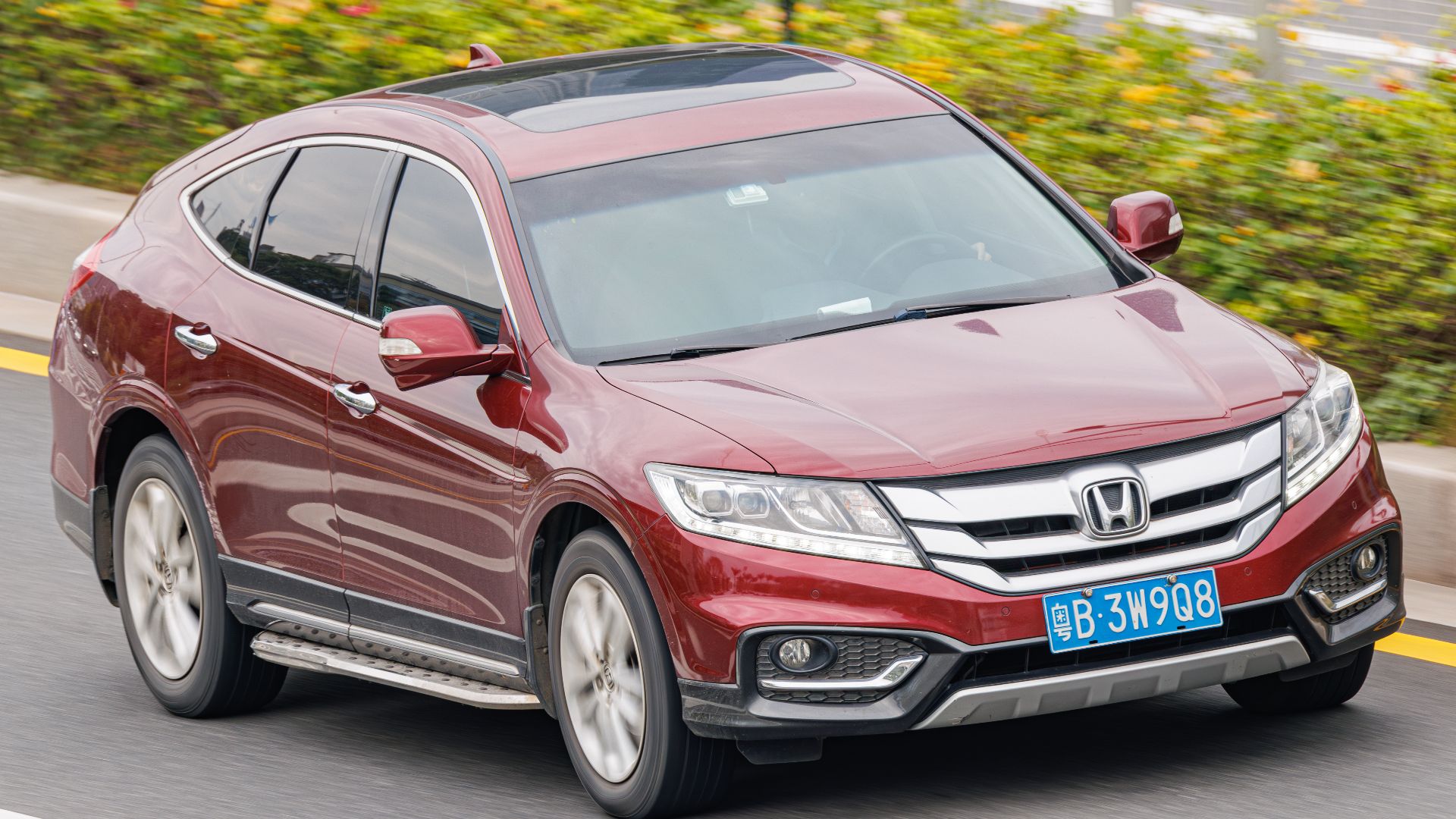
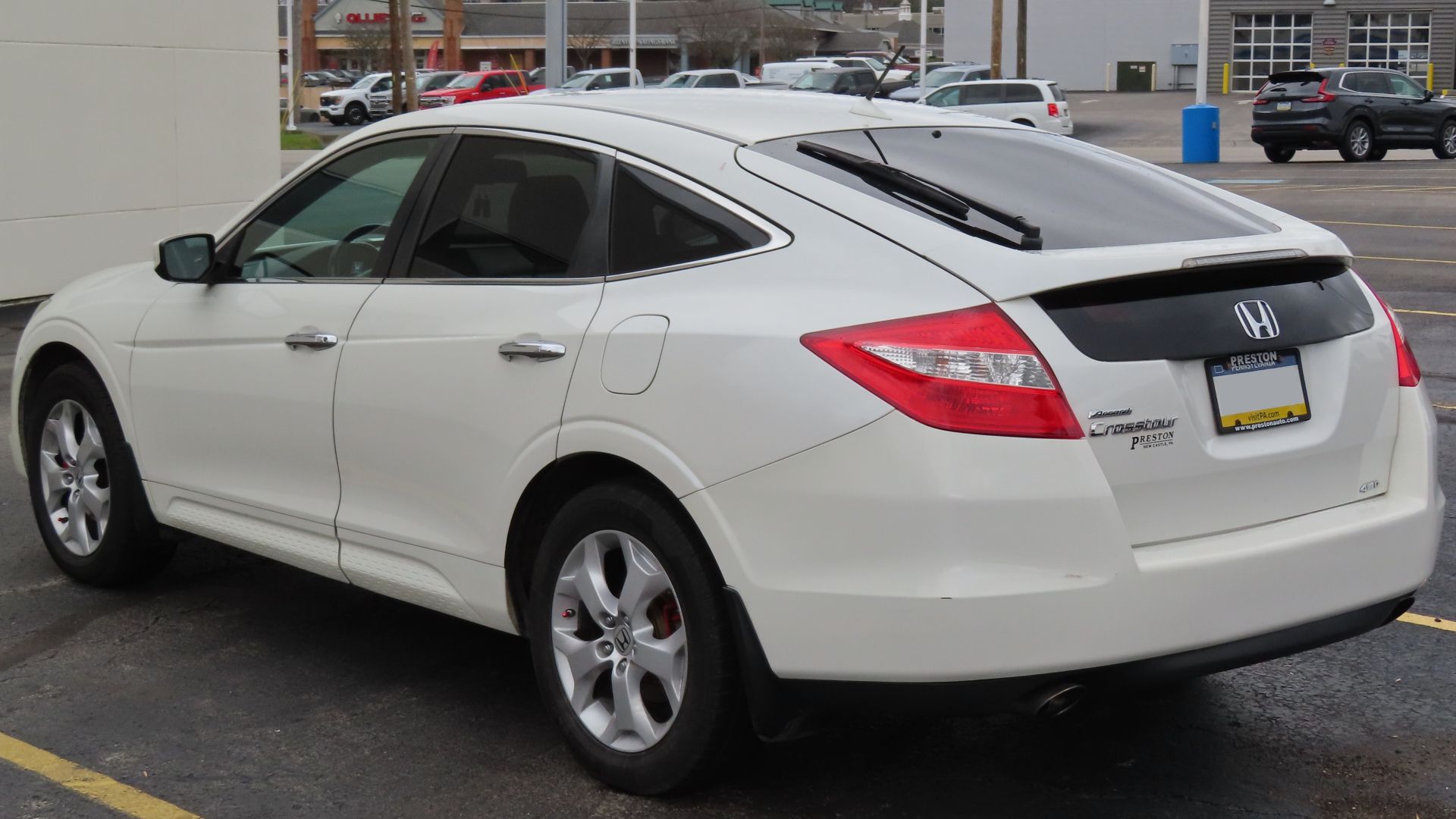
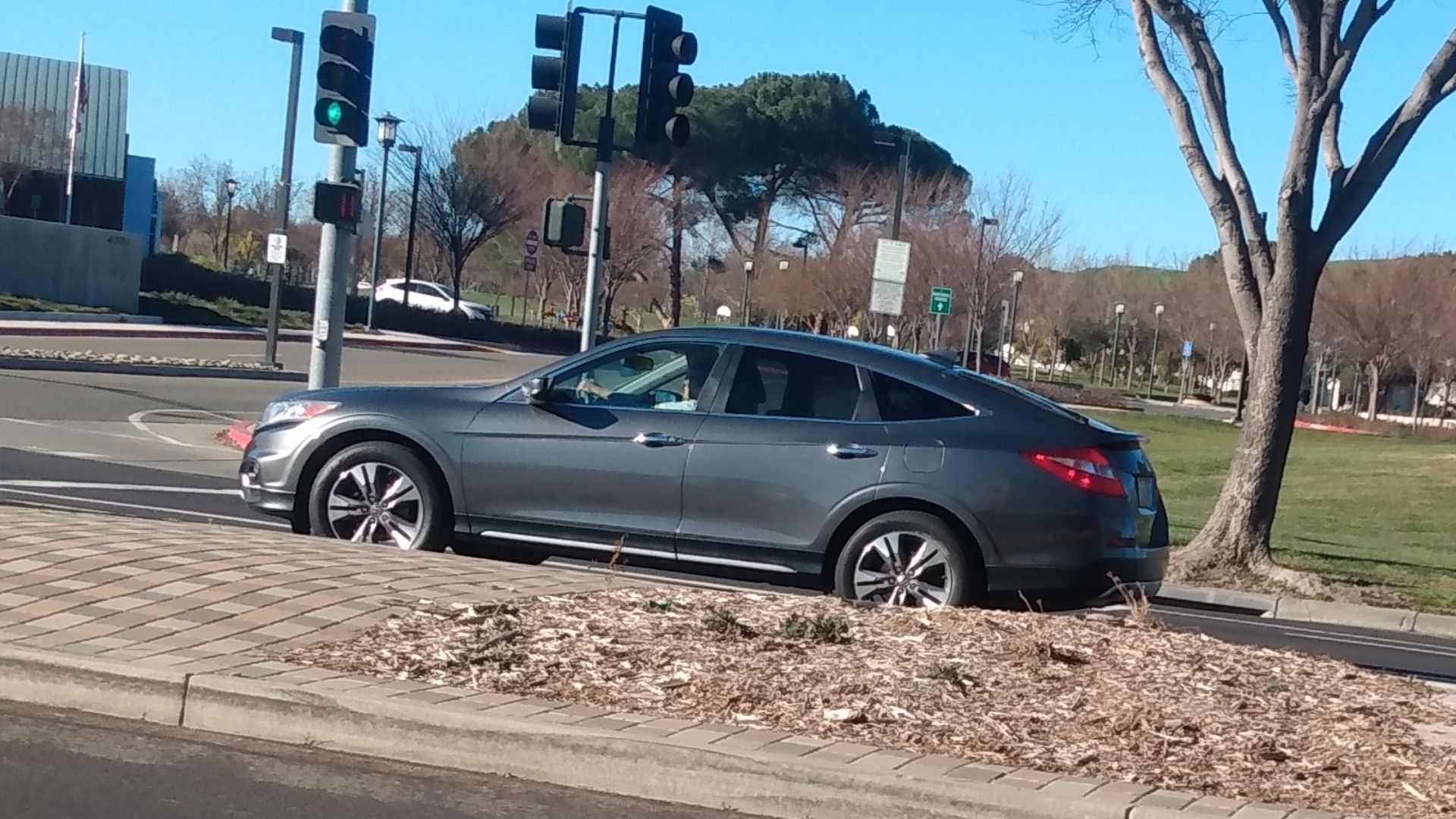
The Crosstour’s design quickly became its most talked-about feature. With a long hood, tall stance, and sharply sloping rear end, the proportions looked different from almost anything else on the road. Some drivers admired the boldness of the shape, while others felt it looked awkward. Either way, the Crosstour was impossible to ignore.
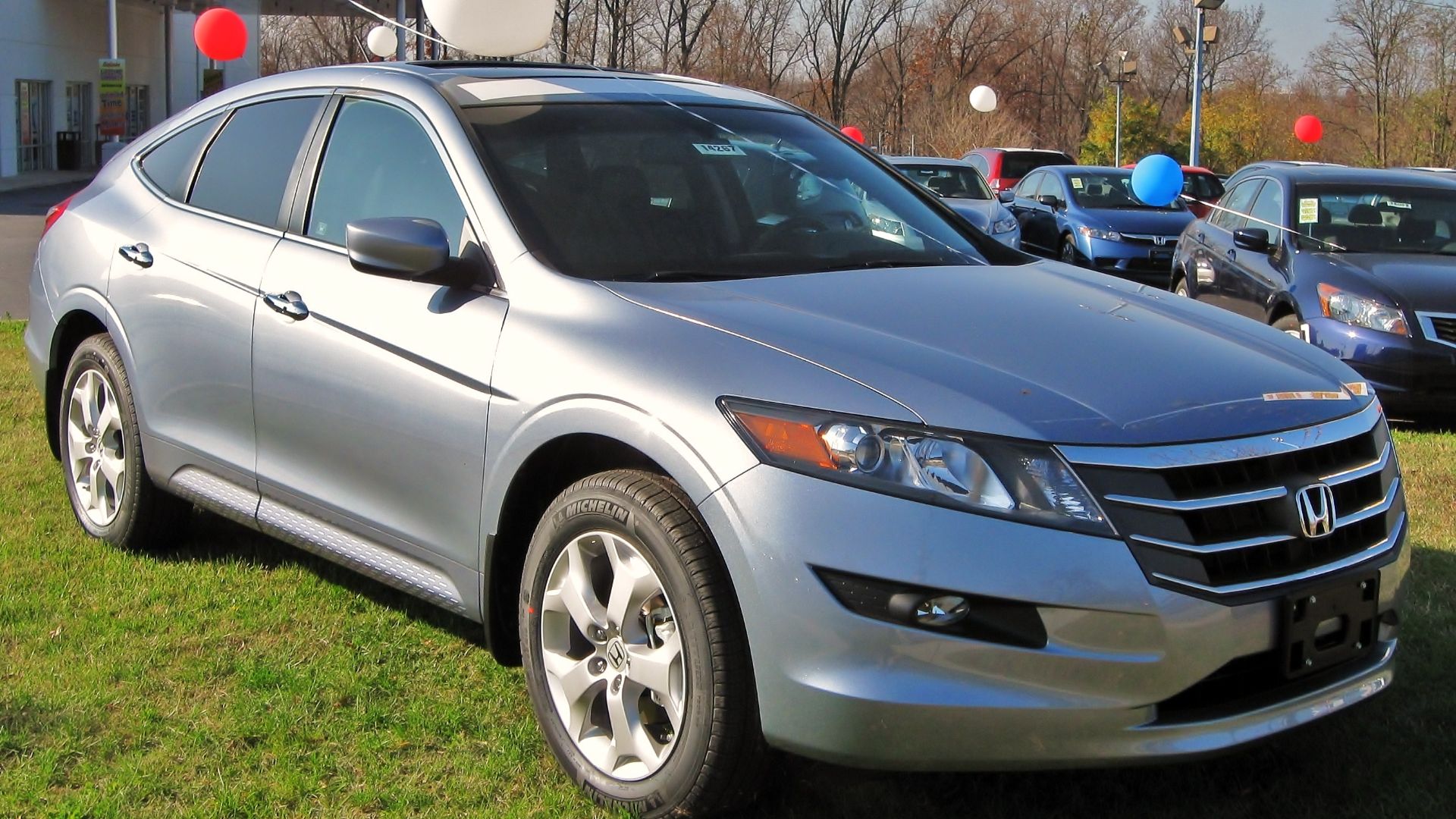
The Internet Had A Lot To Say
When Honda released early images of the vehicle online, the reactions were swift and brutally honest. Car fans flooded forums and social media with opinions about the unusual styling. Honda even suggested the photos didn’t do the vehicle justice in person. Still, first impressions tend to stick—and the Crosstour spent years trying to shake that early criticism.
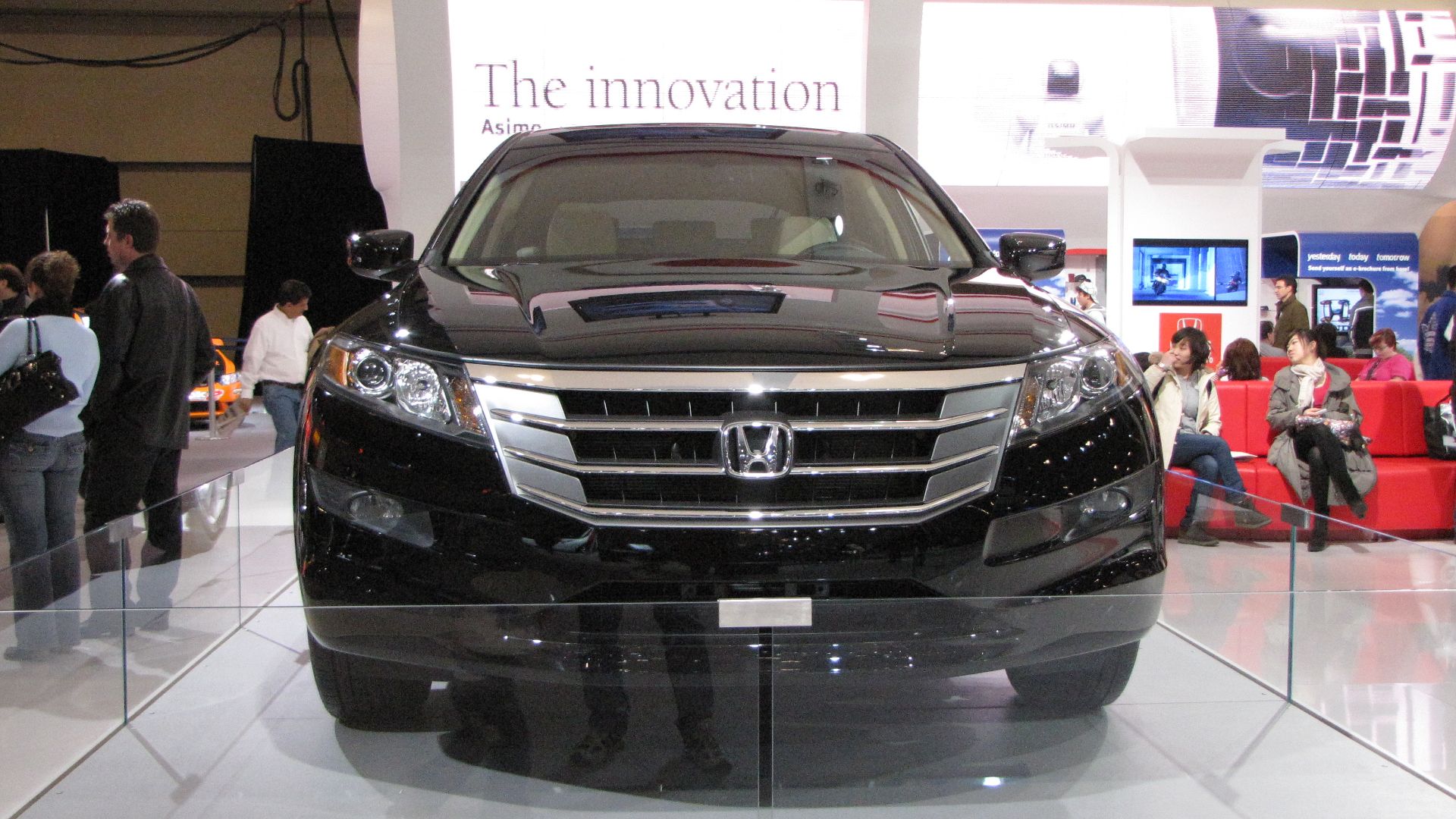 Tabercil from Canadian, Wikimedia Commons
It Was Built In Ohio
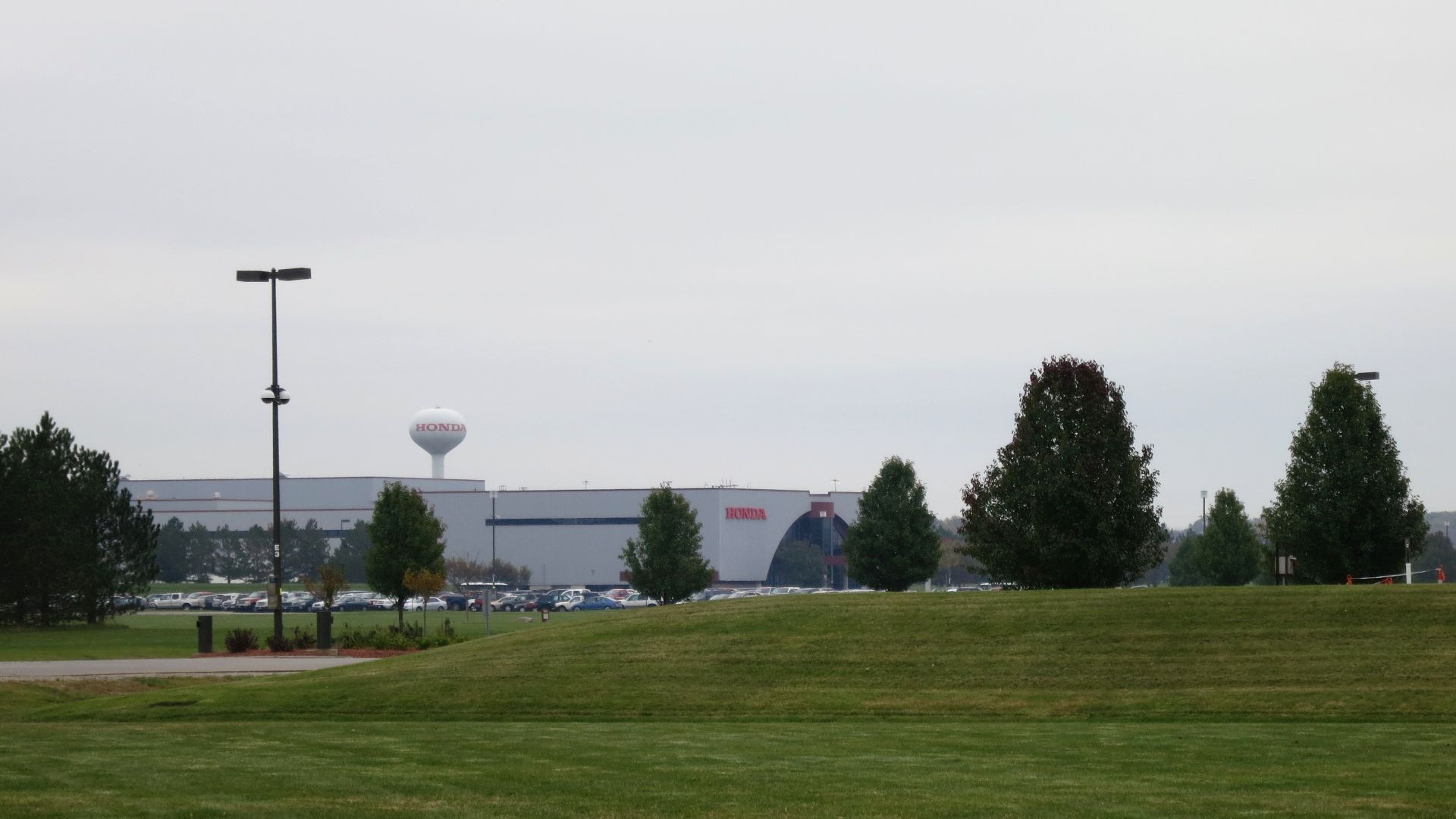
Despite its unconventional appearance, the Crosstour was very much an American-focused vehicle. Honda produced it at the East Liberty Auto Plant in Ohio, alongside several other important models. Building the car domestically allowed Honda to better serve the North American market. It also showed how seriously the company took this strange little experiment.
Underneath It Was Basically An Accord
Remove the unusual bodywork and the Crosstour revealed something very familiar underneath. The vehicle shared its chassis and many mechanical components with the Accord. That meant drivers got the comfortable ride and predictable handling Honda sedans were known for. In many ways, it felt like a lifted Accord with a hatchback.
 Jason Lawrence from New York, Wikimedia Commons
The V6 Engine Was Surprisingly Strong
Early Crosstour models came with a 3.5-liter V6 engine that delivered solid performance. The engine produced plenty of power for highway driving and smooth everyday acceleration. It also included cylinder deactivation technology to improve fuel efficiency during lighter driving conditions. That combination gave the Crosstour a surprisingly refined driving experience.
A Four-Cylinder Option Arrived Later
Honda eventually added a smaller engine to make the Crosstour more accessible. Beginning in 2012, buyers could choose a 2.4-liter four-cylinder engine producing around 192 horsepower. The new option improved fuel economy and lowered the entry price. For many buyers, it finally made the Crosstour feel like a practical daily driver.
 LotPro Cars, Wikimedia Commons
All-Wheel Drive Added Versatility
While front-wheel drive came standard, Honda also offered its Real Time all-wheel-drive system. This setup automatically sent power to the rear wheels when traction was needed. Drivers in snowy climates appreciated the added capability. It gave the Crosstour a level of confidence that typical sedans simply couldn’t match.
It Sat In A Strange Spot In Honda’s Lineup
One of the Crosstour’s biggest challenges was figuring out where it belonged. It technically sat between the CR-V and the larger Pilot in Honda’s SUV lineup. But unlike those vehicles, it only had two rows of seating and more car-like proportions. The result was a model that didn’t fit neatly into any category.
 Retired electrician, Wikimedia Commons
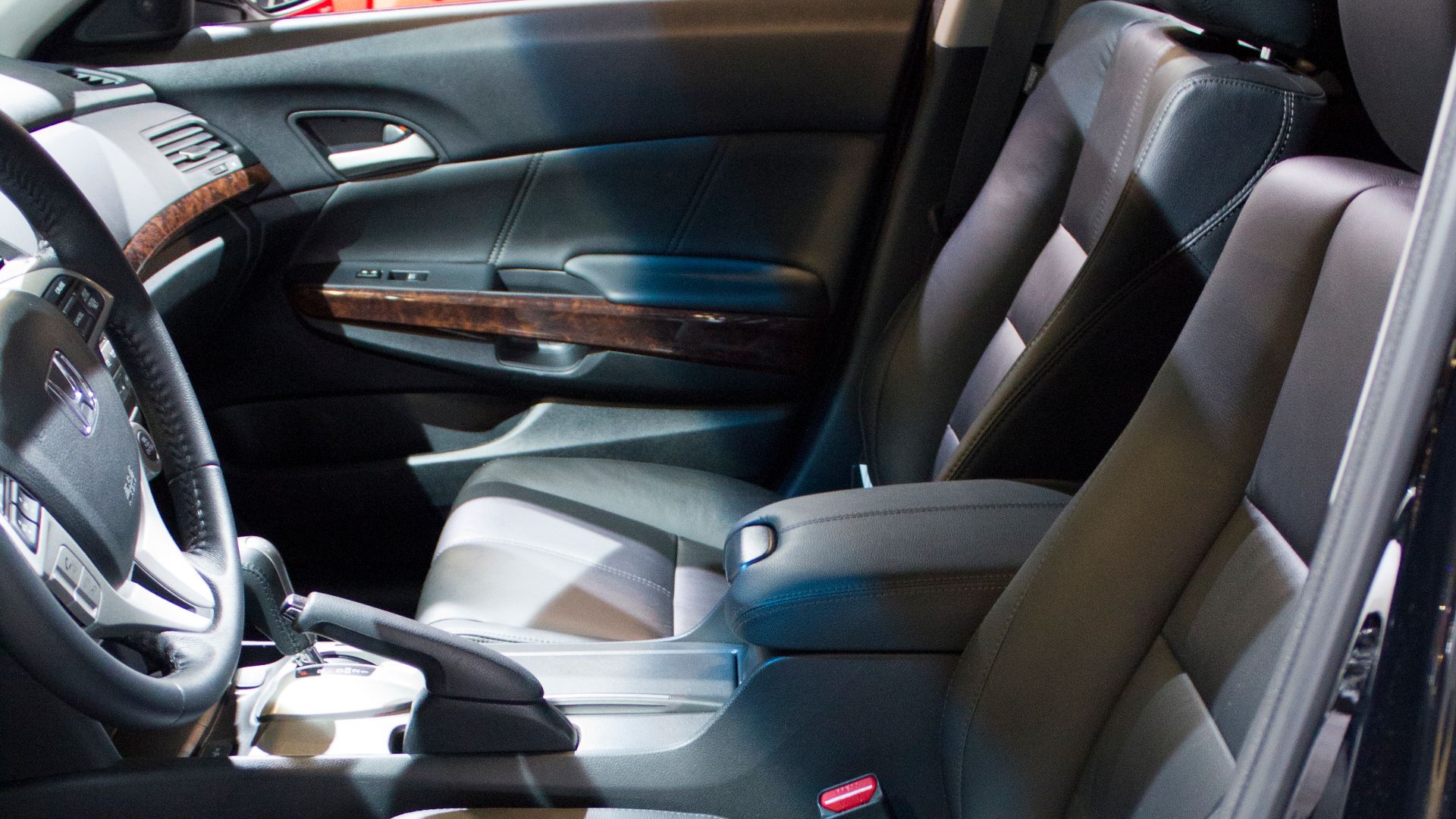
The Interior Felt Comfortably Familiar
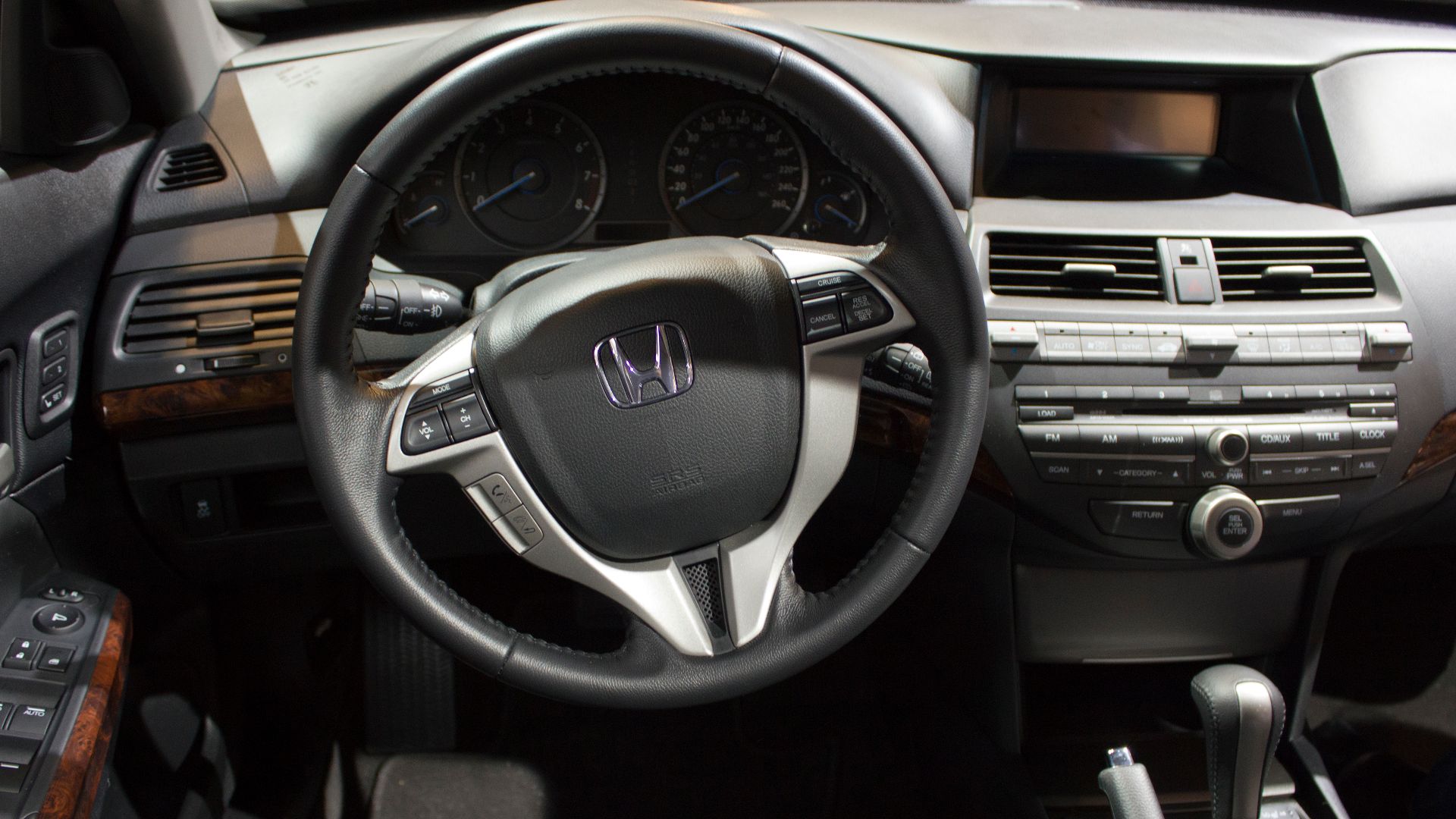
Inside, the Crosstour looked exactly like what many buyers expected from Honda. The cabin featured a practical layout filled with buttons and clearly labeled controls. While the center stack appeared busy at first glance, drivers quickly learned where everything was. It was classic Honda design—functional, logical, and built to last.
Rear Passengers Still Had Good Space
The sloping roofline suggested cramped rear seating, but that wasn’t really the case. The Crosstour still offered respectable headroom and legroom for passengers in the back. Families could easily use it for everyday driving or road trips. That practicality helped justify the unusual exterior shape.
 Dinkun Chen, Wikimedia Commons
The Hatchback Was Surprisingly Useful
Instead of a traditional trunk, the Crosstour featured a large rear hatch. This design made it much easier to load bulky items like luggage, sports gear, or furniture. The opening was wide and the cargo area flexible thanks to folding rear seats. In everyday life, it worked far better than a typical sedan trunk.
 MercurySable99, Wikimedia Commons
Honda Refreshed The Design In 2013
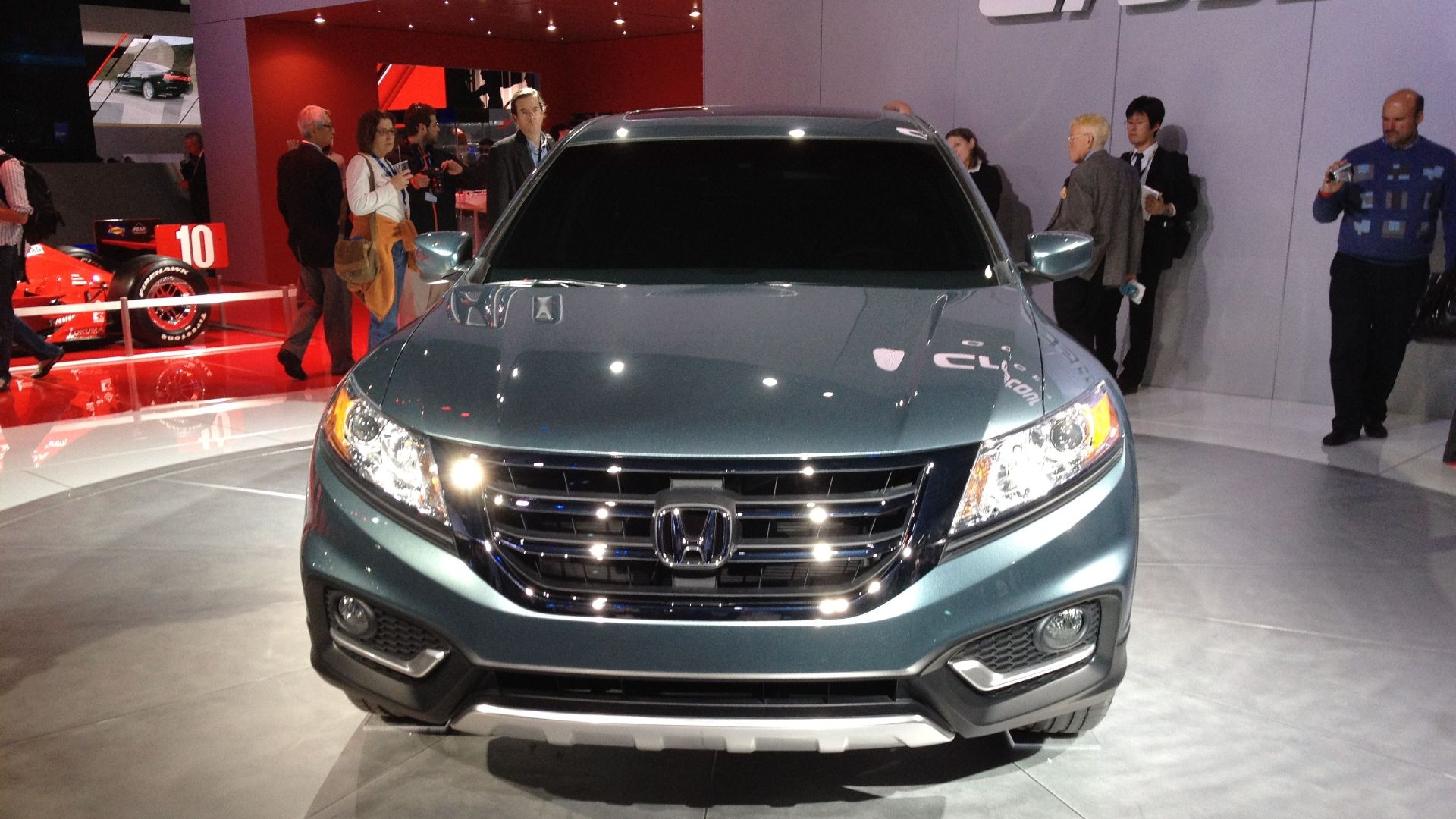
For the 2013 model year, Honda gave the Crosstour a noticeable facelift. The company updated the front and rear styling to make the car appear more balanced. At the same time, Honda removed the “Accord” name entirely. From then on, it stood alone as simply the Honda Crosstour.
 DestinationFearFan, Wikimedia Commons
The Powertrain Got An Upgrade Too
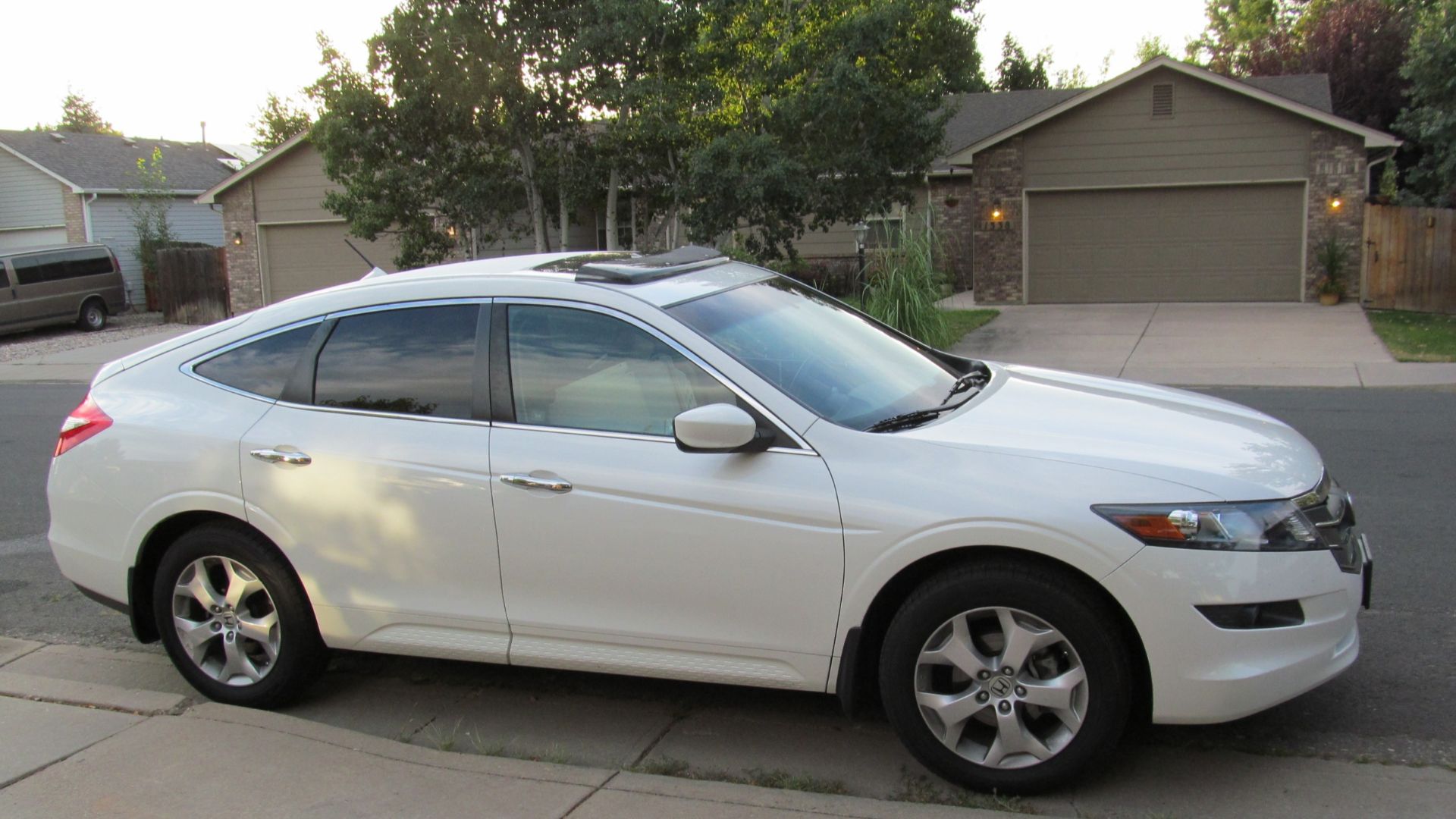
The refresh also brought mechanical improvements. Honda introduced a revised V6 engine paired with a six-speed automatic transmission. This replaced the earlier five-speed unit and improved both performance and efficiency. The Crosstour suddenly felt a little more modern under the hood.
 Greg Goebel from Loveland CO, USA, Wikimedia Commons
Safety Technology Was Ahead Of Its Time
Honda equipped later Crosstour models with several advanced safety systems. These included features like forward collision warning and lane departure warning. A rearview camera also became standard equipment. Considering the vehicle launched in 2010, the tech was fairly forward-thinking.
 M.Minderhoud, Wikimedia Commons
LaneWatch Became A Fan Favorite
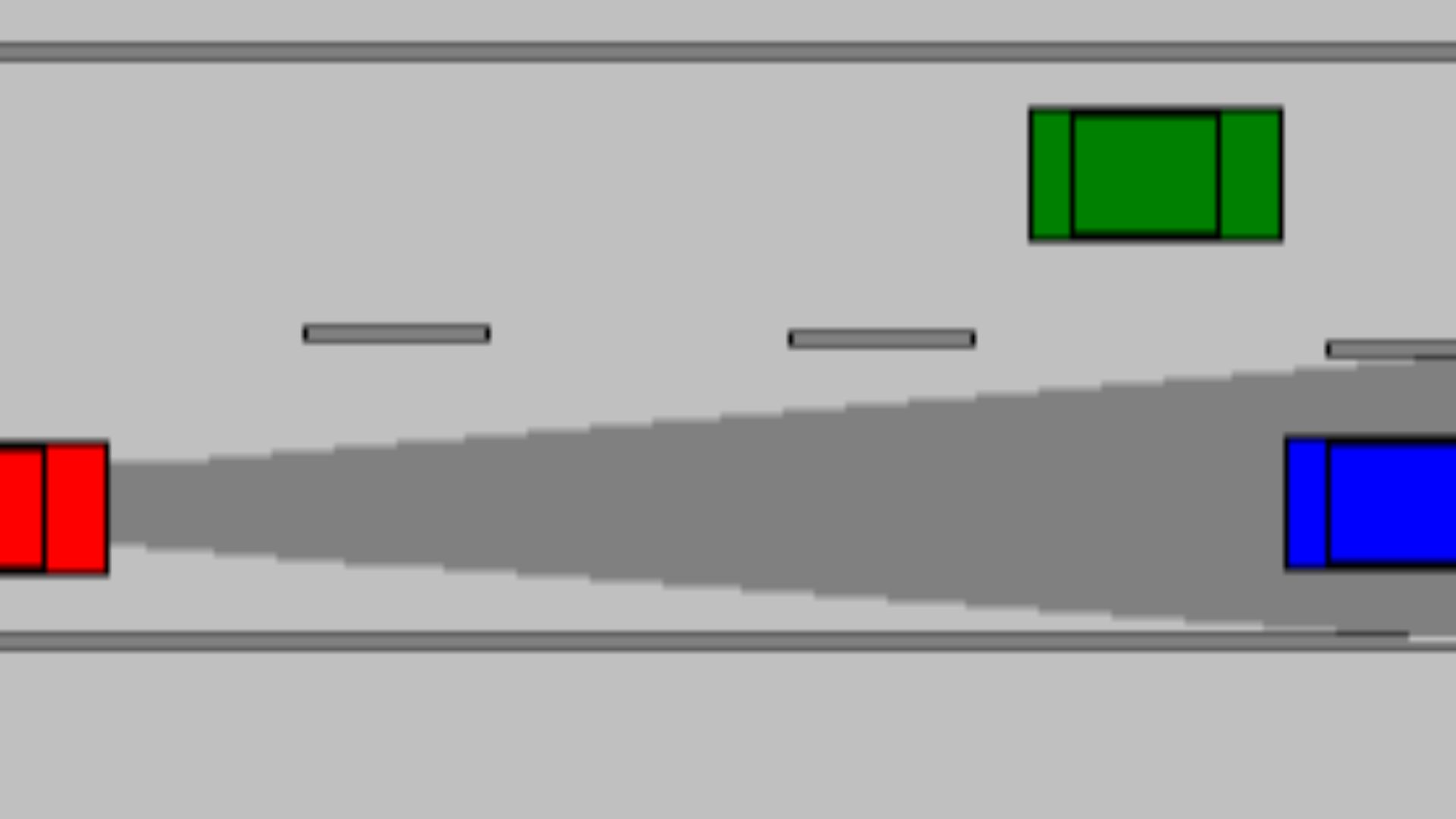
One of the Crosstour’s most interesting features was Honda’s LaneWatch system. A small camera mounted on the passenger-side mirror displayed a live view of the blind spot on the center screen. The camera activated whenever the right turn signal was used. Drivers loved the feature because it made lane changes feel far less stressful.
 Dinkun Chen, Wikimedia Commons
Early Sales Looked Promising
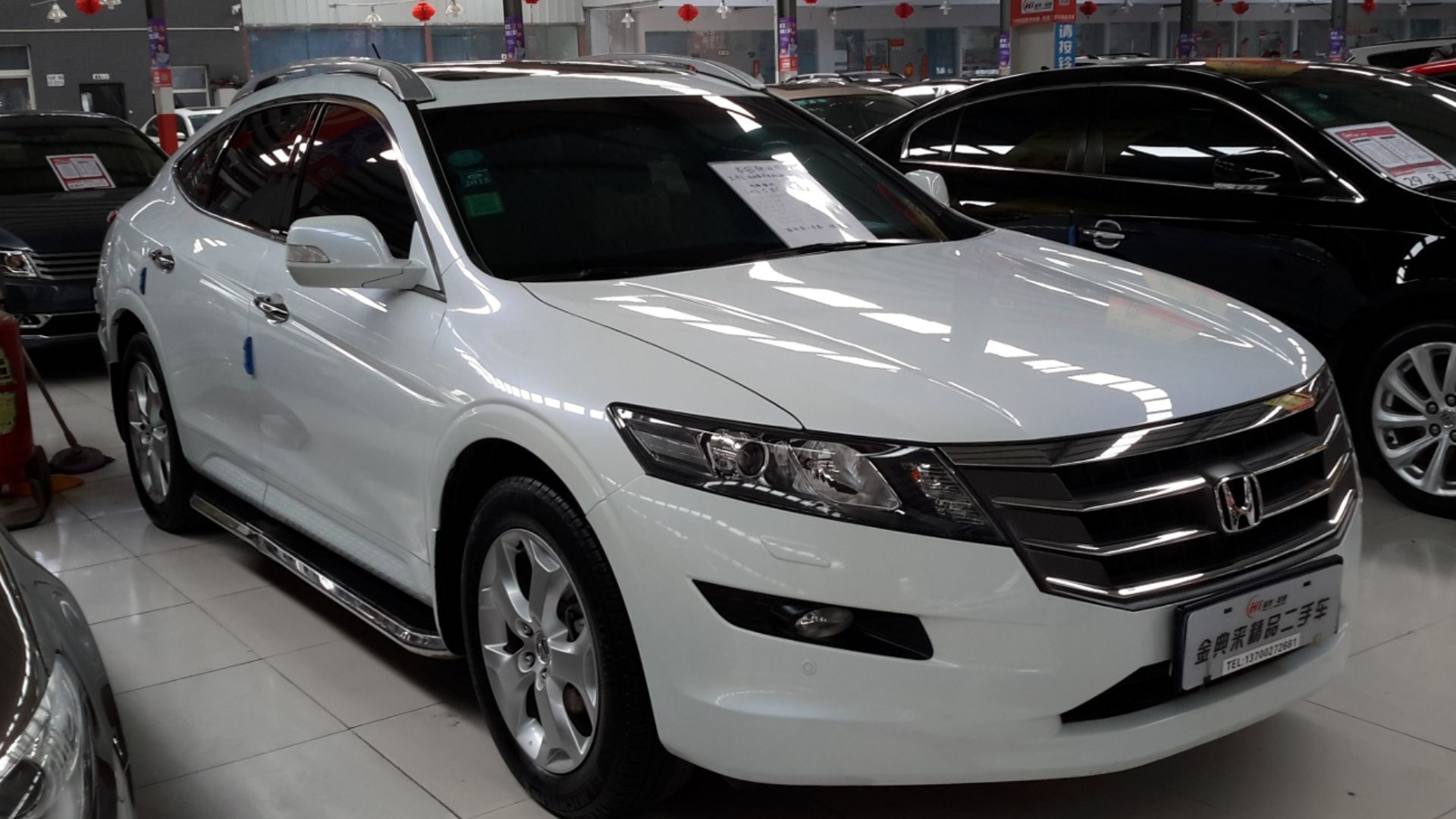
When the Crosstour first arrived, sales numbers looked encouraging. Nearly 29,000 units were sold in the United States during its first full year. That suggested Honda might have found a small but loyal audience. Unfortunately, the momentum didn’t last.
 Navigator84, Wikimedia Commons
The Toyota Venza Was Its Closest Rival
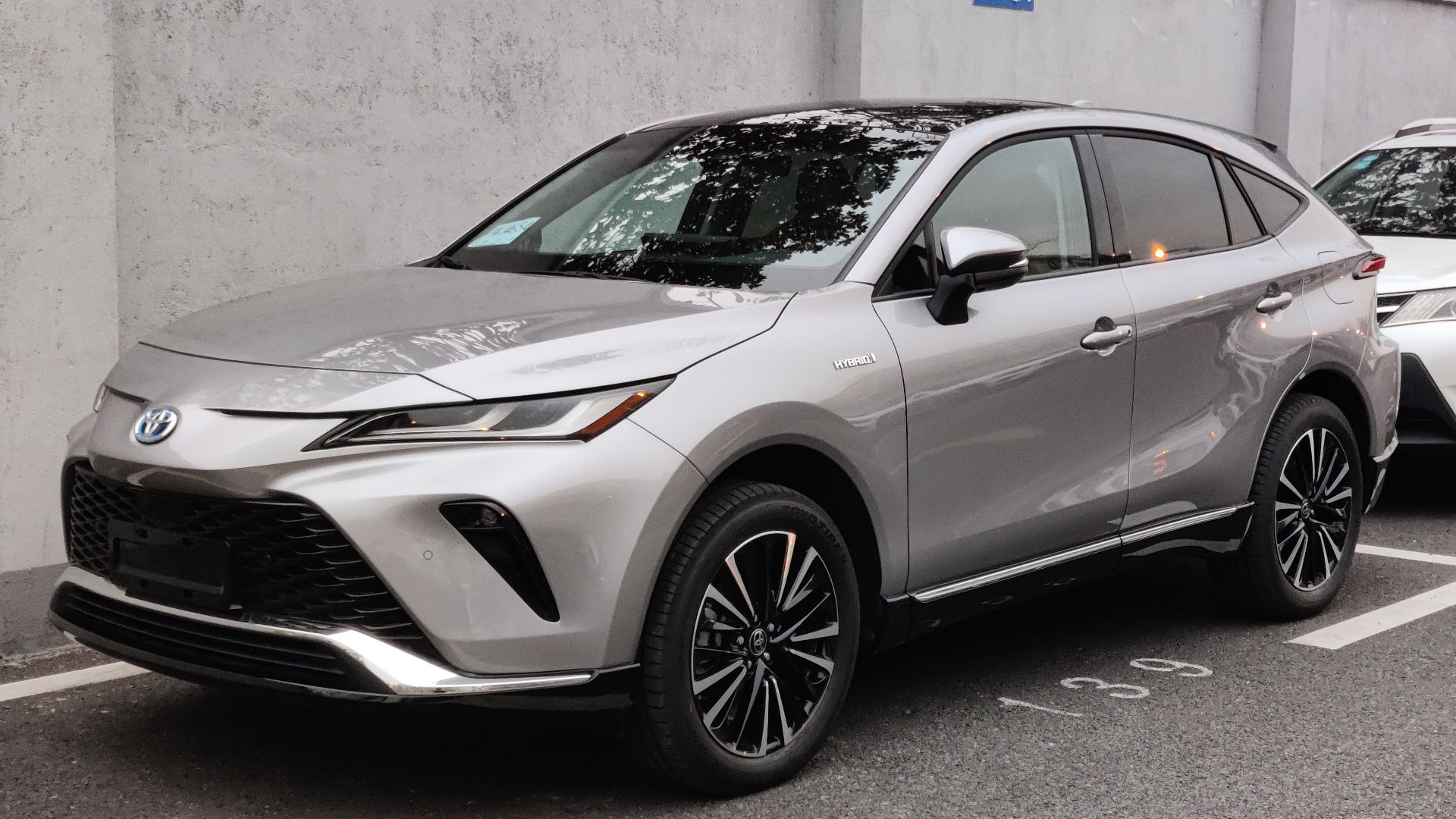
Around the same time, Toyota launched a similar vehicle called the Venza. Like the Crosstour, it blended wagon practicality with crossover styling. Both vehicles attempted to replace traditional wagons with something more modern. Neither one ended up dominating the market.
The Crosstour Might Have Been Early
Looking back today, the Crosstour doesn’t seem nearly as strange. Modern roads are filled with oddly shaped crossovers and coupe-like SUVs. In many ways, Honda simply arrived a few years before the trend caught on. If the Crosstour had launched later, buyers might have understood it much faster.
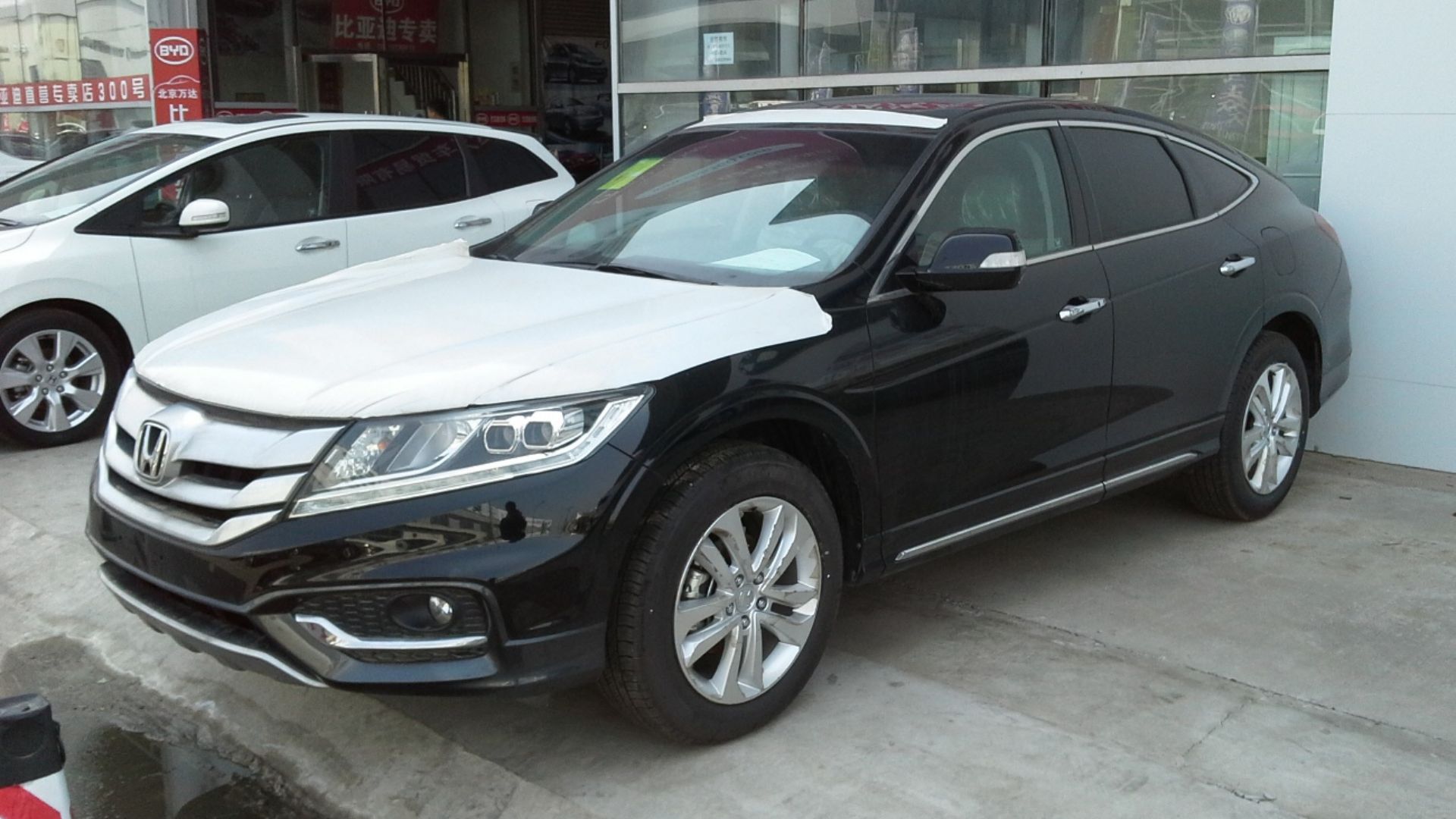 Navigator84, Wikimedia Commons
Production Ended In 2015
Honda ultimately discontinued the Crosstour after the 2015 model year. Sales had gradually declined as more conventional crossovers took over the market. The company shifted its focus toward more popular models like the CR-V. Still, the Crosstour left behind an interesting legacy.
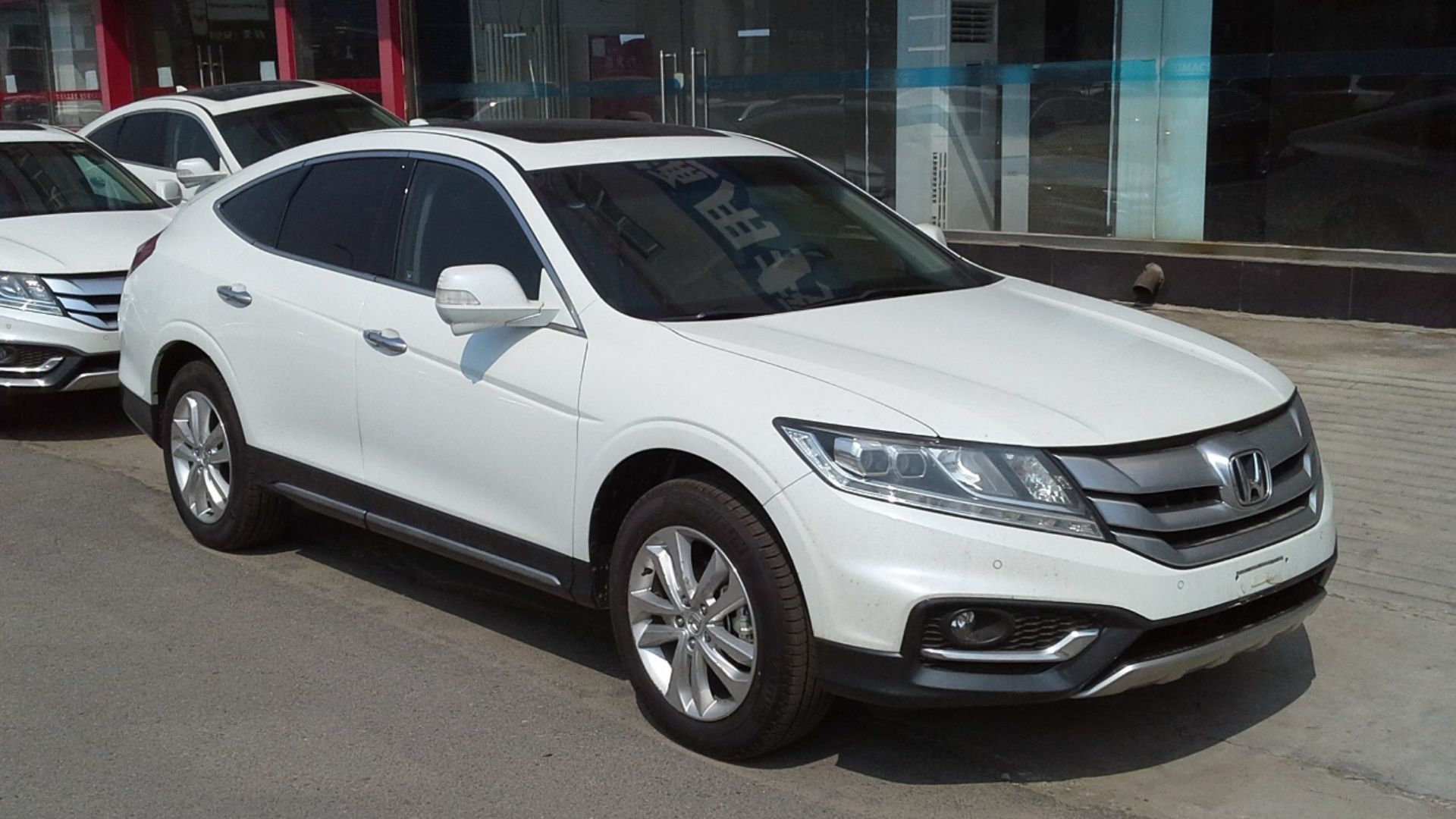 Navigator84, Wikimedia Commons
The Oddball Earned Respect Later
Over time, the Crosstour quietly developed a loyal following among used-car buyers. Owners often praise its reliability, comfortable ride, and surprisingly practical cargo space. What once looked strange now feels oddly charming. Sometimes the weird cars end up aging the best.
 Dinkun Chen, Wikimedia Commons
You May Also Like:
A Classic Revisited: The 1963 Buick Riviera
Review Of The 1957 Ford Thunderbird: A Timeless American Icon