Ford Had A Clever Idea
In the early 1980s, Ford believed it had discovered an untapped market: young, economy-minded Americans who wanted a sporty car but didn't need a back seat. The answer was the Ford EXP, a compact two-seater that promised style, practicality, and excellent fuel economy. Unfortunately, Ford discovered that removing two seats from an Escort didn't automatically create a desirable sports car.
The Return Of The Two-Seater
Introduced for the 1982 model year, the EXP was Ford's first production two-seater since the original Thunderbird disappeared after 1957. The timing seemed promising. Gas prices had made economical cars fashionable, while growing numbers of single adults and childless couples suggested a market for something smaller and sportier. Ford even invoked the Thunderbird's legacy when promoting its unusual new coupe.
An Escort In Disguise
Rather than develop an entirely new sports car, Ford based the EXP on its recently introduced front-wheel-drive Escort. The two vehicles shared much of their mechanical architecture, including the engine, suspension, and 94.2-inch wheelbase. The EXP received a lower roofline, distinctive body panels, and a hatchback cargo area where the rear seat would normally have been. It was economical to develop, but the compromises were obvious.
Sporty Looks, Modest Power
The original EXP came with a 1.6-liter four-cylinder engine producing just 70 horsepower. An optional high-output version eventually raised that figure to 80 horsepower, but neither transformed the car into a serious performer. Worse, the EXP weighed more than the ordinary Escort despite having fewer seats. Its unusual headlights and rather tall proportions also divided opinion. The styling promised excitement that the driving experience struggled to deliver.
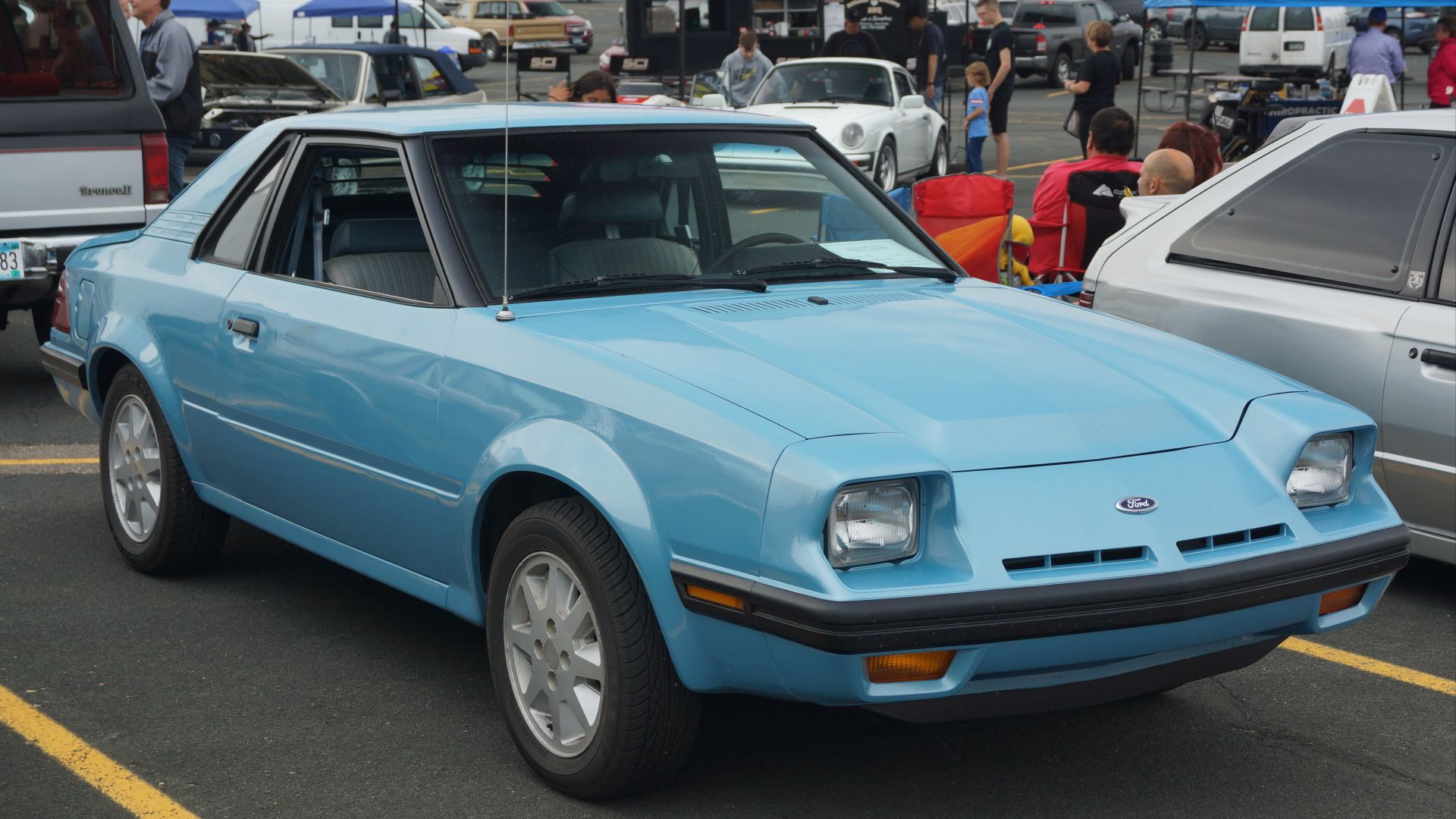 Greg Gjerdingen, Wikimedia Commons
A Price That Raised Questions
The EXP also cost considerably more than the regular Escort on which it was based. Buyers received sporty styling, additional equipment, and generous cargo space, but sacrificed the convenience of a rear seat. For practical shoppers, an Escort made more sense. For enthusiasts, the EXP's modest acceleration and ordinary handling were disappointing. Ford had created a car that didn't quite satisfy either audience.
Even Mercury Got One
Ford was confident enough in the concept to introduce a Mercury version called the LN7. Distinguished by its prominent bubble-shaped rear window and different front-end styling, it offered much the same mechanical package. Unfortunately, the LN7 struggled even more than its Ford counterpart. Mercury discontinued it after the 1983 model year, leaving the EXP to carry on alone.
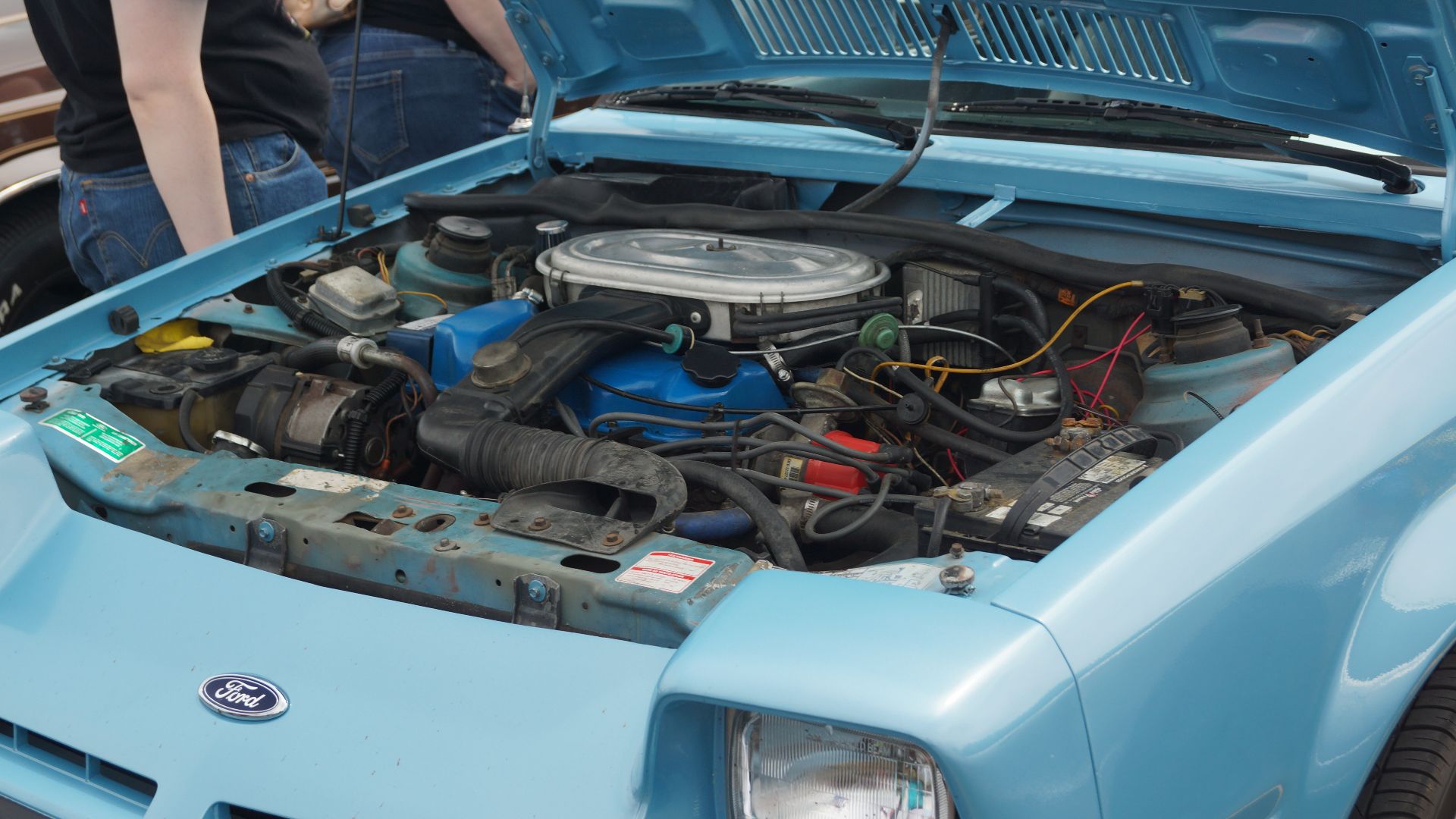 Greg Gjerdingen, Wikimedia Commons
The Numbers Tell The Story
The EXP initially attracted considerable attention, with approximately 98,000 built for the 1982 model year. Adding Mercury's LN7 brought the combined total to roughly 133,000, still below Ford's ambitious expectations. But EXP production plunged to fewer than 20,000 in 1983 and generally hovered around 20,000 to 30,000 annually afterward. Meanwhile, the conventional Escort continued selling in vastly greater numbers.
Ford Tries Adding Horsepower
Ford attempted to rescue the EXP with more performance. The 1984 Turbo Coupe offered a turbocharged 1.6-liter engine producing approximately 120 horsepower, making it considerably livelier than the original. But the turbo model arrived just as competition was intensifying. Honda's CRX offered an appealing combination of handling, economy, and distinctive styling, while the Pontiac Fiero and Toyota MR2 provided more dramatic alternatives. The EXP was no longer the only affordable two-seater in town.
A Makeover Couldn’t Save It
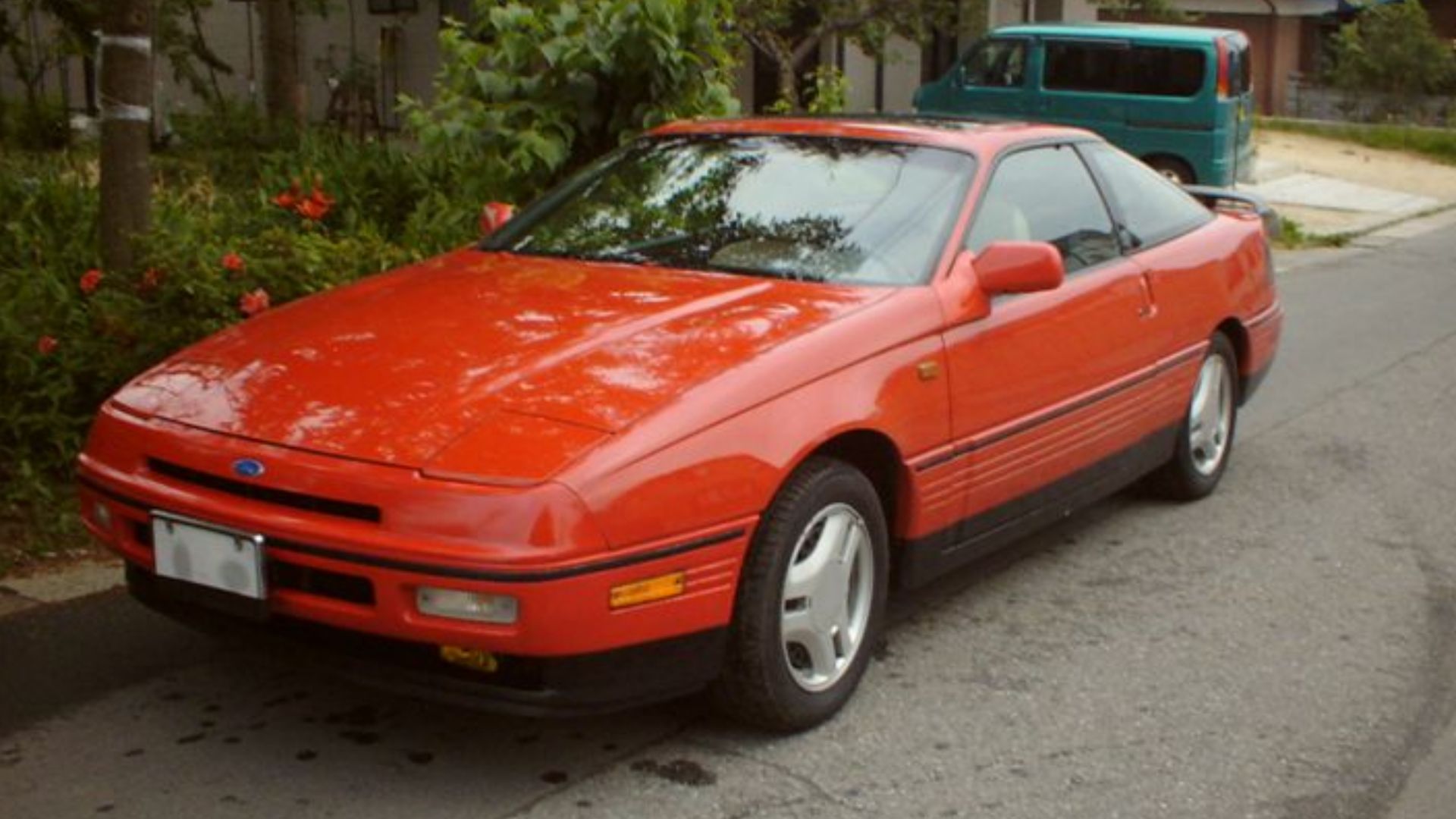
For 1986, Ford substantially restyled the car and renamed it the Escort EXP. The controversial original front end disappeared, replaced by a more conventional Escort-inspired design. A larger 1.9-liter engine improved everyday performance, but the car still struggled to distinguish itself. Production continued through the 1988 model year before Ford finally discontinued it. The Mazda-based Ford Probe arrived for 1989, offering sportier styling and a small rear seat.
The EXP wasn't a terrible car. It was economical, reasonably practical for two people, and occasionally entertaining. Its real problem was that buyers could purchase a more useful Escort or a more exciting sports coupe. Today, surviving examples are uncommon reminders of an era when Detroit experimented with almost anything. Ford had correctly predicted interest in affordable sporty compacts. It simply hadn't built the one customers wanted.
You May Also Like:
The Last Days Of The Pontiac Fiero
Cars From The 1980s That Looked Fast But Are Embarrassingly Slow—Which One Fooled You?
Forgotten Coupes From The 1980s—Seriously, Do You Remember Even 5 Of These Cars?