The Decade Of Speed Without Speed
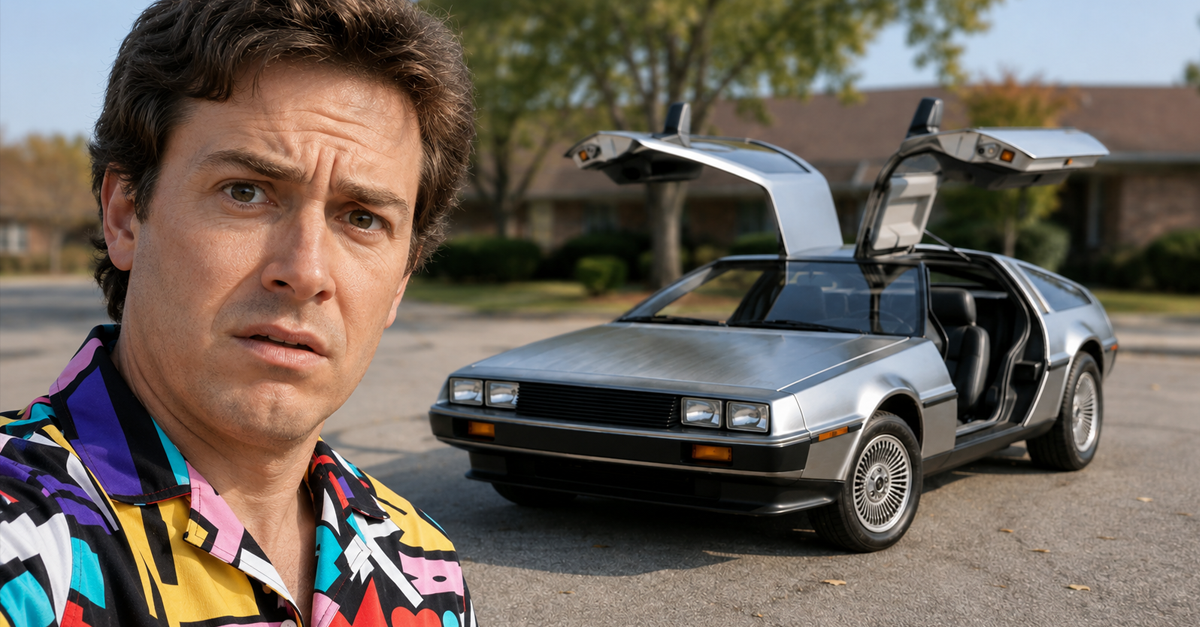
The 1980s gave buyers pop-up headlights, dramatic spoilers, digital dashboards, and enough body cladding to decorate a small airport. Unfortunately, many engines were still recovering from tighter emissions rules, fuel-economy demands, and the engineering compromises of the previous decade. The result was a memorable group of cars that promised considerably more excitement than they delivered.
1982 Chevrolet Camaro Sport Coupe
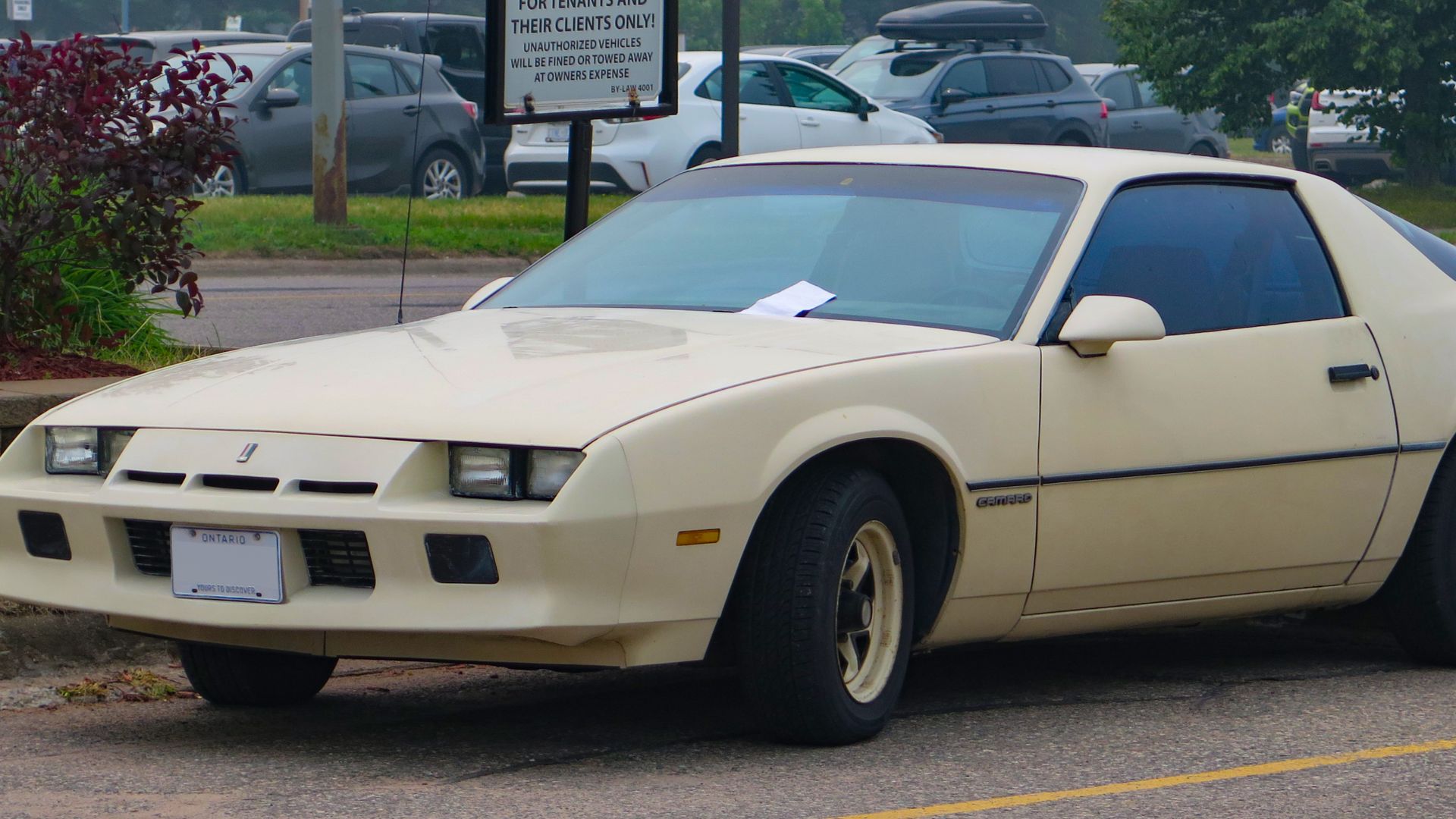
Few cars demonstrate the decade’s performance gap better than the redesigned 1982 Camaro. The base Sport Coupe could be ordered with GM’s 2.5-liter Iron Duke four-cylinder, which produced only 90 horsepower despite the Camaro’s sharply angled bodywork. Chevrolet had created one of the most modern-looking American coupes on the road, but this version struggled to live up to the shape.
1982 Pontiac Firebird
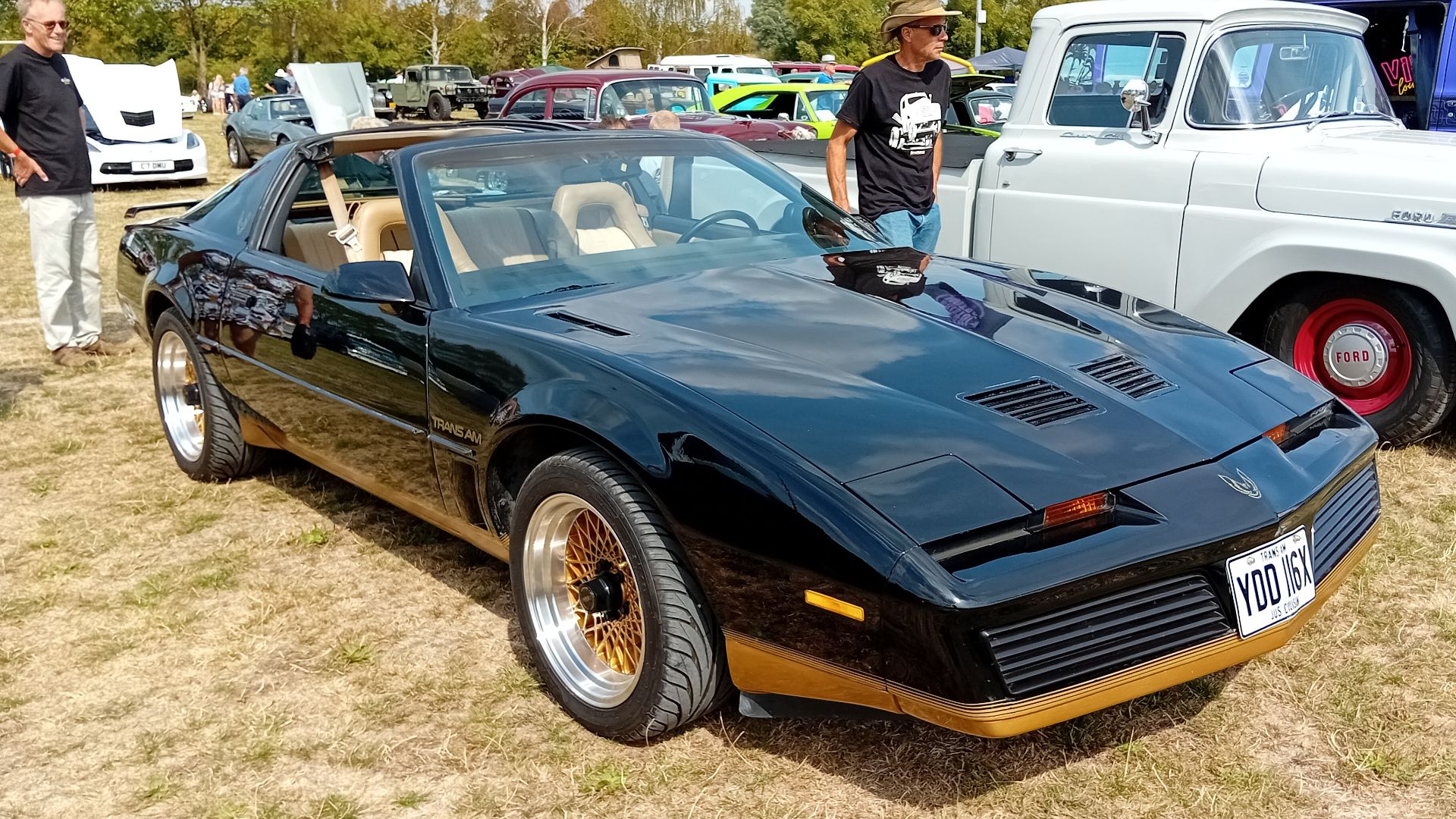
The third-generation Firebird arrived with an aerodynamic body, hidden headlights, and unmistakable sports-car proportions. Like the Camaro, however, its base engine was a 90-horsepower 2.5-liter four-cylinder. Pontiac offered substantially stronger versions, but the entry-level car proved that aggressive styling did not guarantee aggressive acceleration.
 hugh llewelyn, Wikimedia Commons
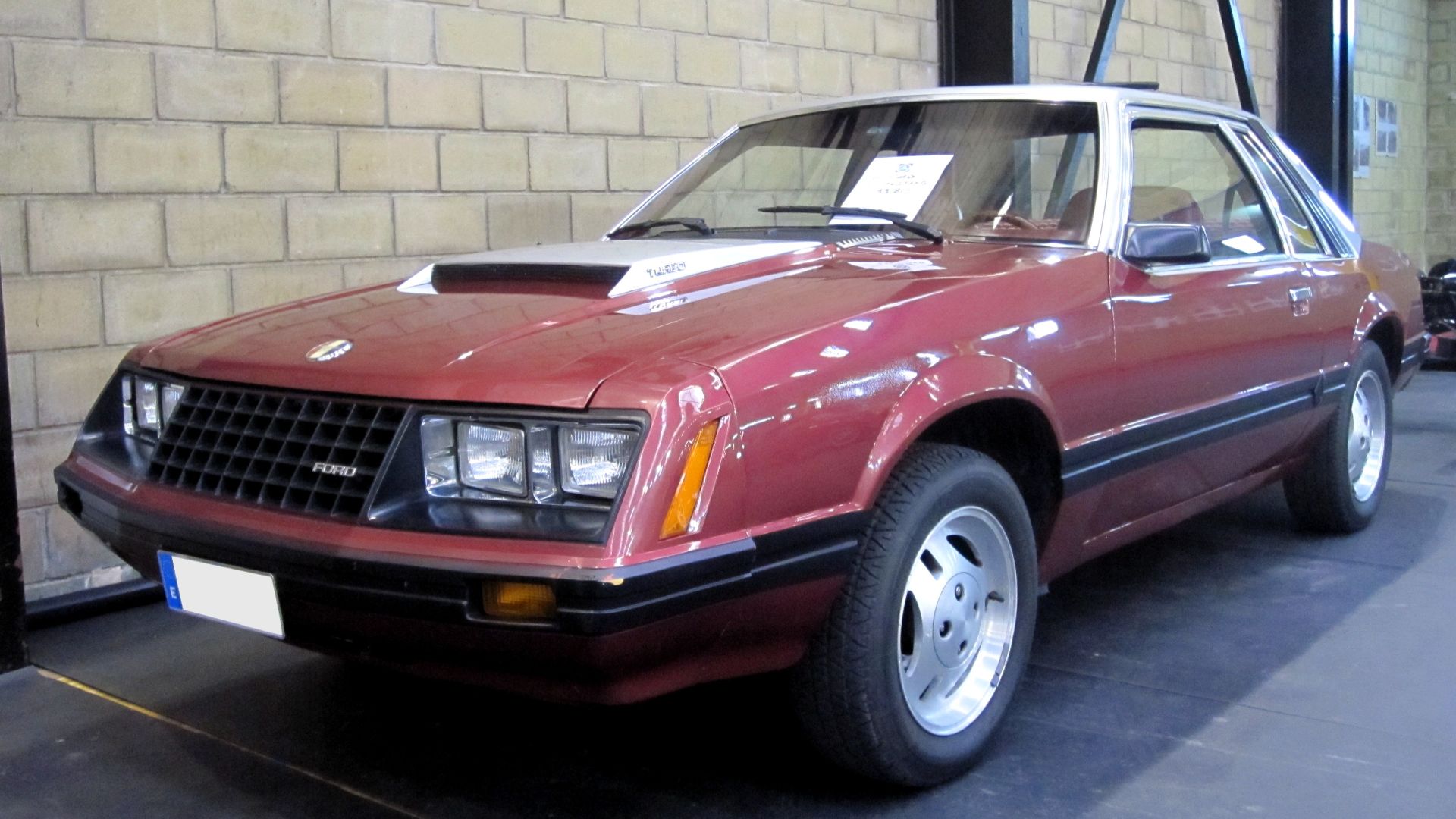
1980 Ford Mustang
The Fox-body Mustang looked leaner and more purposeful than many cars of its era. Buyers who selected the naturally aspirated 2.3-liter four-cylinder received only 88 horsepower for 1980. The turbocharged model offered more promise, but the ordinary four-cylinder Mustang had difficulty backing up its famous badge.
 Spanish Coches, Wikimedia Commons
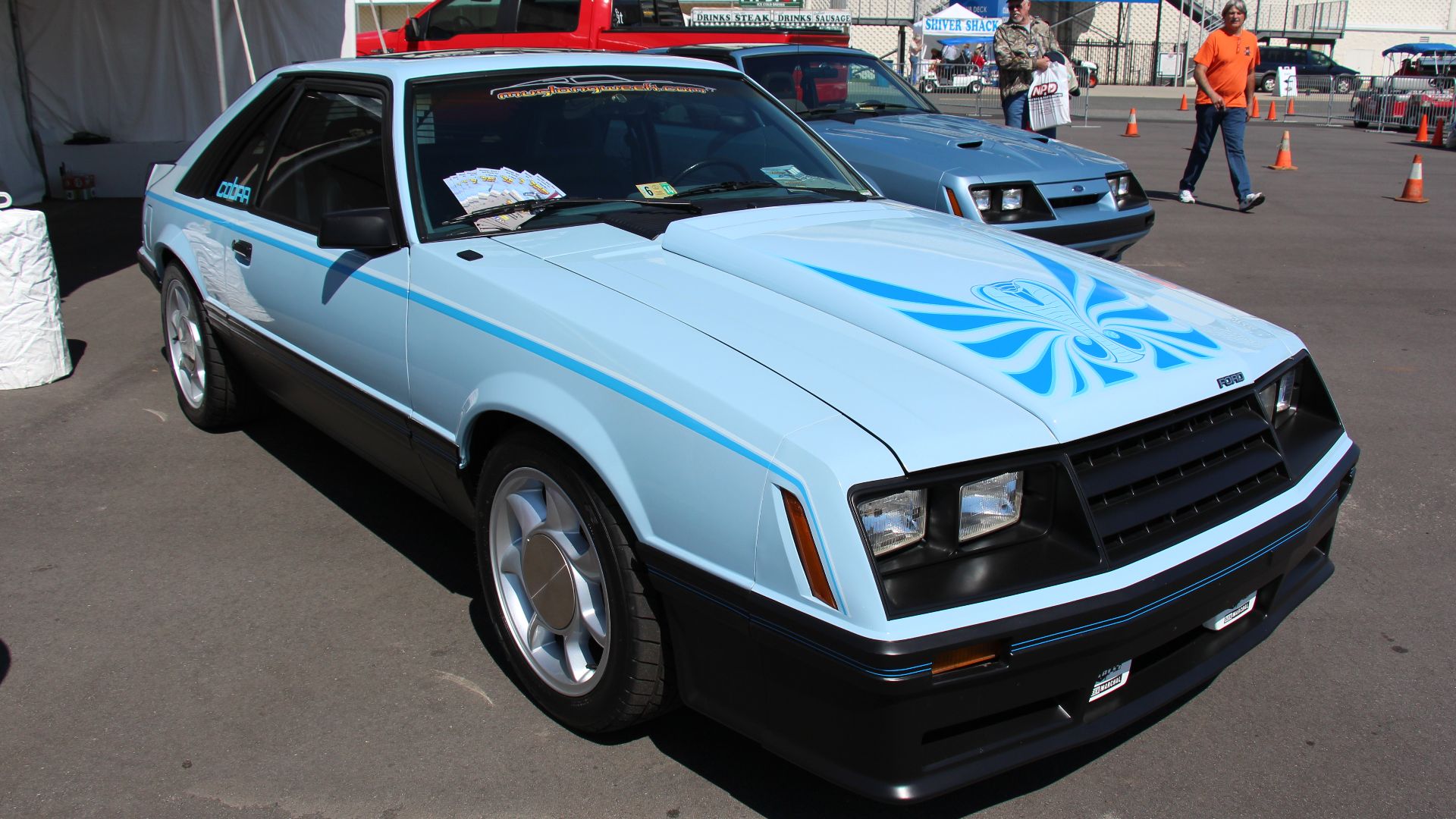
1981 Ford Mustang Cobra
The Cobra name and aggressive graphics created serious expectations, but the 1981 Mustang Cobra could be equipped with Ford’s 4.2-liter V8. That engine produced only 115 horsepower, despite having eight cylinders and a performance-oriented badge. The car looked far more intimidating than its specifications suggested.
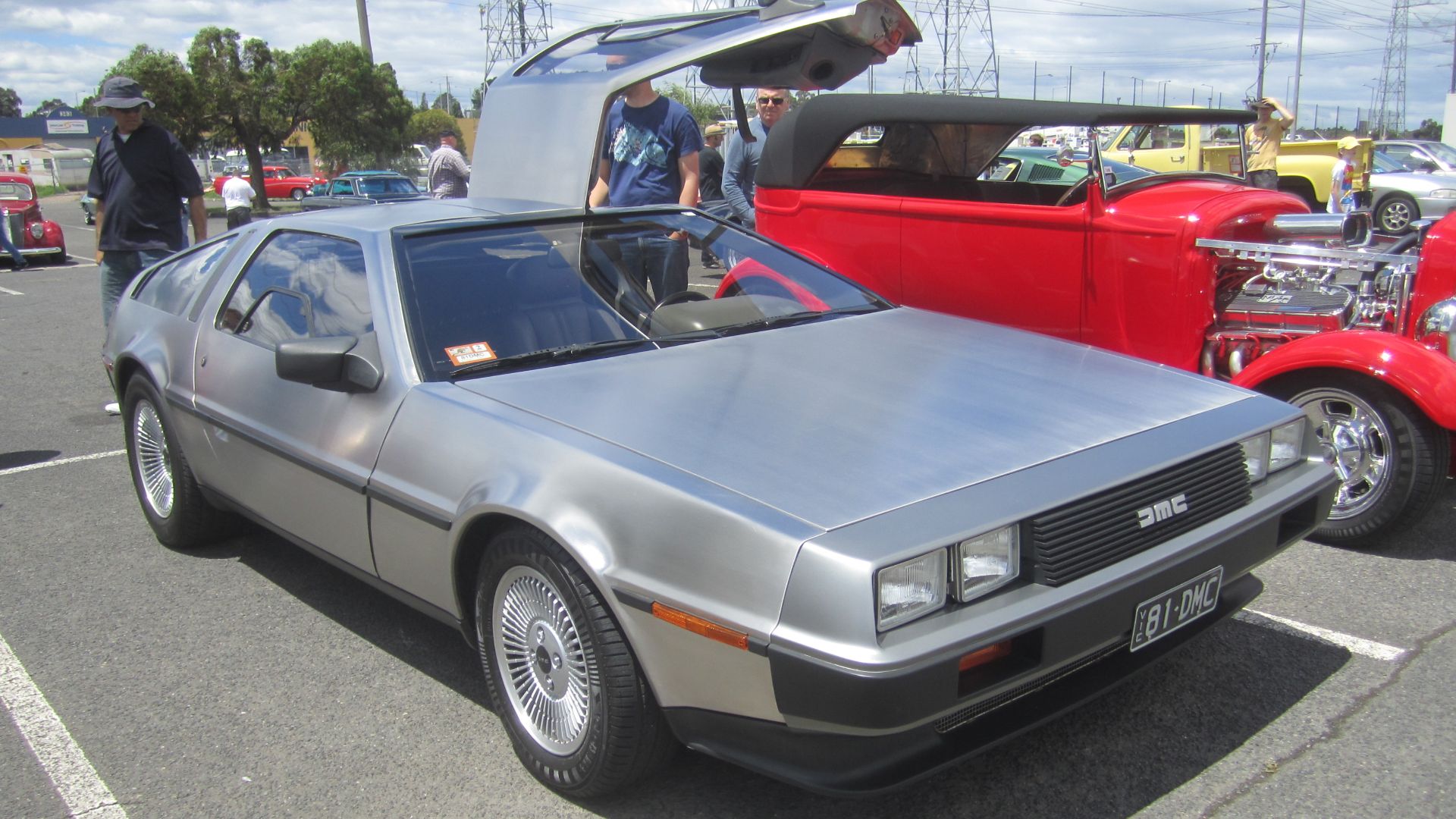
1981 DeLorean DMC-12
The DeLorean combined a stainless-steel body, gullwing doors, and styling by Giorgetto Giugiaro. Its 2.85-liter V6 produced only 130 horsepower, and Car and Driver recorded a 9.5-second run to 60 mph. Few cars have ever created such an enormous gap between visual drama and actual acceleration.
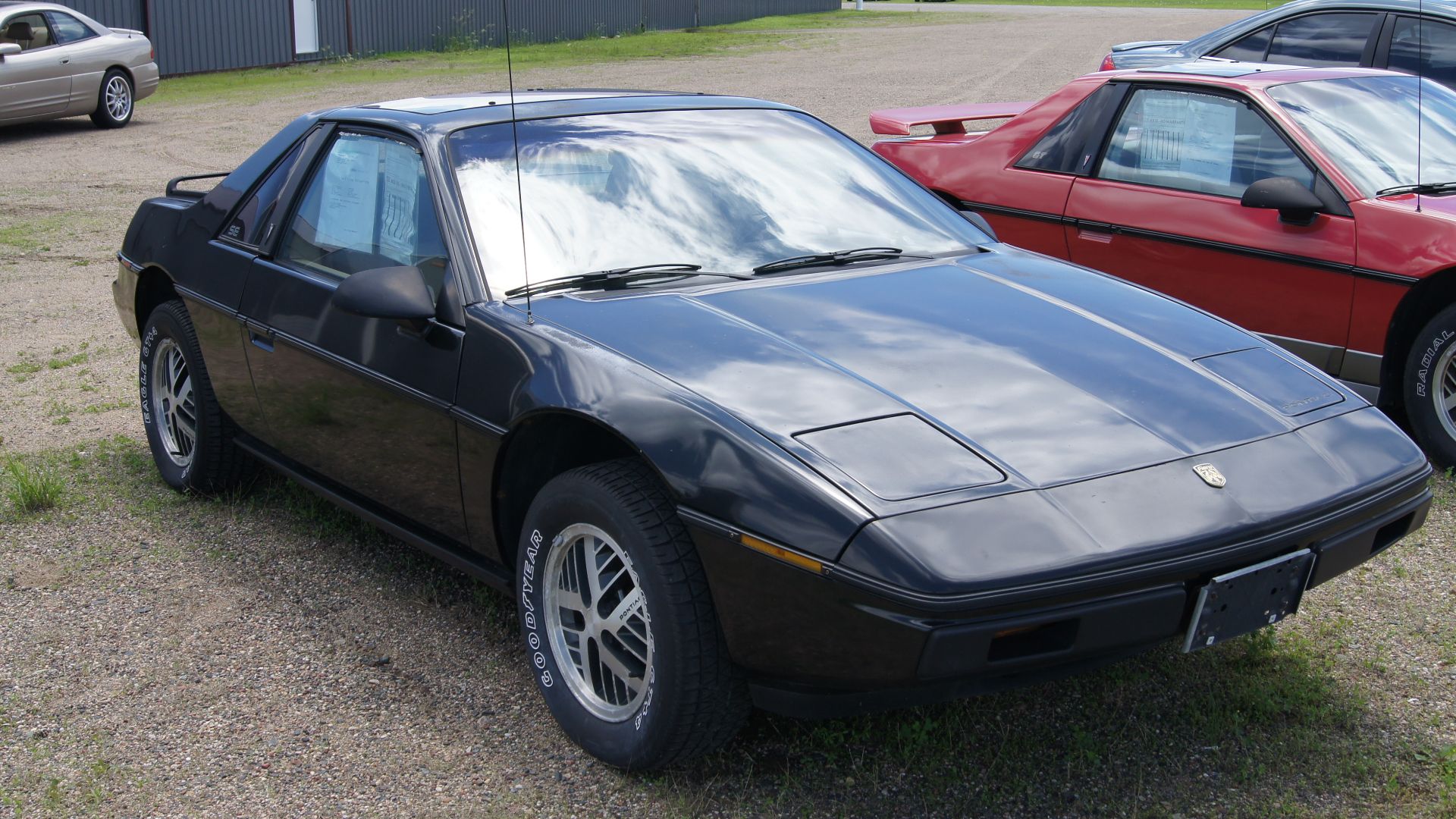
1984 Pontiac Fiero
With two seats, a wedge-shaped body, and its engine mounted behind the passenger compartment, the original Fiero had the basic ingredients of an exotic sports car. The 2.5-liter four-cylinder produced only 92 horsepower. Pontiac positioned the early Fiero primarily as an efficient commuter, even though its body encouraged much faster expectations.
 Greg Gjerdingen from Willmar, USA, Wikimedia Commons
1981 Chevrolet Corvette
Few cars created bigger expectations than the Chevrolet Corvette, especially with its long hood and curving fenders. By 1981, however, its 5.7-liter V8 produced 190 horsepower in the only available factory configuration. That output was respectable for the period, but surprisingly mild for a car with the Corvette’s appearance and reputation.
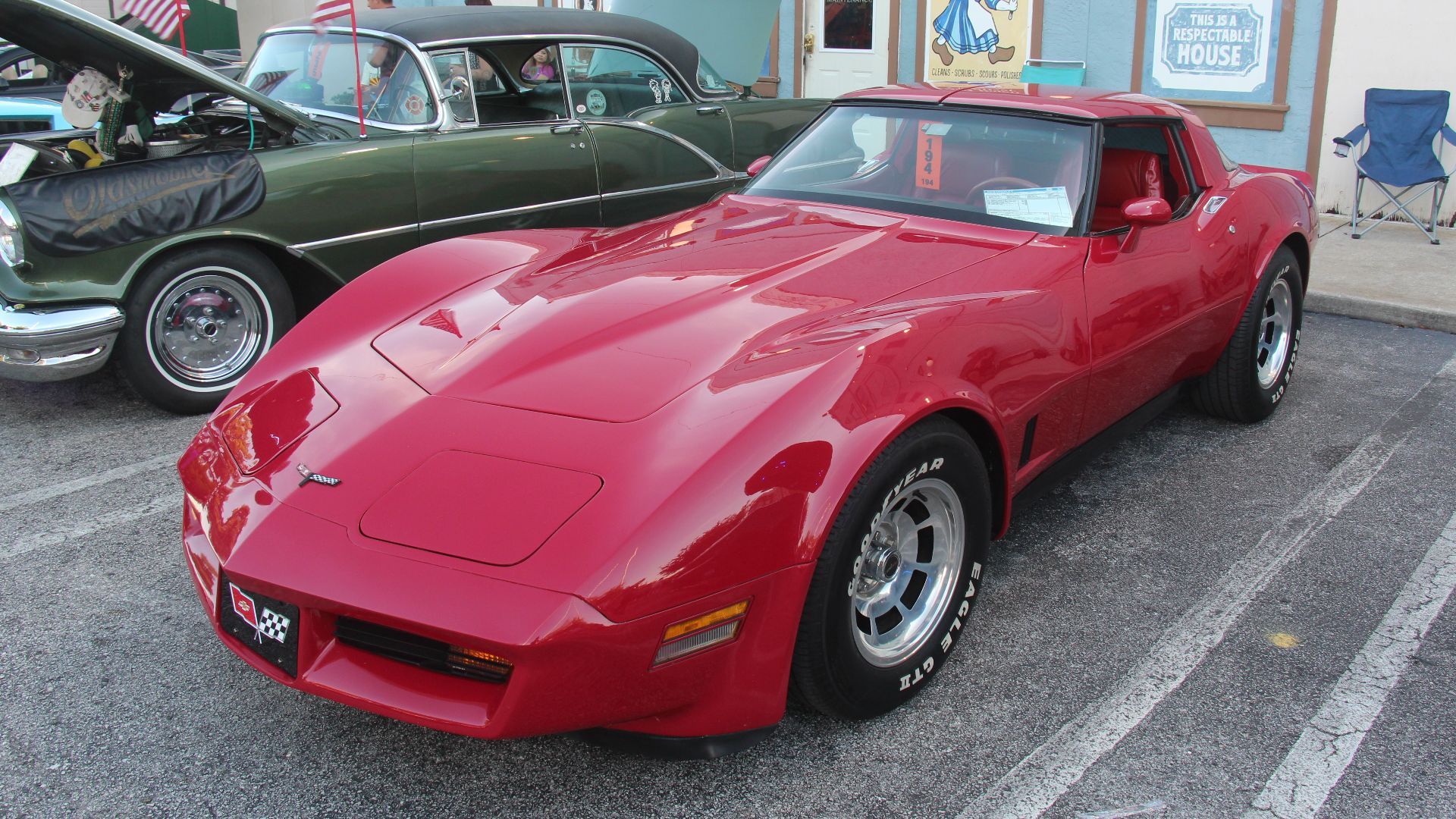
1980 Pontiac Trans Am Turbo
A hood-mounted turbo graphic and the Trans Am’s flamboyant body kit created serious expectations. Its turbocharged 4.9-liter V8 was rated at 210 horsepower, but contemporary tests placed acceleration to 60 mph at roughly nine seconds. Turbo lag, an automatic transmission, and significant curb weight prevented the car from feeling as explosive as it looked.
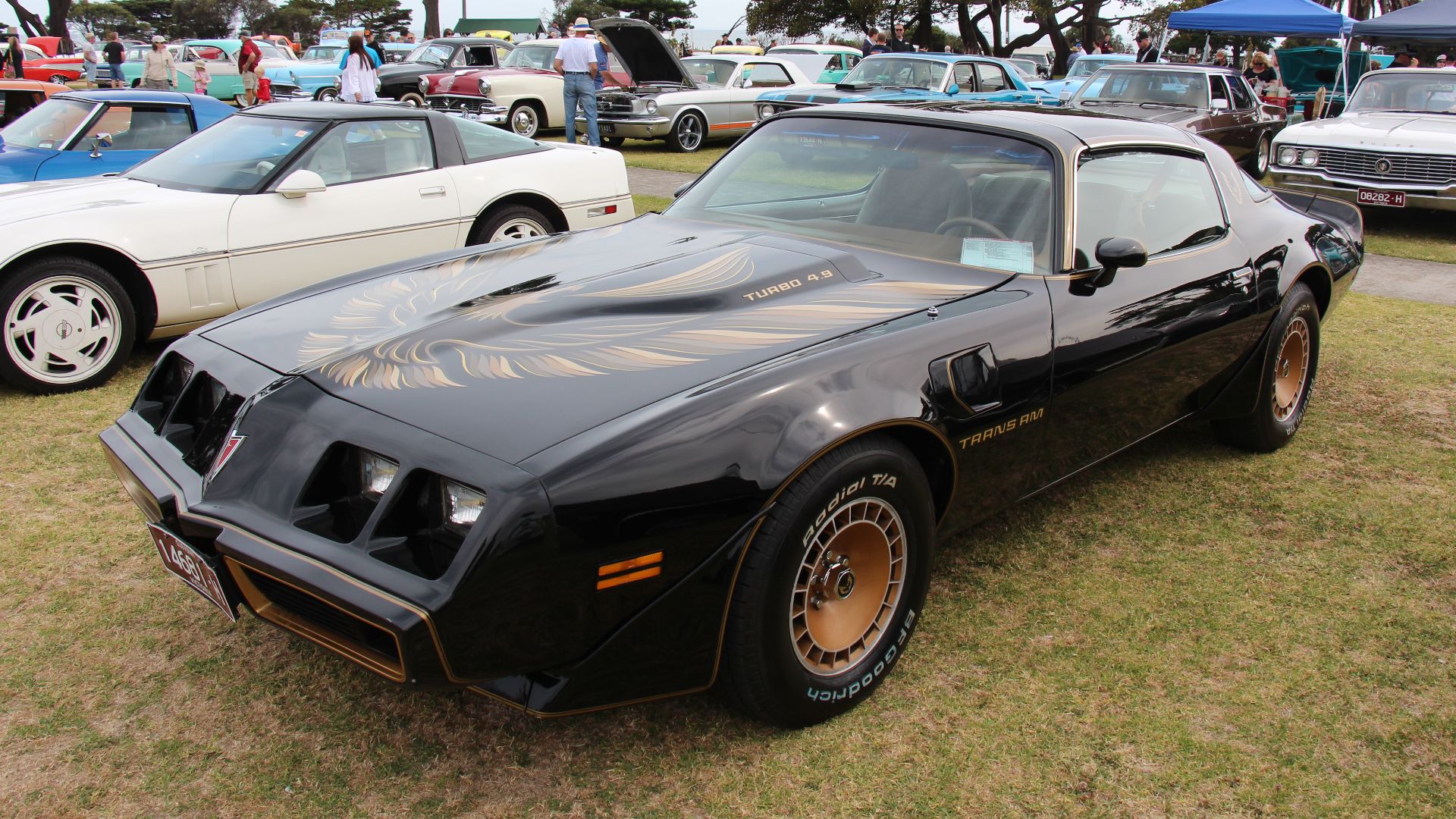
1980 MGB Limited Edition
The black MGB Limited Edition added stripes, alloy wheels, a front spoiler, and a luggage rack to an already attractive British roadster. Federalized examples were down to approximately 62 horsepower by the end of production. The appearance celebrated the sports-car life, while the acceleration encouraged drivers to enjoy the scenery.
 Oleg Yunakov, Wikimedia Commons
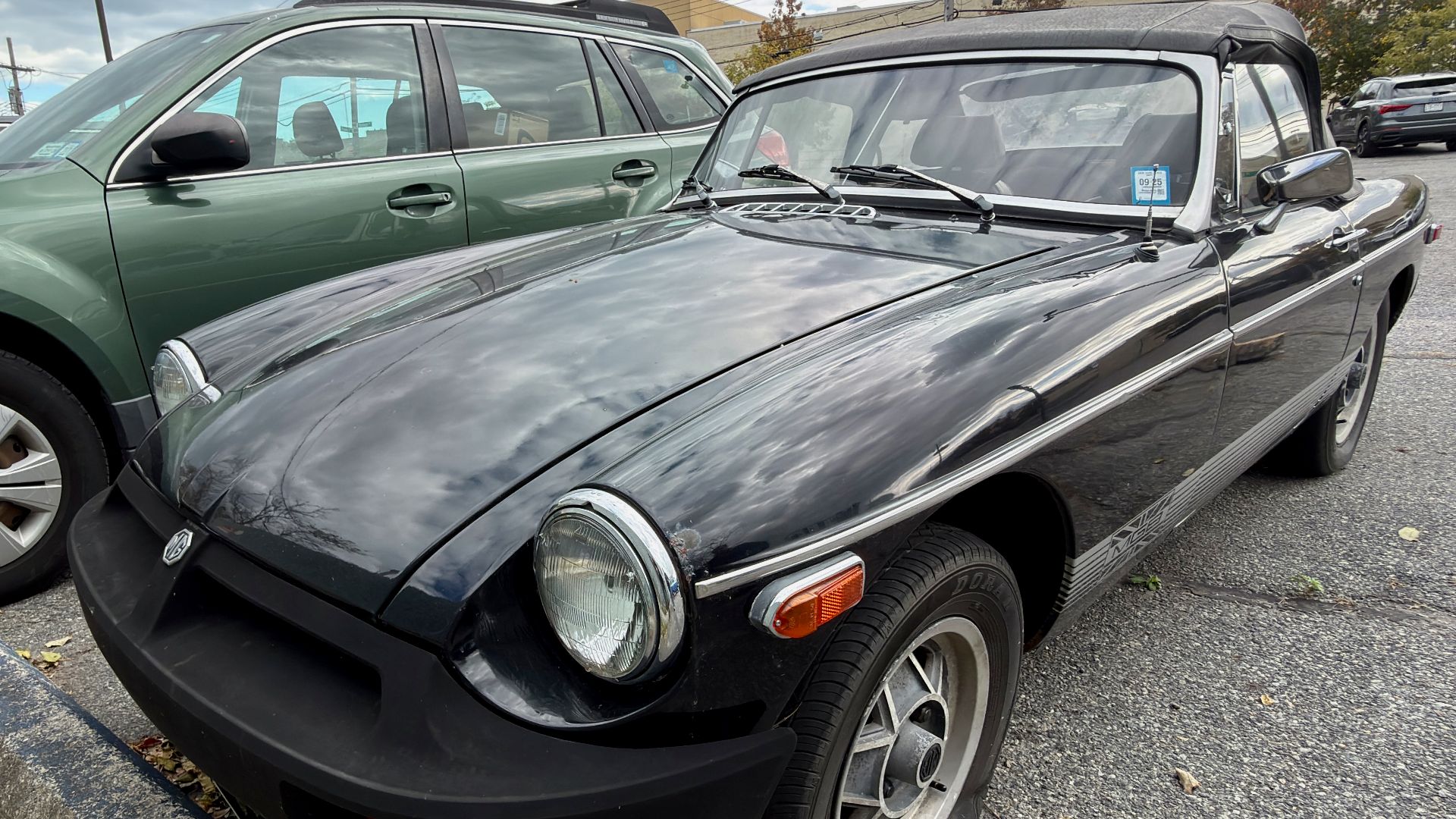
1980 Triumph TR7
Triumph’s wedge-shaped TR7 looked startlingly futuristic when it appeared. American-market cars near the end of production made approximately 88 horsepower from their 2.0-liter four-cylinder engines. Its styling implied tomorrow’s performance, but the standard TR7 remained far less energetic than the
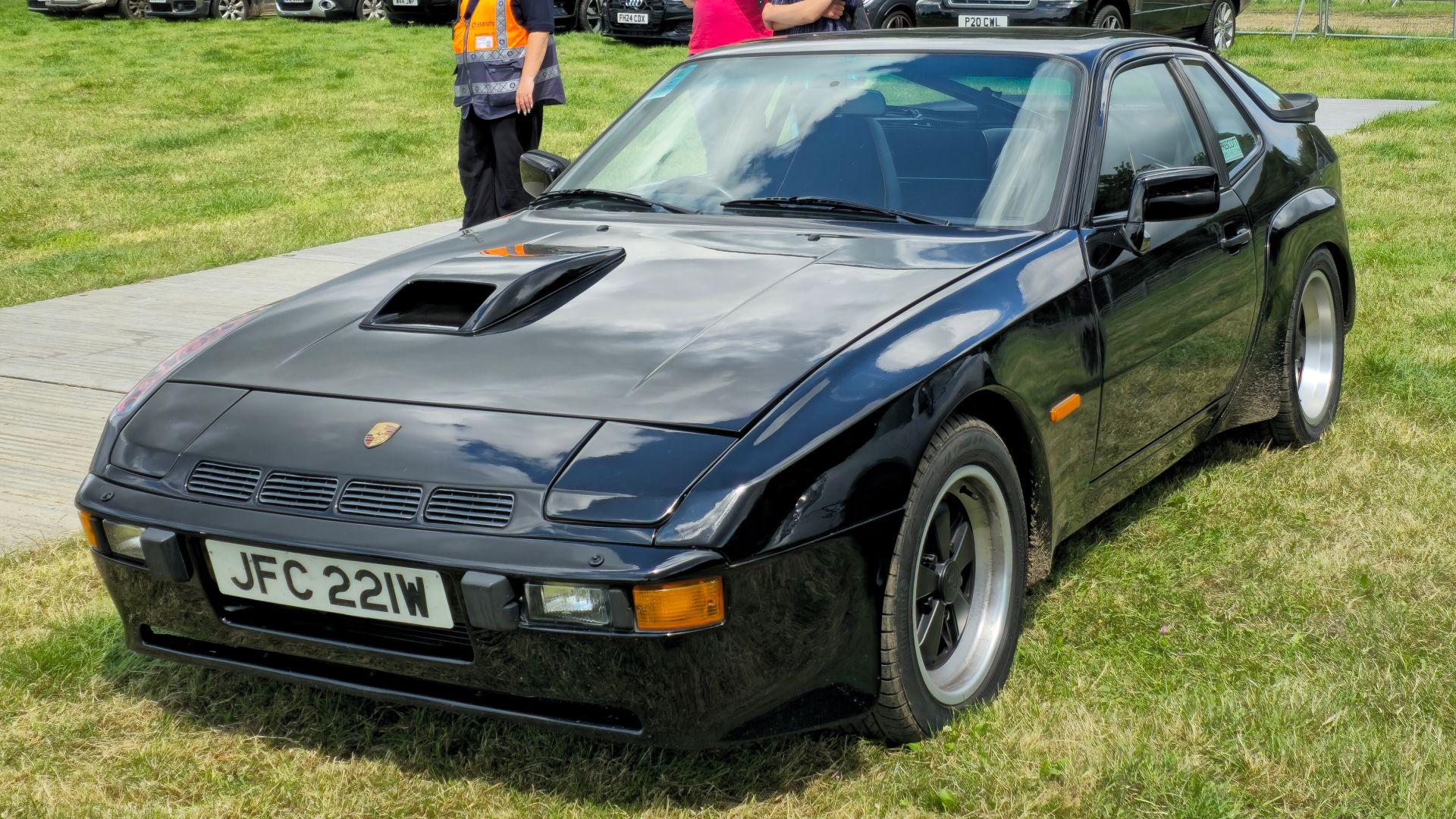
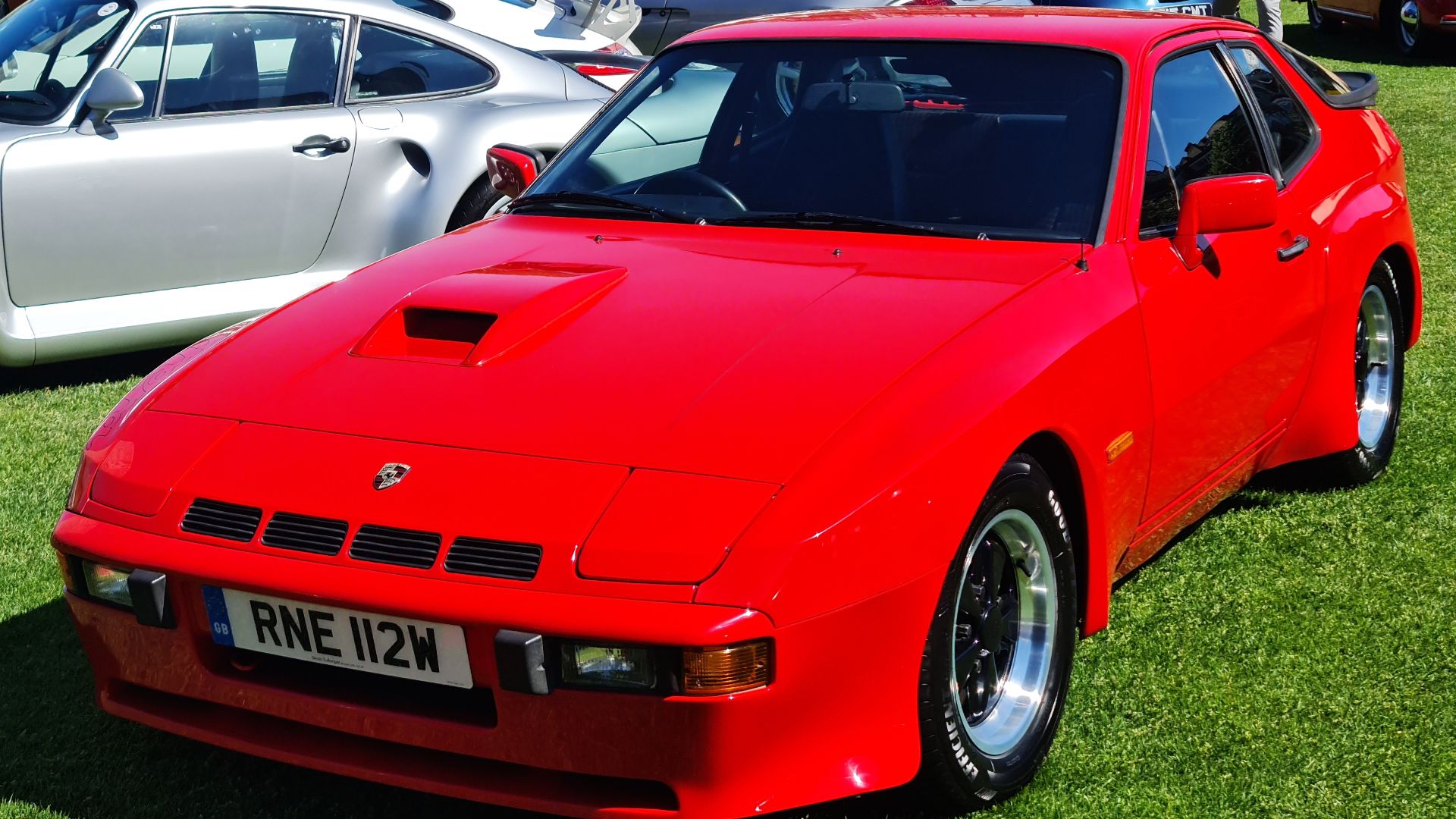
1980 Porsche 924
The 924 looked every bit like a modern Porsche, thanks to its low nose, pop-up headlights, and practical hatchback profile. The U.S.-market 2.0-liter engine produced approximately 110 horsepower during this period. Its balanced handling helped, but the standard 924 never accelerated with the urgency its badge and shape implied.
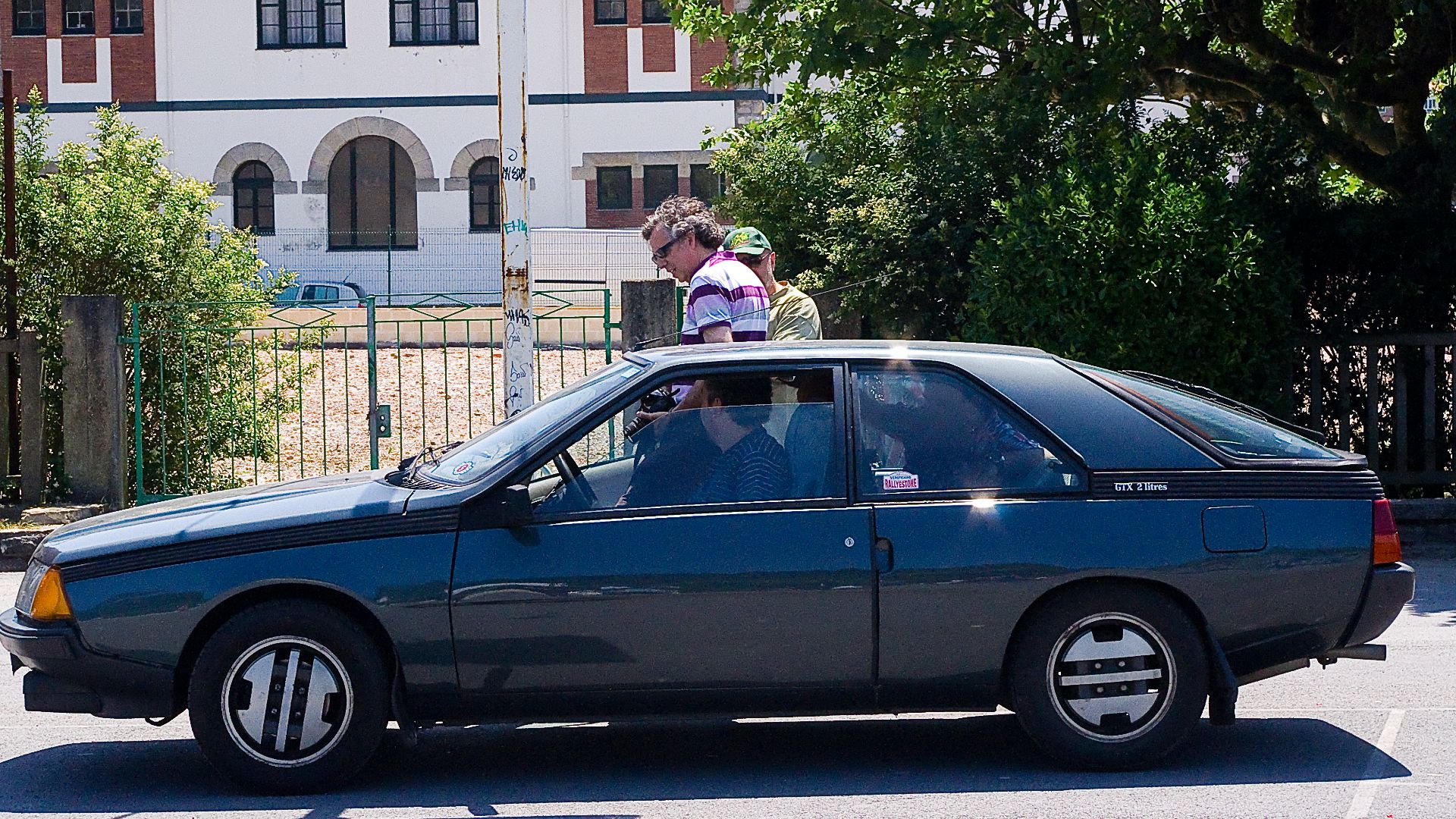
1981 Renault Fuego
Even the name Fuego sounded exciting, and Renault gave the coupe a remarkably aerodynamic body with a 0.35 drag coefficient. The initial U.S.-market 1.6-liter engine produced roughly 82 horsepower. A later turbo model improved matters, but the standard car’s futuristic styling wrote checks its engine struggled to cash.
 Spanish Coches, Wikimedia Commons
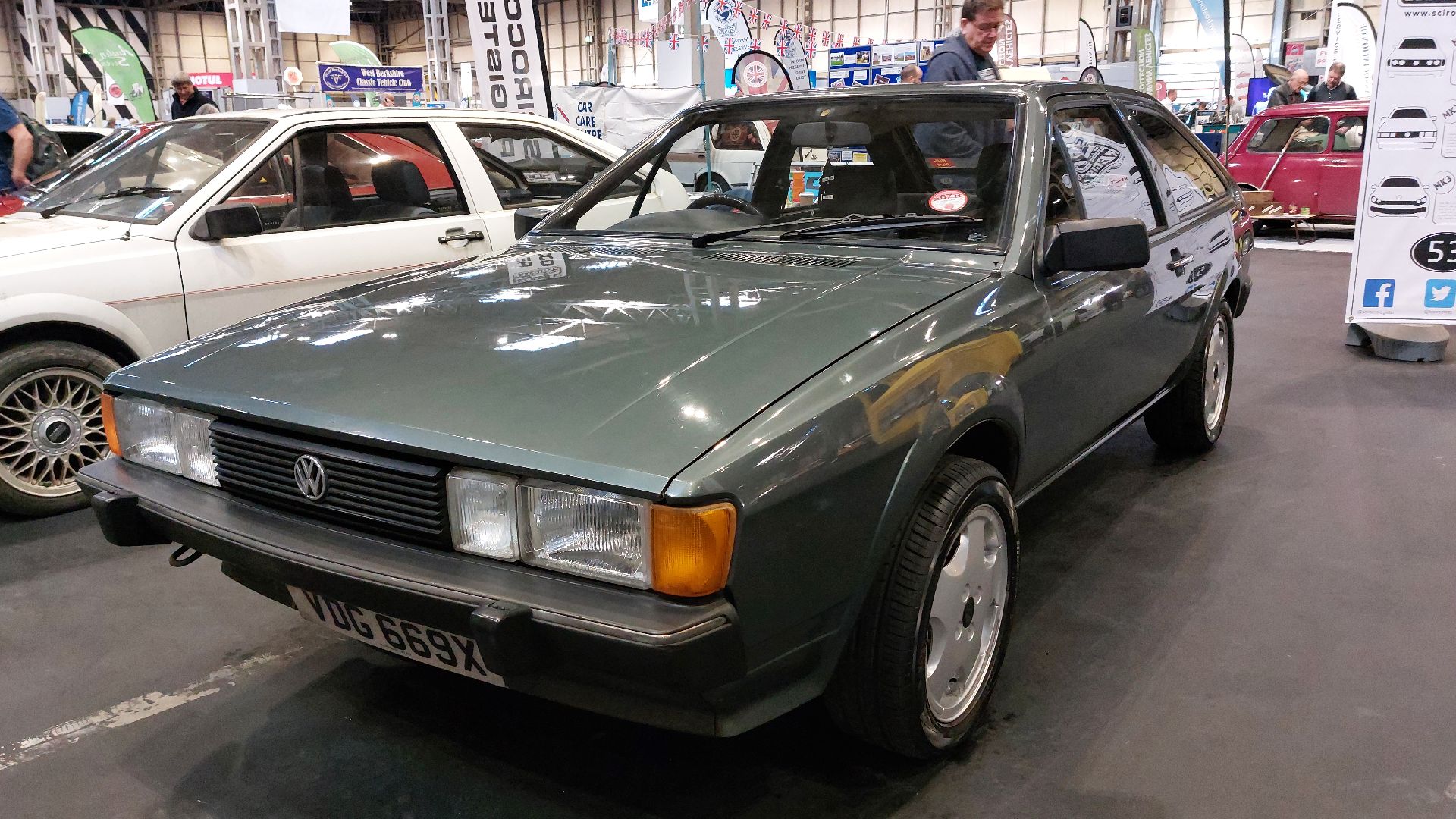
1982 Volkswagen Scirocco
The second-generation Scirocco resembled a compact European performance coupe, complete with a sloping nose and rear spoiler. Its U.S.-market 1.7-liter engine generated only 74 horsepower. Car and Driver praised the chassis but noted that it felt underpowered and could benefit from another 20 horsepower.
 kieranwhite599, Wikimedia Commons
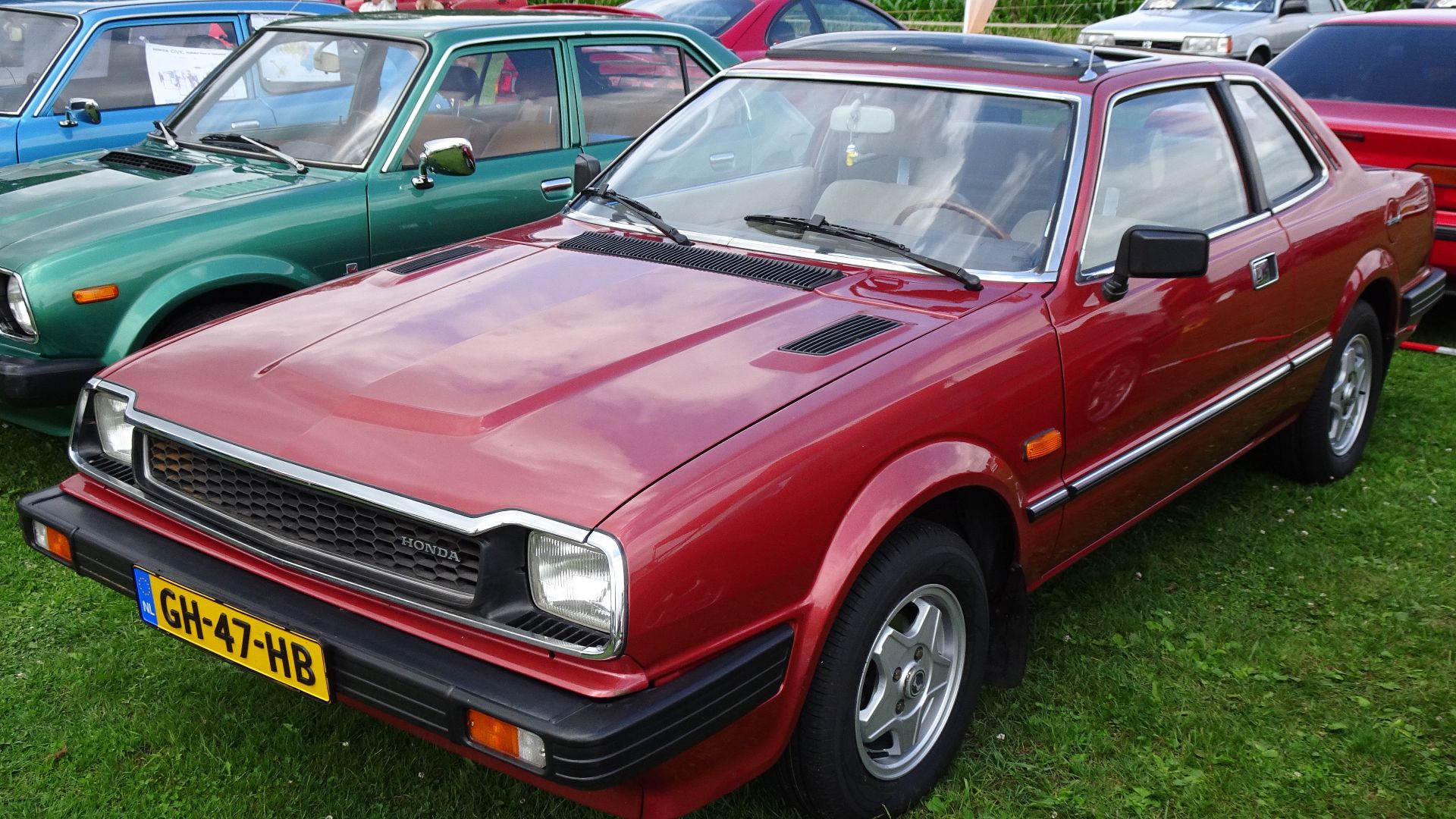
1980 Honda Prelude
Honda’s original Prelude combined a low beltline, two-door styling, and a sporty driving position. In the United States, its 1.8-liter four-cylinder produced roughly 72 horsepower. The Prelude was light, economical, and pleasant to drive, but it was nowhere near as quick as its later descendants.
 Andrew Bone, Wikimedia Commons
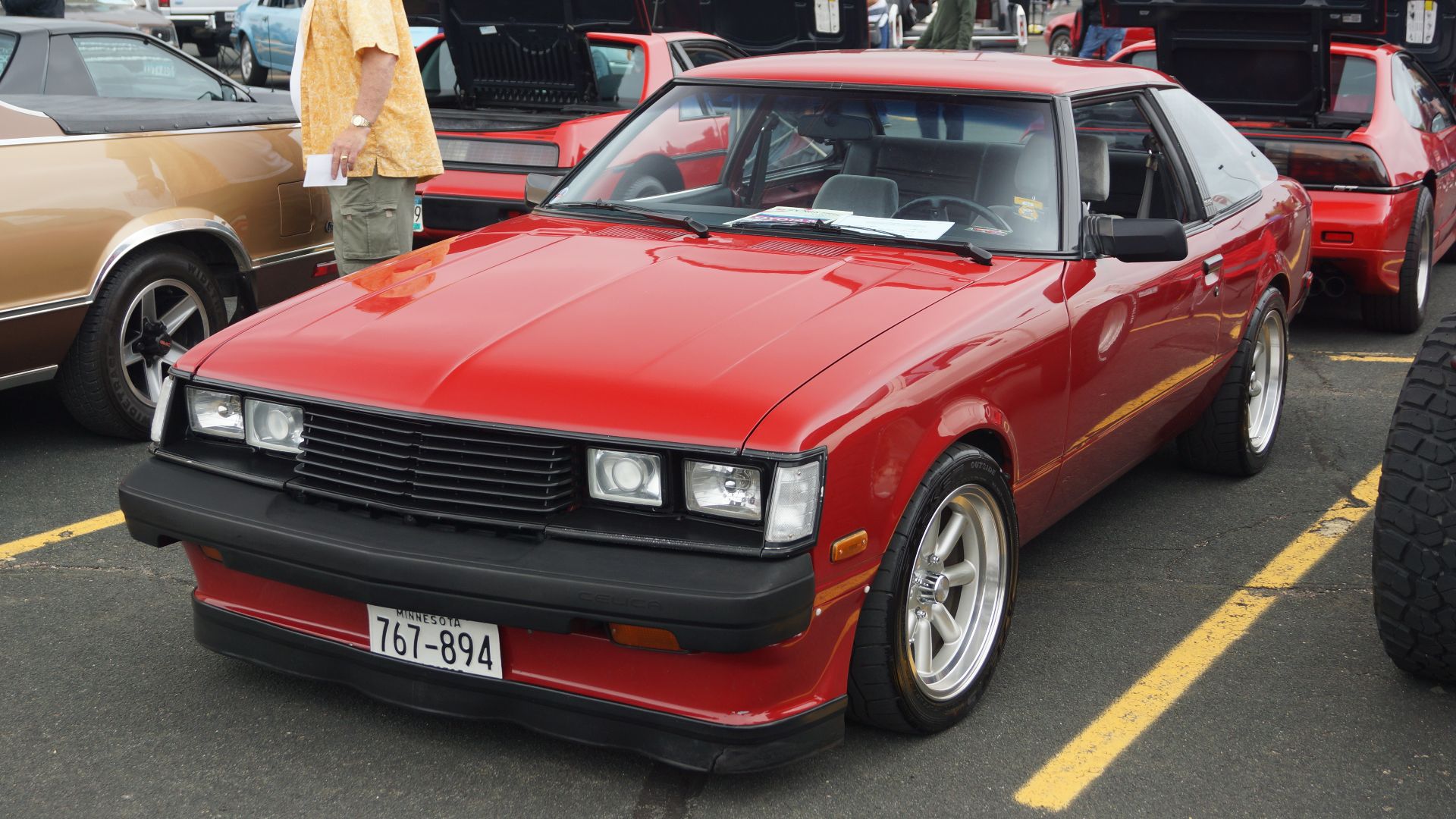
1980 Toyota Celica ST
The Celica entered the decade with rear-wheel drive and unmistakable sports-coupe proportions. The entry-level ST used a 2.2-liter four-cylinder that produced less than 100 horsepower in U.S. specification. It offered durability and style, but drivers looking for strong acceleration needed to keep their expectations modest.
 Greg Gjerdingen, Wikimedia Commons
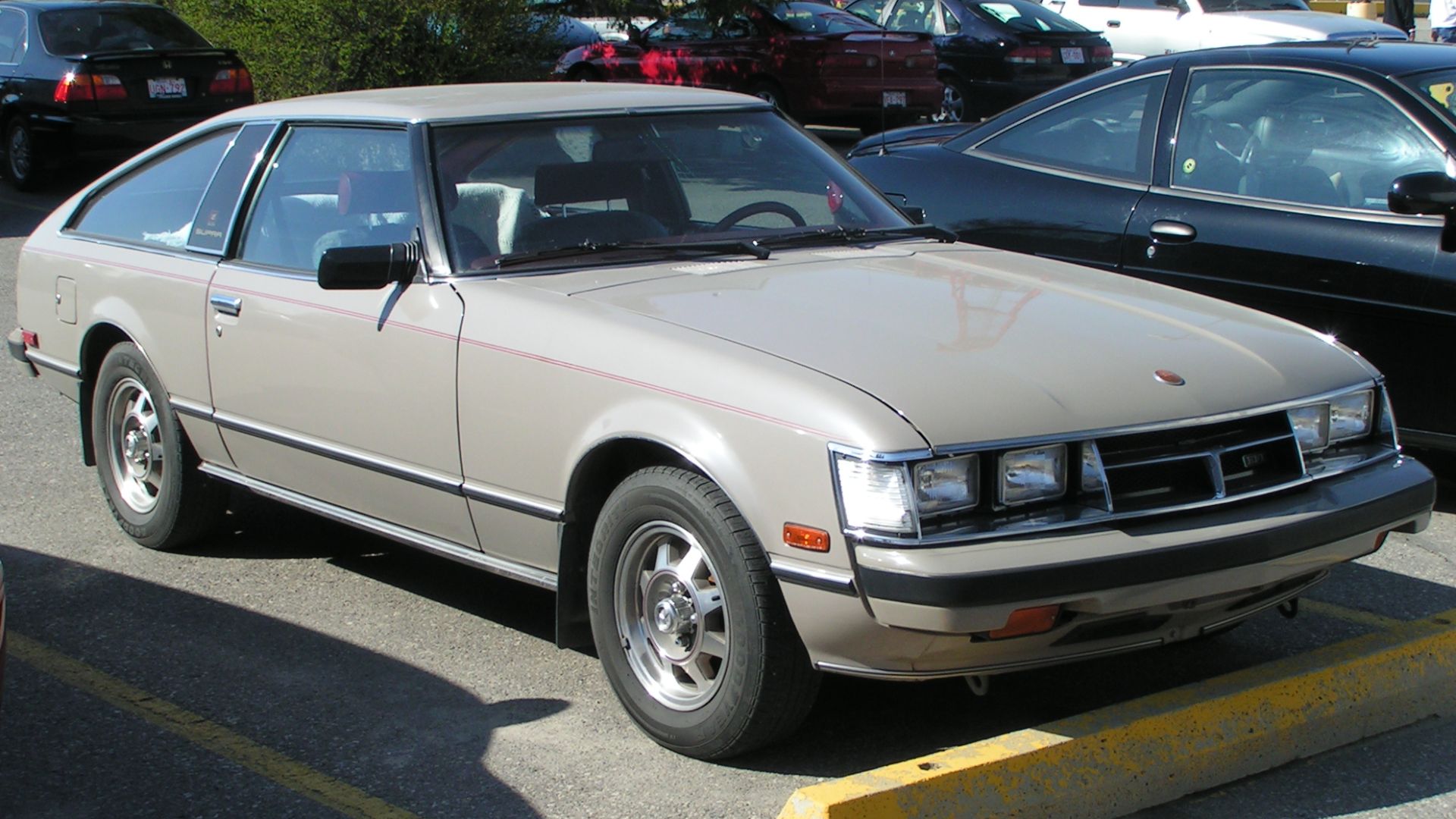
1980 Toyota Celica Supra
The early Supra added a longer nose, an inline-six engine, and more equipment to the Celica formula. Its 2.6-liter engine produced 110 horsepower for the 1980 model year, rising to 116 horsepower in 1981. Those numbers sound remarkably restrained beside the high-performance reputation the Supra name later acquired.
 dave_7 from Lethbridge, Canada, Wikimedia Commons
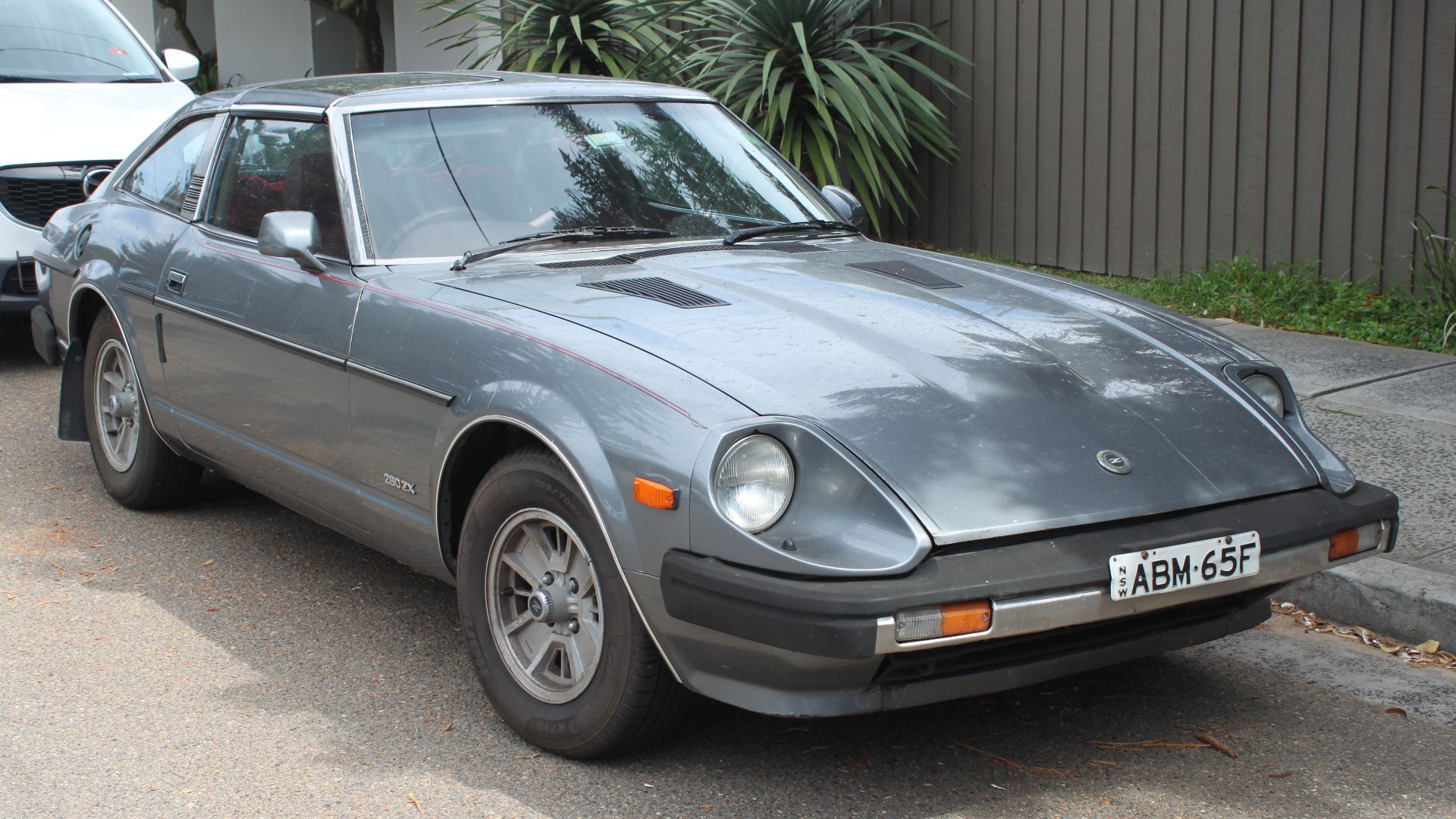
1981 Datsun 280ZX
The 280ZX had a long hood, a fastback roof, and styling that clearly descended from the original 240Z. In naturally aspirated form, its 2.8-liter inline-six produced 135 horsepower for 1981. The ZX emphasized comfort and grand-touring refinement, so its visual aggression did not always translate into startling acceleration.
 Jeremy from Sydney, Australia, Wikimedia Commons
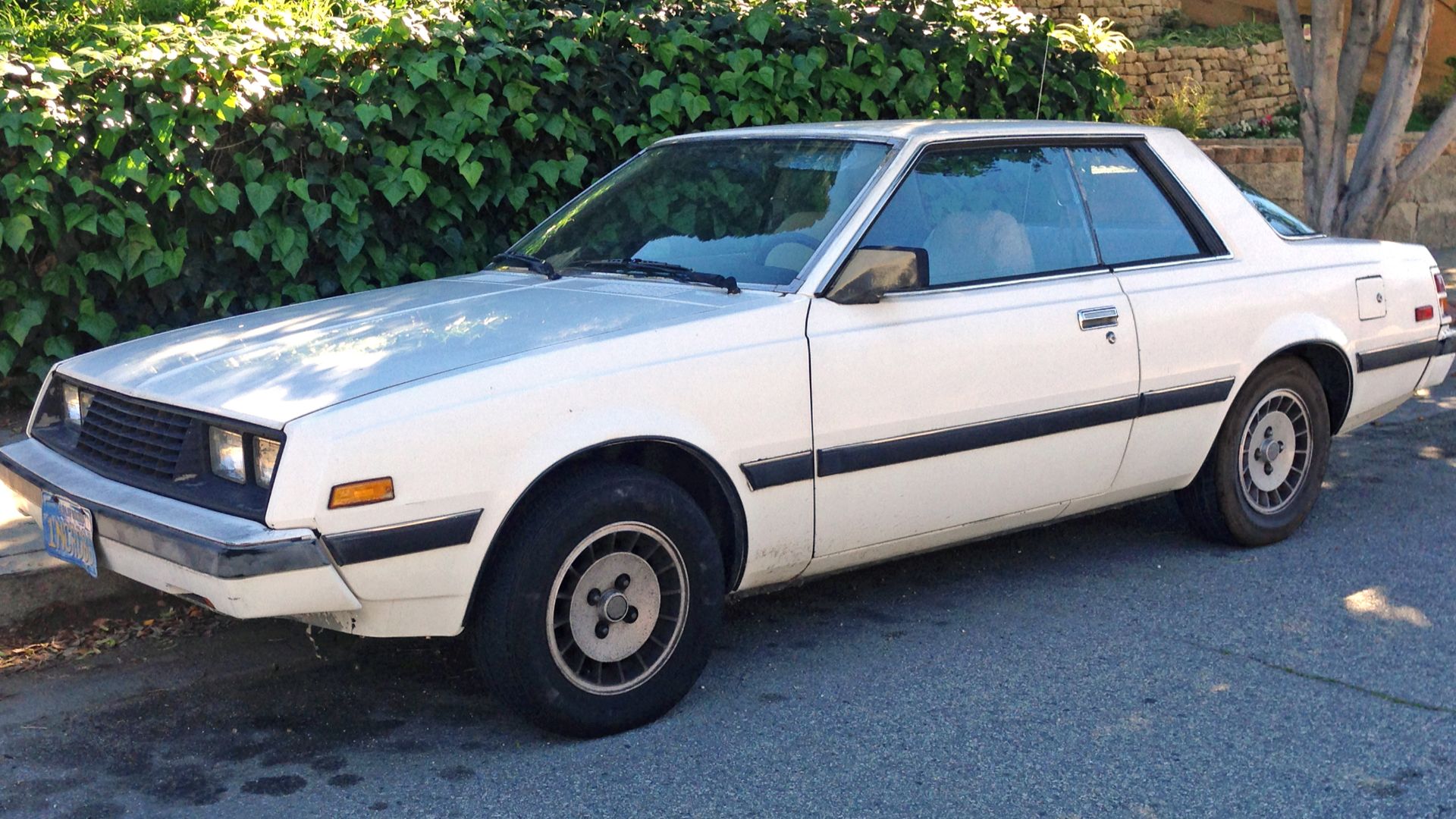
1981 Dodge Challenger
Dodge revived the Challenger name for a compact coupe imported from Mitsubishi. Its wedge-shaped body and available stripes recalled performance cars, but even the larger 2.6-liter four-cylinder produced only about 105 horsepower. The famous badge carried considerably more muscle than the car underneath it.
 Mr.choppers, Wikimedia Commons
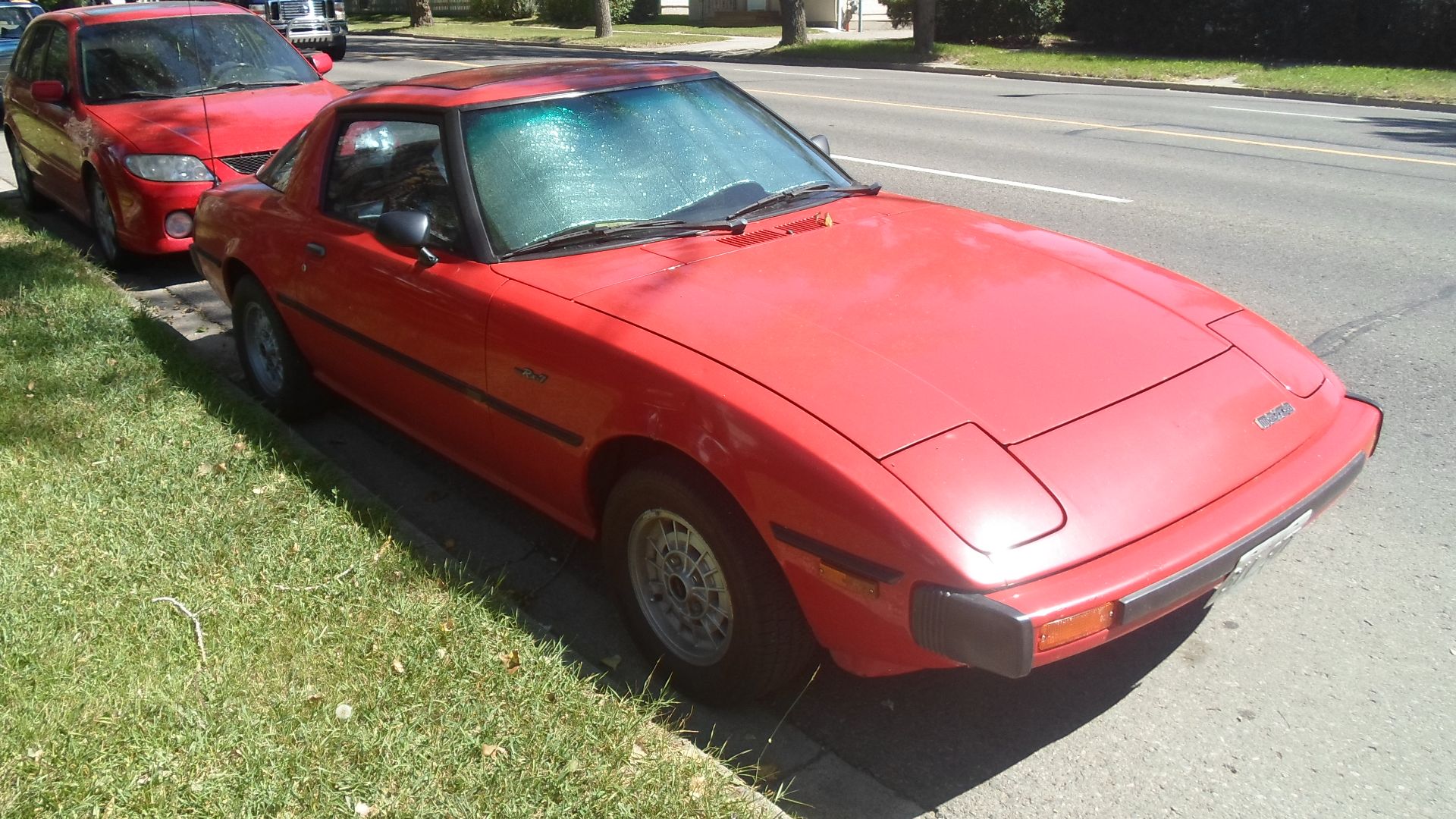
1980 Mazda RX-7
The first-generation RX-7 looked like a miniature exotic, with pop-up headlights and a low, flowing profile. Its 1.1-liter rotary engine produced 100 horsepower in 1980. Low weight and responsive handling made it entertaining, but its straight-line pace was modest by modern sports-car standards.
 dave_7 from Lethbridge, Canada, Wikimedia Commons
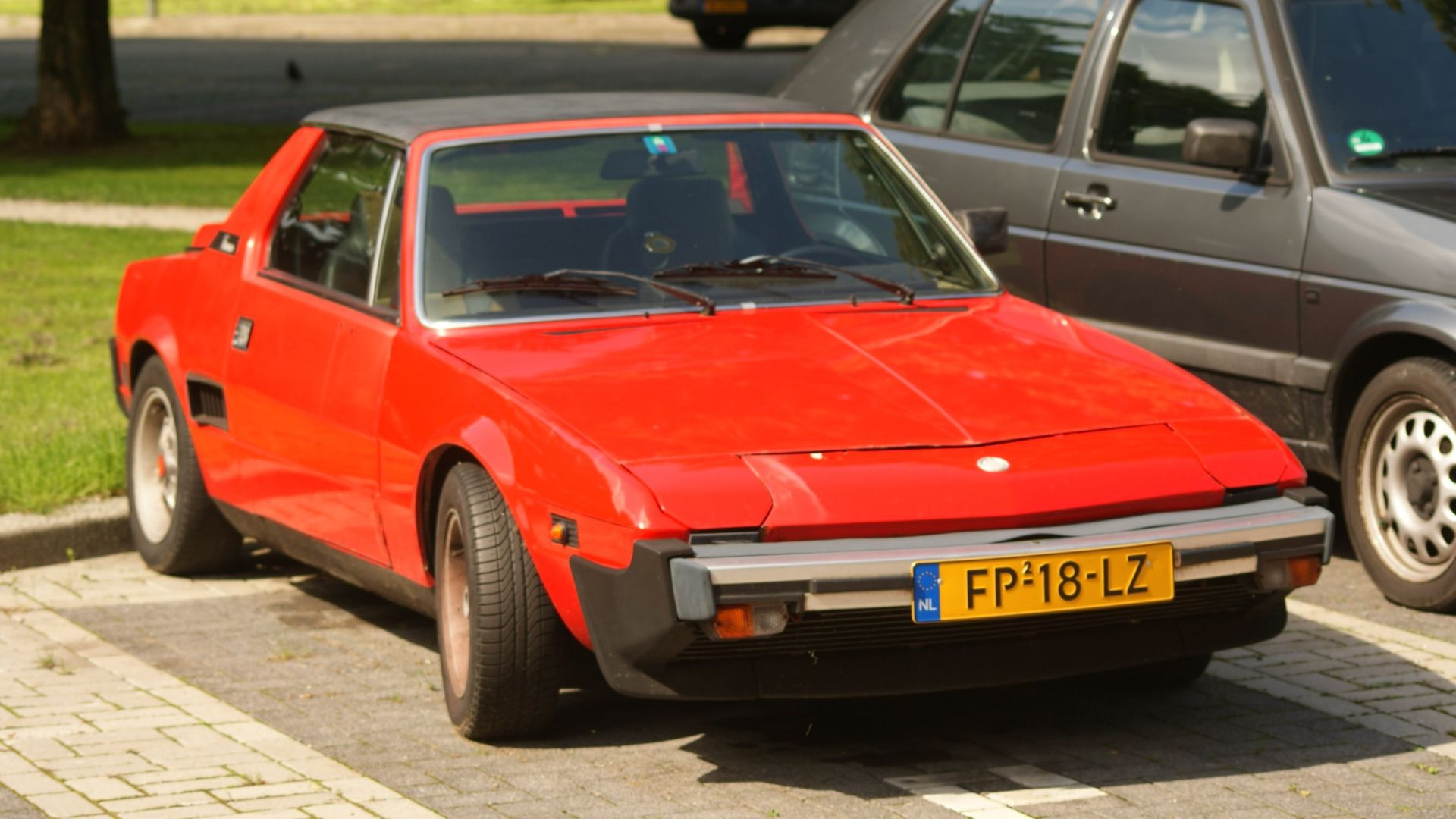
1980 Fiat X1/9
The X1/9 offered Bertone styling, a removable roof panel, and a mid-engine layout at an attainable price. U.S. versions entered the decade with a 1.5-liter engine producing roughly 75 horsepower. It was agile and charming, but passing slower traffic often required planning.
 Niels de Wit from Lunteren, The Netherlands, Wikimedia Commons
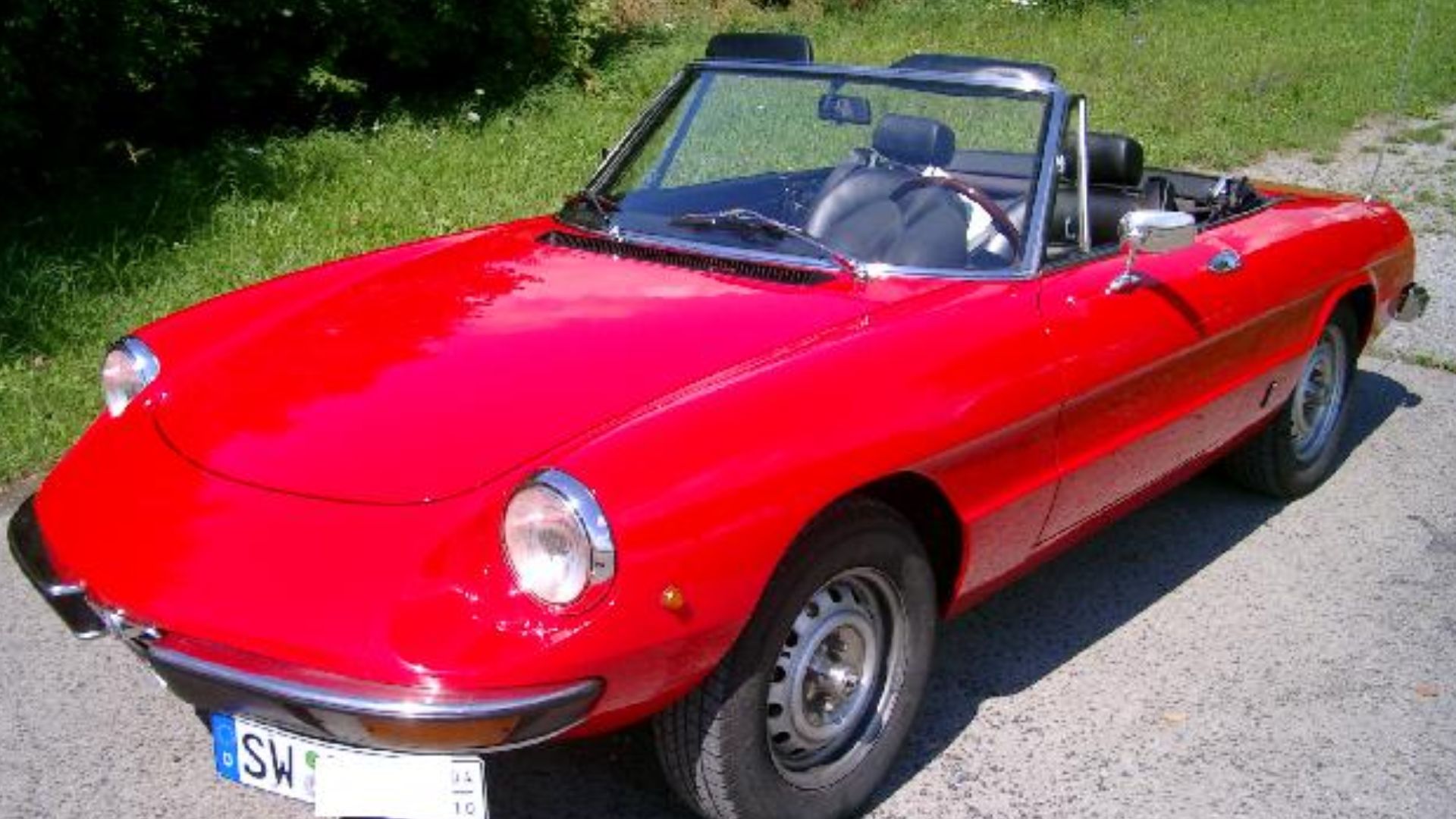
1981 Alfa Romeo Spider Veloce
The Alfa Romeo Spider had the flowing bodywork and open-air character expected from an Italian sports car. Its fuel-injected 2.0-liter four-cylinder produced approximately 115 horsepower in U.S. specification. The Spider delivered atmosphere and responsive handling, but acceleration was never as dramatic as its appearance.
 Maka99 at German Wikipedia (Original text: privat), Wikimedia Commons
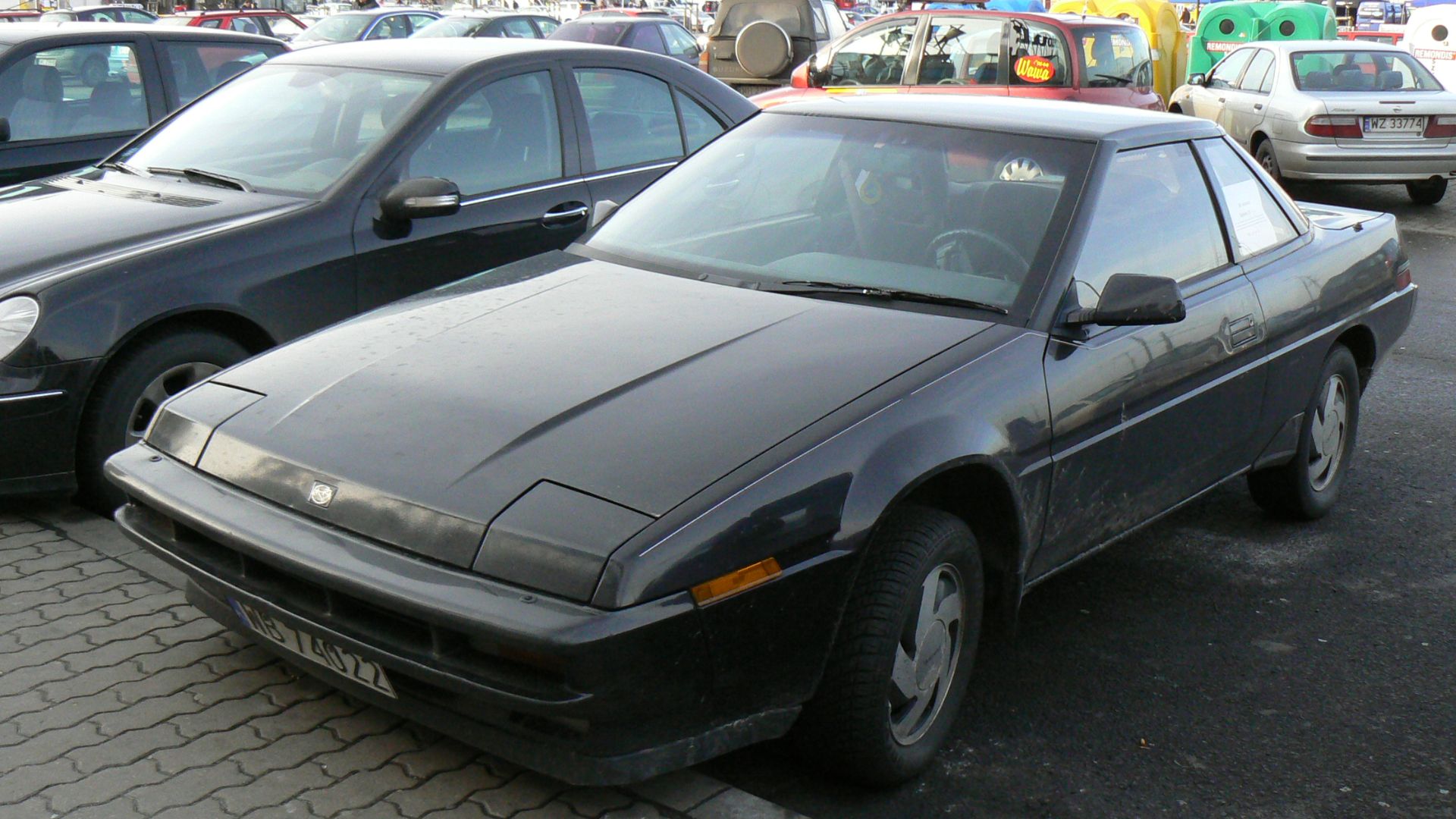
1985 Subaru XT
The Subaru XT looked like it had landed from the future, thanks to its wedge profile, hidden headlights, and aircraft-inspired cockpit. The naturally aspirated 1.8-liter flat-four produced just 94 horsepower. A turbocharged version was available, but the base XT was far more aerodynamic than it was fast.
 Maggot666PL, Wikimedia Commons
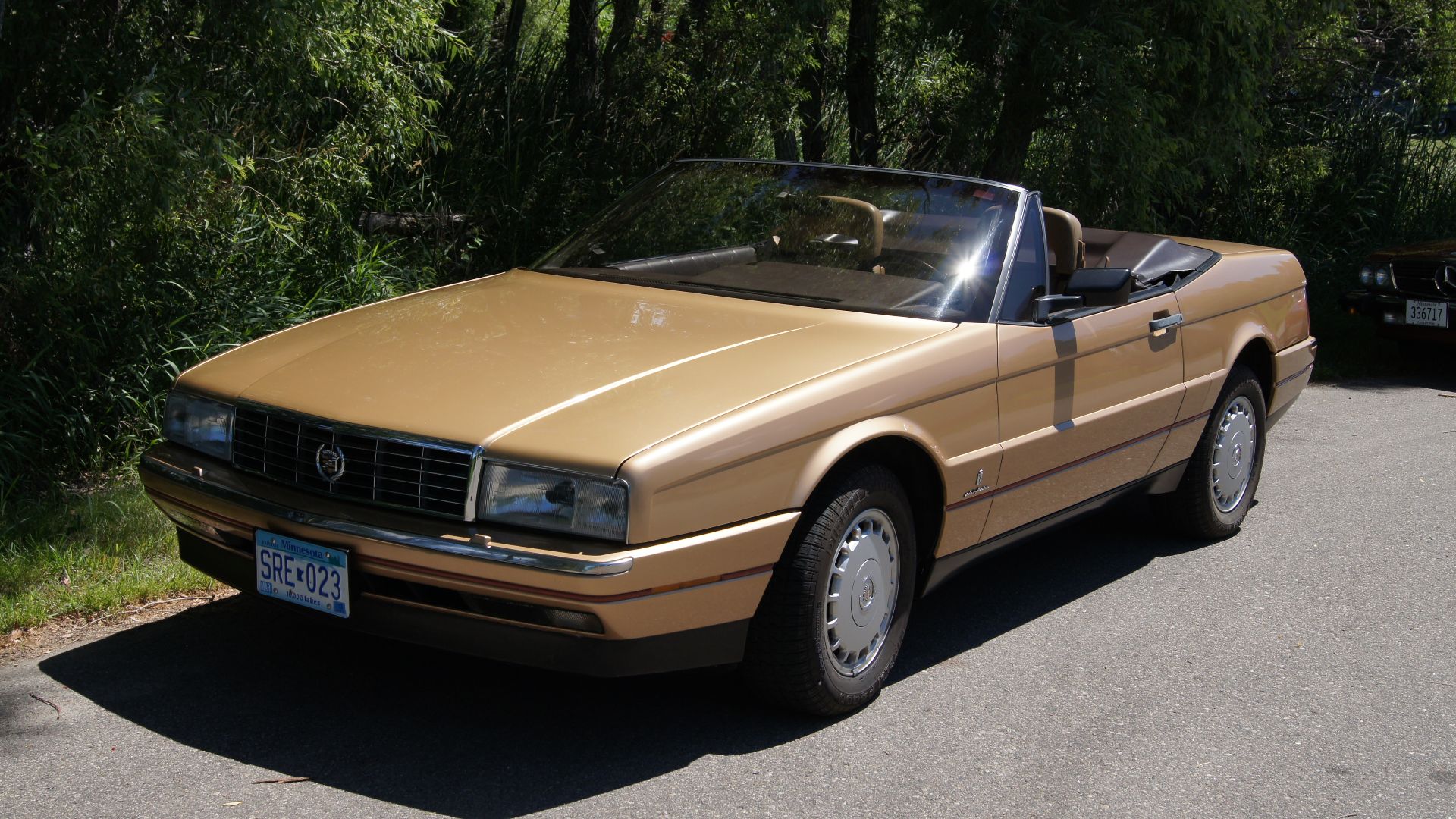
1987 Cadillac Allanté
The Allanté featured a Pininfarina-designed body that was built in Italy before being flown to Detroit for final assembly. Its original 4.1-liter V8 produced 170 horsepower, despite the car’s exotic appearance and premium positioning. Cadillac created a striking luxury roadster, but it did not initially deliver sports-car acceleration.
 Greg Gjerdingen from Willmar, USA, Wikimedia Commons
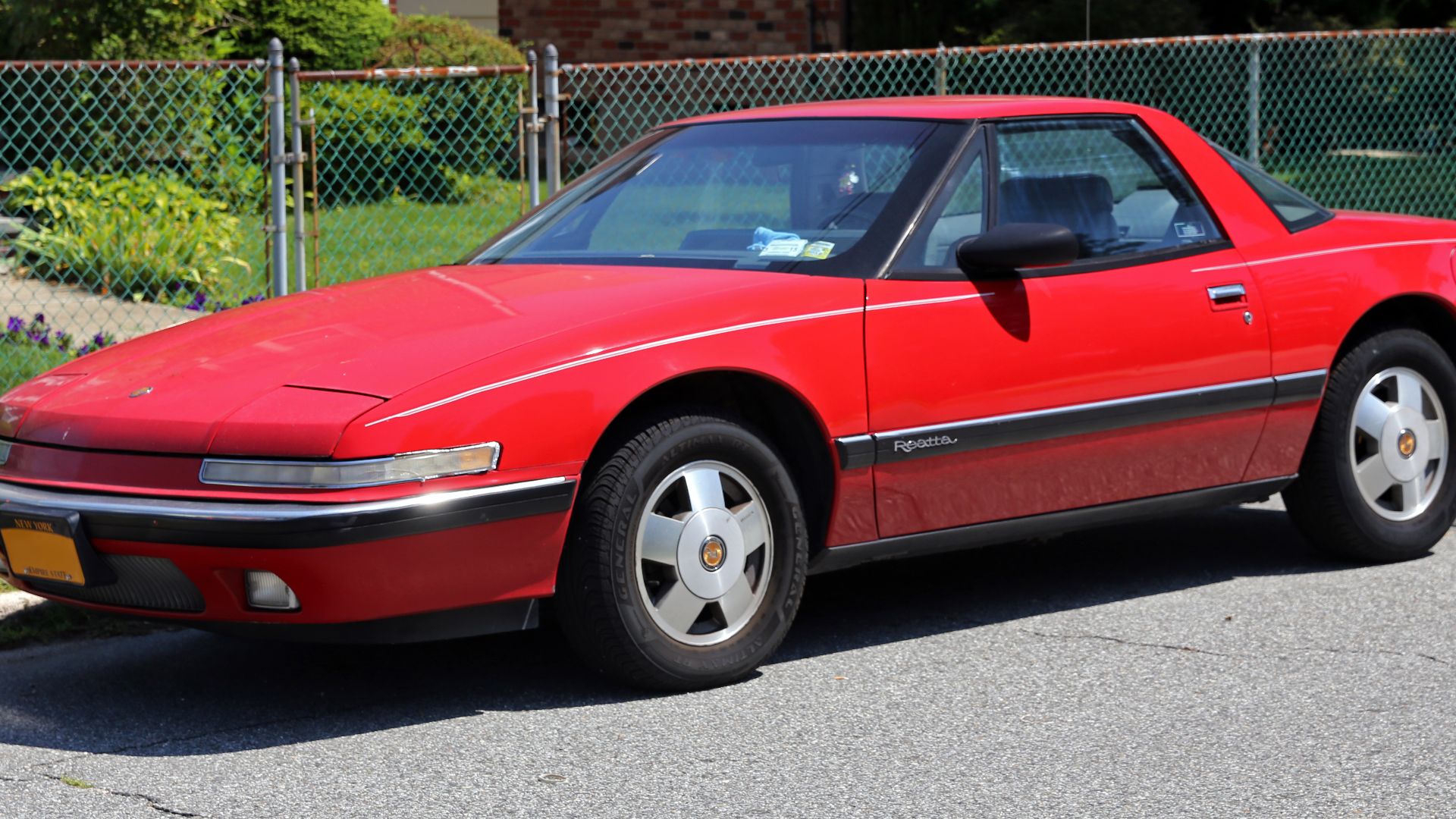
1988 Buick Reatta
Buick gave the Reatta a sleek two-seat body, concealed headlights, and a distinctive wraparound rear window. Under the hood was a 3.8-liter V6 producing 165 horsepower, paired with an automatic transmission and front-wheel drive. The Reatta was comfortable and technologically interesting, but its shape suggested more urgency than its powertrain provided.
 Mr.choppers, Wikimedia Commons
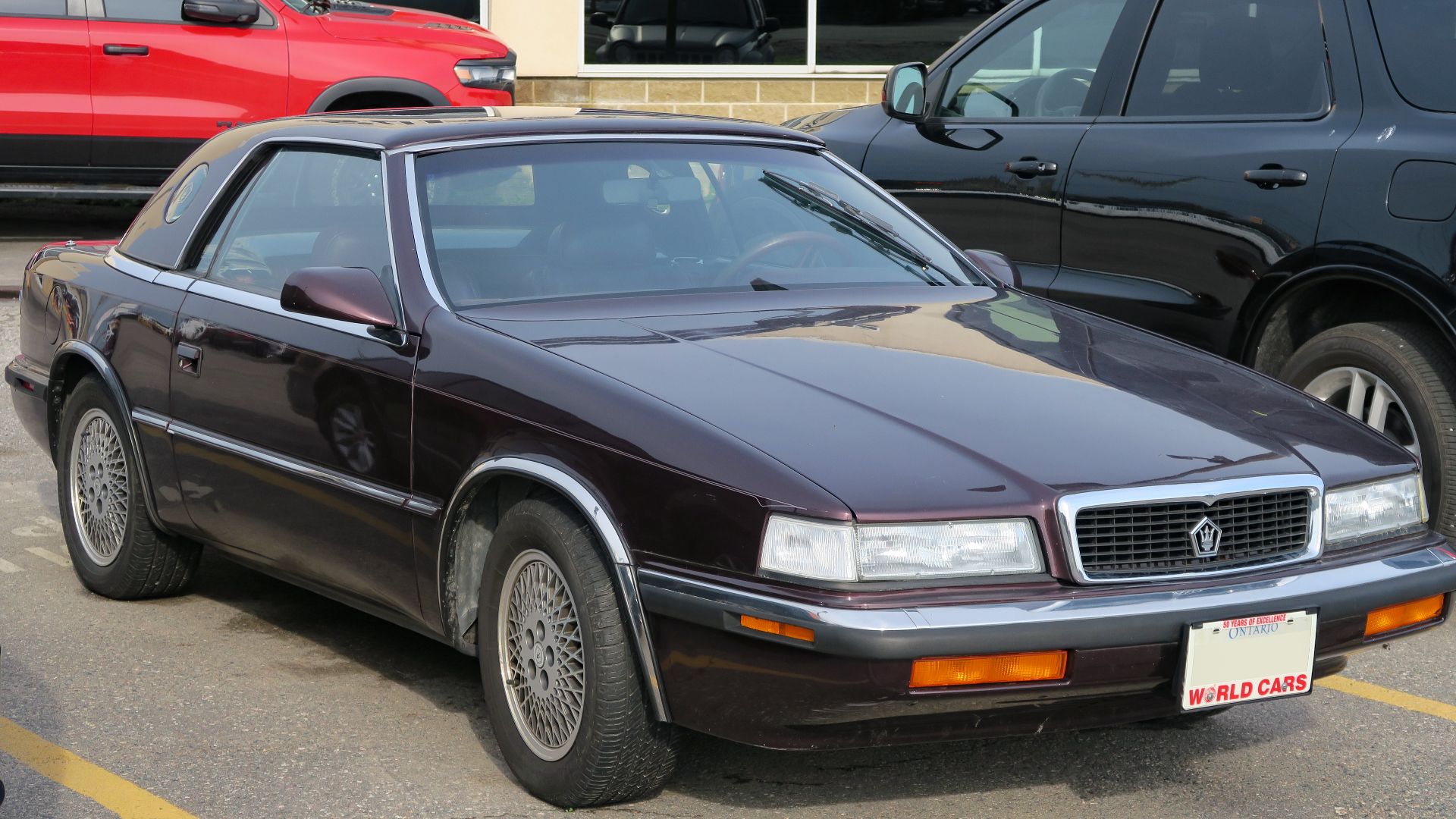
1989 Chrysler TC By Maserati
The Chrysler TC by Maserati combined Italian assembly, a removable hardtop, and one of the most intriguing badges of the decade. Most early examples used a turbocharged 2.2-liter Chrysler engine producing 160 horsepower with an automatic transmission. Its glamour, complicated production story, and substantial price created expectations that the performance could not fully satisfy.
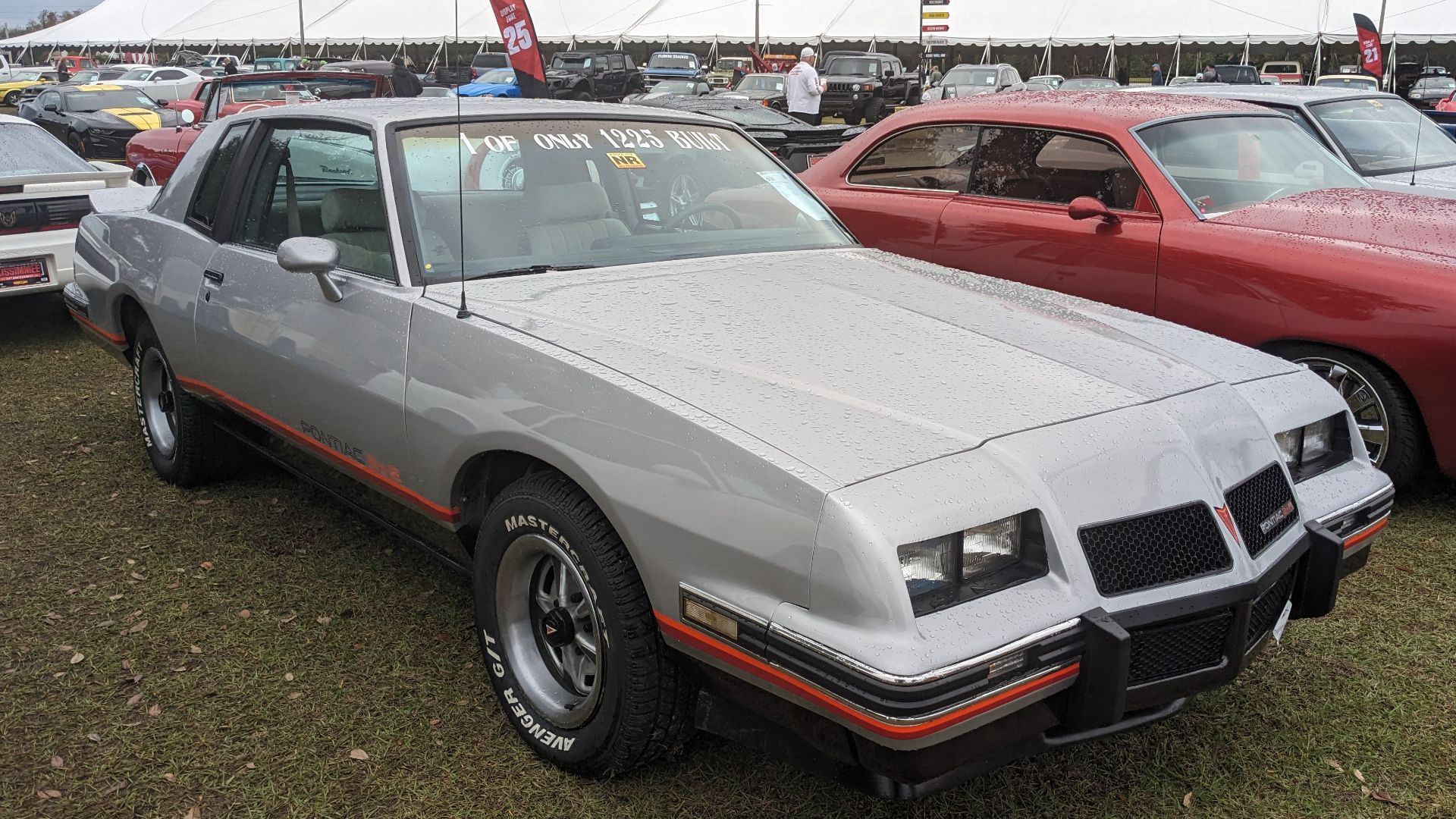
1986 Pontiac Grand Prix 2+2
Pontiac developed the Grand Prix 2+2’s sloping rear window and aerodynamic nose to support NASCAR competition. The street version used a 165-horsepower 5.0-liter V8 connected to a four-speed automatic. Its homologation-special appearance was exciting, but the showroom car was considerably less dramatic once the accelerator reached the floor.
 Pokemonprime, Wikimedia Commons
The Decade Of Fast Appearances
These cars were products of an era shaped by emissions rules, fuel-economy pressures, developing electronic controls, and changing buyer priorities. Many still offered engaging handling, distinctive styling, or enjoyable cruising manners despite their limited power. Their lack of speed has become part of their charm, even if the spoilers and pop-up headlights continue to promise far more.
You May Also Like:
Sports Cars Every Kid Dreamed About In The 1990s—Which One Was On Your Bedroom Wall?
These 1980s Off-Road Vehicles Were Once Everywhere—How Many Do You Remember?