When Asphalt First Learned To Daydream
Long before motorcycles became symbols of rebellion, leisure, or weekend therapy, Route 66 quietly taught America how to dream on two wheels. Stretching from Chicago to the Pacific, the Mother Road wasn’t just a transportation route—it was a promise. For riders, it suggested that freedom wasn’t abstract. It was paved, numbered, and waiting.
The Birth Of The Mother Road
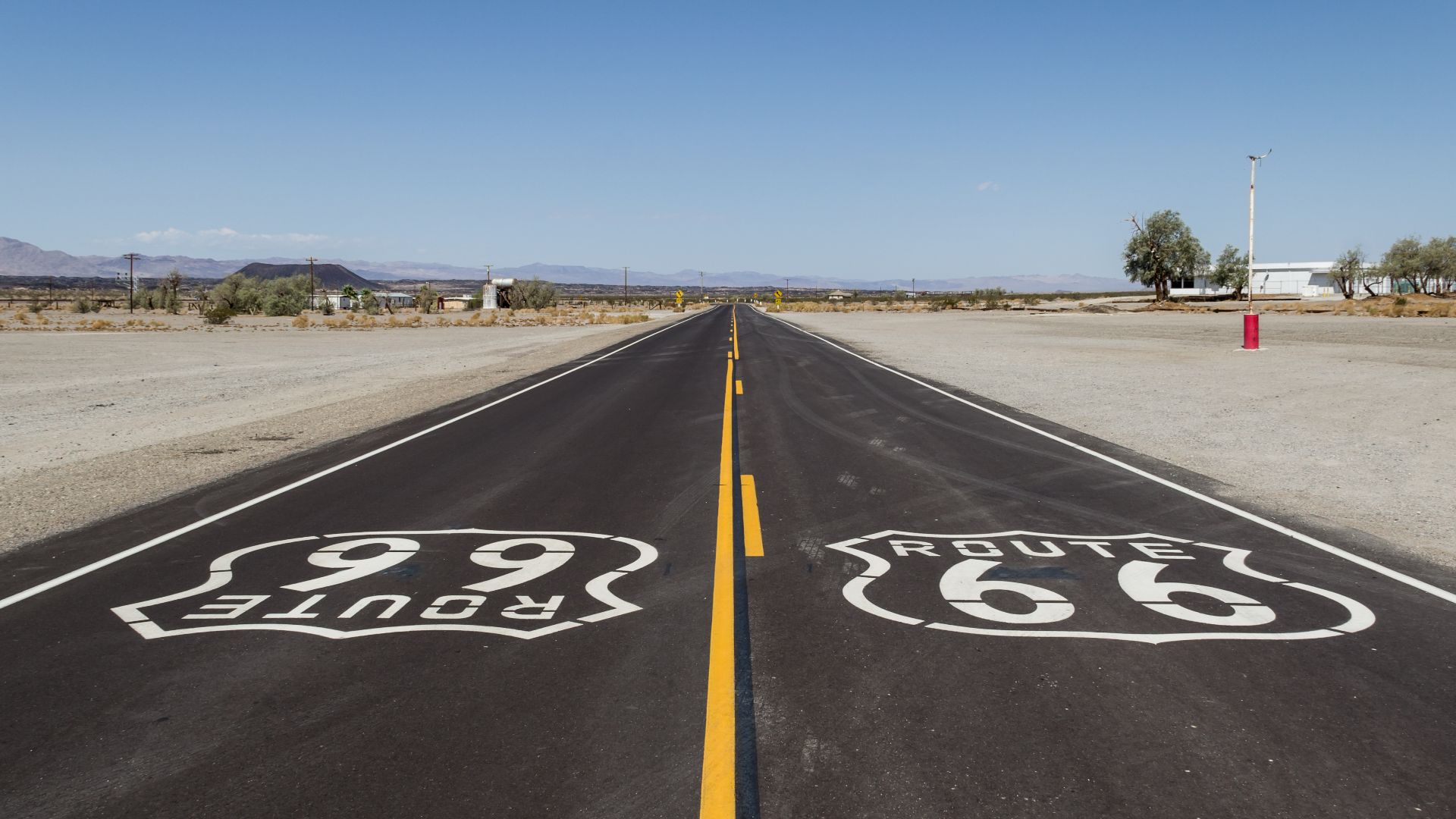
When Route 66 officially opened in 1926, it stitched together existing roads into a continuous cross-country artery. That continuity mattered. For early motorcyclists, it meant possibility without interruption, a rare thing in a country still figuring out how roads should work.
 Dietmar Rabich, Wikimedia Commons
Why Motorcycles And Route 66 Clicked Instantly
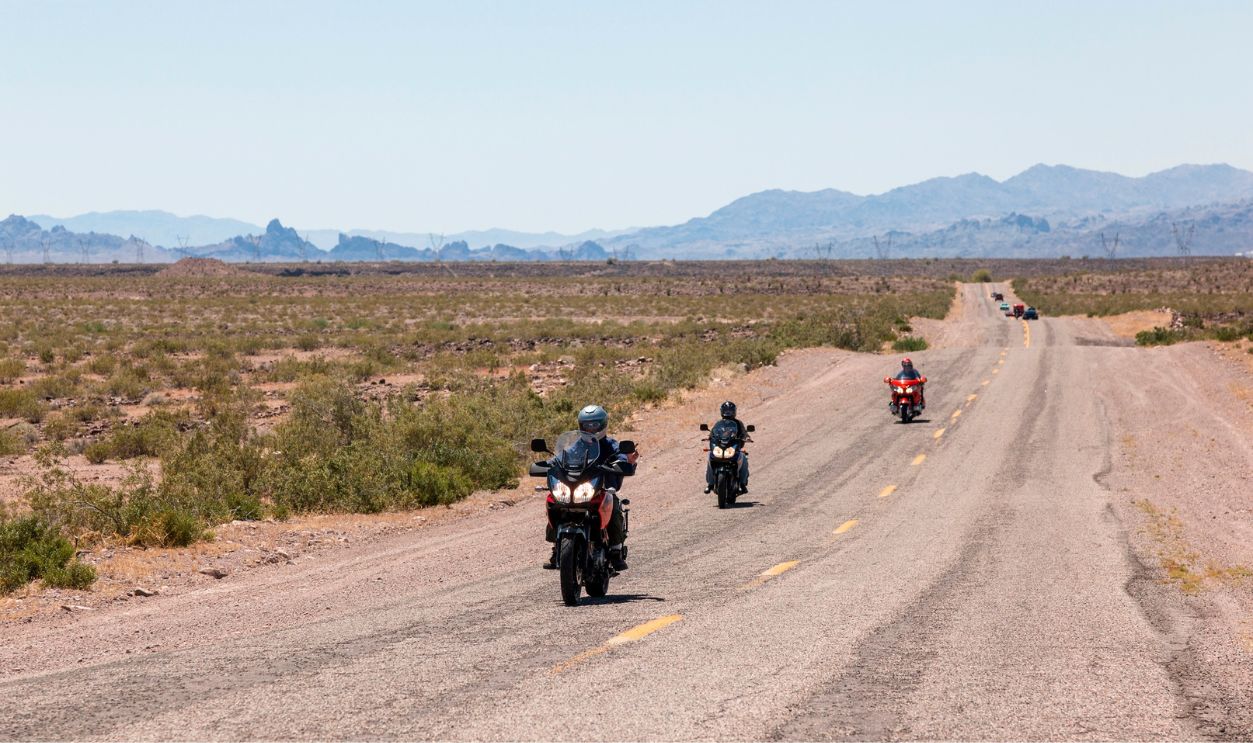
Cars could glide past towns. Motorcycles had to experience them. Route 66’s manageable speeds, frequent stops, and ever-changing scenery made it ideal for riders who wanted the journey to matter as much as the destination.
Chicago: Where The Ride Begins
The eastern terminus wasn’t glamorous, but it was symbolic. Rolling out of Chicago meant leaving structure behind and heading into uncertainty. For generations of riders, that first mile marked the beginning of something personal and transformative.
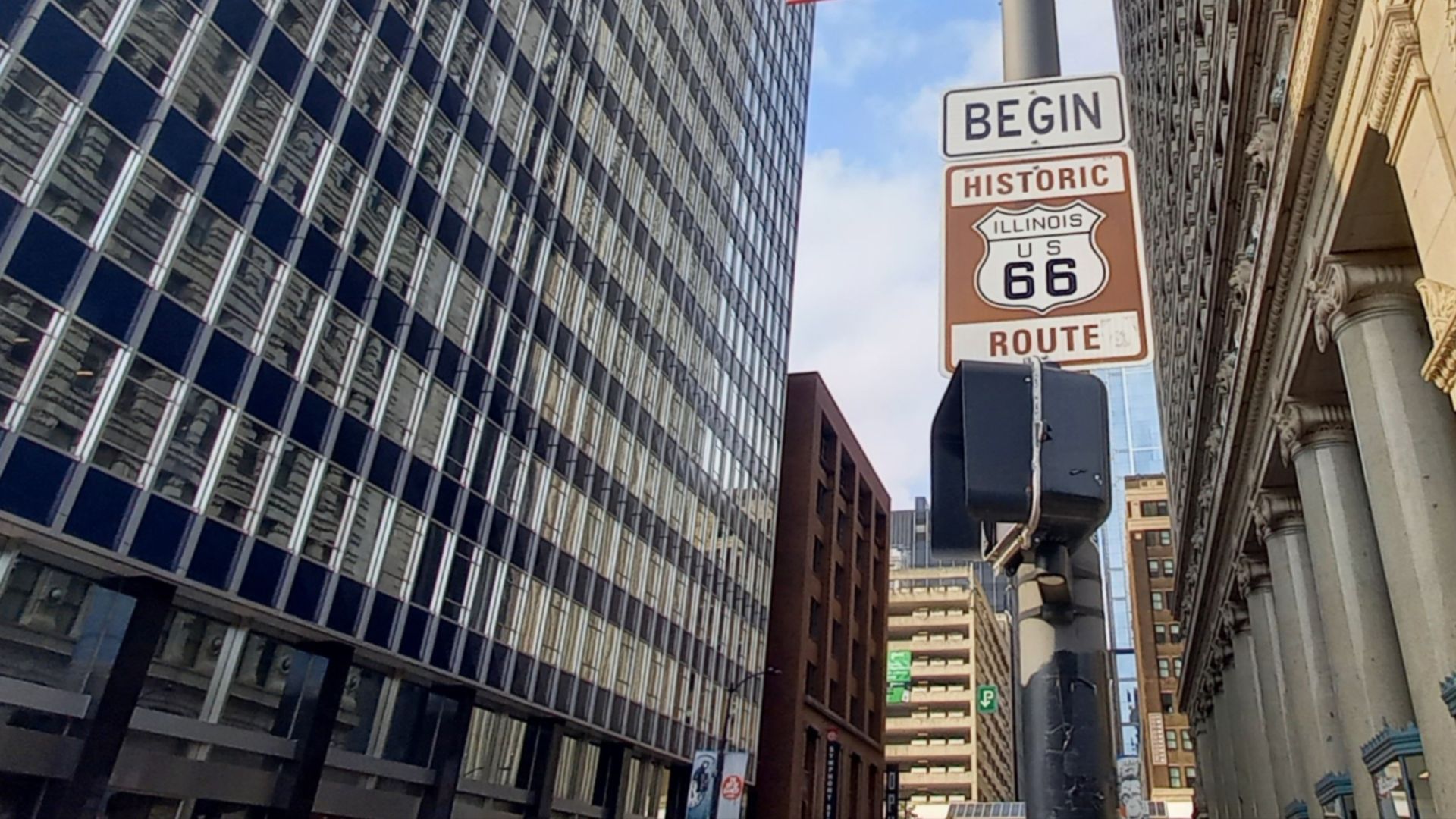 AlphaBeta135, Wikimedia Commons
Illinois And The Art Of Easing In
Illinois offered a gentle introduction—flat roads, farmland, and small towns that rewarded patience. Riders learned quickly that Route 66 wasn’t about rushing. It was about settling into the rhythm of the road.
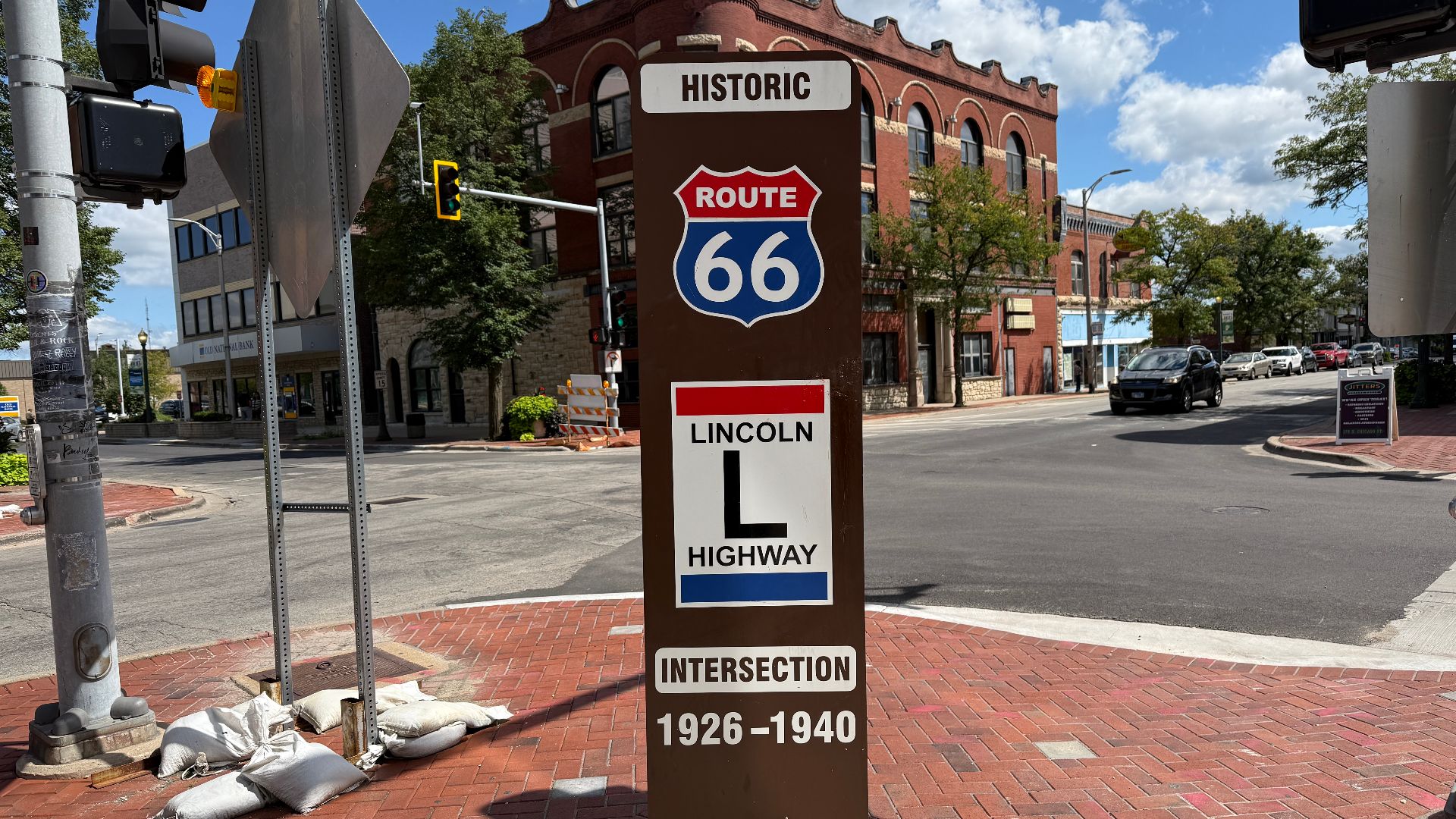
Crossing The Mississippi, Crossing A Line
The Mississippi River crossing felt ceremonial. One moment you were in the familiar Midwest, the next you were entering something looser and less predictable. For riders, that shift sharpened the sense that the road was changing them mile by mile.
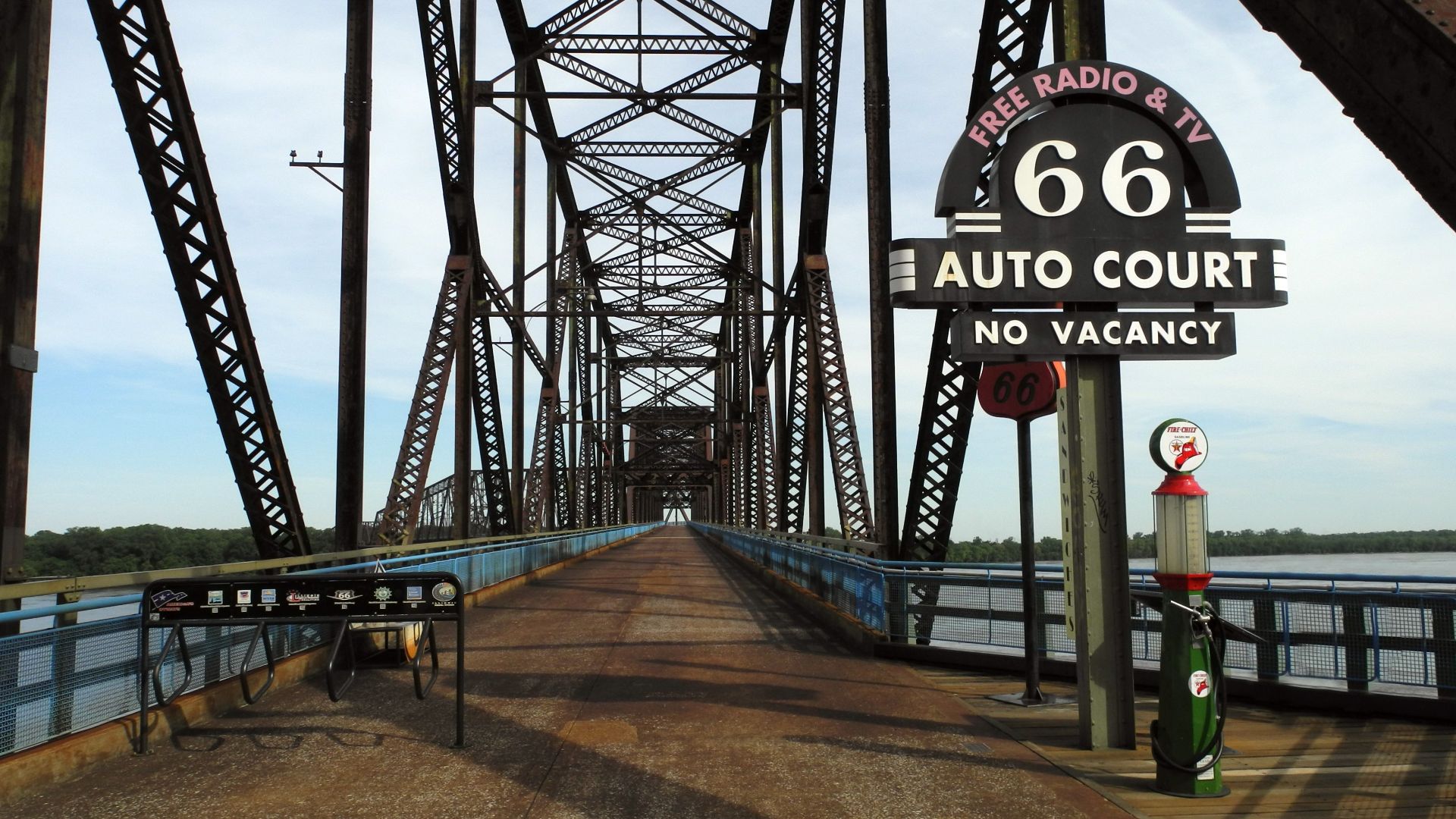 Gorup de Besanez, Wikimedia Commons
Missouri’s Curves Made Riders Earn It
Missouri delivered elevation changes and winding stretches that demanded attention. These weren’t roads for autopilot riding. This was where skill mattered, and where many riders first felt genuinely connected to their machines.
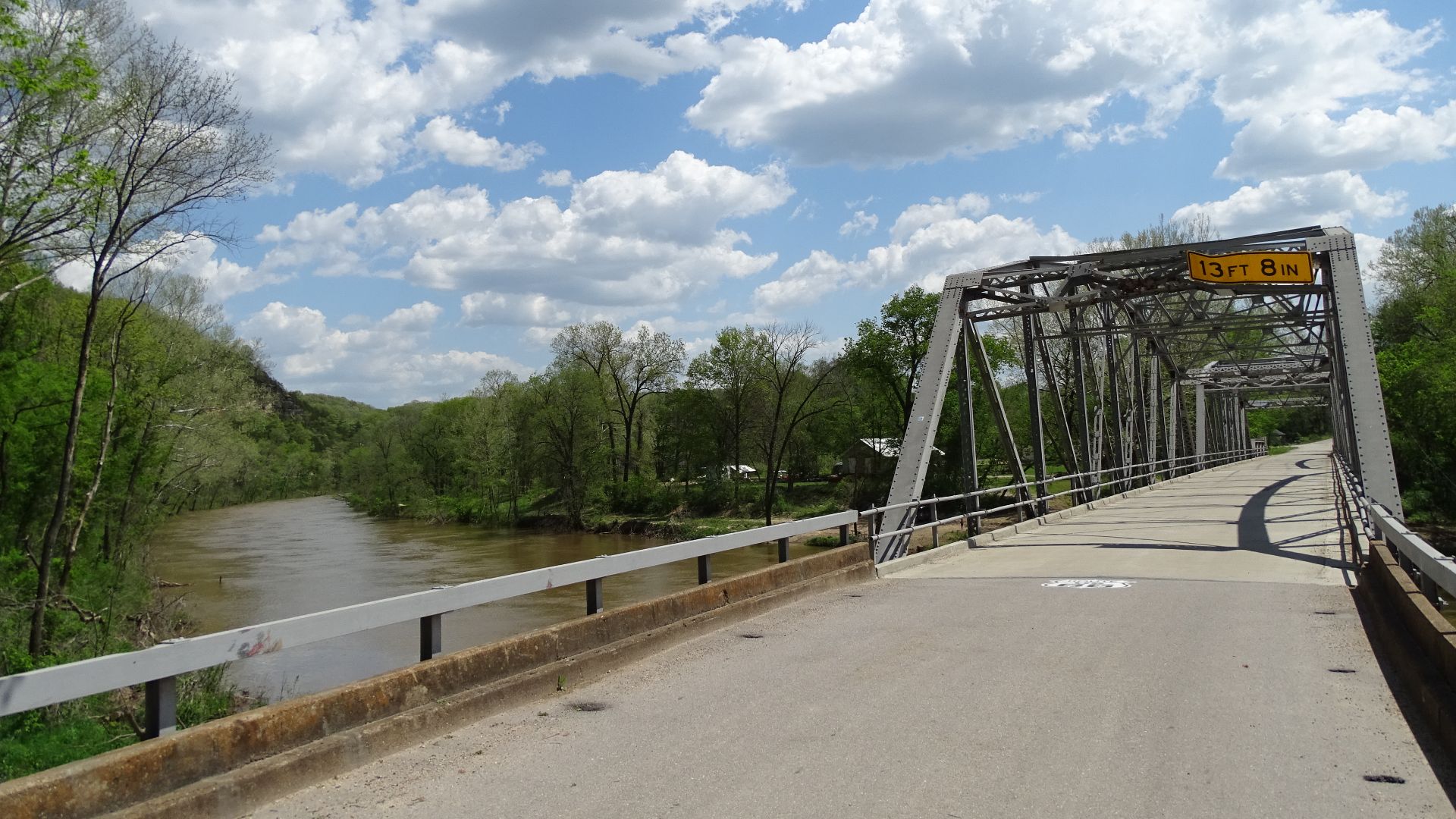 Adam Jones from Kelowna, BC, Canada, Wikimedia Commons
Thirteen Miles Of Kansas That Still Matter
Kansas barely gets a mention on the map, but its short stretch of Route 66 punches above its weight. Riders remember it precisely because it’s unexpected—a reminder that even the briefest roads can leave lasting impressions.
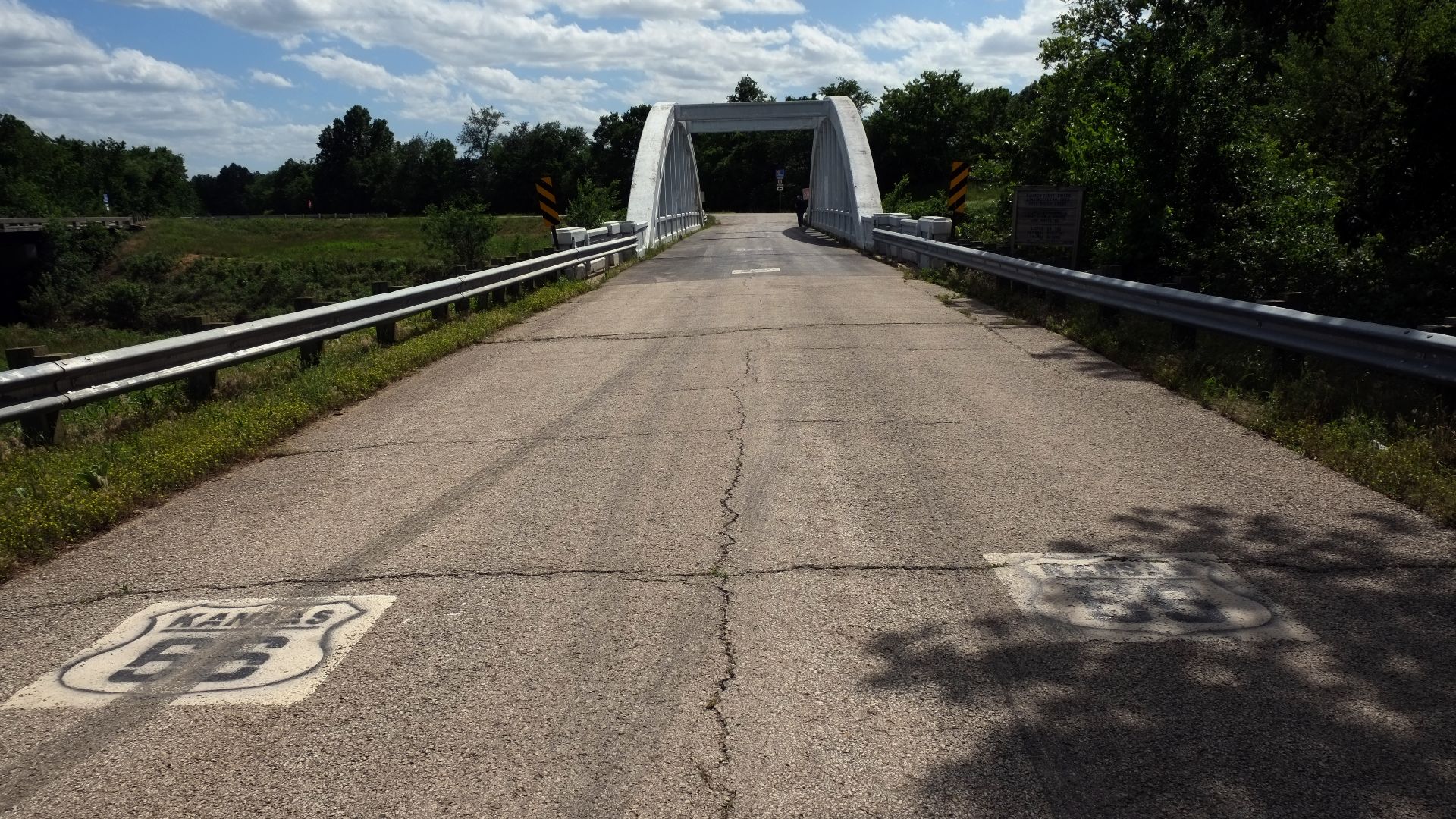 Gorup de Besanez, Wikimedia Commons
Oklahoma And The Power Of Open Space
Oklahoma introduced riders to vast horizons and straightaways that encouraged reflection. Long stretches between towns gave motorcyclists time alone with their thoughts, engines humming like companions rather than tools.
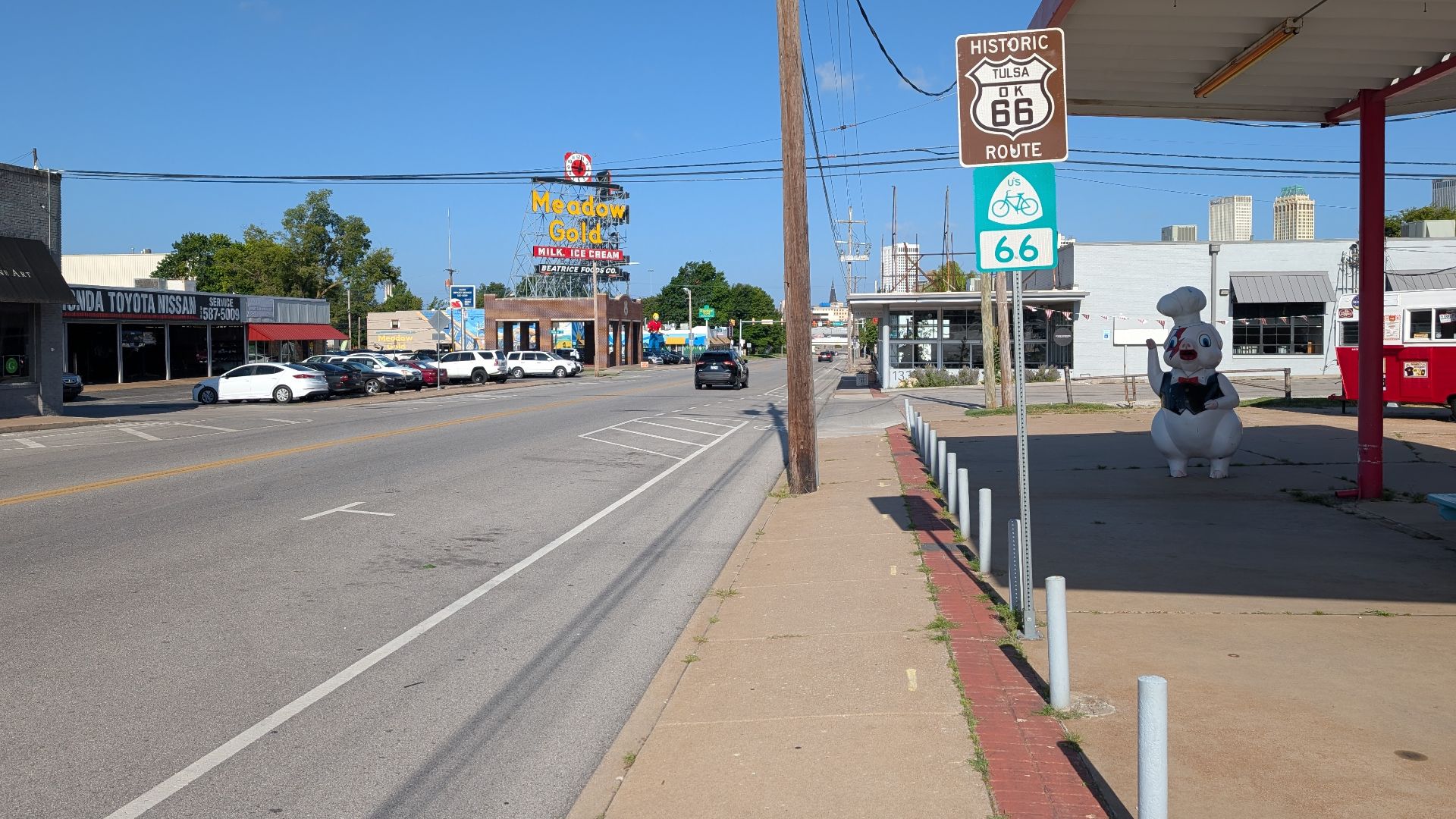 G. Edward Johnson, Wikimedia Commons
Texas Panhandle: Where Solitude Becomes A Feature
The Texas Panhandle tested endurance more than skill. Wind, distance, and repetition stripped the ride down to essentials. Riders who made peace with that solitude found it oddly addictive.
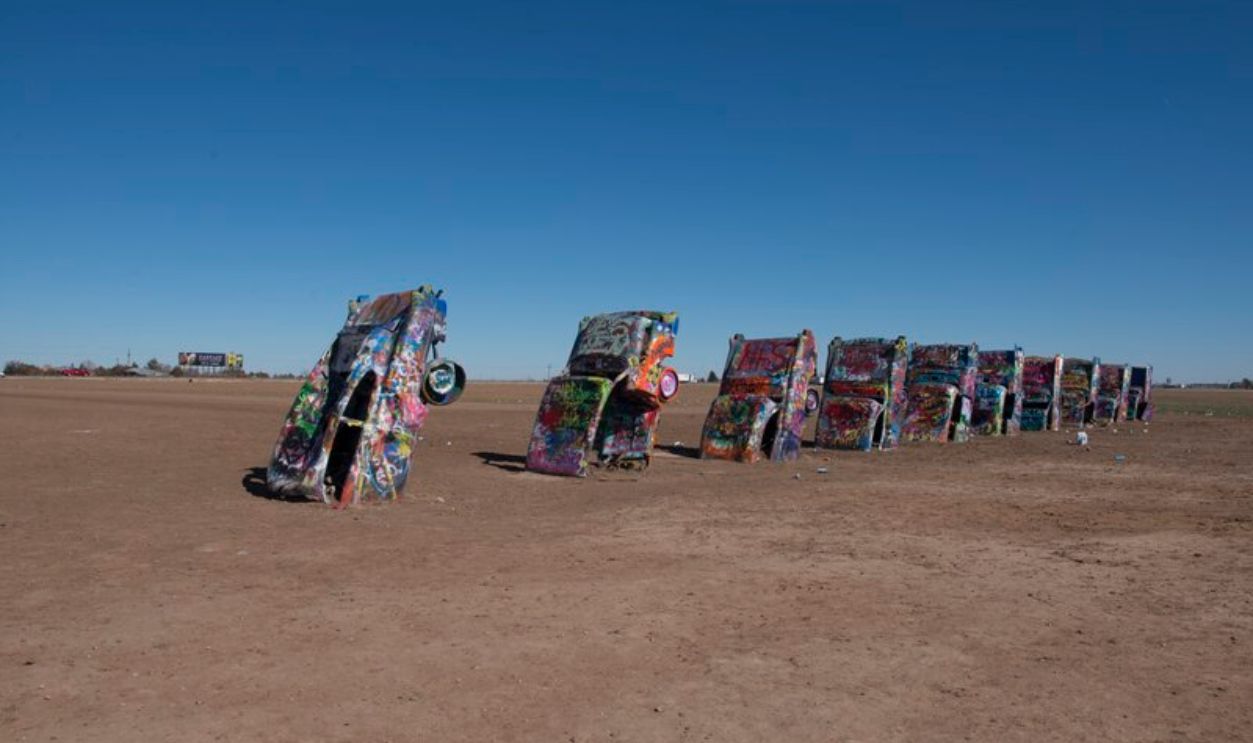 Carol M. Highsmith, Wikimedia Commons
New Mexico’s Landscape Shift
Crossing into New Mexico felt like entering another country. Desert colors, high plains, and dramatic skies changed the emotional tone of the ride. Many riders still describe this stretch as the moment Route 66 stopped feeling American and started feeling mythic.
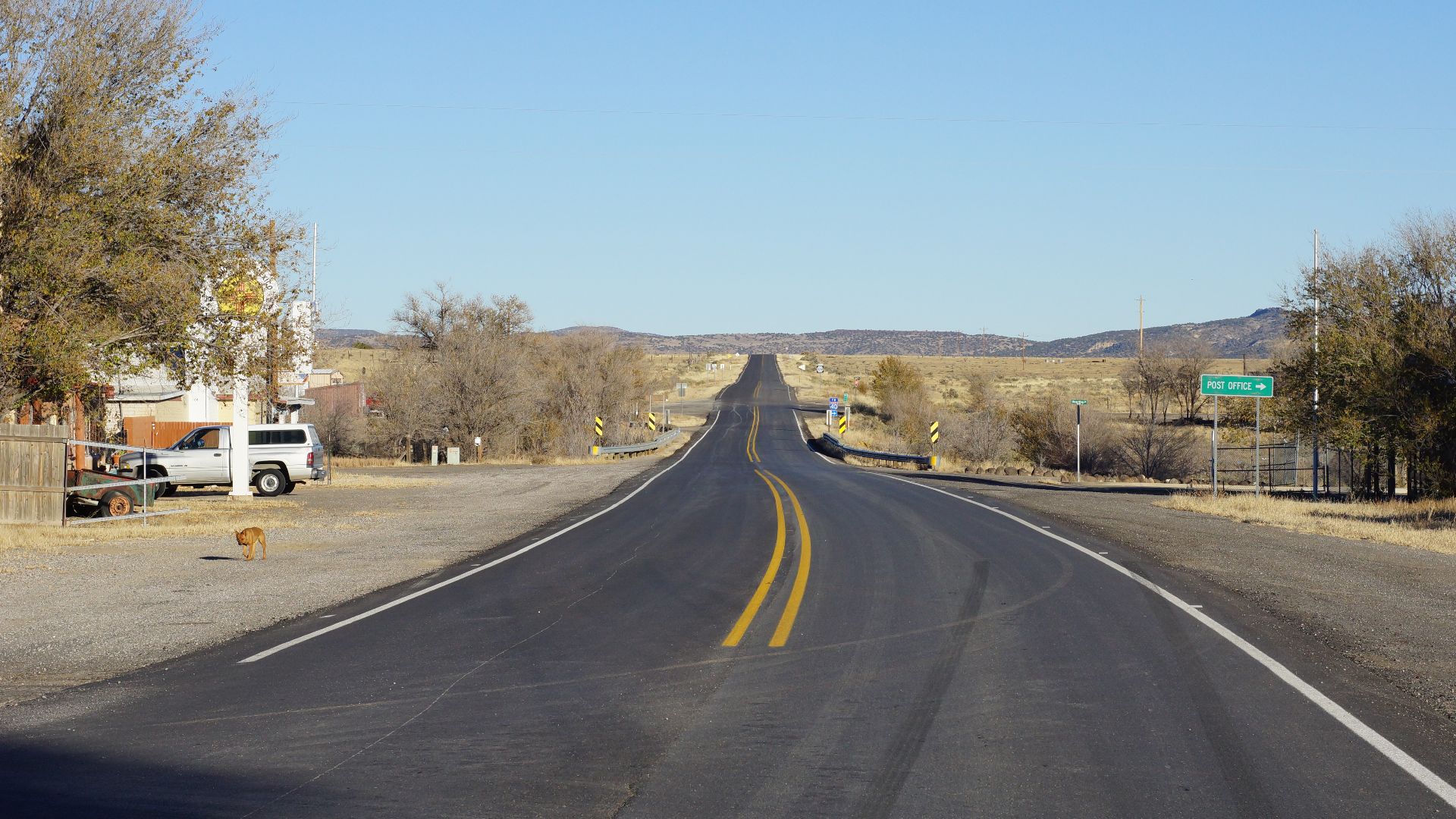 Chris English, Wikimedia Commons
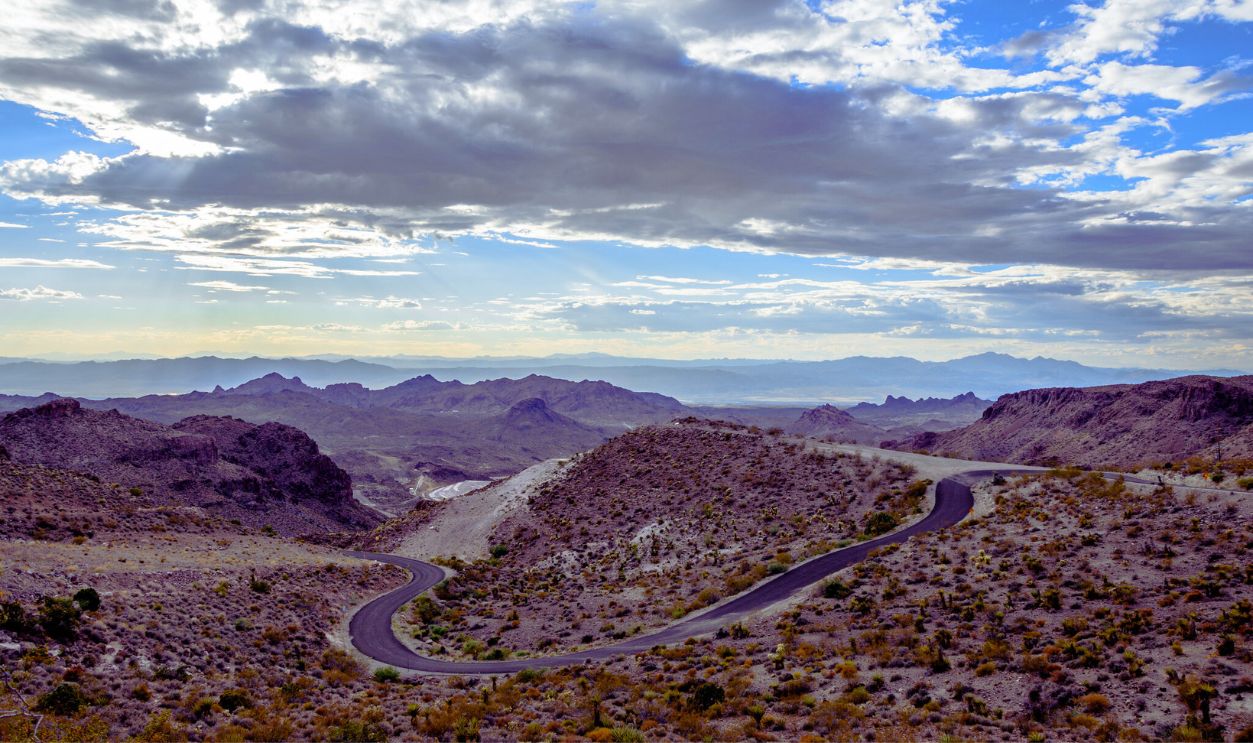
Arizona’s Roads With Attitude
Arizona didn’t apologize for its curves, climbs, or rough pavement. Route 66 here demanded respect. Riders who paid attention were rewarded, not just with scenery, but with a deeper confidence in their own abilities.
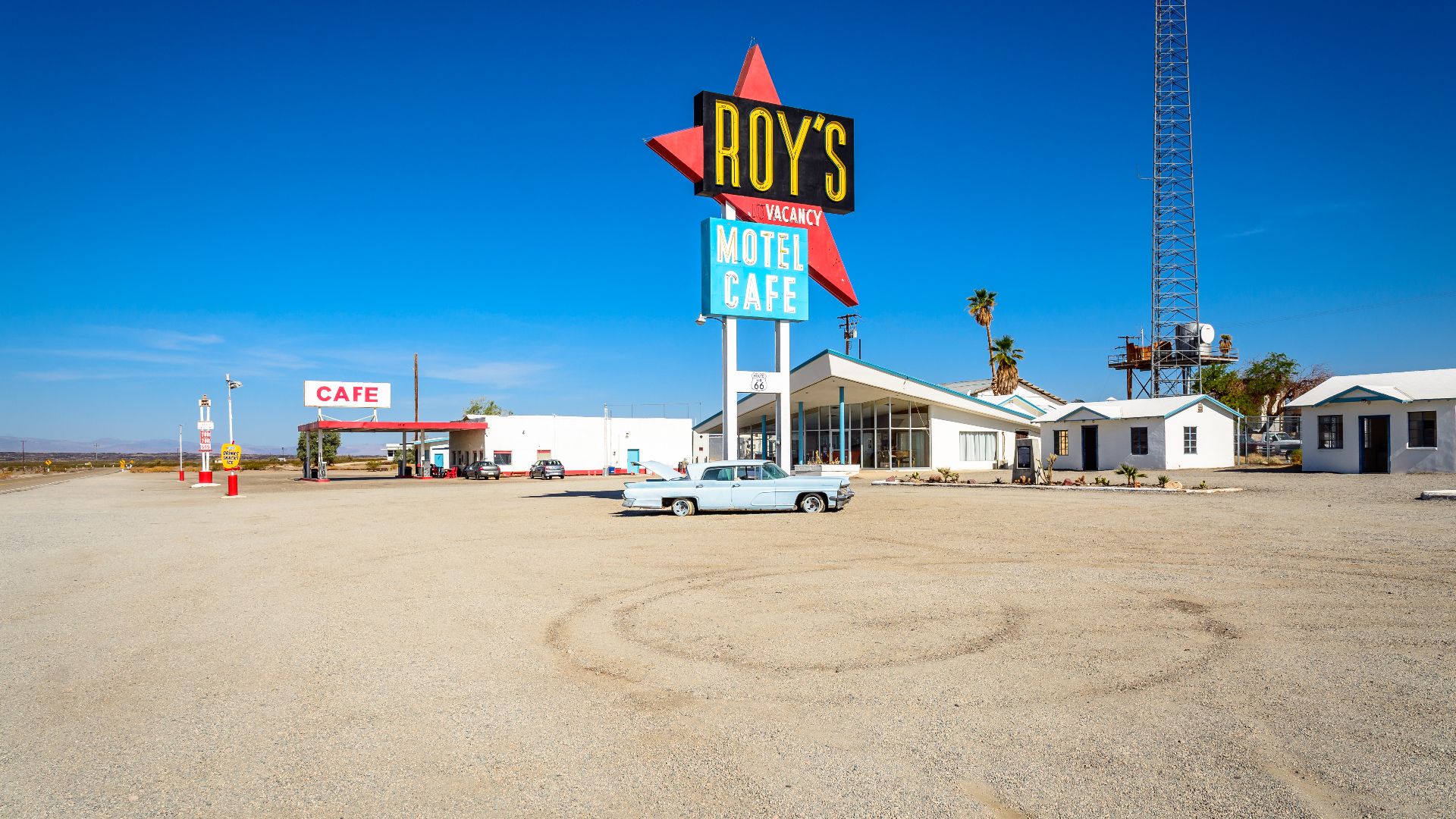
Neon Nights And Roadside Rituals
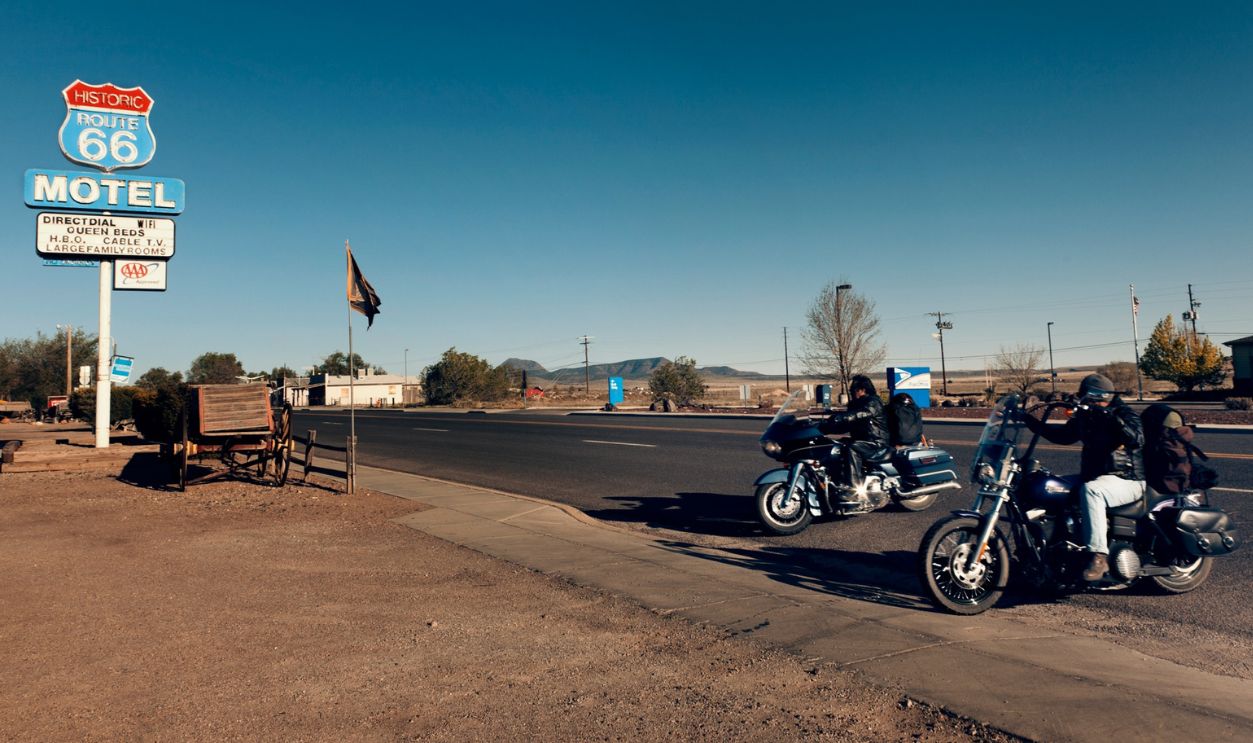
Motels, diners, and glowing signs weren’t just background decoration. They became checkpoints in the rider experience. Pulling in at dusk, parking beside another bike, and swapping stories became part of Route 66’s unwritten code.
 Domenico Convertini from Zurich, Schweiz, Wikimedia Commons
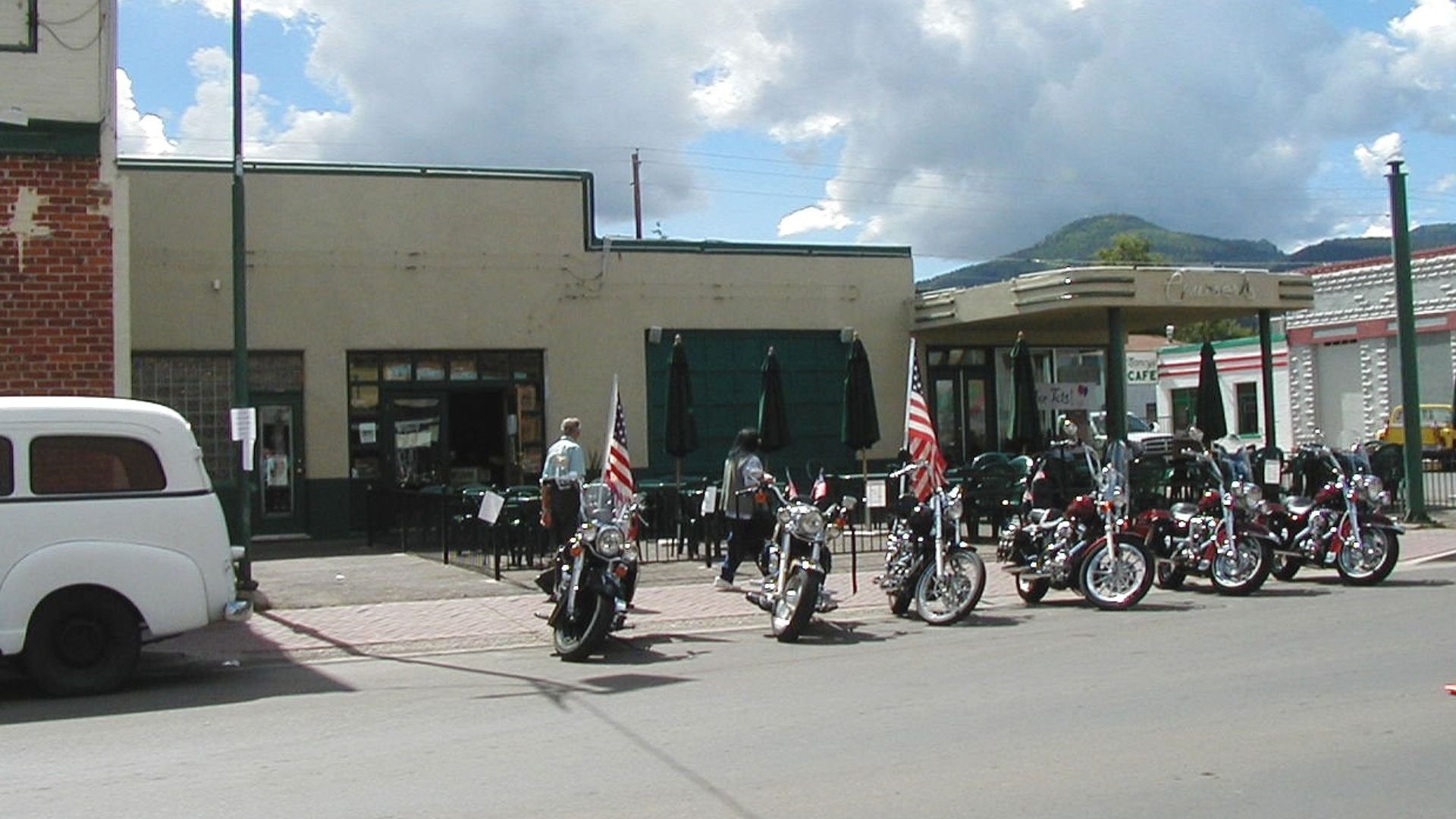
Pop Culture Sealed The Legend
Songs, movies, and roadside lore turned Route 66 into shorthand for freedom. Motorcycles featured heavily in that imagery, reinforcing the idea that the purest way to experience the road was without walls around you.
 Unknown authorUnknown author or not provided, Wikimedia Commons
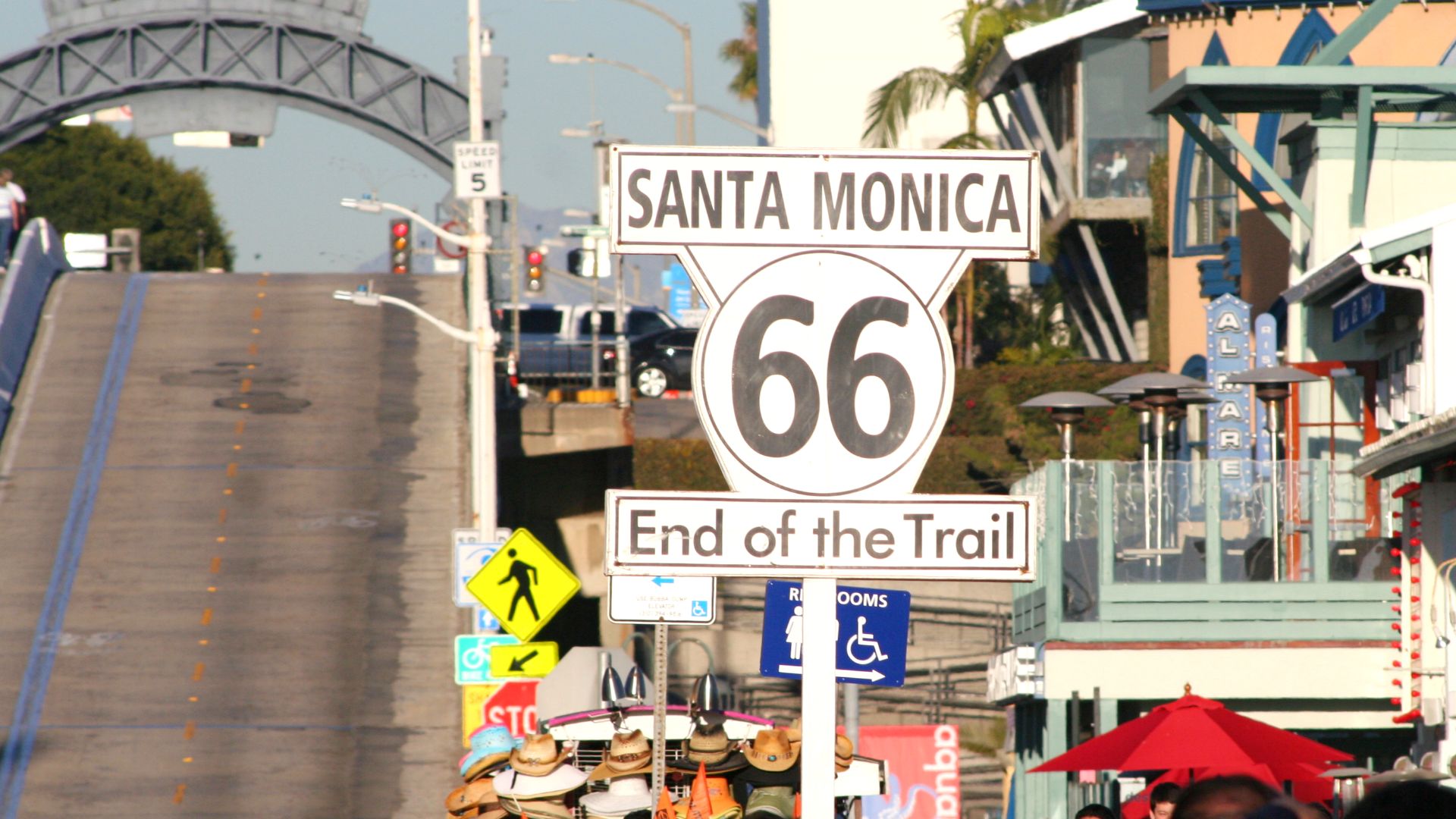
The Pacific As A Finish Line
Santa Monica wasn’t just the end of the road—it was validation. Riders who reached the ocean felt they had earned it. Standing beside the bike, staring west, many realized the ride had mattered more than the arrival.
 Christian Beiwinkel, Wikimedia Commons
A Road That Created Community
Route 66 quietly fostered camaraderie. Riders waved, stopped for each other, and shared advice long before biker culture had formal rules. That sense of belonging still defines the route today, even decades later.
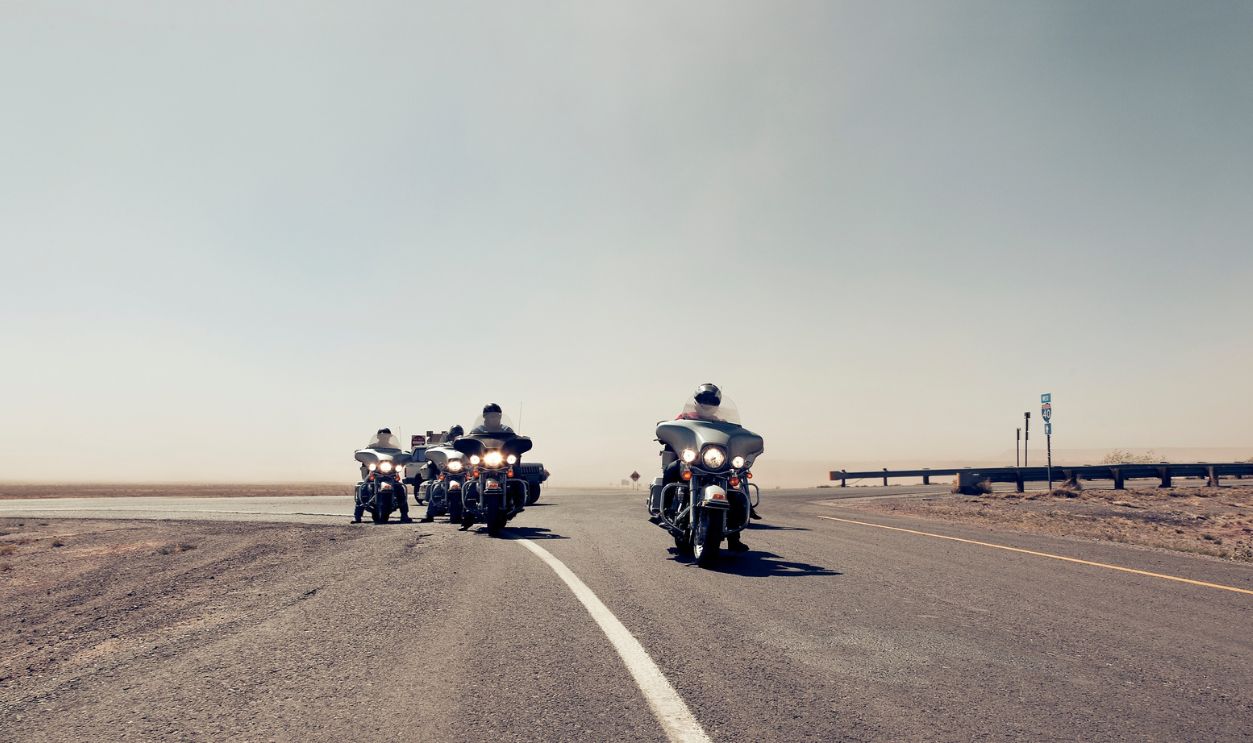
Decline Made The Dream Stronger
When interstates bypassed Route 66, something unexpected happened. The road didn’t die—it became romantic. Motorcyclists were among the first to return, drawn by emptier roads and preserved nostalgia.
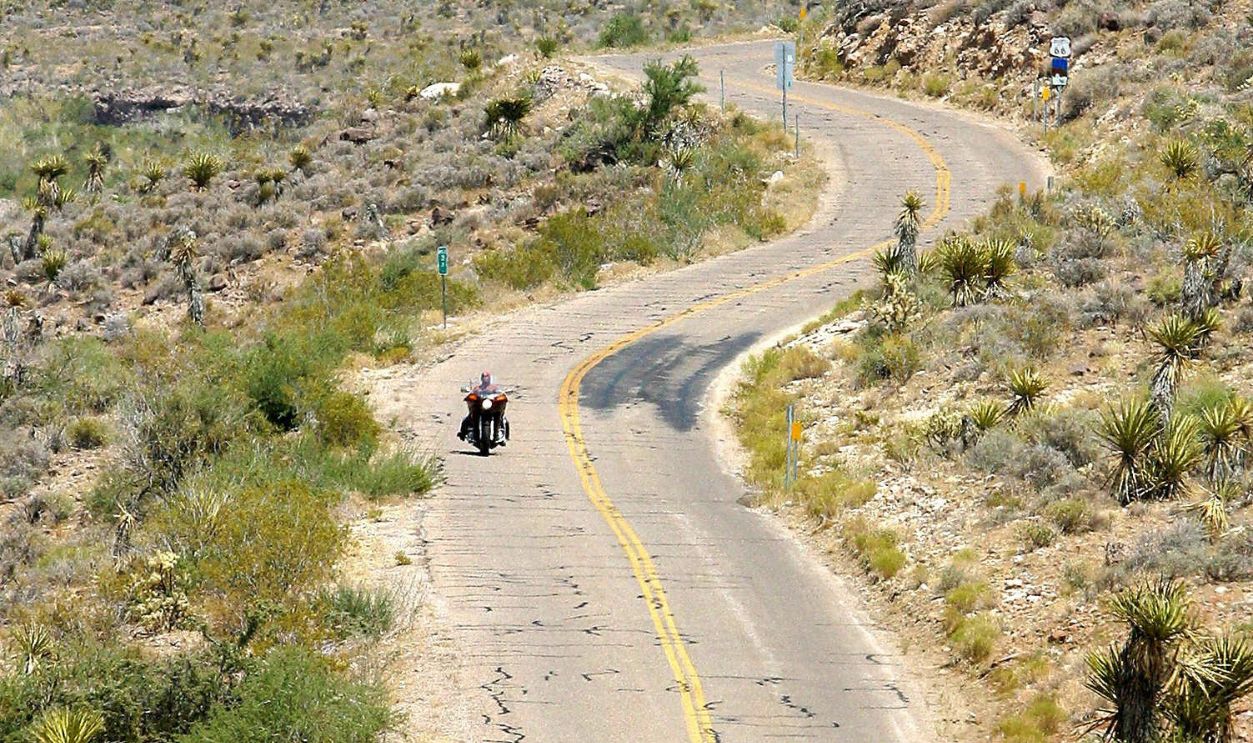
Preservation Fueled A Revival
Grassroots efforts, local pride, and rider enthusiasm brought Route 66 back into focus. For motorcyclists, preservation meant more than saving pavement. It meant protecting the spirit of the ride itself.
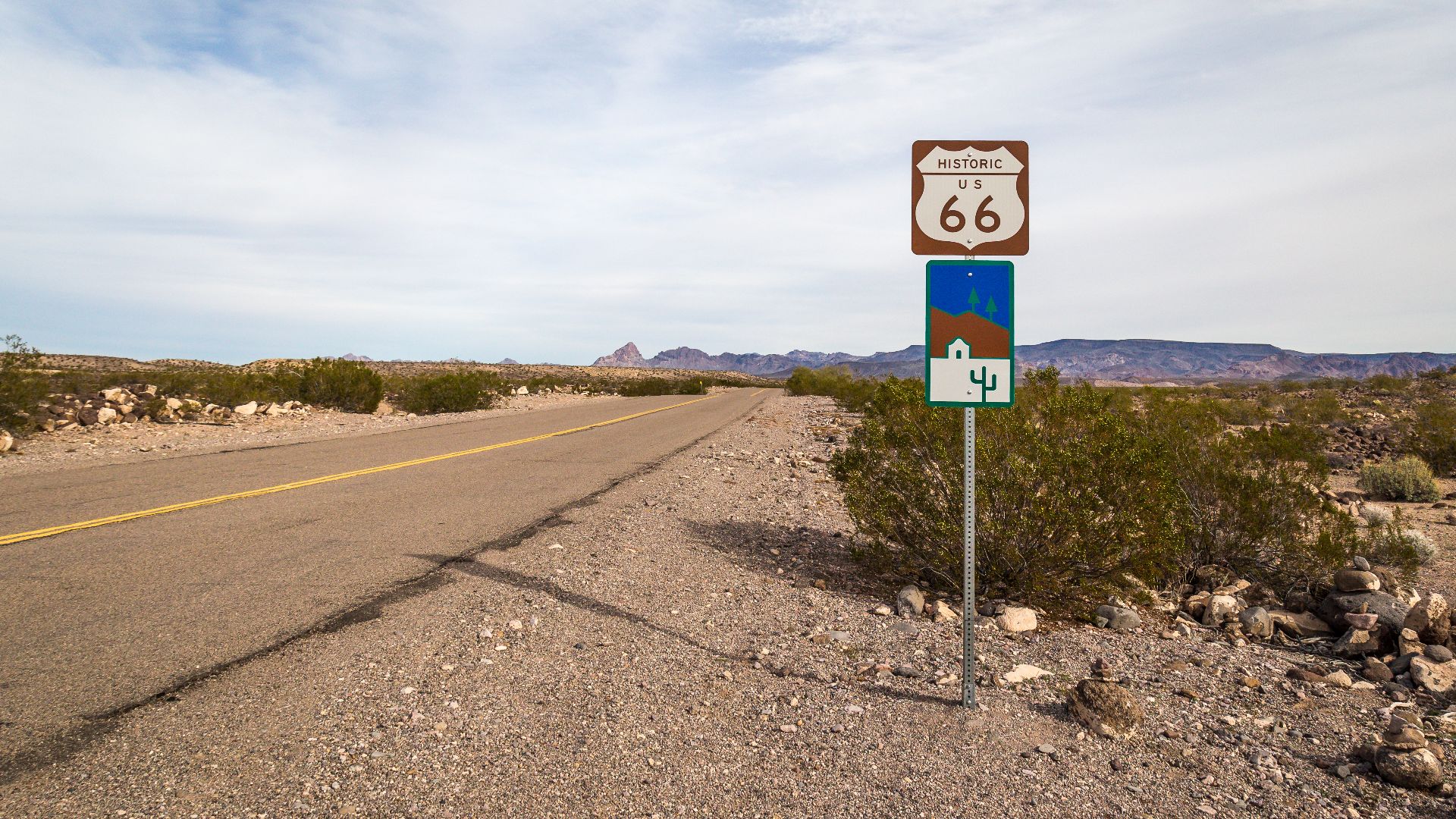 Mobilus In Mobili, Wikimedia Commons
Modern Riders, Same Old Pull
Today’s bikes are faster and more comfortable, but the emotional draw hasn’t changed. Riders still chase Route 66 not for efficiency, but for connection—to history, to the machine, and to themselves.
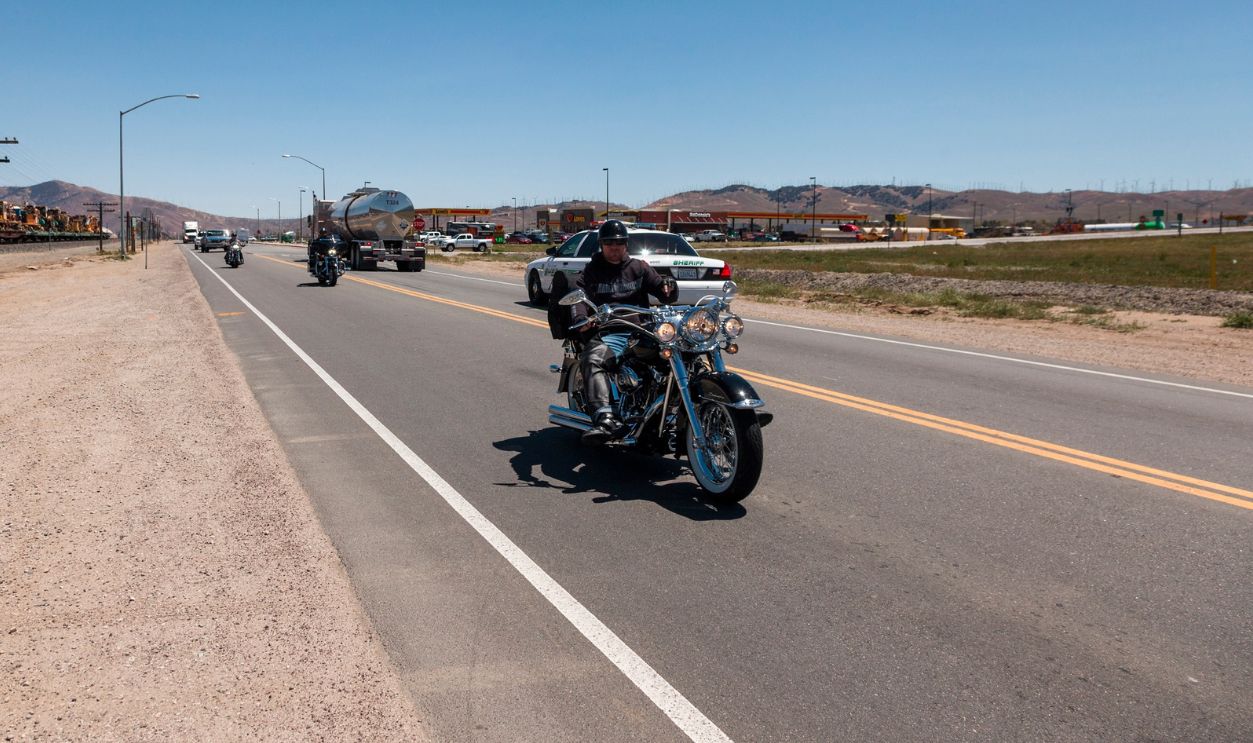
Why Route 66 Still Shapes Motorcycle Dreams
Route 66 endures because it offers something rare: a ride that feels earned. It teaches patience, rewards curiosity, and reminds riders why they fell in love with motorcycles in the first place. Long after the engine cools, the road stays with you.
You May Also Like:
How The AMC Matador Became A Cult Favorite
Three Great Cars For College Students