When Alfa Romeo Took A Big Swing At The Luxury Segment
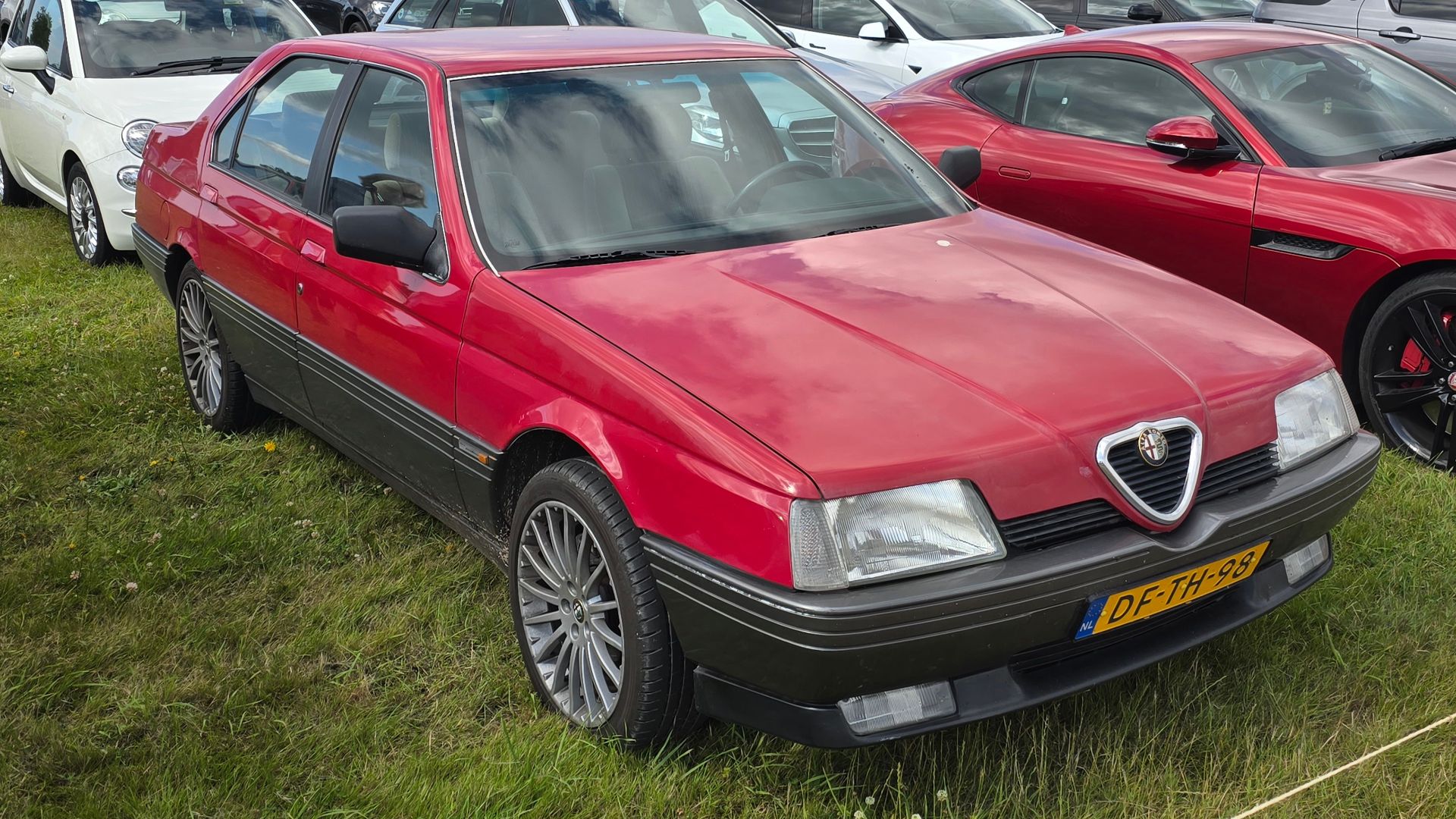
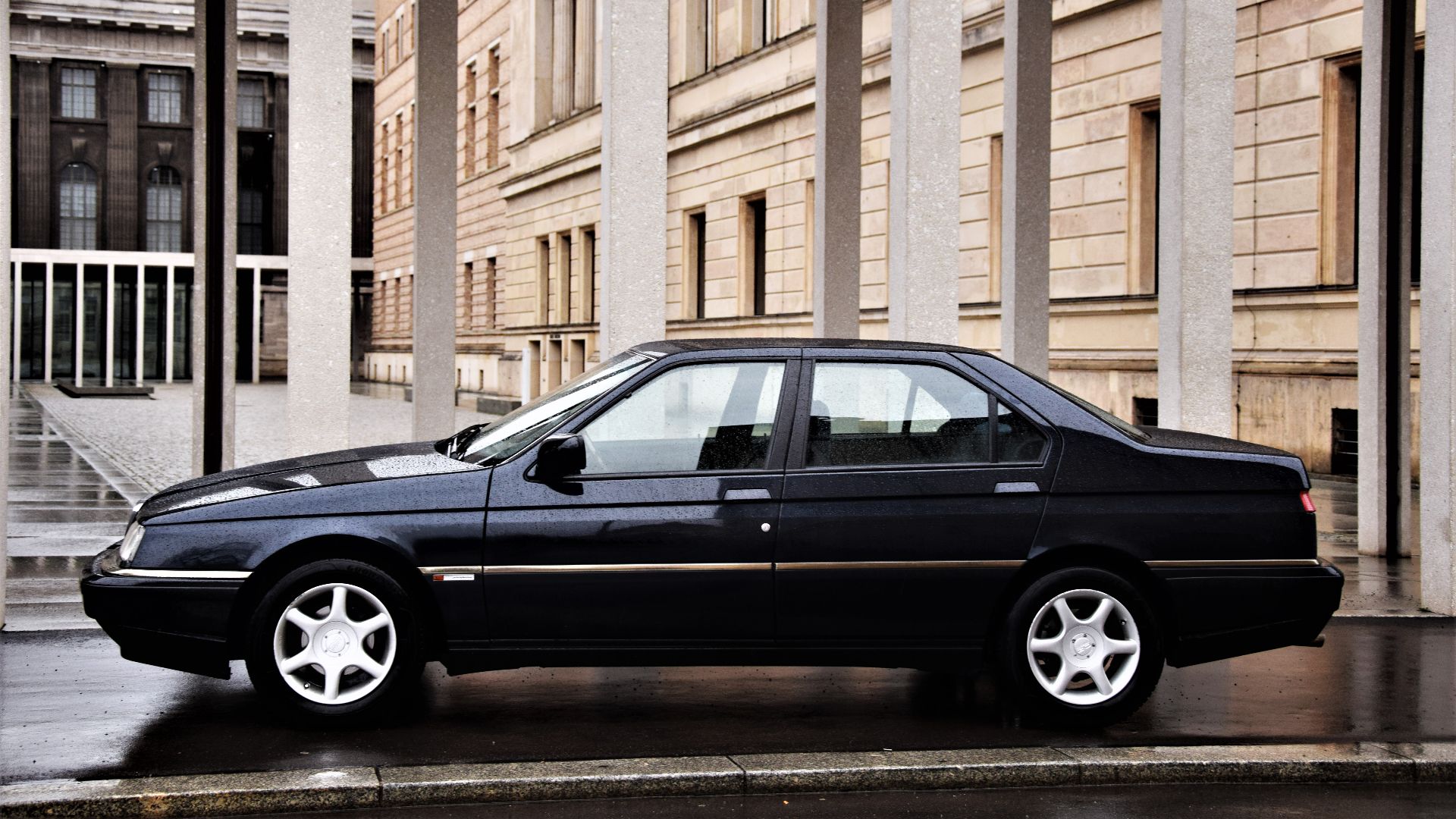
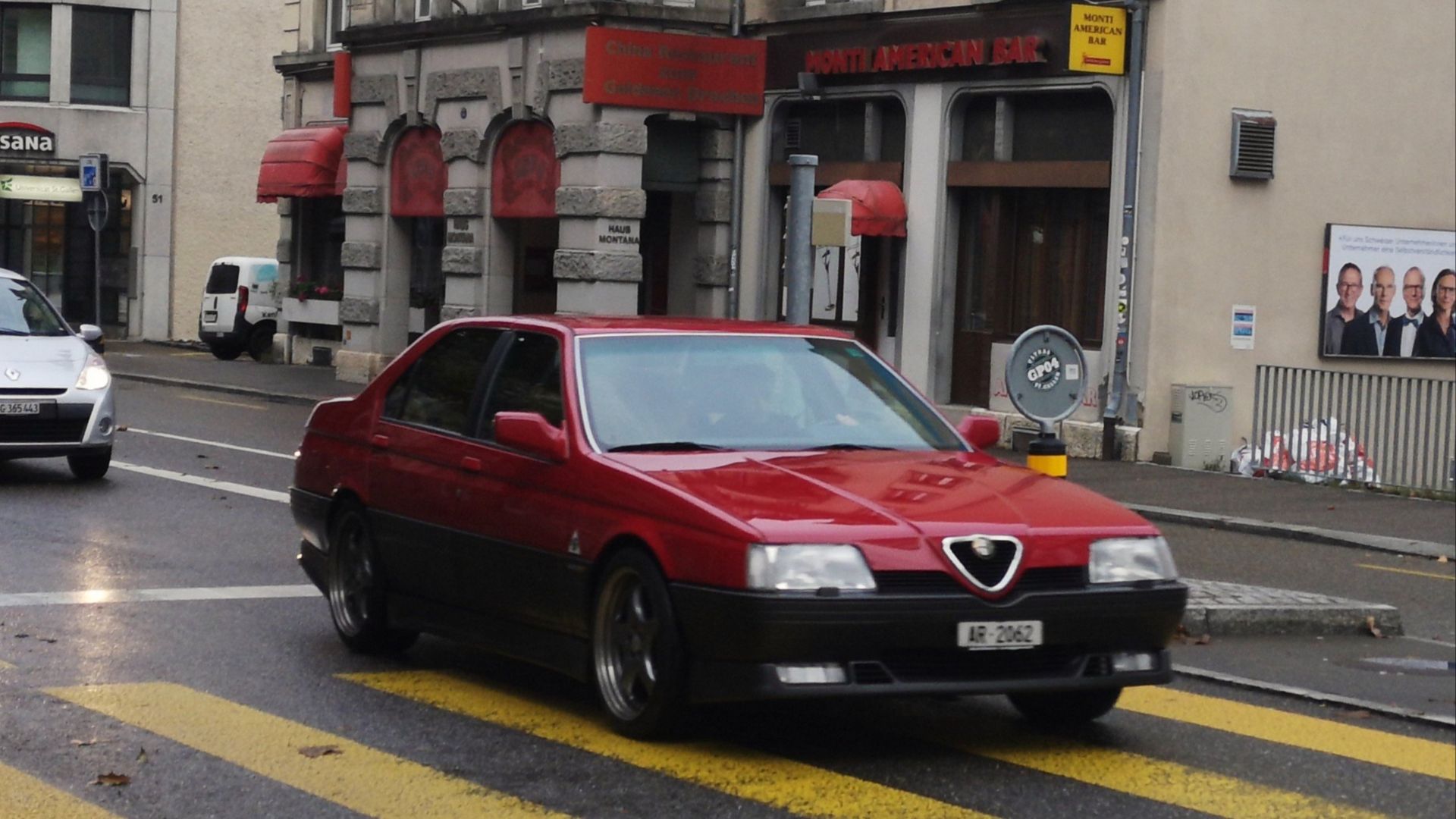
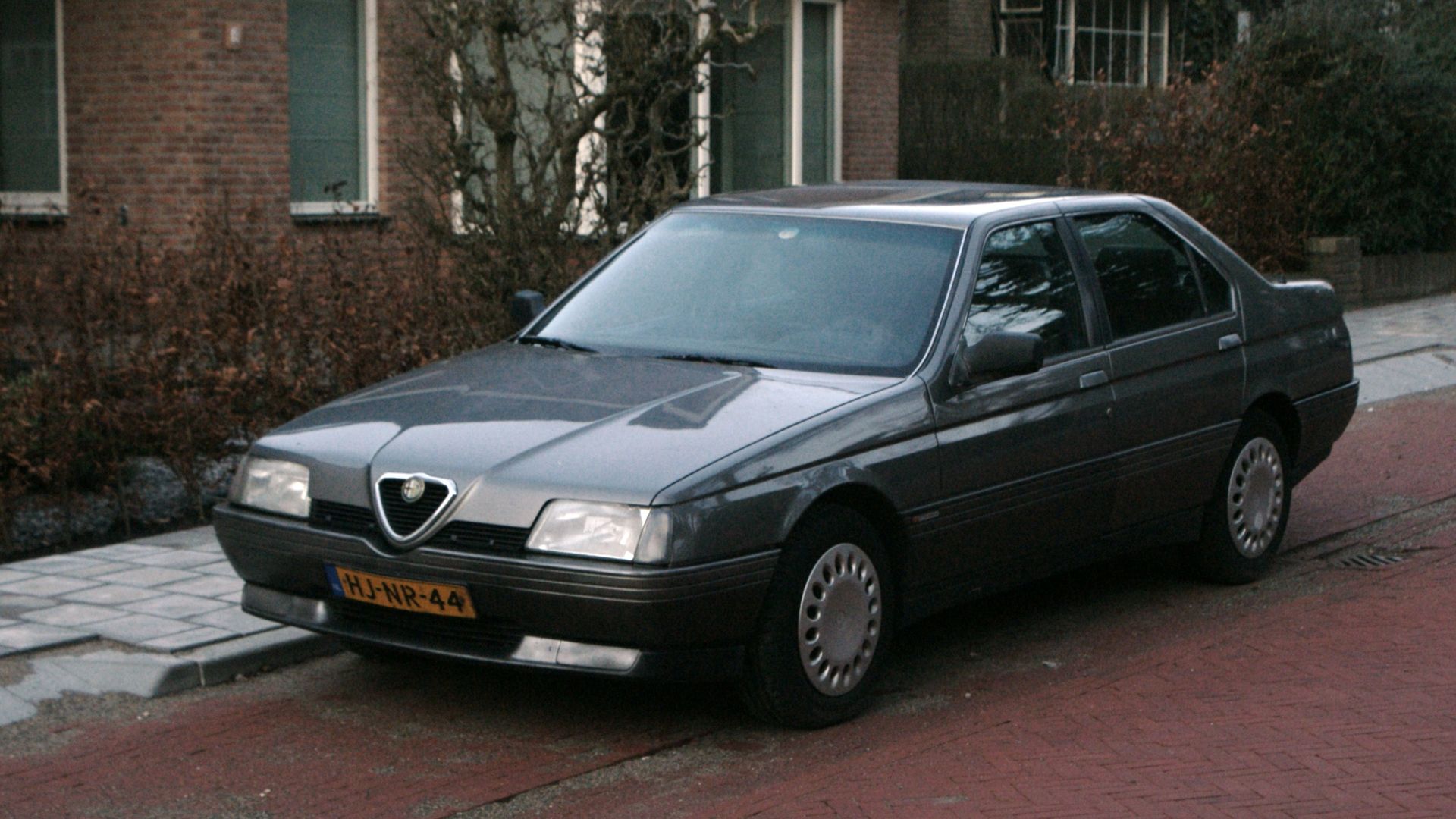
In the late 1980s, Alfa Romeo needed a car that could stand toe-to-toe with Europe’s best executive sedans. The result was the Alfa Romeo 164—a sleek four-door designed to blend Italian flair with serious performance. It debuted in 1987 and quickly became one of the brand’s most ambitious modern projects. For many enthusiasts, it quietly became one of the most underrated luxury sedans of the decade.
 Andrew Harker, Shutterstock.com
A Fresh Start For A Changing Alfa Romeo
The 164 arrived during a complicated time for the company. Alfa Romeo had recently been acquired by Fiat, and the brand was trying to reinvent itself while preserving its sporty reputation. The new sedan was intended to show that Alfa could still build exciting cars—even in the traditionally conservative executive segment. It was meant to compete with German heavyweights while retaining unmistakable Italian personality.
The Type Four Platform Collaboration
Behind the scenes, the 164 was part of an unusual engineering partnership. It shared its underlying “Type Four” platform with the Saab 9000, Fiat Croma, and Lancia Thema. This collaboration helped the companies cut development costs while still allowing each brand to create a unique product. Despite sharing structural elements, the Alfa looked and drove very differently from its platform siblings.
 Matthias v.d. Elbe, Wikimedia Commons
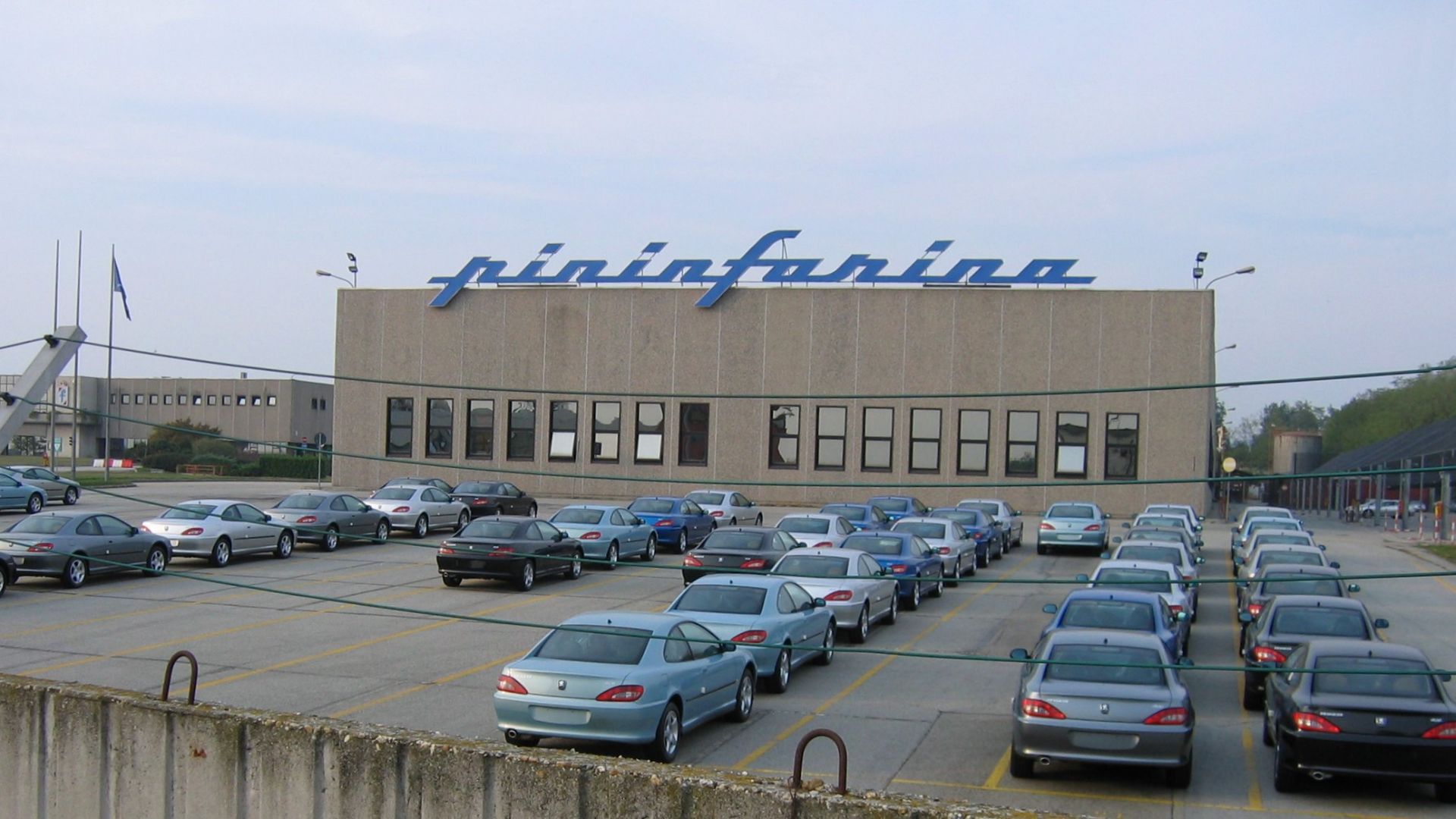
Pininfarina Styling That Turned Heads
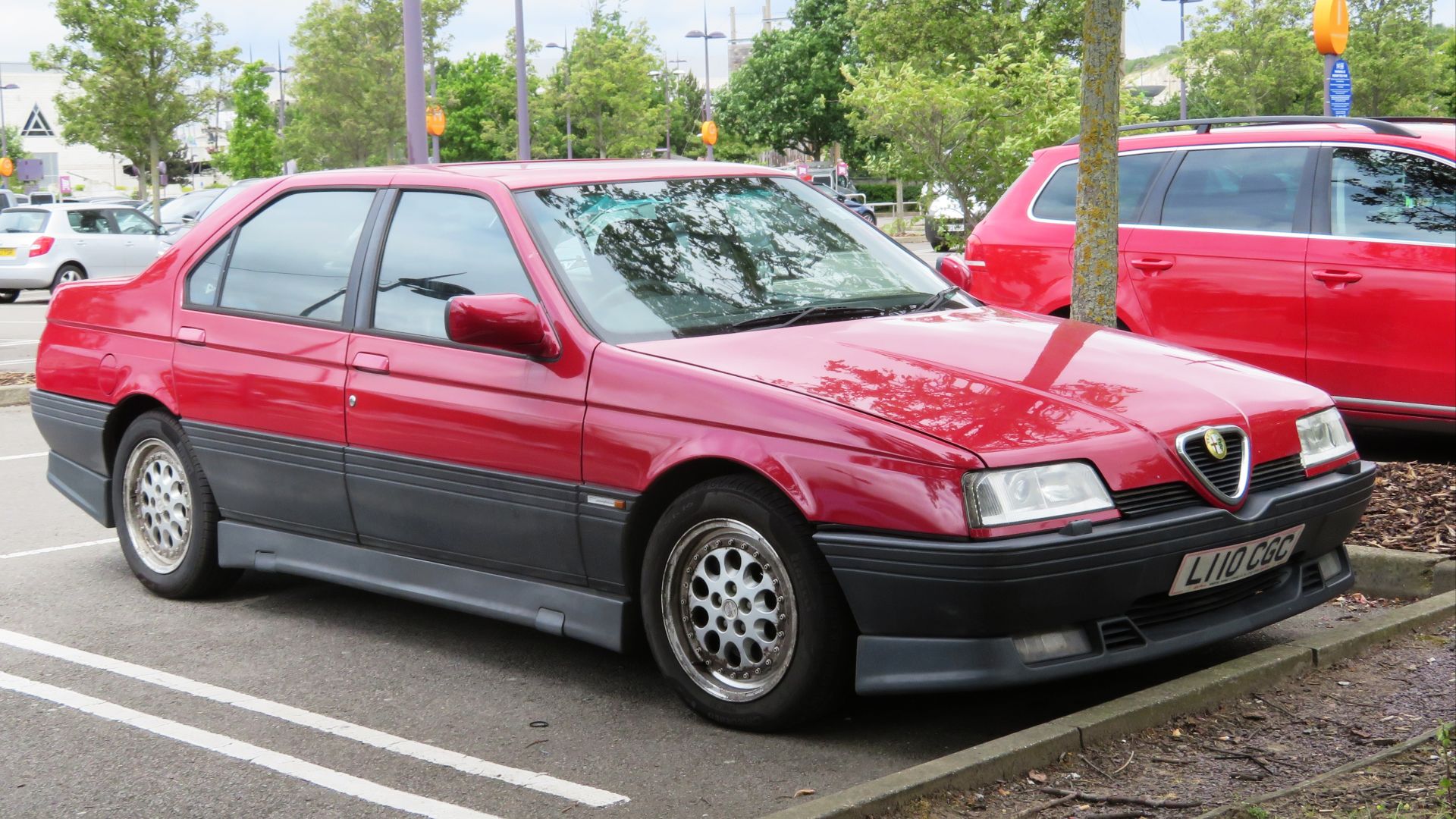
The design of the 164 came from Pininfarina, one of Italy’s most celebrated design houses. Its clean, wedge-shaped silhouette gave it a modern look that still feels distinctive decades later. Sharp lines, a low nose, and a wide stance helped it stand apart from more conservative luxury sedans. The result was a car that looked both elegant and subtly aggressive.
 Marc Perrot (coupe406.net), Wikimedia Commons
Inspired By Exotic Italian Design
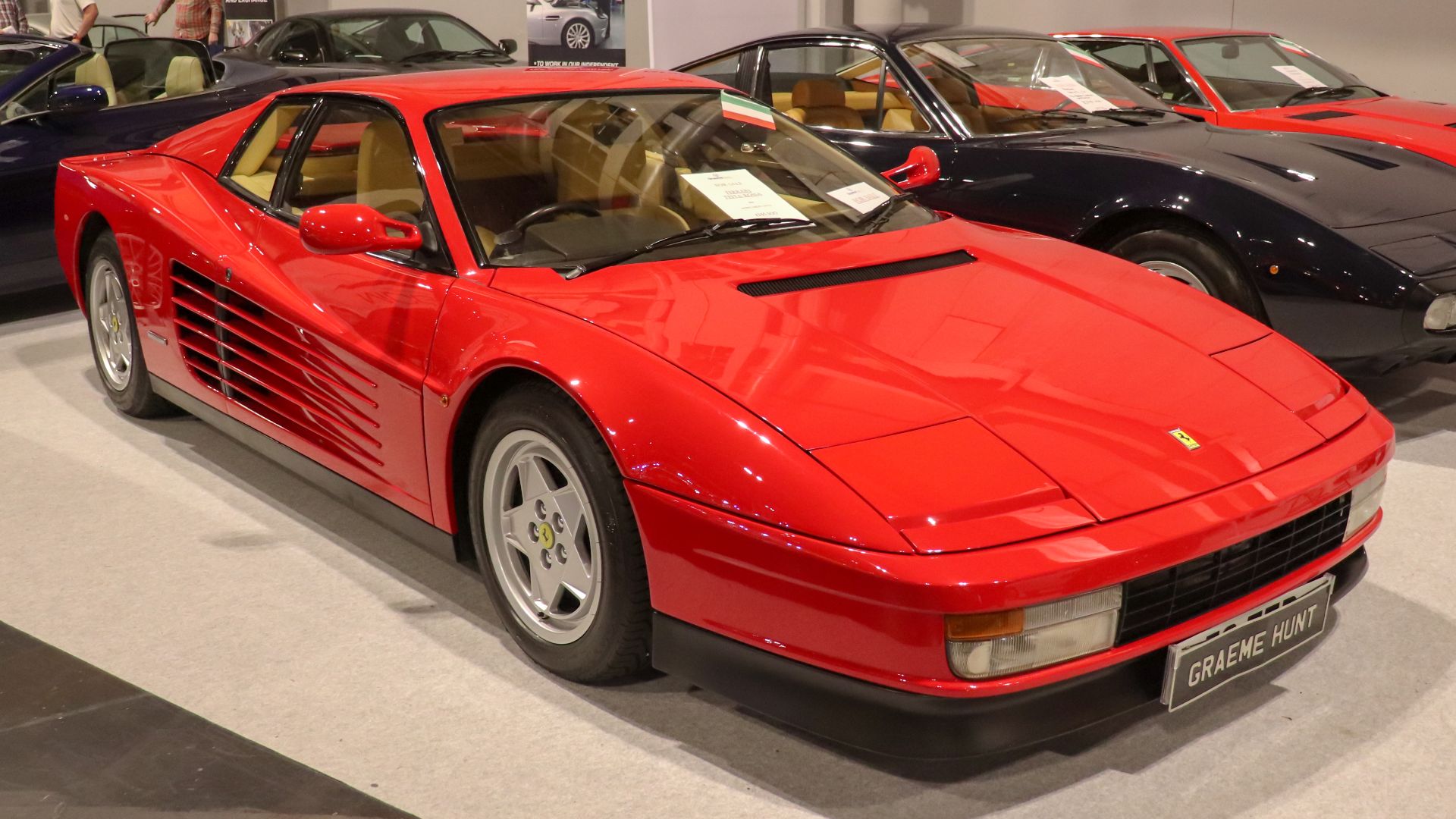
Interestingly, the 164’s styling had connections to another famous Italian machine. Pininfarina designed it shortly after completing the Ferrari Testarossa, and some design cues carried over. While the 164 was obviously a practical sedan, hints of Ferrari-like proportions and dramatic surfaces were visible. It was essentially a family car wearing the attitude of a supercar designer’s sketchbook.
Alfa’s First Truly Modern Executive Sedan
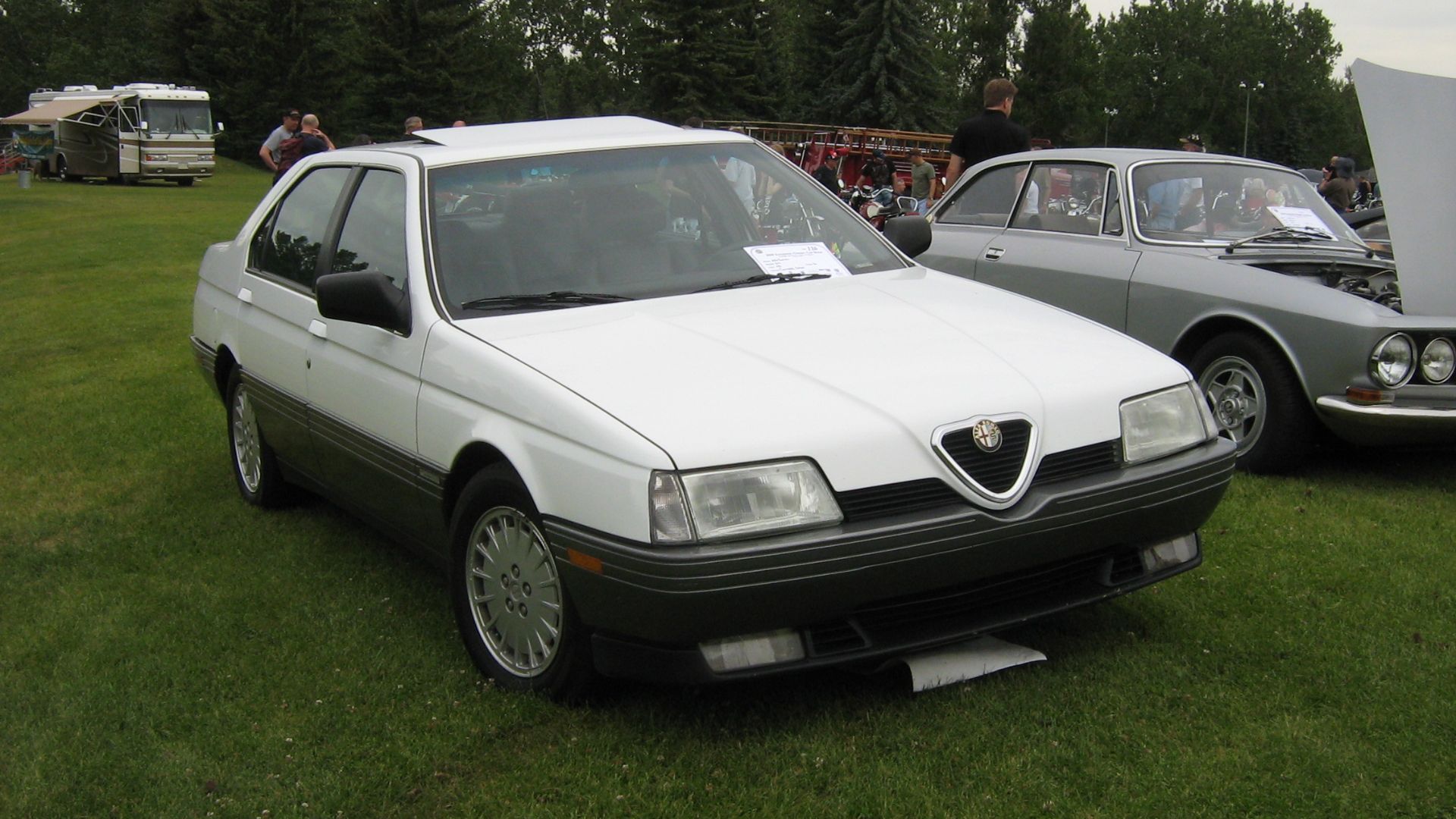
Earlier Alfa Romeo luxury cars had been charming but often outdated. The 164 represented a complete modernization of the brand’s executive lineup. It replaced models like the Alfa 6 and Alfa 90 while introducing more contemporary engineering and technology. The car also marked Alfa’s first large front-wheel-drive luxury sedan.
 dave_7 from Lethbridge, Canada, Wikimedia Commons
Aerodynamics Played A Big Role
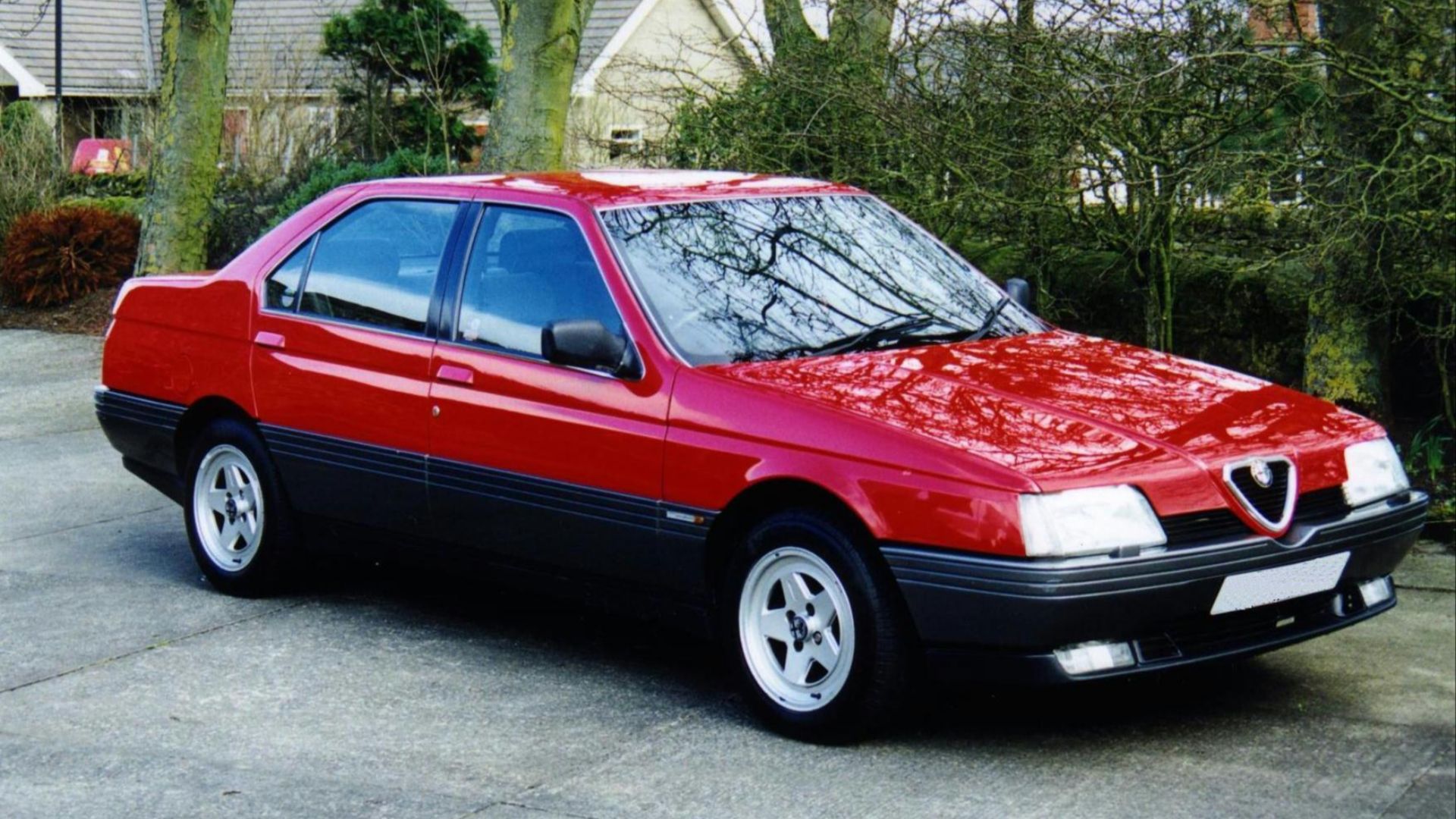
Italian designers didn’t just focus on looks—they also paid attention to efficiency. The 164 was one of the most aerodynamic cars in its class at the time. Smooth body surfaces and carefully shaped panels helped reduce drag and improve high-speed stability. That mattered because Alfa expected owners to enjoy long highway drives at serious speeds.
A Wide Range Of Engines
Under the hood, the 164 offered an impressive variety of powertrains. Buyers could choose from four-cylinder Twin Spark engines, turbocharged variants, diesel options, and several versions of Alfa’s famous V6. These engines ranged from economical daily drivers to genuinely sporty configurations. The variety allowed the 164 to appeal to both business executives and driving enthusiasts.
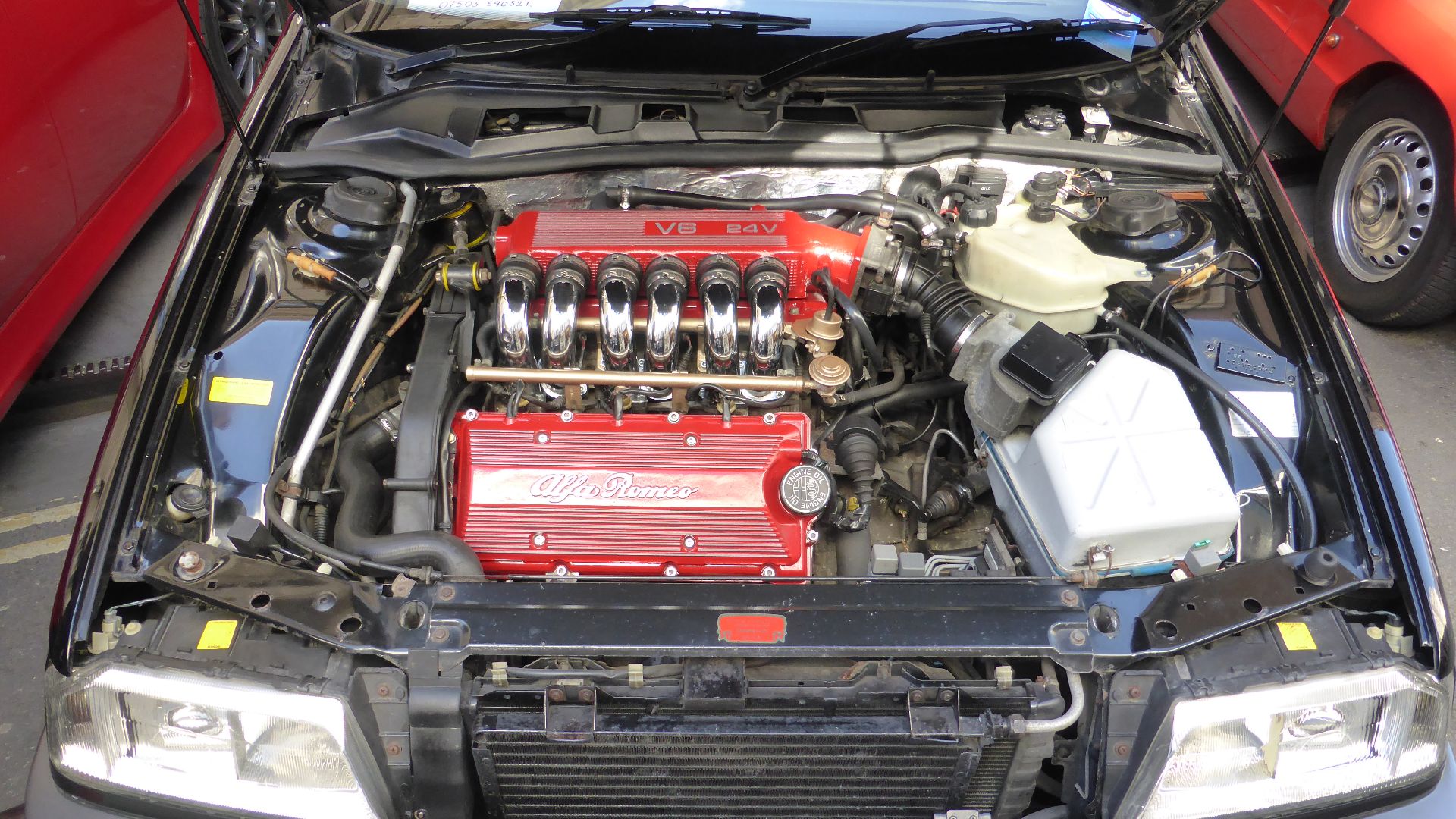 Andrew Bone from Weymouth, England, Wikimedia Commons
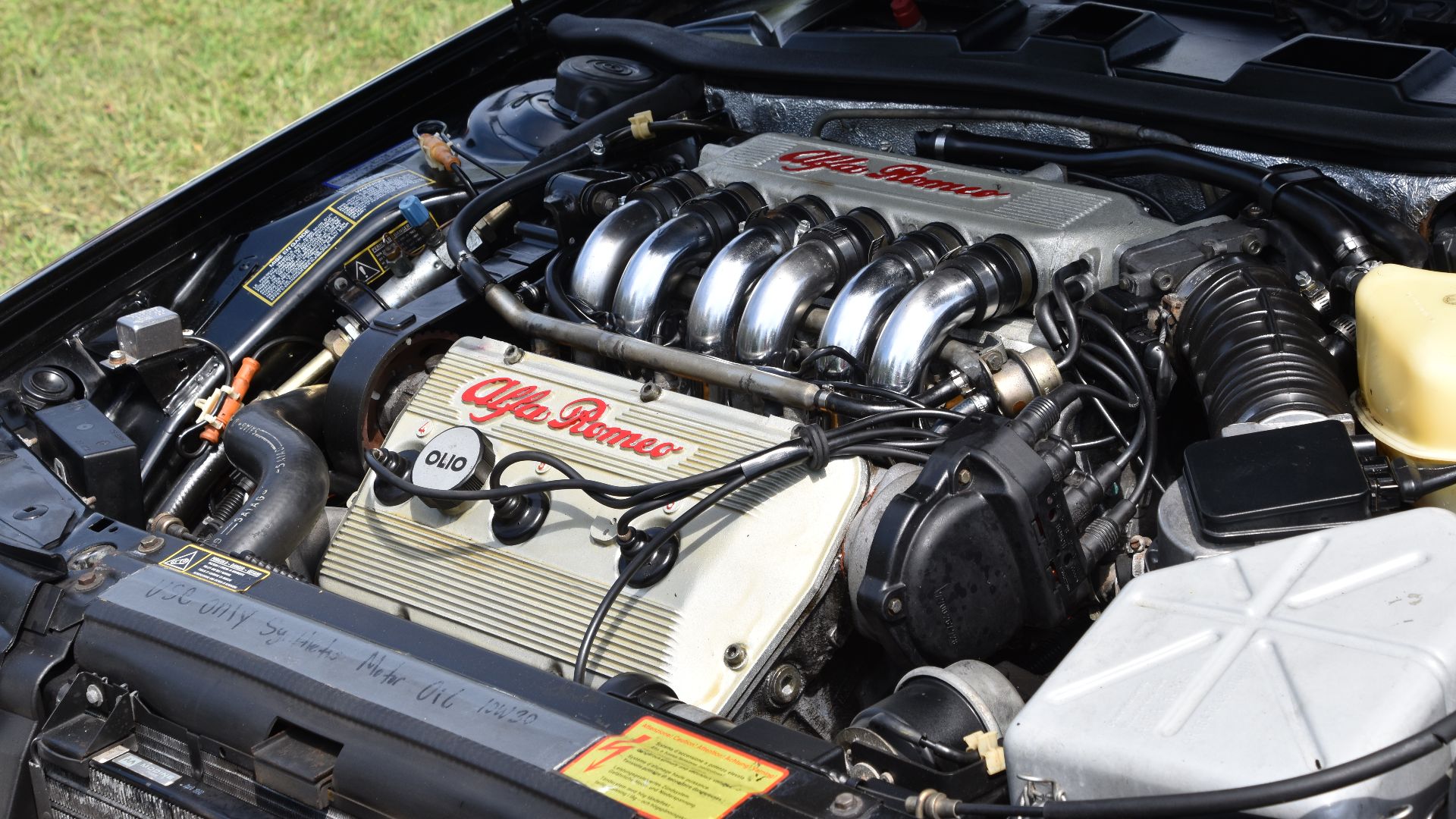
The Legendary Alfa Busso V6
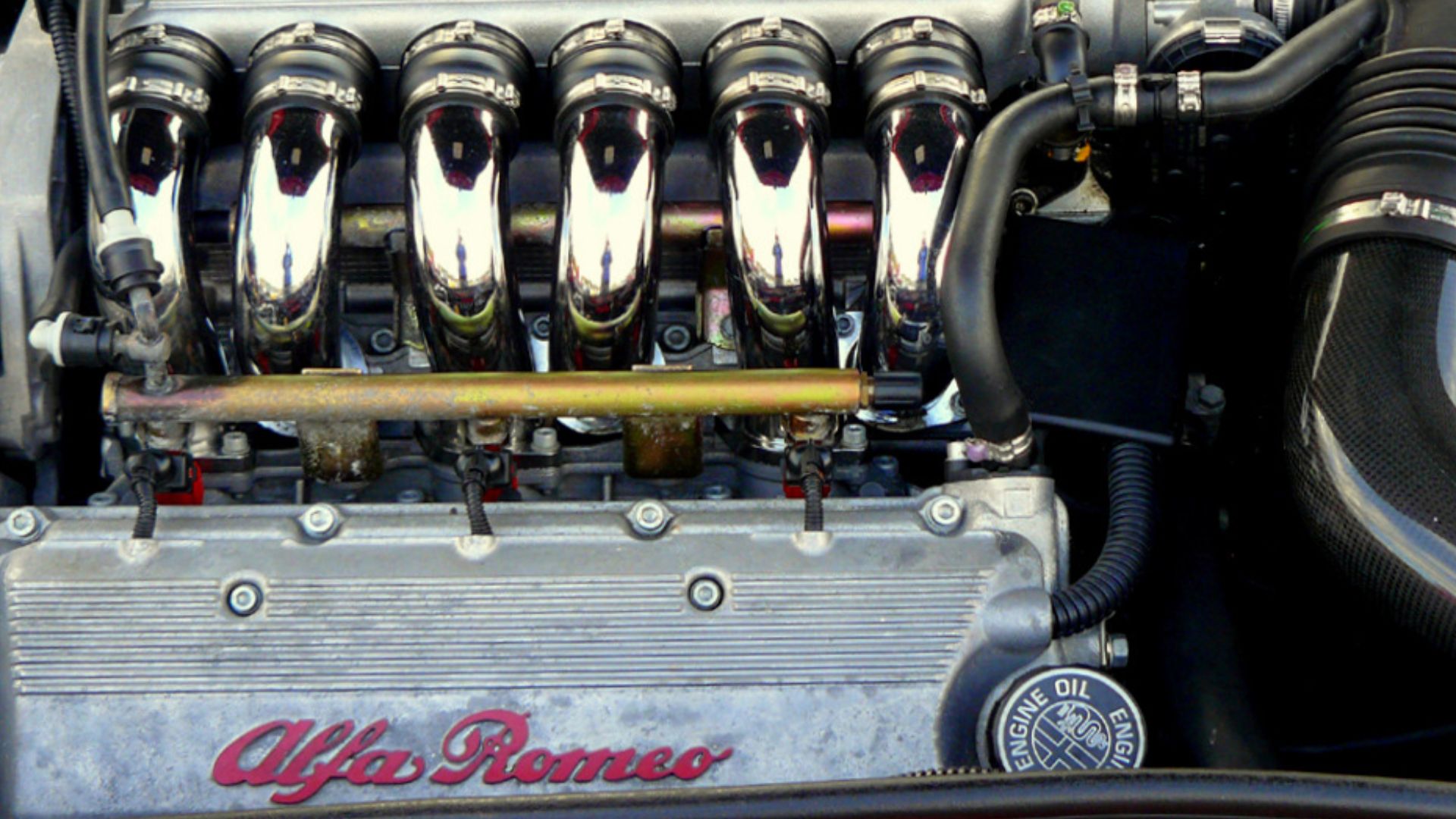
One engine stood out above the rest: the Alfa Romeo Busso V6. Known for its distinctive sound and smooth power delivery, it became a defining feature of many Alfa models. In the 164, the engine gave the luxury sedan real performance credentials. Few executive sedans of the time could match the combination of refinement and emotional character that this engine delivered.
Performance That Surprised Critics
For a comfortable executive sedan, the 164 could move. Later versions with the 3.0-liter V6 produced around 210 horsepower and could reach speeds approaching 150 mph. Acceleration was brisk enough to compete with many German rivals. Drivers quickly realized the 164 was more than just stylish—it was genuinely quick.
Handling That Felt Unmistakably Italian
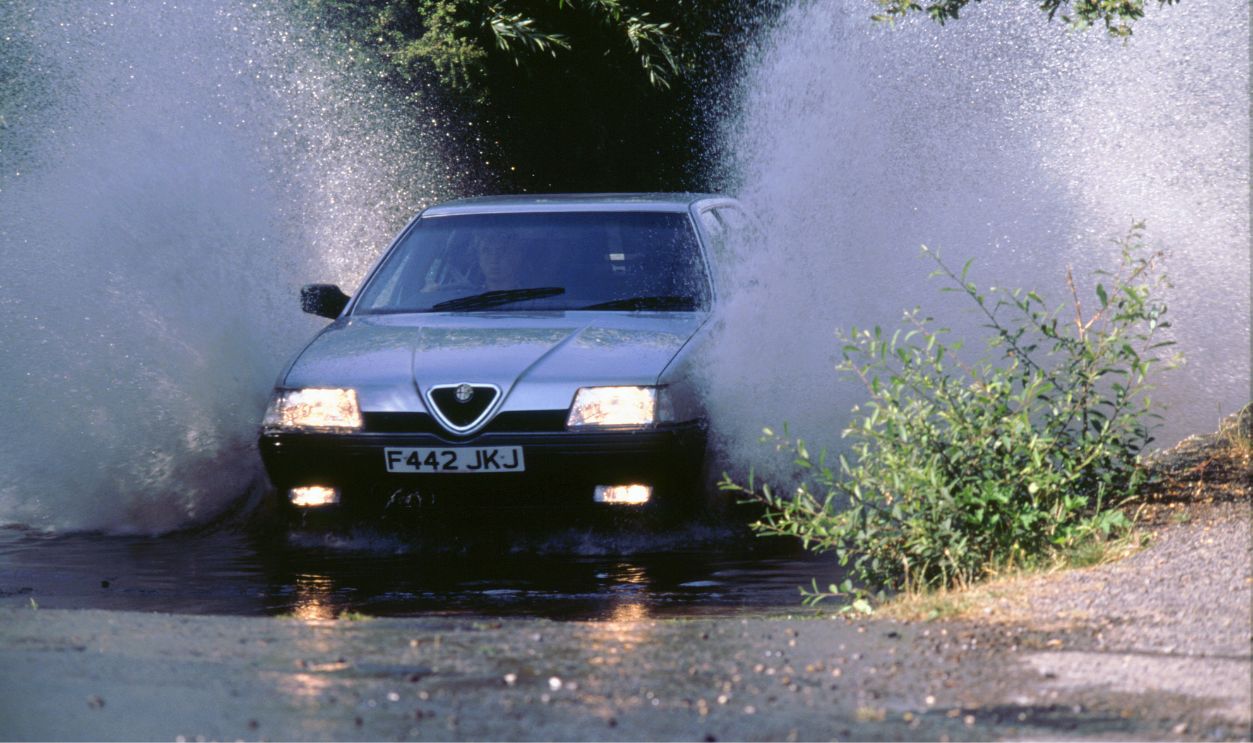
The Alfa Romeo 164 wasn’t just about straight-line speed. Engineers tuned the suspension to provide sharp handling and confident road manners. The car used MacPherson struts and carefully balanced geometry to keep things stable at high speeds. The result was a sedan that felt lively and engaging rather than dull.
The High-Tech Q4 Variant
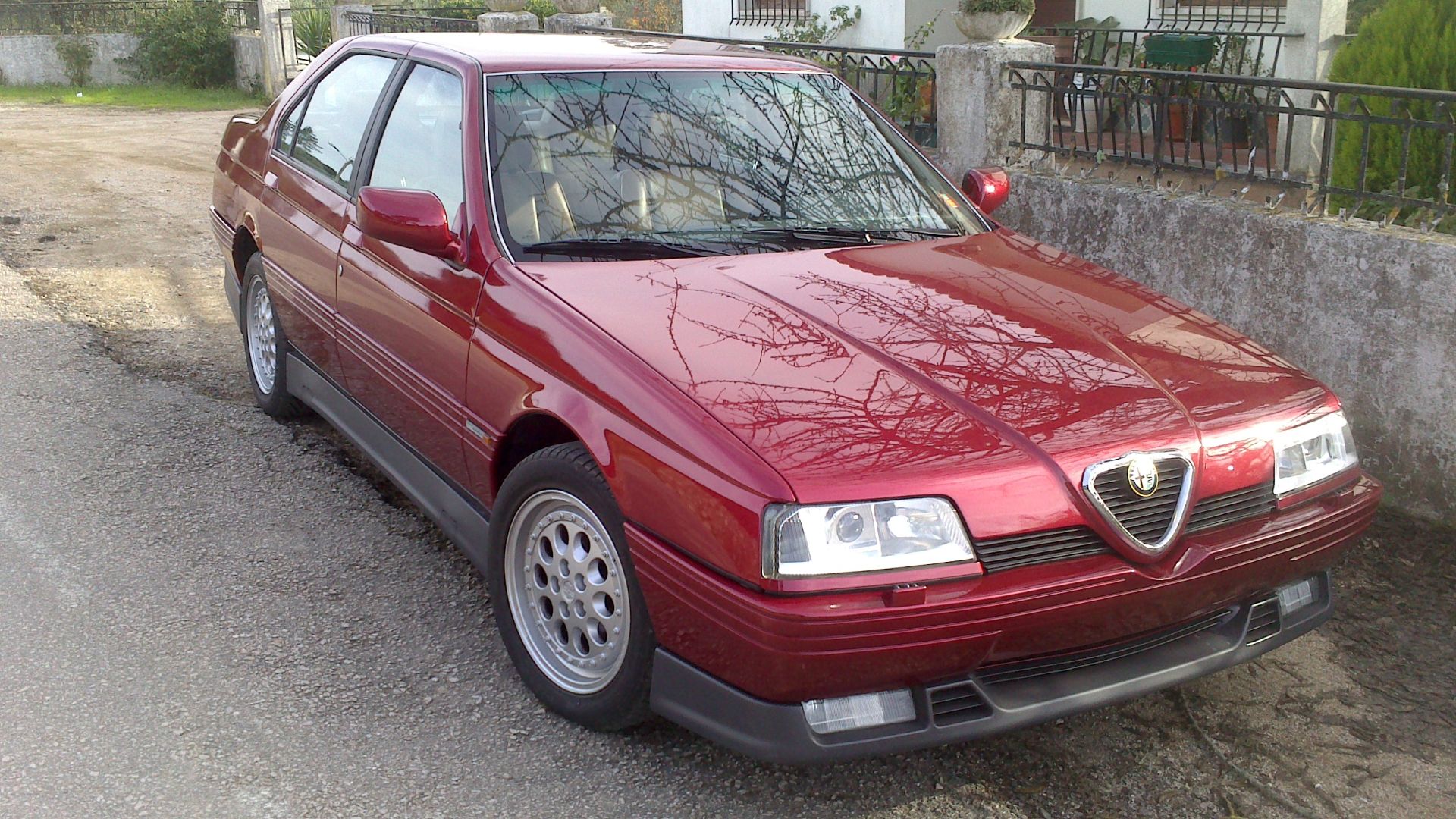
In 1993, Alfa Romeo introduced one of the most sophisticated versions of the car—the 164 Q4. This model added an advanced all-wheel-drive system developed with Austrian engineering firm Steyr-Puch. The system used a complex combination of viscous coupling and differentials to distribute power between the wheels. At the time, it was one of the most advanced AWD setups available in a production sedan.
A Six-Speed Manual In A Luxury Sedan
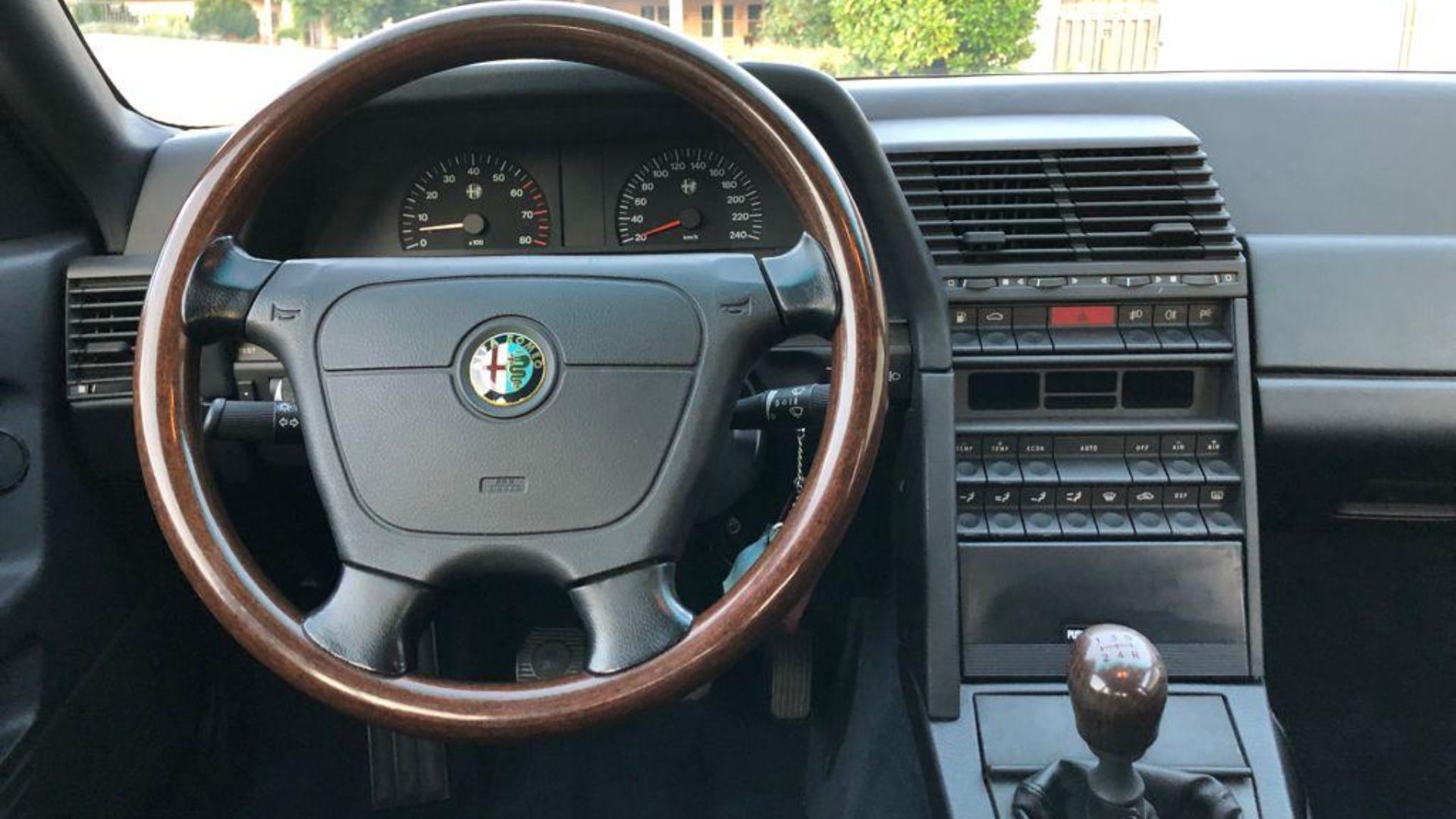
Another enthusiast-friendly feature appeared in the Q4 model: a six-speed manual transmission. In the early 1990s, six-speed gearboxes were still relatively rare in everyday road cars. Pairing one with a powerful V6 and all-wheel drive made the 164 Q4 a surprisingly serious performance machine. It blurred the line between luxury sedan and sports car.
 Matthias v.d. Elbe, Wikimedia Commons
Technology Inside The Cabin
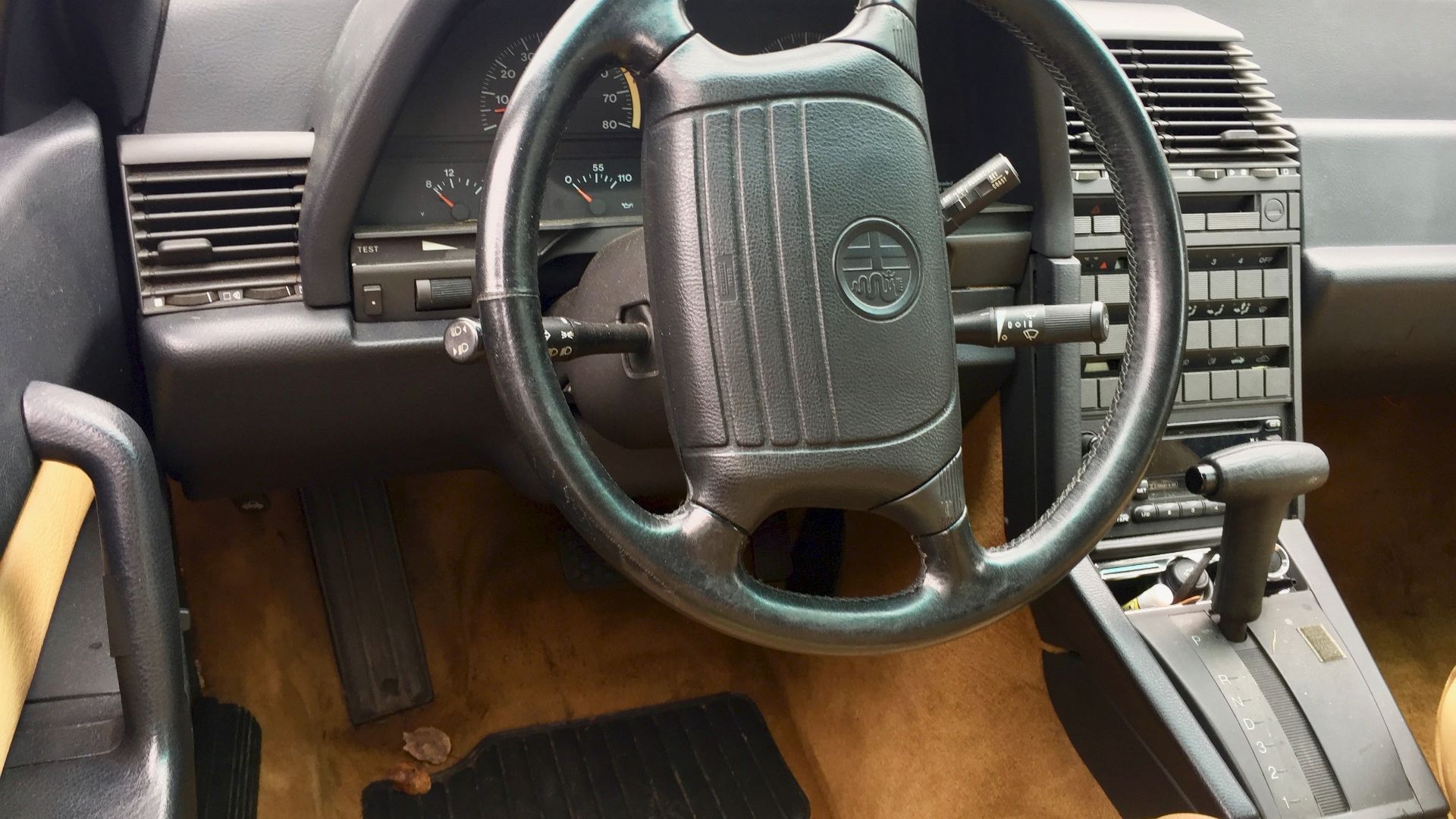
The interior of the 164 also reflected Alfa’s push toward modern engineering. Many versions included multiple onboard computers monitoring different vehicle systems. Features like electronic diagnostics and improved electrical systems were introduced to address earlier reliability criticisms. These updates showed Alfa’s effort to bring its technology up to contemporary standards.
Updates And Facelifts Over The Years
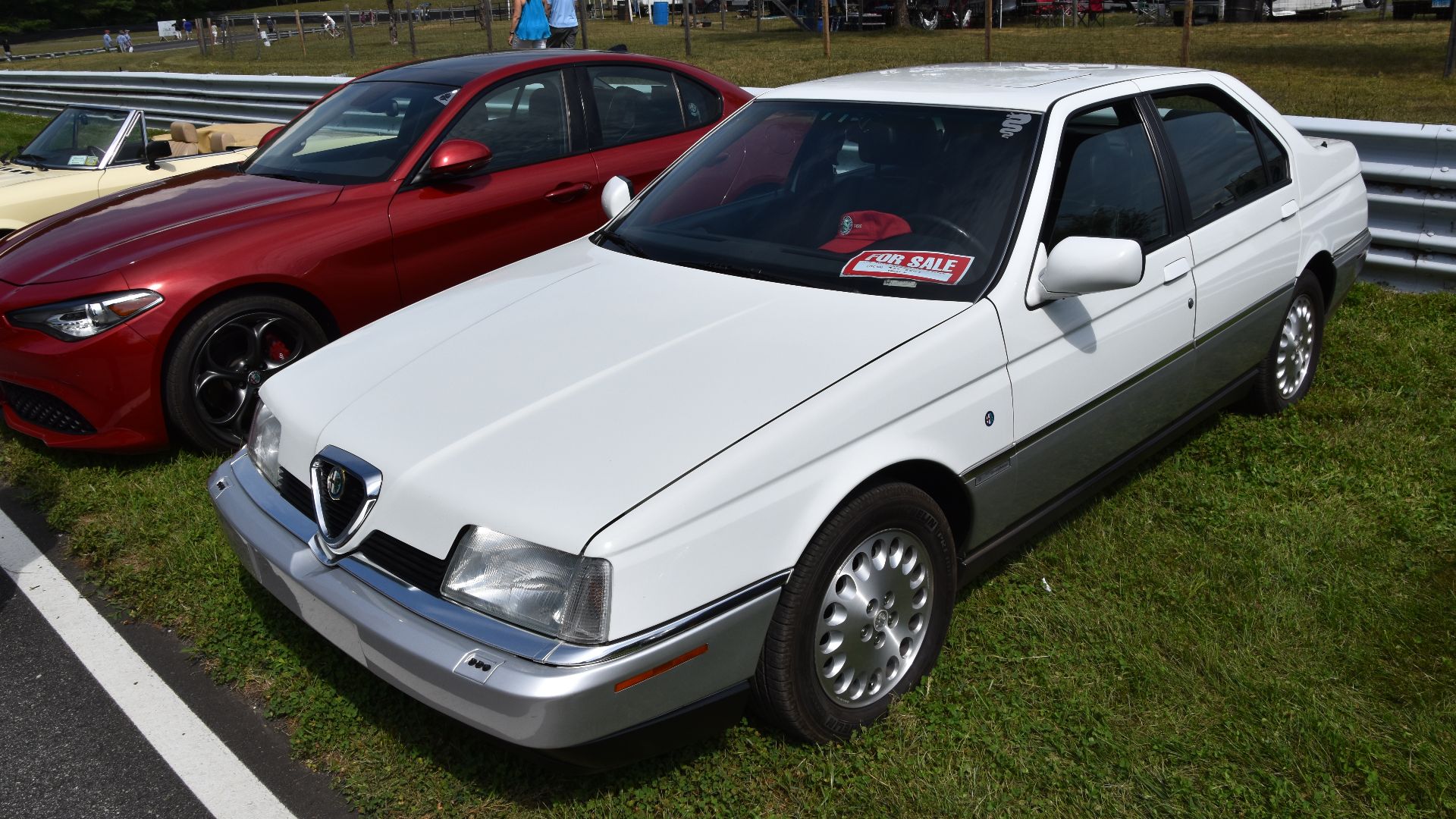
Like many long-running models, the 164 evolved during its lifespan. Several facelifts updated its styling, interior features, and mechanical components. Later versions received improved engines and revised electronics. These updates helped keep the car competitive through the early and mid-1990s.
 Charles from Port Chester, New York, Wikimedia Commons
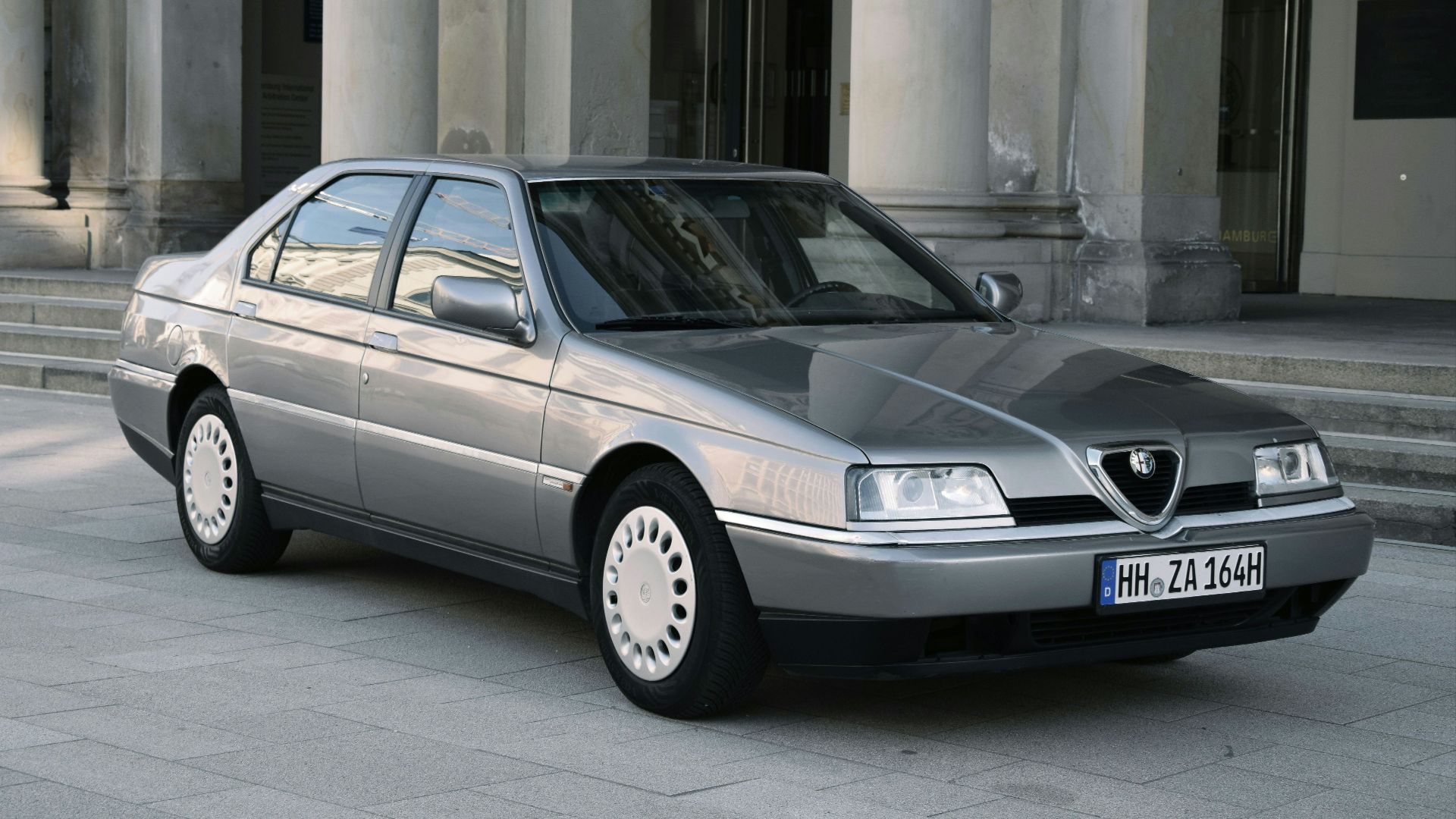
The 164 Super
One of the most notable redesigns came with the “Super” version. This model introduced a slightly longer body and revised styling details. The Super models also included interior upgrades and improved comfort features. It gave the 164 a more upscale feel while maintaining its sporty personality.
 Matthias v.d. Elbe, Wikimedia Commons
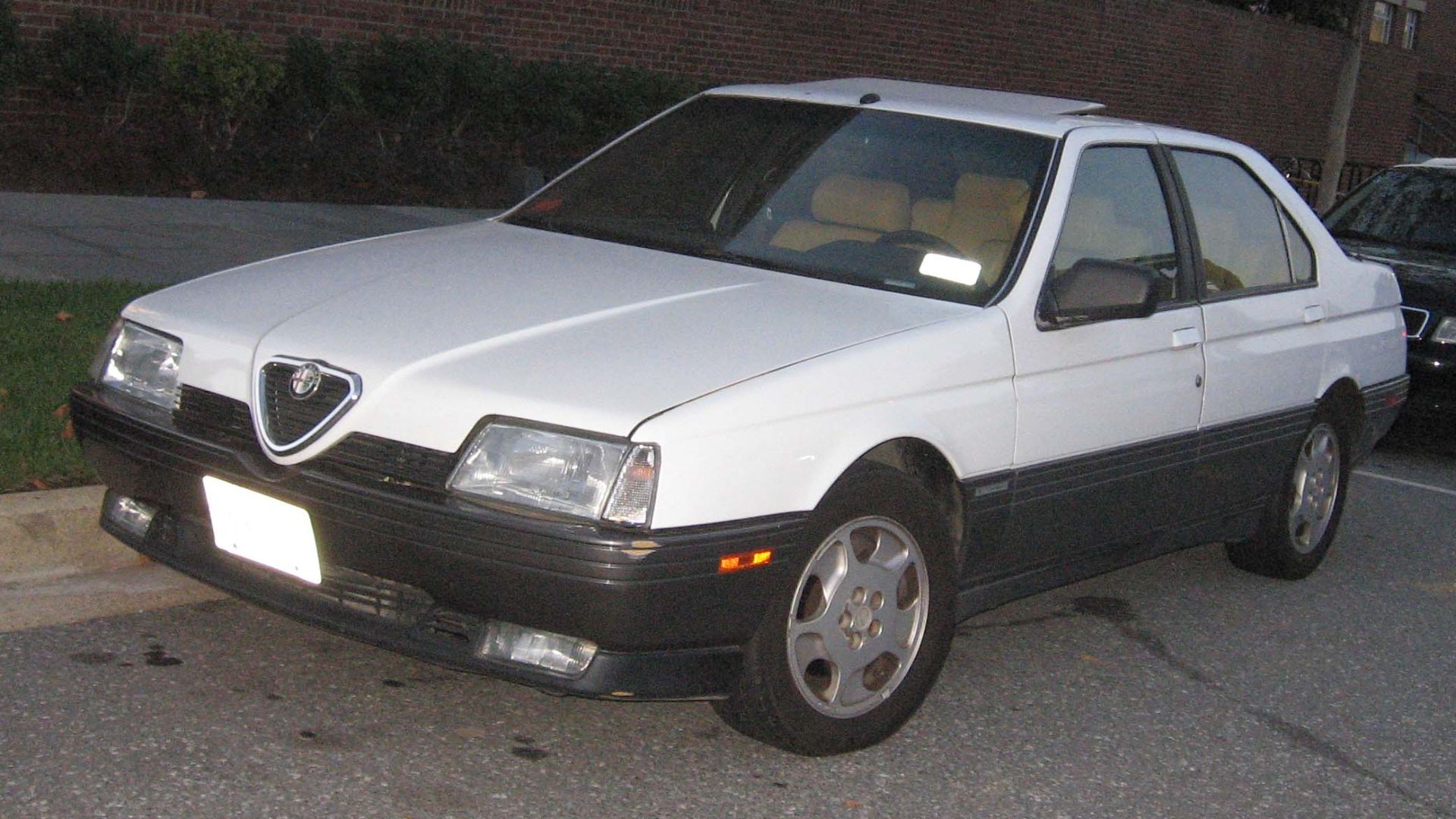
American Drivers Finally Got A Taste
The Alfa Romeo 164 eventually made its way to the United States market. For a time, it became one of the brand’s most visible models there. It offered American buyers something different from the usual German luxury sedans—more style, more character, and a distinctive Italian driving experience.
Reliability Concerns Hurt Its Reputation
Despite its strengths, the 164 struggled with a familiar Alfa Romeo issue: reliability concerns. Early models sometimes suffered from electrical problems and minor build-quality quirks. Later revisions improved these issues significantly, but the reputation damage had already been done. This lingering perception hurt sales in several markets.
 Charles from Port Chester, New York, Wikimedia Commons
The Last Alfa Romeo Sold In The U.S. For Years
The car also marked the end of an era for Alfa Romeo in America. After the 1995 model year, the brand withdrew from the U.S. market entirely. That made the 164 the last Alfa Romeo officially sold there for nearly two decades. The company wouldn’t return until the arrival of the Giulia in 2015.
Production And Global Impact
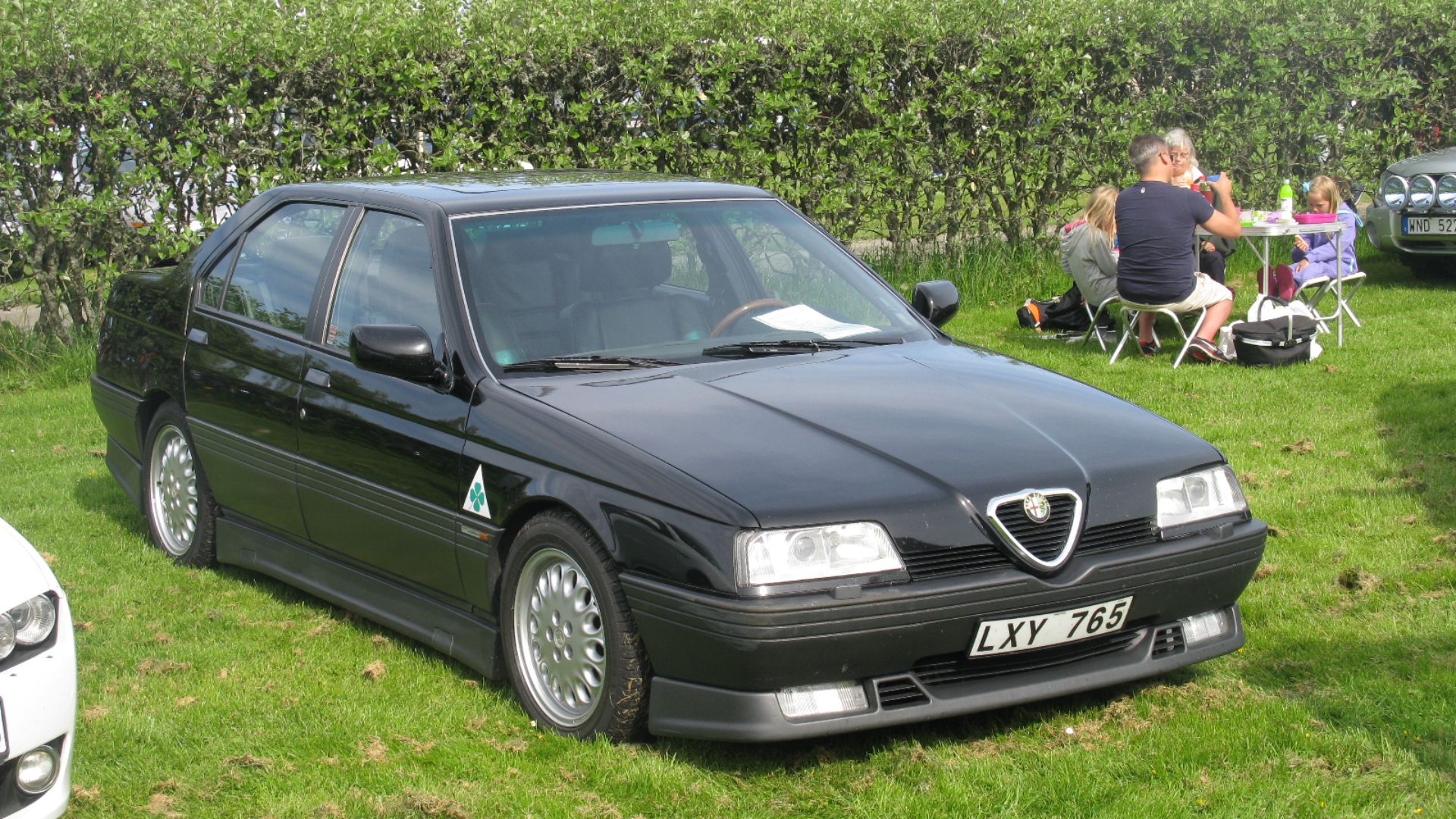
Production of the Alfa Romeo 164 ran from 1987 until 1998. During that time, more than 270,000 units were built. The car sold well in Europe and gained a loyal following among enthusiasts. It proved that Alfa Romeo could build a legitimate luxury performance sedan.
A True Luxury Sleeper
Today, the Alfa Romeo 164 is often overlooked compared to flashier classics. Yet it remains a fascinating piece of automotive history—a car that combined Italian design, innovative engineering, and genuine performance. For those who know what it is, the 164 represents one of the most underrated executive sedans of the 1990s. It may not have dominated the luxury market, but it definitely left its mark.
 Niels de Wit from Lunteren, The Netherlands, Wikimedia Commons
You May Also Like:
Hyundai Ioniq 6: The 2023 World Car of the Year
2023 Jeep Rubicon 392: The Quickest, Most Powerful Wrangler Ever
The Bugatti Chiron Super Sport 300+: The Second Fastest Car In The World