Bad Car Or Bad Timing?
Over the years, countless cars have been hyped as the next big thing in performance, only to let drivers down in a spectacular fashion. Flawed engineering or inflated promises can quickly make cars famous for the wrong reasons.

McLaren MP4-12C
McLaren designed the MP4-12C with high hopes, but owners felt let down. Throttle lag from unstable software caused hesitation during acceleration, while faulty door sensors and launch control felt unreliable. The software updates failed to solve core problems, in turn, leaving drivers frustrated rather than thrilled.
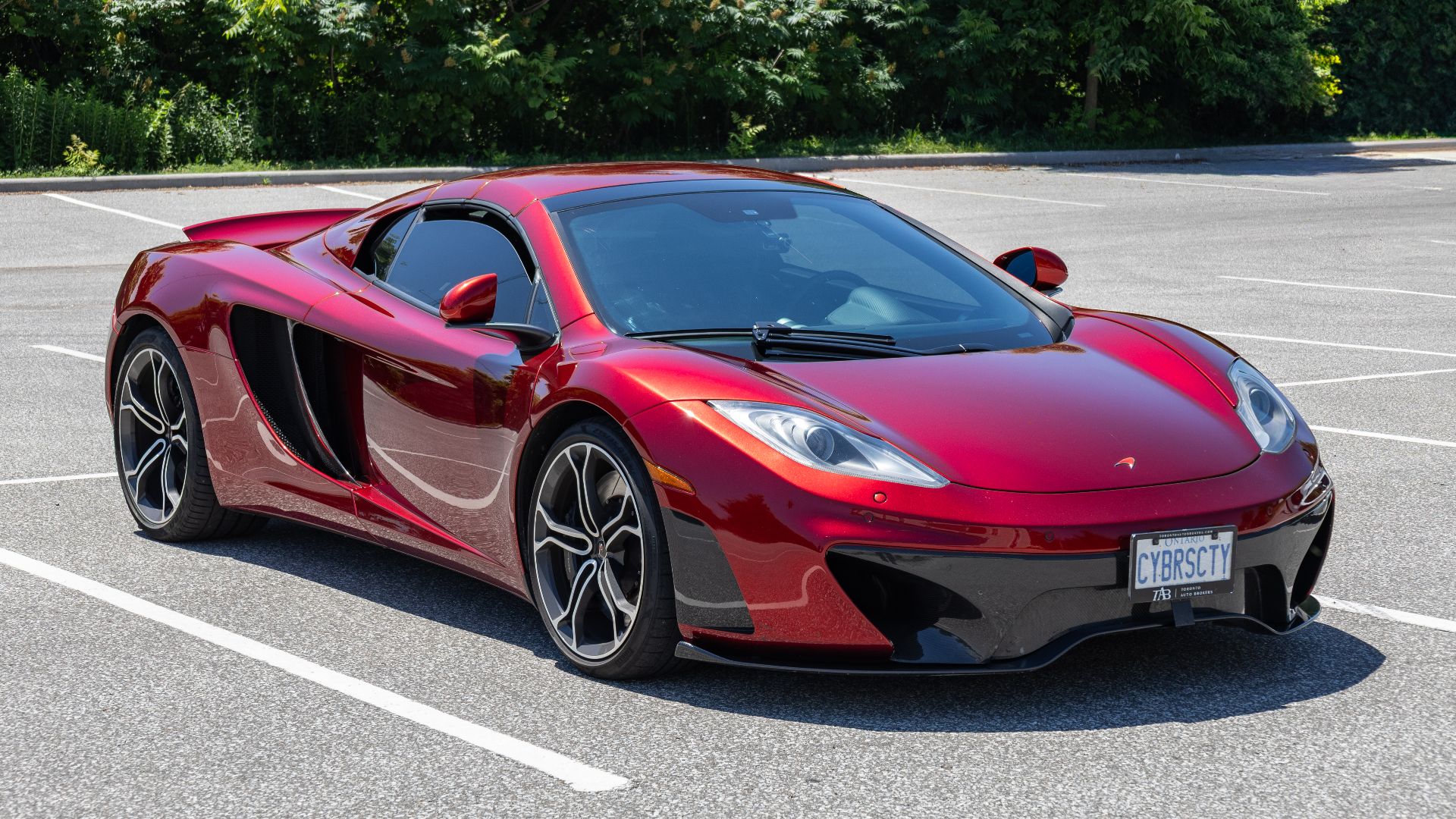 Crisco 1492, Wikimedia Commons
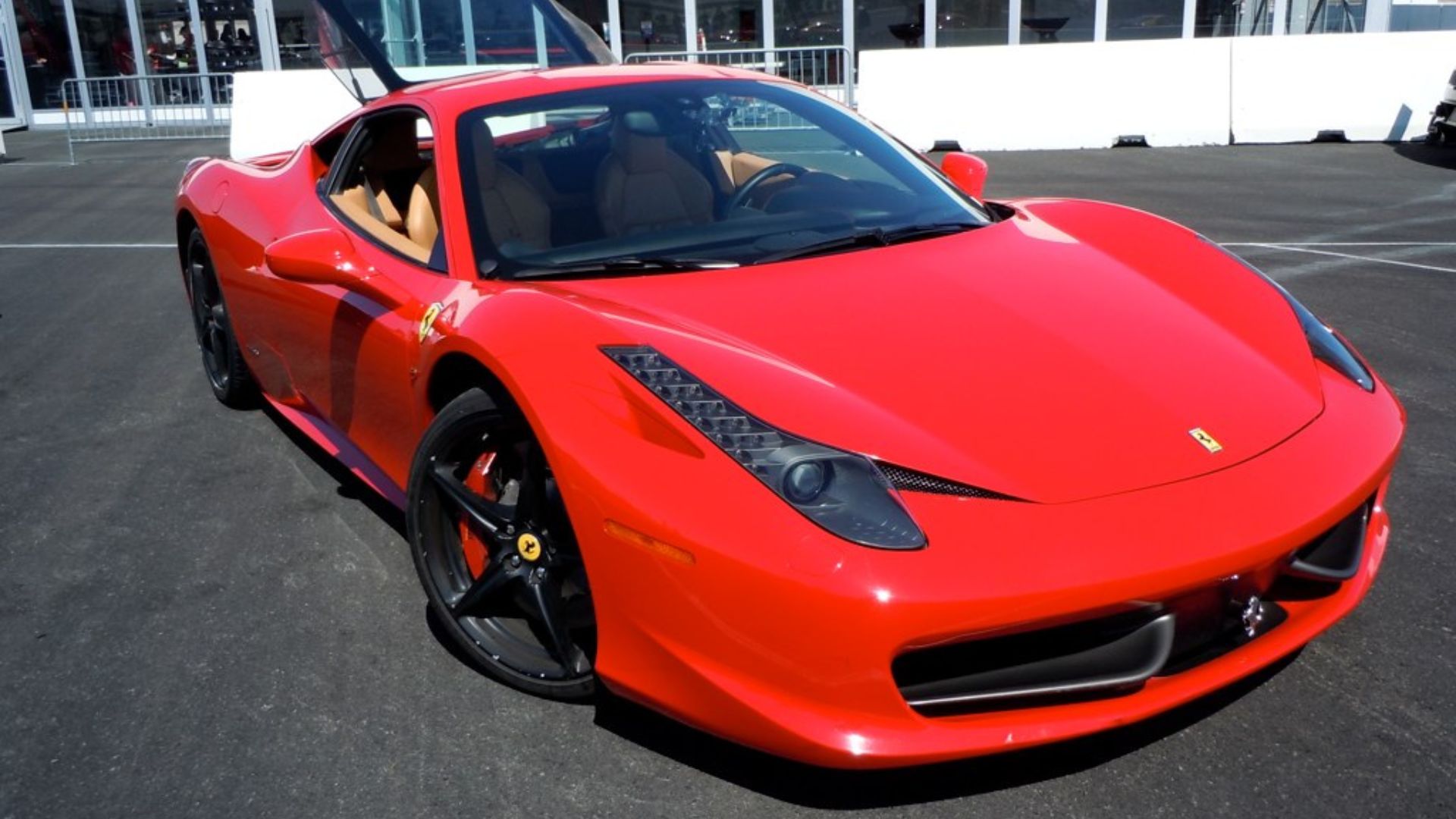
Ferrari 458 Italia
Danger lurked beneath the Ferrari 458 Italia’s breathtaking design, though many owners discovered it too late. A design oversight involving adhesive near the rear wheel arches led to rare but serious fire risks. Subsequently, recalls followed, and drivers realized that the car’s elegance carried deadly flaws.
Lamborghini Gallardo
Excitement followed the Lamborghini Gallardo on wide highways, yet crowded city streets revealed its weakness. Stop-and-go traffic quickly wore out the E-Gear transmission, which led to clutch bills surpassing $10,000. Manual models avoided such costs, despite the late realization that daily driving carried a frustrating compromise.
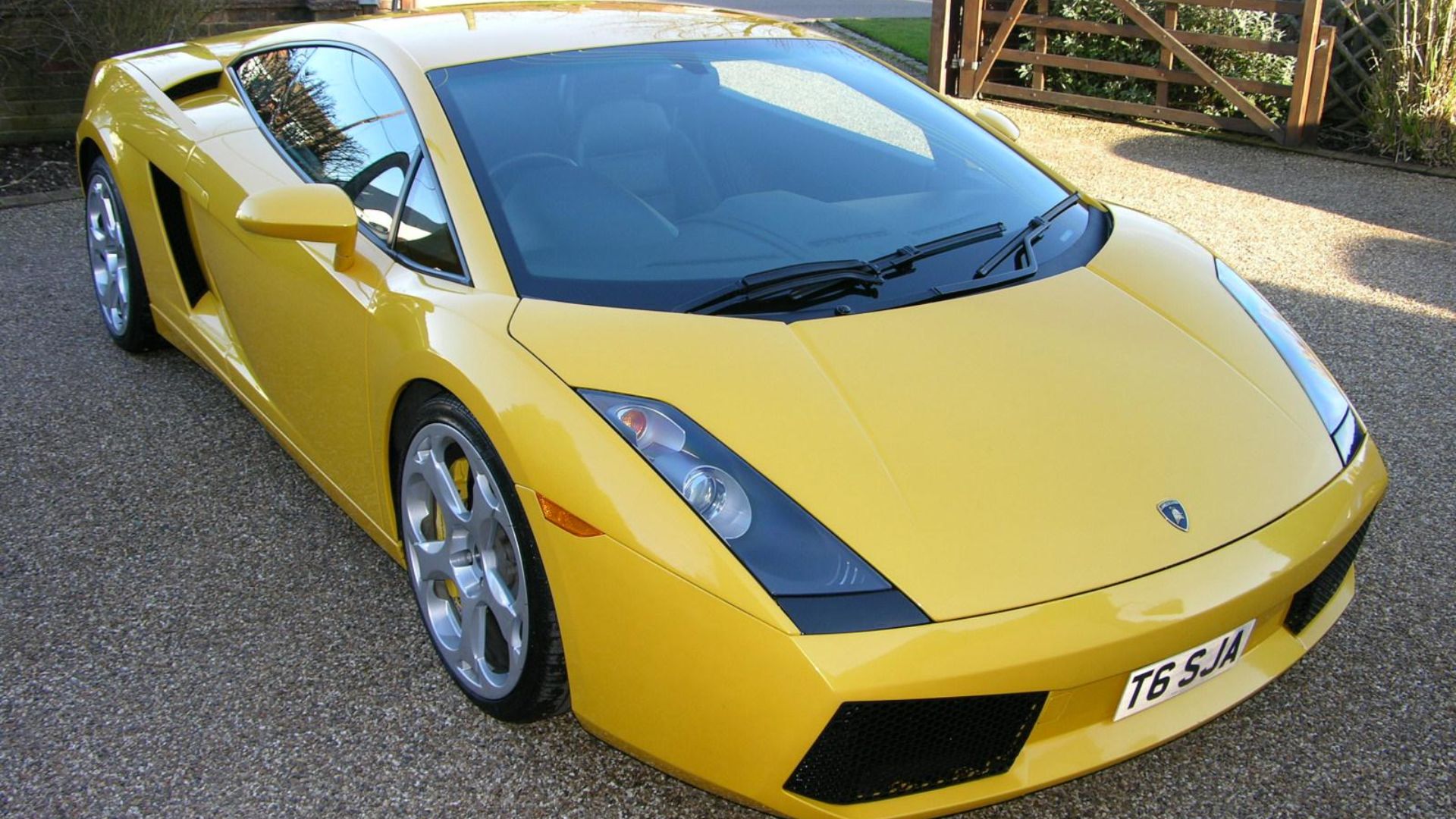 The Car Spy, Wikimedia Commons
Aston Martin DB9
The Aston Martin DB9’s electronic glitches spoiled the drive, as dashboards went dark without warning and onboard systems froze midway. Because sport mode shifts lagged, the thrill felt dulled, and frustrated drivers sought dealer help, who rarely delivered meaningful or lasting solutions.
 Edvvc from London, UK, Wikimedia Commons
Bugatti Veyron
Dazzling with unmatched power, the Bugatti Veyron’s cooling system required exclusive facilities, and batteries required partial disassembly altogether. Plus, its tires cost more than entire cars, topping $42,000 with factory service. Much to many buyers’ dismay, they only discovered these sky-high expenses after getting the car.
 Stefan Krause, Germany, Wikimedia Commons
Tesla Model S Plaid
Record-breaking speed made the Tesla Model S Plaid irresistible to many drivers. However, excitement faded as software bugs triggered sudden shutdowns and panels showed poor alignment. Over-the-air updates failed to resolve persistent issues, and fit-and-finish problems were consistent across production runs.
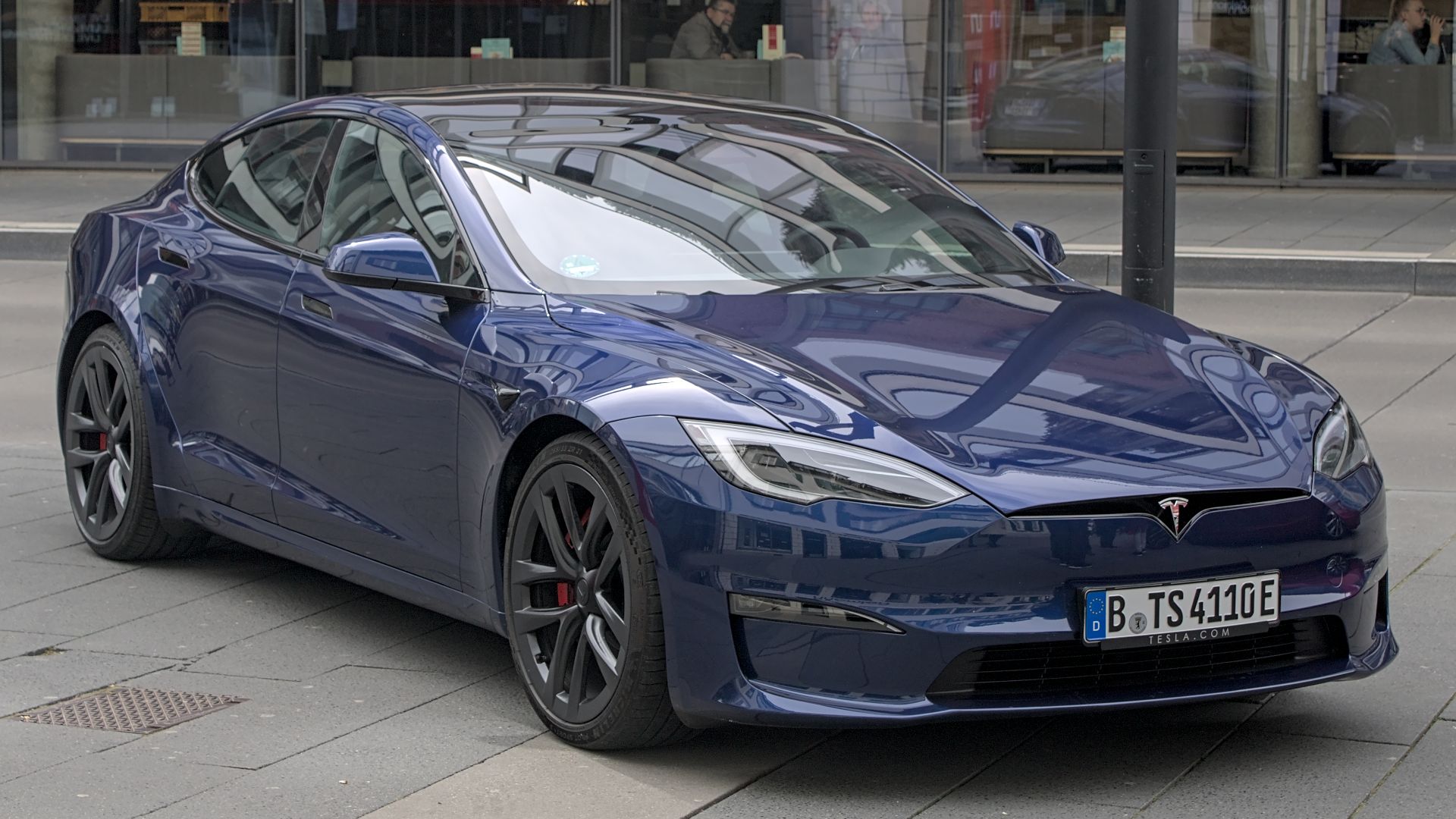 Alexander-93, Wikimedia Commons
BMW i8
When the BMW i8 hit colder climates, its weaknesses quickly came to light. Hybrid systems faltered in the chill, batteries seemed to drain far faster than expected, door actuators started to jam, and on top of that, charging became a headache. Scarce parts left many drivers hanging for months.
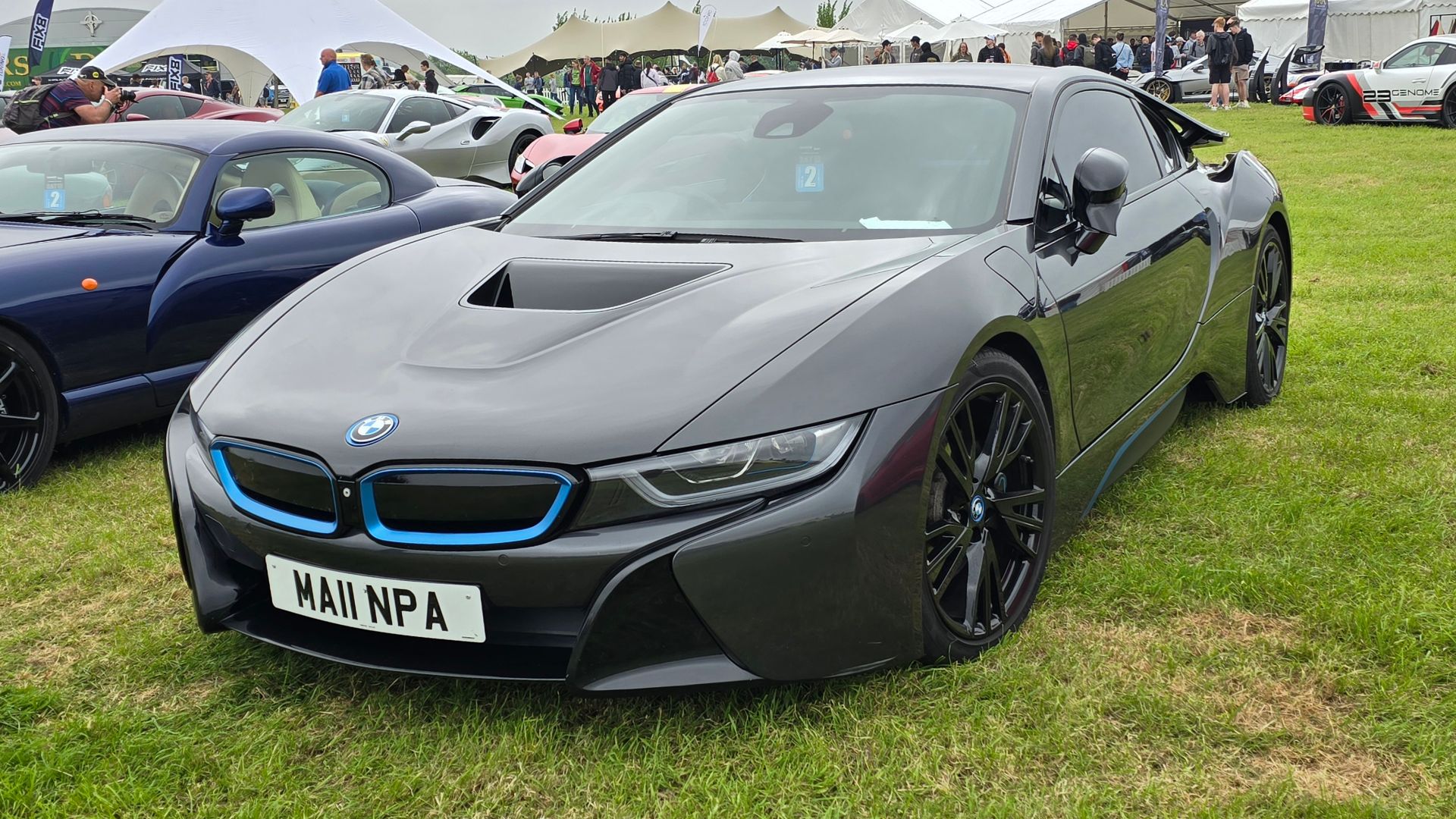
Maserati GranTurismo
Glamour surrounded the Maserati GranTurismo and impressed enthusiasts. But in 2021, the Ministry of Transport (MOT) test pass rate stood at 83.0%, which was below average for luxury cars. Its reliability was also disappointing because suspension parts wore out, and electrical glitches disrupted lighting and ignition.
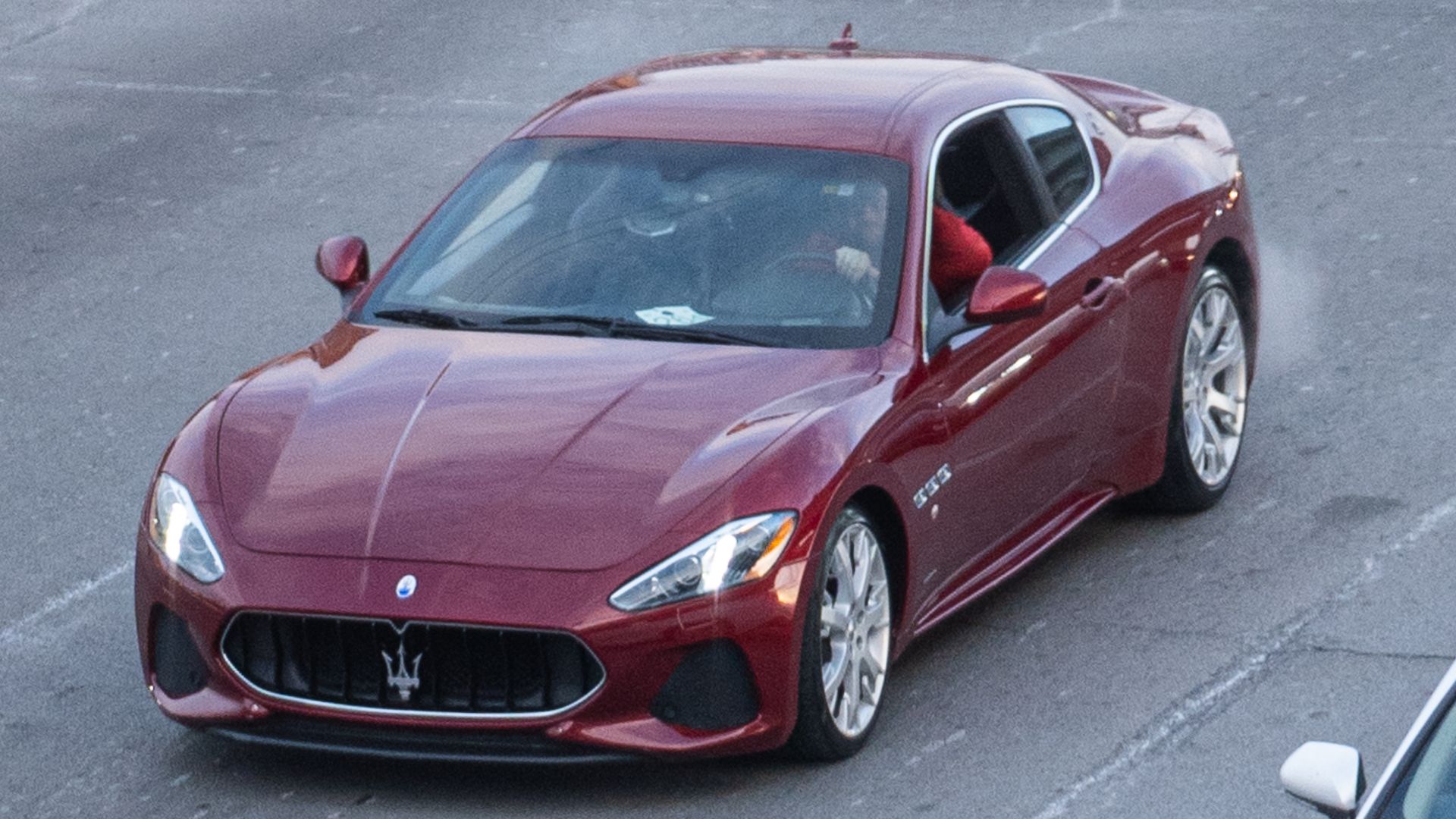 OWS Photography, Wikimedia Commons
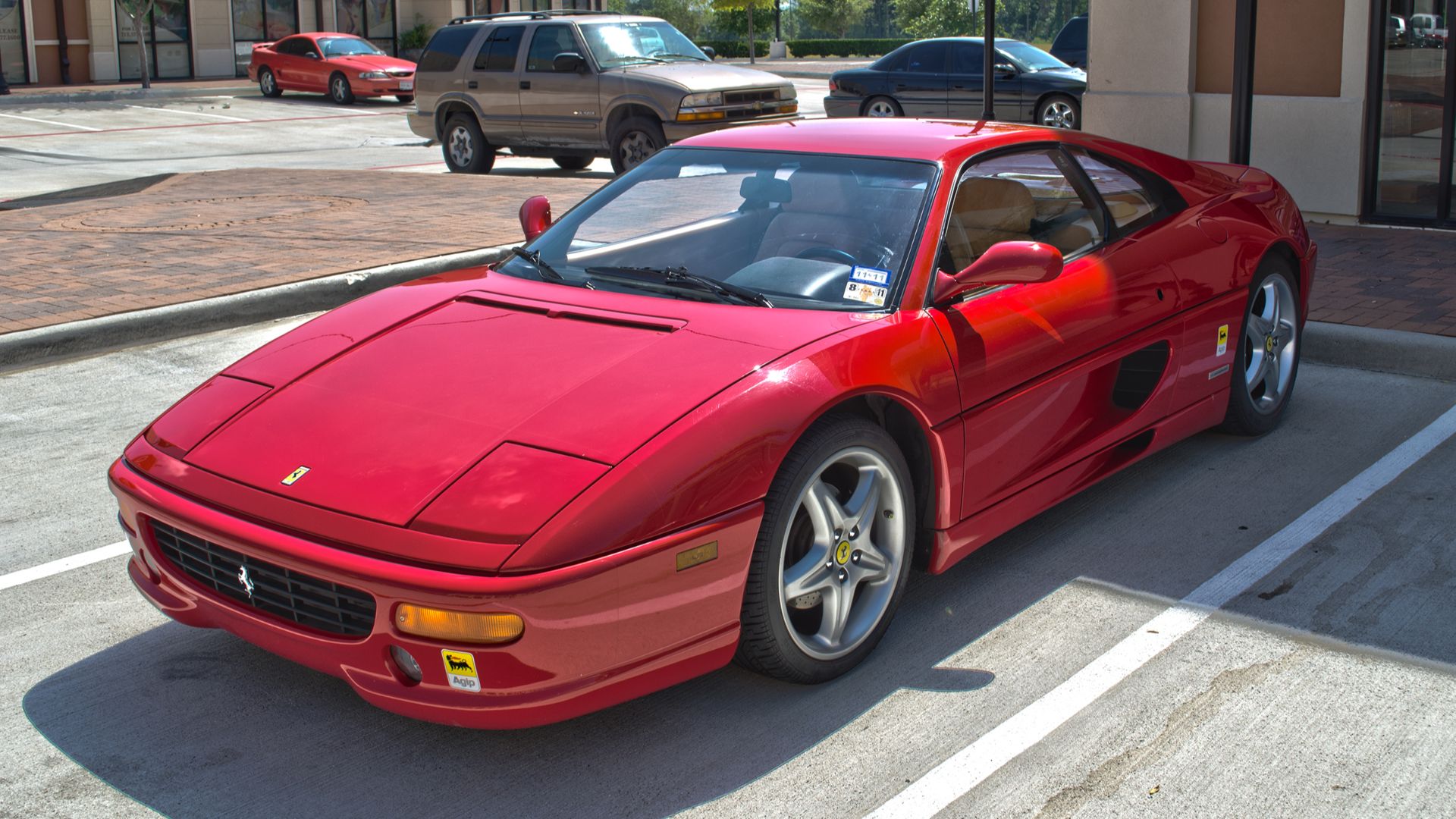
Ferrari F355
The Ferrari F355 was gorgeous to look at and glorious to hear, but living with one was another story. Warm days brought an unexpected mess, with interior plastics literally melting into a sticky disaster. Then came the mechanical gremlins—valve components wore down so badly that engines failed.
 Michael Price, Wikimedia Commons
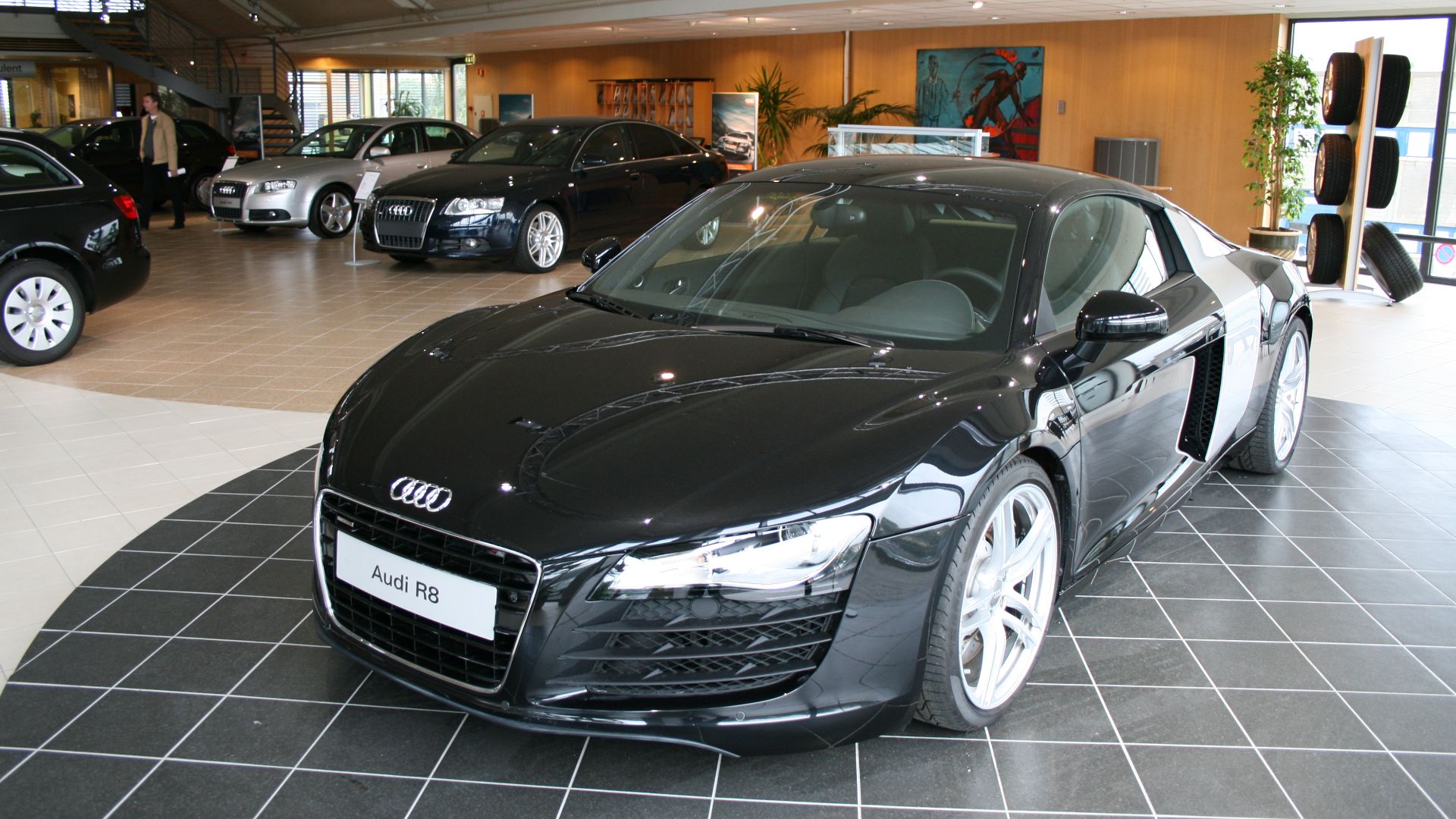
Audi R8 V8
Crowds were dazzled by the Audi R8 V8’s exotic looks. Beneath the surface, however, lurked problems. Magnetic ride suspensions collapsed too early, weak heat shielding allowed damage, and repairs demanded heavy labor. All of that, along with soaring bills, left most drivers shaken by the car’s uncertain reliability.
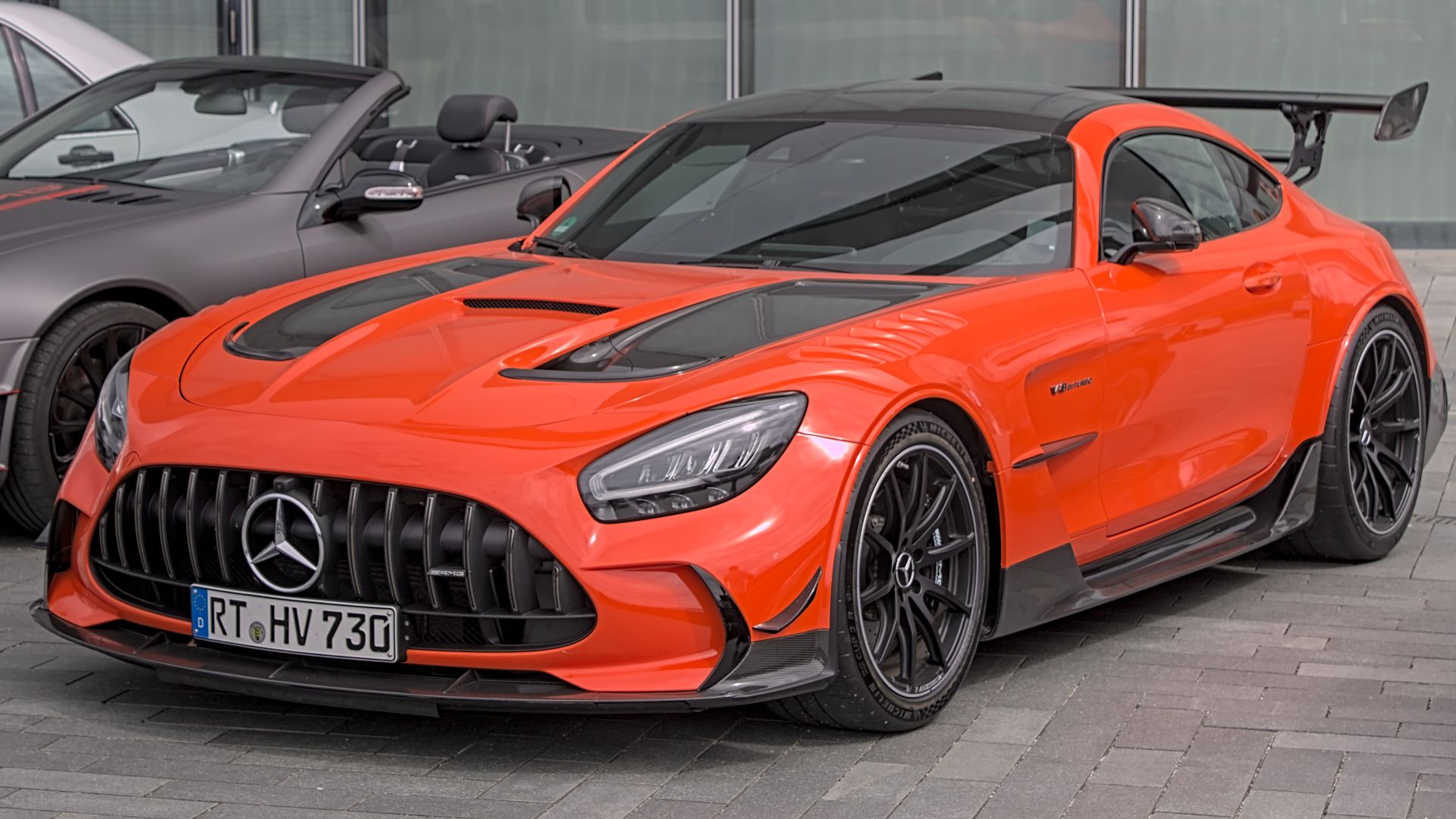
Mercedes-AMG GT
Mercedes-AMG GT owners often felt blindsided as alerts about dangers arrived late. Since 2016, thirty-four recalls have drawn significant scrutiny and covered serious issues. Despite delivering thrilling speed and style, admiration steadily faded, undermined by persistent and troubling flaws.
 Alexander-93, Wikimedia Commons
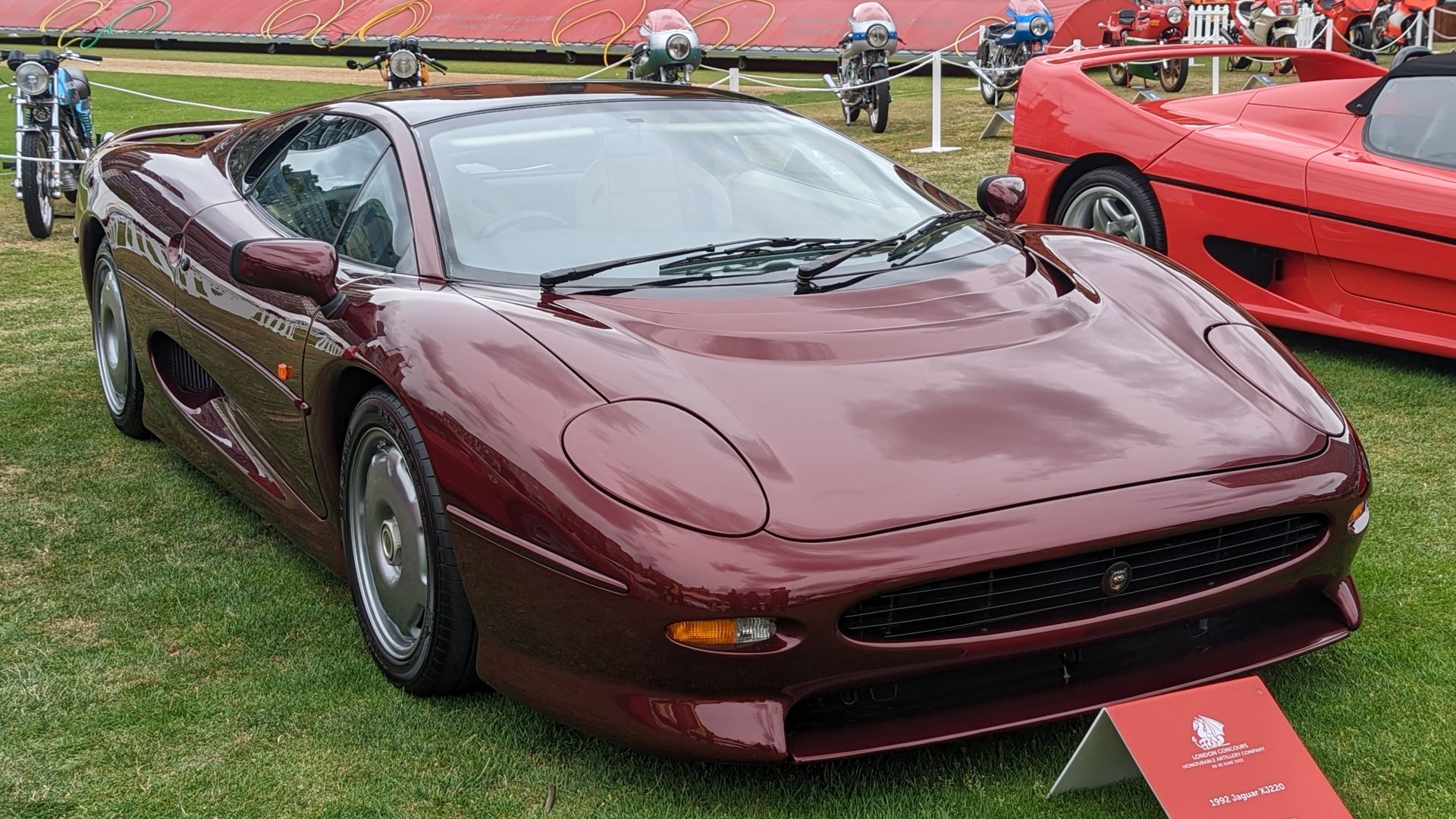
Jaguar XJ220
Launched with bold ambitions, the Jaguar XJ220 soon showed its age. Turbo lag made acceleration unpredictable, and gearboxes broke under modest stress. Diagnostic tools became outdated, and due to scarce parts, even minor repairs became huge challenges that left owners struggling to keep the supercar on the road.
Alfa Romeo 4C
At first, the 4C looked like pure magic—a featherlight body and razor-sharp handling promised thrills. Yet reality crept in quickly: jerky shifts spoiled city driving, visibility vanished out back, and even the throttle misbehaved. Add cheap interior trim to that, and the dream car felt surprisingly fragile for daily use.

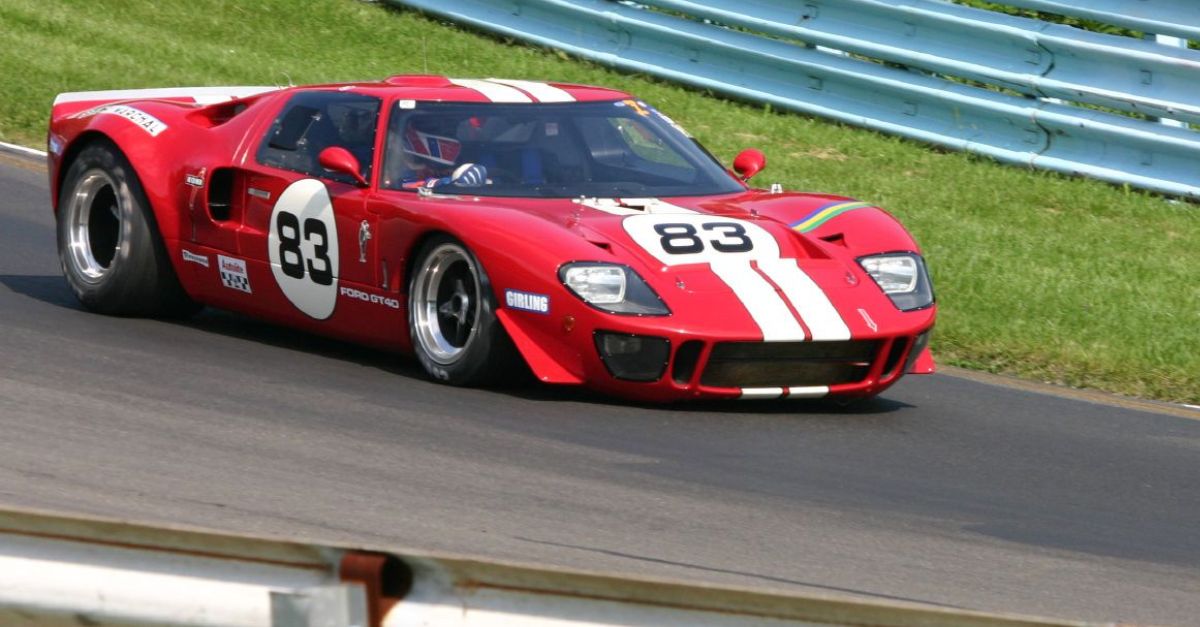
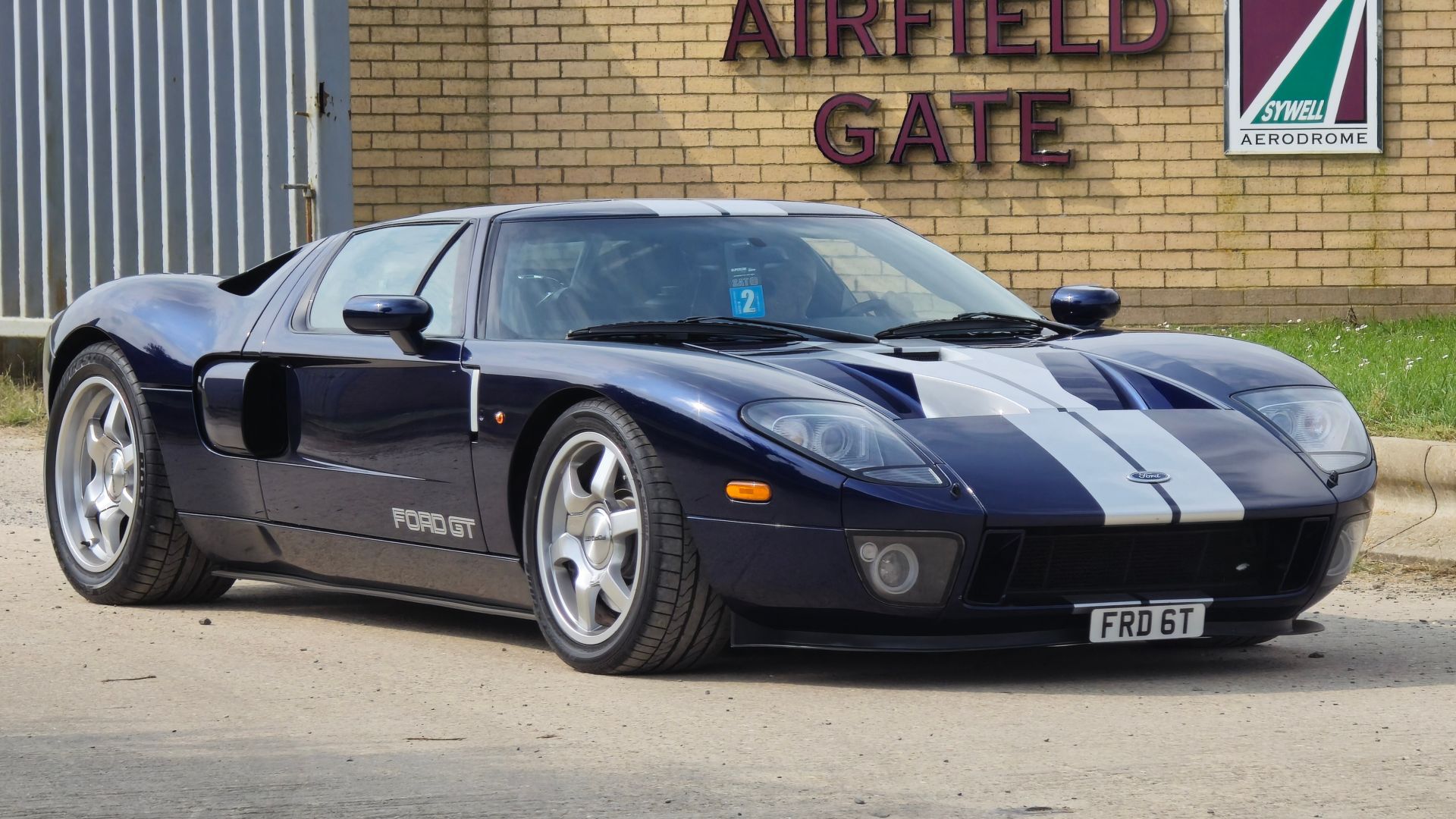
Ford GT (2005)
The return of the GT was supposed to be flawless Americana. But owners soon found oil dripping from axle seals and watched temperature needles climb dangerously high. Early ignition failures added extra stress to the debacle. And if you think getting replacement parts was easy, you had another thing coming.
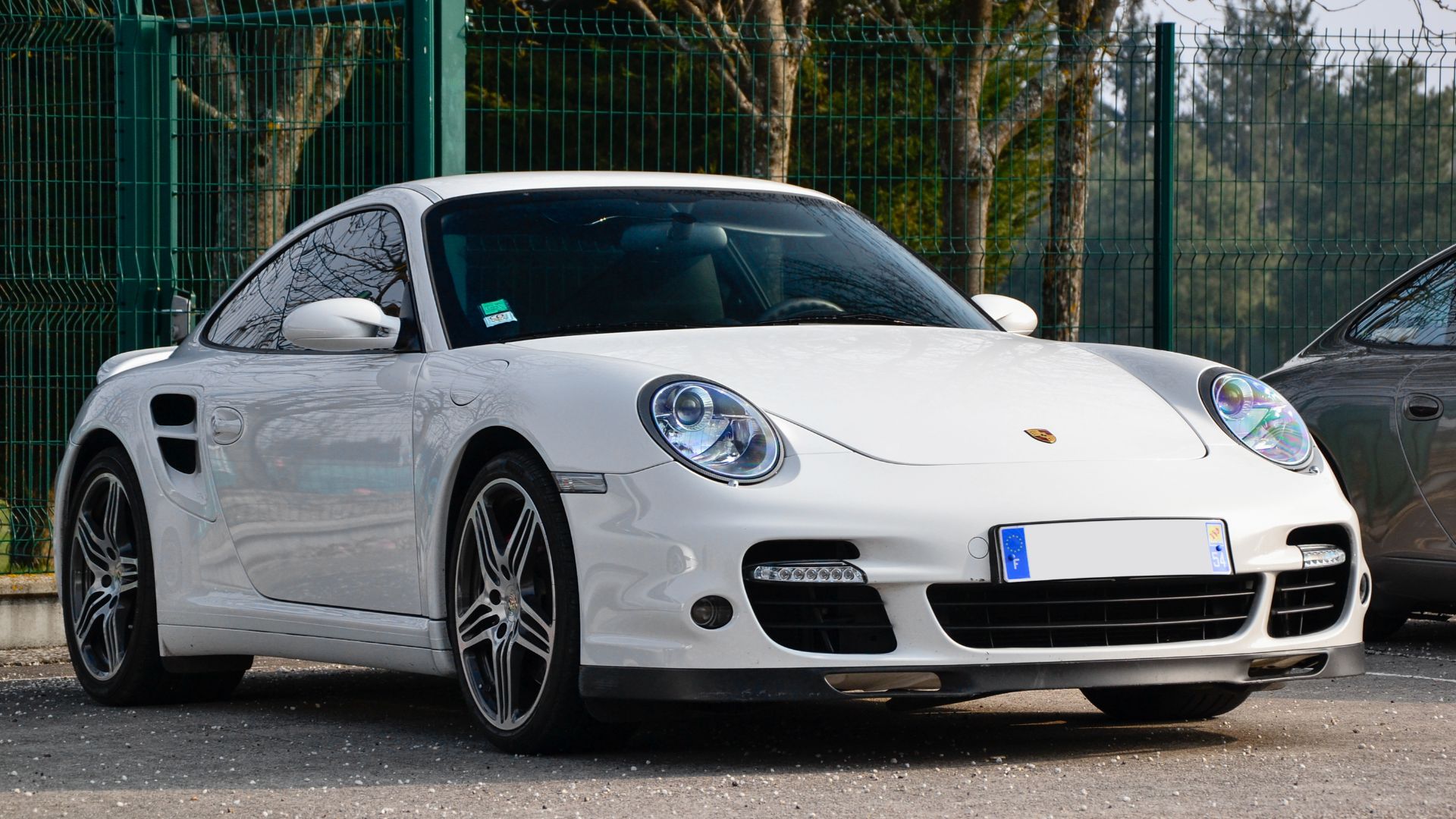
Porsche 911 (996–997)
For a model built on legacy, this generation rattled nerves instead of inspiring trust. Enthusiasts grumbled about clutches burning out after too many spirited drives, and MOT pass rates slipped embarrassingly low. The 911 badge still shone, but durability questions dulled the Porsche promise.
 Alexandre Prévot from Nancy, France, Wikimedia Commons
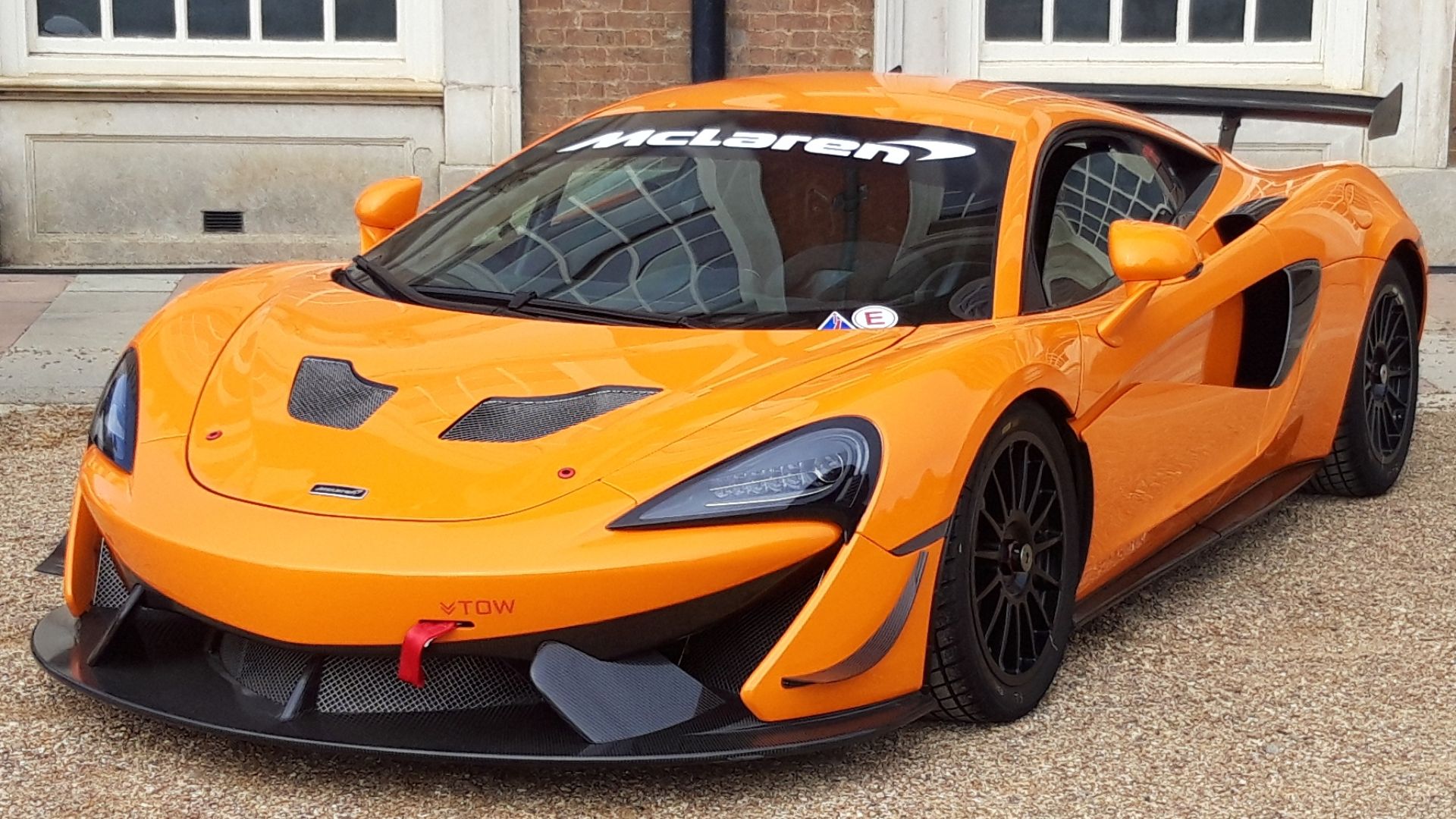
McLaren 570S
In the showroom, the McLaren 570S looked like the definition of an exotic supercar. On the road, screens froze mid-journey and panels refused to line up properly. McLaren’s precision image clashed awkwardly with a car that sometimes felt so unfinished that even updates couldn't fix the quirks.
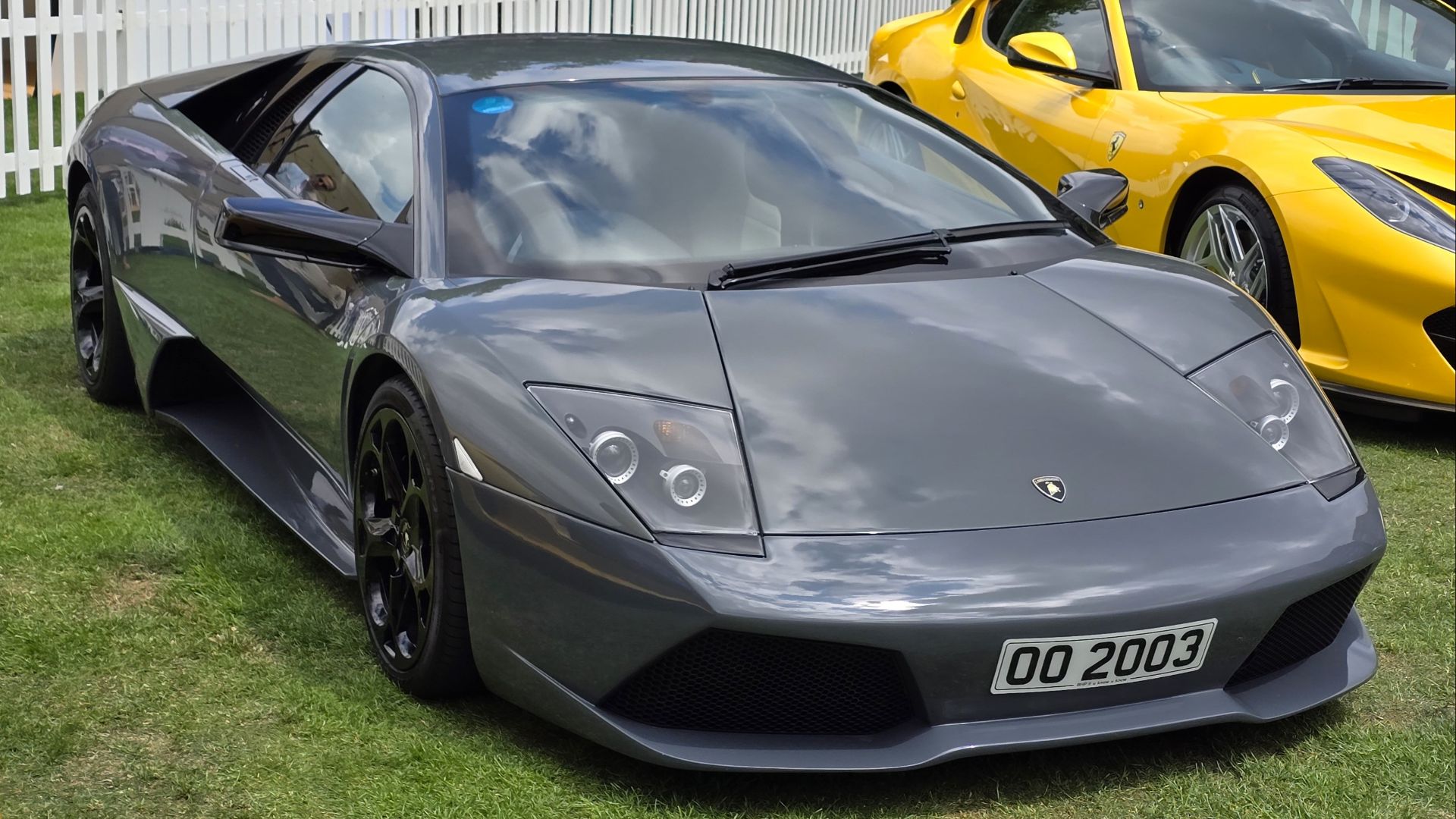
Lamborghini Murcielago
Owning the Murcielago demanded nerves of steel and a deep wallet because repairs usually matched the price of a house. Its suspension parts crumbled after hard cornering, plus, electrical issues further complicated reliability, with engines occasionally shutting down without warning.
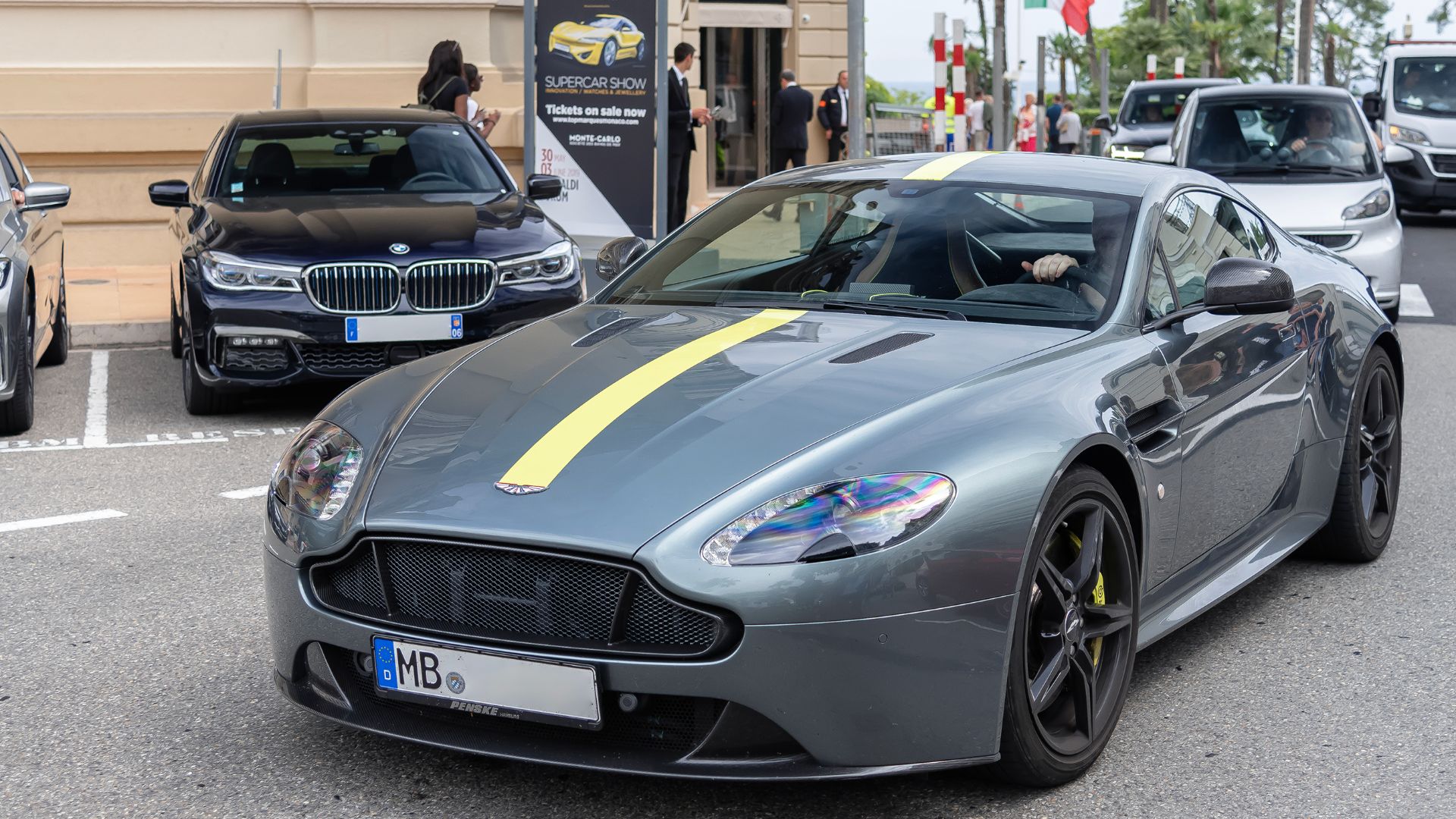
Aston Martin V8 Vantage
Clutch wear on the Aston Martin V8 Vantage is common, with replacements averaging around $3,800. The Sportshift transmission, particularly in Sport mode, exhibited lagging gear changes and was prone to failures. By contrast, manual models demonstrated stronger reliability, but they were only reintroduced in later production runs.
 Alexandre Prevot from Nancy, France, Wikimedia Commons
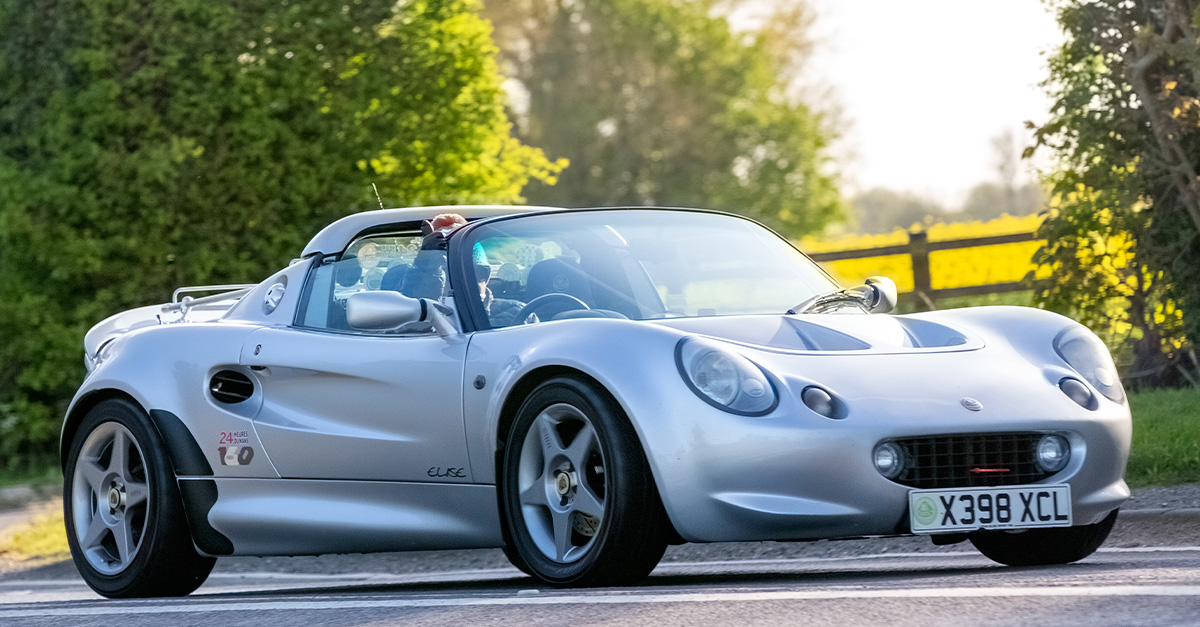
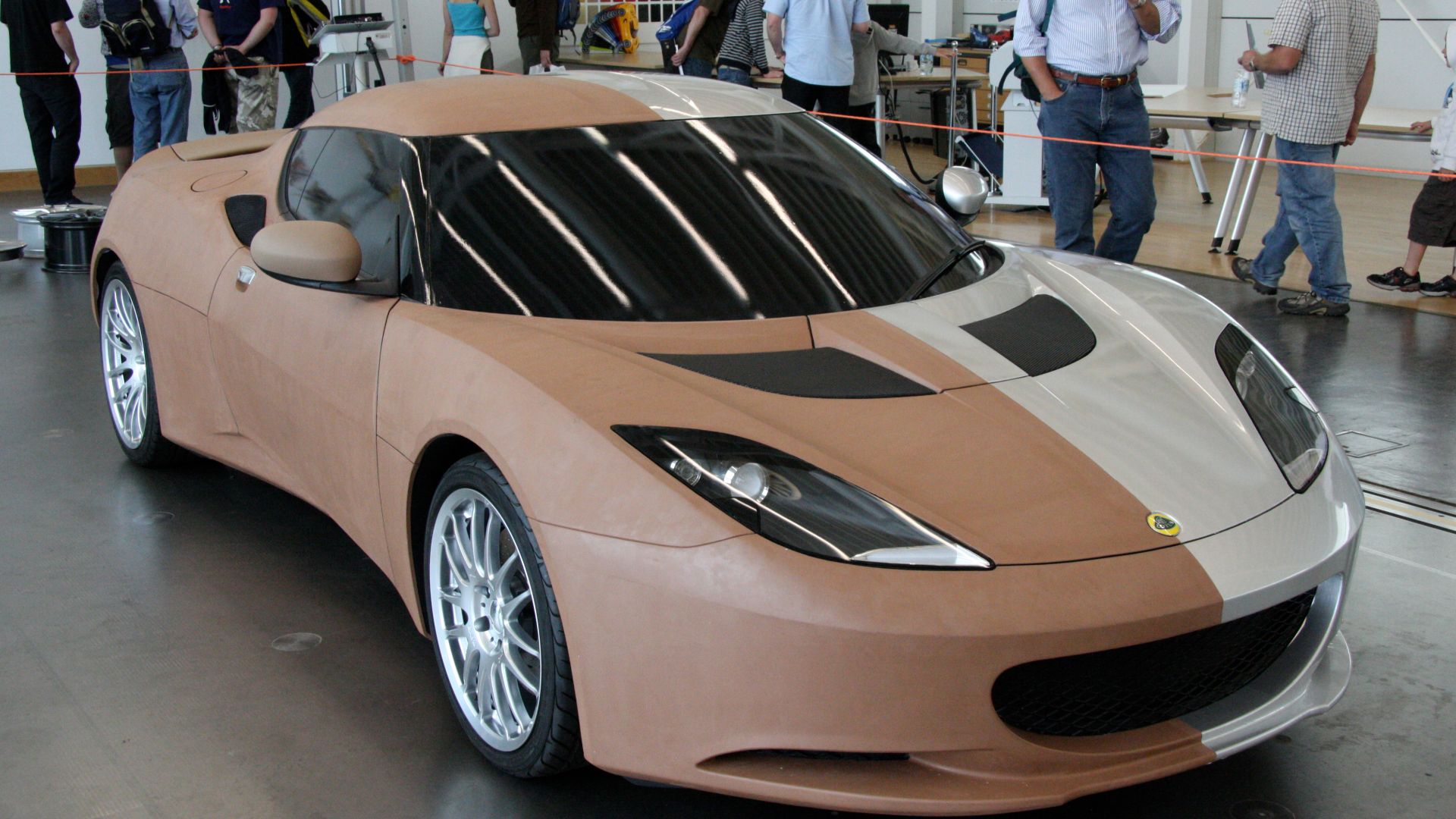
Lotus Evora
In hot climates, the HVAC system of the Lotus Evora often failed, turning cabins into stifling ovens. Interior trim didn’t hold up well either, degrading much faster than expected, and dealer support was abysmal. Lightweight construction gave it agility, but drivers ultimately faced a frustrating mix of joy and disappointment.
 Brian Snelson, Wikimedia Commons
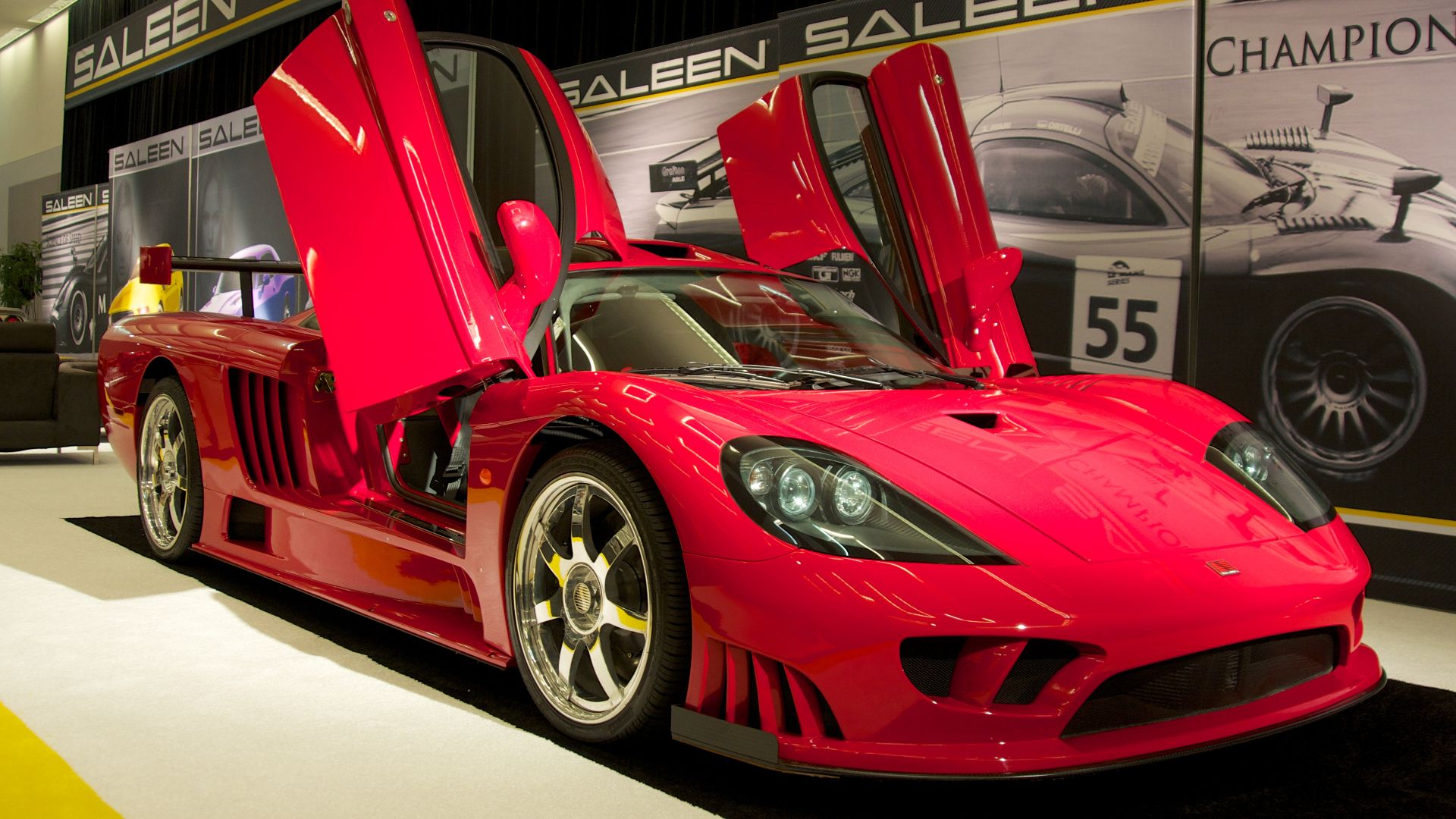
Saleen S7
Many owners quickly learned that aftermarket support for the Saleen S7 was lacking. On the road, cooling systems struggled, with engines faltering under sustained high-speed use. Even off the road, frustration lingered, as interiors showed wear despite minimal time behind the wheel. Did you know that there was no Anti-lock Braking System in early models?
 steve lyon from los angeles, ca, usa, Wikimedia Commons
Nissan GT-R (R35)
The longer this car stayed on the road, the more cracks appeared. For example, its launch control thrilled drivers but punished the drivetrain, often leading to early mechanical failures whose repairs came with eye-watering costs. Then, the infotainment screen, impressive at debut, aged rapidly and felt outdated within just two years.
 Dinkun Chen, Wikimedia Commons
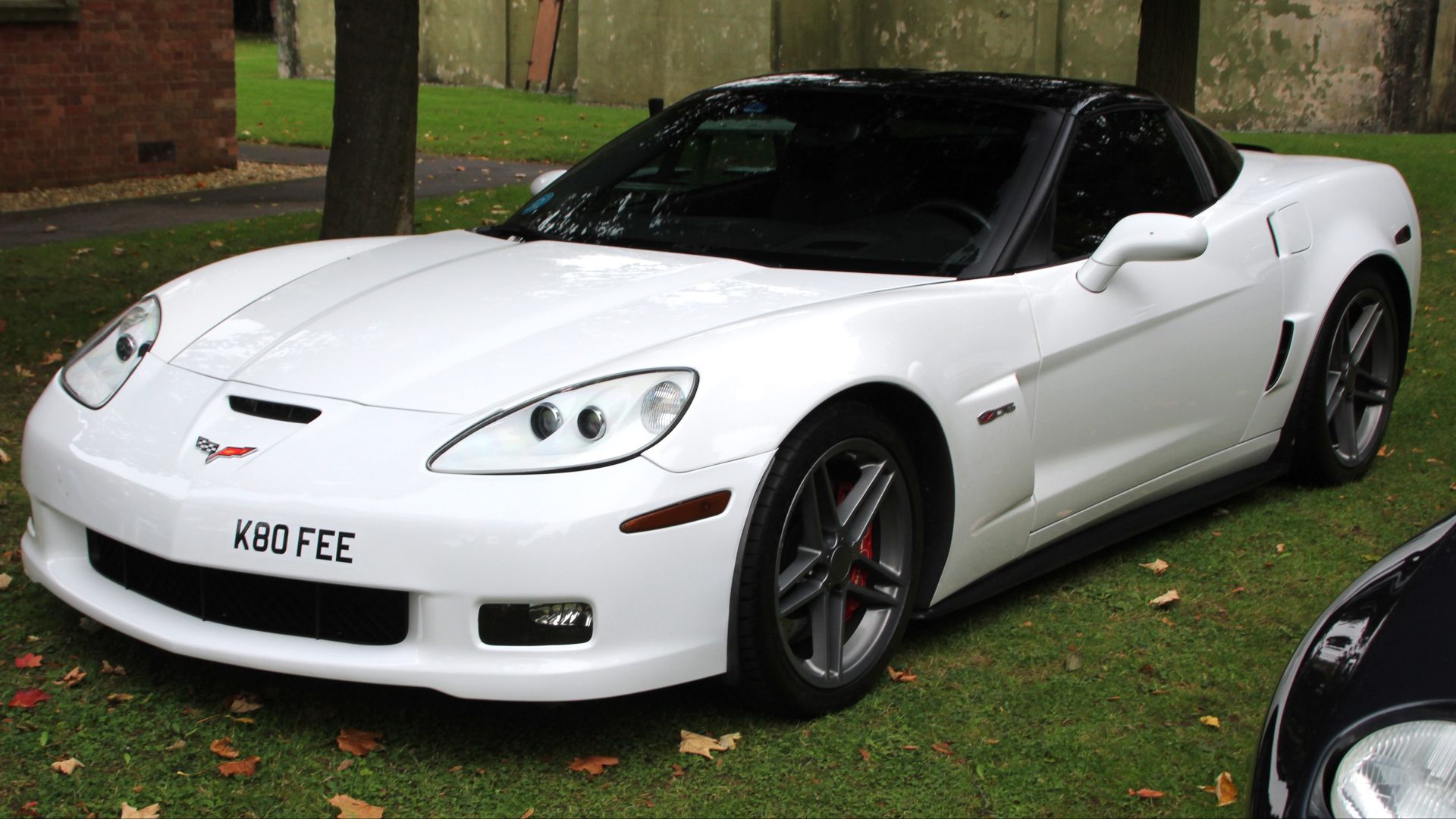
Chevrolet Corvette C6 Z06
Inconsistent build quality across trims left many Corvette C6 Z06 drivers doubting the promise of American performance. Though the car earned respect on tracks, daily driving told a different tale. LS7 engines failed from worn valve parts, cooling systems faltered, and rattles appeared within months.
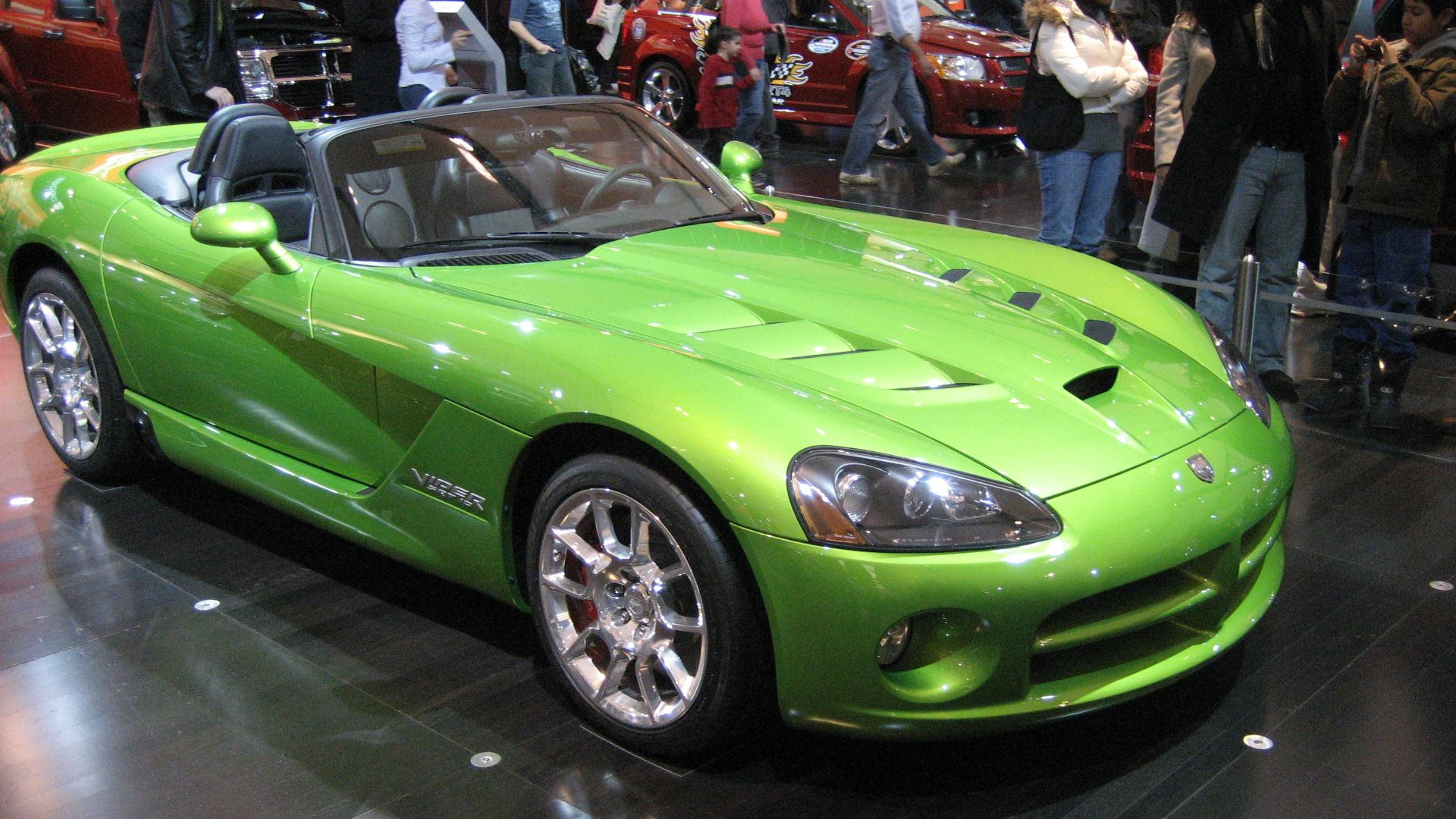
Dodge Viper (Gen IV)
Owning a Dodge Viper (Gen IV) meant raw thrills came with serious trade-offs. The car had no traction control, which made wet roads treacherous, and cabin heat soared due to poor insulation. Many discovered later how physically demanding the Viper became when its stiff clutch pedals drained energy.
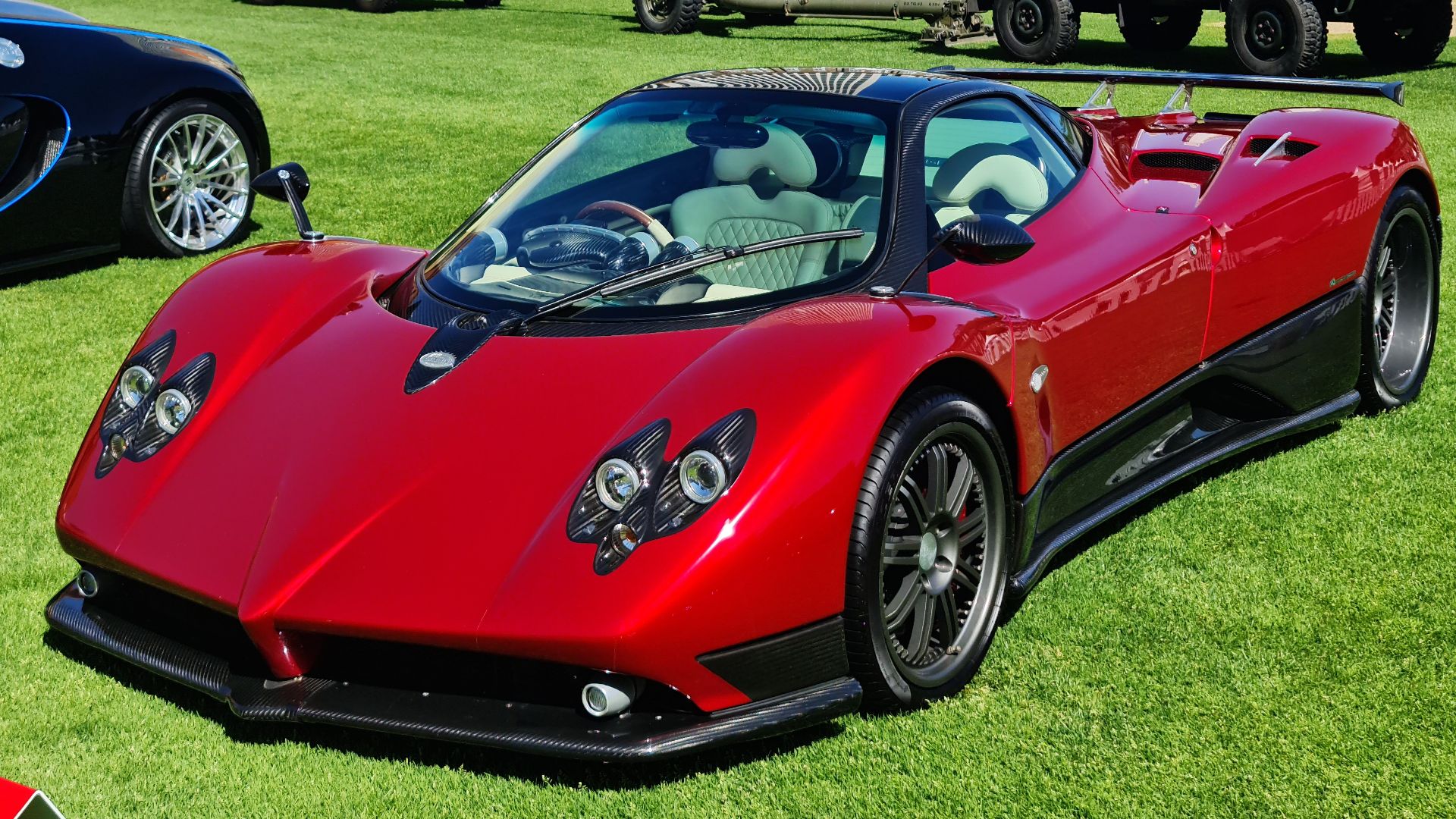
Pagani Zonda
The Pagani Zonda was a wreck behind the wheel. Custom parts demanded direct factory service since each model carried its own differences in build, costing an arm and a leg. Electrical systems failed with troubling frequency, too. These realities proved that artistry alone never guaranteed reliable performance.
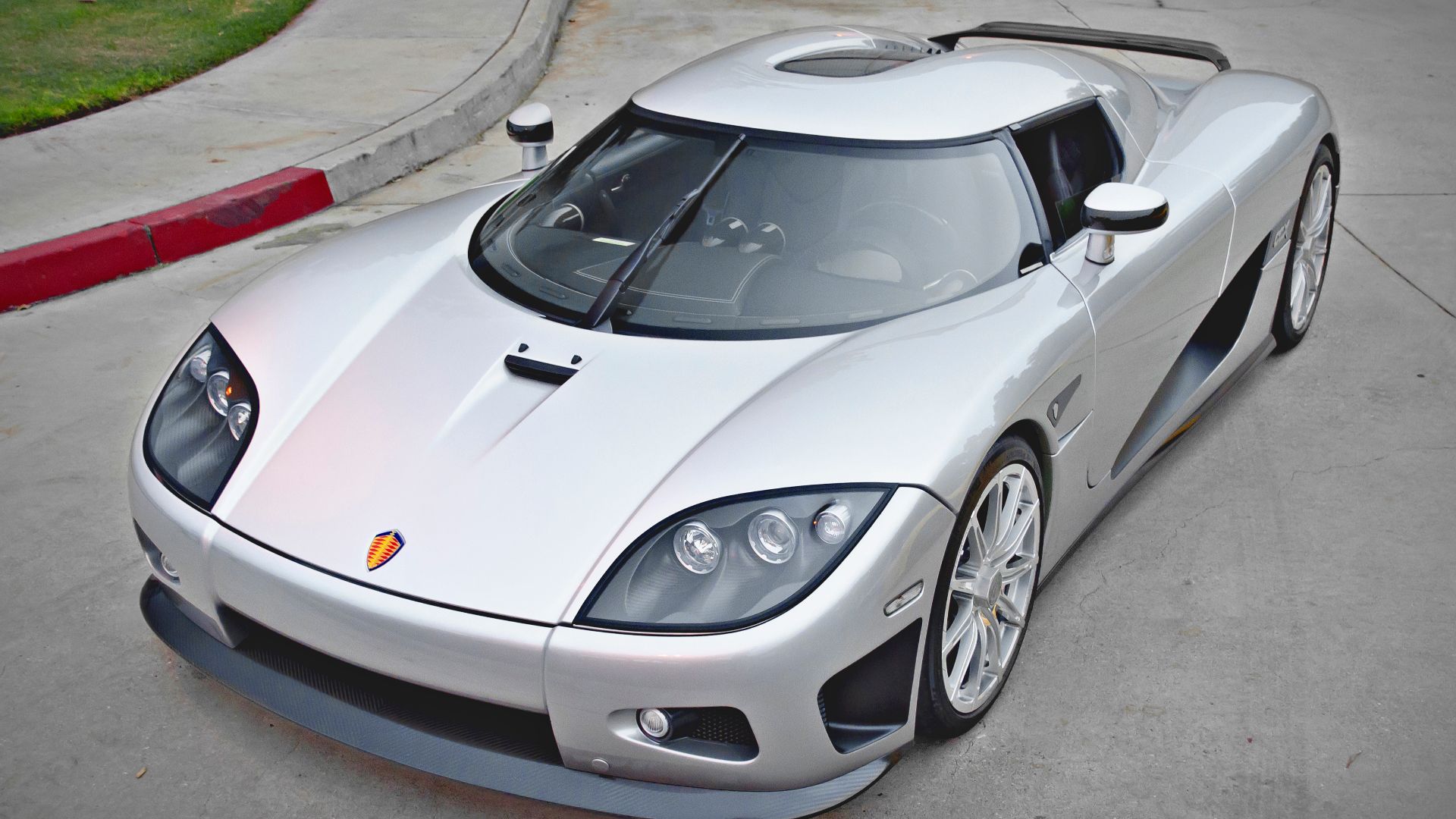
Koenigsegg CCX
Owners discovered painful issues with the Koenigsegg CCX only after testing the limits of their costly hypercar dreams. Stability at high speed proved unreliable, and carbon fiber cracked under strain. Also, suspensions faltered during demanding track sessions to reveal weaknesses that hid beneath its 806 hp.