A Little Too Early
When you buy a truck, you expect years of loyalty, mile after mile. But some start drifting off course after the third year of ownership, slowly turning from a trusted sidekick into a source of small, nagging, and expensive worries.
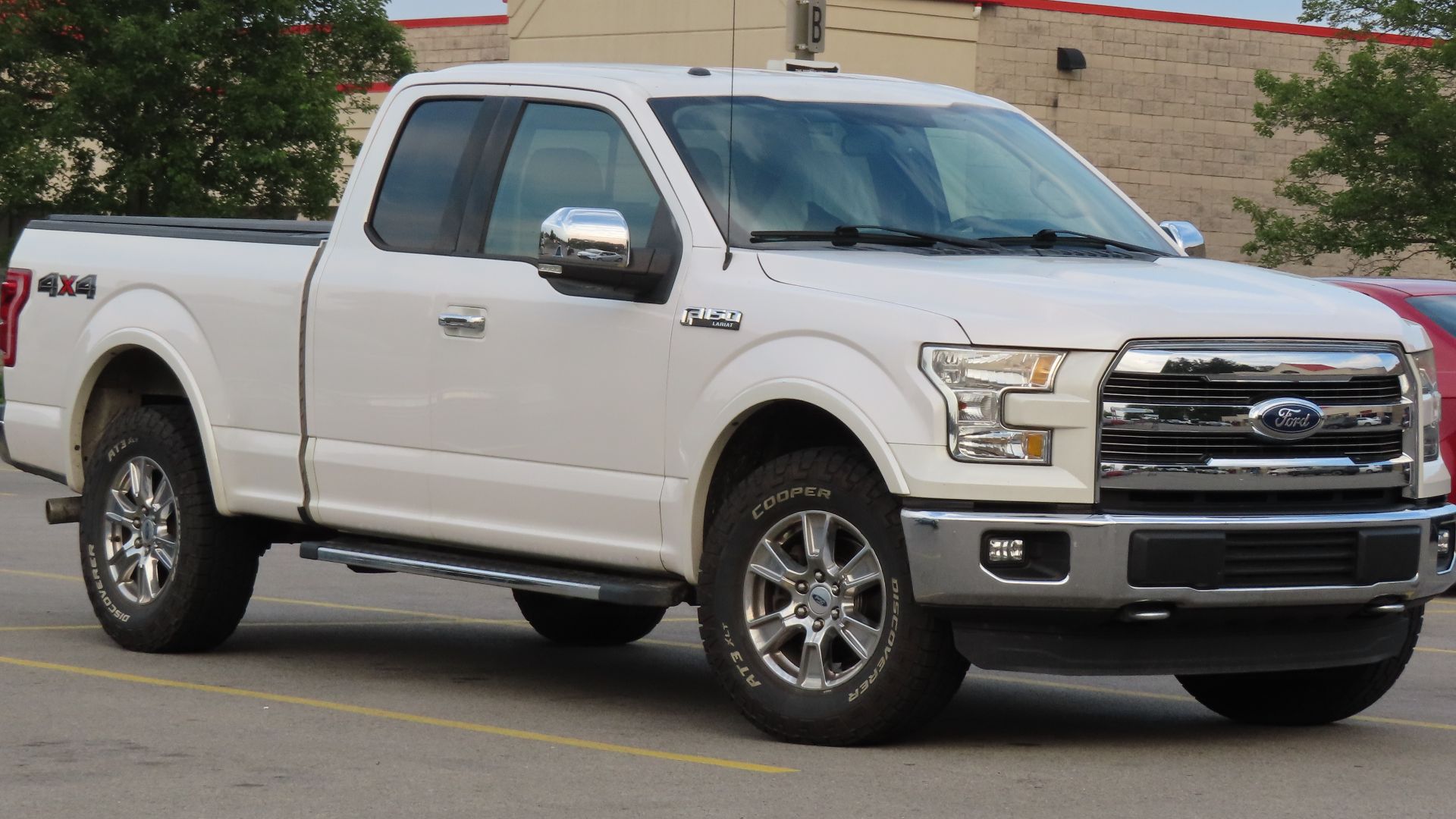
Ford F-150 (2015–2017)
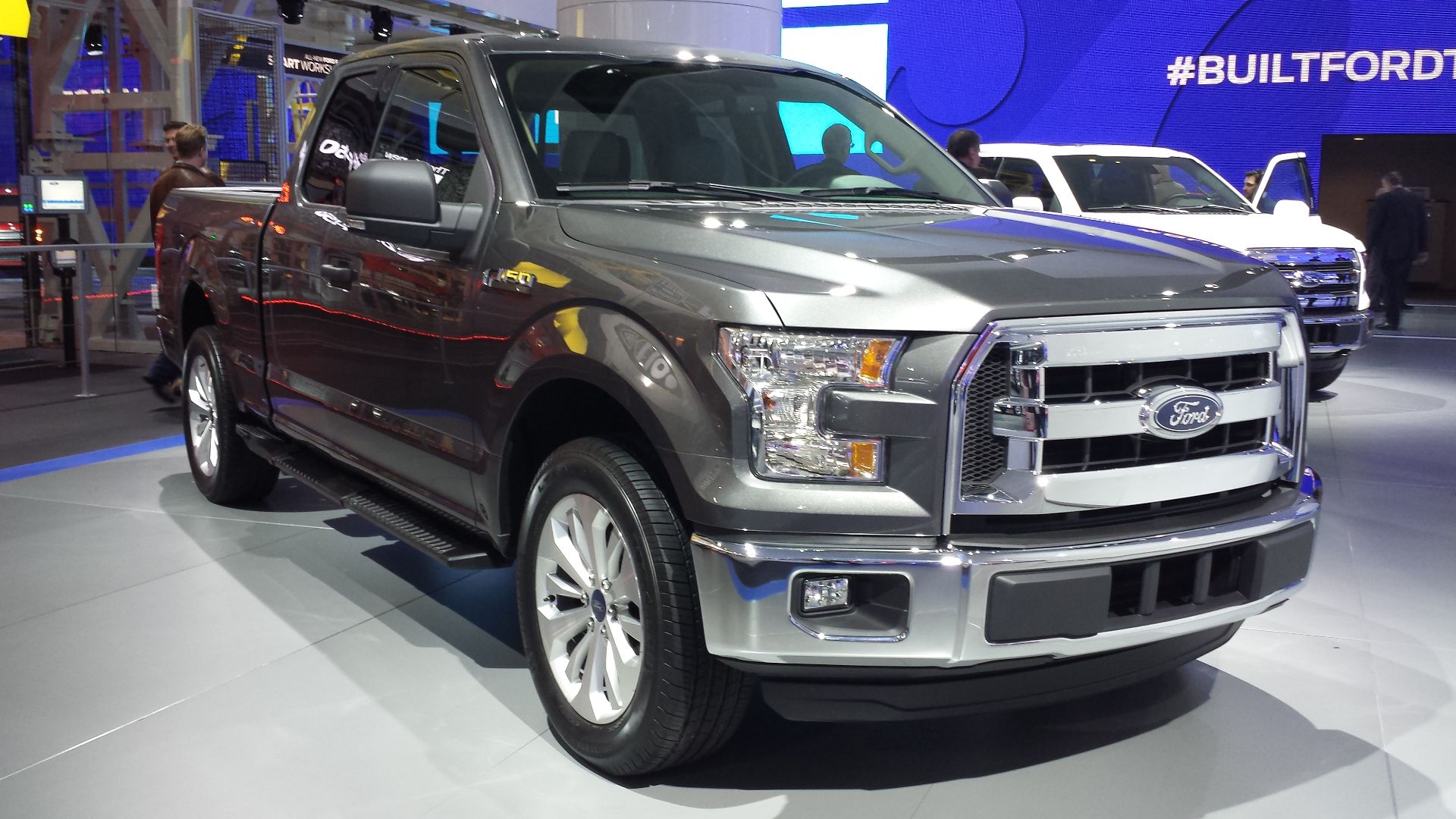
For this generation, the trouble often begins with transmission issues—gears that slip and shifts that turn rough, typically showing up after the third year. Steering looseness makes highway driving less predictable, while aluminum body oxidation or corrosion spreads quickly in coastal or humid areas.
Ford F-150 (2015–2017) (Cont.)
The fixes are so expensive. For instance, transmission rebuilds often range $3,000–$5,000, and these costs vary by region and extent. Corroded aluminum panels require specialized repair techniques. To stretch the 3-year issues, regularly change the gearbox fluids, and apply anti-corrosion treatments to help slow corrosion.
 MercurySable99, Wikimedia Commons
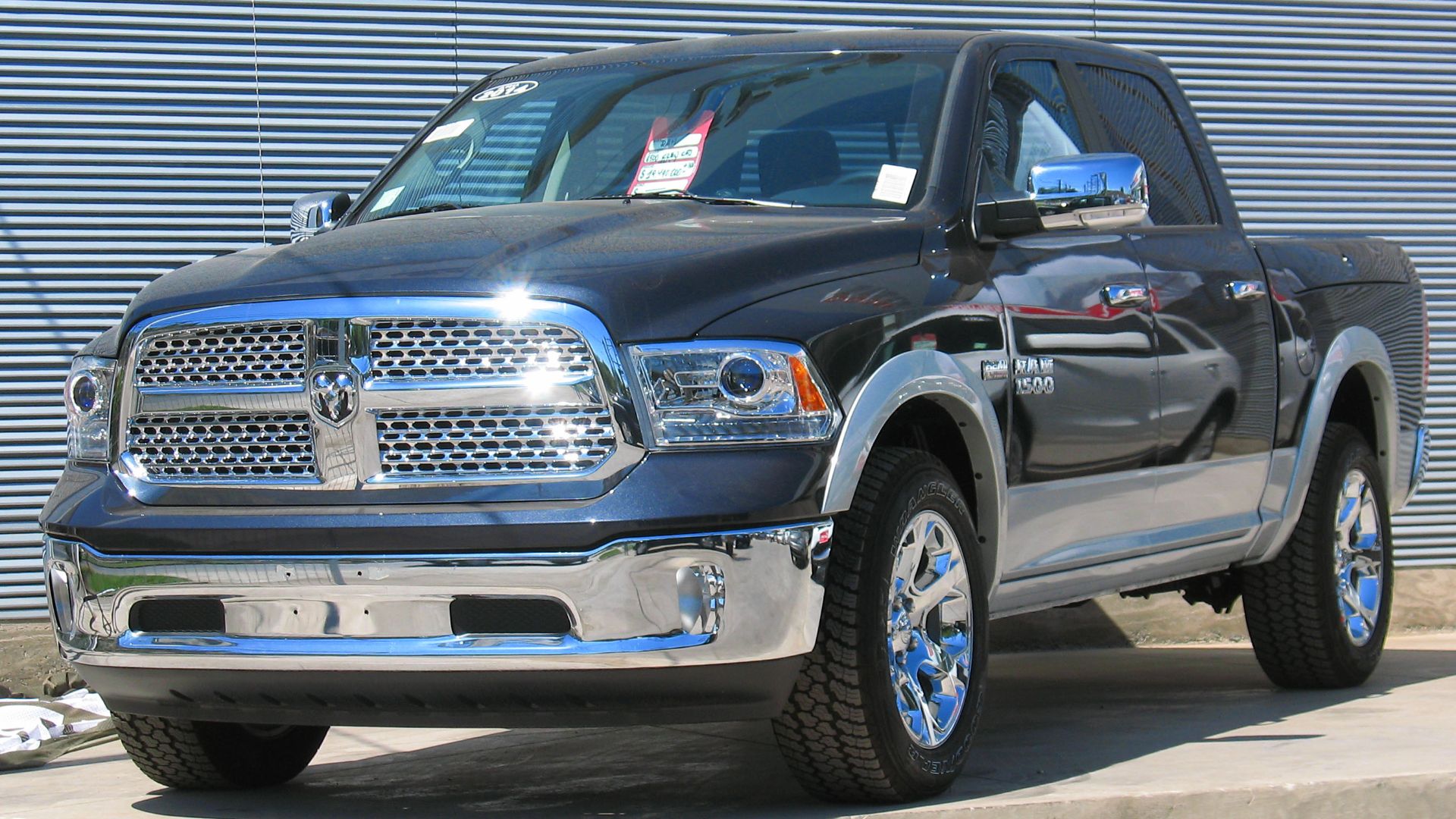
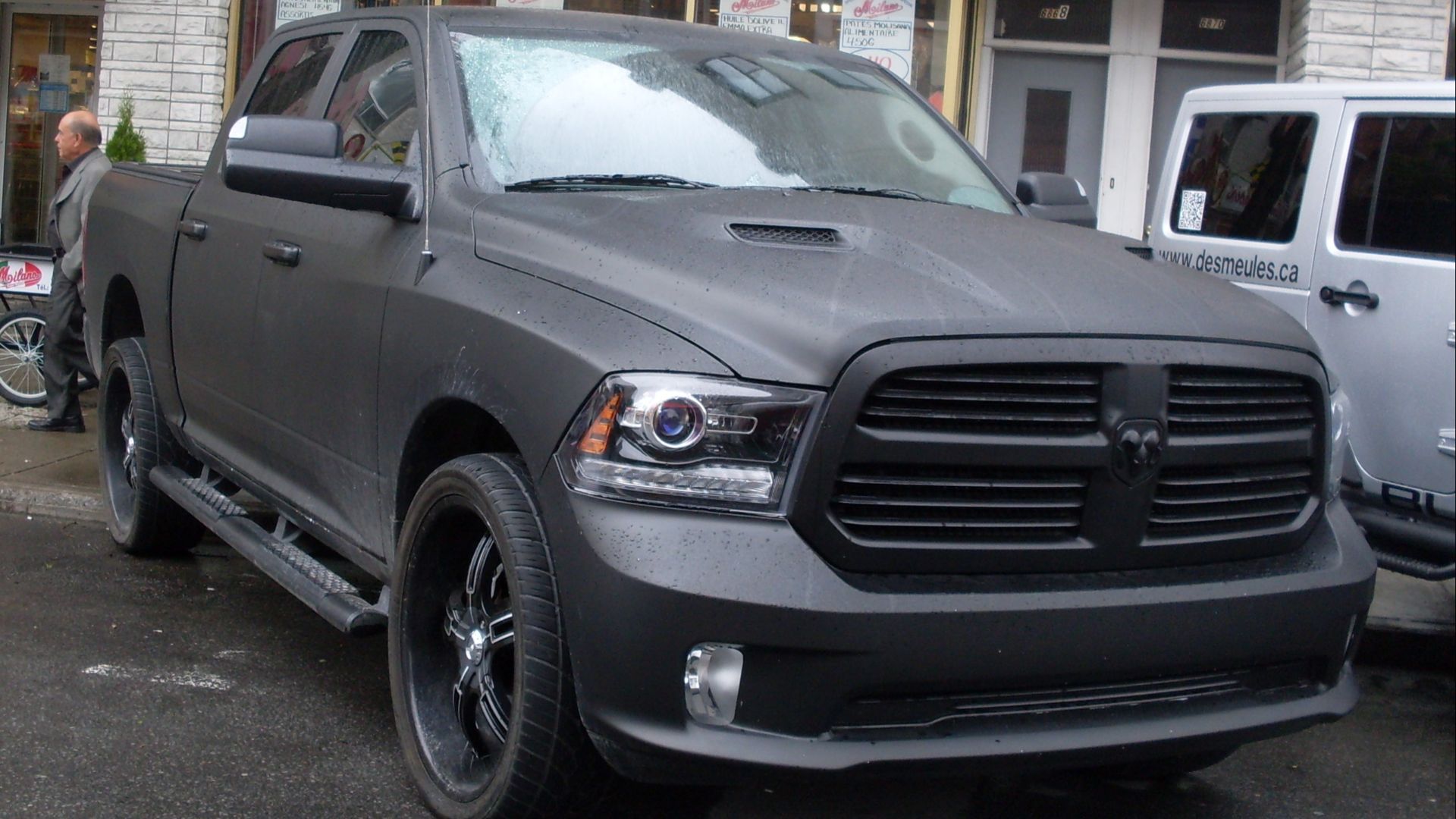
Ram 1500 (2013–2014)
Air suspension leaks and compressor failures change a smooth ride into a rough, sagging drive. Infotainment freezes and random disconnects frustrate long-distance trips. Issues commonly surface in colder climates, where extreme temperature swings accelerate air system deterioration that results in high repair bills sooner than owners anticipate.
 order_242 from Chile, Wikimedia Commons
Ram 1500 (2013–2014) (Cont.)
To get the air suspension fixed, it sometimes exceeds $1,000 per corner ( $4000 total). That’s why planning proactive part replacements is worth considering. Infotainment quirks respond to software updates, though repeated failures may require unit replacement. For many, the repair costs outweigh the truck’s market value.
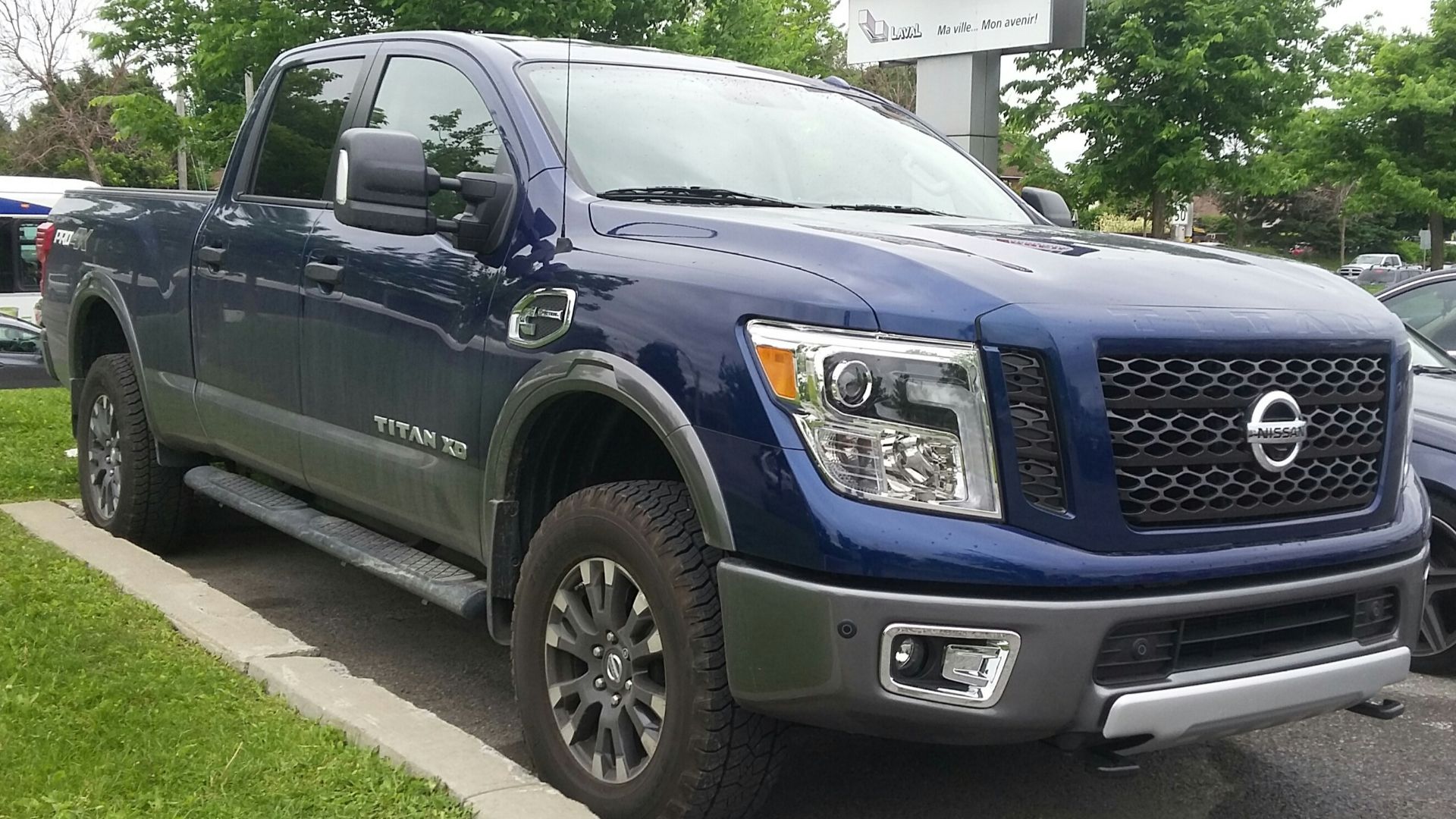
Nissan Titan (2016–2017)
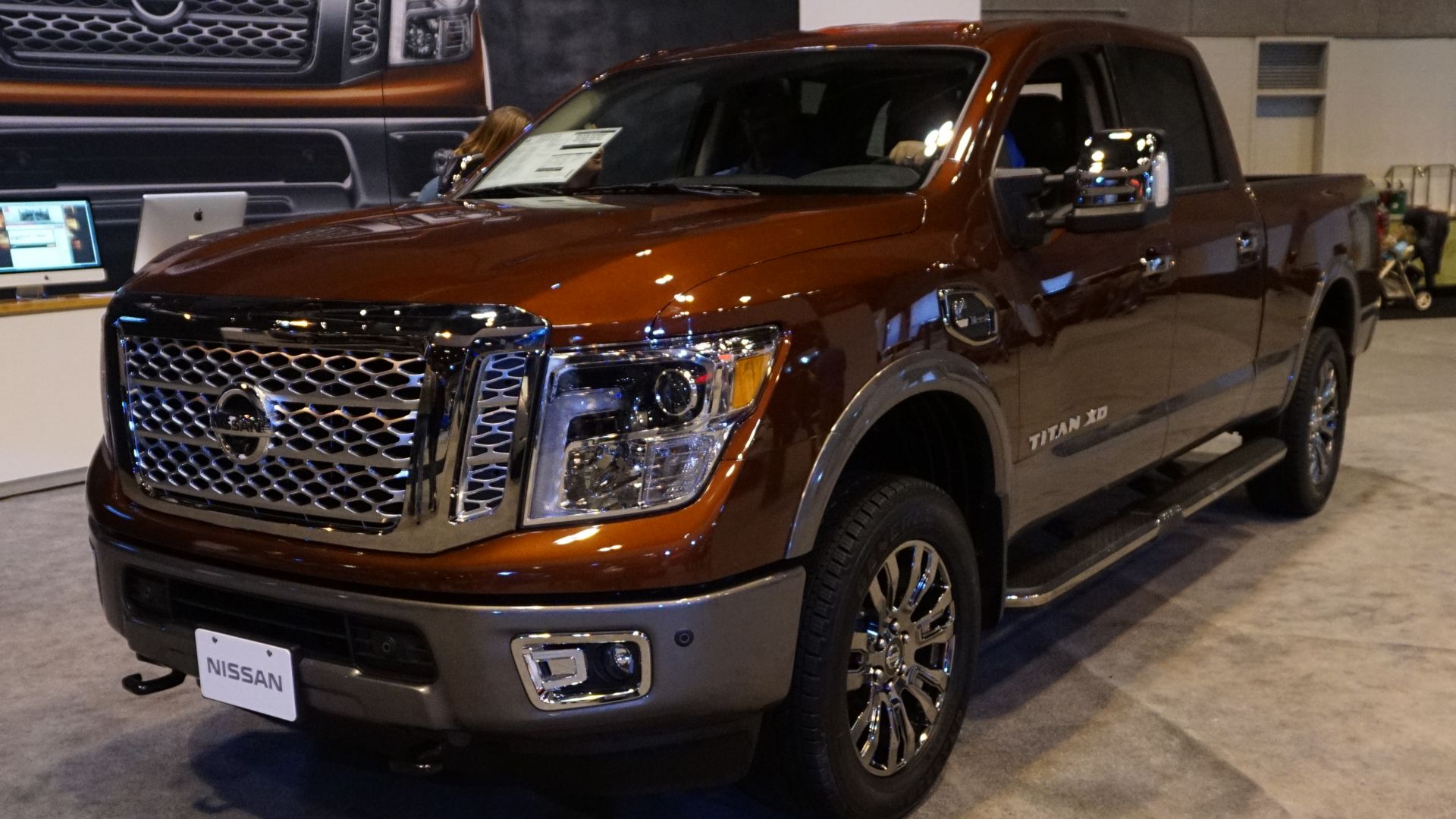
Rear axle breakdowns strike earlier in towing-heavy trucks, often without clear warning signs. Then, some diesel injectors fail prematurely and cause rough idling, smoke, or sudden power loss. Both issues become more frequent past the third ownership year, with repairs complicated by the limited availability of specific Titan drivetrain components.
 Ryan Hildebrand, Wikimedia Commons
Nissan Titan (2016–2017) (Cont.)
The remedies include using quality diesel fuel and scheduling periodic injector cleaning. Axle replacements under warranty were common for this run, yet owners who regularly pushed towing capacity often saw failures sooner. By the third year, the combination of downtime and repair costs made the vehicle a liability.
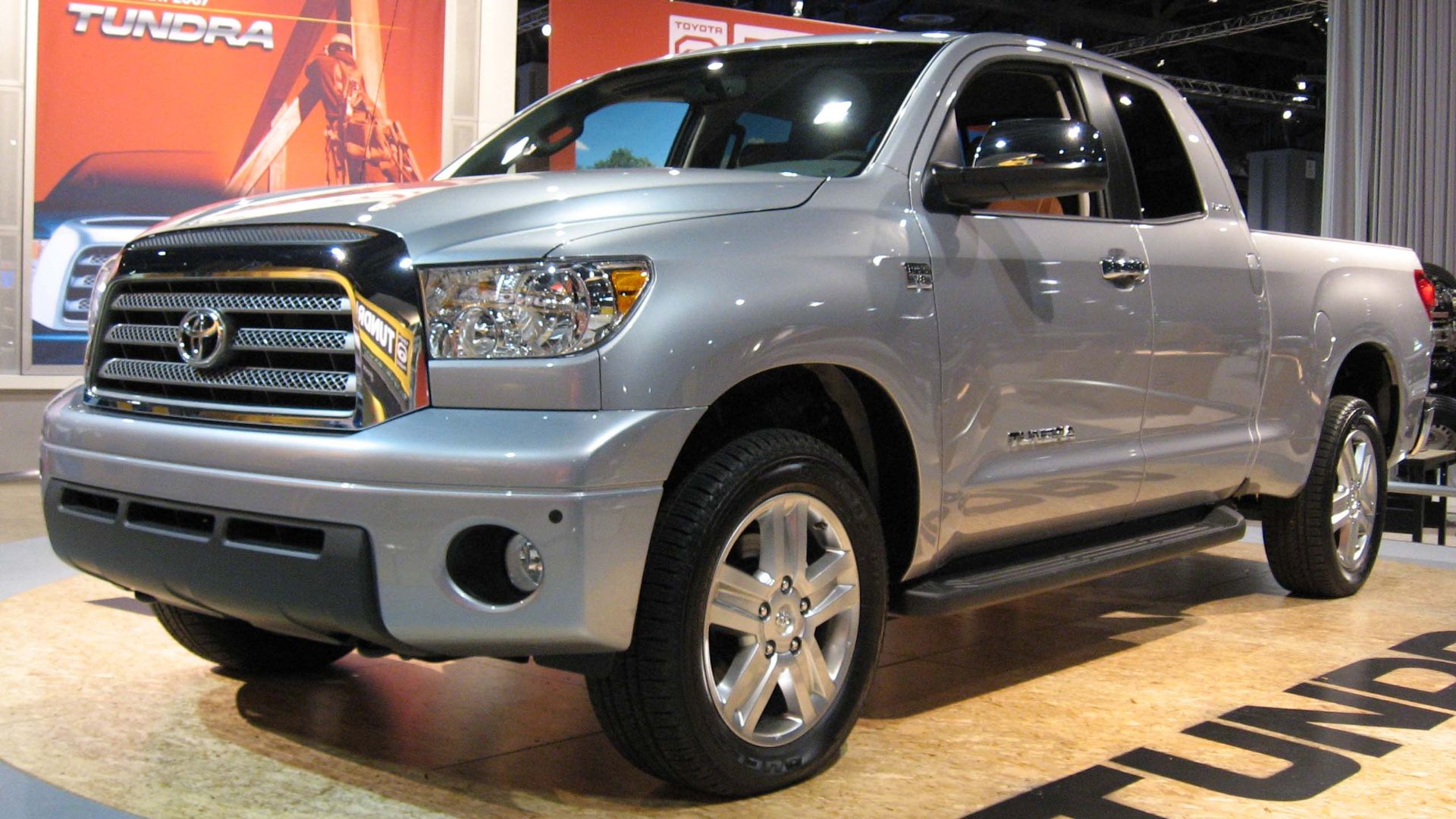
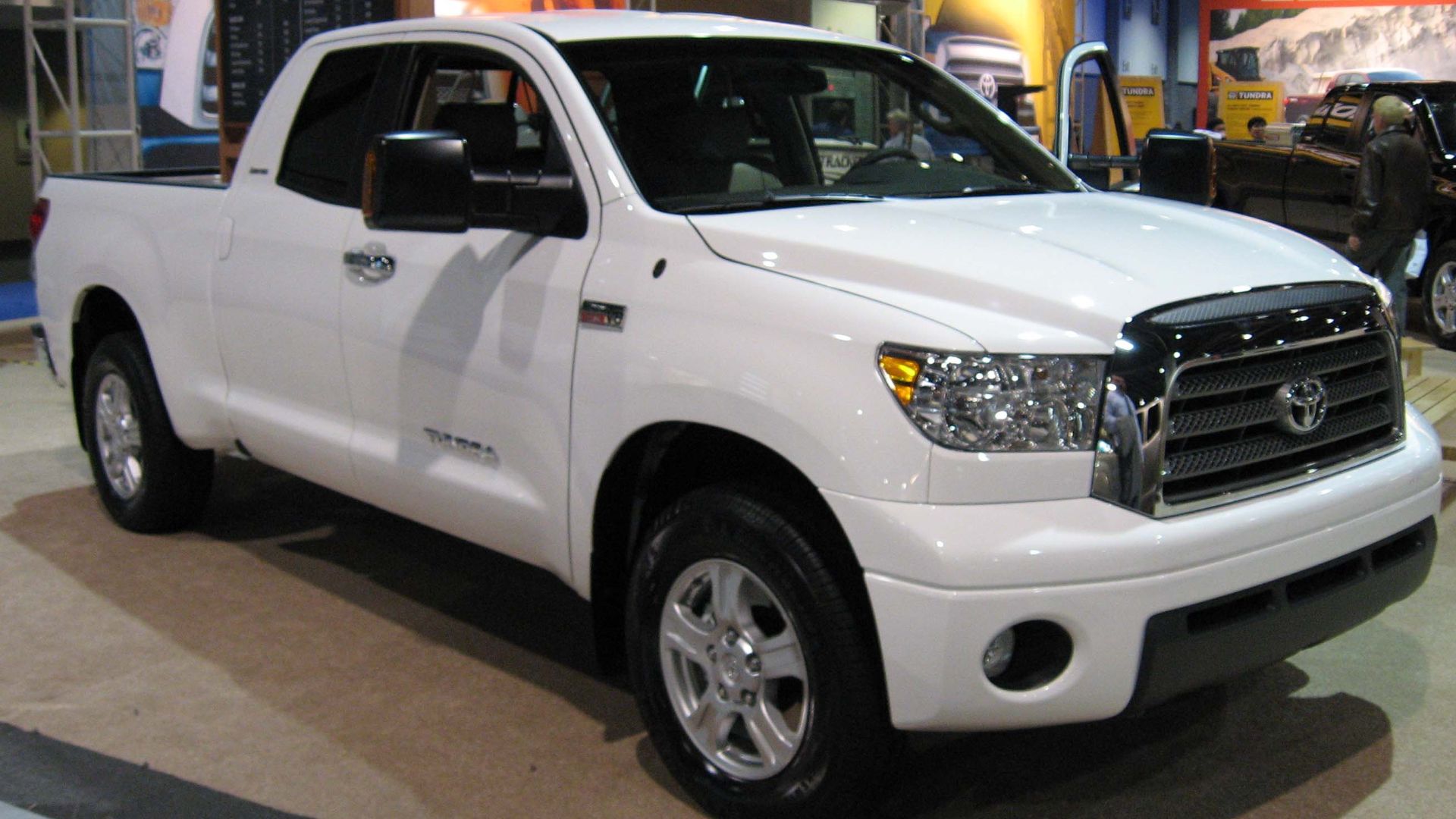
Toyota Tundra (2007–2008)
Frame rust spreads rapidly in humid or salted-road regions, undermining structural integrity. Severe corrosion is yet another issue that leads to frame replacement. For used buyers, problems might surface in the third year when preventative rust treatments were skipped during the truck’s early life. Drivetrain concerns add to the trouble.
Toyota Tundra (2007–2008) (Cont.)
Thankfully, Toyota offered frame inspections and, in severe cases, replacements. Even though early undercoating helps slow the spread, once corrosion advances, repair costs escalate. Drivetrain concerns might be sorted by upkeep via frequent fluid changes. Still, rust remains the primary reason these model years turn problematic in long-term ownership scenarios.
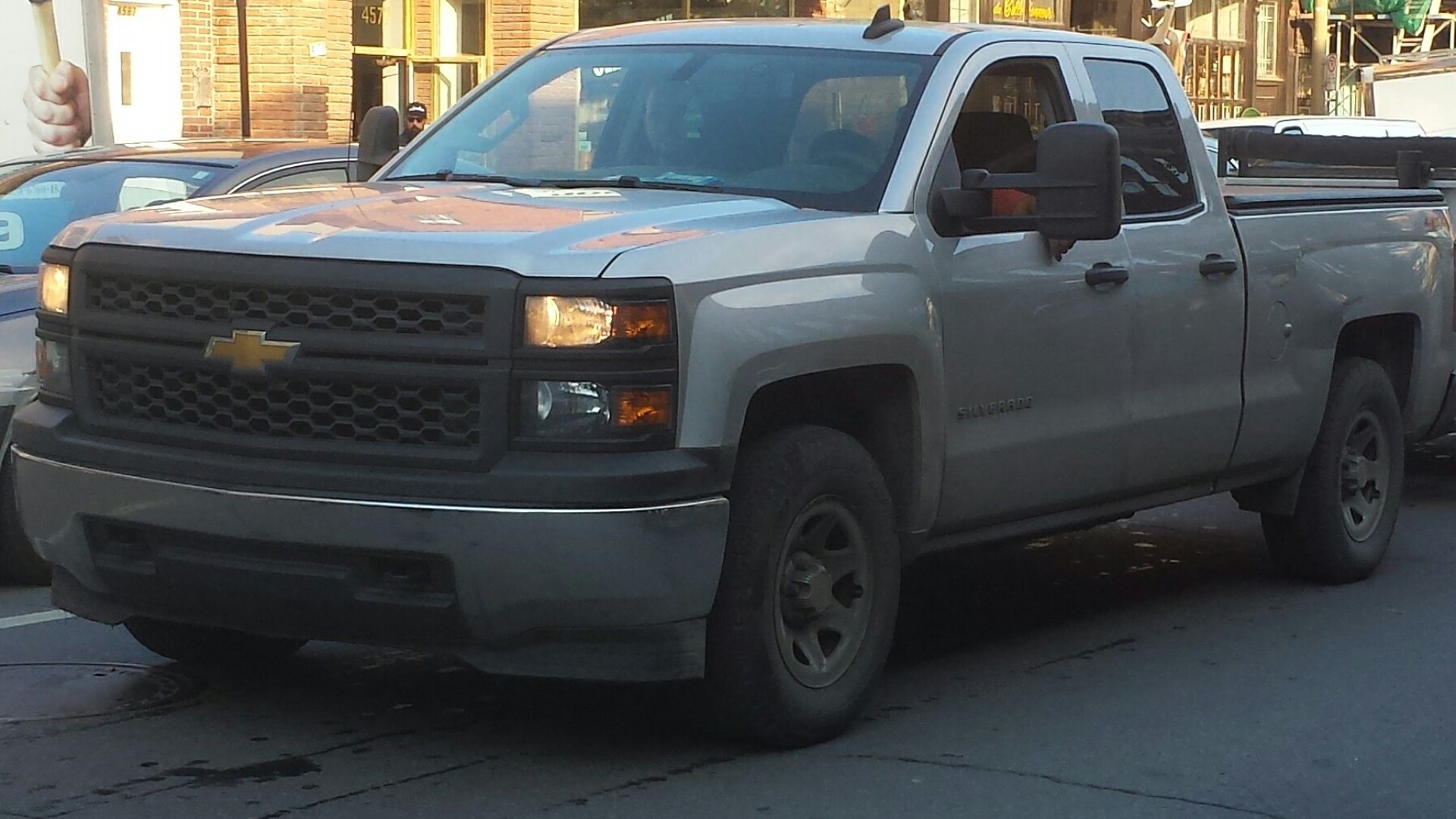
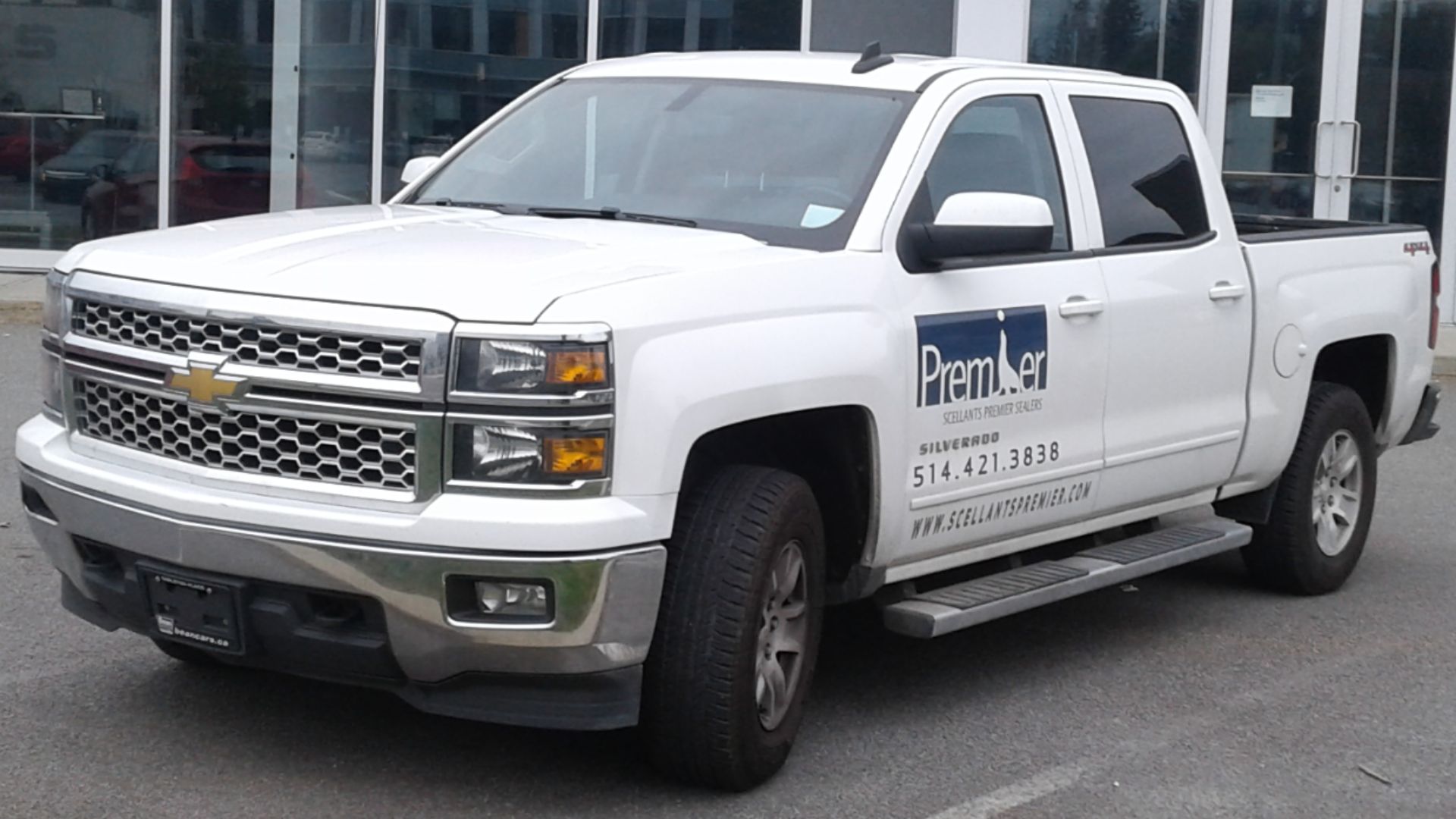
Chevrolet Silverado 1500 (2014–2016)
Engine stalling becomes a regular complaint for some while cruising at highway speed in the Silverado. Excessive oil consumption forces frequent top-offs, and transmission failures, especially in mixed driving conditions, cut into owner trust. Problems tend to compound after the third year, impacting daily usability and long-haul dependability.
Chevrolet Silverado 1500 (2014–2016) (Cont.)
Switching to synthetic oil slows wear. Also, early transmission fluid changes improve shift quality. If you experience persistent stalling, consider looking into fuel system servicing or sensor replacements. Later Silverado generations resolved many of these flaws, but these specific years remain notorious for stacking multiple drivetrain issues.
GMC Sierra 1500 (2014–2016)
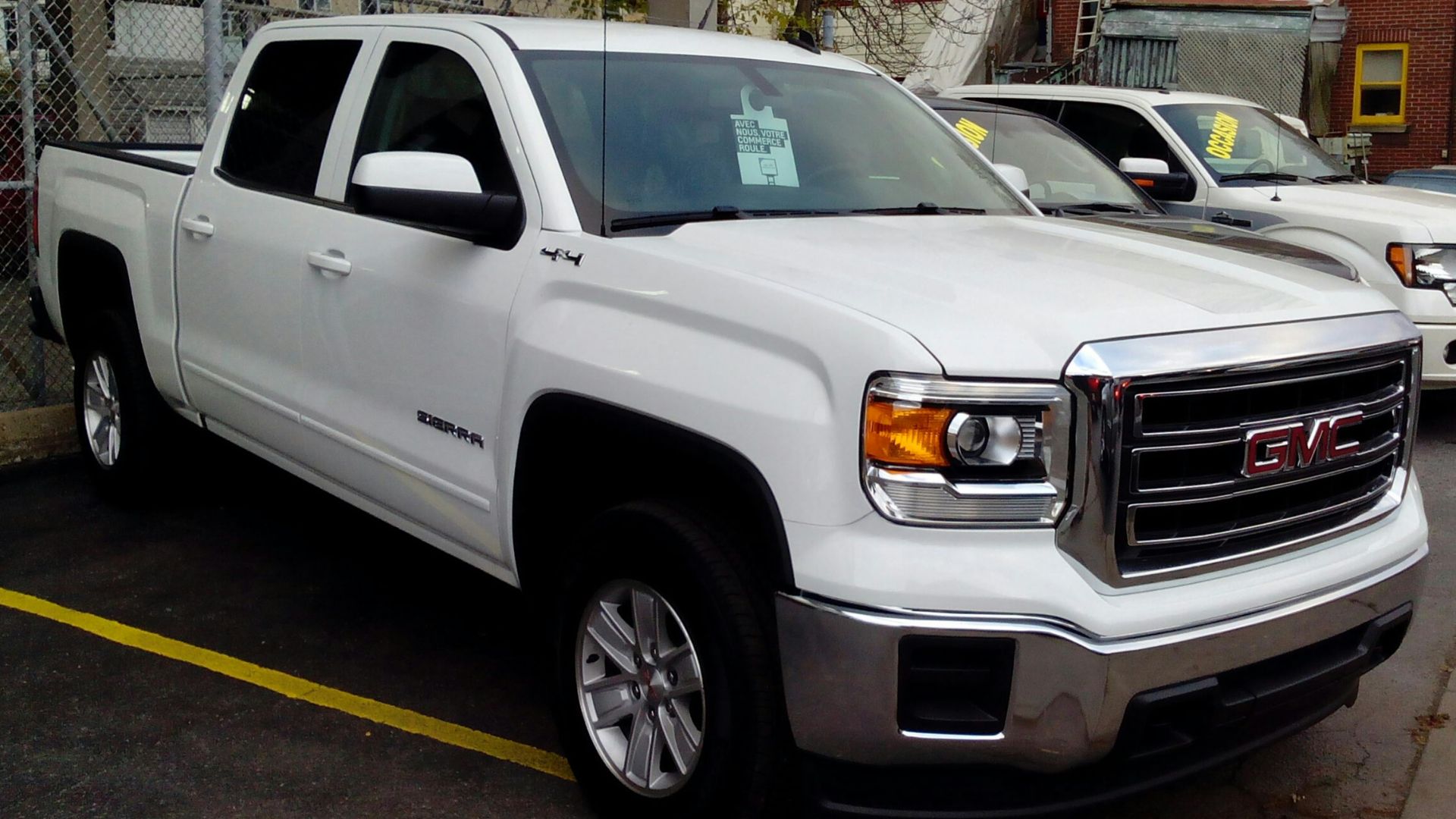
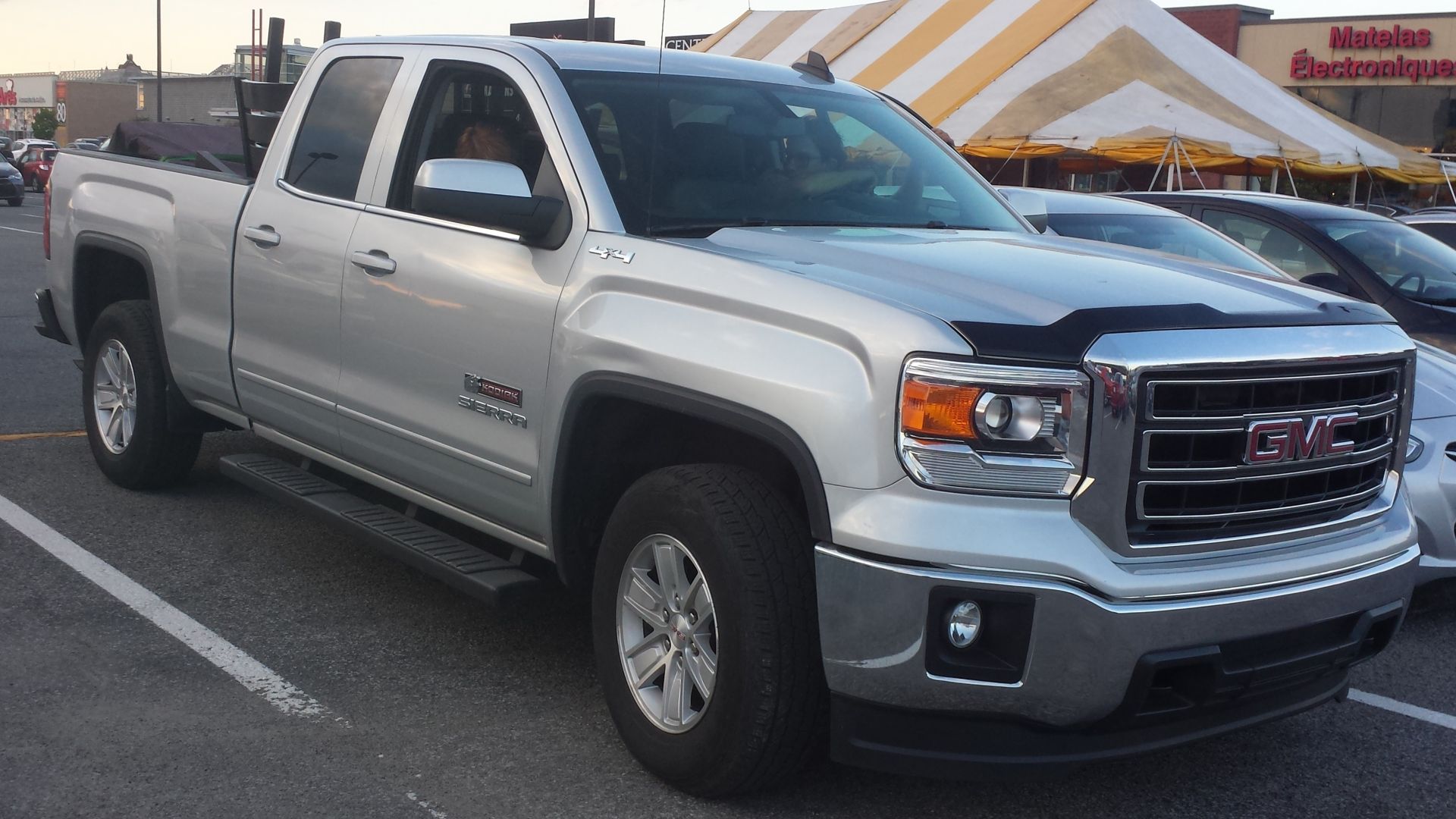
Transmission faults surface with jerky or delayed shifts that worsen over time. Infotainment failures—black screens or frozen menus—may appear shortly after. Sharing a platform with the Silverado means it inherits the same mechanical weak points, leading to similar breakdown timelines, especially for high-mileage, mixed-use trucks.
GMC Sierra 1500 (2014–2016) (Cont.)
Servicing the transmission early and updating software can delay issues, but persistent problems often require full rebuilds. Infotainment replacements are common, but they push some owners toward aftermarket units. Ultimately, the overlap of drivetrain and tech failures makes these model years costly to keep road-ready beyond the third year.
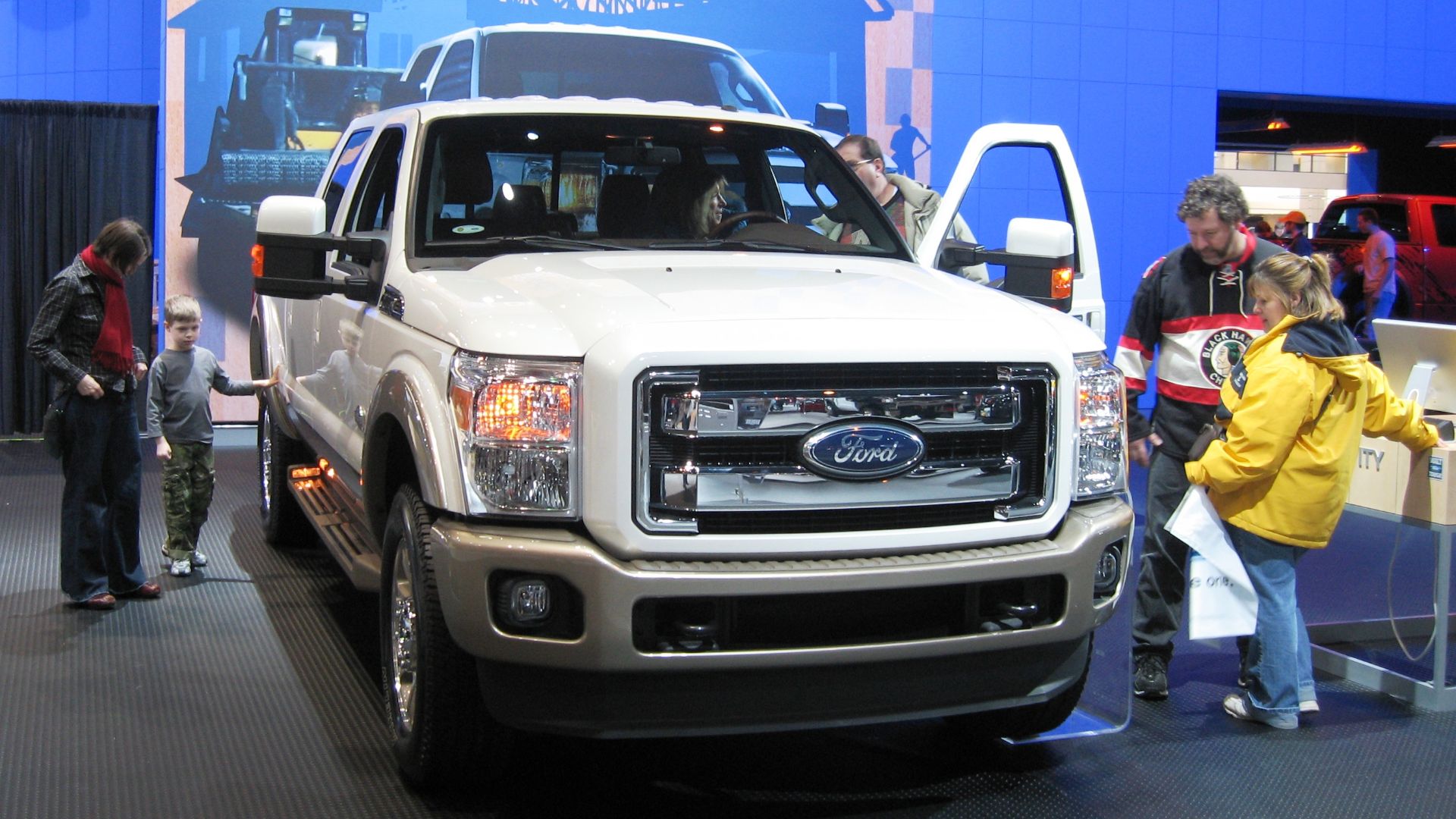
Ford F-250 Super Duty (2011–2013)
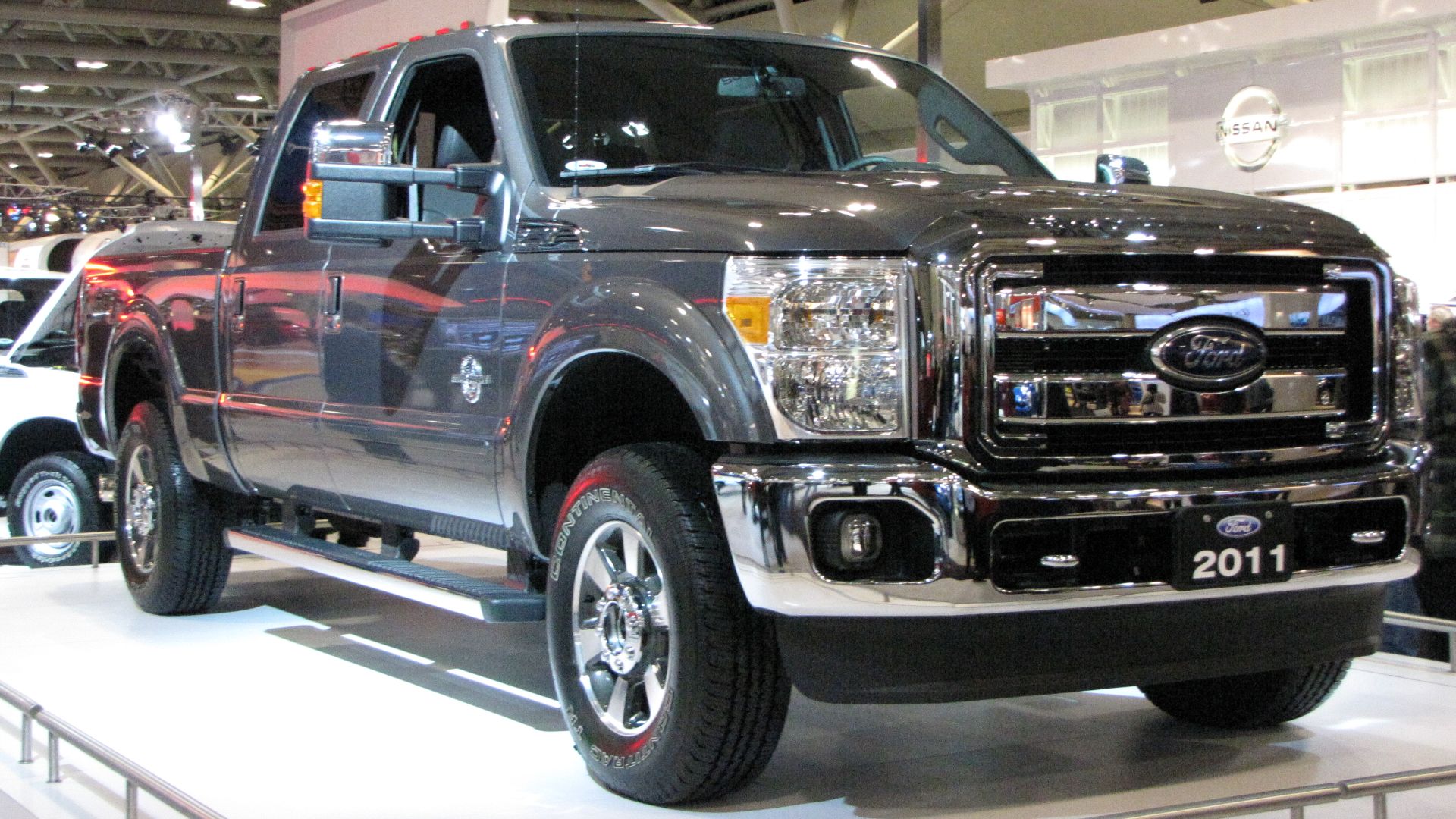
Turbocharger failures rob diesel models of towing power, which strike between years three and five. Electrical faults—dead batteries, faulty sensors—add to frustration. Transmission issues, particularly in heavy towing conditions, further reduce uptime. Problems intensify faster in wet climates where corrosion accelerates electrical deterioration.
 Tabercil from Canadian, Wikimedia Commons
Ford F-250 Super Duty (2011–2013) (Cont.)
Routine turbo inspections help, but replacements remain costly. Electrical faults often stem from corroded connectors hidden deep in the harness. Transmission upgrades exist but are expensive, and this leads many owners to offload the truck rather than invest in major repairs once multiple systems start failing together.
 Aaron & Alli, Wikimedia Commons
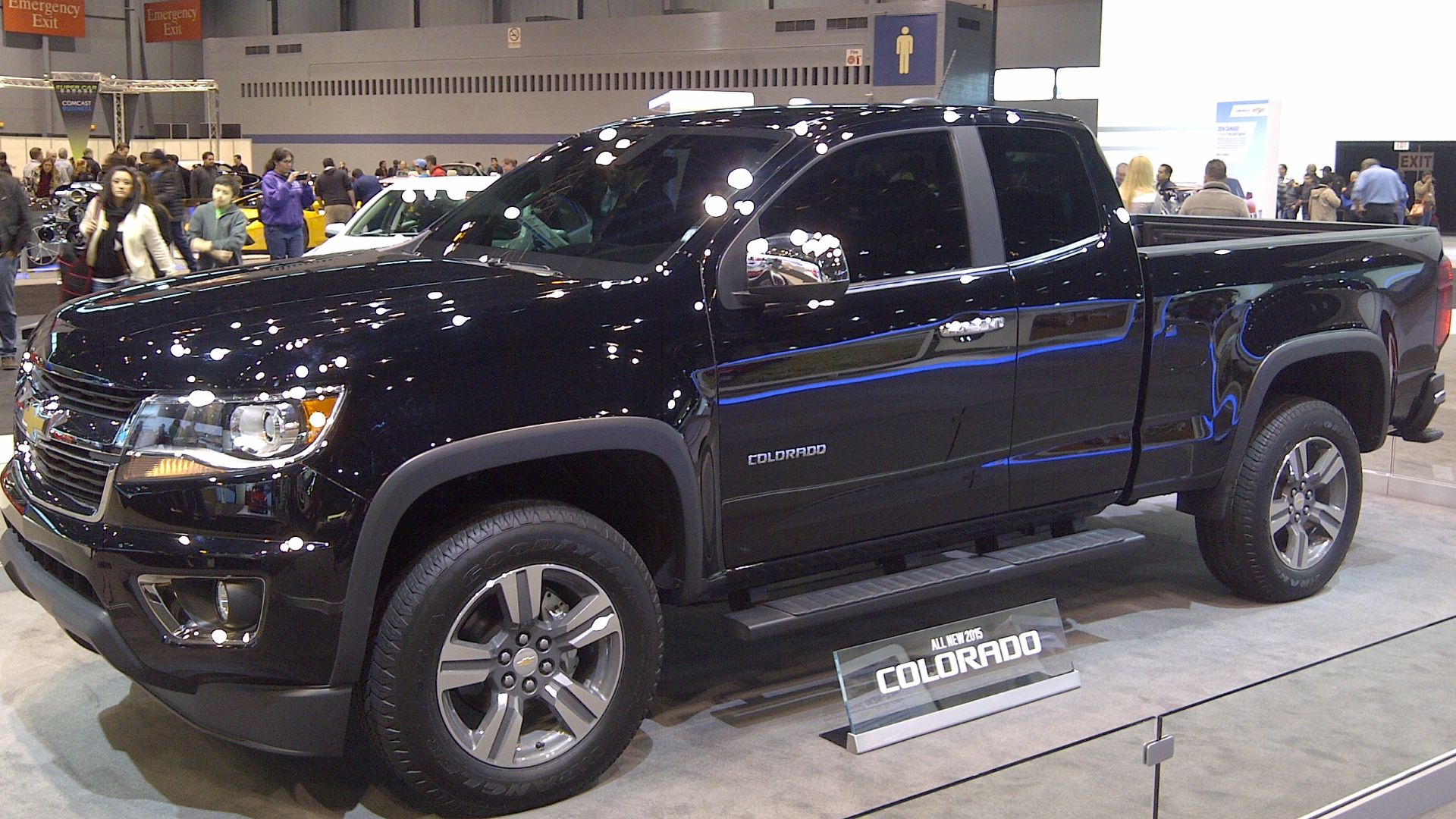
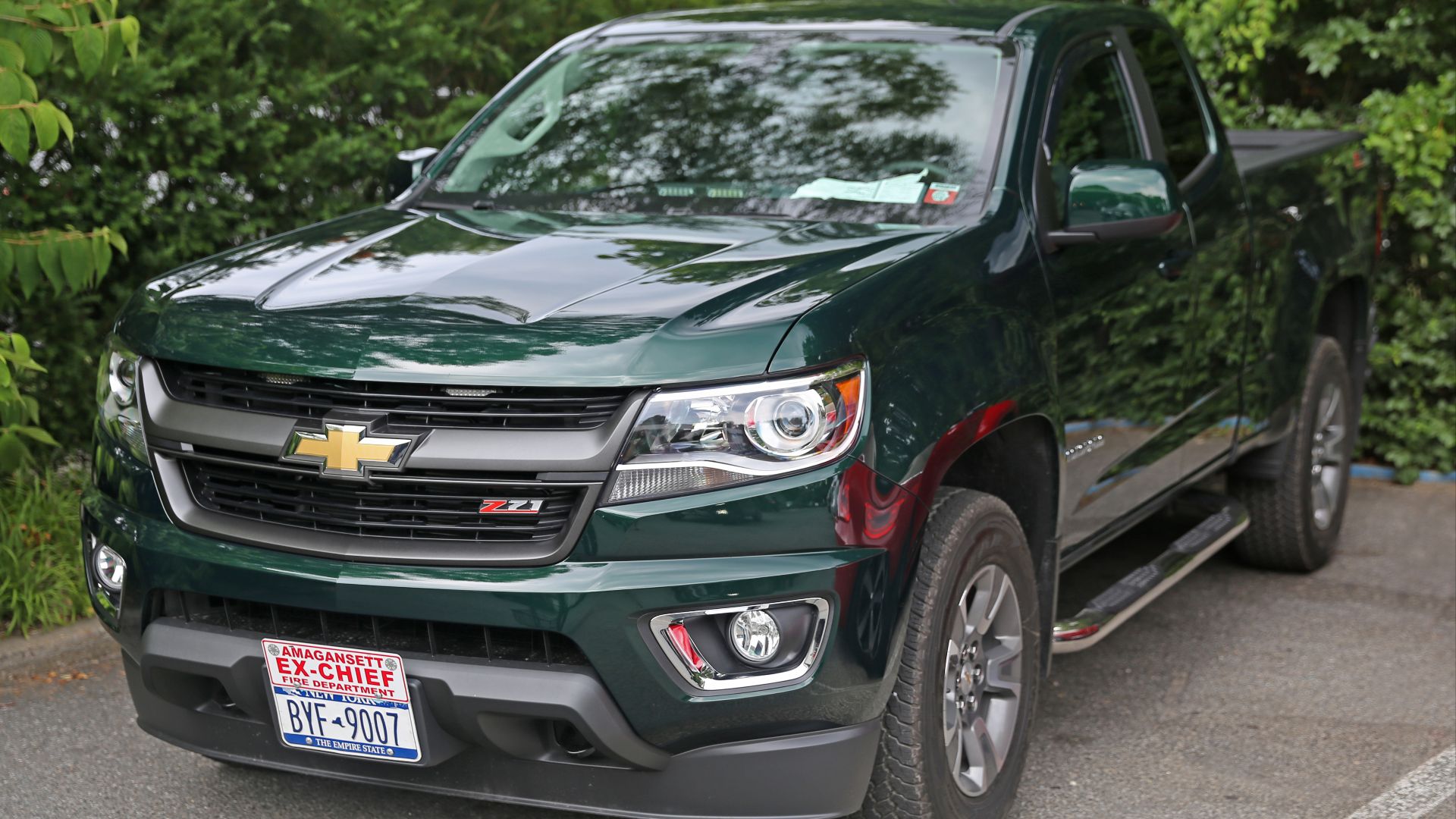
Chevrolet Colorado (2015–2016)
Engine misfires interrupt acceleration, and this is linked to failing ignition coils or worn plugs. Transmission hesitation slows takeoff in traffic. These problems become more frequent in trucks used for stop-and-go driving compared to long-distance driving. Performance degradation usually appears between the third and fourth year of regular, moderate-duty operation.
Chevrolet Colorado (2015–2016) (Cont.)
The solutions? Early replacement of coils and plugs to prevent misfires. Transmission reprogramming temporarily smooths shifts, but mechanical wear may emerge later. These issues were largely corrected in newer models, leaving this specific generation as a cautionary note for buyers prioritizing long-term drivability and lower maintenance demands.
 Mr.choppers, Wikimedia Commons
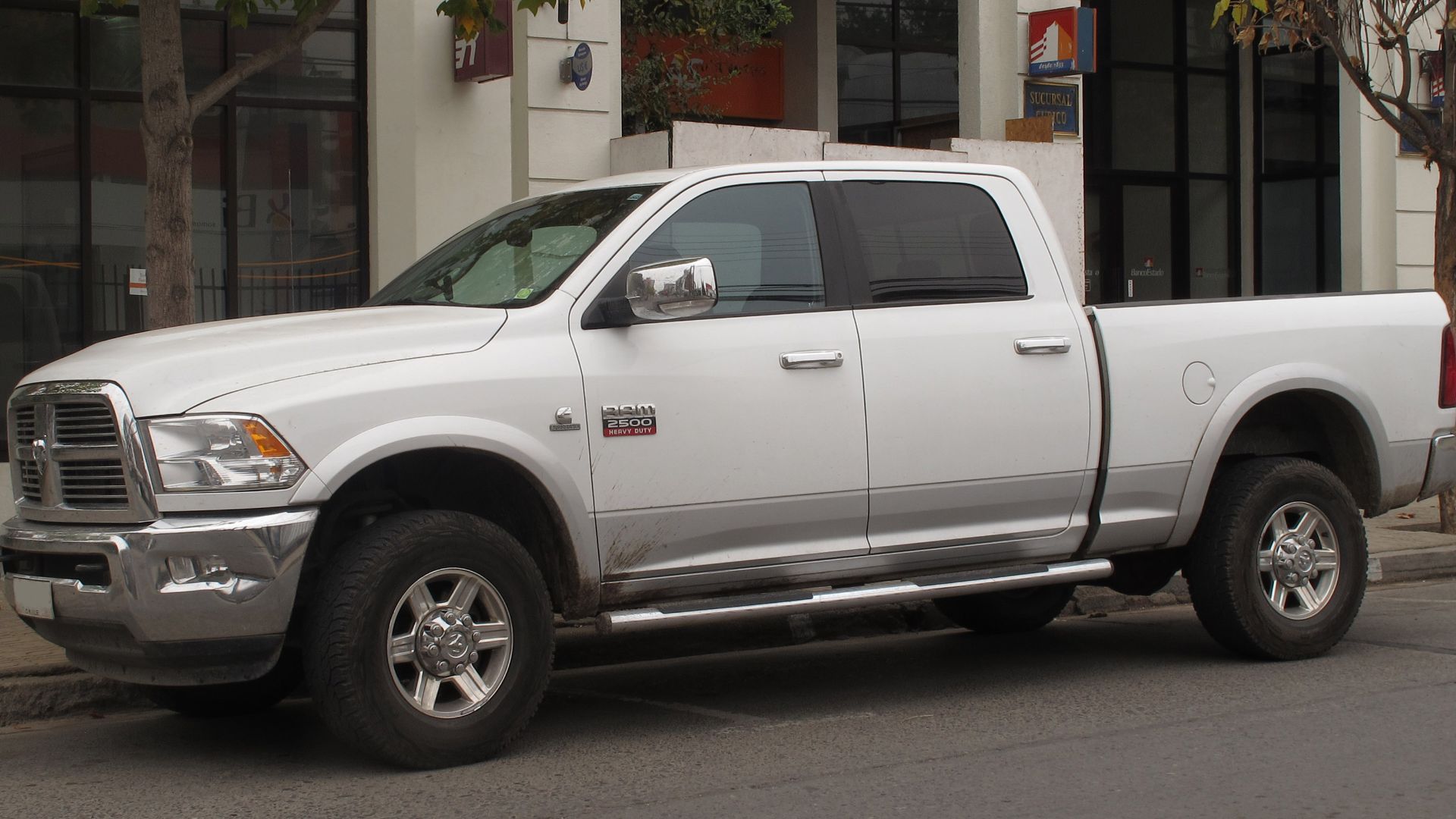
Ram 2500 (2012–2014)
Suspension wear causes bumpy rides and wandering steering, and electrical glitches randomly disable systems. Heavy-duty usage accelerates both. By the third year, parts like ball joints and control arms often need replacement for trucks in commercial or agricultural service. Here’s how you slow these degradations early:
 order_242 from Chile, Wikimedia Commons
Ram 2500 (2012–2014) (Cont.)
Get aftermarket suspension upgrades that last longer than stock parts. Unfortunately, these come at a premium. Sorting out the electrical faults (blown fuses to complex wiring issues) sometimes requires dashboard removal. Now, if multiple failures coincide, your wallet will feel it.
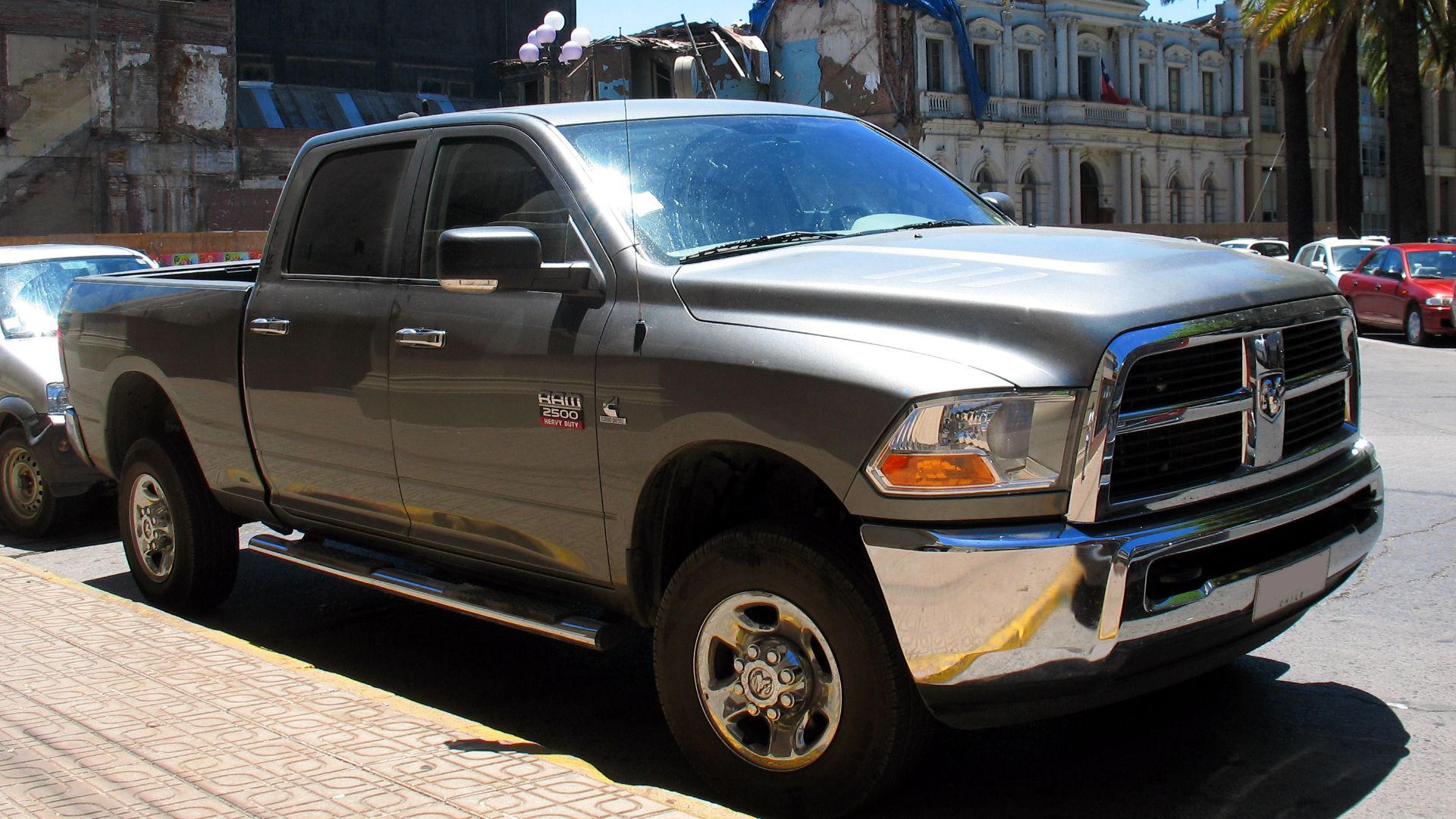 order_242 from Chile, Wikimedia Commons
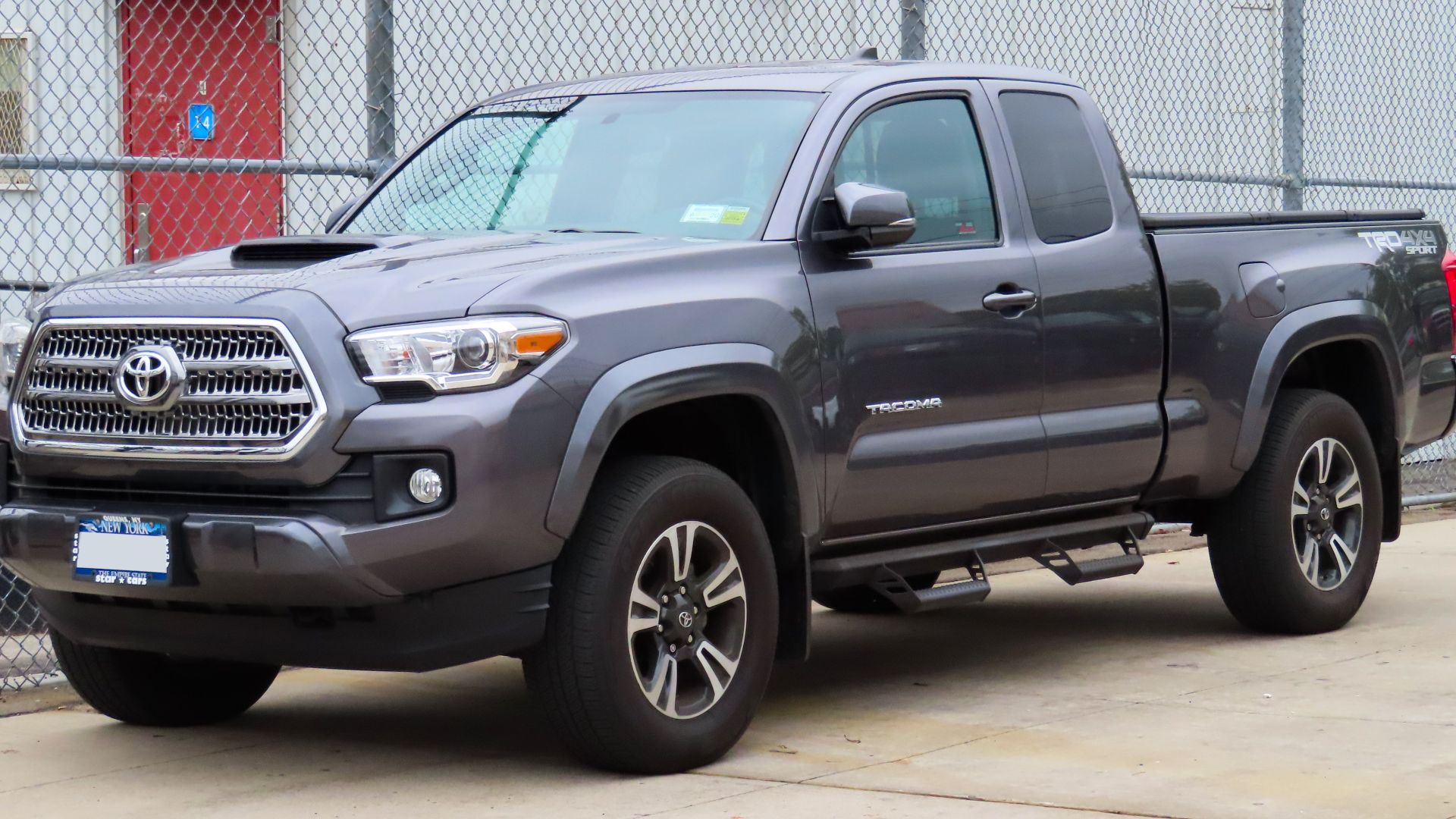
Toyota Tacoma (2016)
Transmission shifting delays frustrate drivers, particularly in cold weather. Infotainment glitches, unresponsive screens, or dropped Bluetooth occur more often than expected. Problems can appear as early as the first few months, often within the first 36 months, particularly in cold weather, and it catches many by surprise, given Tacoma’s reputation.
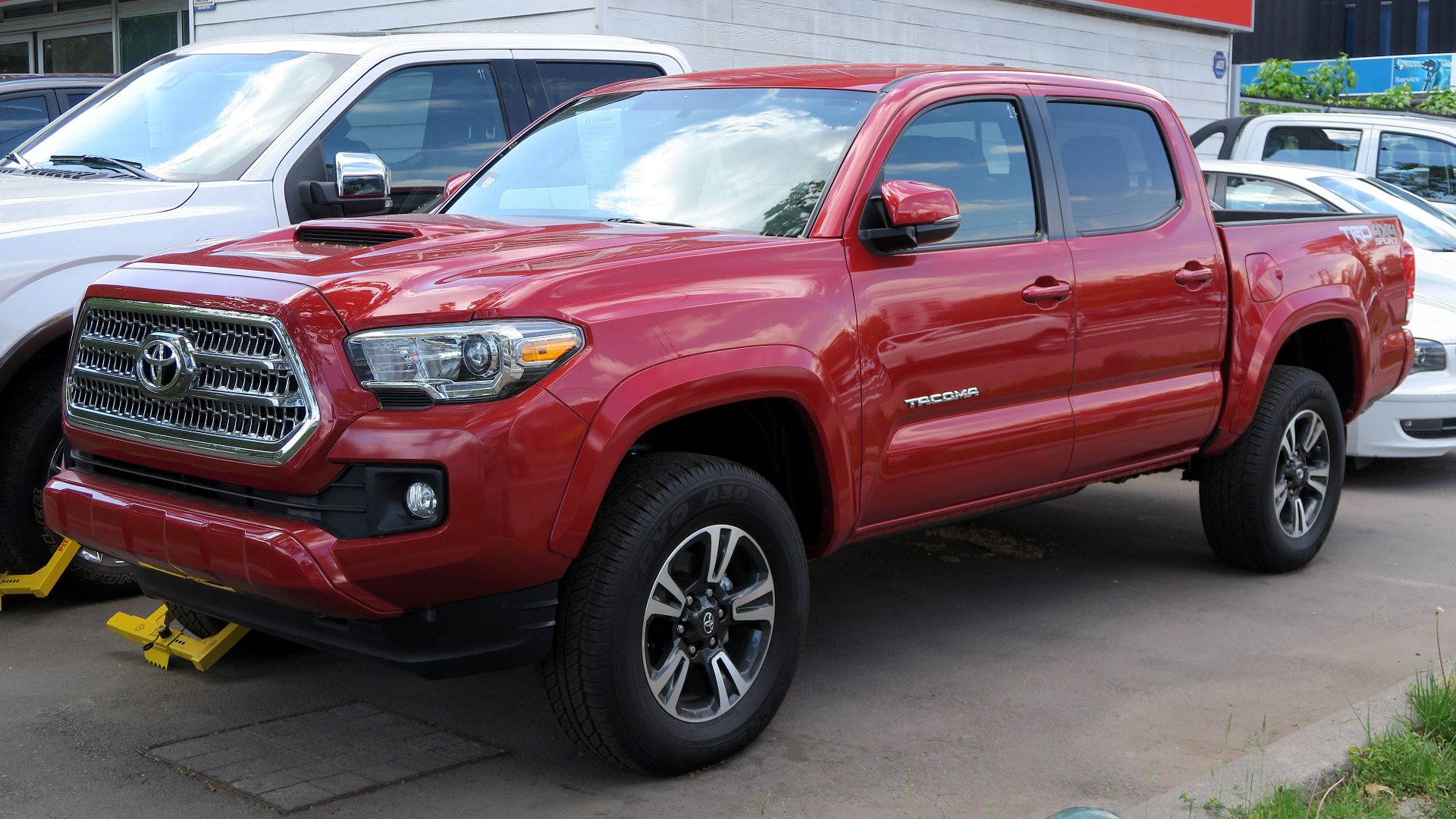 RL GNZLZ from Chile, Wikimedia Commons
Toyota Tacoma (2016) (Cont.)
Here’s what to do: Reprogram the transmission at the problem’s onset because waiting may require hardware swaps. Infotainment updates temporarily resolve issues before they reappear. Despite these faults, the 2016 Tacoma still fares better than most rivals here, though it stands as a weak spot in an otherwise solid lineup.
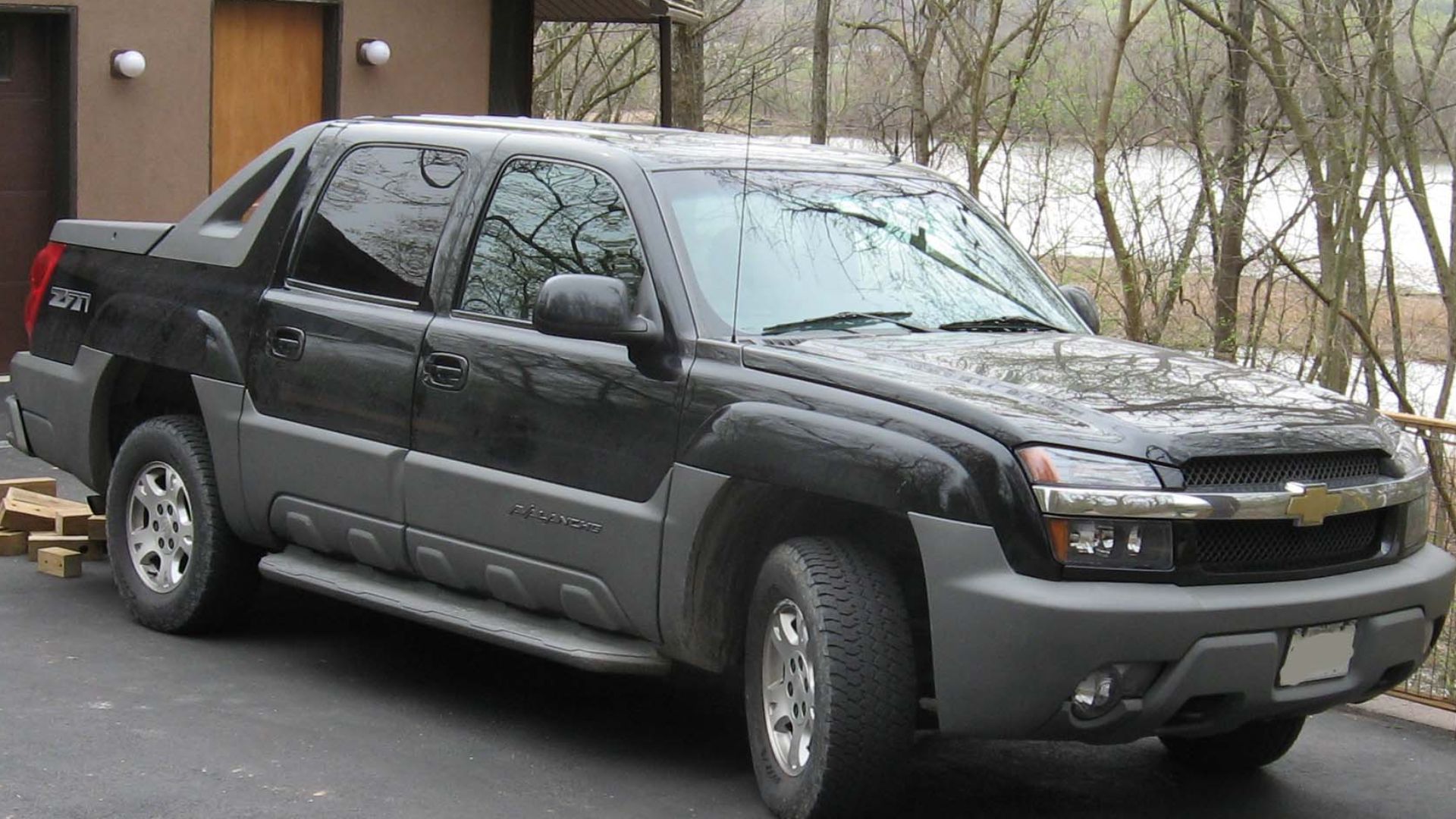
Chevrolet Avalanche (2002–2006)
The Avalache’s transmission failures remain the Achilles’s heel, sometimes surfacing after the third year of ownership. Electrical issues compound the frustration, and the visible body cladding deterioration affects appearance. Owners who keep these older models on the road juggle multiple repairs in a single year.
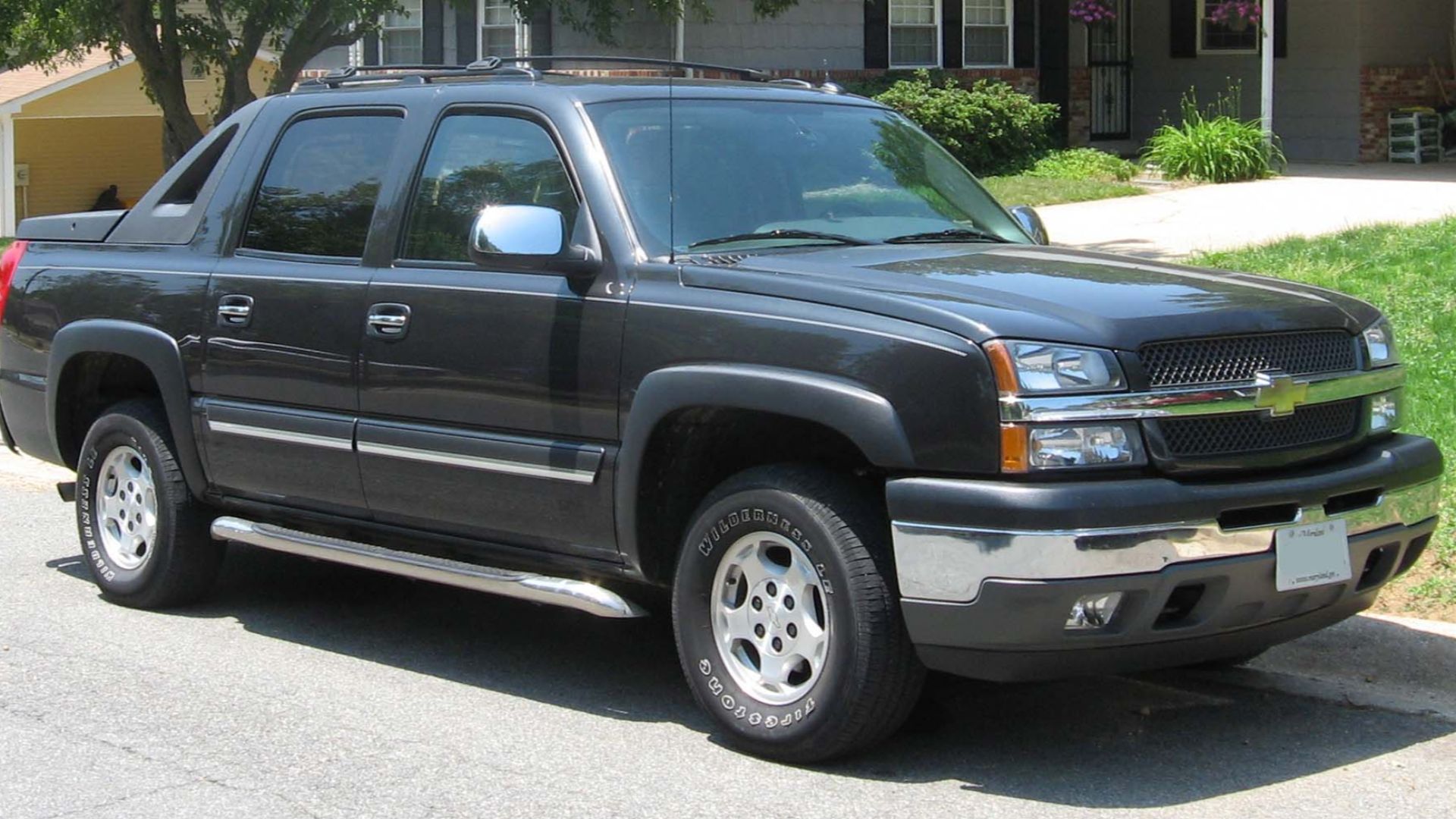
Chevrolet Avalanche (2002–2006) (Cont.)
Rebuilt transmissions are common fixes, but they are expensive. The electrical repairs? Those vary from simple wiring fixes to full harness replacements. Body cladding restoration requires aftermarket parts or custom work, making cosmetic upkeep nearly as costly as keeping the drivetrain functional.
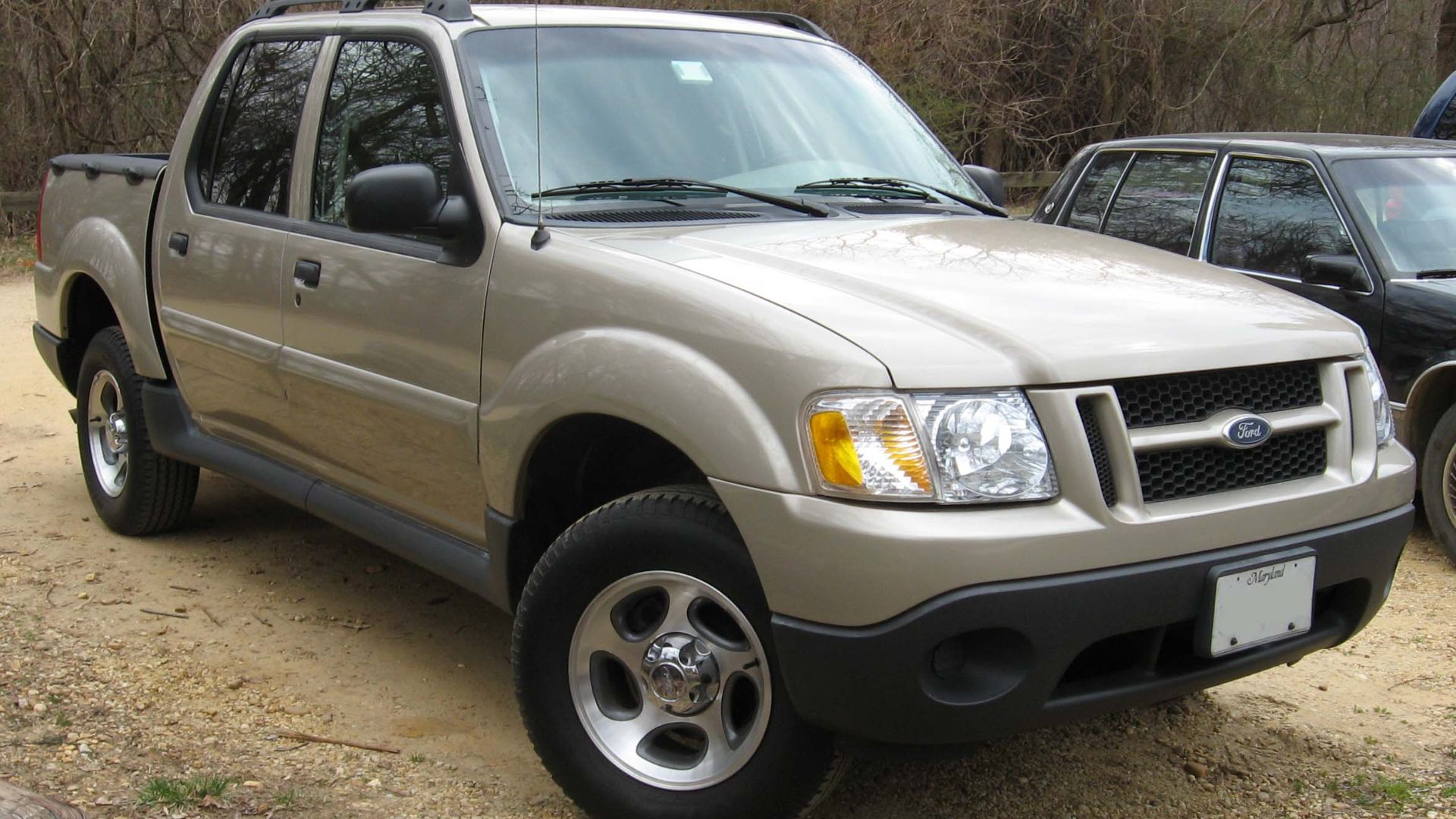
Ford Explorer Sport Trac (2001–2007)
Electrical failures on the Trac knock out lighting, power accessories, and sometimes ignition. Transmission troubles like slipping and harsh shifts pile on. Engine problems, particularly timing chain wear, also appear by year three in secondhand ownership. This makes the Sport Trac’s combination of SUV comfort and truck utility less appealing over time.
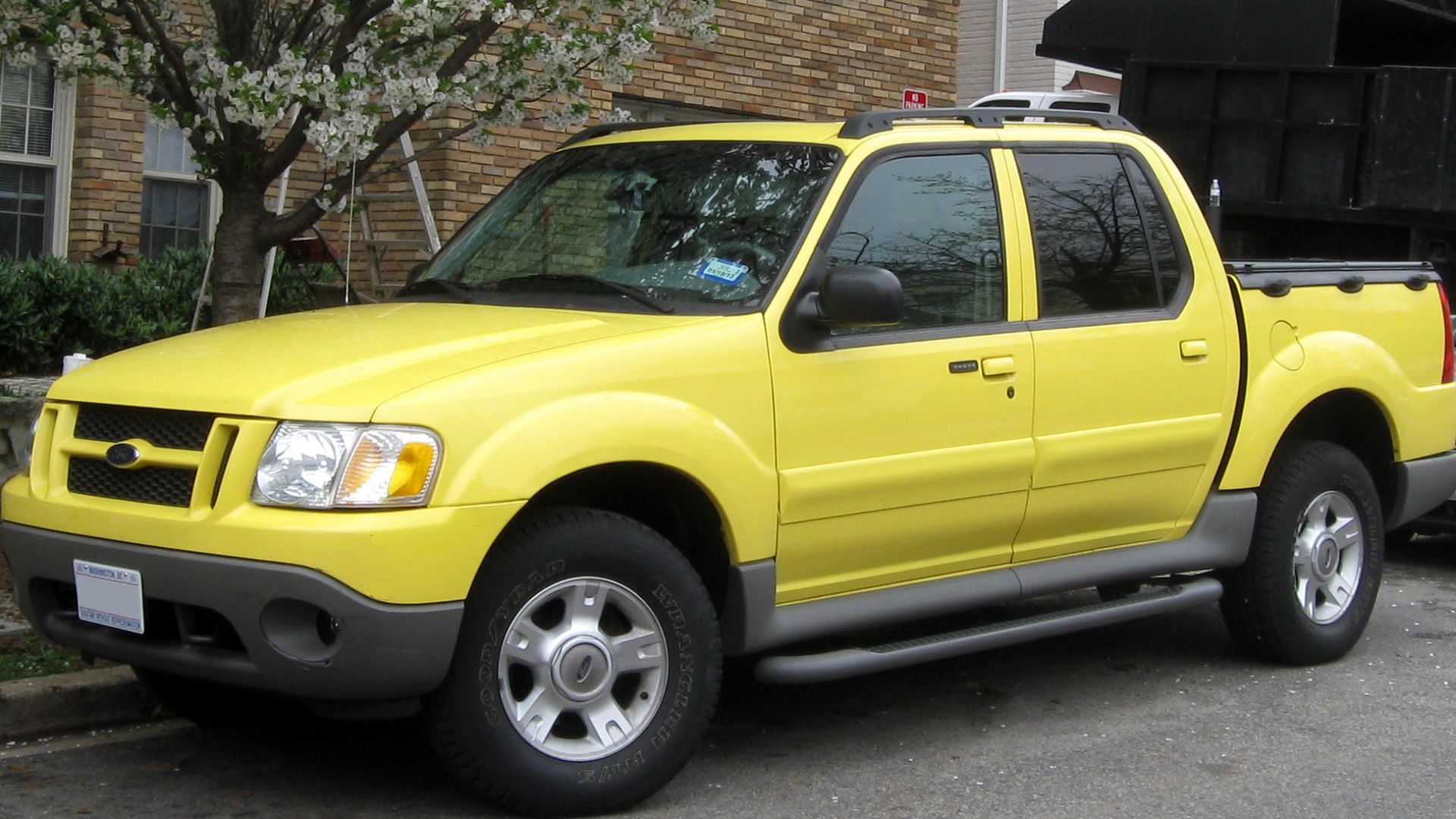
Ford Explorer Sport Trac (2001–2007) (Cont.)
Replacing worn timing chains is labor-intensive and expensive, and transmission rebuilds are frequently needed to restore smooth operation. Electrical troubleshooting could mean removing panels and tracing wires, a process that adds to labor costs quickly. Owners usually retire the truck early to avoid cumulative repair bills.