

The Real Cost Of Ignoring That Check-Engine Light
That little engine-shaped icon is not your car “being dramatic.” It is your onboard diagnostics telling you something is out of spec, usually in a way that can at best raise emissions or at worst cause real damage.
"How bad could it really be?" you ask? Let's find out.

What The Light Really Means
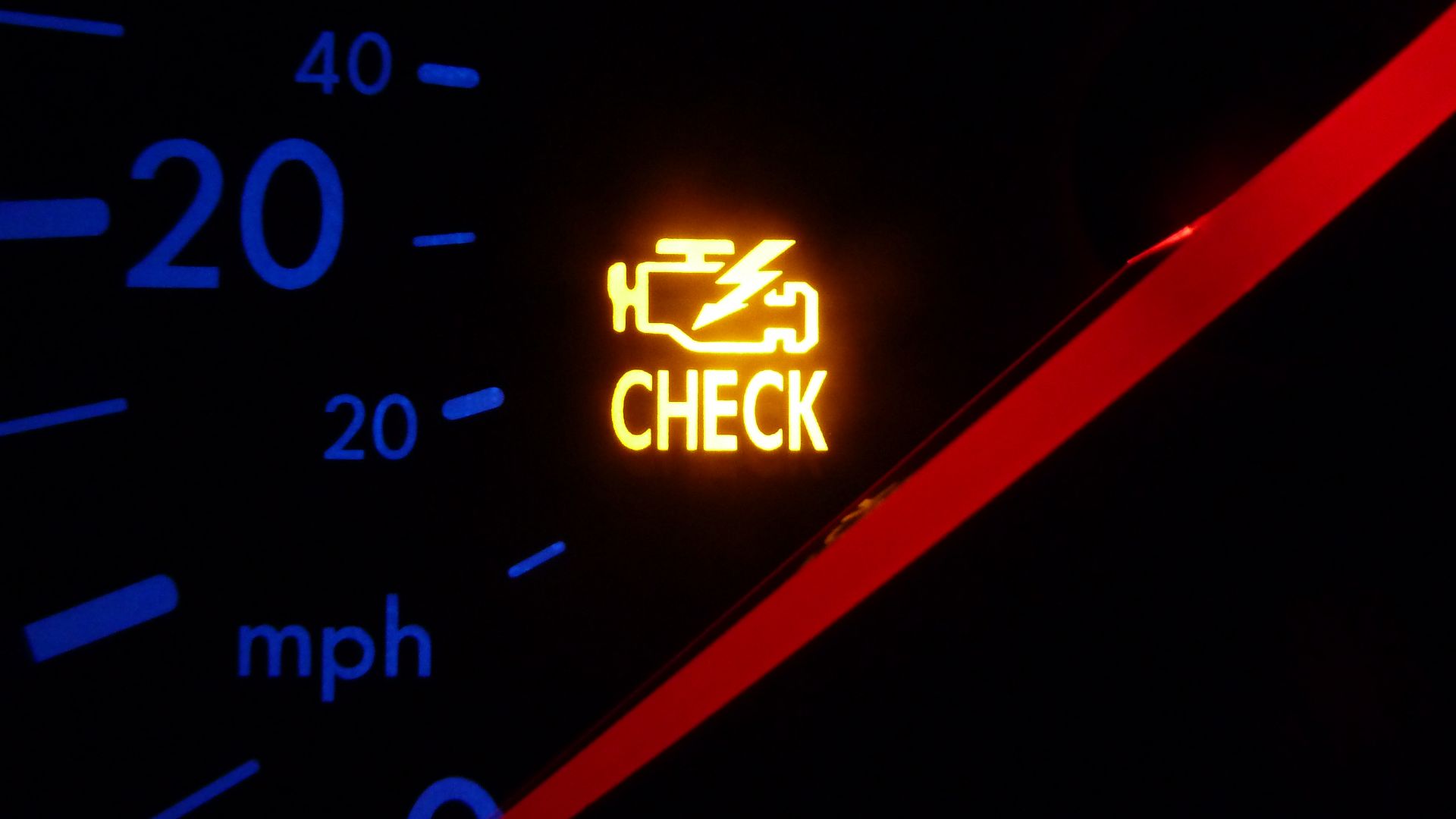
On modern vehicles, the check-engine light is the Malfunction Indicator Lamp, or MIL. Federal emissions rules require the MIL to be visible to the driver and to indicate emissions-related problems.
 Wikiuser100000, Wikimedia Commons
Why It Comes On At The Worst Times
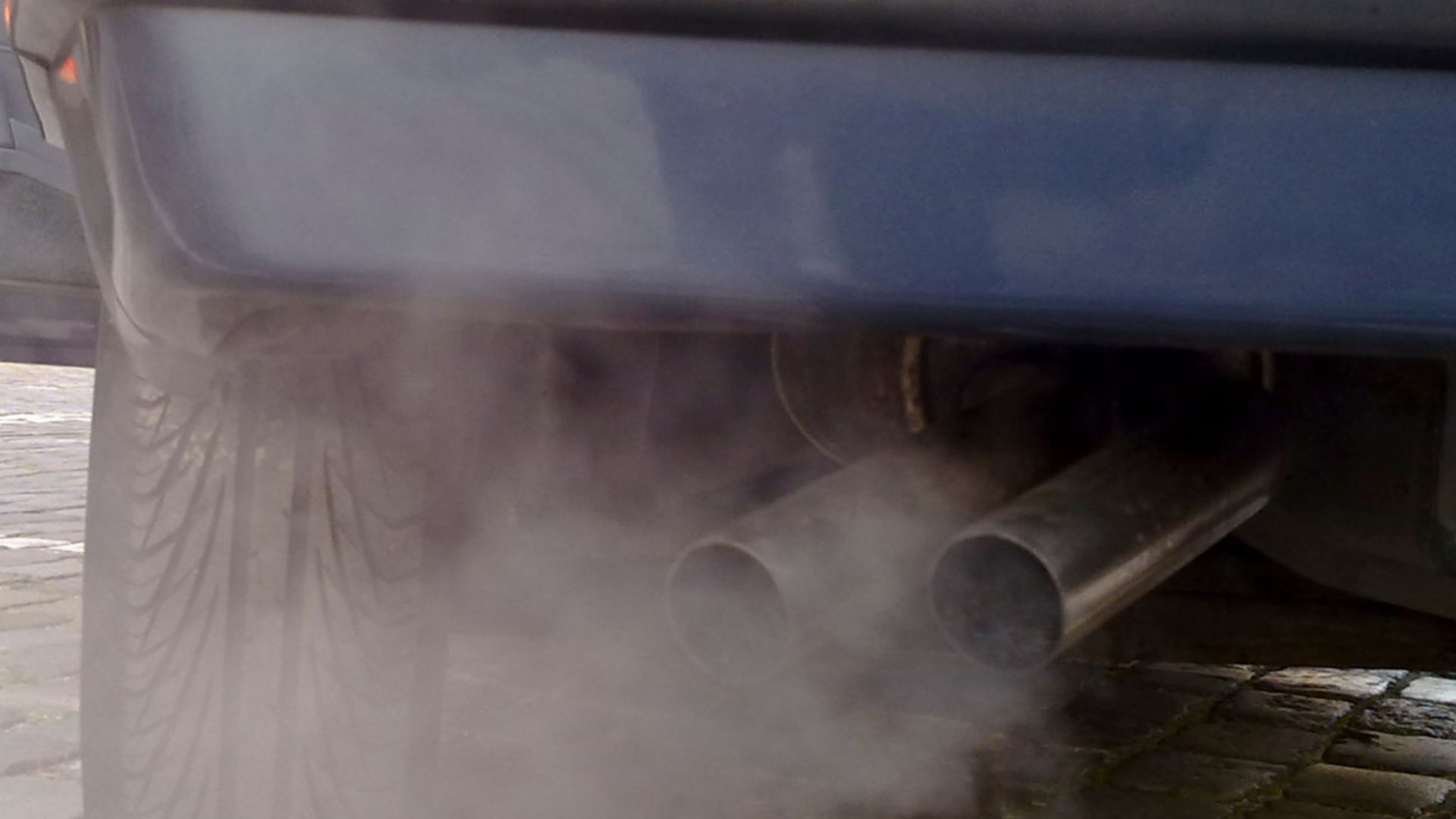
The computer can detect a fault before you feel anything, including issues that affect fuel economy or emissions. That is why the light can show up even when the car seems to run “fine.”
 Ruben de Rijcke, Wikimedia Commons
Steady Vs Flashing
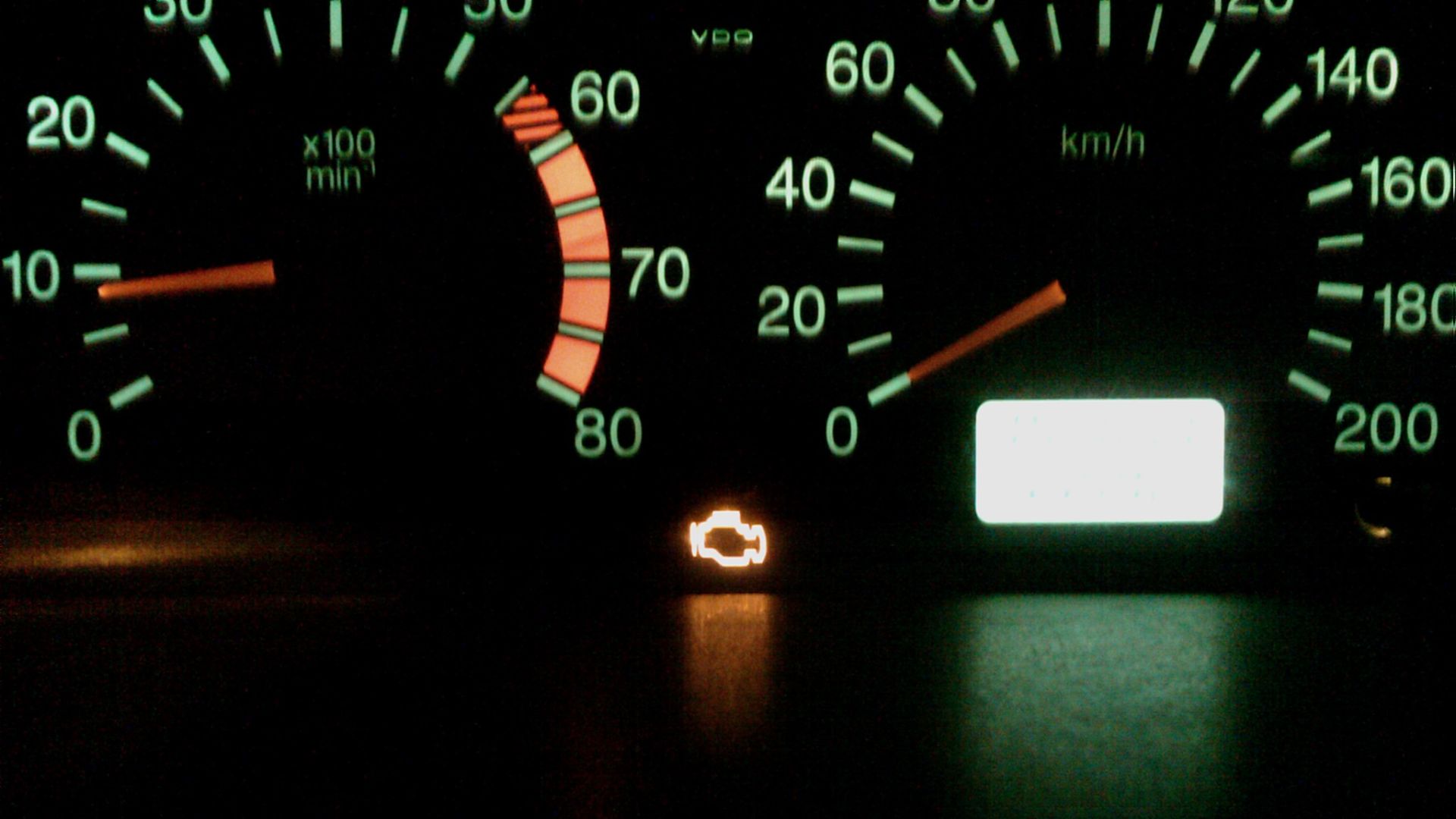
A steady MIL usually means “fix it soon,” even if the car still drives normally. A flashing MIL is treated as urgent because it can signal a severe condition that risks expensive catalytic-converter damage.
The Law Behind The Blink
Federal OBD rules explicitly call out “catalyst damaging misfire” as a special case. When that happens, the MIL must blink once per second during the misfire event.
 Ahanix1989 at English Wikipedia, Wikimedia Commons
Small Fixes That Trigger Big Worries
Yes, sometimes it is something simple, like a gas cap that is not sealed properly. State inspection guidance even calls out the gas cap as an emissions-related item that can trigger the MIL through the evaporative system.

The Classic EVAP Leak
EVAP faults are common because the system is designed to trap fuel vapors and check itself for leaks. The annoying part is that a minor leak can turn into a recurring light, an inspection failure, and repeated diagnostic time if it is ignored.
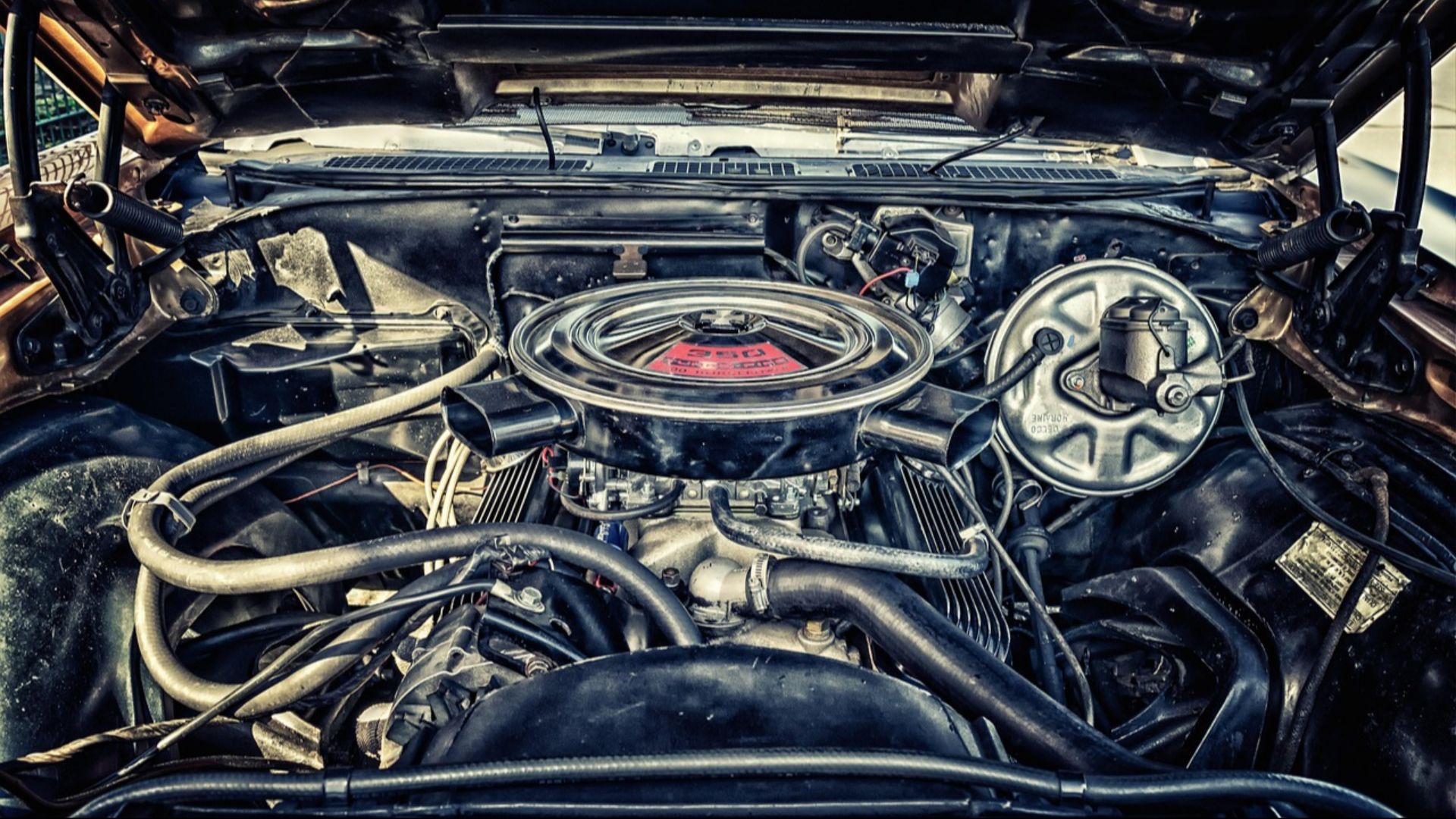
When Sensors Get Grumpy
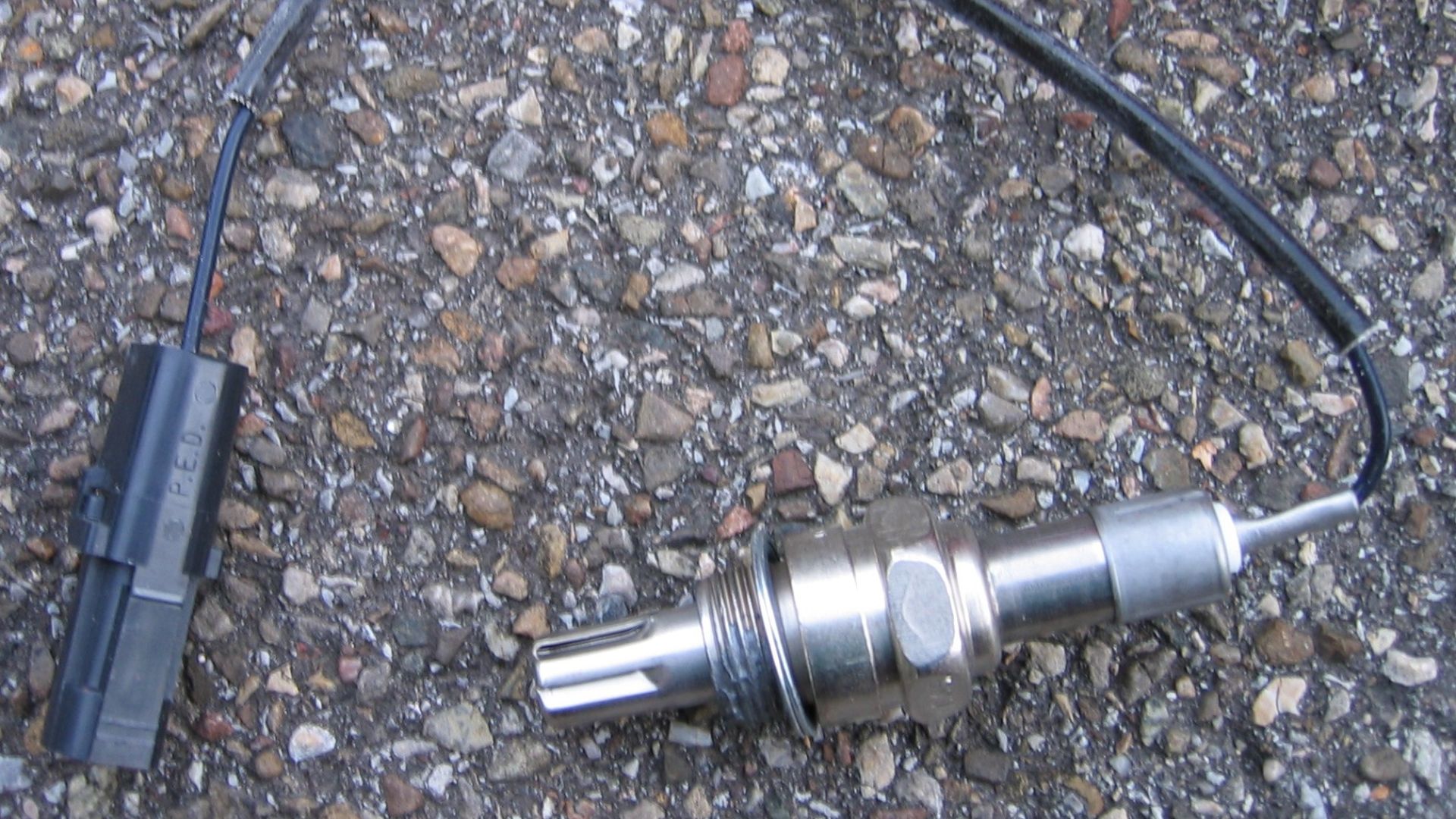
Sensors like the oxygen sensor and mass airflow sensor help the engine computer manage fueling. When they drift or fail, the computer often turns on the MIL because the vehicle can run dirtier and less efficiently.
Fuel Economy Penalty You Actually Feel
The U.S. Department of Energy notes that fixing a serious maintenance problem, such as a faulty oxygen sensor, can improve mileage by as much as 40%. It also explicitly warns drivers not to ignore the check-engine light because it can flag problems that affect fuel economy and more serious failures.
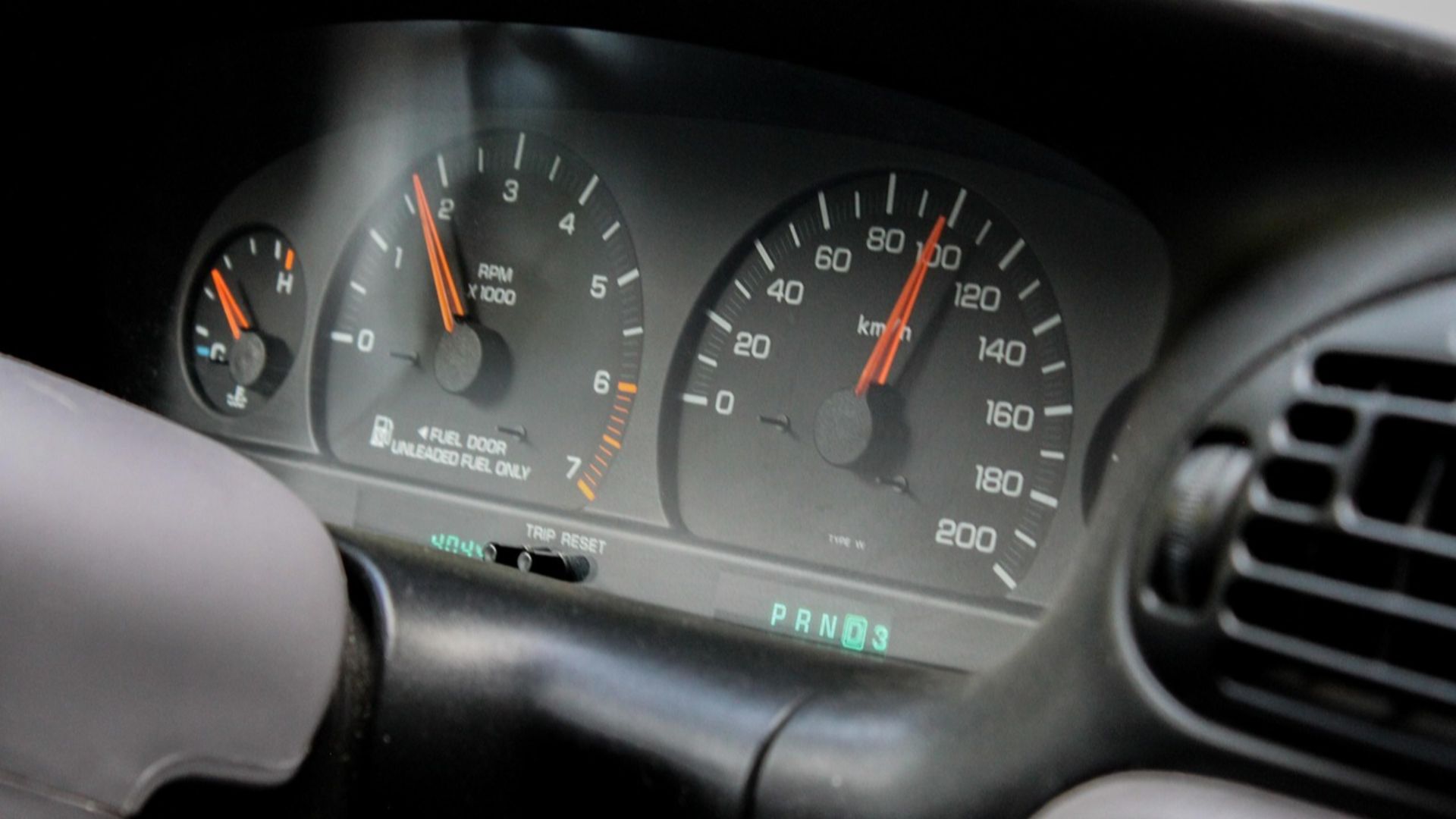
Misfires: The Money Pit Starter
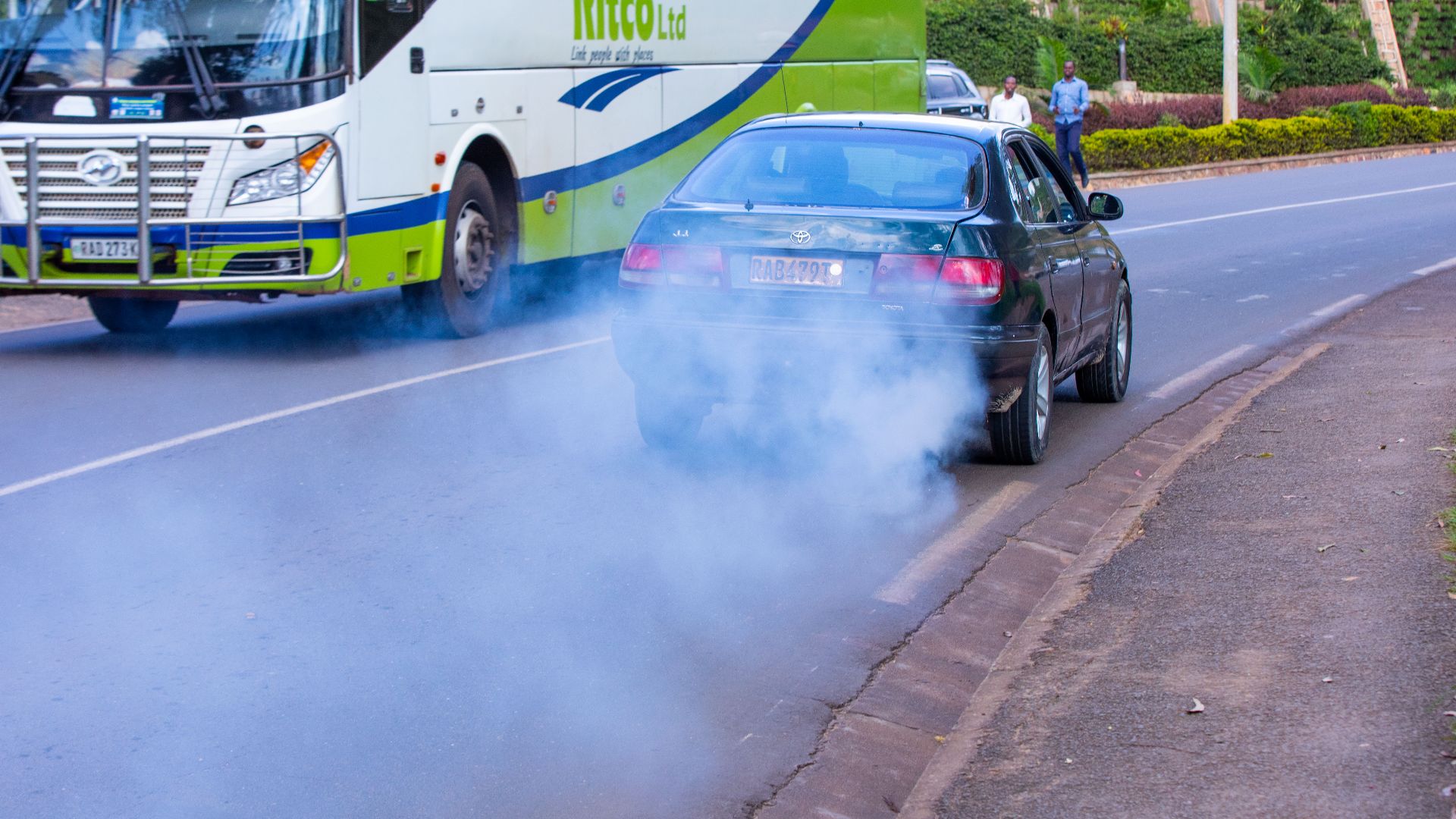
A misfire is not just a rough idle. It can dump unburned fuel into the exhaust stream, which is exactly the kind of scenario OBD rules treat as “catalyst damaging.”
 Emmanuelkwizera, Wikimedia Commons
The Catalytic Converter Domino
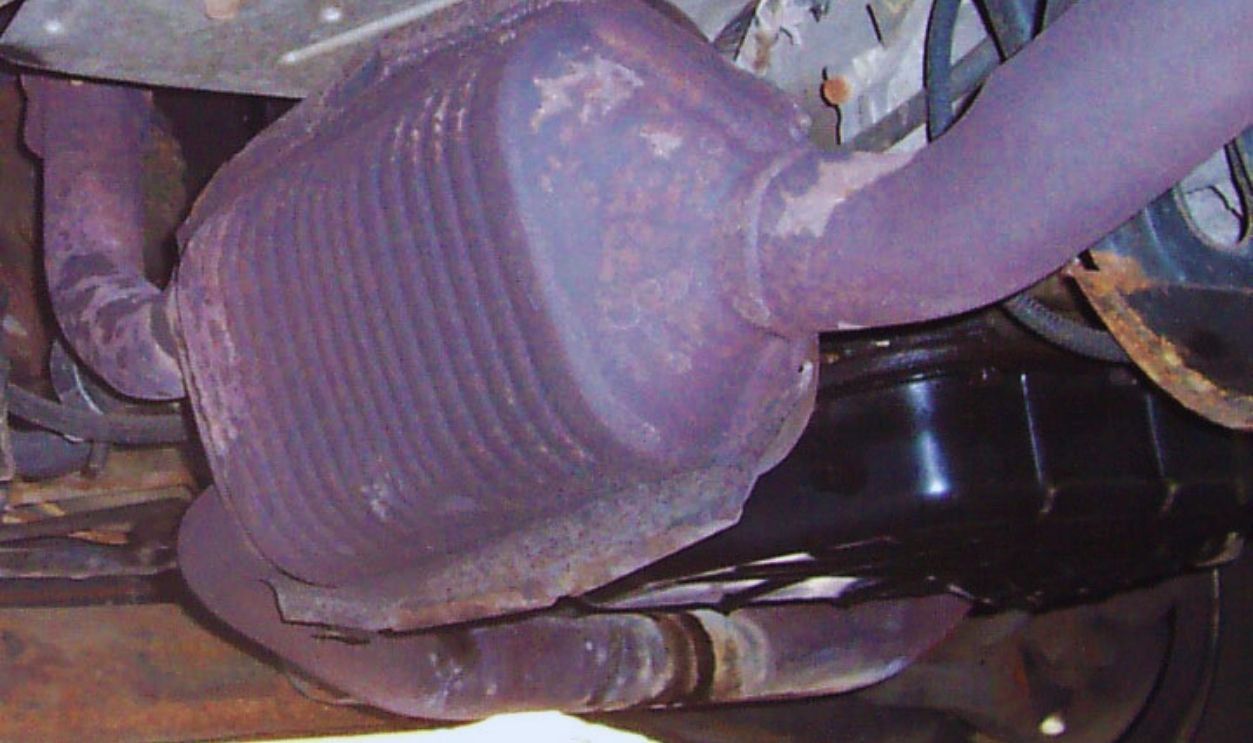
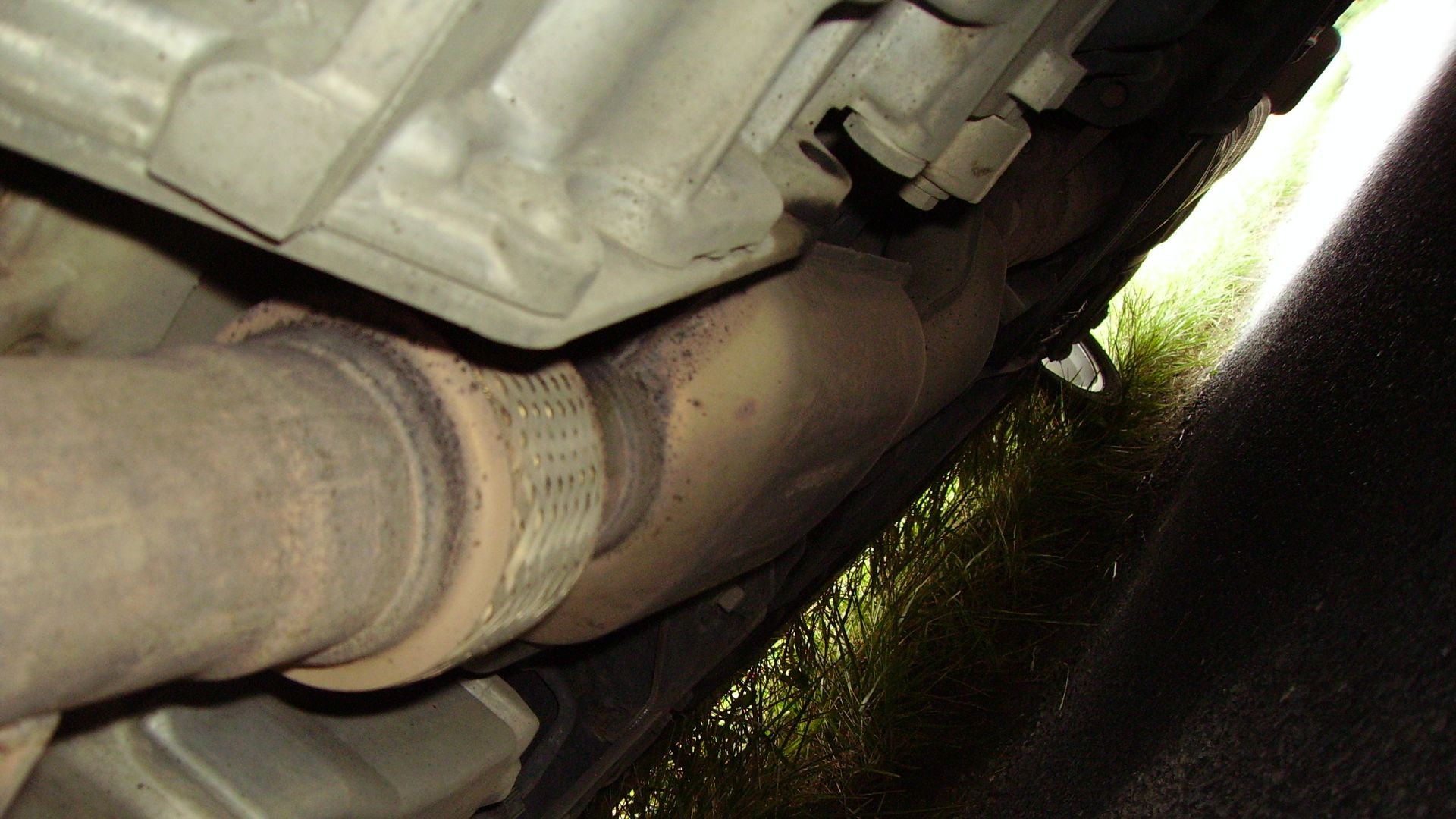
When a misfire keeps happening, the converter can overheat or degrade because it is forced to process raw fuel and abnormal exhaust chemistry. That is why a flashing MIL is often tied to converter-protection language in emissions guidance.
 User Ballista on en.wikipedia, Wikimedia Commons
Real-World Price Tag: Catalytic Converter
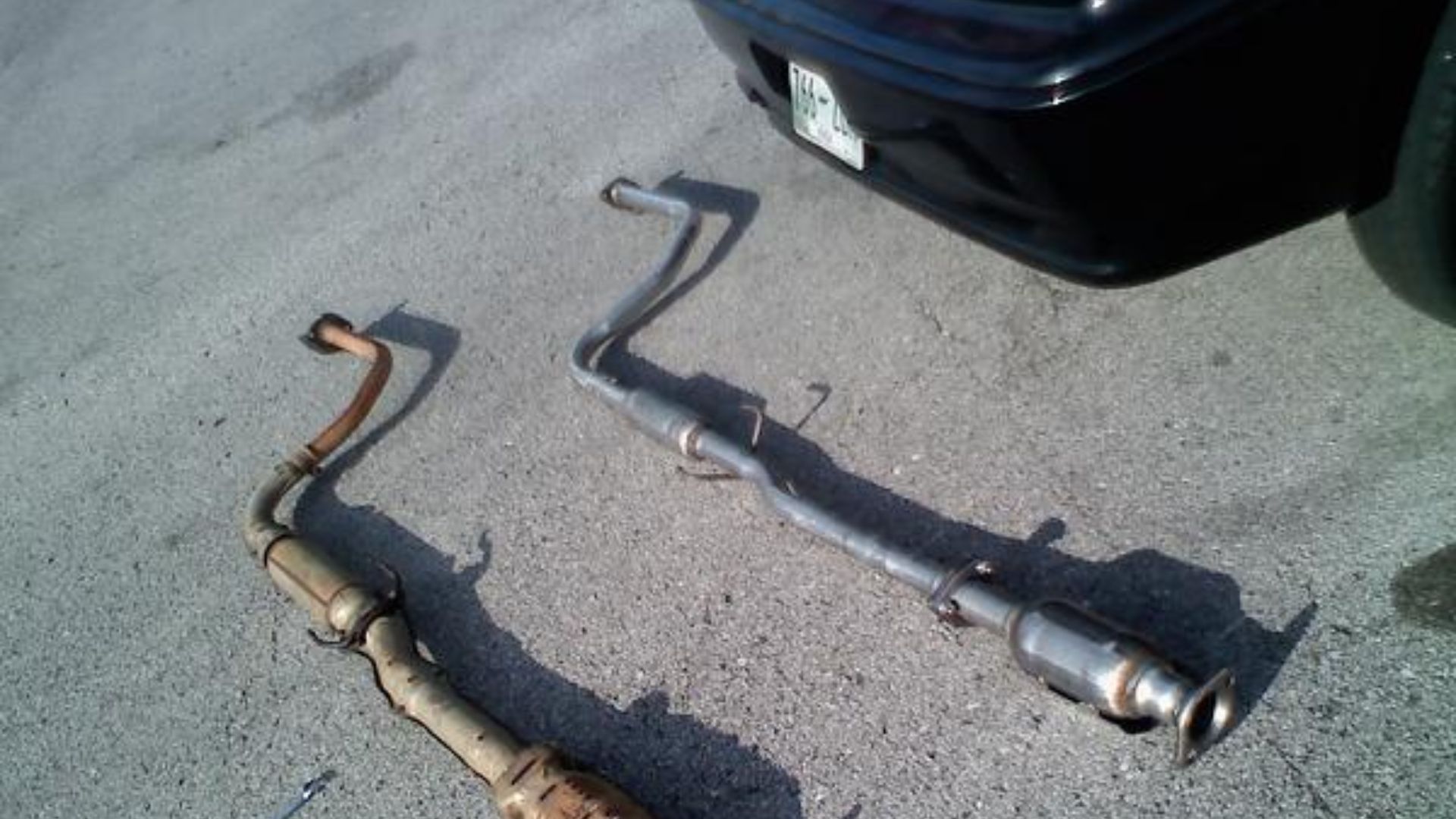
This is where ignoring the light gets brutally expensive. RepairPal’s estimate for catalytic converter replacement averages roughly $2,177 to $2,506, and that is before any related repairs that caused the failure in the first place.
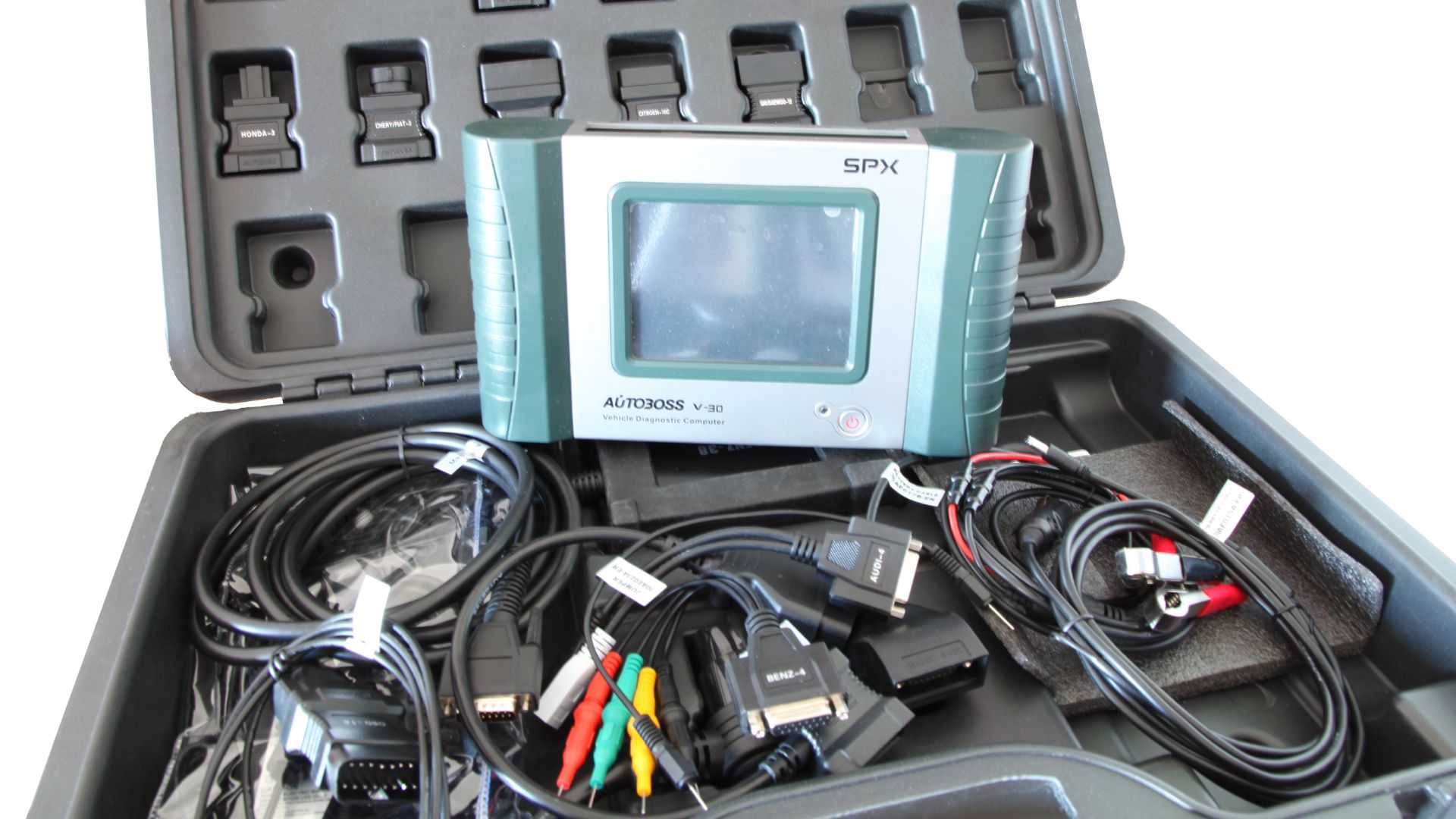
Real-World Price Tag: Basic Diagnostics
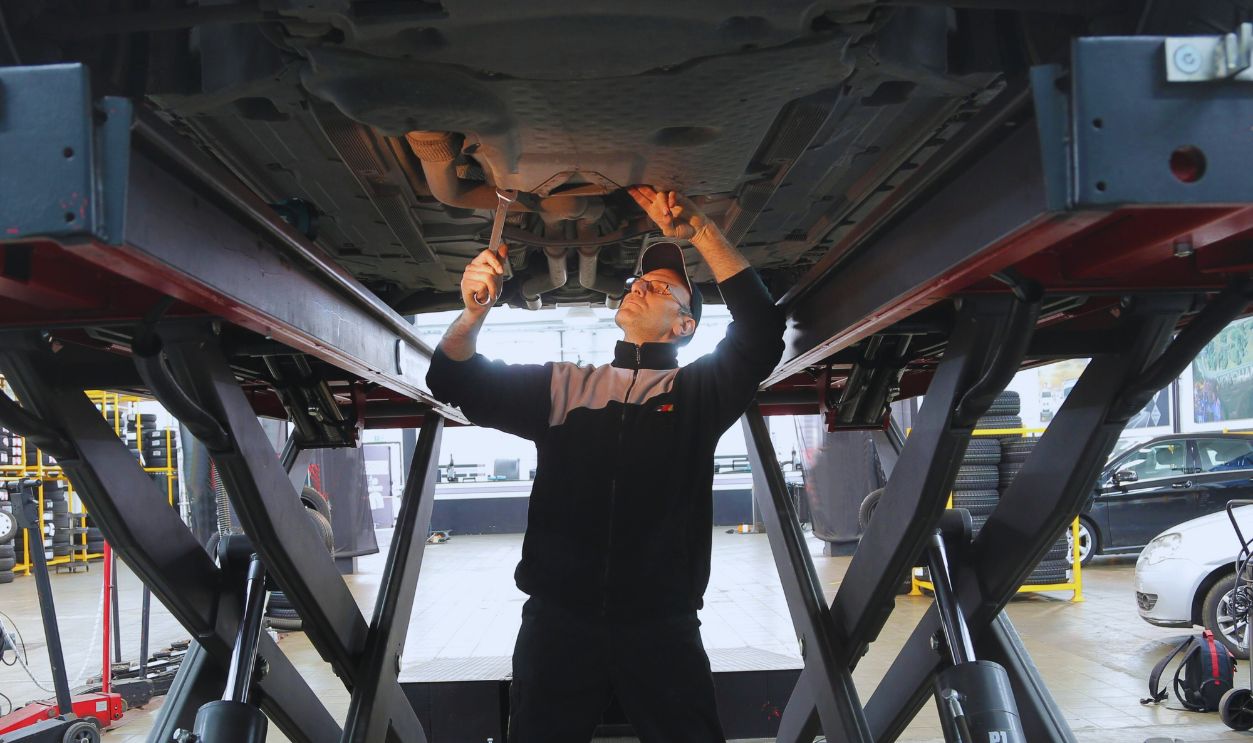
Step one is usually a proper diagnosis, not guessing. RepairPal puts check-engine-light diagnosis and testing at about $122 to $233 on average.
Real-World Price Tag: Common Ignition Fixes
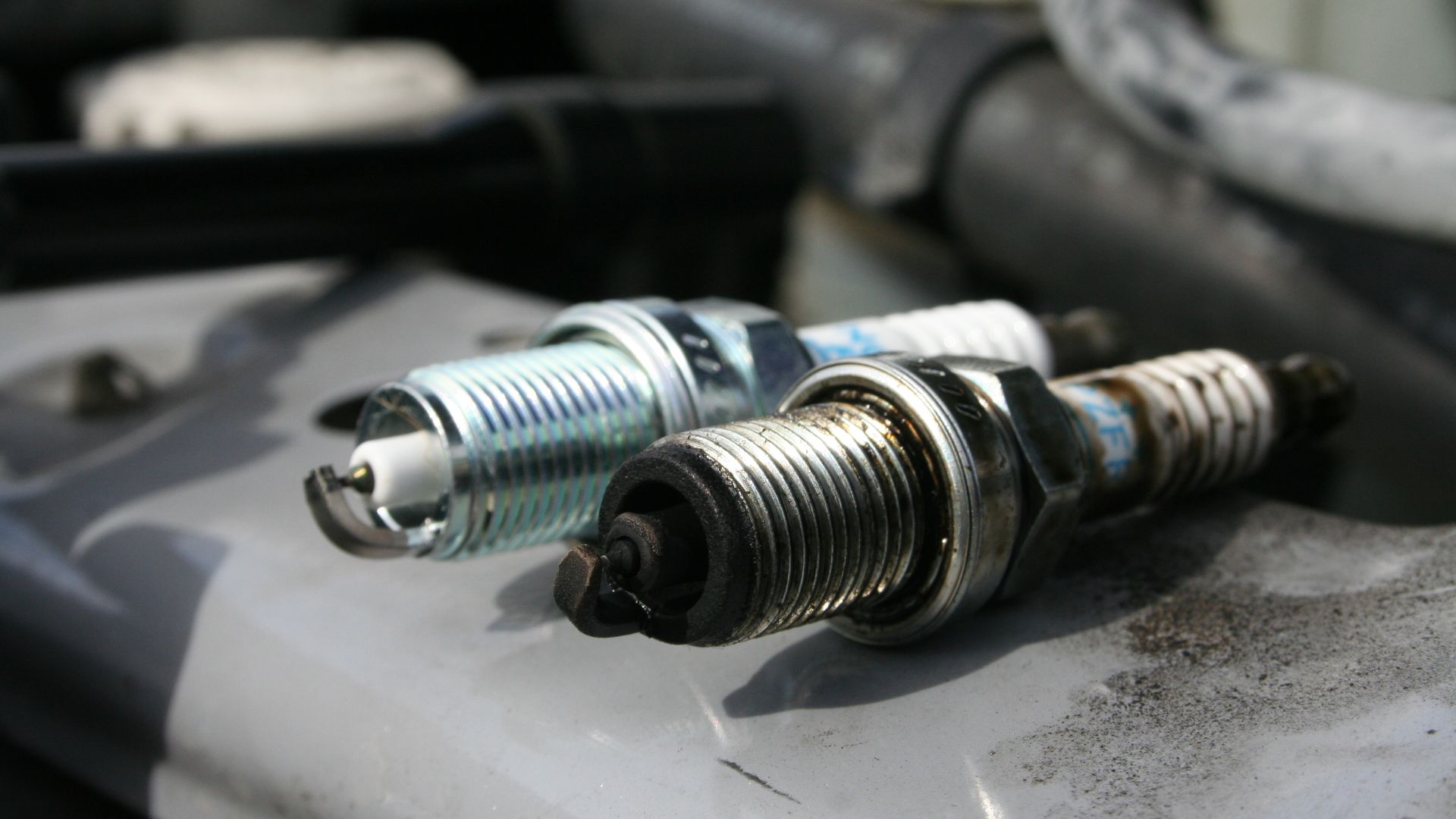
Many misfires come down to ignition components, which are cheaper than a converter if you catch them early. RepairPal estimates spark plug replacement around $264 to $390, and ignition coil replacement around $225 to $331 on average.
 Aidan Wojtas, Wikimedia Commons
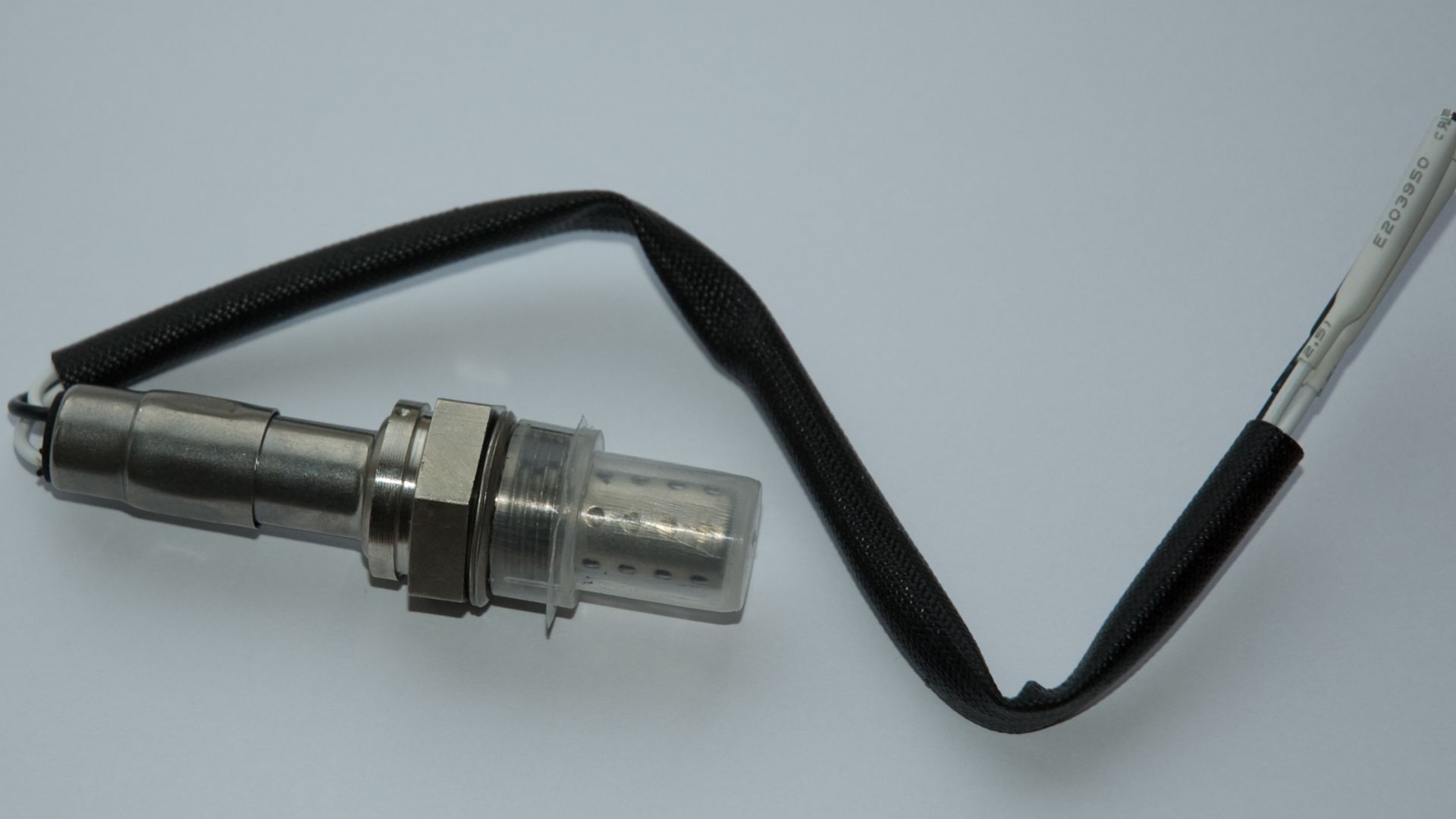
Real-World Price Tag: Sensors That Affect Fueling
A bad oxygen sensor can be a “small part, big impact” problem. RepairPal estimates oxygen sensor replacement around $427 to $532 on average.
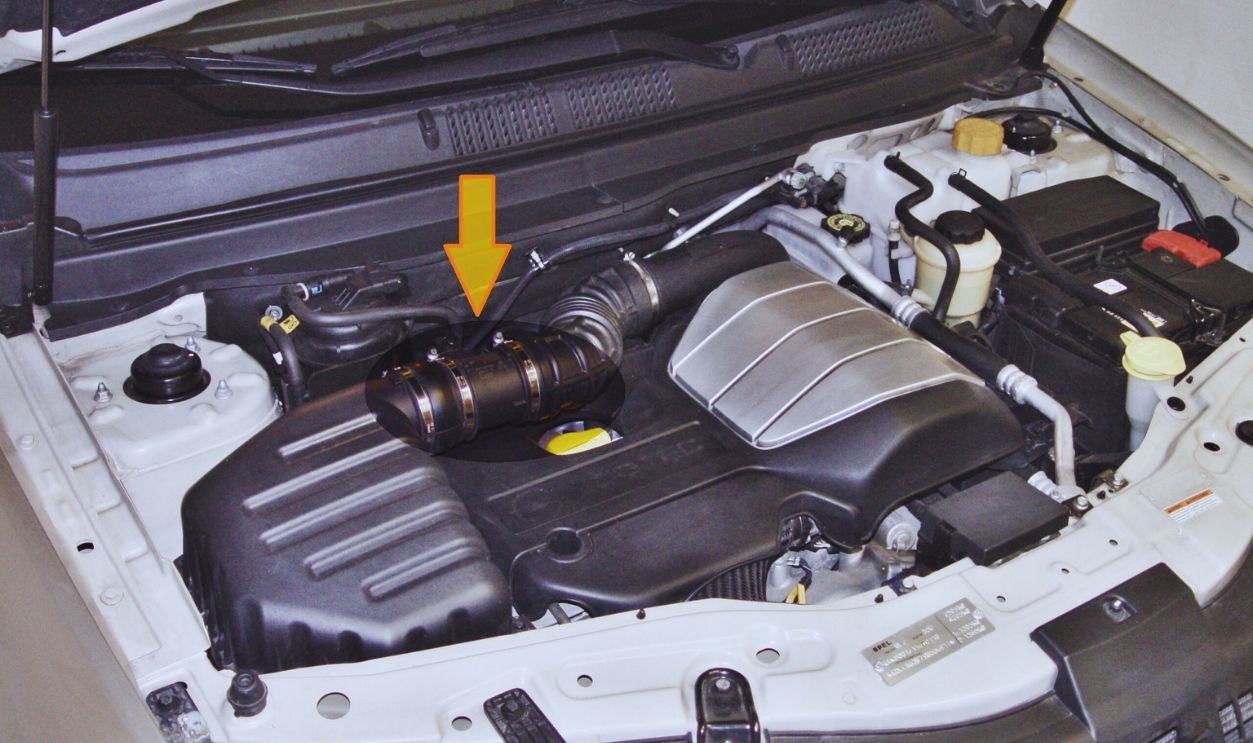
Real-World Price Tag: Air Metering And EVAP Parts
Air metering and EVAP faults are common MIL triggers, and they are often manageable if handled promptly. RepairPal estimates mass airflow sensor replacement around $262 to $406 and purge valve replacement around $200 to $240 on average.
 Antonin Ryska, Wikimedia Commons
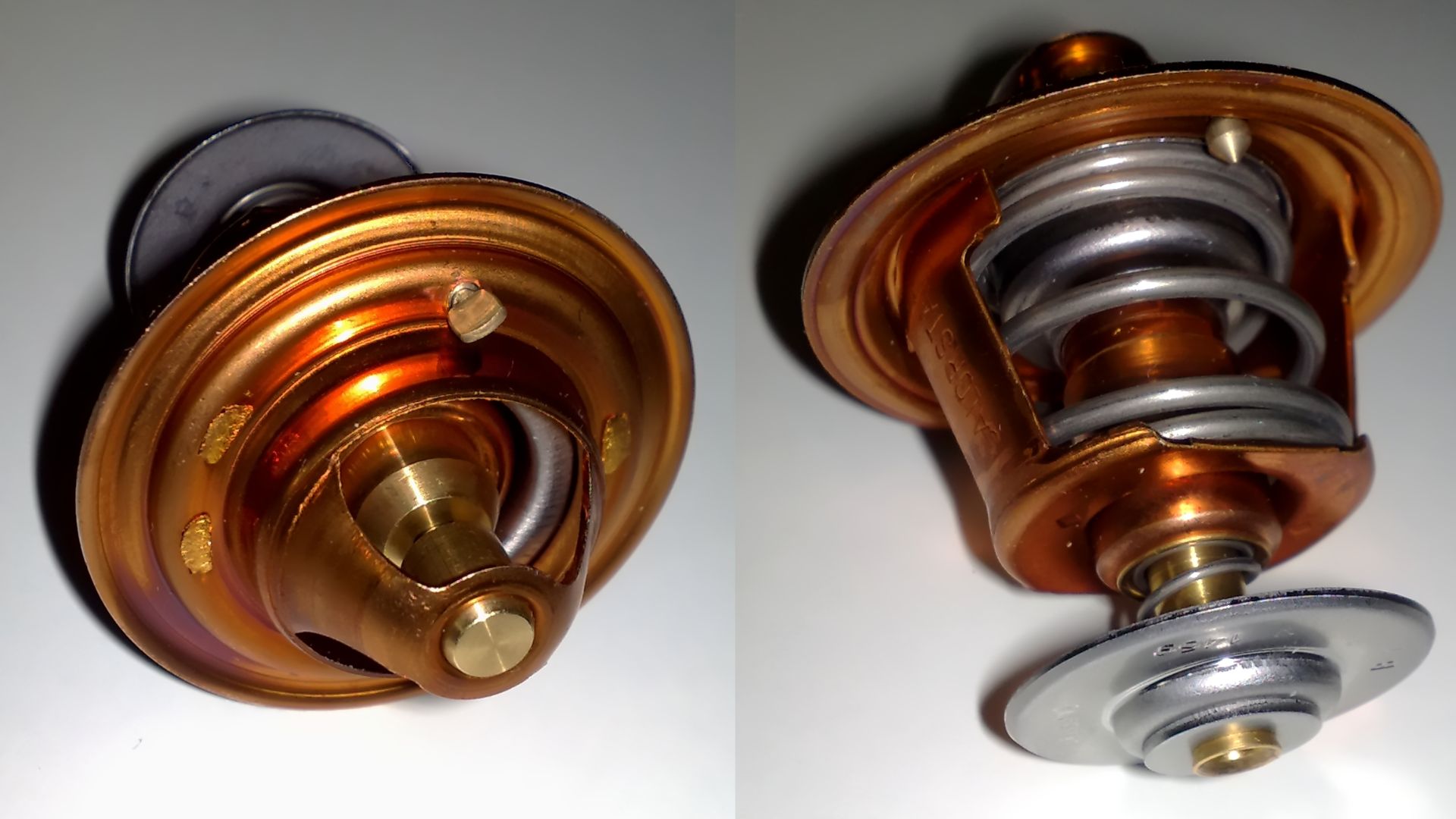
Cooling Issues That Sneak Up
Some faults that trip the MIL can also push the engine toward higher temps or poor performance over time. For example, thermostat replacement is not a tiny bill on many vehicles, with RepairPal averaging roughly $567 to $657.
Why “It Drives Fine” Is Not A Get-Out-Of-Jail Card
OBD systems can flag a problem well before you feel symptoms like low power or rough running. That early warning is meant to prevent costly repairs and reduce excess emissions.
 Florian Schaffer, Wikimedia Commons
Emissions Inspection Reality Check
Many states use the OBD port to verify emissions systems, and the MIL status is central to that test approach. North Carolina’s guidance is blunt that a commanded-on MIL means you need diagnosis and repair before a successful retest.
The “Just Clear The Code” Trap
Clearing the light without fixing the cause is a classic own-goal. NC’s program warns that you can end up rejected as “Not Ready” because readiness monitors need drive time after resets and repairs.

Warranty Window You Might Miss
There is real money on the table if you act while coverage applies. The EPA explains that specified major emissions components, including the catalytic converters, ECU, and OBD device, are covered for 8 years or 80,000 miles, while the performance warranty is 2 years or 24,000 miles in many cases.
Driveability Problems Turn Into Safety Problems
A MIL issue can progress into stalling, surging, or major power loss depending on the fault. Even when it is “not a breakdown yet,” the risk profile changes fast when the engine is misfiring or overheating.
The Hidden Costs: Time, Towing, And Hassle
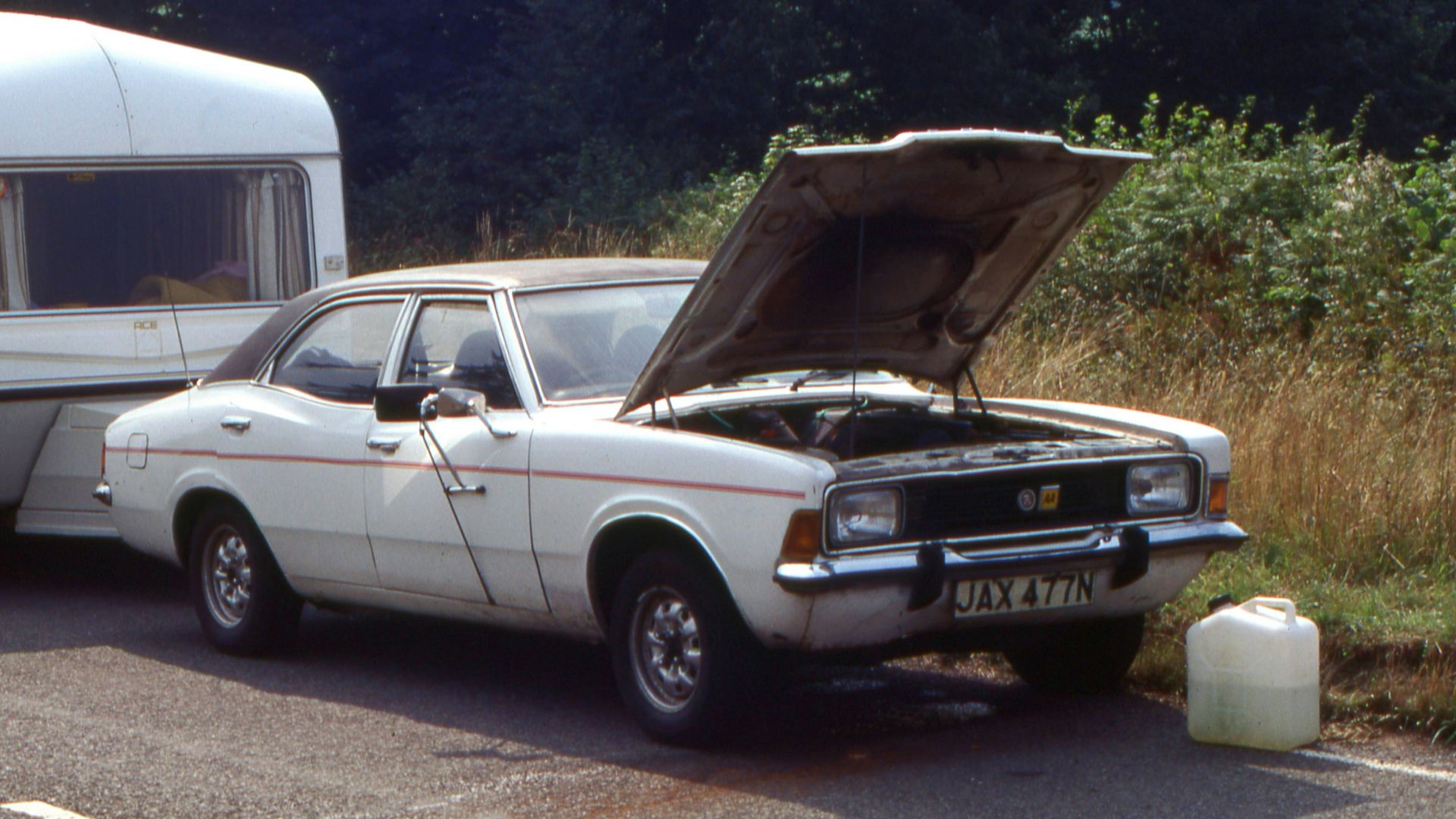
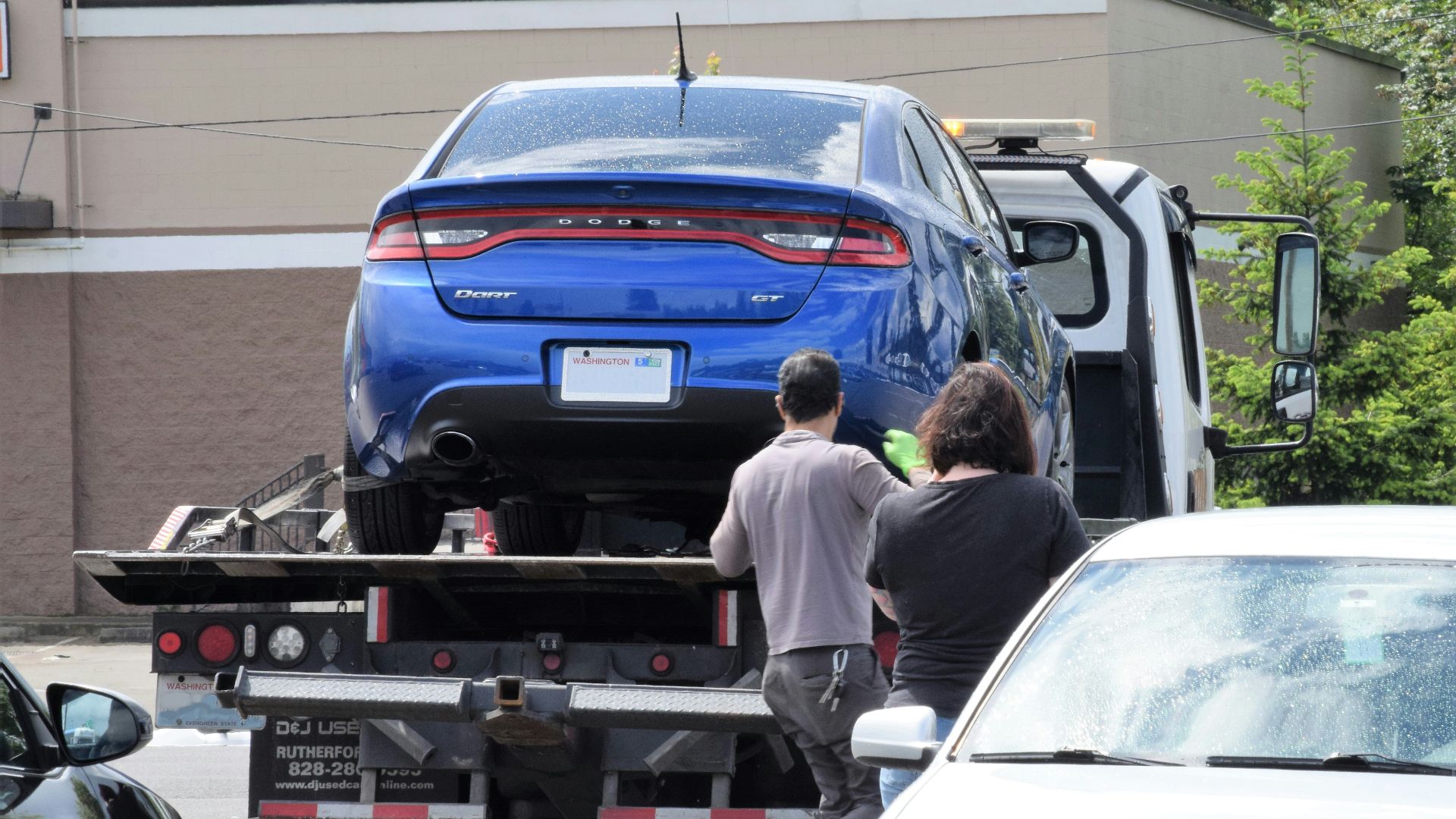
Ignoring the light often turns a scheduled shop visit into an unscheduled event on the side of the road. The diagnostic process is also harder when multiple issues stack up over time, which can mean extra labor and extra days without the car.
What To Do The Moment It Lights Up
First, note whether the light is steady or flashing. A flashing MIL is a “reduce risk now” situation, and guidance recommends immediate service to avoid catalytic-converter damage.
Quick DIY Checks That Are Worth Doing
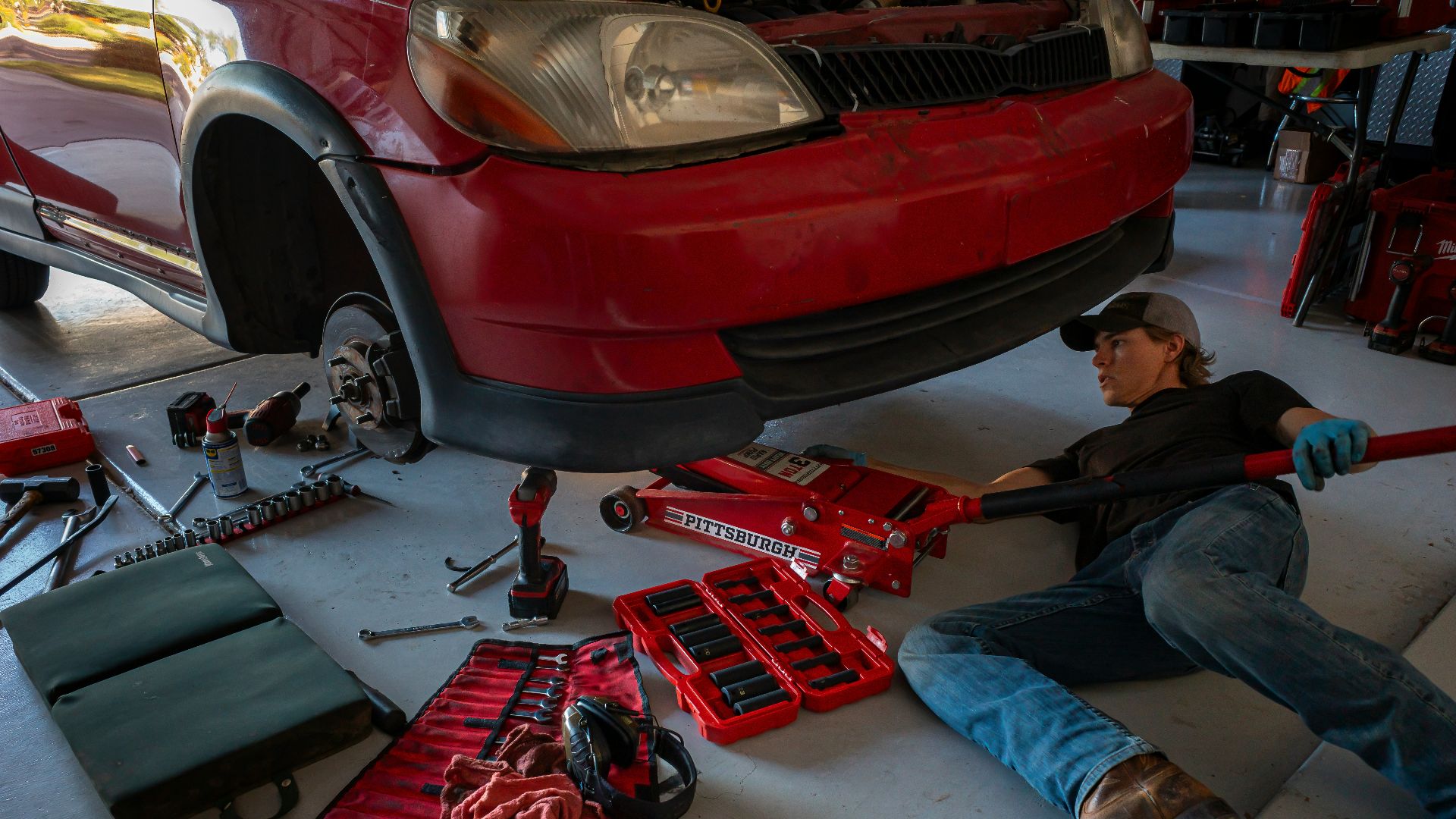
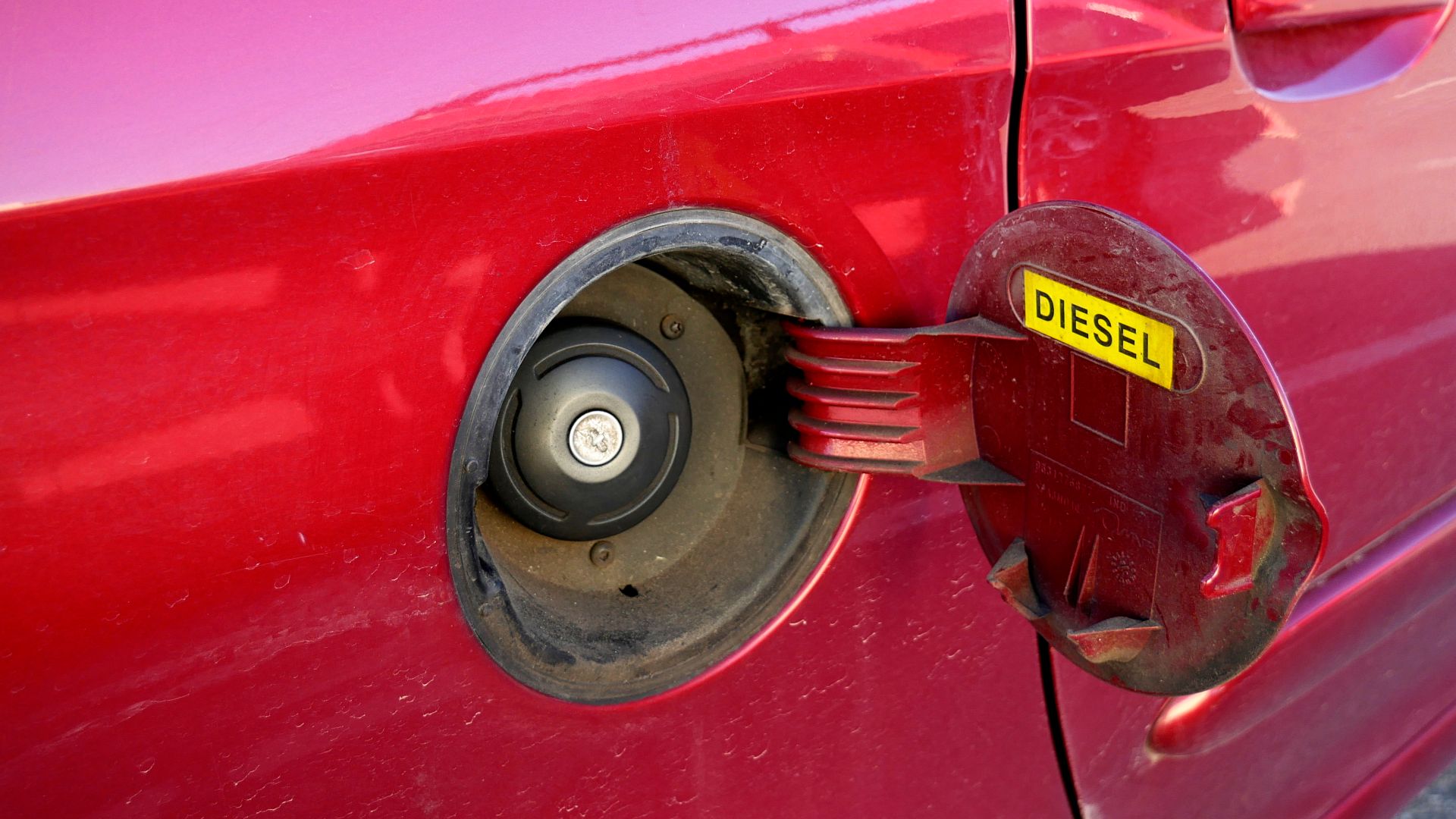
Make sure the gas cap is present, undamaged, and tightened correctly. If the light stays on, do not stop at the cap check, because the MIL can indicate many other emission-related faults.
 Santeri Viinamaki, Wikimedia Commons
How To Talk To The Shop Like A Pro
Bring three things: whether it was steady or flashing, any symptoms you noticed, and roughly when it started. If the shop provides trouble codes, treat them as a starting point for diagnosis, not an automatic parts list.

How To Keep It From Coming Back
Do not ignore fuel economy drops or new drivability quirks, because those are common companions to MIL events. DOE specifically ties maintenance and oxygen-sensor faults to major mileage losses, which is a real cost you pay at every fill-up.
When To Stop Driving Immediately
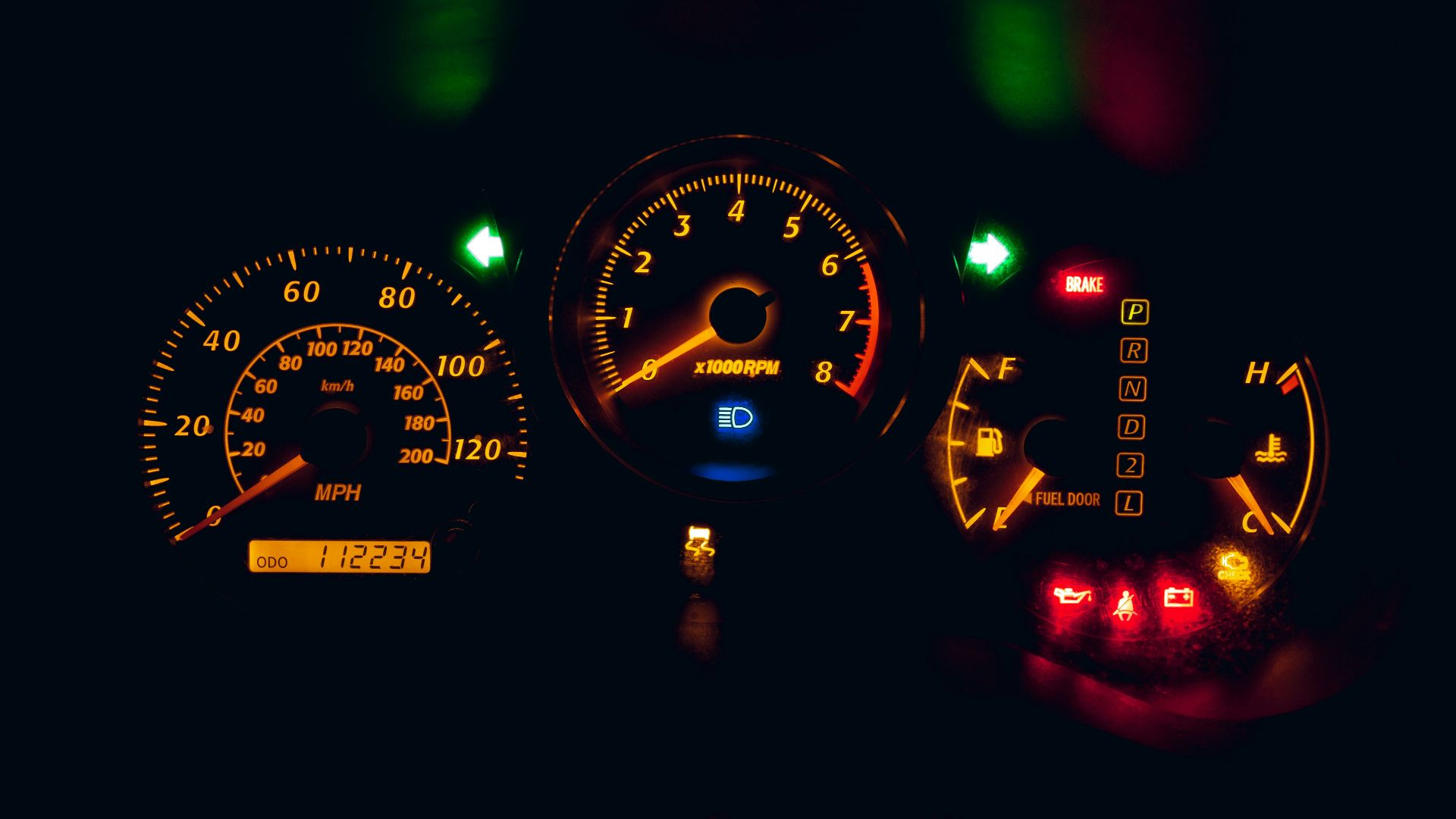
If the MIL is flashing, treat it as urgent and prioritize getting the vehicle serviced right away. Emissions program guidance links a flashing MIL to severe faults that can cause expensive catalytic-converter damage, and federal OBD rules specifically require blinking behavior during catalyst-damaging misfire conditions.

The Bottom Line: Pay Now Or Pay A Lot More
A quick diagnosis plus a modest repair can stay in the low hundreds, especially for common items like coils, plugs, EVAP valves, or sensors. Waiting can push you into catalytic-converter territory, where RepairPal’s average replacement estimate alone is in the low-to-mid $2,000s.
You May Also Like:
The Dubai Crown Prince’s Off-Road Collection Is Pure Desert Royalty
There's A Hidden Meaning Behind The "98" In The Oldsmobile 98
The Most Iconic Movie Cars & Who Owns Them Today





.jpg%20)
