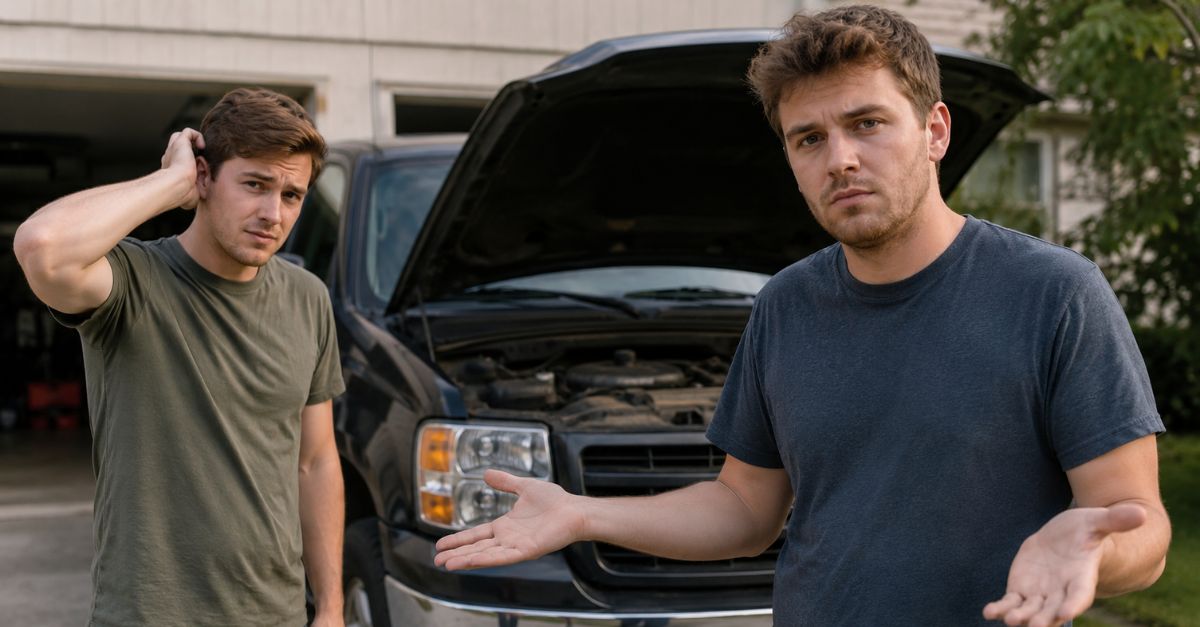
The Awkward Part Starts Fast
Your brother brings back your truck after a furniture run, and suddenly the transmission is slipping. Your brother isn't the most reliable, so you're immediately suspicious—but suspicion isn't proof. If you want him, his insurer, or a small claims judge to take you seriously, you're going to need evidence that ties the damage to his use and rules out an older problem.
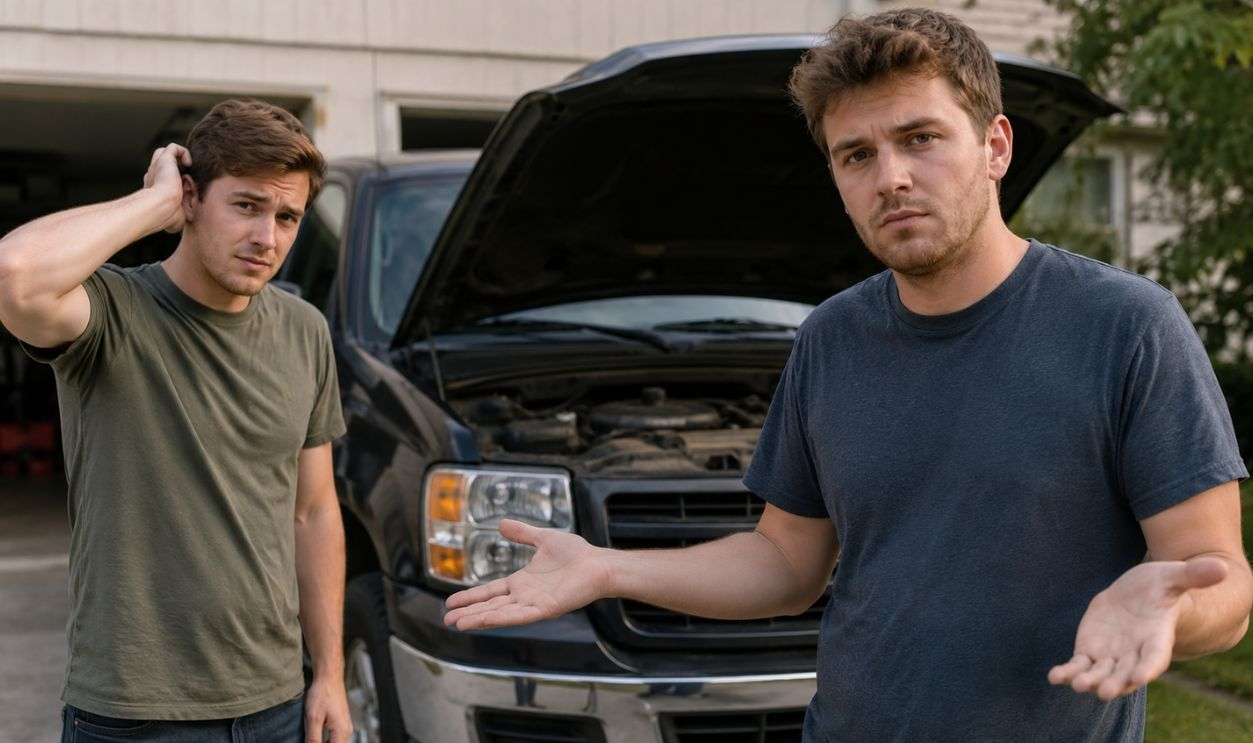
What Transmission Slipping Usually Means
Transmission slipping generally means the engine revs rise without the truck accelerating the way it should, or the truck hesitates between gears. Common causes include low fluid, worn clutches, overheating, or internal mechanical problems. Consumer-facing guidance from Firestone Complete Auto Care and AAMCO both describe slipping as a symptom with multiple possible causes, which matters because you must prove more than just the symptom itself.
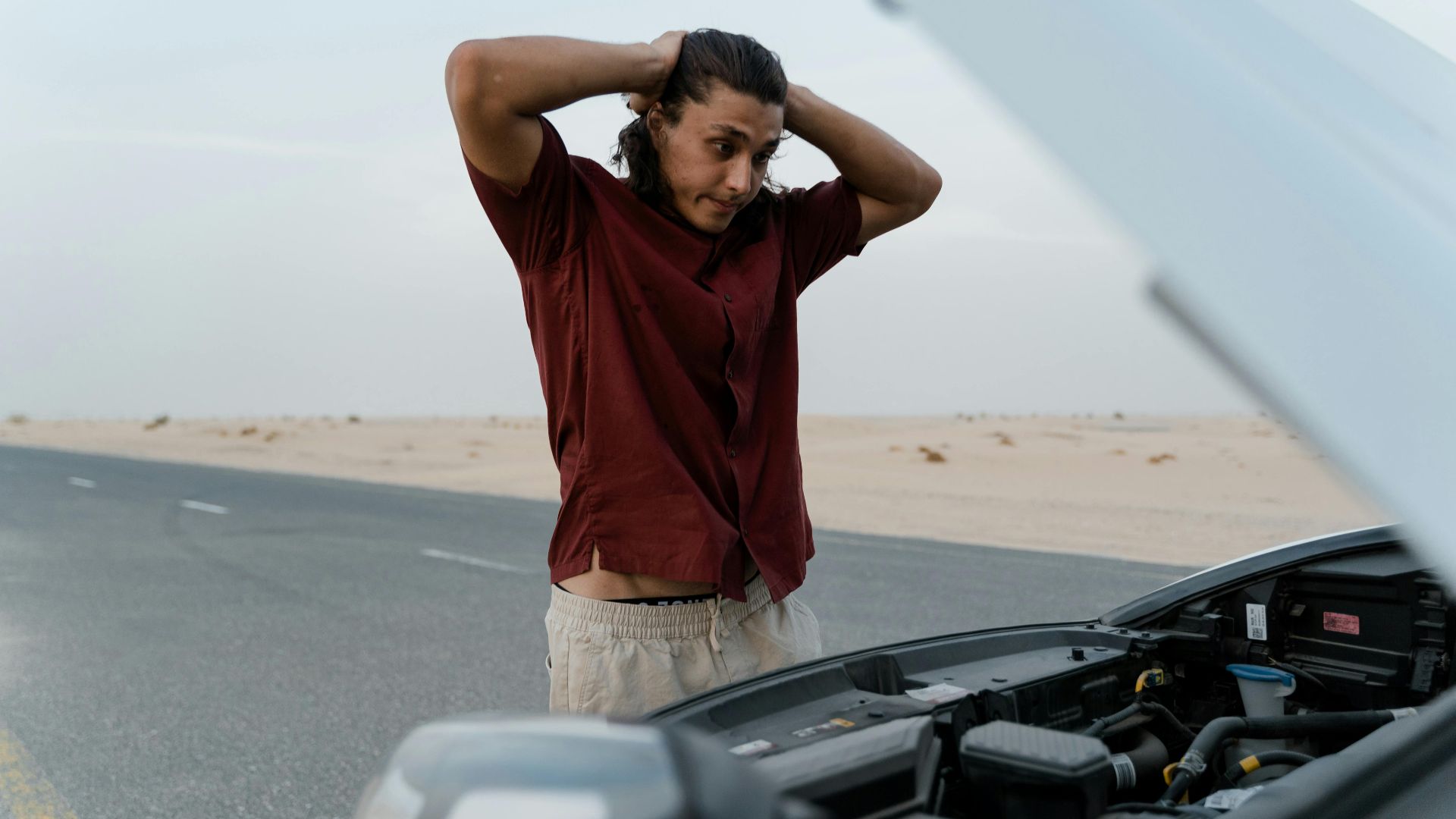
Why Proof Is Harder Than It Sounds
A transmission can fail from age, wear, neglected maintenance, towing overload, or a sudden overheating event. That means the key question is not whether the truck slips now, but whether your brother's move likely caused new damage. The strongest cases are built on timing, records, expert inspection, and anything that shows the truck worked normally right before he borrowed it.

Start With The Timeline
Write down exactly when he picked up the truck, what he used it for, how long he had it, and when you first noticed the slipping. Include texts, call logs, and any messages where he mentioned towing, heavy loads, a warning light, or trouble driving it. A clean timeline helps show cause and effect instead of a vague family argument.

Lock Down Your Before Condition
Gather service invoices, oil change records, inspection reports, and any transmission-related maintenance from before the move. If you have receipts showing recent fluid service or a mechanic's note that the truck drove normally, that is useful. Even a dated repair order with no transmission complaints can help establish the truck's prior condition.

Do Not Keep Driving It
If the transmission is slipping, keep use to an absolute minimum and avoid hauling or towing. Continuing to drive can make the damage worse and blur the question of who caused what. It also gives the other side room to argue that later driving, not the move itself, finished off the transmission.
Get Photos Before Anyone Touches It
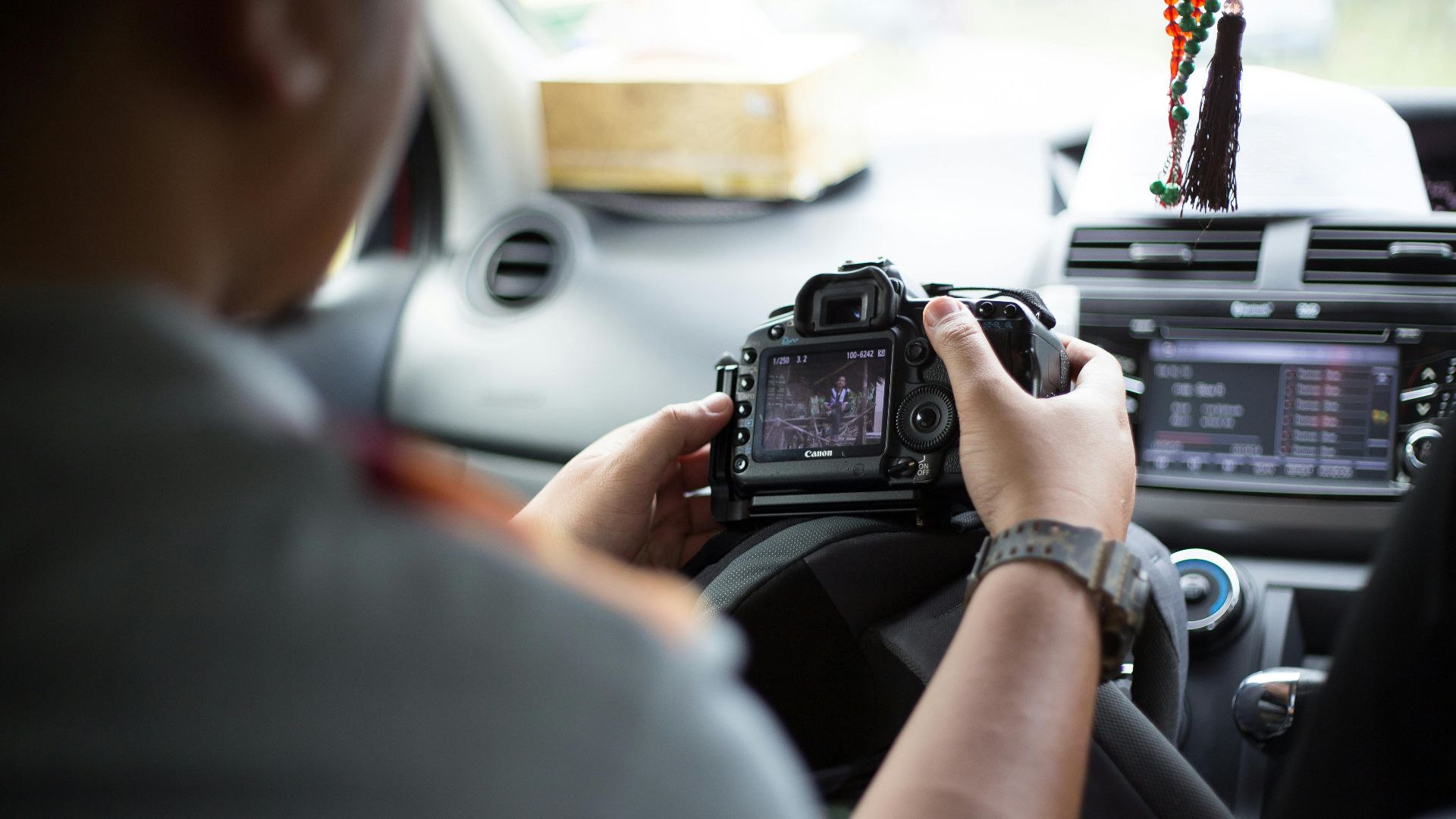
Take clear photos of the odometer, the dash, the gear selector area, and any warning lights. Photograph the truck bed, hitch, bumper, and underside if there are signs of heavy loading or towing. Save the image files with original dates because metadata can support your timeline later.
Check The Obvious First
If your truck has a transmission dipstick, document the fluid level and condition before a shop performs repairs. Burnt-smelling, dark, or contaminated fluid can suggest overheating or internal wear, though it does not prove exactly when it happened. Many newer vehicles do not have owner-checkable transmission dipsticks, so do not force anything open just to investigate.
Ask For A Professional Diagnostic Inspection
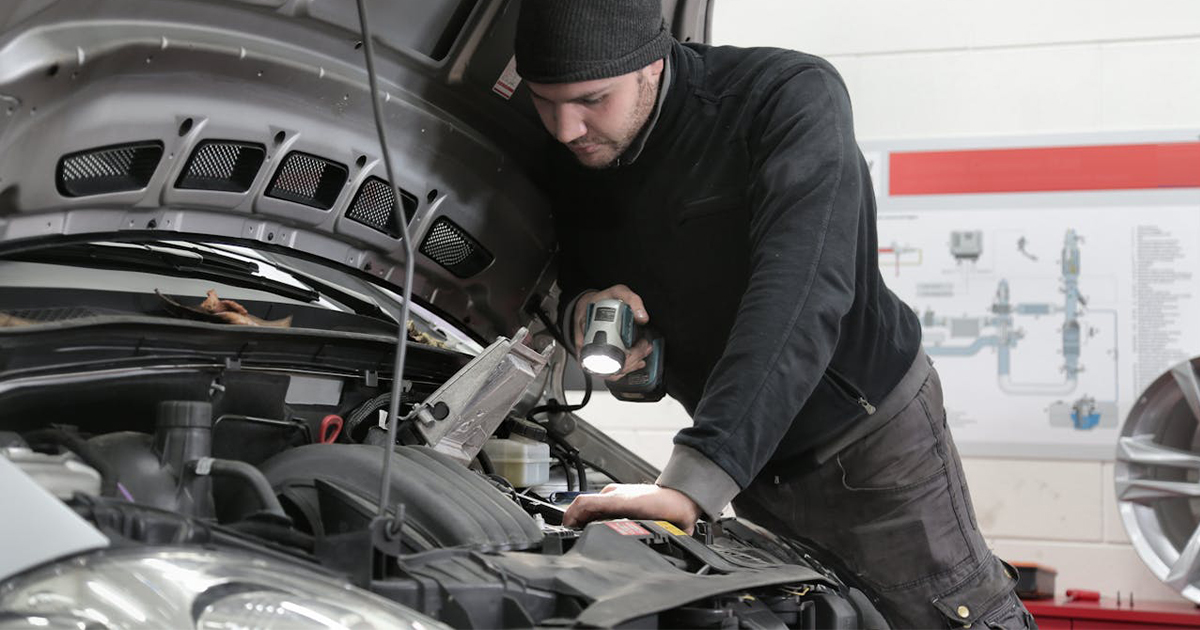
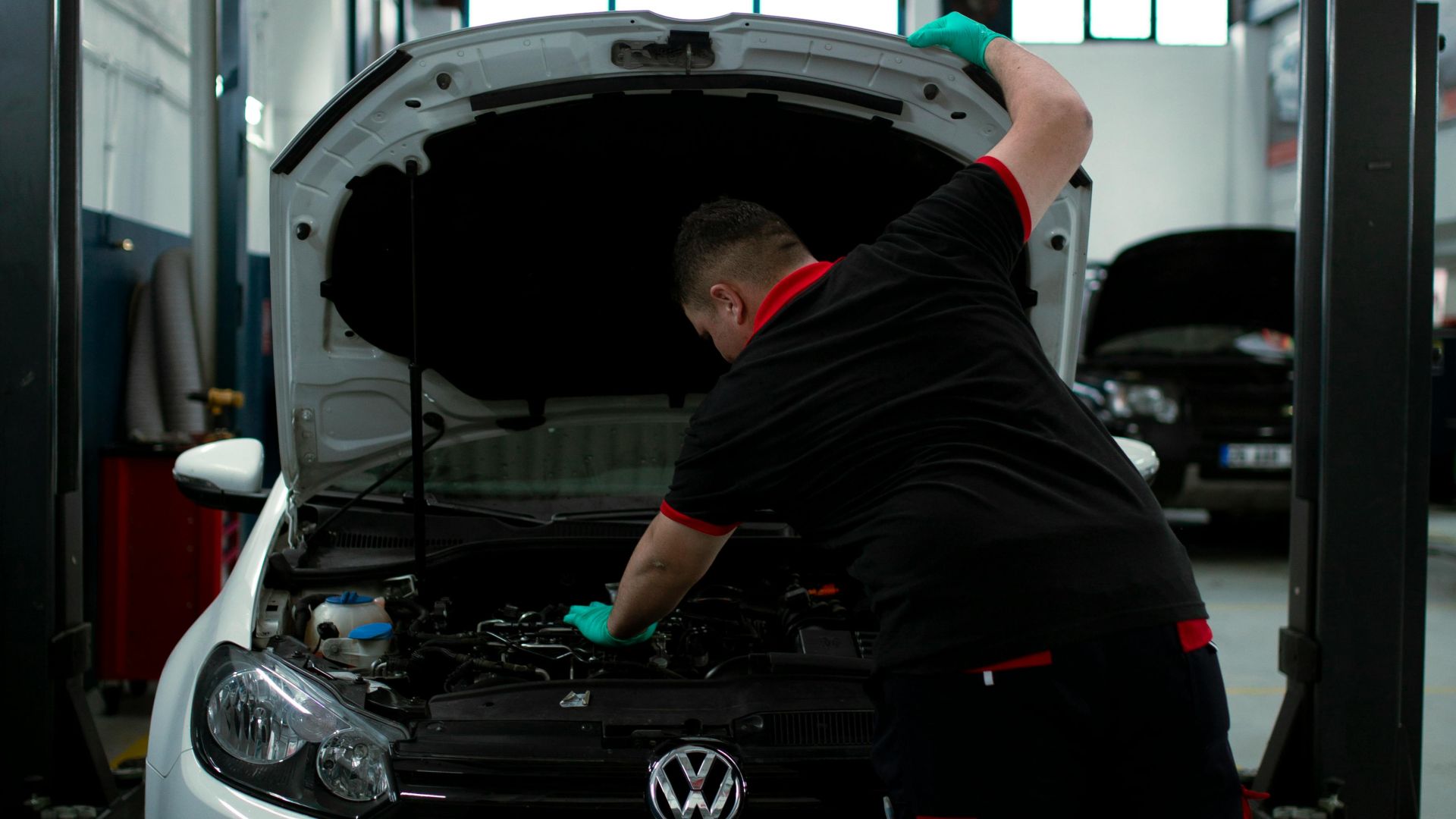
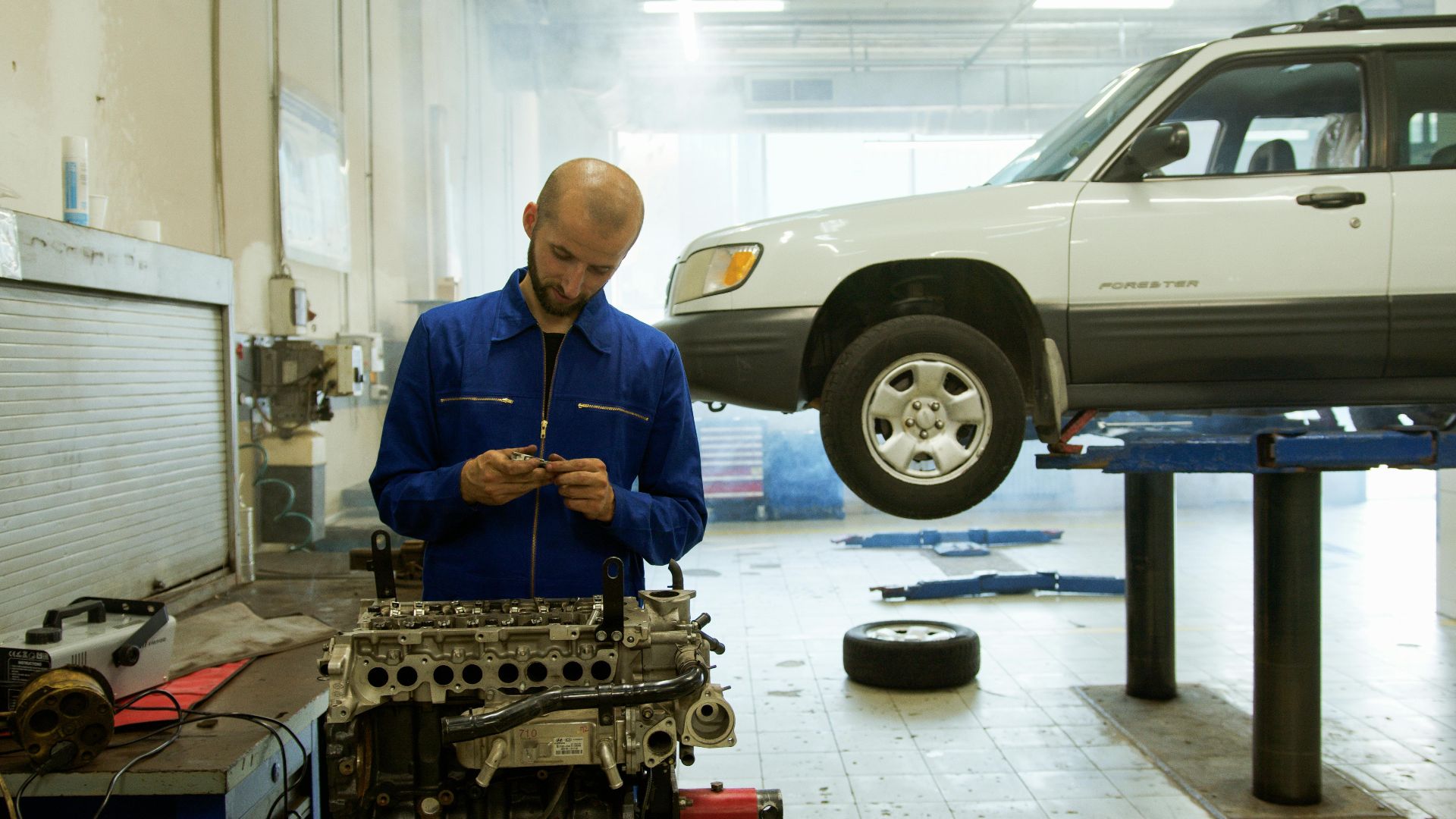
Have the truck inspected by a reputable transmission specialist or dealership as soon as possible. Tell them you need a written diagnosis, the likely cause, whether the damage appears sudden or long-term, and whether they found signs of overheating or abuse. A written report is far more useful than a casual front-desk comment.

What A Mechanic Can Actually Prove
A good technician may be able to say the transmission shows signs of overheating, fluid breakdown, clutch damage, or a pre-existing wear pattern. They usually cannot say with certainty that one specific person caused the failure unless there is very clear physical evidence. What they can do is narrow the cause and estimate whether the damage is more consistent with long-term wear or a heavy-use event.

Pay Attention To Towing And Load Clues
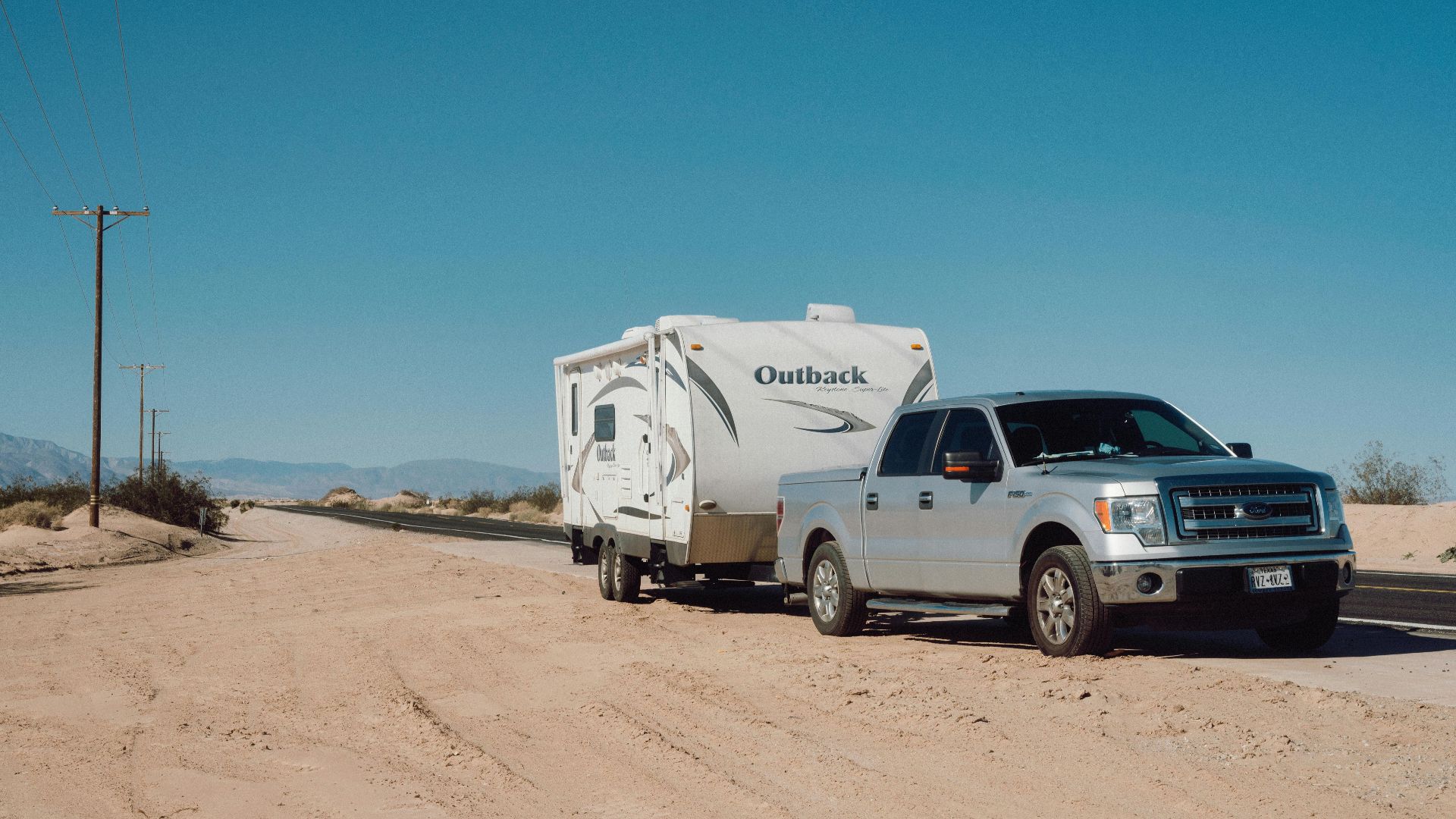
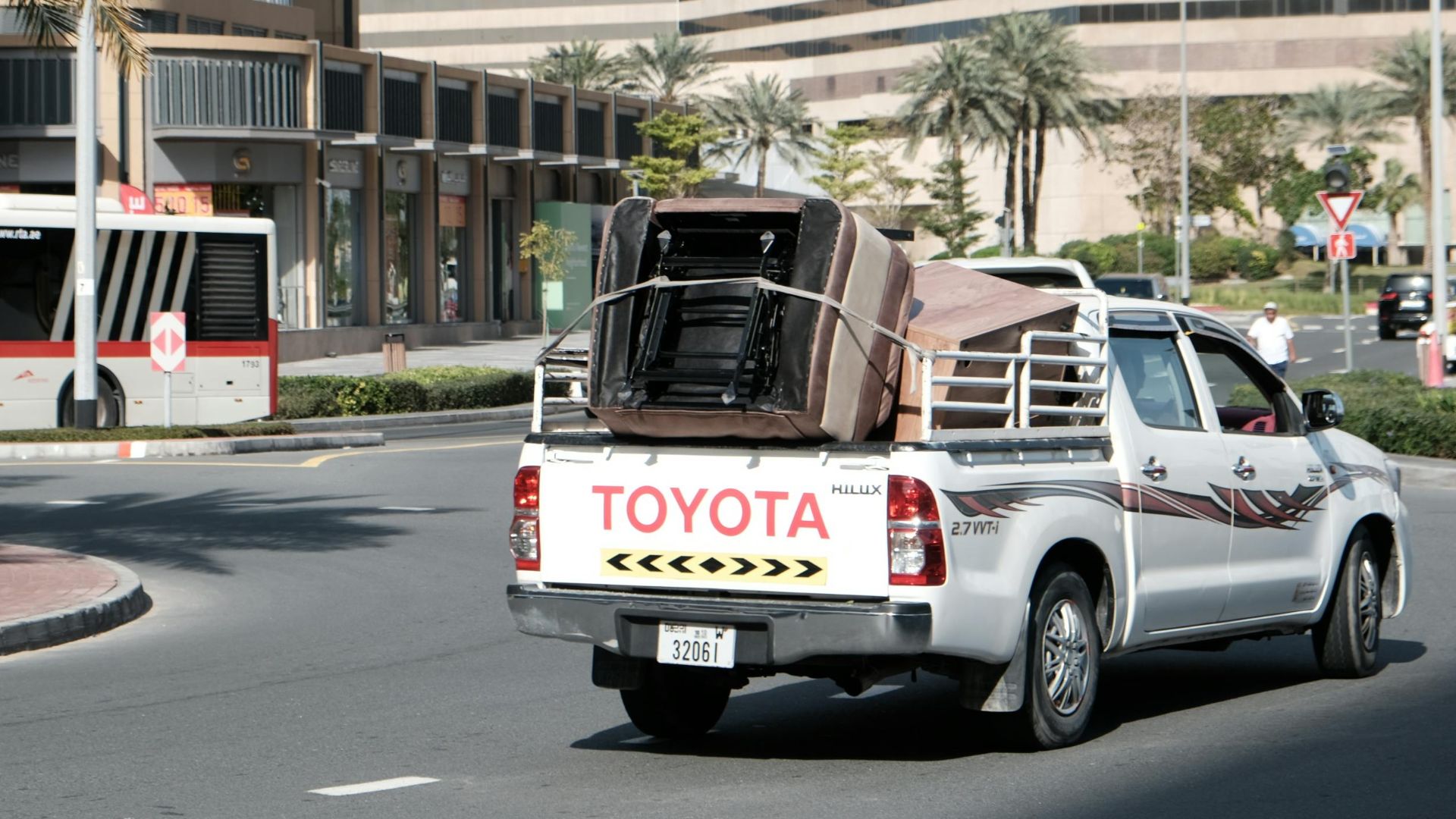
Moving furniture can mean repeated stop-and-go driving, steep ramps, overloading the bed, or towing a trailer. Heat is a major enemy of automatic transmissions, and towing or hauling beyond the truck's rating can accelerate damage. If your brother used a trailer, ask where he got it and whether there are rental records showing the date and size.
Use The Owner's Manual As Evidence
Your truck's owner's manual lists payload, towing limits, and often severe-duty guidance for transmission service. If the furniture move exceeded those limits, that helps show misuse rather than ordinary borrowing. It also lets you compare what the truck was designed to handle against what actually happened.
Look For Electronic Data
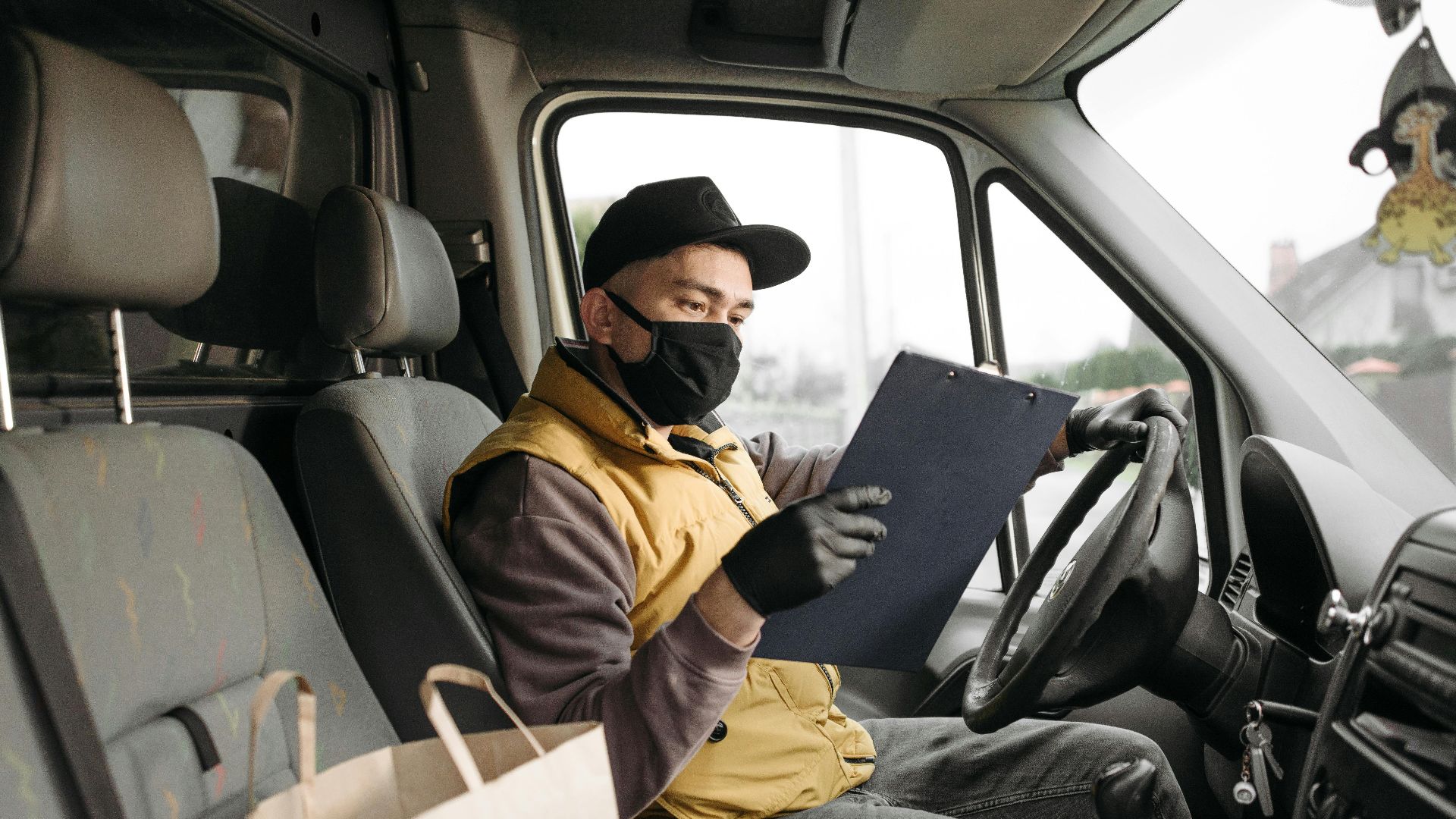
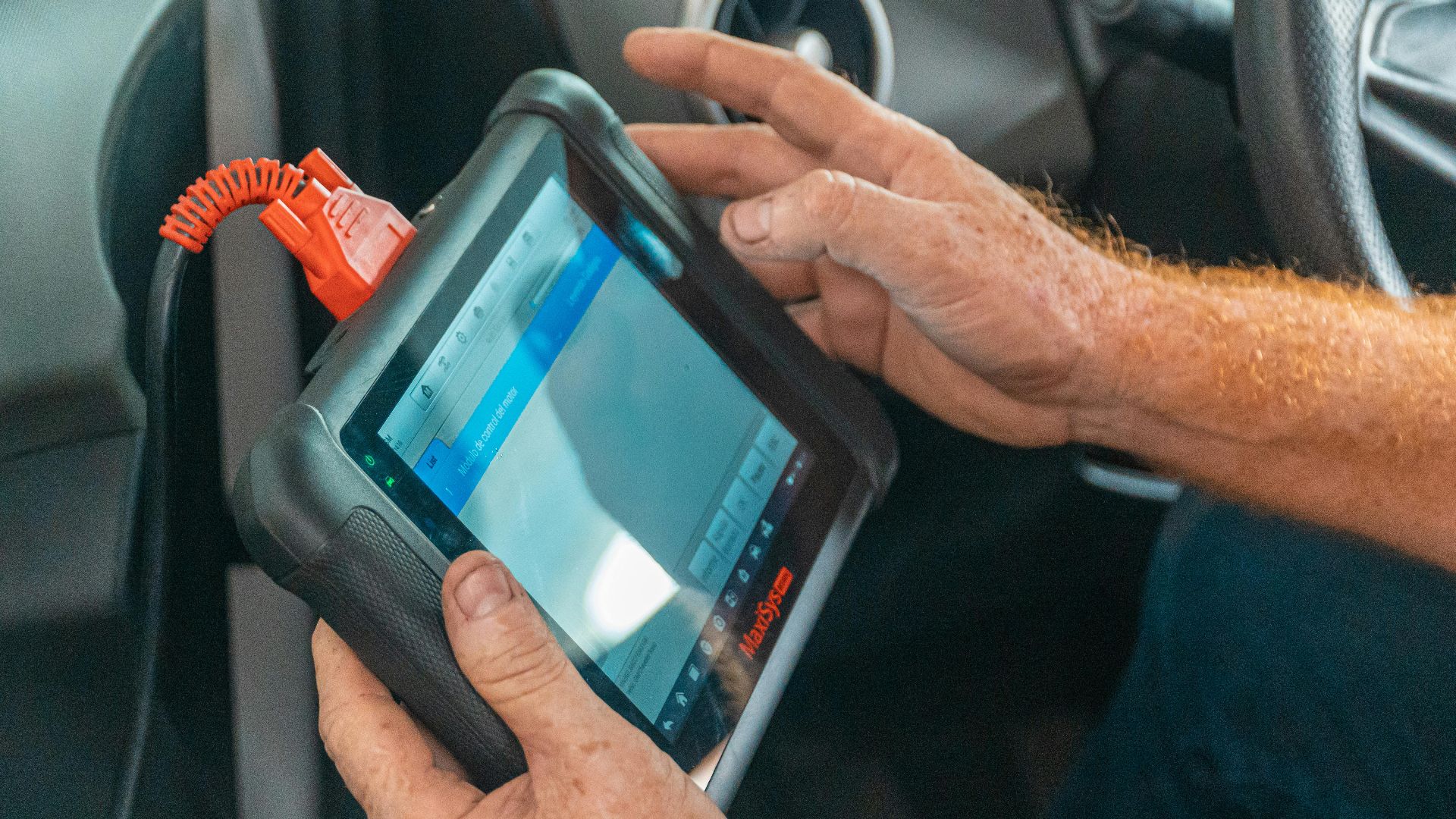
Some newer trucks store diagnostic trouble codes and freeze-frame data that can show overheating events or transmission-related faults. A shop scan can reveal whether codes were set recently, though not every code gives a precise timestamp a consumer can use. Ask for a printed scan report and keep a copy with the date of inspection.
 Jose Ricardo Barraza Morachis, Pexels
Search For Digital Breadcrumbs
Texts and social posts can be more revealing than people expect. If your brother sent a message saying the truck was struggling, smelling hot, or would not shift right during the move, save it immediately. Cloud backups, timestamps, and screenshots can become powerful evidence if the story changes later.

Talk To Witnesses Early
If anyone helped load the truck, rode along, or watched the move, ask them what they saw while memories are fresh. You want details like whether the truck was overloaded, whether a trailer was attached, or whether a warning light came on. A short written statement with a date is better than trying to reconstruct events months later.
Do Not Accuse Before You Have The Paper Trail
It is tempting to fire off an angry text and call it solved, but that can backfire. Calmly ask what happened, where he drove, whether he towed anything, and whether he noticed odd shifting or a hot smell. People sometimes admit key facts when the conversation feels practical instead of hostile.

Watch The Words You Use
Say the truck developed a slipping transmission immediately after the loan and you are gathering facts. Do not claim he definitely destroyed it unless a qualified inspection supports that. Precision matters because exaggeration can make you look less credible if this ends up in court.

Understand The Limits Of Causation
A transmission that was already near failure can finally give up during normal use, even if the timing feels terrible. That is why courts and insurers tend to focus on evidence of misuse, overload, overheating, or ignored warning signs. The closer you can get to a documented normal condition before the move, the stronger your case becomes.
Think About Maintenance History Honestly
If the truck had delayed fluid service, prior harsh shifting, or a known leak, be realistic about it. Hiding weak facts only hurts you later. A fair claim can still exist if his use clearly made the problem worse, but you need to separate pre-existing wear from fresh damage.
Get A Second Opinion If The Stakes Are High
If the repair estimate is thousands of dollars, a second inspection is often worth the money. Transmission failures are expensive, and one shop may describe the cause more clearly than another. Two written opinions that point to overheating or overload are stronger than one vague diagnosis.

Save The Old Parts If Repairs Begin
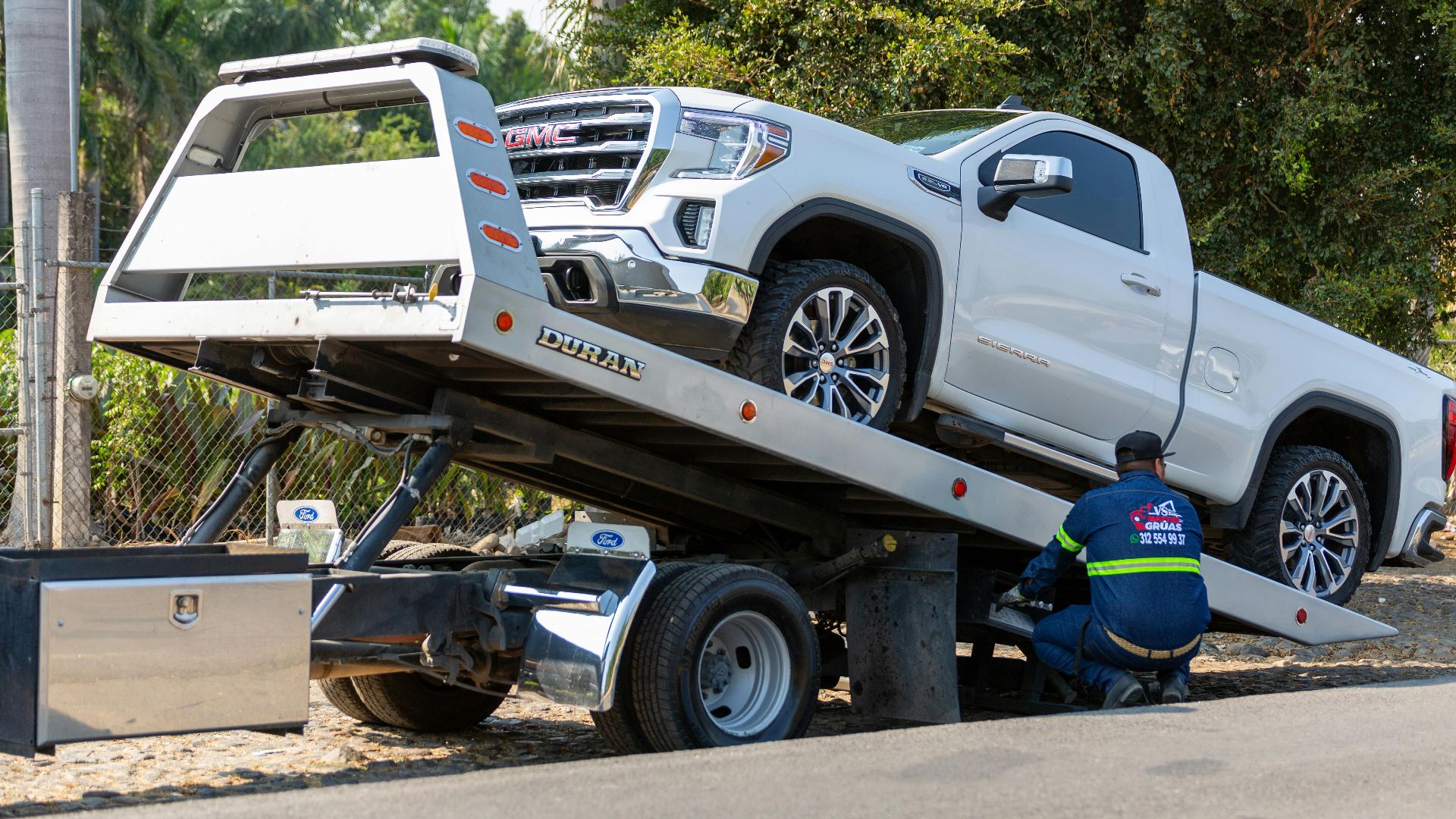
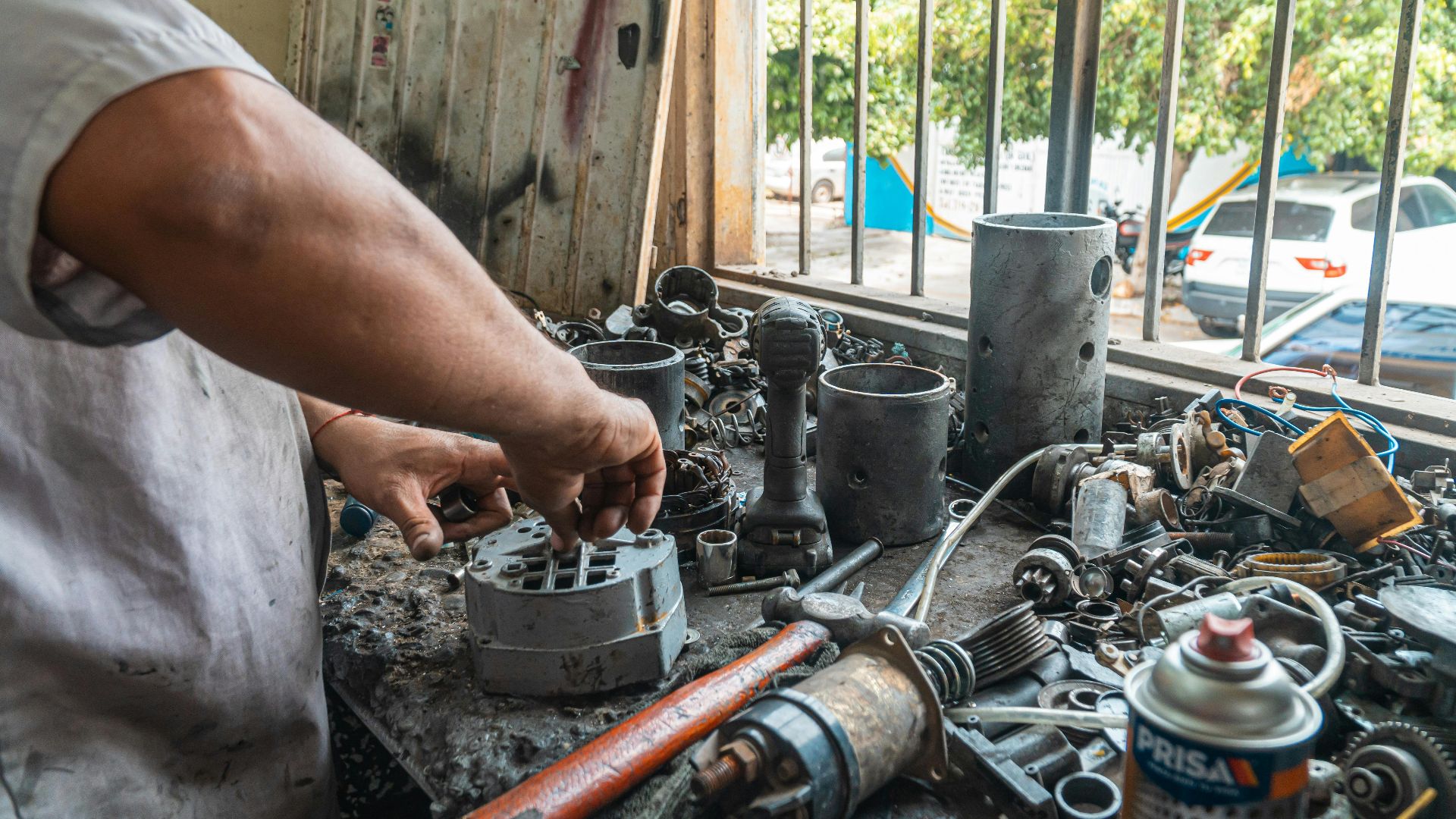
If the transmission is opened or replaced, ask the shop to preserve damaged parts when possible and photograph what they find. Burnt clutches, metal debris, and discolored fluid can support the diagnosis. Once parts are discarded, you lose the chance to have another expert review them.
 Jose Ricardo Barraza Morachis, Pexels
Could Insurance Help
Your own auto policy usually does not cover ordinary mechanical breakdown, and that is a major catch. The Insurance Information Institute explains that auto insurance is built around crash-related losses and similar covered events, not wear-and-tear failures. Still, if the damage happened during a covered incident, or if another policy applies, ask your insurer before assuming there is no path.

When Small Claims Court Makes Sense
If your brother refuses to pay and the amount falls within your state's small claims limit, this may be the most practical next step. Nolo's small claims guidance emphasizes the basics you will need anyway, including repair estimates, photos, witness statements, and records. Judges like organized timelines and documents more than dramatic family stories.

What To Bring If You File
Bring the title or registration, maintenance records, dated photos, text messages, the mechanic's written diagnosis, repair estimates, and any witness statements. Include the owner's manual page that lists towing or payload limits if overload is part of your claim. Put everything in chronological order so the story is easy to follow.

Your Best Argument In Plain English
The strongest version usually sounds like this: the truck had no transmission symptoms before the move, your brother used it for heavy hauling or towing on a specific date, the slipping began immediately after, and a mechanic found damage consistent with overheating or overload. That is clear, factual, and grounded in evidence. It is much better than simply saying he borrowed it and now it is broken.

Your Weakest Argument In Plain English
The weakest case is one with no maintenance records, no photos, no witness, no messages, and no mechanic willing to connect the failure to misuse. In that situation, it may be impossible to prove he caused it rather than bad luck or deferred maintenance. Hard truth beats false confidence when you are deciding whether to spend more money chasing the claim.

Try A Practical Resolution First
Before court, consider asking him to split the diagnostic fee or contribute to repairs based on what the inspection shows. A partial payment can be a realistic answer if the truck had some age-related wear but his move likely pushed it over the edge. Family disputes can get expensive in ways that have nothing to do with the transmission.
How To Protect Yourself Next Time
Before lending out a truck again, take timestamped photos, note the mileage, and text the borrower that there is no towing or overloading beyond the manual's limits. Ask them to confirm in writing. That simple paper trail can turn a future argument into a straightforward facts-and-dates conversation.

The Bottom Line
You usually cannot prove your brother caused the slipping with a hunch alone. You prove it with timing, maintenance history, digital messages, witness accounts, and a written mechanic's opinion that points toward overload, overheating, or another misuse-related cause. Move quickly, document everything, and let evidence do the heavy lifting.