
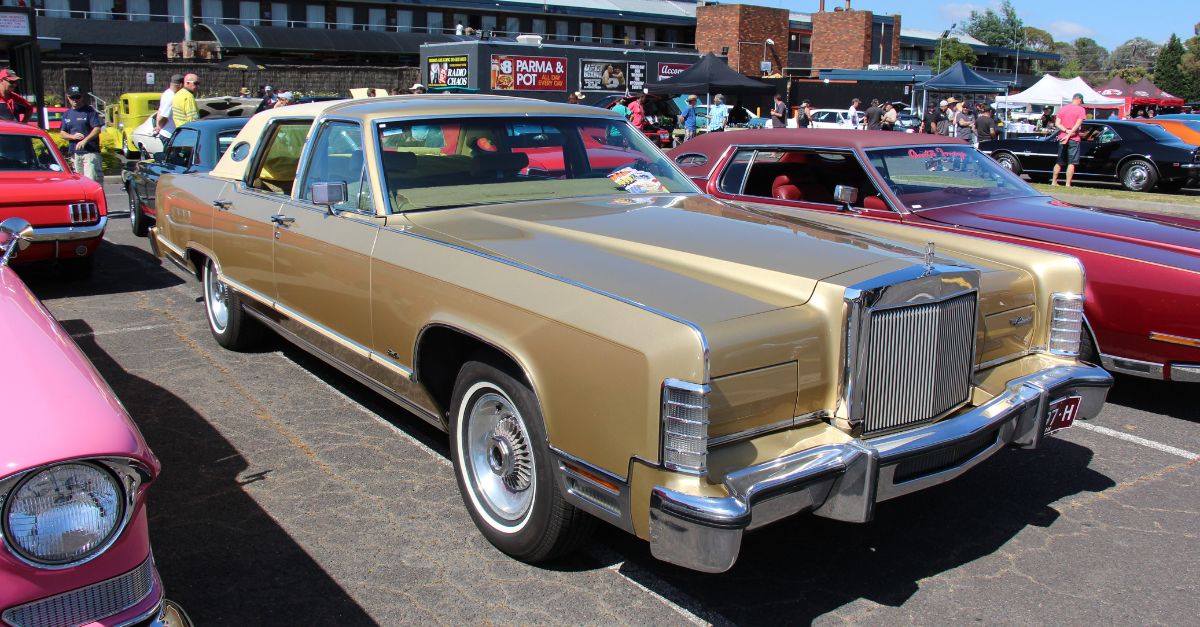
Lincoln's Global Drive
Edsel Ford once said, "Father made the most popular cars; I want to make the best," and that's precisely what The Lincoln Motor Company did. So, here's how the company began and continues to craft its cars.
The Birth Of Lincoln
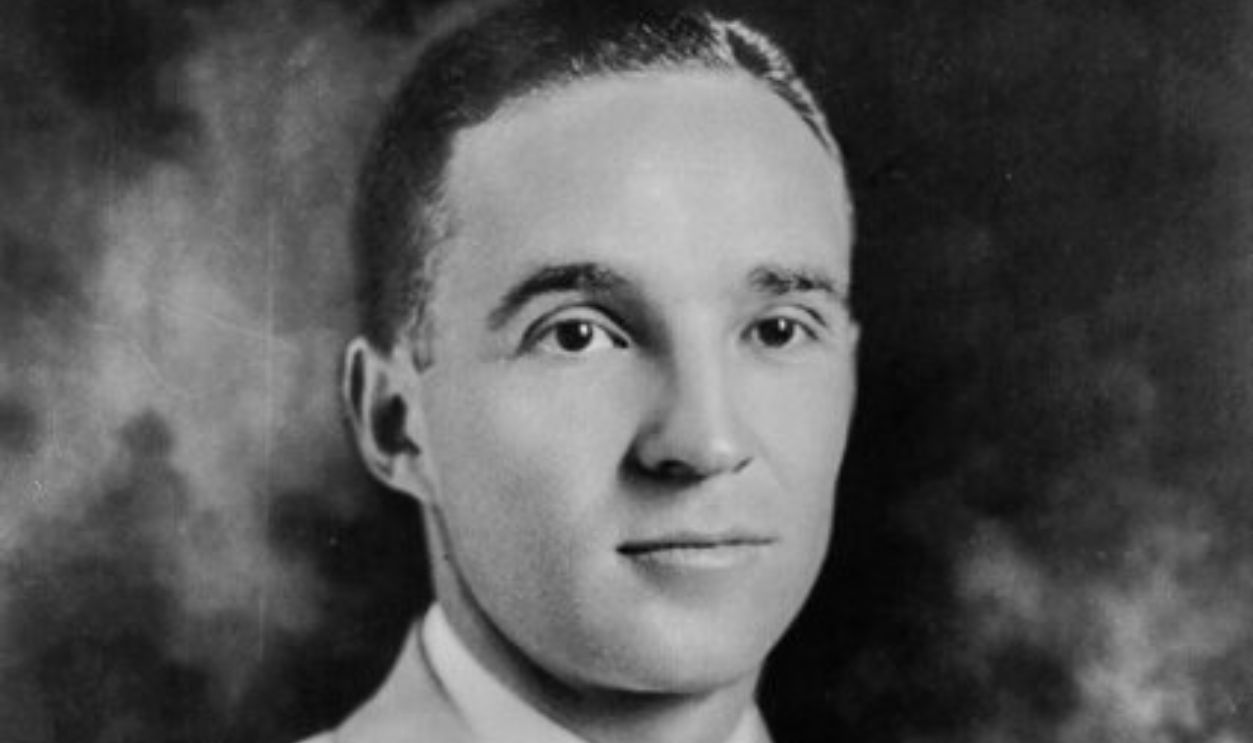
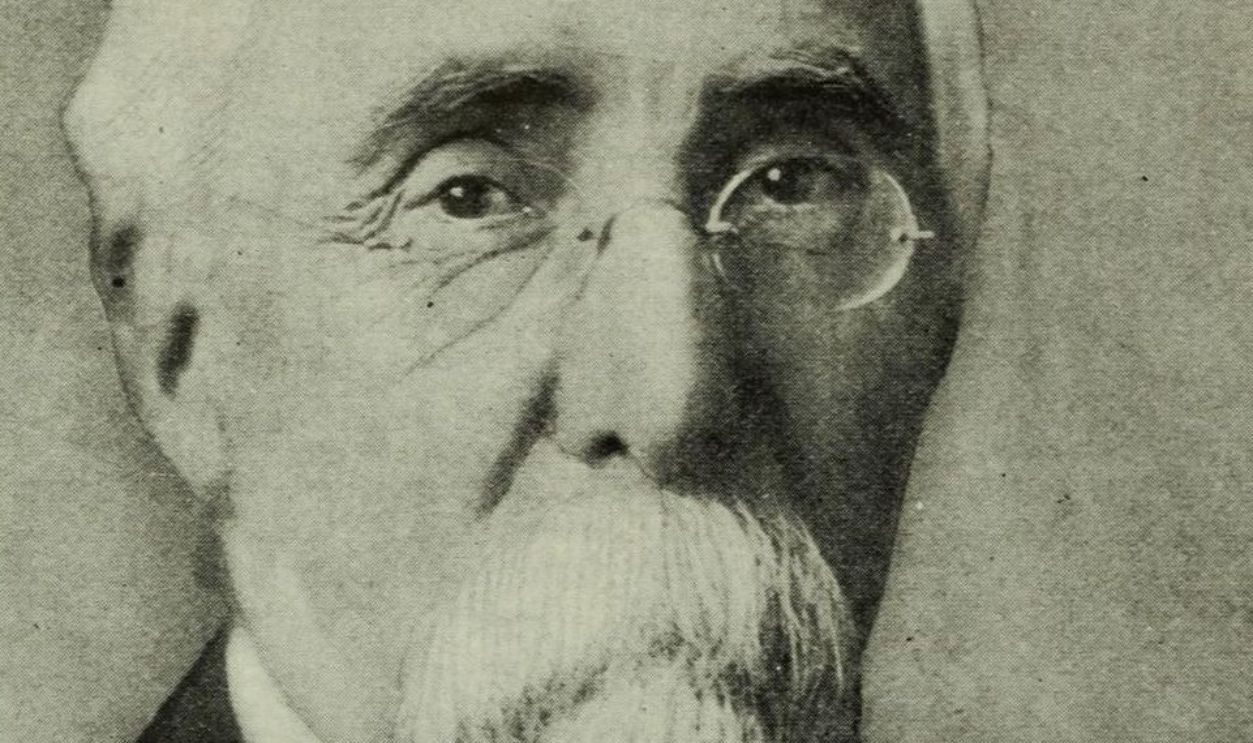
Henry Leland and his son Wilfred established Lincoln Motor Company in 1917. Initially, they focused on manufacturing Liberty motors for World War One, naming the company after Abraham Lincoln, the first president Henry voted for.
 Unknown Author, Wikimedia Commons
Multi-Brand Partnership
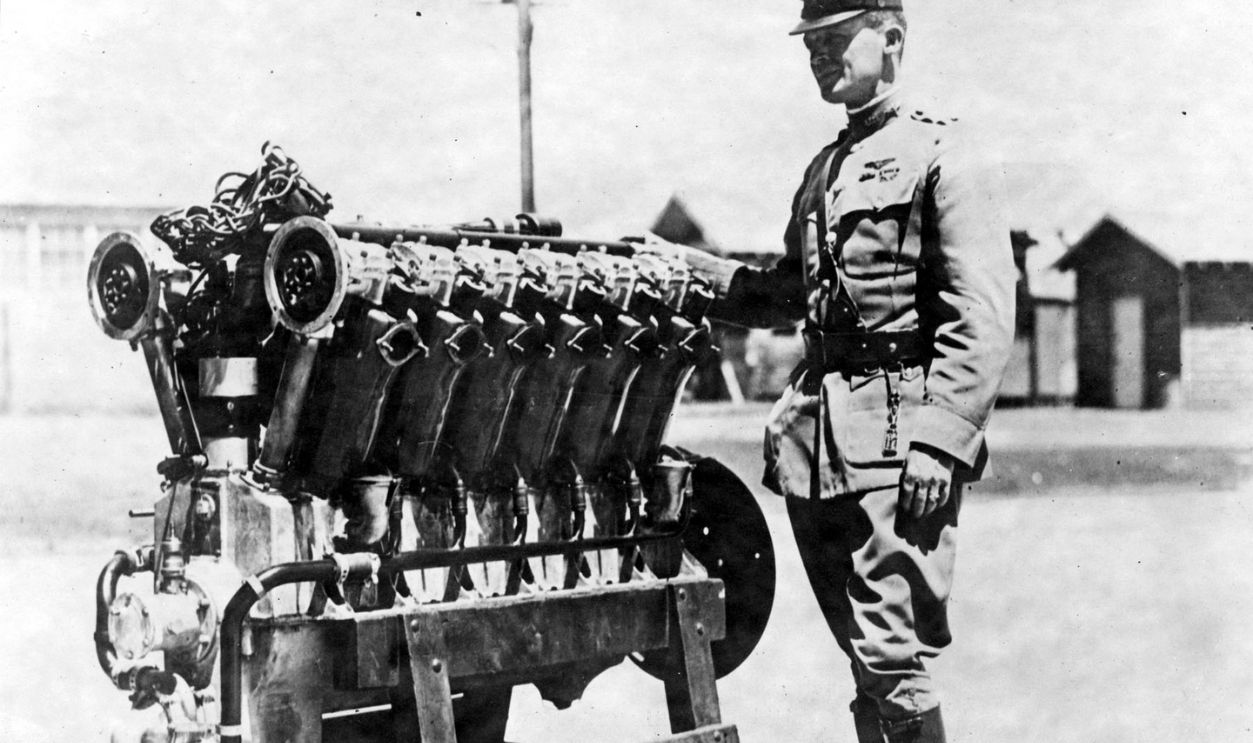
Lincoln secured a $10 million government contract (equivalent to $237.8 million today) to produce Liberty V12 aircraft engines. The Lelands built their Detroit plant as a final assembly facility, sourcing parts from Ford, Buick, Cadillac, Marmon, and Packard.
 U.S. Air Force, Wikimedia Commons
Financial Crisis
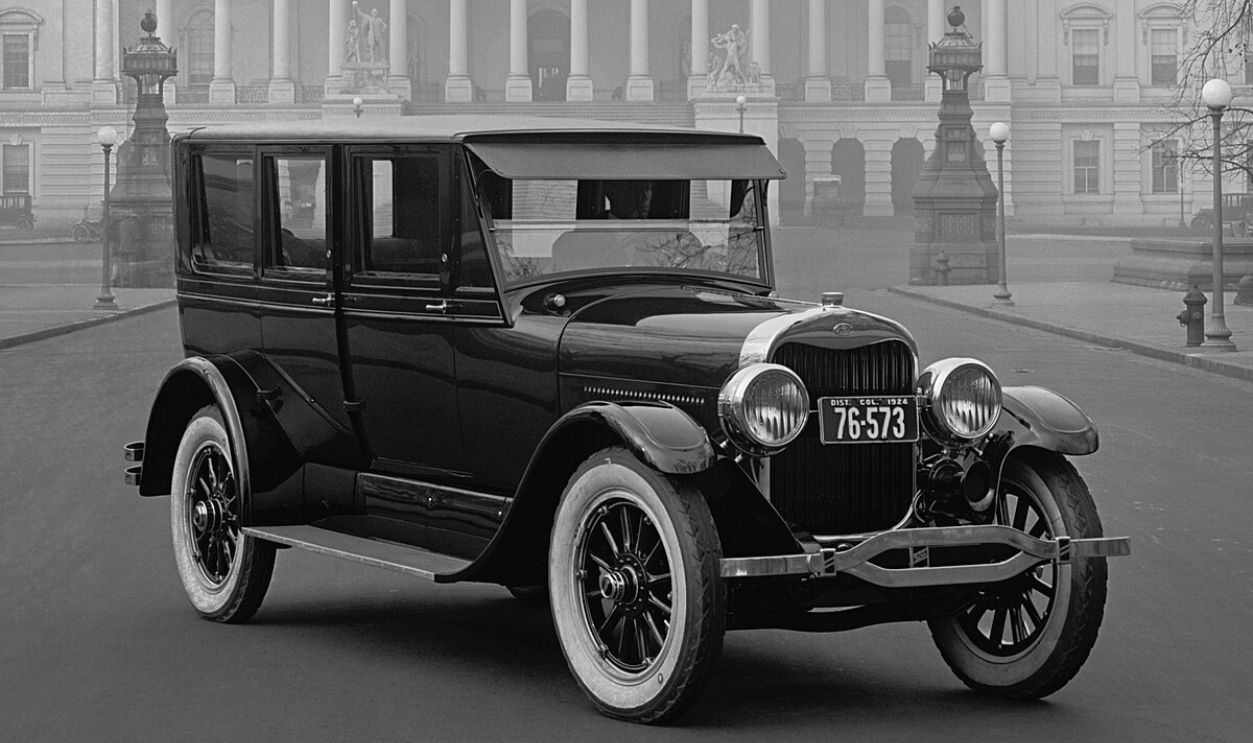
By January 1919, production of these engines stopped as the conflict ended. Hence, Lincoln aimed to move into automobile manufacturing. It brought out its first model in September 1920, the Lincoln Model L, which unfortunately did not serve them well.
 Anorak Cline, CC BY 2.0, Wikimedia Commons
Ford's Acquisition
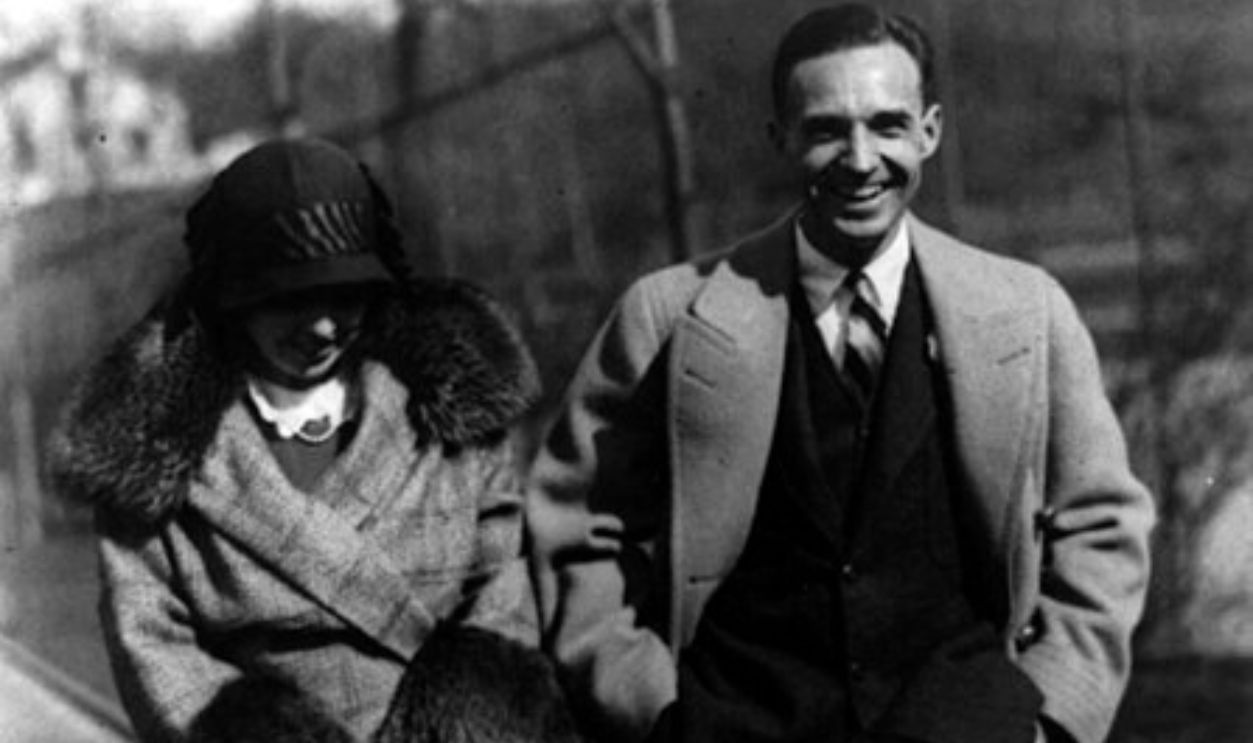
So, after facing financial troubles in the post-war economy, Ford Motor Company acquired Lincoln through a receiver's sale in February 1922 for $8 million. Edsel Ford, Henry Ford's son, became the company's president and changed its direction.
 Underwood & Underwood, Wikimedia Commons
Personal Rivalry History
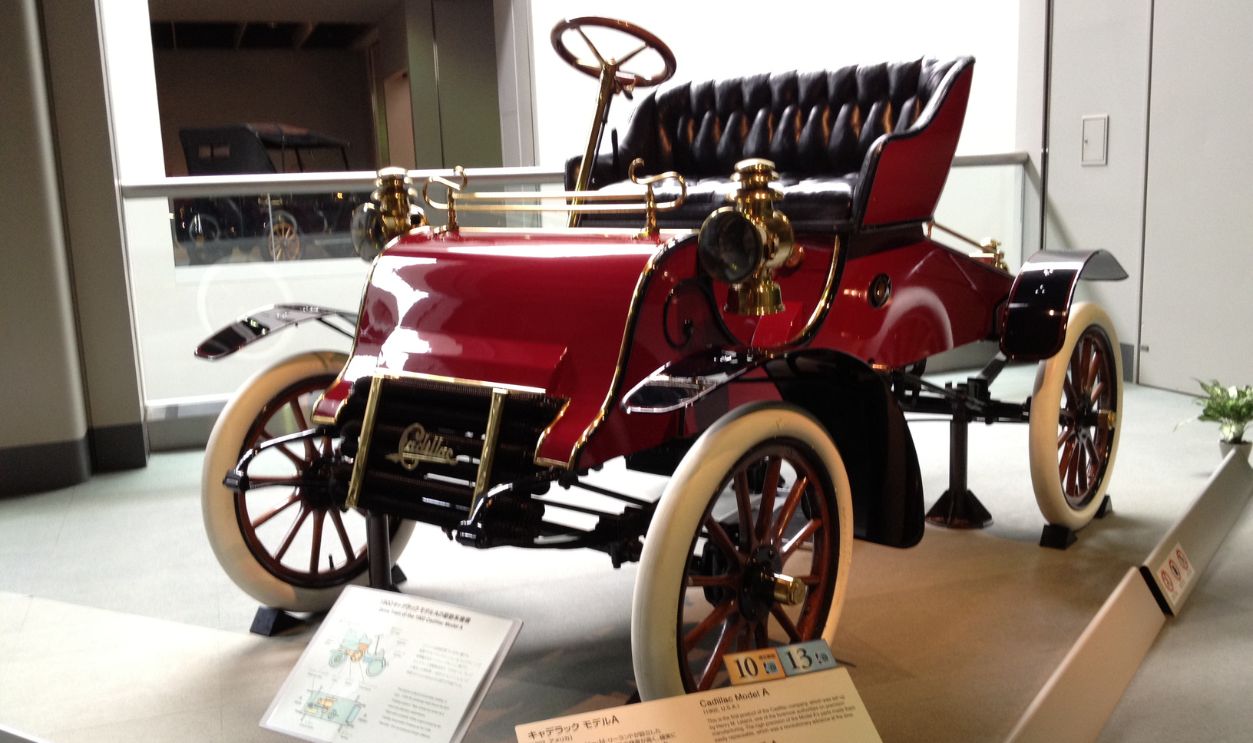
Back in 1902, Henry Leland had led investors in forcing Ford out of the Henry Ford Company, which became Cadillac. This made Ford's purchase of Lincoln personally important, as the 1903 Ford Model A and Cadillac Model A were quite identical except for their engines.
 Iwao from Tokyo, Japan, CC BY 2.0, Wikimedia Commons
Deteriorating Relations
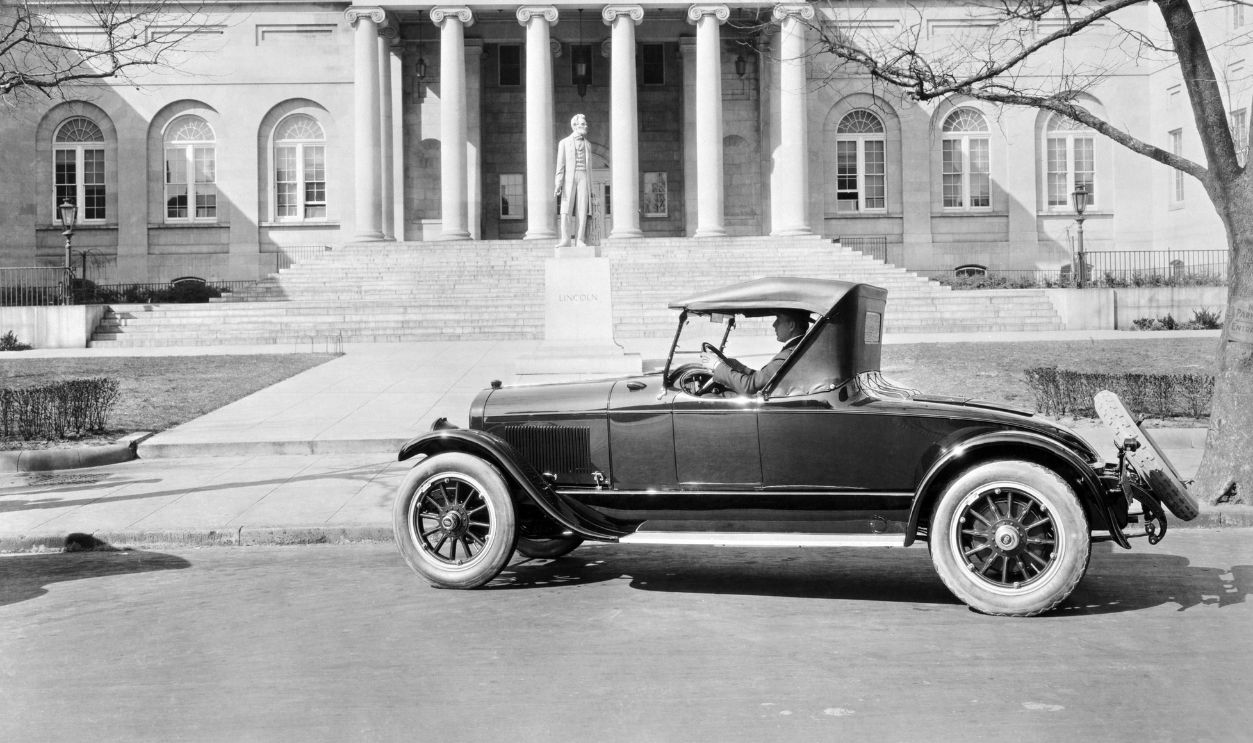
Under Ford’s ownership, tensions rose quickly, forcing the Lelands to resign in June 1922. Edsel Ford's leadership altered Lincoln, expanding the factory to 1 million square feet while upgrading the Model L's engine for improved reliability and performance.
 Anorak Cline, CC BY 2.0, Wikimedia Commons
Golden Era Of Coachbuilding
So, Lincoln now began flourishing under Edsel Ford's leadership. The company decided to partner with prestigious coachbuilders like Brunn, Derham, and Dietrich to create custom-built luxury vehicles that went out to gain worldwide recognition.
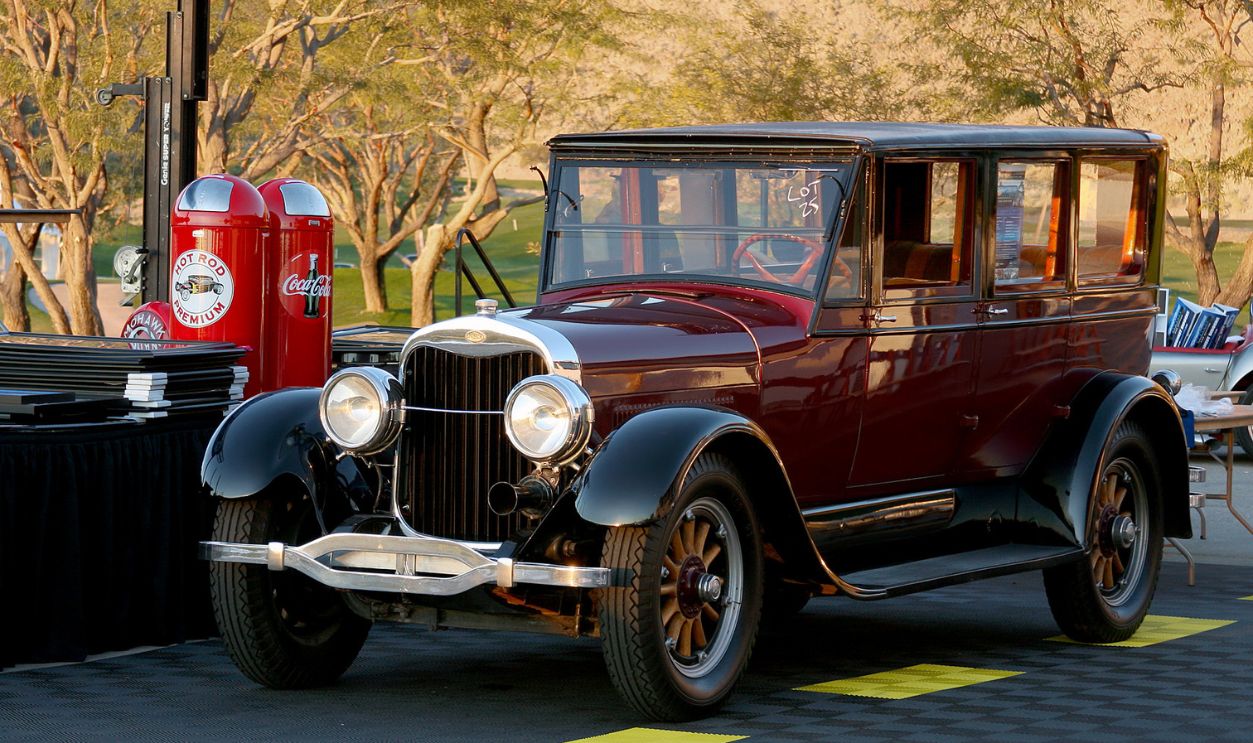 Rex Gray, CC BY 2.0, Wikimedia Commons
Power And Innovation
Lincoln's success continued with the introduction of the V-12-powered series KB in 1932. It featured a new L-head V-12 engine with a displacement of 447.9 cubic inches(7.3 L) that produced around 150 horsepower (112 kW).
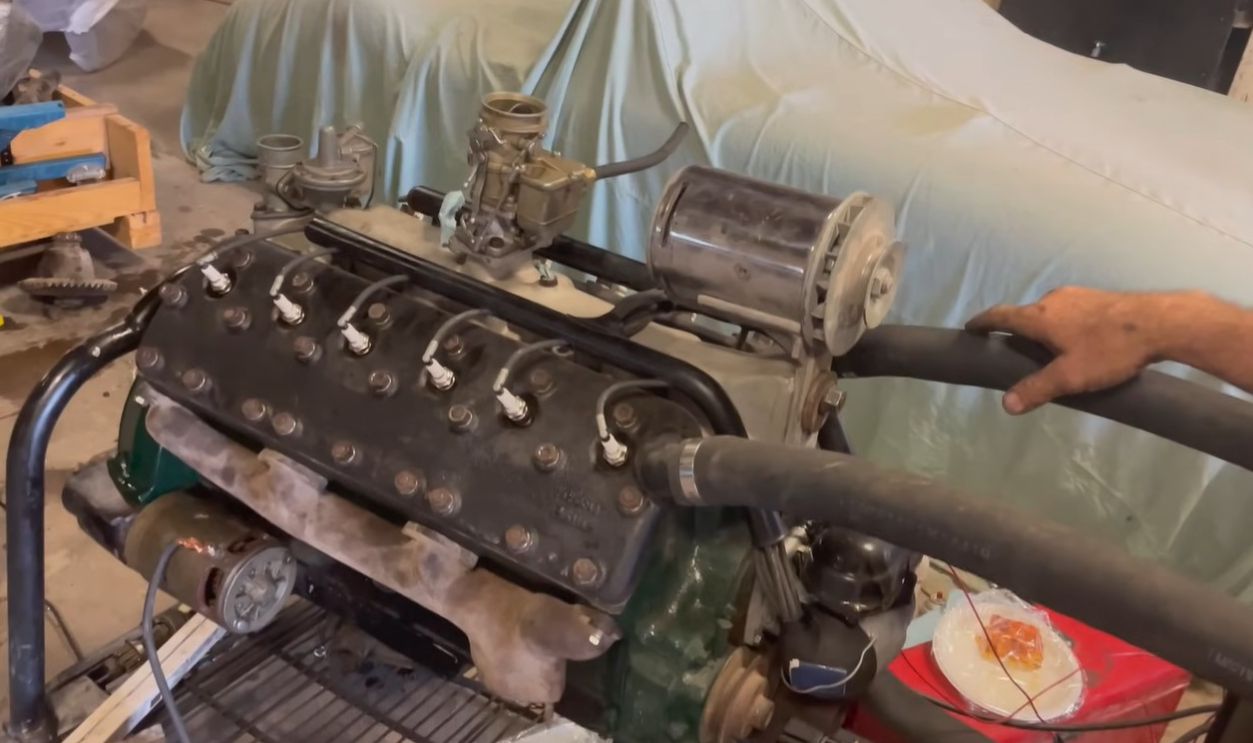
Lincoln-Zephyr 1935
What also boosted the company was the launch of the Lincoln-Zephyr in 1935. It was one of the first Ford vehicles to utilize unibody construction, featuring a prow-like front end. Compared to the Chrysler Airflow, this model line was sleeker.
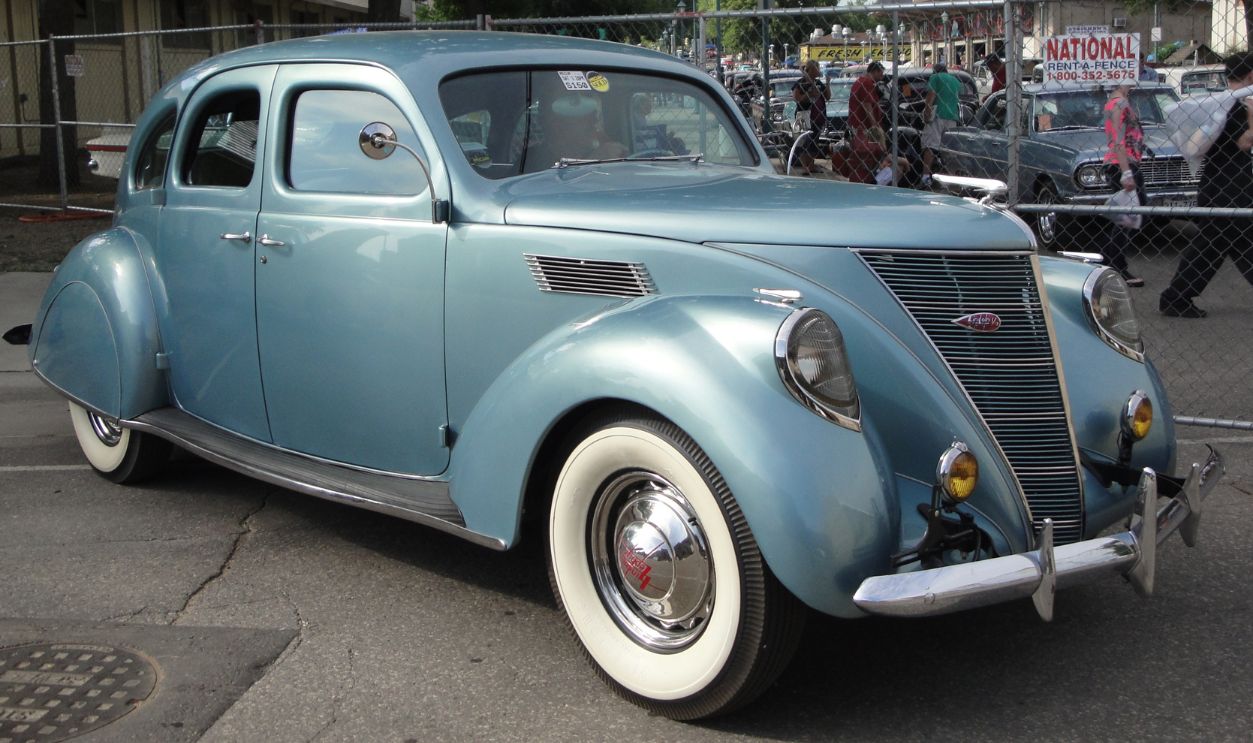 Greg Gjerdingen, CC BY 2.0, Wikimedia Commons
Birth Of An Icon
Then came the Lincoln Continental in 1939. It was originally designed as a one-off car for Edsel Ford by designer Bob Gregorie. This car was driven by a 292 cubic inch (4.8 L) V12 engine. Also, by the end of 1939, a total of 404 units were produced.
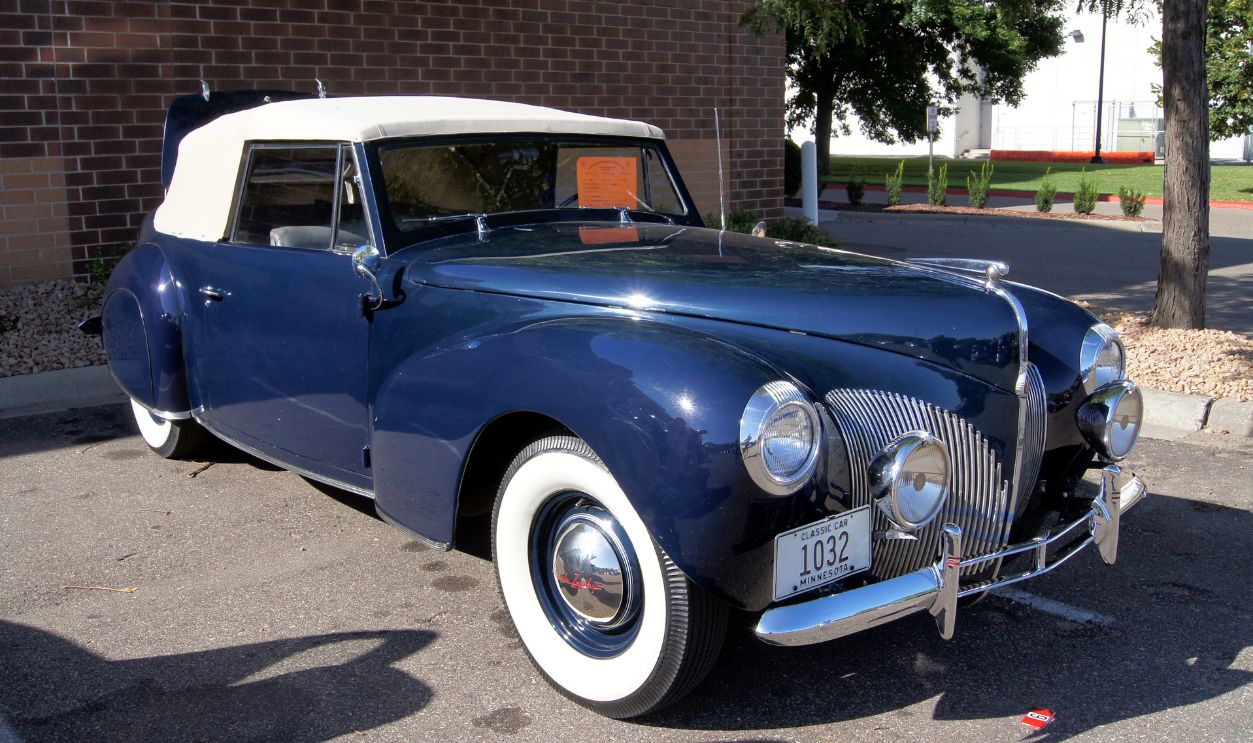 Greg Gjerdingen, CC BY 2.0, Wikimedia Commons
1949 Design Initiative
The first major redesign after WWII was launched in 1949, introducing a new line that included the Lincoln Sport and Lincoln Cosmopolitan. The initial post-war designs were well-received but quickly overshadowed by Cadillac's dramatic styling updates.
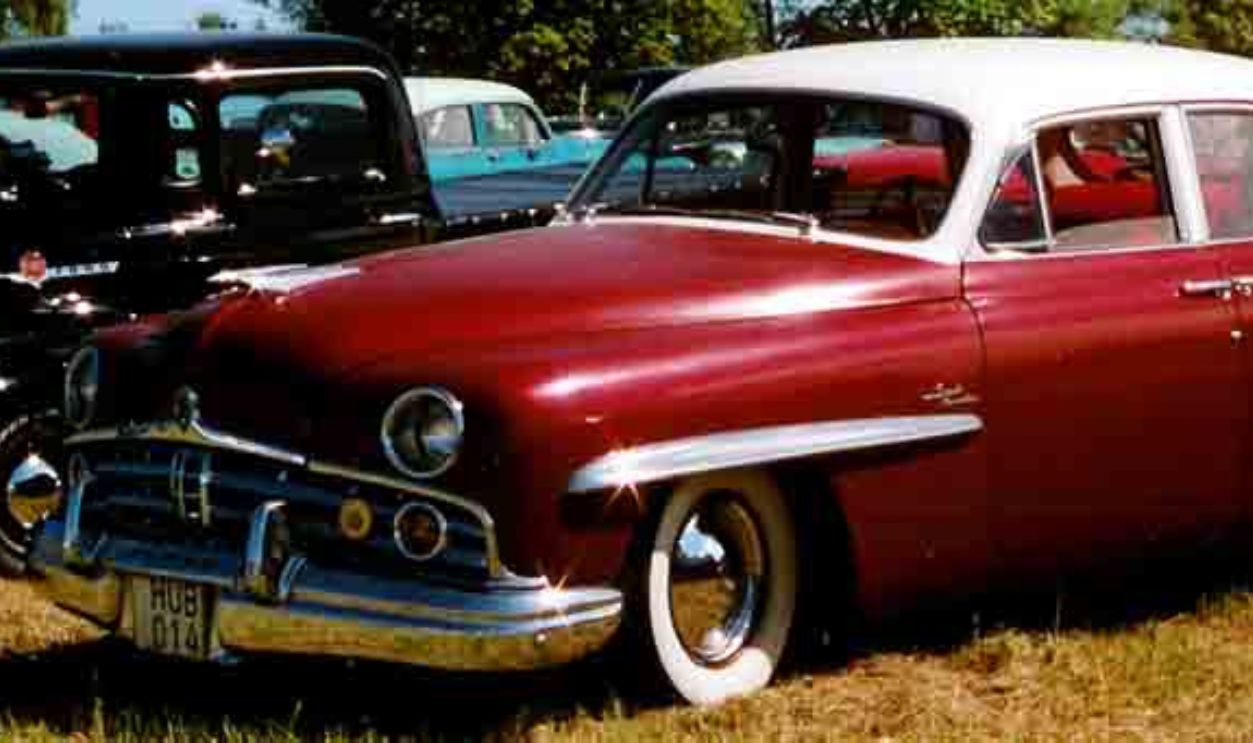 Lars-Göran Lindgren Sweden, CC BY-SA 3.0, Wikimedia Commons
Competitive Redesign Era
This prompted Lincoln designers to return to the drawing board, which resulted in a major redesign for the 1952 model year. Another model, the Cosmopolitan, was also positioned as Lincoln's flagship model during this era.
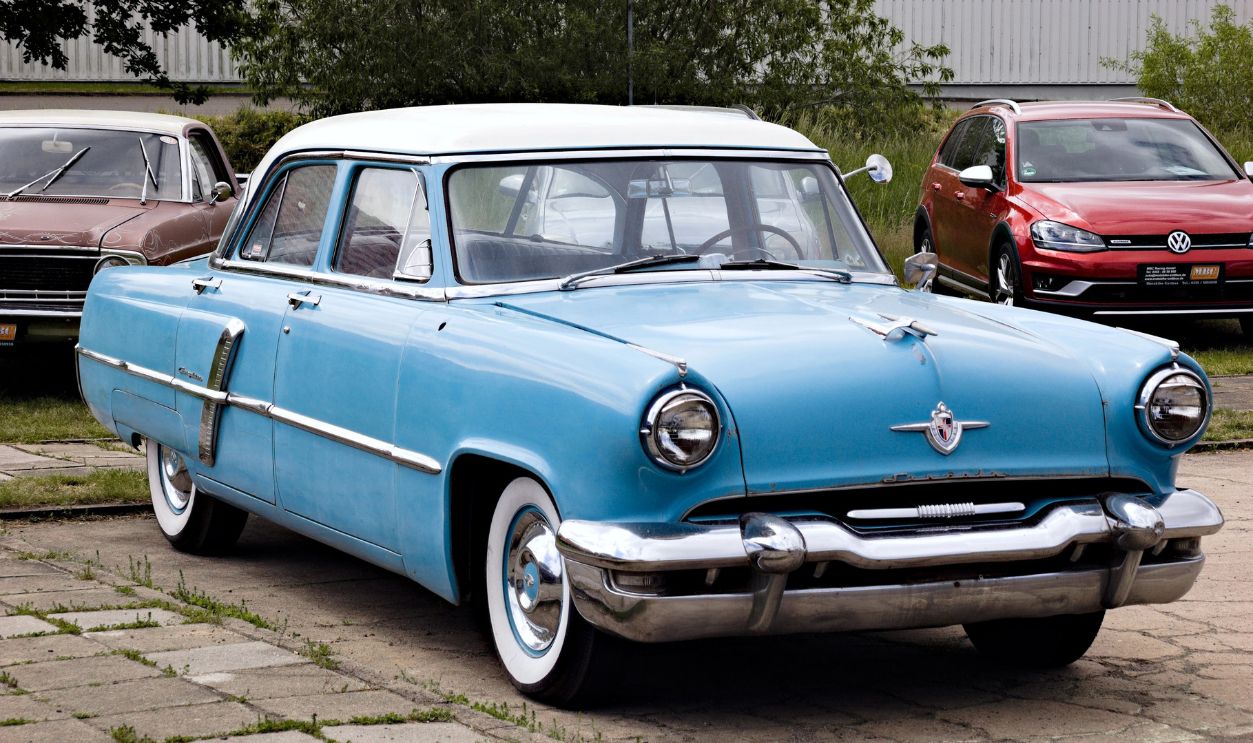 Trio3D, CC BY-SA 4.0, Wikimedia Commons
Continental Mark II 1956
Launched in 1956, this car was intended to compete directly with Cadillac's top models, particularly the Eldorado. It was powered by a 368 cubic inch (6.0 L) V8 engine. Due to its popularity, around 4,660 units were built between 1956 and 1957.
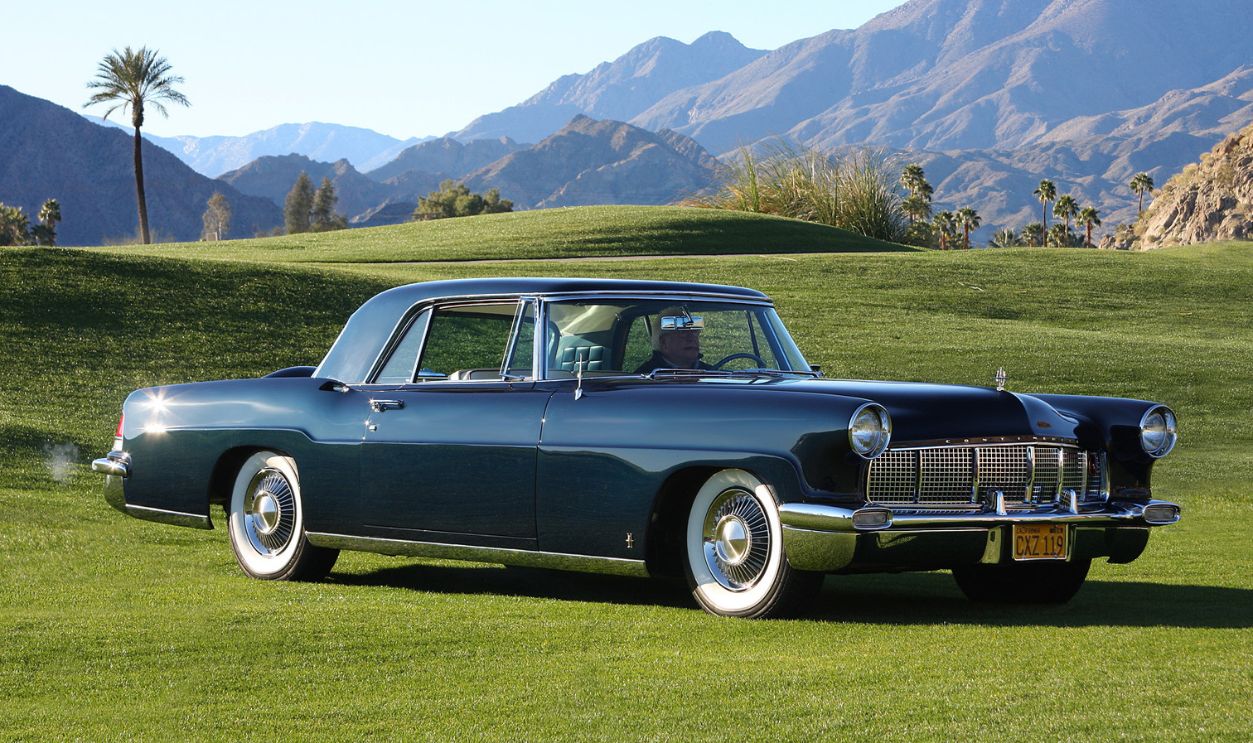 Rex Gray, CC BY 2.0, Wikimedia Commons
Continental Structure Revolution
Lincoln quickly altered its design philosophy in 1961 by adopting "understated elegance”. It discarded the chrome-heavy appearance that had been a hallmark of previous luxury automobiles. The 1961 model displayed a length of 212.4 inches.
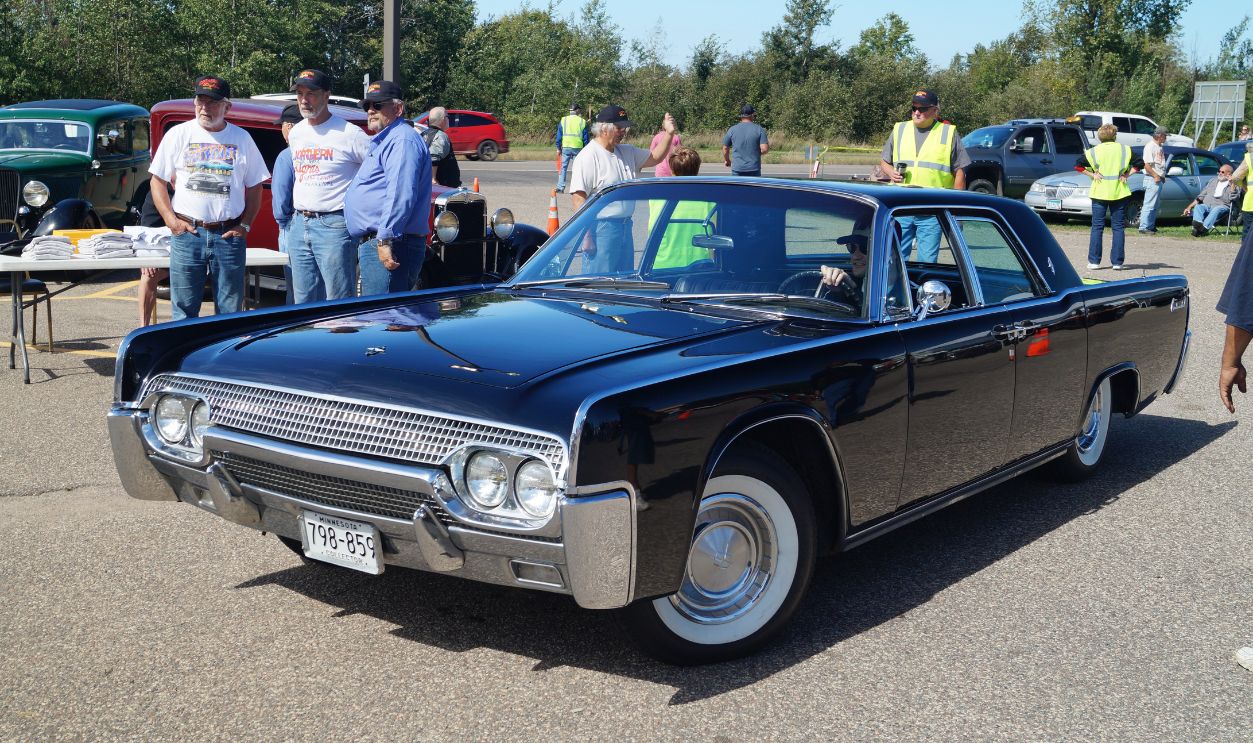 Greg Gjerdingen, CC BY 2.0, Wikimedia Commons
Lincoln Mark V Legacy
The 1977 Continental Mark V, replacing the Mark IV, set new standards for luxury coupes at about 19 feet long. Its center radiator grille became Lincoln's signature design through the 1990s, while Designer Editions packages continued its premium positioning.
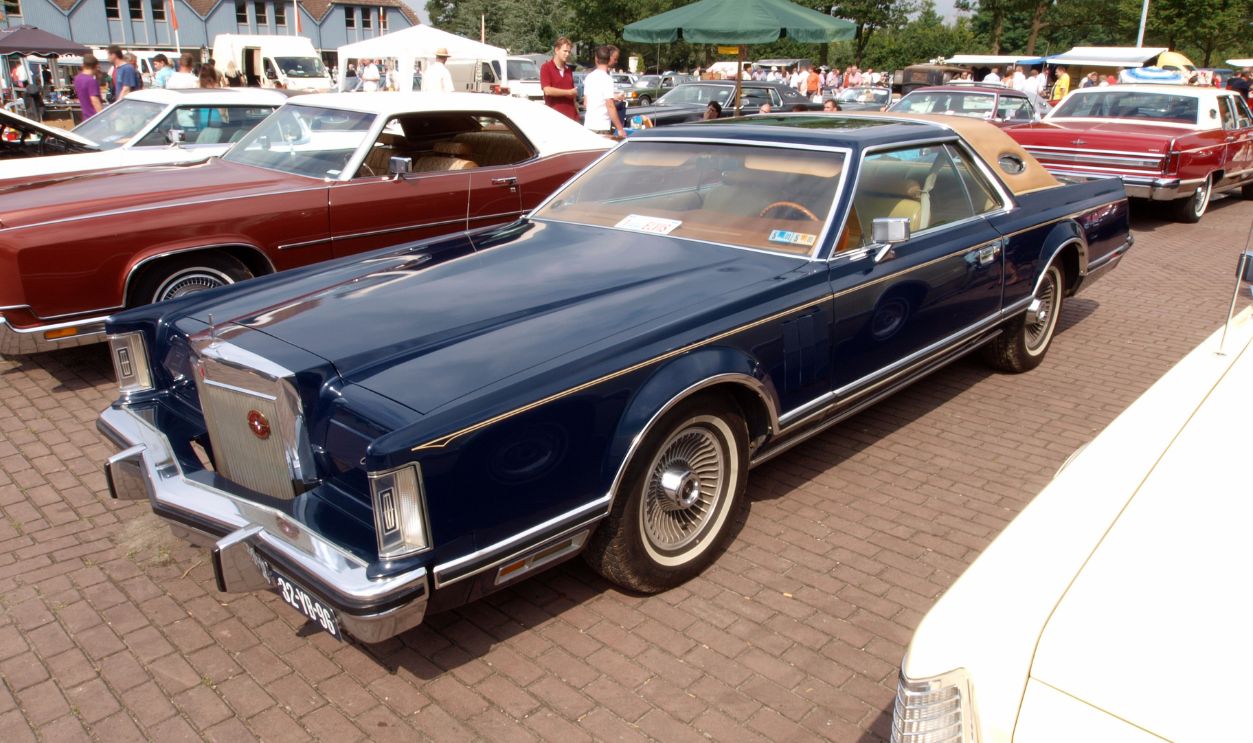 AlfvanBeem, CC0, Wikimedia Commons
Town Car 1981
Launched in 1981, the Lincoln Town Car became America's largest production car by 2006. It was introduced as a full-size luxury sedan that swiftly set itself as a flagship model. It was produced until 2011, measuring nearly 18 feet in length.
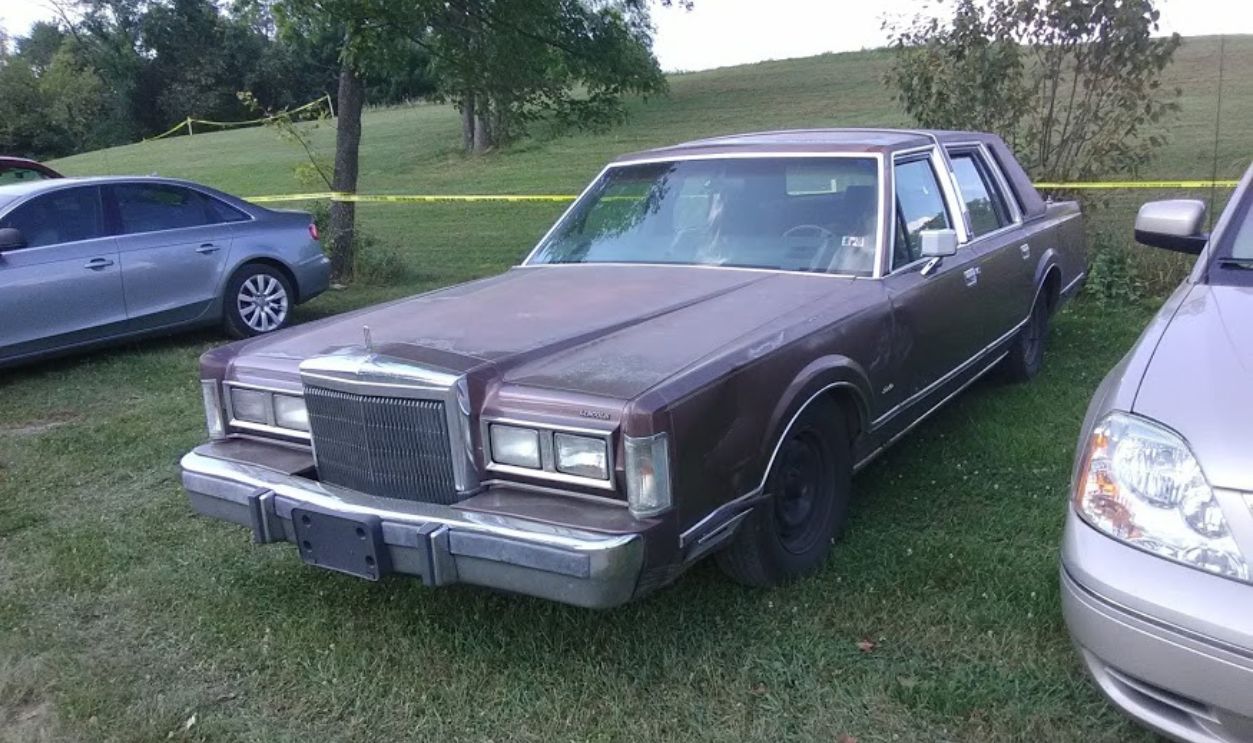 MercurySable99, CC BY-SA 4.0, Wikimedia Commons
Growth And Expansion
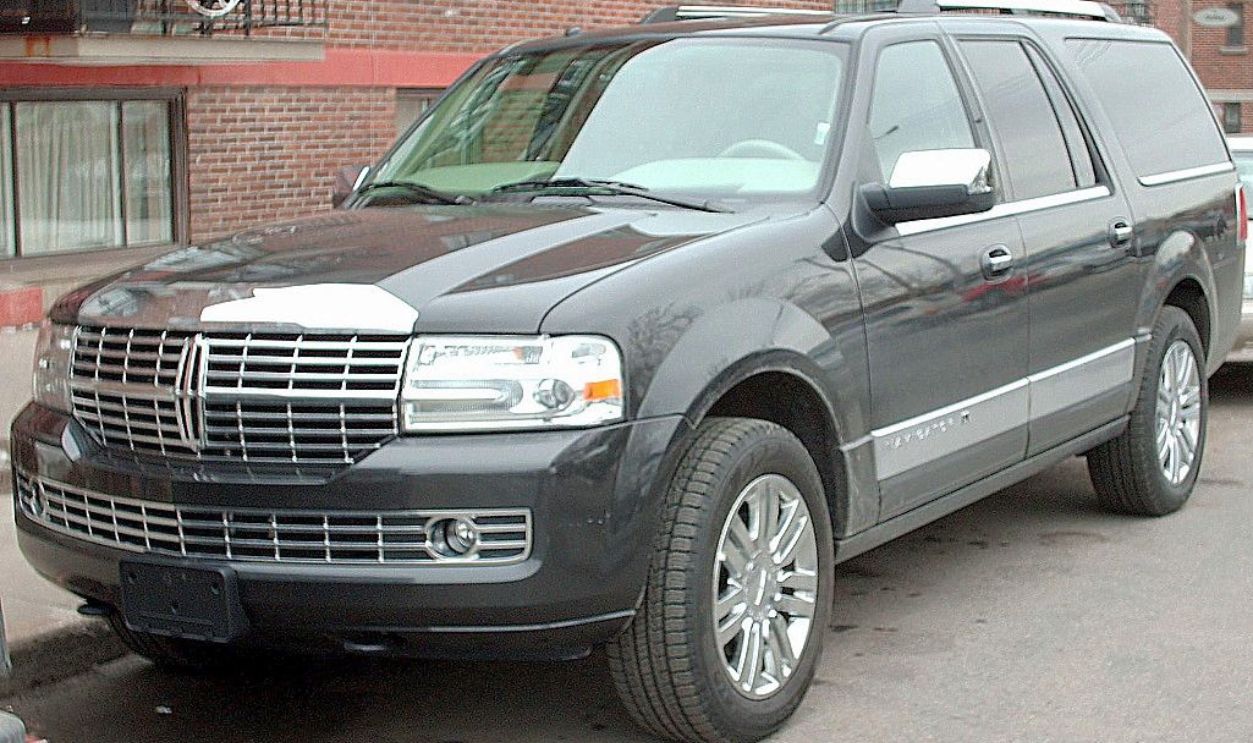
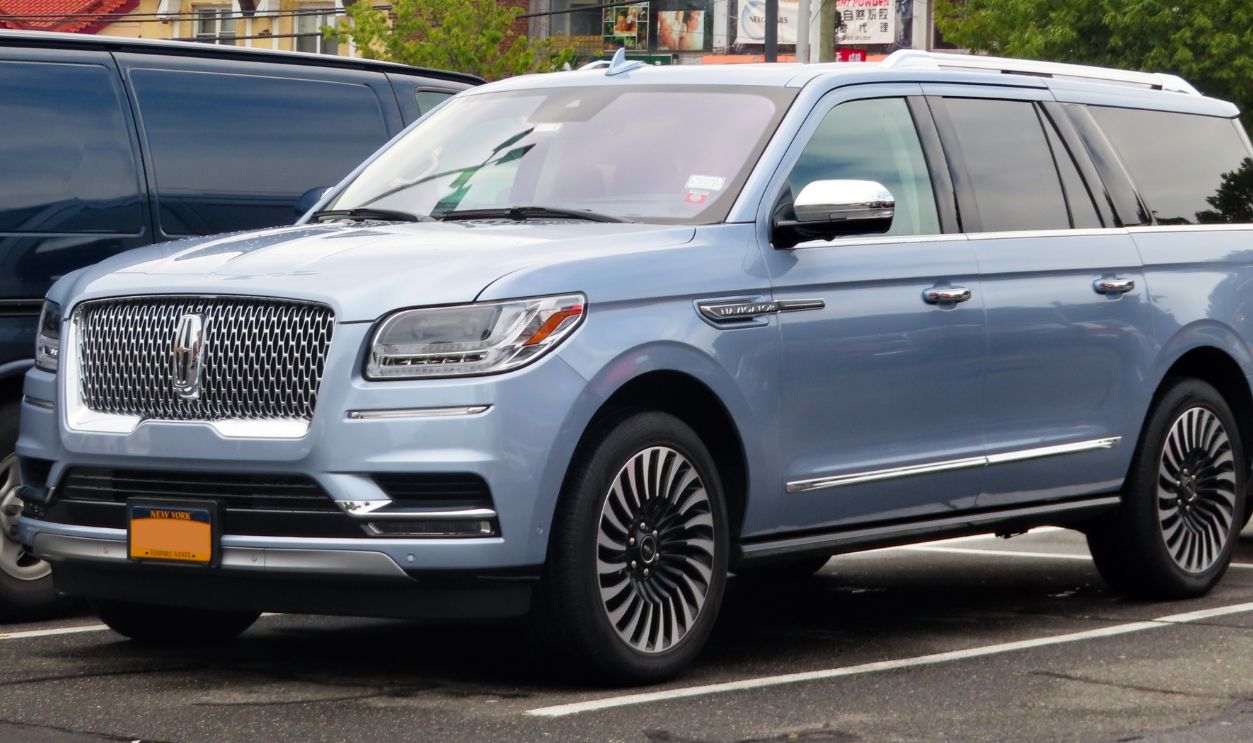
The company has expanded its lineup over the years to adapt to changing consumer preferences. They brought in models such as the LS, Aviator SUV, and Navigator. Launched in 1998, the Lincoln Navigator was one of the first full-size luxury SUVs on the market.
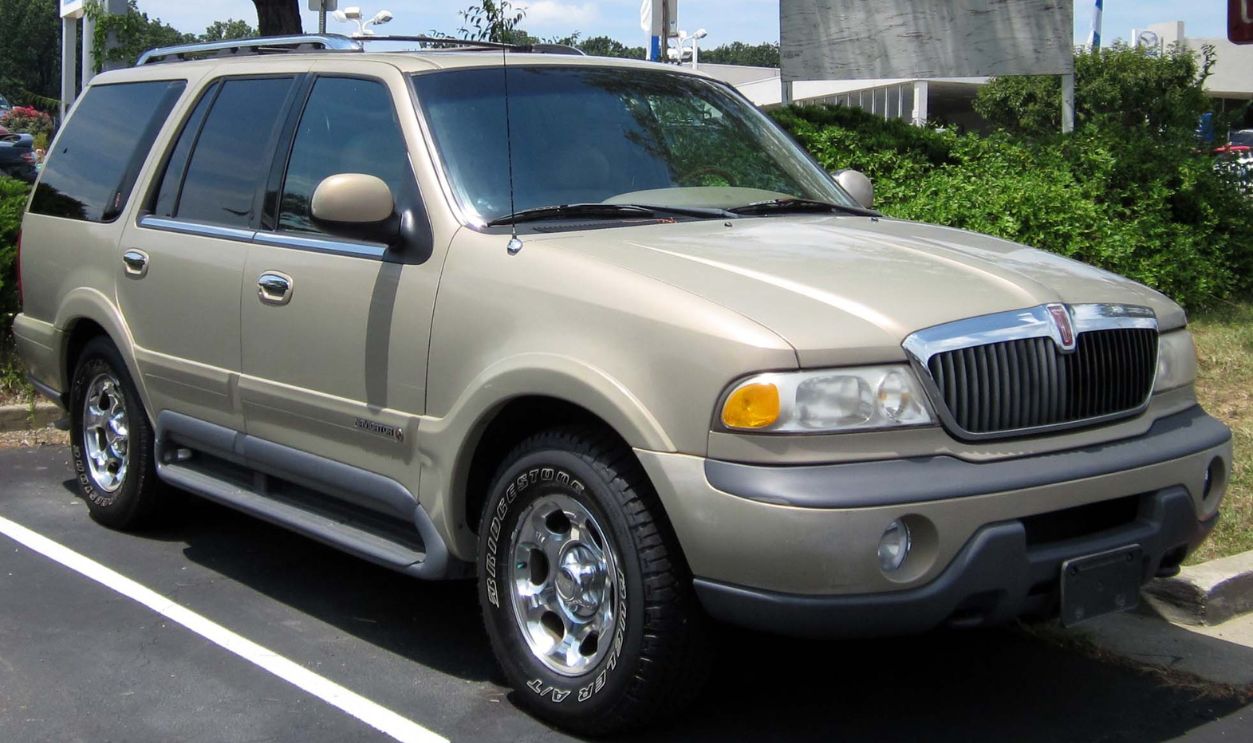
North American Base
Until 2024, Lincoln manufactured all U.S. market vehicles in North America from three locations. First, the Chicago Assembly Plant in Illinois has been responsible for producing the Aviator since 1924. It also assembles the Explorer and Police Interceptor Utility vehicles.
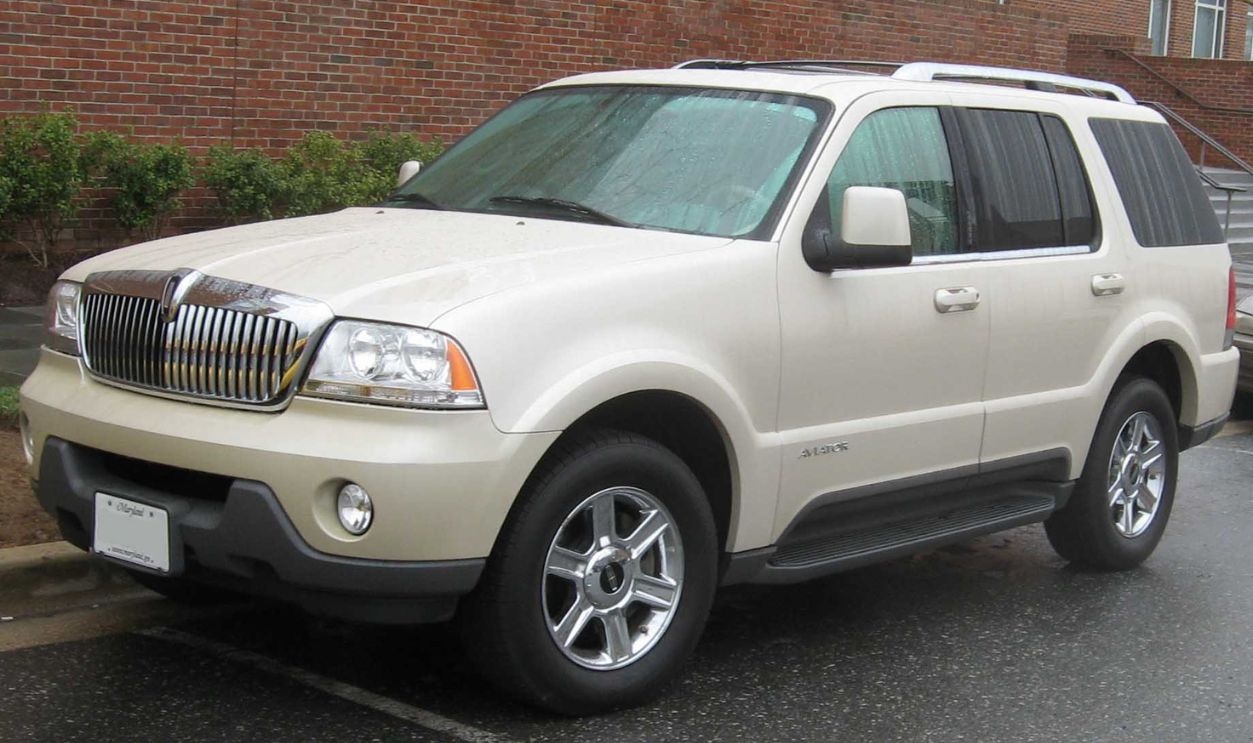
Twin Louisville Facilities
Next, the Louisville Assembly Plant manufactures the Lincoln Corsair, while the Kentucky Truck Assembly Plant, also in Louisville, is responsible for building the Lincoln Navigator and Navigator L. Additionally, other Ford models like the Super Duty trucks are also produced here.
Oakville To Chongqing Transition
The Oakville Assembly Complex in Ontario was also previously responsible for manufacturing the Lincoln Nautilus. However, in April 2023, Lincoln announced that production of the Nautilus would move to its manufacturing plant in Chongqing, China.
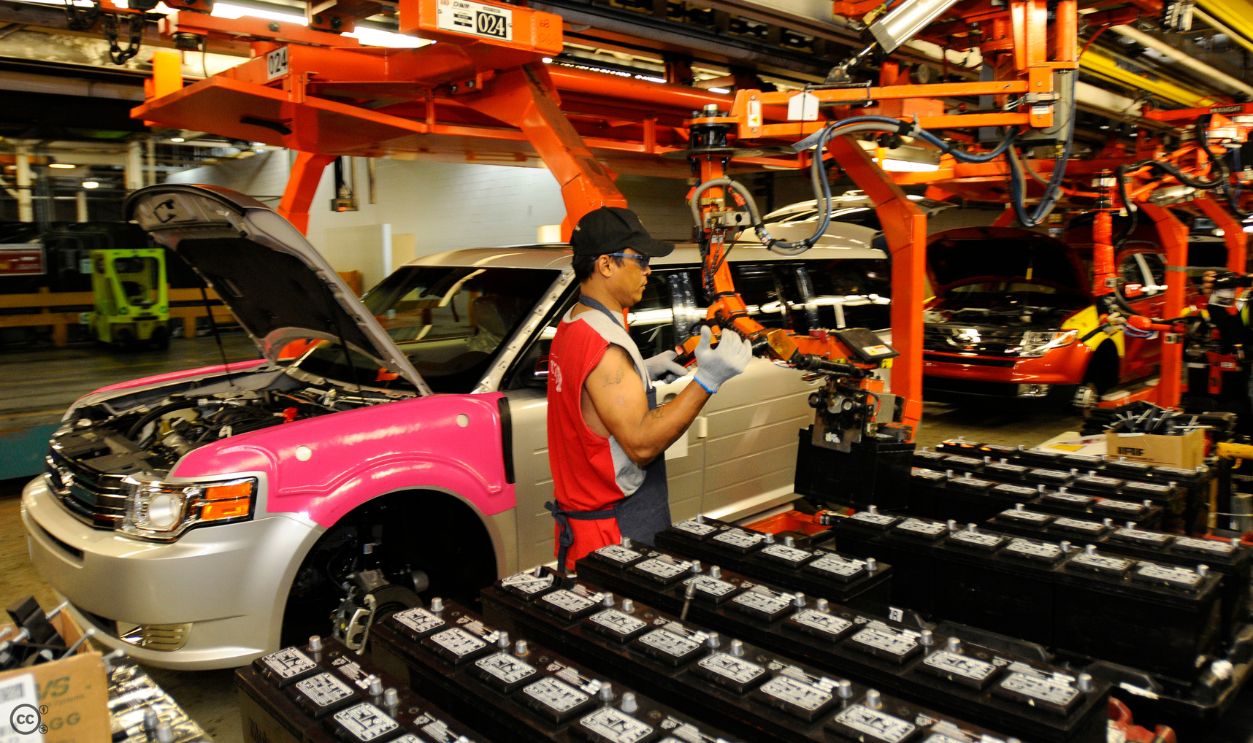 Ford Motor Company, CC BY 2.0, Wikimedia Commons
Strategic Global Shift
This was the first time Lincoln would export U.S. market vehicles from outside North America. Reportedly, this decision was a part of Ford's strategy to retool the Oakville Assembly Plant in Canada for electric vehicle production.
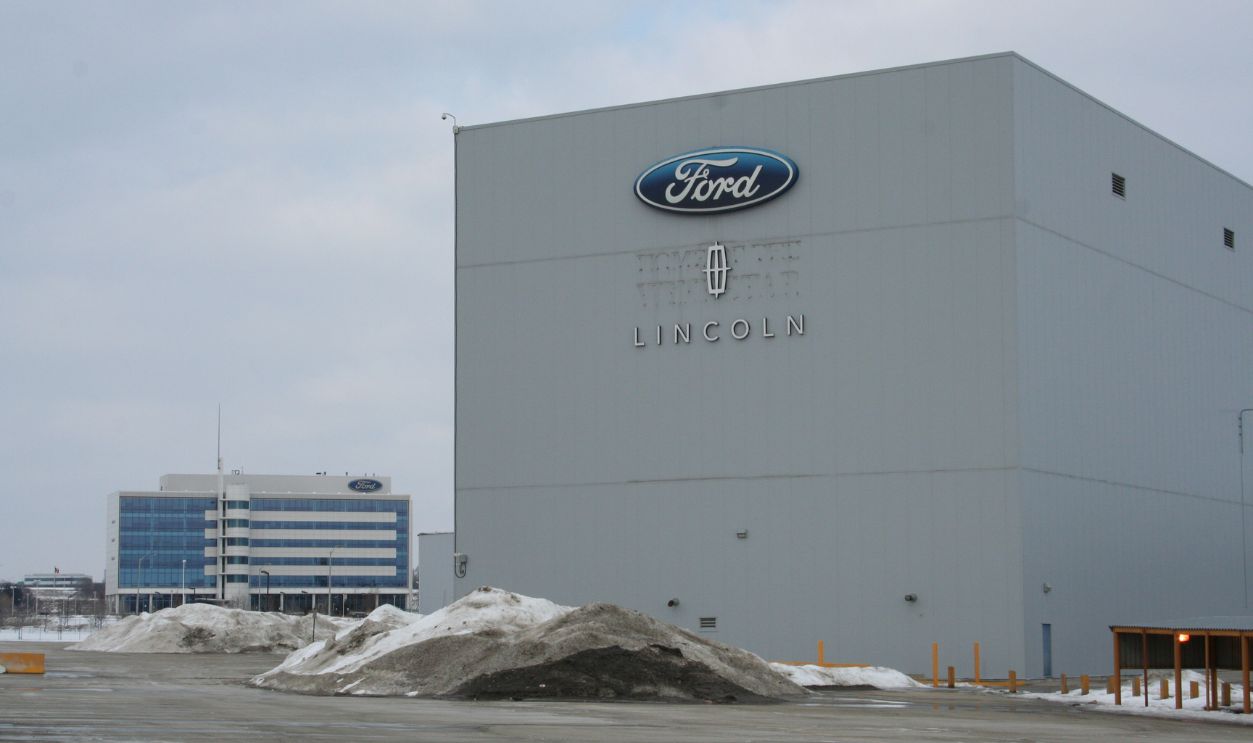 Whpq, CC BY-SA 3.0, Wikimedia Commons
Chinese Market Success
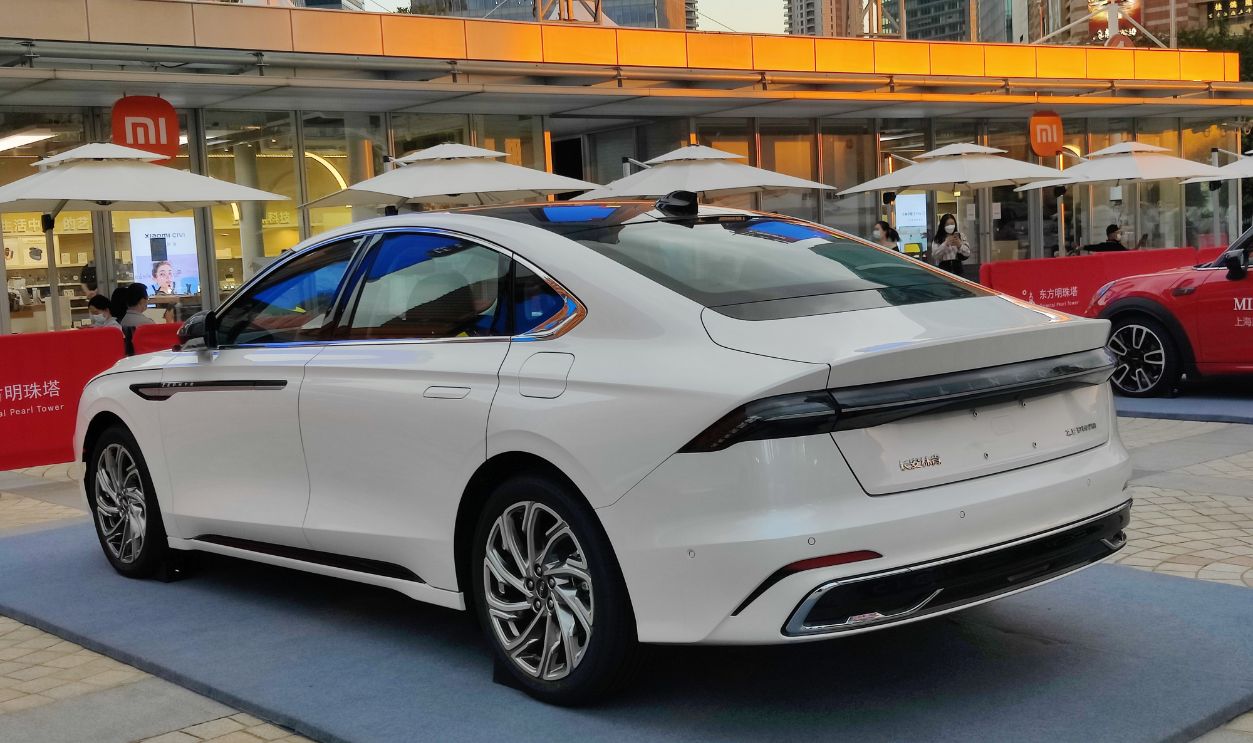
But Lincoln's expansion into Chinese manufacturing wasn’t so surprising. In 2021, the brand’s sales in China had greatly surpassed those in the United States, with production managed by Changan Ford, a joint venture with Changan Automobile.
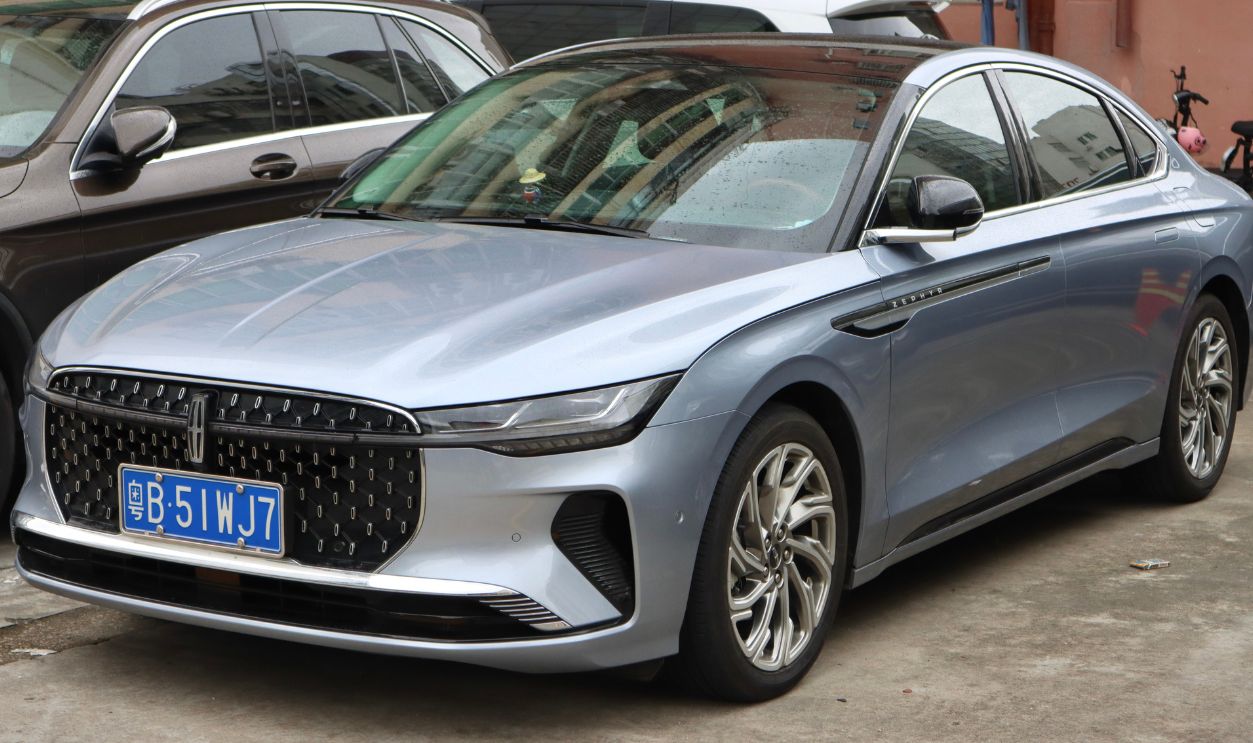 User3204, CC BY-SA 4.0, Wikimedia Commons
Sales Figures
The company has delivered over 91,000 vehicles in China, which was a 48.3% increase compared to the previous year. In contrast, sales in the U.S. totaled 86,929 units, an 18% decrease over the same period, making it Lincoln's worst year in the U.S. since 2013.
 JustAnotherCarDesigner, CC BY-SA 4.0, Wikimedia Commons
Global Parts Network
While major components of these cars, like engines, come from Ford's Ohio and Michigan plants, Lincoln sources parts globally. From the best suppliers, they get sunroofs from Germany, airbags from Sweden, and steering systems from Hungary.
 Kevauto, CC BY-SA 4.0, Wikimedia Commons





_(cropped).jpg)


.jpg)


