Wonder Cars
Car companies have dreamed up some truly wild machines over the years—sleek speed demons, futuristic oddities, and designs that looked straight out of science fiction. But while these concept cars turned heads and sparked hype, most of them never made it past the showroom stage or onto actual streets.
 Hubert Berberich, Wikimedia Commons
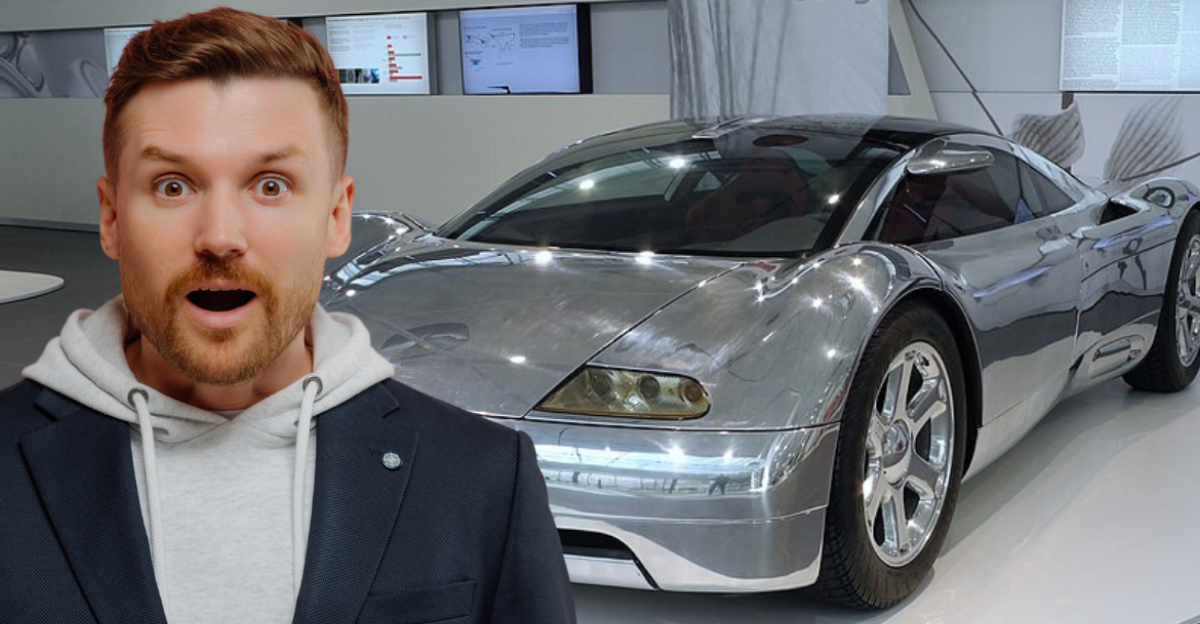
Maserati Birdcage 75th
Reinventing design, the 2005 Maserati Birdcage 75th amazed with a glass canopy and carbon-fiber construction. Pininfarina made it with Ferrari-sourced V12, such as the 621 hp V12 of Maserati MC12, having rumored tuning close to 700 horsepower. Despite its brilliance, it was never more than a showpiece.
 Matti Blume, Wikimedia Commons
Nissan R390 GT1
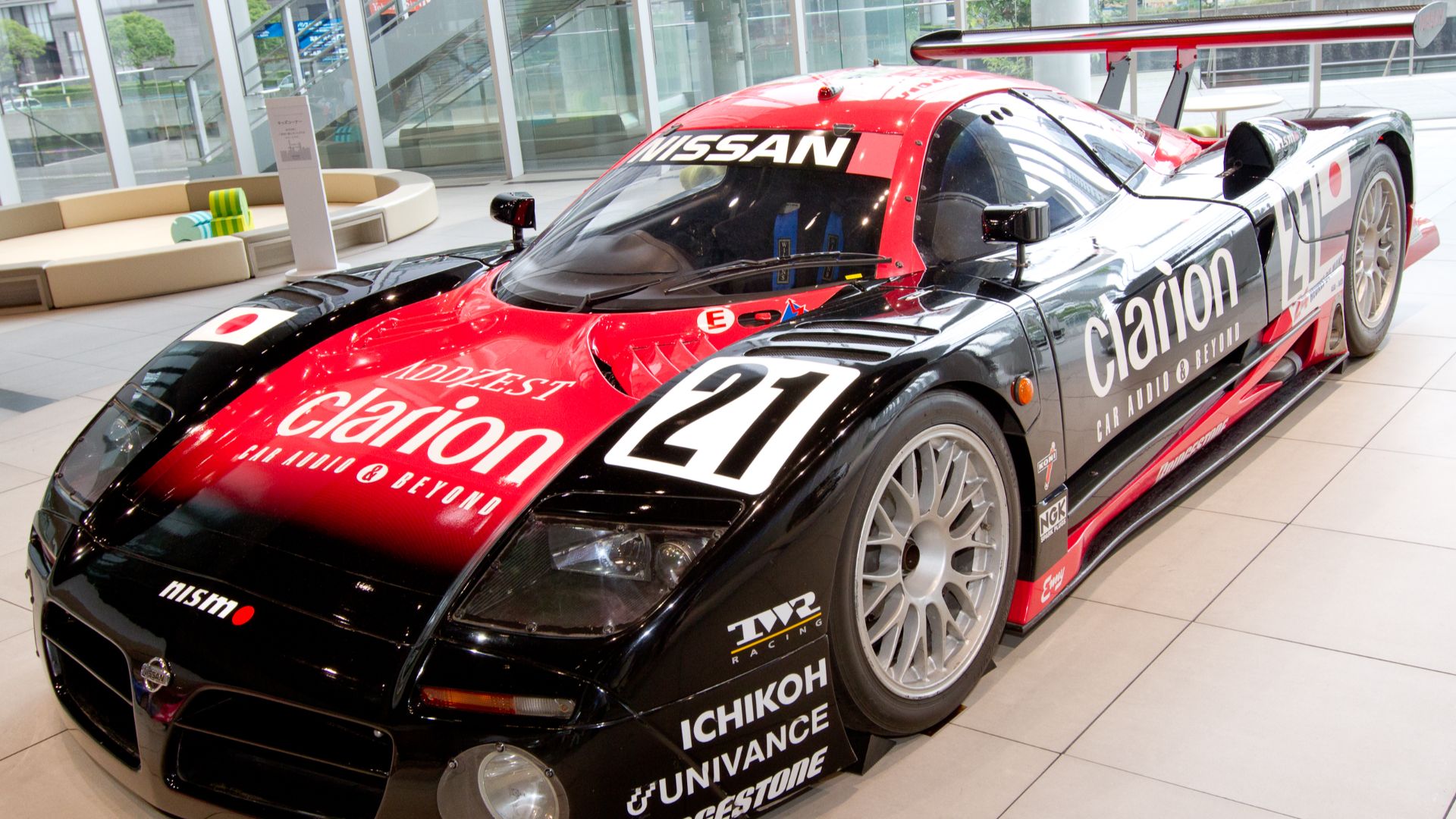
The 1997 Nissan R390 GT1 was born for Le Mans, and its twin-turbocharged V8 produced 550 horsepower. Yet only one street-legal model ever surfaced. Nissan shifted focus after 1998, leaving collectors dreaming of its road-going potential.
Ford GT90
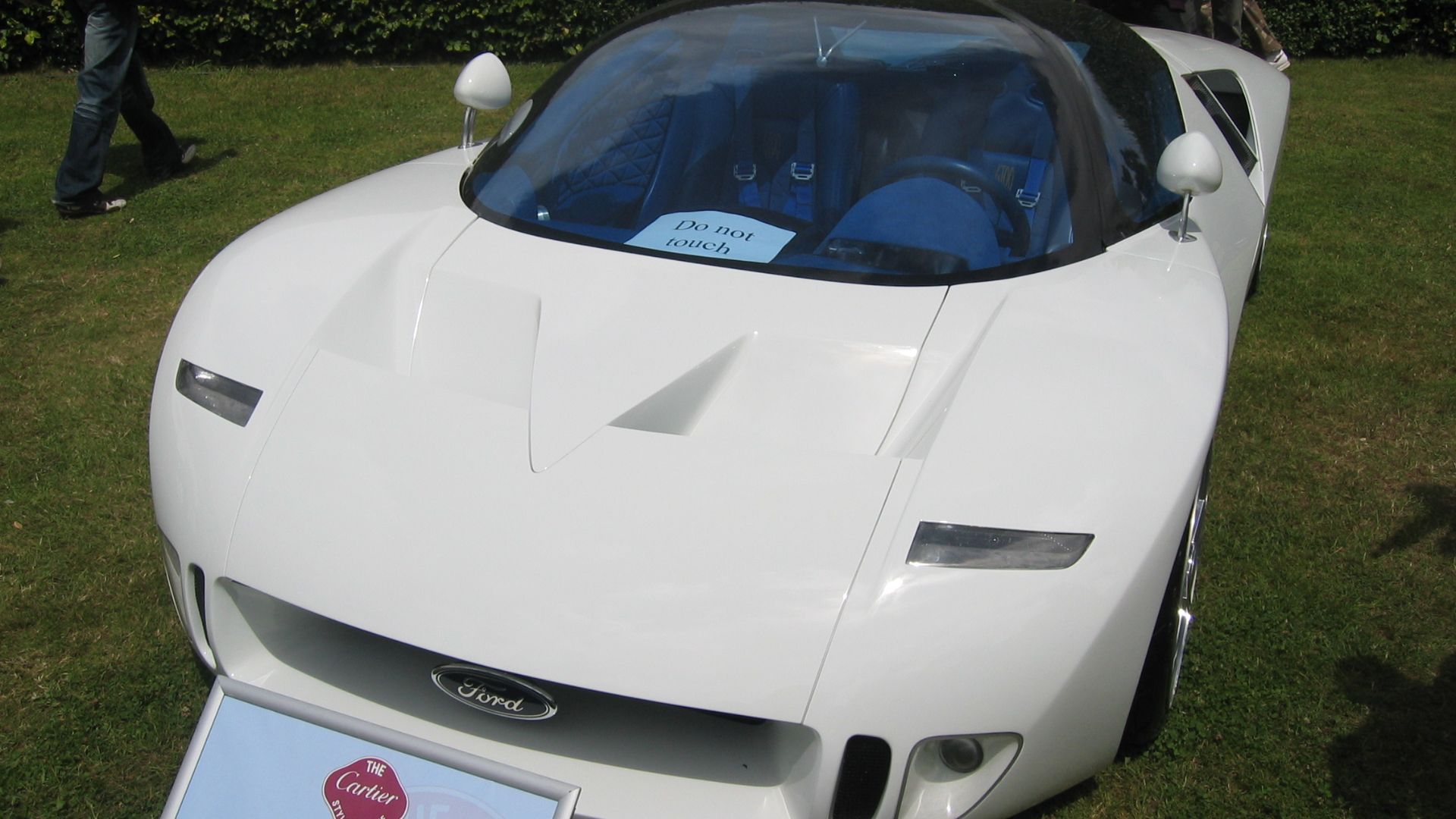
Revealed in 1995, the Ford GT90 was the ultimate supercar prototype. Boasting a quad-turbo 6.0L V12 generating 720 horsepower, it was too extreme for production. Its advanced aerodynamics and aggressive styling influenced Ford’s New Edge design philosophy, but this beast never roared on public roads.
 Mark Woodbury from England, Wikimedia Commons
Chrysler ME Four-Twelve
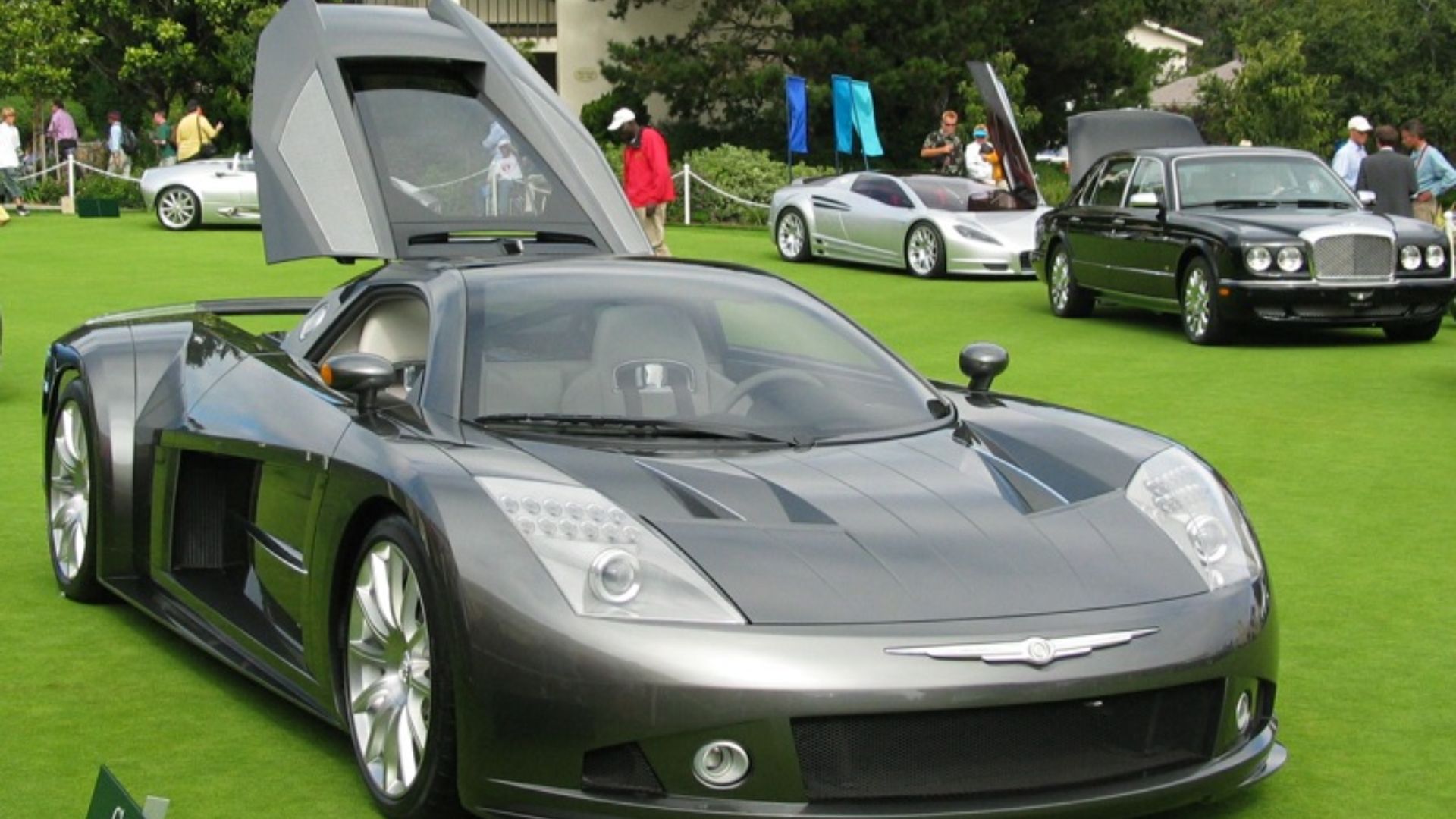
The 2004 Chrysler ME Four-Twelve packed a quad-turbocharged V12 and was blisteringly fast, churning out 850 horsepower. It could hit 0-60 mph in under three seconds. Chrysler teased enthusiasts but never committed, as the project remained a concept without production backing from DaimlerChrysler leadership.
 pingping from San Francisco, USA, Wikimedia Commons
Volkswagen W12 Nardo
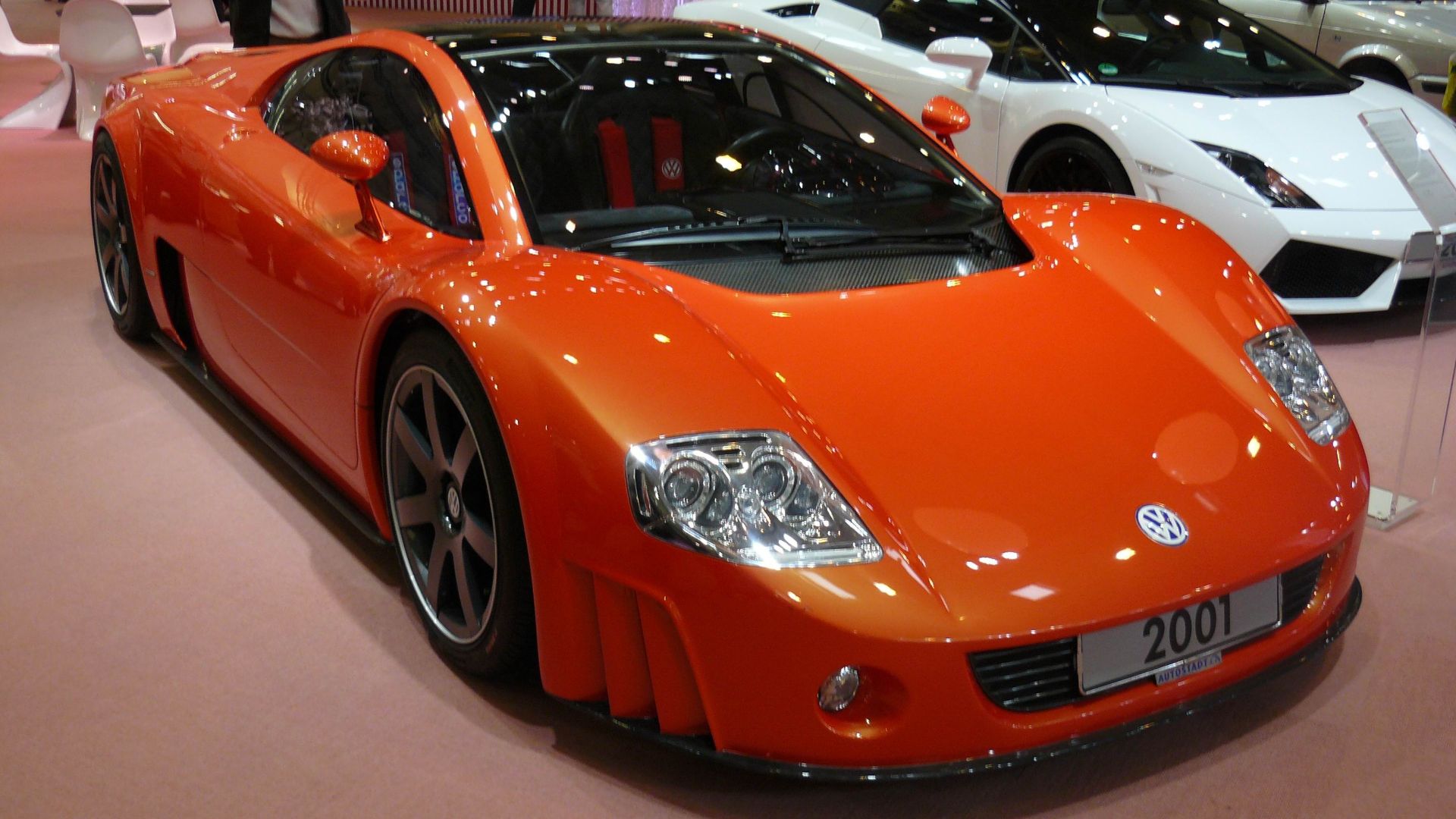
Capable of 217 mph, the W12 Nardo concept from 2001 showcased Volkswagen’s supercar ambitions. With a 600-horsepower W12 engine, it shattered speed records but never saw production. VW focused on more practical models and left this masterpiece locked in history’s vault.
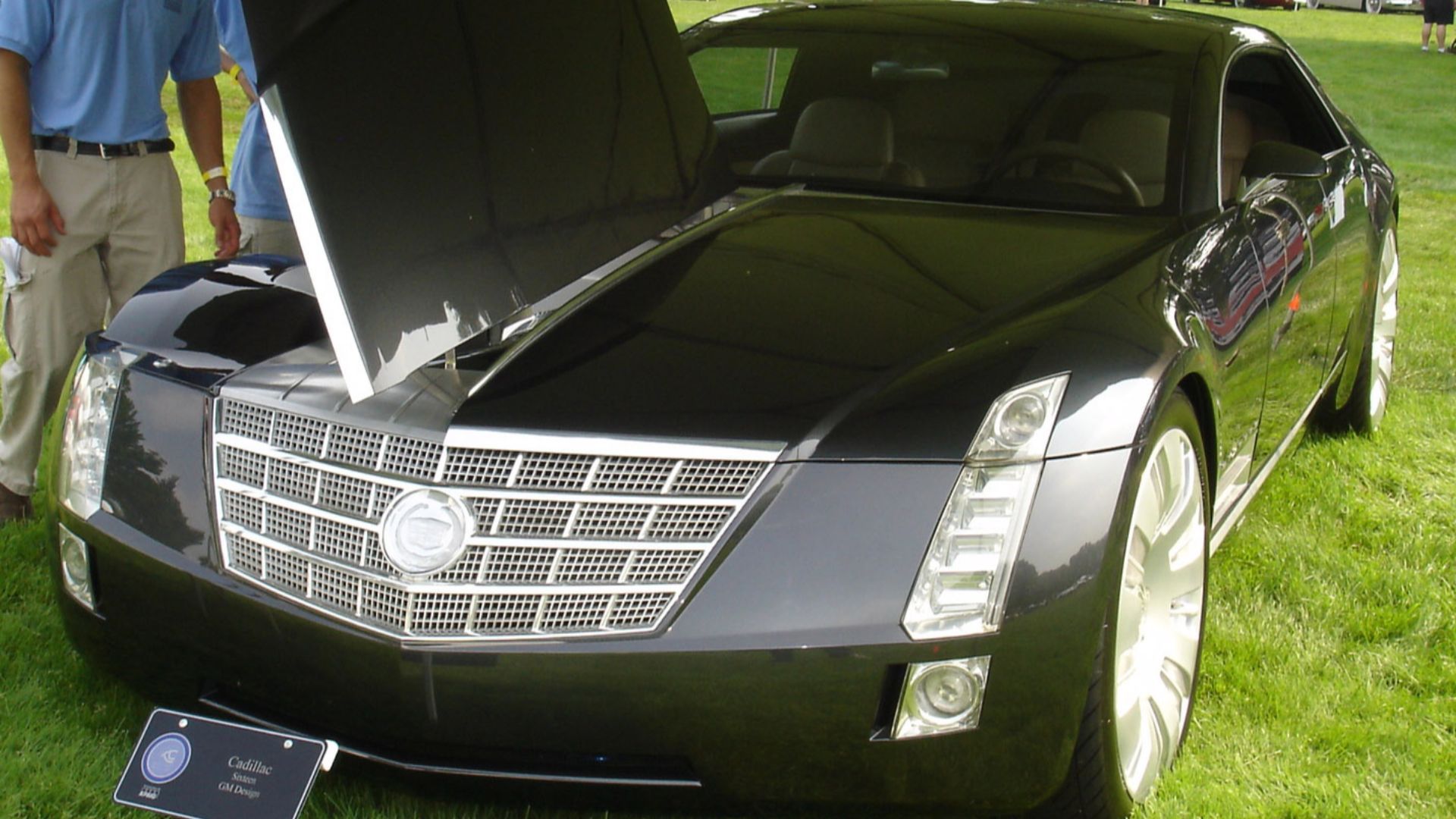
Cadillac Sixteen
A 16-cylinder, 1,000-horsepower luxury car? Cadillac just dreamed big in 2003 with the decadent Sixteen. This concept car for ultra-luxury reinterpreted excess and mated old-school elegance with new-school ferocity. But its behemoth V16 never made it to production and remained a lavish preview of an alternate universe at Cadillac.
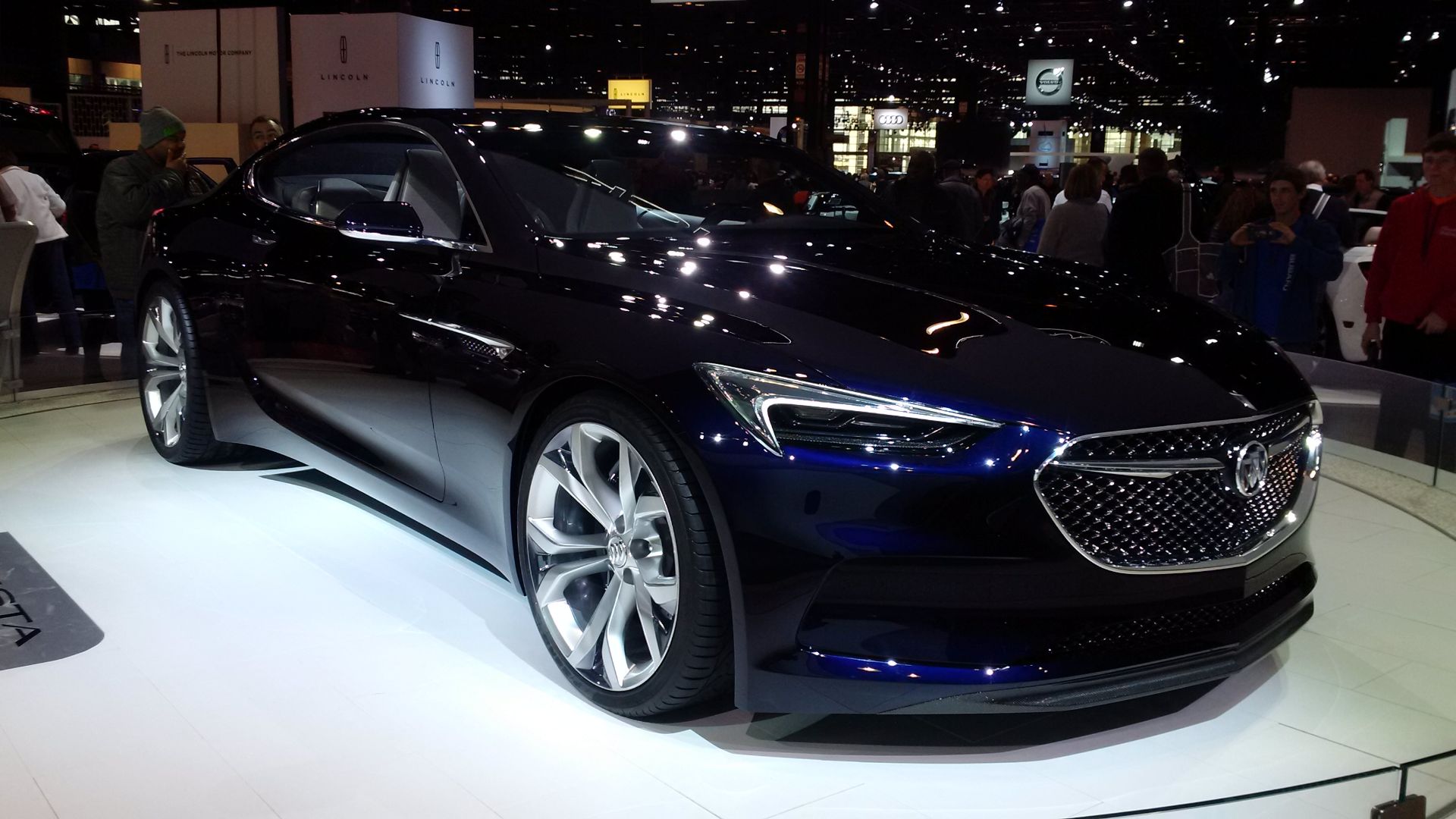
Buick Avista
Built on the bones of the Camaro, Buick’s sleek Avista concept stunned car fans when it debuted in 2016. Packing a twin-turbo V6 with a promised 400 horsepower, the luxury grand tourer looked ready to hit the streets immediately—but Buick never intended to actually build it. Years later, the Avista still lingers as one of the auto world’s biggest “what if?” moments.
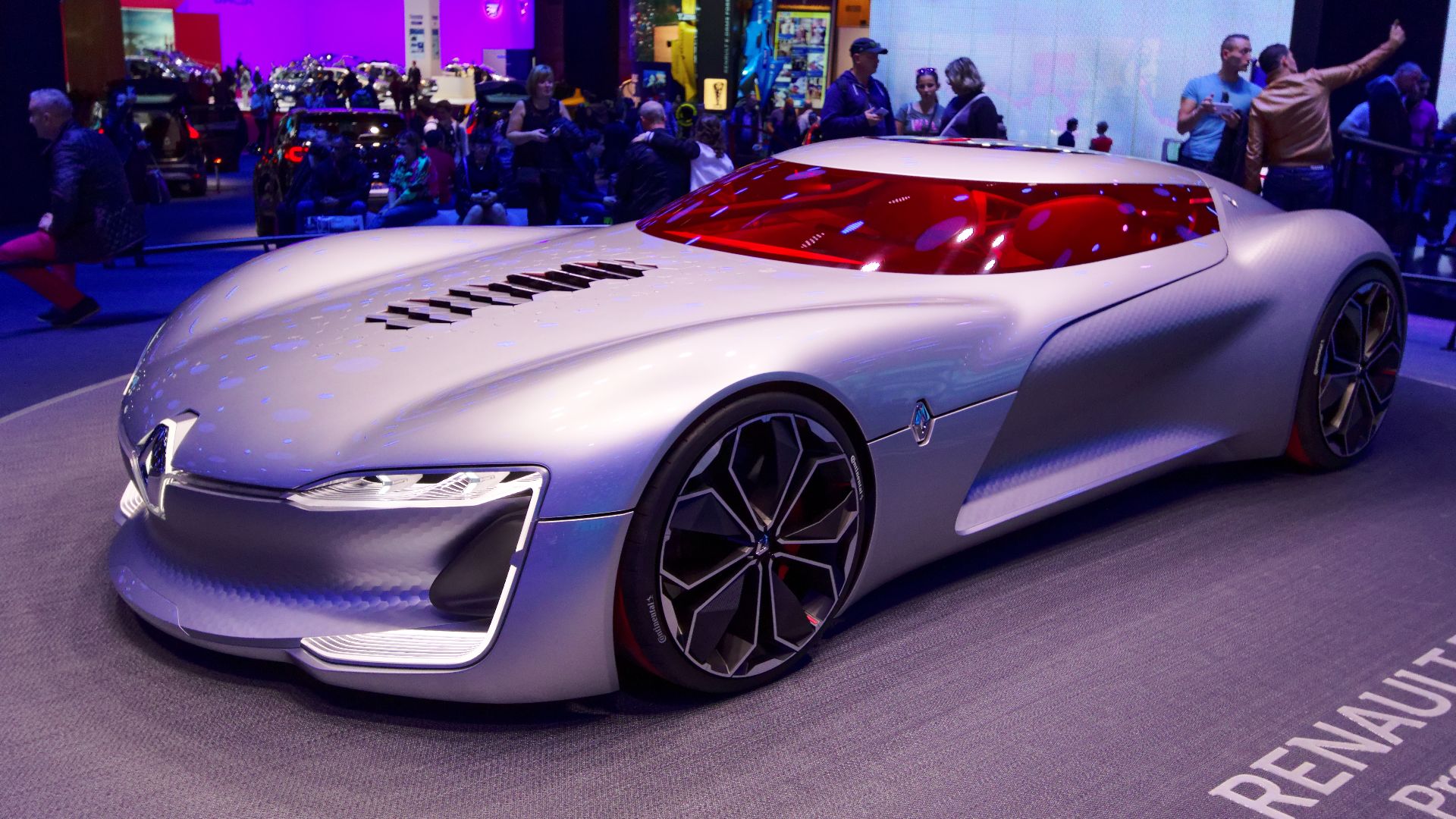
Renault Trezor
The 2016 Renault Trezor stunned with its next-gen design and 350-horsepower electric motor, which electrified the concept world. Its dramatic single-piece canopy opened like a sci-fi dream. Sadly, it remained a showcase for Renault’s vision, never reaching production roads.
 Thesupermat, Wikimedia Commons
Mazda Furai
Looking like it belonged in a video game, the 2008 Mazda Furai embodied rotary-powered racing perfection. With 450 horsepower and a Le Mans-inspired chassis, it was Mazda’s boldest experiment. Tragically, it was destroyed in a fire, which sealed its fate as a lost legend.
 en:User:Tronno, Wikimedia Commons
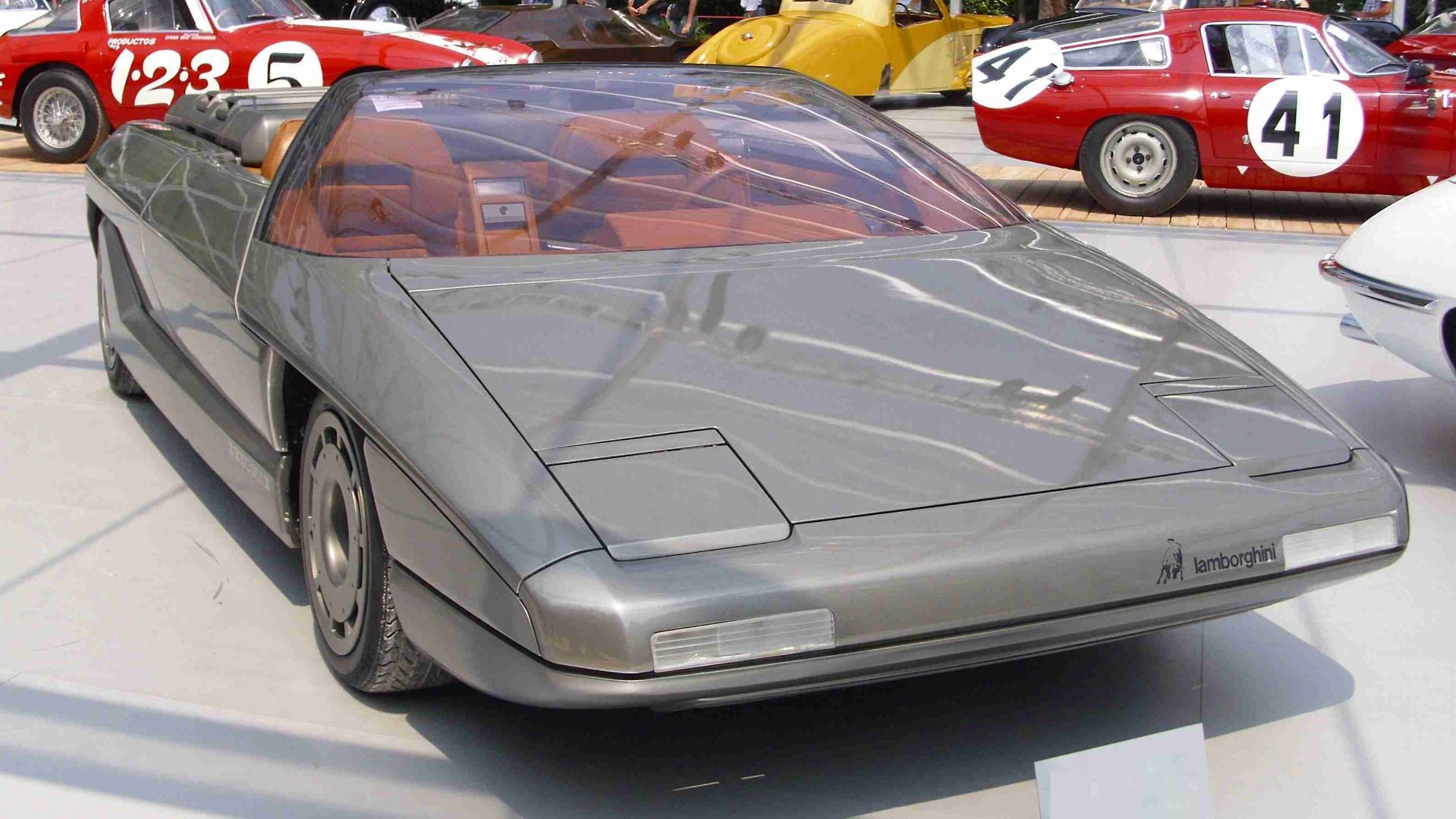
Lamborghini Athon
A wedge-shaped beauty, the 1980 Lamborghini Athon was a Bertone-penned roadster with a 3.0L V8. While lovely, it came out when Lamborghini was financially strapped and guaranteed that it would be a one-off concept reserved only for museum appreciation.
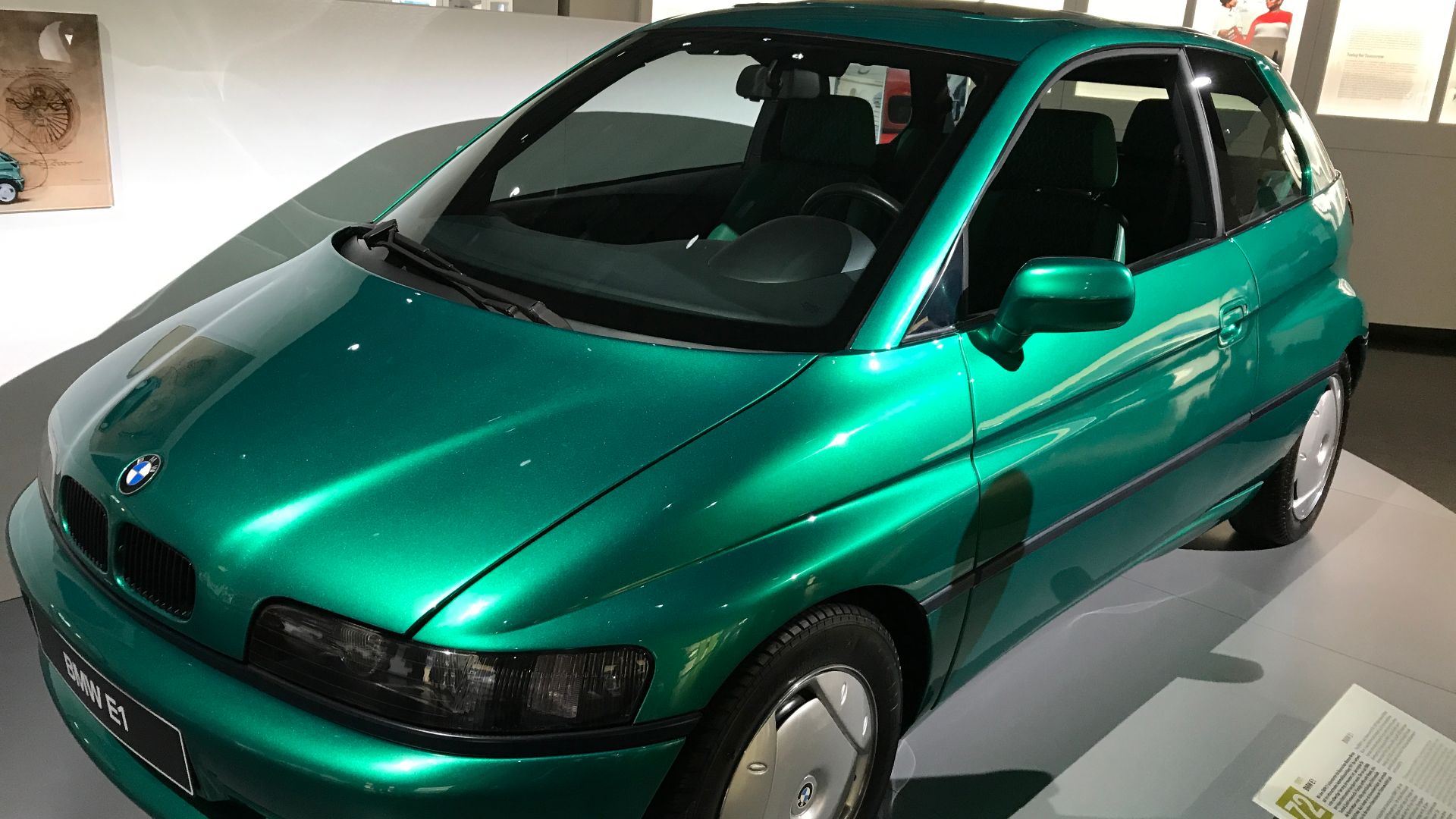
BMW E1
The 1991 BMW E1 electric concept promised 124 miles of range and featured a lightweight aluminum spaceframe with plastic body panels. Though it pioneered EV technology, the world wasn’t ready. BMW shelved it, but it paved the way for the eventual i3 decades later.
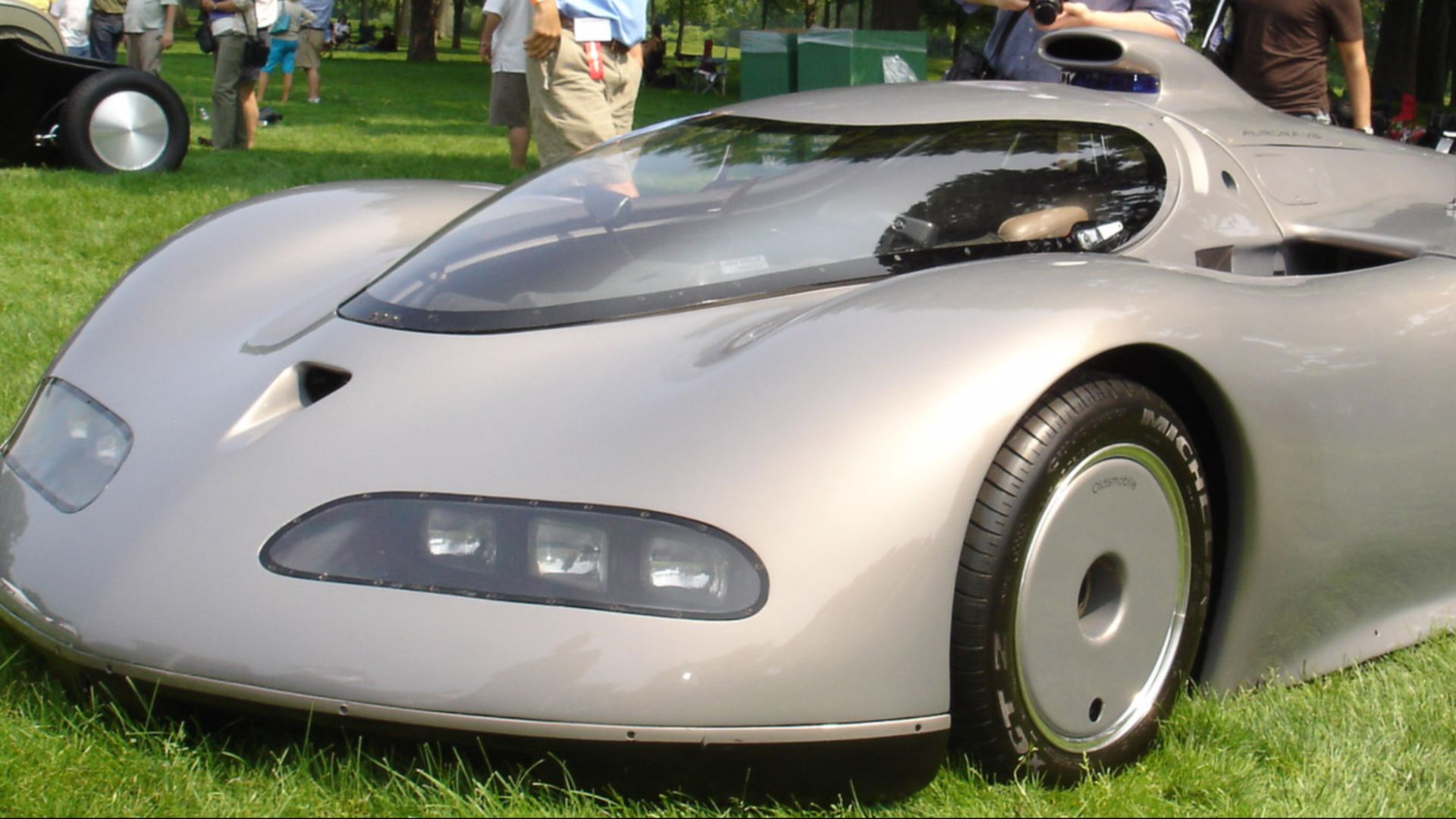
Oldsmobile Aerotech
Speed demon or science experiment? The 1987 Oldsmobile Aerotech shattered records with a turbocharged 2.0L engine, which hit up to 267 mph, depending on the version. Built for speed testing, it never saw showrooms but proved that Oldsmobile had some wild engineering tricks up its sleeve.
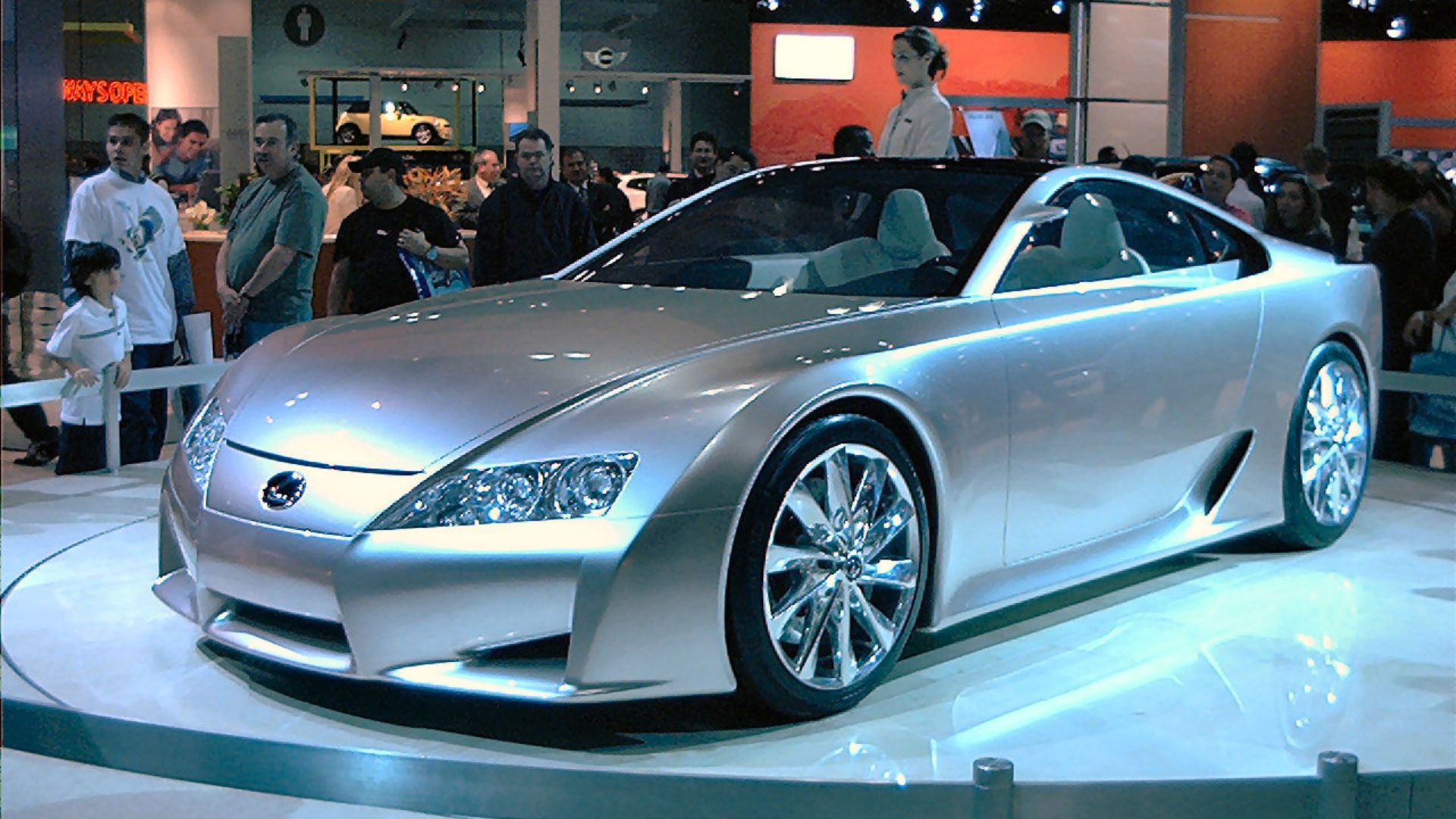
Lexus LF-A Concept
Before the legendary LFA went into production, Lexus previewed a concept in 2005. With high-revving power from its engines and aggressive lines, it set the tone for the company’s first supercar offering. The last LFA emerged from it, but this one was a concept-only vision.
 No machine-readable author provided. Covinan assumed (based on copyright claims)., Wikimedia Commons
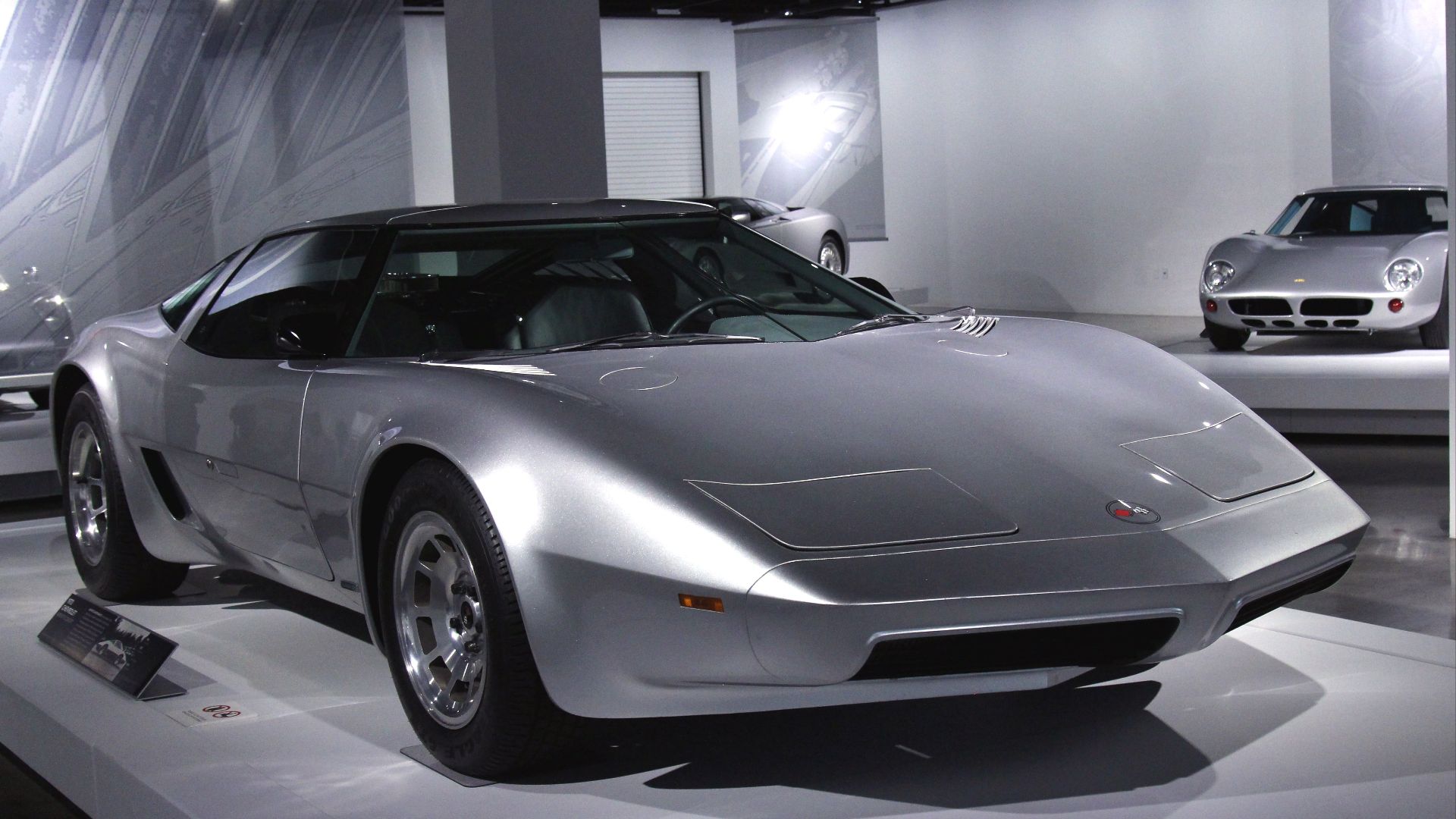
Chevrolet Aerovette
Long before the mid-engine C8 finally became reality, General Motors was already experimenting with the idea through the futuristic 1976 Aerovette. Originally designed around a rotary engine before switching to a massive 6.6L V8, the concept featured dramatic gullwing doors and styling that looked decades ahead of its time. Rising costs and shifting priorities ultimately doomed the project, but the Aerovette quietly shaped Corvette dreams for generations afterward.
 Prayitno / Thank you for (12 millions +) view from Los Angeles, USA, Wikimedia Commons
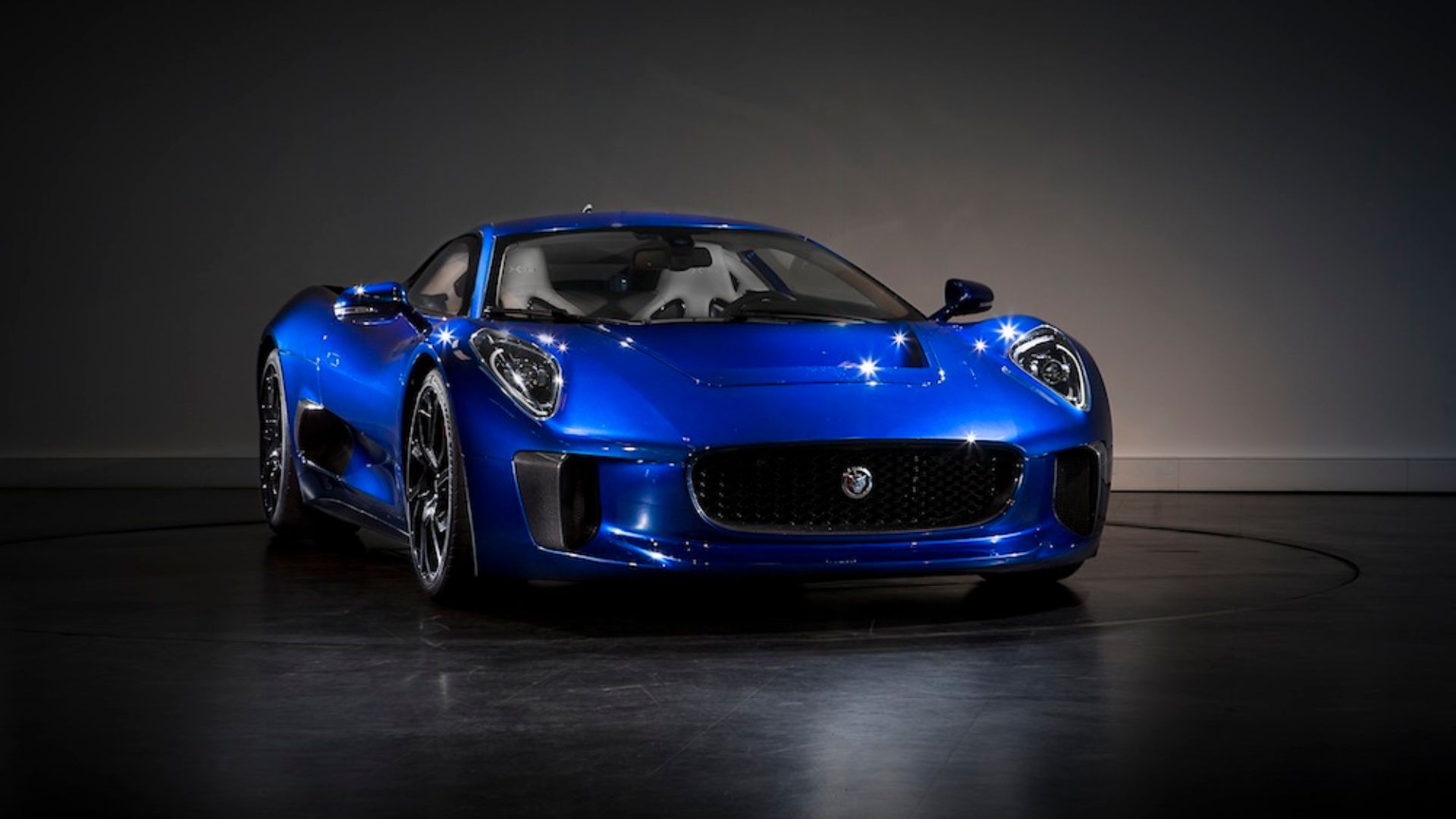
Jaguar C-X75
A James Bond car that never hit the streets, the 2010 Jaguar C-X75 has hybrid power, initially with a gas turbine-electric system. It later evolved into an 890-horsepower hybrid prototype. Planned for limited production, economic downturns scrapped it. However, its on-screen cameo in Spectre ensured its place in cinematic history.
 Jaguar MENA, Wikimedia Commons
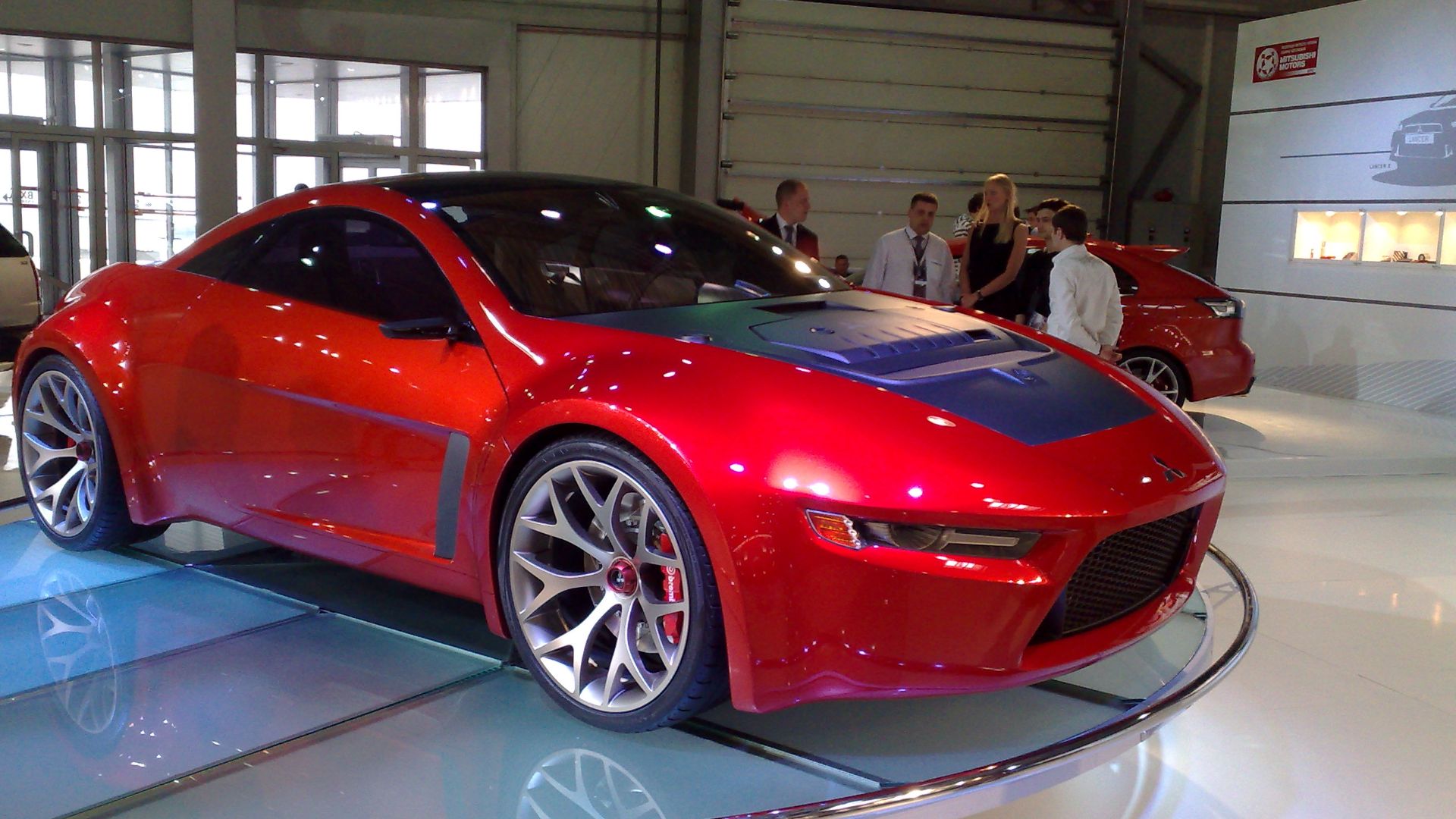
Mitsubishi Concept-RA
Green performance? The 2008 Mitsubishi Concept-RA combined turbo-diesel power and lightweight construction. It foreshadowed a new generation of performance vehicles, but though it showed great promise, it was only a concept and never entered production.
 Sergey Galyonkin from Kyiv, Ukraine, Wikimedia Commons
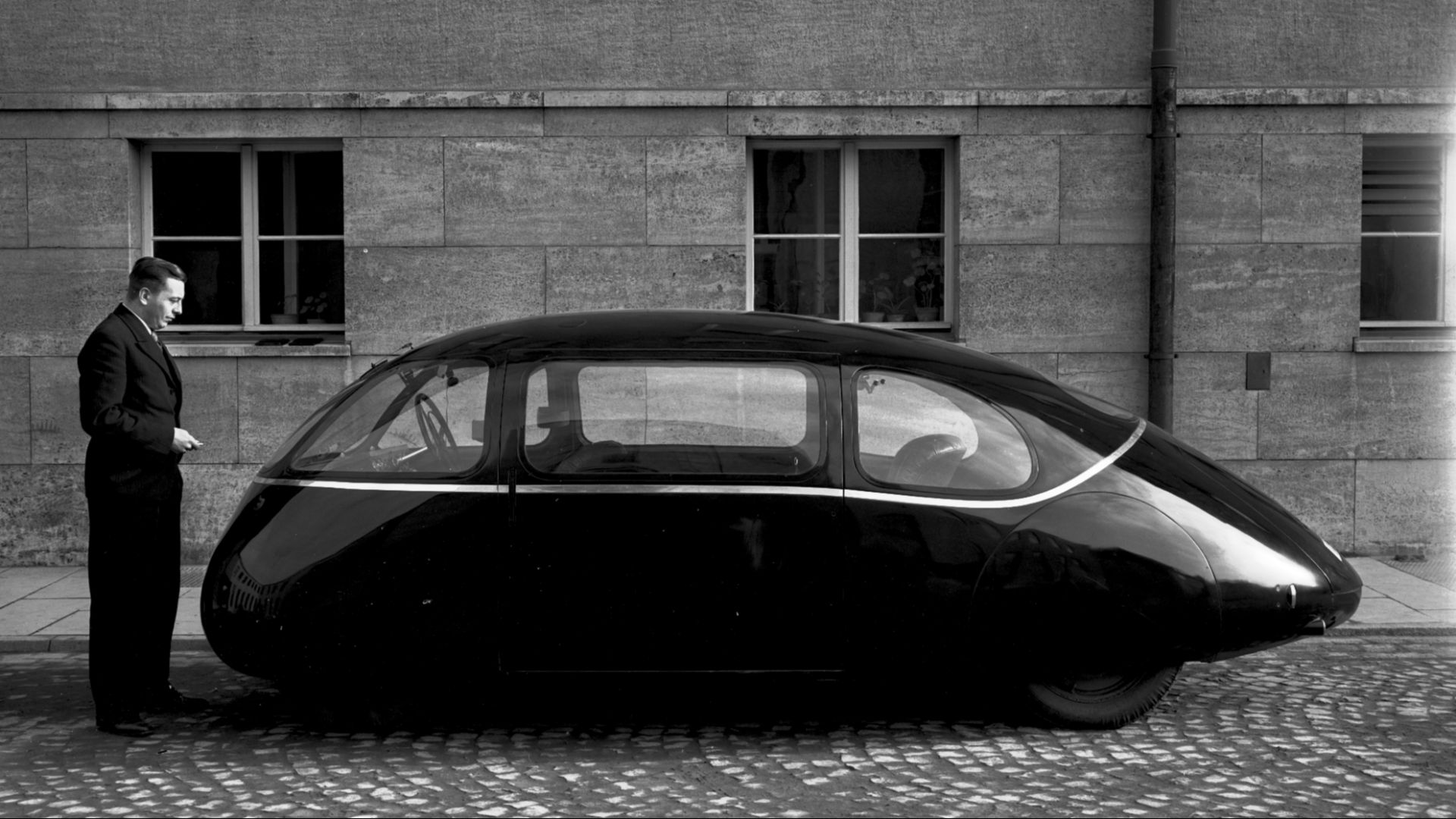
Schlorwagen
In 1939, the Germans constructed one of the most aerodynamic vehicles, the Schlorwagen. Despite a drag coefficient between 0.113 and 0.186, production only went as far as the prototype stages. This keeps it forever an unknown relic of what might have been.
 DLR German Aerospace Center, Wikimedia Commons
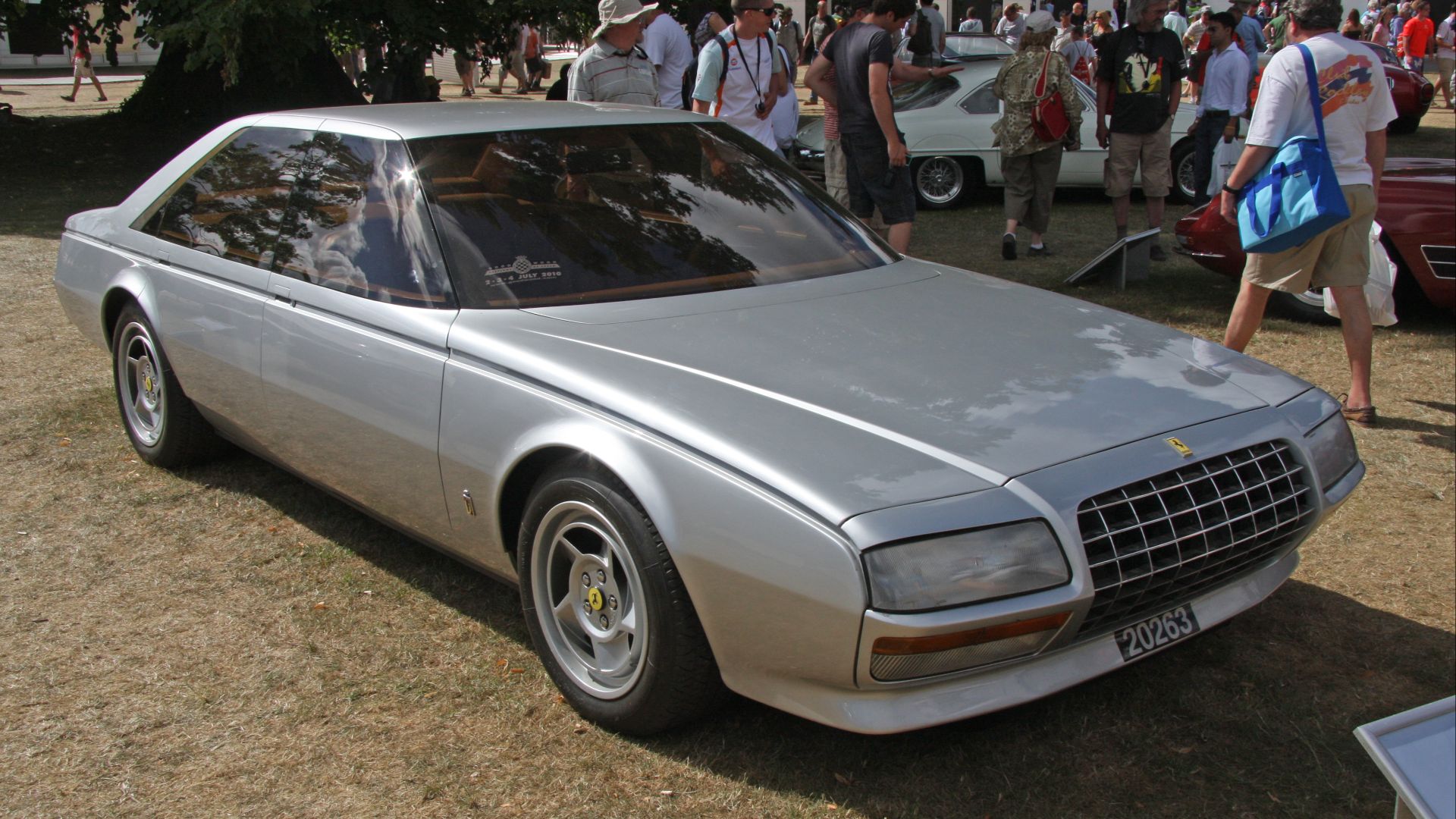
Ferrari Pinin
A Ferrari sedan? The 1980 Pinin concept was exactly that. Designed by Pininfarina, it aimed to blend Italian elegance with practicality. Ferrari never built it and left enthusiasts to imagine an alternate universe where Ferrari ruled the luxury sedan market.
 Brian Snelson, Wikimedia Commons
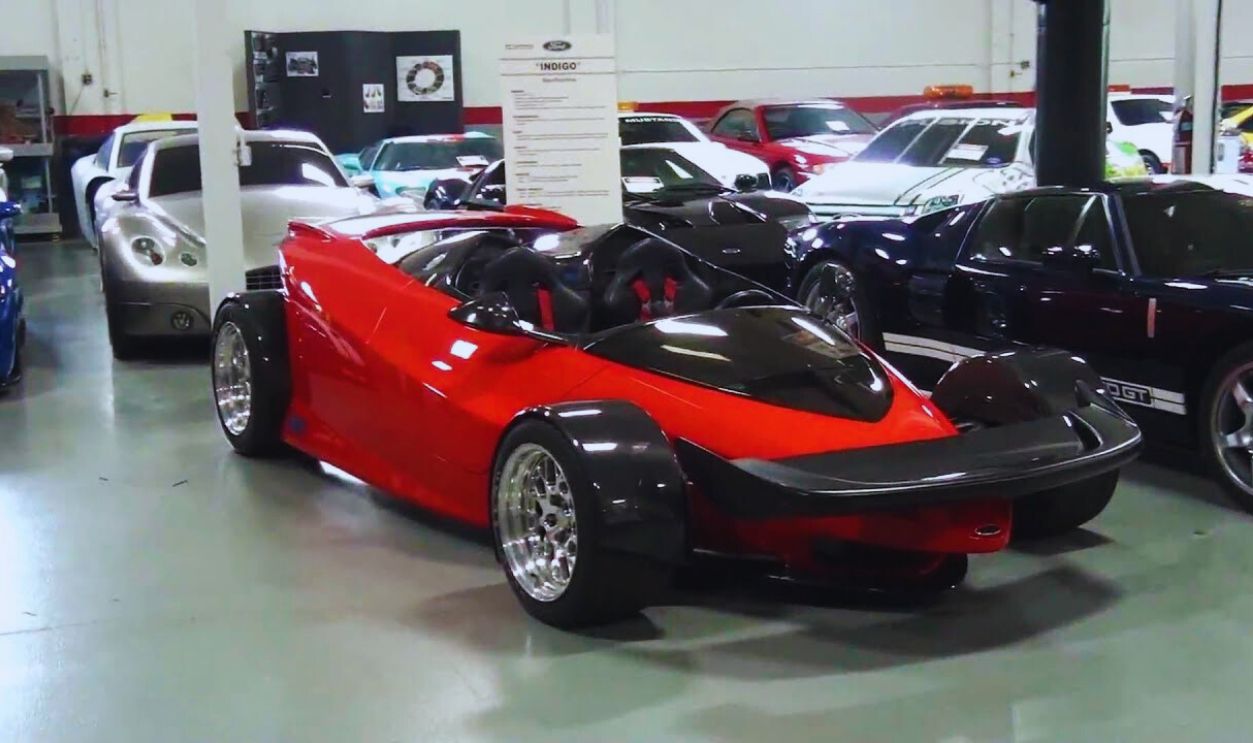
Ford Indigo
Inspired by Formula 1, the 1996 Ford Indigo concept was a lightweight, open-wheel rocket featuring a 6.0L V12. It looked like a race car but was never meant for production. However, its design and engineering showcased Ford’s exploration of advanced materials and performance technology.
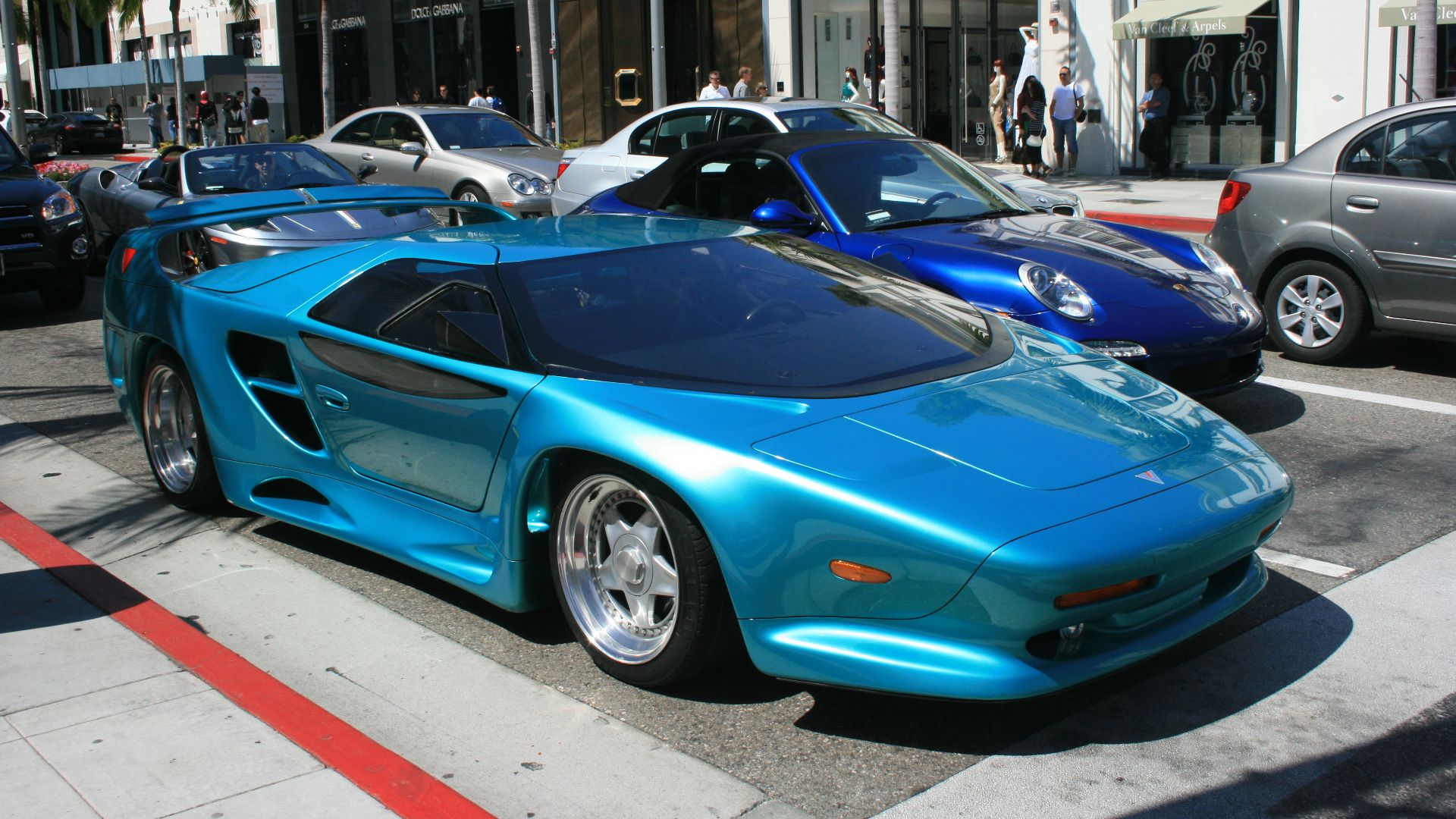
Vector WX-3
The 1992 WX-3 packed a twin-turbo V8 that produced around 1,000 horsepower, with claims of a 1,200-horsepower version. Designed to challenge Ferrari and Lamborghini, it never reached production due to company turmoil. Its unconventional design and extreme performance specs remain a thrilling "what-if" in supercar history.
 Supermac1961 from CHAFFORD HUNDRED, England, Wikimedia Commons
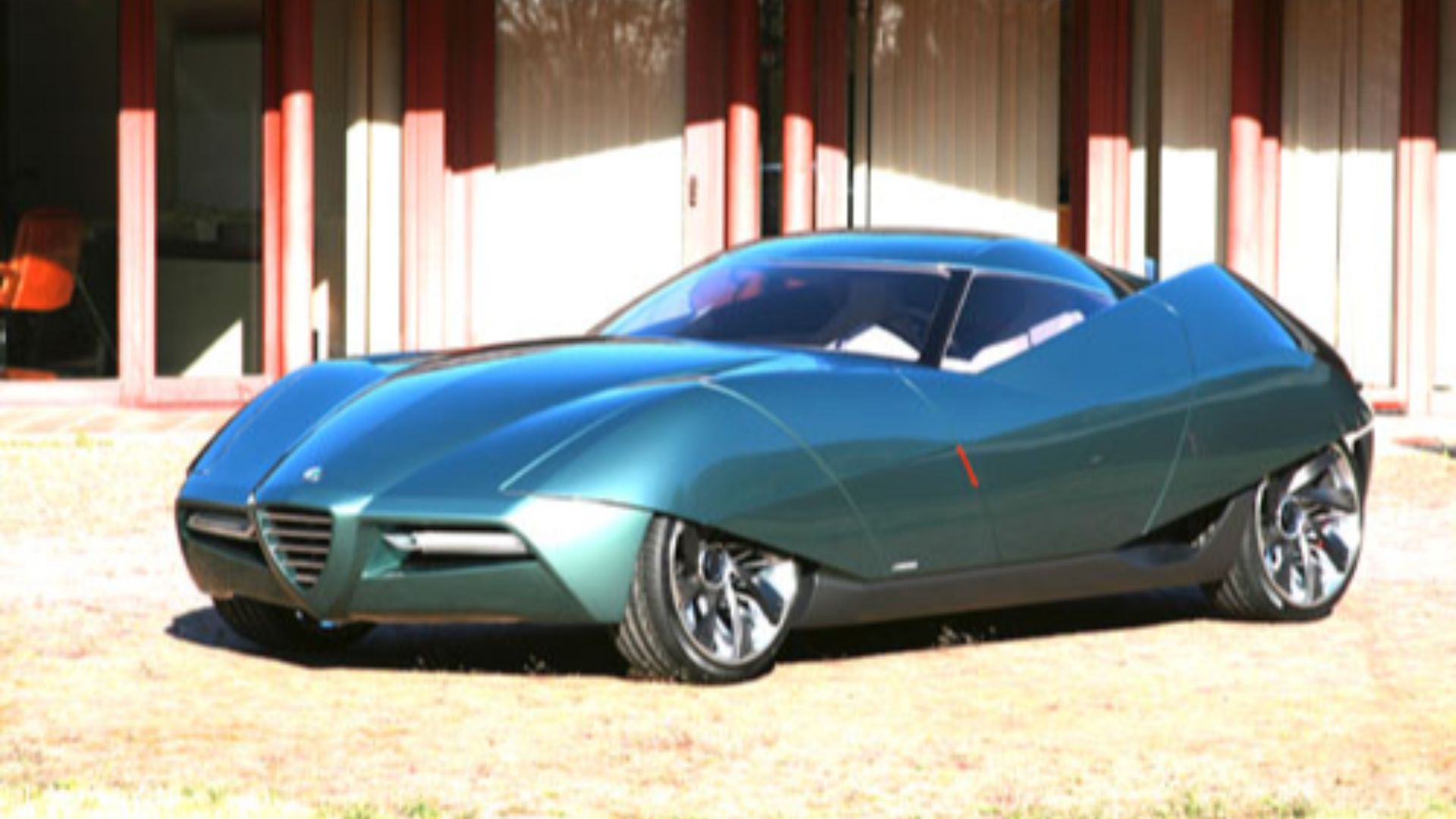
Alfa Romeo BAT 11
Designed by Bertone, the 2008 Alfa Romeo BAT 11 took aerodynamic styling to an extreme with sharp lines and theatrical curves. It also brought the fabled Berlina Aerodinamica Tecnica series back to life. But it never progressed beyond the concept phase, although fans yearned for its presence on the road.
 SOCIALisBETTER, Wikimedia Commons
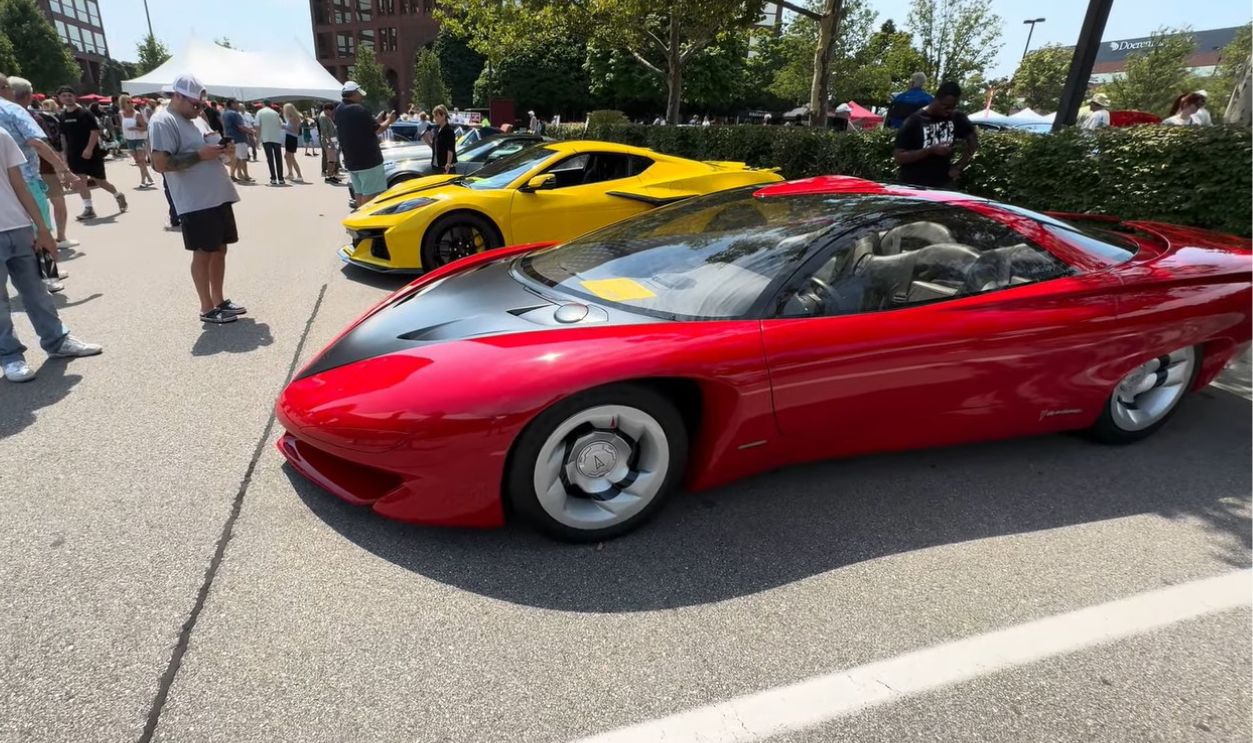
Pontiac Banshee IV
A Corvette rival that never was, the 1988 Pontiac Banshee IV hinted at Pontiac’s sports car future. With sleek aerodynamics and pop-up headlights, it predated the fourth-gen Firebird’s look. GMC deemed it too much competition for the Corvette and sealed its fate as an abandoned legend.
 1988 Pontiac Banshee IV Walk Around! 1 of 2 EVER made! by Shelby_Moe5.2
Dodge Tomahawk
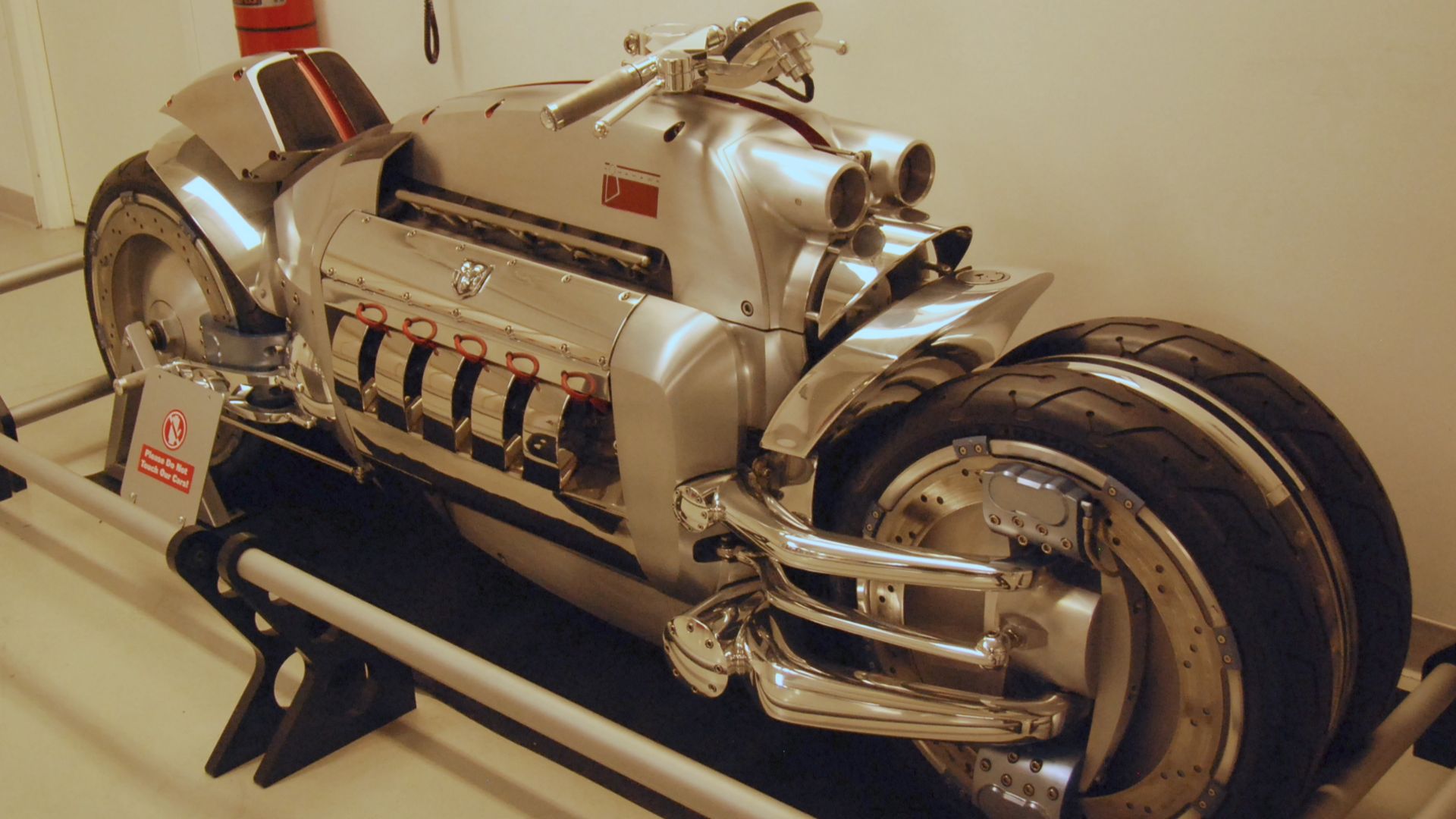
Was it a wheelie motorcycle or a wheeled missile? The 2003 Dodge Tomahawk had a Viper V10 engine and a theoretical top speed of almost 400 mph, but never proven. Its outlandish four-wheel design ensured that it was not roadworthy. Yet, it took its place as a jaw-dropping concept.
 Corvair Owner, Wikimedia Commons
Toyota Alessandro Volta
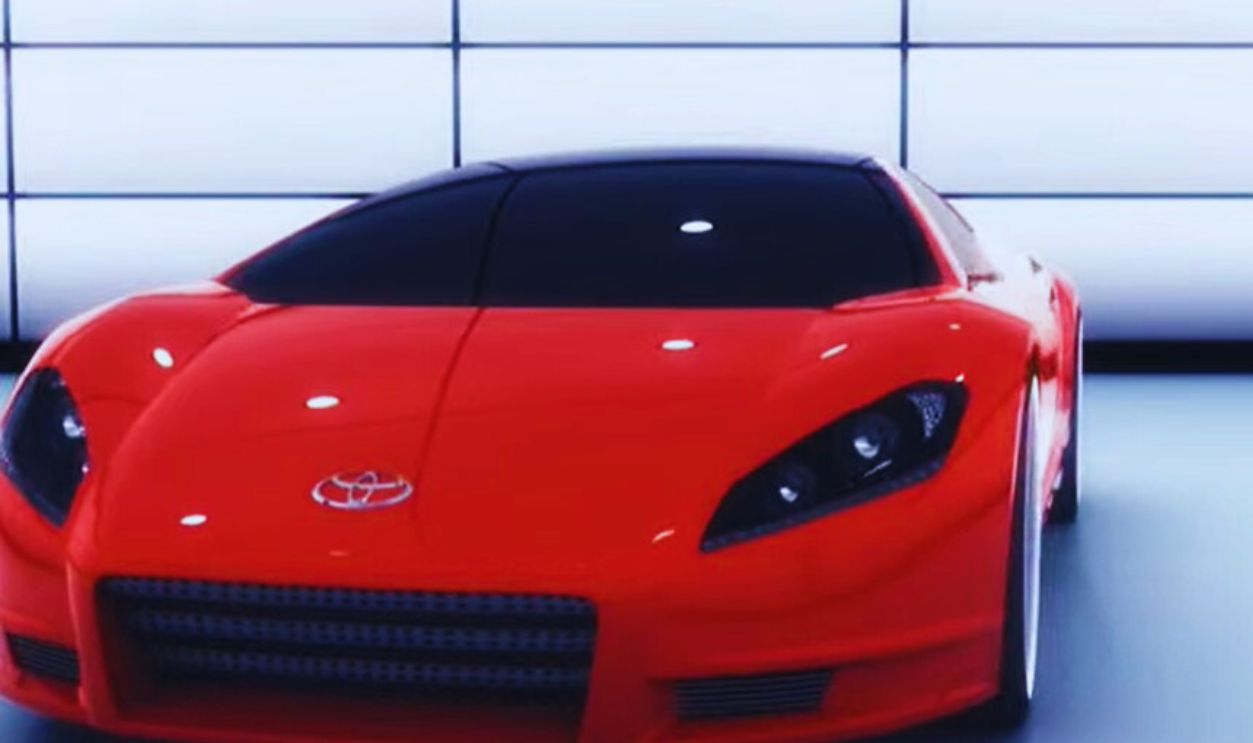
Years before performance hybrids became mainstream, Toyota unveiled the futuristic Alessandro Volta concept. Combining a 3.3L V6 with an electric drivetrain, the sleek supercar delivered around 402 horsepower while hinting at a future where speed and efficiency could coexist. Toyota never pushed the project beyond the concept stage, but the Volta now feels strangely ahead of its time.
 Toyota Alessandro Volta - Official video by Italdesign by Carrozzieri Italiani
Lancia Stratos HF Zero
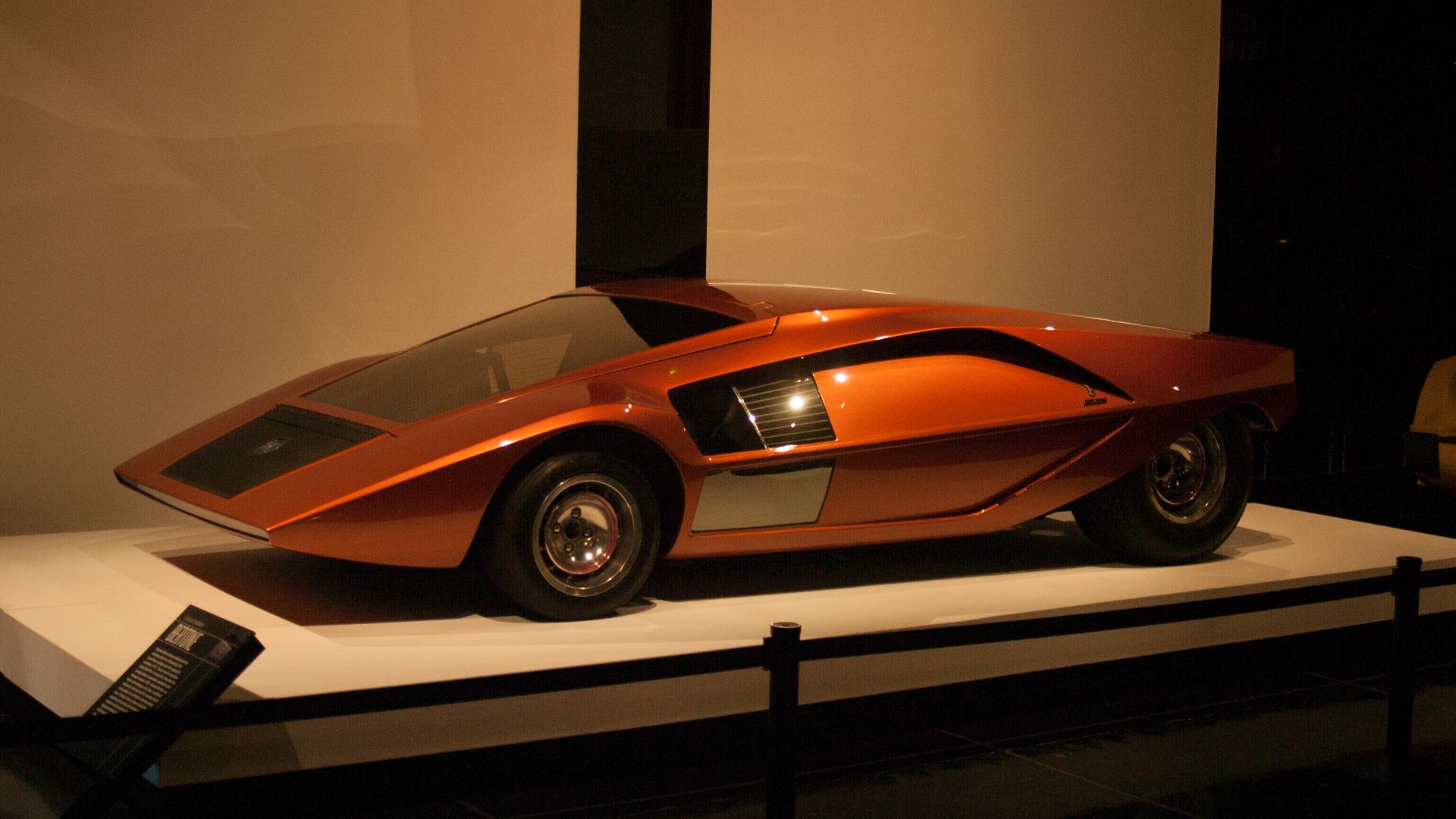
No traditional windshield, no roof—just pure concept car insanity. The 1970 Lancia Stratos HF Zero, designed by Bertone, looked like a spaceship on wheels. This wedge-shaped masterpiece influenced future supercars but remained a one-off vision, locked away in automotive museums.
 Dustin May from Detroit, MI, Wikimedia Commons
Honda FC Sport
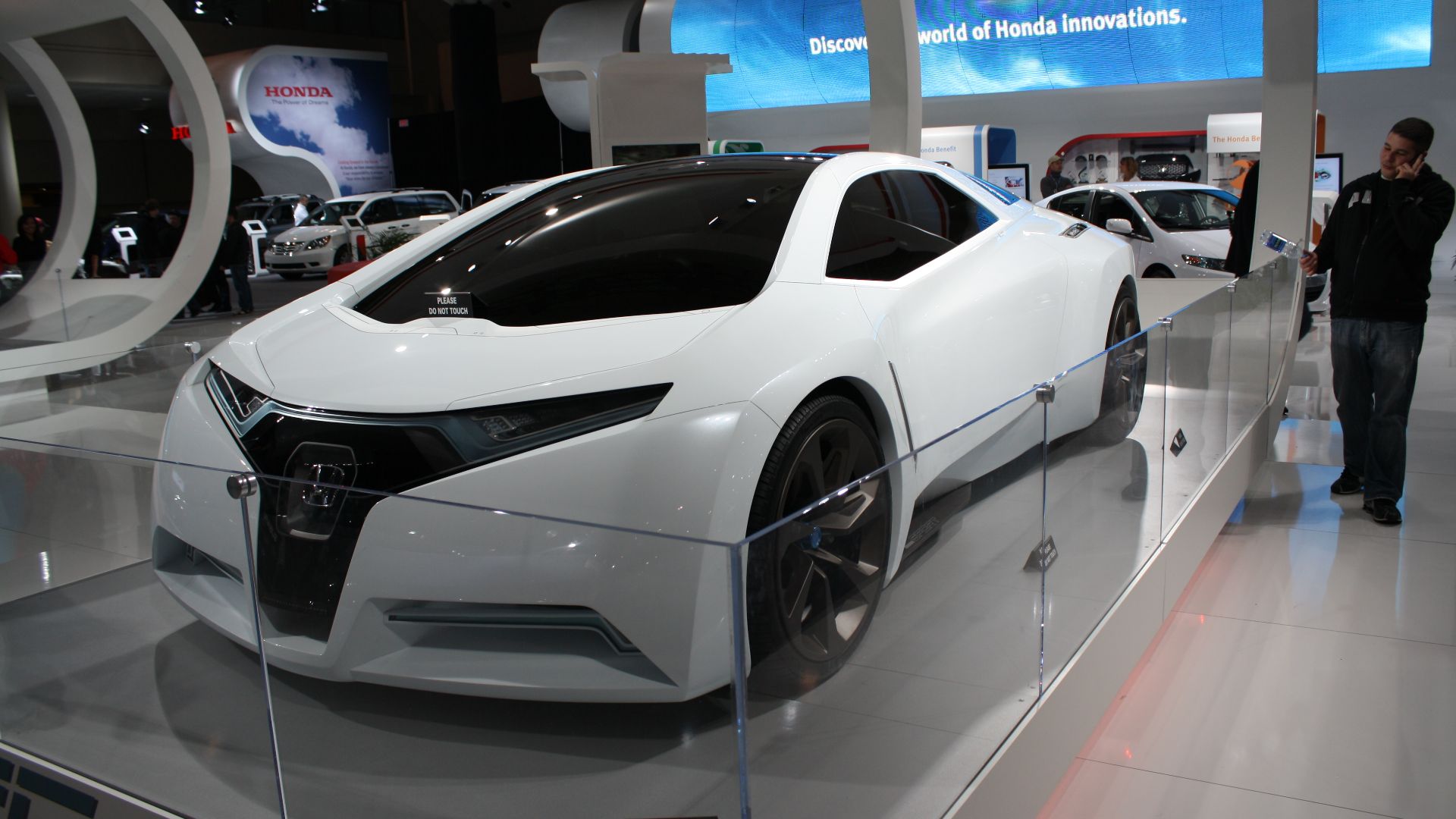
Hydrogen-fueled and modern, the 2008 Honda FC Sport concept was designed to show that fuel cells could be cool. A light chassis, aggressive design, and emissions-free acceleration made it a showstopper. But as a design study, it was a concept, never meant to be produced.
 Adhishb at English Wikipedia, Wikimedia Commons
Bugatti Galibier 16C
A four-door Bugatti? The 2009 Galibier 16C concept promised just that, with an 8.0L W16 engine and ultimate grandeur. Bugatti toyed with production, but the project was shelved. Vehicle lovers still dream of a sedan that could have redefined the hyper-luxury segment.
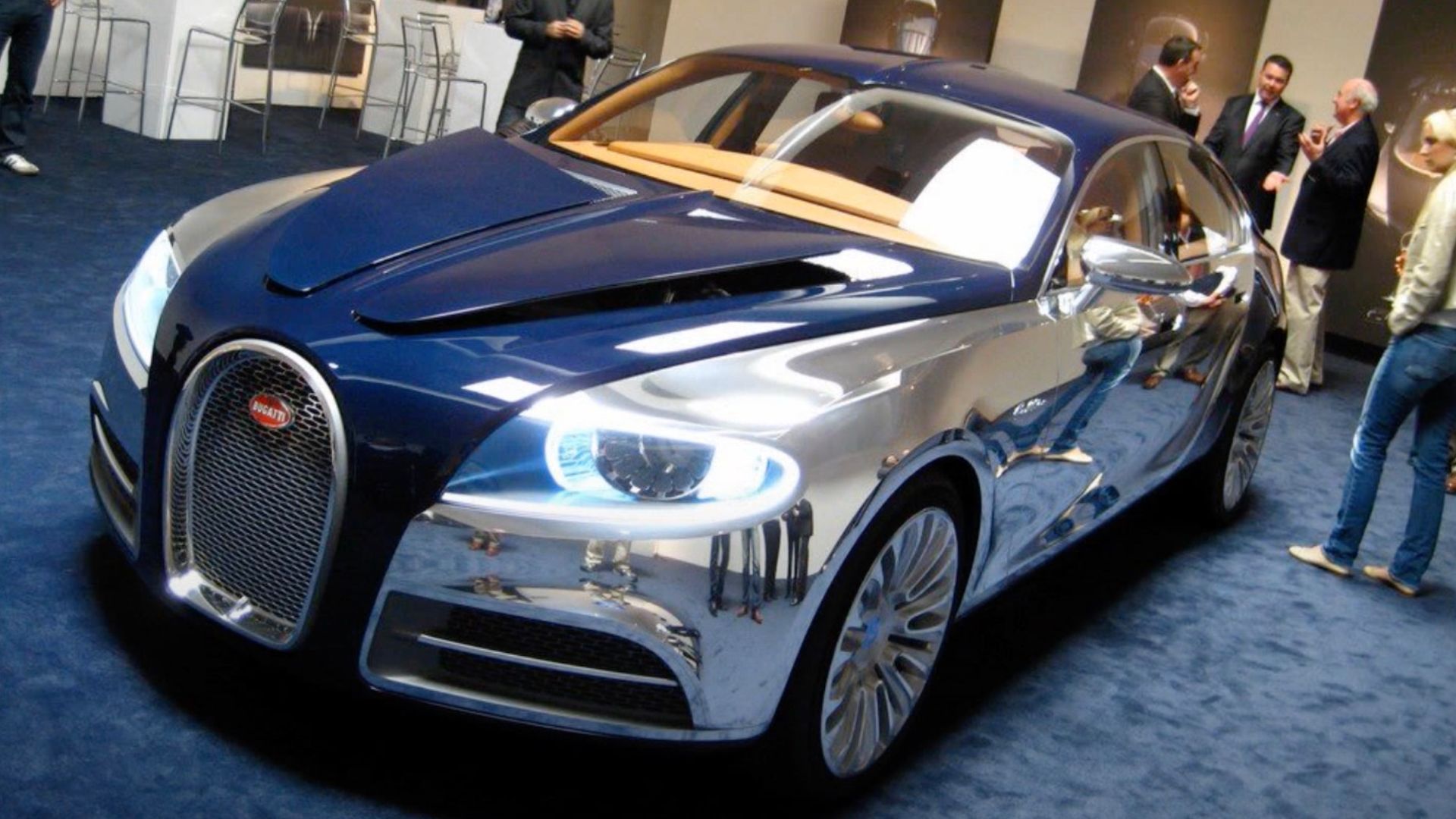 pelican-actor, Wikimedia Commons
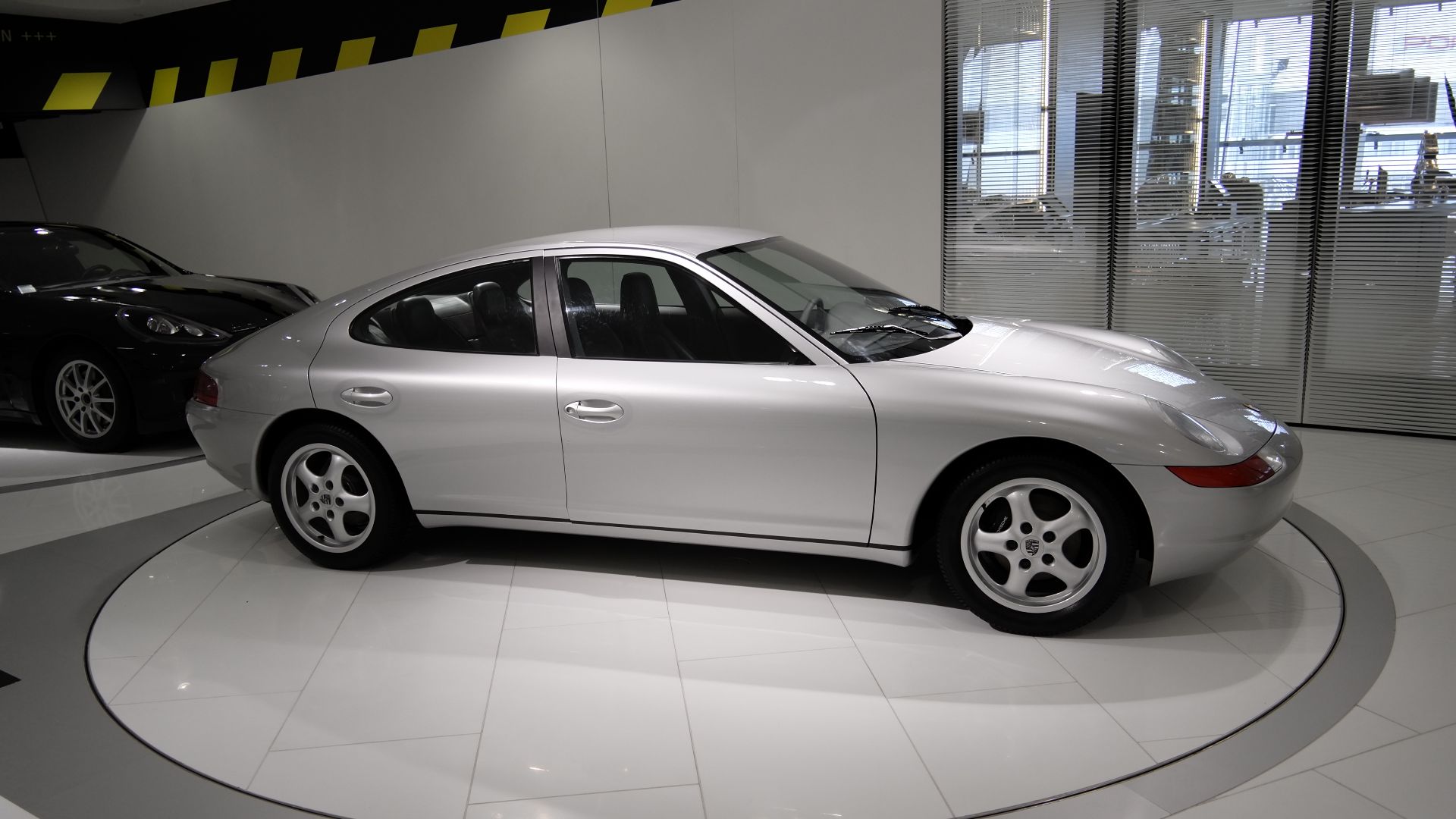
Porsche 989
Prior to the Panamera, there was the 989. Conceived in 1988, this four-door Porsche had a front-engine V8 and a low, coupe-like profile. Budgetary issues put an end to its development, but its DNA went on to inform Porsche's extremely successful grand sedan range.
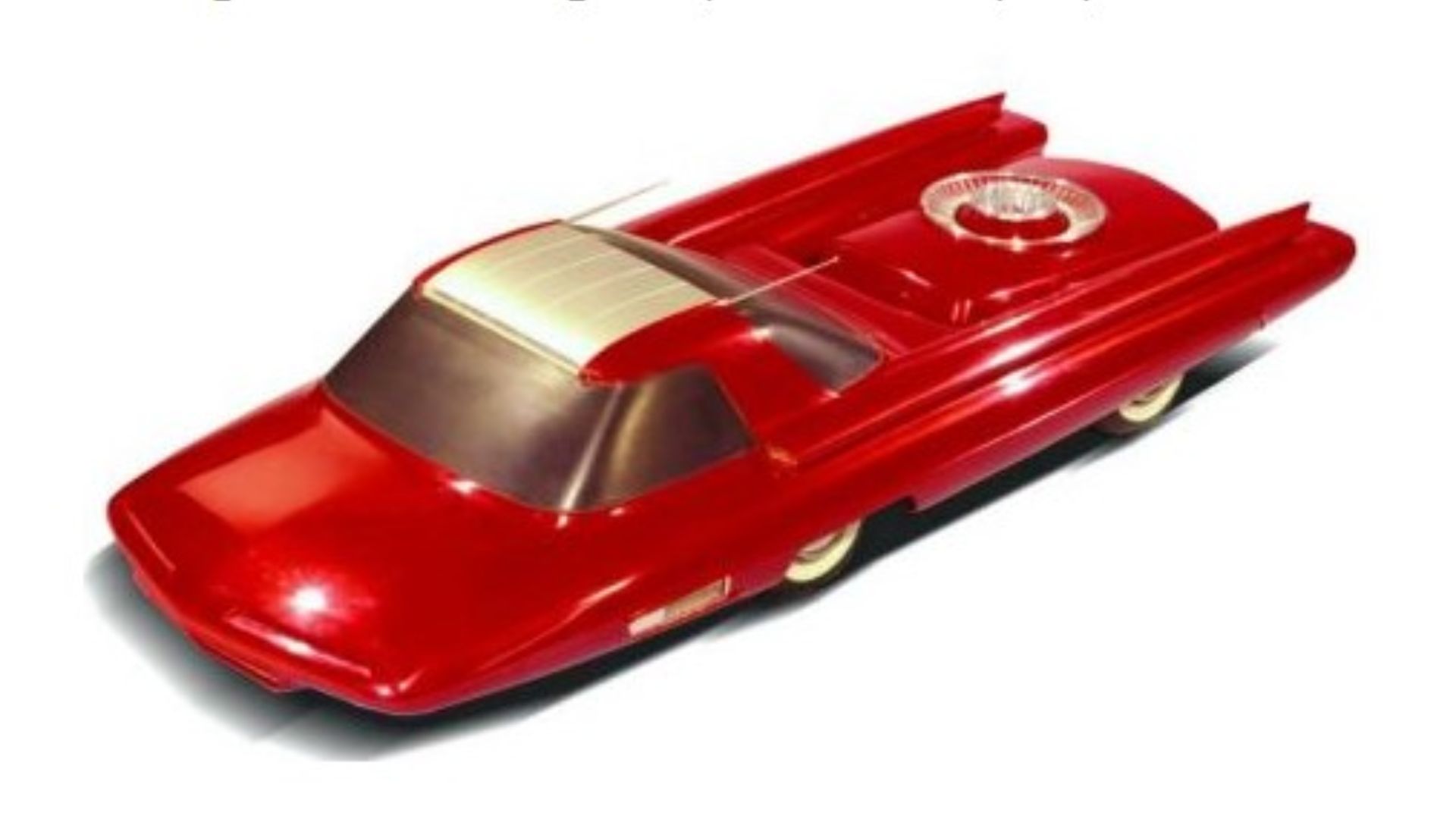
Ford Nucleon
Ford dreamed up the Nucleon in 1958, a nuclear-powered vehicle with a tiny reactor in the back. The futurism-inspired vehicle had a 5,000-mile range without refueling. Safety issues and technology held it back from production, and the Nucleon remained a daring, unfulfilled dream.
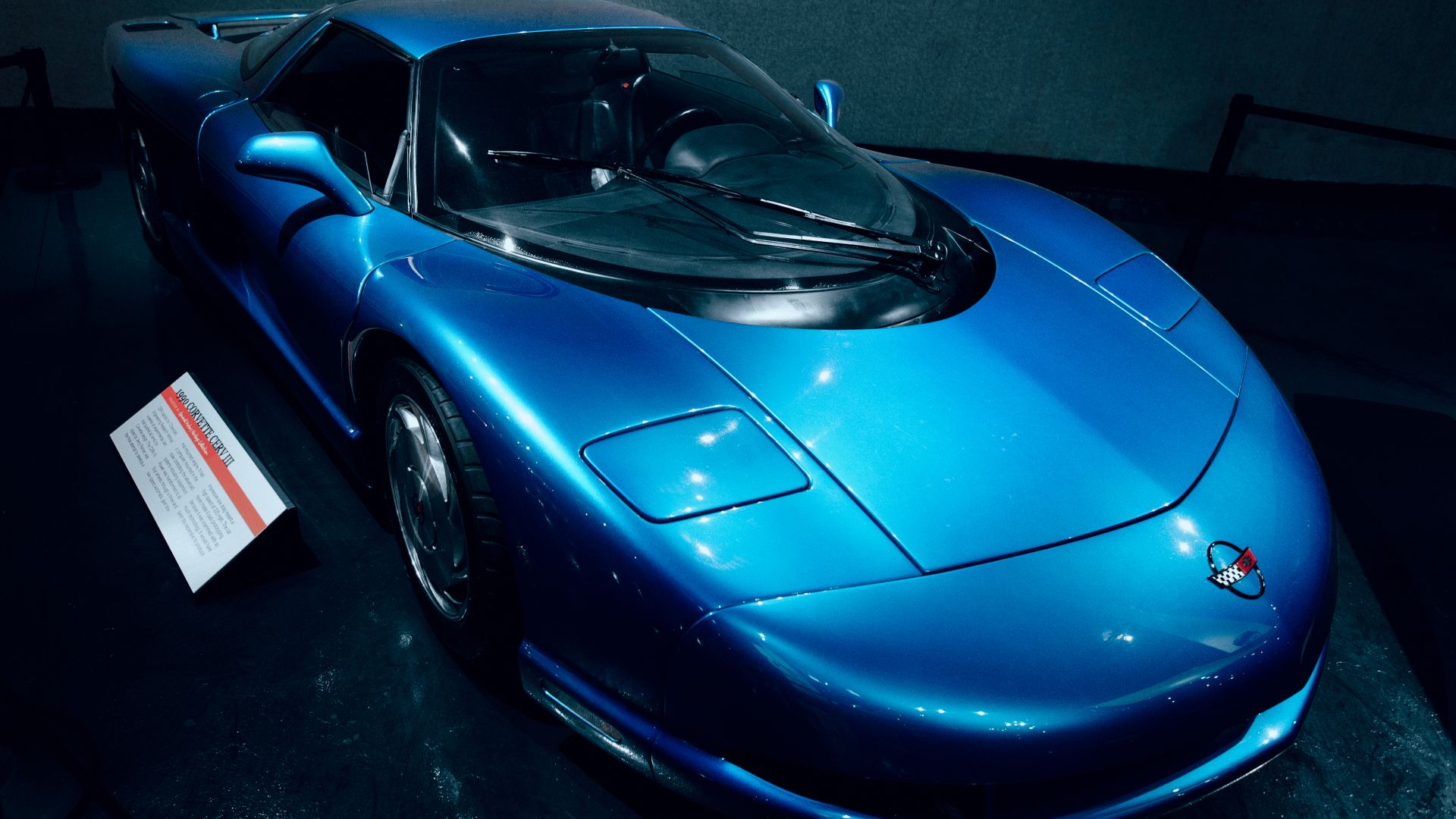
Chevrolet CERV III
The 1990 mid-engine Chevrolet CERV III prototype packed twin-turbo power and advanced AWD decades before the C8. It previewed Corvette’s possible future, but General Motors deemed it too costly. Its spirit, however, lived on in Corvette’s evolution.
 Eric Kilby from Somerville, MA, USA, Wikimedia Commons
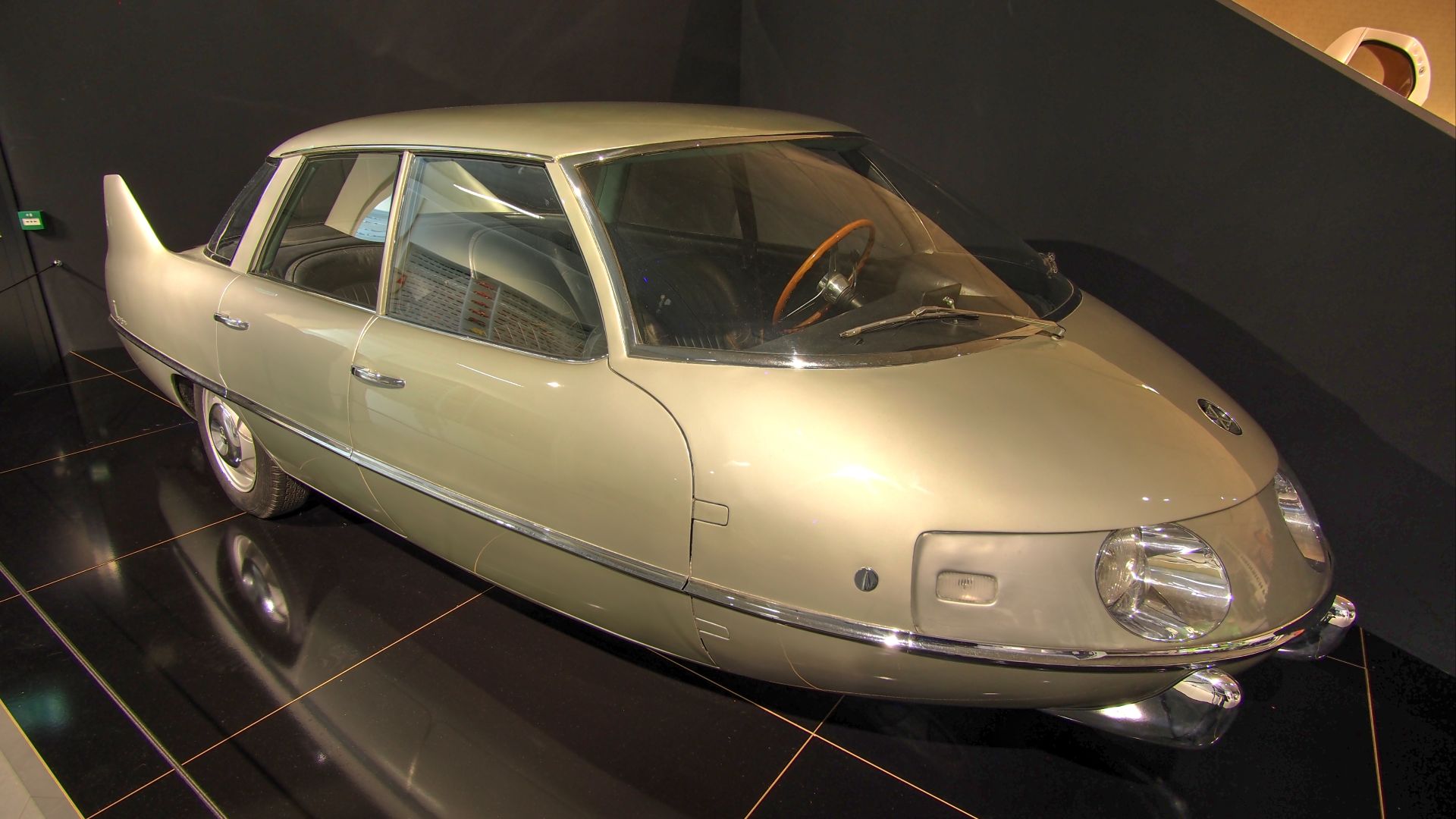
Pininfarina X
The 1960 Pininfarina X looked like a car from another planet. Built as a rolling aerodynamics experiment, the bizarre teardrop-shaped concept featured an unusual rhomboid wheel layout designed to maximize efficiency and reduce drag. It was far too strange for mass production, but the futuristic oddity became one of the boldest examples of how wildly experimental car design could get.
 Alf van Beem, Wikimedia Commons
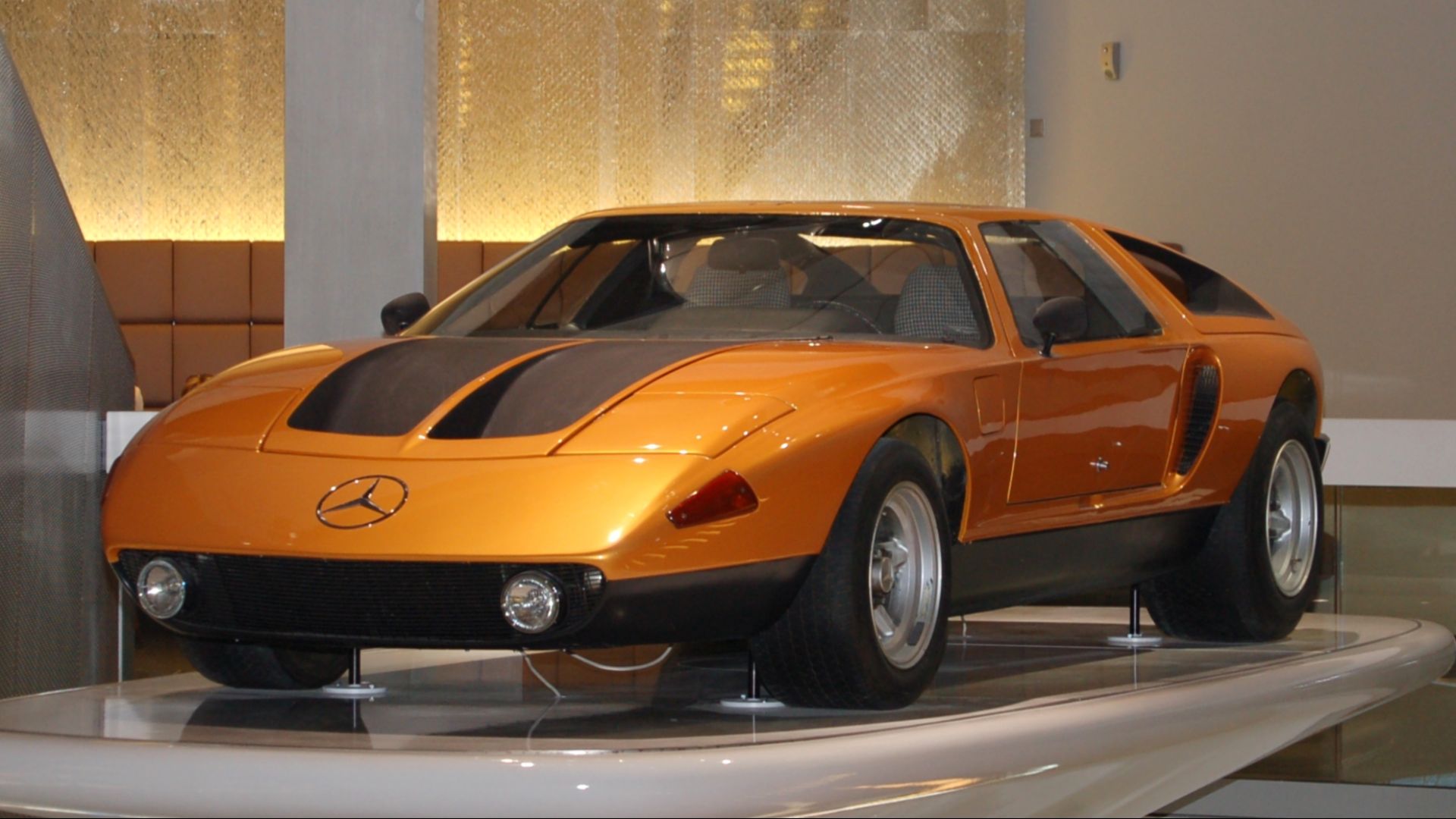
Mercedes-Benz C111
A rotary-powered test car, the 1969 Mercedes-Benz C111 tried out new technologies such as gullwing doors and lightweight construction. It was fast and efficient on fuel, with a unique appearance. However, reliability issues and expenses kept it from the production line, which made it a museum car.
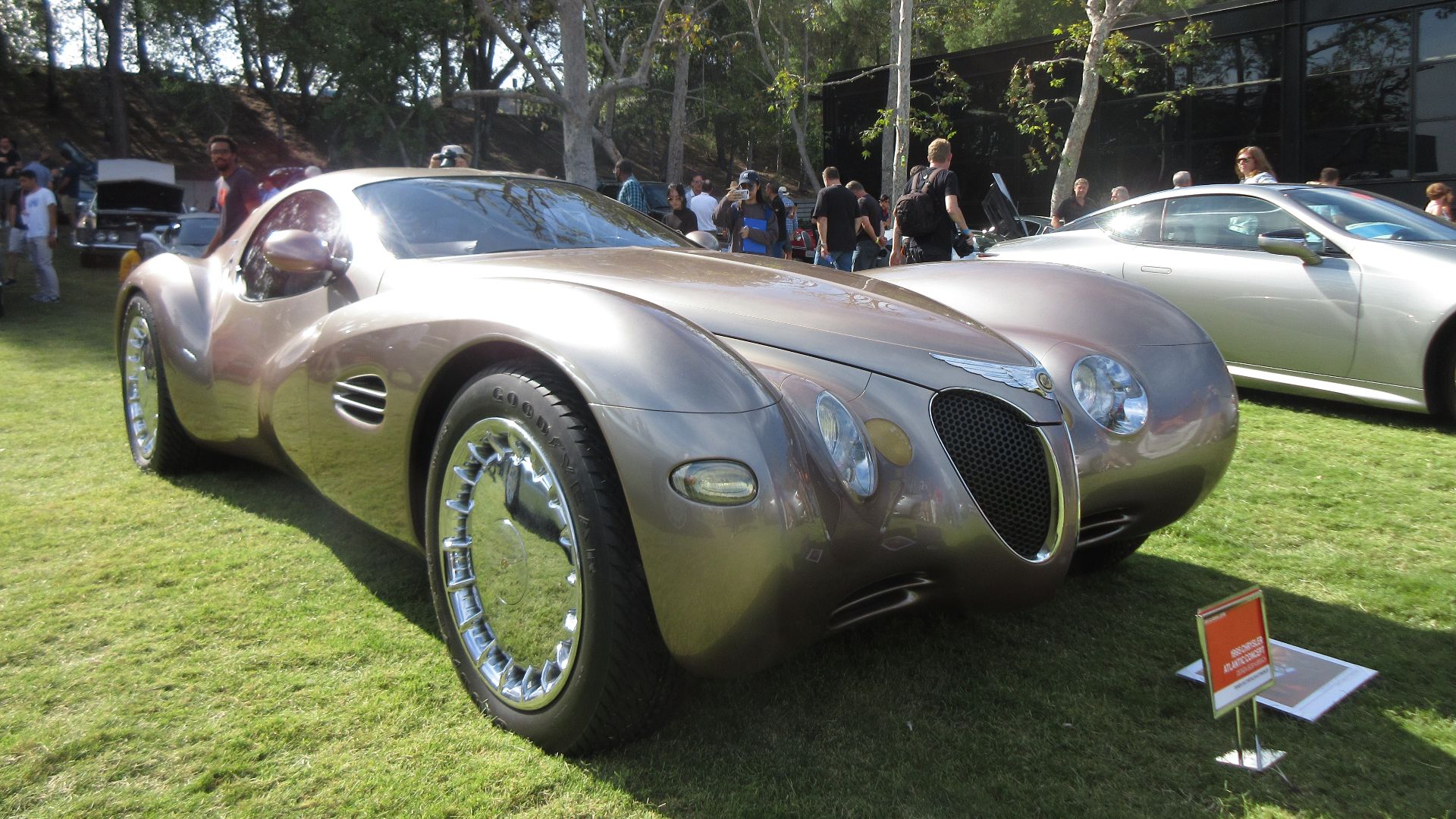
Chrysler Atlantic
A 1930s-style grand tourer in the 1990s? The Chrysler Atlantic embraced Art Deco aesthetics with modern engineering. Inspired by the Bugatti Type 57SC, it was a stunning retro-inspired design. Unfortunately, it remained a design exercise, never making it to showrooms.
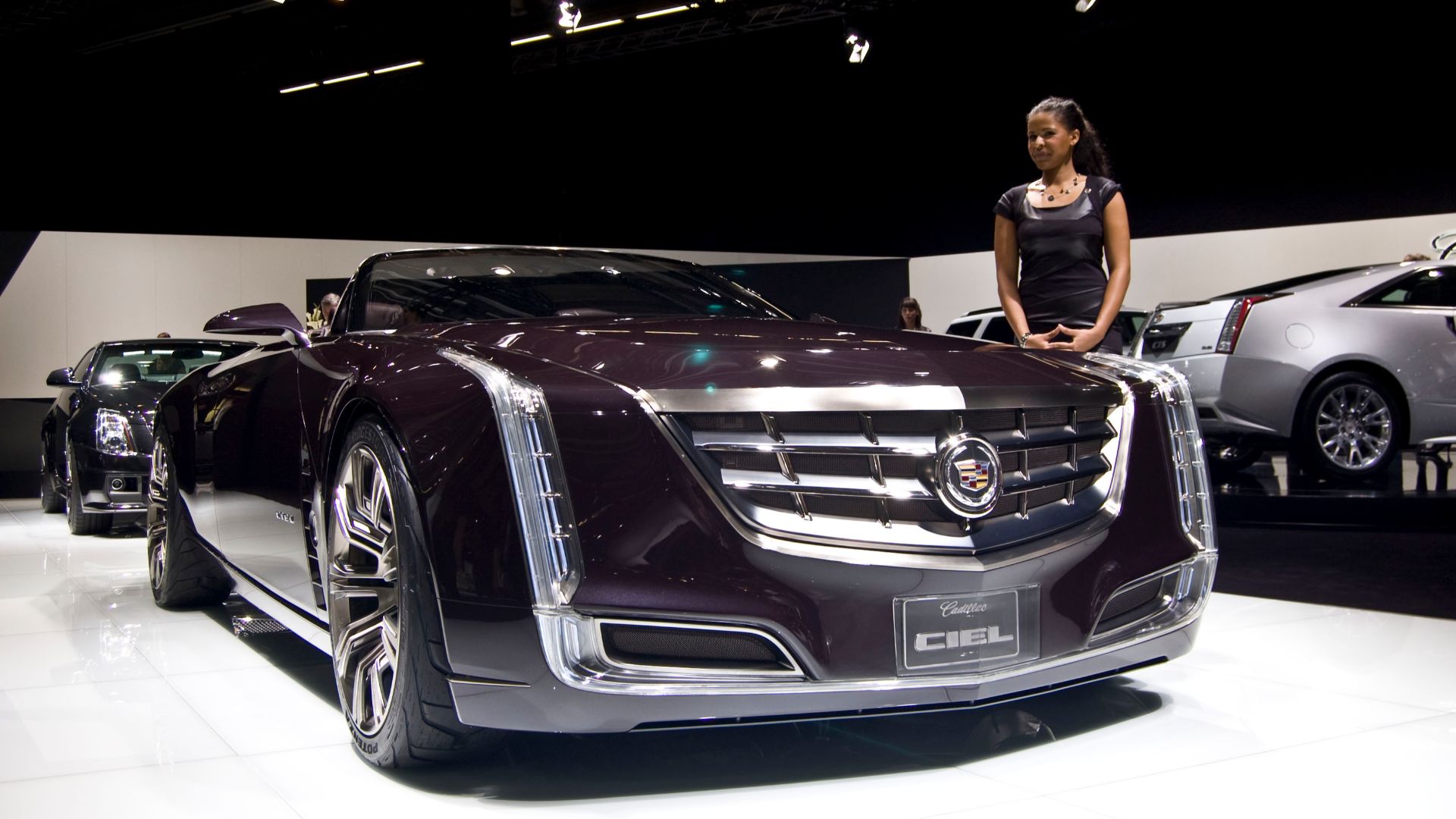
Cadillac Ciel
Introduced in 2011, the Cadillac Ciel was a four-door convertible concept emphasizing exclusivity and elegance. Equipped with a twin-turbocharged V6 hybrid engine, it featured rear-hinged doors and a spacious interior. Despite positive reception, the Ciel was never mass-produced.
 David Villarreal Fernández, Wikimedia Commons
Mitsubishi HSR-II
The 1989 Mitsubishi HSR-II showcased advanced aerodynamics and technology. Its futuristic design and features hinted at a new era of performance. Mitsubishi never produced it, but elements of its tech found their way into later models.
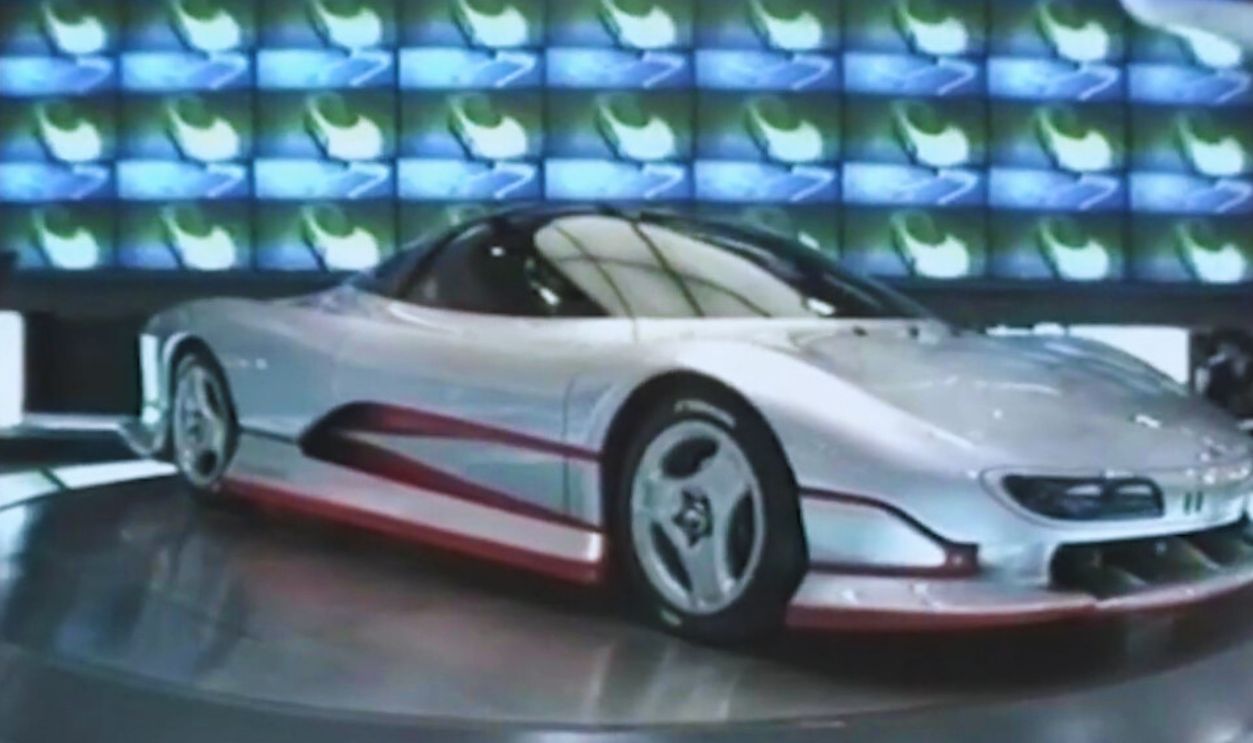 Mitsubishi HSR II: The Late 1980s Vision of the Future of Sportscars by Chris VS Cars
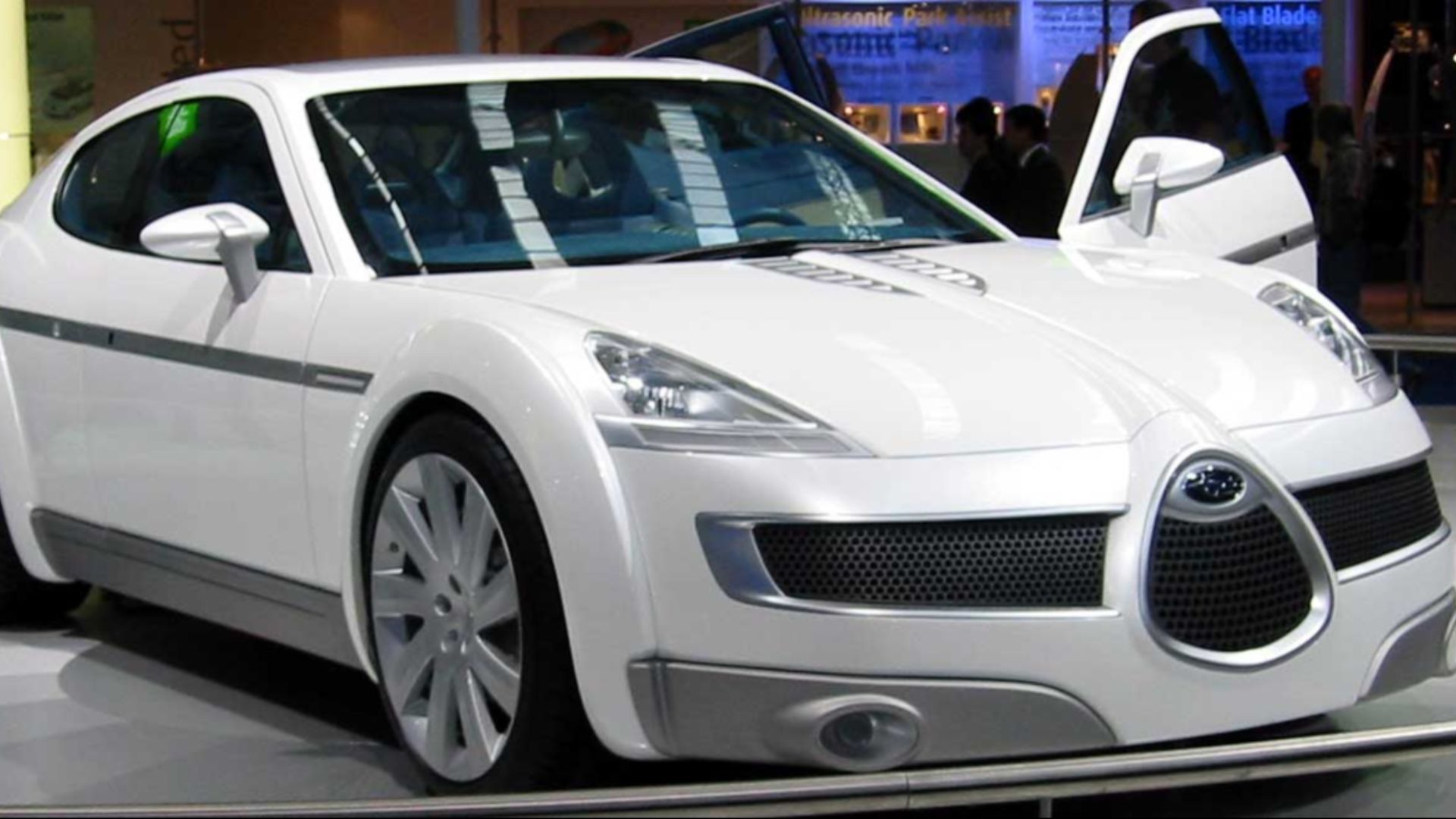
Subaru B11S
An elegant departure from Subaru’s rugged image, the 2003 B11S concept blended performance and refinement. Featuring a twin-turbo boxer engine and all-wheel drive, it hinted at a high-performance Subaru coupe. Yet, it vanished from development and left car lovers wondering about its potential.
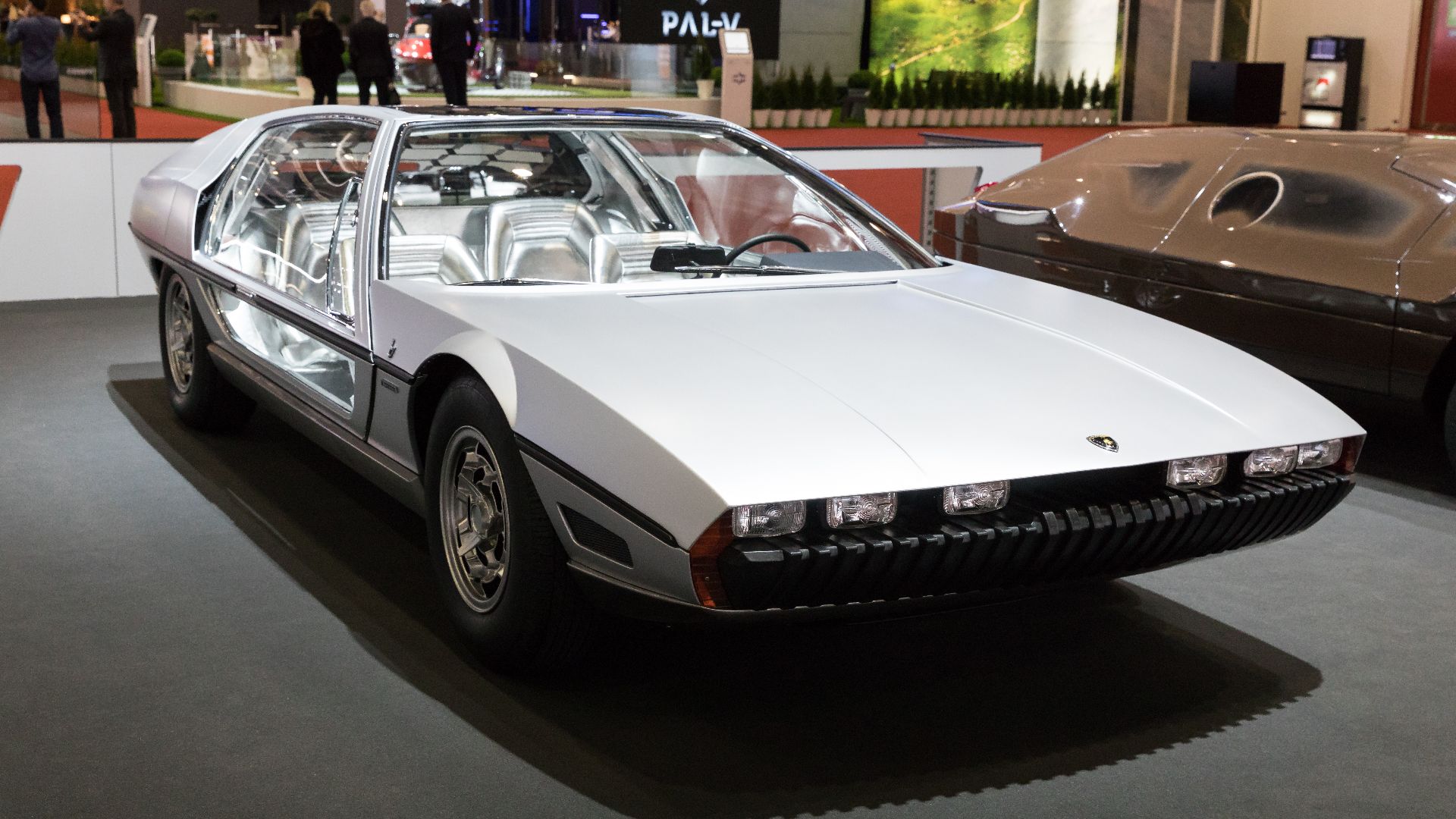
Lamborghini Marzal
A four-seat Lamborghini with glass gullwing doors? The 1967 Marzal concept broke the mold. Created by Marcello Gandini at Bertone, it was a futuristic-looking car with a mid-mounted 2.0-liter inline-six engine. Lamborghini never made it, but its design is evident in subsequent grand touring concepts.
 Matti Blume, Wikimedia Commons
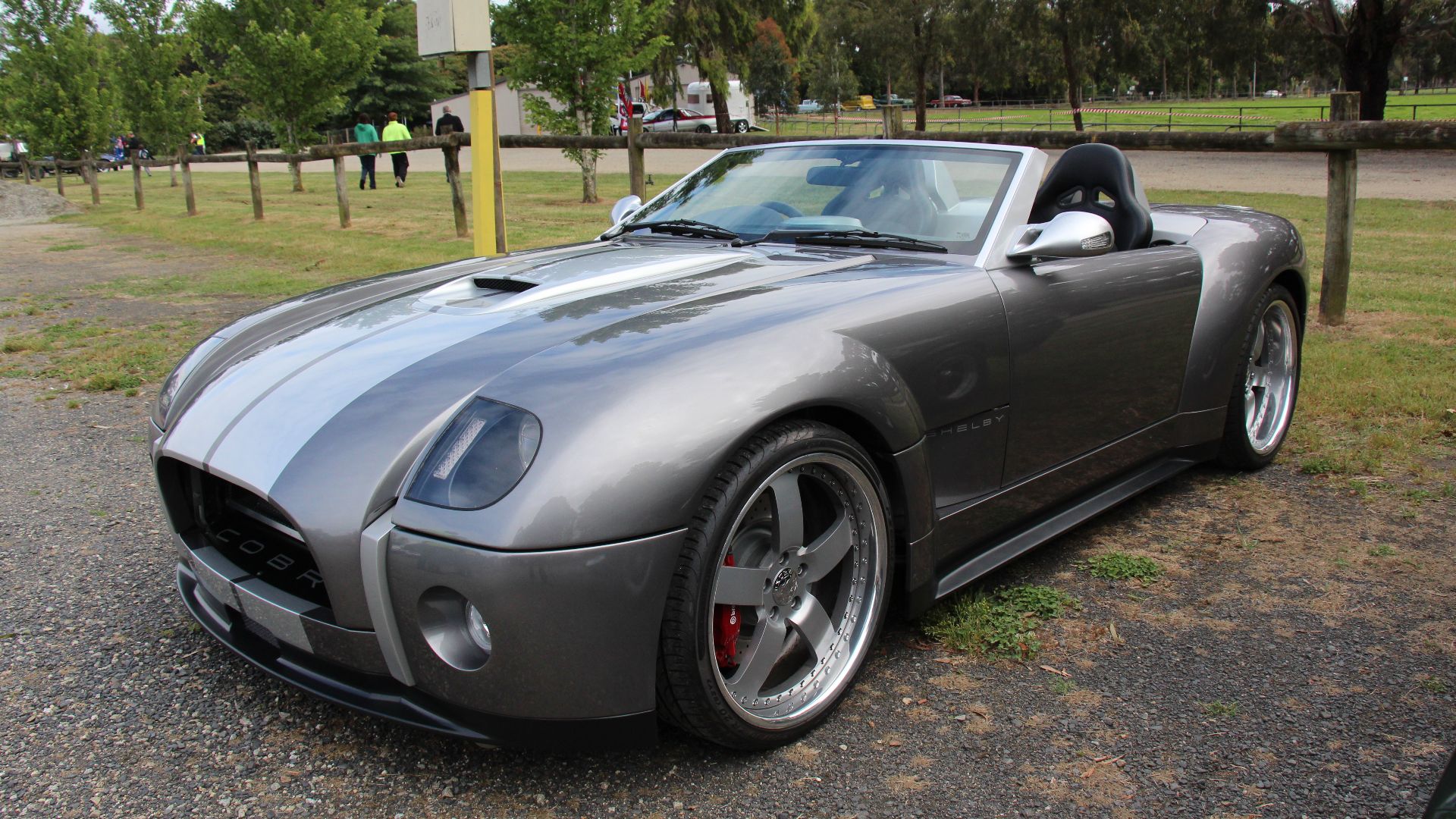
Ford Shelby Cobra Concept
Ford brought the legend roaring back in 2004 with the Shelby Cobra Concept, a modern reimagining of the iconic roadster. Armed with a monstrous 6.4-liter V10 pumping out 605 horsepower, the retro-inspired beast looked ready to terrorize highways all over again. But despite the hype and jaw-dropping performance promises, the Cobra never escaped concept status and quietly faded into automotive “what could’ve been” history.
Peugeot Oxia
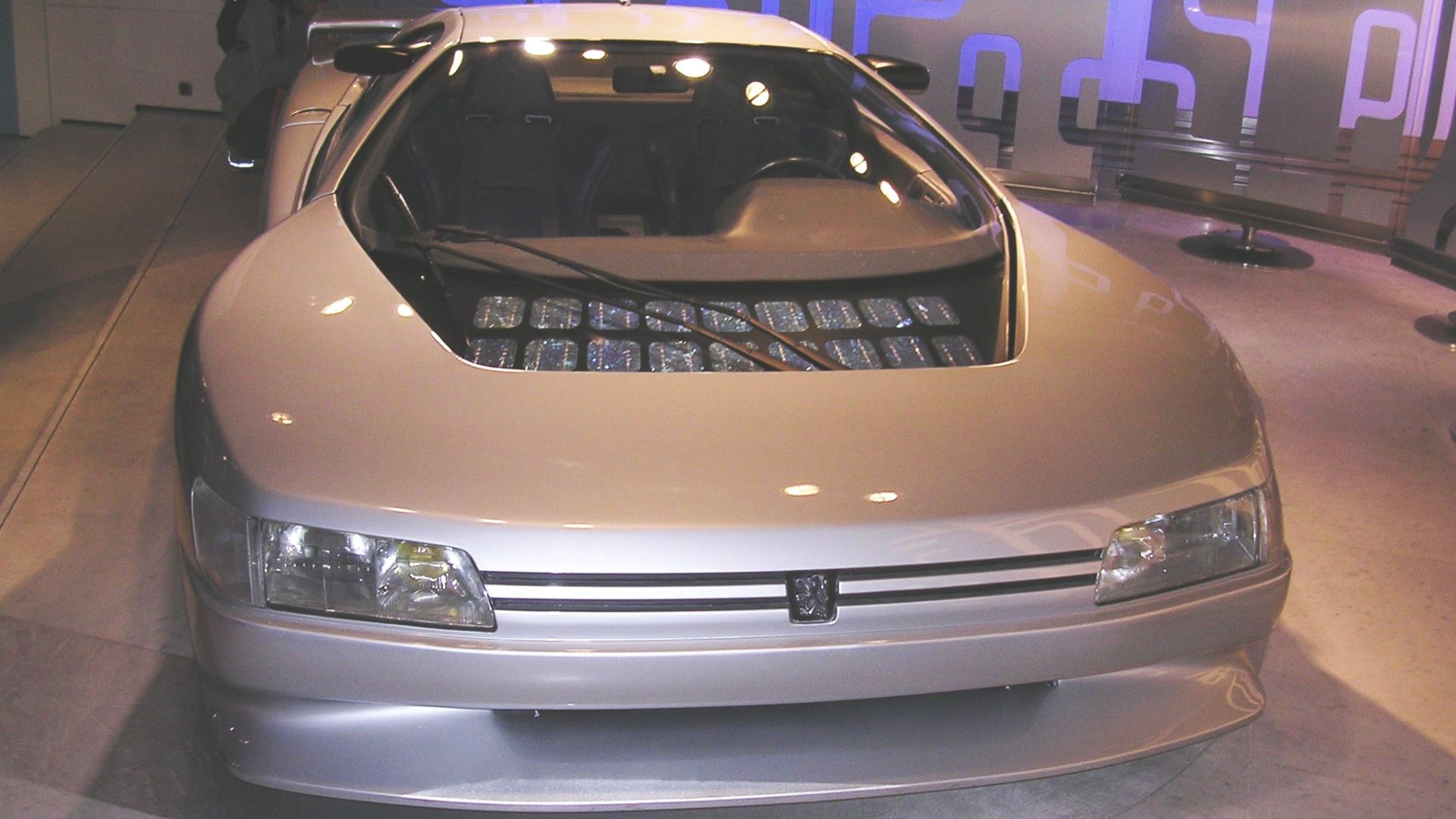
With 670 horsepower and a claimed top speed of around 186 mph, the 1988 Peugeot Oxia was a true supercar contender. Its futuristic design pushed boundaries, but Peugeot never pursued production. This French speed machine is a lost masterpiece.
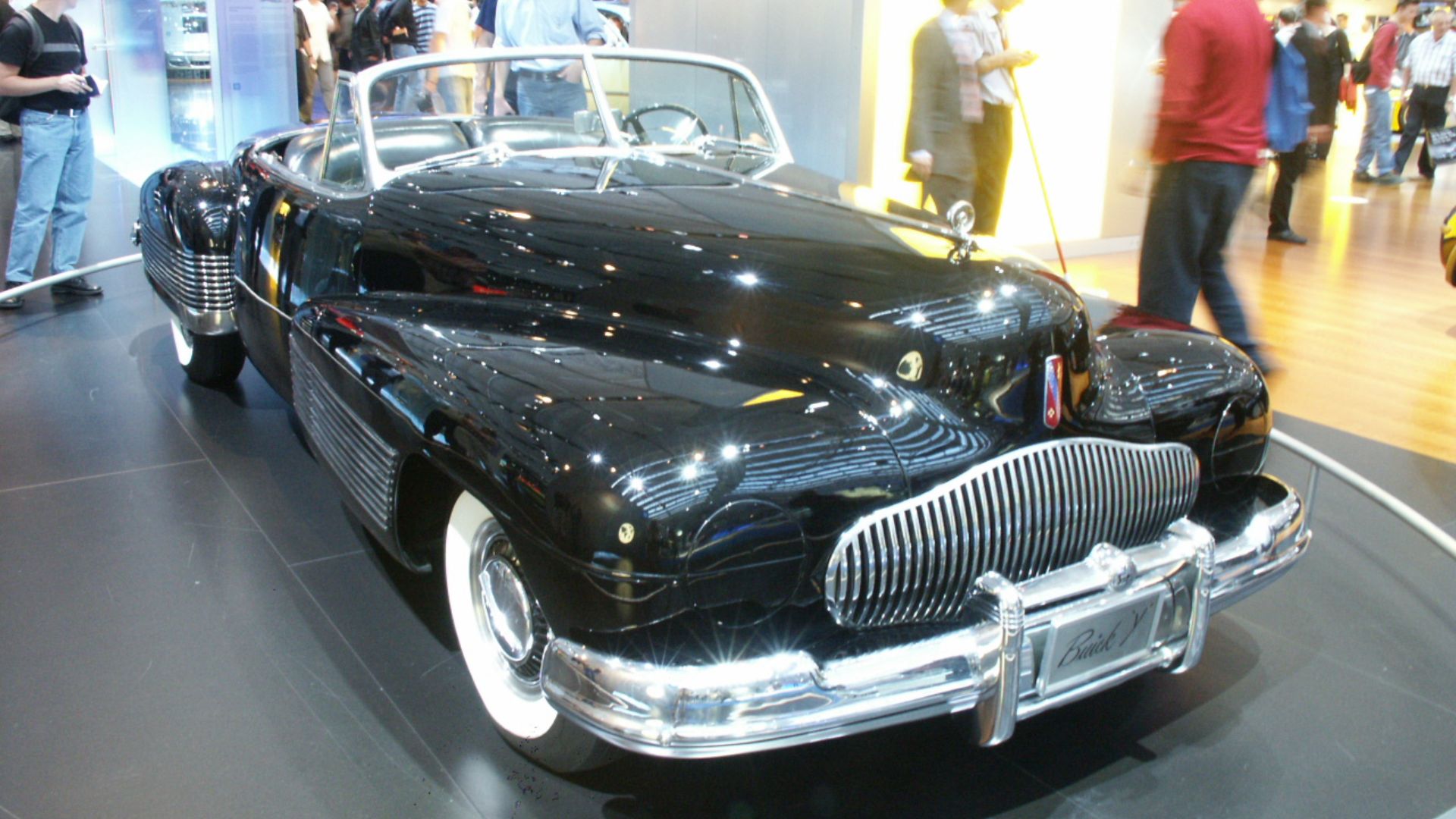
Buick Y-Job
The world’s first concept car, the 1938 Buick Y-Job, was designed by George Snyder under the direction of Harley Earl, and it previewed future styling trends. Though never intended for production, its sleek lines and hidden headlights made it an instant legend.
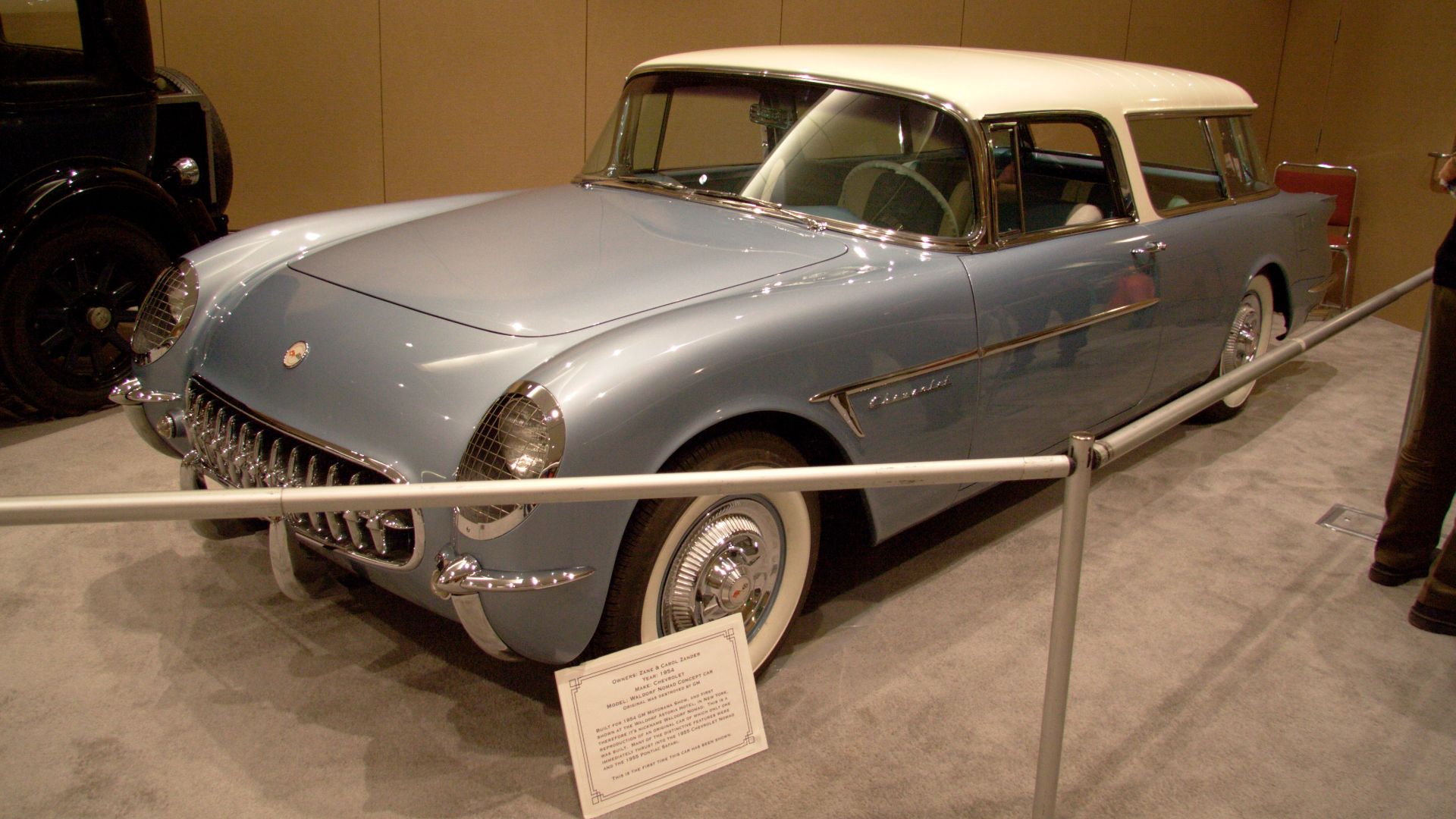
Chevrolet Nomad Concept (1954)
Blending sports car dynamics with wagon practicality, the 1954 Chevrolet Nomad Concept reimagined family cars. Inspired by the Corvette, it combined style with functionality. Though the original two-door concept never made it to market, the 'Nomad' name later graced production wagons, starting with the 1955 Chevrolet Nomad two-door wagon.
 Michael Hicks, Wikimedia Commons
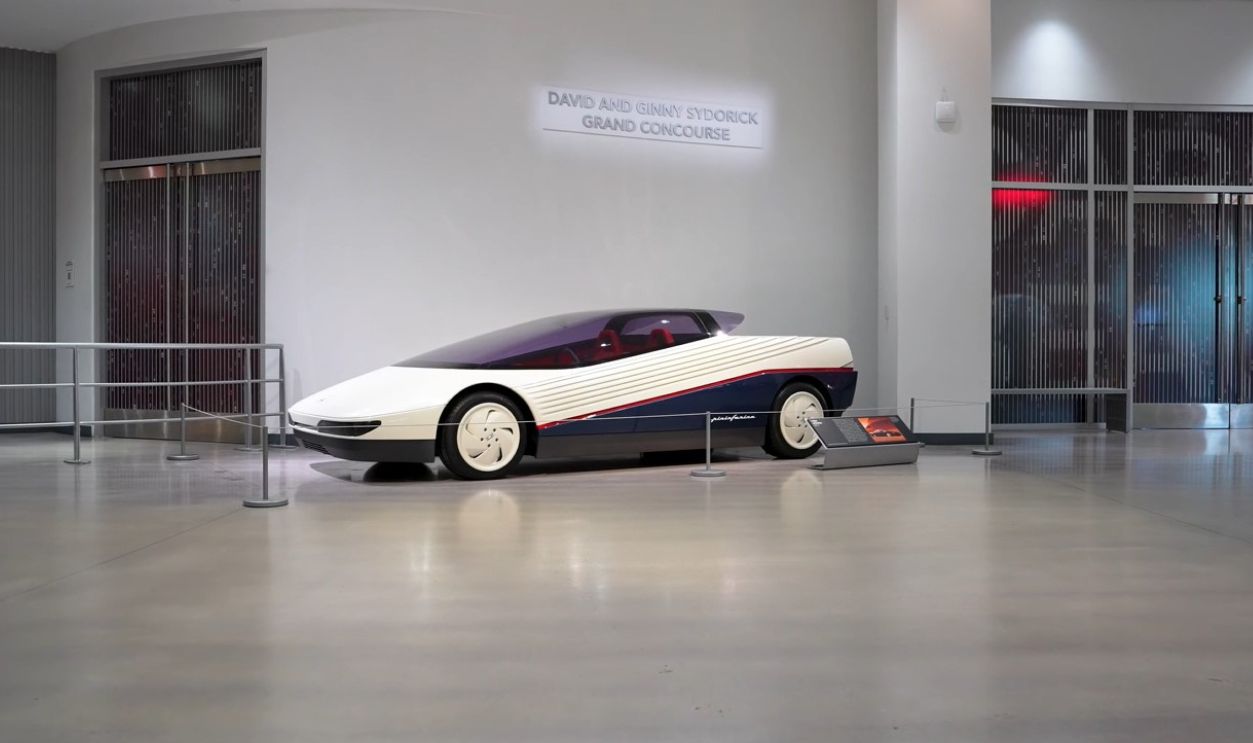
Honda HP-X
Honda's 1984 HP-X (High Performance Experimental) was the brainchild of Pininfarina and served as an early NSX prototype. With its wedge shape and mid-engine layout, it set the stage for Honda’s supercar ambitions but remained a concept.
 The best supercar never made? This is the Honda HP-X! by Petersen Automotive Museum
Audi Avus Quattro
The 1991 Audi Avus Quattro concept previewed the future of supercars as it shimmered in polished aluminum. A W12 engine and ultra-light construction made it a technological marvel. Although Audi never built it, its design influenced Audi's future sports cars.
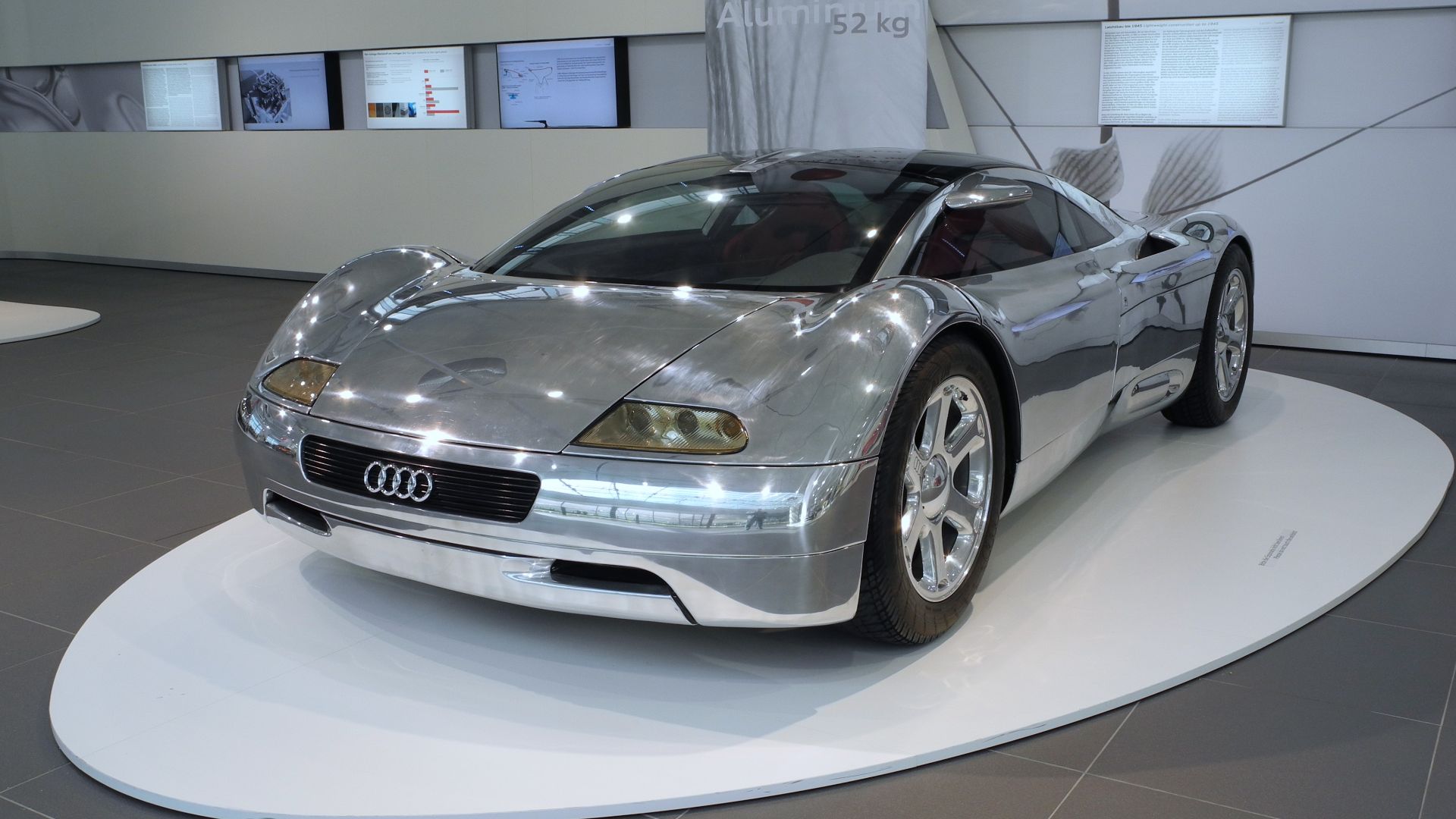 Hubert Berberich (HubiB), Wikimedia Commons
Plymouth XNR
A two-seat sports car with an asymmetrical design? The 1960 Plymouth XNR defied all conventions. Virgil Exner designed it with a slanted fin and an aggressive look. Chrysler never produced it in quantity, but the concept car has been saved and is now a singular example of American automotive history.
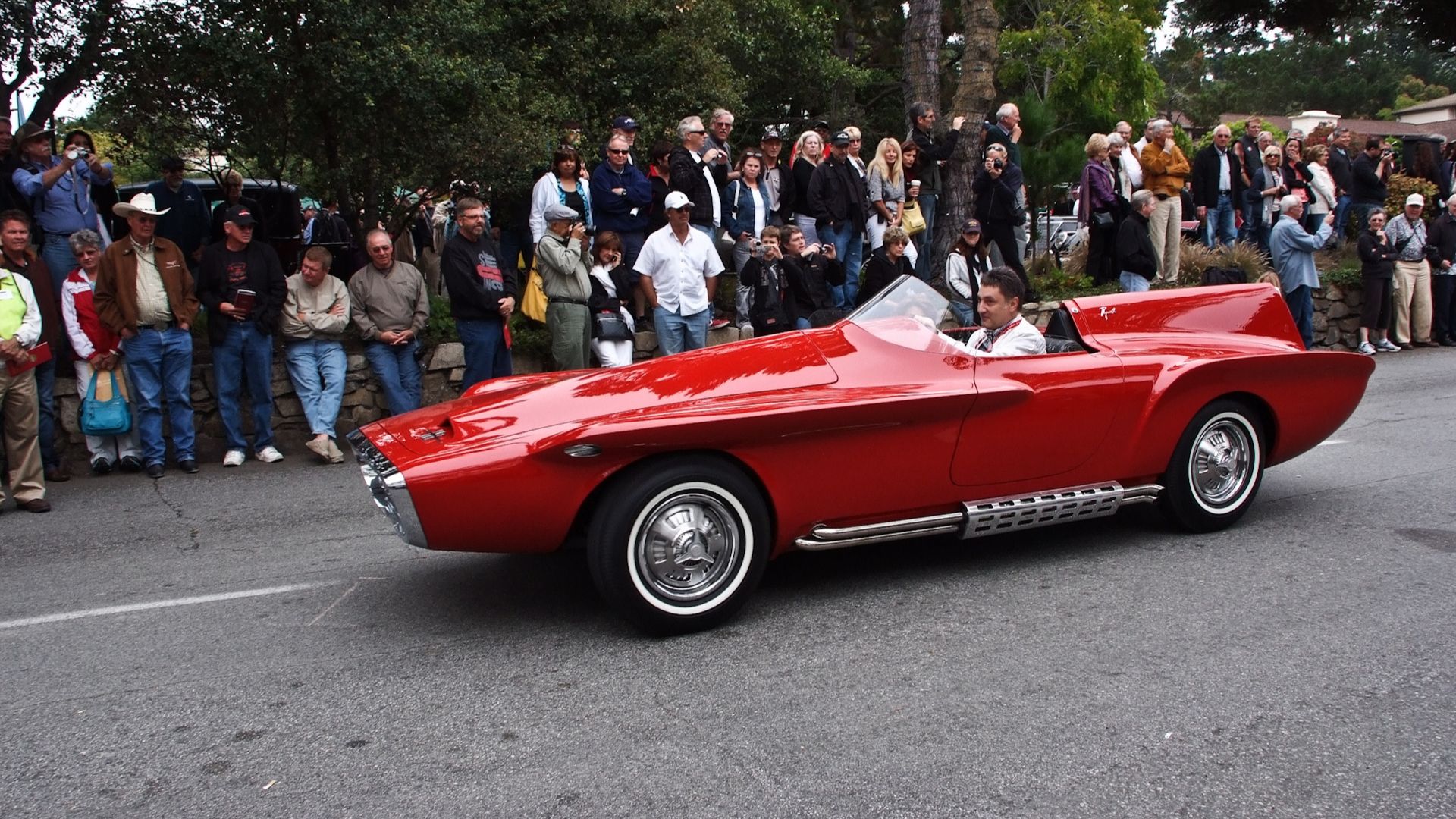 Motohide Miwa from USA, Wikimedia Commons