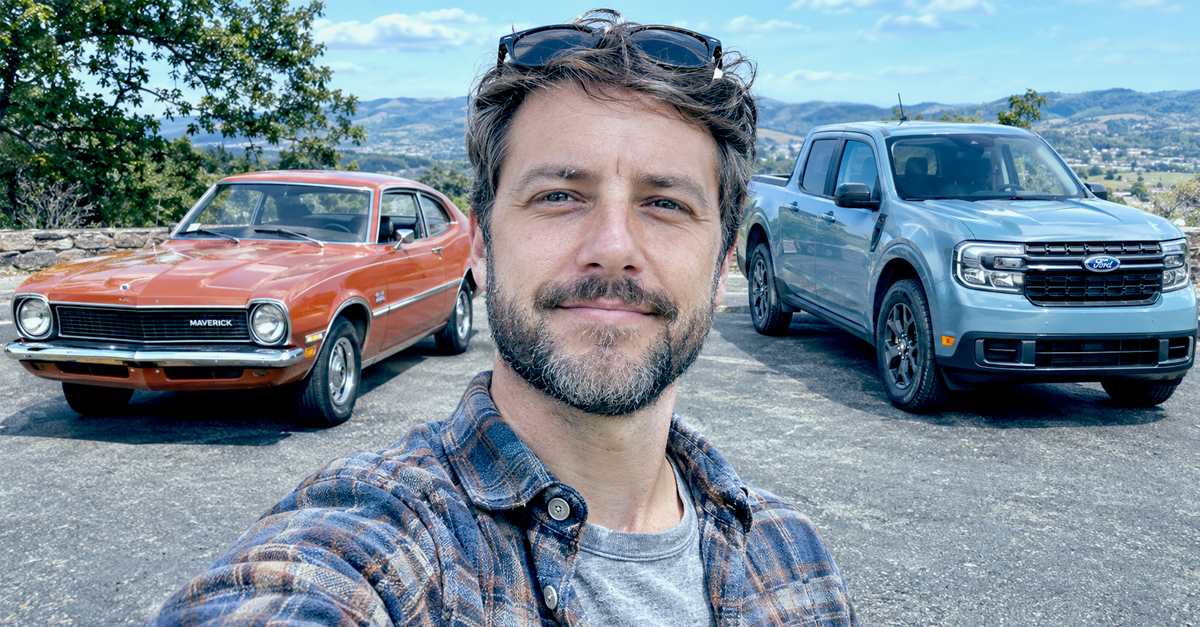
Same Name, Completely Different Car
Some car names have lived several completely different lives. A badge that once appeared on a coupe might later identify a pickup, crossover, or minivan, while familiar styling can conceal entirely different engineering. Here are fourteen remarkable reinventions, starting with two very different Ford Mavericks.
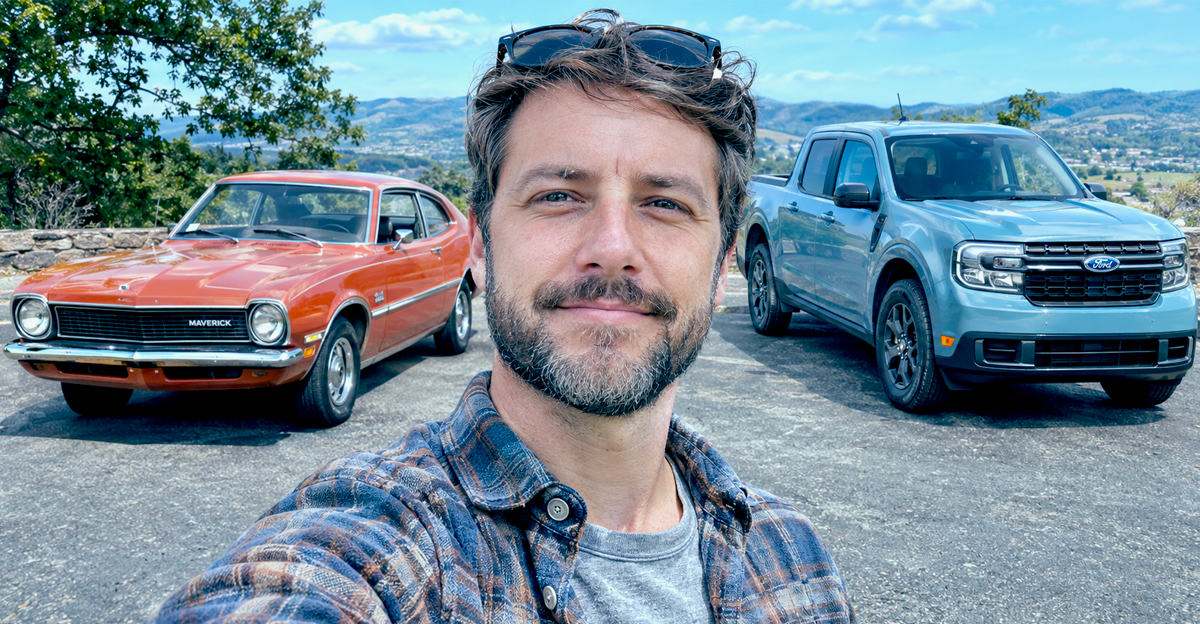
Ford Maverick: The Affordable Coupe Of The 1970s
The original Ford Maverick arrived in 1969 as a 1970 model, offering affordable transportation with sporty styling. It was a compact, rear-wheel-drive passenger car originally available with two doors and six-cylinder power. Ford later added a four-door version and an optional V8 engine.
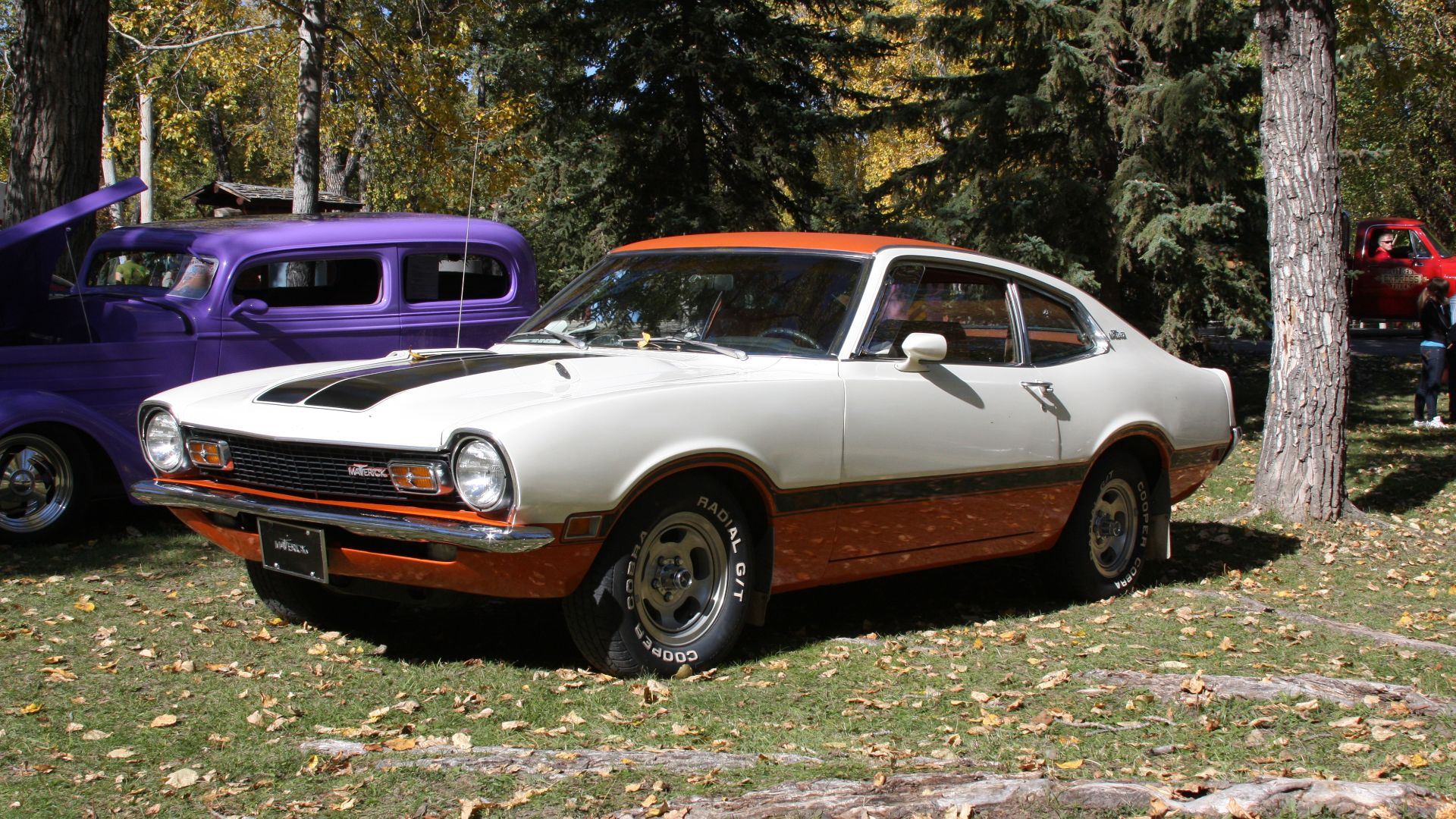 dave_7 from Lethbridge, Canada, Wikimedia Commons
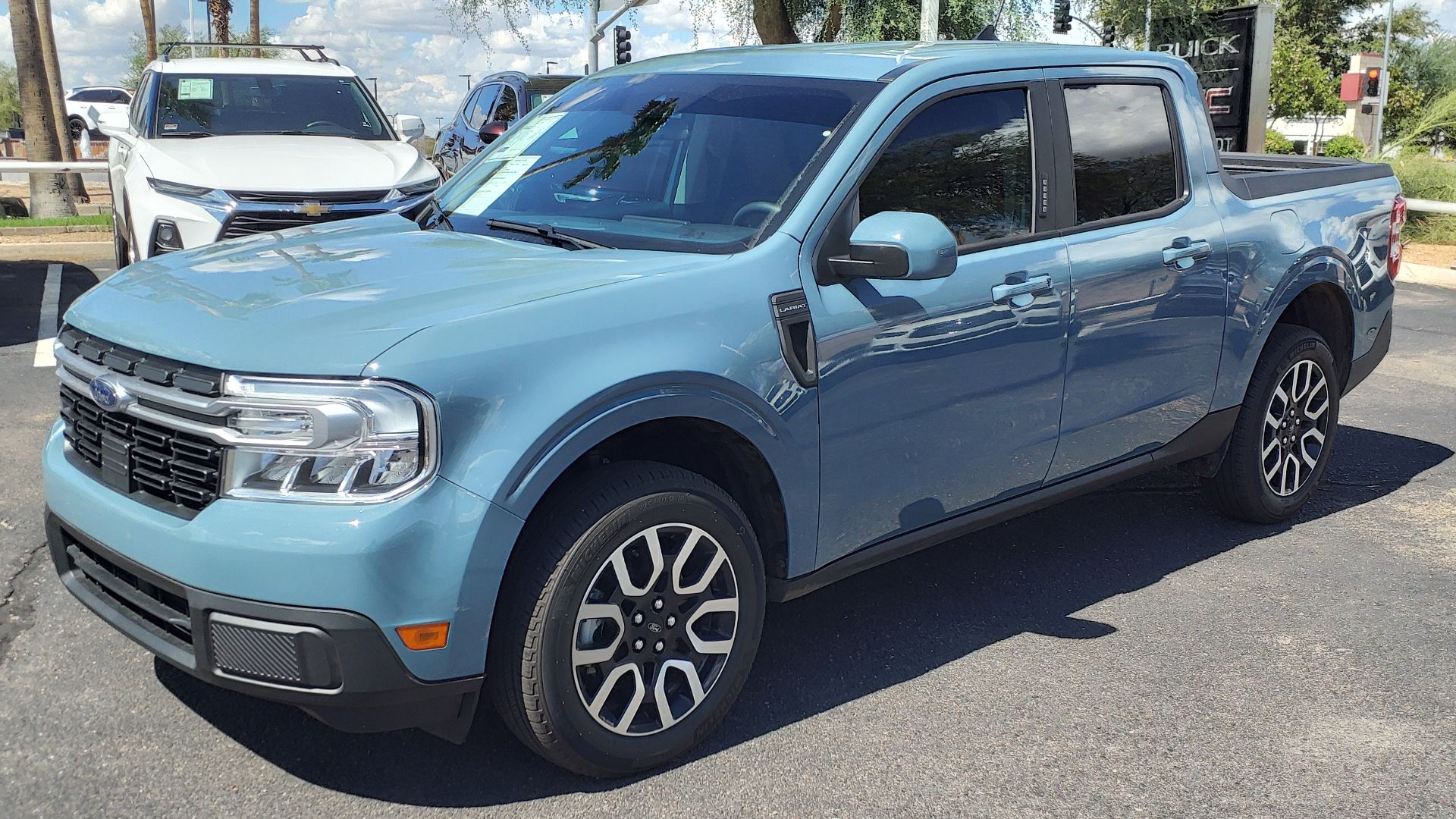
Ford Maverick: From Coupe To Compact Pickup
In 2022, Ford brought back the Maverick name on an entirely different vehicle. The new Maverick was a compact, four-door pickup with a unibody platform and a standard hybrid powertrain. Instead of a traditional trunk, buyers got an open cargo bed.
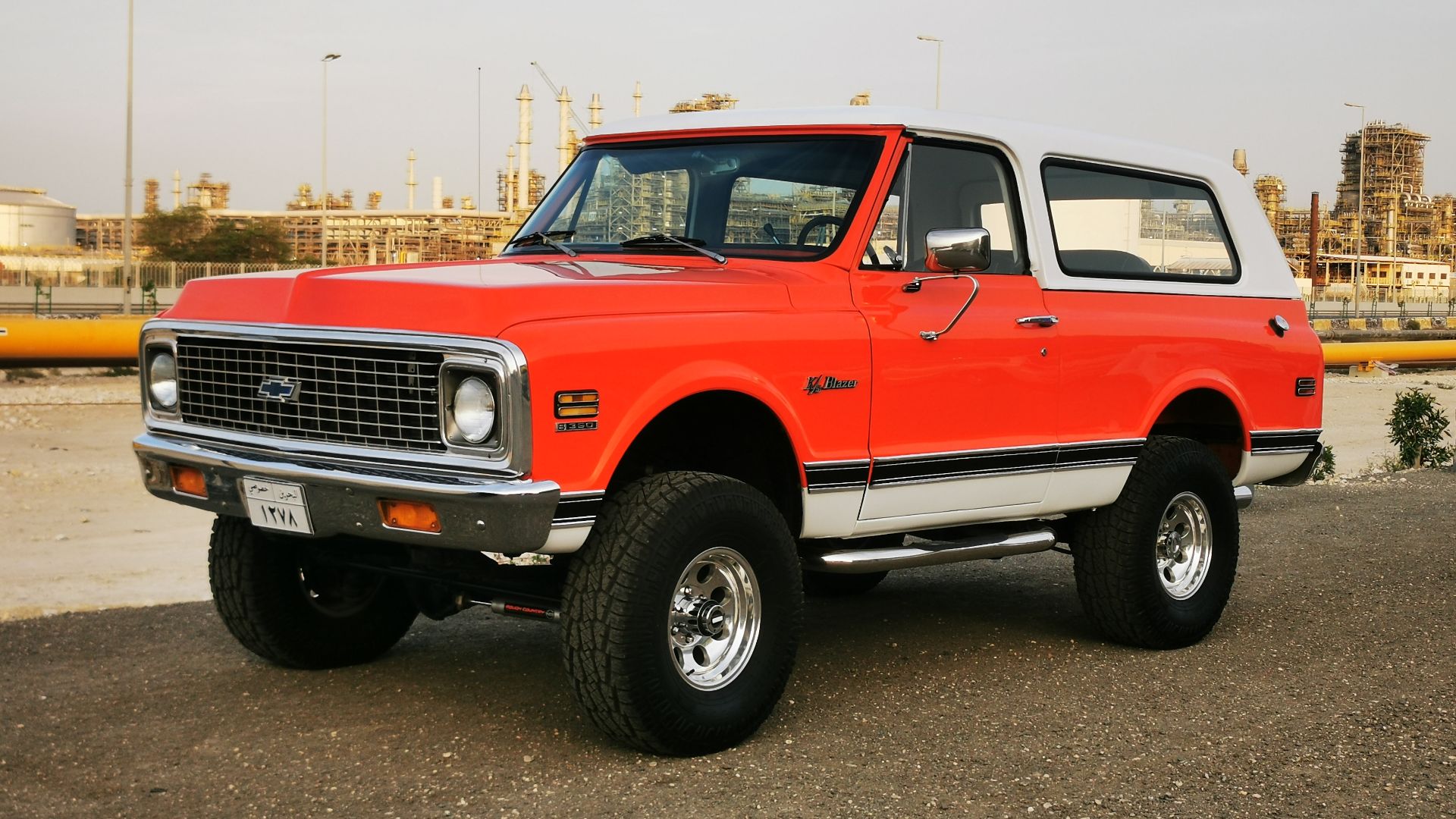
Chevrolet Blazer: A Rugged Off-Road Original
When Chevrolet introduced the K5 Blazer for 1969, it was essentially a shortened pickup truck designed for recreational driving. Its body-on-frame construction, available V8 engines, and four-wheel-drive hardware made it particularly appealing to outdoor enthusiasts. Early models even featured a removable roof for open-air driving.
Chevrolet Blazer: The Crossover Takes Over
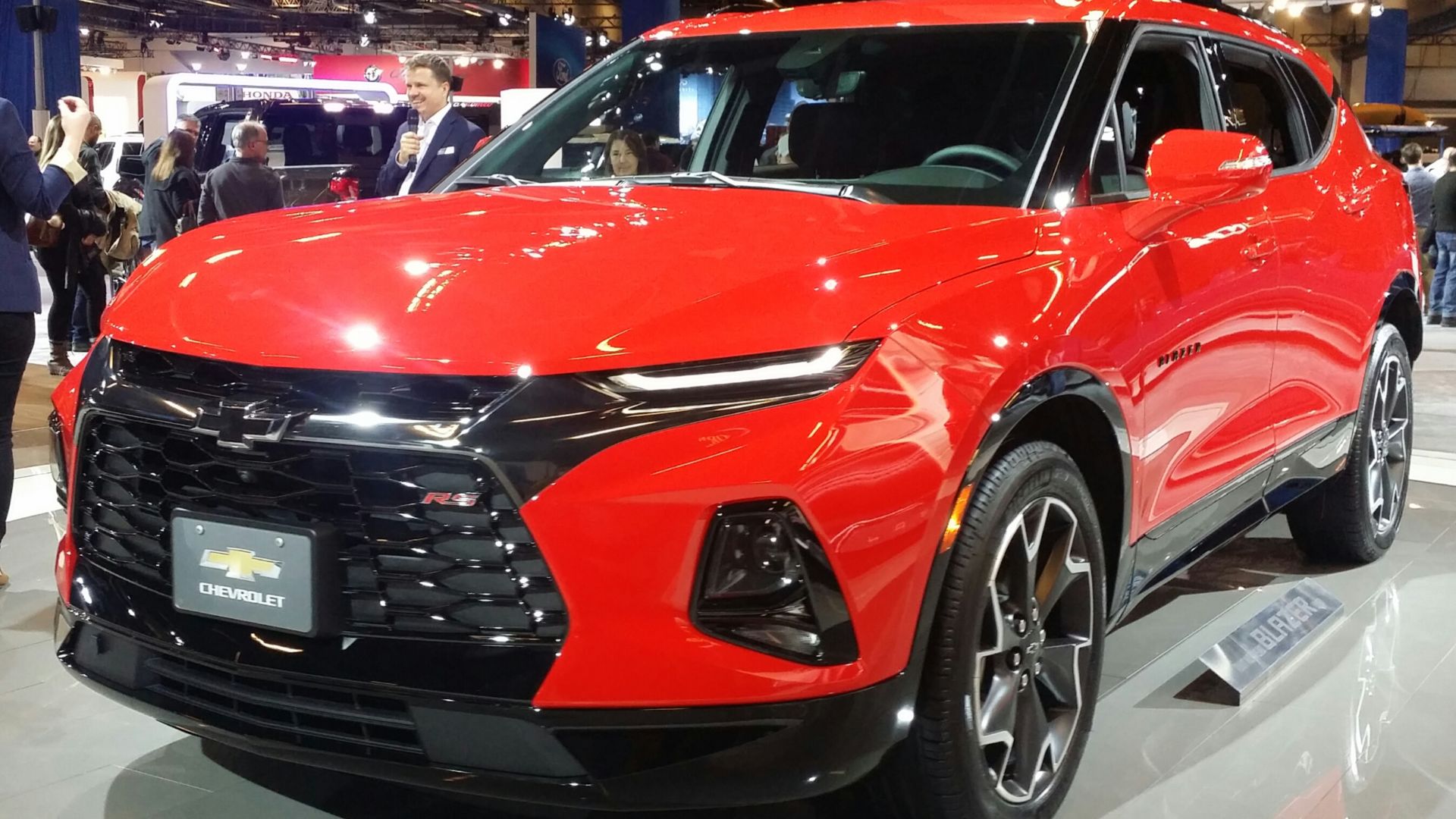
Chevrolet revived the Blazer name for 2019, but the new model had little mechanically in common with its predecessor. Instead of a rugged, truck-based SUV, buyers received a midsize crossover with sleek styling and road-focused engineering. The emphasis had shifted away from traditional off-road capability.
Volkswagen Beetle: The Rear-Engine Original
The original Volkswagen Beetle became famous for its rounded body, rear-mounted air-cooled engine, and rear-wheel-drive layout. Its simple mechanical design helped establish the Beetle as an economical car. Those distinctive features remained central to the original model throughout its long production history.
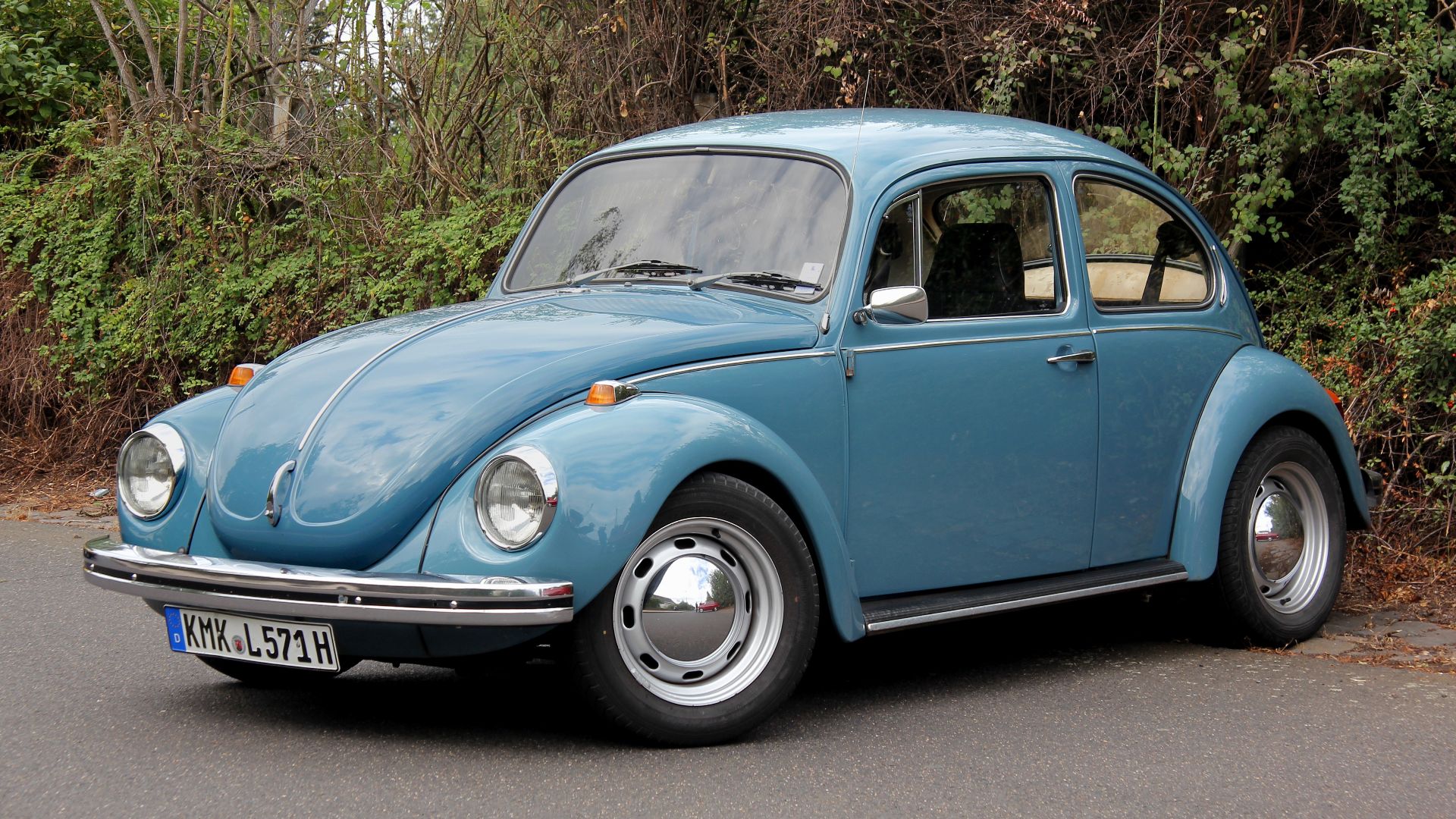 Lothar Spurzem, Wikimedia Commons
Volkswagen Beetle: Familiar Looks, Completely Different Engineering
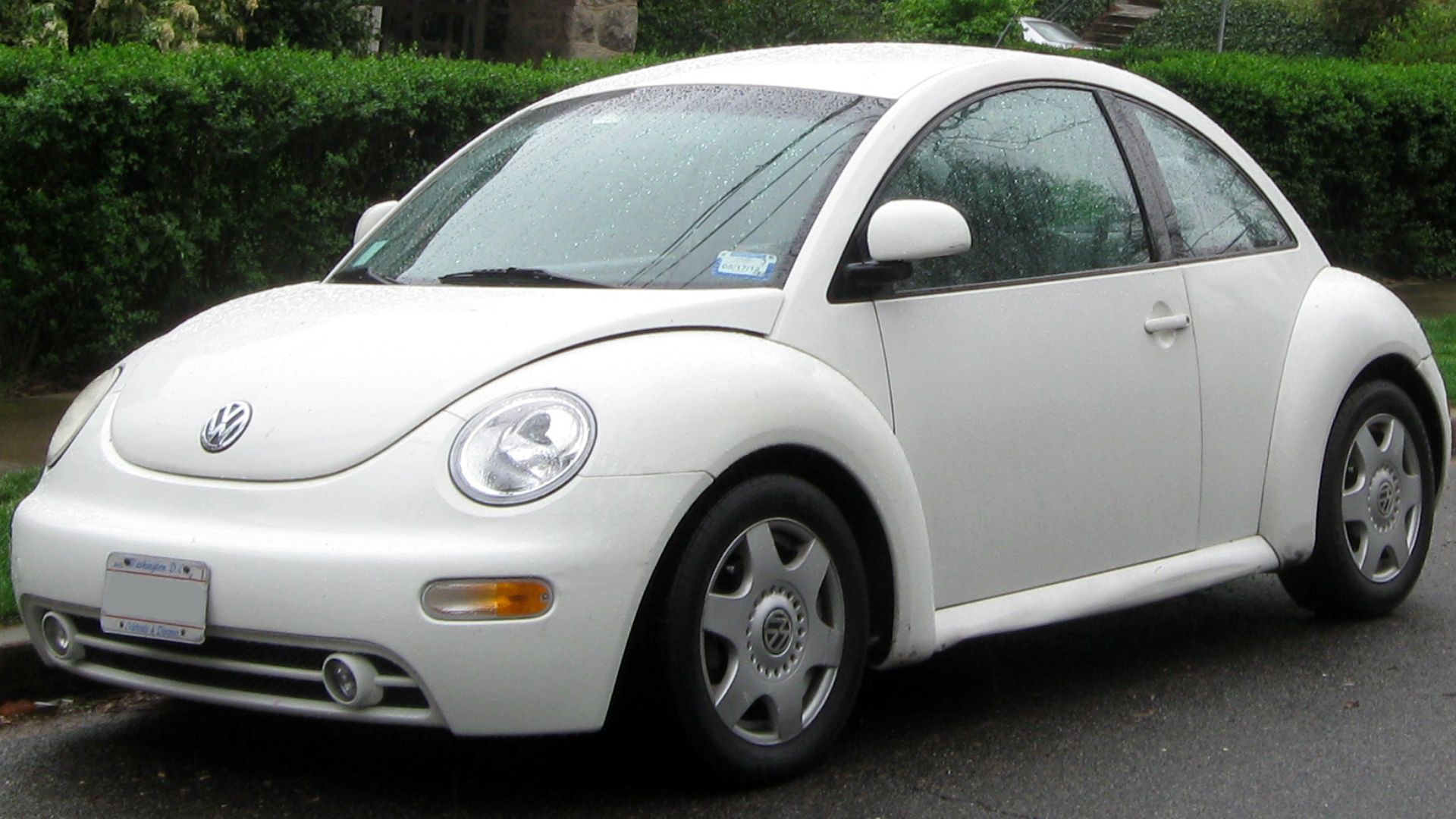
When Volkswagen introduced the New Beetle for 1998, its familiar silhouette concealed a completely different car. The engine moved to the front, water cooling replaced air cooling, and power went to the front wheels. Underneath, it shared its platform with the contemporary Golf.
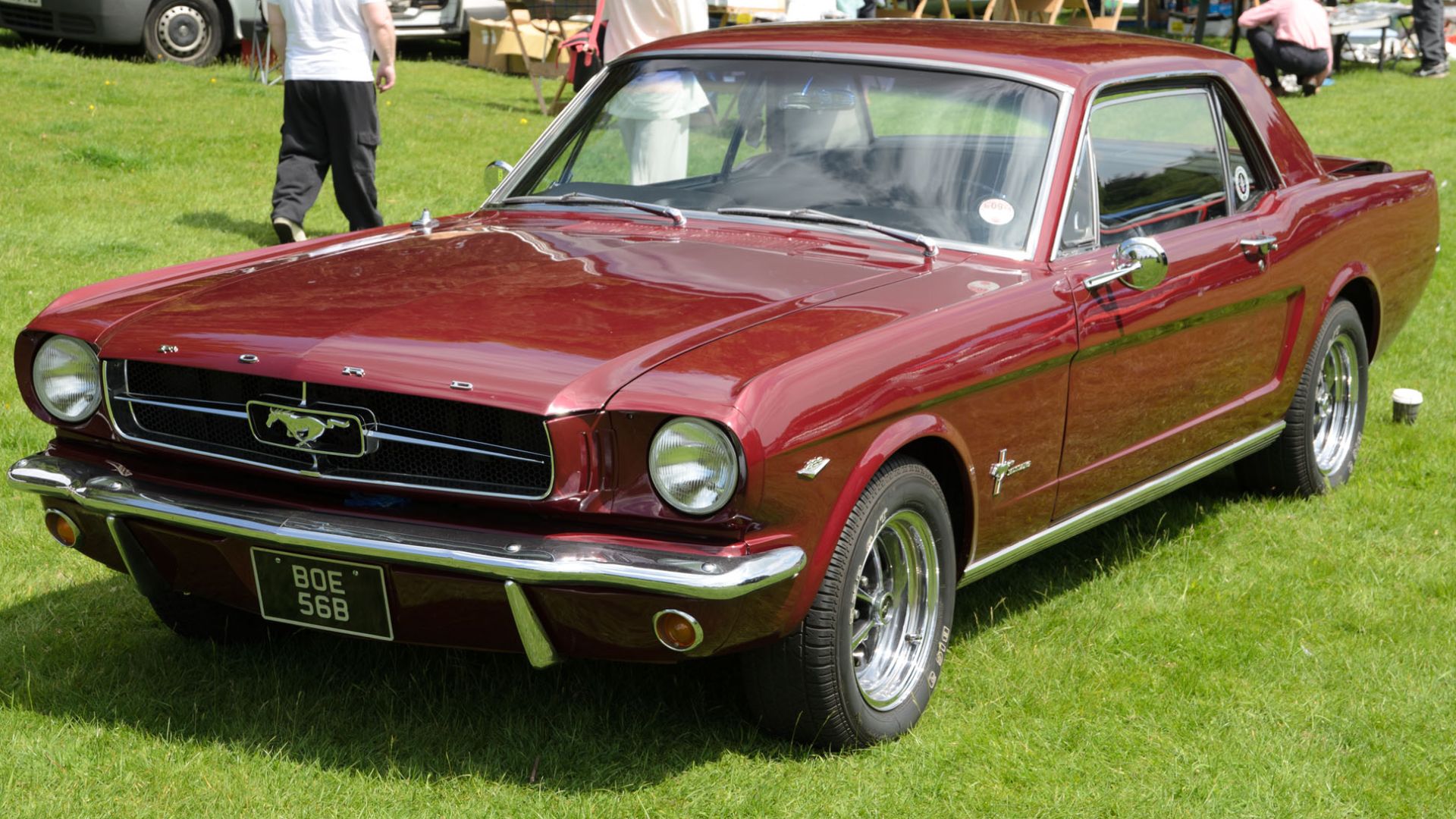
Ford Mustang: The Original Pony Car
Introduced at the 1964 New York World's Fair, the Ford Mustang offered sporty styling in an affordable passenger car. Buyers could choose a hardtop or convertible, with a fastback joining the lineup afterward. Its long hood and relatively short rear deck established a recognizable silhouette.
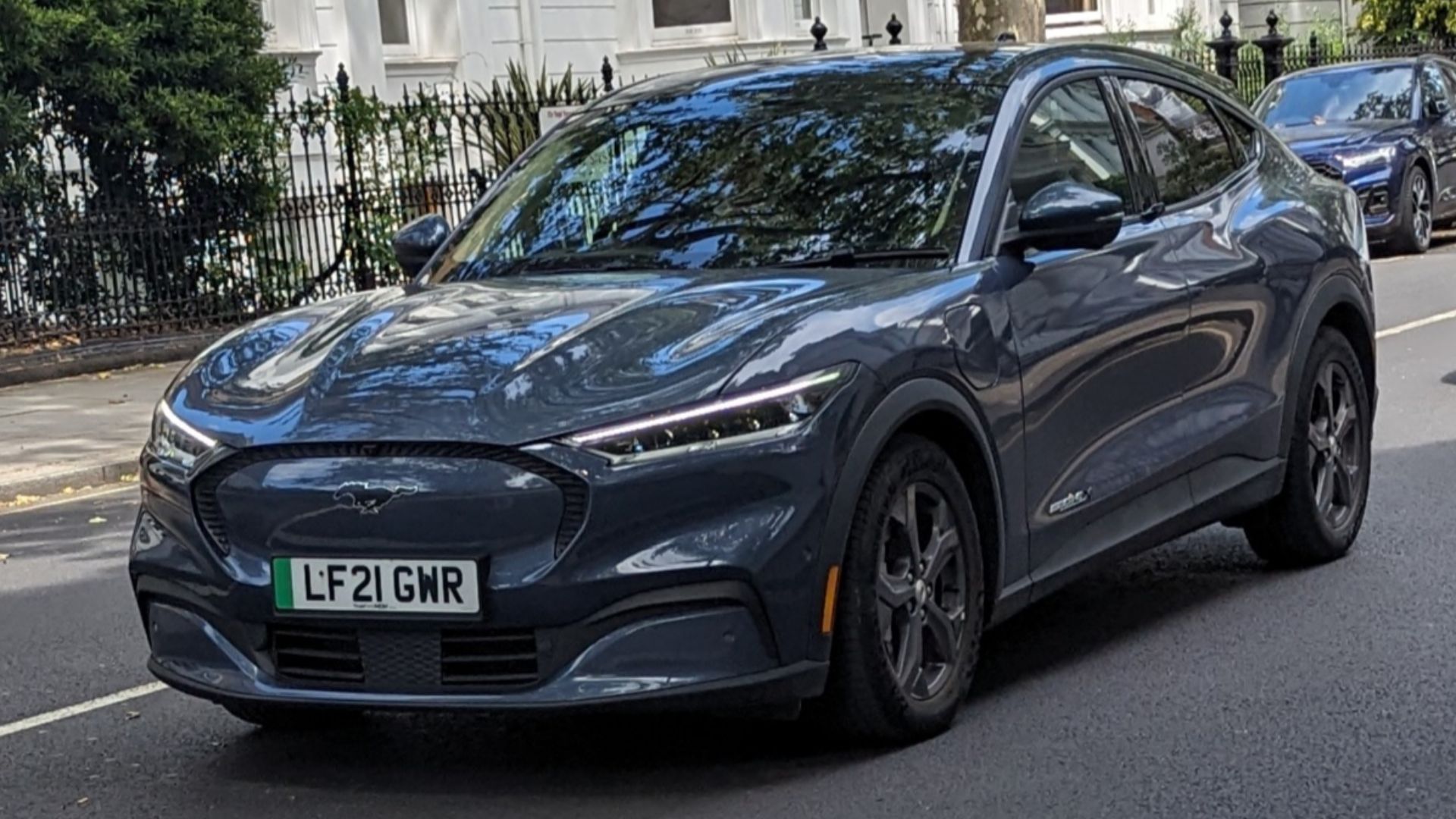
Ford Mustang Mach-E: The Horse Goes Electric
For 2021, Ford expanded the Mustang family with the all-electric Mach-E crossover. Unlike the traditional Mustang coupe, the Mach-E featured four doors, a taller body, and seating for five. It did not replace the gasoline Mustang, but it dramatically broadened what the famous name could represent.
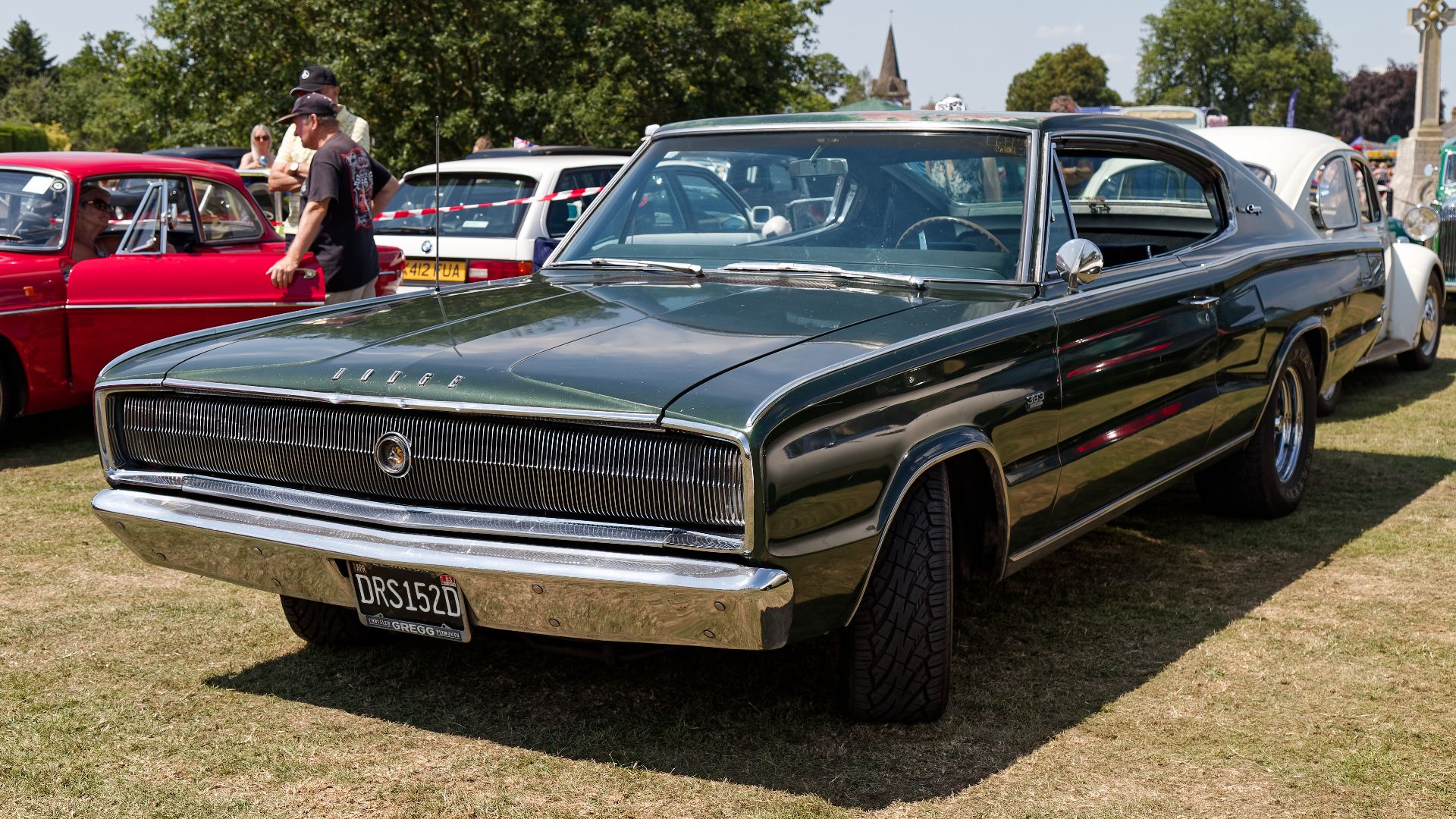
Dodge Charger: The Original Fastback Muscle Car
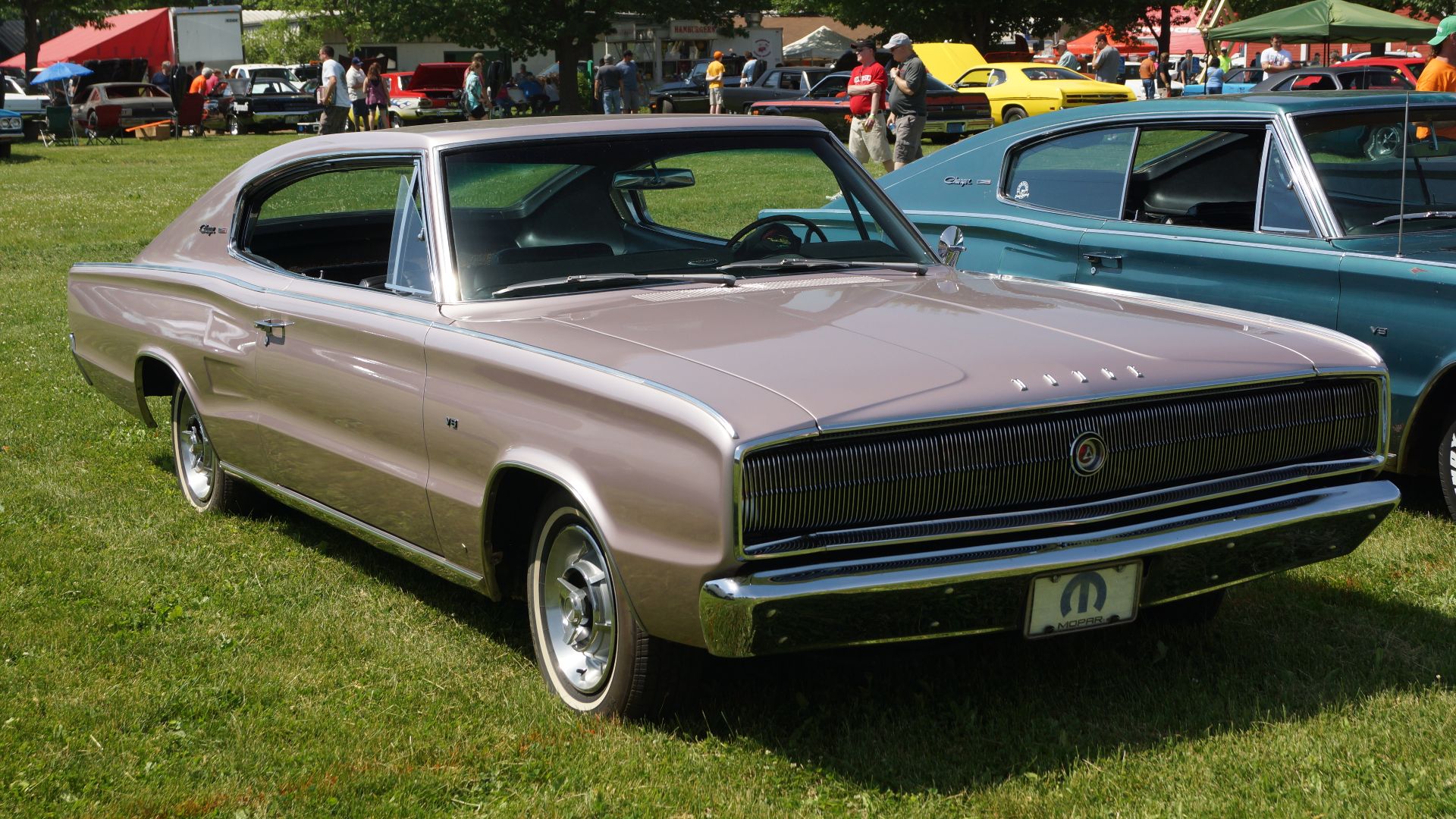
The Dodge Charger debuted in 1966 with a dramatic fastback roofline and two-door body. Its available engines included the powerful 426 Hemi V8, giving buyers considerable performance potential. The 1968 redesign brought another distinctive shape, with hidden headlights and pronounced rear roof pillars.
Dodge Charger: Four Doors, Same Muscle-Car Ambitions
When the Charger returned for 2006, it had become a full-size, four-door sedan. Dodge retained rear-wheel drive and offered a 5.7-liter Hemi V8 in the Charger R/T. The new design combined muscle-car performance with the practicality of a conventional family sedan.
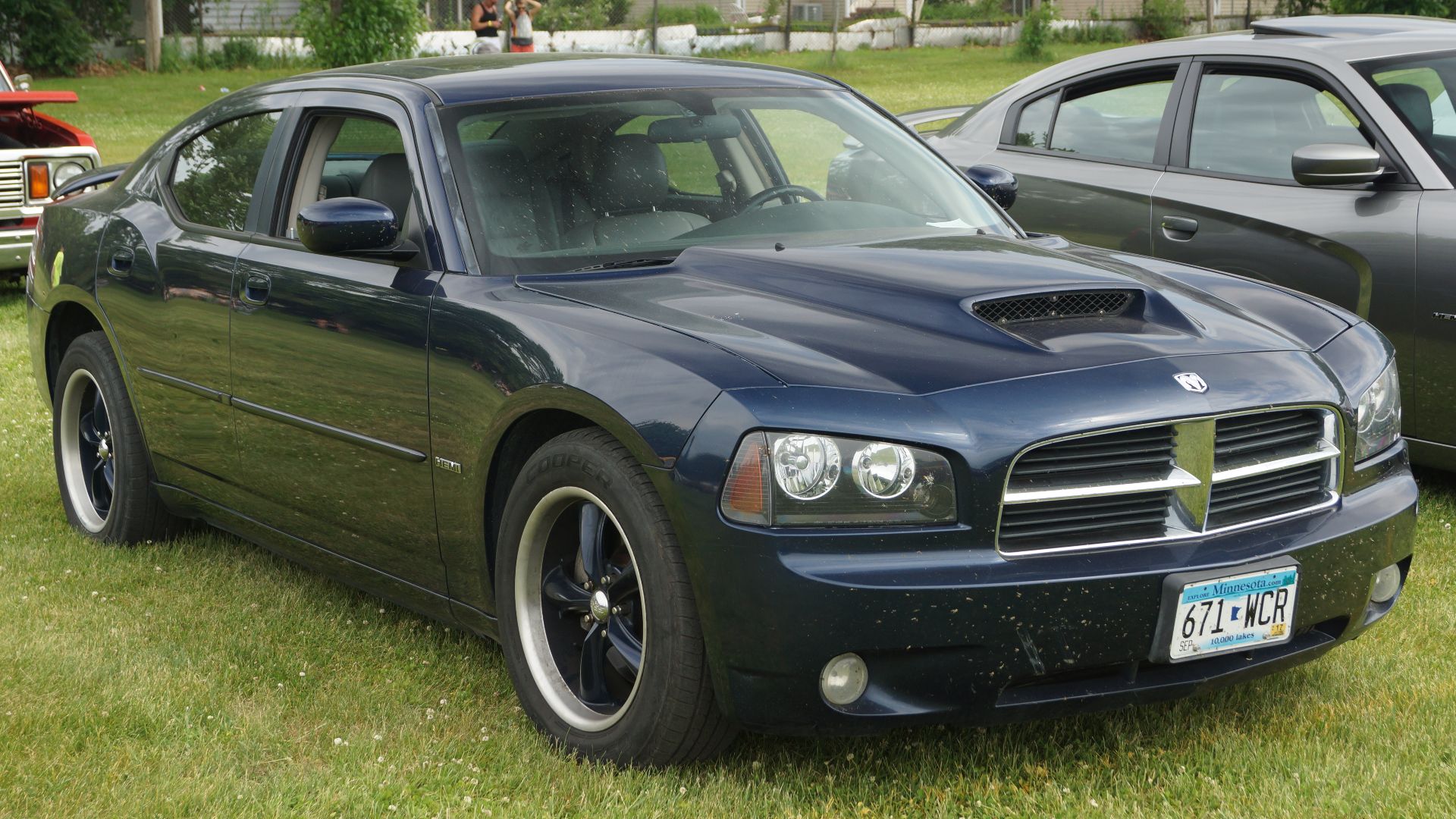 Greg Gjerdingen from Willmar, USA, Wikimedia Commons
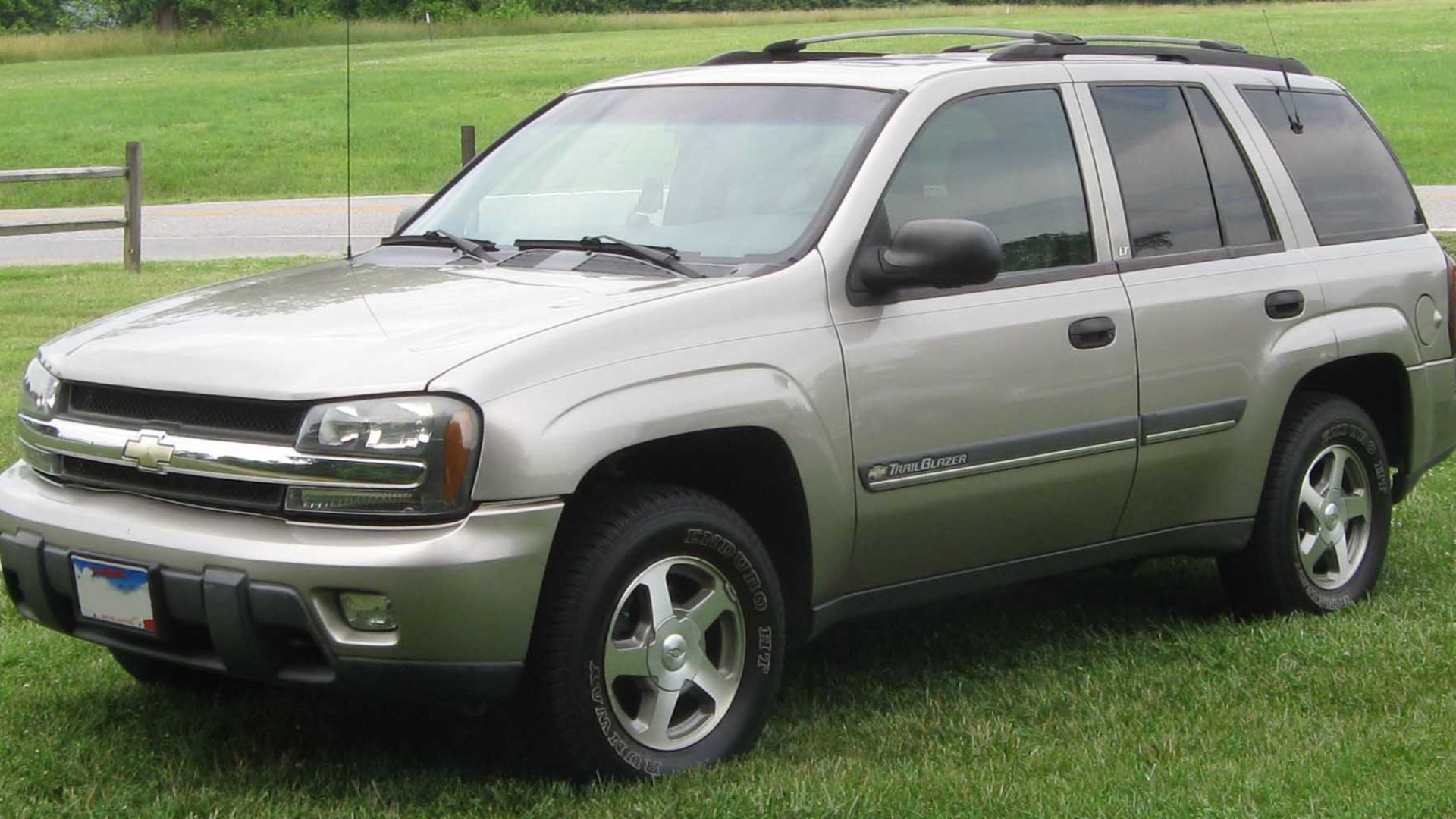
Chevrolet Trailblazer: A Traditional Truck-Based SUV
The Chevrolet TrailBlazer became a standalone model for 2002 after initially appearing as a Blazer trim package. It featured body-on-frame construction and a powerful 4.2-liter inline-six engine. Chevrolet also offered a longer EXT version with three rows of seating, expanding its family-hauling abilities.
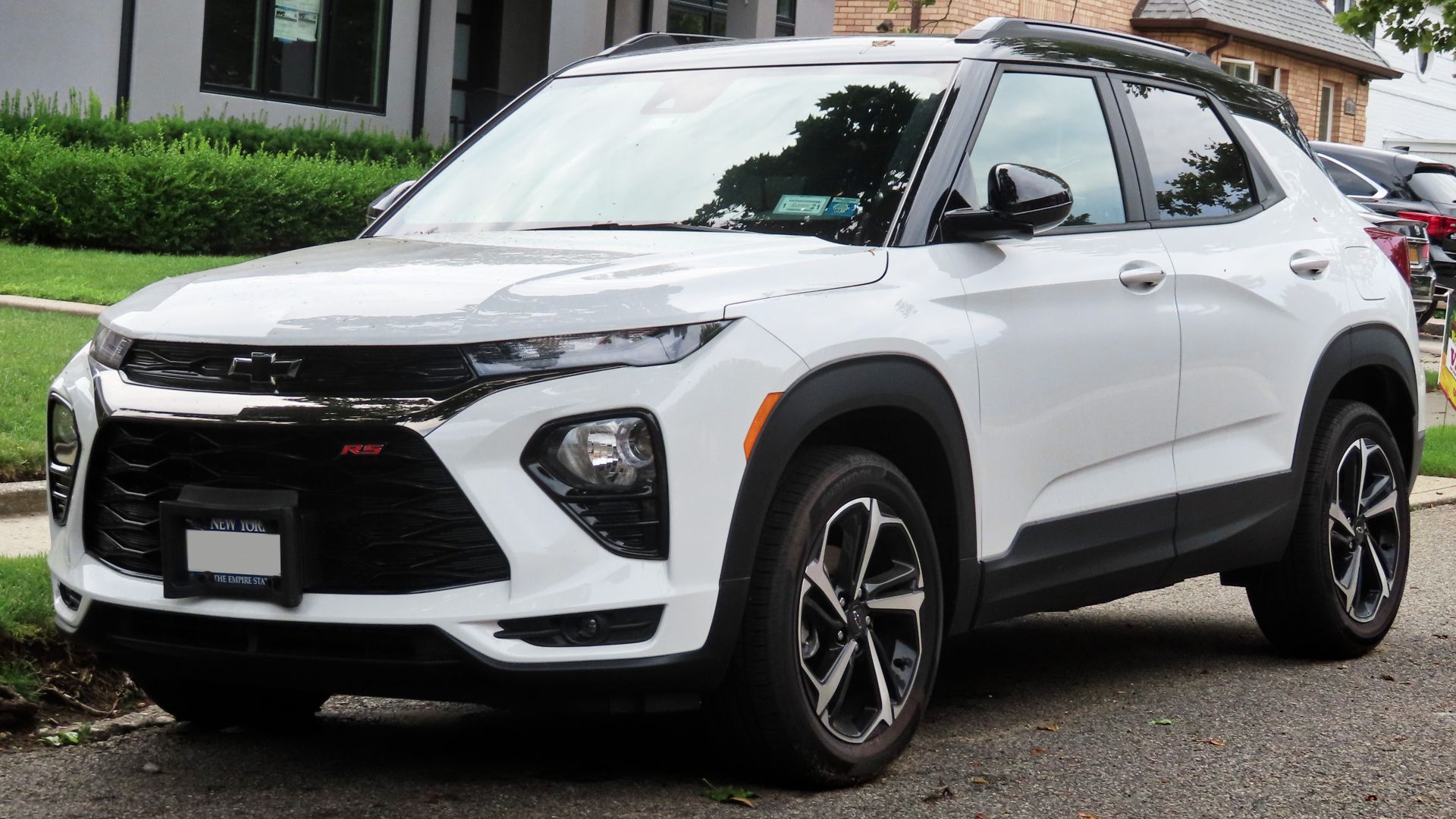
Chevrolet Trailblazer: Smaller Engines, Smaller Vehicle
The Trailblazer name returned for 2021 on an entirely new subcompact crossover. Instead of a large truck-based SUV, buyers received a smaller vehicle with available front-wheel drive and turbocharged three-cylinder engines. The new model emphasized efficiency, interior packaging, and everyday transportation rather than heavy-duty SUV capability.
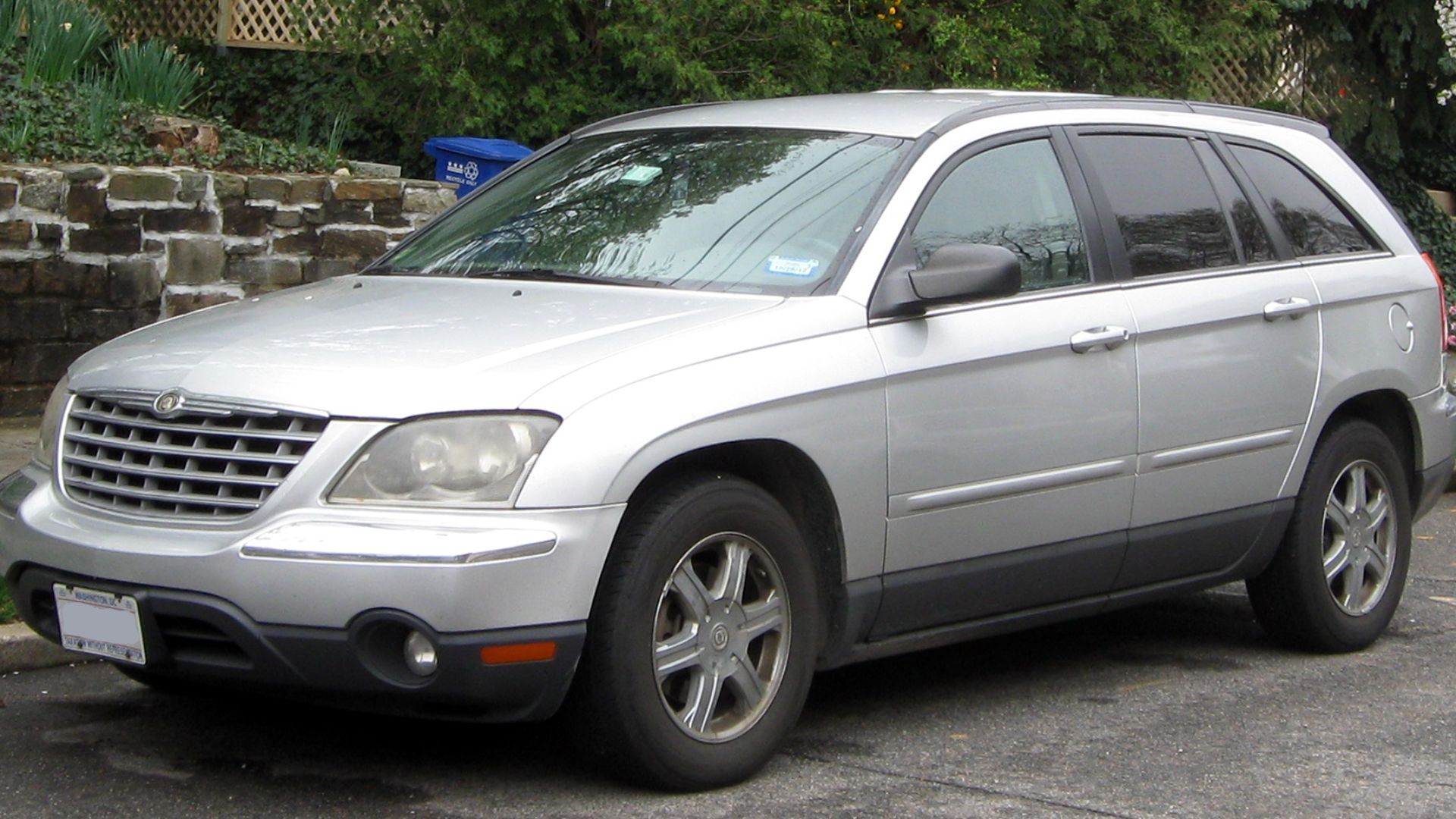
Chrysler Pacifica: The Crossover That Wasn't A Minivan
Introduced for the 2004 model year, the original Chrysler Pacifica combined elements of a station wagon and crossover SUV. Chrysler marketed it as a sport tourer, emphasizing its distinctive positioning. It featured conventional rear doors, available all-wheel drive, and three rows of seating.
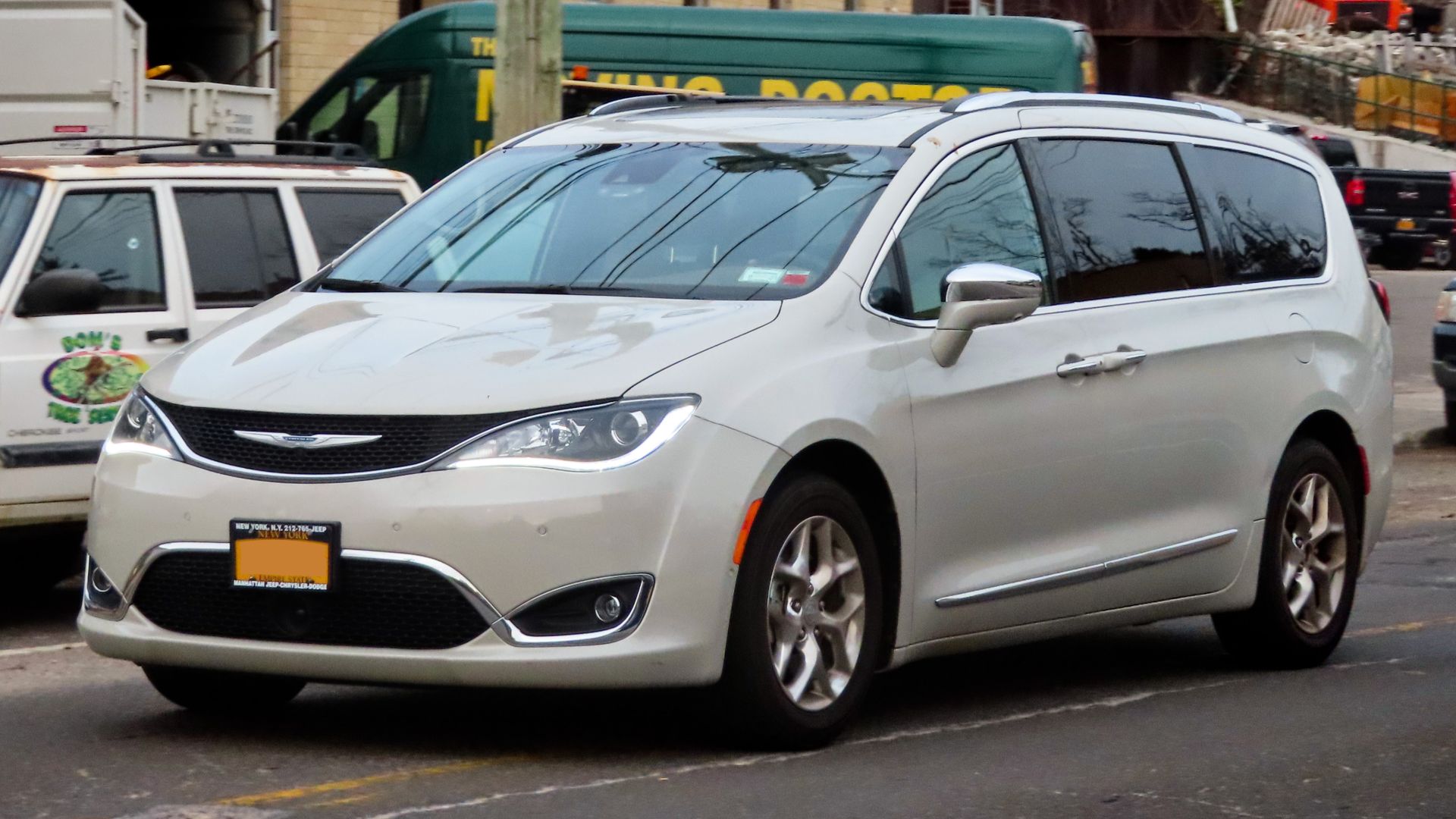
Chrysler Pacifica: A Familiar Name On A Minivan
When Chrysler introduced the 2017 Pacifica, the name appeared on a completely different type of vehicle. The new Pacifica was a minivan replacing the long-running Town & Country. It featured sliding rear doors, seating for seven or eight, and an interior designed around family transportation.
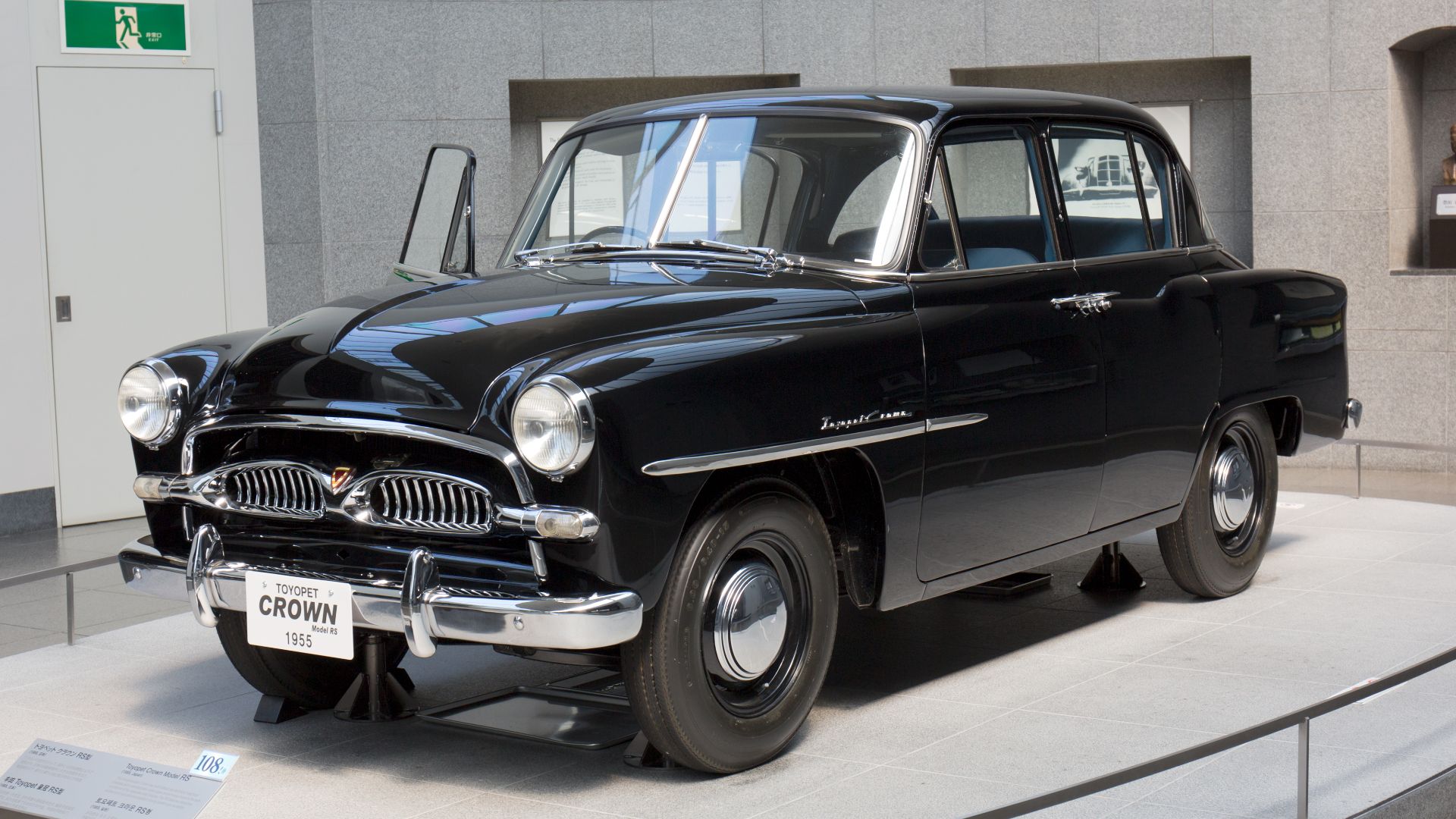
Toyota Crown: Japan's Traditional Luxury Sedan
Toyota introduced the original Toyopet Crown in January 1955 as a domestically developed passenger car. The conventional four-door sedan became an important part of Japan's emerging automobile industry. Toyota eventually exported the Crown internationally, including to the United States in 1958.
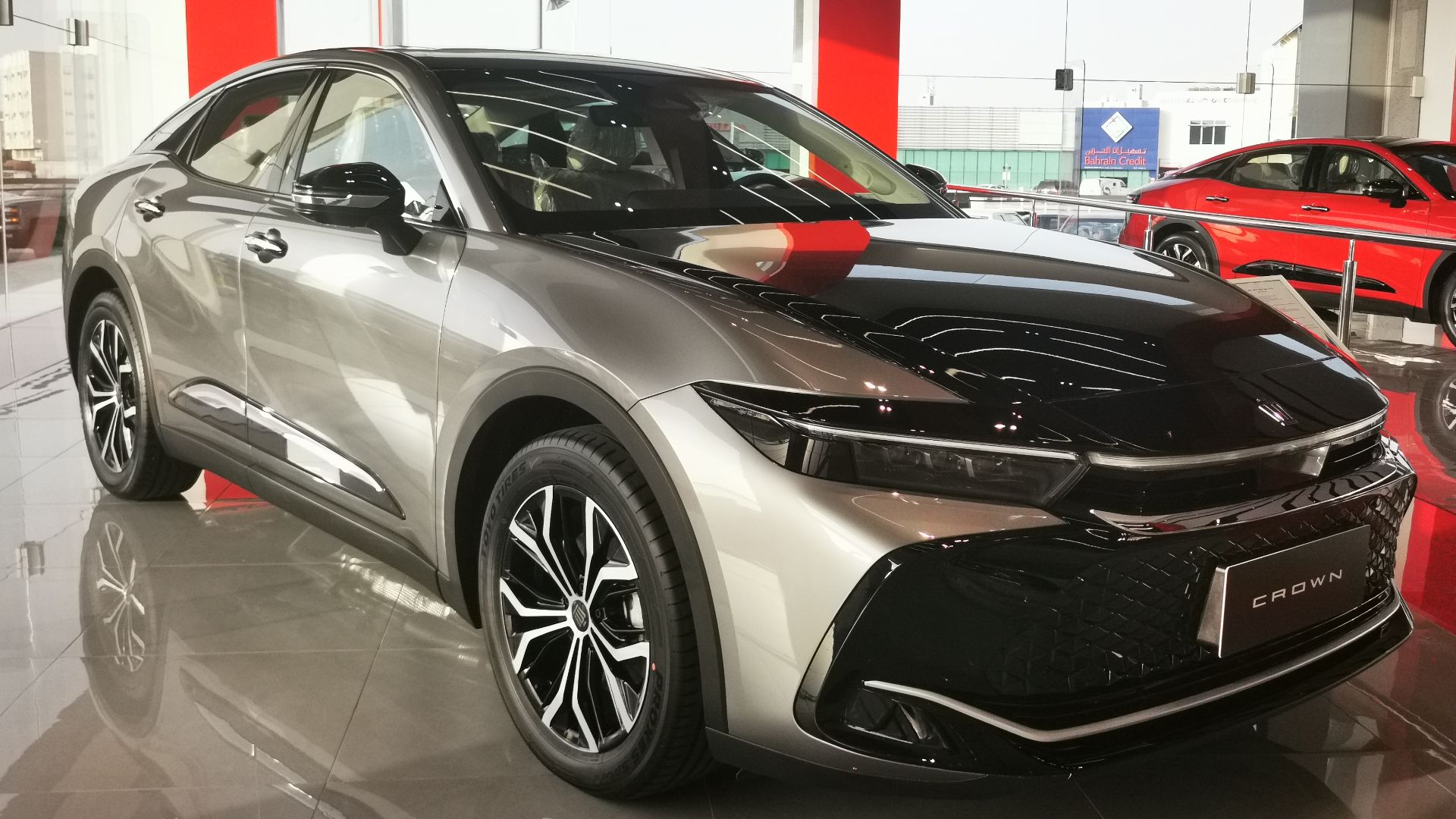
Toyota Crown: A Sedan With Crossover Proportions
The Crown returned to the American market for 2023 with a dramatically different appearance. Its elevated ride height and distinctive body design blurred the visual boundary between sedan and crossover. Toyota equipped the new model with standard all-wheel drive and hybrid powertrains, including the available 340-horsepower Hybrid MAX system.
 Mohammed Hamad, Wikimedia Commons
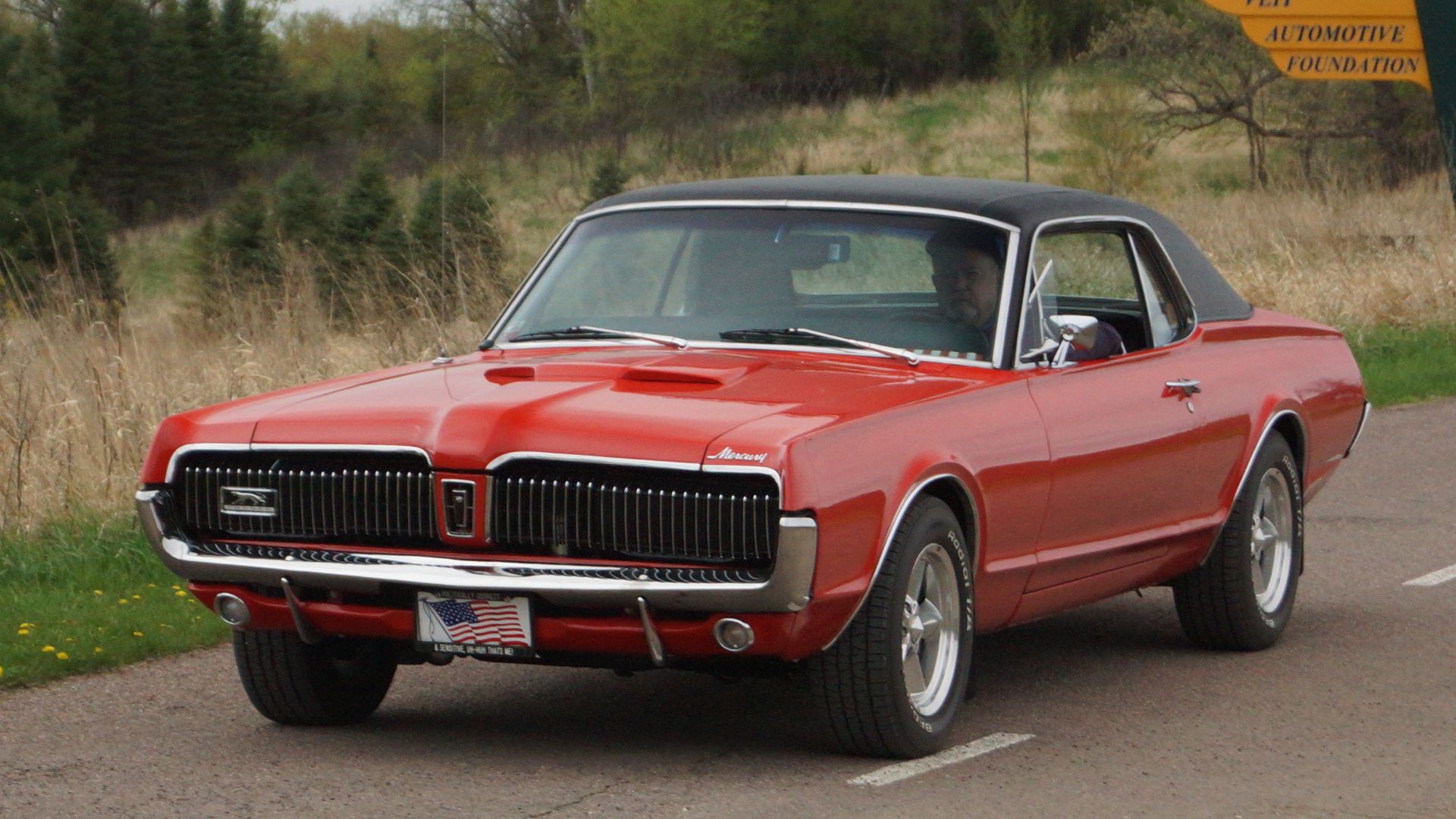
Mercury Cougar: A More Luxurious Mustang Relative
The original Mercury Cougar arrived for the 1967 model year as a sportier, upscale addition to Mercury's lineup. It shared its basic origins with the Ford Mustang and offered V8 power with rear-wheel drive. Over subsequent generations, the Cougar evolved into a larger personal luxury coupe.
 Greg Gjerdingen, Wikimedia Commons
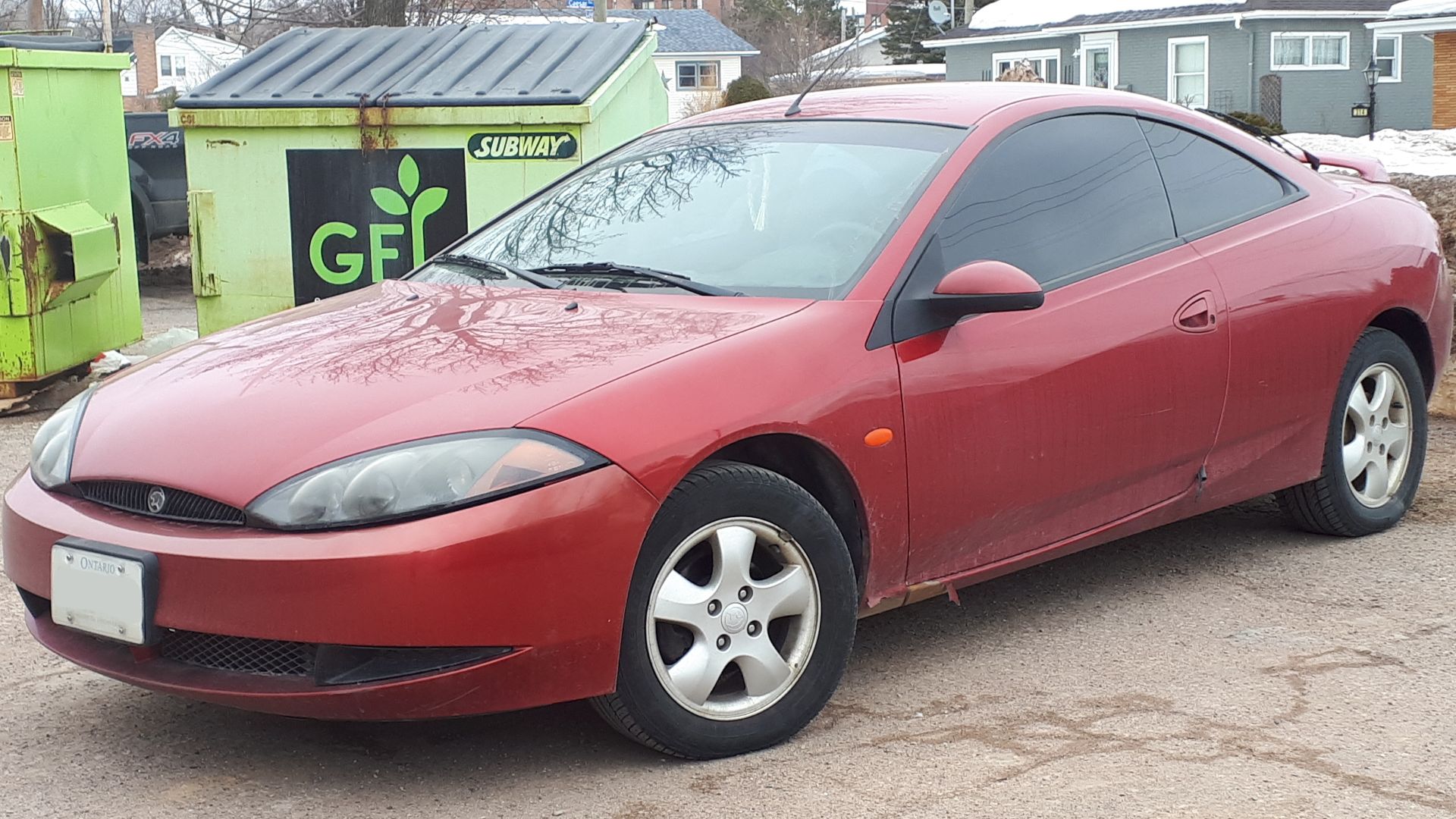
Mercury Cougar: The Sharp-Edged Hatchback
When the Cougar returned for 1999, its design and engineering had changed dramatically. The new version was a compact, front-wheel-drive hatchback coupe with four-cylinder and V6 engine options. Its styling was substantially different from the large, rear-wheel-drive V8 coupe that disappeared after 1997.
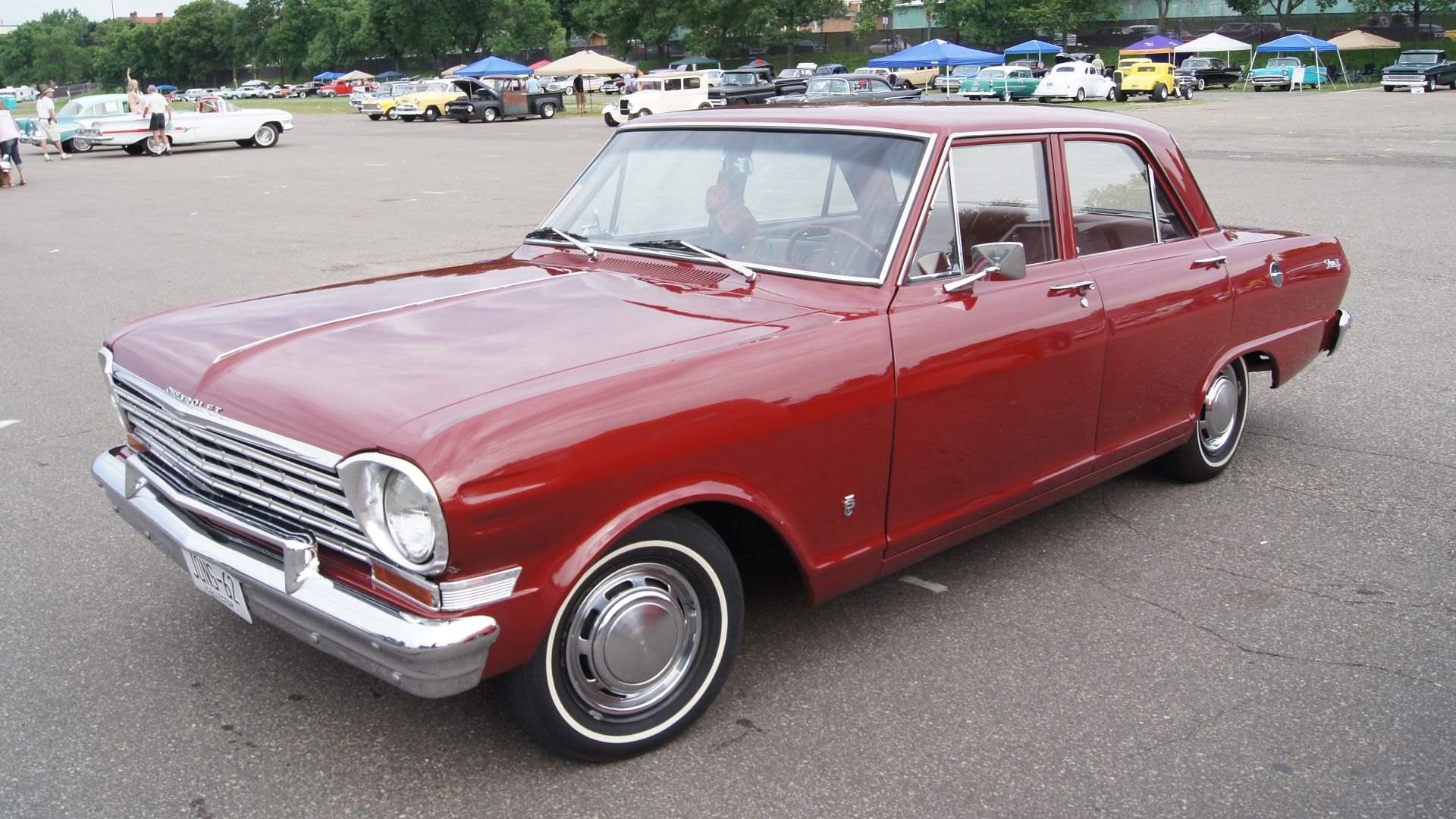
Chevrolet Nova: An American Compact With Muscle
The Nova name first appeared in 1962 on the upscale version of Chevrolet's new Chevy II compact. Initially powered by a six-cylinder engine, it eventually gained V8 options and serious performance credentials. By 1968, the Nova SS was available with a 350-cubic-inch V8.
 Greg Gjerdingen from Willmar, USA, Wikimedia Commons
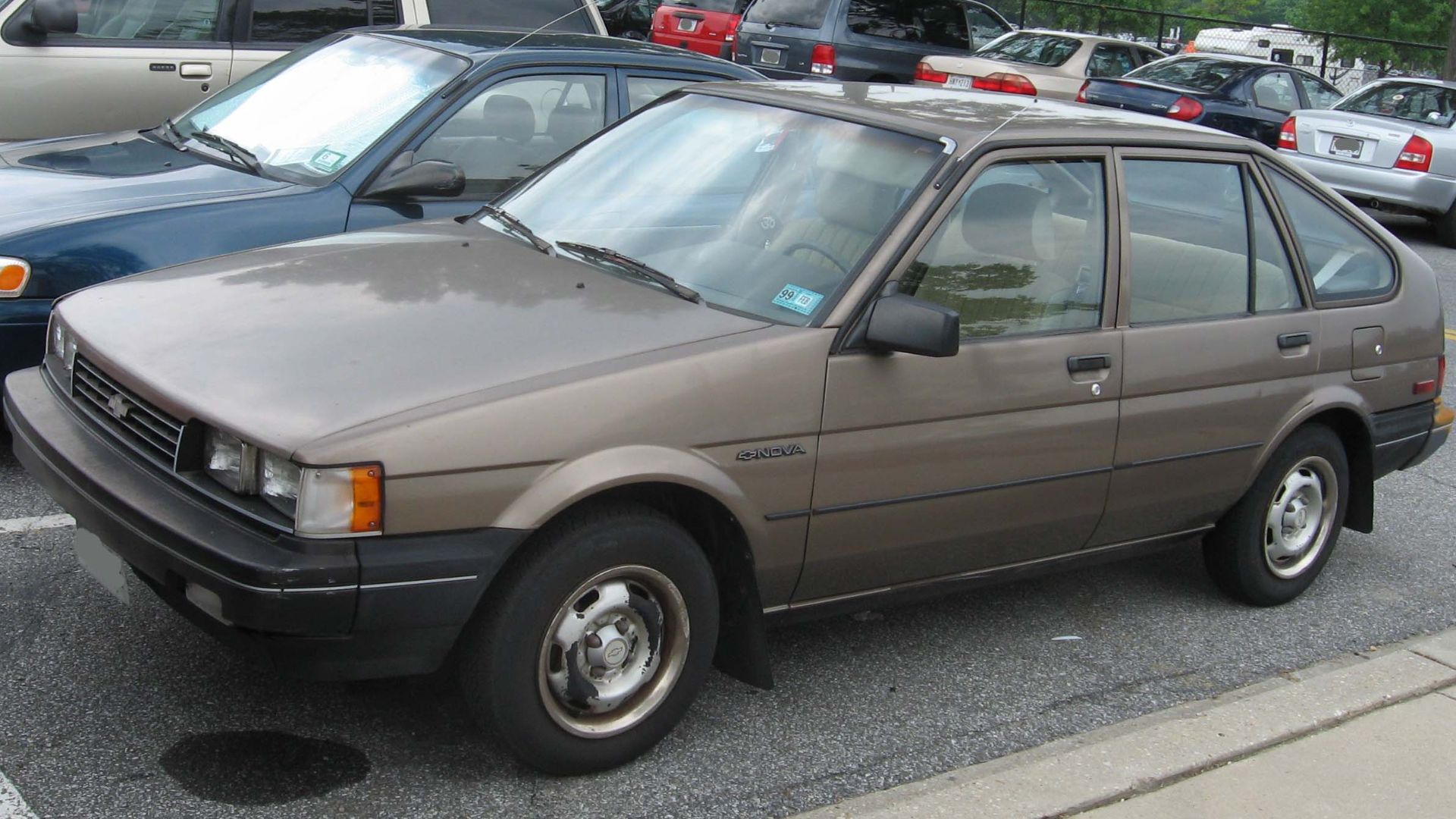
Chevrolet Nova: The Surprising Toyota Connection
When Chevrolet revived the Nova for 1985, its mechanical origins were surprisingly different. The new front-wheel-drive compact was based largely on the Toyota Corolla and built through the General Motors and Toyota NUMMI partnership in California. Its standard engine was a 1.6-liter four-cylinder producing 74 horsepower.
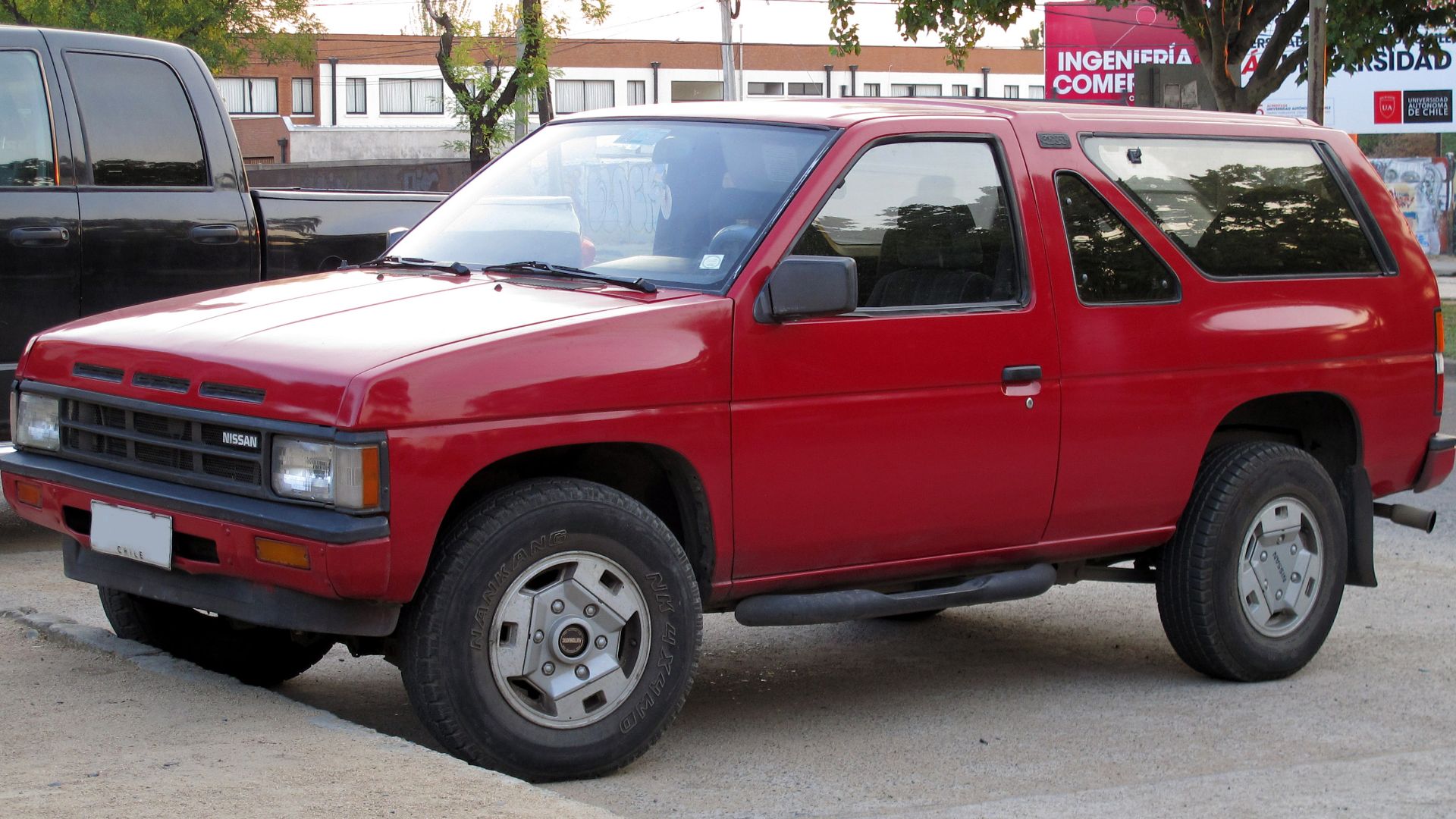
Nissan Pathfinder: A Two-Door Off-Road Adventurer
The original Nissan Pathfinder debuted for the 1987 model year as a rugged, two-door SUV. Built on a body-on-frame platform related to Nissan's Hardbody pickup, it offered traditional off-road capability. Nissan added a four-door version for 1990, expanding the vehicle's appeal to families.
 RL GNZLZ from Chile, Wikimedia Commons
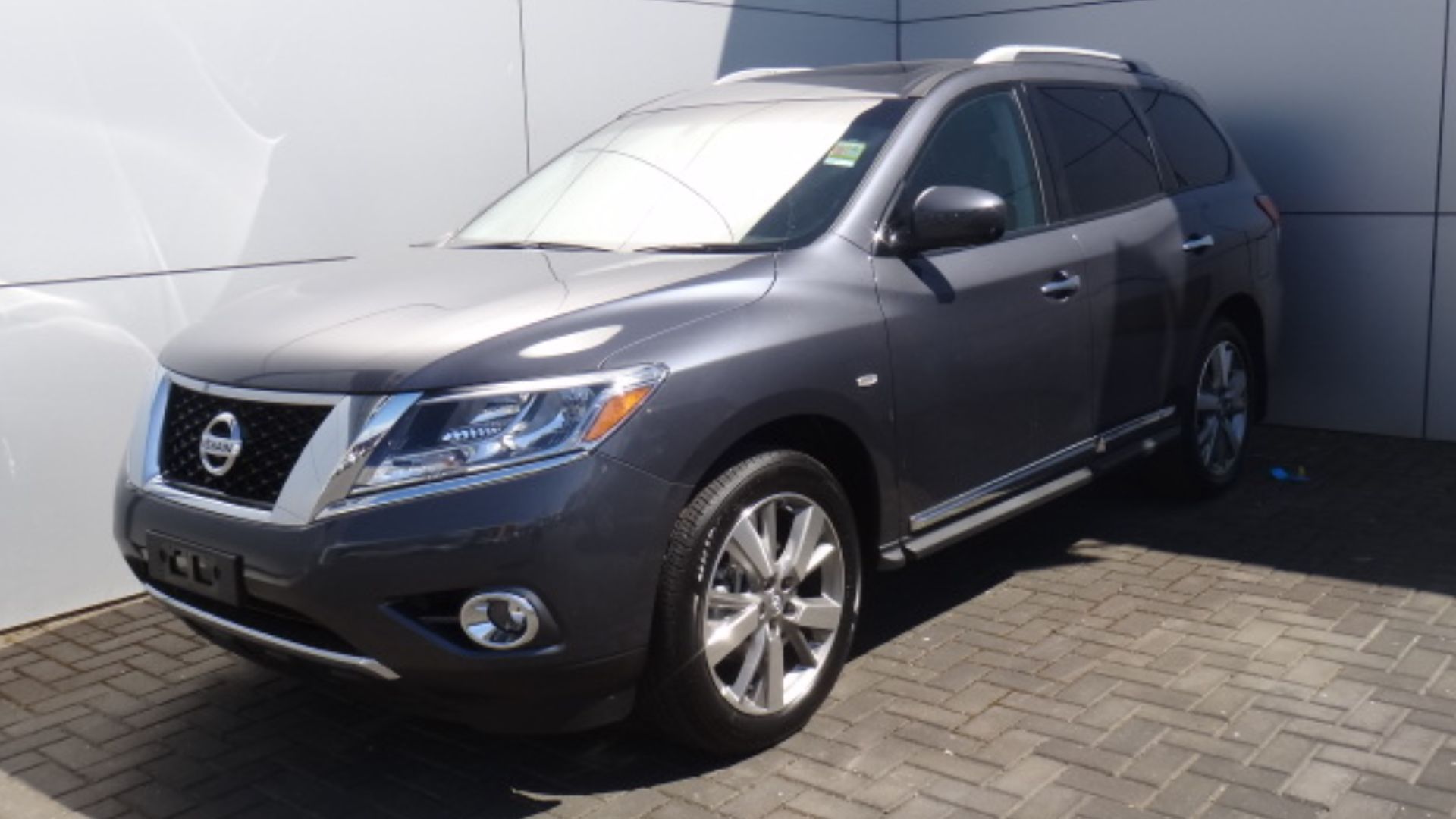
Nissan Pathfinder: The Family Crossover Transformation
By 2013, the Pathfinder had evolved into a spacious, seven-passenger crossover with unibody construction. The redesigned model featured a 3.5-liter V6 and continuously variable transmission. Compared with its truck-based predecessor, the 2013 Pathfinder emphasized passenger comfort, improved fuel economy, and interior space.
 TuRbO_J from Adelaide, Australia, Wikimedia Commons
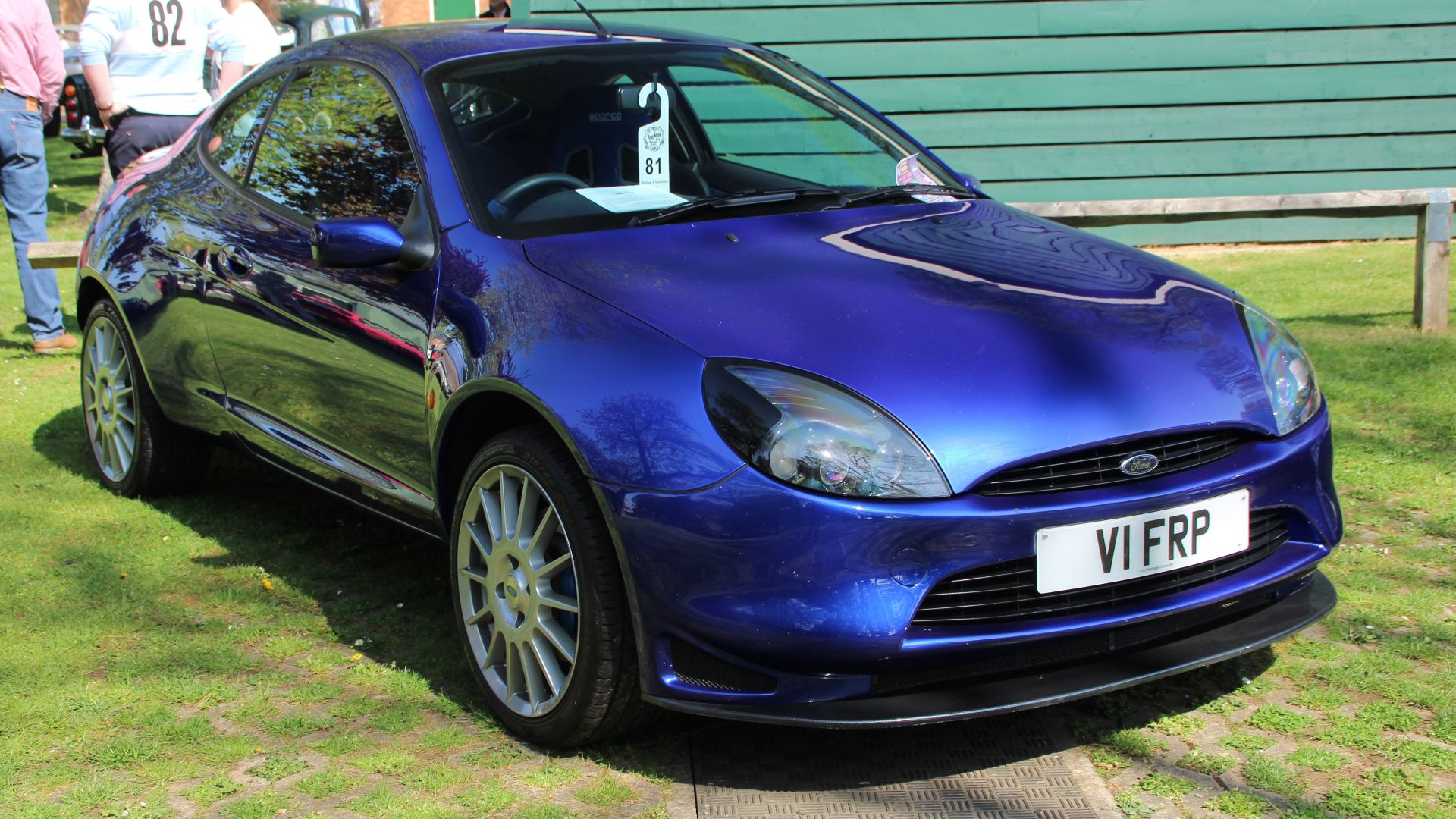
Ford Puma: The Sporty European Coupe
Introduced in 1997, the original Ford Puma was a small, sporty three-door coupe sold in Europe. It used mechanical components from the Ford Fiesta but featured distinctive styling and responsive handling. Its available 1.7-liter engine and five-speed manual transmission helped establish its reputation among driving enthusiasts.
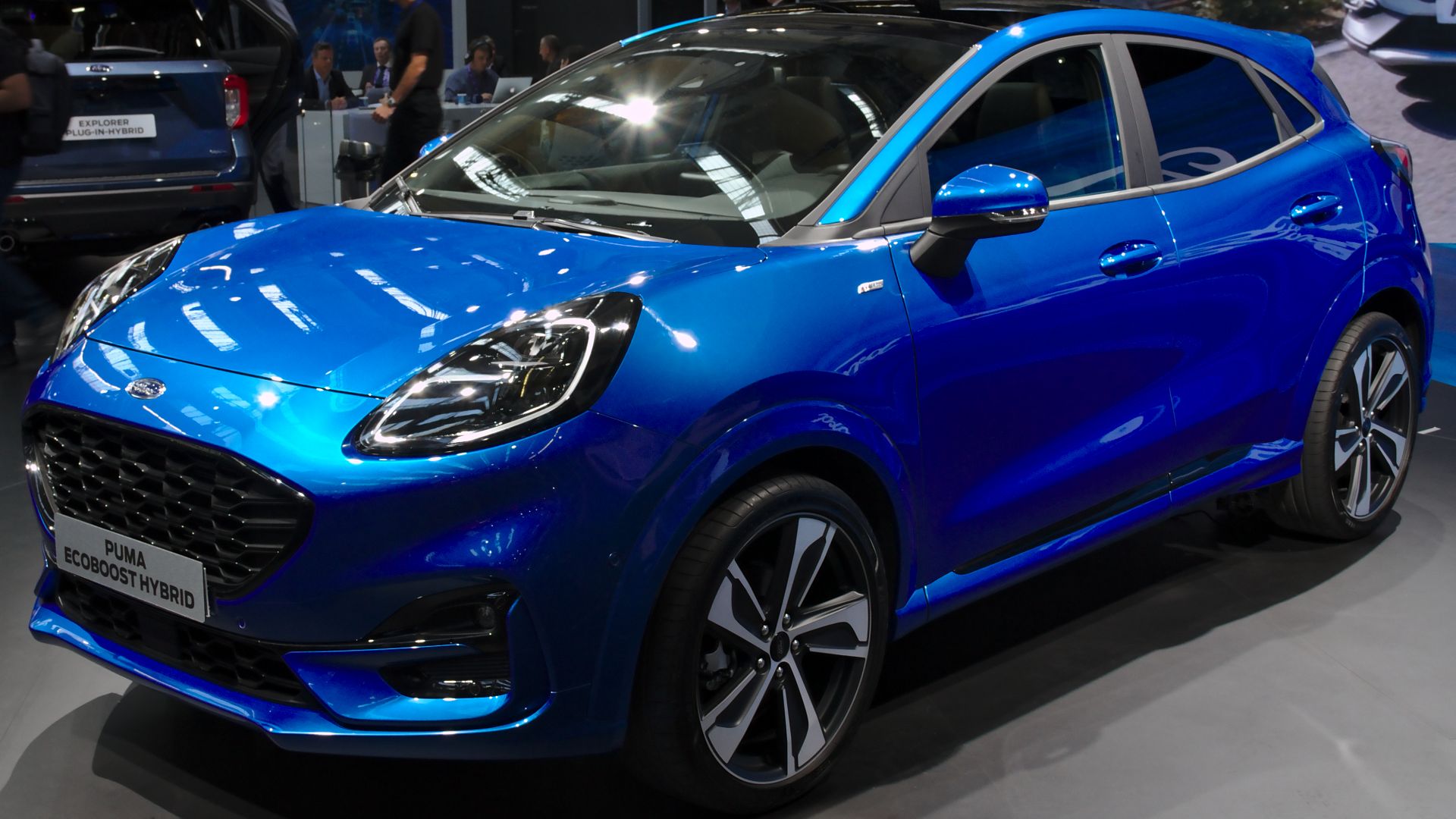
Ford Puma: The Name Returns On An SUV
Ford brought back the Puma name in 2019, this time for a compact crossover. Its taller body, five-door layout, and practical cargo space were a major departure from the original coupe. The new Puma also offered mild-hybrid technology, demonstrating how dramatically the model's intended purpose had changed.
 Alexander Migl, Wikimedia Commons
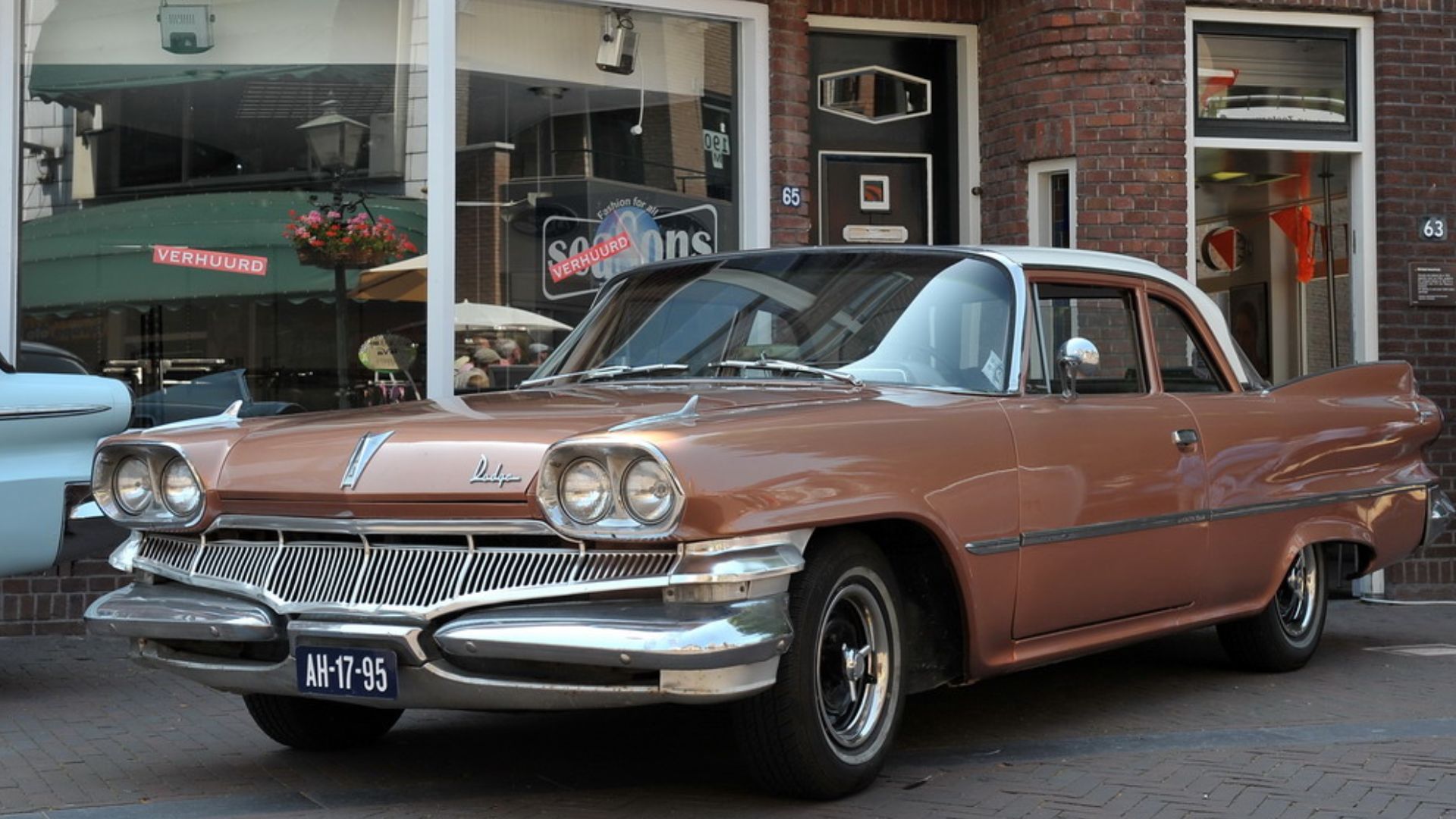
Dodge Dart: The Surprisingly Large Original
When the Dodge Dart debuted for 1960, it was a full-size American automobile. Buyers could choose from several body styles, with available engines including Chrysler's Slant Six and larger V8s. Dodge subsequently downsized the Dart, turning it into a compact model for 1963.
 FaceMePLS from The Hague, The Netherlands, Wikimedia Commons
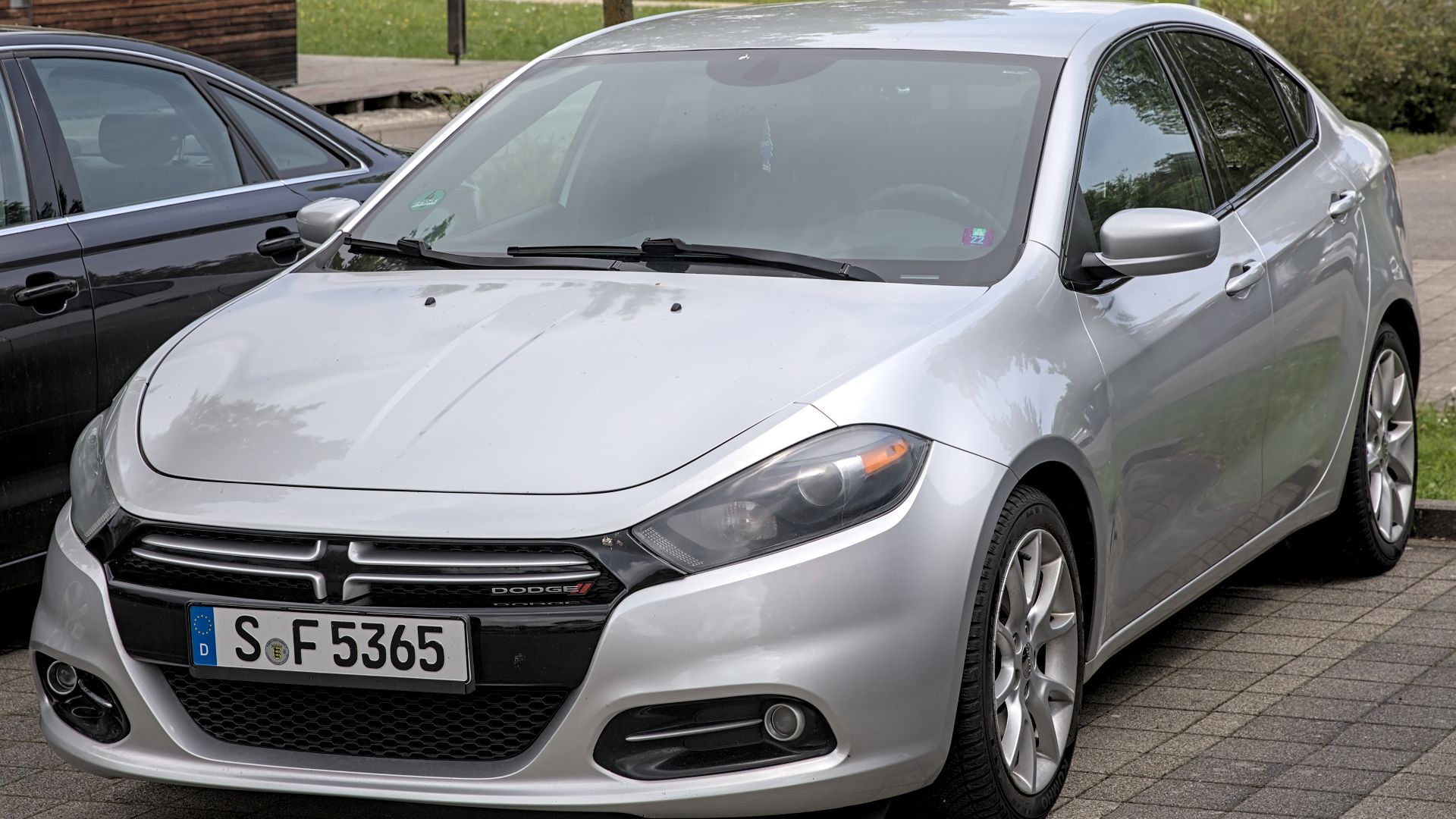
Dodge Dart: An Italian-American Compact Sedan
The Dart returned for the 2013 model year as a modern, front-wheel-drive compact sedan. Instead of using traditional American rear-drive engineering, the new vehicle rode on a modified Alfa Romeo Giulietta platform. Built in Illinois, the Dart offered four-cylinder engines and contemporary technology.
 Alexander-93, Wikimedia Commons
Dodge Challenger: A Classic American Muscle Car
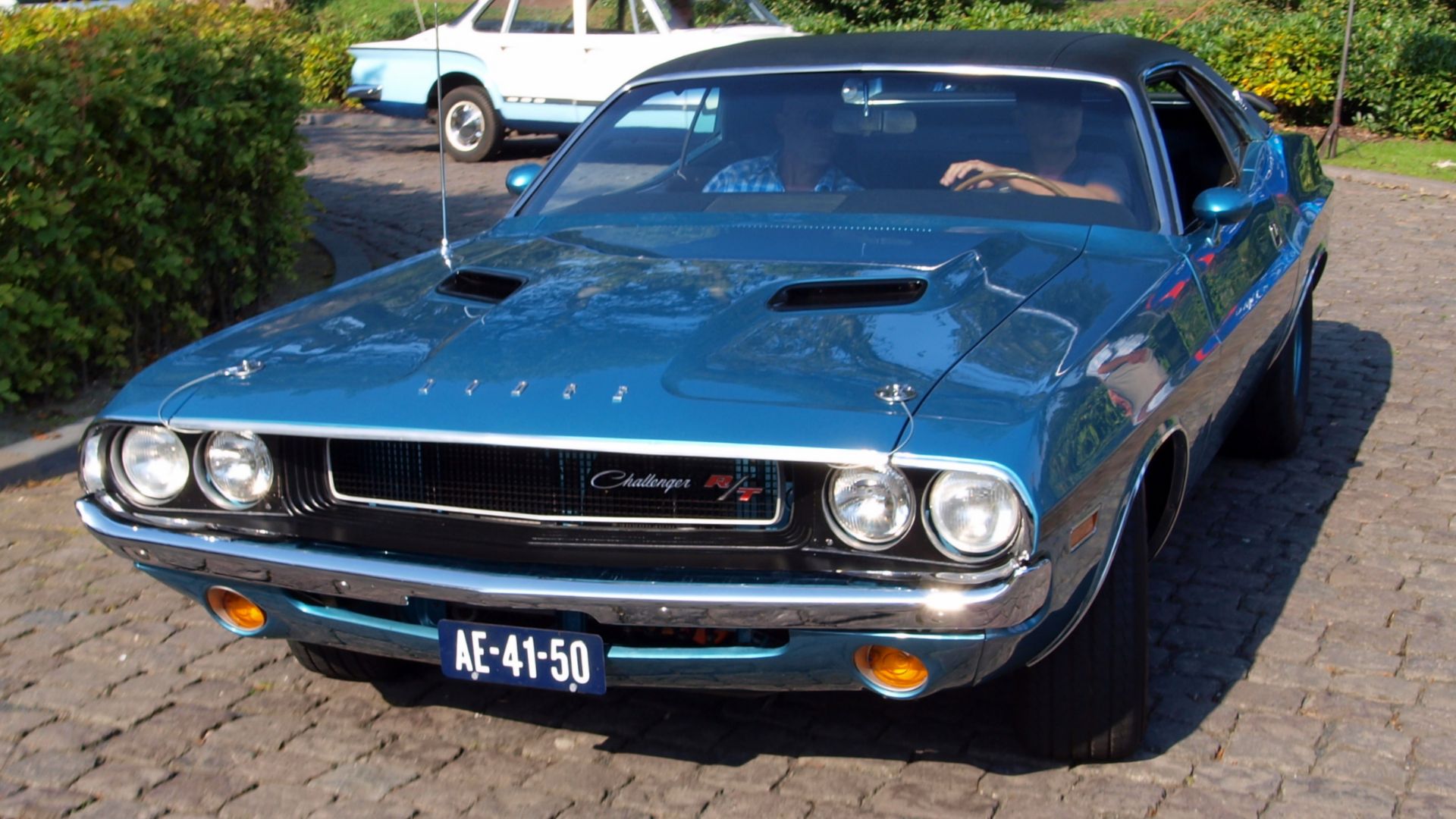
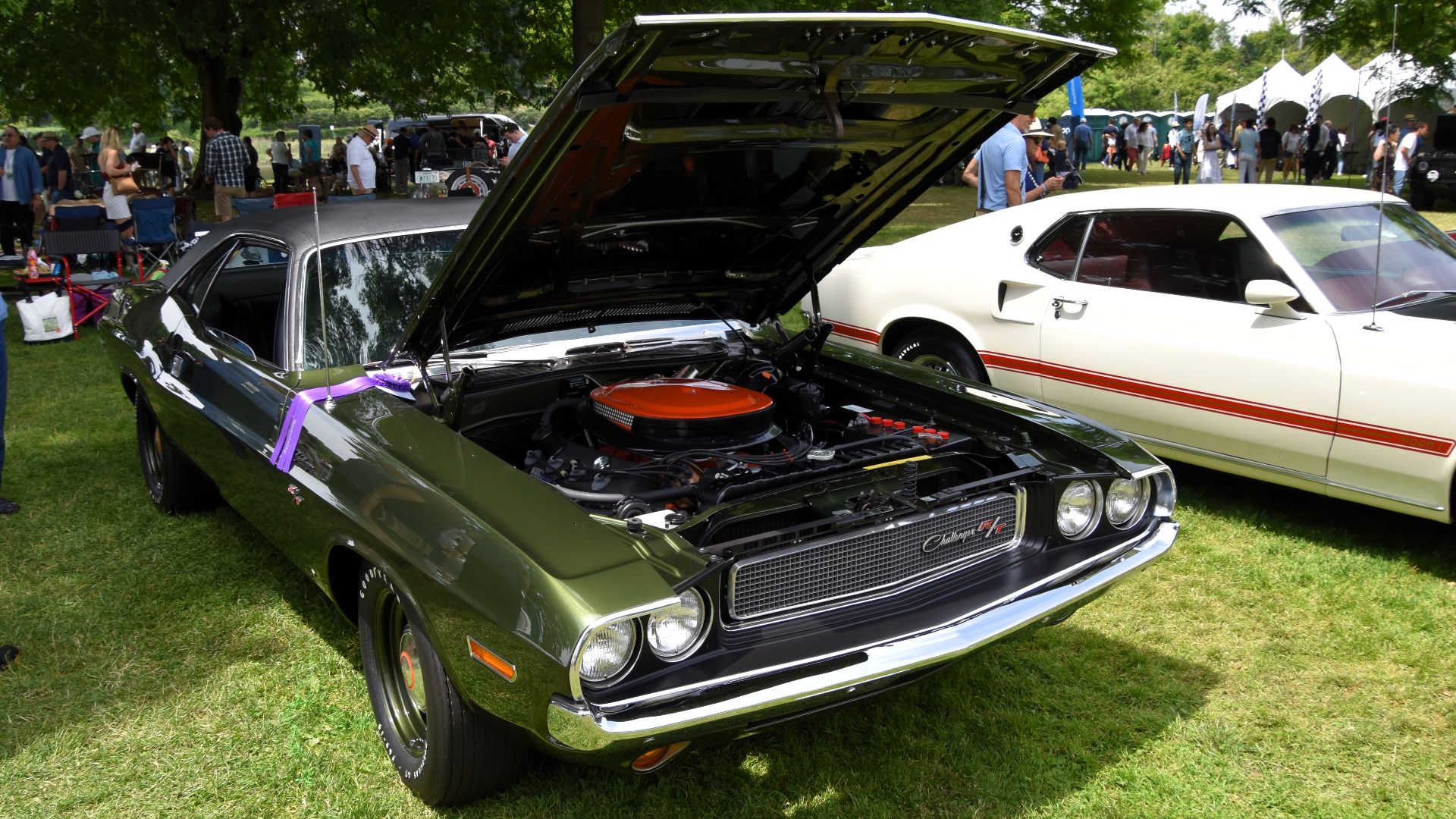
Introduced for 1970, the original Dodge Challenger competed in America's growing pony-car market. Buyers could choose a coupe or convertible, with engines ranging from an economical Slant Six to powerful V8s. Available performance options included the legendary 426 Hemi, rated at 425 horsepower.
Dodge Challenger: The Unexpected Mitsubishi Years
For 1978, Dodge revived the Challenger name on a rebadged Mitsubishi Galant Lambda coupe. Unlike the original muscle car, the imported Challenger relied on small four-cylinder engines and emphasized efficiency. It remained rear-wheel drive, but its size, styling, and mechanical origins were dramatically different.
 Charles from Port Chester, New York, Wikimedia Commons
Which Version Would You Rather Drive?
These fourteen names have appeared on everything from V8 muscle cars to electric crossovers, pickups, and minivans. Some reinventions preserved the spirit of their predecessors, while others introduced entirely different vehicles. Which original would you bring back, and which newer version would you choose instead?
 Greg Gjerdingen from Willmar, USA, Wikimedia Commons
Sources: 1, 2, 3, 4, 5, 6, 7, 8, 9, 10, 11, 12, 13, 14, 15, 16, 17, 18, 19, 20, 21, 22, 23, 24, 25, 26, 27