
Deja Vu All Over Again
Remember landing at an airport, dragging your suitcase to the rental counter, and being handed the keys to a beige sedan with 18,000 miles on it? During the 2000s, rental lots were packed with practical four-doors that seemed to be everywhere. Some were surprisingly good, others were utterly forgettable, but chances are you've driven at least a few of these old rental-fleet favorites.
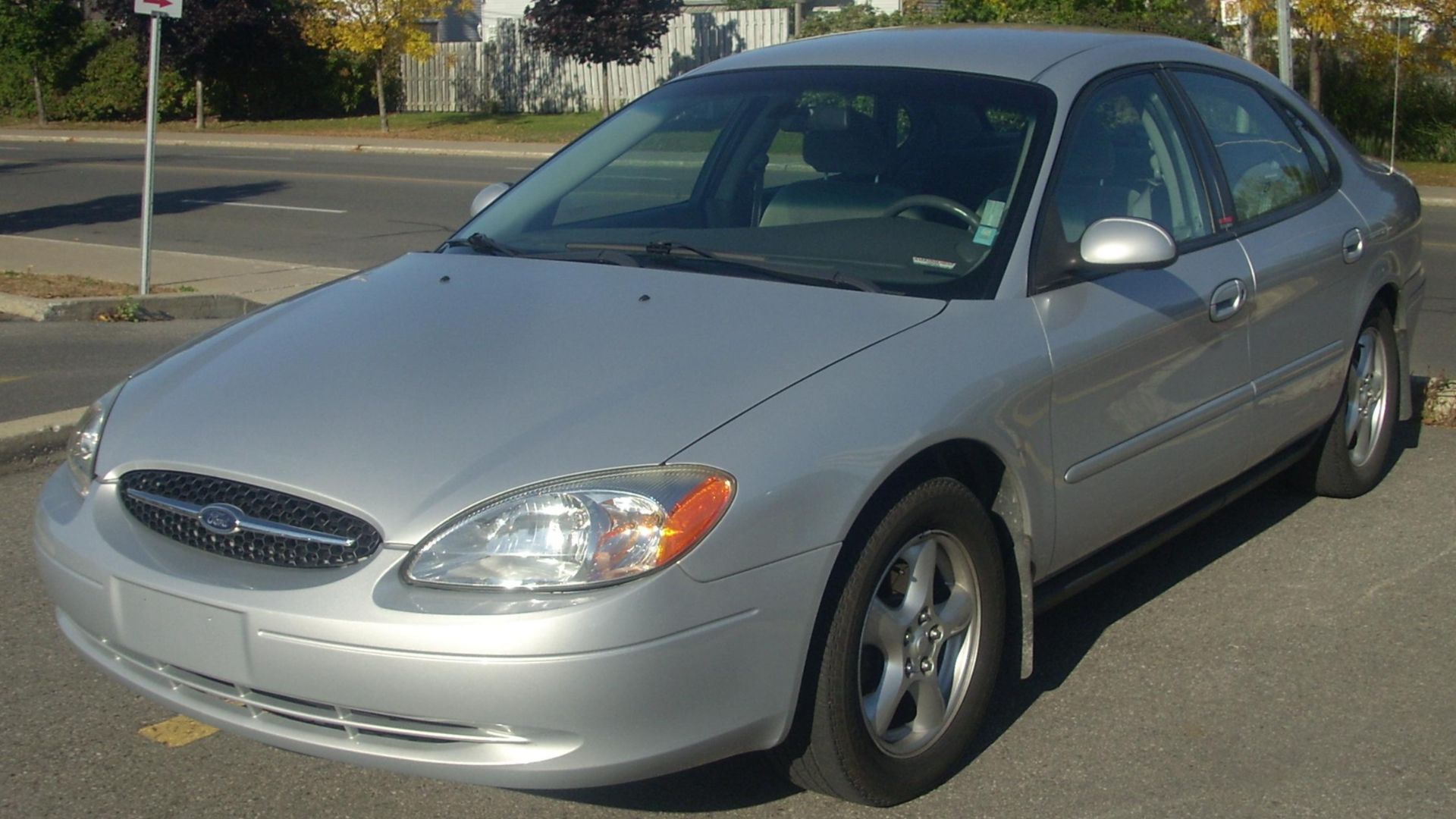
Ford Taurus (2000–2007)
Few cars defined the American rental counter quite like the Ford Taurus. By the mid-2000s, its roomy cabin, comfortable ride, and familiar V6 engines made it a natural choice for rental fleets. The styling wasn't particularly exciting, but it could swallow luggage and cruise all day. For countless travelers, a Taurus was practically synonymous with an airport parking garage.
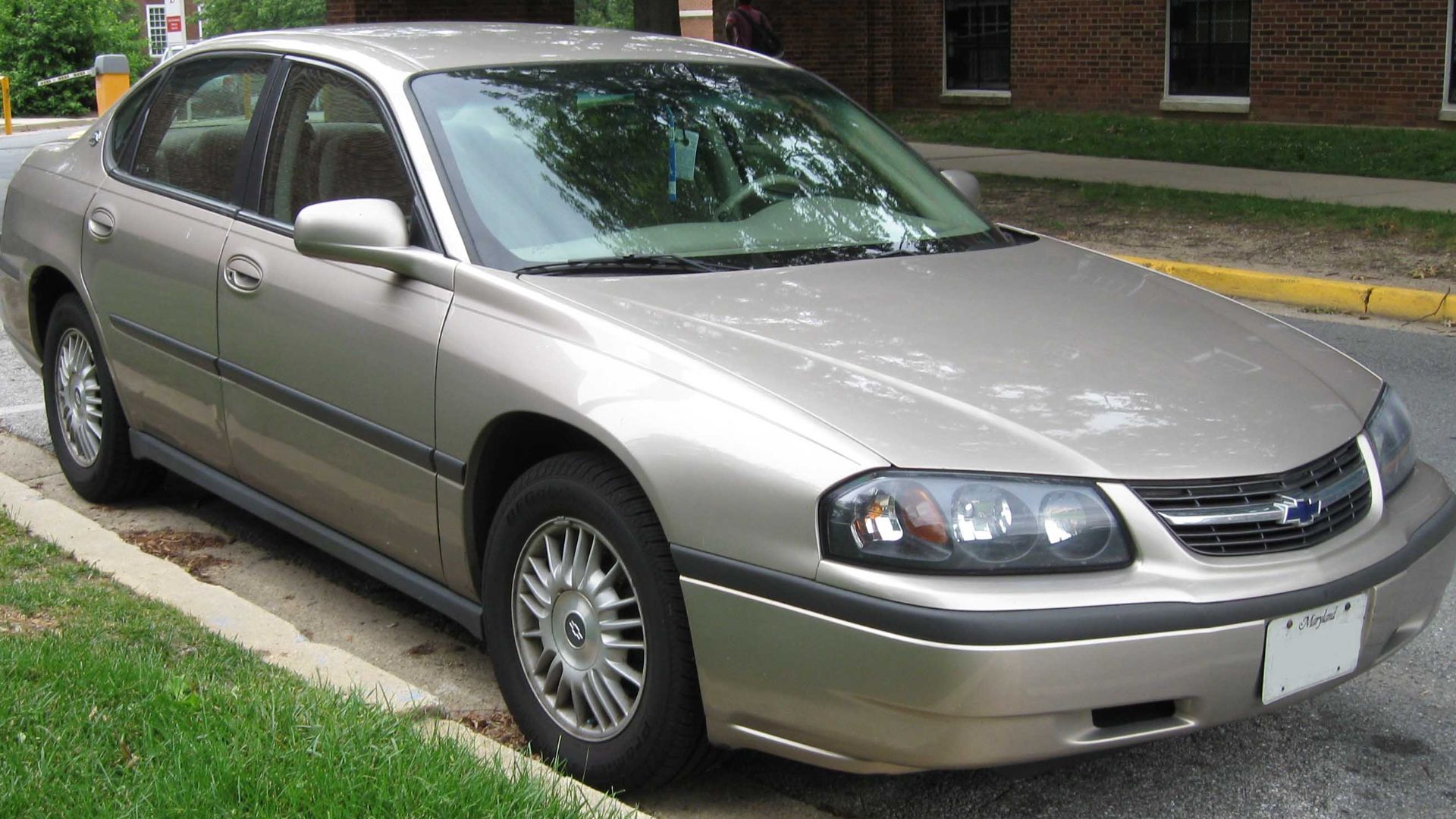
Chevrolet Impala (2000–2009)
The Chev Impala became one of the decade's quintessential full-size rental sedans. Its front-wheel-drive layout, spacious trunk, and available V6 power appealed to fleet operators, while renters appreciated its straightforward controls. The redesigned 2006 model became especially familiar. Whether you were visiting relatives or driving to a business conference, there was a good chance an Impala would be waiting.
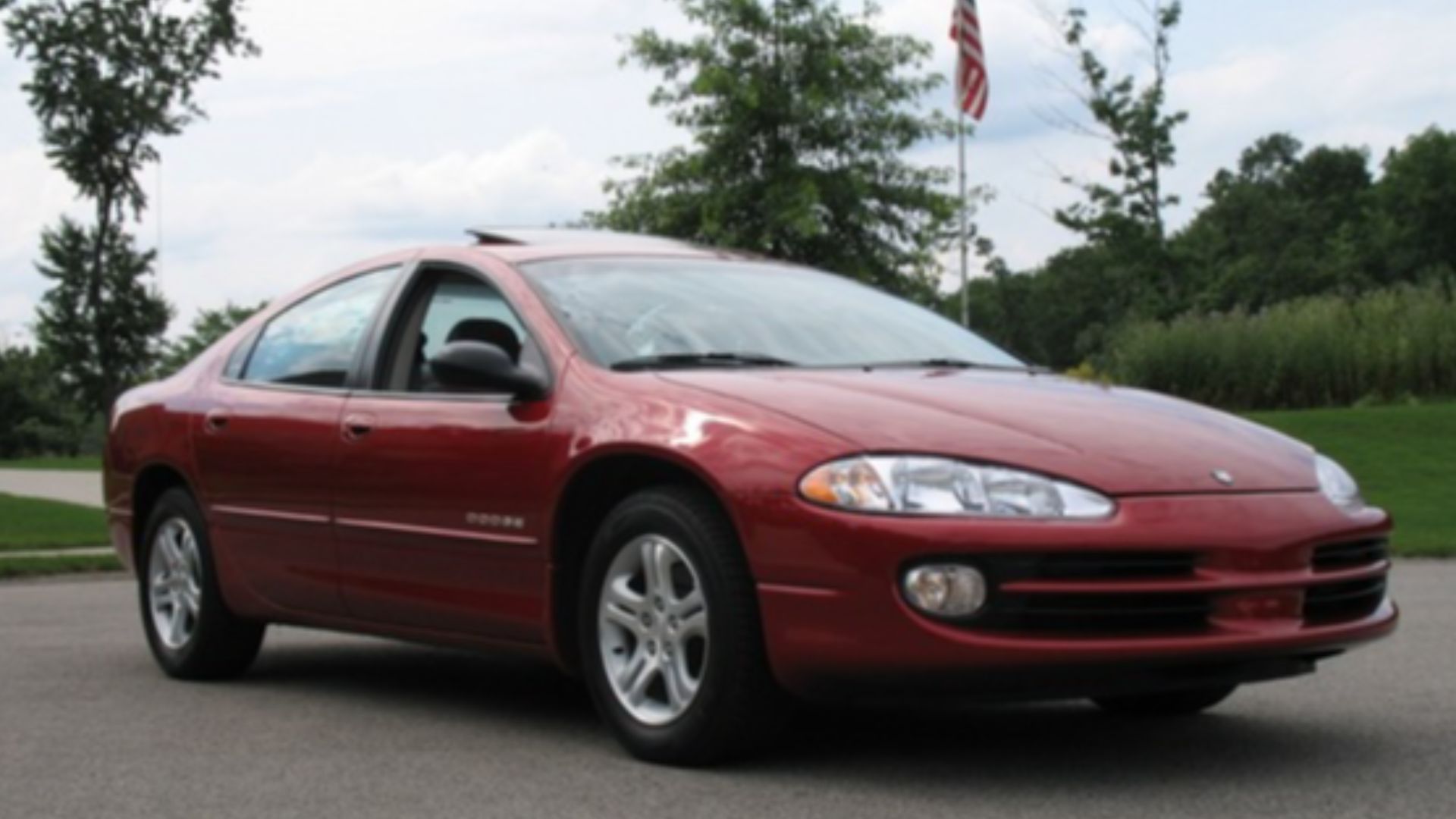
Dodge Intrepid (2000–2004)
The Dodge Intrepid was one of the more distinctive sedans in early-2000s rental lots. Its cab-forward design created an unusually spacious passenger compartment, and its long, low shape looked almost sporty compared with the competition. Unfortunately, the second-generation Intrepid developed a mixed reputation for reliability, particularly with its 2.7-liter V6. By 2004, its production run was finished.
 Thebandit82089, Wikimedia Commons
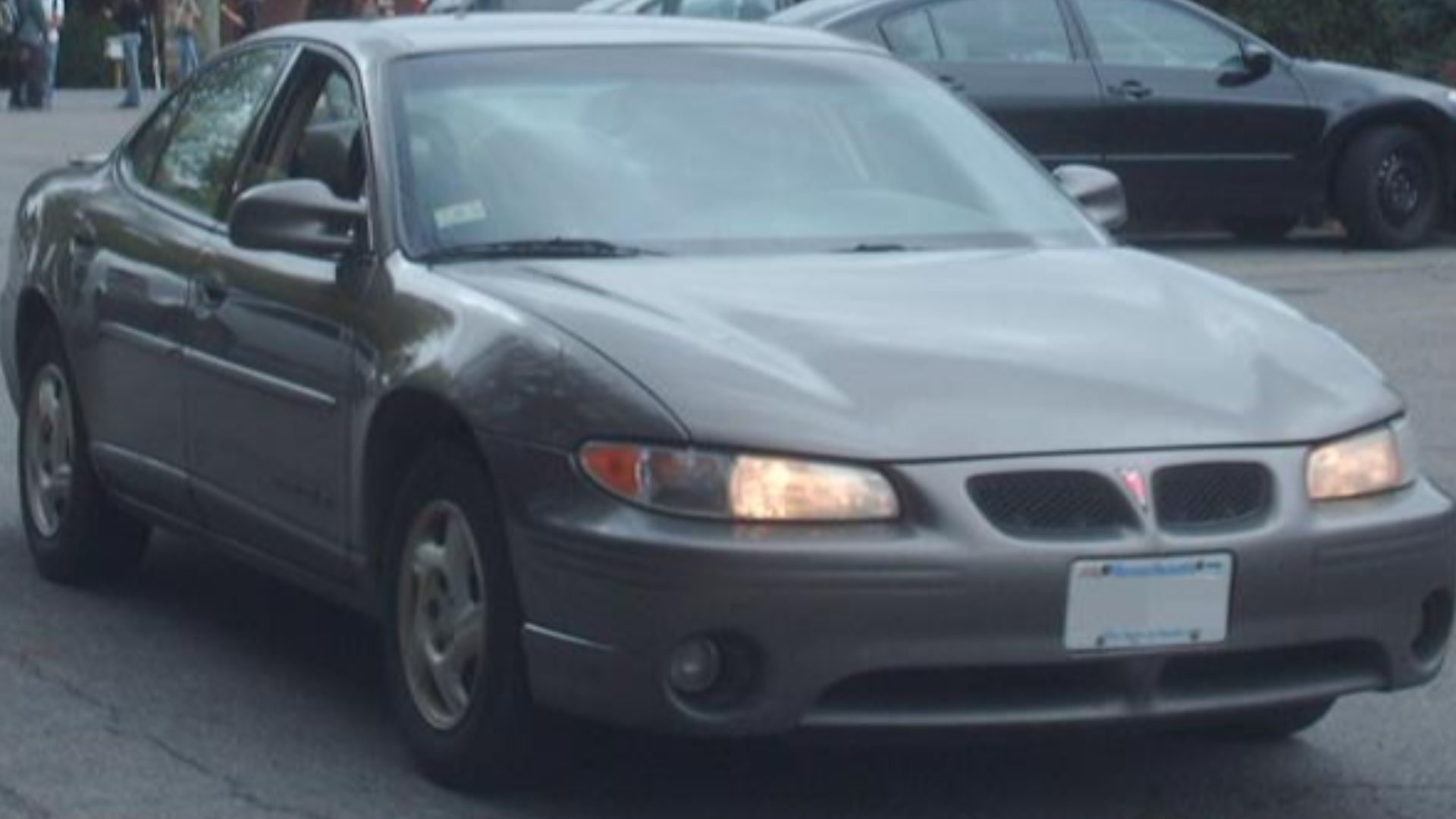
Pontiac Grand Prix (2000–2008)
The Pontiac Grand Prix offered rental customers something a little sportier than the typical family sedan. Its aggressive styling, driver-oriented dashboard, and available 3.8-liter V6 gave it more personality than many fleet competitors. The redesigned 2004 model became particularly familiar at rental counters. Although Pontiac marketed it as a performance-oriented sedan, most renters simply appreciated the comfortable seats and highway passing power.
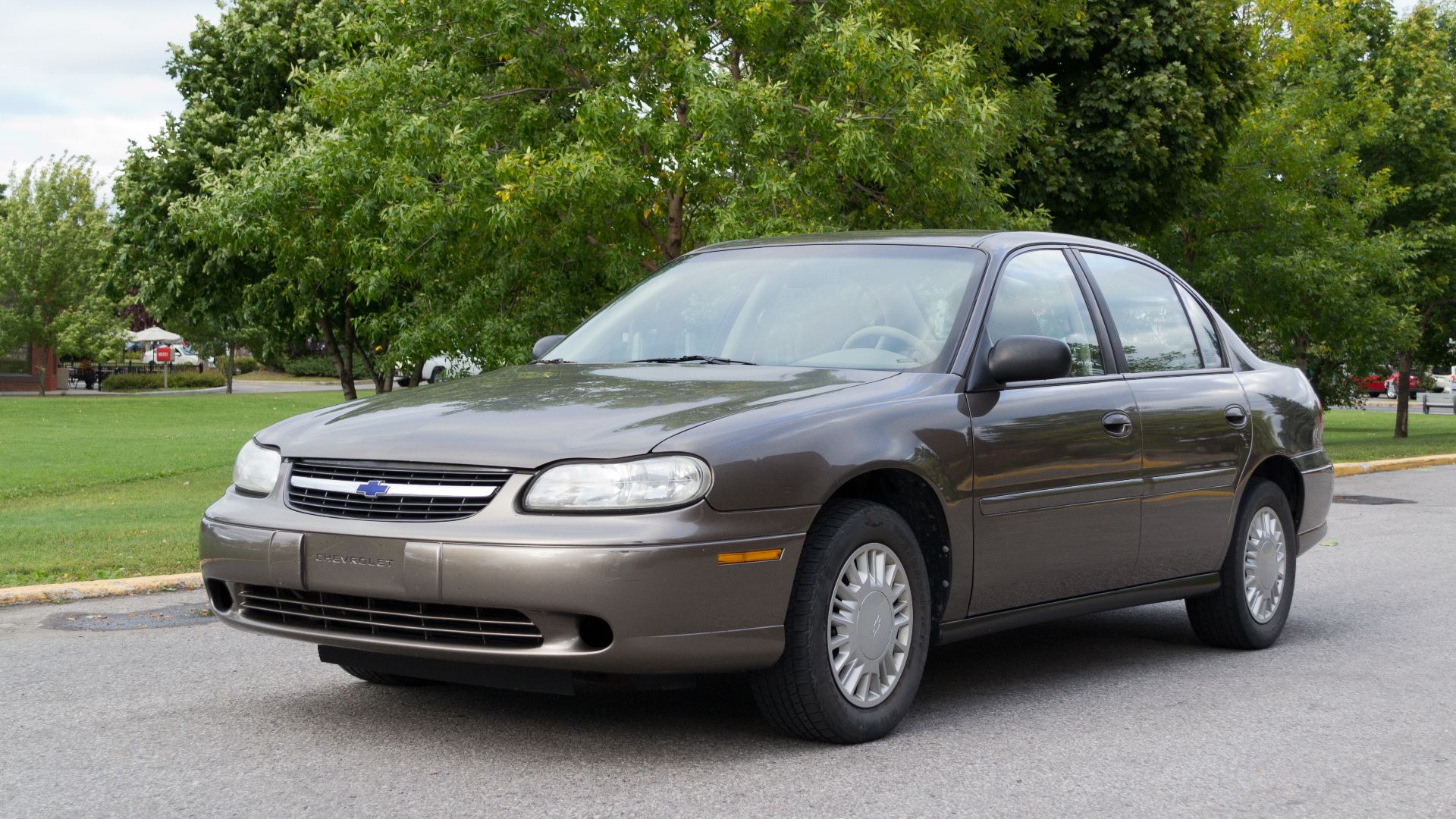
Chevrolet Malibu (2000–2009)
The Chevrolet Malibu was a dependable fixture of midsize rental fleets throughout the decade. Early models were modest, conventional sedans, while the redesigned 2004 version introduced a taller profile and a more contemporary interior. The dramatically improved 2008 redesign gave the Malibu genuine showroom appeal. Rental companies appreciated its reasonable purchase price, manageable operating costs, and broad availability.
Dodge Stratus (2000–2006)
If you reserved an intermediate sedan during the early 2000s, a Dodge Stratus might have been waiting outside. The second-generation model arrived for 2001 with rounded styling and a choice of four-cylinder or V6 engines. It wasn't especially refined, but its relatively low cost made it attractive to fleet buyers. By 2006, the Stratus sedan was nearing the end of the road.
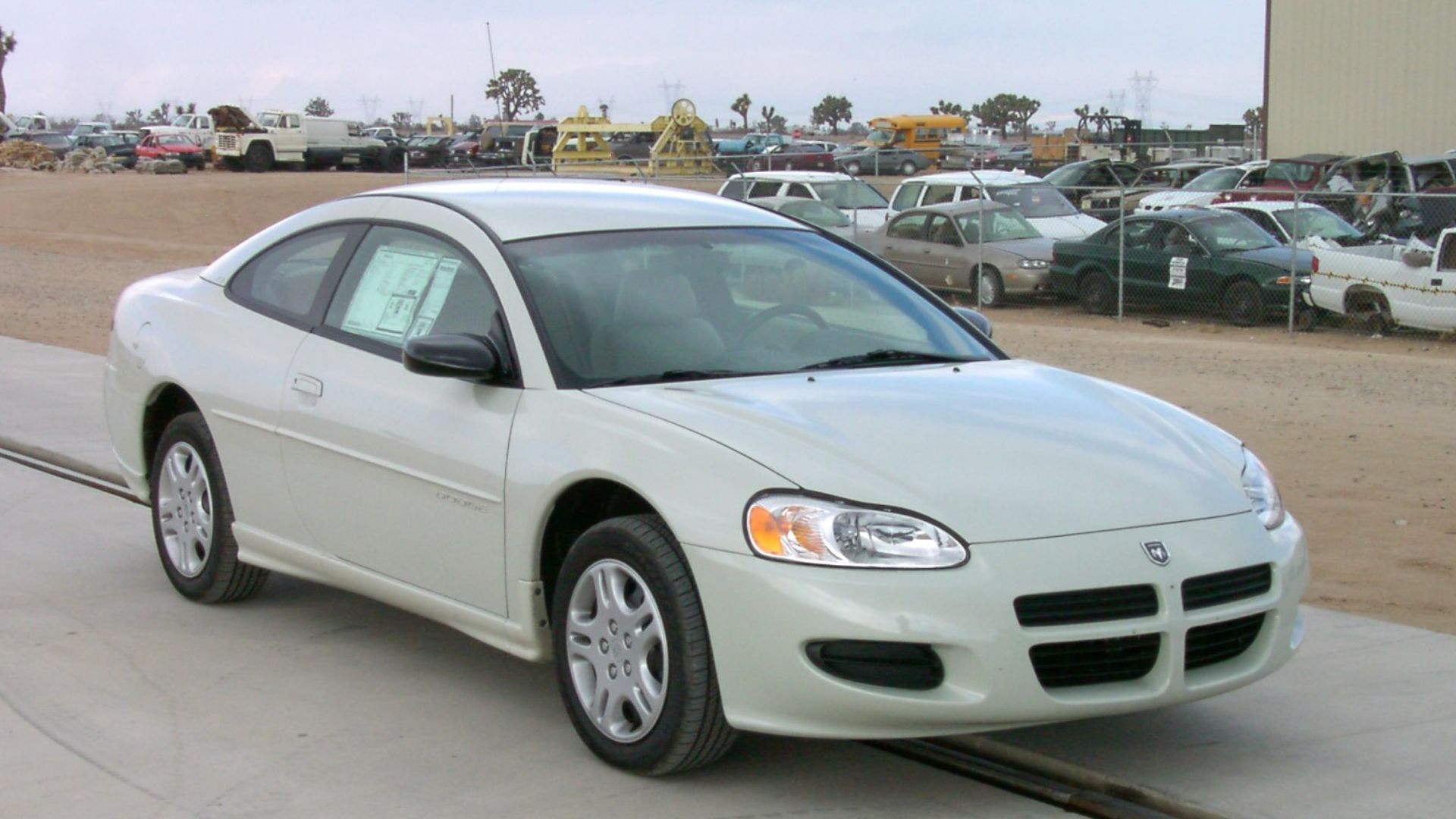 National Highway Traffic Safety Administration, Wikimedia Commons
Chrysler Sebring (2001–2009)
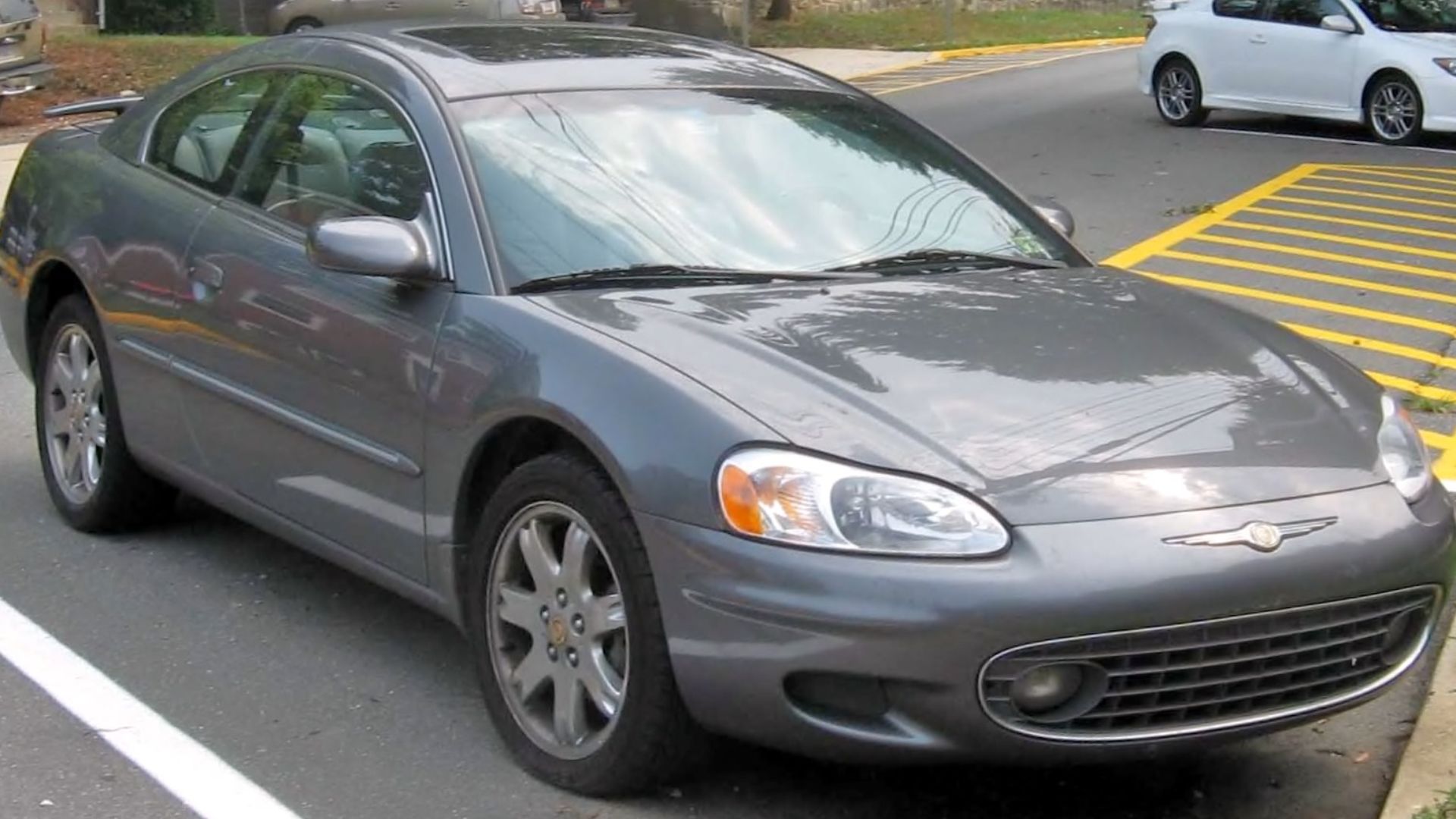
The Chrysler Sebring sedan was a familiar rental-counter offering, particularly among travelers who wanted something slightly more upscale than a Dodge Stratus. Its 2001 introduction brought understated styling and a comfortable interior, while a complete redesign arrived for 2007. The later car's unusual dashboard and controversial exterior attracted criticism, but fleet operators continued buying them in substantial numbers.
Mercury Sable (2000–2005, 2008–2009)
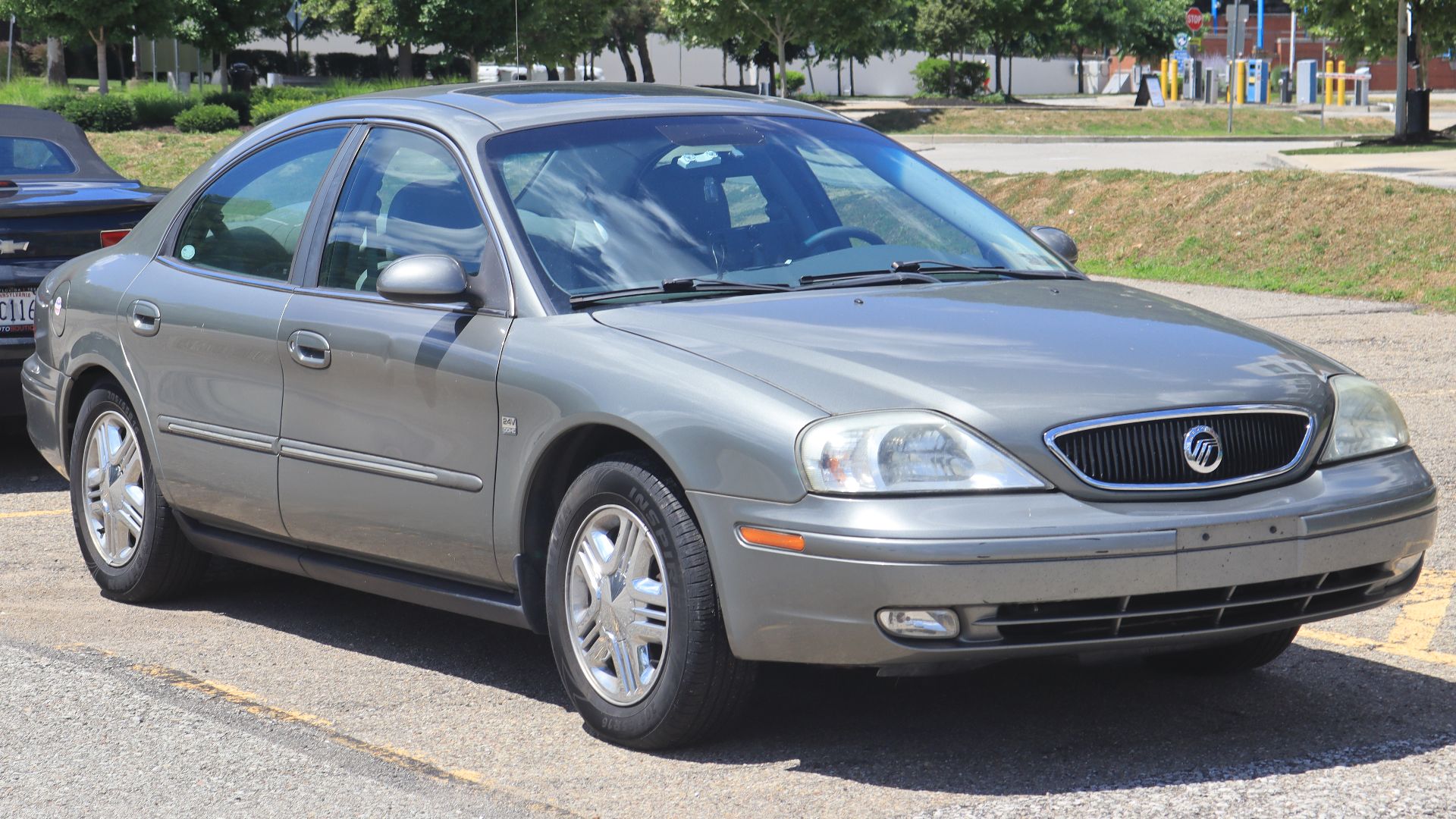
The Mercury Sable was essentially a more upscale relative of the Ford Taurus, offering similar mechanical components with different styling and interior trim. Its spacious cabin and soft ride suited rental customers who prioritized comfort over excitement. The nameplate disappeared after 2005, then returned for 2008 on a larger sedan related to the Ford Taurus. Both versions found places in rental fleets.
Buick LeSabre (2000–2005)
The Buick LeSabre was a favorite among travelers who preferred a large, comfortable American sedan. Its smooth 3.8-liter V6, generous seating, and relaxed highway manners made it ideal for long trips. Rental companies frequently placed it in premium categories, although an occasional complimentary upgrade could put an economy-minded traveler behind the wheel. The LeSabre disappeared after the 2005 model year.
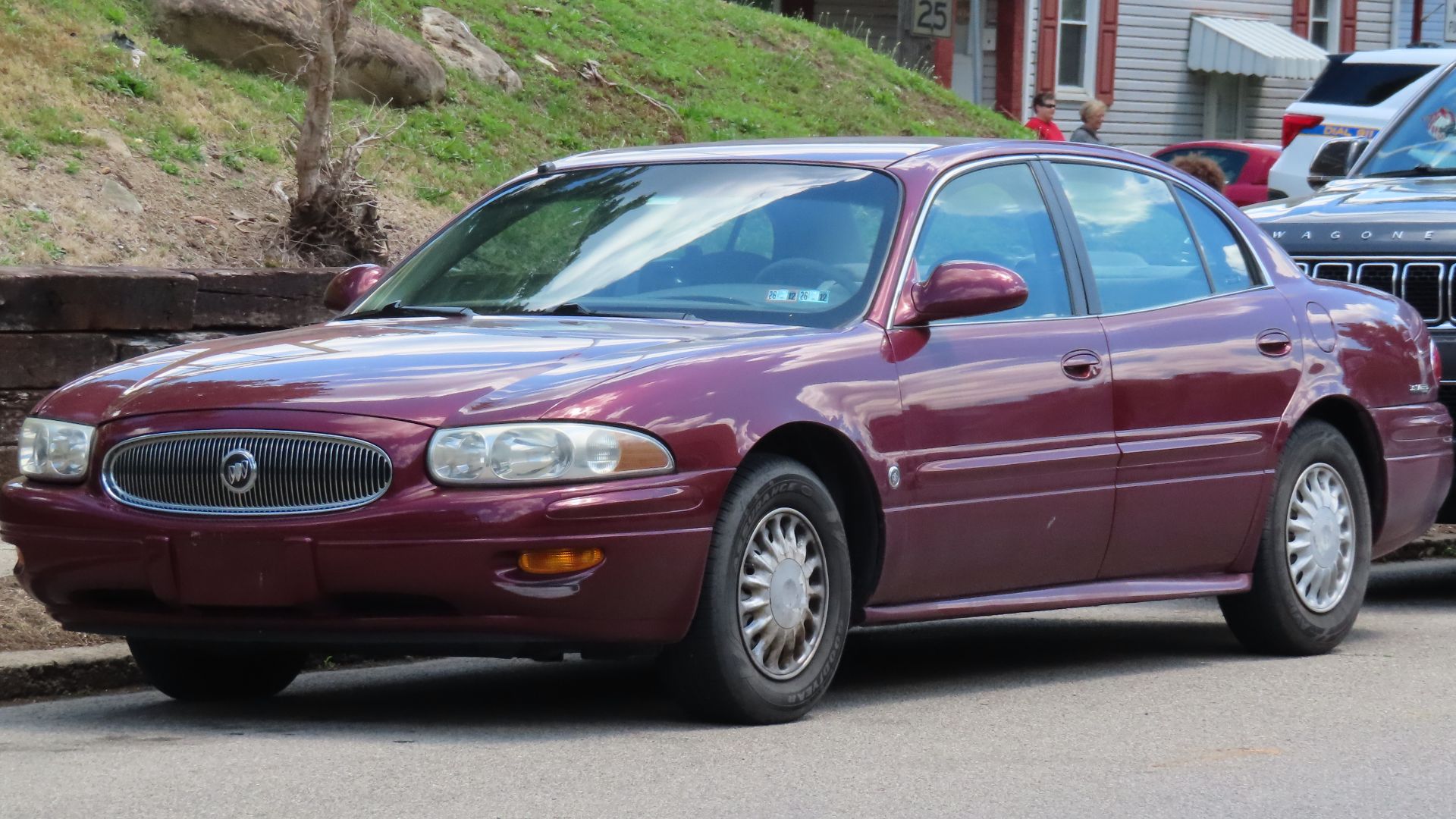 MercurySable99, Wikimedia Commons
Pontiac Grand Am (2000–2005)
The Pontiac Grand Am was everywhere during the first half of the decade. Its sculpted bodywork, distinctive Pontiac grille, and available V6 gave it a youthful appearance, even when equipped with basic rental-fleet trim. Inside, the dashboard featured plenty of hard plastic and unmistakably early-2000s styling. Production ended in 2005 as Pontiac shifted attention toward the newer G6.
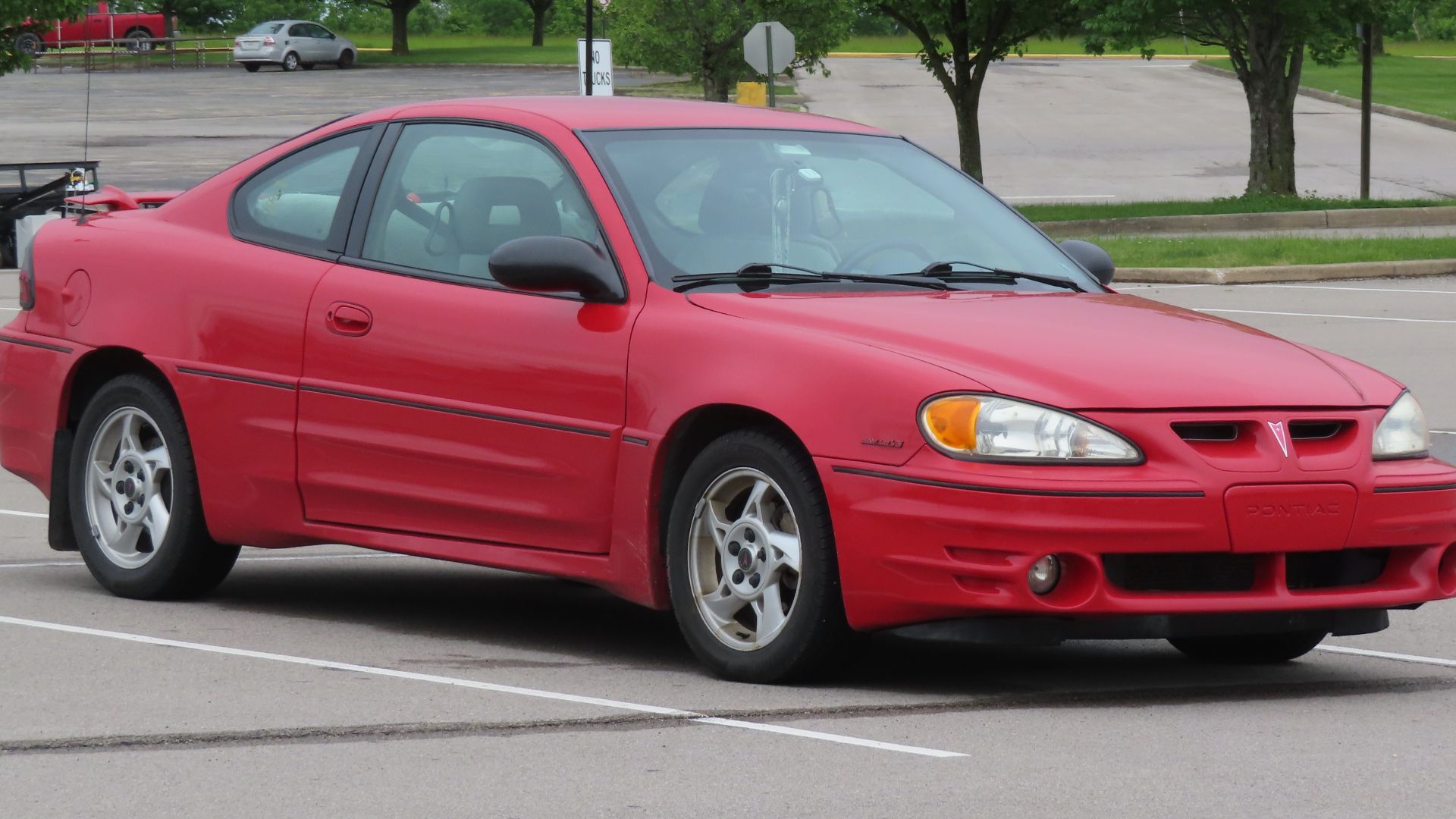 MercurySable99, Wikimedia Commons
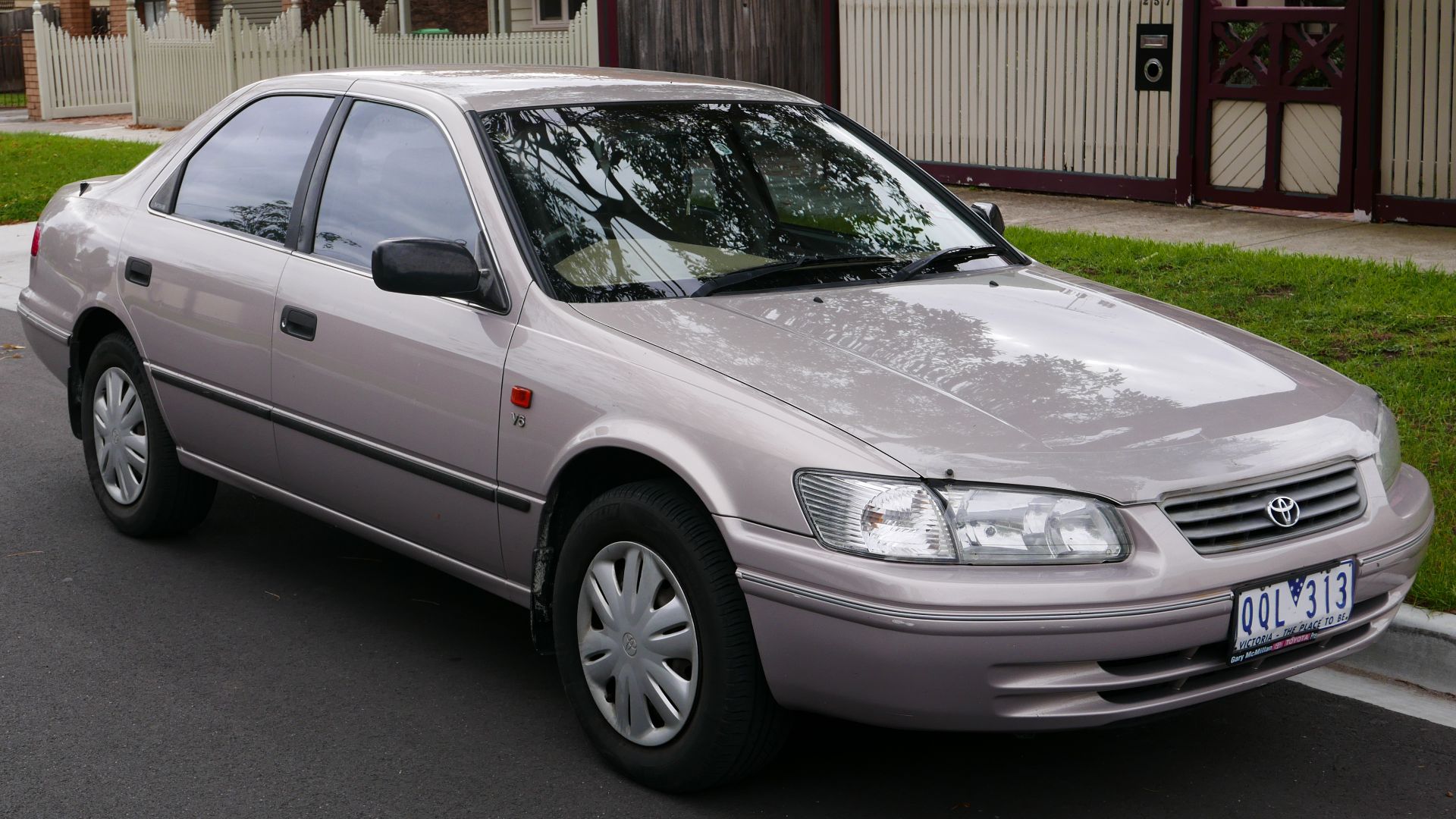
Toyota Camry (2000–2009)
The Toyota Camry was one of those few rental cars that customers often genuinely enjoyed receiving. Its quiet cabin, smooth ride, and reputation for reliability made it particularly appealing for longer journeys. The 2002 and 2007 redesigns brought more space and modern styling. Although Toyota wasn't as dependent on fleet sales as some domestic manufacturers, Camrys were familiar sights at major rental agencies.
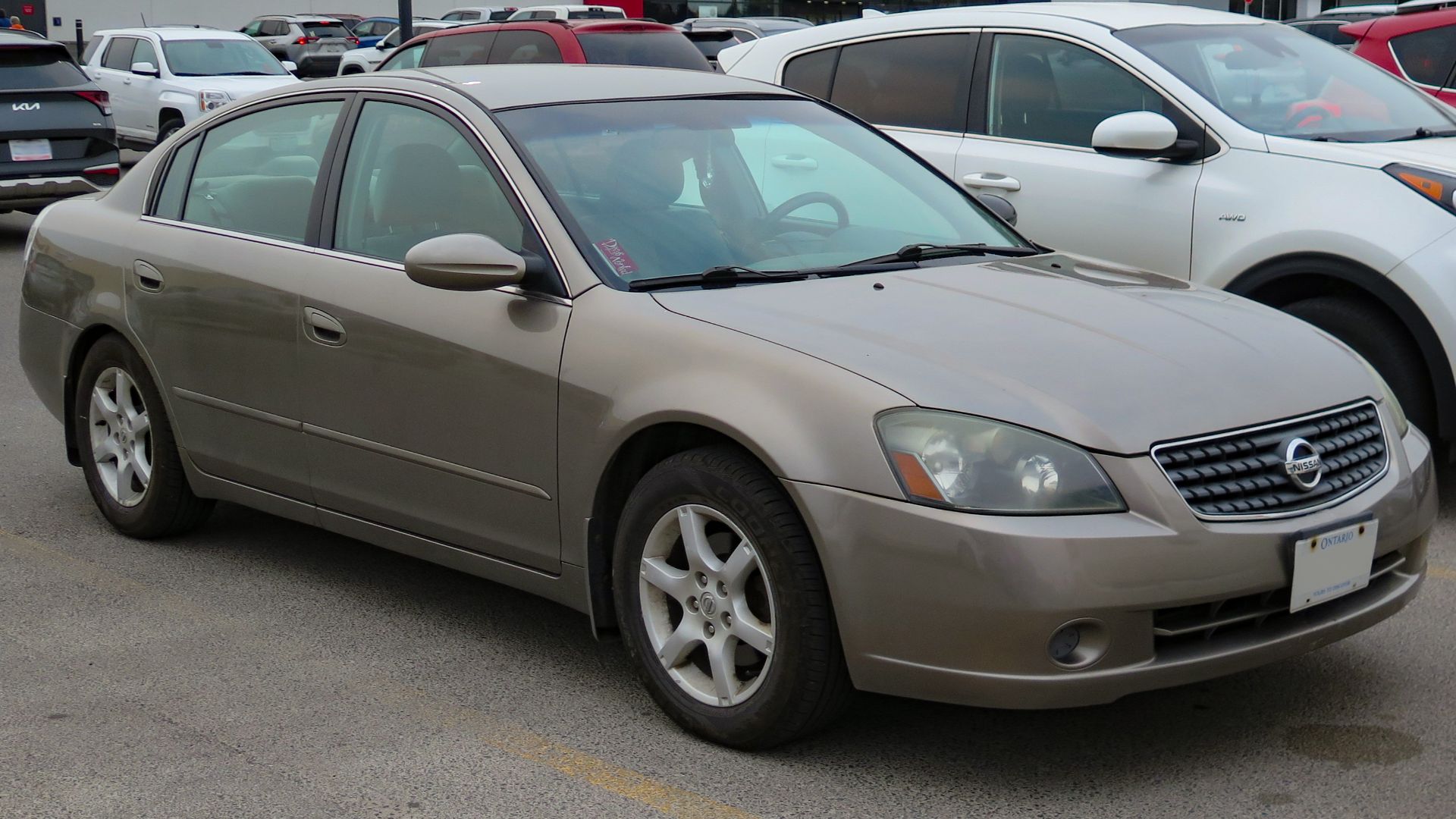
Nissan Altima (2000–2009)
The Nissan Altima became a more compelling rental choice after its major redesign for 2002. Its roomy cabin, responsive four-cylinder engine, and available V6 made it feel livelier than many competing sedans. Another redesign arrived for 2007, introducing a more sophisticated interior and available continuously variable transmission. Travelers accustomed to ordinary fleet cars sometimes found the Altima a pleasant surprise.
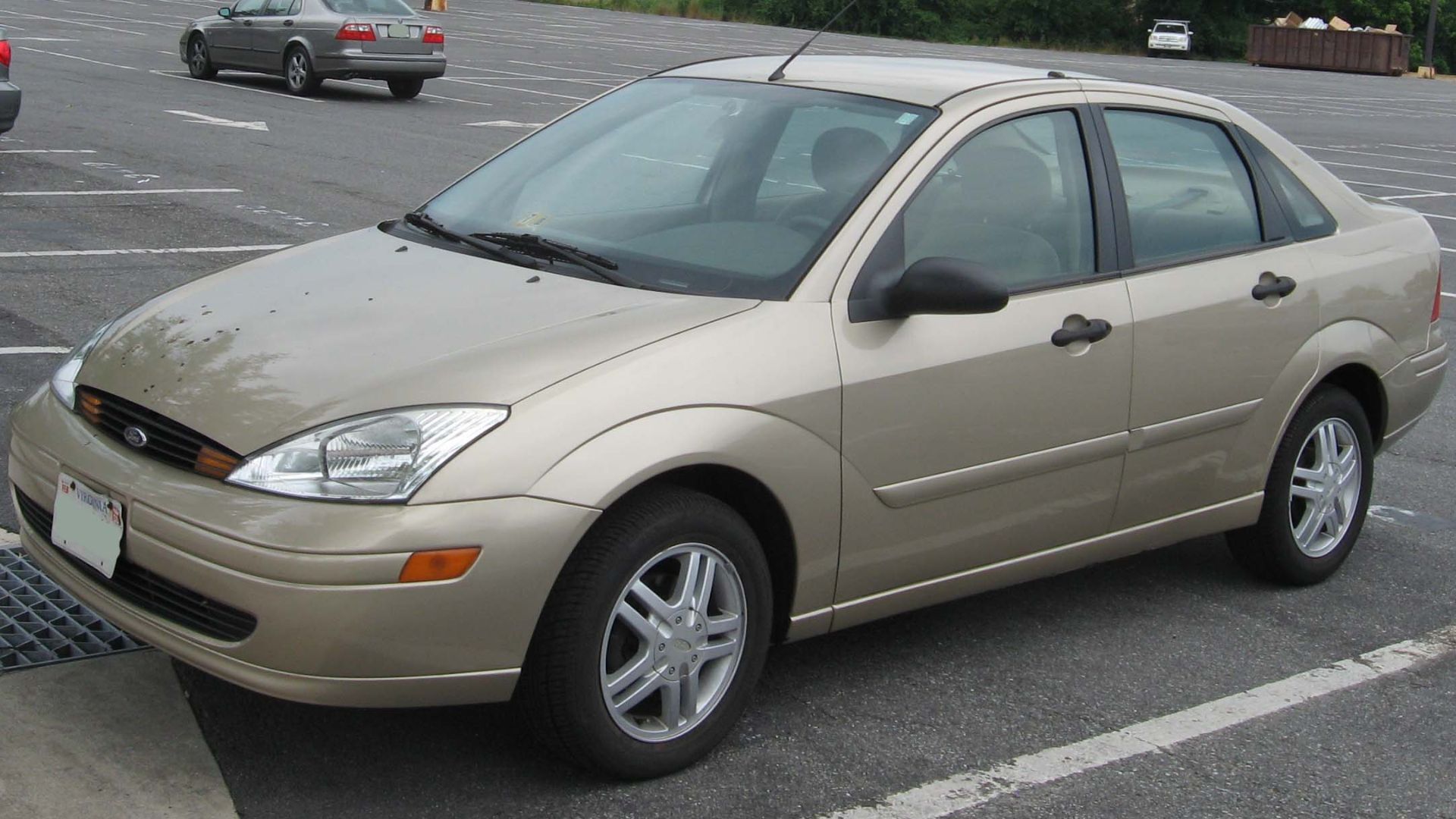
Ford Focus Sedan (2000–2009)
The Ford Focus sedan offered rental customers something smaller and more maneuverable than the Taurus. Introduced to American buyers for 2000, it combined practical interior space with surprisingly entertaining handling. Early examples weren't immune to quality problems, but the Focus remained a popular compact choice. Its relatively economical engines also helped travelers keep their fuel bills under control.
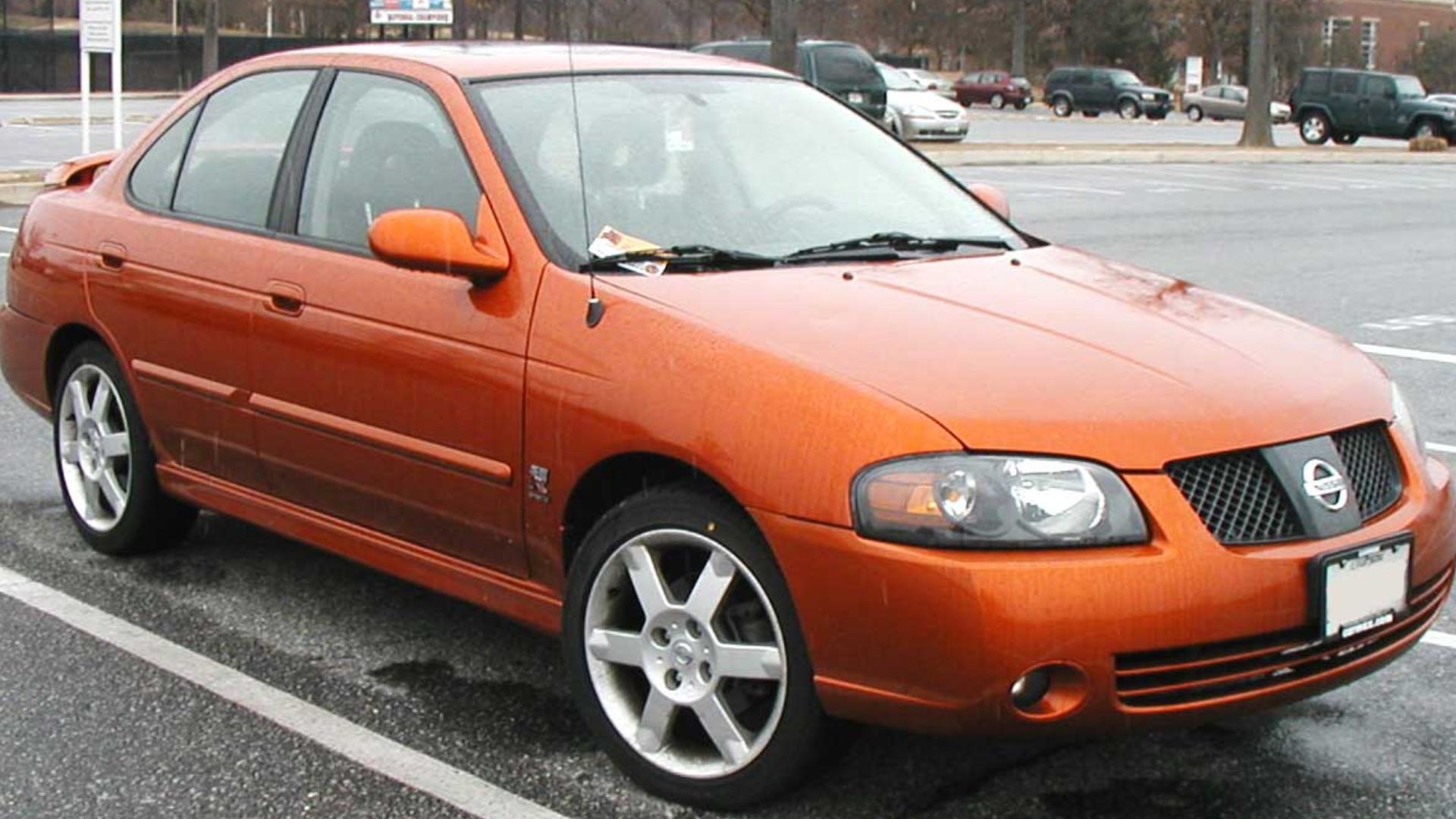
Nissan Sentra (2000–2009)
The Nissan Sentra was a sensible compact sedan that frequently appeared in economy and compact rental categories. Its understated styling and straightforward controls made it easy for unfamiliar drivers to operate. A larger, more spacious generation arrived for 2007, bringing an improved interior and a more distinctive appearance. It was rarely anybody's dream rental, but it usually got the job done.
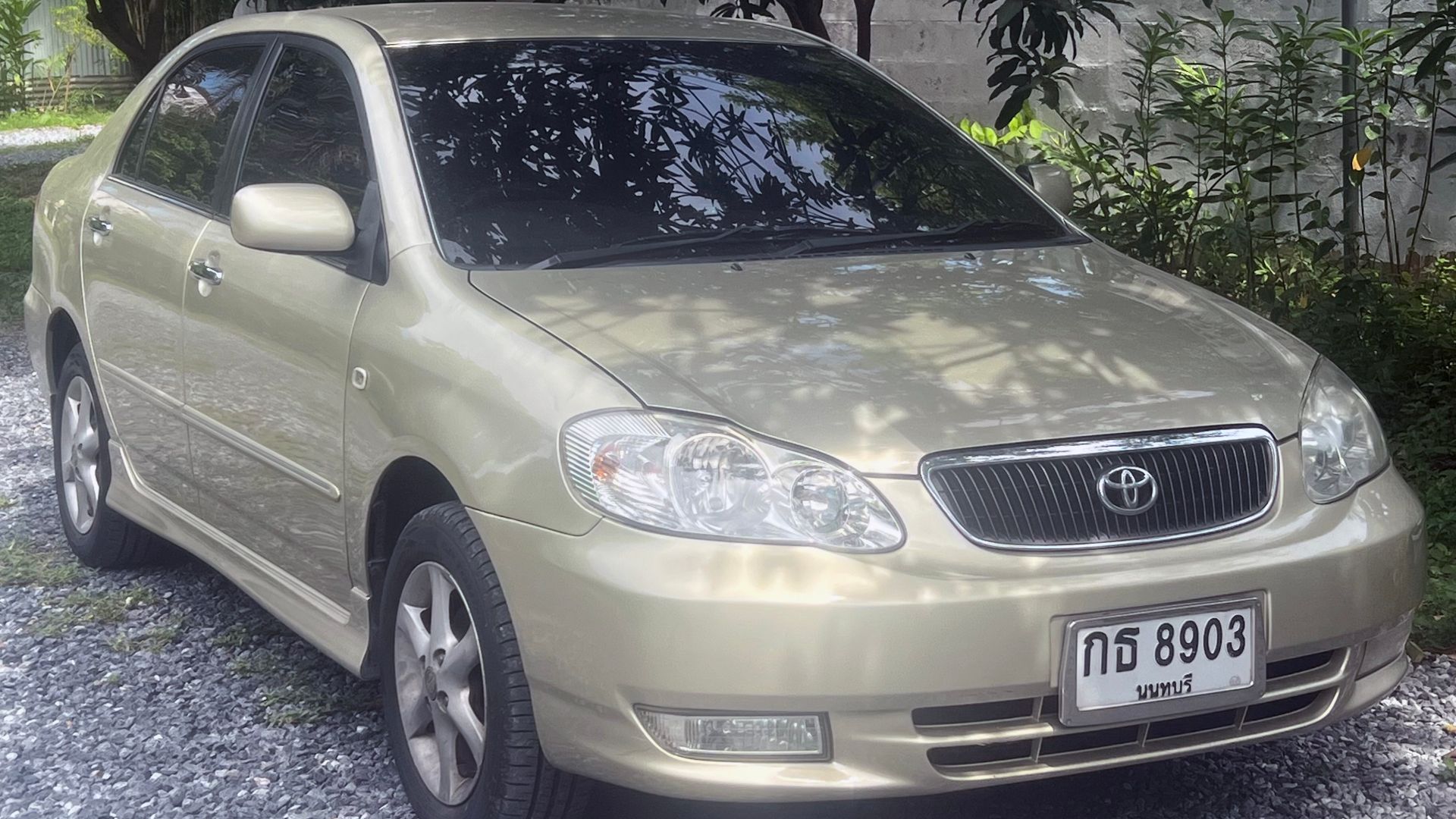
Toyota Corolla (2000–2009)
For travelers who wanted economical transportation without surprises, the Toyota Corolla was difficult to beat. The redesigned 2003 model offered a roomier interior and improved refinement, while the 2009 generation continued the same practical formula. Its modest fuel consumption and reputation for durability appealed to both renters and fleet operators. Few rental sedans were more determinedly ordinary, and that was part of the attraction.
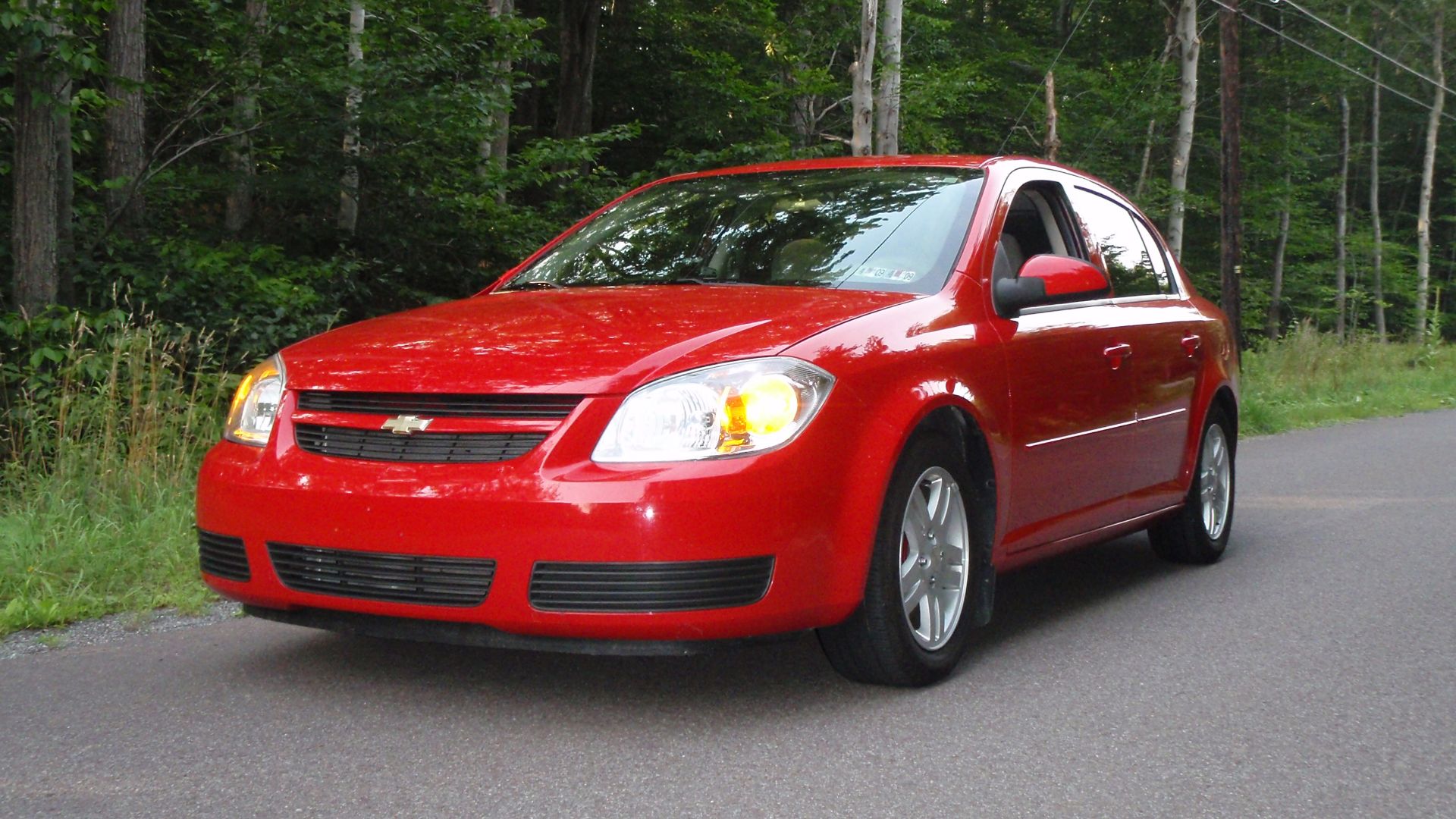
Chevrolet Cobalt Sedan (2005–2009)
The Chevrolet Cobalt replaced the aging Cavalier and quickly became a familiar sight in rental parking lots. Its compact dimensions, reasonable fuel economy, and low purchase price made it well suited to economy and compact categories. The interior was basic, with plenty of hard plastic, but the controls were straightforward. Many travelers probably remember the Cobalt as the car they received when booking the cheapest available four-door.
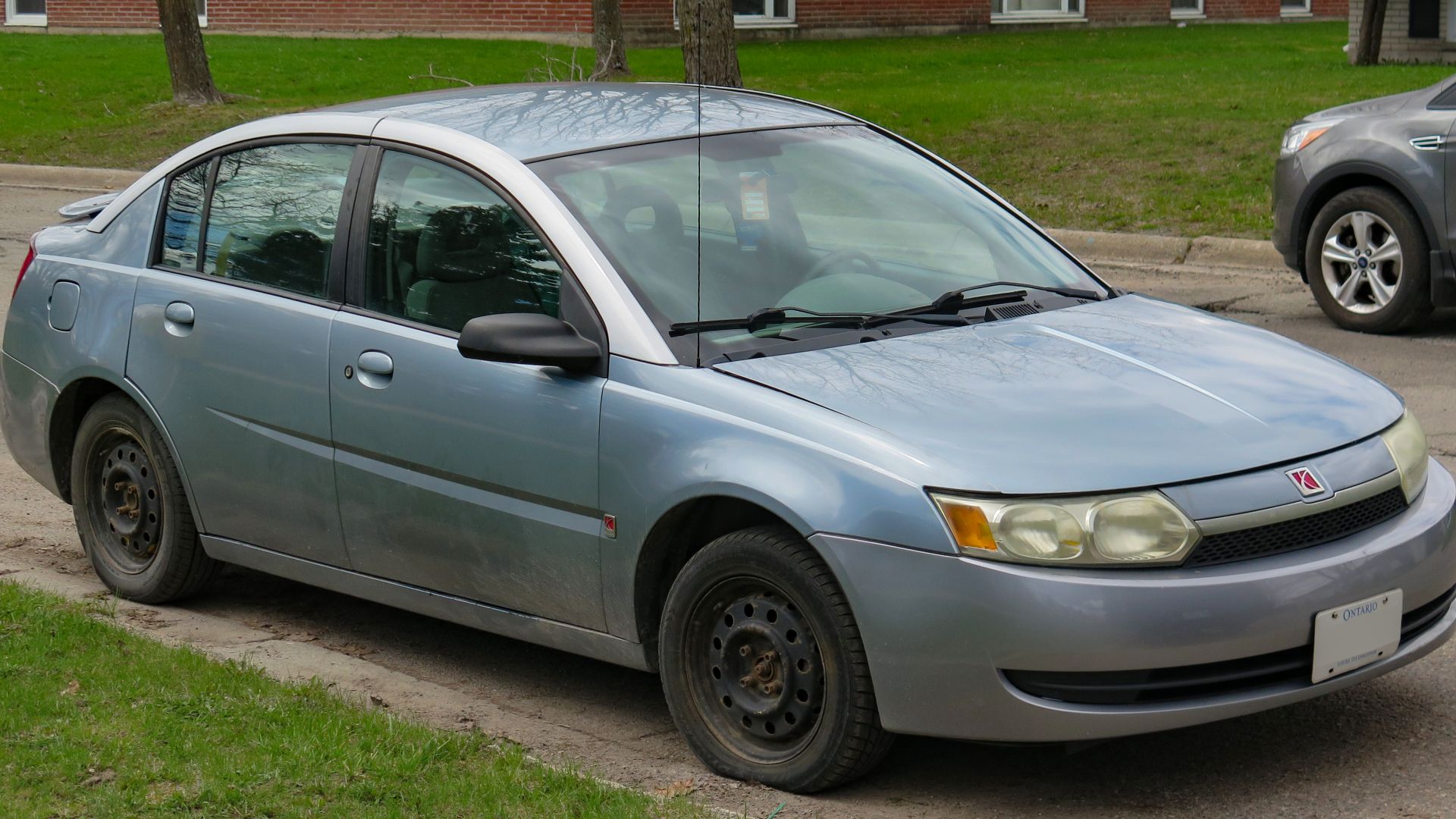
Saturn Ion Sedan (2003–2007)
The Saturn Ion brought some unusual ideas to the compact rental market, including a centrally mounted instrument cluster and distinctive interior styling. Its polymer exterior body panels were designed to resist minor dents, an appealing feature for rental operators. Unfortunately, the cabin's unconventional layout and inexpensive materials drew criticism. The Ion disappeared after 2007, shortly before Saturn itself began its final decline.
Pontiac G6 (2005–2009)
The Pontiac G6 became one of General Motors' recognizable midsize rental offerings after arriving for the 2005 model year. With contemporary styling, a comfortable cabin, and available V6 engines, it offered a more youthful alternative to the Chevrolet Malibu. Rental agencies stocked plenty of four-door versions, although Pontiac also offered coupes and convertibles. The sedan remained a familiar airport sight until the brand's demise.
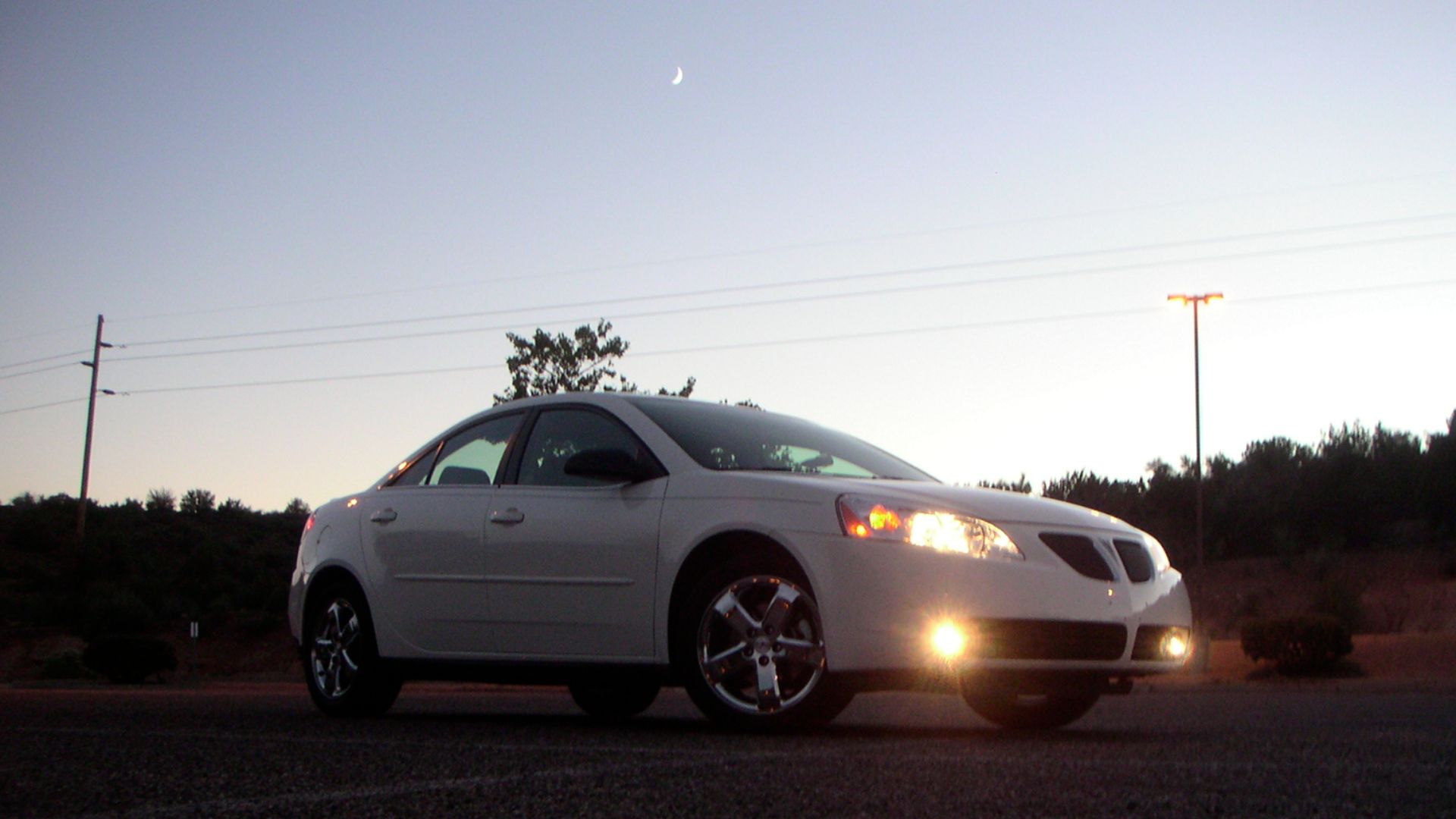 CharlesP2009, Wikimedia Commons
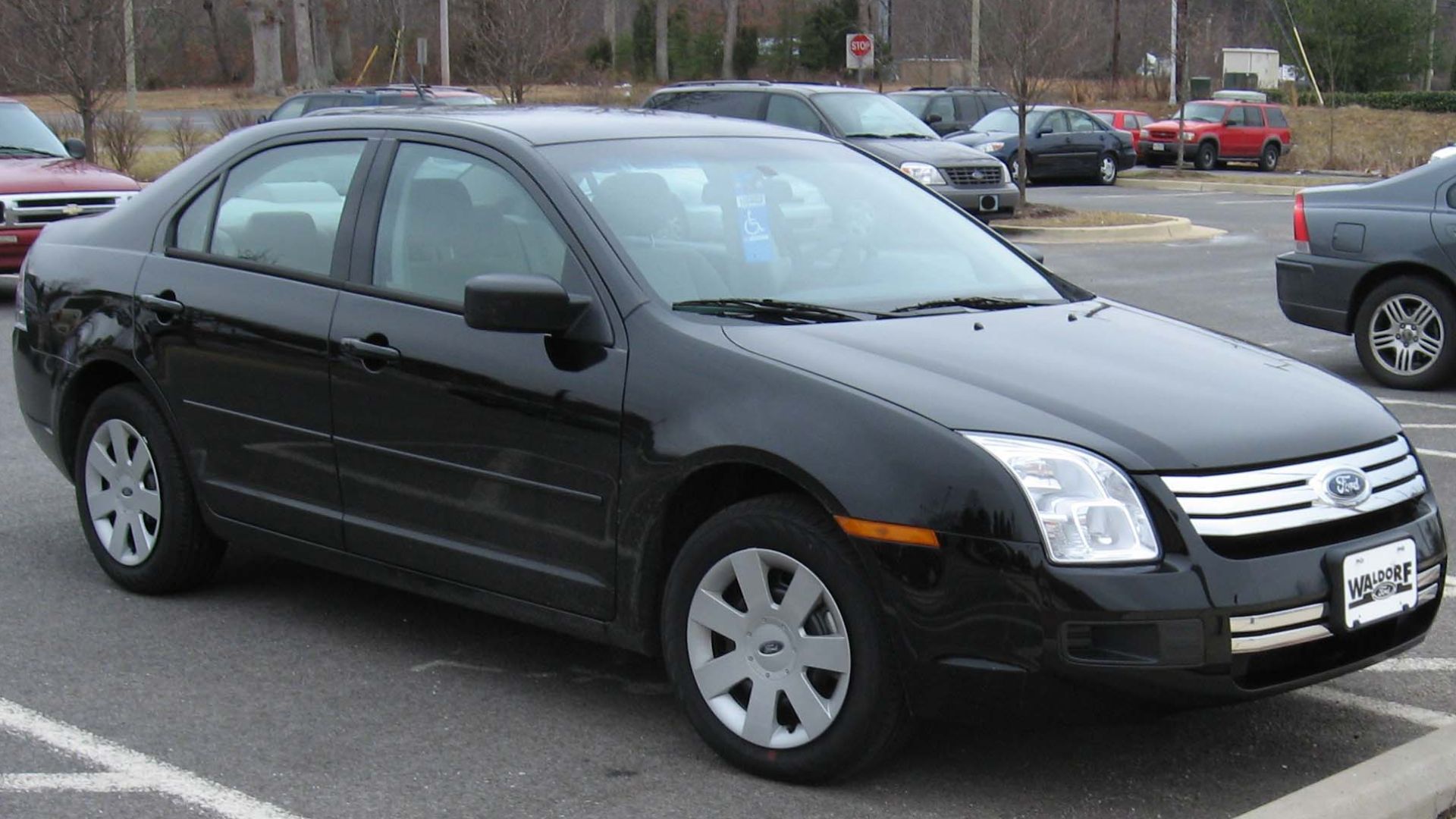
Ford Fusion (2006–2009)
The Ford Fusion arrived for 2006 and immediately gave Ford a more modern midsize sedan than the aging Taurus. Its crisp styling, responsive handling, and comfortable interior made it a welcome addition to rental fleets. Four-cylinder and V6 versions were available, and its relatively straightforward design suited everyday driving. Compared with some older fleet favorites, the Fusion felt like a genuine step forward.
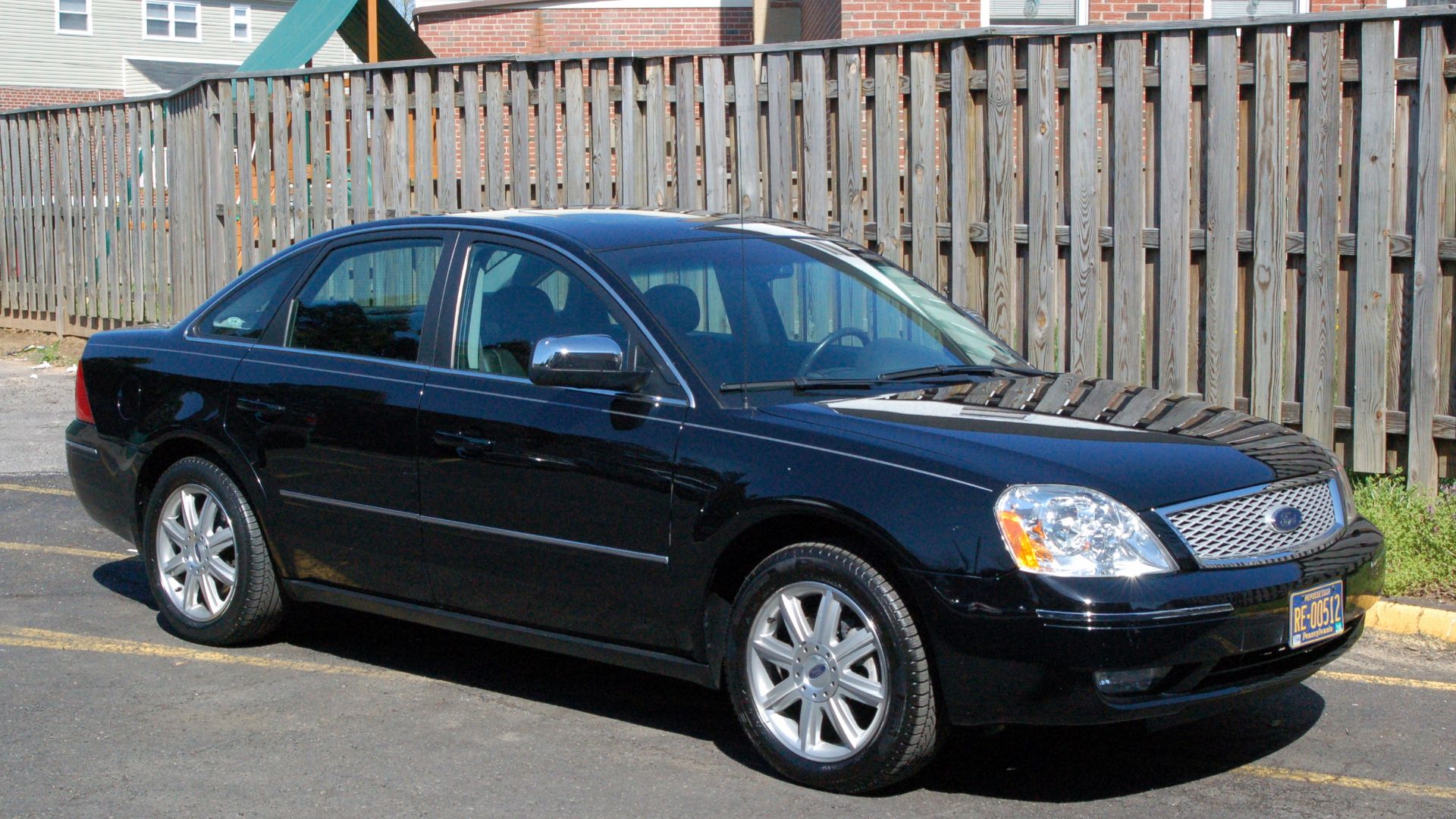
Ford Five Hundred (2005–2007)
The Ford Five Hundred was a spacious, high-roofed sedan designed to emphasize comfort and practicality. Its unusually tall seating position, enormous trunk, and available all-wheel drive distinguished it from conventional family cars. Rental customers sometimes received one as a full-size or premium upgrade. Despite its sensible qualities, bland styling and modest performance limited its popularity, and Ford renamed its successor the Taurus for 2008.
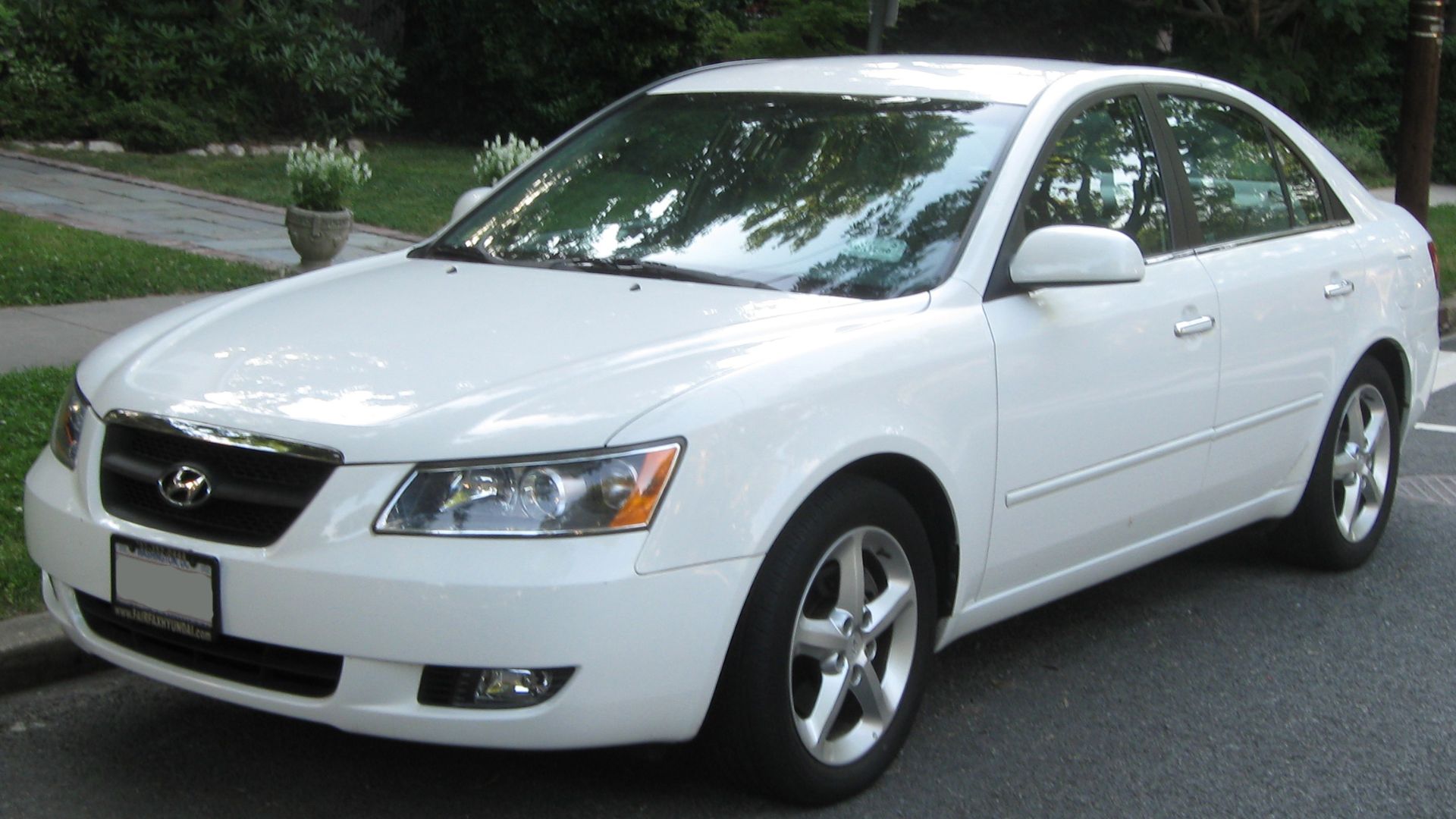
Hyundai Sonata (2000–2009)
The Hyundai Sonata went from a budget-priced alternative to a genuinely competitive midsize sedan during the 2000s. The redesigned 2006 model offered improved refinement, attractive styling, and a more spacious interior. Rental companies increasingly included Sonatas in their fleets as Hyundai's reputation improved. For travelers accustomed to older American sedans, the newer Sonata could feel unexpectedly polished and comfortable.
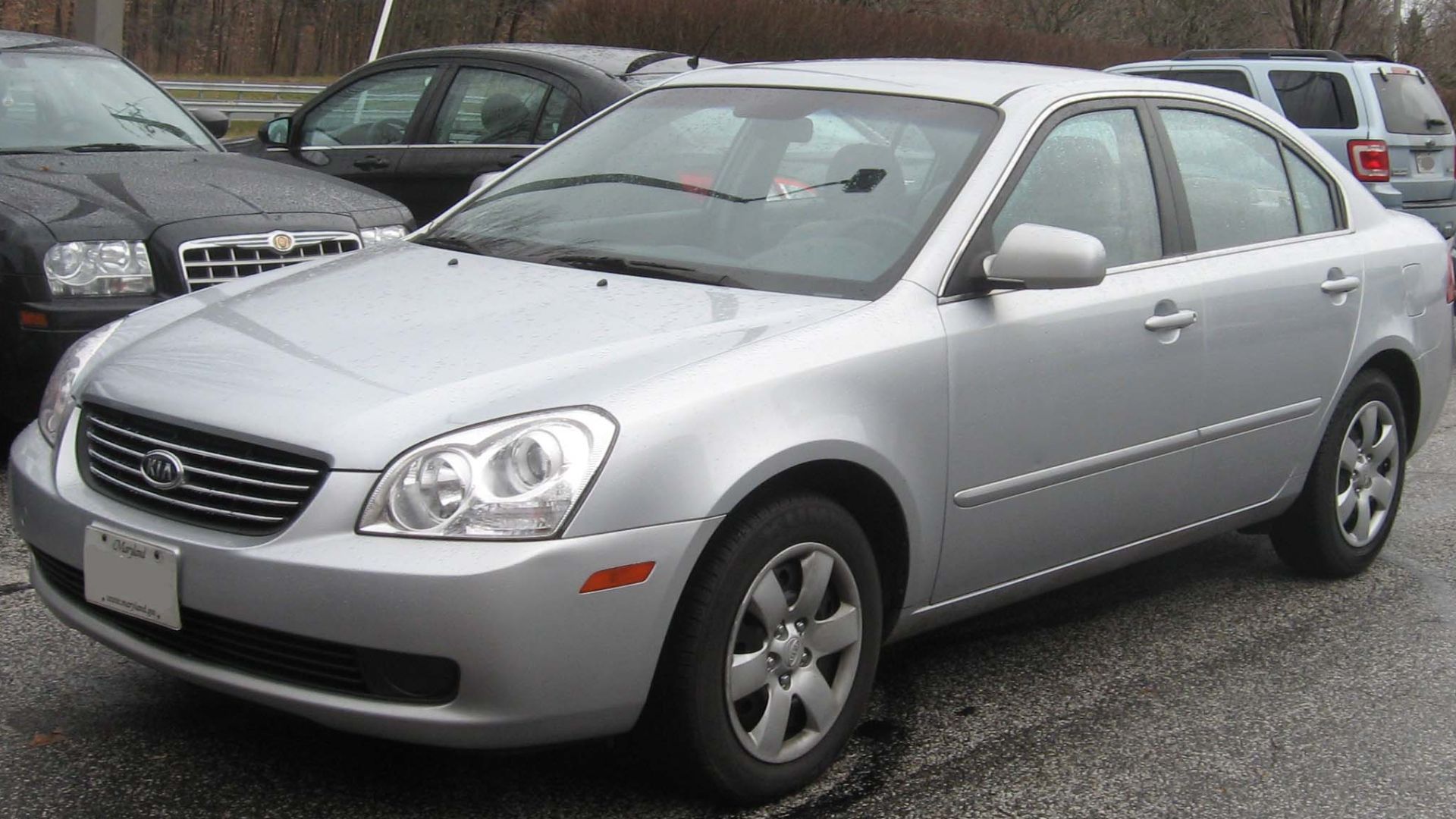
Kia Optima (2001–2009)
The Kia Optima became a familiar midsize rental choice thanks to its affordable pricing and conventional mechanical layout. Early models shared much of their engineering with the Hyundai Sonata, while the redesigned 2006 version offered more contemporary styling and improved refinement. Rental companies appreciated its value, and travelers often found it perfectly adequate for everyday transportation, even if few remembered much about it afterward.
Mitsubishi Galant (2000–2009)
The Mitsubishi Galant was another midsize sedan that frequently appeared in rental fleets, particularly after its redesign for 2004. Its angular styling stood out from more conservative competitors, while its roomy interior and available V6 provided respectable comfort and performance. Unfortunately, the Galant struggled to compete with increasingly sophisticated rivals. Rental sales helped maintain its presence even as retail enthusiasm weakened.
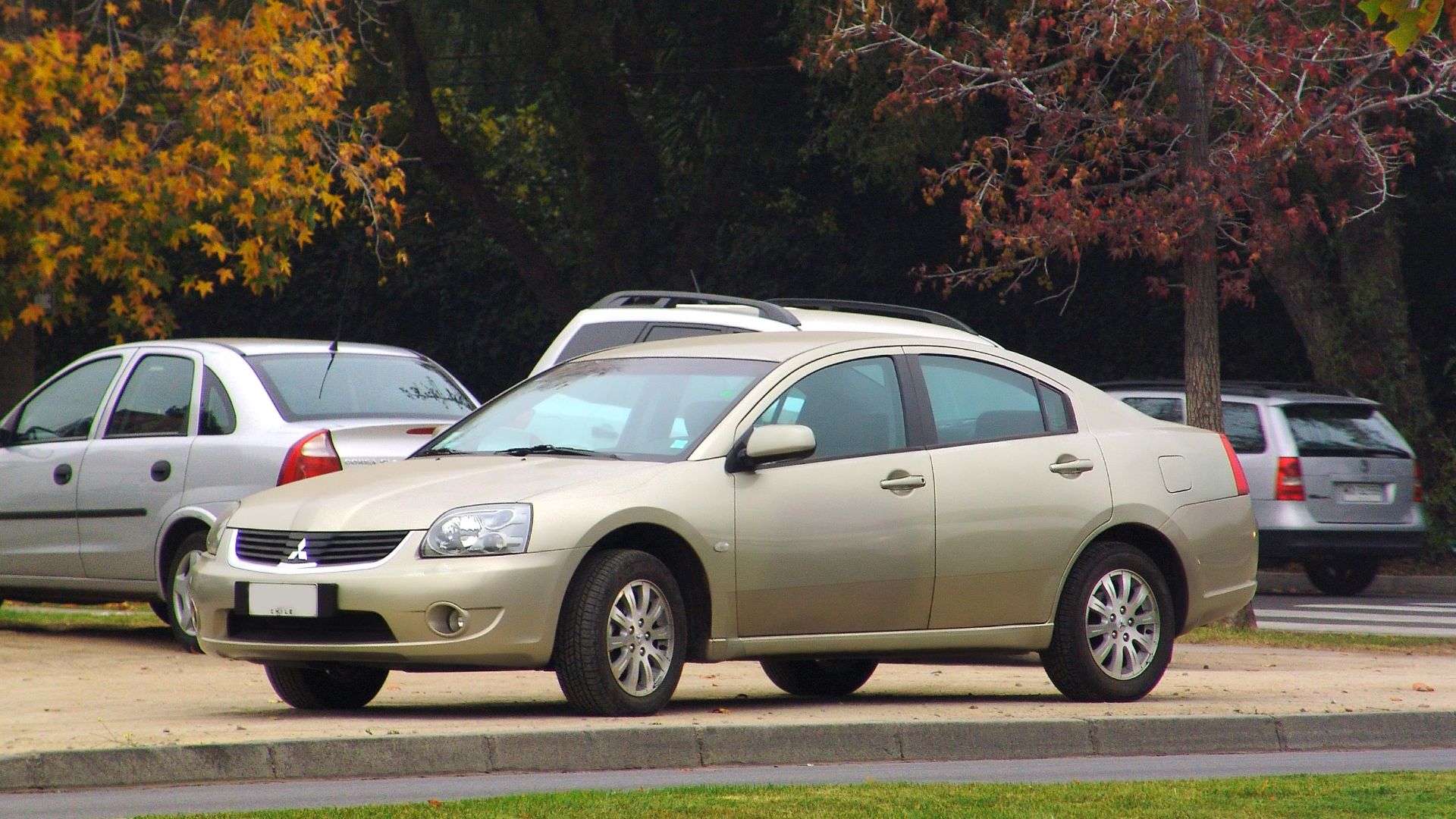 order_242 from Chile, Wikimedia Commons
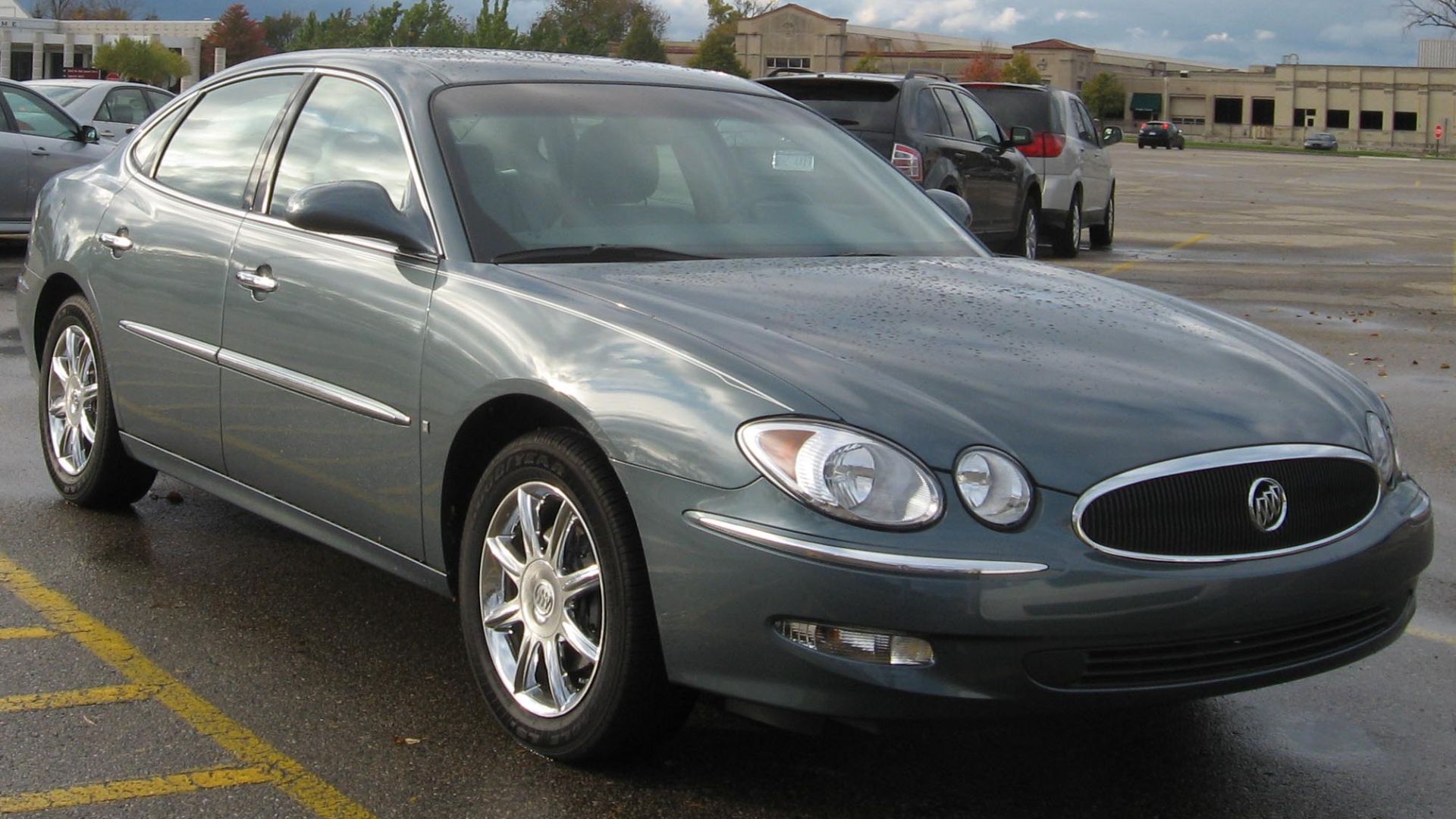
Buick LaCrosse (2005–2009)
The Buick LaCrosse replaced the Century and Regal for 2005, offering rental customers a quieter, more comfortable alternative to ordinary midsize sedans. Its smooth ride, spacious seating, and available 3.8-liter V6 made it particularly appealing for highway trips. Rental agencies often positioned it above their basic offerings. Although hardly exciting, the LaCrosse delivered the relaxed driving experience many travelers wanted after a long flight.
You May Also Like:
Cars From The 2000s That No One Remembers—Seriously, Do You Remember Even 5 Of These Vehicles?
Cars From The Early 2000s That Were Everywhere, Then Vanished Fast