When A Clean Car Comes With A Dirty Surprise
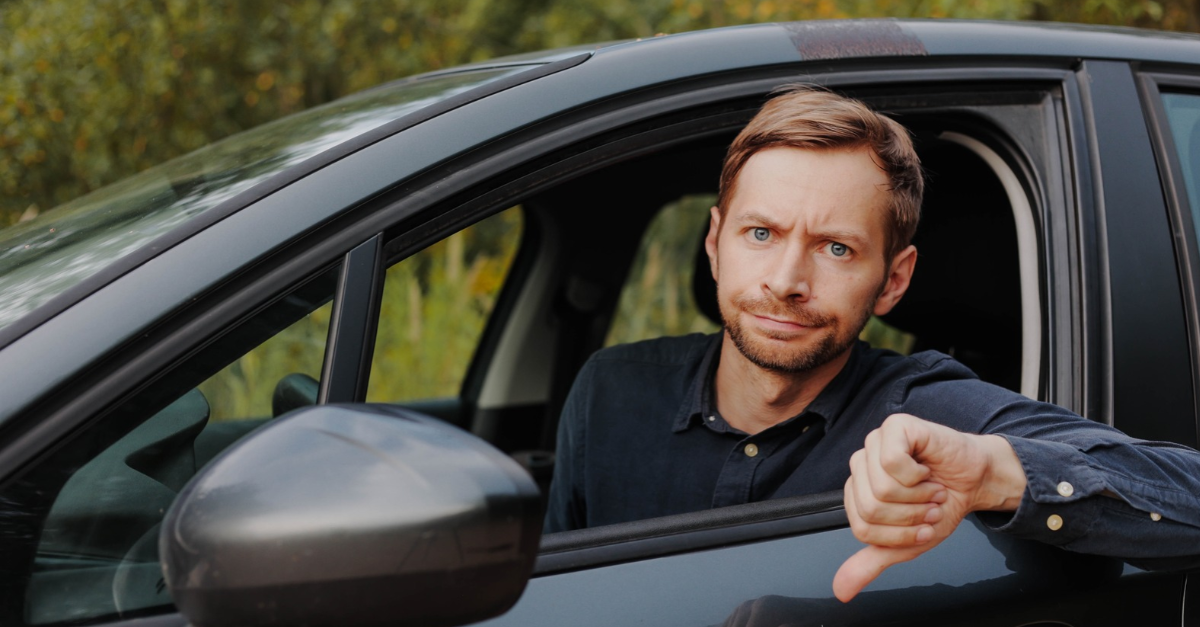
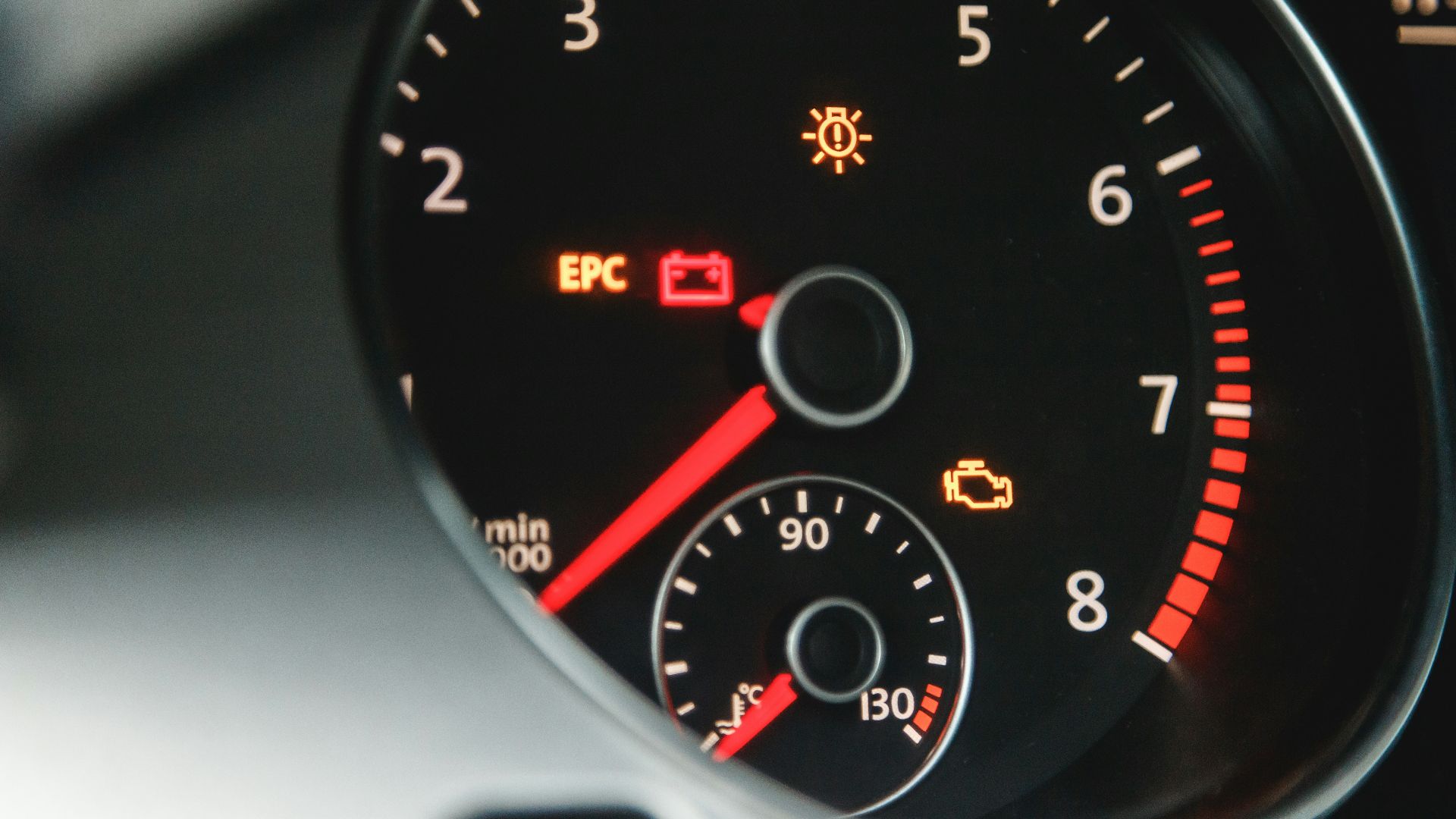
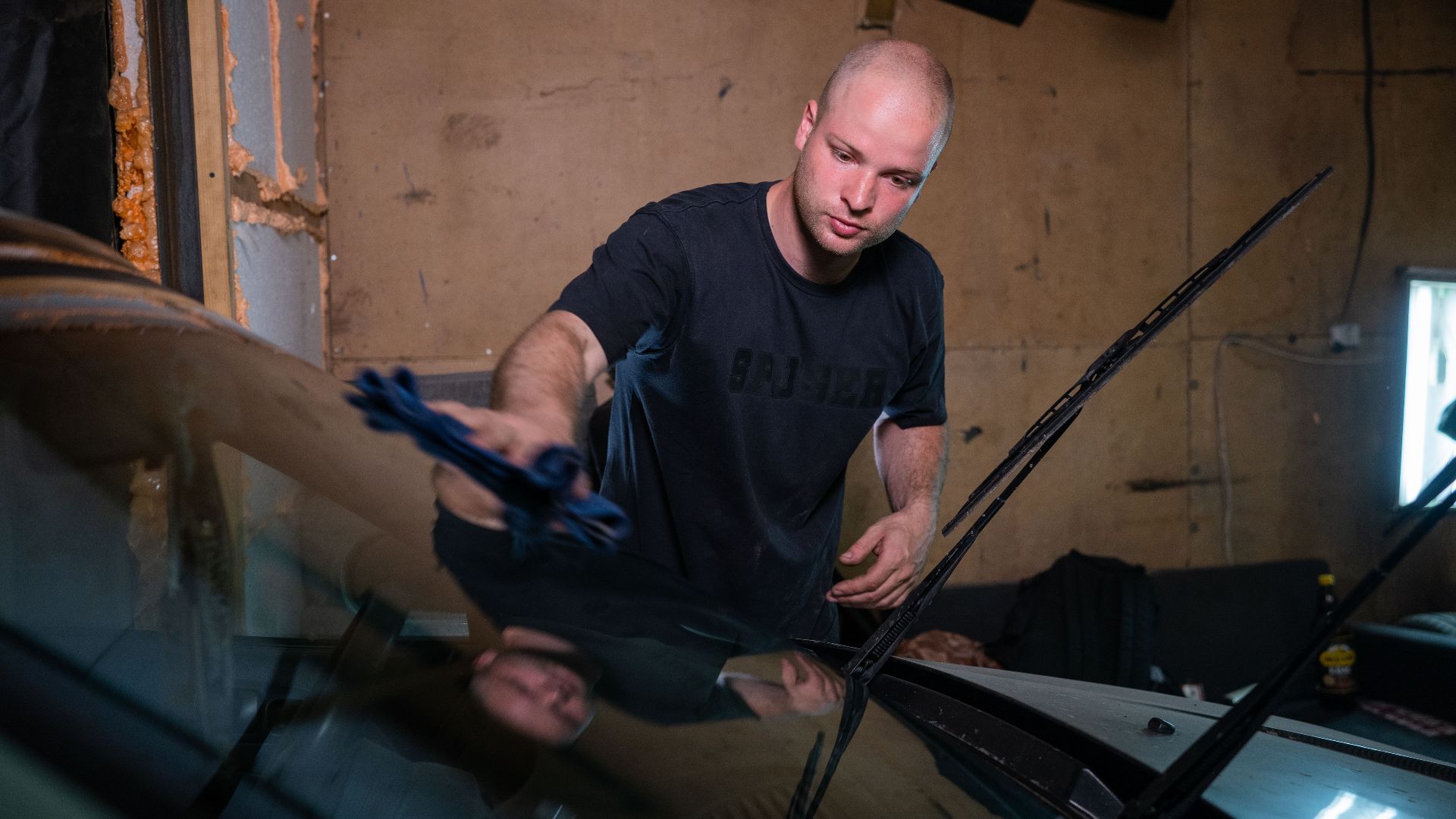
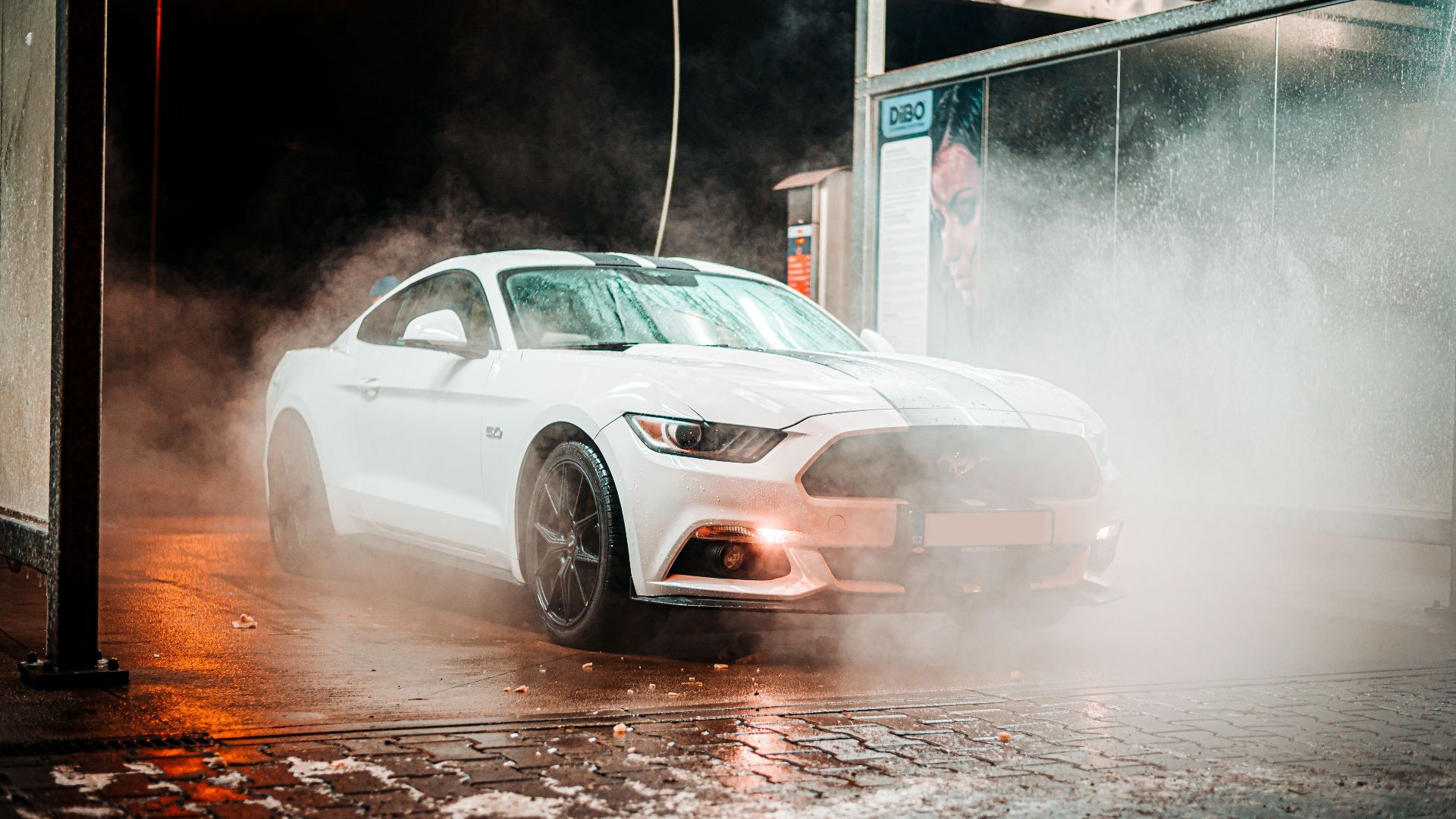
You drive out of the car wash expecting a spotless vehicle, only to discover your dashboard flashing warnings about malfunctioning safety sensors. Suddenly, that expensive driver assistance technology seems surprisingly fragile. But did the wash actually break something?
 Gleb Usovich, Shutterstock Images
What Exactly Is ADAS?
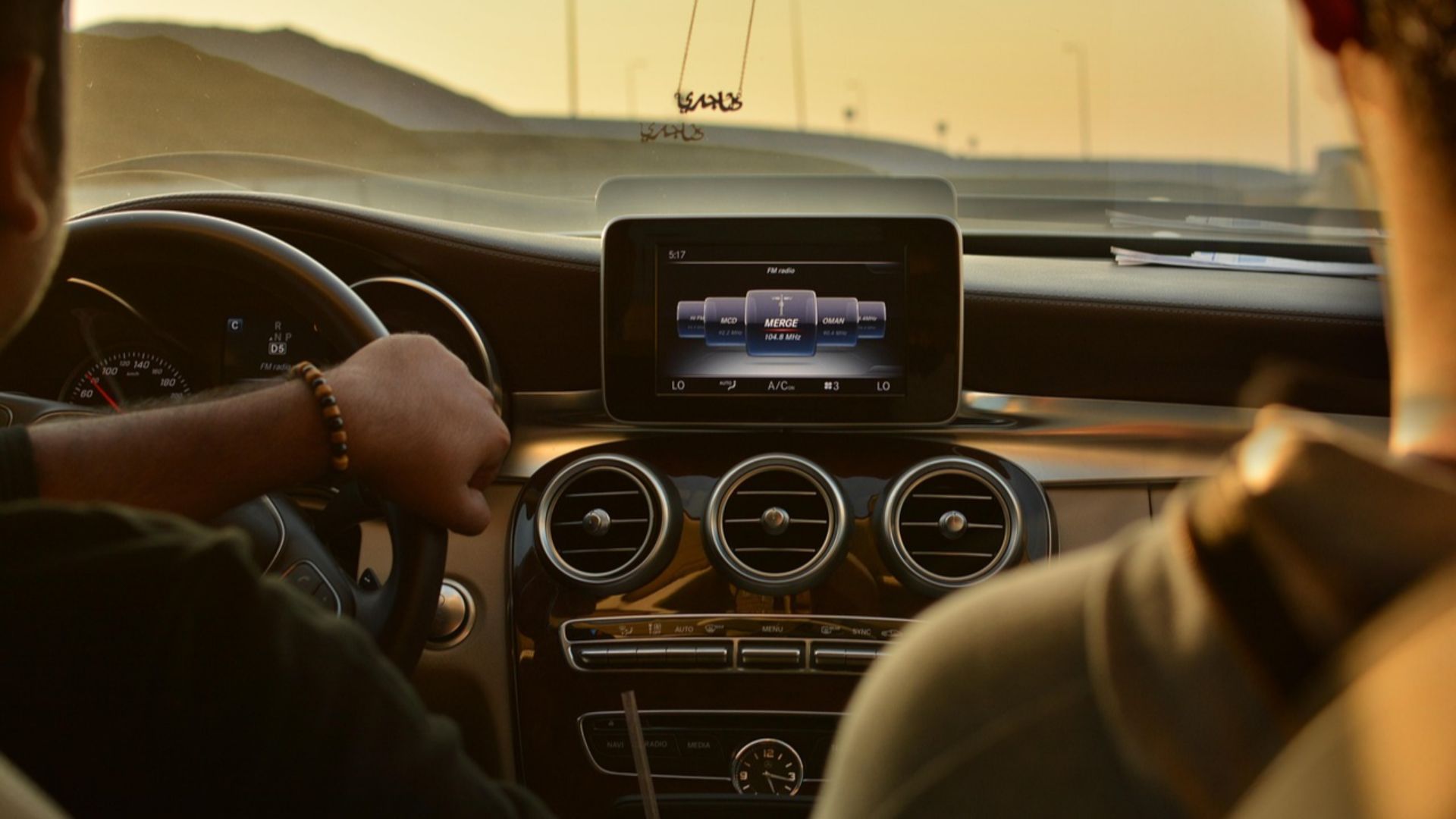
Advanced Driver Assistance Systems, or ADAS, include features such as automatic emergency braking, adaptive cruise control, and lane-keeping assistance. They rely on cameras, radar, and sometimes ultrasonic sensors to monitor surrounding traffic and help drivers avoid potential hazards.
 Creative_Media_Imaging, Pixabay
A Warning Doesn't Always Mean Something Broke
A dashboard warning after washing doesn't necessarily indicate permanent damage. Toyota explains that dirt, moisture, or condensation can temporarily make certain safety systems unavailable. Once normal conditions return, the warning may disappear without requiring repairs.
Water Can Temporarily Confuse Radar Sensors
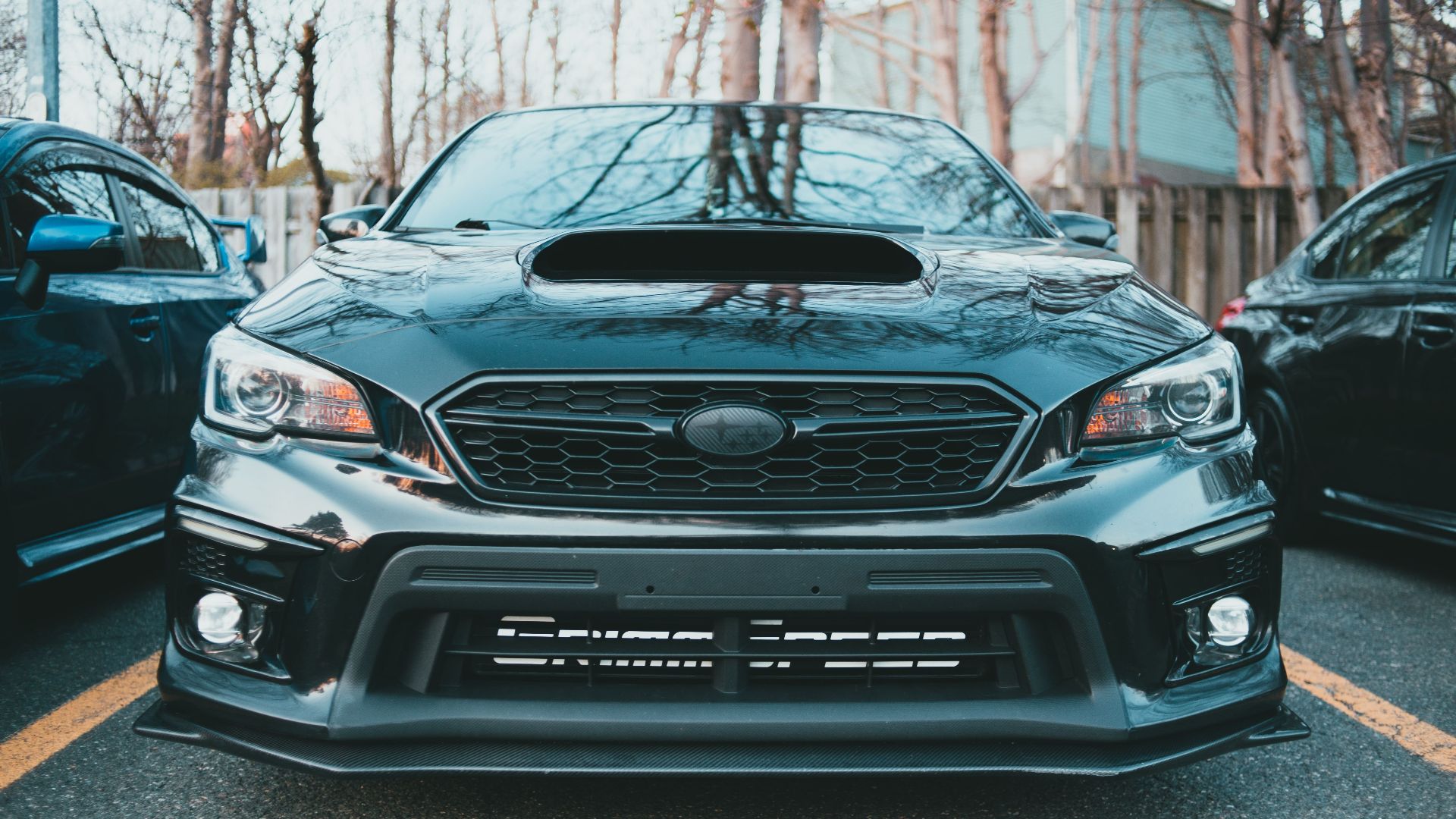
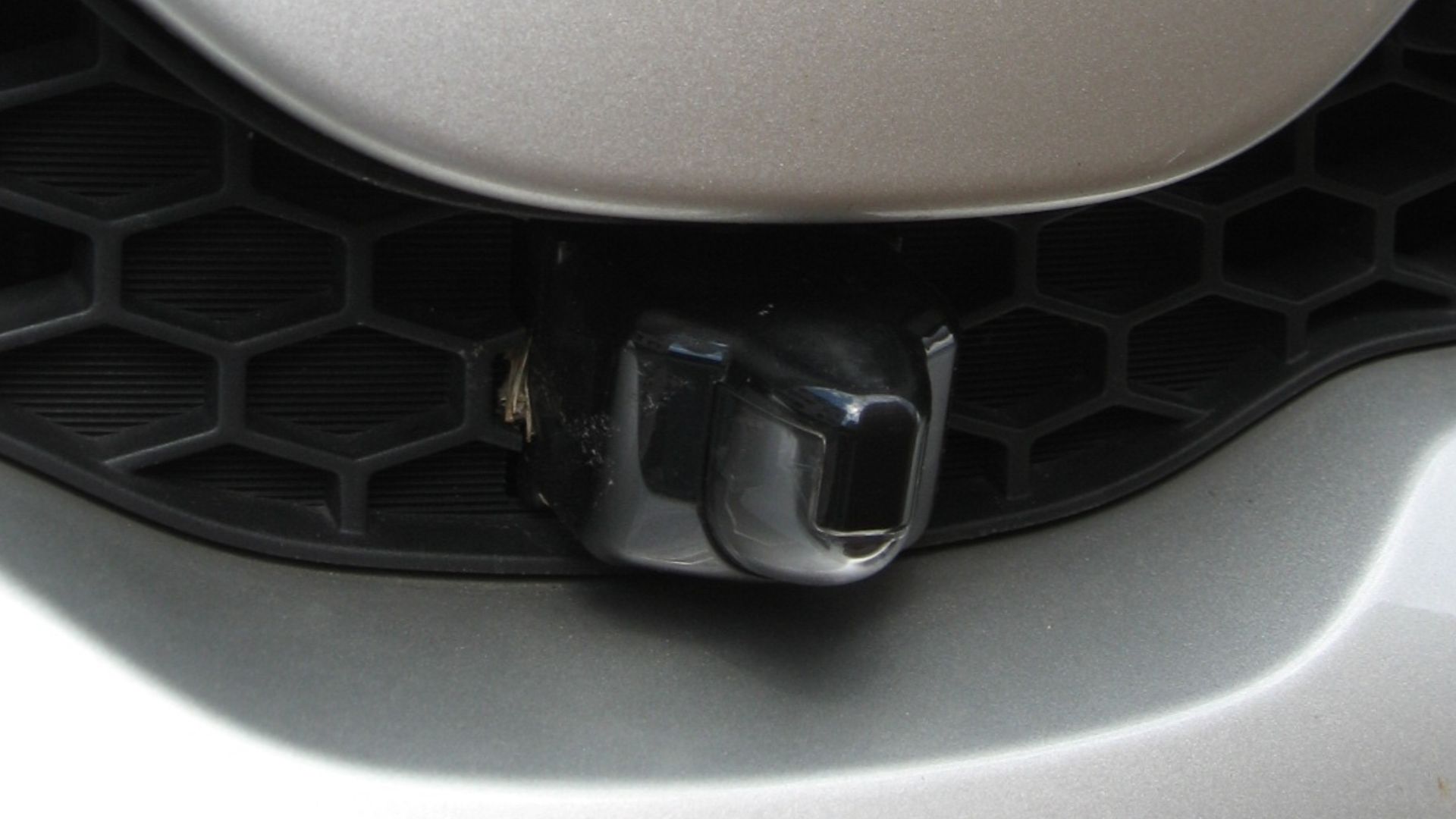
Radar sensors often sit behind the front grille or bumper. Toyota specifically warns that water droplets covering sensors or their protective covers can interfere with operation. Even a freshly washed vehicle might temporarily struggle to recognize surrounding conditions.
Cameras Have Their Own Weak Spots
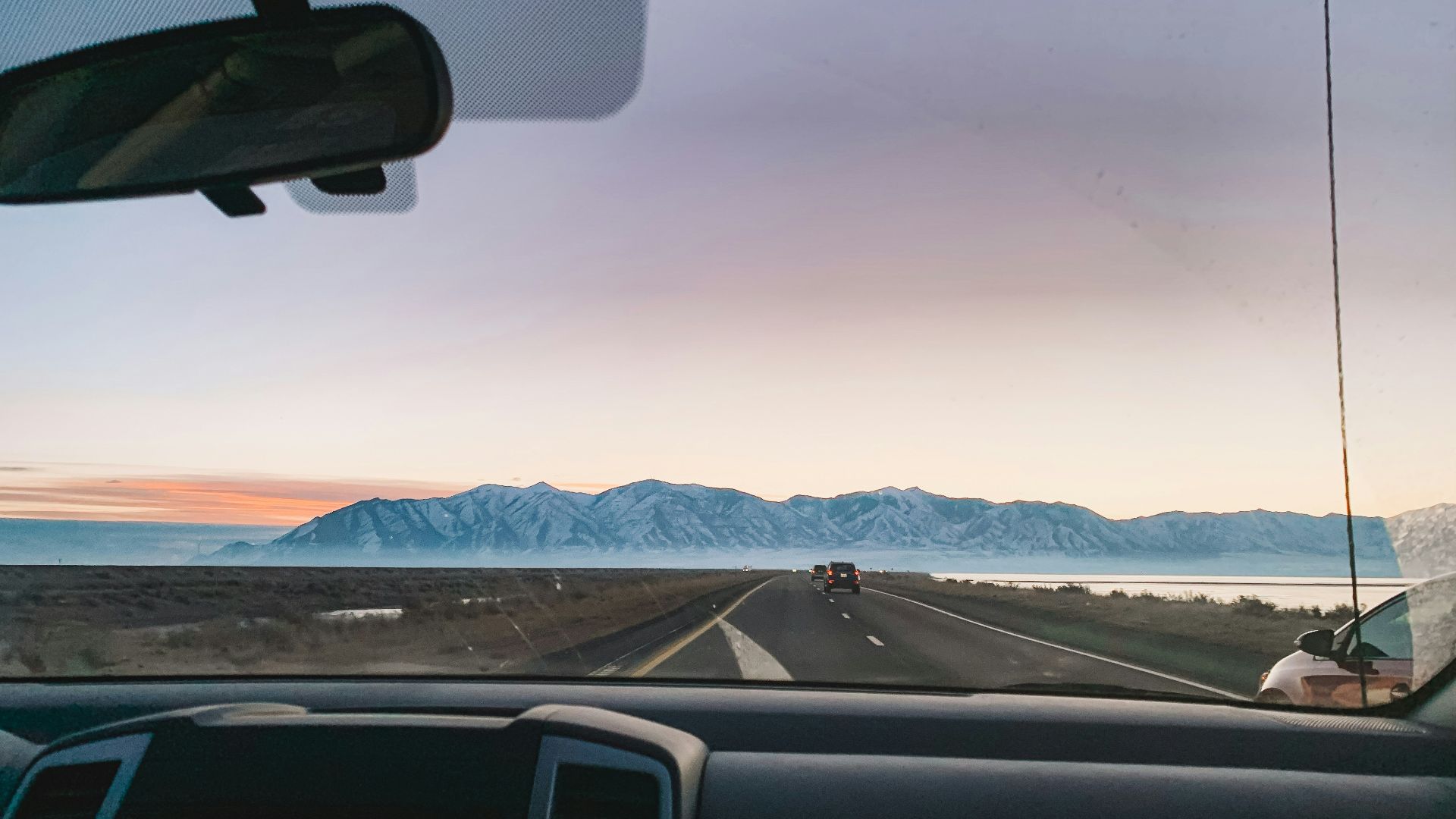
Forward-facing cameras frequently sit behind the windshield near the rearview mirror. Water droplets, dirt, or an oily film can interfere with their visibility. These cameras help operate lane assistance, collision warnings, and other increasingly common safety features.
 Frames For Your Heart, Unsplash
Condensation Can Cause Problems Too
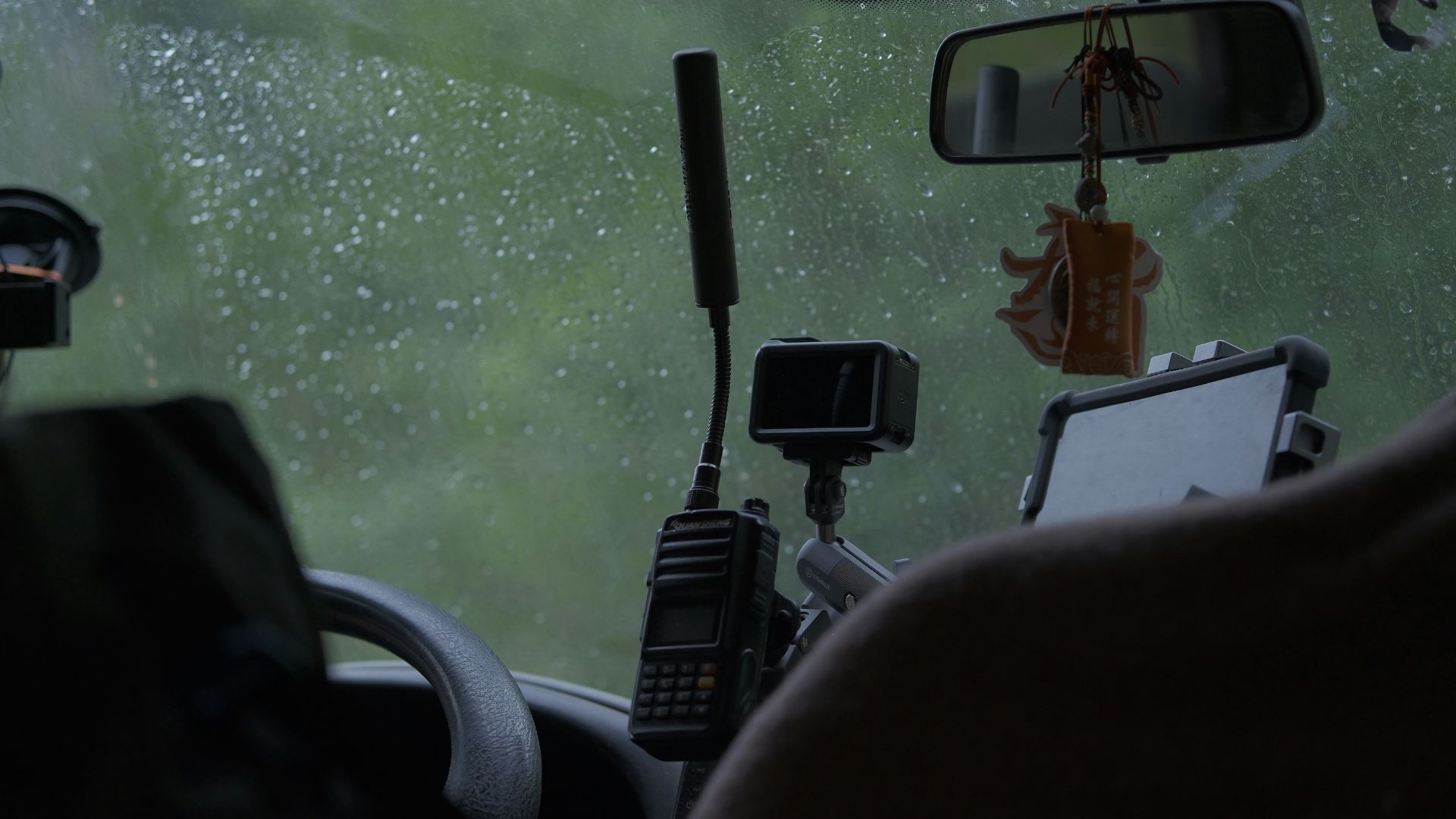
Sometimes the problem isn't outside the vehicle. Moisture or condensation around the windshield camera can temporarily interfere with its operation. Toyota recommends using the windshield defogger when the camera's viewing area becomes obscured, rather than immediately assuming equipment failure.
The Rear Bumper Isn't Safe From Trouble
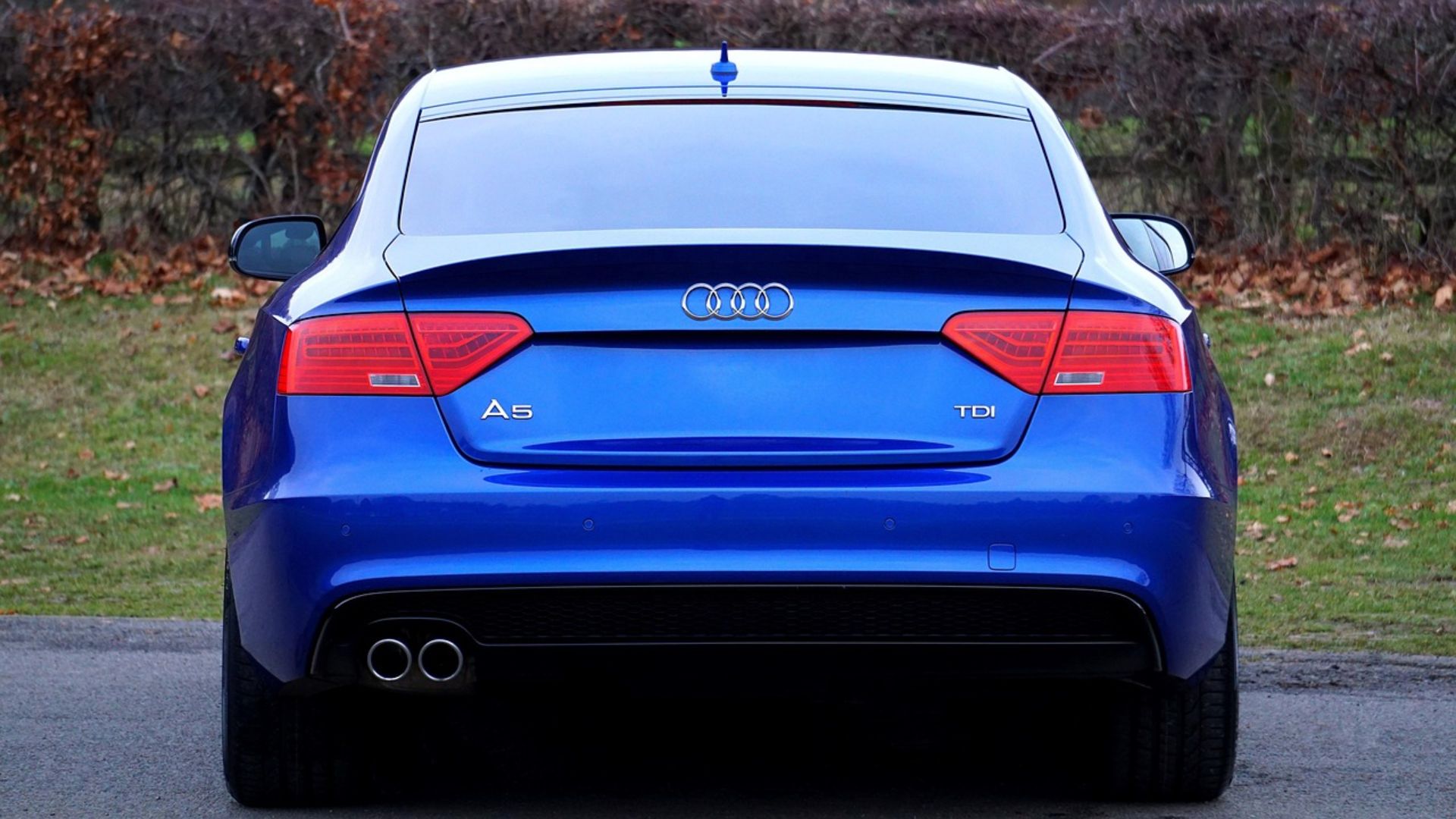
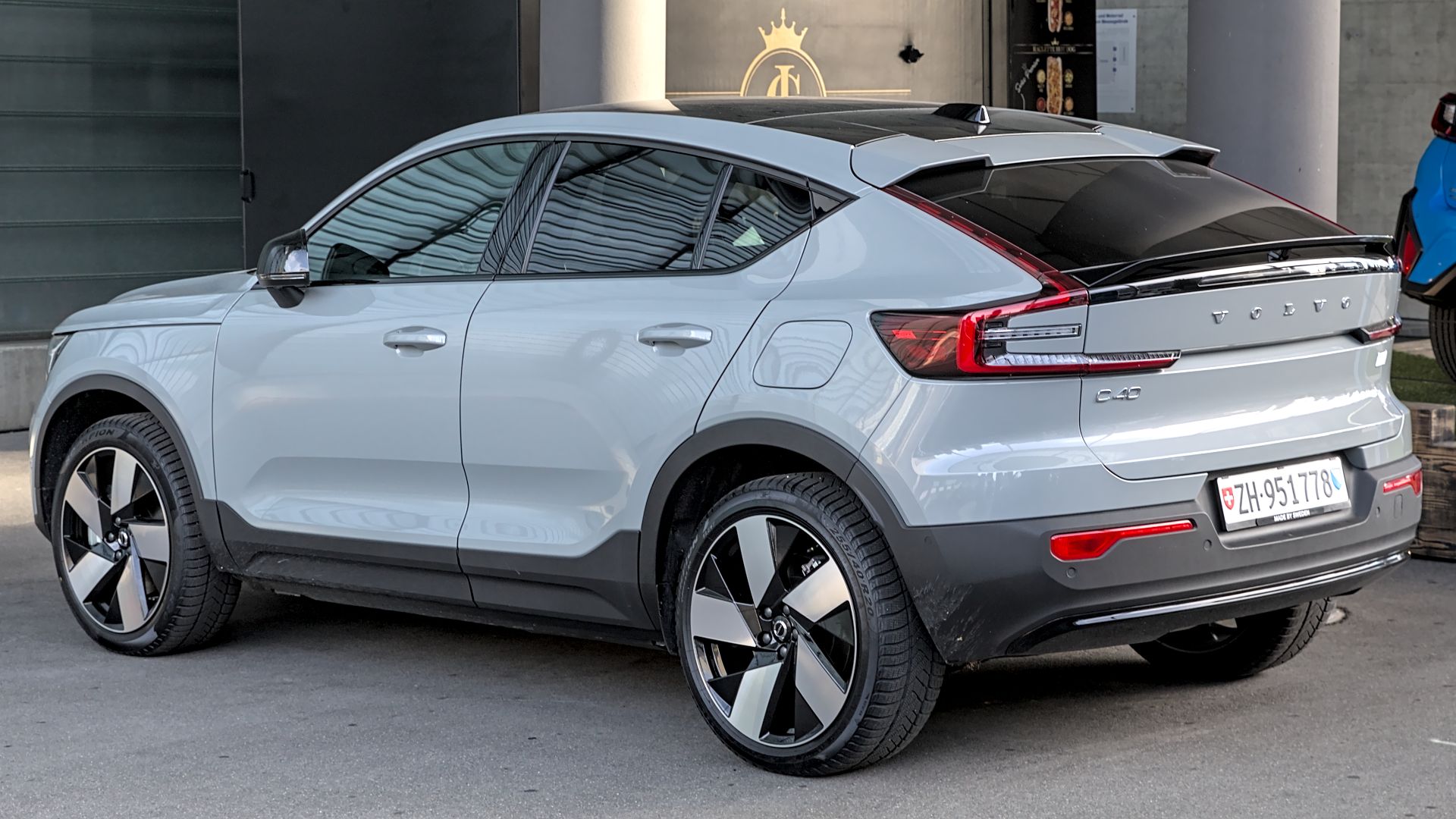
Modern vehicles can also have radar sensors near their rear corners. Volvo warns that dirt and snow covering these areas can produce false warnings or reduced functionality. Keeping the rear bumper clean is therefore important for certain assistance systems.
A Blocked Sensor Can Give Misleading Information
Not every sensor problem simply switches a feature off. Volvo explains that obstructed sensors can sometimes produce incorrect responses or false warnings. That's particularly frustrating when drivers cannot immediately distinguish a harmless obstruction from an actual equipment problem.
 Alexander-93, Wikimedia Commons
High-Pressure Water Is A Different Story
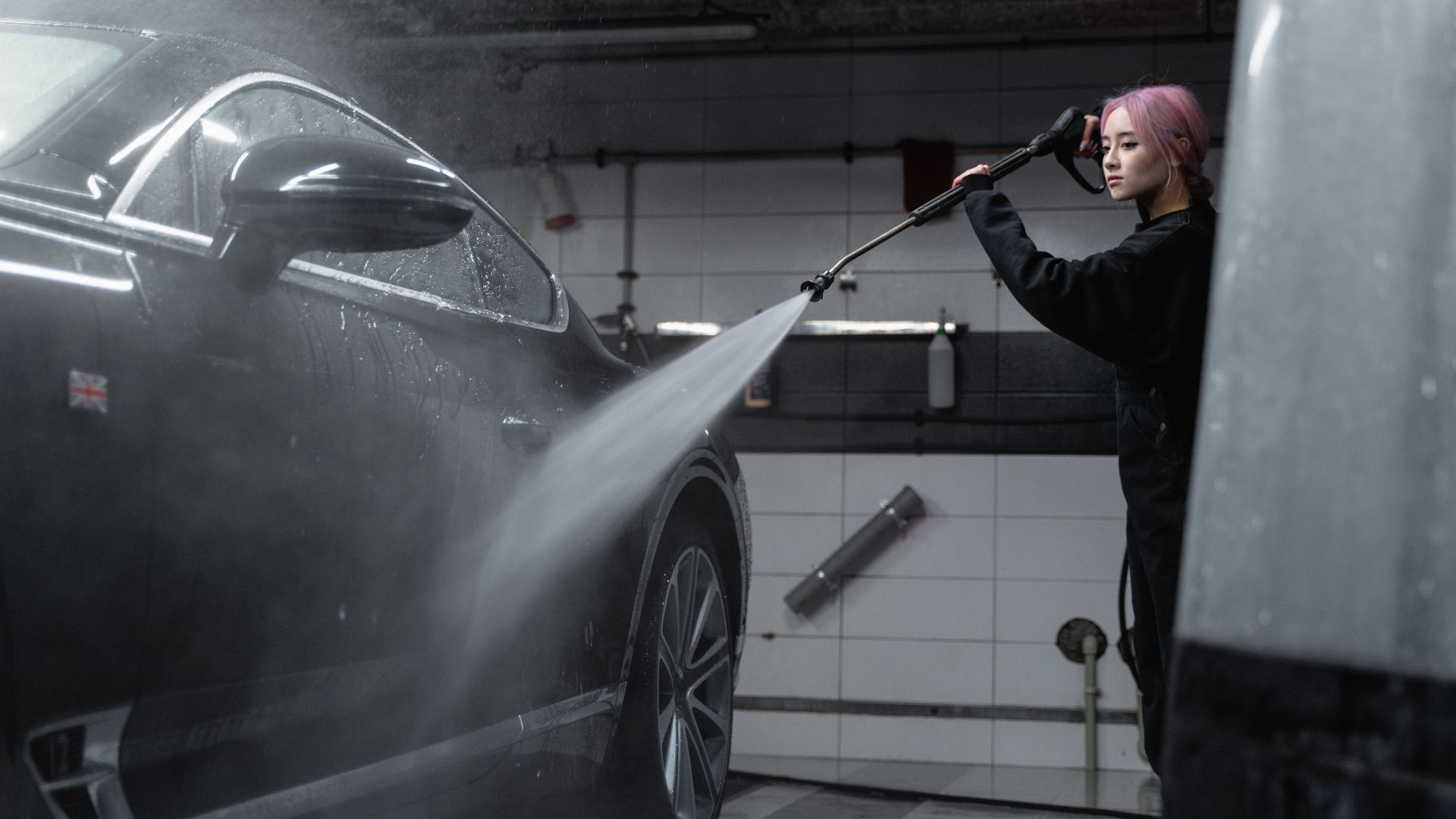
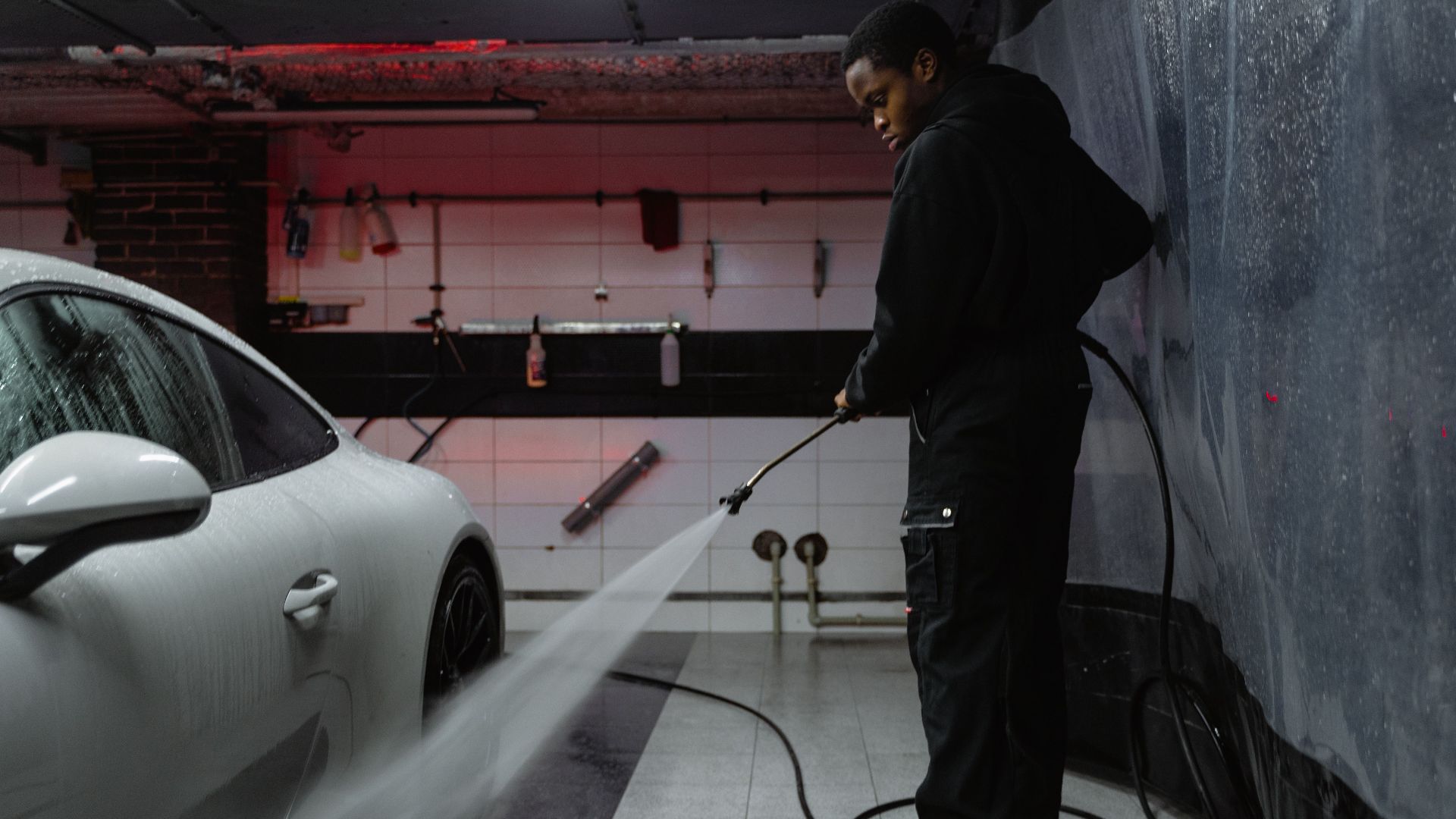
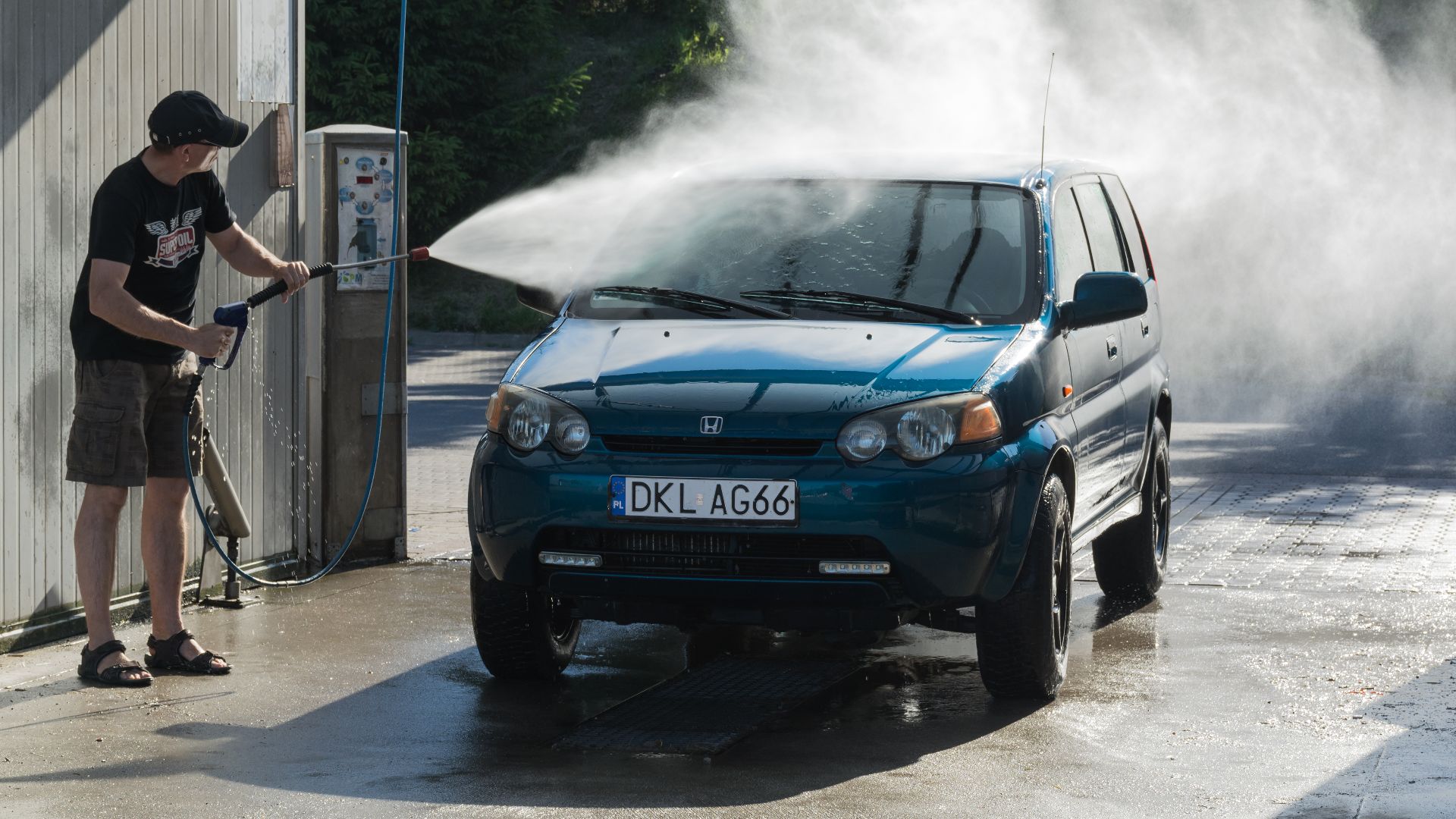
Ordinary rainfall and concentrated pressure-washer jets aren't equivalent. Automakers publish specific washing precautions because forceful water can damage components. Tesla, for example, warns against directing high-pressure jets toward parking sensors, electronic modules, and exposed wiring.
Even The Distance From The Nozzle Matters
Tesla instructs Model 3 owners to maintain at least 30 centimetres between a pressure-washer nozzle and the vehicle's surface. Drivers must also avoid concentrating the jet in one location. Other manufacturers may specify different washing precautions.
Touchless Doesn't Automatically Mean Risk-Free
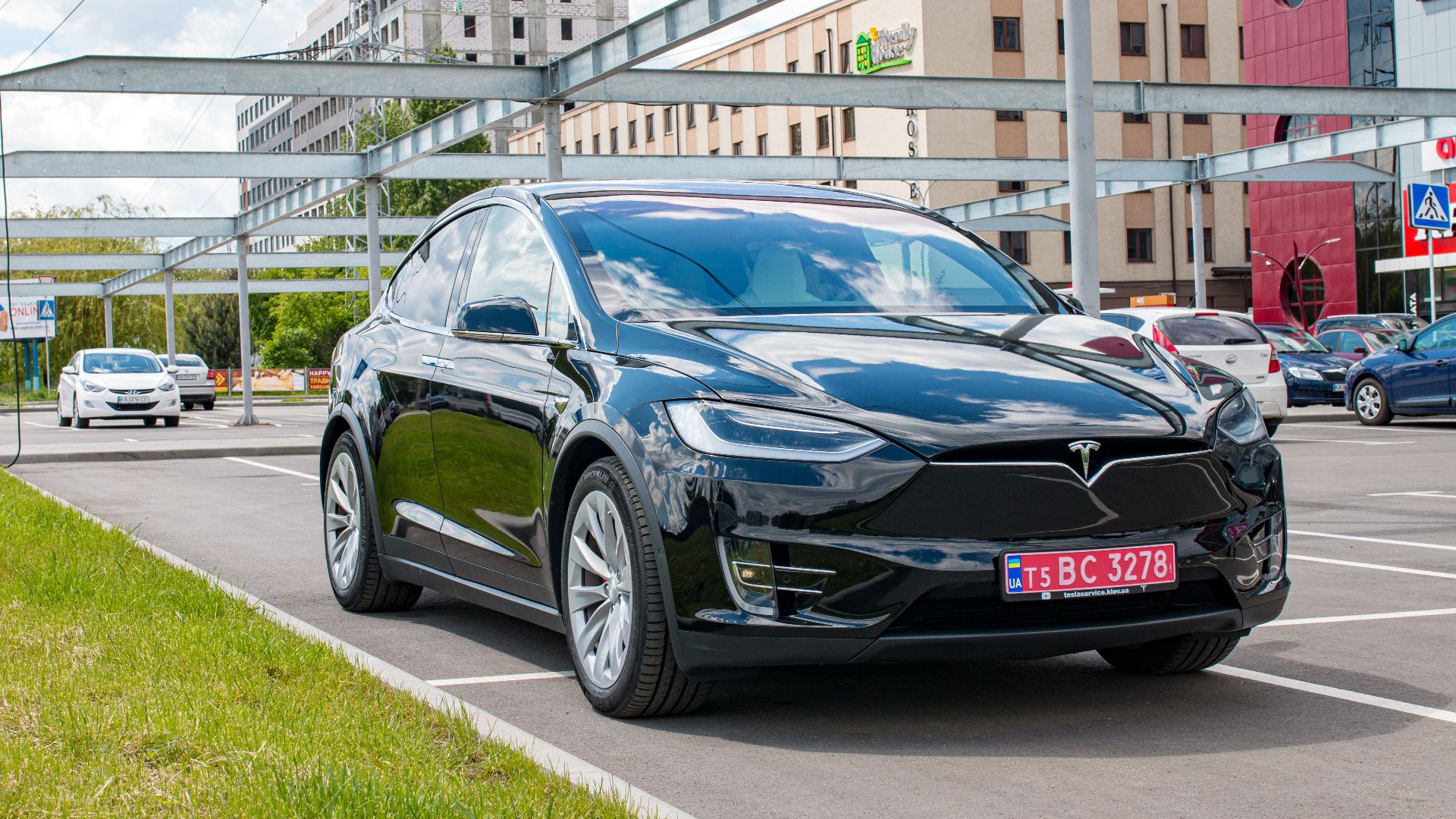
Tesla recommends touchless automatic washes for the Model 3 because brushes don't contact the vehicle. However, avoiding brushes doesn't eliminate every concern. Drivers still need to consider water pressure, cleaning chemicals, and manufacturer-specific instructions.
Some Cleaning Chemicals Aren't Camera-Friendly
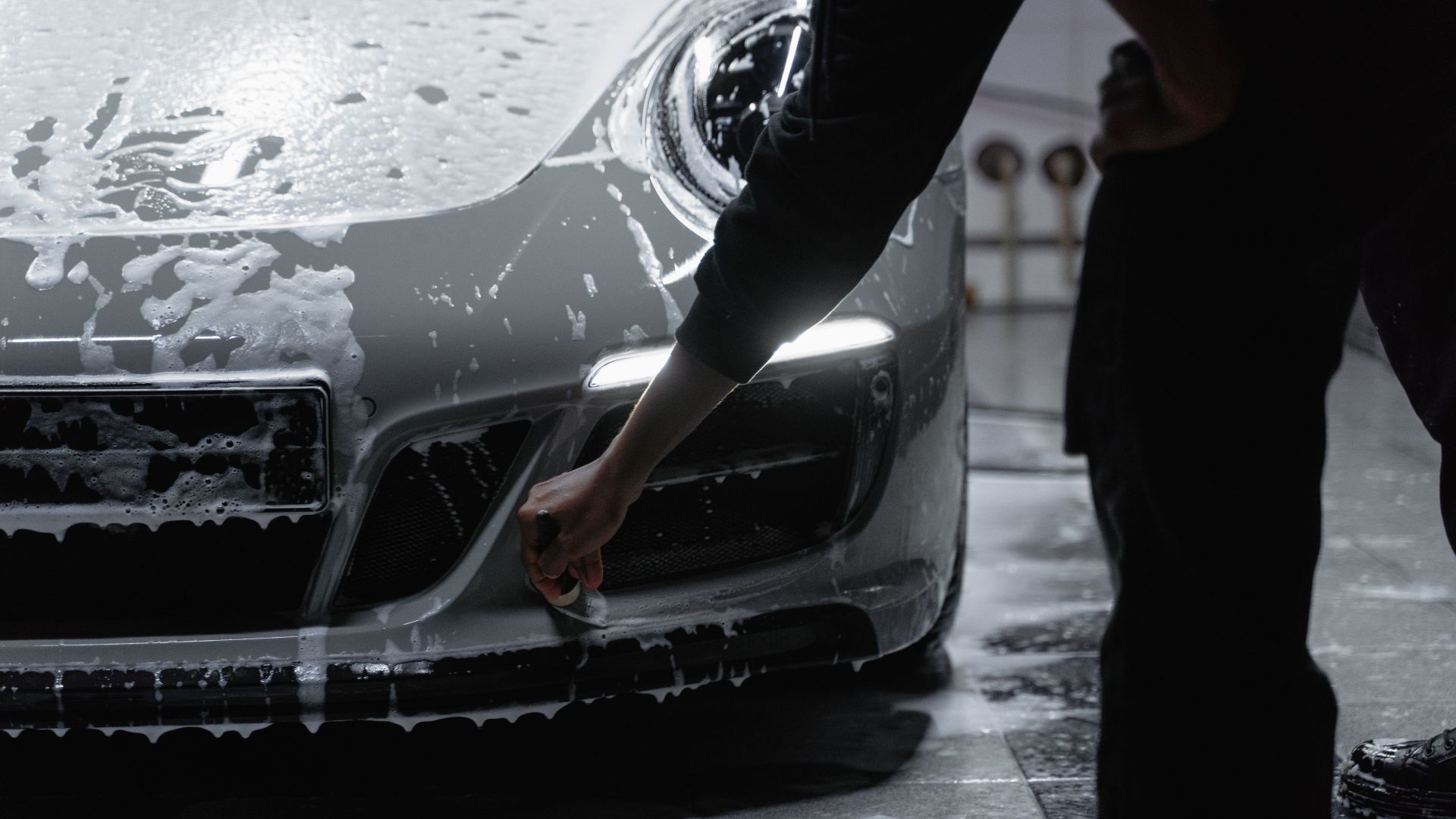
Certain automotive cleaning products contain ingredients that can damage exterior components. Tesla specifically cautions against highly alkaline or acidic cleaners that may harm camera lenses and trim. Washing your vehicle therefore requires more consideration than simply choosing the strongest detergent.
Automatic Wipers Can Create Another Problem
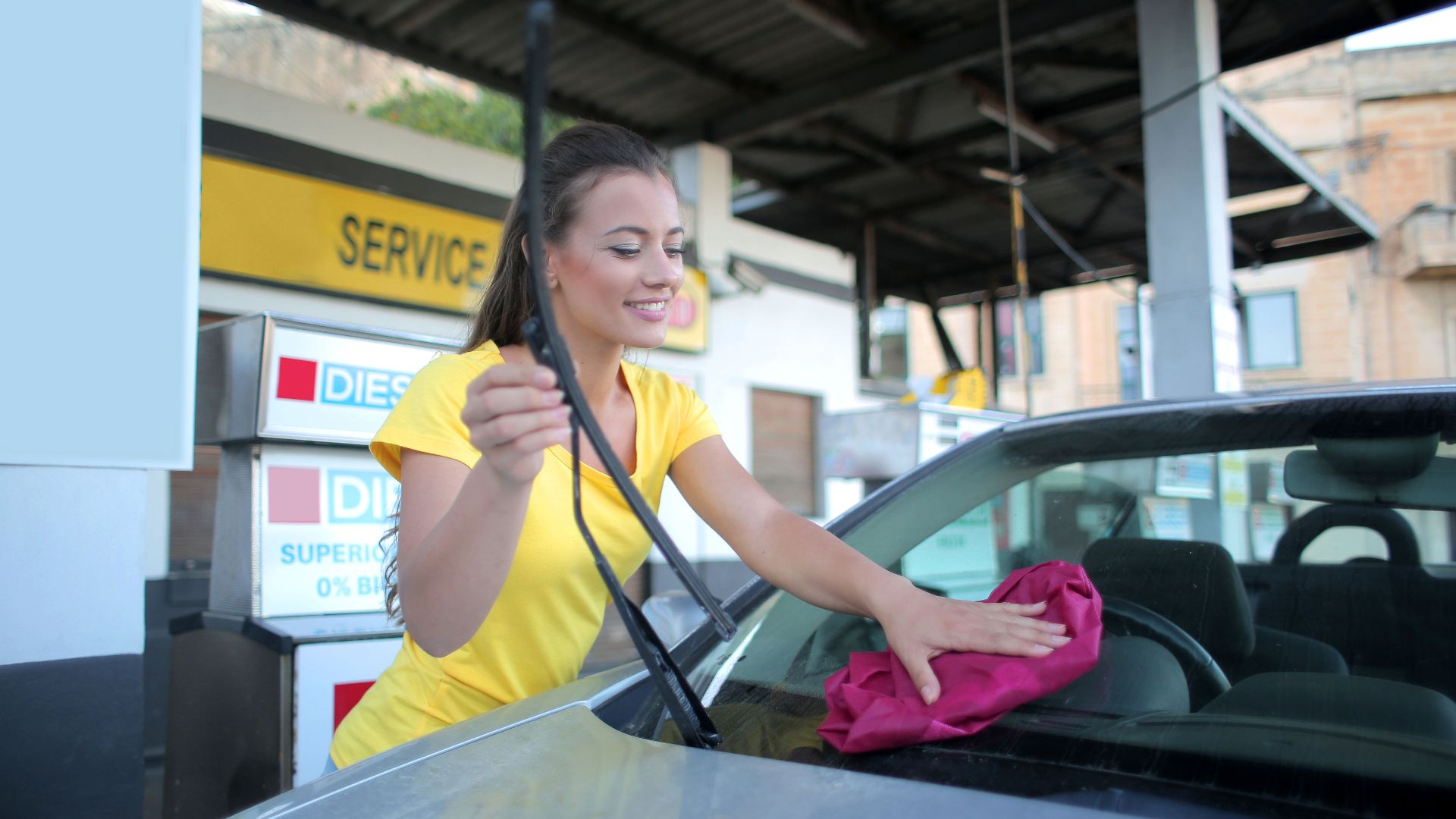
Rain-sensing windshield wipers are another feature requiring attention before entering a wash. Tesla instructs owners to disable their wipers to avoid potential damage. A feature designed to respond automatically to water isn't necessarily helpful inside washing equipment.
Some Cars Actually Have A Car Wash Mode
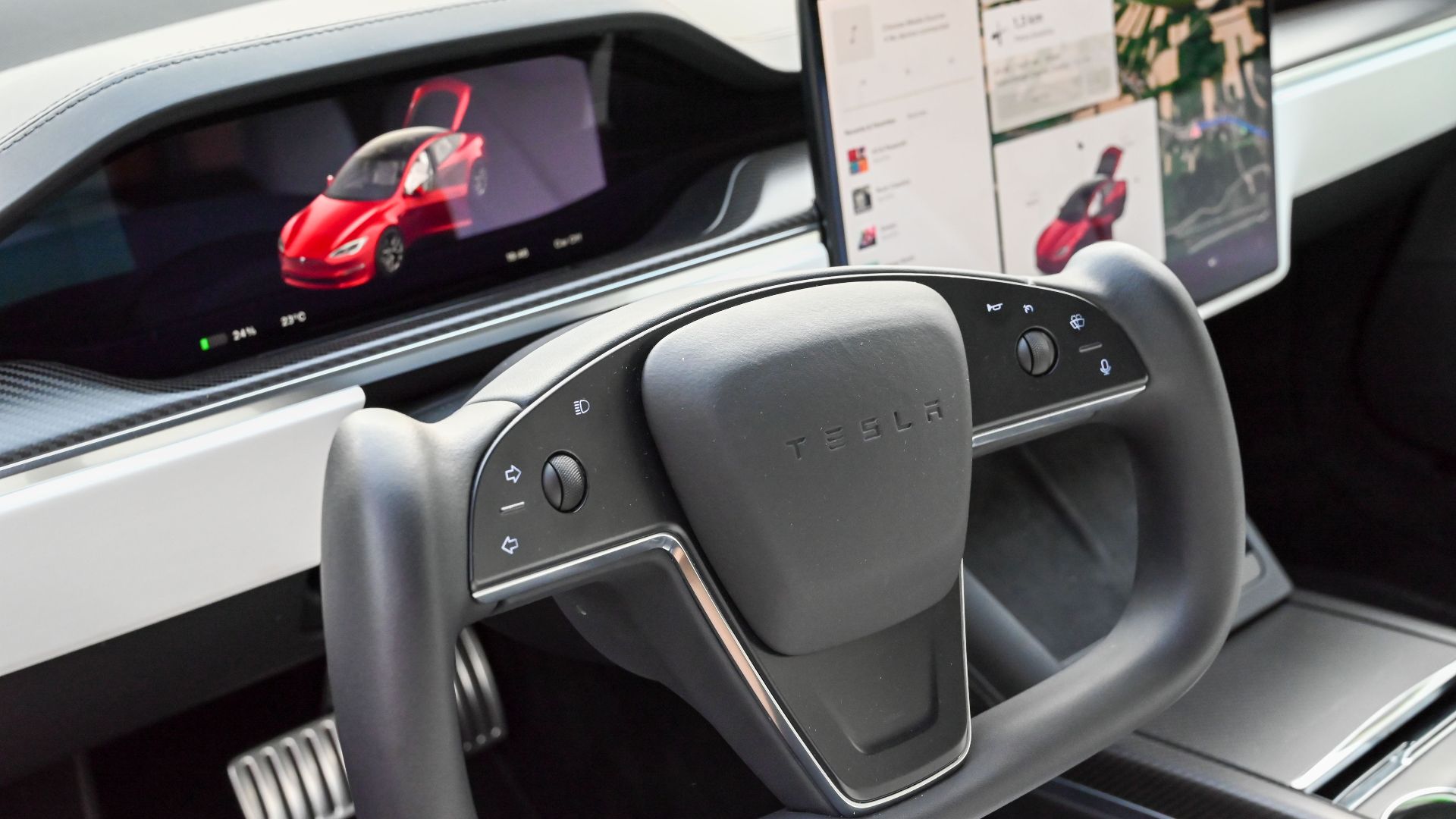
Tesla's Car Wash Mode automatically adjusts several vehicle settings, including disabling windshield wipers and parking sensor alerts. It also locks the charging port. This illustrates how manufacturers increasingly accommodate routine activities that can interfere with electronic vehicle features.
Your Dashboard Message Is The First Clue
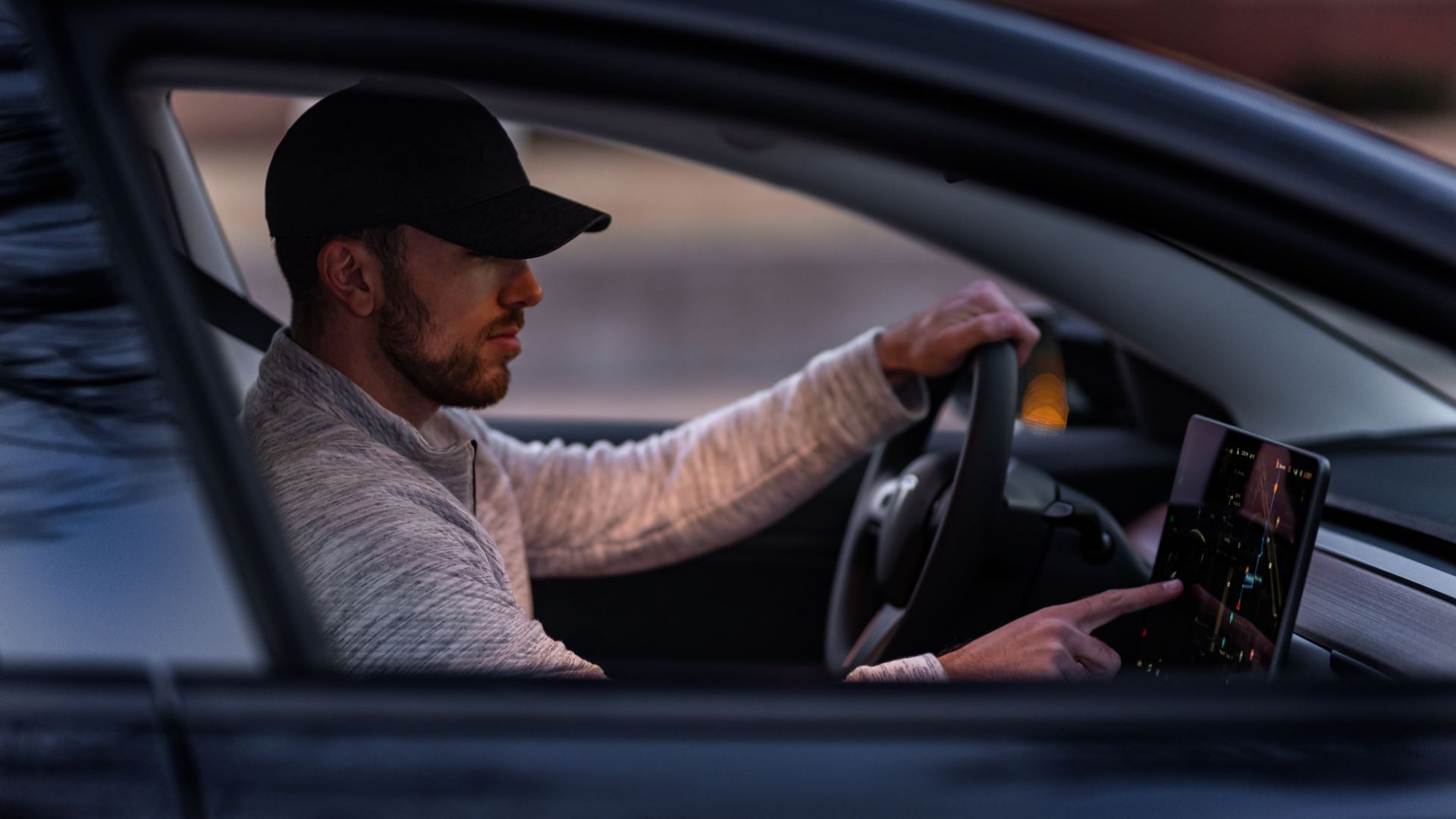
Read the exact warning rather than treating every ADAS alert identically. Toyota distinguishes between systems that are temporarily unavailable and those potentially malfunctioning. Its manuals provide different instructions depending on the message and the conditions affecting the sensors.
Start With A Gentle Cleaning
If the warning indicates an obstruction, consult your manual before touching anything. Toyota recommends cleaning radar covers with a soft cloth. Tesla recommends water and microfiber for camera lenses. Avoid abrasive materials that could create additional damage.

Give Moisture A Chance To Clear
If condensation is responsible, restoring visibility may resolve the warning. Toyota recommends windshield wipers or climate controls for certain camera obstructions. Follow the manufacturer's instructions, but don't assume every electronic warning will disappear simply because the vehicle dries.
What If The Warning Disappears?
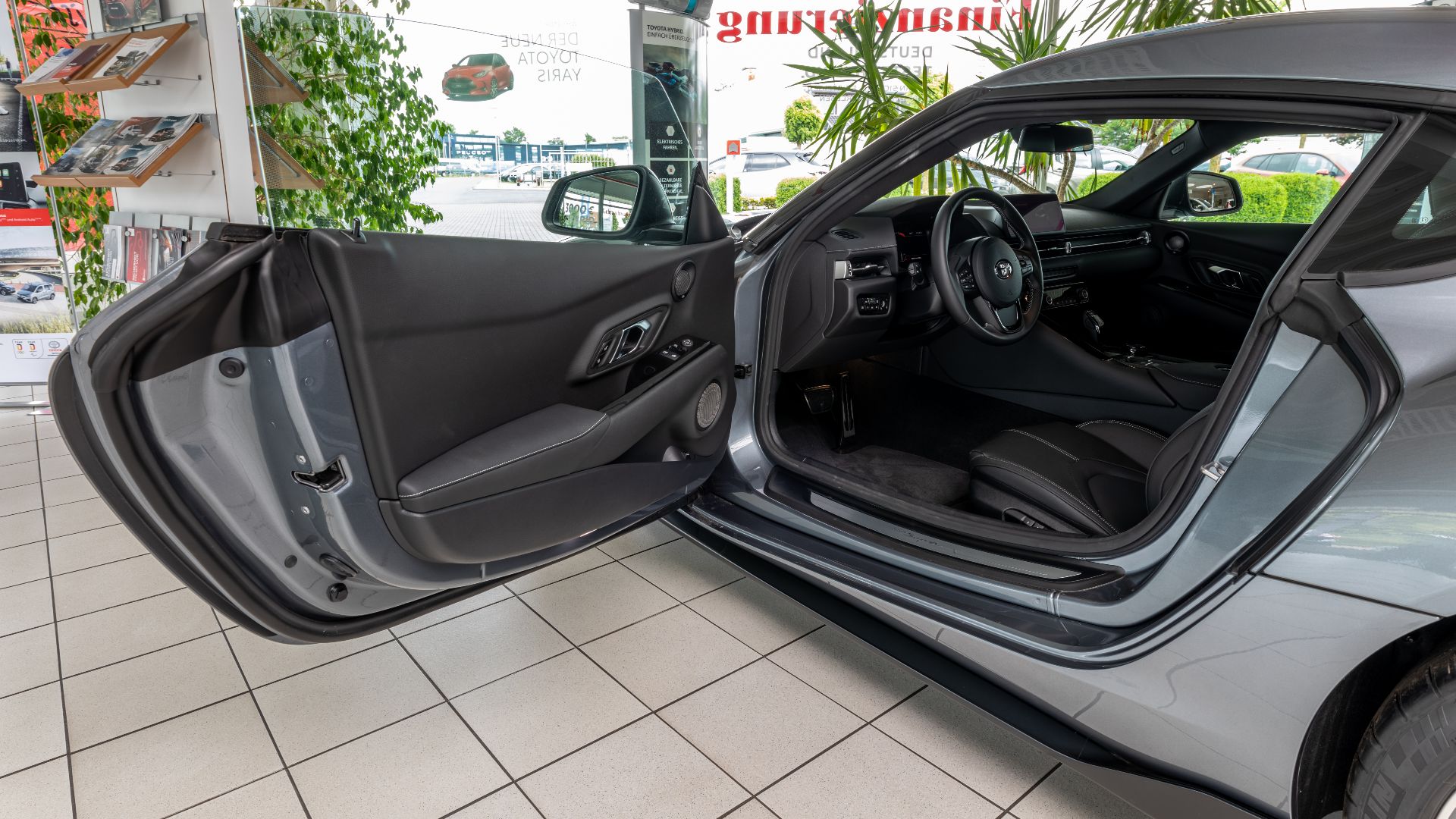
Toyota explains that certain assistance systems automatically resume operation when normal conditions return. That's reassuring, although a disappearing warning doesn't establish what originally caused it. Repeated alerts deserve attention, especially when they affect important safety functions.
 Dietmar Rabich, Wikimedia Commons
What If The Warning Refuses To Leave?
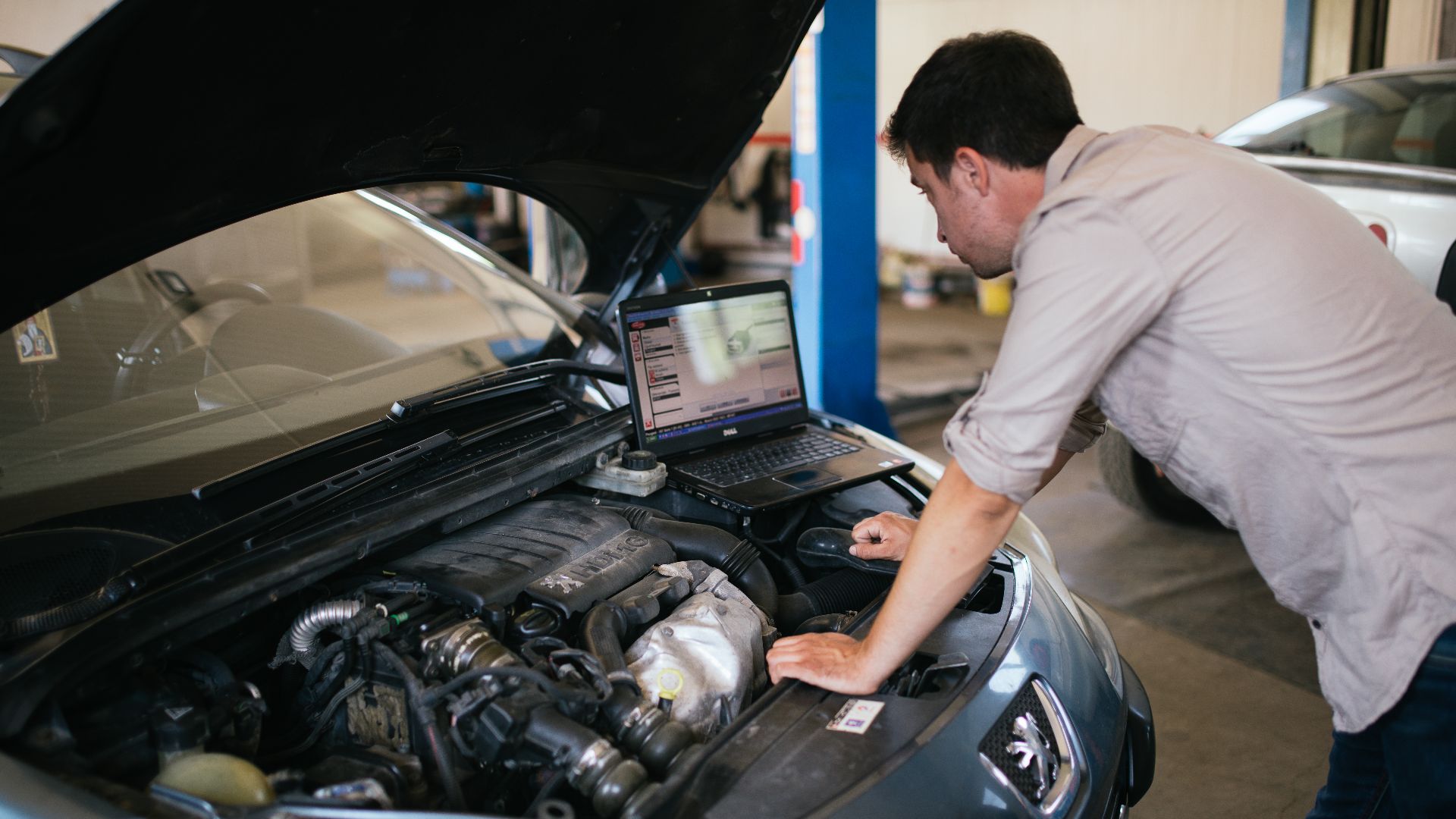
Toyota recommends contacting a dealer when certain warnings persist after the suggested corrective actions. AAA likewise advises professional repair when a failed ADAS component makes a system inoperable. Persistent problems shouldn't be dismissed as ordinary washing inconvenience.
 Shixart1985, Wikimedia Commons
One Sensor Can Affect Several Features
A single sensor can support several assistance functions. Toyota's radar and camera systems contribute information to collision prevention, lane assistance, and cruise control. Consequently, one obstruction or malfunction can affect more than one feature rather than producing an isolated warning.
Calibration Is Different From Cleaning
Cleaning removes material obstructing a sensor. Calibration ensures its positioning and operation meet manufacturer specifications. These are different procedures, and cleaning alone cannot correct a misaligned sensor. Professional calibration may require specialized equipment, training, and considerable workshop space.

Previous Bumper Damage Could Matter
Toyota warns that radar sensors can require inspection following strong impacts to surrounding bodywork. Its instructions also identify bumper and grille replacement as circumstances requiring recalibration. An existing alignment problem could therefore deserve investigation when new warnings appear.
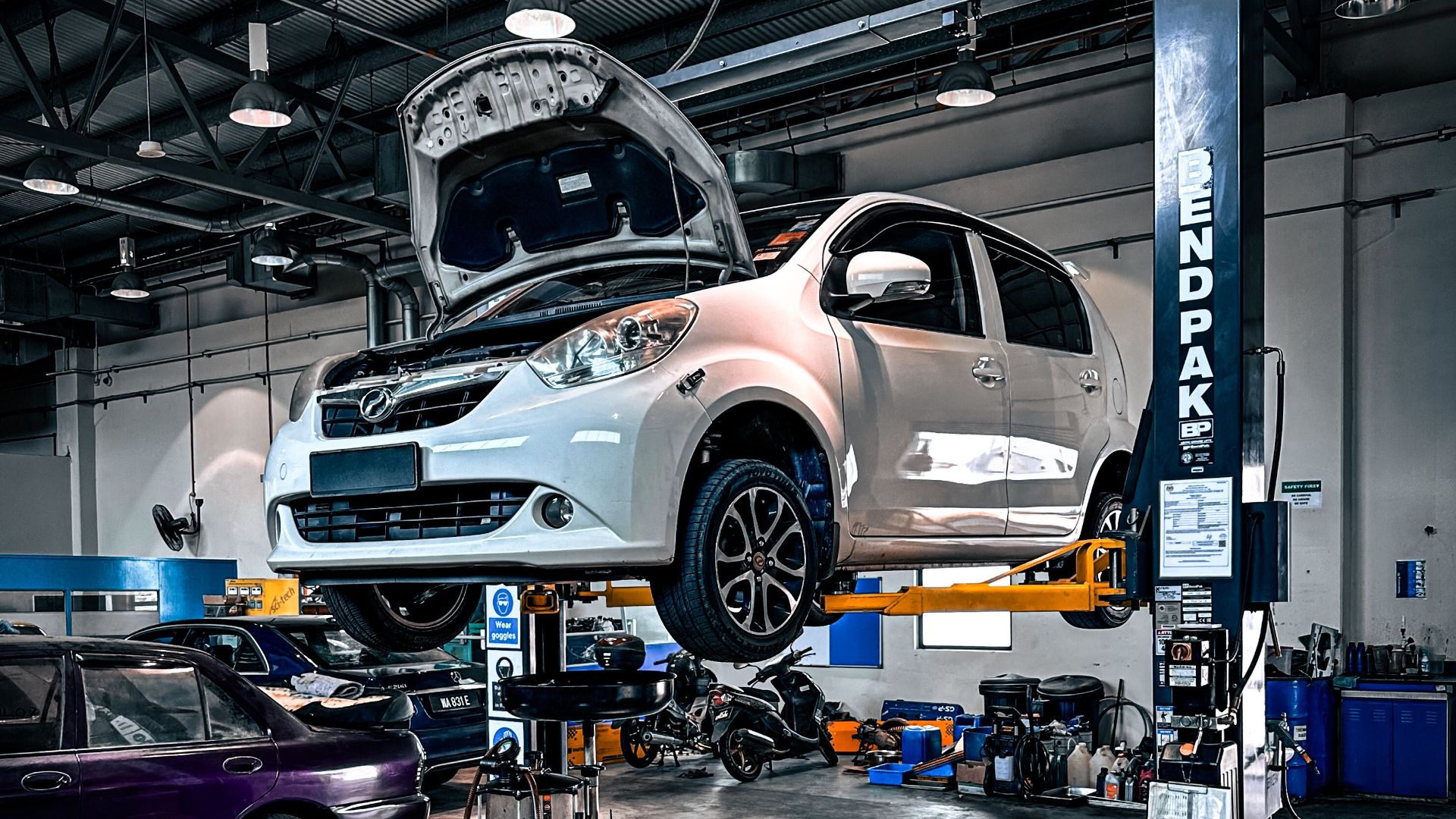
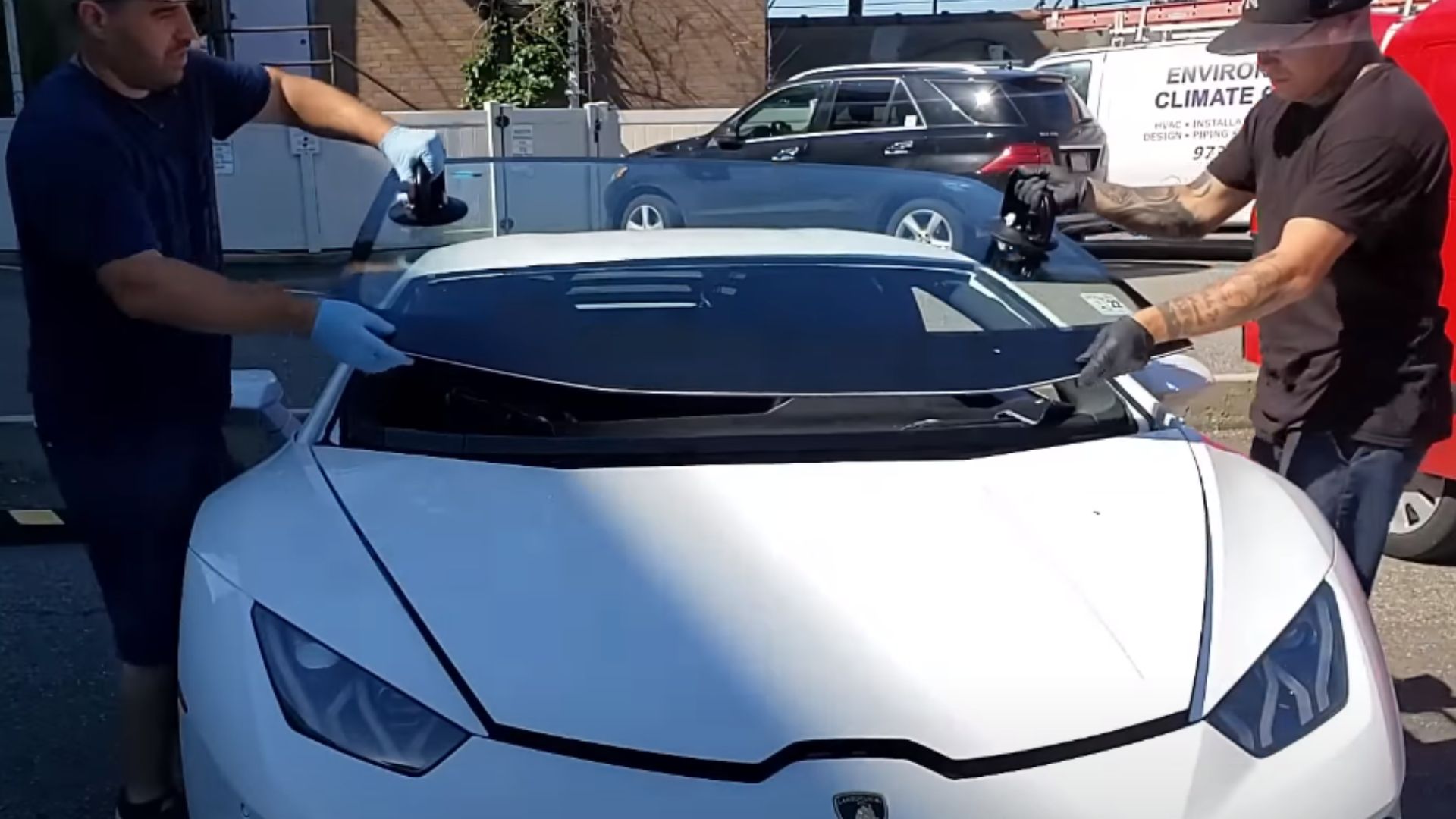
Windshield Replacement Can Complicate Everything
Replacing a windshield is no longer necessarily a straightforward glass repair. Toyota requires recalibration of its forward-facing camera afterward. Insurance industry research also identifies calibration difficulties as an important contributor to problems reported following repairs involving driver assistance systems.
 Jorgeelmv64, Wikimedia Commons
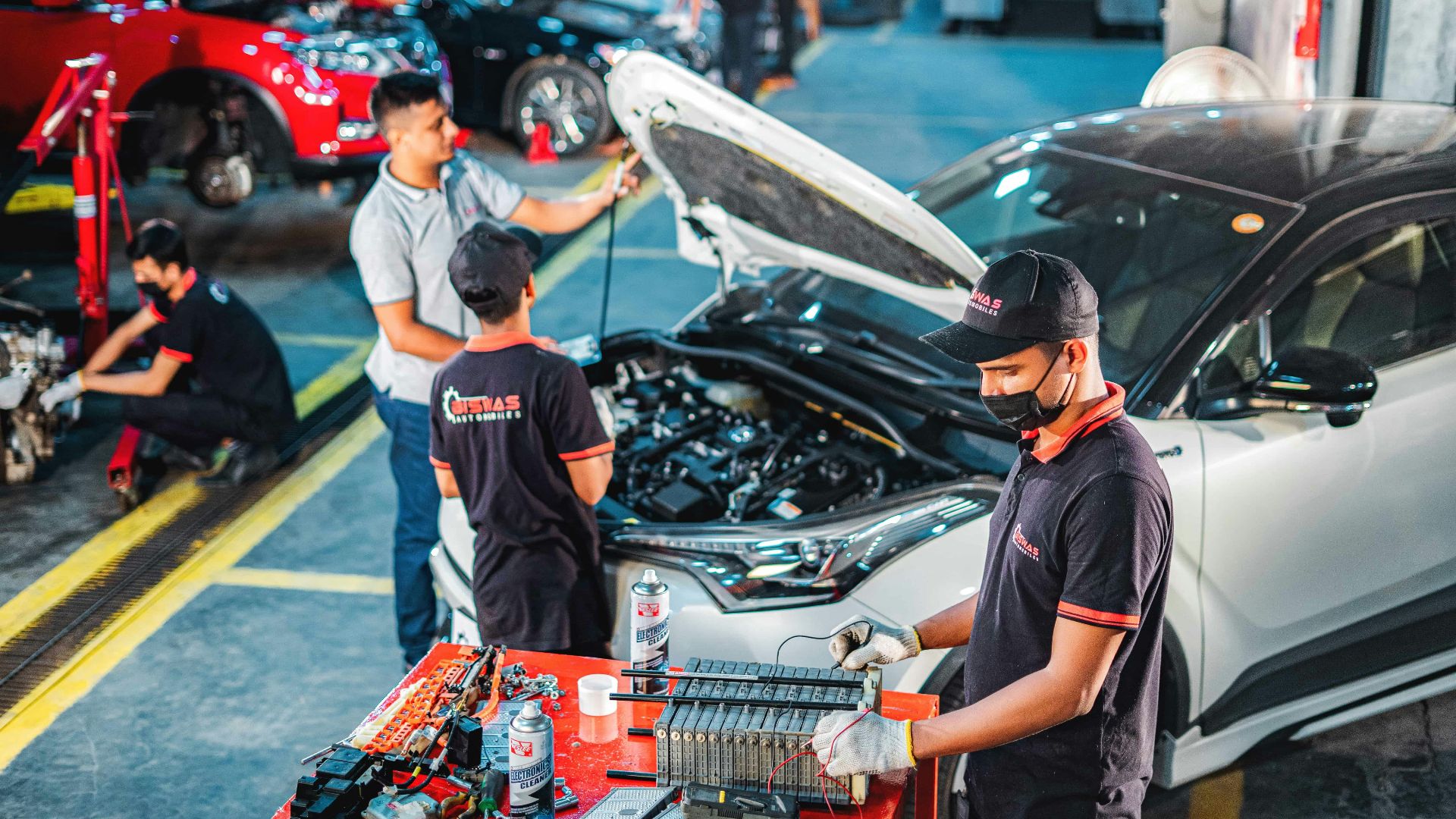
And The Repair Bill Can Be Surprising
AAA's 2023 research estimated front radar replacement costs of $500 to $1,300, including relevant labour and calibration. Front camera repairs ranged from $600 to $800 in its scenarios. These figures concern damaged components, not routine cleaning.
 Biswas Automobiles BD, Unsplash
Does The Manufacturer Have To Pay?
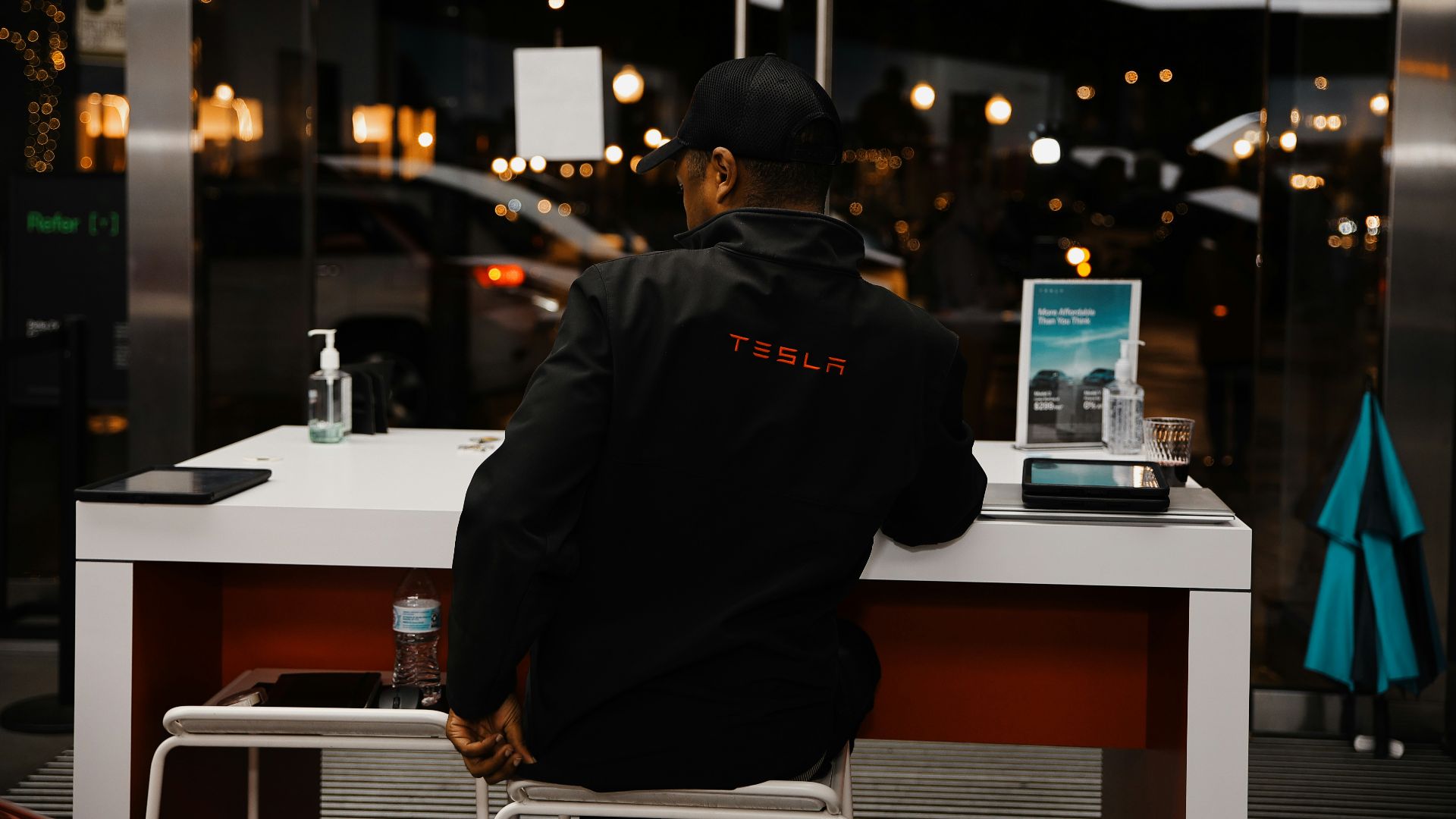
Warranty coverage depends on the vehicle, the cause of the failure, and applicable terms. Tesla specifically excludes car-wash-related damage under its stated warranty guidance. That doesn't establish whether another manufacturer's warranty covers a particular sensor failure, so obtain a diagnosis first.
Are These Systems Actually Too Fragile?
Research offers a more reassuring perspective. The Insurance Institute for Highway Safety found that crash avoidance benefits remained relatively consistent in certain Honda and Subaru vehicles beyond five years. Long-term usefulness and occasional environmental limitations can clearly coexist.
Their Safety Benefits Are Difficult To Ignore
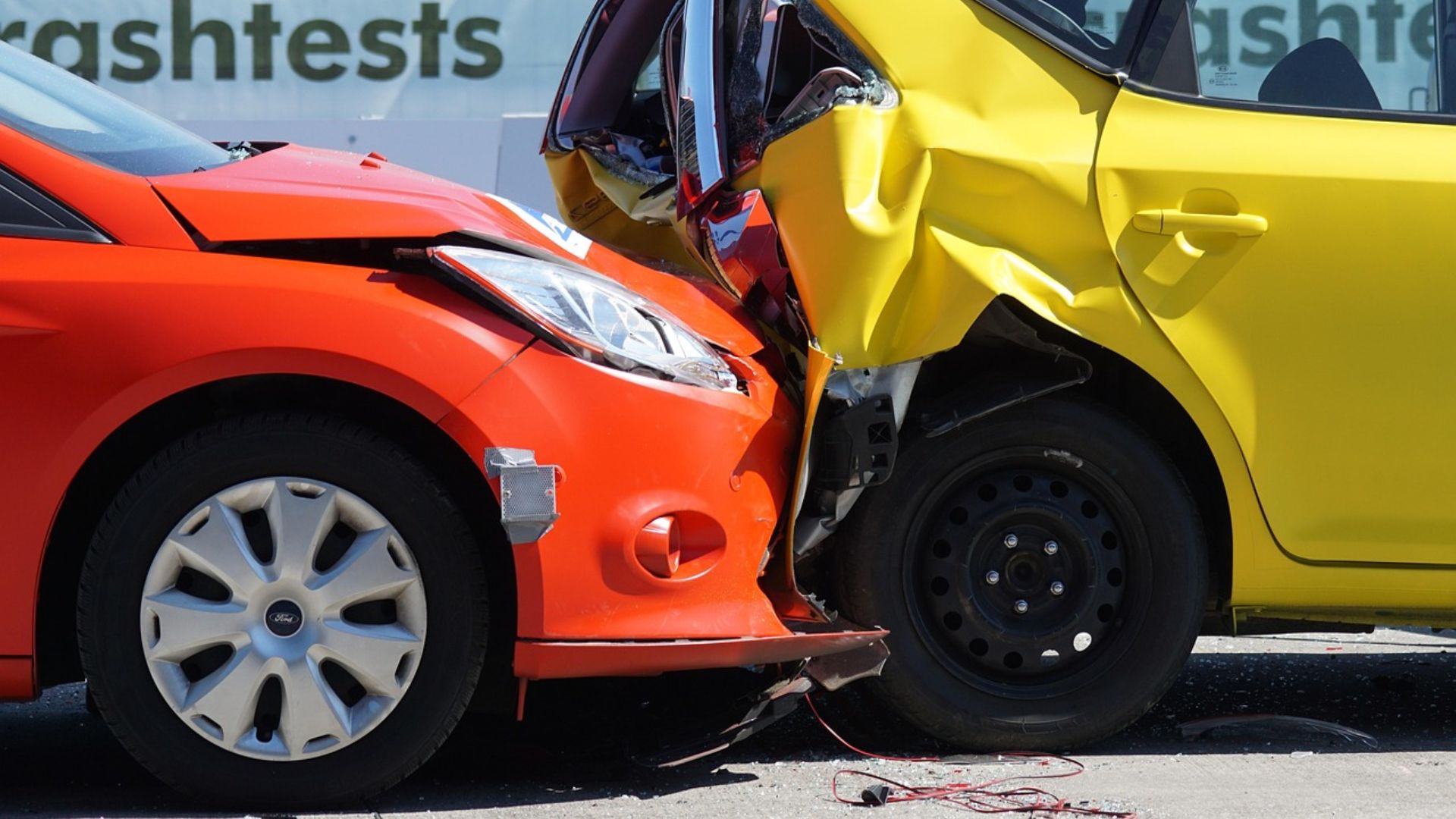
Insurance Institute research found that automatic emergency braking reduced police-reported rear-end crashes by approximately 50% in the vehicles studied. That's a substantial safety benefit. The frustration comes from maintaining increasingly sophisticated technology, not from an absence of meaningful protection.
So Should A Simple Car Wash Really Cause This Much Trouble?
A routine wash shouldn't automatically mean an expensive repair. Start by checking the warning, cleaning approved sensor surfaces, and following manufacturer guidance. Persistent failures warrant professional diagnosis. Modern safety systems aren't necessarily too delicate, but their limitations demand more attention.
 Jacek Halicki, Wikimedia Commons
You May Also Like: