Command Centers In Sky
Air Force One isn’t just a plane—it’s a flying command center reserved for the most powerful person in the world. While the name technically applies to any Air Force aircraft carrying the U.S. president, it’s become synonymous with the highly specialized jets built for that role. These machines are packed with astonishing technology, and these photos reveal just how dramatically Air Force One has transformed over the years.
Roosevelt's Historic Flight
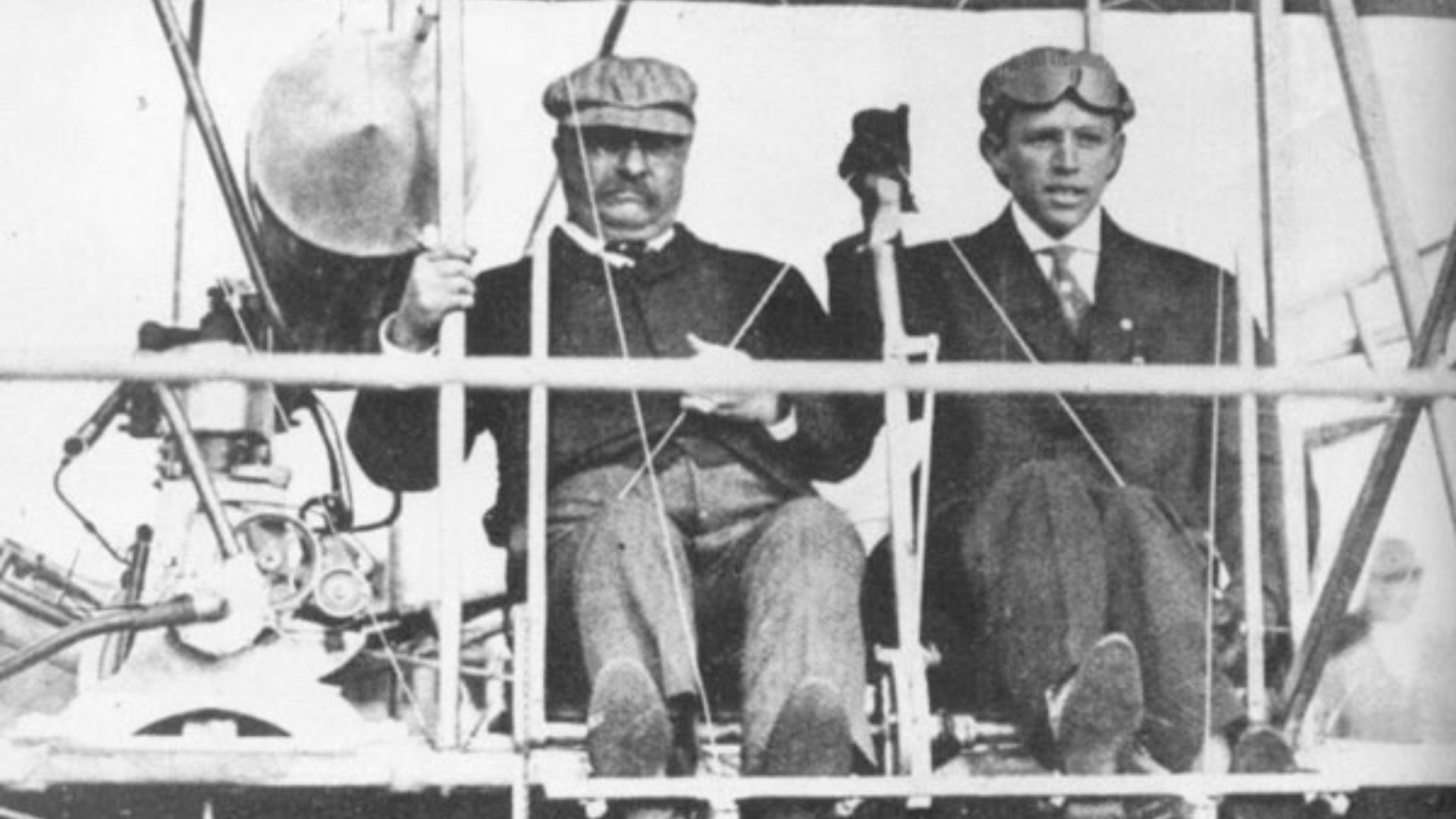
Theodore Roosevelt made history on October 11, 1910. He became the first US president to leave the ground in an aircraft. Though no longer in office, his brief flight in a Wright Flyer at a St Louis County fair marked the beginning of presidential aviation.
 Unknown authorUnknown author on Wikimedia
The First Presidential Aircraft
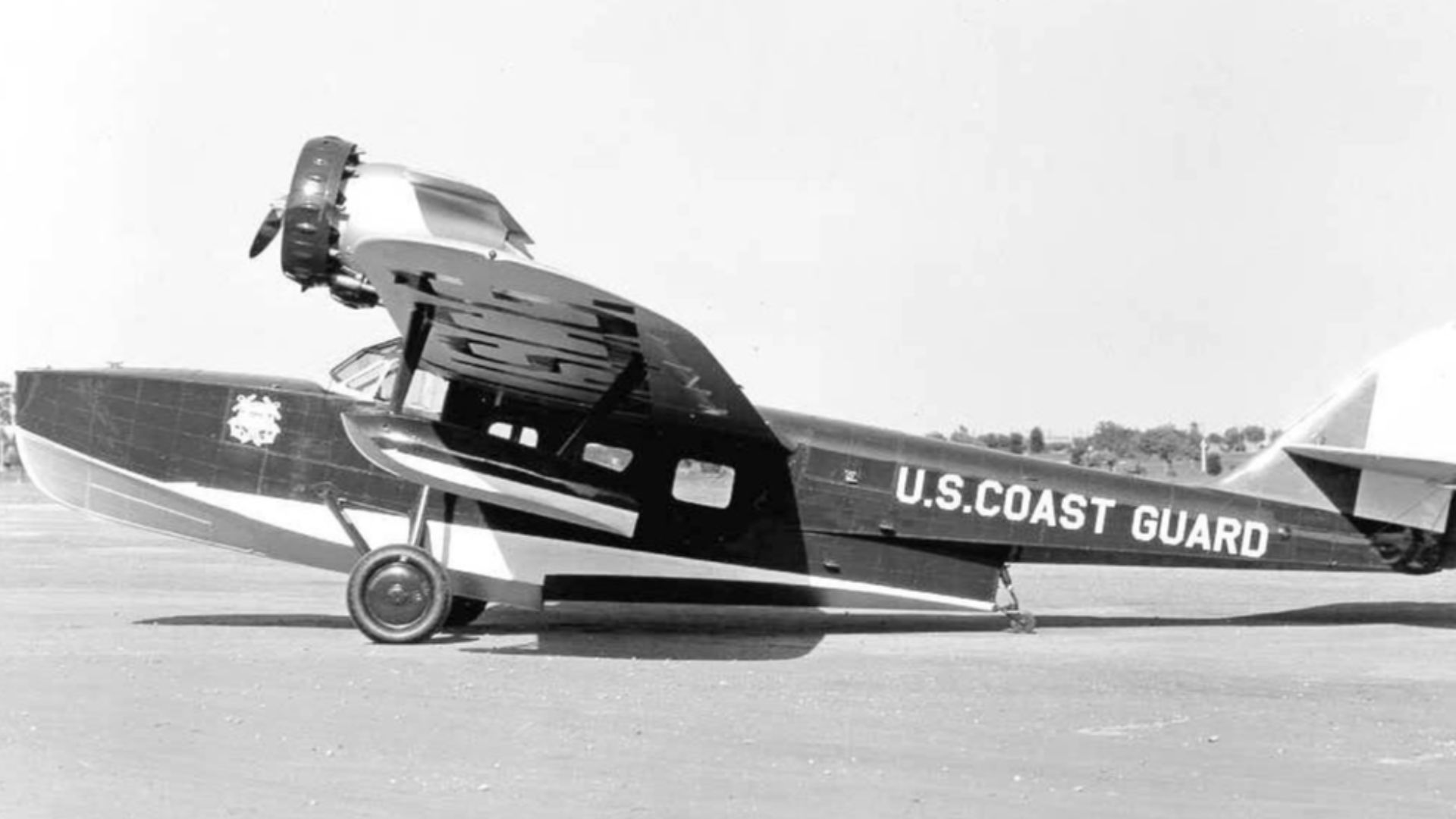
In 1933, Franklin D. Roosevelt received a Douglas Dolphin amphibian as the first dedicated presidential aircraft. This luxurious flying boat featured some elegant upholstery, comfortable seating for four passengers, and even a small sleeping compartment for longer journeys.
Wartime Necessity Takes Flight
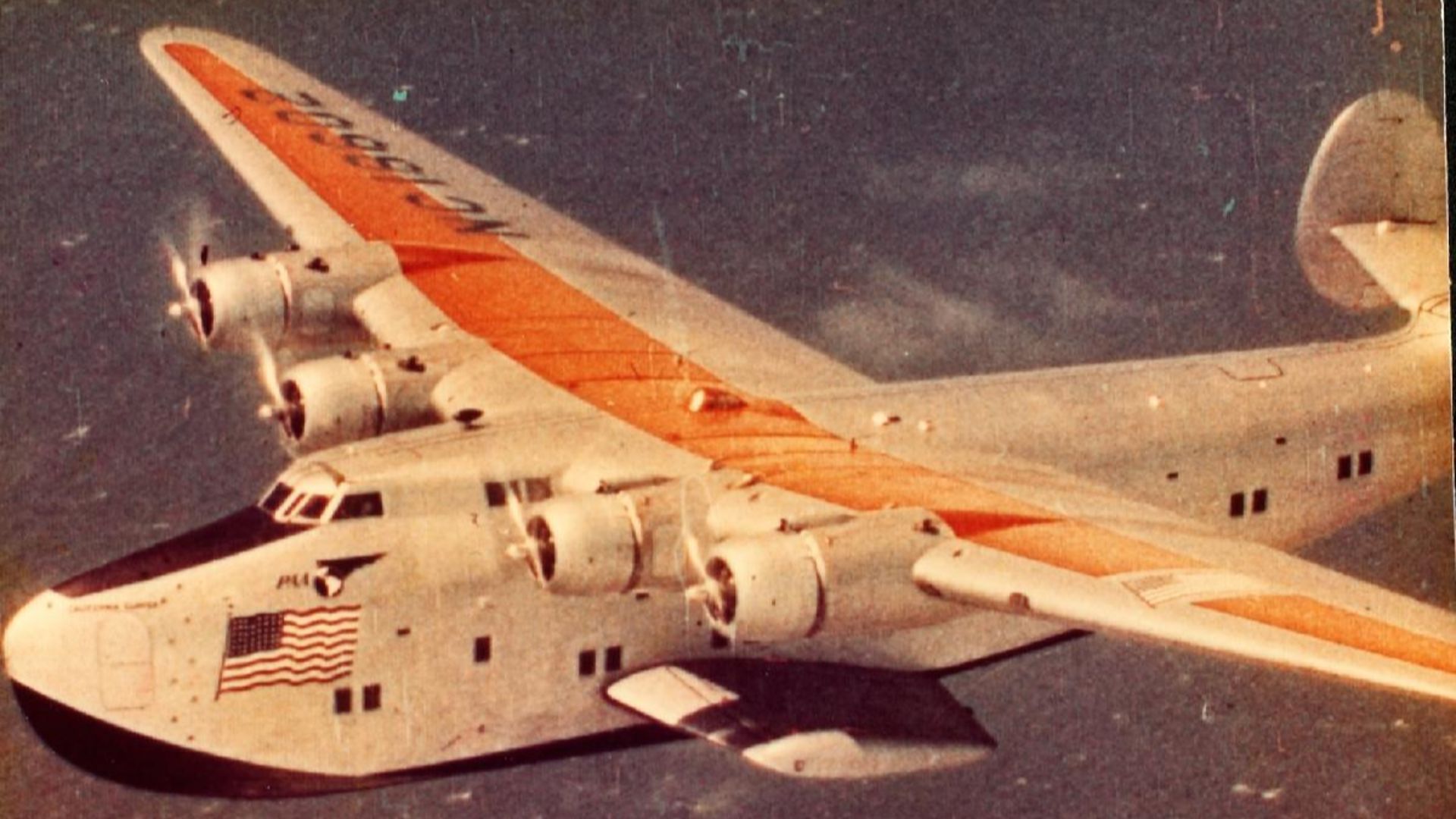
During World War II, German submarines prowling the Atlantic made air travel the safer option for VIPs. In 1943, President Roosevelt flew to the critical Casablanca Conference aboard the "Dixie Clipper," a Pan Am Boeing 314 flying boat. It covered 5,500 miles in three legs.
 San Diego Air & Space Museum Archives on Wikimedia
The Sacred Cow Takes Office
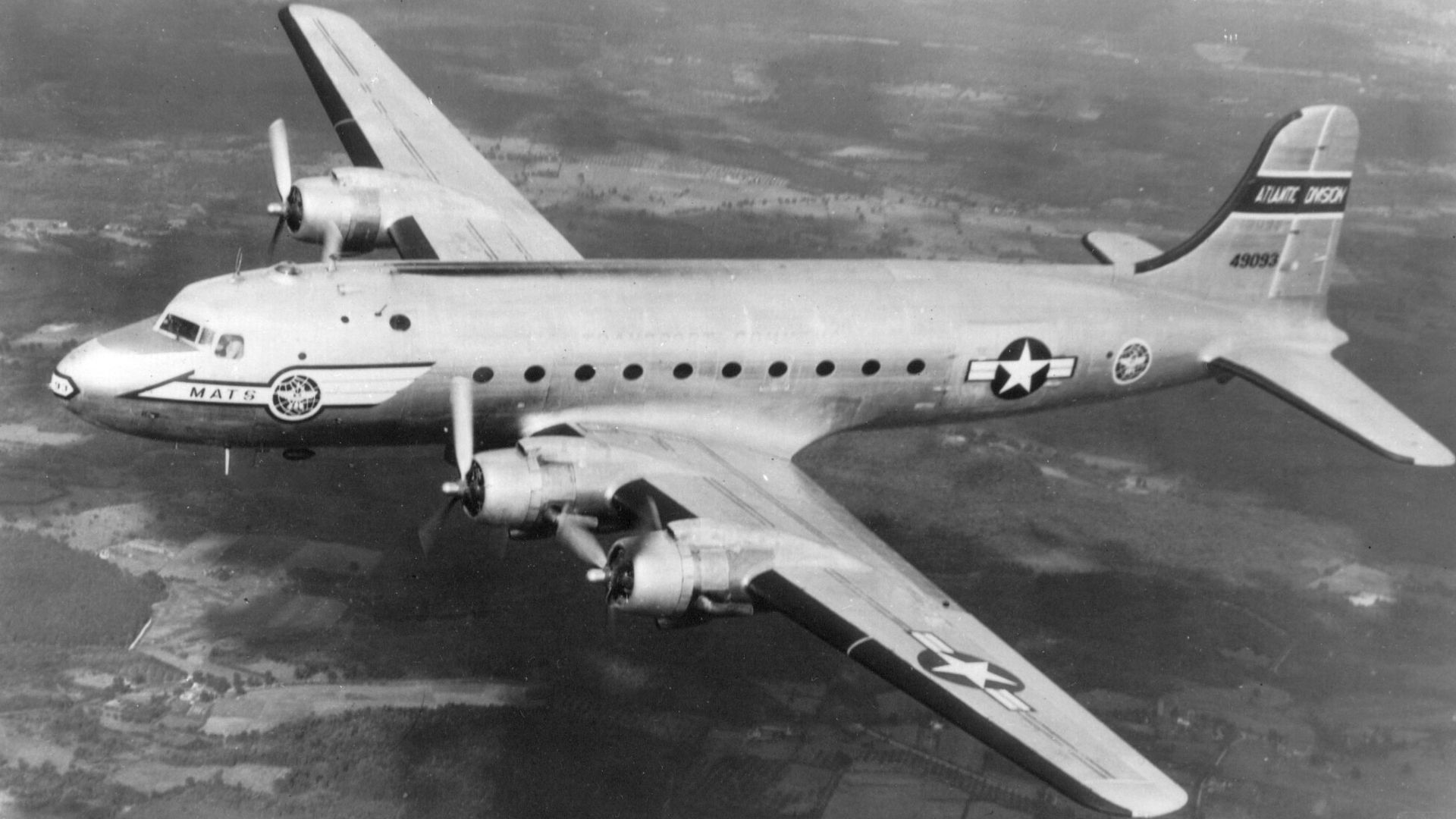
The military recognized the need for a specialized presidential aircraft in 1944. Hence, they converted a Douglas C-54 Skymaster dubbed the “Sacred Cow”. This flying Oval Office had a sleeping area, a radiotelephone, and a custom battery-powered elevator for Roosevelt's wheelchair.

Signing History At 20,000 Feet
So, President Harry Truman made aviation history aboard the Sacred Cow when he signed the National Security Act of 1947. Such pivotal legislation created the US Air Force as an independent military branch, appropriately signed in the same skies it would protect.
 en:User:Signaleer first uploaded to English WP, User:Alaniaris re-uploaded it here on Wikimedia
Independence Soars
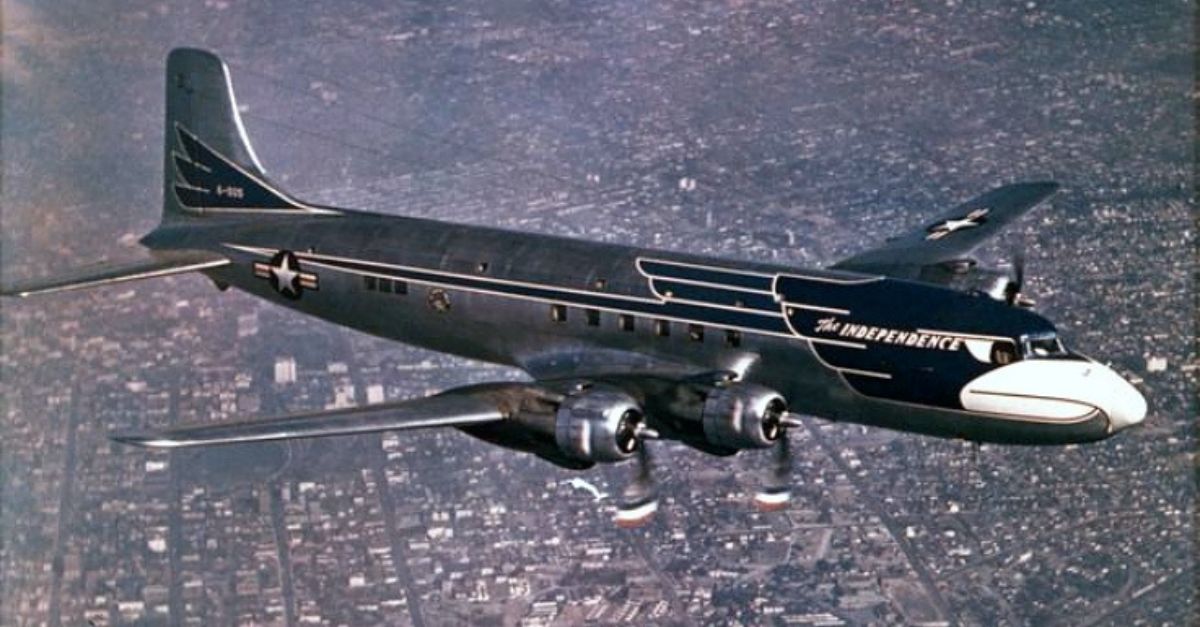
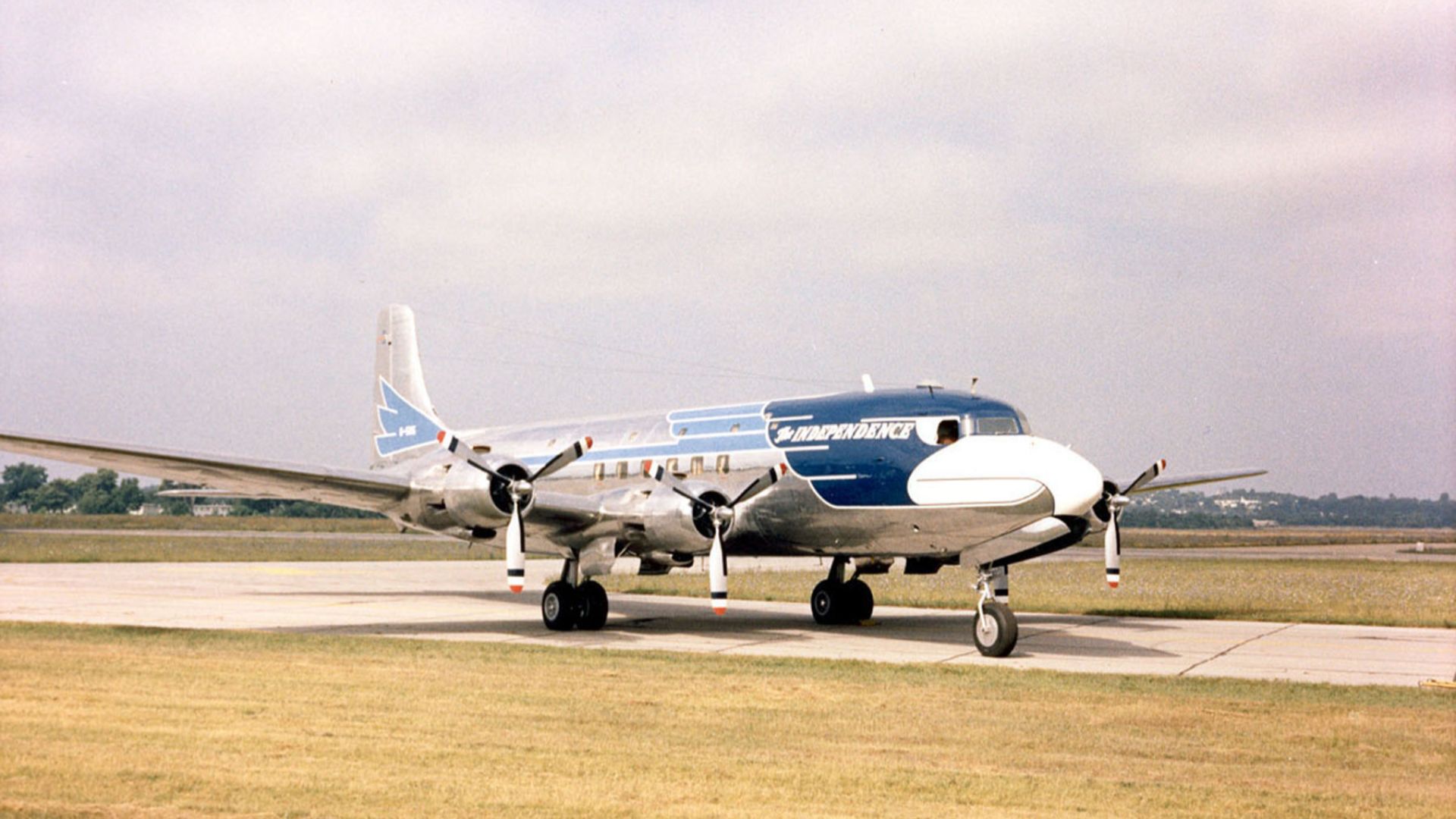
Truman upgraded to a modified C-118 Liftmaster in 1947. He named it "Independence" after his beloved Missouri hometown. This aircraft proudly displayed American pride, with its nose painted to resemble a bald eagle's head. It was a flying symbol of freedom.
The Columbine Fleet Expands
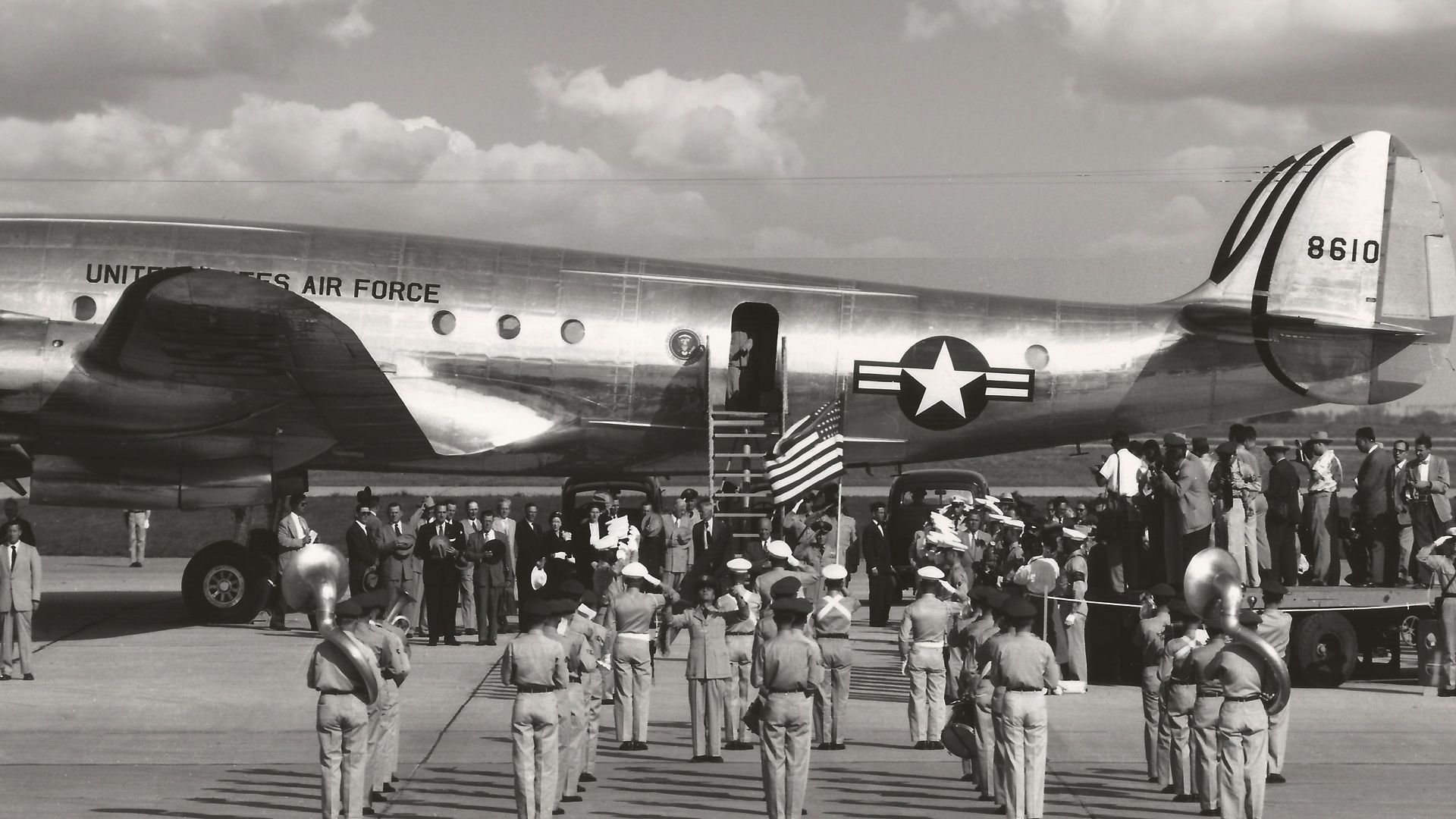
President Eisenhower ushered in a new era of presidential travel with a fleet of four propeller-driven aircraft. Among them were two sleek Lockheed Constellations—“Columbine II” and “Columbine III”—that stood out not just for their design, but for their name. Chosen by First Lady Mamie Eisenhower after Colorado’s state flower, the nickname added an unexpectedly personal touch to these high-profile flights.
 TSgt. Ron Woods, USAF on Wikimedia
A Call Sign Is Born
The iconic "Air Force One" call sign originated from a frightening 1954 incident. Apparently, President Eisenhower's plane (using the call sign "Air Force 8610") shared airspace with a commercial flight using an identical number. This brought dangerous confusion that demanded a permanent solution.
Entering The Jet Age
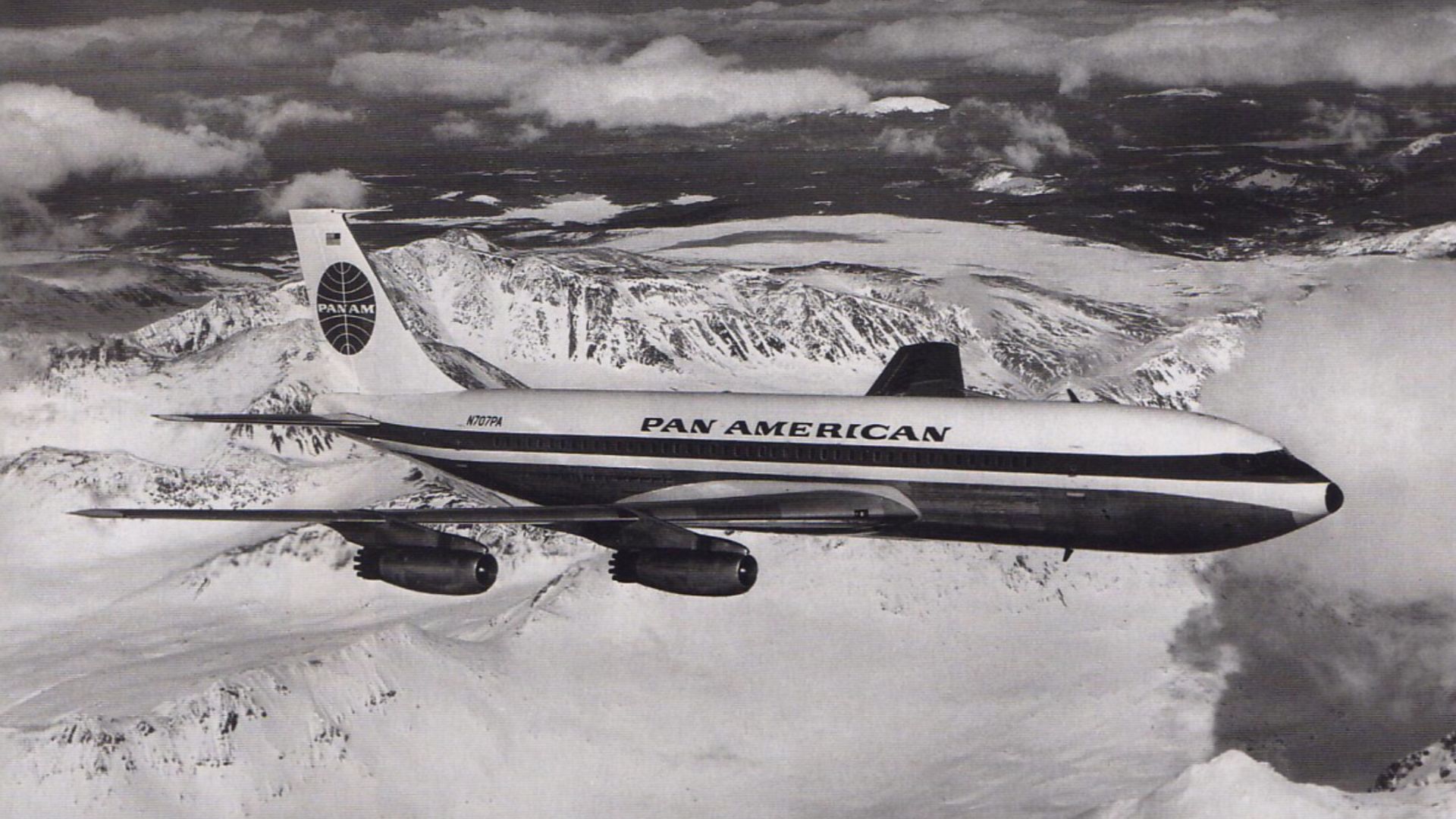
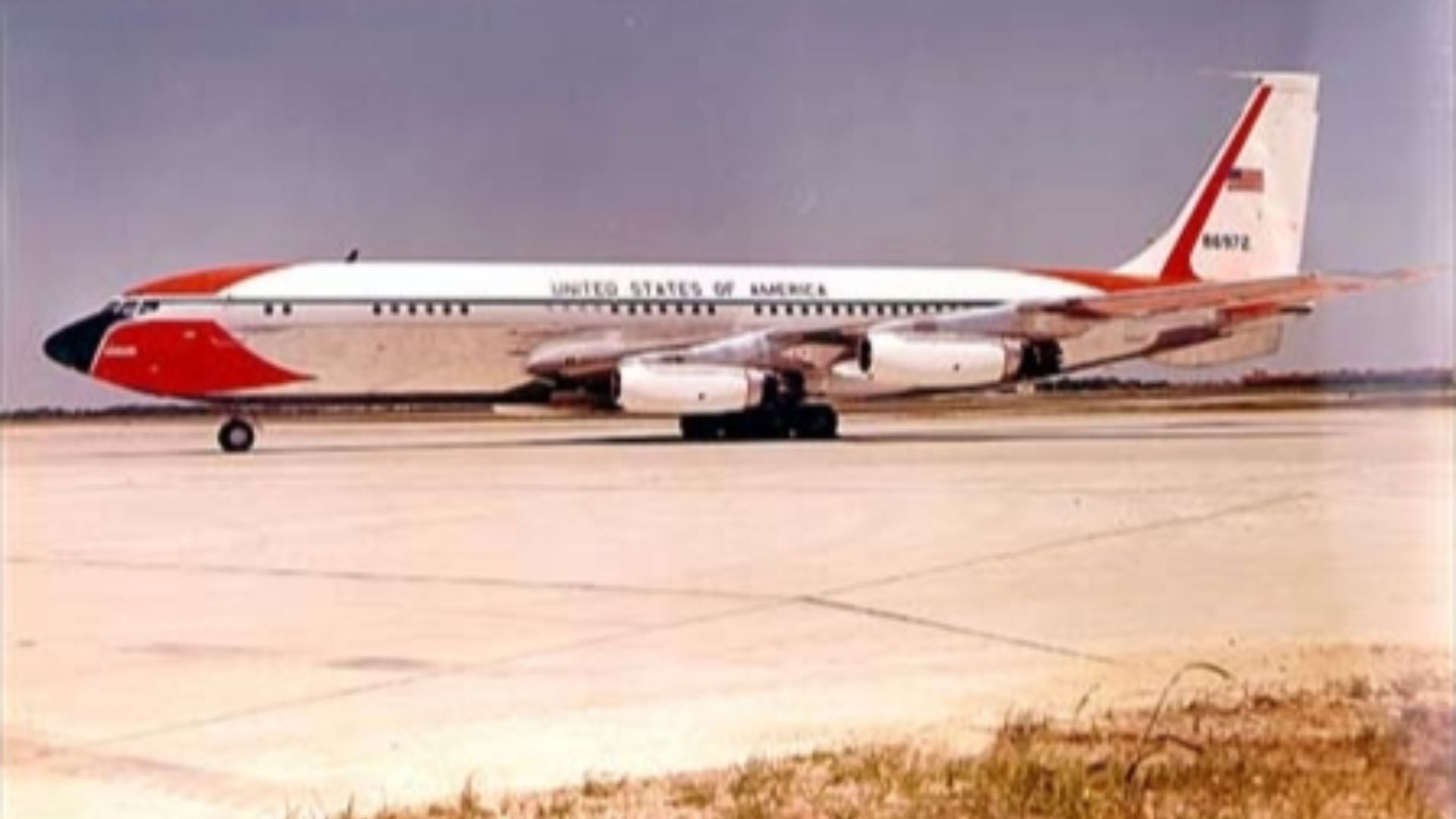
By 1959, Soviet leaders were cruising in Tupolev Tu-114 jets. This got Secretary of State John Foster Dulles thinking that American presidents needed to keep up with the tech. So, the Air Force introduced three Boeing 707-120 jets, which started a new era of presidential travel.
Eisenhower's Jet Debut
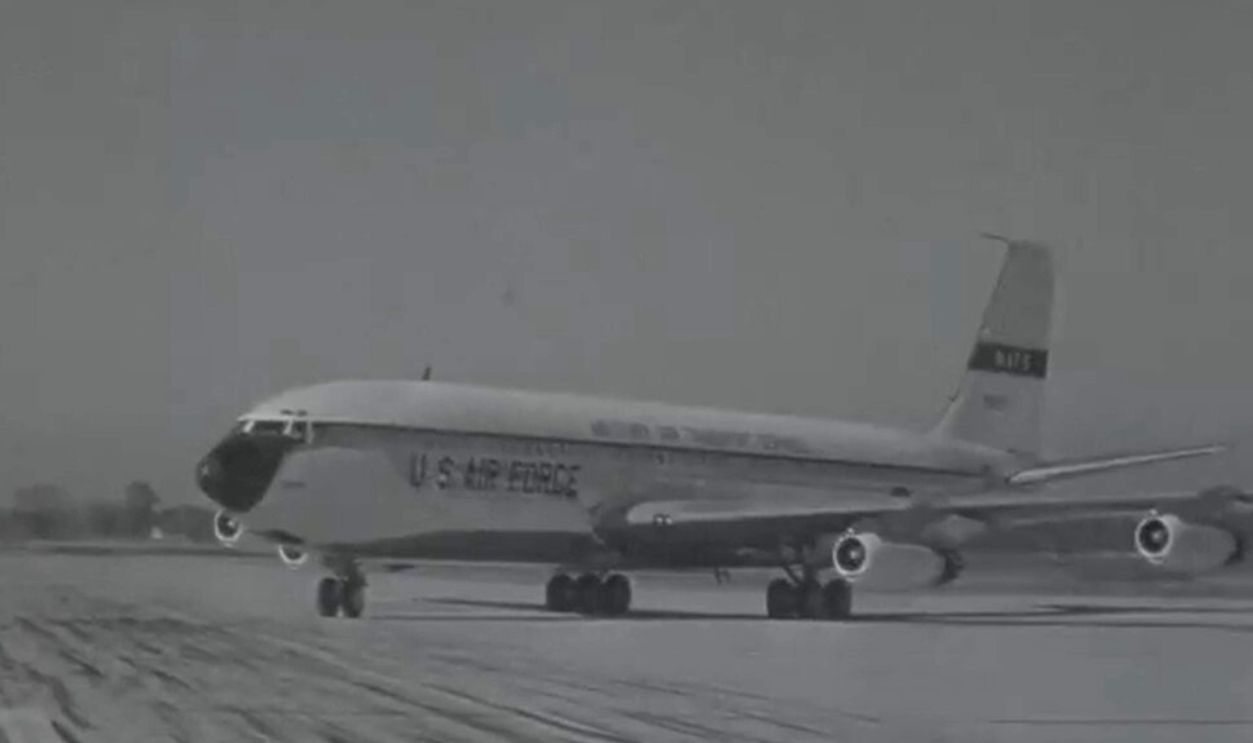
Here is a milestone flight that showcased America's technological advancement on the world stage. In August 1959, President Eisenhower became the first president to experience jet travel, using SAM 970. It was affectionately nicknamed "Queenie" to meet with German Chancellor Konrad Adenauer.
Peace Tour Acceleration
Eisenhower's "Flight to Peace" goodwill tour in December 1959 was a game-changer. It displayed what the new jets could really do. He zipped through 11 Asian countries in just 19 days. This was literally twice as fast as what propeller planes could manage.
Kennedy's Jet Age Transition
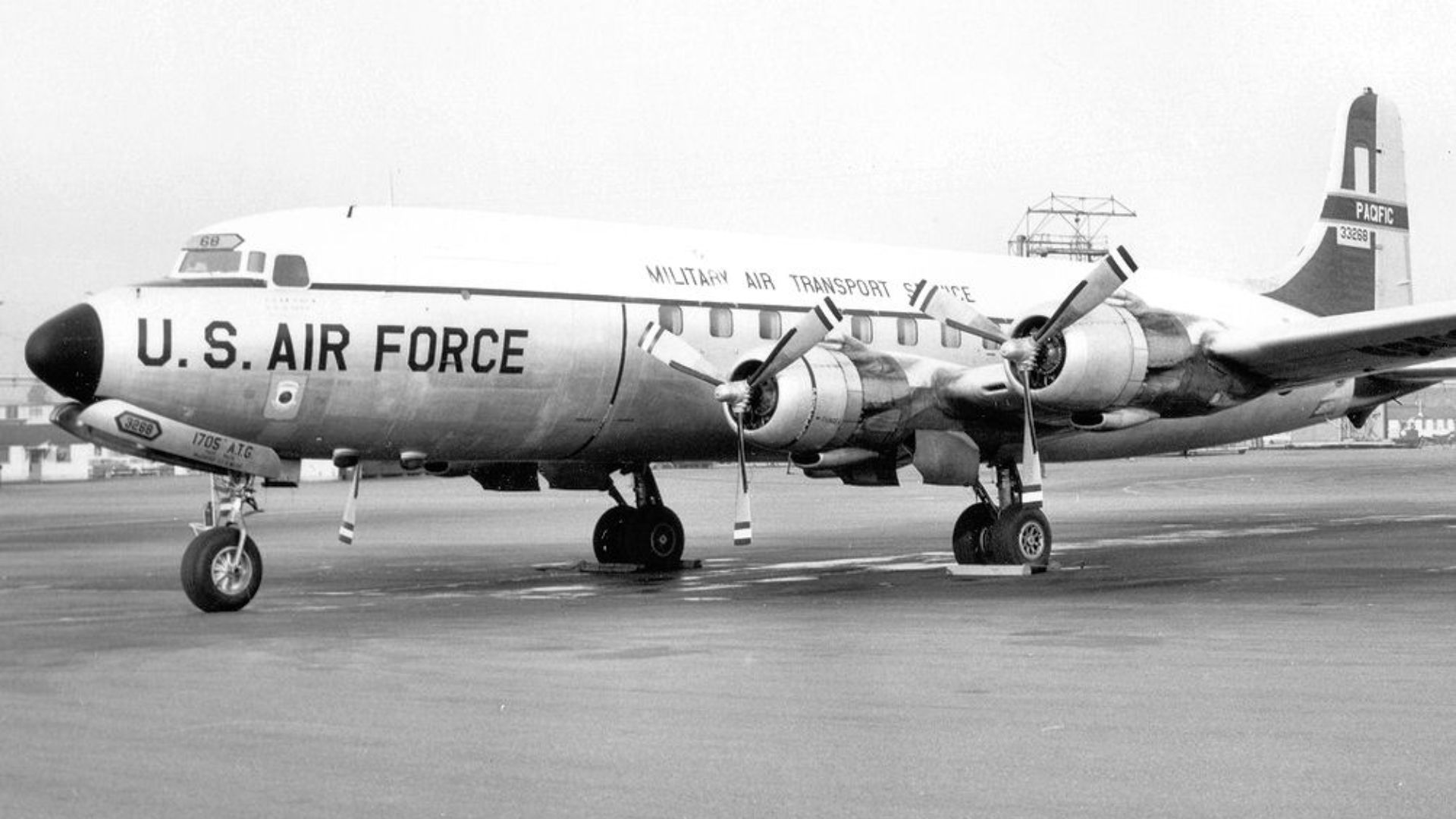
The jet age was completely welcomed by presidential air travel when John F. Kennedy assumed office in 1961. Prior to the arrival of newer aircraft, Kennedy relied on a propeller-powered Douglas VC-118A Liftmaster for domestic travel, but he first used Eisenhower's planes for international travel.
 United States Air Force on Wikimedia
Loewy's Design Revolution
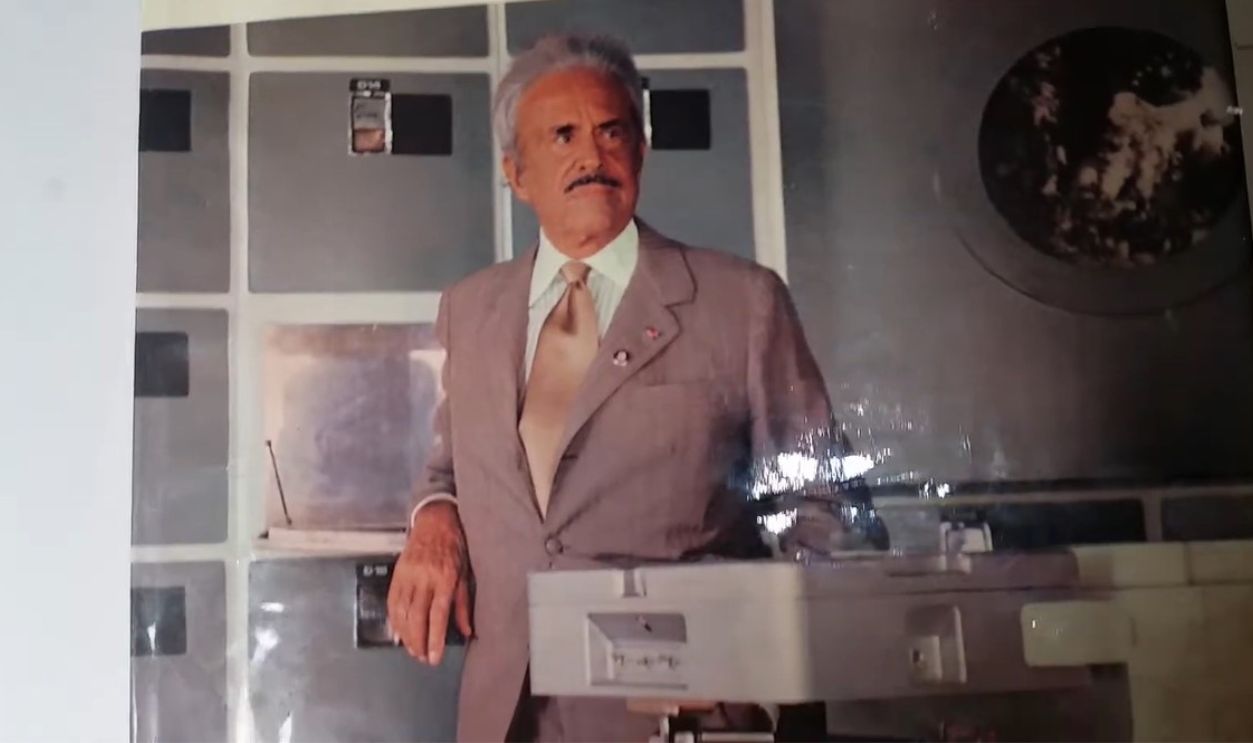
Kennedy's wife, Jacqueline, recognized the importance of visual diplomacy and contacted well-known industrial designer Raymond Loewy. The French-born American complained that the existing plane "looked too much like a military plane" and decided to offer his services without any charge.
 Mr. G's 1-minute video: Industrial designer Raymond Loewy by Mr.G's Workshop
The Iconic Blue Blueprint
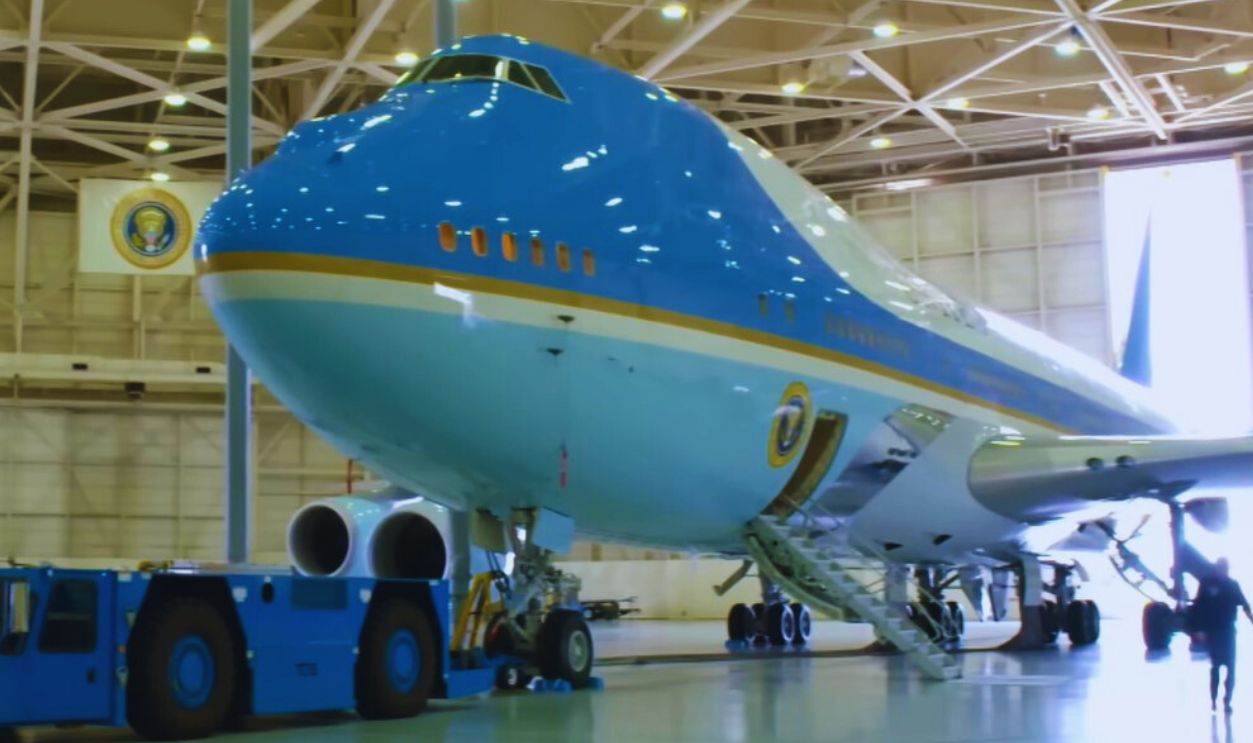
Designer Raymond Loewy introduced the now-iconic blue-and-white look that still defines Air Force One today. His approach was surprisingly intentional—he chose a deep, steel-toned blue rooted in American heritage and paired it with a lighter, more modern shade symbolizing progress. The result was a design that quietly bridged past and future in a single, unmistakable livery.
SAM 26000's Gleaming Debut
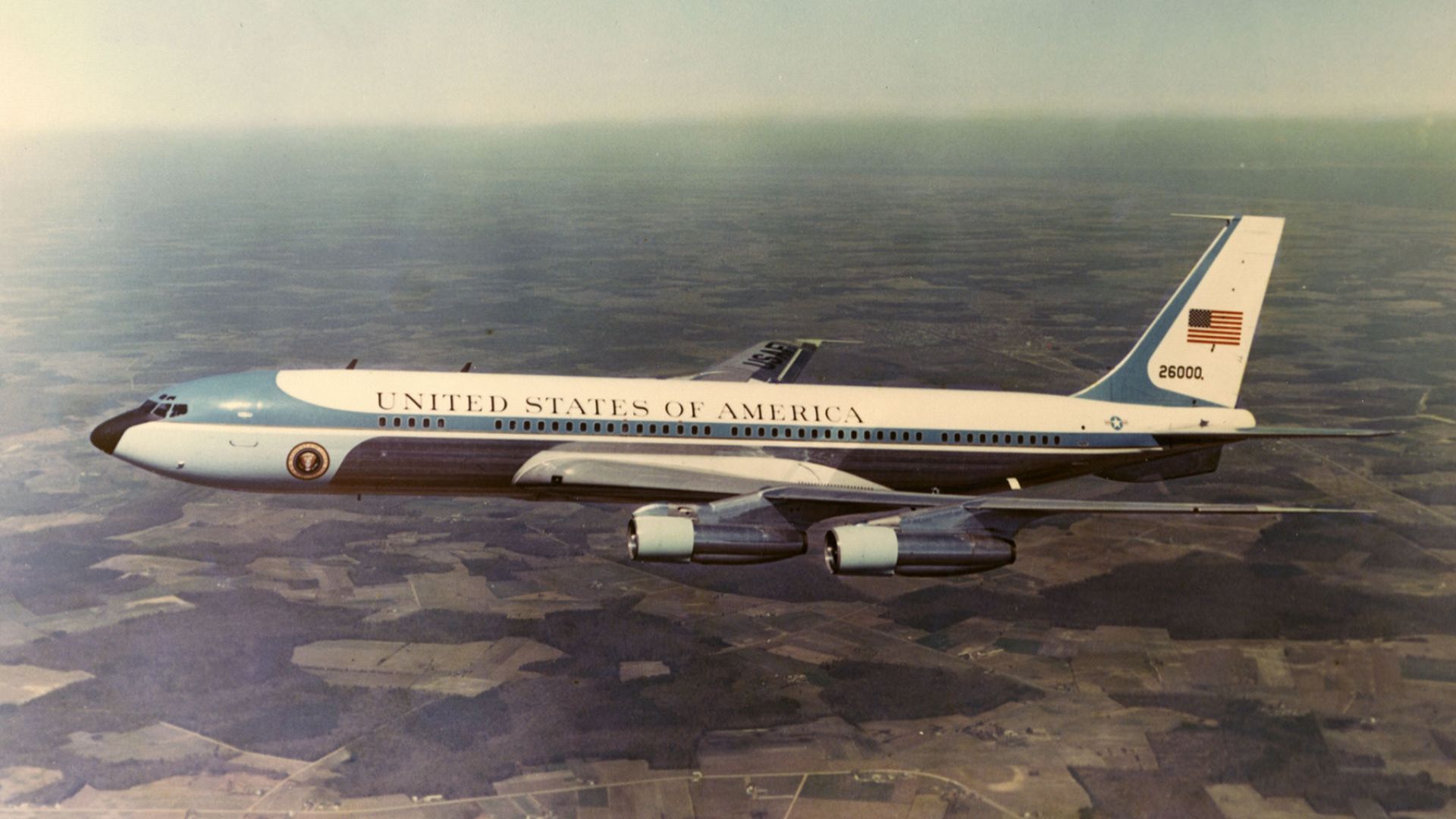
In October 1962, SAM 26000, a specially modified Boeing VC-137C Stratoliner, revolutionized presidential travel. With a 6,000-mile range, advanced communications systems, and a distinctive 144-foot wingspan, this flying Oval Office dazzled in Loewy's color scheme. It projected American technological prowess worldwide.
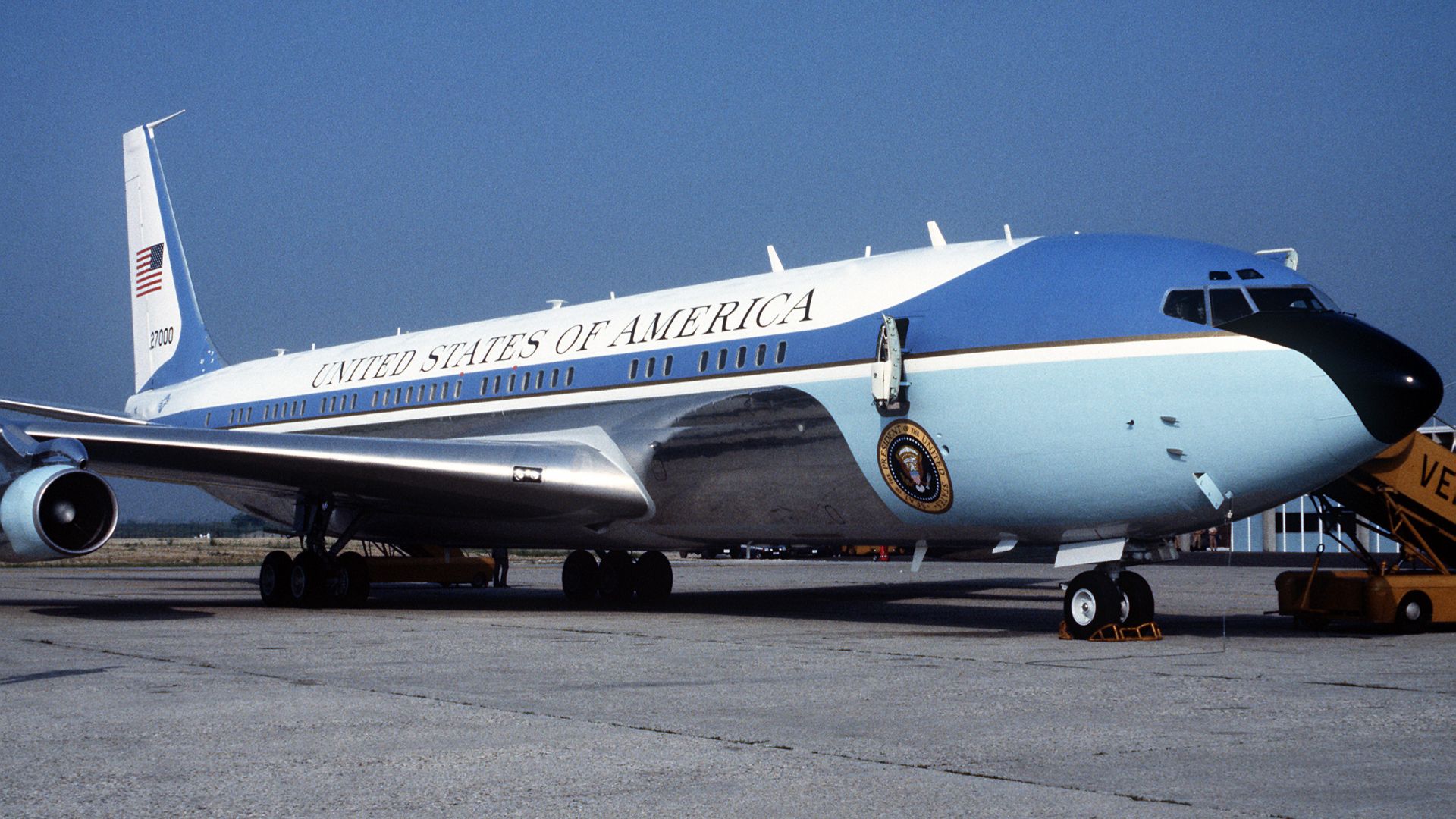 GUNNERY SGT. HERNANDEZ on Wikimedia
Witness To History's Darkest Day
SAM 26000 touched down at Dallas's Love Field on November 22, 1963. Its polished fuselage was gleaming in the Texas sunshine as the Kennedys descended its steps. By sunset, this same aircraft would carry a slain body, a grieving widow, and a newly-sworn President Johnson back to Washington.
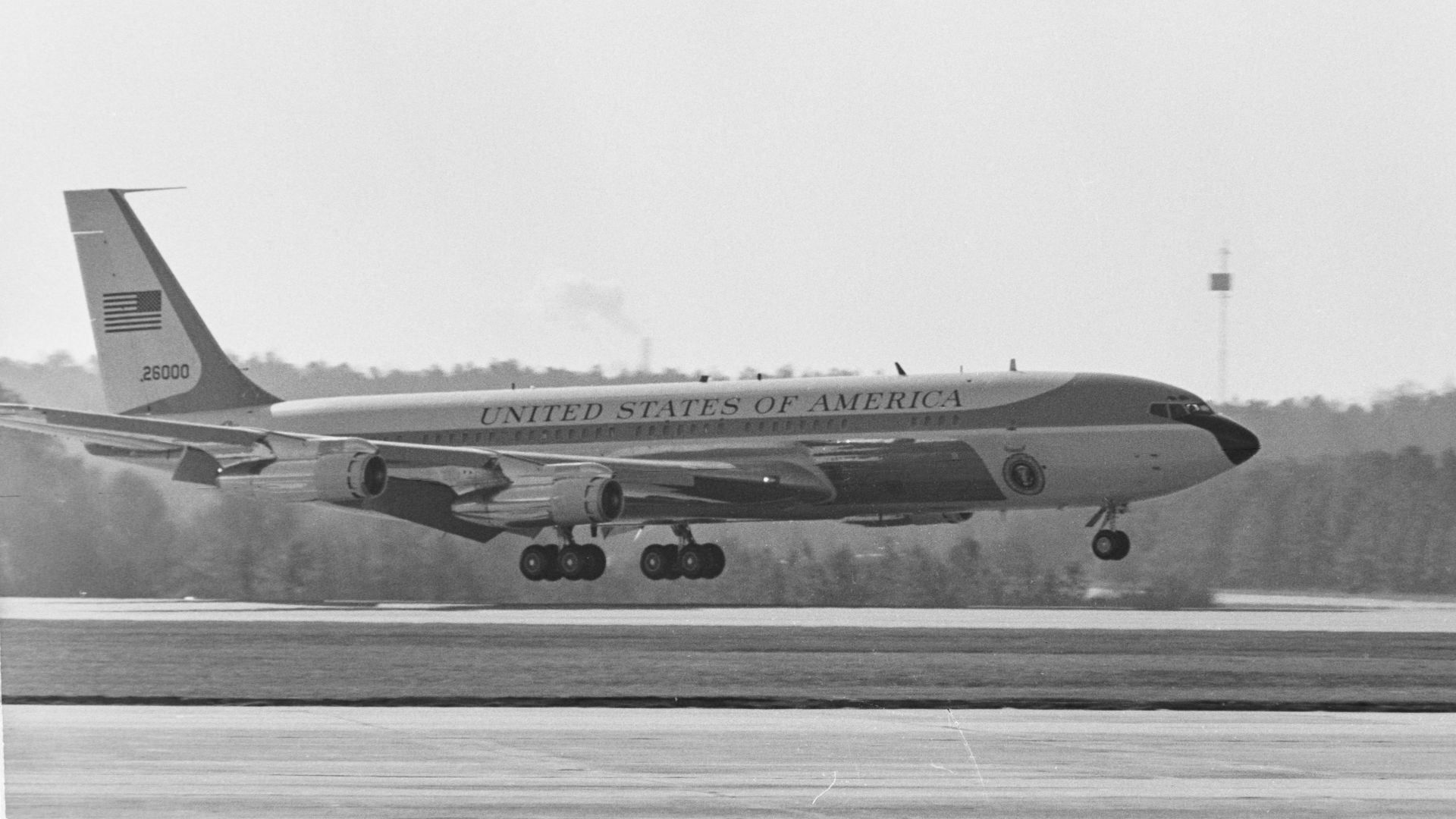
Johnson's Oath
On November 22, 1963, Lyndon Johnson made history in SAM 26000's crowded cabin. With Jacqueline Kennedy standing beside him, Johnson took the oath from Judge Sarah Hughes—the first woman to swear in a president and the only presidential oath ever administered aboard an aircraft.
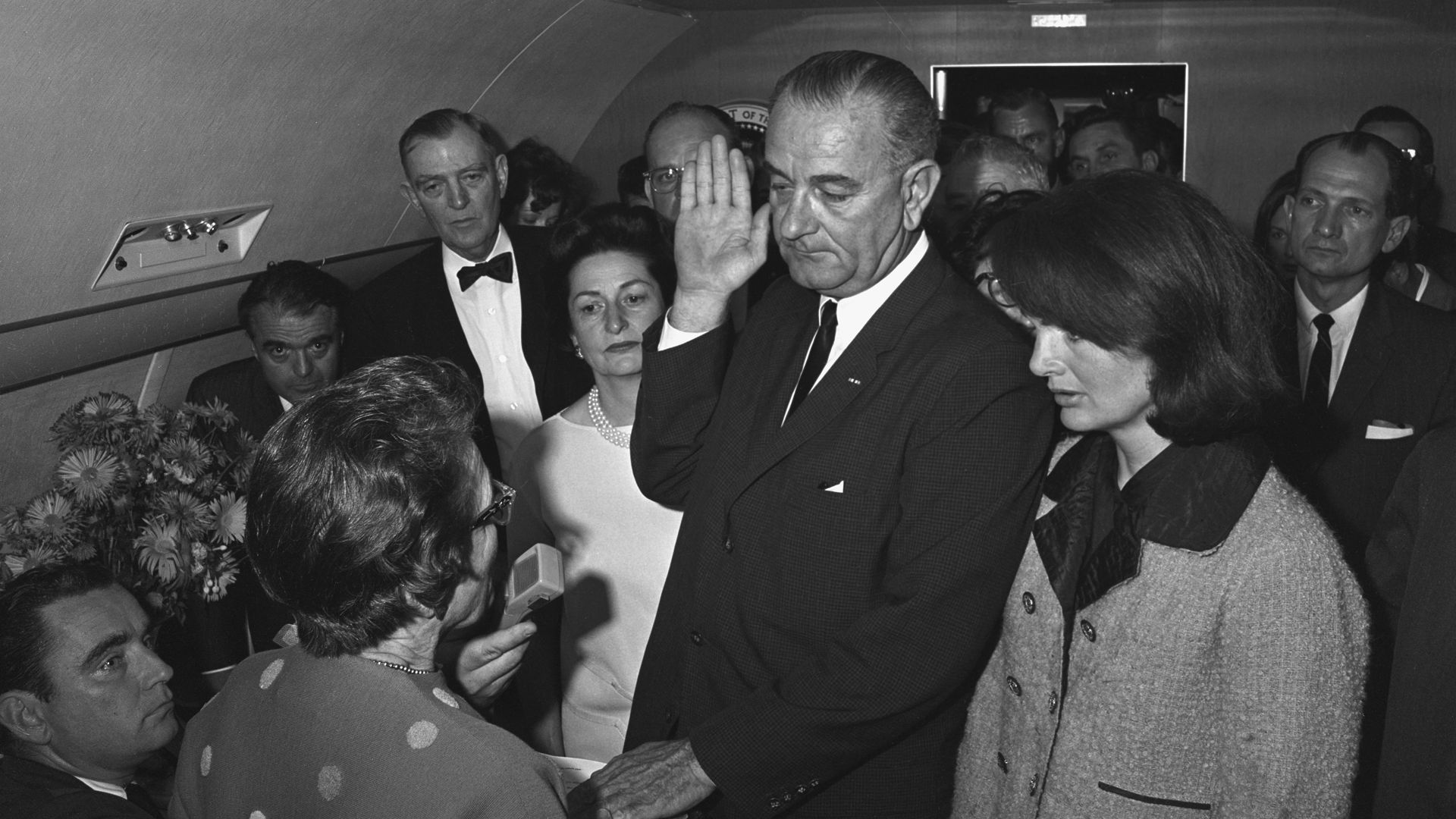 Cecil W. Stoughton on Wikimedia
Johnson's Final Journey
In January 1973, SAM 26000 served in a solemn capacity once more. It carried former President Johnson's body back to Texas after his state funeral in Washington, D.C. This was a dignified final mission for the aircraft that had served him throughout his role.
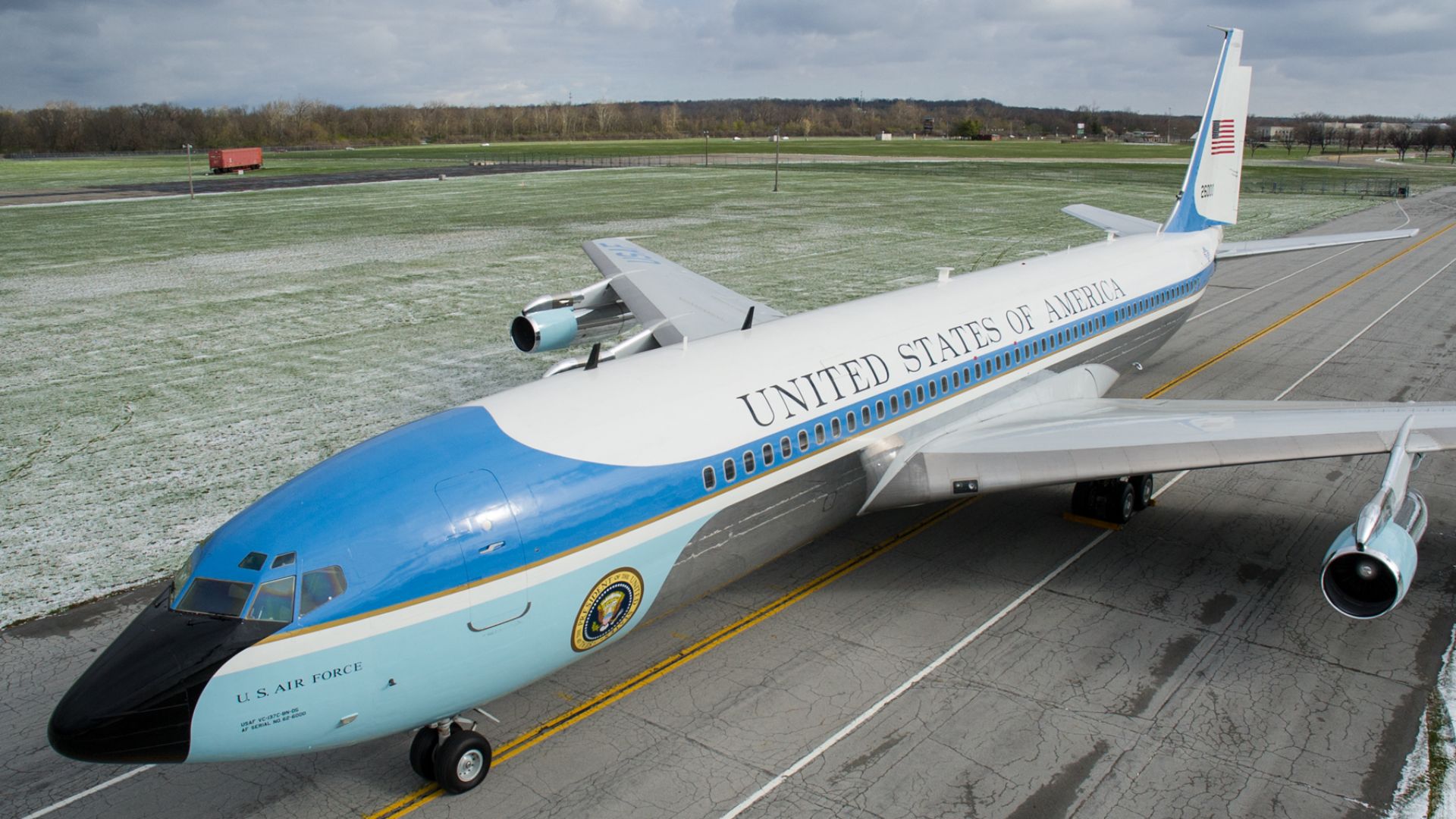
Vietnam Command Center
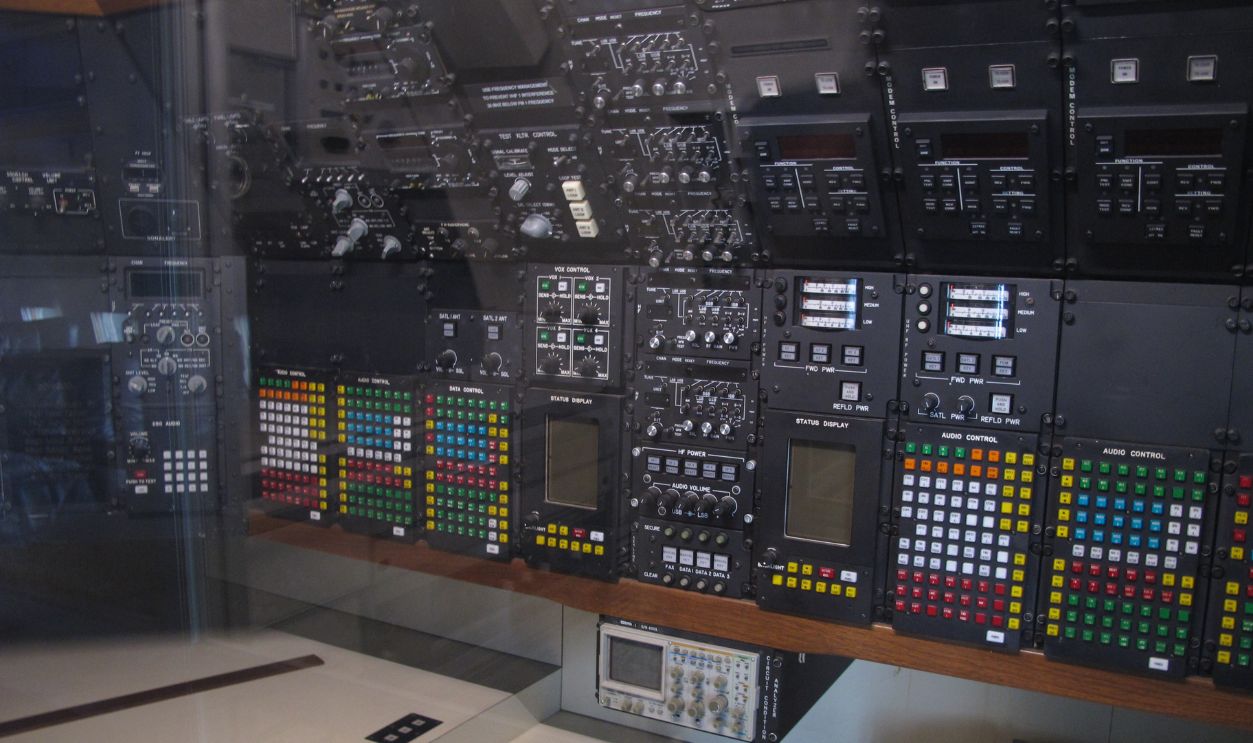
President Johnson made 13 trips aboard SAM 26000 to Southeast Asia between 1964 and 1969. Modified with secure radio equipment and satellite communication capabilities, the aircraft enabled him to monitor combat operations and contact military commanders while flying 8,000 miles from Washington.
Nixon's Bamboo Curtain Breakthrough
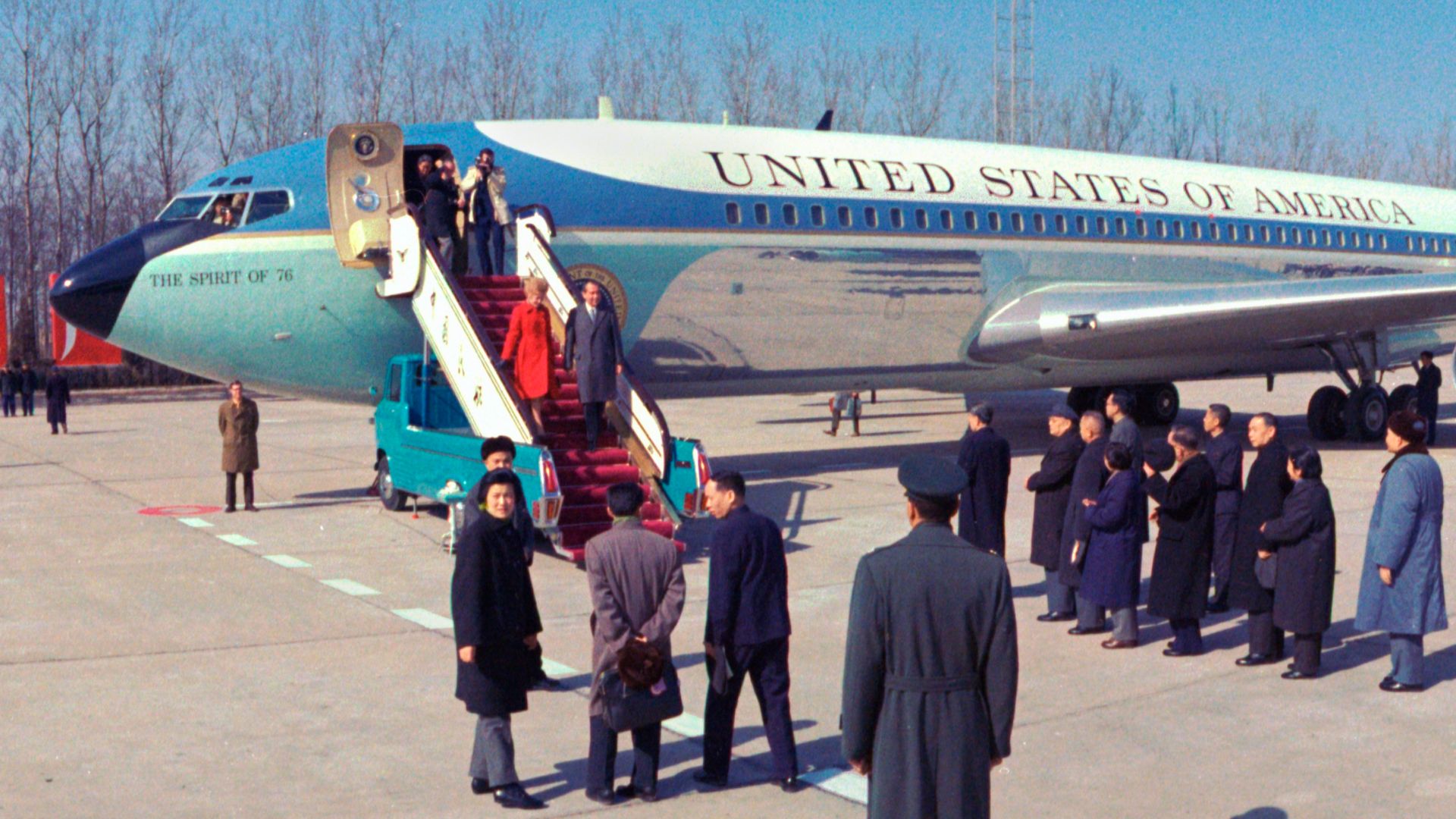
In February 1972, SAM 26000 soared into diplomatic history, carrying Nixon to Beijing. After 6,000 miles aloft, the blue-and-white aircraft touched down in communist China, previously untrodden territory for American presidents. It instantly turned decades of Cold War isolation into a new era of engagement.
 Unknown authorUnknown author on Wikimedia
Moscow Mission Milestone
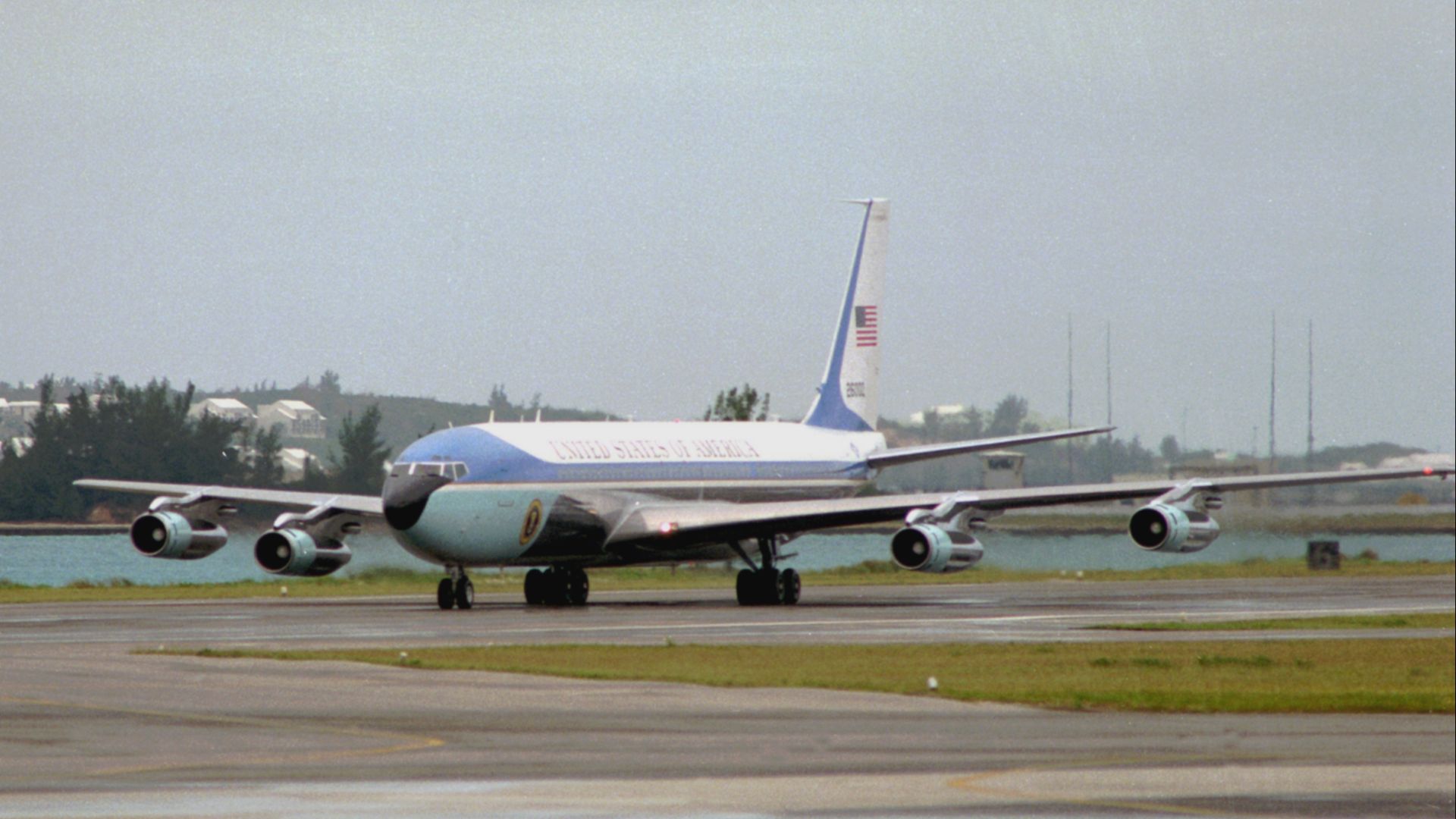
Just three months after the China trip, SAM 26000 carried Nixon to Moscow in May 1972 for the signing of the Strategic Arms Limitation Treaty. By then, the aircraft had evolved into far more than transportation—it was effectively a flying embassy. For the first time, world leaders could meet face-to-face across vast distances, reshaping diplomacy in ways that once seemed impossible.
 PH2 Doug Andrea, USN on Wikimedia
Patriotic Paint Update
Nixon altered SAM 26000 into "Spirit of '76" by adding that patriotic nickname to both sides of its nose cone. This 1974 update celebrated America's upcoming bicentennial while subtly repositioning the aircraft from Kennedy-era symbolism to a broader representation of American heritage.
 Ollie Atkins, White House Photographer on Wikimedia
SAM 27000's Gleaming Promotion
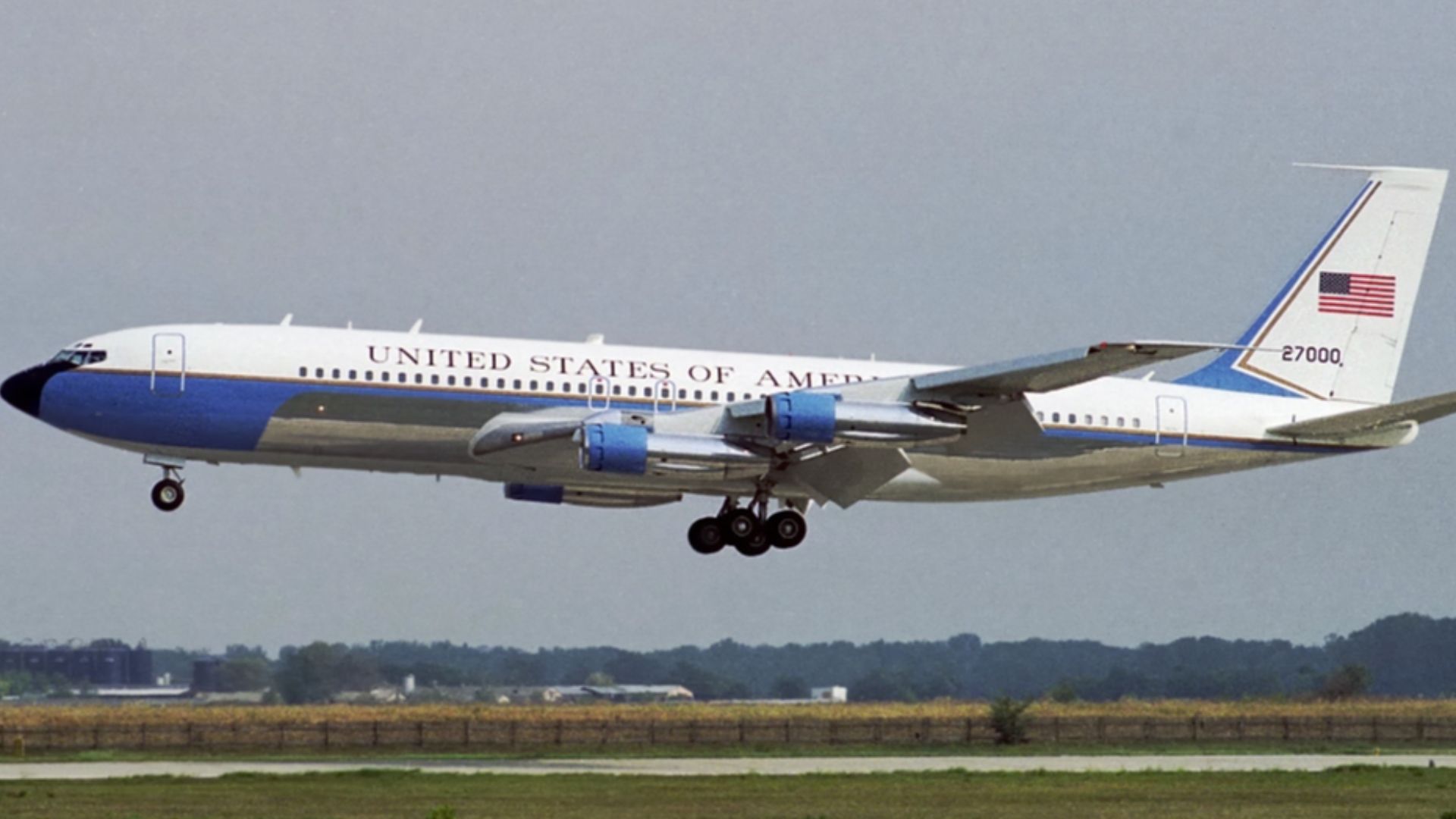
December 1972 saw a new VC-137C—tail number SAM 27000—claim the primary Air Force One role. Virtually identical to its predecessor externally, the newer 707 displayed updated communications technology. This enhanced the security systems and interior refinements that would serve presidents until 1990.
Syrian Skies Standoff
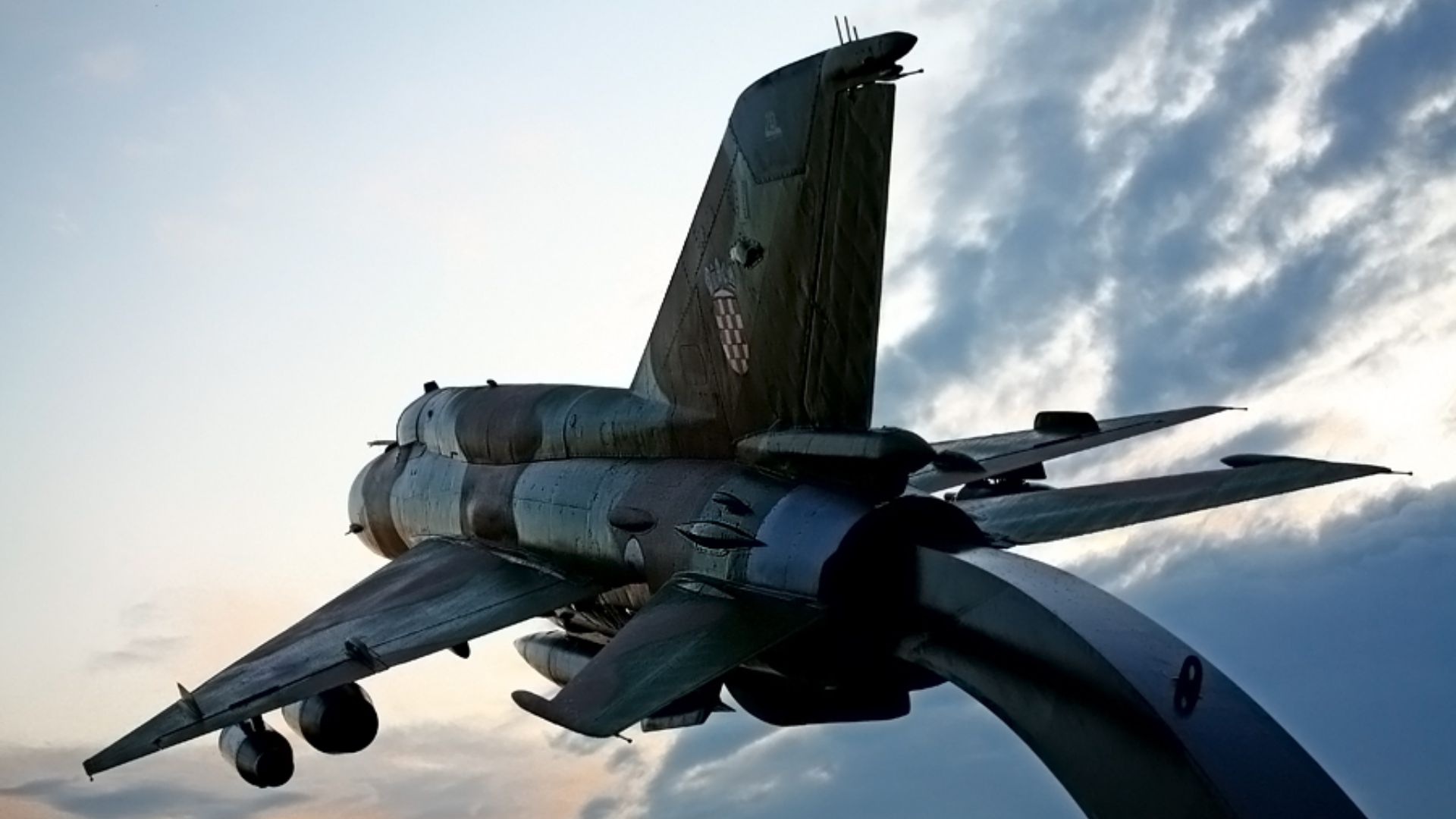
However, June 1974 brought heart-stopping moments when Syrian MiG fighters suddenly intercepted Air Force One over Damascus without warning. The presidential pilot executed defensive maneuvers, including a steep dive, before discovering these were escorts, not attackers. This highlighted Air Force One's vulnerability abroad.
Midair Call Sign Transition
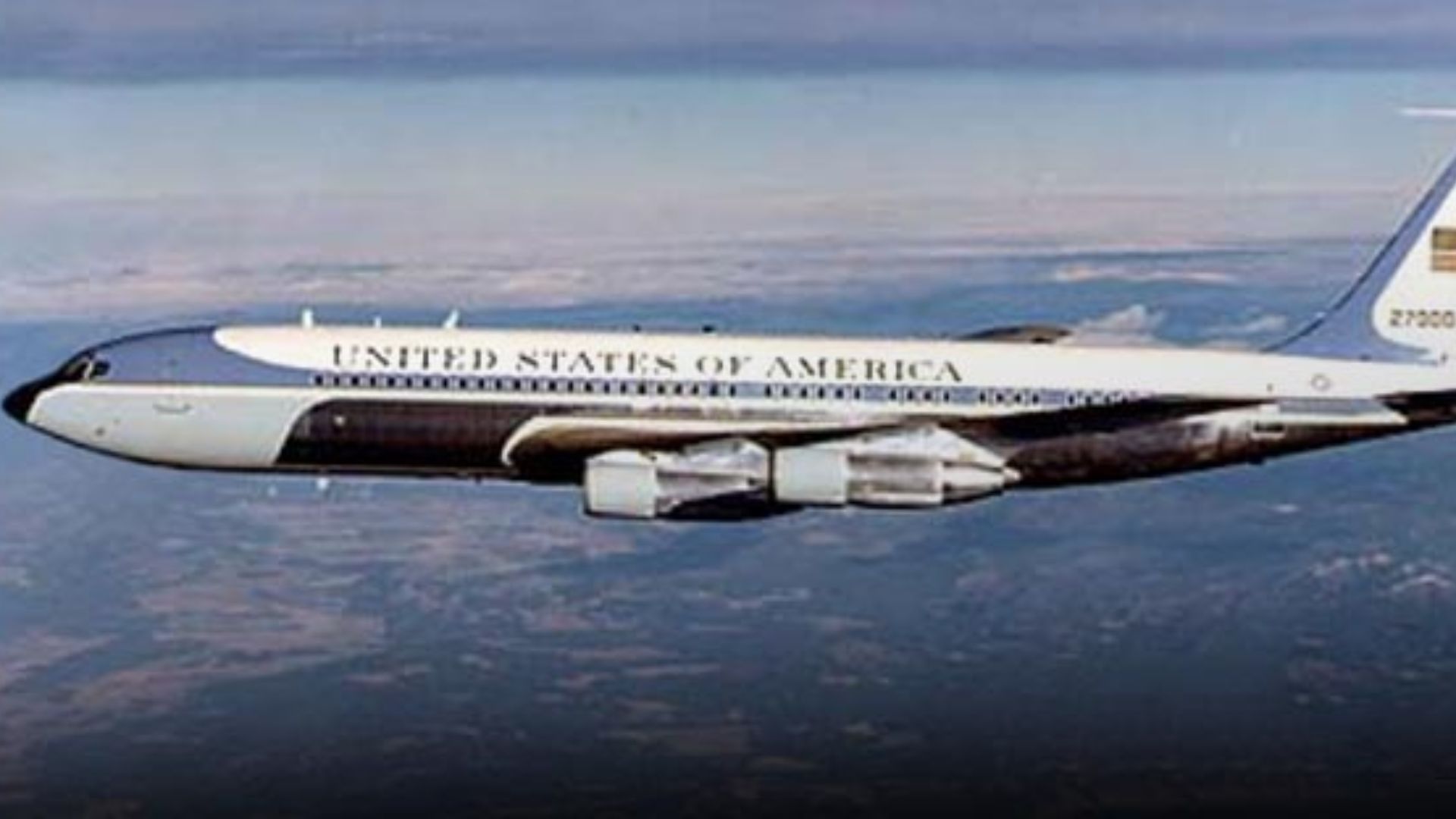
As Nixon resigned and Ford took office in Washington, pilot Colonel Ralph Albertazzie radioed from 39,000 feet above Missouri: "Kansas City, this was Air Force One. Will you change our call sign to SAM 27000?" August 9, 1974, saw the only midair presidential transition in American history.
 U.S. Air Force graphic on Wikimedia
Reagan's Jumbo Jet Vision
Though still using 707s himself, Reagan initiated presidential aviation's biggest leap in 1985. His administration requested proposals for two wide-body aircraft with at least three engines and a 6,000-mile unrefueled range. These specifications would transform travel capabilities for decades.
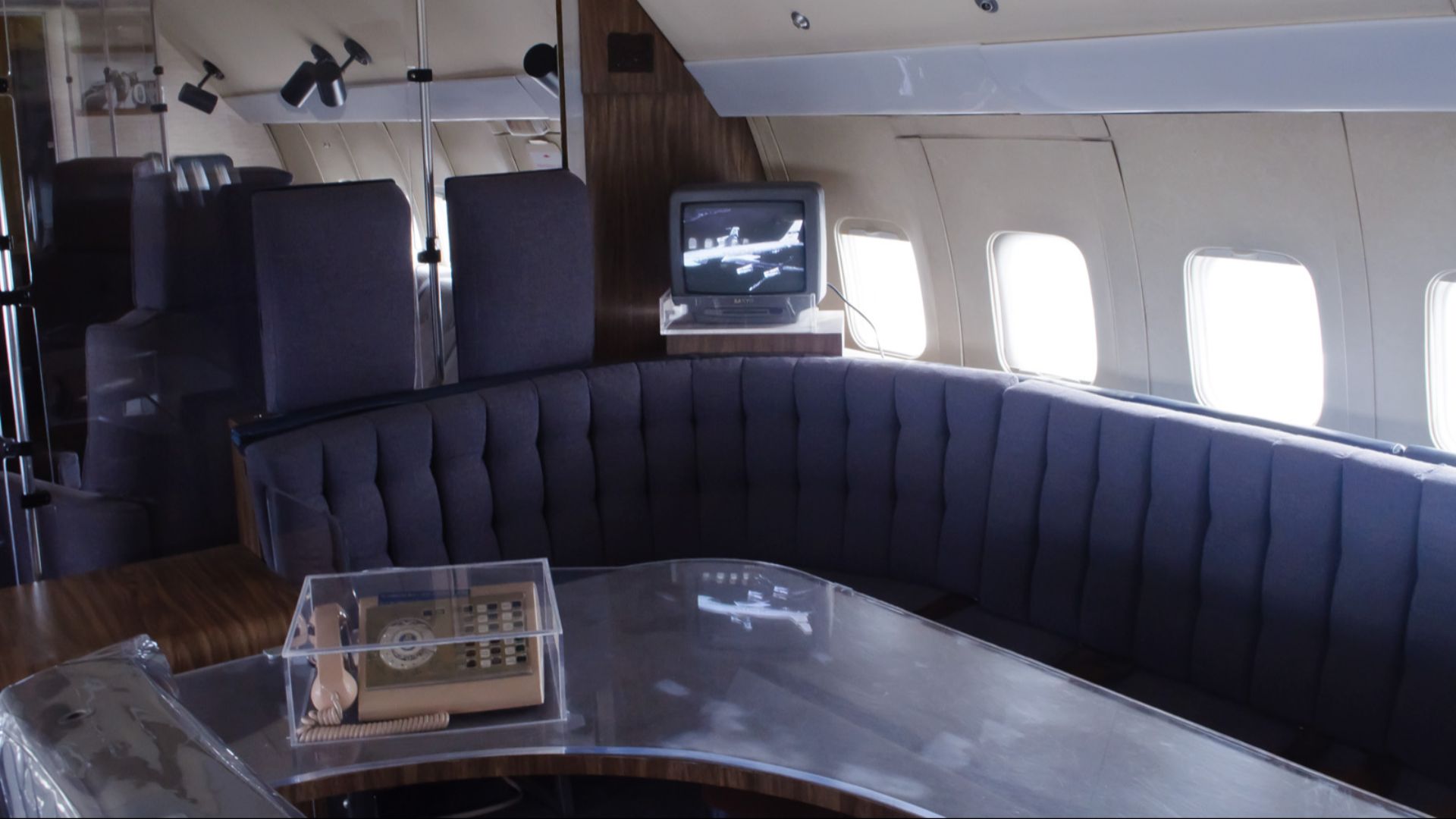
First Lady's Southwestern Flair
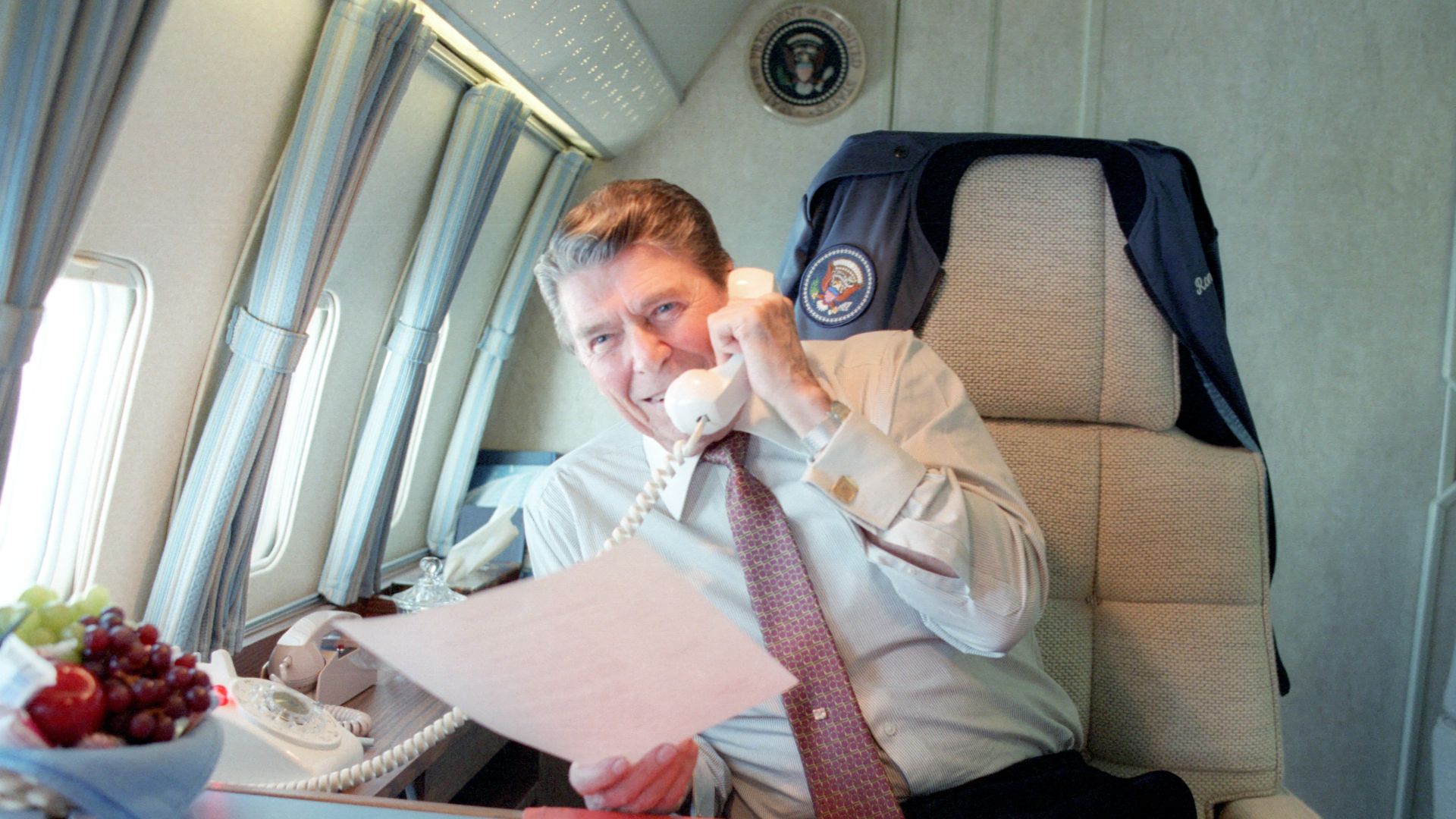
Nancy Reagan personally crafted the interior aesthetic for her husband's commissioned aircraft. Her designs incorporated warm earth tones, natural textures, and distinctive Southwestern motifs. Presidential formality was blended with regional American character in a deliberate departure from previous European-influenced elegance.
 InSapphoWeTrust from Los Angeles, California, USA on Wikimedia
The 747 Vs. DC-10 Showdown
Two aerospace titans went head-to-head for the ultimate aviation prize. Boeing put forward its legendary 747 jumbo jet, while McDonnell Douglas countered with the tri-engine DC-10. In the end, the Reagan administration chose a pair of identical 747-200Bs—drawn to their four-engine reliability, expansive interior, and instantly recognizable silhouette that would come to define Air Force One.
Flying Fortress Specifications
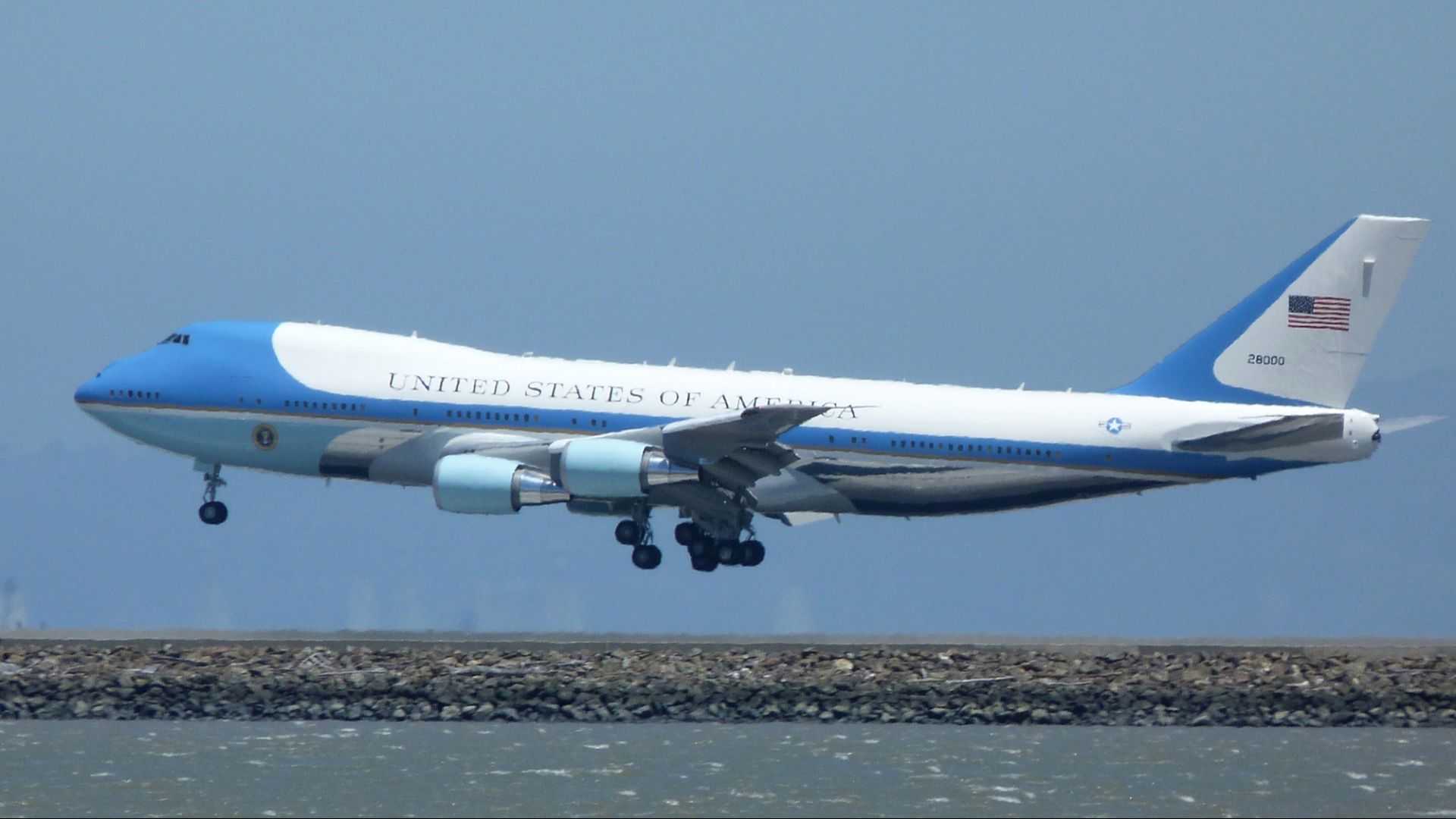
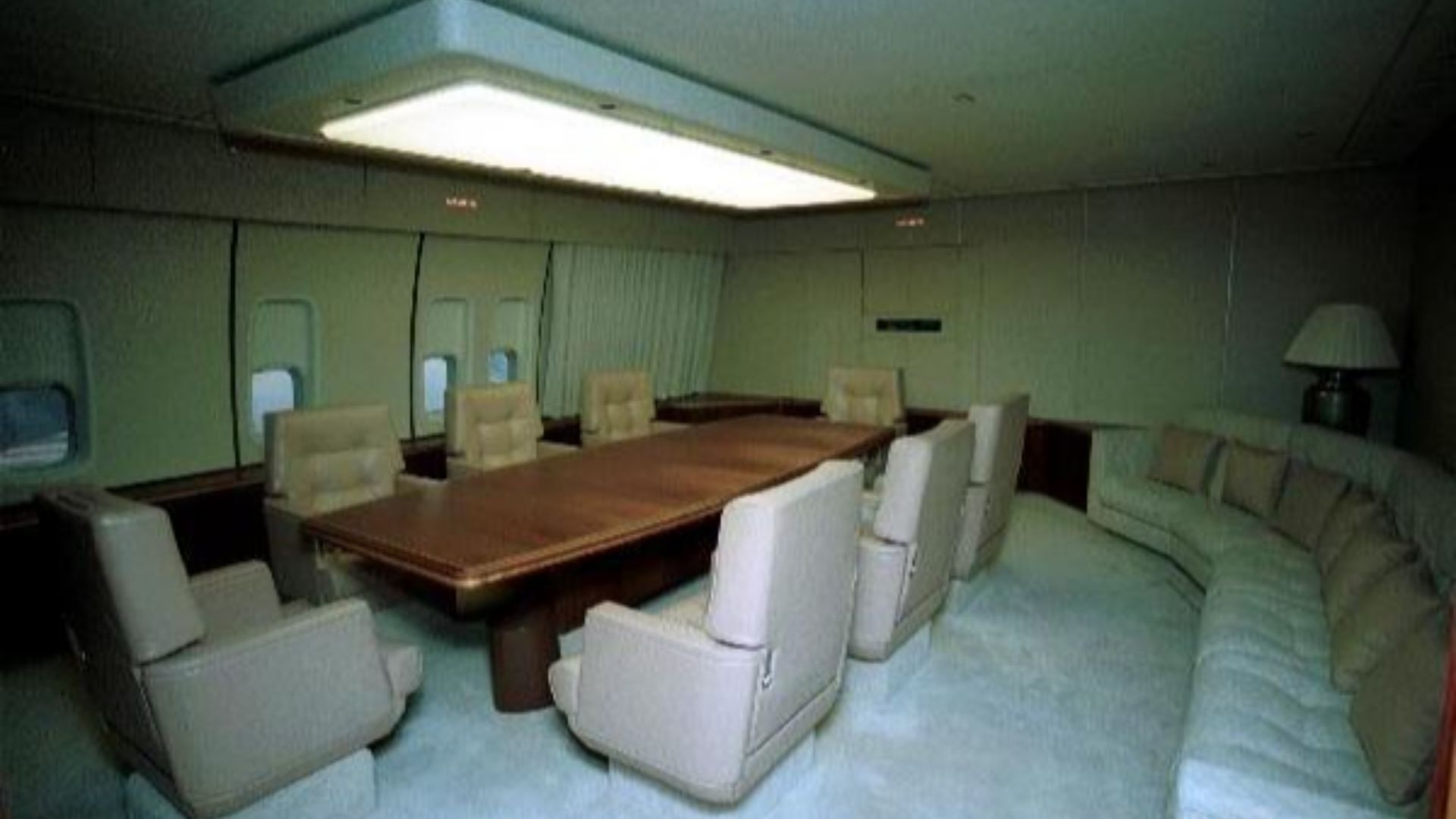
The new aircraft now received the military designation VC-25A and became a flying fortress with 4,000 square feet of interior space across three levels. Each featured a presidential suite, medical facility, conference rooms, advanced secure communications, and electromagnetic pulse protection against nuclear scenarios.
 Unknown authorUnknown author on Wikimedia
Bush's Jumbo Jet Inaugural
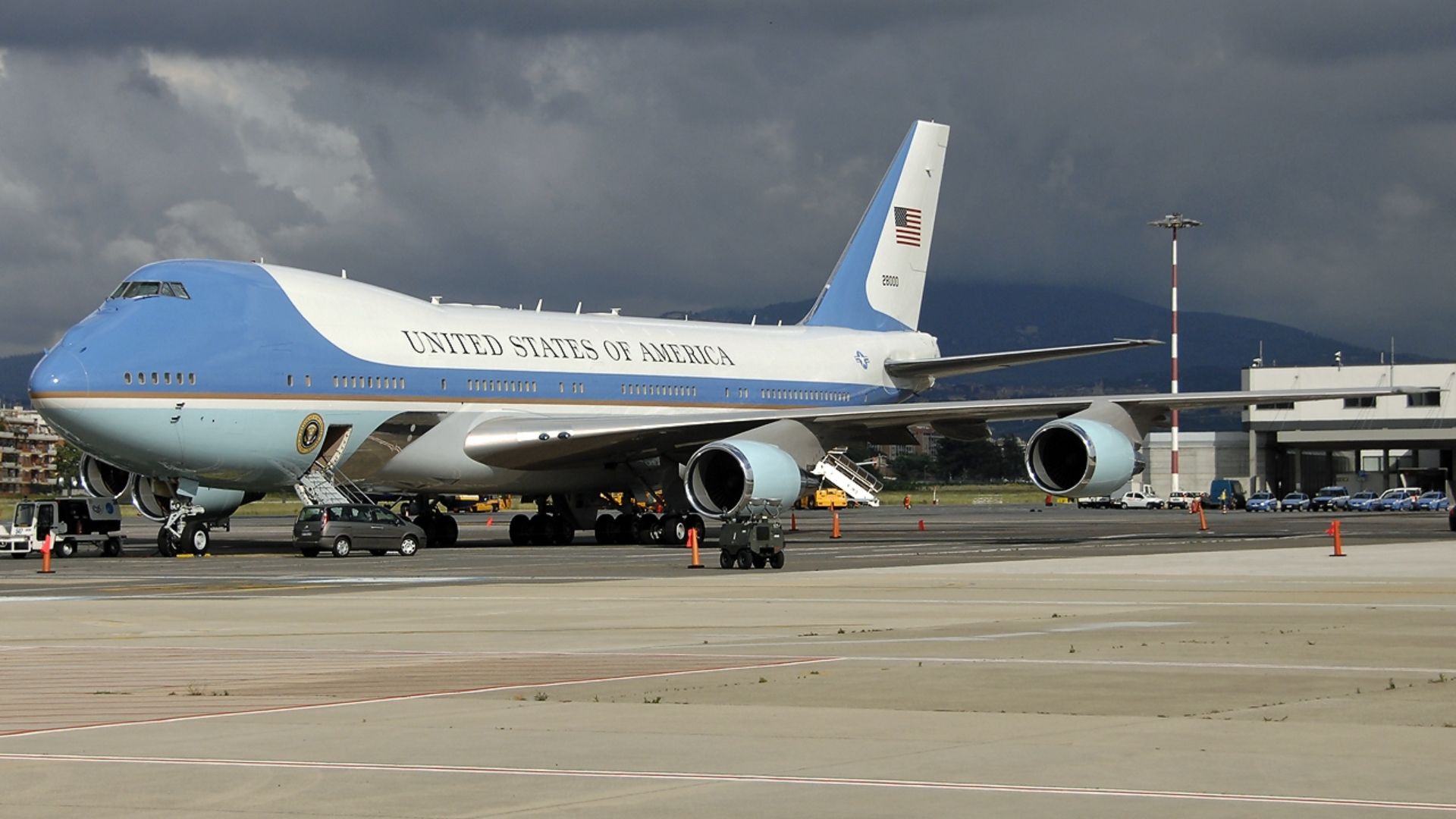
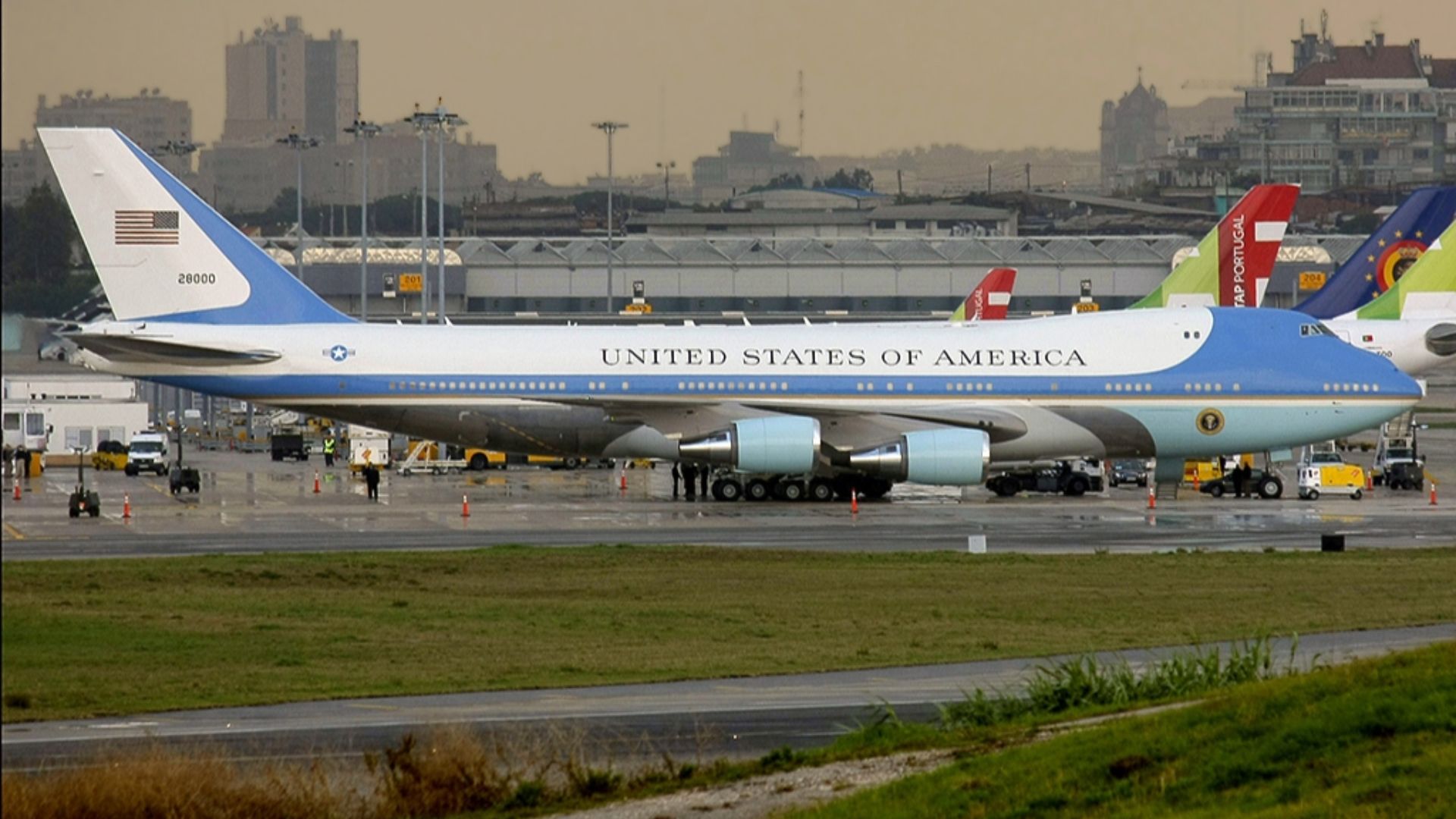
President George H.W. Bush celebrated aviation history in 1990 when the first VC-25A entered service, sporting tail number 28000. This 231-foot, 374-ton flying White House could travel 7,800 miles nonstop, fly at 630 mph, and operate as a fully functional command center during global crises.
Twin Presidential Jumbos
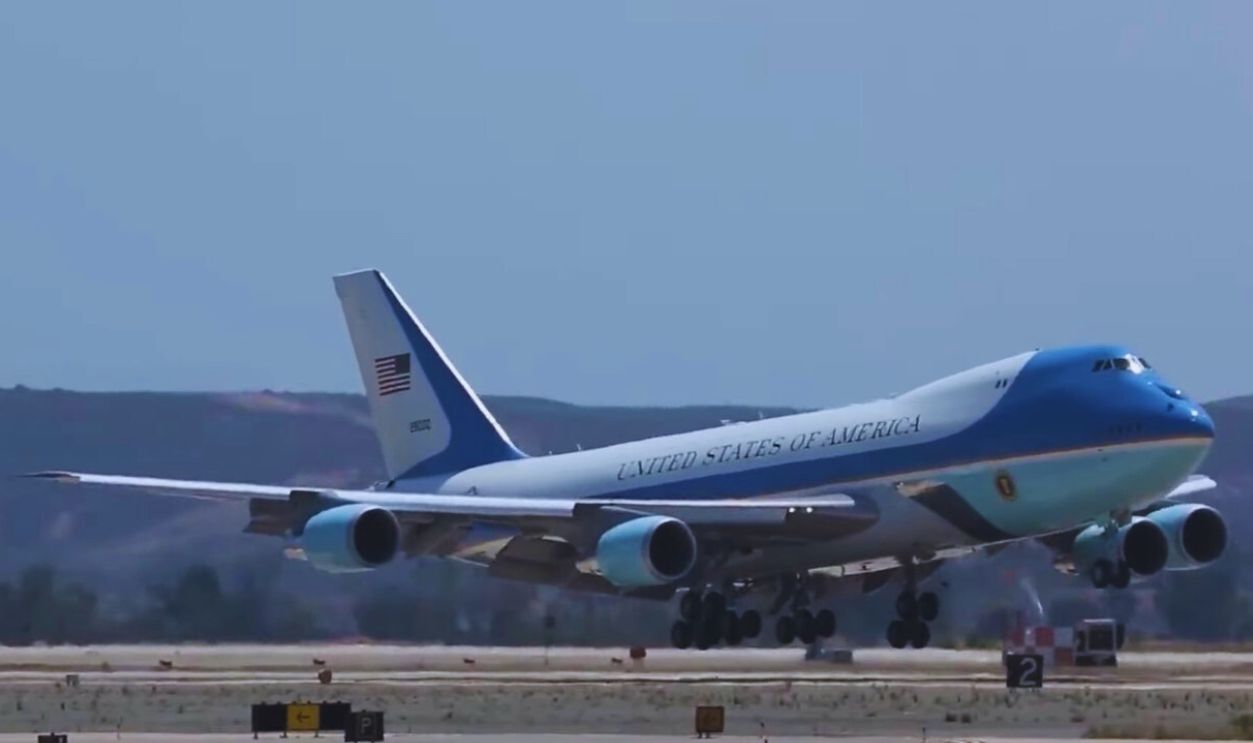
Since 1990, the presidential air fleet has consisted of two identical Boeing 747-200B (VC-25A) aircraft. These are designated as SAM 28000 and SAM 29000. Both planes are identically equipped, which allows them to serve as Air Force One when carrying the president.
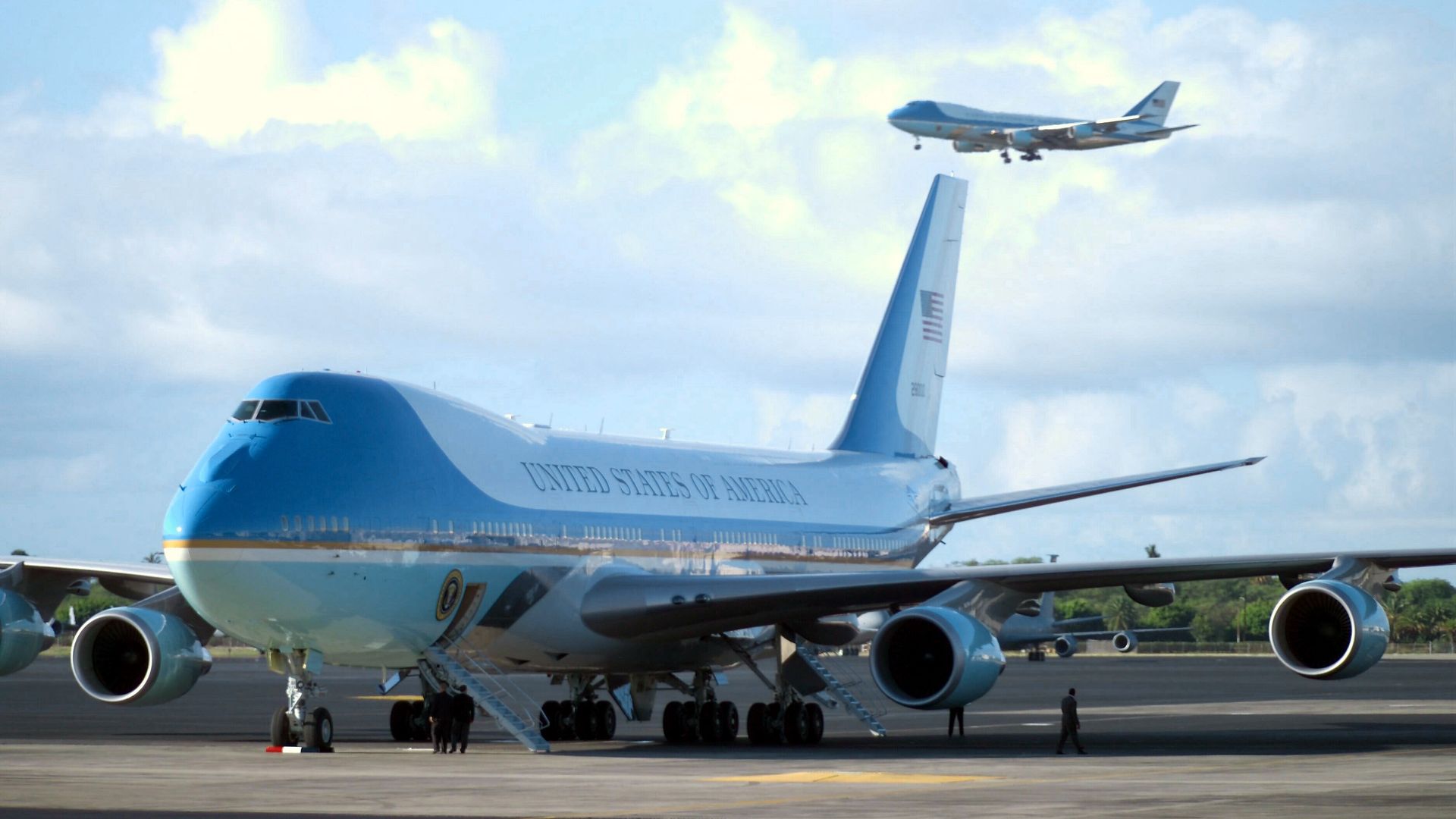 CPL Roman Gray, USMC on Wikimedia
Solemn Final Journeys
When former presidents pass away, VC-25A aircraft fulfill one last dignified mission. Both Gerald Ford in 2006 and Ronald Reagan in 2004 received this final honor, with Air Force One transporting their remains to Michigan and California, respectively. The presidential livery offered a fitting tribute.
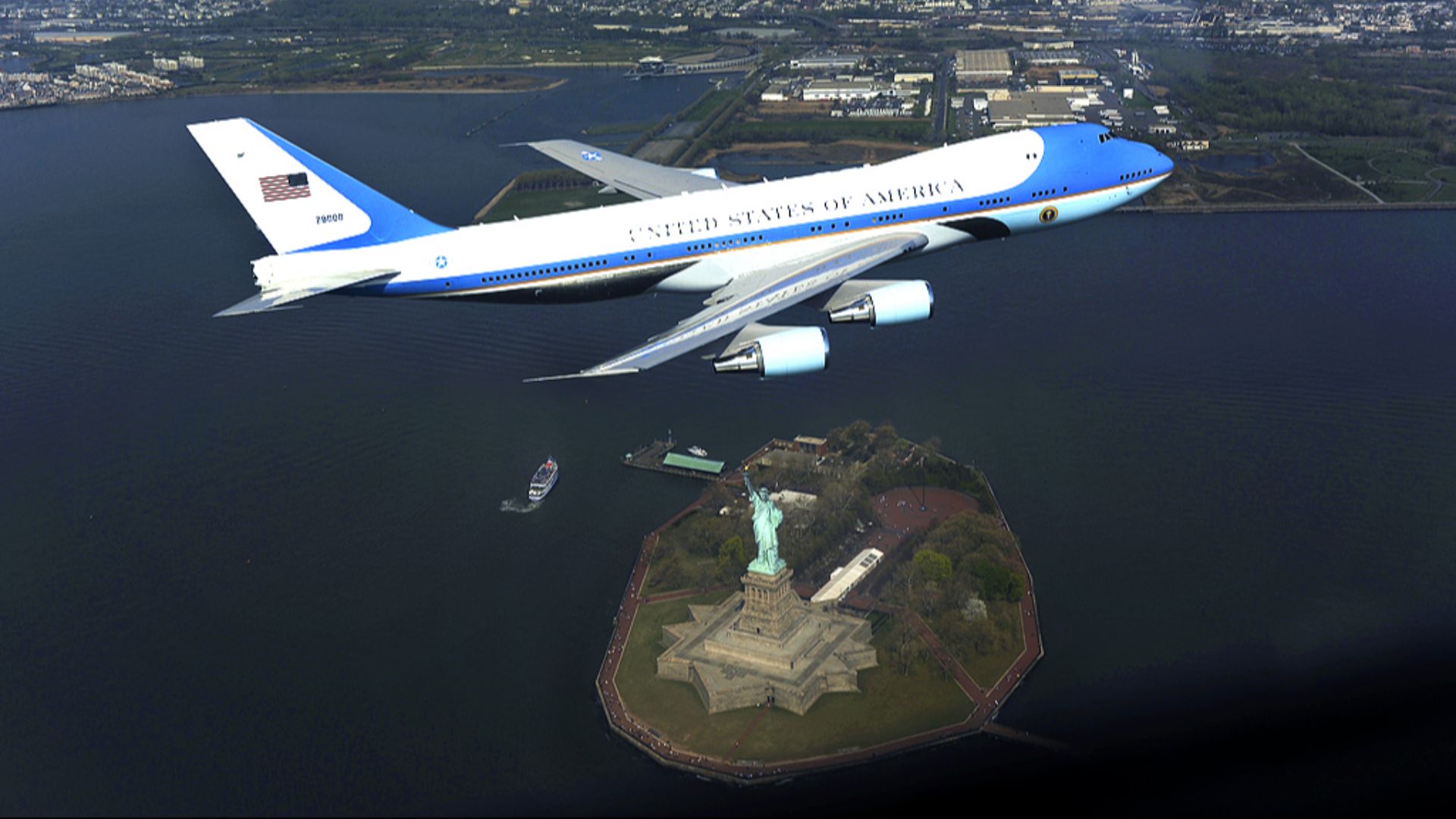
Above Manhattan's Skyline
Panic erupted on April 27, 2009, as a low-flying VC-25 circled Manhattan without public warning. The aircraft, conducting a photo opportunity at just 1,000 feet altitude, triggered traumatic 9/11 memories among New Yorkers who spotted the massive blue-and-white 747 banking between skyscrapers.
 Unknown US Federal Government employee on Wikimedia
Under The Radar To Ukraine
Stealth and secrecy defined President Biden's 2023 Ukraine wartime visit. Eschewing the recognizable "Air Force One" call sign, his C-32 aircraft operated as "SAM060" during the sensitive mission. Even the smaller, less conspicuous C-32 flew only to Poland, with Biden continuing by train.
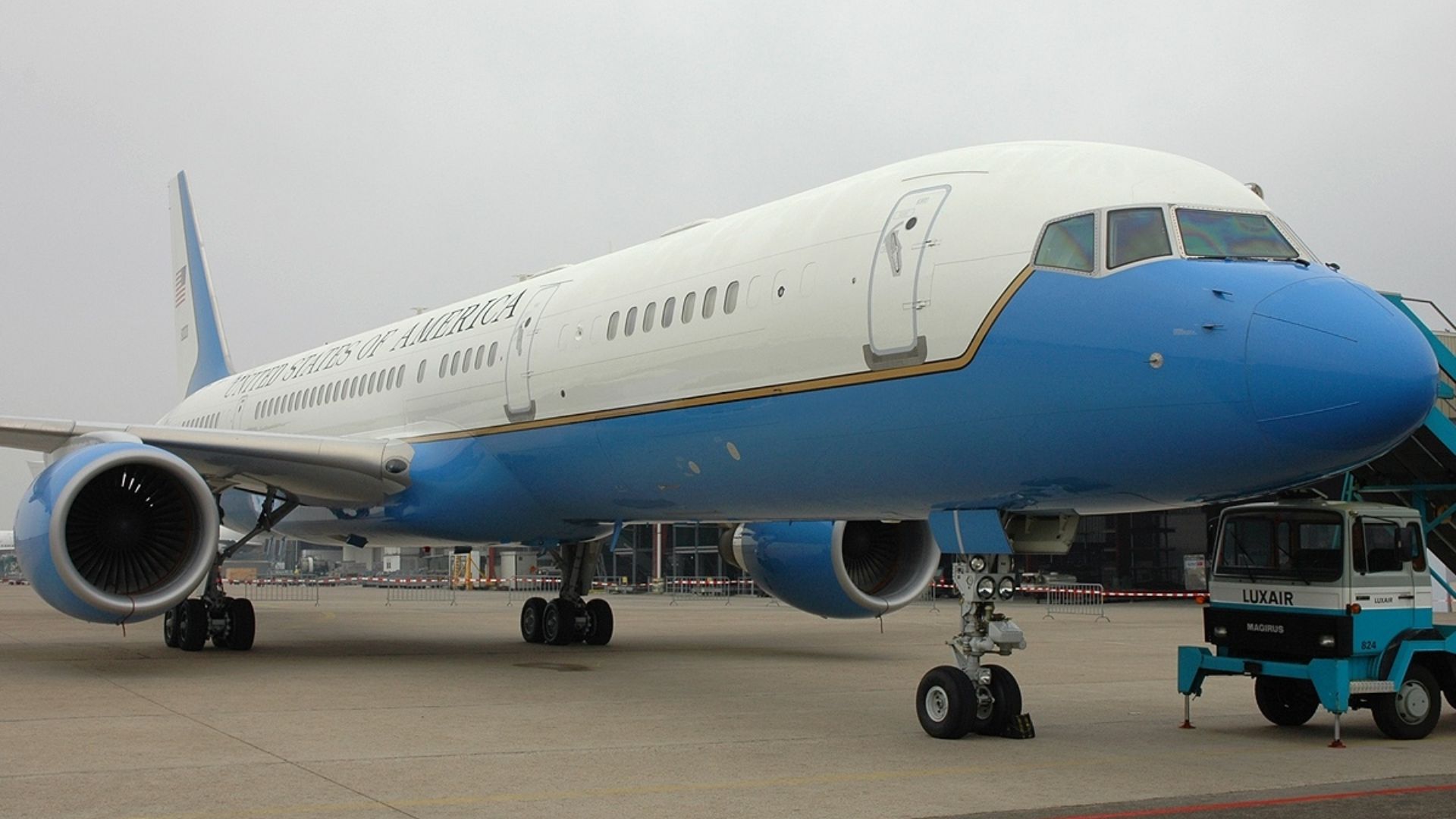
Flying With An Entourage
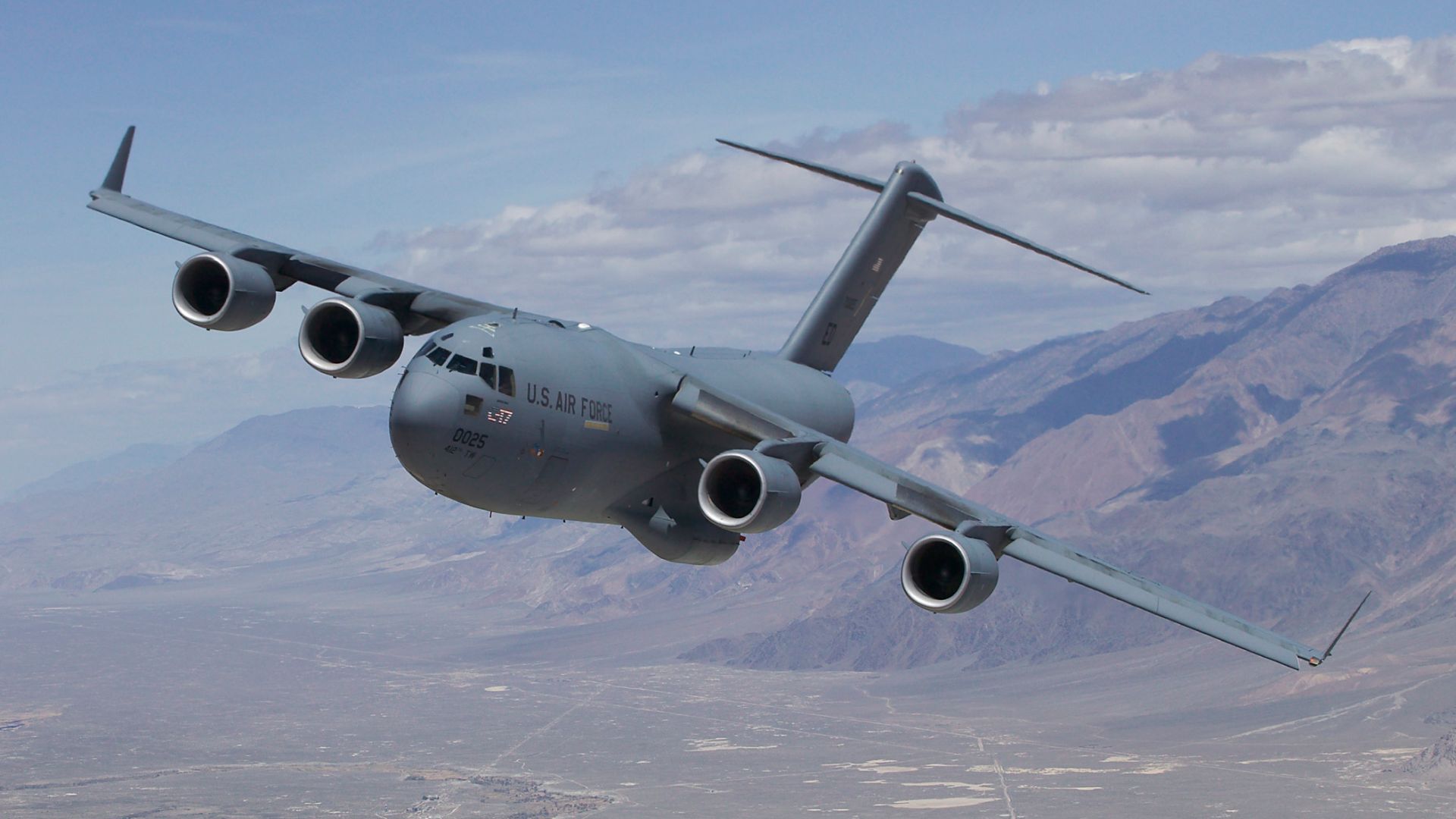
Behind every Air Force One mission stands an impressive logistical operation. Advance teams deploy C-17 Globemaster III cargo planes days ahead. These deliver the 20,000-pound armored presidential limousine, Marine One helicopters, security vehicles, and communications equipment before the official boards the plane.
Jet Fuel Security Protocols
Never risking contaminated fuel, Air Force One implements extraordinary security measures during international trips. McDonnell Douglas KC-10 Extender tanker aircraft frequently accompany the presidential 747, allowing midair refueling rather than accepting local fuel supplies. After all, these could be tampered with in hostile regions.

Evasive Maneuvers On 9/11
Colonel Mark Tillman's quick thinking protected President Bush on September 11, 2001. Receiving warnings about a potential threat to the machine, Tillman diverted over the Gulf of Mexico to determine if any aircraft followed them. There was an implementation of defensive flight patterns during America's darkest hours.

Returning Home
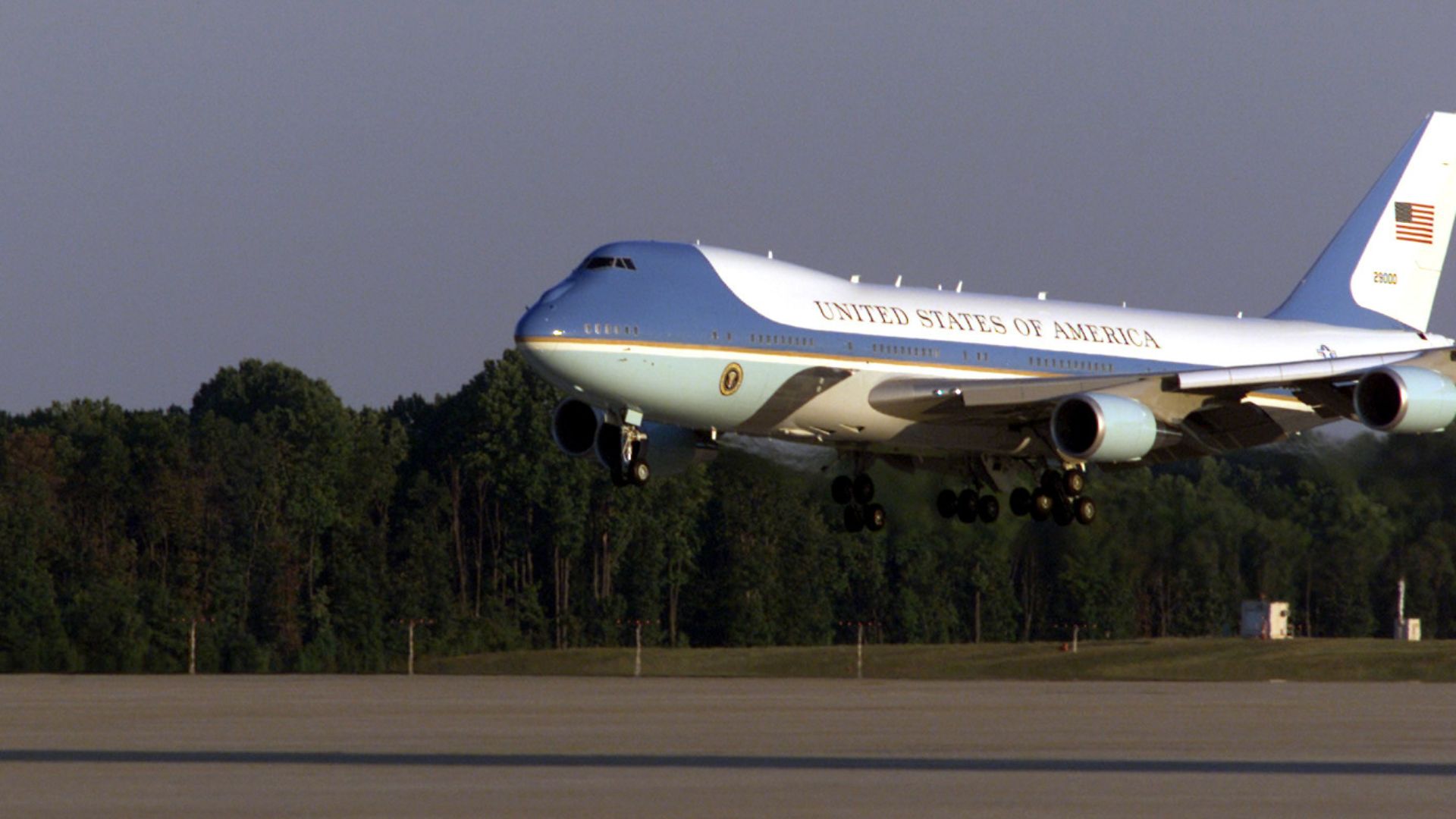
Though advisors urged caution, President Bush insisted on returning to Washington aboard Air Force One after the September 11 attacks. Landing at Andrews Air Force Base under fighter jet escort, the aircraft delivered the president back to the capital, symbolizing government continuity amid the crisis.
 CMSGT HANS H. DEFFNER, USAF on Wikimedia
Commercial Aircraft Carrying A President
On December 26, 1973, unsuspecting holiday travelers got a surprise when President Nixon stepped aboard a standard United Airlines DC-10 at Washington Dulles. It marked the only time a sitting president flew on a commercial airliner—an unusual move during the energy crisis. For that journey, the aircraft carried the rare call sign “Executive One,” turning an ordinary flight into a moment of aviation history.
 White House Press Office on Wikimedia
Next Generation Taking Shape
Modernization became inevitable as aging VC-25A aircraft approached their 30-year service mark. In 2015, the Air Force selected Boeing's 747 8 as the next presidential aircraft platform. It promised greater fuel efficiency, extended range, reduced operating costs, and enhanced secure communications capabilities.
 The History of Air Force One by Australian Military Aviation History
Cost-Cutting Decree
"Cancel it!" President Trump told Boeing in 2016, after learning the VC-25B program might exceed $4 billion. His business-minded negotiations led to the acquisition of two undelivered Transaero 747-8s at a reduced cost. Apparently, Russian airline bankruptcy ironically provided America's future presidential transport with significant taxpayer savings.
 Toshi Aoki - JP Spotters on Wikimedia
Red, White, And Blue Debate
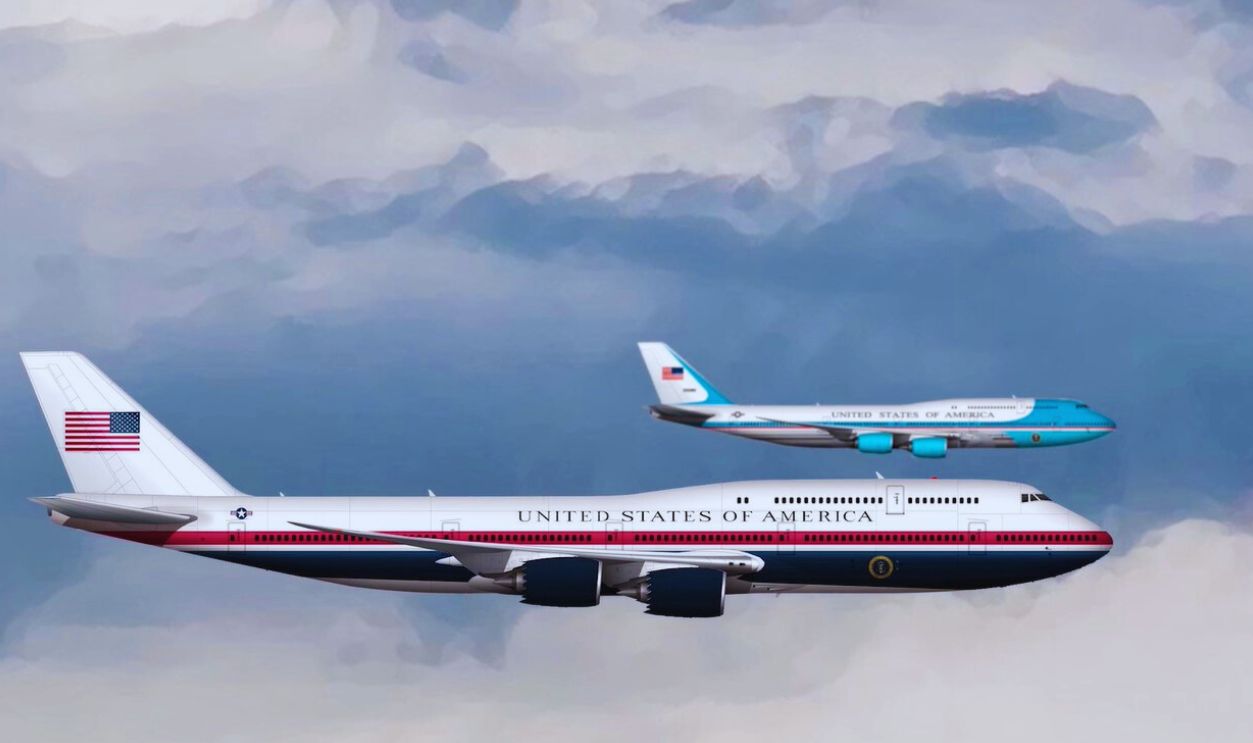
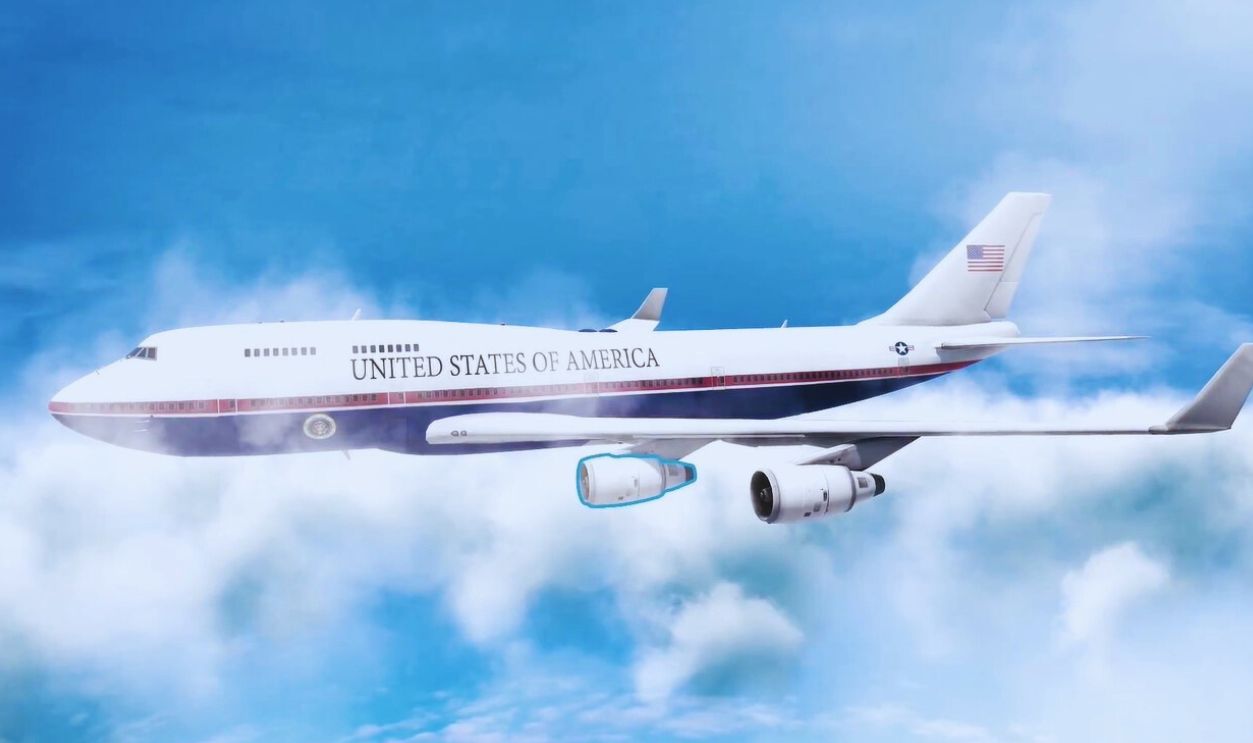
Controversy swirled around Air Force One's remarkable livery when Trump proposed replacing Loewy's classic blue design with a red, white, and blue color scheme. March 2023 brought a resolution as officials introduced a modernized version of the traditional paint job. This would preserve the familiar silhouette recognized worldwide.
 The Next Air Force One: What’s The Latest? by Long Haul by Simple Flying
Technical Challenges Extend Timeline
Initially scheduled for delivery in 2024, the VC-25B program had supply chain difficulties, engineering challenges, and pandemic delays. Due to upgrades made by Boeing, such as multi-level secure communications, nuclear-hardened electronics, and enhanced defensive systems, the first aircraft delivery is delayed until 2027.
 What we know about the redesigned Air Force One by News Direct
Breaking The Sound Barrier
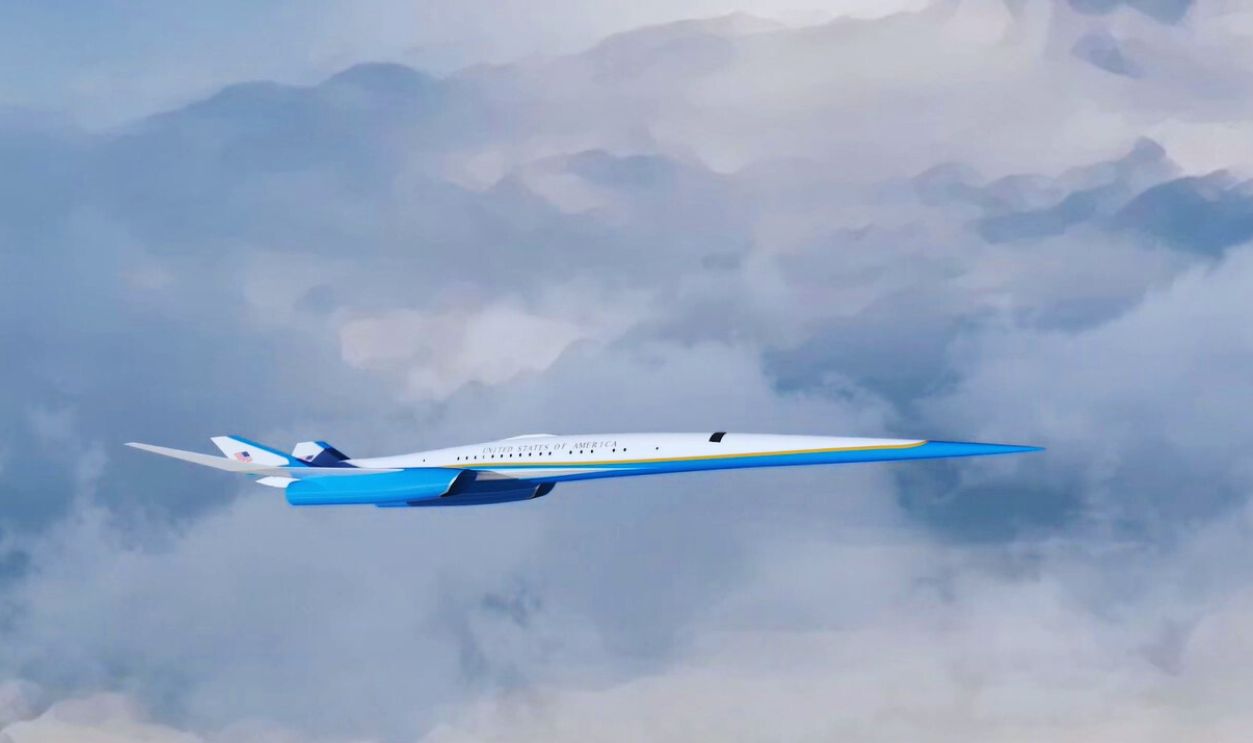
Beyond conventional jets, the Air Force began exploring supersonic presidential travel in 2020. Contracts with innovative firms such as Exosonic, Hermeus, and Boom could potentially develop Mach 5 aircraft capable of flying from Washington to Tokyo in under three hours for future presidents.
 Exclusive: Inside Exosonic’s Supersonic Air Force One Ambitions by Simple Flying