
The Critics Had A Point
Some SUVs arrive to glowing reviews, shiny awards, and big promises, only to run into a much colder welcome from actual owners. On paper, they looked smart, stylish, or ahead of their time. In driveways and repair shops, though, the story often changed fast.
 Grzegorz Czapski, Shutterstock
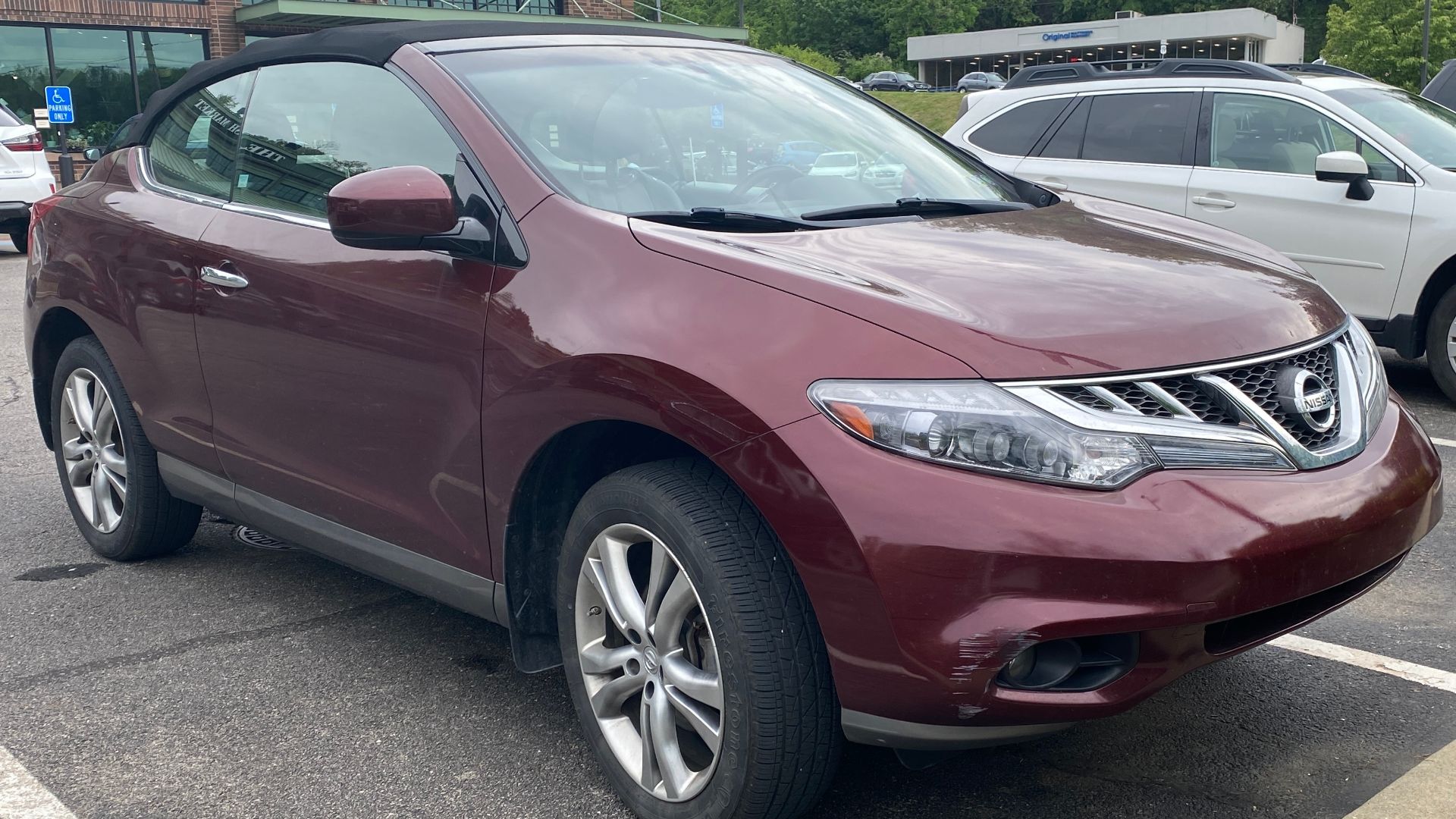
Nissan Murano CrossCabriolet
Critics couldn’t resist the sheer weirdness of the Murano CrossCabriolet. It was bold, unforgettable, and unlike anything else on the road. Drivers, however, saw a heavy, awkward convertible SUV with tiny practicality, strange proportions, and a price tag that made the joke wear thin.
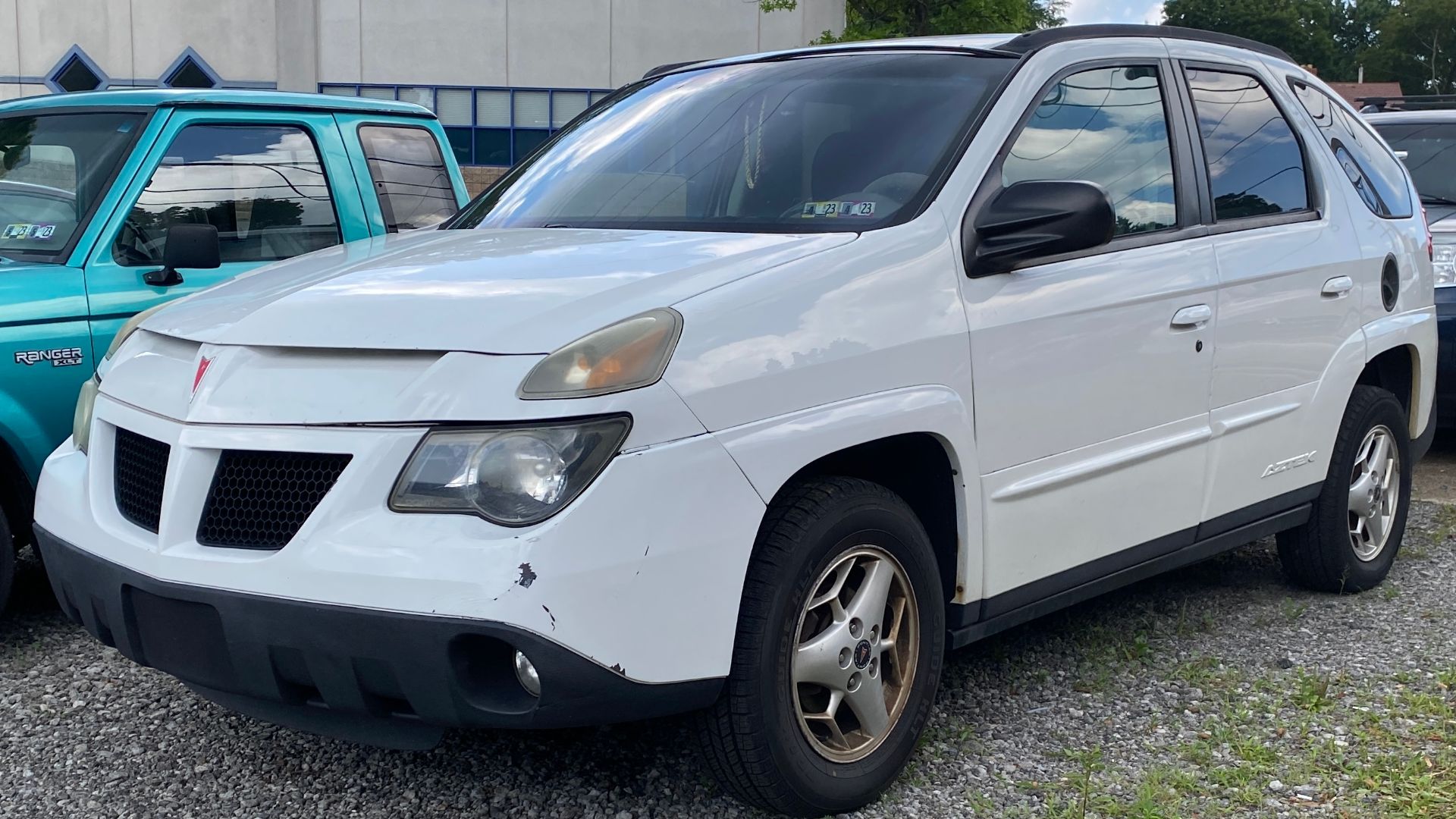
Pontiac Aztek
The Aztek has become the poster child for misunderstood design. Some reviewers praised its versatility, roomy cabin, and camping-friendly features. Regular drivers never really got past the styling. It looked like a concept car that escaped too early, and that made ownership feel more embarrassing than exciting.
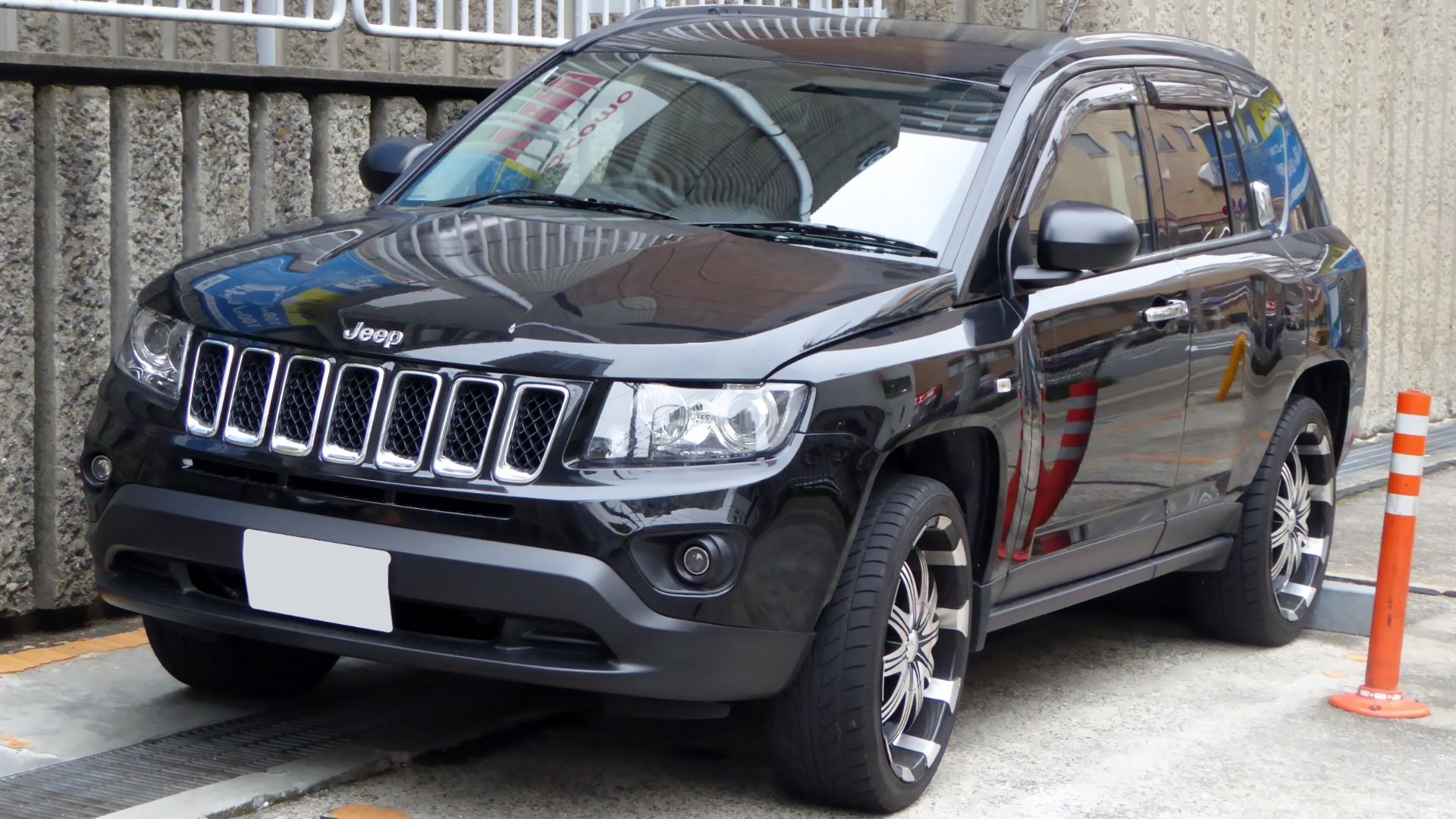
Jeep Compass First Generation
Early reviews often focused on the Compass being an affordable way into the Jeep brand. Buyers expected rugged charm and everyday value. What they got was a cabin that felt cheap, disappointing driving manners, and an overall experience that didn’t feel very Jeep-like at all.
 Tokumeigakarinoaoshima, Wikimedia Commons
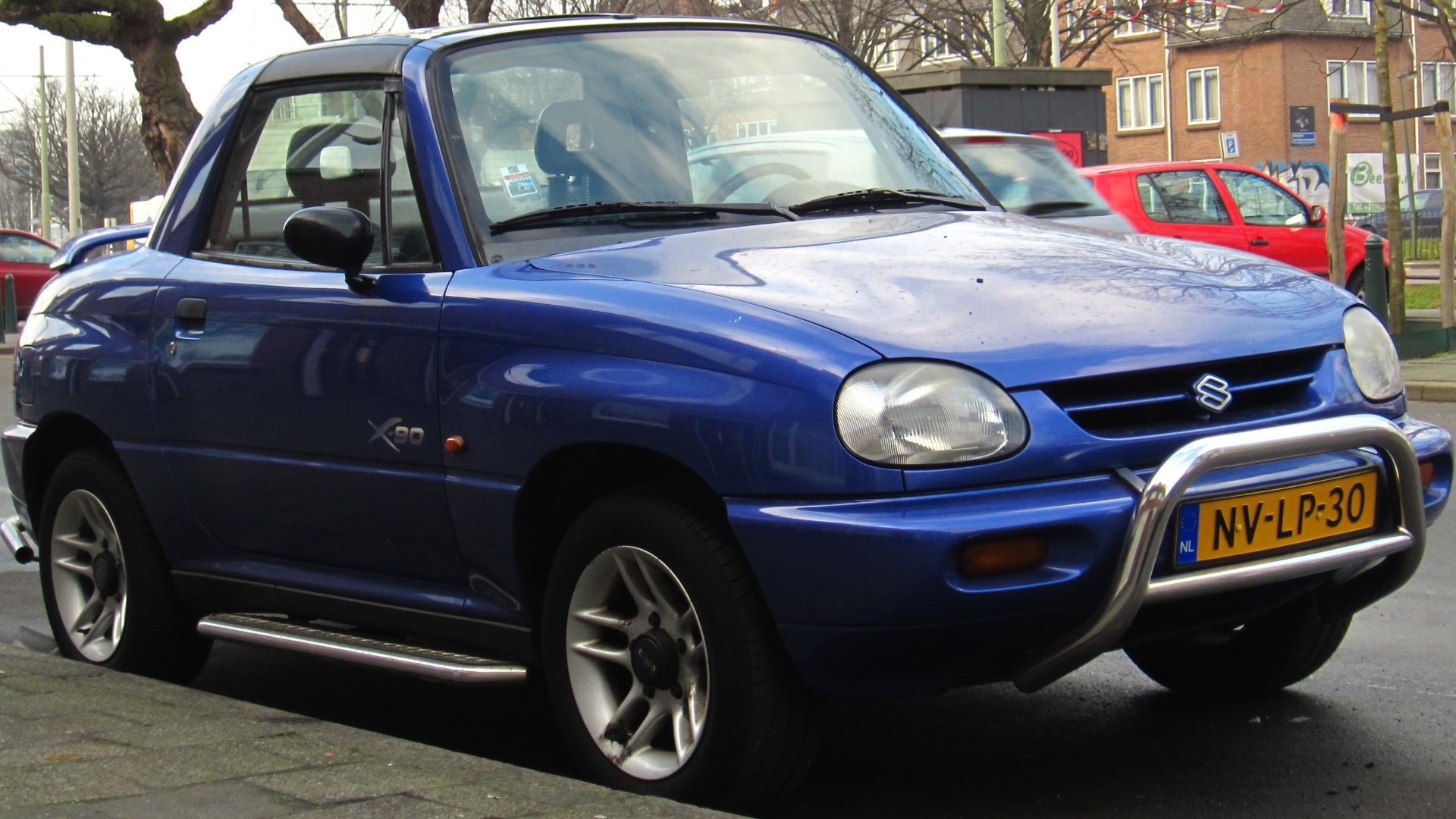
Suzuki X-90
The Suzuki X-90 won points from critics for being playful and completely different. It mixed tiny SUV cues with removable T-tops and a sense of humor. Drivers were less amused. It was cramped, odd-looking, and not especially useful, which is a bad combination in any utility vehicle.
 Rutger van der Maar, Wikimedia Commons
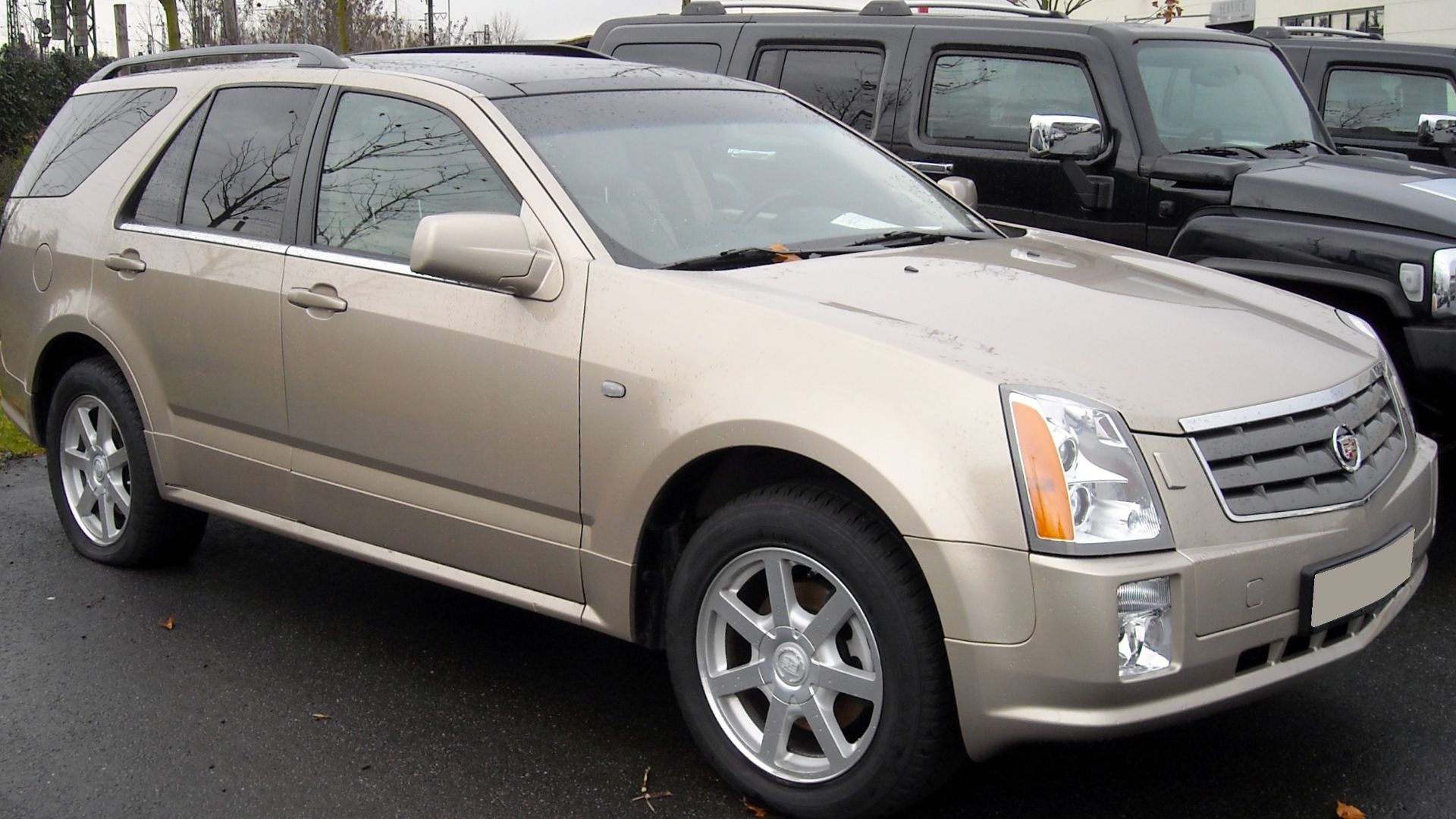
Cadillac SRX First Generation
When the original SRX arrived, critics liked its sharp handling and sporty attitude. It felt like Cadillac was trying something fresh. Owners weren’t always thrilled with the complicated features, questionable reliability, and expensive upkeep. Being fun for a test drive is not the same as being pleasant long term.
 Rudolf Stricker, Wikimedia Commons
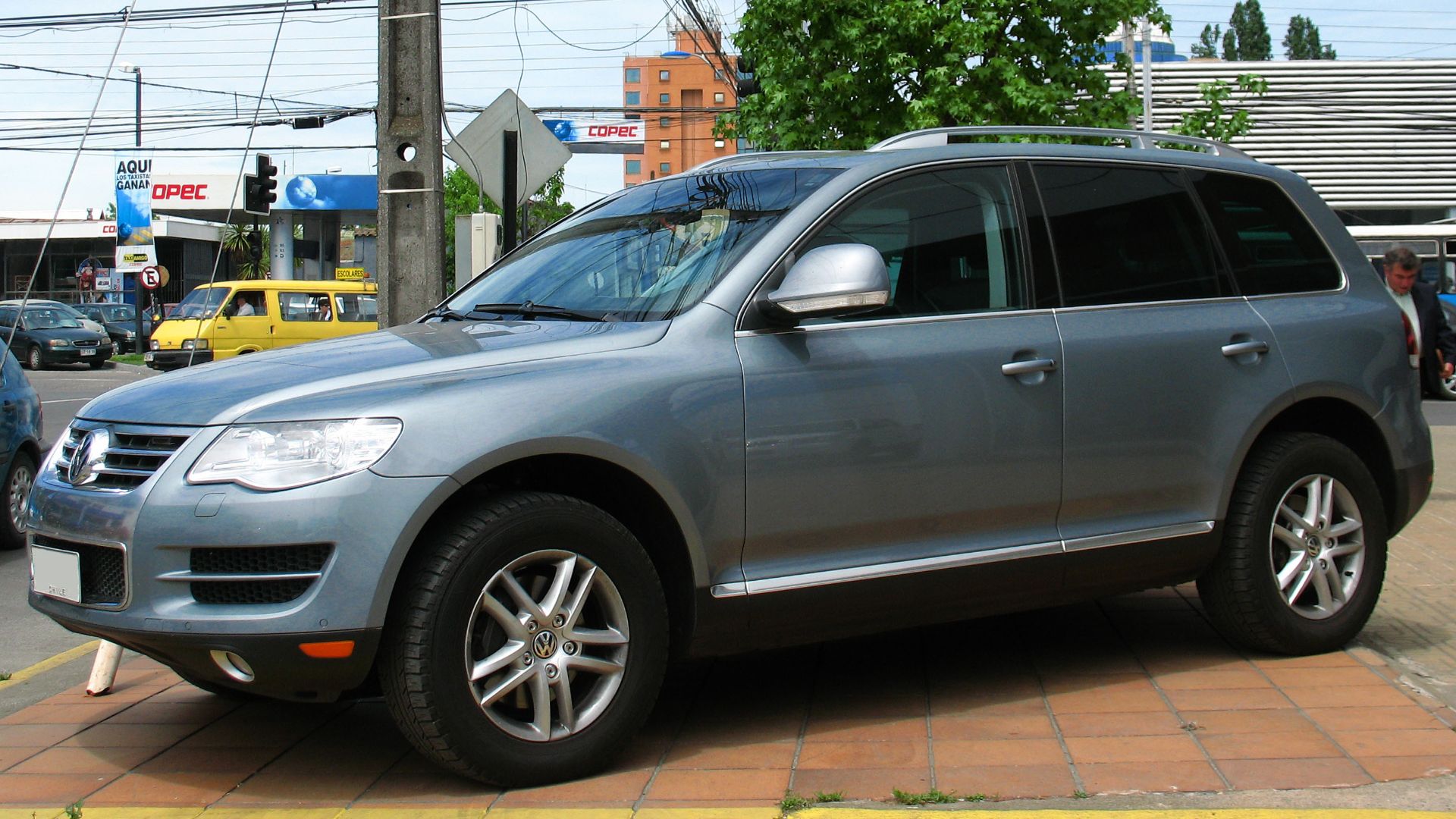
Volkswagen Touareg First Generation
The first Touareg impressed reviewers with its rich interior, solid ride, and serious engineering. It felt premium and capable, almost like a bargain luxury SUV. Drivers soon learned that fancy German complexity can come with painful repair bills, and that charm fades when warning lights keep showing up.
 order_242 from Chile, Wikimedia Commons
Land Rover Freelander
Critics liked the idea of a smaller Land Rover that brought style and off-road flavor to more people. Drivers discovered that the badge came with less prestige when the vehicle itself felt fragile. Reliability problems turned what looked like an adventurous buy into a frequent source of frustration.
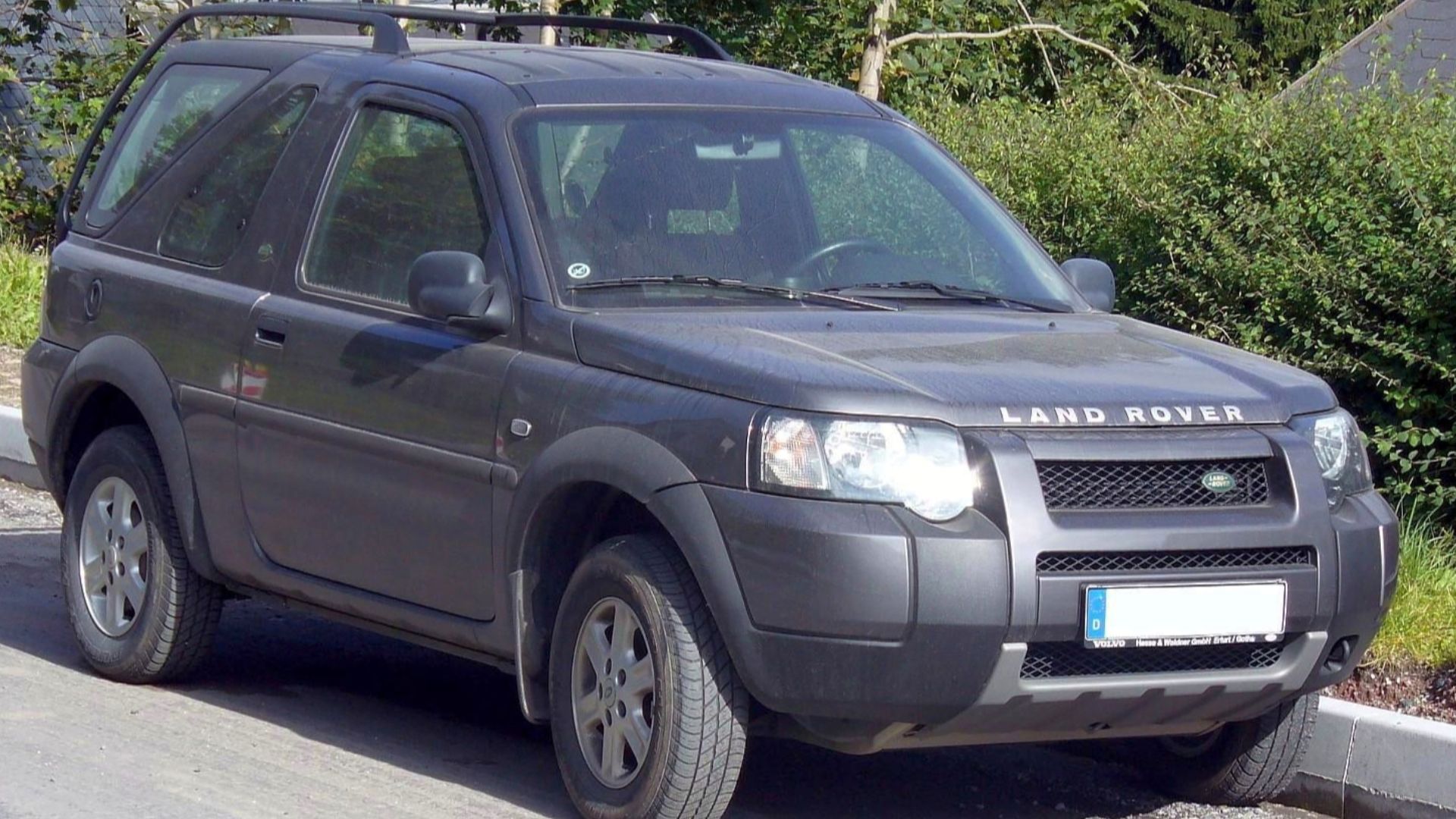 Thomas doerfer, Wikimedia Commons
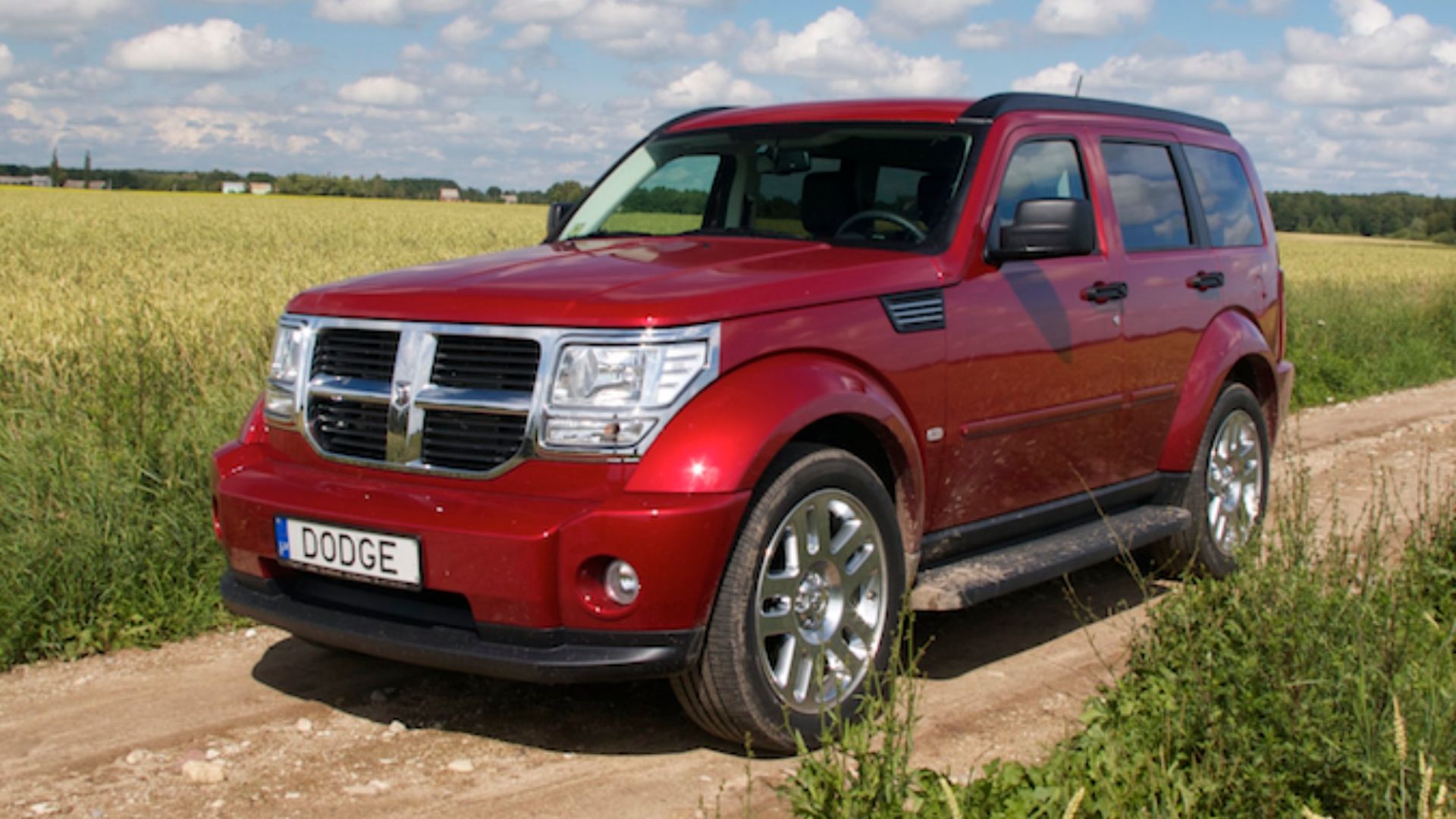
Dodge Nitro
At first glance, the Dodge Nitro looked tough enough to scare traffic into moving aside. Some reviewers appreciated its bold styling and macho vibe. Owners quickly realized that looking aggressive does not improve ride quality, fuel economy, or cabin refinement. The Nitro had attitude, but not much grace.
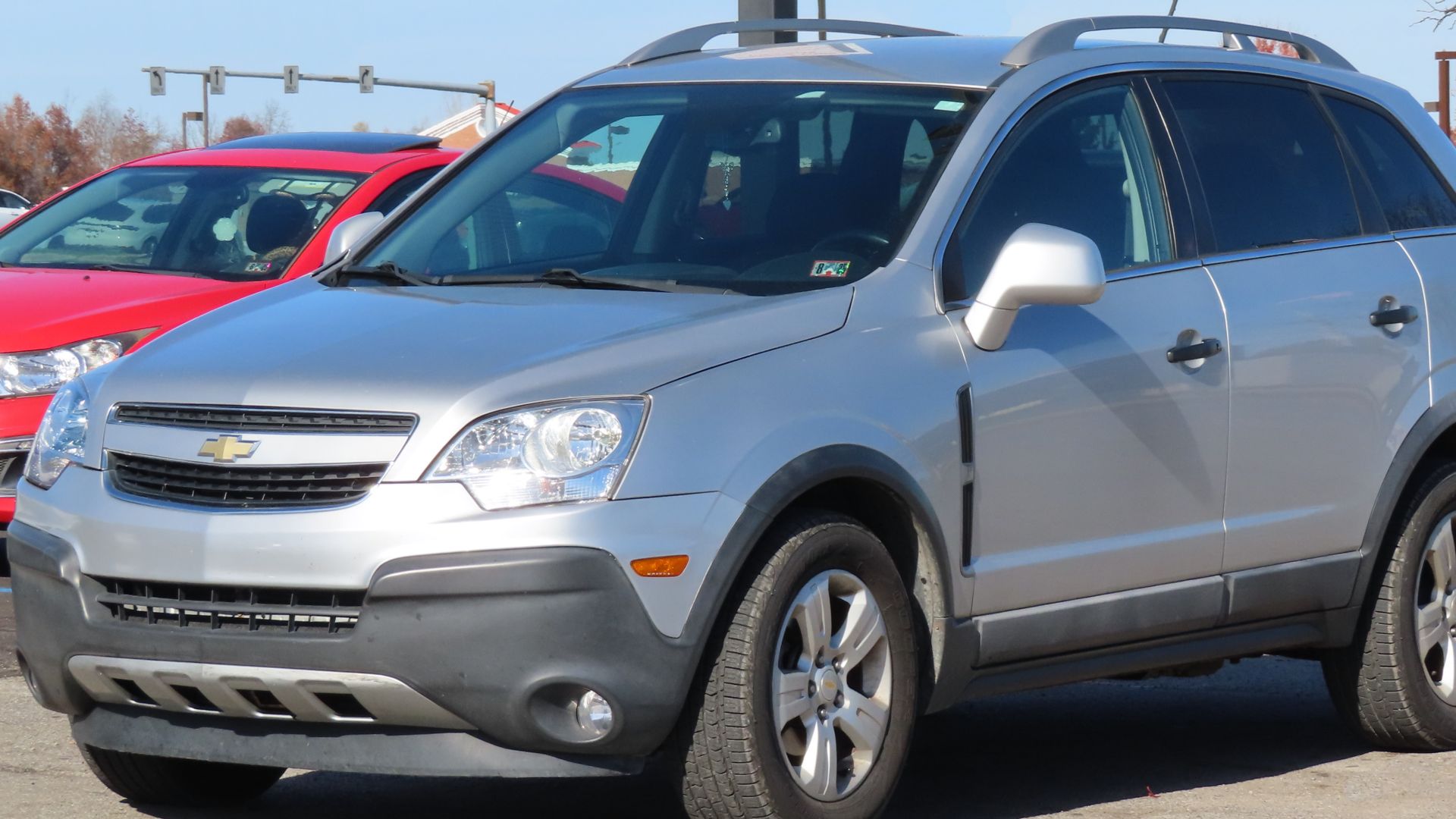
Chevrolet Captiva Sport
Critics sometimes gave the Captiva Sport credit for being a practical stopgap with decent space and simple controls. Drivers mostly treated it like exactly that: a rental-grade crossover nobody really wanted. It blended in, lacked character, and never gave owners a great reason to love living with it.
 MercurySable99, Wikimedia Commons
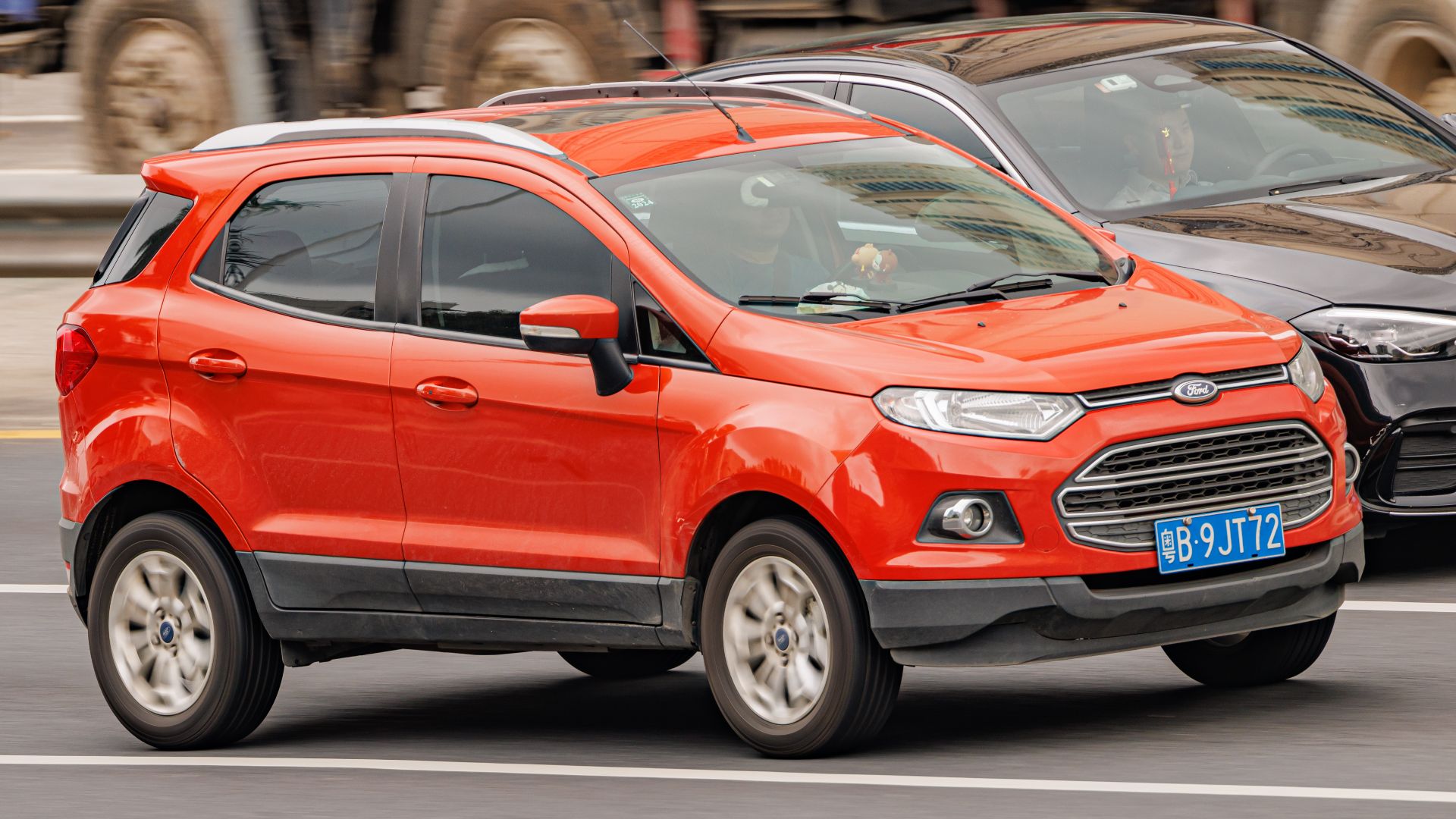
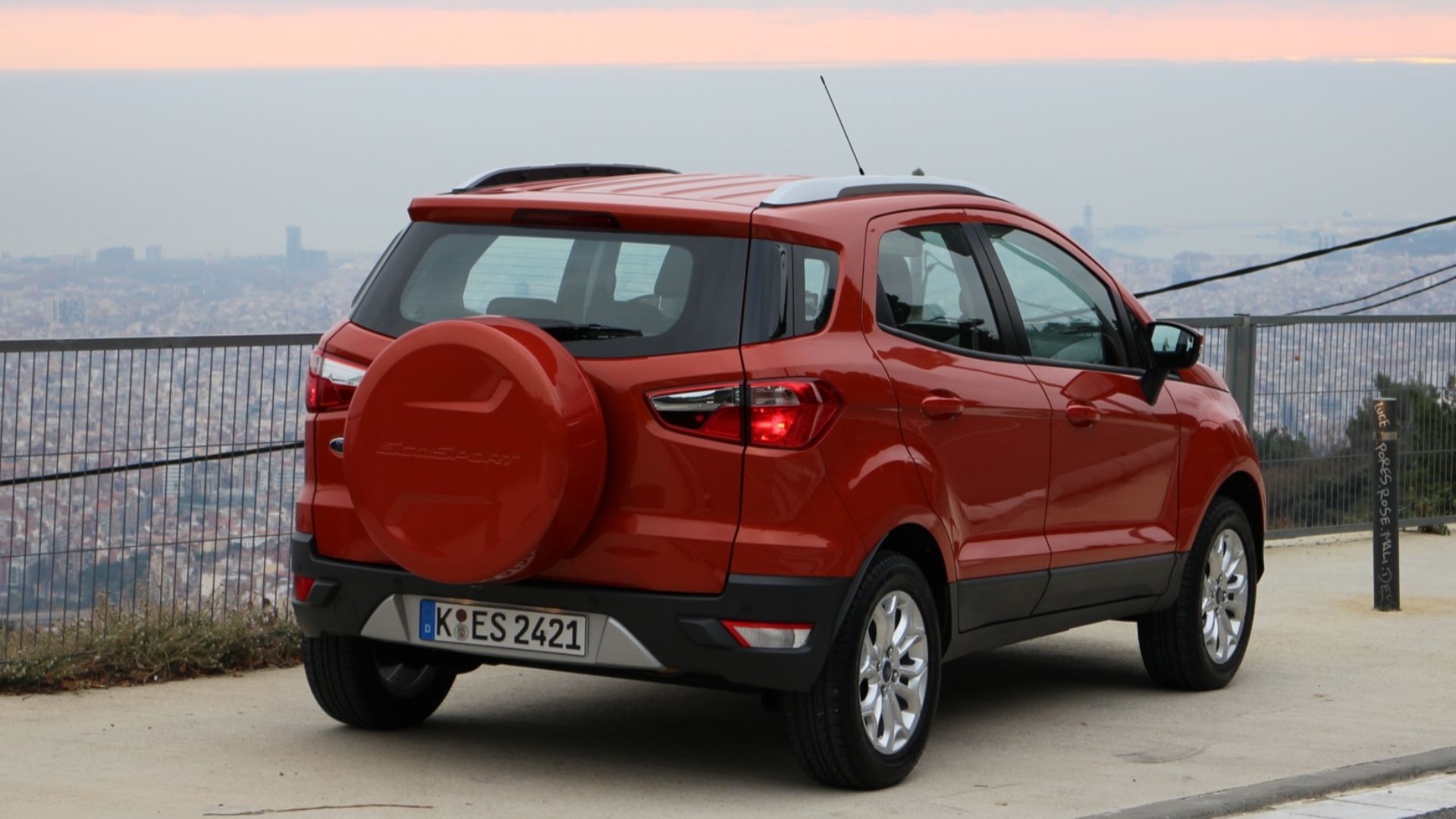
Ford EcoSport
The EcoSport entered the market at exactly the right time, when small crossovers were exploding in popularity. Reviewers liked the idea of city-friendly size and SUV looks. Buyers were far less forgiving about the cramped rear seat, underwhelming performance, and side-hinged rear door that felt old-fashioned.
 Dinkun Chen, Wikimedia Commons
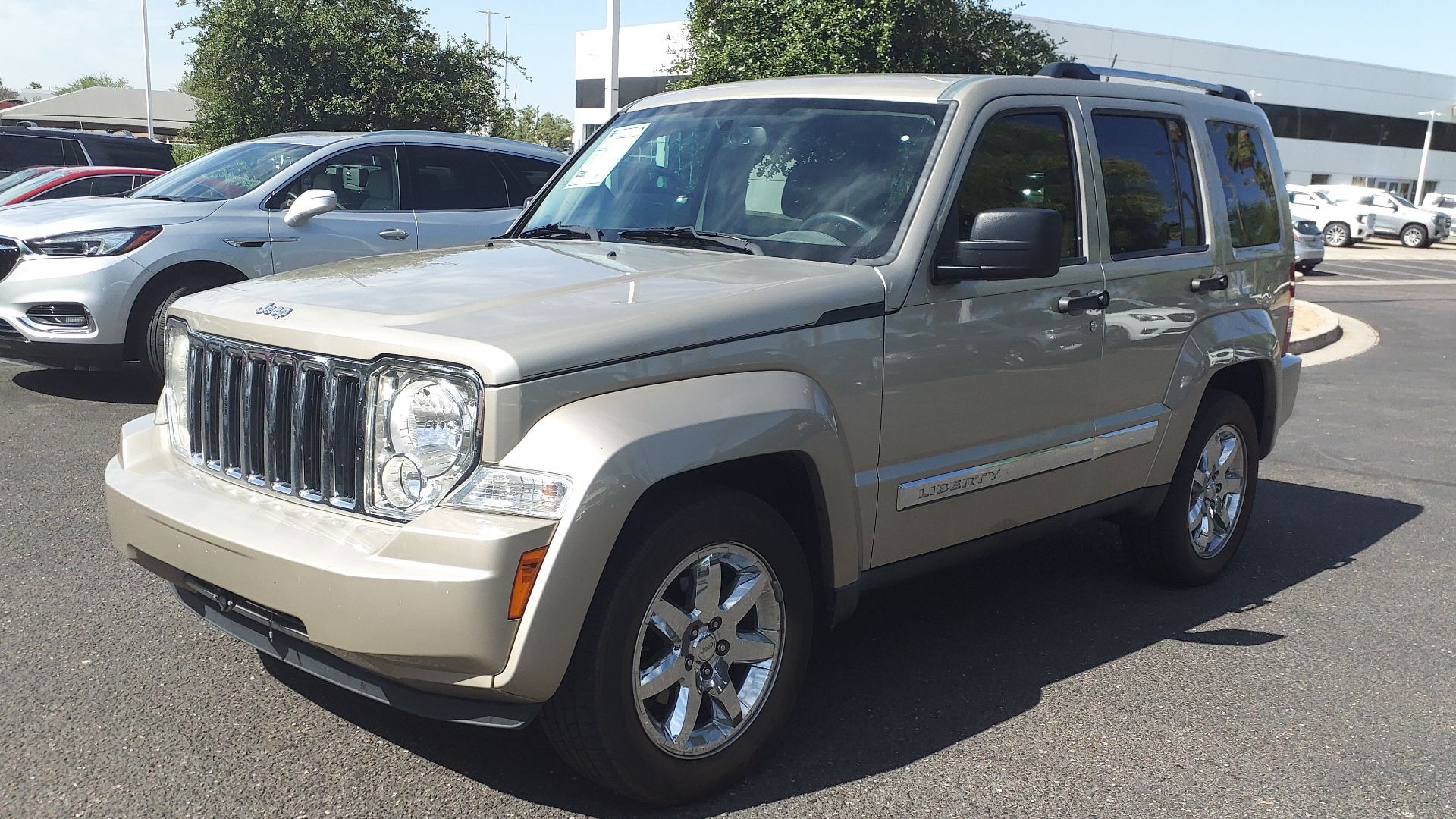
Jeep Liberty
The Liberty earned praise for delivering Jeep image in a tidy package. It looked sturdy and ready for adventure, which helped critics see its appeal. Owners were more likely to notice the rough ride, thirsty engines, and mediocre comfort. It sold the dream well, but daily life was harder.
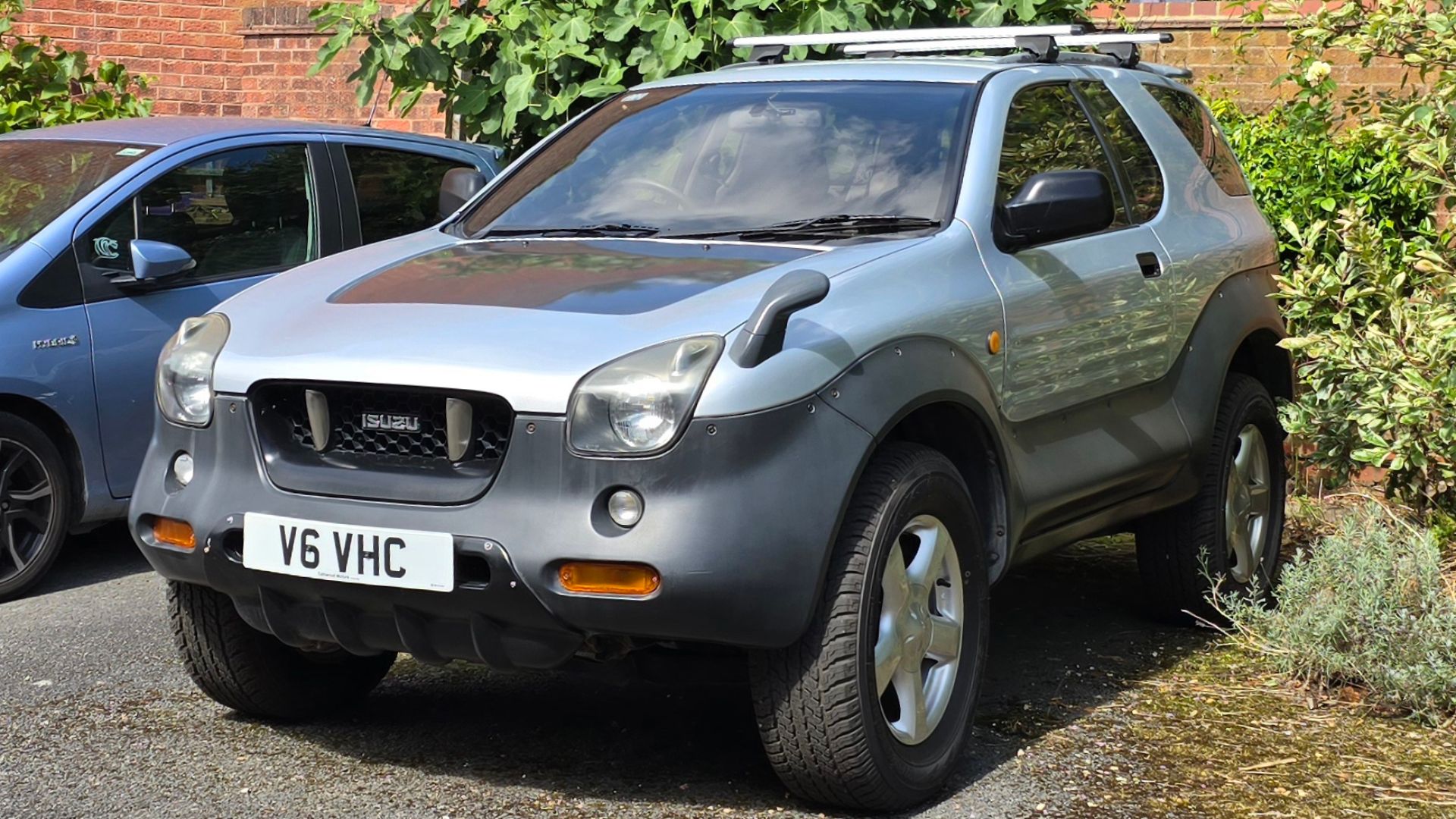
Isuzu VehiCROSS
The VehiCROSS was adored by critics who love rare, daring machines. It was futuristic, capable, and genuinely memorable. Drivers were less enchanted by the limited cargo room, strange visibility, and niche personality. It felt like a collector’s toy pretending to be a practical SUV, and owners noticed.
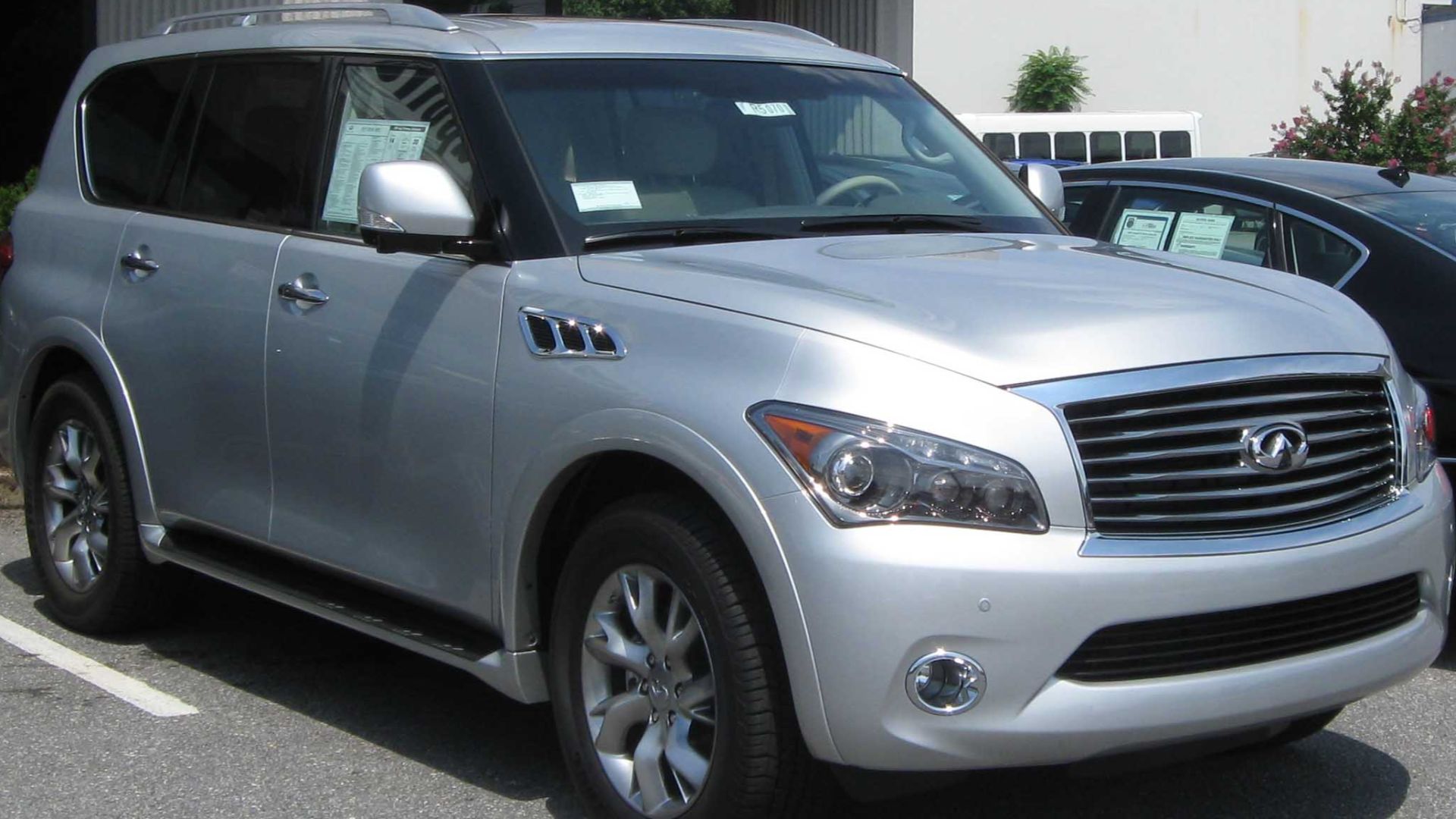
Infiniti QX56 Early Models
Luxury reviewers praised the early QX56 for its power, interior space, and commanding presence. It certainly made an entrance. But owners often complained about poor fuel economy, cumbersome size, and quality issues that were hard to ignore. Big power is fun until every trip feels expensive.
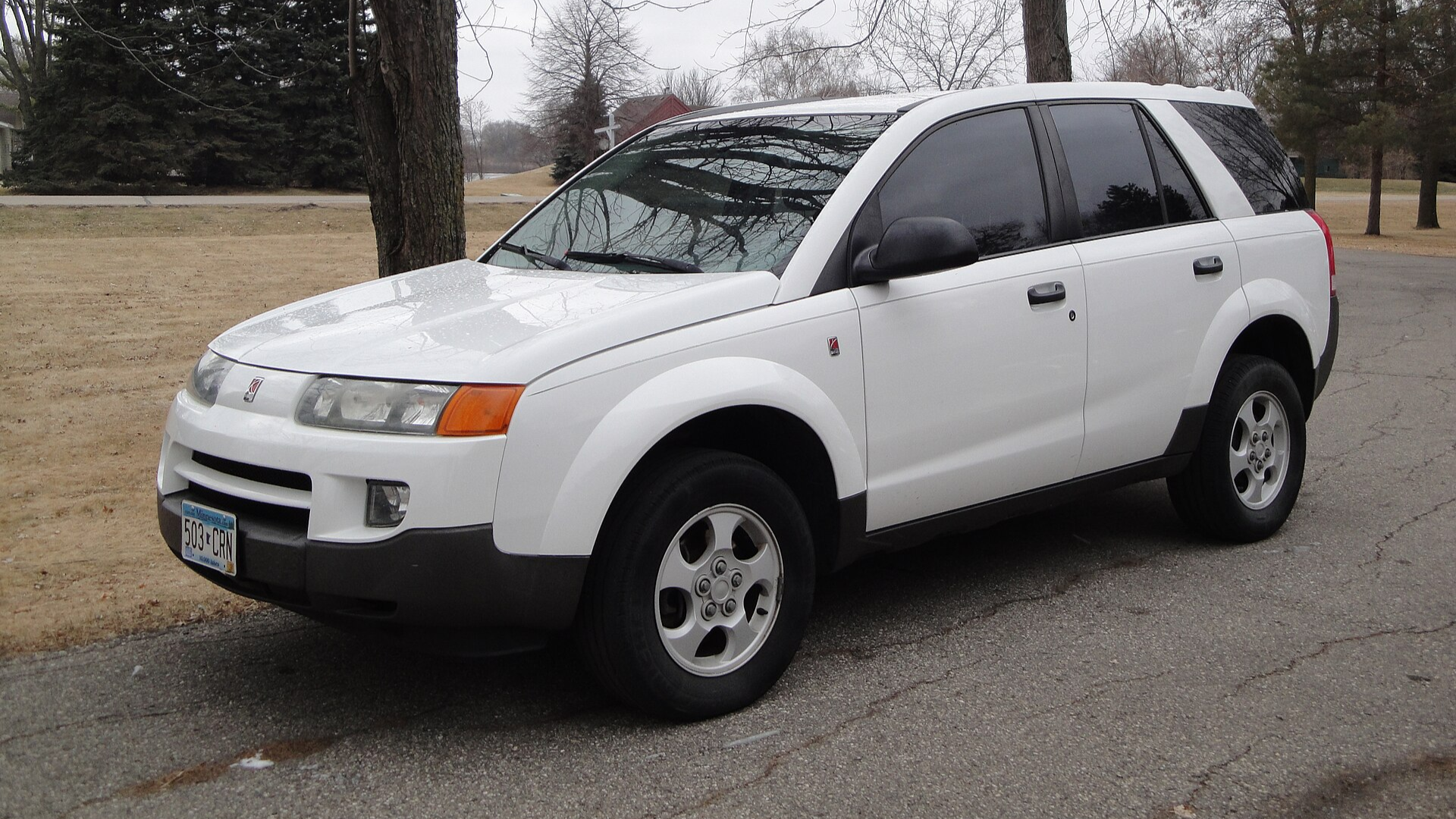
Saturn Vue With CVT
The Saturn Vue looked like a smart, sensible compact SUV, and critics appreciated its straightforward mission. The trouble came with the CVT-equipped versions. Drivers found that smooth theory did not match real-world dependability. Once transmission trouble entered the picture, any goodwill the Vue had built disappeared quickly.
 Greg Gjerdingen from Willmar, USA, Wikimedia Commons
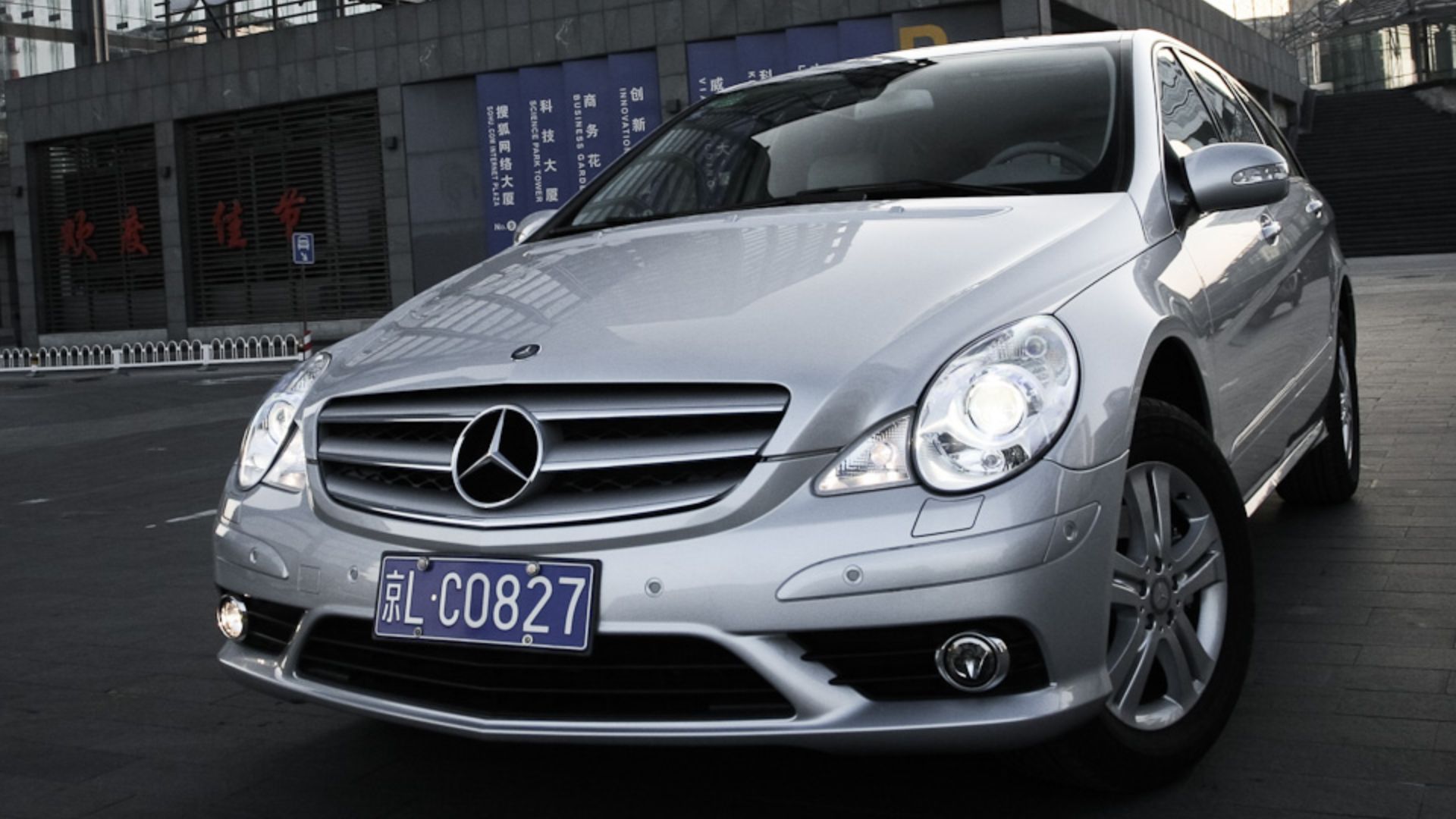
Mercedes-Benz R-Class
Yes, the R-Class was more tall wagon than classic SUV, but it played in the same family-hauler space. Critics admired its comfort, safety, and unusual blend of luxury and practicality. Drivers mostly wondered why it looked so odd and cost so much while still feeling confusingly uncool.
 Tim Wang from Beijing, China, Wikimedia Commons
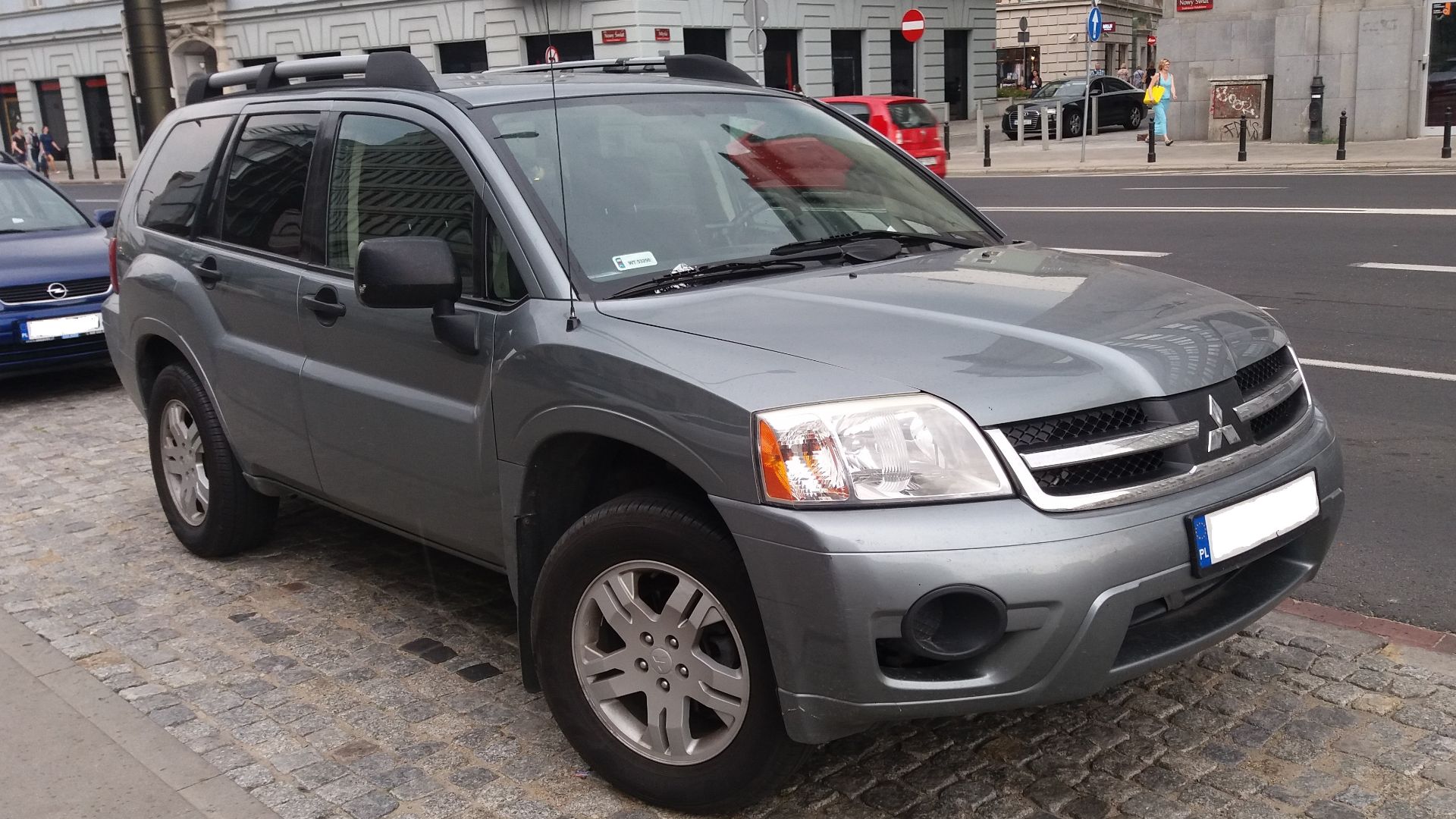
Mitsubishi Endeavor
The Endeavor was welcomed by some reviewers as a solid, no-nonsense midsize SUV with decent handling and respectable value. Drivers didn’t form the same bond. It lacked polish, struggled to stand out, and felt forgettable in a crowded class. Being competent is nice, but excitement matters too.
 Raf24~commonswiki, Wikimedia Commons
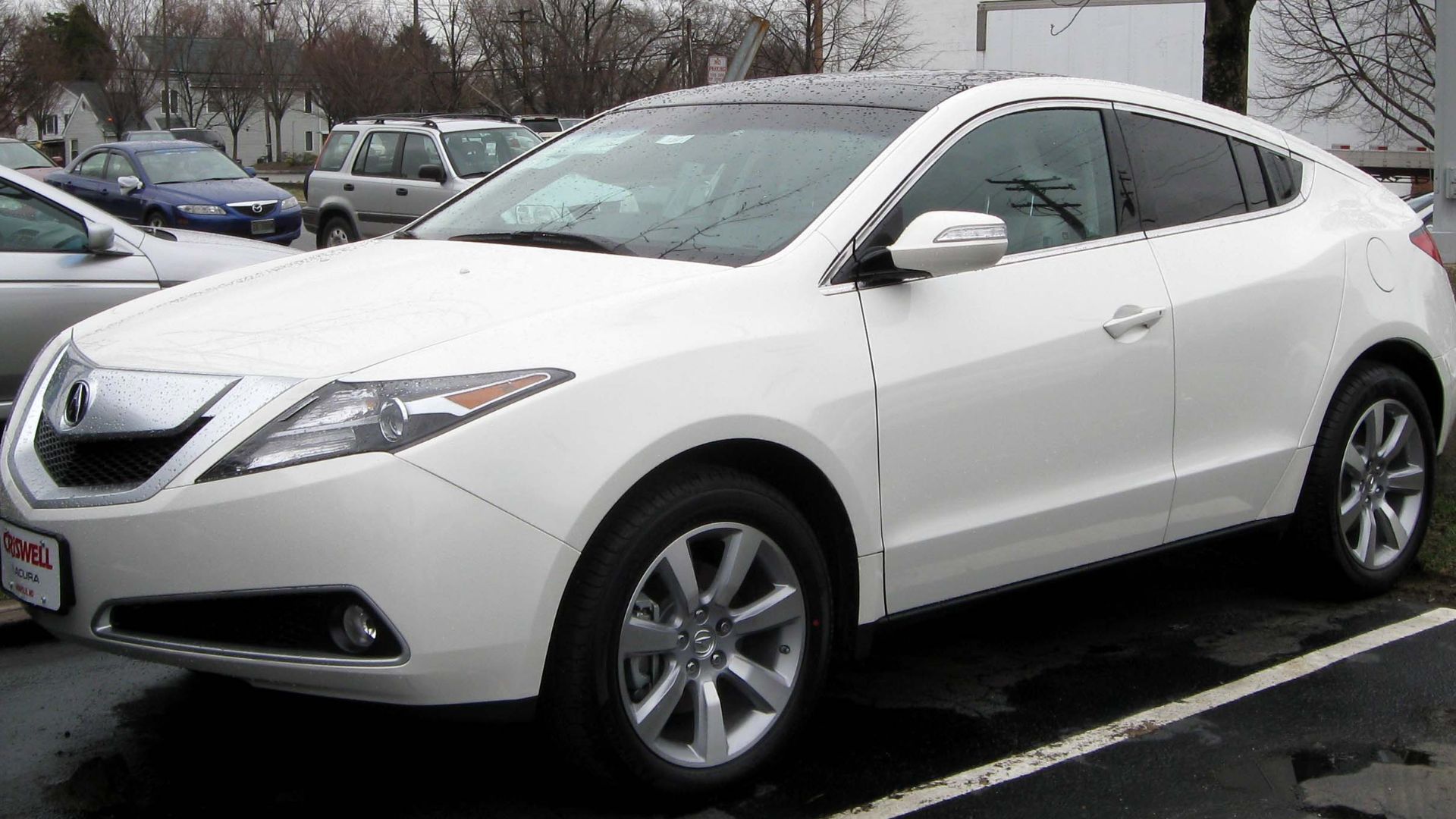
Acura ZDX
Critics were often kinder to the ZDX than the market was. They liked its coupe-like shape, strong performance, and bold attempt to be something different. Drivers looked at the sloping roof, compromised visibility, and cramped usefulness and asked a simple question: why make an SUV less practical?
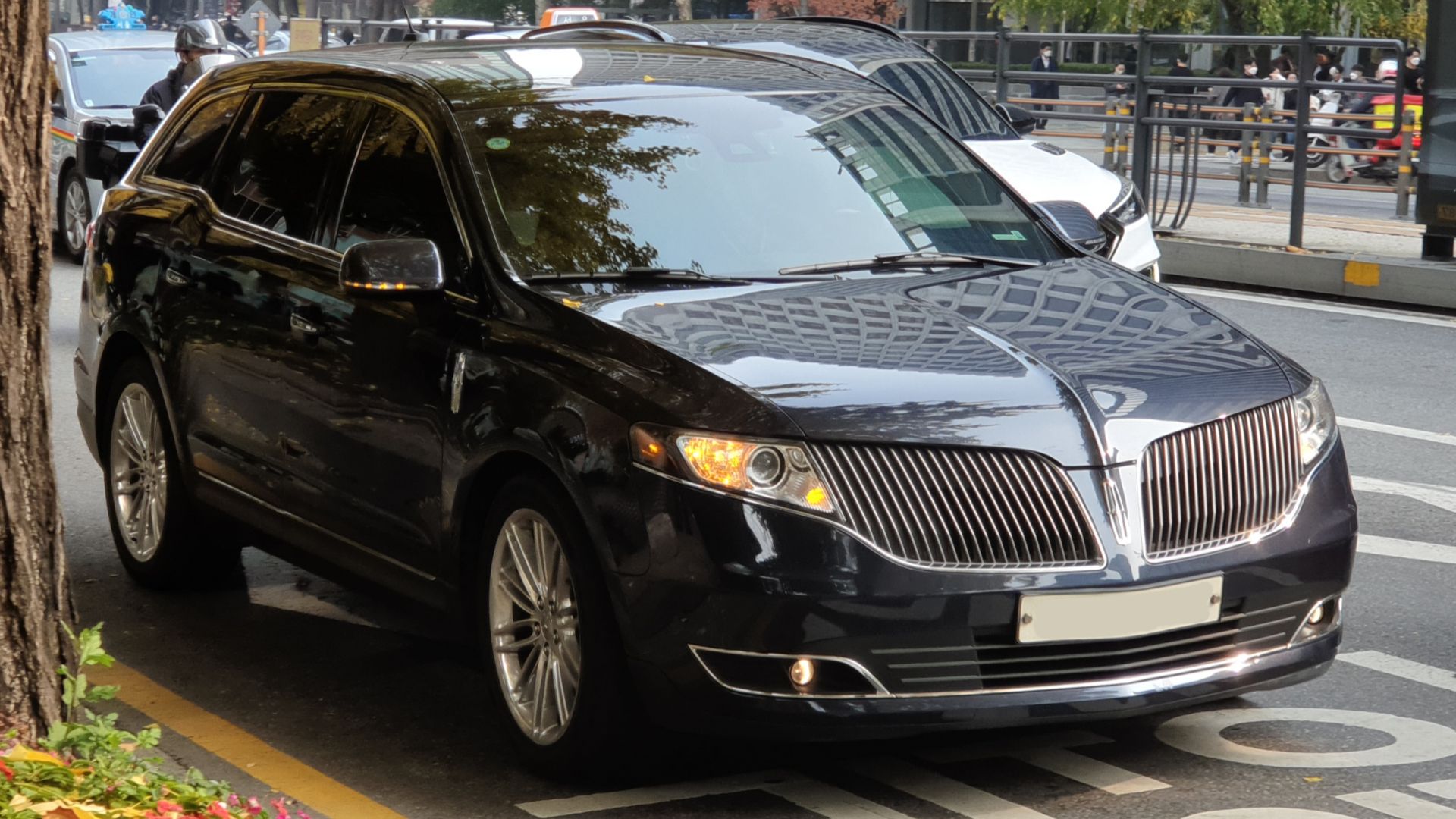
Lincoln MKT
The MKT earned praise for comfort, tech features, and a surprisingly roomy interior. It even drove better than many expected. Still, buyers never fully embraced its styling, which somehow managed to look both huge and awkward. For many drivers, no amount of equipment could overcome that first impression.
 Damian B Oh, Wikimedia Commons
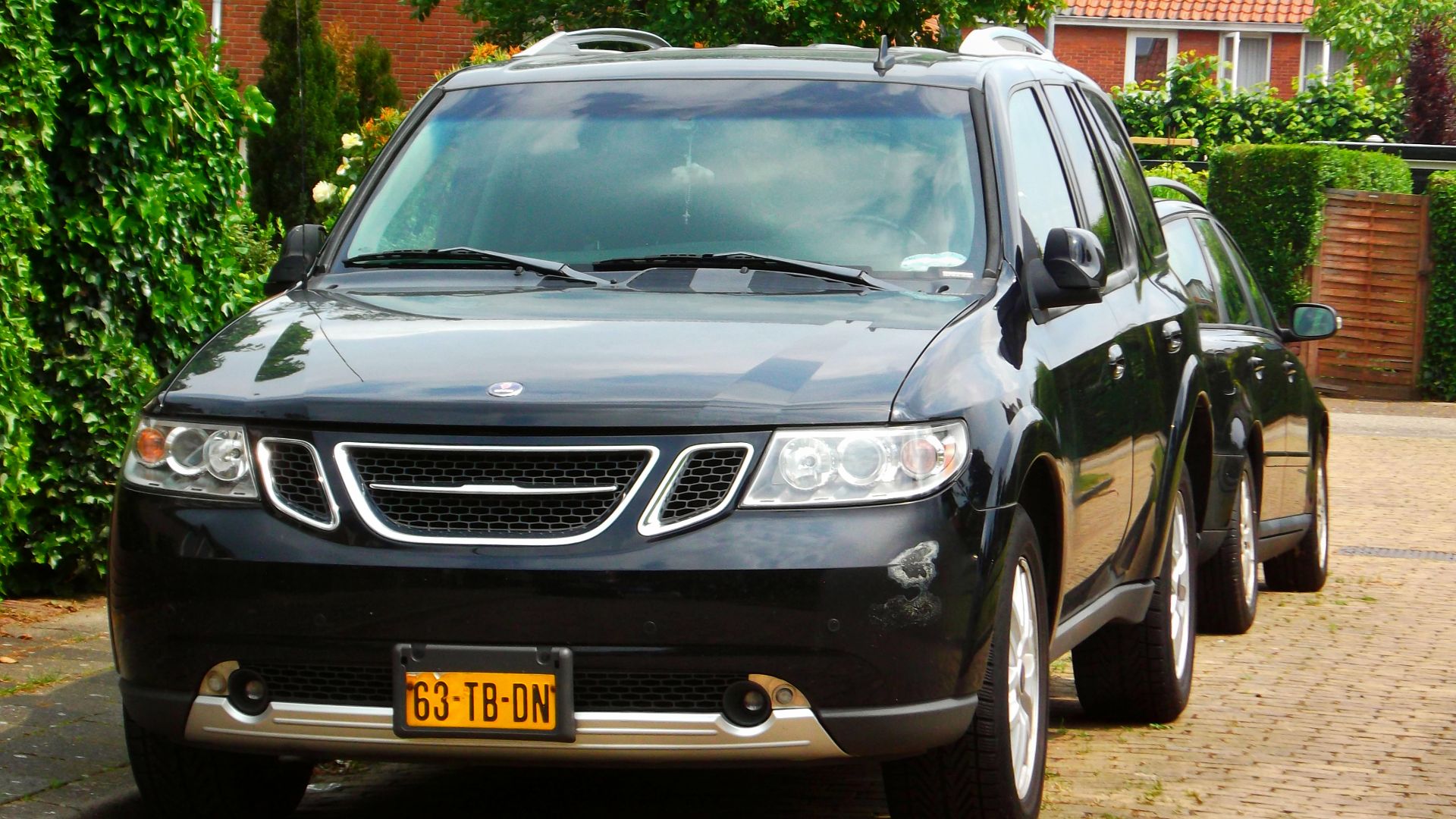
Saab 9-7X
Reviewers enjoyed the 9-7X because it gave Saab fans an SUV with more personality than the average truck-based family hauler. Drivers figured out pretty quickly that it was basically a dressed-up GM cousin. Once the novelty faded, so did the excitement around owning one.
 Dennis Elzinga, Wikimedia Commons
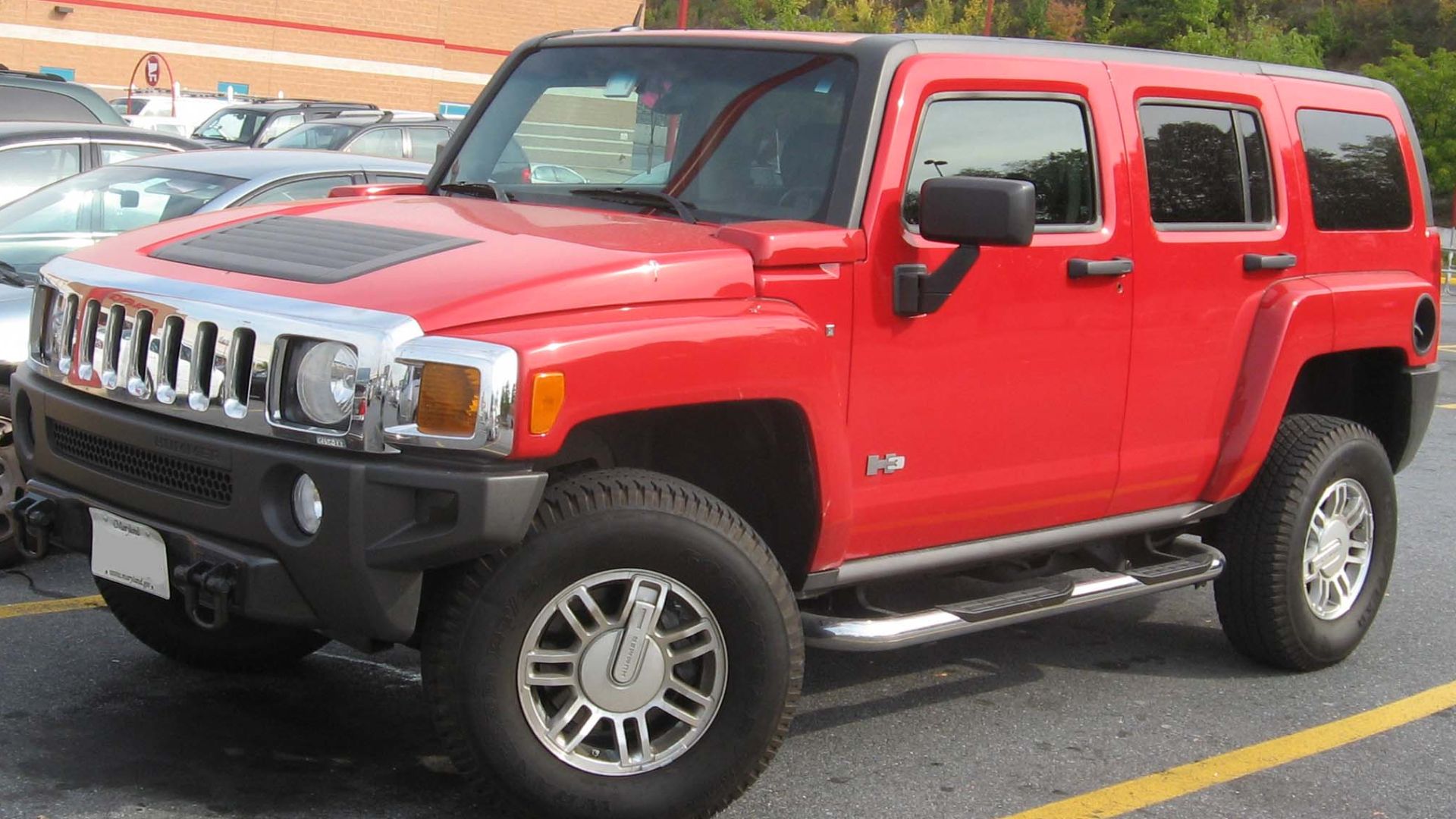
Hummer H3
The H3 got attention for delivering Hummer style in a more manageable package. Critics liked that it brought some off-road image to people who didn’t want the giant H2. Drivers then met the reality: sluggish power, poor visibility, and fuel economy that still felt painfully old-school.
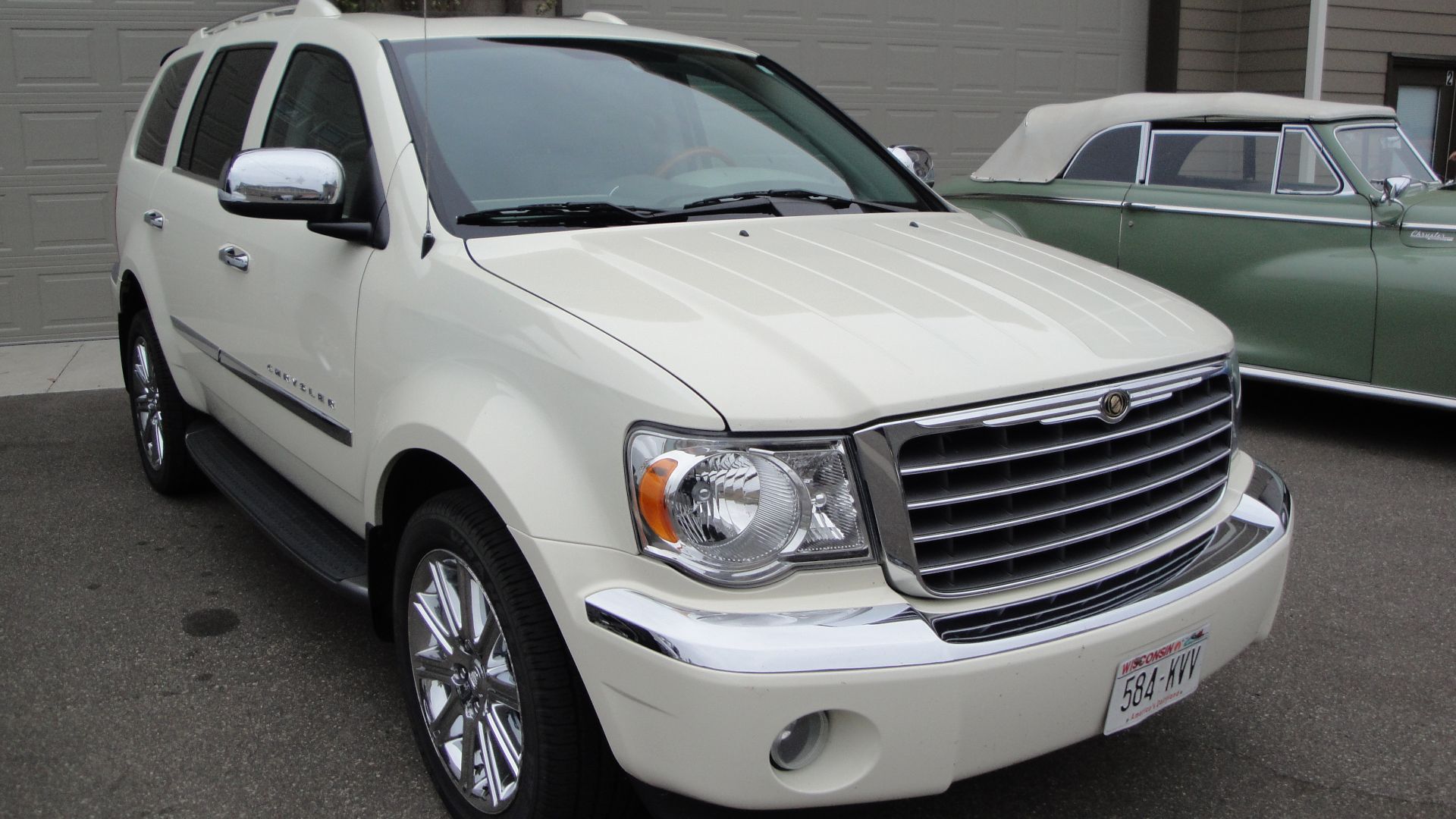
Chrysler Aspen
Some critics saw the Aspen as Chrysler’s polished attempt at giving buyers a premium-flavored family SUV. Drivers mostly saw a Durango in nicer clothes. It was big, thirsty, and hard to justify when there were better choices around. Badge tweaking only goes so far with real customers.
 Greg Gjerdingen from Willmar, USA, Wikimedia Commons
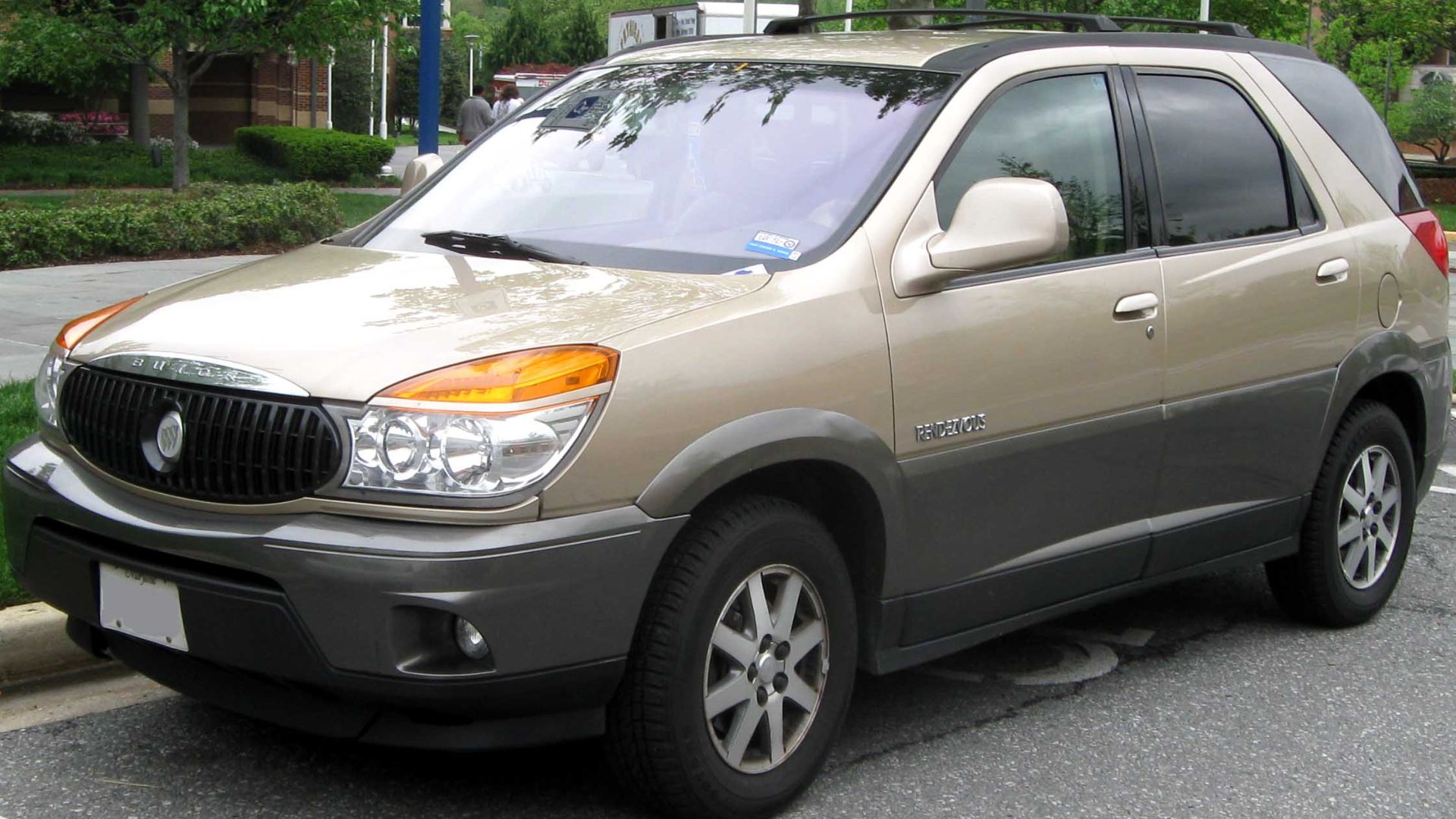
Buick Rendezvous
The Rendezvous received decent reviews for interior space, soft ride, and family-friendly packaging. Buyers hoped for a practical winner. Instead, many ended up dealing with sloppy dynamics, aging design, and quality concerns that dragged the experience down. It checked boxes, but rarely created lasting affection.
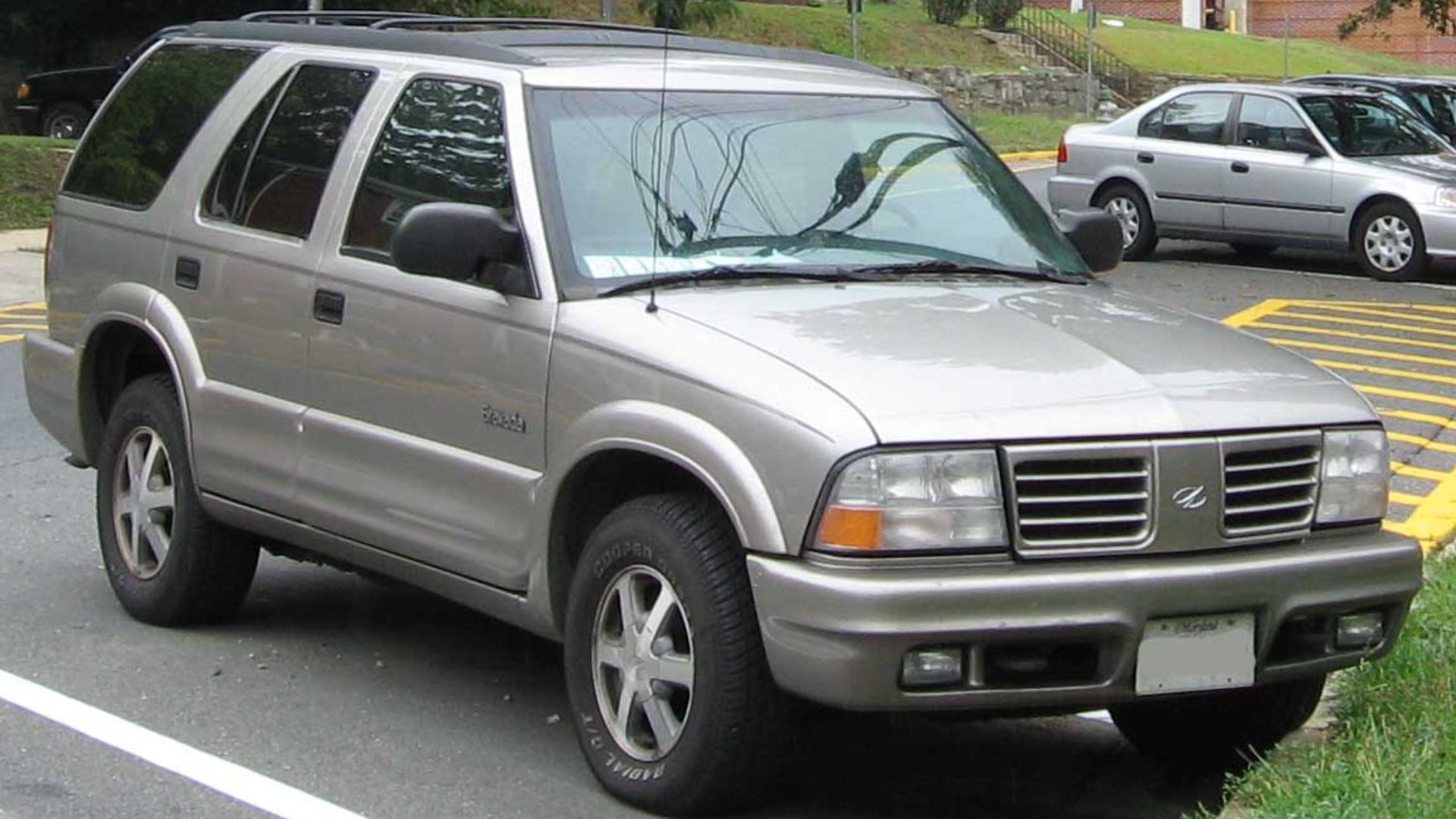
Oldsmobile Bravada
Critics often liked the Bravada’s smooth ride and upscale touches, especially compared with more rugged rivals of its era. Drivers discovered it still shared too much with ordinary GM SUVs underneath. When the ownership experience feels average, premium branding starts to look more like expensive wishful thinking.
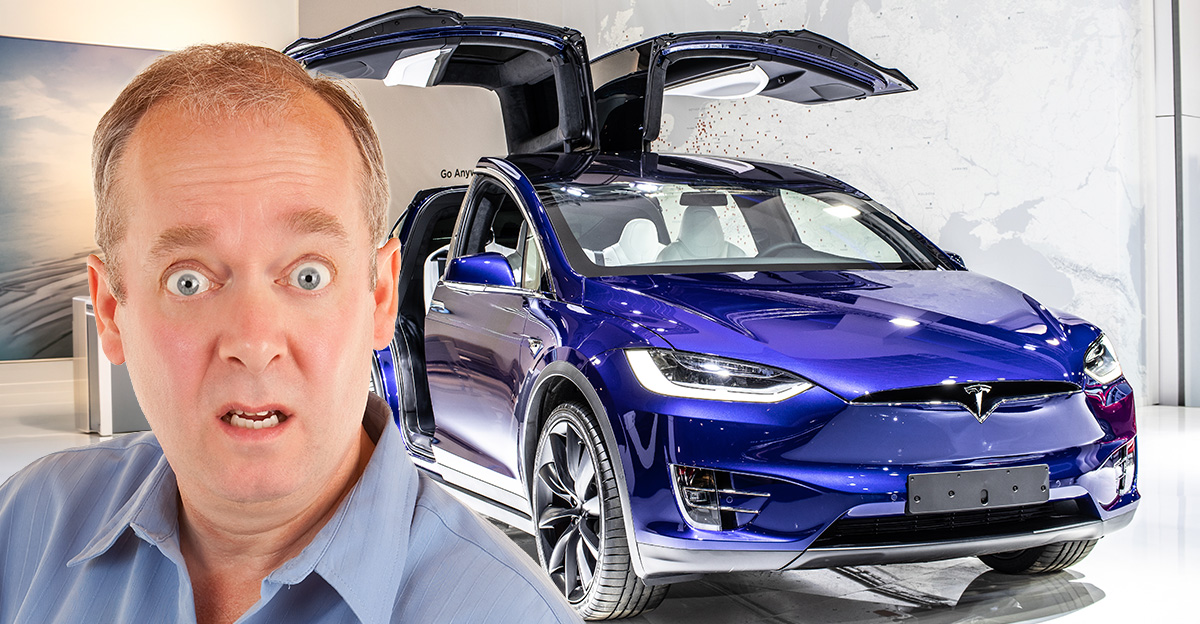
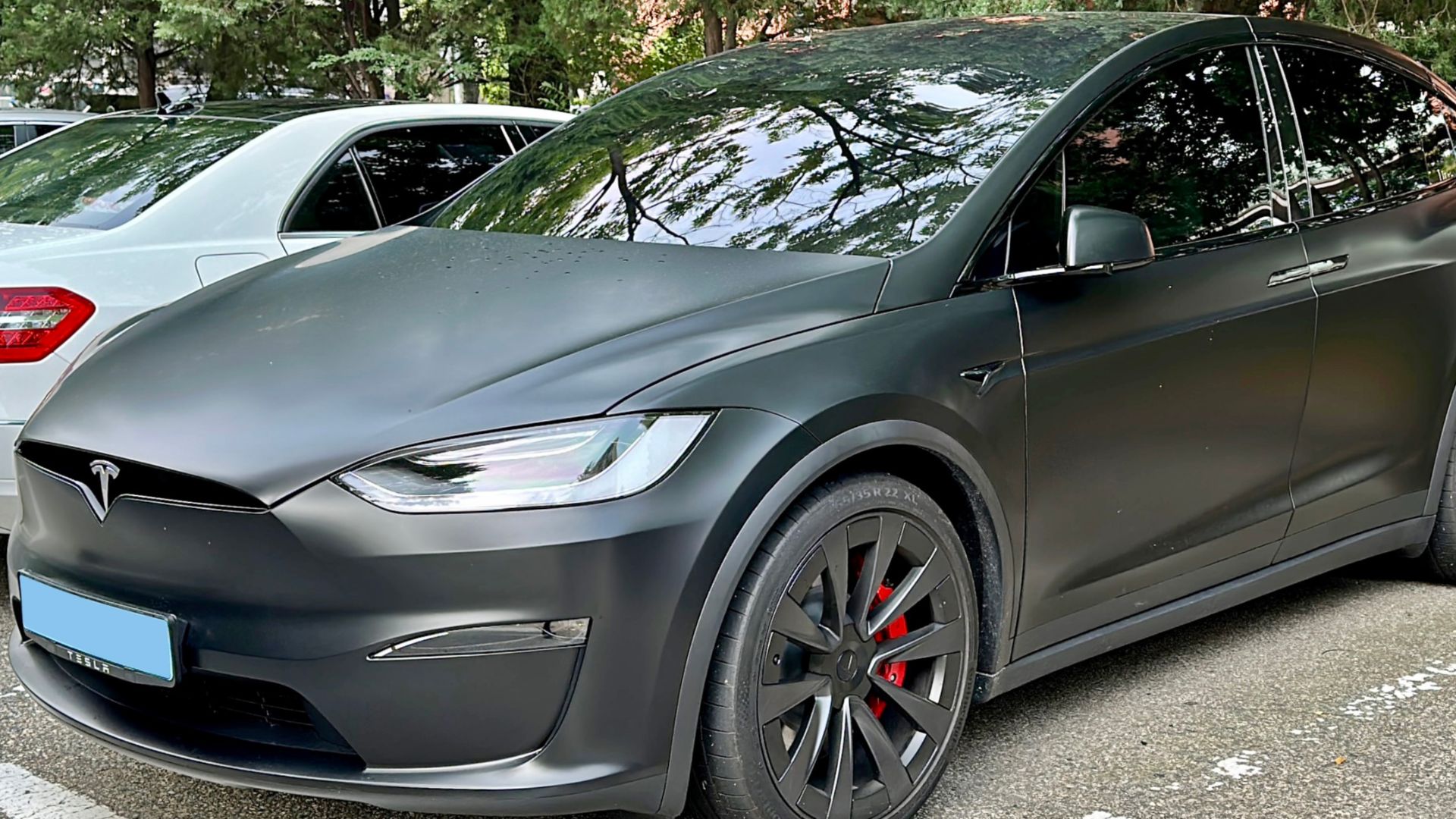
Tesla Model X Early Years
The Model X wowed critics with speed, tech, and those dramatic falcon-wing doors. It felt futuristic in a way few SUVs ever have. Early owners, though, sometimes ran into build issues, software glitches, and door complexity. Dazzling innovation is exciting, but drivers still want things to work reliably.
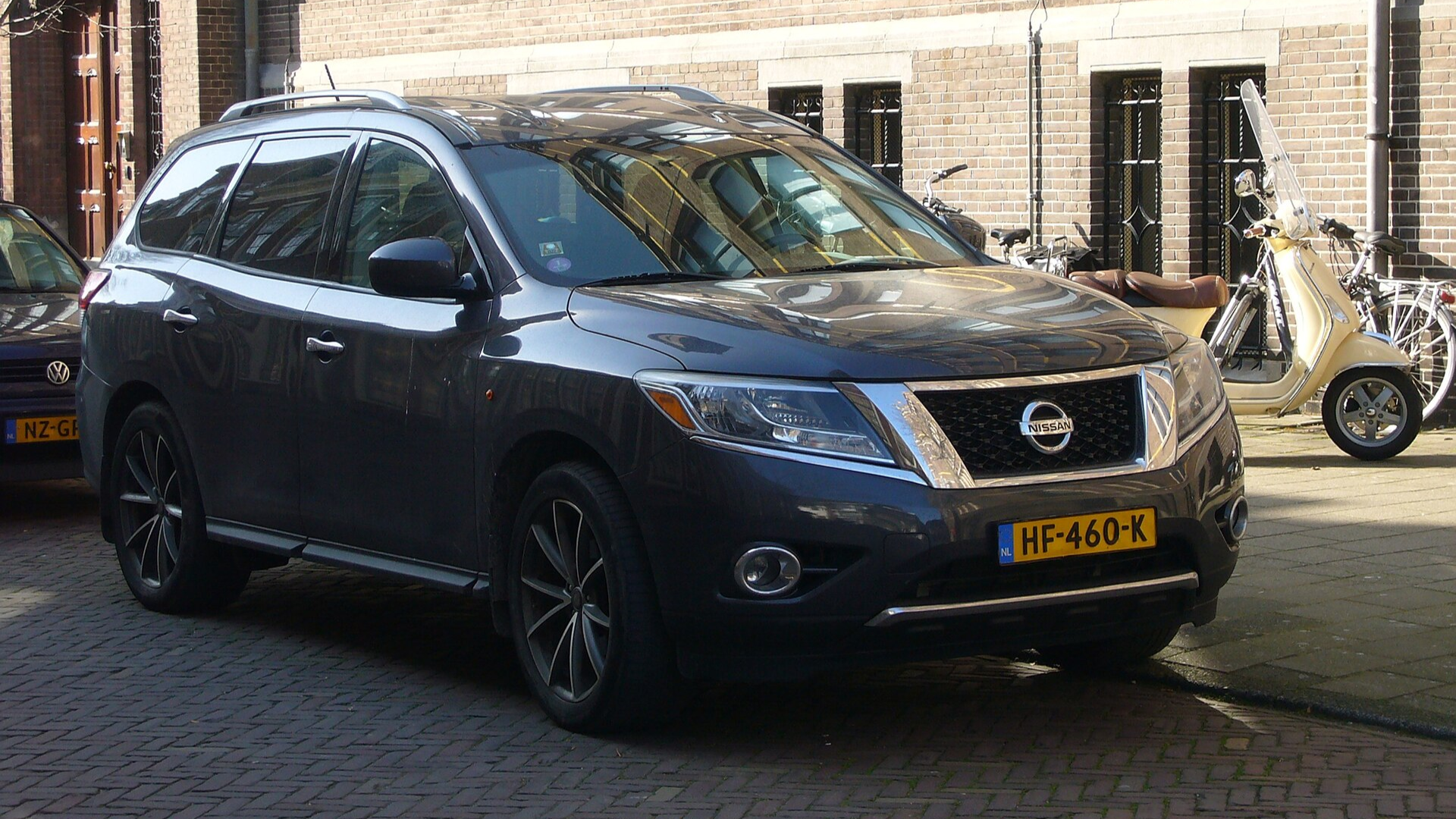
Nissan Pathfinder 2013 Redesign
When Nissan softened the Pathfinder into a crossover, some reviewers praised the move for improving comfort, efficiency, and family friendliness. Loyal drivers were not so easily convinced. They missed the tougher old character, and transmission complaints made the newer version even harder to defend.
 Rutger van der Maar, Wikimedia Commons
Why The Gap Happens
This critic-versus-driver split happens more than carmakers would like. Reviewers often reward bold ideas, clever packaging, and fresh design. Owners live with the fuel bills, glitches, blind spots, and squeaks. A brilliant first impression can crumble fast when everyday use exposes the weak spots.

The Road-Test Darling, The Owner’s Regret
The lesson is simple: praise from critics can open the door, but owners decide a vehicle’s real legacy. These SUVs were admired for ambition, style, or innovation, yet many drivers found the reality less lovable. In the end, surviving daily life matters more than winning headlines.
 Robert Basic from Germany, Wikimedia Commons
You May Also Like:
I Bought A Used Car “As-Is,” And It Broke Down The Next Day. Do I Have Any Options?
My neighbor's kid keeps revving his car loudly late at night. Is there anything I can do about it?
Volkswagen Dieselgate: The Emissions Scandal That Shook The World

.jpg)