Remember When These Cars Were Everywhere?
Every few years, a car arrives with enormous hype attached. It is going to change design, reinvent commuting, save the planet, or create an entirely new segment. Sometimes that actually happens. Other times, the supposedly revolutionary car simply disappears, leaving us wondering what happened.
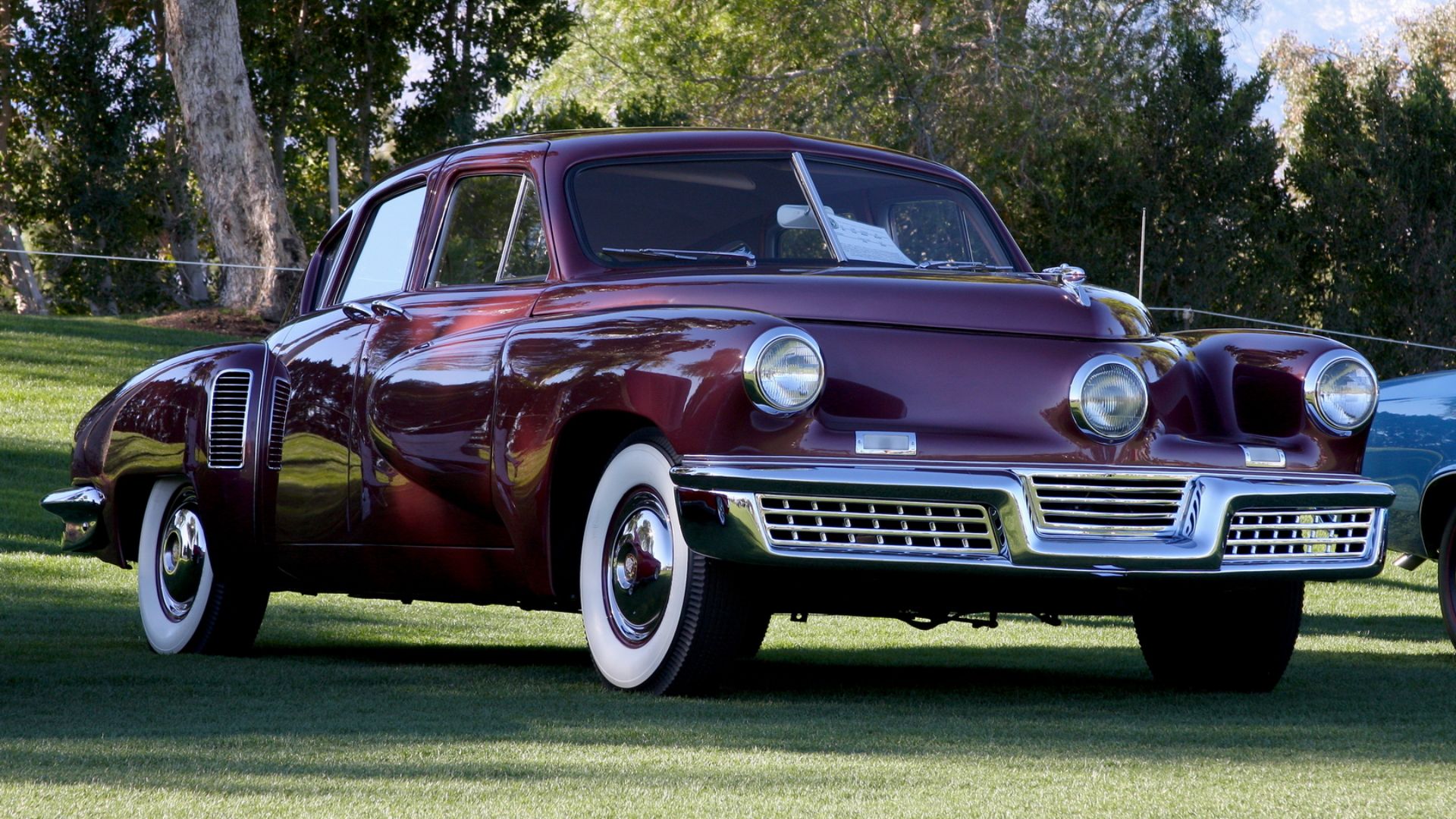
Tucker 48
The Tucker 48 looked like something beamed in from the future when it appeared in 1948. With its center-mounted “Cyclops” headlight and unusual engineering ideas, Preston Tucker’s sedan promised to shake up Detroit. Only 51 examples were completed before the company collapsed, turning the car into an instant legend.
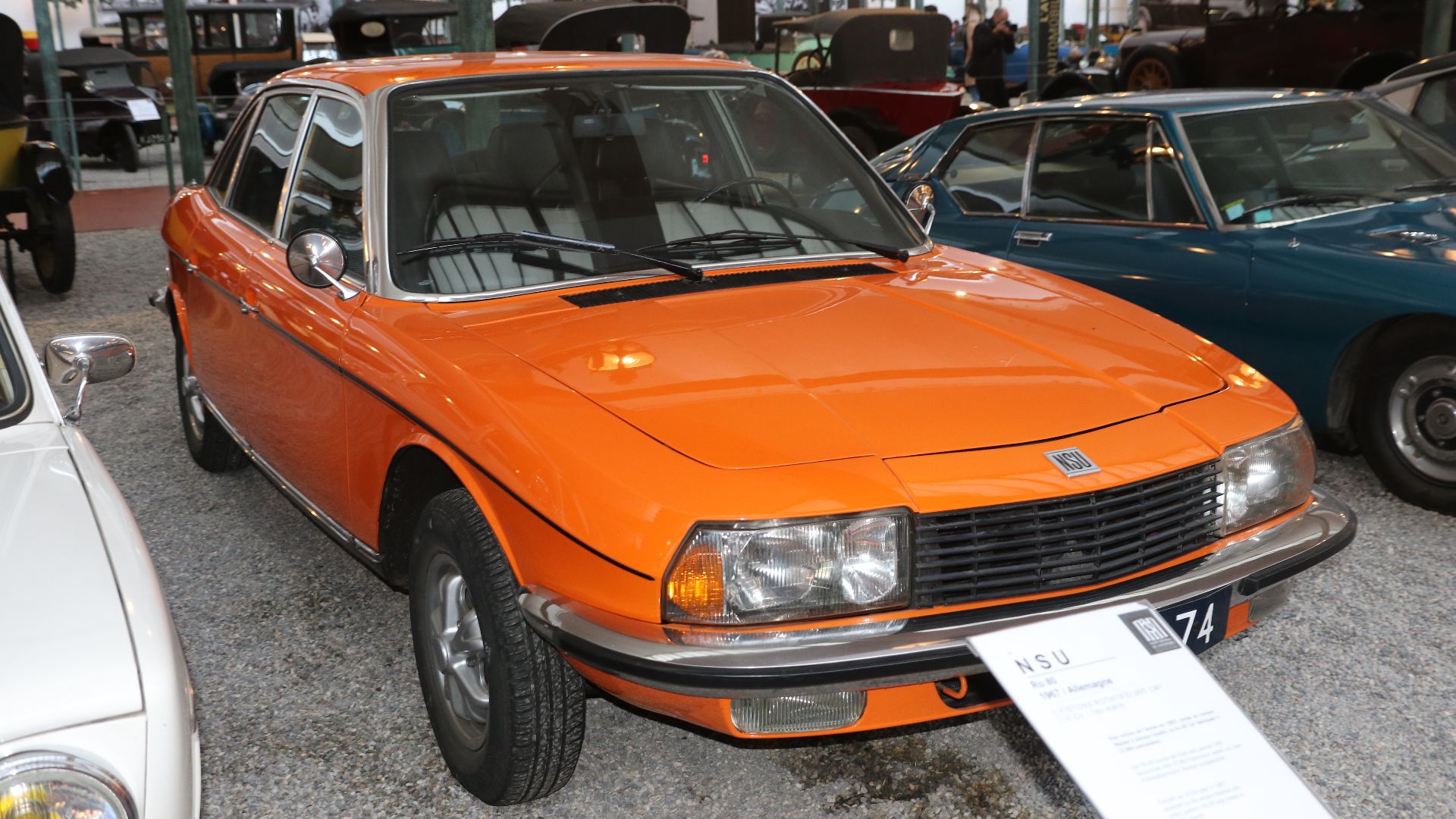
NSU Ro 80
The Ro 80 seemed impossibly advanced when NSU introduced it in 1967. It had sleek styling, front-wheel drive, disc brakes, and a smooth rotary engine. Unfortunately, early engine reliability problems damaged its reputation badly. The future had arrived—it just spent too much time at the repair shop.
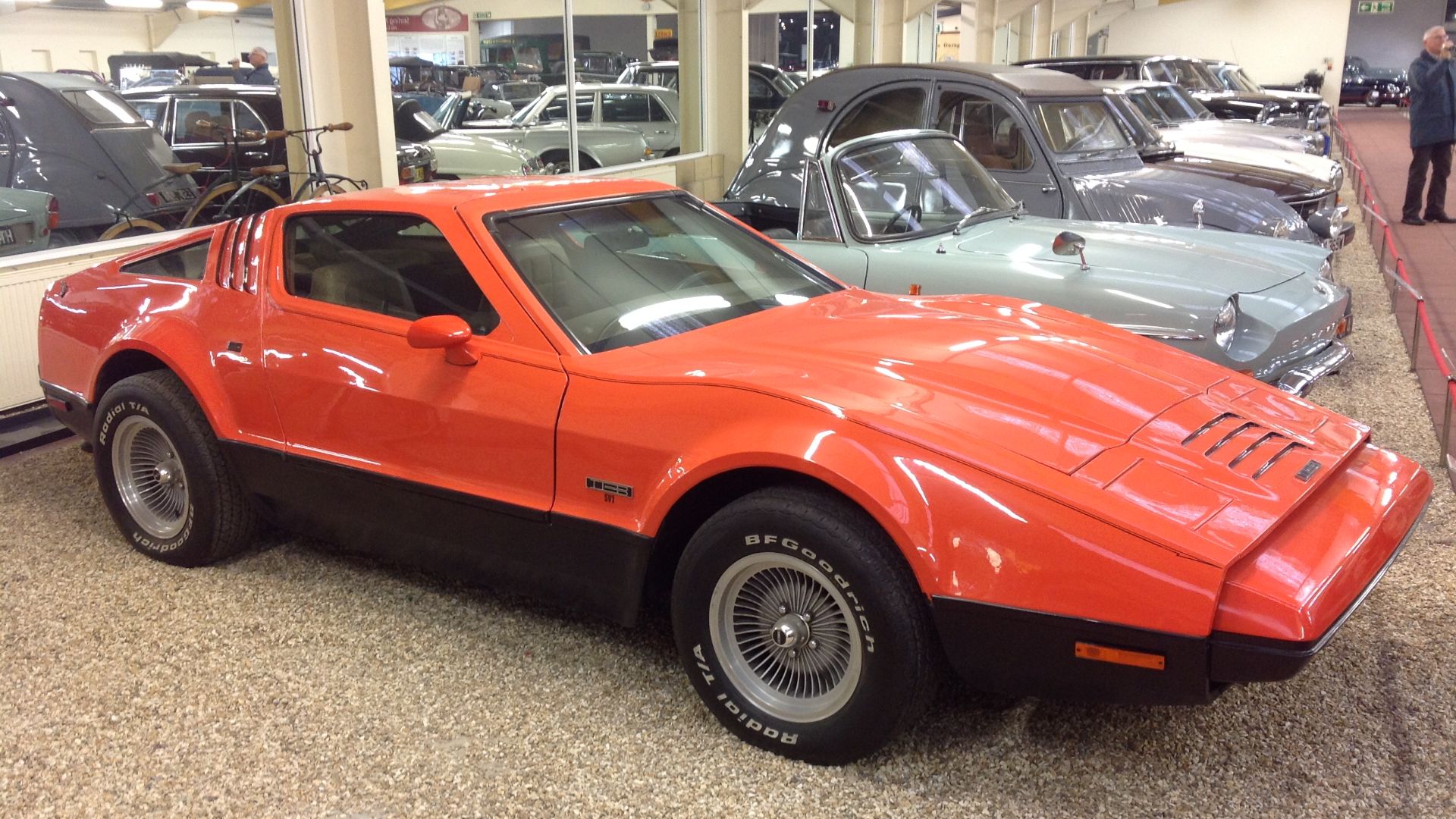
Bricklin SV-1
Canadian entrepreneur Malcolm Bricklin wanted the SV-1 to be a revolutionary safety-focused sports car. It had gullwing doors, dramatic bodywork, and plenty of visual theater. Production headaches, quality problems, and financial trouble quickly overwhelmed the project. Fewer than 3,000 were built before Bricklin disappeared in 1975.
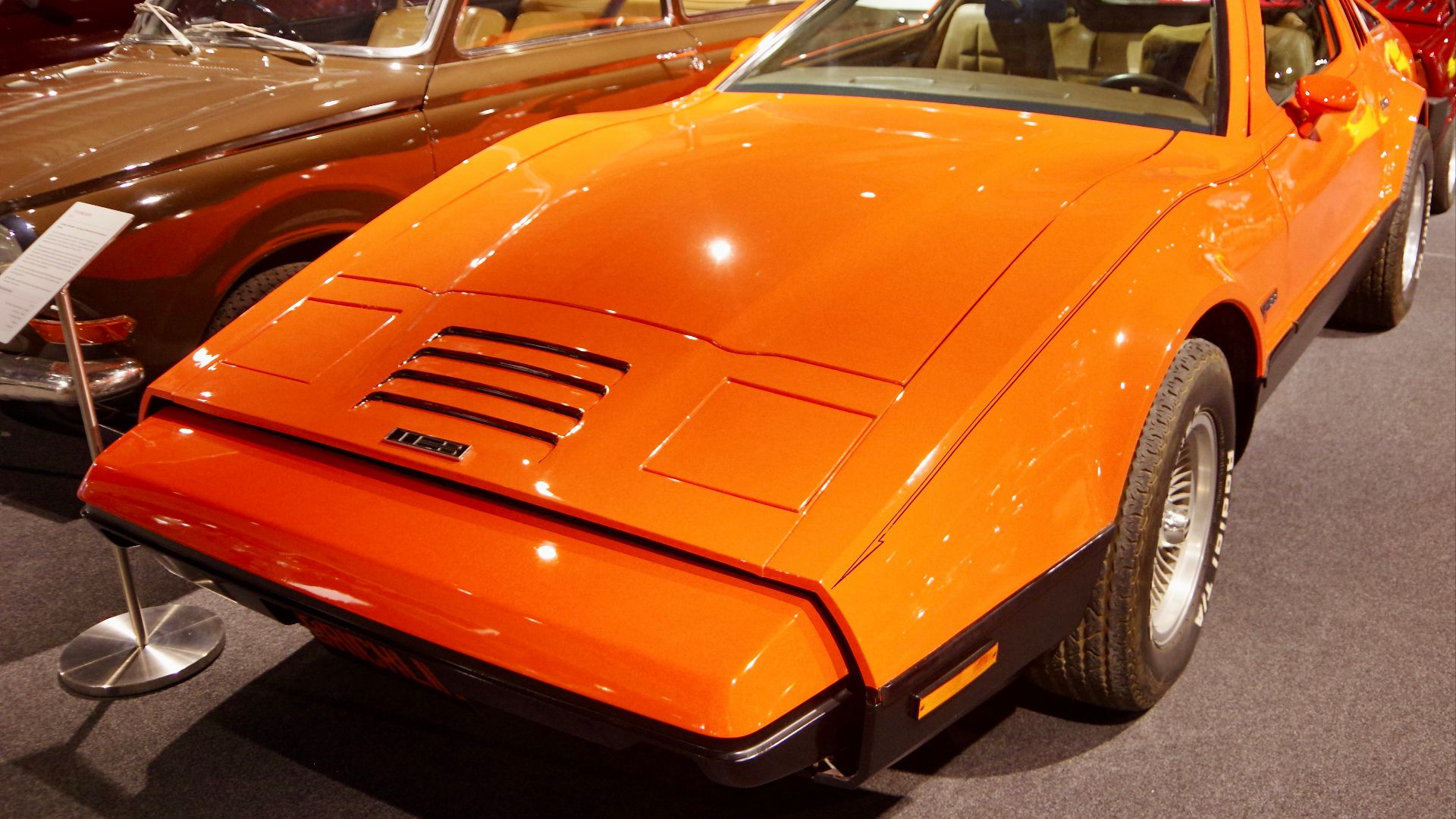 David Merrett from Daventry, England, Wikimedia Commons
DeLorean DMC-12
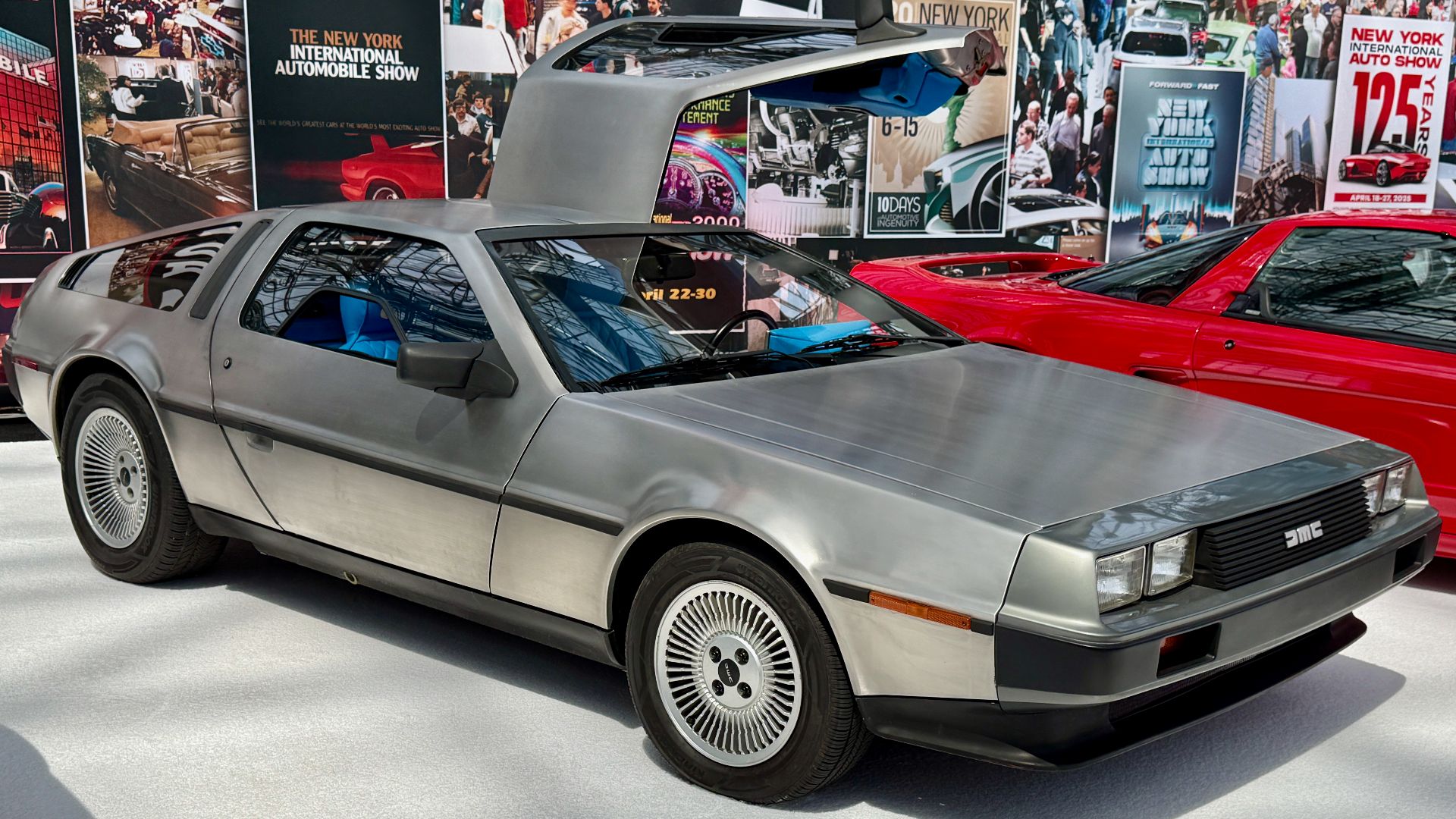
Few cars ever generated more excitement than the DeLorean DMC-12. Stainless-steel body? Check. Gullwing doors? Absolutely. Exotic looks? Definitely. Unfortunately, its modest performance and the company’s financial problems ended production quickly. Hollywood later made it immortal, but dealerships never got the blockbuster they expected.
Cadillac Allanté
Cadillac went to extraordinary lengths with the Allanté, flying specially built bodies from Italy to Detroit for final assembly. The expensive convertible was supposed to battle Mercedes-Benz in the luxury roadster market. Instead, high prices and uneven early performance kept it from becoming Cadillac’s glamorous new flagship.
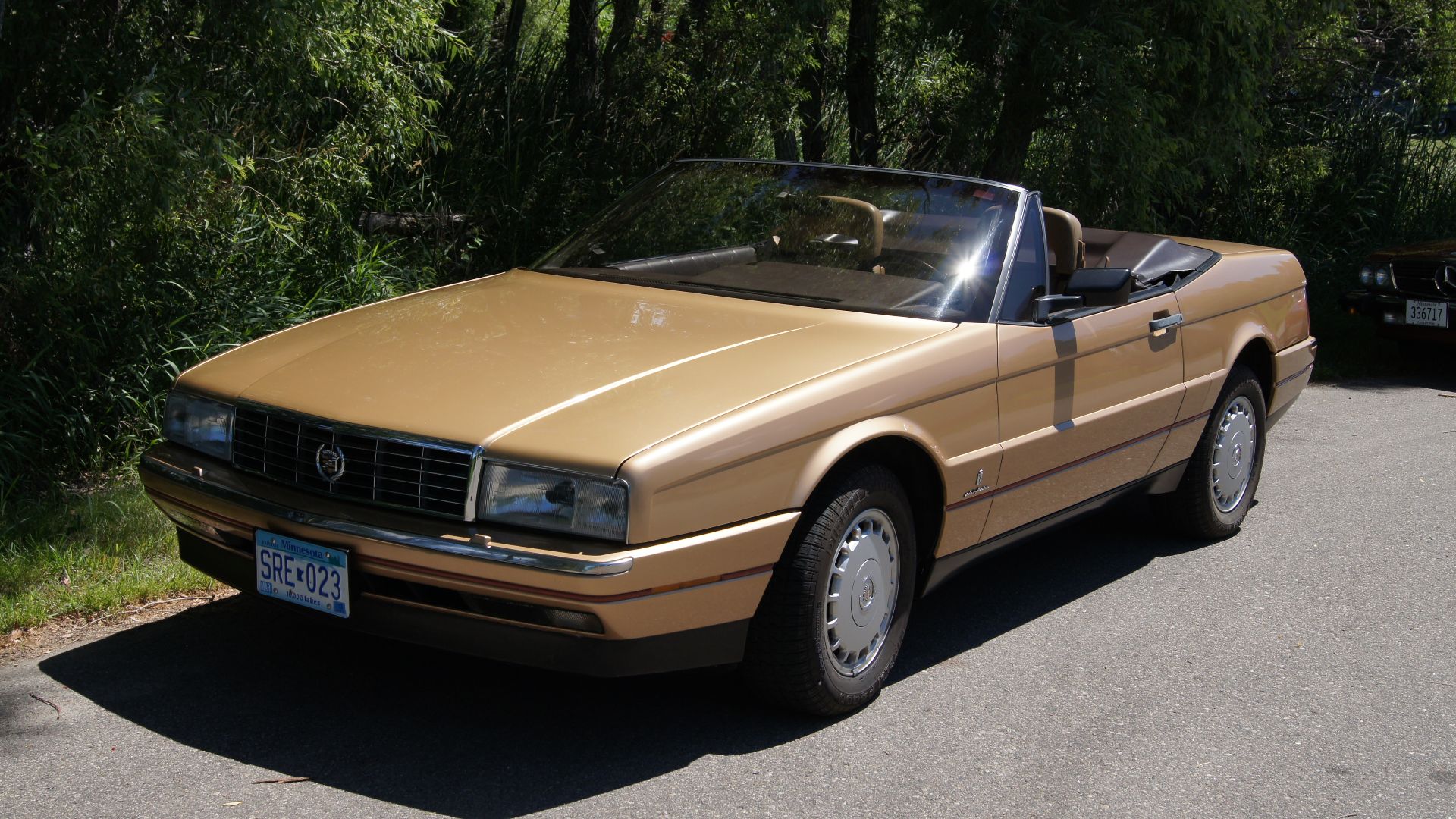 Greg Gjerdingen from Willmar, USA, Wikimedia Commons
Subaru SVX
The Subaru SVX looked like a concept car that accidentally escaped onto public roads. Its unusual window-within-a-window design, flat-six engine, and all-wheel drive made it wonderfully strange. Subaru hoped it could move the brand upmarket, but buyers were not quite ready for a pricey grand-touring Subaru.
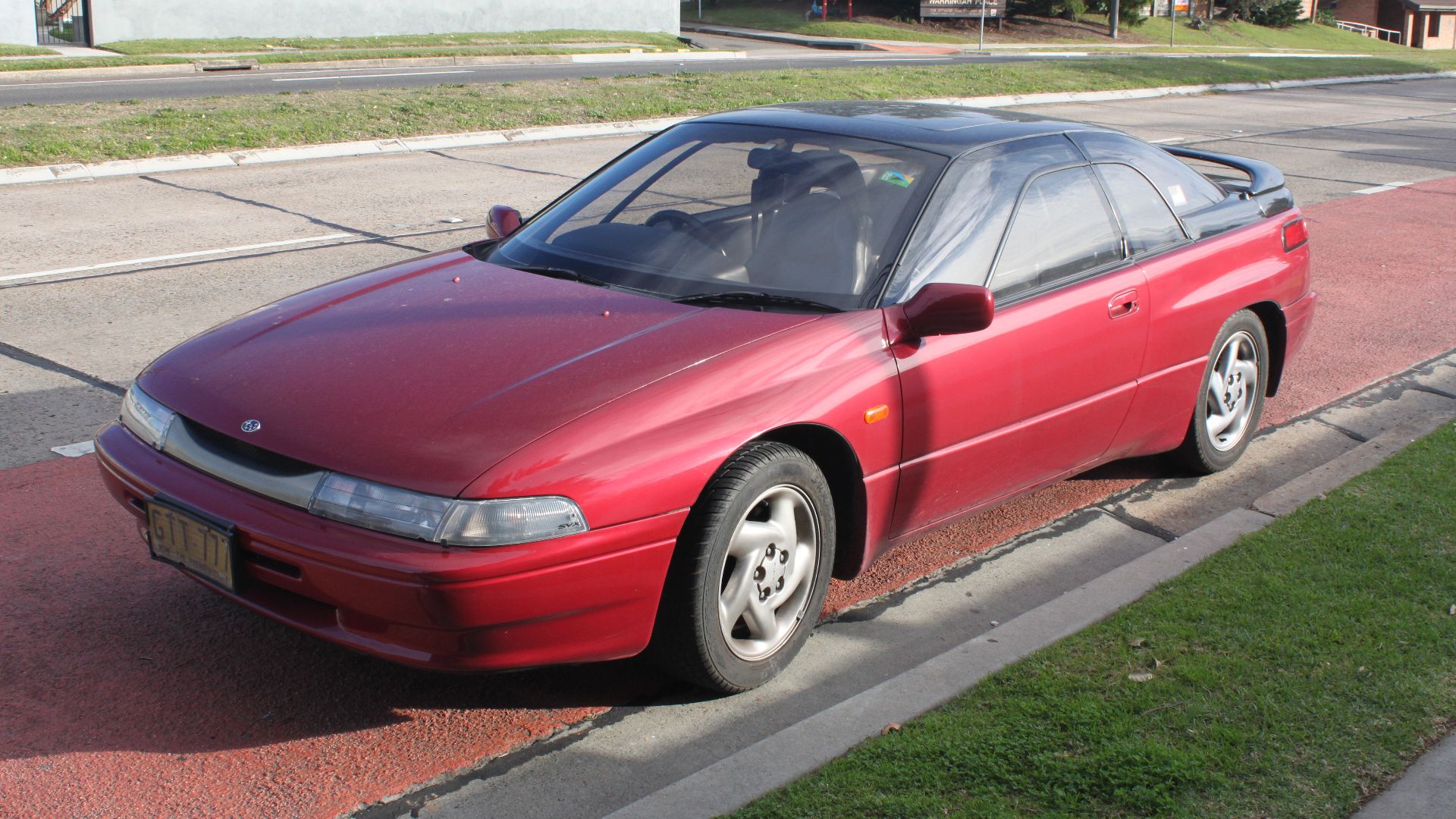 Jeremy from Sydney, Australia, Wikimedia Commons
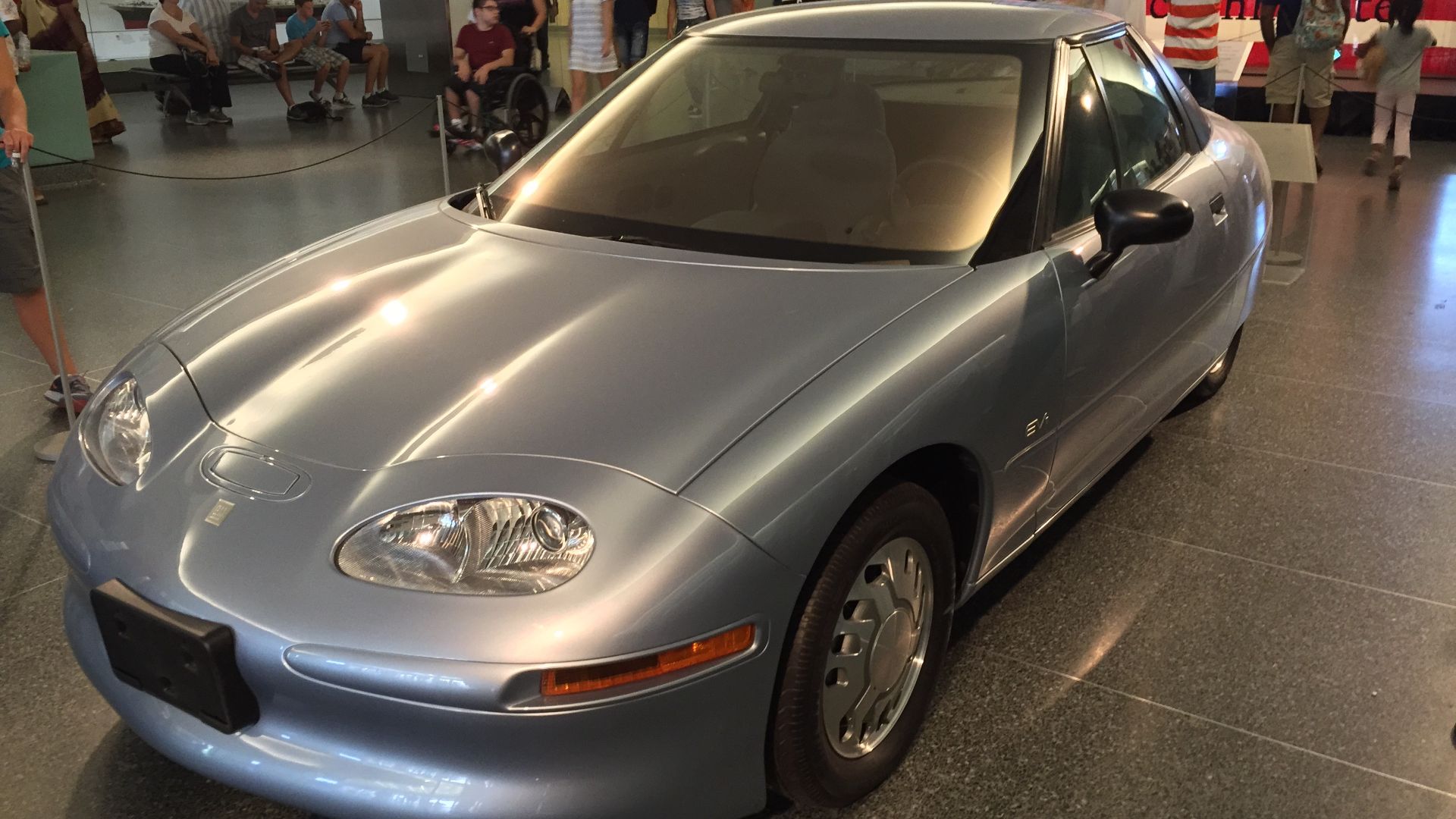
GM EV1
Long before electric cars became everyday traffic, General Motors put the futuristic EV1 on American roads. Its aerodynamic shape and electric powertrain seemed to preview a new automotive age. Yet the cars were offered only through leases, the program ended, and most EV1s were eventually taken back and destroyed.
Plymouth Prowler
The Prowler was one of the wildest production cars of the 1990s, essentially a factory-built hot rod with exposed front wheels. It looked ready to launch an entire retro-car revolution. Buyers loved staring at it, but its V6 power and limited practicality prevented it from becoming a lasting phenomenon.
 Greg Gjerdingen from Willmar, USA, Wikimedia Commons
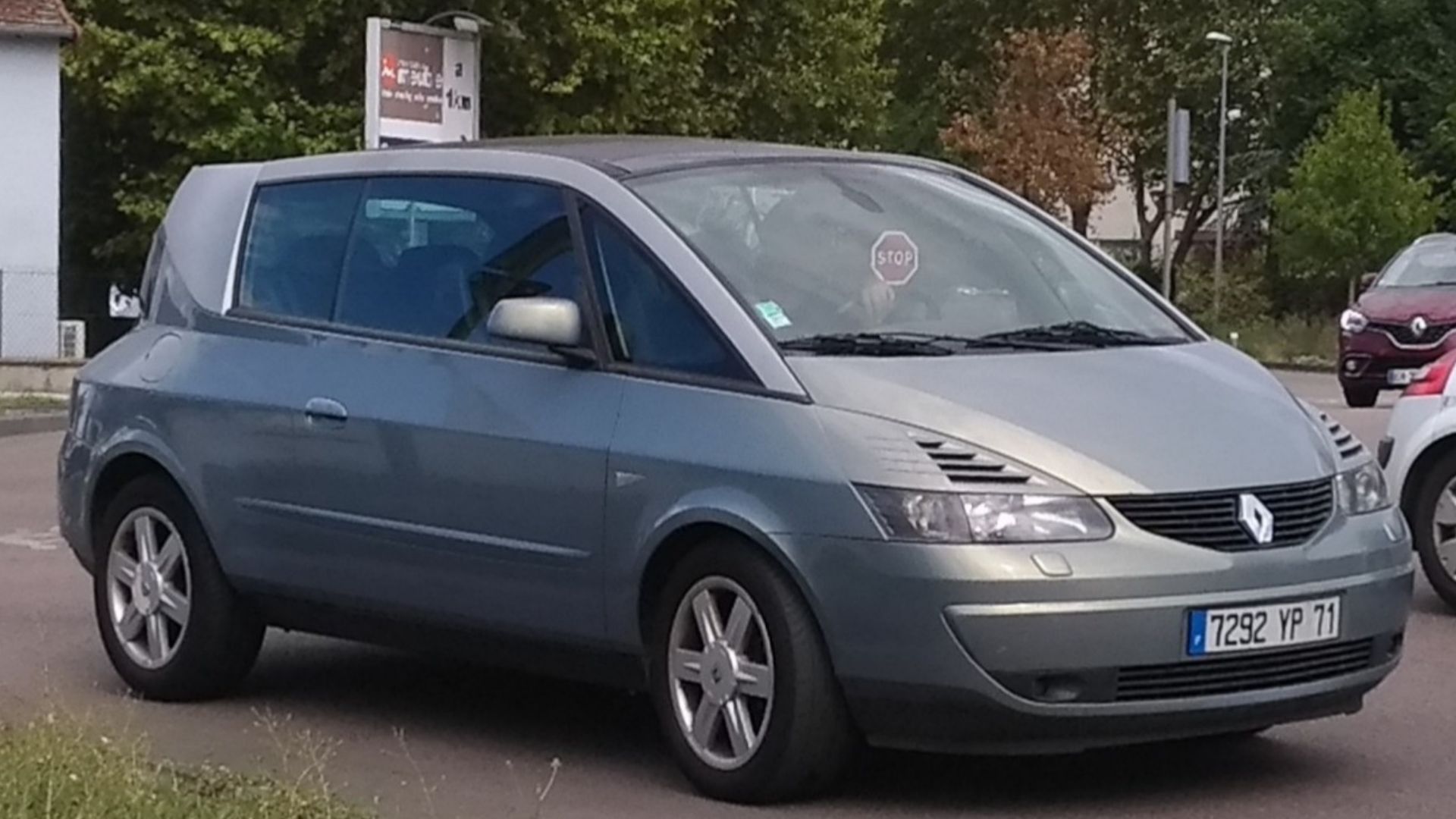
Renault Avantime
Was the Renault Avantime a coupe, luxury car, minivan, or spaceship? The answer was somehow all four. Renault attempted to create an entirely new premium vehicle category with enormous doors and dramatic styling. Buyers mostly responded with confusion, and production ended after only a couple of years.
 Guillaume Vachey from Chalon sur Saone, France, Wikimedia Commons
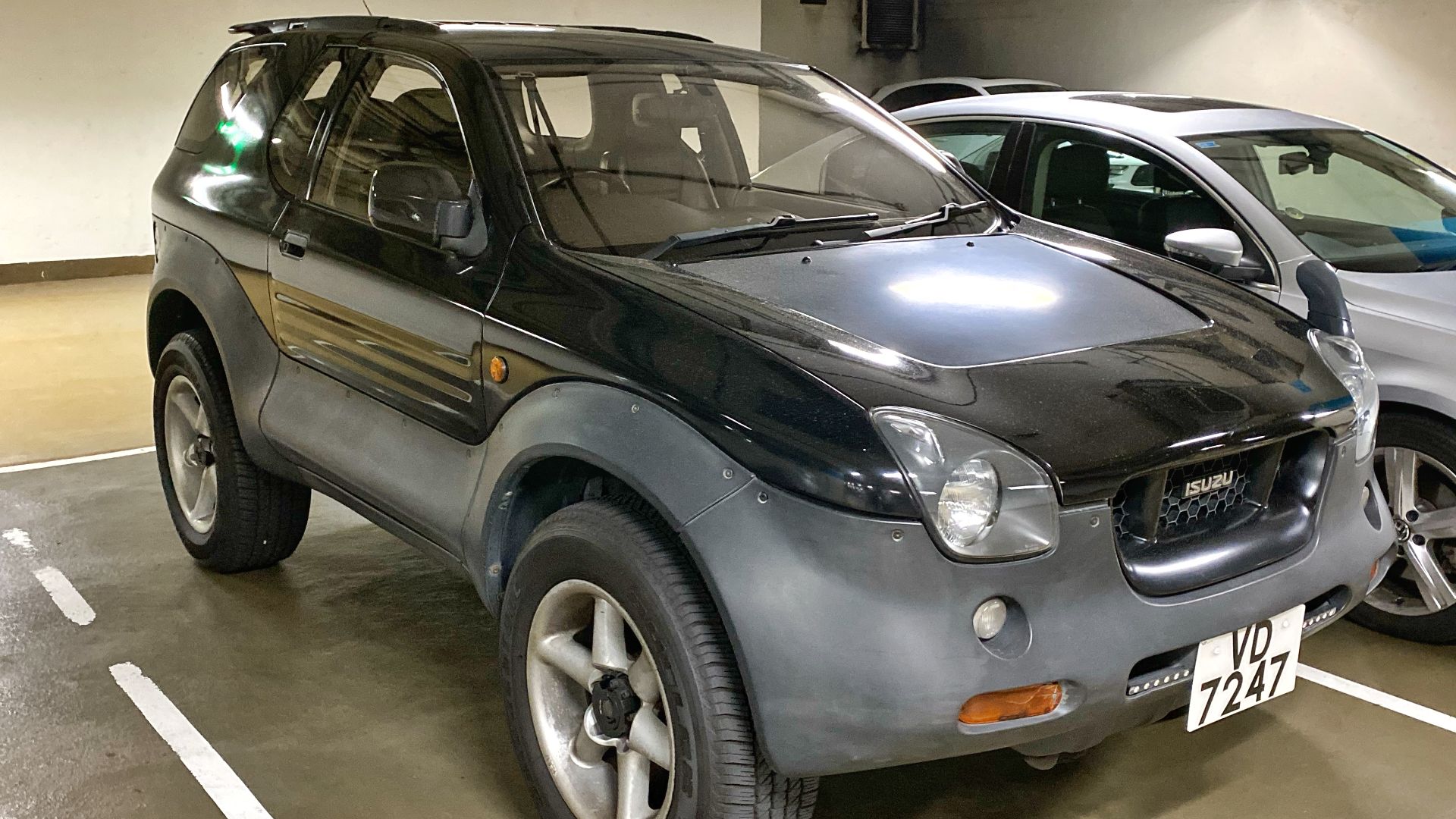
Isuzu VehiCROSS
The VehiCROSS looked like an off-road concept vehicle that somehow received license plates. Its chunky styling, black body cladding, and short wheelbase made it genuinely futuristic in the late 1990s. Isuzu never intended massive production, but the strange SUV vanished before its ideas became fashionable.
 Jones028 from Hong Kong, Wikimedia Commons
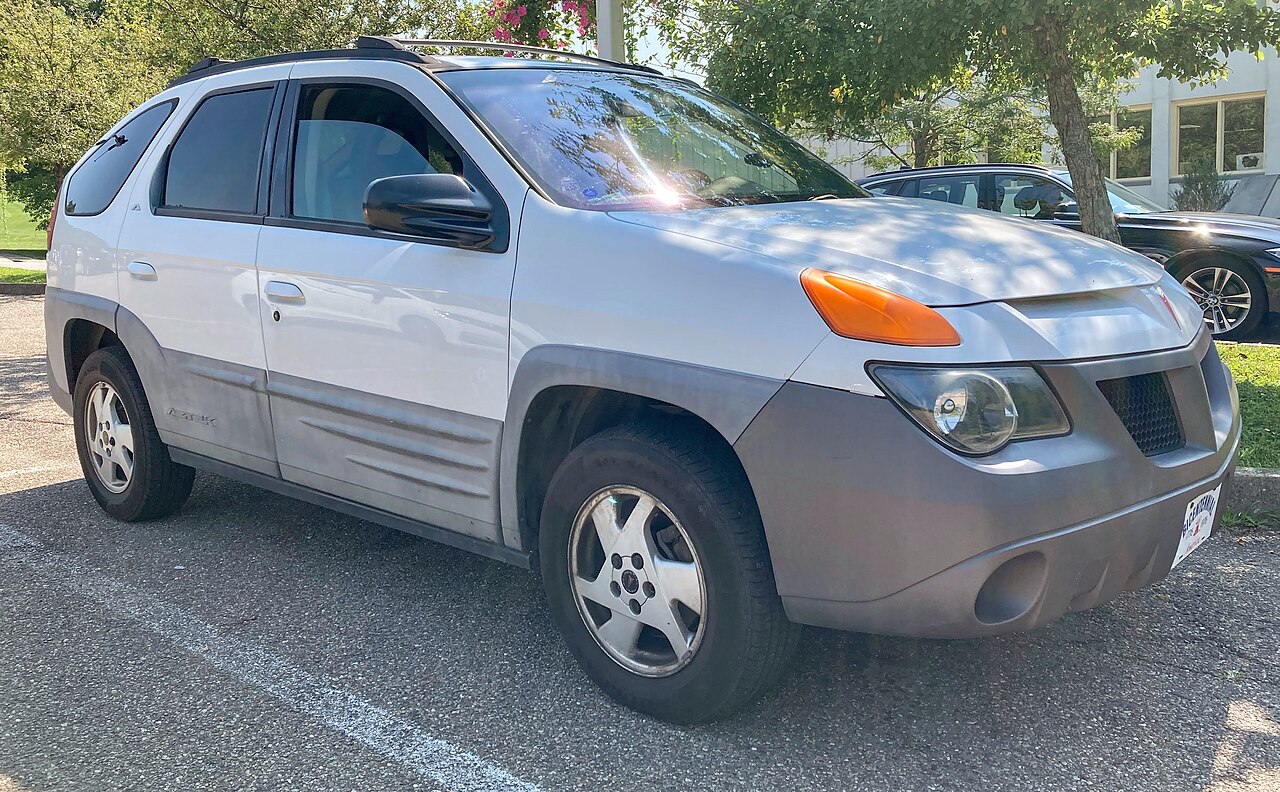
Pontiac Aztek
Few vehicles demonstrate the difference between “bold” and “successful” better than the Pontiac Aztek. GM pitched it toward active, adventurous buyers and packed it with clever lifestyle features. Unfortunately, its controversial styling dominated the conversation. Ironically, today’s crossover-heavy market makes the Aztek seem strangely ahead of its time.
 Cutlass, CC0, Wikimedia Commons
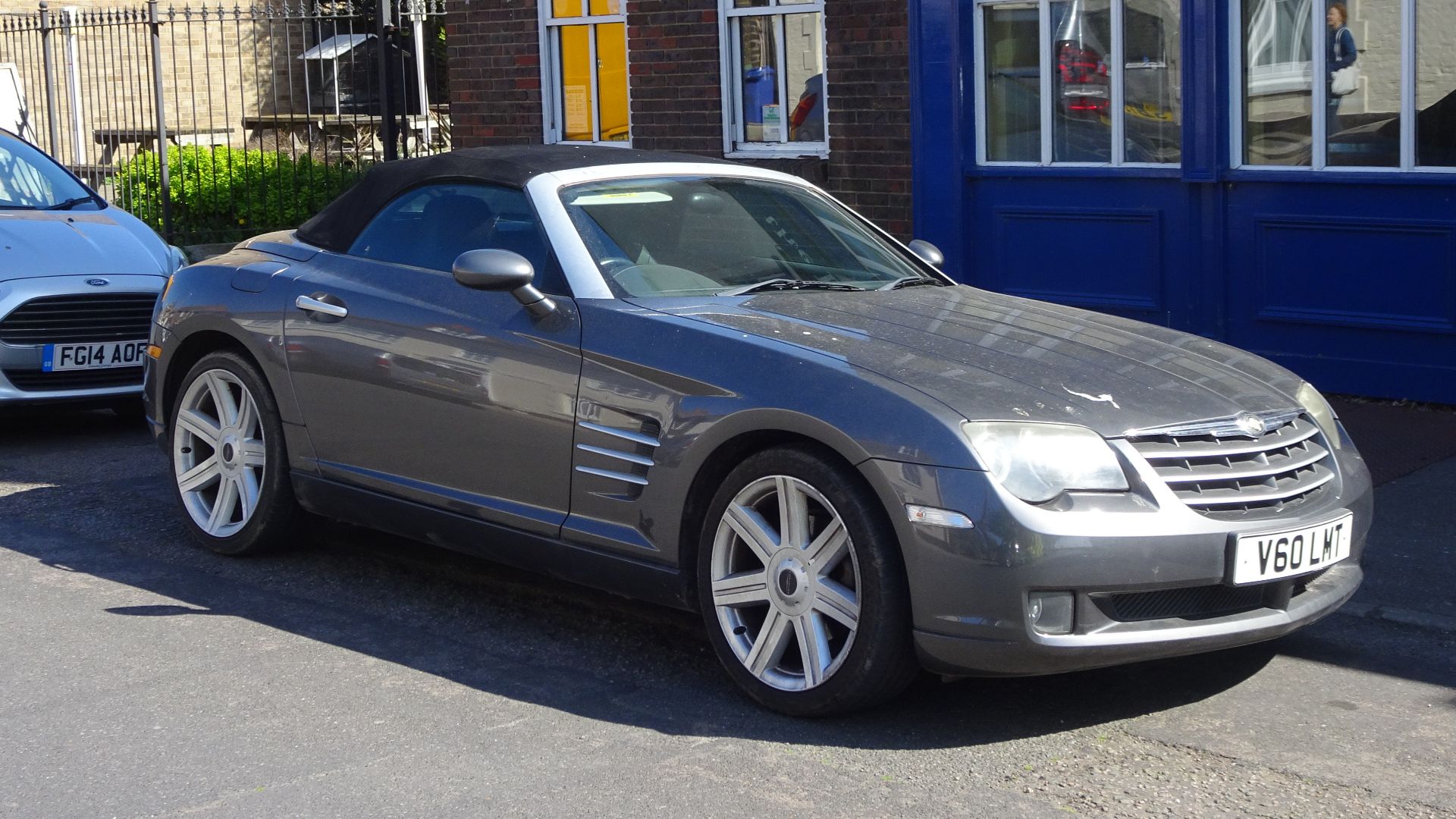
Chrysler Crossfire
The Crossfire arrived during the Chrysler-Daimler era with Mercedes-Benz hardware underneath and attention-grabbing American styling outside. It was supposed to give Chrysler genuine sports-car credibility. Instead, cramped packaging, polarizing looks, and tough competition kept sales modest. Production ended after only a few model years.
 Hugh Llewelyn, Wikimedia Commons
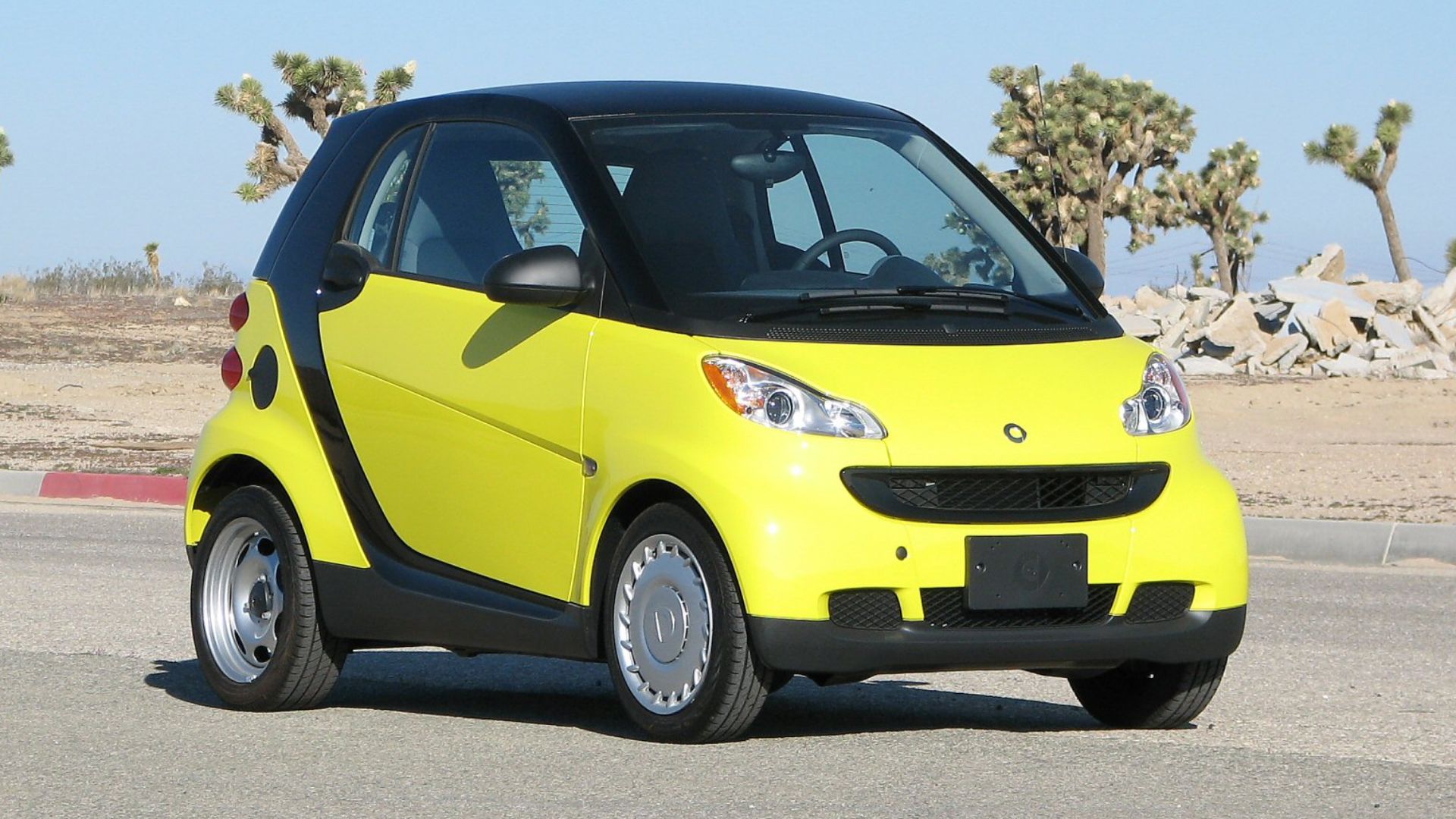
Smart Fortwo
The tiny Smart Fortwo seemed perfectly suited to increasingly crowded cities. It could squeeze into tiny parking spaces, sipped fuel, and looked unlike anything else on American roads. Yet its unusual transmission, tiny dimensions, and limited highway appeal kept it niche. Smart eventually stopped selling cars in America.
 National Highway Traffic Safety Administration, Wikimedia Commons
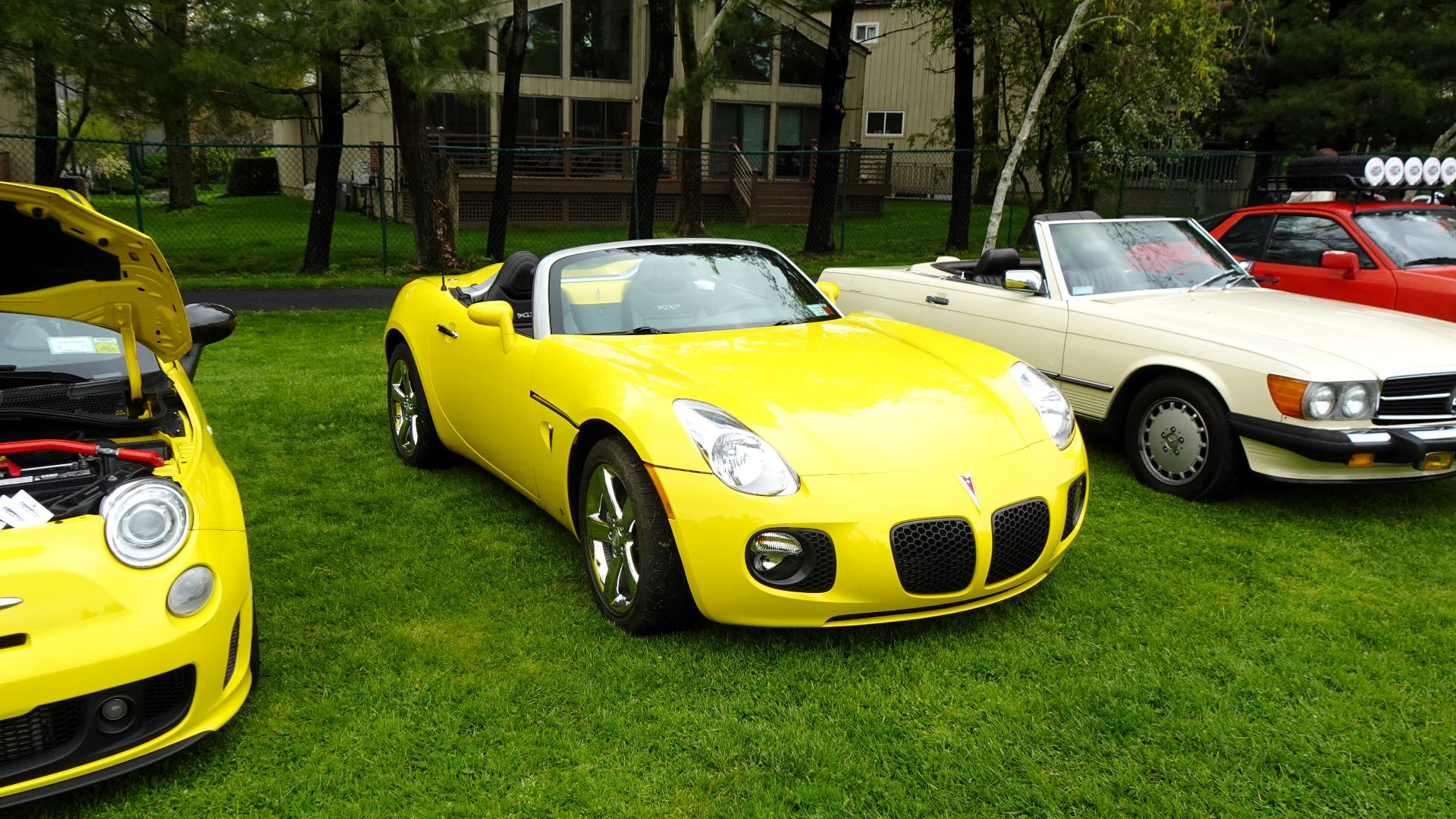
Pontiac Solstice
When the Solstice appeared, Pontiac suddenly looked exciting again. The curvy little roadster was affordable, rear-wheel drive, and genuinely gorgeous. A turbocharged GXP made things even better. Unfortunately, Pontiac itself was running out of road, and GM’s 2009 restructuring killed both the brand and its promising sports car.
 Charles from Port Chester, New York, Wikimedia Commons
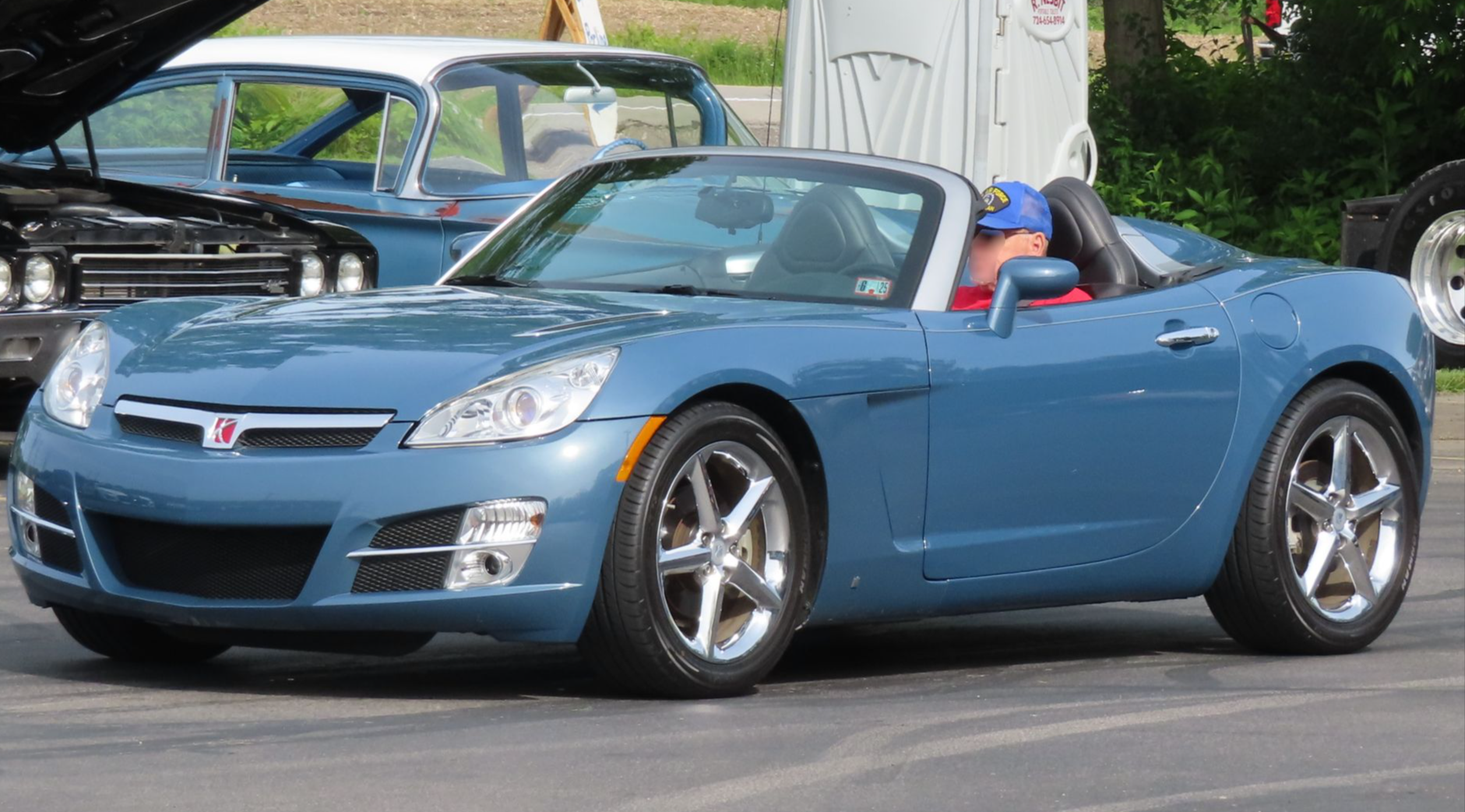
Saturn Sky
Saturn’s Sky shared its basic engineering with the Pontiac Solstice but wrapped it in sharp, dramatic styling. It was supposed to inject excitement into Saturn’s famously sensible image. Instead, GM discontinued the entire Saturn brand, leaving the Sky as one of the coolest dead ends of the 2000s.
 MercurySable99, Wikimedia Commons
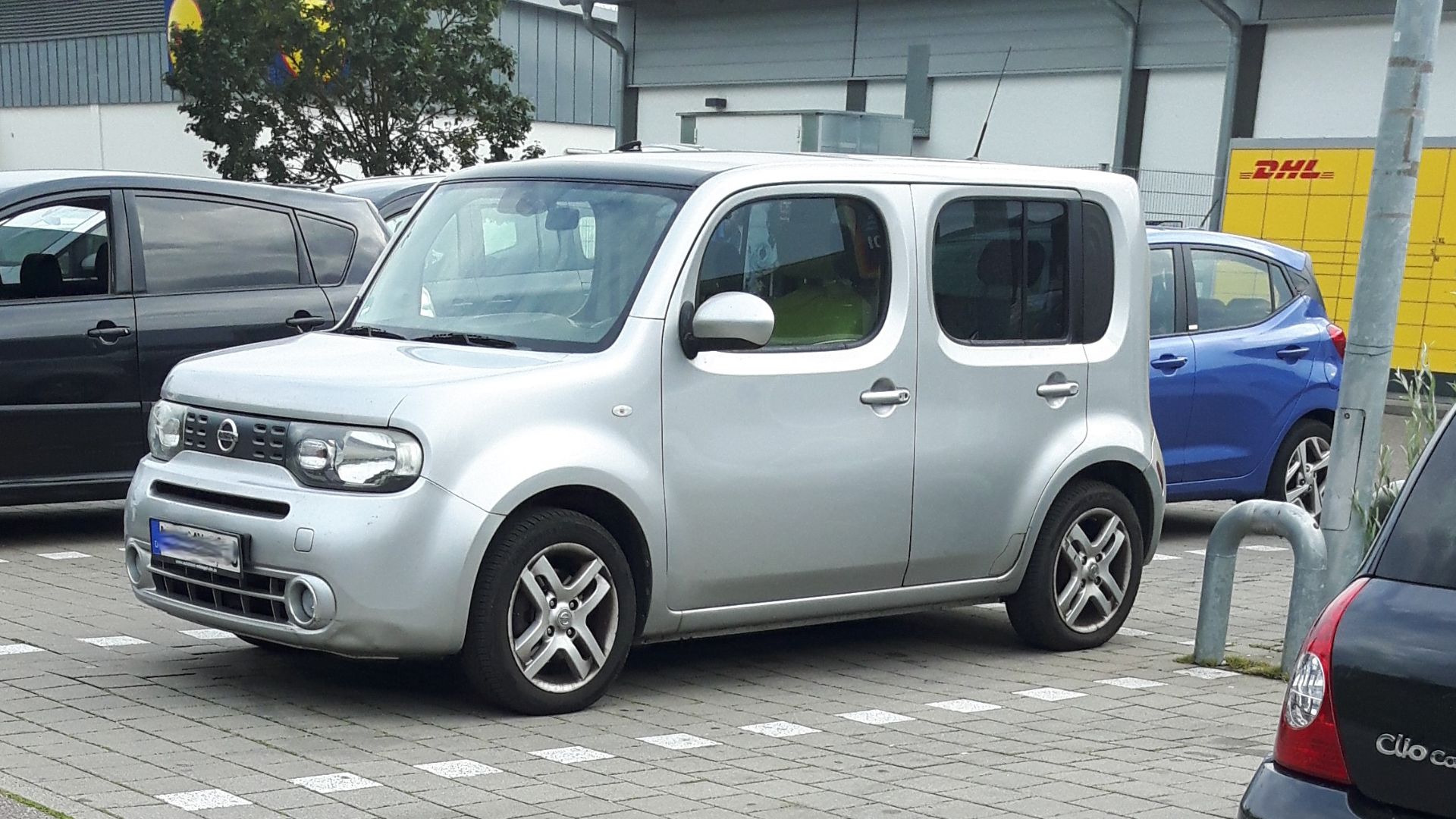
Nissan Cube
Nissan believed American drivers might fall for the Cube’s combination of quirky Japanese styling and enormous interior space. Its asymmetrical rear window made sure nobody confused it with another compact. Some owners adored its personality, but mainstream shoppers stayed away. The Cube quietly exited the US market after 2014.
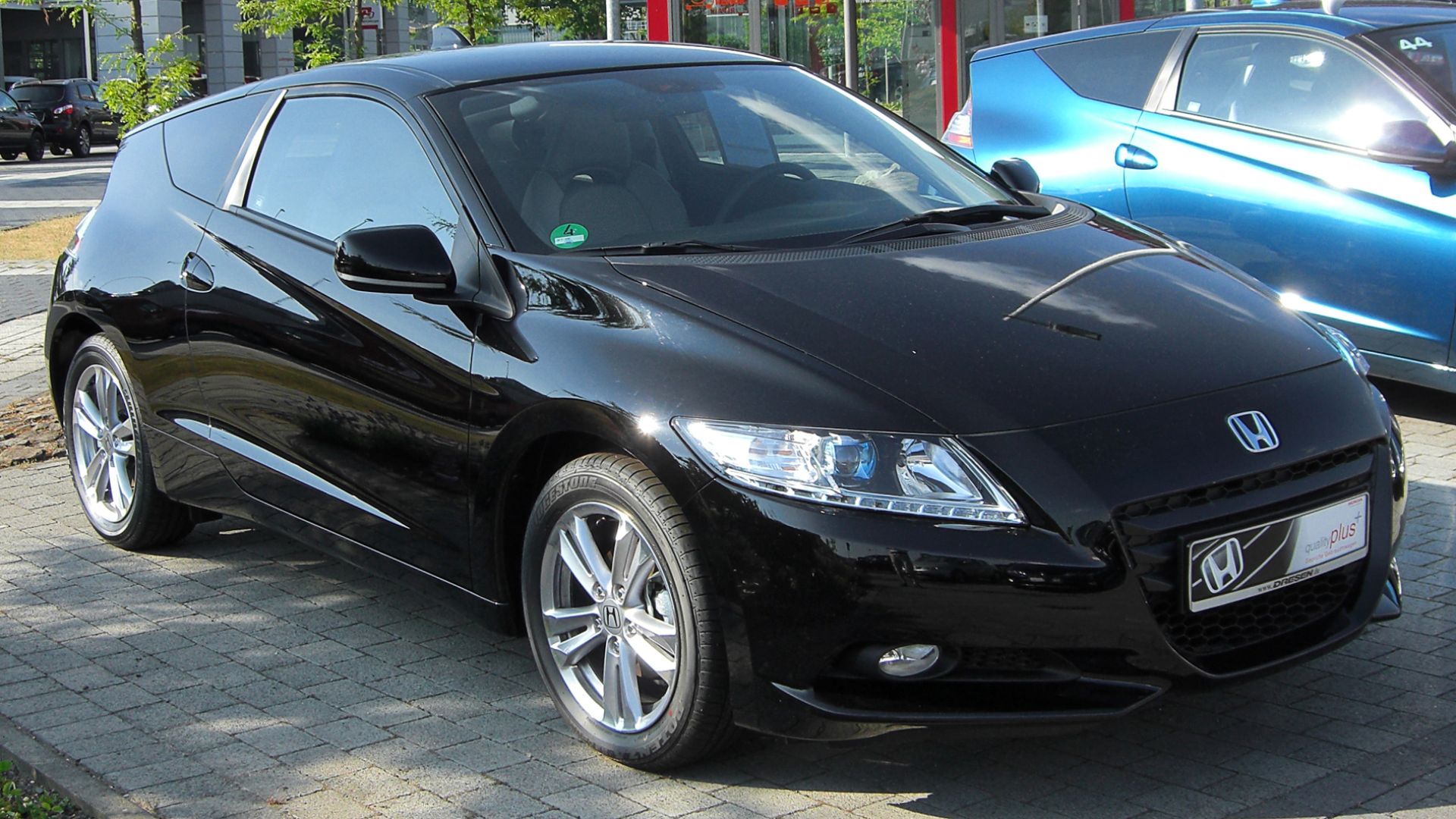
Honda CR-Z
Honda described the CR-Z as a sporty hybrid, a combination that sounded perfect for a new generation of enthusiasts. It looked sharp and could even be ordered with a manual transmission. Unfortunately, modest power disappointed performance fans while its limited practicality turned away traditional hybrid buyers.
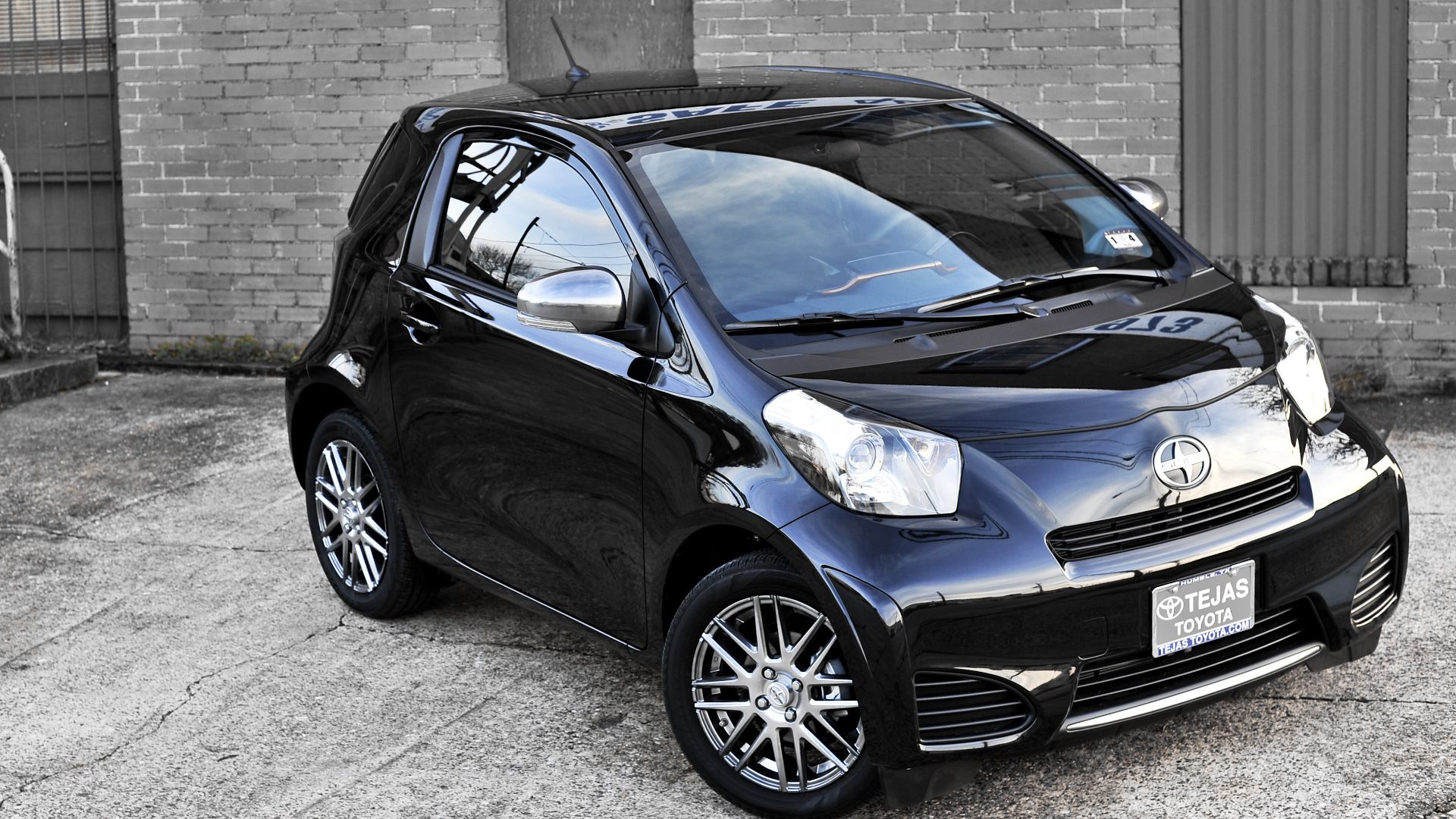
Scion iQ
Toyota’s youth-focused Scion brand thought the tiny iQ could bring European-style city-car thinking to America. It was remarkably short yet cleverly packaged inside. Unfortunately, Americans were moving toward crossovers, not miniature hatchbacks. The iQ disappeared, and a few years later the entire Scion brand followed it.
 Chris Litherland, Wikimedia Commons
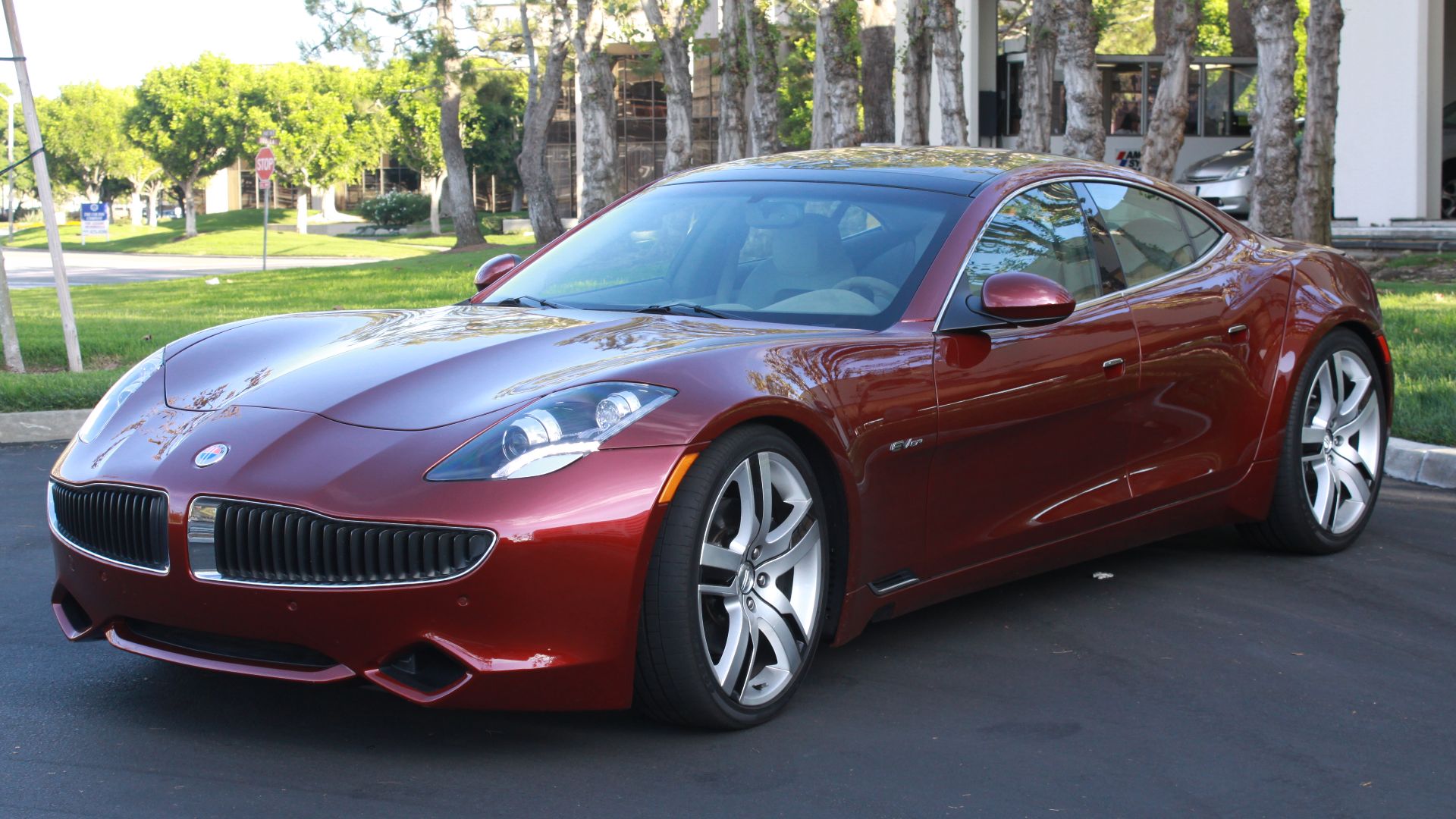
Fisker Karma
The Fisker Karma looked sensational. Its sweeping body, enormous wheels, solar roof, and plug-in hybrid powertrain made it seem like a luxury-car revolution had arrived. Then came recalls, battery problems, financial difficulties, and bankruptcy. The original Fisker company collapsed after producing only a few thousand Karmas.
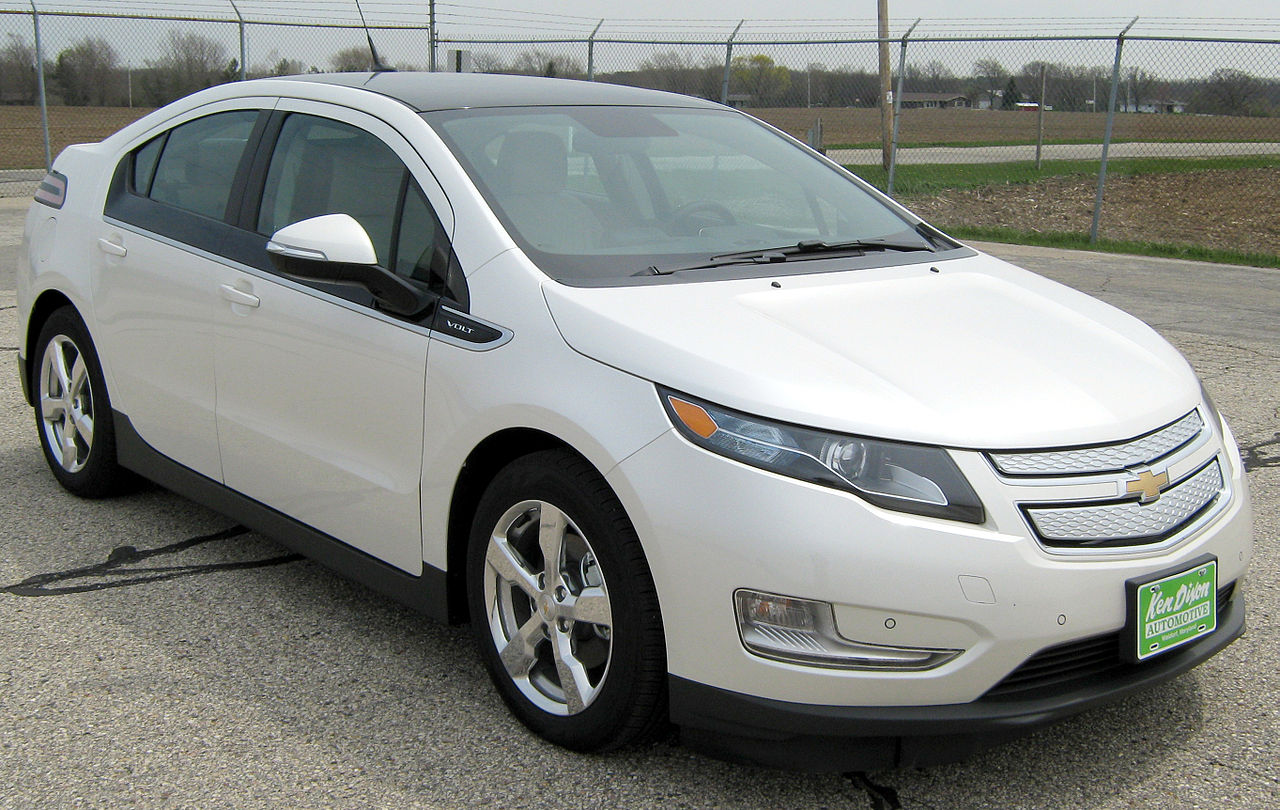
Chevrolet Volt
GM invested heavily in making the Chevrolet Volt the practical bridge between gasoline and electric driving. Its plug-in hybrid-style system allowed electric commuting without the usual range anxiety. The technology was clever, but mainstream buyers increasingly preferred either regular hybrids or fully electric cars. Production ended in 2019.
 U.S. National Highway Traffic Safety Administration, Wikimedia Commons
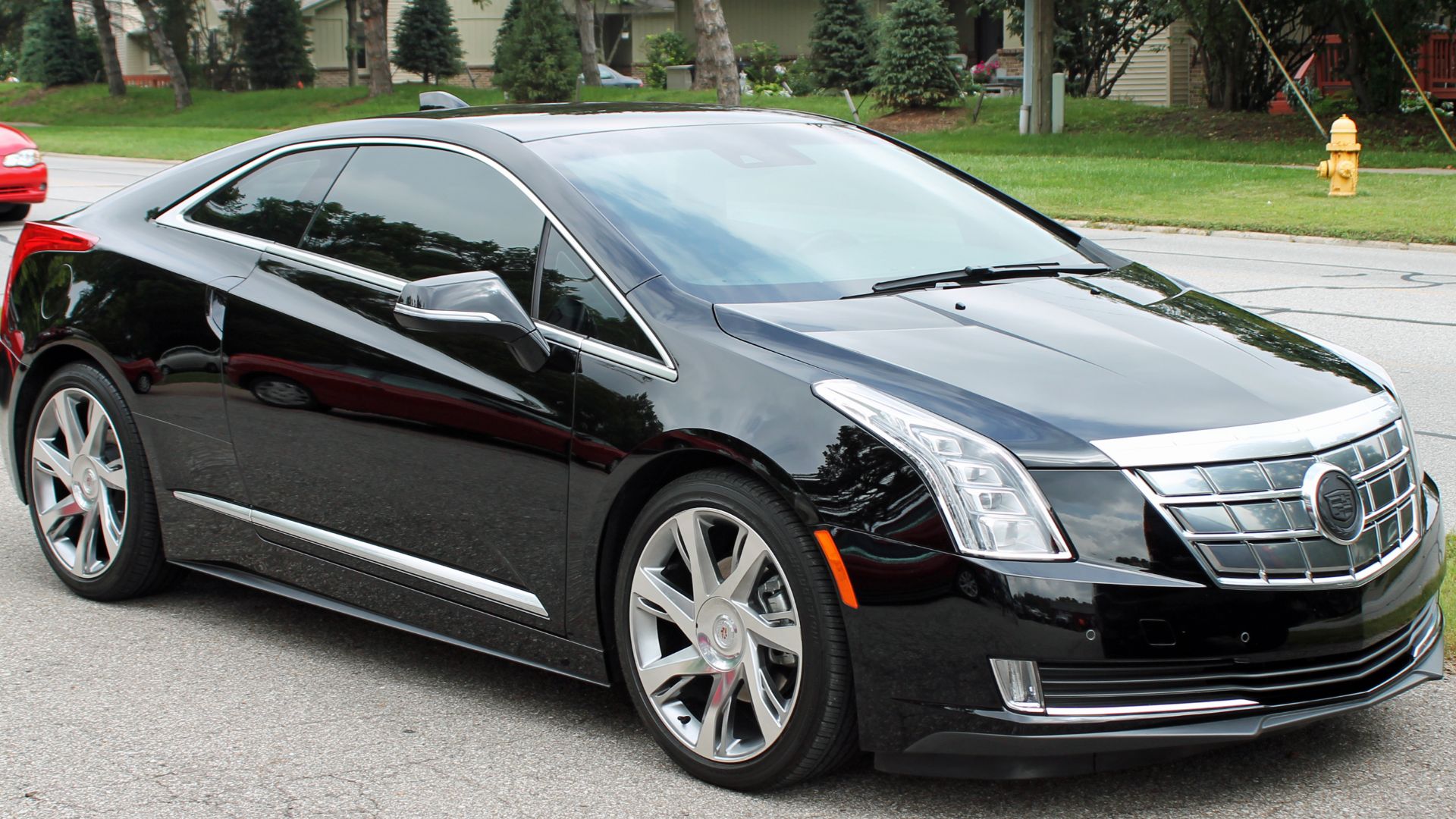
Cadillac ELR
The Cadillac ELR took technology related to the Chevrolet Volt and wrapped it in one of Cadillac’s sharpest-looking coupes. The problem was its enormous price premium. Buyers struggled to justify paying luxury-car money for familiar underlying technology, and the stylish ELR disappeared after selling in tiny numbers.
 2014 Cadillac ELR.jpg: priceman 141
derivative work: Mariordo, Wikimedia Commons
2014 Cadillac ELR.jpg: priceman 141
derivative work: Mariordo, Wikimedia Commons
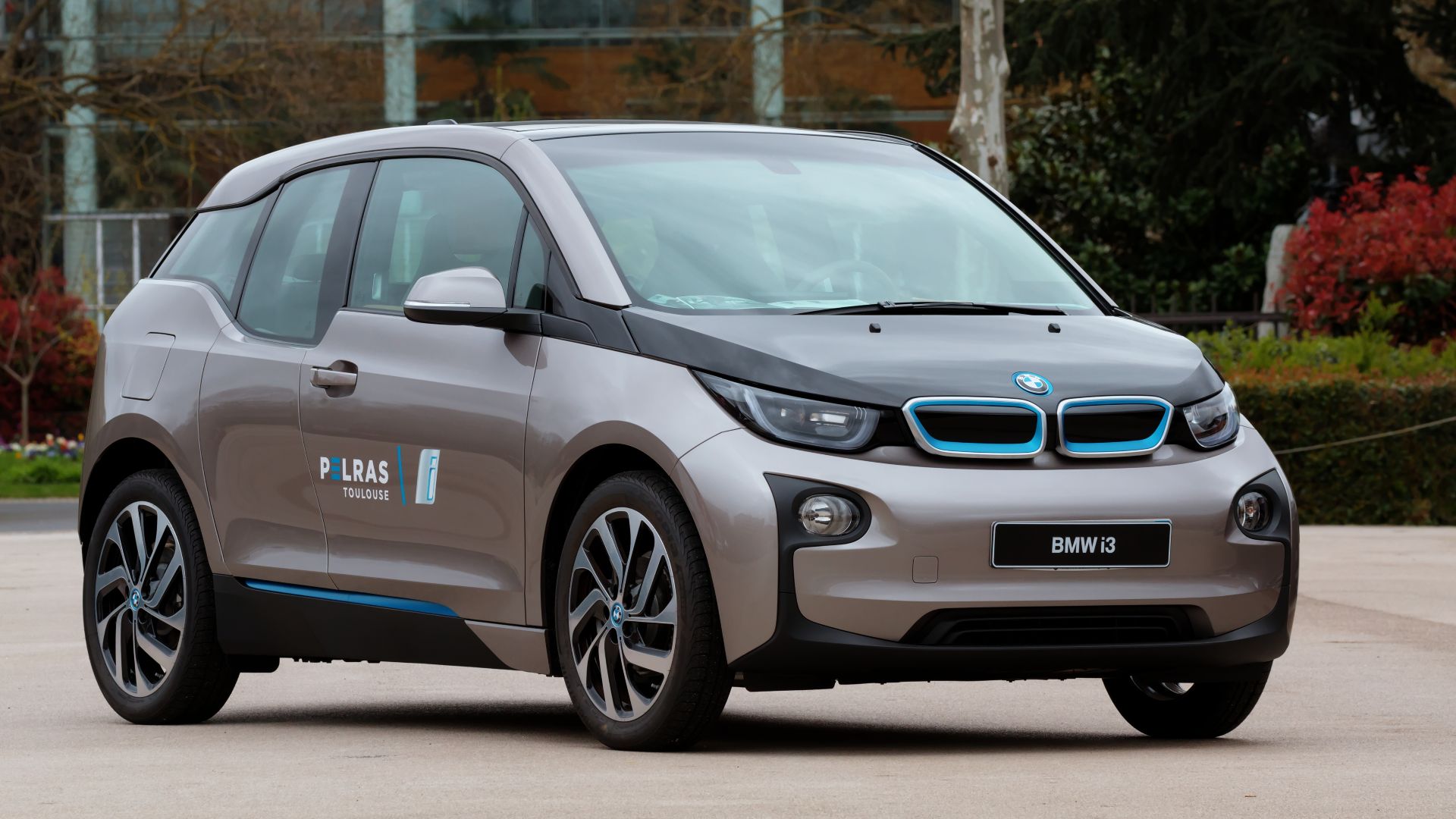
BMW i3
The BMW i3 was filled with ideas that sounded like the future: carbon-fiber construction, recycled materials, electric power, skinny tires, and rear-hinged back doors. It developed a loyal following but never became a mainstream BMW. When production ended, conventional-looking electric crossovers had become the industry’s preferred formula.
 Pierre-Selim Huard, Wikimedia Commons
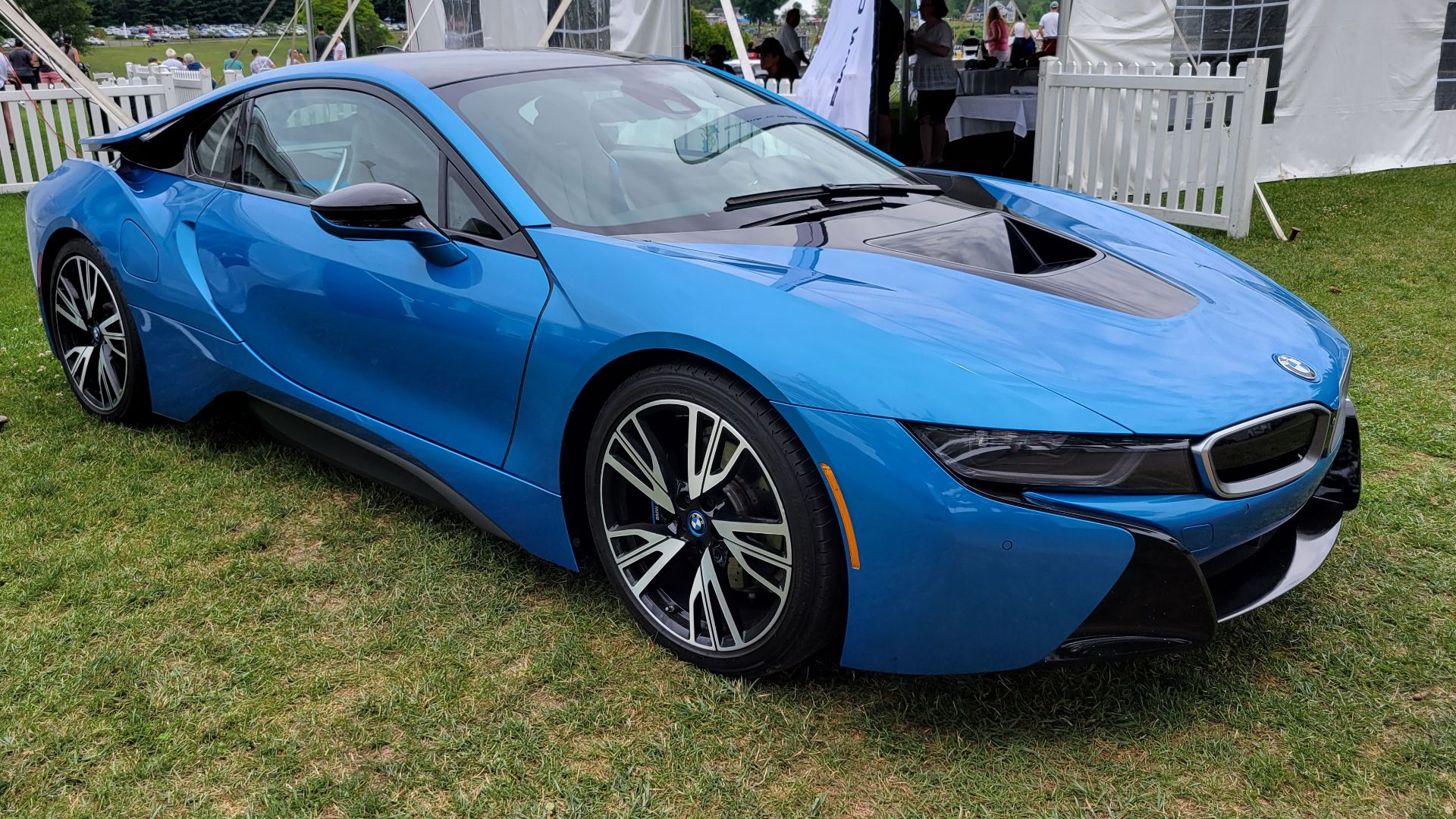
BMW i8
Nothing made plug-in technology look cooler than the BMW i8. Its scissor doors and low body appeared ready for a superhero movie, while a three-cylinder engine worked alongside electric motors. The i8 proved hybrids could be exotic, but its unusual formula never spawned the sports-car revolution many expected.
 Charles from Port Chester, New York, Wikimedia Commons
Dodge Dart
Bringing back the Dart name was supposed to give Dodge a serious compact-car contender. Introduced for 2013 with Italian-derived underpinnings and plenty of customization options, it entered one of America’s toughest segments. Sales never reached expectations, and Dodge discontinued it after just a handful of model years.
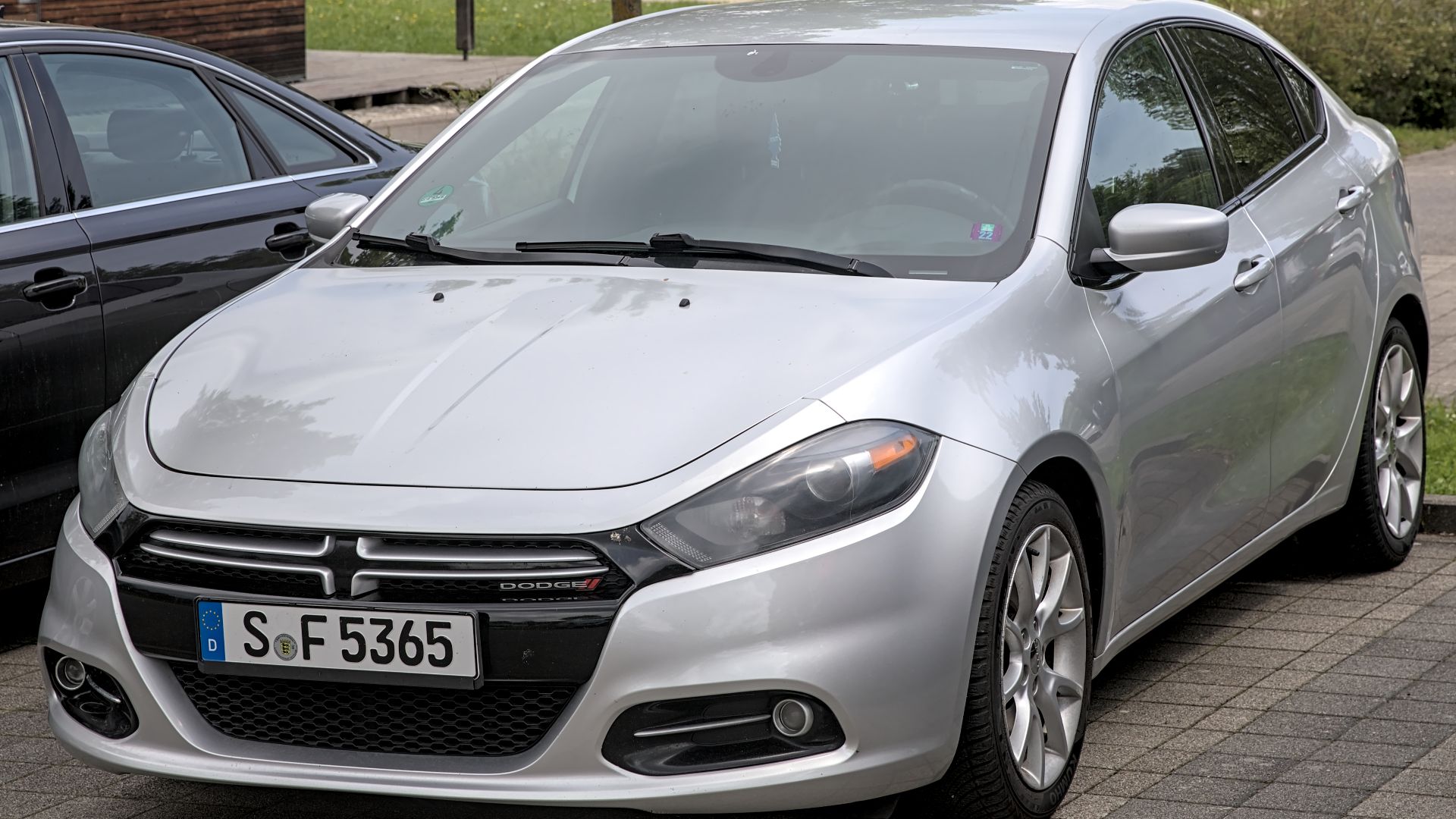 Alexander-93, Wikimedia Commons
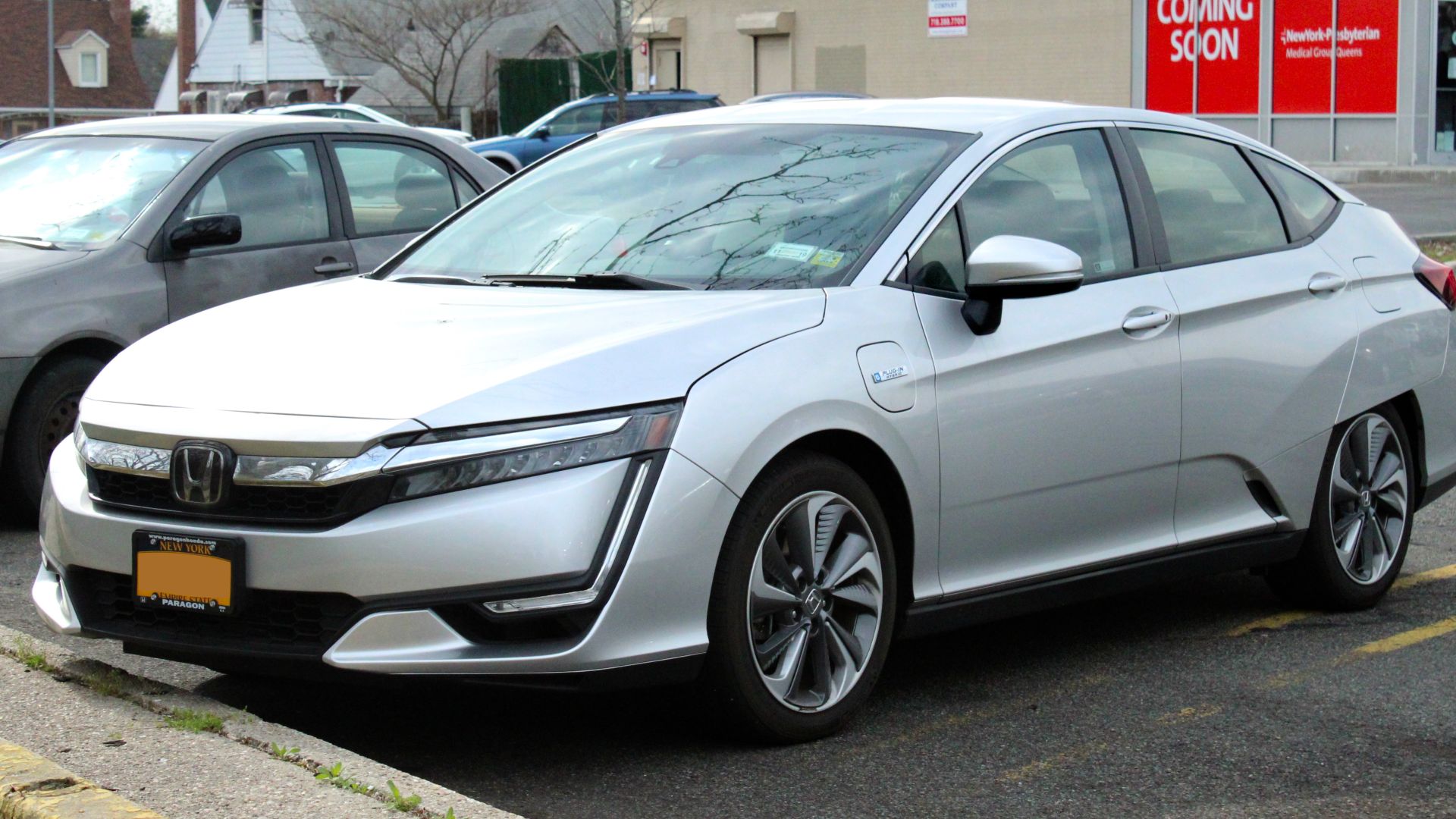
Honda Clarity
Honda used the Clarity name for an unusually ambitious family of environmentally friendly sedans, including fuel-cell, battery-electric, and plug-in hybrid versions. It sounded like a glimpse at multiple possible futures. Instead, awkward styling and limited availability kept it obscure, and Honda eventually ended Clarity production altogether.
The Future Does Not Always Arrive On Schedule
These cars were not necessarily bad. In fact, several were brilliant, innovative, or simply years ahead of public taste. But timing, price, styling, reliability, and plain old bad luck can destroy even exciting ideas. Sometimes the “next big thing” becomes huge. Sometimes it becomes a trivia question.
 Andrew Bone from Weymouth, England, Wikimedia Commons
You May Also Like: