Turn Around
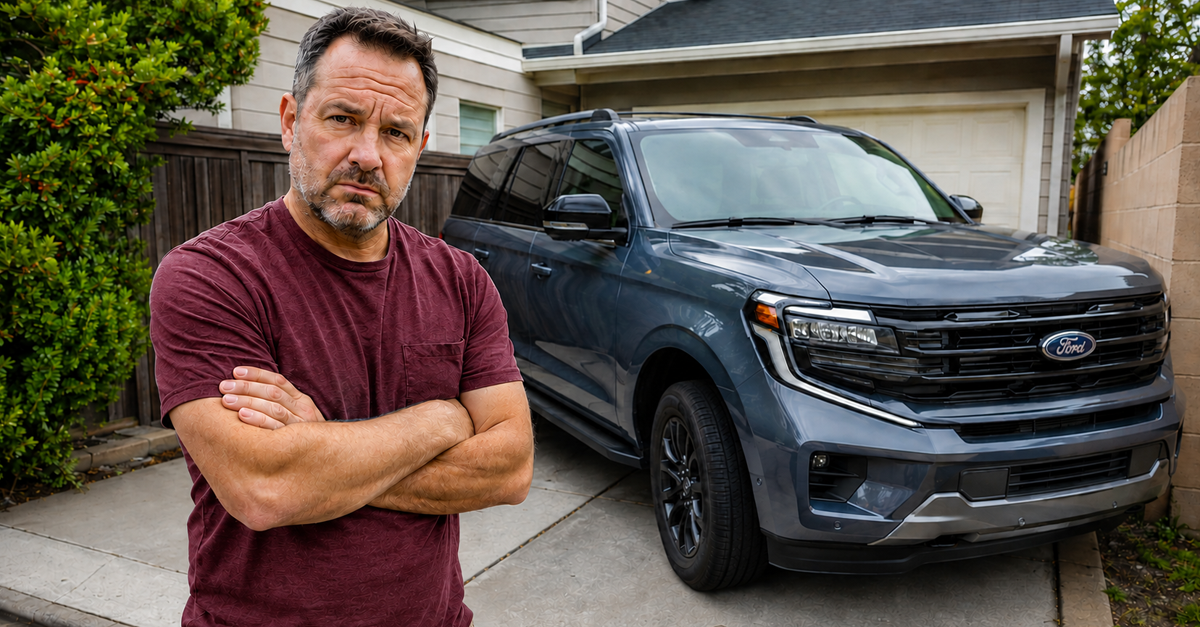
Having the neighborhood treat your driveway like a public turnaround is more than just annoying. But does it justify the spike strip you want to use to make them stop? Well...
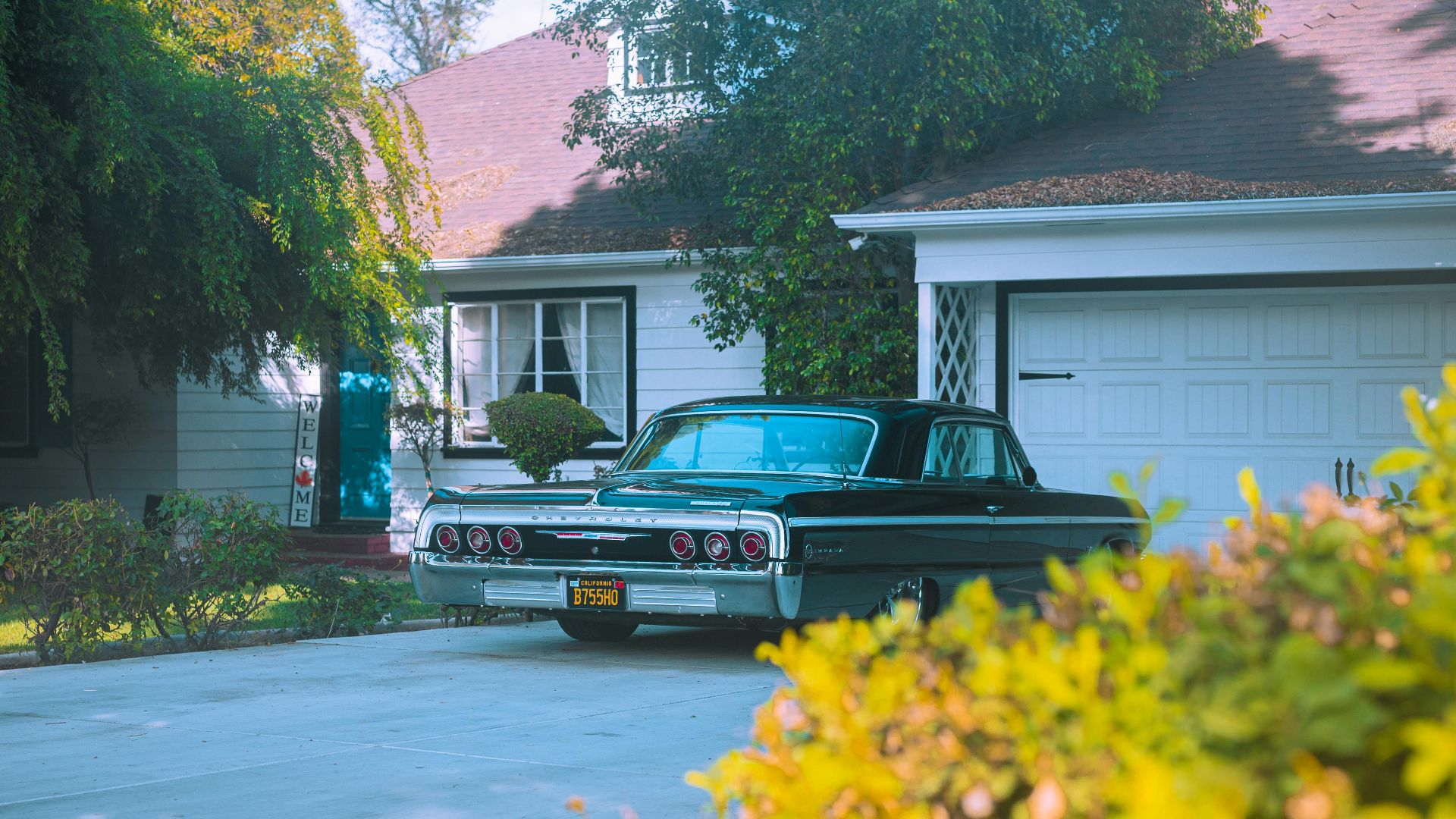
Your Driveway Is Private Property
You are allowed to control who uses your driveway. It belongs to you, and the neighbors do not automatically receive a community turnaround membership simply because your driveway happens to be convenient. One car doing it once is easy to ignore. When the same people do it every day, it starts feeling a lot less harmless.
You Do Not Have to Let It Continue
Headlights can sweep through your windows, tires can creep onto the lawn, and larger vehicles can leave marks behind. You are not required to smile through it forever just because each driver is gone within a few seconds. You can ask people to stop and take reasonable steps to keep unwanted vehicles out.

They Do Not Have to Damage Anything
The neighbors do not necessarily have to crush a flower bed or crack your pavement before their repeated visits become a legitimate property issue. Civil trespass generally focuses on intentionally entering someone else’s land without permission, and measurable damage is not always required. The real question is how far you can go before protecting your property creates a much bigger problem.

Before You Go Full Road Warrior
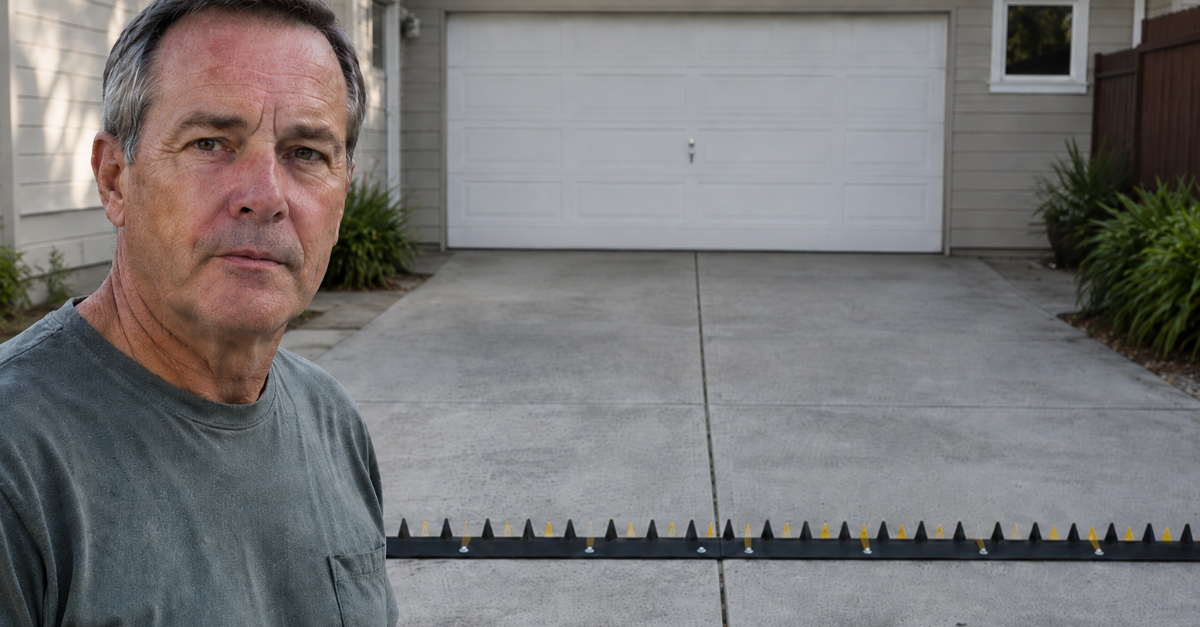
You may own the driveway, but that does not necessarily mean you can defend it with equipment borrowed from a police chase. A spike strip could expose you to criminal charges, an expensive lawsuit, and several furious people stranded directly in front of your house. That is not exactly the peaceful driveway you were hoping for.

But Not Every Trespass Is a Police Matter
Whether a brief turnaround qualifies as criminal trespass depends on state law, notice, intent, and the circumstances. Even when police do not treat it as a criminal matter, repeated intentional entries could still create a civil property dispute. Either way, officers may not arrive with helicopters and a negotiator because somebody borrowed twelve feet of pavement.

The Response Has to Match the Problem
Property owners can take reasonable measures to prevent unwanted entry. The key word is reasonable. A visible sign is reasonable. A gate may be reasonable. A camera is reasonable. A device specifically designed to puncture tires is harder to explain, especially when the original offense lasted approximately four seconds.

Some States Spell It Out
Texas law offers a useful example. A device used to protect property cannot be designed or known to create a substantial risk of death or serious bodily injury, and using it must still be reasonable under the circumstances. Laws vary by state, but the underlying question remains simple: are you protecting your driveway, or setting a trap because somebody annoyed you?

A Spike Strip Is Built to Cause Damage
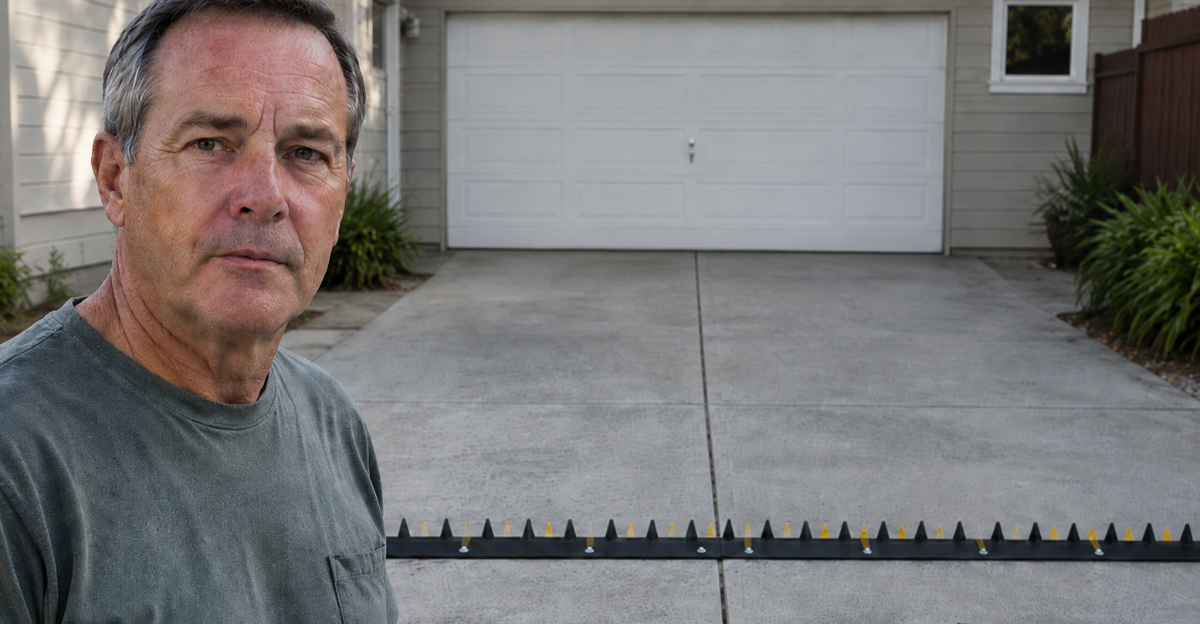
Unlike a fence or closed gate, a spike strip does not merely prevent someone from entering. It waits until they enter and then damages their vehicle. That distinction matters. You would not accidentally be creating a hazard. You would be deliberately installing something whose purpose is to puncture and deflate tires belonging to another person.
The Law Hates Automatic Traps
Courts have traditionally taken a very dim view of automatic traps capable of causing death or serious bodily injury. A trap cannot tell the difference between an obnoxious neighbor, a lost teenager, an invited guest, a delivery driver, or someone arriving to help during an emergency. It simply activates when the next person crosses it.

The Case Every Law Student Meets
In the famous 1971 case Katko v. Briney, an Iowa property owner installed a concealed spring-loaded shotgun to stop people from entering an unoccupied farmhouse. The intruder was committing a crime, but the jury still awarded him $20,000 in actual damages and another $10,000 in punitive damages. The court’s message was clear: protecting property alone generally does not justify an automatic device likely to kill or seriously injure someone.

Yes, Even a Trespasser Can Sue
Many people assume that anyone entering private property without permission loses every legal right the moment their tires cross the property line. That is not how it works. Trespassers can still bring claims when a property owner deliberately creates a dangerous hidden trap or uses force wildly disproportionate to the intrusion.

A Warning Sign Is Not a Permission Slip
Putting up a sign that says “Warning: Spike Strip” would be better than hiding the device, but it would not necessarily protect you. A driver could notice it too late, slam on the brakes, swerve into the road, or reverse without checking behind them. A warning does not automatically make a dangerous or unlawful condition acceptable just because you announced it first.

The Wrong Car Will Hit It Eventually
Perhaps you only want to stop three neighbors who use the driveway every morning. Unfortunately, the spike strip has no idea who those three people are. Eventually, it could catch a visiting relative, home-care worker, babysitter, contractor, food-delivery driver, utility employee, or someone who honestly thought they had the correct address.

Emergency Vehicles Change the Picture
Imagine an ambulance pulling into your driveway during a medical emergency and losing a tire. Or a fire truck needing access while smoke is coming from the house. That may sound unlikely, but legal disasters often begin with events people considered unlikely. Suddenly, your neighborhood annoyance has become a much more serious public-safety problem.

A Flat Tire Can Become a Crash
Many purpose-built police tire-deflation devices use hollow spikes intended to release air rather than cause an explosive movie-style blowout. But that does not make them harmless, and it certainly does not make a homemade version equivalent to police equipment. A driver could panic, stop in traffic, lose control, or react unpredictably as the tires deflate.
Criminal Charges Are Possible
The exact charge would depend on your state and what happened. Possible charges could include criminal mischief, property-damage offenses, or reckless-endangerment-type charges. More serious charges could become possible if somebody is injured. Some states also specifically prohibit spring guns or other contact-activated deadly weapons, showing how seriously the law can treat automatic traps.

The Civil Claim Can Get Expensive Fast
Even when nobody is physically injured, the vehicle owner could still seek payment for damaged tires, wheels, suspension components, towing, a rental car, missed wages, roadside-assistance charges, and other costs connected to the incident. Because you deliberately placed the strip, figuring out who caused the damage would not require much detective work. That four-second turnaround could suddenly become a very expensive one.

Punitive Damages Could Enter the Picture
Ordinary damages compensate someone for what they lost. Punitive damages are intended to punish especially reckless or intentional behavior. A homeowner deliberately installing a device designed to damage vehicles could give the injured party grounds to seek punitive damages, depending on state law and the facts. That is where the numbers can become especially uncomfortable.

Your Insurance Company May Step Away
Homeowners insurance commonly provides liability protection when someone is accidentally injured on your property. Intentionally installing something designed to cause damage is a very different situation. Policies often limit or exclude coverage for intentional acts. Your insurer could dispute the claim, leaving you responsible for damages and possibly legal expenses yourself.

The Driveway Apron May Be in the Public Right-of-Way
The portion of your driveway closest to the road may sit within a municipal or county right-of-way. Even when you own the underlying land, easements and local rules can limit what you are allowed to install there. Before adding any barrier, confirm the property boundaries and check local rules concerning driveway aprons, access, visibility, and permits.

The HOA May Have Its Own Opinion
A homeowners association may restrict gates, posts, signs, fences, planters, bollards, or other changes visible from the road. That does not mean you must surrender your driveway to the neighborhood. It means you should find an option that solves the problem without earning fines, violation letters, or a starring role at the next HOA meeting.

Start With a Camera and a Sign
Install a visible camera and post a simple “Private Driveway—No Turnaround” sign. The camera documents who is doing it, while the sign removes the excuse that nobody knew you objected. It may not stop everyone immediately, but it creates a record without puncturing anything or introducing yourself to a defense attorney.

Use a Barrier That Does Not Damage Anything
A properly installed gate, retractable bollard, decorative post, or other visible barrier may prevent vehicles from entering without damaging them. Whatever you choose should be clearly visible, positioned legally, and compliant with emergency-access and municipal rules. The goal is to block the driveway, not set a trap.

Document the Repeat Offenders
Keep dates, video clips, photographs, and descriptions of any damage caused by repeat drivers. If someone is driving onto the lawn, striking landscaping, or ignoring direct requests to stop, documentation will give you something concrete to show an attorney, HOA, landlord, or local authorities. Angry stories help less than clear evidence.

Ask the City About Traffic Fixes
If your driveway is being used because the road has no safe turnaround, confusing signs, bad navigation directions, or a nearby dead end, the larger problem may involve the street layout. Your municipality might consider signage or another traffic-control solution. They might also do absolutely nothing, but asking is still cheaper than defending a tire-damage lawsuit.

The Neighborly Conversation Is Still Cheaper
Speaking directly to the repeat offenders may feel awkward, especially when they clearly know the driveway is not theirs. Still, a calm request often works better than escalating straight to property damage. Tell them what is happening, explain why it bothers you, and ask them to turn around somewhere else. Save the footage in case politeness fails.

The Verdict
You are not wrong for wanting people to stop using your driveway. It is your property, and the neighborhood should respect that.
But a spike strip is not a reasonable boundary. It is an intentional property-damage device with the potential to injure someone, create criminal exposure, trigger an insurance dispute, and leave you personally responsible for a very expensive mess. Put up a sign. Install a lawful barrier. Keep the spikes far away from the driveway.
You Might Also Like:
Car Features From The 90s That Felt Revolutionary At The Time