A Different Automotive Soundtrack
Long before cars greeted drivers with electronic chimes and touchscreen displays, they had an entirely different soundtrack. Engines needed coaxing, radios crackled, and mechanical components made noises that have largely disappeared from modern vehicles. If you grew up around American cars in the 1950s, 60s, or 70s, these sounds might bring back some memories.
The Cold Morning Crank
Remember turning the ignition key and listening to the starter grind away while the engine reluctantly considered waking up? Older carbureted cars could be particularly stubborn on freezing mornings. Drivers sometimes had to make several attempts before the engine finally sputtered into life, accompanied by a considerable sense of relief.
Pumping The Gas Pedal
Before starting a cold engine, many drivers gave the accelerator pedal a couple of pumps. The carburetor's accelerator pump squirted extra fuel into the intake, sometimes producing a faint mechanical sound. The real soundtrack came afterward, when the engine coughed, stumbled, and hopefully started without flooding itself.
The Choke Knob
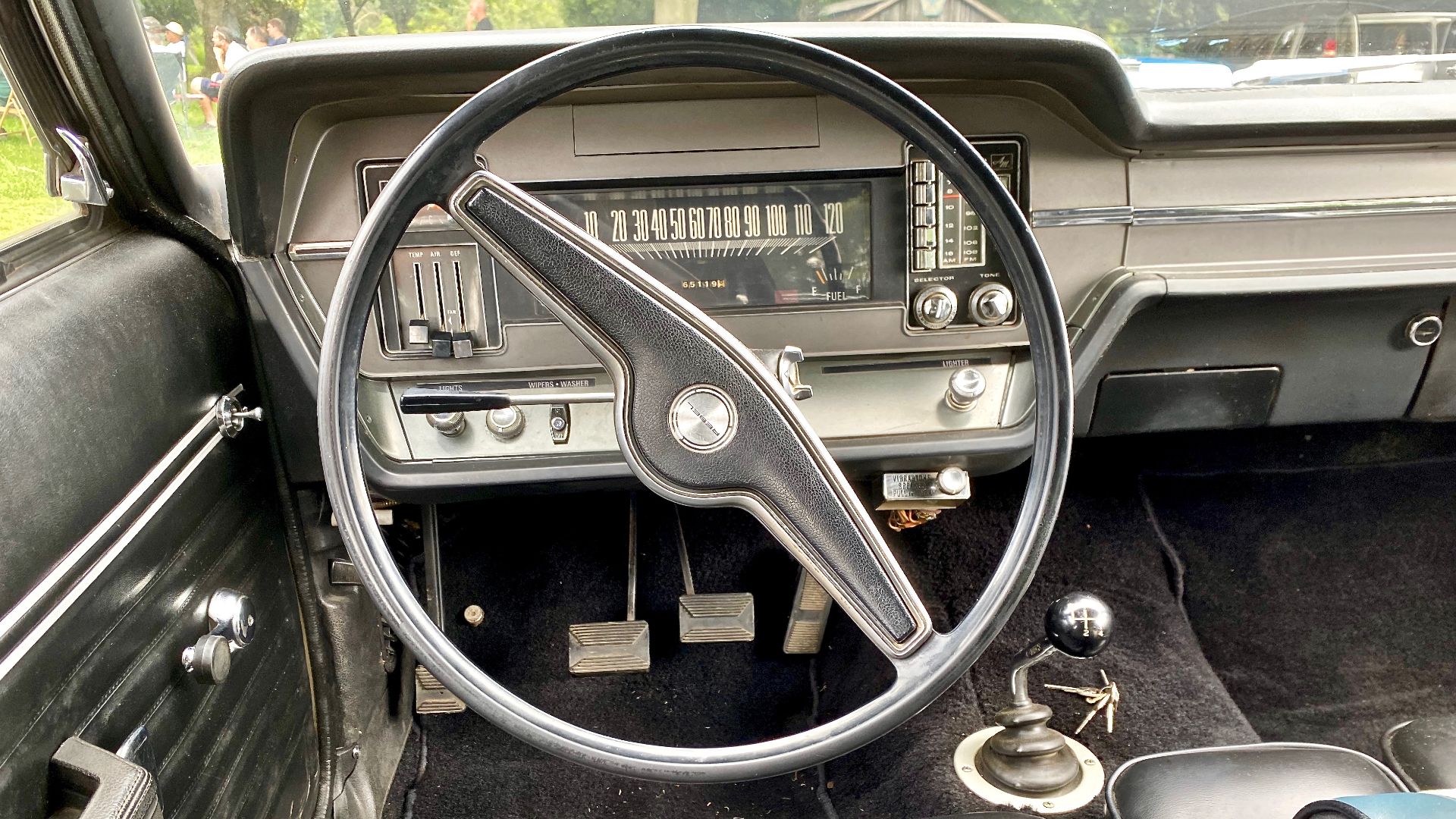
On cars equipped with manual chokes, drivers pulled a dashboard knob before starting a cold engine. The mechanism sometimes made a faint scraping or clicking sound. Getting the setting wrong could produce considerably louder noises as the engine sputtered, stalled, or raced unnecessarily. Modern electronic fuel injection eliminated this familiar starting ritual.
That Distinctive Starter Whine
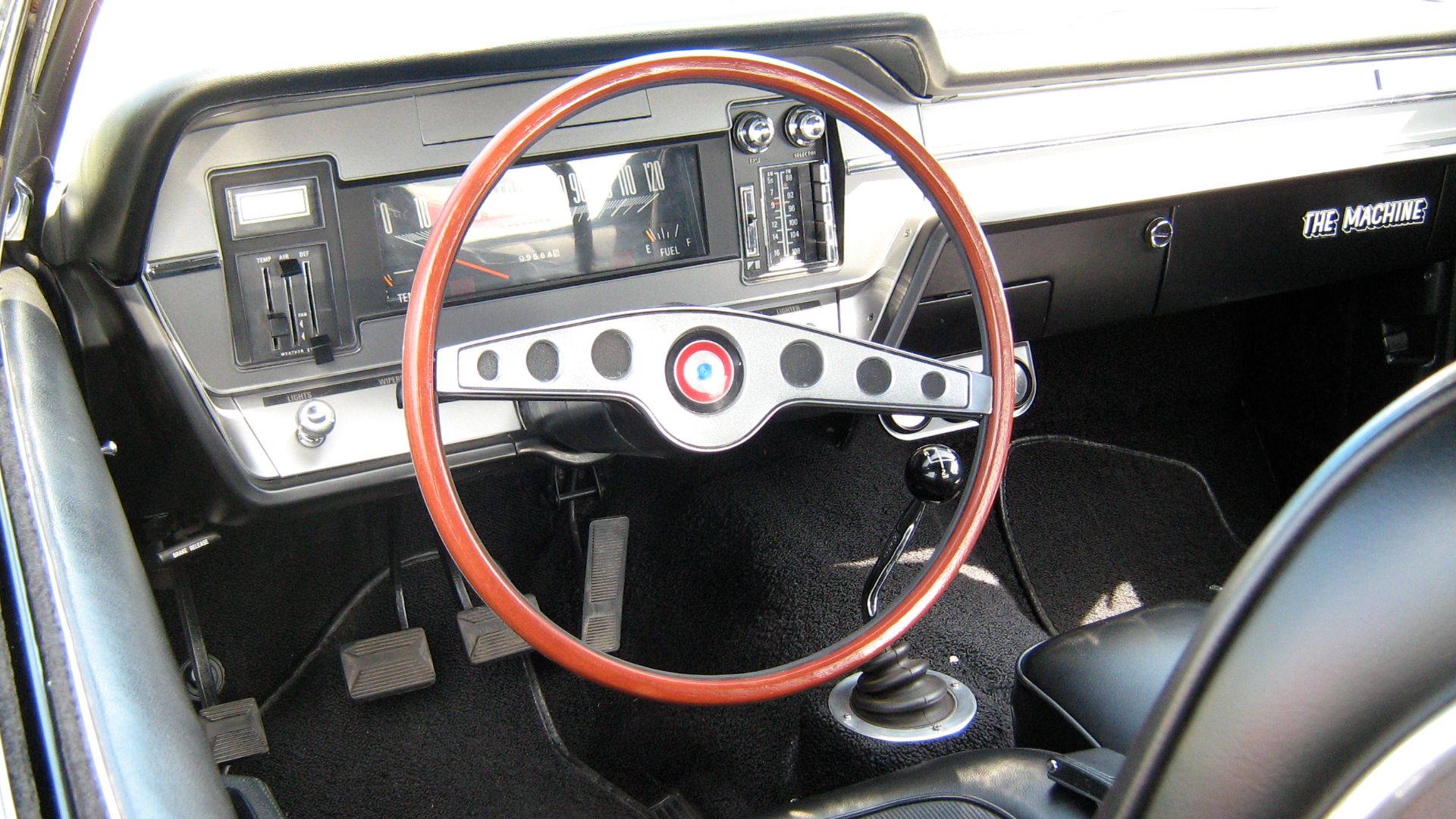
Different manufacturers' starter motors had surprisingly recognizable sounds. Older Ford and General Motors vehicles, for example, often produced noticeably different cranking noises. Enthusiasts can sometimes identify an engine family simply by listening to it start. That distinctive mechanical soundtrack became less prominent as starting systems and engine-management technology evolved.
The Engine Finally Catches
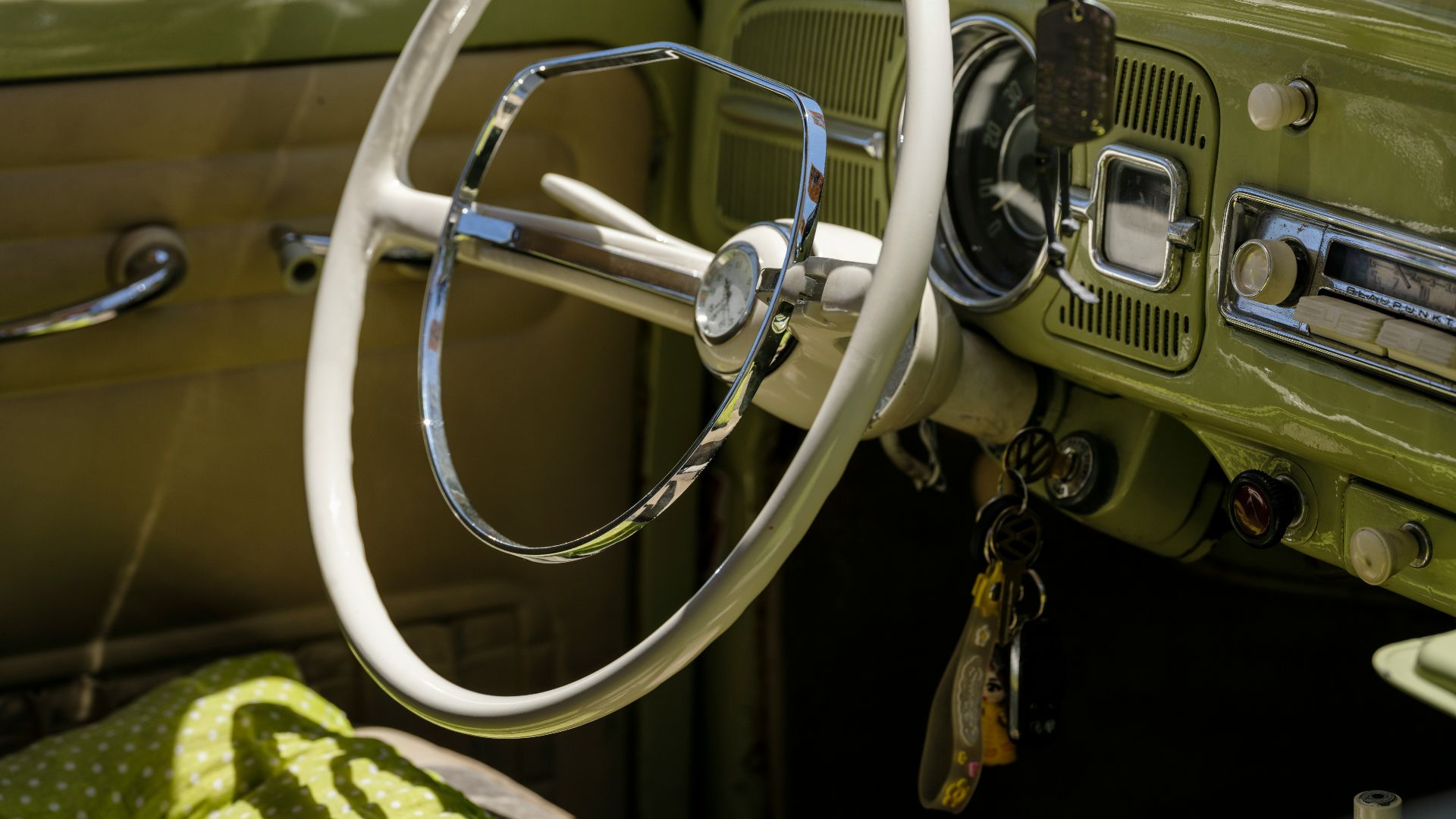
There was something unmistakable about an old V8 finally firing after several seconds of cranking. The starter's repetitive whir suddenly gave way to a rumbling exhaust note, sometimes accompanied by a momentary stumble. It was particularly satisfying on winter mornings when you weren't entirely confident the family car would start.
The Fast Idle Roar
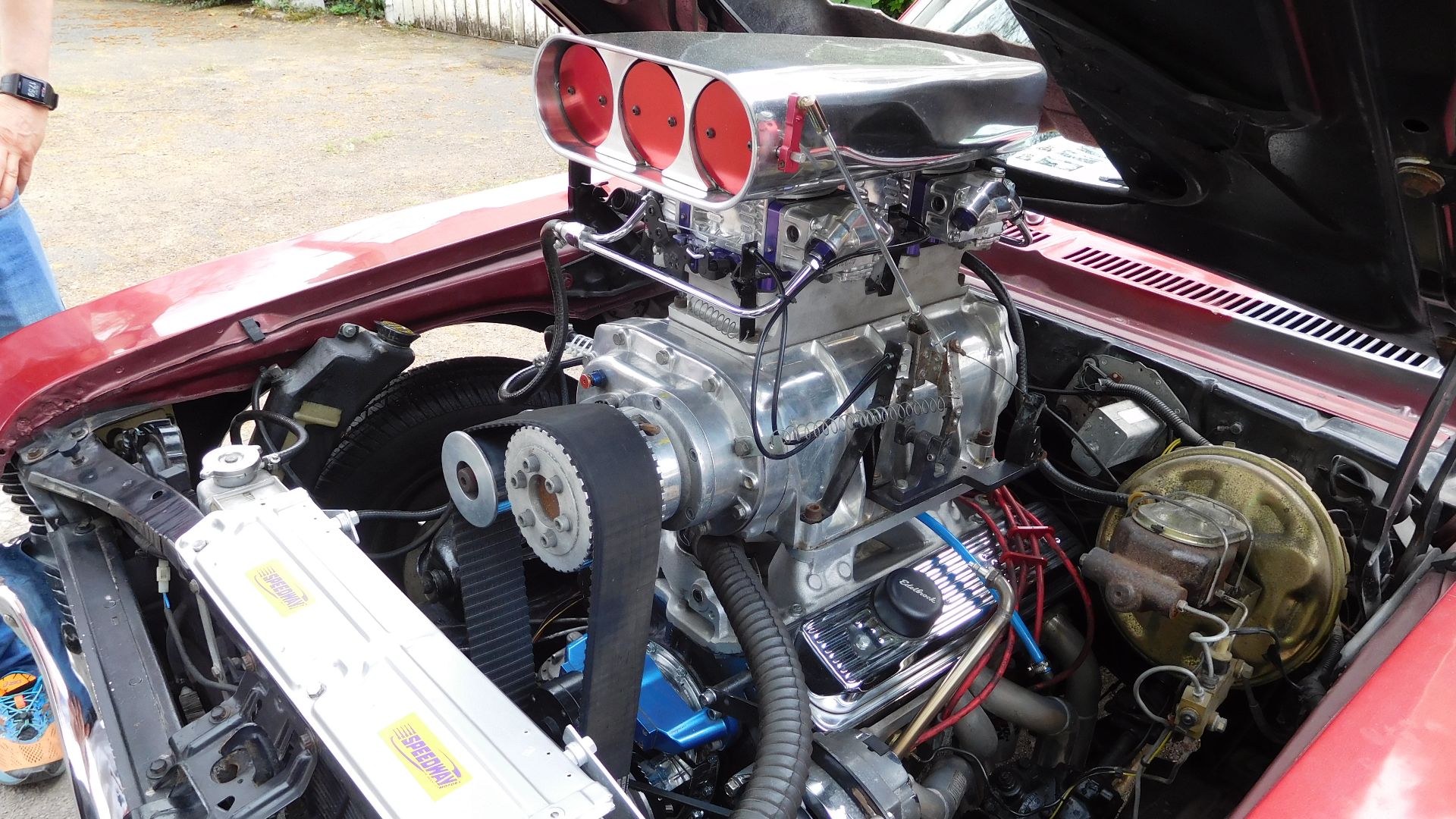
Many carbureted cars used automatic chokes and fast-idle mechanisms to help cold engines warm up. After starting, the engine might settle into an unexpectedly high idle. A quick tap of the accelerator could release the mechanism once the engine warmed sufficiently, producing an abrupt and satisfying drop in engine speed.
The Squealing Fan Belt
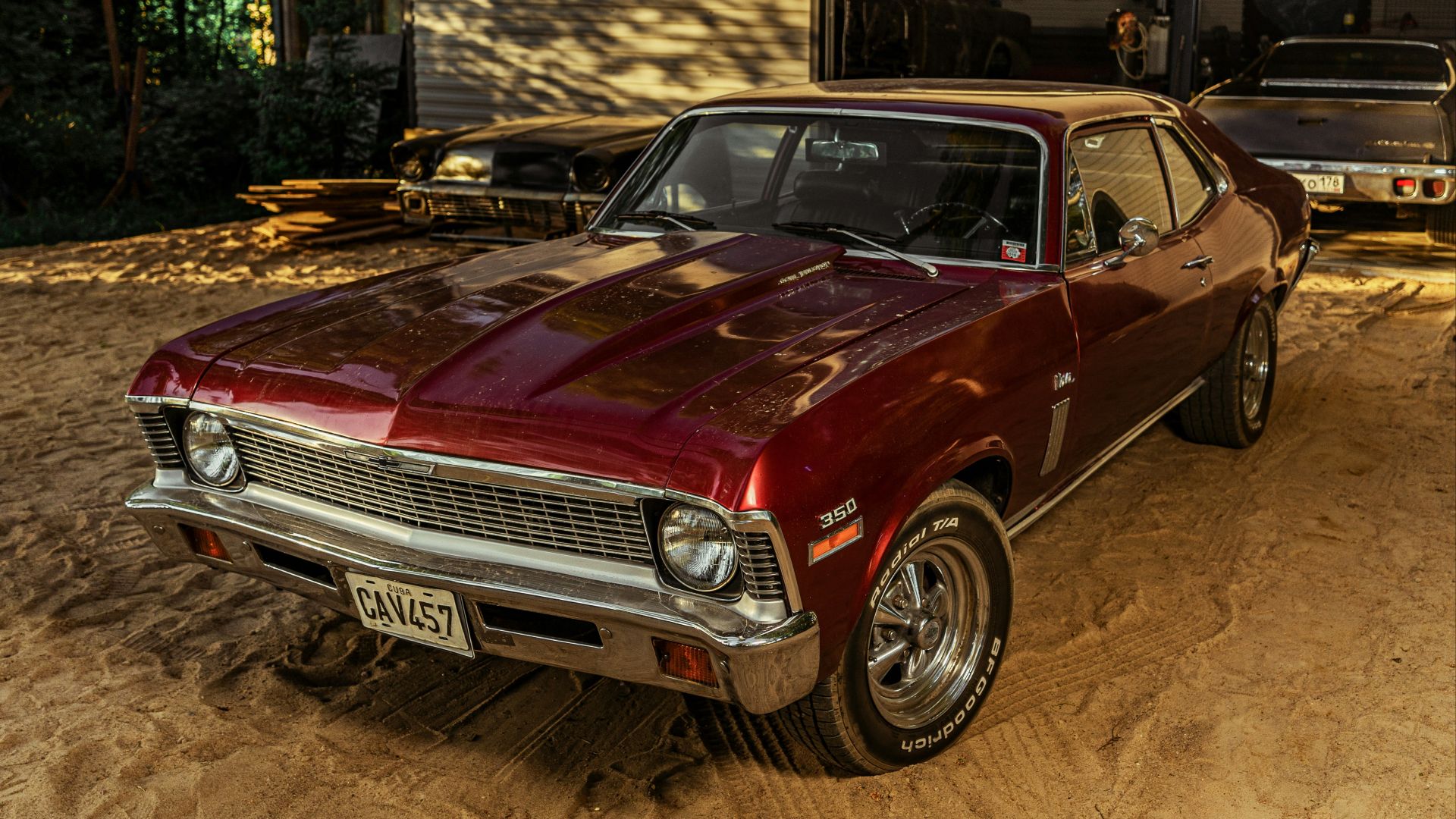
A high-pitched squeal from beneath the hood was an unwelcome but familiar sound. Older accessory belts could slip when worn, loose, or damp, particularly when electrical or steering loads increased. Modern vehicles can still experience belt noise, but improved belt designs and automatic tensioners have changed the experience considerably.
The Mechanical Fuel Pump
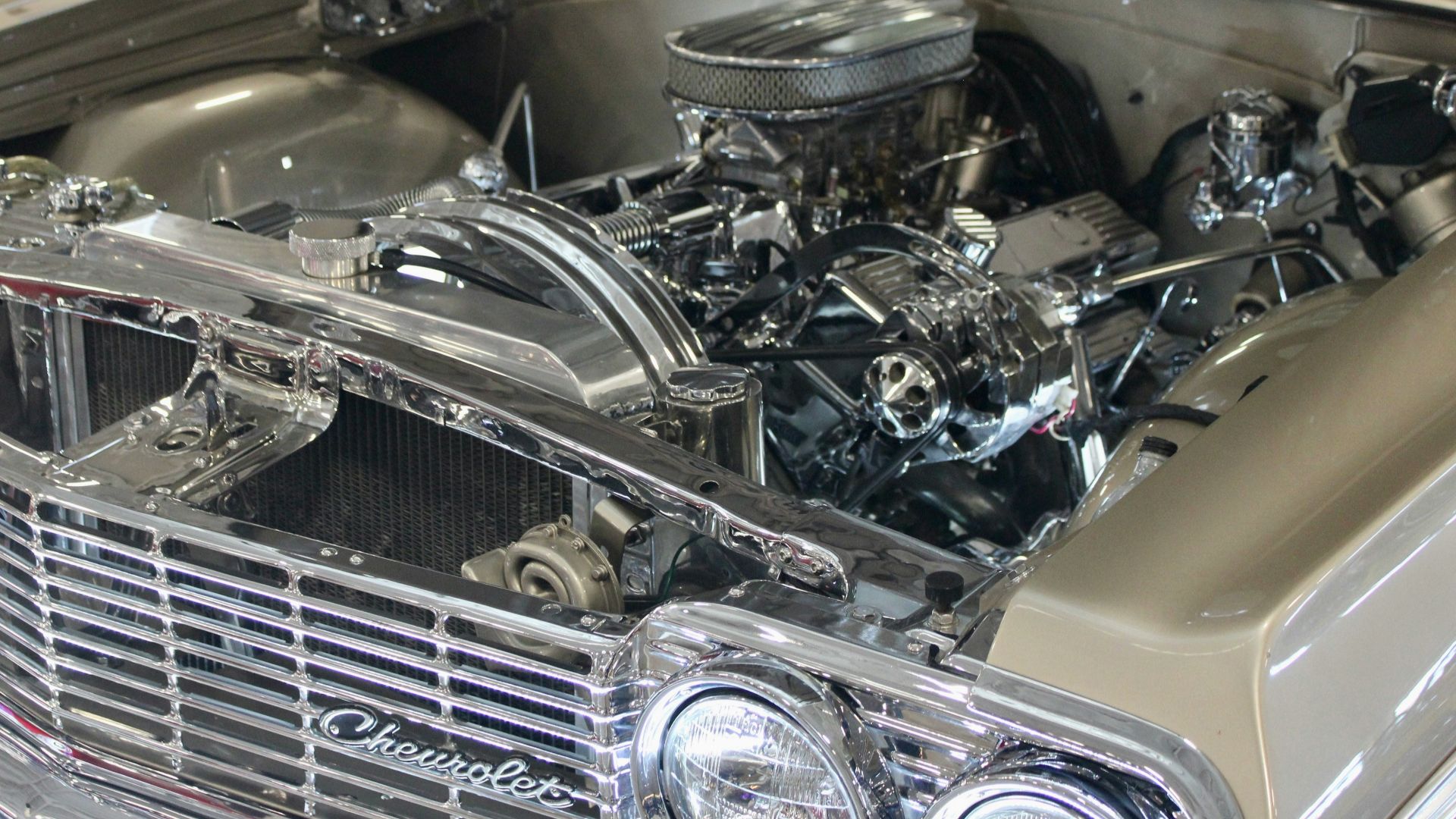
Older engines commonly relied on mechanically driven fuel pumps rather than electric pumps mounted inside the fuel tank. A failing pump could sometimes produce an audible ticking or knocking sound. More importantly, fuel-delivery problems could leave an engine sputtering helplessly, particularly when heat contributed to vapor lock.
The Ticking Valve Lifters
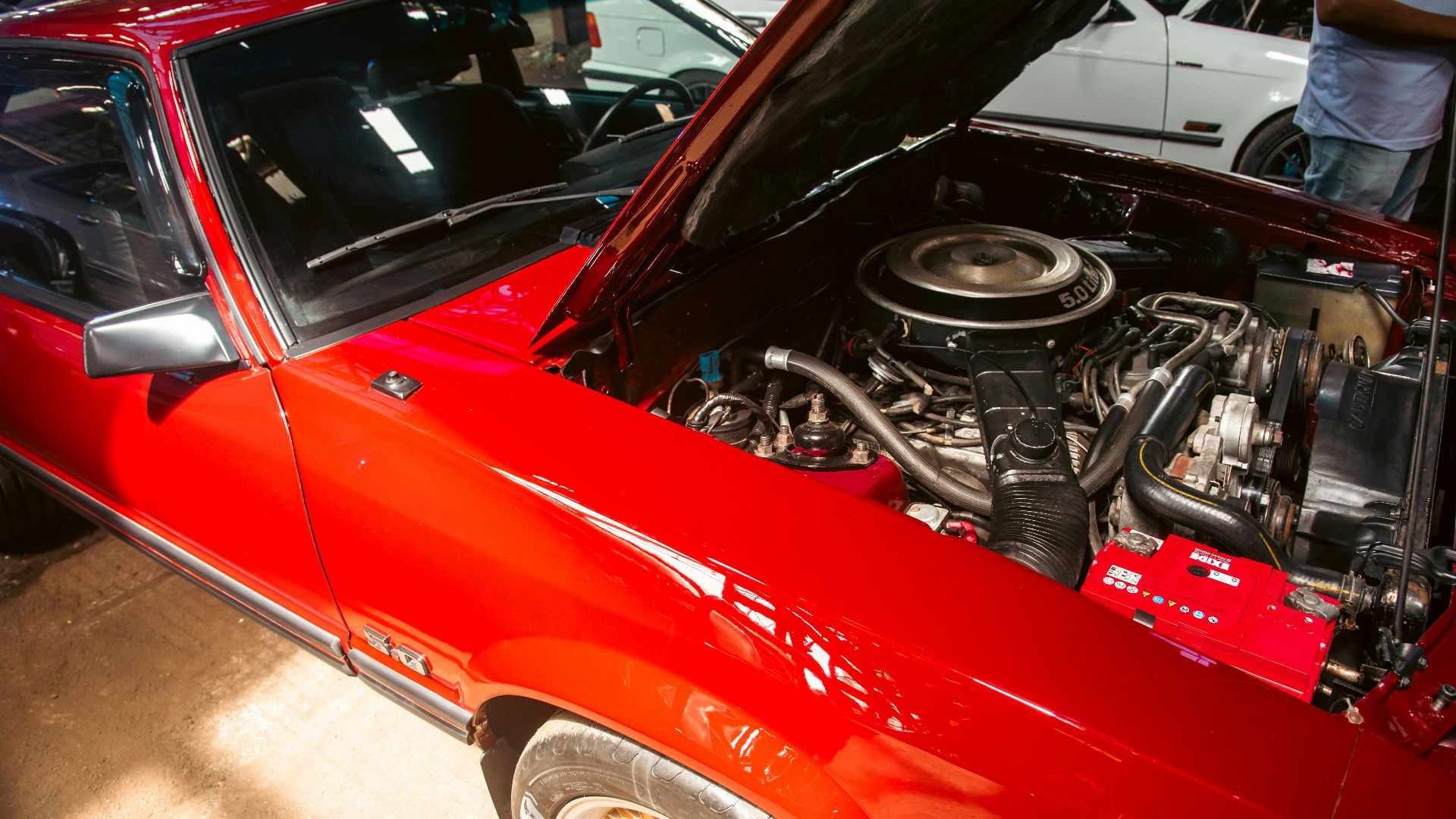
That rhythmic ticking from beneath the hood wasn't always cause for immediate alarm. Some older engines developed noisy hydraulic lifters, particularly after sitting overnight or when oil pressure was low. Mechanical valve trains could also produce characteristic tapping sounds. Experienced drivers learned to distinguish familiar engine noises from something that demanded a mechanic's attention.
The Carburetor Backfire
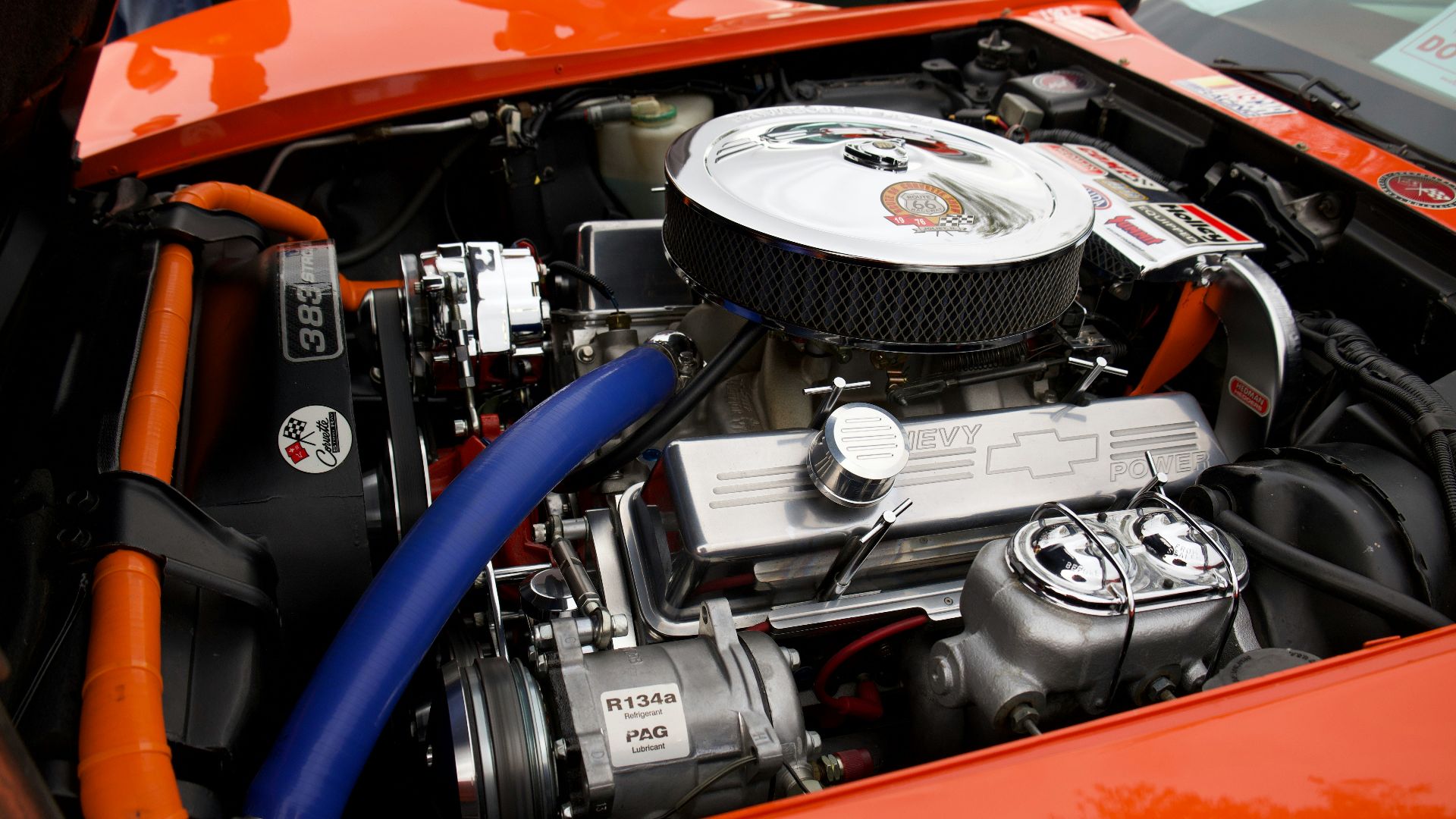
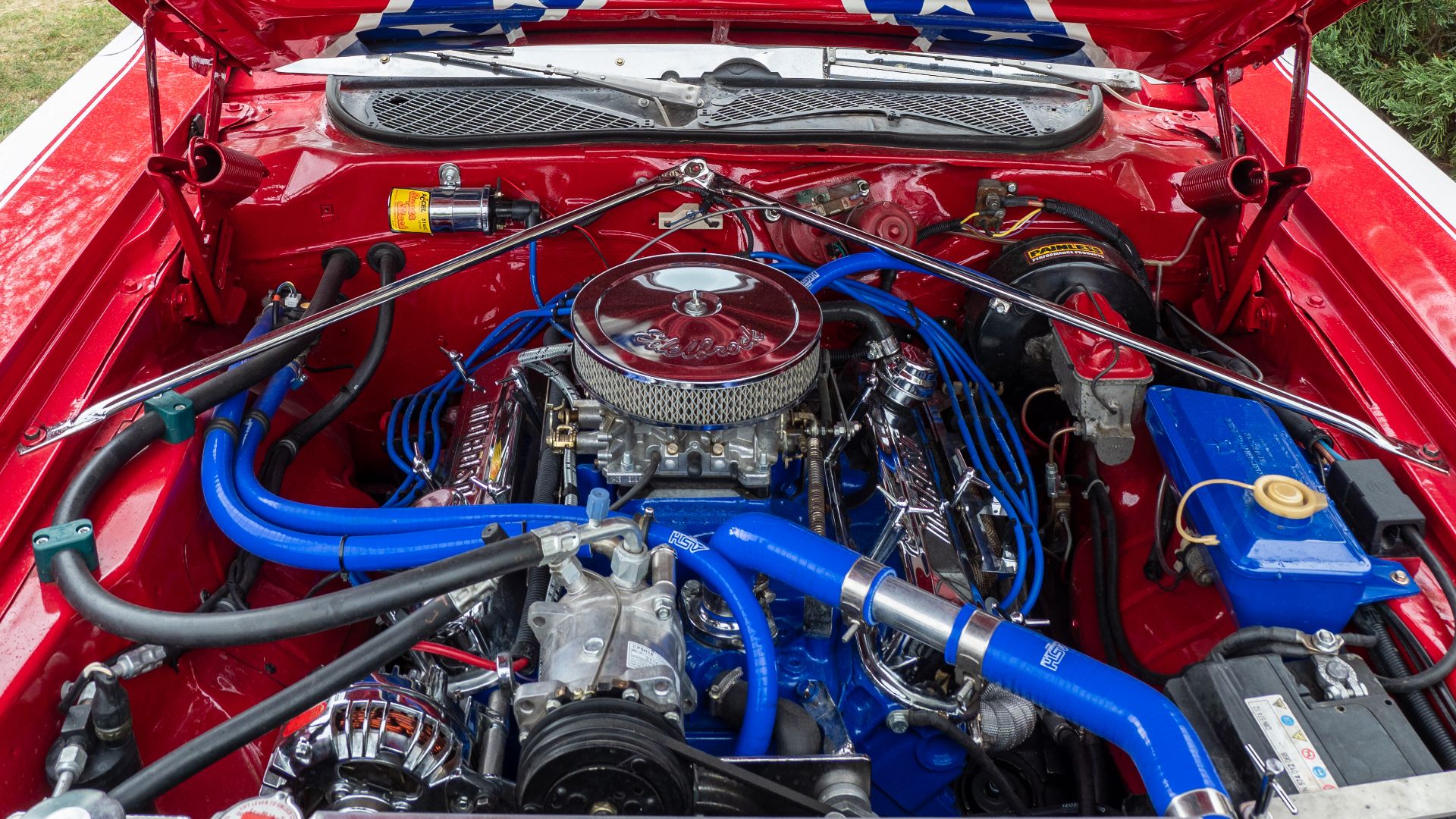
A sudden bang from the engine compartment could make everyone jump. Carbureted engines occasionally backfired through their intake systems because of ignition, timing, or fuel-mixture problems. Although backfiring isn't exclusive to older vehicles, it was an especially memorable experience for anyone trying to start a temperamental old car.
The Exhaust Afterfire
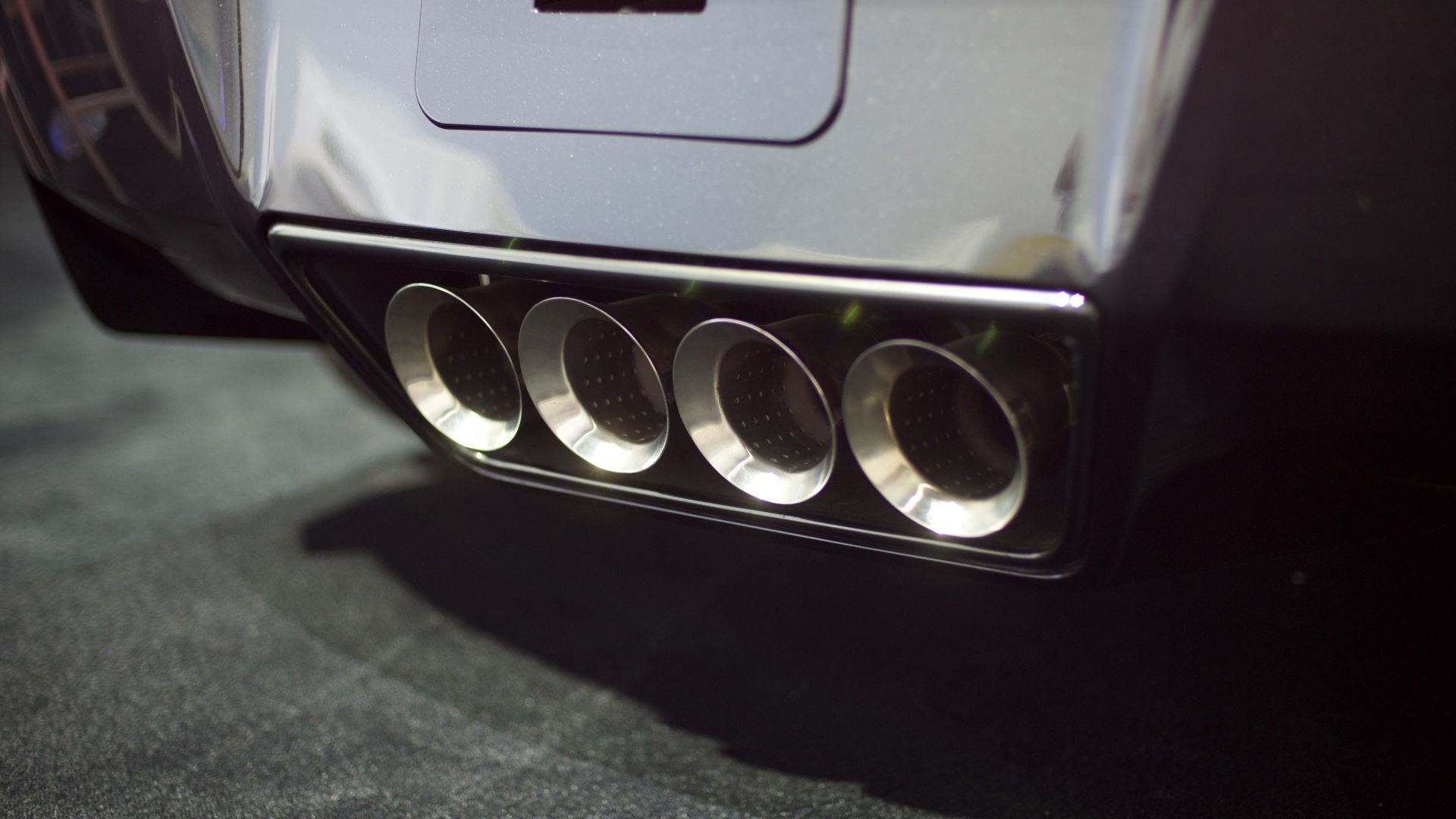
Sometimes the unexpected explosion came from the opposite end of the vehicle. Unburned fuel igniting in a hot exhaust system could produce a startling pop or bang. Poor tuning, ignition problems, or certain driving conditions made these noises more familiar to owners of older vehicles. Teenagers occasionally discovered ways to encourage them deliberately.
 steve lyon from los angeles, ca, usa, Wikimedia Commons
The Three-On-The-Tree Shift
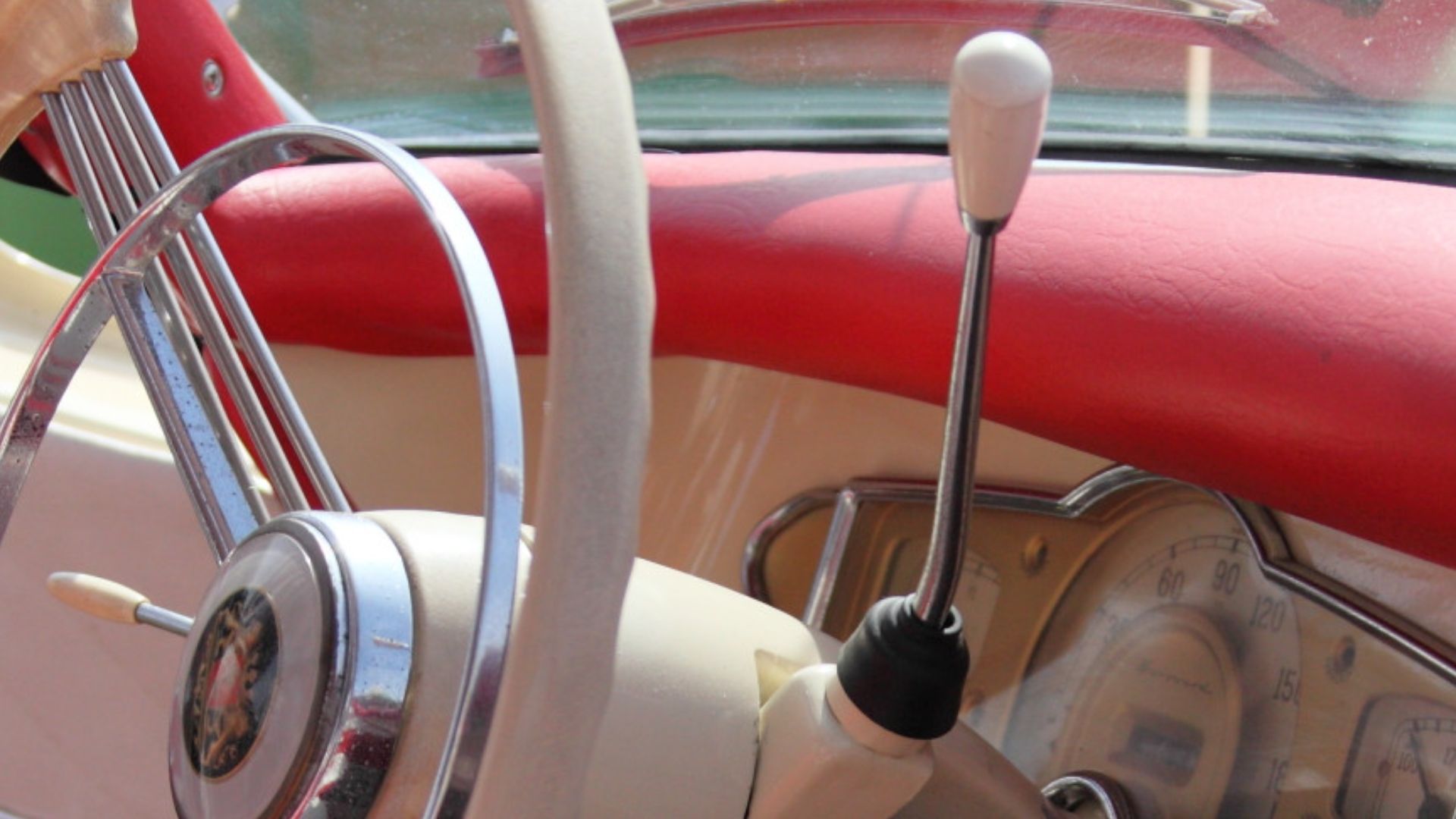
Remember column-mounted manual transmissions? Moving the gear lever through its distinctive pattern could produce mechanical clunks and occasional complaints from worn linkages. An inexperienced driver might struggle to find the correct gear, while someone who had mastered the arrangement could operate it almost without thinking.
 Ralf Pfeifer, Wikimedia Commons
The Grinding Gear Change
Before synchronized manual transmissions became nearly universal, changing gears demanded considerably more skill. Even later manual gearboxes could protest noisily when drivers attempted hurried shifts or failed to depress the clutch completely. That horrible grinding sound was an unmistakable reminder that the driver and transmission weren't cooperating.
The Whining Differential
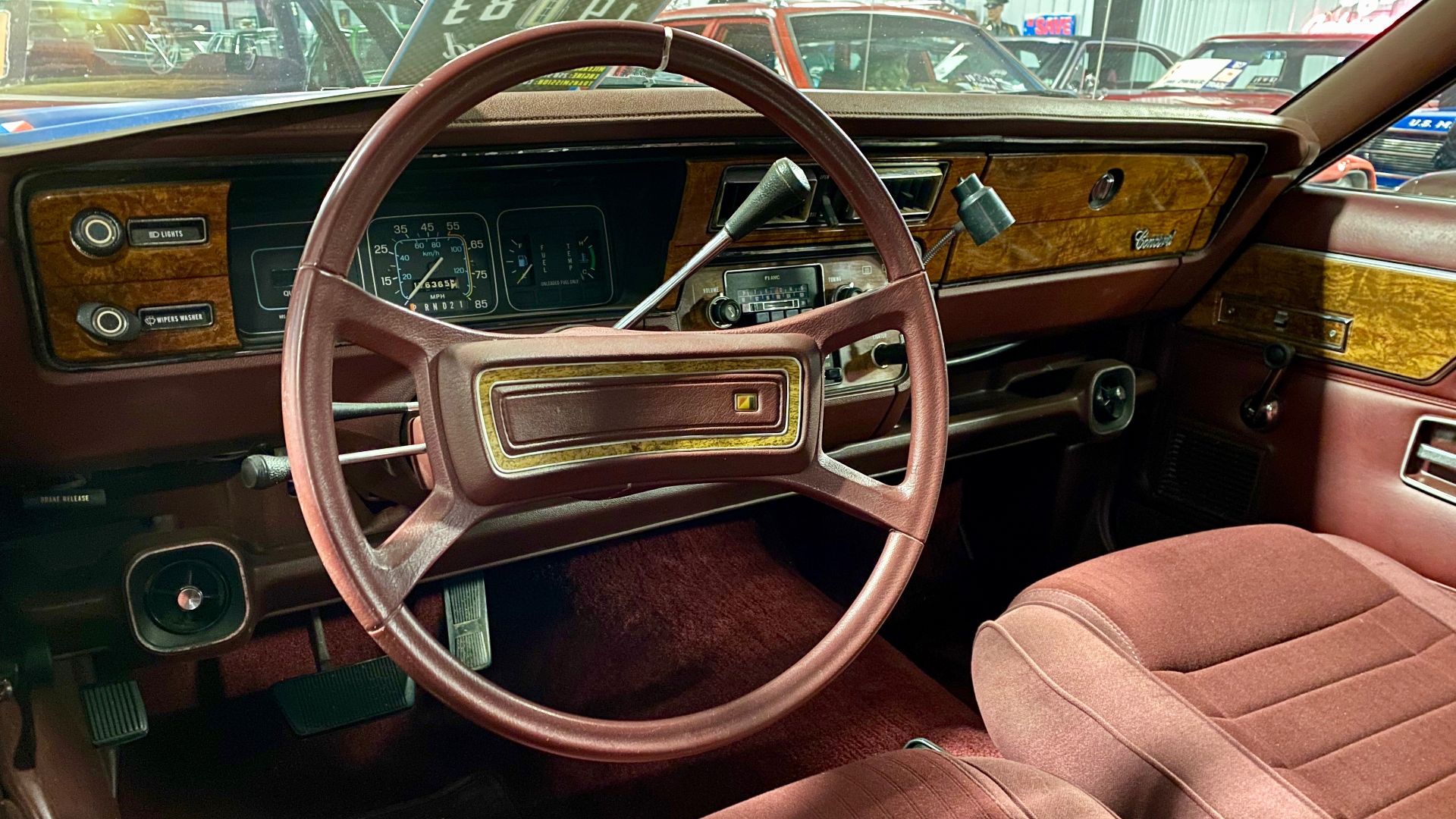
An aging rear-wheel-drive car sometimes announced its presence with a distinctive whine from the rear axle. Worn gears or bearings could produce noises that changed with road speed or throttle position. Modern differentials can develop similar problems, but the sound was especially familiar in older cars that accumulated years of hard use.
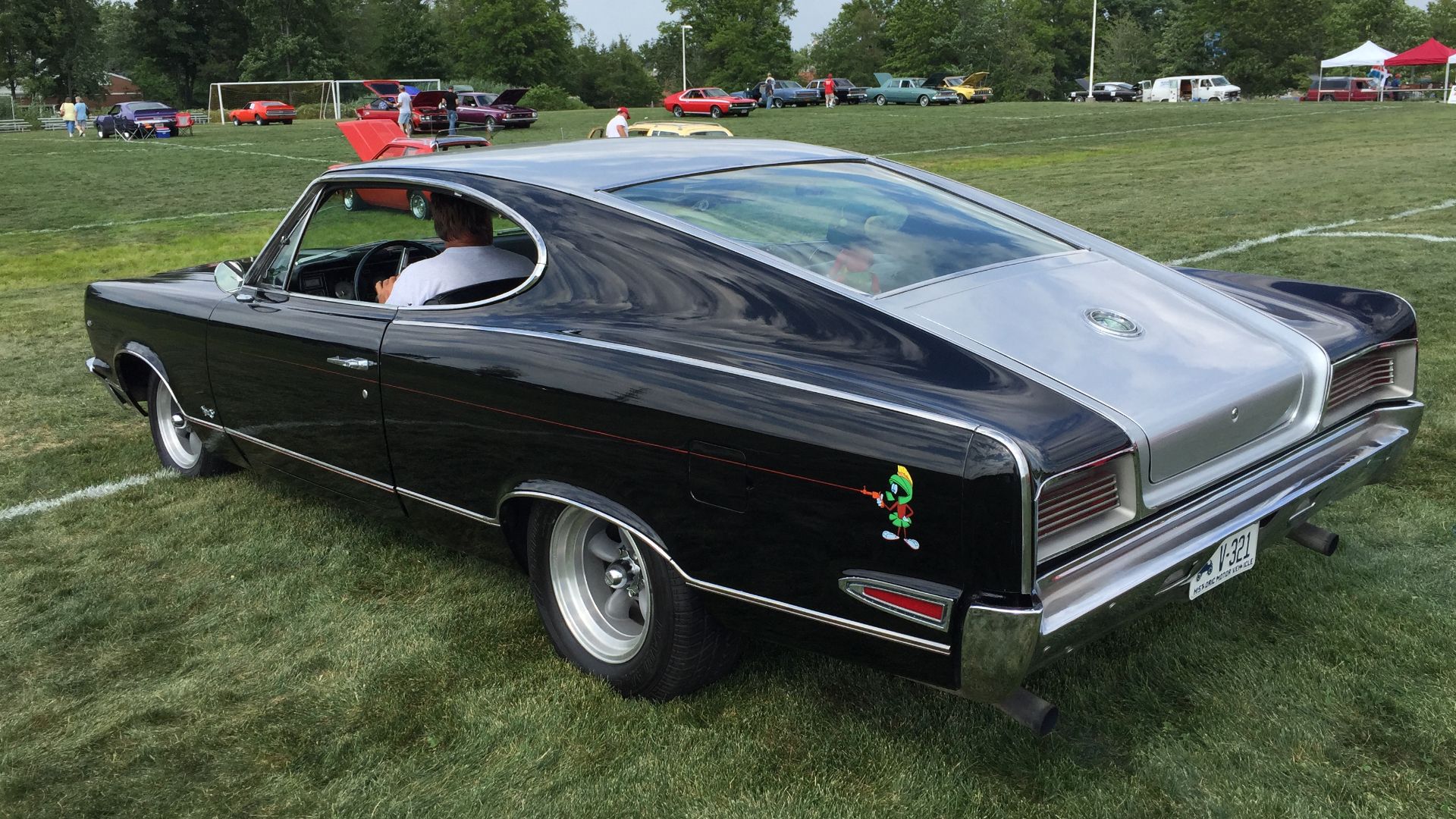
The Window Crank Rattle
Before power windows became commonplace, passengers rolled their windows up and down with mechanical handles. Aging regulators sometimes produced scraping, clicking, or rattling noises. Occasionally, the window would drop unexpectedly or refuse to move, transforming a simple request for fresh air into an impromptu mechanical repair.
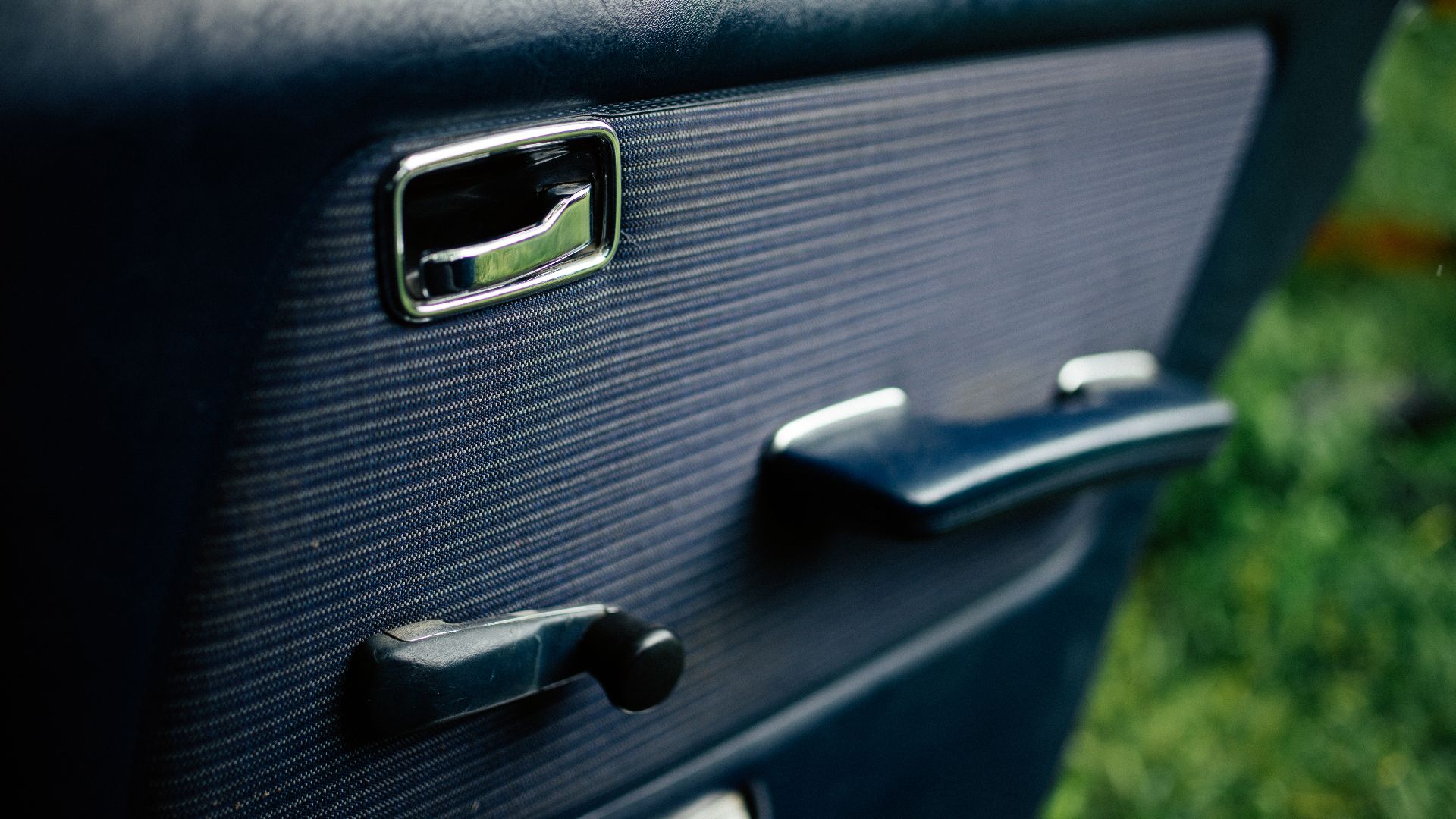 Shixart1985, Wikimedia Commons
The Heavy Door Slam
Older American sedans had enormous doors, and closing them could produce a wonderfully substantial metallic clunk. The sound varied considerably between manufacturers and models. Some doors closed with a reassuring thud, while others rattled unpleasantly. Either way, slamming the door on a massive 1960s sedan was an experience.
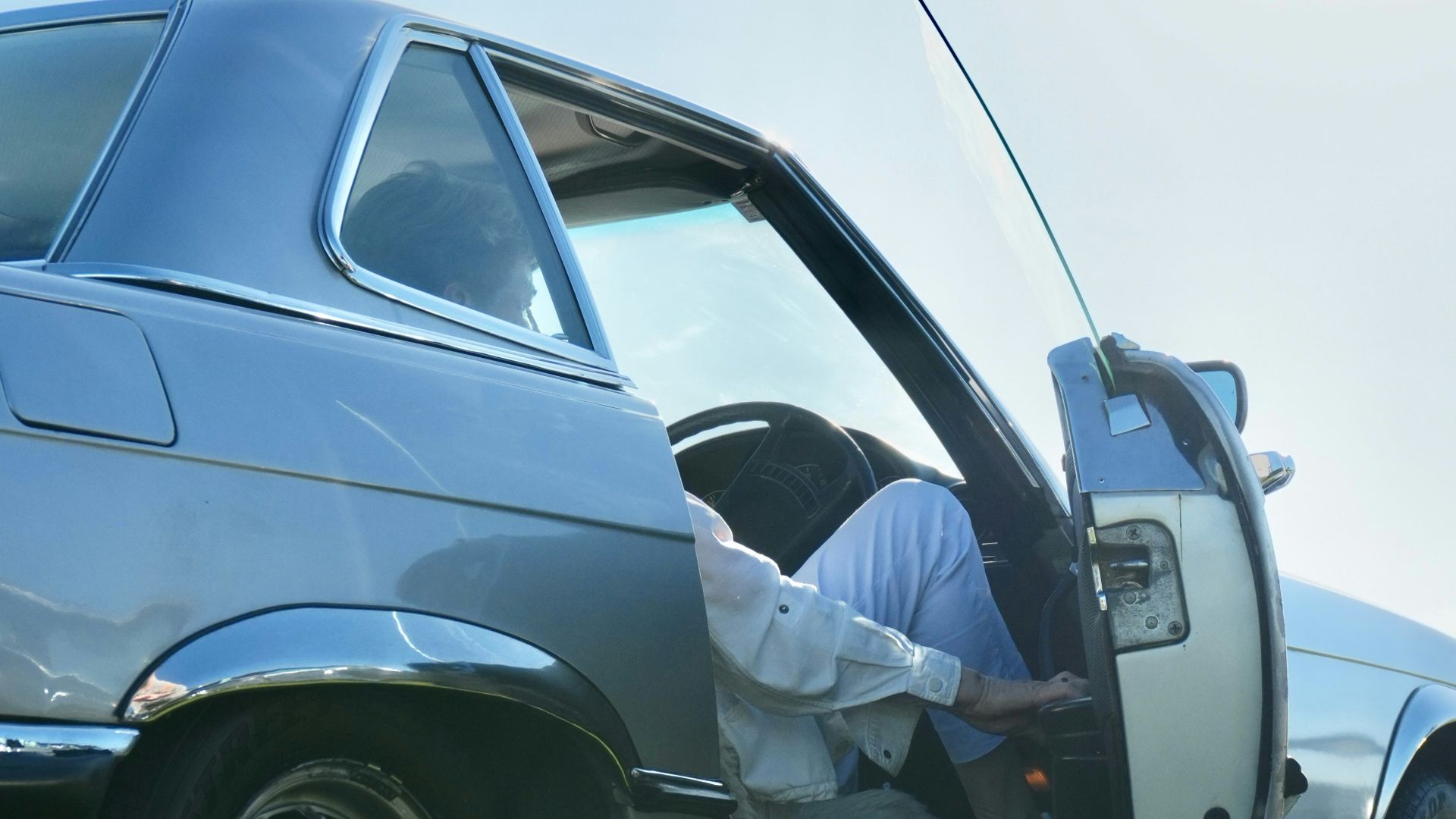
The Clicking Turn Signal
Long before electronic systems could generate artificial clicking sounds, conventional turn signals used electromechanical flashers. Their distinctive ticking came from components repeatedly opening and closing the electrical circuit. Some flashers clicked loudly enough to hear over the radio, while others were remarkably quiet. Modern cars often reproduce the sound electronically.
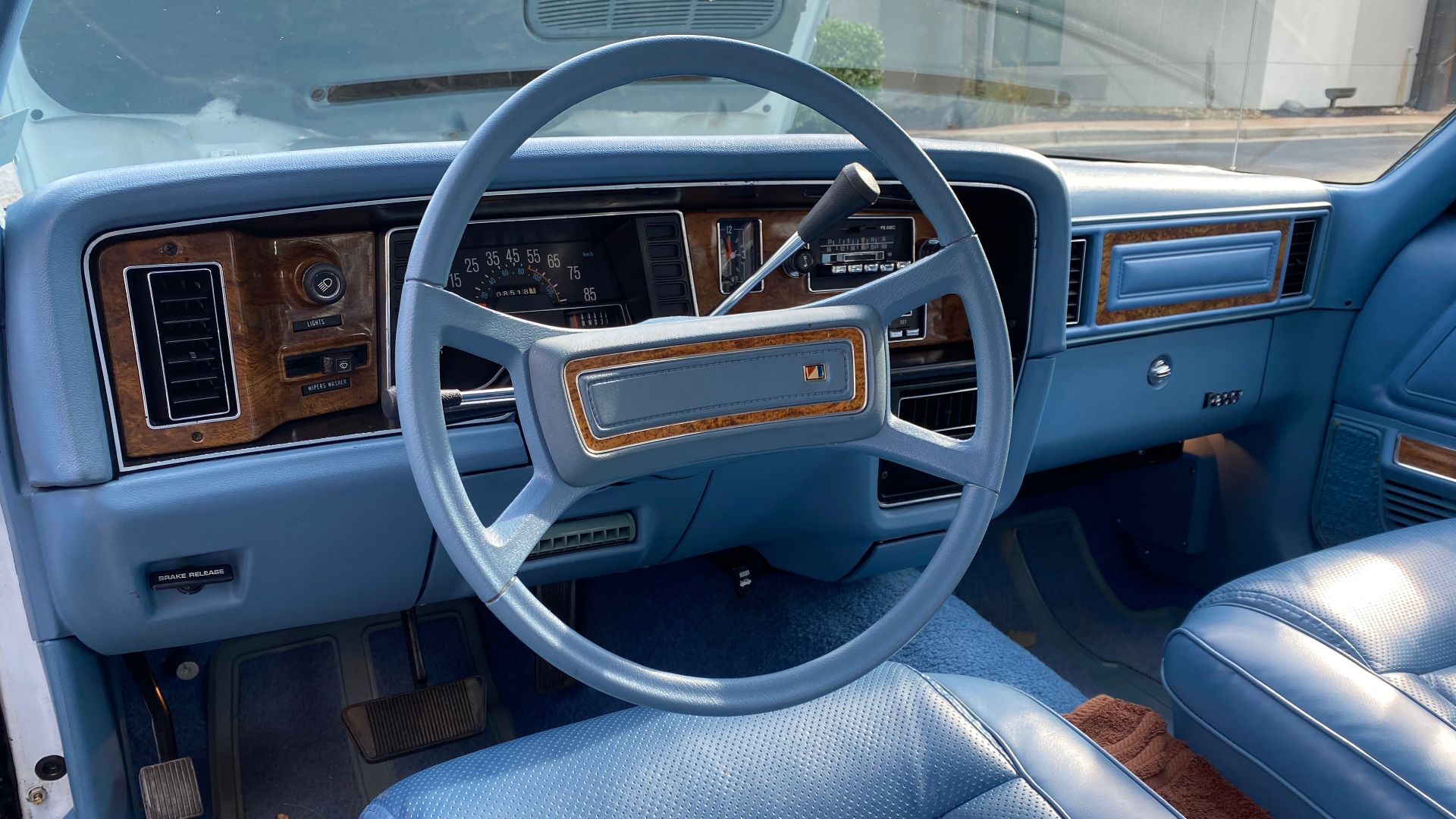
The Parking Brake Ratchet
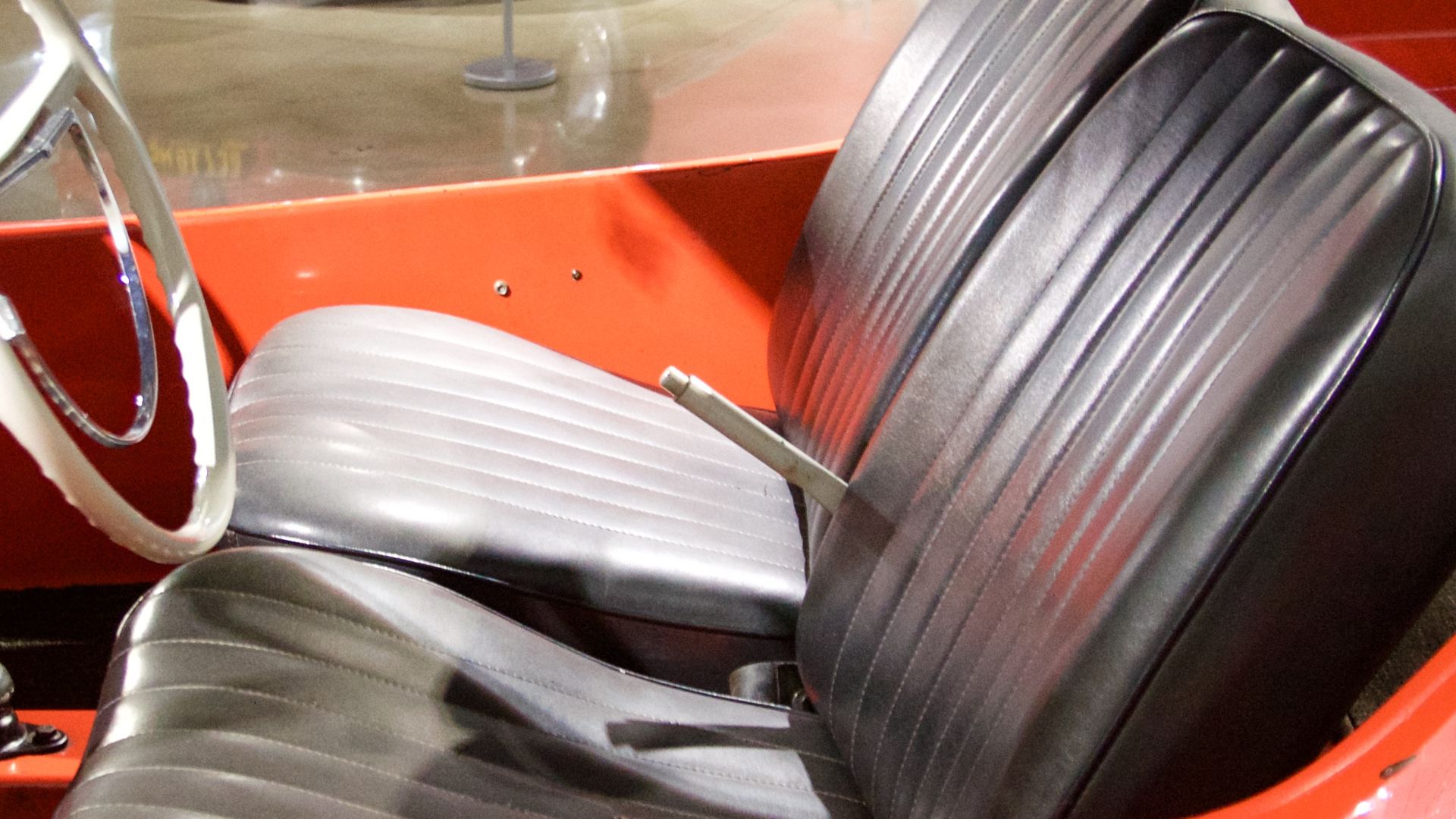
Remember the loud clicking noise when someone pulled up a traditional parking-brake lever? Its mechanical ratchet announced every notch as the brake engaged. Foot-operated parking brakes produced their own distinctive noises. Today's electronic parking brakes frequently replace that familiar racket with a brief electric-motor whir.
 Bill Abbott, Wikimedia Commons
The AM Radio Static
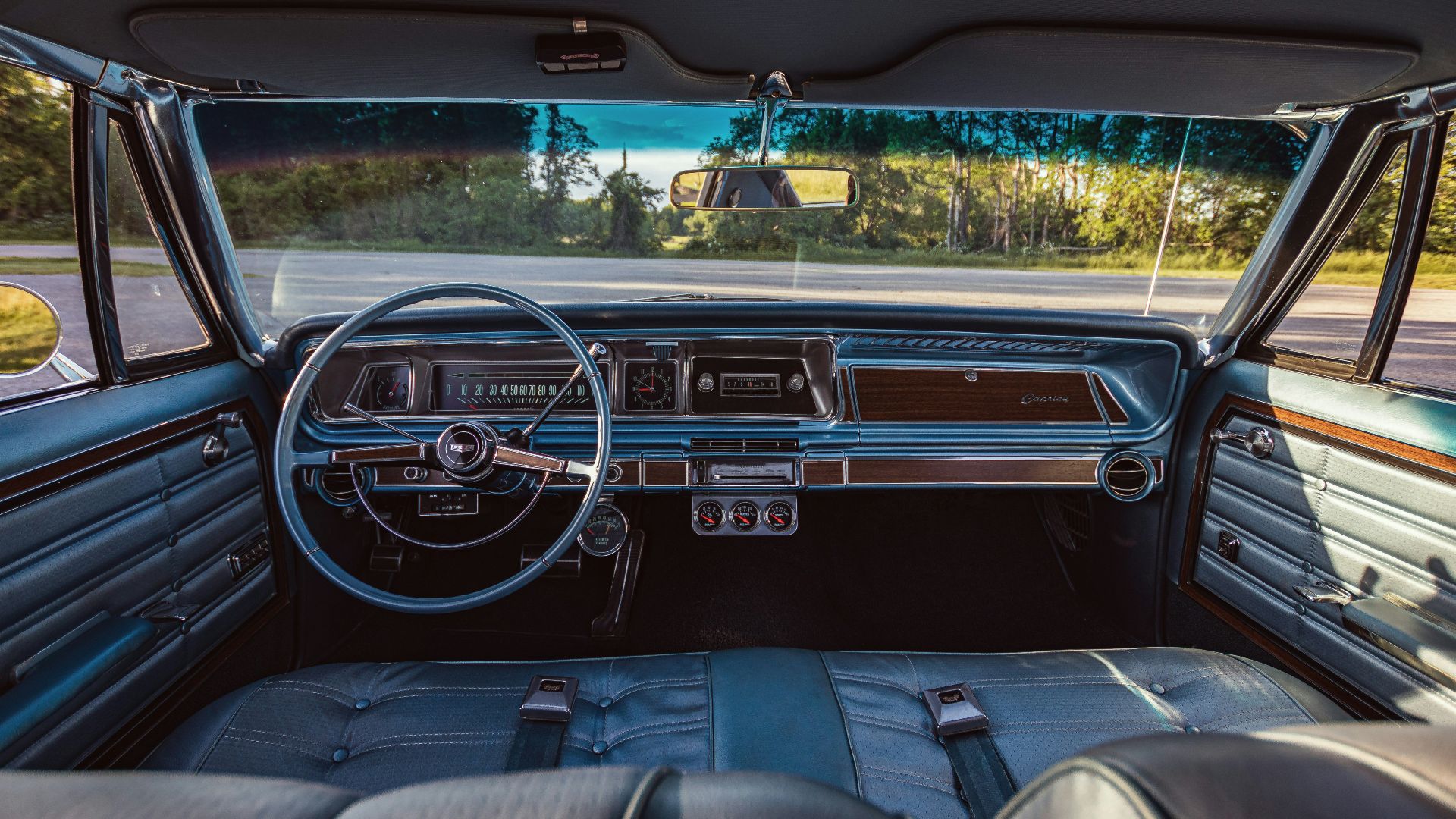
Before FM stereo became widespread, AM radio provided the soundtrack to countless American road trips. Turning the tuning knob could produce crackling static, whistles, and sudden bursts of music as the receiver moved between stations. Reception sometimes deteriorated beneath bridges or near electrical interference. Finding your favorite station required patience.
The Mechanical Radio Presets
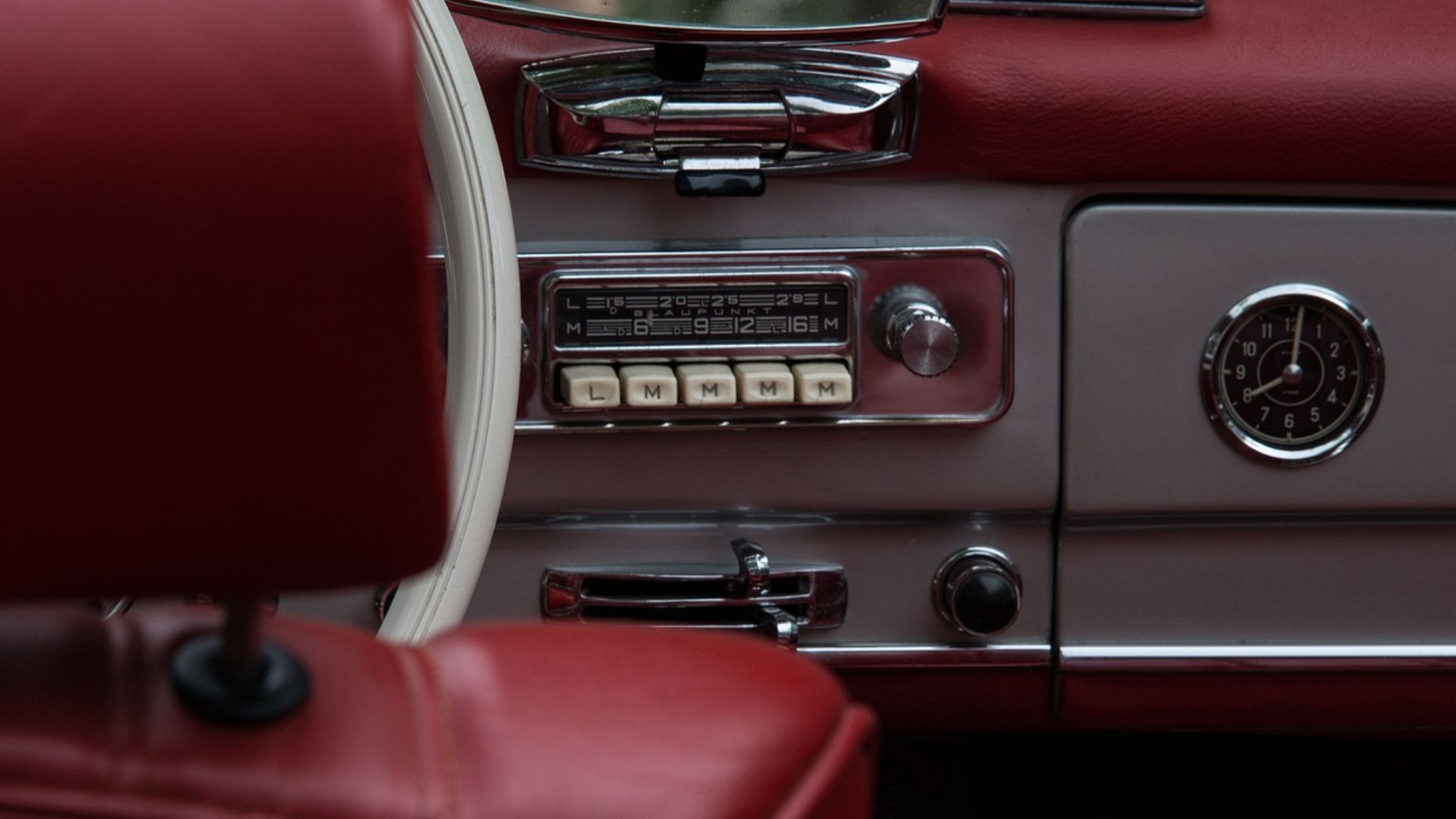
Old car radios had another wonderfully mechanical feature: push-button station selectors. Pressing one could produce a substantial clunk as the mechanism physically moved the tuner to a preset frequency. Unlike modern digital presets, these buttons sometimes required considerable force. Watching the tuning indicator jump across the dial was half the entertainment.
The Eight-Track Cartridge Click
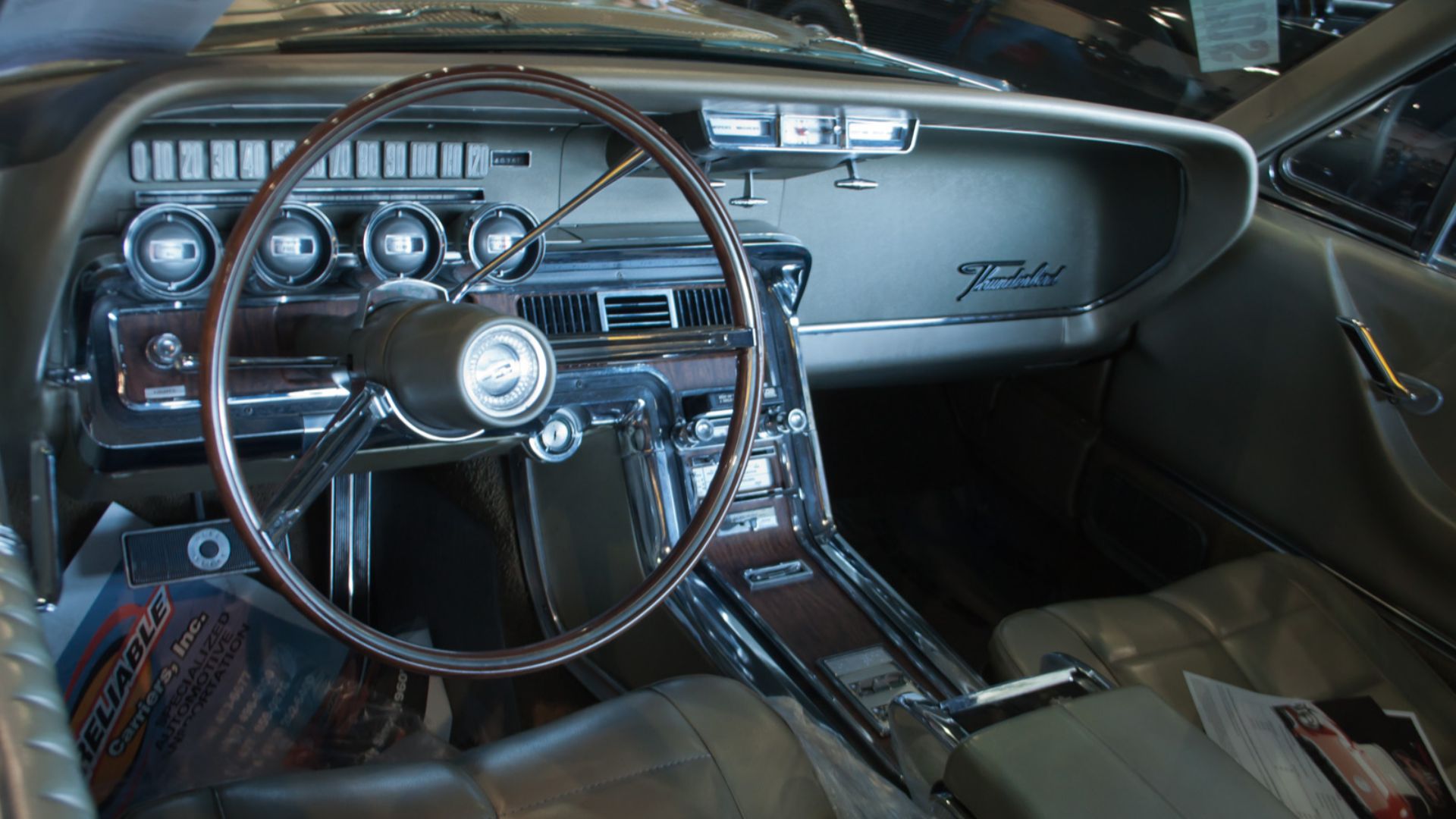
Nothing captures 1970s automotive entertainment quite like an eight-track player changing programs. The music might fade out unexpectedly, followed by a substantial mechanical click before the next program began. Sometimes the interruption occurred right in the middle of your favorite song. Ford helped popularize the format with factory-installed players for the 1966 model year.
 skinnylawyer from Los Angeles, California, USA, Wikimedia Commons
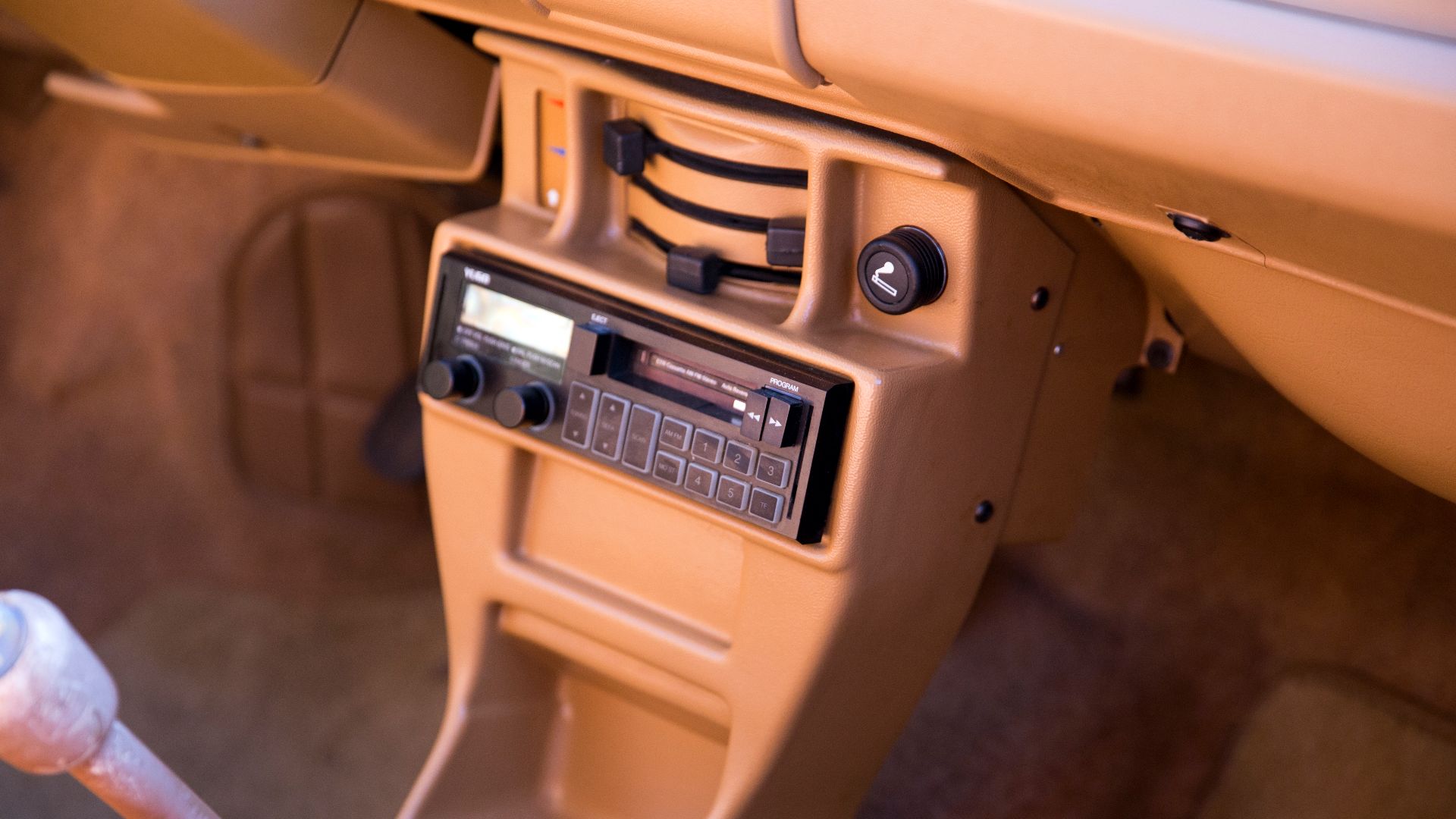
The Cassette Deck Clunk
By the late 1970s and 1980s, cassette players were becoming increasingly familiar automotive accessories. Inserting a tape produced a satisfying mechanical clunk, while pressing eject could send it springing toward you. Less welcome was the horrible warbling sound of a cassette getting tangled in the mechanism, potentially destroying an irreplaceable homemade mixtape.
 Mr.choppers, Wikimedia Commons
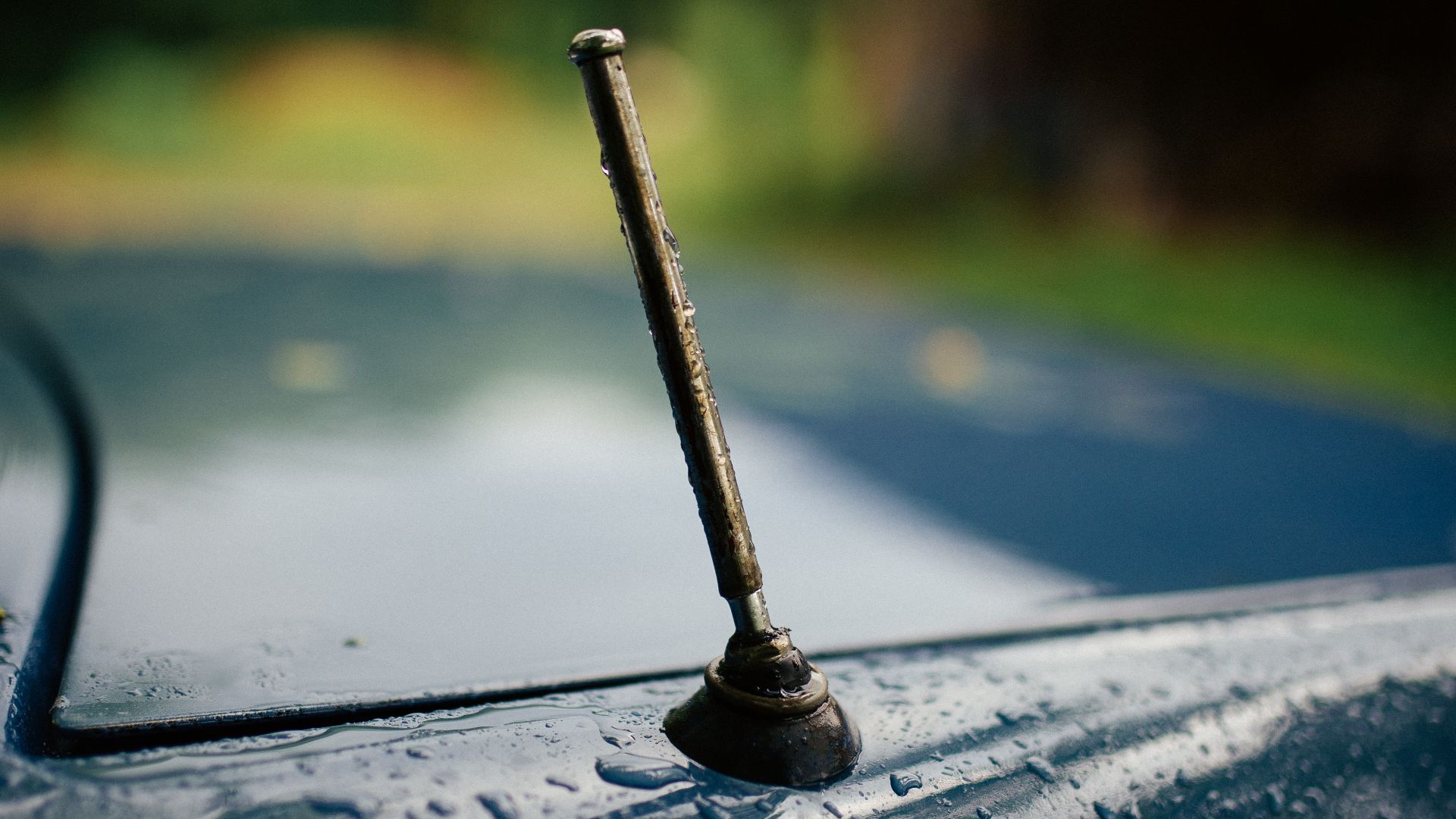
The Power Antenna Motor
Remember switching on the radio and hearing a little electric motor extend the antenna? Power antennas became familiar accessories on many luxury cars, producing a distinctive whirring sound. Unfortunately, dirt, ice, and worn mechanisms could cause trouble. A broken antenna might produce an unpleasant grinding noise or simply refuse to retract.
 Shixart1985, Wikimedia Commons
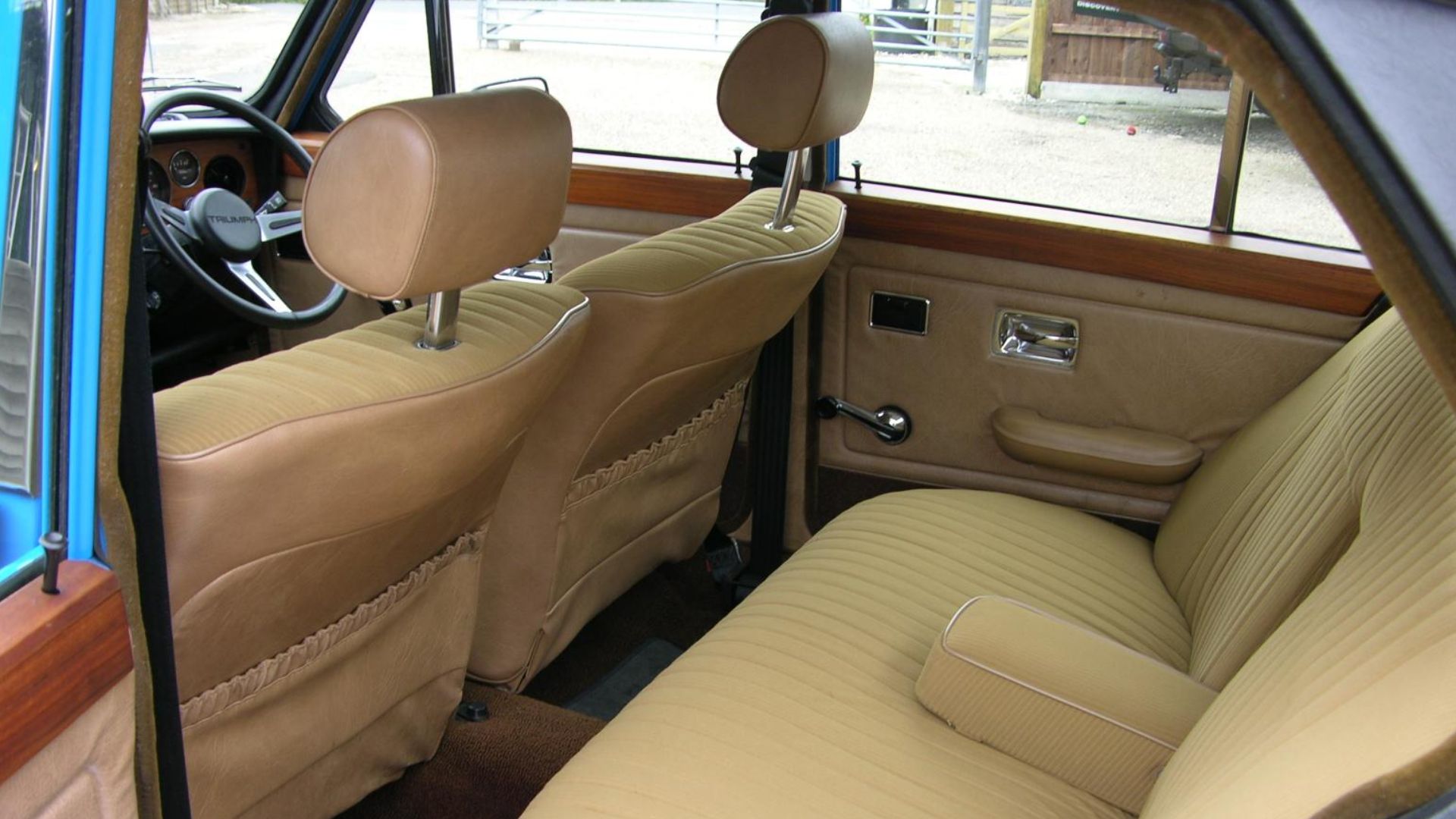
The Seat Belt Buzzer
The 1970s introduced some extraordinarily irritating automotive warning systems. Certain 1974-model American cars even featured federally mandated seat-belt interlocks that could prevent the engine from starting until the front occupants buckled up. Warning buzzers accompanied these systems, creating an unforgettable soundtrack to an unpopular safety initiative.
 The Car Spy, Wikimedia Commons
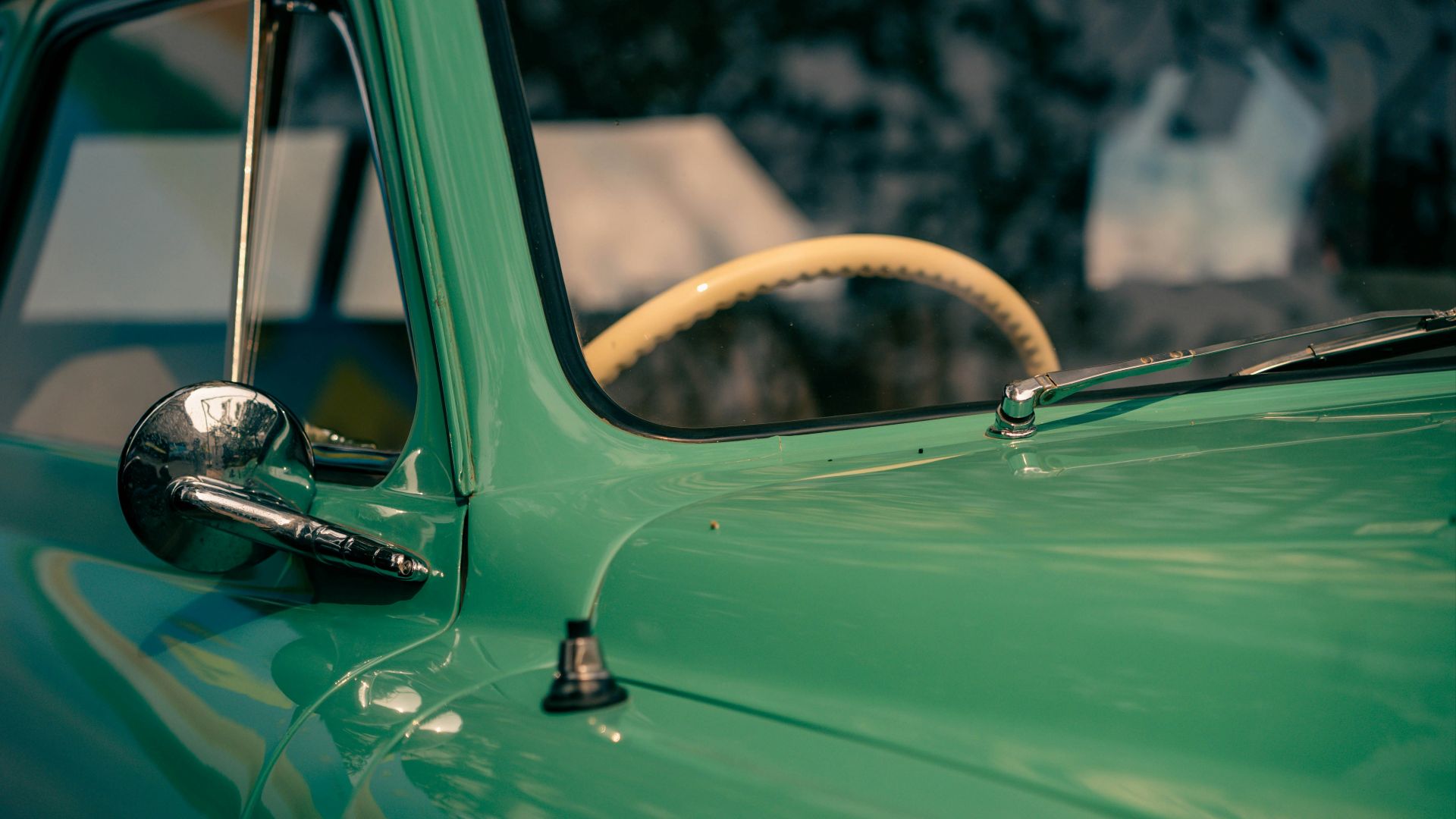
The Vacuum Wiper Struggle
Drivers of some older vehicles remember windshield wipers that slowed dramatically when the engine was working hard. Vacuum-operated systems depended on engine vacuum, which could decrease under acceleration. The wipers might move sluggishly, accompanied by mechanical swishing and the occasional squeak. Electric wipers eventually eliminated this peculiar driving experience.
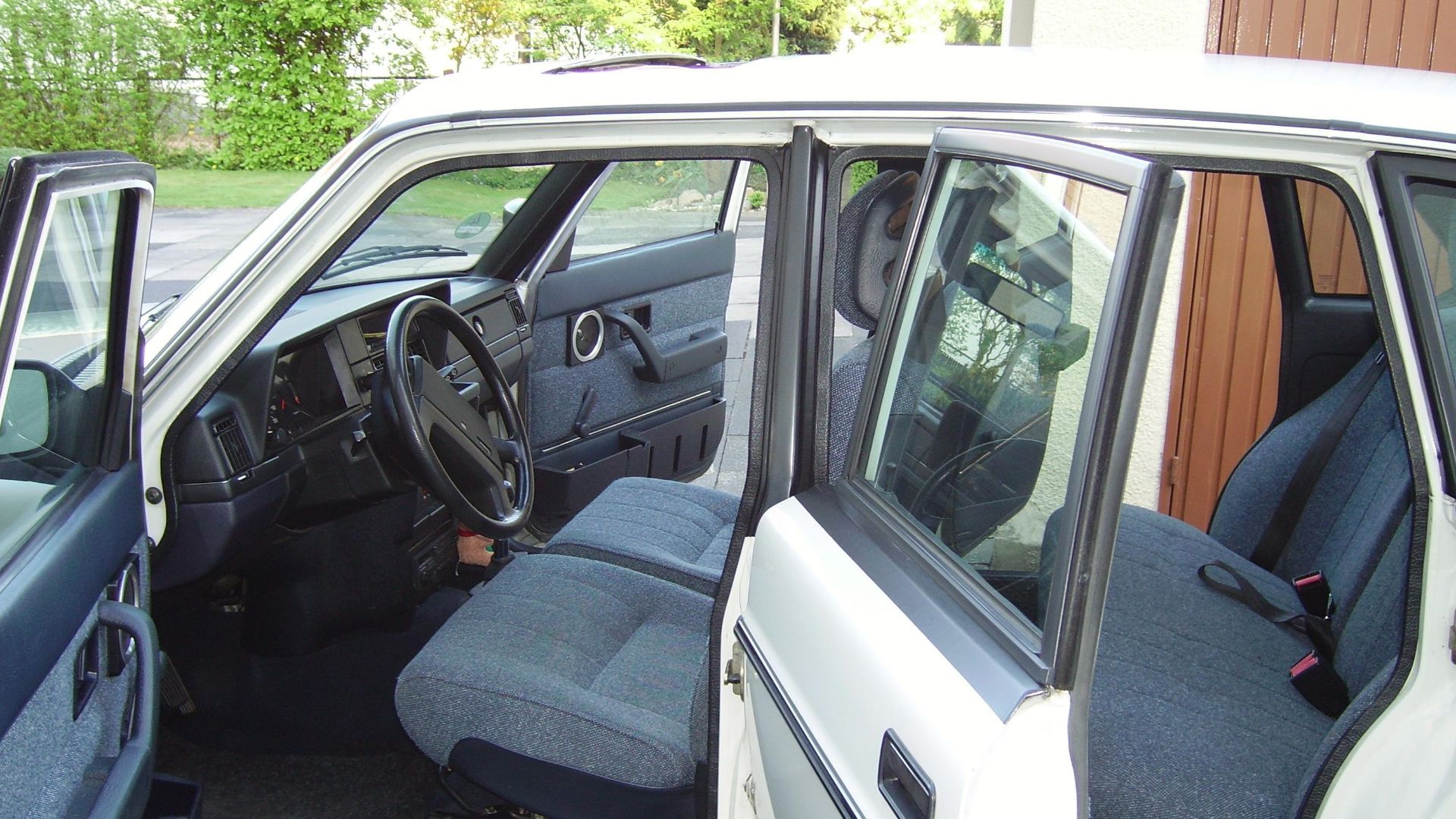
The Heater Blower Squeal
An aging heater blower could announce itself with an irritating squeal, particularly on cold mornings. Worn motor bearings sometimes produced noises that changed with fan speed. Drivers occasionally discovered that a carefully aimed dashboard tap temporarily silenced the problem. Of course, the noise usually returned just when the windshield needed defrosting.
 VonNortheim, Wikimedia Commons
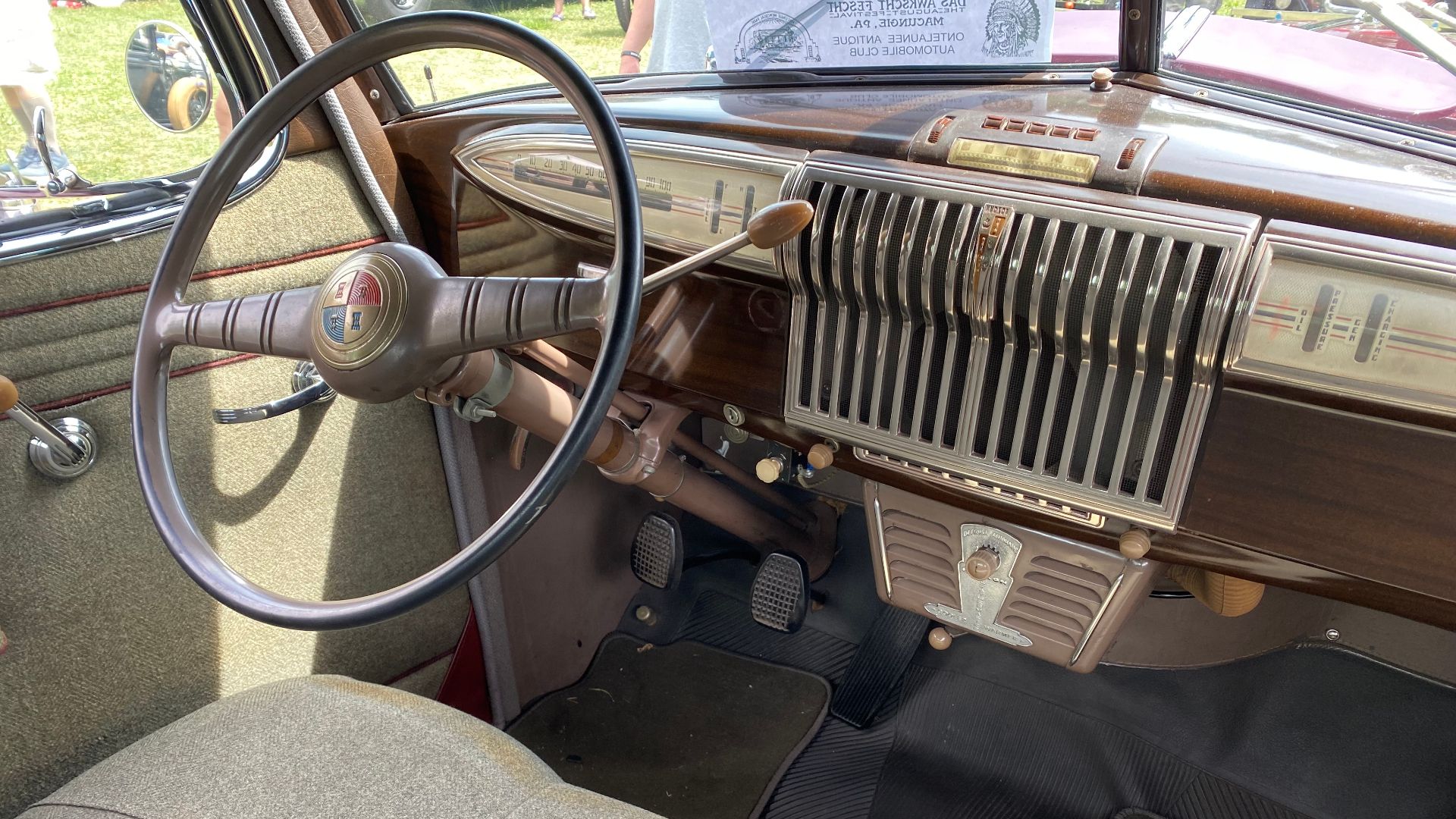
The Old-Fashioned Horn
Modern cars have plenty of distinctive horns, but older American automobiles often featured particularly memorable combinations of notes. Some luxury models produced deep, commanding blasts, while smaller cars sounded considerably less imposing. The familiar mechanical horn button also varied, from enormous steering-wheel rings to small central buttons that demanded a surprisingly firm press.
You May Also Like:
Car Brands Baby Boomers Thought Would Last Forever—Now No One Born After 2000 Has Even Heard Of Them