A Revolution That Misfired
In 1981, Cadillac introduced an engine that promised something extraordinary: the power of a V8 with the fuel economy of a smaller engine. Its computerized V8-6-4 could automatically switch between eight, six, and four cylinders. The idea was brilliant. Unfortunately, the technology wasn't quite ready, and Cadillac's ambitious experiment soon became an automotive cautionary tale.
Cadillac Faced A Crisis
During the 1970s, Cadillac had built its reputation on large, powerful luxury cars. But the oil crises of 1973 and 1979 changed American priorities. Rising gasoline prices and tightening fuel economy regulations forced Cadillac to reconsider the enormous V8 engines that had long defined its vehicles.
 JOHN LLOYD from Concrete, Washington, United States, Wikimedia Commons
Downsizing Wasn't Enough
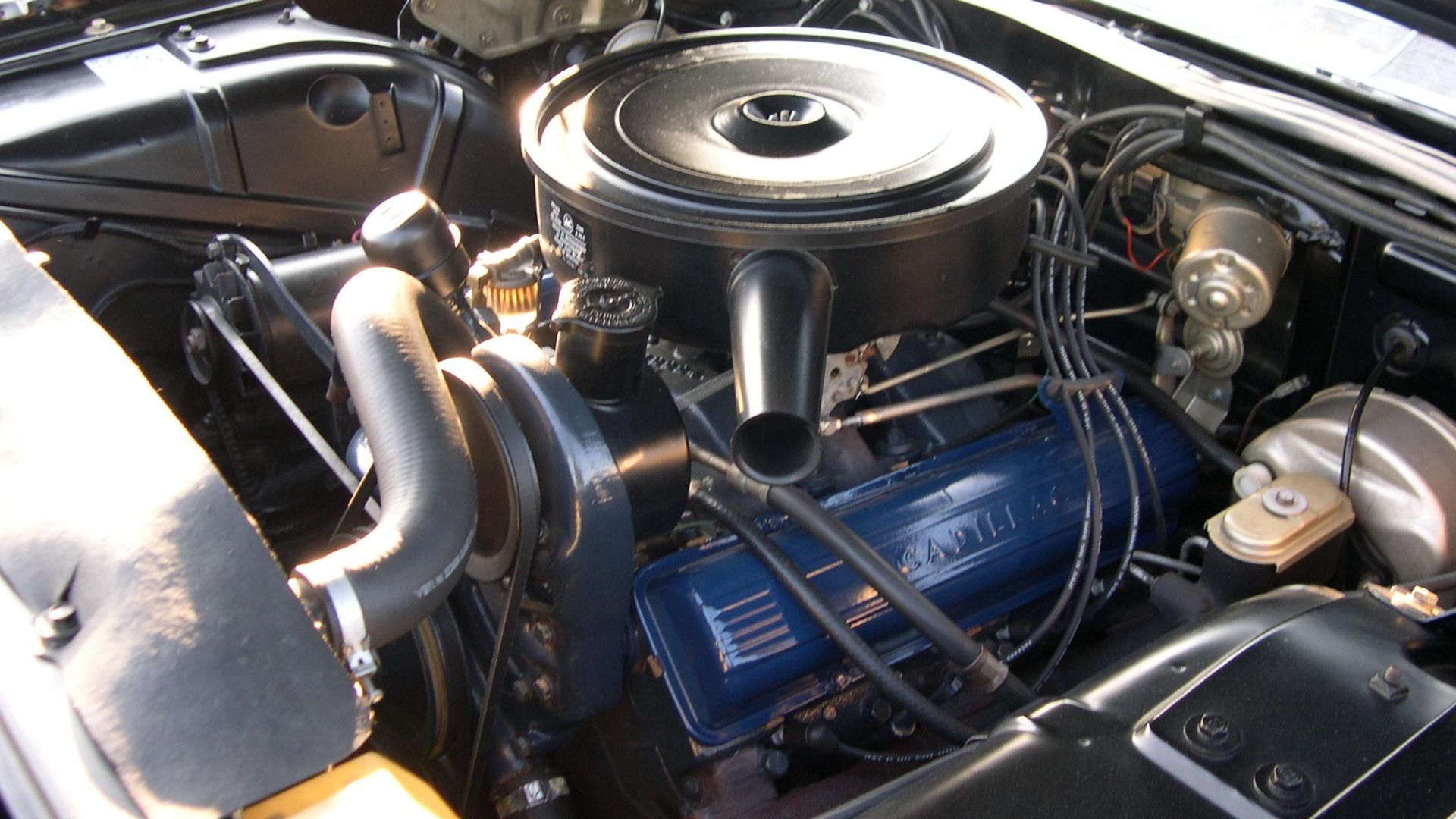
Cadillac had already begun reducing engine displacement. Its enormous 500-cubic-inch V8 disappeared after 1976, replaced by a smaller 425-cubic-inch engine. For 1980, Cadillac introduced a 368-cubic-inch, 6.0-liter V8. But the company needed additional improvements without sacrificing the smooth performance its customers expected.
 Sfoskett~commonswiki, Wikimedia Commons
An Ingenious New Idea
What if an engine could stop using cylinders whenever their power wasn't needed? During highway cruising, a large V8 operates far below its maximum capacity. By temporarily deactivating some cylinders, engineers hoped to reduce fuel consumption while retaining all eight whenever drivers needed additional power.
 That Hartford Guy, Wikimedia Commons
The Science Behind Savings
Cylinder deactivation improves efficiency partly by reducing pumping losses. With fewer cylinders producing power, the remaining cylinders operate under greater load and generally require less intake throttling. That means less energy wasted drawing air into the engine. The potential savings are greatest during steady, light-load driving.
 Mr.choppers, Wikimedia Commons
Eaton Developed The Hardware
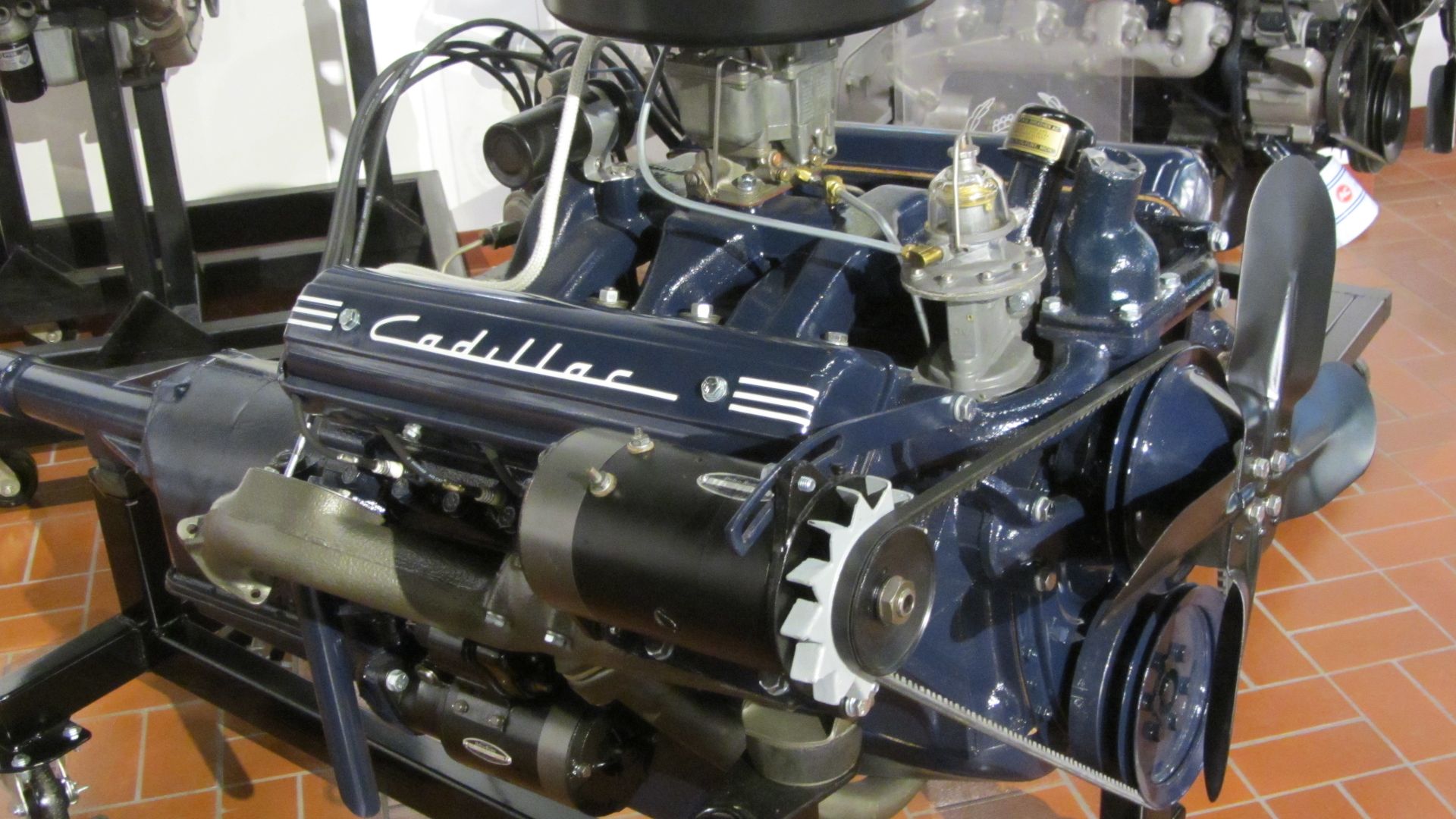
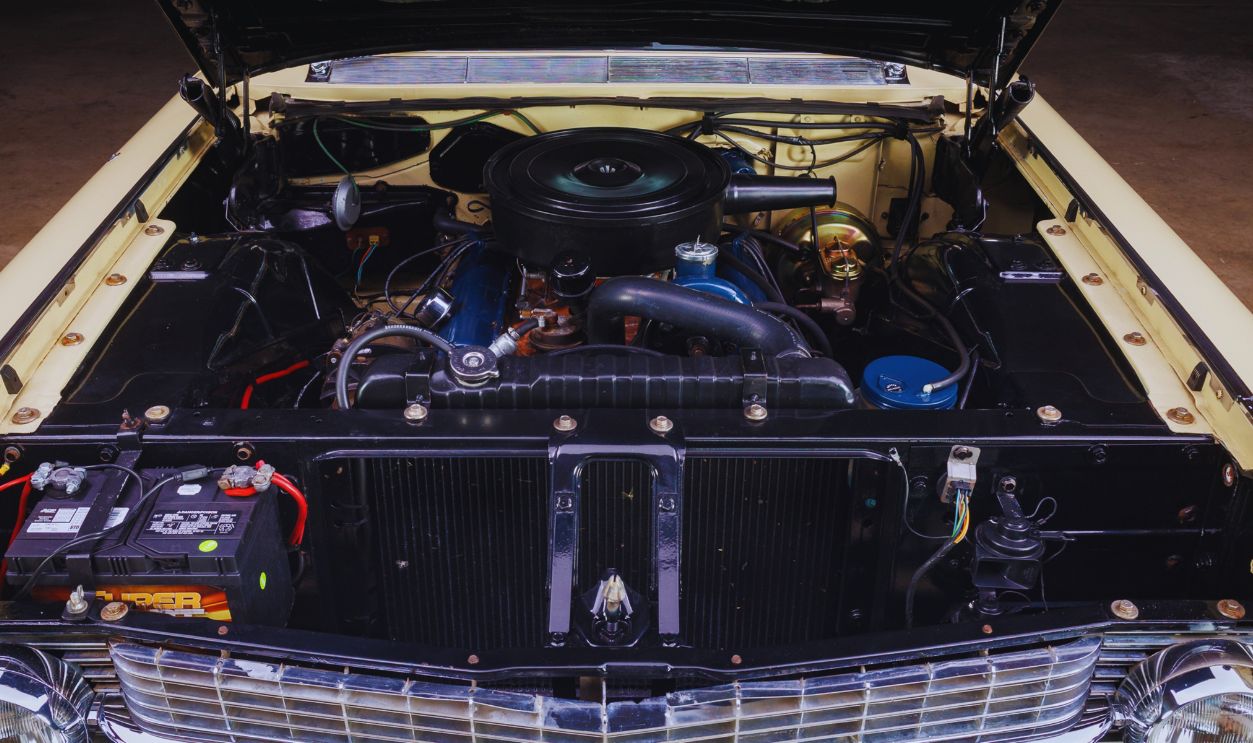
Cadillac worked with automotive supplier Eaton, whose engineers had developed patented cylinder-deactivation technology during the 1970s. The system used electrically controlled mechanisms to disengage selected rocker arms. This prevented the intake and exhaust valves from opening, effectively turning individual cylinders off while their pistons continued moving.
Three Engines In One
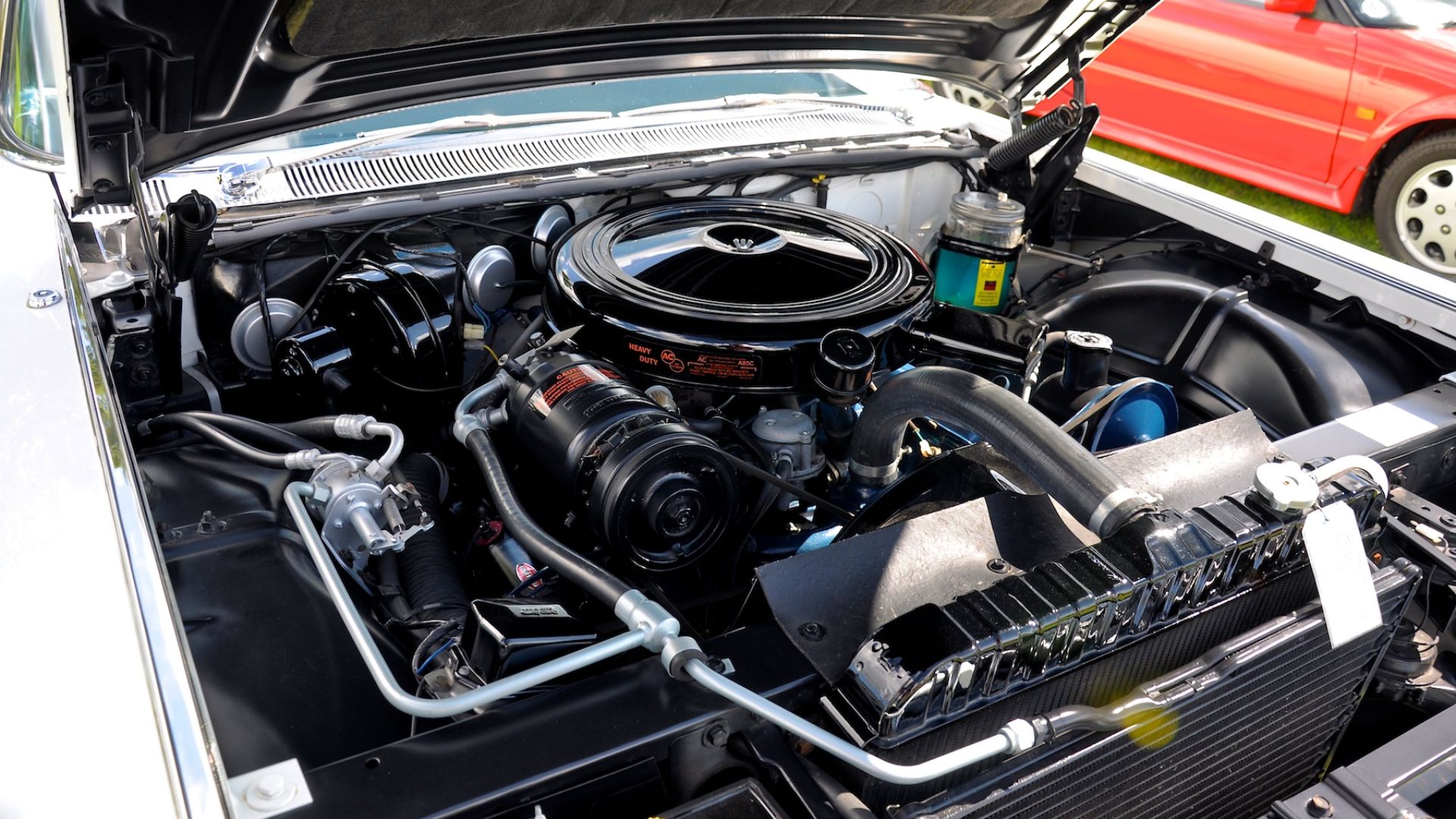
The resulting engine was officially designated the L62, but Cadillac marketed it as the V8-6-4. Depending on driving conditions, it could operate as a 6.0-liter V8, an effective 4.5-liter V6, or a 3.0-liter V4. Drivers received full V8 power whenever acceleration or heavier loads demanded it.
 Martin Pettitt, Wikimedia Commons
Computers Made It Possible
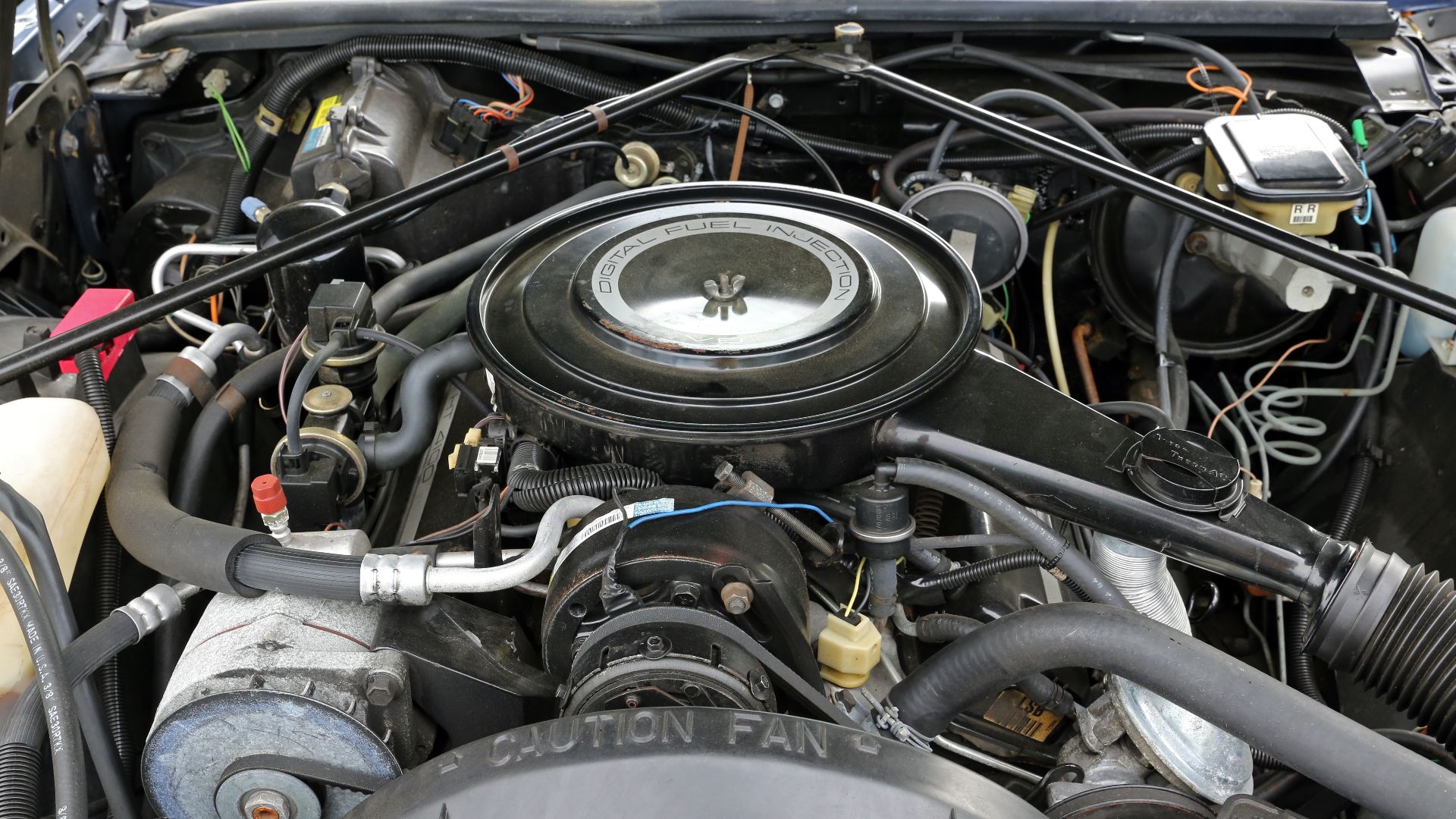
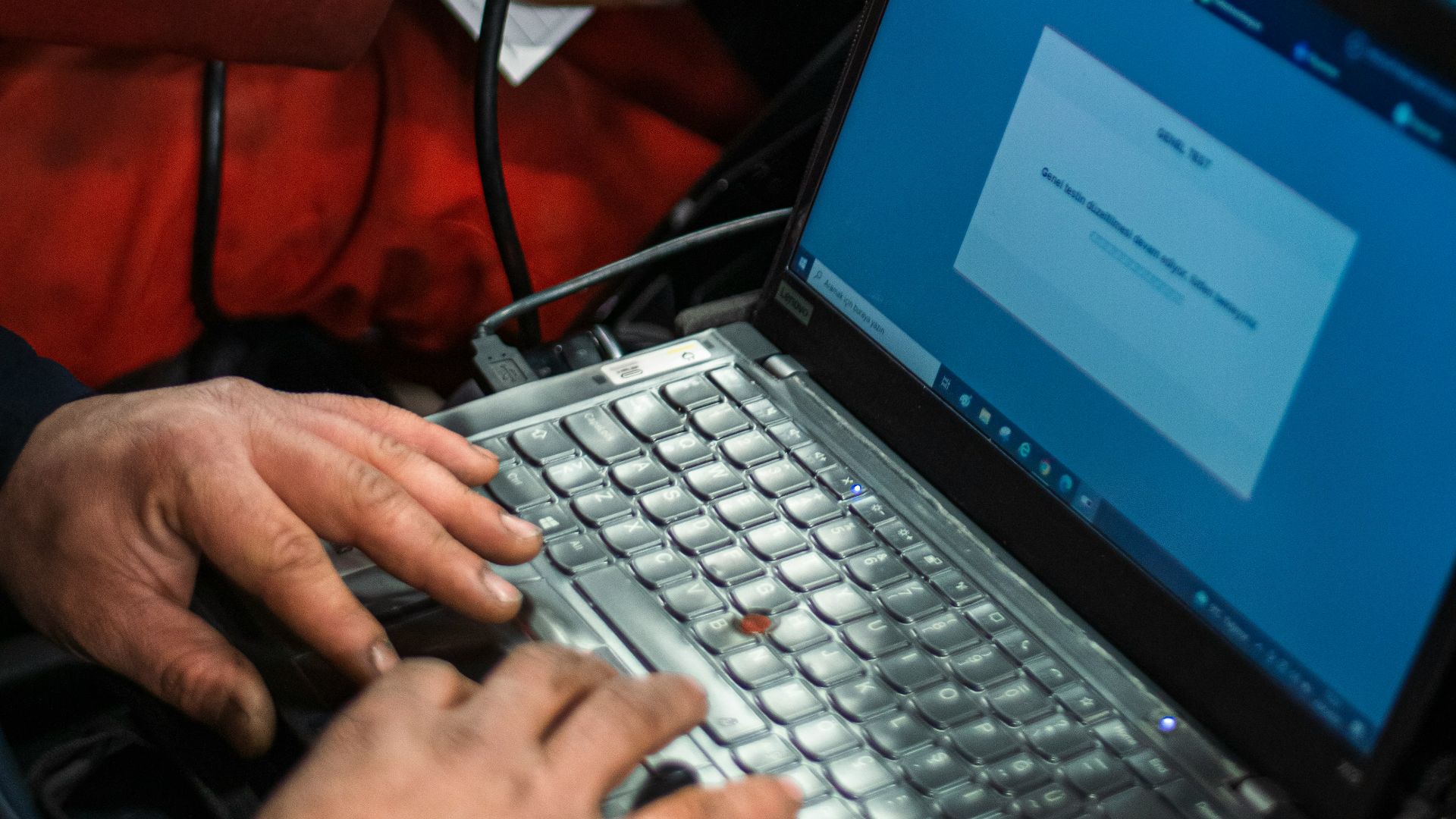
An onboard computer monitored engine speed, vehicle speed, throttle position, intake pressure, temperature, and other information. It then decided how many cylinders should operate. The computer also managed fuel injection and ignition timing, making the V8-6-4 one of the most electronically sophisticated American production engines of its era.
The Fuel System Was Different
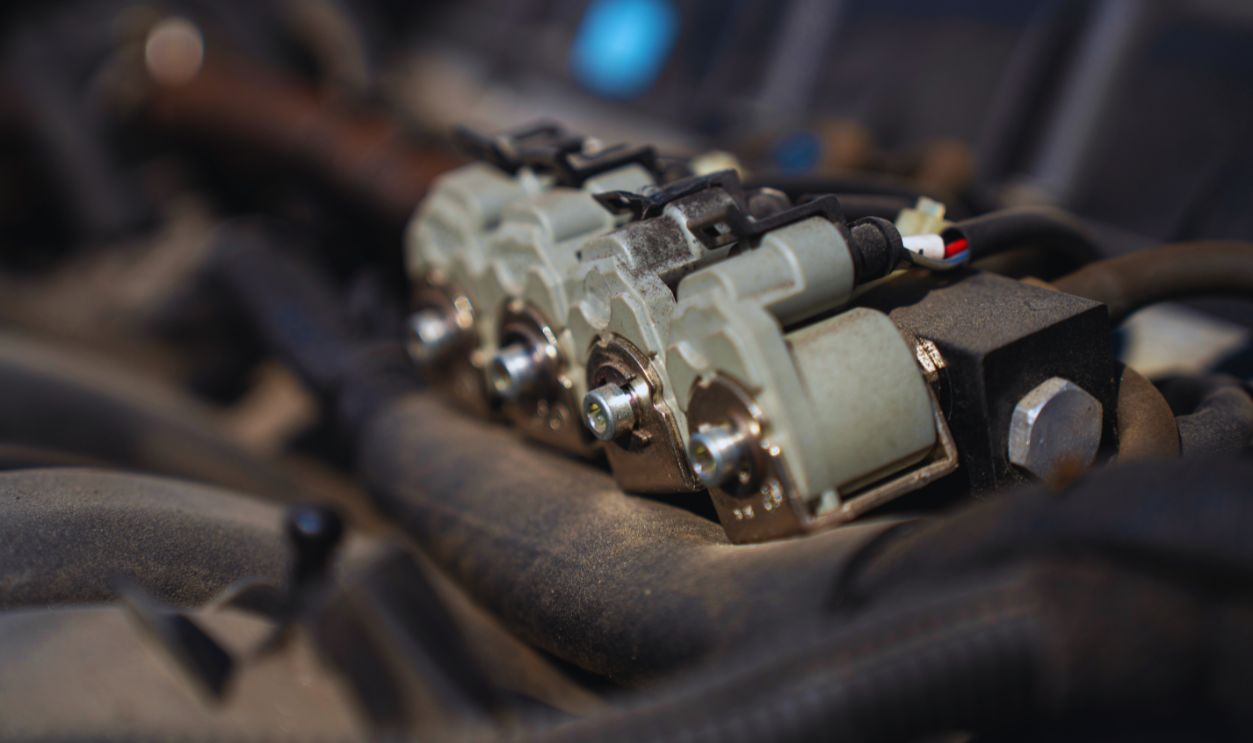
Unlike modern engines with individually controlled fuel injectors, Cadillac's V8-6-4 used throttle-body fuel injection. Two injectors supplied fuel through the intake manifold. Although the computer could adjust overall fuel delivery, it couldn't independently shut off fuel to each deactivated cylinder, creating complications during transitions.
Cadillac Promised Big Savings
Cadillac promoted the system as an important advance in fuel economy. Engineers anticipated meaningful savings during highway cruising, with some claims suggesting improvements of several miles per gallon. The appeal was obvious: customers could continue driving traditional luxury Cadillacs without paying quite such a steep penalty at the gas pump.
A High-Tech Cadillac Arrived
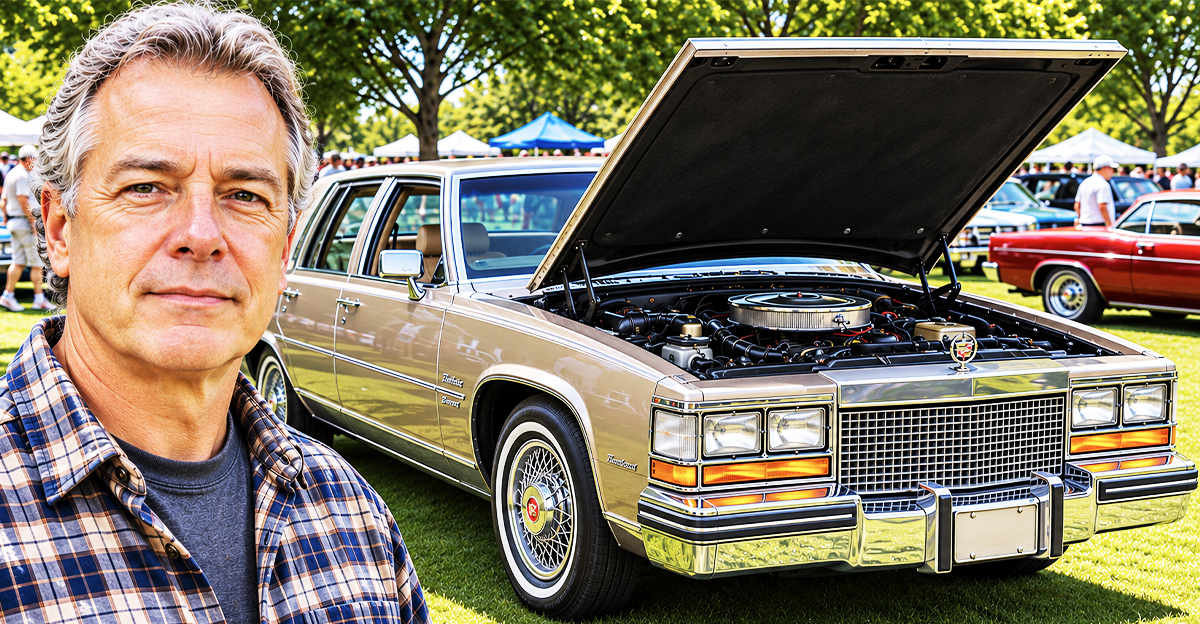
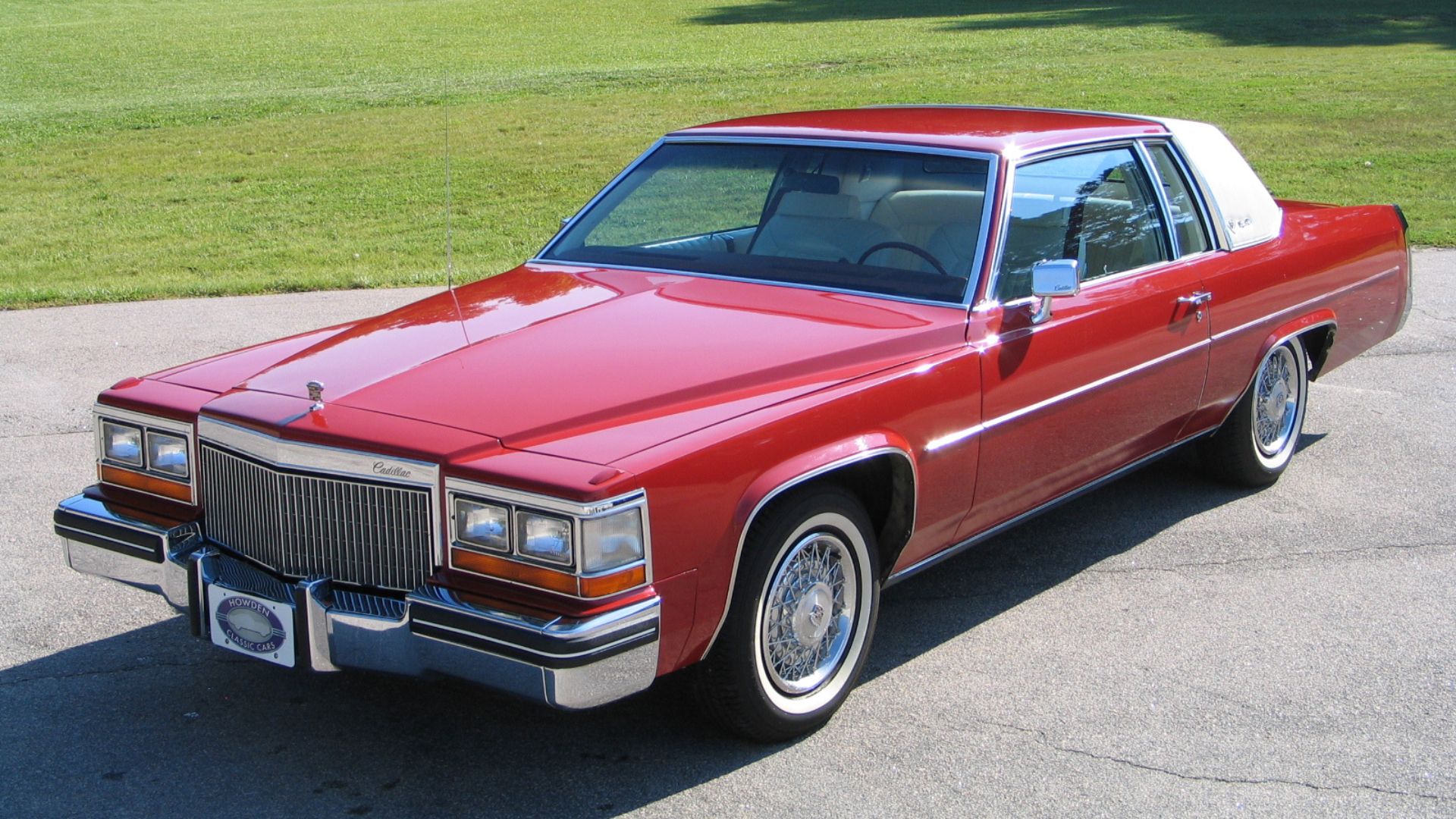
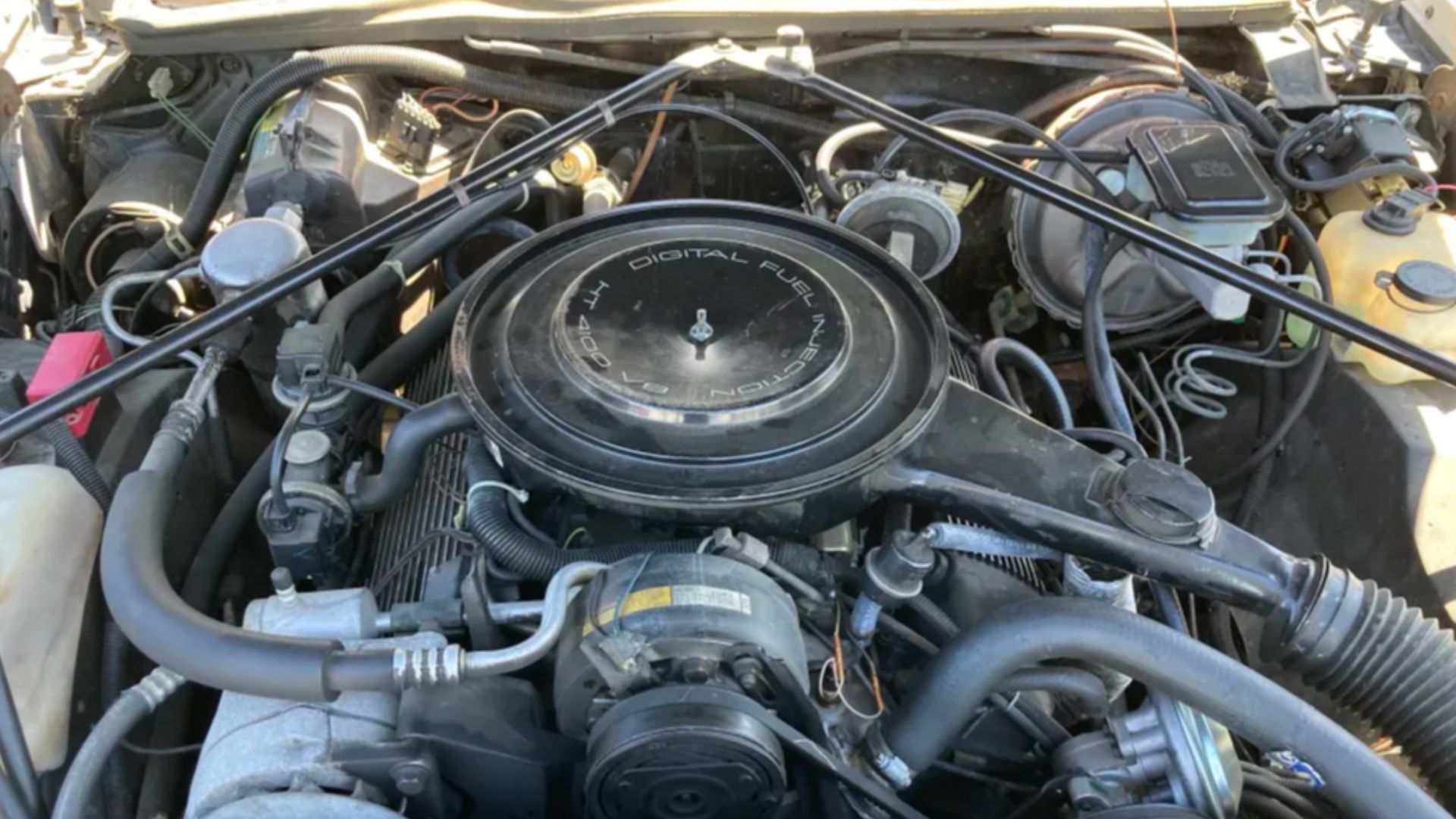
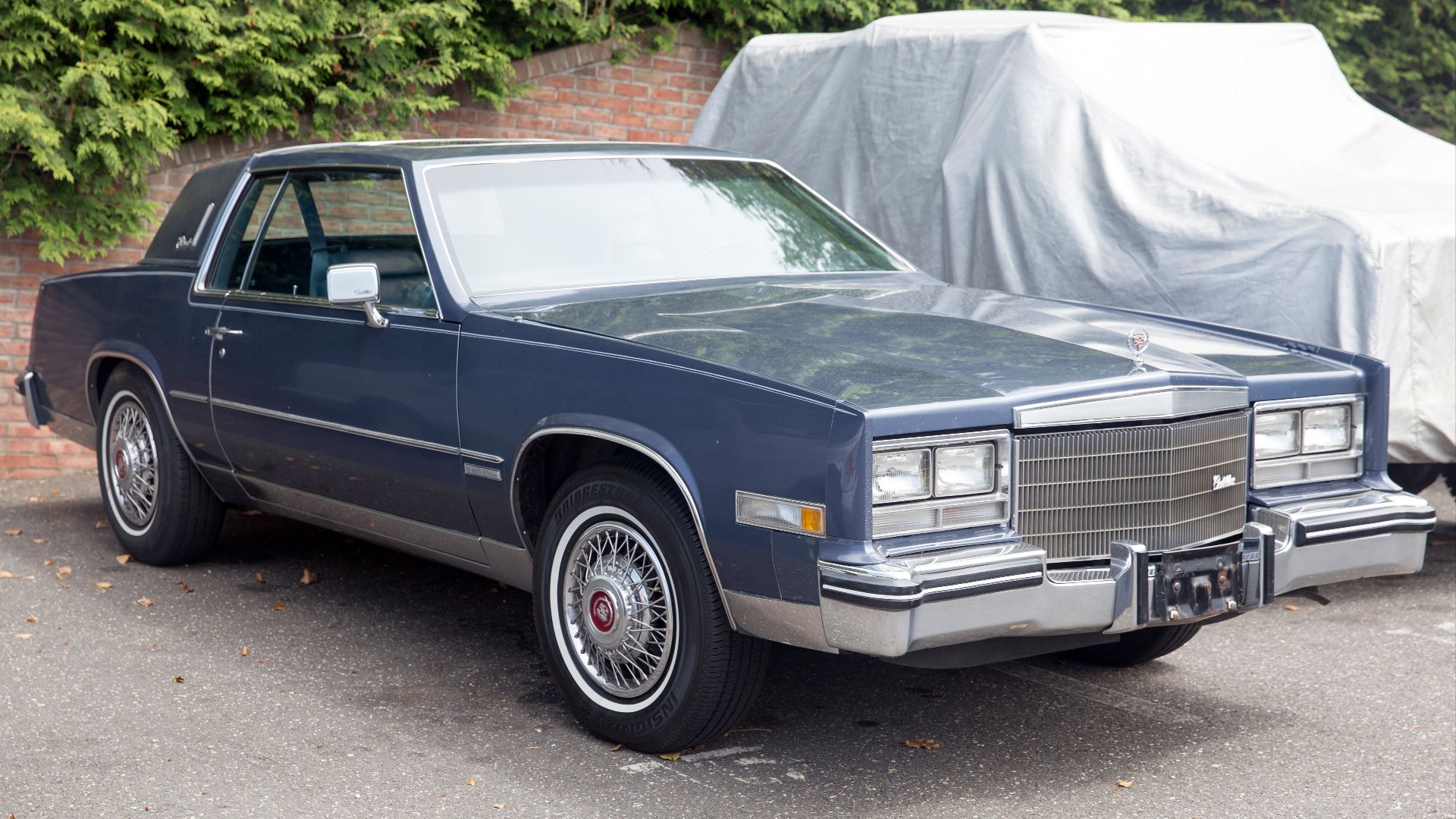
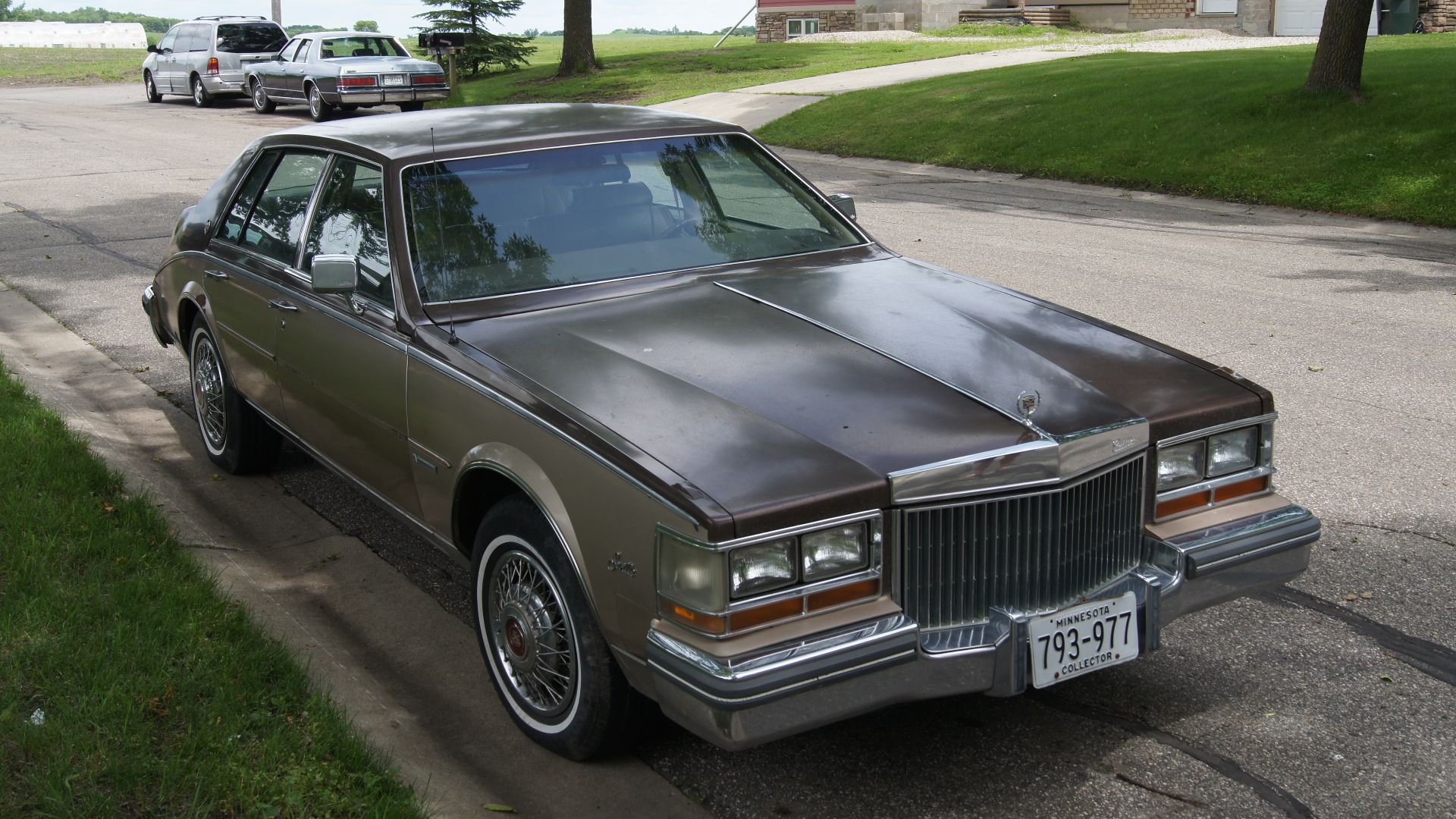
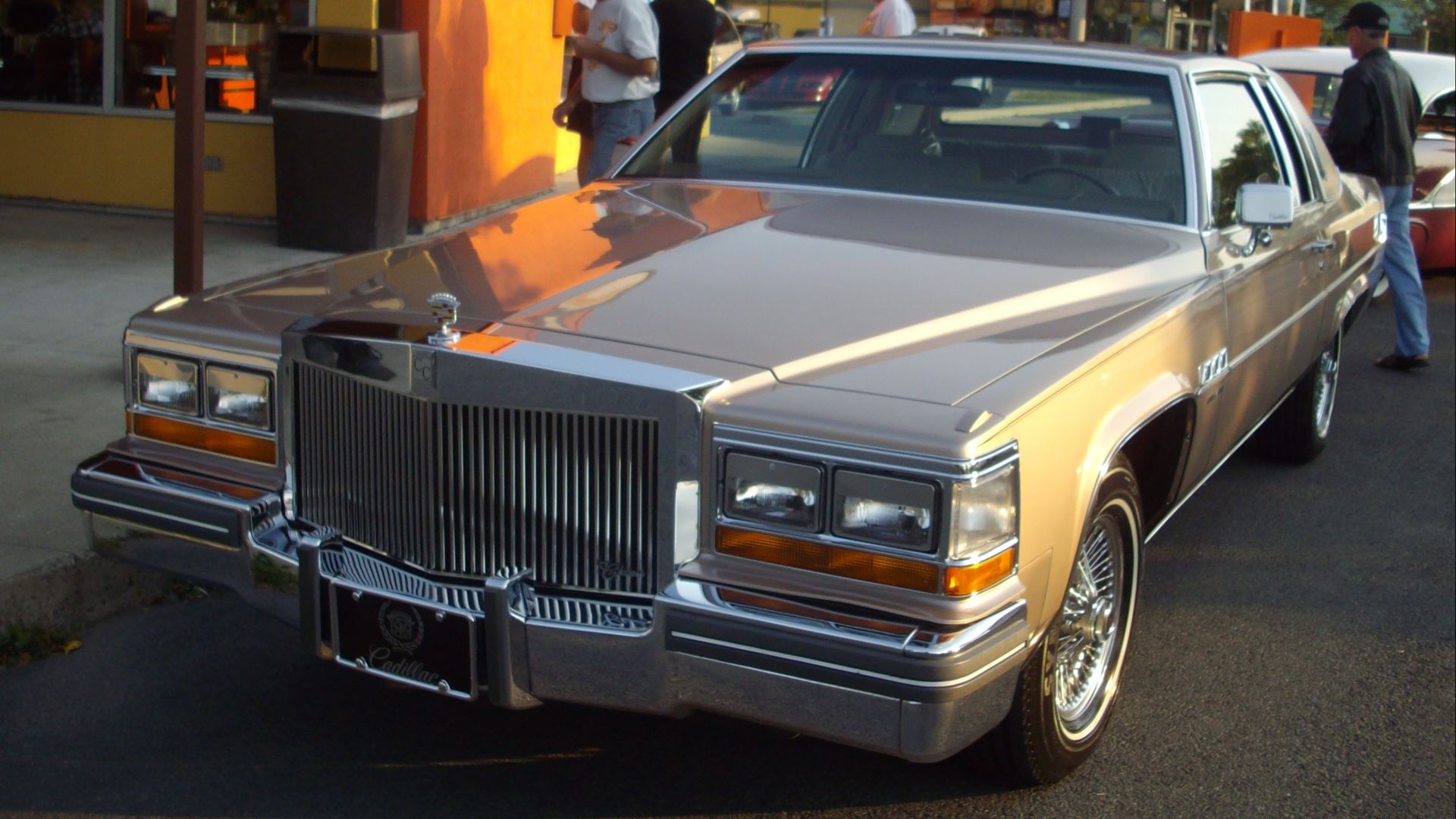
The V8-6-4 appeared for the 1981 model year in Cadillac models including the DeVille, Fleetwood, Eldorado, and Seville, although alternative engines were available. Rated at approximately 140 horsepower, it wasn't particularly powerful for its size, but its real selling point was improved efficiency without abandoning V8 refinement.
 Mr.choppers, Wikimedia Commons
Drivers Could Watch It
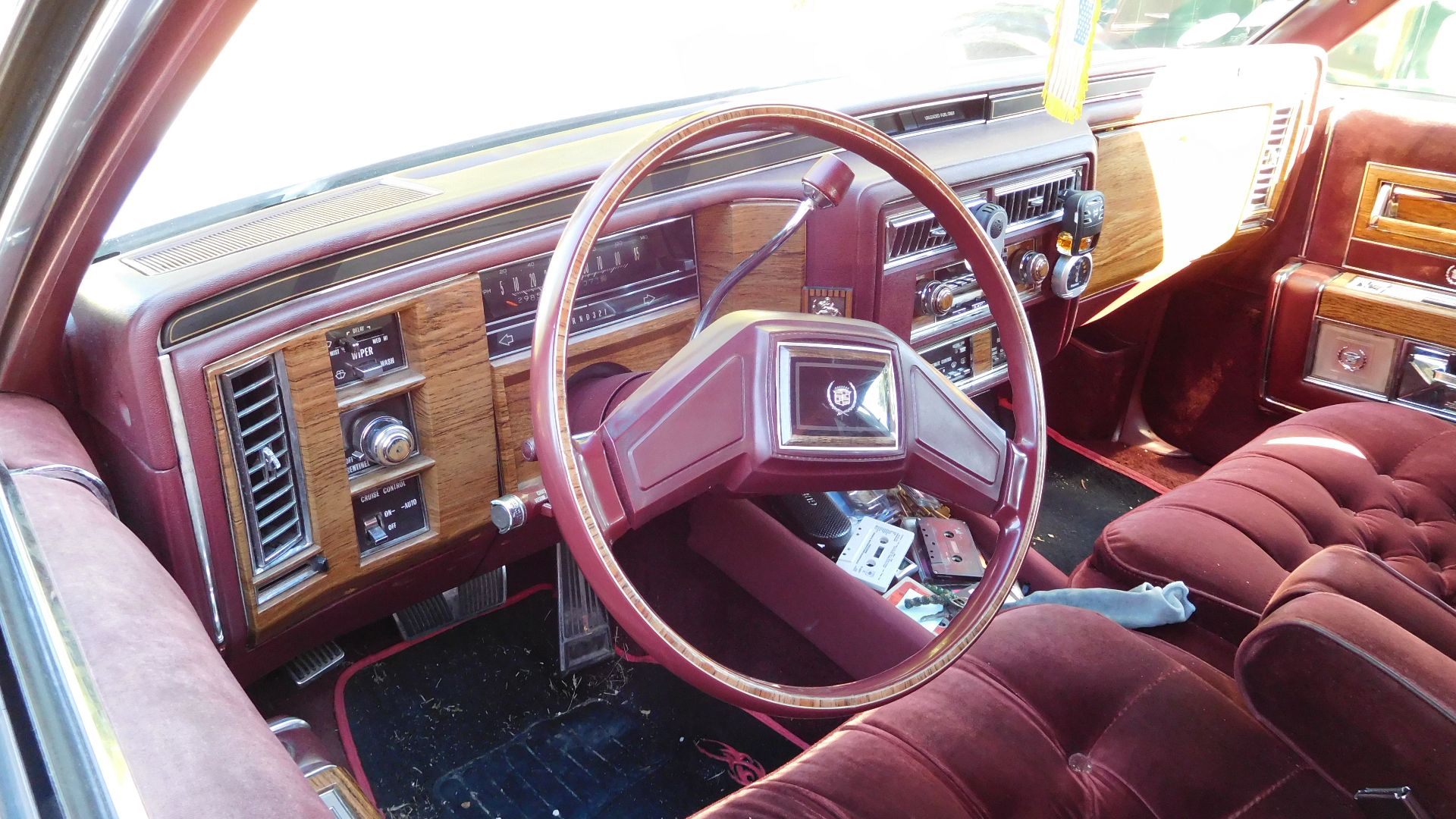
Cadillac even provided a digital display called the MPG Sentinel. Besides showing fuel economy information, it allowed drivers to see how many cylinders were operating. Watching the engine switch between eight, six, and four cylinders was a novelty, and it reinforced Cadillac's image as a technological innovator.
Early Reviews Offered Hope
Not every early assessment was negative. In April 1981, Car and Driver reported that its test Cadillac switched between cylinder modes surprisingly smoothly. However, the magazine also noticed repeated switching during steady highway cruising. That behavior would become one of the system's most troublesome characteristics.
 Greg Gjerdingen, Wikimedia Commons
Real-World Driving Exposed Problems
Once customers began driving their Cadillacs in everyday conditions, the weaknesses became apparent. Some engines hesitated, surged, or stumbled as cylinders switched on and off. The transitions that were supposed to be almost imperceptible could instead make a luxury car feel rough and unpredictable.
The Computer Couldn't Keep Up
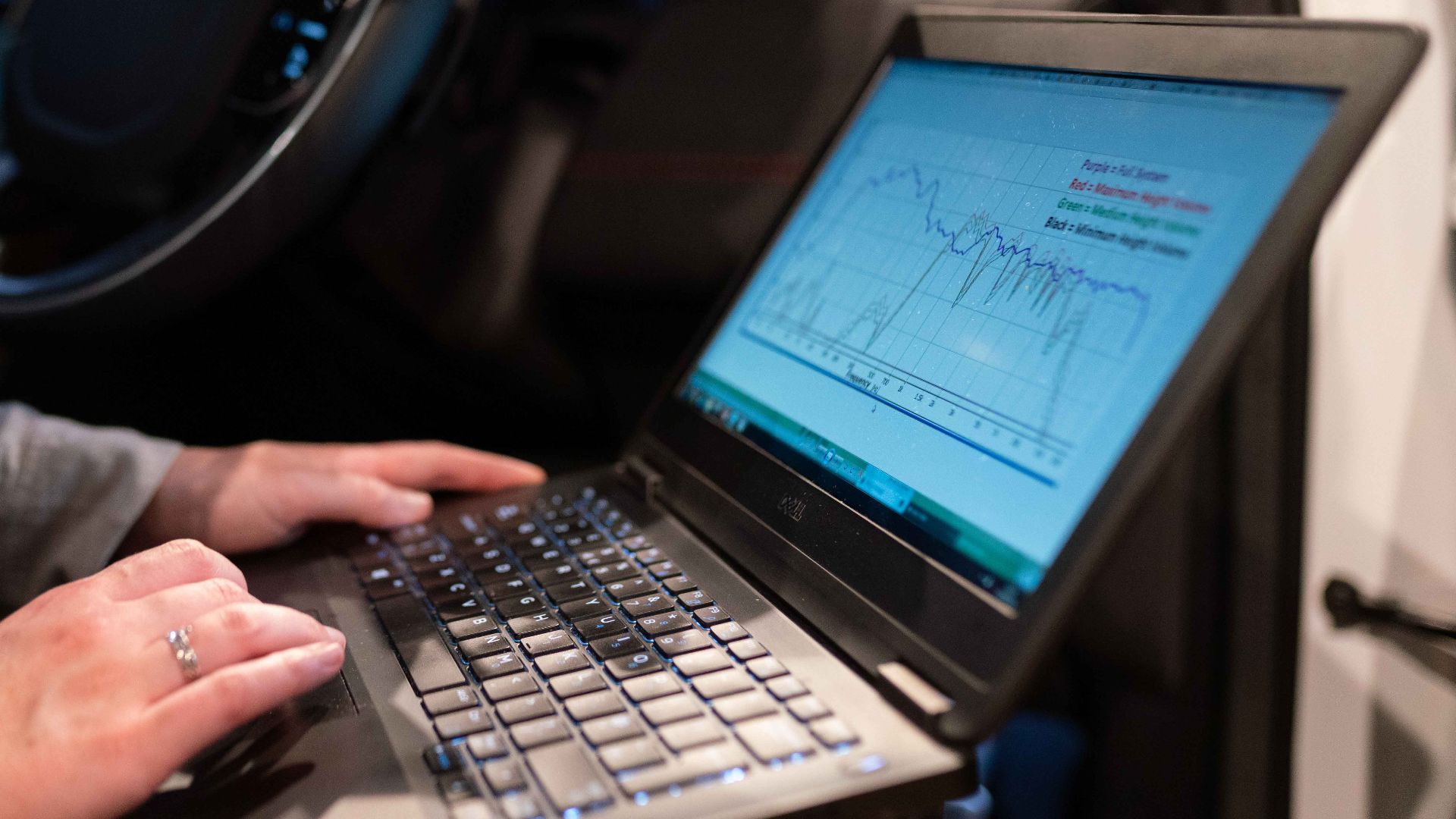
The biggest challenge was coordinating cylinder activation, fuel delivery, and ignition timing. Early 1980s engine computers had limited processing power compared with modern systems. When driving conditions changed rapidly, the computer sometimes struggled to respond smoothly, producing hesitation and unwanted changes in engine behavior.
It Kept Changing Cylinders
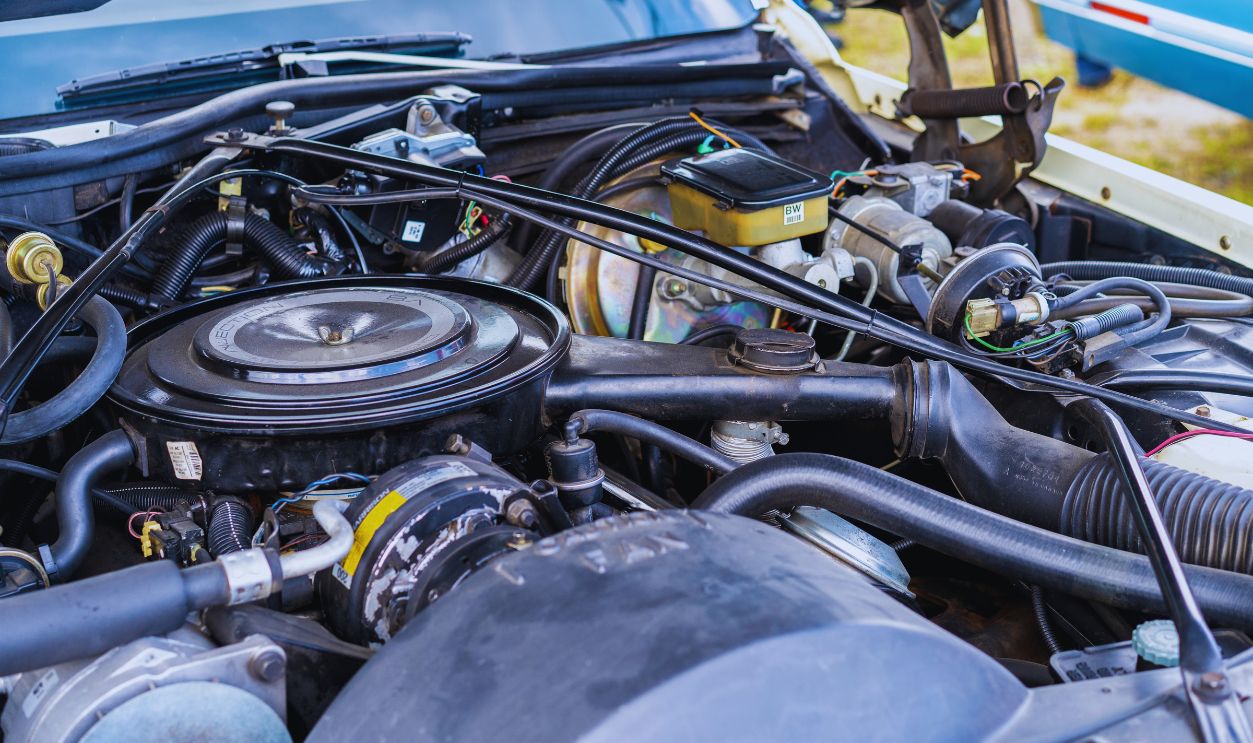
One particularly irritating problem was known as mode hunting. During steady driving, the engine could repeatedly switch between four-, six-, and eight-cylinder operation. Small changes in throttle position or road conditions triggered additional transitions. Instead of enjoying effortless cruising, drivers sometimes experienced an unsettling series of surges and vibrations.
Six Cylinders Created Vibrations
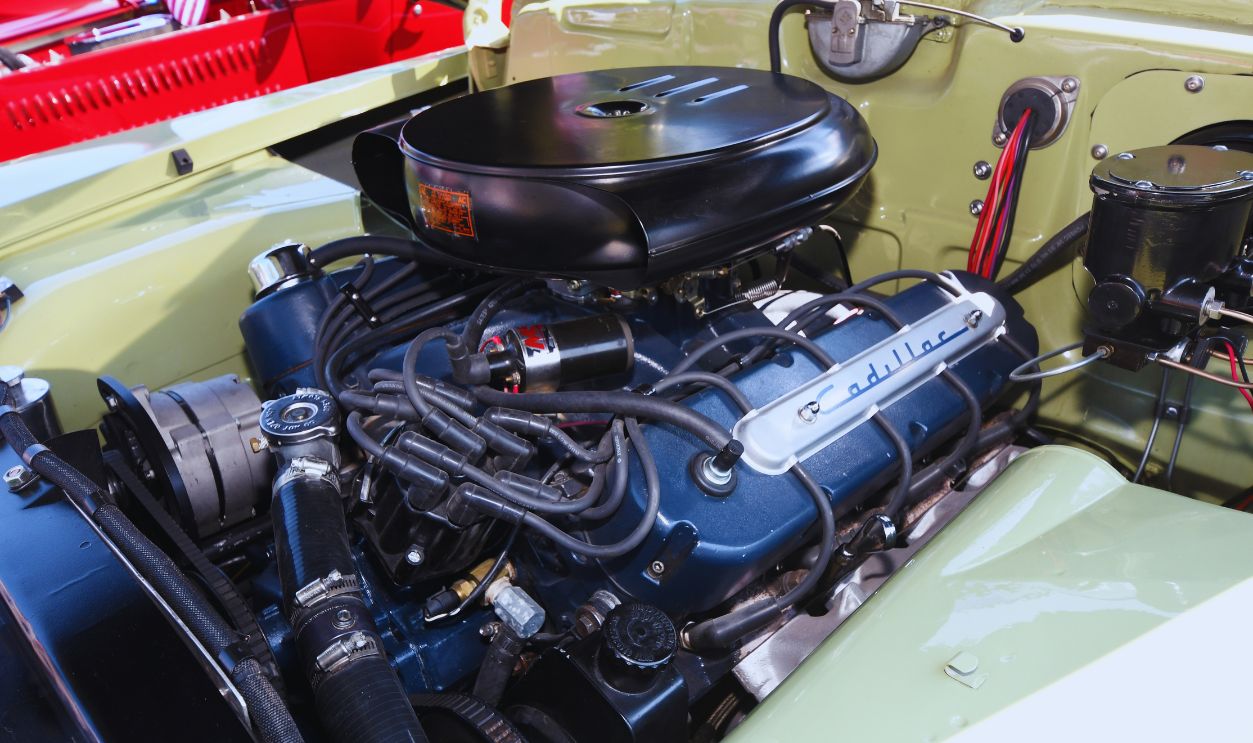
Operating a conventional V8 with only six cylinders firing introduced another complication. The remaining firing intervals were uneven, producing vibrations that weren't characteristic of Cadillac's traditionally smooth engines. Some owners complained about roughness that seemed more like a mechanical problem than a sophisticated fuel-saving feature.
 Bruce Alan Bennett, Shutterstock
Fuel Delivery Caused Trouble
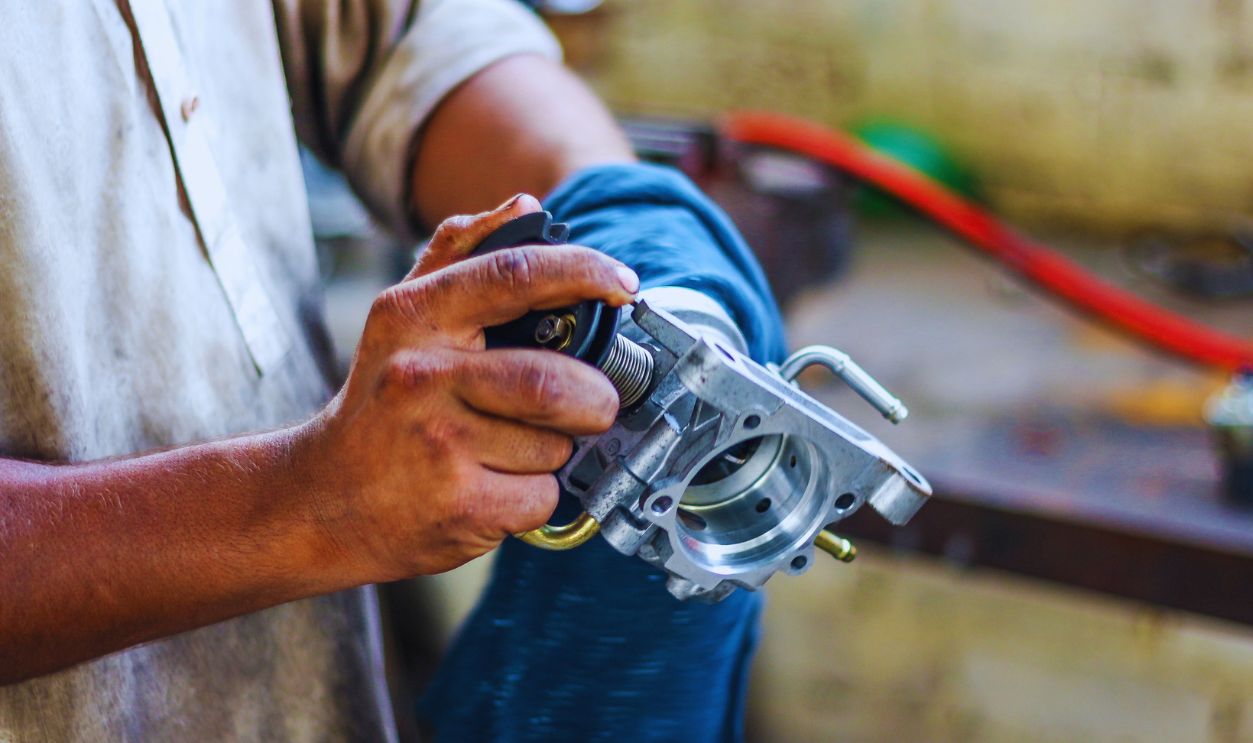
The throttle-body injection system had problems of its own. Fuel could collect near the closed intake valves of inactive cylinders, producing an excessively rich mixture when those cylinders resumed operation. Sticking injectors and other fuel-system faults added to the complaints, sometimes causing hesitation or stalling.
The Savings Disappointed
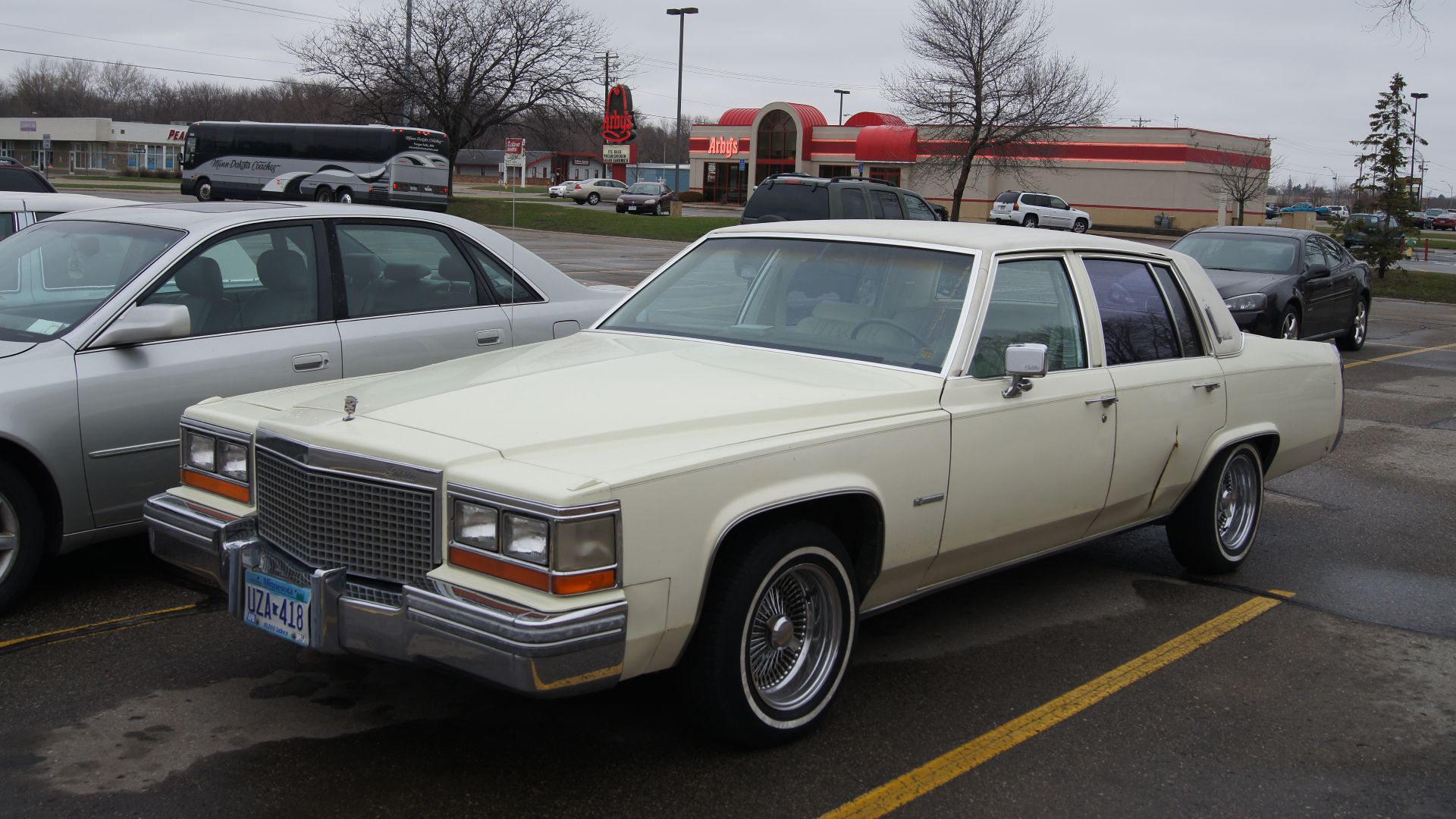
The promised fuel economy improvements were difficult to demonstrate consistently. The 1981 DeVille's EPA city rating remained around 15 mpg, while Car and Driver averaged just 11 mpg during its road test. Although driving conditions affected those figures, the results hardly suggested the fuel-saving revolution Cadillac had advertised.
 Greg Gjerdingen from Willmar, USA, Wikimedia Commons
Dealers Faced Frustrated Owners
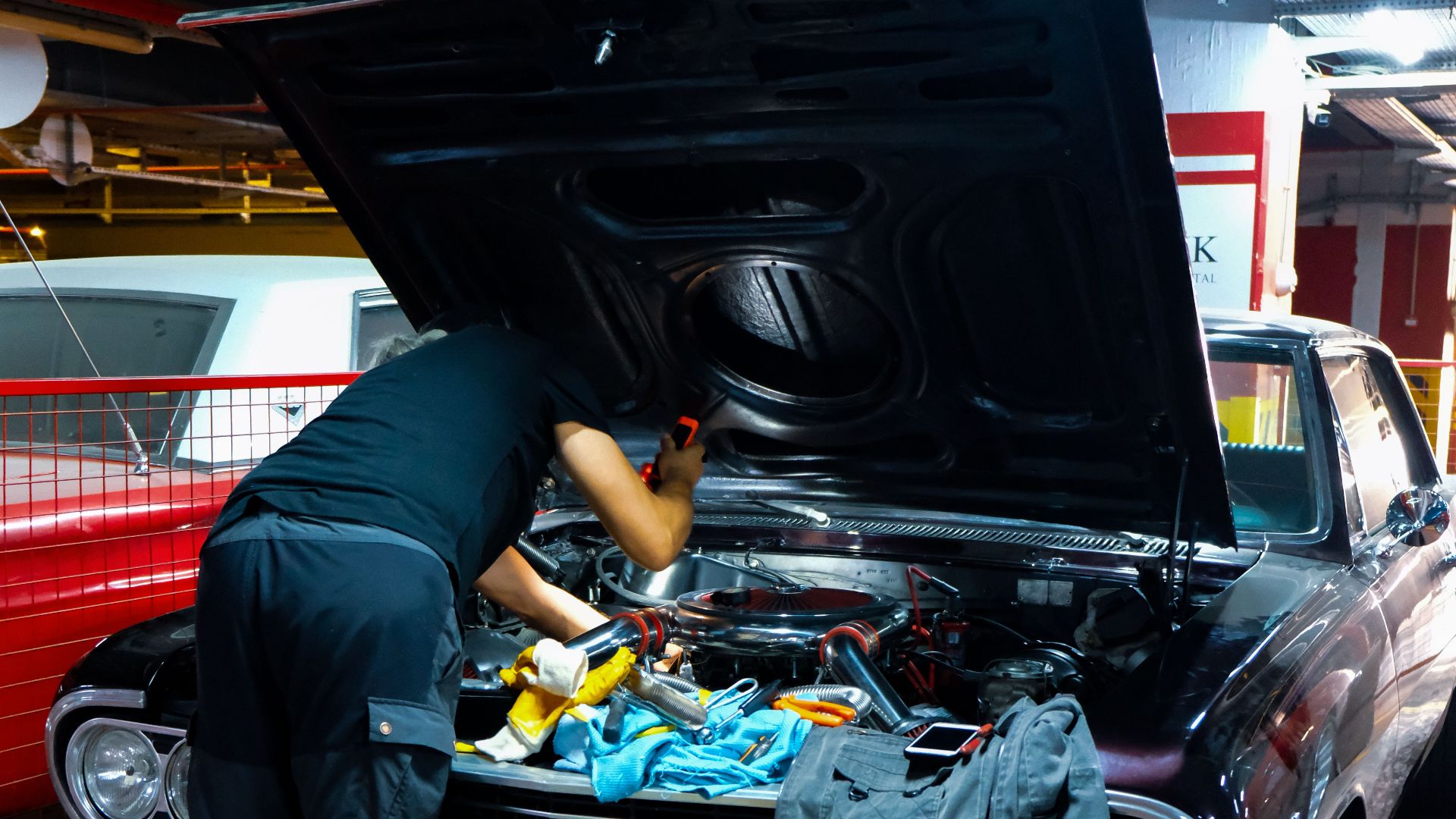
Cadillac dealerships soon found themselves dealing with complaints about rough running and inconsistent performance. Technicians faced an unfamiliar combination of electronic controls, sensors, and mechanical actuators. Cadillac issued numerous revisions and troubleshooting instructions, but resolving the problems proved difficult. Customers who expected effortless luxury were understandably disappointed.
Cadillac Tried Damage Control
In July 1981, Cadillac sent owners a letter addressing concerns about the engine. The company also offered extended coverage for its electronic engine-control components. Nevertheless, complaints continued, and lawsuits followed. Some owners had the cylinder-deactivation system disabled, allowing their engines to operate continuously on all eight cylinders.
 Bull-Doser at English Wikipedia, Wikimedia Commons
The Engine Disappeared Quickly
For ordinary Cadillac passenger cars, the V8-6-4 lasted just one model year. However, its departure wasn't simply an emergency response to customer complaints. Cadillac had already planned to introduce its smaller, lighter HT-4100 V8 for 1982. The troublesome V8-6-4 was effectively a short-term solution that failed to deliver its intended benefits.
Limousines Kept It Longer
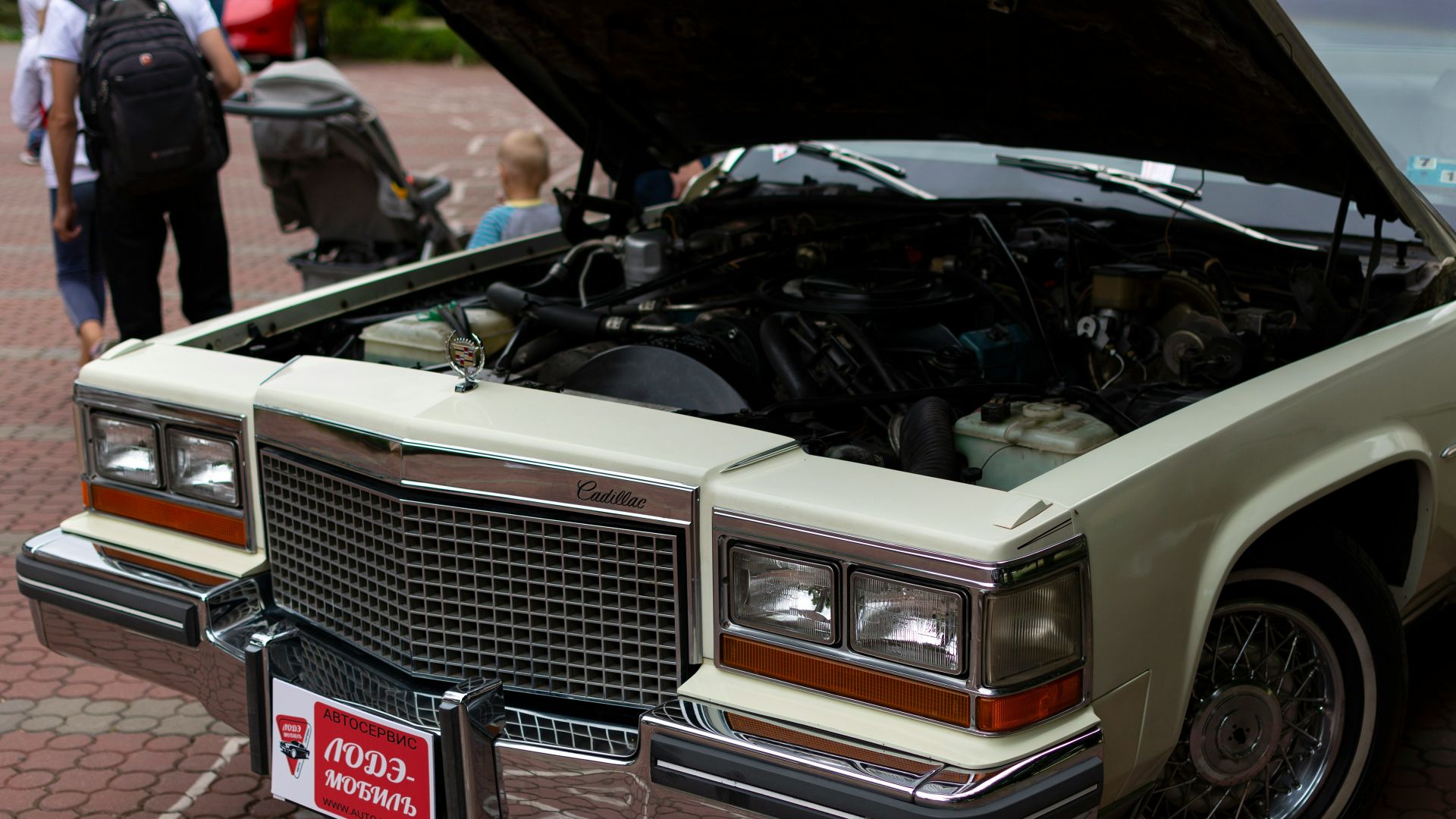
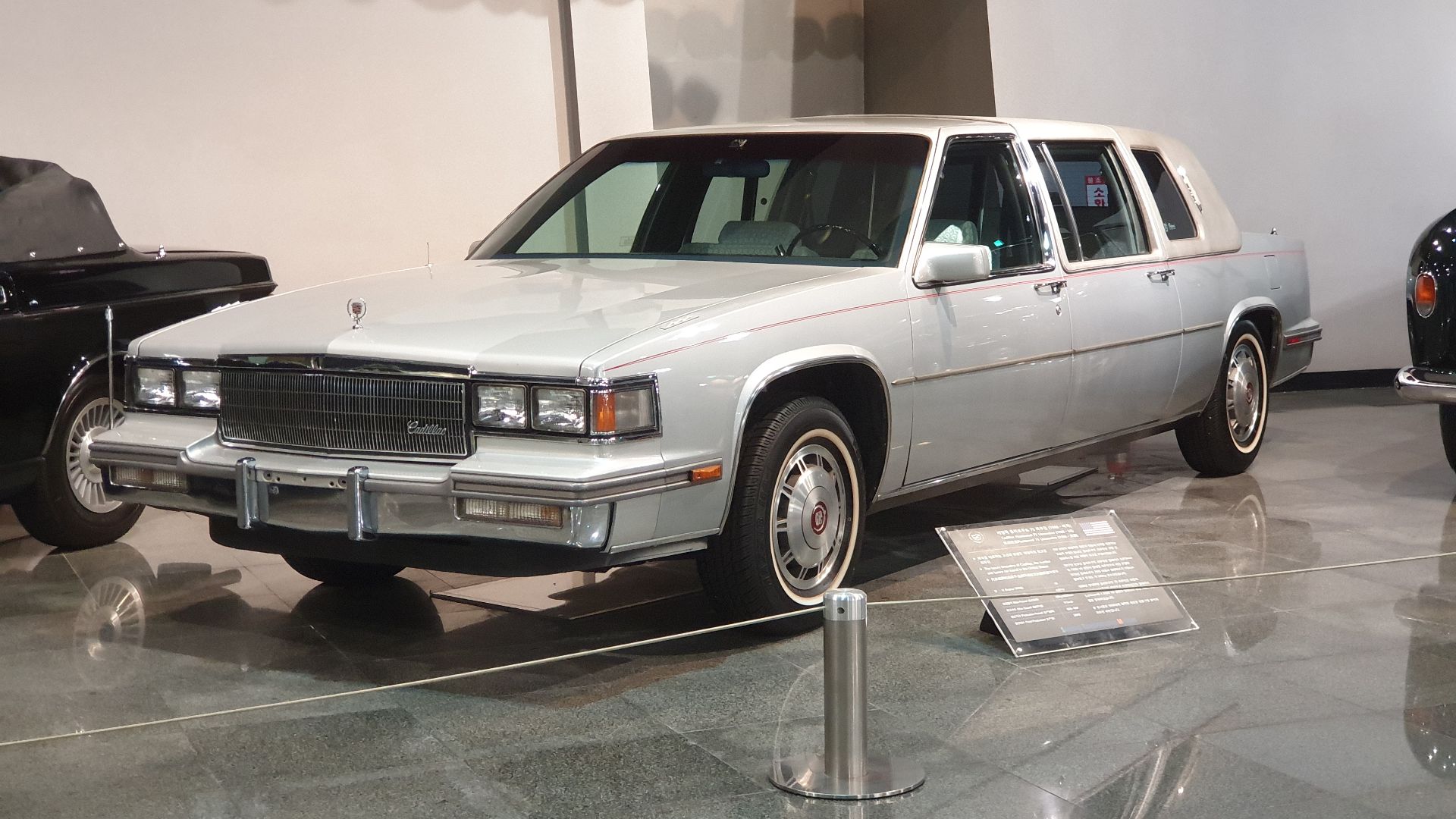
Although the V8-6-4 disappeared from regular passenger-car production after 1981, it remained available in Cadillac Fleetwood limousines through 1984. Those specialized vehicles continued using the older 6.0-liter engine while most Cadillacs moved to the new HT-4100. The V8-6-4 therefore survived longer than its one-year reputation suggests.
 Damian B Oh, Wikimedia Commons
Other Manufacturers Tried Again
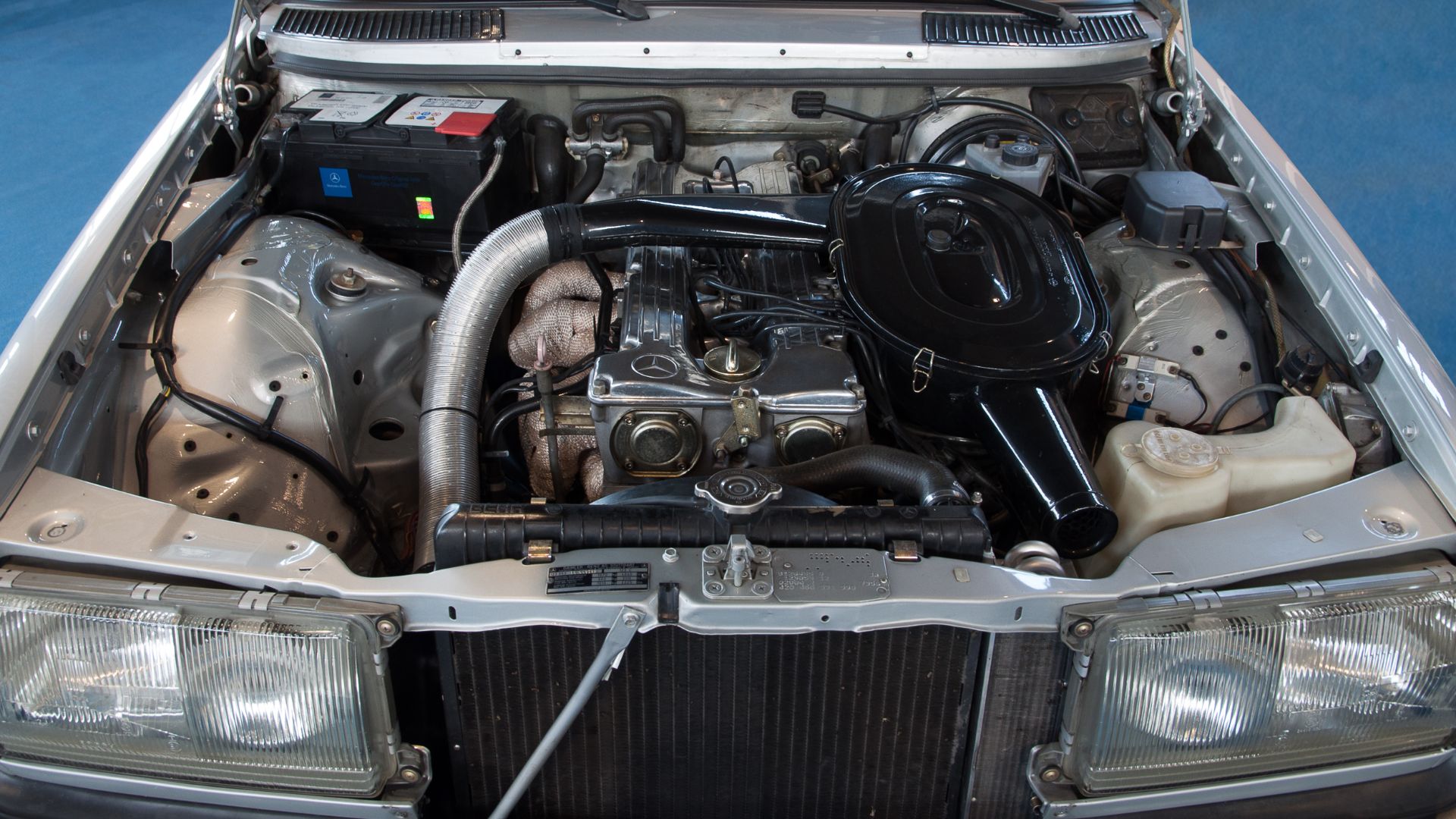
Cylinder deactivation didn't disappear with Cadillac's experiment. Mitsubishi experimented with variable-displacement four-cylinder engines during the 1980s, while Mercedes-Benz introduced cylinder shutoff on selected luxury engines around the turn of the millennium. Improved electronics and more sophisticated valve-control mechanisms gradually made the concept increasingly practical.
GM Returned To Deactivation
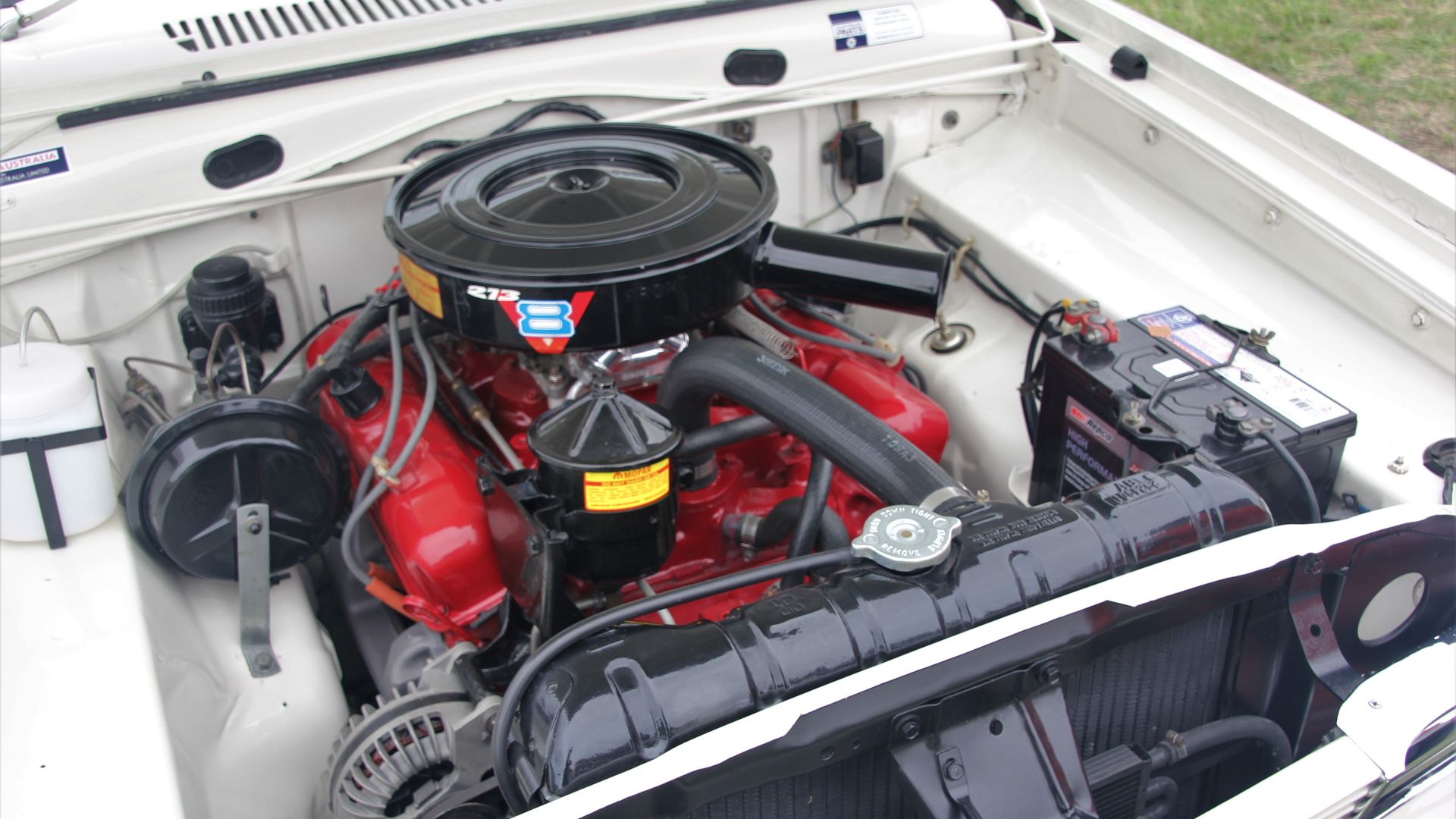
General Motors revisited the idea with Displacement on Demand, later marketed as Active Fuel Management, during the 2000s. Chrysler also introduced its Multi-Displacement System on Hemi V8 engines. These systems used improved electronic controls and hydraulic valve mechanisms to deactivate cylinders more smoothly, making fuel-saving operation much less noticeable to drivers.
Cadillac's Idea Finally Succeeded
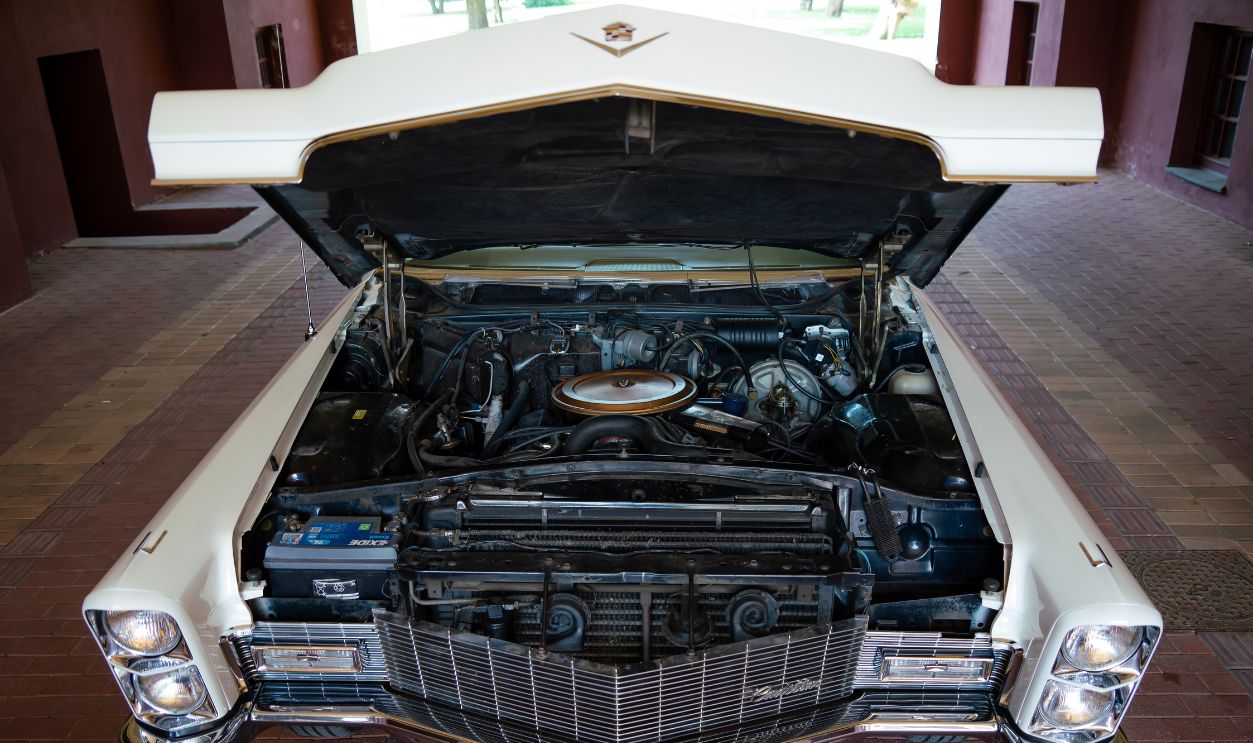
Modern cylinder-deactivation systems demonstrate that Cadillac's underlying concept was sound, even if its original execution was flawed. Advances in engine computers, fuel injection, valve controls, and vibration management made the technology practical. Cadillac's V8-6-4 remains a fascinating example of an automotive innovation arriving before the supporting technology was sufficiently mature.
You May Also Like:
Cars That Changed Their Brand’s Reputation
American Cars From The 1980s That Were Supposed To Save Detroit But Couldn’t