Your Car Is Secretly Threatening Your Life With These Hidden Dangers
You hop in your car, turn the key, and head out without a second thought. It feels safe. Familiar. Almost comforting. But the truth is, your car may be hiding dangers you never notice—until something goes very wrong. These aren’t dramatic Hollywood disasters. They’re everyday risks quietly lurking inside the cabin, slowly building up through wear, neglect, or bad design. Let’s take a closer look at the hidden threats riding along with you every time you drive.
Carbon Monoxide: The Invisible Killer
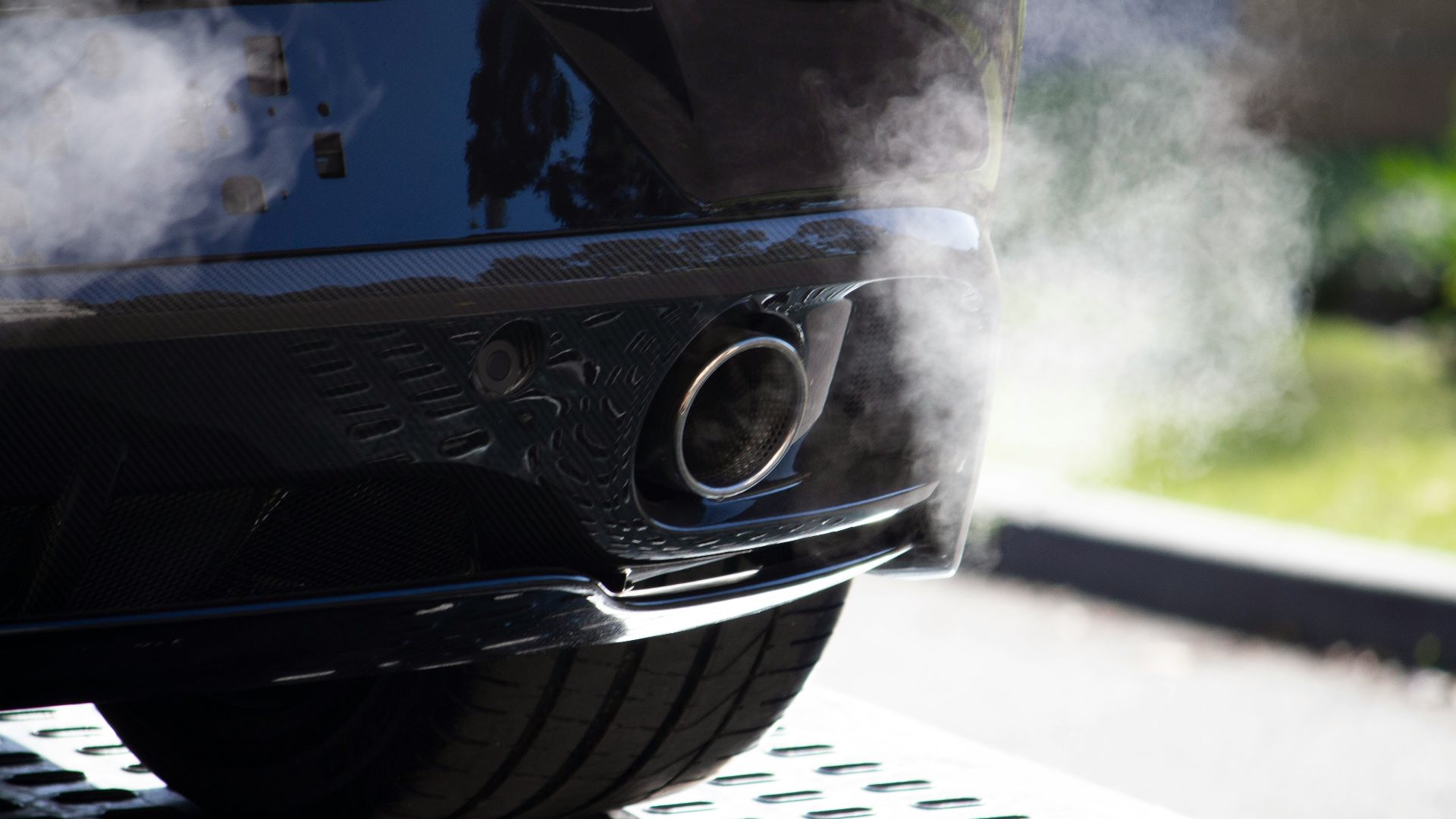
Carbon monoxide doesn’t smell, doesn’t show itself, and doesn’t give much warning. A tiny exhaust leak, rusted seals, or driving with the trunk slightly open can let it creep into your cabin. People often confuse early symptoms—dizziness, fatigue, nausea—for stress or a long day. Meanwhile, the danger keeps building.
Airbags That Don’t Always Play Nice
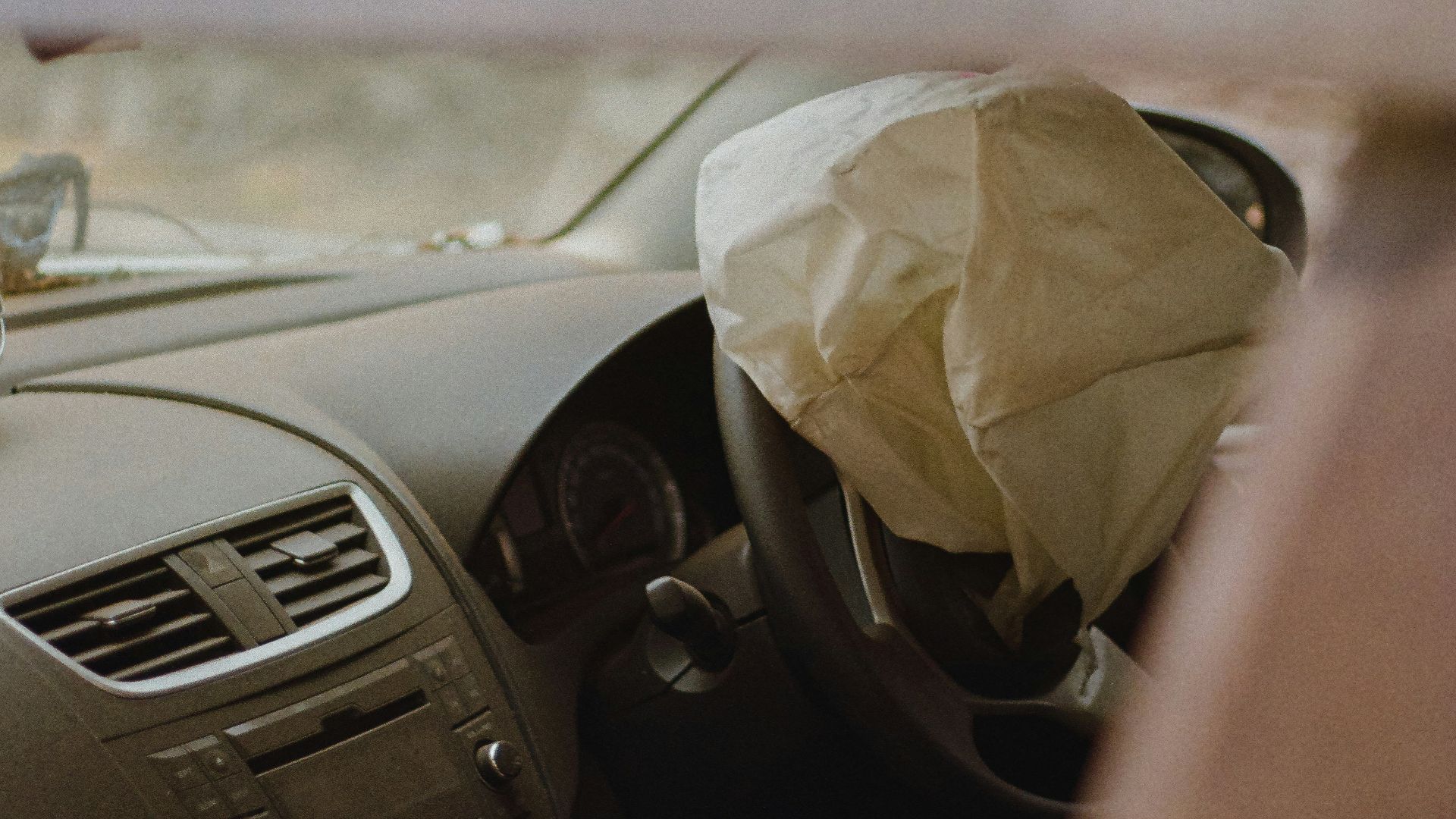
Airbags are lifesavers—until they’re not. Defective inflators have been known to explode with too much force, spraying metal fragments into the cabin. Even without recalls, airbags can injure drivers sitting too close to the wheel or using modified steering components. It’s protection with a dark side.
The “New Car Smell” Isn’t So Fresh
That new car smell everyone loves? It’s actually chemicals off-gassing from plastics, glues, and upholstery. These volatile compounds can irritate your lungs, trigger headaches, and worsen allergies. On hot days, the chemical release ramps up, turning your cabin into a slow-cooking chemistry lab.

Loose Items That Become Flying Weapons
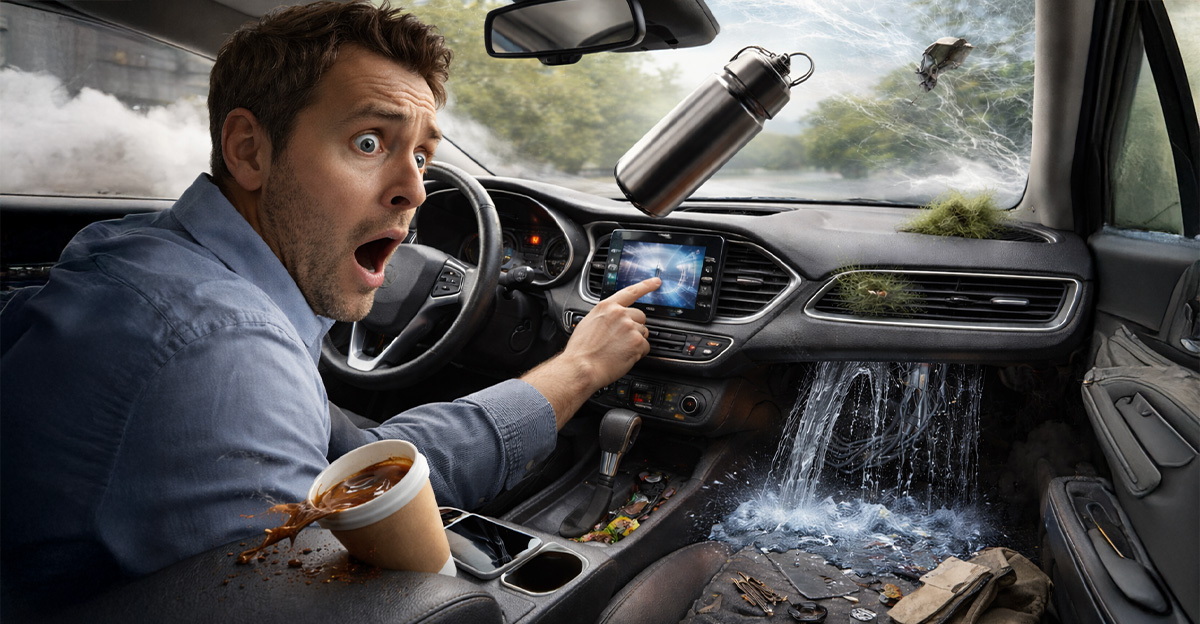
A phone on the seat. A water bottle on the floor. A laptop in the back. In a crash, those everyday items can turn into high-speed projectiles. Even small objects can cause serious injuries when they’re suddenly launched forward at 60 mph.
Headrests That Make Whiplash Worse
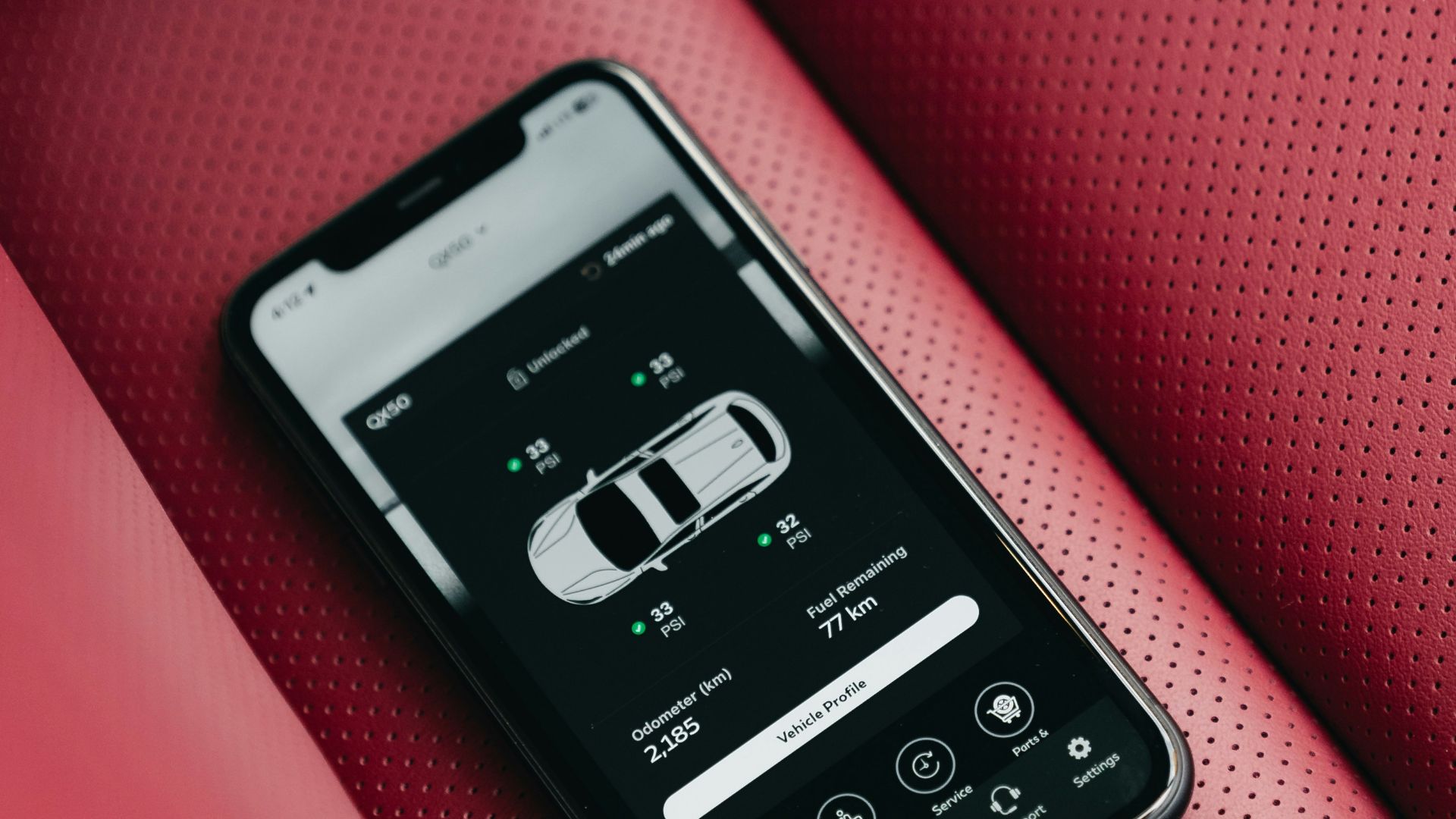
Headrests are supposed to protect you—but only if they’re adjusted correctly. Too low or too far back, and they actually allow your head to snap violently in a rear-end collision. Most drivers never touch them after buying the car, unknowingly increasing their risk of neck injuries.
Seatbelts You Assume Are Indestructible
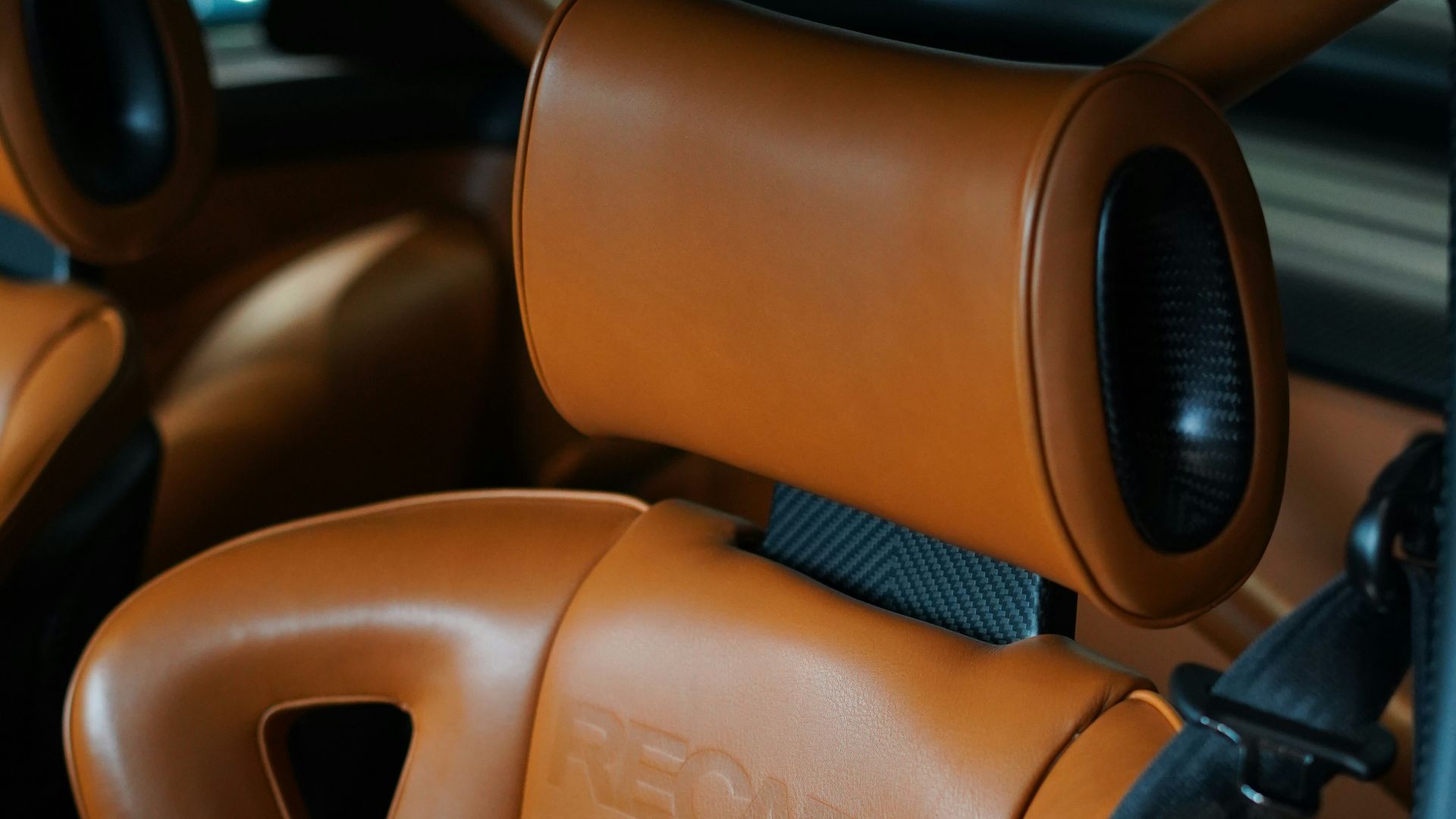
Seatbelts wear out. Fabric weakens, retractors get sluggish, and internal mechanisms can fail after years of use. The belt might still click and retract, but under real crash forces, it may not hold up the way you expect.
Sun Visors That Hide Real Danger
Sun visors help with glare, but oversized designs or thick vanity mirrors can block critical sightlines. That brief moment where you can’t see a pedestrian or cyclist could be all it takes for disaster to strike.

Touchscreens That Steal Your Attention
Modern dashboards look amazing, but they often demand way too much focus. Tiny icons, deep menus, and laggy systems pull your eyes off the road far longer than physical buttons ever did. Your brain simply isn’t built to multitask at highway speeds.

Power Seats With A Mind Of Their Own
It doesn’t happen often, but when it does, it’s terrifying. Faulty power seats can suddenly shift while you’re driving, changing your reach to the pedals or steering wheel. Losing your ideal driving position at the wrong moment can lead to instant chaos.
Electrical Fires Hiding Behind The Dash
Behind your dashboard is a maze of wiring, insulation, and plastic. Old wiring, sloppy repairs, or overloaded circuits from aftermarket accessories can spark fires that grow fast and burn hot—often without much warning.

Overheated Gadgets Left In The Car
Phones, battery packs, dash cams, and tablets don’t love extreme heat. Left in a hot car, lithium batteries can swell, leak, or even ignite. What seems harmless can become a serious fire risk on a scorching afternoon.

Seat Frames That Can Give Way
Your seat absorbs huge forces during a crash. Hidden cracks or metal fatigue—especially in older cars or vehicles with previous damage—can cause the seat to fail entirely. When a seat collapses, spinal injuries become far more likely.
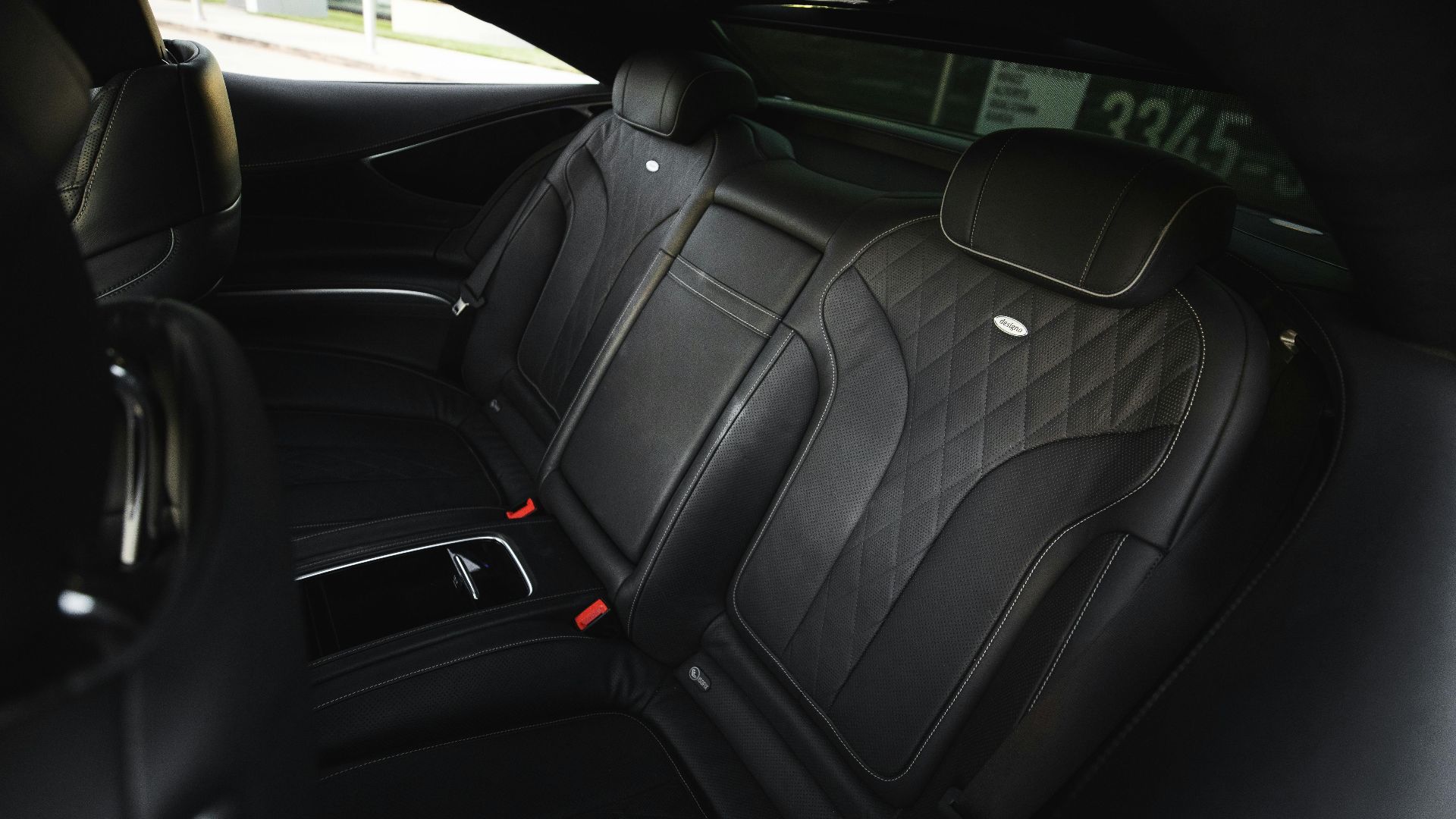
Slippery Steering Wheels
Years of use, sweat, sunscreen, and grime can turn your steering wheel slick. That worn leather or peeling surface doesn’t just look bad—it reduces grip when you need it most, especially during sudden swerves or emergency maneuvers.

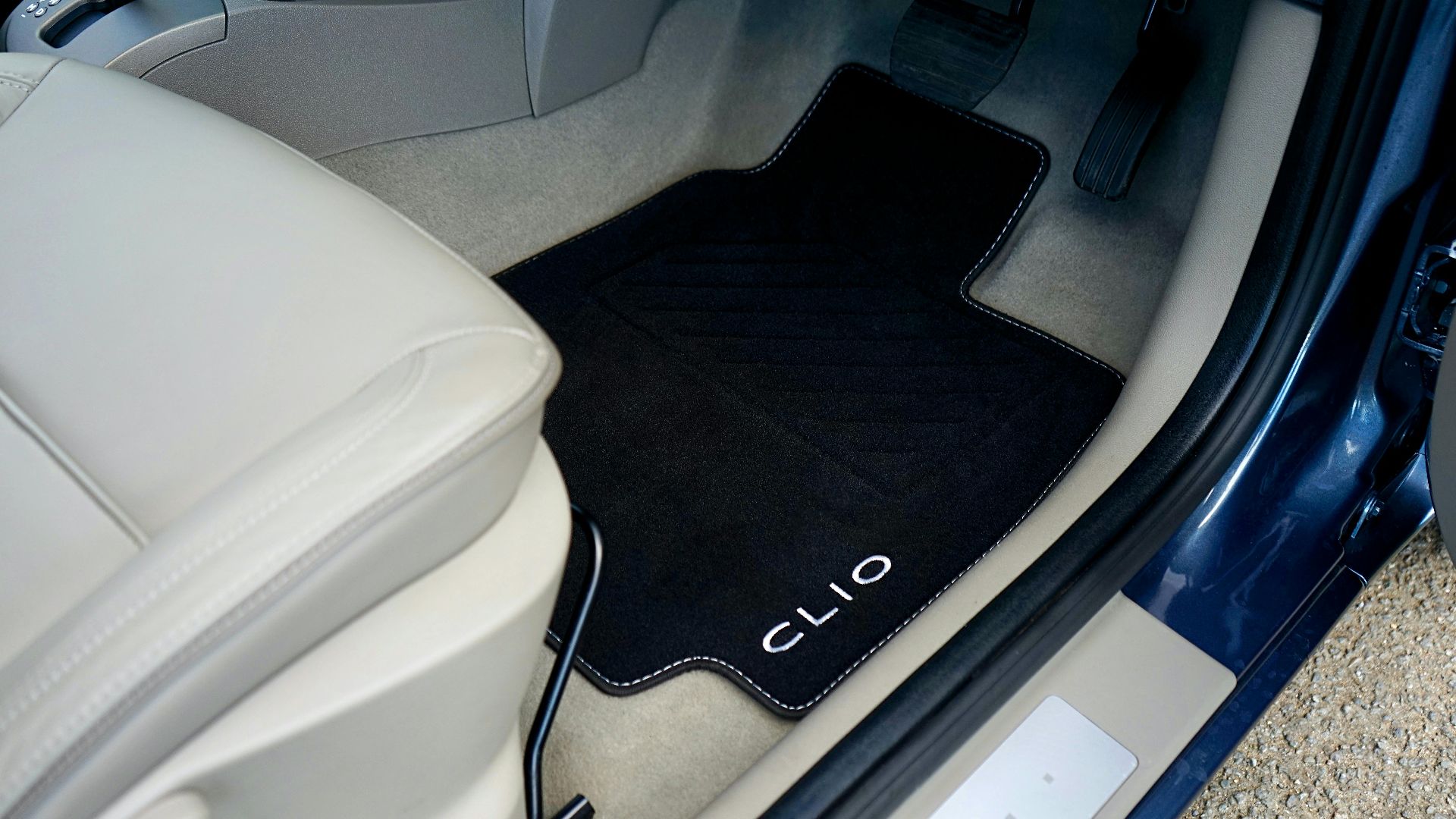
Floor Mats That Trap Pedals
Improperly secured floor mats can slide forward and trap the accelerator or brake pedal. This has caused countless accidents and recalls. It’s one of the simplest hazards to fix—and one of the most dangerous if ignored.
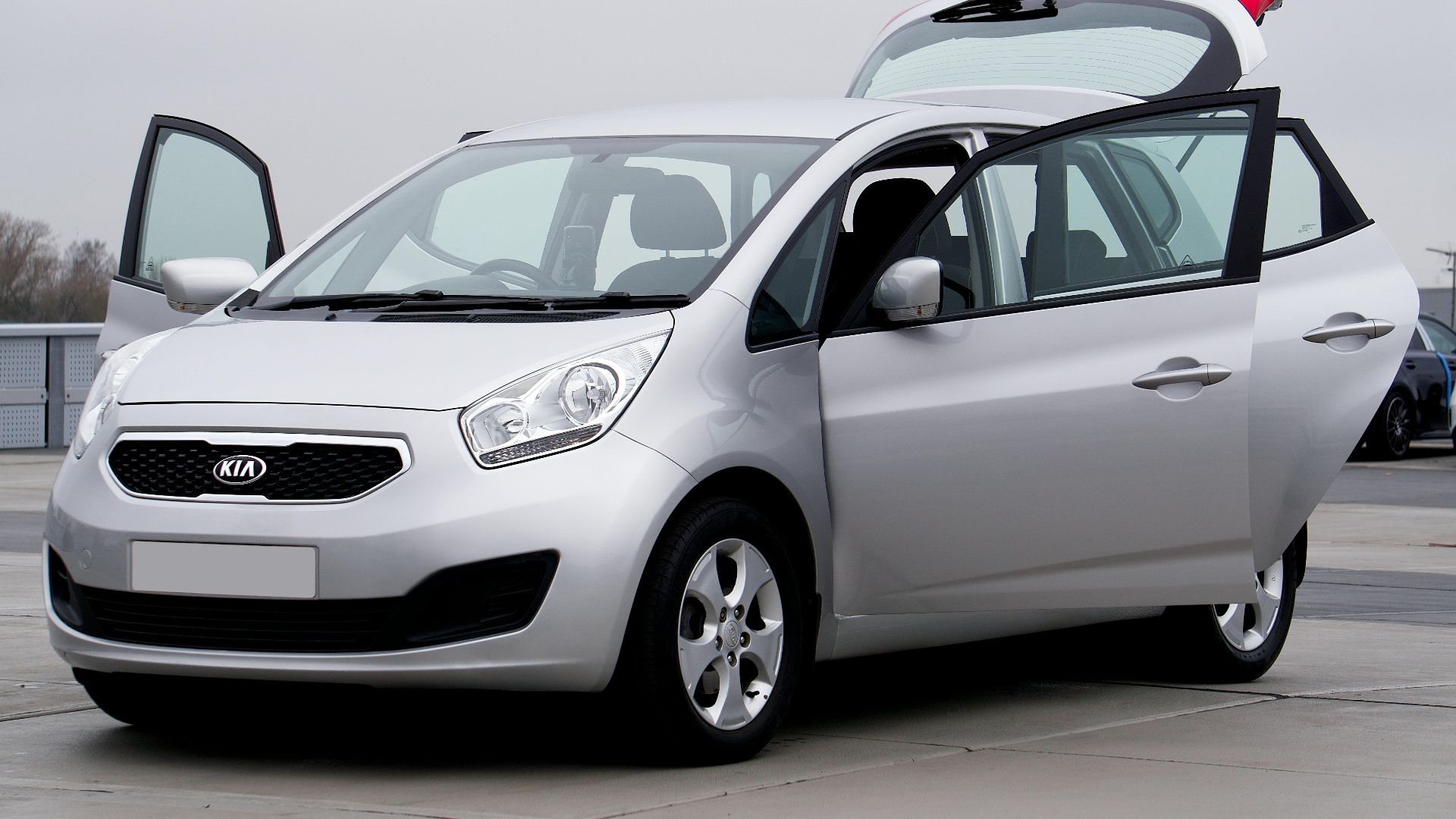
Doors That Don’t Stay Closed
In a serious crash, doors are supposed to remain shut to protect occupants. Faulty latches or weakened frames can pop open on impact, increasing the risk of being thrown from the vehicle. Older cars are especially vulnerable.
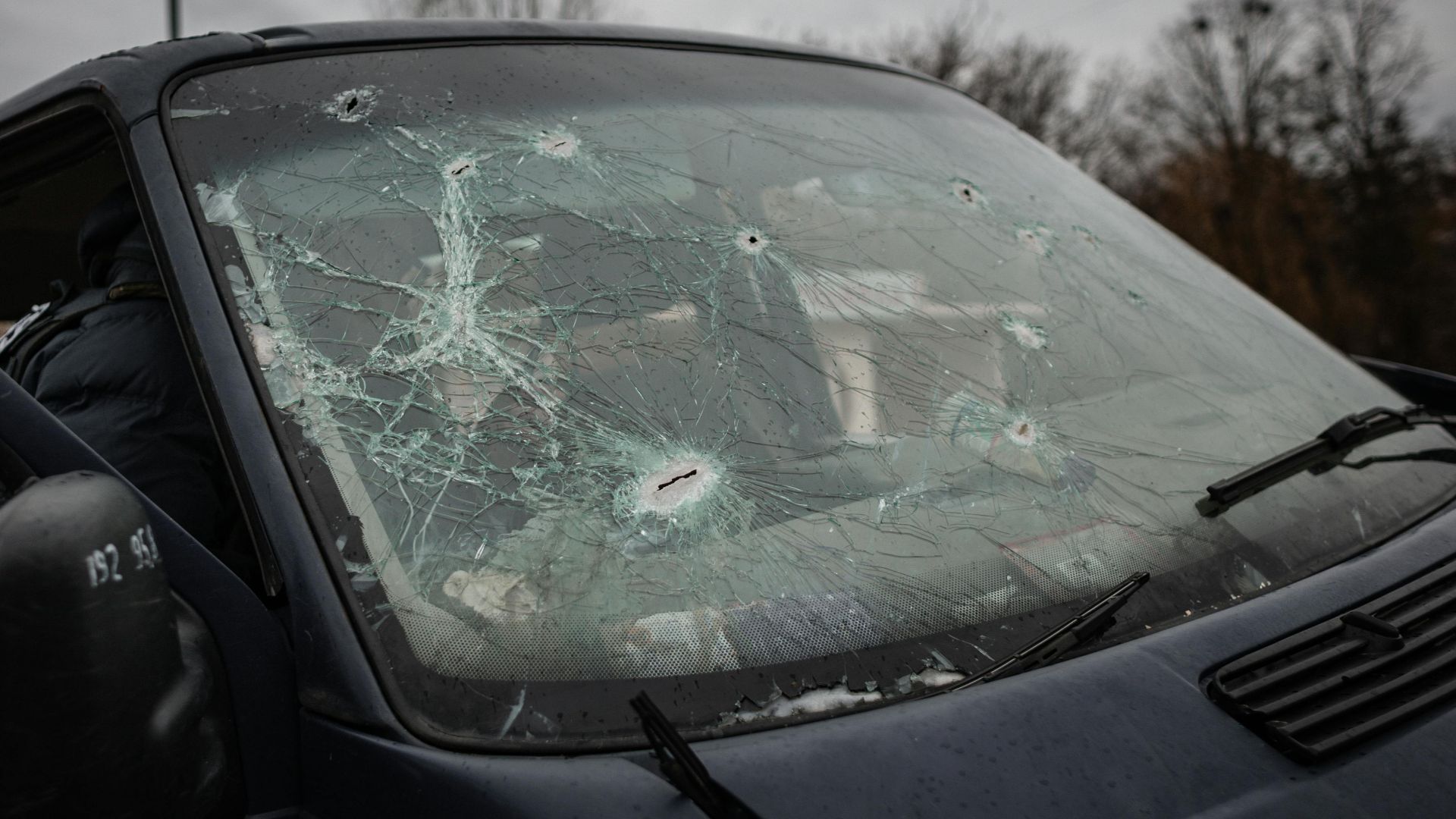
Cracked Windshields Aren’t Just Cosmetic
Your windshield plays a major role in structural integrity and airbag deployment. Even a small crack weakens its ability to support the roof during a rollover or keep airbags positioned correctly in a collision.
Mold Lurking In Your Air Vents
Moisture trapped in air-conditioning systems creates the perfect breeding ground for mold and bacteria. Every blast of air could be sending allergens straight into your lungs, leading to coughing, sinus issues, or worse over time.
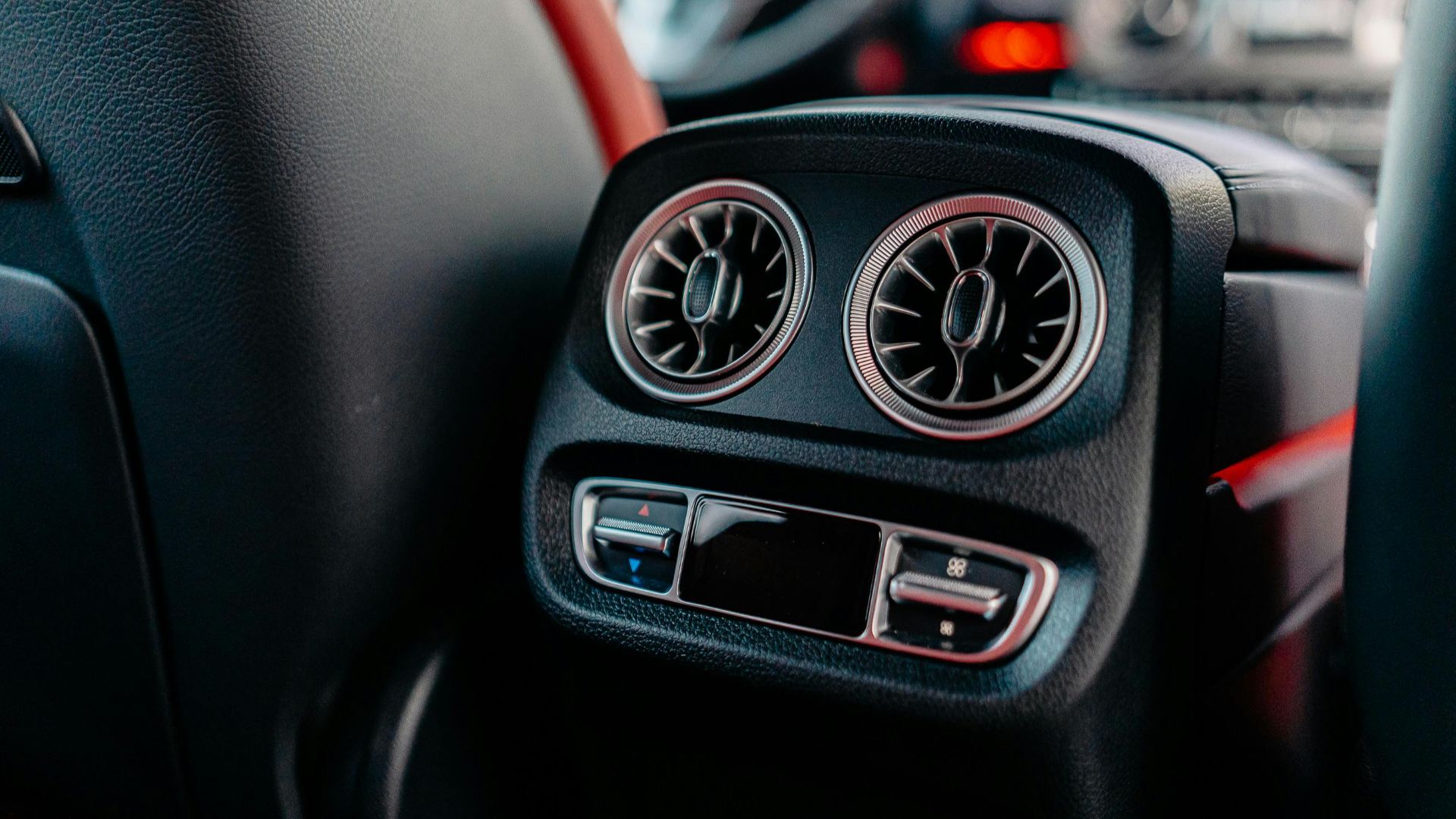
Cup Holders That Invite Chaos
Spilling hot coffee might sound minor—until it causes a driver to jerk the wheel or stomp the wrong pedal. Poorly placed cup holders near controls make spills more dangerous than they should be.
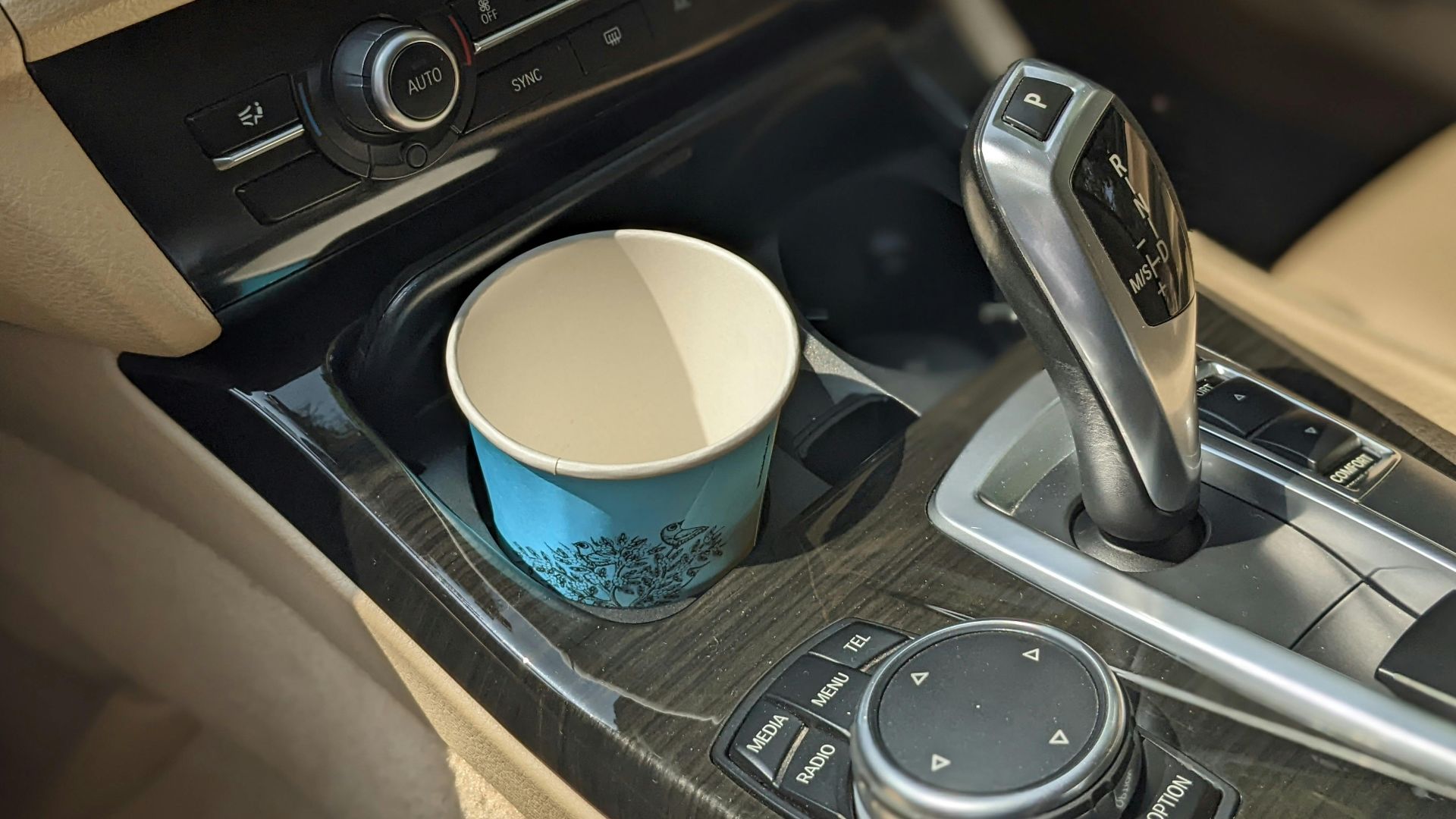
Aging Foam You’re Breathing In
As seats and interior panels age, their foam breaks down into fine particles. Those particles don’t just disappear—they end up in the air you breathe, irritating skin and lungs over long periods.

Sharp Interior Panels After A Crash
Interior trim isn’t always designed with post-crash safety in mind. In collisions, panels can shatter or snap into sharp edges, causing secondary injuries even after the main impact is over.
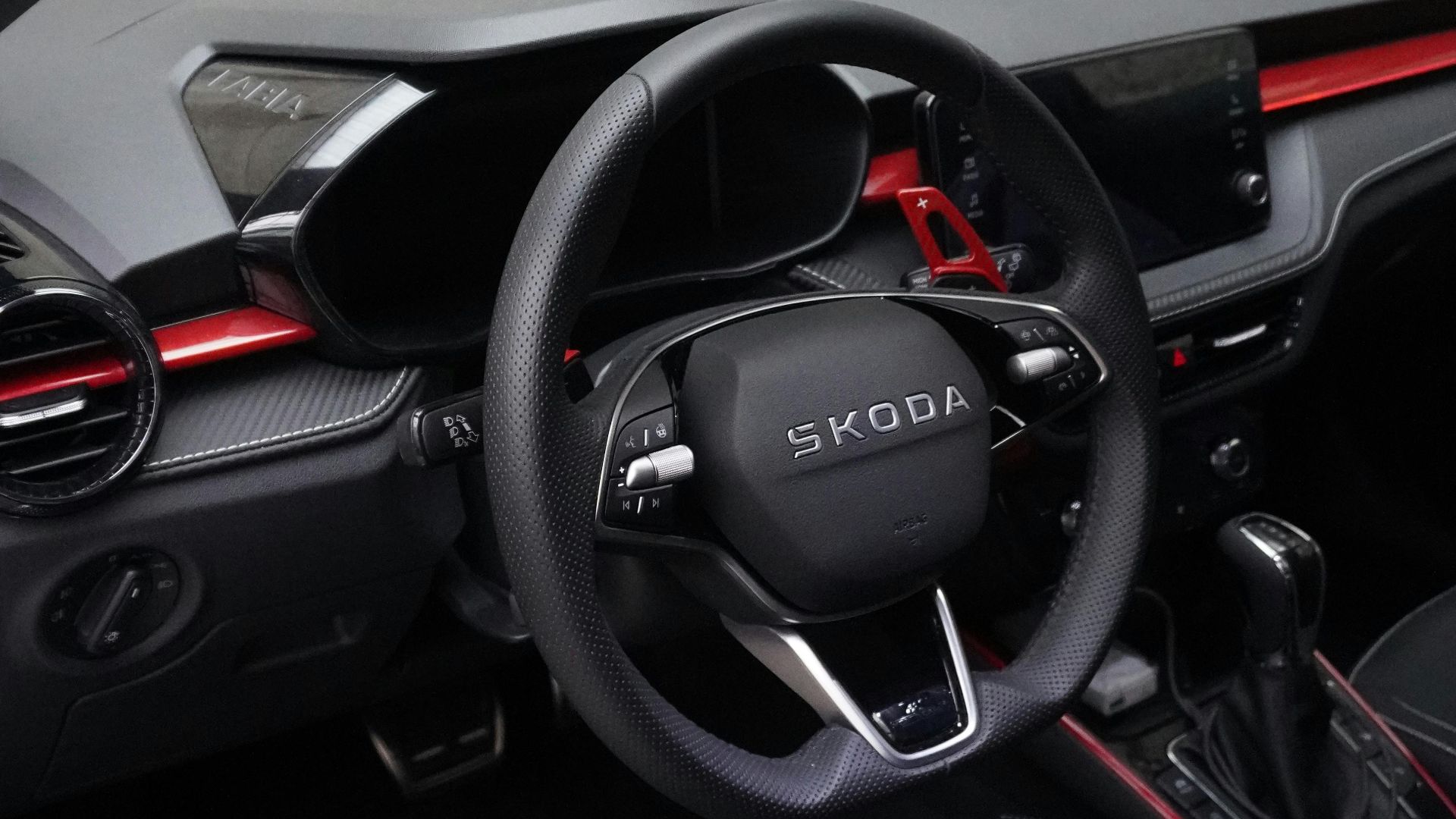
Child Seat Anchors You Never Recheck
Car seat anchors can loosen, rust, or weaken over time. Many parents install a seat once and never inspect the anchor points again, assuming they’ll last forever. Unfortunately, that’s not always true.
Heat Creeping In From The Exhaust
Damaged heat shields or misaligned exhaust components can send excessive heat into the cabin floor. This can burn passengers, damage wiring, and even worsen carbon monoxide intrusion without obvious signs.

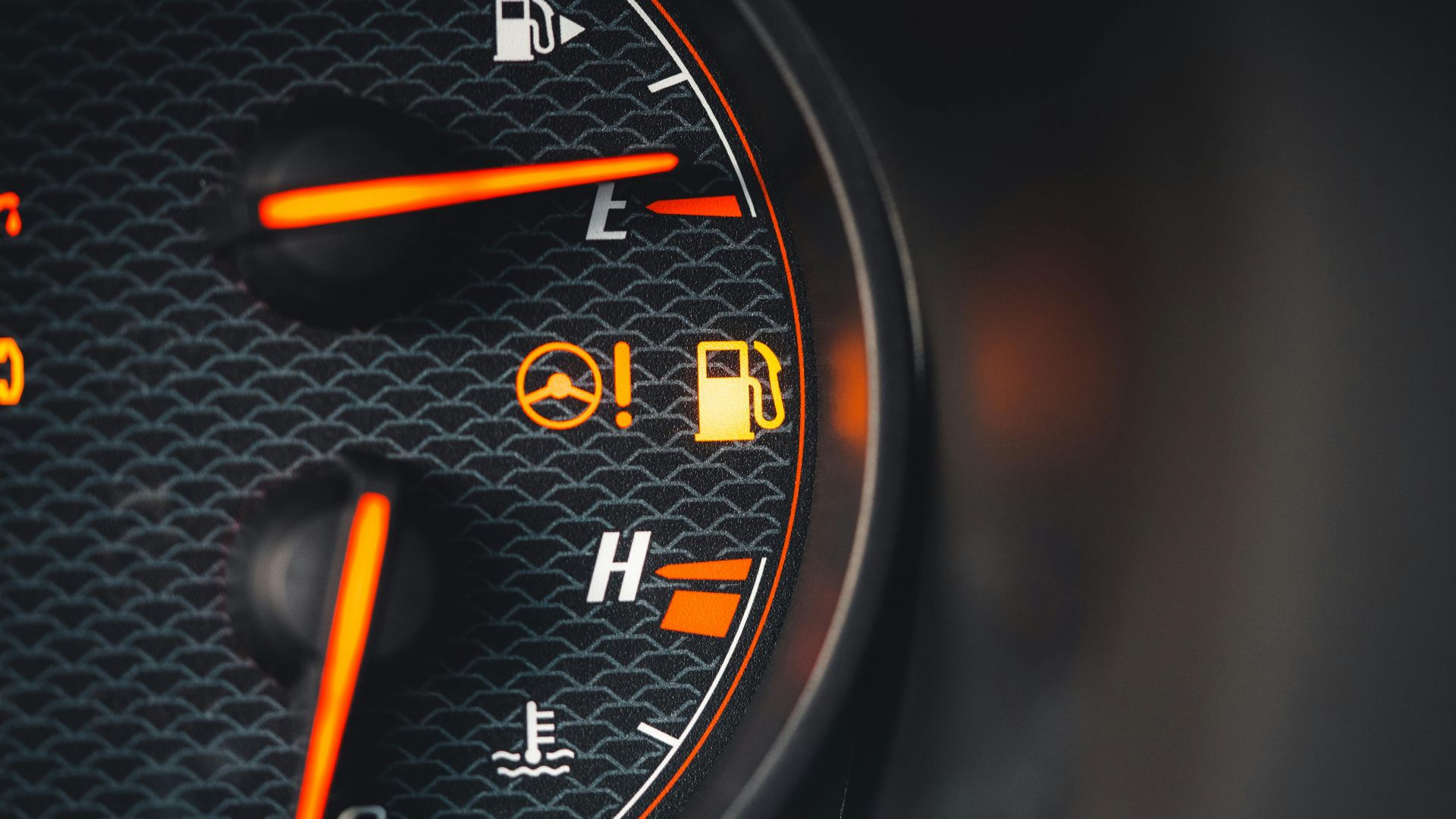
Warning Lights You’ve Learned To Ignore
That glowing warning light isn’t just annoying—it’s your car waving a red flag. Ignoring it could mean driving with faulty brakes, disabled stability control, or engine problems that affect safety when it matters most.
Aftermarket Mods That Create New Problems
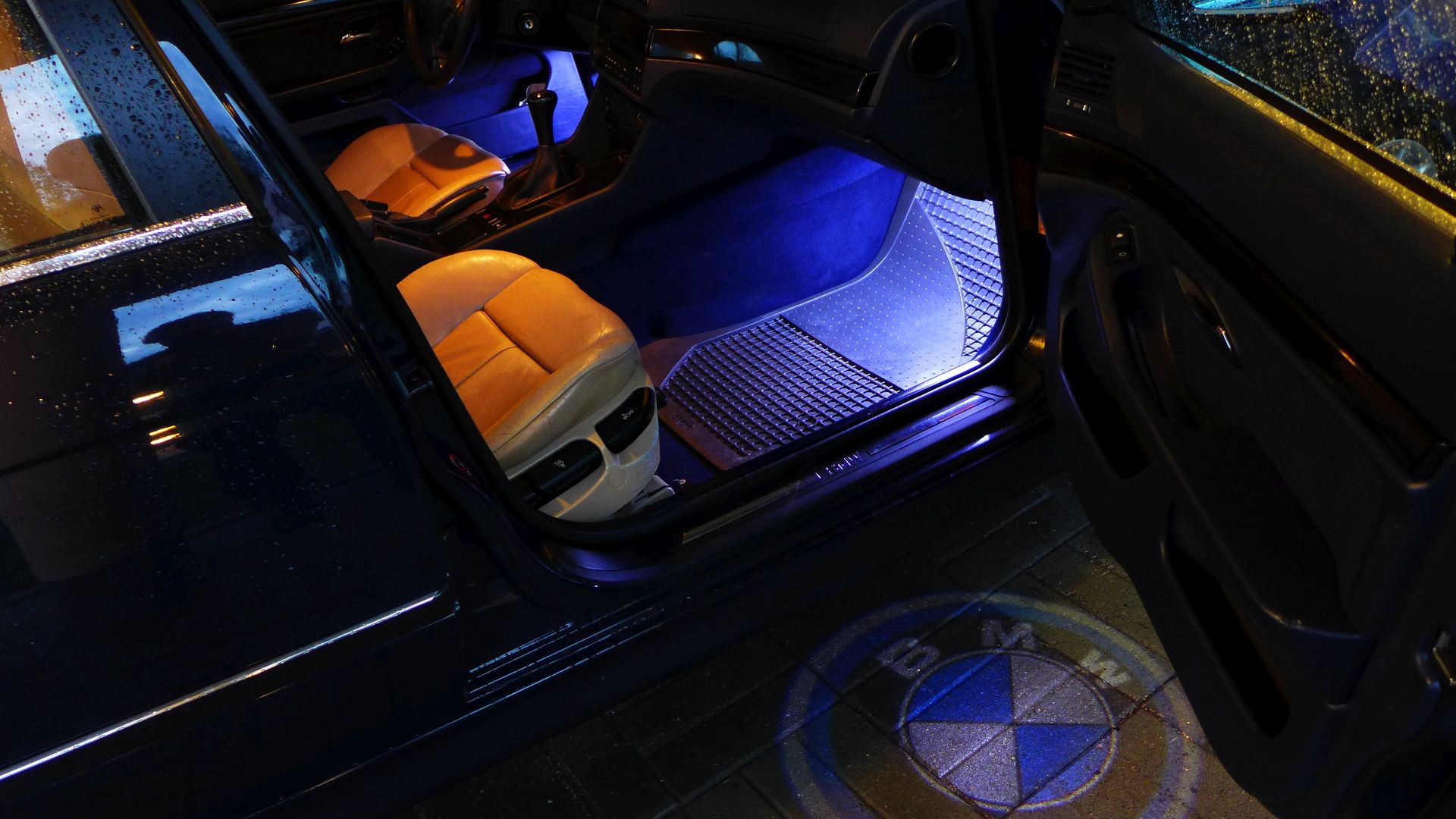
Cheap chargers, DIY lighting kits, and poorly installed stereos can overload circuits or interfere with safety systems. Just because an accessory “fits” doesn’t mean it belongs in your car.
Clutter That Traps You Inside
Overstuffed door pockets, jammed footwells, and piled-up back seats can block exits after a crash. In emergencies like fires or flooding, clutter can turn a survivable situation into a deadly one.

Your Car Isn’t Evil—But It Needs Your Attention
Your car isn’t plotting against you, but it does rely on your awareness. Most of these dangers build slowly and quietly, hiding behind everyday habits and overlooked maintenance. The good news? A little attention goes a long way. Take care of your car’s interior, and it’ll be far more likely to return the favor—keeping you safe every mile of the way.

You May Also Like:
Baby boomers are all stunned at young drivers’ inability to perform these basic driving tasks.