The End Of An American Icon
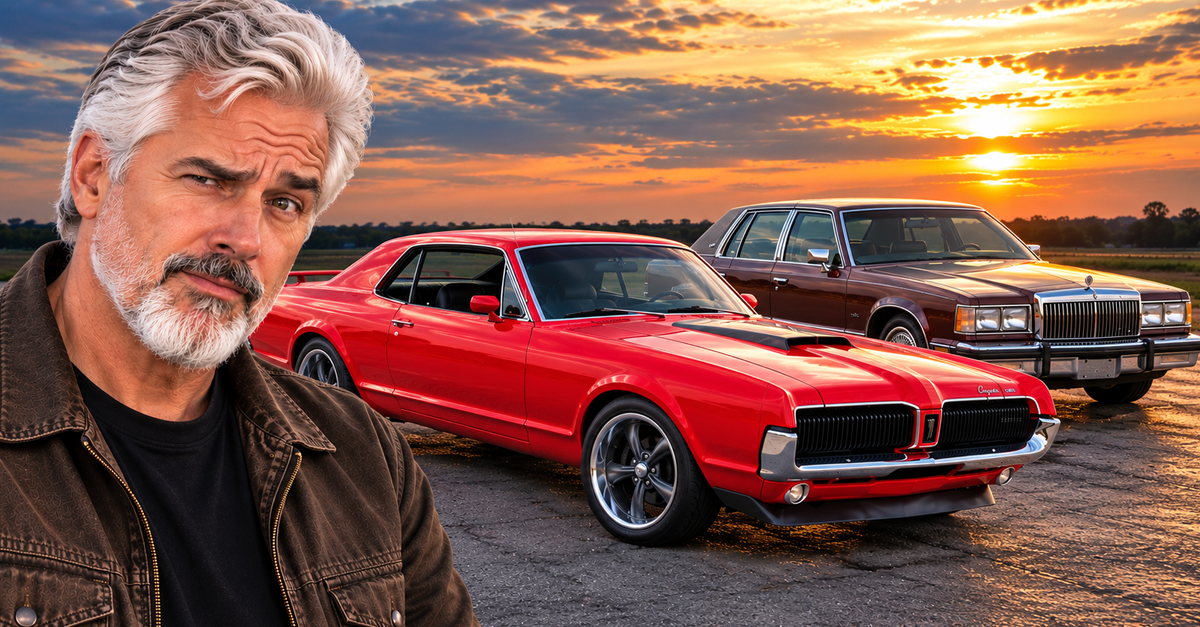
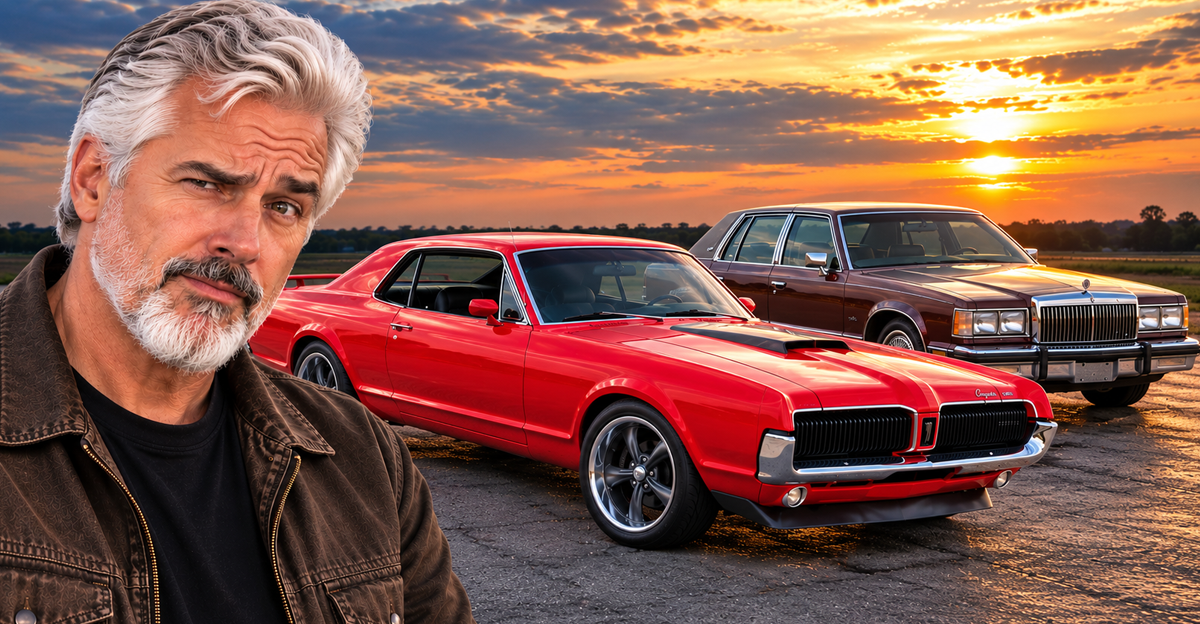
For 72 years, Mercury gave American drivers some unforgettable cars, from the sporty Cougar and stylish Monterey to the beloved Grand Marquis. Then, in 2010, Ford announced it was retiring the brand, closing a chapter that began before World War II.
But after seven decades on American roads, was Mercury's story really over, or could it have made a comeback?
A Brand Born Between Ford And Lincoln
Mercury's story began in 1938, when Edsel Ford helped create a brand positioned between affordable Fords and expensive Lincolns. General Motors already offered several brands at different price points, and Ford saw an opportunity to reach more customers. Mercury would give buyers extra style, comfort, and performance without the price of a full luxury car.
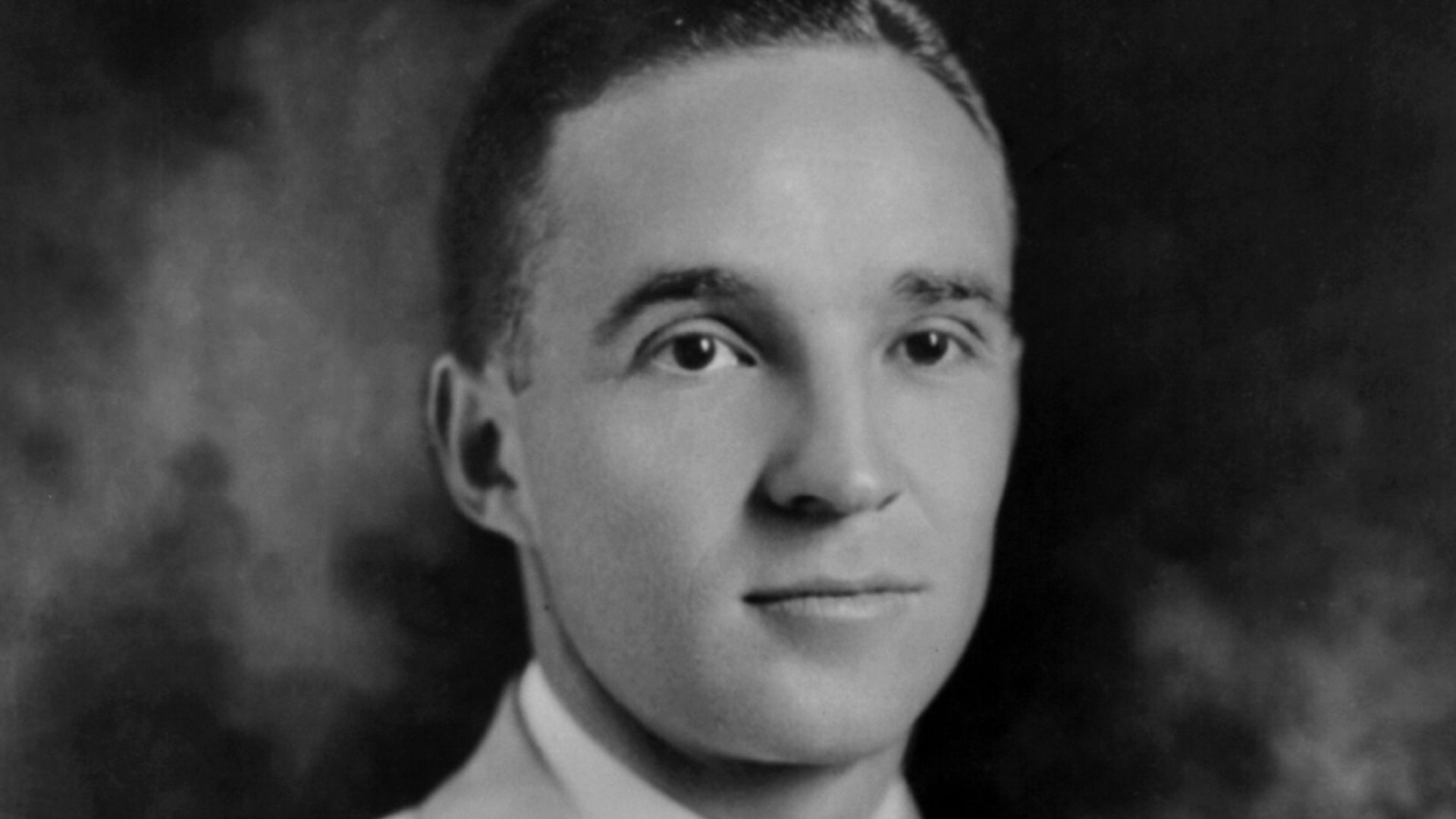 Frank Moore Studio, Wikimedia Commons
The First Mercury Was An Immediate Success
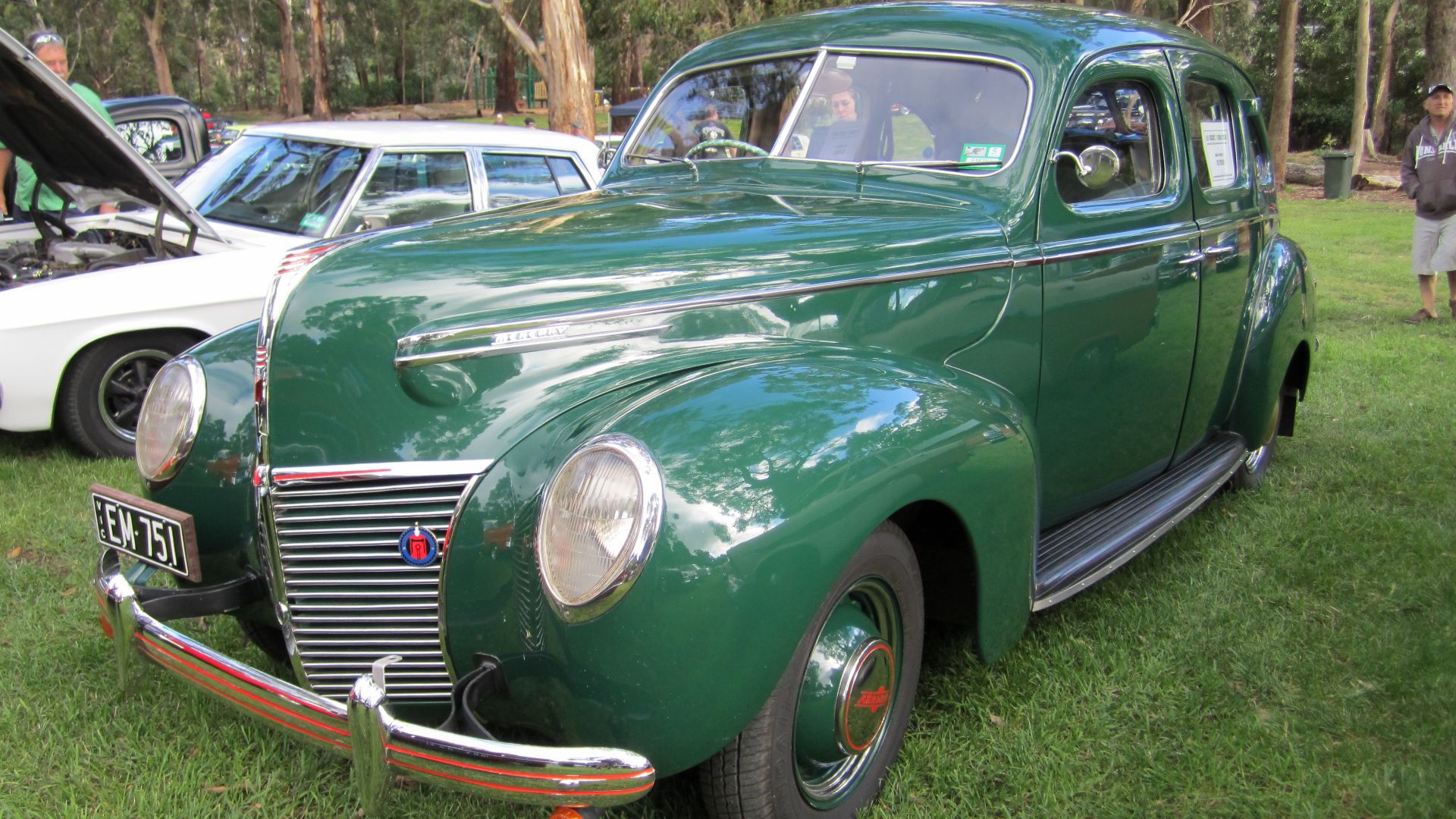
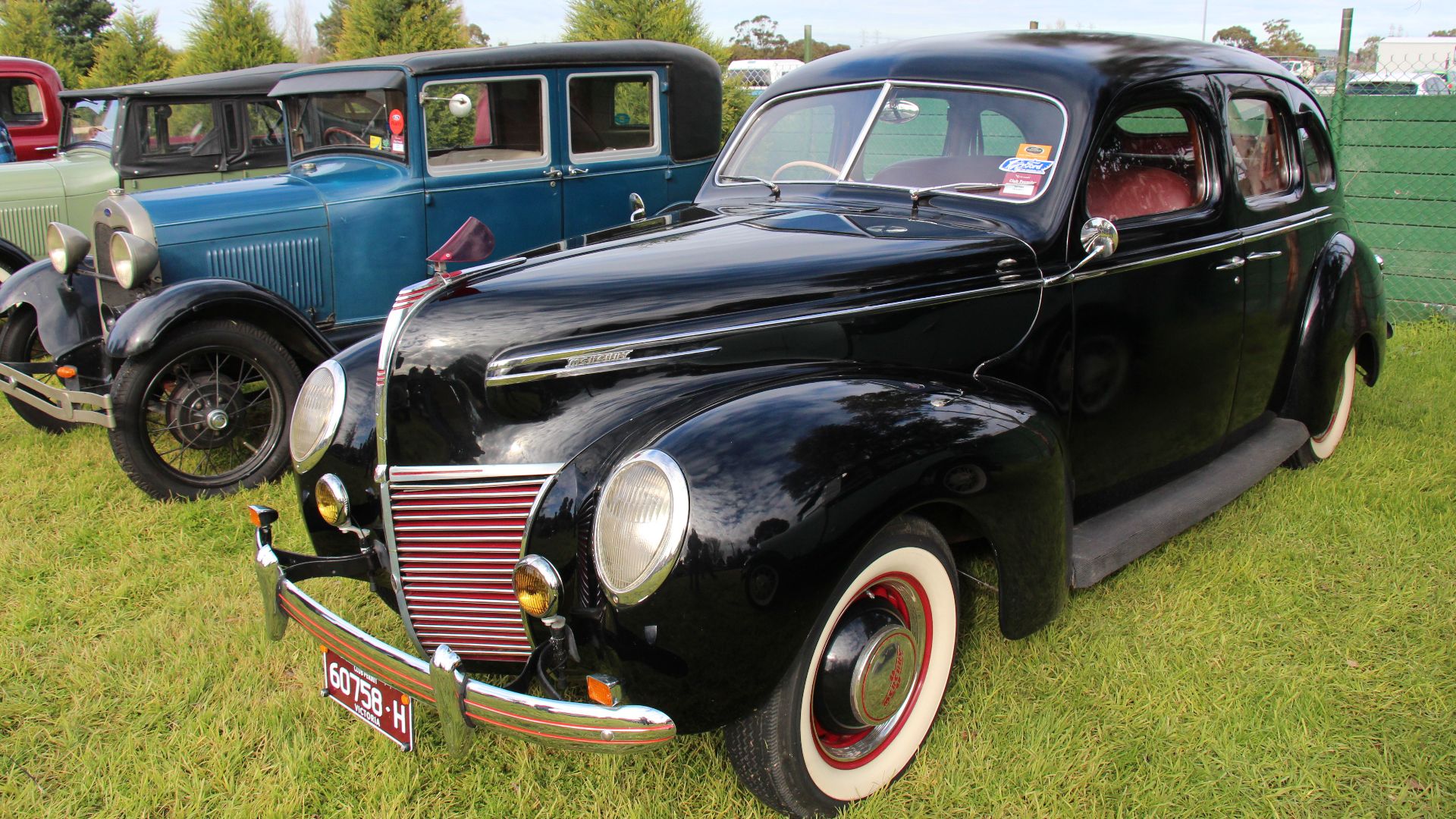
The 1939 Mercury Eight arrived with a 95-horsepower flathead V8 and a starting price of $916. It offered more power and an upscale experience compared with an ordinary Ford, attracting customers who wanted something special. More than 65,000 were built during its first model year, giving Mercury an encouraging start.
World War II Interrupted Everything
Mercury was still establishing itself when America's entry into World War II brought civilian automobile production to a halt. After the war, Ford reorganized its operations and established the Lincoln-Mercury Division in 1945. The arrangement gave Mercury a stronger showroom presence while connecting it with Ford's established luxury business.
The 1949 Mercury Became A Legend
Few Mercury models became as influential as the dramatically redesigned 1949 car. Its low roofline and flowing bodywork made it a favorite among customizers, who transformed the cars into famous lead sleds. The model gained even more cultural recognition when James Dean drove a customized 1949 Mercury in the 1955 film Rebel Without a Cause.
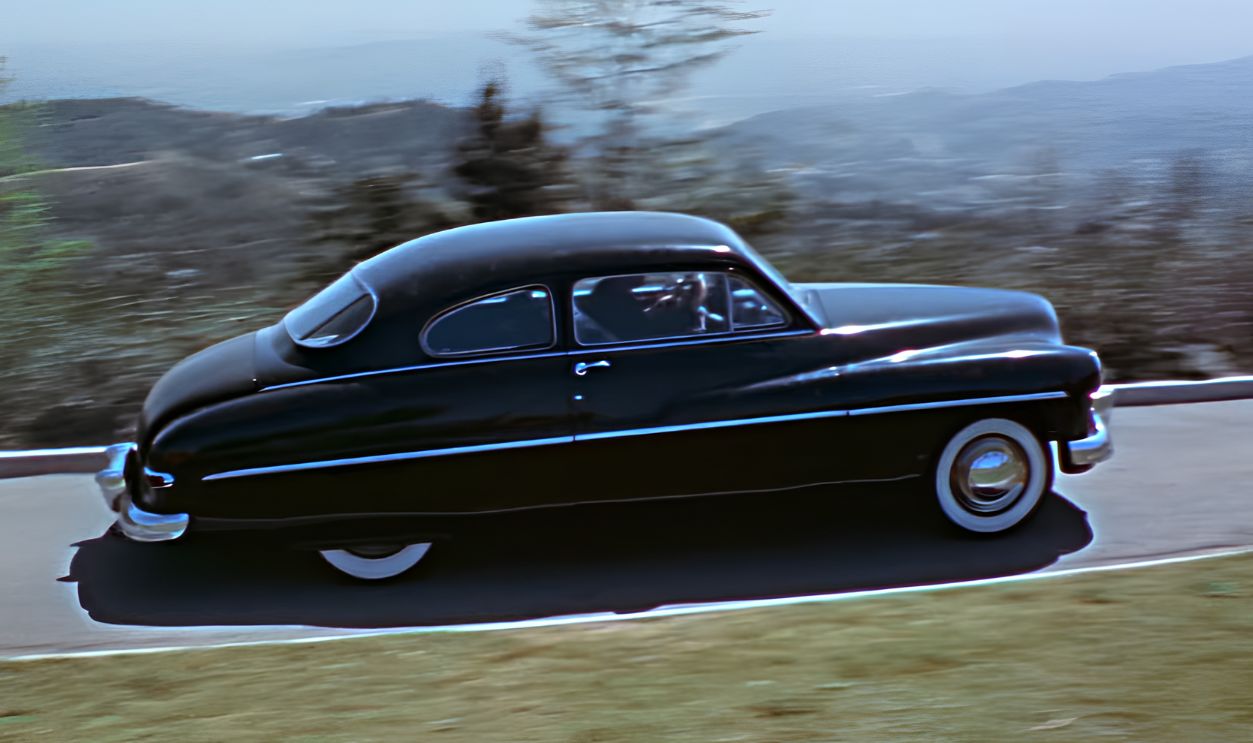 Screenshot from Rebel Without a Cause, Warner Bros. (1955)
Mercury Had Its Own Sense Of Style
During the 1950s, Mercury introduced distinctive models including the Monterey, Montclair, and Turnpike Cruiser. The 1954 Sun Valley even featured a transparent Plexiglas roof, giving buyers an unusual view of the sky. By 1957, Mercury was promoting longer, lower, and wider cars through its ambitious Dream Car Design program.
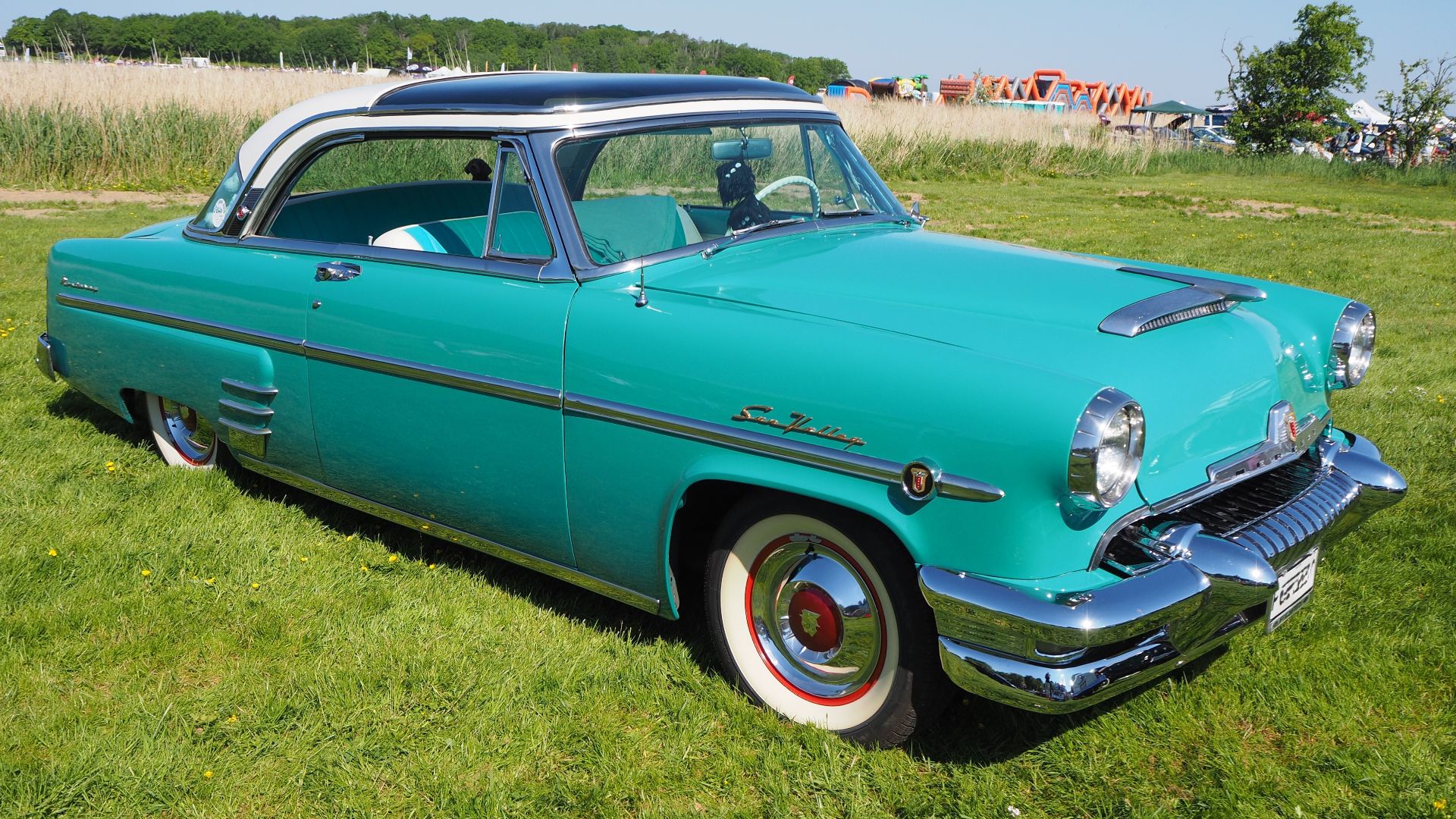 Herranderssvensson, Wikimedia Commons
The 1960s Brought Serious Performance
Mercury wasn't content to build comfortable family cars, and the 1960s brought a stronger emphasis on performance. The 1964 Comet Cyclone offered V8 power, while models such as the S-55 and Marauder added muscle to Mercury's larger vehicles. The company also participated in motorsports, giving its performance ambitions credibility beyond the showroom.
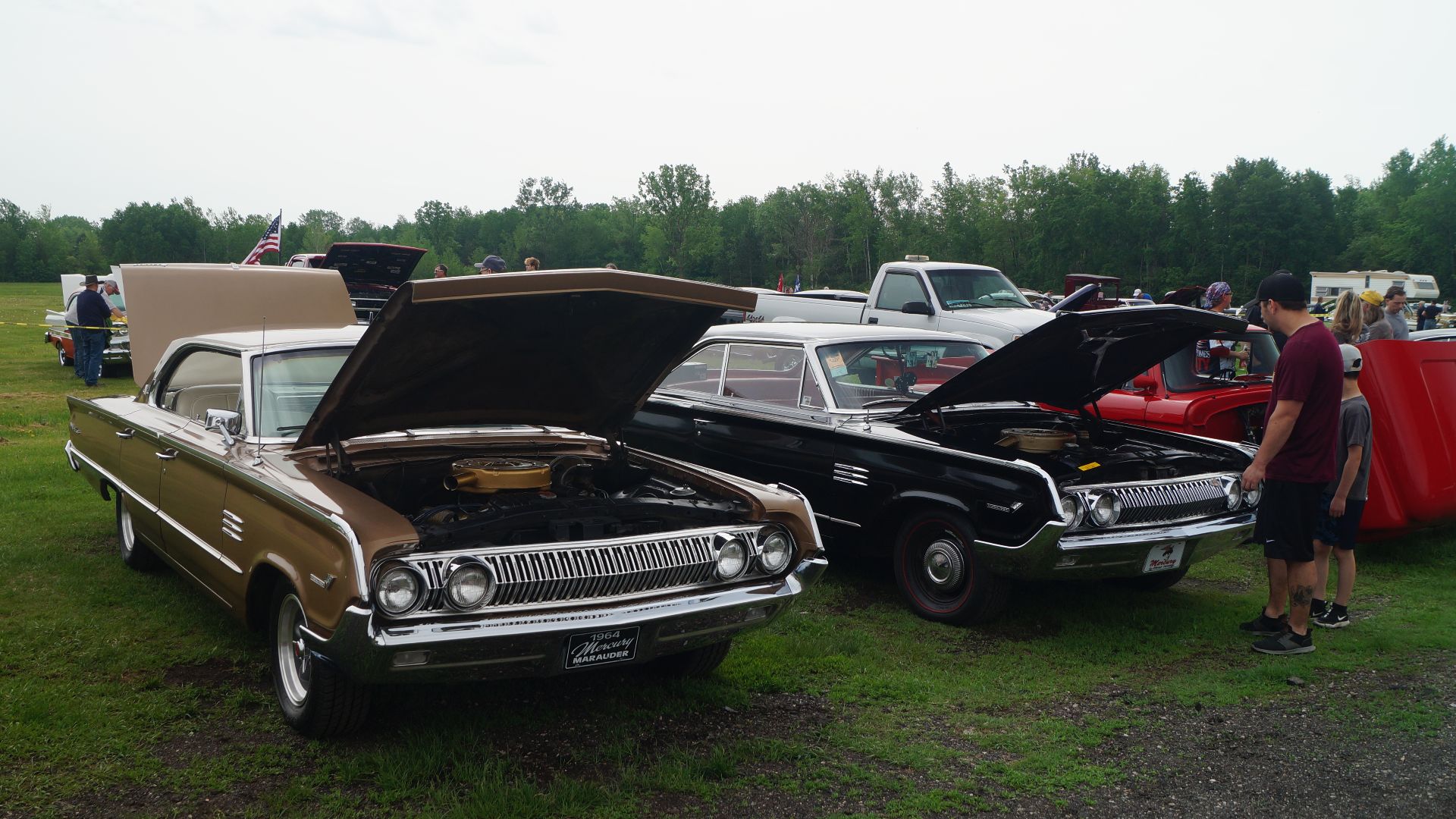 Greg Gjerdingen from Willmar, USA, Wikimedia Commons
The Cougar Gave Mercury A New Identity
Introduced for the 1967 model year, the Mercury Cougar took the basic idea of the Ford Mustang in a more upscale direction. Its distinctive styling and luxury-oriented personality helped separate it from Ford's popular pony car. The Cougar became one of Mercury's signature models and demonstrated how sharing Ford engineering could still produce something distinctive.
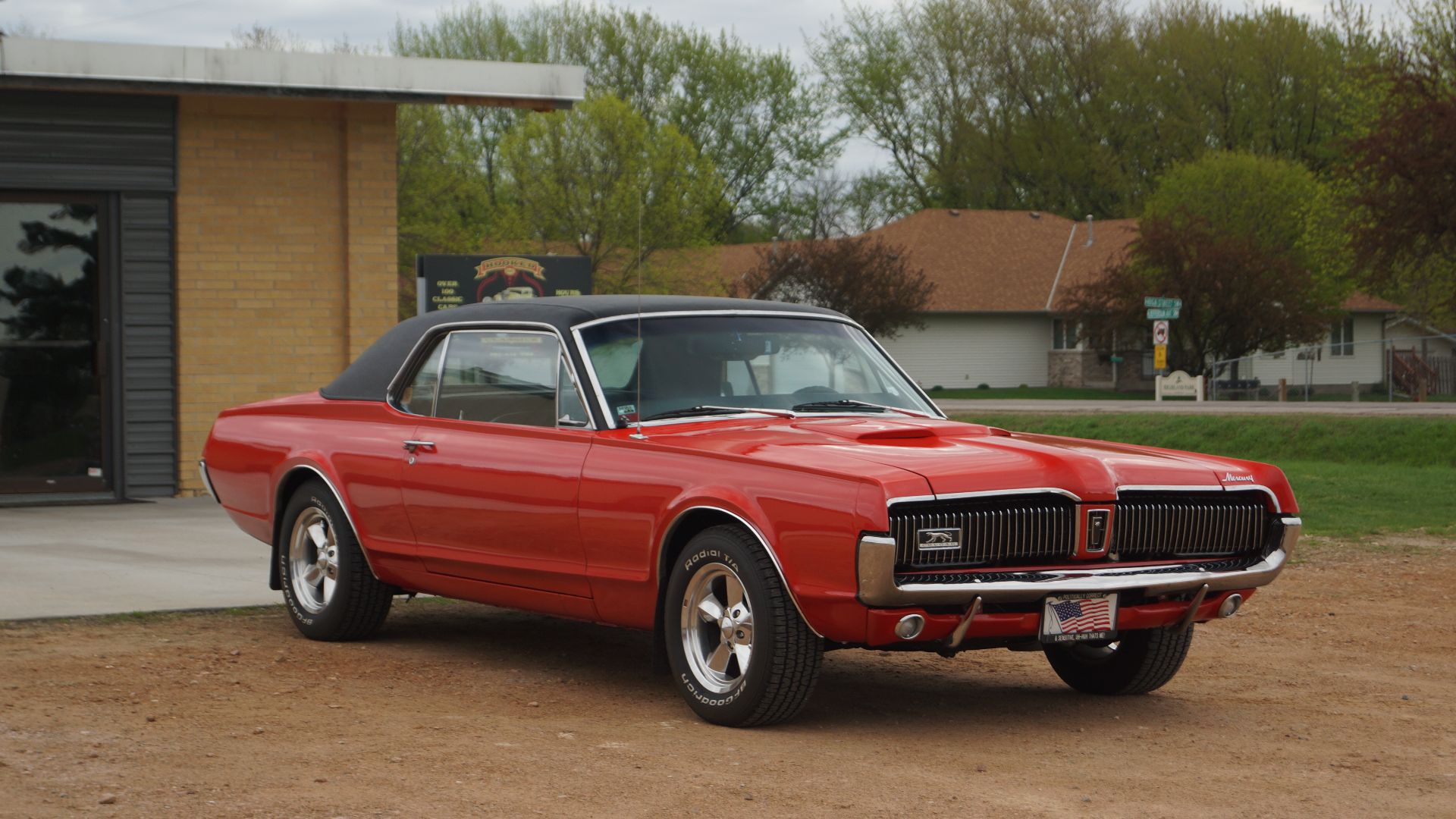 Greg Gjerdingen, Wikimedia Commons
The Muscle Car Years Were Something Special
Mercury expanded its performance reputation with cars such as the Cyclone GT and the racing-inspired Cyclone Spoiler. In 1969, the Cyclone Spoiler II featured an extended aerodynamic nose designed to improve the car's racing performance. These machines gave Mercury a place in America's muscle car culture alongside more familiar Ford, Chevrolet, and Dodge models.
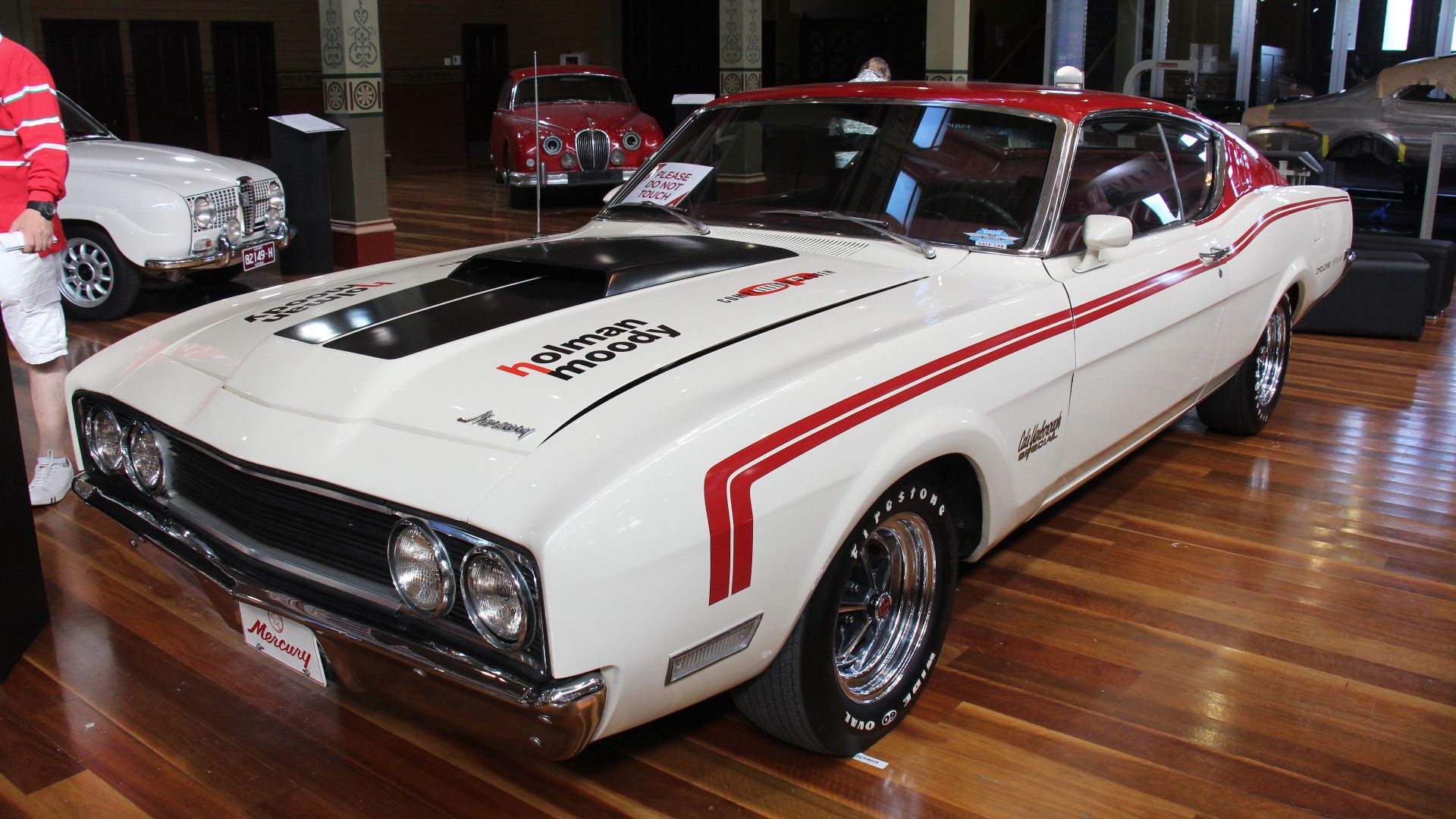
The Grand Marquis Became A Household Name
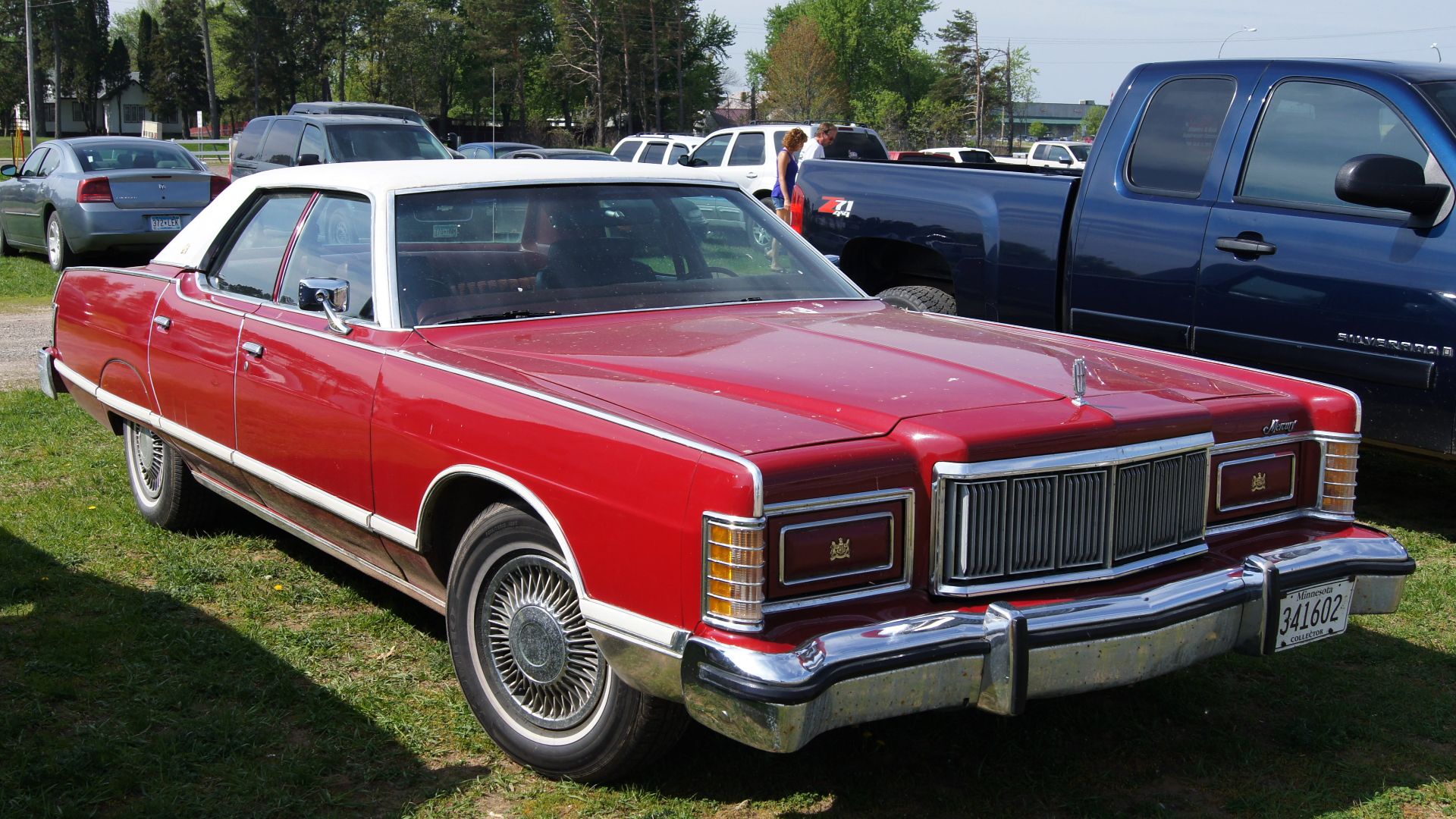
The Grand Marquis name arrived in 1975 as an upscale version of the full-size Marquis. It eventually developed into Mercury's longest-running and best-selling nameplate, known for its spacious interior and relaxed driving character. Over its lifetime, more than 2.7 million Grand Marquis cars were sold, making it one of the brand's defining successes.
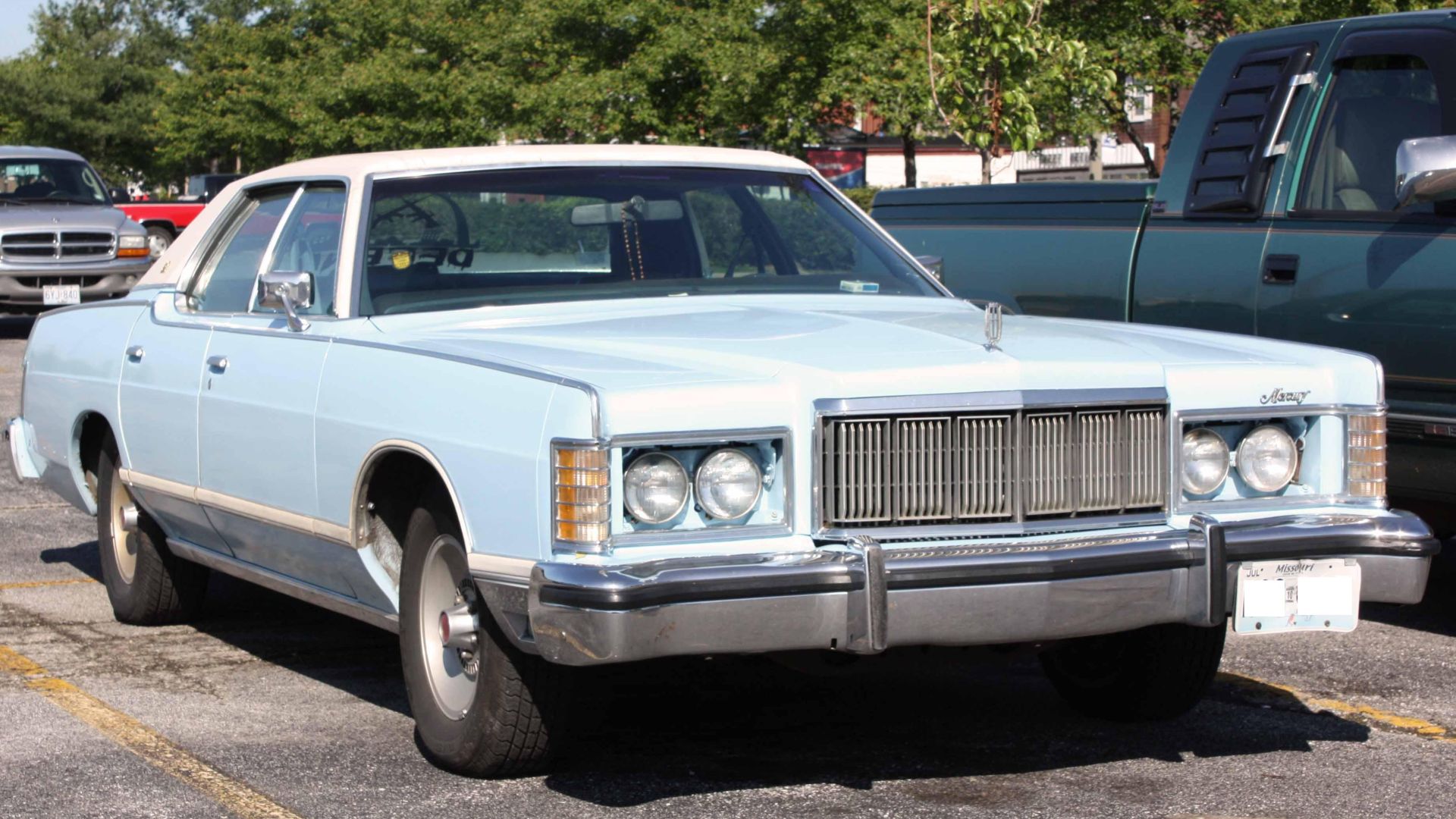 Ryanandlenny, Wikimedia Commons
Mercury Reached Its Peak In 1978
By 1978, Mercury was enjoying the strongest sales in its history, with more than 580,000 vehicles sold that year. Its lineup offered a wide selection of personal luxury cars, family transportation, and upscale models. The brand had clearly demonstrated that American buyers were willing to pay for something positioned between Ford and Lincoln.
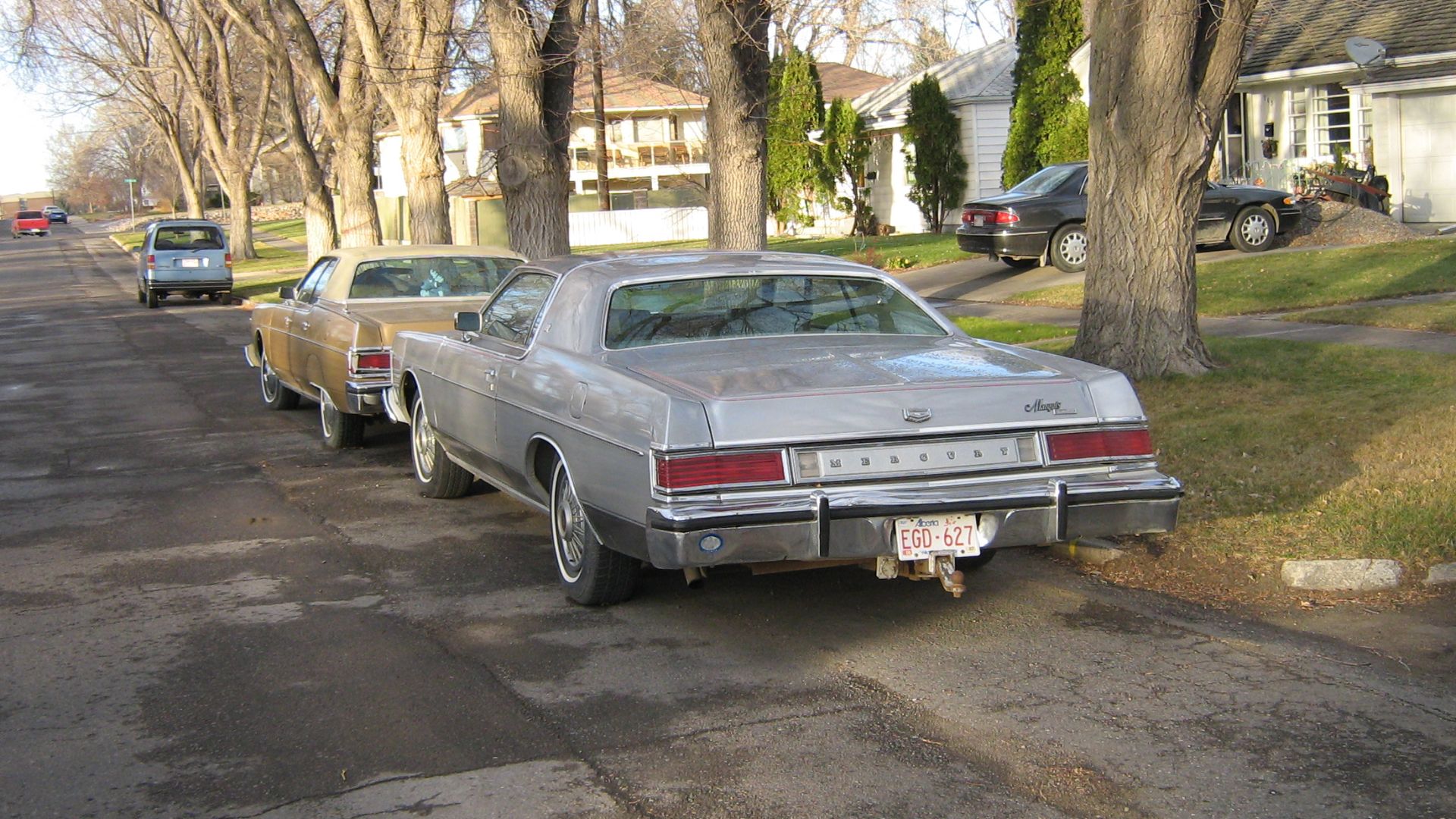 dave_7 from Lethbridge, Canada, Wikimedia Commons
Then The Market Started Changing
The years following Mercury's sales peak brought significant changes to the American automobile industry. Ford began redesigning and downsizing its large cars, while Mercury's traditional formula faced increasing competition. The brand needed to adapt to buyers who were becoming more interested in fuel economy, modern engineering, and smaller vehicles.
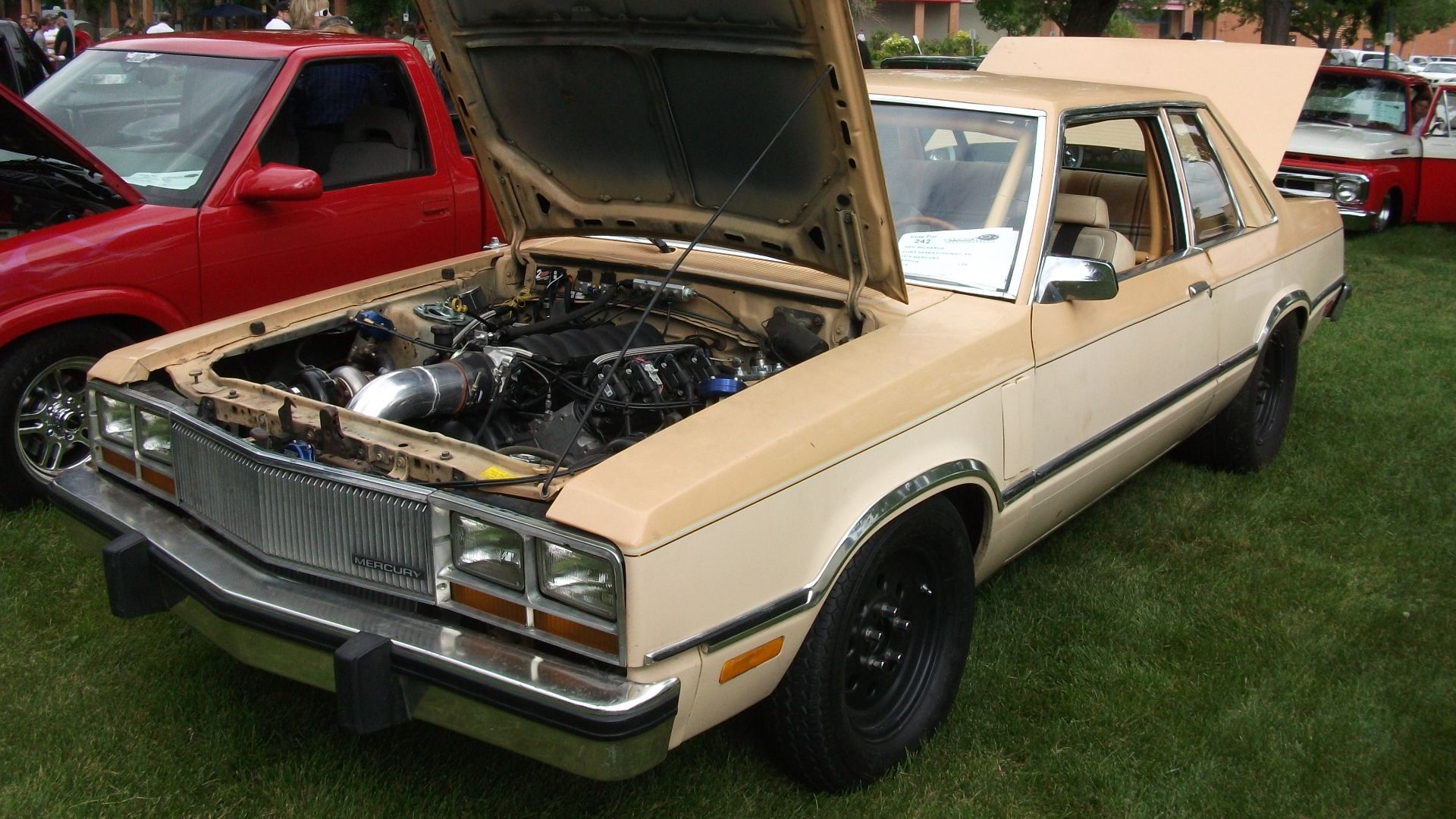 dave_7 from Lethbridge, Canada, Wikimedia Commons
The Sable Offered A Glimpse Of The Future
Mercury introduced the Sable for 1986 as a more upscale companion to the revolutionary Ford Taurus. Its aerodynamic styling and distinctive front light-bar treatment helped it look different from the boxy sedans of previous years. The Sable showed how Mercury could offer contemporary design and comfort while benefiting from Ford's engineering innovations.
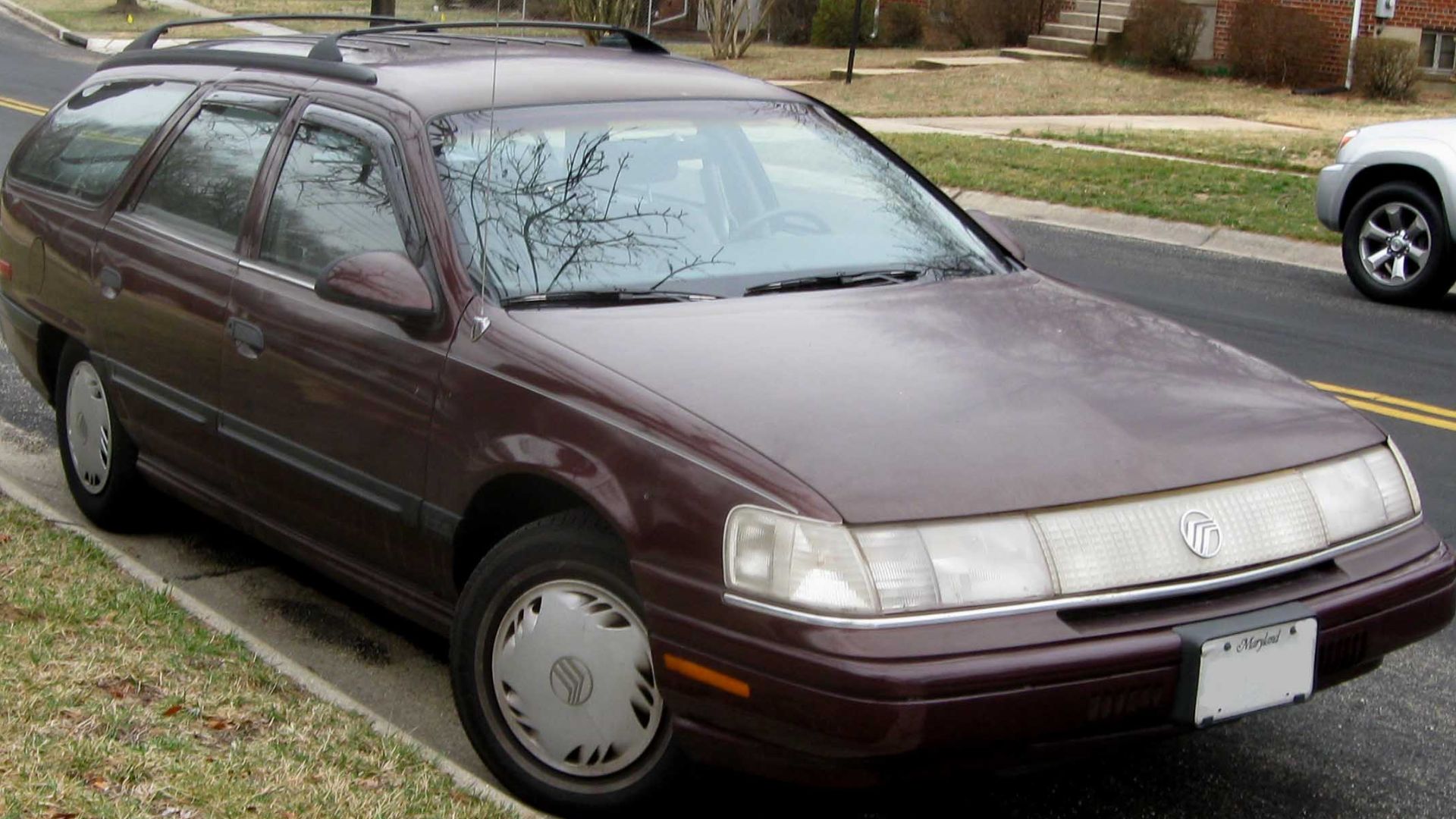
Mercury Experimented Beyond Traditional Sedans
During the 1990s, Mercury expanded into new vehicle categories as American buying habits changed. The Villager minivan arrived for 1993 through a partnership with Nissan, while the Explorer-based Mountaineer SUV followed for 1997. Both represented efforts to give Mercury customers more choices beyond its familiar sedans and coupes.
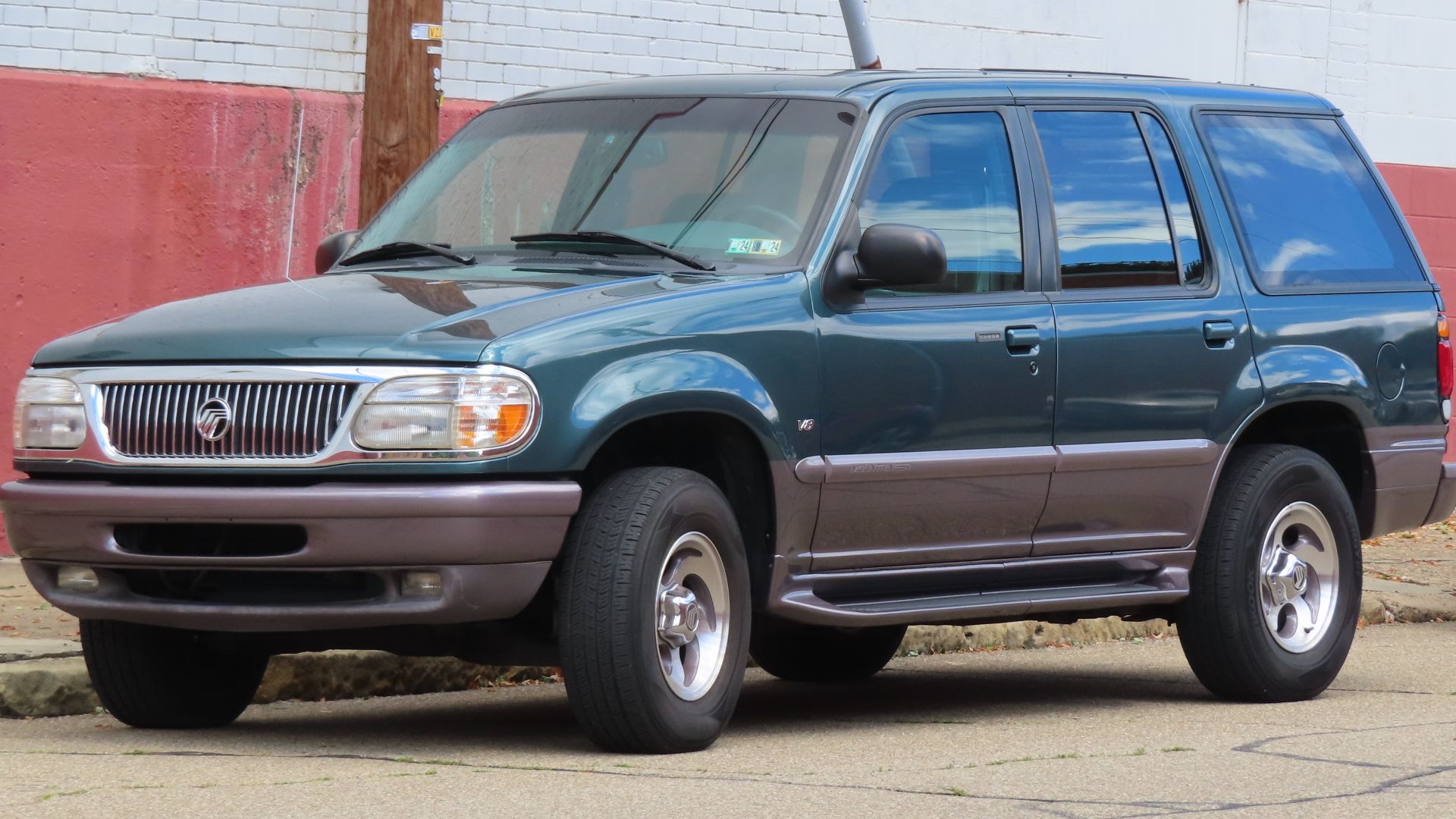 MercurySable99, Wikimedia Commons
The Cougar Tried To Reinvent Itself
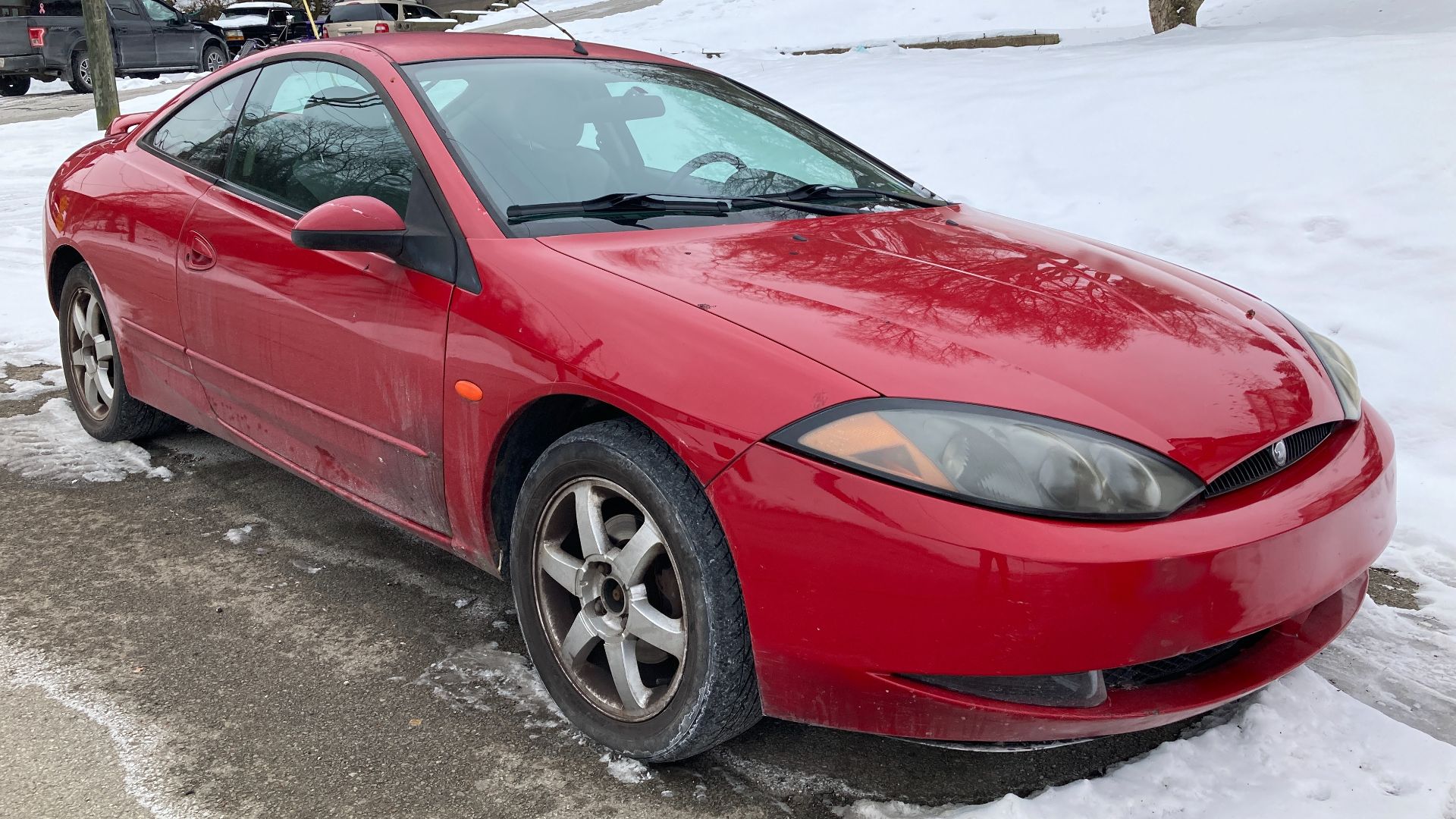
The Cougar returned for the 1999 model year as a dramatically different front-wheel-drive sport coupe with sharp, modern styling. Developed using engineering related to the Ford Contour and European Mondeo, it was aimed at a younger audience than Mercury traditionally attracted. Although the car received attention for its unusual appearance, the experiment ended after the 2002 model year.
The Marauder Proved Mercury Still Had Muscle
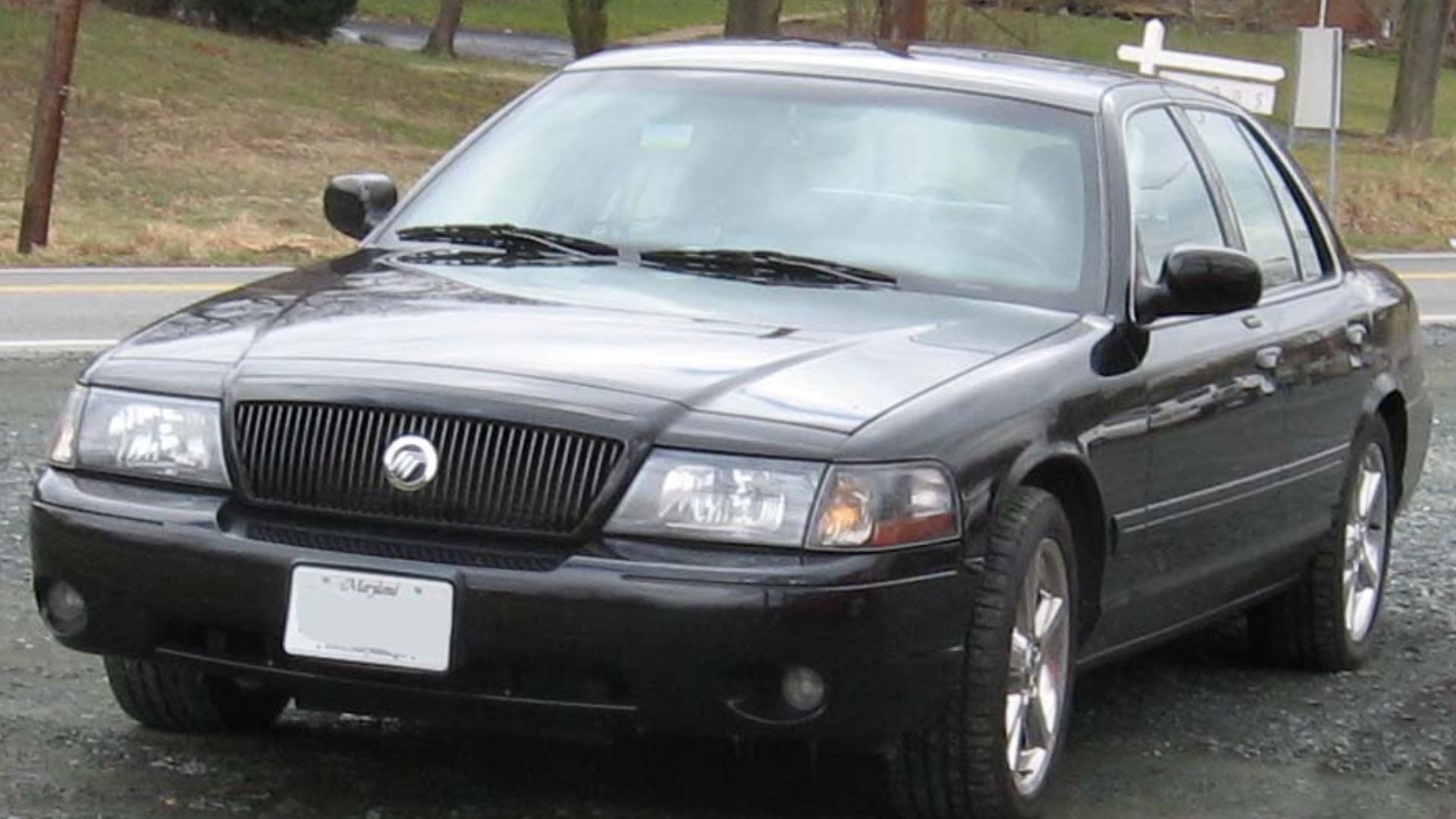
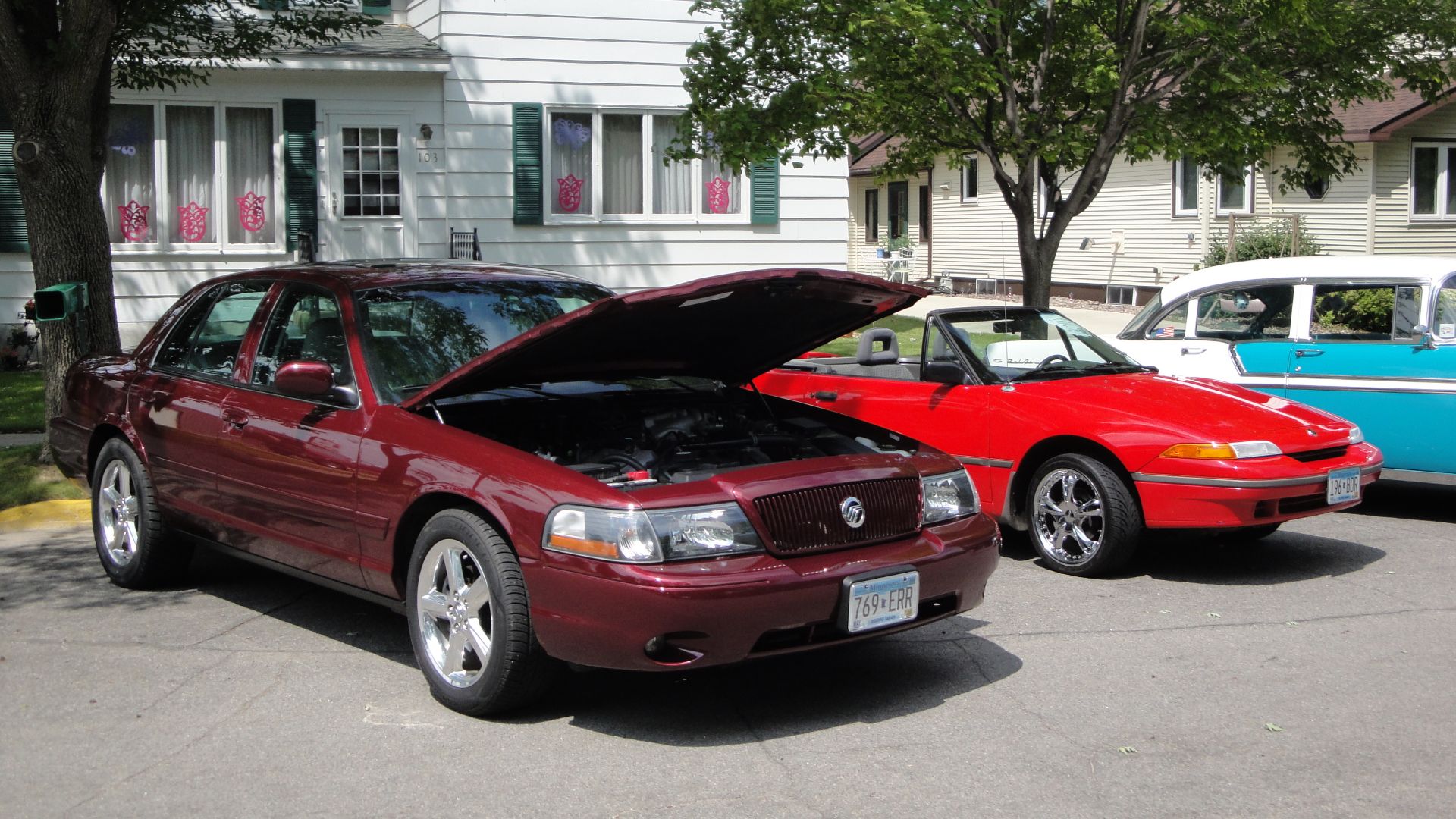
In 2003, Mercury revived the Marauder name for a powerful version of the Grand Marquis. Its 4.6-liter V8 produced 302 horsepower, while aggressive styling, larger wheels, and sportier suspension tuning gave the sedan a completely different personality. It was an unexpected return to Mercury's performance roots at a time when the brand badly needed excitement.
Even Its Performance Cars Faced Challenges
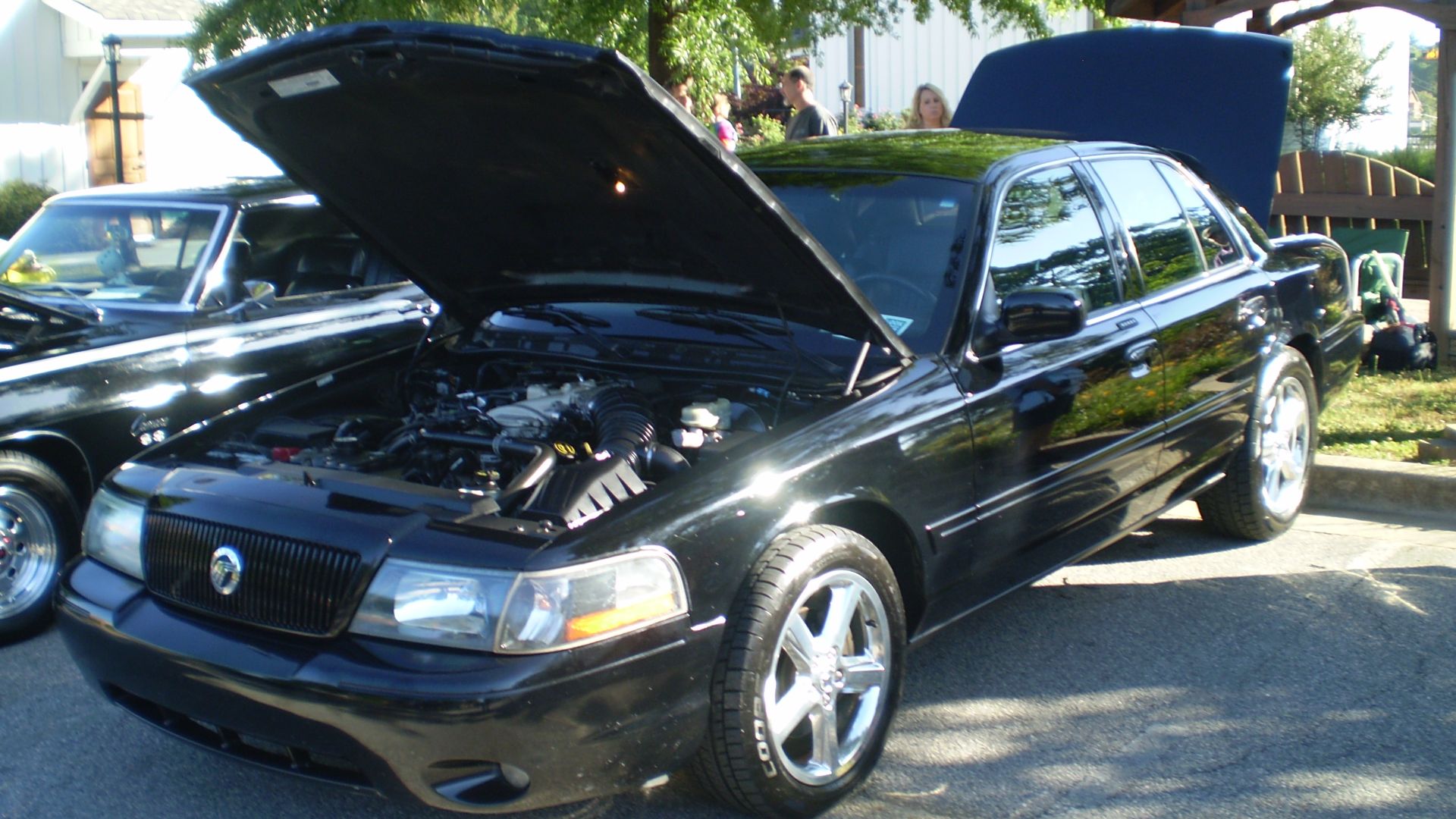
Mercury built just 11,052 Marauders across the 2003 and 2004 model years, far short of the volume the company had hoped to achieve. Automotive reviewers praised the car's handling but felt its acceleration didn't quite match its intimidating appearance. After just two model years, Ford discontinued the Marauder, ending one of Mercury's last serious attempts to attract performance enthusiasts.
The Ford Connection Became A Problem
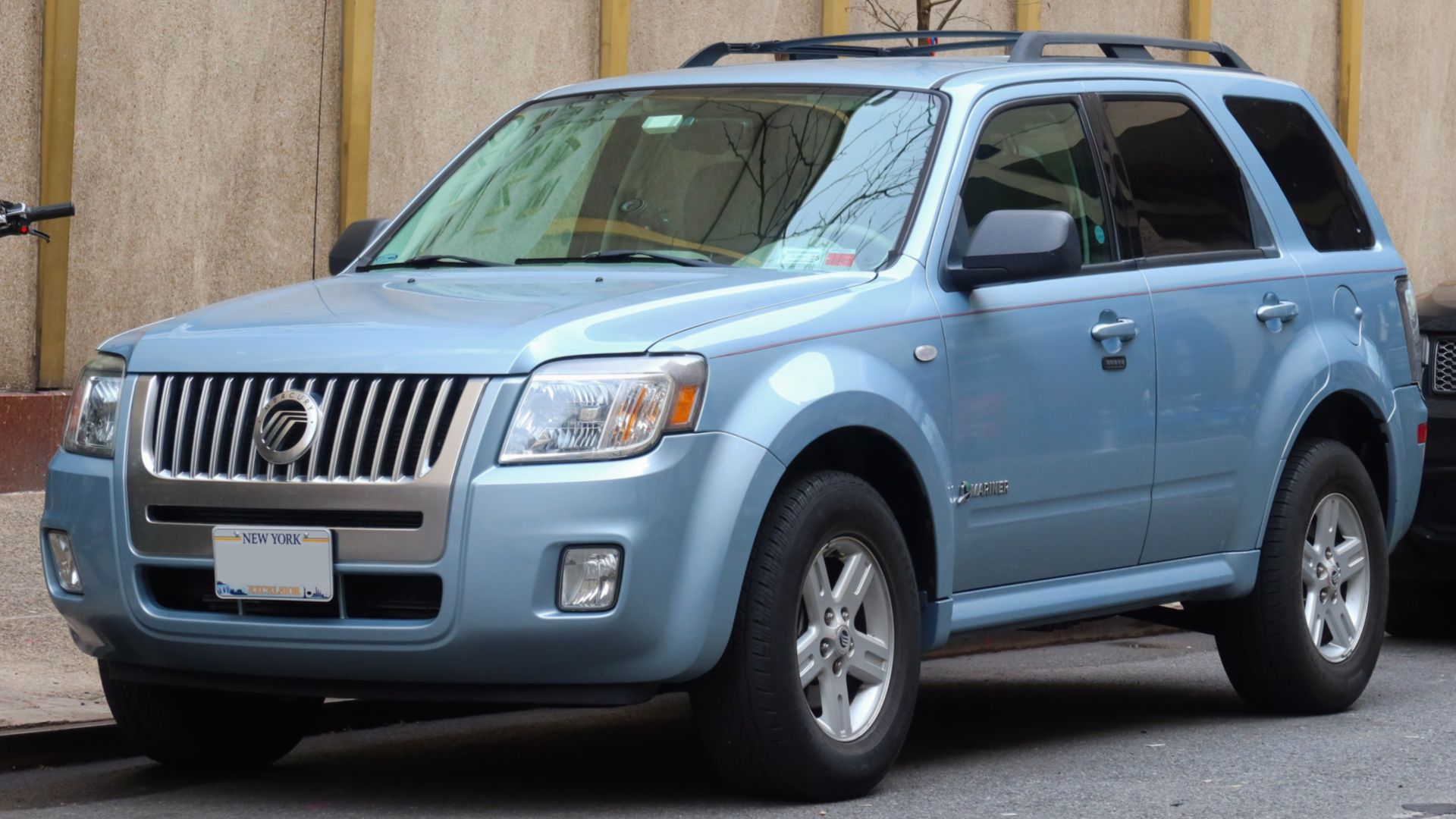
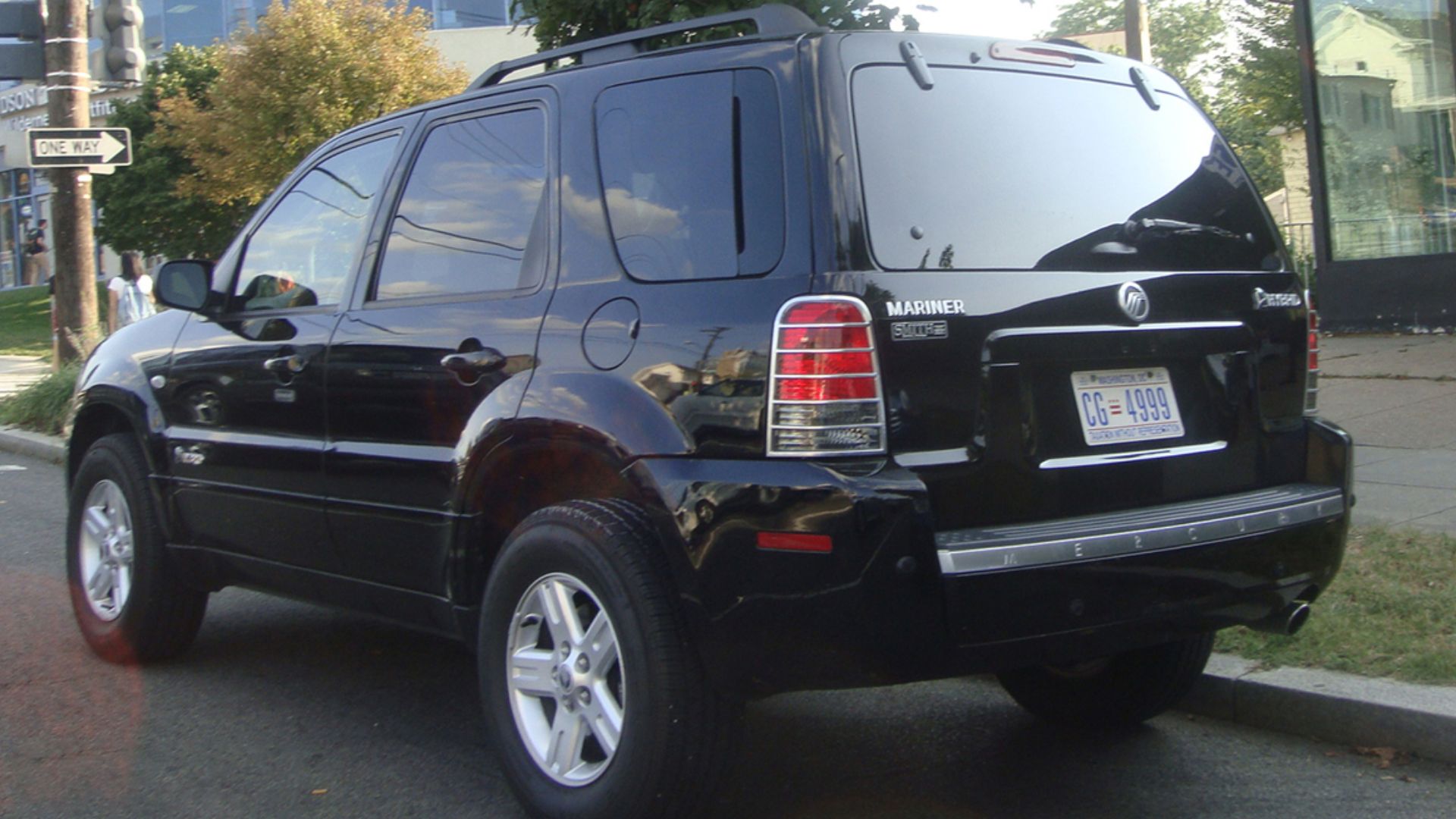
Sharing platforms with Ford helped Mercury keep costs down while offering buyers different styling and features. Models such as the Milan and Mariner shared much of their engineering with the Ford Fusion and Escape. As Ford's vehicles became increasingly well-equipped and refined, more buyers found that they could get the comfort and features they wanted without stepping up to a Mercury.
The Sales Numbers Told A Different Story
Although Mercury had enjoyed decades of popularity, its sales gradually declined as American vehicle preferences evolved. By 2009, the brand sold fewer than 100,000 vehicles in the United States, compared with more than 580,000 during its 1978 peak. With demand concentrated on other vehicle categories and brands, Mercury represented a smaller portion of the American automotive market.
 Mariordo Mario Roberto Duran Ortiz, Wikimedia Commons
Mercury's Future Had Been Discussed For Years
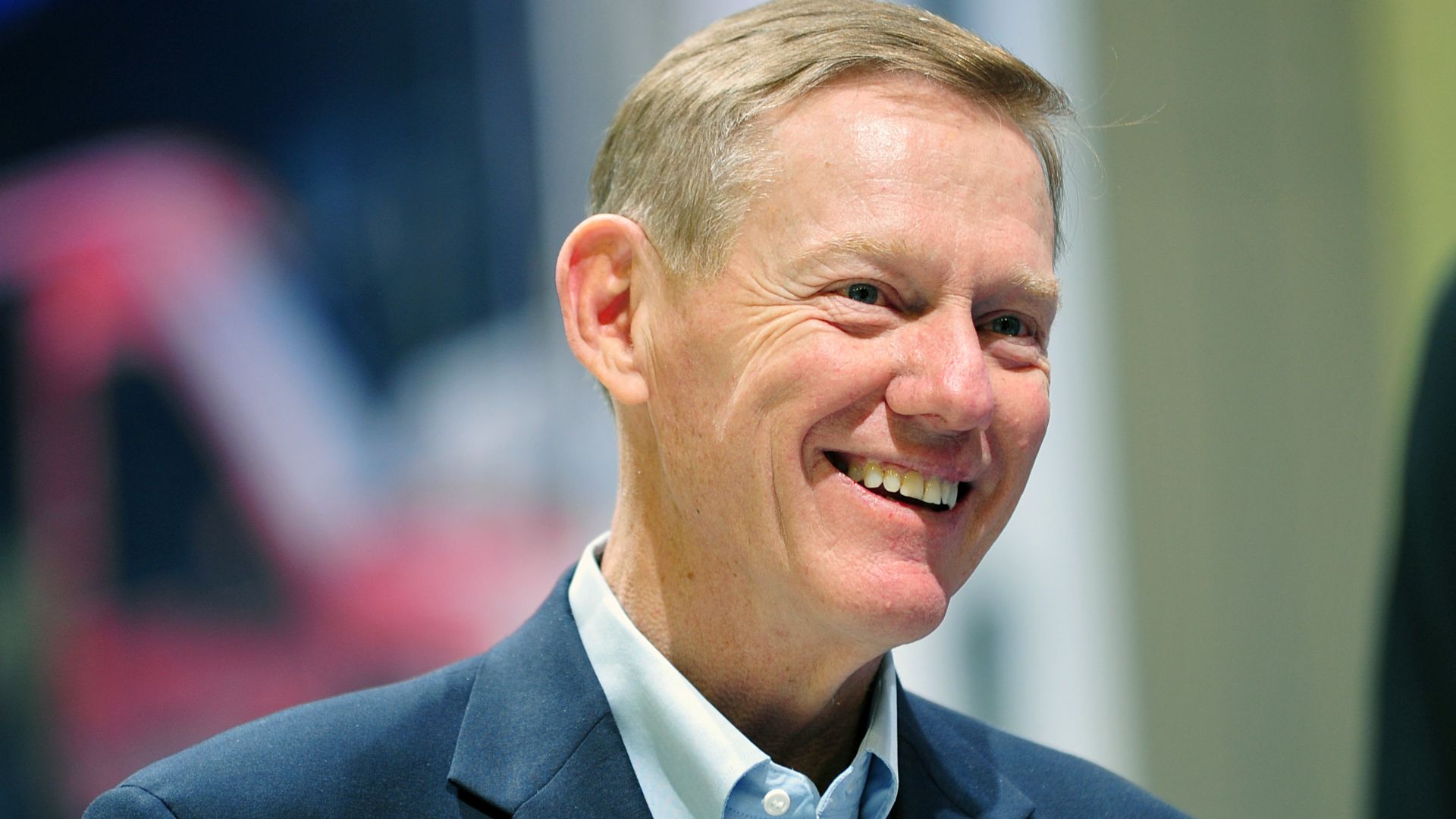
Mercury's retirement wasn't a sudden decision made in 2010. Its future had been discussed for years, particularly after Alan Mulally became CEO in 2006, and the company began an extensive restructuring focused on strengthening its core automotive operations. Mercury's future became part of those discussions, as Ford evaluated how best to serve customers across its different brands.
 Ford Motor Company, Wikimedia Commons
Canada Had Already Taken A Different Approach
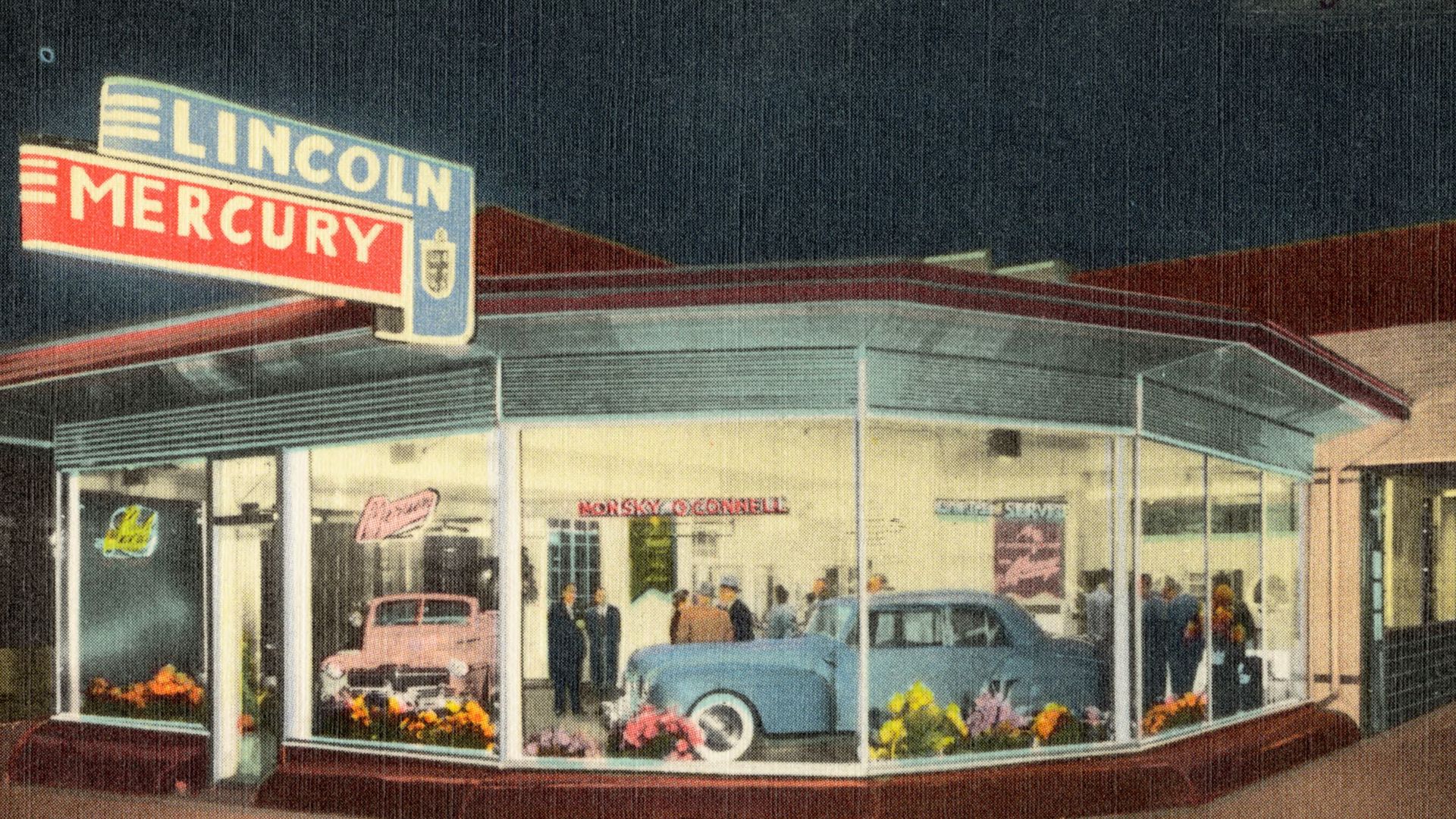
More than a decade before Mercury disappeared in the United States, Ford had reorganized its Canadian dealership network. In 1999, Canadian Lincoln-Mercury dealerships were converted into Ford-Lincoln outlets, eliminating Mercury's independent market position. Some Mercury-badged vehicles remained available afterward, but the decision showed that Ford was already willing to operate without a separate Mercury brand.
 Acme Advertising Company, Omaha, Nebraska, Wikimedia Commons
The Announcement Came In June 2010
On June 2, 2010, Ford officially announced that Mercury production would end later that year. The company explained that it wanted to direct more resources toward improving Ford vehicles and expanding its Lincoln luxury lineup. After more than seven decades, Mercury was preparing to close one chapter of American automotive history.
 Greg Gjerdingen from Willmar, USA, Wikimedia Commons
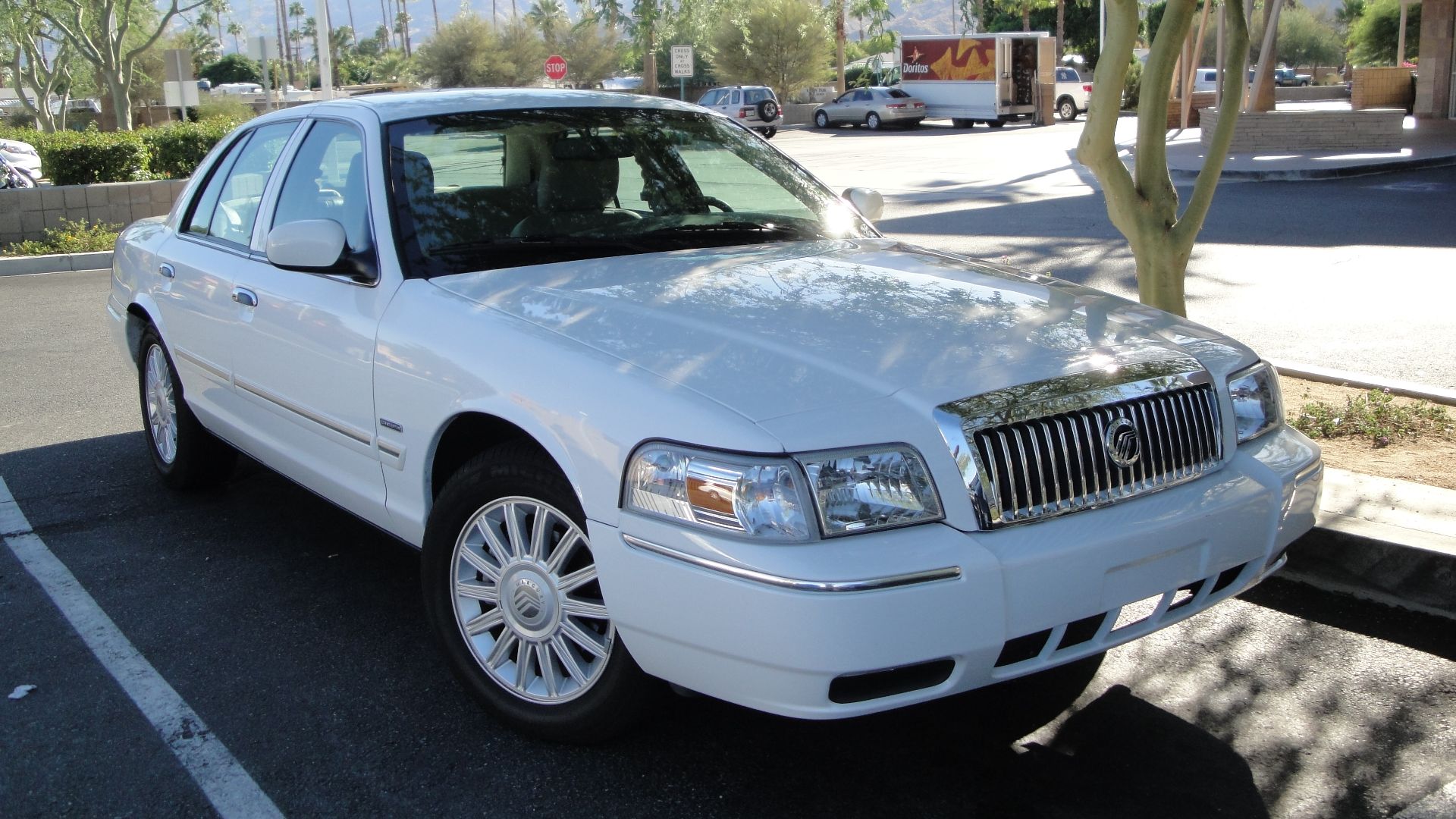
The Last Lineup Had Just Four Models
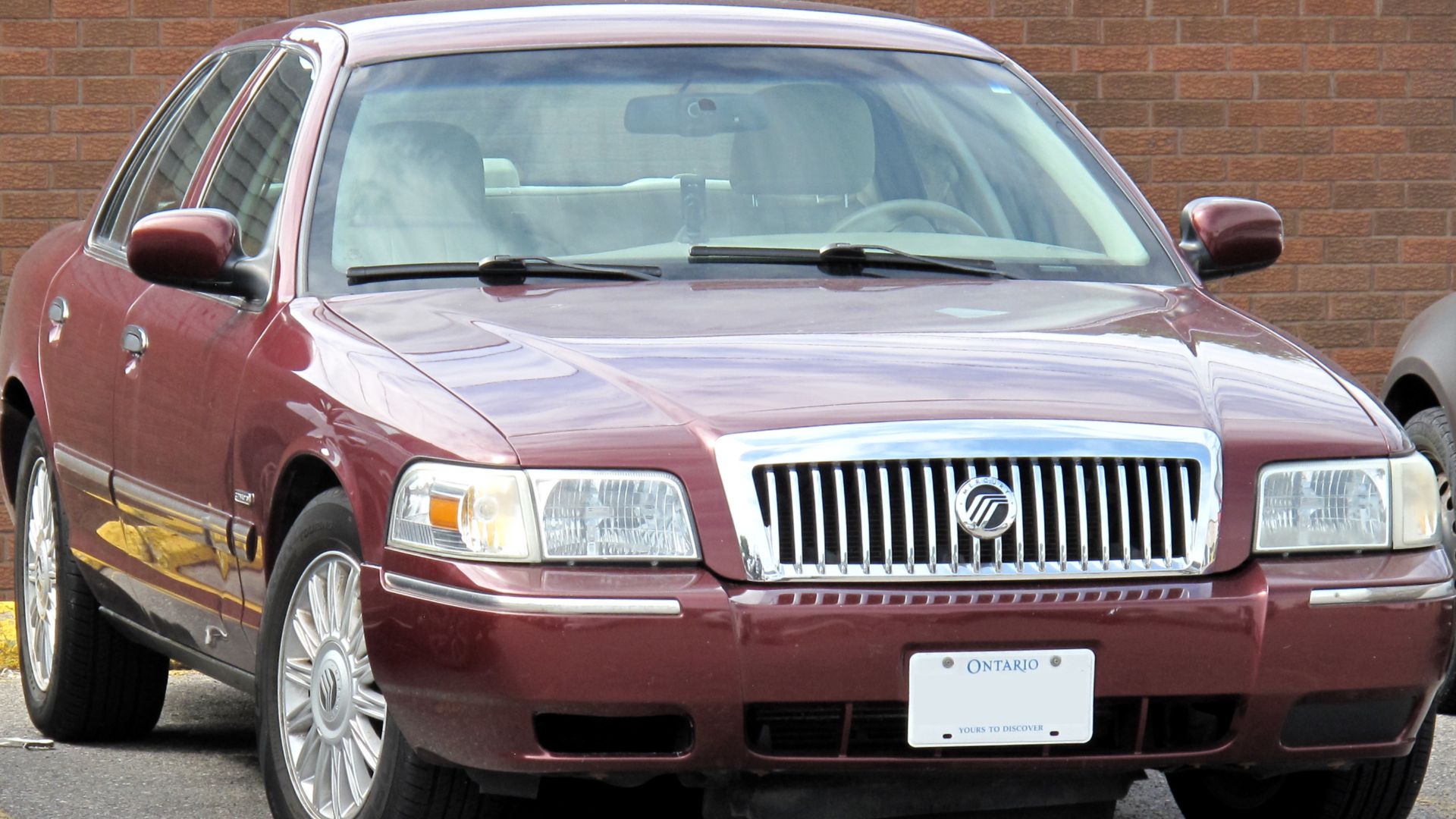
By the time Ford announced Mercury's retirement, only four models remained: the Grand Marquis, Milan, Mariner, and Mountaineer. The Grand Marquis was a traditional full-size sedan, while the Milan offered a smaller, more modern alternative and the two SUVs served family buyers. It was a practical, comfort-focused lineup, although it offered fewer of the sporty, distinctive models that had once made cars like the Cougar and Marauder stand out.
Lincoln Became Ford's Bigger Priority
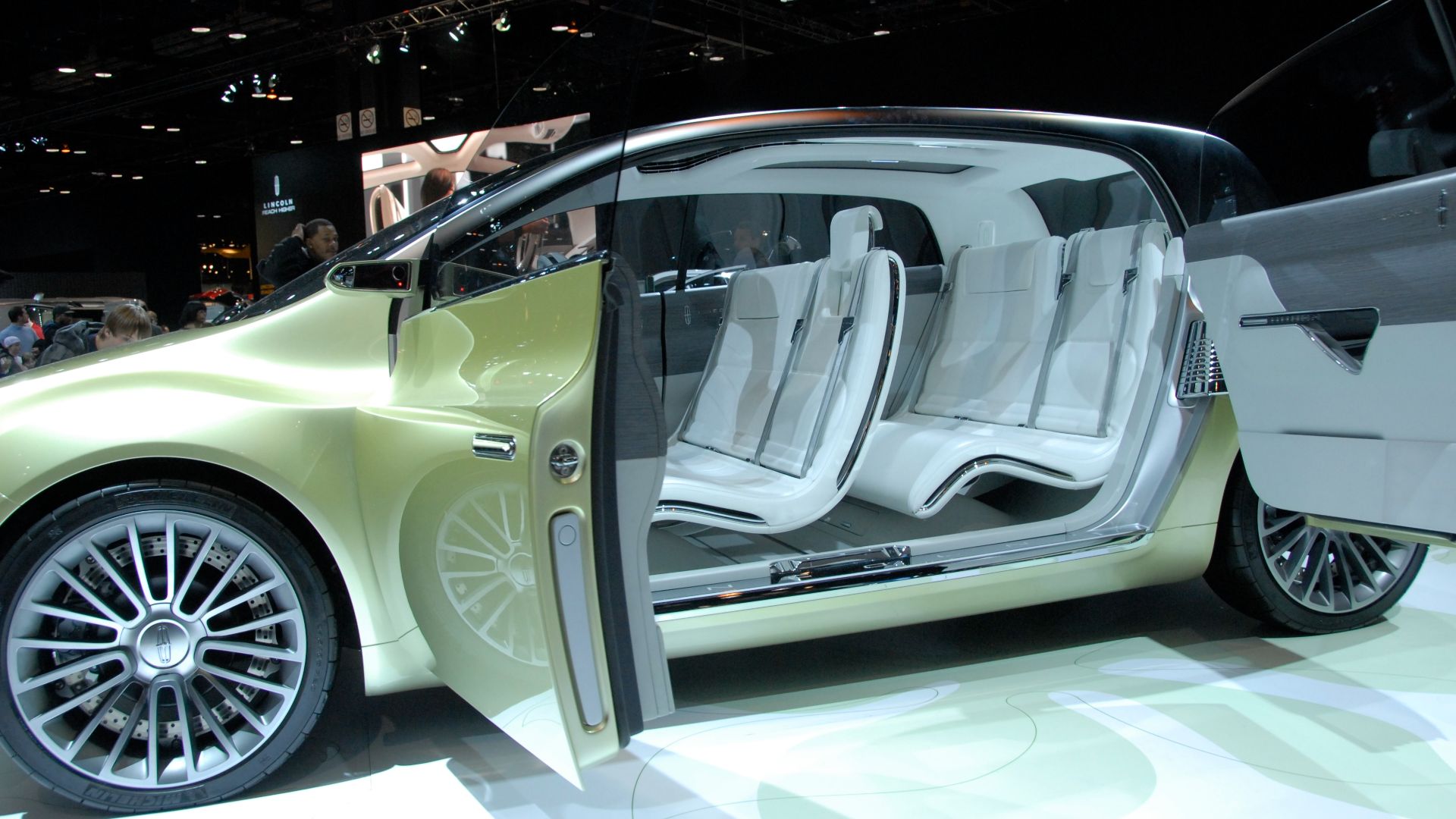
Ford's June 2010 announcement included plans for seven new or significantly refreshed Lincoln vehicles over the following four years. The company wanted Lincoln to compete more effectively with established luxury rivals including Cadillac and Lexus. Concentrating resources on Ford and Lincoln would allow the automaker to pursue a clearer mainstream and luxury brand strategy.
 Chad Kainz from Monterey, CA, USA, Wikimedia Commons
The Last Mercury Was Built In Canada
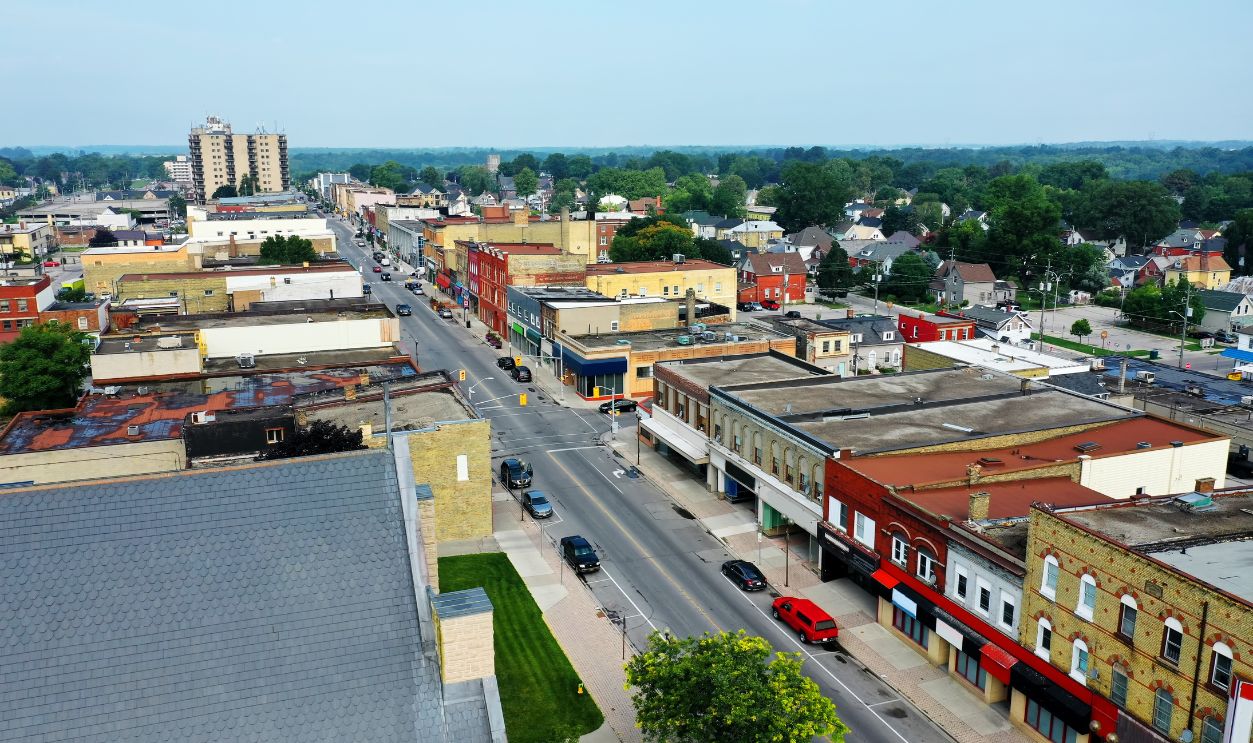
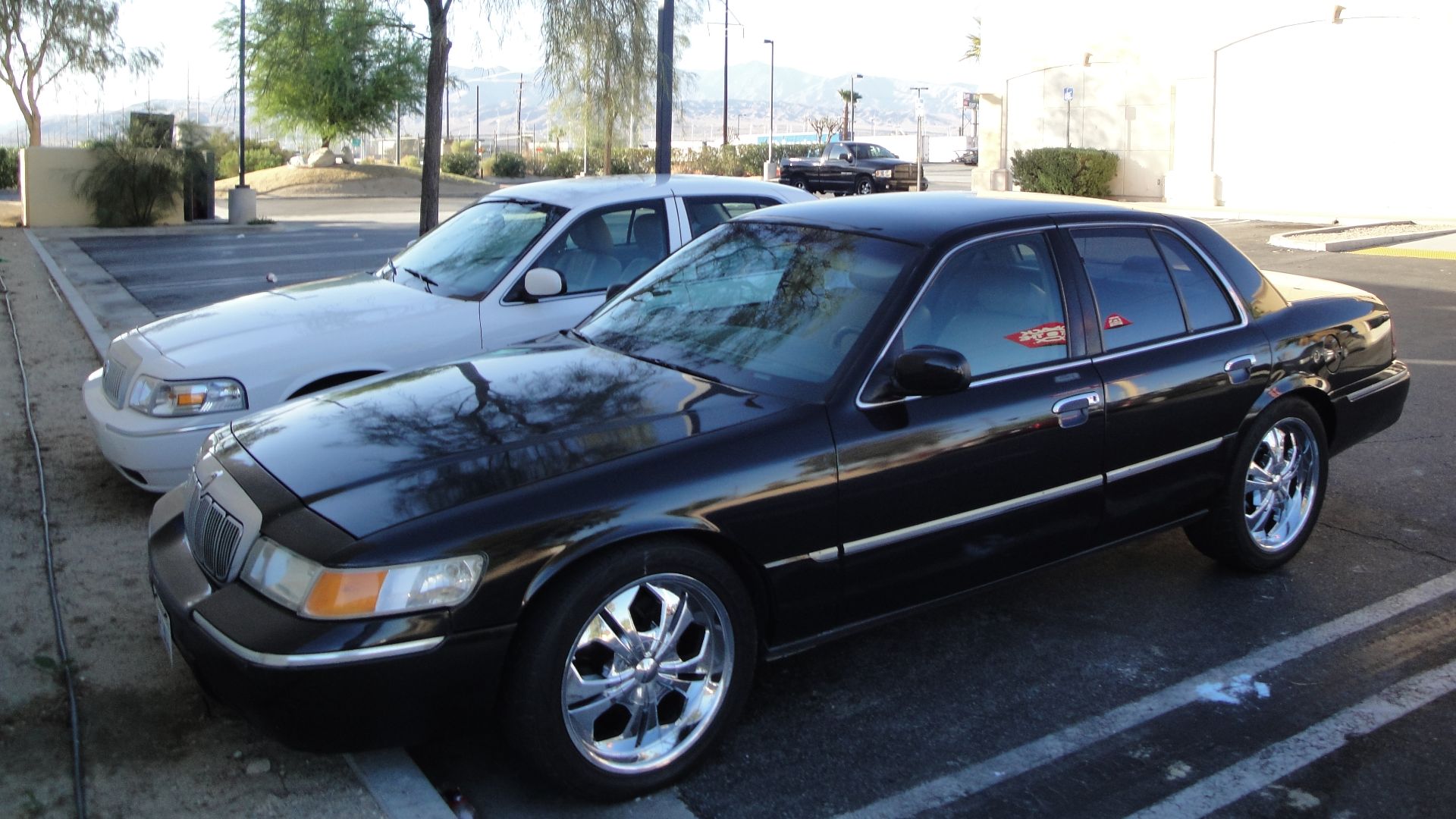
On January 4, 2011, the final Mercury automobile rolled off Ford's assembly line in St. Thomas, Ontario. Appropriately, it was a Grand Marquis, the nameplate that had become synonymous with the brand's traditional approach to comfortable motoring. Delayed parts shipments had pushed the final vehicle's production into January, extending Mercury's manufacturing history slightly beyond the planned December 2010 shutdown.
Its Final Destination Wasn't A Showroom
The last Mercury wasn't destined for a collector or a dealership display. Ford confirmed that the final Grand Marquis was being shipped to a fleet customer, although the buyer's identity wasn't immediately disclosed. It was a fittingly practical ending for a brand whose comfortable, durable sedans had served countless American drivers over the decades.
 Greg Gjerdingen from Willmar, USA, Wikimedia Commons
Could The Cougar Have Returned Again?
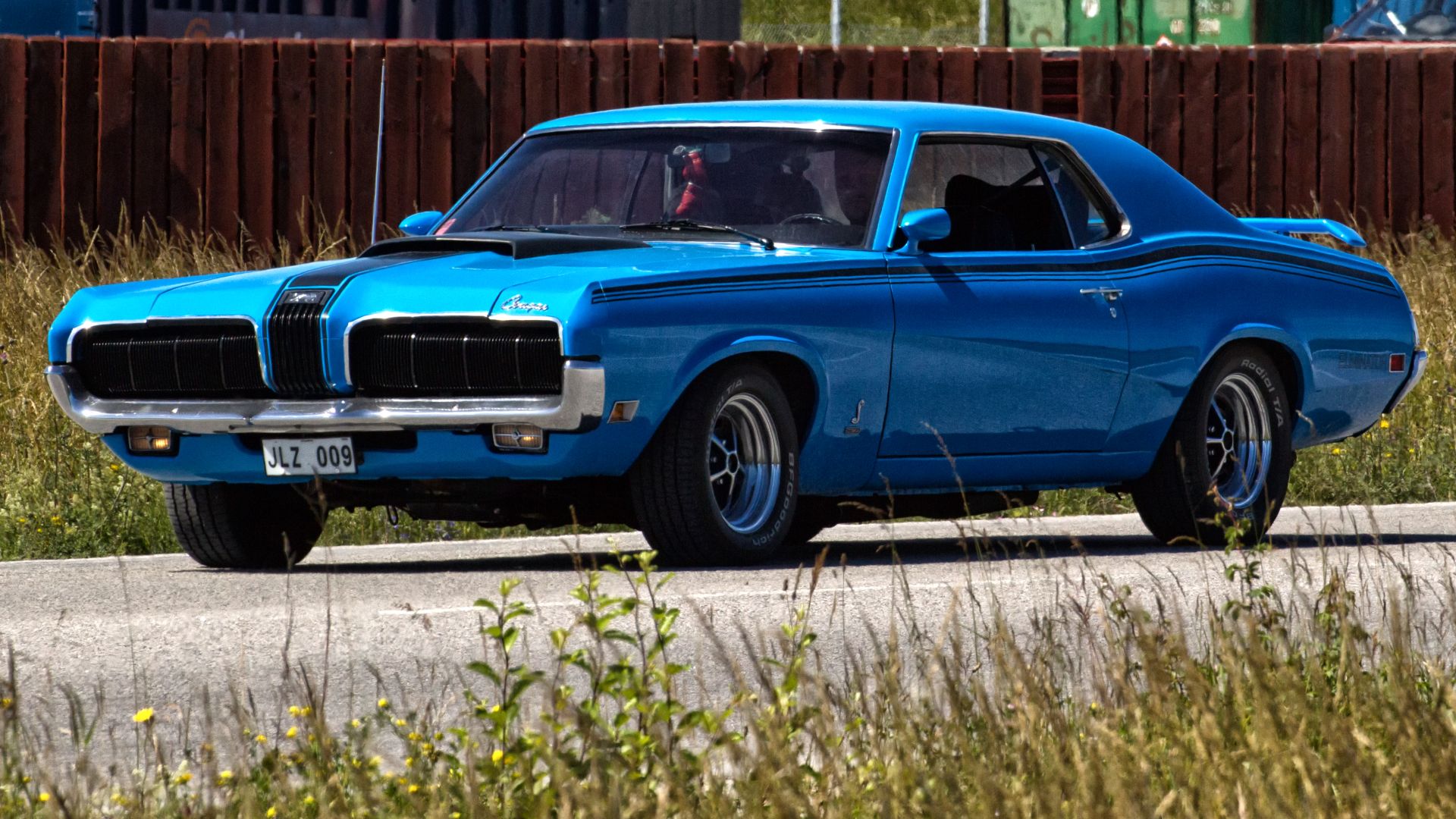
Looking back, the Cougar offers an intriguing example of how Mercury might have evolved in a changing automotive market. Its original success demonstrated the appeal of combining proven Ford engineering with distinctive styling and a different driving personality. A modern Cougar might have helped Mercury stand out from Ford, although bringing it back would have required fresh investment and a clear audience of interested buyers.
Did Mercury Really Have To Go?
Mercury's history shows that the brand was most successful when its cars offered a distinctive mix of style, comfort, and performance. By 2010, declining sales and growing similarities with Ford models made it harder for Mercury to stand out. A fresh approach might have given the brand another chance, but Ford ultimately chose to concentrate its resources on strengthening Ford and Lincoln.
 Greg Gjerdingen from Willmar, USA, Wikimedia Commons
An American Name Worth Remembering
Mercury disappeared after 72 years, leaving behind everything from customized 1949 coupes to muscular Marauders and millions of comfortable Grand Marquis sedans. Ford had compelling business reasons for ending the brand, but Mercury's earlier successes demonstrated that it could thrive when given a distinctive identity. For longtime fans, its legacy remains a reminder of an important chapter in American automotive history.
 Greg Gjerdingen from Willmar, USA, Wikimedia Commons
You May Also Like:
GM Axed Pontiac After 84 Years—But Did It Save The Wrong Brand?
Plymouth Beat Ford To Market With The Barracuda—So Why Did The Mustang Become The Icon?
Ken Miles Helped Ford Beat Ferrari—But Never Lived To See His Greatest Legacy