When Speed Meets Public Roads
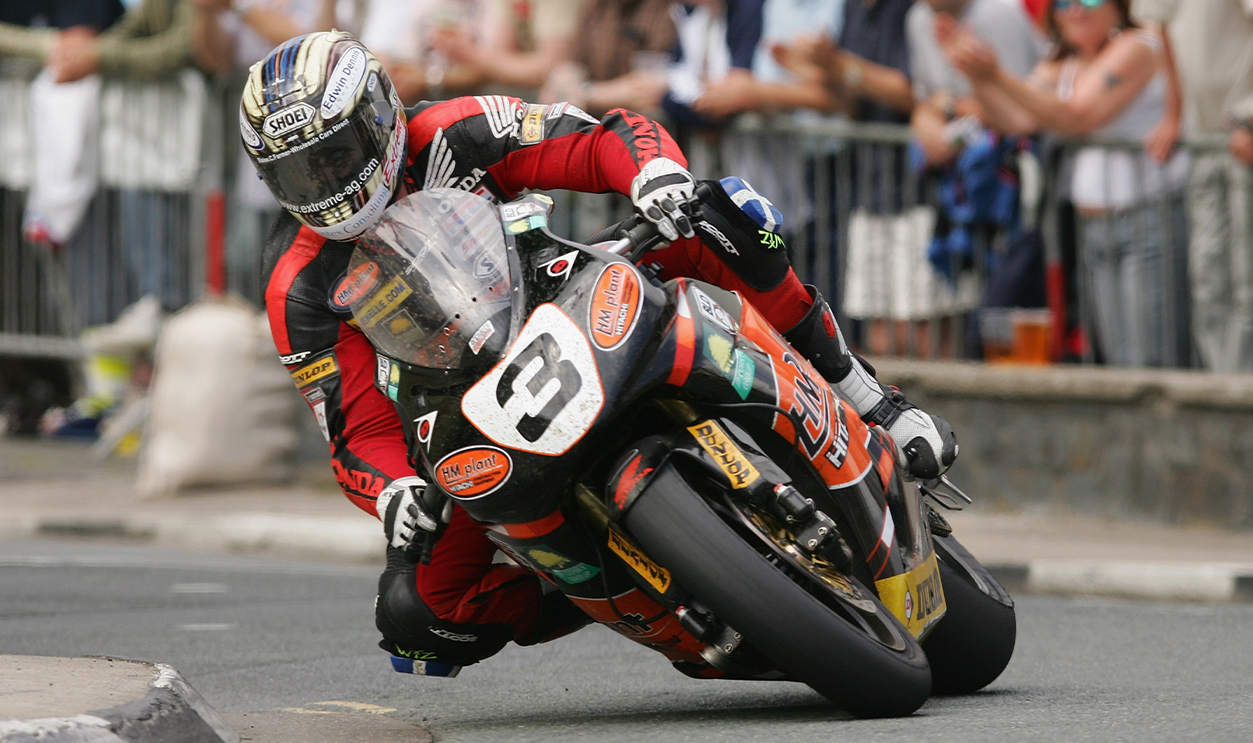
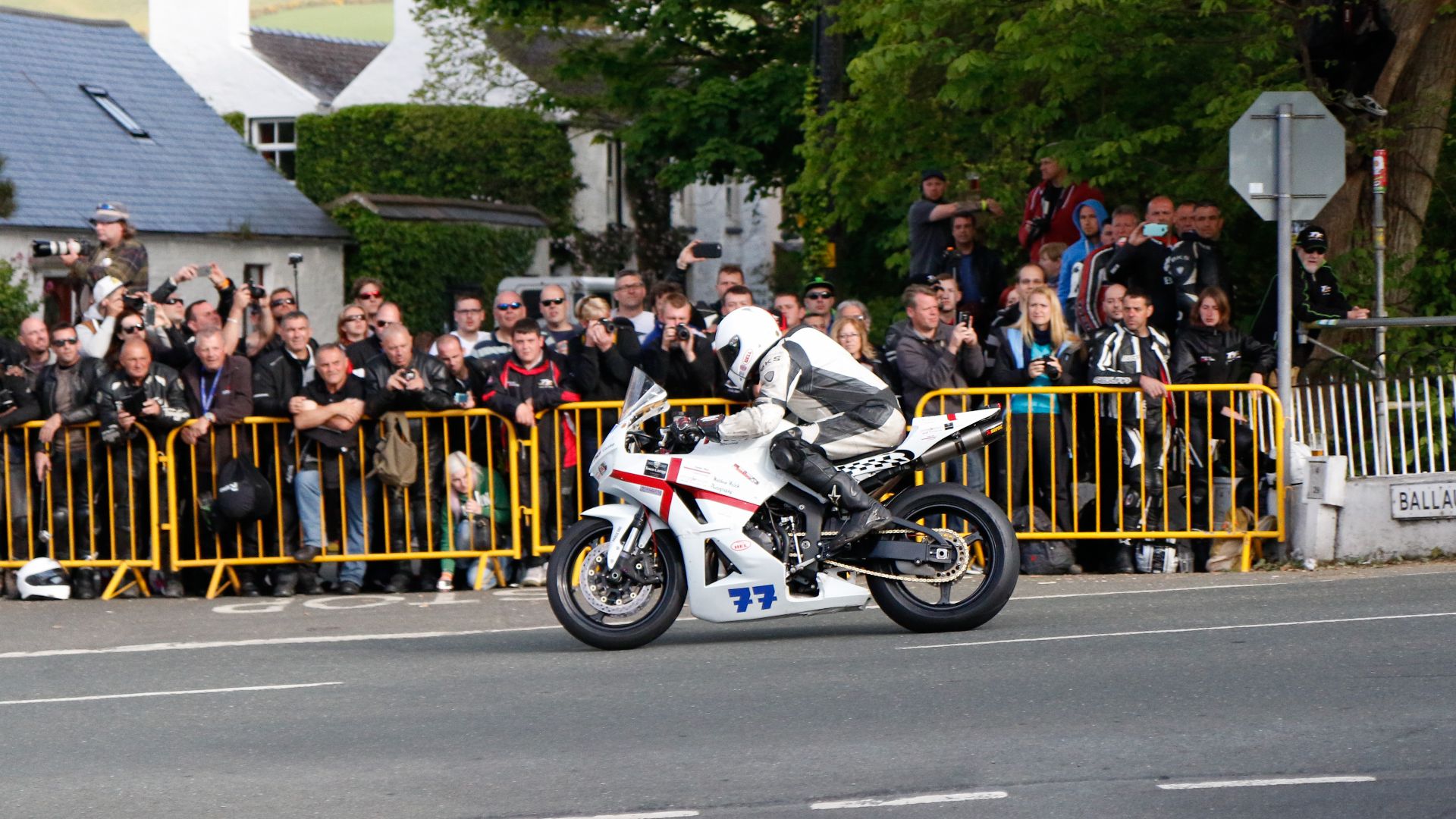
If you ask motorsport fans to name the most dangerous race on Earth, the answer usually comes fast: the Isle of Man TT. For more than a century, riders have traveled to a small island in the Irish Sea to test themselves on what is widely considered the most unforgiving motorcycle course in the world. Unlike modern circuits designed with wide runoff areas and safety barriers, the TT runs on narrow public roads lined with stone walls, curbs, houses, and trees.
The event combines breathtaking speed with extreme risk, and that tension is exactly what keeps fans fascinated and riders coming back year after year. Over its long history, the race has produced legendary champions, record-breaking performances, and heartbreaking tragedies. The result is a motorsport spectacle unlike anything else on the planet.
The Birth Of The Tourist Trophy
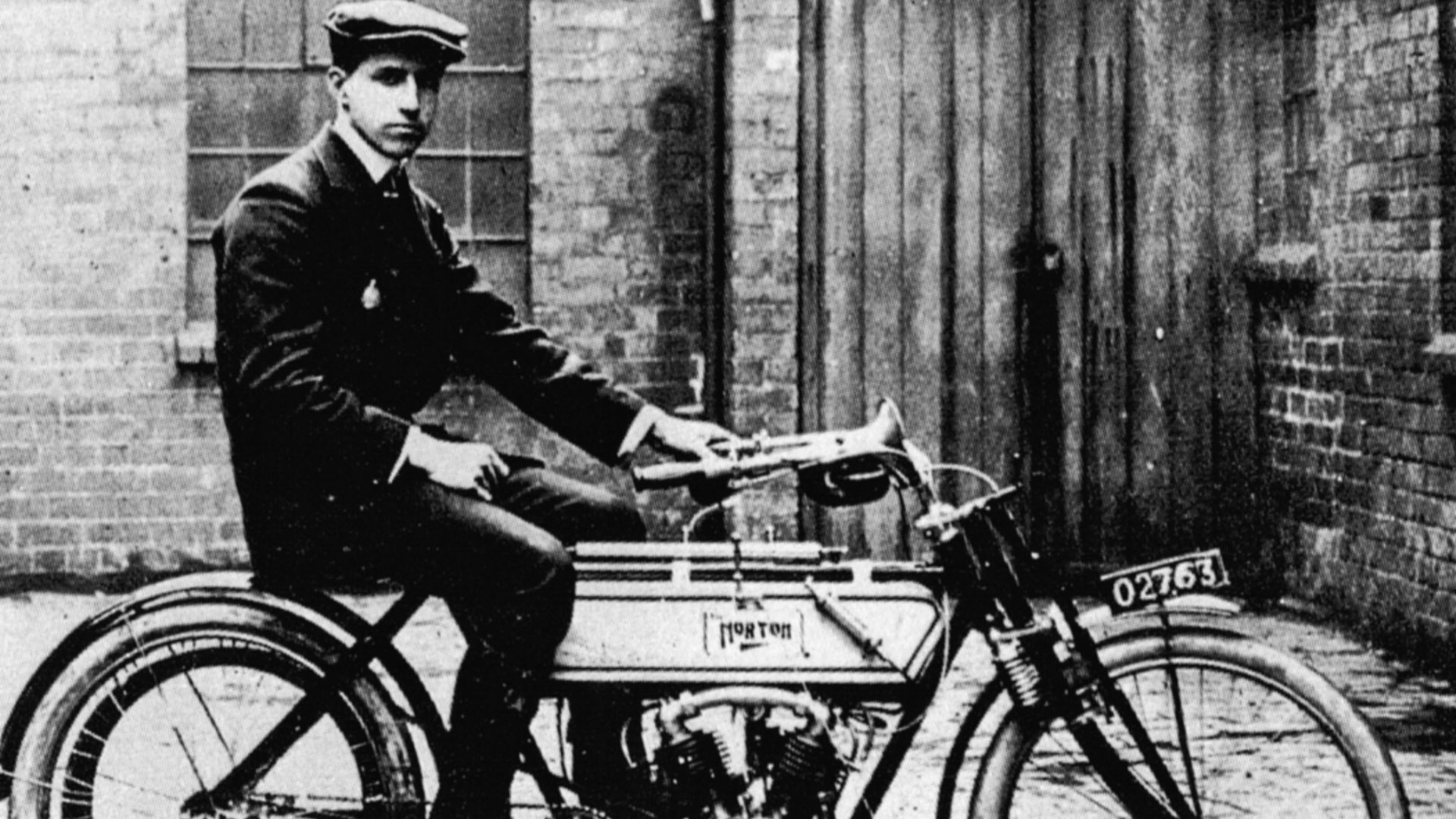
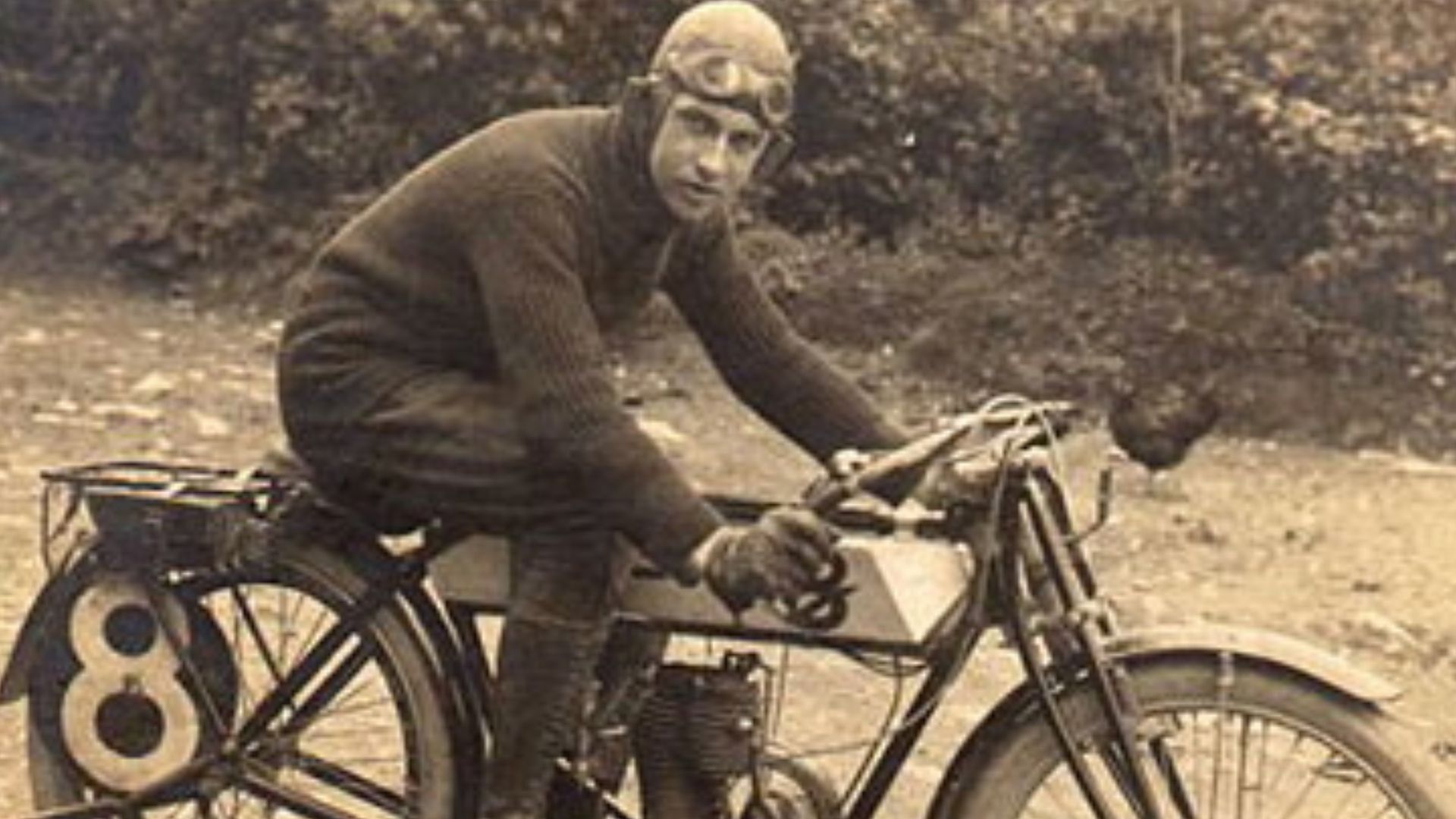
The Isle of Man TT (short for Tourist Trophy) began in 1907, at a time when motorcycle racing on mainland British roads was largely banned due to strict speed limits. Organizers turned to the Isle of Man because the island allowed racing on its public roads, creating a unique opportunity for endurance-style competition. The first race used a shorter course, but the event quickly evolved as motorcycles became faster and riders demanded a bigger challenge.
 Unknown authorUnknown author, Wikimedia Commons
The Mountain Course That Changed Everything
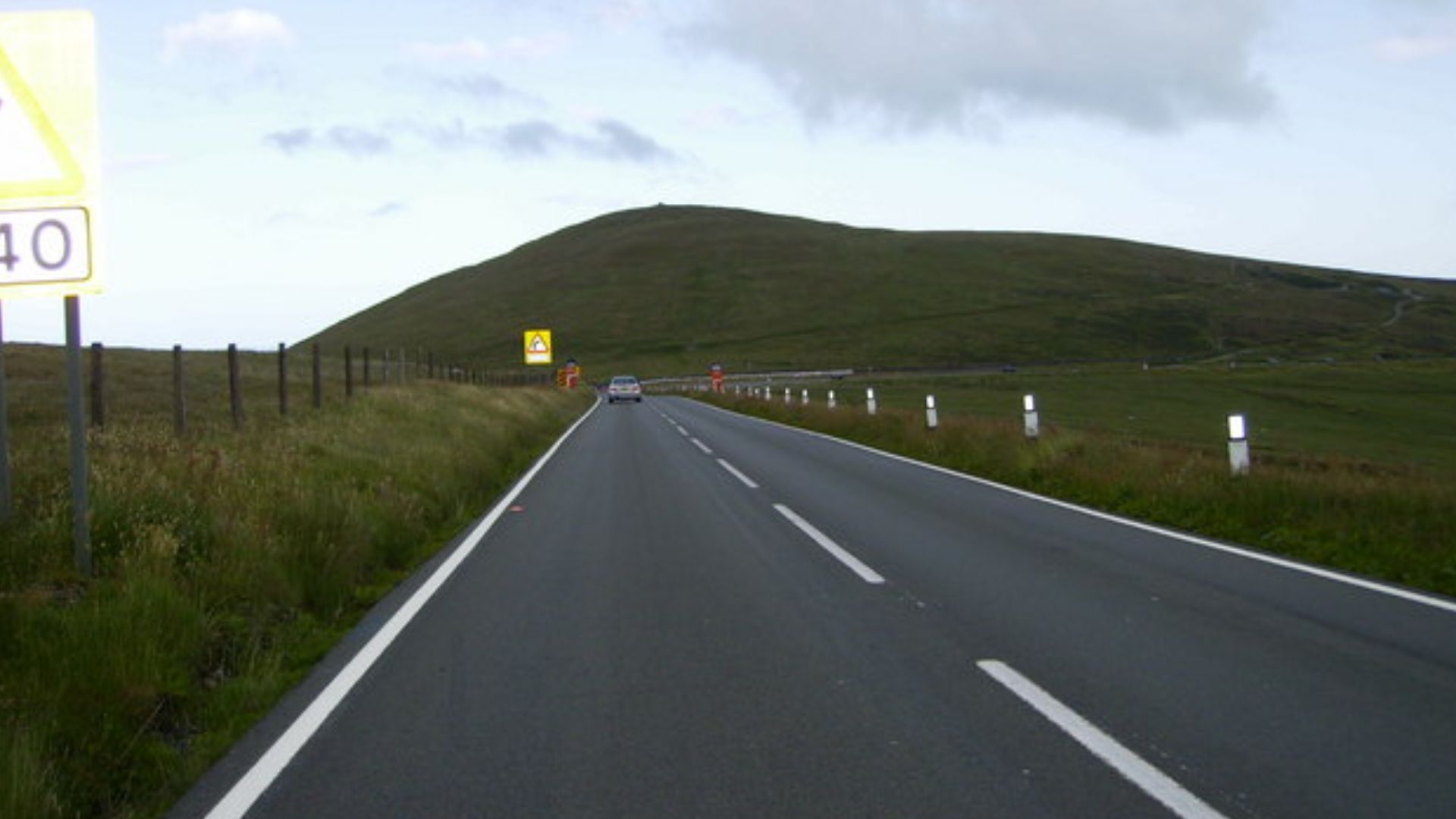
In 1911, the TT moved to the now-legendary Snaefell Mountain Course, which remains the foundation of the race today. The circuit stretches roughly 37.7 miles (about 60 km) across public roads that wind through villages, countryside, and mountain passes. This massive layout is radically different from most racetracks. Instead of repeating a small loop, riders tackle a course with hundreds of corners, elevation changes, and unpredictable surfaces.
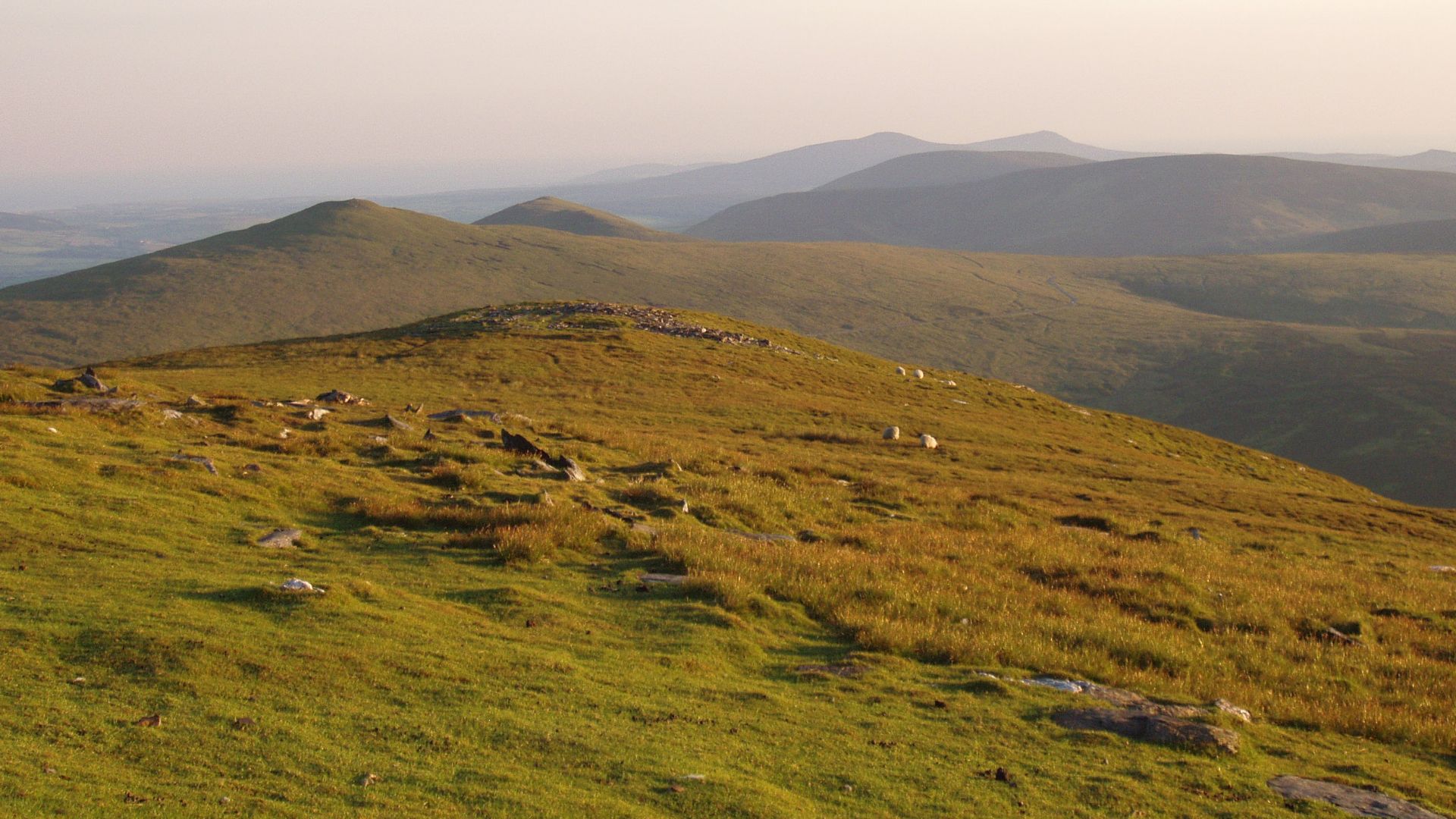 Gregory J Kingsley, Wikimedia Commons
A Course That Offers No Room For Error
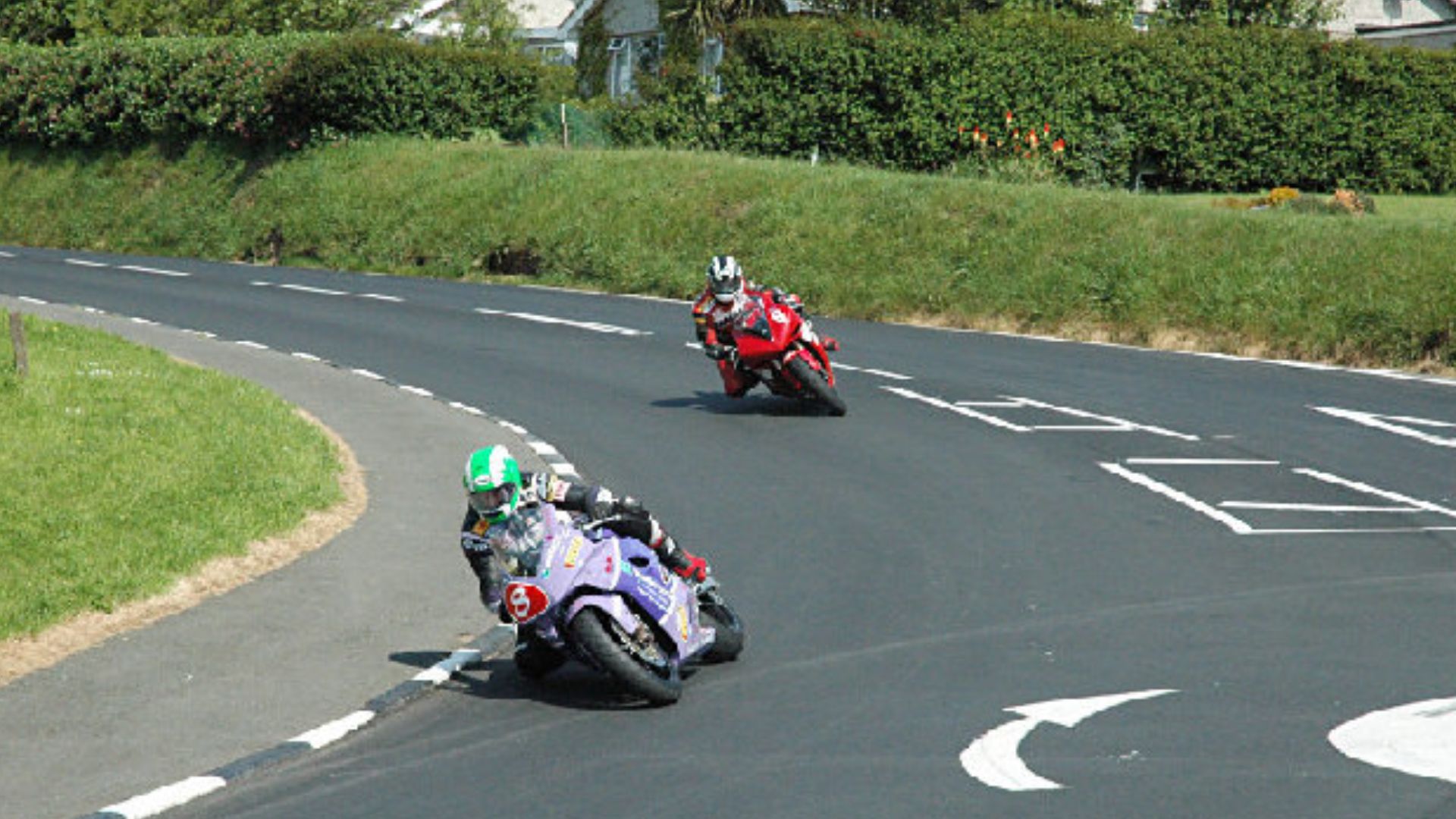
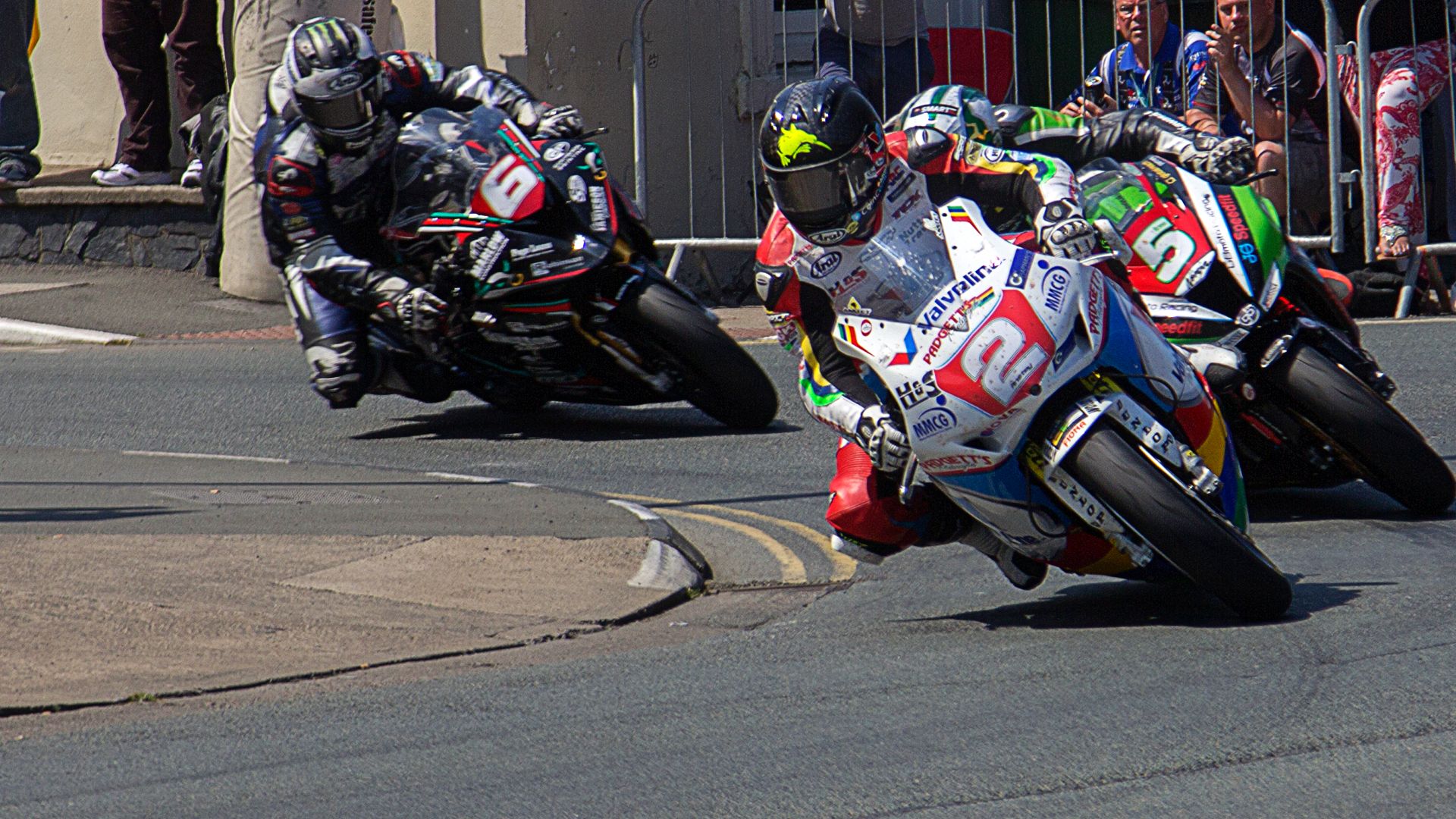
The biggest reason the TT is so dangerous is the track itself. Riders blast past houses, curbs, walls, telephone poles, and storefronts at racing speeds. There are no forgiving gravel traps or asphalt runoff zones to save a mistake. If a rider misses a braking point or misjudges a corner, the consequences are immediate. As one competitor famously put it: miss a line in tennis and you lose a point—miss one at the TT and you might lose your life.
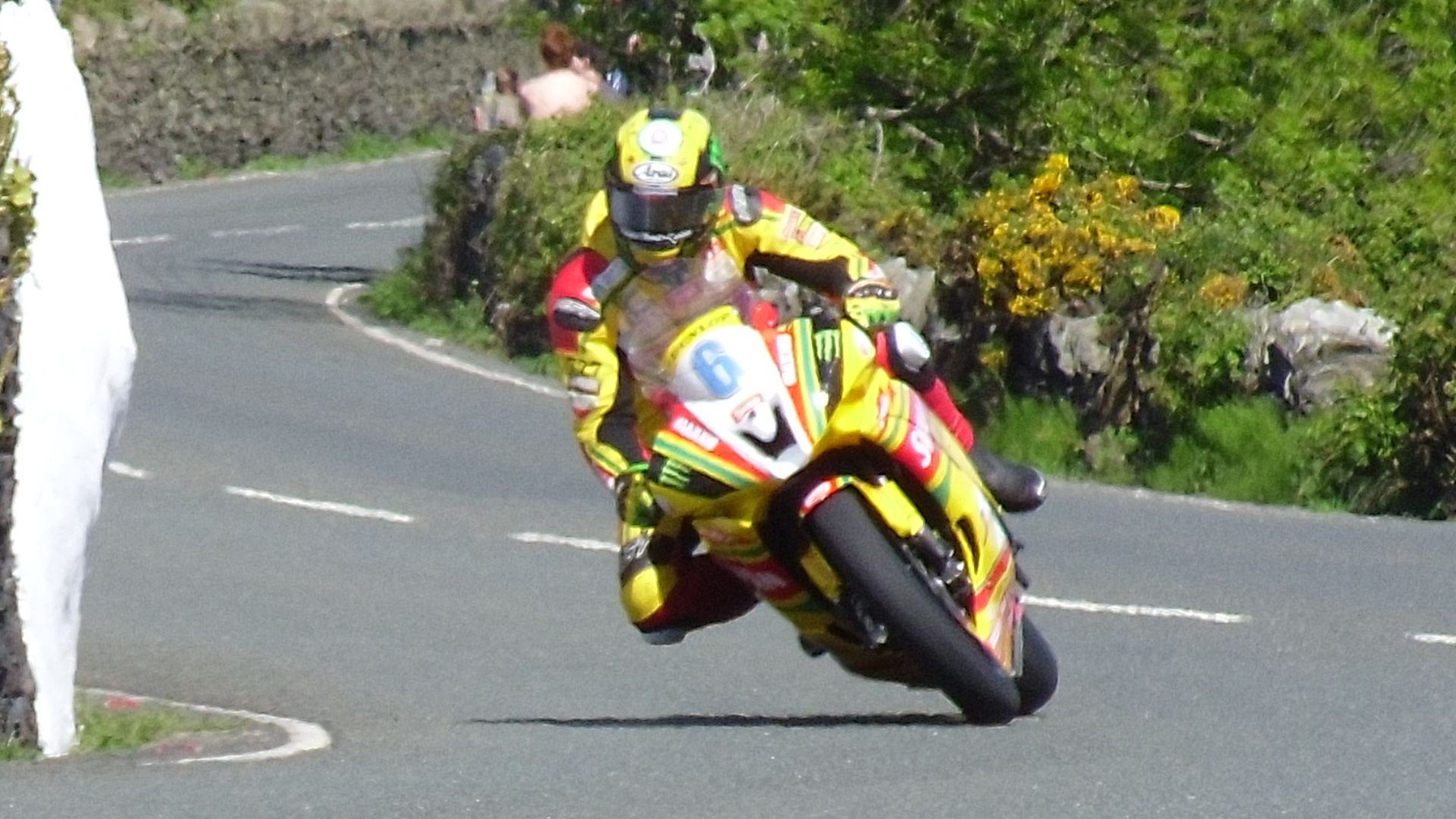 bebopalieuday, Wikimedia Commons
Racing At Extreme Speeds
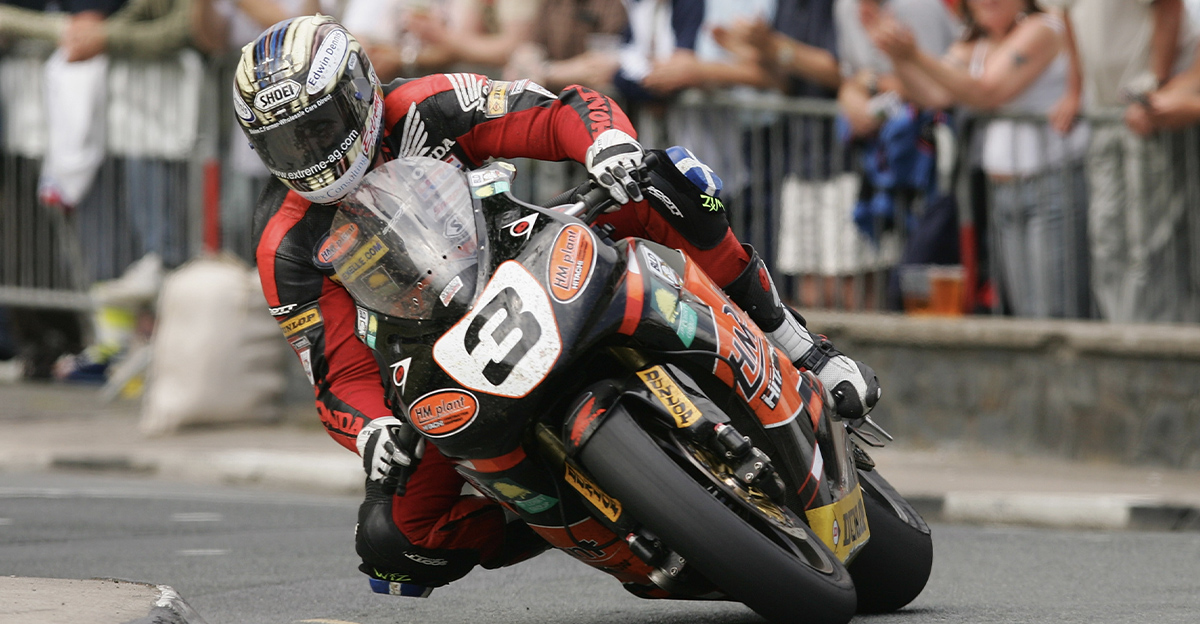
Despite the dangerous environment, modern superbikes still reach incredible speeds. Riders regularly average well over 130 mph for an entire lap, with top speeds exceeding 200 mph on the fastest sections of the course. Maintaining those speeds for nearly 38 miles requires total concentration. Riders memorize the course in extraordinary detail, learning every corner, bump, and braking point.
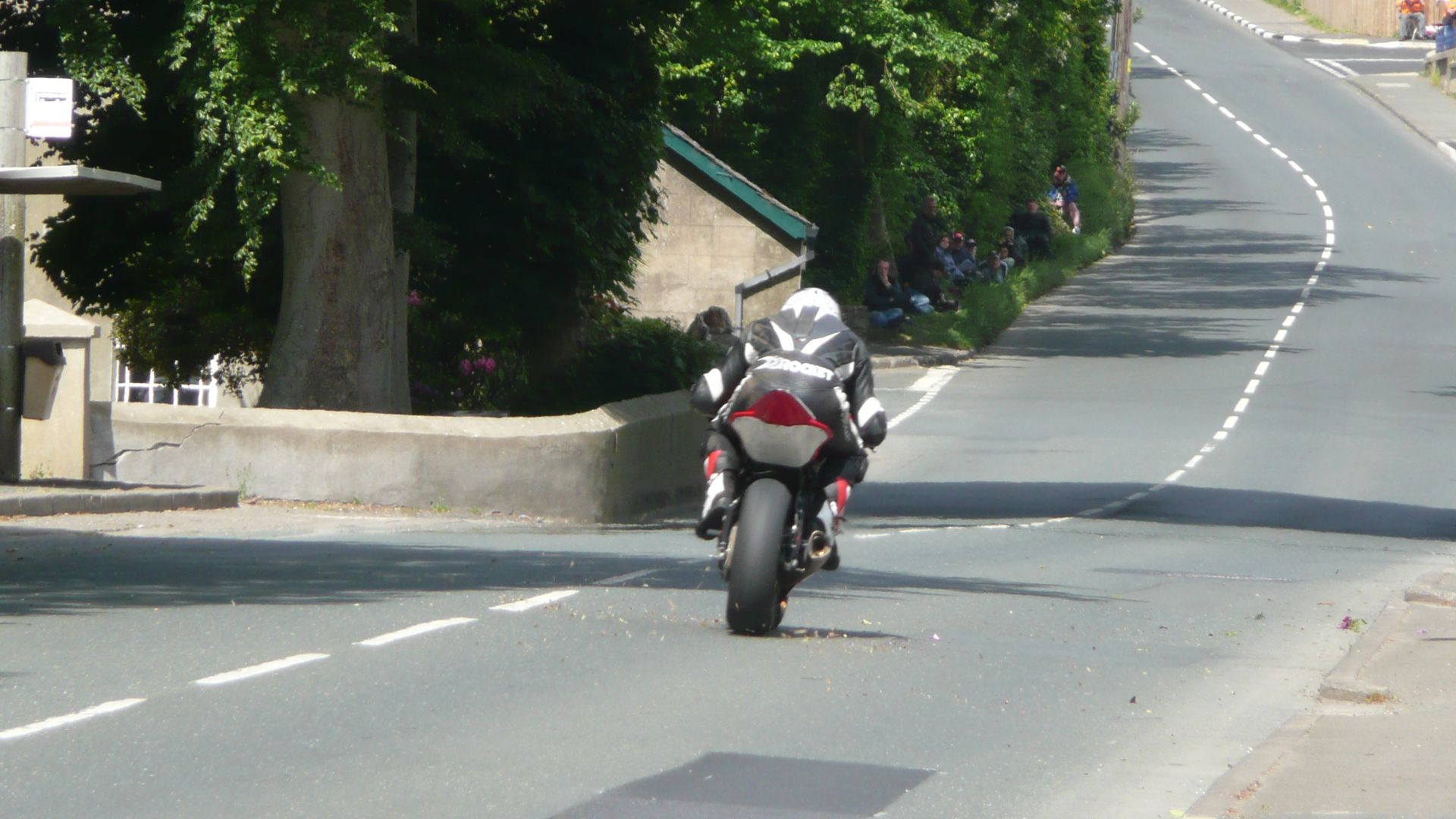 bebopalieuday, Wikimedia Commons
The Fatality Statistics That Haunt The Event
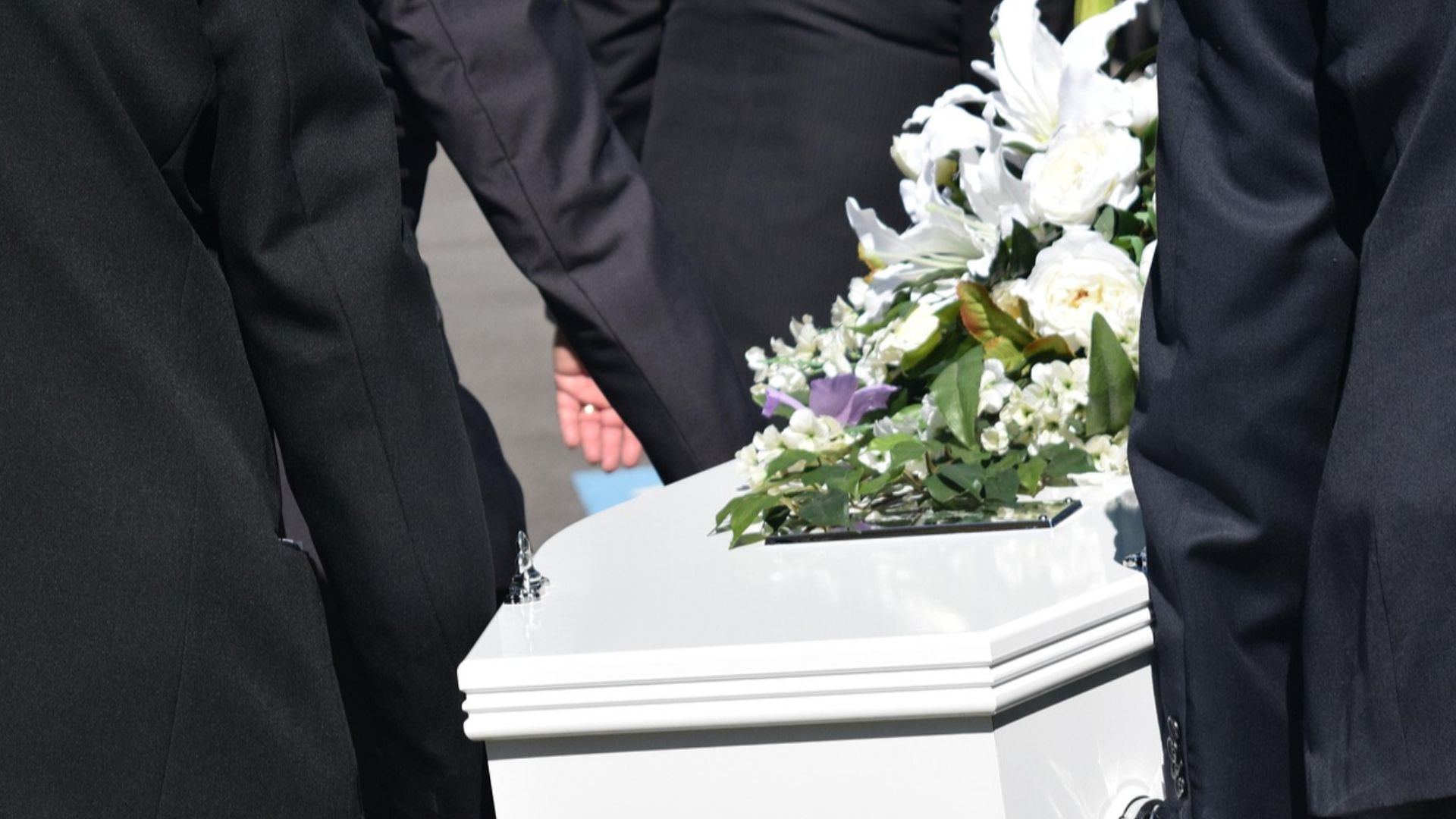
The Isle of Man TT’s reputation for danger isn’t exaggerated. Since the race began in 1907, more than 150 riders have died during official TT practices or races on the Mountain Course, with over 260 fatalities across related events on the same circuit. Some years have been particularly tragic. In 1970 and again in 2022, multiple riders lost their lives during the event, highlighting the constant risks competitors face.
The First Tragedy And What Followed
The first recorded fatality connected to the TT happened in 1911, when rider Victor Surridge crashed during practice at Glen Helen. Unfortunately, that moment set a grim precedent. Fatal crashes have occurred throughout the race’s history, and despite improvements in equipment and safety protocols, the dangers have never fully disappeared.
 SunflowerYuri, Wikimedia Commons
The Deadliest Year In TT History
The year 2005 remains one of the most tragic periods for the Isle of Man racing community. That season saw 10 deaths across TT and Manx Grand Prix events held on the same course. Events like this periodically reignite debates about whether the race should continue at all.
 Jon Wornham, Wikimedia Commons
Why The Track Is So Hard To Master
Even experienced riders say the Mountain Course feels overwhelming at first. The circuit contains over 200 corners, many of which look similar and appear in rapid succession. Add in changing weather conditions, uneven road surfaces, and blind crests, and the course becomes one of the most technically demanding circuits in the world.
 Phil Catterall, Wikimedia Commons
Public Roads Turned Racetrack
Another unusual element of the TT is that it takes place on ordinary public roads that are closed temporarily for racing. Outside of race weeks, locals drive these roads every day. During the TT, however, they transform into a high-speed racecourse where motorcycles blast through villages and mountain passes at astonishing speeds.
 Agljones at en.wikipedia, Wikimedia Commons
A Global Festival Of Speed
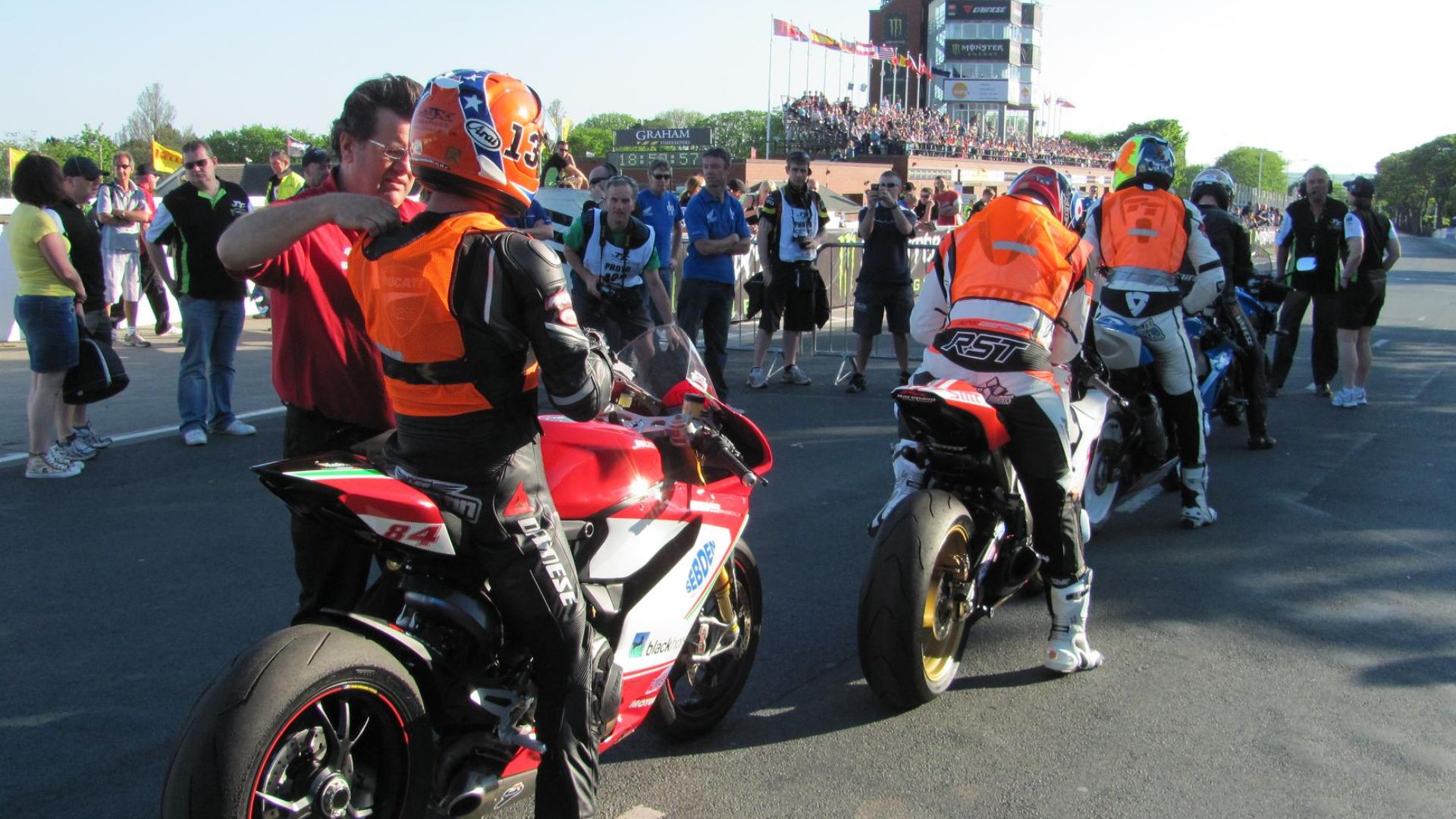
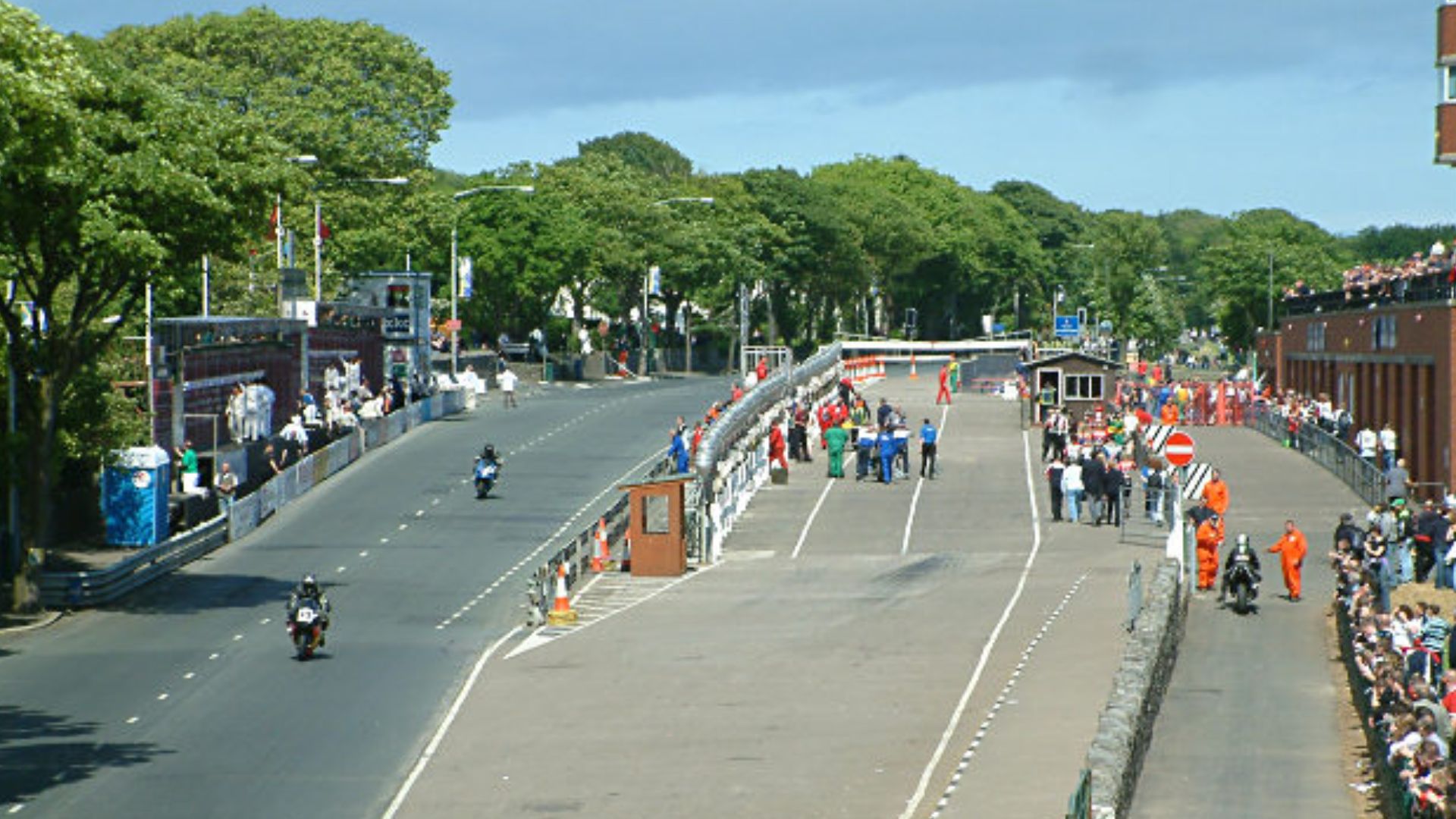
Each year, the Isle of Man TT brings thousands of fans to the island. Practice typically takes place during the last week of May, followed by a week of racing in early June. The event is both a motorsport competition and a cultural festival, with fans gathering from around the world to witness the spectacle.
 Jon Wornham, Wikimedia Commons
The Race That Once Was A World Championship
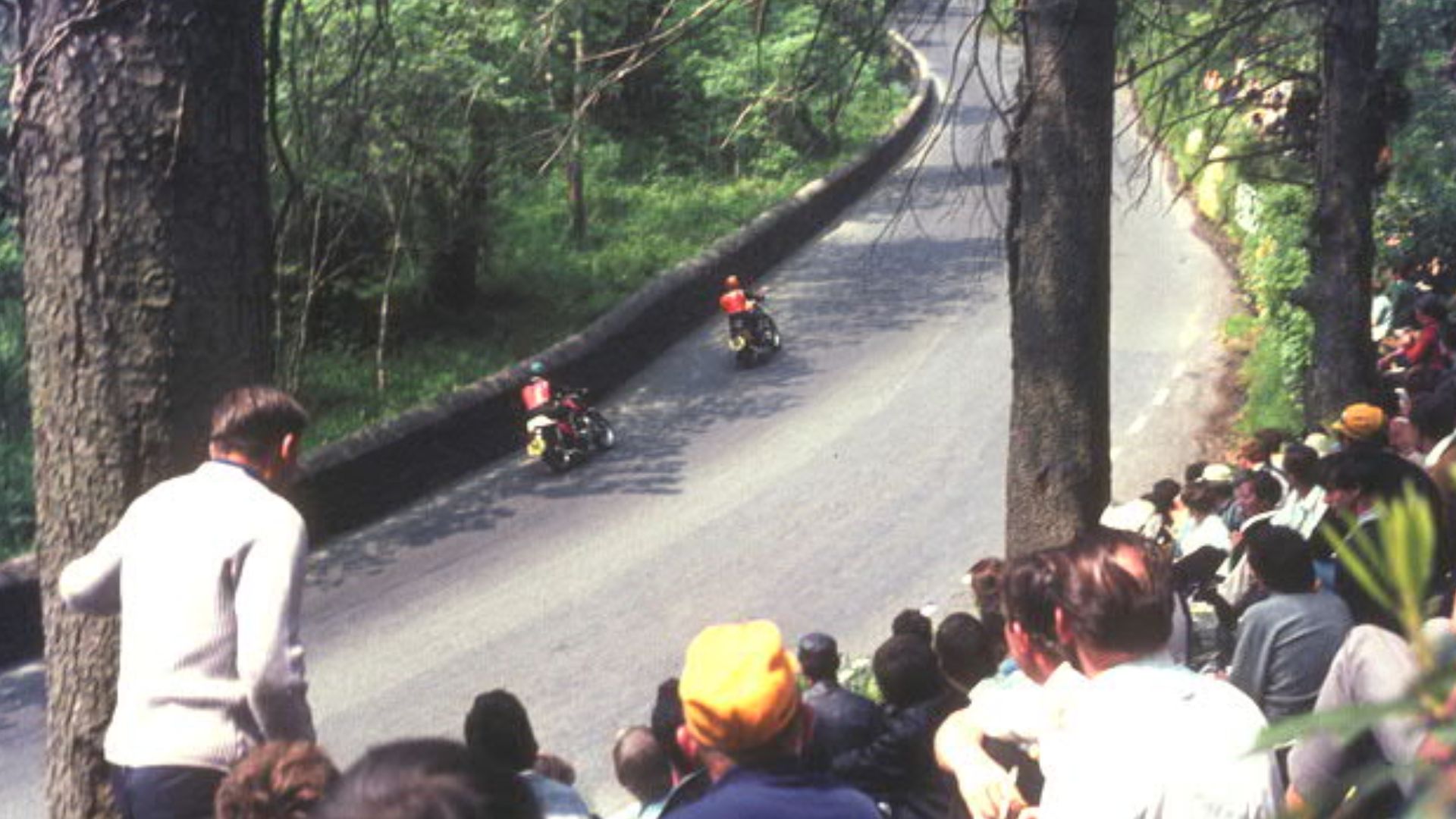
For many years, the TT counted as part of the Motorcycle Grand Prix World Championship. However, by the late 1970s riders began criticizing the extreme risk. Eventually the race was removed from the world championship calendar, partly because competitors wanted safer circuits.
Legendary Riders Of The TT
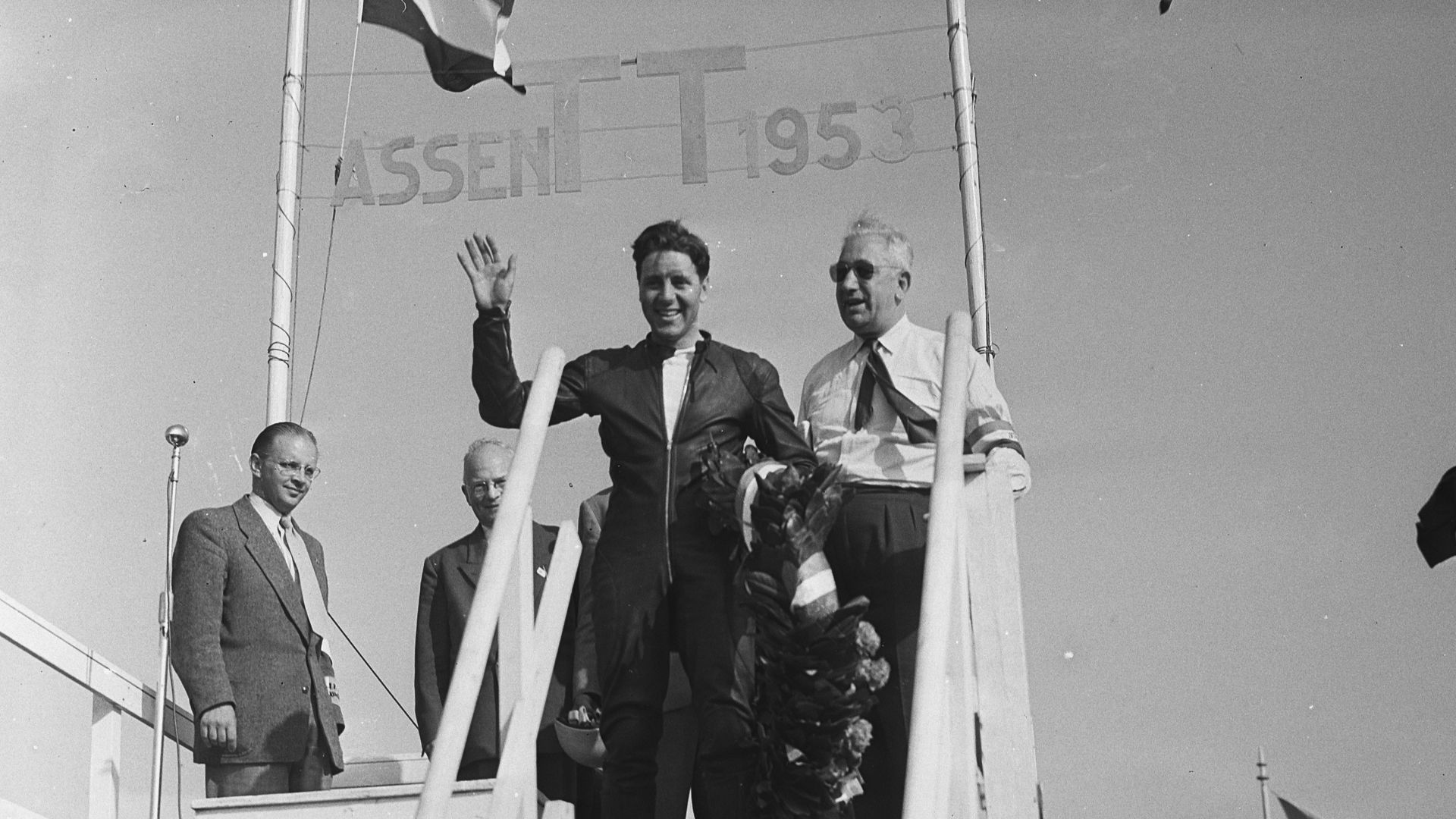
Over the decades, the TT has produced some of the most famous names in motorcycle racing. Riders such as Mike Hailwood, Giacomo Agostini, John Surtees, and Geoff Duke became icons during the race’s golden years. Their victories helped cement the TT’s reputation as one of the ultimate tests of skill.
 Joop van Bilsen for Anefo, Wikimedia Commons
The Dunlop Racing Dynasty
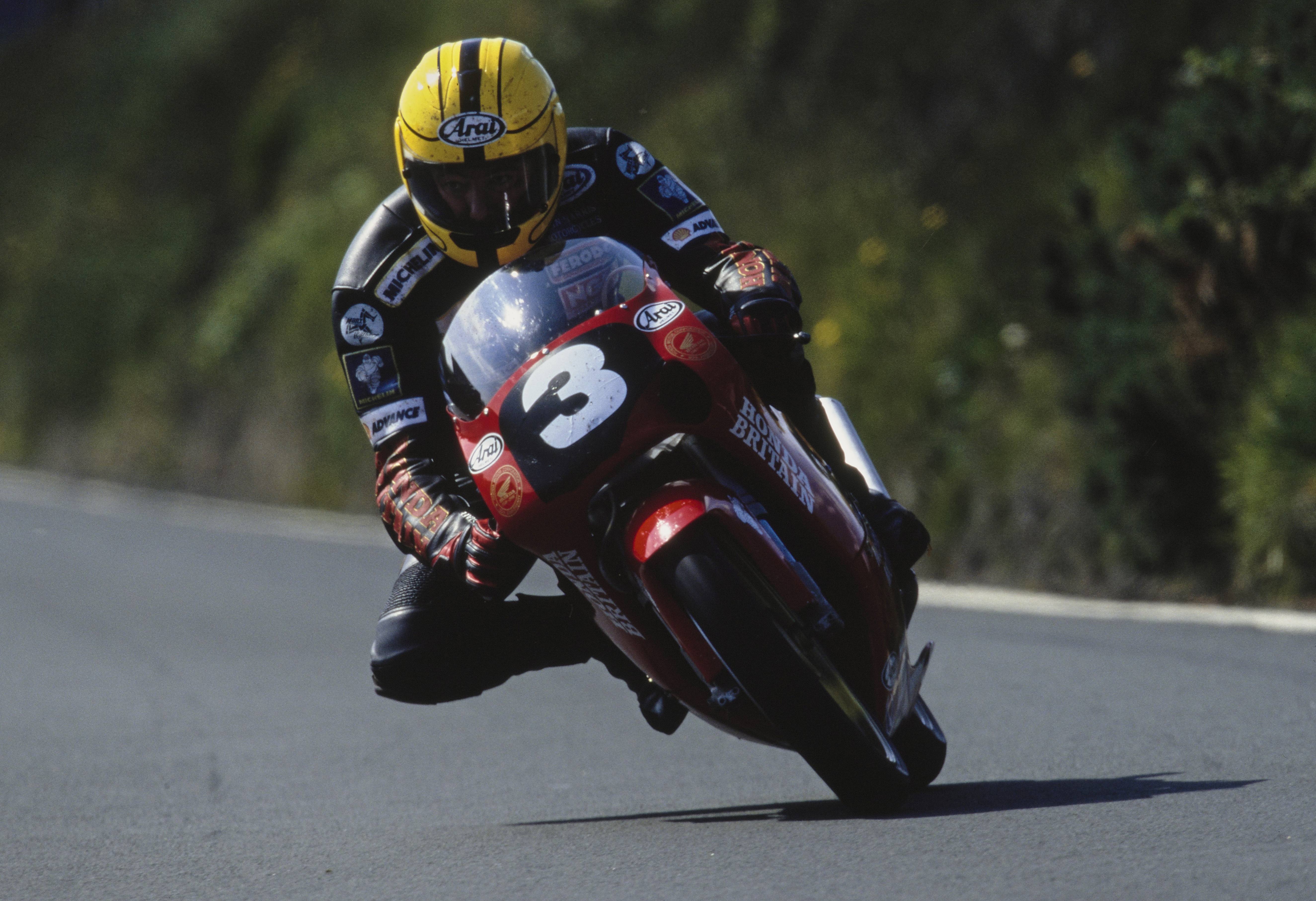
One family has become nearly synonymous with the Isle of Man TT: the Dunlops. Joey Dunlop became one of the most successful riders in TT history with 26 victories, while his nephew Michael Dunlop later surpassed that record, becoming the most successful rider ever in the event. The Dunlop name is deeply woven into the mythology of the race.
Record Speeds And Modern Champions
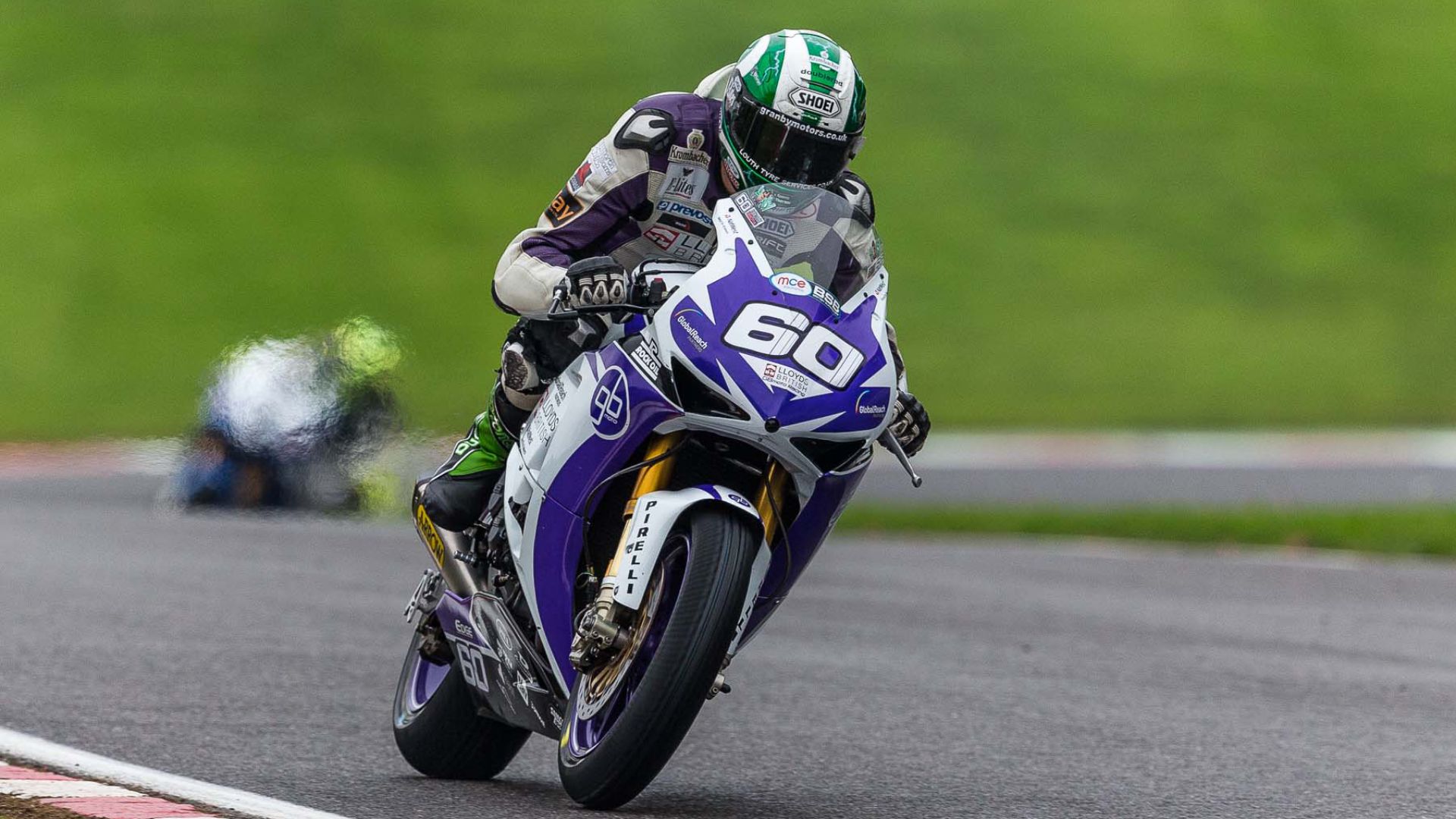
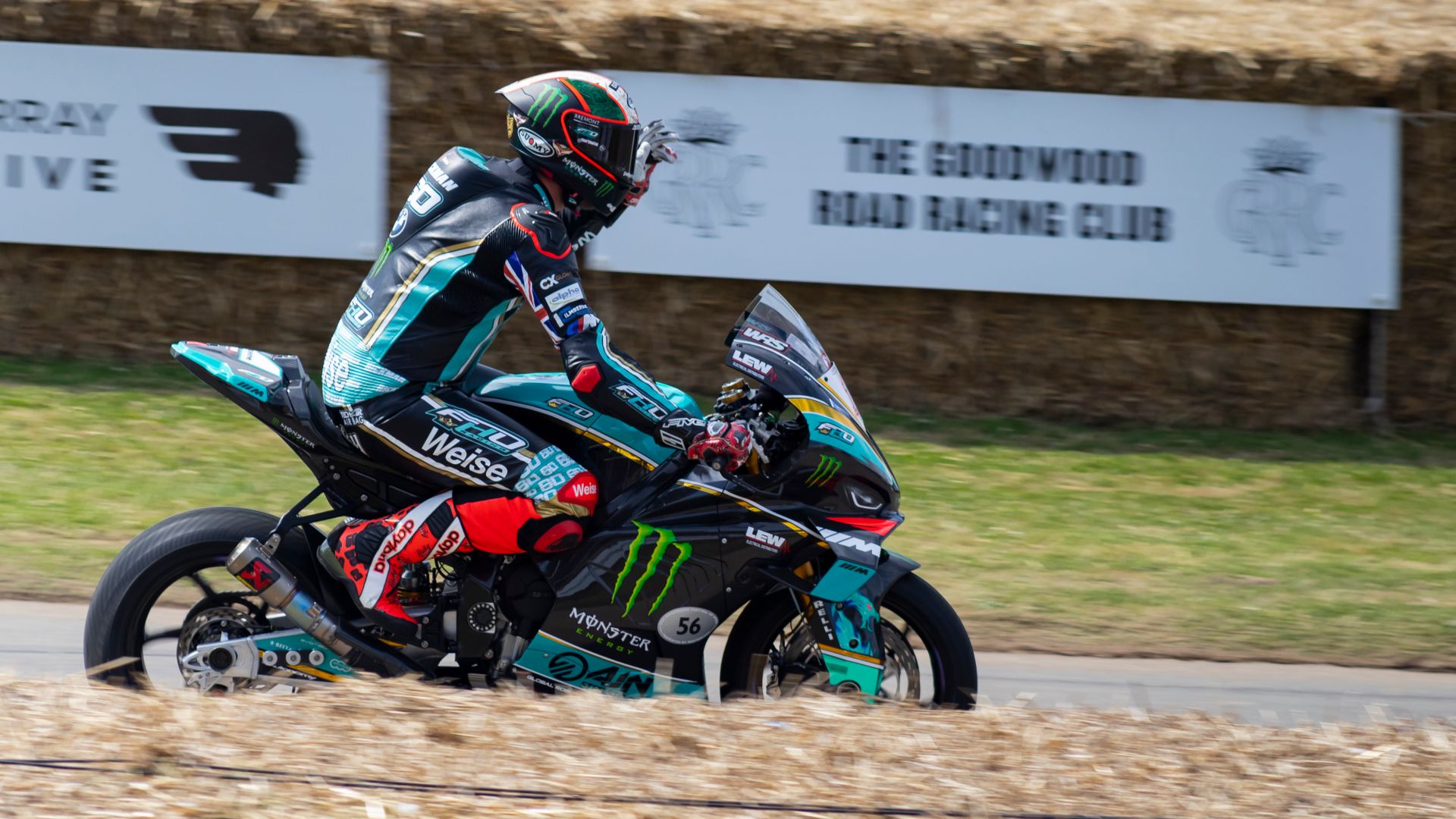
Modern racers continue to push the limits of what’s possible on the Mountain Course. Riders like Peter Hickman have shattered speed records, with lap averages exceeding 136 mph. These incredible performances show just how far motorcycle technology—and rider bravery—have evolved.
 Smudge 9000 from North Kent Coast, England, Wikimedia Commons
When Things Go Wrong
Crashes at the TT are often severe because riders hit solid obstacles instead of sliding into gravel traps. Even when riders survive, injuries can be devastating. Broken bones, internal injuries, and long hospital stays are unfortunately common after high-speed accidents on the course.
 ESB Professional, Shutterstock
Safety Improvements Over The Years
Organizers have introduced numerous safety measures over time. Helmets became mandatory early in the event’s history, and modern bikes include advanced brakes, suspension systems, and protective gear. Course marshals, medical teams, and helicopters are also on standby throughout the event.
Why Riders Still Enter
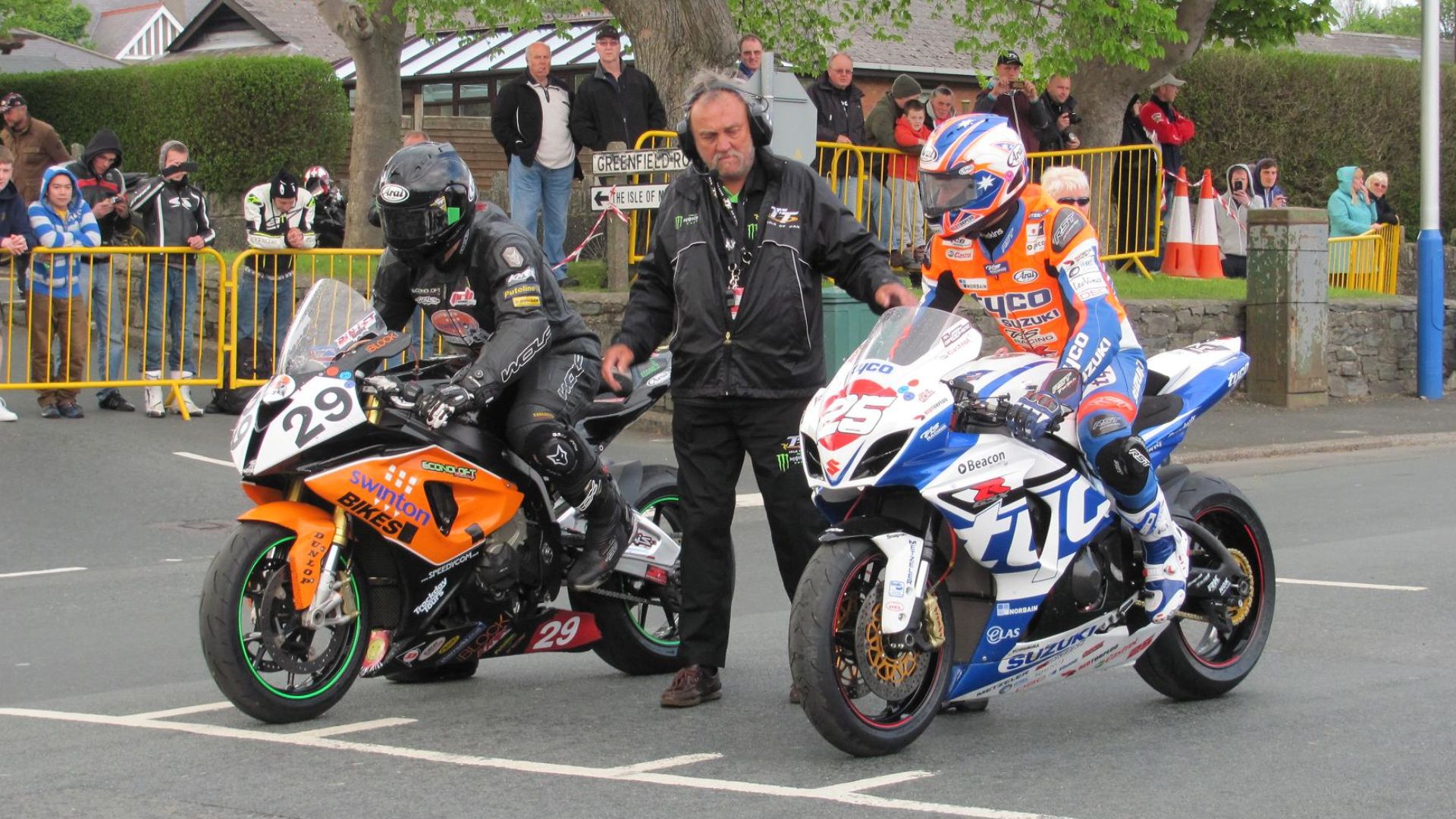
Given the risks, people often ask the same question: Why do riders keep coming back? For many competitors, the answer lies in the challenge. The TT is widely considered the ultimate test of motorcycle racing skill, requiring unmatched concentration, courage, and precision.
 en:User:Agljones, Wikimedia Commons
The Culture Of Respect Around The Race
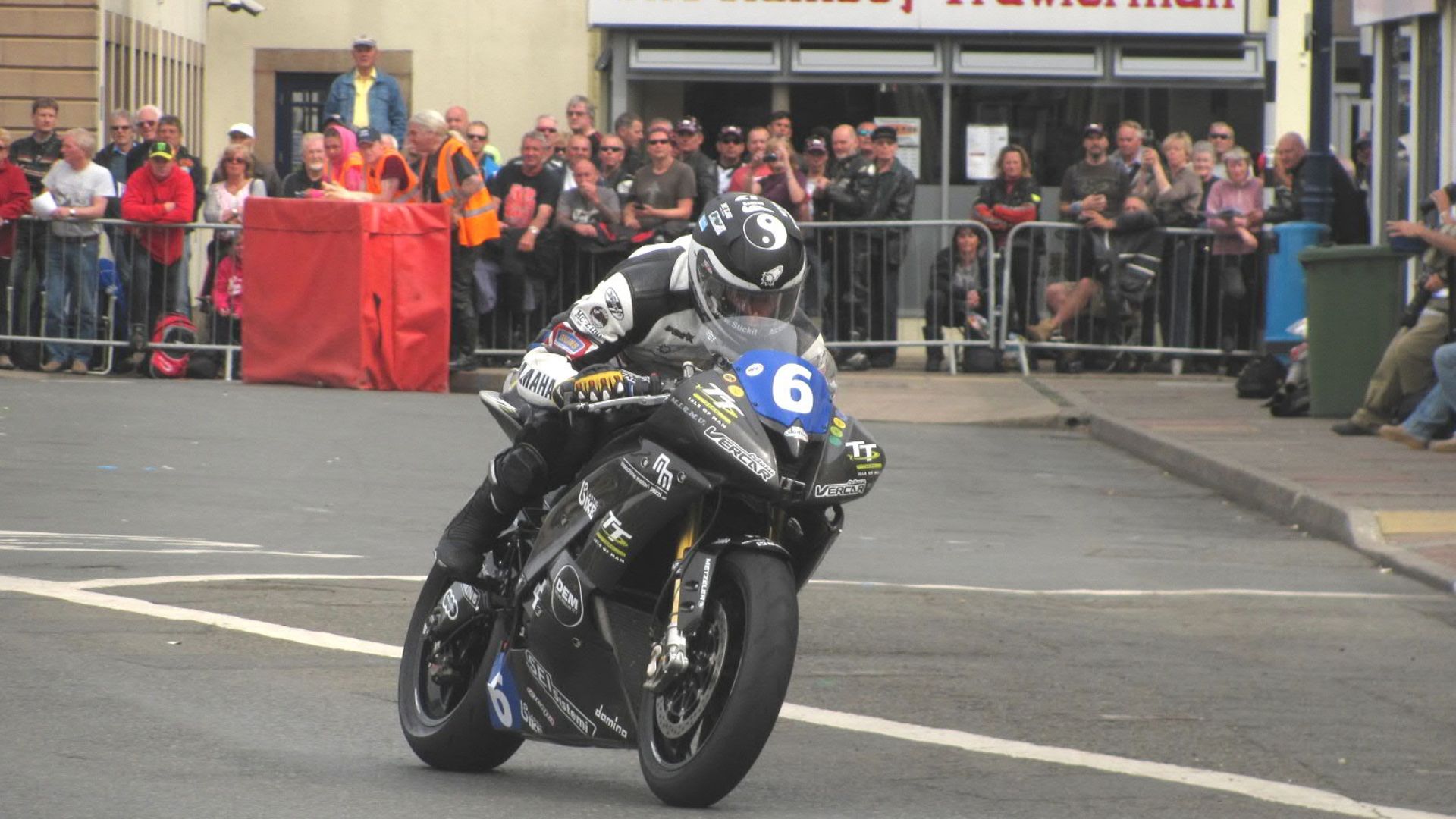
Despite its reputation, the TT isn’t about reckless thrill-seeking. Riders and fans alike treat the event with deep respect. Those who compete know the risks, and many see the race as a way to honor the sport’s history and the riders who came before them.
 / Agljones at en.wikipedia, Wikimedia Commons
The Controversy That Never Ends
Every fatal crash sparks renewed debate about whether the TT should continue. Critics argue that the event is too dangerous for modern motorsport. Supporters counter that the race is part of a century-old tradition and that participants willingly accept the risks.
Final Thoughts
The Isle of Man TT is more than just a motorcycle race—it’s a living piece of motorsport history. Its terrifying reputation, legendary champions, and unforgettable moments have made it one of the most famous events in the world.
And while debates about its safety will likely continue forever, one thing is certain: the TT represents the ultimate challenge for riders brave enough to take on the mountain.
 Michele Borioli, Wikimedia Commons
You May Also Like:
Dakar Rally Legends Who Conquered The Desert And Death
Inside The World Of Ice Racing, The Frozen Battle Few Americans Know About
The Secret World Of Sand Dragging, America’s Hidden Desert Obsession