The Little Bike That Could
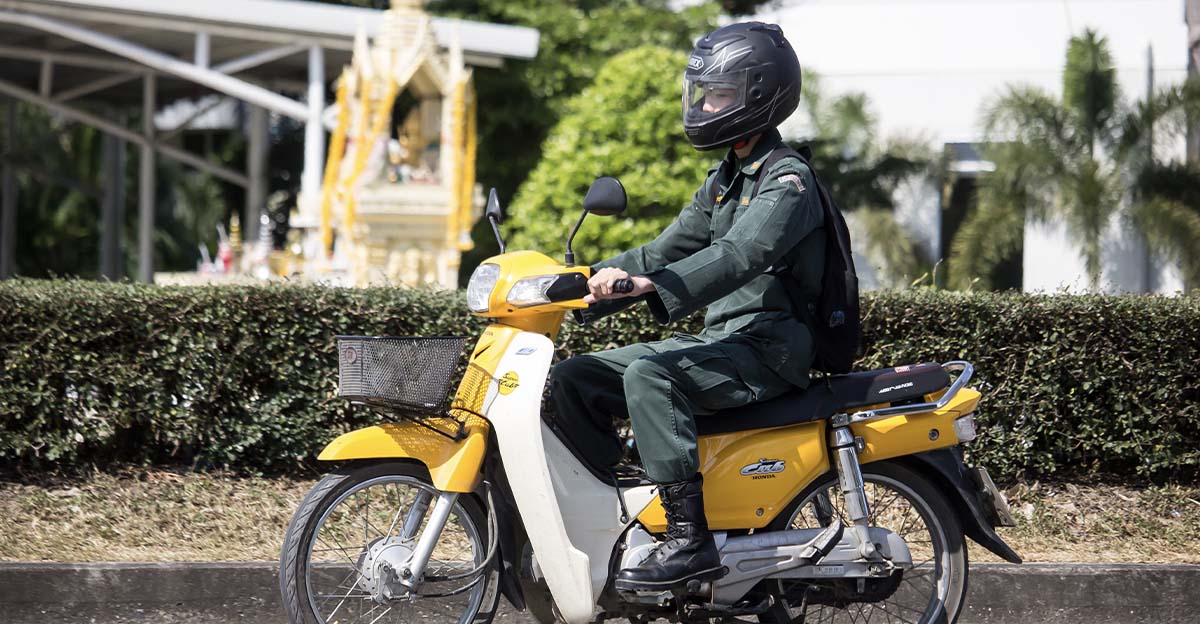
Some machines change history by being loud, fast, or outrageous. The Honda Super Cub changed the world by being friendly, dependable, and almost impossibly simple. Since its debut in 1958, the Super Cub has gone on to become the most produced motor vehicle in human history. Not motorcycle—vehicle. Its influence stretches across continents, cultures, and generations, reshaping who motorcycles were for and what they were supposed to do.
Honda Before The Cub
In the early 1950s, Honda was still a young company with big ambitions but limited global recognition. Soichiro Honda believed motorcycles should be tools for daily life, not just weekend toys or machines for hardened enthusiasts. At the time, many bikes were noisy, unreliable, and intimidating, which limited their appeal. Honda saw that as an opportunity rather than a limitation.
The Philosophy That Drove The Project
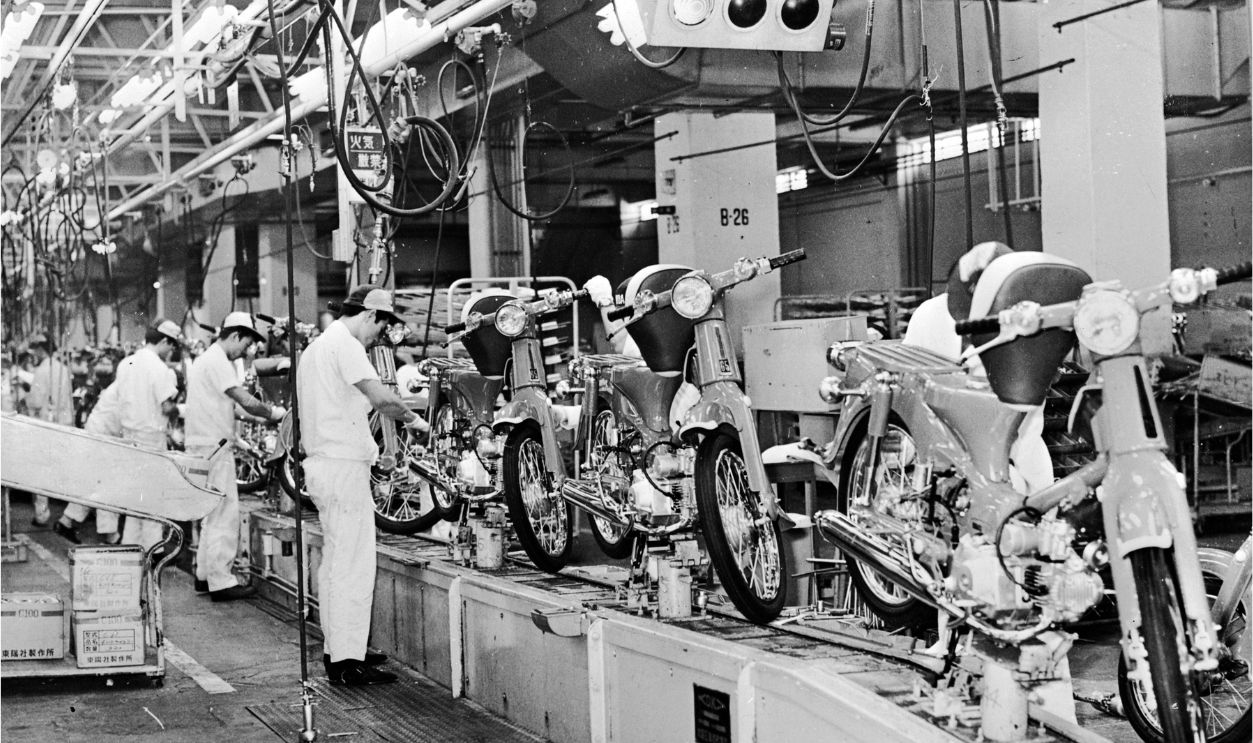
The Super Cub was built around a core idea: remove every unnecessary obstacle to riding. Honda wanted a motorcycle that felt natural even to people who had never touched one before. That meant low maintenance, clean operation, predictable behavior, and mechanical simplicity. Instead of chasing speed or racing credentials, the Cub focused on usability and approachability.
Design Inspiration From Outside Motorcycling
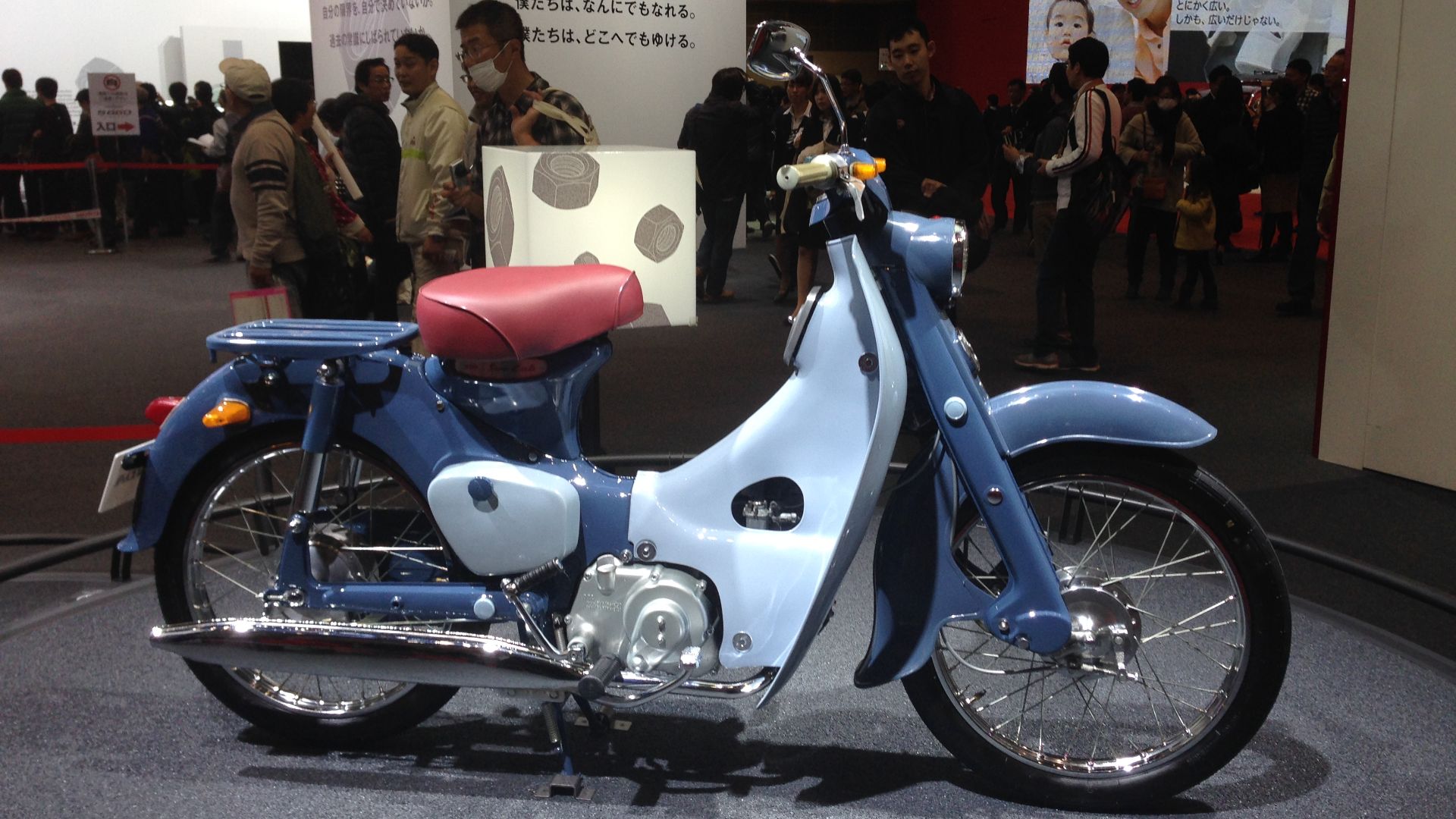
Rather than copying existing motorcycles, Honda engineers looked to bicycles and scooters for inspiration. They studied how people moved through cities and how machines could integrate into everyday routines. This outside-the-box thinking helped the Super Cub avoid traditional motorcycle stereotypes and made it feel more like a practical mobility tool than a hobbyist’s machine.
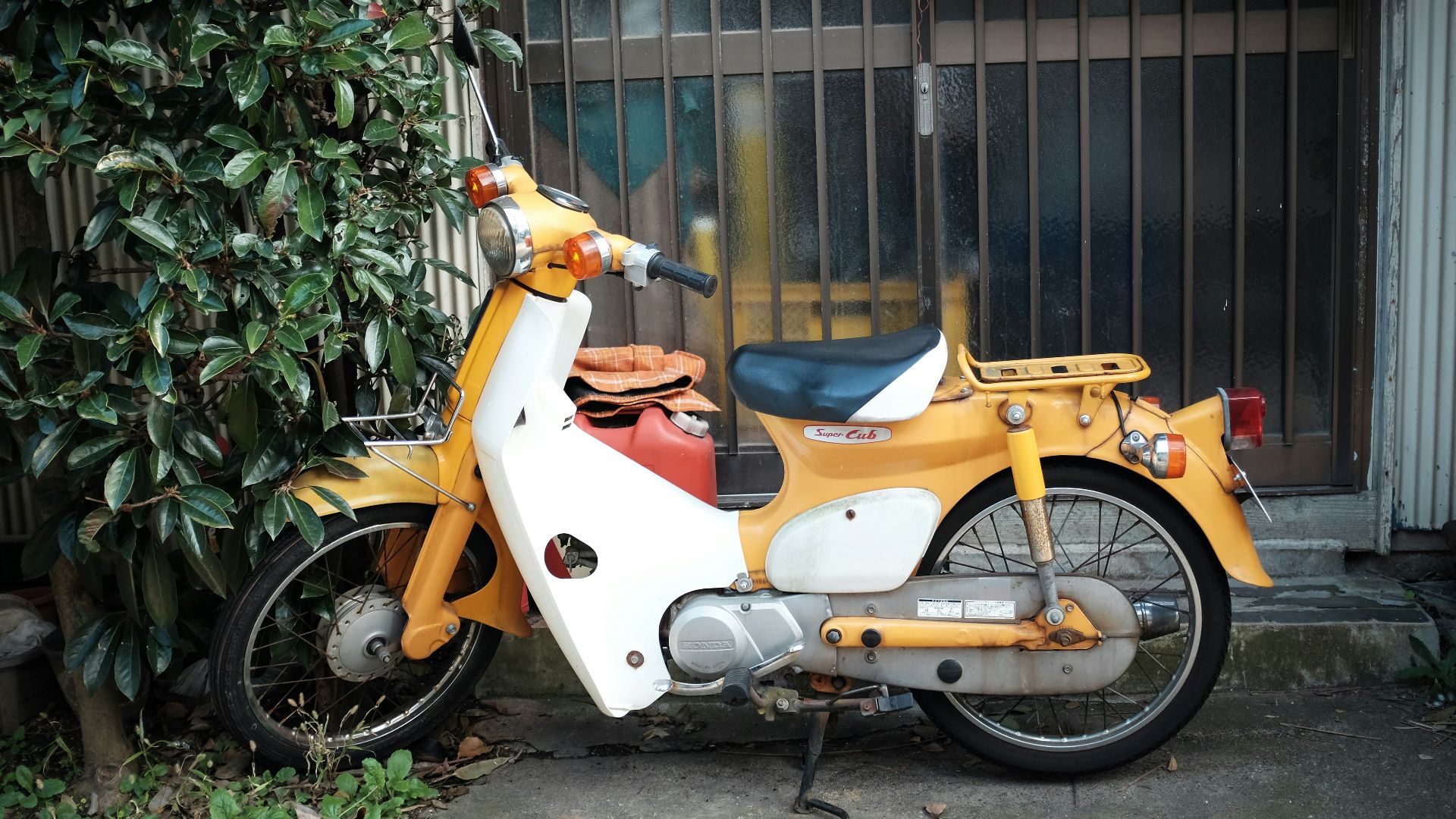
The Step-Through Frame Changed Everything
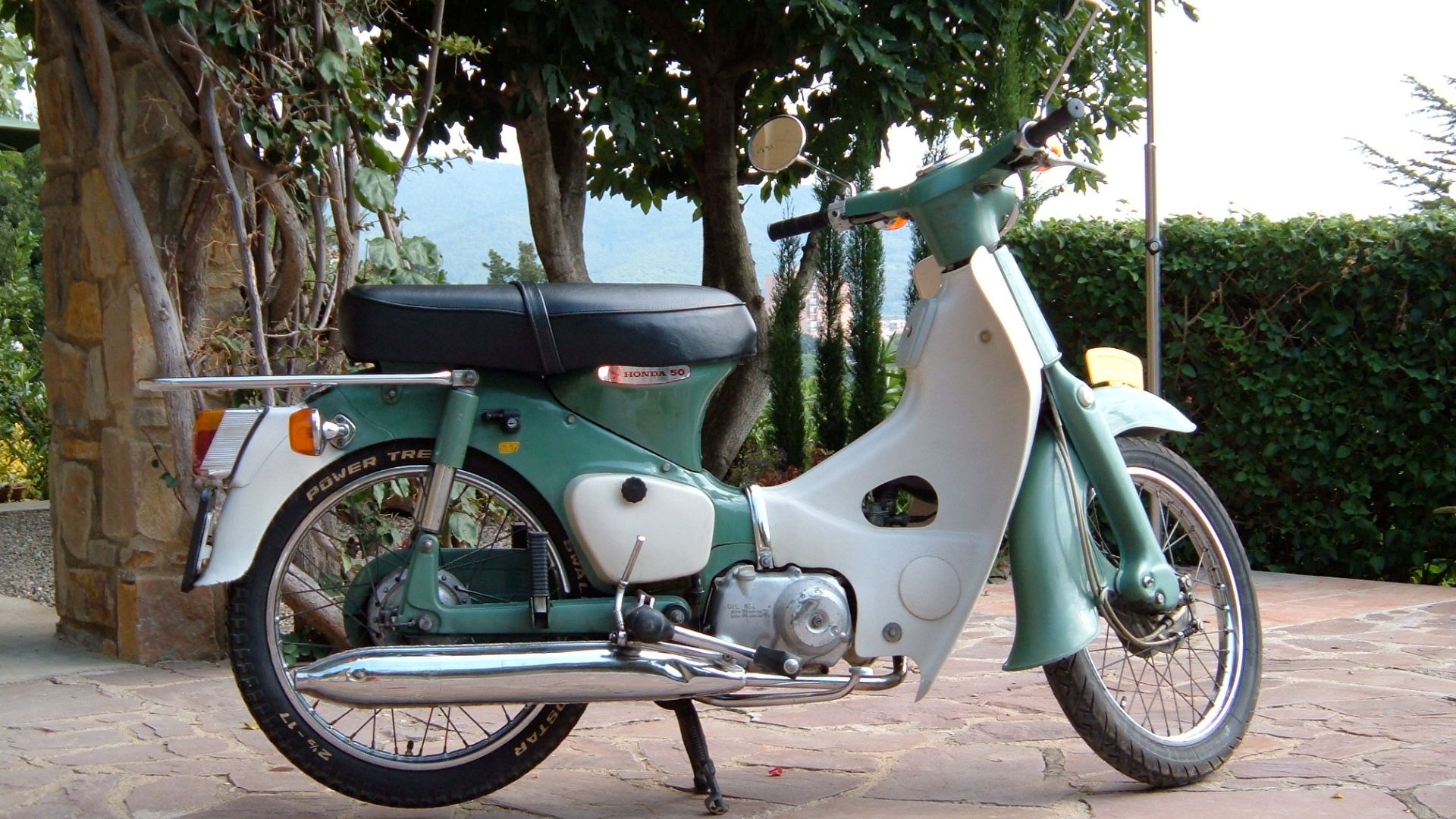
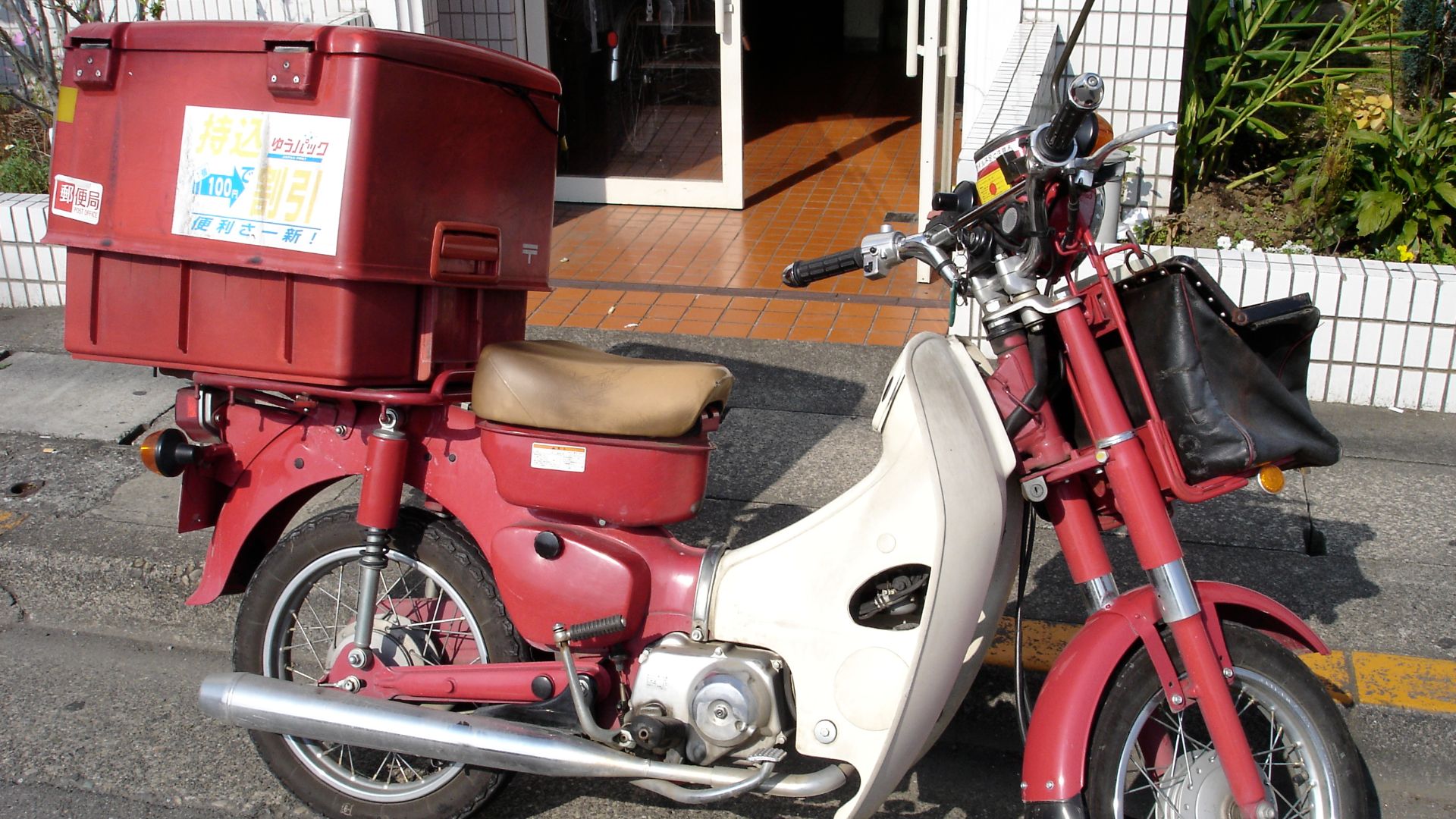
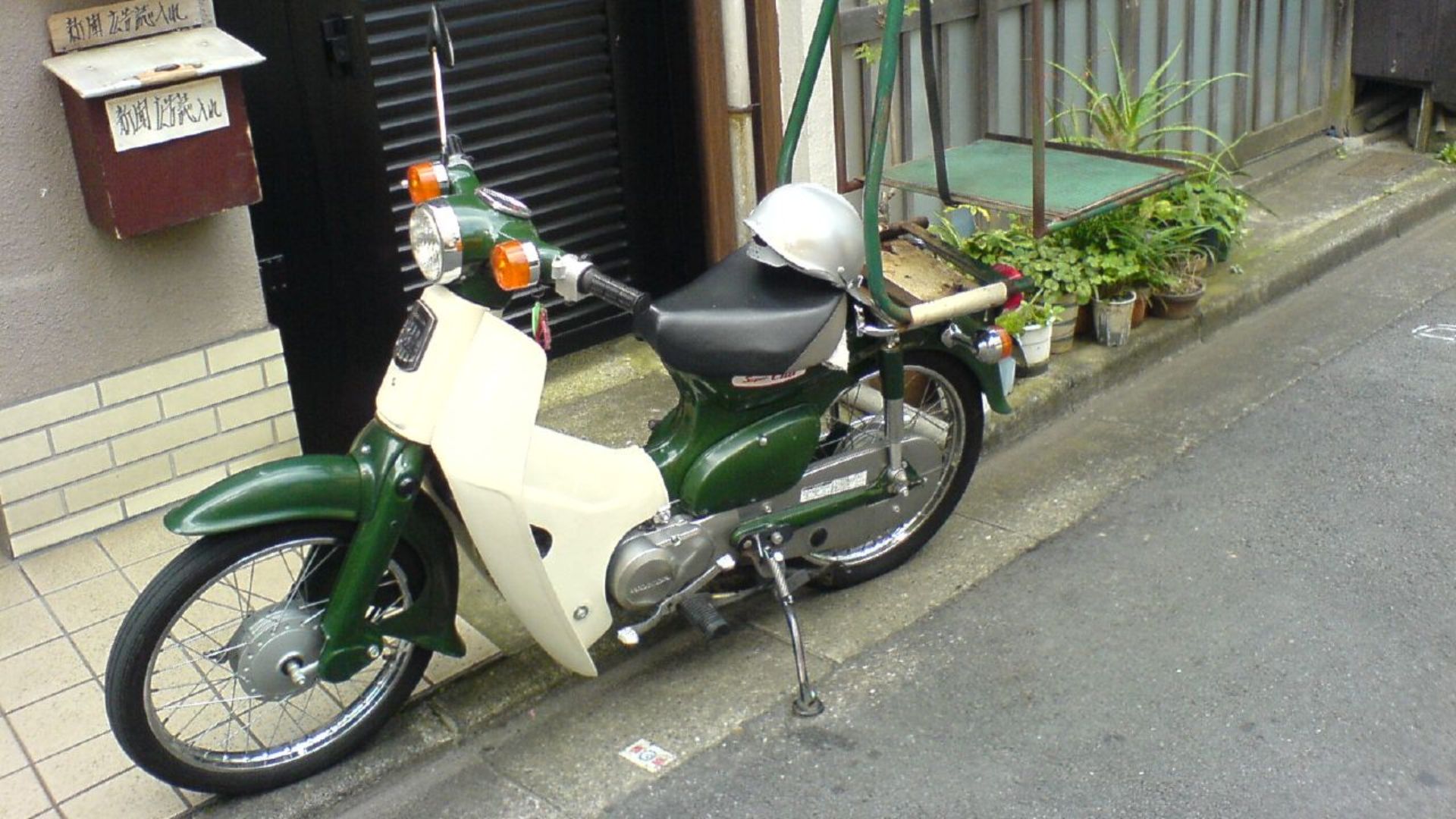
The step-through frame wasn’t just a styling choice; it was a social one. It allowed riders to mount and dismount easily, even while wearing restrictive clothing. This opened motorcycles to office workers, students, and women in a way few bikes ever had. The design helped normalize riding as part of daily life rather than a specialized activity.
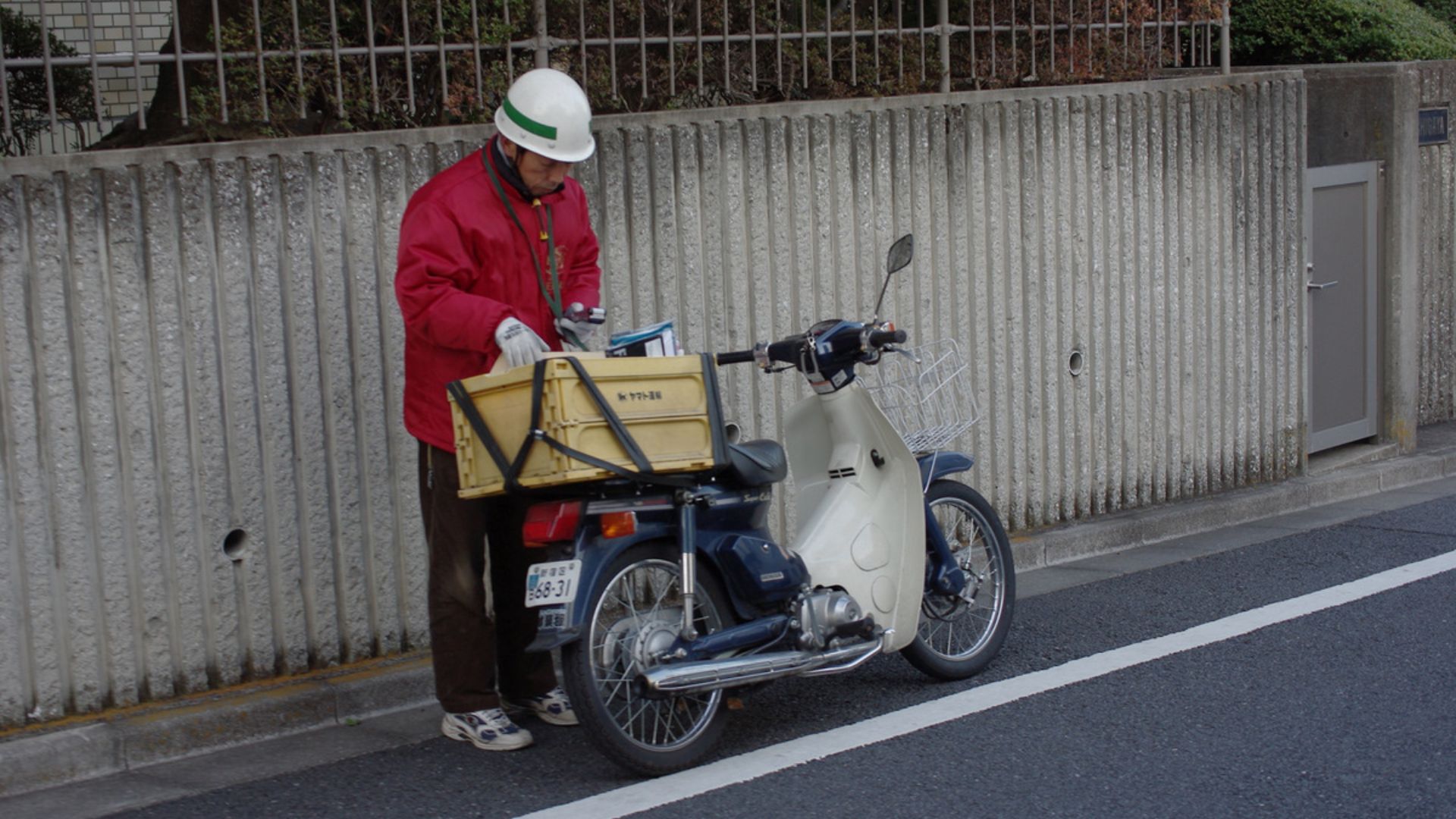 tomohisa suna from tokyo, japan, Wikimedia Commons
Four-Stroke Power Over Two-Stroke Chaos
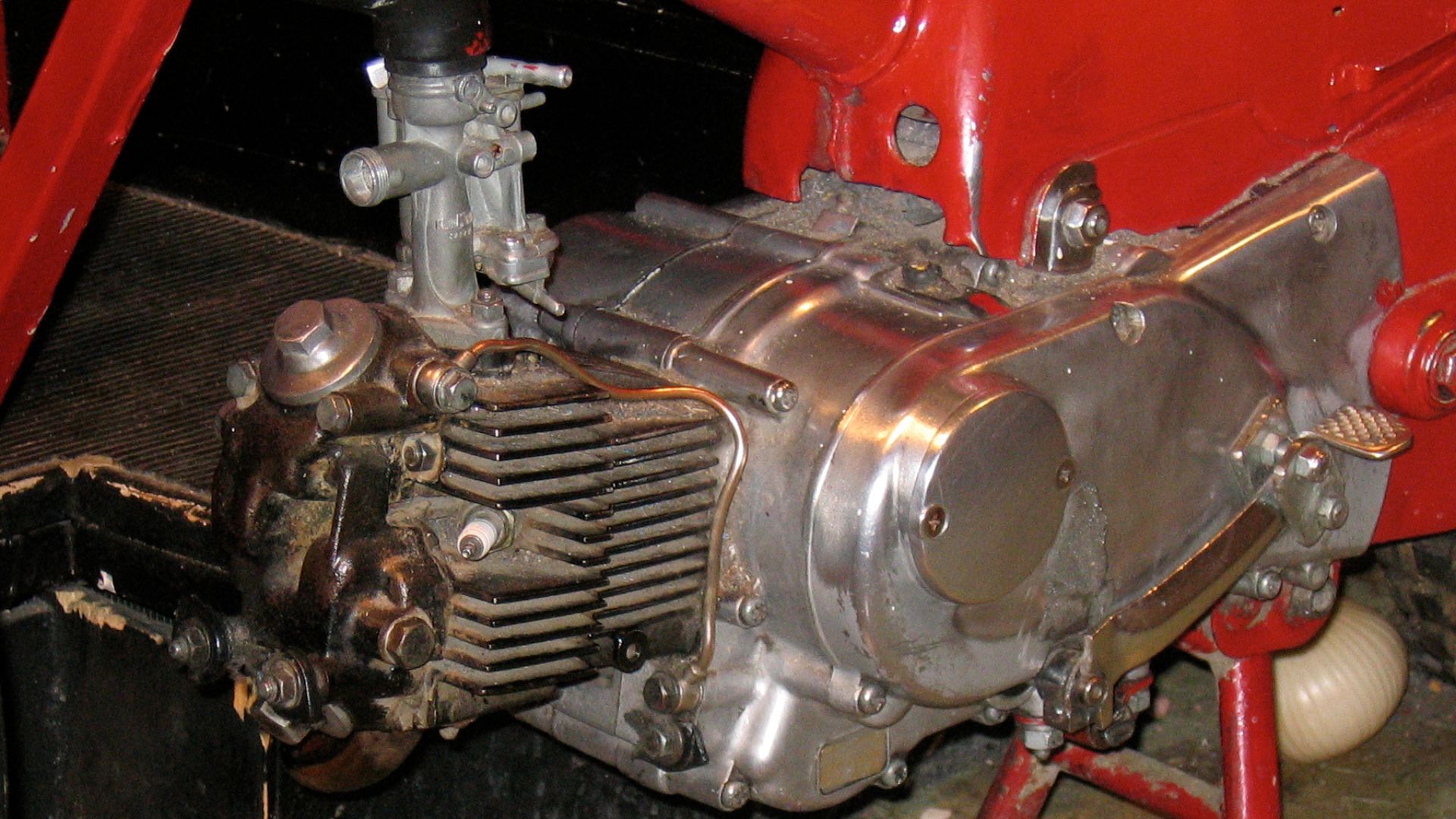
Choosing a four-stroke engine was a bold move when two-strokes dominated the small-bike market. Four-strokes were quieter, cleaner, and more durable, aligning perfectly with Honda’s goals. The Super Cub didn’t smoke, foul plugs, or demand constant tinkering, which immediately made ownership less intimidating for first-time riders.
The Semi-Automatic Breakthrough
The Cub’s semi-automatic transmission eliminated the clutch lever entirely. Riders could shift gears without worrying about stalling or mastering complex coordination. This innovation dramatically lowered the learning curve and made riding feel intuitive. For many owners, the Super Cub was their first and most confidence-building experience on two wheels.
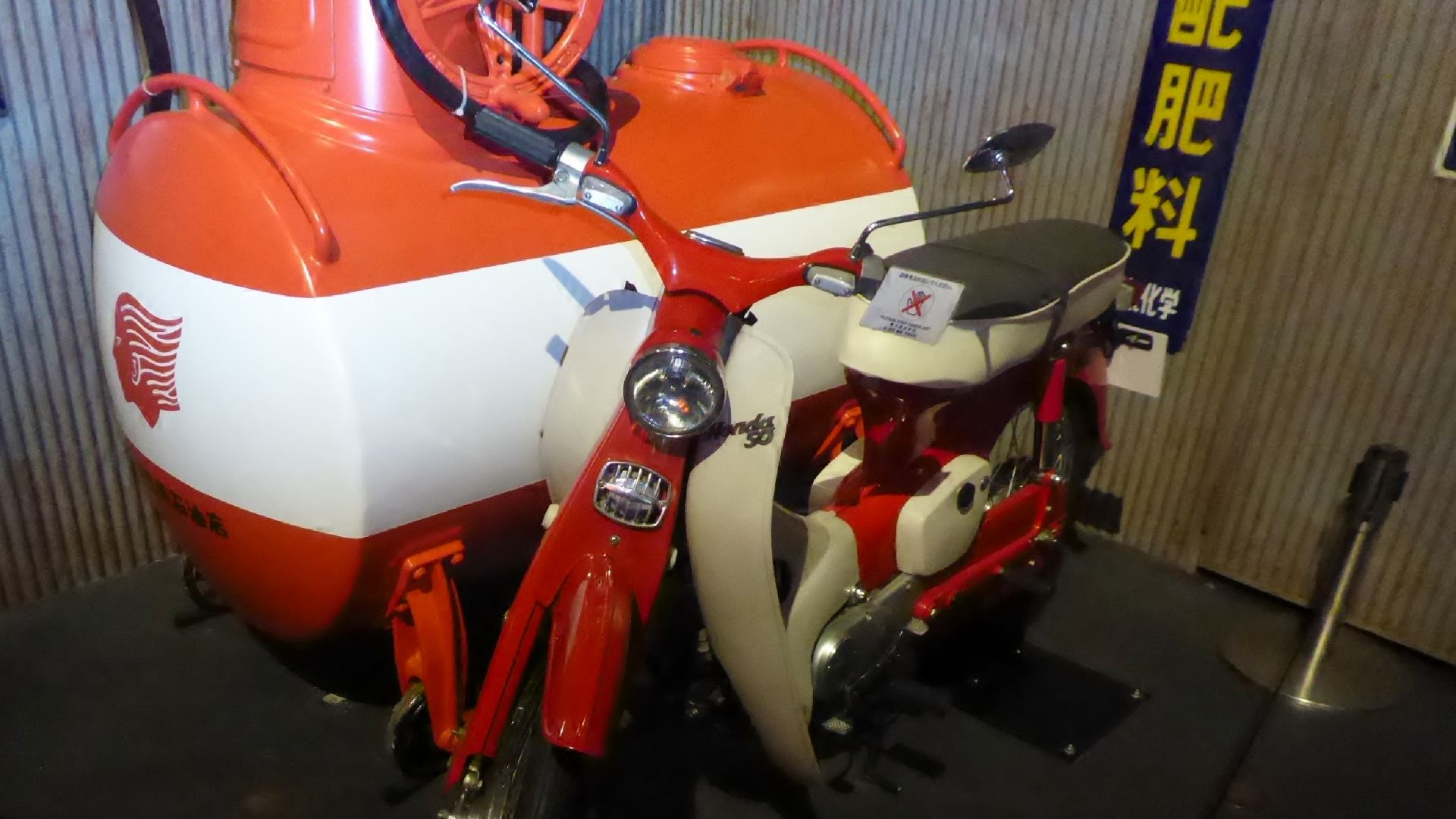 Tokumeigakarinoaoshima, Wikimedia Commons
The Original C100
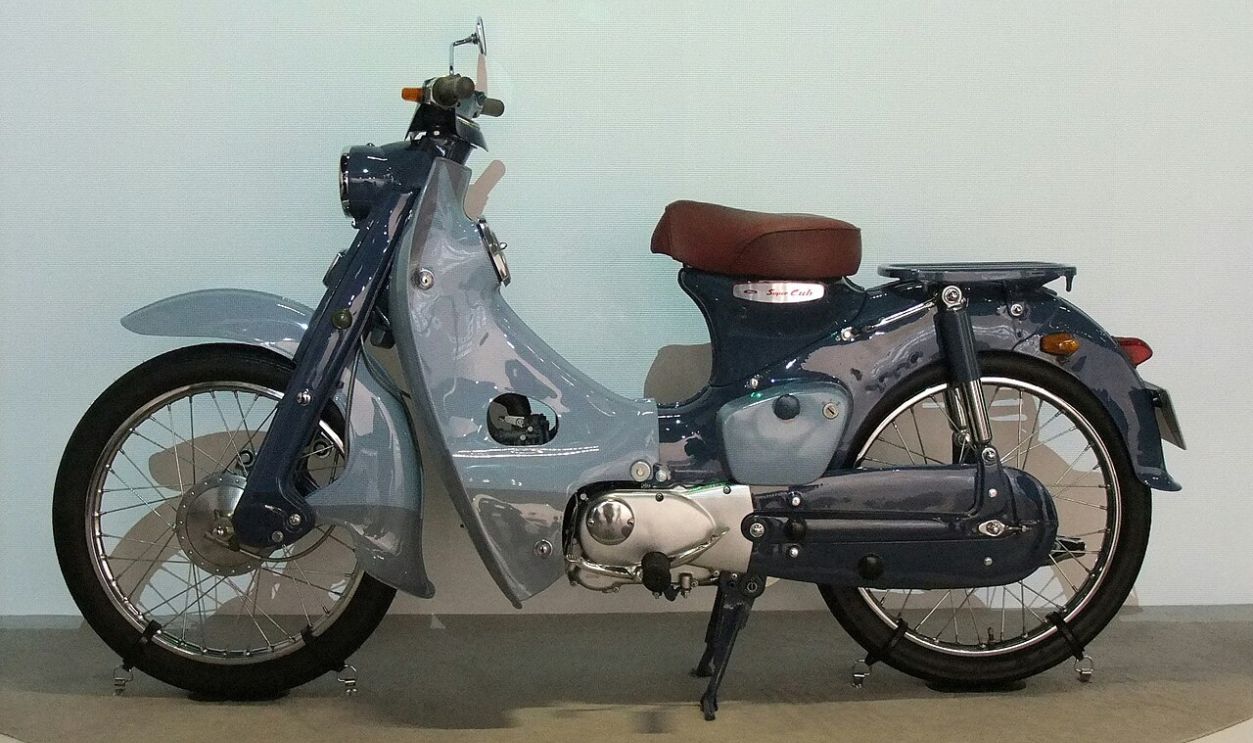
When the C100 Super Cub debuted in 1958, its 50cc engine produced around 4.5 horsepower. While modest, it was more than enough for city riding and short trips. The bike’s lightweight construction and efficient engine meant excellent fuel economy and reliability, which mattered far more than outright speed for its intended audience.
Durability Was Non-Negotiable
Honda engineered the Super Cub to withstand constant use and abuse. The bike was tested on rough roads and in demanding conditions to ensure longevity. Its engine was understressed, and components were designed to last. This durability helped cement the Cub’s reputation as a machine you could depend on every single day.
 tomohisa suna from tokyo, japan, Wikimedia Commons
Designed For The Real World
Every detail of the Super Cub served a purpose. The enclosed chain reduced maintenance, leg shields kept riders cleaner, and the upright riding position improved comfort and visibility. These weren’t flashy features, but they made ownership easier. Honda prioritized practicality over drama, which proved to be a winning formula.
 Billybong10, Wikimedia Commons
America And The Super Cub
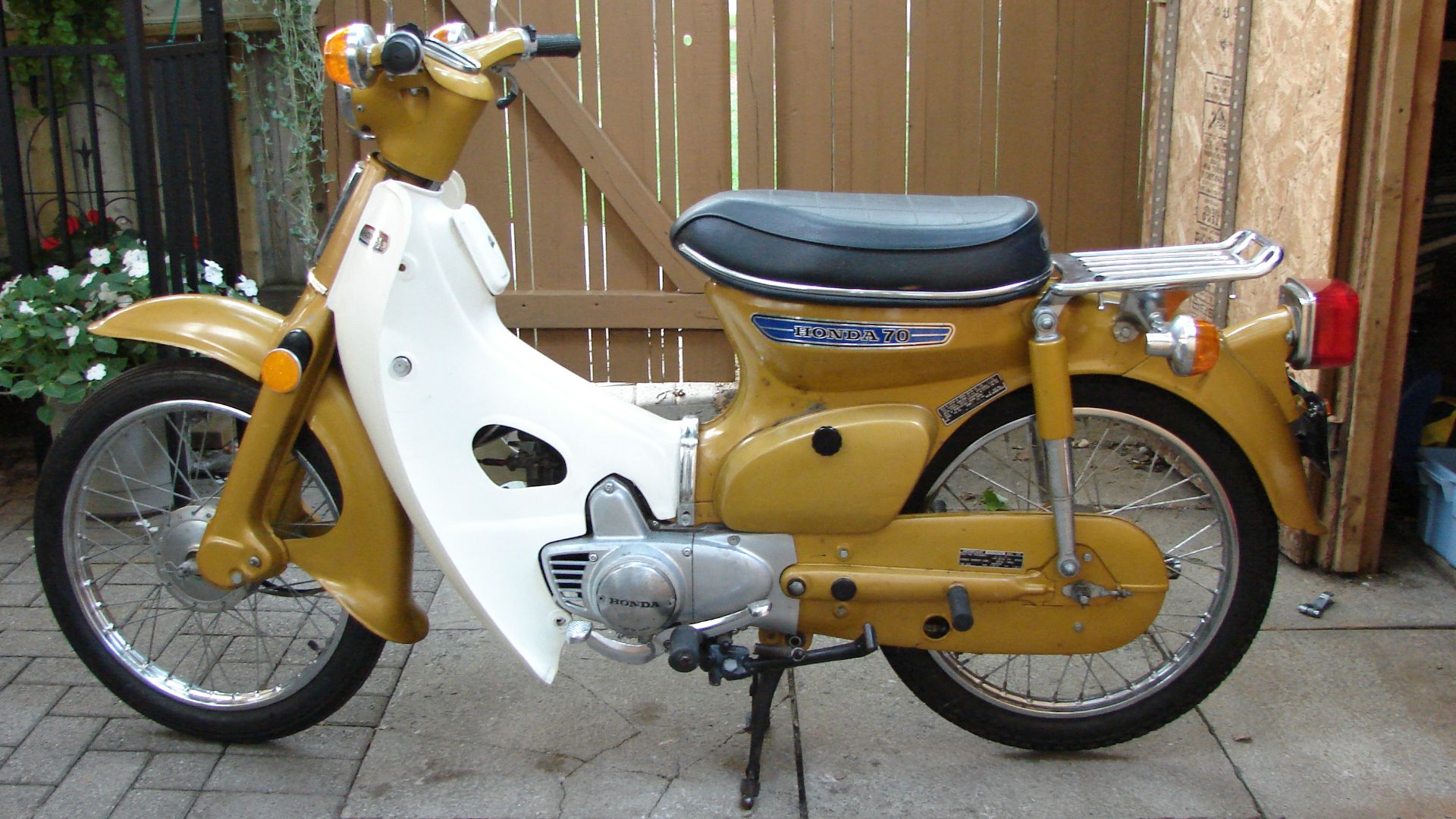
When Honda entered the American market, motorcycles were still associated with danger and rebellion. The Super Cub challenged that perception by presenting itself as friendly transportation. It wasn’t loud or aggressive, and it didn’t demand mechanical expertise. That made it appealing to people who had never considered owning a motorcycle before.
“You Meet The Nicest People On A Honda”
Honda’s marketing campaign was revolutionary. Instead of toughness or outlaw imagery, ads showed everyday people enjoying their bikes. This approach reframed motorcycles as socially acceptable and even wholesome. The Super Cub became the face of that message, helping Honda rapidly expand its US presence.
 Plahendriks, Wikimedia Commons
Rapid Global Expansion
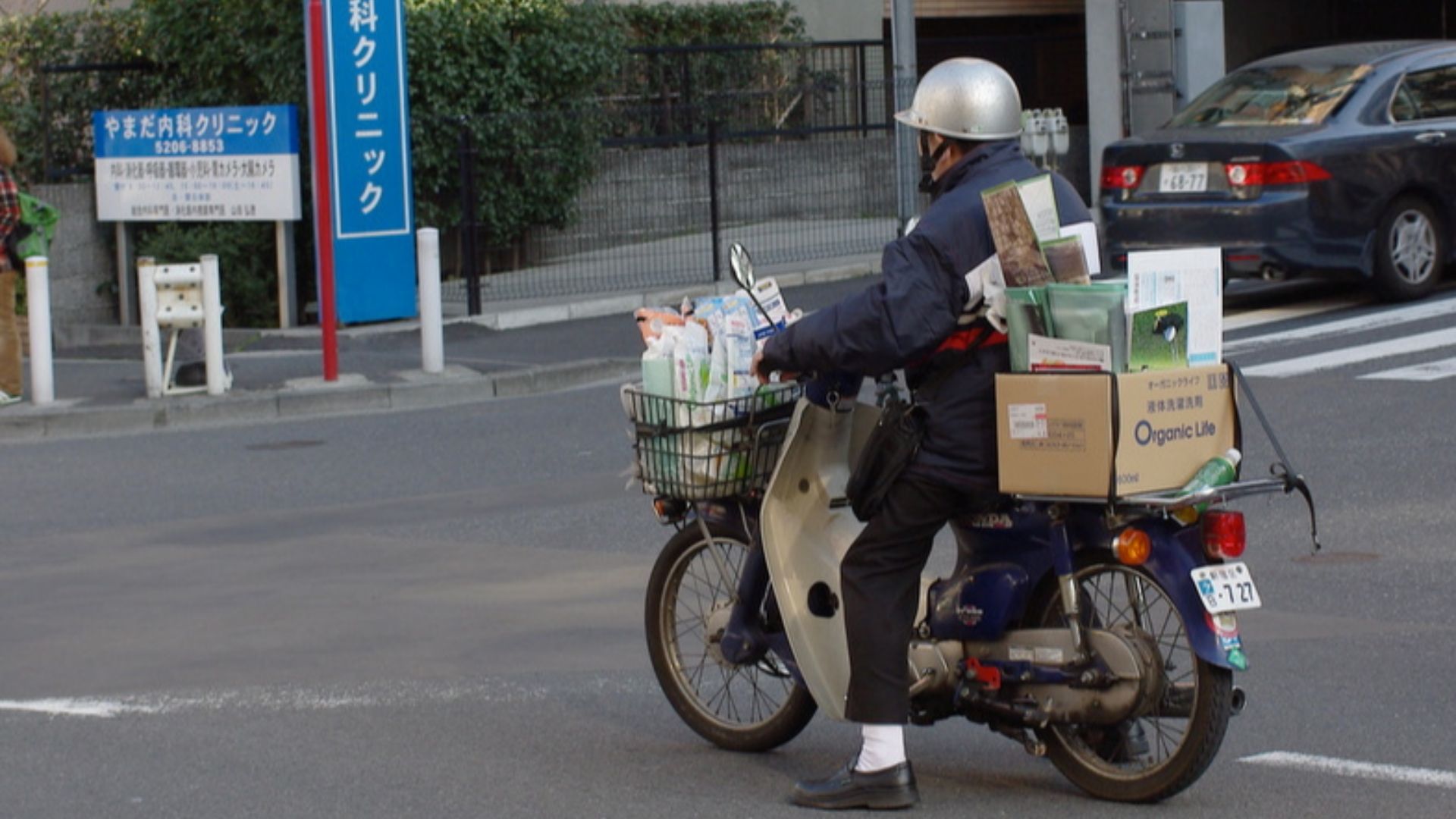
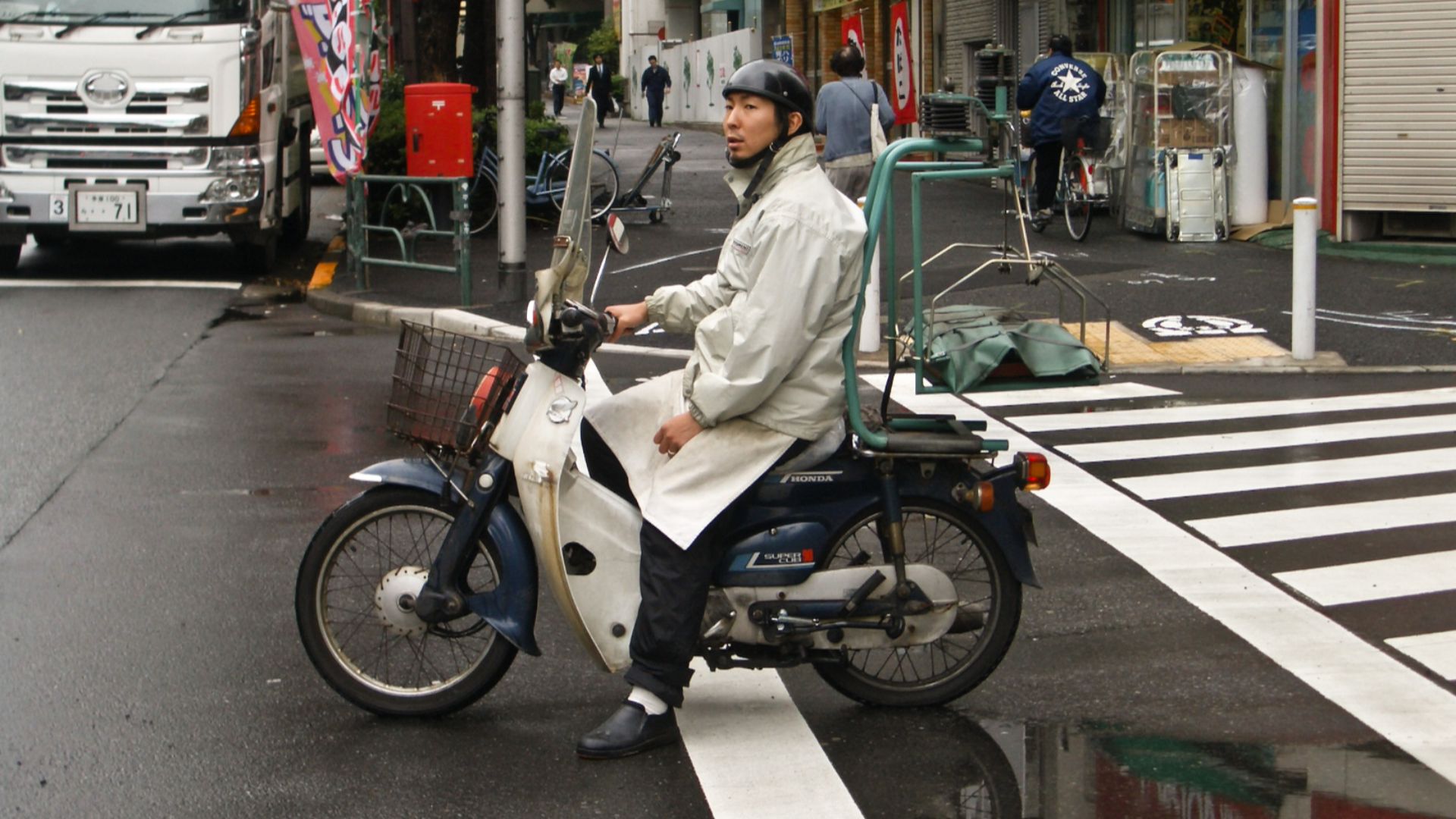
Across Asia, Europe, and Africa, the Super Cub became essential transportation. Small businesses relied on it, families used it daily, and entire economies quietly depended on its mobility. Few vehicles have ever integrated so seamlessly into everyday life worldwide.
 Toby Oxborrow, Wikimedia Commons
Generations Of Evolution
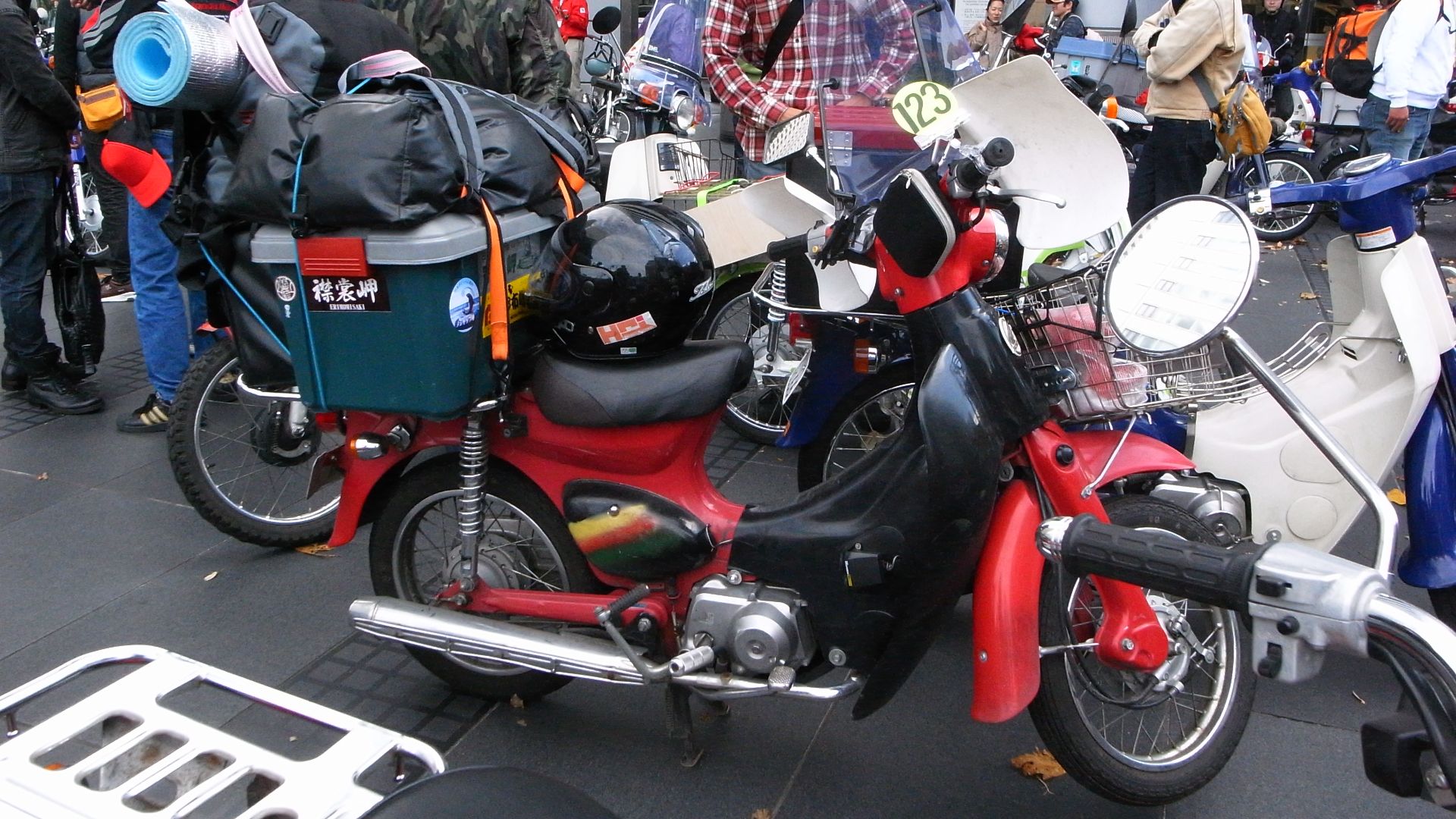
The Super Cub evolved gradually rather than dramatically. Engine sizes increased, components improved, and features were added, but Honda resisted radical changes. This continuity allowed long-term familiarity and trust to develop. Riders knew what they were getting, regardless of generation or market.
Unmatched Production Numbers
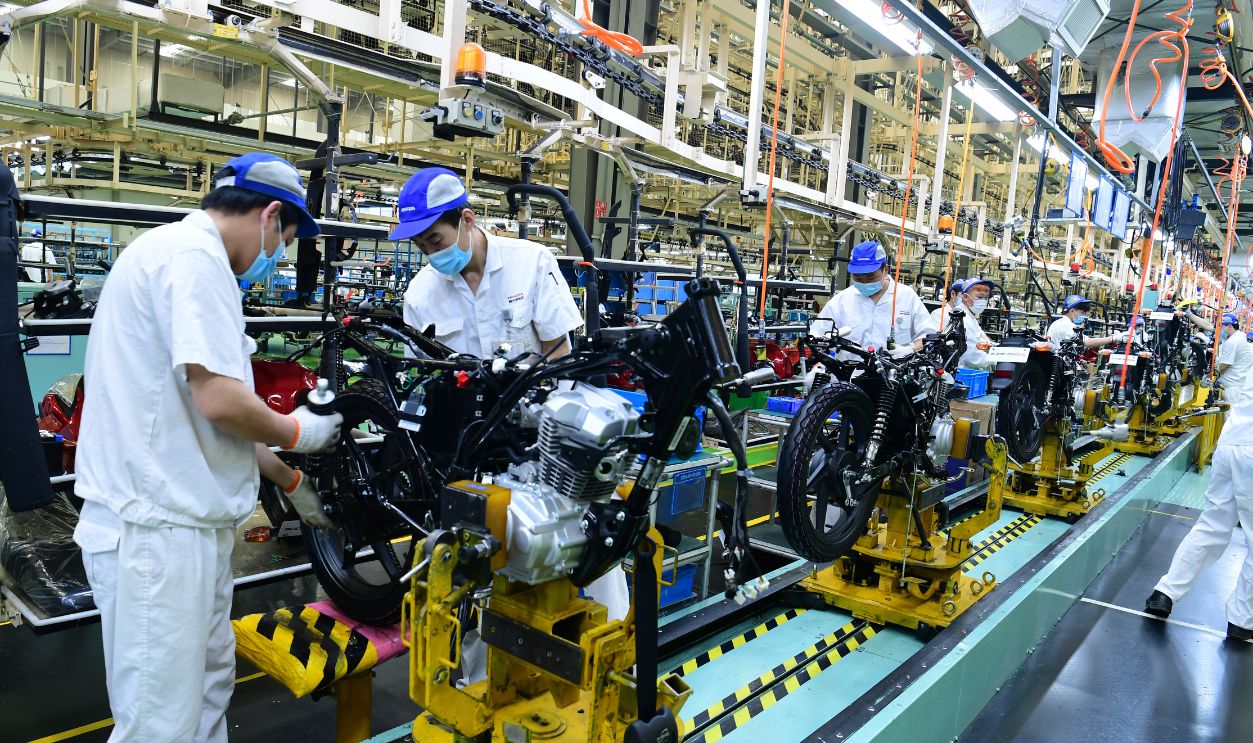
In 2017, Honda announced that Super Cub production had exceeded 100 million units. This milestone made it the most produced motor vehicle in history. That number reflects not just popularity, but deep trust. People kept buying Cubs because they worked, year after year.
The Cub Worked Everywhere
The Super Cub succeeded globally because it adapted to local needs. It handled congested cities, rural paths, and uneven infrastructure with ease. Its simplicity meant repairs could be done almost anywhere. That adaptability allowed it to thrive in environments where more complex vehicles struggled.

Cultural Impact Across The Globe
In many countries, the Super Cub is woven into daily life. It appears in films, television, and street photography as a symbol of normalcy and movement. For some families, a Cub has been passed down across generations, creating emotional attachment as well as practicality.
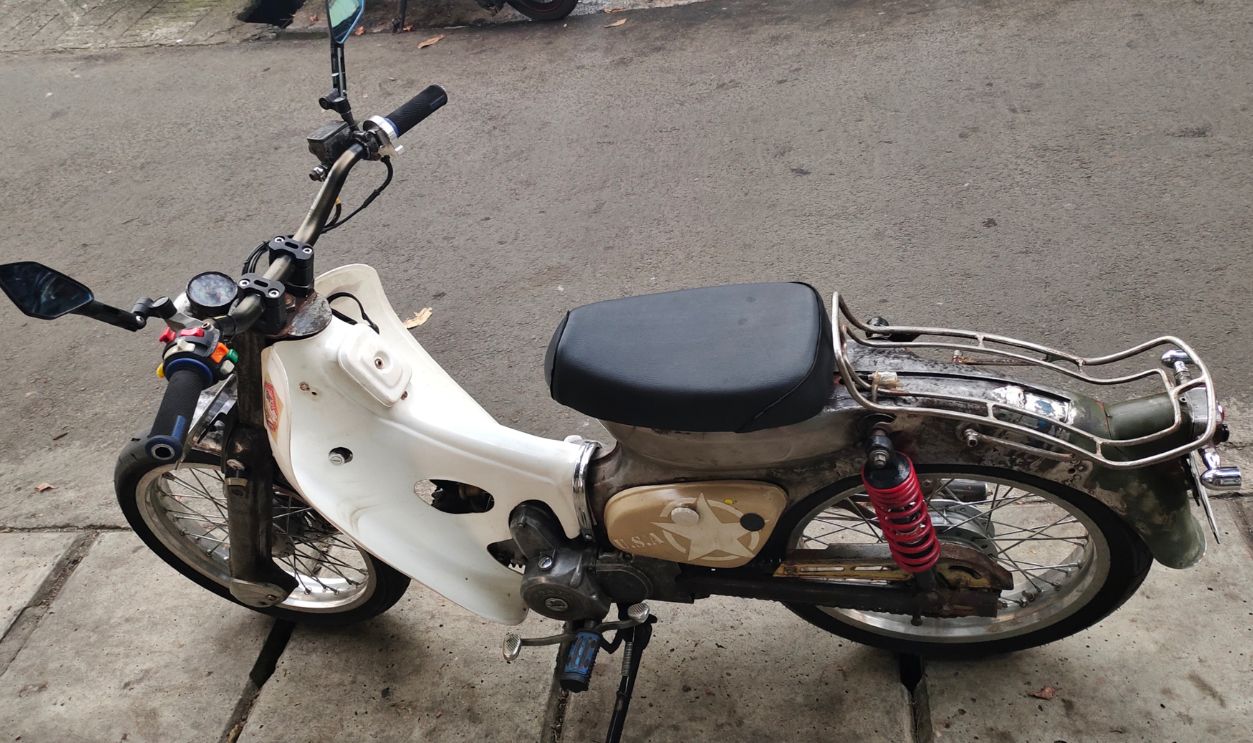
The Super Cub In Custom Culture
Despite its utilitarian nature, the Super Cub inspired a passionate custom scene. Builders modify them into café racers, scramblers, and minimalist commuters. The bike’s simple structure makes it an ideal canvas, proving that even the most practical machines can inspire creativity.
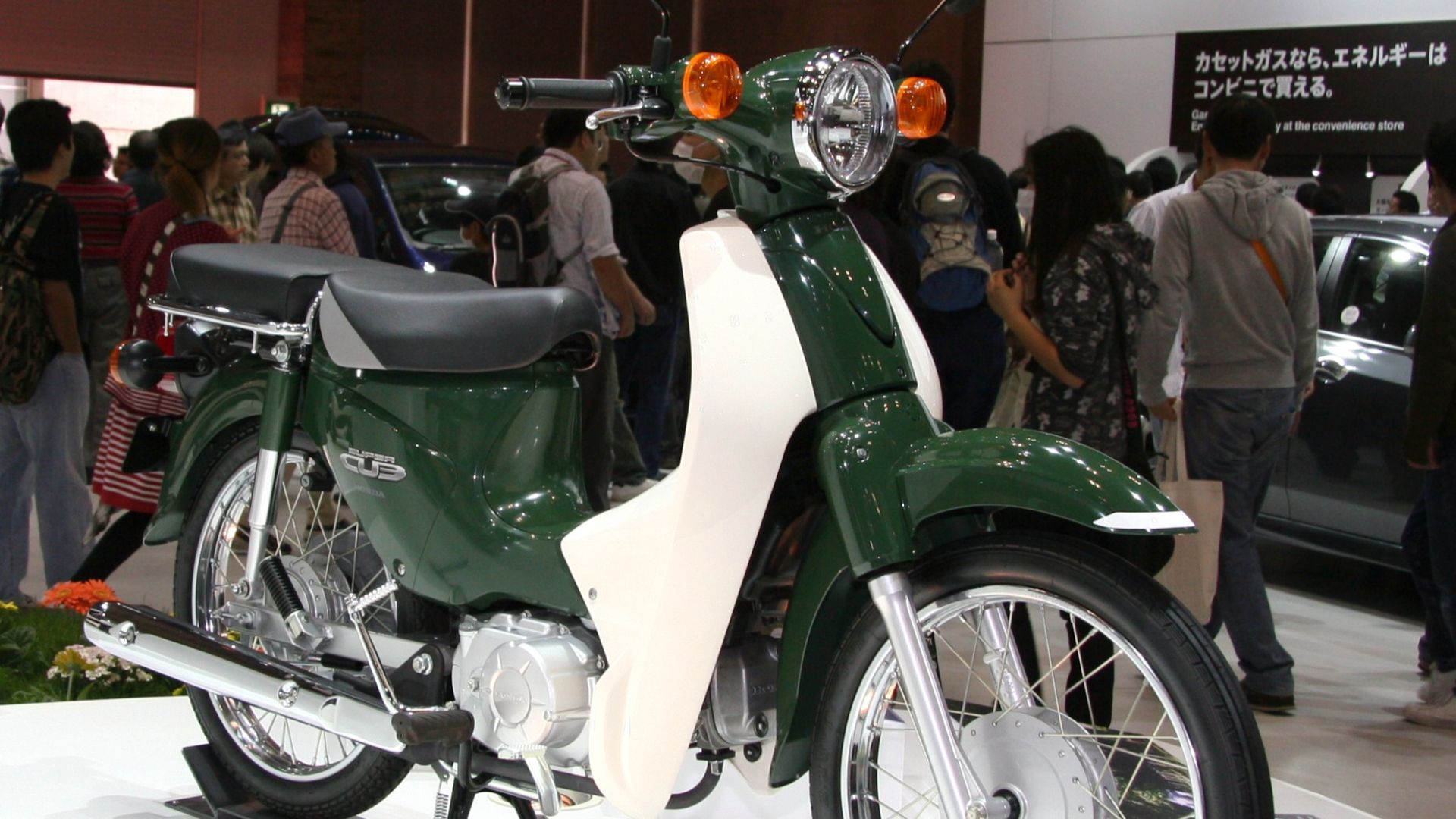
Modern Super Cubs
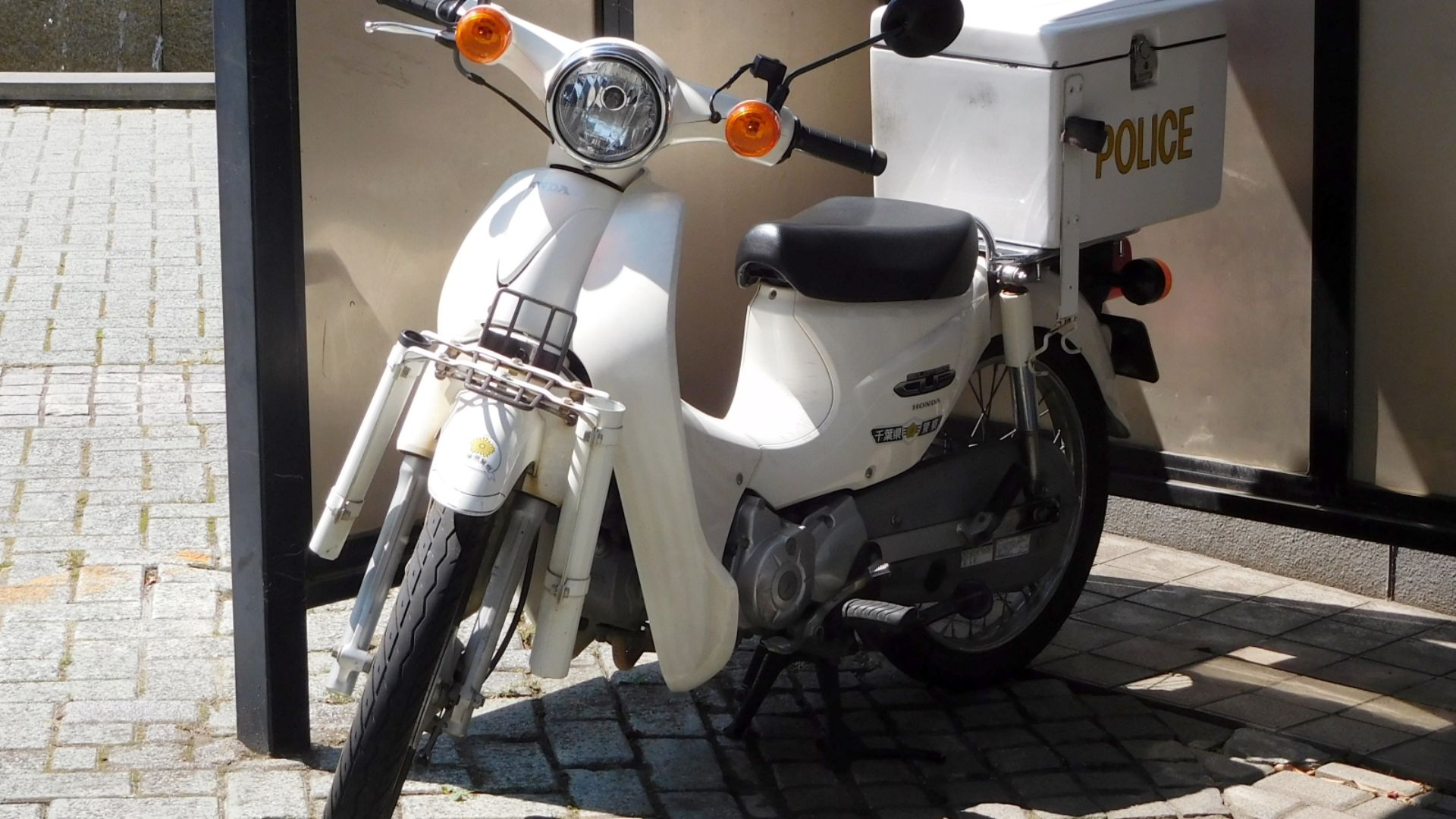
Today’s Super Cub models feature fuel injection, ABS, LED lighting, and modern emissions systems. Honda carefully balanced modernization with tradition, ensuring the Cub still feels familiar. The styling remains instantly recognizable, preserving its identity while meeting modern standards.
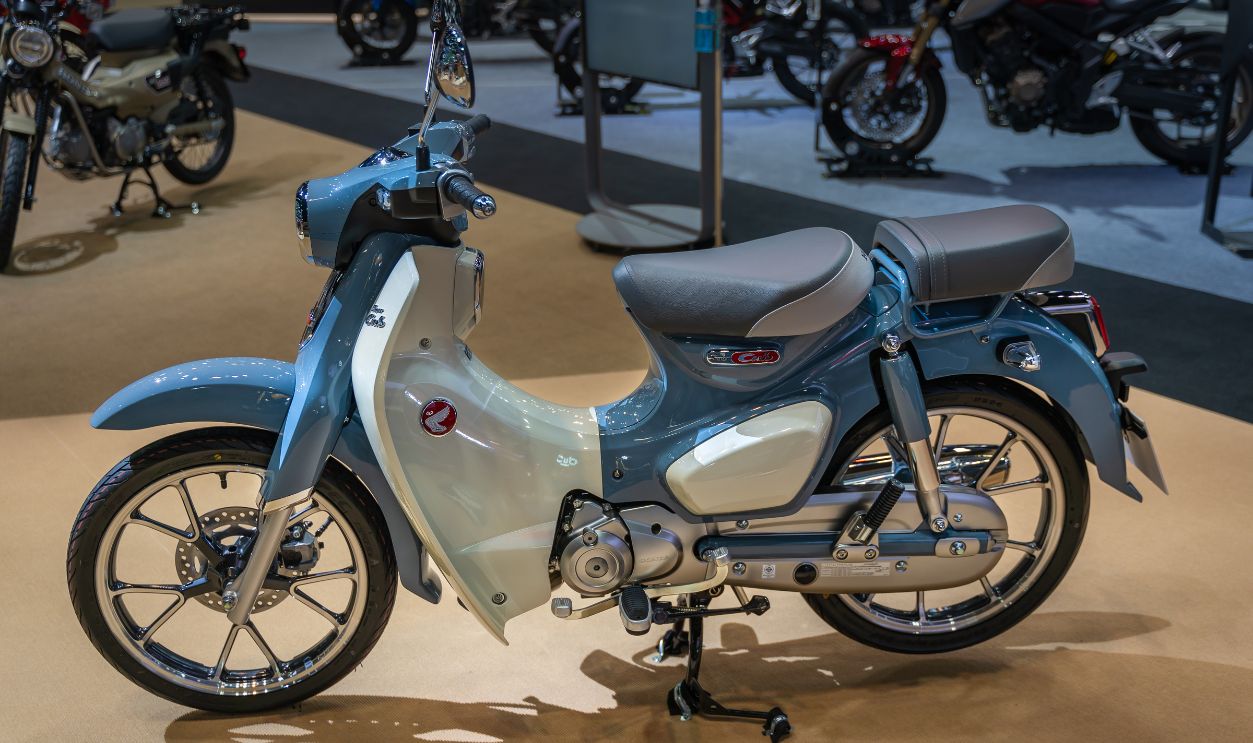
Performance In The Modern Era
Modern Super Cubs use engines ranging from 110cc to 125cc. They prioritize smooth power delivery, efficiency, and reliability rather than speed. These bikes are easy to ride, economical to own, and perfectly suited to urban and suburban environments.
The Motorcycle That Changed Everything
The Honda Super Cub didn’t conquer the world by force; it did it through kindness, reliability, and smart design. In doing this, Super Cub opened riding to millions of people who would otherwise never have considered it. By focusing on people instead of performance, Honda created a machine that reshaped transportation and left an impact far greater than its size.
You May Also Like:
The Real Story Behind Marlon Brando’s Bike In The Wild One
Forgotten Bikes That Deserve A Comeback
The Latest In Helmet Safety Science Could Be The Push You Need To Buy That Bike