
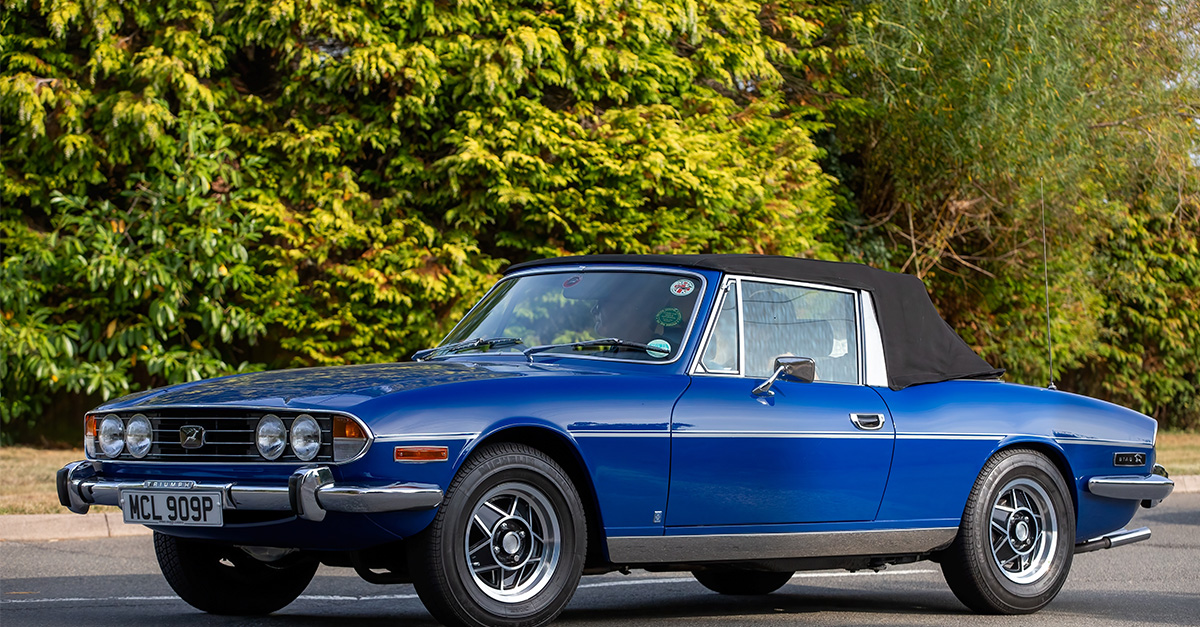
A Grand Tourer With Big Ambitions
In the late 1960s, Triumph set out to build something special: a stylish grand tourer that could rival luxury European convertibles while remaining relatively affordable. The result was the Triumph Stag, a car that looked perfectly suited to sunny coastal drives with the top down. On paper, it had everything—sleek Italian styling, a V8 engine, and the promise of relaxed open-air touring. Unfortunately, beneath that beautiful design were engineering decisions that would shape the Stag’s reputation for years.
A Perfect Moment For Sports Cars
The Stag arrived during a golden age for sports cars and grand tourers. The late ’60s were packed with stylish machines aimed at drivers who wanted both performance and comfort. Jaguar had the E-Type, Mercedes offered the SL, and Alfa Romeo’s Spider was winning hearts. Triumph wanted to join that company with a car that blended sporty character with grand touring comfort.
 Rob Mieremet / Anefo, CC0, Wikimedia Commons
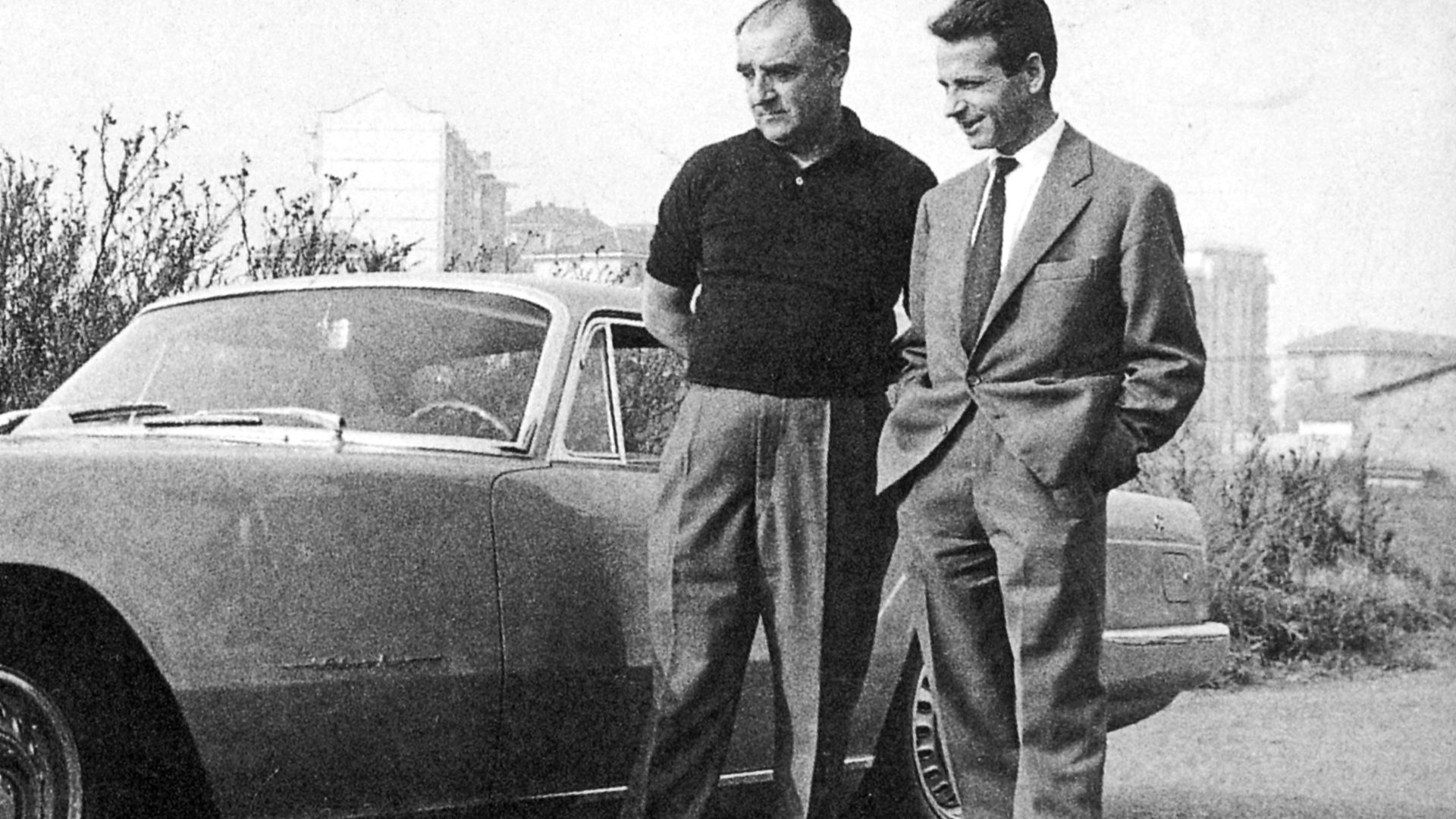
Michelotti’s Elegant Design
Few people argue about the Triumph Stag’s styling—it’s simply gorgeous. The car was designed by Giovanni Michelotti, the Italian stylist responsible for several Triumph models. He transformed the Triumph 2000 saloon platform into something far more glamorous. Clean lines, balanced proportions, and subtle curves gave the Stag the appearance of a far more expensive European grand tourer.
 Unknown photographer, Wikimedia Commons
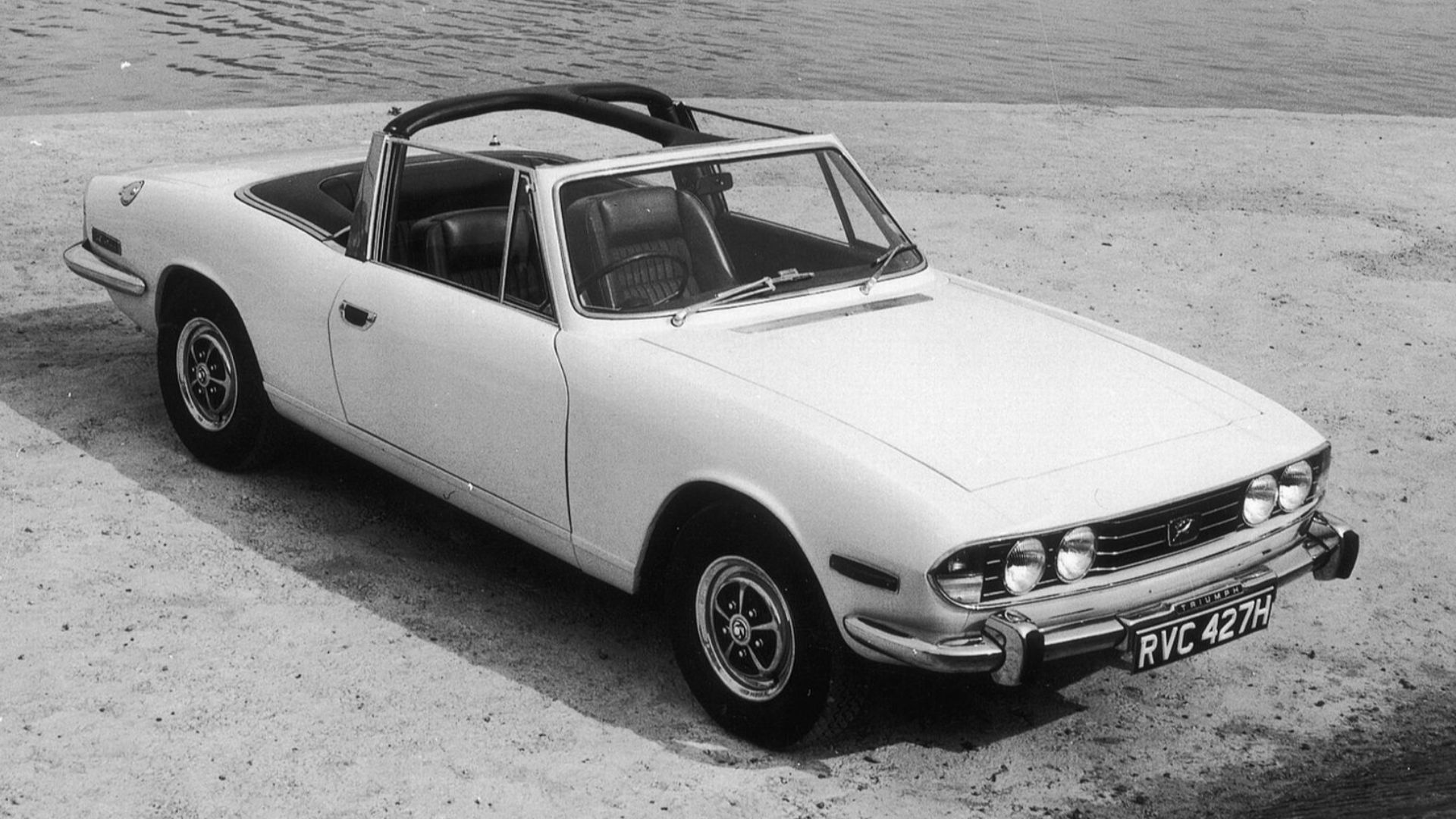
The Signature T-Bar Roll Hoop
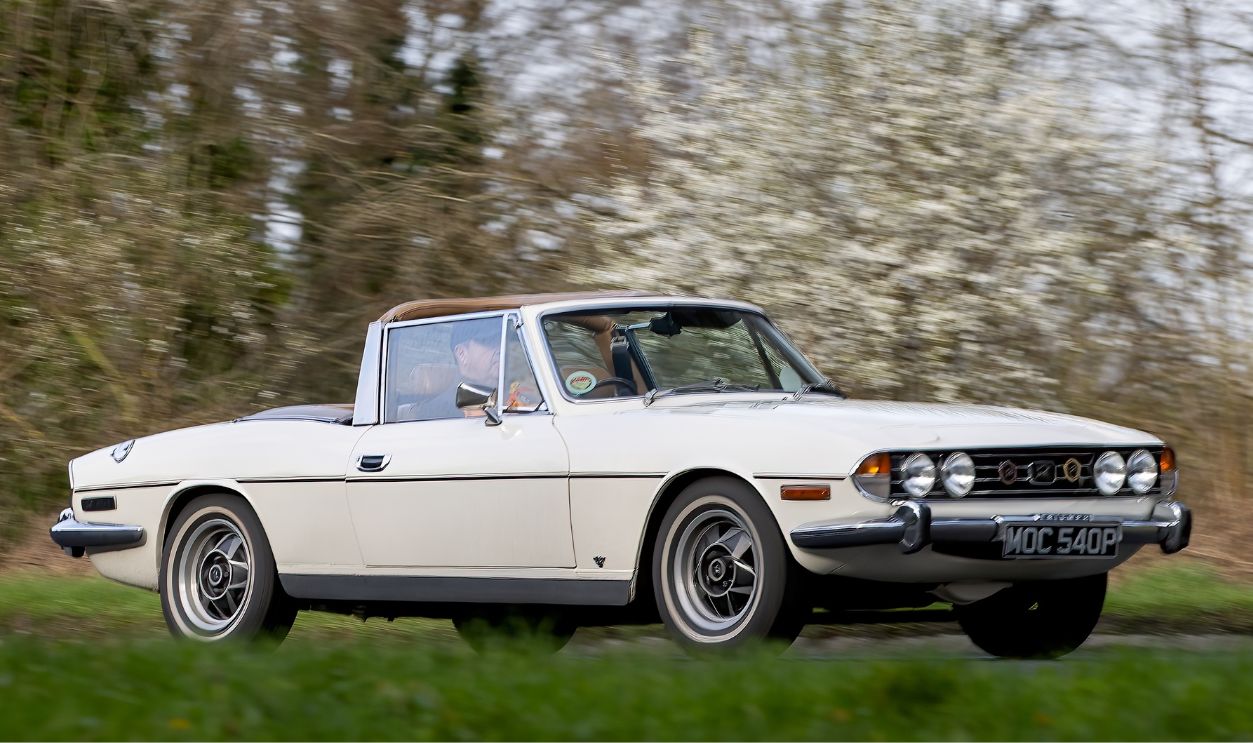
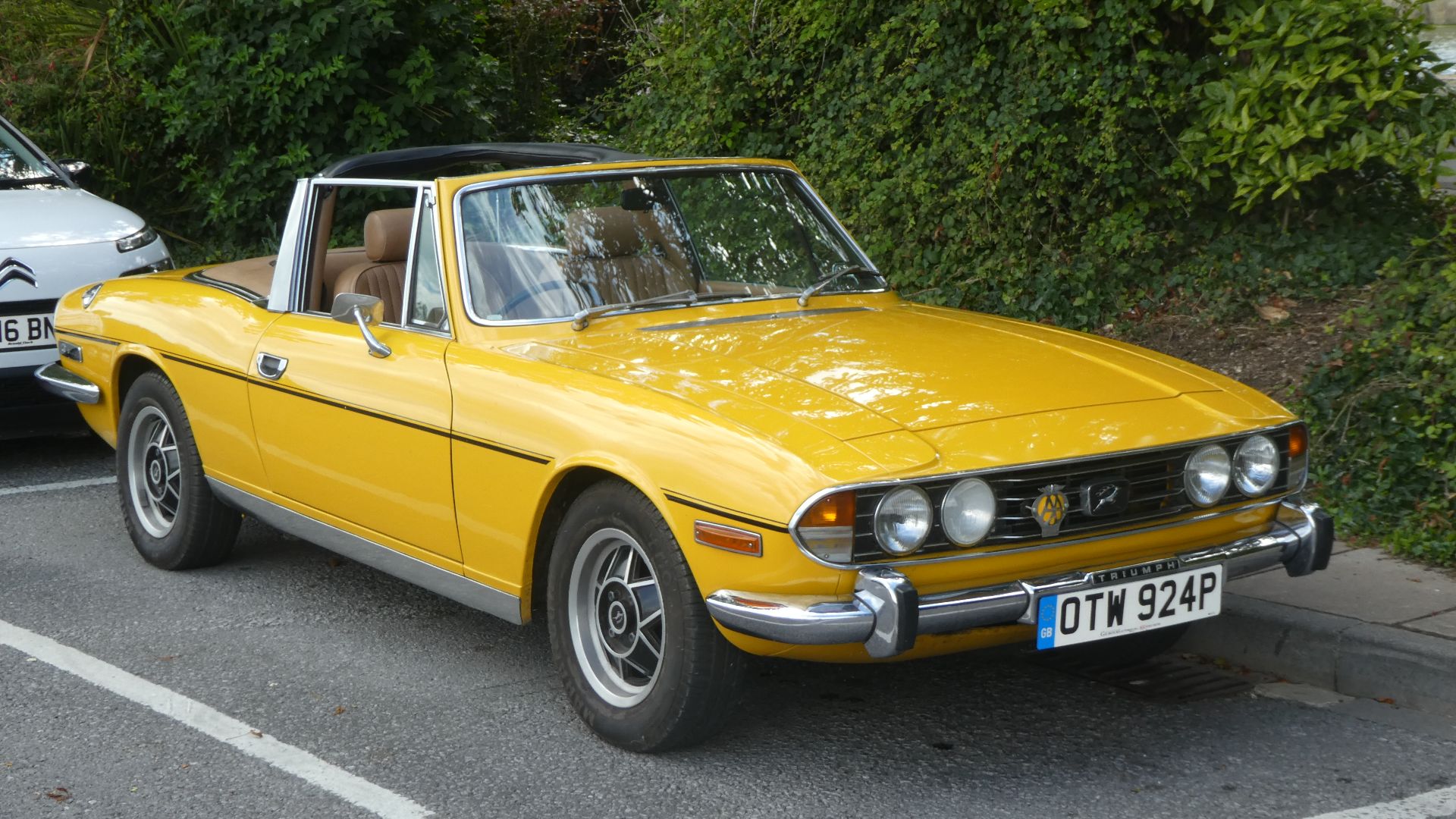
One feature made the Stag instantly recognizable: its fixed T-bar roll hoop. During the late 1960s, rumors circulated that U.S. safety regulations might soon ban convertibles entirely. Triumph responded by integrating a strong roll bar into the design. It improved structural rigidity and gave the Stag a distinctive look. The setup allowed both a folding soft top and a removable hardtop.
 Kevrich6924, Wikimedia Commons
Designed For Comfortable Touring
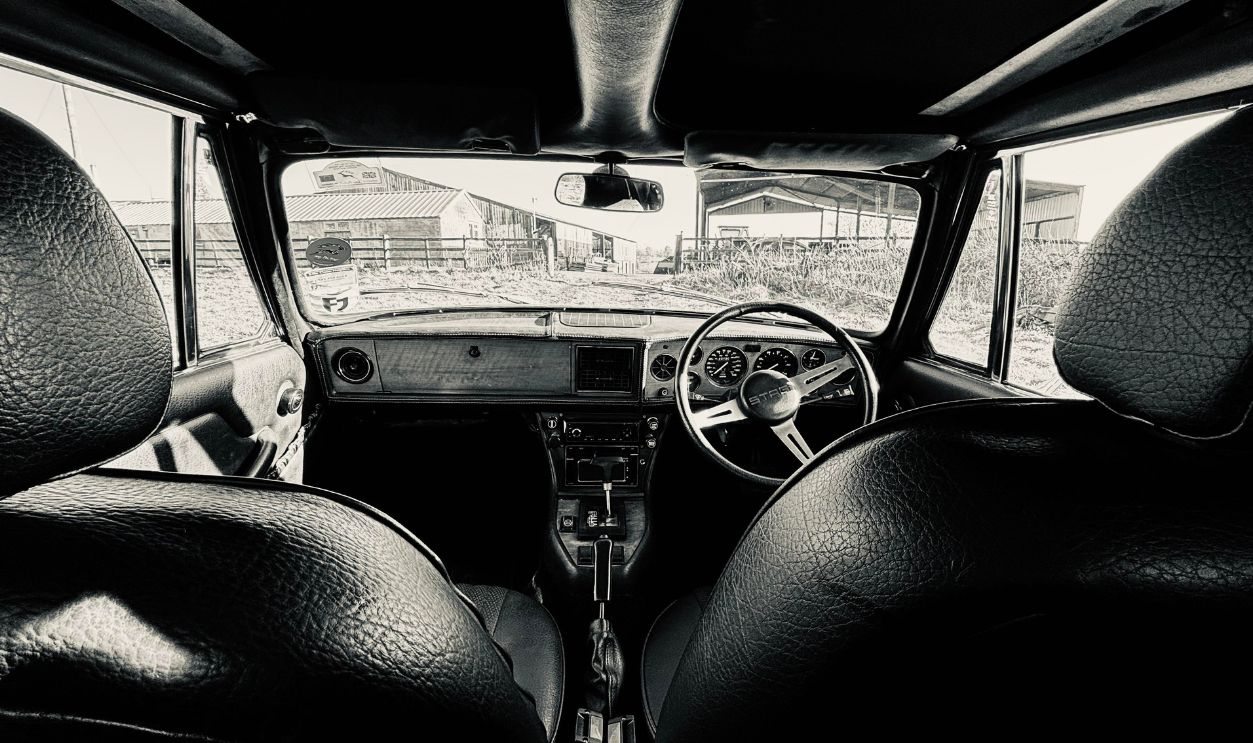
Unlike small British roadsters, the Stag was meant to be comfortable. Triumph envisioned it as a proper grand tourer capable of covering long distances with ease. It offered seating for four, a smooth ride, and a well-appointed interior. Wood trim, supportive seats, and thoughtful details made the cabin feel more refined than many sports cars of the era.
A Bold New Engine Decision
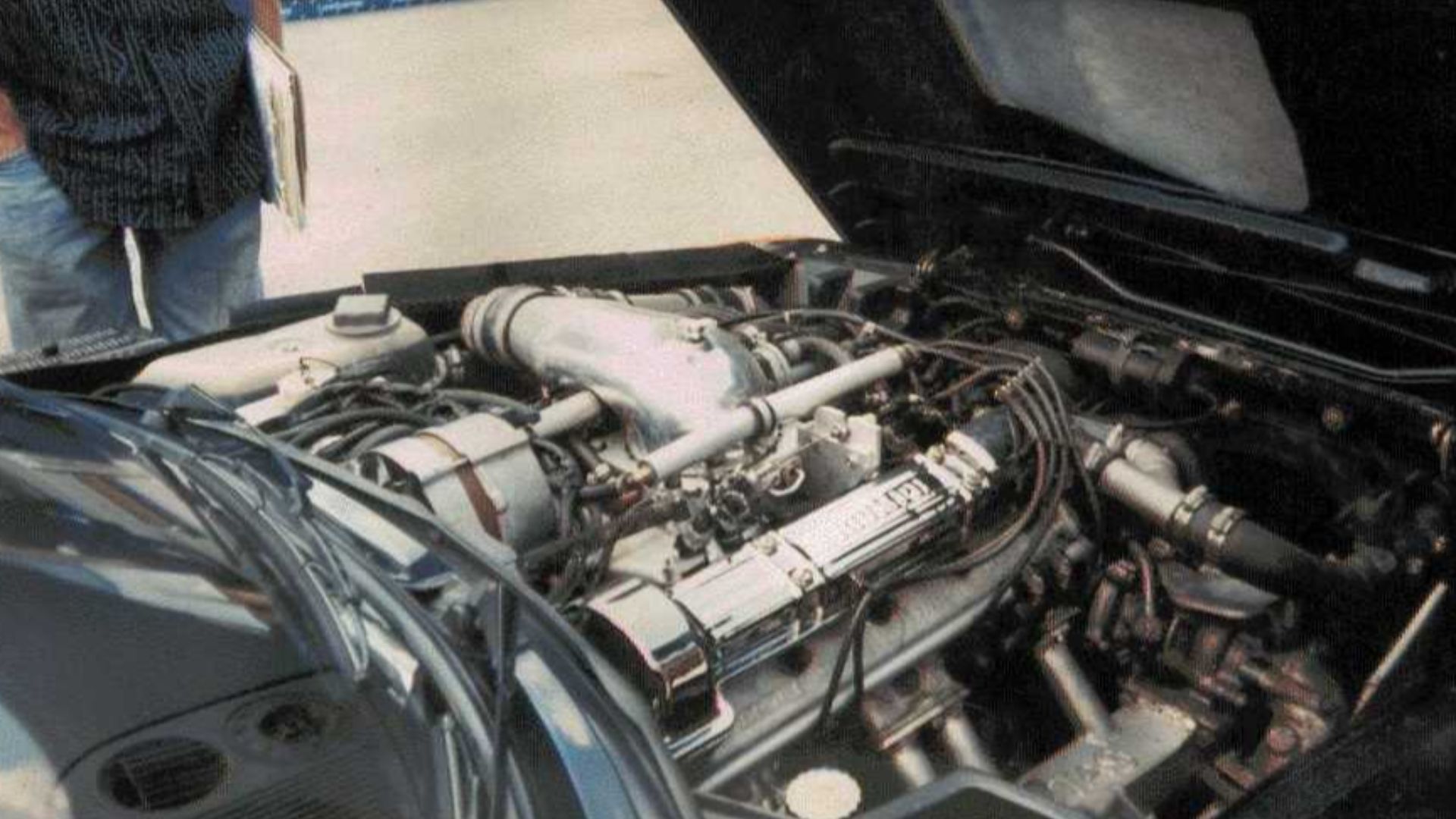
Triumph made a risky decision when it came to the Stag’s engine. Instead of borrowing a proven powerplant, the company developed an entirely new V8 specifically for the car. The engine was essentially created by combining two Triumph slant-four engines into a single block. The idea seemed clever on paper but introduced complexity that would later cause serious problems.
Promising Performance Numbers
At first glance, the new 3.0-liter V8 seemed like a perfect fit for the Stag’s character. Producing roughly 145 horsepower, it delivered smooth acceleration and a pleasant exhaust note. Performance was respectable for the time, with a top speed around 120 mph. More importantly, the engine promised relaxed cruising—exactly what buyers expected from a grand tourer.
Trouble Appears Early
Sadly, the Stag’s engine issues began appearing soon after the car reached customers. Overheating quickly became one of the most common complaints. Owners discovered that the cooling system struggled to manage the V8’s heat. What started as minor temperature spikes sometimes escalated into serious mechanical failures that required expensive repairs.
 Andrew Bone from Weymouth, England, Wikimedia Commons
The Cooling System Headache
The cooling system became the Stag’s most infamous weakness. Its radiator often struggled to dissipate heat, particularly during warm weather or slow traffic. The engine design also created hot spots that made overheating more likely. Once temperatures climbed too high, the result could be blown head gaskets or warped cylinder heads.
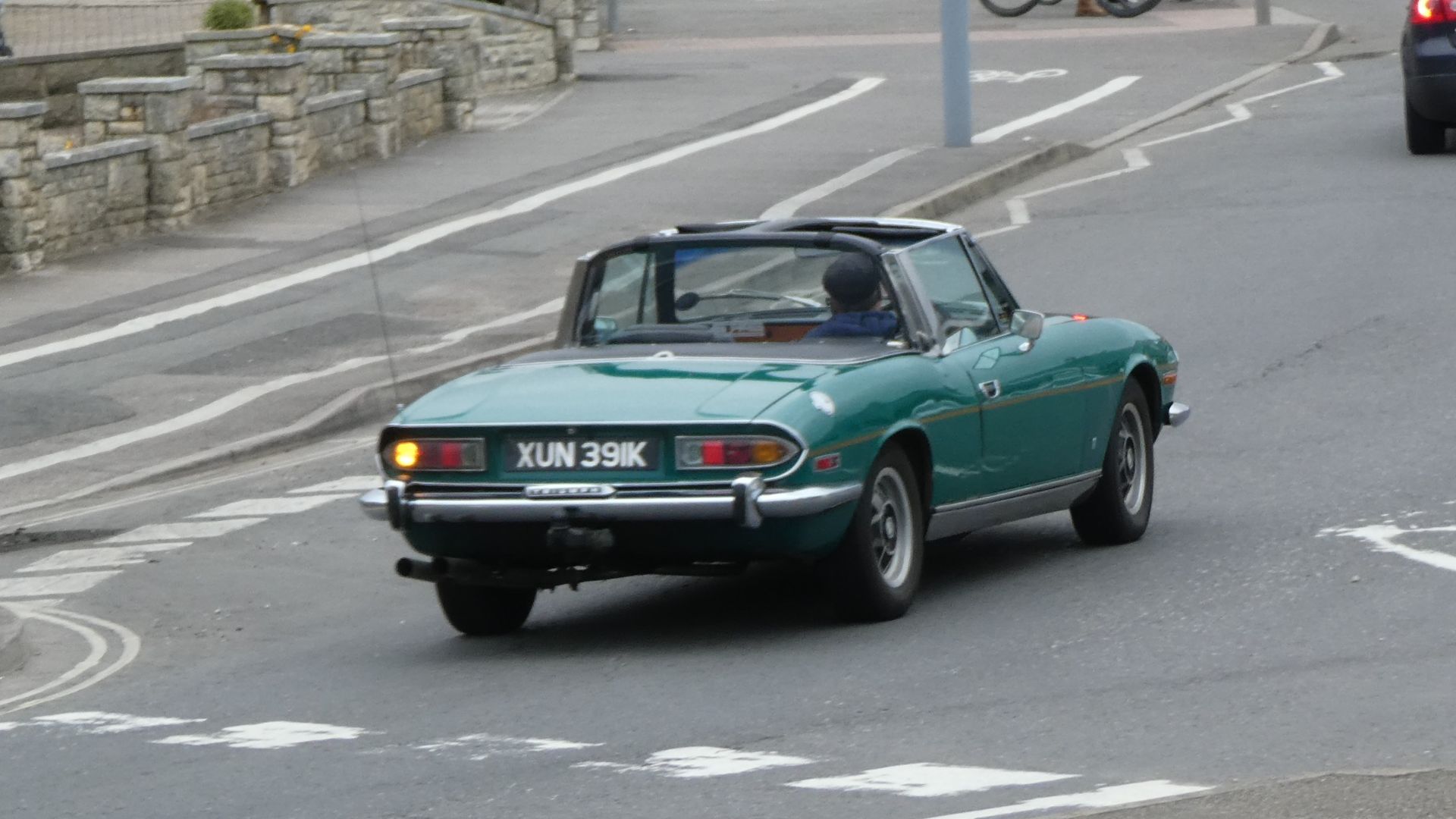 Andrew Bone from Weymouth, England, Wikimedia Commons
Timing Chain Complications
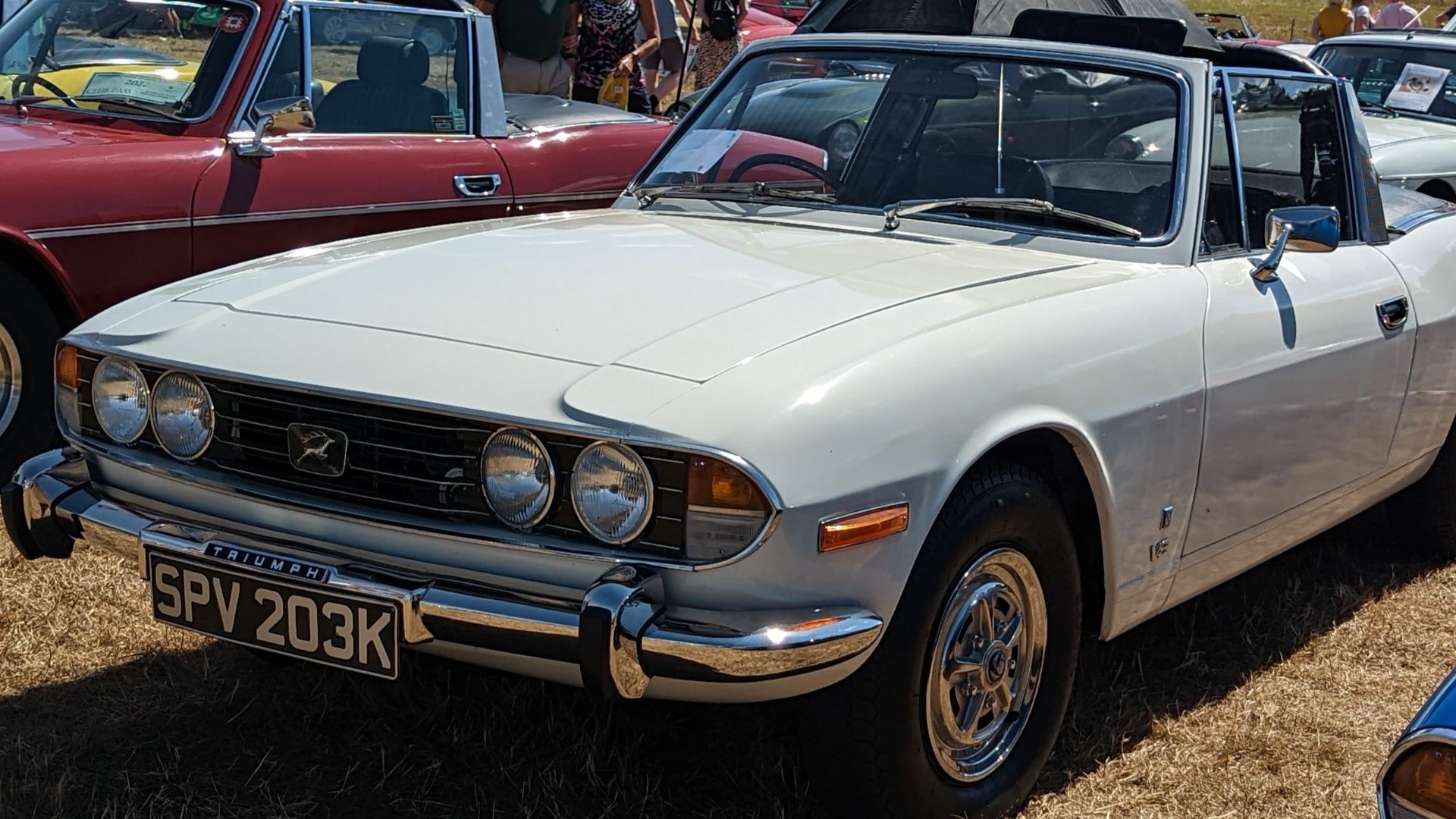
Another major issue involved the engine’s timing chain system. Instead of a simple layout, the Stag used multiple chains and tensioners. If these components wore out or were poorly maintained, engine damage could occur. Unfortunately, many owners didn’t realize how crucial regular maintenance was for keeping the system operating properly.
British Leyland’s Difficult Era
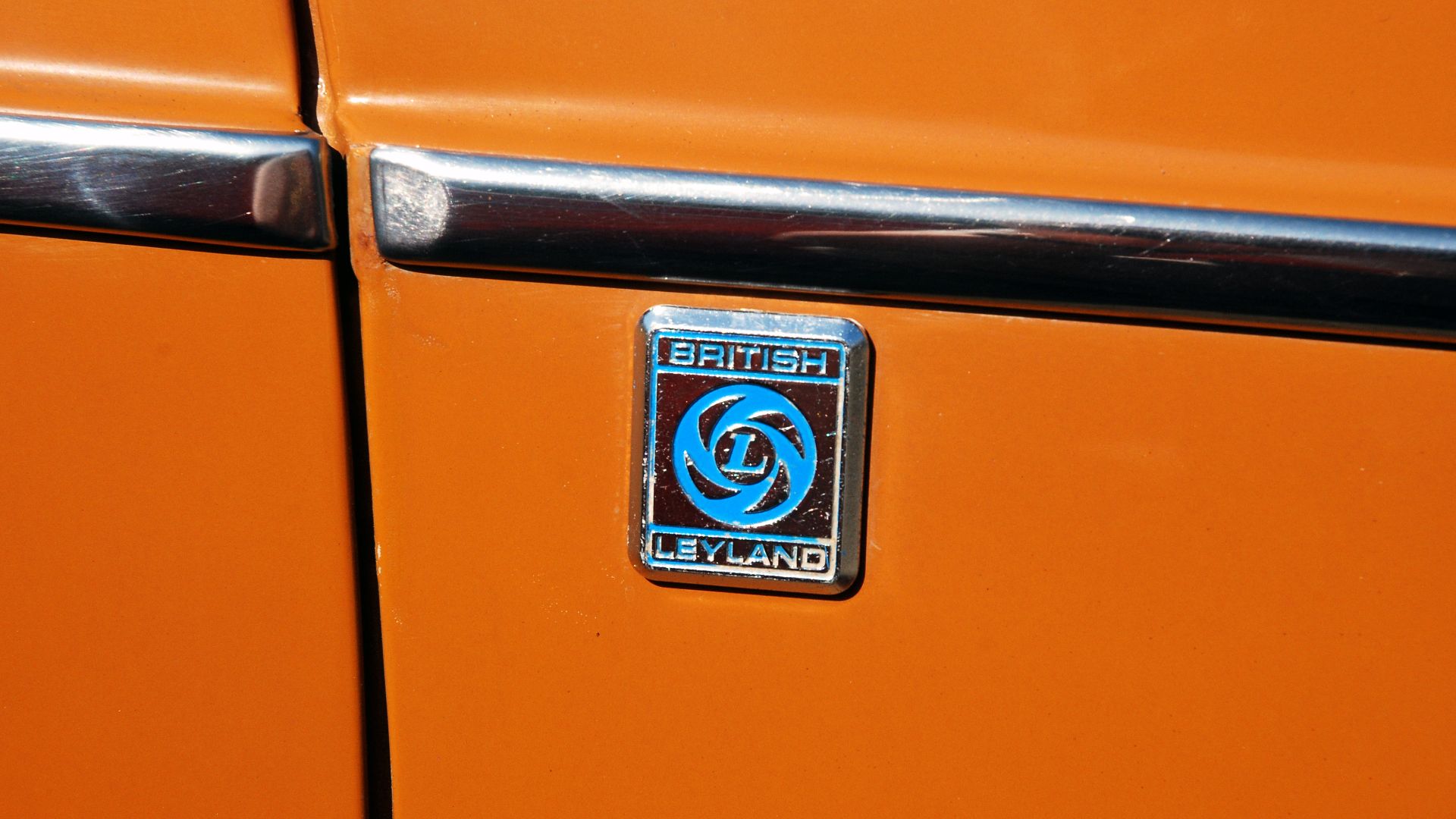
The Stag’s problems weren’t helped by the situation at British Leyland, Triumph’s parent company. During the 1970s, the company struggled with financial troubles, labor disputes, and inconsistent quality control. Cars sometimes left the factory with assembly issues that only made reliability concerns worse.
 allen watkin from London, UK, Wikimedia Commons
When Dealers Struggled Too
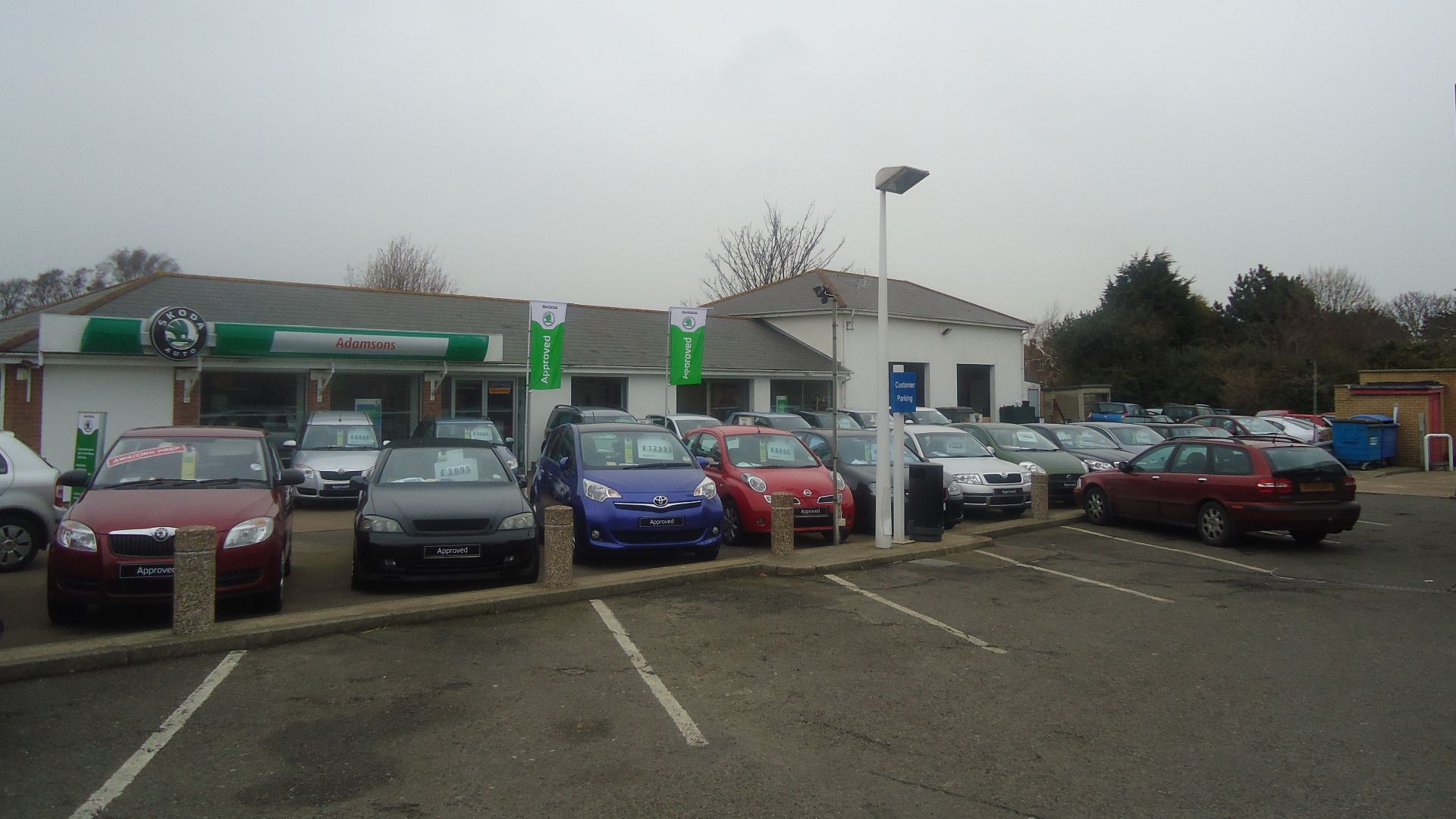
Even dealership support sometimes fell short. The Stag’s new V8 engine was unfamiliar territory for many mechanics. Some dealerships lacked the training needed to properly diagnose its issues. In several cases, incorrect repairs or poor maintenance made problems worse instead of fixing them.
 Stacey Harris , Wikimedia Commons
A Reputation Starts To Spread
As more owners experienced trouble, the Stag began developing a reputation. Automotive journalists praised the car’s looks and driving comfort but often mentioned reliability concerns. Word spread quickly among buyers. For a car meant to compete with premium European grand tourers, that reputation proved difficult to overcome.
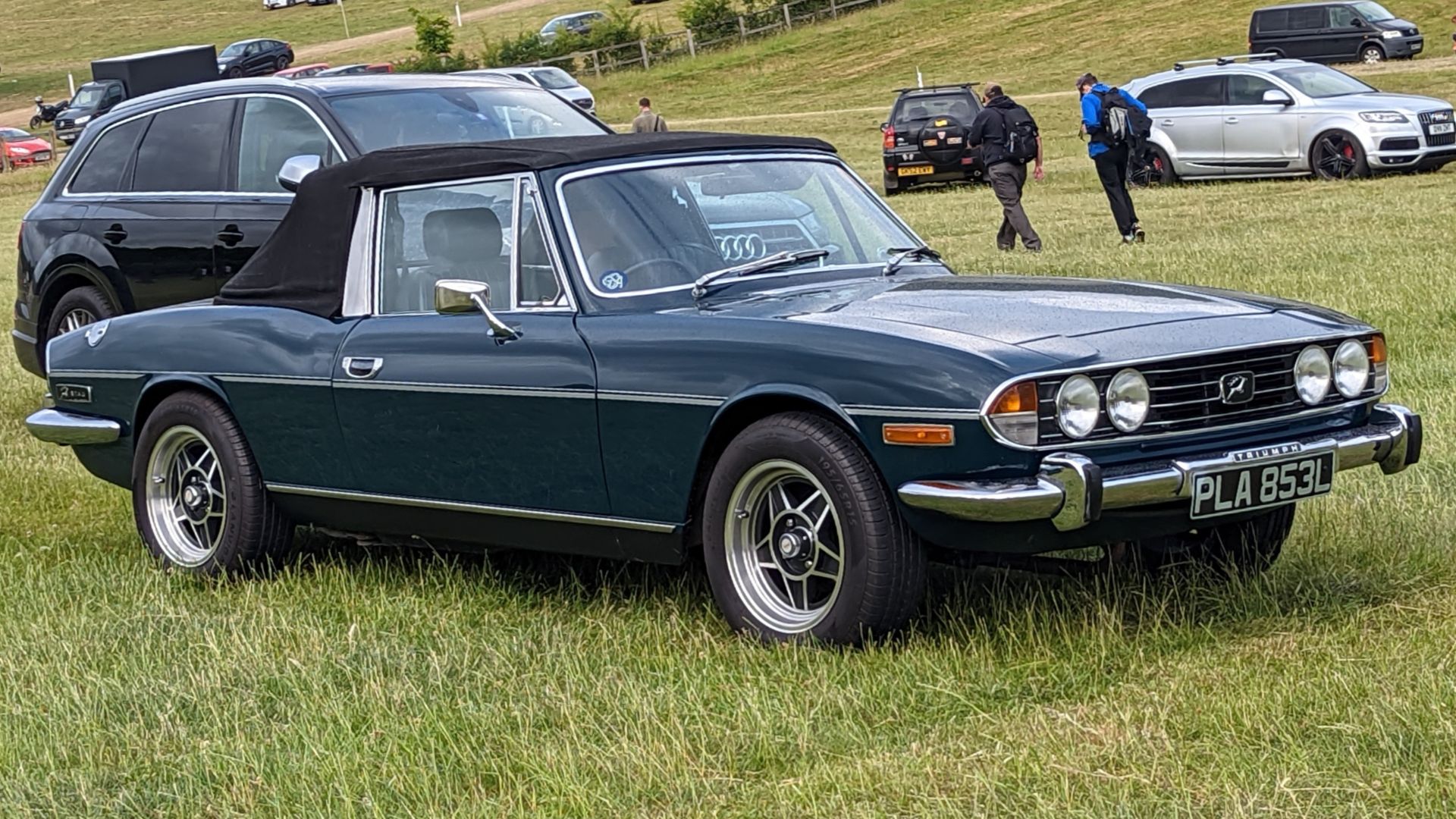
Charm That Was Hard To Resist
Despite its mechanical reputation, the Stag had undeniable charm. Owners loved its relaxed driving character and elegant styling. When everything worked properly, the car delivered exactly what Triumph promised—a comfortable convertible perfect for long scenic drives.
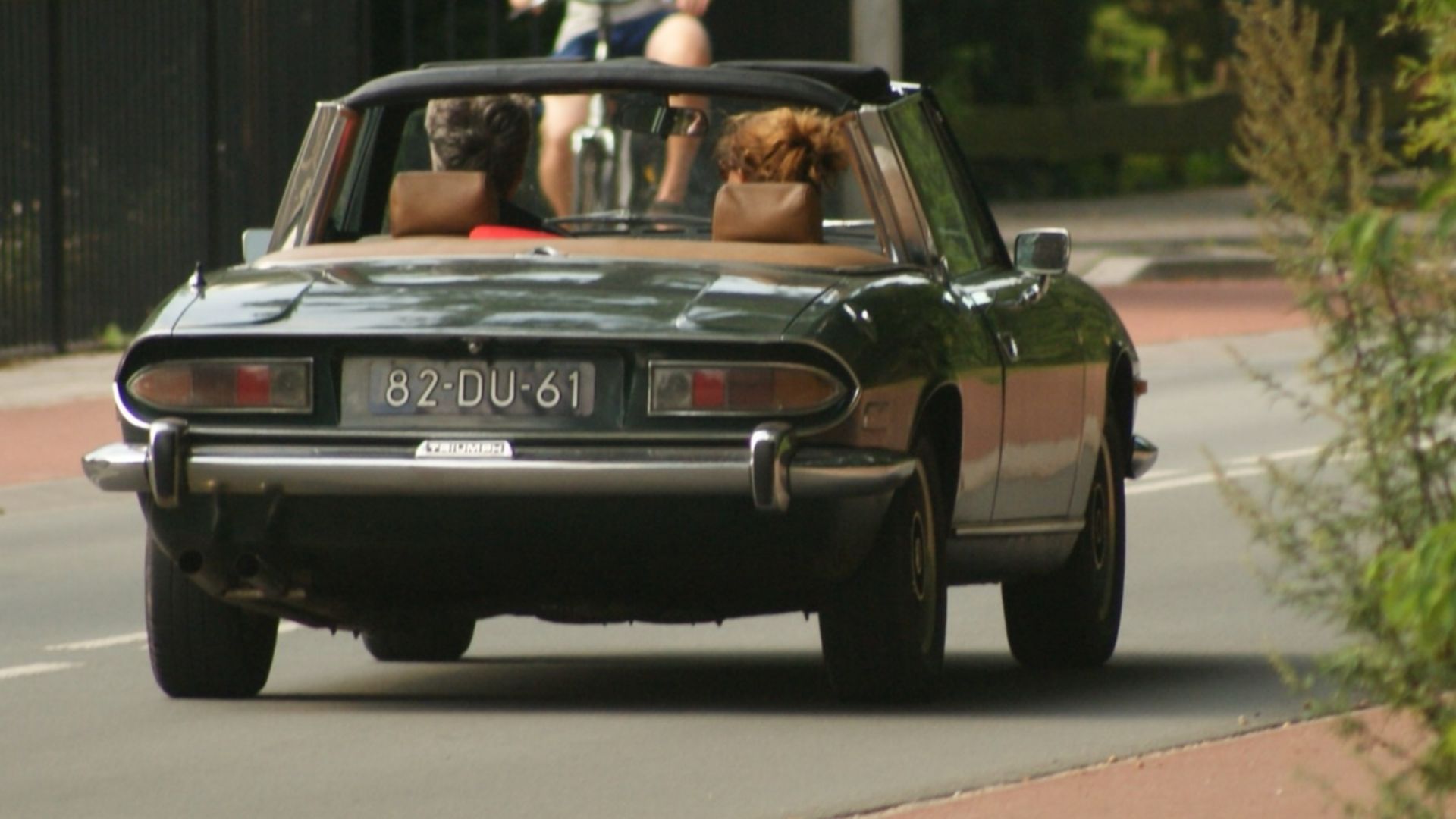 Niels de Wit from Lunteren, The Netherlands, Wikimedia Commons
Effortless Cruising Ability
The Stag wasn’t designed as an aggressive sports car. Instead, it excelled as a cruiser. The V8 produced smooth power that made highway driving feel effortless. Combined with its comfortable suspension, the car was well suited to relaxed weekend road trips.
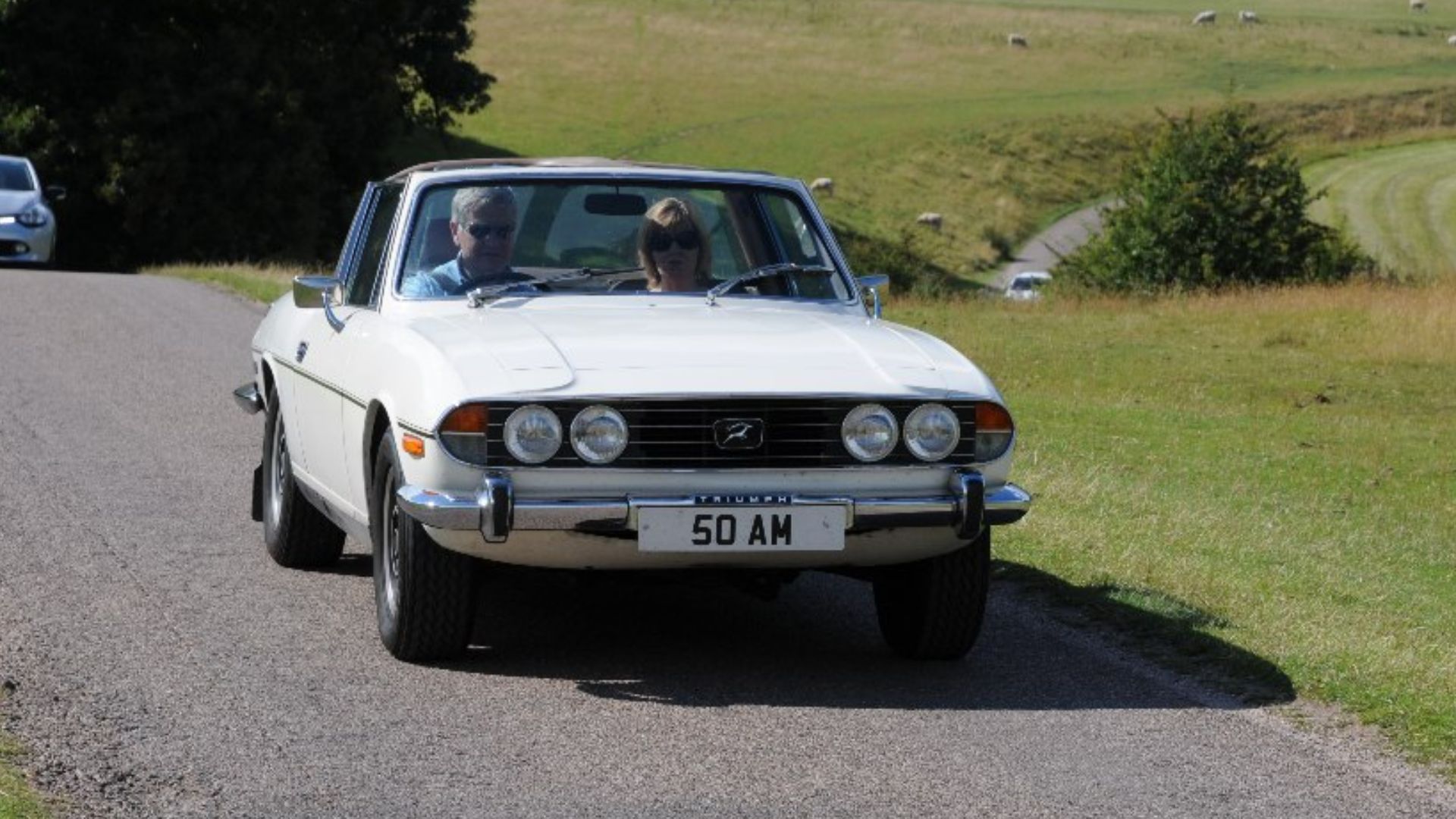 Philip Halling , Wikimedia Commons
Dreams Of American Success
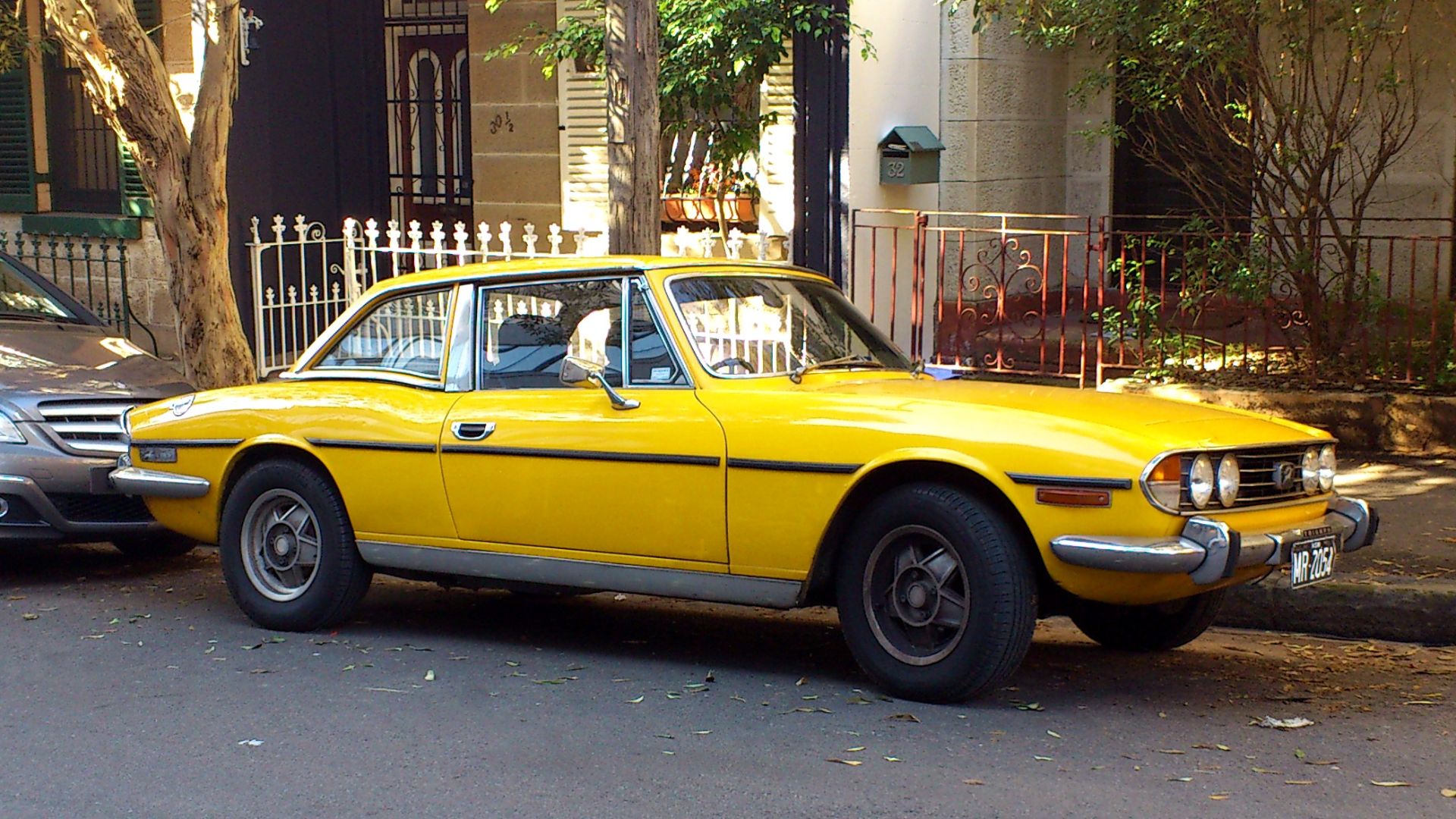
Triumph believed the Stag would be especially popular in the United States. American drivers loved V8 engines and convertibles, making the car seem like an ideal match. Unfortunately, reliability concerns quickly damaged its reputation in the U.S., limiting what could have been a major export success.
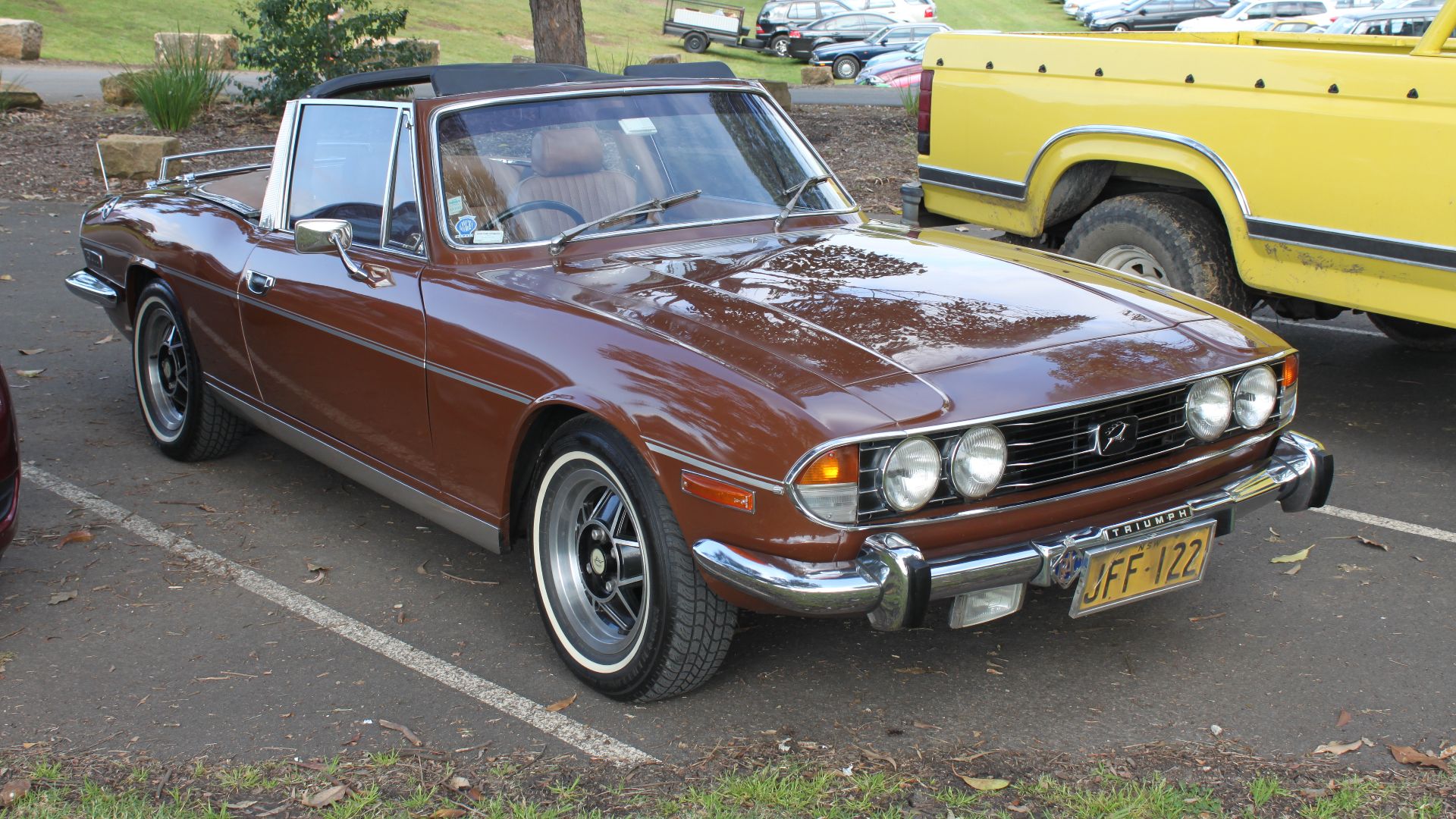 Jeremy from Sydney, Australia, Wikimedia Commons
An Interior With A Touch Of Luxury
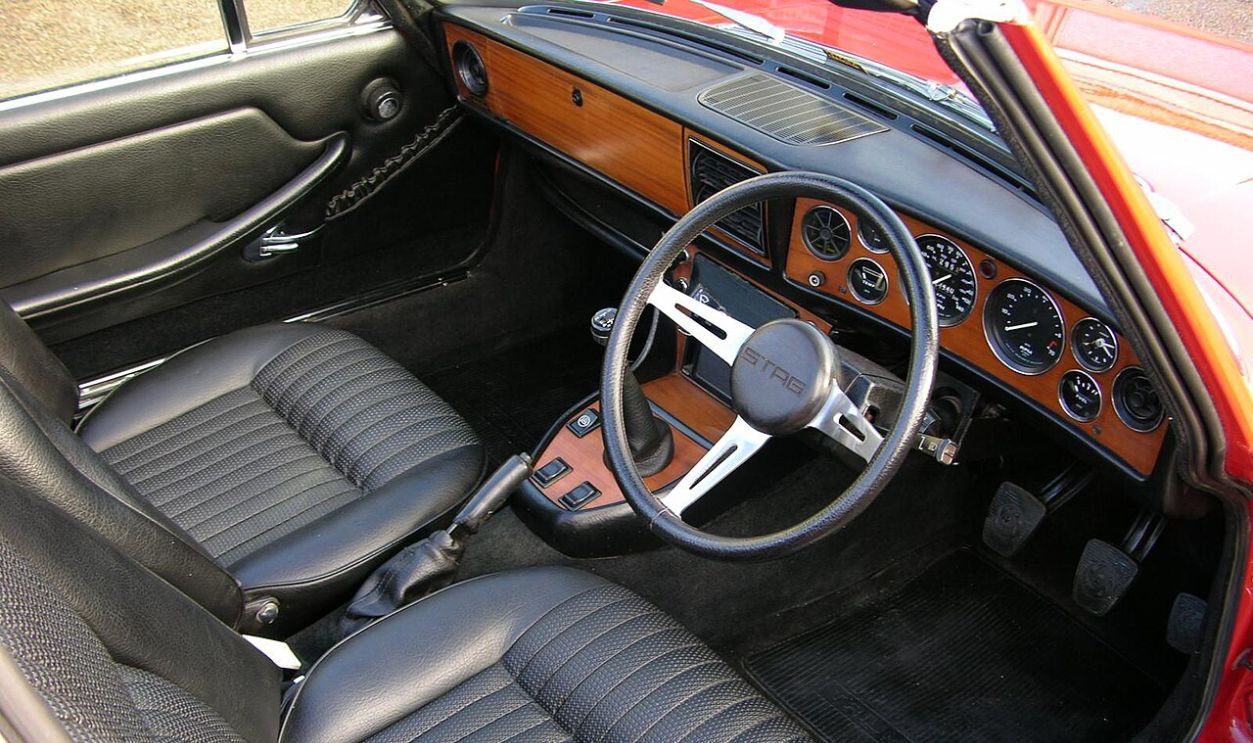
Inside, the Stag offered a level of refinement that surprised many drivers. The dashboard featured attractive wood veneer, while the seats were supportive and comfortable. The cabin struck a nice balance between sporty and upscale, reinforcing the Stag’s identity as a grand tourer.
 The Car Spy, Wikimedia Commons
Launching Into Production
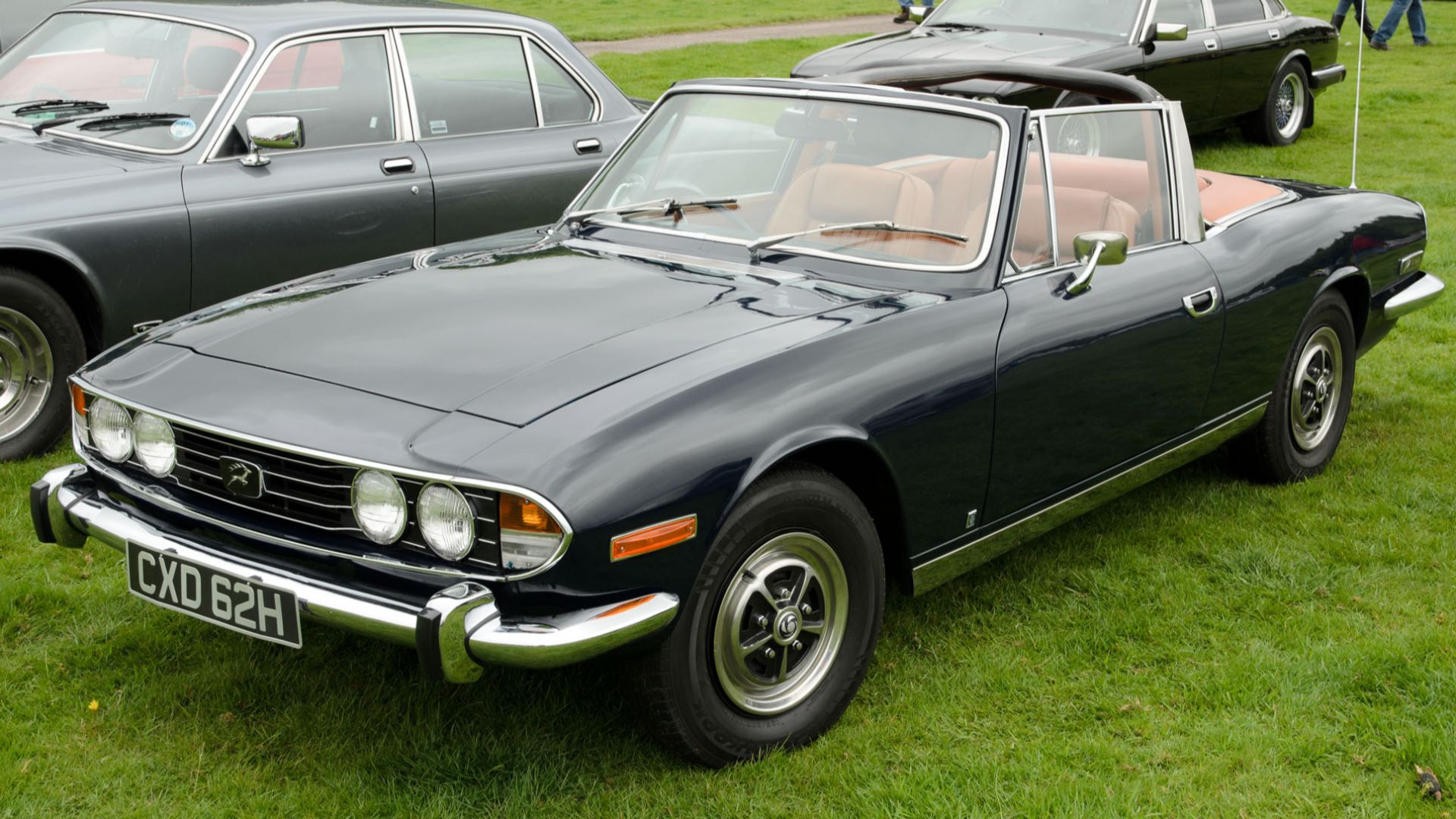
Production of the Triumph Stag officially began in 1970. Early interest was strong, thanks largely to the car’s elegant styling and V8 promise. Buyers were excited about the idea of a stylish four-seat convertible from Triumph.
Owners Start Finding Solutions
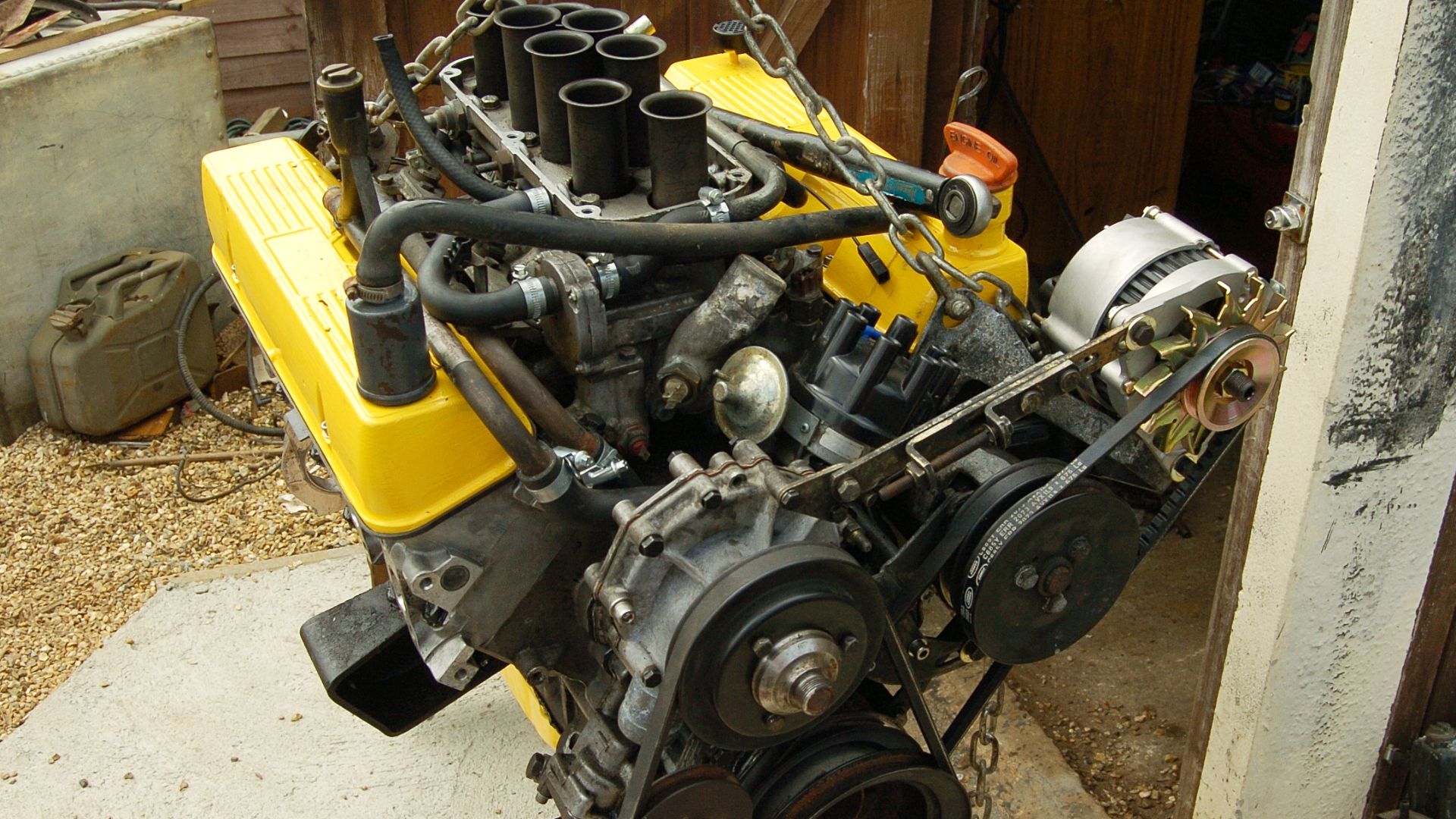
As reliability concerns became well known, some owners began exploring solutions. One popular fix involved replacing the original Triumph V8 with a different engine. Rover V8 swaps became especially common, offering improved reliability while keeping the car’s personality intact.
 Lewis Collard, Wikimedia Commons
The Big “What If”
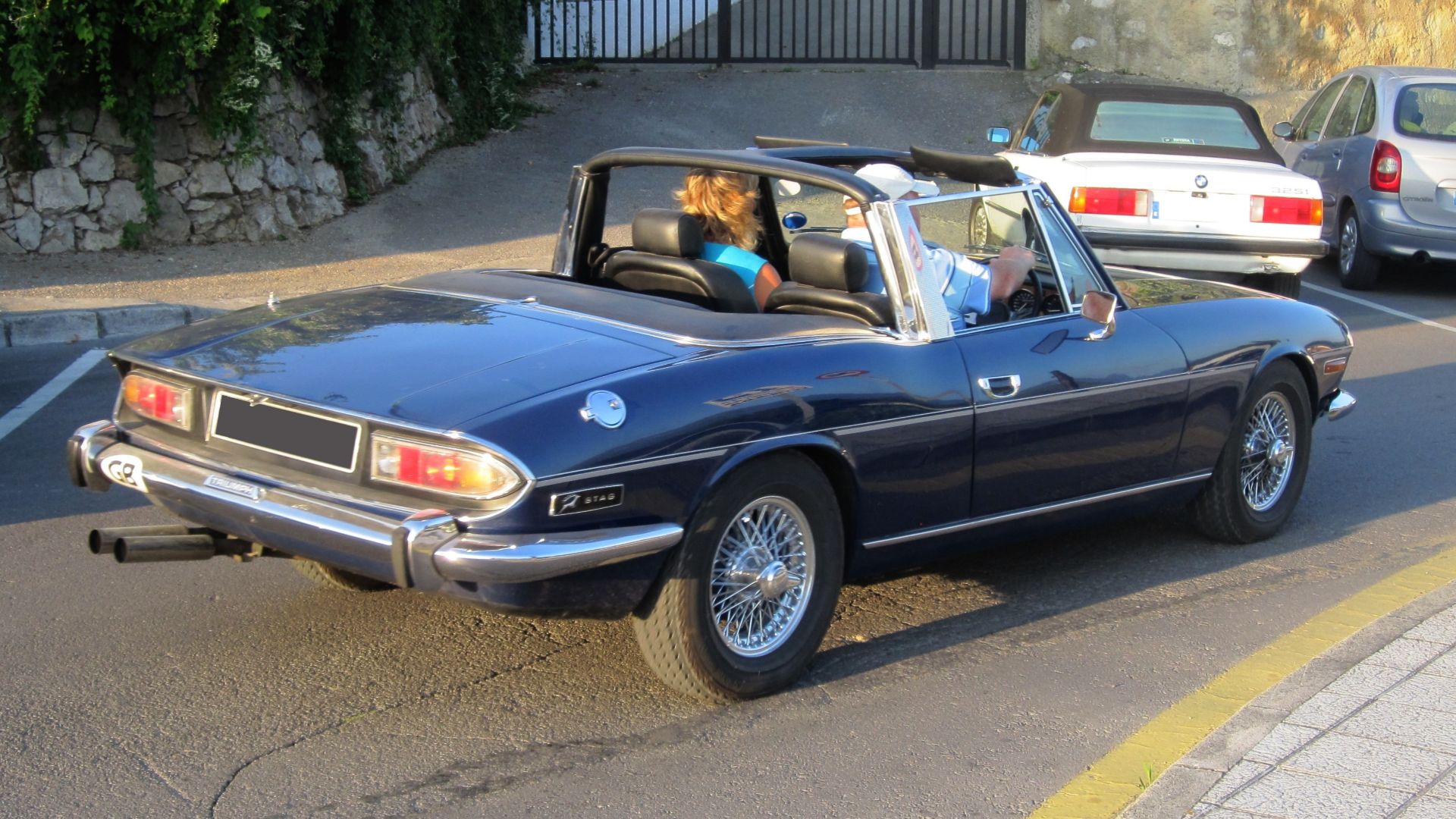
Many enthusiasts still wonder what might have happened if Triumph had chosen a different engine from the start. The Rover V8, already proven in other British cars, might have transformed the Stag’s fortunes. Instead, the in-house engine became its biggest weakness.
 Spanish Coches, Wikimedia Commons
The End Of Production
By 1977, Triumph ended production of the Stag. Roughly 25,000 cars had been built during its seven-year run. While not a complete failure, it fell short of Triumph’s hopes for a globally successful grand touring convertible.
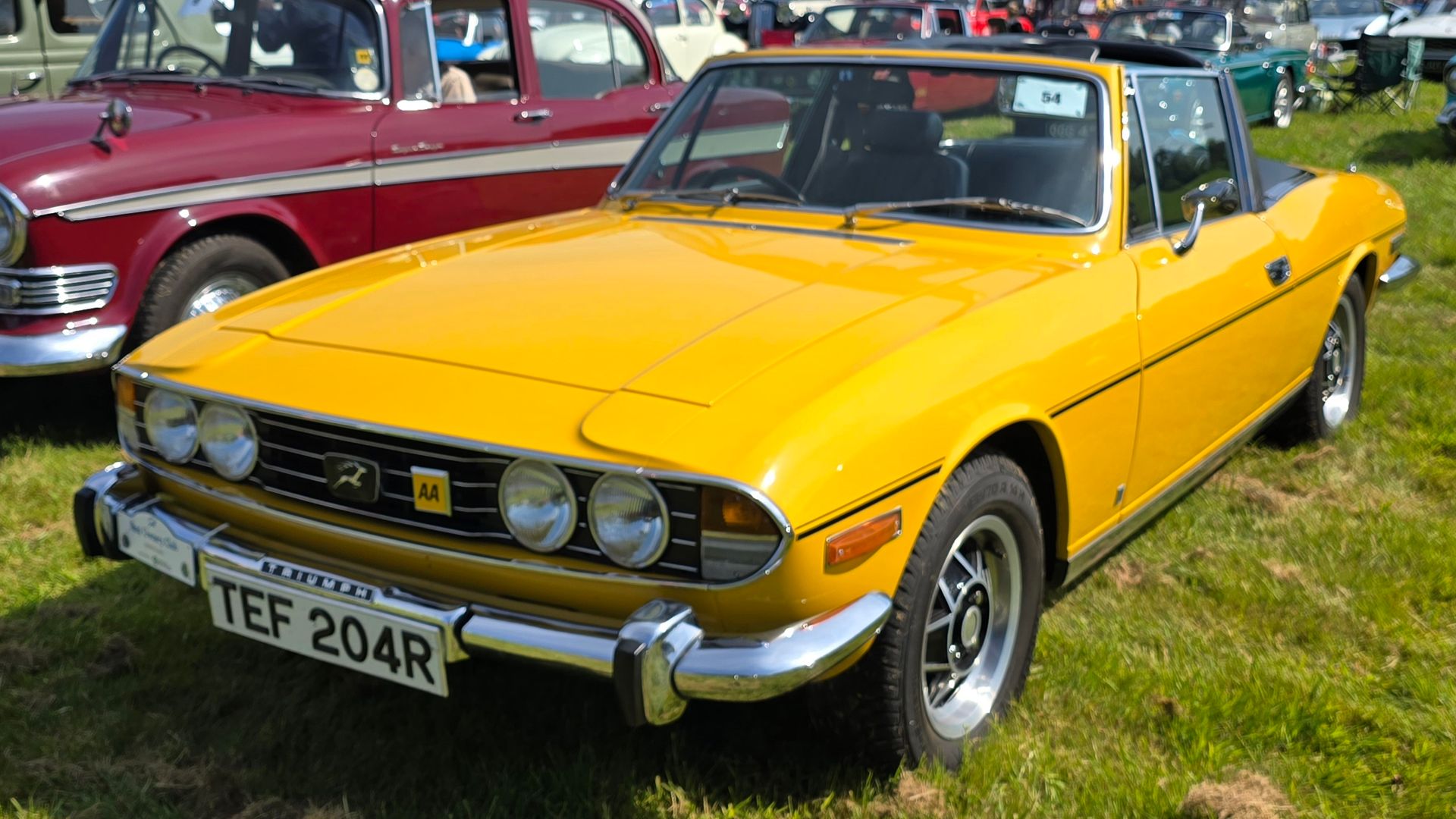
A Reputation That Stuck
For years after production ended, the Stag carried a reputation for mechanical headaches. Many used car buyers avoided it entirely, worried about expensive repairs. Unfortunately, that reputation overshadowed the car’s many strengths.
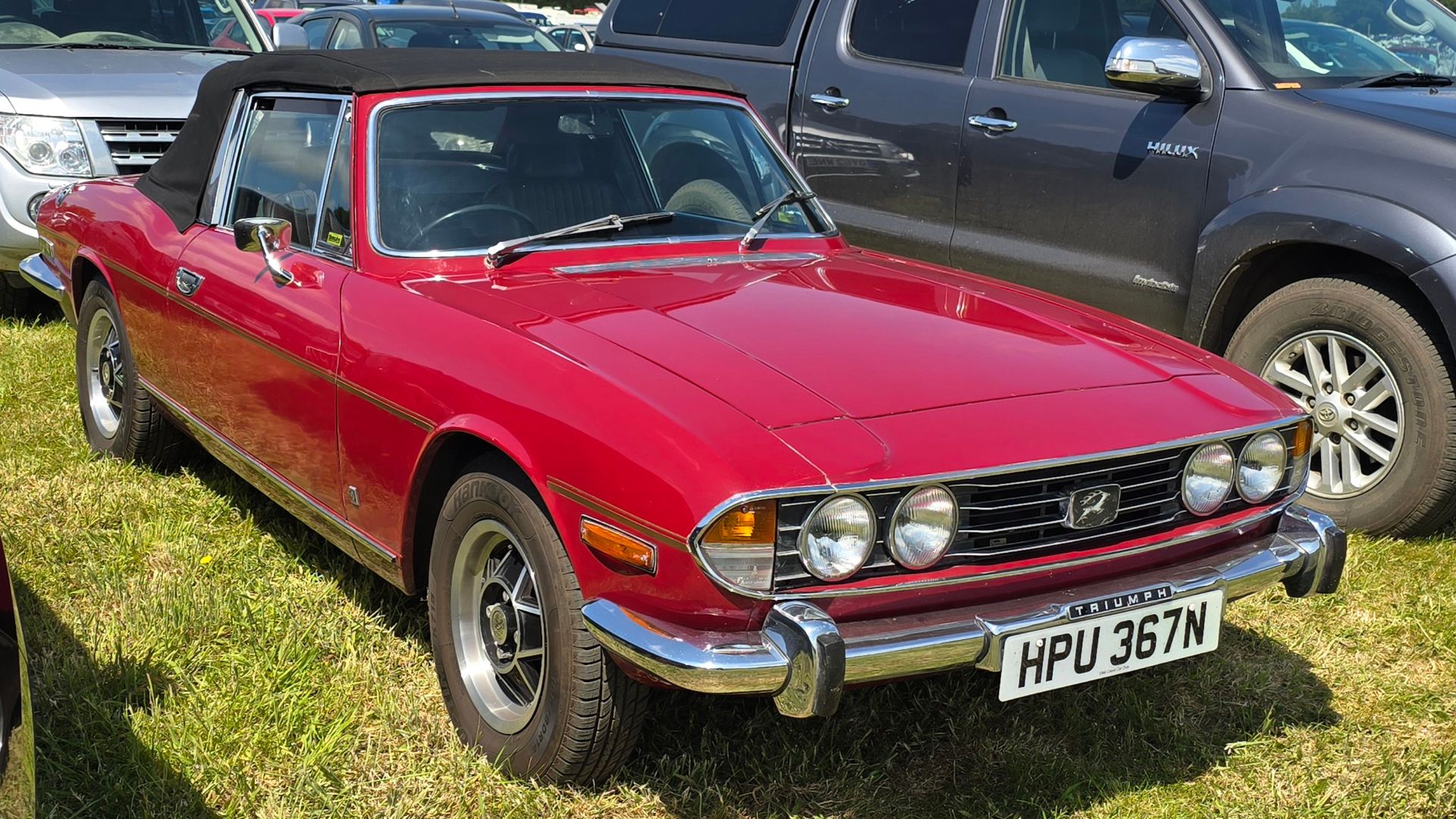
A New Generation Of Fans
Over time, enthusiasts began reevaluating the Stag. Dedicated owner communities formed, sharing knowledge and solutions that addressed many of the car’s original problems. With proper care, the Stag proved far more dependable than early critics believed.
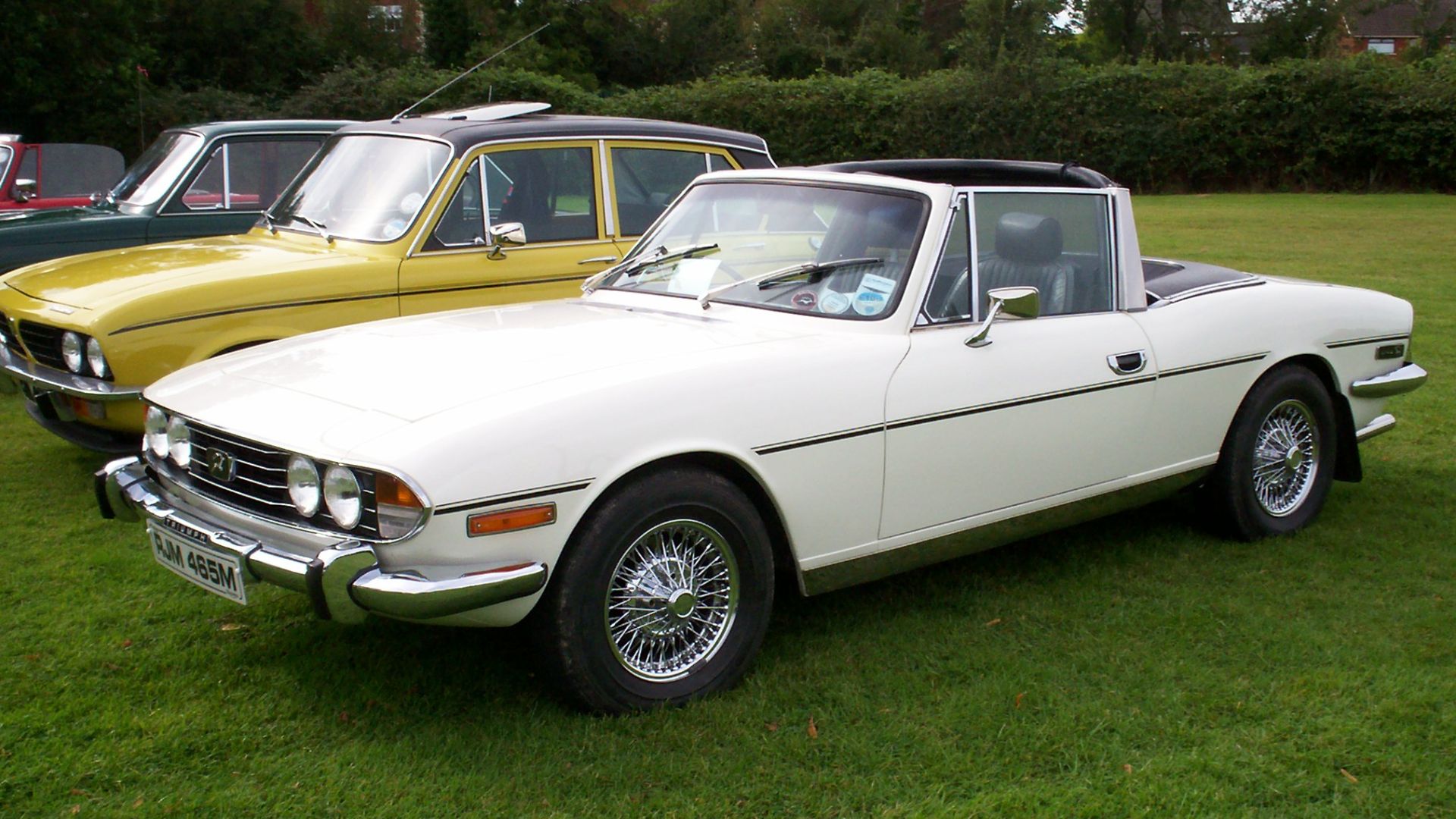 P Flannagan , Wikimedia Commons
Better Engineering Fixes
Modern upgrades have solved many of the Stag’s weaknesses. Improved cooling systems, better timing chain components, and careful engine rebuilding techniques have dramatically increased reliability. Today, well-maintained examples can be surprisingly dependable classic cars.
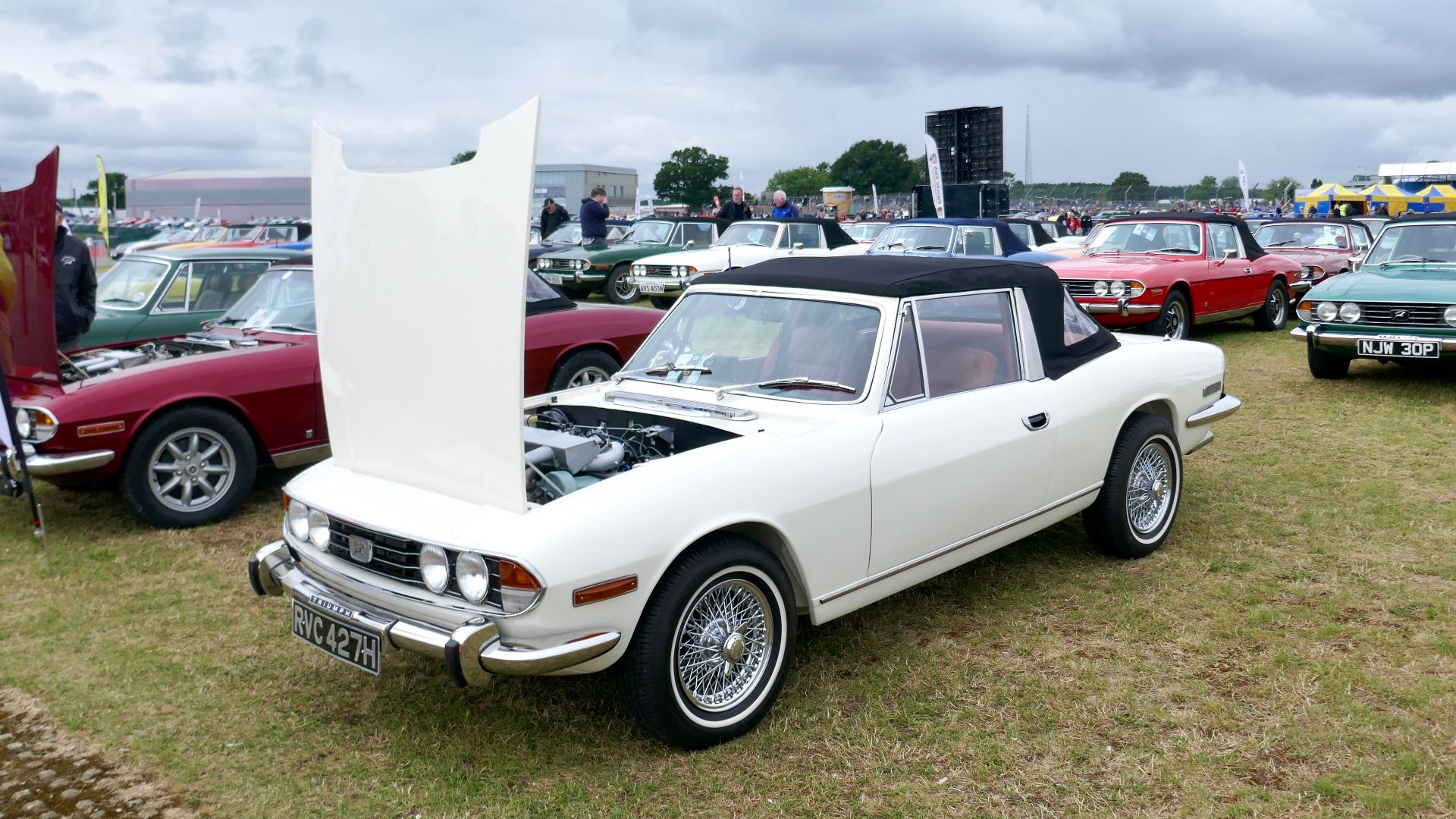 Kevrich6924, Wikimedia Commons
Appreciating The Design Today
With its mechanical issues better understood, attention has returned to the Stag’s styling. Michelotti’s design has aged beautifully. Its proportions still feel elegant, and the signature roll hoop gives the car a look that’s instantly recognizable.
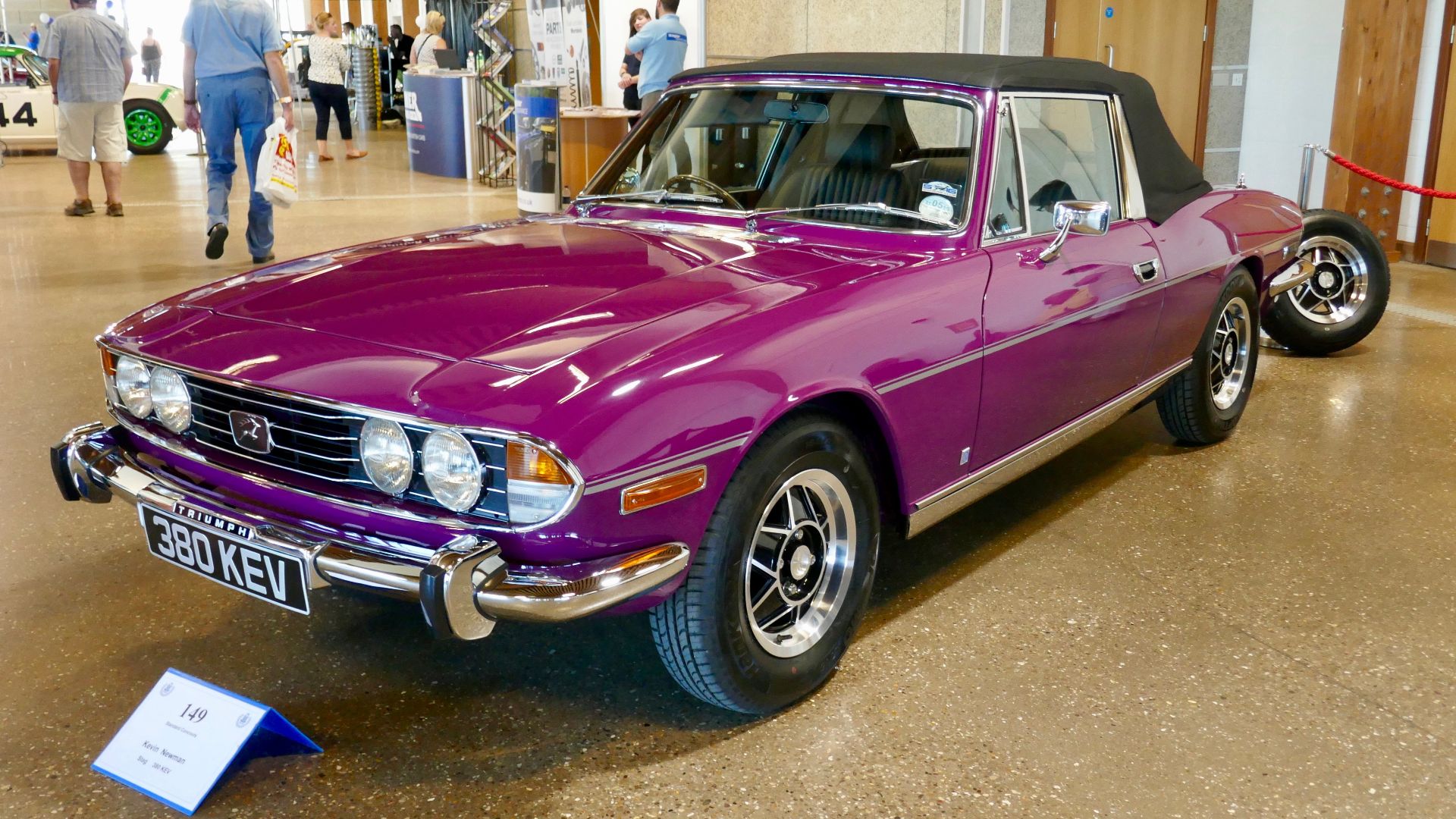 Kevrich6924, Wikimedia Commons
A Classic Full Of Personality
The Triumph Stag remains a fascinating piece of automotive history. It represents a bold attempt to build a luxurious grand touring convertible during a challenging era for British manufacturers. Its mix of beauty and flaws gives it a personality that many enthusiasts appreciate.
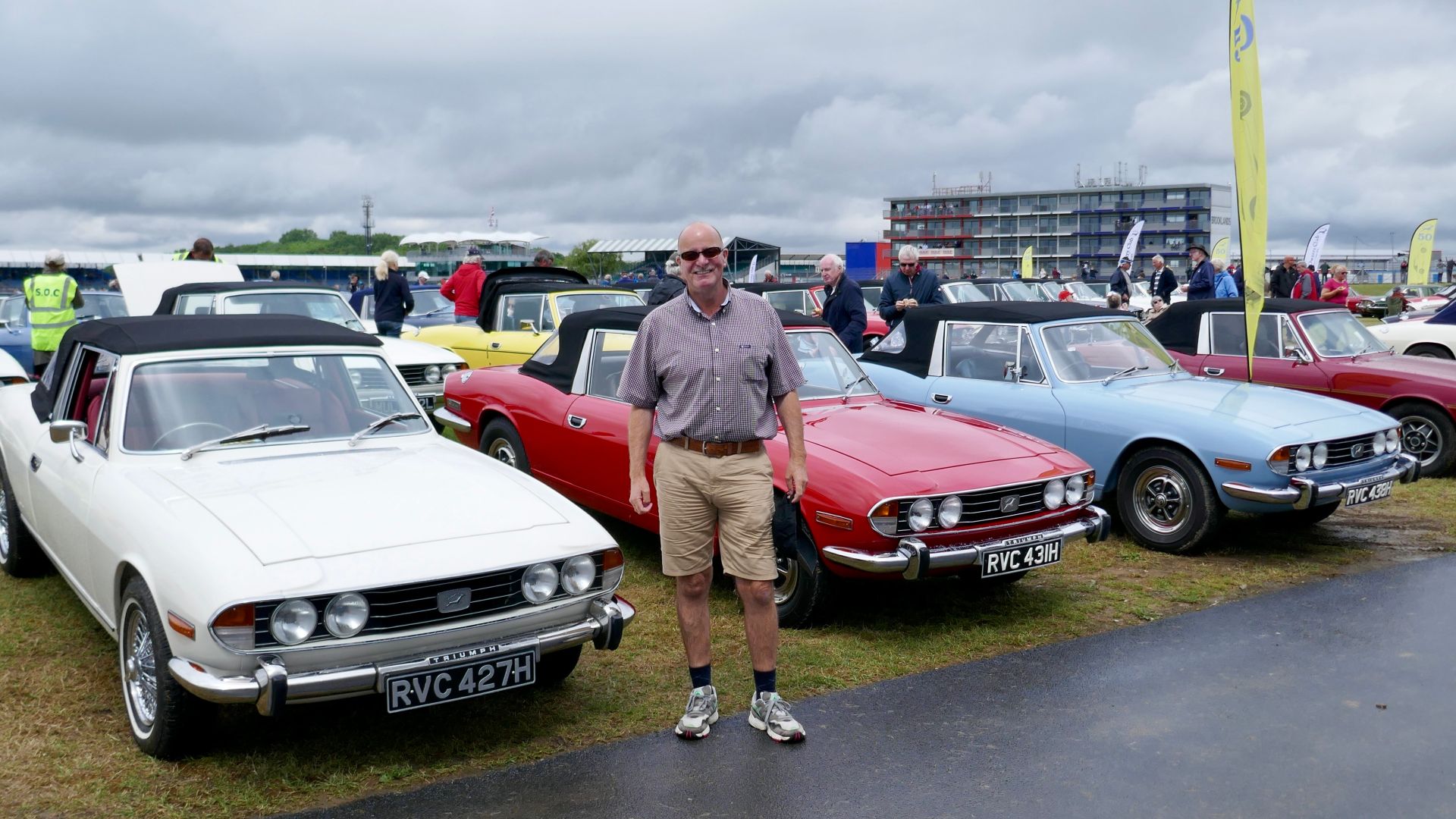 Kevrich6924, Wikimedia Commons
Beauty, Ambition, And Lessons Learned
The Triumph Stag is one of the great automotive “almost” stories. With its Italian styling and grand touring comfort, it had all the ingredients for success. Yet ambitious engineering decisions held it back from greatness. Today, the Stag stands as both a cautionary tale and a beloved classic—proof that even flawed cars can leave a lasting legacy.
You May Also Like:
The Fiat 131 Abarth Was The Rally Legend No One Saw Coming
You Don’t Need A Detailer To Get That Showroom Shine—Just Follow These Smart Cleaning Hacks





.jpg)