Estate Sale Vehicle Trouble
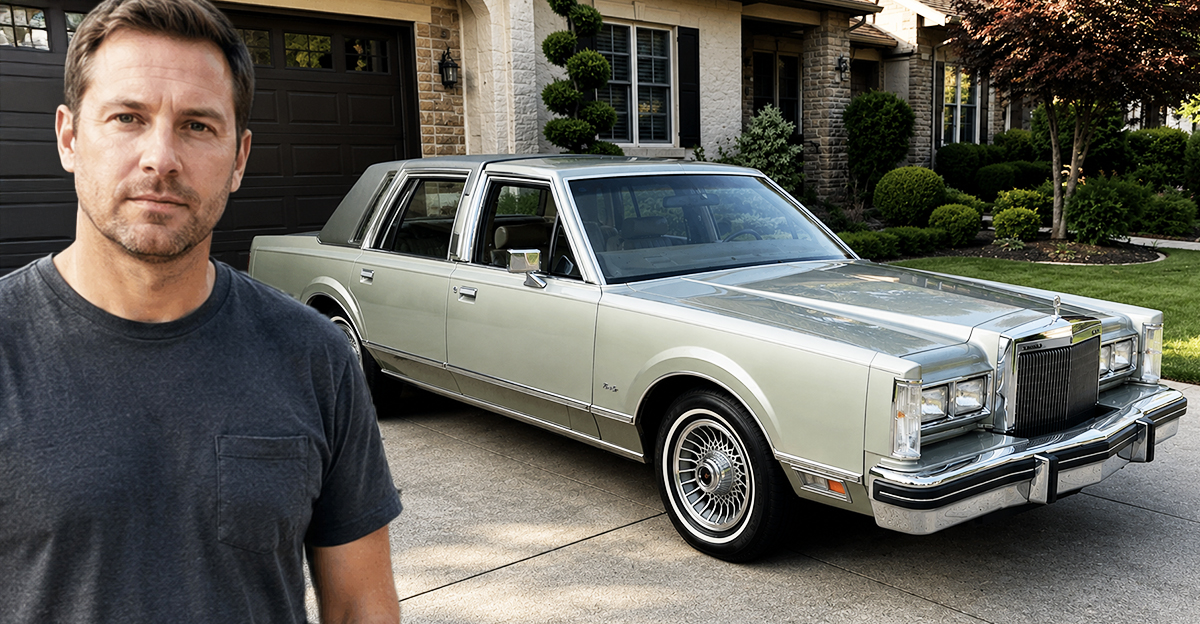
Buying a vehicle from an estate sale can seem like a great deal until you try to register it. Suddenly you're dealing with executors, probate documents, death certificates, title signatures, and DMV requirements that vary by state. If the paperwork is incomplete or signed incorrectly, ownership can become a frustrating and expensive headache.
Verify The Seller
Your first step is confirming that the person selling the vehicle actually has authority to do so. In many cases, only an executor, administrator, or court-appointed personal representative can legally transfer ownership of a deceased person's vehicle.

Ask About Probate
Whether the estate went through probate often determines what paperwork you'll need. A vehicle may pass through probate, transfer directly to a surviving spouse, or move through other estate procedures depending on state law and the owner's circumstances.
Demand The Title
Before handing over money, make sure the original title exists. A missing title can dramatically complicate the process. Some states require replacement-title procedures before a vehicle can legally change ownership, creating delays that can last weeks or months.

Check Executor Authority
Ask to see documentation proving the executor's authority. Common examples include Letters Testamentary, Letters of Administration, or court appointment paperwork. Without proper authority, the seller may not be able to legally transfer the vehicle to you.

Review The Death Certificate
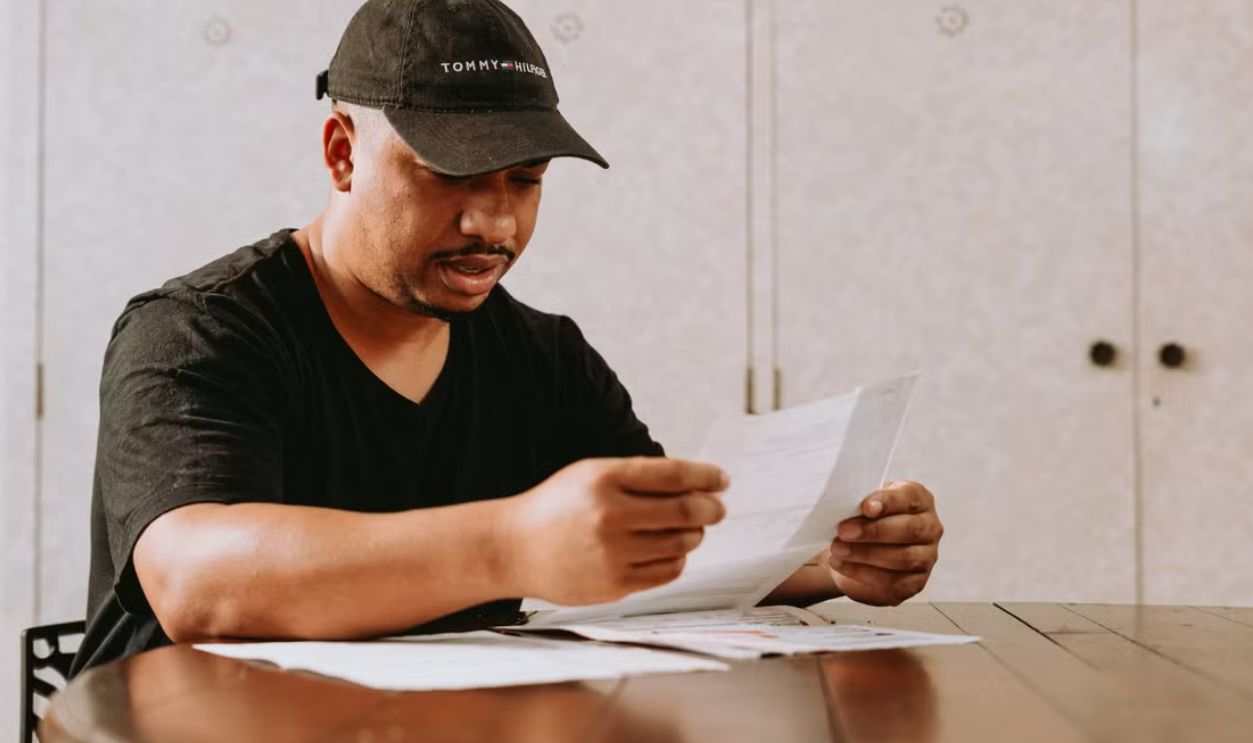
Many DMVs require a certified death certificate as part of the ownership transfer process. Even if you are not responsible for filing it yourself, seeing that it exists can help confirm the legitimacy of the estate sale.
Confirm No Liens
A low estate-sale price means little if a lender still has a claim against the vehicle. Check whether any liens remain on the title and verify that any loans have been satisfied before completing the purchase.

Examine The Title
Look carefully at the title before buying. Verify that the deceased owner's name matches the title exactly and that there are no alterations, erasures, or missing information that could trigger DMV rejection later.

Verify Proper Signatures
The executor cannot simply sign their own name as seller. Many states require the signature to clearly indicate that the person is signing on behalf of the estate and acting in an official capacity.

Get A Bill Of Sale
A detailed bill of sale provides an additional layer of protection. It should identify the vehicle, purchase price, date of sale, and the estate representative involved in the transaction. Many states specifically request this document.

Verify Odometer Requirements
Federal and state rules often require mileage disclosures during ownership transfers. Make sure the odometer section is completed correctly whenever required, since mistakes can delay your title application.

Contact Your DMV Early
Do not wait until after the purchase to learn your state's requirements. Contact your DMV beforehand and ask specifically about vehicles purchased from estates. This can save you from discovering missing paperwork after the deal is done.

Keep Copies Everything
Make copies of every document connected to the transaction. If paperwork is lost or challenged later, having copies of the title, bill of sale, death certificate, and executor documentation can be invaluable.
 AI25.Studio AI GENERATIVE, Pexels
Beware Out-Of-State Titles
An estate vehicle from another state can introduce additional complications. Some DMVs require extra documentation, inspections, or proof that the estate transfer was completed according to the laws where the owner lived.

Joint Ownership Matters
The process changes significantly if the vehicle had multiple owners. A surviving joint owner may automatically inherit rights to the vehicle, reducing the need for probate and changing who can legally sell it.

Surviving Spouse Rules
Many states offer simplified transfer procedures for surviving spouses. If the vehicle passed directly to a spouse, you may need different paperwork than you would for a vehicle sold through a formal probate estate.

Missing Probate Documents
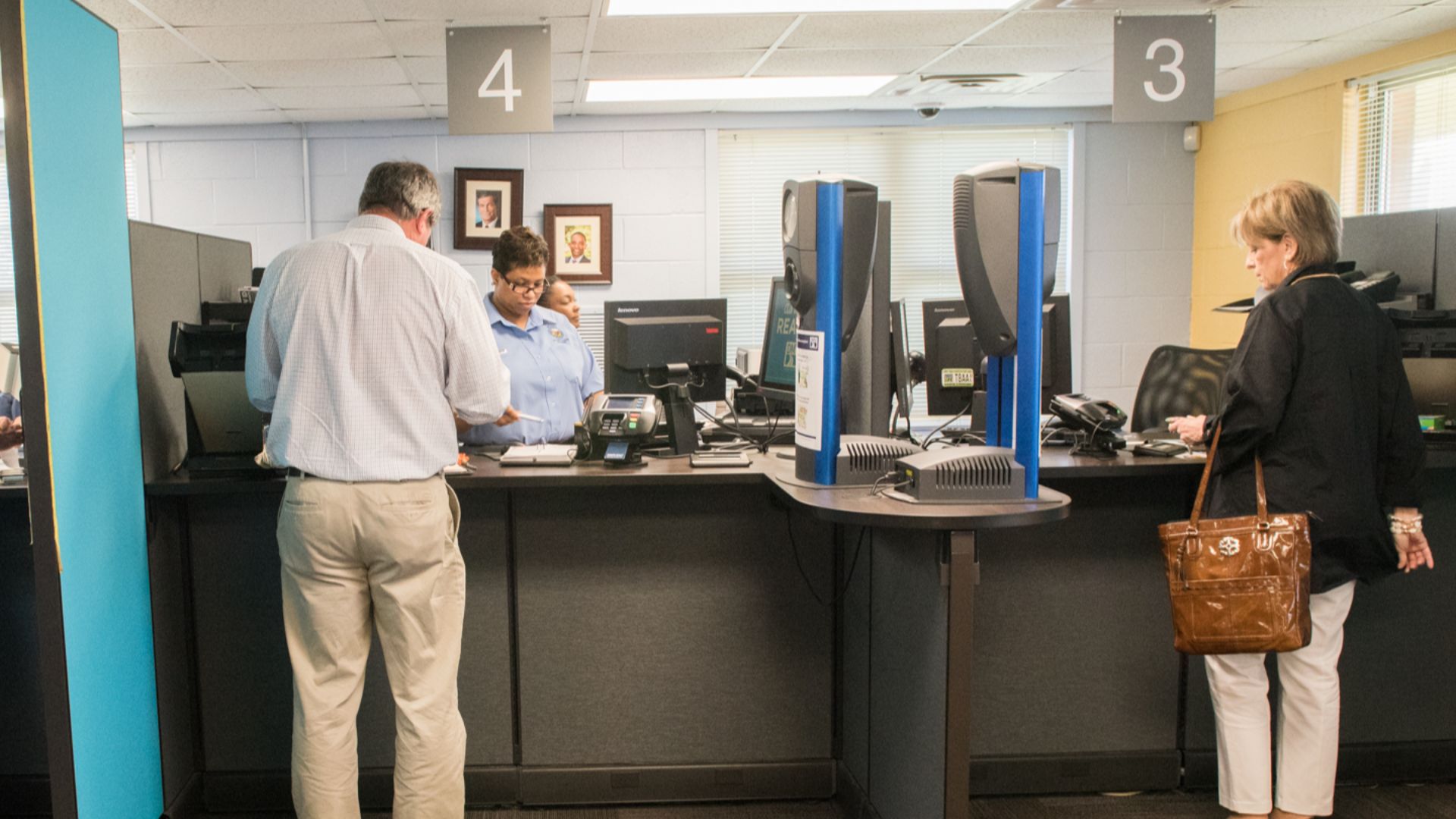
One common problem occurs when family members attempt to sell a vehicle before obtaining proper court authority. Even if everyone agrees on the sale, DMV offices often require official documentation before recognizing the transfer.
 NCDOTcommunications, Wikimedia Commons
Watch For Delays
Probate and title issues can take time to resolve. If paperwork appears incomplete, consider postponing the purchase rather than hoping the seller can fix everything afterward. Waiting may save considerable frustration later.

Don't Skip Inspection
Even when paperwork looks perfect, remember that you're still buying a used vehicle. Obtain a vehicle history report and inspection whenever possible. Estate sales sometimes involve vehicles that sat unused for extended periods.

Visit The DMV
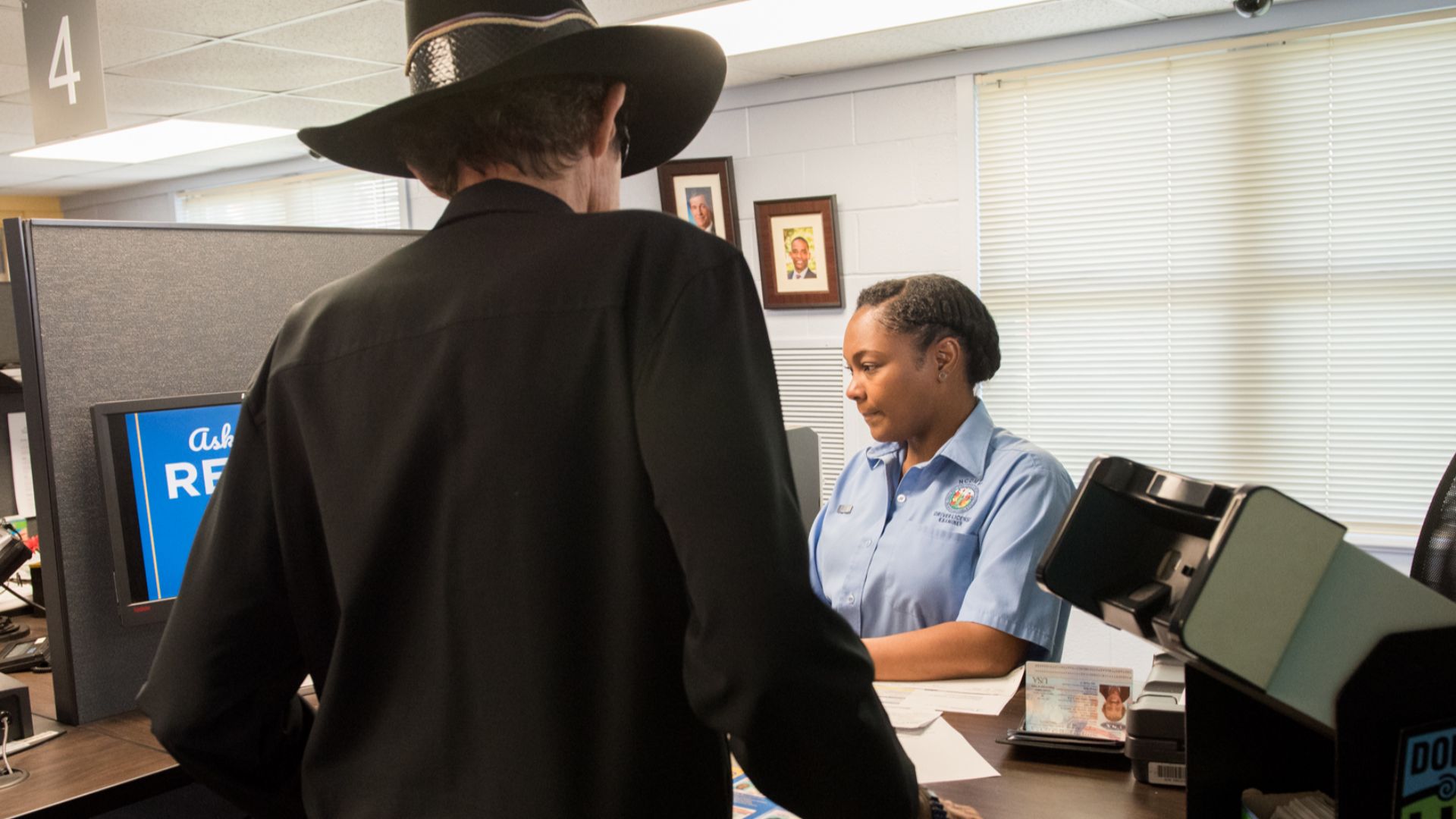
If possible, complete the transaction near a DMV office and verify the paperwork immediately. Some experts recommend accompanying the seller during the transfer process to reduce the risk of documentation problems later.
 NCDOTcommunications, Wikimedia Commons
Resolve Problems Quickly
If your title application is rejected, address the issue immediately. Waiting can make it harder to contact estate representatives, obtain missing signatures, or gather court documents needed to correct the transfer.
 Krakenimages.com, Shutterstock
When To Walk Away
Sometimes the smartest move is walking away. If the seller cannot produce a title, proof of authority, or required estate documentation, the bargain price may not be worth the legal uncertainty and registration headaches that follow.

The Safest Approach
The best estate-sale vehicle purchases happen when the executor has complete paperwork ready before the sale begins. Taking the time to verify documents, authority, and title status dramatically improves your chances of getting the vehicle registered without surprises.

You May Also Like:
19 US States Where Car Ownership Costs Are Spiraling Out Of Control