Why America Failed At Crafting A Competitive Supercar
In the 1980s and early 1990s, when excess was a virtue and ambition often outweighed common sense, one small American company decided it would take on Ferrari, Lamborghini, and Porsche—and win. Vector Motors promised jet-fighter styling, aerospace engineering, and world-beating performance. What followed is one of the strangest, most dramatic, and most instructive failures in automotive history.
The Dream Of An American Supercar
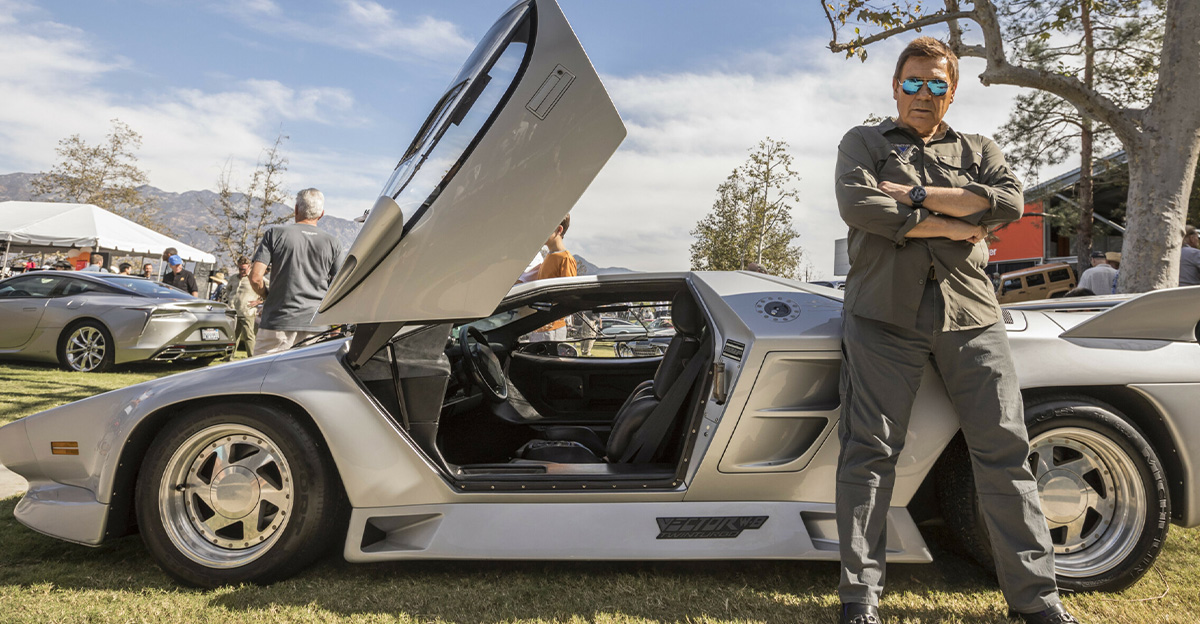
Vector Motors was founded on a bold idea: America deserved its own true supercar. Not a muscle car, not a grand tourer, but a technological tour de force capable of humiliating Europe’s finest. This wasn’t just about speed—it was about national pride, innovation, and proving Detroit could do more than V8s and vinyl interiors.
Gerald Wiegert: Visionary Or Madman?
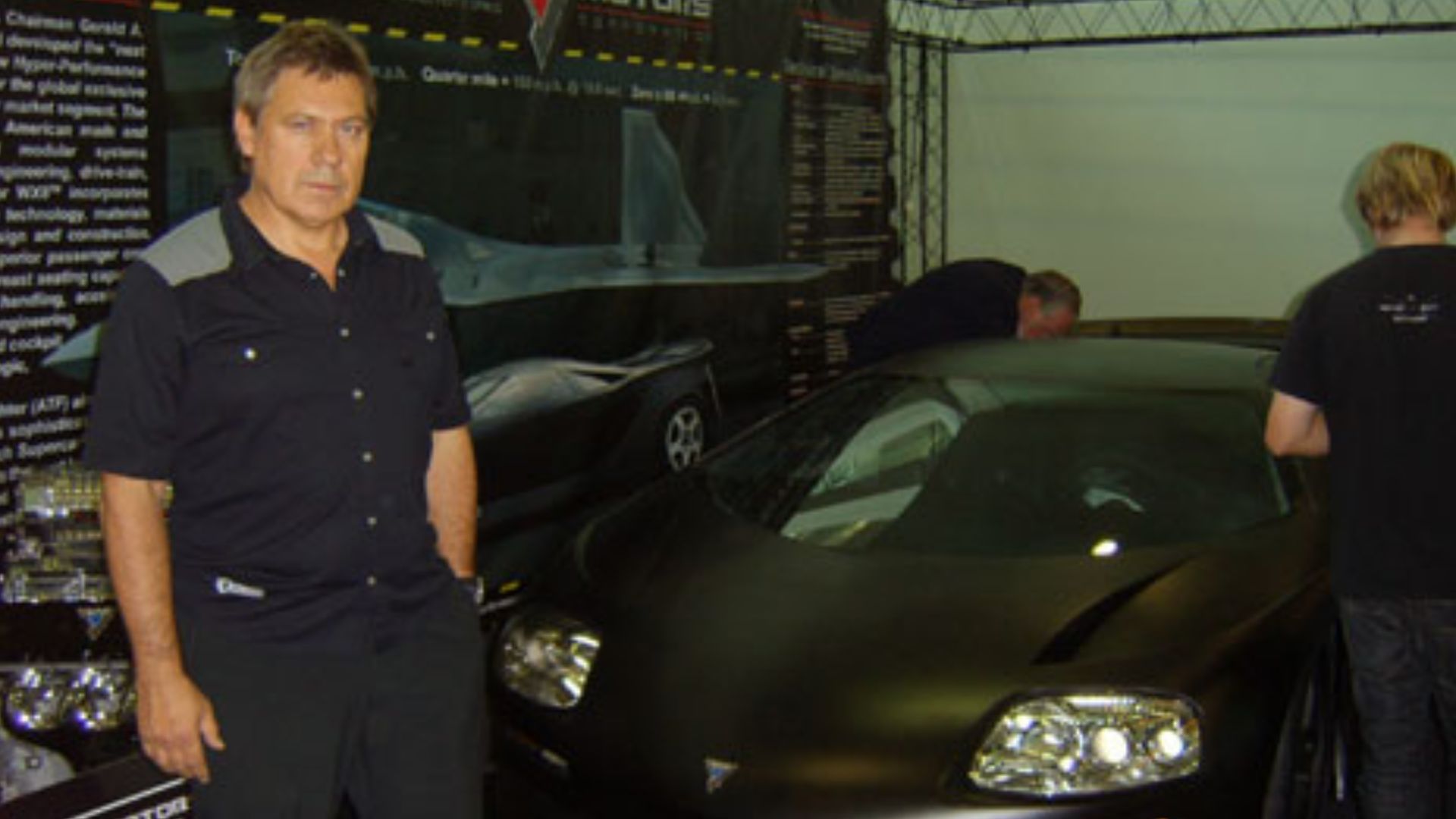
At the center of it all was Gerald “Jerry” Wiegert, a designer with unshakable confidence and an ego to match. Wiegert saw himself as a revolutionary, not unlike Elon Musk decades later. Critics, however, would later describe him as stubborn, delusional, and impossible to work with. Both things, as it turns out, can be true.
 Jeremy of Area Seven Productions, Wikimedia Commons
Aerospace Inspiration Gone Wild
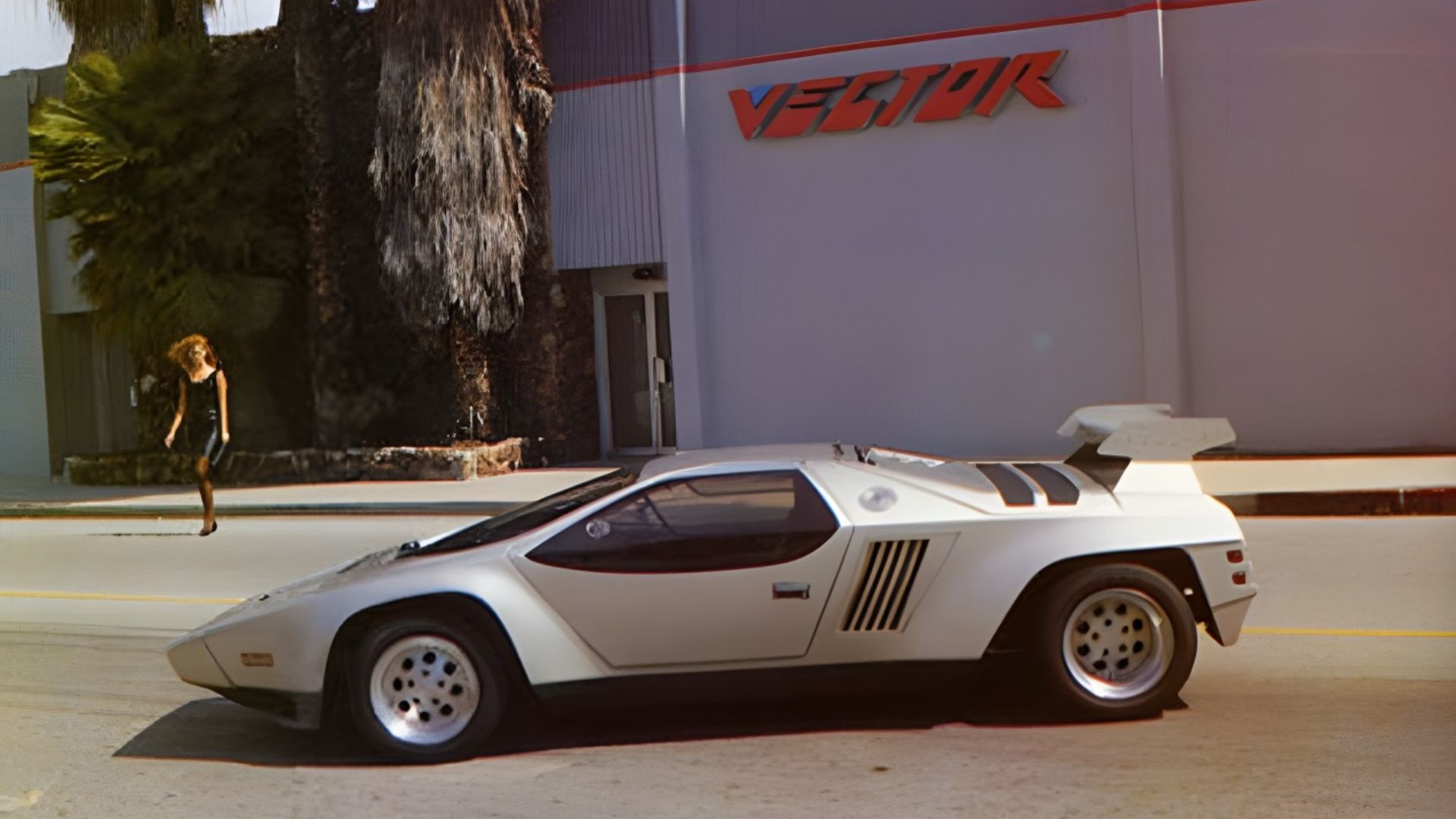
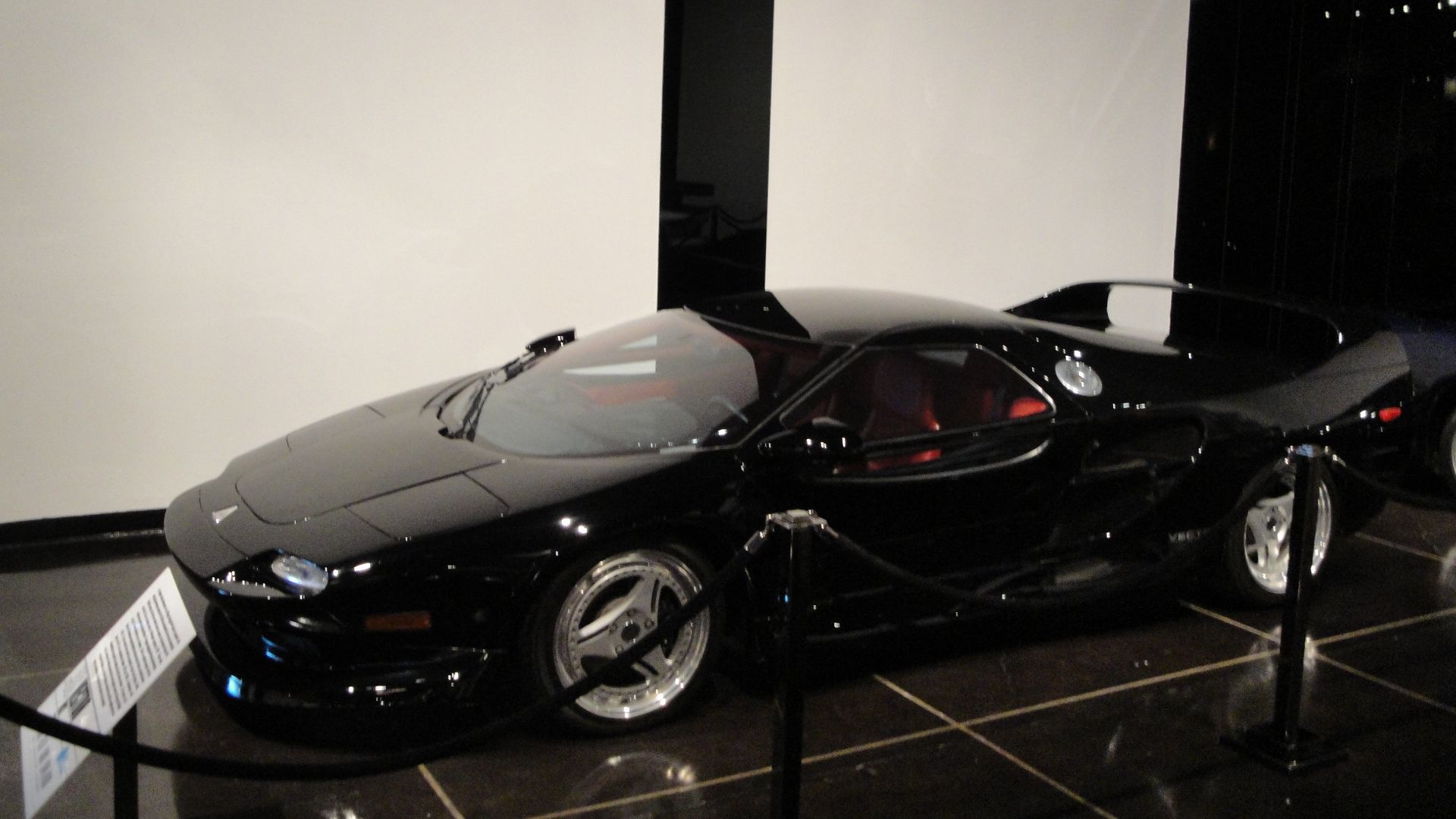
Vector didn’t just borrow ideas from airplanes—it practically worshipped them. Interiors were filled with toggle switches, digital readouts, and fighter-jet aesthetics. The bodywork looked like it had been designed with a ruler and a grudge against curves. It was dramatic, futuristic, and completely impractical—and that was part of the appeal.
 Greg Gjerdingen, Wikimedia Commons
The W2 Concept That Started It All
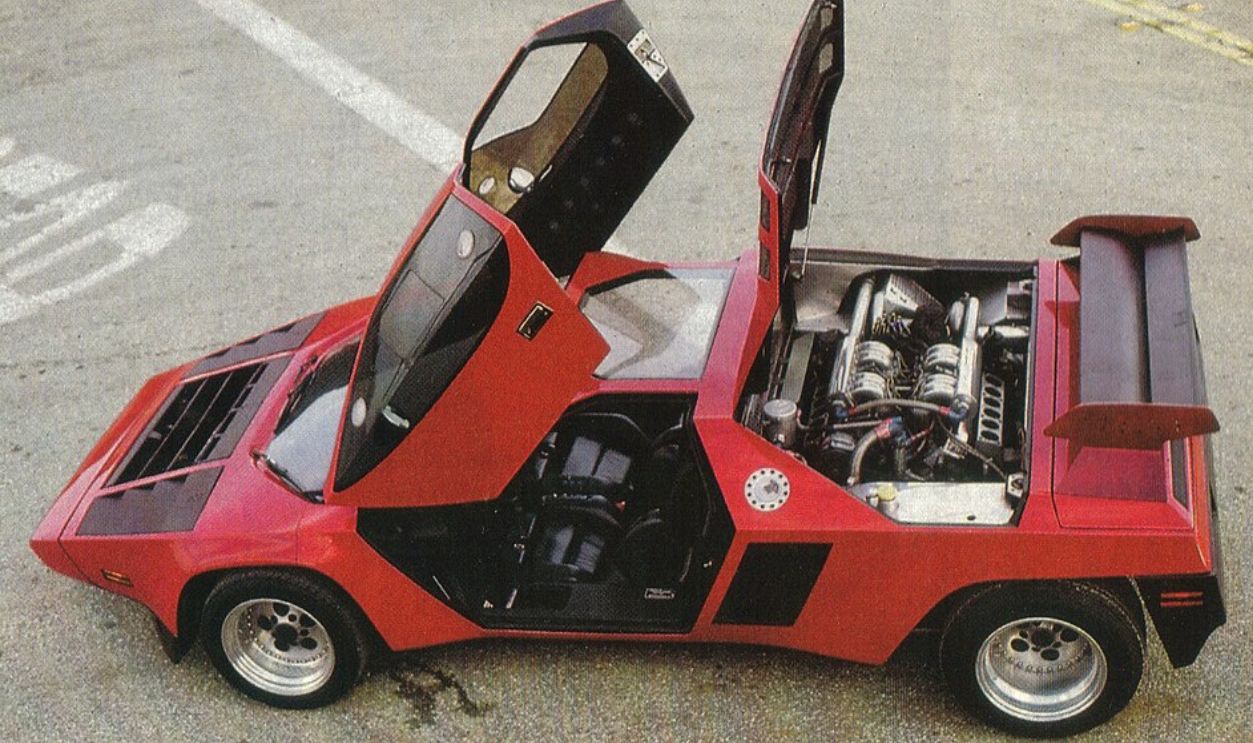
The Vector W2 debuted in the early 1970s and stunned audiences. It promised outrageous specs, futuristic styling, and performance claims that bordered on science fiction. Although it never reached production, the W2 set the tone for Vector’s entire existence: incredible ambition, zero restraint, and a tenuous relationship with reality.
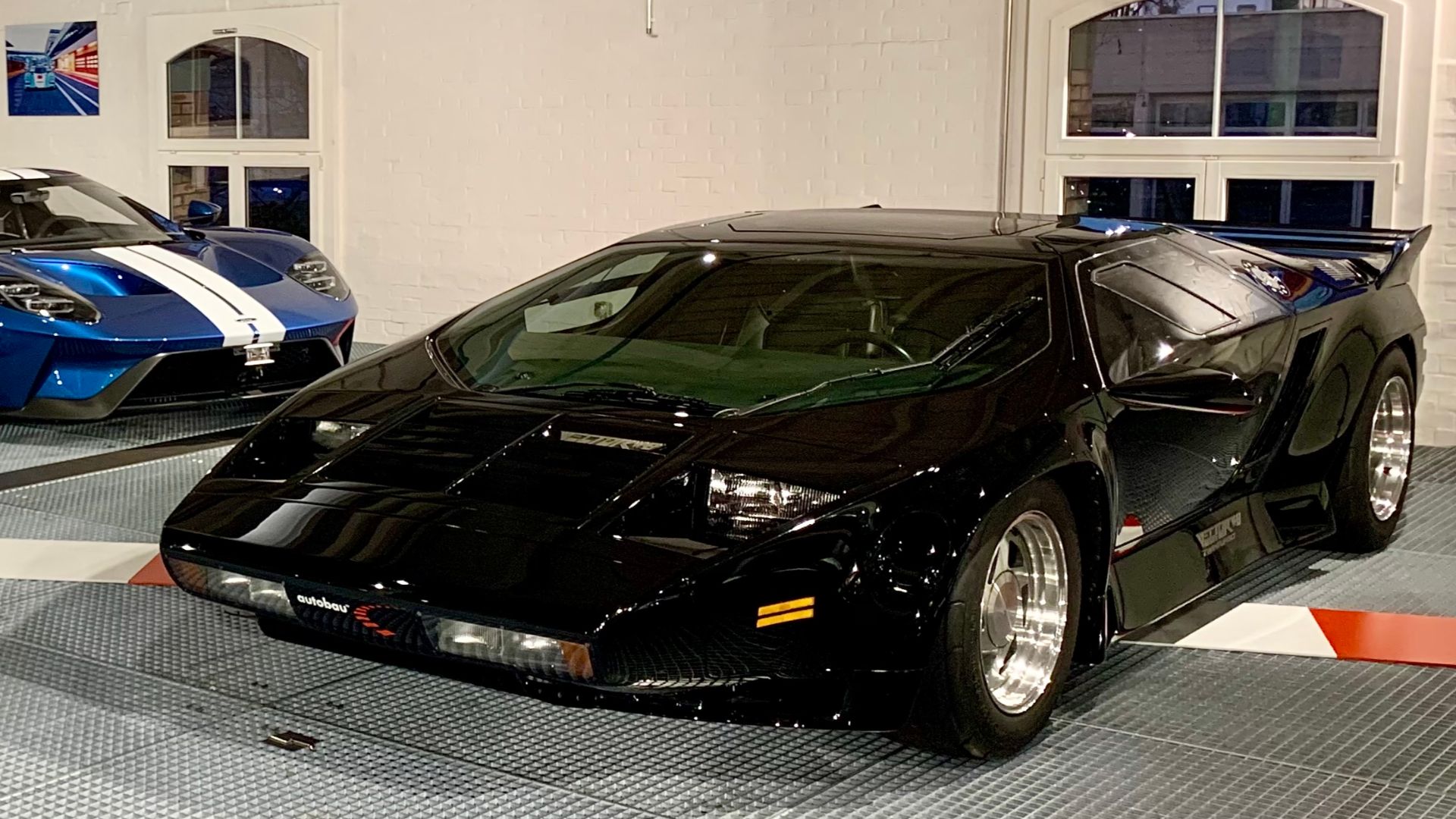
The Birth Of The Vector W8
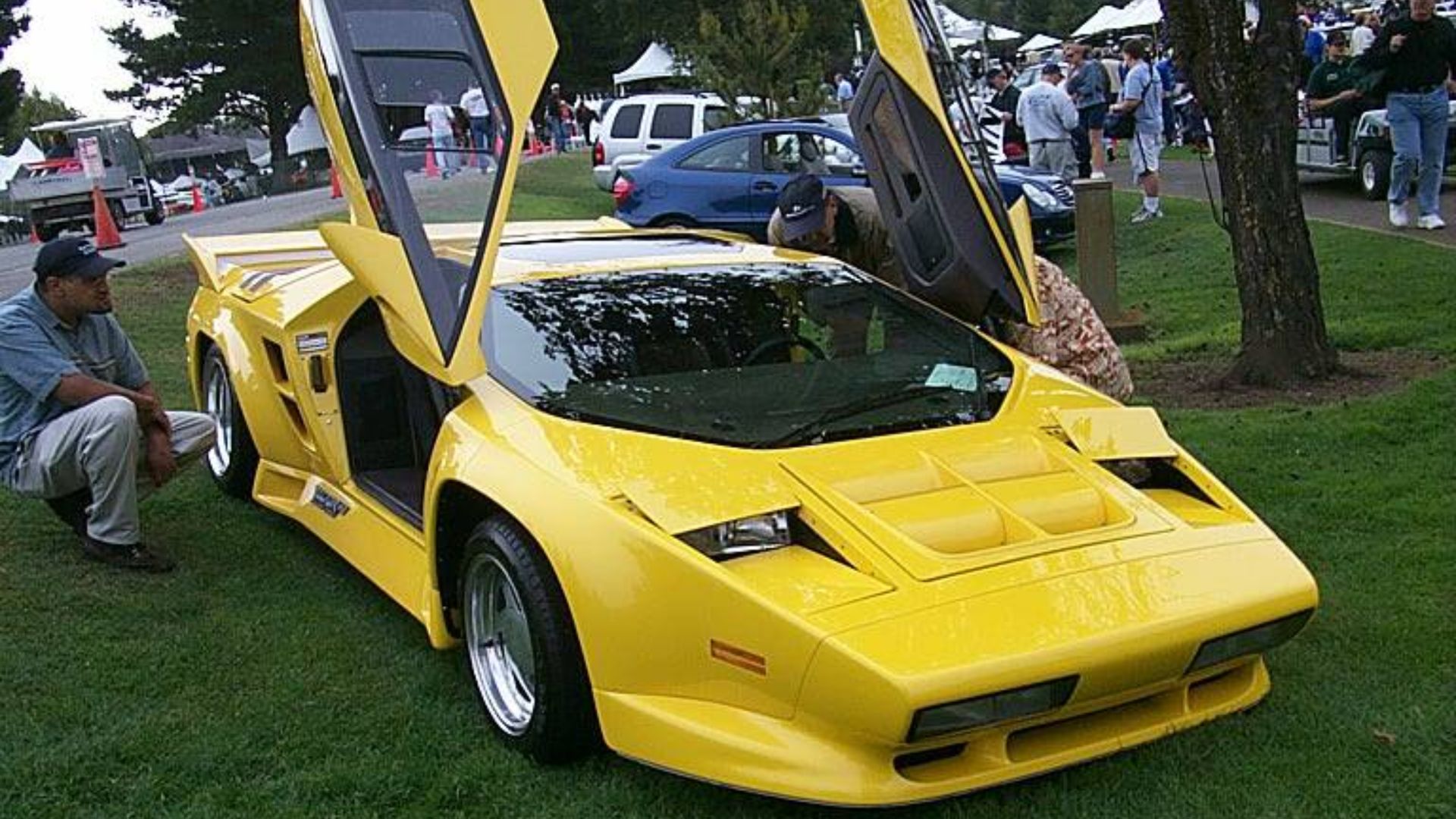
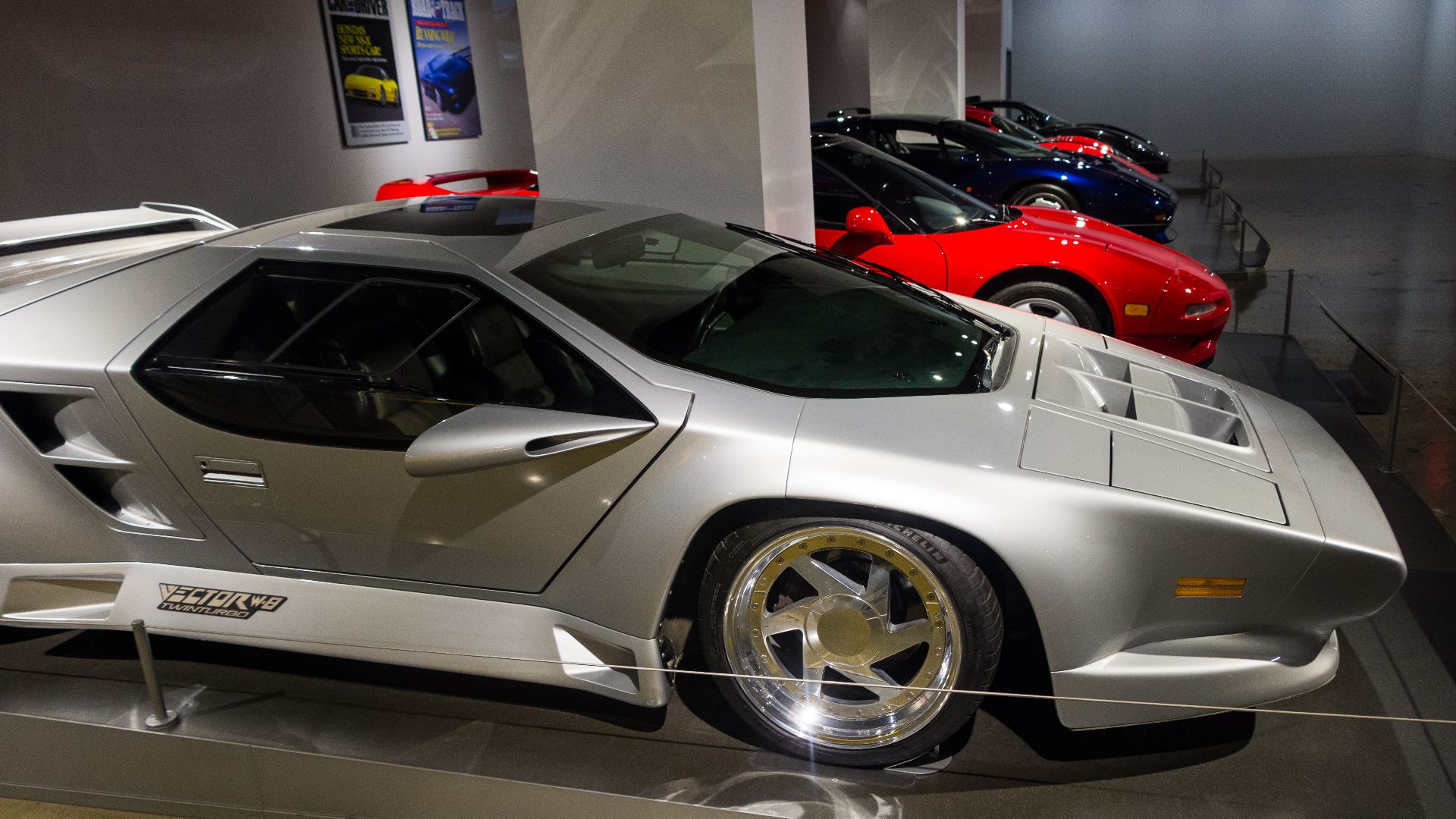
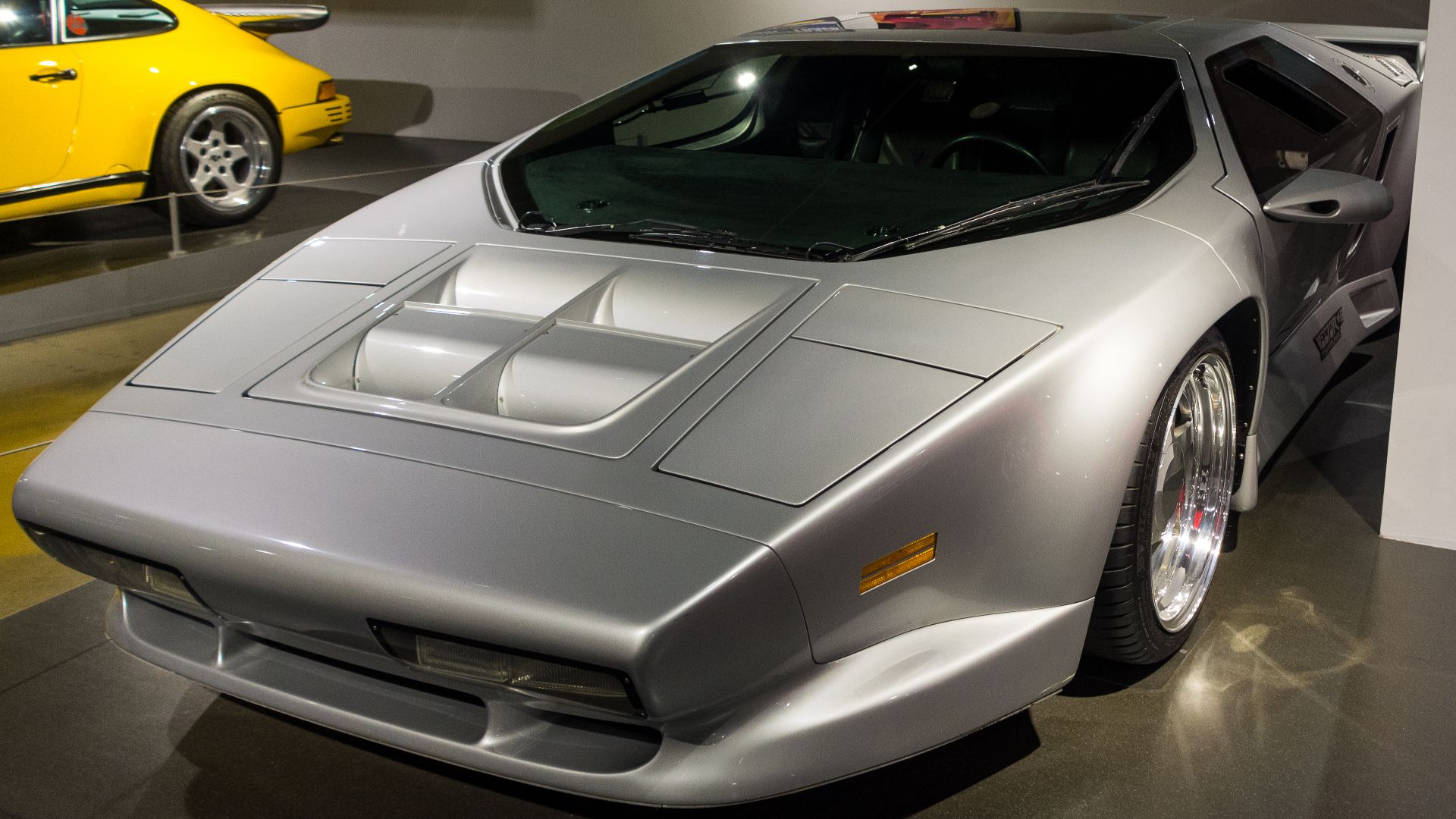
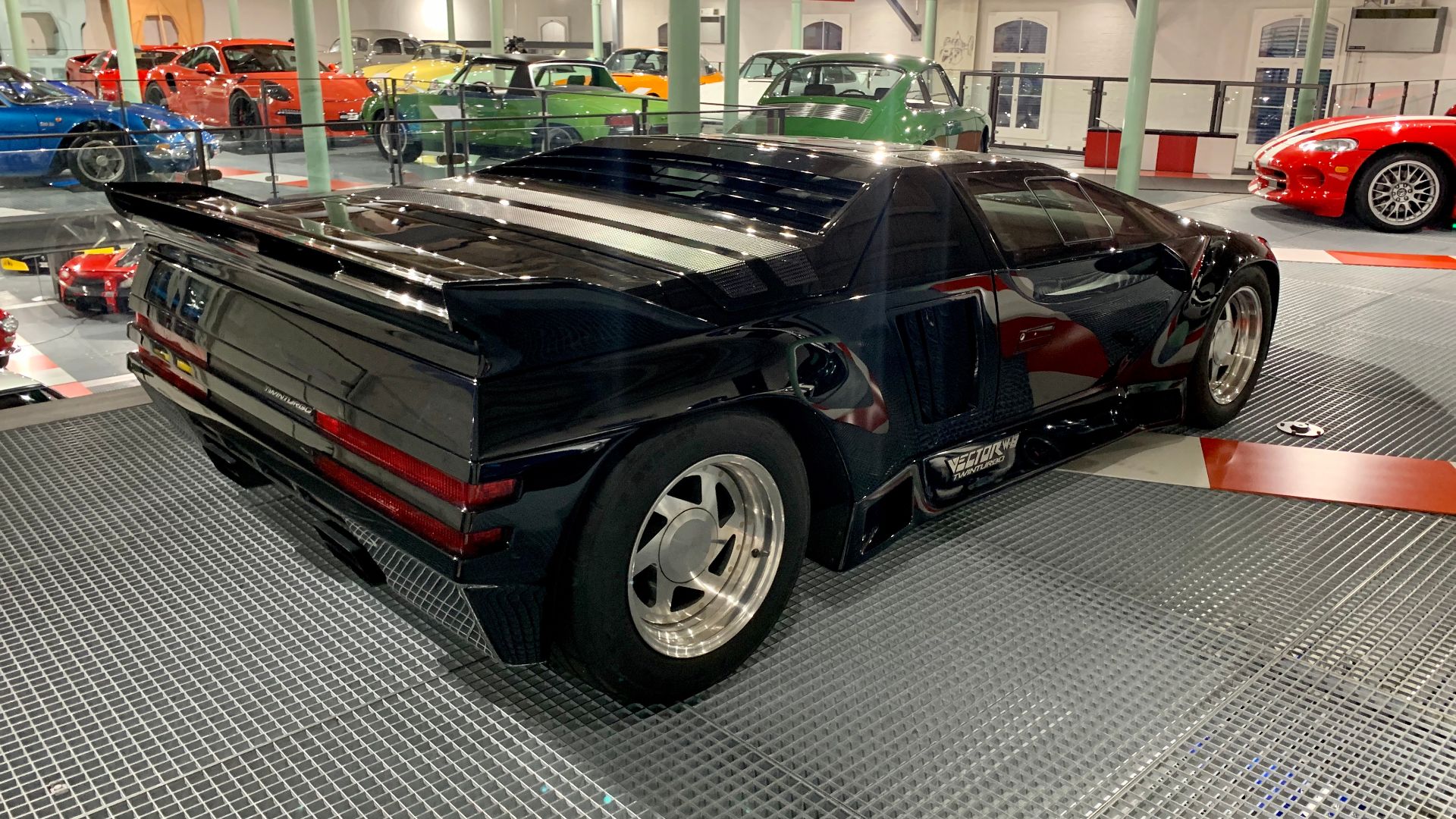
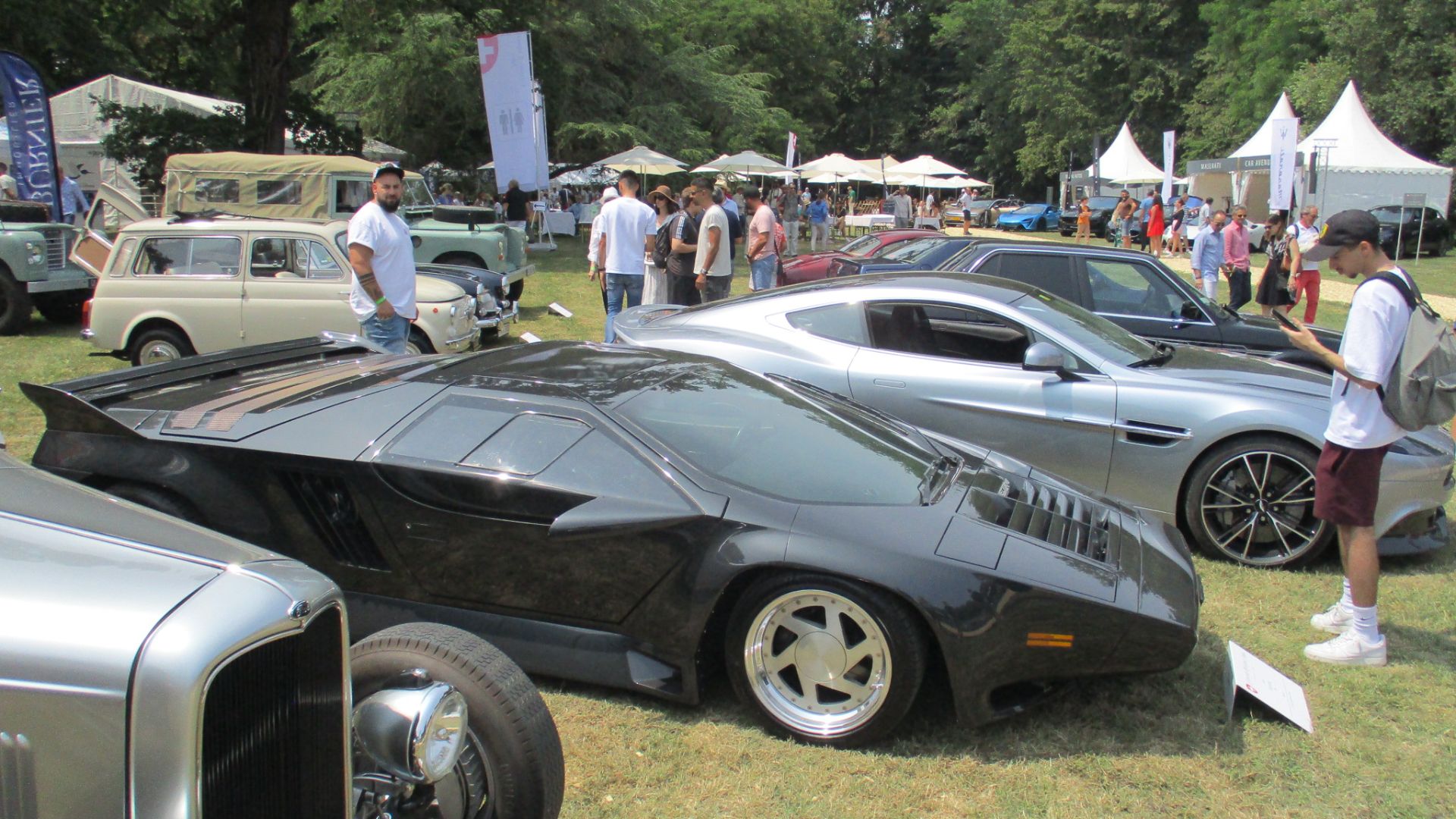
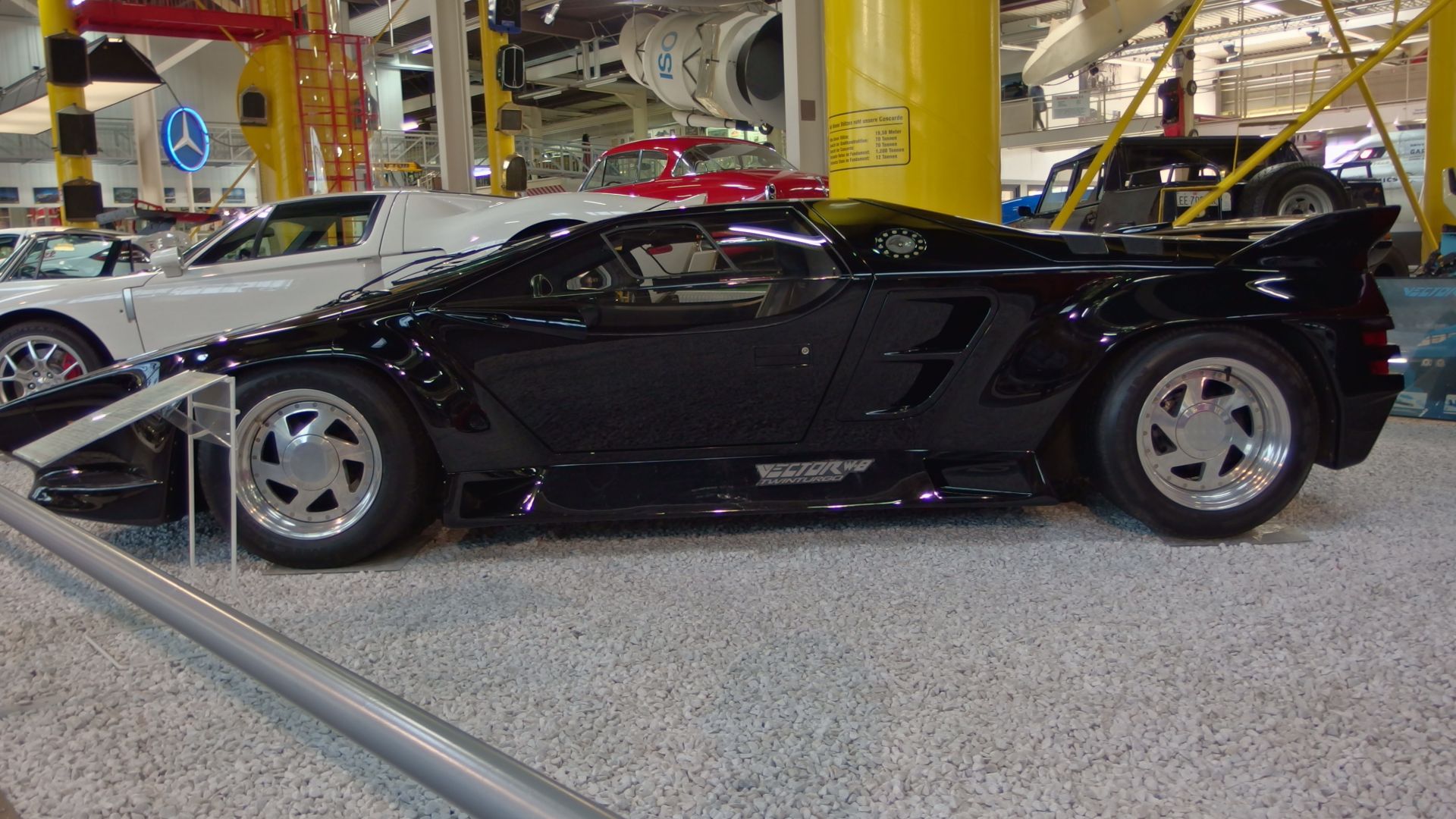
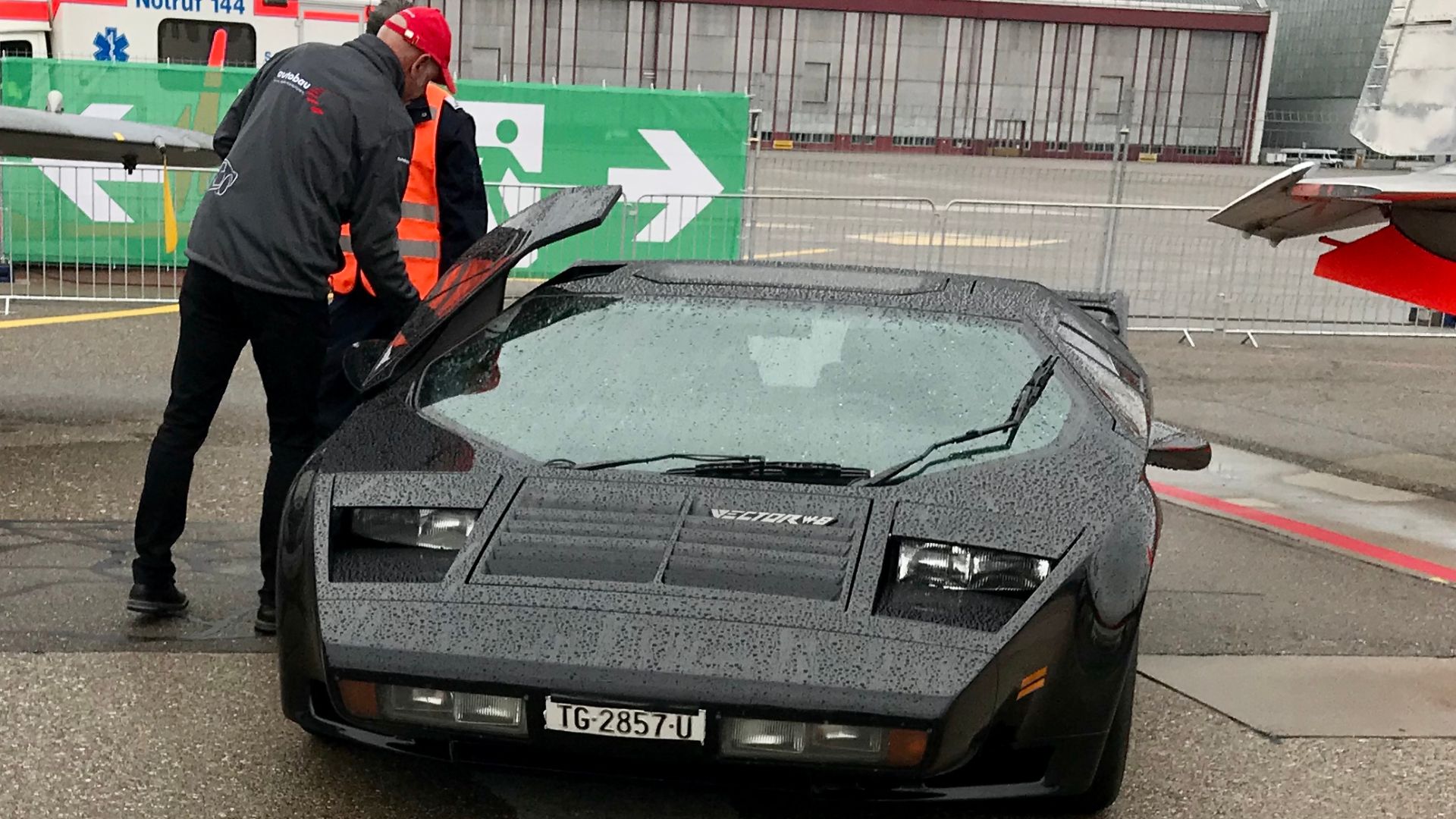
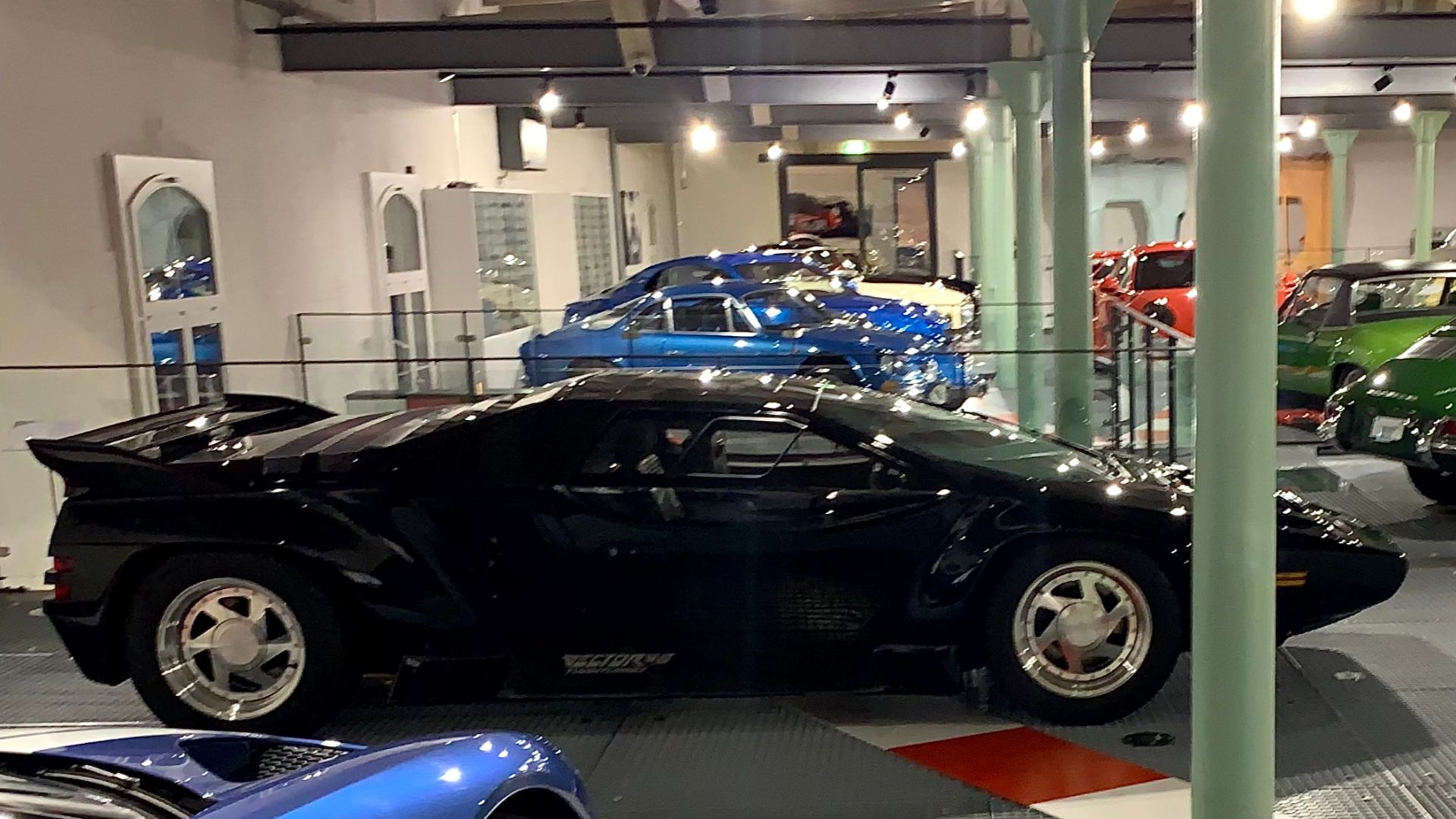
After years of delays, funding struggles, and redesigns, Vector finally launched a production car: the W8. It looked like nothing else on the road, with brutalist bodywork and proportions that screamed “prototype.” For a moment, it seemed like Vector had actually pulled it off.
 Craig Howell from San Carlos, CA, USA, Wikimedia Commons
Performance Claims That Defied Belief
Vector claimed the W8 made over 600 horsepower and could reach speeds exceeding 200 mph. These numbers would have been shocking even today—let alone in the late 1980s. Unfortunately, many of these claims were based on theoretical calculations rather than real-world testing.
The Twin-Turbo V8 From Hell
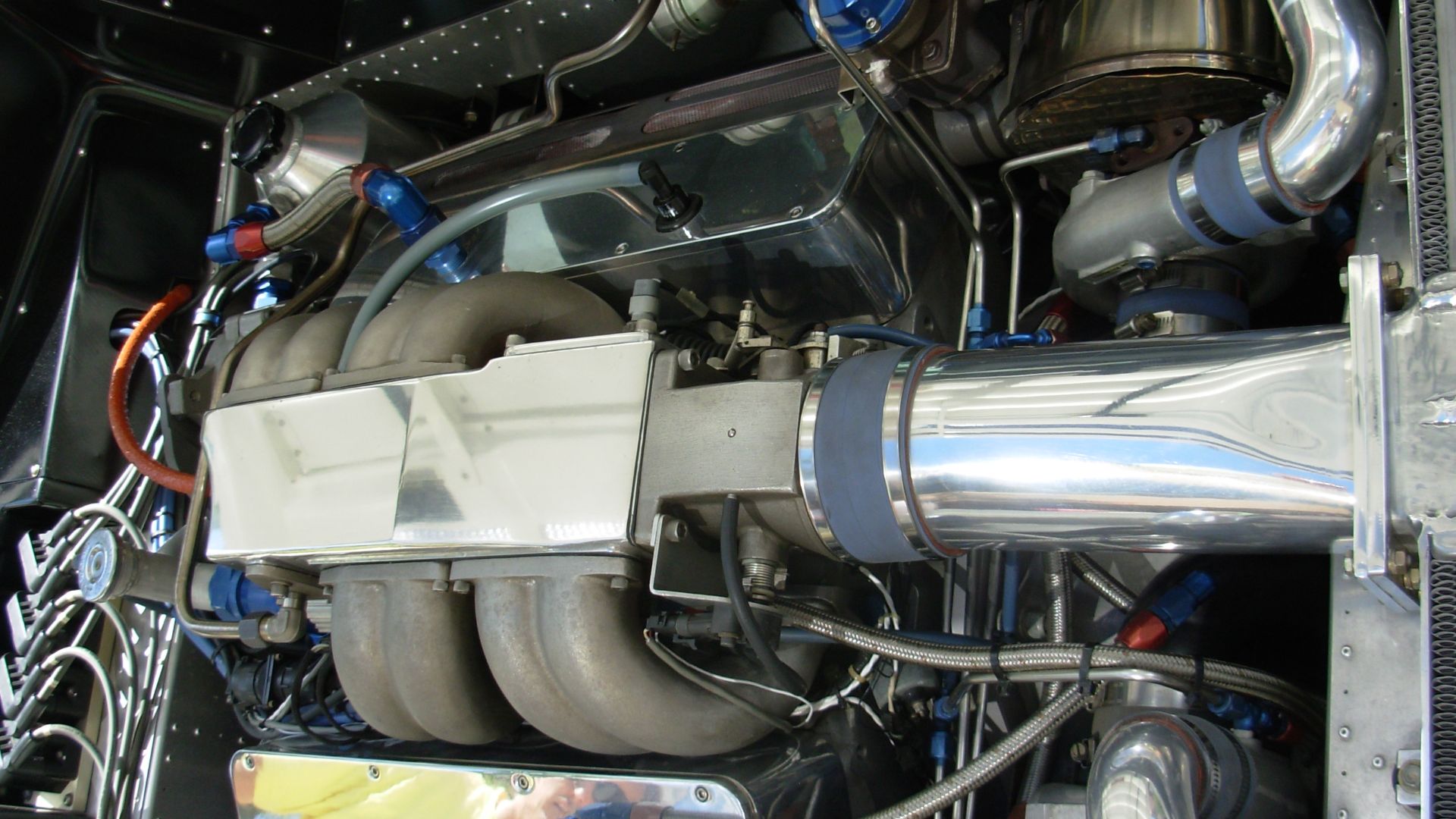
Under the hood was a twin-turbocharged 6.0-liter V8, originally based on a Lamborghini-derived engine architecture. In theory, it was a monster. In practice, it was temperamental, unreliable, and prone to overheating. Getting full power required exotic fuel and perfect conditions—things most owners never experienced.
 Mike's Car Pix, Wikimedia Commons
A Transmission That Never Stood A Chance
The W8’s Achilles’ heel was its transmission. Vector used a modified Oldsmobile Toronado automatic gearbox, a unit never designed to handle supercar-level torque. Unsurprisingly, it struggled. Hard driving often resulted in failure, limiting the car’s real-world performance far below its advertised potential.
 Robert Rouse from United States, Wikimedia Commons
Inside The Jet Fighter Cockpit
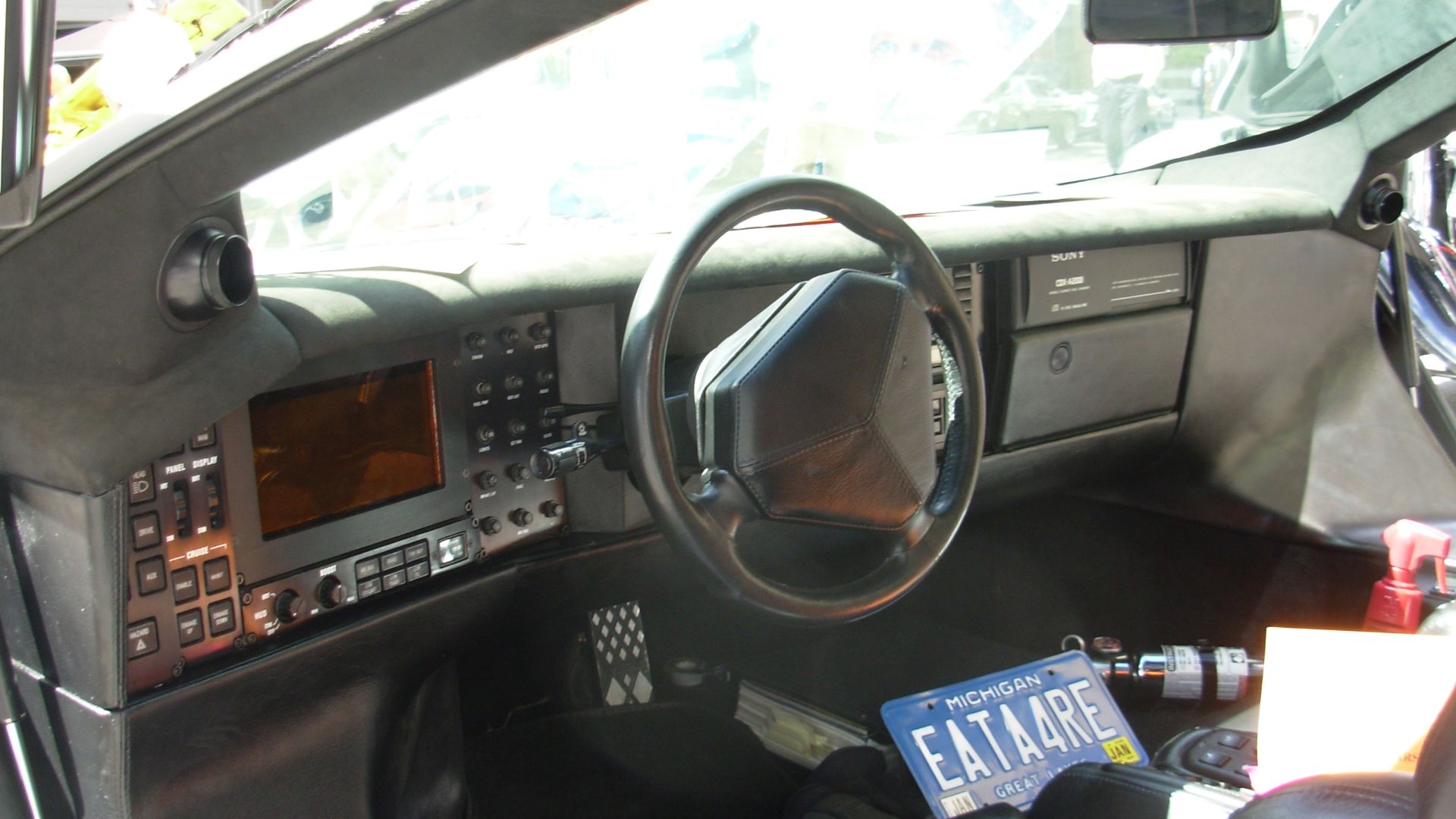
The interior was pure theater. Digital gauges, aircraft-style switches, and carbon-fiber panels made drivers feel like test pilots rather than motorists. Unfortunately, the ergonomics were awful, visibility was terrible, and many electronic components were unreliable—cutting-edge in appearance, but crude in execution.
 Mike's Car Pix, Wikimedia Commons
Build Quality That Raised Eyebrows
At nearly $450,000, the W8 cost more than most Ferraris of the era. Buyers expected perfection. What they got was inconsistent panel gaps, questionable fit and finish, and a car that often felt more handmade than engineered. Charm only goes so far when you’re paying half a million dollars.
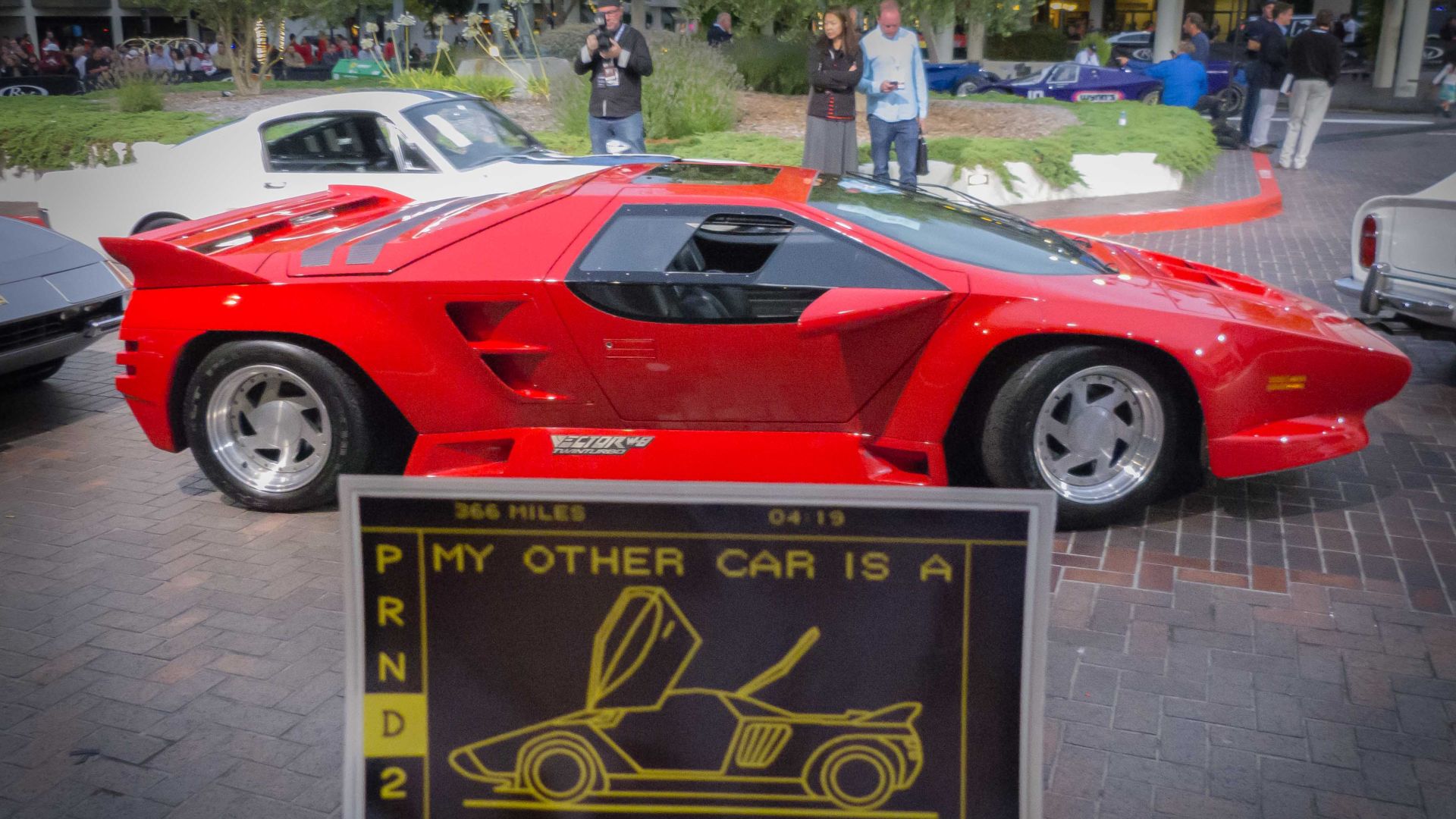 RAVDesigns from USA, Wikimedia Commons
Extremely Limited Production
Vector produced just 17 W8s, depending on who you ask. While rarity can enhance mystique, in this case it reflected deeper issues: financial instability, production bottlenecks, and constant engineering revisions. Vector wasn’t exclusive by design—it was exclusive because it couldn’t scale.
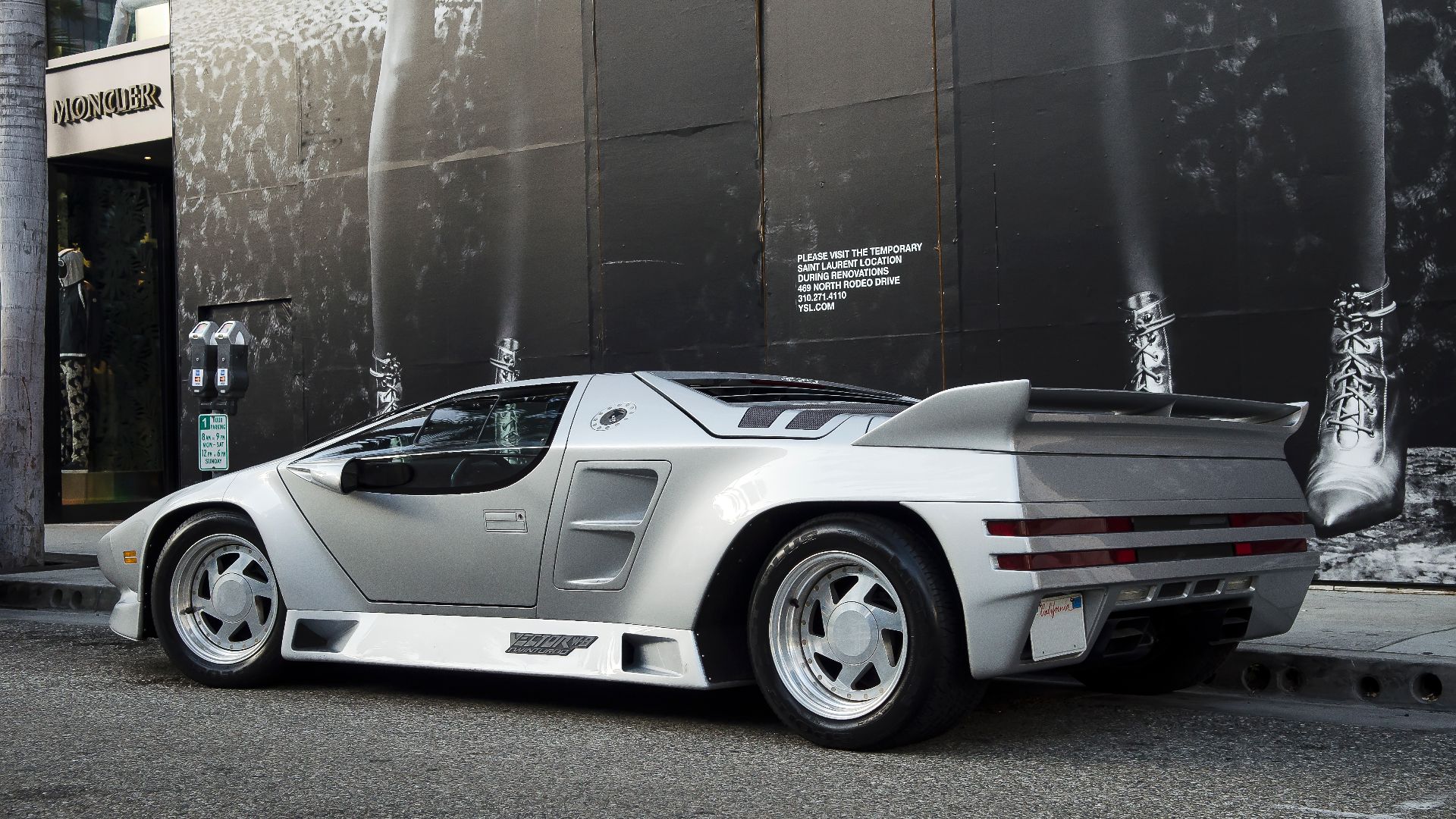
The Celebrity Owner Flex
Despite its flaws, the Vector W8 attracted high-profile owners. Andre Agassi famously owned one, and its appearance in movies and music videos helped cement its image as an ultra-rare status symbol. For celebrities, the W8 was less about driving and more about being seen.
 original work: ZankaM derivative work: Pommée, Wikimedia Commons
When Image Outpaced Reality
Vector leaned heavily into marketing. Glossy brochures, bold claims, and aggressive PR painted the company as America’s Ferrari killer. The problem was that owners, journalists, and investors eventually discovered the gap between hype and reality—and that gap was enormous.
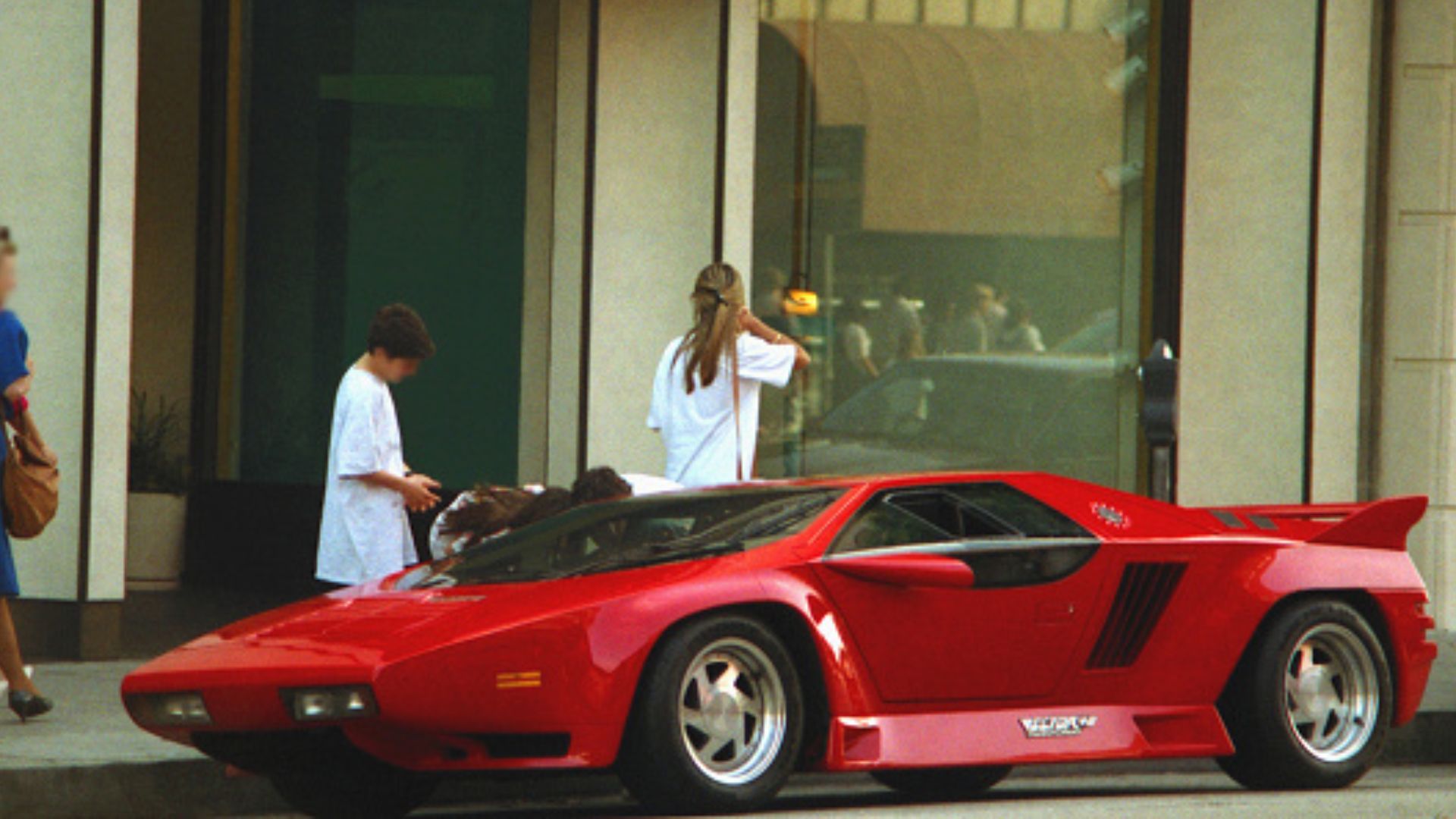 Brian W. Schaller, Wikimedia Commons
The Diablo Showdown Disaster
Perhaps the most infamous moment in Vector history came when Wiegert attempted to prove the W8’s superiority over the Lamborghini Diablo. During a head-to-head test, the Vector reportedly went into limp mode, while the Diablo performed flawlessly. The comparison backfired spectacularly.
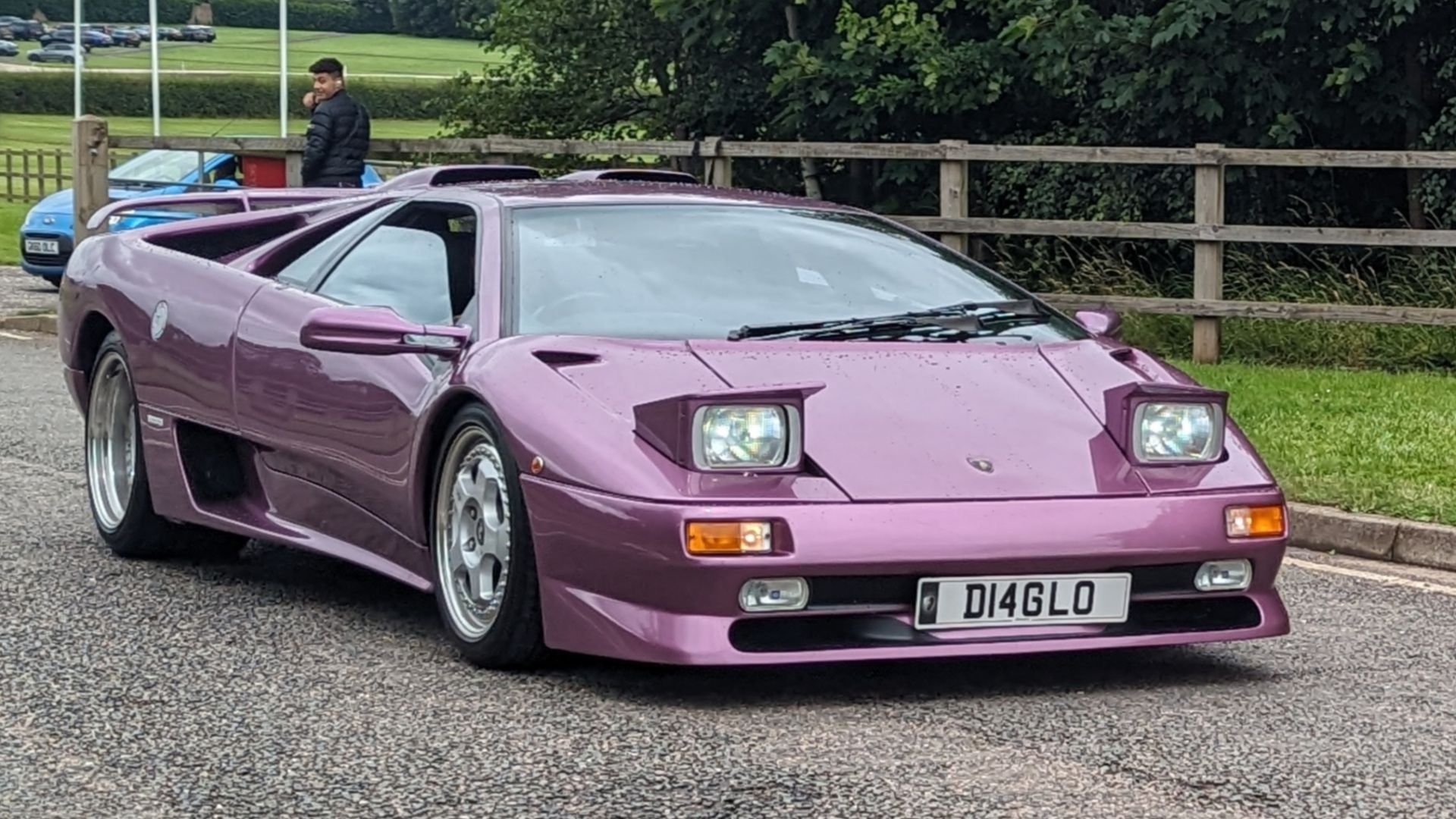
Enter Megatech And The Power Struggle
In the early 1990s, Indonesian conglomerate Megatech acquired Vector. Instead of stabilizing the company, the takeover sparked a bitter internal war. Wiegert clashed with new management over control, direction, and engineering decisions, turning Vector into a corporate battlefield.
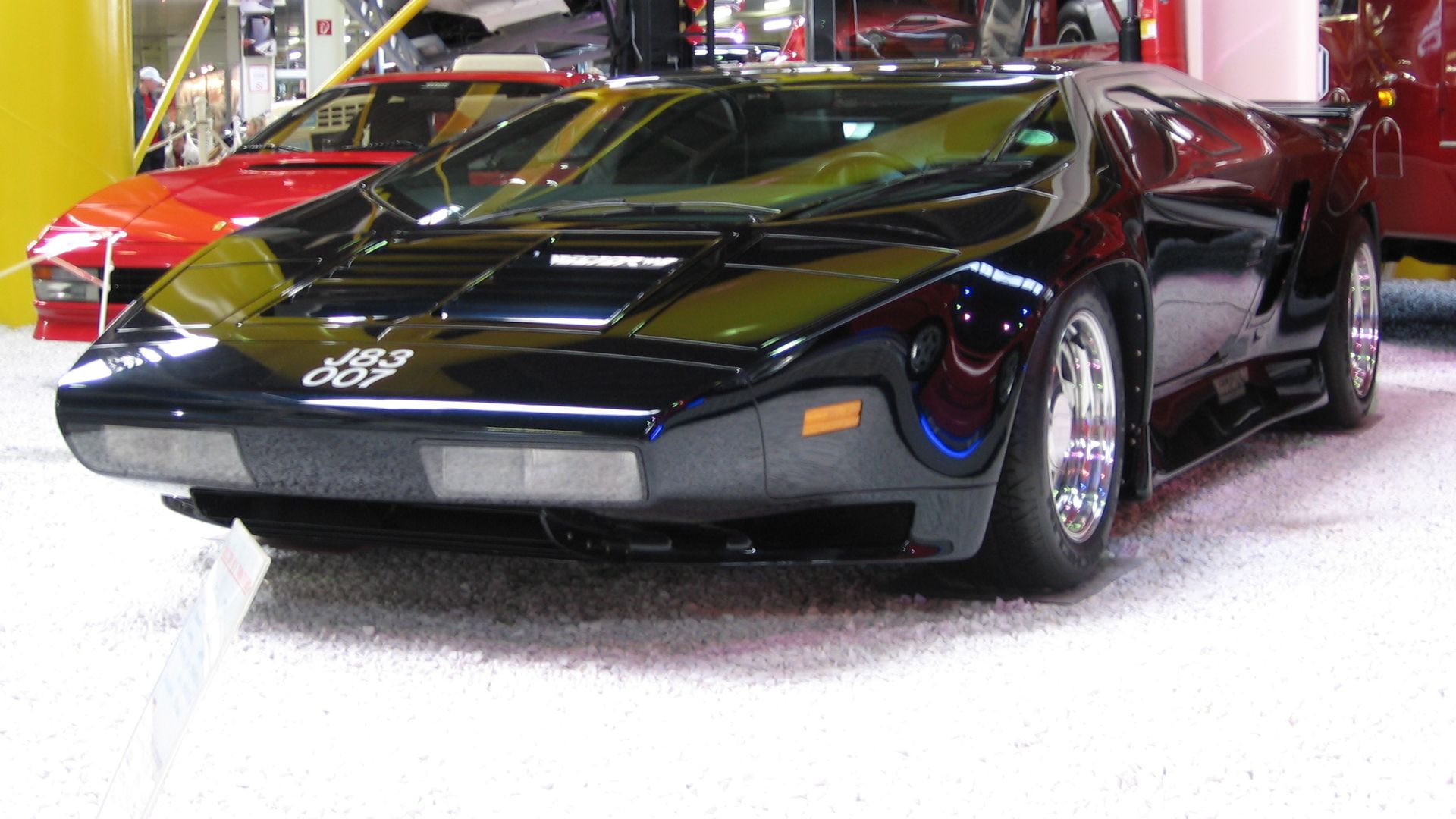
The M12: A Completely Different Philosophy
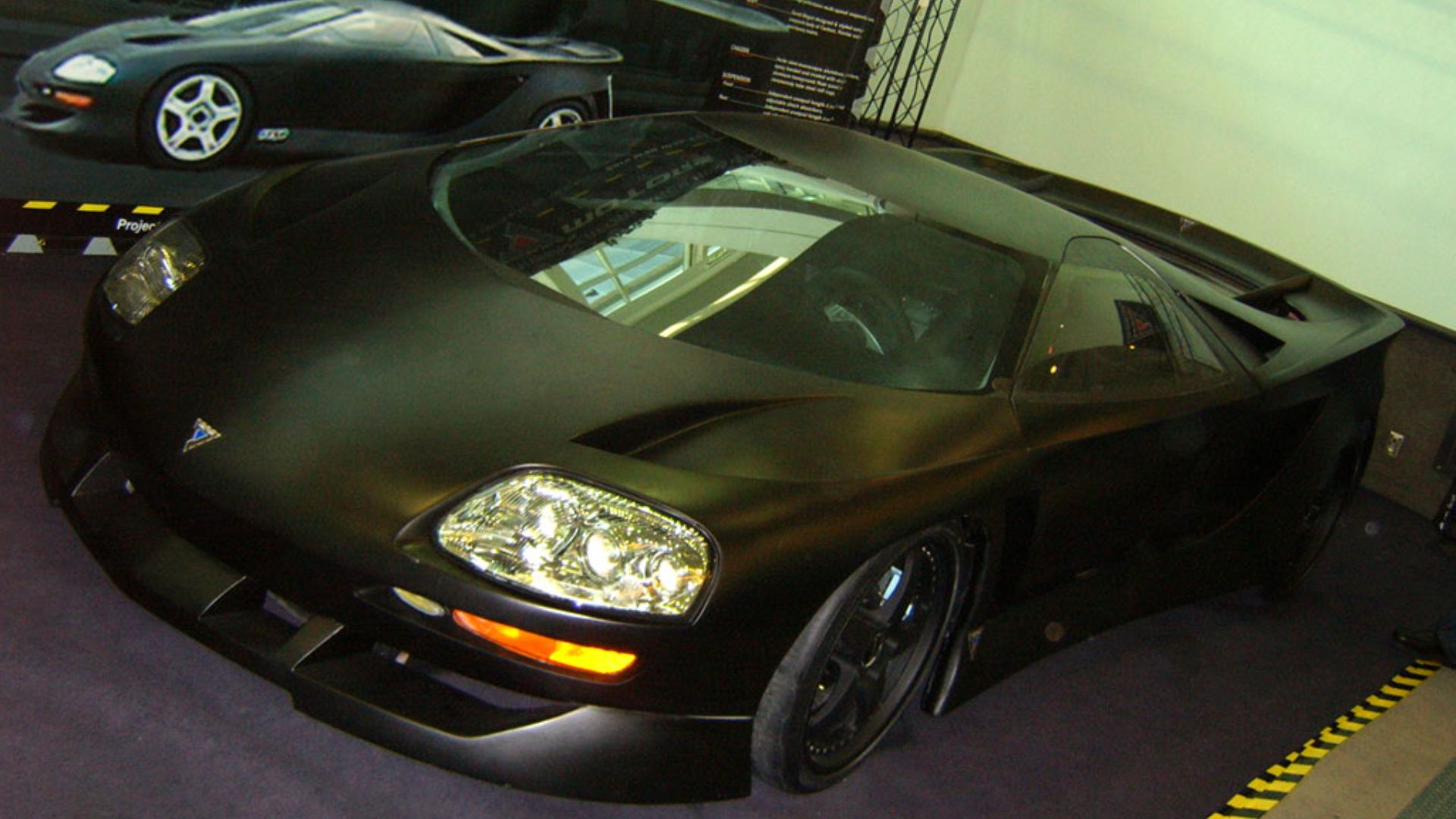
Under Megatech, Vector developed the M12—a radical departure from Wiegert’s vision. Gone was the American V8. In its place was a Lamborghini-sourced V12, paired with more conventional engineering. The M12 was more reliable, but it lost the outrageous personality that defined Vector.
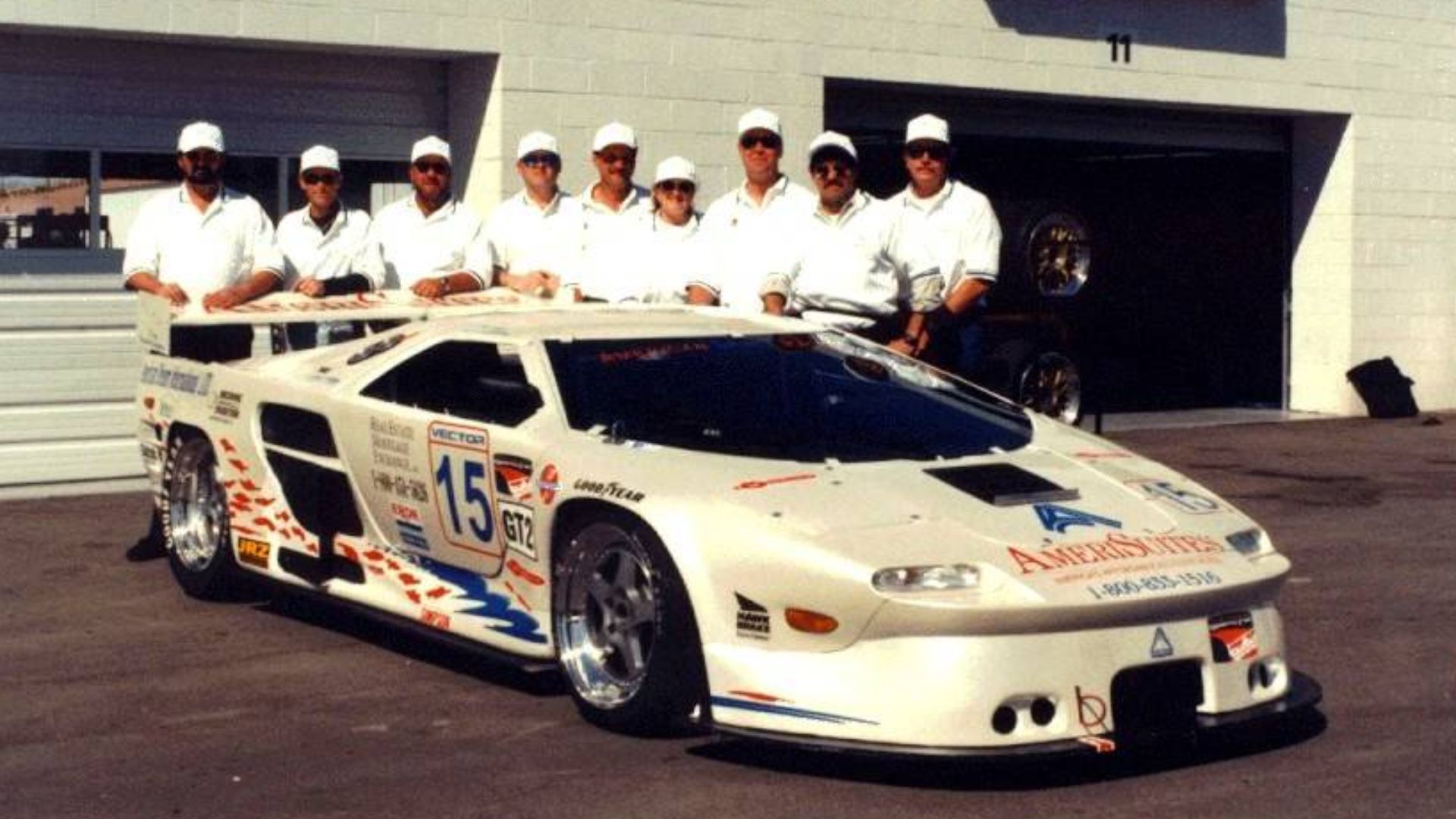
Why The M12 Still Failed
Ironically, the M12 was the best car Vector ever built. It handled well, worked consistently, and delivered real performance. But by then, the brand’s reputation was already damaged. Without Wiegert’s bombast—or his marketing flair—the M12 faded into obscurity.
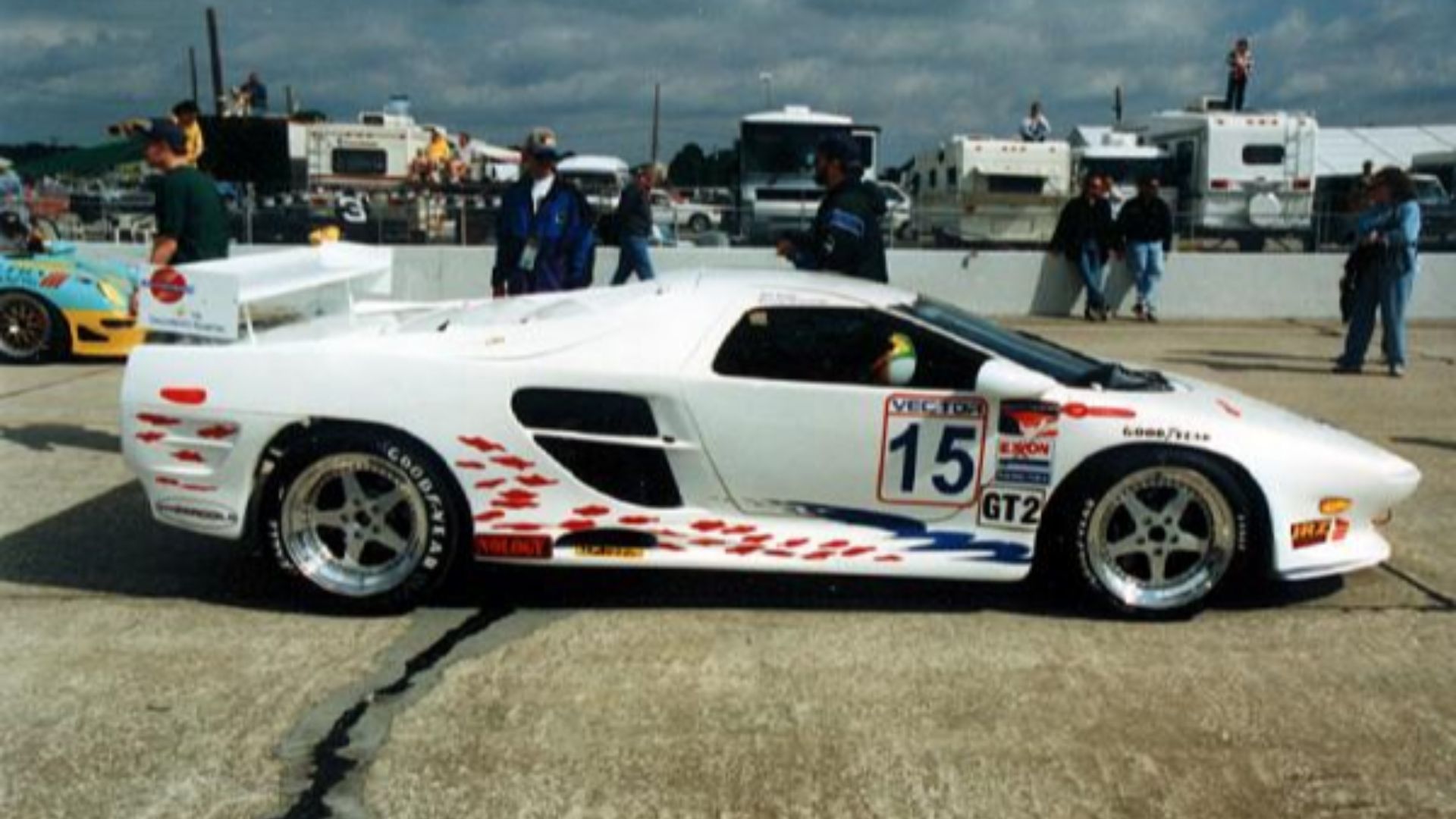 Jon Lewis, President American Spirit Racing, Wikimedia Commons
Financial Chaos Behind The Scenes
Vector constantly struggled with cash flow. Development delays burned investor money, while ultra-low production volumes meant profits were nearly impossible. Each car sold barely kept the lights on. The business model simply didn’t support the dream.
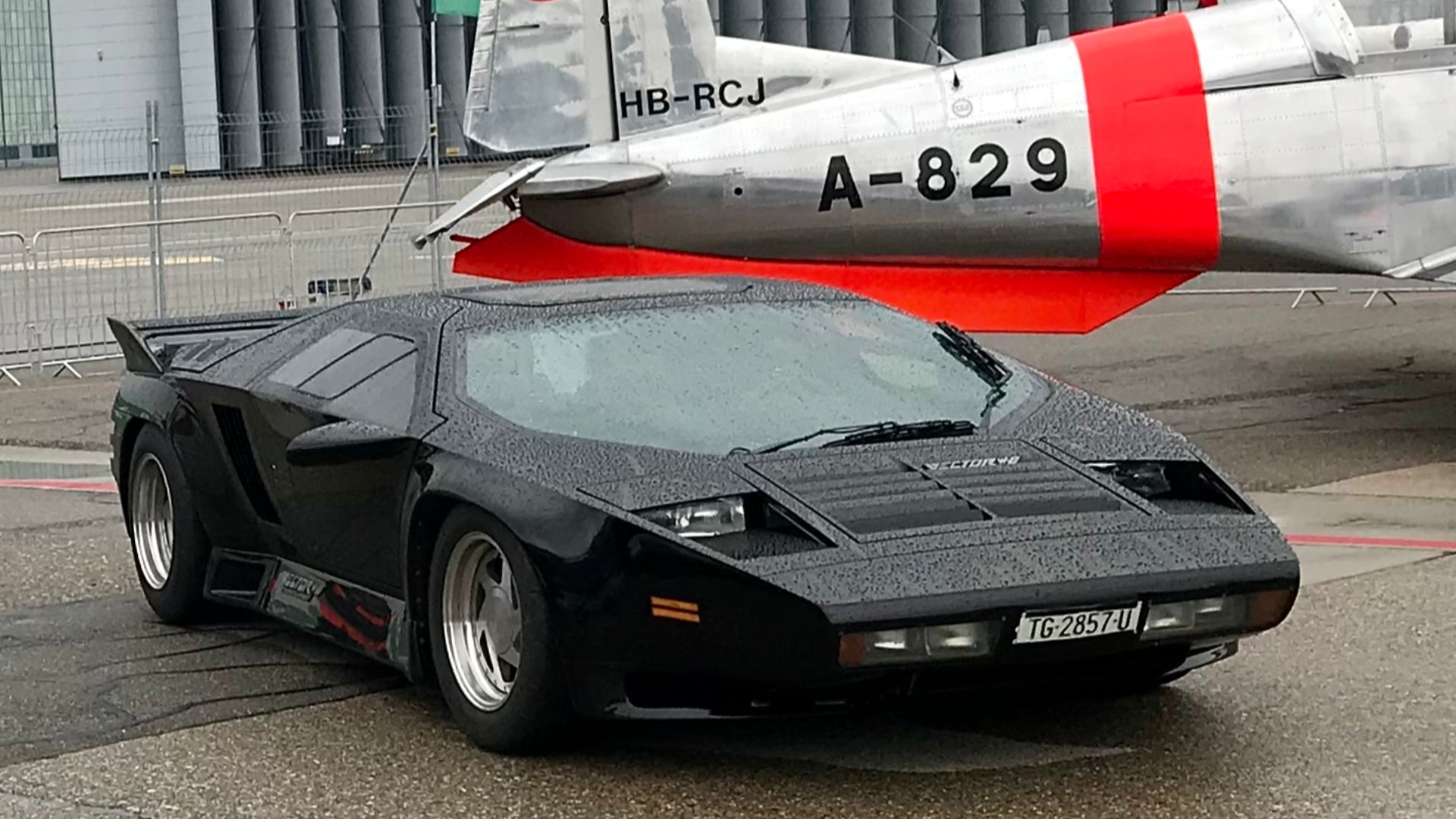
Engineering Ego Over Collaboration
One of Vector’s biggest problems was its refusal to accept outside expertise. Wiegert believed his way was the only way, often ignoring engineers, suppliers, and testers. In an industry built on collaboration, Vector operated like a dictatorship—and paid the price.
 Robert Rouse from United States, Wikimedia Commons
The Cost Of Reinventing Everything
Vector insisted on doing things differently, even when proven solutions already existed. Custom electronics, bespoke components, and experimental materials increased complexity and reduced reliability. Innovation is admirable, but reinvention without restraint is dangerous.
Supercar Buyers Are Ruthless
Supercar customers expect drama, but they also expect competence. When a $400,000 car struggles to start, overheats in traffic, or can’t deliver promised performance, forgiveness runs out quickly. Vector learned that exclusivity doesn’t excuse dysfunction.
The Brand Slowly Fades Away
By the late 1990s, Vector Motors was effectively finished. Attempts to revive the name with concepts and prototypes never gained traction. What remained was a brand remembered more for its ambition than its achievements.
 Areaseven at English Wikipedia, Wikimedia Commons
How Vector Became A Cautionary Tale
Vector’s story is often cited in business schools and automotive circles as a warning. Vision without execution is meaningless. Passion without discipline is destructive. And no amount of marketing can hide fundamental flaws forever.
Why The Vector Still Fascinates Us
Despite everything, the Vector W8 remains fascinating. It’s outrageous, unapologetic, and uniquely American. In a world of focus groups and safe design, Vector dared to be absurd—and there’s something oddly admirable about that.
 Triple-green, Wikimedia Commons
The American Supercar That Almost Was
Vector wasn’t a joke—it was a near-miss. With better management, realistic engineering goals, and less ego, it might have succeeded. The ingredients were there. They were just mixed in all the wrong proportions.
Final Thoughts On Vector Motors
Vector Motors failed spectacularly, but not quietly. Its legacy lives on as one of the boldest, strangest experiments in automotive history. The W8 may not have conquered the supercar world, but it left behind something just as powerful: a reminder that ambition alone doesn’t build greatness—execution does.
You May Also Like:
Chevrolet’s SS Wagon Was The Most Unlikely Muscle Car Of The 1970s
Remember How Everyone's Parents Drove In Ways That Are Fully Illegal Today?
High-Powered Muscle Cars That Will Get You Respect From Real Enthusiasts