A Global Embarrassment
Toyota is famous today for reliability, strong resale value, and vehicles that can run for hundreds of thousands of miles. But many people don’t know that just over a decade ago, the company faced one of the biggest safety crises in modern automotive history—the sticky accelerator scandal that shocked everyone.
The Scandal Few Remember
Toyota’s reputation for near-perfect dependability made the scandal more surprising. For years, the brand symbolized safety and trust. But behind the scenes, a growing number of complaints hinted at a serious problem. Few drivers today remember how drastically this issue shook Toyota’s image.
 StaraBlazkova at cs.wikipedia, Wikimedia Commons
Toyota’s Reputation Before the Crisis
Before the controversy, Toyota was widely considered the safest and most dependable automaker in the world. They dominated reliability charts, impressed consumers with long-lasting vehicles, and rarely faced major quality concerns. The idea of a fundamental safety flaw seemed almost unthinkable.

The Early Warning Signs
Starting in 2002, scattered reports of sudden unintended acceleration began appearing. Drivers described cars speeding up without warning or failing to slow down when braking. The cases seemed isolated, inconsistent, and difficult to confirm—so neither Toyota nor regulators viewed them as a serious, widespread threat initially.
 Ryan Finnie from Reno, NV, USA, Wikimedia Commons
A Tragic 2009 Crash Changes Everything
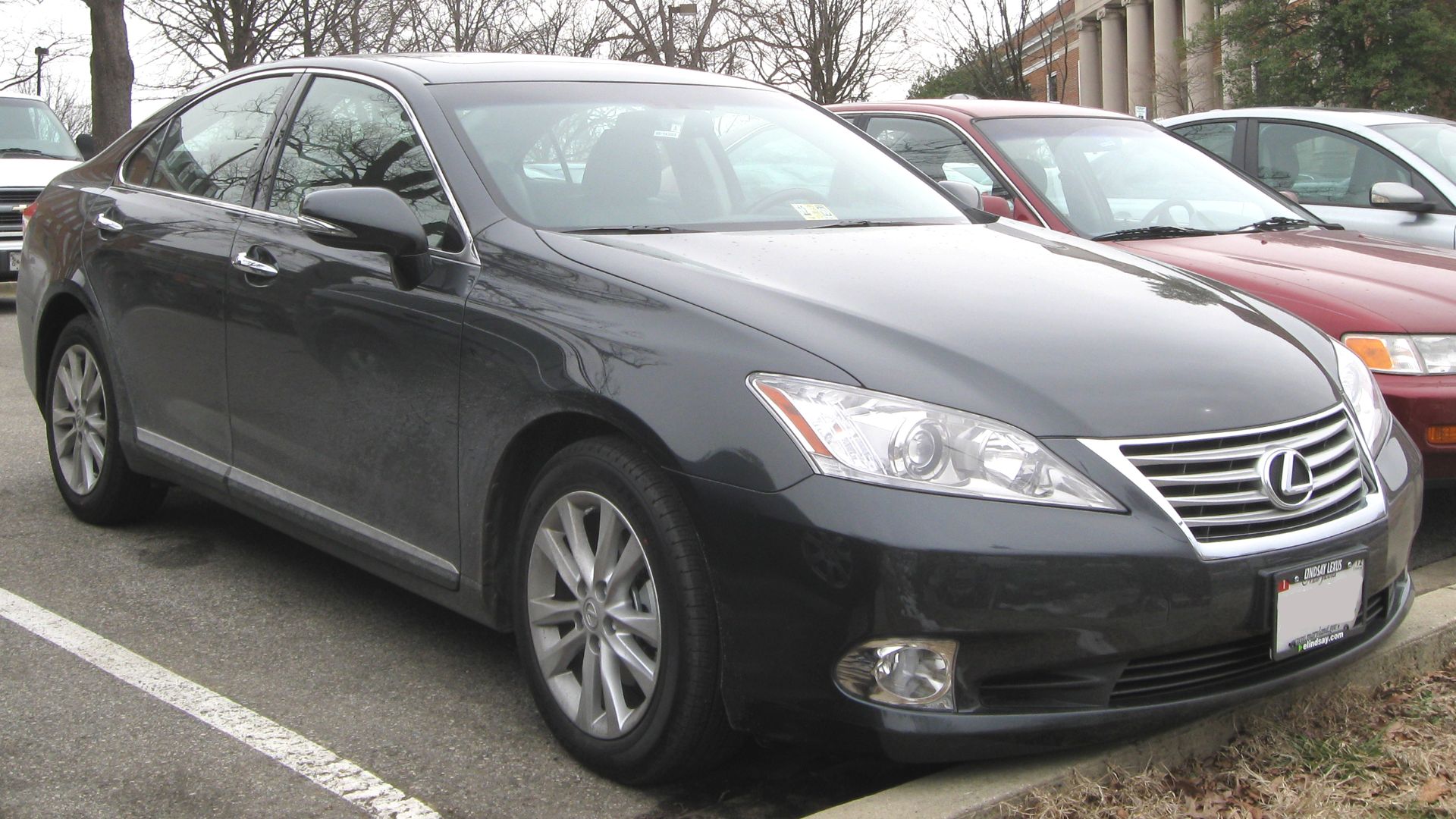
In August 2009, CHP officer Mark Saylor, his wife, daughter, and brother-in-law died when their Lexus ES350 accelerated uncontrollably. Their heartbreaking 911 call documented the family’s final moments. The crash captured national attention and forced regulators to investigate Toyota’s safety systems.
The 911 Call That Shocked America
The Saylor family’s final call reported a stuck accelerator and brakes that couldn’t slow the vehicle. The recording spread quickly across the country, frightening Toyota owners and raising urgent questions. This tragic and emotional moment pressured officials and the automaker to confront the issue immediately.

Toyota Issues Its First Major Recall
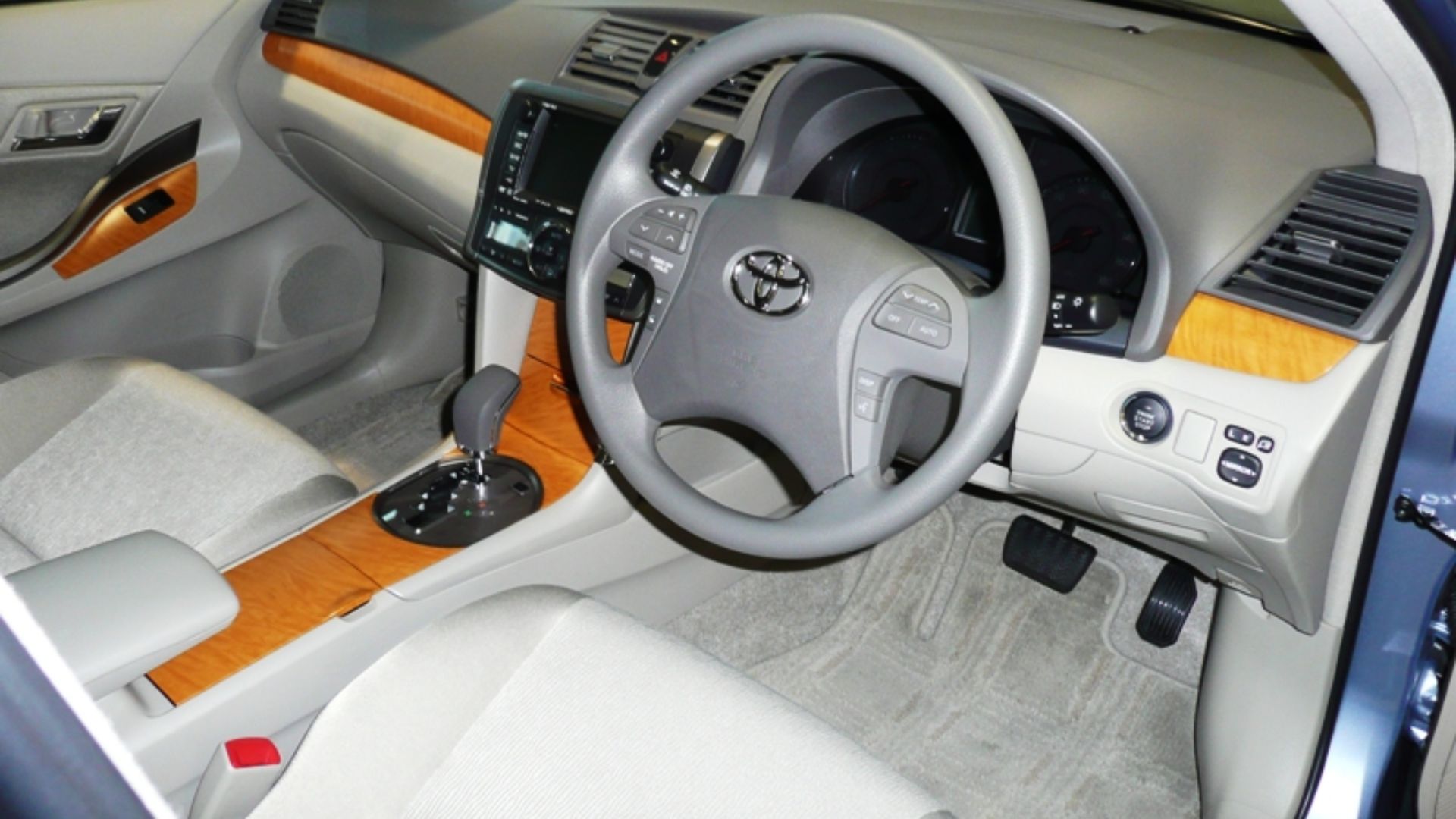
Toyota recalled 4.2 million vehicles in late 2009, blaming loose or oversized floor mats that could trap the accelerator. The fix sounded simple—remove or adjust the mats. But drivers and experts soon realized this explanation didn’t cover every case of sudden unintended acceleration.
More Complaints Roll In
Even after the floor mat recall, hundreds of new complaints surfaced. Many involved cars without the problematic mats, suggesting the cause was more complex. Drivers claimed their pedals stuck or didn’t respond, increasing pressure on Toyota to investigate deeper and provide real answers.

The Sticky Pedal Discovery
In January 2010, Toyota admitted that some accelerator pedals could stick due to internal friction in the pedal mechanism, independent of floor mats. This new discovery triggered another recall affecting 2.3 million vehicles. For many customers, it confirmed that Toyota may have underestimated the issue.
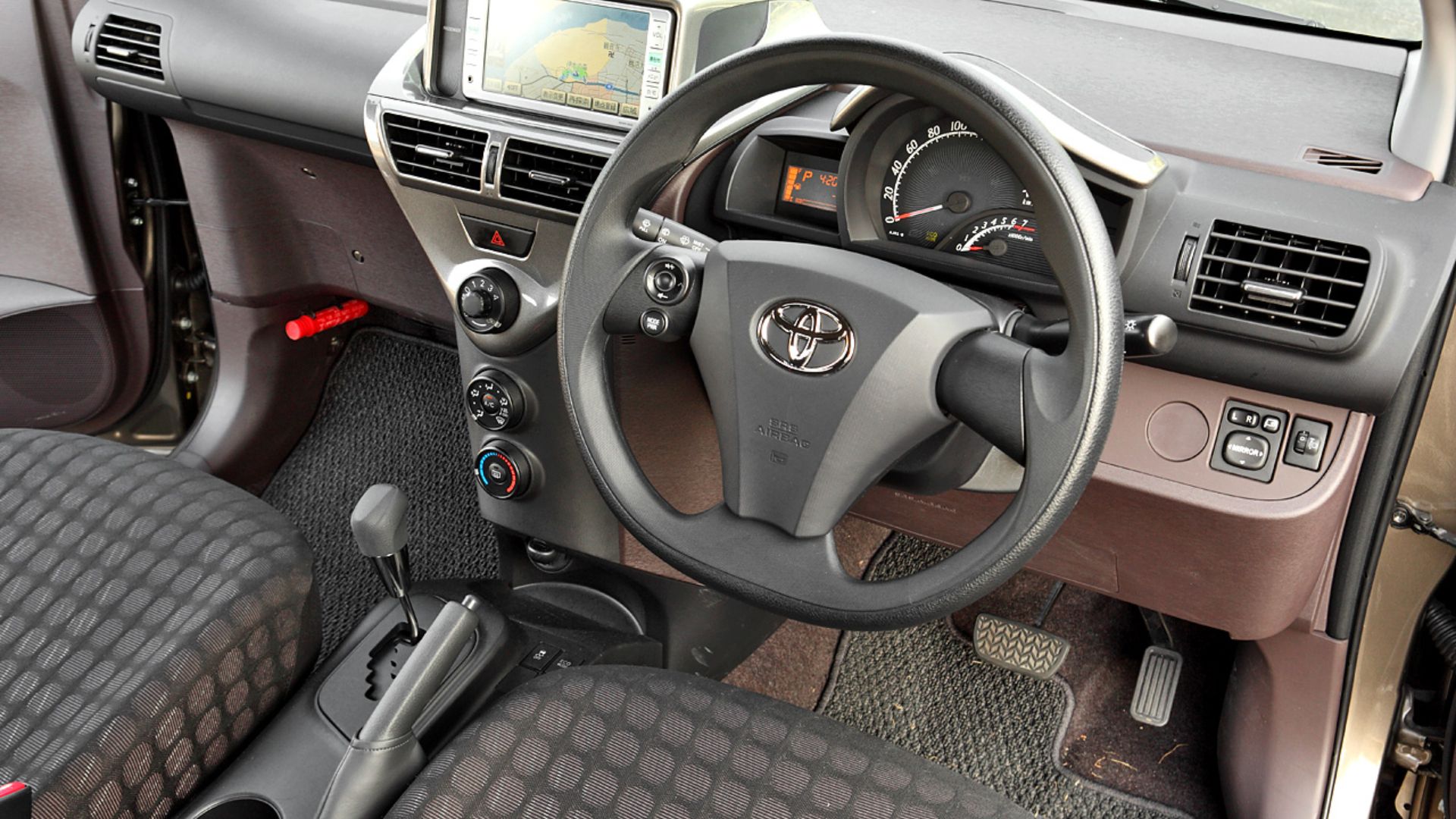
A Global Recall Unfolds
Within weeks, Toyota expanded the recalls to over 8 million vehicles worldwide, marking one of the largest automotive safety recalls ever recorded. Millions of owners worried about the safety of vehicles that had once been praised for trouble-free driving.
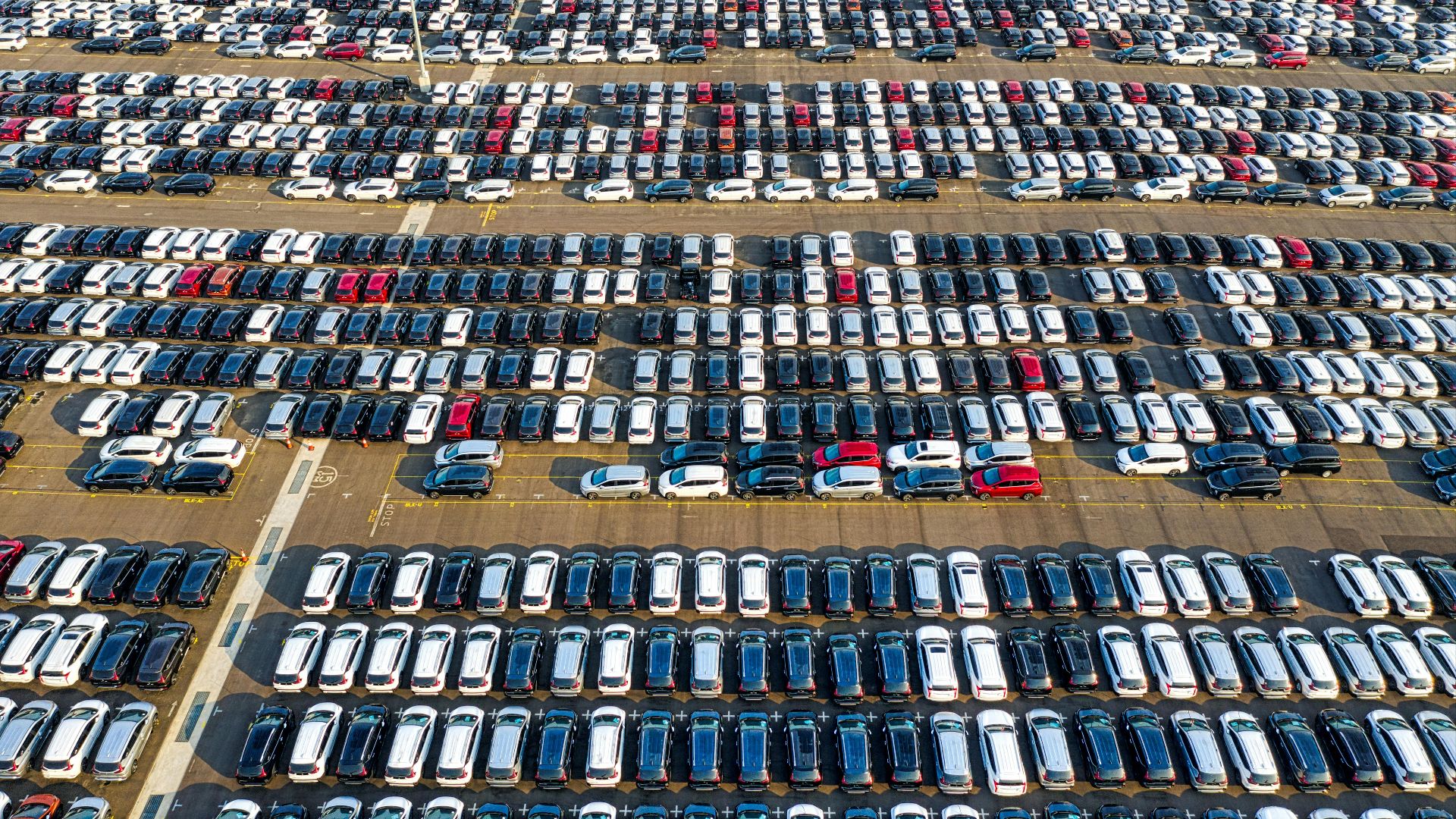
The Production Freeze
Toyota took the unprecedented step of halting production and sales on eight major models. Dealerships paused deliveries, and assembly lines shut down until the defect could be addressed. This industry-shaking decision showed the severity of the situation and how seriously Toyota had to respond.
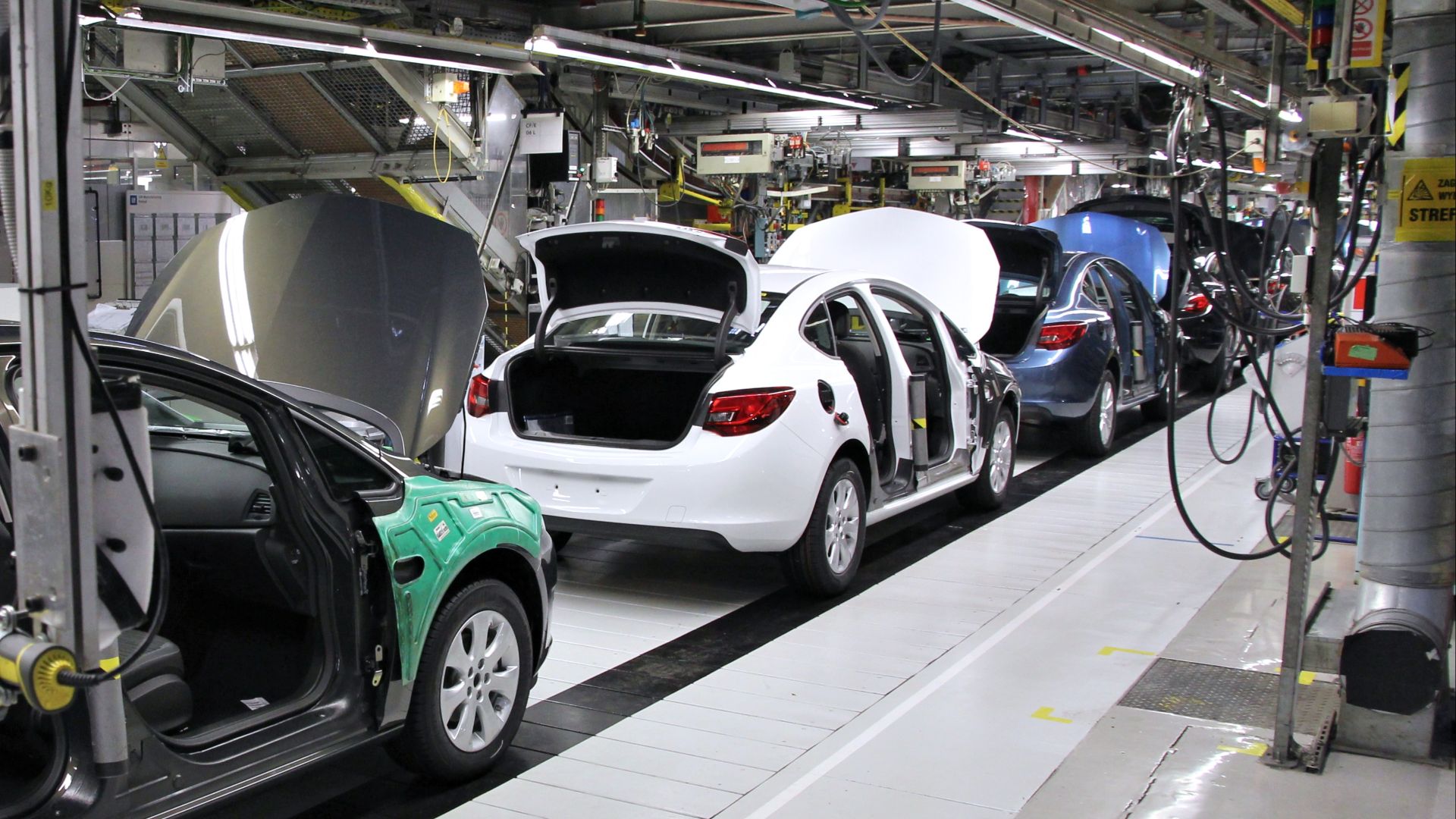 Marek Slusarczyk (Tupungato) Photo portfolio, Wikimedia Commons
Public Trust Takes a Hit
The scandal damaged Toyota’s reputation. Loyal customers who once bragged about Toyota quality suddenly felt uncertain. Used car values dipped, sales slowed, and critics accused the company of ignoring warning signs. For a brand built on reliability, the public reaction was a major setback.
Congressional Hearings Begin
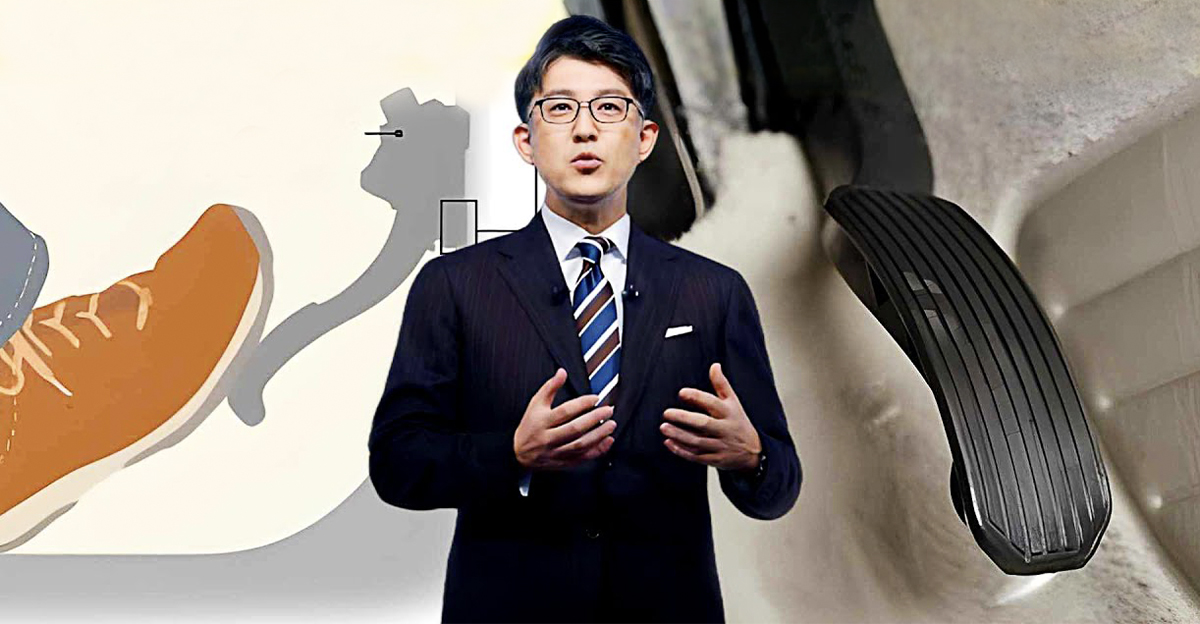
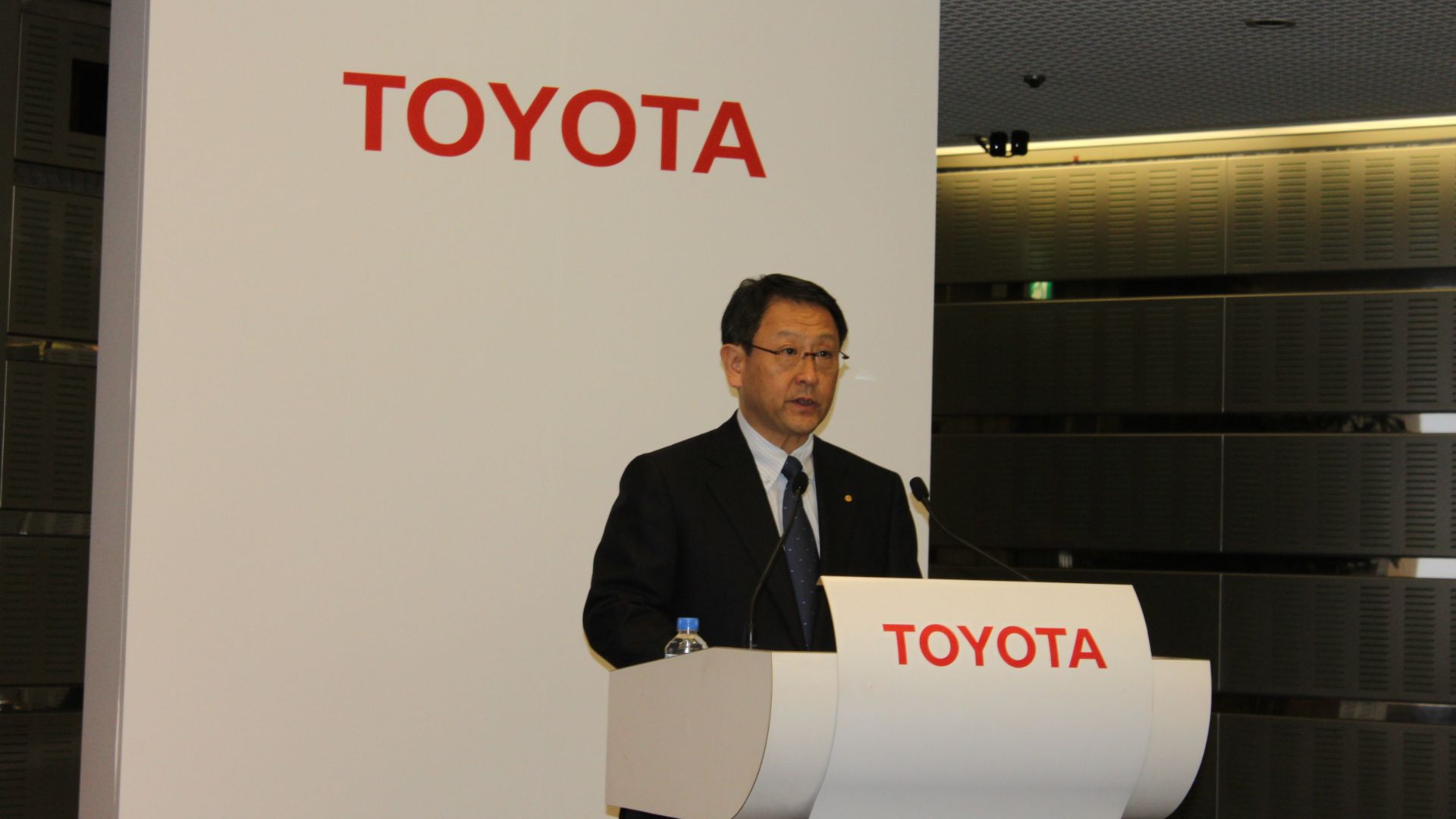
In early 2010, Toyota executives, including President Akio Toyoda, testified before Congress. Lawmakers questioned whether the company delayed recalls, downplayed safety concerns, or withheld information. The hearings highlighted communication failures and fueled suspicion about Toyota’s internal decision-making.
 Bertel Schmitt, Wikimedia Commons
Emails That Made Headlines
The situation intensified when internal emails revealed employees celebrating saving $100 million by negotiating a limited recall in 2007. These messages suggested Toyota may have prioritized cost savings over customer safety, severely harming the company’s credibility during the investigation.

The Electronics Debate
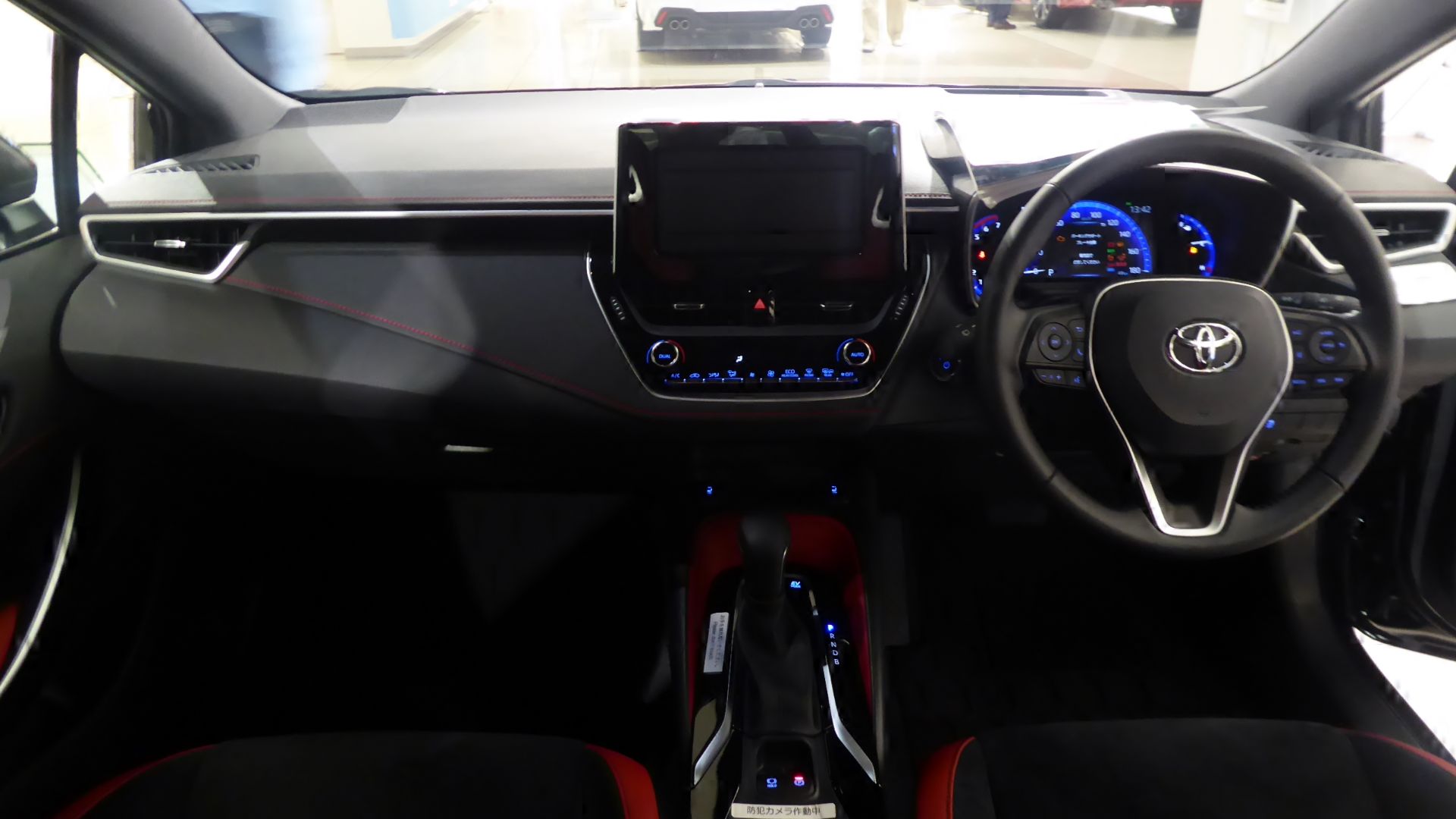
Some critics believed the real cause involved vehicle electronics rather than mechanical pedals or floor mats. They suspected the electronic throttle control system malfunctioned under certain conditions. This theory gained traction and led regulators to conduct one of the most extensive electronic investigations in automotive history.
 Tokumeigakarinoaoshima, Wikimedia Commons
NASA Joins the Investigation
NHTSA enlisted NASA engineers to review Toyota’s electronic systems. After months of testing, NASA’s 2011 report found no evidence linking electronic faults to sudden acceleration. While the findings supported Toyota, skeptics argued the testing didn't replicate every real-world scenario.
Mechanical Issues Confirmed
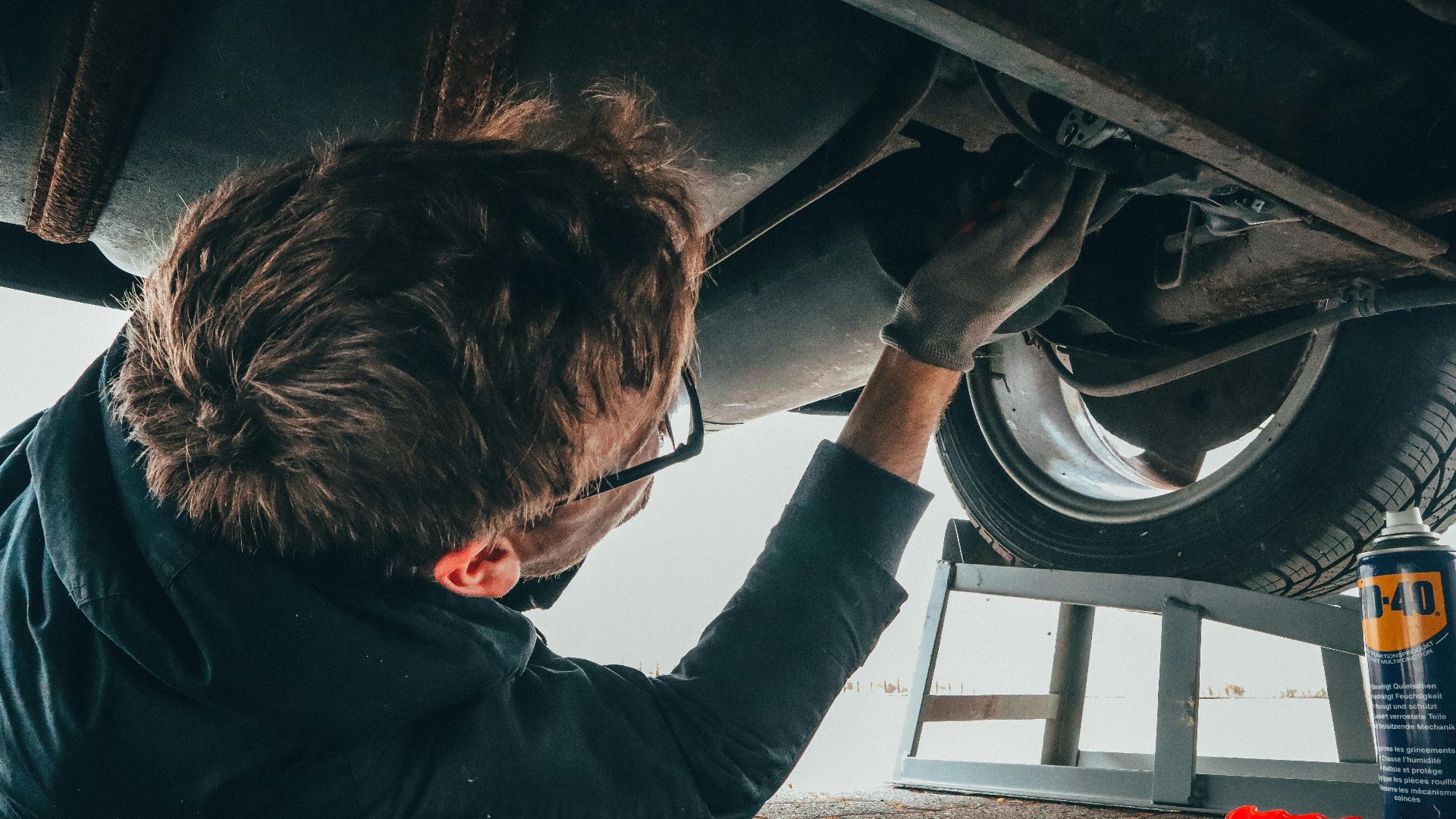
Regulators ultimately concluded that sudden acceleration stemmed from sticky pedal assemblies, floor mats interfering with pedals, and occasional driver error. Toyota redesigned components, added brake-override technology, and expanded recall procedures to prevent similar incidents in the future.

Toyota Pays Record-Breaking Fines
In 2014, Toyota paid over $1.2 billion in penalties for misleading regulators and failing to disclose safety defects promptly. At the time, it was the largest criminal fine ever imposed on an automaker. The Department of Justice accused Toyota of intentionally downplaying the seriousness of the issue.

The Long Road to Rebuilding Trust
Toyota spent years repairing its public image. They expanded safety research, improved recall transparency, and enhanced quality-control systems. These efforts slowly restored consumer confidence. By the late 2010s, Toyota regained its reputation as one of the world’s most dependable automakers.
Lessons Learned in the Industry
The scandal forced automakers to adopt faster recalls and more proactive safety measures. Regulators increased oversight, and consumers became more cautious about trusting manufacturers. Toyota’s crisis reshaped industry standards and highlighted the importance of transparency and rapid response.
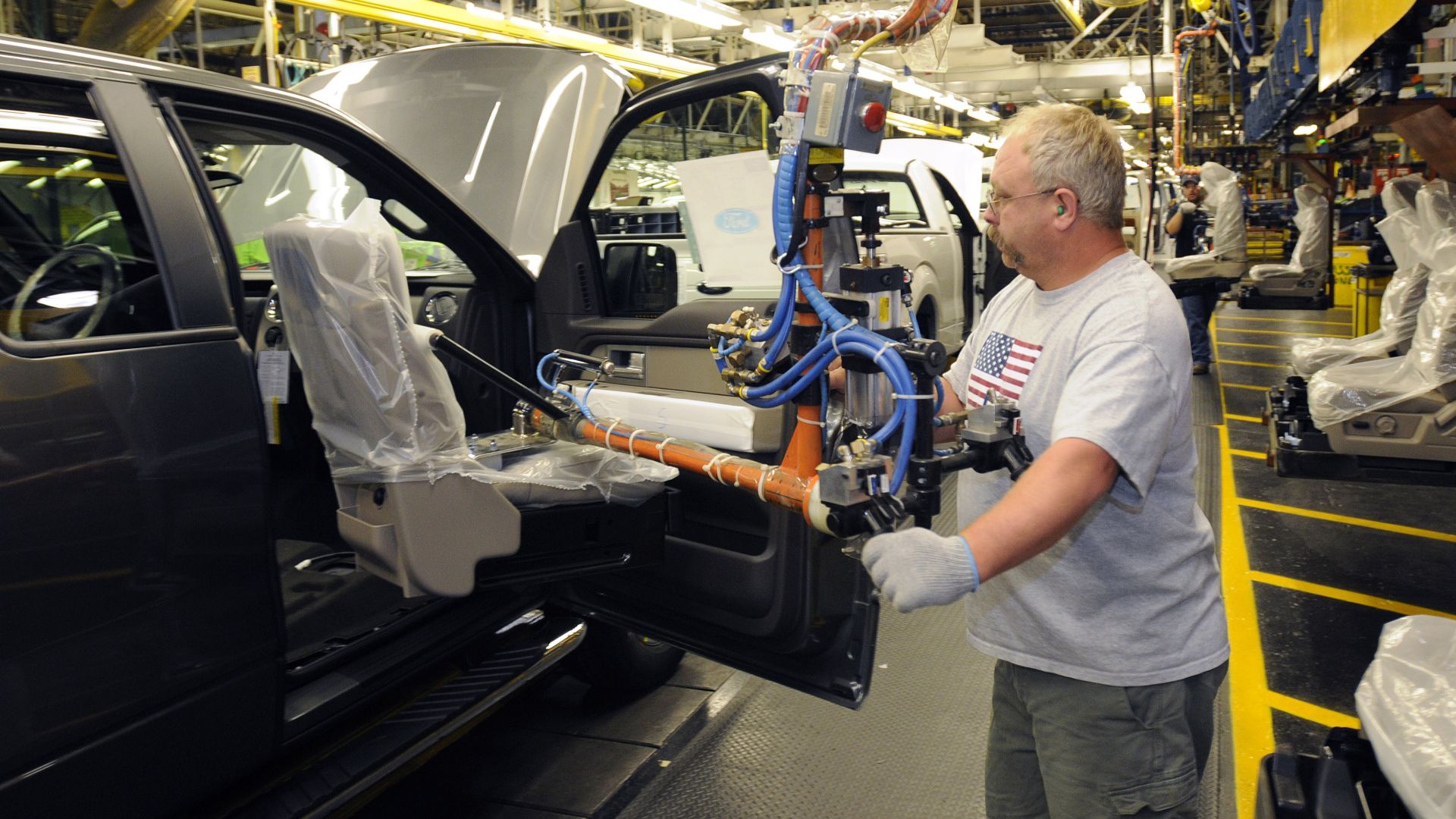 Ford Motor Co, Wikimedia Commons
What Critics Say Was Never Proven
Some engineers and advocates still believe that electronic throttle issues were never fully ruled out. They argue that real-world conditions differ from lab tests and that a small number of acceleration complaints continued afterward. The theory remains unproven but keeps debate alive.
How Toyota Quietly Recovered
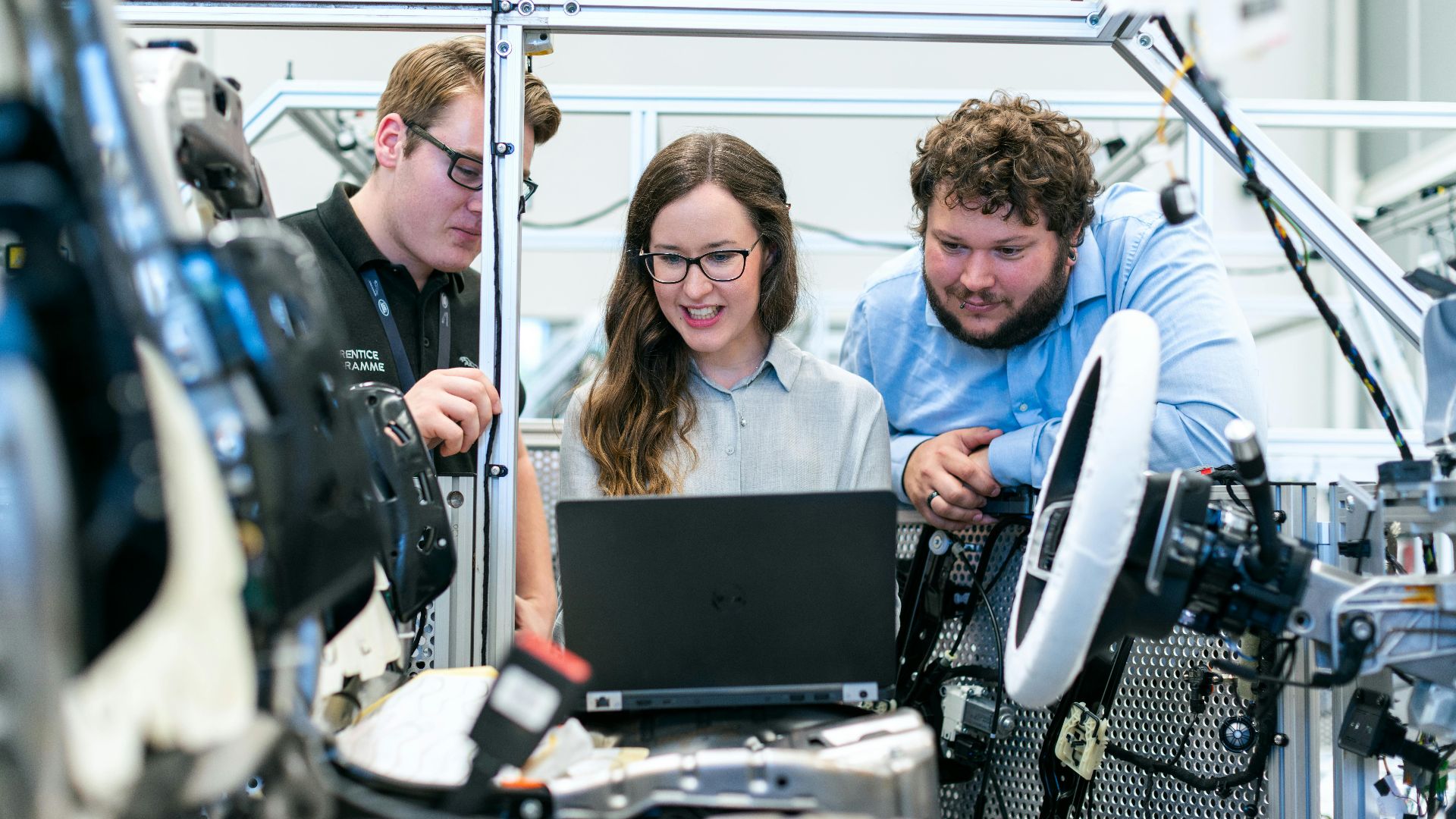
Toyota strengthened its lineup with advanced safety systems, hybrid innovations, and improved quality checks. Programs like Toyota Safety Sense helped rebuild customer trust. Over time, the scandal faded from public memory, especially for younger drivers unfamiliar with the controversy.
The Scandal’s Legacy Today
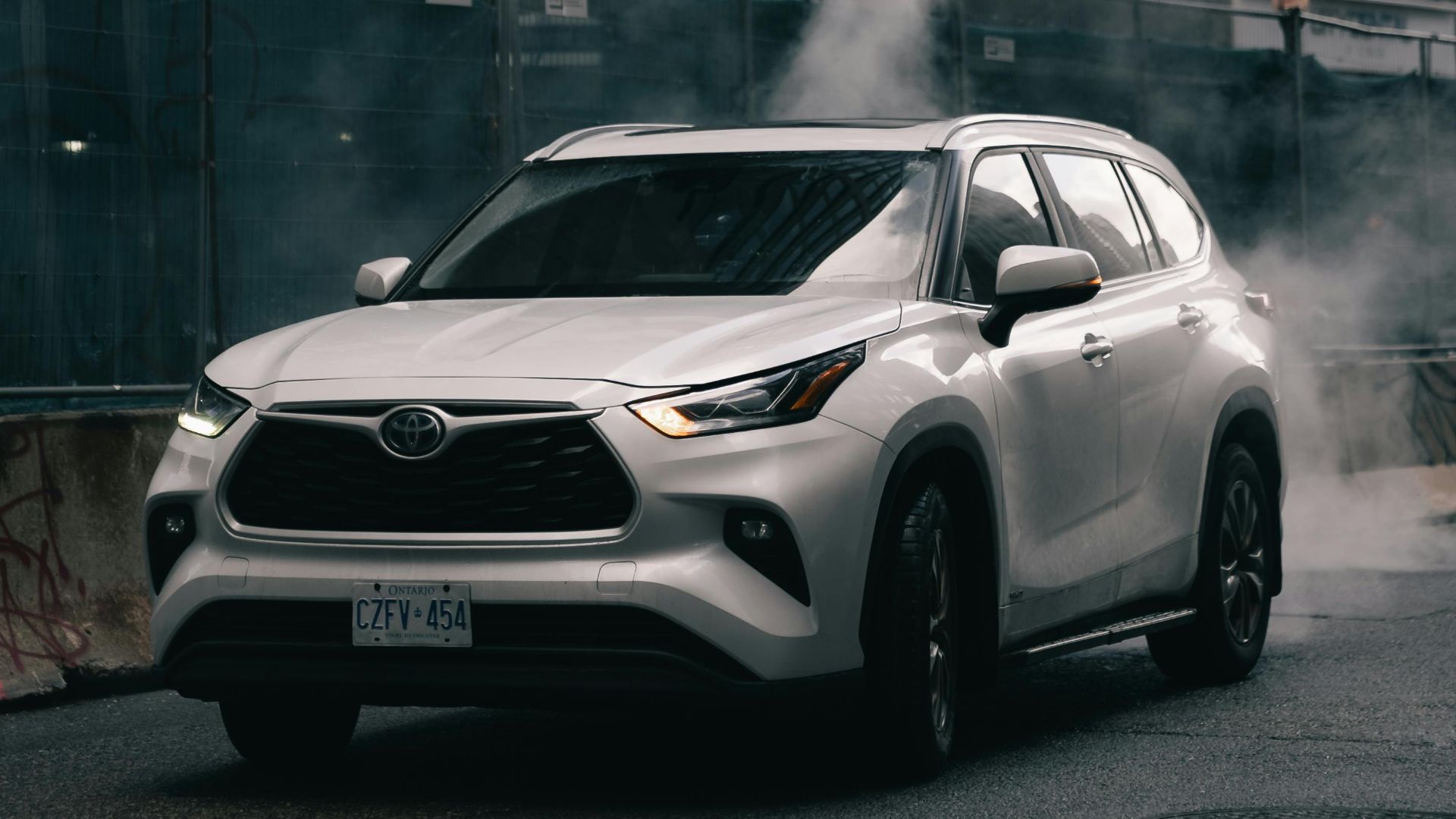
The sticky accelerator scandal remains one of the most expensive and surprising automotive safety failures in modern history. Although Toyota recovered, the incident serves as a reminder that even the most trusted brands can face major setbacks when transparency and communication fall short.
You May Also Like:
The Truck That Never Quits: Inside The Indestructible Toyota Hilux
Review: 2023 Toyota Camry
The Most Reliable Diesel Trucks For 2025, According To Edmunds