
Warranty Wipeouts You Never Saw Coming
You bought the warranty for peace of mind. The glossy brochure promised protection, security, and fewer financial jump scares. But buried in the fine print are tiny tripwires—small decisions that can quietly torch your coverage without so much as a warning light. Here are the surprisingly common ways drivers void their warranty without even realizing it.

Skipping Scheduled Maintenance
Your owner’s manual isn’t light bedtime reading—it’s a contract checklist. Miss oil changes, fluid flushes, or inspections, and you’re giving the warranty provider an easy out. If you can’t prove you followed the maintenance schedule, they can argue you didn’t hold up your end of the deal.
Not Keeping Service Records
It’s not enough to maintain your car—you have to prove it. Tossing receipts or failing to log service visits can become a problem fast. When something major fails, documentation is often the difference between coverage and a costly denial.

Installing Aftermarket Performance Parts
That cold-air intake or turbo kit might boost horsepower, but it can also shrink your warranty to zero. Performance modifications signal added stress on factory components, and providers rarely want to foot that bill. Even if the mod seems unrelated to the issue, it can raise red flags.

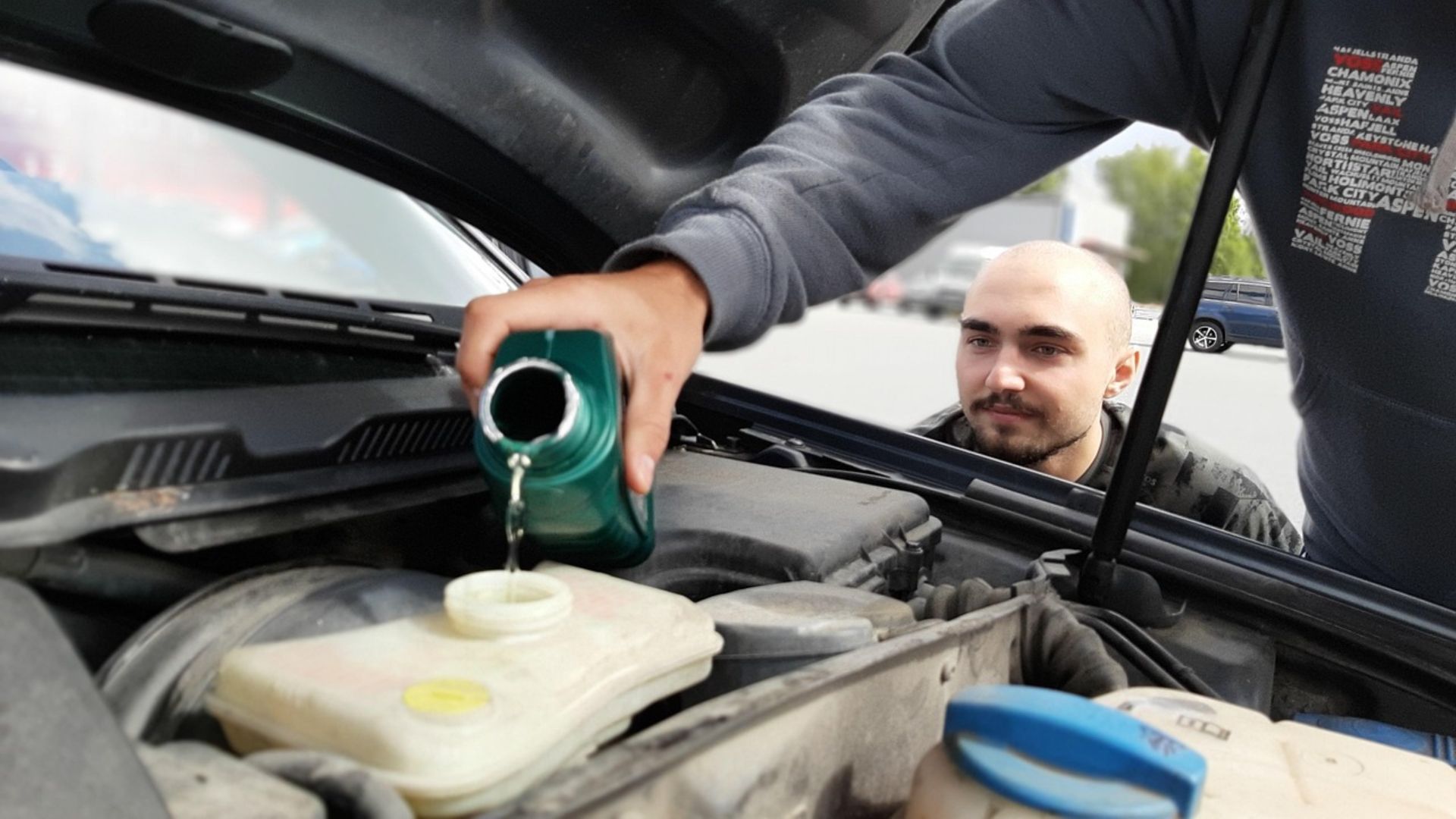
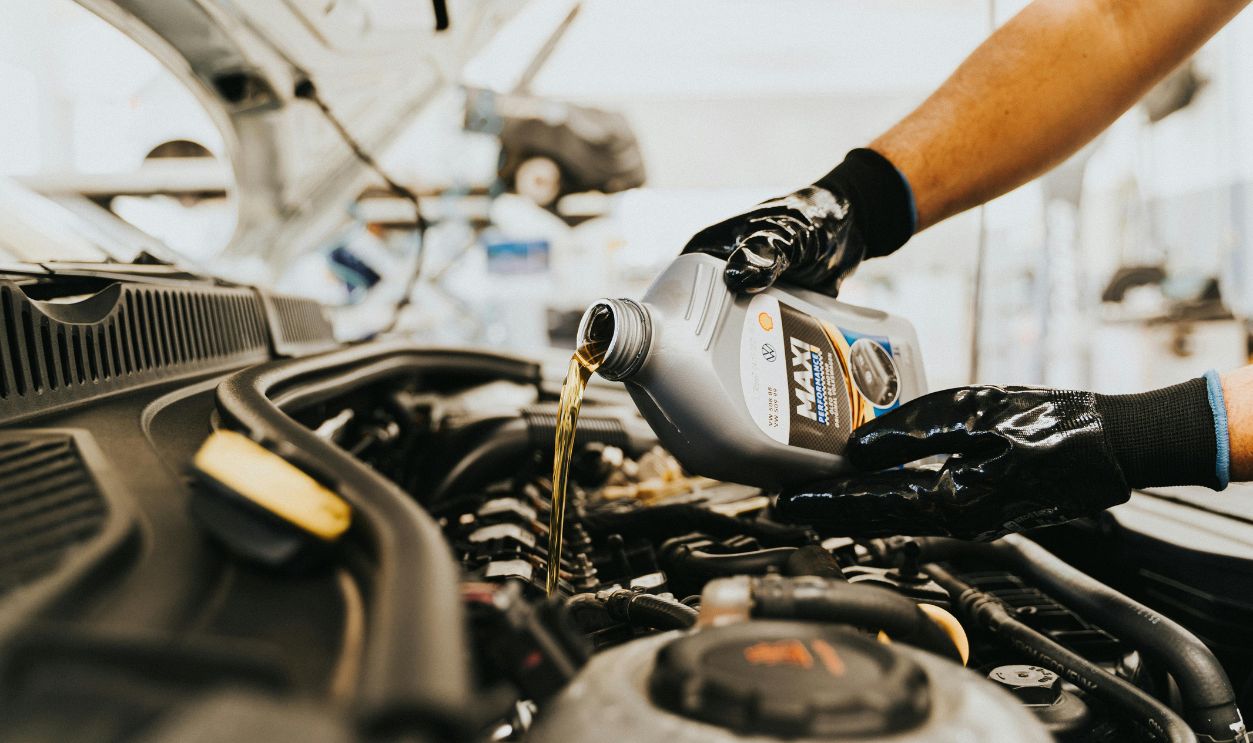
Using The Wrong Fluids
Yes, it matters. Manufacturers specify certain oil grades, transmission fluids, and coolants for a reason. Using the wrong type—or a bargain substitute—can be considered improper maintenance.
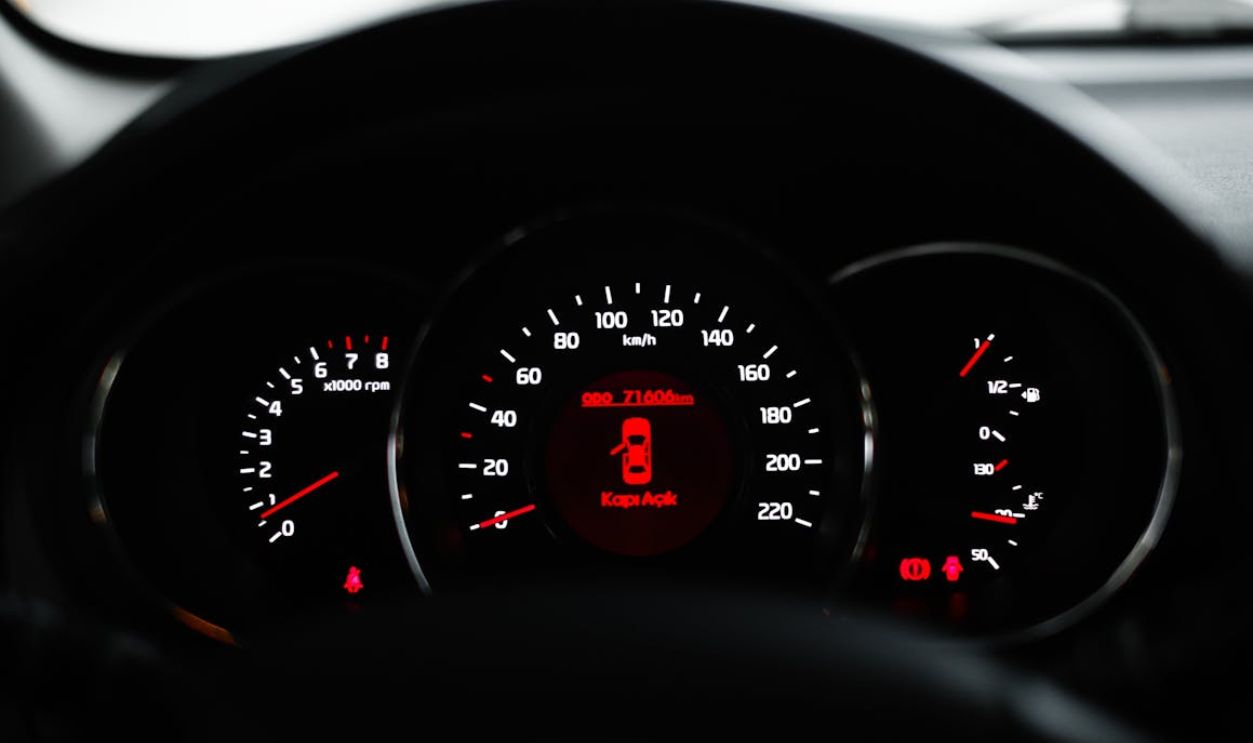
Ignoring Warning Lights
That glowing check engine light isn’t a suggestion. Continuing to drive while ignoring dashboard alerts can be labeled as neglect. If a minor issue snowballs into a major failure, the warranty company may decide you allowed the damage to happen.
Letting Someone Unqualified Work On Your Car
Your cousin who “knows engines” might mean well, but warranties favor certified professionals. Improper repairs can void coverage fast, especially if they cause additional damage. Even simple jobs done incorrectly can create expensive consequences.

Racing Or Competitive Driving
Track days, drag racing, or timed competitions are almost always excluded. Once a vehicle is used in a racing environment, many warranties consider it outside normal driving conditions. That includes “just for fun” weekend events.

Commercial Use Without Disclosure
Using your personal car for delivery gigs or rideshare services? Some warranties require disclosure—or specific coverage—if the vehicle is used commercially. Failing to mention it can invalidate protection when you need it most.

Odometer Tampering
Rolling back mileage isn’t just illegal—it’s a warranty killer. Any sign of odometer alteration can immediately void coverage, even if it was done before you owned the vehicle. Accurate mileage is central to warranty terms.

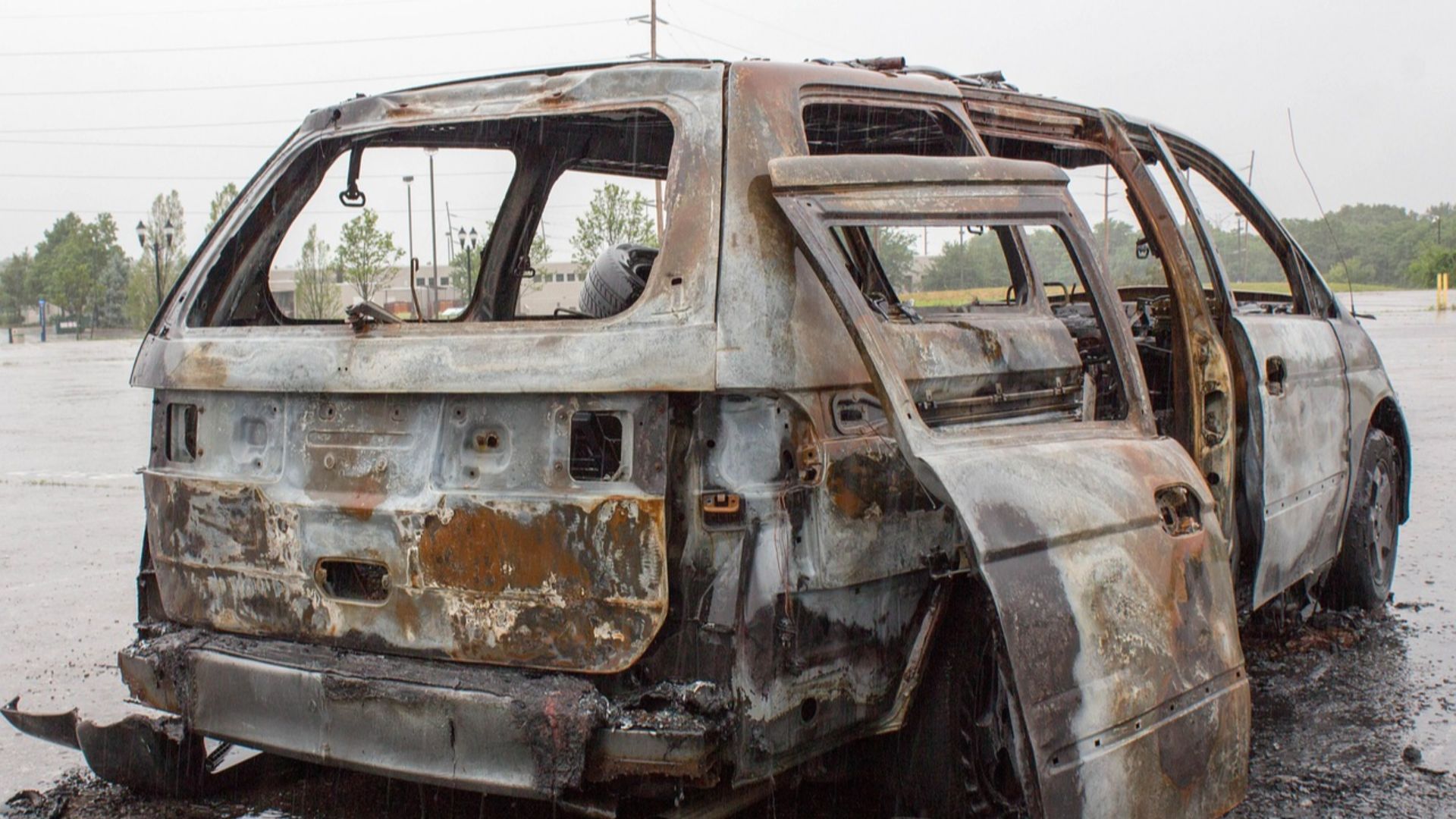
Environmental Damage
Floods, hailstorms, and other natural disasters typically fall outside warranty protection. Warranties cover defects—not acts of nature. That’s what insurance is for.
Neglecting Minor Repairs
Small issues have a way of growing teeth. Ignoring a leaking gasket or worn belt can lead to major engine damage later. Warranty providers may argue that early intervention would have prevented the bigger failure.
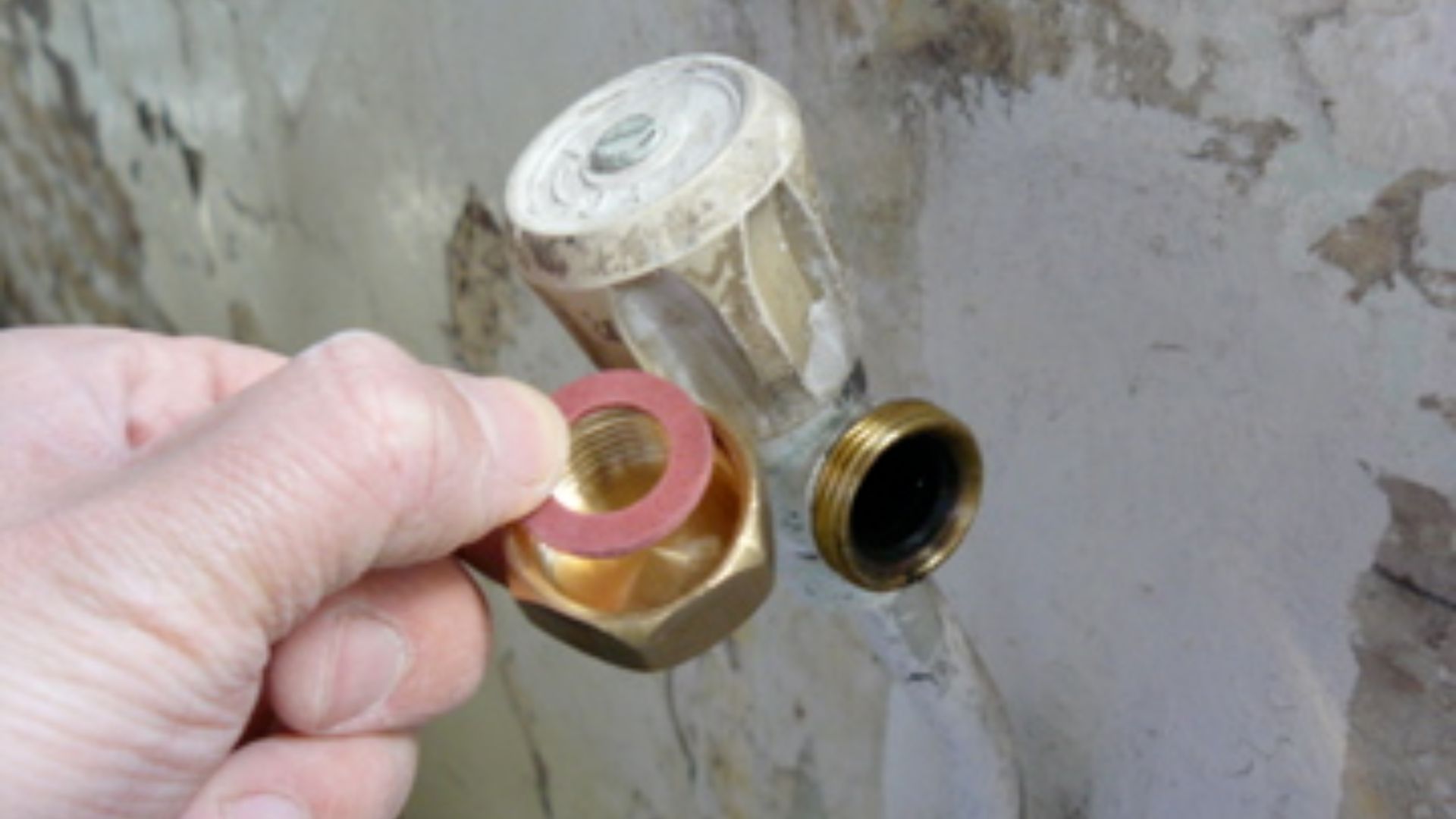
Modifying The Suspension
Lift kits and lowering kits might look sharp, but they change vehicle dynamics. Altering ride height can place extra strain on drivetrain components, which manufacturers didn’t design for. If related parts fail, coverage could disappear.
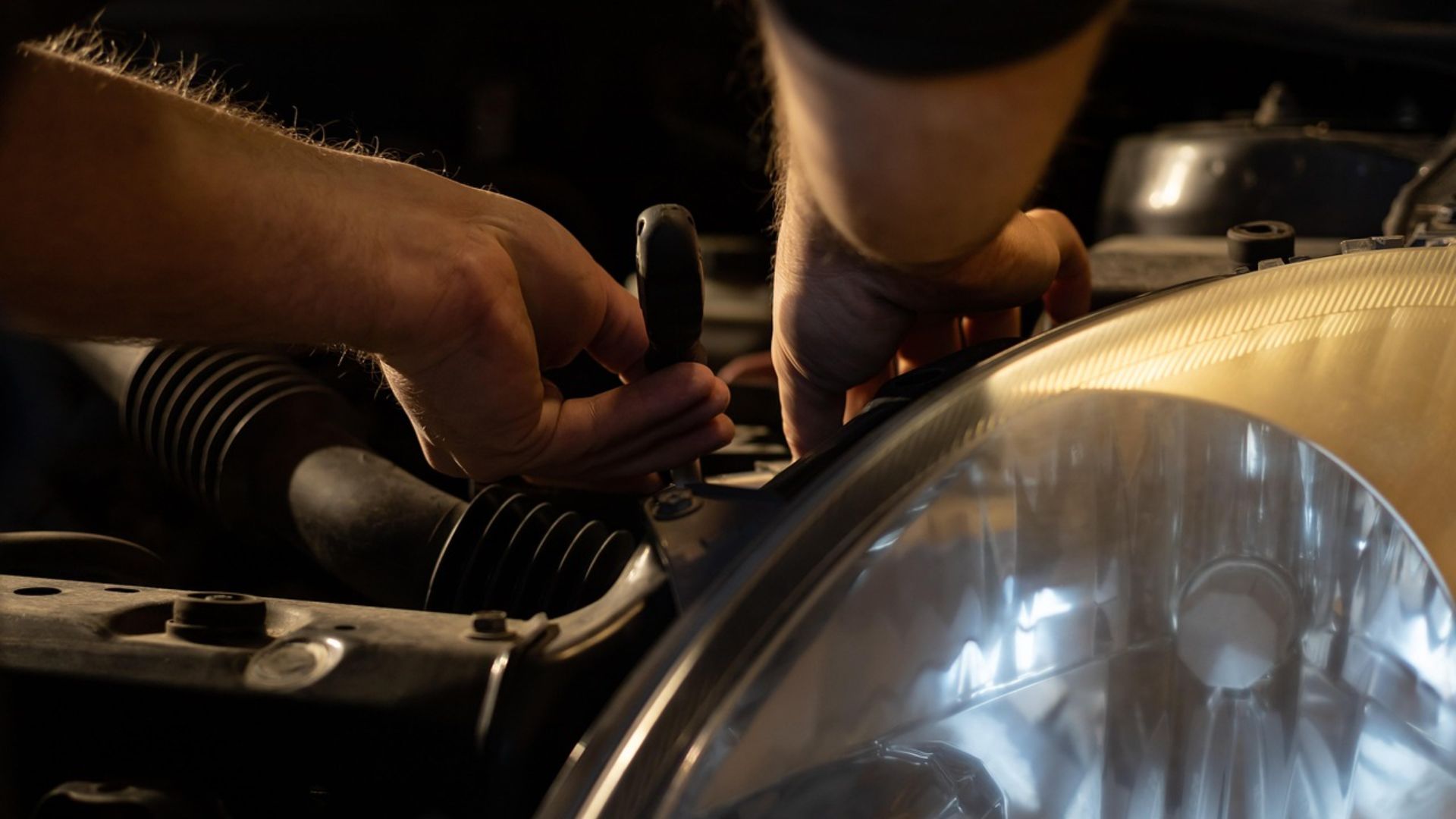
Using Contaminated Or Poor-Quality Fuel
Consistently using low-grade or contaminated fuel can damage the engine. If the failure is traced back to fuel quality, the warranty likely won’t step in. It’s one of those invisible habits that can cost big later.

Failing To Address Recalls Promptly
Recalls are issued for safety and reliability reasons. Ignoring them can complicate future claims if a related part fails. Providers may argue you skipped a free fix that would’ve prevented the issue.

Altering The ECU
Reprogramming or tuning the engine control unit can dramatically affect performance. Even subtle software tweaks can be detected during diagnostics, and they often void powertrain coverage instantly. It’s one of the quickest ways to lose protection.
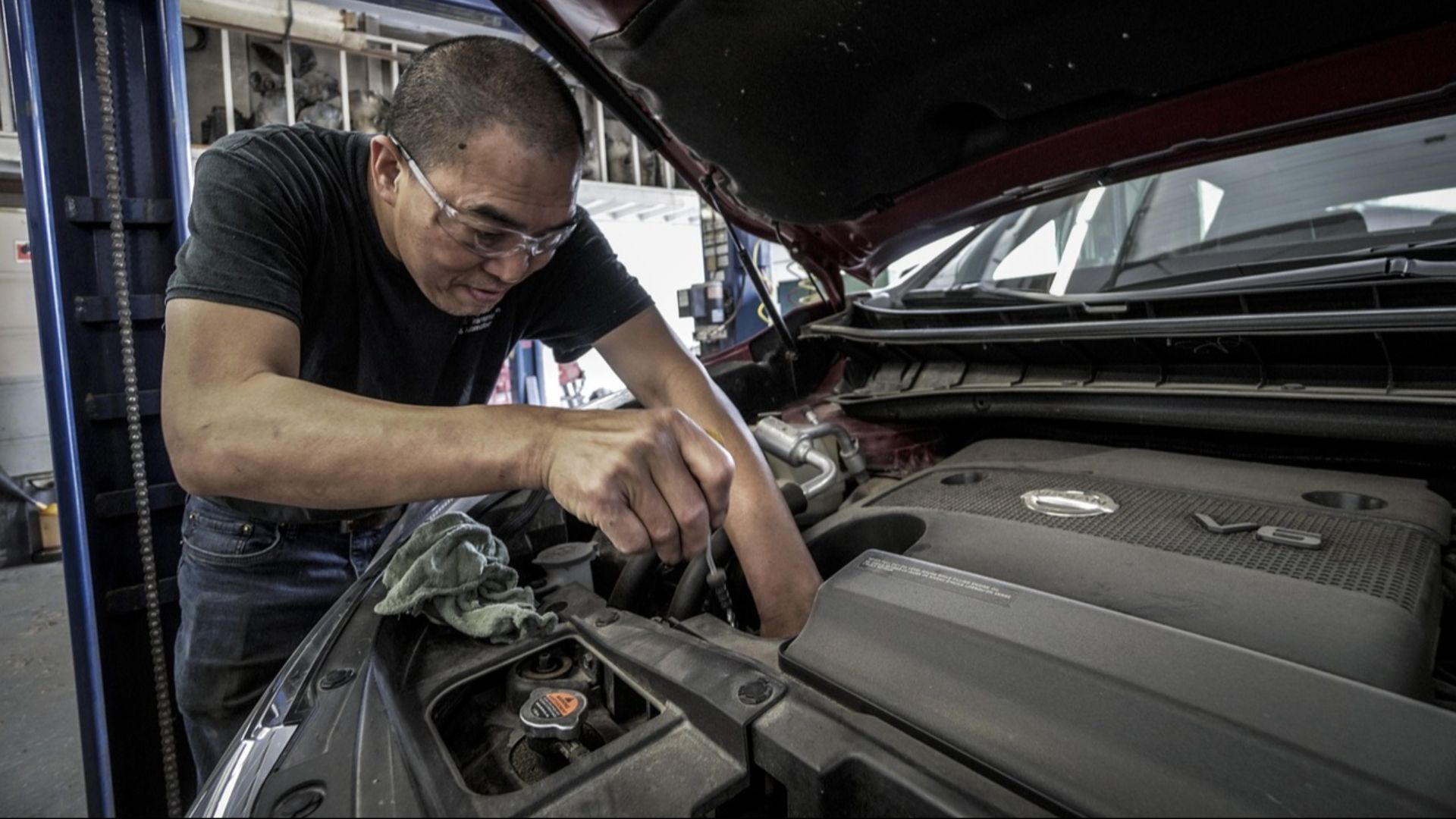
Driving With Low Fluids
Running low on oil, coolant, or transmission fluid is considered neglect. If internal damage occurs due to insufficient lubrication or overheating, the warranty provider may deny the claim. Basic fluid checks go a long way.

Installing Non-Approved Electrical Add-Ons
Custom lighting, sound systems, and remote starters are popular upgrades. But improper wiring can strain the electrical system. If those modifications cause shorts or module failures, coverage may not apply.

Not Following Break-In Guidelines
New vehicles often come with specific early-mile driving recommendations. Aggressive driving during the break-in period can compromise internal components, and manufacturers may point to that if issues surface later. Those first thousand miles matter more than most people think.

Using The Vehicle Outside Its Intended Purpose
Taking your sedan off-roading or towing beyond its rated capacity can cause premature wear. Warranties assume normal use. Exceeding design limits gives providers grounds to deny related repairs.

Unauthorized Repairs During A Claim
If a problem pops up and you rush to fix it without approval, that can backfire. Many extended warranties require prior authorization before repairs begin. Skipping that step—even in a panic—can void reimbursement.
 Quality Stock Arts, Shutterstock
Failing To Transfer The Warranty Properly
Selling or buying a used car with remaining coverage? If the warranty transfer paperwork isn’t completed correctly, the protection may not carry over. It’s a small administrative detail that can erase big benefits.

You May Also Like:
DIY Car Maintenance: Simple Tasks to Keep Your Vehicle Running Smoothly