Something About Night Driving Feels… Off
Lately, night driving just feels different. More drivers are noticing it, but few can quite put their finger on why. And it’s not just one small thing.
Night Driving Was Always Risky—But This Is Different
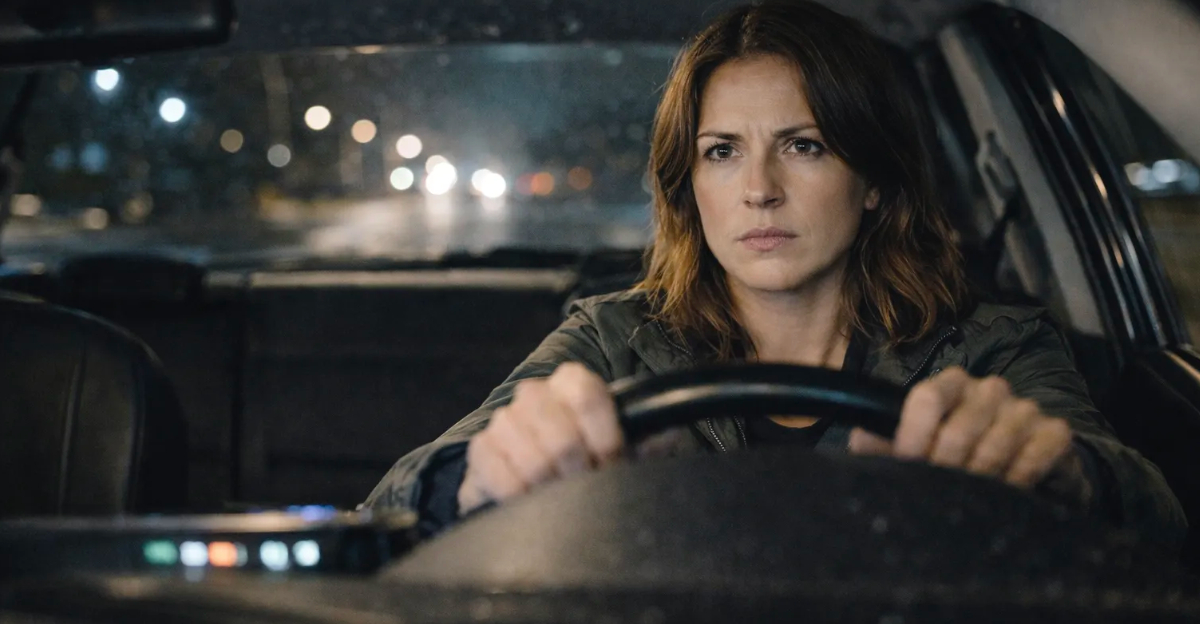
Driving at night has always carried higher risk. What’s new is how many small changes have piled up at once. Lighting technology, vehicle design, road maintenance, and driver behavior have all shifted in the last decade. None of them are dramatic on their own—but together, they’ve made night driving feel harsher and less forgiving than it used to.
The Odds Are Already Stacked Against You
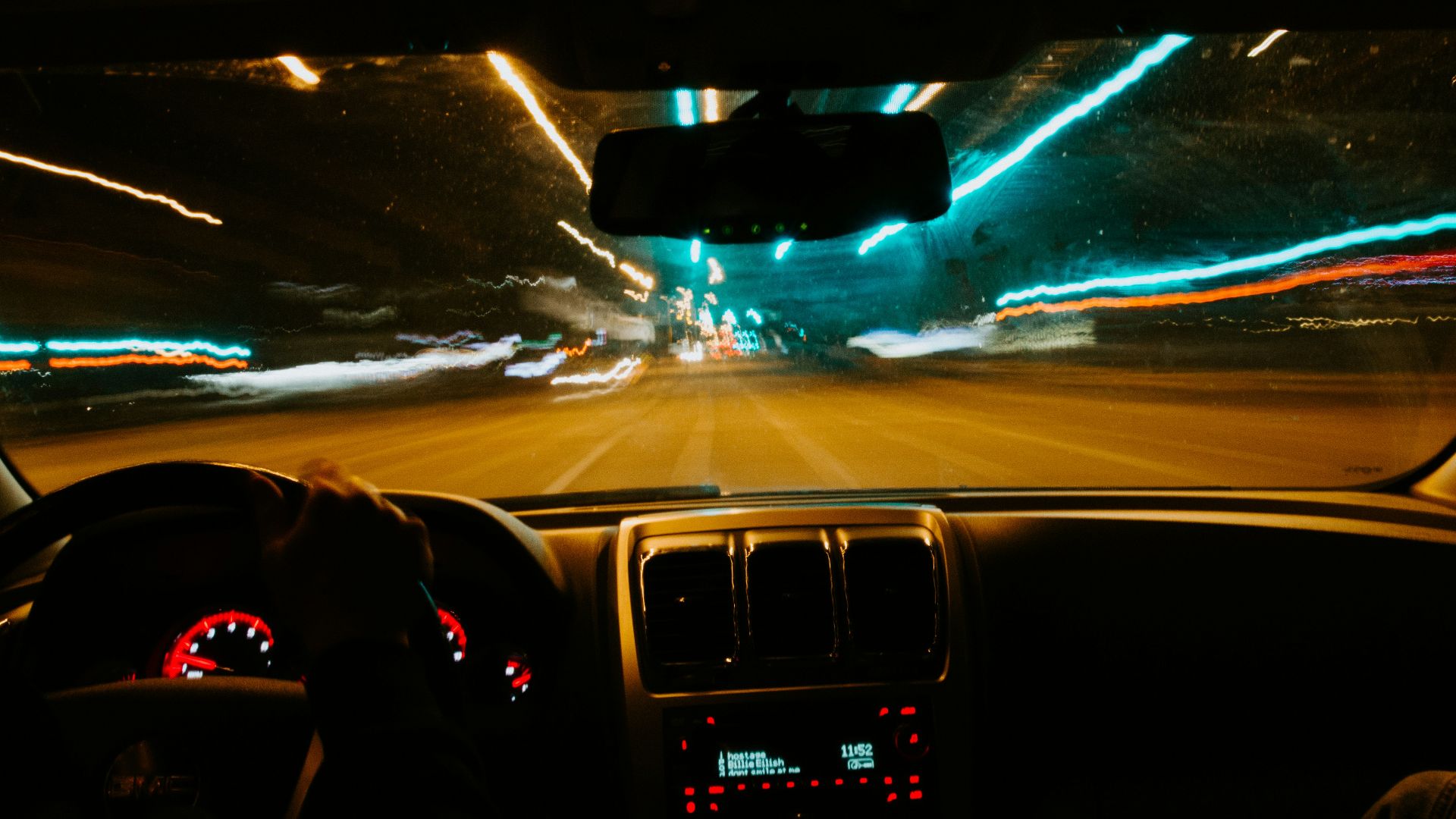
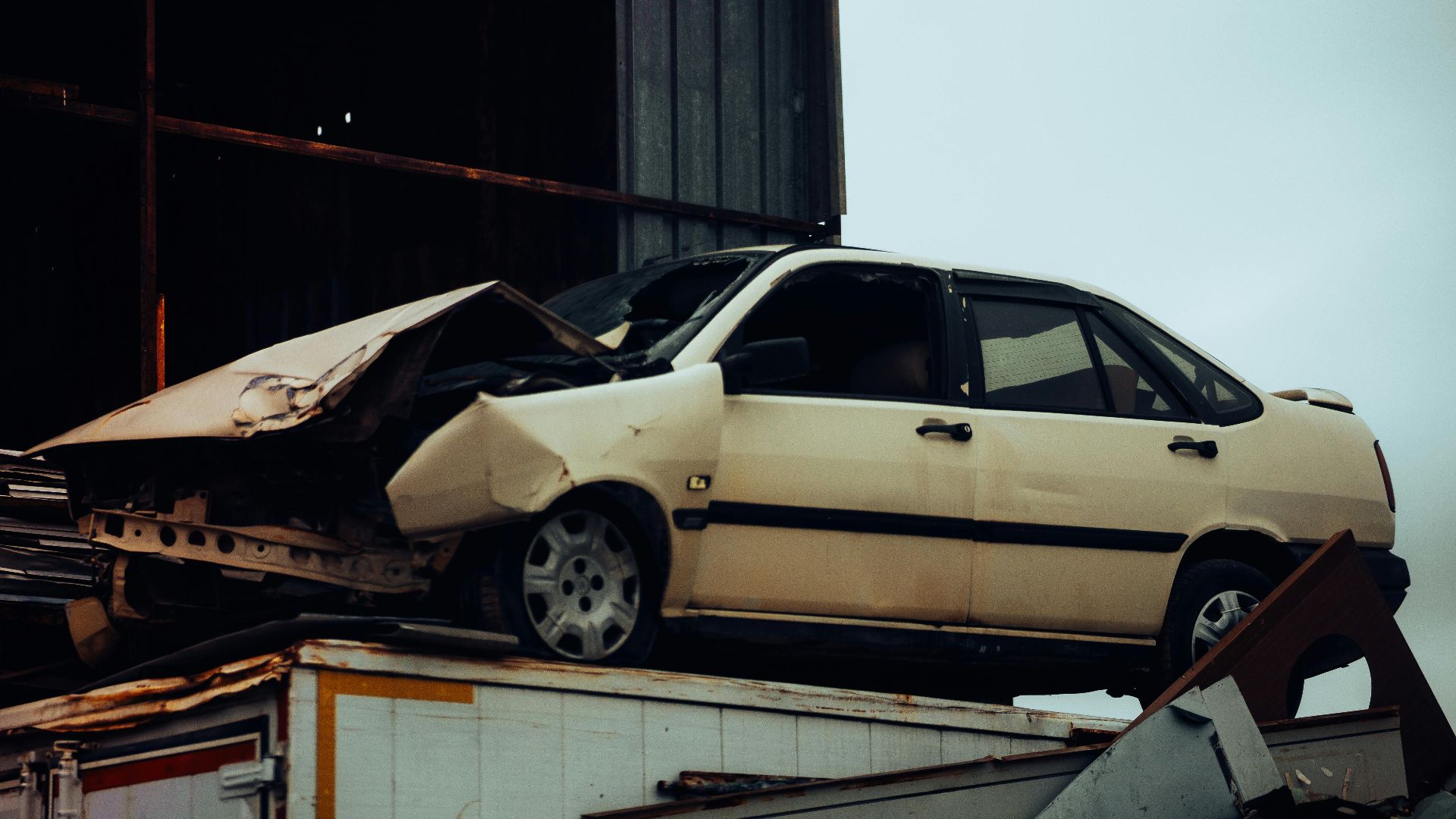
Only about 25% of driving happens at night, yet nearly half of all fatal crashes occur after dark. That risk has always existed—but today’s driving environment amplifies it. When visibility, comfort, and predictability all degrade at once, even normal situations start feeling dangerous.
Darkness Shrinks Your Reaction Window
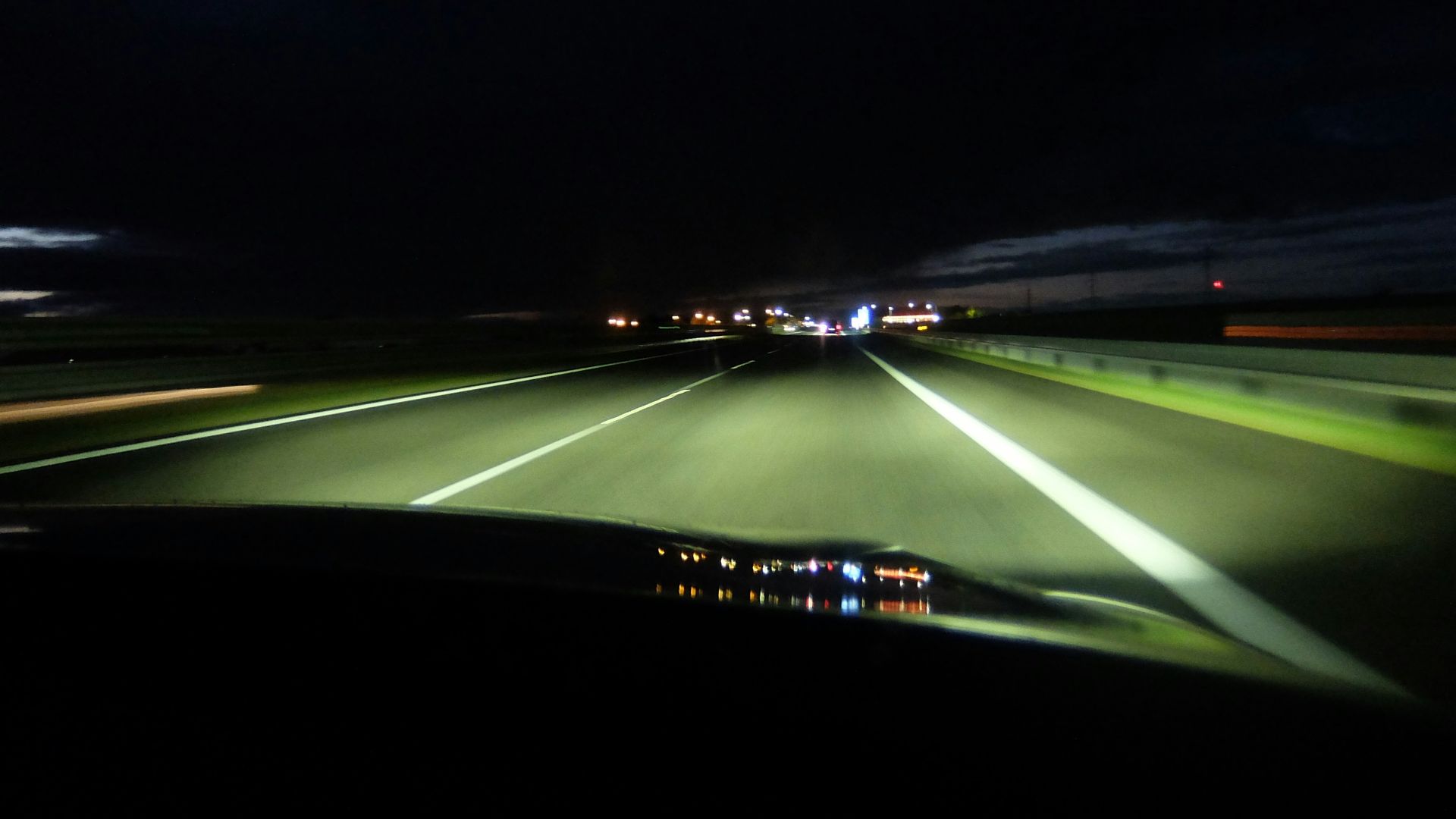
Low-beam headlights typically illuminate between 160 and 250 feet ahead. At highway speeds, that gives drivers just a couple of seconds to spot a hazard, decide what it is, and react. In daylight, that same hazard would be visible much earlier—often before it becomes a problem at all.
Your Eyes Are Working Against You
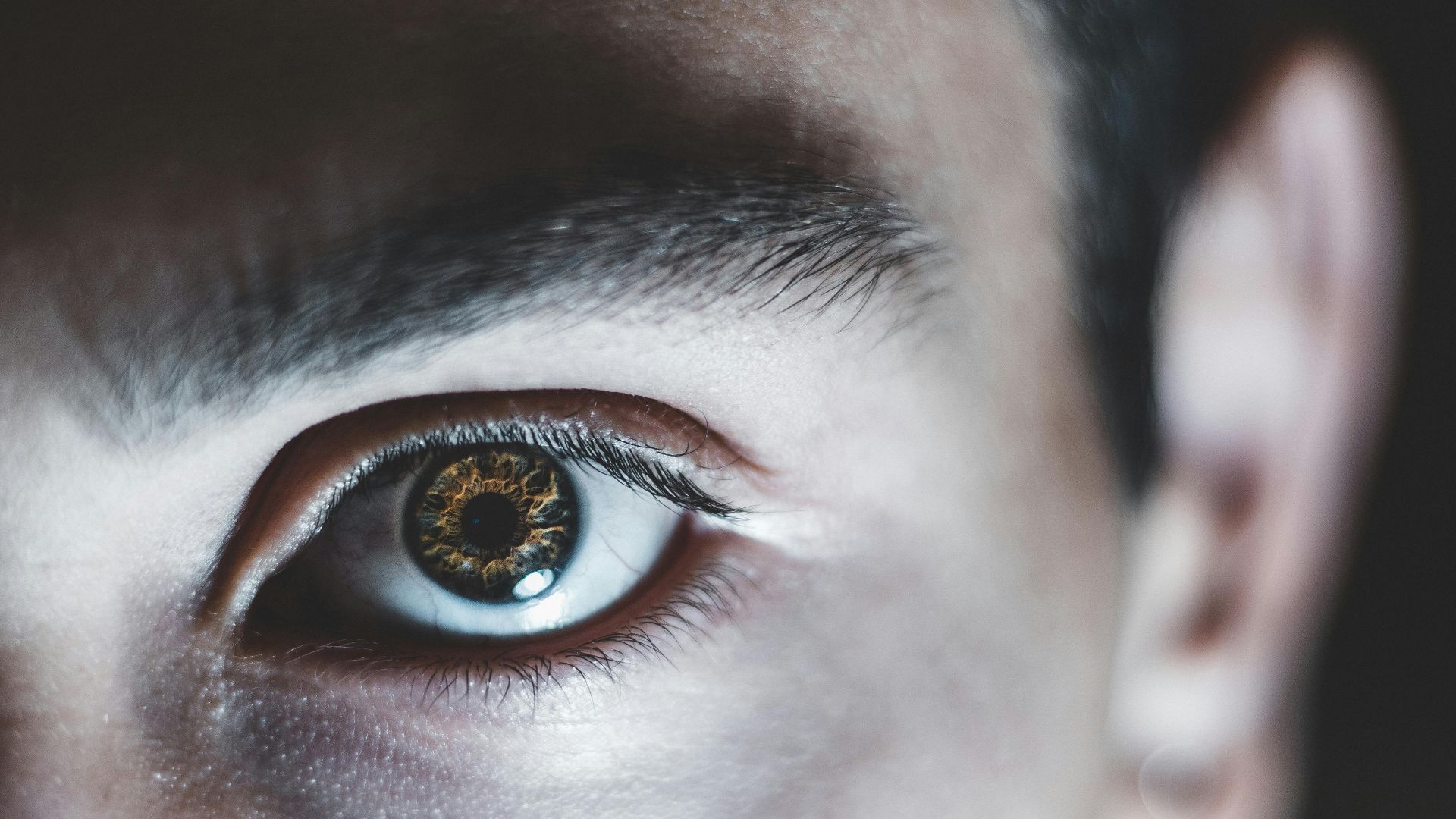
Human vision simply isn’t built for darkness. Studies show that depth perception, contrast sensitivity, and color recognition can drop by as much as 70% at night, making it harder to judge distance, speed, and movement—even for drivers with perfect eyesight.
Headlights Didn’t Used To Be This Intense
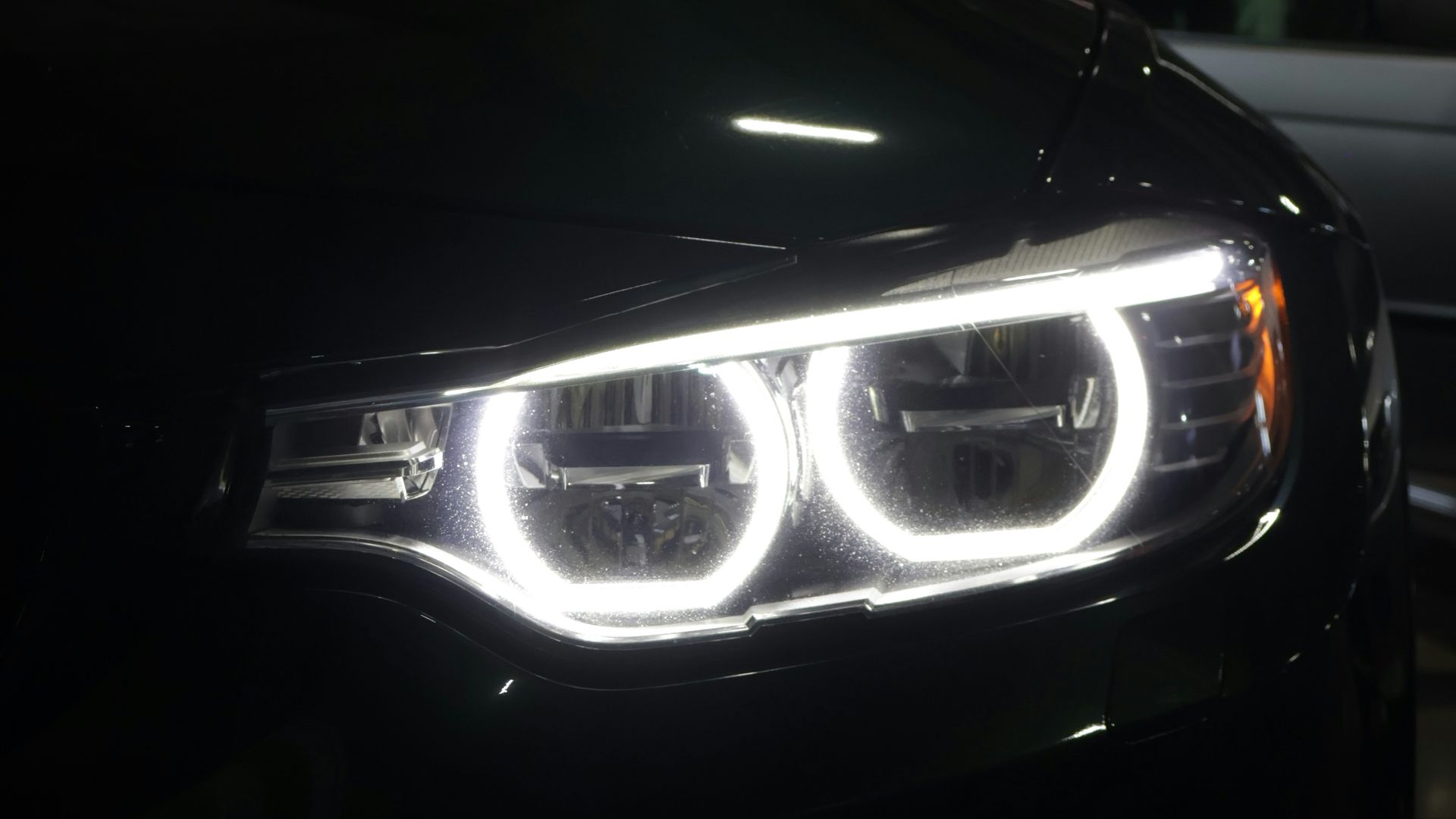
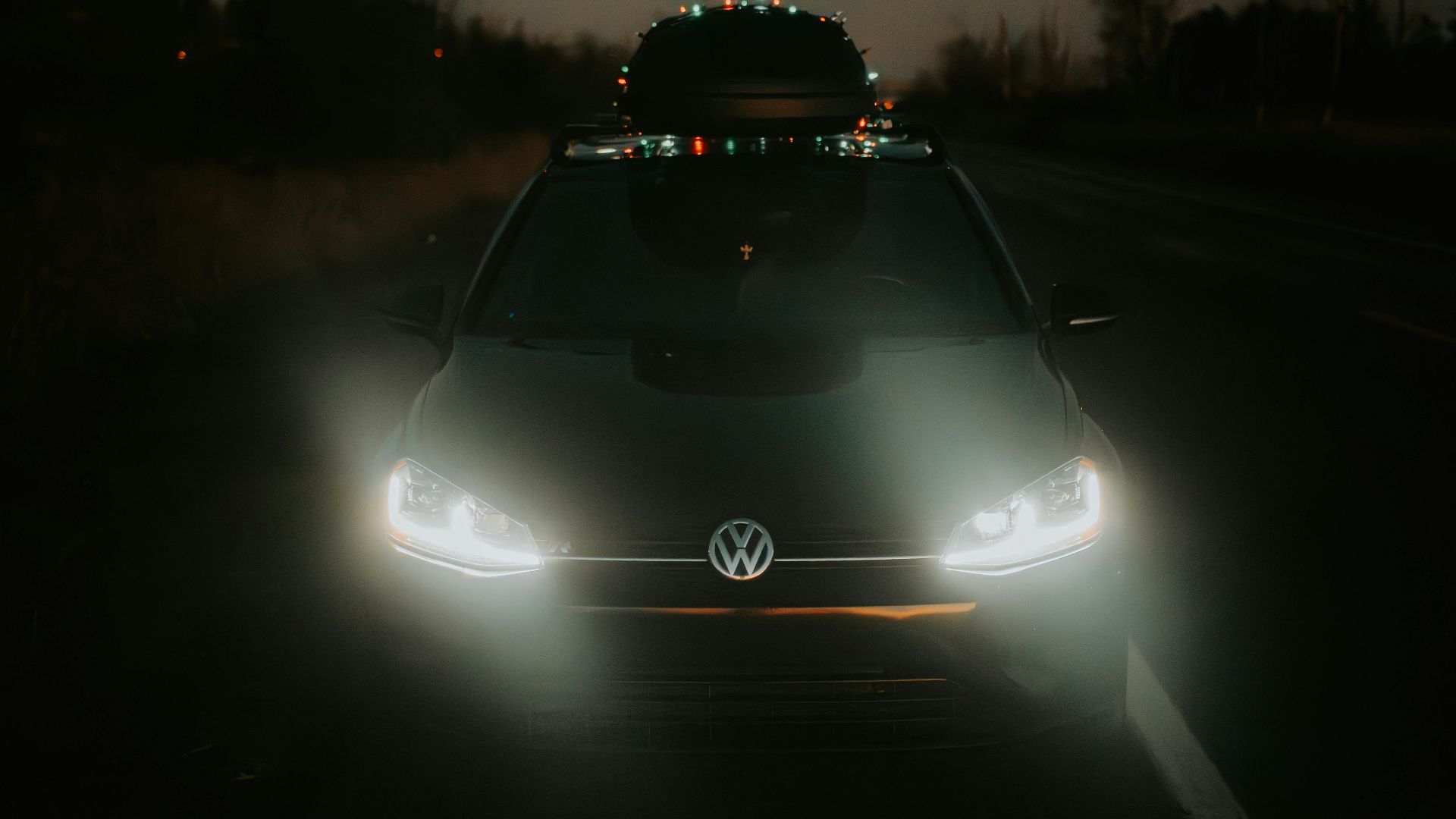
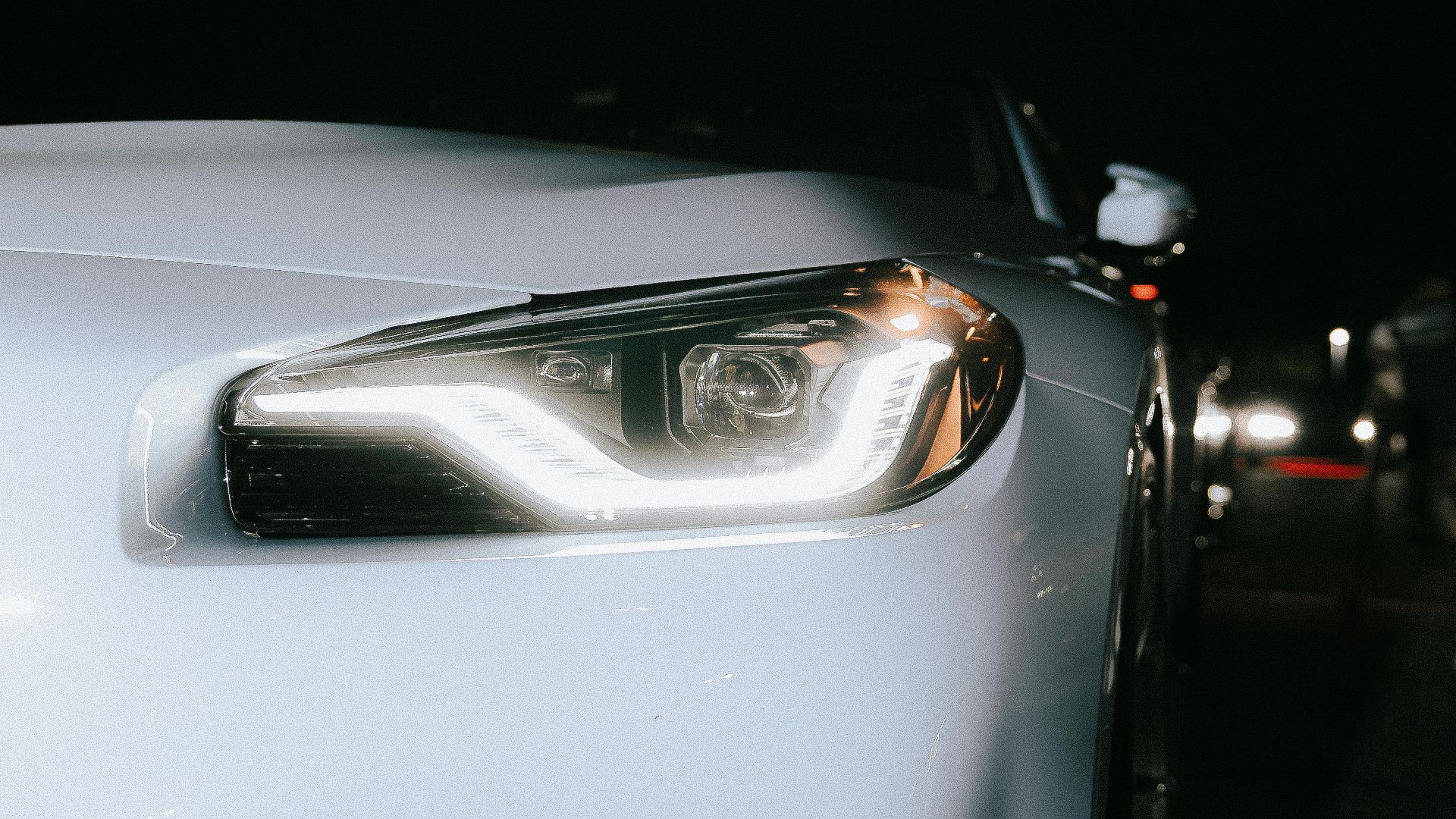
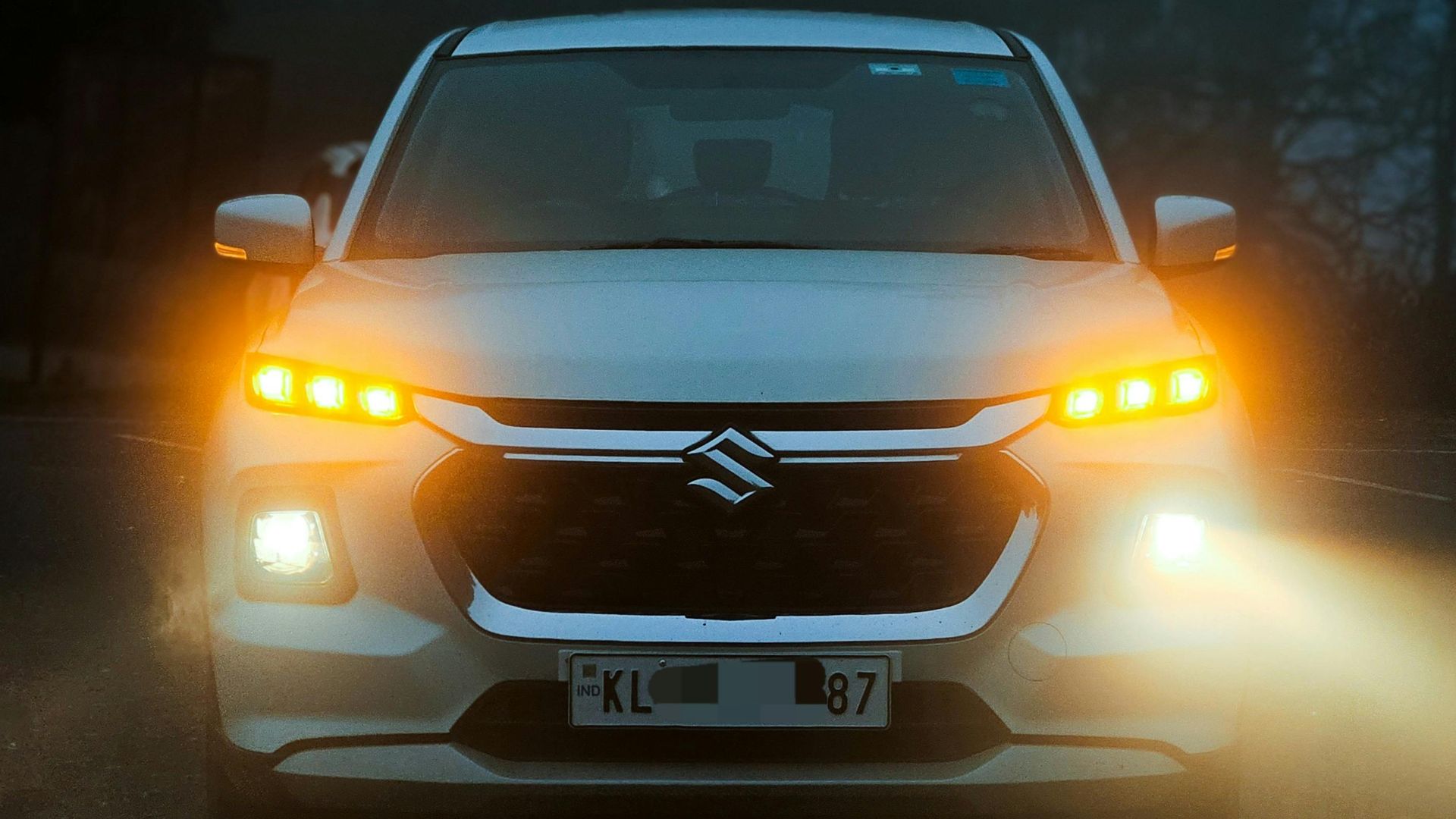
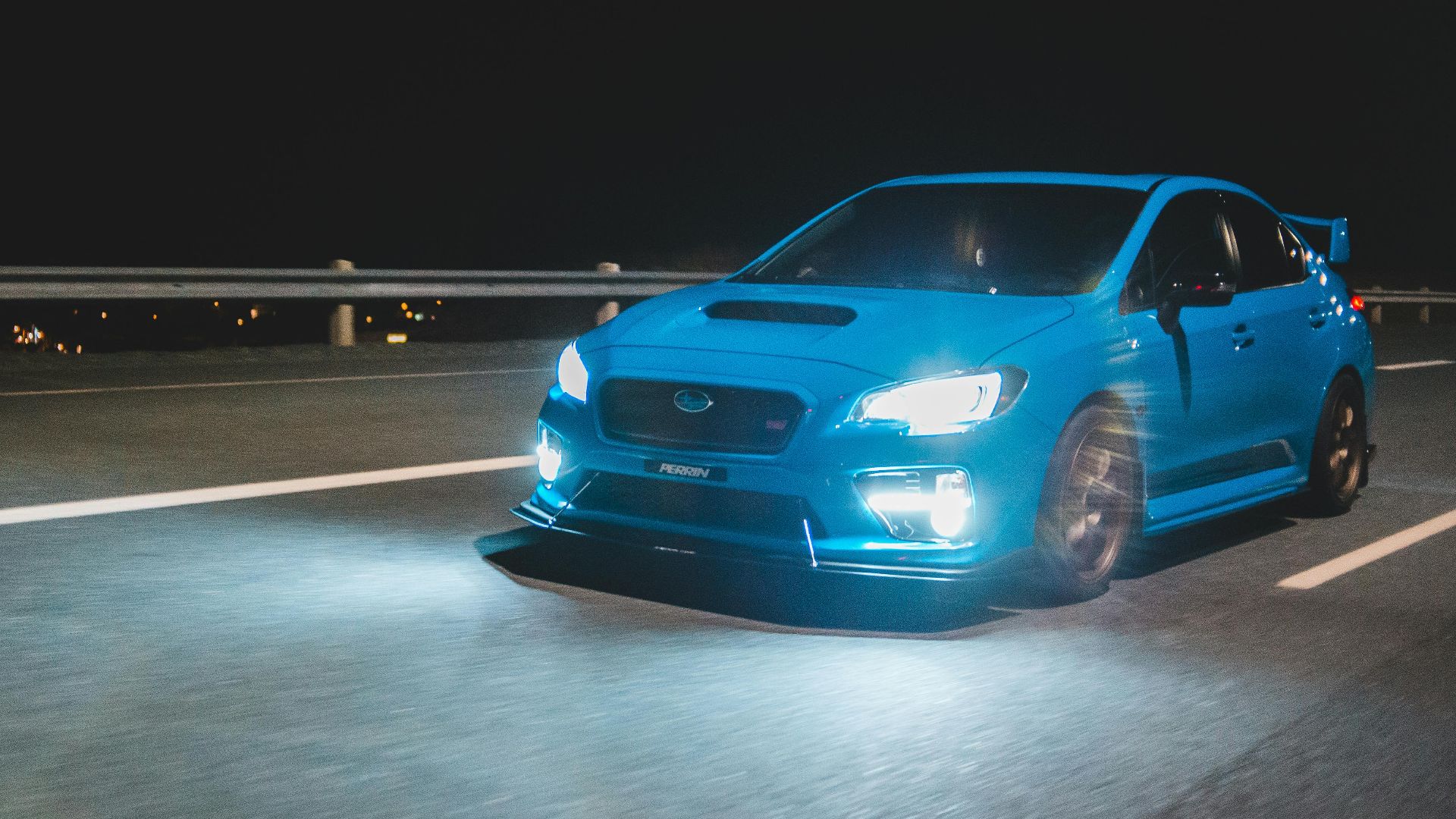
Older halogen headlights were dimmer, warmer, and mounted lower. Modern LED and HID headlights are brighter, whiter, and often higher off the ground—especially on SUVs and trucks. While they help the driver using them see farther, they create harsher glare for everyone else, changing how night driving feels even if crash data hasn’t fully caught up yet.
Drivers Notice The Change—even If Data Lags
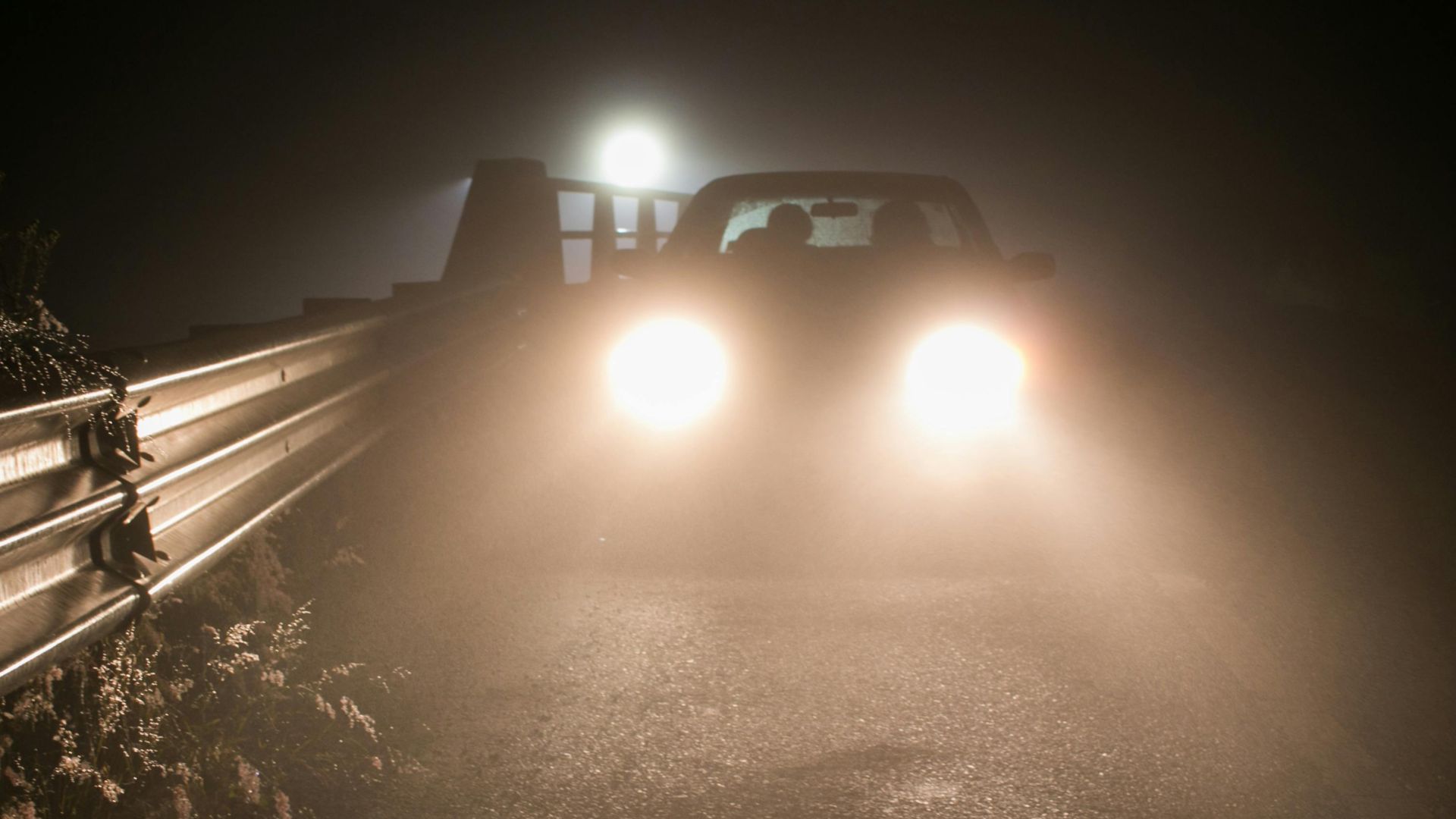
Surveys show nearly all drivers report frequent headlight glare, and many now avoid night driving altogether. Official crash reports rarely list glare as a cause—but discomfort, eye strain, and loss of confidence don’t get logged as statistics. They show up as stress, hesitation, and slower reaction times instead.
 Ricardo Martinez Gonzalez, Pexels
Rear Lights Didn’t Used To Be Optional
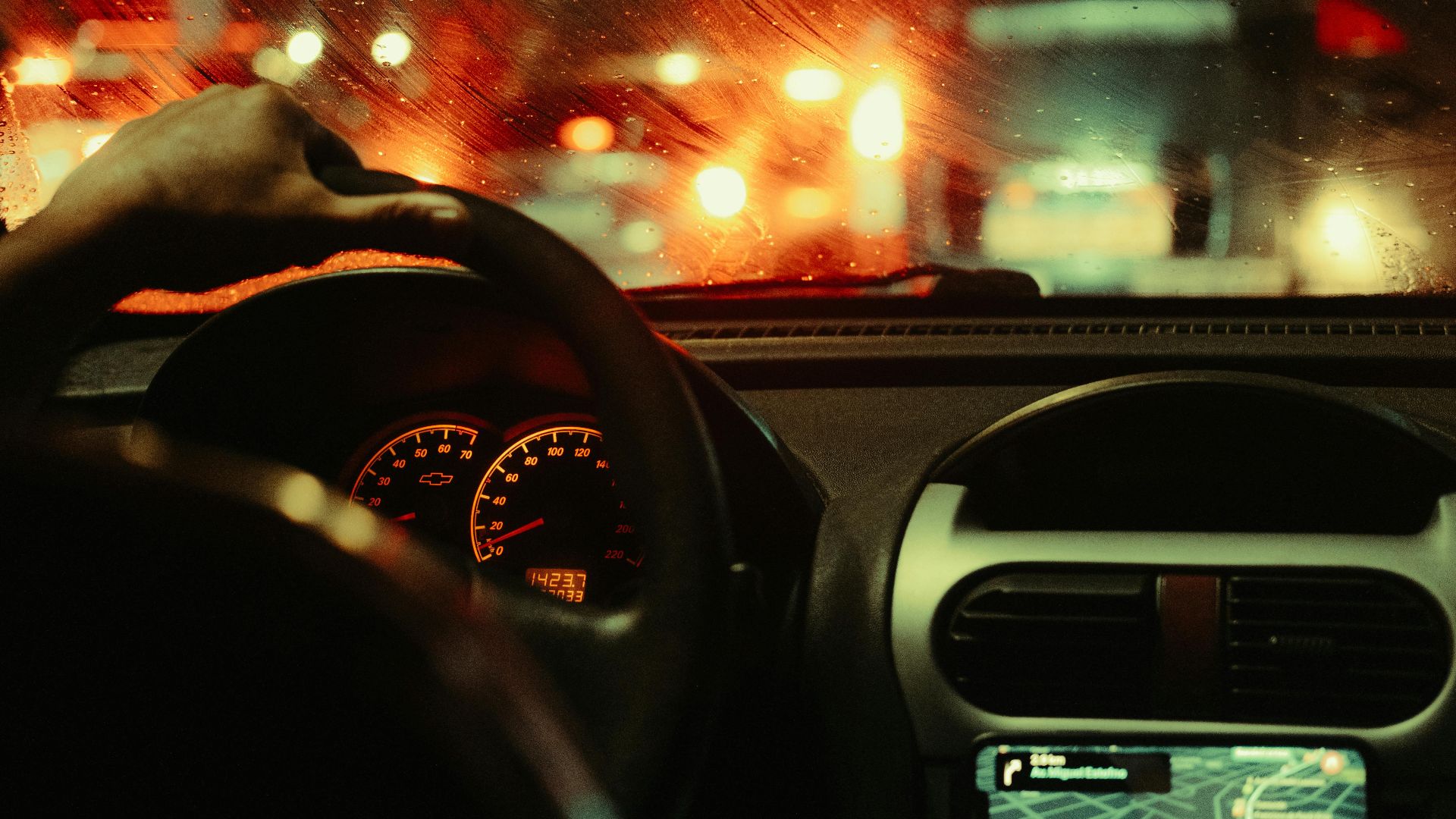
In older cars, dashboard lights only illuminated when headlights were on. Modern digital dashboards stay bright all the time, making it easy for drivers to unknowingly drive at night without rear lights. This design flaw barely existed years ago—and it makes cars harder to see from behind in darkness.
Cars Are Brighter Inside Than Ever
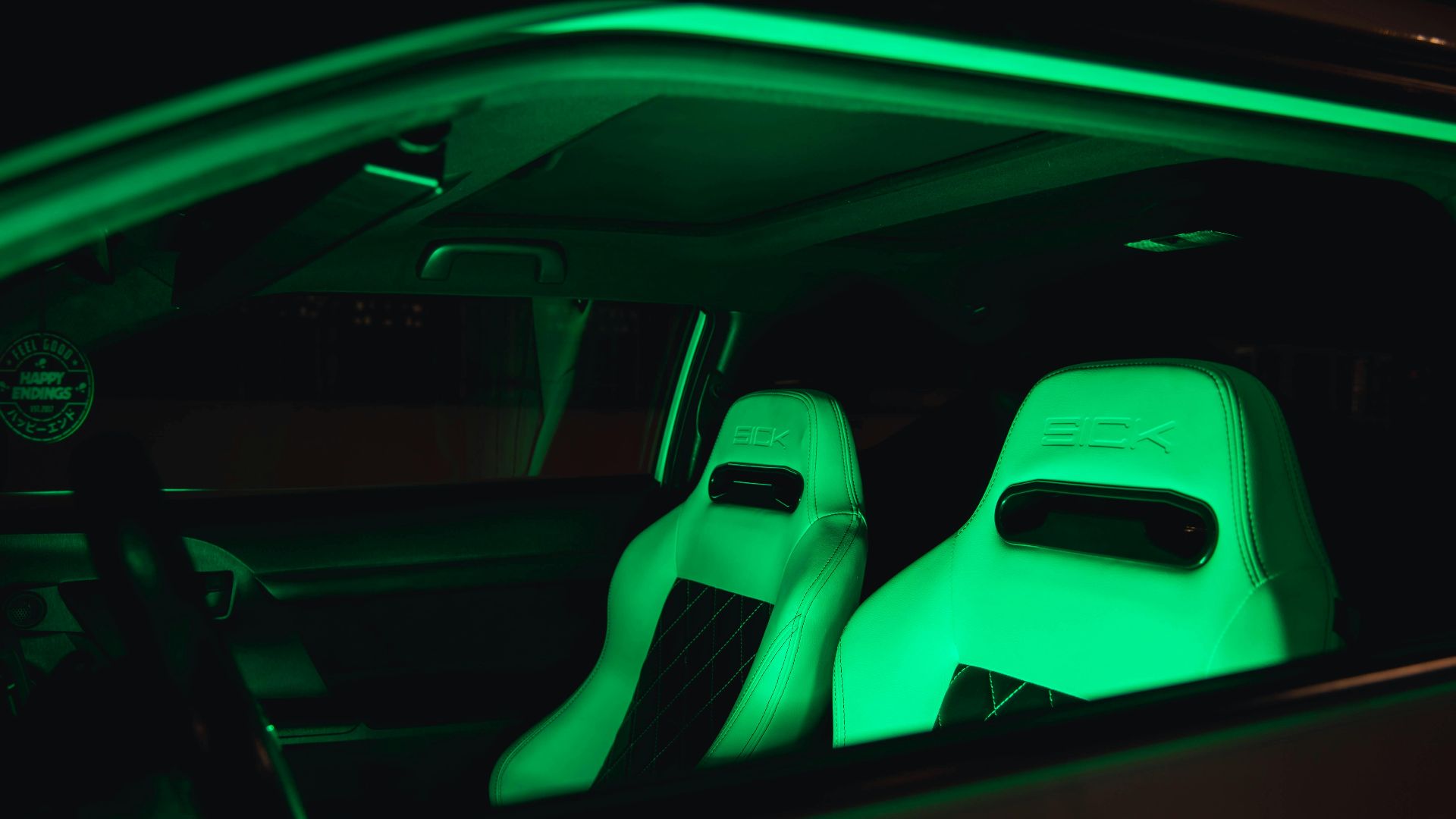
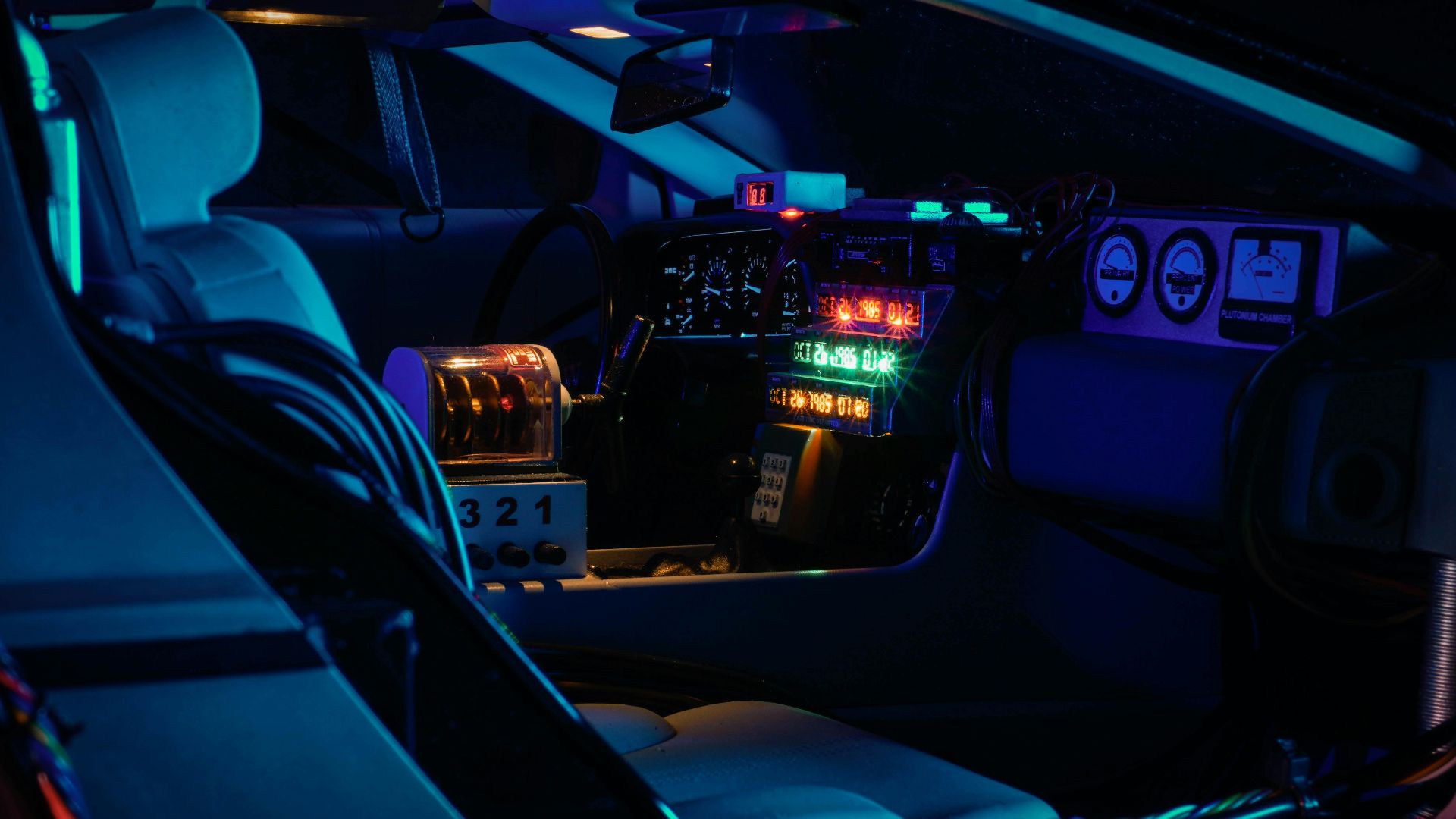
Large infotainment screens and digital gauges light up the cabin, reducing your eyes’ ability to adapt to darkness. Older cars were darker inside, which helped drivers maintain night vision. Even with auto-dimming, today’s interiors quietly work against your eyes after sunset.
Roads Got Worse While Cars Got Brighter
Many road agencies have reduced spending on reflective paint, raised markers, and signage maintenance. The result is darker, less readable roads—especially in rain. Headlights are brighter than ever, but they can’t fully compensate for missing visual cues that used to guide drivers at night.
Driver-Assist Tech Changed Night Behavior
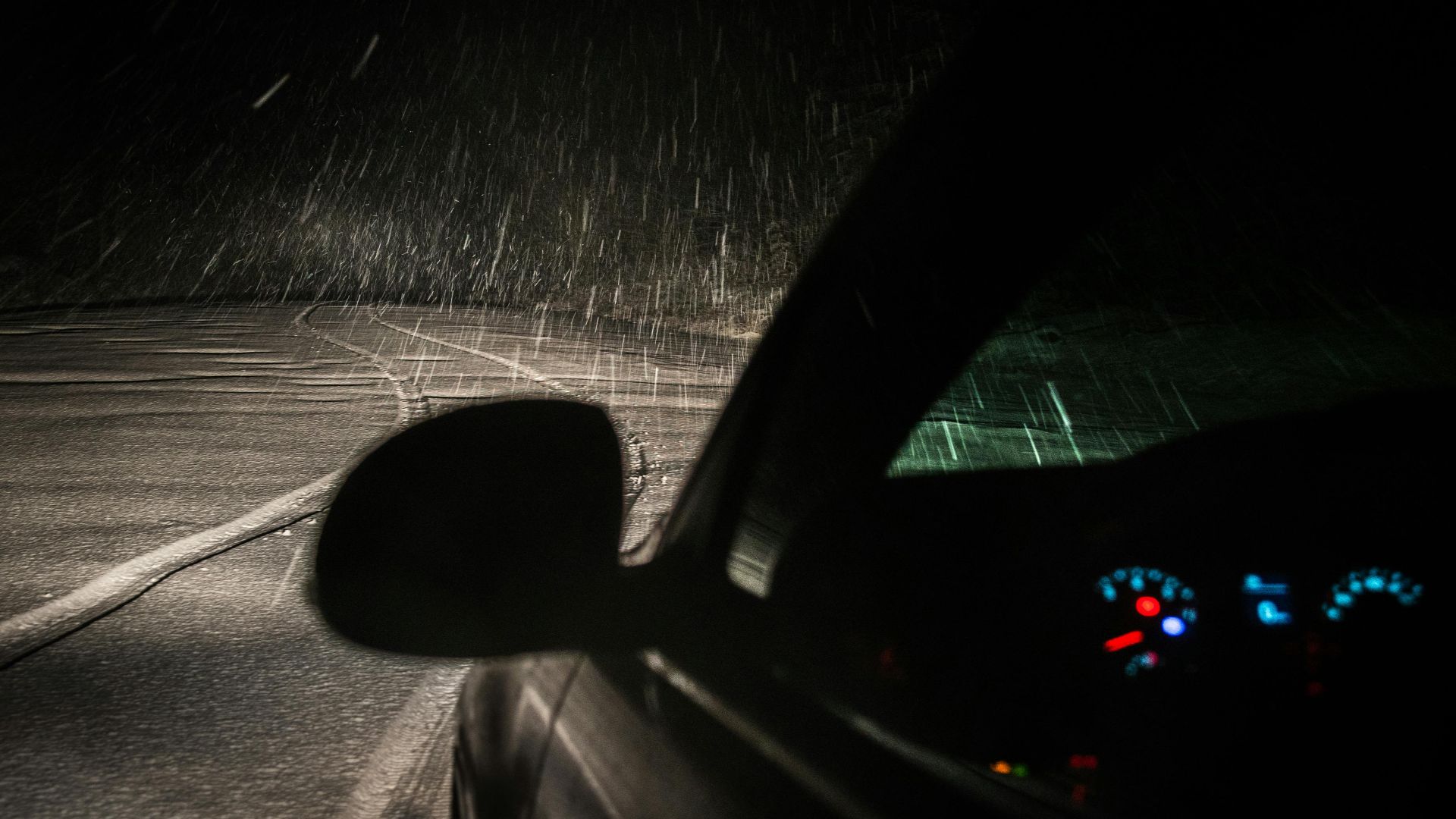
Automatic braking, lane-keeping alerts, and adaptive cruise control are far more common now. At night, these systems can misinterpret shadows, reflections, or roadside objects—leading to sudden braking or steering that didn’t happen in older cars and adds to driver anxiety.
More Distracted Drivers, Less Margin For Error
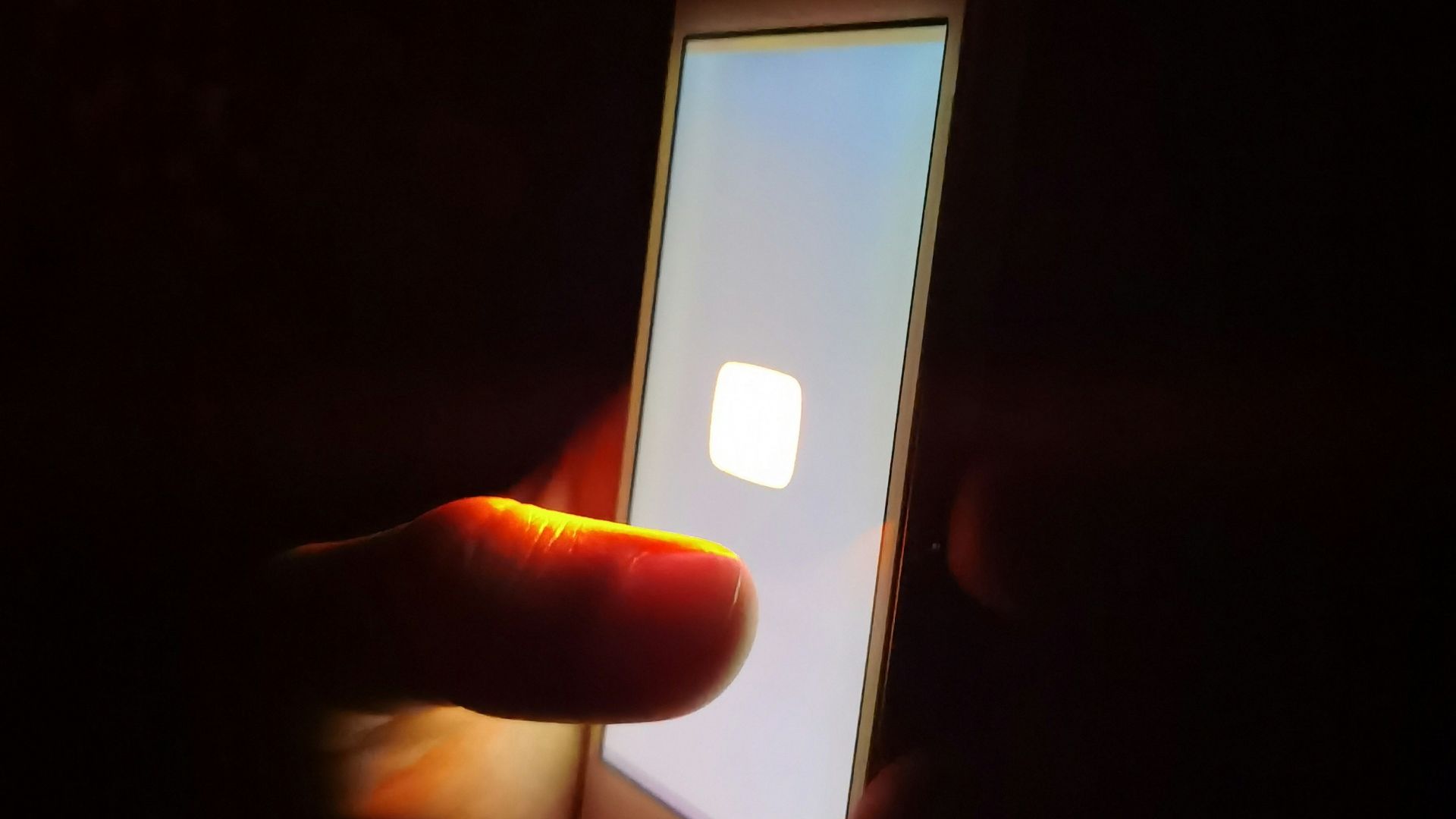
Smartphone use exploded over the last decade. At night, distraction is more dangerous because drivers have less visual information to recover from mistakes. Daylight hides bad habits; darkness exposes them.
Fatigue Hits Harder In Today’s Driving Environment
Night driving already strains attention—but add brighter lights, glowing screens, alerts, and unpredictable tech, and mental fatigue sets in faster. Drivers aren’t just tired—they’re overloaded.
Drowsy Driving Is Shockingly Common
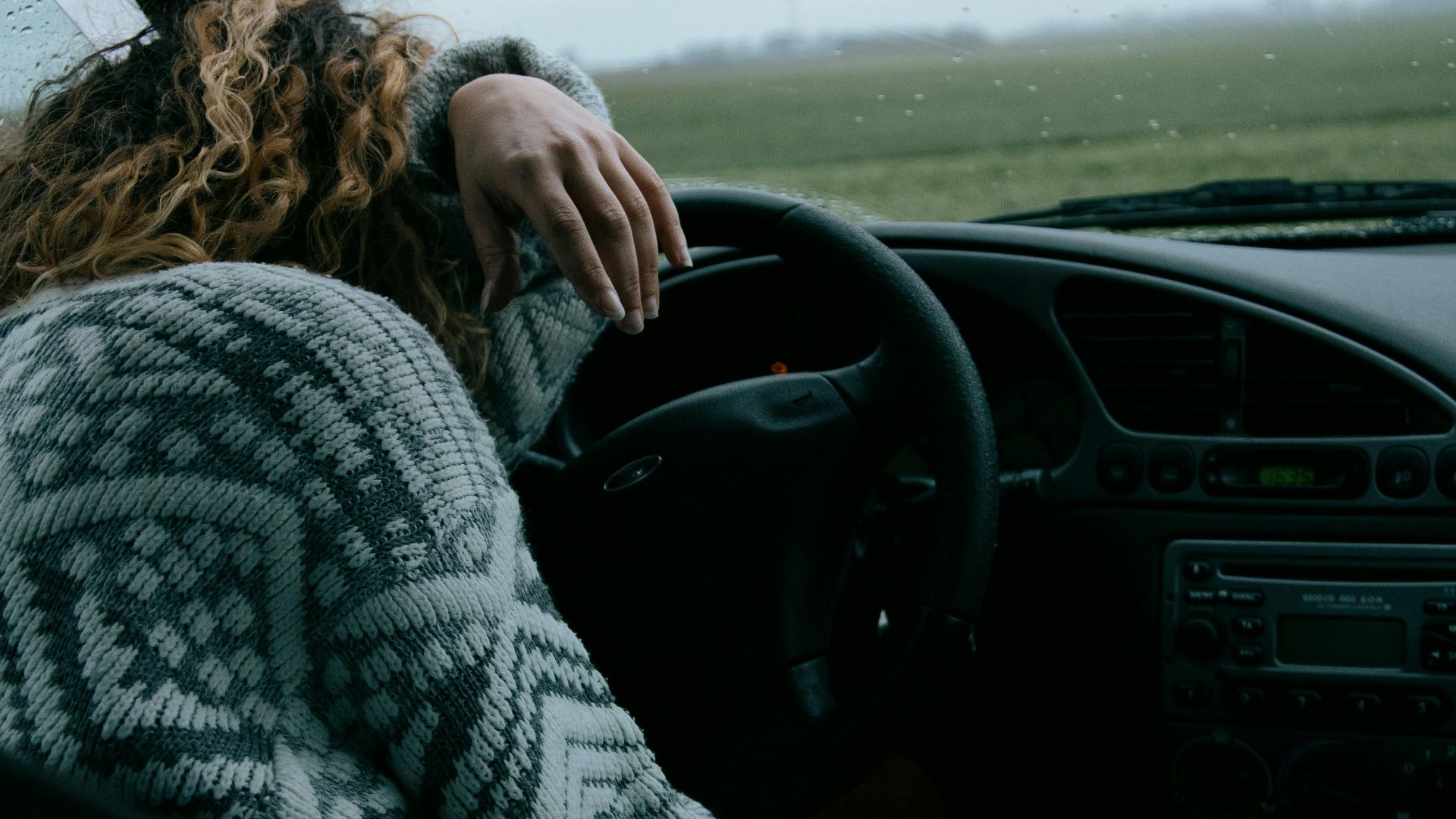
More than half of U.S. drivers admit to driving while drowsy, and estimates suggest hundreds of thousands of drivers fall asleep at the wheel every day. Darkness makes it harder to stay alert, especially on long or familiar routes.
Wildlife Becomes A Serious Threat
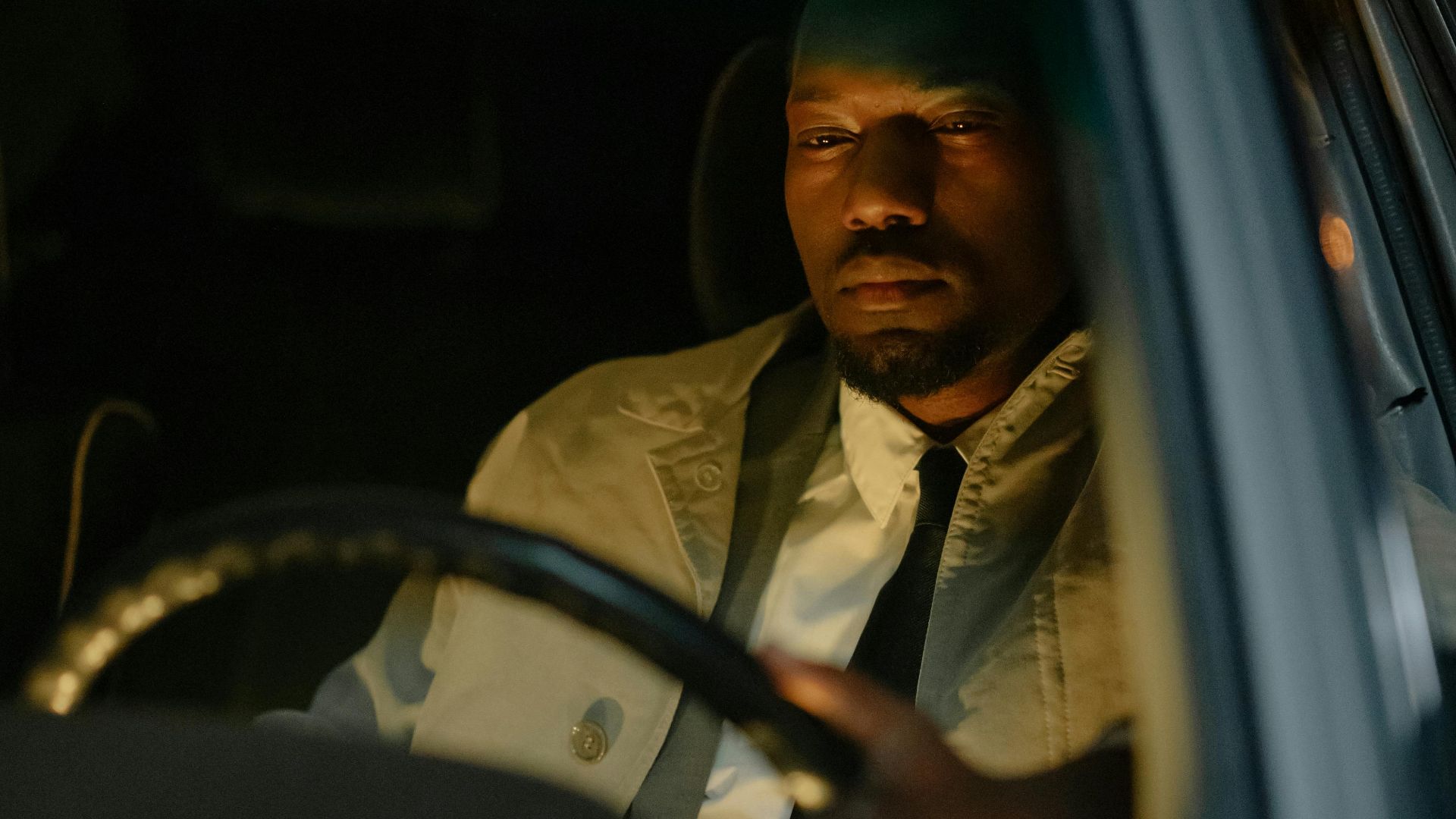
Deer and other animals are far more active at night. On dark rural roads, drivers often don’t see them until they’re directly in the headlights—leaving little time to brake or steer away safely.

Young Drivers Face Higher Nighttime Risk
Teen drivers are significantly more likely to be involved in serious crashes at night. Inexperience, reduced visibility, distractions, and risk-taking behaviors combine into a dangerous mix after dark.
Rural Roads Are Especially Deadly
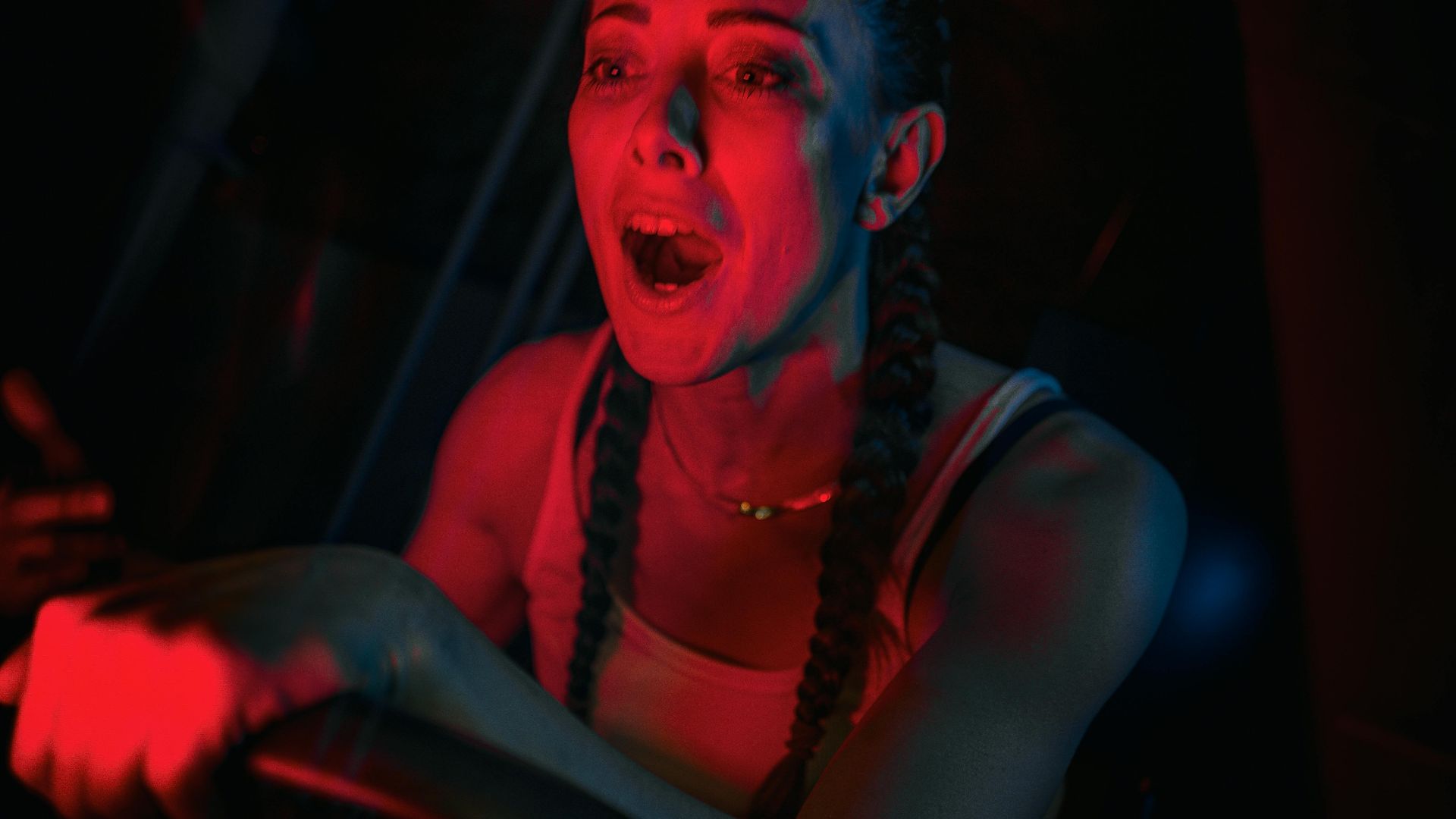
Unlit roads outside cities account for a disproportionate share of fatal nighttime crashes. Without street lighting or reflective markings, drivers rely almost entirely on their headlights—and mistakes become far less forgiving.
High Beams Are Rarely Used Correctly
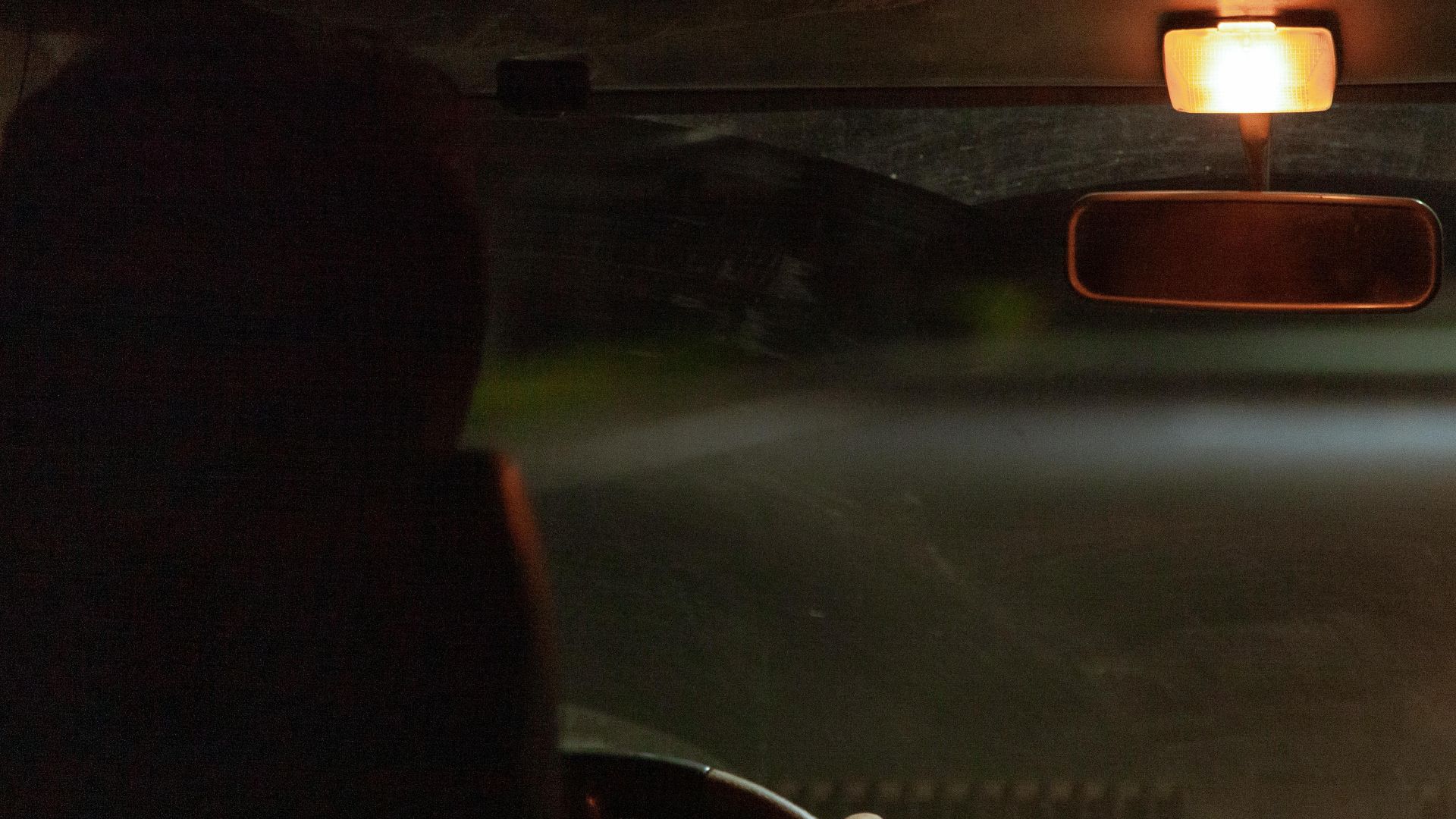
Despite how much they extend visibility, studies suggest most drivers fail to use high beams when conditions allow, limiting how far ahead they can see on dark roads. Many avoid them out of fear of blinding others—or simply forget they’re there.
Dirty Headlights Quietly Sabotage Visibility
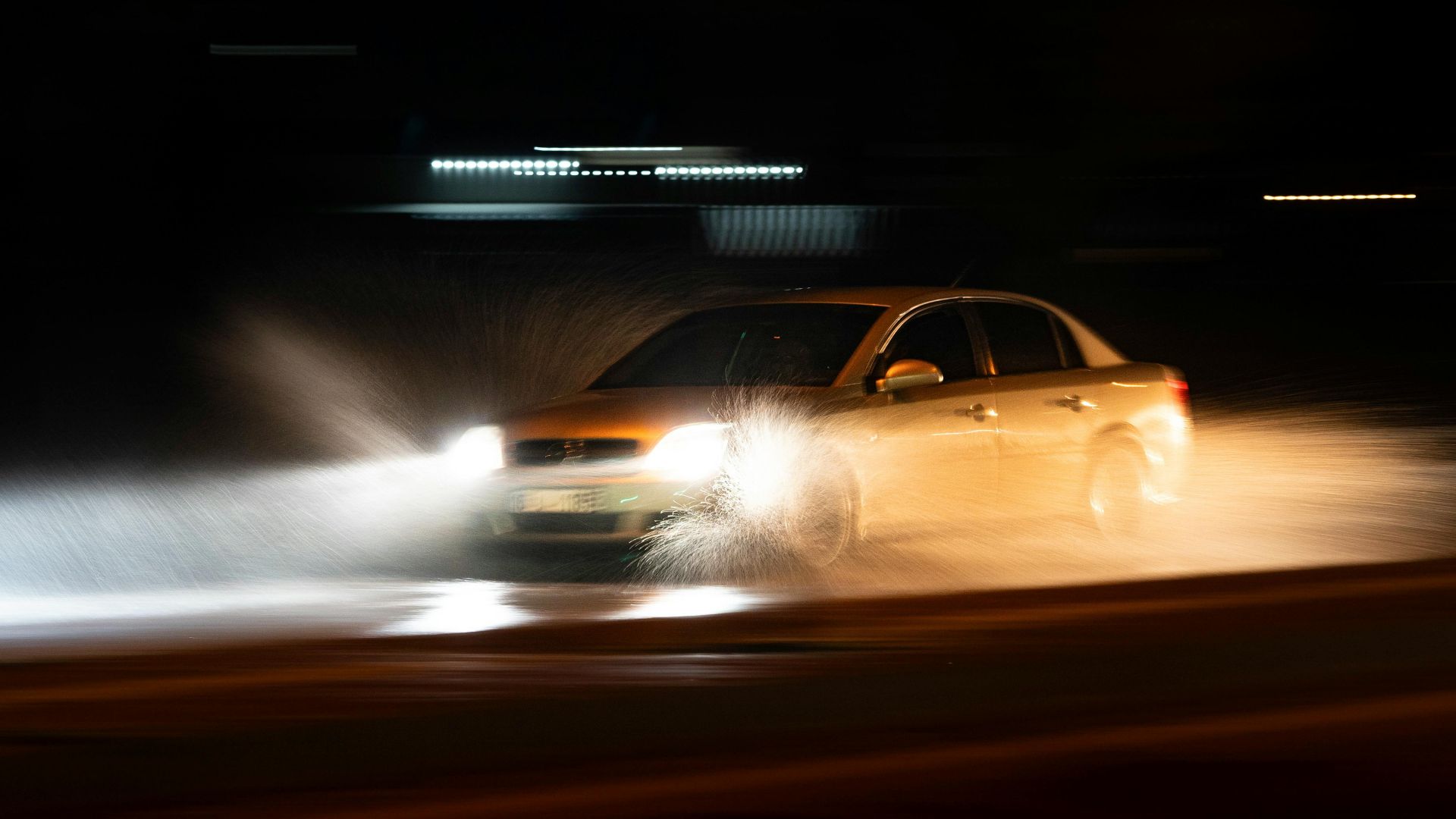
Headlights that look “fine” can actually lose up to 80–90% of their output due to grime, haze, or oxidation. That loss isn’t always obvious from the driver’s seat, but it dramatically reduces what you can see at night.
Street Lighting Makes A Real Difference
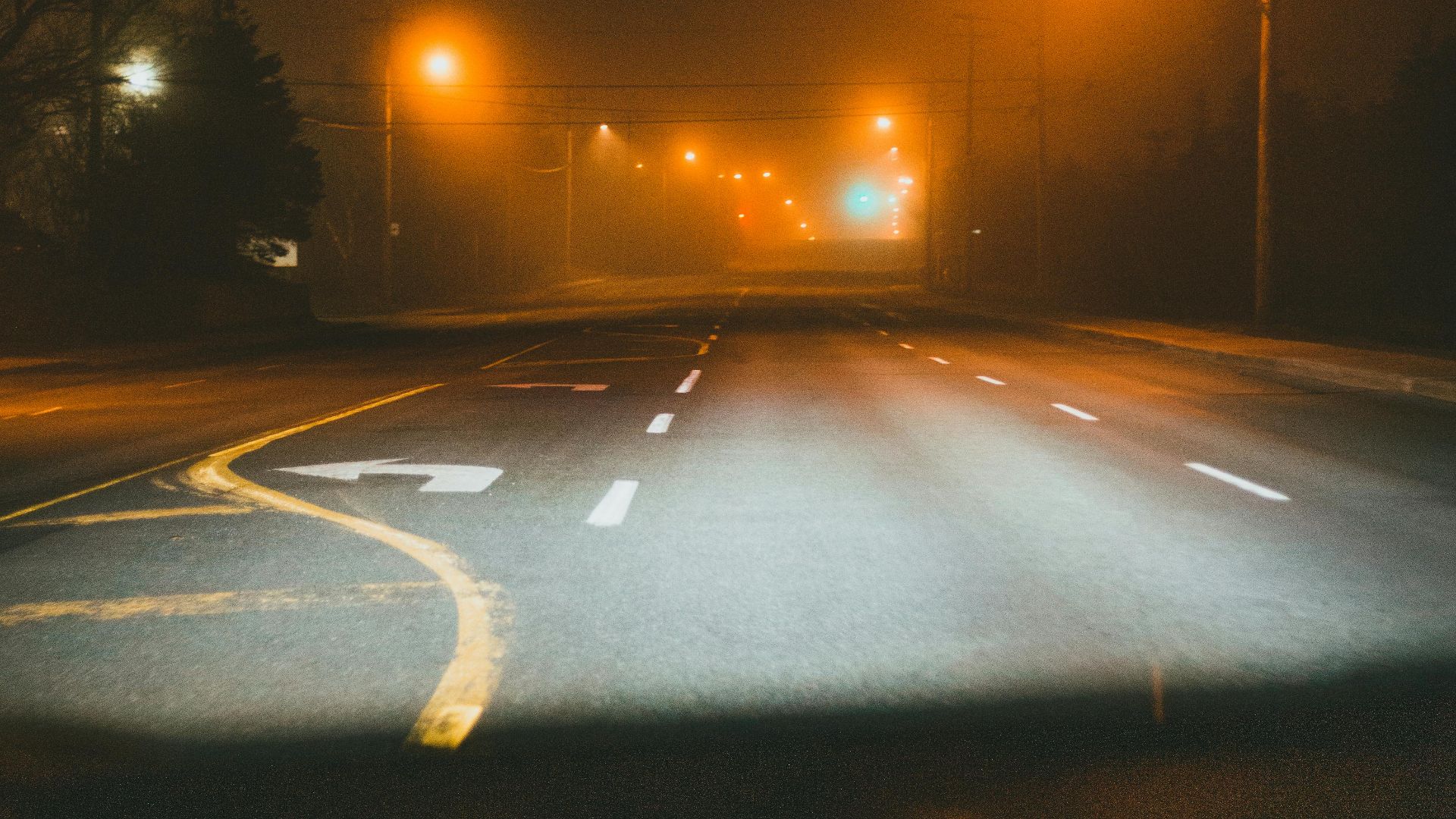
Well-lit roads significantly reduce nighttime crash rates. Some studies show 30–50% fewer night crashes in areas with proper street lighting compared to dark roadways.
Your Eyes Need Time To Recover From Glare
After being hit with a burst of bright light, your eyes can take several seconds to fully recover contrast sensitivity. Those seconds matter when a pedestrian, cyclist, or obstacle appears ahead.
Technology Is Trying To Catch Up
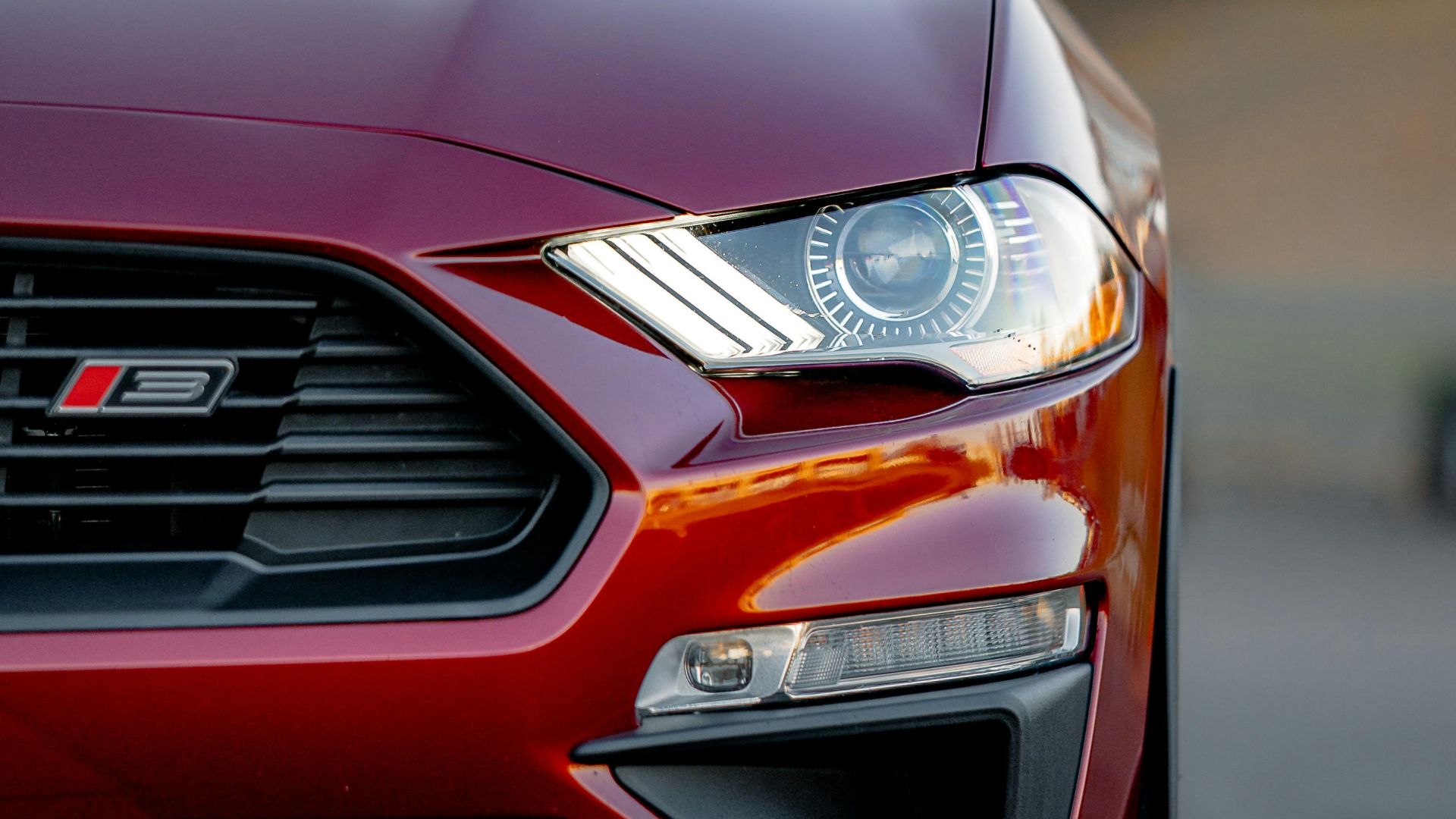
Automakers are beginning to roll out adaptive driving beam systems that selectively dim portions of high beams to reduce glare while preserving visibility. The tech exists—but adoption is slow.
Rules Haven’t Kept Pace With Reality
Many experts argue that U.S. headlight regulations haven’t meaningfully evolved in decades, despite massive changes in lighting technology. That gap leaves drivers dealing with the downsides before standards catch up.
Some Fixes Are Still In Your Control
Keeping headlights clean, checking alignment, dimming interior screens, using high beams properly, and avoiding night driving when tired can meaningfully reduce risk—even if the road environment itself hasn’t improved.
So Why Does It Feel Worse Than It Used To?
Because night driving today isn’t just darker—it’s more visually aggressive, more distracting, and less predictable than it was years ago. The danger didn’t suddenly appear. It quietly stacked up until drivers started feeling it every time the sun went down.
The Bottom Line
You’re not imagining it. Night driving feels more dangerous because, in many ways, it is—thanks to a decade of design changes that prioritized brightness, screens, and automation without fully considering how humans actually see and react in the dark.
You Might Also Like: