The Takata Airbag Disaster: Explosions, Recalls, And Corporate Cover-Ups

The Takata Airbag Disaster: Explosions, Recalls, And Corporate Cover-Ups


May 6, 2026 | J. Clarke

The Takata Airbag Disaster: Explosions, Recalls, And Corporate Cover-Ups


When Safety Devices Turn Dangerous

Airbags are supposed to be the quiet heroes of your car—tucked away until the exact moment they’re needed. But in this case, one company’s version of that lifesaving tech turned into something far more dangerous. The Takata airbag disaster didn’t just rattle the auto industry—it exposed how quickly things can spiral when safety takes a backseat. What started as a cost-saving decision eventually led to explosions, global recalls, and a scandal that refused to stay hidden.
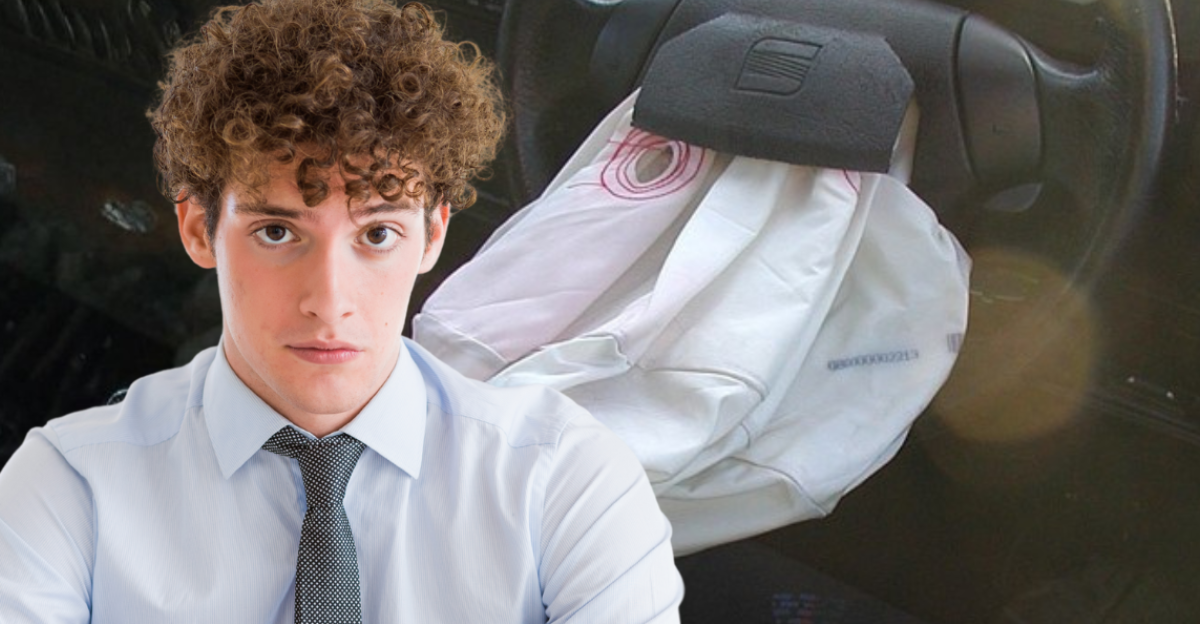
The airbag of a SEAT Ibiza automobileUsers Lupin, Arpingstone on en.wikipedia

Advertisement

A Trusted Name In Safety

For years, Takata was a big name in automotive safety. They made seatbelts, airbags, and other critical components used by major car brands around the world. Automakers trusted them, and most drivers had no idea their vehicles even contained Takata parts. On the surface, everything seemed solid—until it really, really wasn’t.
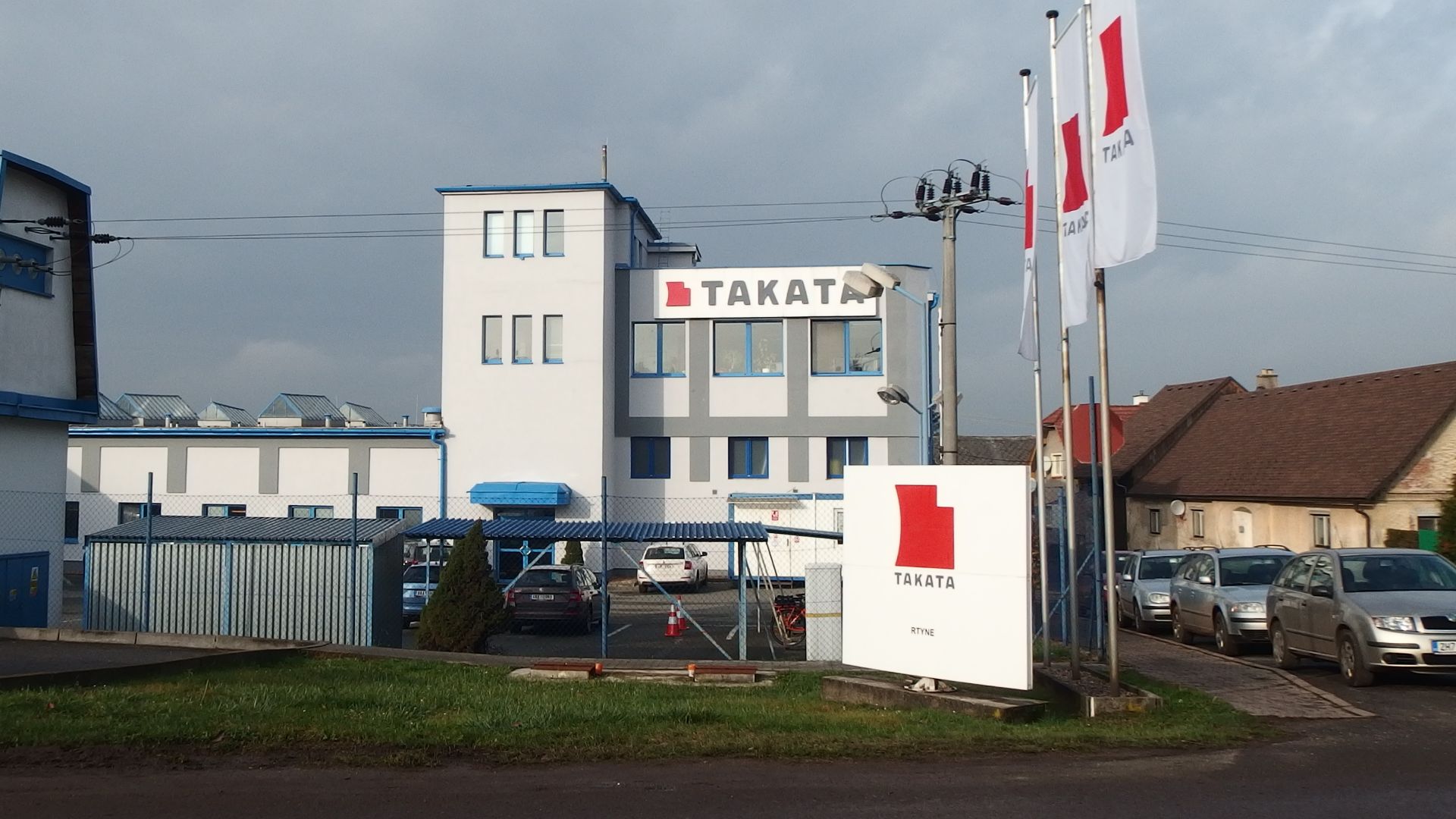
Rtyně v Podkrkonoší, Trutnov District, Czech Republic.Palickap, Wikimedia Commons

Advertisement

The Airbag That Changed Everything

Takata’s airbags relied on a chemical called ammonium nitrate to inflate quickly during a crash. It did the job, and it was cheaper than alternatives, which made it appealing. The problem? That chemical isn’t exactly stable over time, especially when exposed to heat and humidity. And that’s where things started to go sideways.
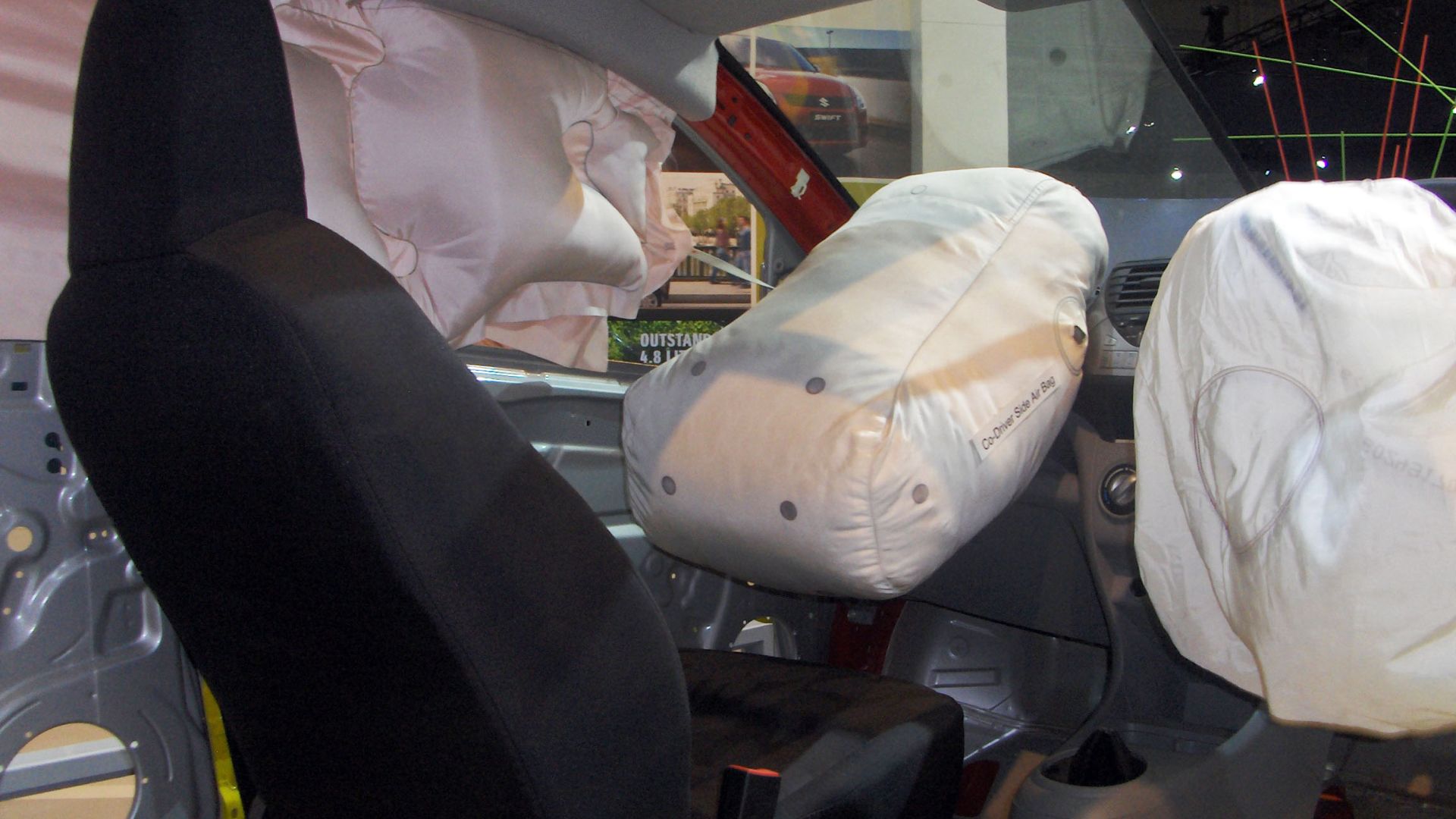
The airbags of a Suzuki Alto at the 2010 AIMS.Pineapple fez, Wikimedia Commons

Advertisement

When Airbags Started Exploding

Instead of cushioning passengers, some airbags were exploding with way too much force. The metal inflator inside could rupture, sending sharp fragments flying into the cabin. So instead of protecting people, the airbags were causing serious injuries—and in some cases, worse. It was the exact opposite of what they were designed to do.
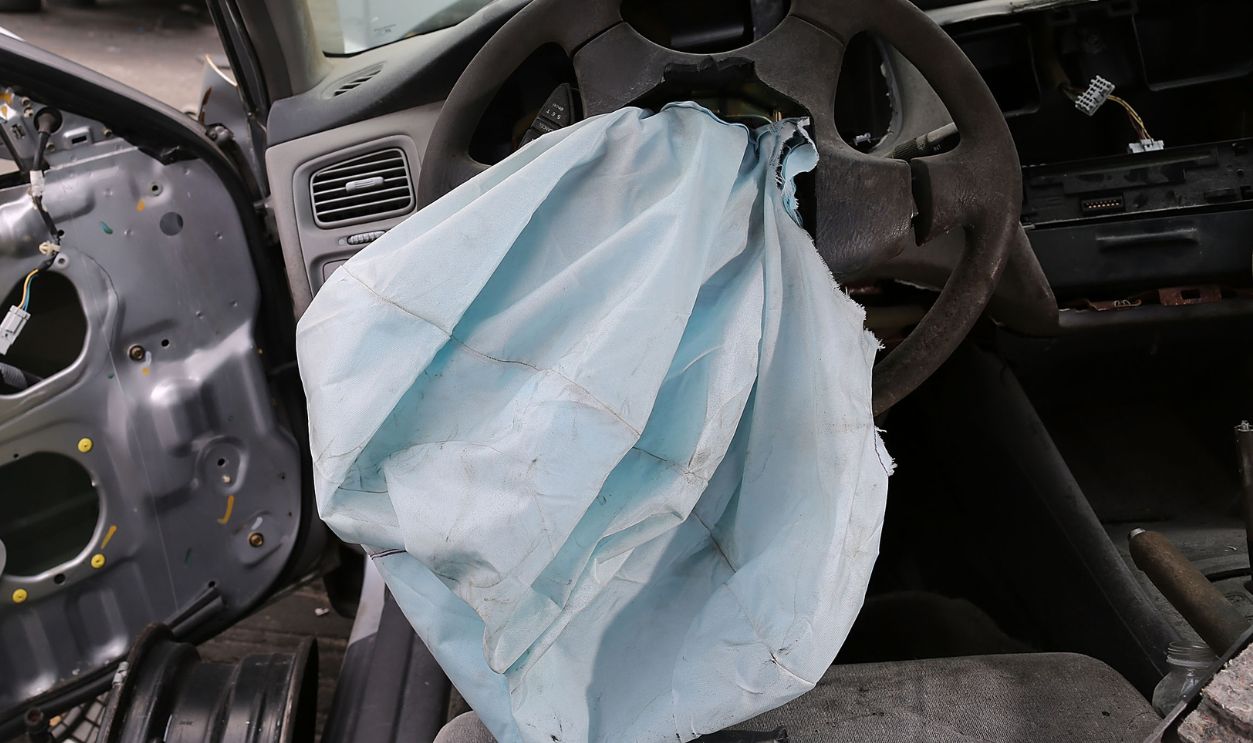
A deployed airbag is seen in a 2001 Honda Accord at the LKQ Pick Your Part salvage yard on May 22, 2015 in Medley, Florida. The largest automotive recall in history centers around the defective Takata Corp. air bags that are found in millions of vehicles that are manufactured by BMW, Chrysler, Daimler Trucks, Ford, General Motors, Honda, Mazda, Mitsubishi, Nissan, Subaru and Toyota.Joe Raedle, Getty Images

Advertisement

Early Warning Signs Ignored

There were hints early on that something wasn’t right. A few incidents here and there, reports that didn’t quite add up—but nothing that immediately set off alarm bells across the entire industry. Looking back, those early cases were a big red flag that just didn’t get the attention it deserved.
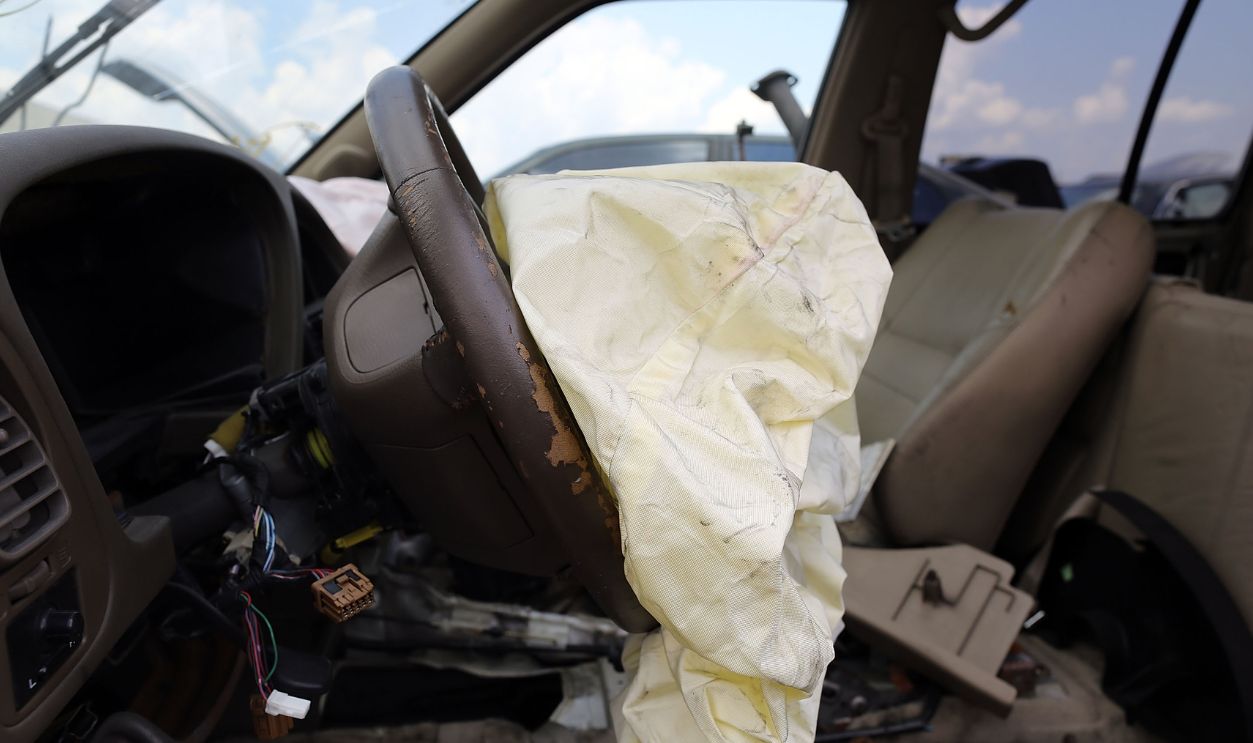
A deployed airbag is seen in a Nissan vehicle at the LKQ Pick Your Part salvage yard on May 22, 2015 in Medley, Florida. The largest automotive recall in history centers around the defective Takata Corp. air bags that are found in millions of vehicles that are manufactured by BMW, Chrysler, Daimler Trucks, Ford, General Motors, Honda, Mazda, Mitsubishi, Nissan, Subaru and Toyota. Joe Raedle, Getty Images

Advertisement

A Growing Number Of Incidents

As more cars with these airbags stayed on the road, the number of incidents kept climbing. It wasn’t tied to one specific car or brand either, which made things even more concerning. The problem was bigger than anyone initially thought—and it wasn’t going away on its own.
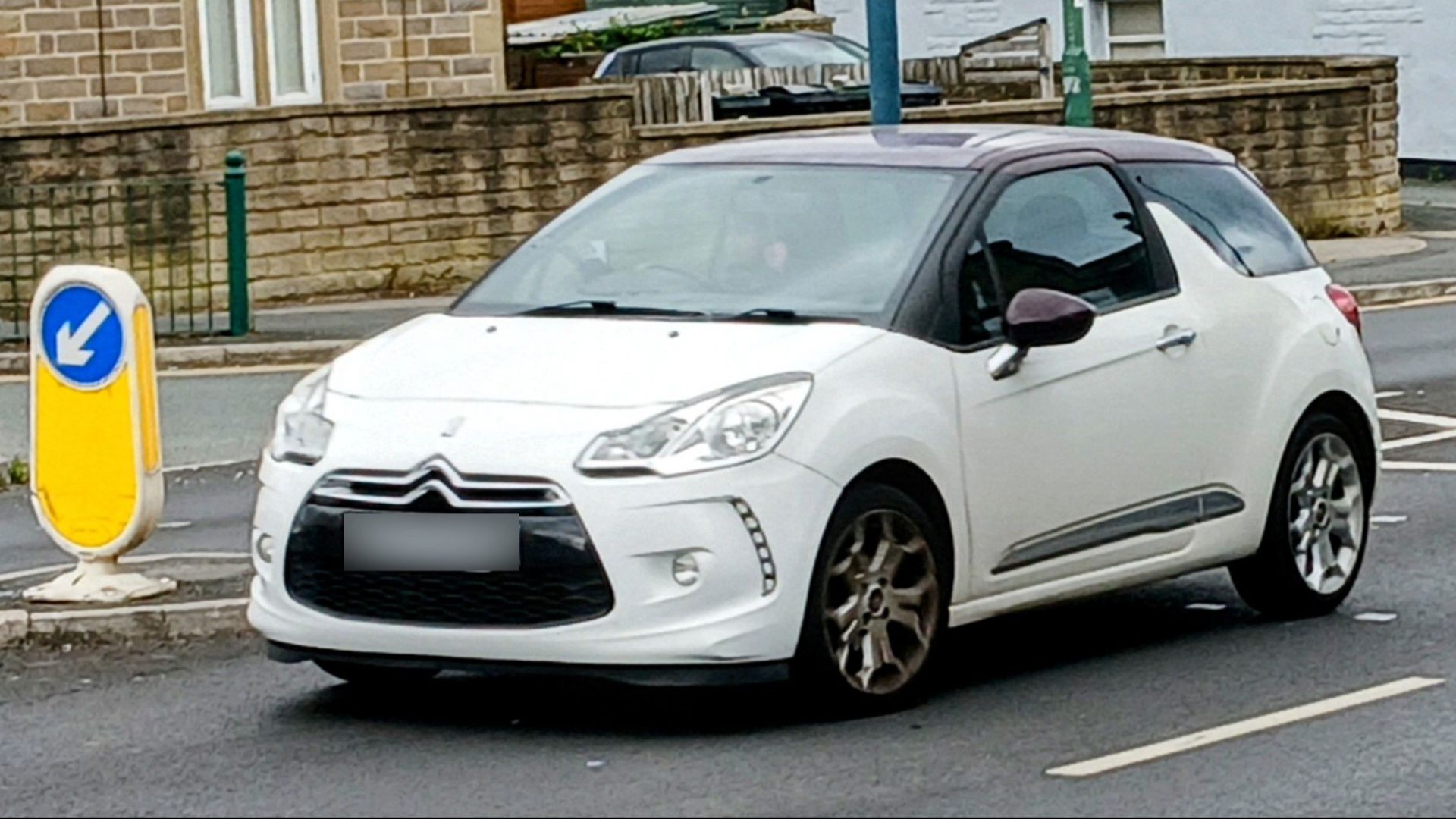
The Citroën DS3 is a stylish, chic French supermini, launched in 2010 and later renamed the DS 3 in 2016 as the brand evolved. It offers a sporty driving experience with a range of customisable finishes and an emphasis on modern, individual design, including its signatureCardinator25, Wikimedia Commons

Advertisement

Automakers Begin Investigating

Eventually, car manufacturers started digging into the issue themselves. Complaints were stacking up, and they needed answers. What they found pointed right back to the inflators—specifically, how they were designed.That’s when things started getting serious.
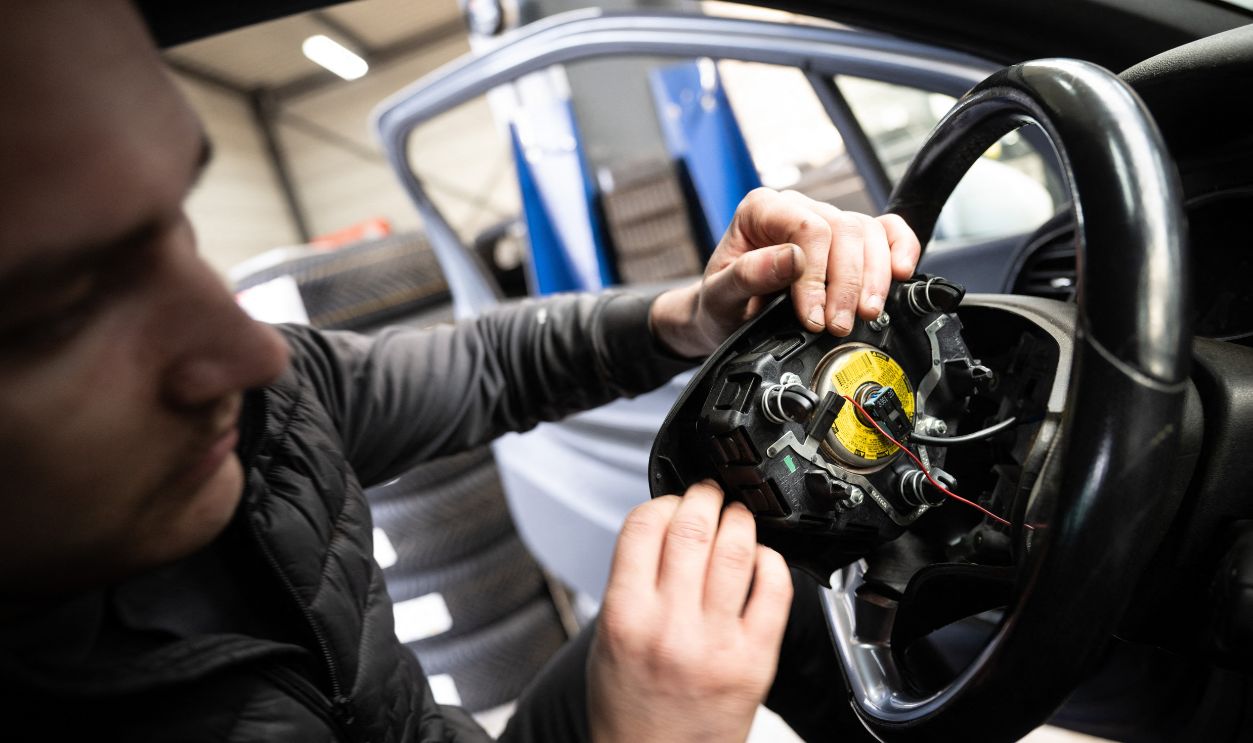
A mechanic removes from a car an airbag module made by the Japanese airbag manufacturer Takata, in a garage in Mulhouse, eastern France, on February 19, 2025. Some 236,900 Citroën C3 and DS 3 car owners in northern France were asked on February 18, 2025 not to drive their cars until their airbags had been replaced, as part of a new wave of immobilisations linked to the Takata scandal. SEBASTIEN BOZON, Getty Images

Advertisement

The Role Of Heat And Humidity

It turned out the environment played a huge role. Hot, humid conditions made the ammonium nitrate break down faster, increasing the risk of failure. That meant certain regions were hit harder than others, which added another layer of urgency to the situation.
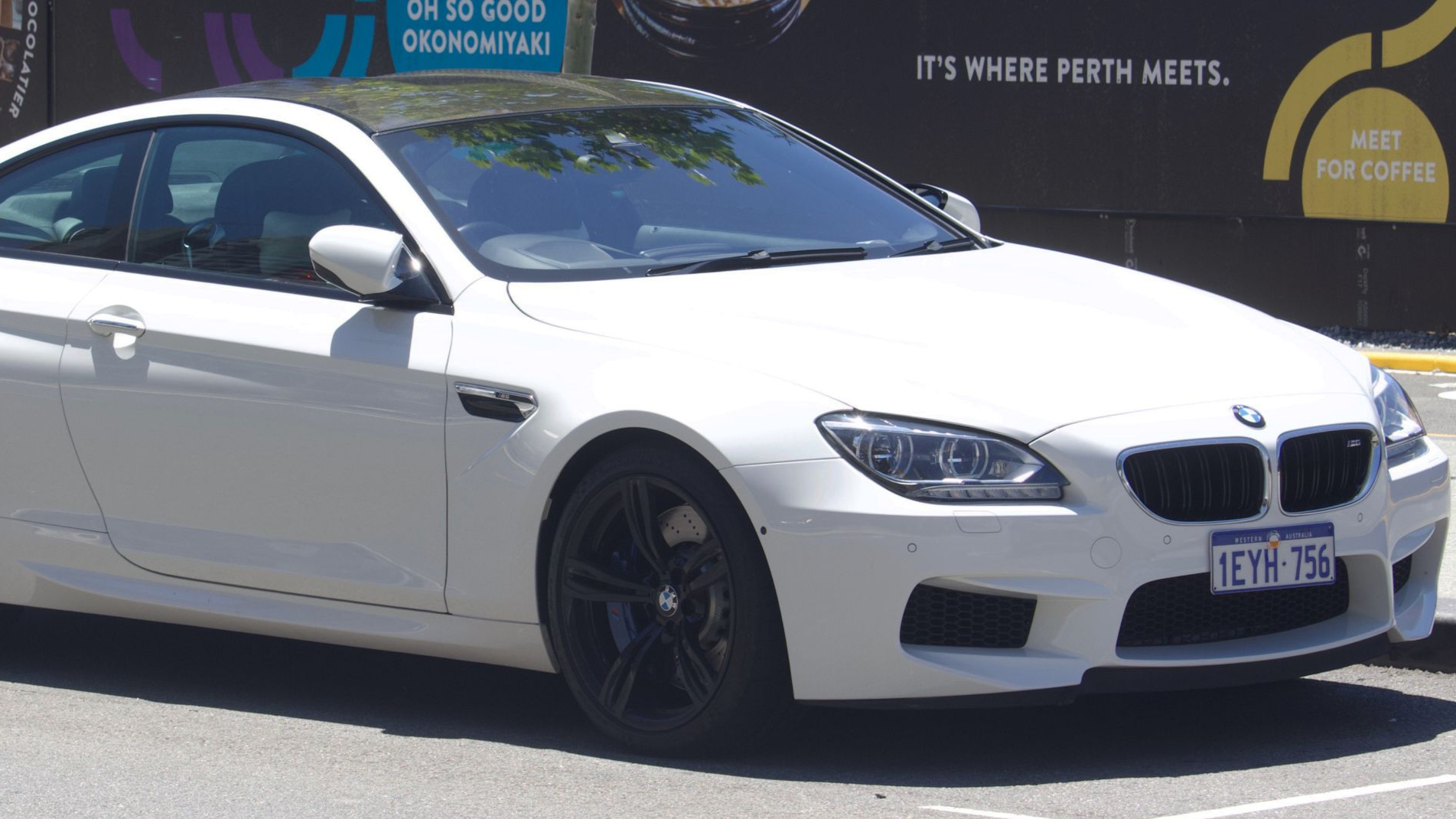
2012 BMW M6 (F13) coupe. Year of car determined through official BMW website. This car is affected through the Takata Airbag recall crisis. Whilst plate is from 2016, this car is actually built in 2012. Photographed in Perth, Western Australia, Australia.EurovisionNim, Wikimedia Commons

Advertisement

The First Major Recalls

At first, recalls were limited. A few models here, a handful of regions there—it seemed manageable. But as more data rolled in, it became clear the problem was far more widespread than anyone hoped.
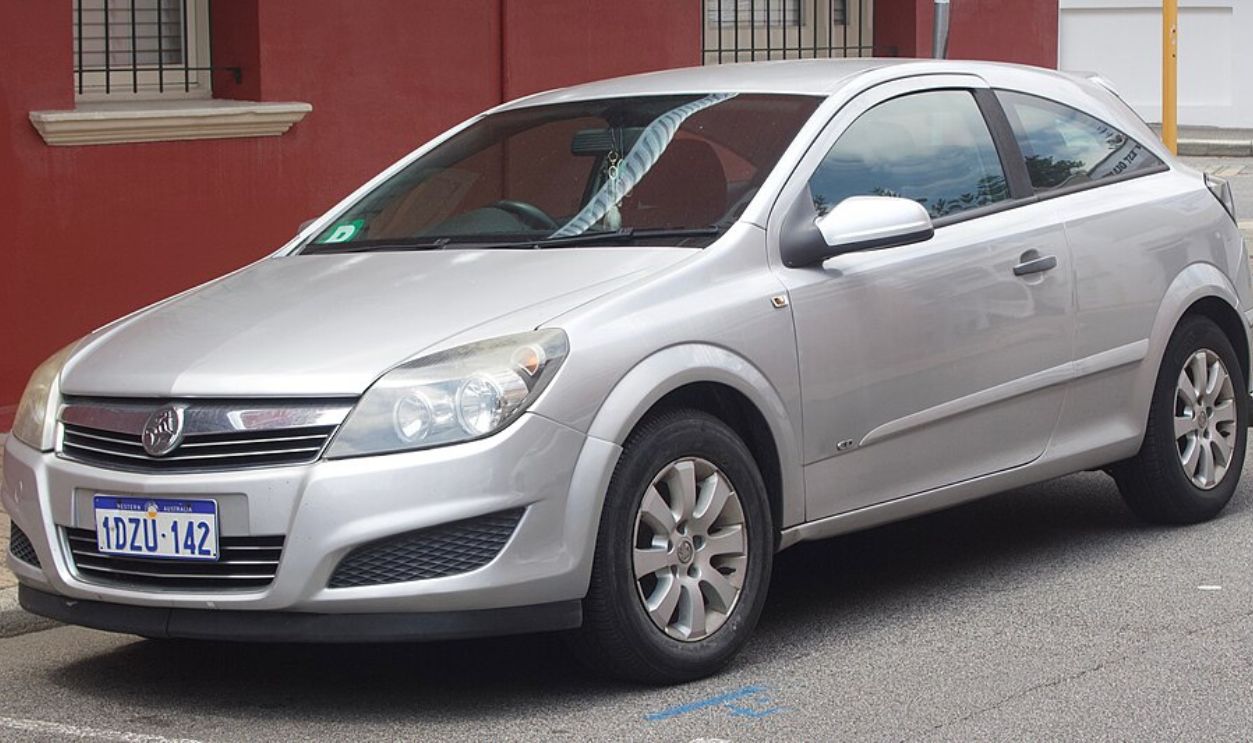
2007 Holden AstraEurovisionNim, CC BY-SA 4.0, Wikimedia Commons

Advertisement

A Global Crisis Emerges

Before long, recalls were happening all over the world. Dozens of automakers were involved, and millions of vehicles were affected. It quickly became the largest recall the automotive industry had ever seen. Not exactly a title anyone wants.
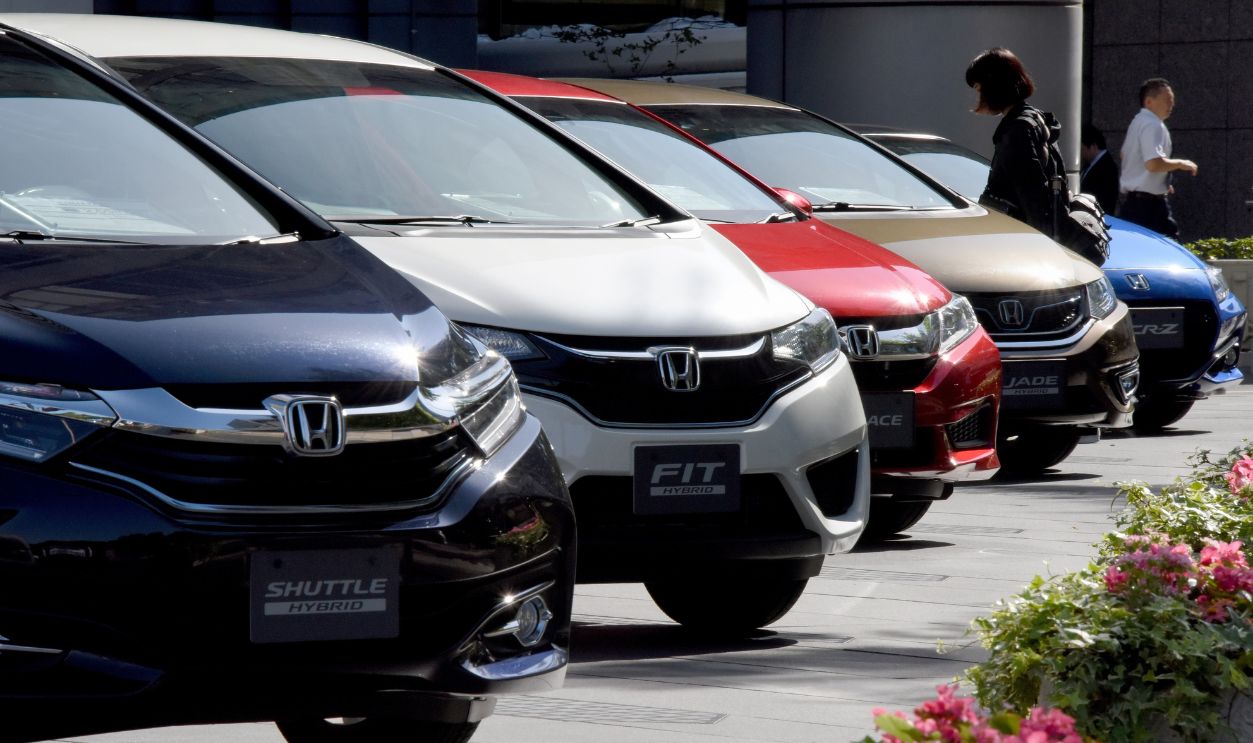
People walk amidst vehicles by Japan's Honda Motor displayed in front of the company's headquarters in Tokyo on May 13, 2016. Honda Motor said on May 13 its full-year net profit dropped by a third, pressured by the exploding airbag crisis at key supplier Takata. TORU YAMANAKA, Getty Images

Advertisement

Government Agencies Step In

With the situation growing out of control, regulators stepped in. Agencies like the NHTSA pushed for bigger recalls and more transparency. They wanted answers, and they weren’t going to sit back and wait for them.
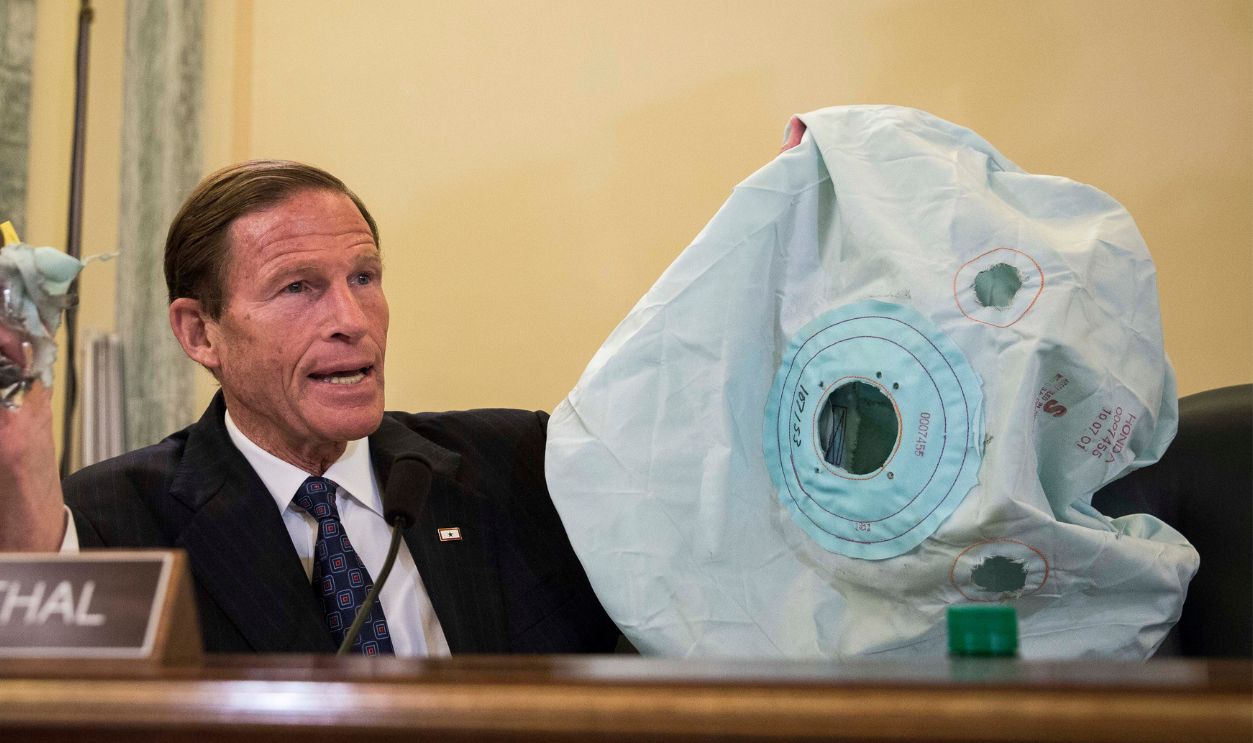
U.S. Sen. Richard Blumenthal (D-CT) holds up an airbag and inflator during a Senate Commerce, Science, and Transportation Committee hearing entitled ÒUpdate on the Recalls of Defective Takata Air Bags and NHTSA's Vehicle Safety Efforts,Drew Angerer, Getty Images

Advertisement

Questions About Testing Practices

As investigations picked up, people started asking how this was allowed to happen in the first place. There were concerns about how Takata tested its products and how it handled the data. Some of those answers only raised more questions.
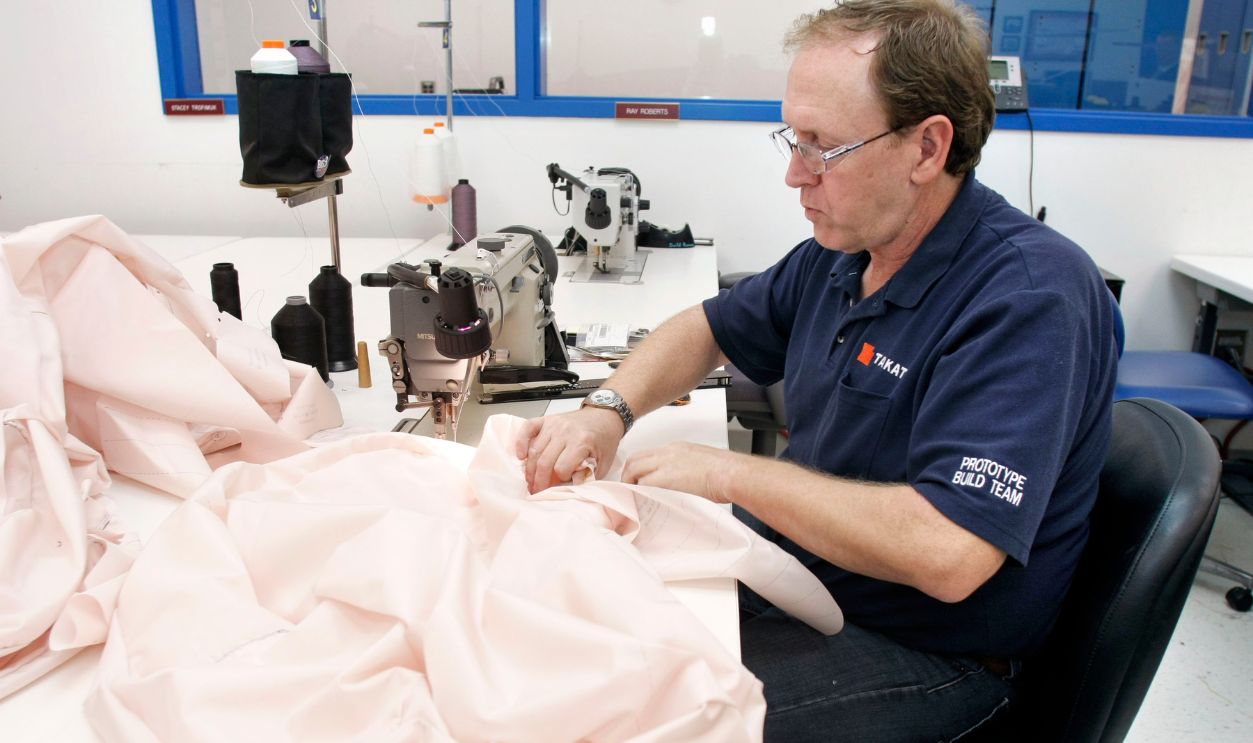
A Takata employee sews an airbag at Takata's current crash-testing facility August 19, 2010 in Auburn Hills, Michigan. Takata dedicated a new, high-tech 18,000 square-foot sled crash simulation facility today that cost $14.6 million and is expected to be built and operational by August of 2011.Bill Pugliano, Getty Images

Advertisement

The Human Cost Becomes Clear

At a certain point, this stopped being just a technical issue. Real people were getting hurt. Families were affected. And with every new case, the pressure to fix the problem grew even stronger. This wasn’t something that could be quietly handled behind the scenes anymore.
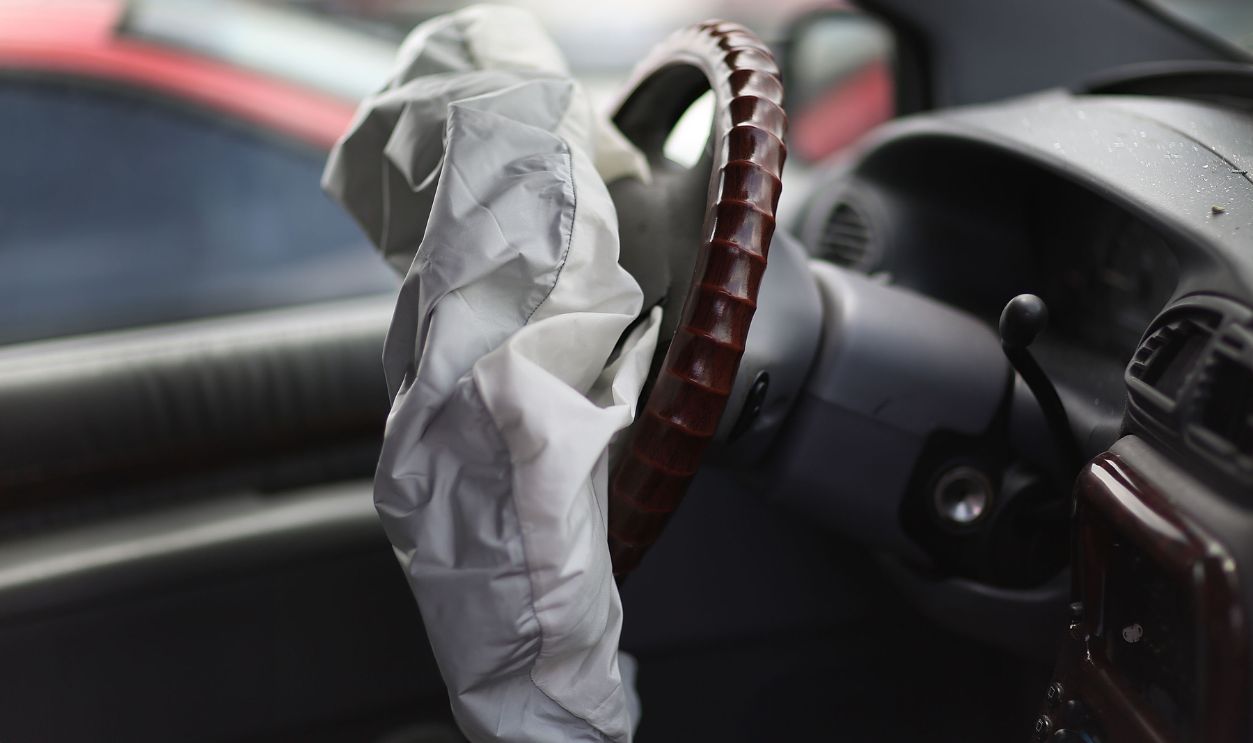
A deployed airbag is seen in a Chrysler vehicle at the LKQ Pick Your Part salvage yard on May 22, 2015 in Medley, Florida. The largest automotive recall in history centers around the defective Takata Corp. air bags that are found in millions of vehicles that are manufactured by BMW, Chrysler, Daimler Trucks, Ford, General Motors, Honda, Mazda, Mitsubishi, Nissan, Subaru and Toyota.Joe Raedle, Getty Images

Advertisement

Mounting Pressure On Takata

Takata found itself under intense scrutiny. Regulators, automakers, and the public all wanted accountability. The company expanded recalls and tried to respond, but by then, the damage—to both people and its reputation—was already done.
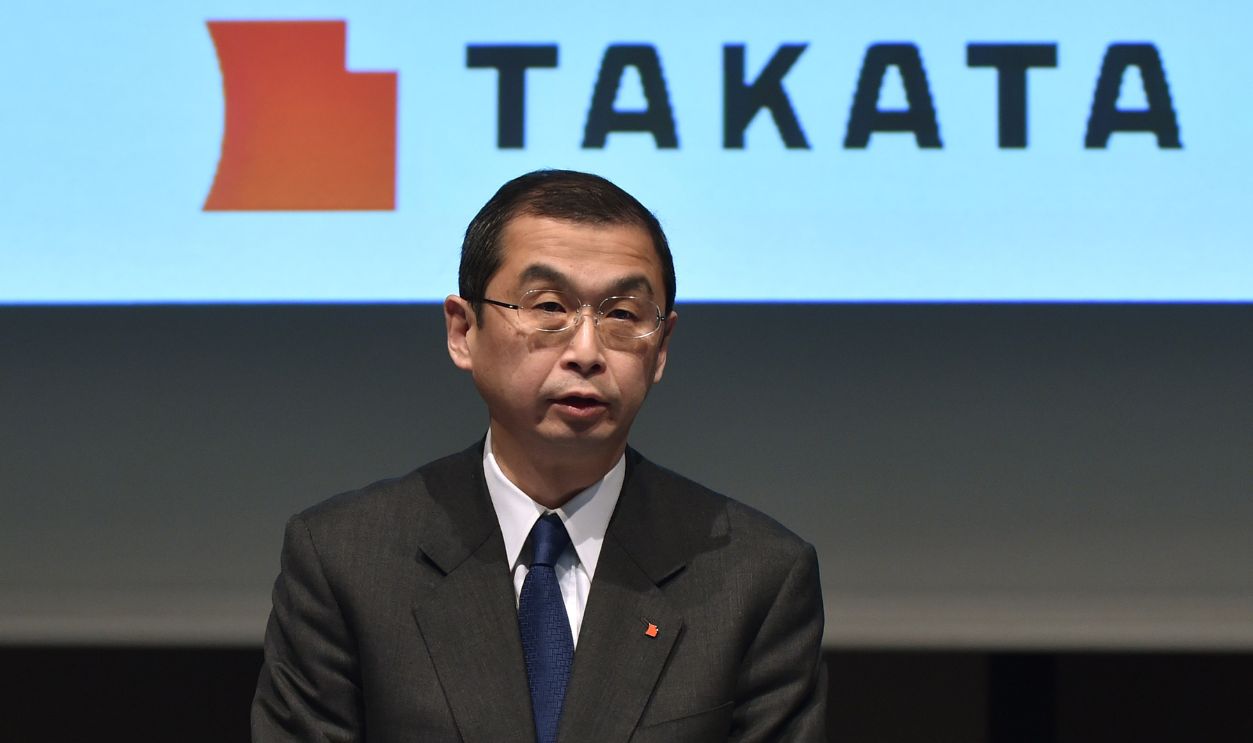
Japanese parts supplier Takata Corp President Shigehisa Takada holds a press conference in Tokyo on November 4, 2015. US auto safety regulators announced a record 200 million USD civil fine against Takata on November 4 for providing inadequate and inaccurate information about its dangerously explosive airbags installed in millions of cars. KAZUHIRO NOGI, Getty Images

Advertisement

Supply Chain Chaos

Fixing the issue wasn’t simple. Replacing millions of airbags takes time, and there weren’t enough parts to go around right away. Some drivers were told not to use their vehicles at all until repairs could be made, which created a whole new level of frustration.
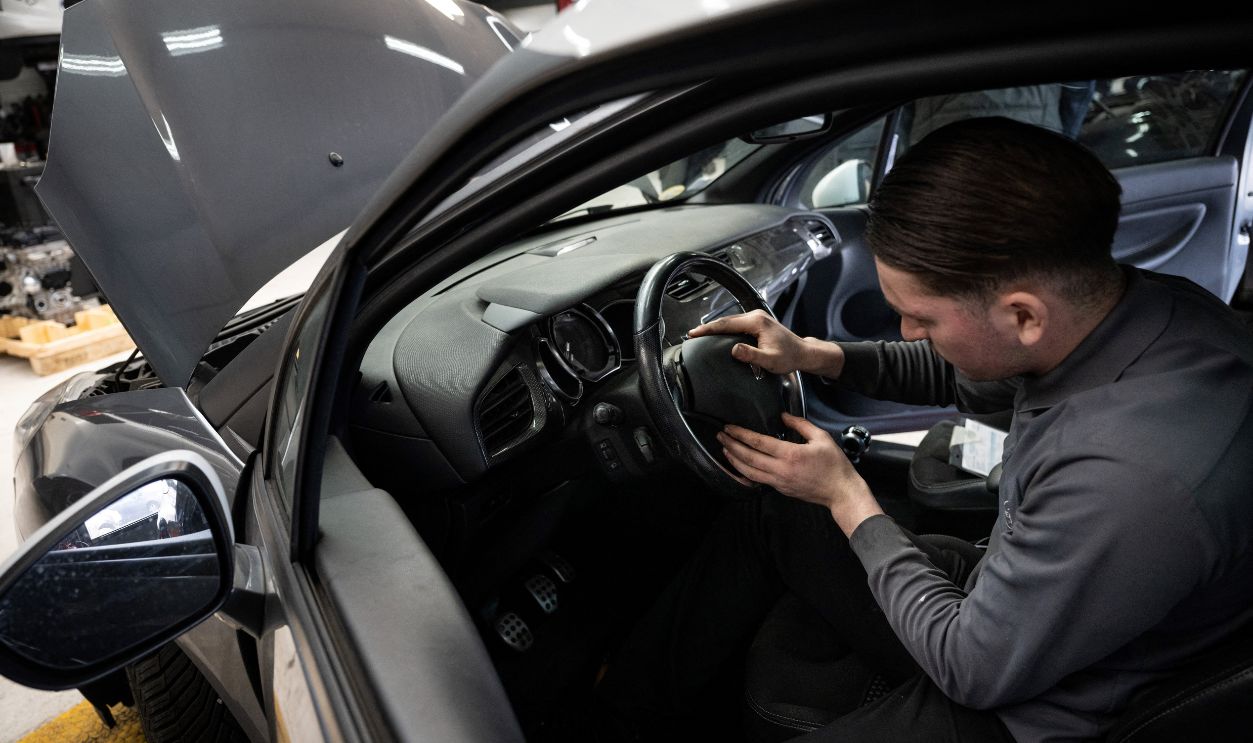
A mechanic installs a new airbag module in a car after removing an airbag module made by the Japanese airbag manufacturer Takata, in a garage in Mulhouse, eastern France, on February 19, 2025. Some 236,900 Citroën C3 and DS 3 cars' owners in northern France were asked on February 18, 2025 not to drive their cars until their airbags had been replaced, as part of a new wave of immobilisations linked to the Takata scandal.SEBASTIEN BOZON, Getty Images

Advertisement

A Financial Breaking Point

The cost of dealing with the crisis started piling up fast. Lawsuits, recalls, lost contracts—it all added up. Takata was burning through money and running out of options. It was clear the company couldn’t keep up with the scale of what it was facing.
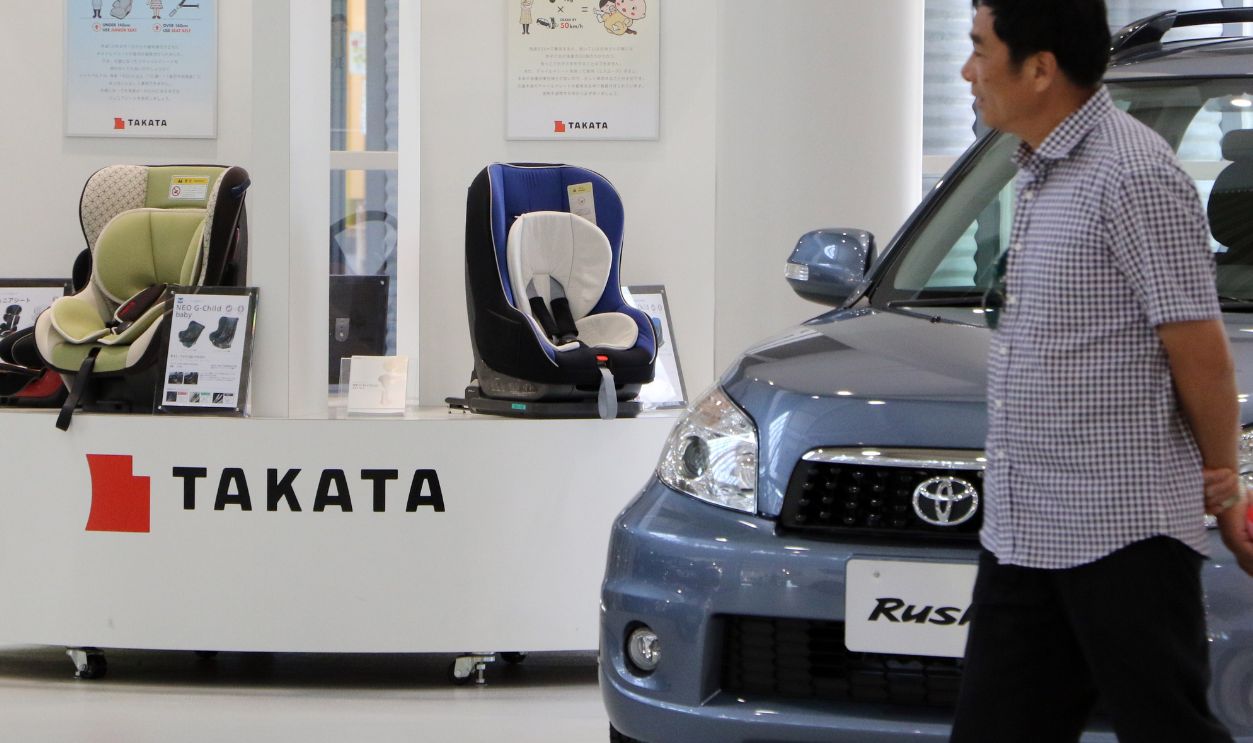
This picture taken on May 8, 2015 shows child car seats from Japanese auto parts maker Takata at a Toyota showroom in Tokyo. The world's biggest automaker Toyota said on May 13 that its recall of five million vehicles affected 35 models globally produced between March 2003 and November 2007 due to faulty airbags made by embattled supplier Takata.YOSHIKAZU TSUNO, Getty Images

Advertisement

Criminal Investigations Begin

Authorities stepped in to figure out whether this was just a massive mistake—or something more. They looked into whether Takata knew about the risks and failed to act. That question became a major part of the story.
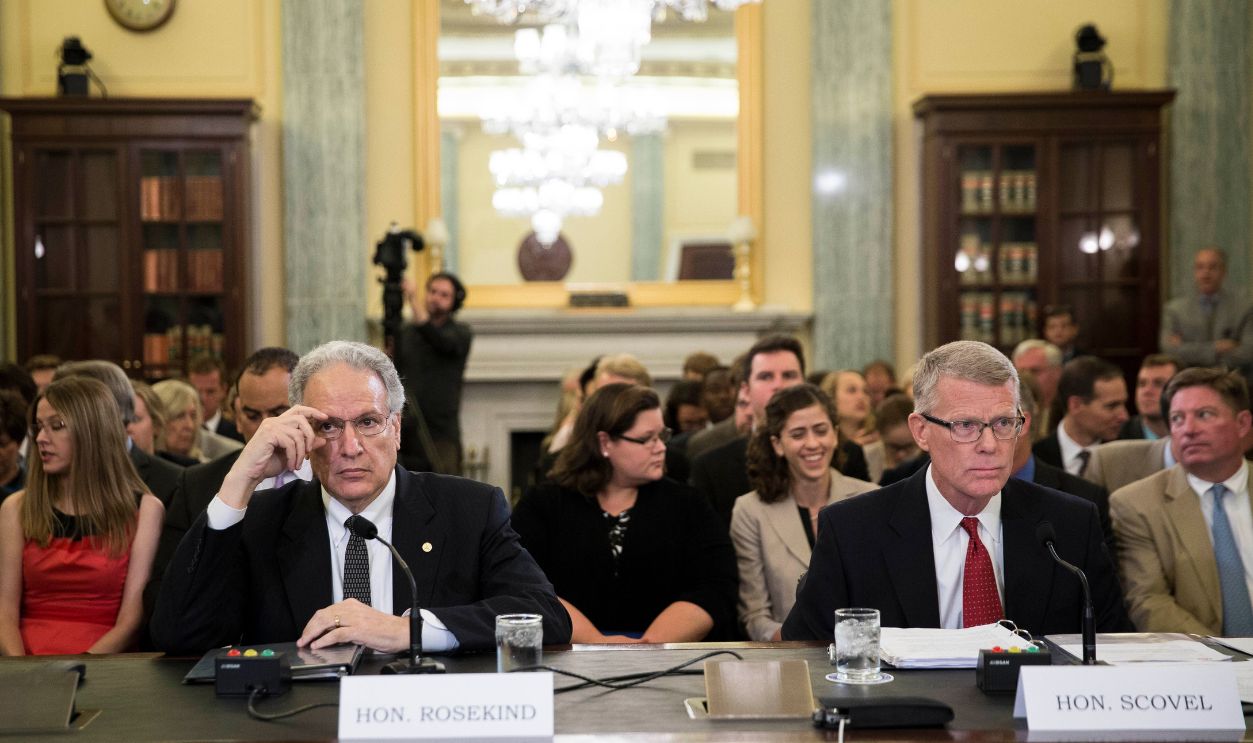
(L-R) Mark Rosekind, administrator at the National Highway Traffic Safety Administration, and Calvin Scovel III, inspector general at U.S. Department of Transportation, take their seats at the start of a Senate Commerce, Science, and Transportation Committee hearing entitled Drew Angerer, Getty Images

Advertisement

A Massive Settlement

Eventually, Takata reached a major settlement over how it handled the situation. The company admitted wrongdoing related to its safety data, which only confirmed what many had suspected.
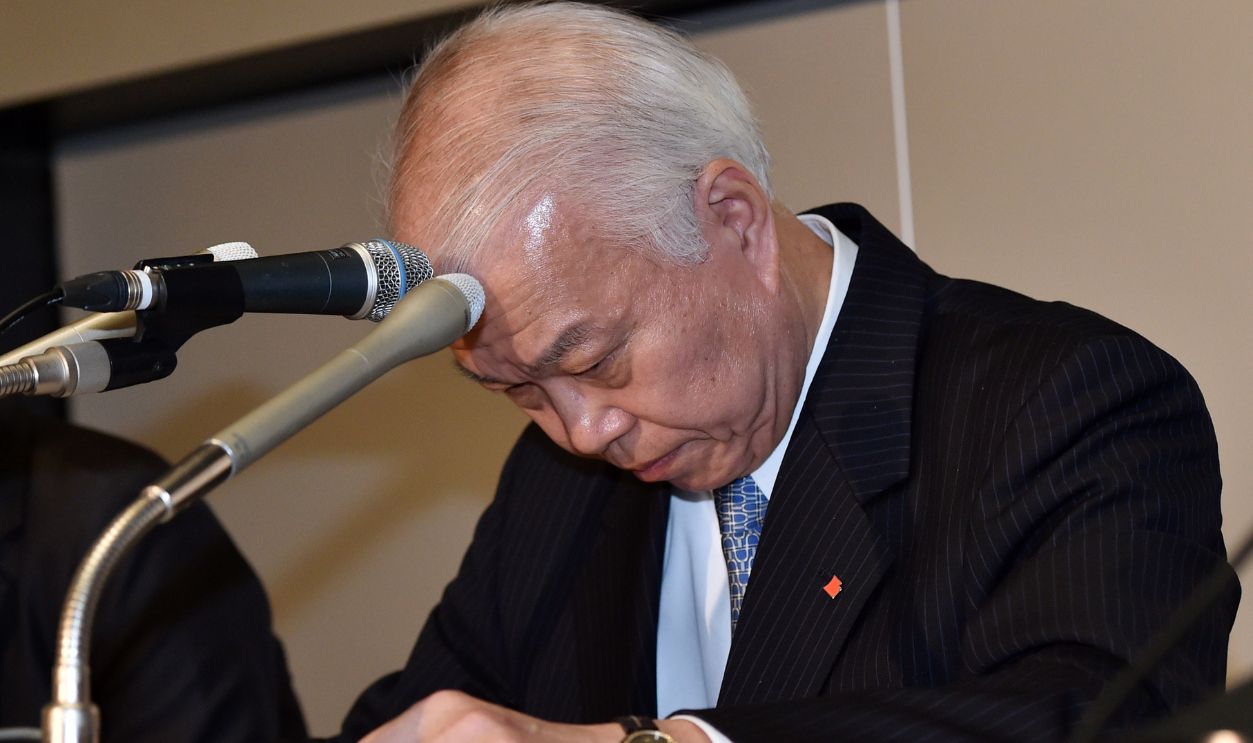
Japan's auto parts maker Takata executive Yoichiro Nomura bows his head as he announces the company's financial result ended March at the Tokyo Stock Exchange on May 8, 2015. Takata, at the centre of an exploding an exploding air-bag crisis, warned it has sunk into the red as the costs of huge global recalls pile up. Takata's faulty air bags have been linked to at least five deaths, posted a net loss of 29.56 billion yen (246 million USD) in the past year to March. YOSHIKAZU TSUNO, Getty Images

Advertisement

Bankruptcy And Collapse

In 2017, Takata filed for bankruptcy. Parts of the company were sold off, but the name itself was permanently tied to one of the biggest safety failures in automotive history. It was a dramatic fall for a once-trusted supplier.
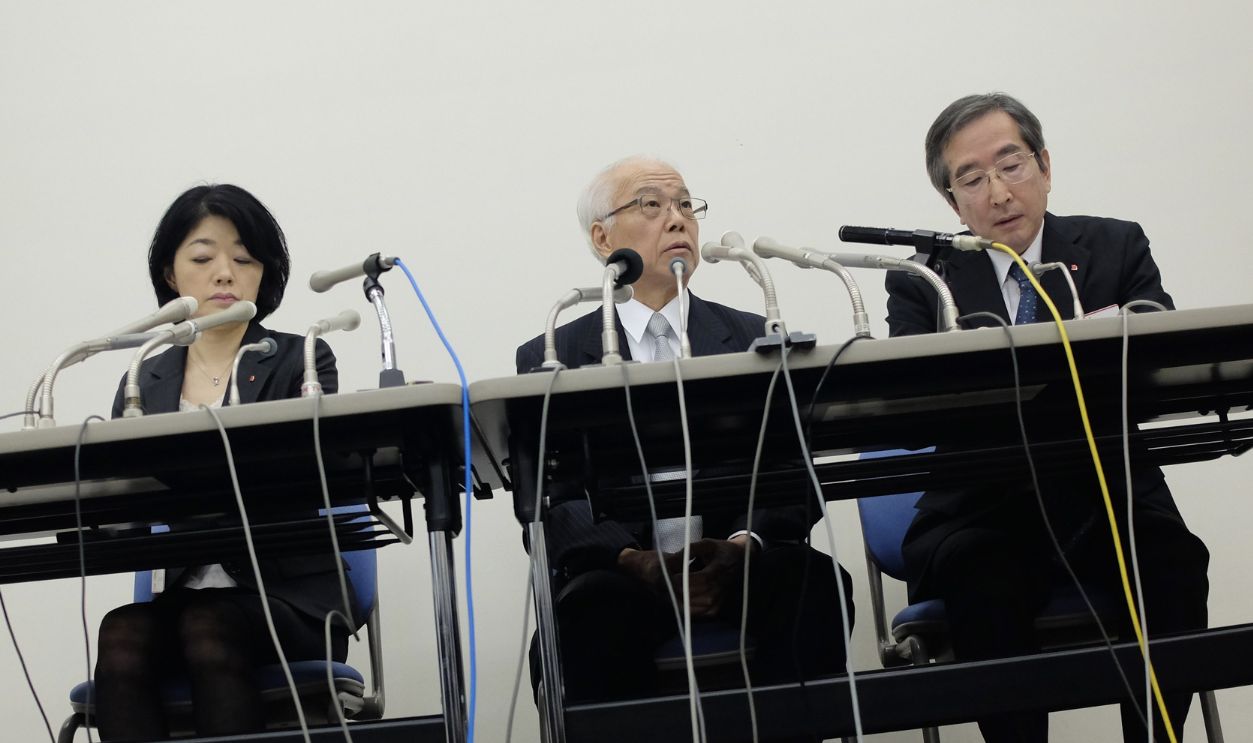
Japanese airbag supplier Takata Corp. Chief Financial Officer Yoichiro Nomura (C) and company employees hold a press briefing to announce the company's financial results in Tokyo on November 6, 2015. Takata shares pared days of eye-watering losses on November 6 as Toyota hinted it would not abandon the Japanese airbag supplier at the centre a global recall crisis, after rival automakers warned they might walk away.KAZUHIRO NOGI, Getty Images

Advertisement

Ongoing Recalls And Repairs

Even after the company collapsed, the recalls didn’t just stop. Millions of vehicles still needed repairs, and some still do. Years later, drivers are still being told to check if their car is affected. That’s how big this problem really was.
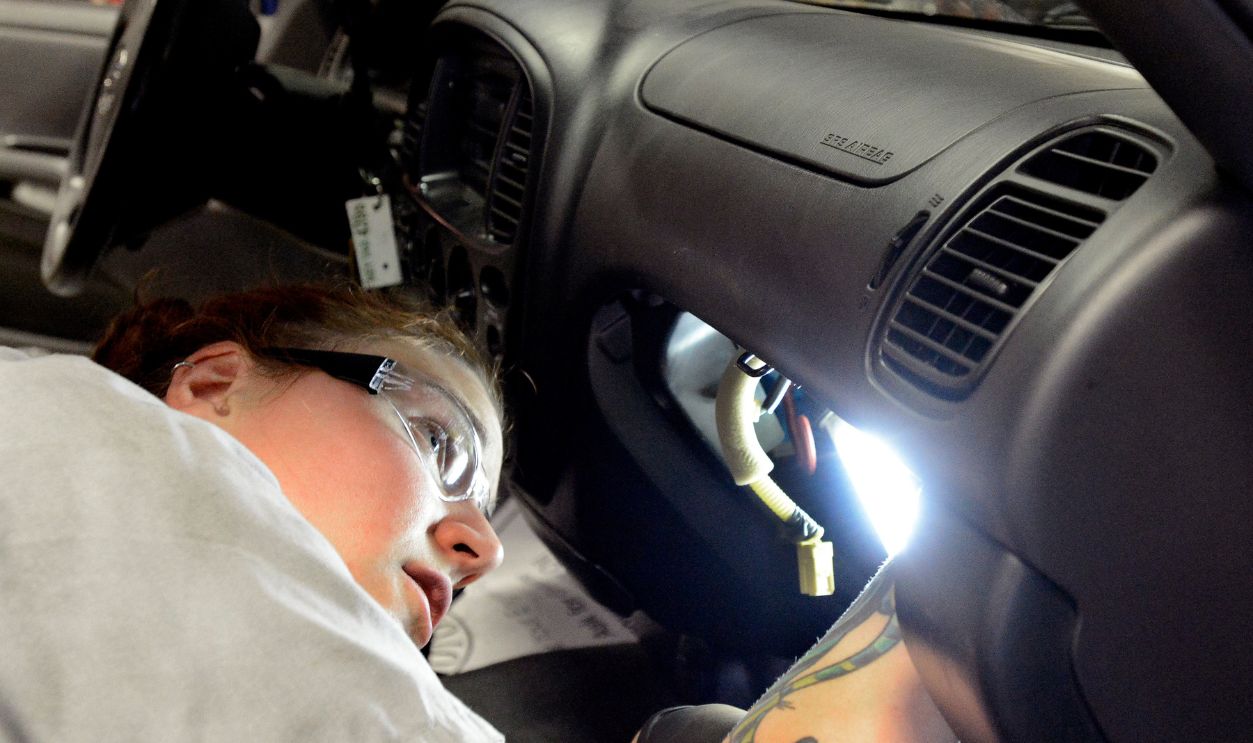
Japanese auto supplier Takata has issued recalls for 34 million airbags. Auto tech Becky McInnis reinstalls a airbag after changing the inflator module on this 03 Toyota Tundra at Lee Toyota in Topsham.Portland Press Herald, Getty Images

Advertisement

A Wake-Up Call For The Industry

The entire situation forced the auto industry to take a hard look at itself. Safety standards, testing procedures, and oversight all came under the microscope. It was a wake-up call no one could ignore.
Car dealership at Patchway Bill Boaden , Wikimedia Commons

Advertisement

Lessons That Shouldn’t Be Forgotten

At the end of the day, this whole disaster comes down to one thing—cutting corners on safety can have serious consequences. It’s a reminder that even the parts you never think about can matter the most. And for a lot of drivers, it’s a story that still hits close to home every time they start their car.
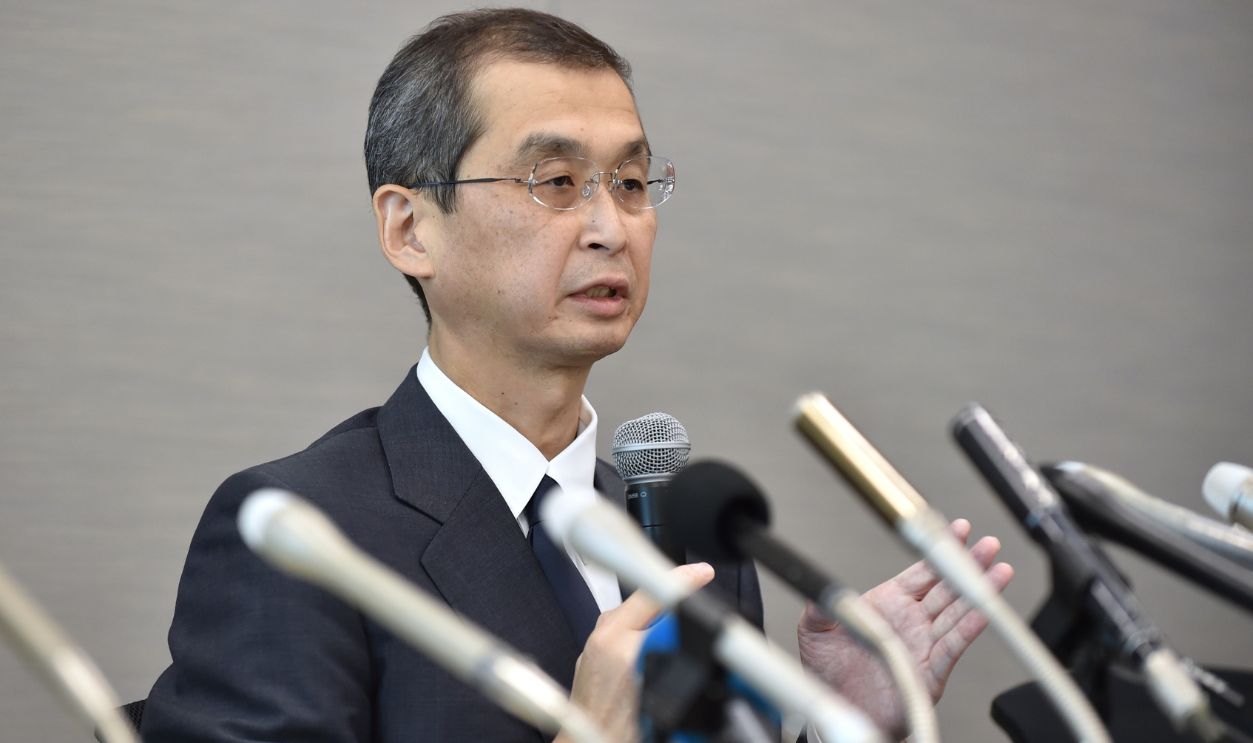
Chairman and CEO of Japanese airbag maker Takata Corp., Shigehisa Takada, speaks during a press conference in Tokyo on June 26, 2017. Japan's crisis-hit car parts maker Takata said it filed for bankruptcy protection on June 26, after deadly faults in its airbags triggered the auto industry's biggest ever safety recall.AFP Contributor, Getty Images

Advertisement

You May Also Like:

The Five Best Formula One Cars In History

Three Great Cars For College Students

Have You Forgotten These American Sedans That Were Way Ahead Of Their Time?
Sources: 1, 2


READ MORE

40 Coolest Cars Of The 2000s

The year 2000 was the start of a new millennium—and some of the coolest cars around.
September 19, 2024 Jack Hawkins

These American Cars Were Only Produced For One Year

Most American cars are offered year-after-year, with minor (or major) upgrades provided—but these rare beauties were only offered for one single year of production.
October 6, 2025 Jack Hawkins

The Most Tragic Ends In Racing

Auto racing is a fast and exciting event. But it is also a very dangerous one that has ended in tragedy for many a racer throughout the history of the sport.
October 21, 2024 Jesse Singer
Fbint

Photos Of 22 Legendary World War II Aircraft

WWII saw aviation technology advance at breakneck speed, pushing the boundaries of what was possible in the air. Check out some machines that had just as much character as their pilots.
October 25, 2024 Marlon Wright
Fbint

The History Of American Taxicabs (Photos Of Different Models)

How did a mere mode of transportation become one of America's most recognizable national treasures? Let's check out which cabs have rejected passengers since the very beginning.
October 30, 2024 Marlon Wright

The Great American Cars That Made Racing History

Racing is a sport, and engineering race cars is a skill. Together, they make car races a battle of brains and brawn. Amongst the record-breakers in track history, some changed the course of the sport.
October 22, 2024 Miles Brucker