No, You’re Not Imagining It
It's the first winter since you bought your electric vehicle, and already you’ve noticed you get dramatically fewer miles on a full charge than you did when you bought it. That’s frustrating, especially when the dealer insists it’s normal. Cold weather is expected to reduce range a little bit, but knowing why this is the case will help you decide on a course of action rather than accepting the drop as something you simply have to put up with.
What “Normal” Actually Means
Some winter range loss is expected, but losing 30% is an issue that deserves attention. Severe range drops often depend on climate, vehicle design, and your driving habits. You have every right to question whether your situation is normal or acceptable for your model and to request clear explanations instead of vague arm-waving reassurances from the dealership.

The Science Behind Cold‑Weather Range Loss
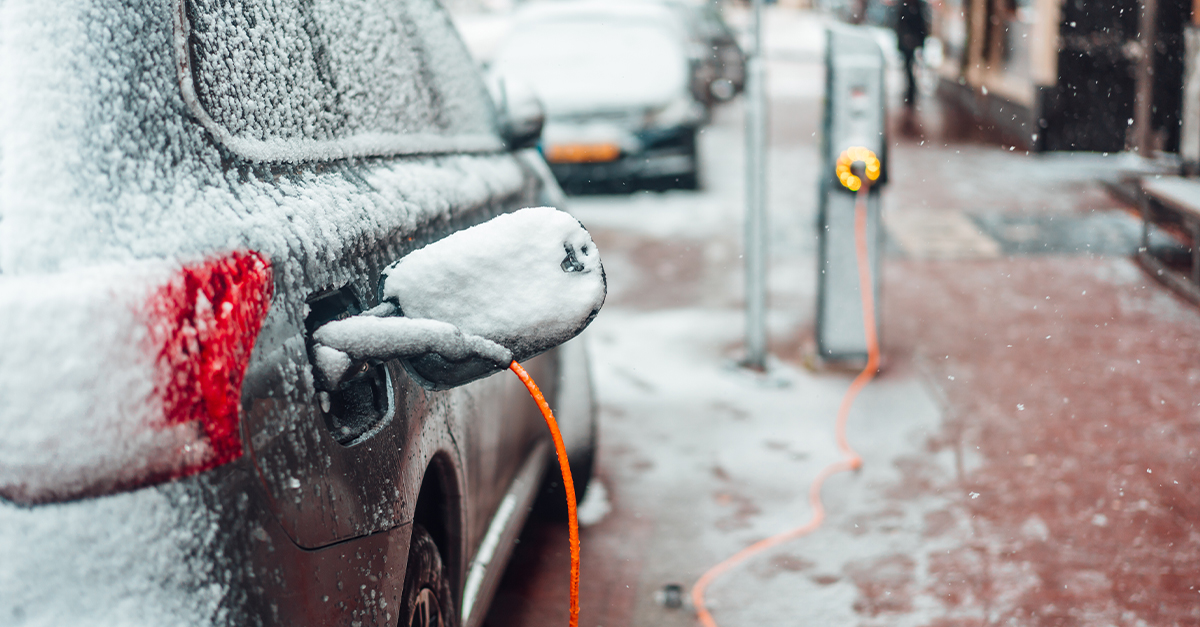
The basic reason that electric vehicle batteries work less efficiently in cold temperatures is because chemical reactions inside the battery slow down, so it provides less energy. Your cabin heater draws more power, regenerative braking becomes limited, and tires meet more rolling resistance. These factors combined together explain why even a healthy EV can experience a noticeable seasonal drop-off in range.
Review Real‑World Data On Winter Range Loss
Studies show winter range decreases can vary widely, often falling between 10 and 40% depending on the model, the mean temperature, and driving behavior. A 30% drop puts you at the upper end of expected loss. Comparing your car with similar models helps you shed light on whether yours is performing normally and what to do about it.

Check Your Vehicle’s Thermal Management Features
Some electric vehicles use heat pumps for efficient heating, while others rely on resistive heaters that consume more energy. If your car doesn’t have a heat pump, winter range loss may be more drastic. Knowing what equipment is in your vehicle gives you clarity about whether it will naturally struggle more in the cold.
Did Your Usage Change In Winter
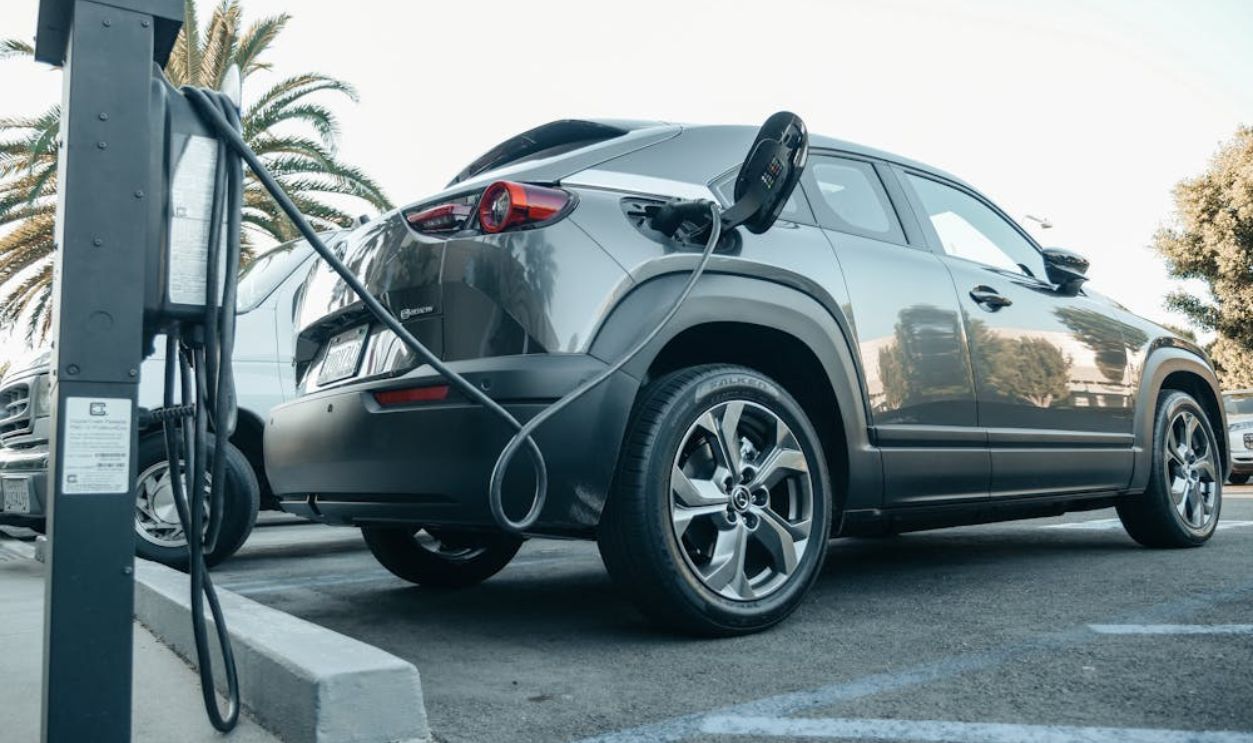
Winter often brings different driving habits: more cabin heat, shorter trips, faster heater use, longer warm‑ups, or outdoor parking. These changes all have an impact on the car’s range. Considering how your routine shifted during colder months helps you pinpoint what factors you can modify to get better performance.
Pre‑Condition While Plugged In
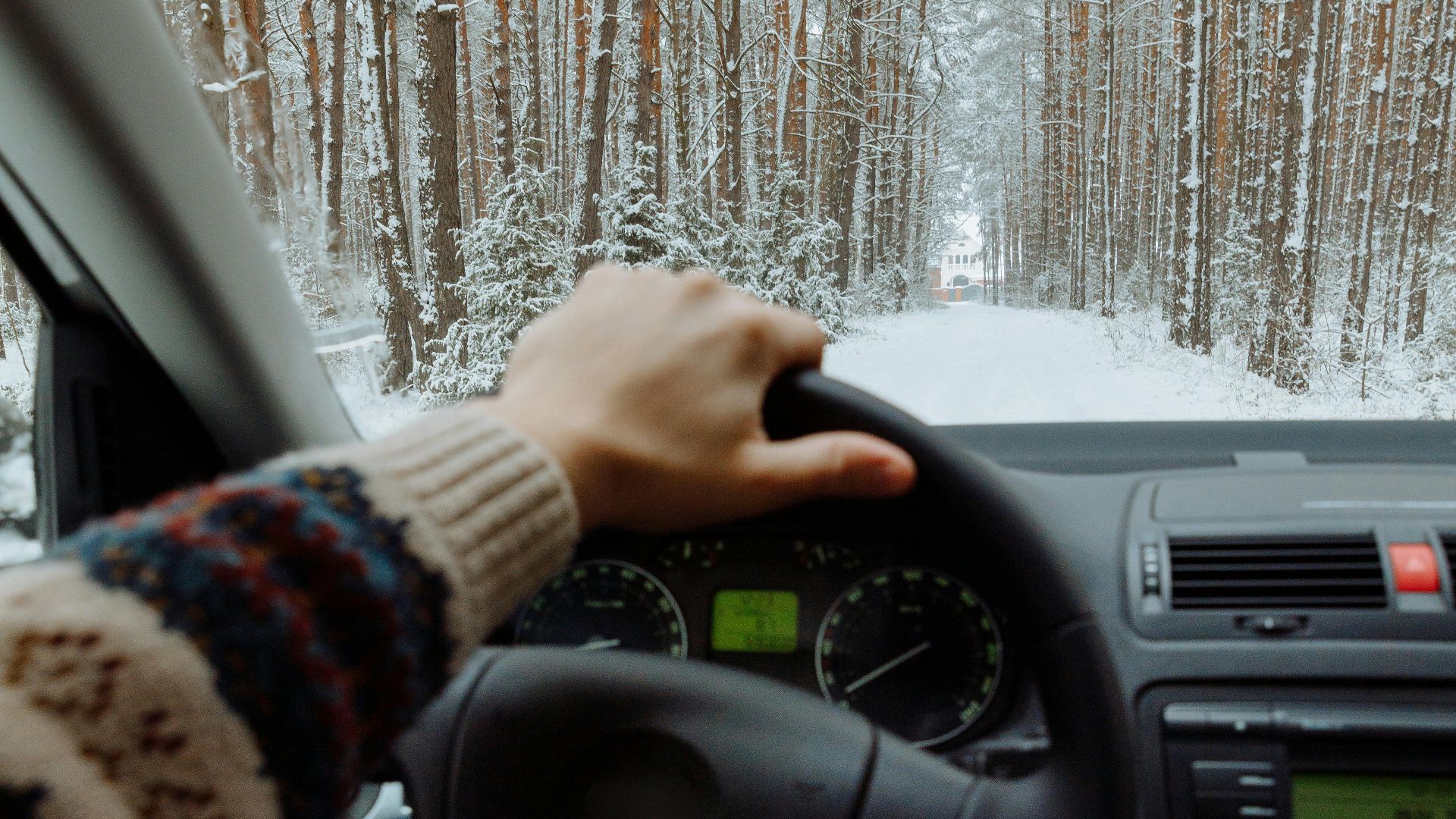
Pre‑conditioning warms your EV’s cabin and battery before you start driving, using power from the charger instead of stored energy. This reduces the load once you hit the road and preserves a better range. Most manufacturers recommend pre‑conditioning as a no-brainer method to improve cold‑weather efficiency.
Use Heated Seats And Steering Wheel Instead Of Cabin Heat
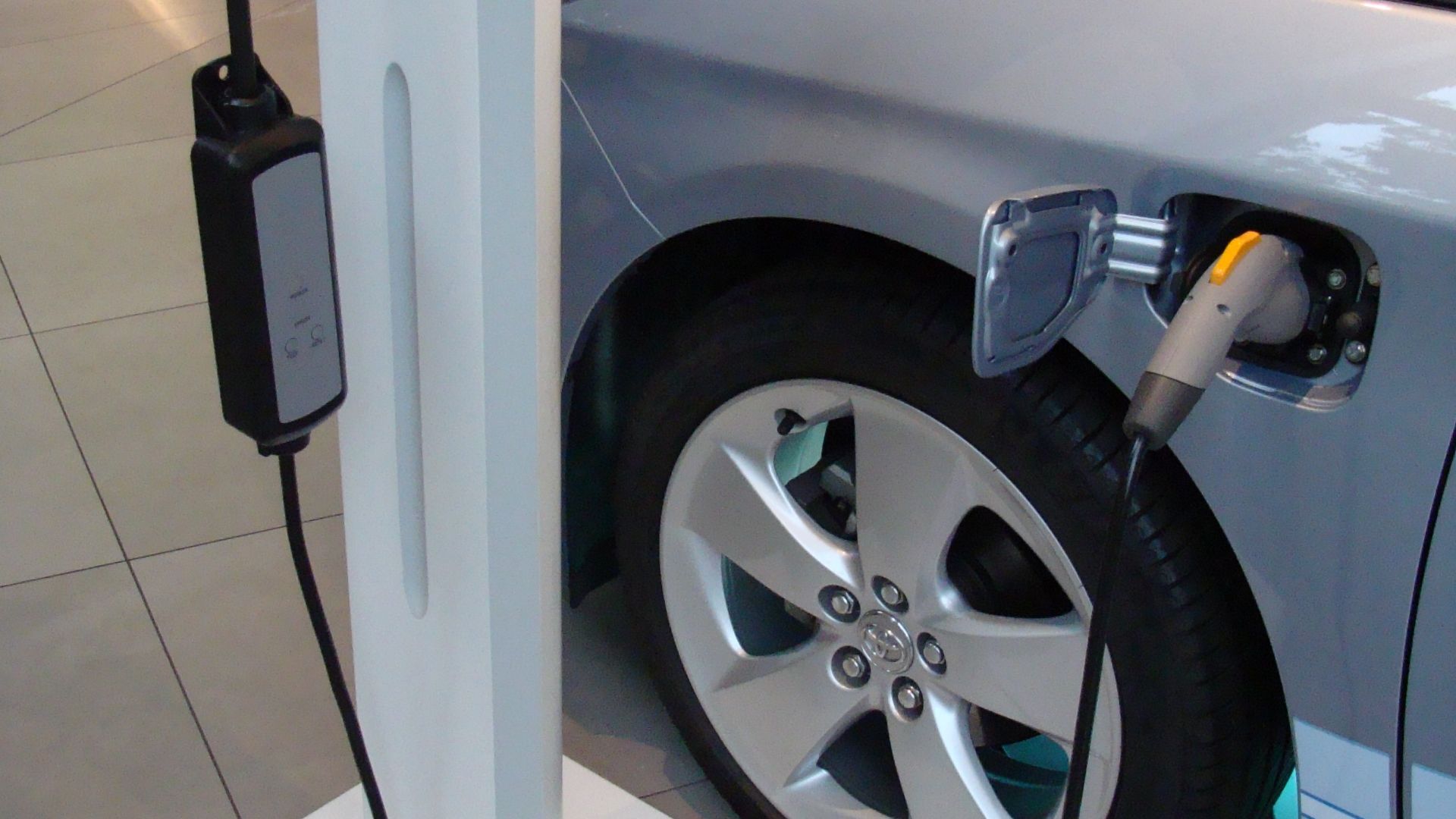
Your heated seats and steering wheel draw far less energy than warming the entire cabin. Relying on these features helps you conserve battery power for driving rather than climate control. Over the course of a winter, this small adjustment can make a big difference in daily range and charging frequency.
Keep Your Tires And Rolling Resistance In Check
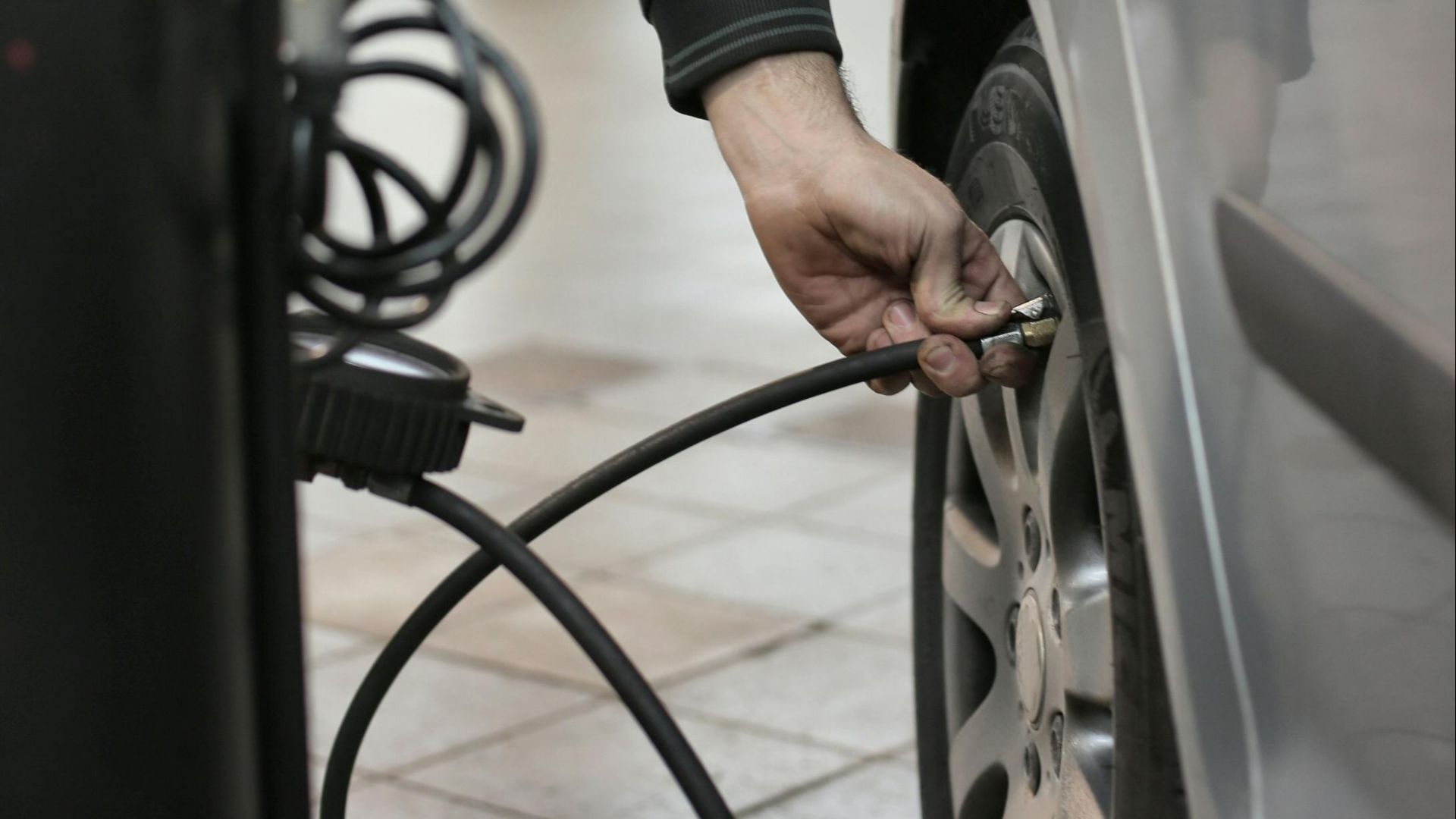
Cold temperatures lower the tire pressure, increasing rolling resistance. Snow, slush, and icy conditions add even more drag. Check your tire pressure regularly and use proper winter tires; this will help your car move more efficiently. Even small improvements in tire performance can give you back several miles of lost range.
Optimize Your Charging Strategy
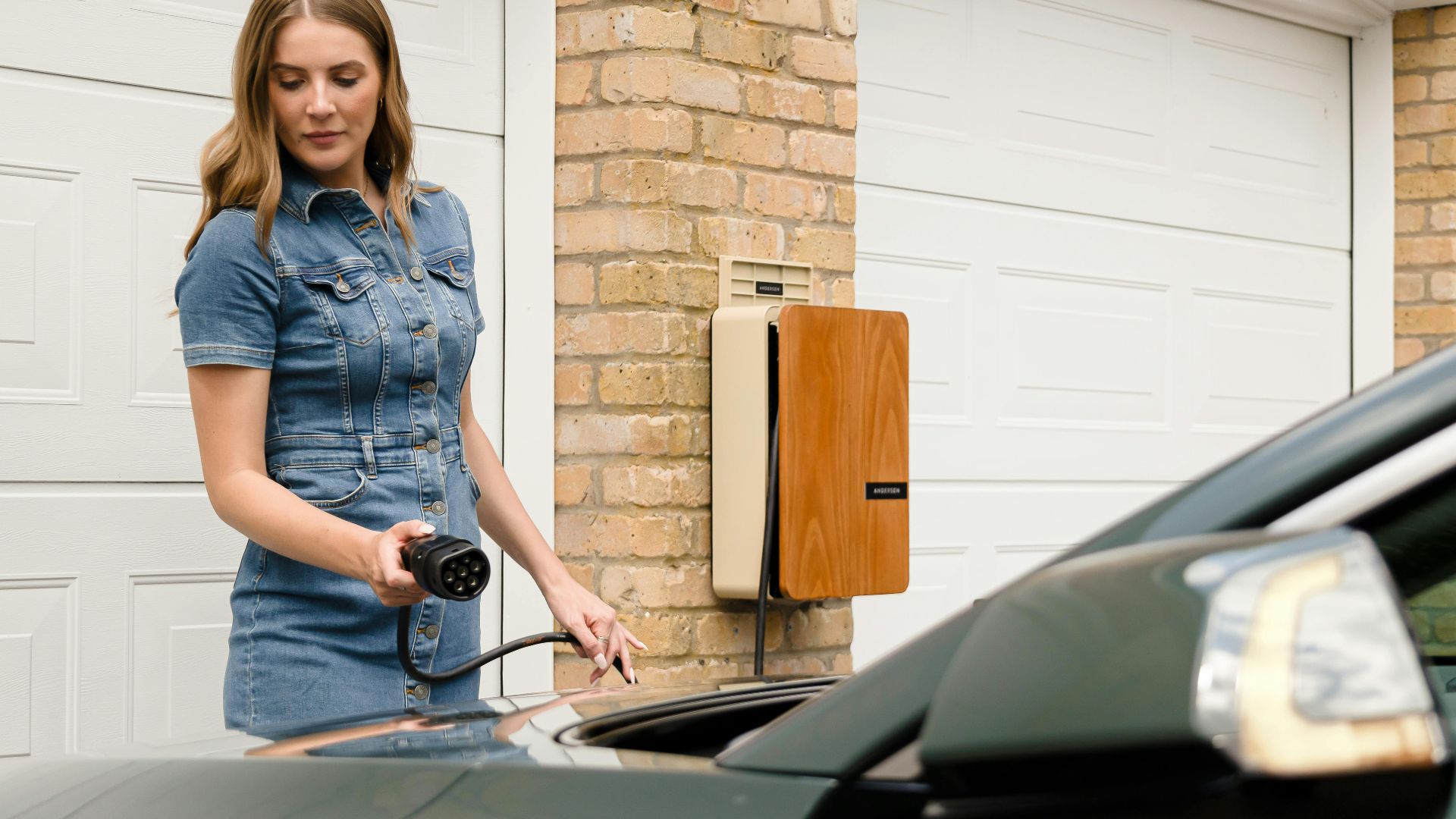
Charging in cold conditions takes longer, and batteries hold energy less efficiently. Keeping your EV plugged in more often and raising your charge limit slightly during winter helps to maintain a comfortable buffer. Overnight charging also keeps your battery warmer, improving cold‑weather efficiency during your morning commute.

Compare Your Model Against Peer Data
Looking up independent winter‑range tests for your exact model can reveal whether your performance is typical. Some EVs handle cold a lot better than others, especially those equipped with heat pumps. If your documented results fall far below similar tests, you may have grounds to request that the dealer investigate the matter further.

Document Your Usage And Range Loss
Keep a log of daily temperatures, vehicle charge levels, miles driven, and energy consumption. This helps you track whether or not the range drop is consistent or unusually severe. This documentation also gives you leverage when discussing concerns with your dealer and provides clarity about patterns that might indicate a more significant underlying problem.

Talk With Your Dealer, But Be Prepared
When you return to the dealer, show up with data in hand and specific concerns. Ask what winter range is typical for your model, whether any software updates are available, and whether your thermal system has been inspected. You are entitled to detailed answers, so don’t let them brush you off with the same old song-and-dance about normal seasonal variation.

Review Your Warranty And Battery Terms
Battery warranties normally guarantee a minimum percentage of original capacity over a period of several years. While temporary winter loss isn’t covered, permanent degradation may qualify you for service. Reviewing the terms of your warranty may also offer hints as to whether the car’s current performance is due to long‑term issues rather than seasonal limitations.

Consider An Independent Range Test
If your dealer goes on dismissing your concerns, an independent range evaluation can help determine whether your vehicle is underperforming. Testing under conditions similar to your daily routes provides objective results. If your EV performs significantly worse than expected, you gain stronger grounds for further action.

Adjust Your Driving Expectations For Winter
Cold weather reduces efficiency for every electric vehicle, and adjusting your expectations helps dial down the frustration levels. Accepting a seasonal decline doesn't mean settling for poor performance. It means learning what your EV realistically provides during winter so you can plan your trips, charging stops, and energy use effectively.
Plan For Charging Infrastructure Accordingly
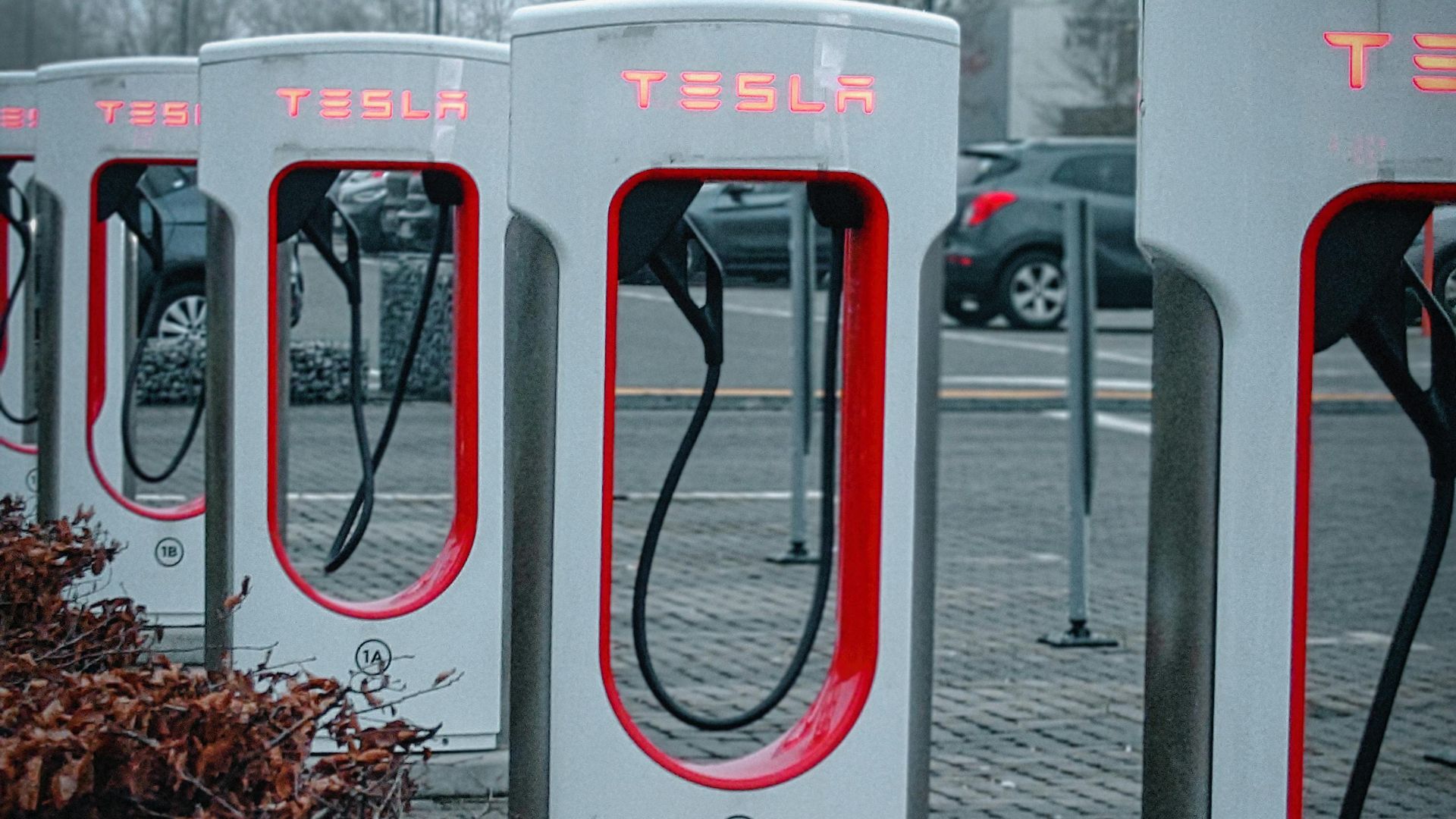
A 30% reduction in range may require additional charging or different daily habits. Ensuring reliable home or workplace charging and planning your routes with winter limitations in mind makes driving smoother. Preparing ahead of time reduces stress and helps you adapt confidently to the changing conditions.
Monitor Battery Health And Annual Degradation
Seasonal range loss differs from permanent battery degradation. Track your range once temperatures rise again in the spring and you can confirm whether winter caused temporary loss or if true capacity decline exists. Identifying persistent issues early on allows you to address potential battery health concerns before significant problems set in.

Stay Aware Of Consumer And Legal Options
In some regions, consumer‑protection agencies take misleading range claims seriously. The same holds true for any other performance that’s below published expectations. If your EV loses more range than comparable models, you may have recourse. Knowing your rights helps you take appropriate steps if your vehicle’s performance appears defective or overstated.

Keep A Long‑Term View And Improve Winter Habits
Winter affects every electric vehicle, but thoughtful habits help you reduce the impact. With consistent pre‑conditioning, efficient heating, and strategic charging, you can manage range loss effectively. Over time, you will learn how your EV behaves in cold weather and adjust your expectations and routines with confidence.
You May Also Like:
Baby Boomers Are Scared To Admit They Secretly Admire These EVs
The EVs With The Longest Range In 2025
My hybrid battery is dying and costs thousands to replace. Should I just buy a new car?