
The Debate Every Car Group Chat Ends Up Having
This argument never really goes away. One person swears a late-1990s sedan will outlast anything built today. Someone else points to modern engineering and says newer cars are better by almost every measure. The real answer is less dramatic, but a lot more interesting.
 Ketut Subiyanto, Pexels, Modified
What People Mean When They Say A Car Is Reliable
Reliability is not just whether a car starts on a cold morning. It also means how often parts fail, how much repairs cost, and whether a problem leaves you stranded or just mildly annoyed. That matters, because a glitchy screen and a blown transmission are not in the same league.

Why Older Cars Got Their Tough Reputation
Older cars earned that reputation in part because they were simpler. They had fewer computers, fewer sensors, and fewer linked systems that could trigger warning lights over small issues. If you like doing your own repairs, that simplicity still feels like a big advantage.

But Simpler Does Not Always Mean More Reliable
Older cars also came from a time when engines needed tune-ups more often, rust protection was usually worse, and many parts wore out sooner. Over time, tougher emissions and durability standards pushed automakers to build stronger systems. So while an older car may be easier to understand, that does not mean it breaks less often.

What The Big Reliability Surveys Actually Measure
Consumer Reports and J.D. Power are two of the names people cite most in this debate, but they track different things. Consumer Reports collects owner-reported problems across many trouble spots and uses that data to predict reliability. J.D. Power’s U.S. Vehicle Dependability Study looks at problems experienced in the past 12 months by original owners of three-year-old vehicles.

What J.D. Power Found In Recent Years
J.D. Power’s 2024 U.S. Vehicle Dependability Study said the industry average was 190 problems per 100 vehicles for three-year-old models, an improvement from the year before. The firm also said software issues and smartphone integration were still major trouble spots. That is an important clue, because a lot of frustration with newer cars comes from tech features rather than major mechanical failures.

The Catch Inside Modern Problem Counts
If a newer car has problems with voice controls, touchscreen lag, or Bluetooth pairing, those still count in owner surveys. They should count, because drivers deal with them every day. But they are not the same as the old breakdowns that used to leave people stuck on the roadside. A modern car can score worse in a survey while still being less likely to suffer a major mechanical failure than an older one.

Consumer Reports Found A Similar Pattern
Consumer Reports has repeatedly found that vehicles with more complicated electronics and all-new designs tend to report more trouble spots. At the same time, it has also shown that many mainstream vehicles can go well past 200,000 miles with proper maintenance. The details matter more than the car’s age by itself.

Age Itself Creates Reliability Problems
Even the toughest older car is still an older machine. Rubber seals dry out, plastic turns brittle, wiring insulation ages, and rust spreads quietly out of sight. Reliability is not just about how well a car was built when it was new. It is also about what time has done to it since then.

The Data On Vehicle Age Tells A Big Story
S&P Global Mobility reported in 2024 that the average age of vehicles on the road in the United States reached 12.6 years, a record high. Americans are keeping cars longer than ever. That also means many people are comparing a well-known older car they trust with a newer one they have not fully warmed up to yet.

Why Survivorship Bias Fools So Many Drivers
There is a reason people keep bringing up the old Toyota or Ford that ran forever. The unreliable older cars mostly disappeared from the road and from memory, while the durable ones stayed around long enough to become legends. That is survivorship bias, and it makes the past look tougher than it really was.
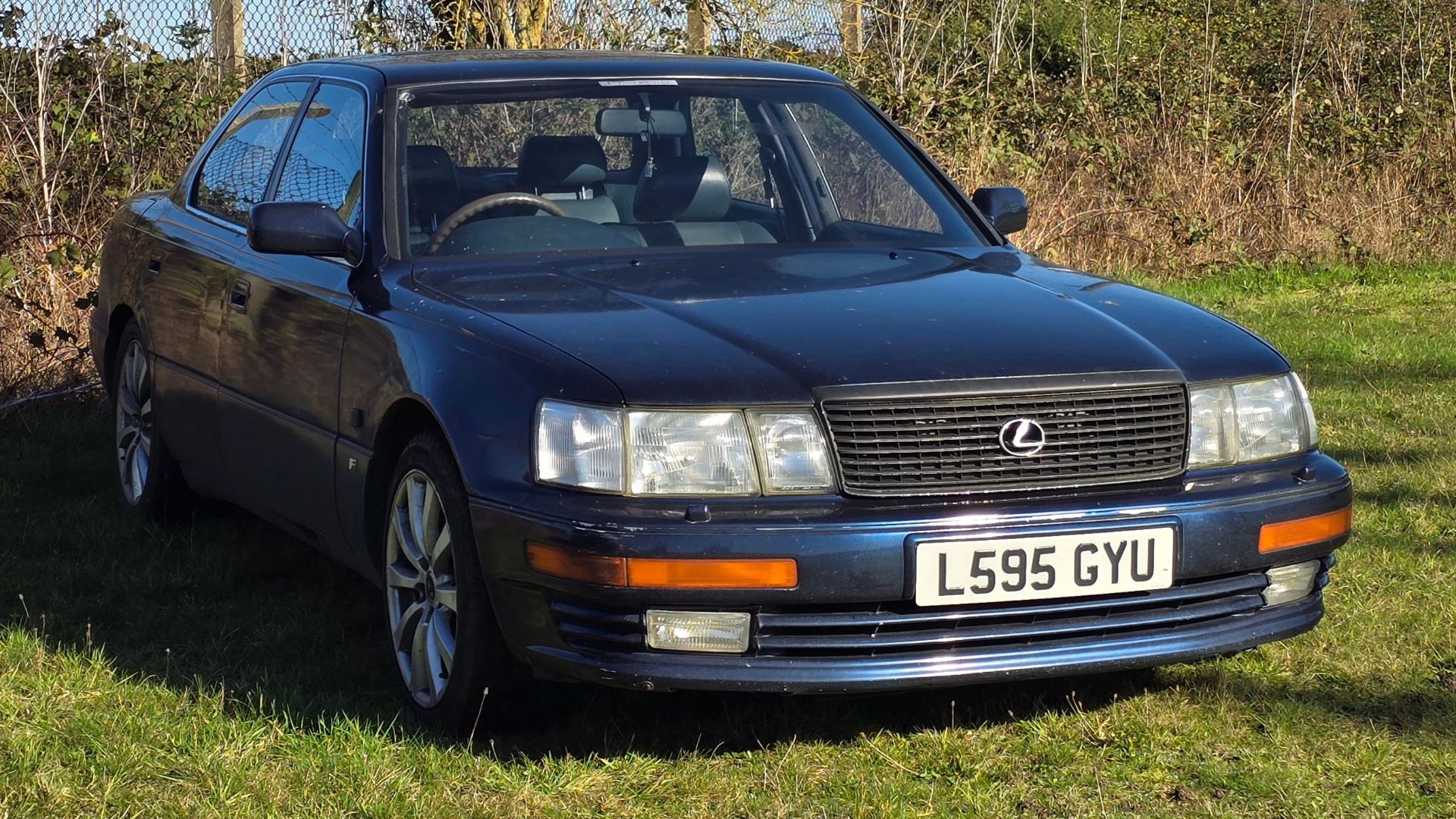
Modern Engines Are Not Automatically Fragile
A lot of people hear turbocharging, direct injection, or hybrid components and assume every new car is a ticking time bomb. In reality, many modern powertrains have held up very well, though some specific designs have had real issues. The smarter takeaway is to judge them case by case, not assume old means sturdy and new means fragile.

Electronics Changed Reliability, But Not Always For The Worse
Electronics added new failure points, but they also helped cars run better and avoid damage. Engine control modules can fine-tune fuel and ignition far more precisely than carbureted cars ever could. On-board diagnostics also make faults easier to find, even if warning lights can sometimes feel like one more thing to worry about.
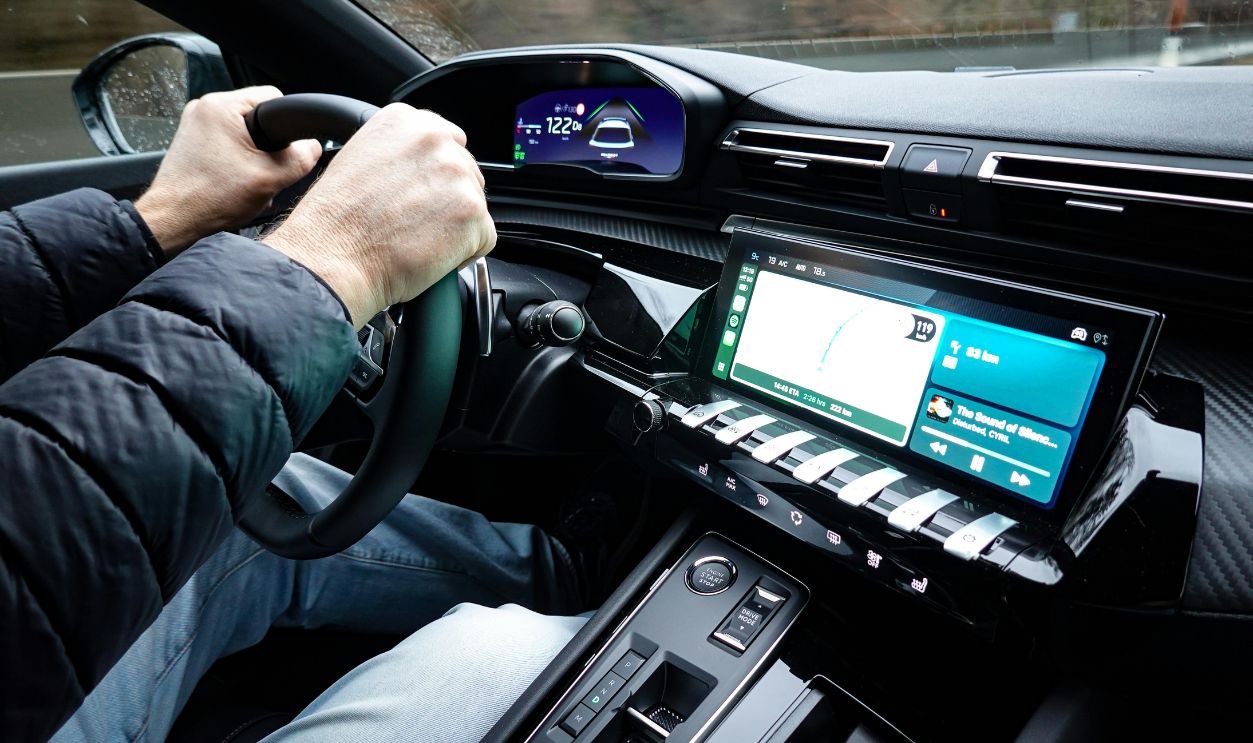
Safety Tech Is Part Of The Trade-Off
If someone says older cars are better because they have less tech, it is fair to ask which tech they would give up. Anti-lock brakes, stability control, backup cameras, and advanced airbags became common because they save lives and reduce crashes. Reliability matters, but so does walking away from a bad day on the road.

What Government Data Says About Safety Equipment
The National Highway Traffic Safety Administration has documented the safety value of features like electronic stability control over the years. Backup cameras also became mandatory on new U.S. vehicles starting in May 2018 under a federal rule. Those systems add complexity, but they also add real protection that older vehicles often do not have.

New Cars Usually Need Less Routine Attention
One quiet advantage of newer vehicles is that maintenance intervals are much longer than they used to be. Oil changes often come later, many transmissions have longer service intervals, and drivers no longer have to think about distributor caps and spark timing the way they once did. That convenience is part of reliability in everyday life, even if it is not especially romantic.
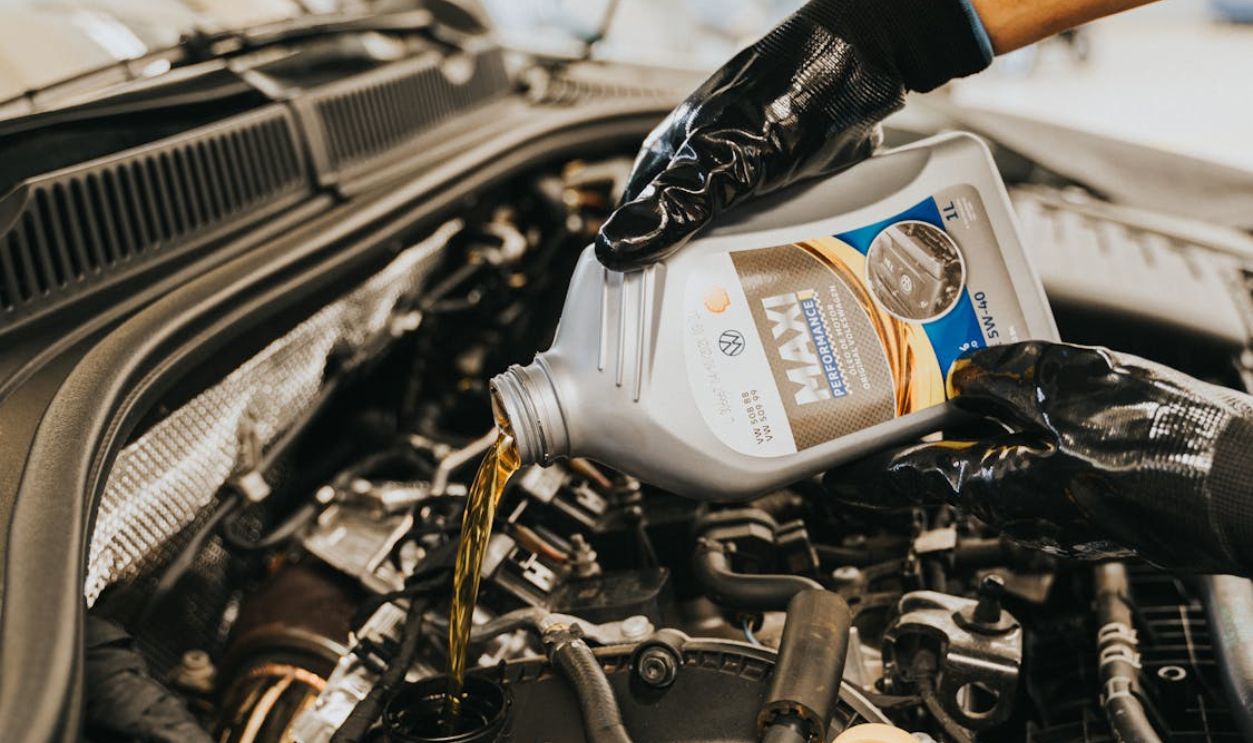
Repairability Is Where Older Cars Still Have An Edge
This is where fans of older cars have a real point. Older vehicles are often easier and cheaper to diagnose and fix, especially from before cramped engine bays and software-heavy controls became the norm. A car that is easy to repair can feel more reliable because problems are usually smaller, cheaper, and less intimidating.
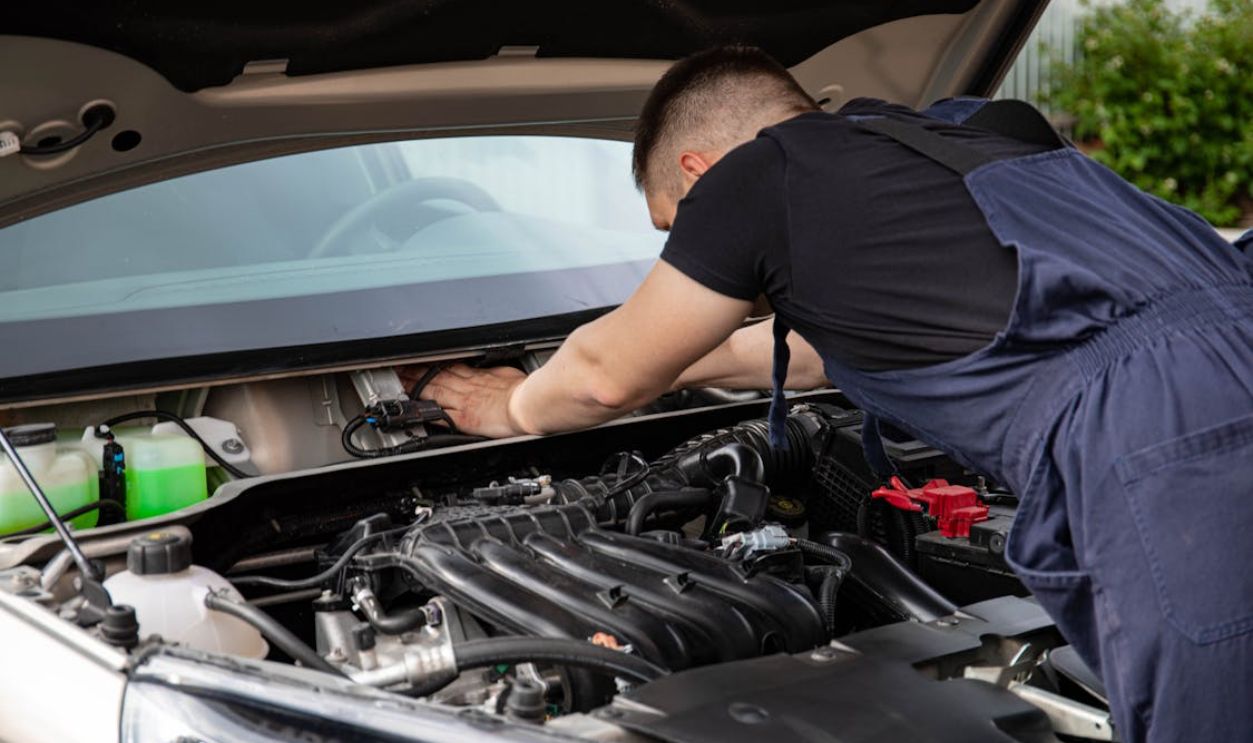
But Parts Availability Can Undo That Advantage
Once a vehicle gets old enough, finding good replacement parts becomes harder. Some parts are discontinued, some aftermarket options are low quality, and some repairs turn into a hunt through salvage yards or specialty sellers. A simple car is not much help if the part you need has basically vanished.

The Used Car Wild Card Changes Everything
When people praise older cars, they are often really praising one specific older car with a known history. A well-maintained 15-year-old sedan owned by one careful driver can be a great bet. A neglected 15-year-old SUV with mystery leaks and skipped maintenance is a completely different story.

Maintenance History Matters More Than Nostalgia
Service records matter more than stories. Regular fluid changes, timing belt replacement when needed, cooling system upkeep, and rust prevention all shape long-term durability more than broad claims about old versus new. Reliability is usually built in garages and repair shops, not in internet arguments.

Some New Tech Really Does Cause Headaches
To be fair, the complaints are not made up. J.D. Power and Consumer Reports have both pointed to recurring frustration with infotainment systems, touch controls, and software bugs. If your definition of reliability includes every daily annoyance, newer vehicles can absolutely feel worse in some cases.

Some Older Systems Were Genuinely Worse
It is easy to forget the hassles drivers once treated as normal. Carburetor tuning, harder cold starts, shorter spark plug life, and weaker rust protection were all common in earlier decades. Many old cars felt dependable partly because owners expected more tinkering and put up with more quirks.

Hybrids Make The Debate More Interesting
Hybrid technology sounds like the kind of complexity that should hurt reliability, yet several studies have shown many hybrids performing very well over time. Consumer Reports has noted strong reliability for many hybrid models compared with some gas-only or fully electric alternatives. It is a good reminder that more technology does not always mean more trouble.

EVs Add Another Twist
Battery-electric vehicles have fewer moving parts in the powertrain, which should help long-term mechanical durability. But recent owner surveys have also shown that EVs can have software issues, charging frustrations, and problems tied to new-model launches. The pattern shows up again and again: the newest tech often stumbles first in electronics and interfaces, not necessarily in the core drive system.

So Are Older Cars More Reliable
As a blanket statement, no. Older cars are usually simpler and often easier to fix, but age creates its own failures, and many modern vehicles are mechanically tougher than the cars people like to romanticize. What newer cars often do worse is provide glitch-free tech, which can make them seem less reliable even when the engine and drivetrain are solid.

The Better Question To Ask Before You Buy
Instead of asking whether old cars or new cars are more reliable, ask which specific model, engine, and model year has the best track record. Then check recall history, owner complaint trends, maintenance costs, and whether the car was recently redesigned. That will tell you far more than picking a side in a nostalgia argument.

The Practical Bottom Line For Real Drivers
If you want low-cost simplicity and can live with age-related repairs, a carefully chosen older car can still be a smart buy. If you want better crash protection, longer maintenance intervals, and a car that is less likely to need steady mechanical attention, a well-researched newer model often makes more sense. The old-car fan is not totally wrong, but simplicity and reliability are not the same thing.