When A Snow Day Turns Into A Legal Headache
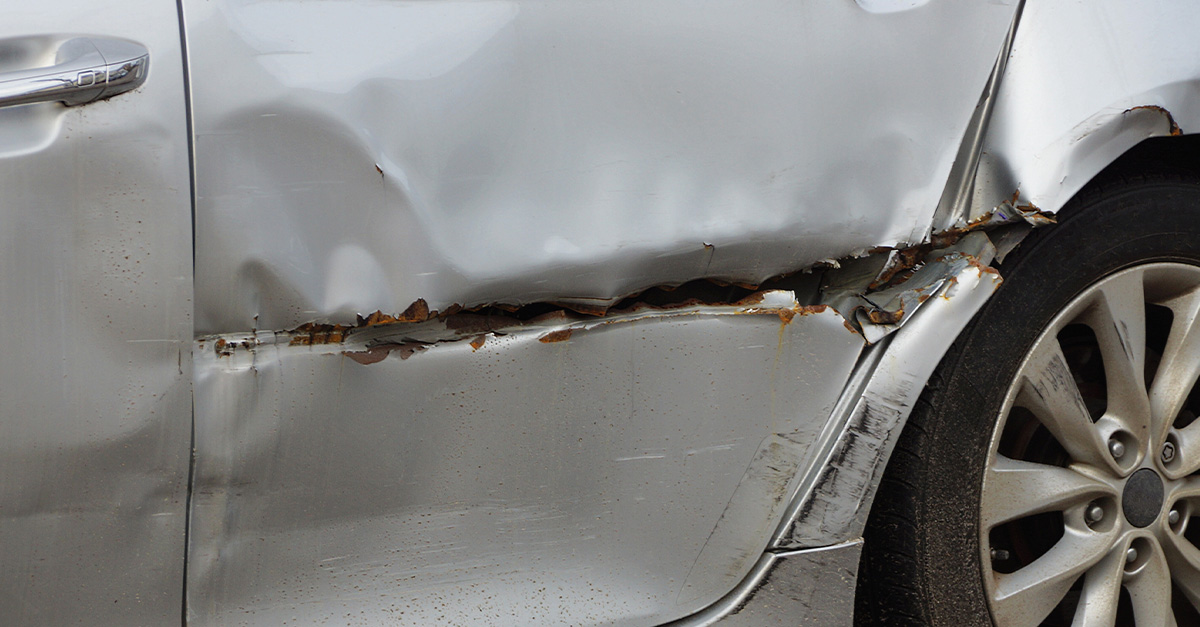
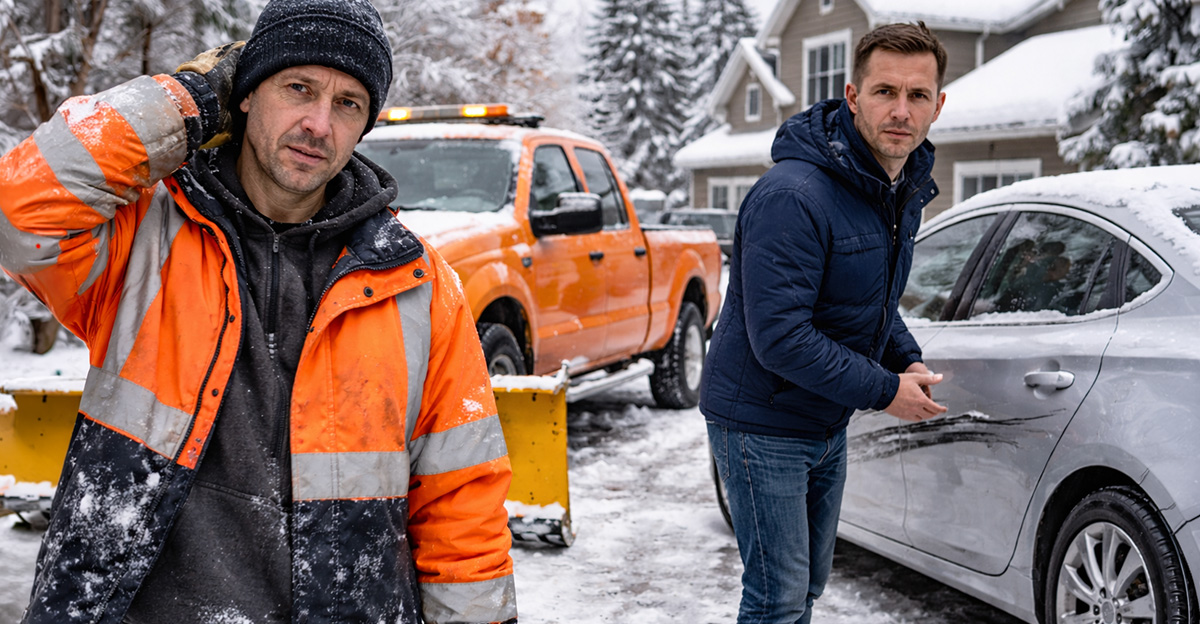
There’s nothing quite like waking up after a heavy snowfall to the soothing sound of a snowplow clearing the street—until you step outside and see a long, ugly gash carved into the side of your car. That’s when winter magic turns into winter mayhem. If your neighbor’s snowplow contractor left you with an accidental “custom paint job” and is now denying responsibility, you’re probably wondering what to do next. Don’t worry—you have options, and they don’t all involve dramatic courtroom showdowns.
Take A Deep Breath Before You Do Anything
Before firing off angry texts or marching next door in your pajamas, pause. Snowplow damage cases can get emotional fast—especially when neighbors are involved. The key to getting your money (or your car) back in shape is staying calm and methodical. The more level-headed you are now, the better your chances of resolving this without turning your street into a frosty battleground.

Document The Damage Immediately
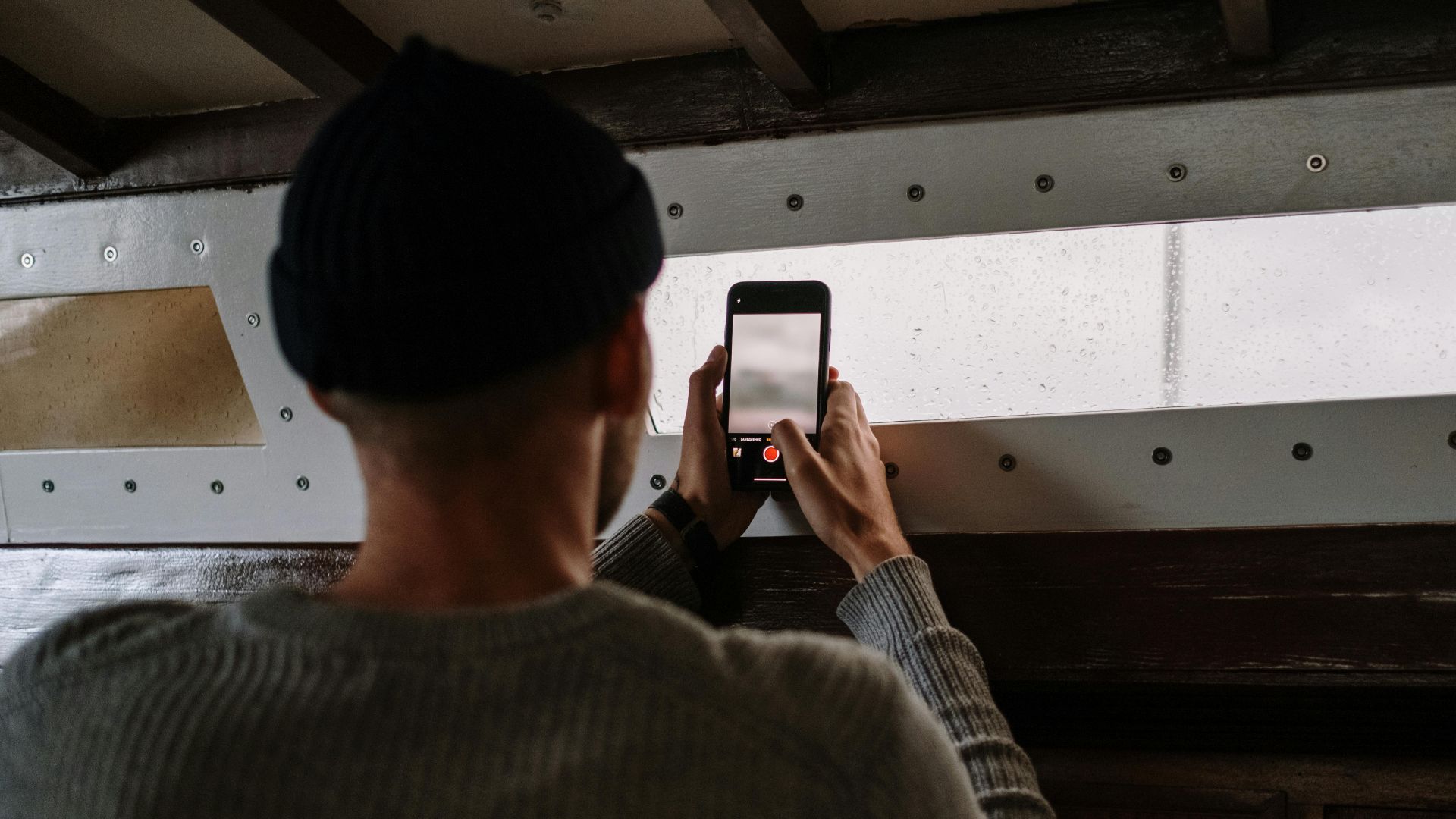
Your smartphone is your best friend here. Take clear photos of the gash from multiple angles, including wide shots that show where your car was parked relative to the driveway and street. If there are paint transfers, broken plastic, or snowplow blade marks, capture those too. If the snowplow left tracks in the snow that point directly to your vehicle, photograph those before the sun melts your evidence away.
Check For Witnesses And Cameras
Did another neighbor see what happened? Does anyone have a doorbell camera that may have caught the incident? Many disputes hinge on proof, and video footage can be incredibly persuasive. If the contractor’s truck has identifying information, try to capture that as well. Evidence now saves headaches later.

Review Your Insurance Policy
Before diving deeper into legal action, check your auto insurance policy. If you carry collision coverage, your insurer may cover the repair costs regardless of who caused the damage. Yes, you may have to pay your deductible upfront—but your insurer can later pursue reimbursement from the contractor through a process called subrogation. Translation: they chase the money so you don’t have to.

Understand Who Might Be Liable
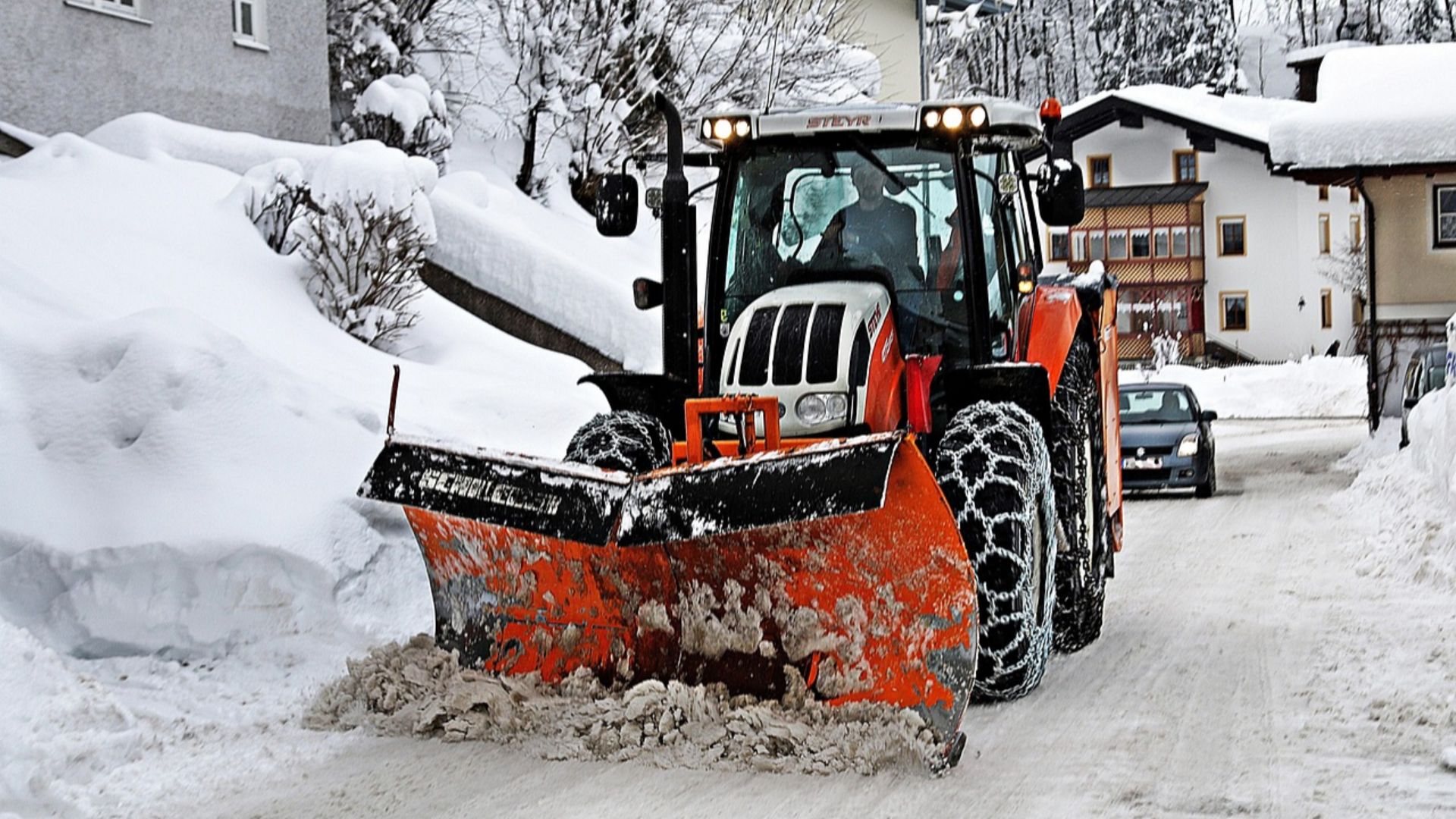
Here’s where it gets interesting. The contractor plowing your neighbor’s driveway could be personally liable if they acted negligently. That means they failed to use reasonable care—like operating too close to parked vehicles or not paying attention. In some cases, their company (if they work for one) could also be on the hook.
The Neighbor Usually Isn’t Responsible
This surprises many people: your neighbor likely isn’t legally responsible just because they hired the snowplow contractor. Generally, independent contractors are responsible for their own negligence. Unless your neighbor directly instructed the plow operator to do something reckless, your dispute is typically with the contractor—not the homeowner.

Send A Formal Demand Letter
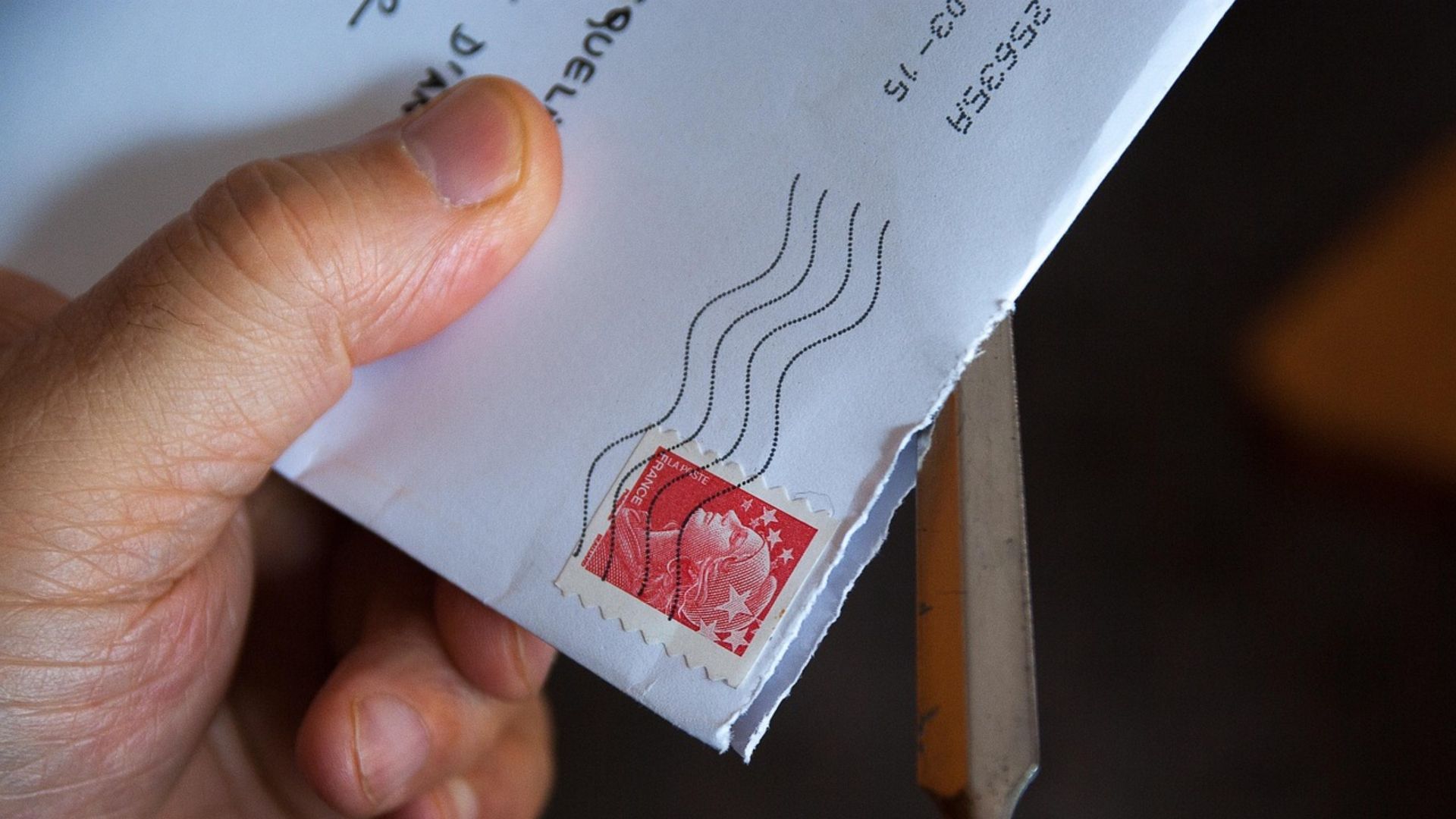
If the contractor denies responsibility, your next step isn’t necessarily court—it’s a demand letter. This is a written notice outlining what happened, the evidence you have, the repair cost, and a deadline for payment. Keep it professional and factual. Sometimes, a formal letter signals that you’re serious and can prompt a resolution without litigation.
Get A Repair Estimate
You’ll need proof of damages, so obtain at least one written repair estimate from a reputable body shop. If the gash is deep enough to expose metal, repairs can get pricey fast. Having documentation strengthens your position, whether you’re negotiating directly or presenting your case to a judge.

Consider Filing A Police Report
In some areas, property damage involving a vehicle may warrant a police report—especially if the responsible party is disputing involvement. Even if no ticket is issued, an official report creates a paper trail. That can help with insurance claims or small claims court proceedings.
Small Claims Court May Be Your Friend
If the contractor refuses to pay and insurance doesn’t cover it—or you’d rather avoid a claim—you can sue in small claims court. These courts are designed for everyday disputes involving modest sums of money. You don’t need a lawyer, and filing fees are relatively low.

What You’ll Need To Prove
Winning in small claims usually requires showing three things: the contractor owed you a duty of care, they breached that duty, and the breach caused your damages. In plain English, you must show they were careless and that carelessness scratched your car. Photos, witness statements, and repair estimates all help build your case.
Don’t Ignore The Contractor’s Insurance
Most professional snowplow contractors carry liability insurance. Ask directly for their insurance information. If they refuse, your demand letter can request it formally. Filing a claim with their insurer may resolve things faster than going to court, especially if the evidence is clear.

Beware Of Comparative Fault Arguments
The contractor might argue that you parked too close to the driveway or in a risky spot. Some states reduce compensation if you’re partially at fault. While that doesn’t automatically defeat your claim, it’s something to prepare for. Showing that your vehicle was legally and reasonably parked can counter this defense.

Timing Matters More Than You Think
Every state has a statute of limitations for property damage claims. Typically, it’s between two and three years—but don’t wait that long. Evidence fades, memories blur, and contractors change companies. Acting quickly strengthens your credibility and your case.

Mediation Could Save The Neighborhood
If you want to preserve peace on your street, mediation is worth considering. A neutral third party helps both sides reach a voluntary agreement. It’s less formal than court and often faster. Plus, it keeps you from awkwardly avoiding eye contact every time you check your mailbox.

Keep All Communication In Writing
Resist the urge to hash things out verbally. Written communication creates a record. Emails, texts, and certified letters are far more useful than “he said, she said” recollections. Stay polite but firm in everything you write—you may end up showing it to a judge.

Calculate Your Total Losses Carefully
It’s not just the paint job. Did you need a rental car while yours was in the shop? Did the damage reduce your car’s resale value? These are legitimate considerations. Be reasonable, but don’t shortchange yourself.

Understand The Cost-Benefit Equation
Before diving deeper into legal action, weigh the numbers. If repairs cost $800 and your deductible is $500, filing an insurance claim might make more sense than months of litigation. On the other hand, if damages run into the thousands, pursuing reimbursement becomes more compelling.

What If The Contractor Truly Won’t Pay?
If you win in court but the contractor still refuses to pay, you may need to enforce the judgment. That could involve wage garnishment or liens, depending on your state’s laws. It sounds dramatic, but many cases settle before it reaches that point.

Protect Yourself In The Future
Consider where you park during heavy snowfalls. If possible, avoid spots close to driveways scheduled for plowing. You can’t prevent every accident, but small precautions can reduce risk. Winter is unpredictable—your parking strategy doesn’t have to be.
Talk To Your Insurance Agent
Even if you don’t plan to file a claim, your agent can explain your coverage and potential premium impact. Sometimes the peace of mind alone is worth the phone call. Knowledge is power—especially when deductibles and rate hikes are involved.

Know When To Let It Go
This may not be the advice you want to hear, but sometimes the emotional toll isn’t worth it. If the damage is minor and the stress is mounting, paying out of pocket might be the simpler path. Not every battle needs to become a war.

Stay Professional, Even If They Don’t
It’s tempting to match defensiveness with defensiveness. Don’t. Judges appreciate calm, organized plaintiffs. Insurance adjusters respond better to reason than rage. And your neighbors will remember how you handled it.

Legal Advice Can Be Worth The Fee
If the damage is substantial or liability is complicated, a brief consultation with an attorney could clarify your options. Many offer free initial consultations. A little professional guidance can prevent costly missteps.

Winter Accidents Happen—But Accountability Matters
Snowplow contractors perform a valuable service, but that doesn’t mean they’re above responsibility. If negligence caused your damage, you have every right to seek compensation. The law doesn’t vanish just because there’s snow on the ground.
Resolution Is Possible—With Patience
Disputes like this feel personal, but they’re ultimately about evidence and procedure. When you approach the situation methodically—documenting damage, exploring insurance, and using legal channels when necessary—you increase your chances of a fair outcome.

Turning A Frosty Situation Into A Fair Outcome
A gash in your car door is frustrating, but it doesn’t have to become a financial disaster. By understanding your rights, leveraging insurance options, and pursuing small claims or mediation when needed, you can move from icy standoff to practical solution. Snow may melt, but accountability shouldn’t—so take smart, steady steps toward getting your car, and your peace of mind, back in shape.
You May Also Like:
The Luxury Empire That Beat Cadillac—Then Completely Disappeared