Waiting Is Frustrating, But You Are Not Stuck
Buying an electric vehicle is exciting until you discover your condo board must approve a home charger first. That delay can feel like a major obstacle, especially if you were counting on overnight charging from day one. Fortunately, there are practical ways to keep driving while you work through the approval process, and many condo communities now have established procedures for these requests.
Why Condo Approval Is Usually Required
Most condo parking spaces involve shared property, even if they are assigned to individual owners. Installing a charger often requires modifications to common electrical systems, wiring, or walls that belong to the condominium corporation. That means boards generally have a legal responsibility to review proposed installations before work begins.
It Is Not Necessarily A Rejection
Receiving a notice that approval is required does not automatically mean your request will be denied. In many cases, the board simply needs time to evaluate electrical capacity, safety requirements, insurance issues, and installation plans. Many buildings now receive these requests regularly as EV ownership continues to grow.

Understand Your Building's Rules First
Before assuming the process is unfair, review your condominium declaration, bylaws, and rules. Some buildings already have an established EV charging policy that explains exactly what documents you need to provide. Following the published process can prevent unnecessary delays.

Ask For The Written Approval Process
If your condo has never handled an EV charger request before, ask management for the official approval procedure in writing. Knowing every required document upfront helps you avoid submitting incomplete applications. It also creates a clear record of your communications.

Understand The Rules In Your Area
Rules vary significantly depending on where you live. Ontario, for example, established a formal process in 2018 that generally requires condominium corporations to respond to owner applications within 60 days, with limited reasons for refusing an installation. Other states and provinces may have different laws or rely more heavily on condo bylaws.
 Fabian Roudra Baroi, Wikimedia Commons
Gather The Technical Information Early
Most boards want far more than a simple request letter. They often require electrical drawings, equipment specifications, installation plans, and information about how electricity usage will be measured. Collecting these documents early can speed up the review.

Hire An Experienced EV Electrician
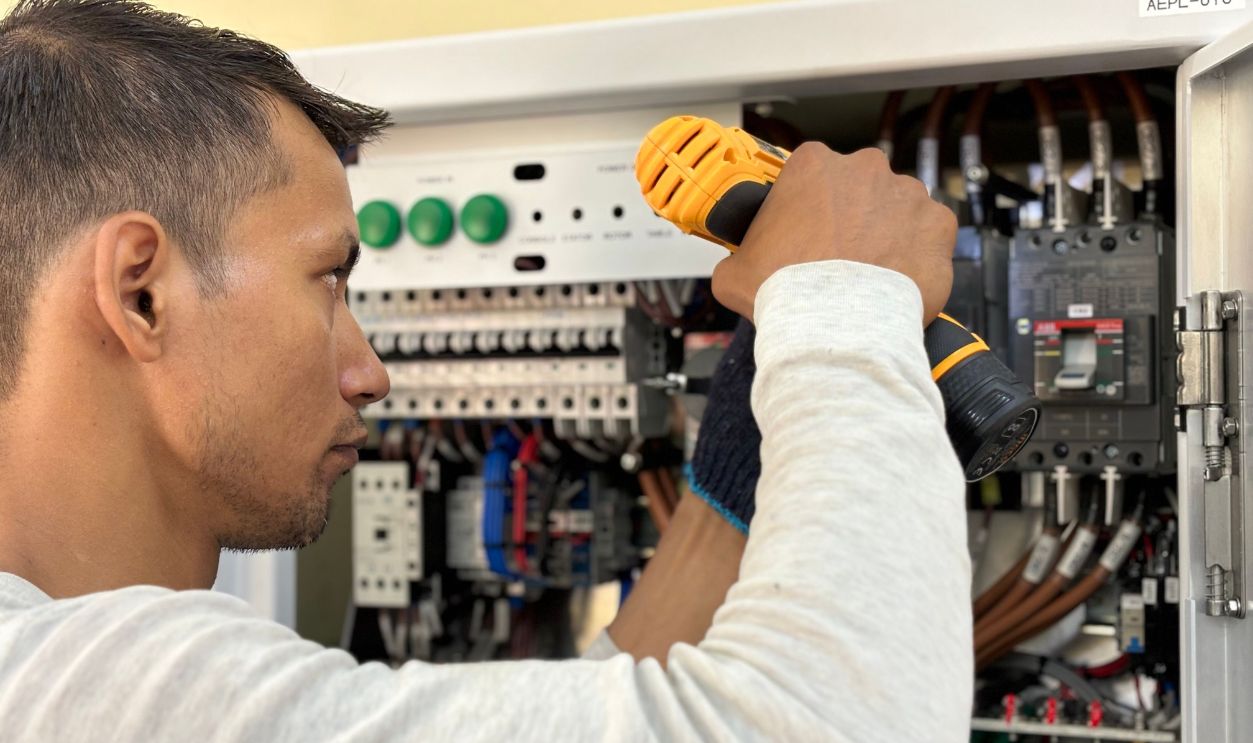
A licensed electrical contractor who regularly installs EV chargers in condominiums can be one of your biggest assets. They understand common board concerns and usually know exactly what documentation property managers expect. Their experience may help answer technical questions before they become obstacles.
Be Ready To Pay Installation Costs
In many condo buildings, owners requesting a private charger are responsible for installation, maintenance, electricity consumption, and future repairs. The board may also require an agreement outlining those responsibilities. Understanding these costs ahead of time avoids surprises later.

Electrical Capacity May Be The Real Issue
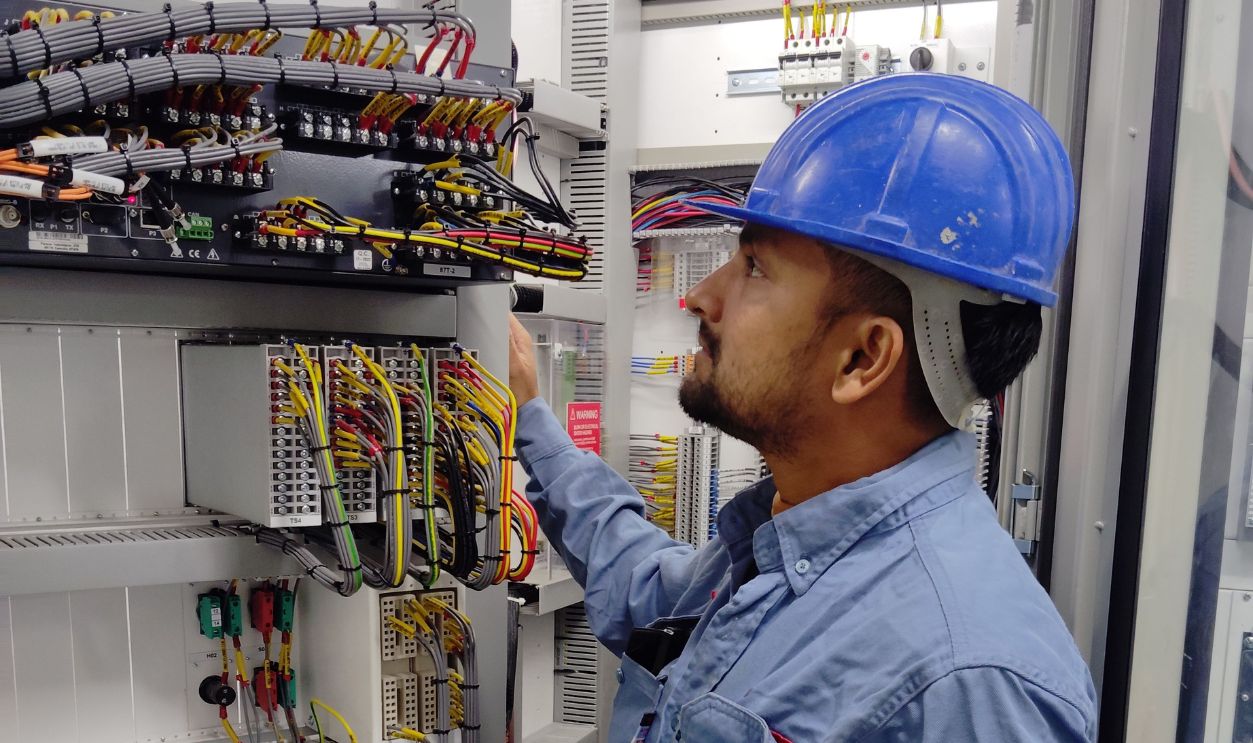
Some older buildings simply were not designed for dozens of EV chargers operating overnight. Before approving new installations, engineers may need to study the building's available electrical capacity. That assessment protects everyone from overloaded systems.
 Shameer Vayalakkad Hydrose, Pexels
Smart Load Management Can Change Everything
Modern charging systems do not always require expensive electrical upgrades. Smart load management can automatically reduce charging speeds when electricity demand is high and increase them when capacity becomes available. Many condo corporations now consider these systems when planning EV infrastructure.
Do Not Begin Work Without Approval
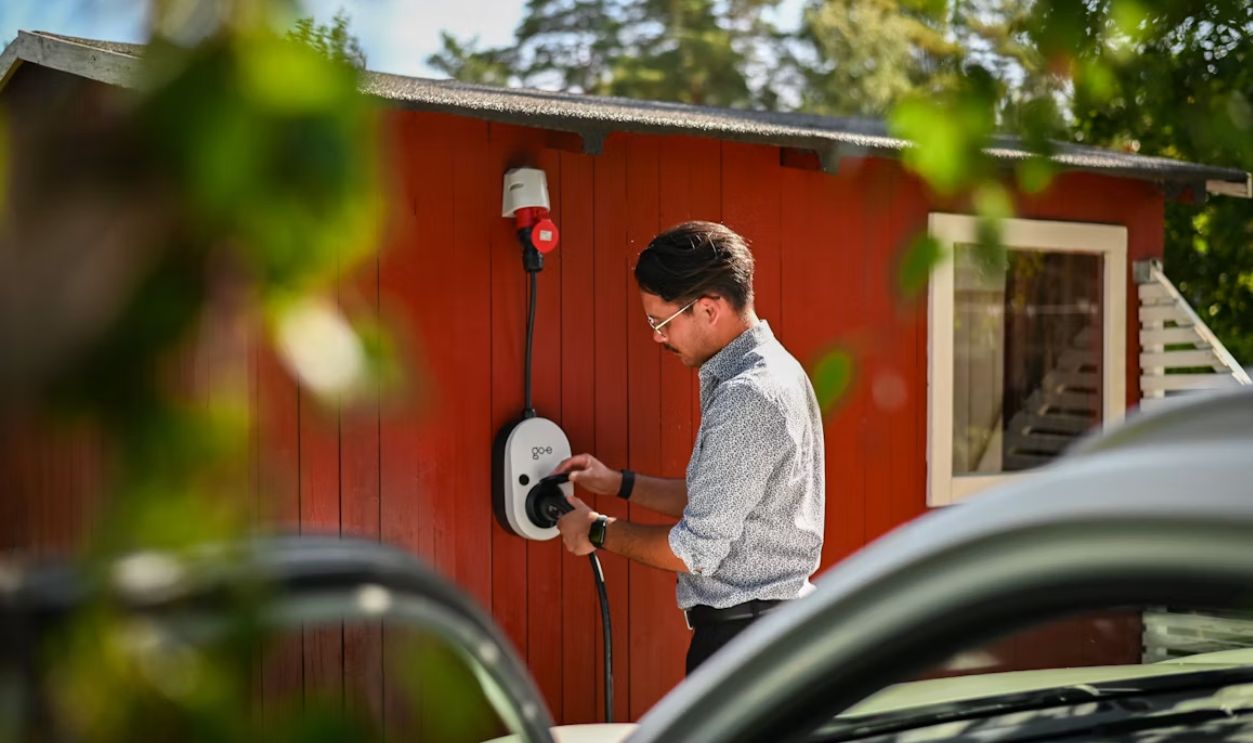
It can be tempting to hire an electrician and install everything quietly. That approach can create much larger problems if work affects common property or violates condo rules. Unauthorized modifications may have to be removed at your own expense.
Public Charging Can Fill The Gap
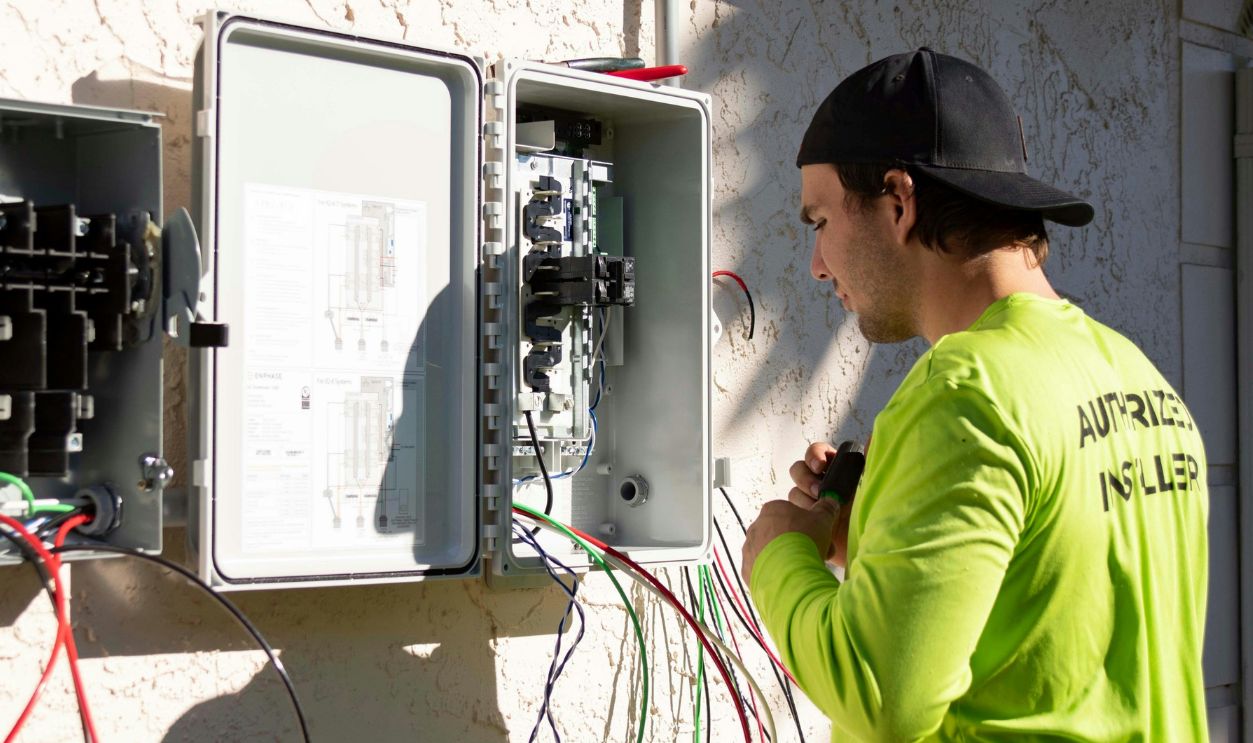
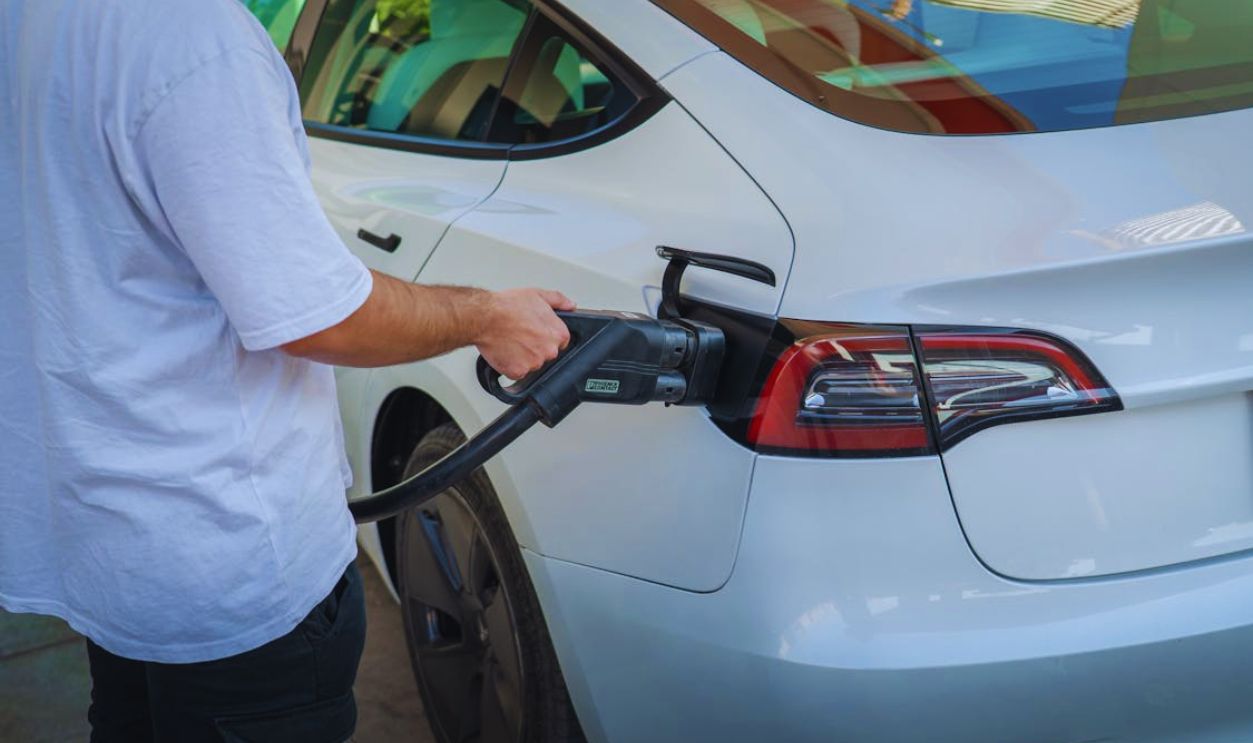
While you wait, public charging stations can keep your EV ready for daily driving. Many grocery stores, shopping centers, municipal parking lots, workplaces, and highway corridors now offer Level 2 or DC fast charging. Depending on your driving habits, these stations may cover your needs temporarily.

Workplace Charging Is Worth Exploring
Ask whether your employer offers workplace charging. Many businesses have added chargers for employees as EV adoption has grown. Even charging a few times each week at work can significantly reduce your reliance on public stations.
Fast Chargers Are Helpful, But Not Essential
DC fast chargers are excellent for road trips and quick top-ups, but they are usually more expensive than charging at home. If your daily commute is modest, slower Level 2 charging sessions during errands or overnight public parking may be all you need until your home charger is approved.

Plan Charging Around Your Routine
Instead of making special trips to charge, look for opportunities during activities you already do. Grocery shopping, visiting the gym, or eating dinner can become convenient charging sessions. Small adjustments often make waiting much easier.
Keep Your Battery Between Sensible Limits
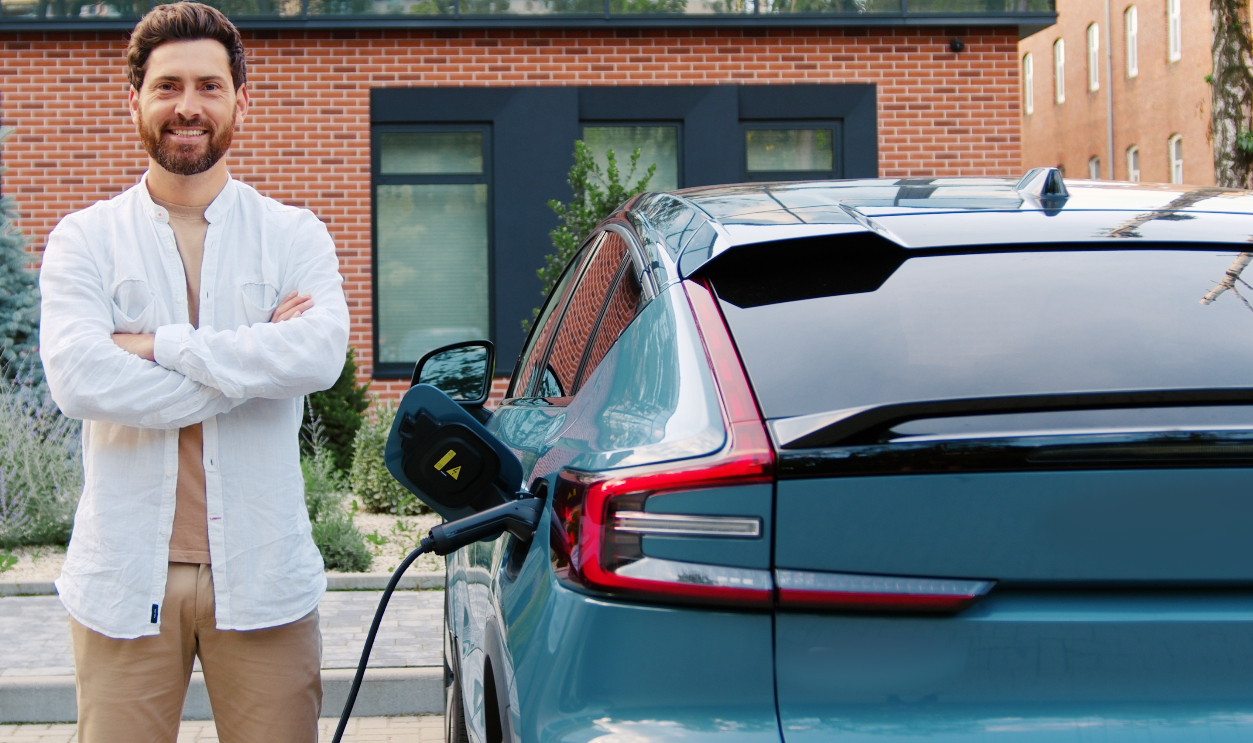
For most modern EVs, charging to around 80 percent for everyday driving is often recommended unless you need maximum range for a longer trip. Likewise, try not to let the battery sit at very low charge for extended periods. Following the manufacturer's recommendations helps support long-term battery health.

Stay Patient During Engineering Reviews
Engineering assessments can take time, particularly in older or larger buildings. Electrical consultants may need to evaluate transformers, panels, wiring, and future charging demand throughout the property. While frustrating, this work helps ensure the building can safely support additional chargers.

Communicate Professionally With The Board
Treat the approval process as a partnership instead of a confrontation. Respond promptly when additional information is requested and remain courteous throughout the review. Cooperative communication often produces better outcomes than conflict.

Find Out If Other Owners Are Interested
You may not be the only resident hoping to install a charger. If multiple owners express interest, the board may decide to develop a building-wide charging strategy instead of reviewing each request individually. That approach can benefit everyone over the long term.
Ask Whether Future Plans Already Exist
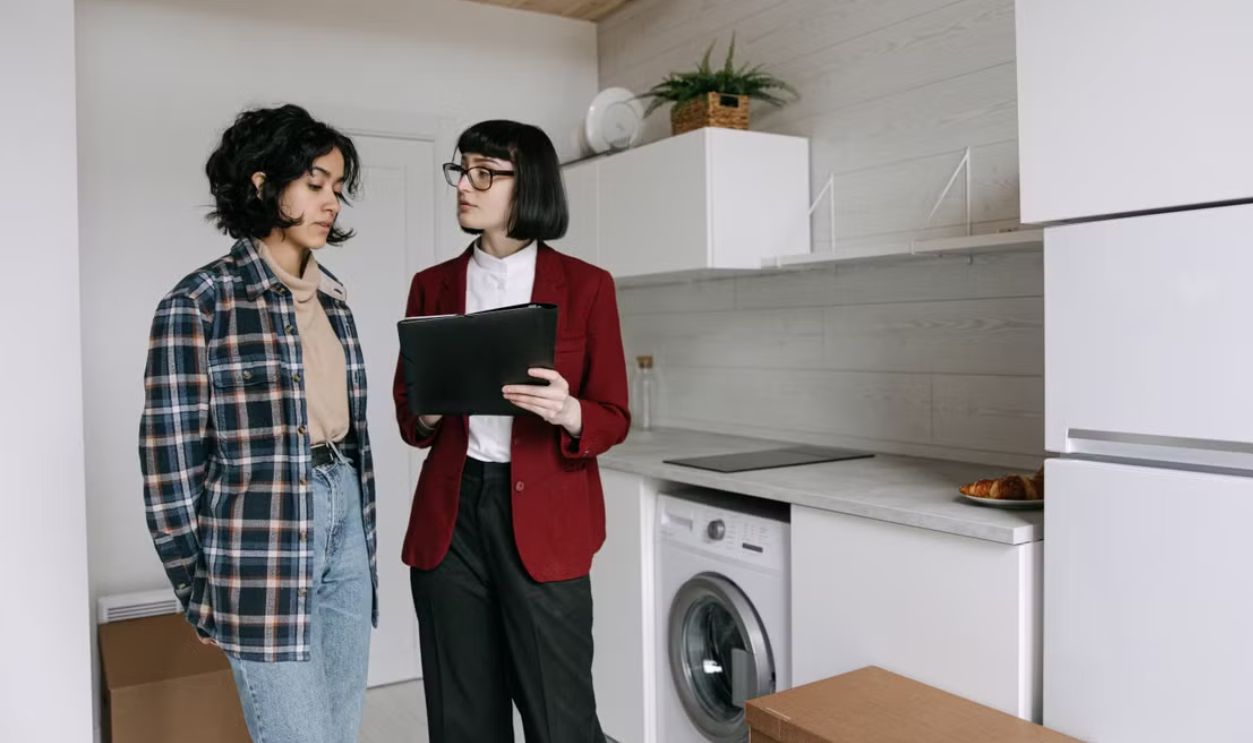
Some condominium corporations are already planning larger electrical upgrades or shared charging installations. If those projects are underway, your individual request may fit into a broader modernization effort. Knowing the long-term plan can help set realistic expectations.

Keep Copies Of Everything
Save every email, application, engineering report, estimate, and approval document. Having organized records makes it easier to answer questions or resolve disagreements later. Documentation also protects both you and the condominium corporation.

Understand When A Request Can Be Refused
Approval is not unlimited. States like California and Florida have right-to-charge laws that generally prevent condo associations from unreasonably denying EV charger requests, though boards may still reject applications for legitimate safety, electrical capacity, or building code concerns.

Temporary Solutions Can Work Surprisingly Well
Many new EV owners discover that combining public charging, workplace charging, and careful trip planning is easier than expected. While home charging remains the most convenient option, waiting a few weeks or months is usually manageable. The inconvenience is often temporary rather than permanent.

More Condo Buildings Are Becoming EV Friendly
As electric vehicle ownership continues to increase, more condominium communities are updating their policies and infrastructure. Property managers, engineers, and boards now have significantly more experience handling charger requests than they did just a few years ago. That growing familiarity should make future approvals smoother.

The Bottom Line
Having to wait for condo board approval is inconvenient, but it rarely means your EV ownership plans are over. Learn your building's process, submit a complete application, rely on public or workplace charging while you wait, and maintain open communication with your board. With preparation and patience, many owners successfully install home charging and enjoy the convenience they originally expected.

You May Also Like: