Your Curb Became His Lot
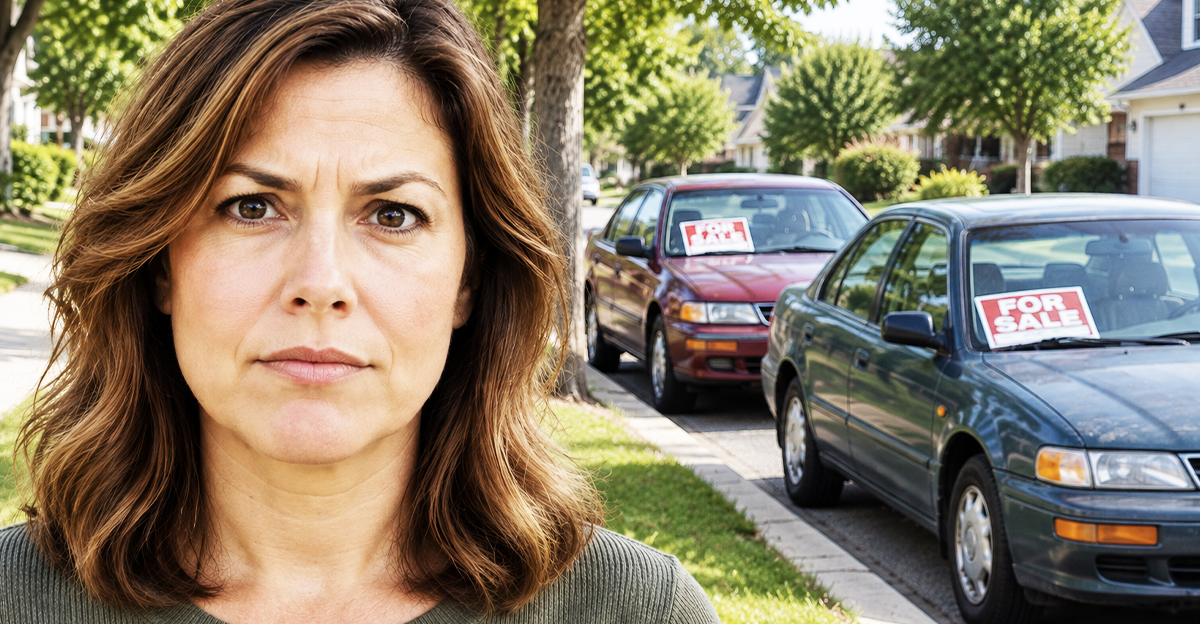
Your neighbor keeps parking cars for sale in front of your house, and prospective buyers now appear outside to inspect them. It certainly feels like he's turned your curb into a miniature dealership. Whether you can stop him depends on ordinary parking rules, local sales ordinances, and how frequently he's doing it.
Start With Street Ownership
The frustrating starting point is that you generally don't own the public street simply because it runs alongside your property. If unrestricted curb space is available, another properly registered vehicle can ordinarily park there. Your property line usually doesn't extend into the parking space directly outside your house.

Check Your Local Rules
There isn't one nationwide residential parking limit. Cities establish their own restrictions involving time limits, permits, street cleaning, abandoned vehicles, oversized vehicles, and other issues. Seattle, for example, generally prohibits leaving a vehicle on the same block for more than 72 consecutive hours, even without a posted sign.

Three Days Isn't Universal
Don't assume your city follows a 72-hour rule simply because you've heard one mentioned. Some communities impose different limits, and posted restrictions may be shorter. Your first practical move should be checking your municipal parking code and the signs on your block before deciding your neighbor has violated anything.

Selling Changes The Question
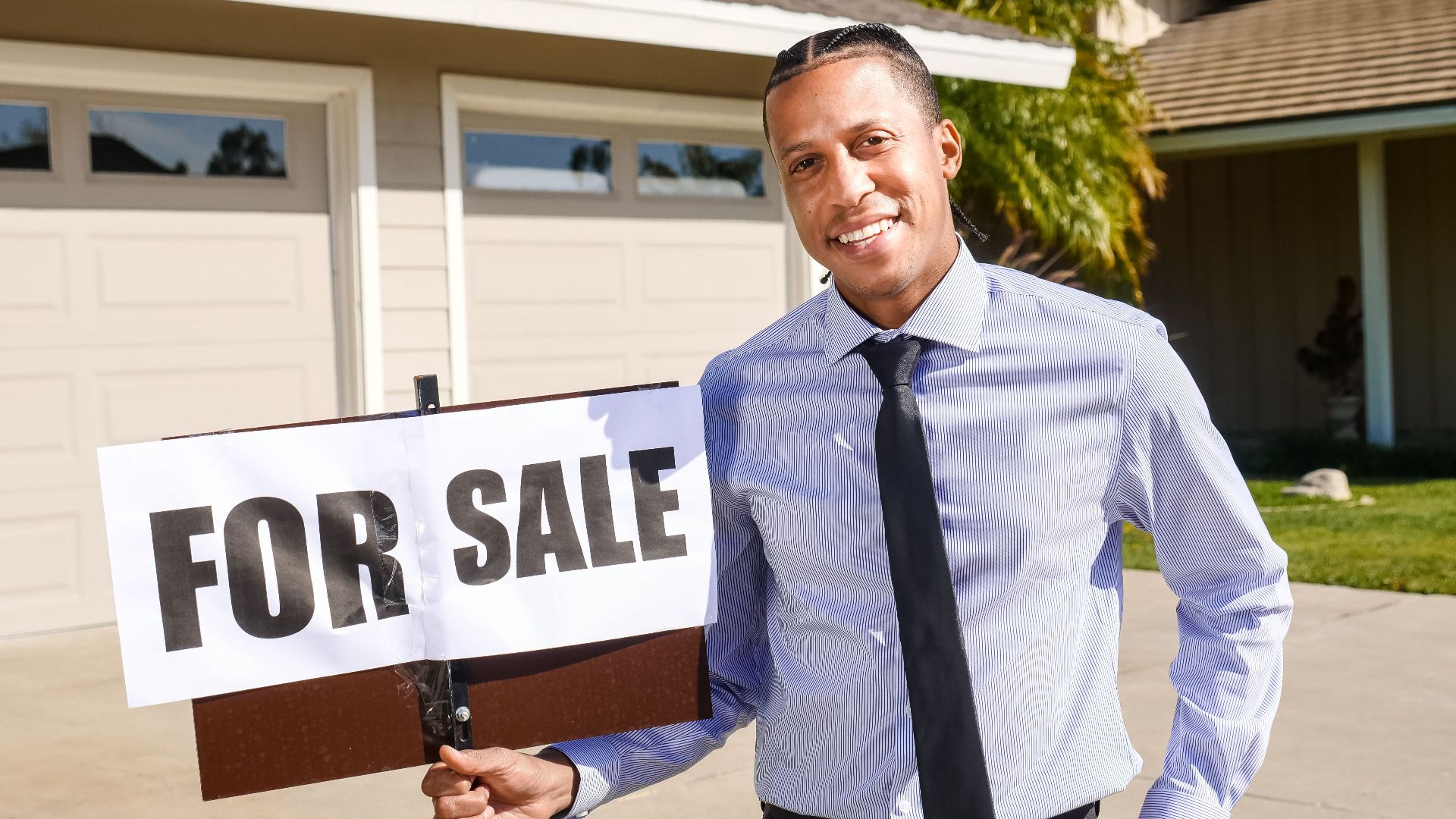
A legally parked personal vehicle and a vehicle deliberately placed on a public street as merchandise aren't necessarily treated identically. Some municipalities specifically prohibit or restrict parking vehicles primarily to display them for sale. That means your neighbor's “FOR SALE” sign could actually make your complaint stronger.
Some Cities Ban It
Rules can be surprisingly strict. Glenwood City, Wisconsin, prohibits parking on streets and other public rights-of-way to display a vehicle for sale. Anoka, Minnesota, similarly says vehicles cannot be displayed “For Sale” on city streets, city-owned parking lots, or other public property.

Other Cities Allow Some
The opposite approach exists too. Orland Hills, Illinois, allows a vehicle advertised for sale on a public street under specific conditions, including that it be parked within 50 feet of its registered owner's residence. Its ordinance also limits how long a sale sign can remain displayed continuously.
Location Can Matter
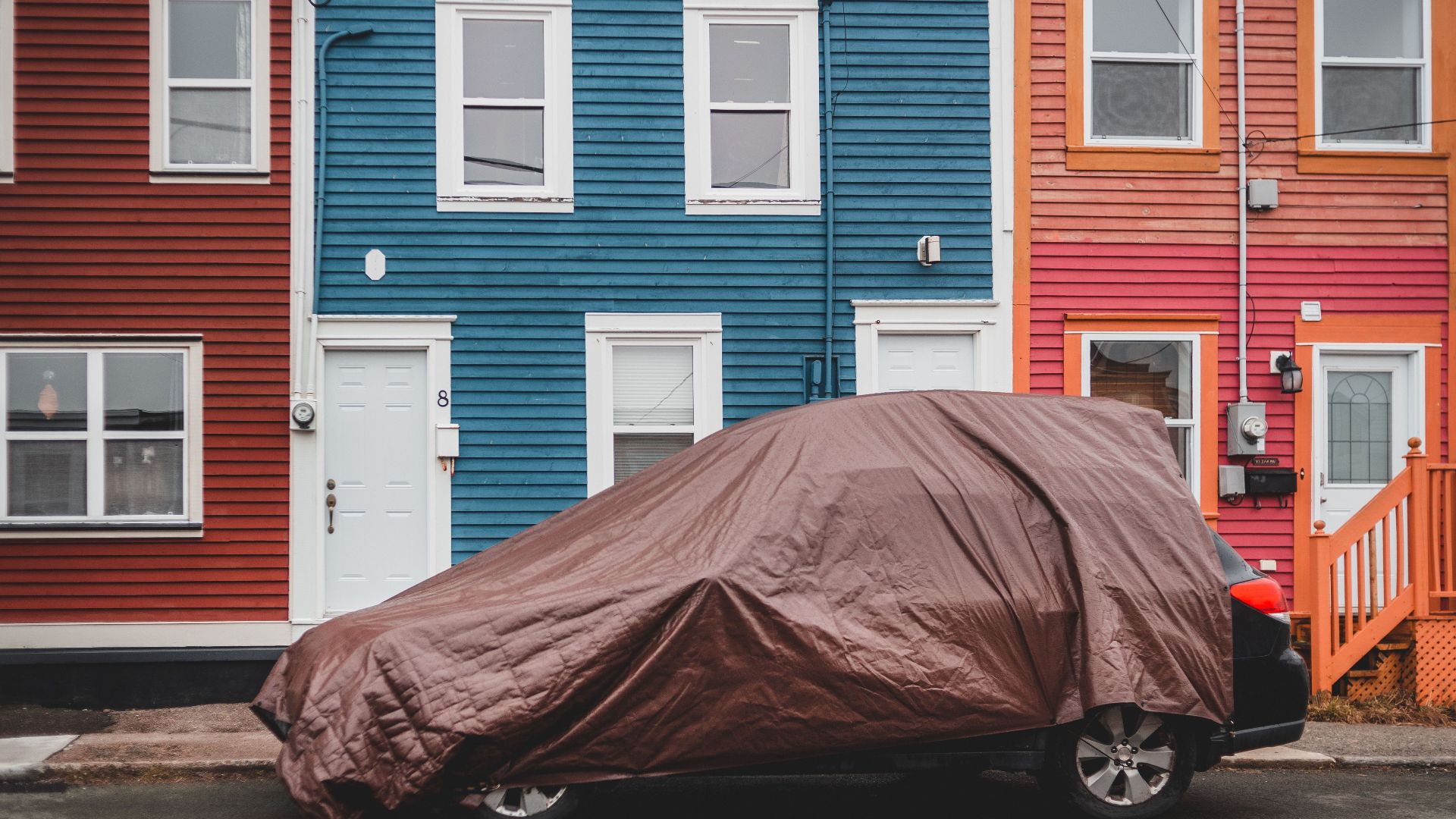
Ontario, California, demonstrates how detailed these ordinances become. Its code restricts parking vehicles principally for advertising or sale on specified streets and public lands, while creating an exception in certain circumstances when the vehicle is within 250 feet of its registered owner's residence. Local details really do matter.

One Car Vs Five
If your neighbor occasionally sells his personal car, authorities may view that differently from someone constantly rotating inventory through residential curb spaces. Ontario, California, for example, prohibits having more than two vehicles parked on public streets or lands for the principal purpose of advertising or displaying them for sale.
Is He Really Dealing?
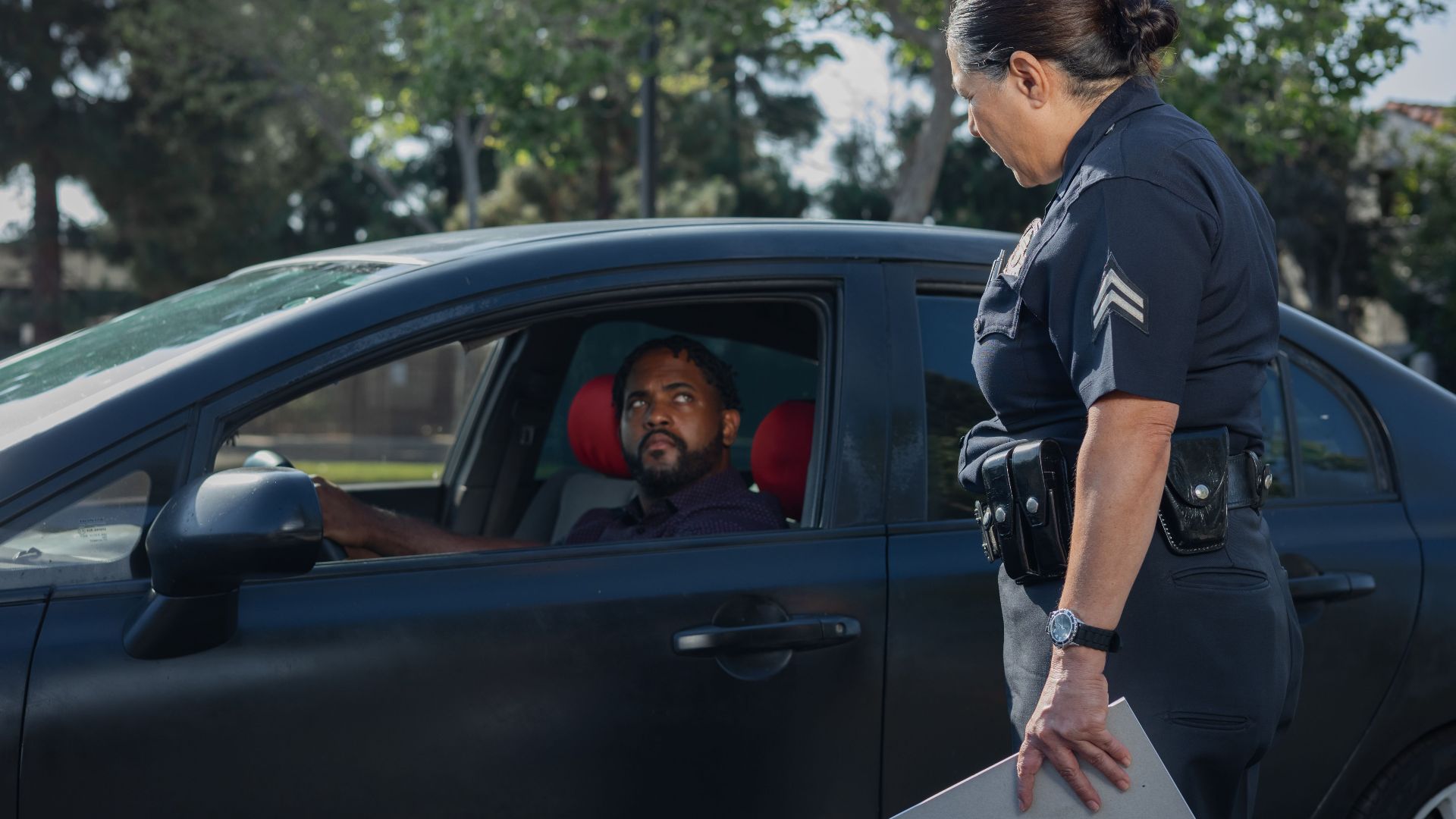
Repeated sales raise another question: is your neighbor actually operating as an unlicensed vehicle dealer? Dealer licensing thresholds and definitions vary by state. The number of vehicles, whether they're acquired specifically for resale, how frequently sales occur, and whose names appear on their titles can all become relevant.

Federal Rules Also Change
Federal law draws its own distinction between casual sellers and dealers. The FTC's (Federal Trade Commission) Used Car Rule generally covers dealers who sell or offer more than five used vehicles within 12 months. Covered dealers ordinarily must display a Buyers Guide containing warranty and other important consumer information.

Private Sellers Are Different
That FTC rule doesn't automatically turn every person selling six cars into a licensed dealer under state law. State definitions and licensing requirements are separate questions. But a steady stream of vehicles being purchased, displayed, and resold can justify contacting your state motor-vehicle agency rather than treating this solely as neighborhood parking friction.

Buyers Complicate Things
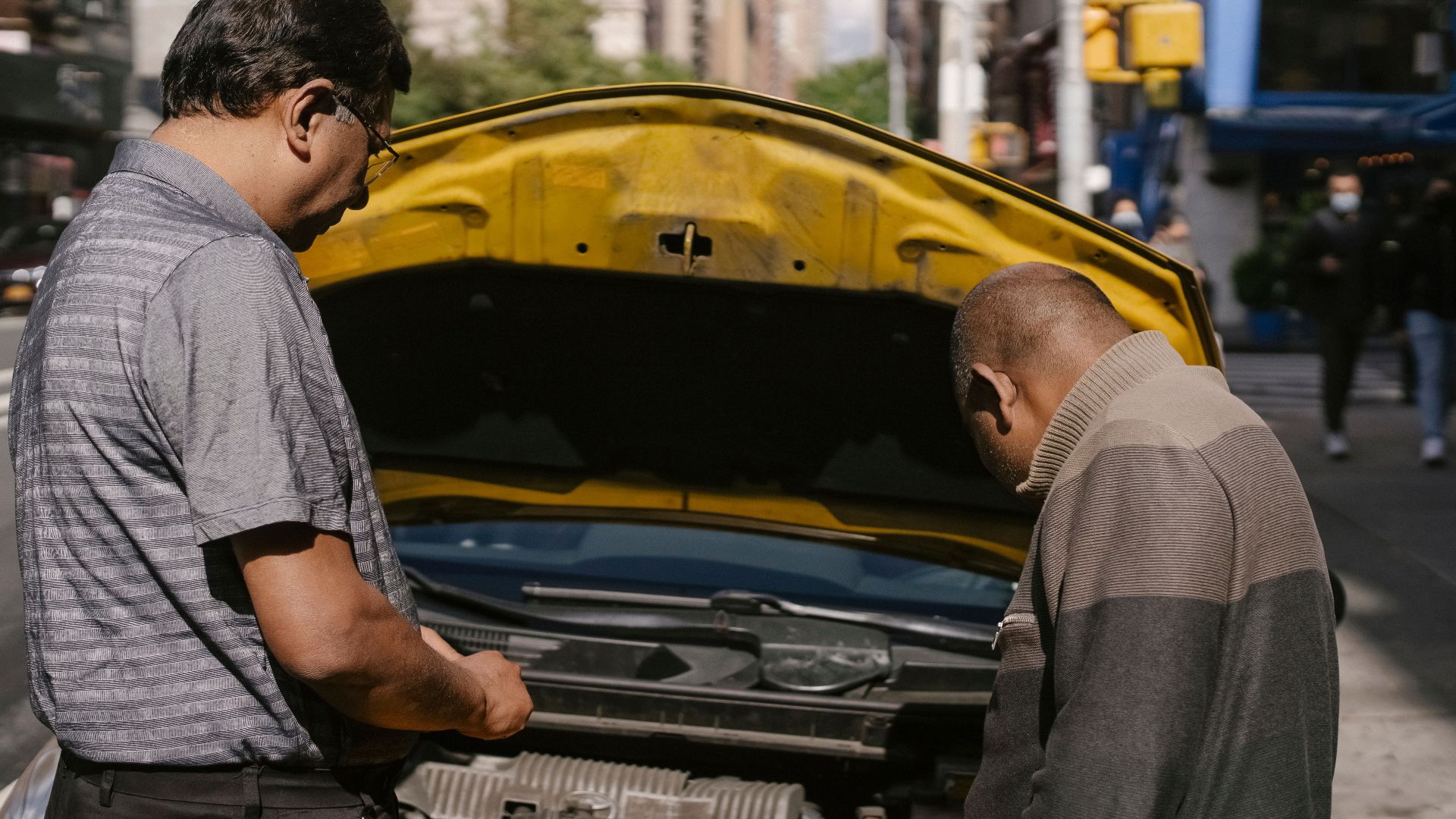
Now suppose strangers arrive throughout the week, park outside your home, inspect your neighbor's vehicle, start it, open the hood, and negotiate beside your driveway. Their presence doesn't transfer ownership of the curb to you, but illegal parking, driveway obstruction, excessive noise, or unsafe activity can create separate enforceable problems.
Your Driveway Stays Clear
Your neighbor's right to use legal public parking doesn't include the right to obstruct your driveway. The same applies to prospective buyers. Exact clearance requirements vary by jurisdiction, so document vehicles that actually interfere with access and report the specific parking violation rather than simply saying strangers are outside your house.
Other Restrictions Still Apply
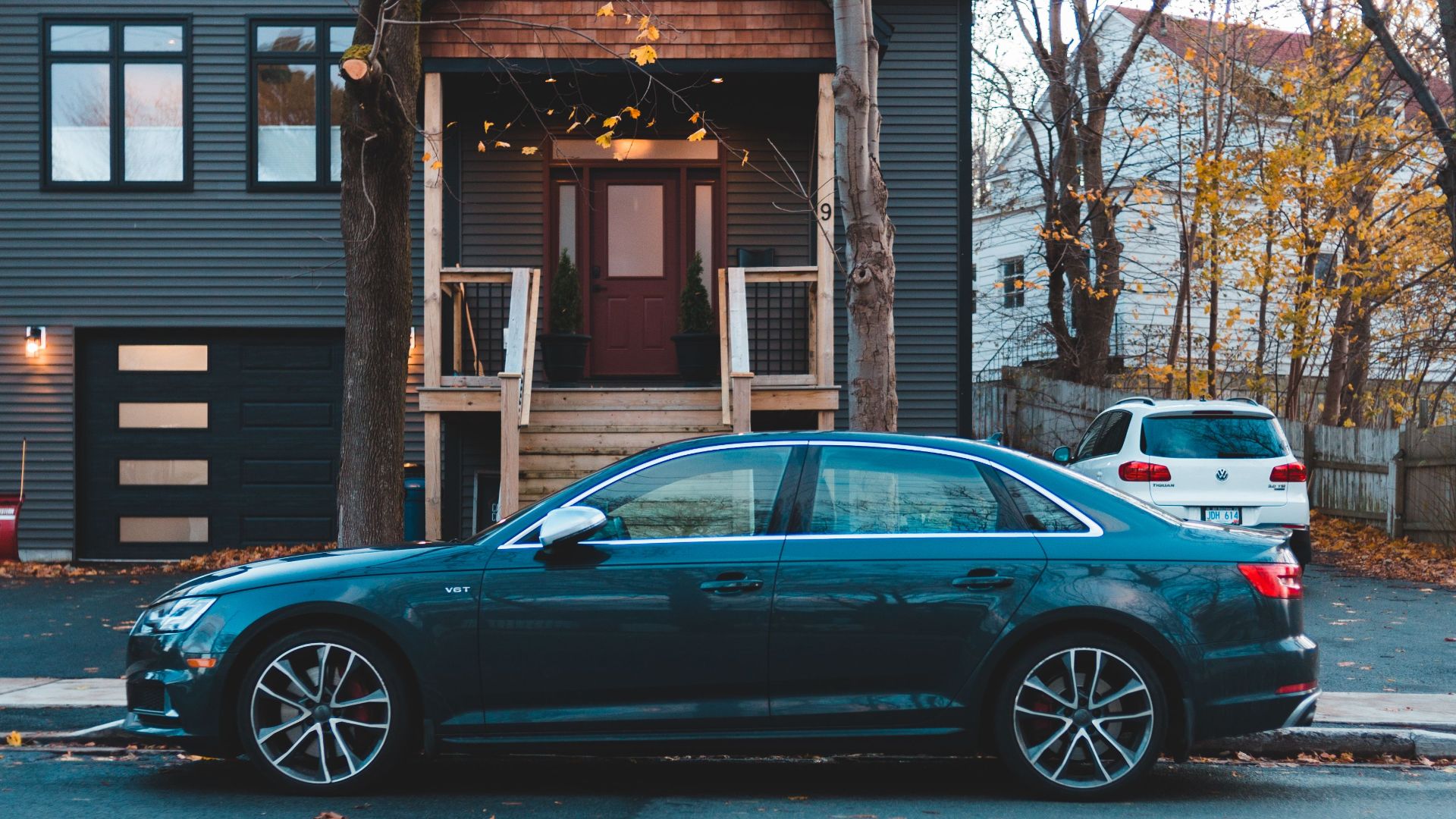
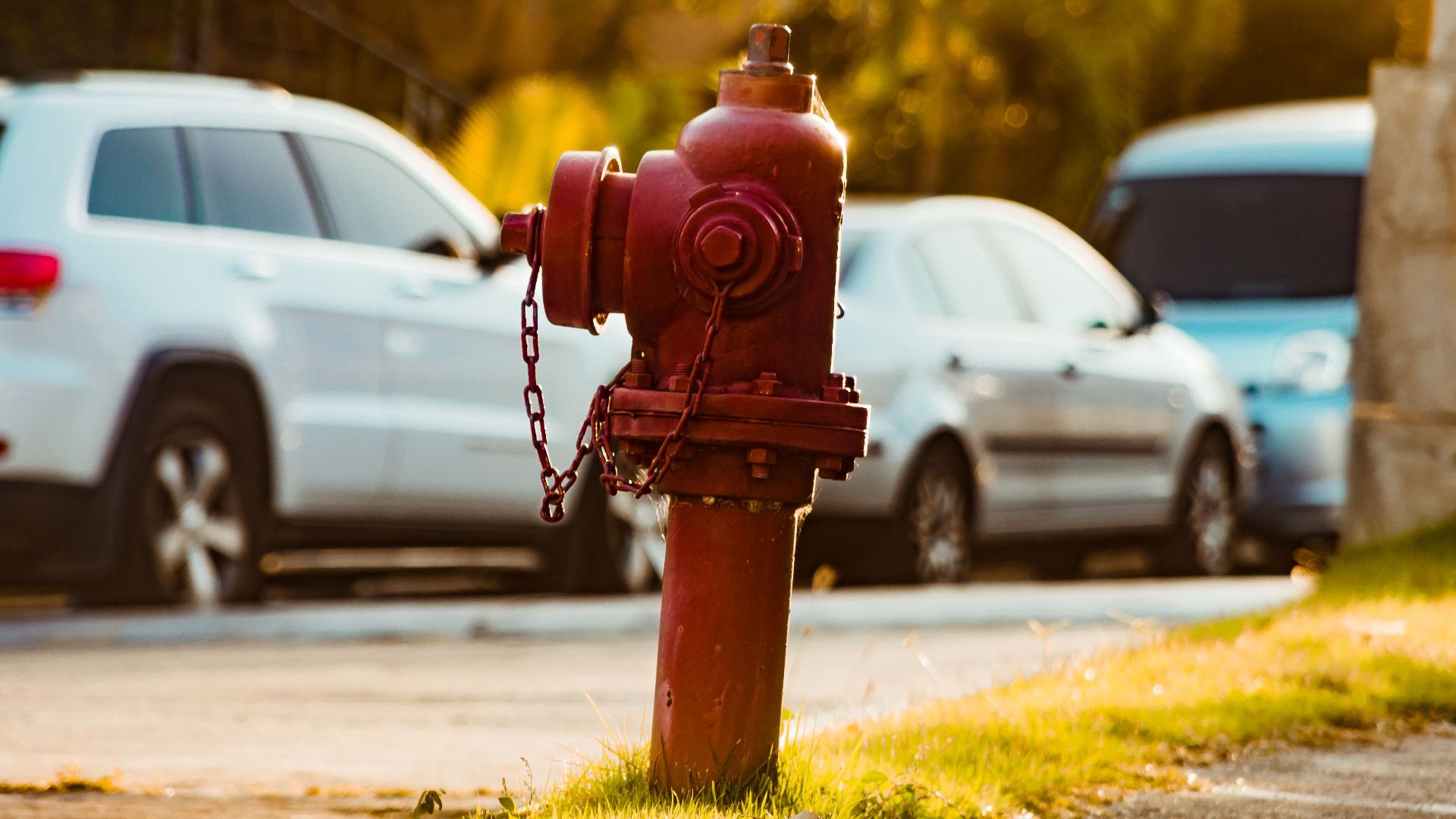
Being “for sale” doesn't excuse ordinary parking violations. A vehicle still has to comply with hydrant clearances, crosswalk restrictions, permit zones, street-cleaning rules, registration requirements, and posted limits. Seattle, for example, separately regulates hydrants, crosswalks, time-limited spaces, license plates, and its 72-hour rule.
Moving May Not Reset
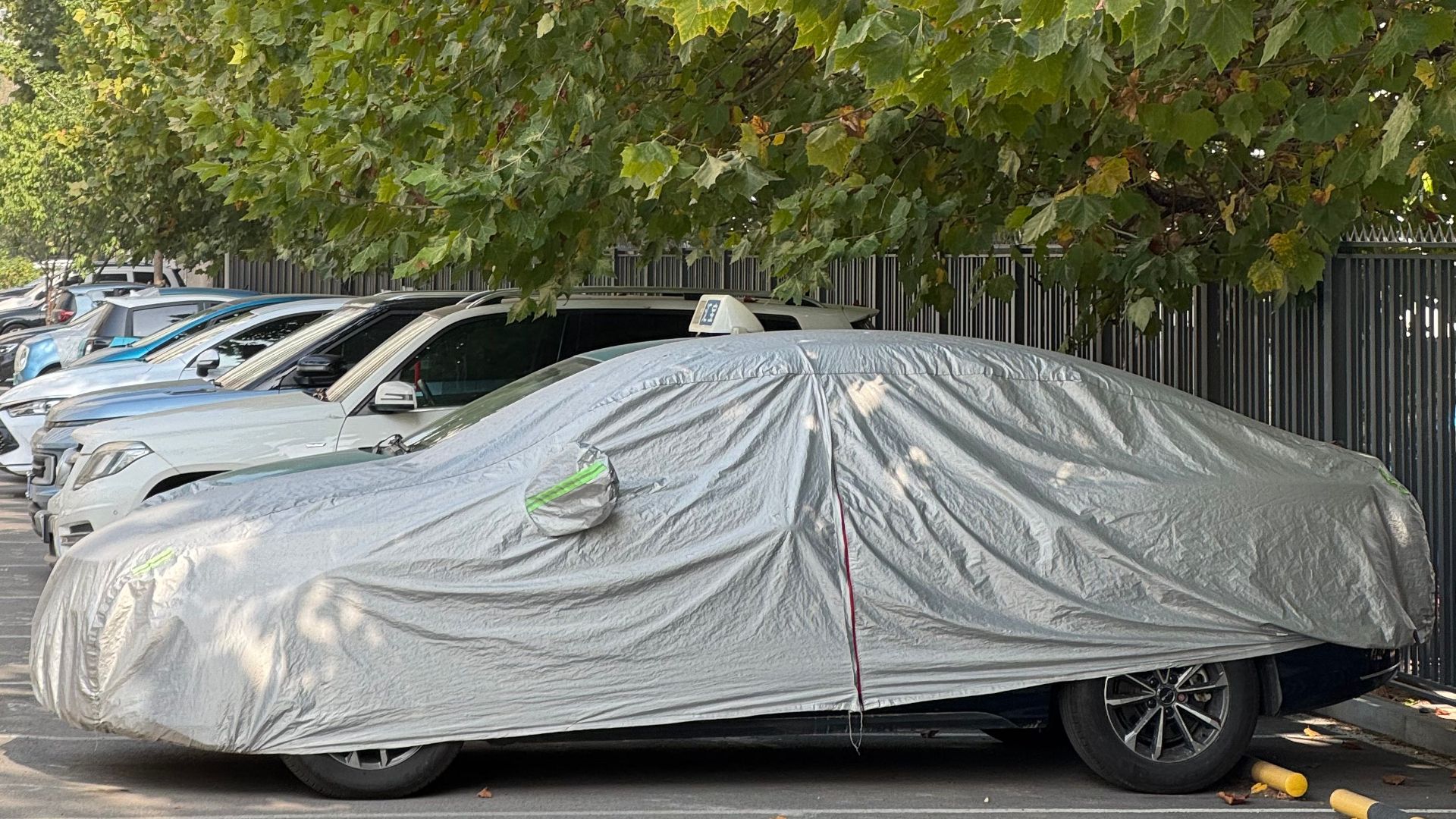
Don't assume your neighbor defeats every time limit by rolling the car ten feet forward. The applicable ordinance may require considerably more movement. Seattle's 72-hour rule, for example, requires moving the vehicle off the block rather than merely shifting it to another space along the same blockface.

Public Streets Aren't Storage
Even where another resident can legally park outside your house, cities may distinguish ordinary parking from long-term storage. Seattle explicitly says public streets aren't appropriate for long-term vehicle storage. That distinction becomes especially relevant when several rarely driven vehicles repeatedly occupy scarce residential curb space.
Businesses Face Tougher Rules
If your neighbor really is operating a vehicle-sales business, additional restrictions may appear. Portland, Oregon, prohibits vehicle-sales, repair, and servicing businesses from using streets and other public rights-of-way to park vehicles under their control for purposes including offering them for sale.

Don't Tow It Yourself
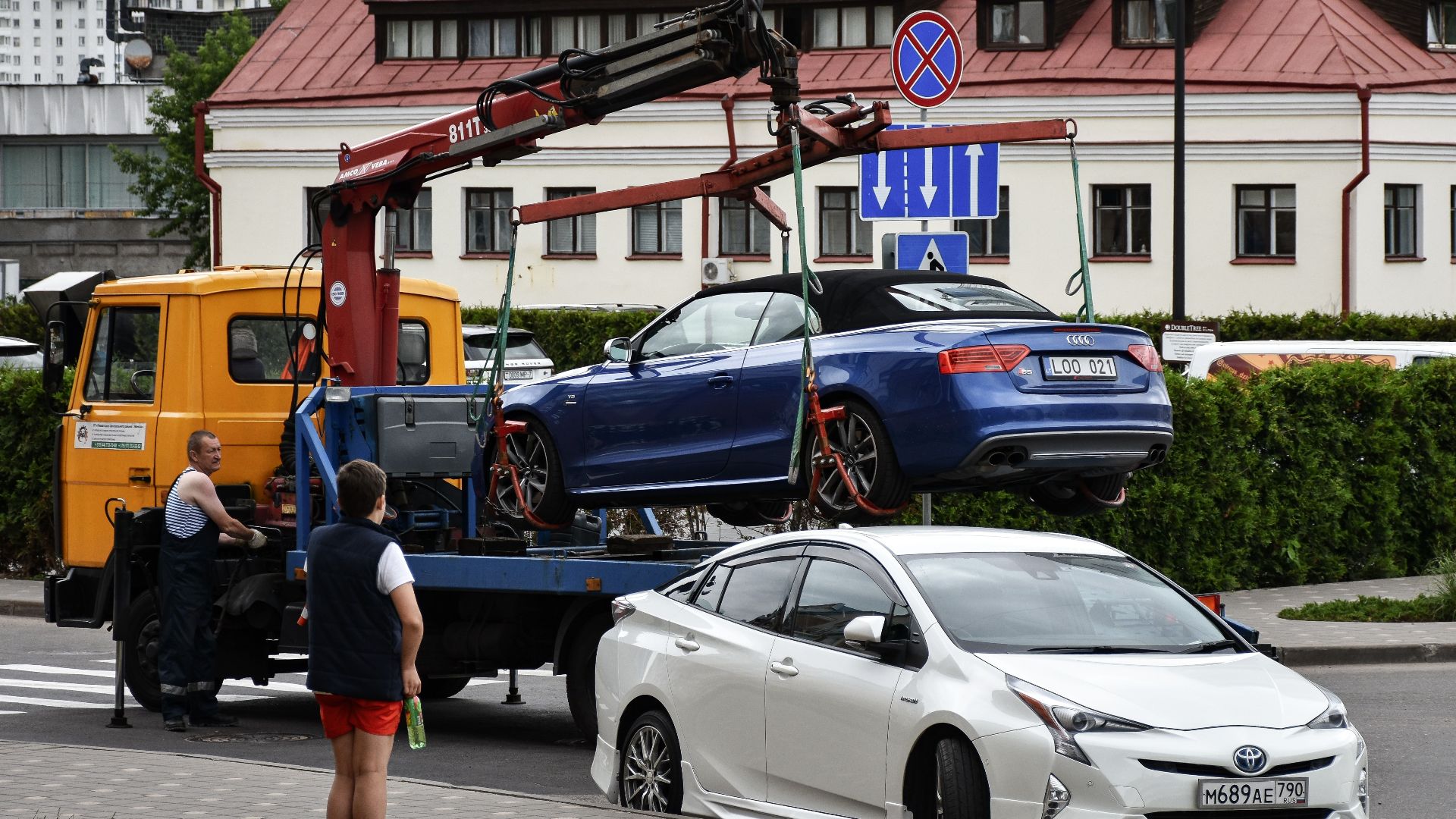
However annoying the situation becomes, don't call a private towing company and pretend the street belongs to you. A vehicle legally parked on public property isn't yours to remove. Report suspected violations through the appropriate city parking, code-enforcement, or non-emergency channel and let the authorized agency determine whether towing is justified.
Document The Pattern
If this has become a recurring operation, keep a simple record. Photograph the vehicles from your property or another lawful vantage point, record dates and license plates, and note sale signs and repeated buyer visits. You're establishing a pattern for code enforcement, not conducting surveillance of your neighbor's customers.

Report Facts, Not Motives
When contacting authorities, describe what you can actually establish: three different cars advertised for sale, how long each remained, whether they moved, and whether buyers regularly arrive. Avoid claiming your neighbor is an illegal dealer unless you know that. Let licensing or enforcement officials make that determination.
 https://kaboompics.com/, Pexels
Try Talking First
If relations aren't already hostile, a straightforward conversation may solve this faster than an ordinance citation. Explain that you don't object to an occasional legally parked car, but repeated sales are bringing buyers outside your home and monopolizing nearby parking. Asking him to use his own frontage or driveway is reasonable.

You Get No Commission
Sadly, allowing your neighbor's automotive empire a commanding view of your begonias doesn't make you a silent partner. Unless you've actually entered some bizarre sales agreement with him, you aren't entitled to a percentage of the proceeds simply because the transaction occurred beside your property. Nice try, though.
Escalate The Right Problem
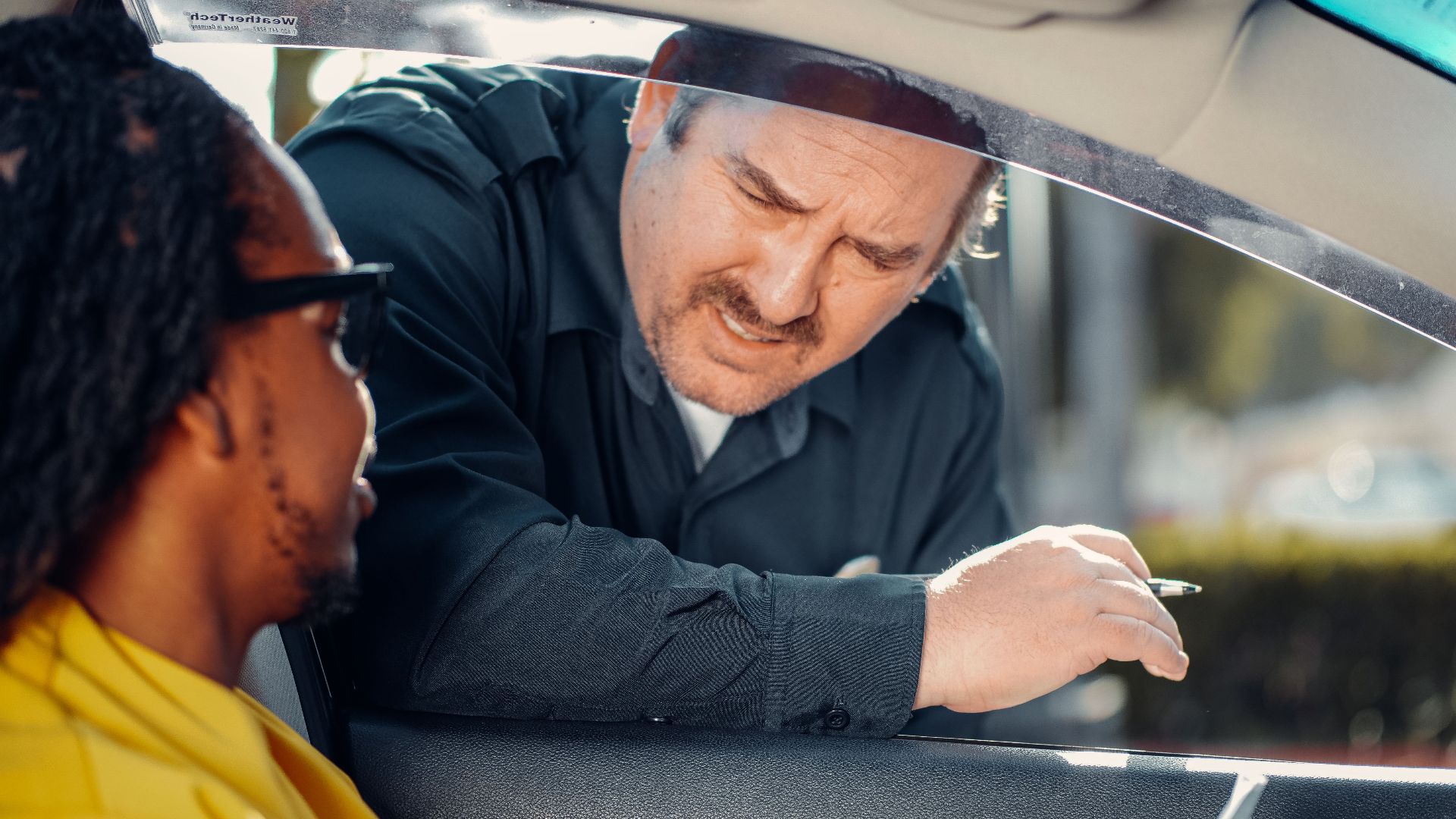
If conversation fails, identify the strongest actual violation. That might be exceeding the local parking limit, displaying vehicles for sale on public streets, blocking your driveway, violating registration rules, or potentially operating an unlicensed dealership. A specific complaint backed by dates is much more useful than “he keeps taking my spot.”

The Curb Has Rules
You probably can't reserve the curb outside your house for yourself. But your neighbor doesn't necessarily get to convert public parking into permanent commercial inventory either. Check the municipal code, document repeated activity, and focus on sale-display and dealer rules as well as parking limits. That's where your strongest argument may be.

You May Also Like:
My neighbor’s new landscaping blocks my view when backing out. Can I make them change it?