One Cable Can Create A Complicated Mess.
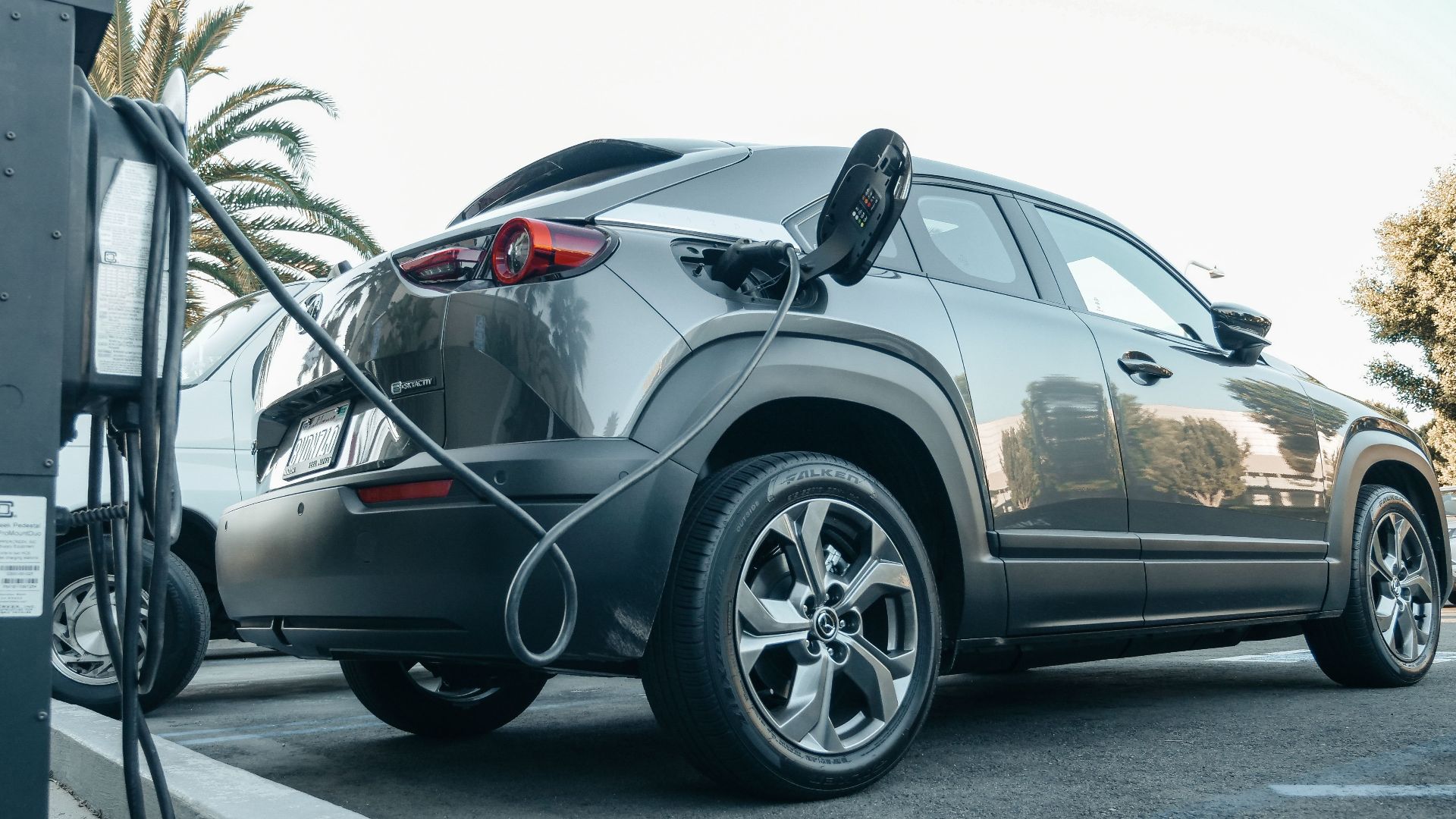
An EV charging cord stretched through another resident’s parking area may involve the neighbor who placed it, the condo association that controls the property, and potentially multiple insurance policies if somebody gets hurt. Liability depends heavily on local law, the condo documents, who controlled the area, and what everyone knew about the hazard.
The Cable Can Be A Genuine Trip Hazard
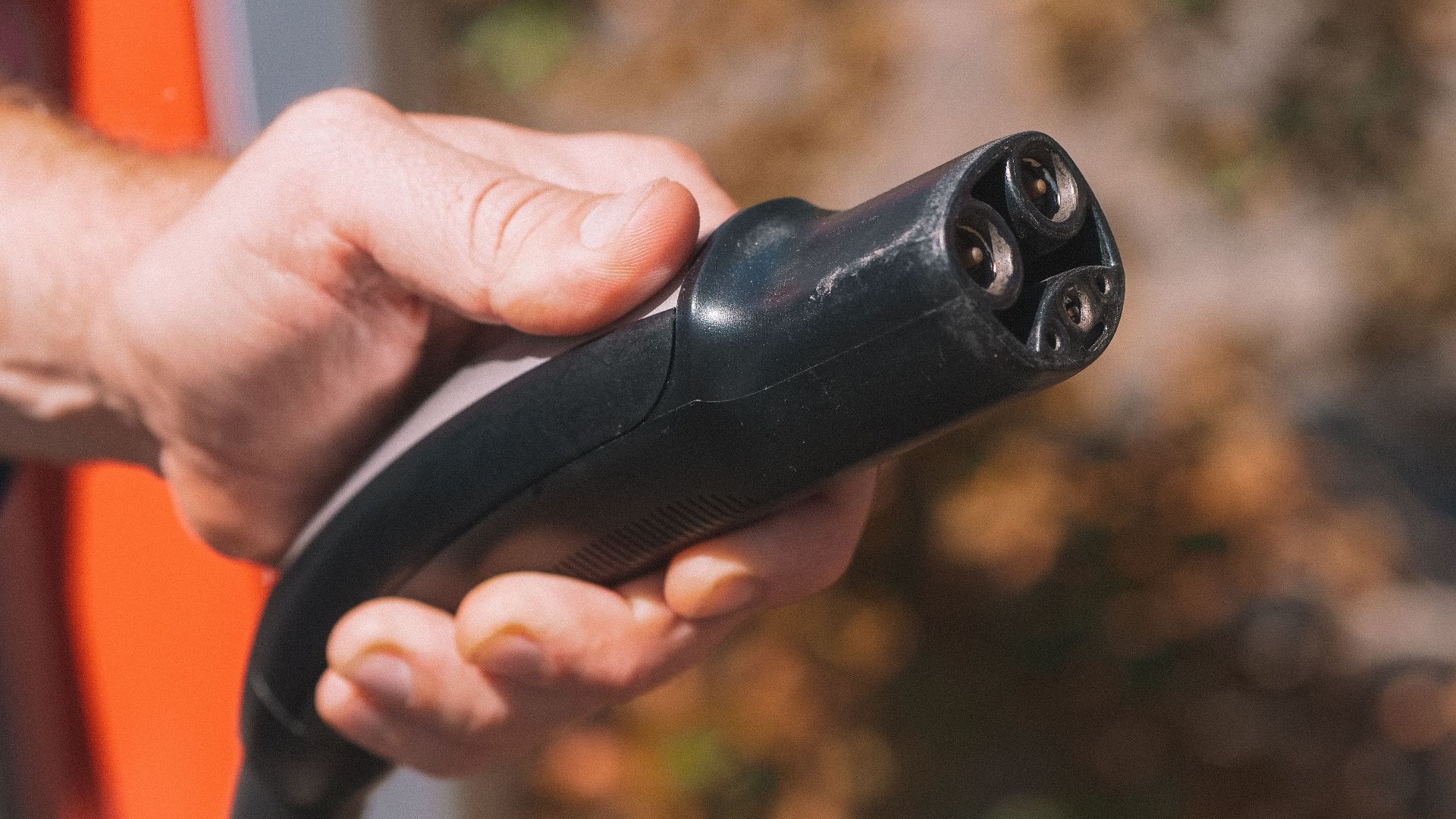
Charging cords are thick enough to catch a shoe, walker, or mobility device when they are left across a walking area. Federal EV-charging guidance specifically warns against allowing charging-cable slack to obstruct accessible routes. The concern is not anti-EV sentiment, but ordinary property safety.
Liability Is Not Automatic
Someone tripping over the cord does not automatically make your neighbor legally responsible for every resulting injury. Premises-liability cases generally examine whether a dangerous condition existed, whether somebody responsible for the area knew or should have known about it, and whether reasonable steps were taken to correct or warn about it. State law ultimately controls how those principles are applied.
Your Neighbor Could Be Responsible
The person who repeatedly places the cord across the parking area may be the person who created the condition in the first place. That can become important if the cord was positioned carelessly or safer alternatives were readily available. Creating a foreseeable trip hazard can expose an occupant or user of property to negligence claims.

The Condo Association Could Be Involved Too
A condominium association commonly controls and maintains shared parking areas and other common elements. Courts in several states have treated condo associations much like landlords when they retain control over common areas. If the association knows about a recurring hazard and has authority to correct it, its responsibilities may become relevant.

Control Often Matters More Than Ownership
Premises-liability law frequently asks who controlled the place where the injury occurred. A person can have legal responsibilities even without holding title to the underlying property. That is why a condo association, property manager, tenant, and individual unit owner can sometimes enter the same liability discussion.

Parking Lots Are Often Common Areas
Condominium parking arrangements vary considerably. Some spaces belong directly to a unit owner, while others are common or limited common elements reserved for one resident’s exclusive use. The declaration, bylaws, plat, and parking rules should explain which arrangement applies in your building.

Assigned Does Not Always Mean Privately Owned
A painted number on a parking stall does not necessarily mean the resident owns the pavement beneath it. Community Associations Institute notes that parking spaces can be limited common elements even when only one household uses them. Maintenance and liability responsibilities may therefore remain divided between the resident and association.

Notice Can Change The Liability Picture
A property controller usually has a stronger duty to address a hazard after learning that it exists. In premises-liability cases, actual notice can come from complaints, inspections, or direct observation. Repeated written reports make it much harder for someone responsible for the property to argue that the condition was unknown.

Nightly Use Makes The Issue Less Temporary
A charging cable placed in the same location every night is different from an object dropped accidentally for a few minutes. Repetition gives residents and property managers greater opportunity to discover the condition. It also provides an opportunity to develop a permanent cable-management solution.

Seeing The Cord Does Not Necessarily End The Case
A visibly obvious hazard can affect an injury claim, but it does not automatically erase every duty owed by the property controller in every state. Modern premises-liability rules often examine the conduct of both sides. The exact result depends on state negligence law and the circumstances surrounding the fall.
The Injured Person's Actions Can Matter
A person who sees a cable and deliberately steps onto it may be treated differently from someone who encounters it unexpectedly in darkness. Many states use some form of comparative negligence that can reduce compensation when an injured person shares responsibility. A handful of jurisdictions use stricter contributory-negligence rules.
EV Designers Already Recognize This Problem
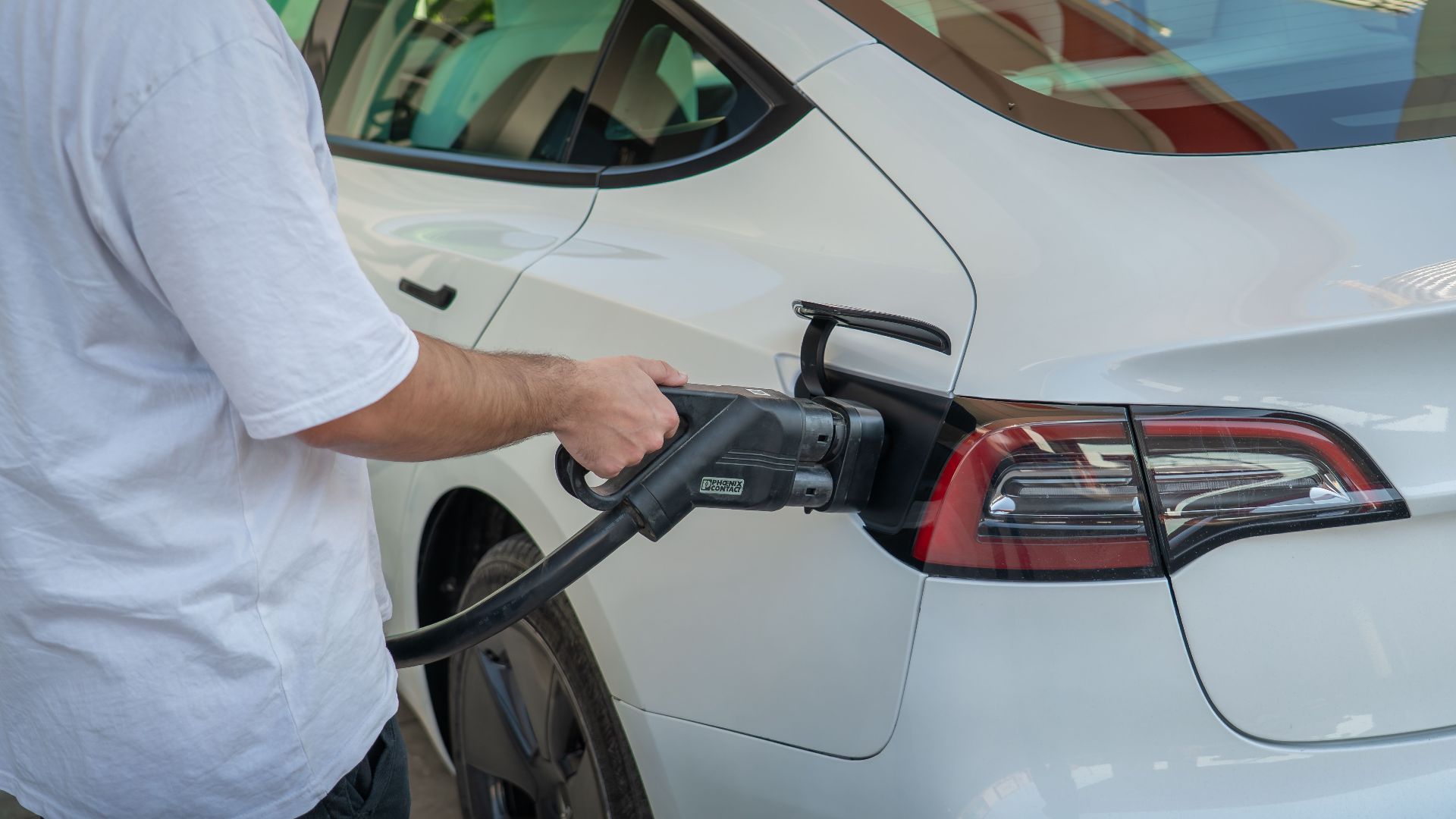
The U.S. Access Board tells charging-station designers to prevent cable slack from accumulating where it can obstruct movement. Its guidance recommends cable-management systems specifically to control cords when vehicles are connected. That makes the underlying risk neither obscure nor hypothetical.
Accessible Routes Need Extra Protection
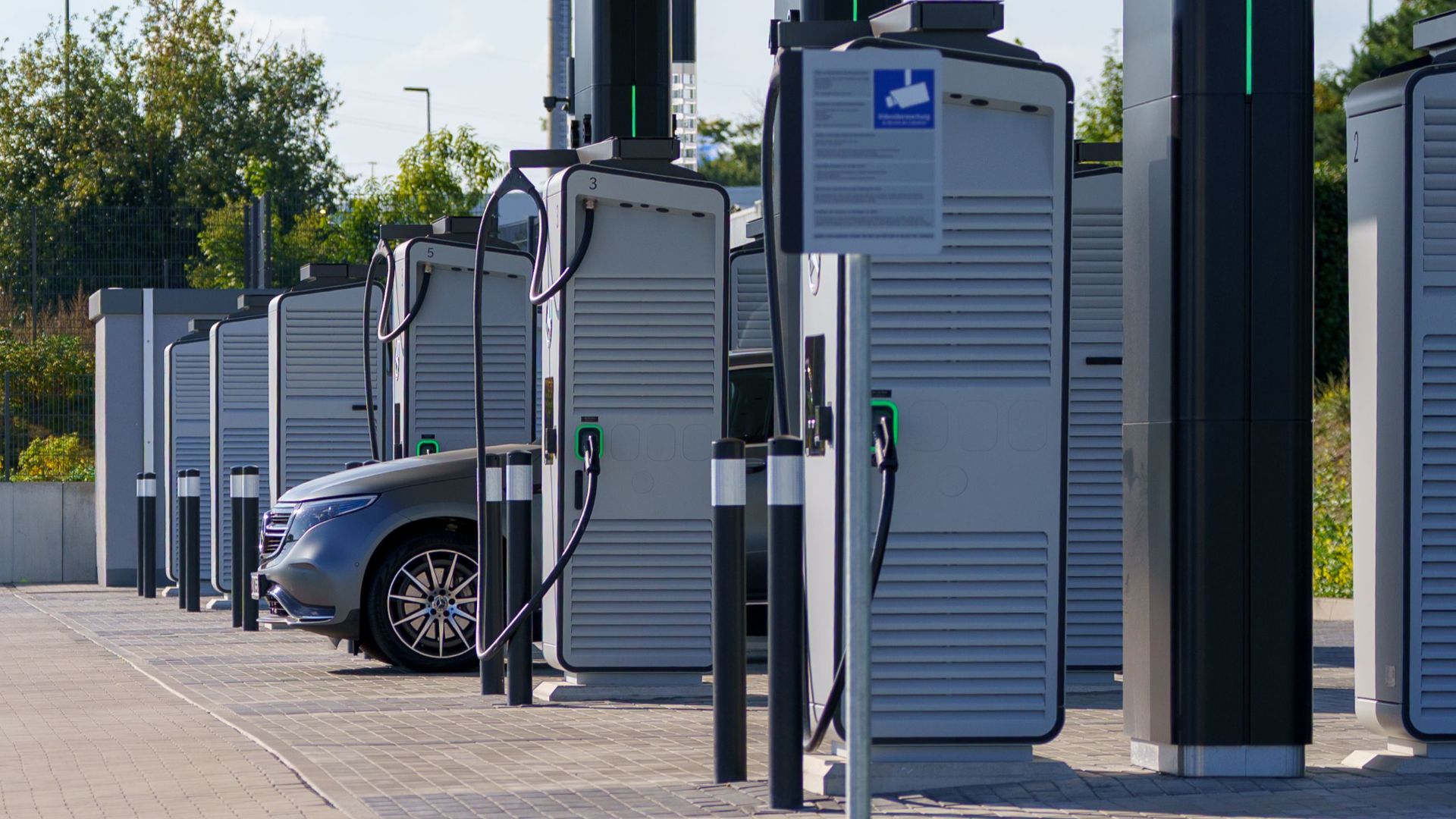
The Access Board says charging cables must not block accessible routes when stored or connected to vehicles. A cable that is manageable for someone walking may present a much larger obstacle to a wheelchair user or person using a walker. Accessibility concerns become especially serious when the cable crosses a designated access aisle or pedestrian route.
Loose Slack Is Usually The Worst Arrangement
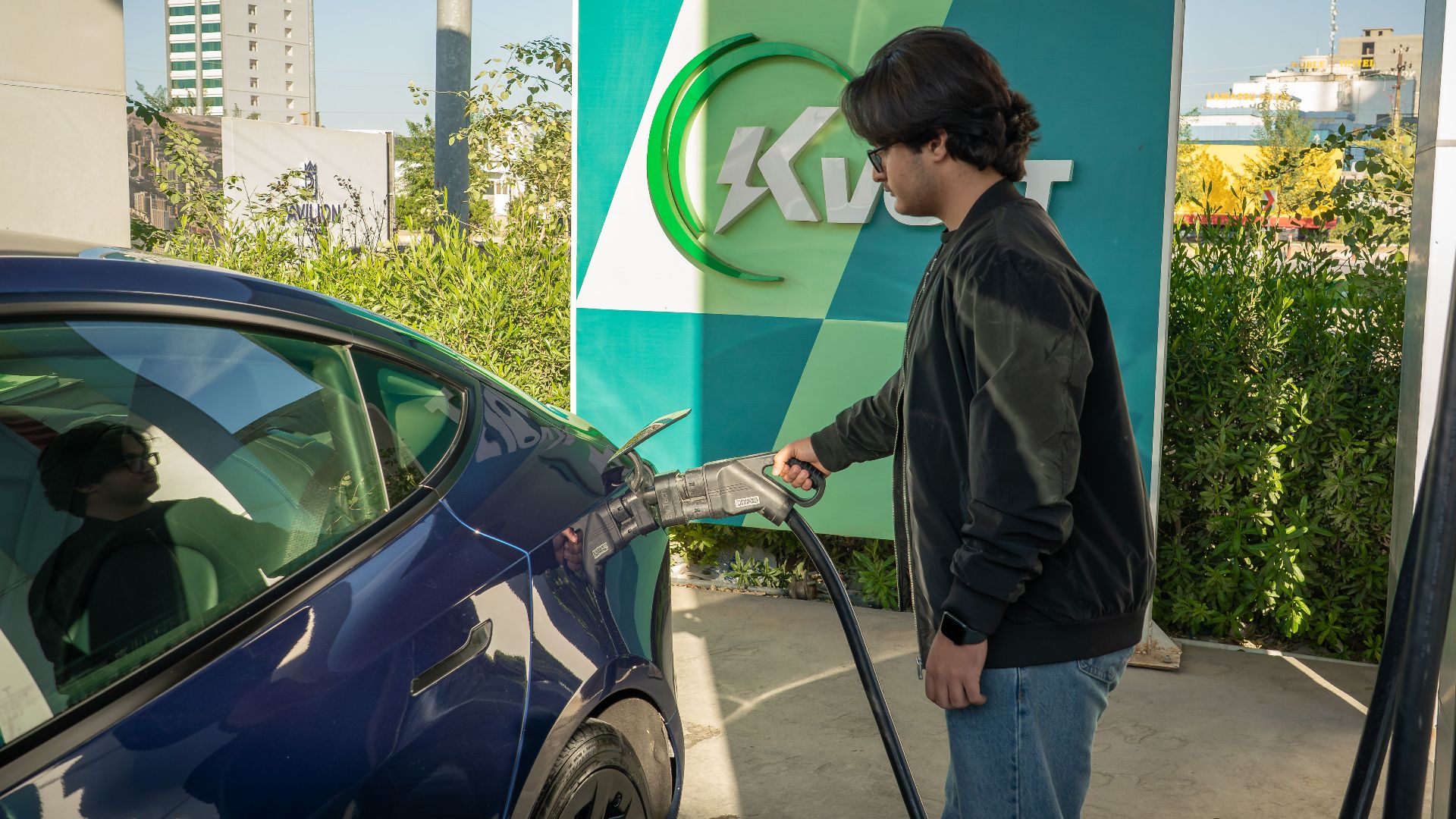
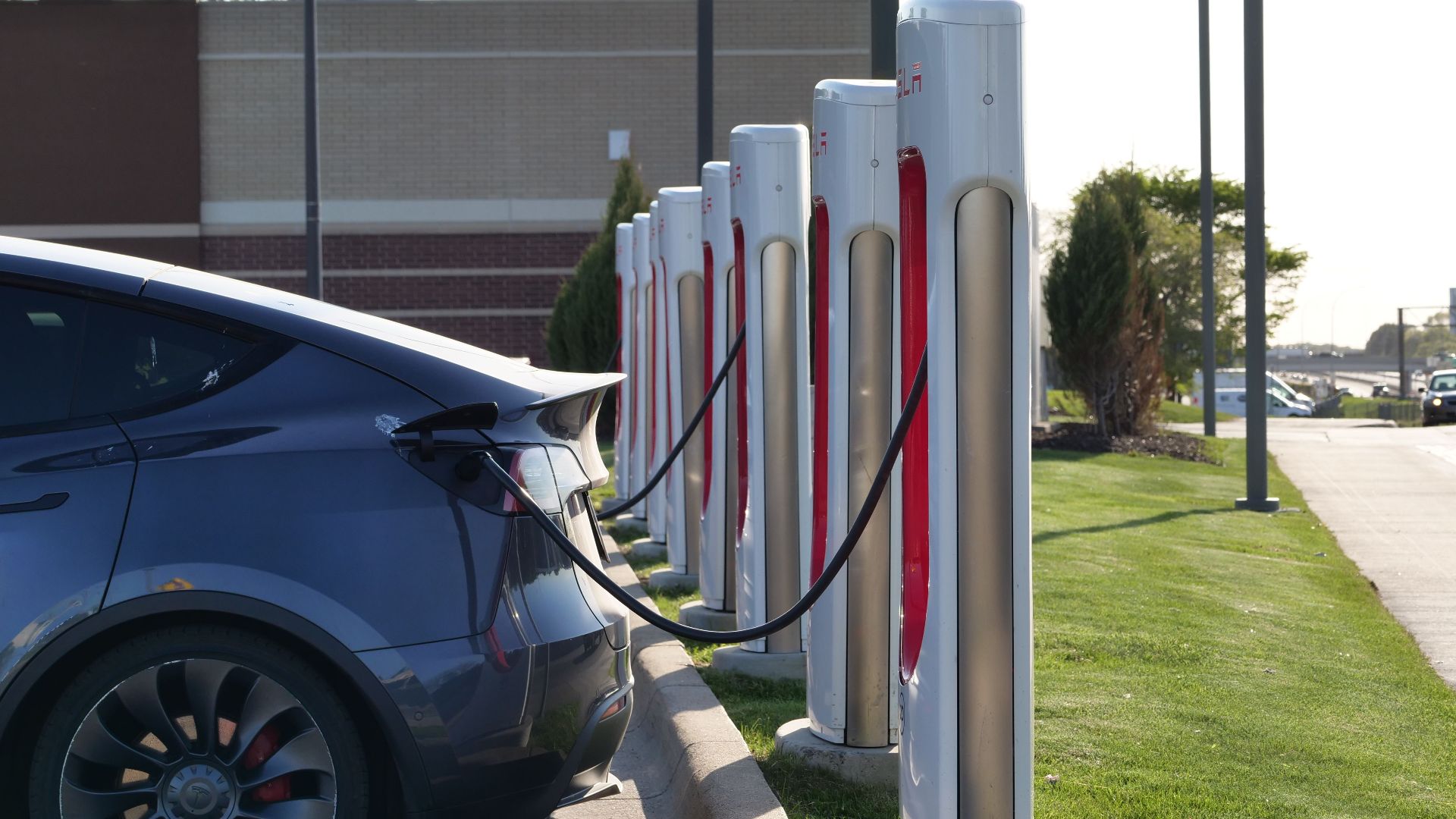
A cable lying in loops on pavement creates more opportunities for feet and mobility devices to catch it. Charging equipment can instead be positioned so that only the required length reaches the vehicle. Good installation planning considers pedestrian movement as well as where the charging port sits on the car.

Retractors Can Keep Cables Up
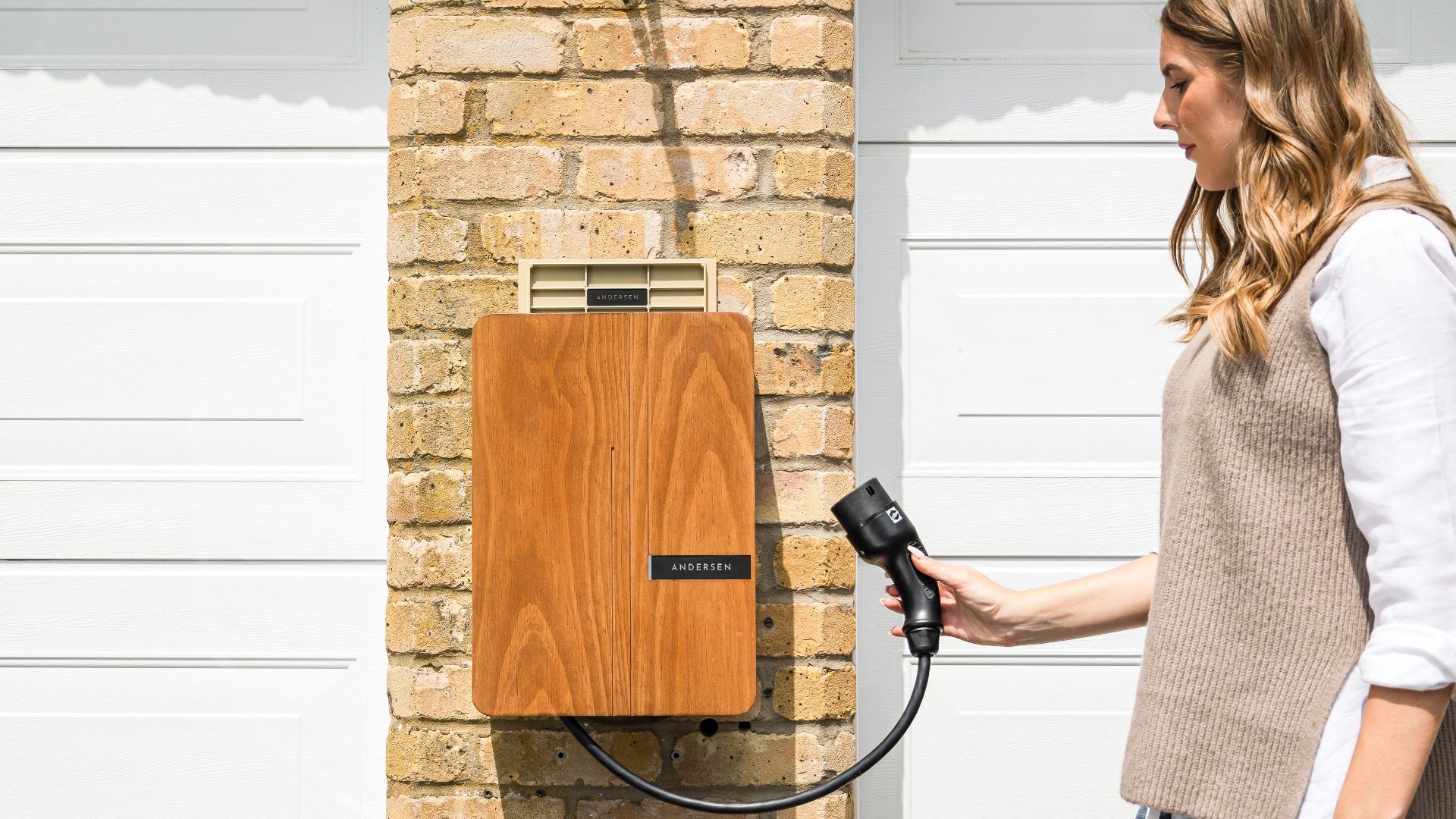
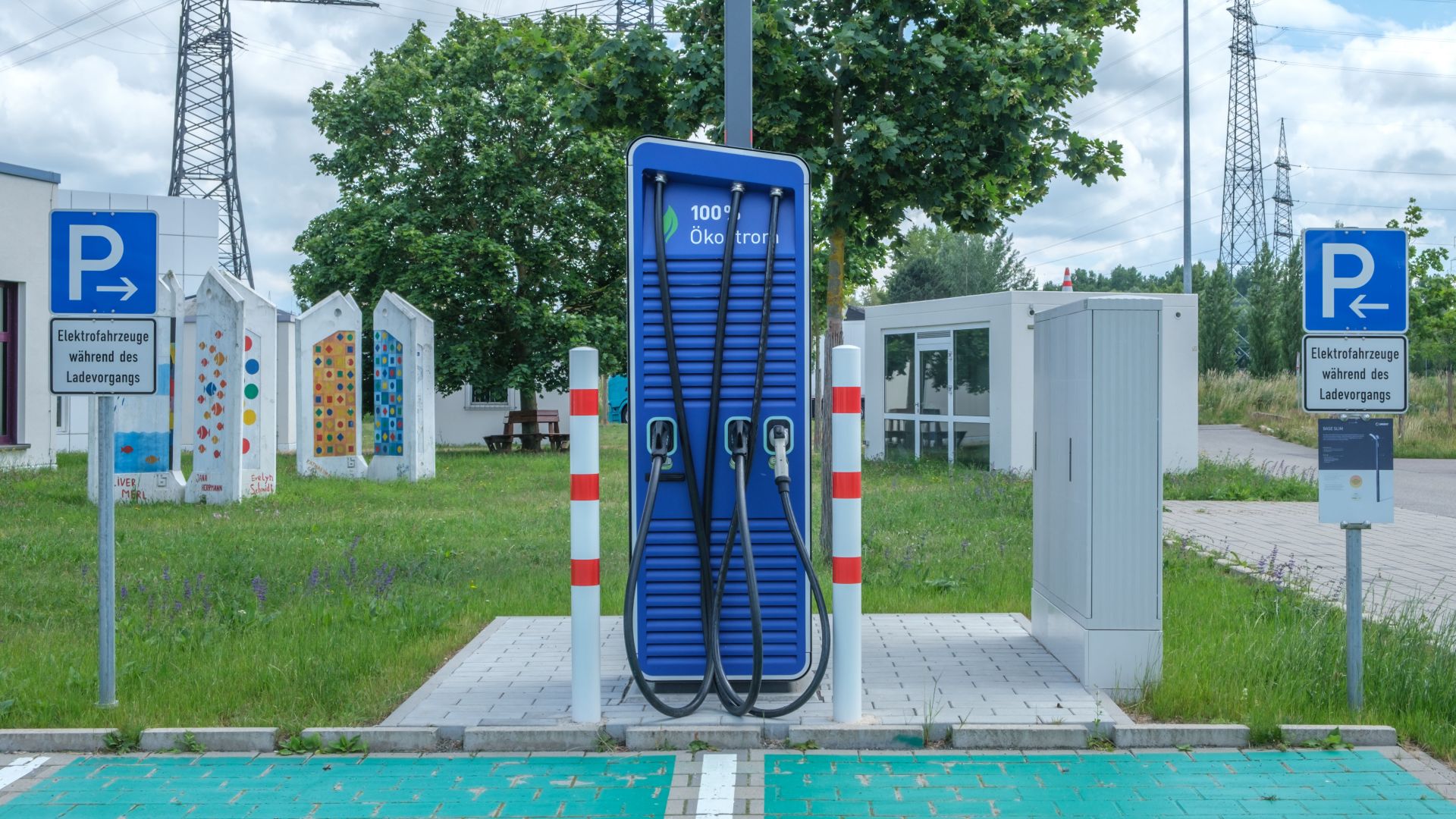
Cable-management systems can suspend or retract excess charging cable rather than leaving it on the ground. The Access Board specifically identifies overhead systems as one possible solution, provided they do not create another obstruction. Properly selected equipment can preserve charging access without routing loose cable through neighboring spaces.
The Installation May Require Condo Approval
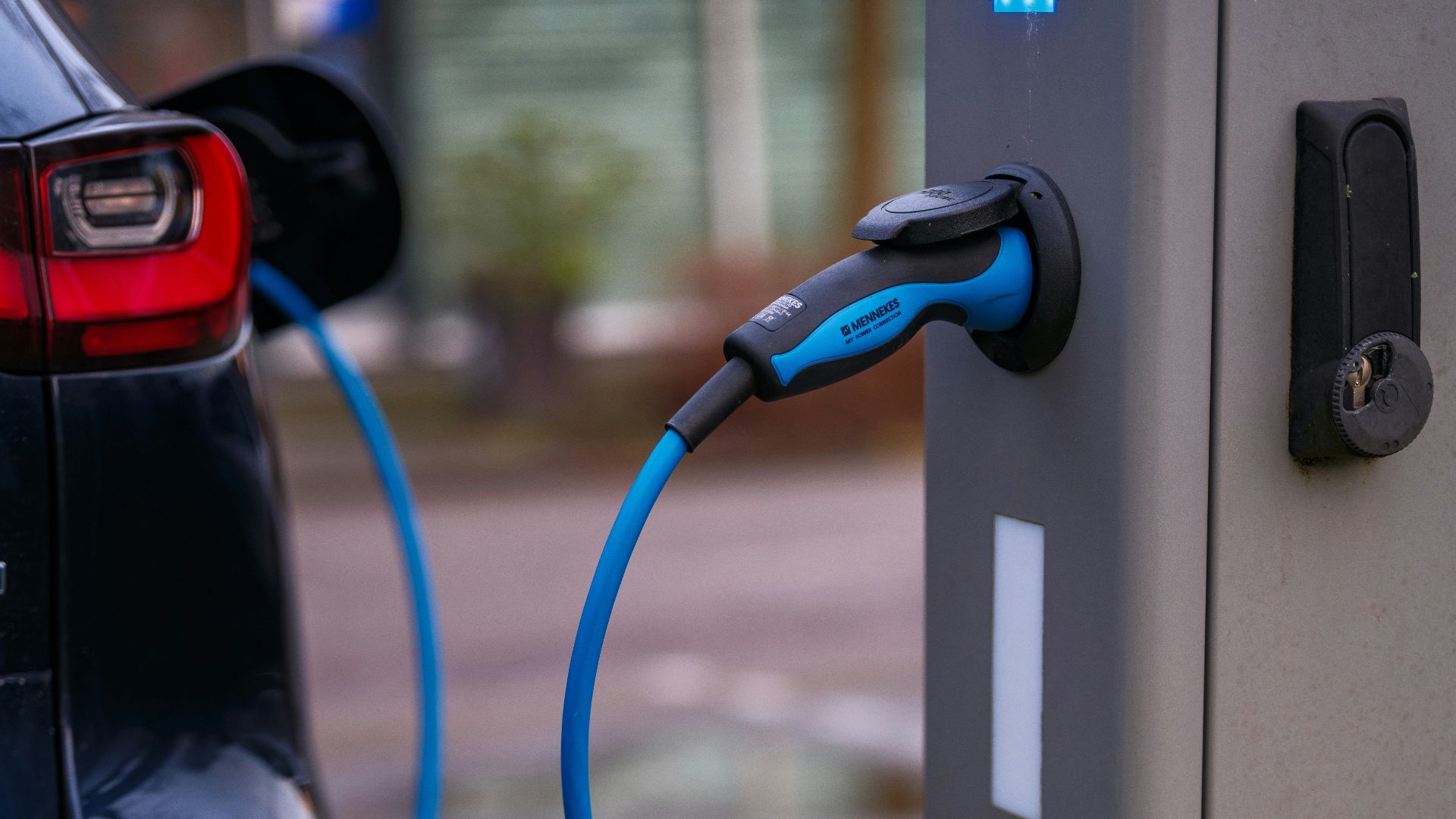
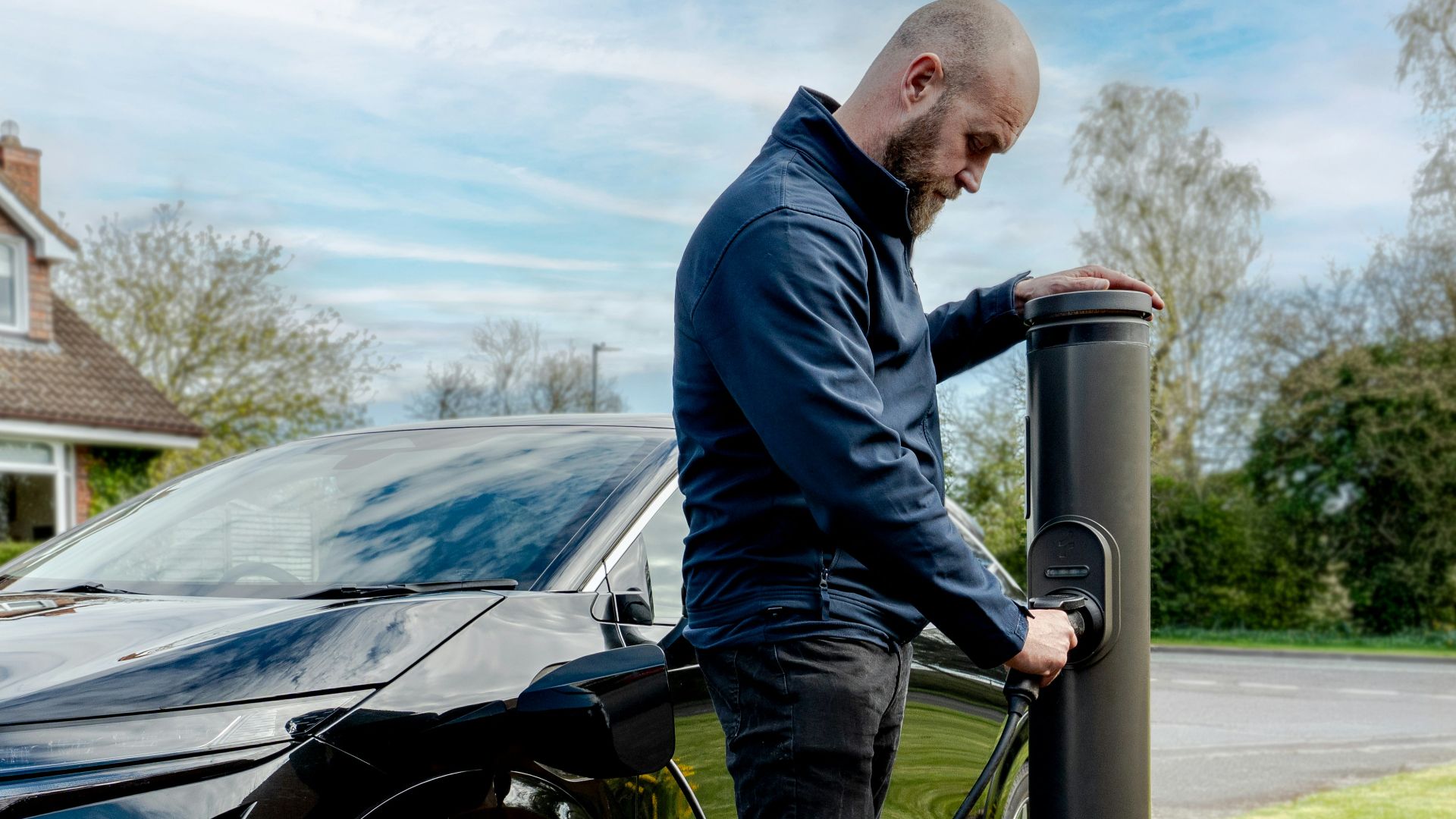
Multifamily charging arrangements frequently require involvement from the property owner, manager, or condo board. Department of Energy guidance notes that condo residents may need board approval even when the charger serves an assigned parking spot. Rules can address installation location, maintenance, insurance, electrical work, and responsibility for future costs.
EV Rights Do Not Permit Unsafe Installations
Several states have laws limiting an association’s ability to prohibit residential EV chargers. Those laws generally still permit reasonable health, safety, architectural, and insurance requirements. A statutory right to install a charger is not the same as a right to place its cord wherever the owner wants.

California Places Responsibility On Owners
California’s rules provide a particularly clear example. Condo owners installing qualifying chargers can be responsible for installation, maintenance, repair, removal, electricity, damage to the equipment or surrounding area, and specified liability insurance obligations. Associations can still impose reasonable restrictions tied to the installation.
Other States Use Similar Approaches
Illinois requires condo owners installing chargers under its law to cover installation and operating responsibilities and address insurance requirements. Florida law similarly allows reasonable restrictions while assigning owners responsibility for costs and resulting damage. Maine’s newer law also places ongoing maintenance, damage, and liability responsibilities on owners who install chargers under its provisions.

Insurance Can Come From More Than One Place
Condos typically involve separate insurance carried by individual owners and by the association. Which policy responds to an accident can depend on who allegedly caused the injury and where it happened. Coverage language, exclusions, deductibles, and state law all matter.

The Neighbor May Have Personal Liability Coverage
An individual condo policy commonly includes personal-liability protection for certain claims against the unit owner. That coverage could potentially become relevant if an owner’s actions are alleged to have injured someone. Coverage is never guaranteed simply because a policy exists, so the insurer has to evaluate the actual claim.

The Association Usually Insures Common Areas
Condo associations commonly maintain a master policy covering shared property and liability exposures. Individual HO-6 policies generally do not replace the association’s insurance for hallways, sidewalks, parking areas, and other common elements. An accident in a common parking area can therefore trigger questions for the association’s insurer as well.
An Unauthorized Setup Makes Things Messier
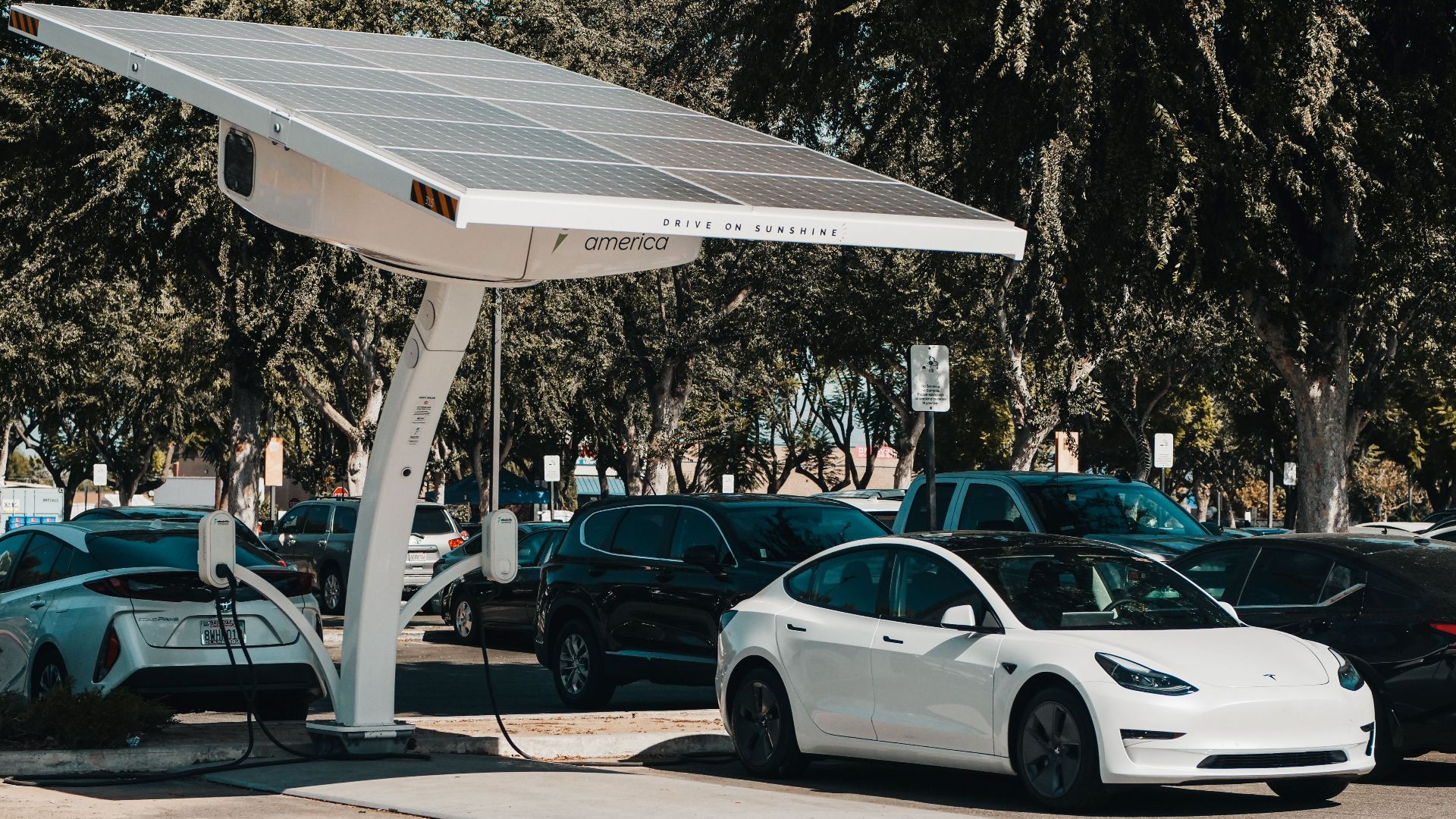
A cable routed across another resident’s parking space may violate association rules even when the charger itself is permitted. Community-association surveys show that EV rules commonly address prior approval, charger placement, owner maintenance, electrical upgrades, and insurance. An improvised arrangement can bypass exactly the issues those procedures are intended to resolve.
Electrical Safety Is A Separate Question
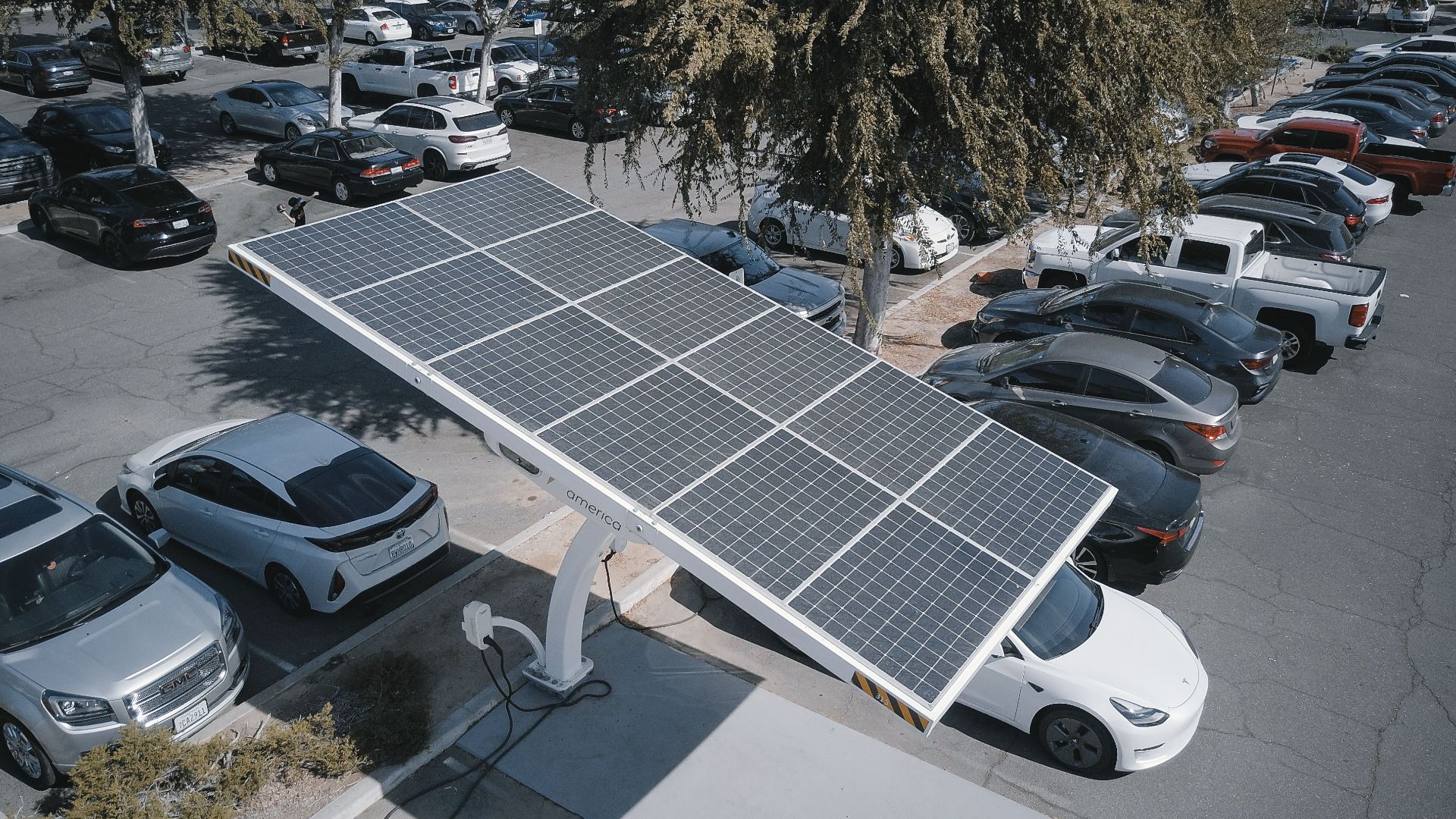
A trip hazard can exist even when the electrical equipment itself is safe, and the reverse is also true. The Department of Energy recommends code-compliant charging equipment and generally calls for licensed electrical contractors when installed equipment requires electrical work. NFPA also recommends keeping charging cords off the ground and avoiding extension cords for EV charging.

Do Not Solve It By Unplugging The Car
Moving somebody else’s energized or connected charging equipment can create unnecessary conflict and introduce electrical or property-damage concerns. You also do not know whether pulling or moving the cord could damage the connector or charging port. Treat this as a property-management problem rather than taking physical control of your neighbor’s equipment.
Photograph The Layout
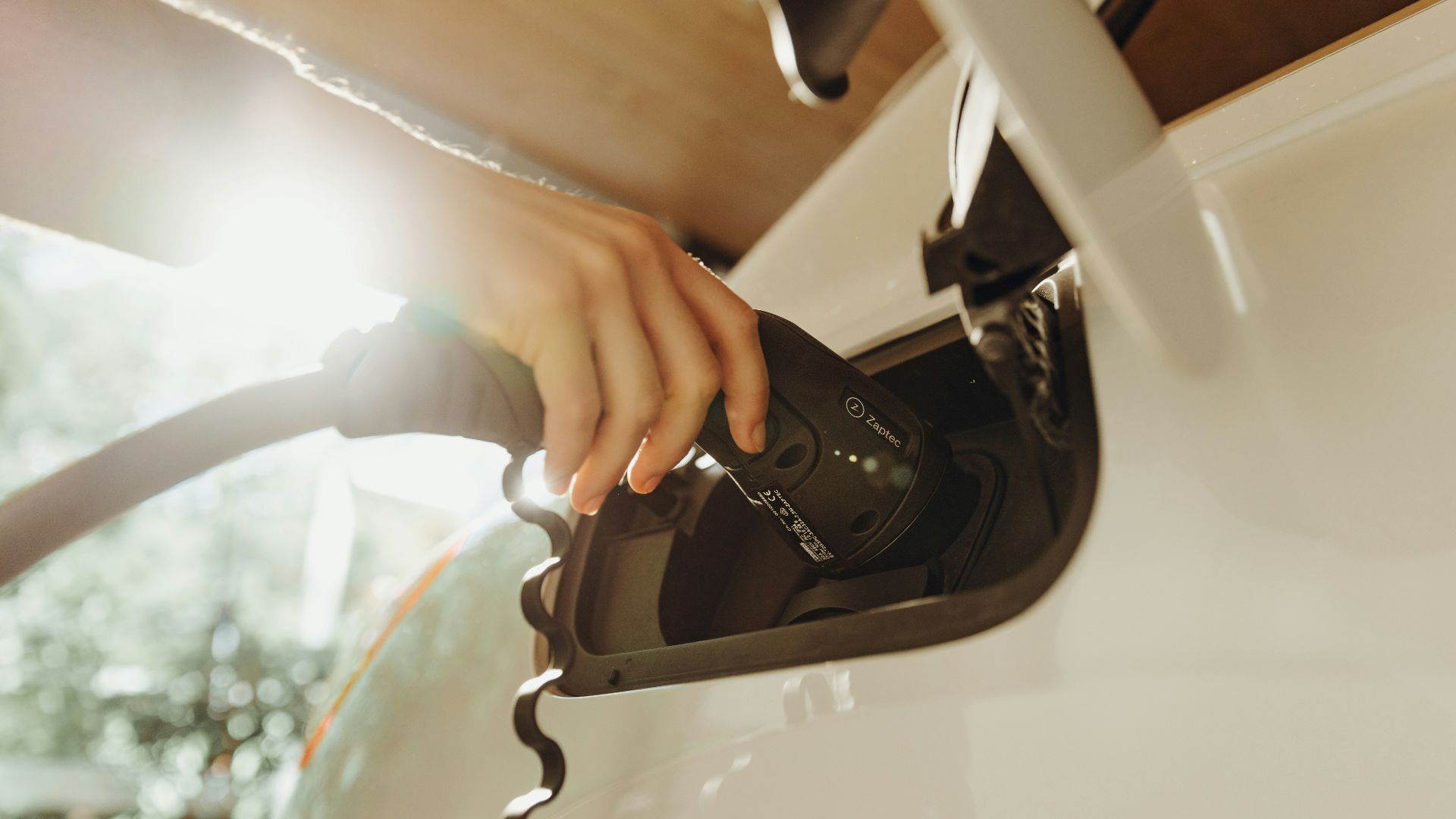
If the cable repeatedly crosses your assigned space, take a few photographs showing its location in relation to both vehicles and normal walking paths. Note the dates and approximate times when it occurs. Documentation gives the association something concrete to evaluate instead of reducing the issue to competing descriptions from two residents.

A Conversation May Fix It Quickly
Your neighbor may simply have chosen the shortest route to the charging port without realizing it interferes with your space. A calm request to reroute or secure the cord could solve the problem before insurers or lawyers ever become relevant. The ideal outcome is a safer arrangement, not determining who would win a lawsuit after somebody gets hurt.

Put The Association On Notice
If informal discussion does not solve the problem, report the repeated cable placement to the condo board or property manager in writing. Ask whether the installation and cable route were approved under the association’s EV-charging policy. Written notice also gives management an opportunity to inspect the condition and require a safer setup.

Ask For Cable Management Instead Of A Charging Ban
There may be no need to eliminate the neighbor’s ability to charge. Relocating the charging unit, adding a retracting cable system, changing the parking orientation, or installing another approved cable-management solution may remove the conflict. Federal charging guidance specifically encourages design choices that keep cables out of accessible routes and walking areas.

If Someone Actually Falls, Document Everything
After an injury, the exact condition of the scene can change quickly when somebody moves the cable or drives away. Photographs, witness names, the time of the accident, prior complaints, and any incident report can become important. Serious injuries should also be reported promptly to the appropriate property manager and relevant insurers.

More Than One Party Could Be Liable
A claim could potentially involve the neighbor who placed the cord, an association responsible for the parking area, a property manager, or another party connected with the installation. Liability can also be divided when several parties contributed to the condition. Determining those shares requires the governing documents, insurance policies, local law, and the specific facts of the accident.
Deal With The Cable Before Someone Falls
A charging cord repeatedly crossing your parking space is worth addressing now rather than debating liability afterward. Start with your neighbor, document the condition, and involve the association if the routing continues or appears unapproved. Nobody can predict liability without knowing your jurisdiction and condo documents, but leaving a known recurring trip hazard untouched is the least sensible option.
You May Also Like:
Three Things You Shouldn’t Do At The Dealership
How To Extend The Life Of Your Vehicle's Engine
Keep Your Car In Mint Condition With These Simple Tips And Tricks
Sources: 1, 2, 3, 4, 5, 6, 7, 8, 9, 10, 11, 12, 13, 14, 15, 16, 17, 18, 19