The Cord Across The Property Line
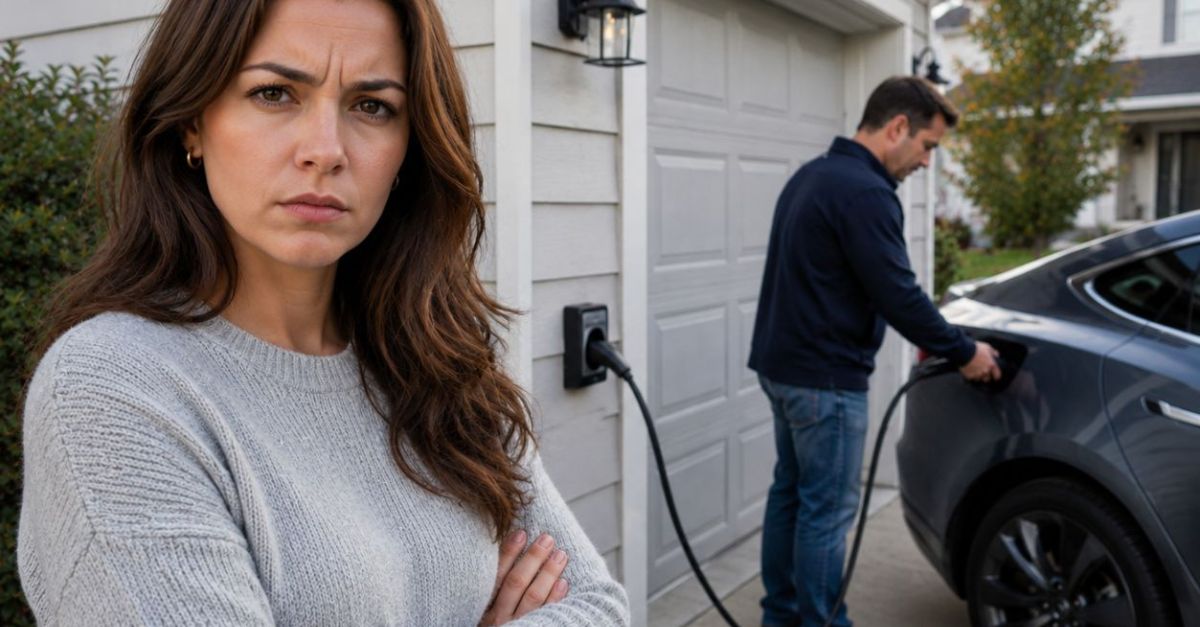
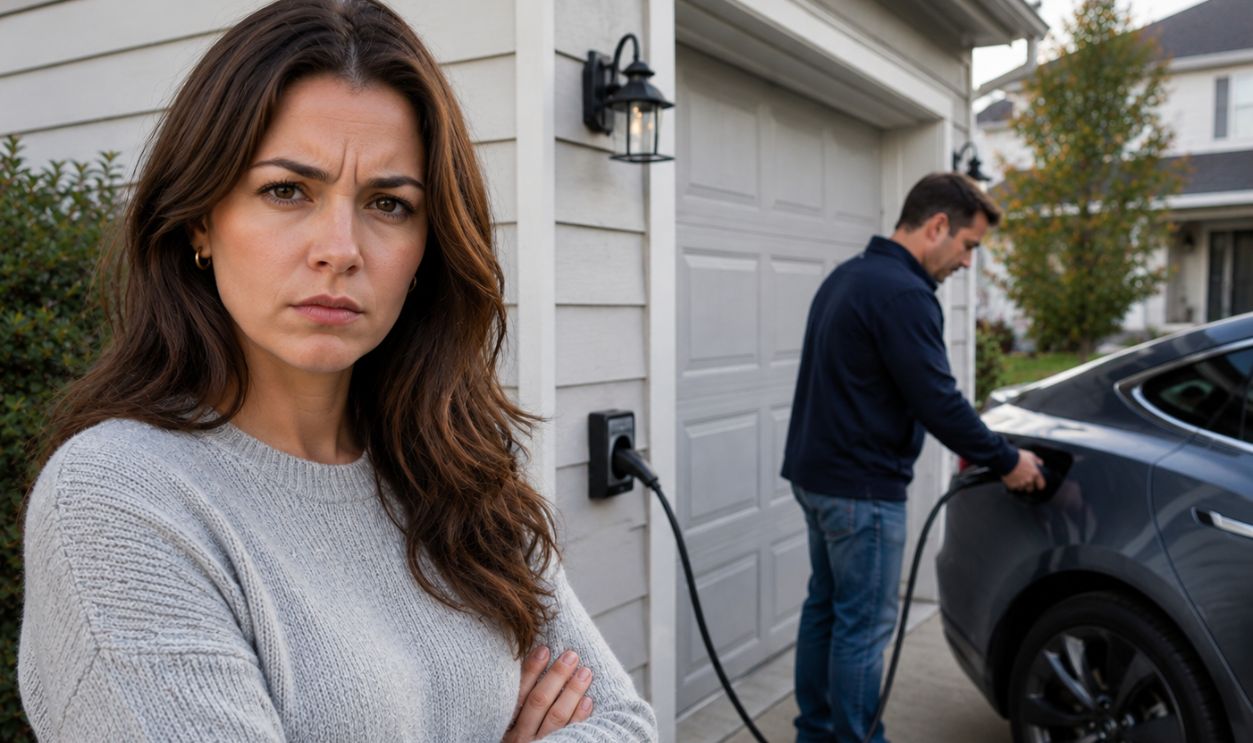
It sounds petty until you see your electric bill. If your neighbor is plugging an EV into the outlet on the outside of your garage without permission, that's not just rude. It can be theft of electricity, trespassing, and a safety problem all at once, so it's something worth taking seriously as EVs become more and more common.
The Short Answer
Can you simply unplug it. In many cases, yes, you can usually stop someone from using your property without permission, but you need to do it carefully and safely. What you should not do is turn it into a shouting match, damage the charger, or do anything that could be called reckless.
Why This Is More Than A Neighbor Spat
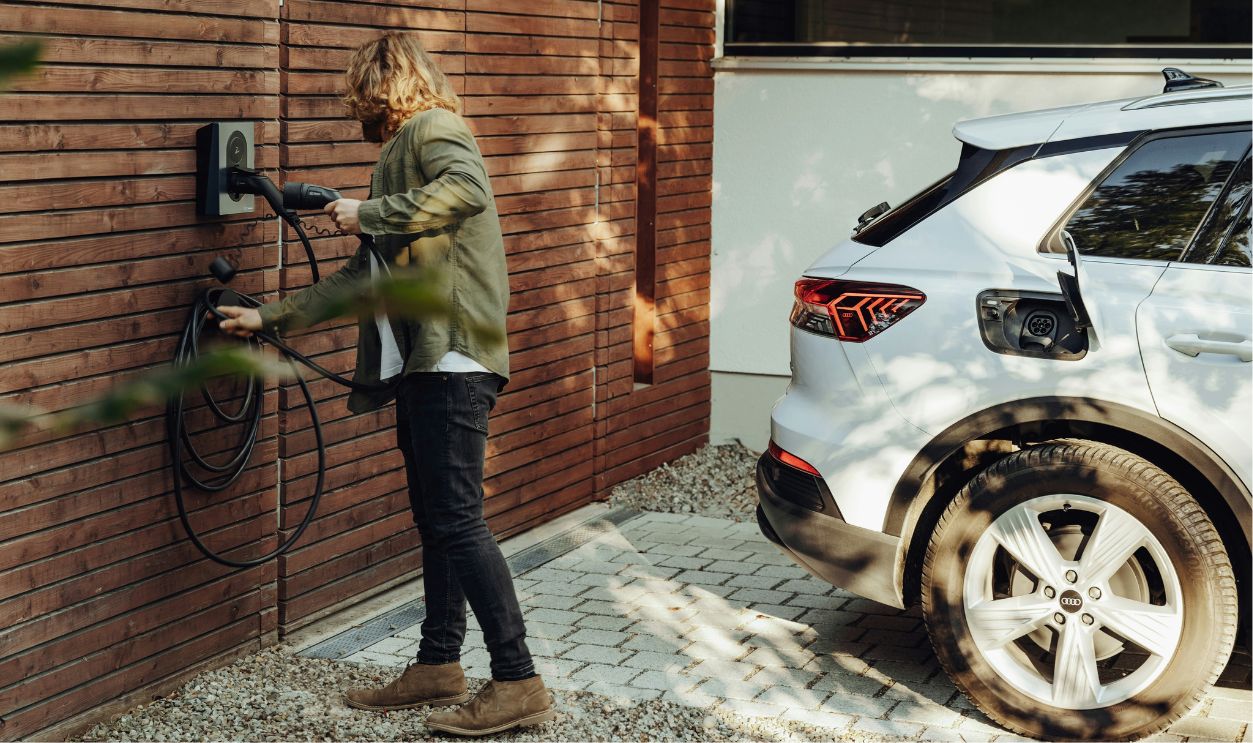
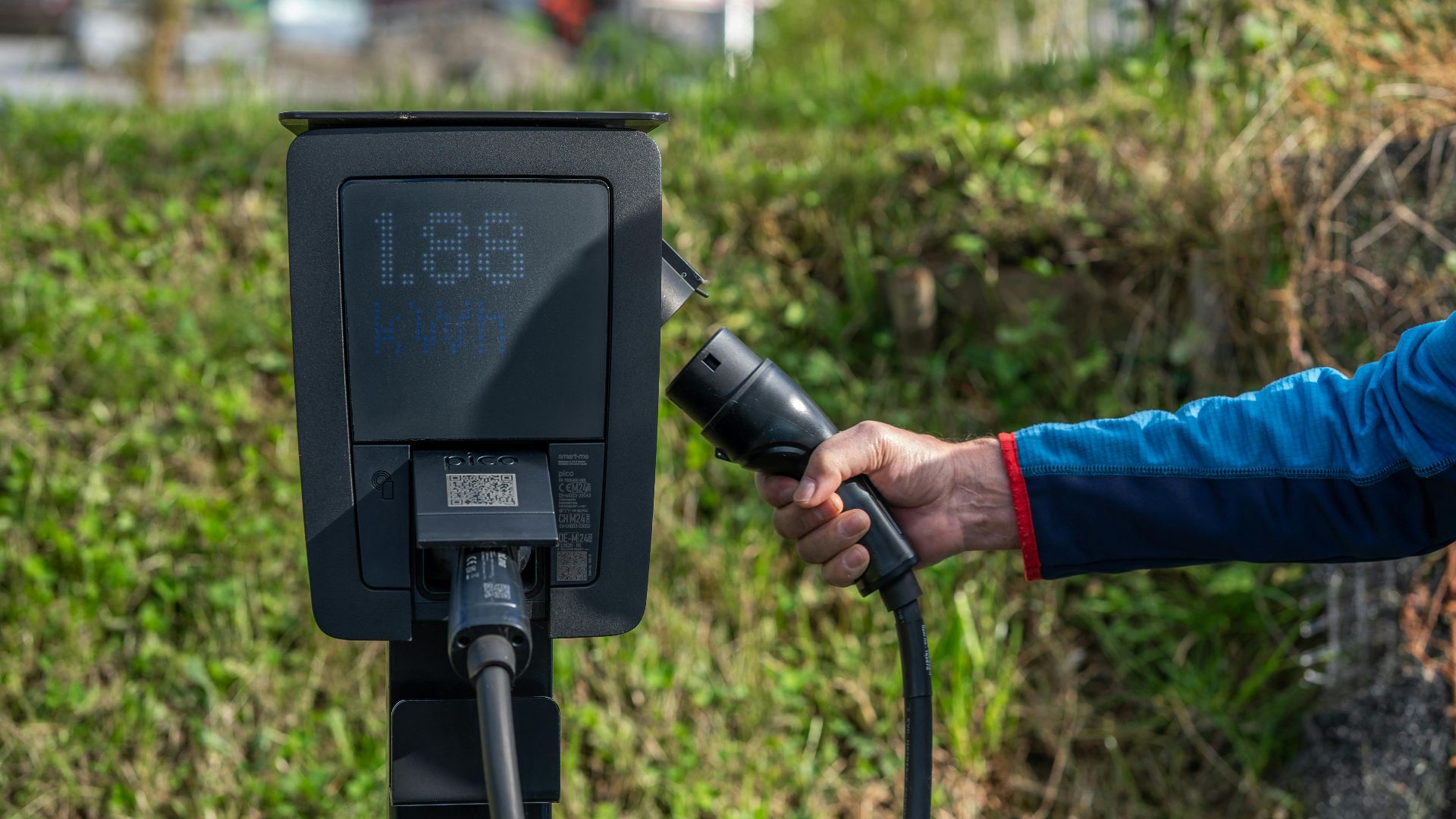
An EV does not use power the way a phone charger does. Even Level 1 charging from a standard 120-volt outlet can run for hours, and the U.S. Department of Transportation says Level 1 charging uses a common 120-volt household outlet. That means a neighbor using your outside outlet could be putting a real amount of electricity on your bill over time.
What Level 1 Charging Really Means
The Federal Highway Administration says Level 1 charging uses a standard 120-volt AC plug and is slower than other kinds of charging. The same federal guidance says it can add about 2 to 5 miles of range per hour. That may be slow for the car, but it is still not free for you. If it stays plugged in overnight, the cost adds up.
How Much Money Are We Talking About
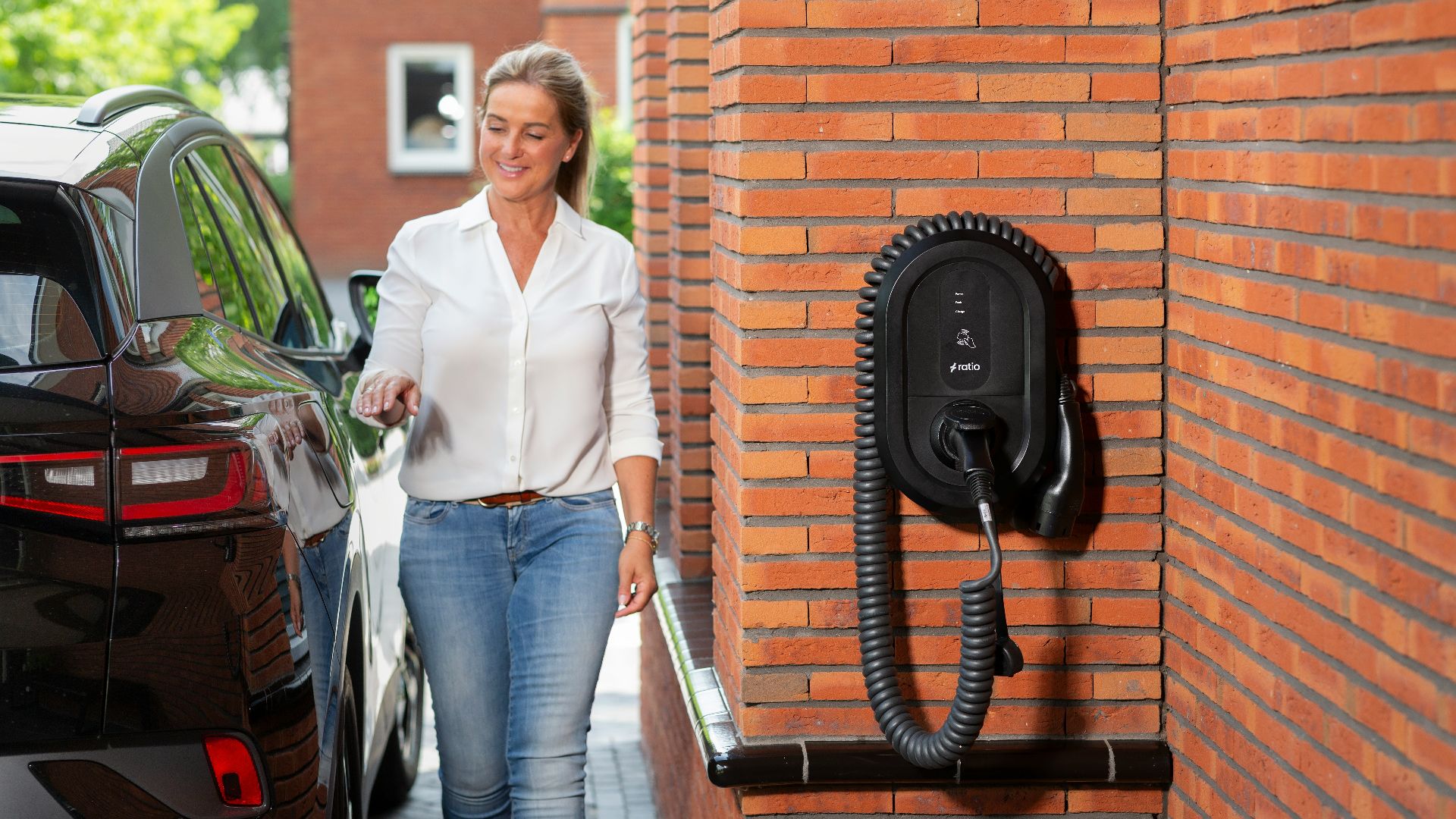
The exact cost depends on the car, how long it charges, and your local electric rate. The U.S. Energy Information Administration tracks residential electricity prices, and those rates can vary a lot by state. Even if one charging session seems minor, repeated use means you are paying for someone else to drive.

It May Qualify As Utility Theft
Many utilities and police agencies treat unauthorized power use as theft of service or utility theft. Southern California Edison, for example, has a reporting page that specifically covers electricity theft. The exact legal term depends on state law, but the basic idea is simple. If someone takes electricity you are paying for without permission, that can cross the line into a crime.

Police See This As A Real Thing
This is not some made-up suburban squabble. Police departments around the country have warned that plugging into someone else’s outlet without permission can be a crime, often described as theft of services. That matters because it gives you a cleaner path than arguing in the driveway.

Your Outlet Is Still Your Property
If the outlet is on your garage and tied to your electric account, the electricity running through it is being billed to you. That gives you a strong and simple reason to stop the use. It does not mean every response is a good one, but it does mean you are not required to keep giving away free power.
Unplugging Is Usually The Least Dramatic Option
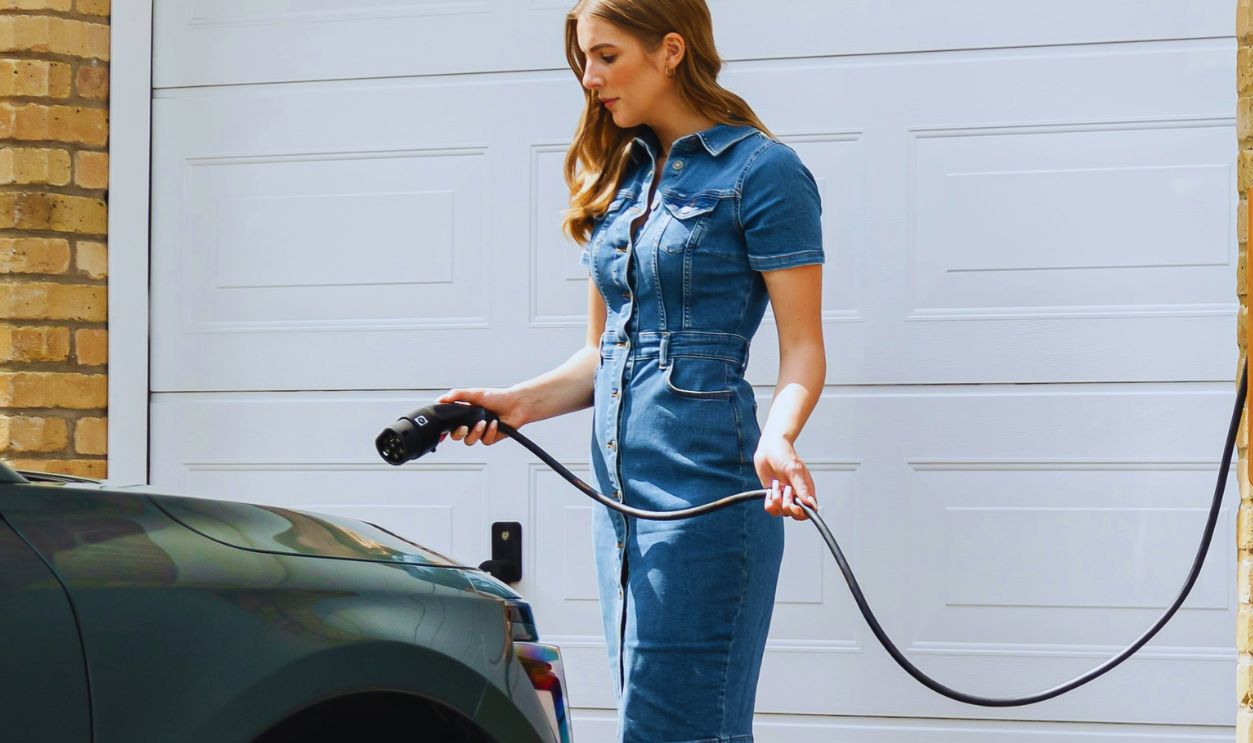
If you find the car actively charging, unplugging the setup from your outlet is often the fastest way to stop the unauthorized use. The key is to do it calmly and safely. Do not yank the cord, do not touch damaged equipment, and do not put yourself in the middle of a fight.
Do Not Damage The Charging Equipment
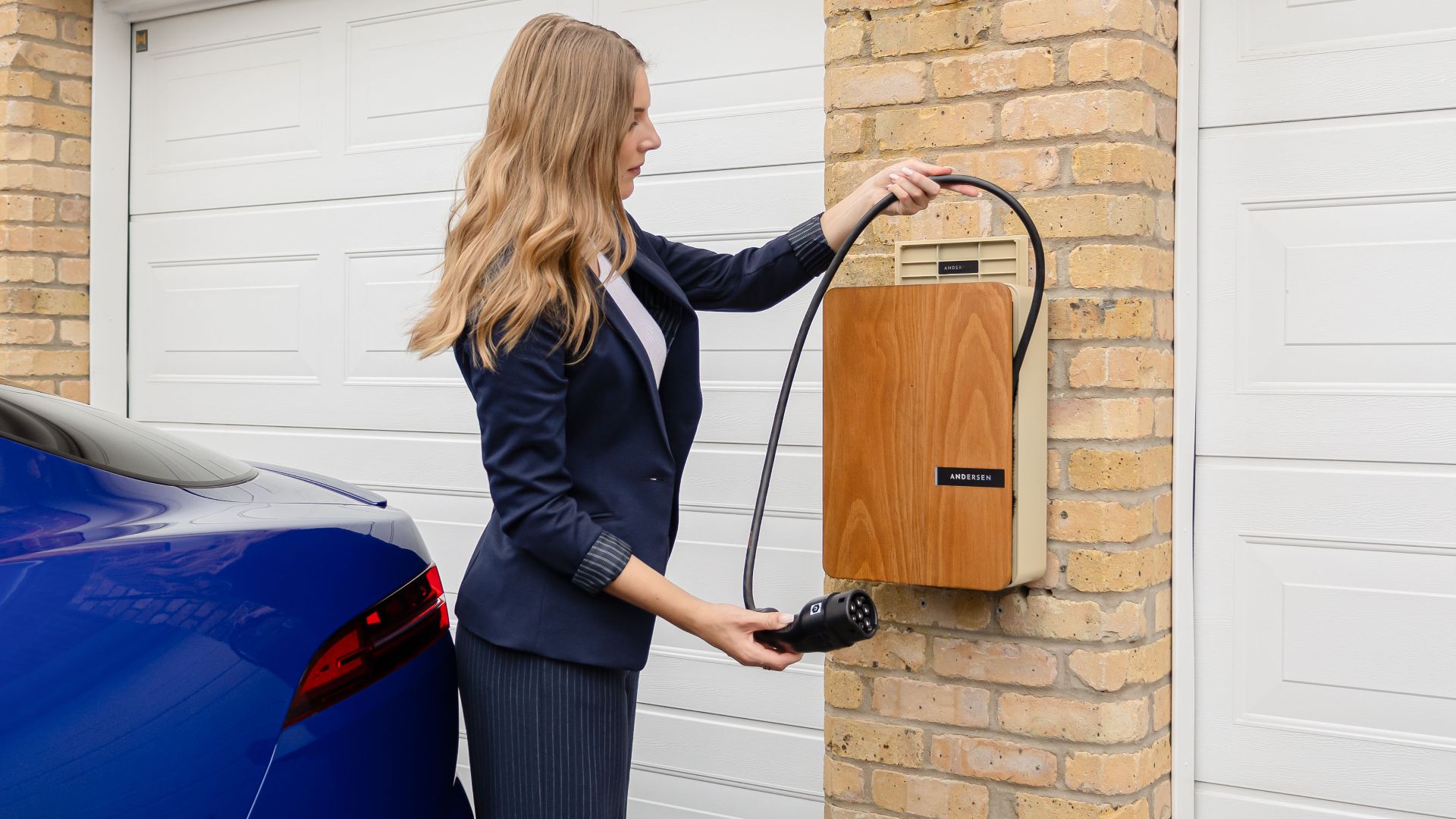
There is a big difference between disconnecting a plug and damaging a charger. If you break the portable EV charger, cut the cord, or damage the charging port, you could create a legal problem for yourself. Keep your response limited to stopping the use of your electricity.
Know How EV Charging Plugs Behave
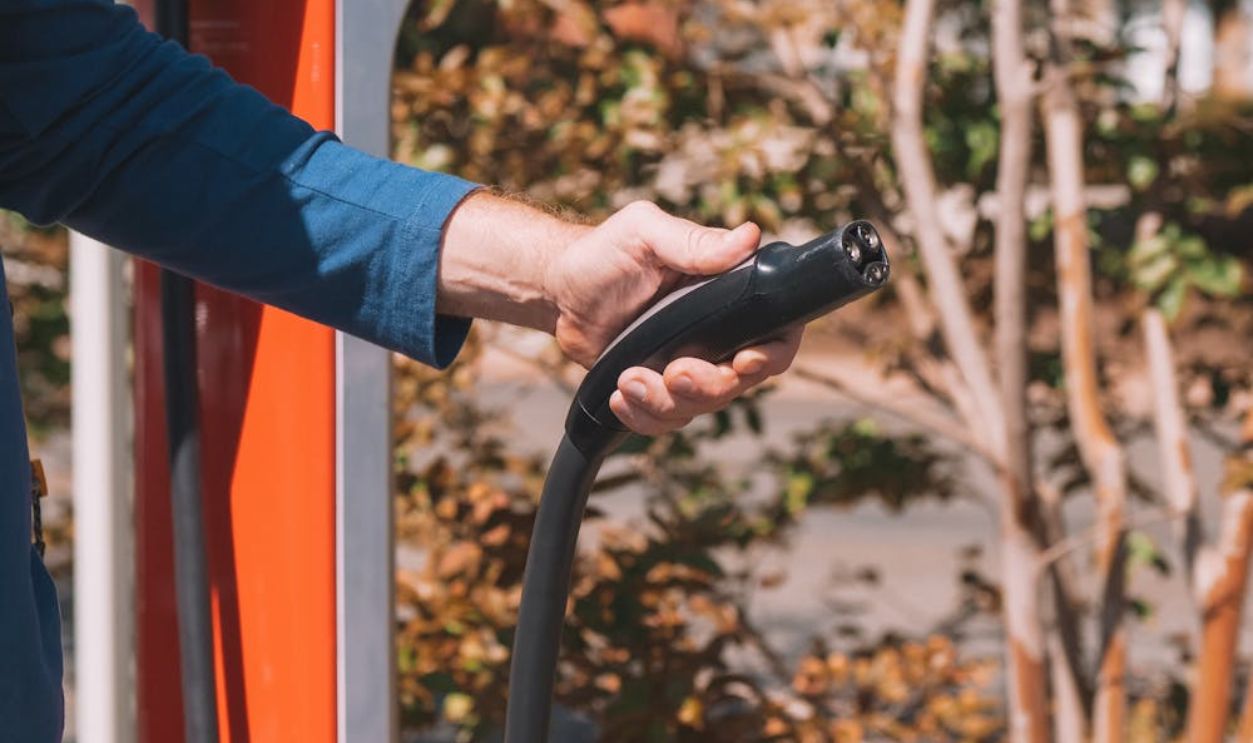
Modern EV connectors have safety features, but not every unplugging situation works the same way. Some vehicles lock the connector on the car side while charging, while the plug on the outlet side may still be removable if it is a portable charger connected to a standard outlet. If anything looks stuck, hot, wet, or damaged, do not force it.
Safety Comes First
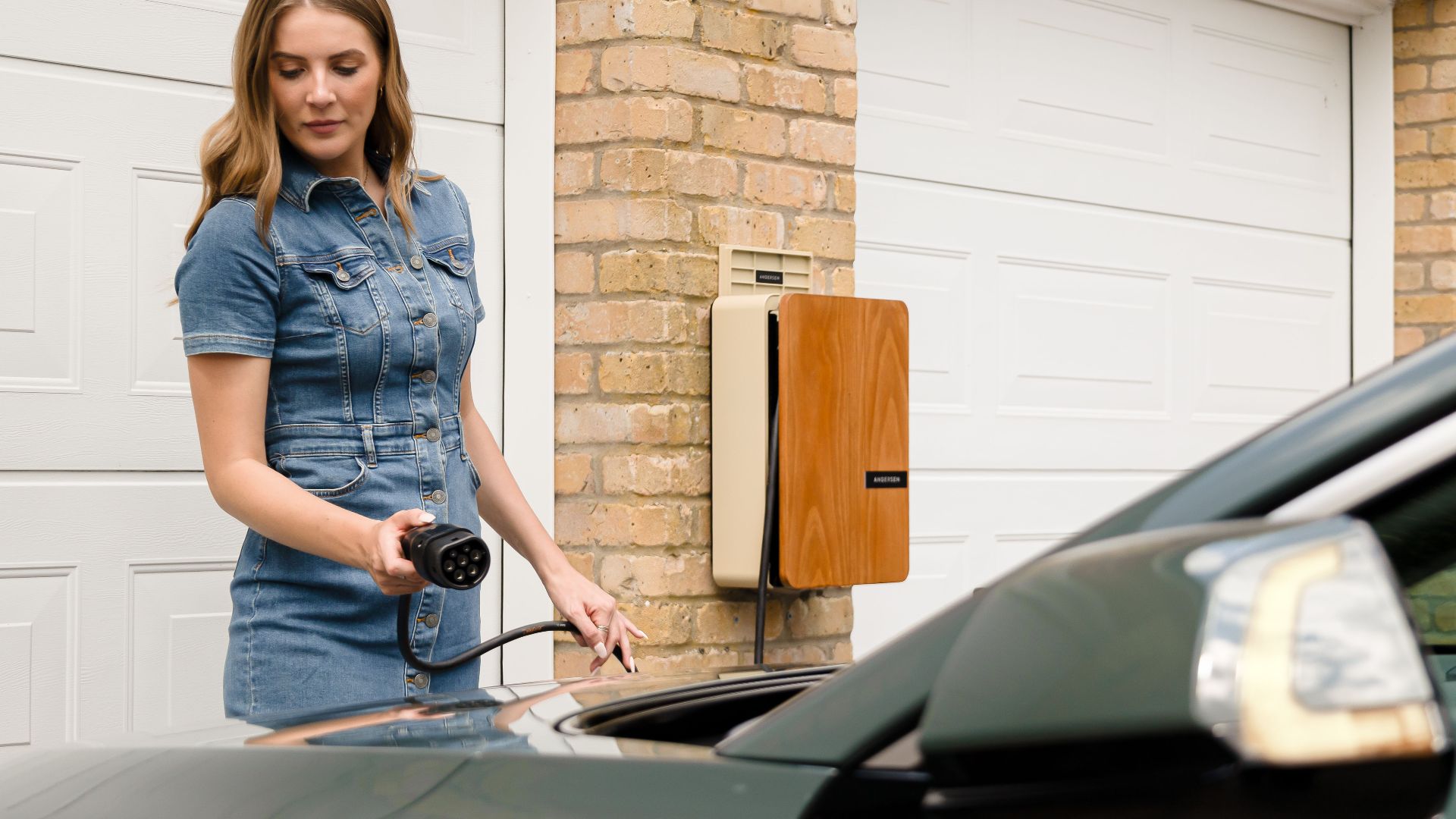
The Electrical Safety Foundation International warns that extension cords and outdoor electrical use can create shock and fire risks if equipment is damaged or used the wrong way. If your neighbor has run a cord across a walkway or driveway, that is another issue on top of the stolen electricity. If the connection is wet or the outlet looks overheated, that is not the moment to improvise.
Shut Off The Circuit If Needed
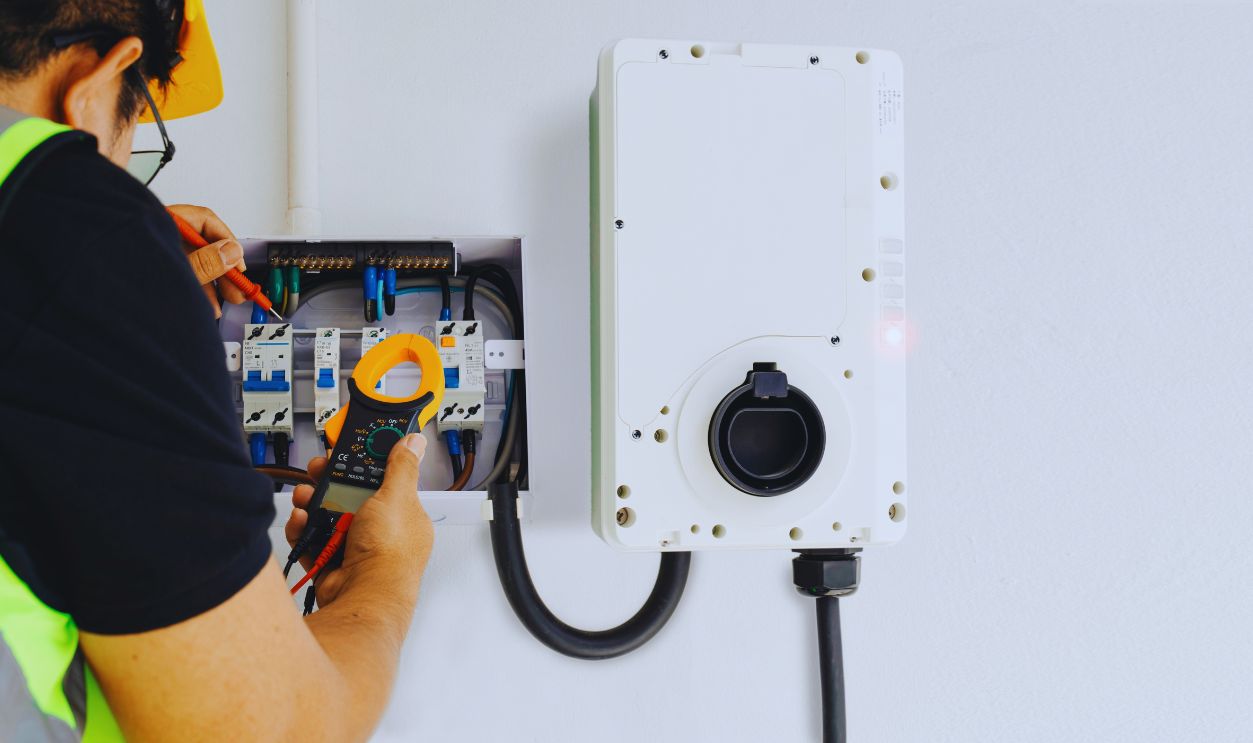
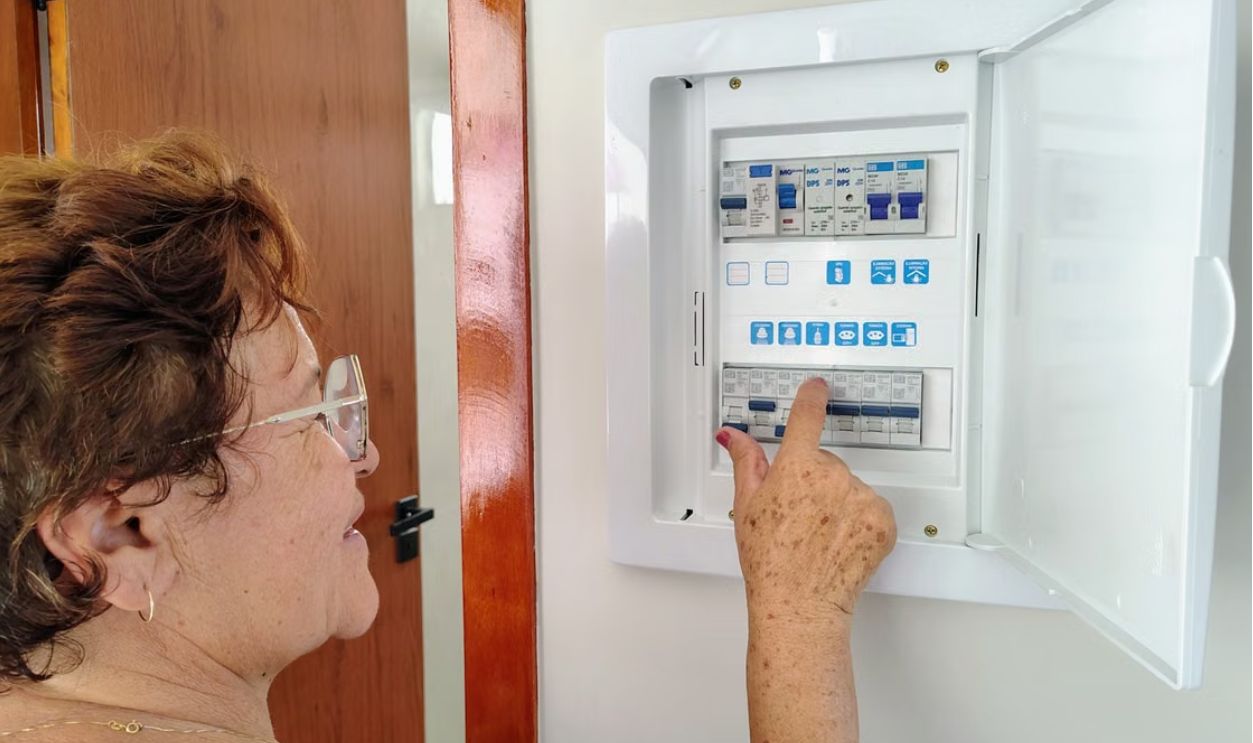
If you are not comfortable handling the plug, switching off the right breaker before disconnecting it may be the safer move. That is especially true if the outlet looks old, loose, burned, or exposed to weather. A controlled shutoff is better than grabbing a hot or damaged connector.
Document Before You Touch Anything
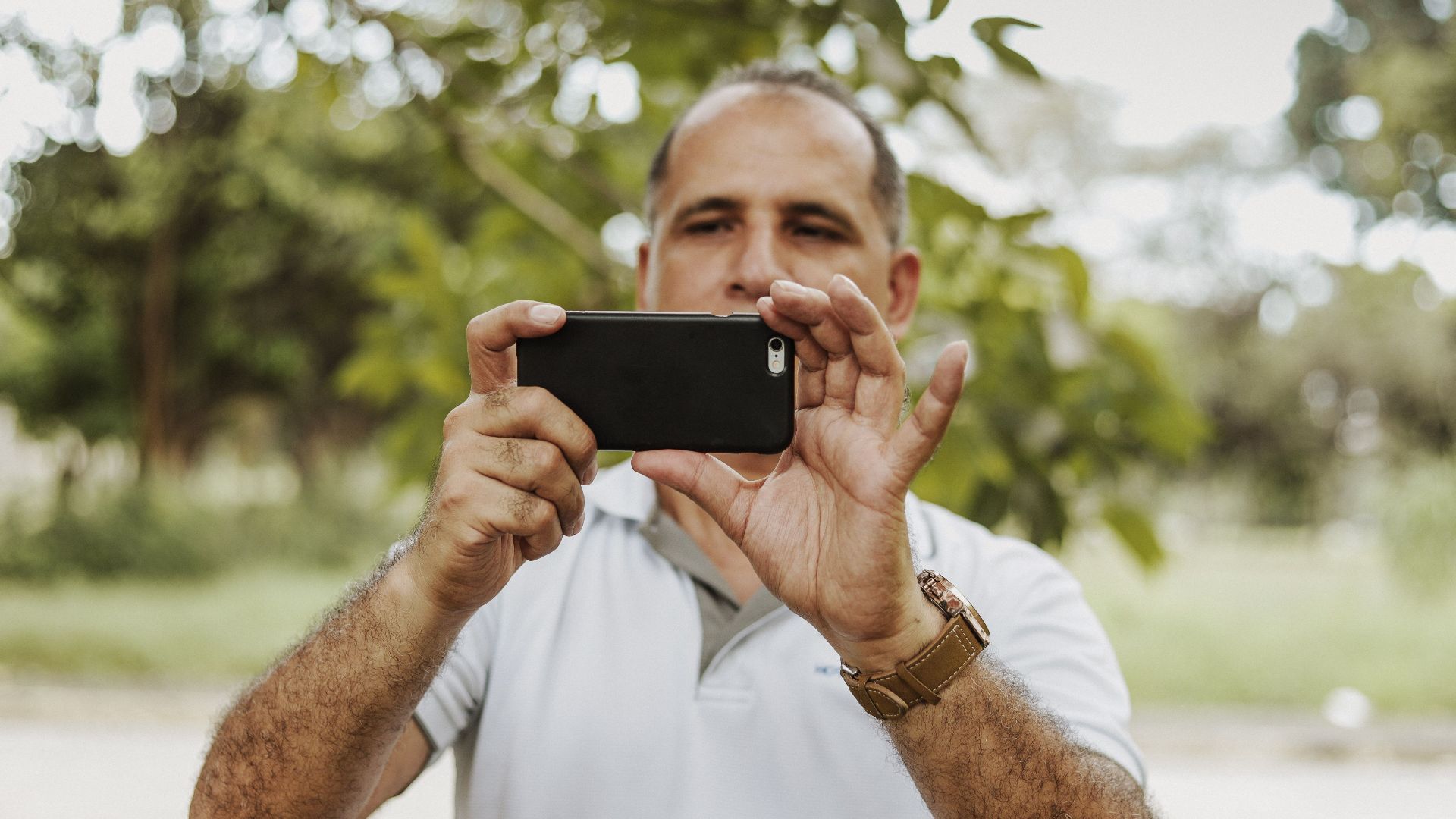
Take clear photos or video first. Get the vehicle, the plug in your outlet, the location, and anything that shows it is your property. If it keeps happening, a dated record can help when you talk to the neighbor, landlord, HOA, utility, or police.
Start With A Calm Conversation
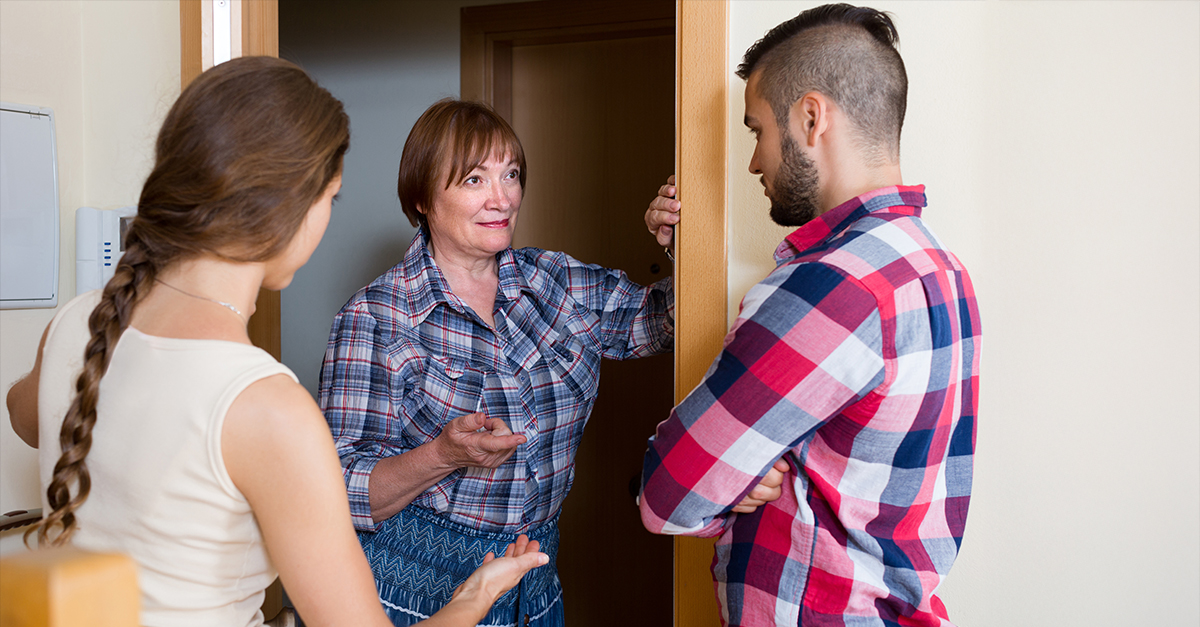
In a lot of neighborhoods, the quickest fix is still a direct conversation. Tell your neighbor the outlet is yours, the power is billed to you, and they do not have permission to use it. Keep it short and polite. The goal is to stop the behavior, not win an argument.

Put It In Writing If It Happens Again
If the charging keeps happening, send a short written notice by text, email, or letter. State the date, say they do not have permission to use the outlet, and tell them future incidents will be documented. Written notice helps show this is not a misunderstanding.

When To Call The Non Emergency Line
If the neighbor refuses to stop or gets aggressive, call local law enforcement on the non-emergency line. Describe it as unauthorized use of your electricity and possible theft of services. That framing is usually more useful than calling it a personality clash.

If You Rent, Call The Landlord Fast
Renters have another option. If the outlet is part of your leased space or tied to your electric bill, the landlord or property manager may be able to step in quickly. This can be especially useful in duplexes, shared driveways, and small apartment properties where property lines get fuzzy.

HOAs And Condo Boards Can Matter Too
In planned communities, parking and outside electrical access may be covered by association rules. An HOA or condo board may not decide whether theft happened, but it can enforce rules about parking spots, cords, common areas, and unauthorized use. That can give you another way to stop it.

Do Not Retaliate With A Trap
It may be tempting to tape the plug, lock the cord in place, or set up some kind of payback. Do not do it. Deliberately creating a hazard or trying to damage someone’s car can backfire fast and shift attention away from the original problem.
Prevention Beats Repetition
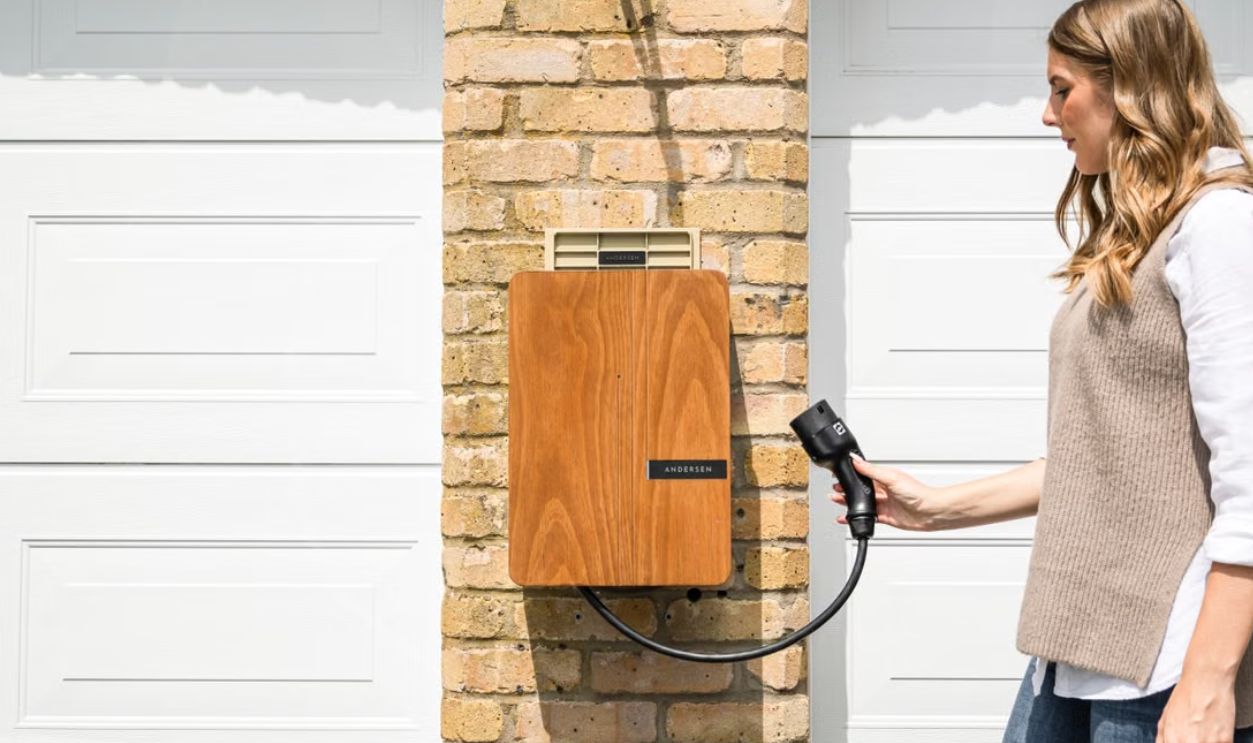
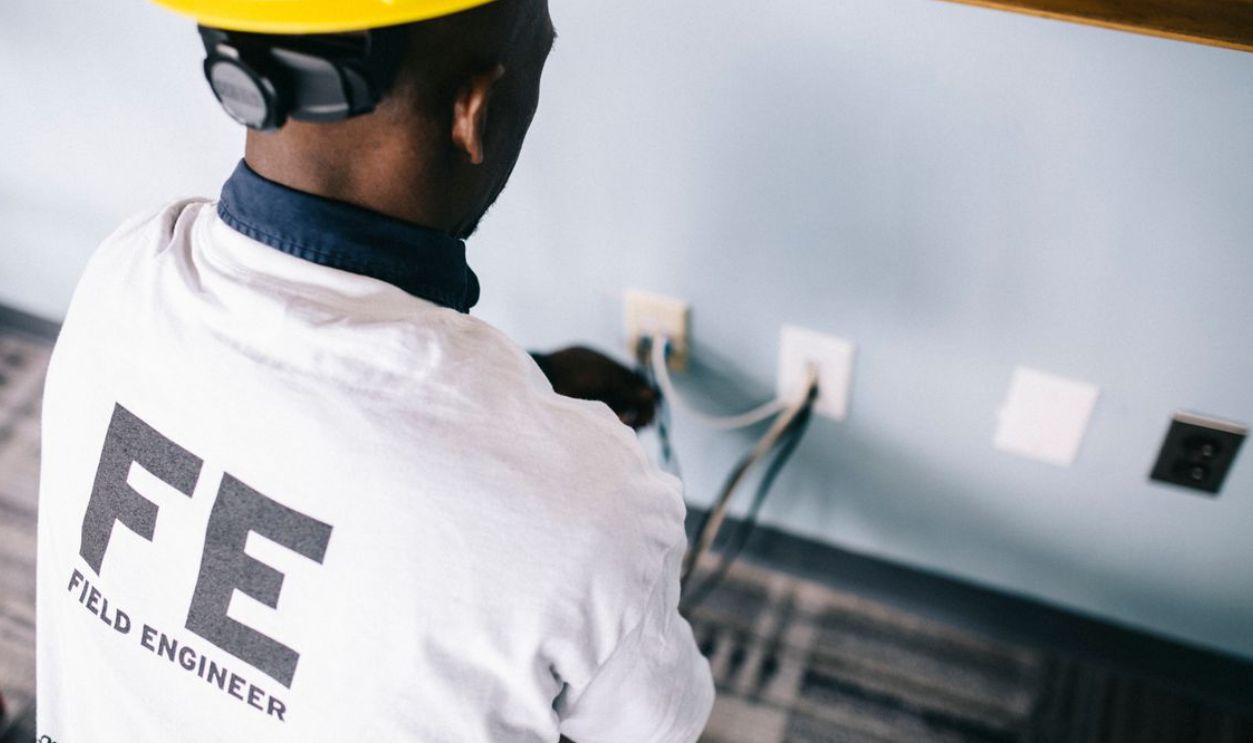
Once the immediate issue is over, make the outlet harder to use. A weatherproof in-use cover with a lockable feature, or a lockable outlet cover, can stop casual power theft. If you never use that outside outlet, you could also have an electrician disconnect it.
A Smart Outlet Can Add Proof
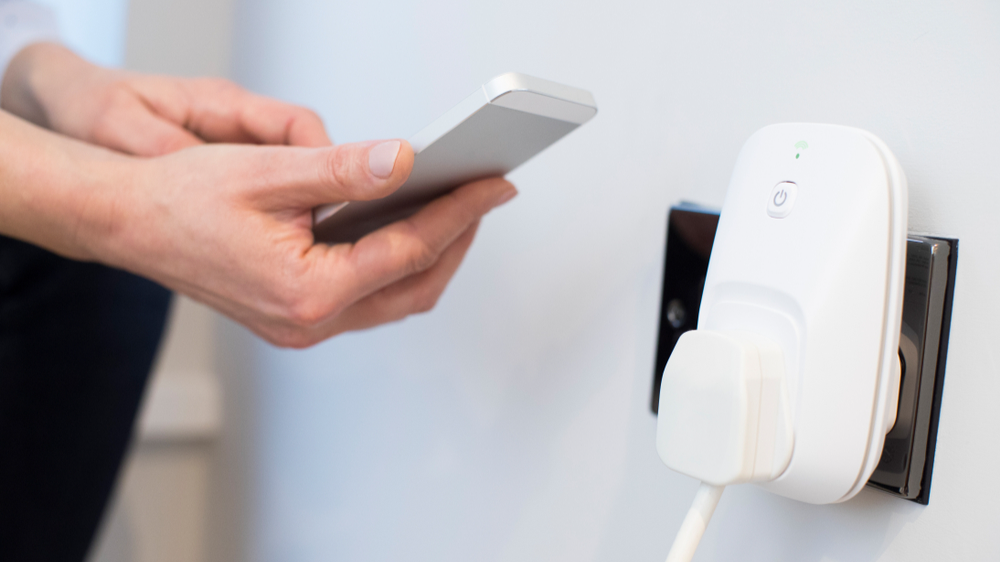
A heavy-duty smart plug or energy monitor can help show when power was used and for how long, as long as it is rated for the load and for outdoor use. That can be useful if the problem keeps happening. It can also help you estimate what the charging cost you.
Cameras Help, But Use Them Properly
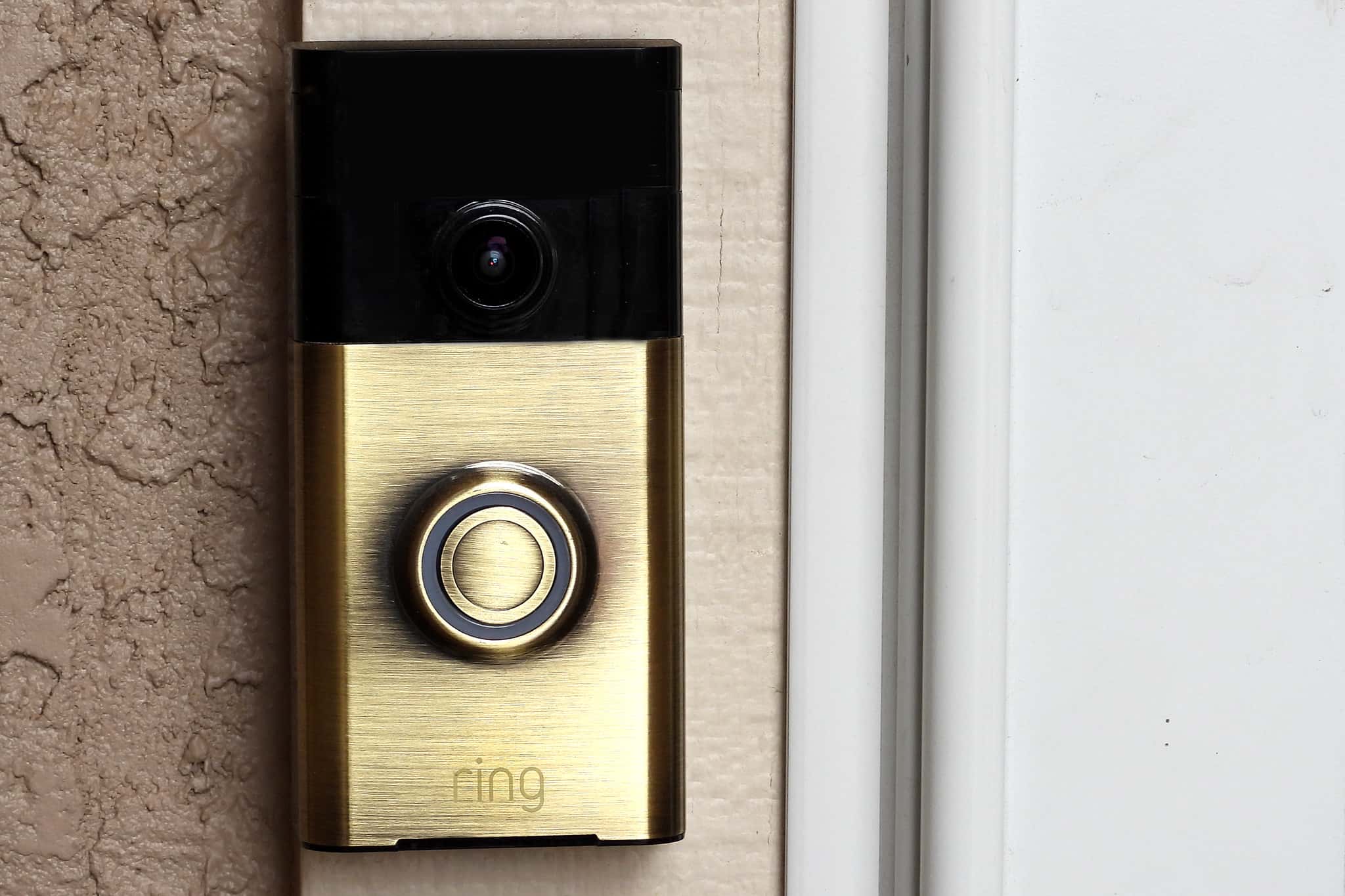
A doorbell camera or outside security camera can document repeat incidents without a face-to-face confrontation. Just make sure the camera placement follows local law and does not point into places where privacy is expected. The goal is to record the outlet and driveway, not your neighbor’s windows.
What About Just Flipping The Breaker
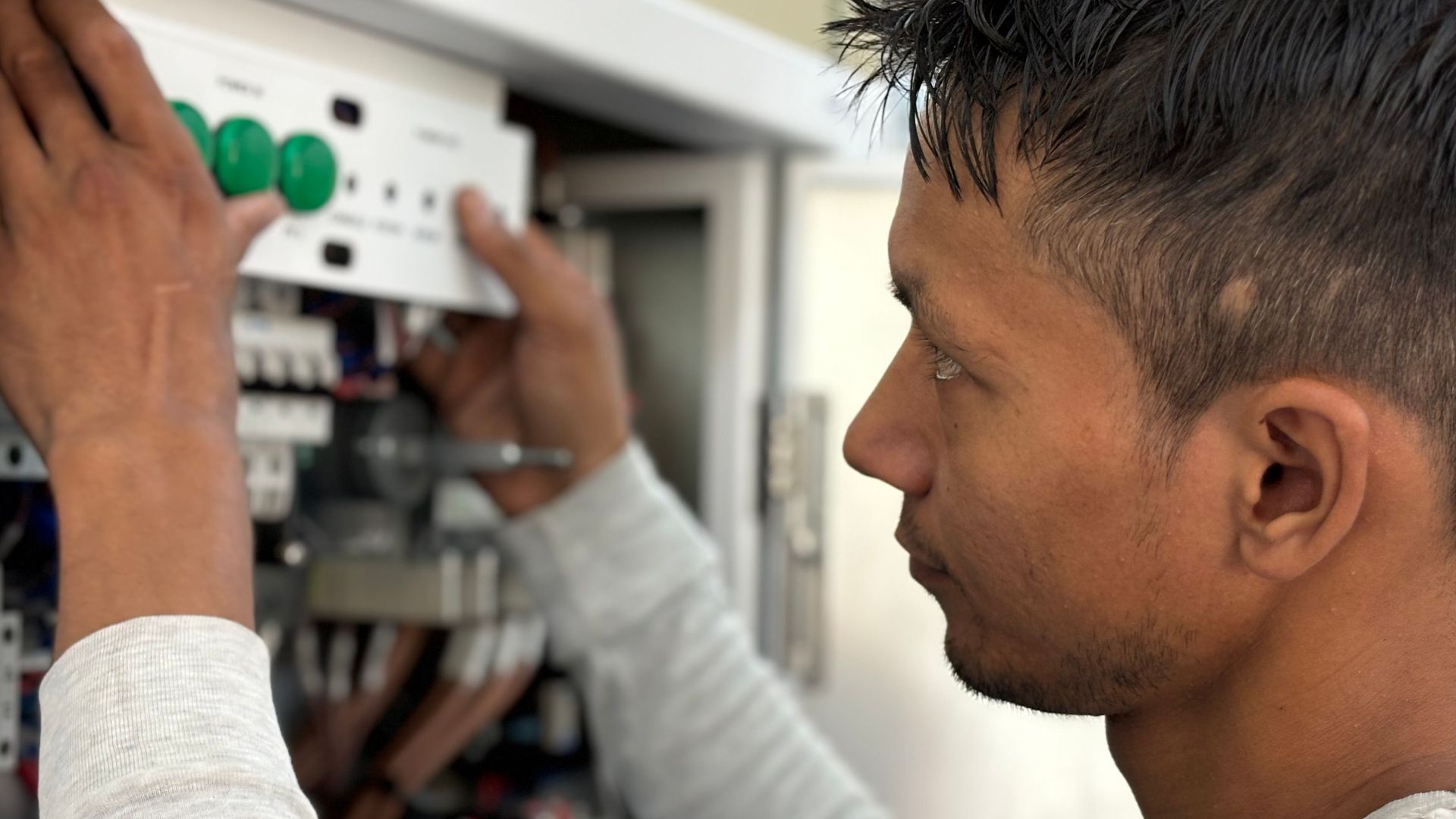
Turning off the breaker to your own outlet is often a lower-drama way to stop the charging session. It avoids handling the plug directly and may be safer if the setup looks questionable. The downside is that you could also cut power to other things on that circuit, so make sure you know what else is connected.
Could The Neighbor Claim You Damaged The Car
That is one reason to be careful and methodical. If you unplug safely, avoid force, and document the situation, you are in a much better position if anyone later makes a claim. The less physical and more safety-focused your response is, the better.

The Best Practical Sequence
First, document the charging. Second, stop the power in the safest reasonable way, either by unplugging carefully or turning off the breaker. Third, tell the neighbor clearly that they do not have permission. If it happens again, take it to the landlord, HOA, utility, or police, depending on the situation.
The Bottom Line
No, you do not have to give away electricity just because someone parked near your garage. In most cases, you can stop unauthorized charging, and unplugging is often the common-sense move if you can do it safely and without drama. Just stay away from anything dangerous, keep your cool, and document what happened.