

Small Car, Massive Problems
The early 1970s were a rough time for Detroit. Gas prices were climbing, compact imports were suddenly cool, and American automakers realized they couldn’t keep selling giant land yachts forever. Chevrolet’s answer was the Vega, a sleek little hatchback that promised modern engineering, sporty handling, and enough fuel economy to keep drivers away from Volkswagens and Toyotas. For a brief moment, it looked like Chevy had finally figured out the small-car formula. Then the engines started turning into expensive space heaters.
 Chevrolet Vega, Wikimedia Commons
Chevy Wanted A Revolution
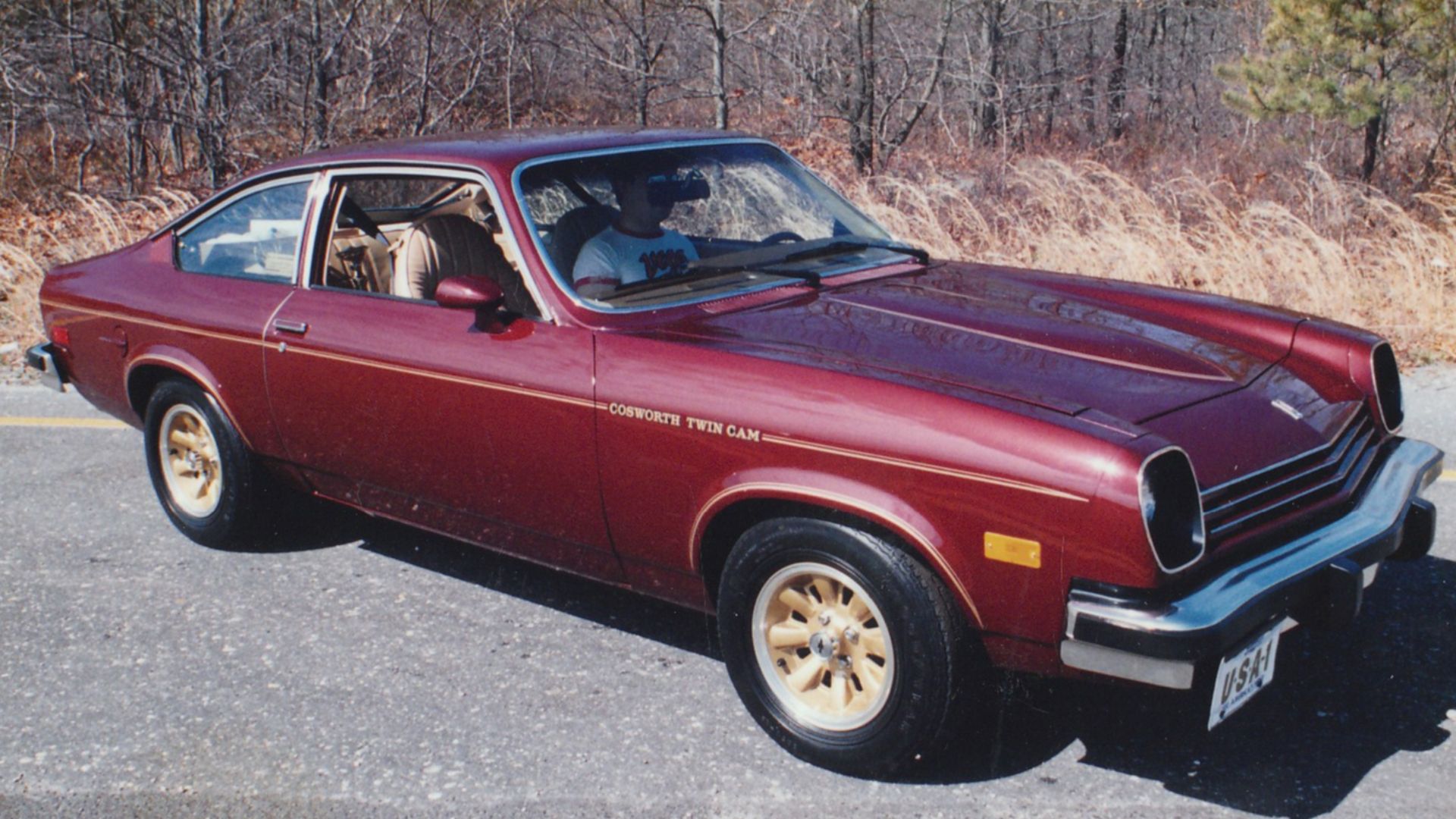
General Motors didn’t want the Vega to feel like some cheap econobox thrown together overnight. Engineers packed it with ambitious ideas, including lightweight construction and a fancy aluminum engine block that sounded downright futuristic compared to the usual American hardware of the era. The company pitched the Vega as proof Detroit could still innovate when it wanted to. Unfortunately, innovation gets a lot less exciting once smoke starts pouring from under the hood.
 Vegavairbob (talk)user vegavairbob/Robert Spinello, Wikimedia Commons
The Vega Actually Looked Pretty Cool
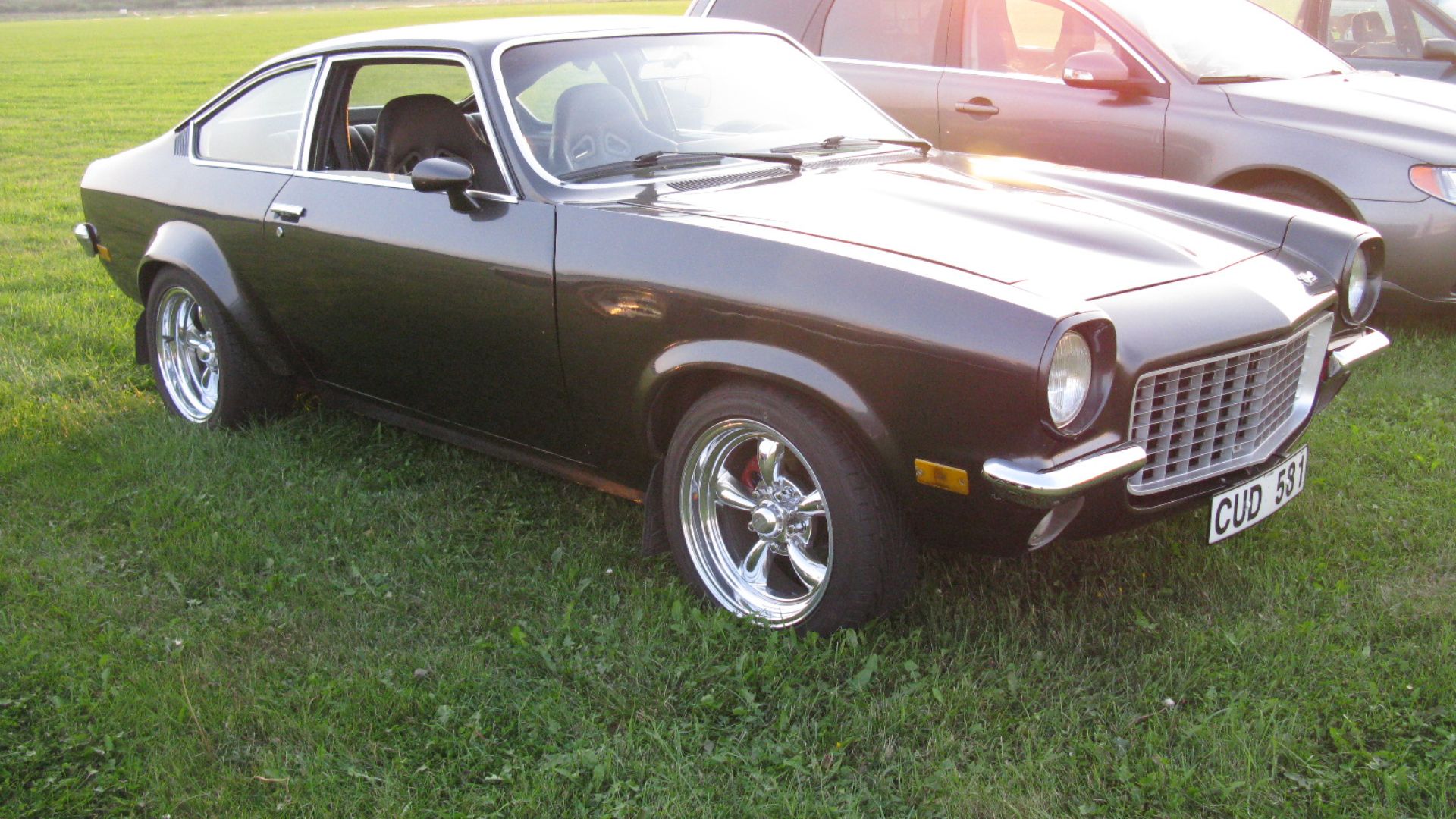
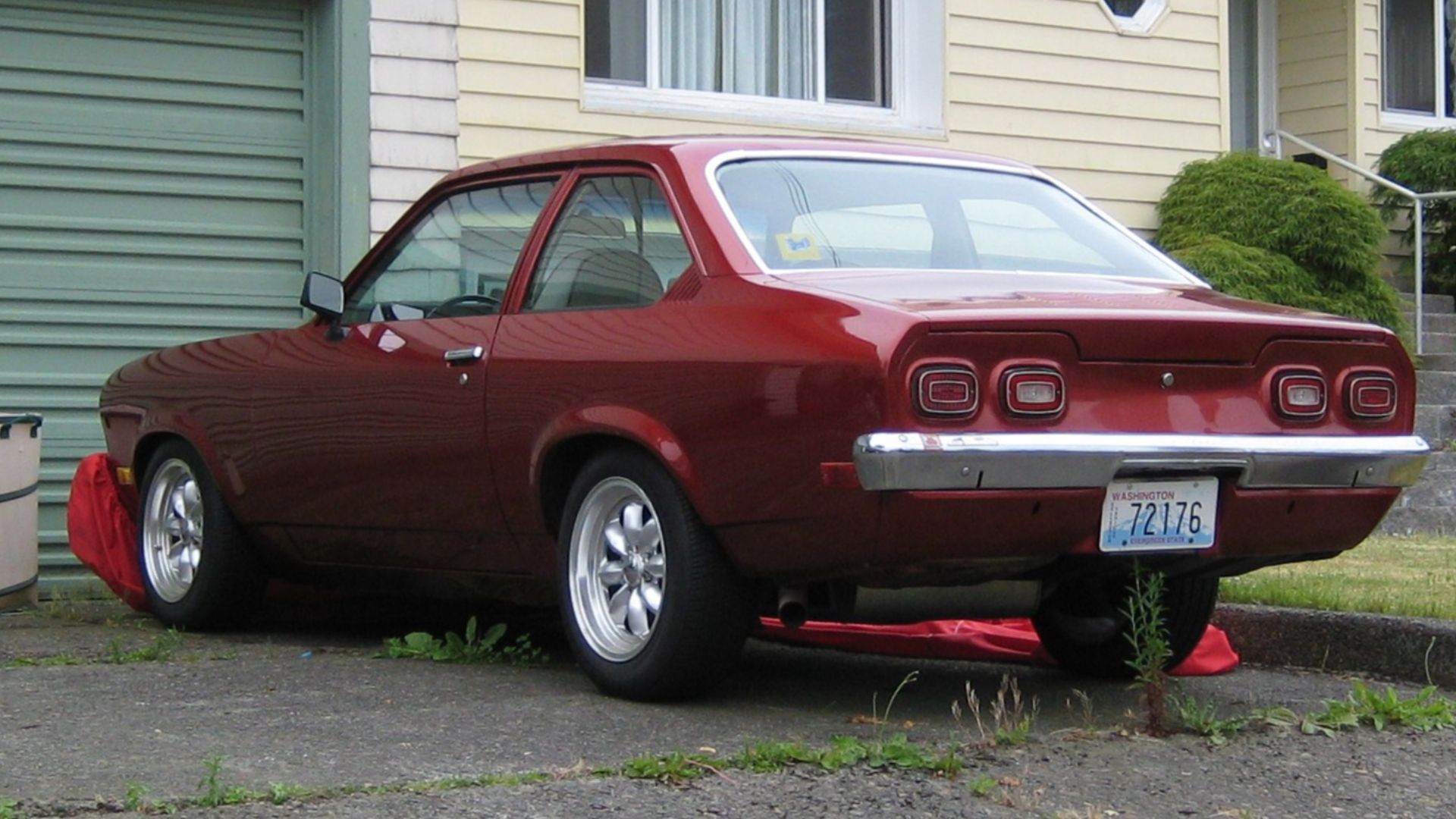
One of the weirdest parts of the Vega story is that the car genuinely looked good. It had tidy proportions, sporty styling, and just enough European influence to feel more sophisticated than most domestic compact cars sitting in dealer lots. Buyers saw something modern and youthful instead of the usual boxy commuter appliance. The Vega basically won people over before they even turned the key.
Critics Fell Head Over Heels
Automotive journalists initially loved the Vega. Reviewers praised its nimble handling, attractive design, and surprisingly refined driving experience, while Motor Trend even named it Car of the Year for 1971. That award aged like unrefrigerated mayonnaise left on a picnic table in August. It turns out giving trophies to a car before it survives real-world driving might not be the best long-term strategy.
 JOHN LLOYD from Concrete, Washington, United States, Wikimedia Commons
The Engine Sounded Amazing On Paper
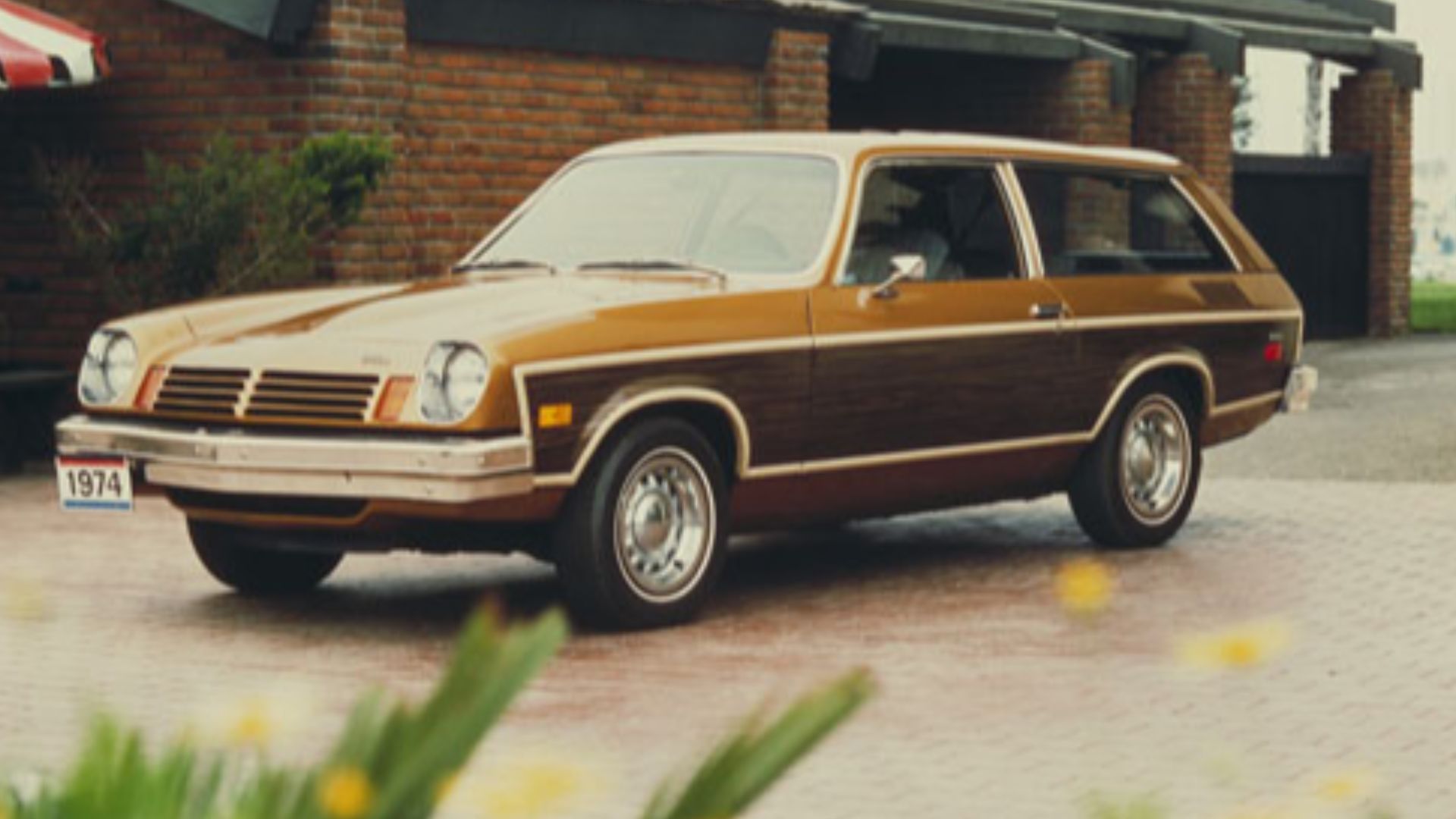
The Vega’s aluminum four-cylinder engine looked incredibly advanced for its time. Chevy engineers believed the lightweight design would improve fuel economy while still delivering respectable performance, and the overhead camshaft setup gave the car an almost European vibe. On paper, the Vega sounded like the future. In practice, it sounded more like coolant boiling somewhere deep inside the engine bay.
 Chevrolet pre-1978, Wikimedia Commons
Heat Became The Vega’s Worst Enemy
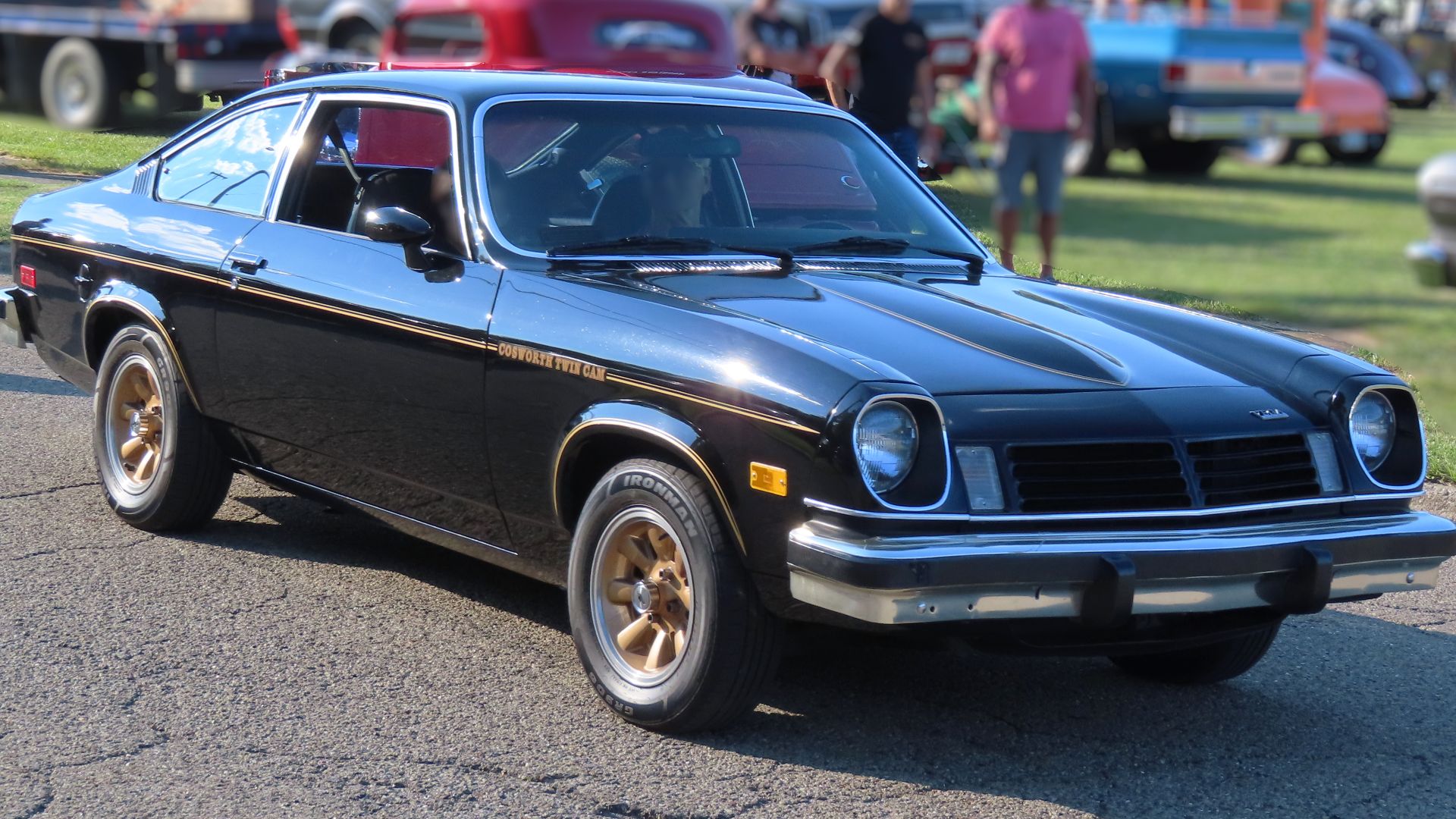
The Vega’s cooling system simply wasn’t up to the task. Drivers quickly discovered the car had a nasty tendency to overheat, especially if coolant levels weren’t constantly monitored. Once temperatures started climbing, the engine’s aluminum construction became less “cutting-edge engineering” and more “science experiment gone horribly wrong”. A compact commuter car should not feel like it’s one bad traffic jam away from spontaneous combustion.
 MercurySable99, Wikimedia Commons
Engines Started Destroying Themselves
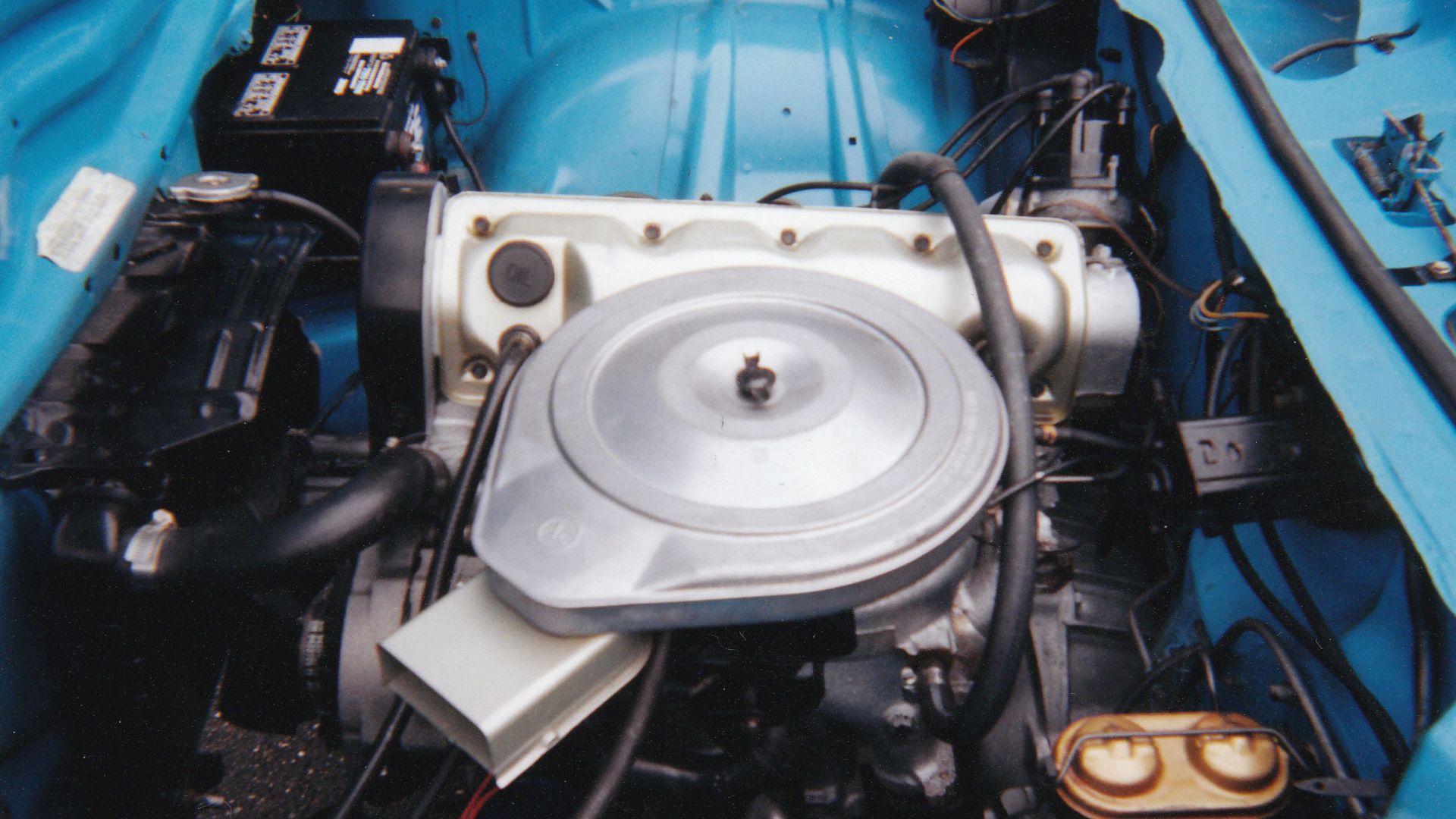
When Vega engines overheated, things escalated fast. The aluminum engine block could warp under extreme heat, causing head gasket failures, leaking coolant, and damaged cylinder walls. Instead of a reliable economy car, owners ended up with vehicles that seemed determined to mechanically self-destruct. Some drivers barely had time to memorize the radio presets before major engine problems appeared.
 user- Vegavairbob/Robert Spinello, Wikimedia Commons
The “Meltdown” Reputation Wasn’t Exaggerated
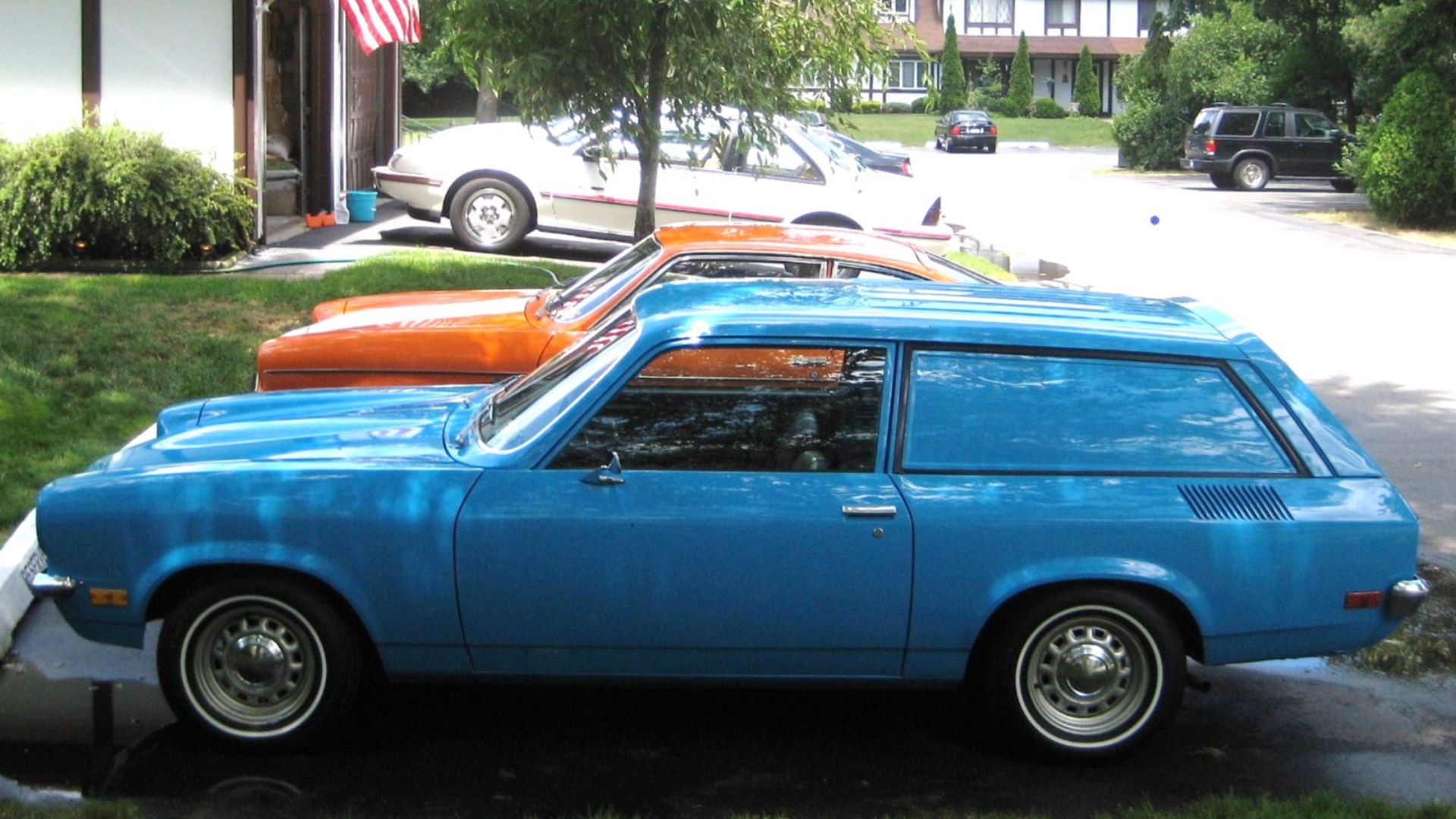
The Vega eventually became infamous for engines that practically “melted down,” and honestly, that reputation didn’t come out of nowhere. Severe overheating could ruin internal components so badly that entire engines needed replacement after surprisingly low mileage. Nothing says quality engineering quite like a family car slowly cooking itself alive during the morning commute. Chevy wanted a revolutionary compact car, but plenty of owners got front-row seats to an overheating disaster instead.
 Vegavairbob (talk) 09:07, 4 June 2009 (UTC), Wikimedia Commons
Oil Consumption Was Absolutely Ridiculous
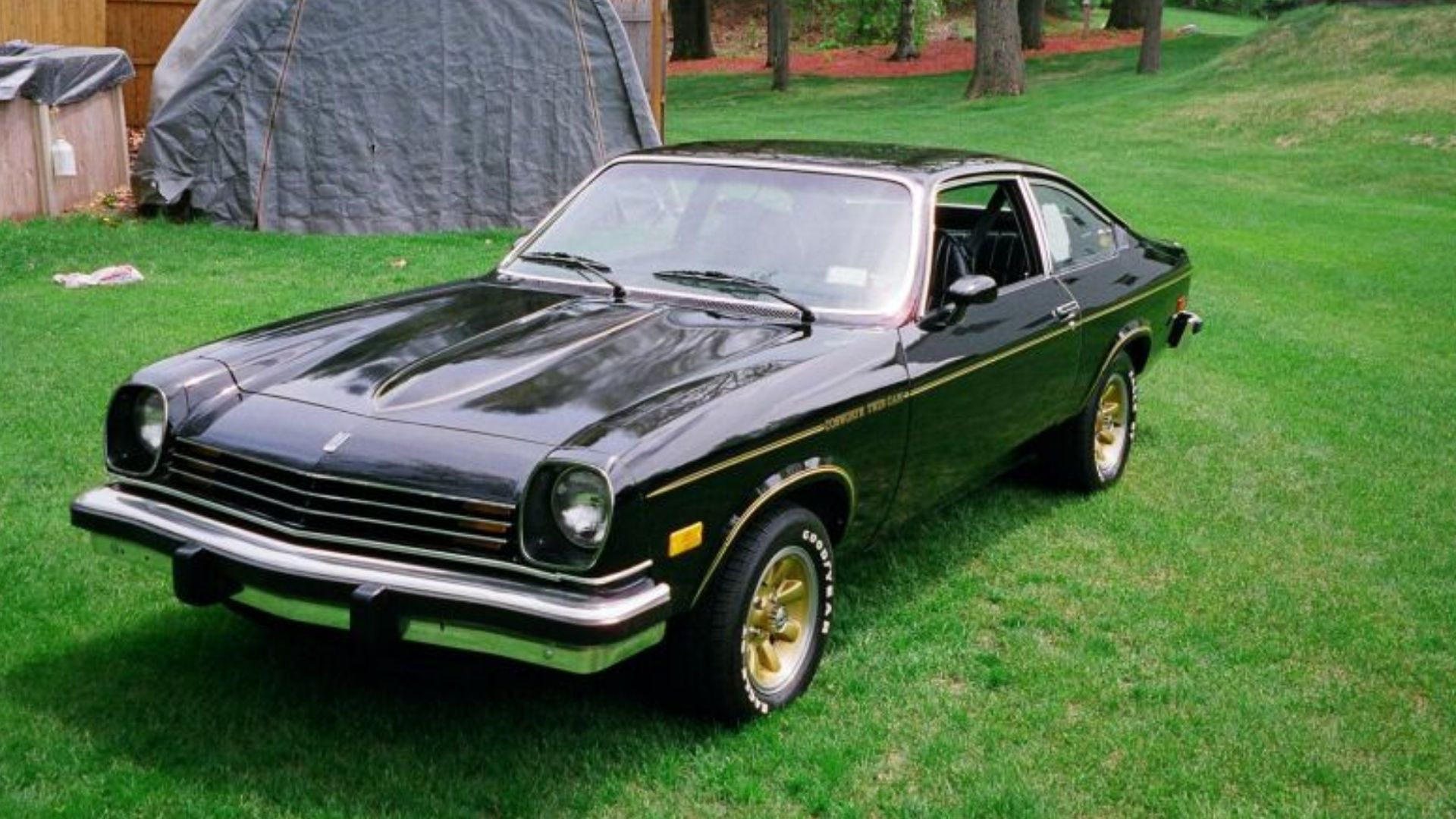
As if overheating wasn’t enough, the Vega also loved burning oil. Faulty valve stem seals caused engines to guzzle oil at alarming rates, meaning owners constantly had to check fluid levels just to avoid catastrophic damage. Thick blue smoke trailing behind Vegas became so common that some people probably assumed it was a factory-installed fog machine. At least mosquitoes probably hated the car slightly less than mechanics did.
 Vegavairbob (talk)Robert Spinello, Wikimedia Commons
Rust On Everything
The Vega didn’t just fall apart mechanically. The bodywork also had an unfortunate tendency to rust like it had personally offended moisture itself. In snowy climates, road salt chewed through panels with alarming speed, leaving some owners watching their shiny new compact car slowly dissolve before their eyes. A Vega could develop rust spots so quickly it almost felt competitive.
Build Quality Was All Over The Place
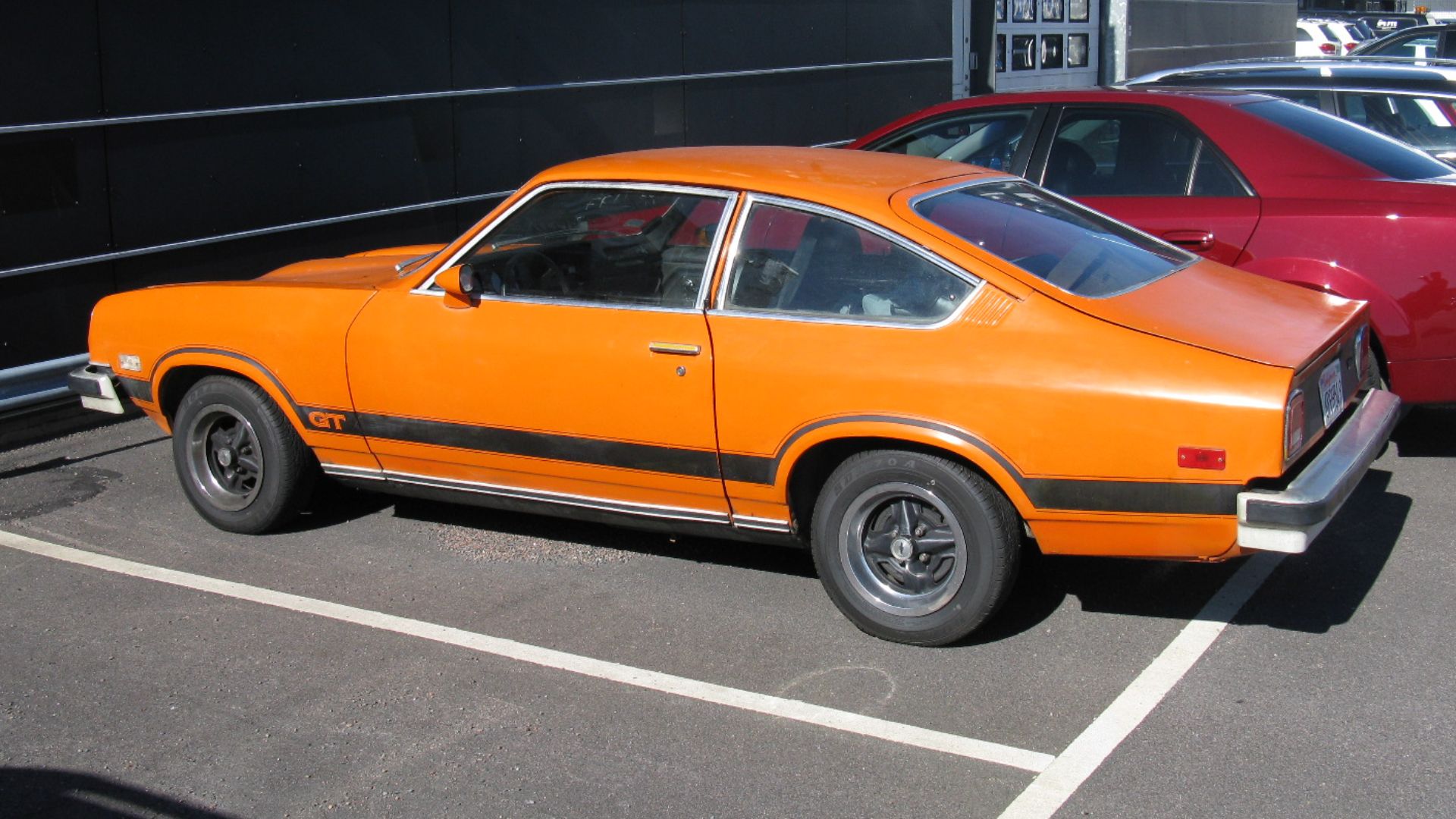
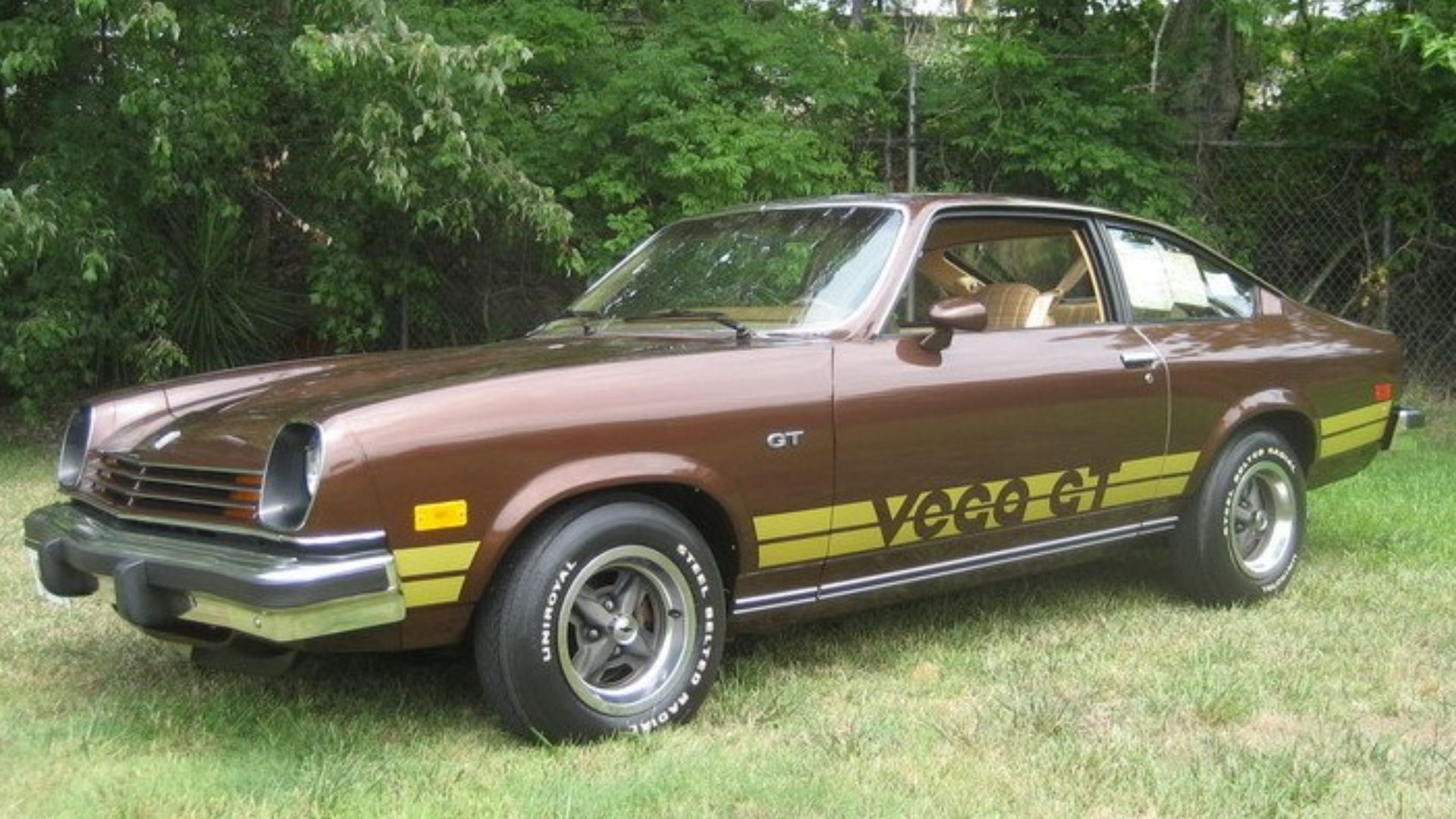
They rushed the Vega into production, and it showed. Reports surfaced about poor assembly quality, missing components, misaligned panels, and inconsistent workmanship straight from the factory floor. Buying a Vega sometimes felt like participating in an exciting mystery game where nobody knew which parts would stay attached for the entire drive home. That is not generally the kind of surprise customers enjoy.
 Vegavairbob (talk)user vegavairbob/Robert Spinello, Wikimedia Commons
Recalls Started Piling Up Fast
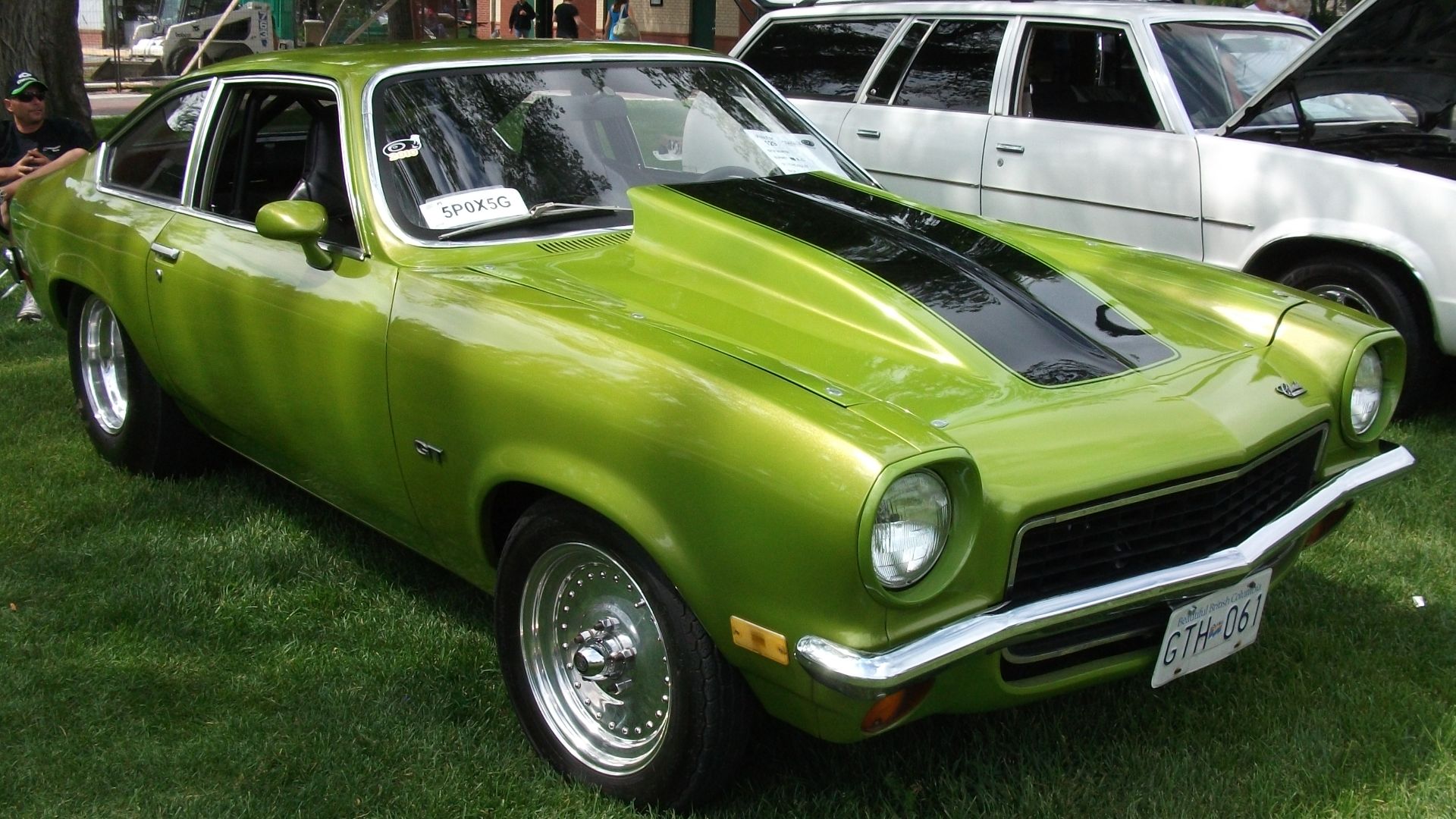
It didn’t take long for recalls to start rolling in. Chevy issued fixes for axle problems, throttle issues, and even dangerous fire-related defects, while reports suggested a massive percentage of early Vegas suffered from serious mechanical issues. Dealers spent so much time repairing these cars that service departments probably started recognizing Vega owners by name alone. At a certain point, the recall notices practically became part of the ownership experience.
 dave_7 from Lethbridge, Canada, Wikimedia Commons
Yes, Some Of Them Caught Fire
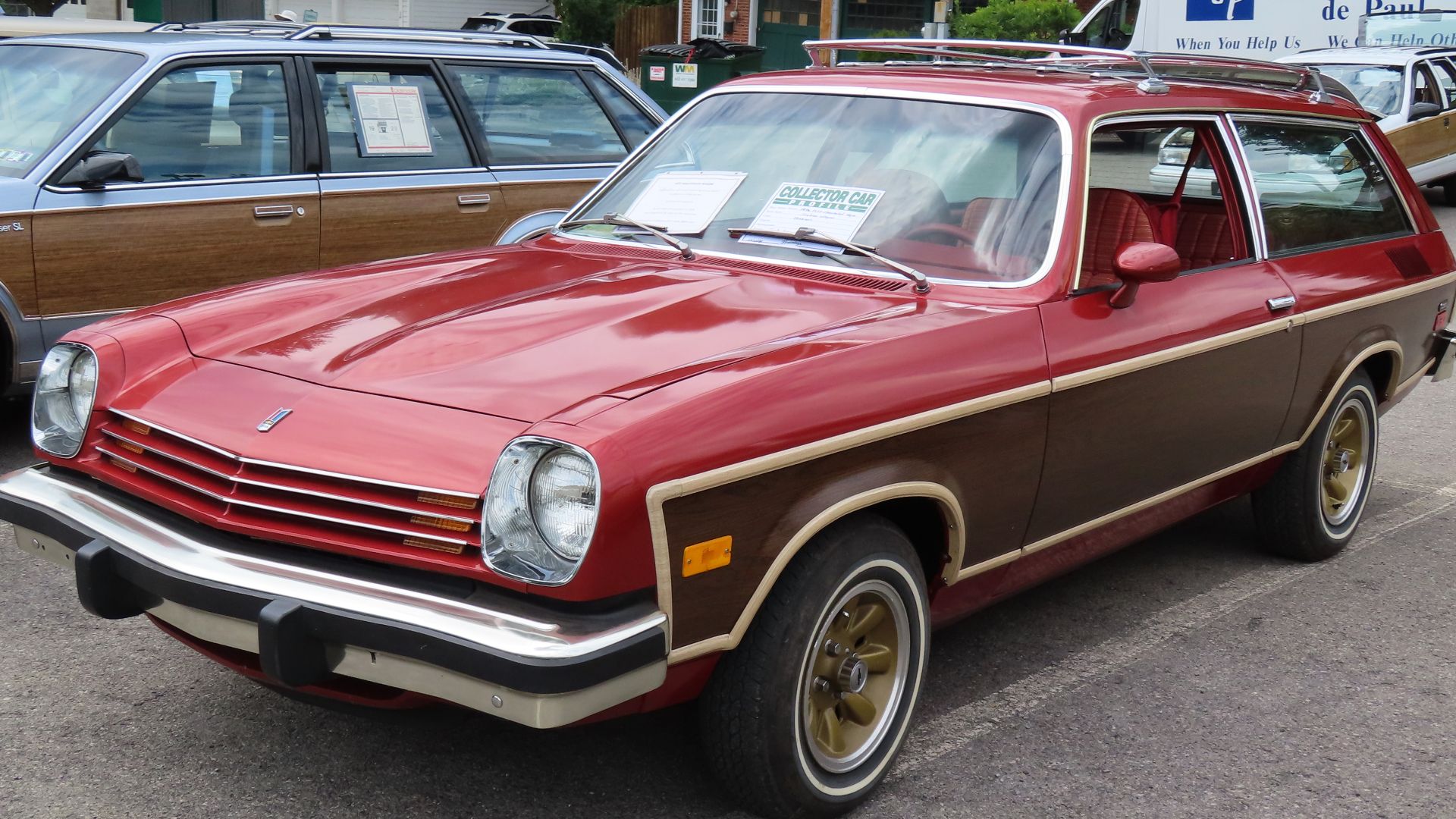
The Vega somehow found a way to make overheating even scarier. Certain engine problems created fire hazards that could damage nearby fuel system components, which is exactly the sort of sentence no car owner ever wants to hear. Drivers already worried about the engine melting itself suddenly had another concern to add to the list: whether the car planned to ignite before reaching work. Morning commutes became weirdly suspenseful.
 MercurySable99, Wikimedia Commons
Ralph Nader Was Not Impressed
Consumer advocate Ralph Nader heavily criticized the Vega and accused the company of releasing an unreliable and poorly engineered vehicle. His organization pointed to safety concerns and quality problems as evidence that Detroit had become more interested in rushing products to market than building dependable cars. Considering the Vega’s growing reputation, they didn’t exactly have a mountain of evidence proving him wrong.

People Bought Them Anyway
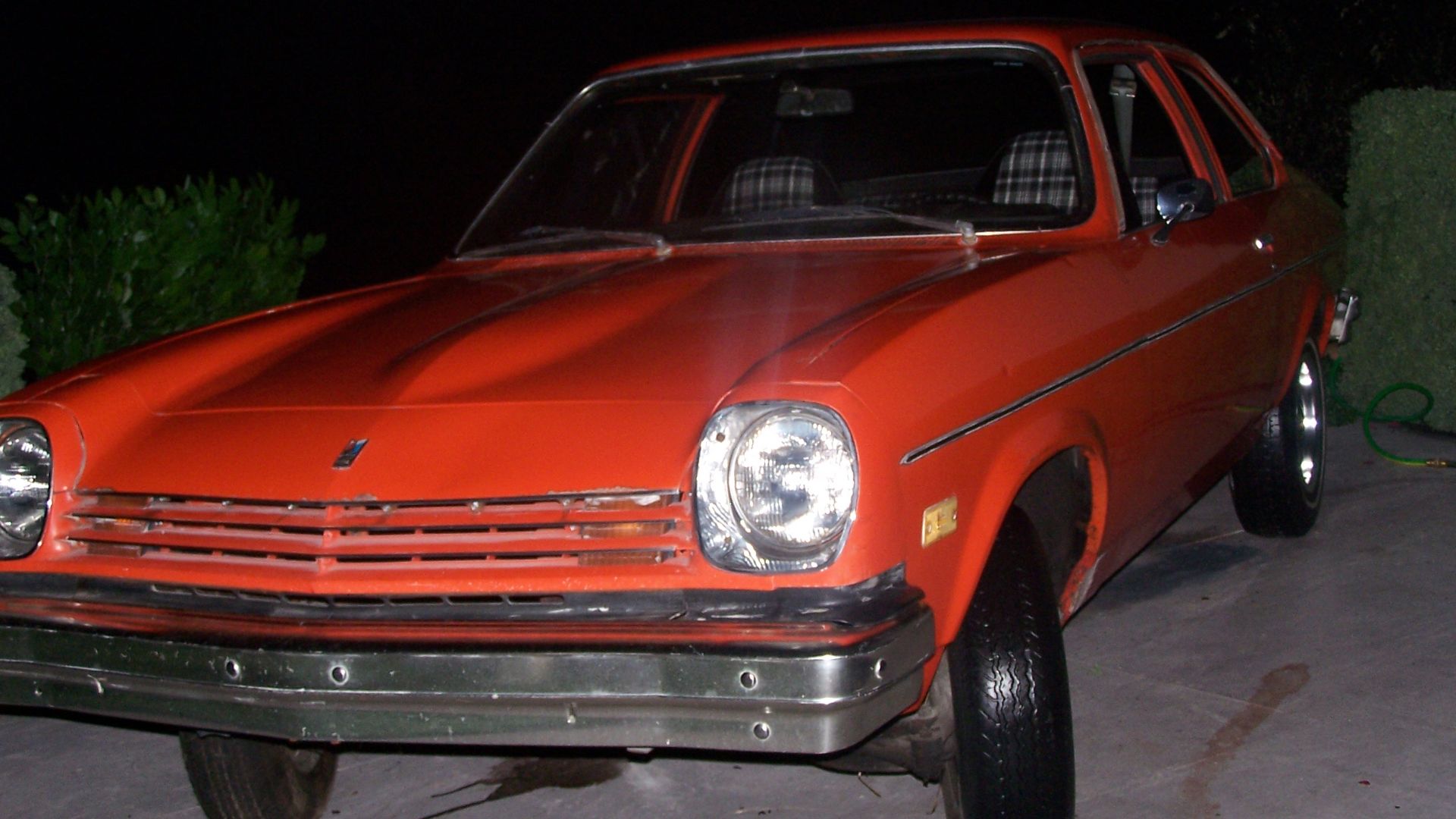
Despite all the horror stories, the Vega sold extremely well during its early years. Americans wanted affordable compact cars, and Chevy’s marketing convinced many buyers the Vega represented the future of domestic transportation. Plenty of customers happily drove one off the lot before realizing they’d essentially purchased a rolling engineering stress test. Sometimes optimism really is powerful.
 frankieleon, Wikimedia Commons
The Vega Actually Drove Nicely
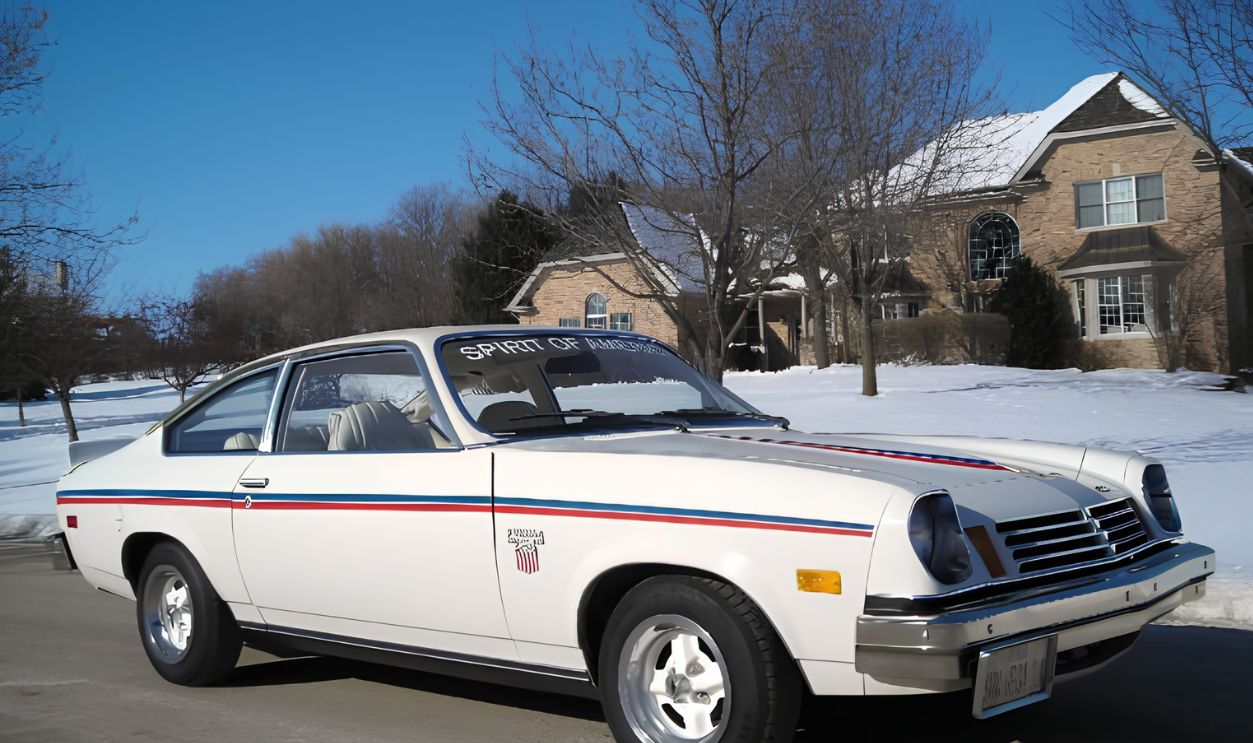
Buried underneath all the disasters was a surprisingly decent-driving car. Reviewers praised the Vega’s steering, ride quality, and handling, with some critics even calling it one of the better-driving American compact cars of its era. That’s what makes the whole thing so frustrating—the Vega had the bones of a genuinely good car hiding underneath all the overheating chaos. Somewhere deep down, there was a competent little hatchback begging for mercy.
 Barnstarbob, Wikimedia Commons
Chevy Tried To Save It
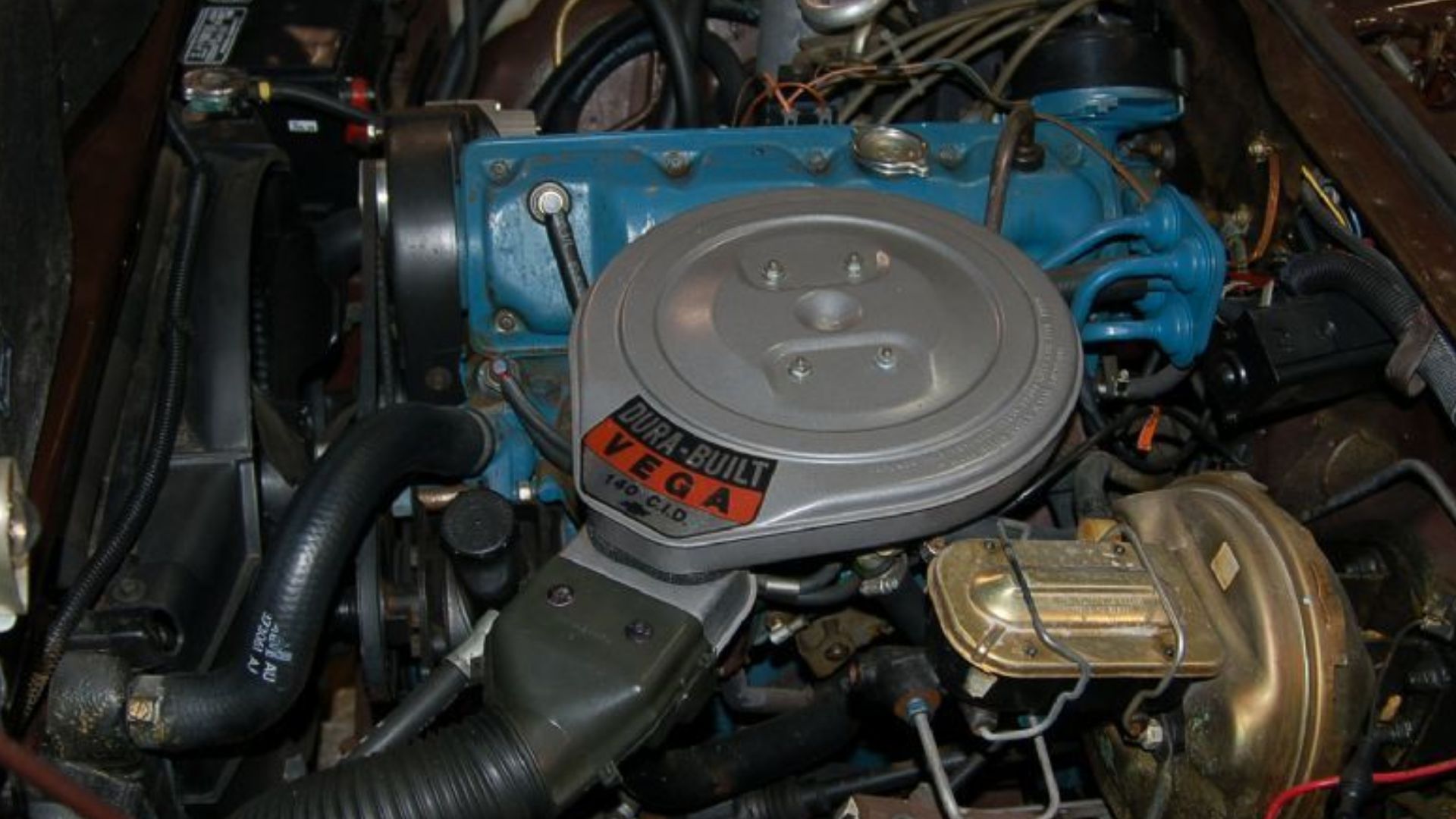
They eventually introduced improved cooling systems, redesigned engine parts, and updated versions like the “Dura-Built 140” engine in an attempt to rescue the Vega’s reputation. The company even added longer warranties to convince nervous buyers the worst problems were finally behind them. Unfortunately, once a car becomes nationally famous for mechanical disasters, slapping a new badge on the engine doesn’t magically erase the memories.
 user vegavairbob]Robert Spinello, Wikimedia Commons
The Hurt Reputation
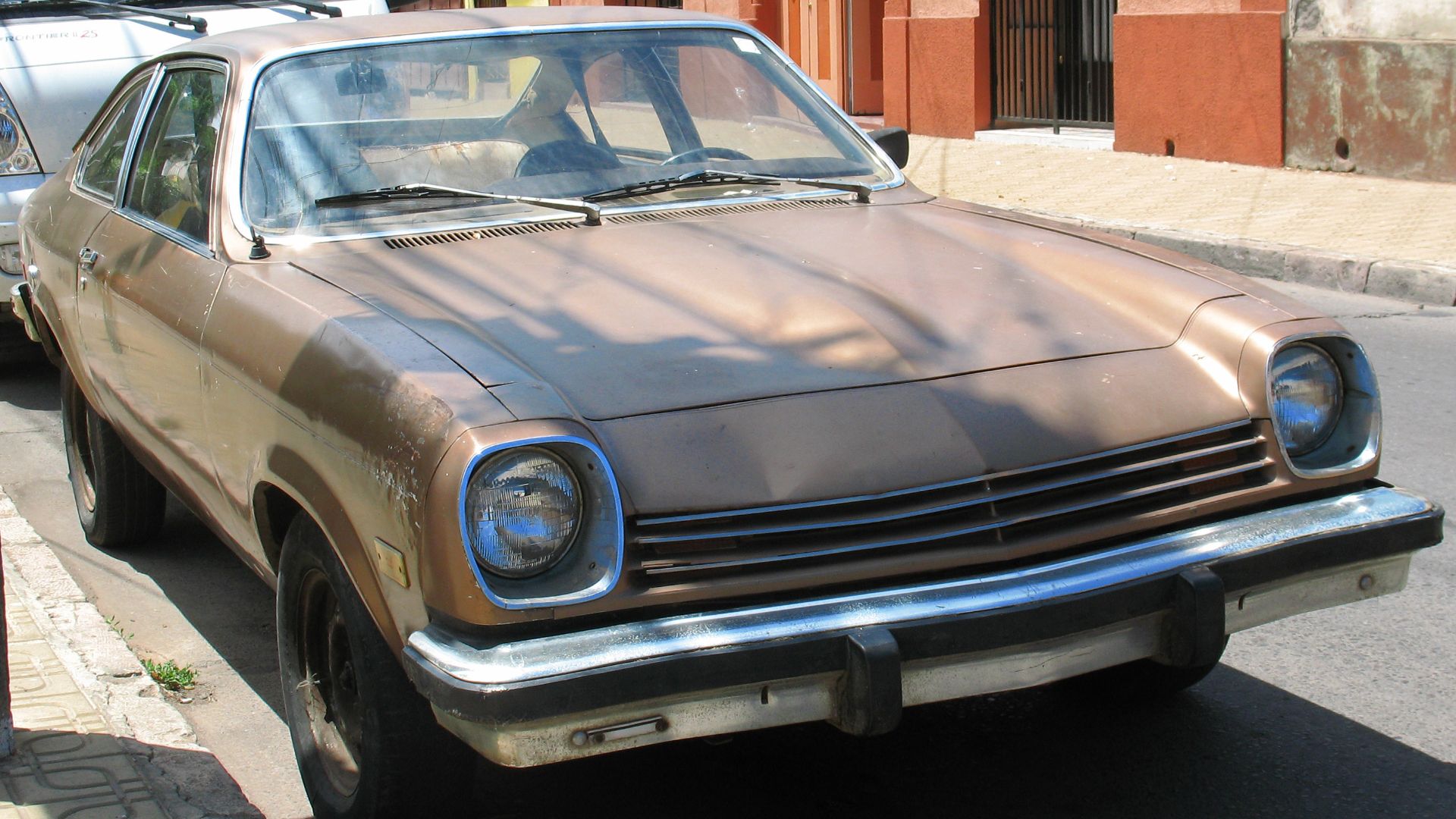
The Vega became symbolic of Detroit’s worst habits during the 1970s. Critics pointed to the car as proof that American automakers were rushing development, cutting corners, and failing to compete with increasingly reliable foreign brands. Every overheating Vega sitting on the side of the highway basically worked as a rolling advertisement for Japanese imports. That is not exactly the marketing campaign they had in mind.
 order_242 from Chile, Wikimedia Commons
The Car Became An Automotive Punchline
Even decades later, the Vega still lands on “worst cars ever made” lists with shocking consistency. Its reputation became so bad that the car turned into shorthand for automotive failure, right alongside infamous disasters like the Ford Pinto and Yugo. Once history decides your car is a punchline, escaping that label is almost impossible. The Vega never really recovered from becoming the butt of every overheating joke.
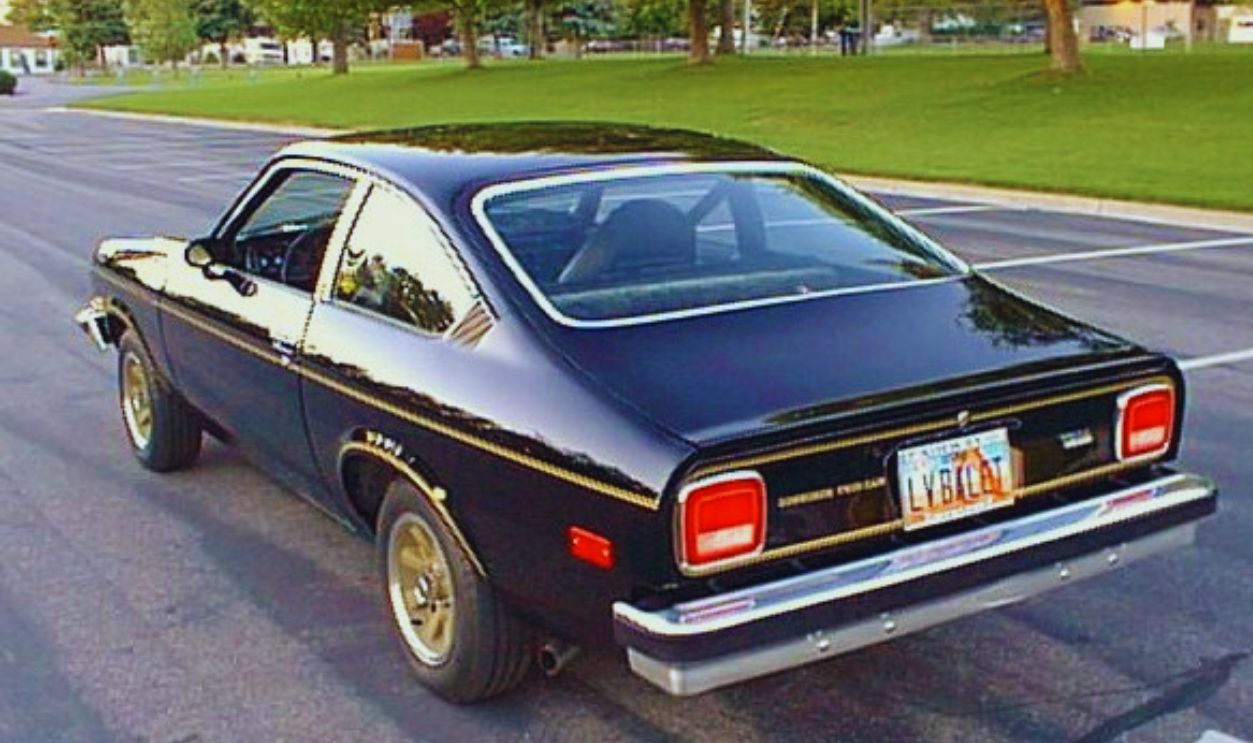 Vegavairbob, Wikimedia Commons
Some Enthusiasts Still Defend It
Oddly enough, the Vega still has loyal fans. Enthusiasts argue that properly maintained examples can be fun to drive, attractive to look at, and unfairly remembered only for their worst moments. There’s probably some truth there, but defending the Vega still feels a little like defending a toaster that occasionally bursts into flames. Sure, maybe it made excellent toast—but people tend to remember the fire part.
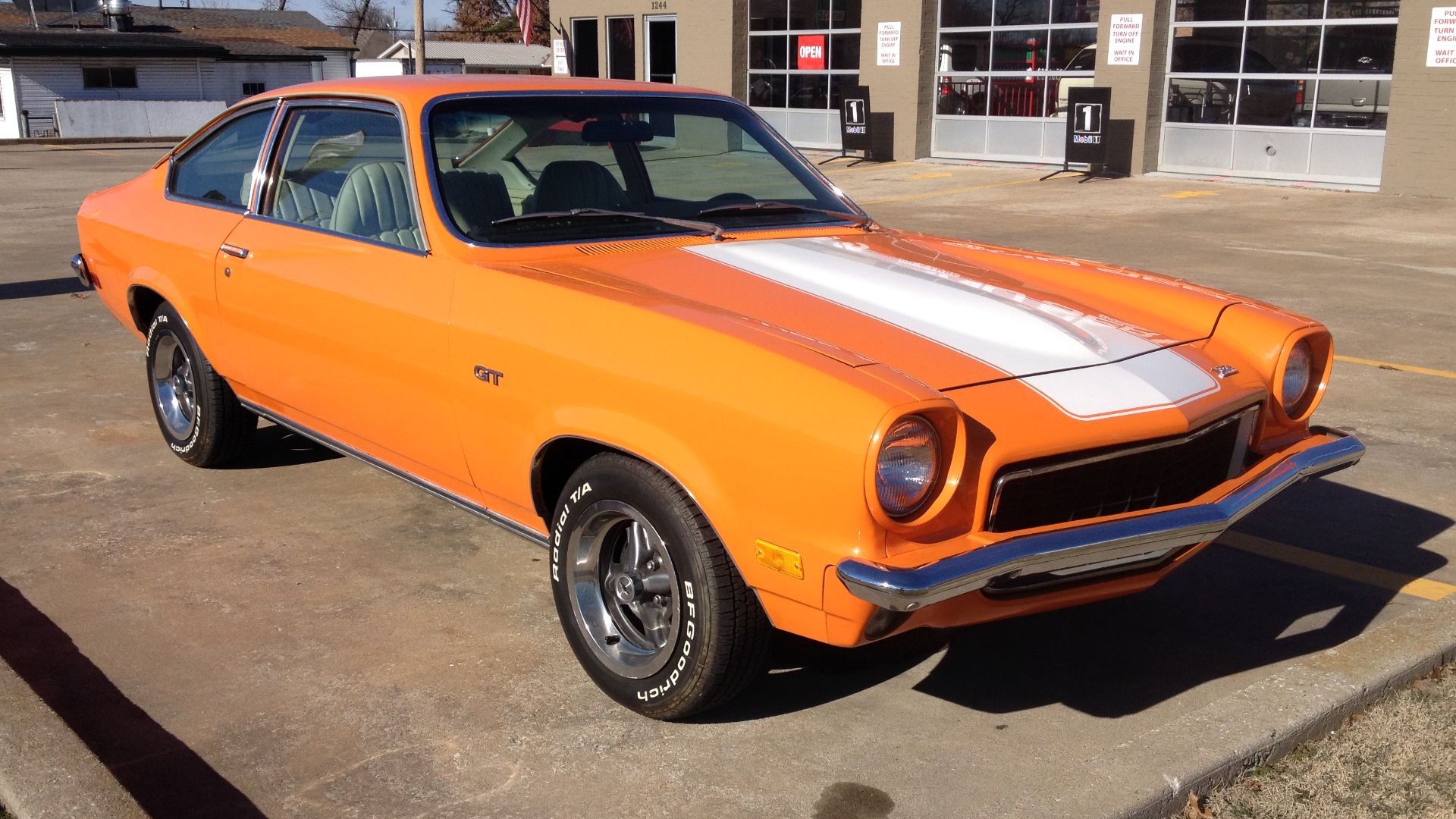
The Vega Became A Detroit Warning Story
Today, the Chevy Vega stands as one of the clearest cautionary tales in automotive history. The company had ambitious ideas, promising engineering, and a car that genuinely could have changed the American compact market if development had gone differently. Instead, the Vega became remembered as the little Chevy that overheated, rusted apart, and accidentally taught an entire generation to keep extra oil and coolant in the trunk at all times.
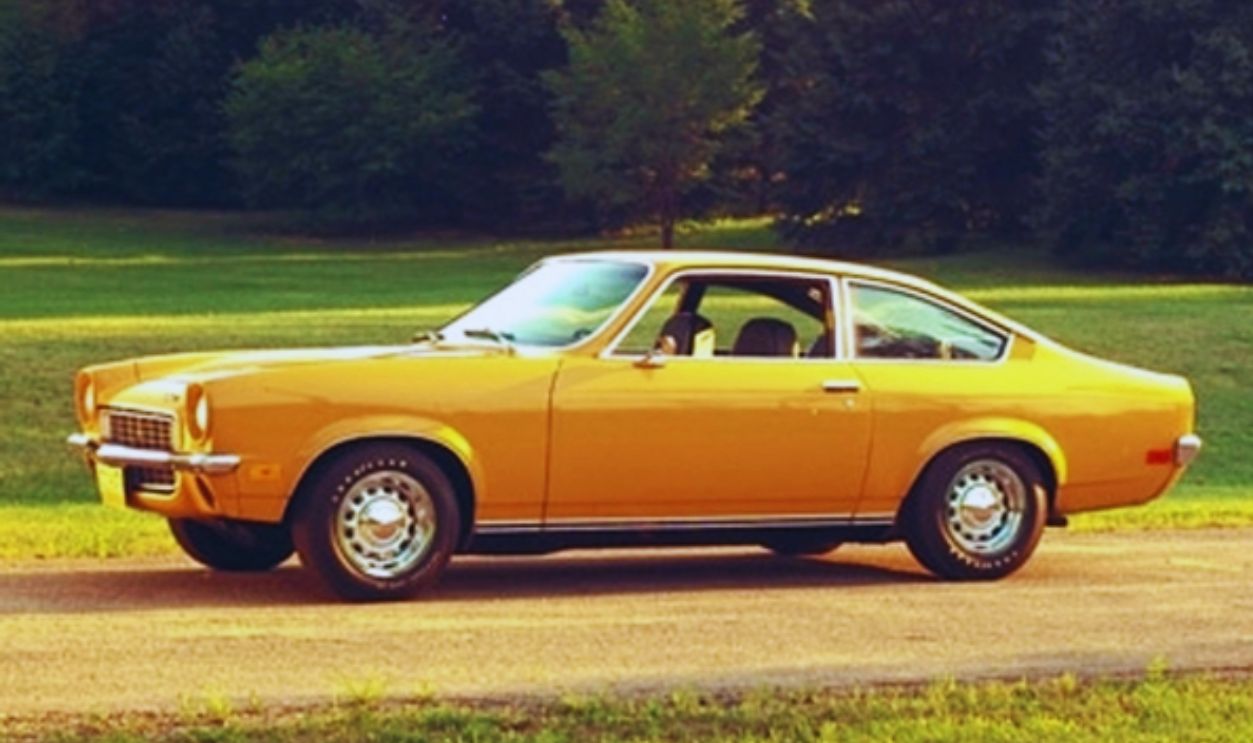 Chevrolet pre-1978, Wikimedia Commons
You May Also Like:


.jpg)

