The Claim Sounds Brutal
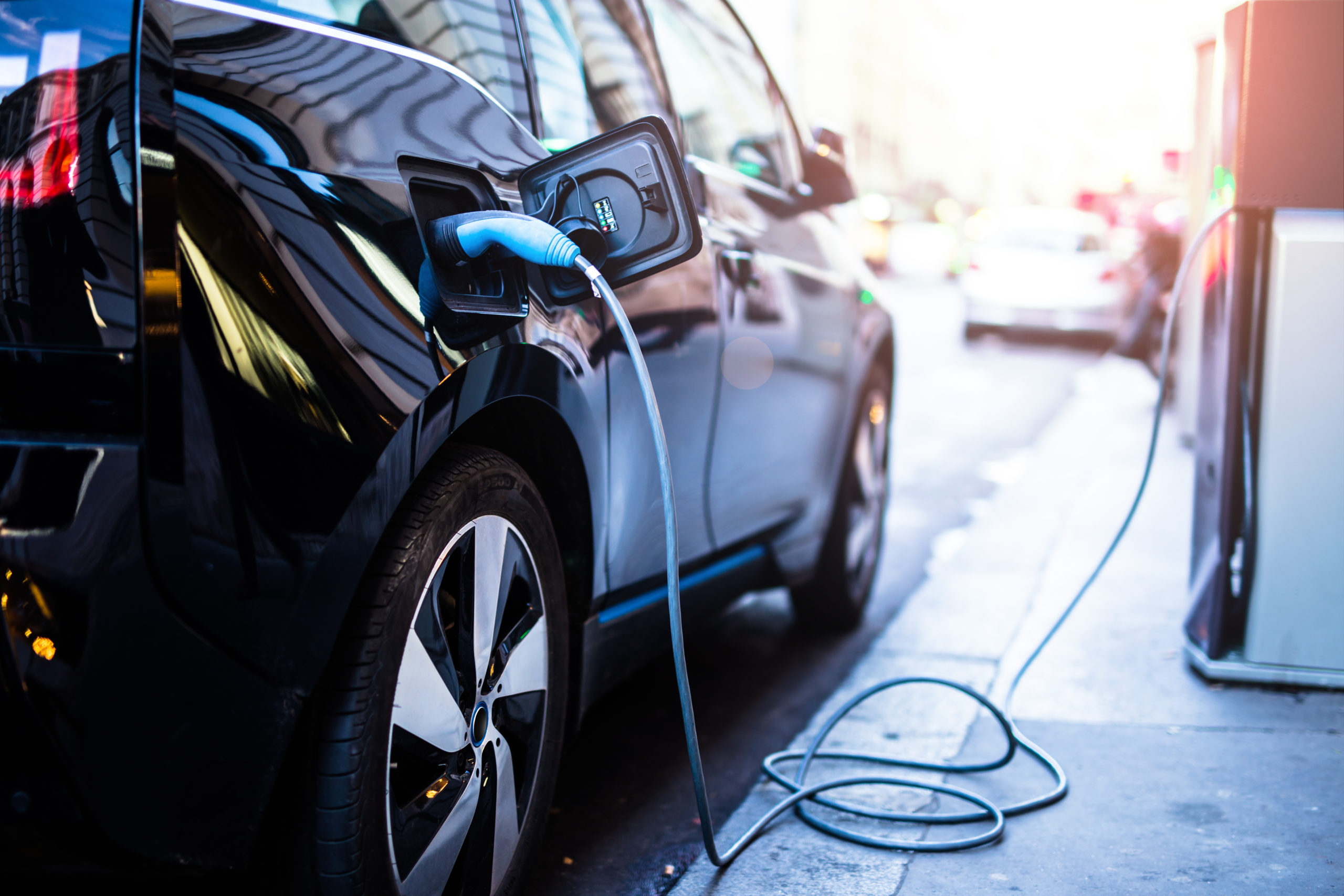
If you've done much research in EVs, you've probably heard the line already. EV owners, some critics say, get crushed when it is time to sell. The truth is more complicated. Yes, some electric vehicles have taken big resale hits, but the reasons are specific, and not every EV has been hit the same way.

What The Data Shows Right Now
Recent used-car market data does show unusually steep depreciation for many EVs. In March 2024, iSeeCars reported that used EV prices had fallen 31.8% year over year, compared with a 3.6% drop for the overall used-car market. That was one of the clearest signs that this was not just a few isolated cases.

Who Flagged The Drop
That March 2024 finding came from iSeeCars, which tracks vehicle listings and pricing trends. Its report stood out because it suggested the drop was broad, not limited to a single automaker. This was not just a Tesla story, even if Tesla played a major role.

Tesla Helped Reset The Market
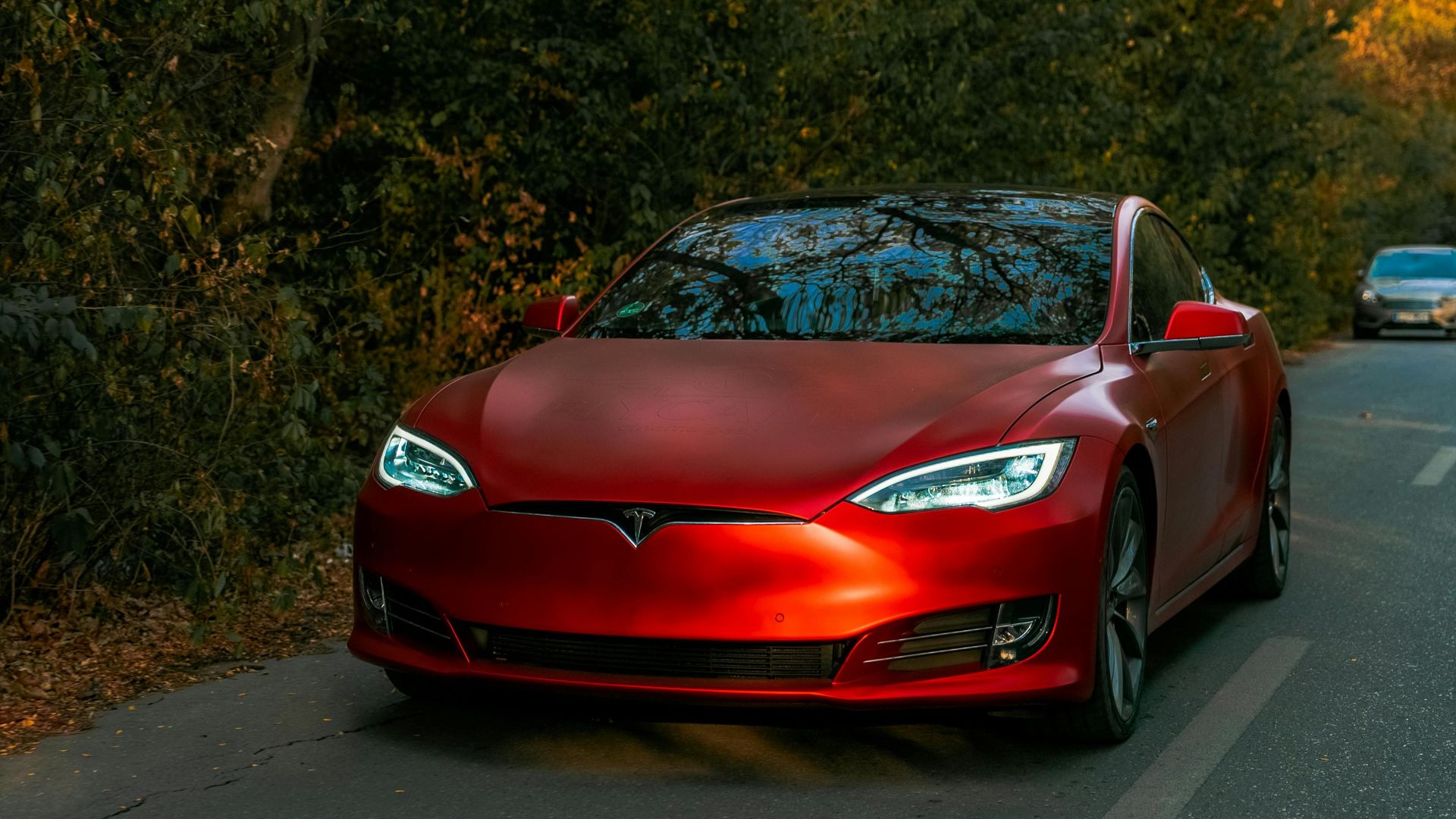
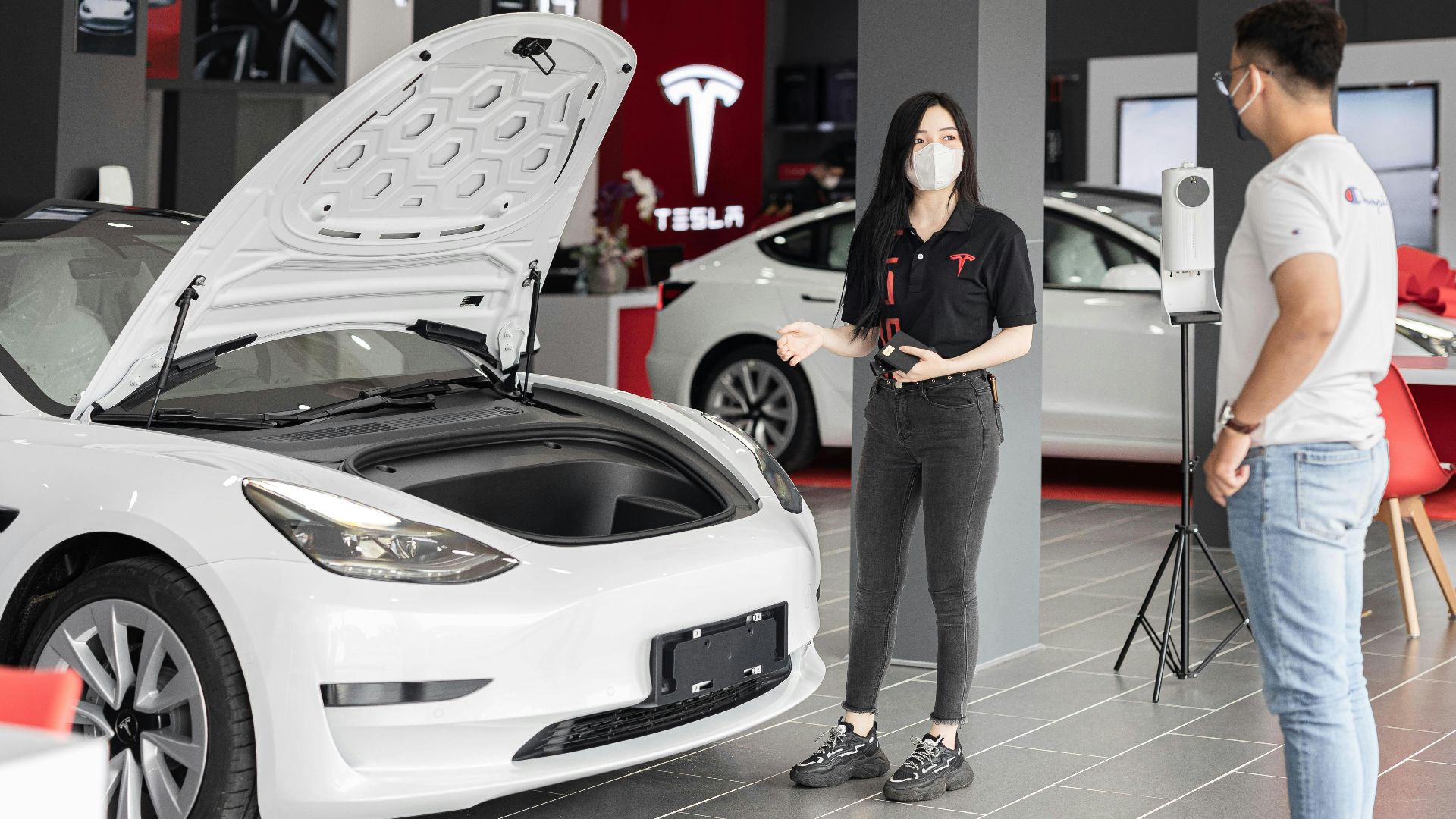
Tesla made repeated new-car price cuts in 2023 and 2024, and those cuts quickly spilled into the used market. When a new Model 3 or Model Y gets cheaper, used sellers usually have to lower prices too. Reuters and other market trackers connected those moves to falling resale values across the EV segment.
Why New-Car Discounts Matter So Much
Used values do not exist on their own. If buyers can get a brand-new EV for much less than they could a few months earlier, they are less willing to pay yesterday’s used-car prices. That leaves recent buyers in a rough spot if they want to trade in or sell quickly.
Tax Credits Changed The Math
Federal incentives also changed the market. A qualifying new EV can get a federal tax credit of up to $7,500, and since 2024 some buyers have been able to transfer that credit to the dealer at the point of sale, according to the IRS. There is also a used EV credit of up to $4,000 for eligible purchases, which also affects what buyers are willing to pay.

The Incentive Problem For Resale
That creates a problem for private sellers and trade-ins. If a shopper can buy a new EV with a tax break, or a qualifying used EV with a federal credit, then another used EV without that edge has to compete on price. That has added even more pressure to resale values, especially for mainstream models.

Hertz Made The Story Louder
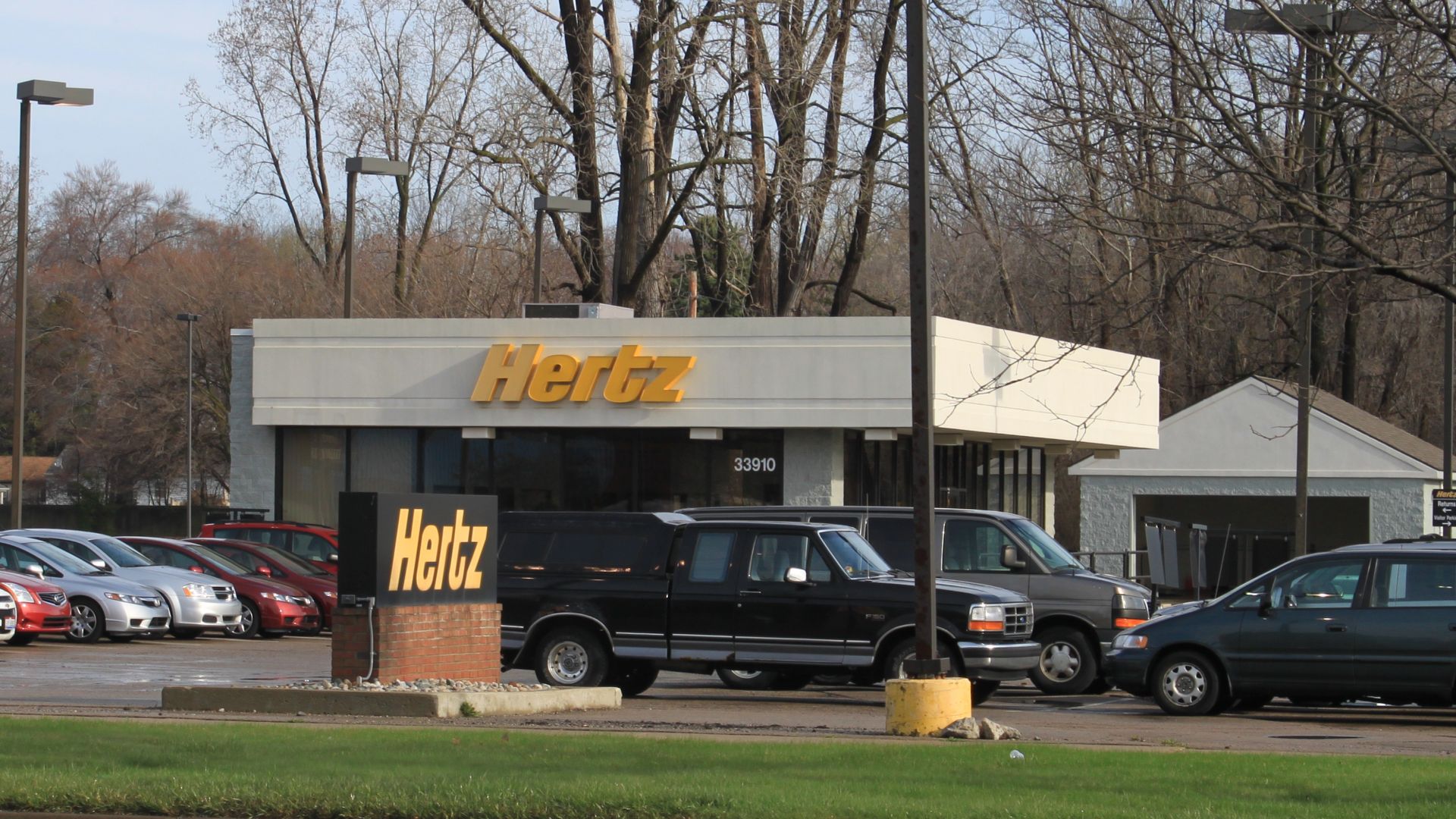
One of the biggest headlines came from Hertz. In January 2024, the rental company said it would sell about 20,000 EVs from its U.S. fleet and use some of the money to buy gasoline vehicles instead. Hertz pointed to higher-than-expected depreciation and high repair costs tied to collision damage.
 Dwight Burdette, Wikimedia Commons
Why Hertz Matters
Hertz did not cause the resale slump, but it made the story impossible to miss. When a major fleet operator says depreciation is worse than expected, investors and car shoppers take notice. It also means more used EV inventory hits the market, which can push prices down even further.

Repair Costs Entered The Conversation
Hertz also said some EVs were more expensive to repair after crashes. That matters because resale value is not just about what buyers want. It is also about what dealers, insurers, and fleet managers think a vehicle will cost to own after the sale.

But Not Every EV Is Falling Apart On Resale
There is a big difference between saying EV prices have dropped and saying every EV owner is getting burned. Depreciation varies a lot by model, brand, battery range, and how aggressively the maker cuts new-car prices. Some used EVs are also just settling back to earth after a period when supply was tight and prices were unusually high.

Carvana Saw Demand Keep Growing
Carvana said in 2024 that used EV sales on its platform had more than doubled in 2023, helped by lower prices and growing buyer comfort with electric cars. That is an important part of the story. Falling prices hurt some sellers, but they can also mean the market is getting bigger and more affordable.
 Michael Rivera, Wikimedia Commons
Cheaper Used EVs Can Be Good News
For buyers, lower resale prices are not automatically a red flag. In many cases, they reflect a market that is maturing quickly, with more competition and stronger new-car incentives. If you plan to keep the car for years, a lower used price can work in your favor.

Fast Tech Change Hurts Older Models
EV technology is moving fast. Newer models often have more range, faster charging, and updated software, which can make older EVs feel outdated sooner than some gas cars. That pace of change can speed up depreciation, especially for vehicles with shorter range or slower charging.
Range Still Has A Huge Effect
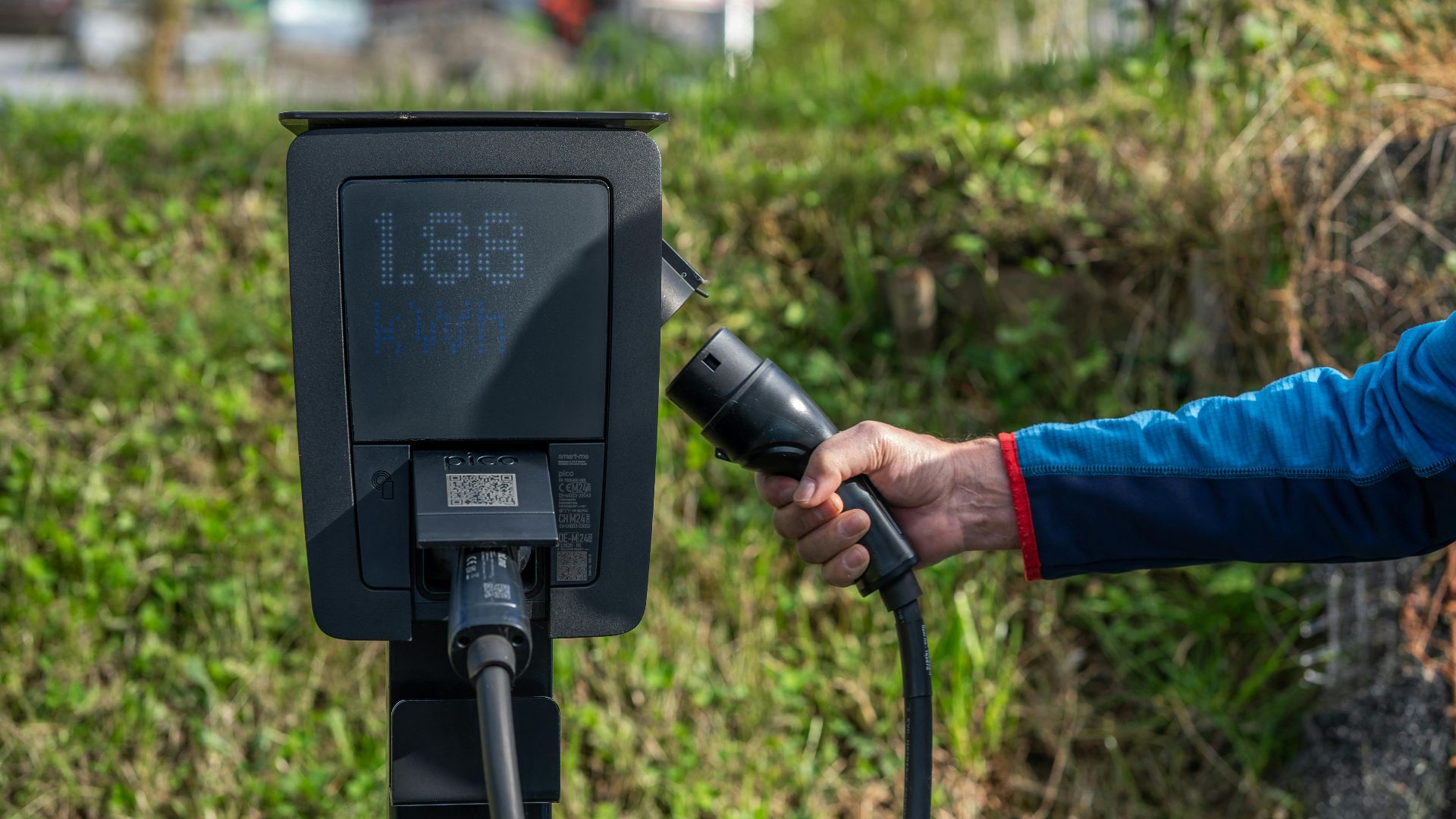
Range anxiety may be less intense than it used to be, but range still plays a big role in used EV pricing. A used EV with limited range can be a hard sell when newer rivals go much farther on a charge. Buyers who want one car that can do everything often care more about that than brand image.
Charging Access Matters Too
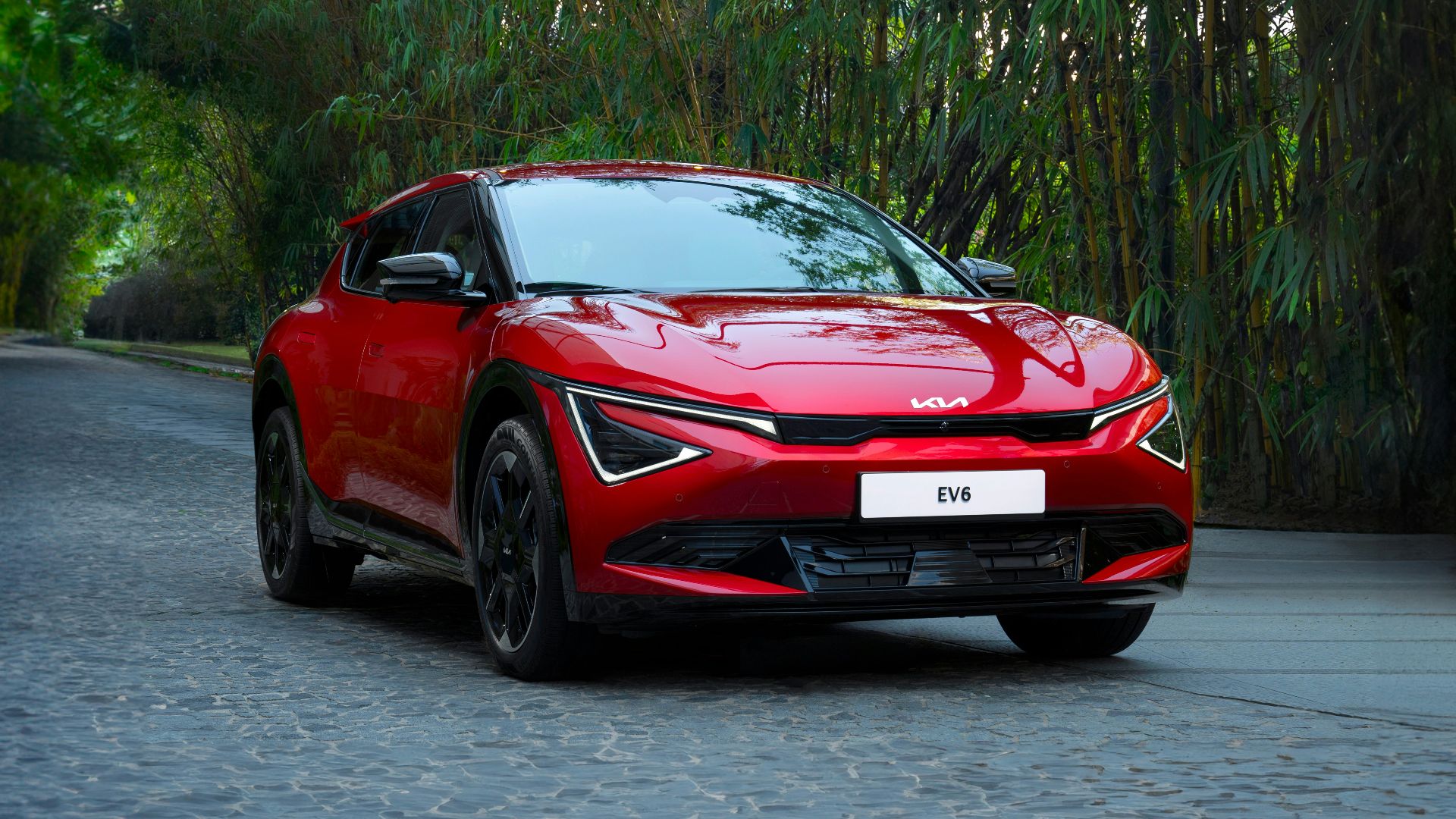
Resale value also depends on where the owner lives and charges. In places with strong home-charging access and dependable public chargers, used EV demand can be healthier. In areas where charging is harder, resale values may face extra pressure.
Tesla Is Not The Whole Market
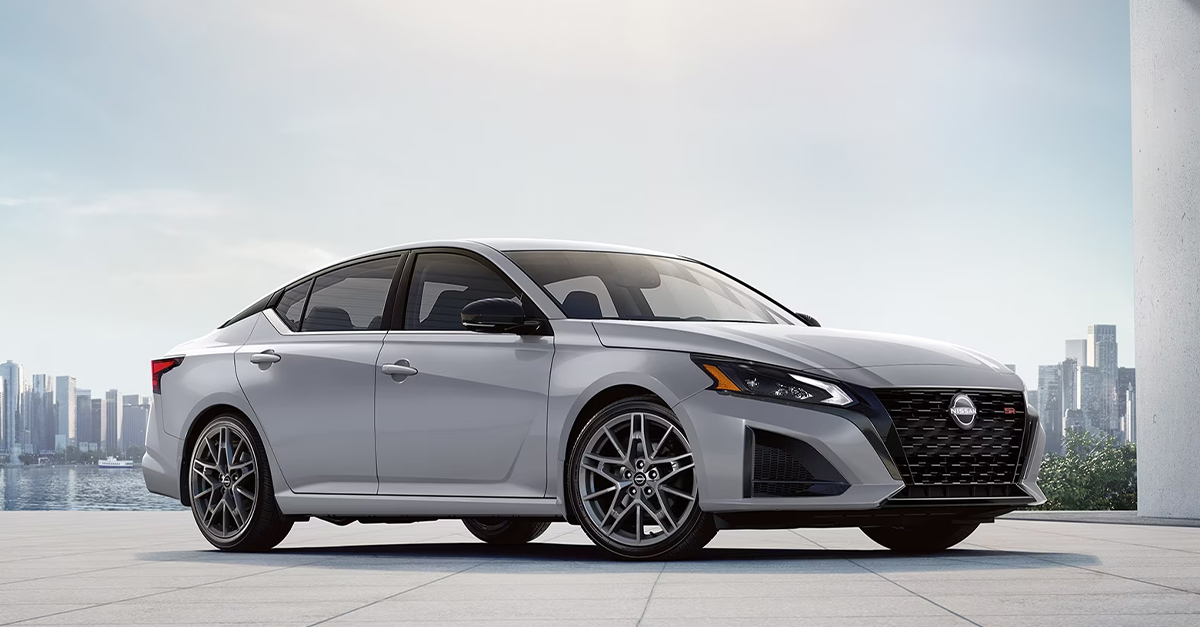
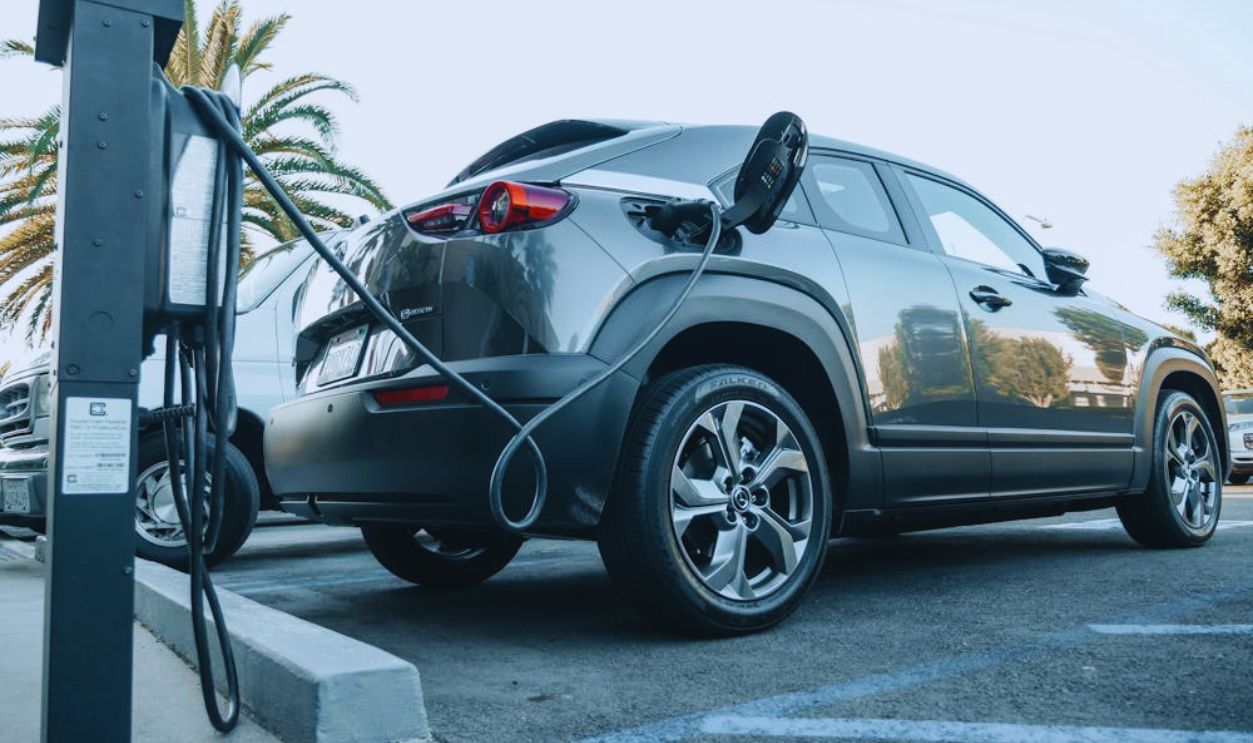
Tesla dominates EV headlines, but the used market is much bigger than the Model 3 and Model Y. Brands that launched expensive EVs with limited range or weak brand recognition have often had an even tougher time with depreciation. Sweeping claims about all EVs miss those differences.
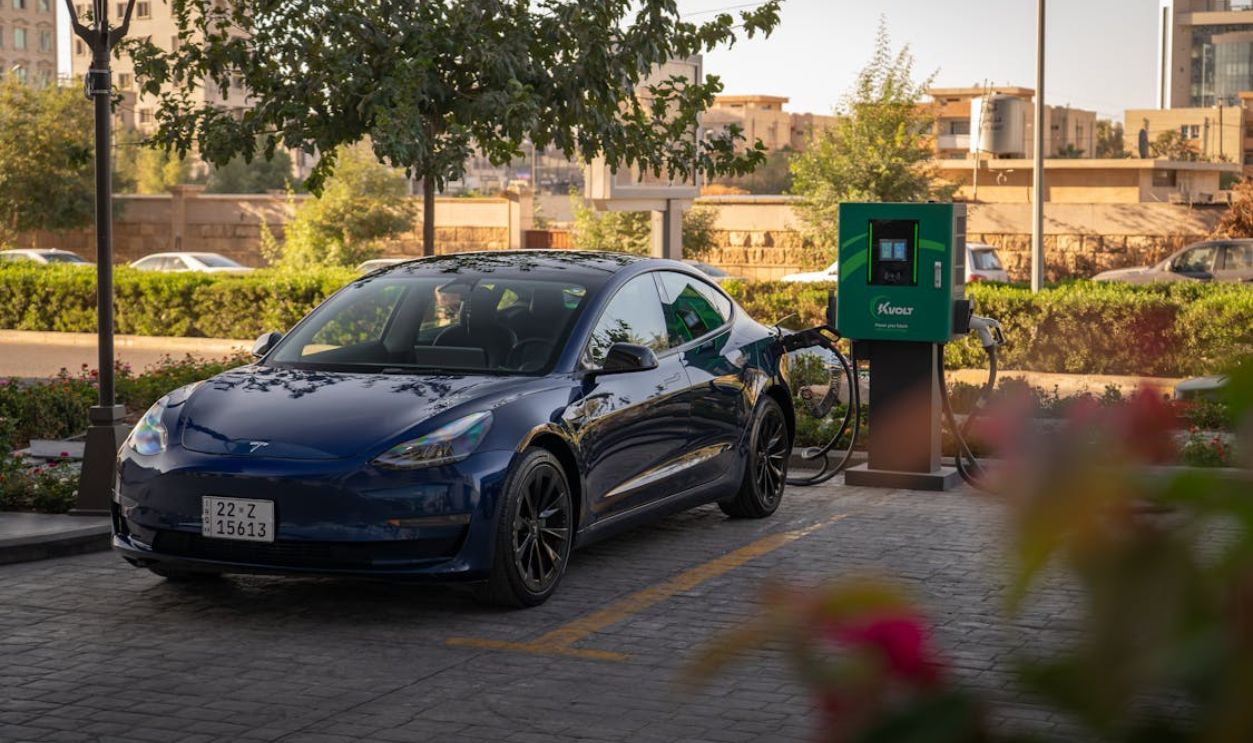
Luxury EVs Often Take The Hardest Hit
Luxury vehicles usually depreciate quickly, and luxury EVs have often done the same or worse. High starting prices, rapid tech change, and a smaller pool of used buyers can lead to painful losses. That is not unique to EVs, but electric models can make the pattern even more extreme.
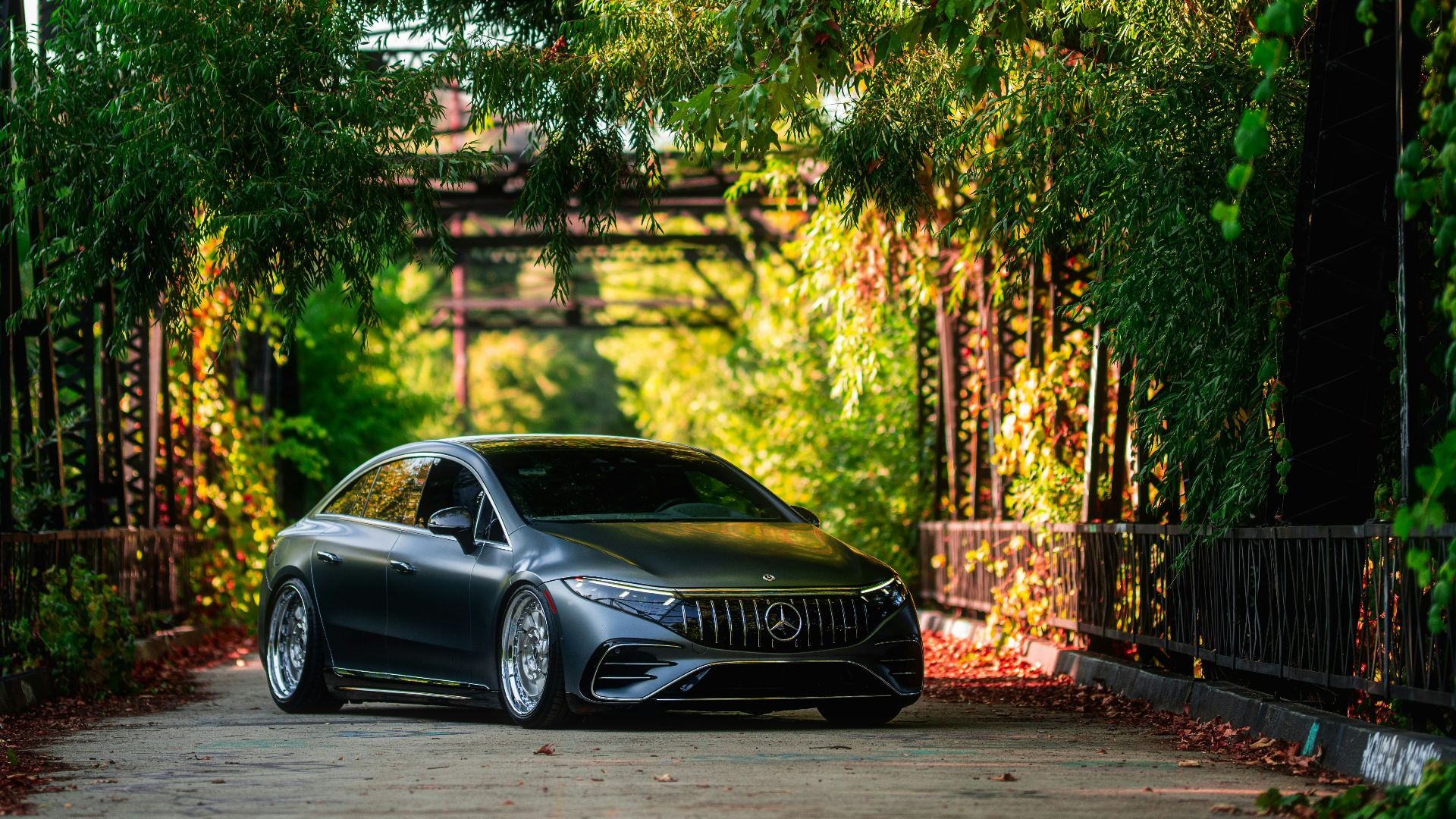
Gas Cars Depreciate Too
It is easy to talk as if resale pain belongs only to EV owners. It does not. All cars lose value, and many luxury gas models drop fast too. The EV story stands out because the swings have been sharper and faster.

The Pandemic Bubble Distorted Everything
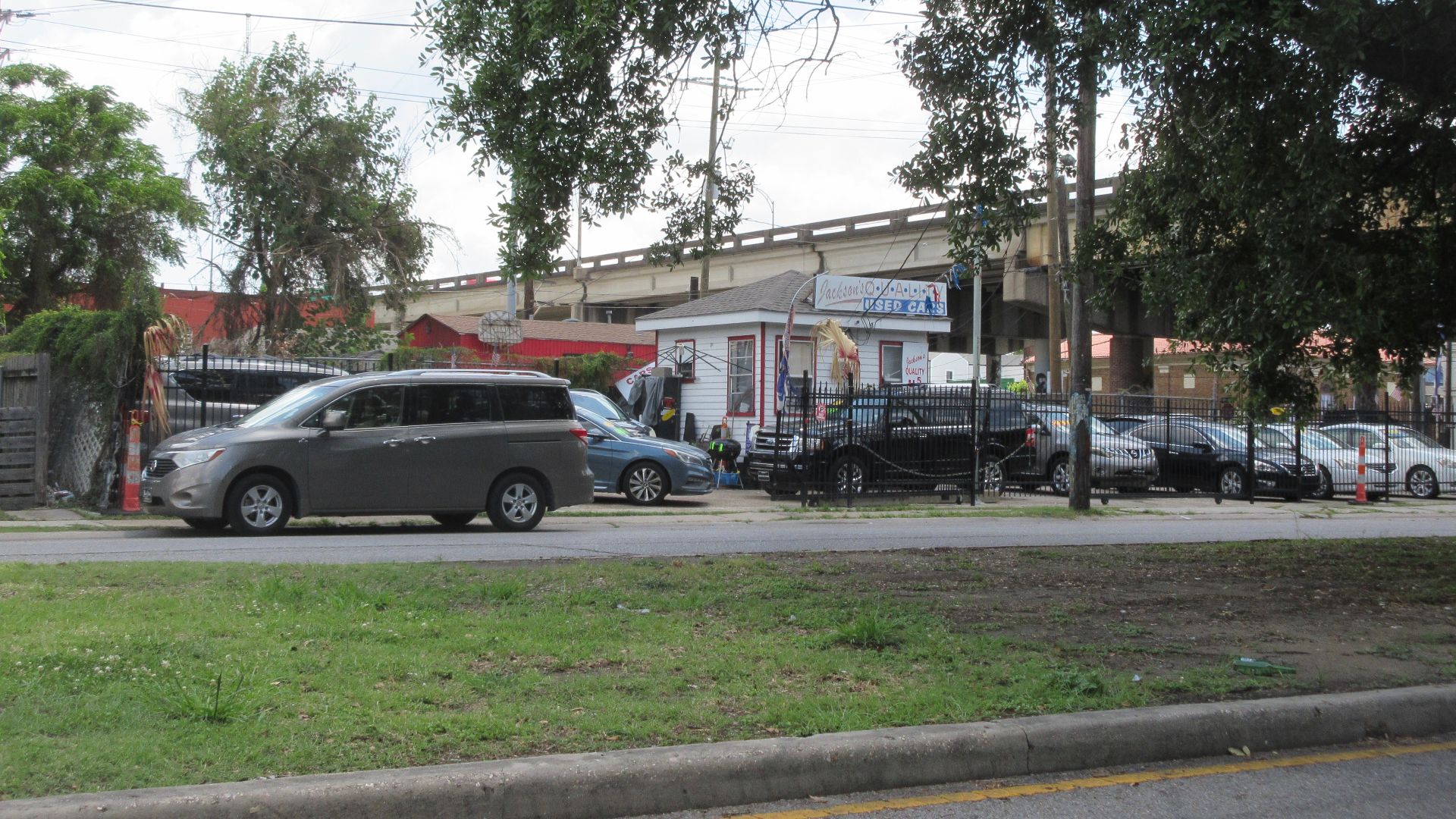
Part of the drama is that the whole car market got weird for a while. During the inventory shortages of 2021 and 2022, used vehicle prices jumped across many categories. Some EVs are now falling from those inflated highs, which makes the decline look even more dramatic.
 Infrogmation, Wikimedia Commons
Timing Has Been Everything
If someone bought an EV at peak pricing and now wants to sell after several rounds of manufacturer discounts, that owner may feel badly burned. The timing could hardly be worse. But someone who bought with incentives, negotiated well, or plans to keep the car for a long time may see it very differently.
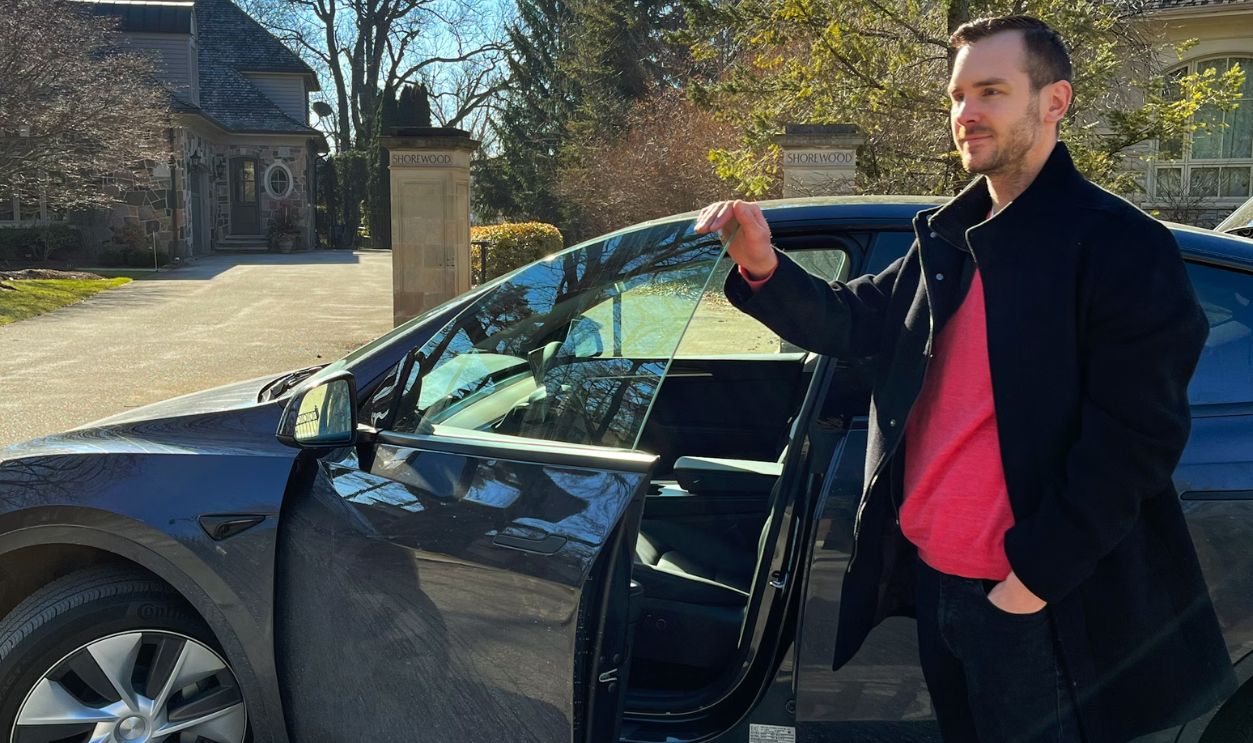
Trade-In Offers Can Feel Especially Rough
Dealers tend to be cautious when prices are moving fast. If they think values could keep falling, their trade-in offers usually get tighter. That can make owners feel like they are being lowballed, even when the dealer is responding to a genuinely shaky market.

Private Sale Versus Dealer Trade
Owners who want to soften the hit may do better selling privately than trading in at a dealer. It takes more effort, but it can help them keep some value that a dealer would otherwise hold back. The difference can be meaningful when the market is nervous about used EV inventory.

Battery Health Is Becoming A Bigger Factor
As the used EV market matures, buyers are paying closer attention to battery condition, warranty coverage, and charging history. A well-documented battery and remaining warranty can make a used EV easier to trust. Over time, that may create a clearer gap between stronger used EVs and weaker ones.
So Is Your Friend Right
Your friend is partly right, but the blanket claim goes too far. Some EV owners have taken unusually steep resale losses, especially after Tesla price cuts, changing tax-credit rules, and rising used inventory. But that does not mean every EV is a resale disaster or that the whole market is broken.

The Smarter Take
The better conclusion is that EV resale has been volatile, not uniformly terrible. Buyers and sellers need to look at the exact model, purchase timing, incentives, range, charging speed, and local demand. Shop carefully, keep expectations realistic, and an EV can still make financial sense even in a messy resale market.

What Drivers Should Do Before Buying
If resale matters a lot to you, compare manufacturer incentives, check current used listings, and see whether the model has had major recent price cuts. Also think hard about how long you plan to keep it. In this market, buying an EV and expecting a quick, profitable flip is the risky move.