A Family SUV Or A Financial Bombshell
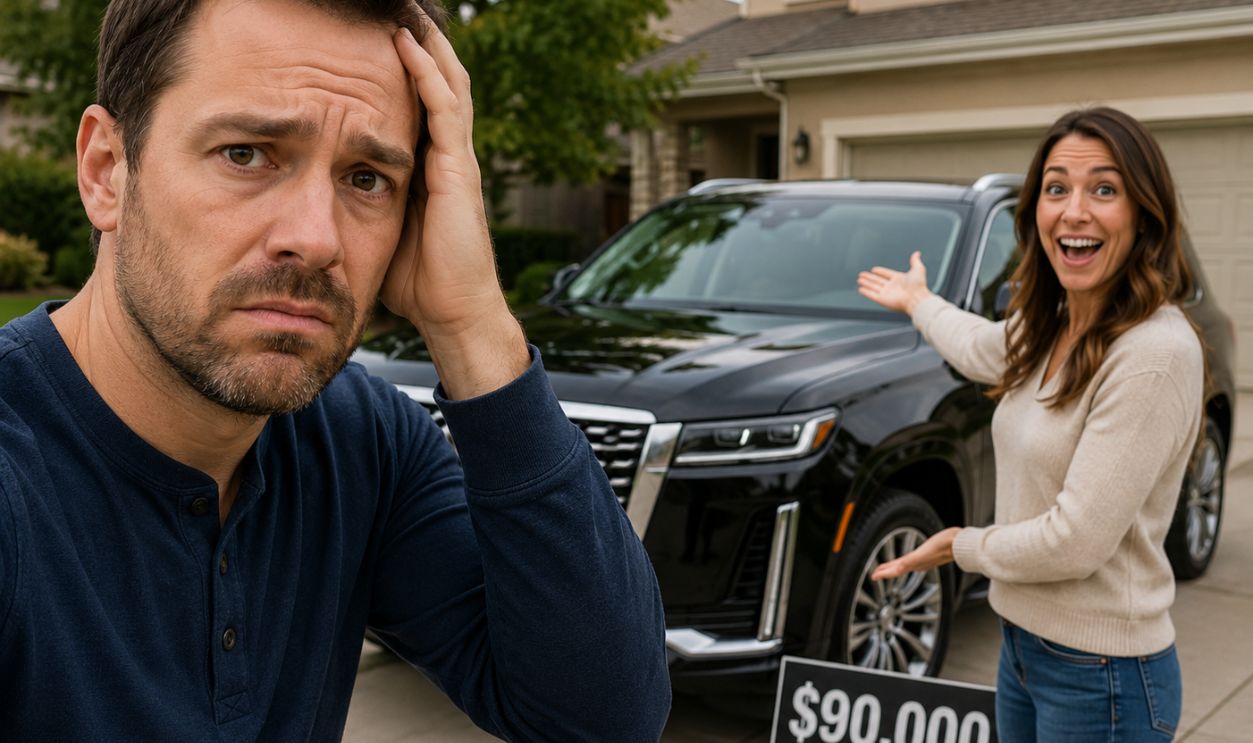
A spouse showing up with a brand-new $90,000 SUV and saying it was “for the family” is the kind of moment that can stop you cold. If you feel blindsided, that is not an overreaction. In most homes, a purchase that big is not just about getting from place to place. It is about trust, shared priorities, and who gets a voice when serious money is involved.
Why This Hits So Hard
The shock makes sense because a vehicle is usually one of the biggest purchases a household makes after housing. According to Experian’s State of the Automotive Finance Market report for the fourth quarter of 2024, the average monthly payment for a new vehicle hit $742. That helps explain why a $90,000 SUV does not feel like a routine buy. It feels like a major financial event.

The Price Tag Is Very Real
A $90,000 SUV may sound extreme, but it is completely possible in today’s market. Kelley Blue Book reported the average transaction price for new vehicles in December 2024 was $49,740. That puts a $90,000 family SUV far above the norm, even in a market full of expensive crossovers and luxury trims. Your reaction is backed by the numbers, not just emotion.

Luxury SUVs Get There Fast
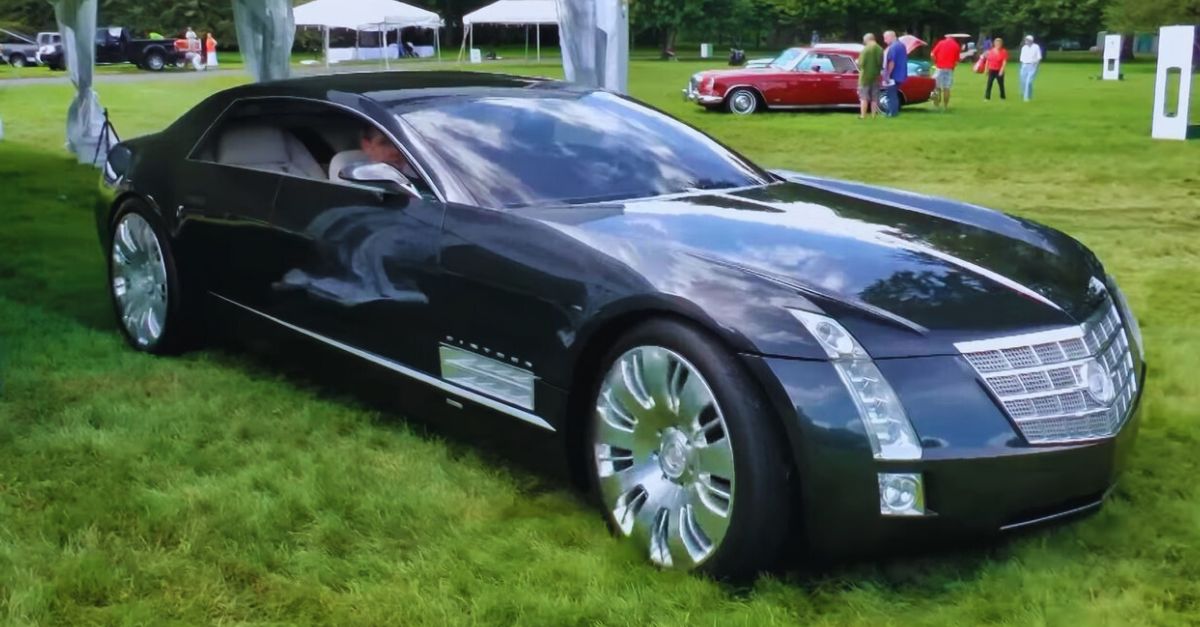
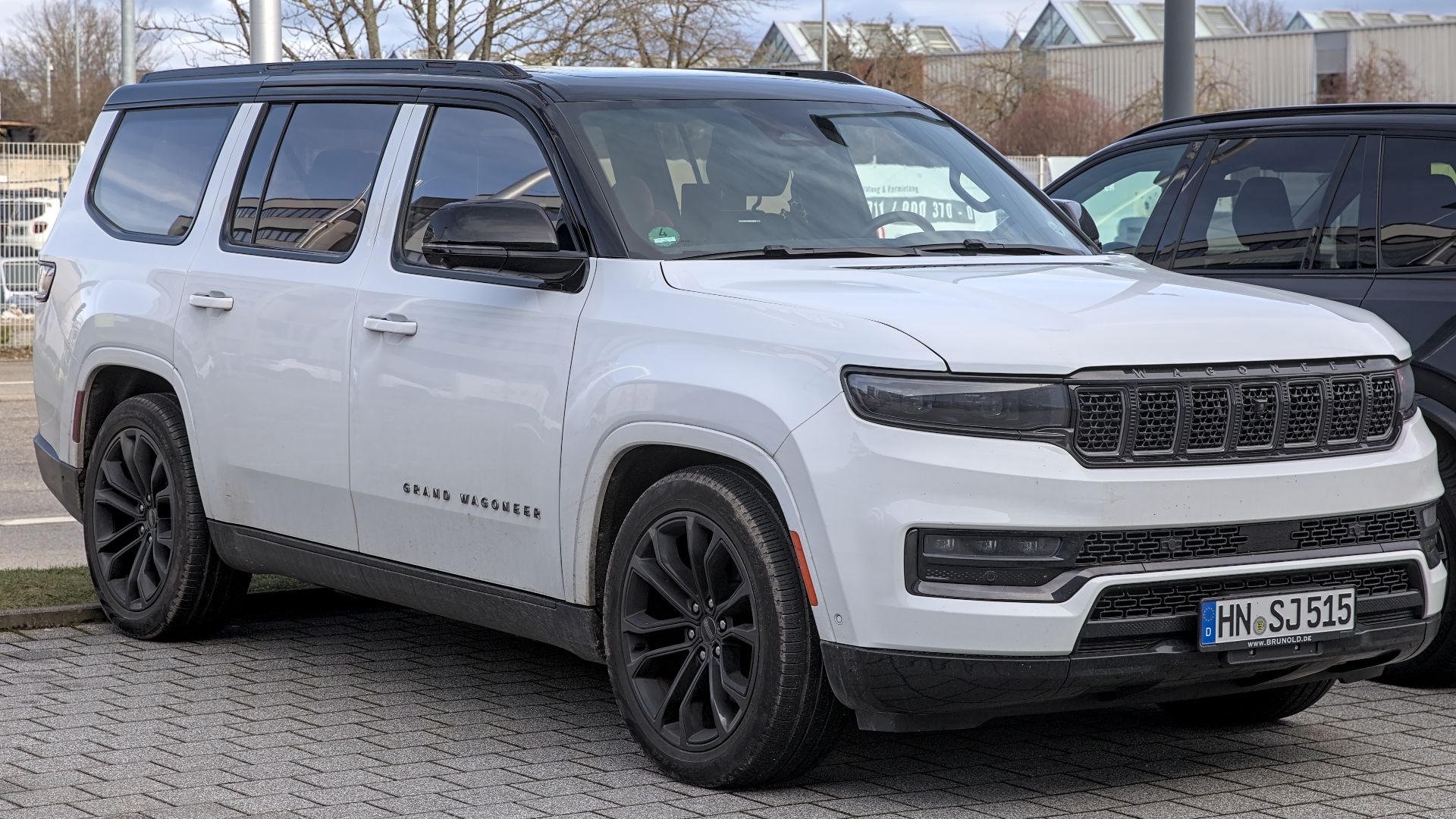
It does not take much for a premium three-row SUV to climb into this price range. Models like the Cadillac Escalade, Jeep Grand Wagoneer, BMW X7, Mercedes-Benz GLS, and higher trims of the Lincoln Navigator can easily approach or top $90,000 depending on options. So the “for the family” line can feel slippery. It may be a family car, but it is also a luxury purchase.
 Alexander-93, Wikimedia Commons
What “For The Family” Usually Means
Sometimes that phrase is sincere. A bigger SUV can mean more room for kids, easier road trips, more towing power, and newer safety tech. But practical benefits do not cancel out the need for a conversation. Calling it a family purchase does not magically make it a shared decision.

You Are Reacting To The Process Too
Plenty of couples can handle disagreement over what car to buy. The deeper issue is often how the decision was made. If one partner took on a $90,000 commitment without talking it through, the real hurt may be about being shut out. That is a relationship problem with four wheels attached.

Money Secrets Have A Name
Experts often call this kind of hidden or one-sided financial behavior “financial infidelity.” Fidelity describes it as dishonesty with a partner about spending, savings, debt, or accounts. A huge SUV purchase made without discussion can fit that idea, especially if the financing terms, trade-in details, or hit to savings were kept quiet. That does not mean the relationship is doomed, but it does mean the issue is bigger than leather seats and a sunroof.

Why Big Car Loans Matter
Car affordability has been under pressure for years, which makes surprise purchases even riskier. Cox Automotive has tracked high new-vehicle prices and the strain they put on buyers. When households stretch to afford expensive vehicles, they also stretch insurance, registration, maintenance, and fuel costs. The sticker price is only the beginning.

The Monthly Payment Can Linger For Years
For many buyers, a $90,000 SUV means financing, not paying cash. Depending on the down payment, interest rate, and loan term, that can lock a household into a very high monthly bill for years. Experian has shown that long loan terms are still common in the auto market. So the worry may not be about one dramatic day. It may be about the next 72 to 84 months.
 Tima Miroshnichenko, Pexels.com
Insurance Adds Another Bill
Luxury SUVs do not just cost more to buy. They usually cost more to insure because repair costs, parts, and replacement values are higher. AAA notes that ownership costs go well beyond the monthly payment. If your spouse pitched the SUV as a family need but skipped the total-cost conversation, your frustration has a solid reason behind it.

Depreciation Does Not Care About Good Intentions
Even pricey SUVs lose value, and some lose it fast. AAA’s vehicle ownership research consistently points to depreciation as one of the biggest costs of owning a new vehicle. So if the purchase was driven by impulse, image, or emotion, the financial hit can last long after the excitement fades. A family-friendly badge does not protect a vehicle from losing value.

Safety Can Be A Real Argument
To be fair, there is one area where a spouse may feel genuinely justified, and that is safety. The Insurance Institute for Highway Safety and the National Highway Traffic Safety Administration both publish crash-test and safety data that matter to families shopping for larger vehicles. If the SUV replaced something old or unreliable, that point deserves a hearing. It still does not erase the communication problem.

More Space Is Not The Same As More Need
Many families do benefit from a roomier SUV, especially with three kids, car seats, sports gear, or frequent road trips. But need and preference are not the same thing. A practical family vehicle might cost far less than $90,000. That is where your reaction becomes less about rejecting an SUV and more about questioning how big this decision really had to be.
 Srdjan Randjelovic, Shutterstock
Ask The First Hard Question
Before the argument gets worse, figure out exactly how the vehicle was bought. Was it financed, leased, or paid for in cash? Was there a trade-in, and if so, what was given up? Facts can calm panic and keep the conversation tied to reality instead of guesses.

Then Ask About The Timing
When did your spouse start shopping, and how long had the idea been building? A same-day impulse buy tells one story. A month of private research and dealership visits tells another. If the shopping was hidden, that matters. It suggests the lack of discussion was not just an oversight.

Get The Actual Numbers
You need the out-the-door price, loan term, annual percentage rate, monthly payment, and total amount financed. Ask about add-ons too, including extended warranties, prepaid maintenance, paint protection, wheel coverage, and gap insurance. Dealers are skilled at folding extras into a monthly payment so the total feels less painful. Those details can turn a shocking purchase into an even more expensive one.

Check Whether There Is A Return Window
This is where a lot of people get bad news. Unlike many retail purchases, cars usually do not come with a broad legal cooling-off period once the paperwork is signed. The Federal Trade Commission warns that return policies are dealer-specific, not automatic. If you want to undo the deal, move fast and ask the dealer right away.

Do Not Assume The Dealer Has To Take It Back
Some dealerships offer exchange programs or limited return policies, but many do not. If the SUV was titled, financed, and driven off the lot, reversing the deal can be hard and expensive. That does not mean you should not ask. It means you should ask quickly and keep your expectations realistic.

If Financing Was Used, Review The Credit Impact
A large auto loan affects more than the checking account. It can change debt-to-income ratios and affect future borrowing power for a mortgage, refinance, or another major credit decision. If the loan involved joint finances or depended on shared household income, then both partners are living with the consequences. That makes your desire for input completely reasonable.

This Is Also A Budget Conversation
Once the emotion cools a little, sit down and map out what this SUV means for the monthly budget. Include the payment, insurance, fuel, maintenance, parking, taxes, and any savings goals that now take a hit. If family vacations, emergency savings, retirement contributions, or child care costs get squeezed, the issue becomes very clear. The car is not just a car. It is a tradeoff machine.

Try Not To Start With Accusations
If you want a useful conversation, lead with impact instead of insults. Say that you feel excluded, worried, and blindsided by a major financial decision that affects both of you. That approach is more likely to open a real discussion than calling the purchase stupid or selfish. You can be firm without setting the whole thing on fire.

But Do Be Clear About Boundaries
This is not the time to be vague. If a purchase of this size needs to be discussed jointly in the future, say that plainly. Many financial planners recommend setting a dollar amount that requires mutual agreement. Whether that number is $500, $5,000, or more, clear rules now can help prevent the next ugly surprise.

When It Might Be Worth Letting Go
If the family can comfortably afford the SUV, the loan terms are not abusive, and the vehicle truly solves a practical problem, the best move may be to focus on the communication breakdown rather than rush into a sale. Selling right away can mean taxes, fees, and depreciation losses. In some cases, the smarter move is to keep the vehicle and fix the decision-making process. That does not mean your reaction was wrong. It just means the solution should match the facts.

When It Is Definitely Not Overreacting
If this purchase drained savings, piled on dangerous debt, or involved secrecy around financing, then your reaction is not just understandable. It is necessary. Big financial decisions made in secret can destabilize a household fast. In that situation, anger is not pettiness. It is a warning sign.

There May Be A Bigger Pattern
One surprise SUV could be a one-time lapse in judgment. It could also be part of a larger pattern of hidden spending, debt, or one-sided decisions. If you have seen behavior like this before, now is the time to look at the full financial picture. Review accounts, loans, and recurring expenses together so there are no more surprises sitting in the driveway.

A Neutral Third Party Can Help
If every conversation turns into a fight, bringing in a financial planner or couples therapist may be the smartest next step. A planner can break down affordability and long-term impact. A therapist can help with the trust and communication damage. The goal is not to “win” the SUV argument. It is to stop one purchase from becoming a lasting fracture.

So, Are You Overreacting
Probably not. A $90,000 SUV bought without discussion is a major financial and relationship event, especially in a market where average new-vehicle prices and payments are already high. The better question is not whether your feelings are too strong. It is whether both of you are ready to deal honestly with what this decision cost, why it happened, and how to make sure it does not happen again.