
A Ban That Raises Fair Questions
A regular garage outlet looks harmless, especially when it already powers lights, vacuums, and occasional tools. However, charging an electric vehicle places a sustained electrical load on that outlet for hours. Residents deserve to know whether the ban followed an electrical assessment or simply appeared because management disliked the expense.

The Short Answer Is Both
Level 1 charging can be safe when the outlet, wiring, protection, and electrical capacity are suitable. An uninspected shared outlet may present legitimate safety and capacity concerns in an apartment garage. At the same time, electricity costs, installation expenses, and billing difficulties often influence management’s decision.
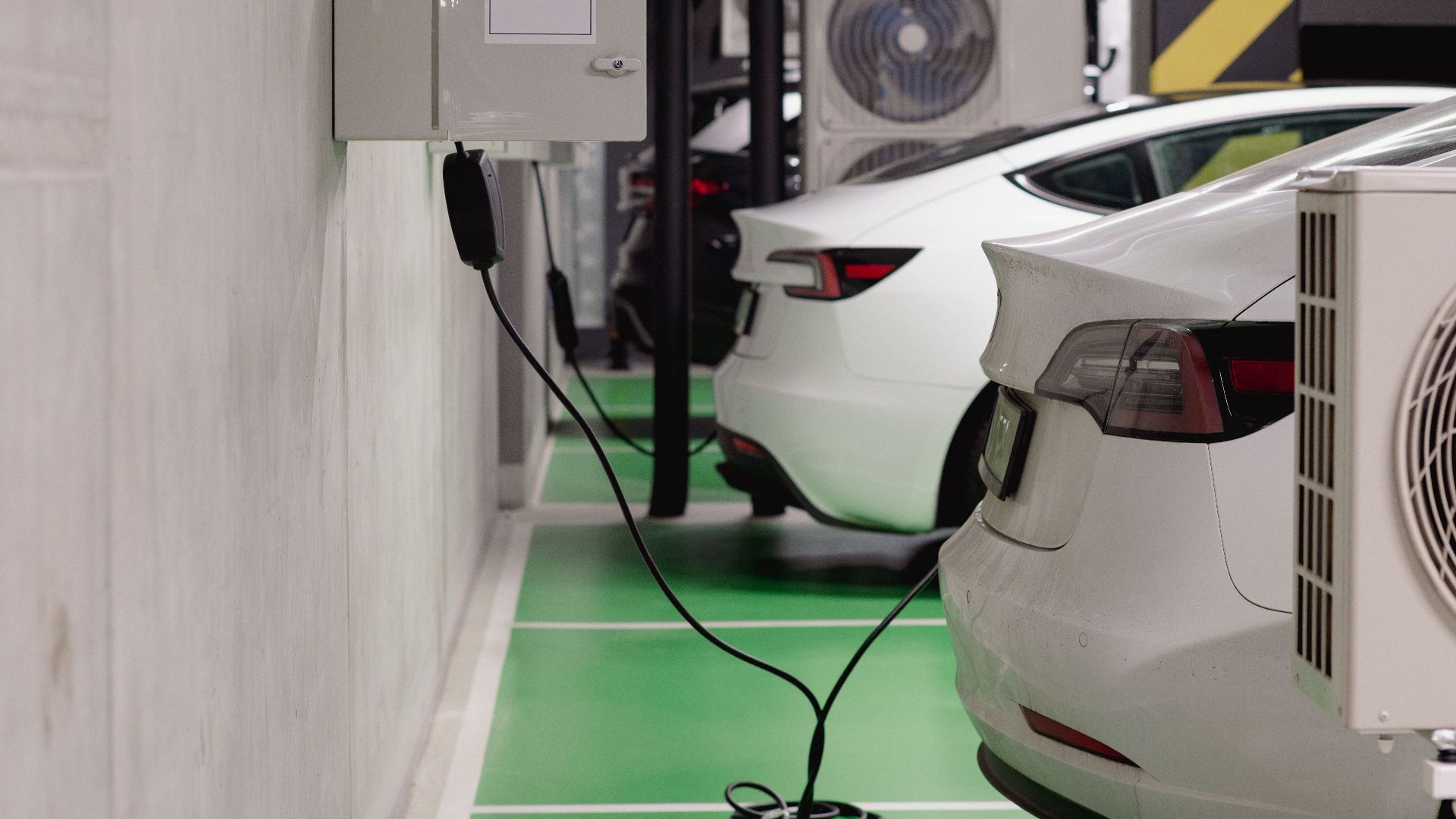
Level 1 Is Genuine Home Charging
Level 1 equipment normally connects to a 120-volt receptacle of the type found throughout North American homes. The U.S. Department of Energy says it generally adds about two to five miles of range per charging hour. That makes it slow, but it does not make it an improper or makeshift charging method.
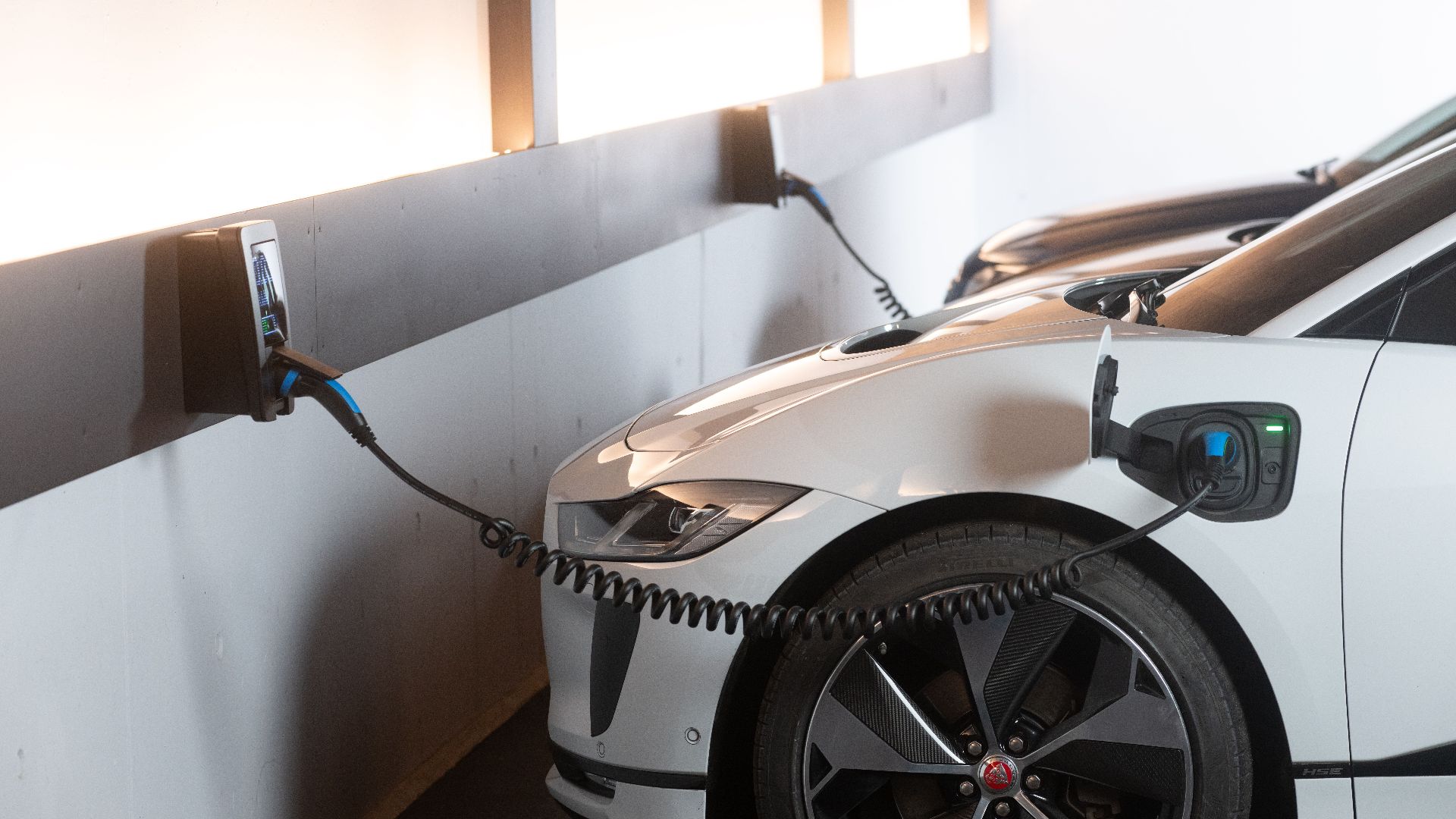
Slow Charging Can Still Work
A vehicle connected for eight to 10 hours may gain approximately 40 to 50 miles of range, depending on its efficiency and charging conditions. That can cover the daily needs of many apartment residents. Level 1 can therefore be a practical alternative when installing numerous higher-powered chargers would overwhelm a building’s budget or electrical capacity.

The Outlet Is Only One Piece
Seeing a three-prong receptacle beside a parking stall does not confirm that it is suitable for EV charging. Management needs to know what circuit supplies it, what else uses that circuit, and whether the wiring and receptacle are in good condition. Those details cannot be determined from the outlet’s appearance alone.
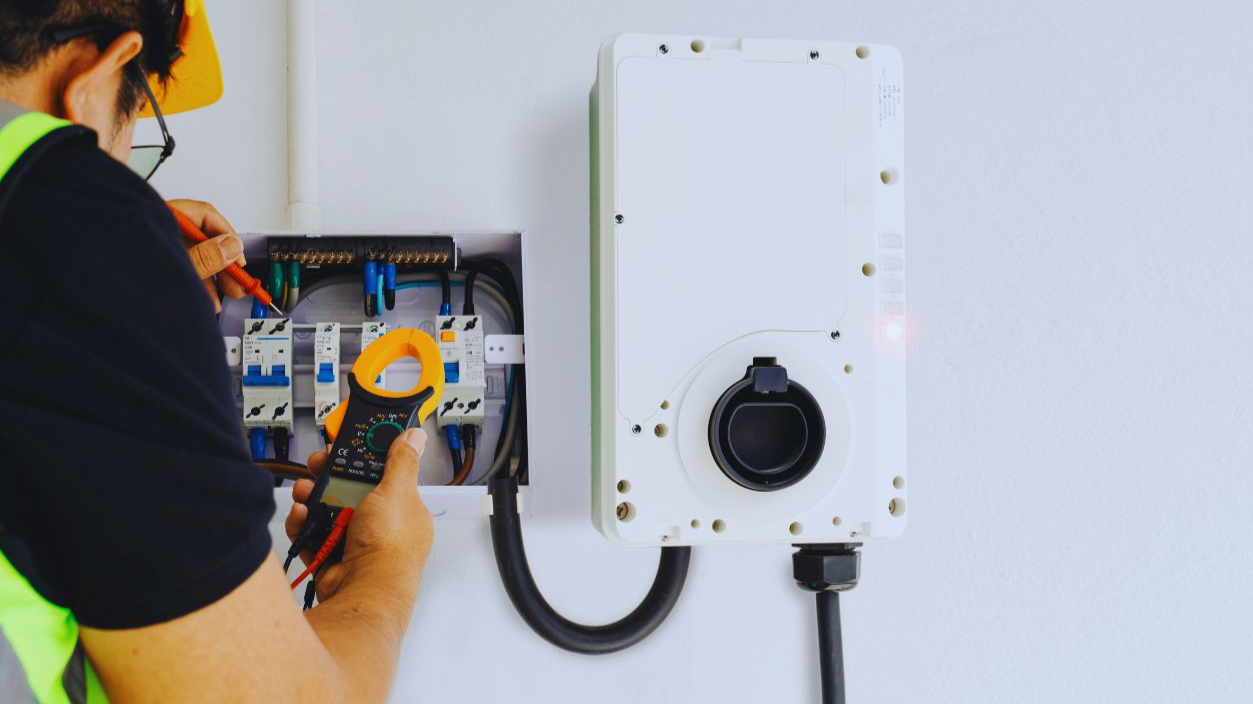
EV Charging Is A Continuous Load
Electrical codes treat EV charging as a continuous load because it can draw substantial current for several hours. Under the National Electrical Code, wiring and overcurrent protection must be sized for 125 percent of the charger’s continuous output rating. A circuit that handles occasional garage equipment may not necessarily be designed for nightly vehicle charging.

A Dedicated Circuit Matters
Federal charging guidance says Level 1 can require no additional installation when a suitable outlet on a dedicated branch circuit is available near the vehicle. A dedicated circuit prevents unrelated equipment from competing with the car for the same capacity. Current code guidance for multifamily charging similarly calls for EV equipment to have a separate branch circuit unless an approved energy-management system controls the shared loads.
Shared Circuits Create Unknowns
Apartment garage outlets may share circuits with door openers, lighting, cleaning equipment, heaters, or several other receptacles. One vehicle might charge without incident until another load switches on. Repeating that situation across multiple parking spaces can make the building’s electrical demand difficult to predict.
Older Receptacles Can Be The Weak Link
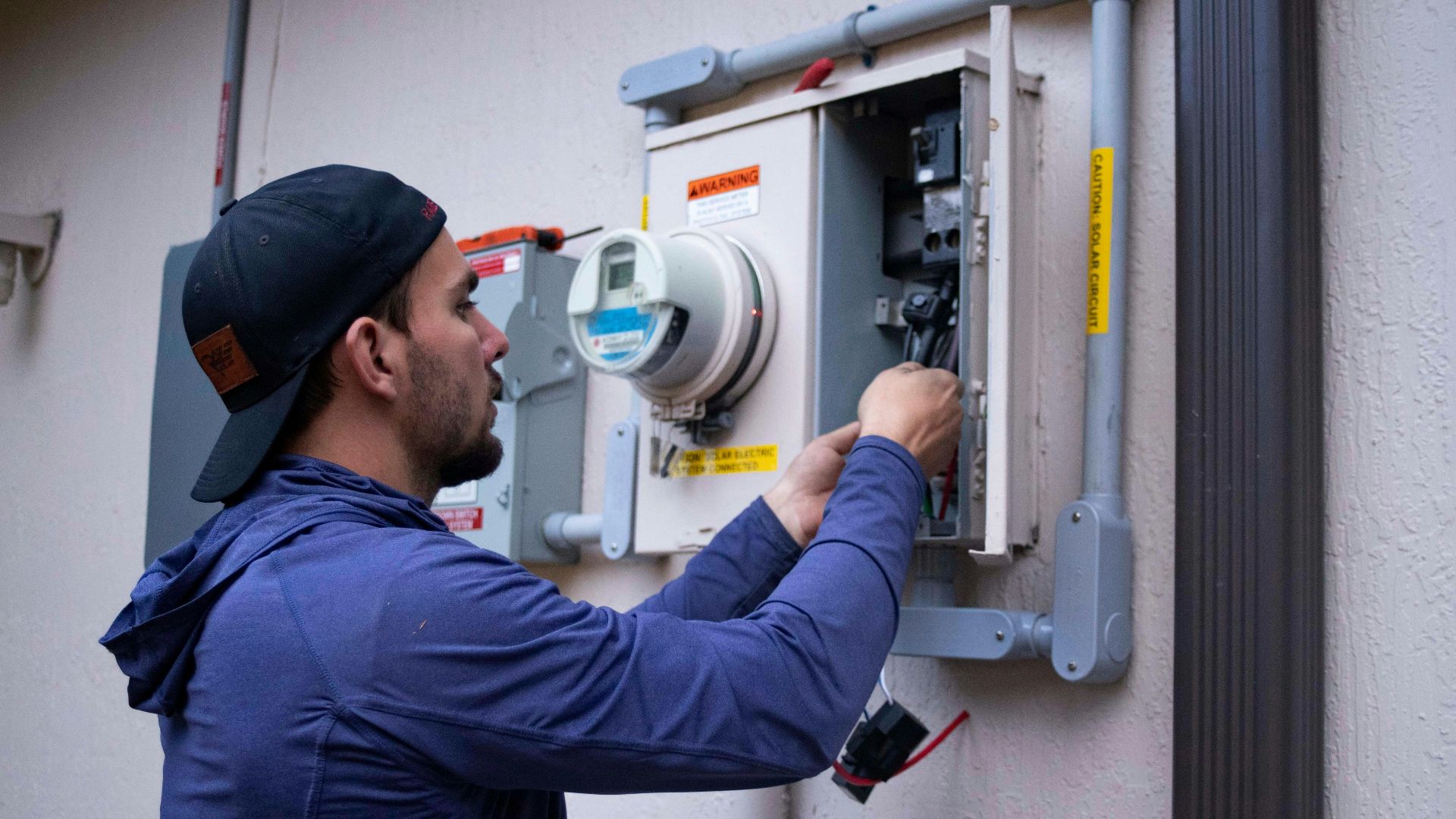
A receptacle that has spent years in a damp, dusty, or heavily used garage may be loose or damaged. Electrical safety guidance identifies warm or discolored wall plates, buzzing, burning odors, and frequently tripped breakers as warning signs. A licensed electrician should inspect questionable outlets rather than relying on a quick visual check by a resident or building manager.
Breakers Do Not Settle The Question
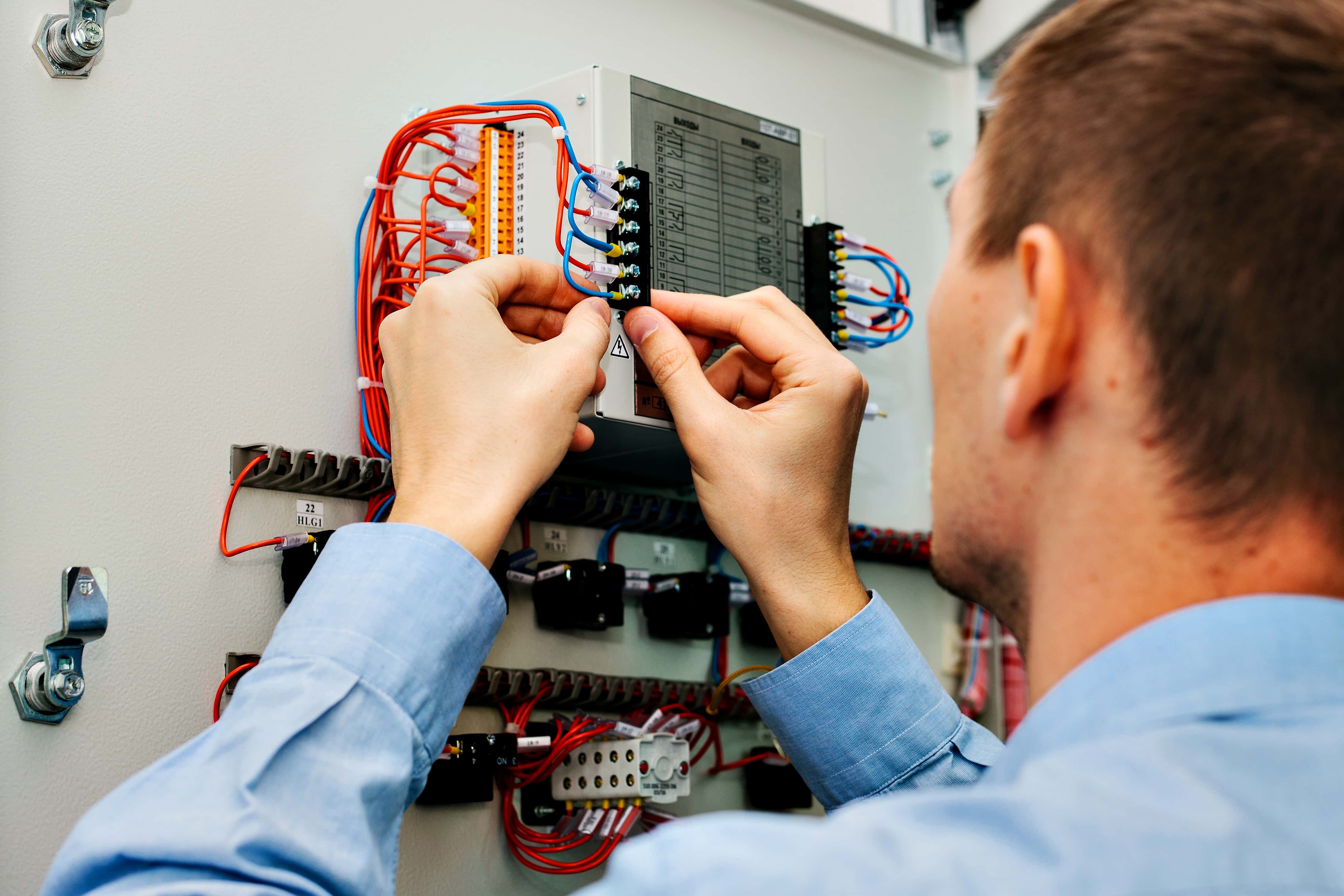
A breaker that trips repeatedly is warning that the circuit or connected load needs attention. Simply resetting it and continuing to charge does not address the cause. Conversely, the absence of a tripped breaker does not prove that an outlet, connection, or charging cord has been properly assessed.

Ground-Fault Protection Matters
Garages can expose electrical equipment to moisture, condensation, road salt, and water carried in by vehicles. Ground-fault circuit-interrupter protection is intended to reduce shock risk when a fault occurs. Current EV charging guidance specifically emphasizes ground-fault protection, particularly in wet or outdoor environments.
Extension Cords Change The Risk
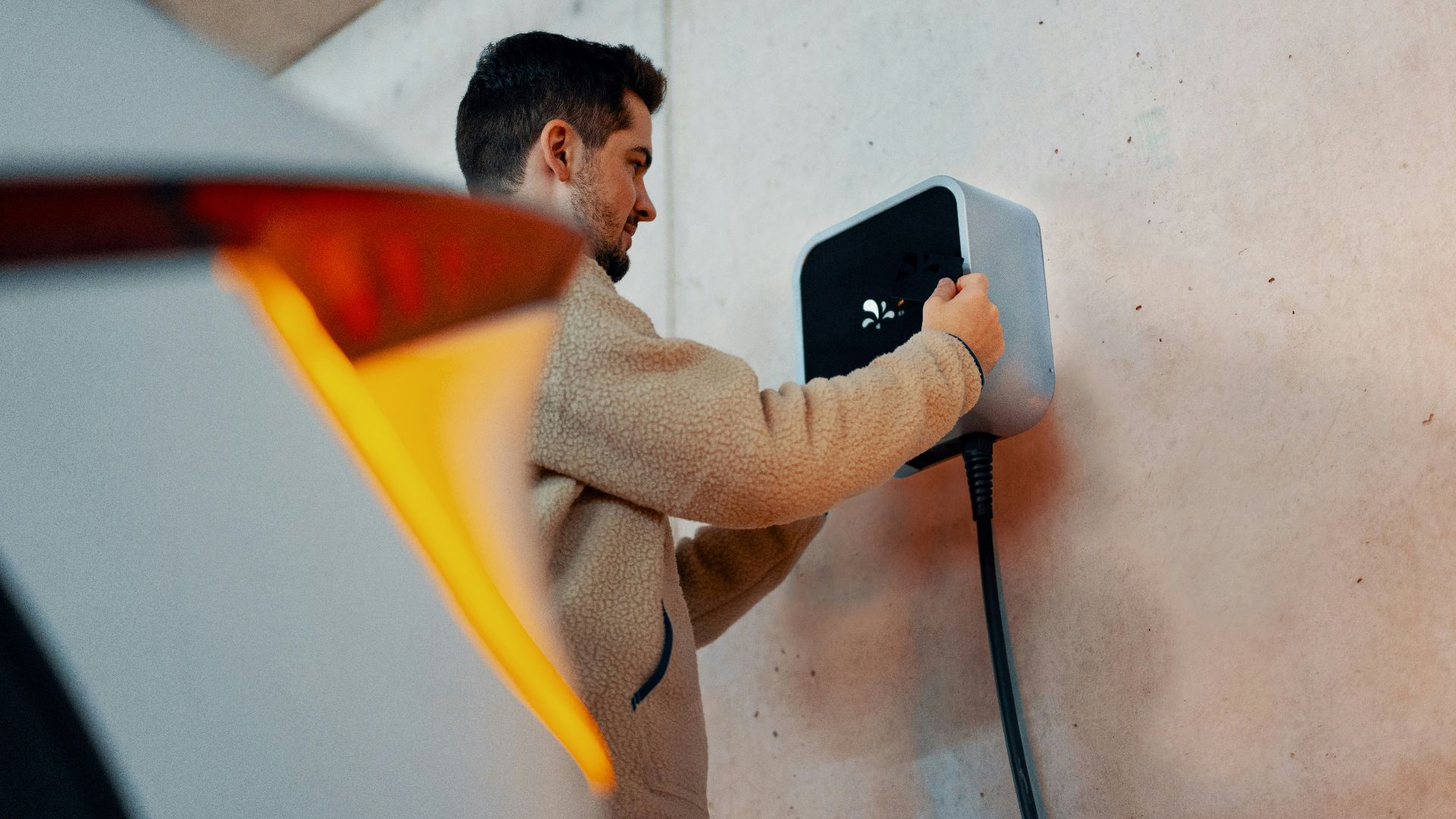
A nearby outlet is very different from one that requires a long extension cord across the garage. The Electrical Safety Foundation International advises drivers never to use an extension cord or multiplug adapter for EV charging. Automaker instructions must also be followed because portable charging equipment is designed around specific plugs, receptacles, and electrical ratings.
Garage Layout Also Matters
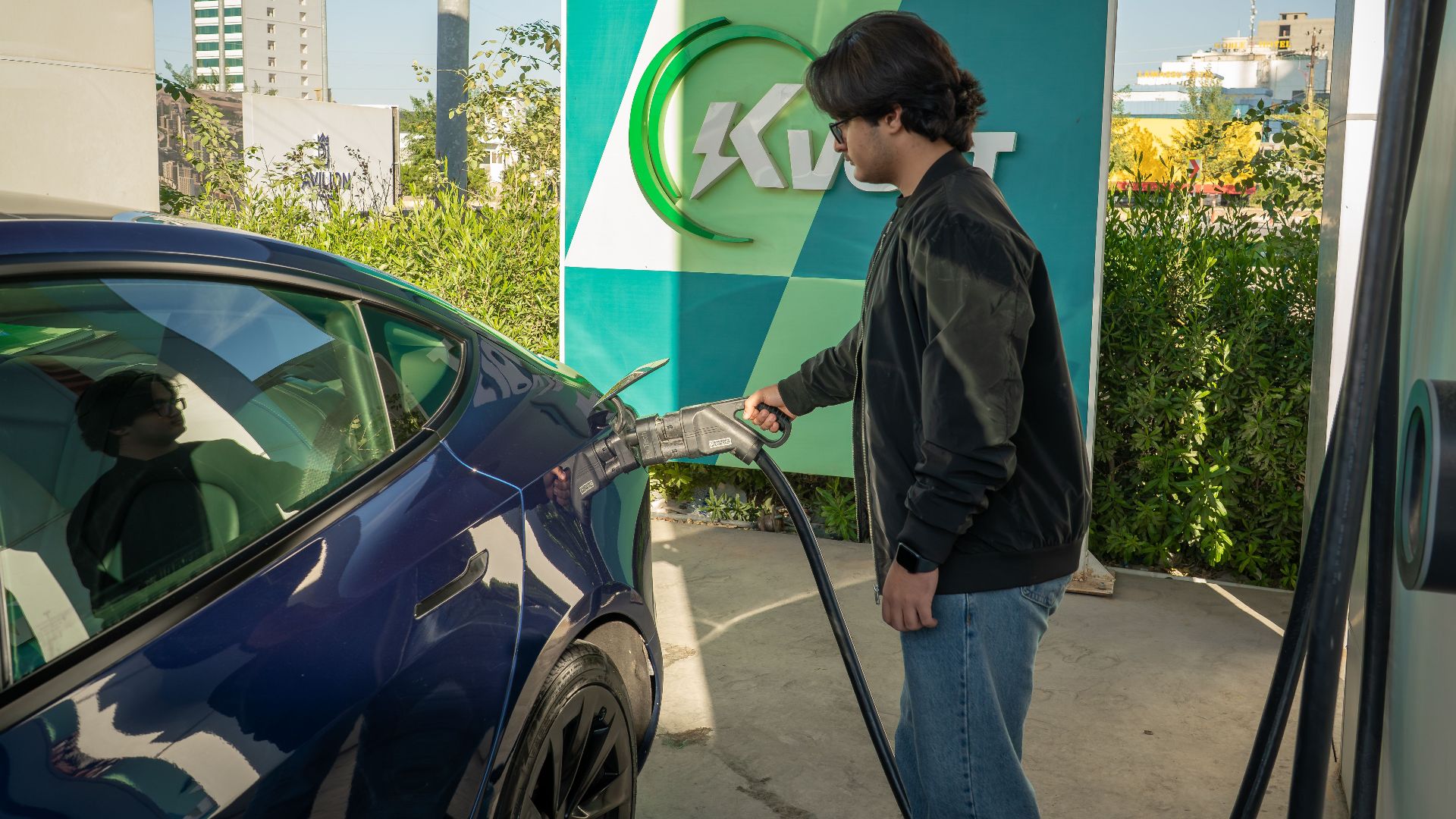
Charging cables should not cross pedestrian routes or lie where vehicles can drive over them. The Department of Energy recommends cable-management systems at multifamily properties to reduce tripping hazards and protect cords. Management may therefore have a legitimate objection to the location of an outlet even when the circuit itself is adequate.
Certified Equipment Is Part Of The Equation
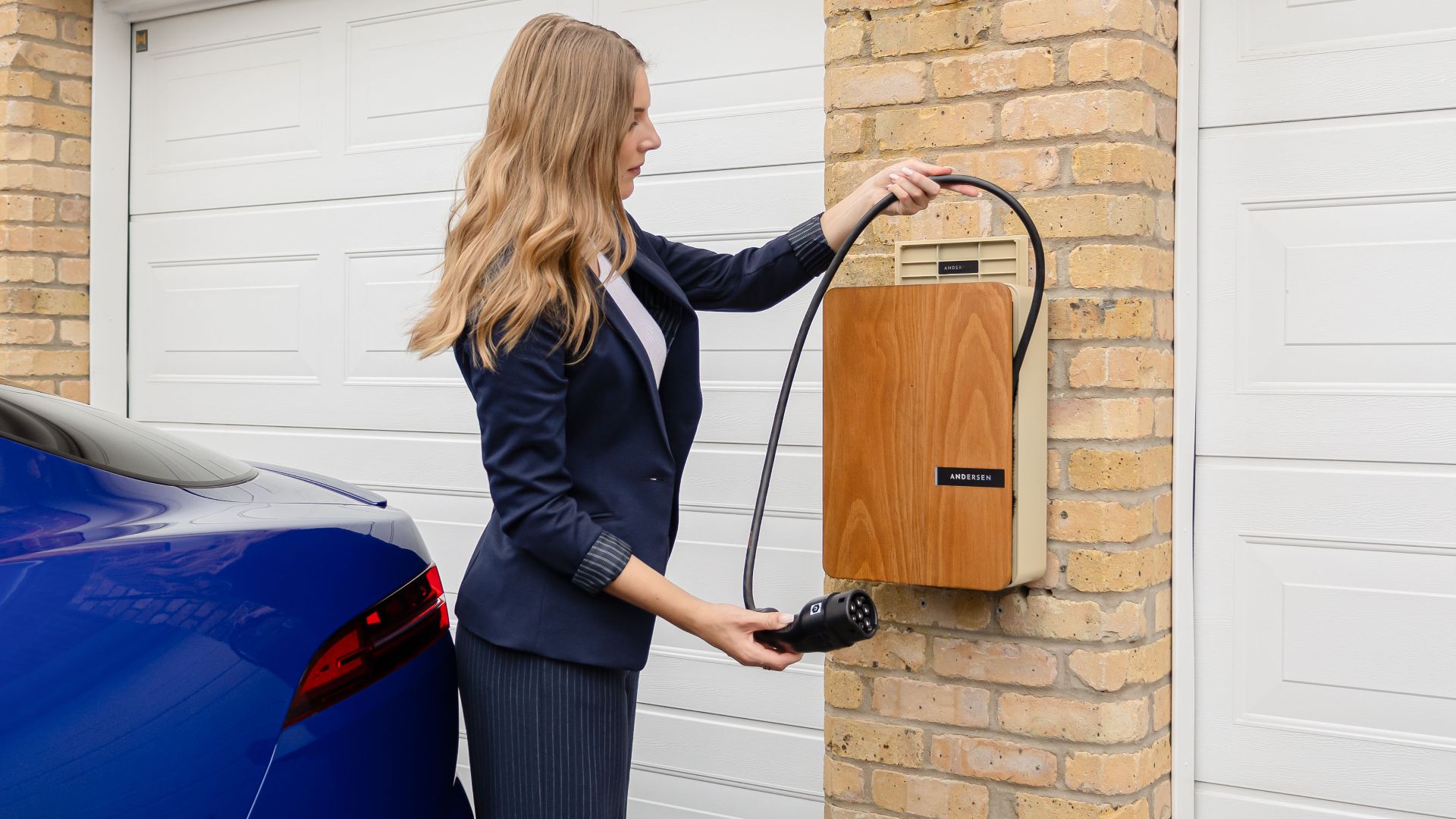
A safe outlet does not compensate for uncertified or damaged charging equipment. Drivers should use charging cords and adapters approved by the vehicle or equipment manufacturer and certified by a recognized testing laboratory. Cables should be inspected before use and stored properly when the vehicle is not charging.
One Car Is Different From Twenty
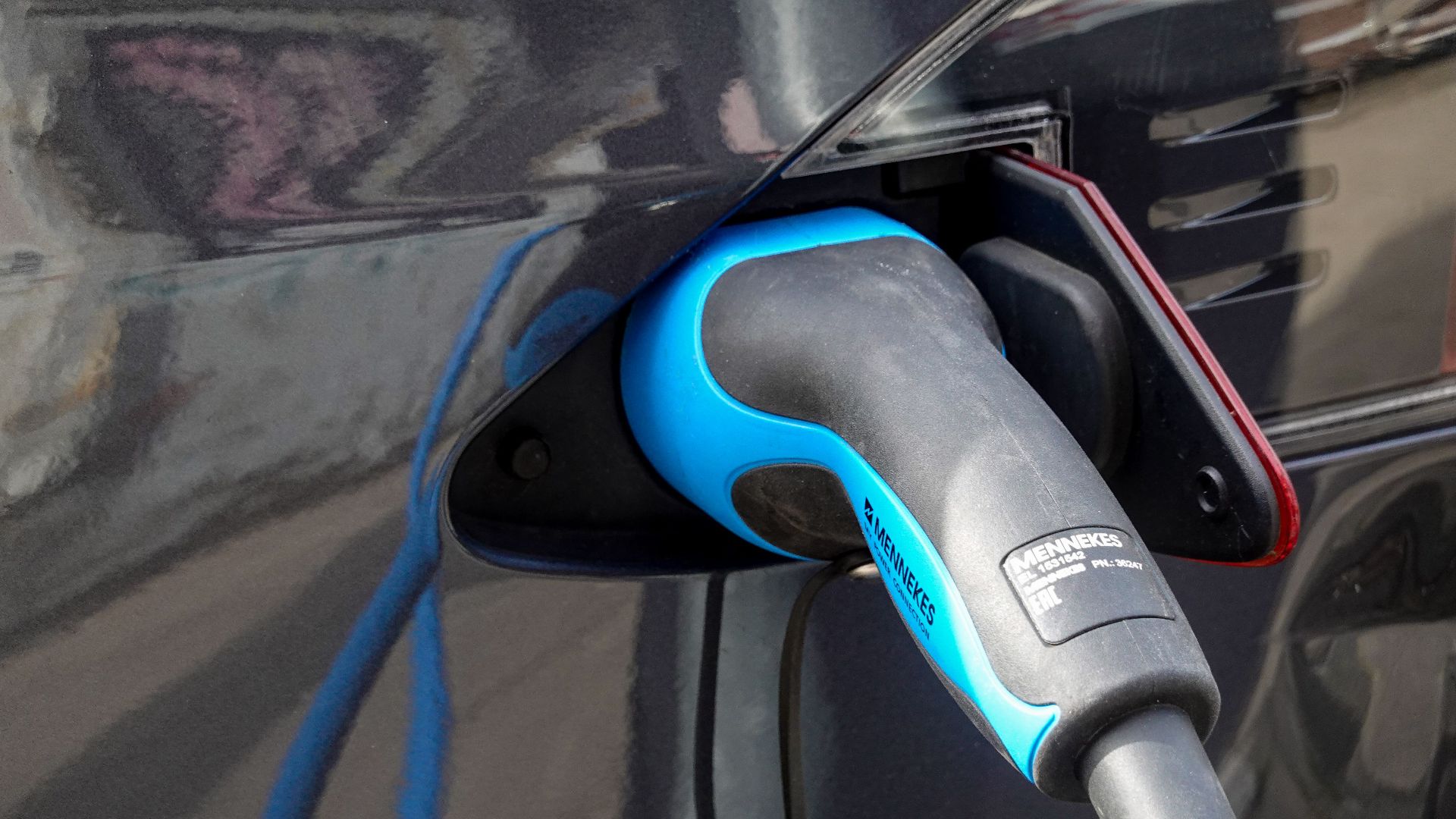
A single Level 1 charger draws far less power than a typical Level 2 unit. The situation changes when numerous residents plug in simultaneously and continue charging overnight. Apartment management must consider the combined demand on branch circuits, electrical panels, feeders, and the property’s utility service.
Building Capacity Must Be Checked
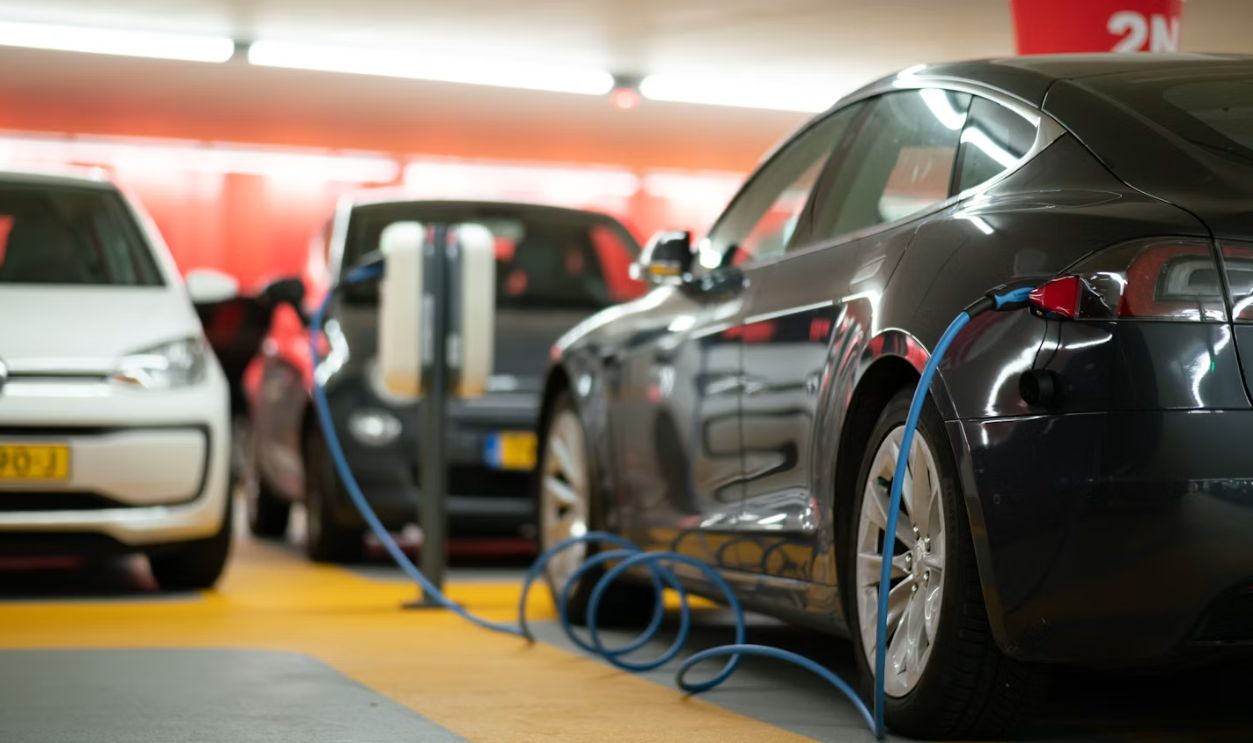
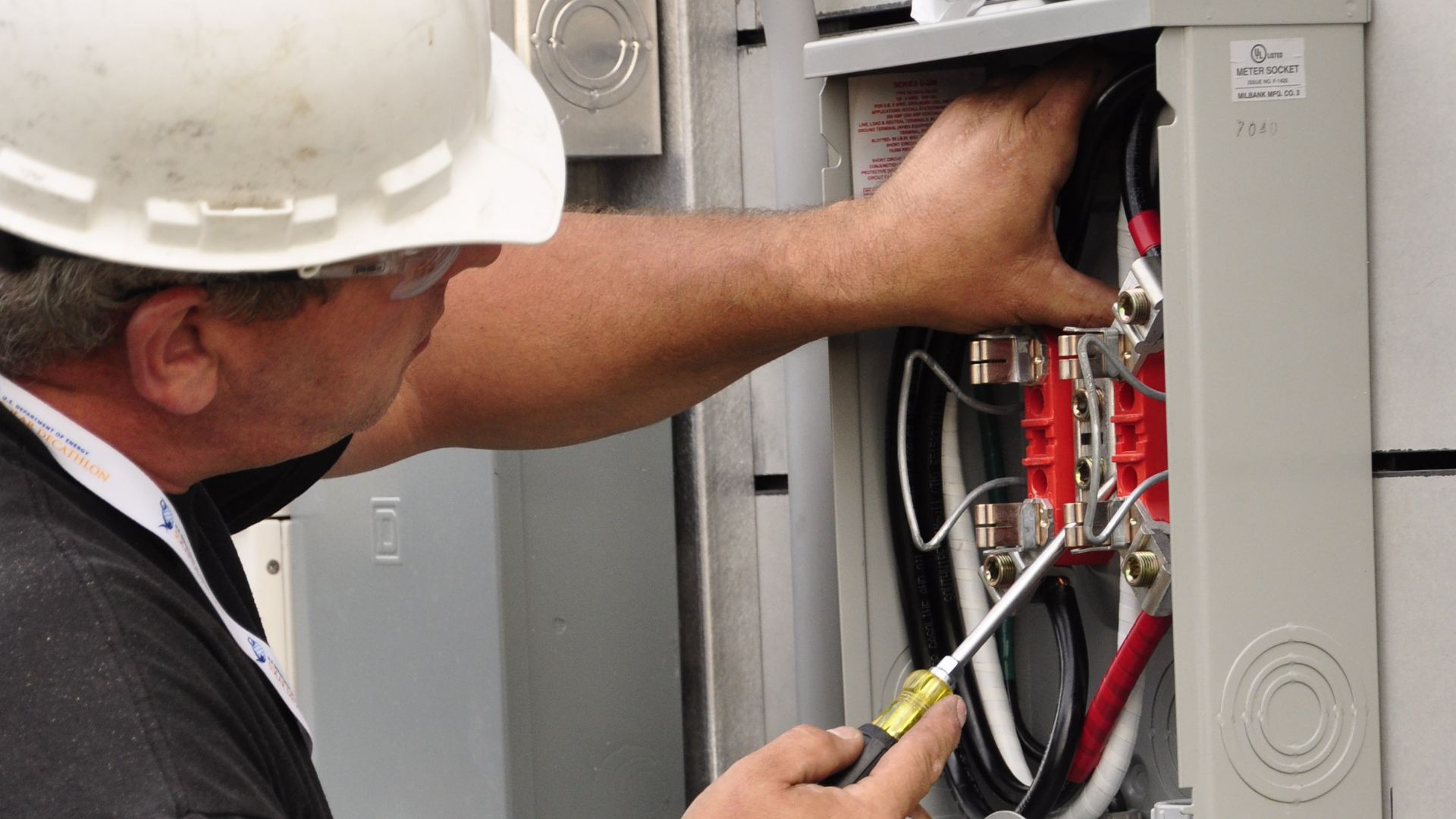
The Department of Energy recommends a comprehensive electrical assessment before multifamily charging equipment is installed. That assessment establishes how many chargers the property can support and whether additional electrical capacity is needed. Without one, management may not know whether the garage can accommodate even a modest expansion of Level 1 charging.
 Team Massachusetts 4D Home, Wikimedia Commons
The Ban May Be A Temporary Precaution
A blanket ban can be reasonable while circuits are being identified, outlets are being inspected, or load calculations are being completed. It becomes harder to defend when management cannot identify any assessment, code concern, or plan for compliant charging. A legitimate temporary restriction should lead to investigation rather than permanent silence.

Level 2 Is Not The Only Safe Answer
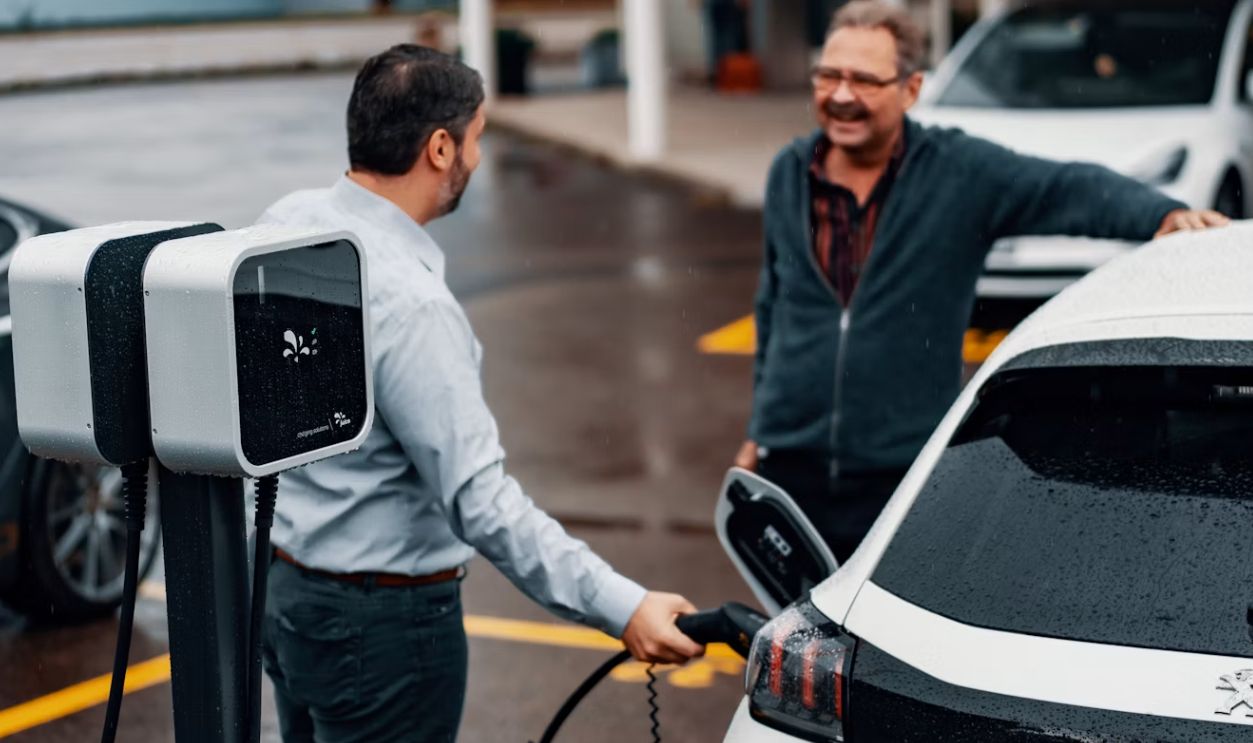
Management may suggest that professionally installed Level 2 stations are the only acceptable option. Properly installed Level 2 equipment offers faster charging, billing features, and easier access control, but it also requires more power. The Department of Energy specifically recognizes Level 1 and low-power Level 2 as useful options for electrically constrained multifamily buildings.
The Money Question Is Real
Charging infrastructure can be expensive, particularly when wiring must cross a large garage or electrical service requires an upgrade. The Department of Energy reported an average downstream installation cost of roughly $6,000 per Level 2 connector at multifamily properties as of 2025. Work upstream of the panel, including feeders, meters, switchgear, and service upgrades, can add considerably more.

Common-Area Power Complicates Fairness
An existing garage receptacle may be connected to the building’s common electrical meter rather than a resident’s apartment meter. In that situation, other tenants or owners can indirectly pay for one driver’s charging. Preventing unmetered use is a legitimate concern, although it is fundamentally a billing problem rather than proof that Level 1 charging is unsafe.

Peak Demand Can Raise Costs
Multifamily properties may pay commercial electricity rates that include demand charges based on their highest power draw during a billing period. Charging during expensive peak periods can also increase costs under time-of-use rates. Property managers can address those expenses through scheduling, load management, or pricing instead of necessarily prohibiting every form of charging.

A Vague Ban Deserves Questions
Residents should ask management to explain the specific reason for the prohibition in writing. Useful answers might cite shared circuits, inadequate capacity, damaged receptacles, missing protection, insurance requirements, or unmetered electricity. A response that offers nothing beyond “EVs are dangerous” does not demonstrate that the actual electrical installation was evaluated.

Ask To See The Electrical Assessment
The most important question is whether a qualified electrician has examined the garage’s charging potential. Residents can ask whether the outlets are dedicated, what amperage the circuits support, and whether the building completed a load study. They can also ask whether local electrical or fire officials were consulted before the policy was adopted.

Propose A Dedicated Level 1 Program
Instead of restoring unrestricted access to every garage outlet, residents can propose inspected receptacles reserved for EV charging. Each outlet can be placed on an appropriate dedicated circuit and assigned to a particular parking space. This preserves Level 1’s relatively modest power requirements while addressing the uncertainty surrounding general-purpose outlets.

Smart Outlets Can Solve The Billing Problem
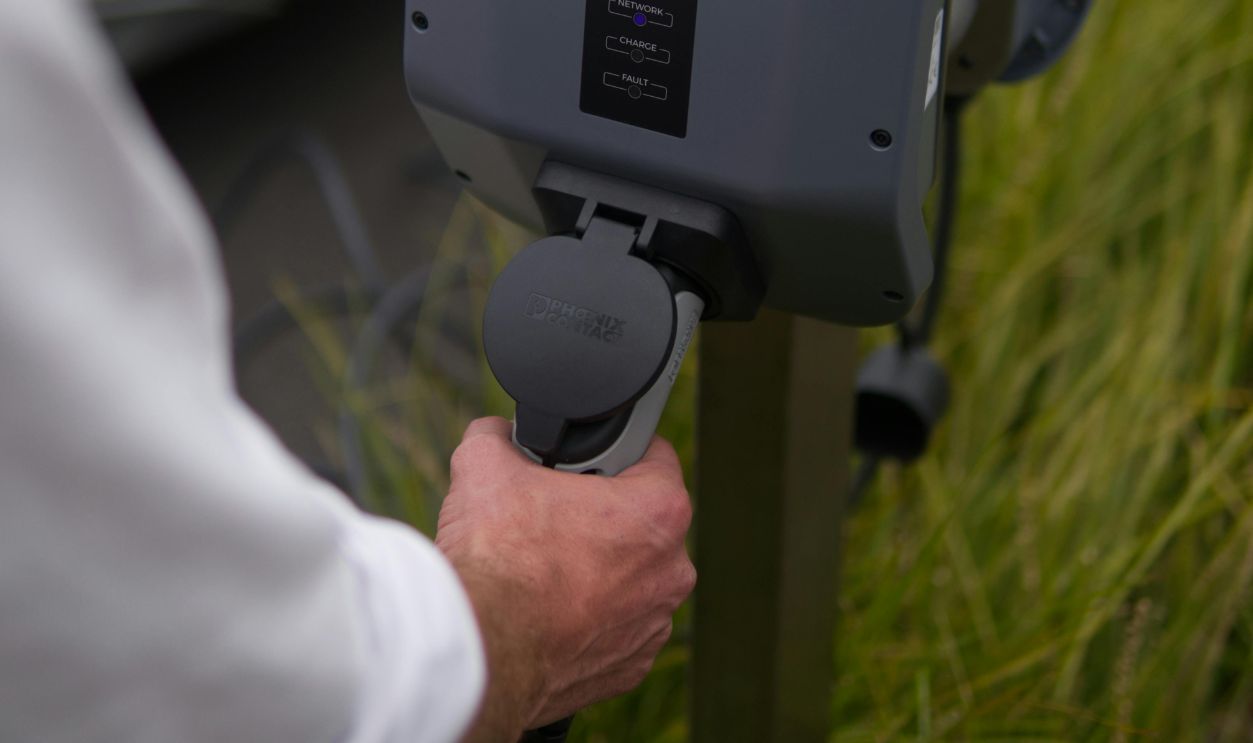
Networked outlets can identify users, measure consumption, restrict access, and generate usage reports. Some systems also allow the property to charge residents by session, time, or energy consumed where local regulations permit. These outlets can cost less than full Level 2 stations, although installation and networking fees still apply.
Load Management Opens Another Door
Automated load-management systems monitor available electrical capacity and adjust charging when the building approaches a preset limit. They can reduce charging speed or temporarily pause selected vehicles without exceeding the panel’s capacity. This allows a property to serve more charging spaces without assuming that every vehicle will draw maximum power simultaneously.

Check The Lease And Local Law
A tenant’s rights depend on the lease and the laws governing the property’s location. California, for example, requires landlords to approve qualifying written requests for charging-station installations in allotted parking spaces under specified conditions, although tenants may bear installation, electricity, insurance, and maintenance costs. Such laws do not automatically authorize residents to use any convenient common-area outlet without permission.

Safety Should Lead To A Solution
Management may have solid reasons to stop residents from plugging into unknown garage circuits, so ignoring the ban is not a responsible response. However, Level 1 charging itself is a recognized residential solution when it uses inspected equipment and suitable electrical infrastructure. The fairest outcome is a documented assessment followed by dedicated outlets, metering, managed charging, or another compliant alternative.

You May Also Like:
My HOA says I can’t charge my EV overnight in my own driveway. Can they really stop me?