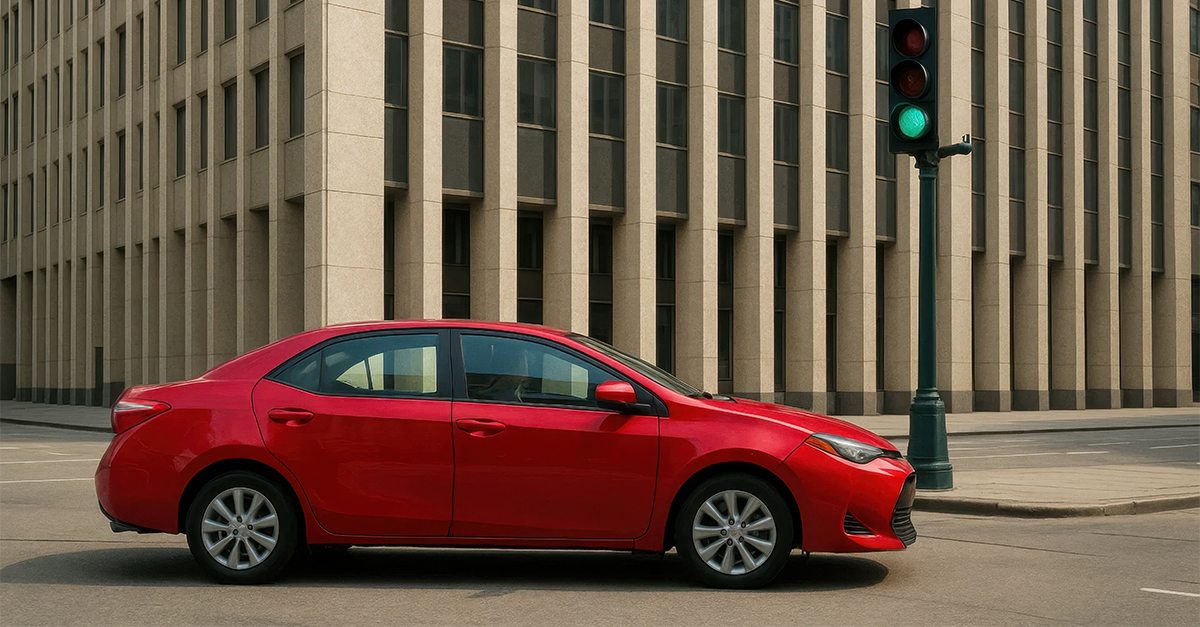
The Shocking Sight
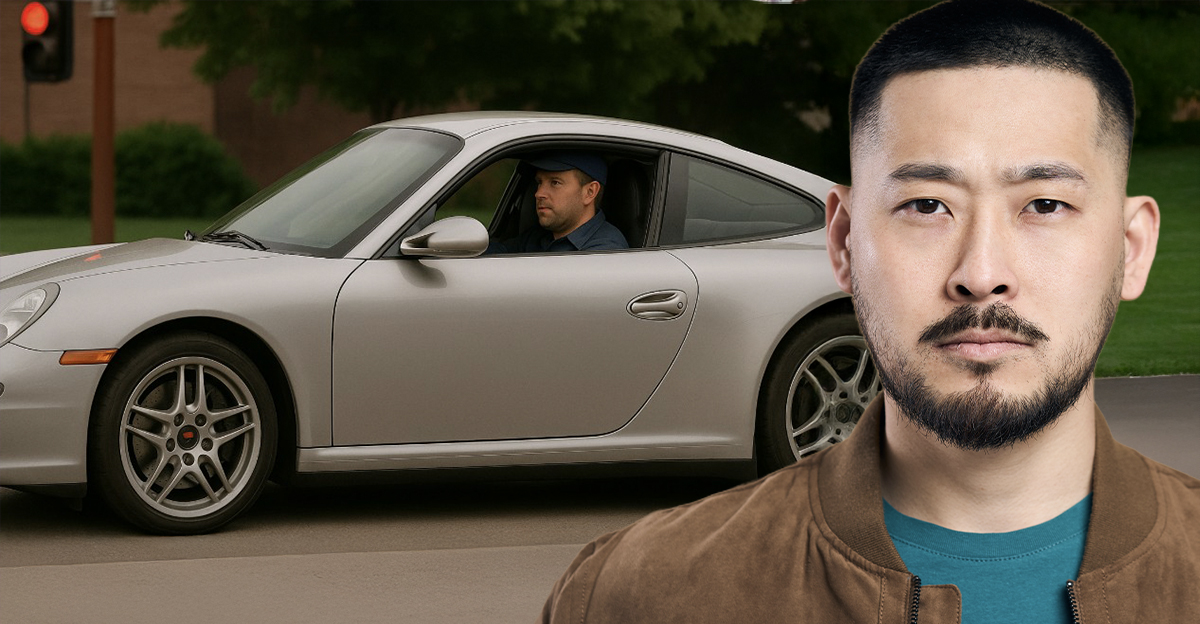
You’re driving home from work when you see a familiar car at a stoplight; and it’s familiar for a good reason: it’s your car. The mechanic who was supposed to be fixing your brakes is now behind the wheel, windows down, music up, miles away from the shop. Your stomach drops. Is he allowed to do that, or has he crossed the line?
When A Test Drive Is Normal
Mechanics often test-drive cars after they’ve done repairs. It’s the best way to make sure that issues like brake noises, vibrations, or transmission shifts have been properly fixed. Most legitimate shops include “test-driving” as part of the process, although this step should be short, necessary, and professional.

How Far Is Too Far?
A test drive for diagnostic purposes usually should last only a few minutes; it shouldn’t require a cross-town commute. Your mechanic driving your car to run errands, pick up lunch, or even head home for the night is absolutely unacceptable. Once your car is off shop property for any reason other than testing, it veers into misuse, or worse, potential theft.
The Importance Of Written Consent
Most repair authorizations include language around test drives, but they don’t grant unlimited freedom. If you didn’t sign off on extensive testing, your mechanic could be in breach of that agreement. Always read the fine print to see what you’ve allowed and what you haven’t.

Insurance And Liability Risks
The worst-case scenario is if your mechanic wrecks your car while “testing” it. Here, things get a bit more complicated. The shop’s garage insurance policy should cover damages, but if the drive wasn’t for legitimate purposes, coverage can be denied. This means you could end up fighting both the shop and your insurer to get compensated.
Why Some Mechanics Push The Limits
Unfortunately, not all mechanics are ethical. Some see customer cars as free transportation or a joyride opportunity, especially if it’s a rare or high-performance vehicle. Others might make the flimsy rationalization that the long drive is just a “more thorough testing.” Either way, it’s a violation of trust and maybe even the law as well.
What The Law Actually Says About It
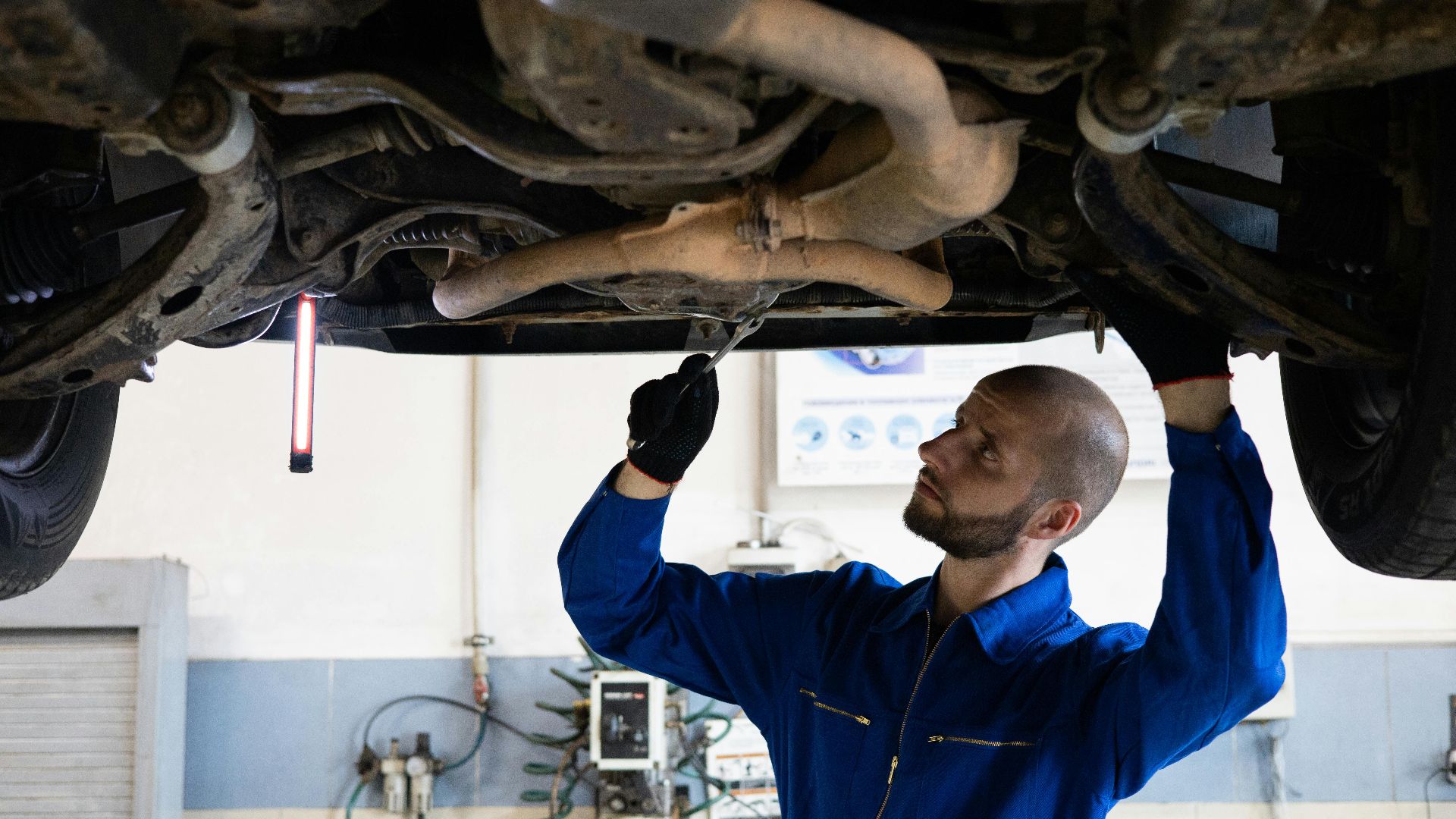
Legally, your mechanic is acting as a bailee: a person entrusted to look after someone else’s property. They can only use your car for the limited purpose you agreed to: inspection or repair. Any other use, like personal driving, for example, is unauthorized and could be considered conversion, a civil form of theft.

The Gray Zone Of Consent
If you verbally told your mechanic to “make sure it drives fine,” they could interpret that quite loosely. That’s why it matters to be specific. Saying, “Take it around the block,” is pretty clear. Saying, “Make sure it’s running right,” gives them a lot of extra room to stretch the definition of “test drive” far beyond what you envisioned.

The Trust Factor In Auto Repair
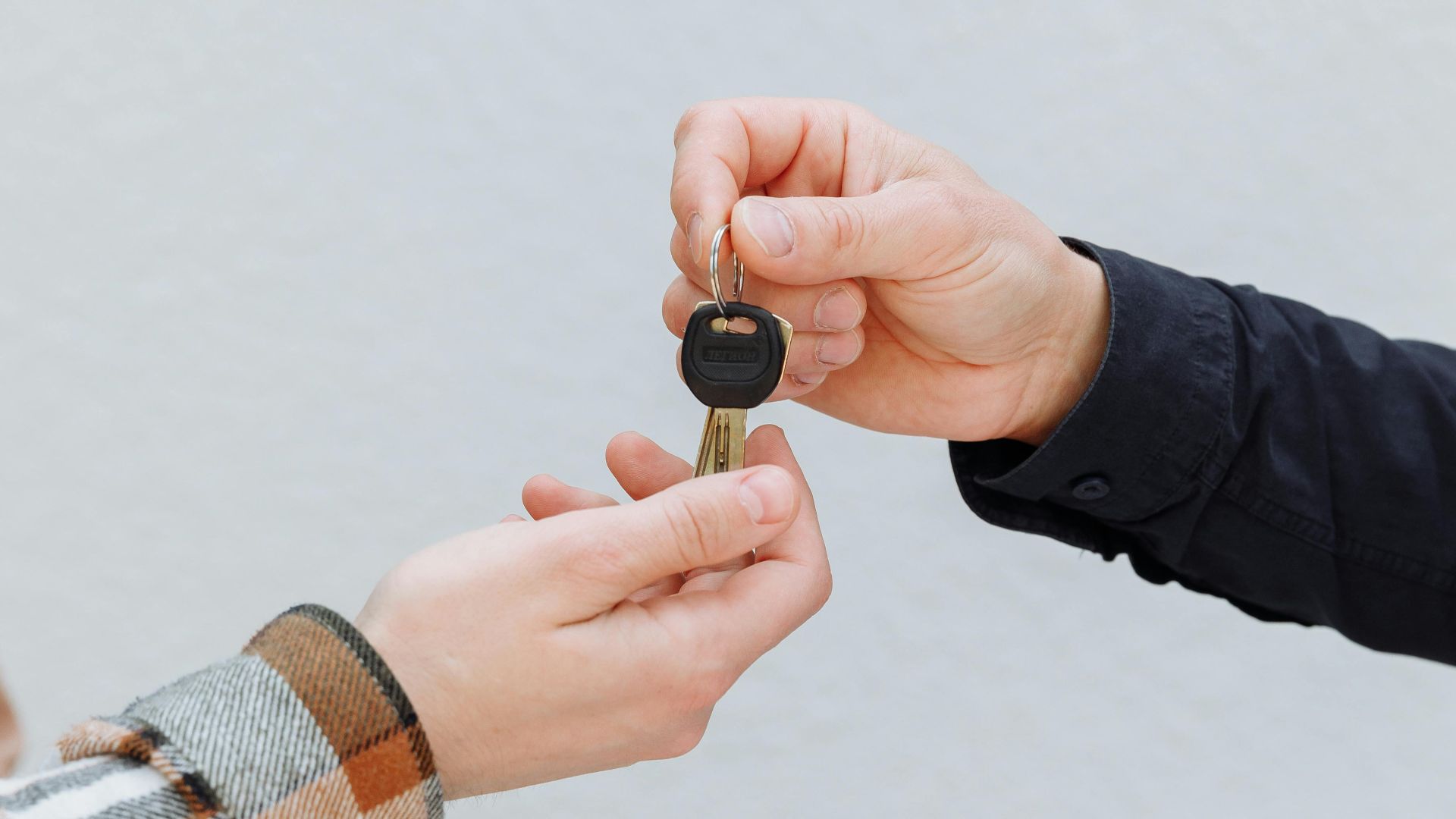
When you hand over your keys, you’re not just giving someone access to your car; you’re also trusting them with thousands of dollars of property and your safety. A mechanic who abuses that trust does damage to the entire industry’s reputation. Good shops tend to take that responsibility seriously.
How To Verify What Happened
If you suspect your car’s been taken for a joyride, check the odometer and any GPS data (a lot of vehicles record routes or driving history). Ask your shop for an explanation. If their story doesn’t line up with the data, you have evidence right there of unauthorized use.

File A Complaint
Start with the shop’s manager or owner. Calmly confront them with your findings and ask for an explanation. If the response is evasive or dismissive, escalate to a formal complaint with the Better Business Bureau, state consumer protection office, or your local Department of Motor Vehicles licensing board.

Police Involvement
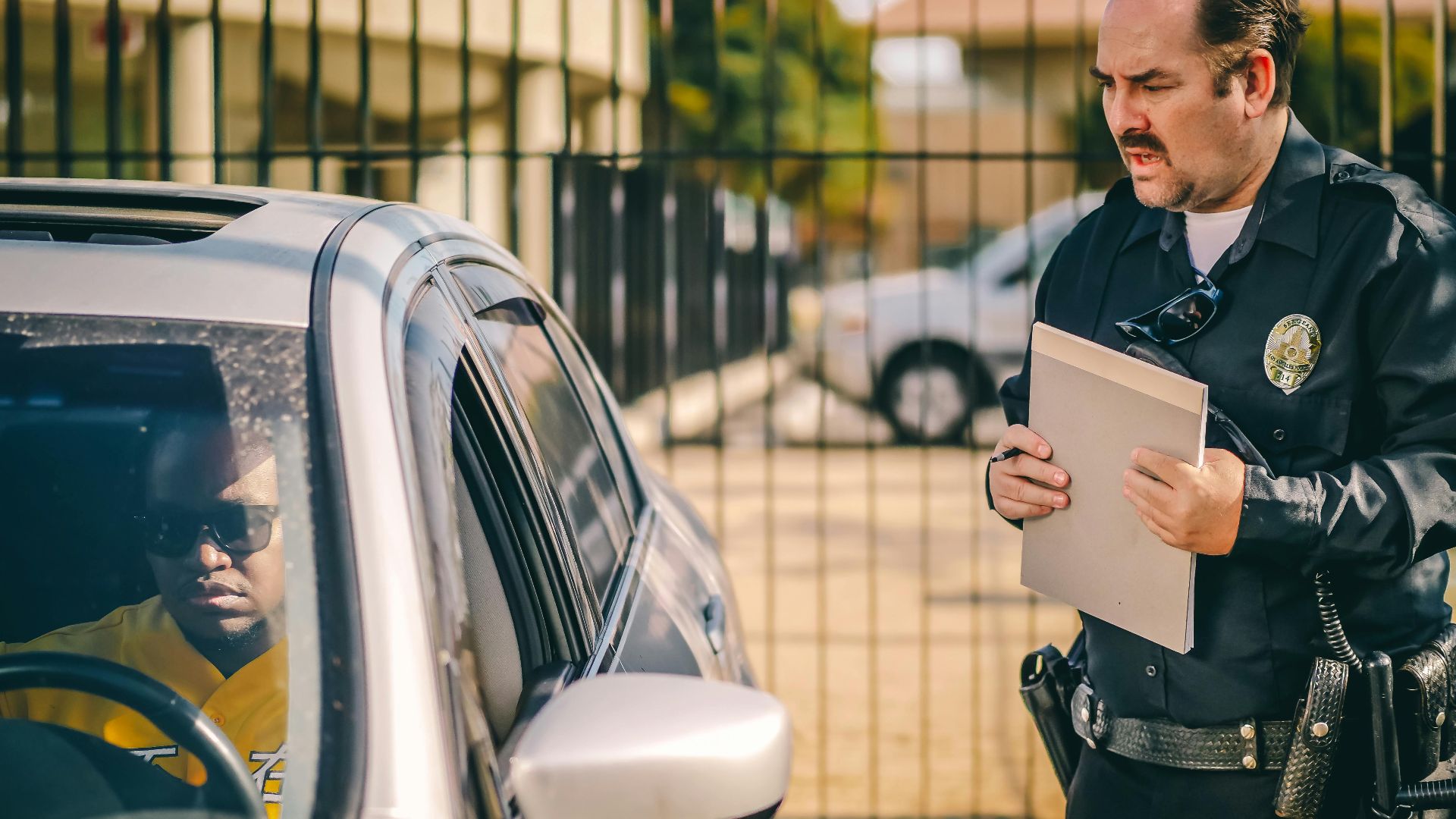
If you know your car was taken for non-repair purposes, report it to the police as unauthorized use of a motor vehicle. While such cases are rare, some customers have pursued successful criminal complaints when evidence showed mechanics used their cars for personal errands or reckless driving.
Potential Civil Action
In small claims court, you can sue for unauthorized use, depreciation, or emotional distress if you can prove the mechanic acted beyond the written consent of the repair contract. Documentation is key: mileage logs, GPS screenshots, or eyewitness statements go a long way toward demonstrating misuse.

Protect Yourself In The Future
Before you leave your car at a new shop, document everything: mileage, fuel level, and the condition of the car. A quick phone photo of the dashboard, instrument panel, and odometer creates a timestamped record. It’s simple insurance against disputes or confusion later.

Ask About Test Drive Policies
Reputable shops are transparent. You can, and should, ask how they handle test drives, where they take the vehicles, and whether the mechanic or service manager does the driving. If the answer feels evasive or vague, look for a shop that respects your boundaries.

Choose Trustworthy Mechanics
Look for ASE-certified mechanics, strong Google reviews, and shops affiliated with national repair networks. Professionals don’t put their business reputation on the line over a five-minute thrill ride. The best defense against abuse of this privilege is to choose a trustworthy repair shop in the first place.
When Test Drives Are Essential
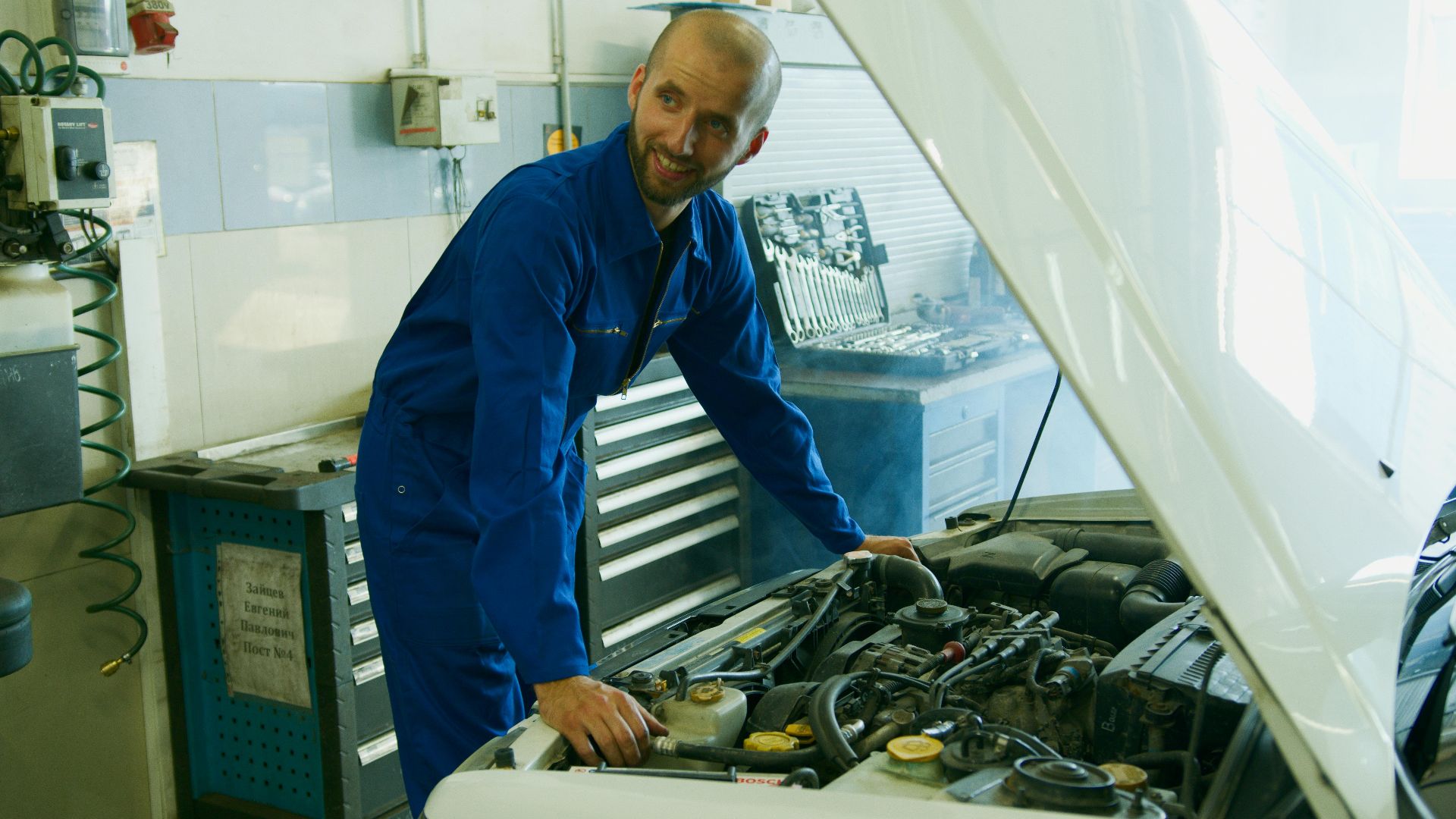
There are cases where a mechanic legitimately needs to take your car for a longer test-drive. This could be for diagnosing intermittent transmission issues or checking highway vibration. But they should explain this clearly upfront and ideally have you sign off on it before they leave the lot and go charging off into the sunset.

Respect And Communication
Misunderstandings often happen from poor communication. The best mechanic-customer relationships are built on clarity. When both sides know what to expect, like for example, how long repairs will take, who drives the car, and why, there’s no room for unpleasant surprises or mistrust.

Turn A Bad Experience Into A Lesson
Catching your mechanic red-handed while out on the road feels like a violation, but it can also be a wake-up call. Now you’ve learned how to protect yourself, how to vet a shop, and how to assert your rights. This is an experience that might save you and others from far worse consequences down the road.

Final Thoughts: Accountability Builds Trust
Mechanics are deserving of trust, but trust also must be earned and upheld. A legitimate test drive should always have a clear purpose, defined limits, and your informed consent. If that trust is broken, don’t keep quiet about it. Always hold repair shops accountable; this helps keep the industry more honest for everyone.

You May Also Like:
Skip The Mechanic: Surprisingly Easy Car Repairs You Can Do At Home
Car Repairs You're Putting Off That Could Cost You Thousands