Your Car Has A Reputation
You bought a perfectly ordinary car, but your renewal arrives with a nasty surprise: your insurer says the model has become a favorite among thieves. Can a vehicle's theft history really affect what you pay? Absolutely—and checking theft data before buying may now be almost as sensible as checking reliability.
Insurers Price The Risk
Insurance companies aren't simply judging your driving. They estimate how likely your policy is to produce a claim and how expensive that claim could be. The National Association of Insurance Commissioners (NAIC) lists vehicle type and location among the factors insurers may use when setting premiums.

Comprehensive Coverage Matters
Vehicle theft generally falls under comprehensive coverage rather than collision or liability insurance. If thieves steal your entire car—or break windows and damage the ignition during an unsuccessful attempt—your insurer can face a substantial claim. Models generating unusually frequent theft claims therefore get insurers' attention quickly.

Theft Became A Huge Problem
The recent numbers explain insurers' concern. U.S. vehicle thefts climbed to 1,020,729 in 2023 before falling to 850,708 in 2024. They fell another 23% in 2025 to 659,880, according to the National Insurance Crime Bureau (NICB), the lowest level in several decades.

Some Cars Are Riskier
Raw theft totals don't tell you everything because popular vehicles naturally have more opportunities to be stolen. Insurance researchers therefore also examine theft claim frequency and losses relative to the number of insured vehicles. That's where some models can look dramatically worse than the average car.

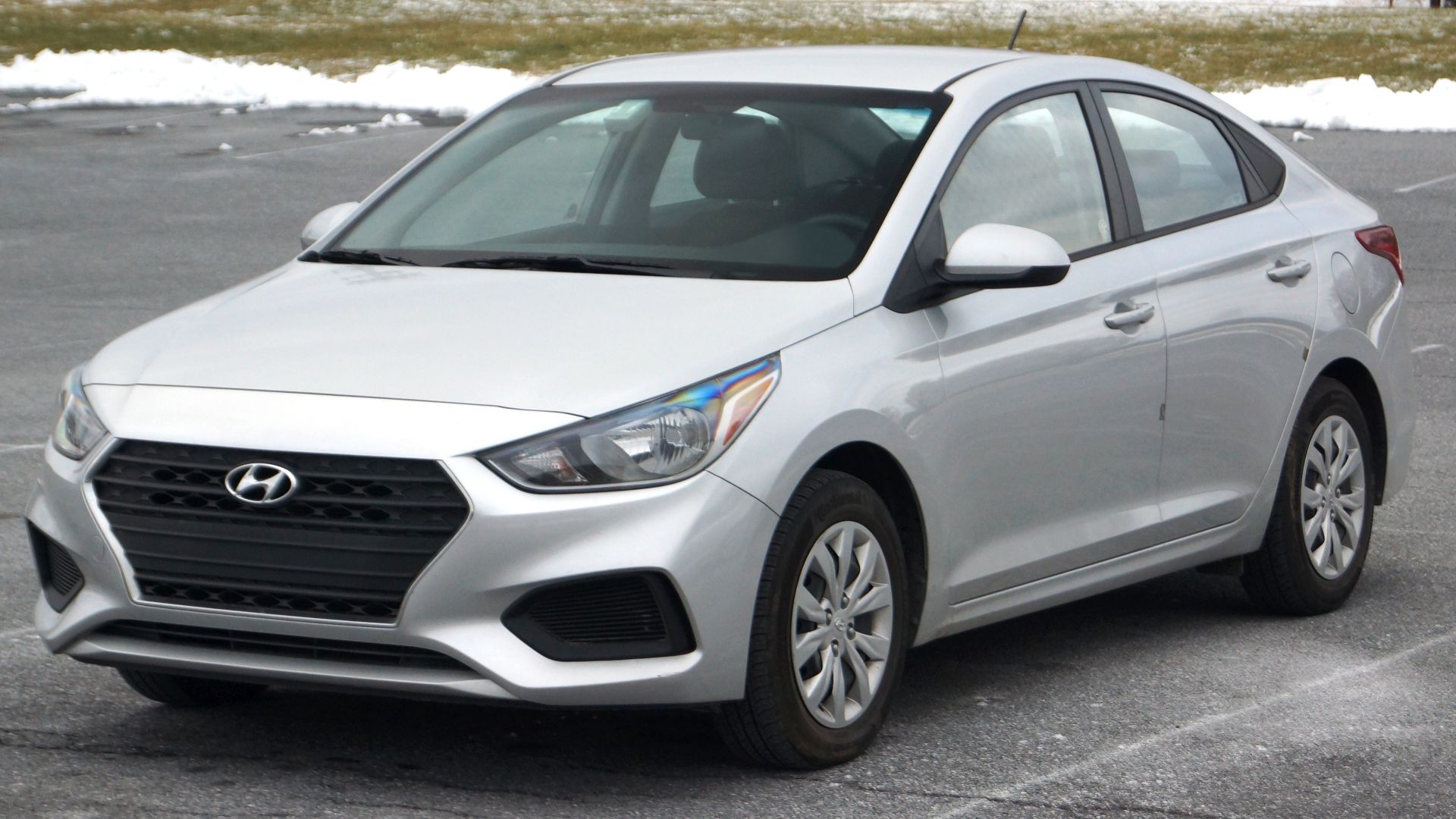
Hyundai Elantra
No model illustrates the issue better than the Hyundai Elantra. NICB recorded 48,445 Elantra thefts in 2023, making it America's most frequently stolen vehicle that year. Even after thefts declined nationally, the Elantra remained number one in 2025 with 21,732 reported thefts.
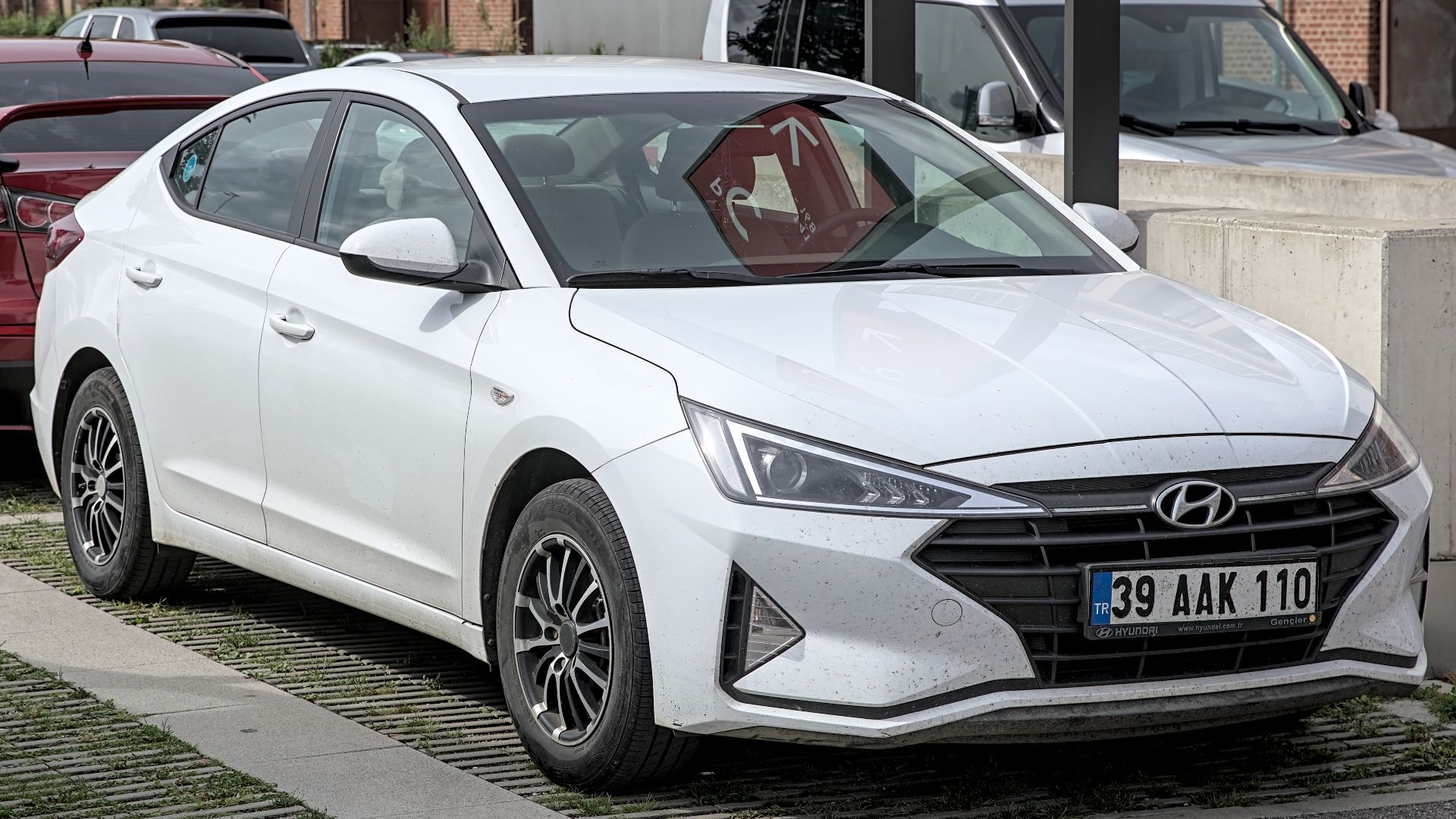 Alexander-93, Wikimedia Commons
Hyundai Sonata
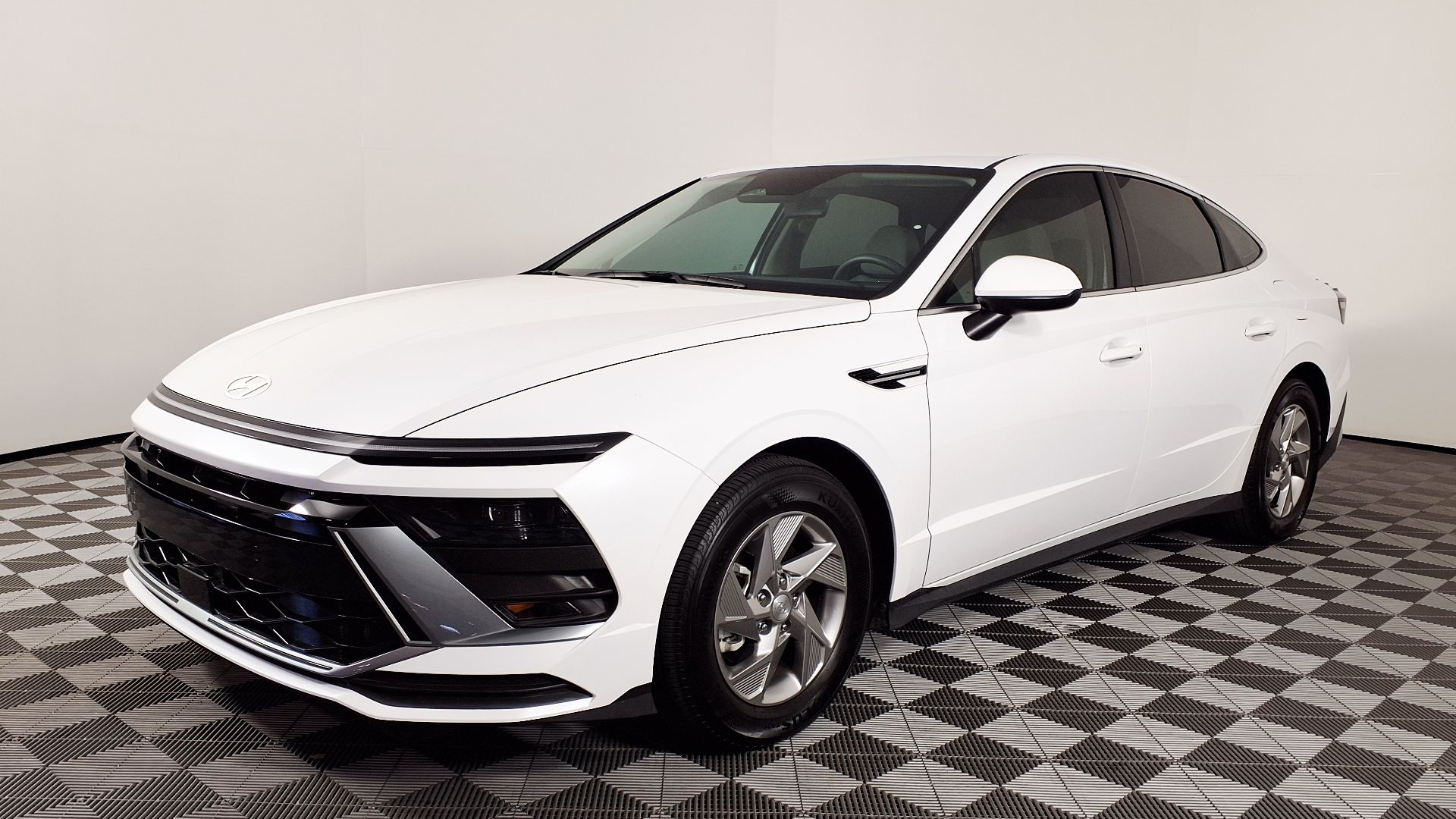
The Hyundai Sonata followed a remarkably similar pattern. NICB counted 42,813 stolen Sonatas in 2023, second only to the Elantra. It remained third nationally in 2025 with 17,687 thefts. For owners, an inexpensive mainstream sedan had unexpectedly acquired a potentially expensive insurance problem.
Kia Optima
The Kia Optima was America's third-most frequently stolen model in 2023, with 30,204 thefts. Two years later it was still sixth, despite the dramatic nationwide decline in auto theft. The explanation involves an unusual security weakness shared by numerous older Hyundai and Kia vehicles.
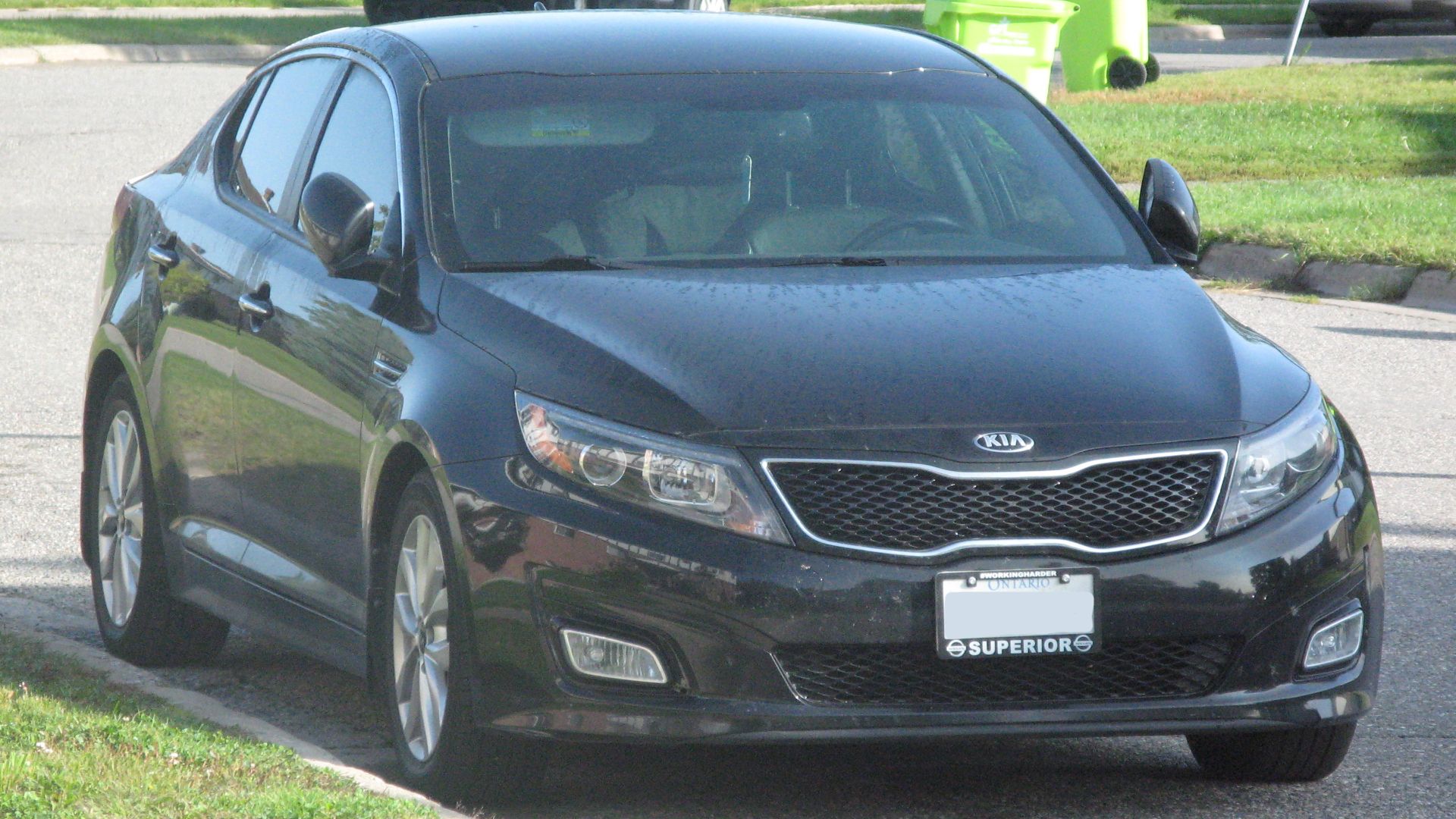 SsmIntrigue, Wikimedia Commons
The Immobilizer Problem
Many 2015–2019 Hyundai and Kia vehicles lacked electronic immobilizers, which prevent an engine from starting without the proper key. The Highway Loss Data Institute (HLDI) found immobilizers standard on only 26% of Hyundai-Kia vehicle series in 2015, compared with 96% among other manufacturers. That difference eventually became enormously consequential.
 The original uploader was Montauk at German Wikipedia., Wikimedia Commons
Social Media Made It Worse
Videos demonstrating how certain Hyundai and Kia vehicles could be stolen spread widely online, helping create an extraordinary theft wave. In 2023, Hyundai and Kia occupied six positions on NICB's national top-ten list, including the first three spots. Ease of theft had become part of a vehicle's risk profile.

Insurance Claims Exploded
HLDI's insurance data shows just how severe the problem became. By the second half of 2023, theft claim frequency for 2003–2023 Hyundai and Kia models was more than eight times the frequency for other brands. Insurers weren't reacting merely to frightening headlines—they were paying the resulting claims.

The Fix Helped
Hyundai and Kia introduced anti-theft software for many affected vehicles beginning in 2023. HLDI subsequently found that eligible vehicles receiving the upgrade had theft claim frequencies 53% lower than vehicles without it. That's strong evidence that improving a vehicle's security can materially change its insurance loss experience.
 Greg Gjerdingen, Wikimedia Commons
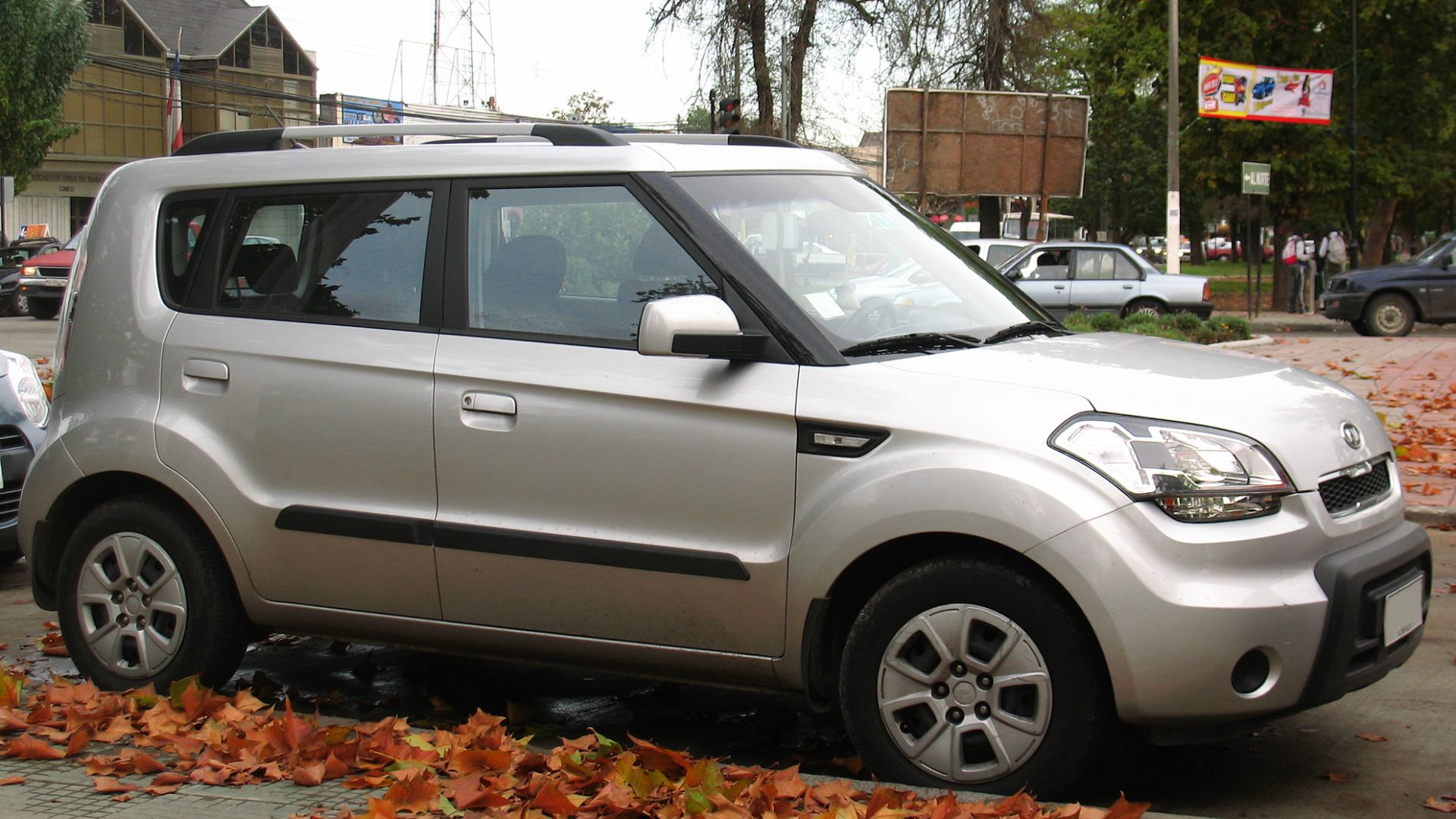
Kia Soul And Forte
The problem wasn't limited to the Optima. In NICB's 2023 rankings, thieves stole 21,001 Kia Souls and 16,209 Kia Fortes, placing them fifth and eighth nationally. The Kia Sportage also made the top ten with 15,749 thefts. Buyers should therefore research specific model years, not merely brands.
 order_242 from Chile, Wikimedia Commons
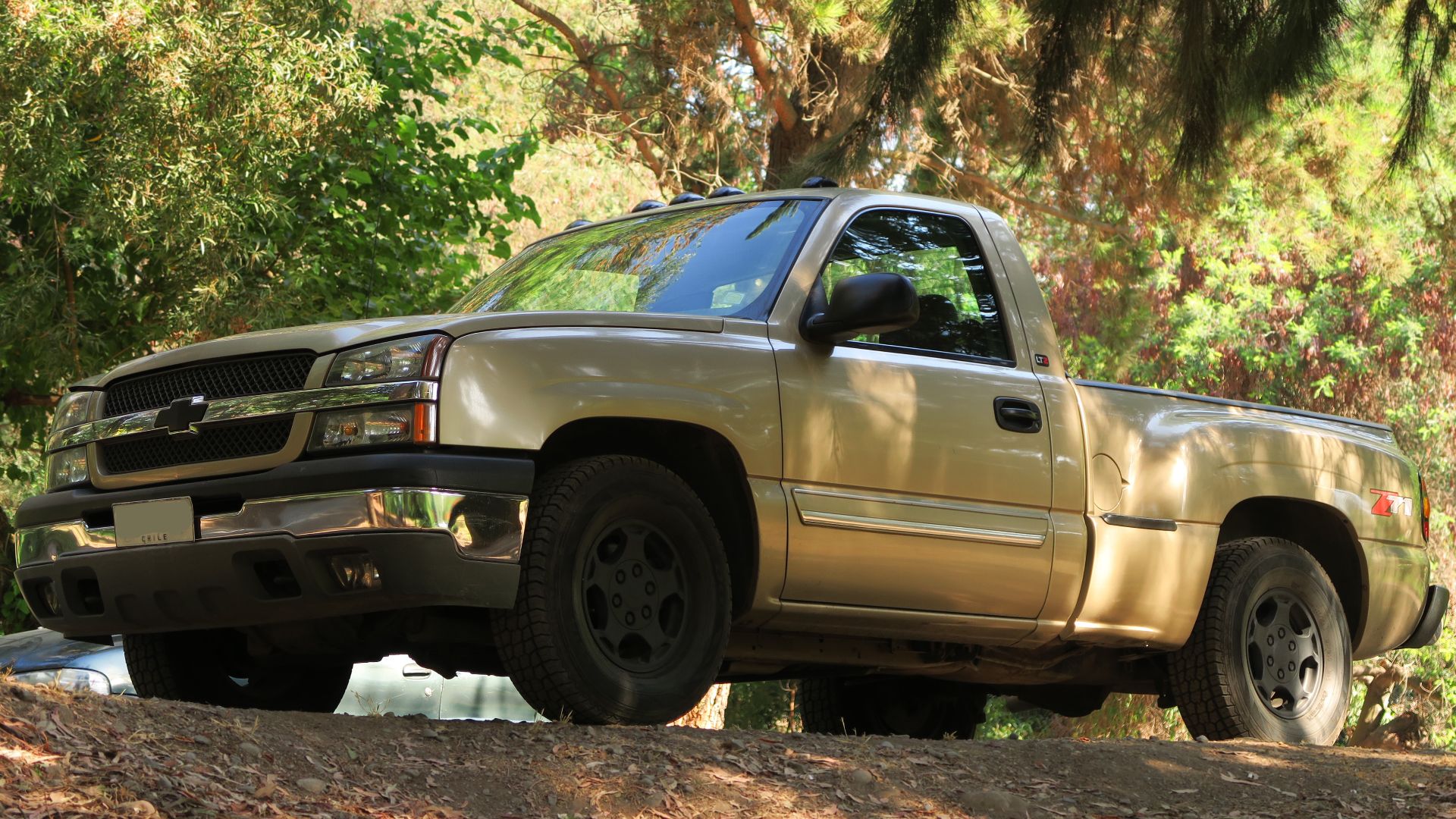
Chevrolet Silverado 1500
Hyundai and Kia aren't alone. The Chevrolet Silverado 1500 has repeatedly appeared near the top of national theft rankings. NICB recorded 23,721 thefts in 2023, 21,666 in 2024, and 16,764 in 2025. Popular pickups can be extremely attractive targets even without an infamous ignition vulnerability.
 RL GNZLZ from Chile, Wikimedia Commons
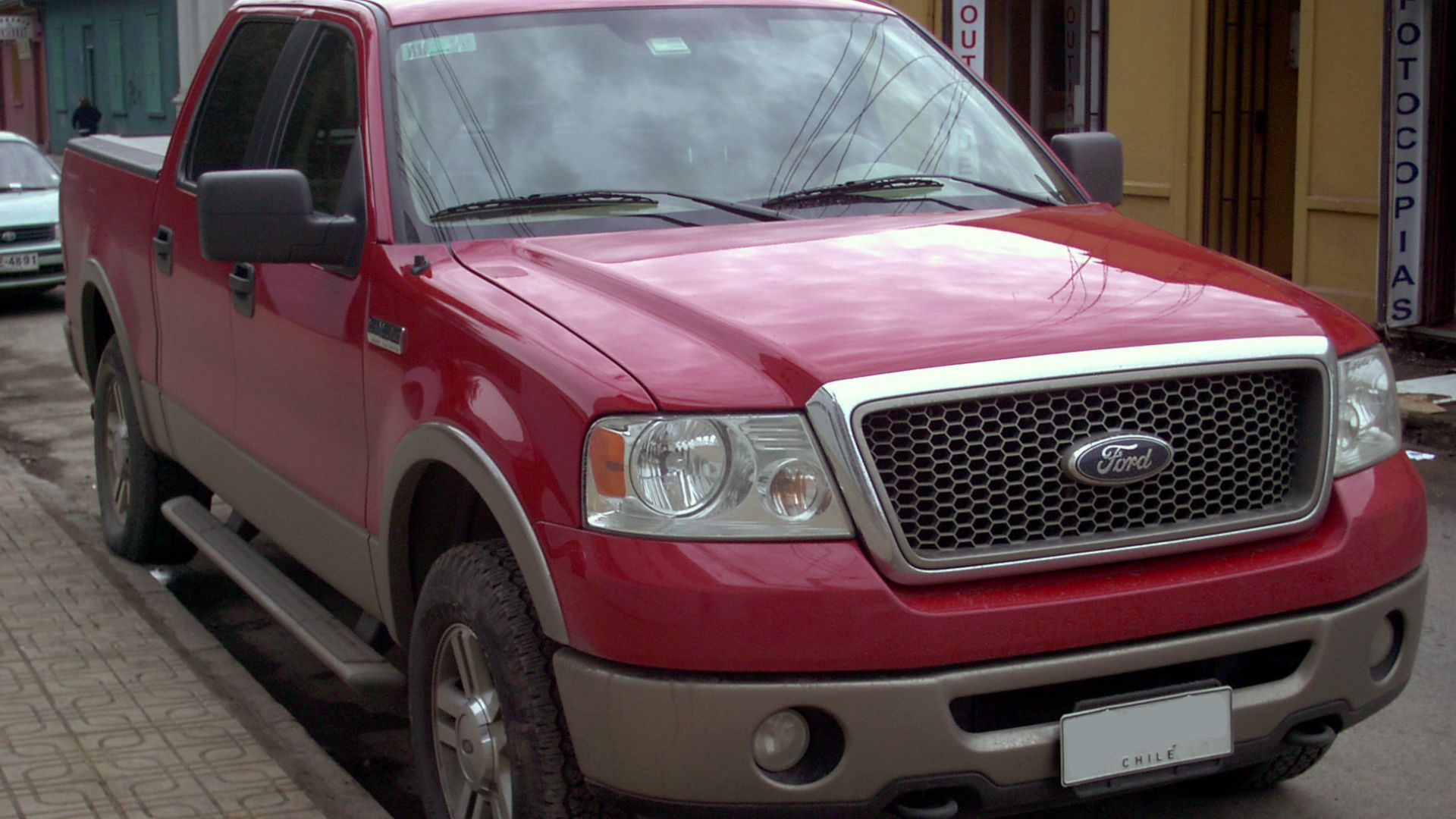
Ford F-150
America's perennial pickup favorite attracts thieves too. The Ford F-150 series recorded 15,852 thefts in 2023 and 10,102 in 2025, according to NICB. High sales volume helps explain large raw totals, which is another reason buyers should distinguish between “most stolen” counts and theft rates.
 RL GNZLZ from Chile, Wikimedia Commons
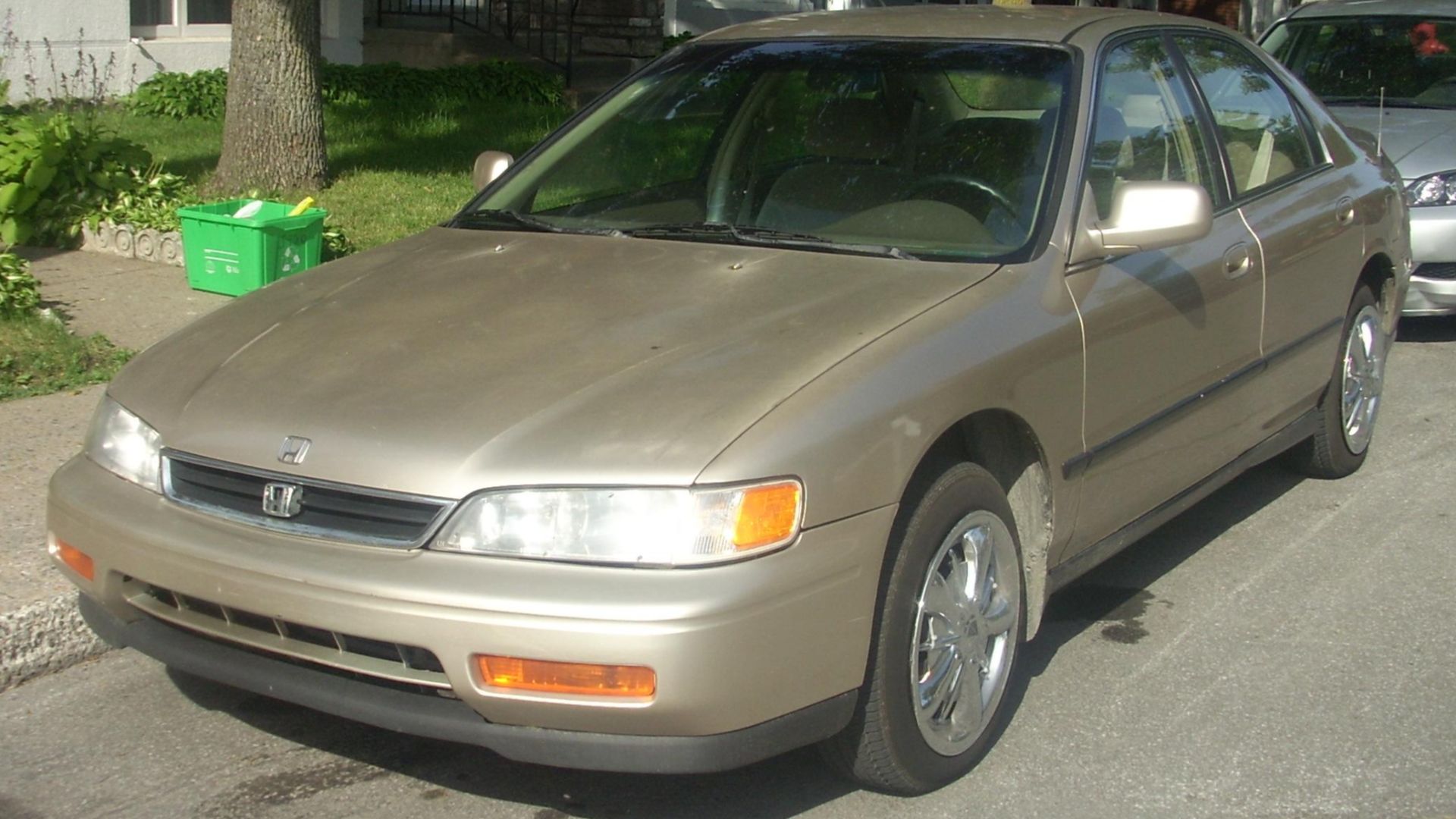
Honda Accord And Civic
Older Hondas have long been familiar names on stolen-vehicle lists. The Accord recorded 20,895 thefts and the Civic 19,858 in 2023. In 2025, the Accord actually ranked second nationally with 17,797 thefts, while the Civic remained fifth with 12,725.
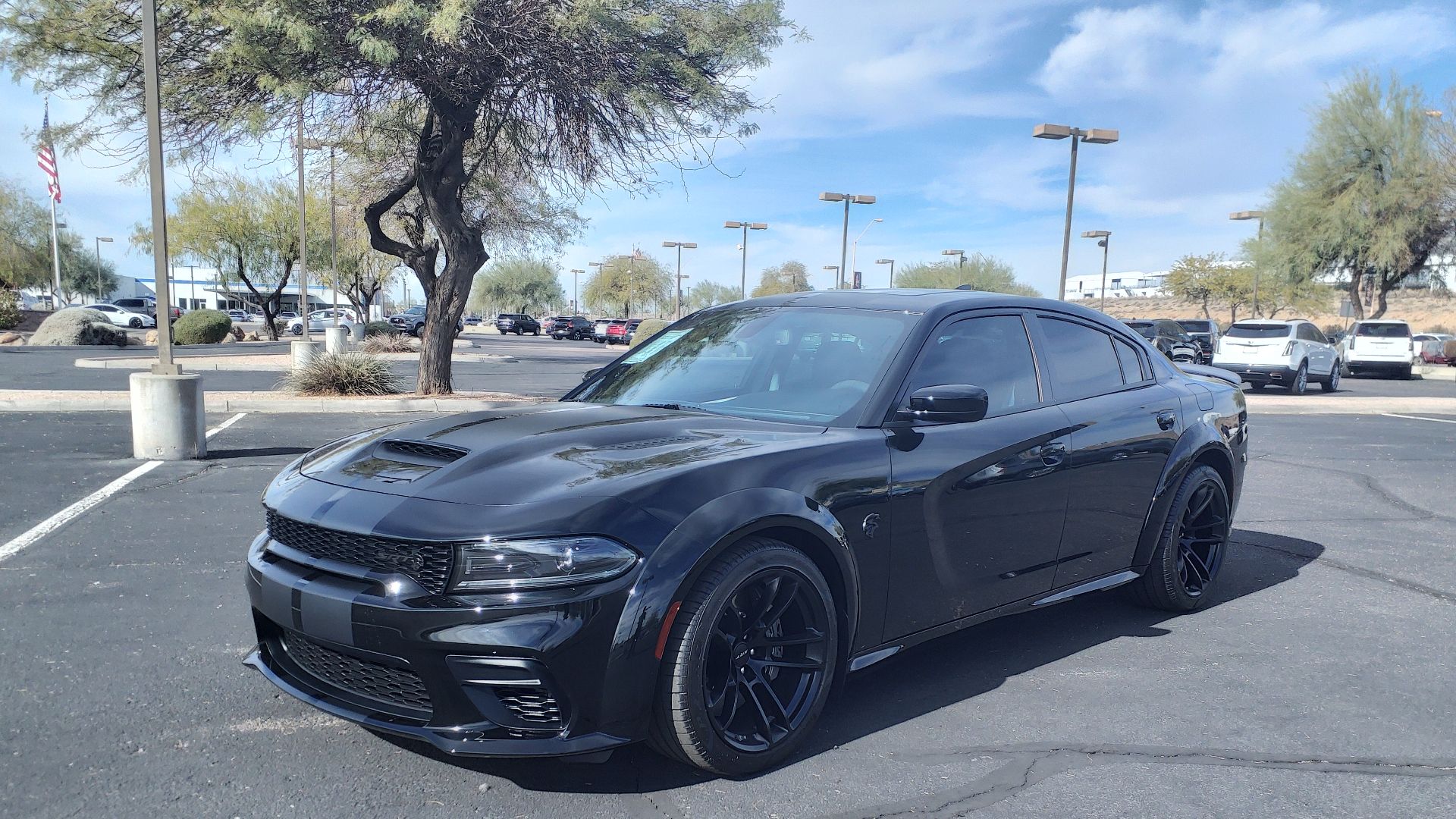
Dodge Charger And Challenger
Sometimes desirability rather than simplicity attracts thieves. HLDI has found very high whole-vehicle theft claim frequencies among variants of the Dodge Charger and Challenger. Large two-door and four-door cars had theft overall losses exceeding five times the all-passenger-vehicle average in its 2022–2024 model-year data.
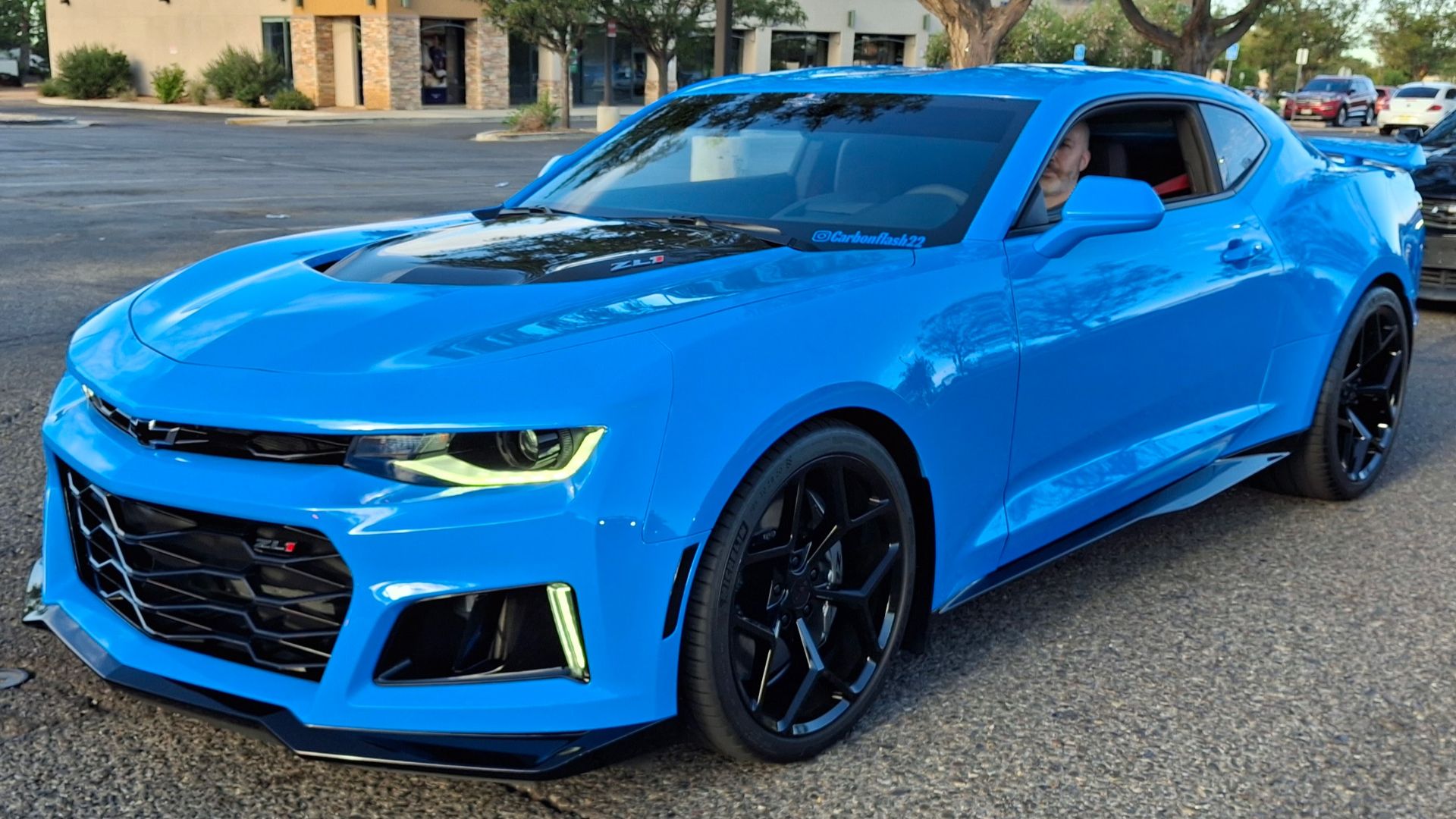
Chevrolet Camaro
Performance cars bring another warning. HLDI says the Chevrolet Camaro has recently become a theft target because of vulnerabilities in its security system. Large sports cars recorded the highest relative overall theft losses among the vehicle classes in HLDI's analysis of 2022–2024 models.
Your ZIP Code Matters
Owning a frequently stolen model doesn't guarantee an enormous premium everywhere. Insurers also care where the vehicle lives. A model with substantial theft losses combined with a location experiencing heavy auto theft can represent a different risk from the identical car kept somewhere with comparatively few theft claims.

Check Insurance Before Buying
This is the simplest way to avoid the surprise: get insurance quotes before signing the purchase agreement. Give insurers the exact year, make, model, trim and preferably VIN. Two similarly priced used cars can produce surprisingly different premiums, potentially wiping out the savings you thought you found at the dealership.

Check Theft Data Too
The NICB annual rankings are a useful starting point, while the Insurance Institute for Highway Safety (IIHS) and its HLDI provide insurance-loss information that can reveal models with unusually high theft claim frequencies. Neither predicts exactly what your insurer will charge, but together they can expose a risk worth investigating before purchase.

Don't Panic Over Rankings
Seeing your prospective car on a “most stolen” list isn't automatically a reason to walk away. Popular vehicles dominate raw totals partly because millions are on the road. Look for theft rates or insurance-loss data, investigate the particular model year and security equipment, then compare actual insurance quotes.

Security Can Make A Difference
Ask whether the vehicle has an electronic immobilizer, whether applicable manufacturer security updates have been performed, and whether additional anti-theft devices could qualify for an insurance discount. NHTSA (National Highway Traffic Safety Administration) also recommends basics including locking the vehicle, taking the keys, closing windows and parking in well-lit areas.

The Trend Is Improving
There is encouraging news. After peaking above one million thefts in 2023, U.S. thefts dropped 17% in 2024 and another 23% in 2025. Hyundai and Kia thefts have also declined for three consecutive years. But 659,880 stolen vehicles in 2025 means the problem certainly hasn't disappeared.

Research Before You Buy
So yes: buyers should check theft data before shopping—but don't treat a top-ten list like an automatic blacklist. Research the exact model year, obtain real insurance quotes, check its security equipment and compare theft-loss experience. The cheapest car on the lot isn't a bargain if its reputation follows you into every insurance renewal.

You May Also Like:
The Top 10 States With The Most Car Thefts